Material possibilities
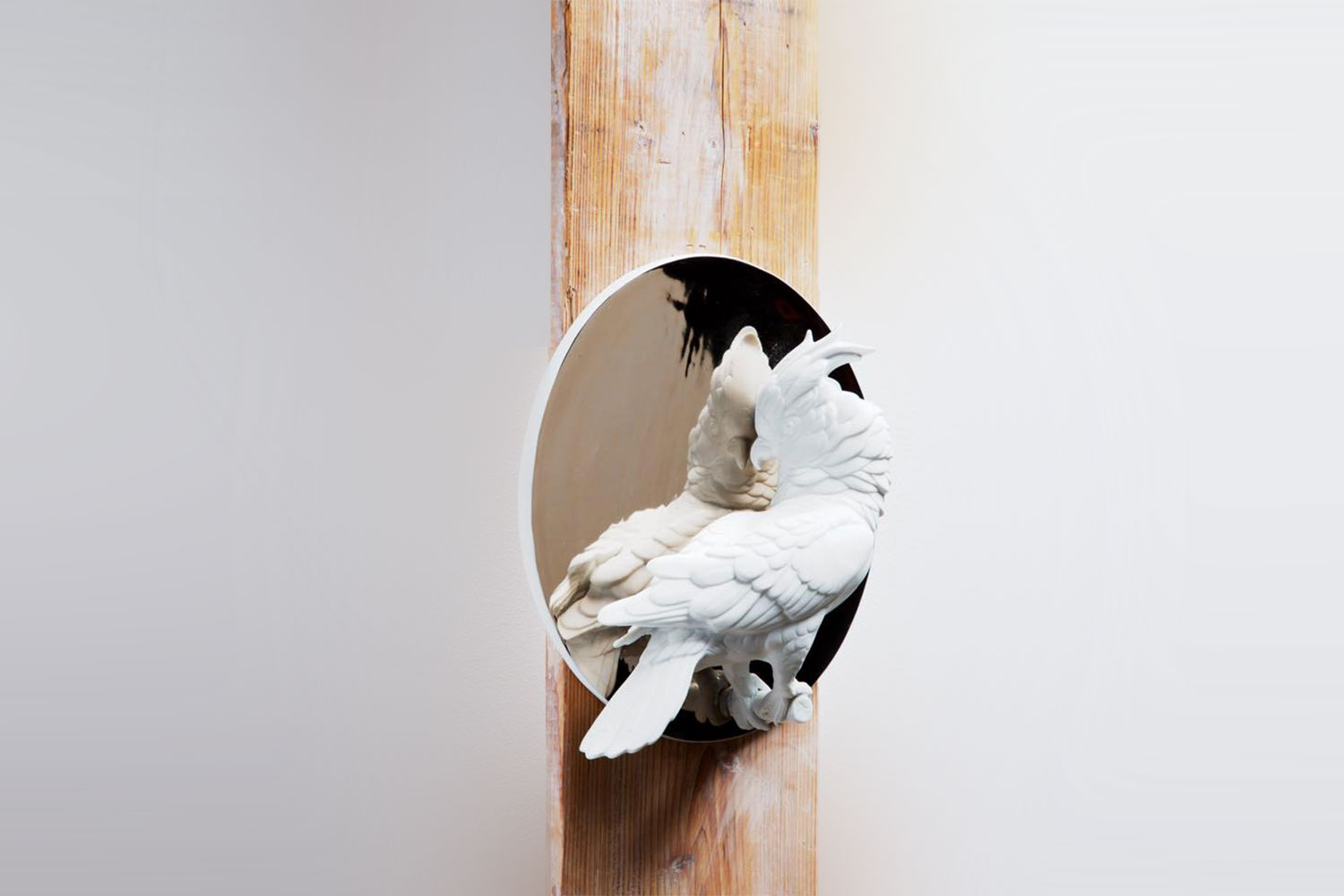
- For her, porcelain is the queen of ceramic materials
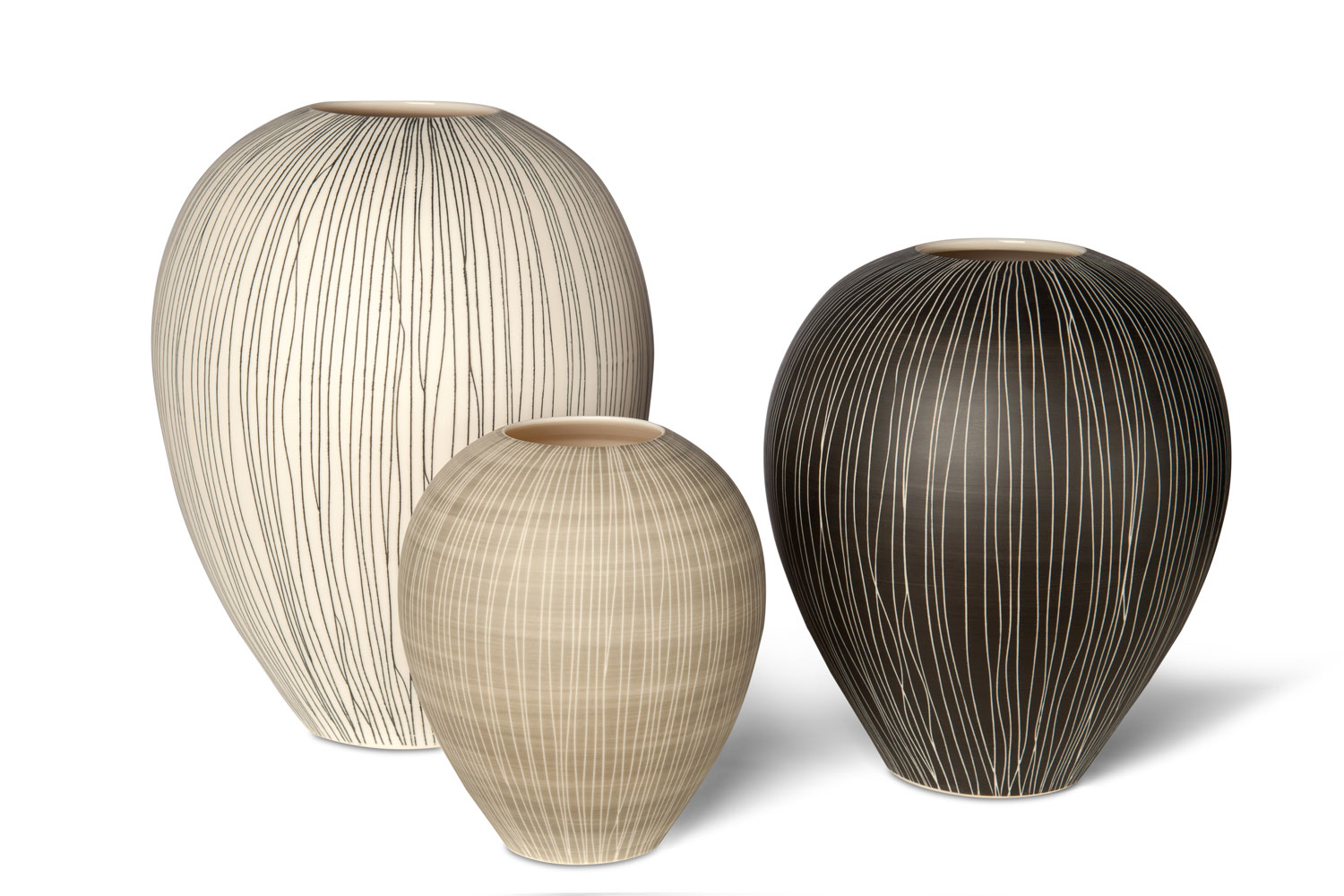
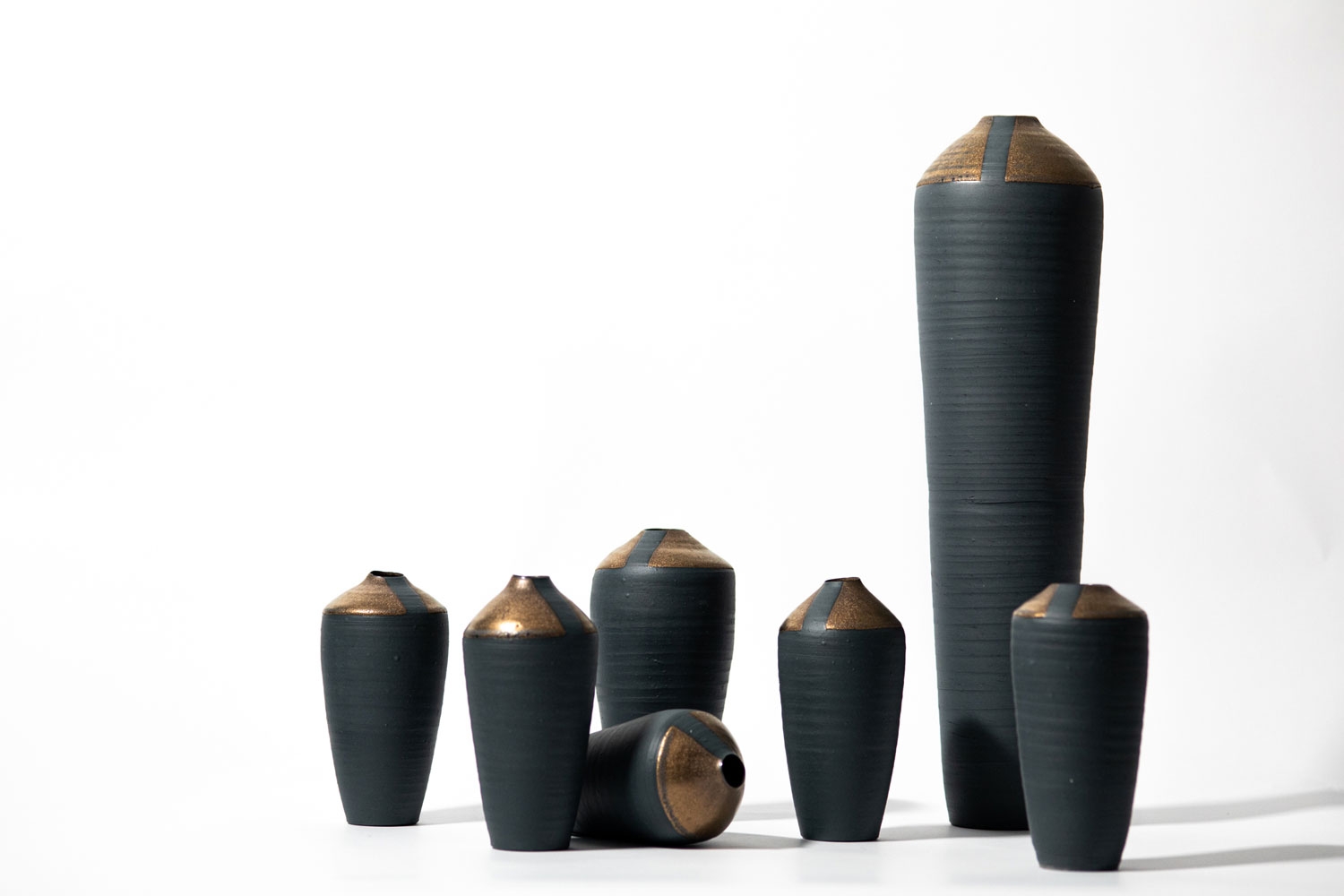
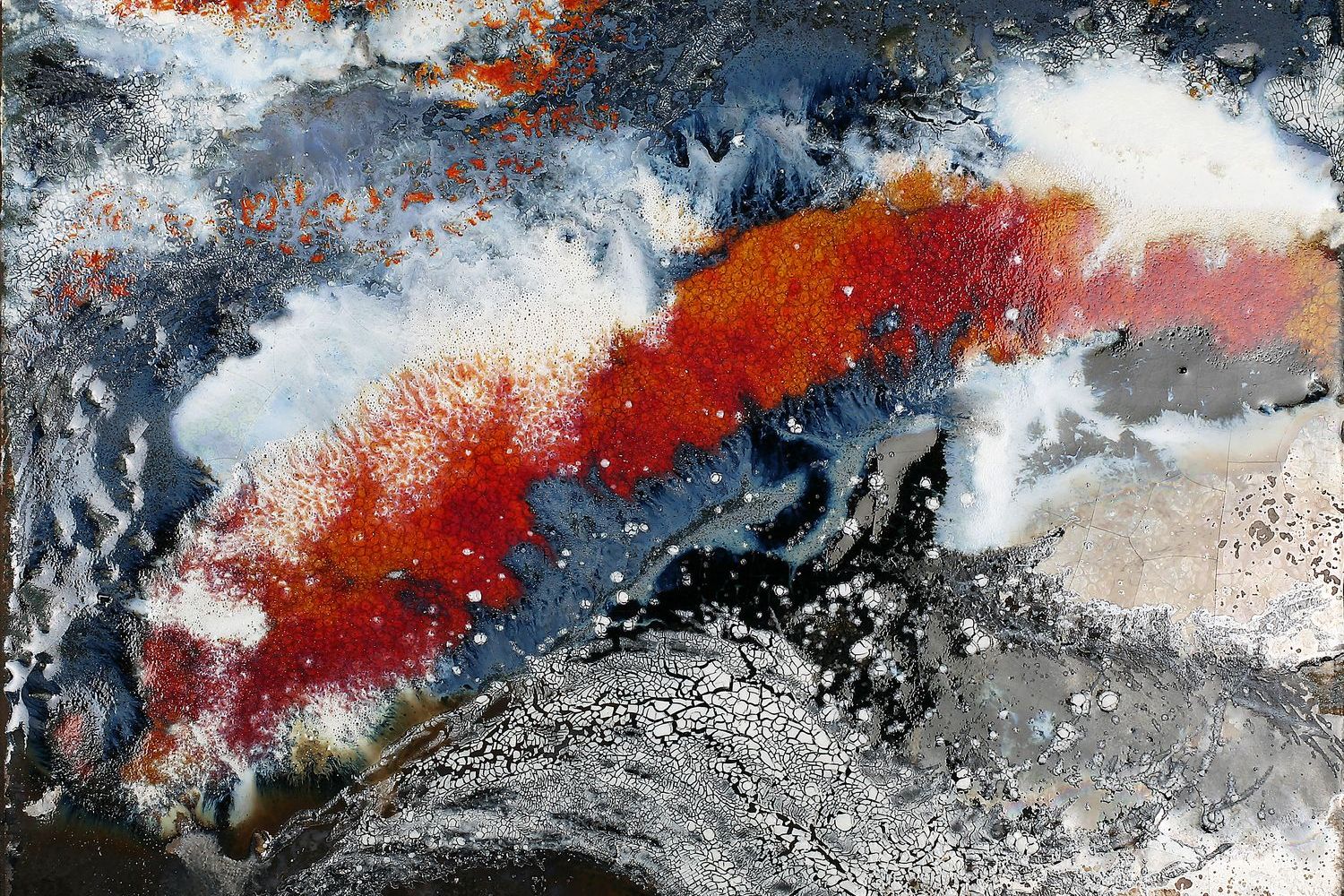
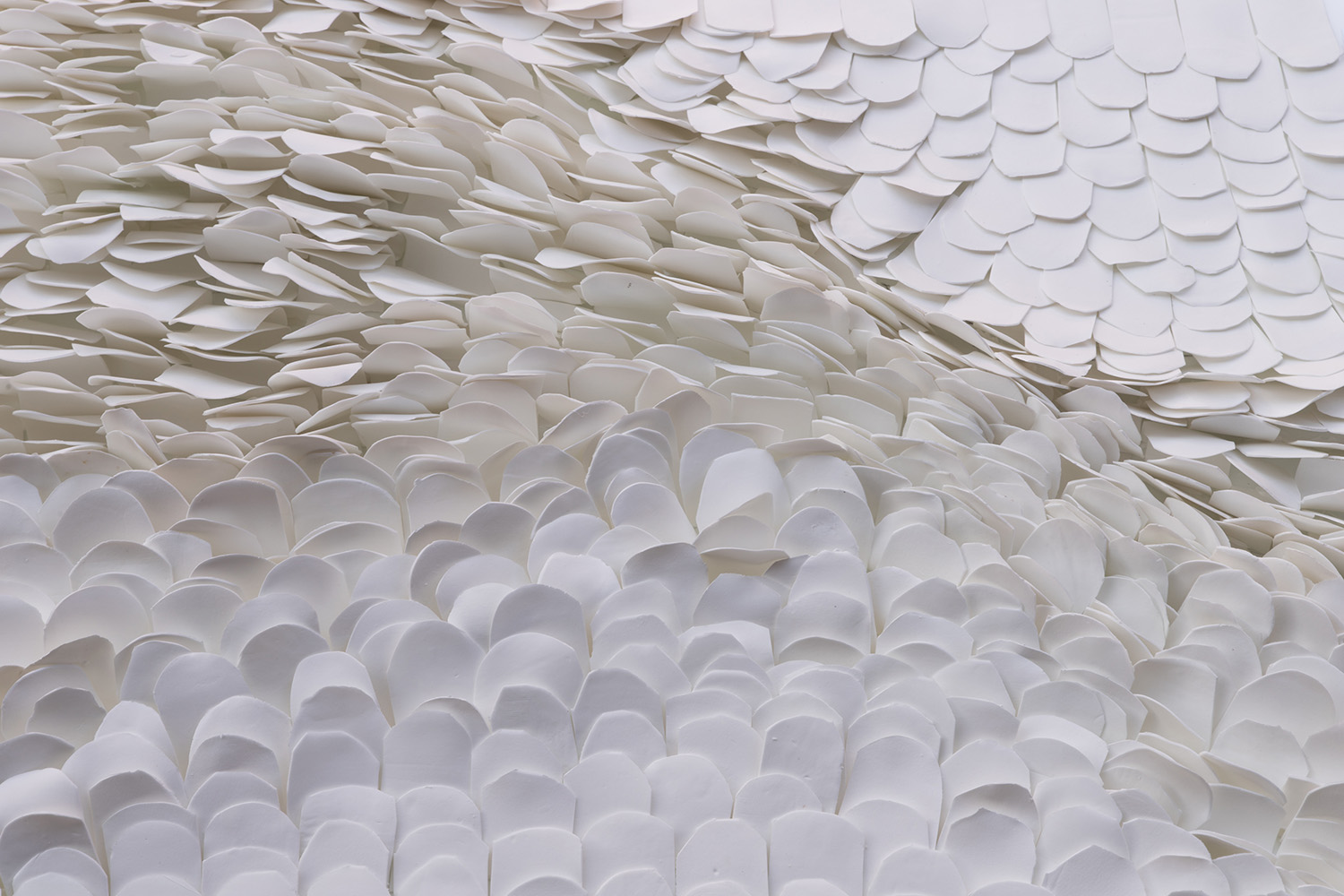
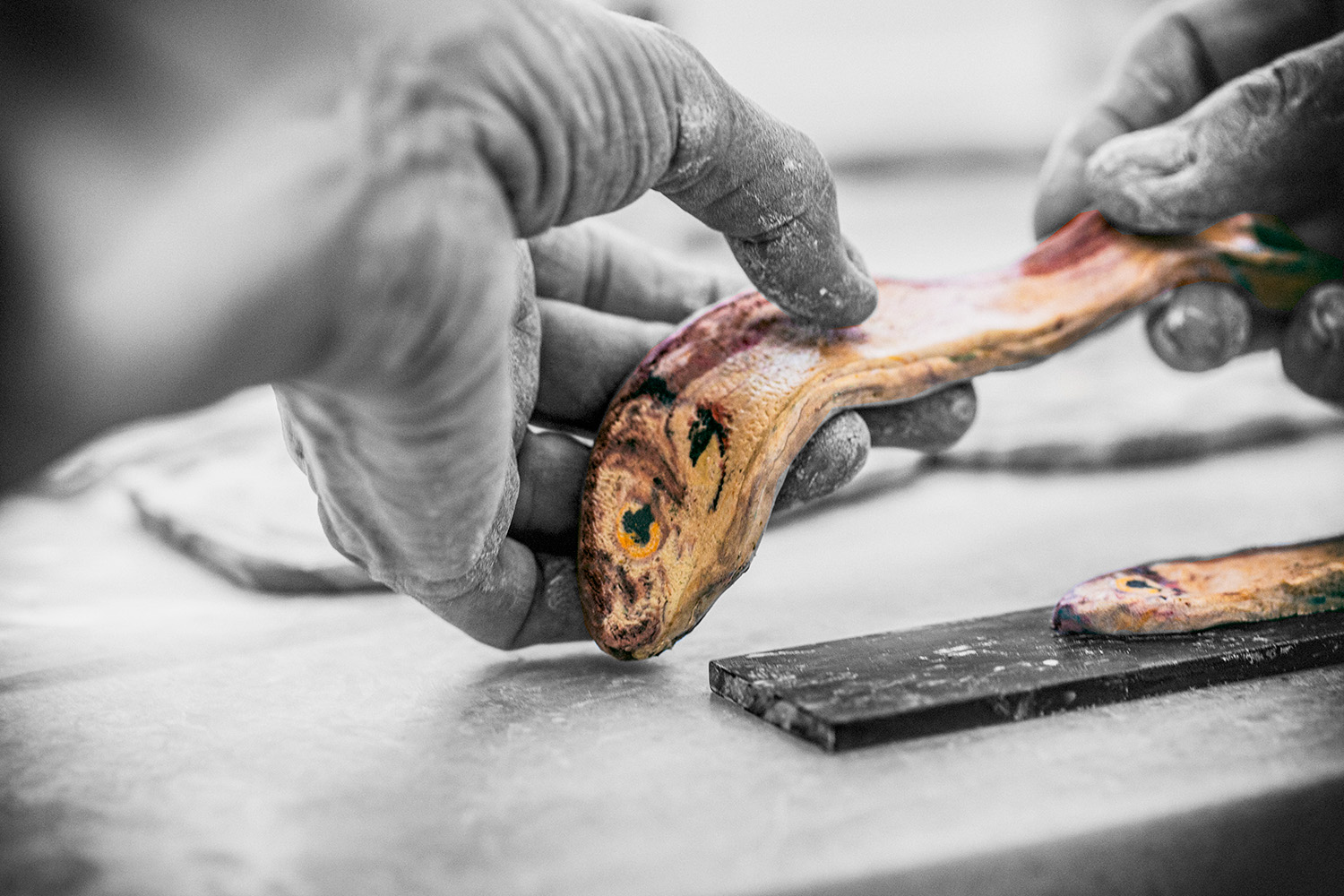
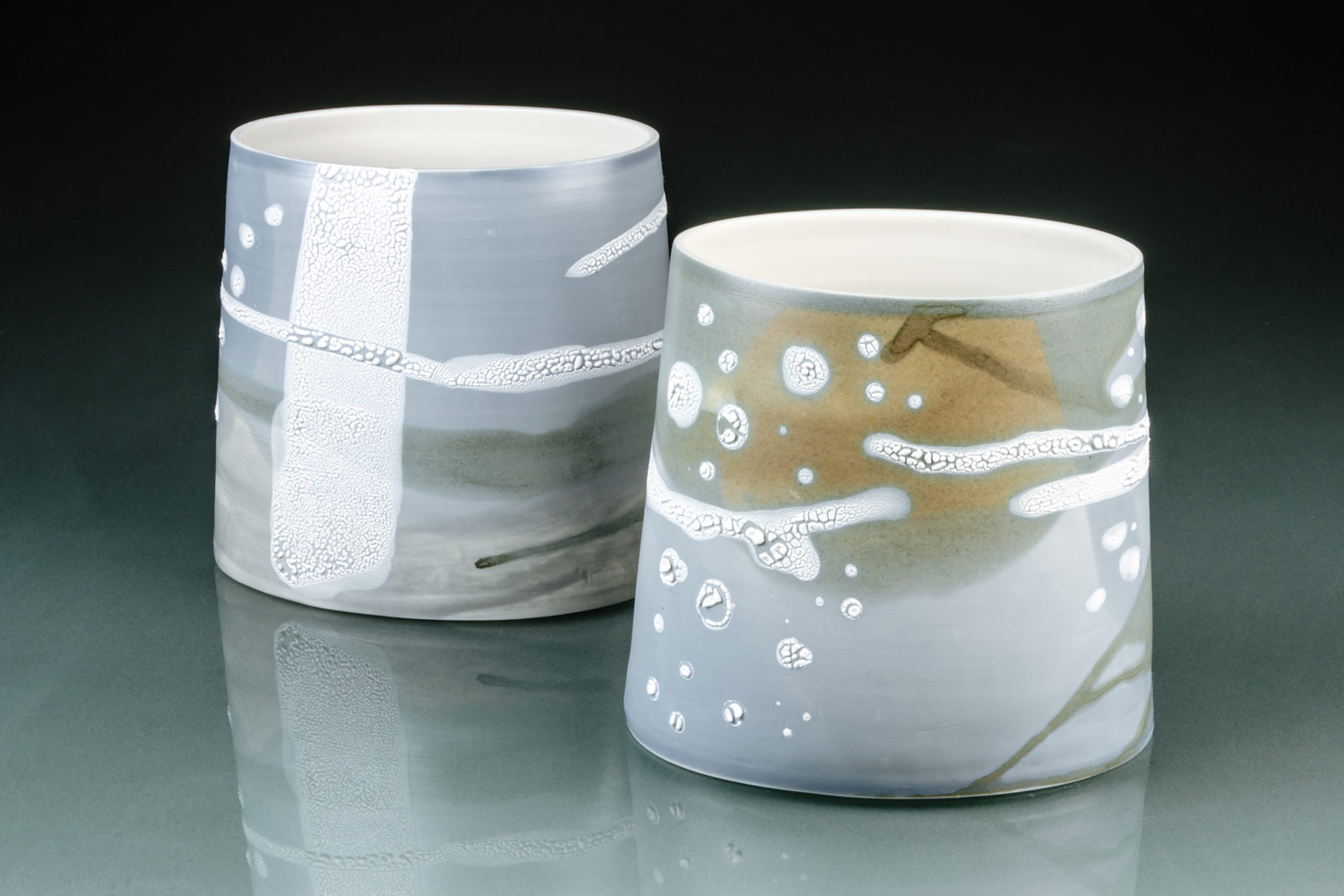
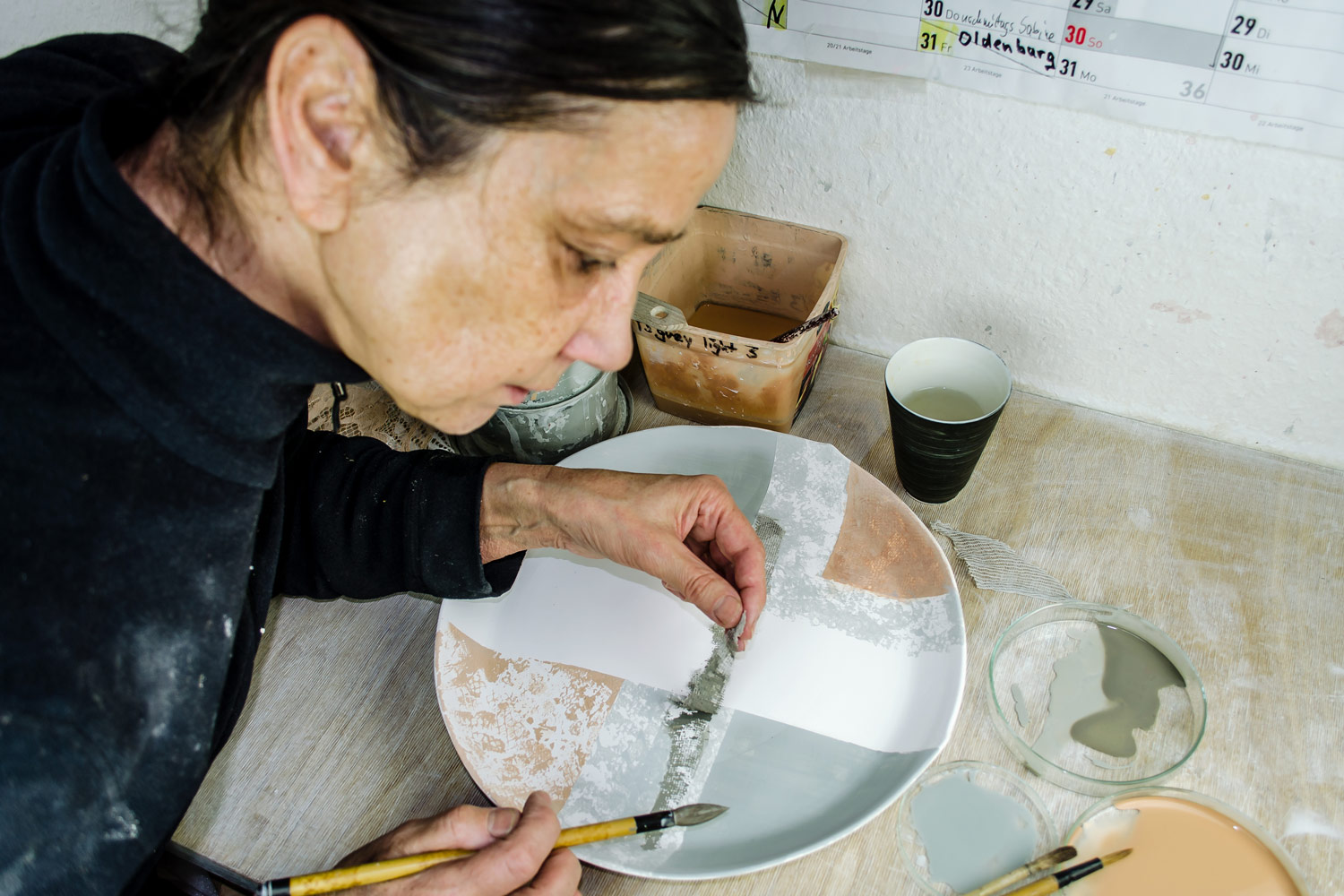
- She experiments with different surface treatments
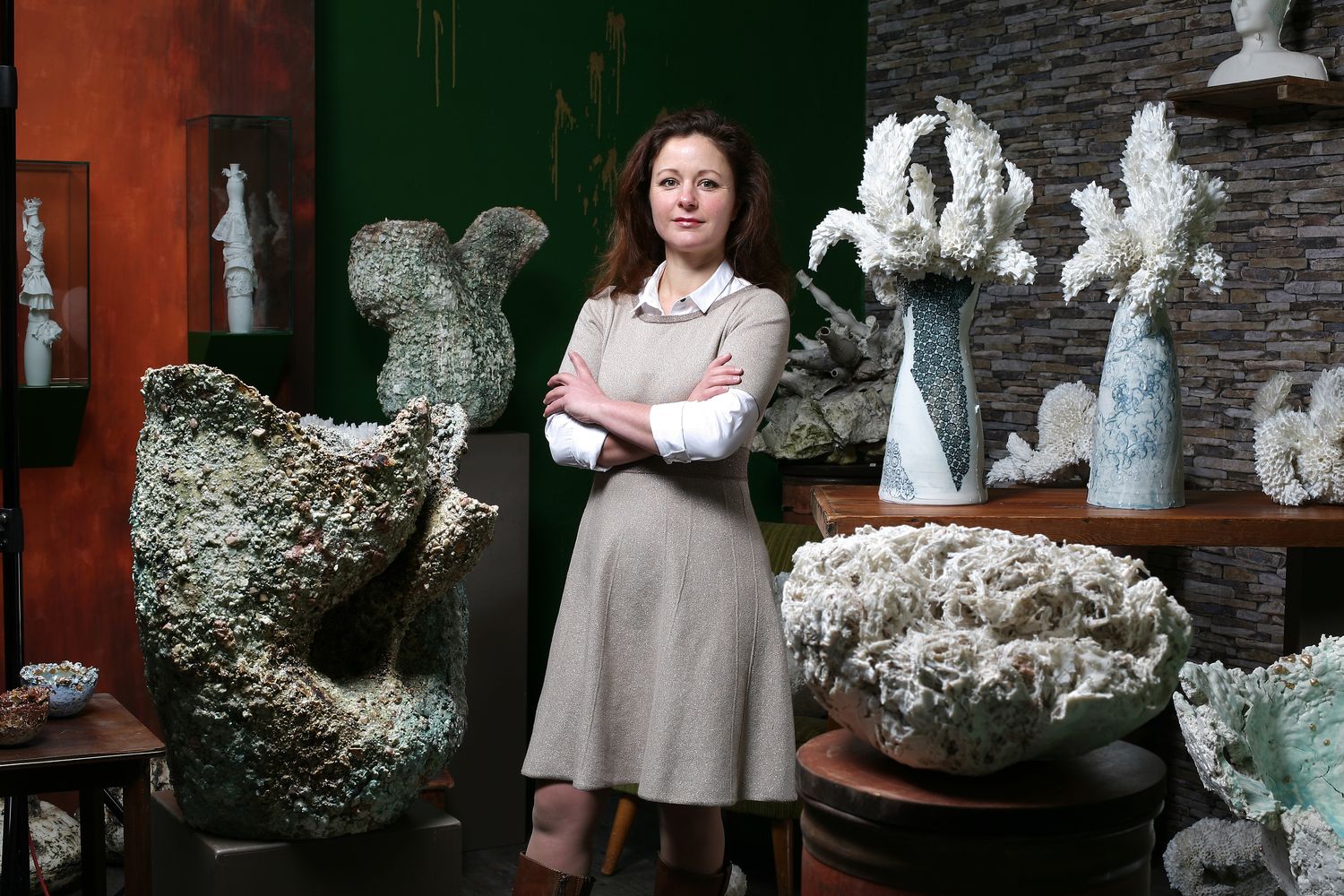
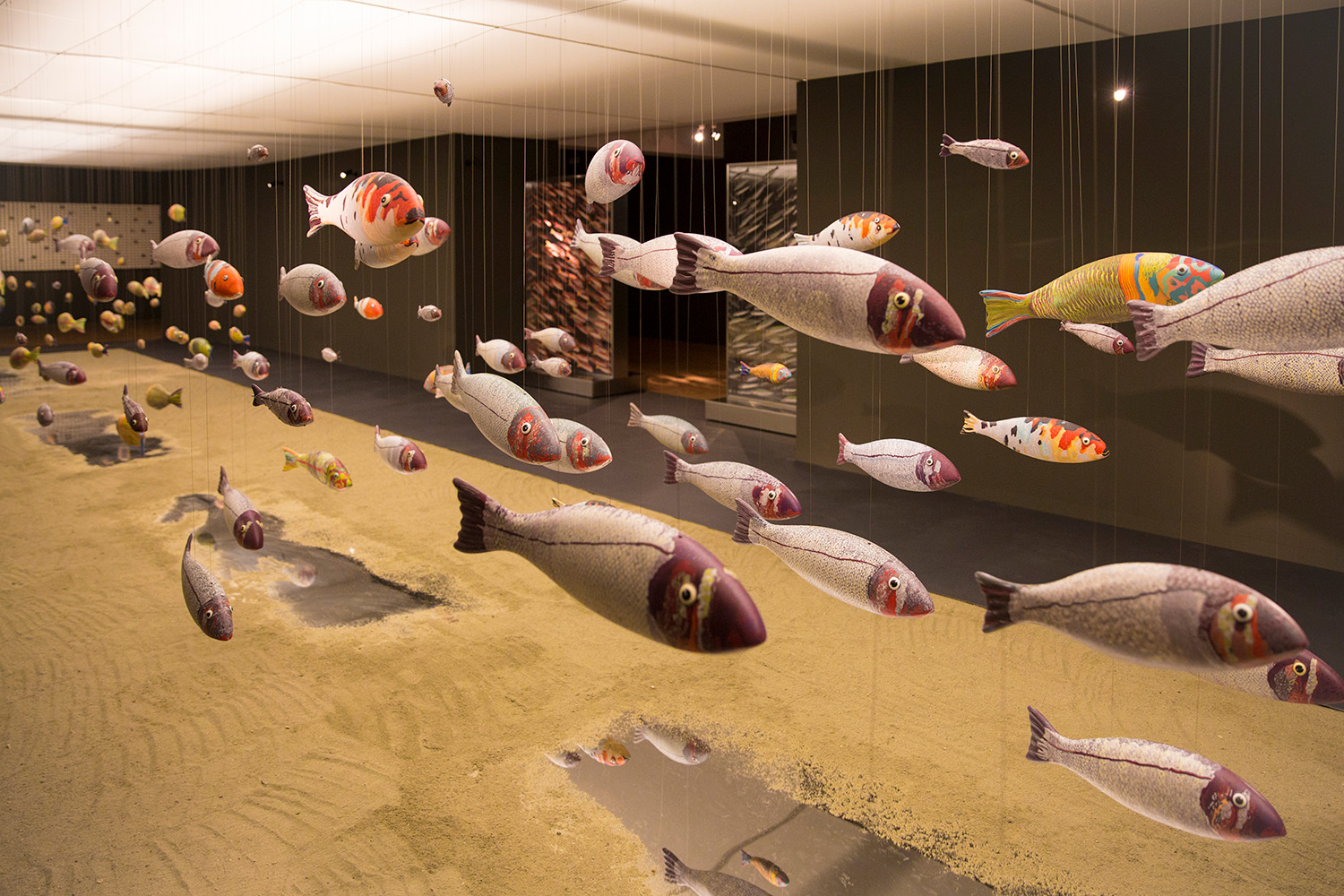
- Her inspiration comes from nature
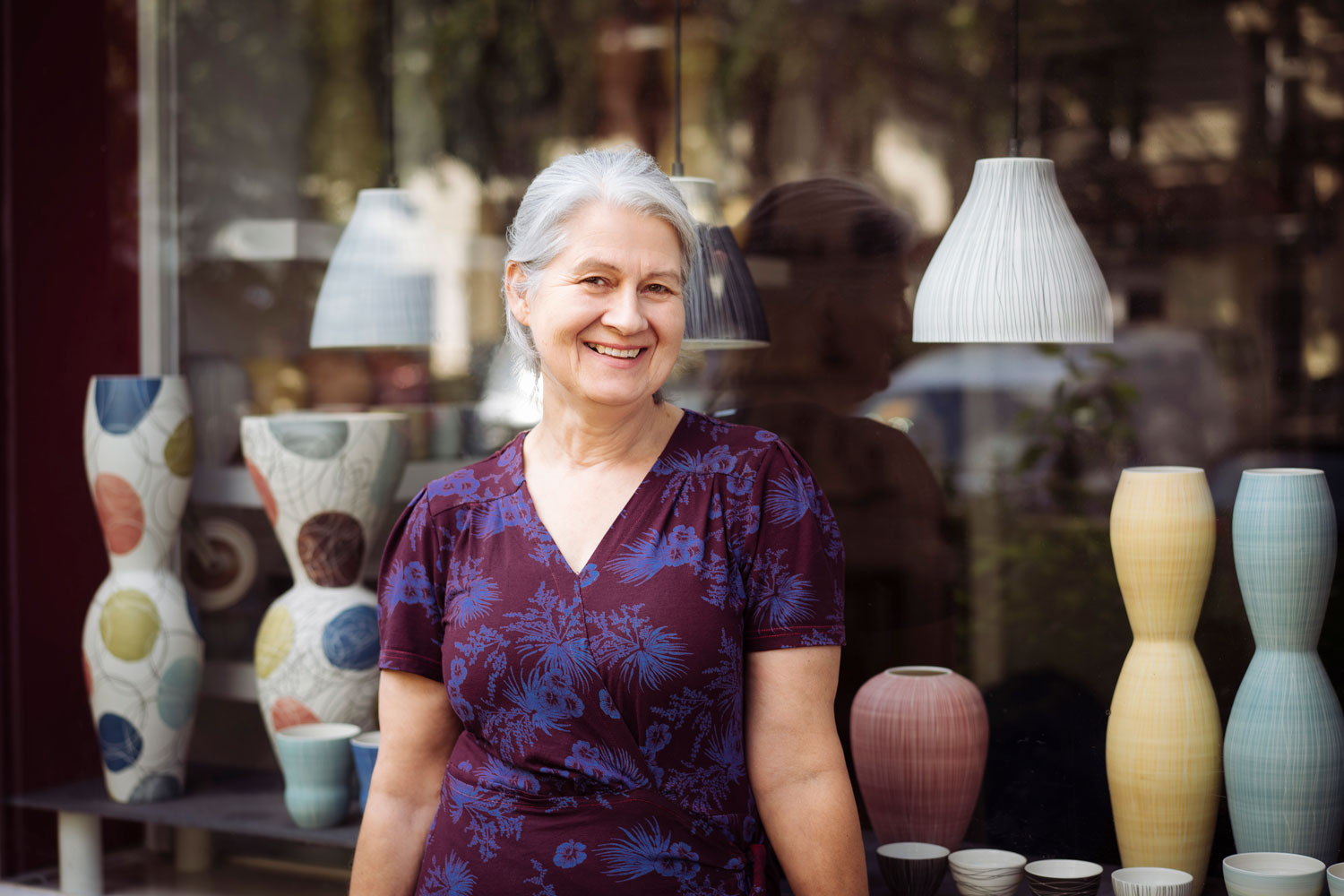
Born and raised in a household of musicians in the German Democratic Republic, Barbara Hertwig developed her creative potential during her childhood years. “It was a time in the GDR when the arts and culture were supported socially and in the educational system,” she explains. However, it proved to be very difficult to find an apprenticeship without being eligible for the state-run projects. After a long process, Barbara manged to find a solution and was trained at Keramos Saalfeld, a private company. But there was no state support to continue her training to the rank of a master ceramicist. It was the passion for her craft that kept and still keeps Barbara going. Today, her wonderful works are widely appreciated.
INTERVIEW
I think there is hardly a craft that offers so many different materials, techniques and design possibilities as ceramics. It's endless, I can try out something new every day. There are more things to learn than one can comprehend in a lifetime.
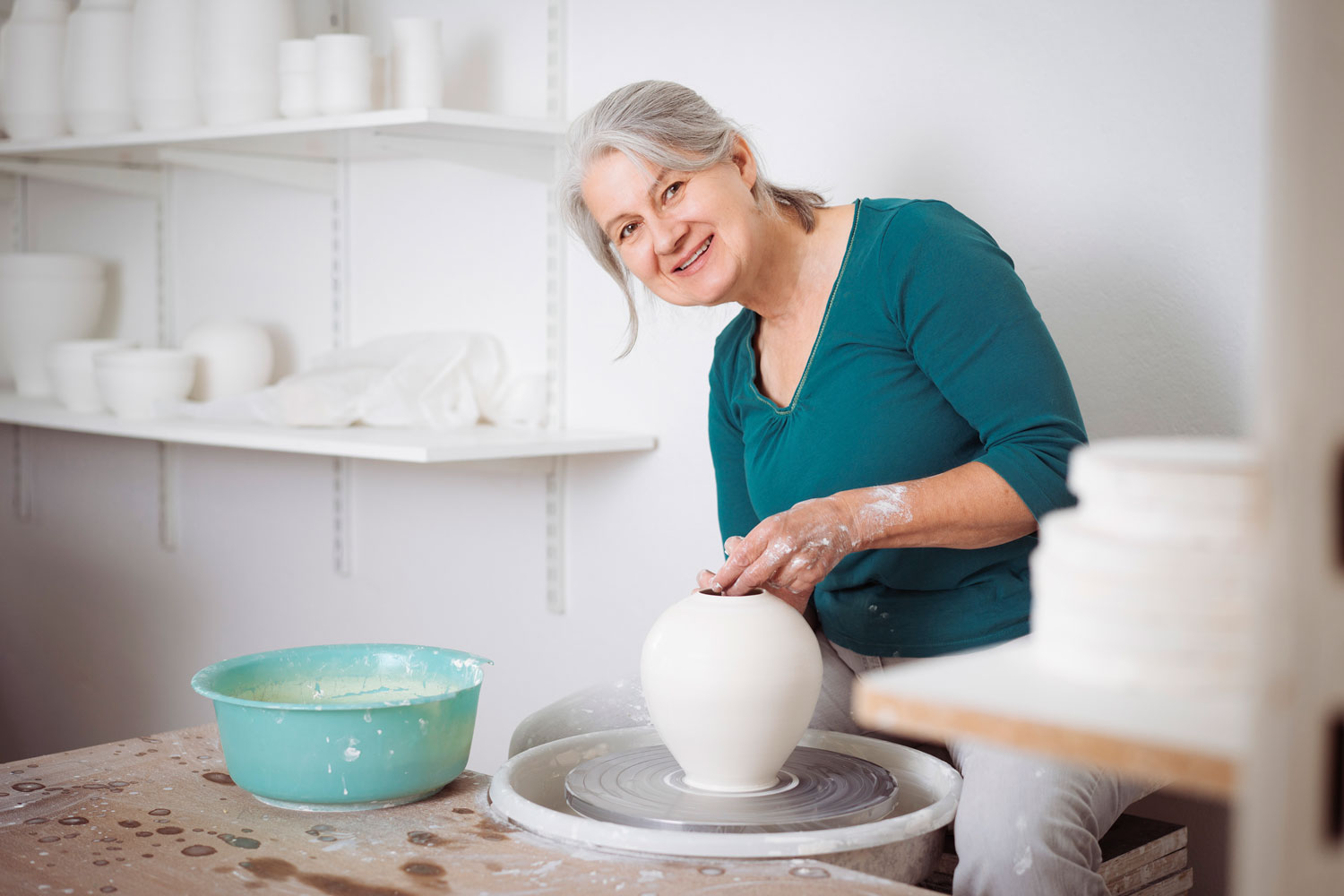
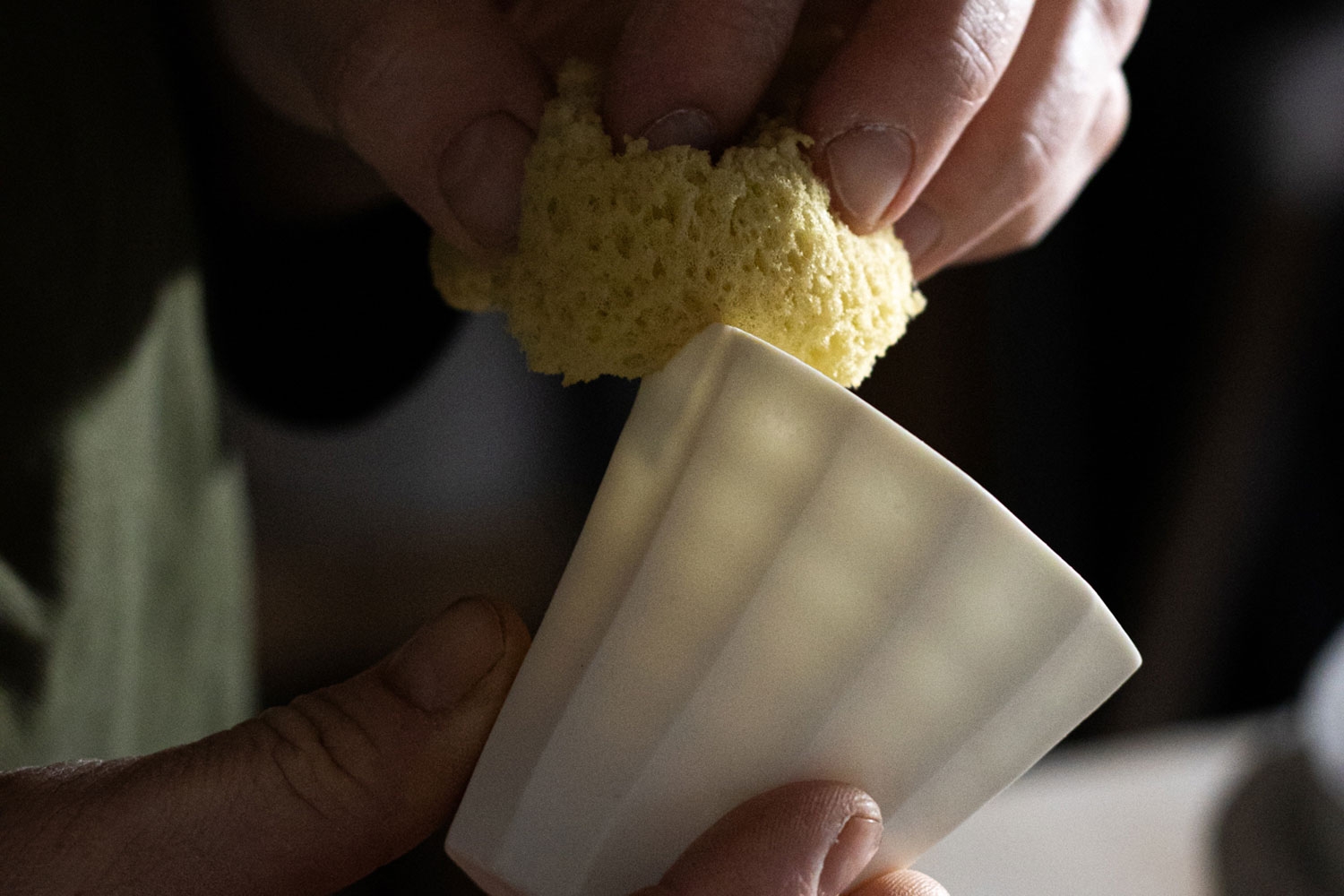
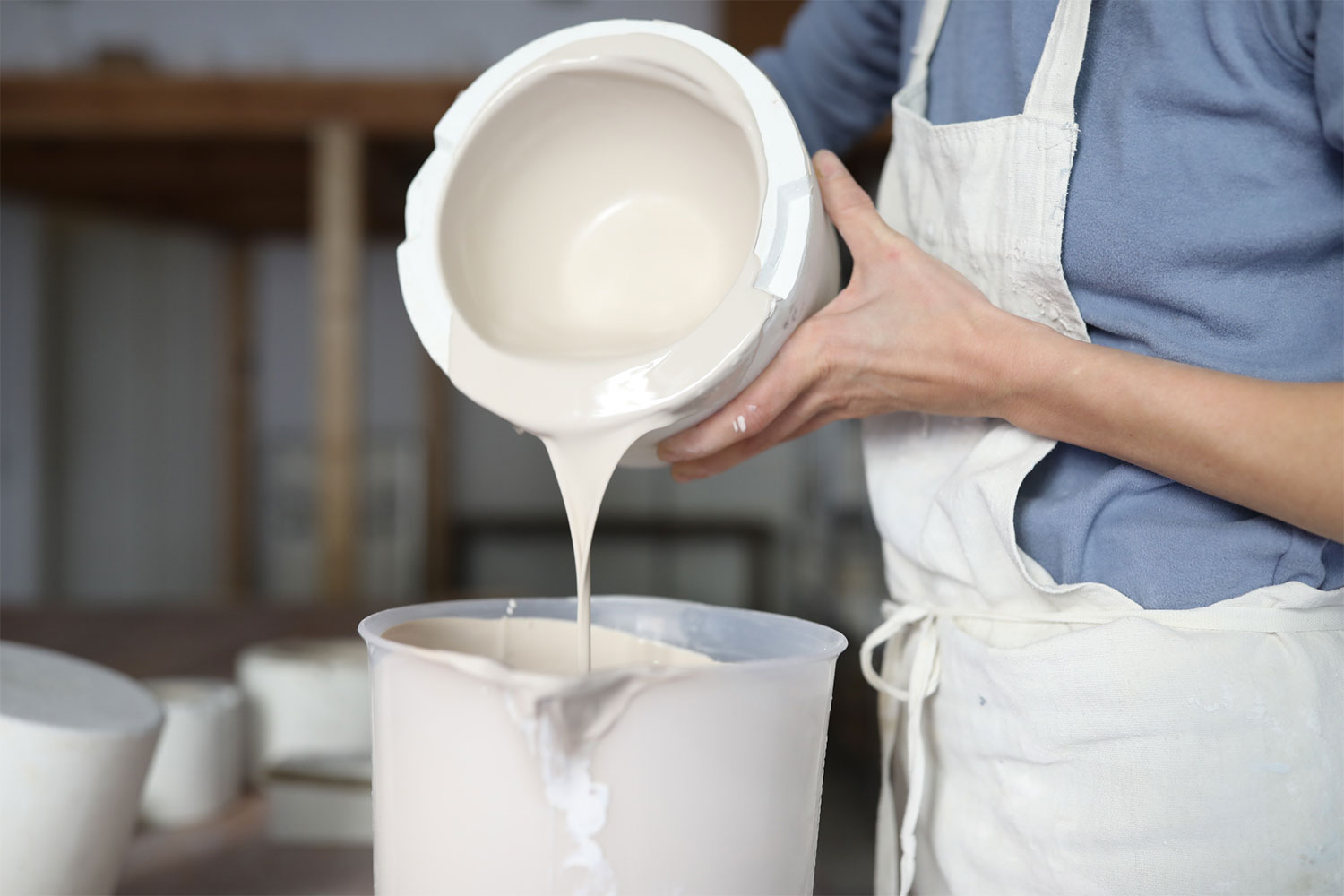
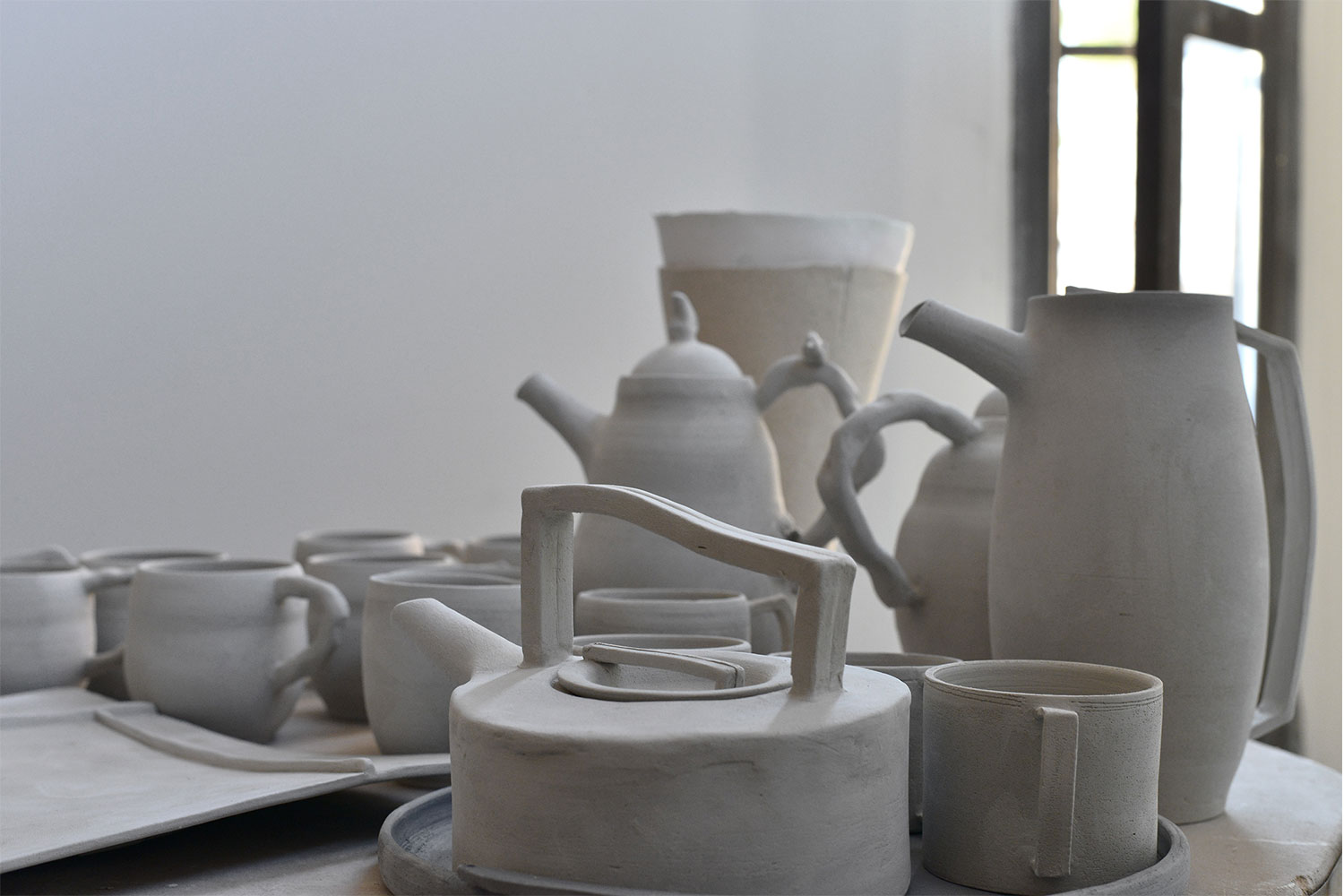
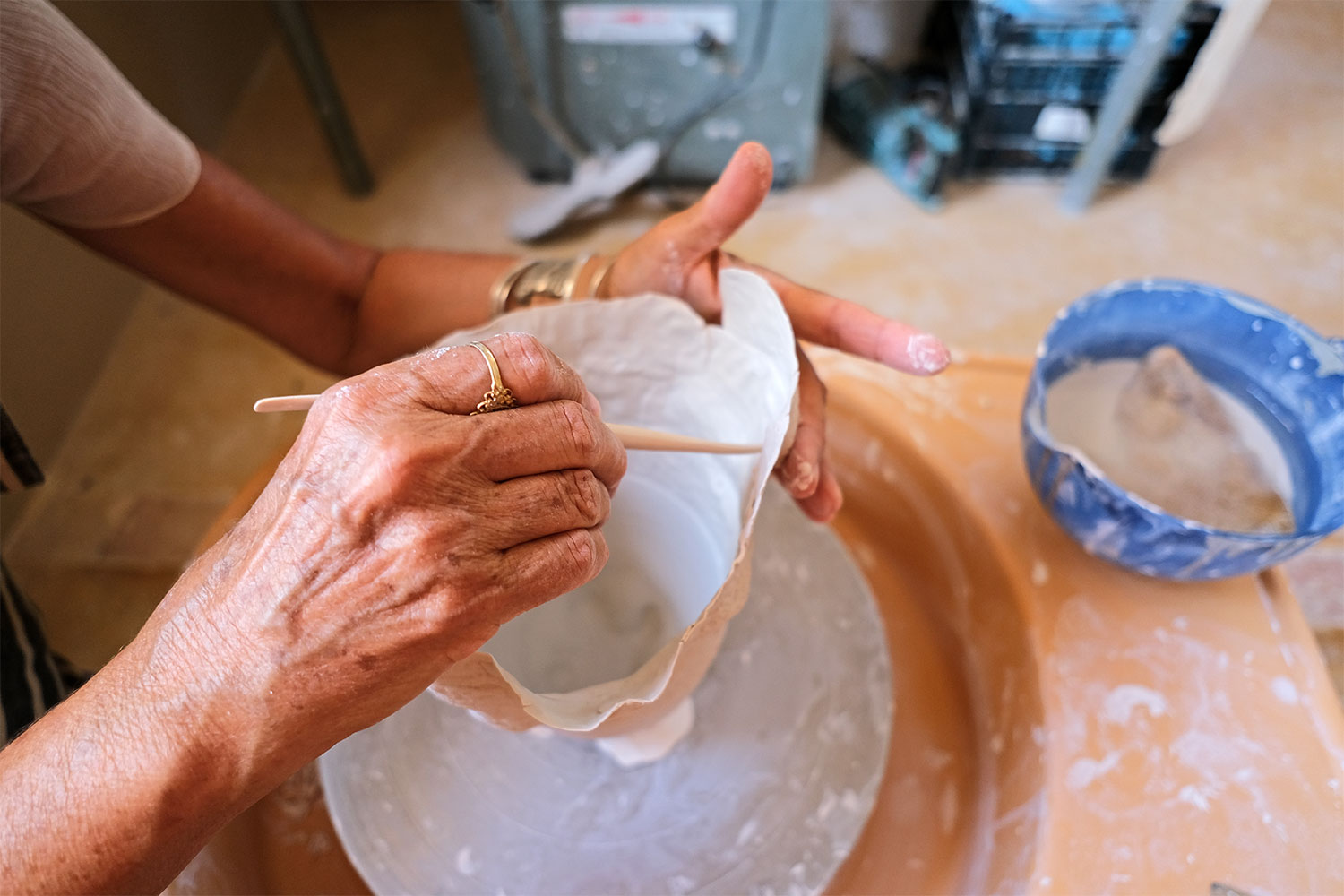
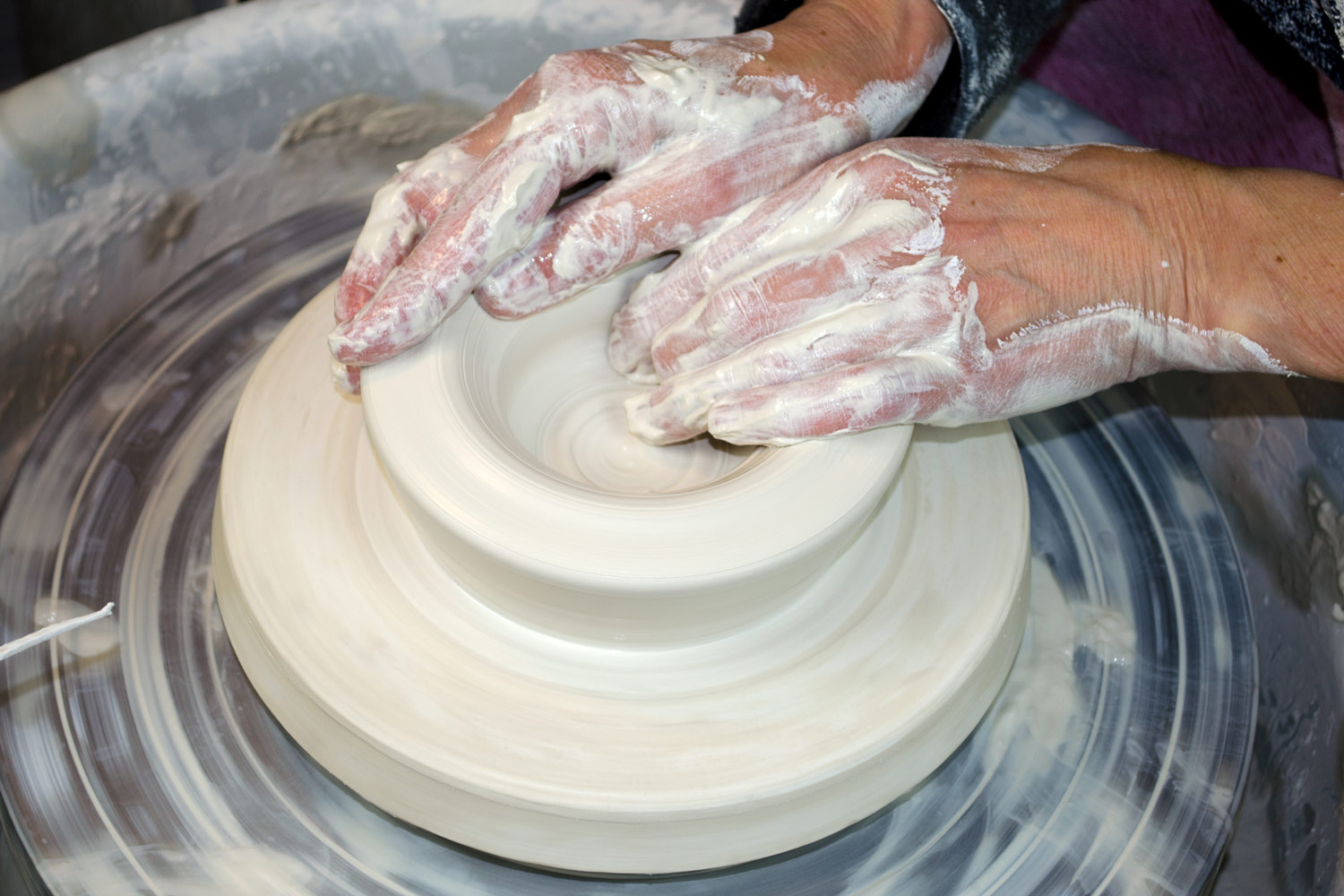
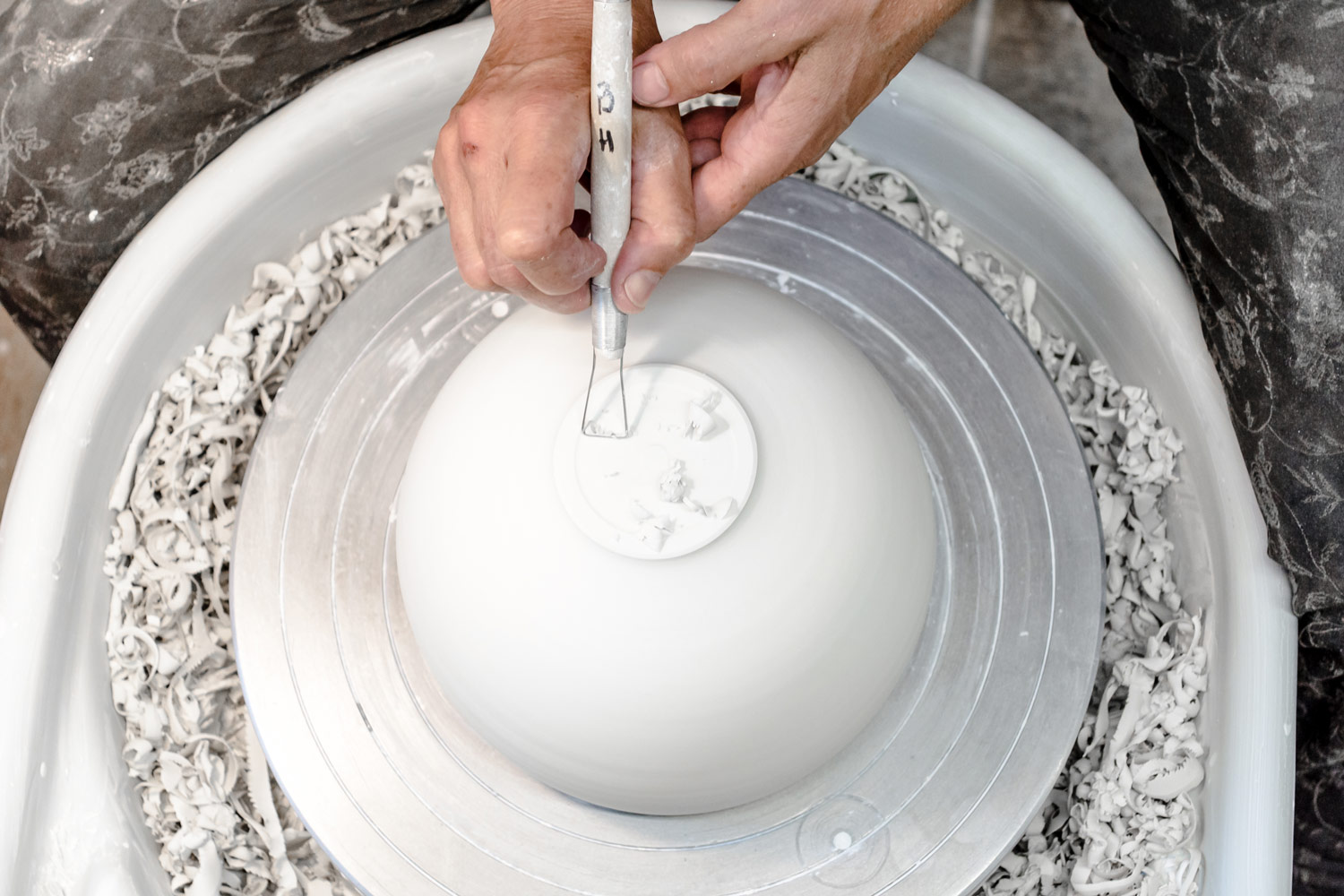
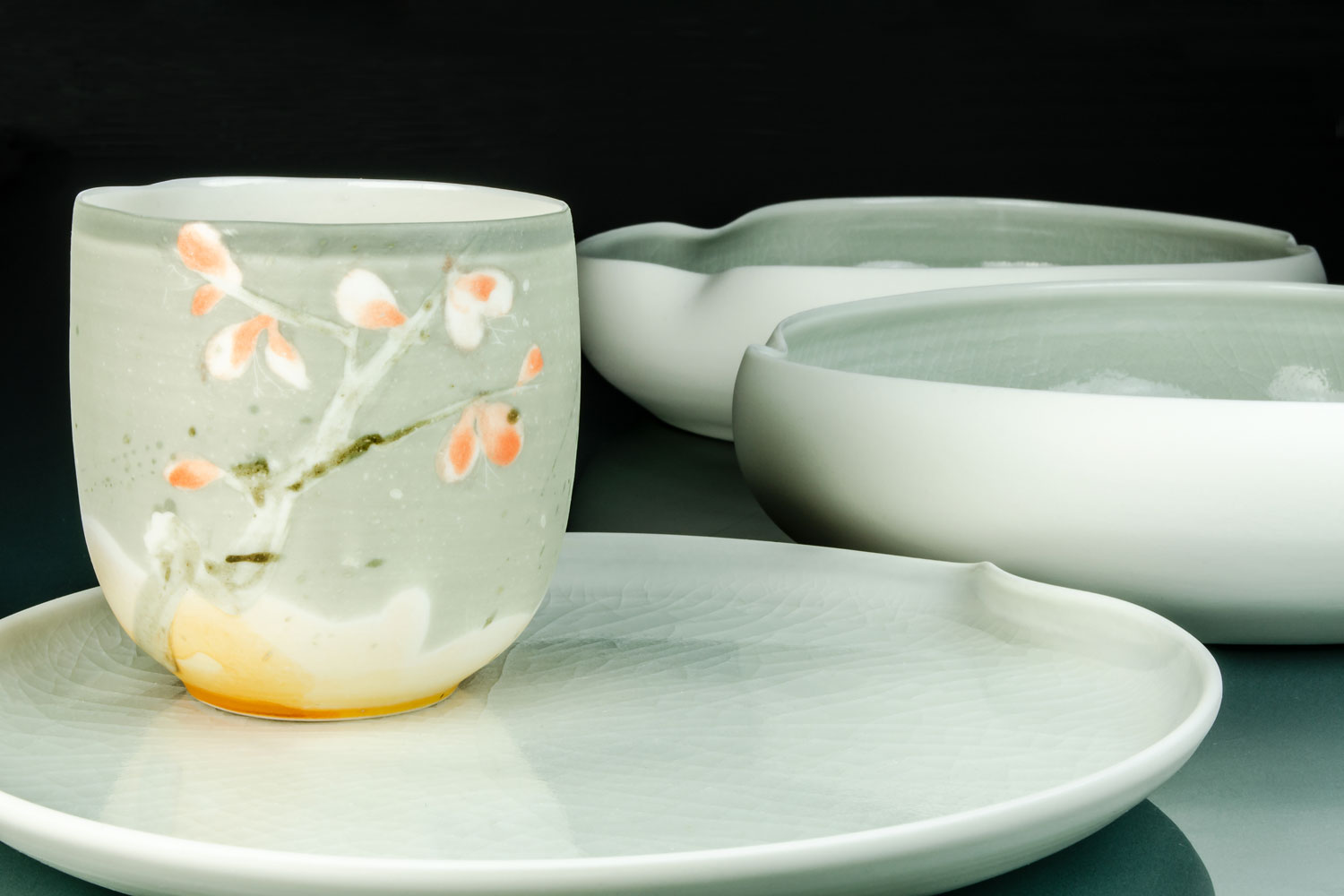
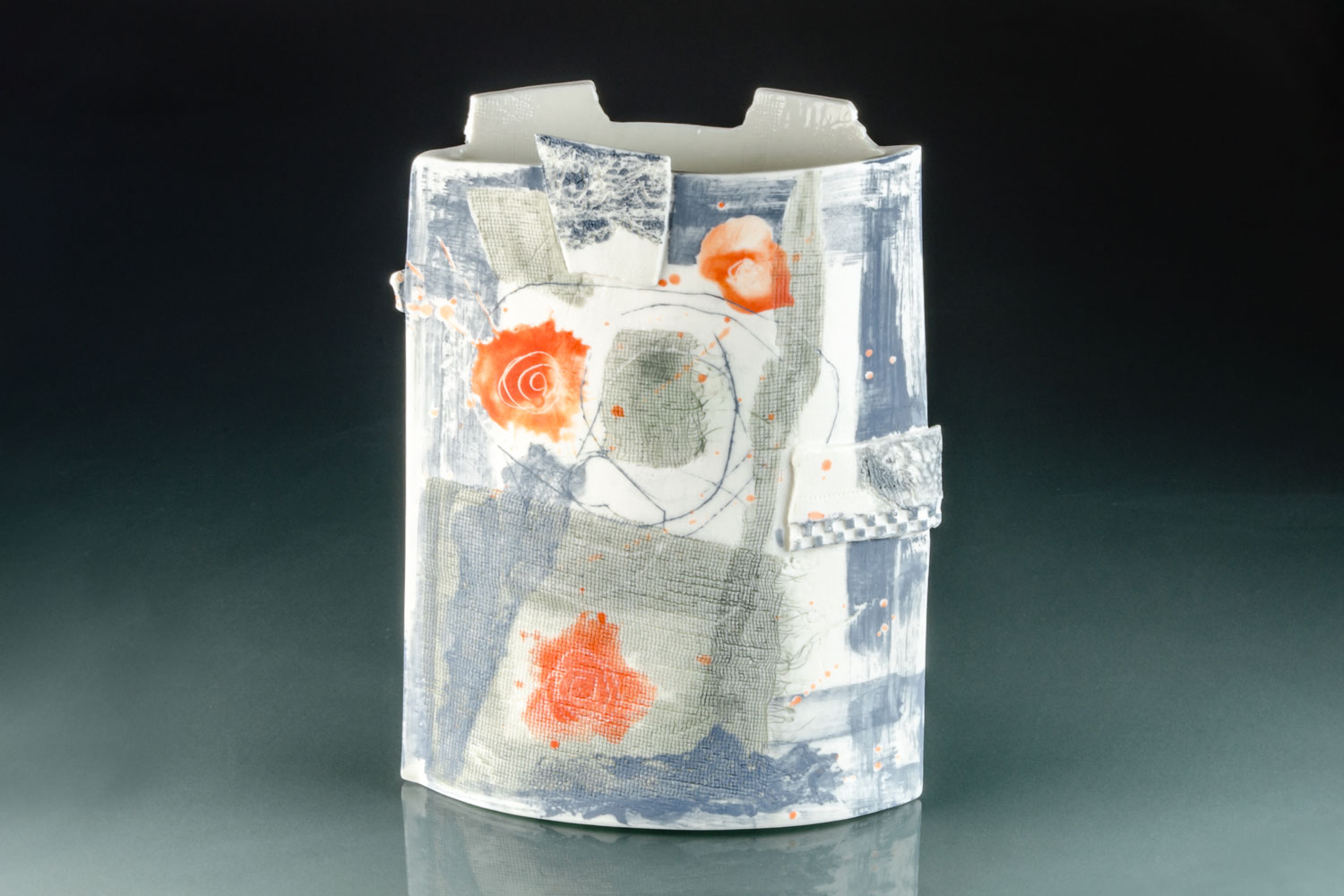
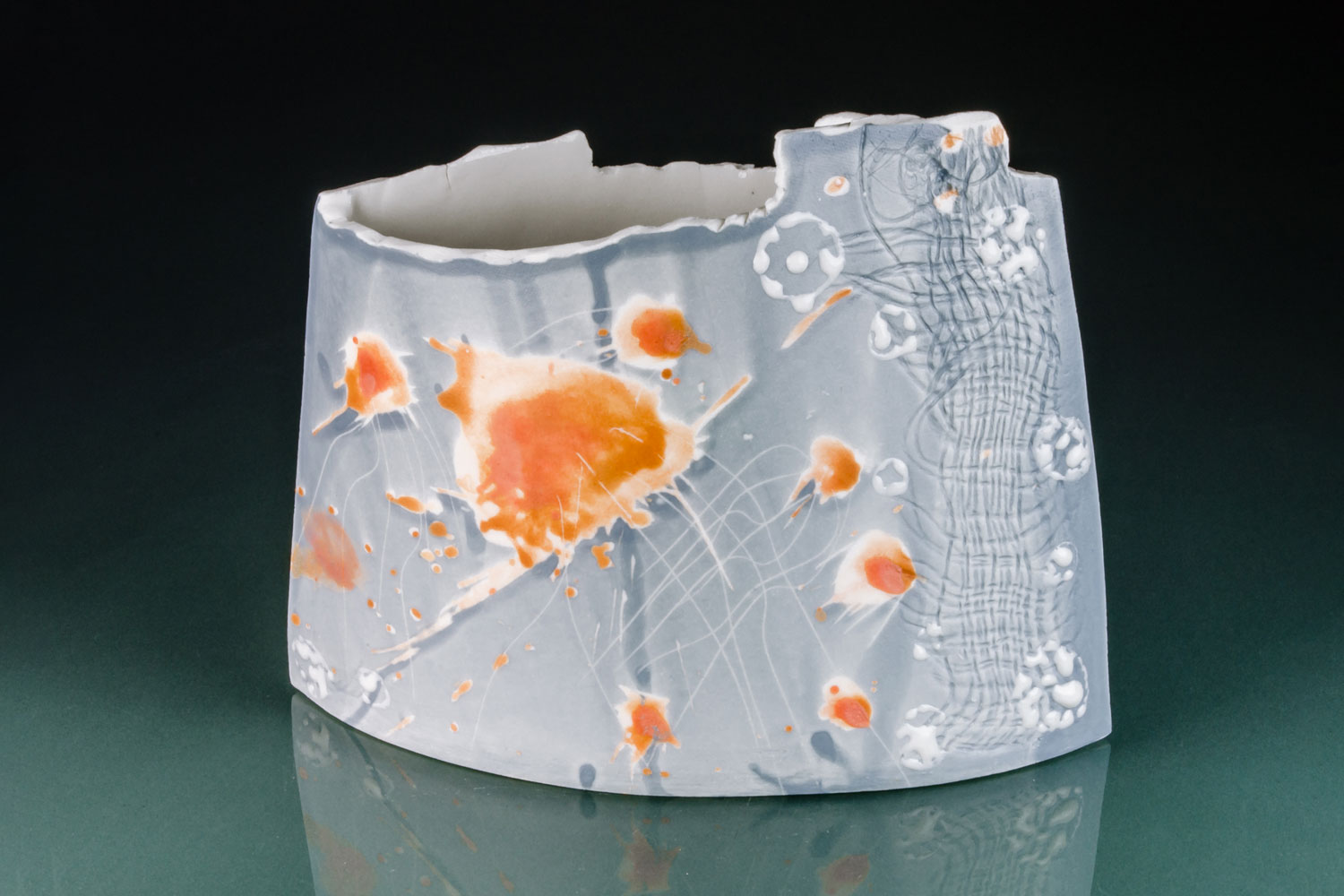
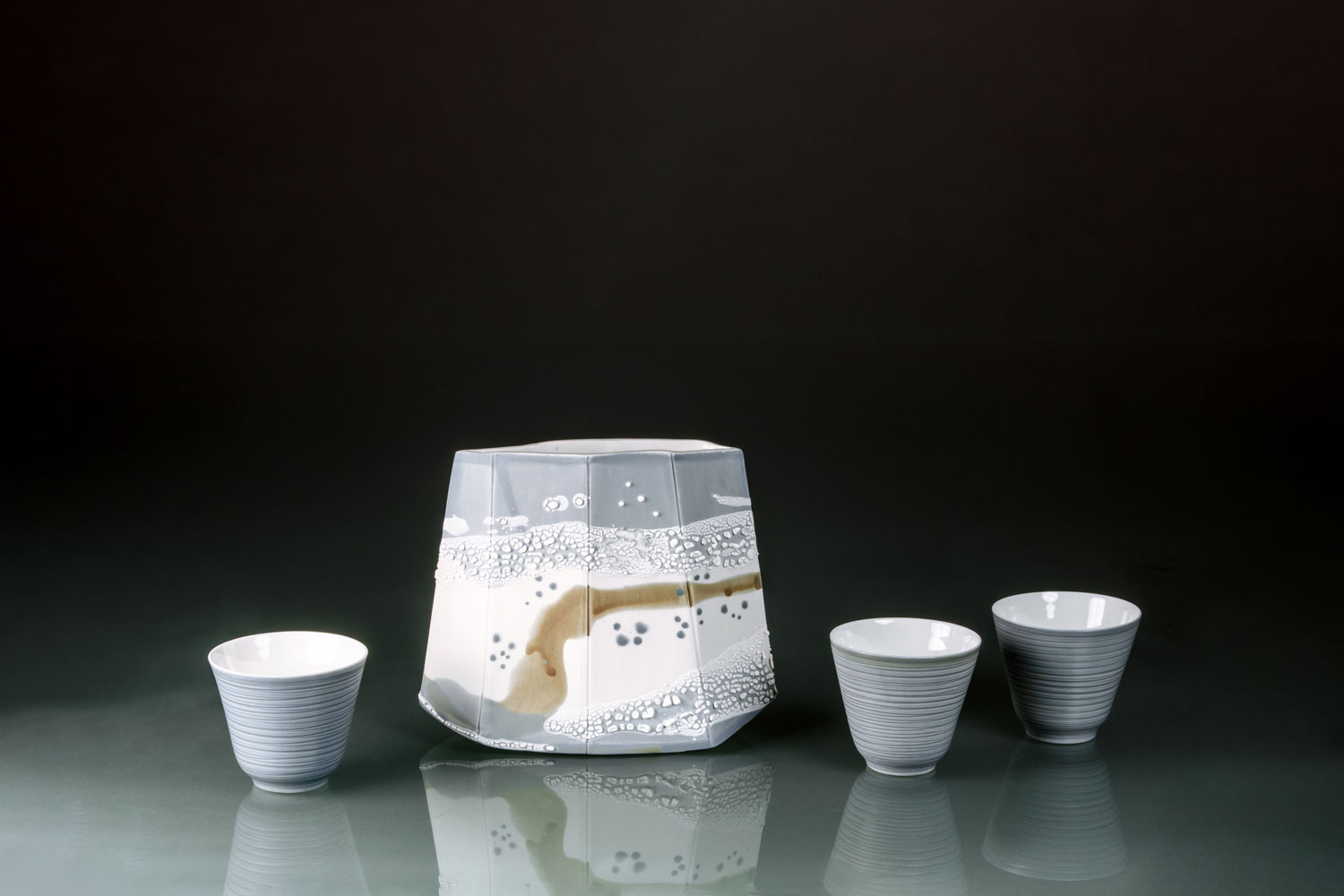
For me, porcelain is the queen of ceramic materials. The delicacy of the surface, the density of the material, the clear natural softness of the colour, the transparency; combined it creates a unique aura, which always fascinates and challenges me.
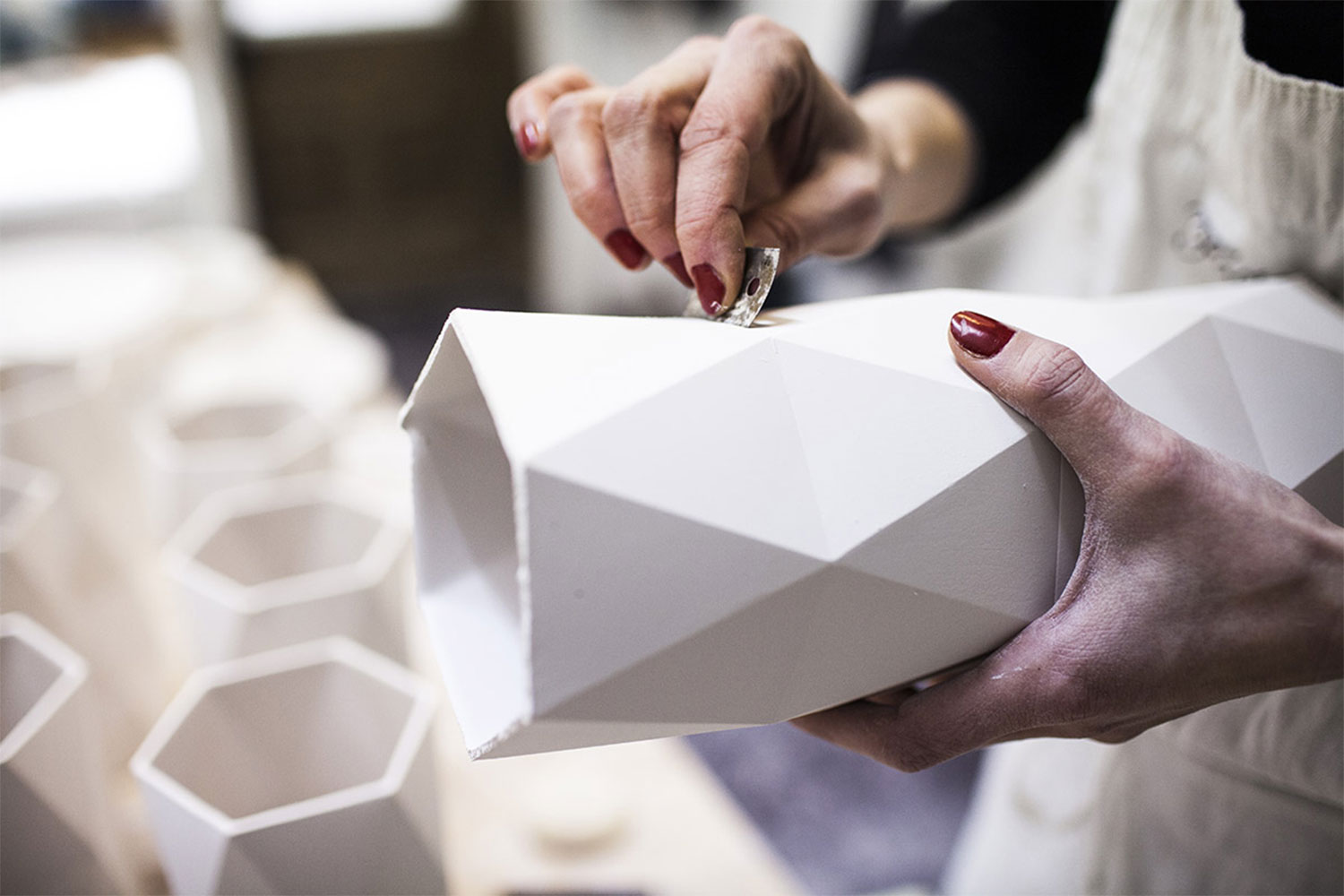
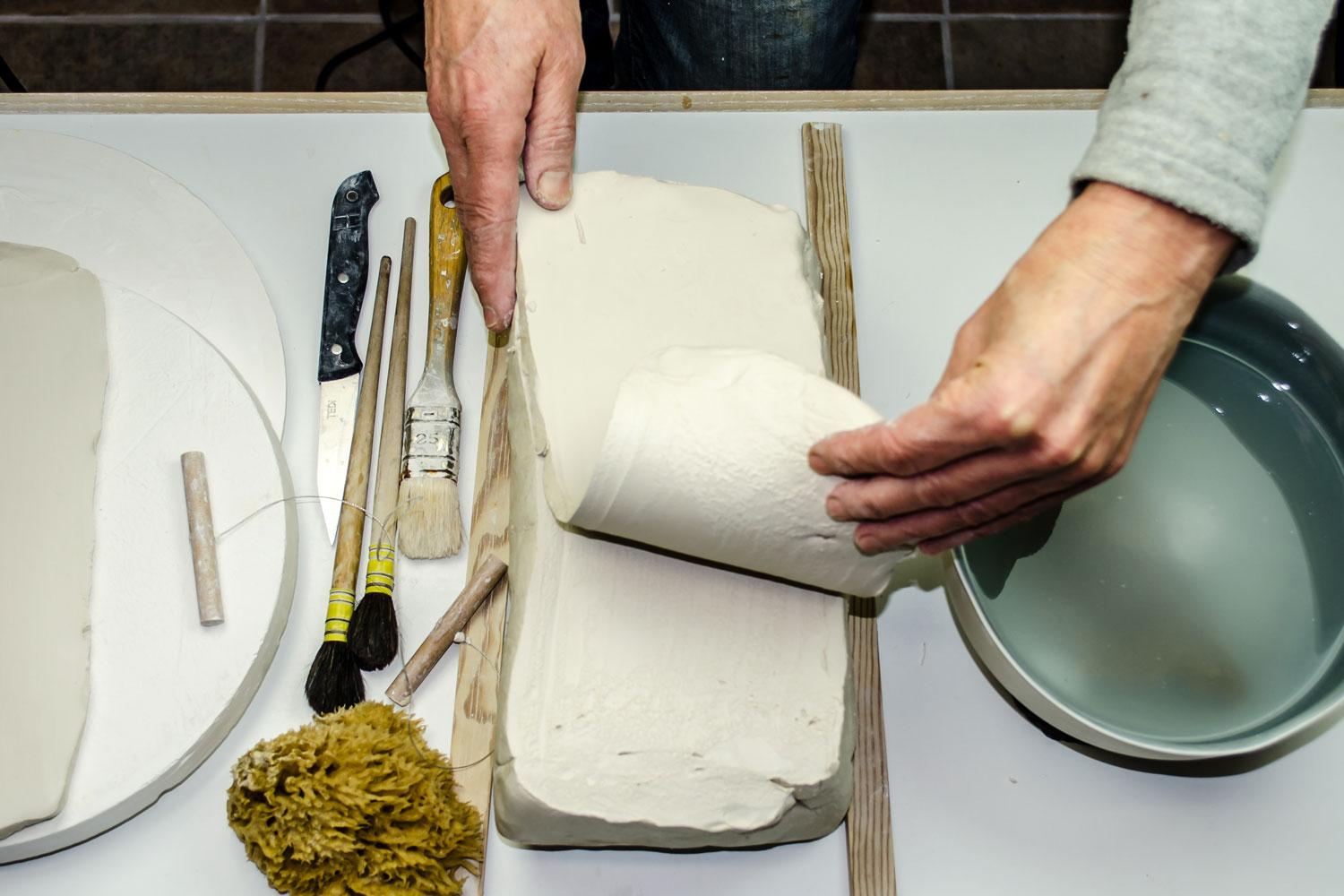
With its characteristic properties, it requires mastery in skill, absolute concentration and attentiveness in every phase of the creation. Porcelain is a prima donna that does not forgive mistakes but it rewards perfection.
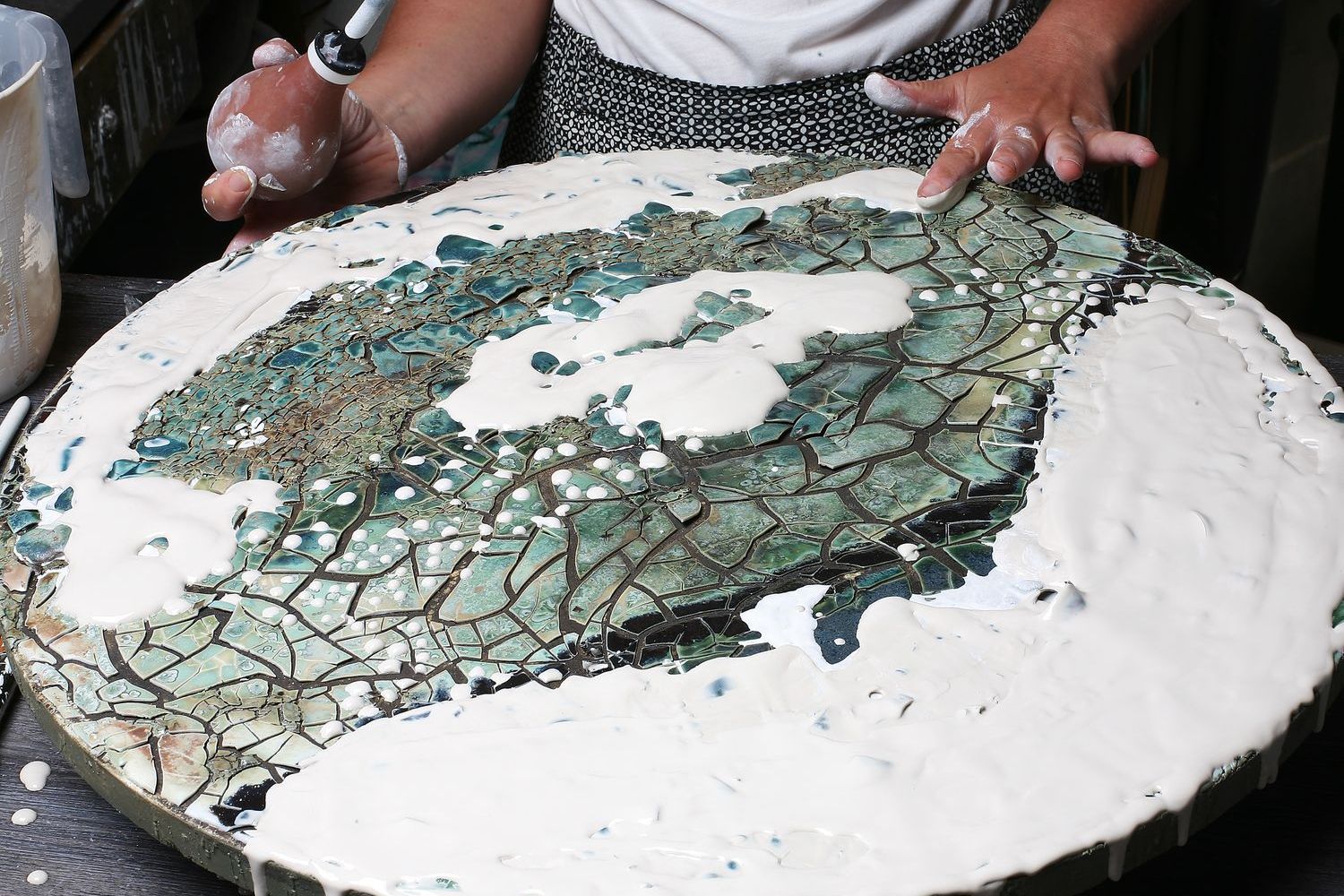
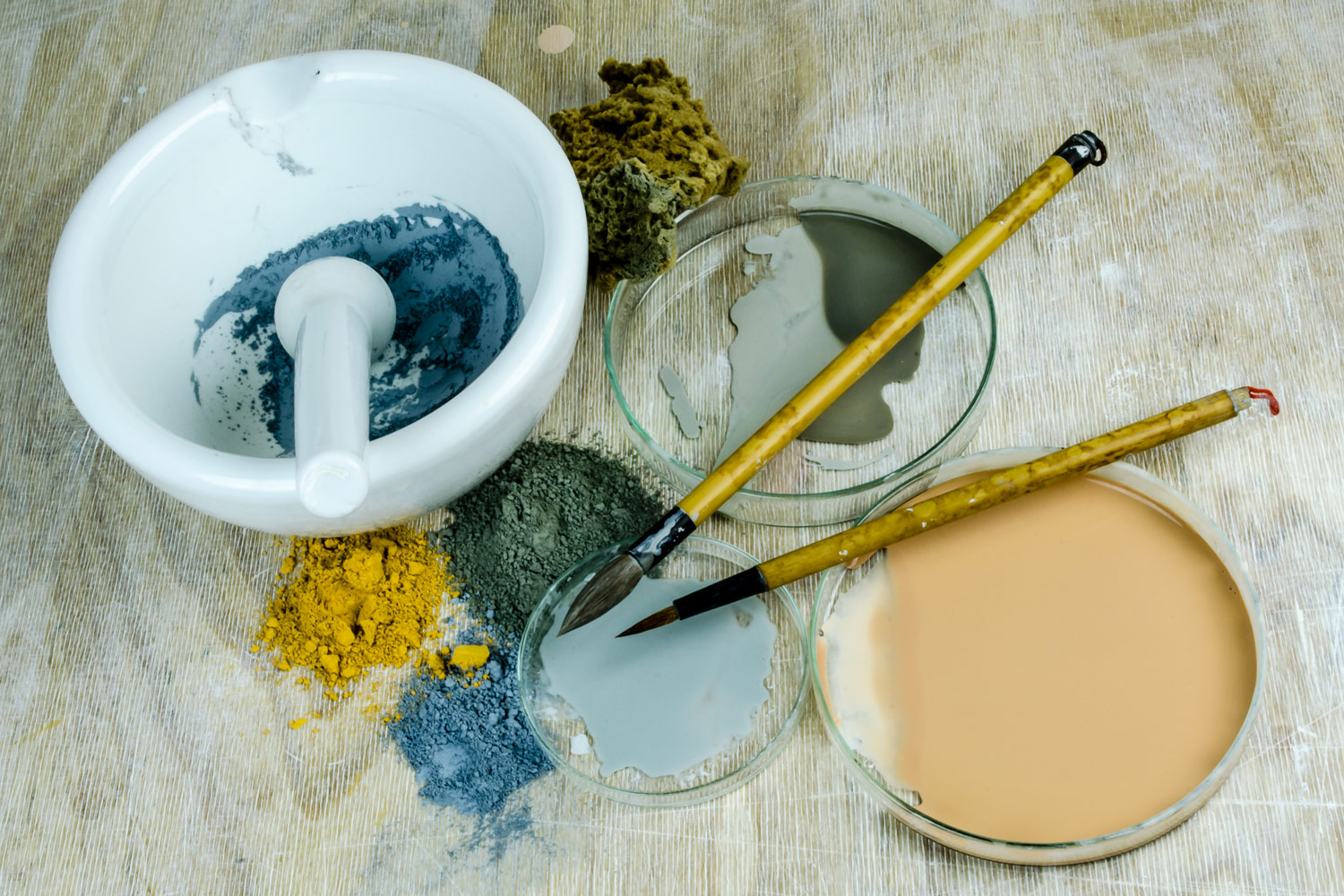
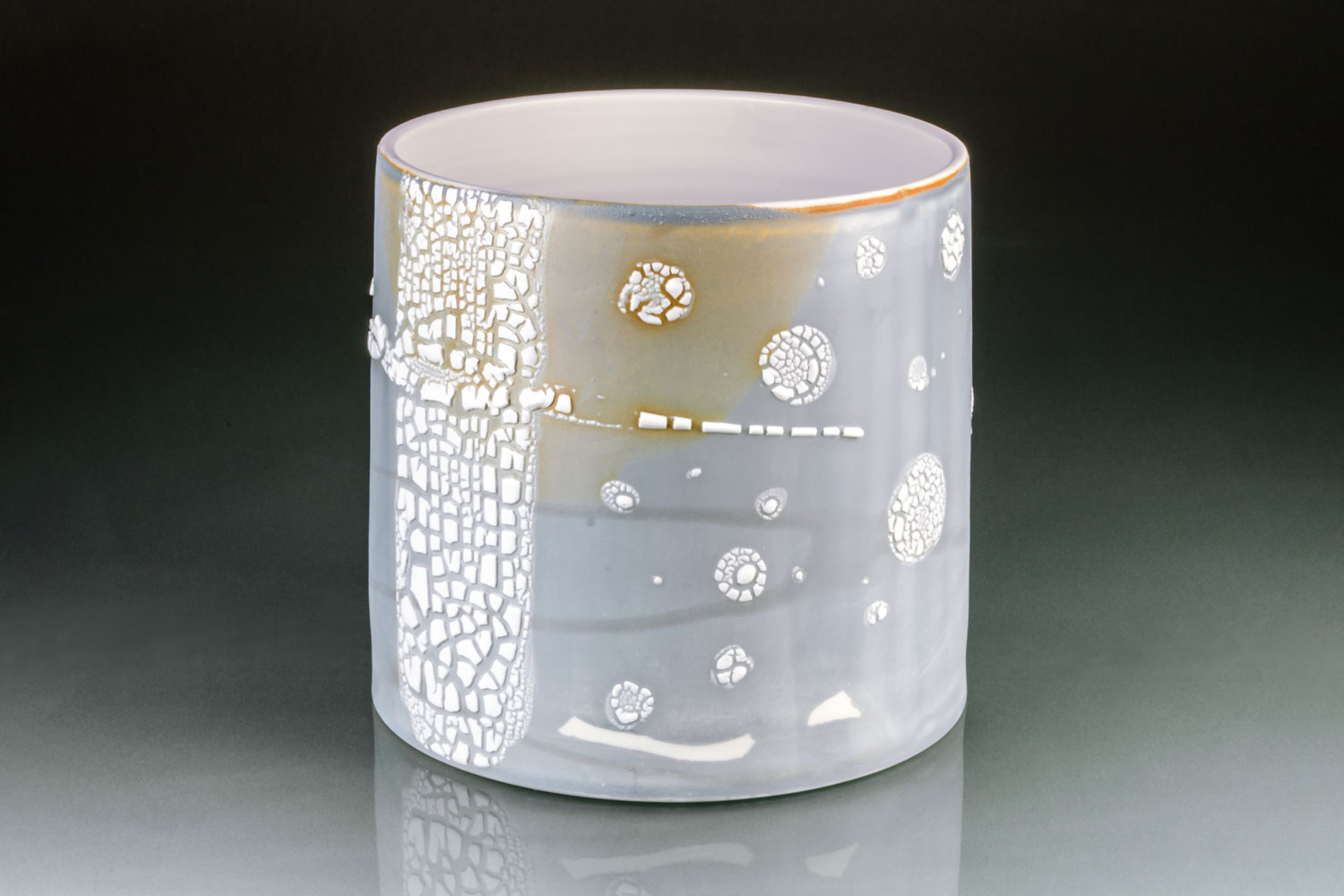
It’s a big and very passionate part of my work. One outcome of that is my own version of “terra sigillata” (lustre engobe). By using terra sigillata the porcelain is still translucent in the coloured areas after the firing.