Sylvia Ludwig
Porcelain maker
Pingelshagen, Germany
The harmony between contrasts
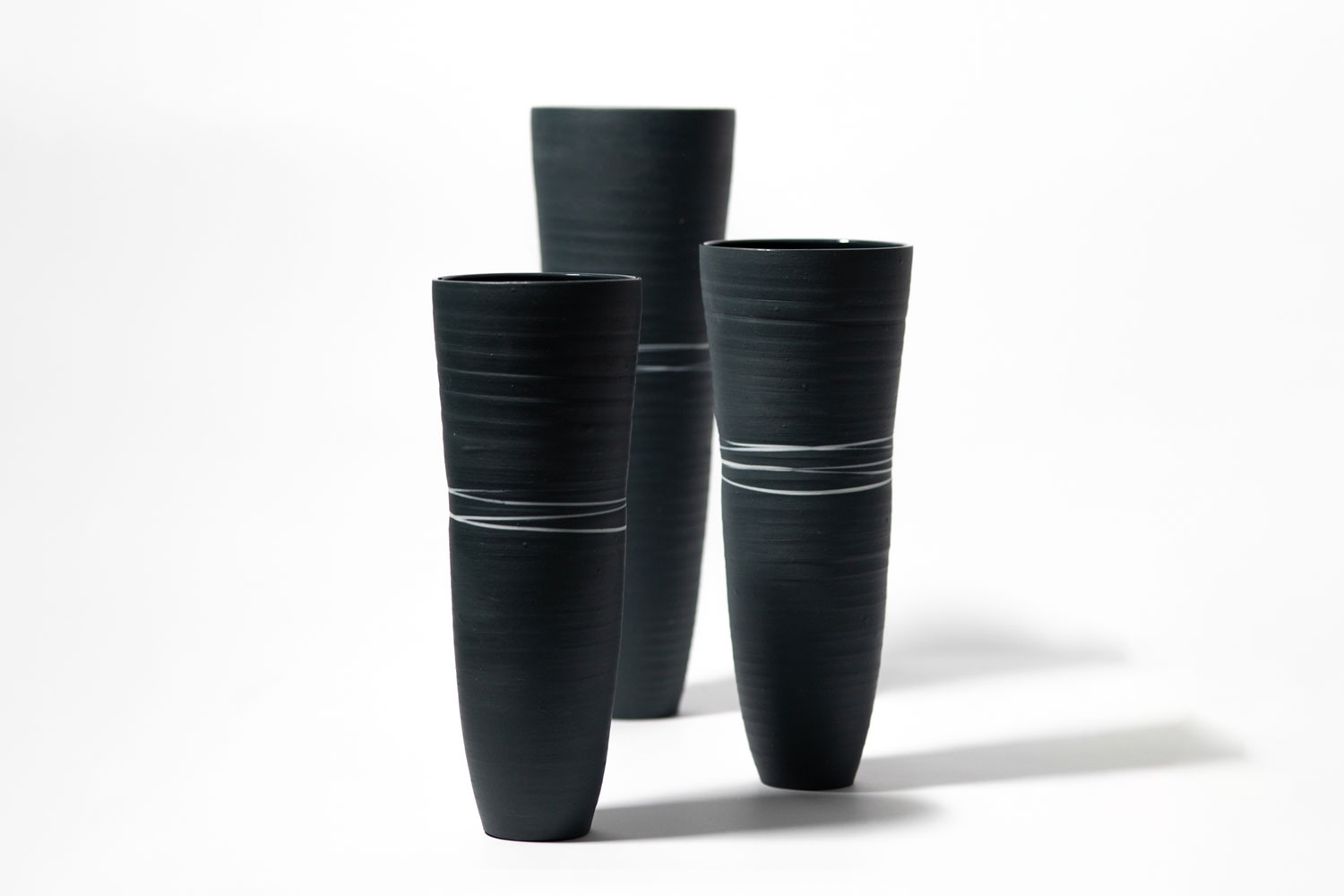
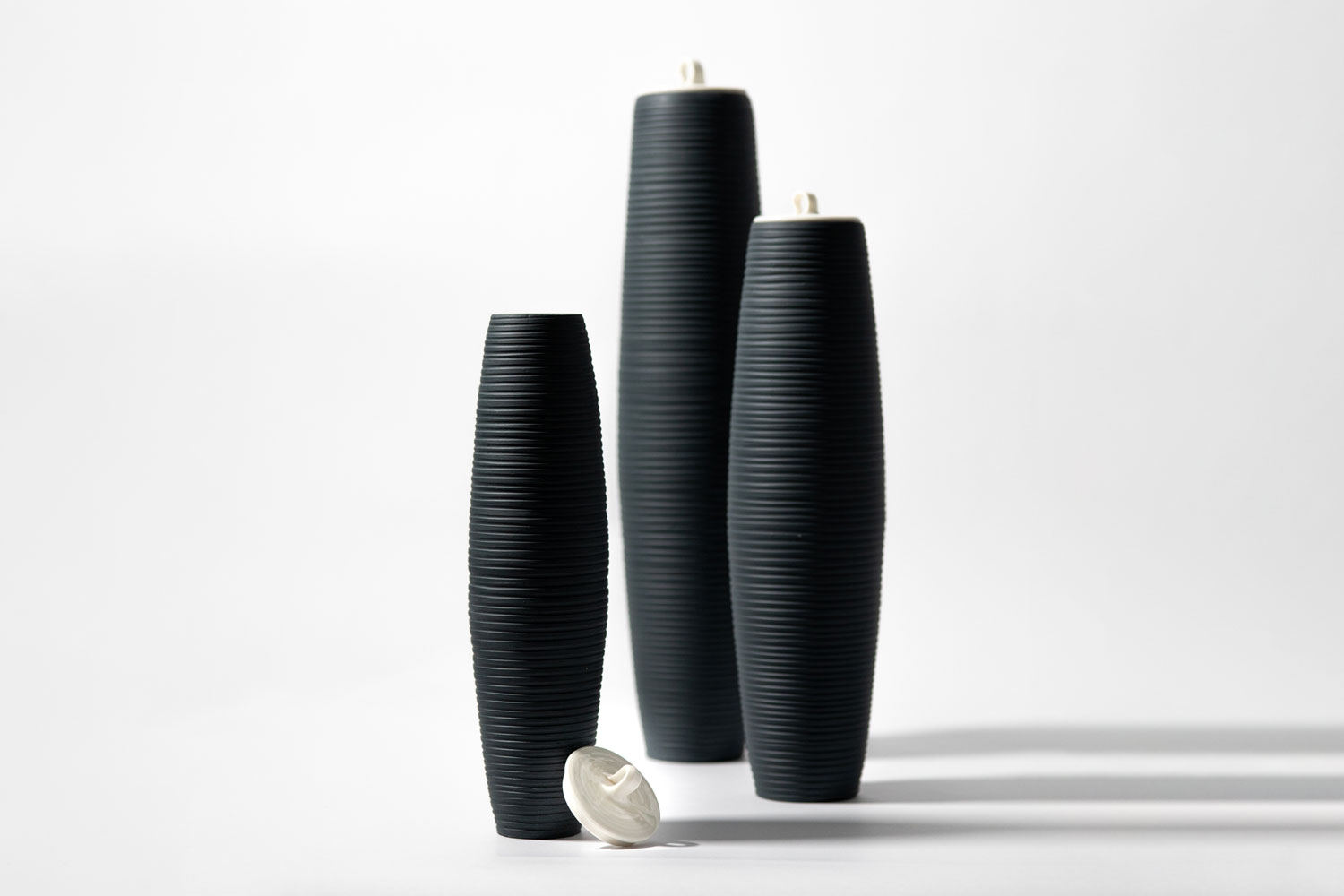
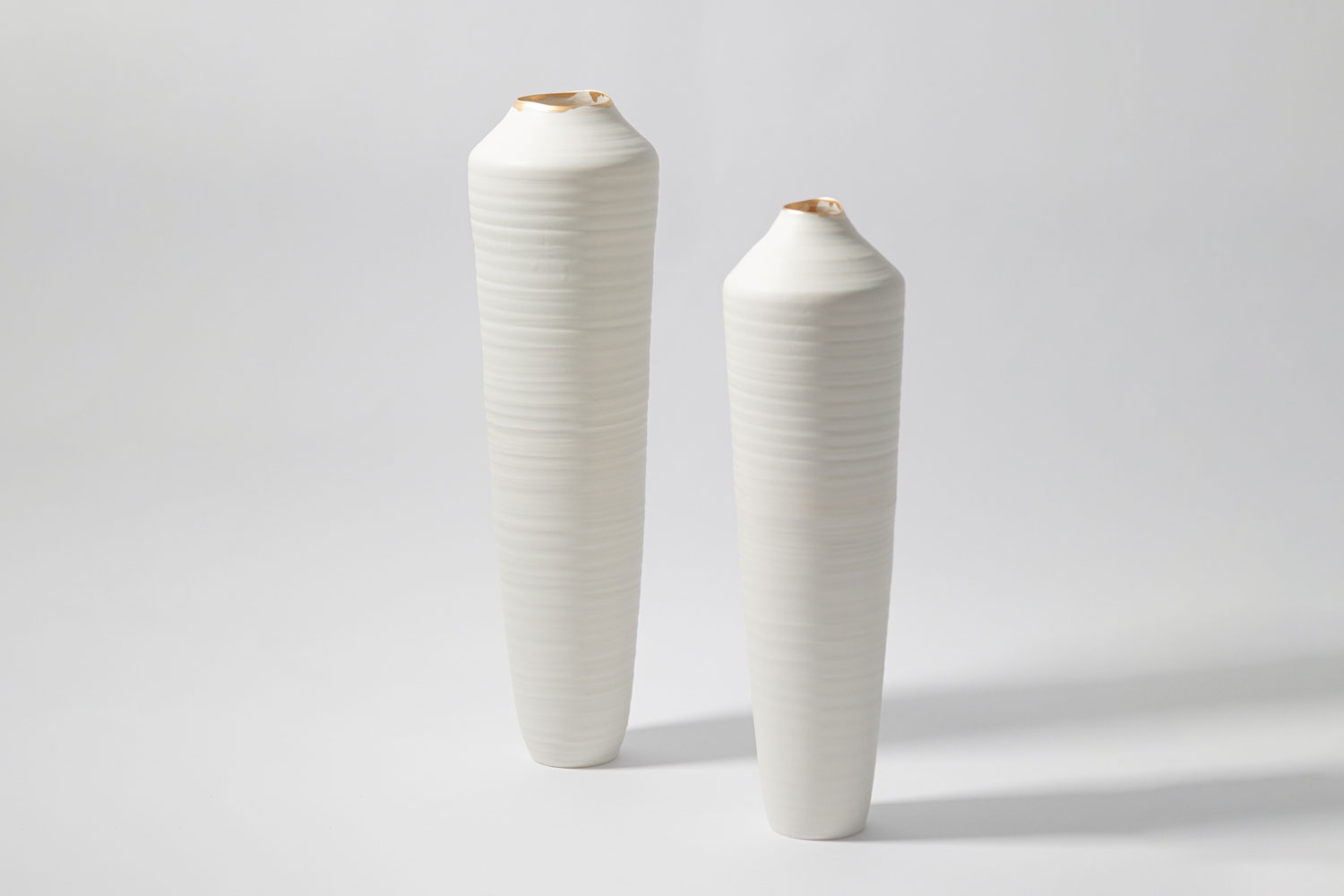
- Sylvia focuses making on hand-thrown porcelain vessels
- She developed her own cellulose-porcelain formula to repurpose waste porcelain
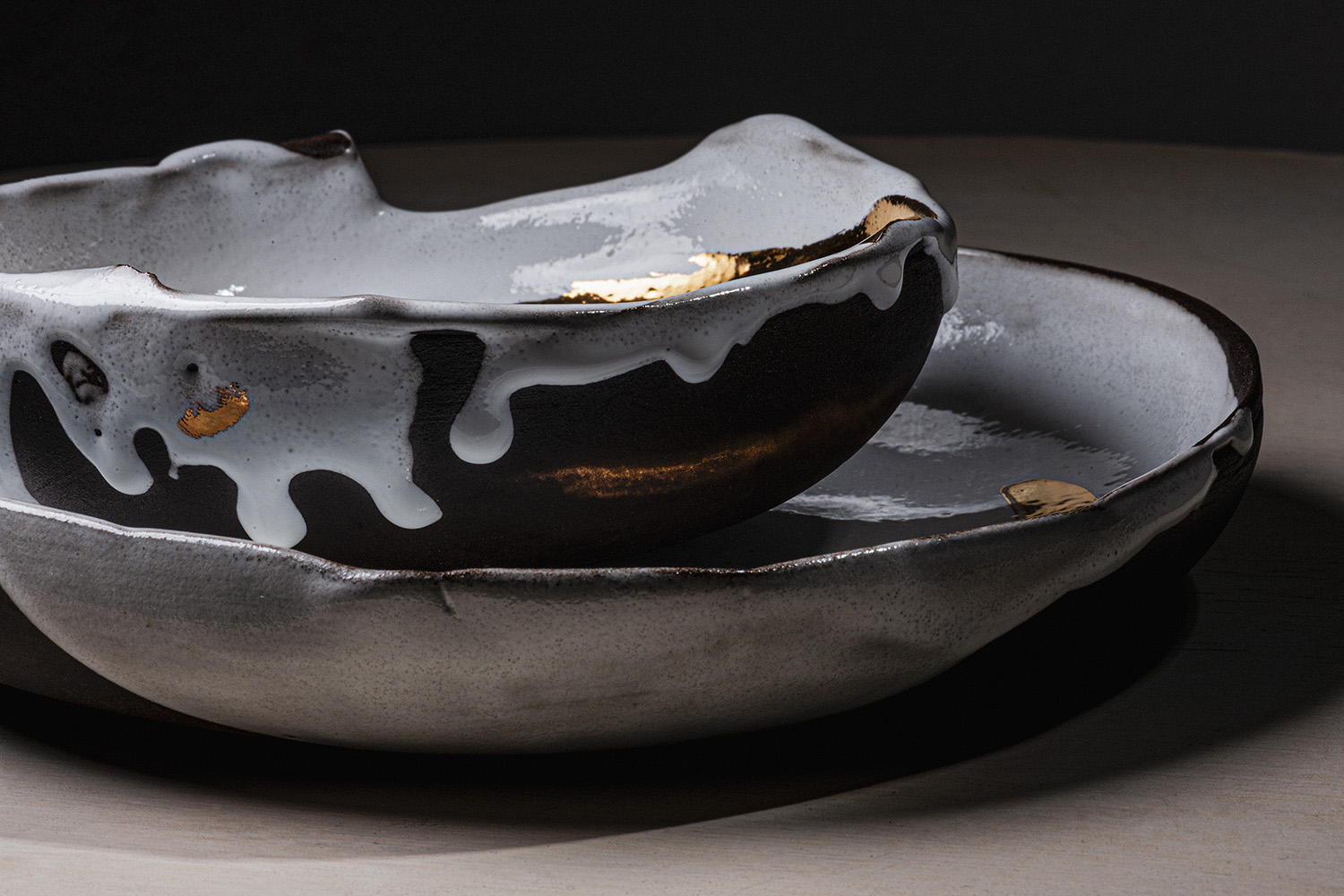
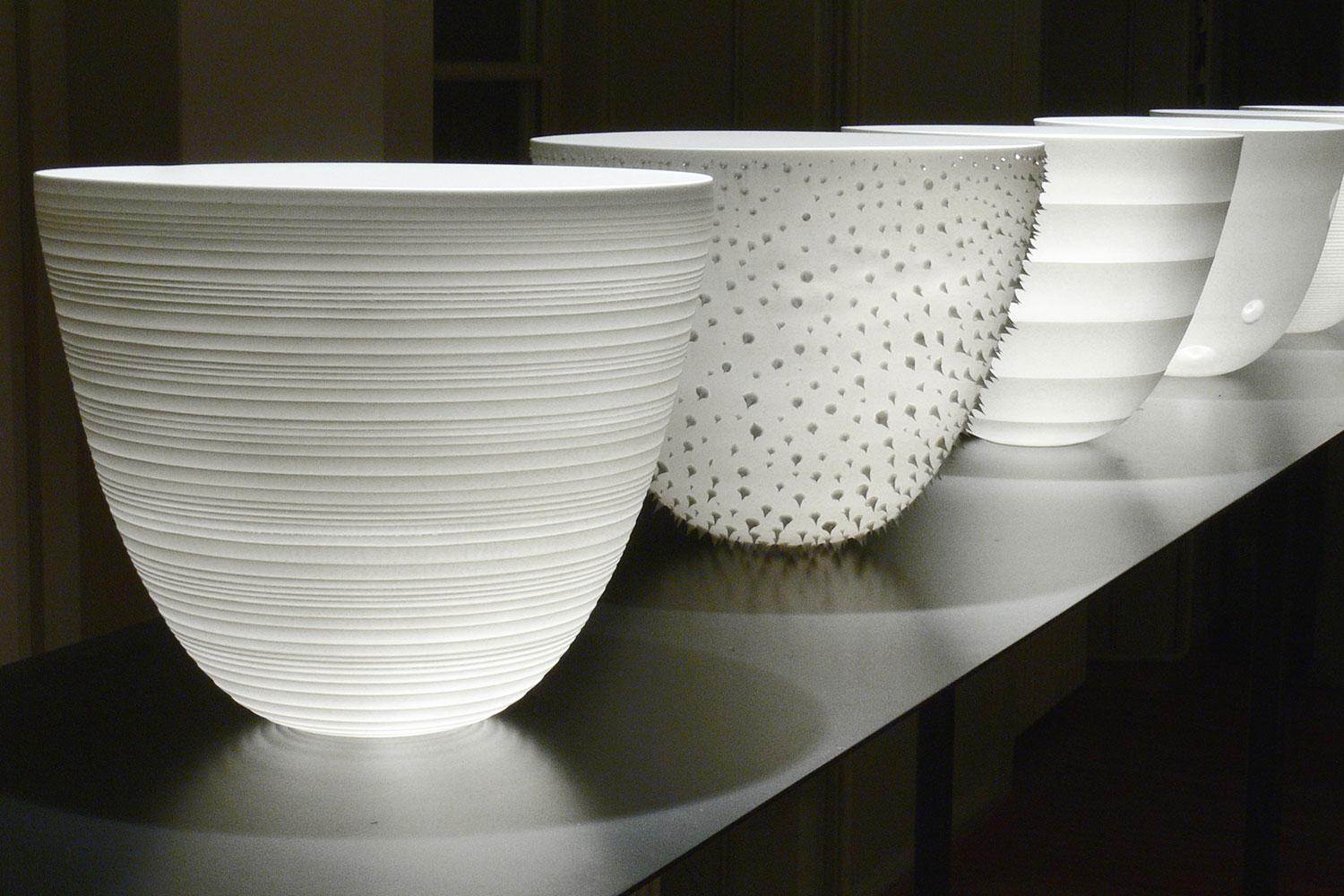
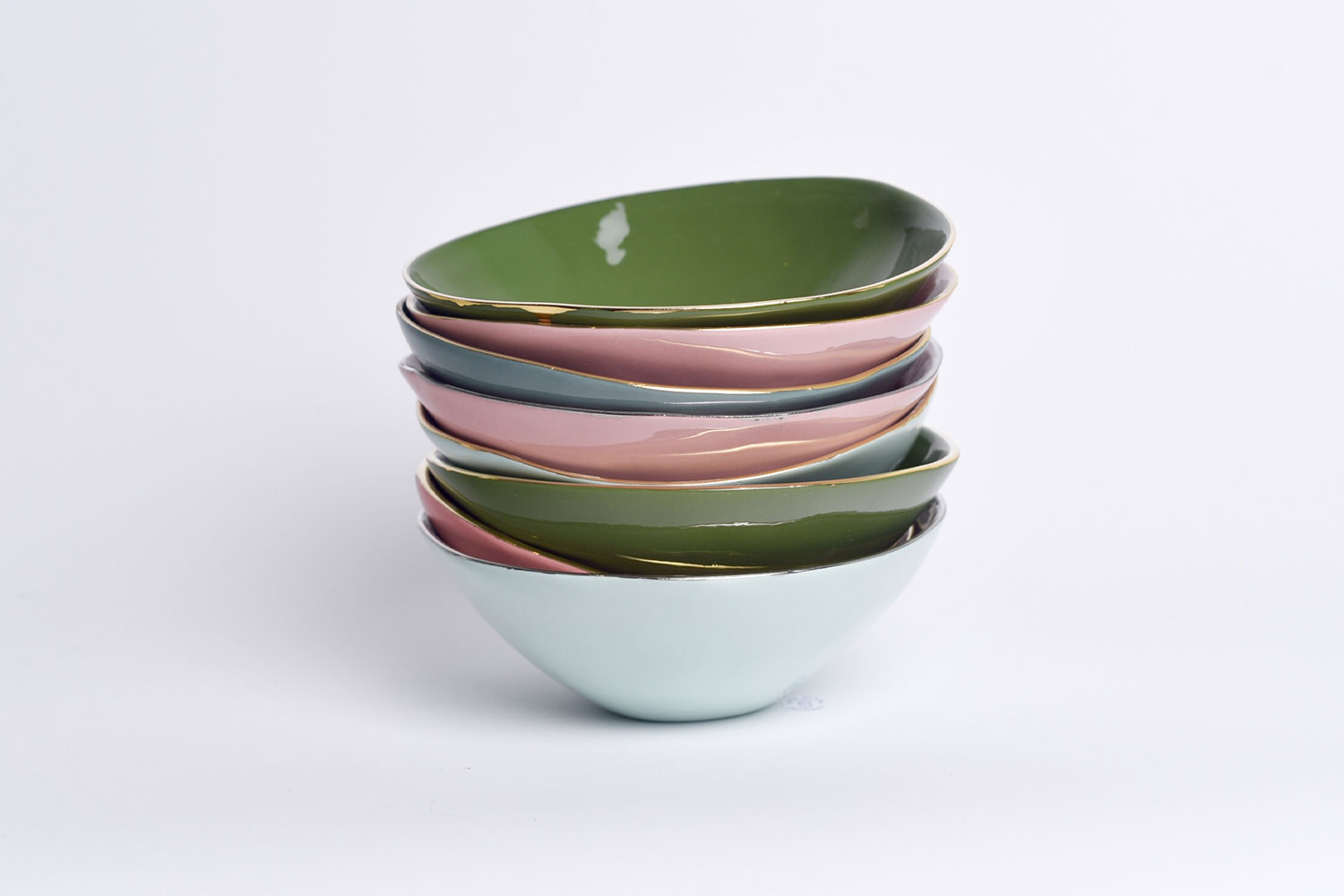
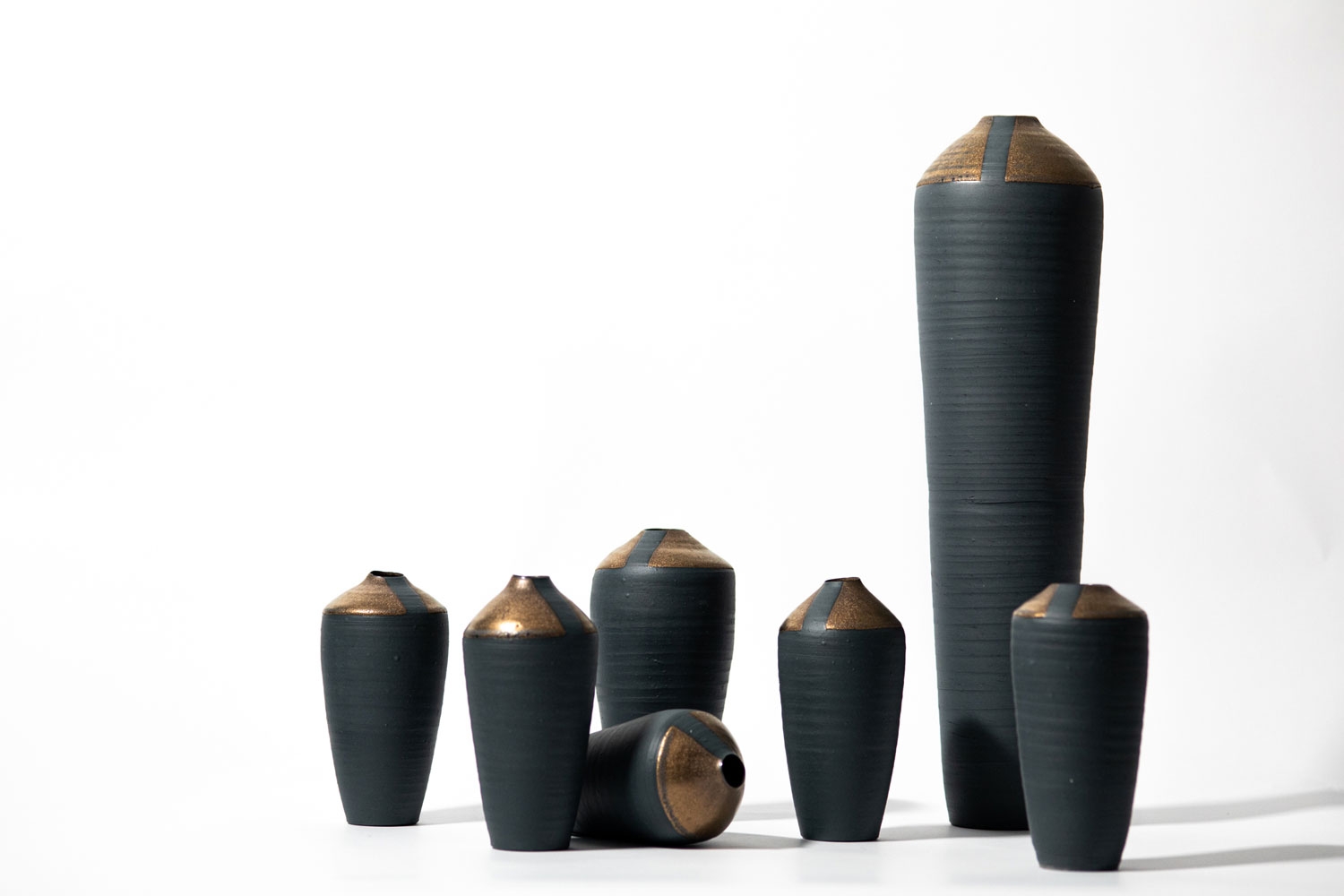
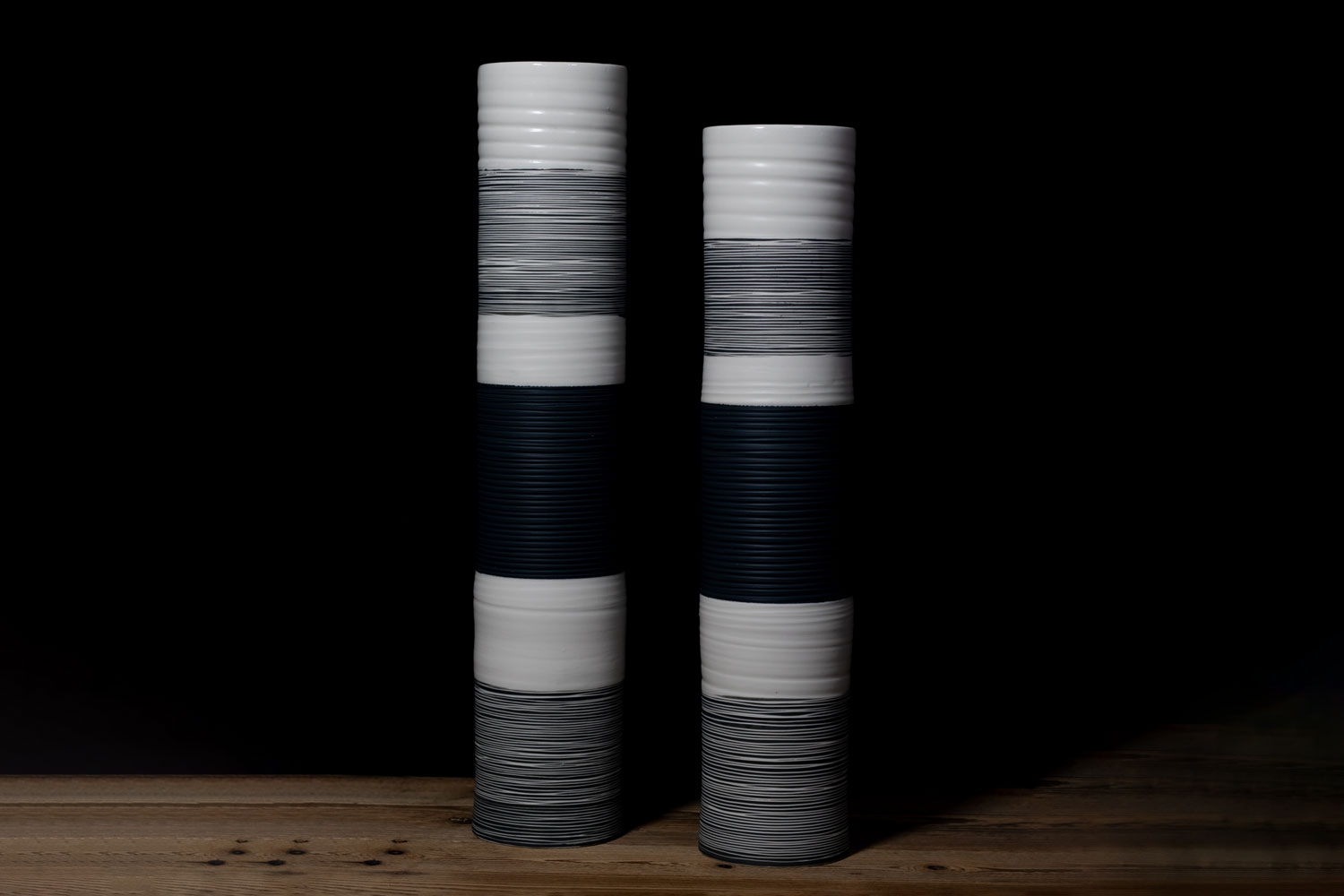
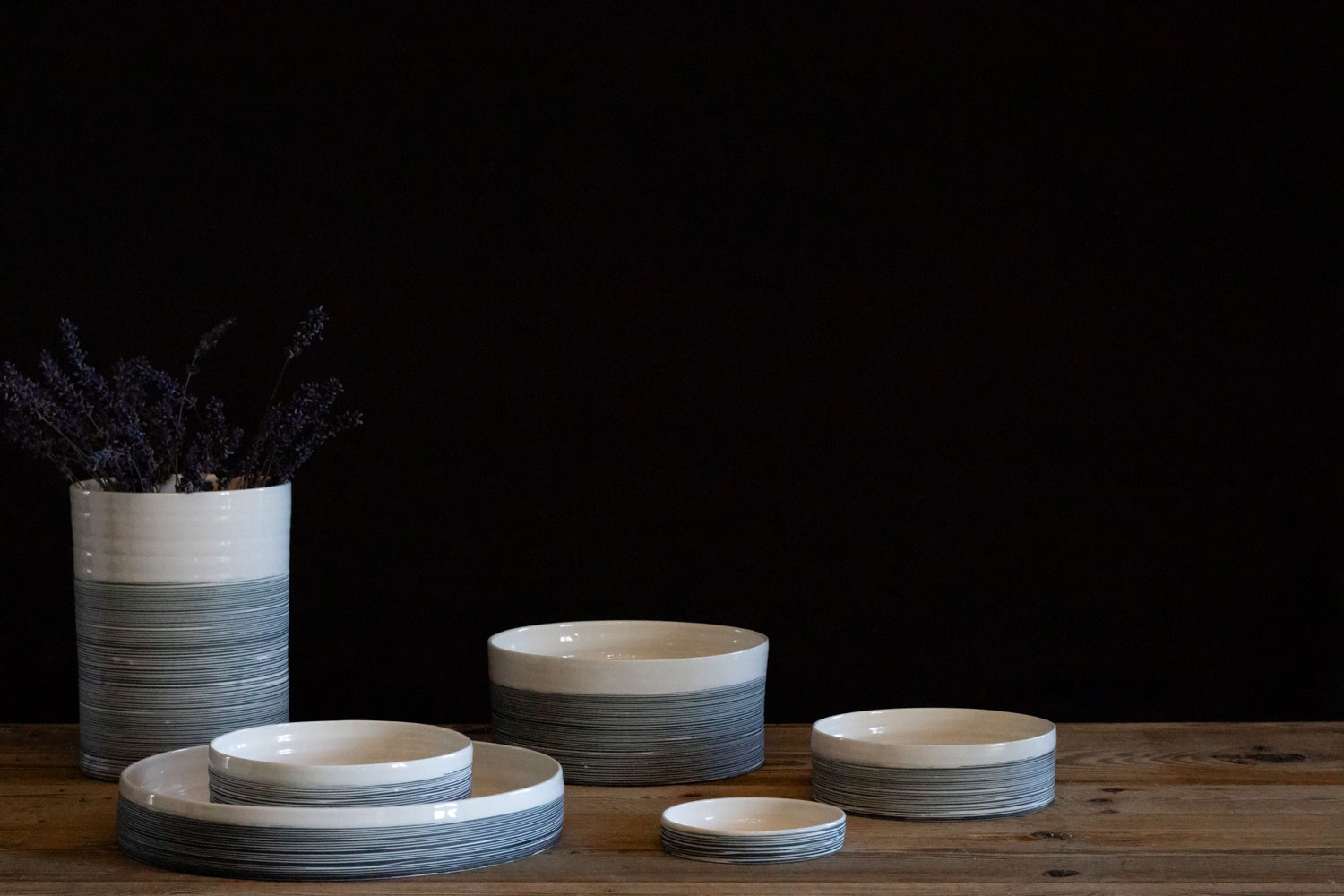
- Her artworks thrive on the contrast of textures and tones displayed in the same piece
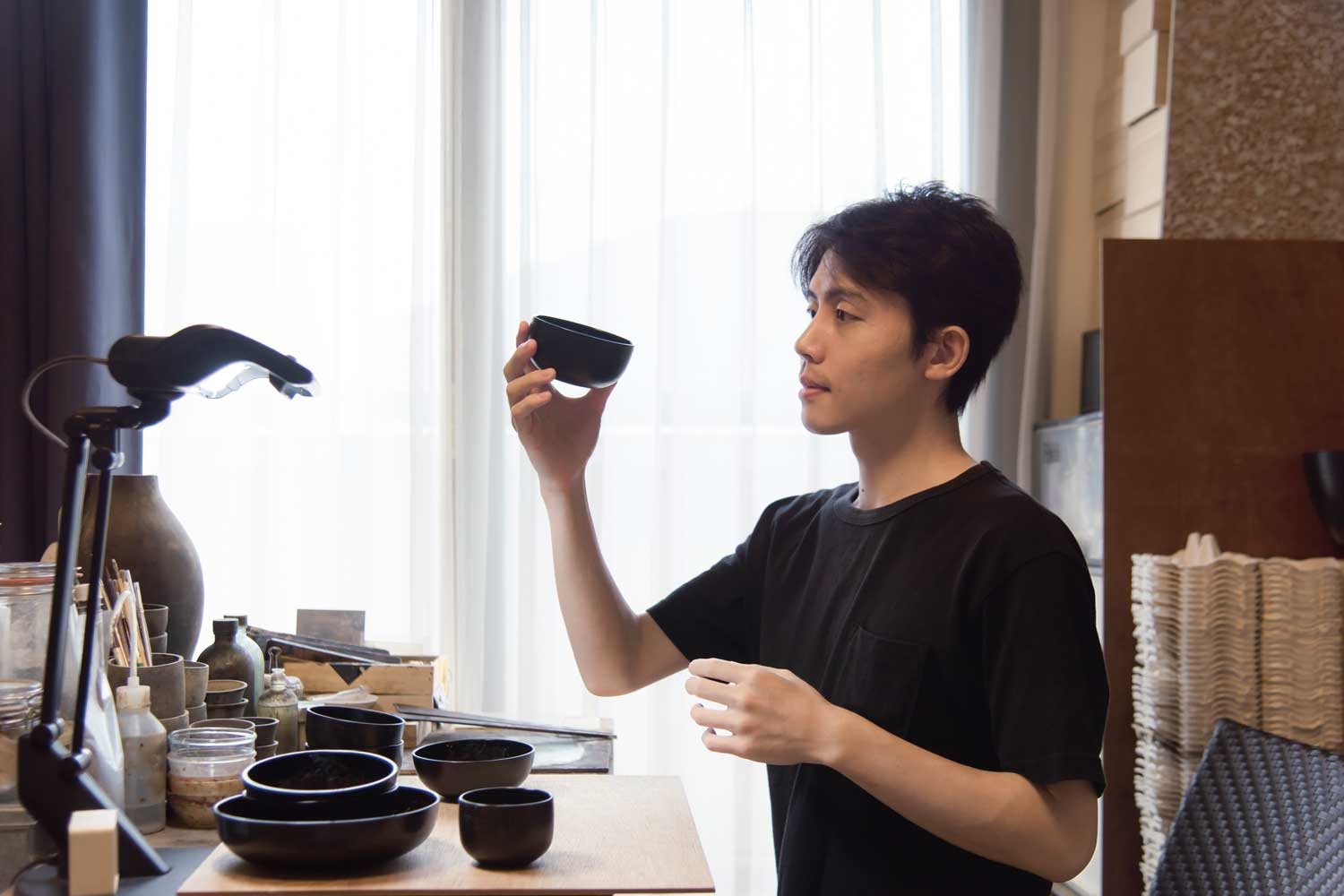
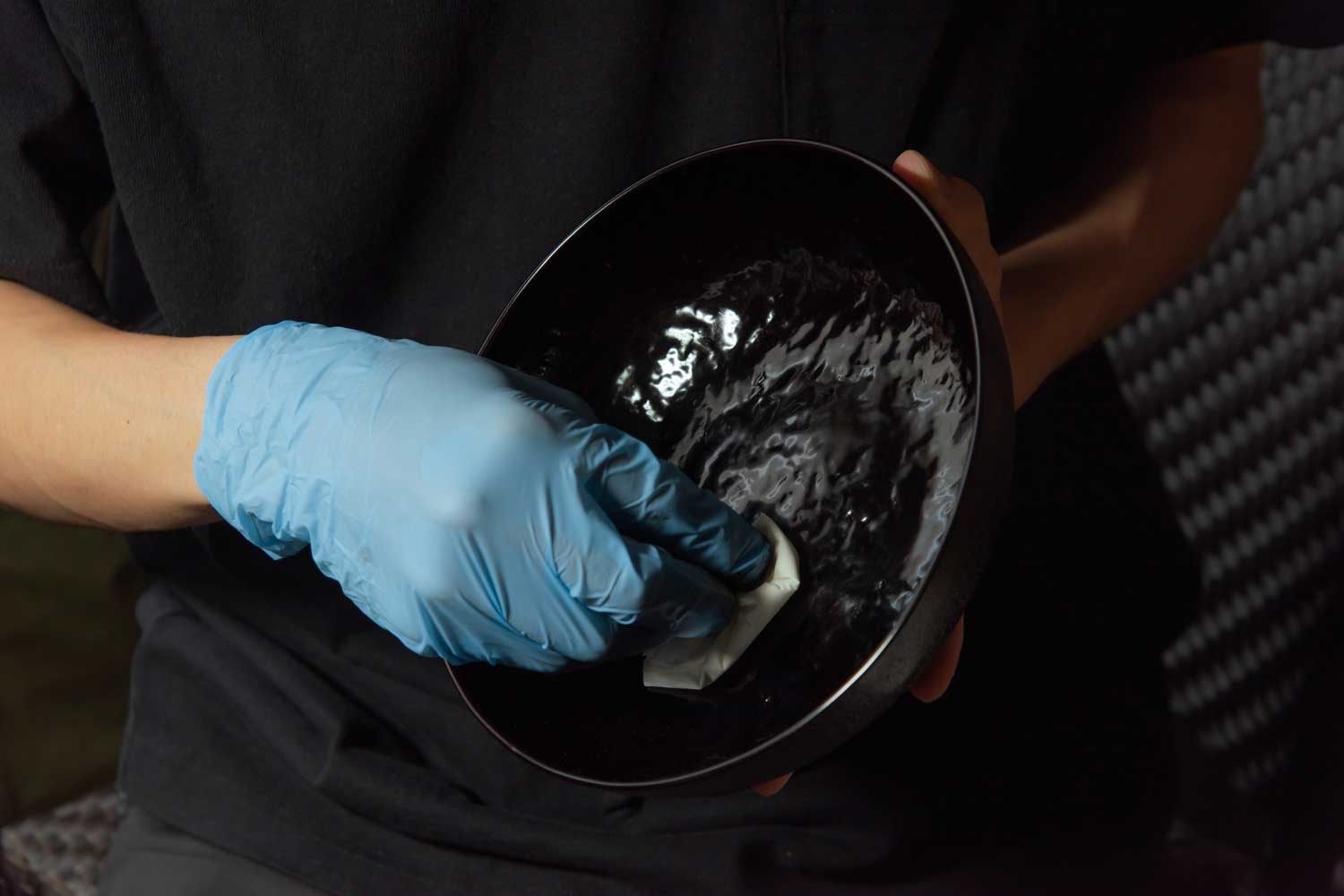
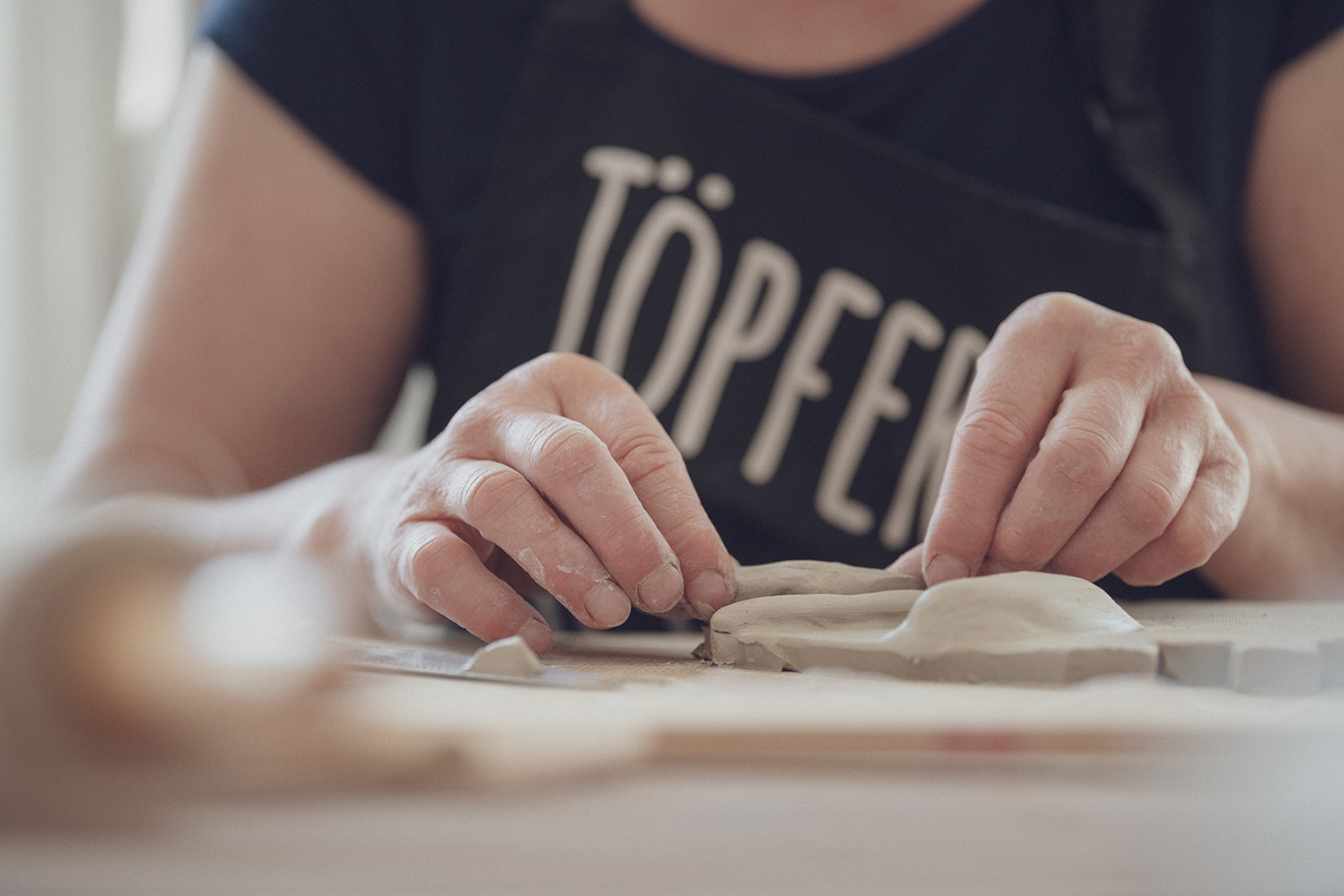
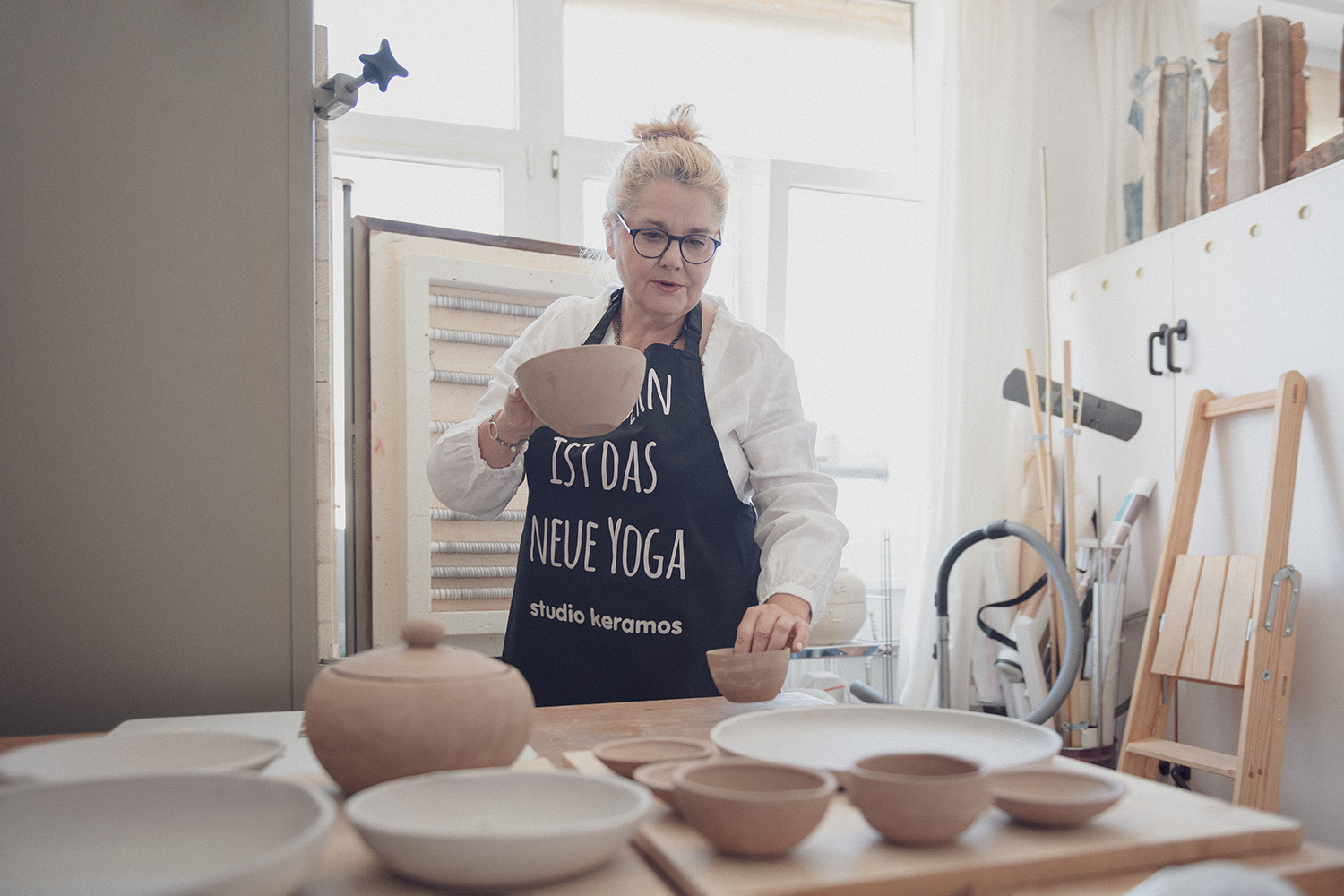
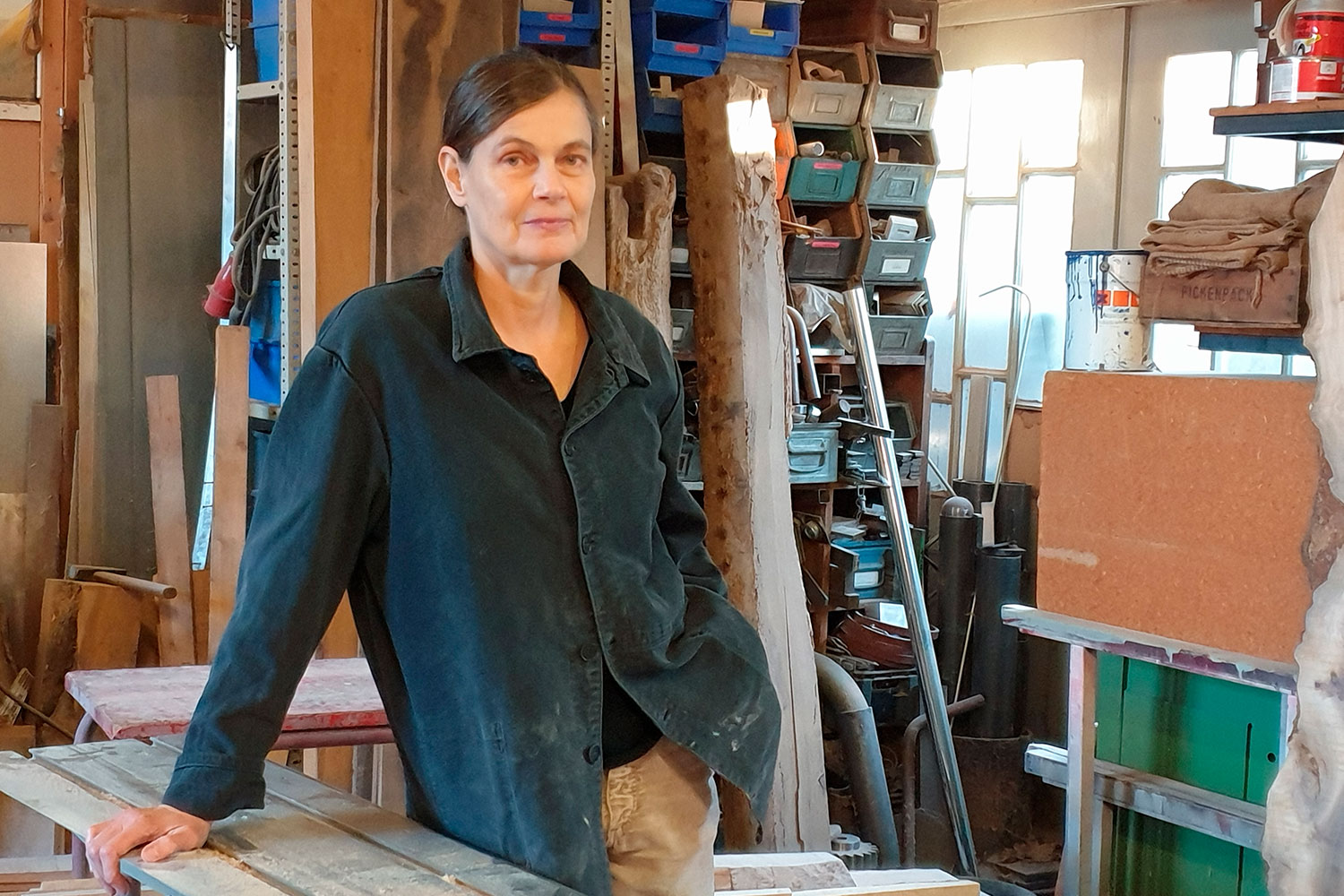
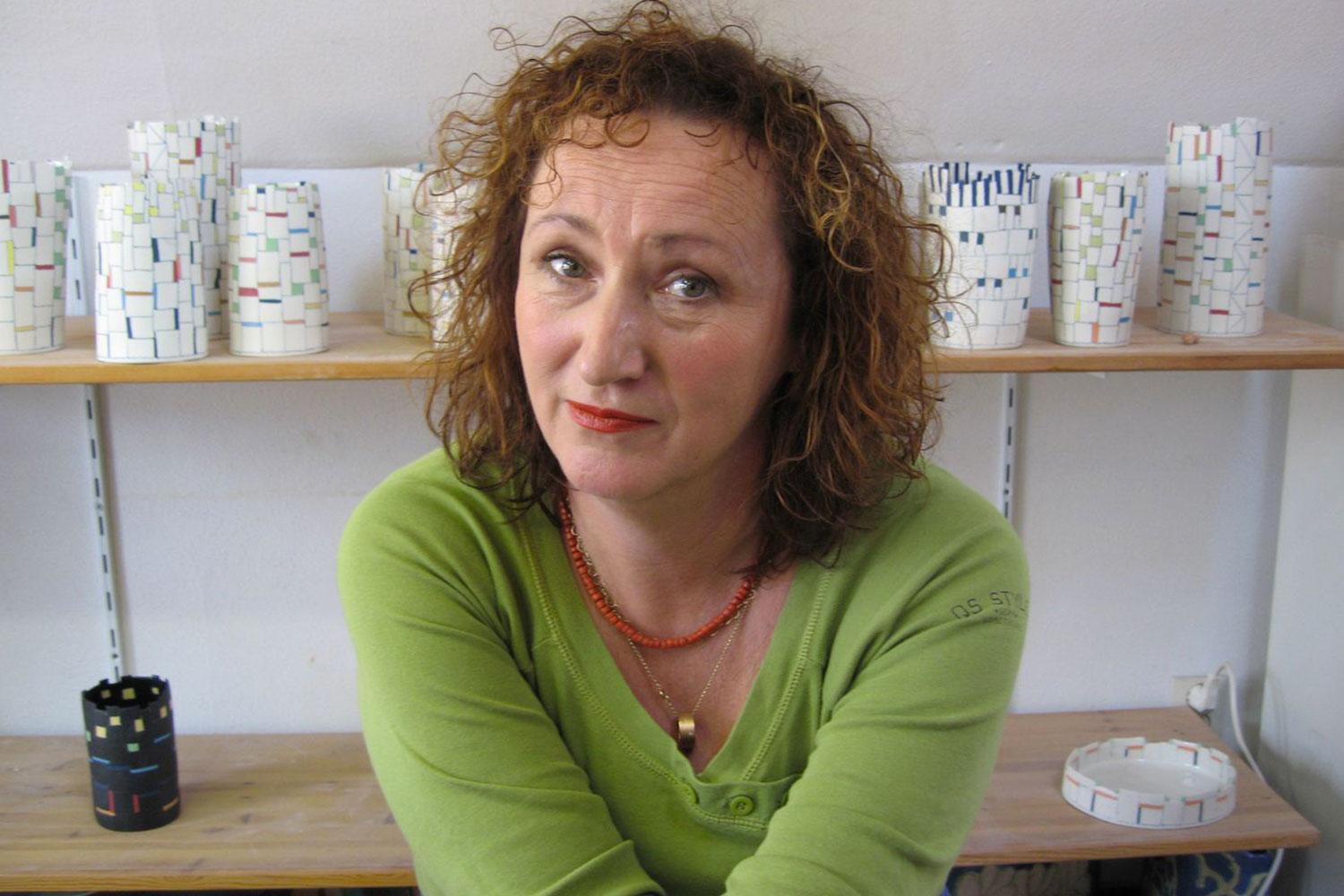
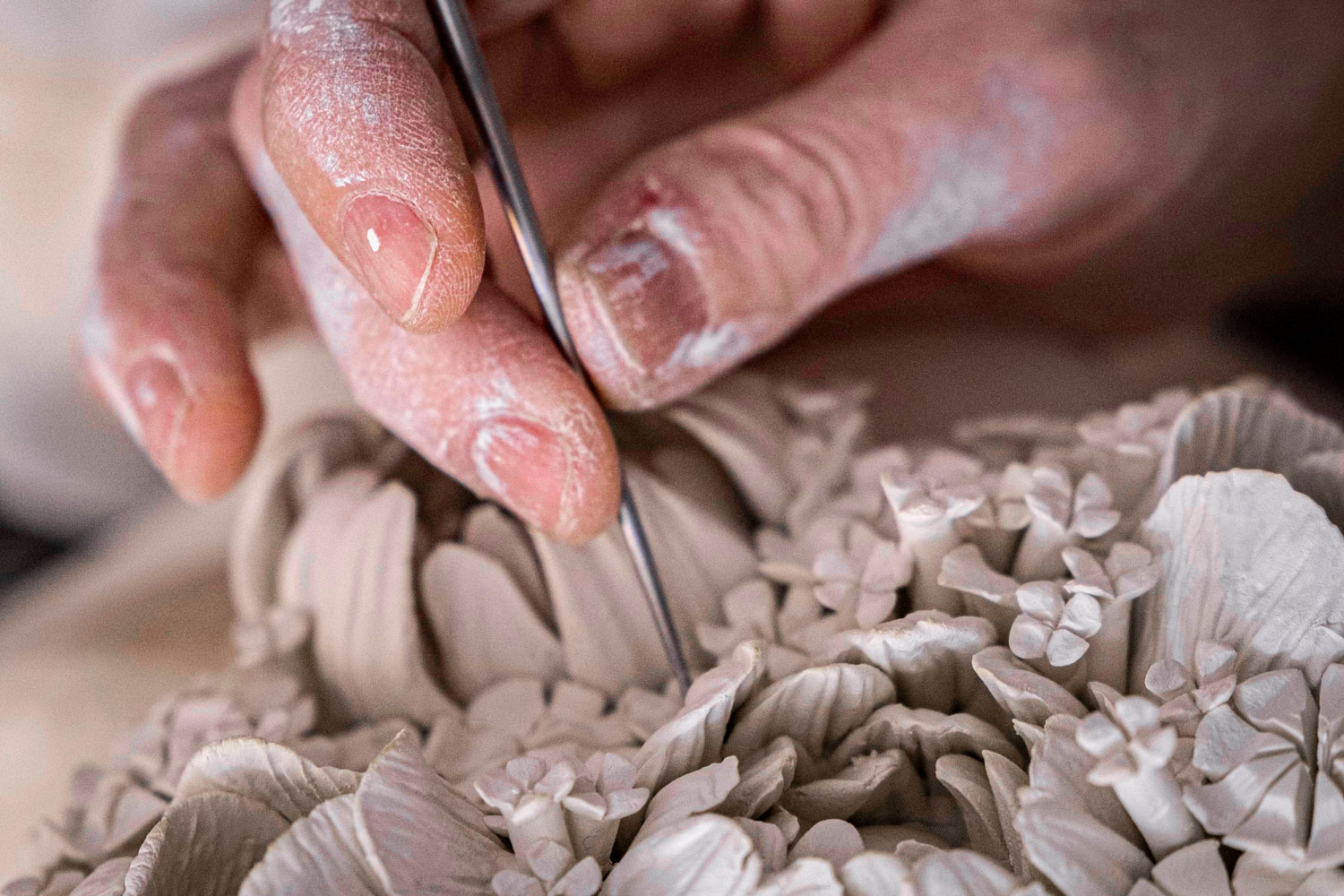
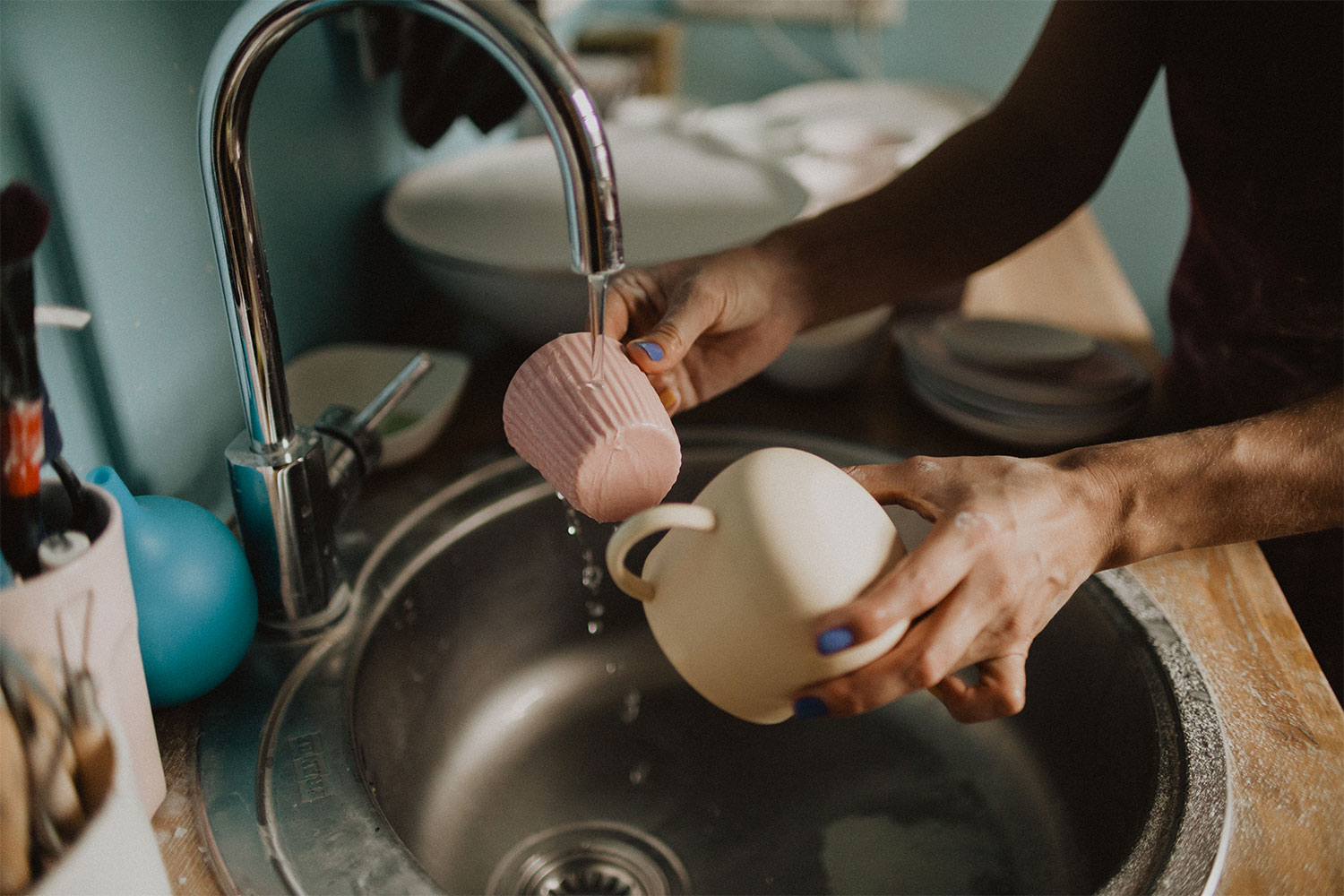
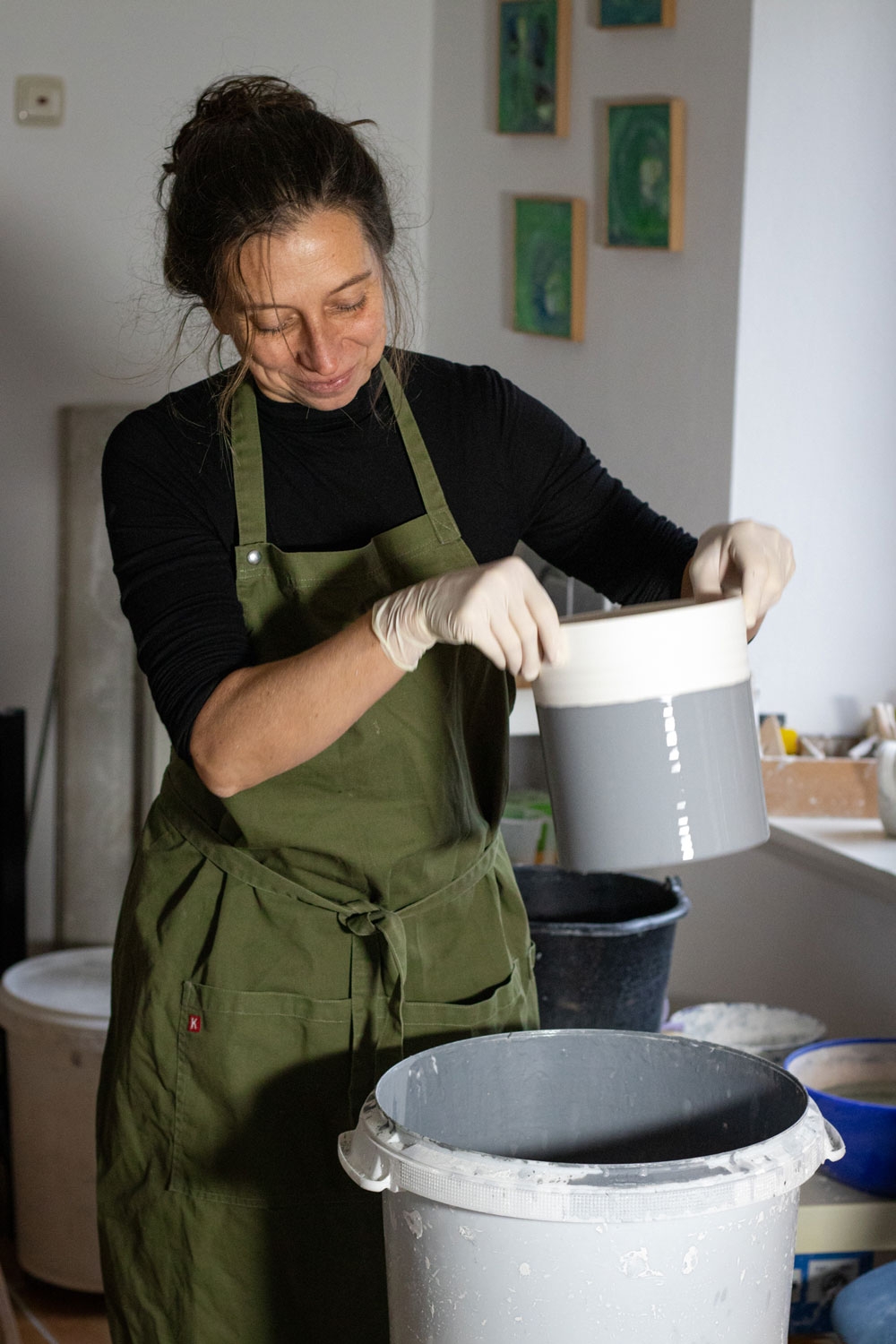
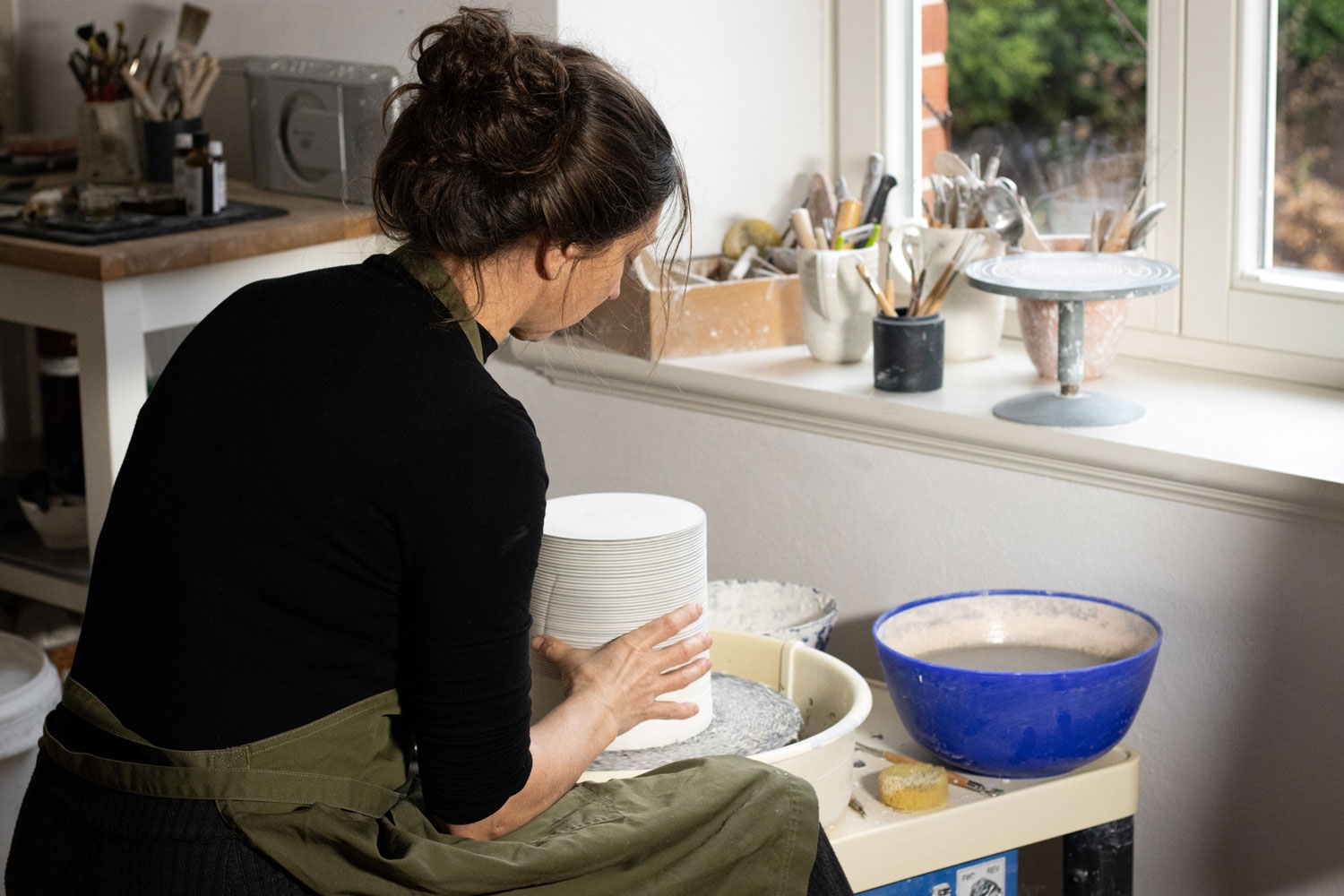
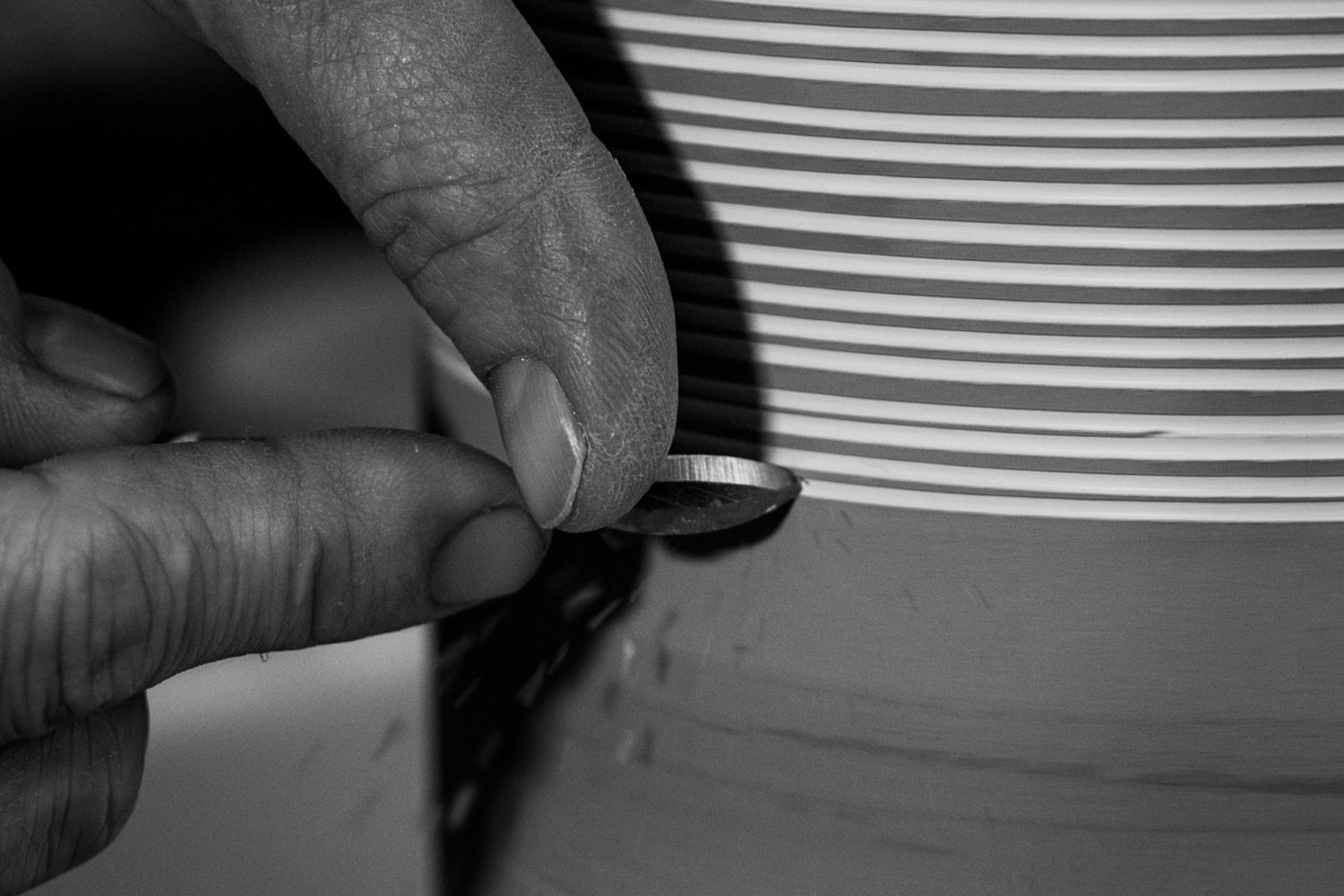
Raised in Schwerin in a family of musicians, Sylvia Ludwig developed a deep appreciation for craftsmanship and aesthetics from a young age. She grew up in a region with a rich ceramics tradition, and pursued formal training after school. "I was drawn to ceramics and their potential to shape form and harmony," Sylvia explains. Entirely by chance, she encountered porcelain during a wood firing workshop in a fellow ceramicist’s studio. Captivated by its delicate strength, she knew instantly she wanted to master it and relearned the wheel entirely to meet its demands. To make her process more sustainable, Sylvia developed a method to recycle unfired porcelain by adding cellulose, creating a uniquely dark and versatile material. Balancing the contrasts she sees in life, Sylvia brings light and shadow, smooth and textured surfaces into dialogue, shaping them into harmonious porcelain forms.
Discover her work
INTERVIEW
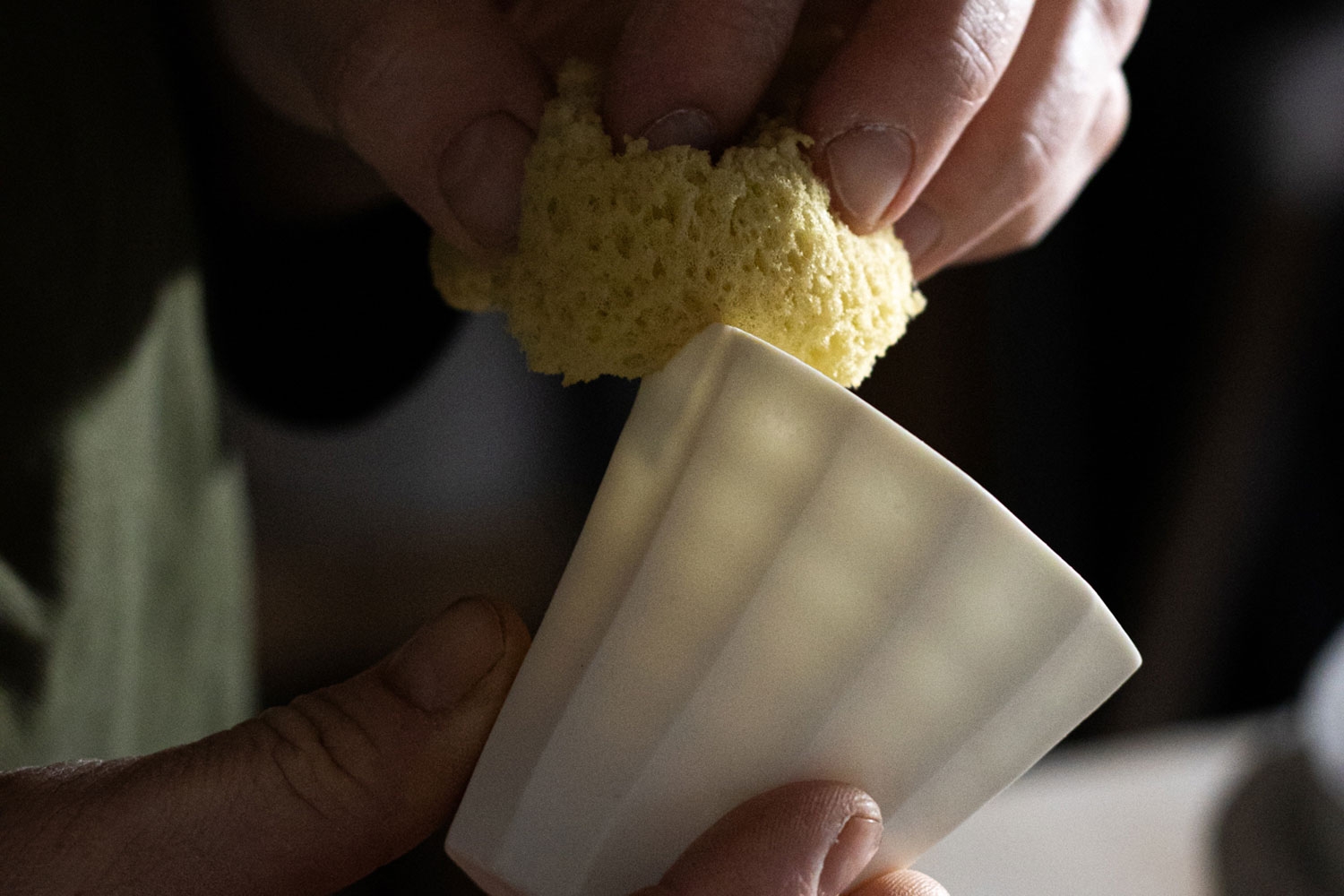
Porcelain has a sense of presence. It may appear fragile, but when formed with care, it holds its own in any space. I love creating pieces that invite both visual and tactile engagement.
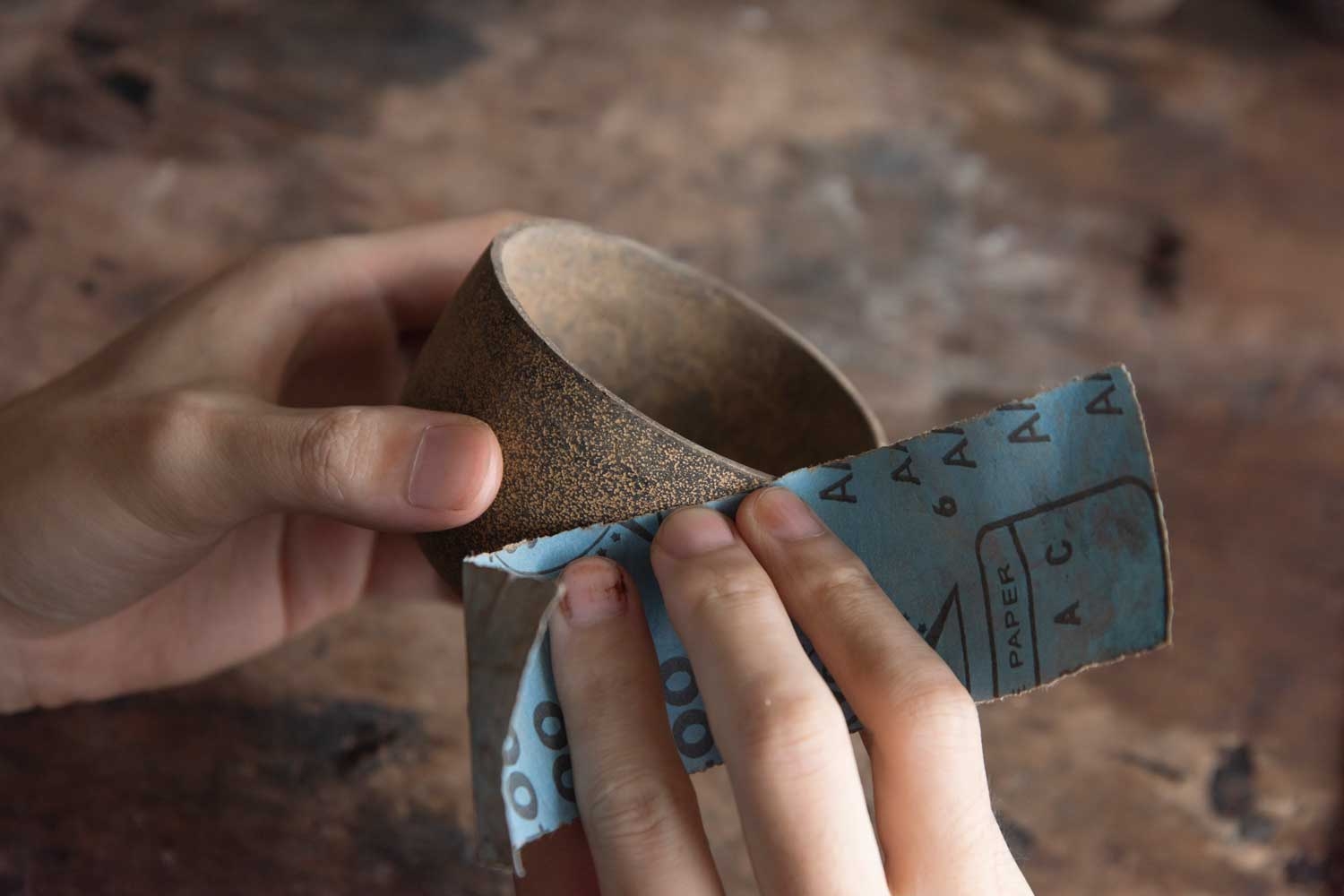
I wanted to find a way to reuse dried, unfired porcelain. By adding cellulose, the material became soft and flexible again, allowing me to throw it on the wheel once more. The process naturally altered the colour, so I decided to fully embrace it and dye the porcelain completely black, turning it into a distinctive feature of my work.
Both. I love the clarity of functional design, but I also push my pieces beyond utility. A cup can be a sculpture, a bowl an abstract form. I work at the edge of functionality, where an object is both useful and expressive.
The material itself is my greatest motivation. Porcelain challenges me, teaches me patience, and forces me to refine my process. With Cellulose Porcelain, I have unlocked new possibilities, and that constant evolution is what drives me forward.
Sylvia Ludwig
Porcelain maker
Pingelshagen, Germany
AVAILABILITY
By appointment only
PHONE
+49 1745867586
LANGUAGES
German
Homo Faber Finds is a new service aiming to inspire admirers of craft to connect and collaborate with exceptional artisans.
We invite you to submit an enquiry here.