Image 1 of 2
Vivienne Foley
Porcelain maker
Cheltenham, United Kingdom
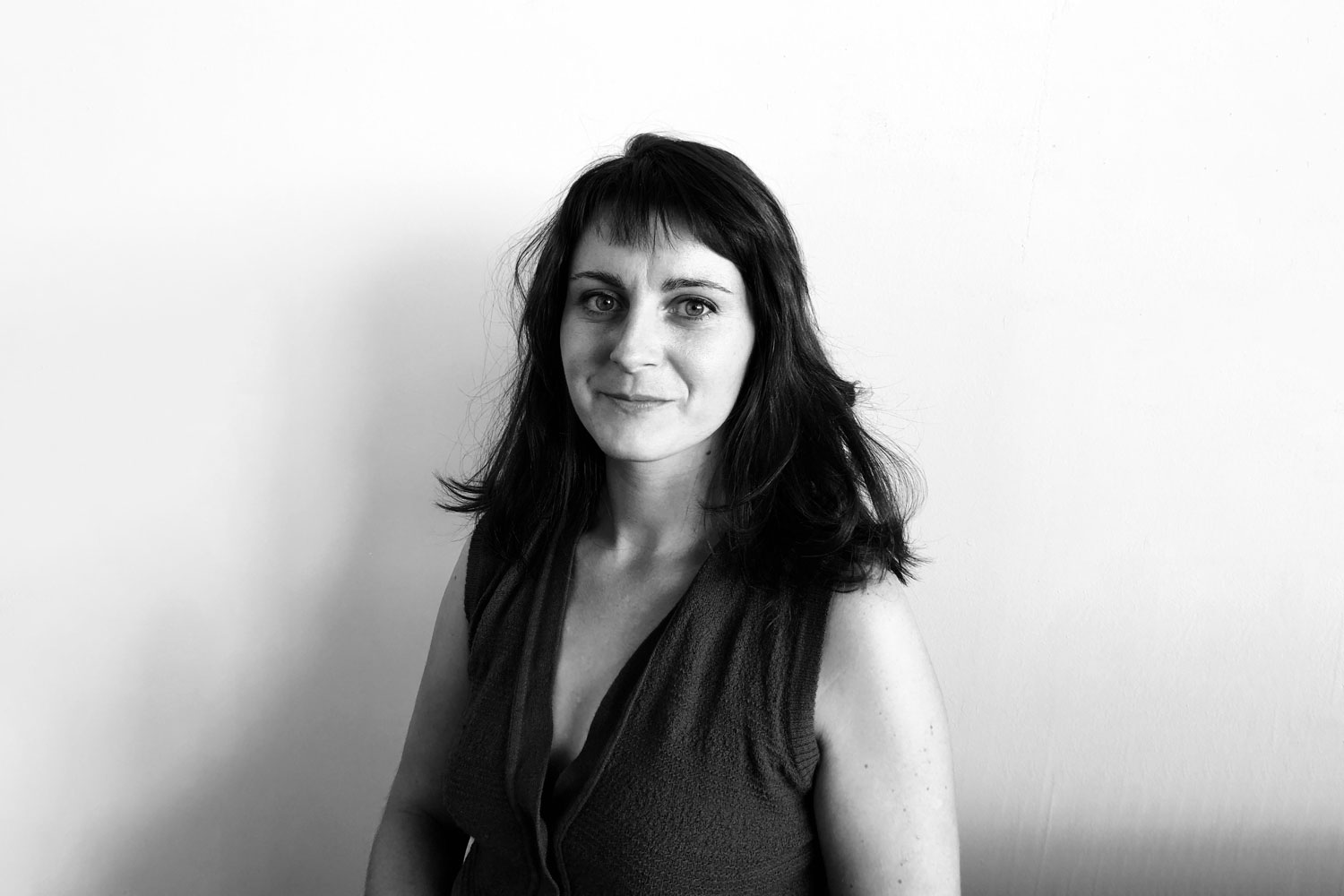
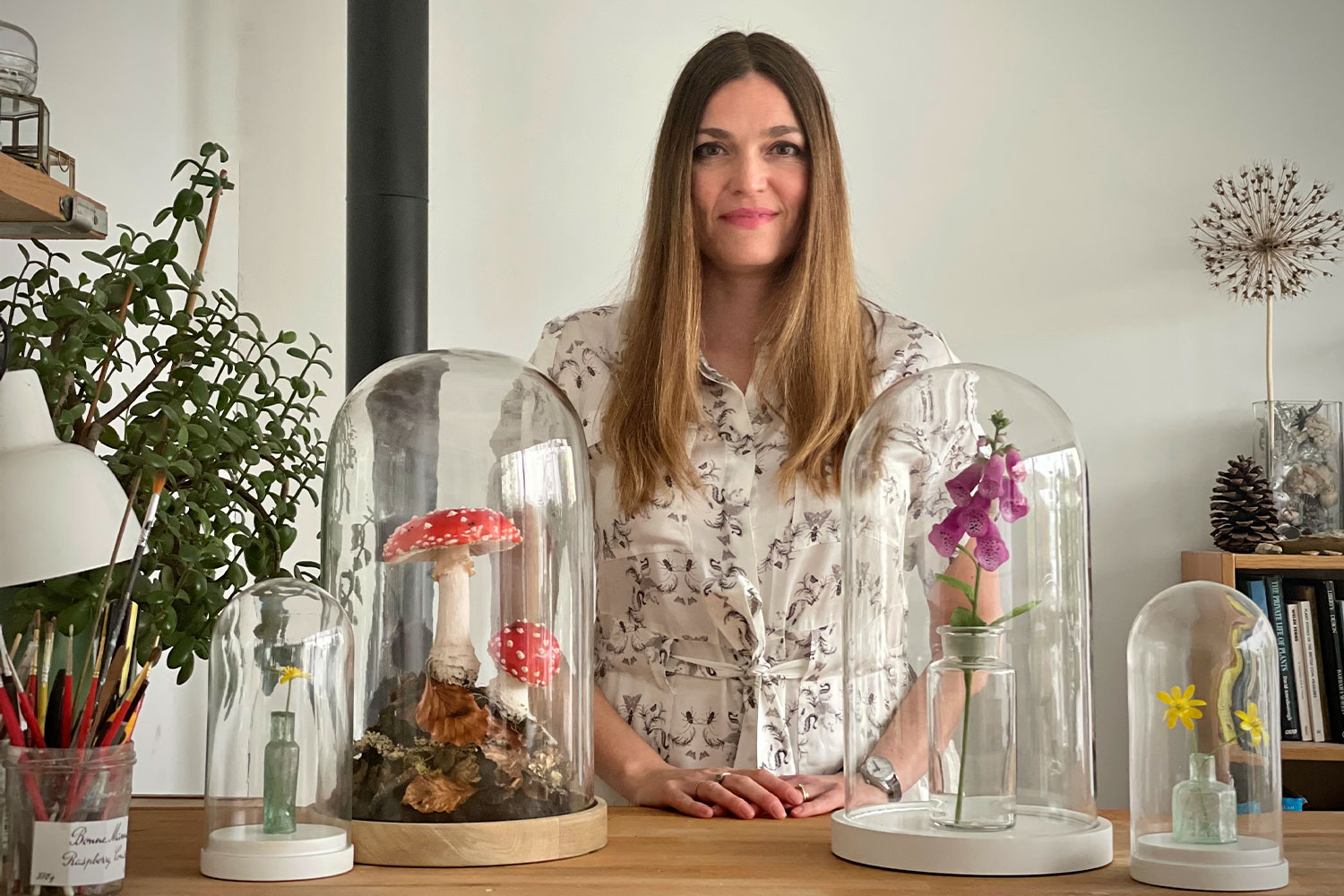
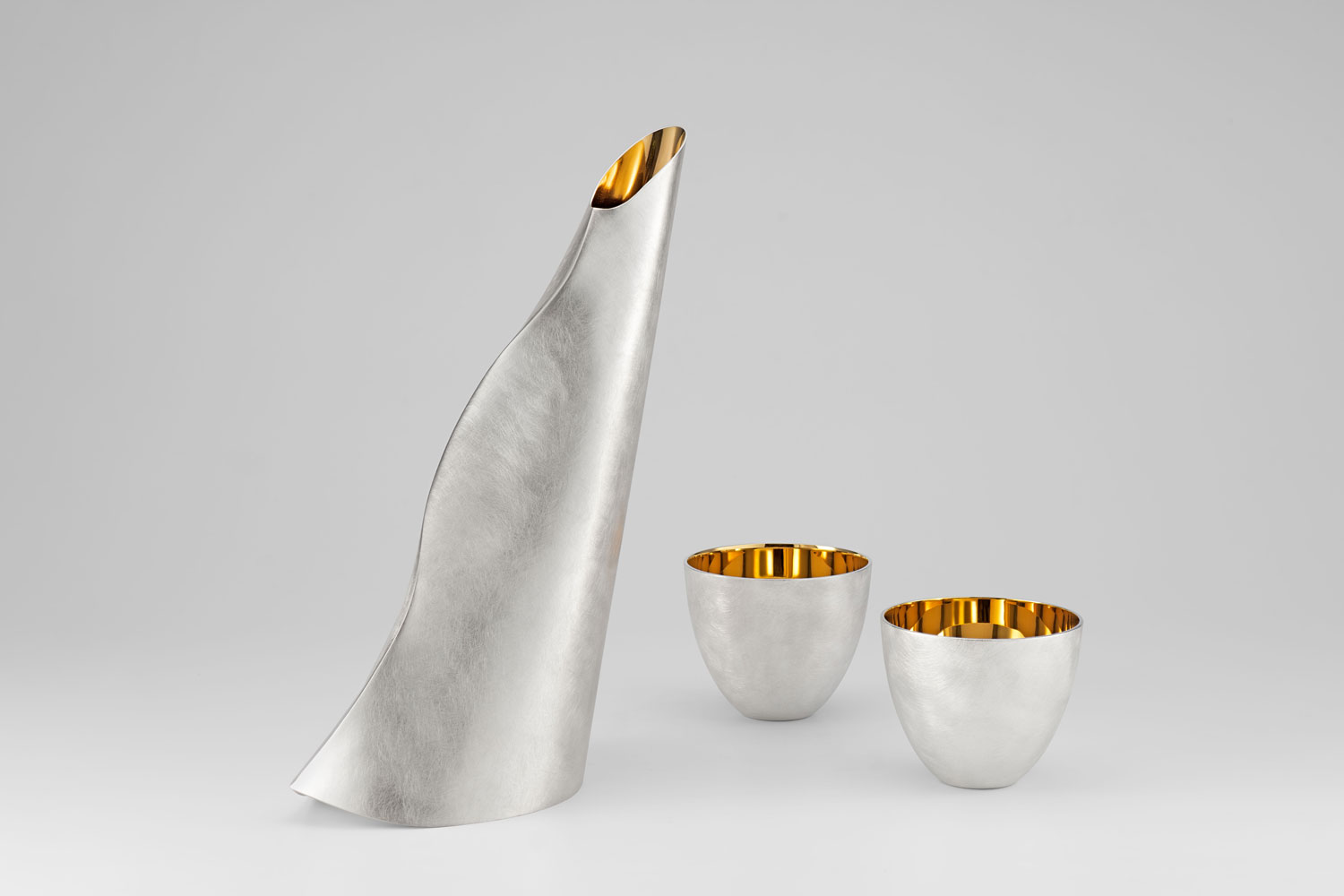
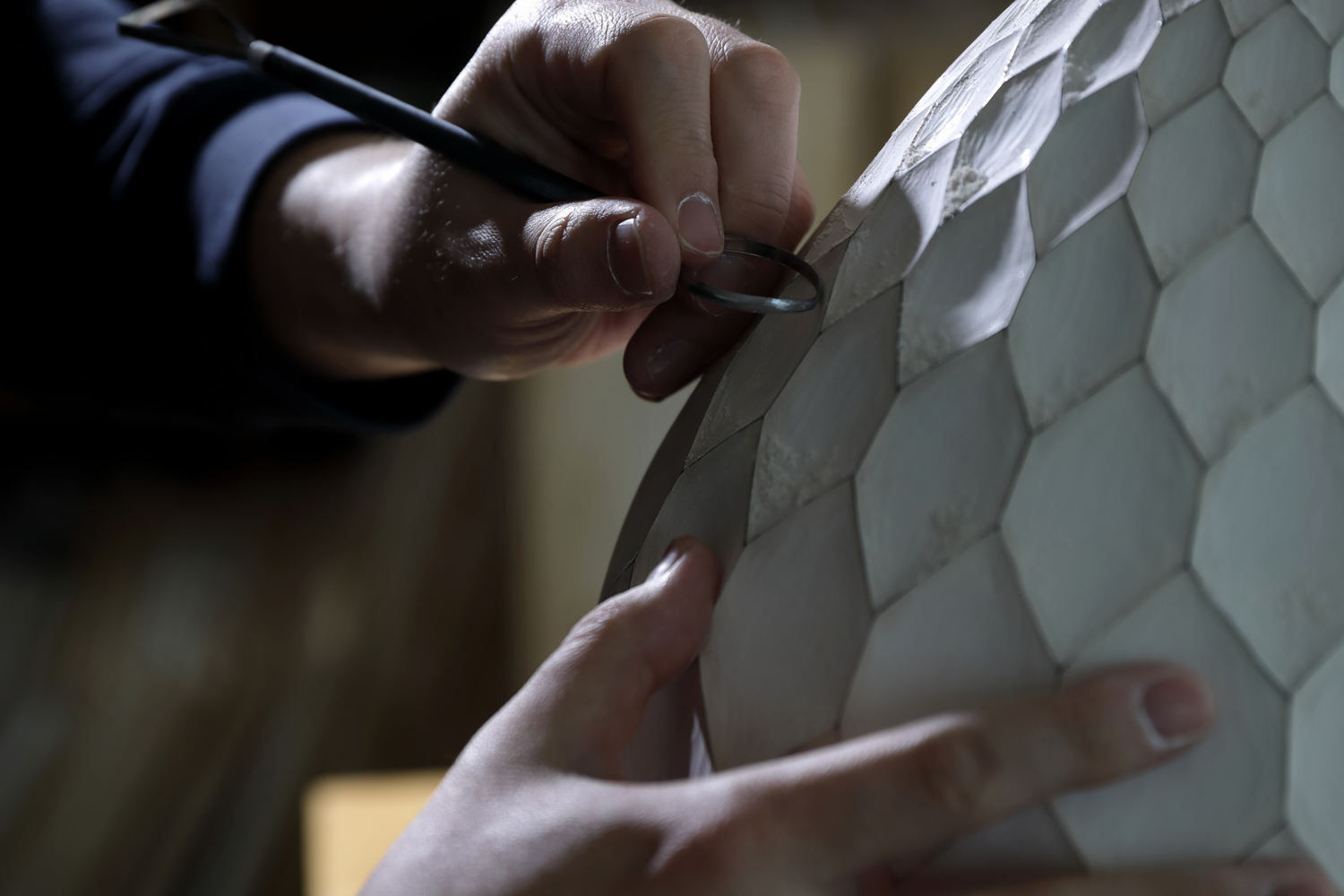
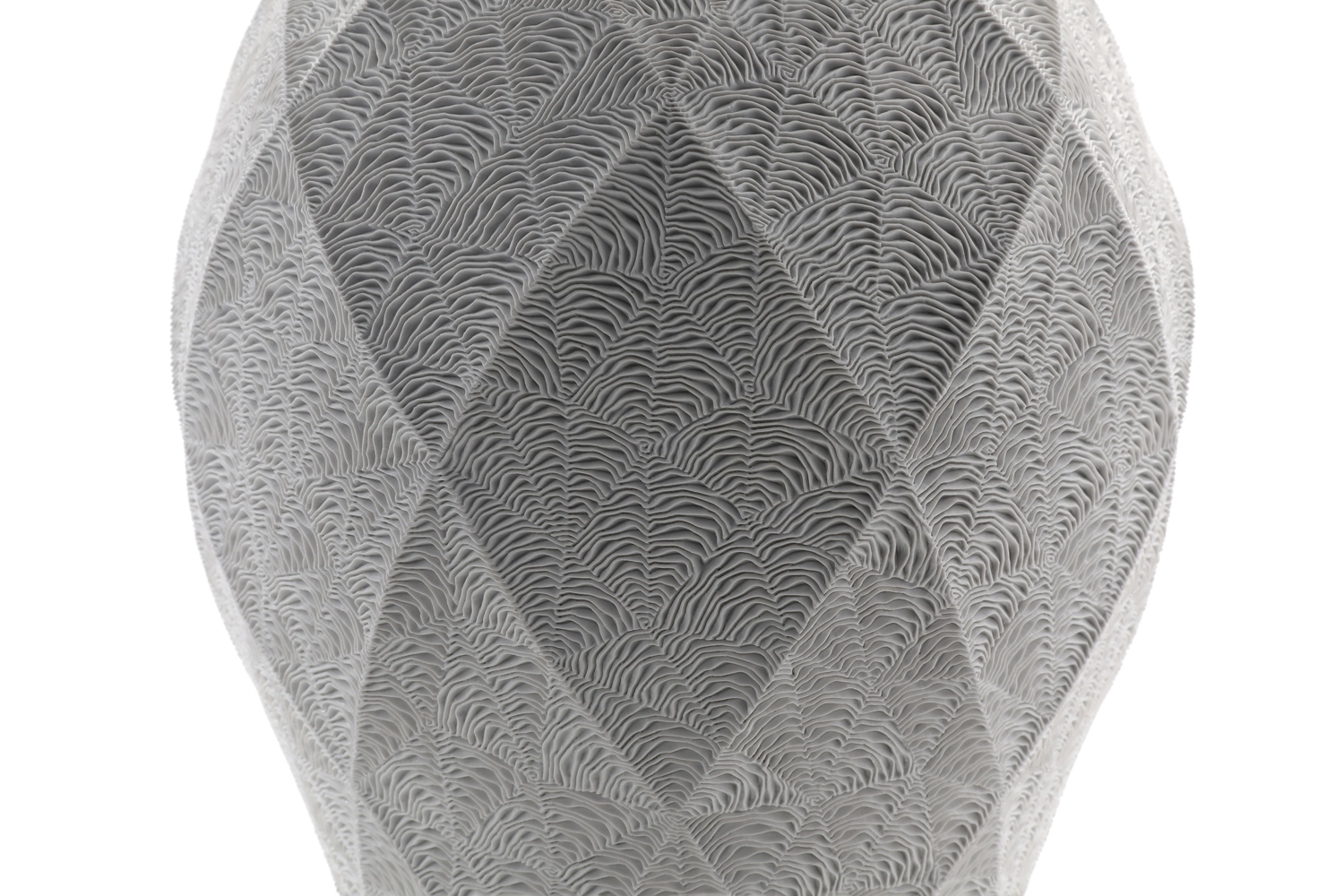
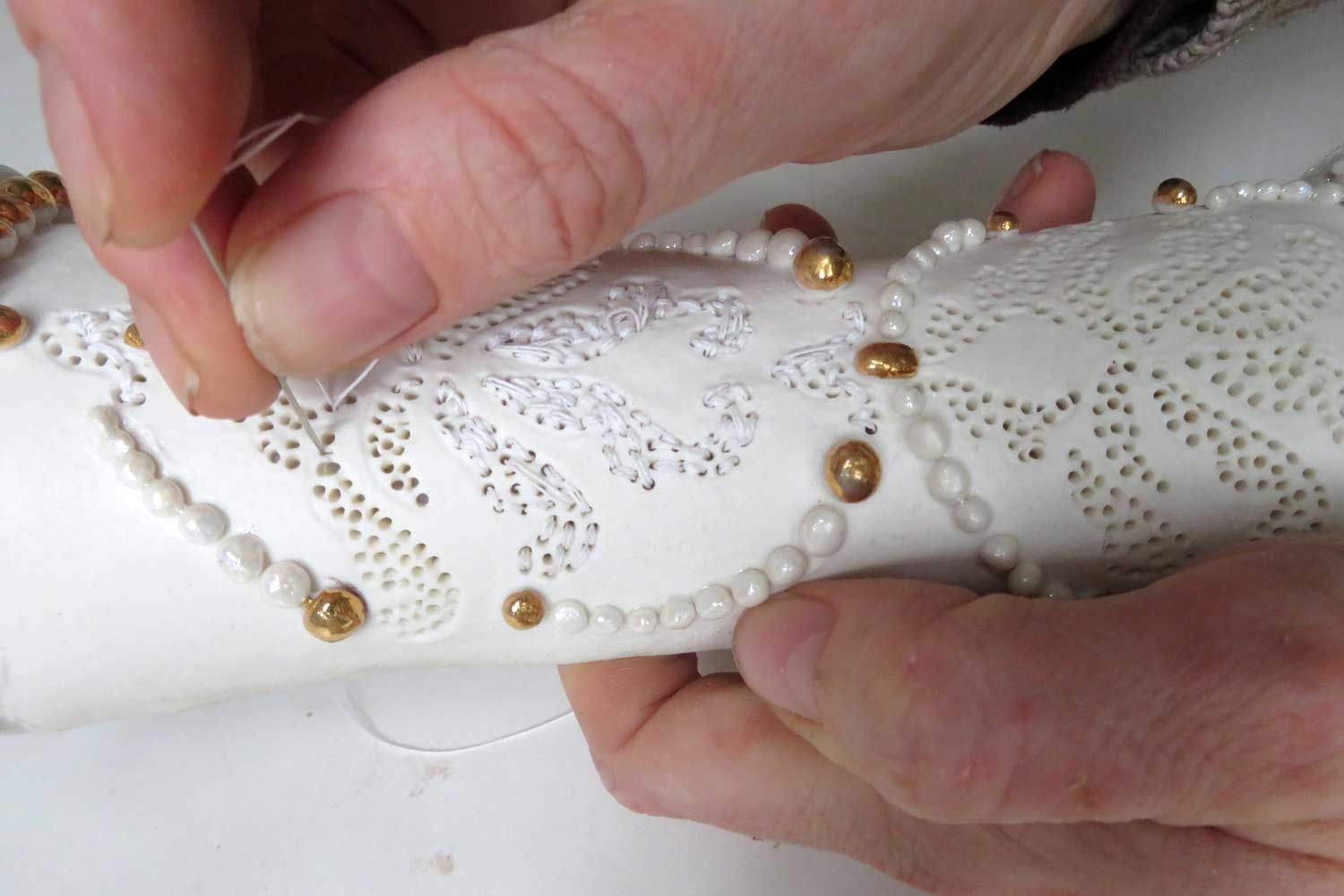
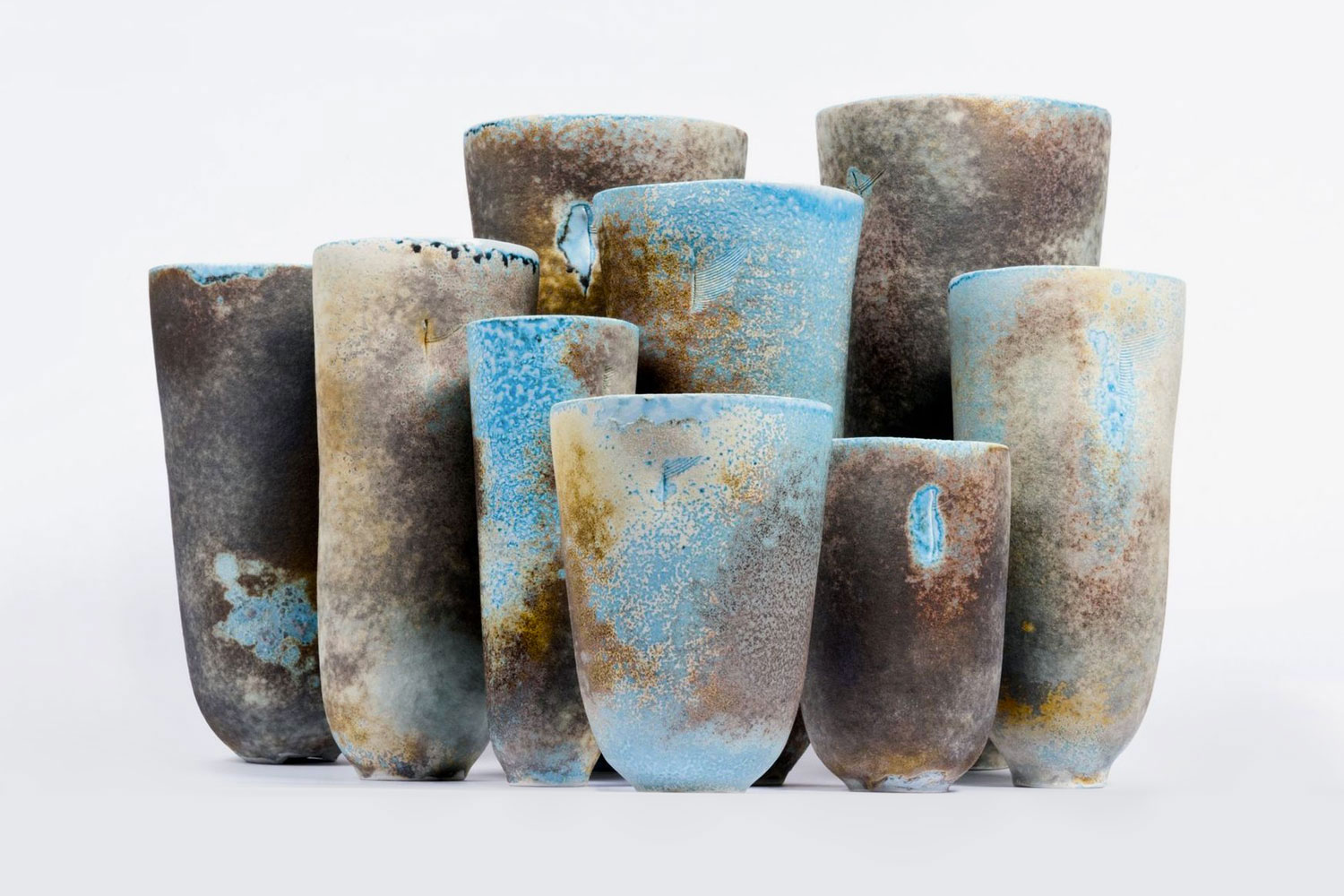
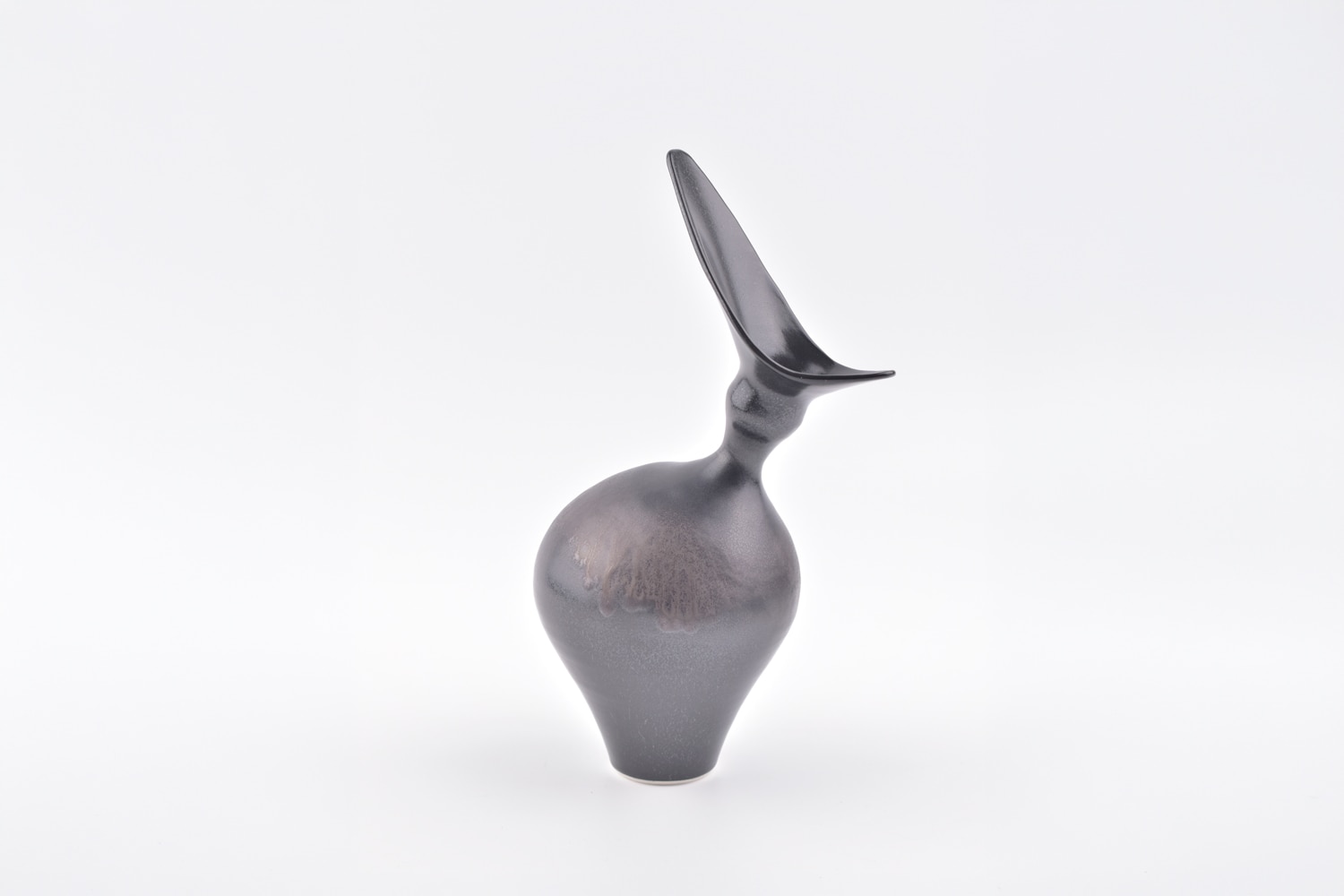
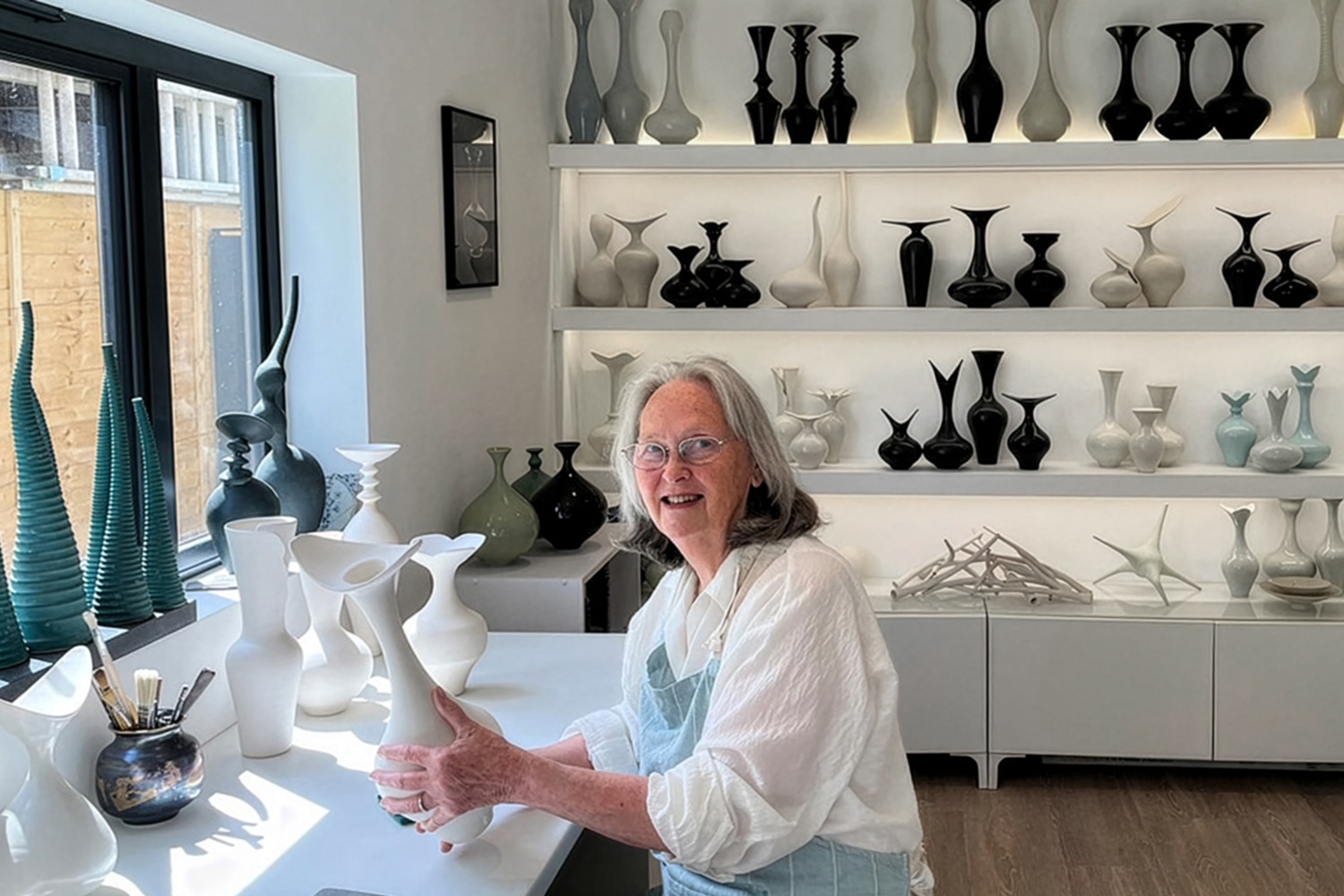
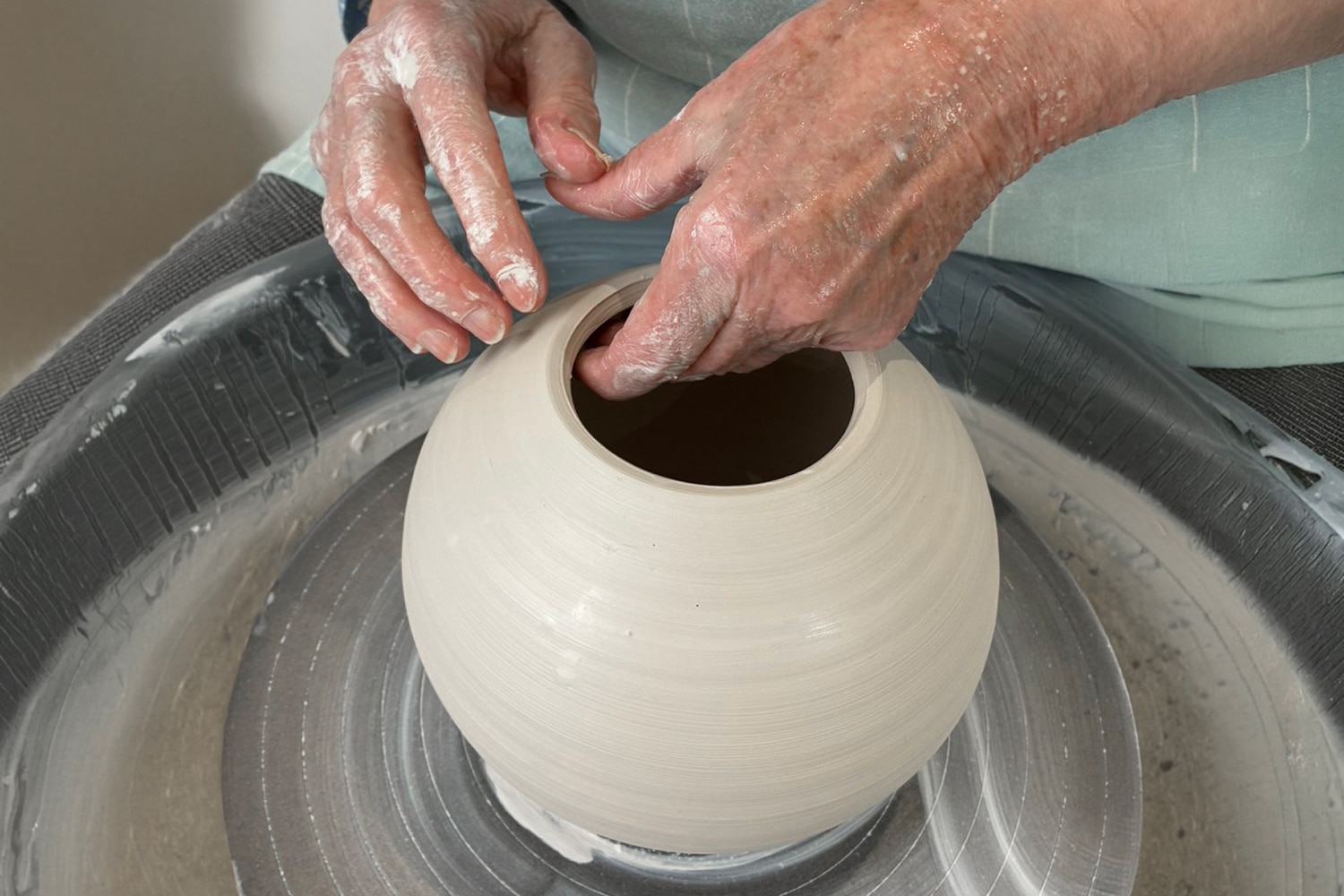
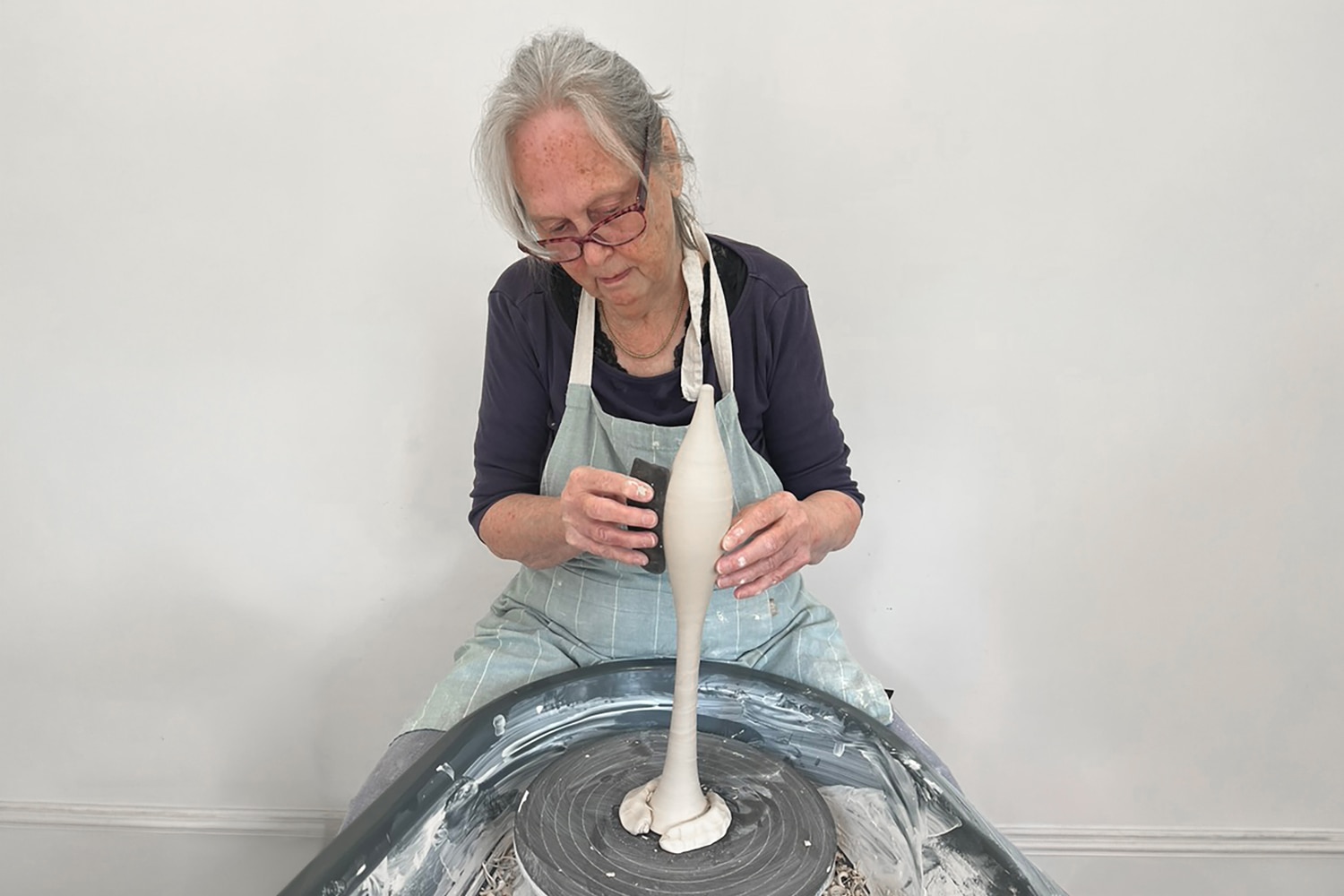
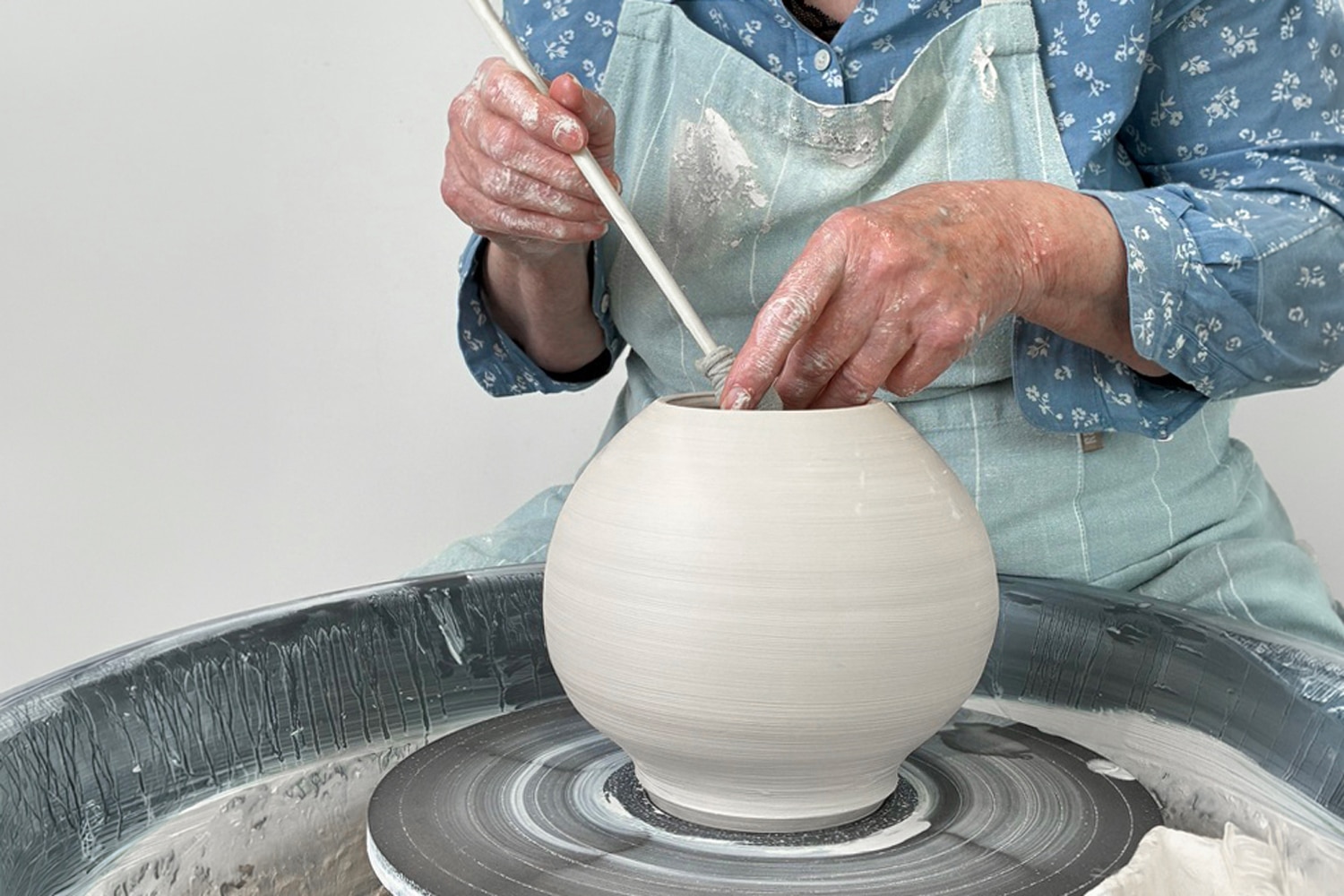
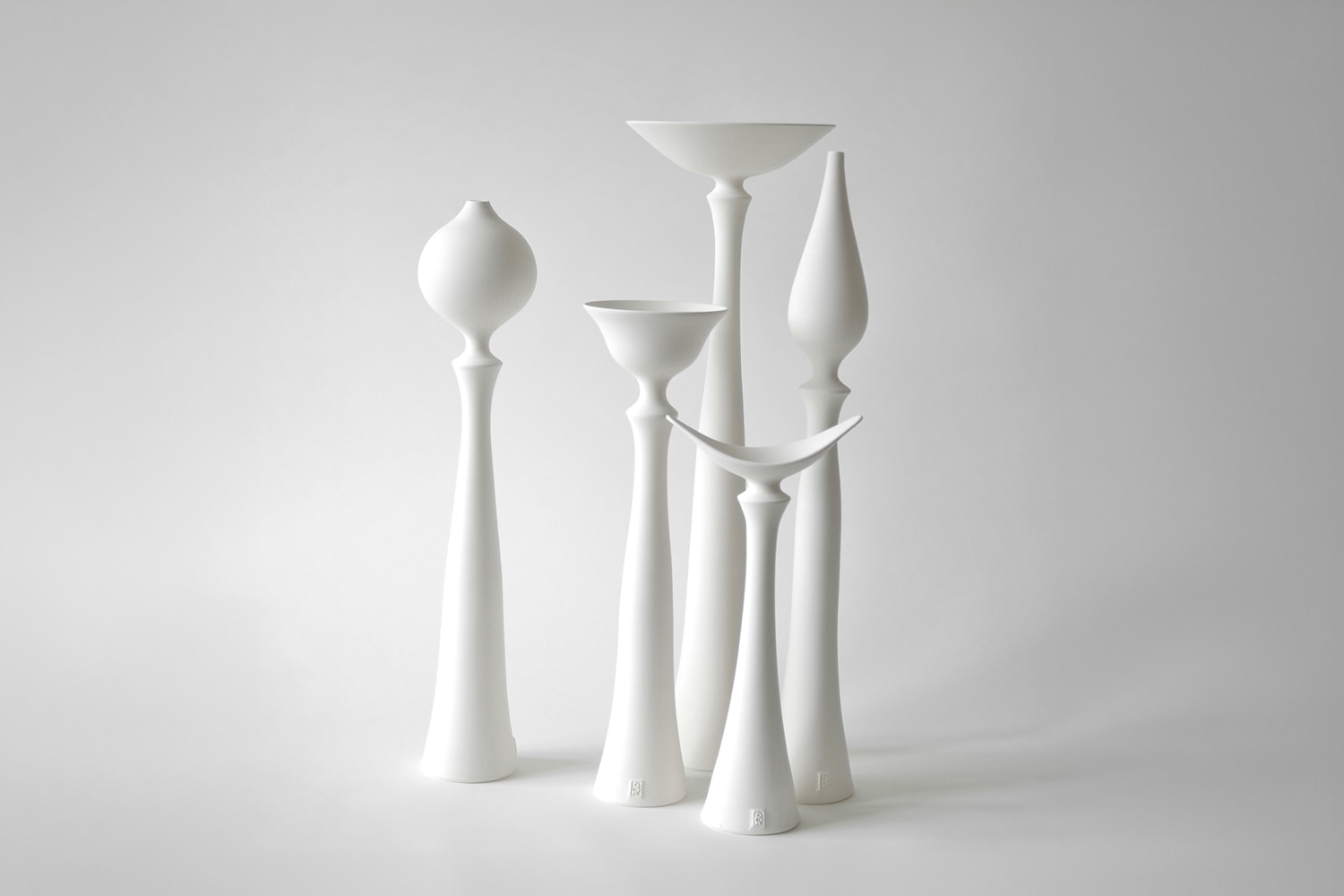
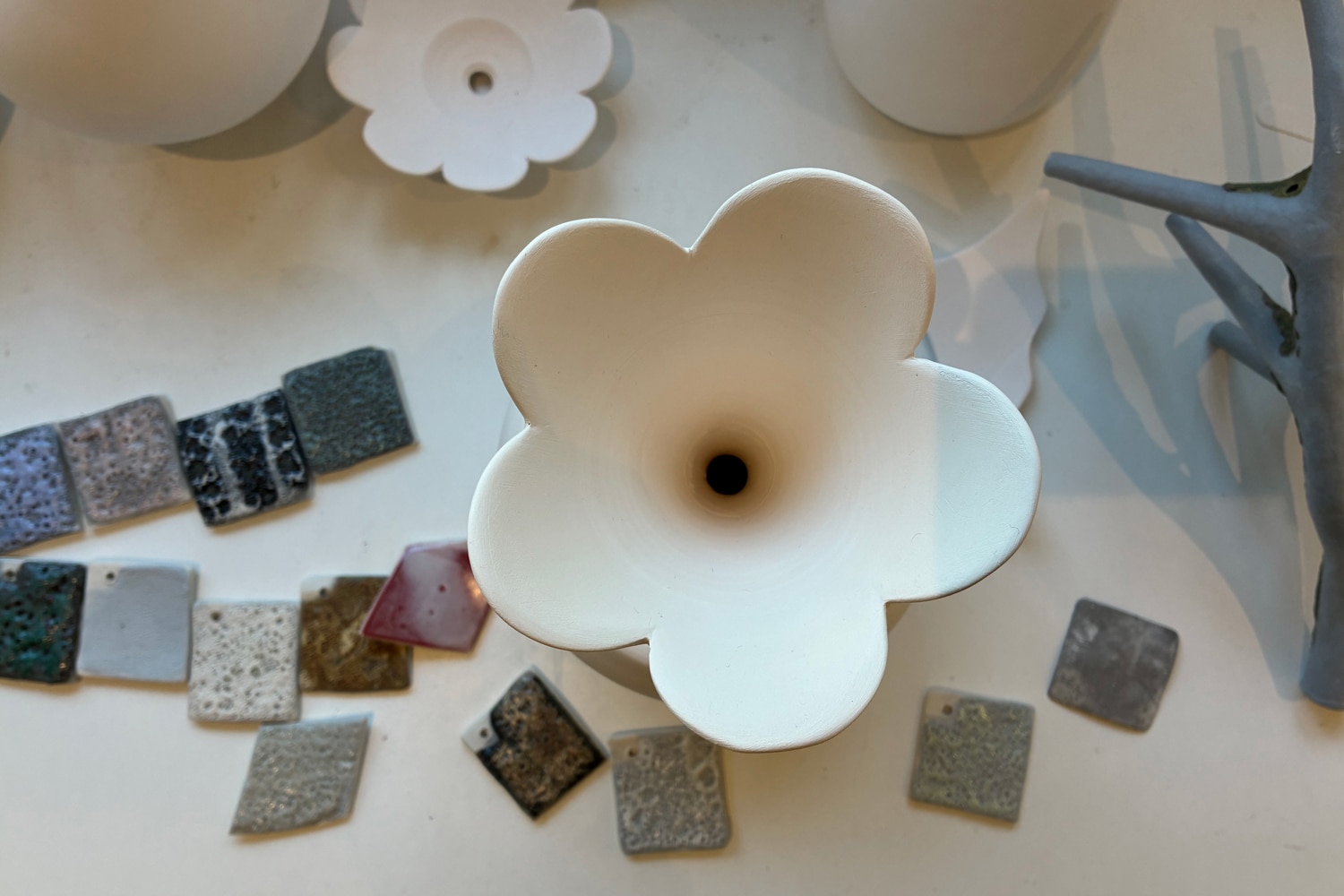
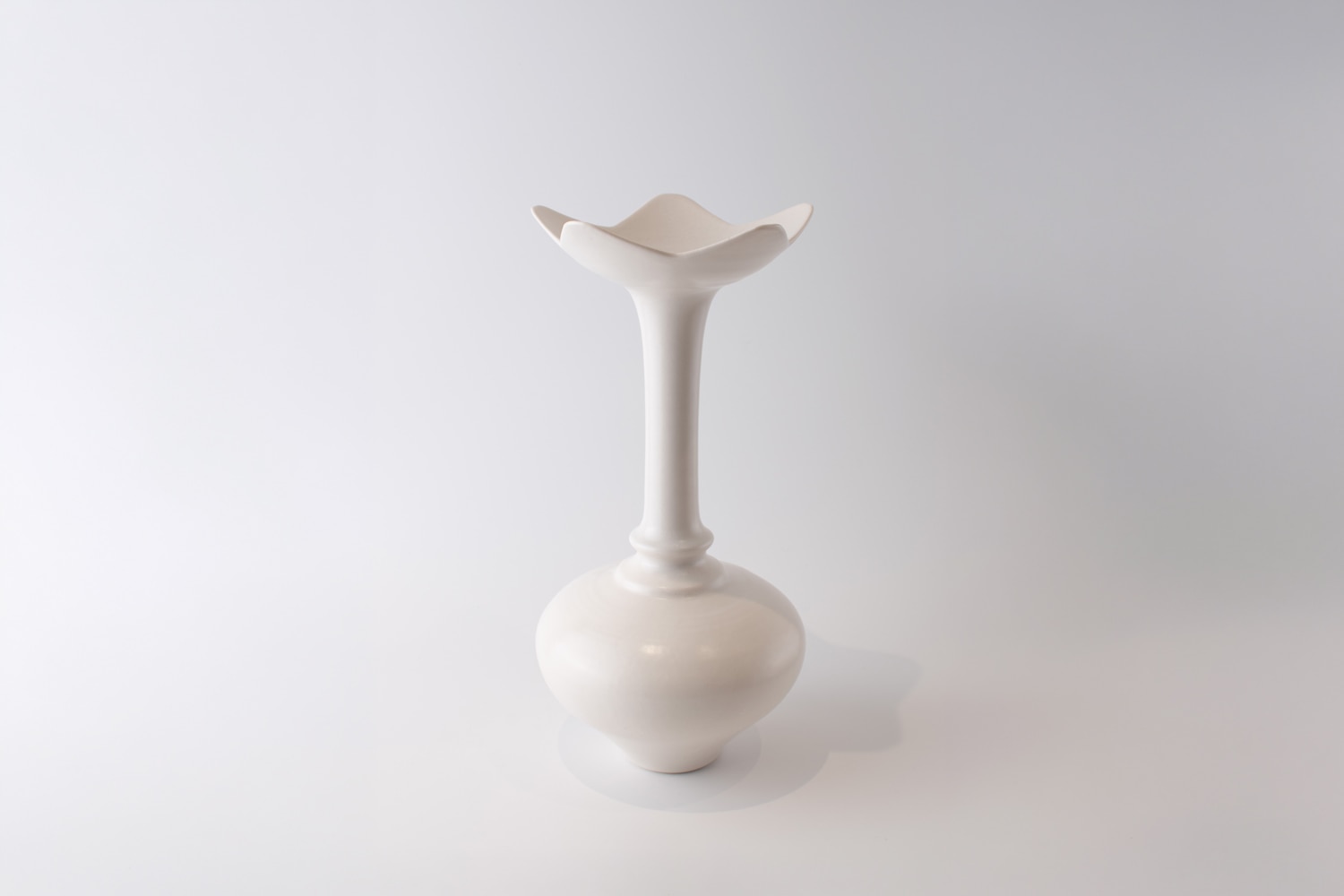
Vivienne Foley was introduced to ceramics at 17, when the carpenter at her school built a makeshift pottery wheel. “My sister was a brilliant artist and I did not want to compete with her, so I tried the wheel,” she says. Vivienne studied at the Sir John Cass School of Art in London where she explored ceramic forms and fell in love with porcelain. Her early endorsement by design house Liberty led to opportunities with galleries in London, New York and interior designer David Hicks. Vivienne’s refined sculptural vessels are the result of countless hours of experimentation in her Gloucestershire studio, where she throws and assembles multiple sections to achieve height and balance. Her monograph, Vivienne Foley Porcelain was published in 2007, and her book, Porcelain: The New Ceramics was published in 2019. The element of surprise remains central to her process. “Exploration of form is the focus of my work,” she says.
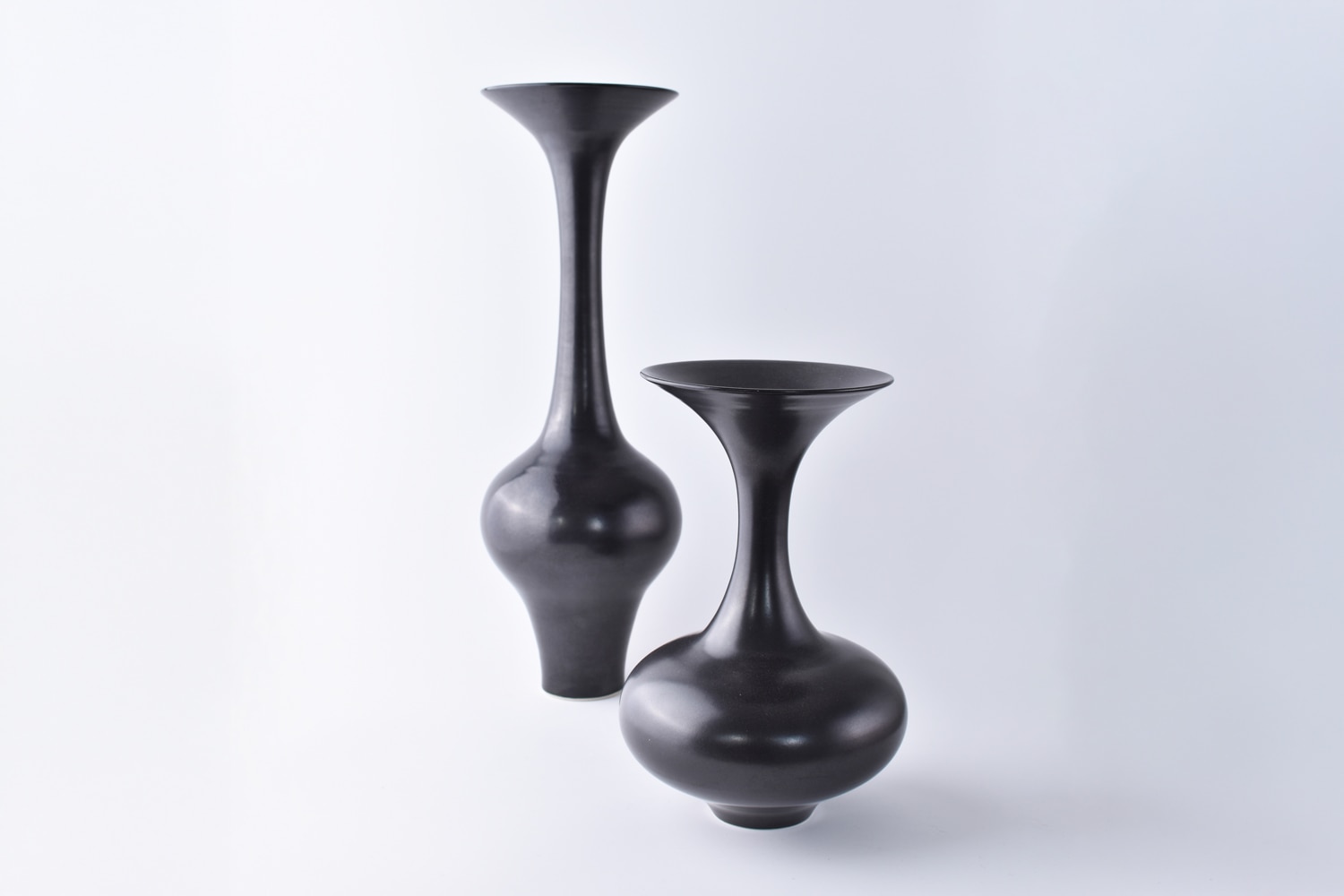
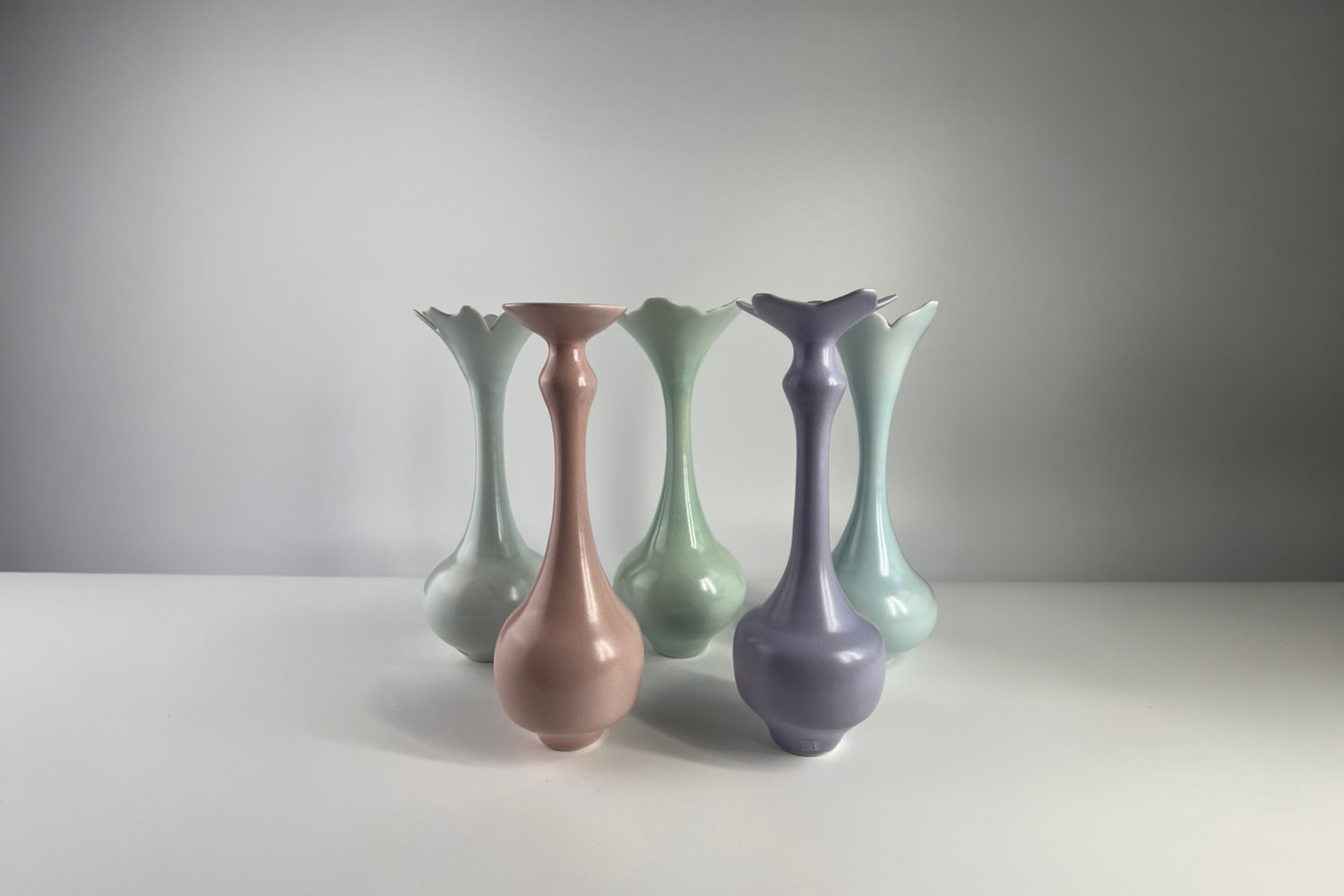
At the Sir John Cass School of Art, I studied under an exceptional teacher, Carol Stuart, who was a true mentor and an important influence early on. She told me that imagination is key and skill will come later, emphasising that imagination is what matters the most.
My bronze sculptures, which are cast from porcelain originals, are a relatively recent development in my practice. They require close collaboration with a professional foundry team. At first, it felt like a leap of faith since it was such a departure from my routine, but it has proved both exciting and deeply rewarding.
In 1977, I was among the first set of international ceramicists invited on a Craftsmen Potters Association tour of China. It was fascinating. The real turning point came in 1996 when I joined a Chinese ceramics course at Sotheby’s and the Sir Percival David Foundation of Chinese Art in London. This led to opportunities to handle museum wares such as Ming palace bowls.
The range is astonishing. There seems to be no shape or form the Chinese have not explored. It has given me the sense that almost anything is possible on the wheel.
Porcelain maker
Cheltenham, United Kingdom
Address upon request, Cheltenham, United Kingdom
By appointment only
English
Homo Faber Finds is a new service aiming to inspire admirers of craft to connect and collaborate with exceptional artisans.
We invite you to submit an enquiry here.