

Alison Gautrey
Porcelain maker
Cottenham, United Kingdom
When porcelain meets bone china
- Alison developed a technique to combine porcelain and bone china in her pieces
- Her technique for casting using centrifugal force is unique in the world
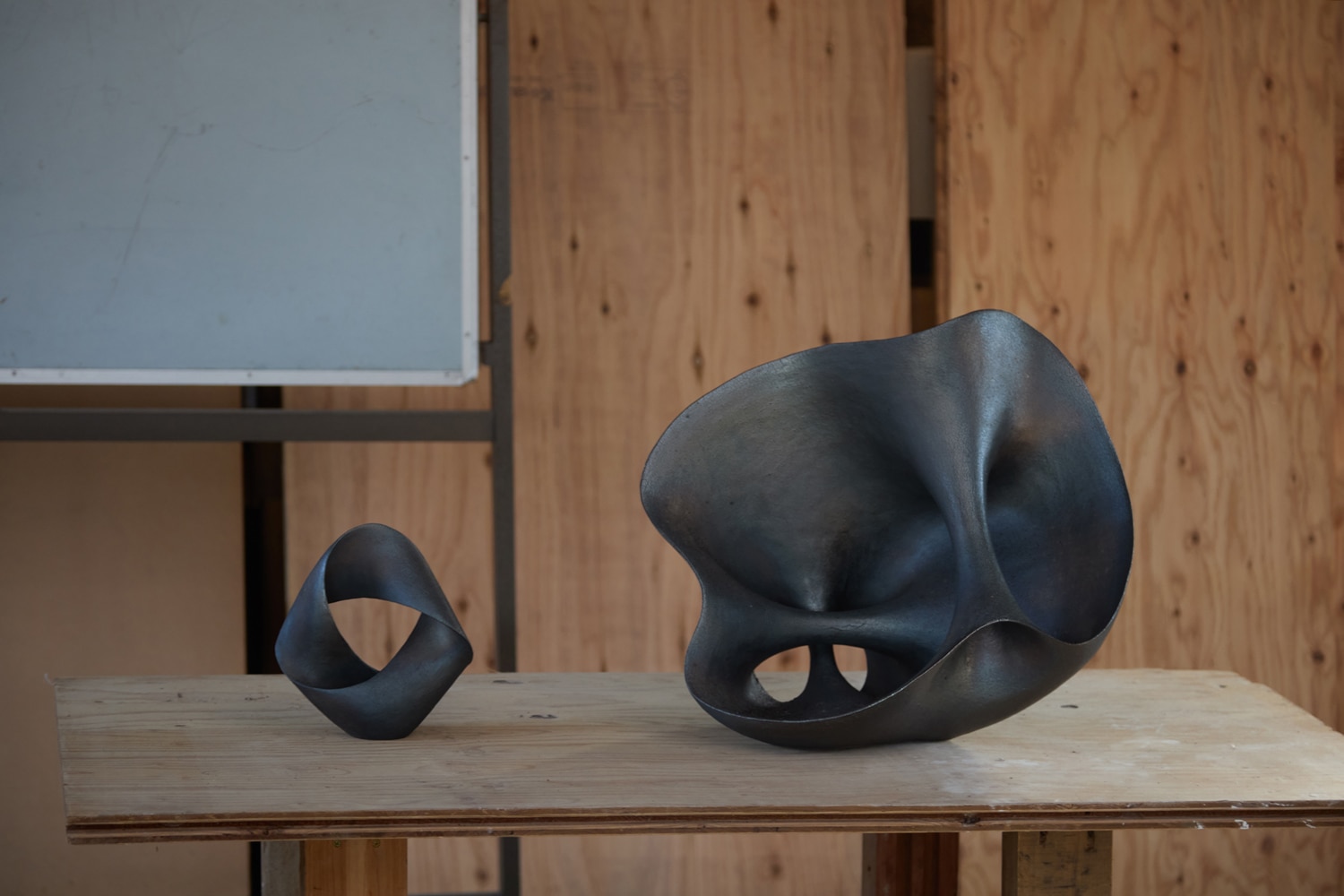
- The essence of her work is to capture the feeling of movement within the simplicity of form
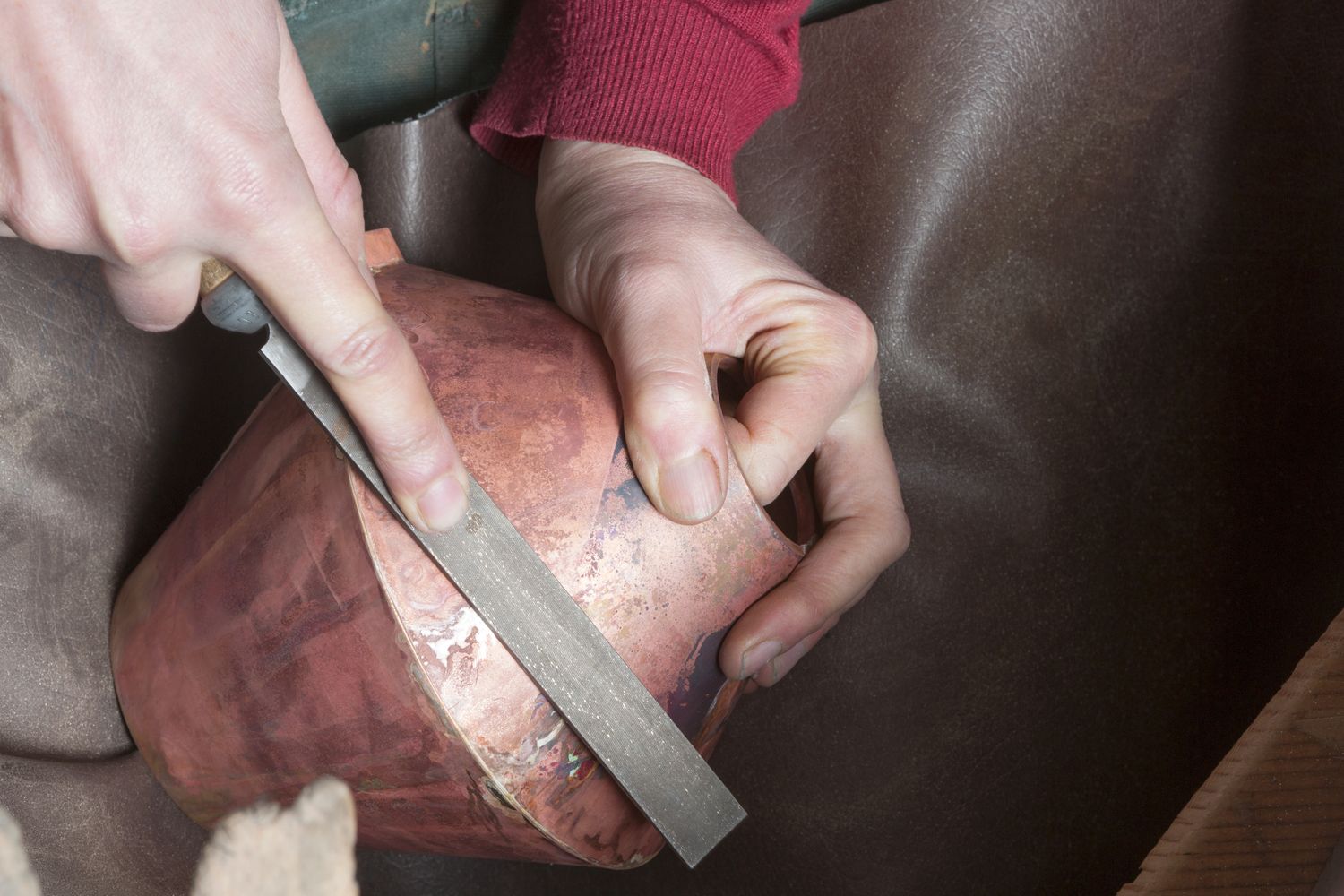
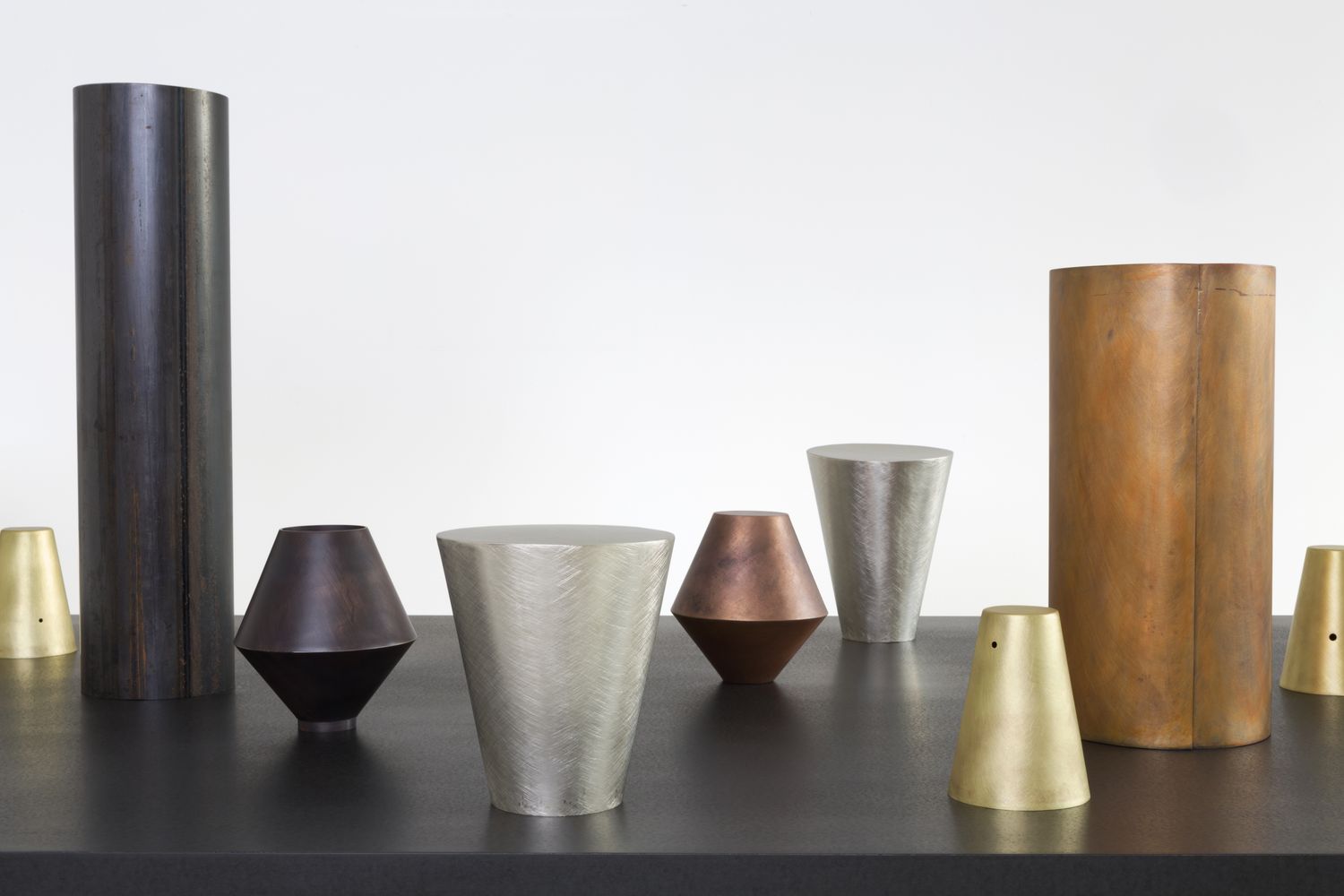
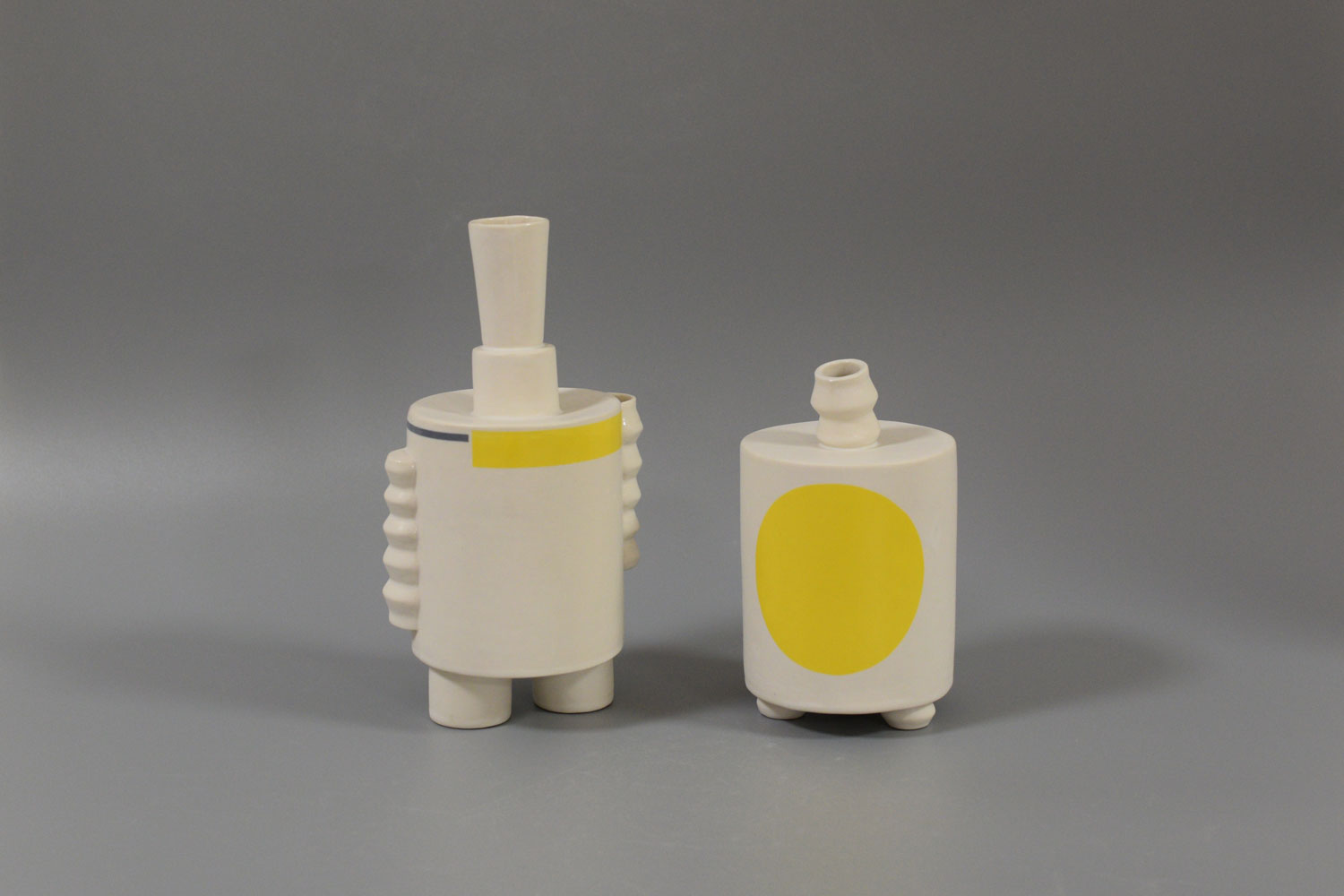
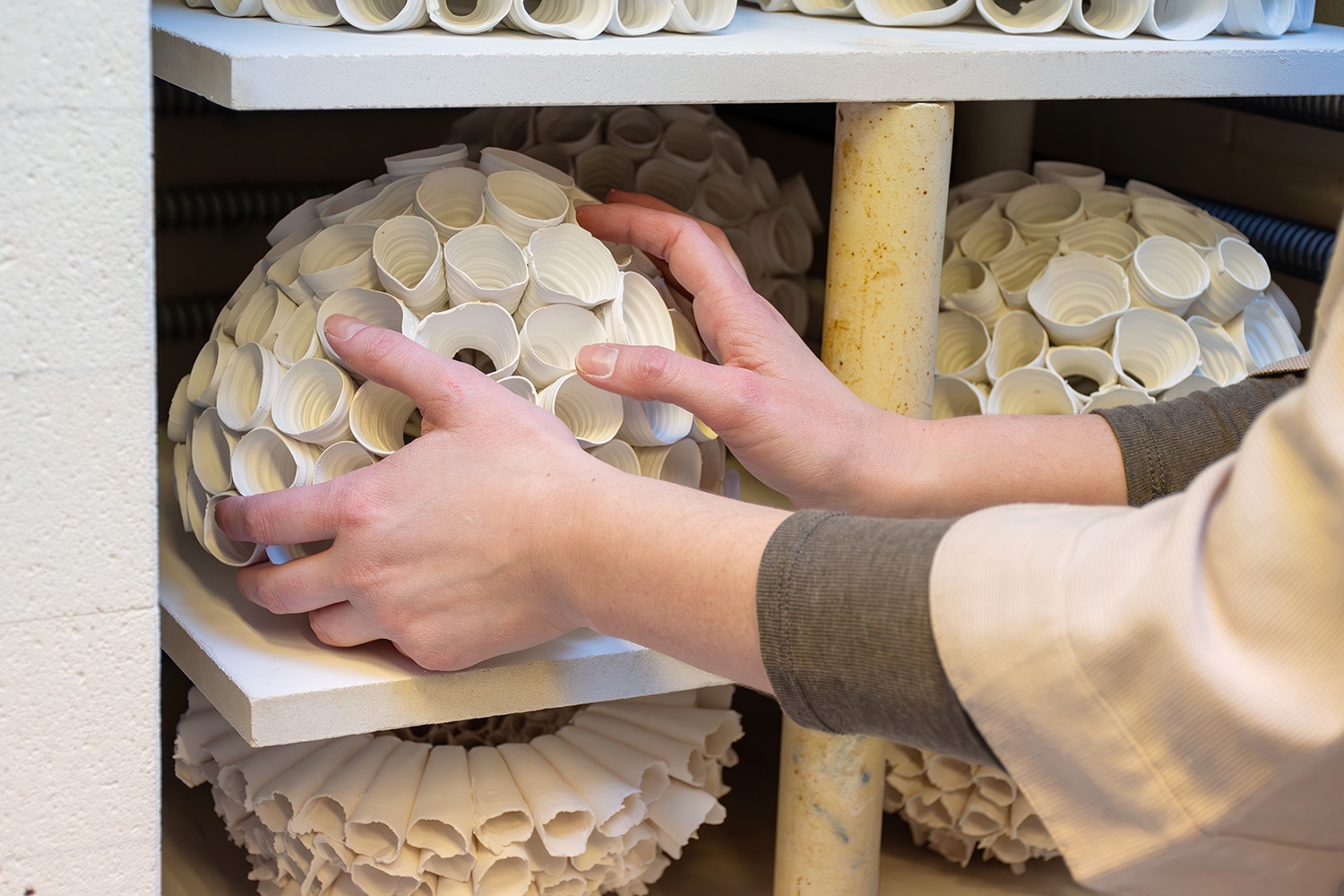
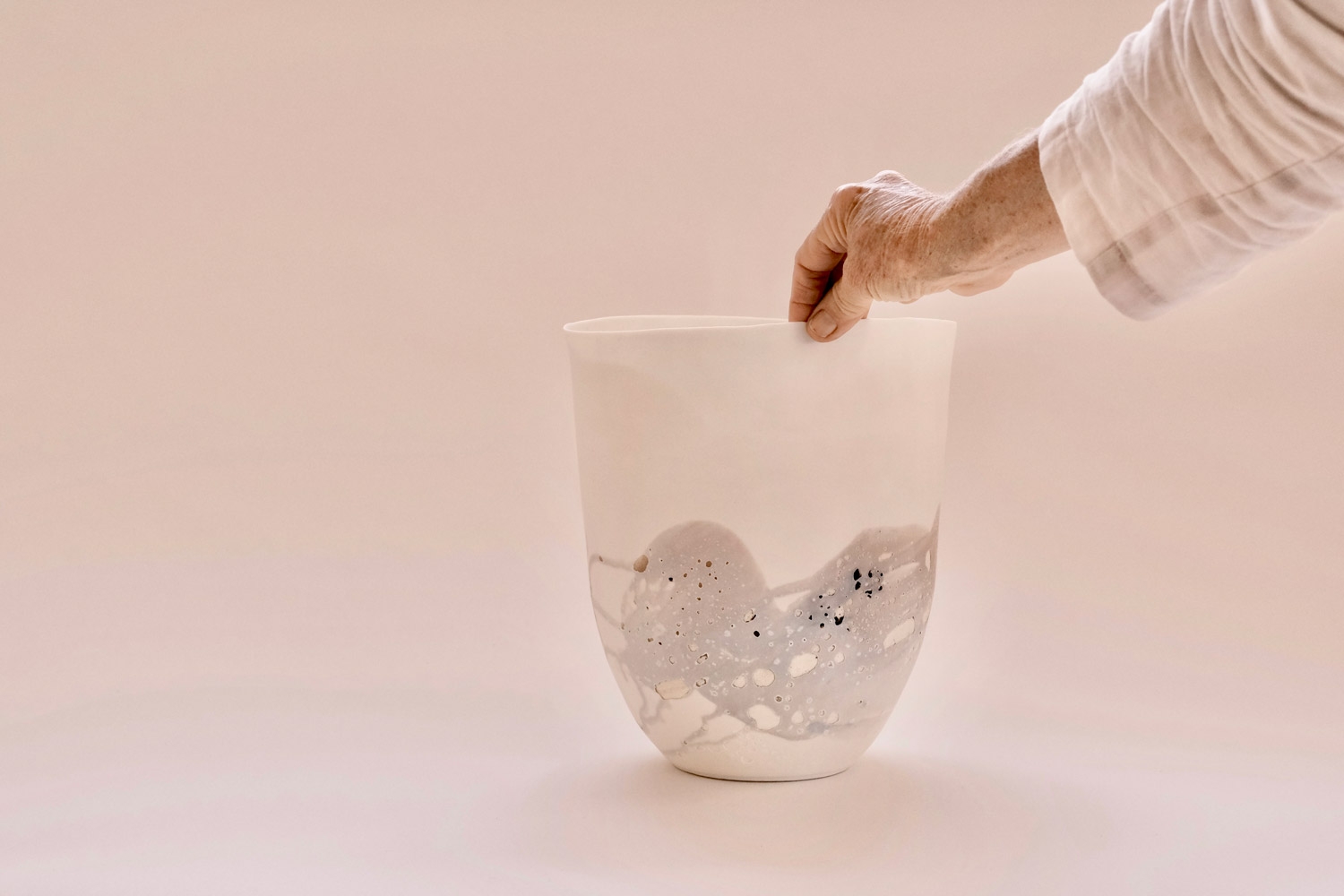
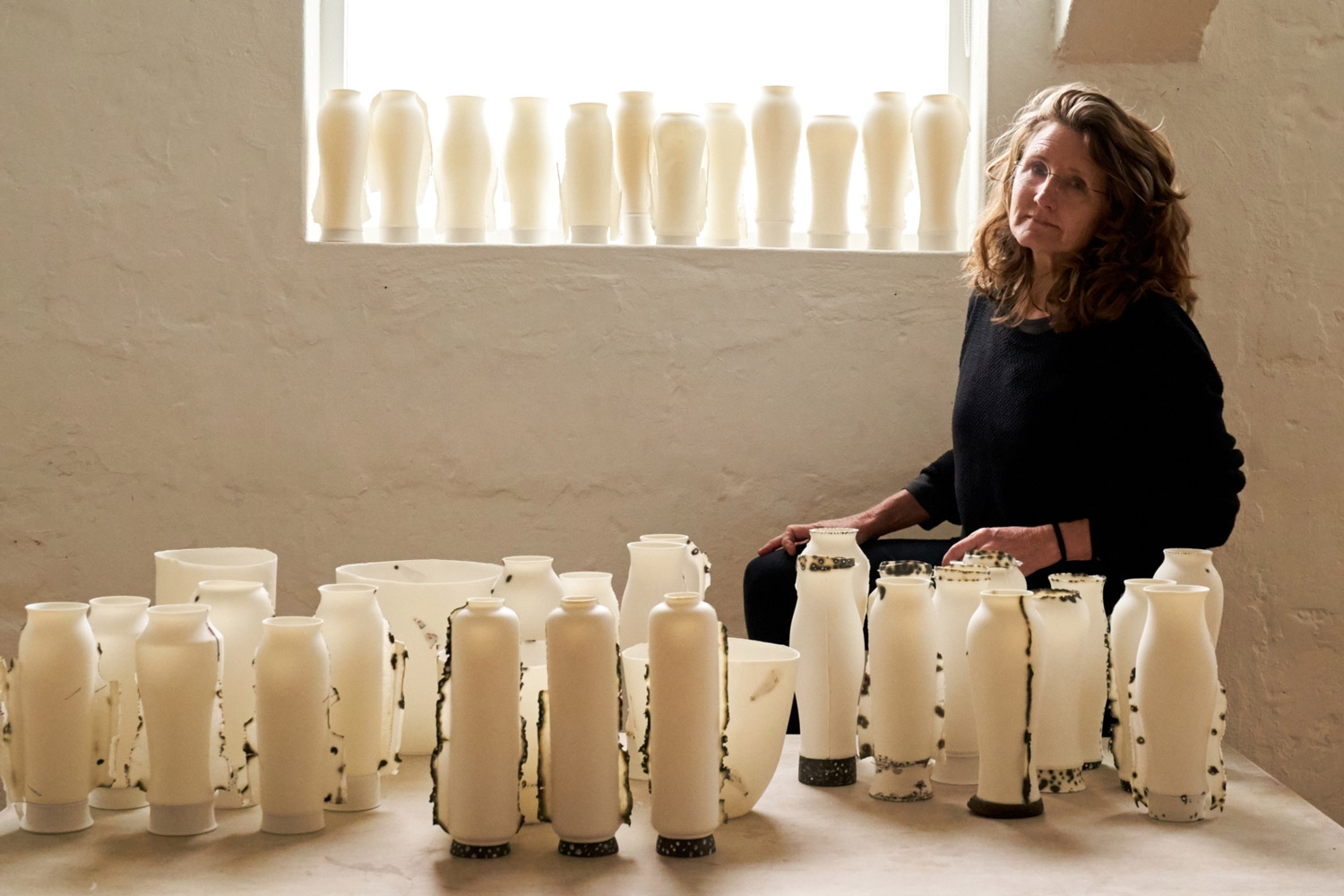
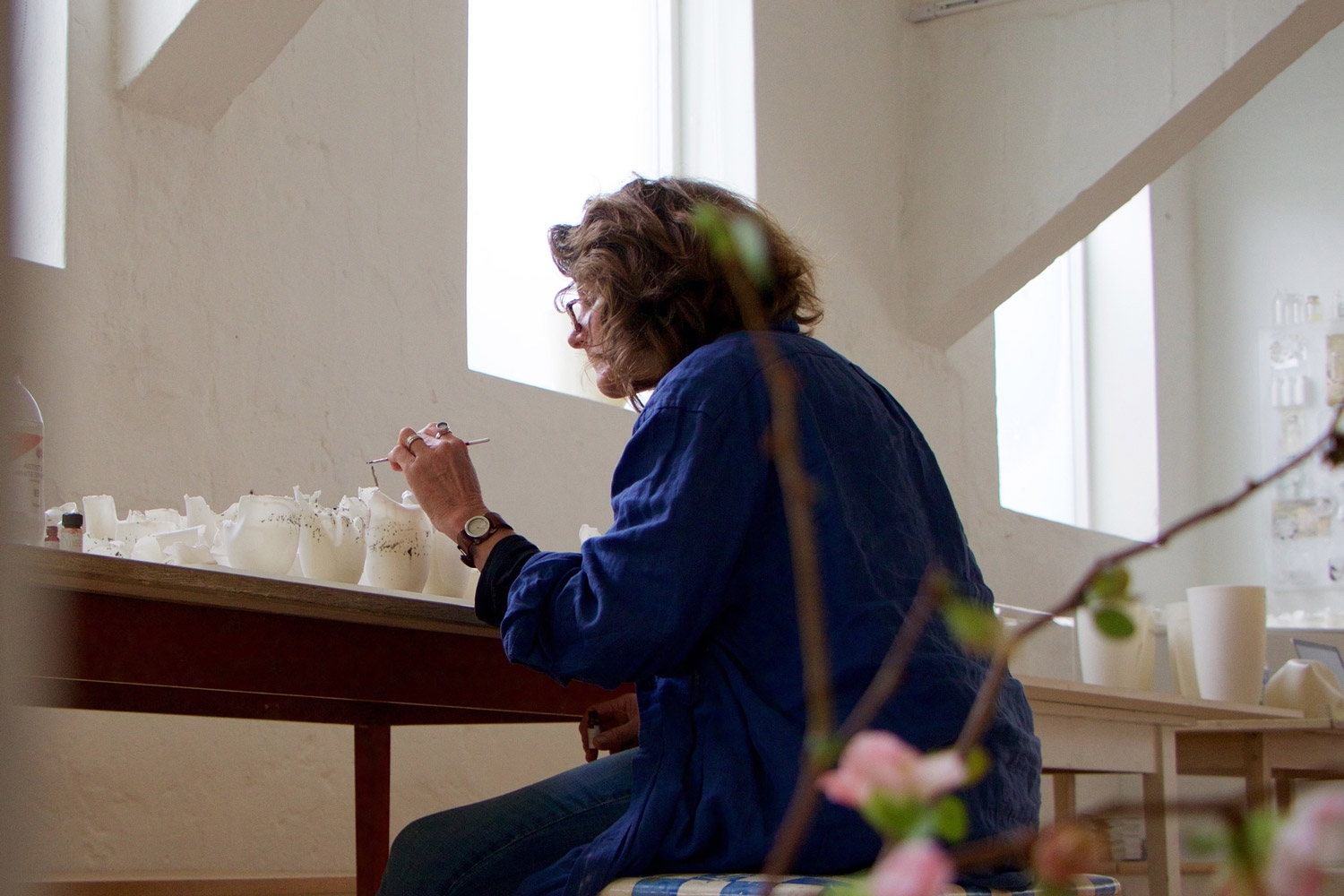
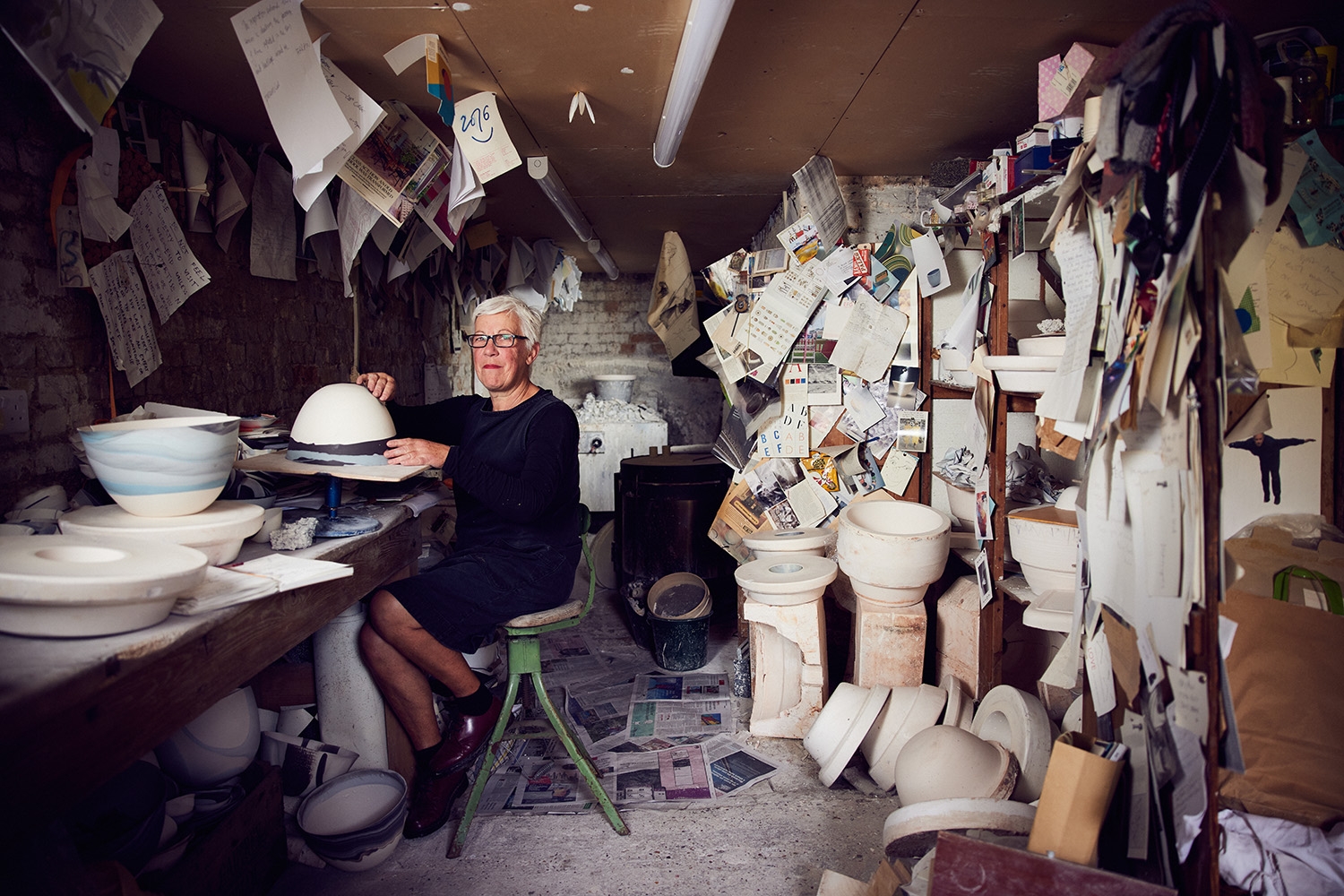
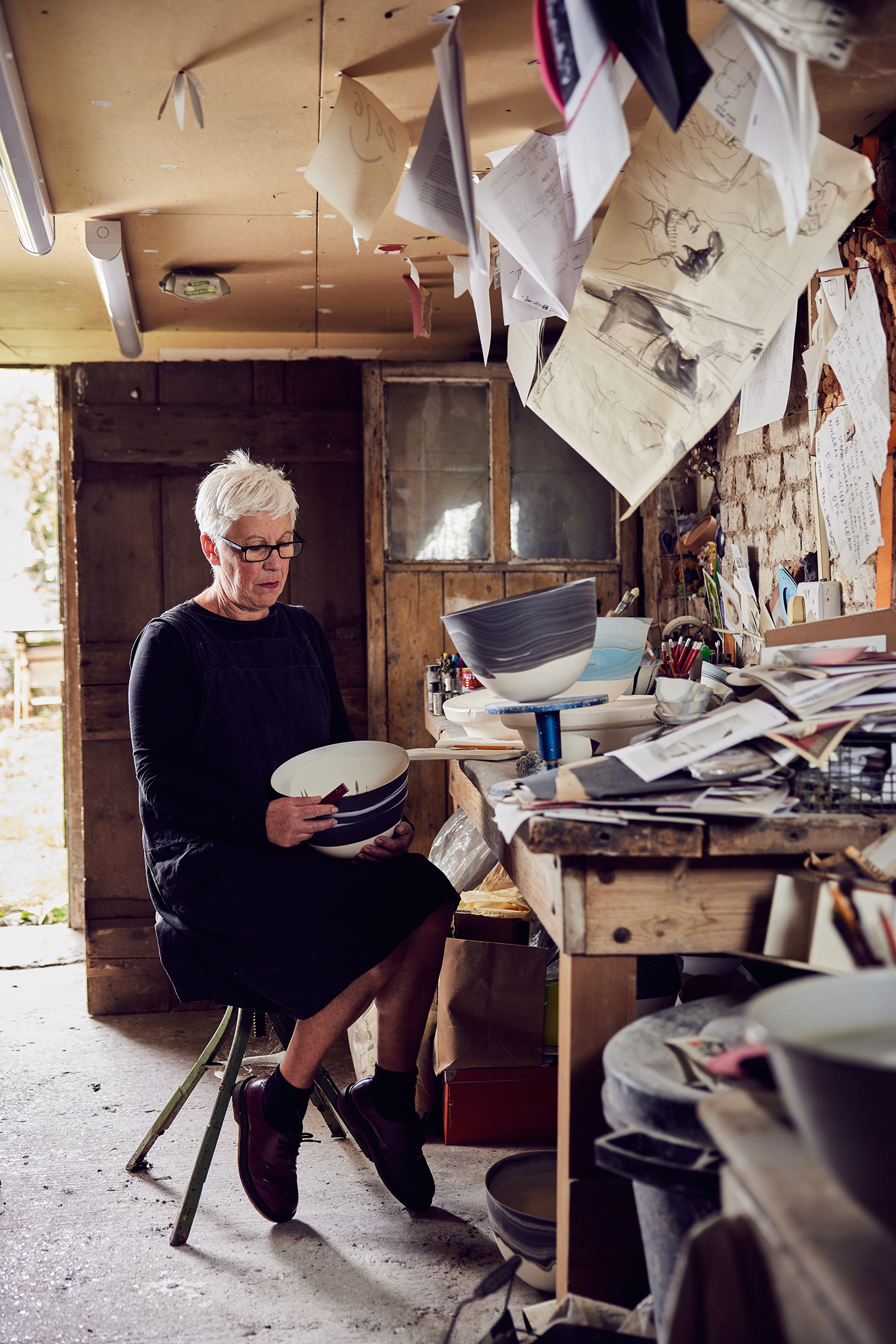
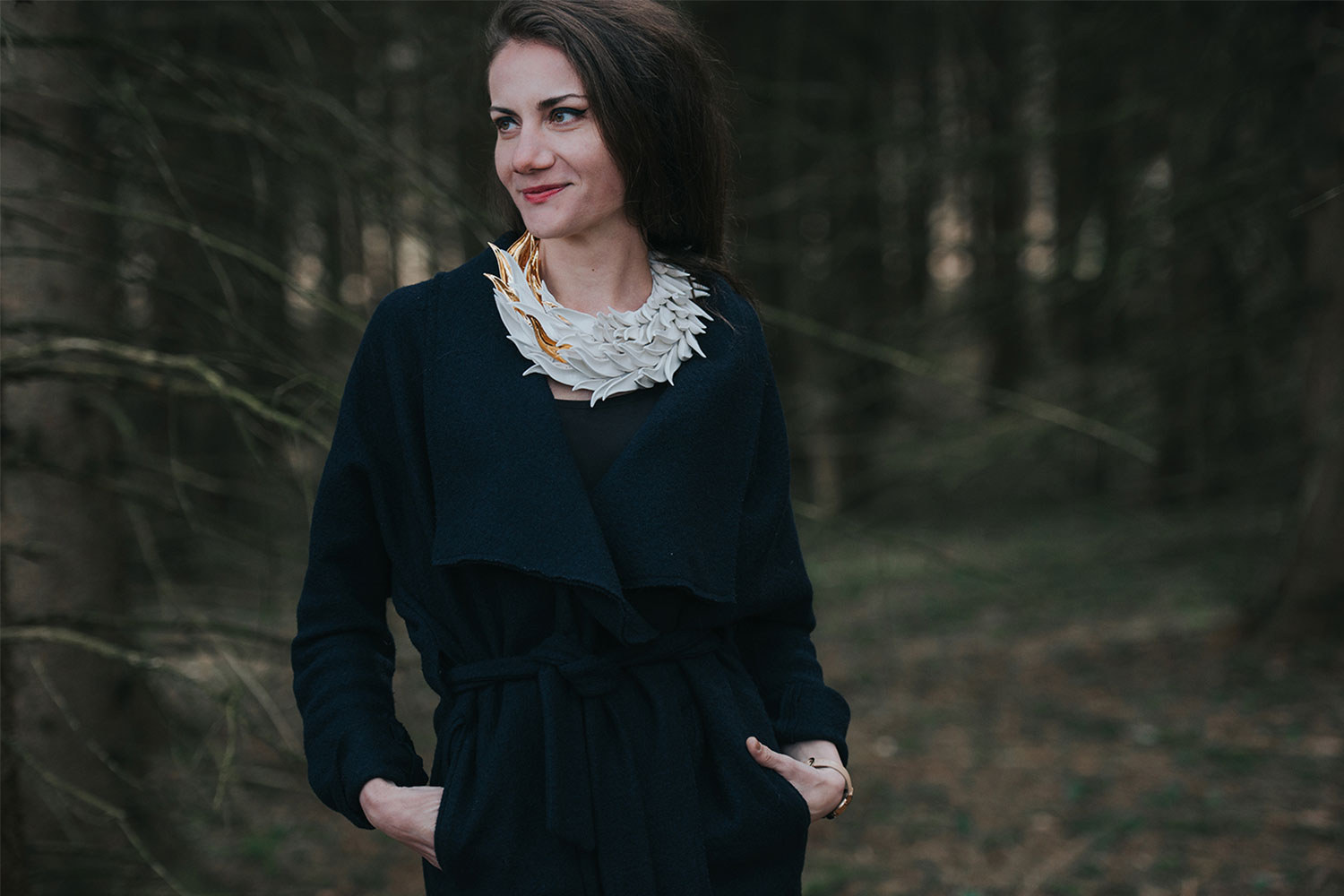
Born in Cambridgeshire as the seventh generation of a farming family, Alison Gautrey first thought of picking up a craft at Secondary School, thanks to an inspirational tutor. She went to university to read 3D Design, Ceramics and Glass from Buckingham College. A visit to Stoke-on-Trent inspired her to explore contemporary applications of industrial techniques. After years of experimenting to find a way of combining porcelain with bone china, Alison developed a technique for casting using centrifugal force. The subtle difference in the shrinkage of the two materials, in fact, allows for a mark to develop, a curve, an extraneous form in the pieces. Alison's weightless sculptural pieces capture the feeling of movement and push the boundaries of technique and material.


INTERVIEW
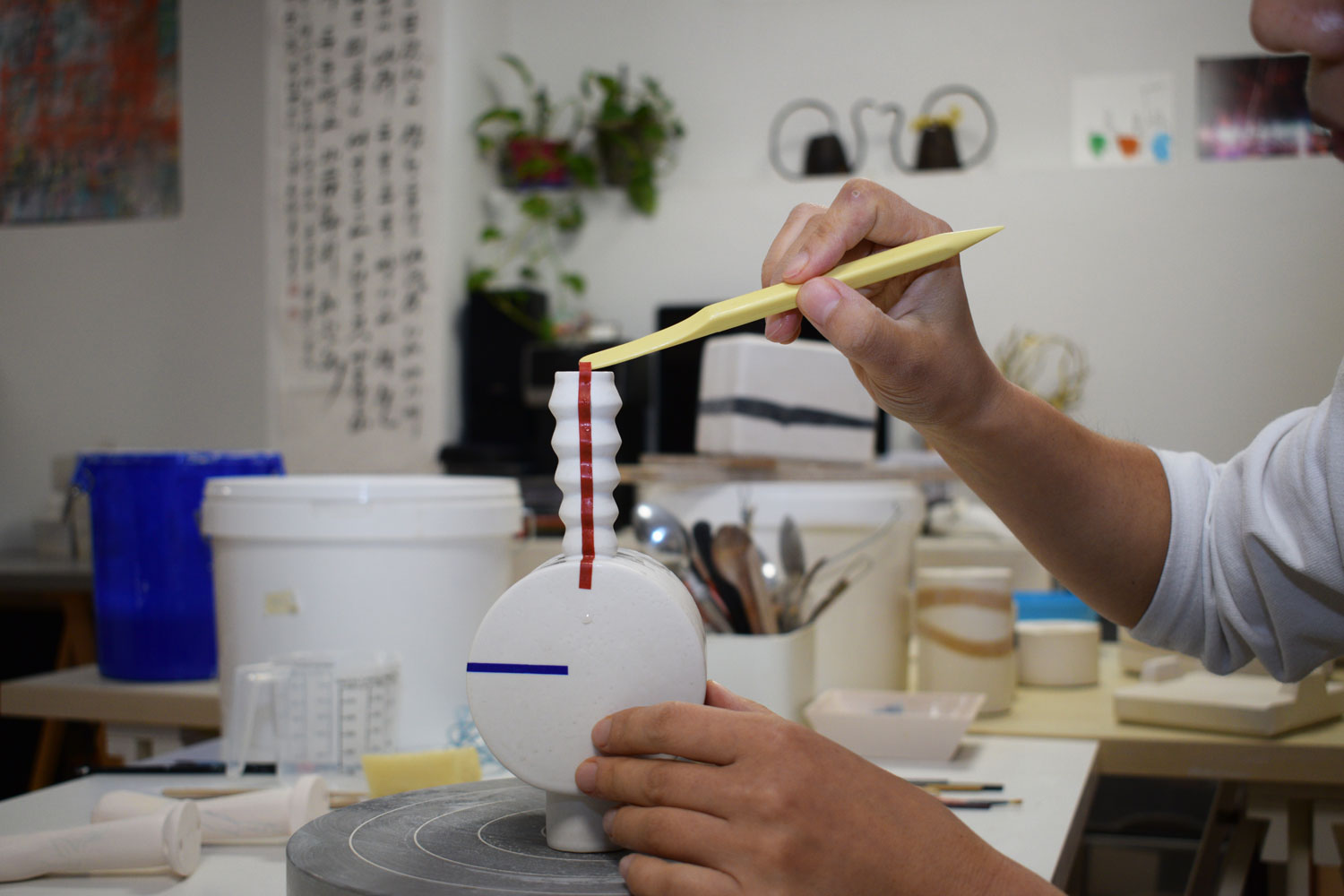
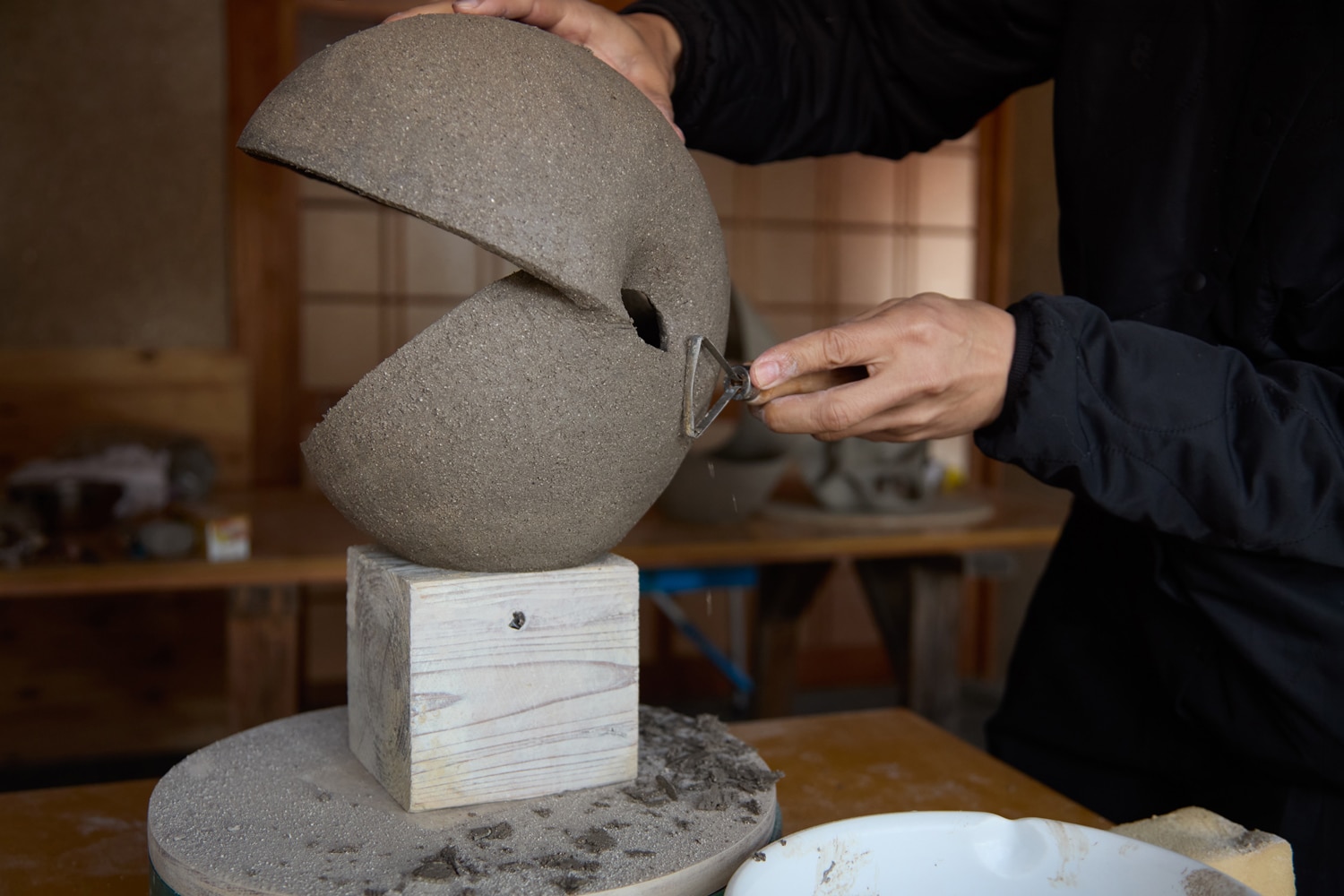
Even if Stoke-on-Trent was in decline when I was there, I was so impressed by the skills of the plaster makers and casters that I decided to put their equipment and skills to use to make a new technique for casting.
Three years. Usually, when you cast, you pour clay in, you wait 20 minutes, you pour it out, then the clay shrinks away from the side of the mould due to the water content being absorbed into the mould. With centrifugal force, this process is not going to work. My vessels are extremely thin, and I had to find a new way of getting the porcelain to release from the plaster wall.
The process inspires me. The planets, cosmic matter and the passage of time. I am a farmer and I walk 10 miles a day on my land with the dog, in the morning and at night. My work charts this passage of time. The change of seasons and the change of light through the year.
I like technical challenges and at university I decided to try to combine the two materials. Because they have different shrinking rates, they create an incredible tension of form. Because my work is so thin, it goes into the kiln as a normal round pot and it comes out with a huge distortion. But this is what creates the tension within the form.
Alison Gautrey
Porcelain maker
Cottenham, United Kingdom
AVAILABILITY
By appointment only
PHONE
+44 7833123284
LANGUAGES
English
Homo Faber Finds is a new service aiming to inspire admirers of craft to connect and collaborate with exceptional artisans.
We invite you to submit an enquiry here.
DSC02402_©Meg-Lovell.jpg)
DSC01379_©Meg-Lovell.jpg)
DSC01458_©Meg-Lovell.jpg)