©All rights reserved
©All rights reserved
©All rights reserved
©All rights reserved
©All rights reserved
©All rights reserved
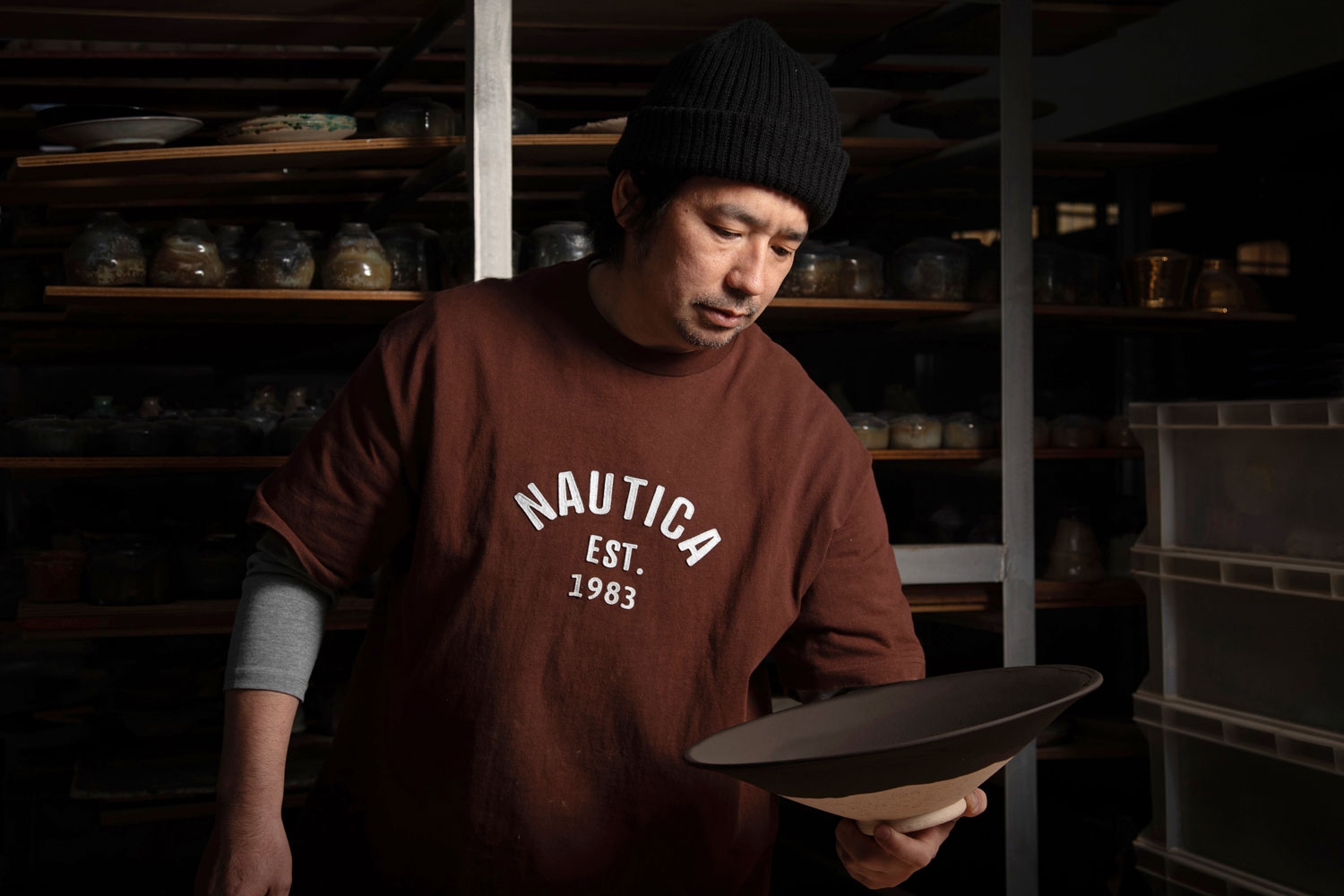
Tomonari Hashimoto
Ceramicist
Koka, Japan
©All rights reserved
©All rights reserved
©All rights reserved
©All rights reserved
©All rights reserved
©All rights reserved
©All rights reserved
©All rights reserved
©All rights reserved
©All rights reserved
©All rights reserved
©All rights reserved
Contemplation fired into form
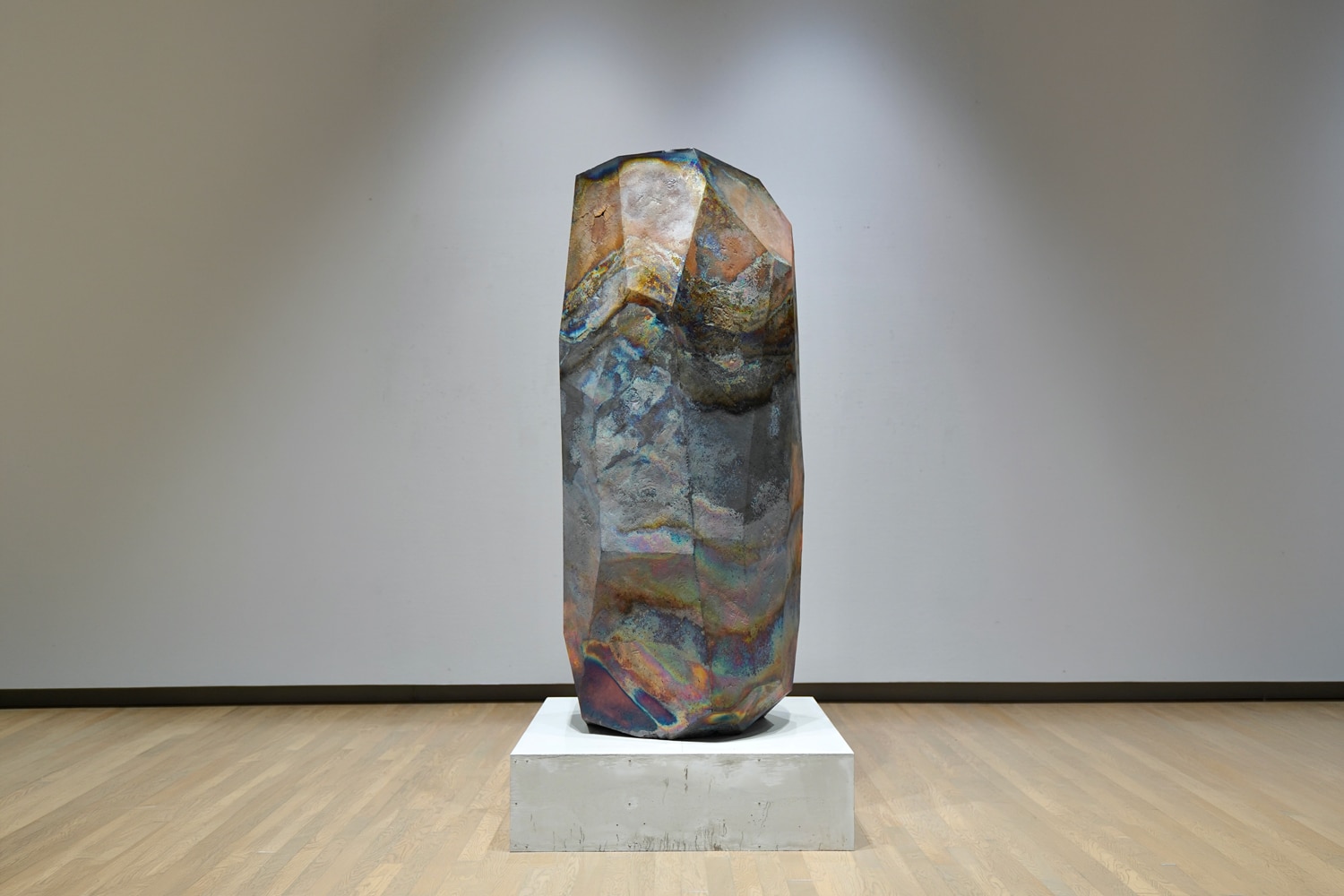
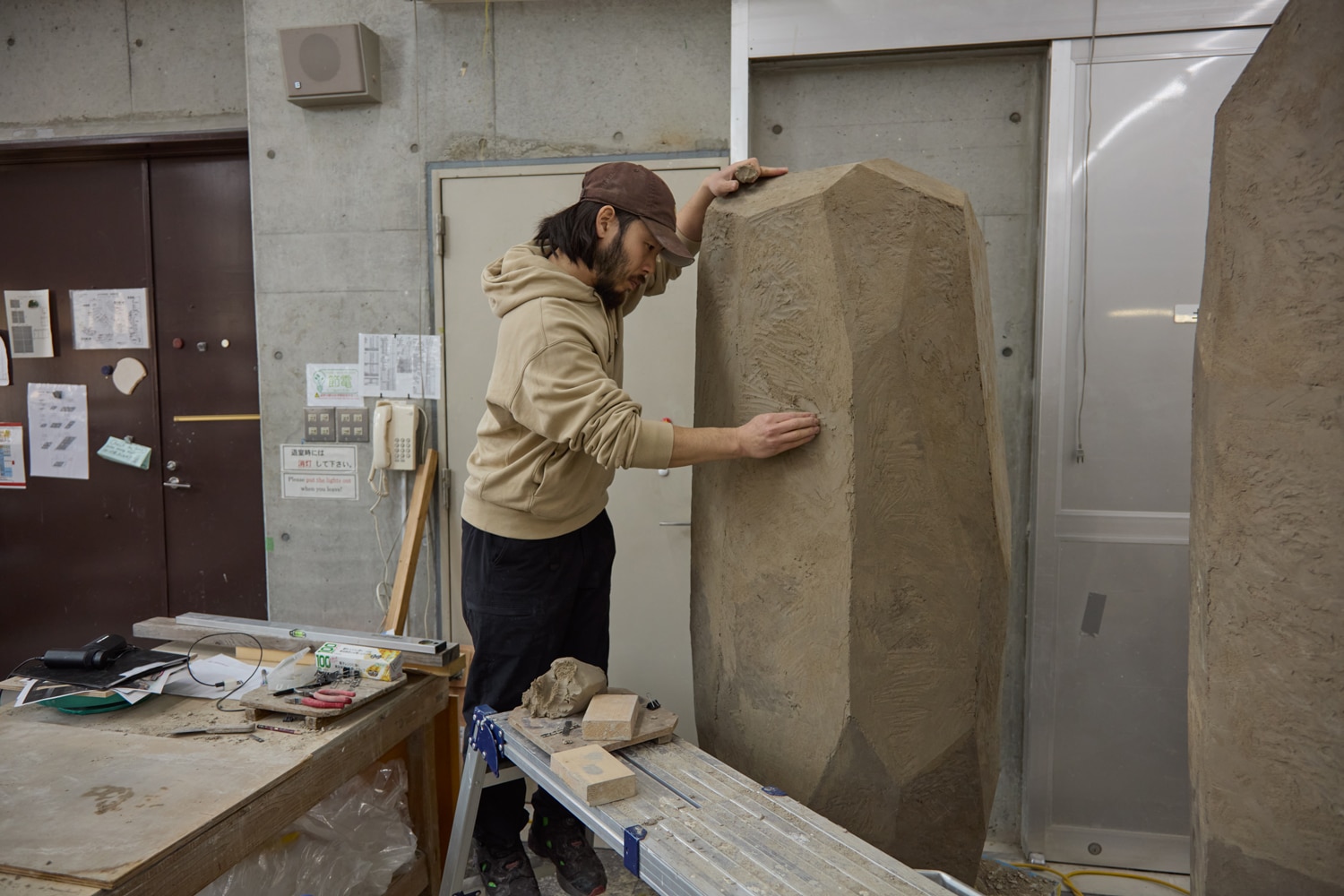
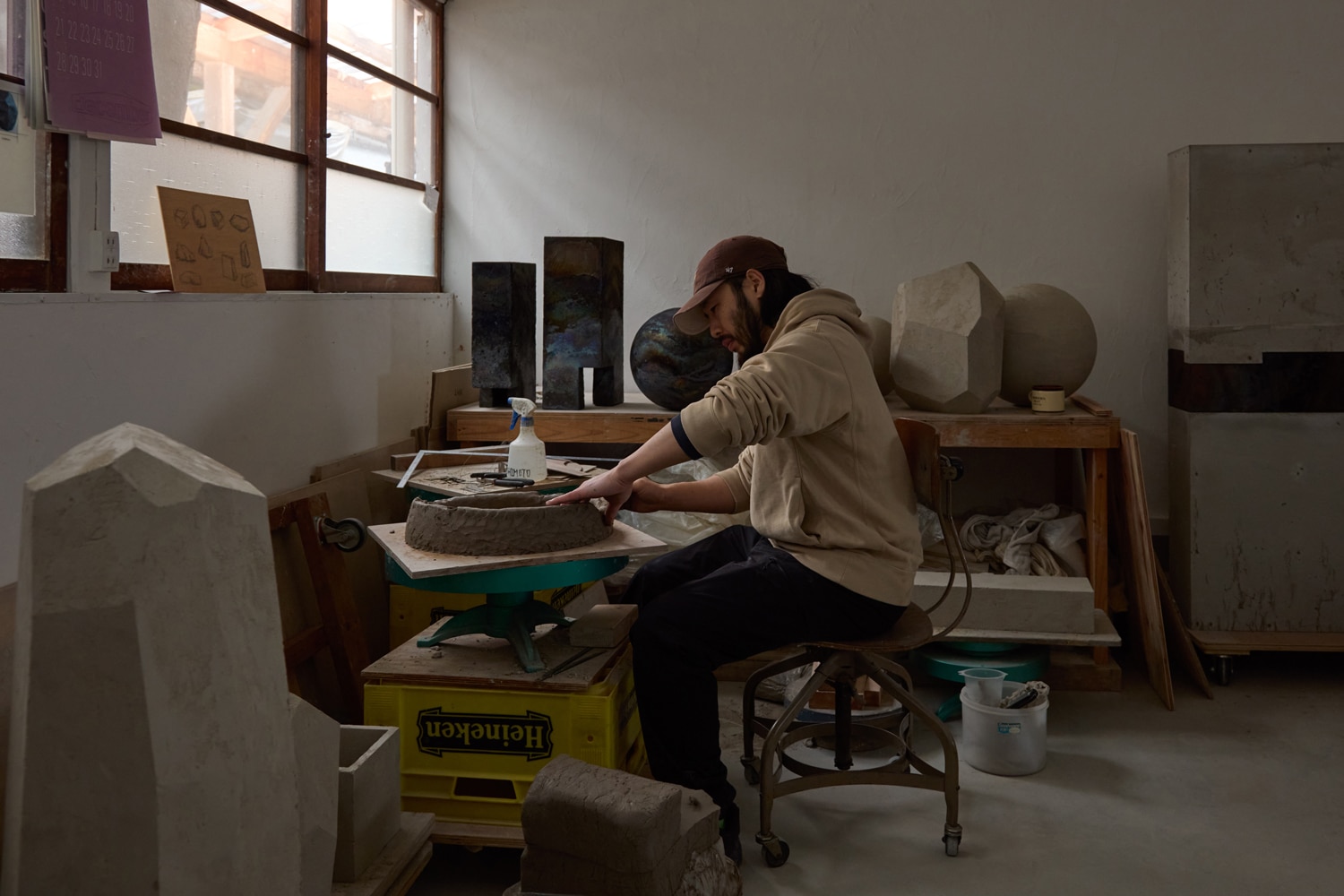
- Tomonari favours clay works larger than the human body
- He holds a PhD in fine arts from Kanazawa College of Art
- His works have taken part in several exhibitions all over the world
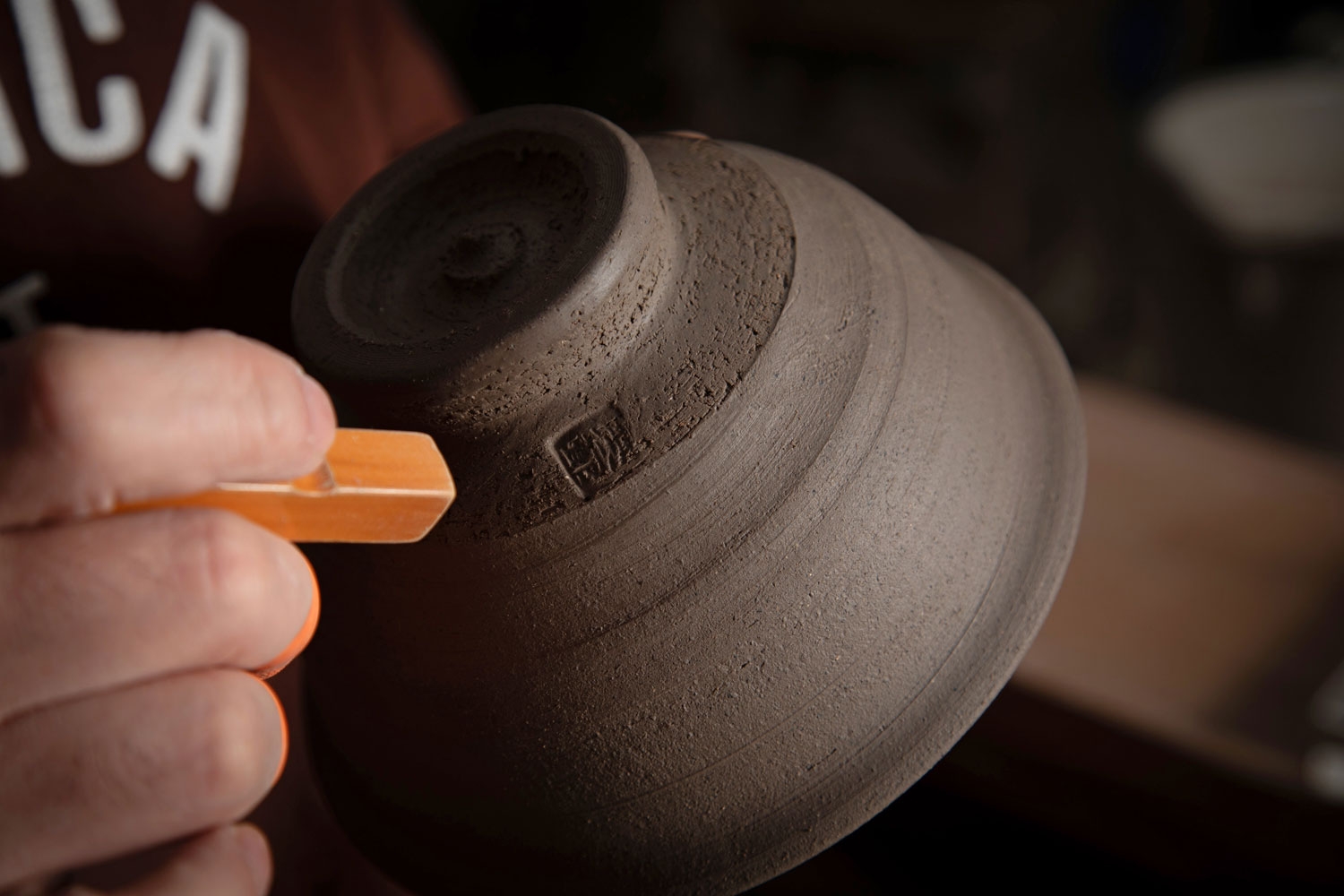
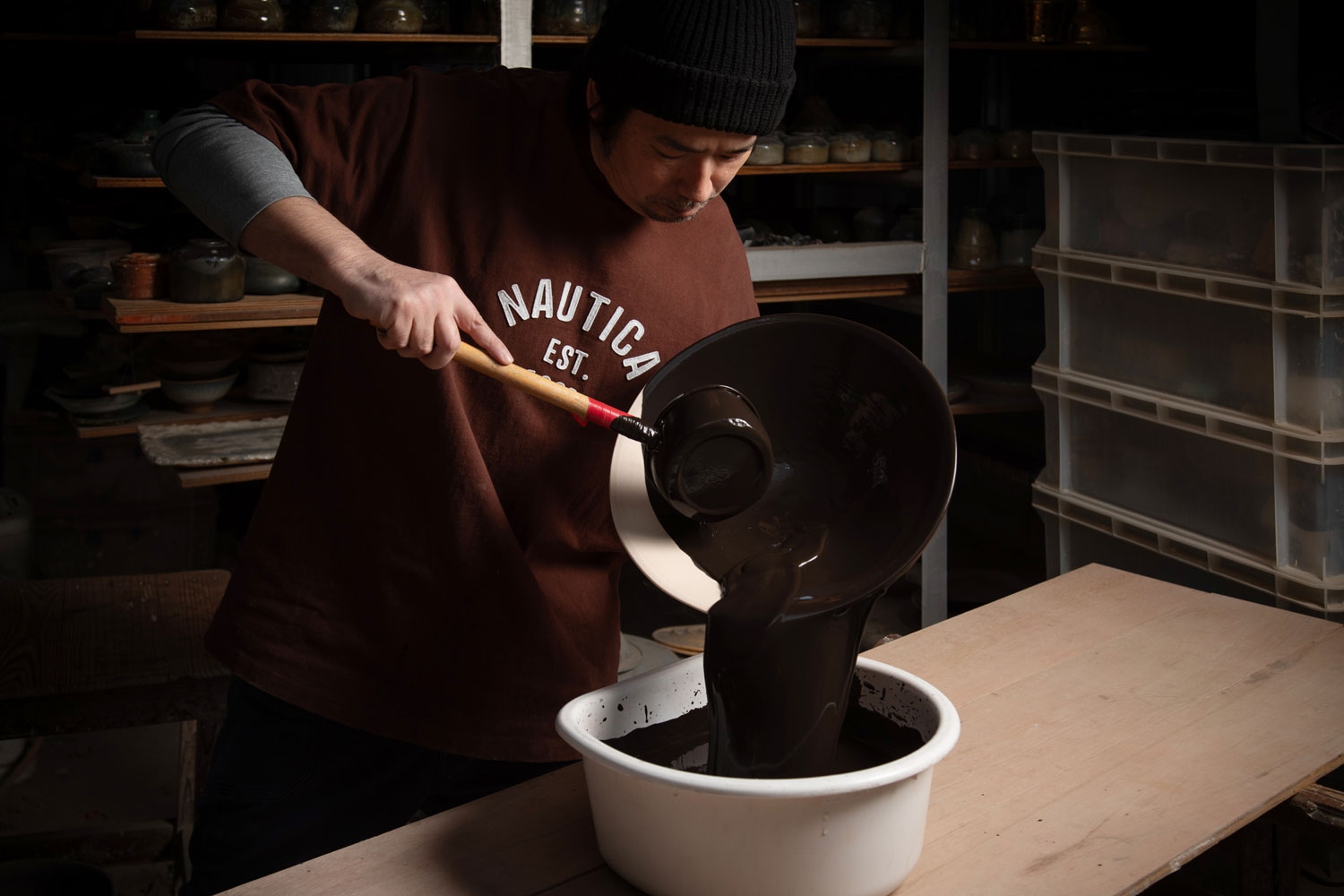
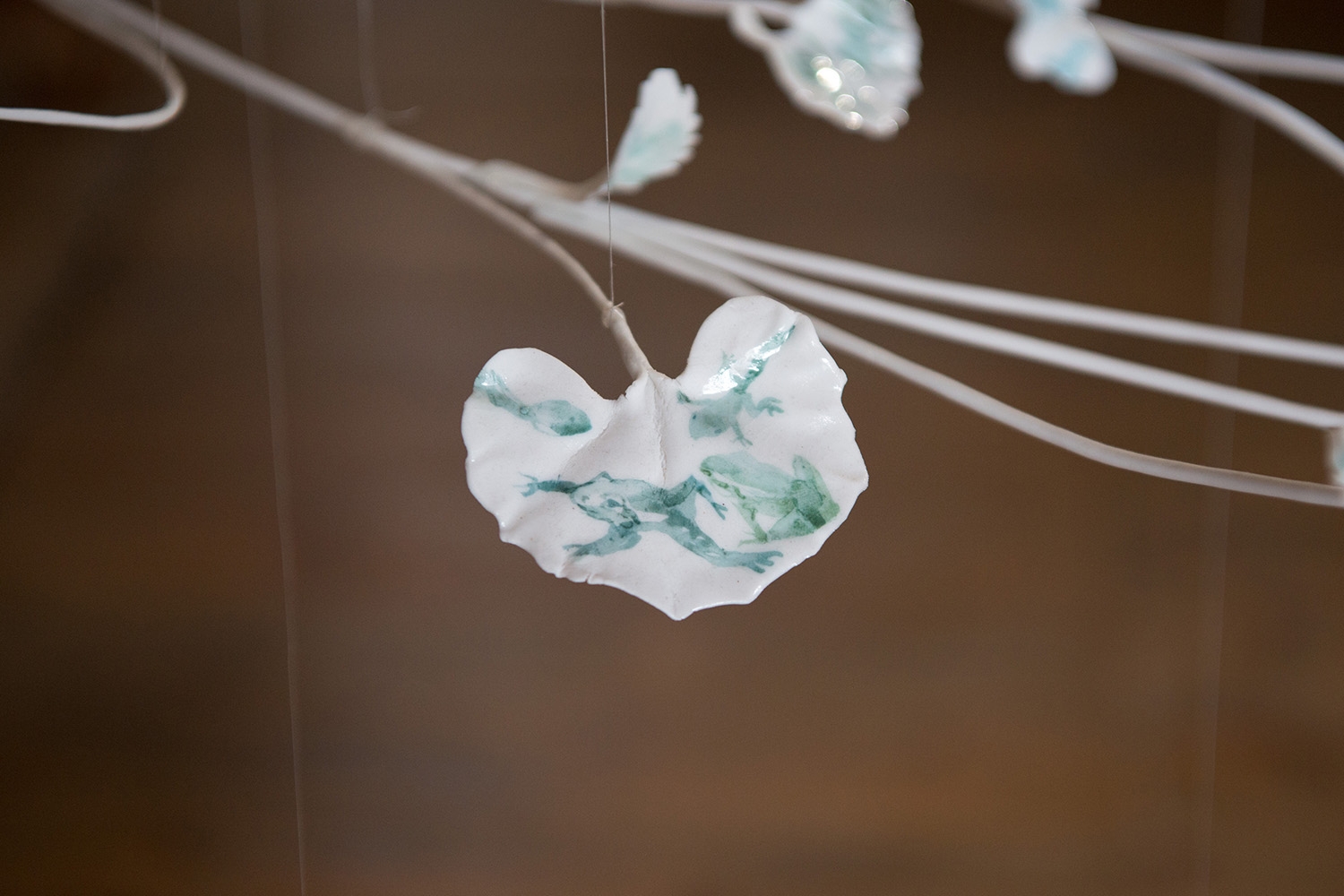
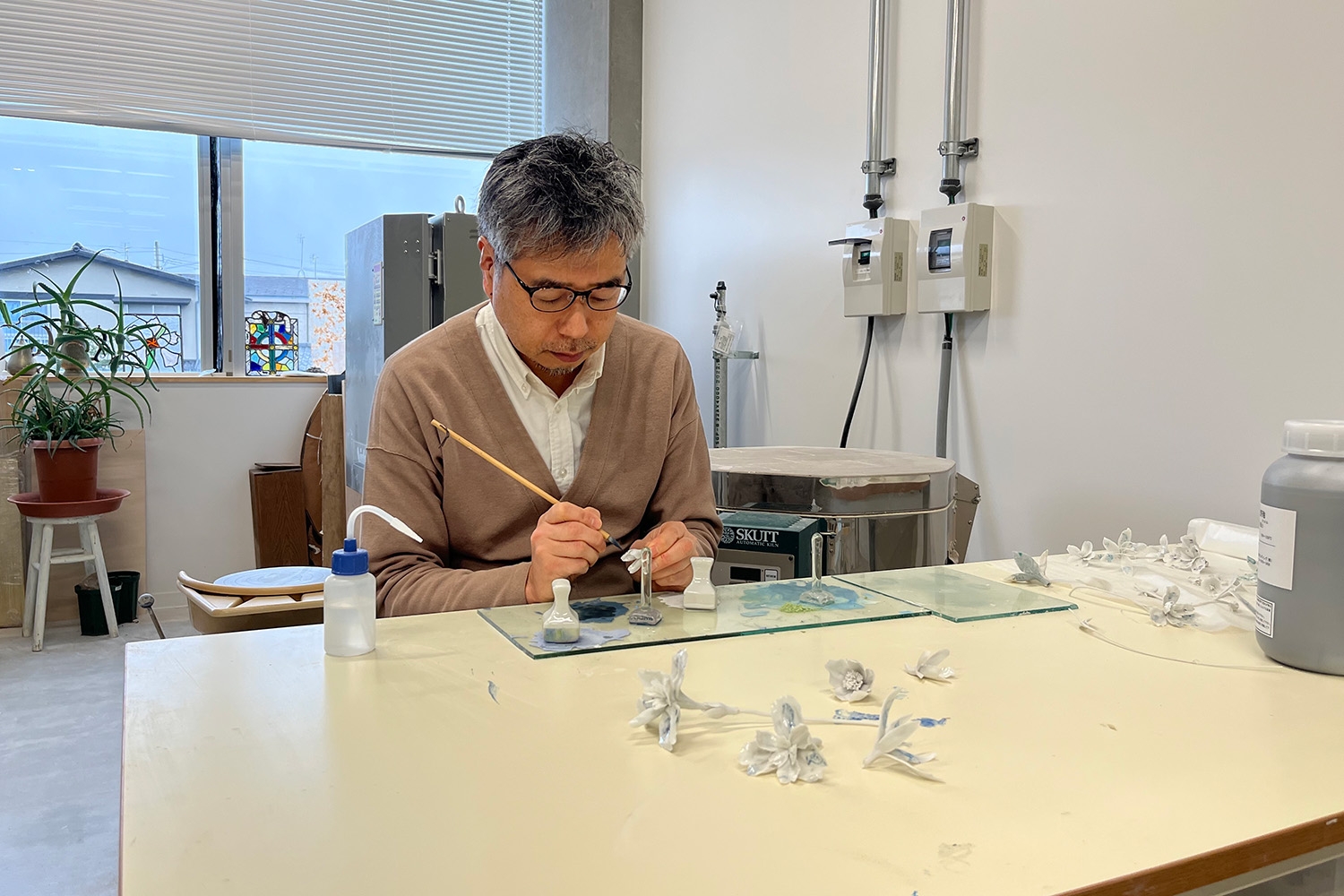
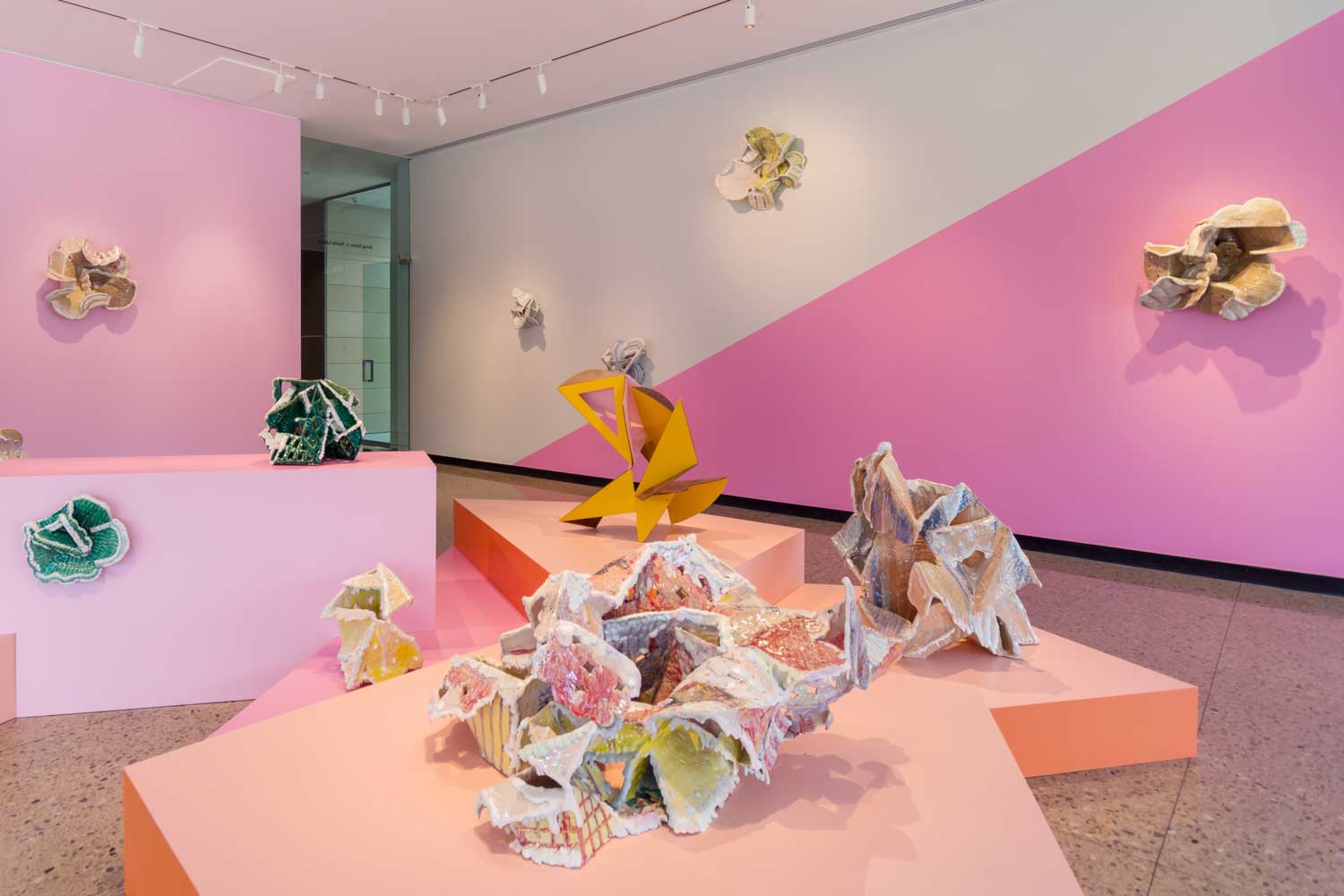
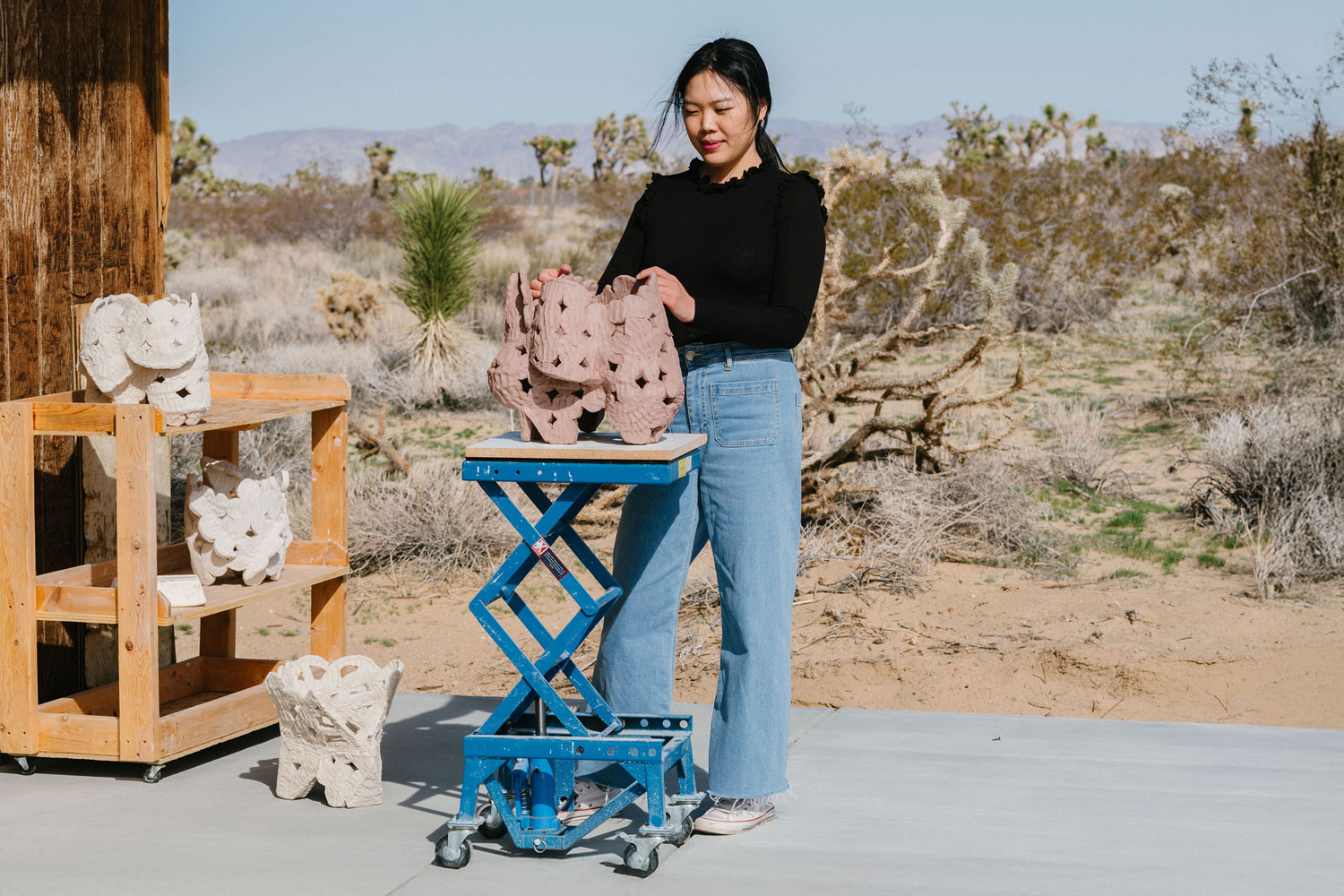
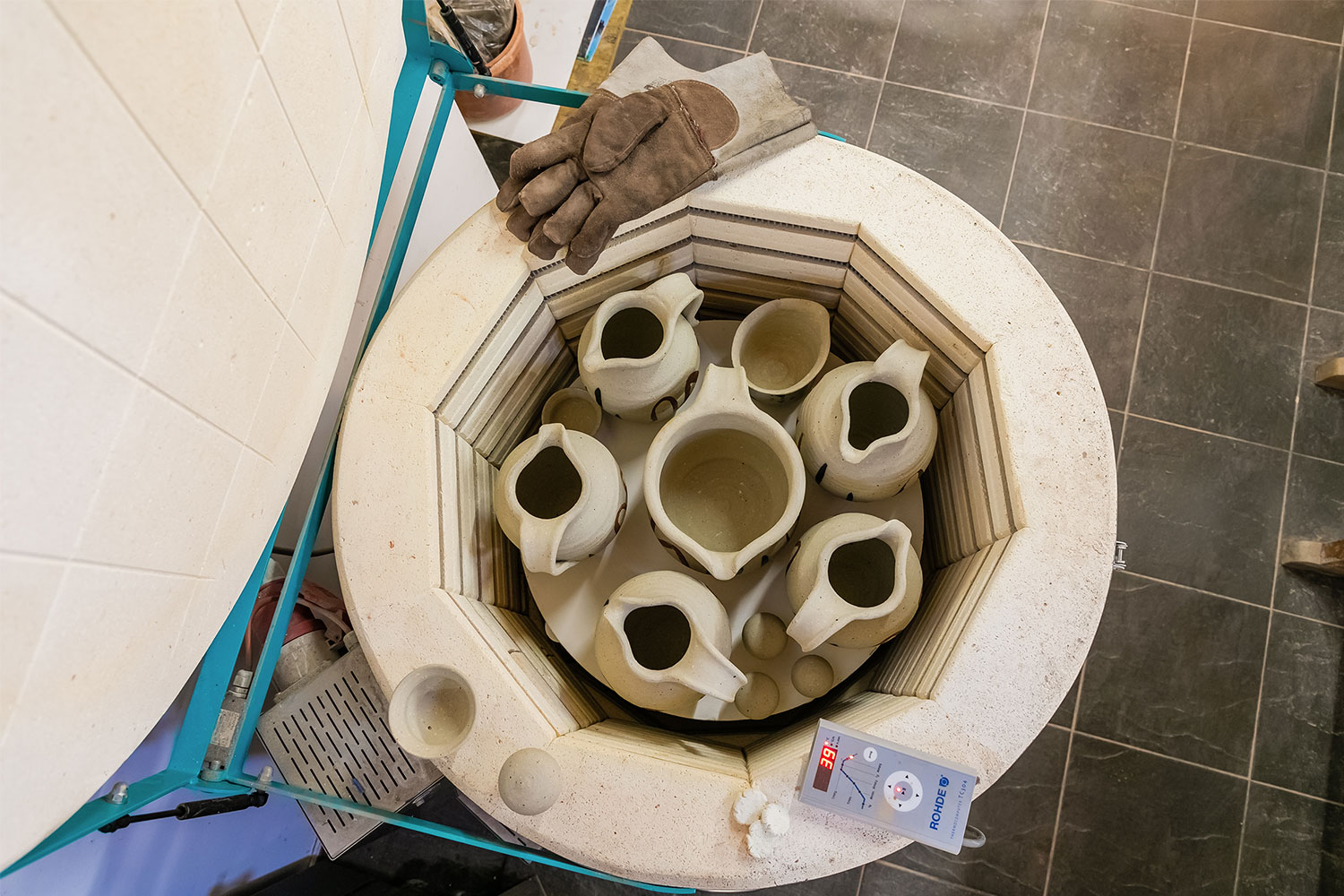
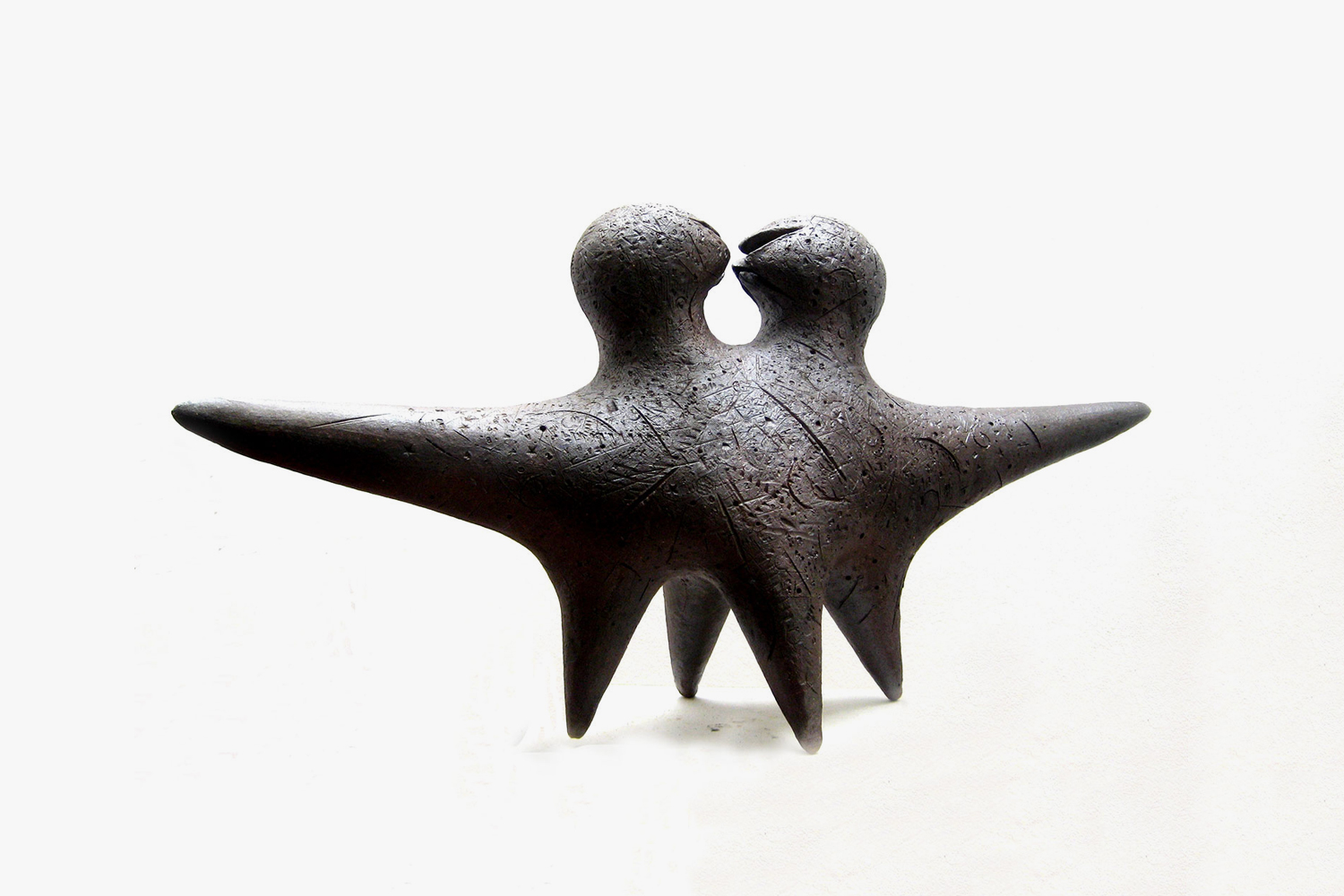
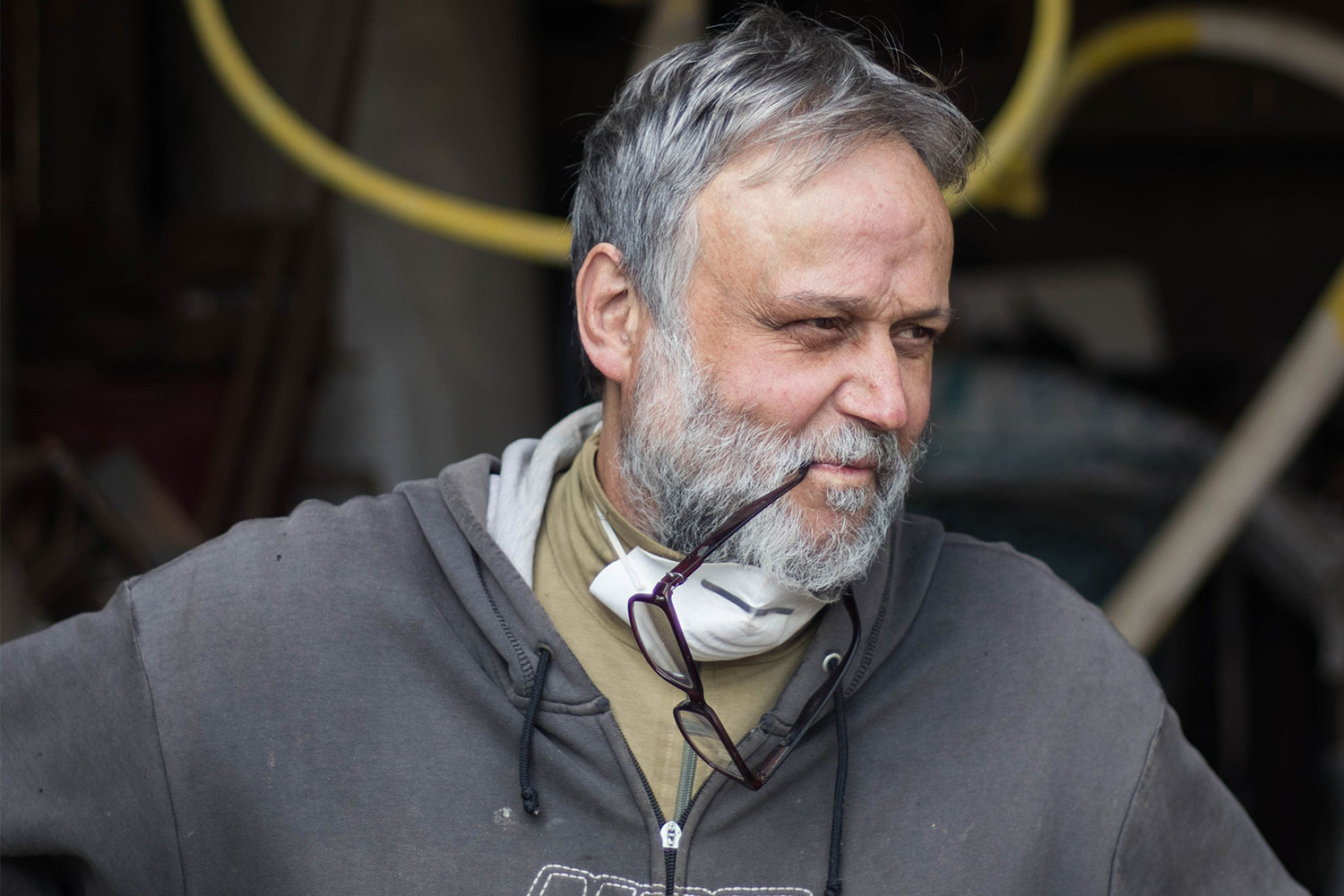
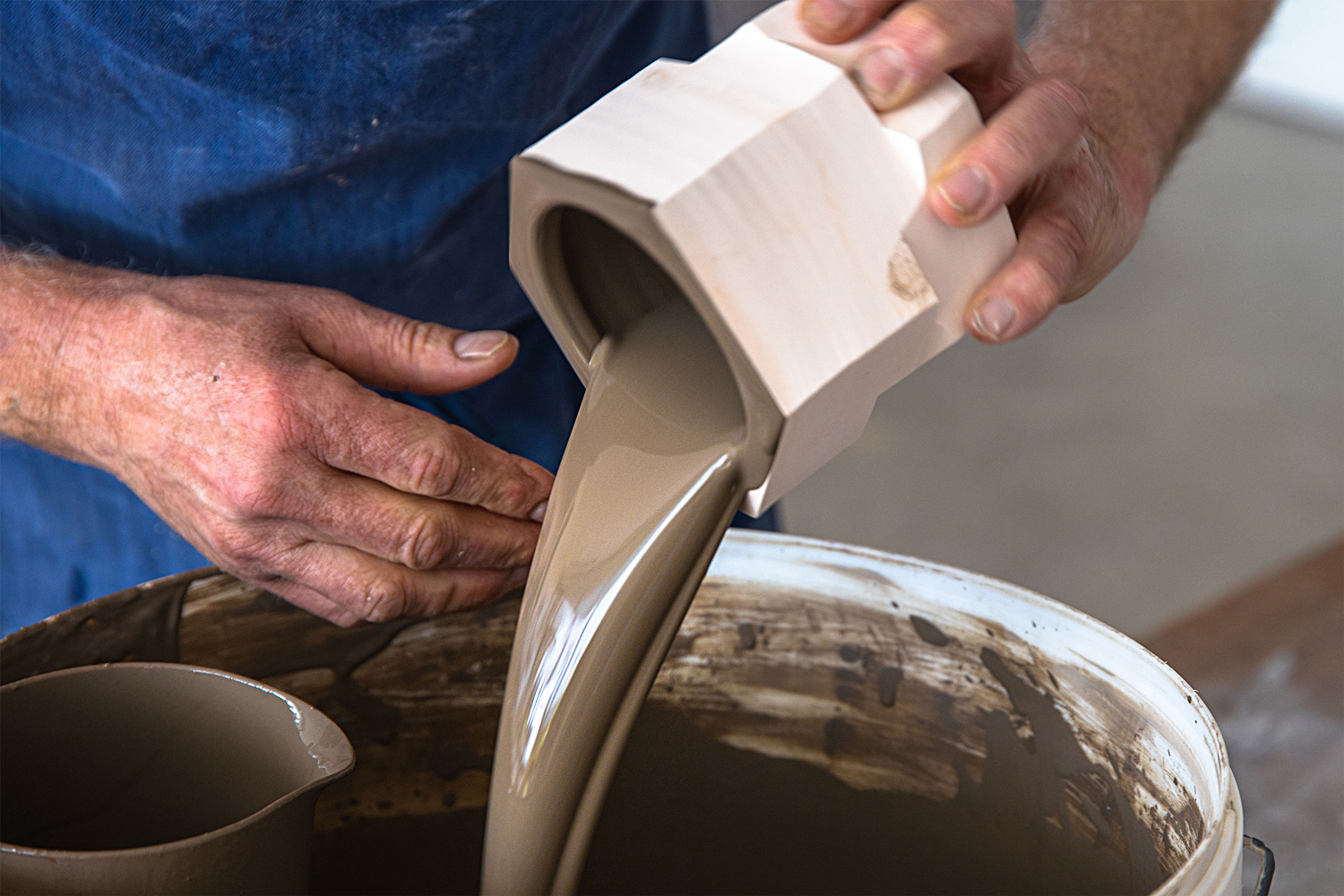
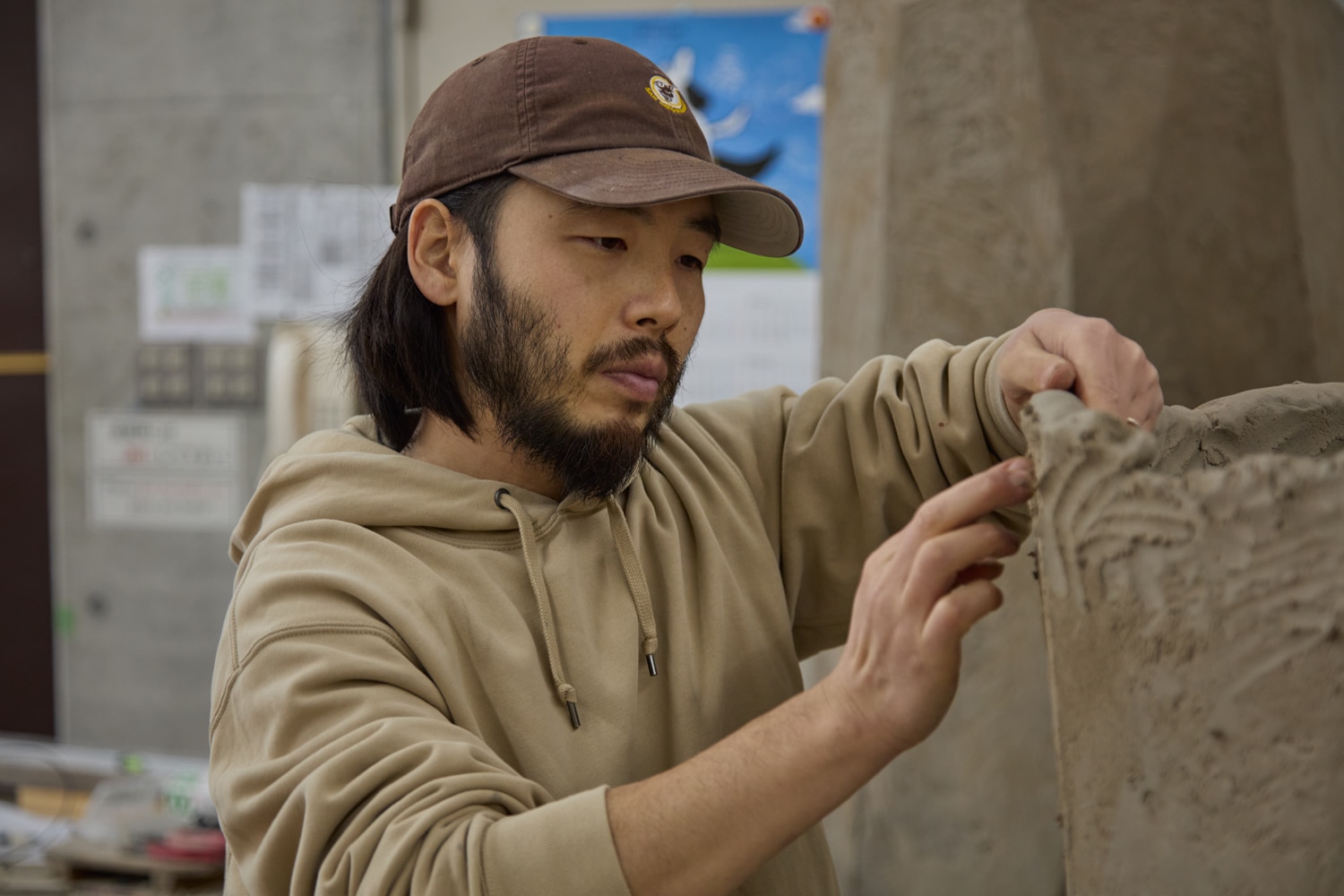
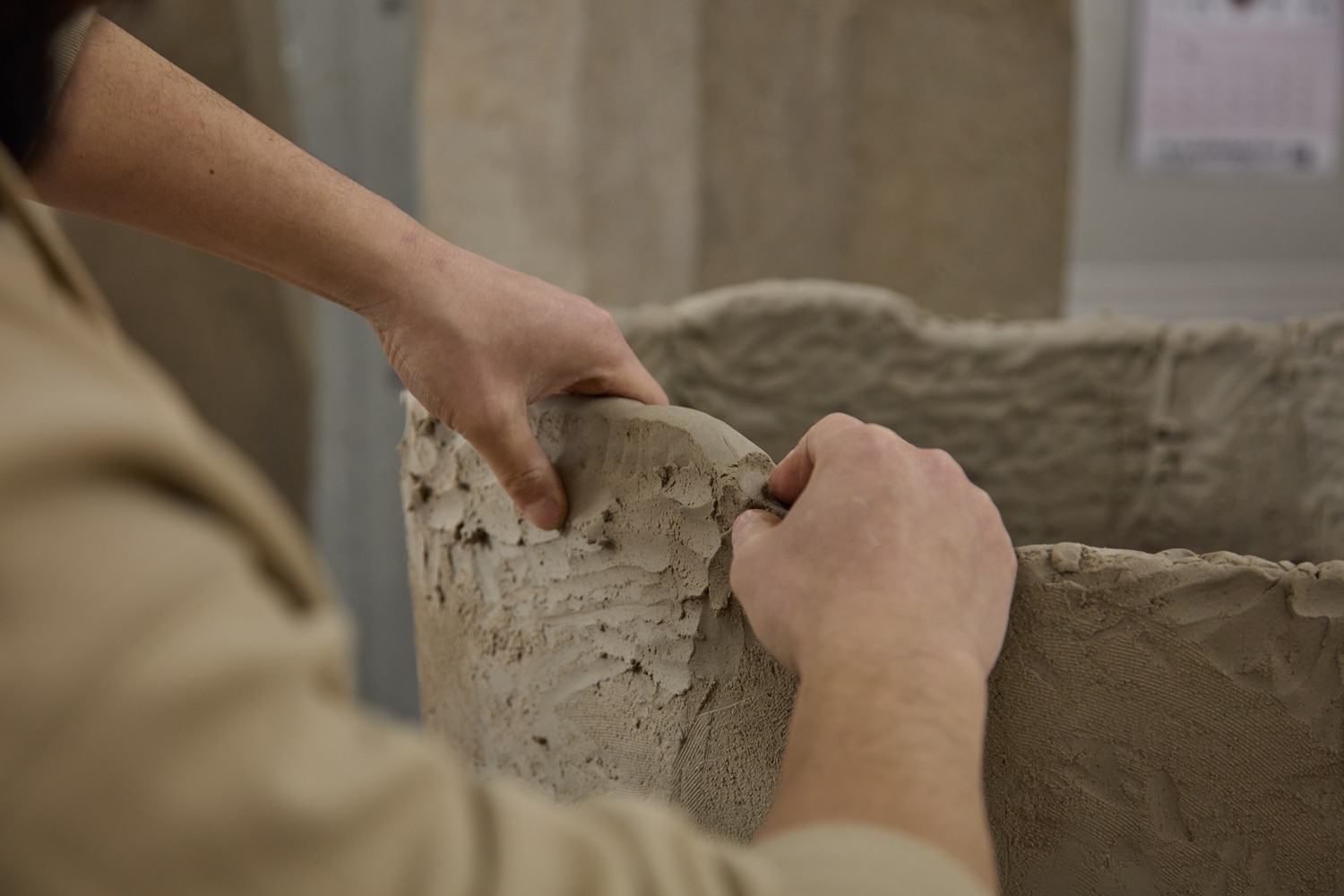
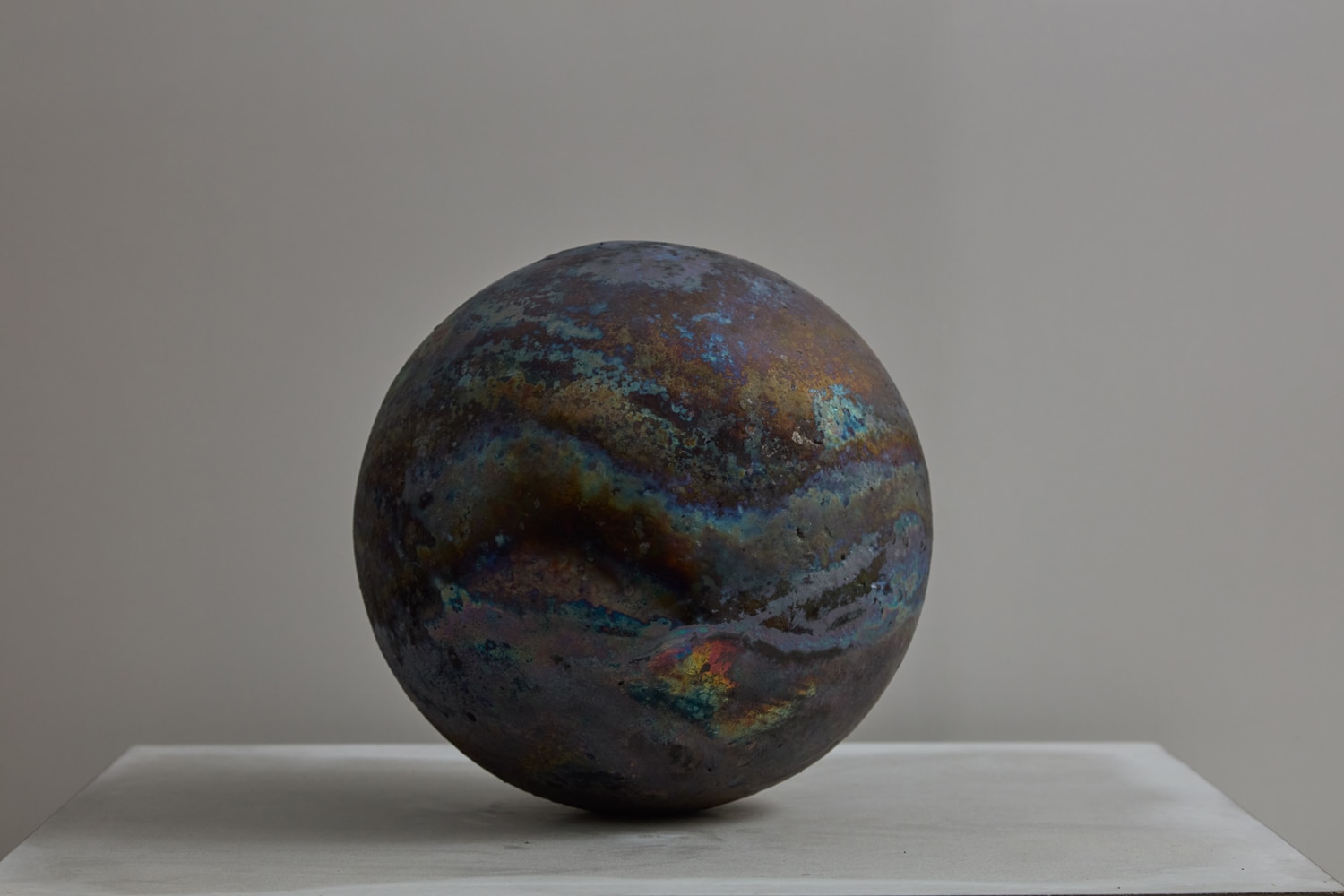
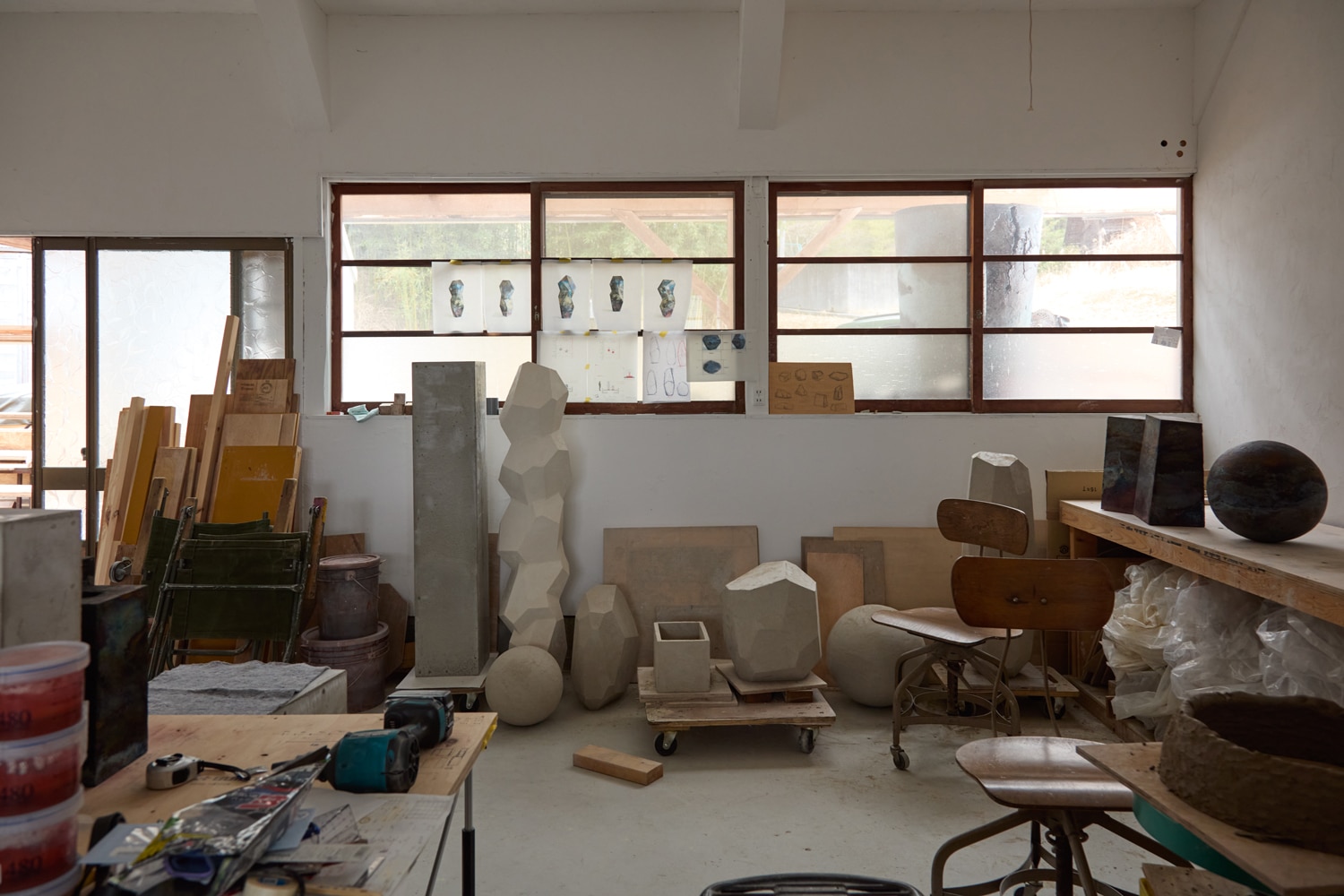
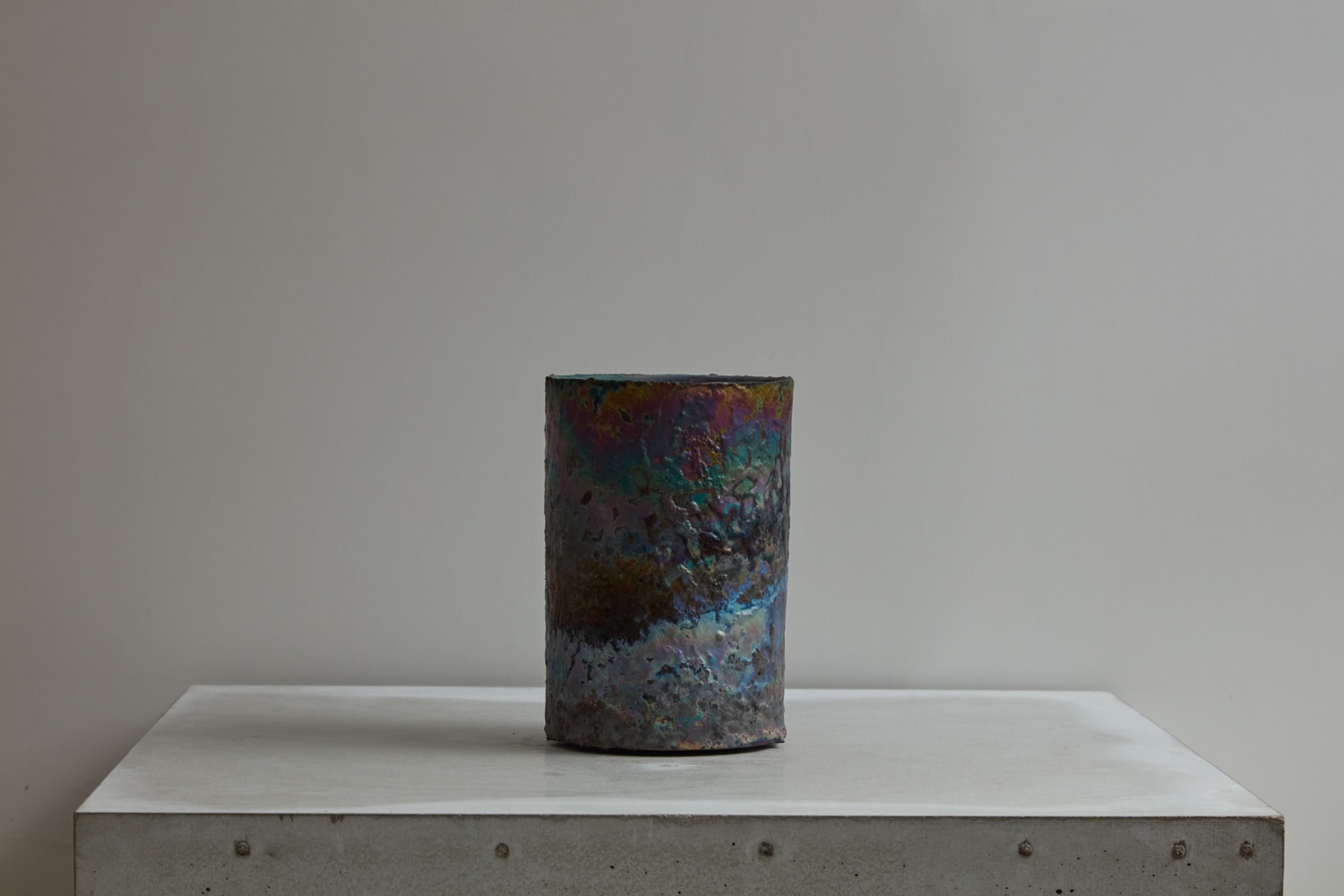
Inspired by his sculptor father, Tomonari Hashimoto specialises in ceramic hand building techniques and carbonisation firing. He is particularly interested in low temperature firing, which preserves the raw and tactile qualities of clay. Tomonari reuses discarded buckwheat husks obtained from a flour mill in Kyoto, instead of typical rice husks used for firing. This approach, combined with his preference for large-scale works, requires him to build temporary brick kilns outdoors, custom-sized for each creation. "I gradually reduce each work to its essential form. The monolithic shapes emerge through long periods of introspection, evoking the quiet forces of nature," Tomonari says.
Tomonari Hashimoto is an expert artisan: he began his career in 2010.
Discover his work
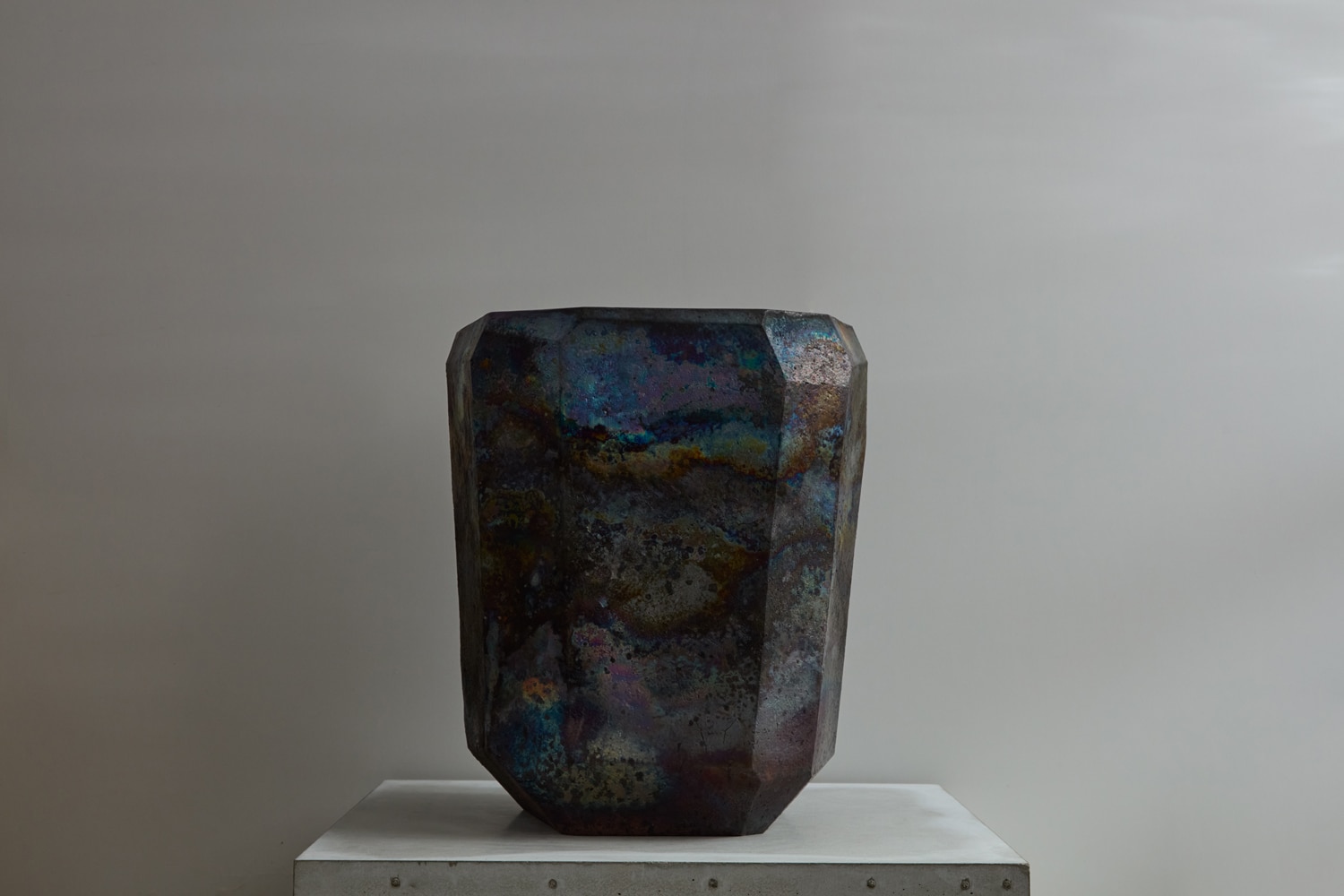
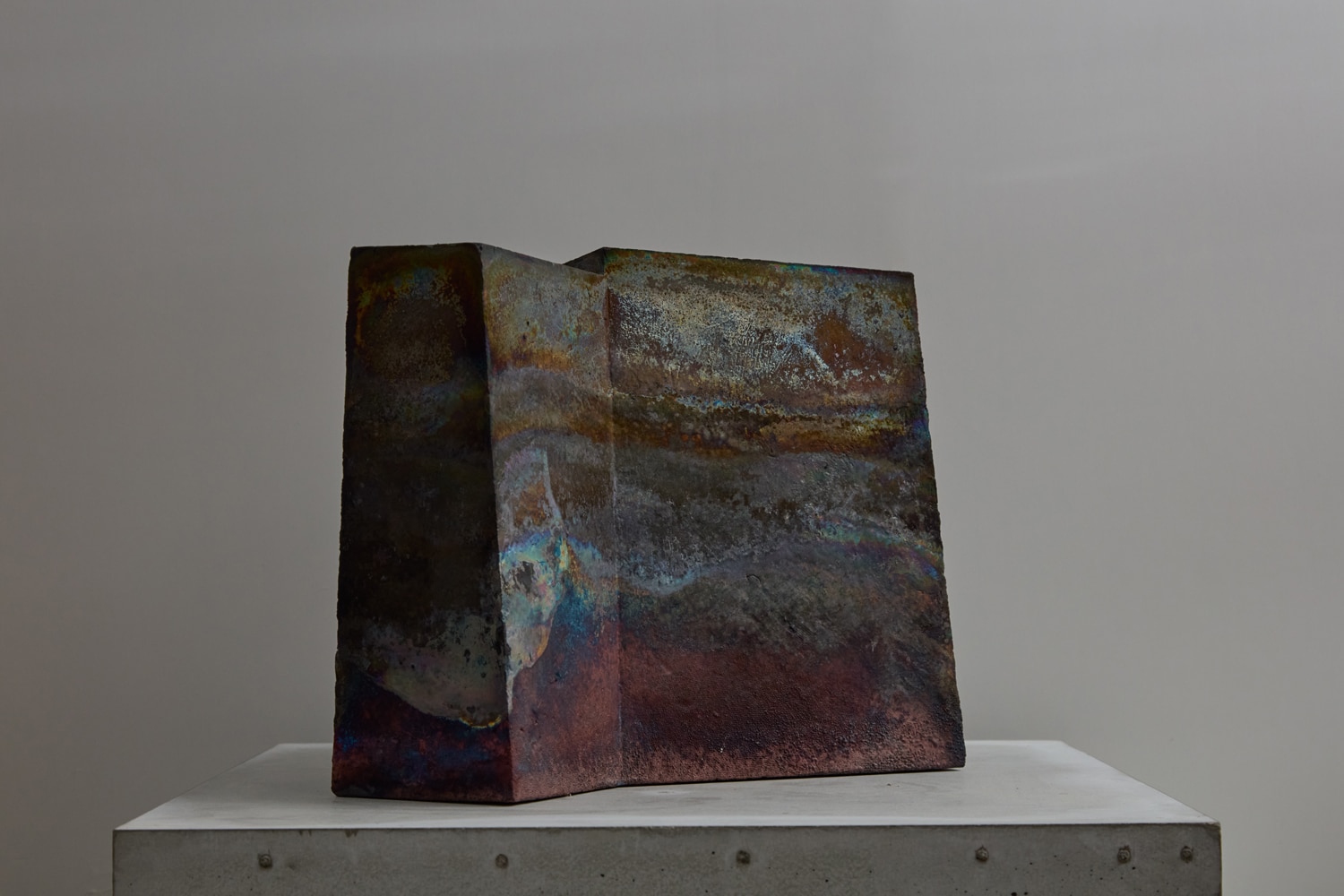
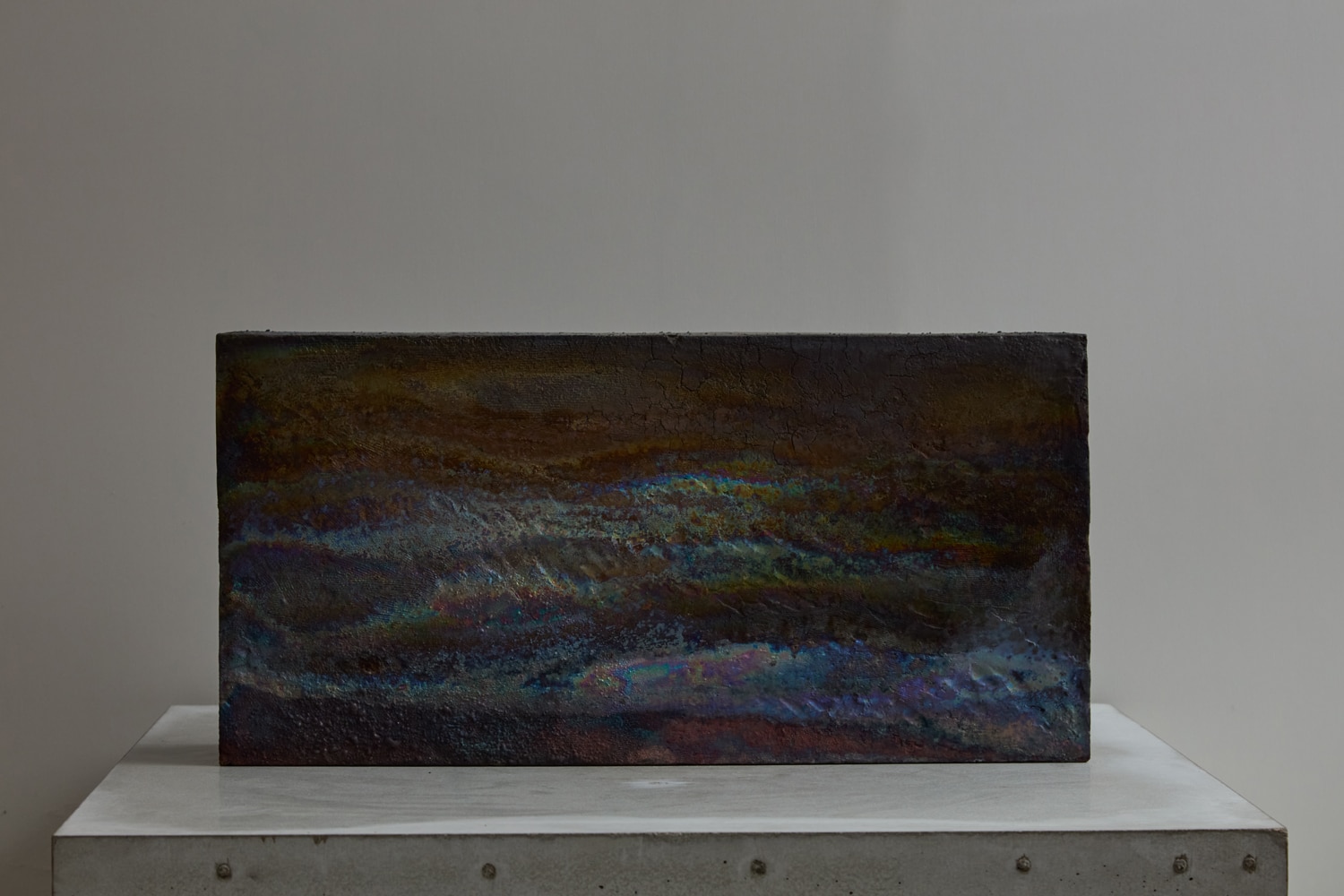
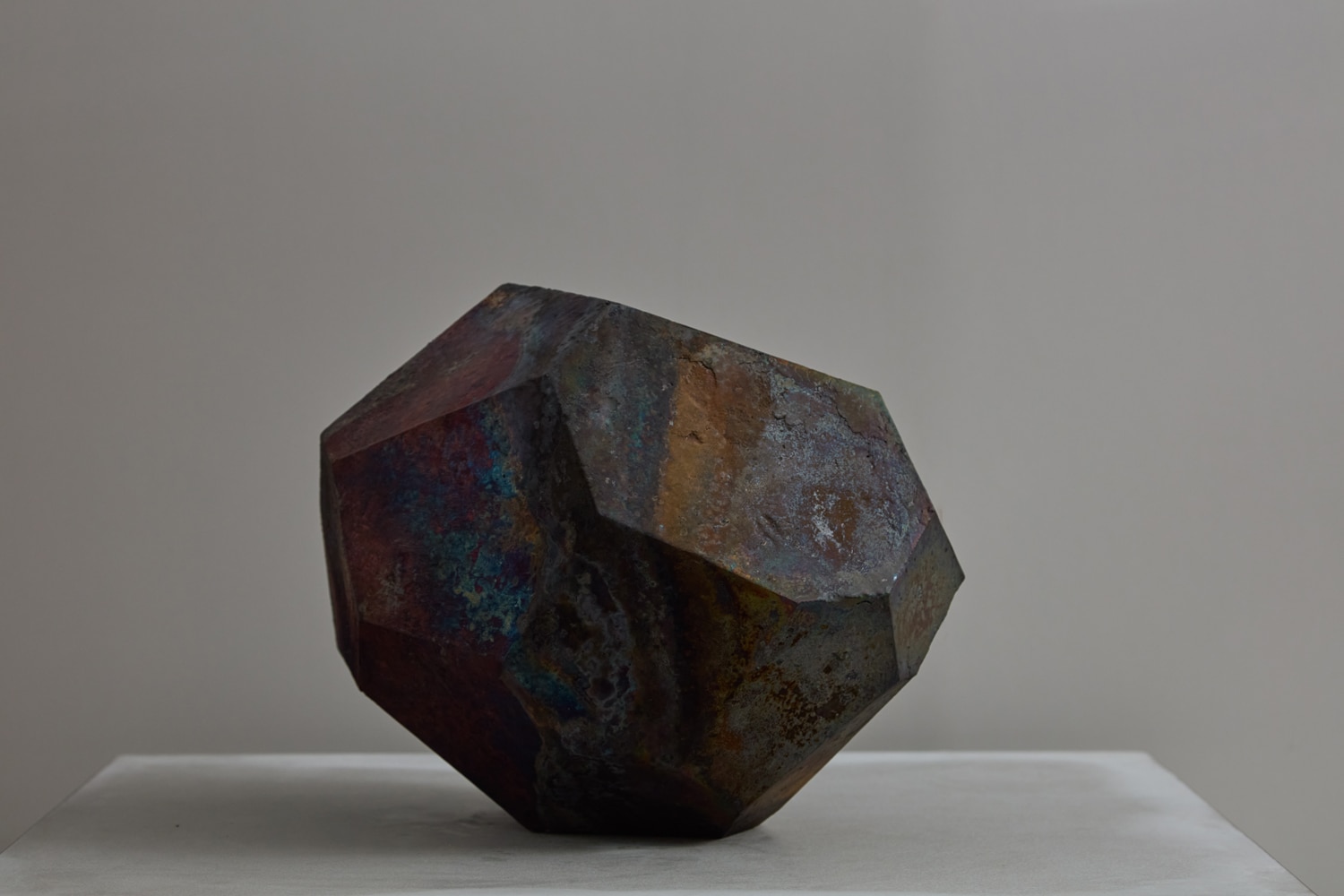
INTERVIEW
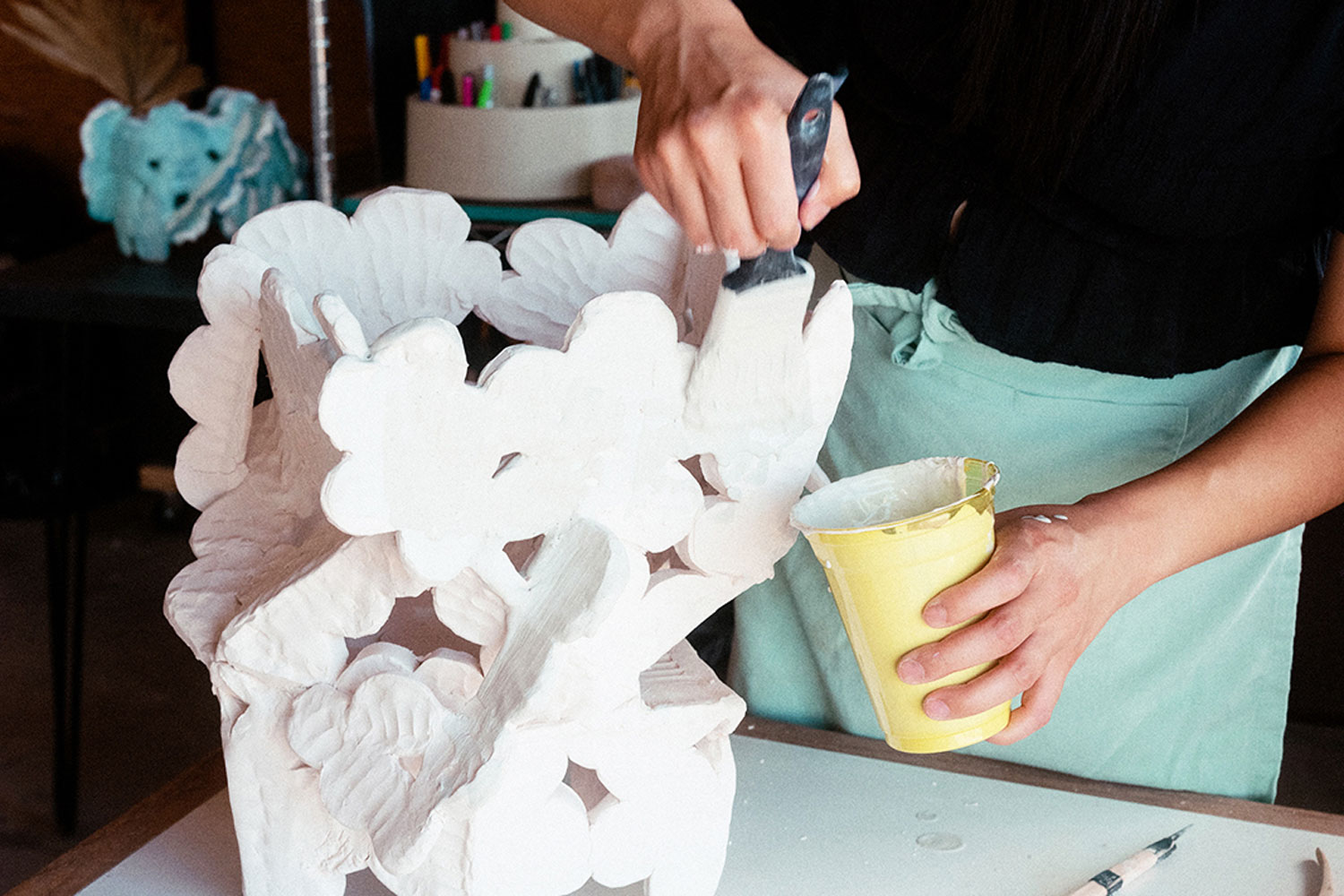
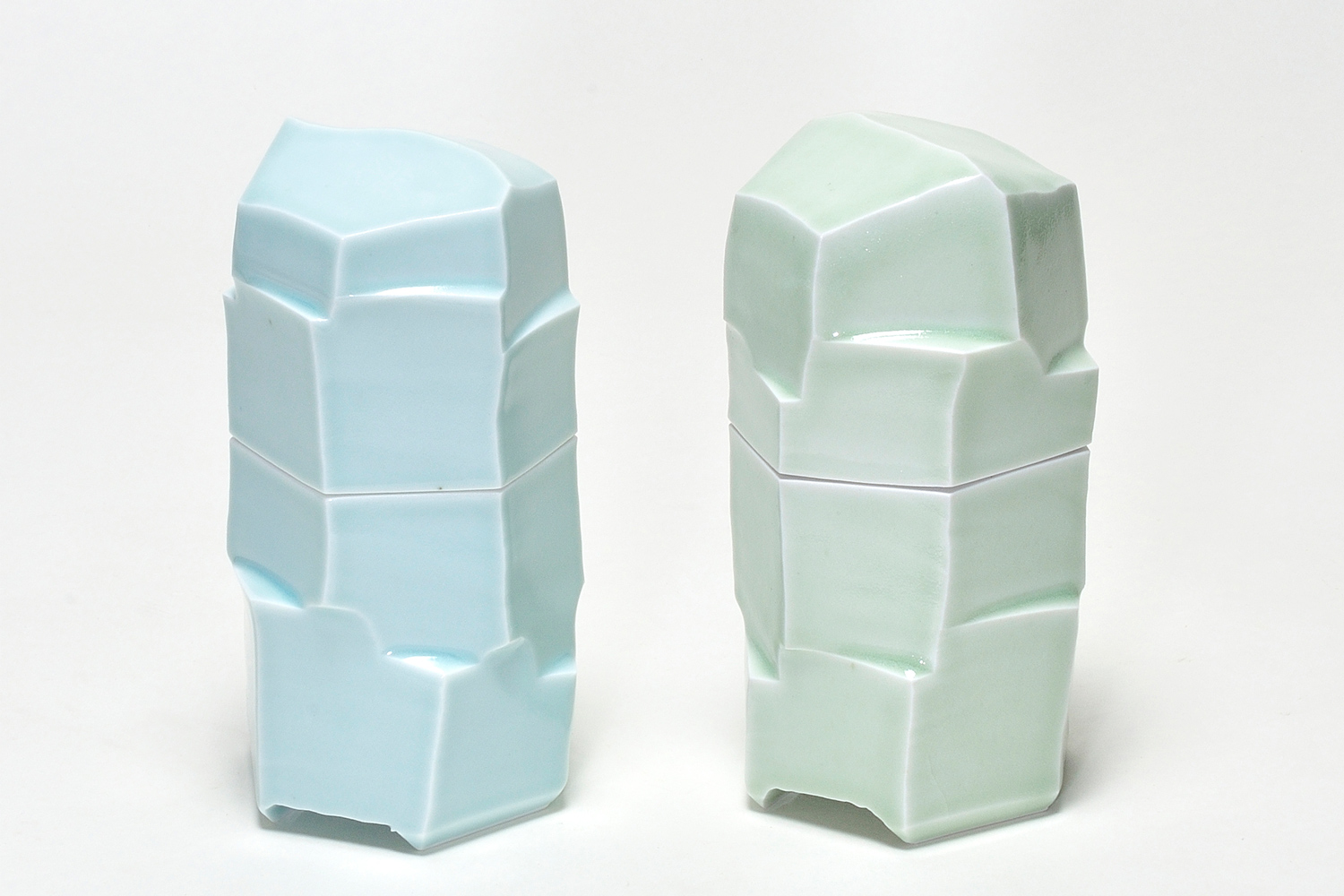
At first, I struggled with glaze application and firing processes. To preserve the tactile quality of clay, I focused on relatively low firing temperatures. Over time, I came to embrace and celebrate the cracks or dipping glazes that I once considered flaws. They have since become a source of inspiration in my work.
My starting point often lies in subtle emotional fluctuations or vague feelings of discomfort that arise in everyday life. Rather than expressing these directly, I translate them into form, structure and mass through a dialogue with the clay.
Making is a way of translating sensations from everyday life into form and structure. Rather than assigning specific meanings, I focus on the presence and strength of the object itself.
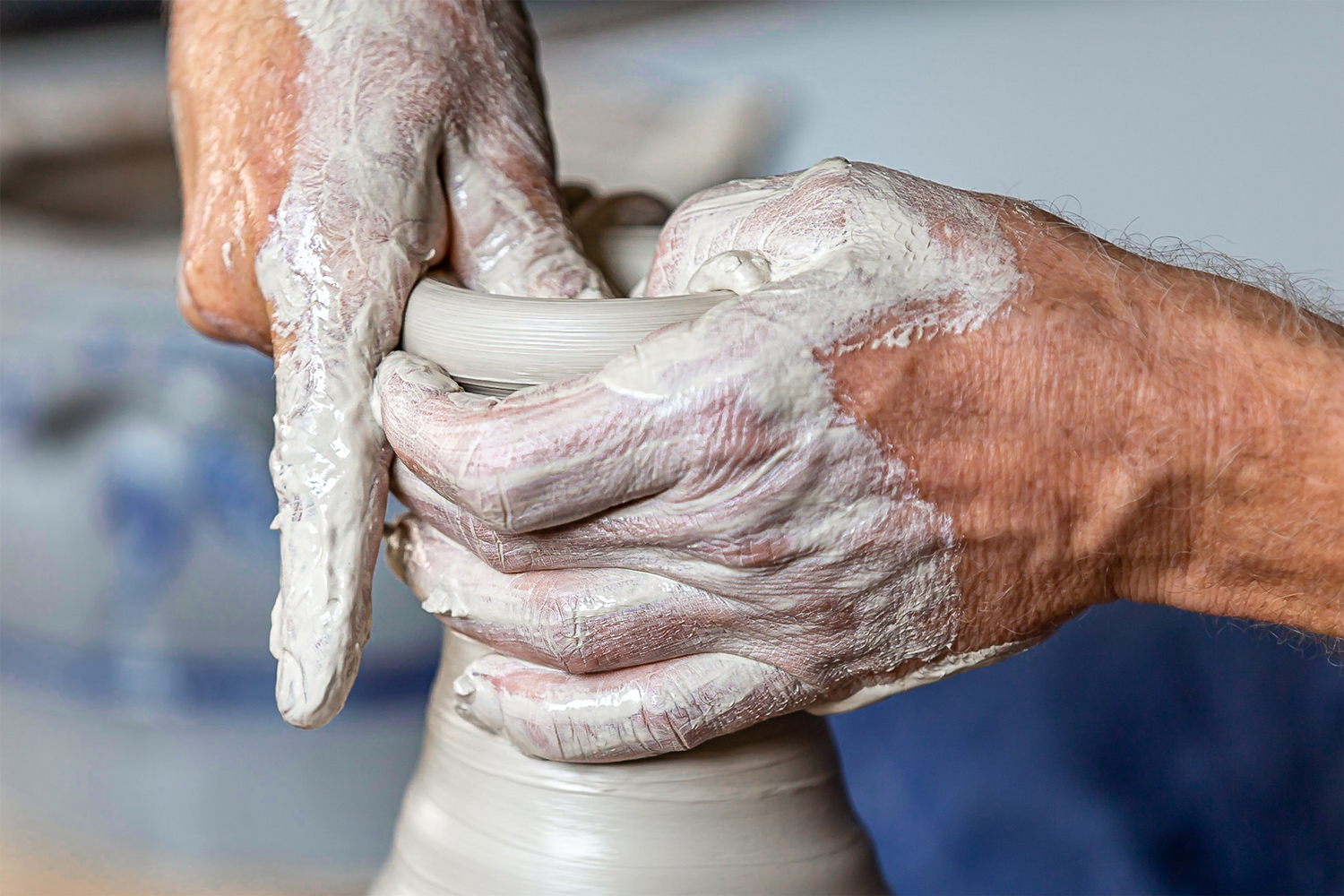
In an age that prioritises digitalisation, virtuality, efficiency and cost, patiently carrying out slow, manual processes is a way of living more humanly. If there is a message, it lies in the attitude of continually confronting the realities that surround us.
Tomonari Hashimoto
Ceramicist
Koka, Japan
ADDRESS
Address upon request, Koka, Japan
AVAILABILITY
By appointment only
LANGUAGES
Japanese
HOMO FABER FINDS
Homo Faber Finds is a new service aiming to inspire admirers of craft to connect and collaborate with exceptional artisans.
We invite you to submit an enquiry here.