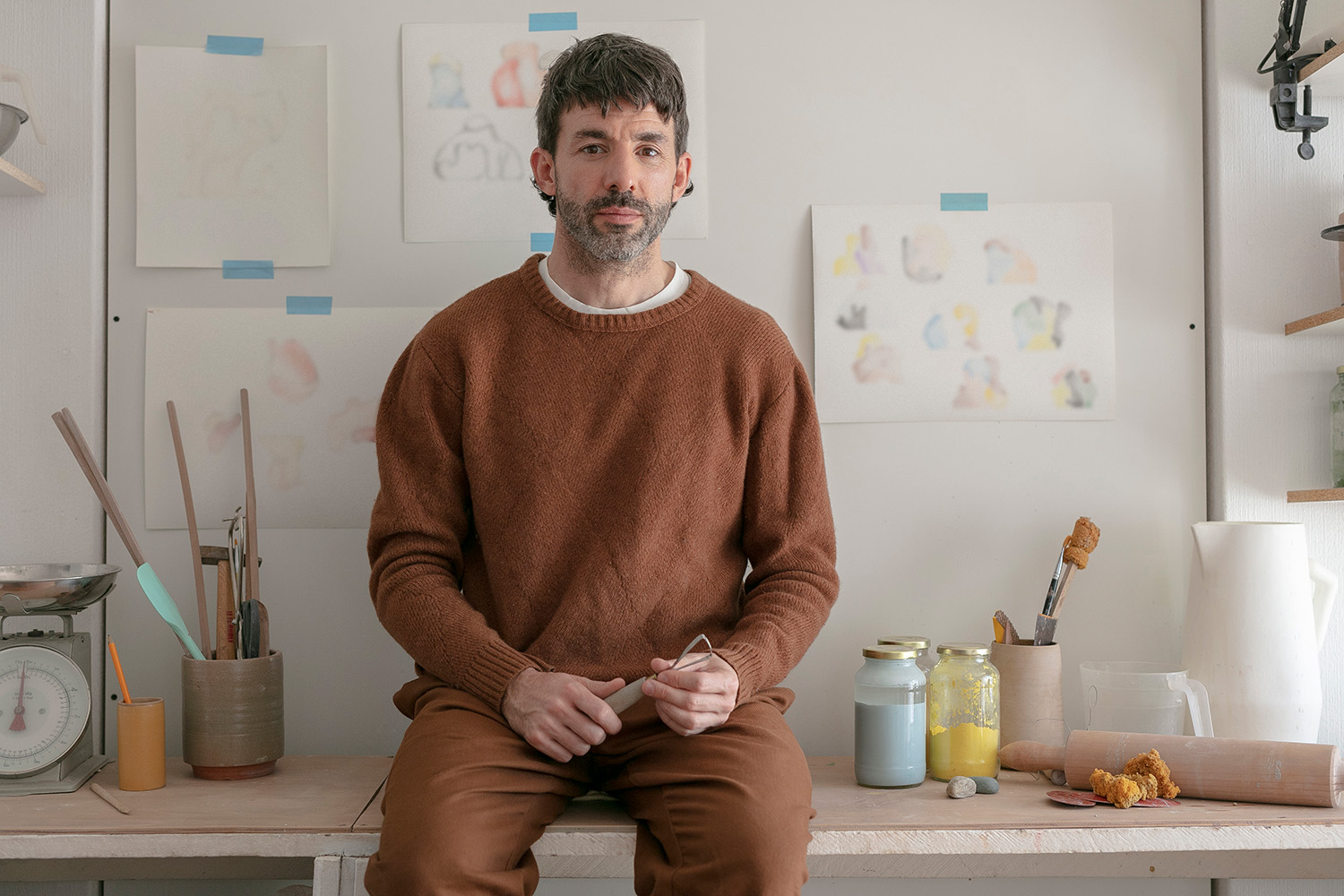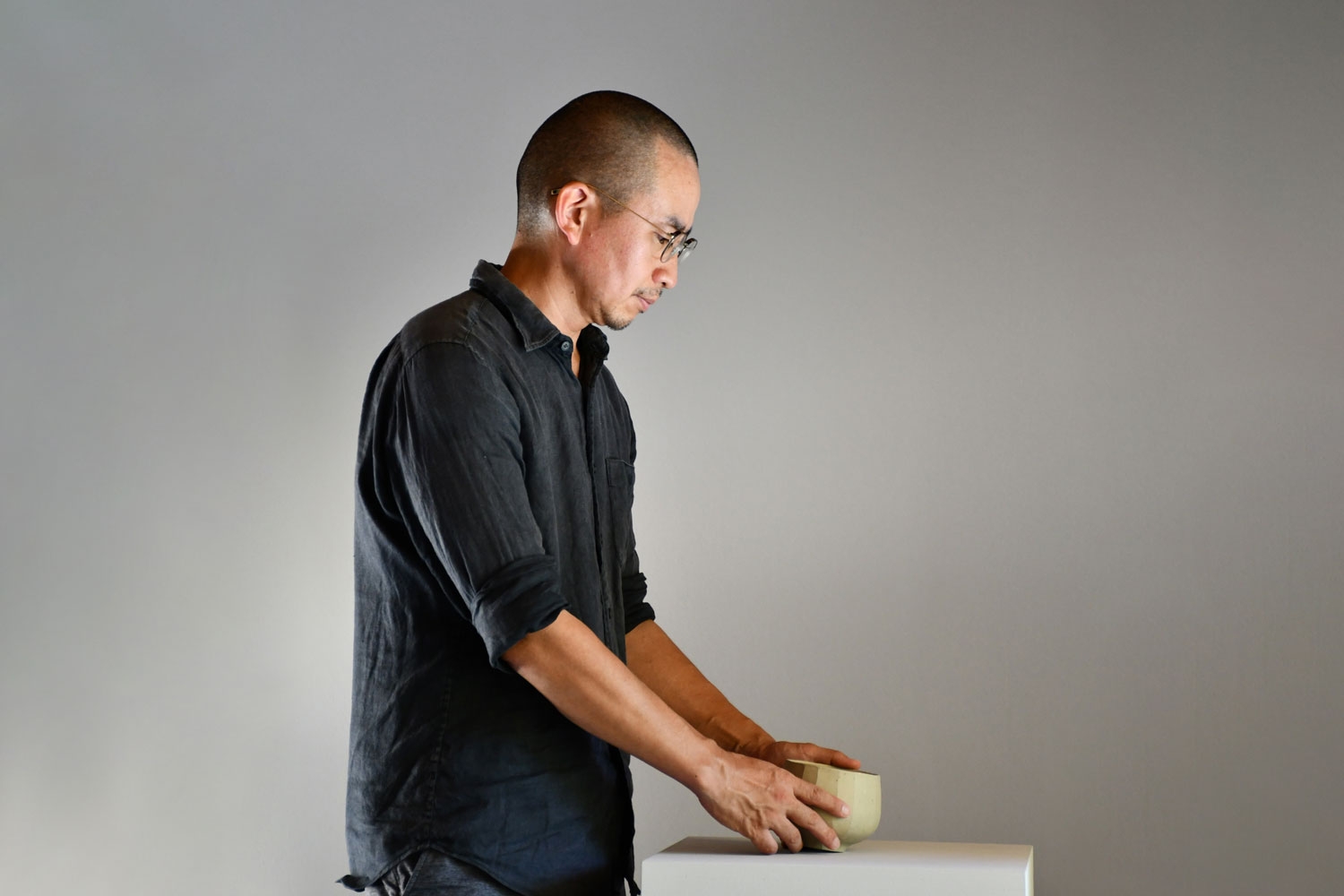
Hitoshi Morimoto
Ceramicist
Bizen, Japan
Kilns, tableware and the ceramics in between
- Hitoshi is a second-generation Bizen ware ceramicist
- He enjoys working with yakishime, a technique that highlights his every move
- His four-year apprenticeship shaped his approach towards life and making
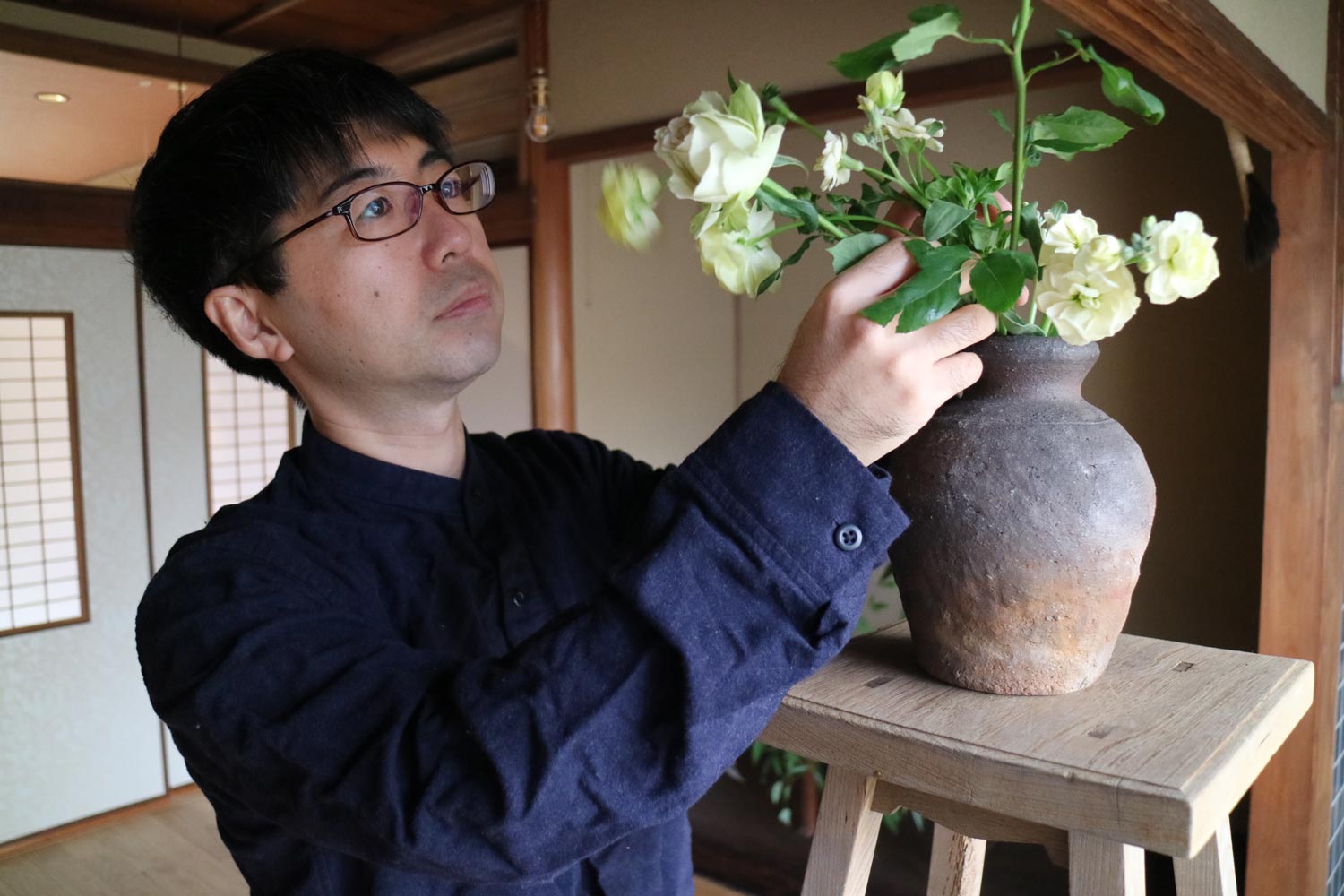
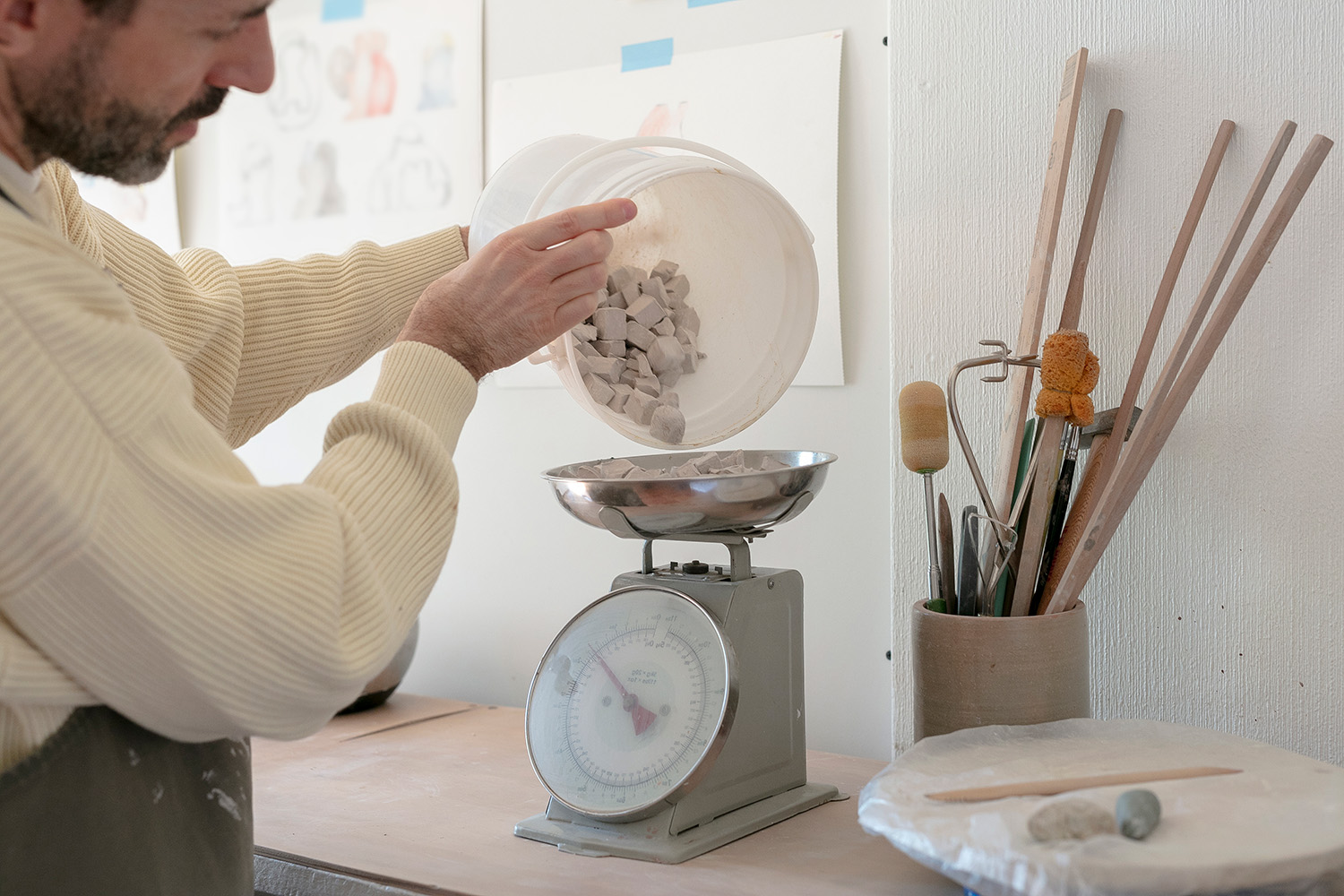
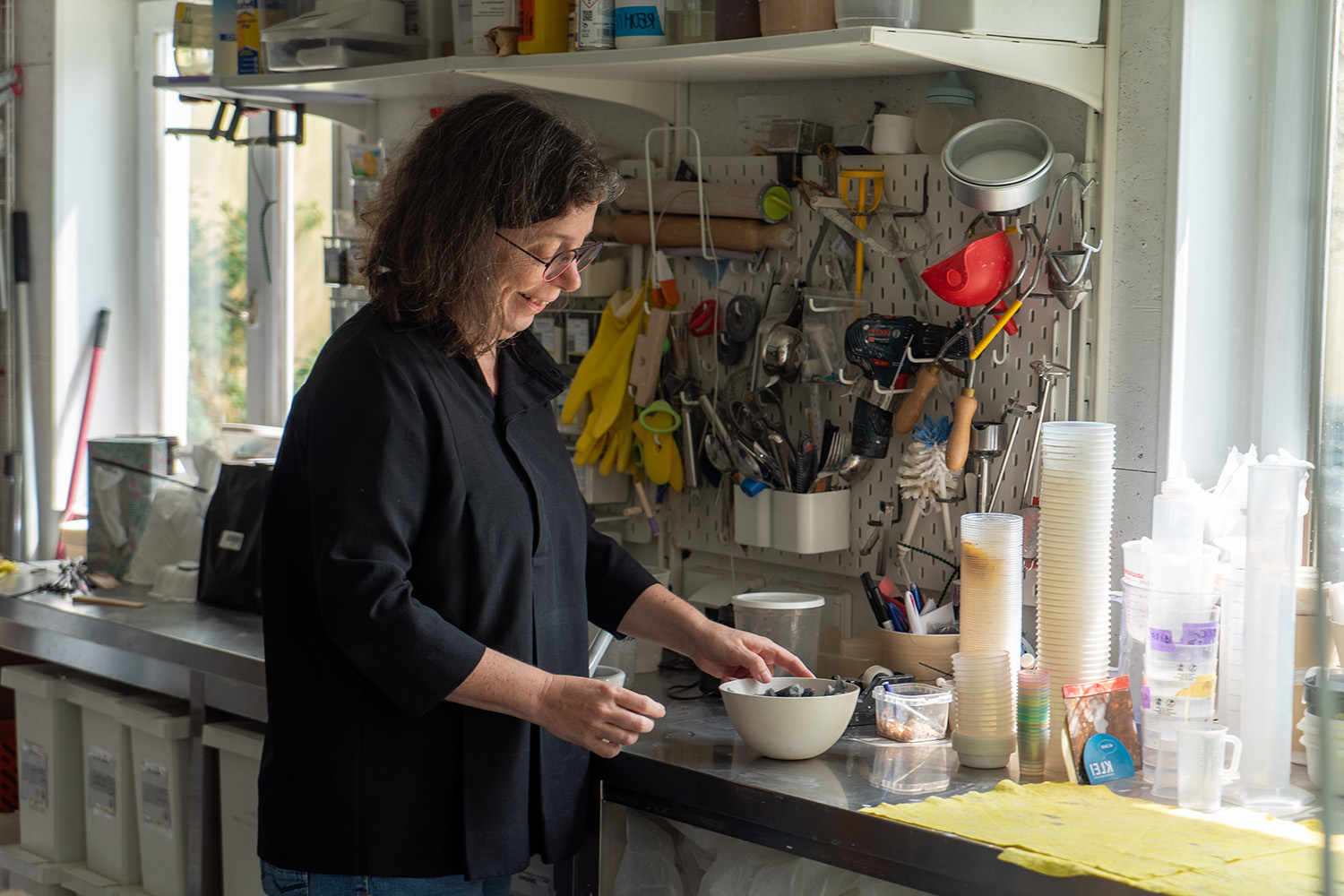
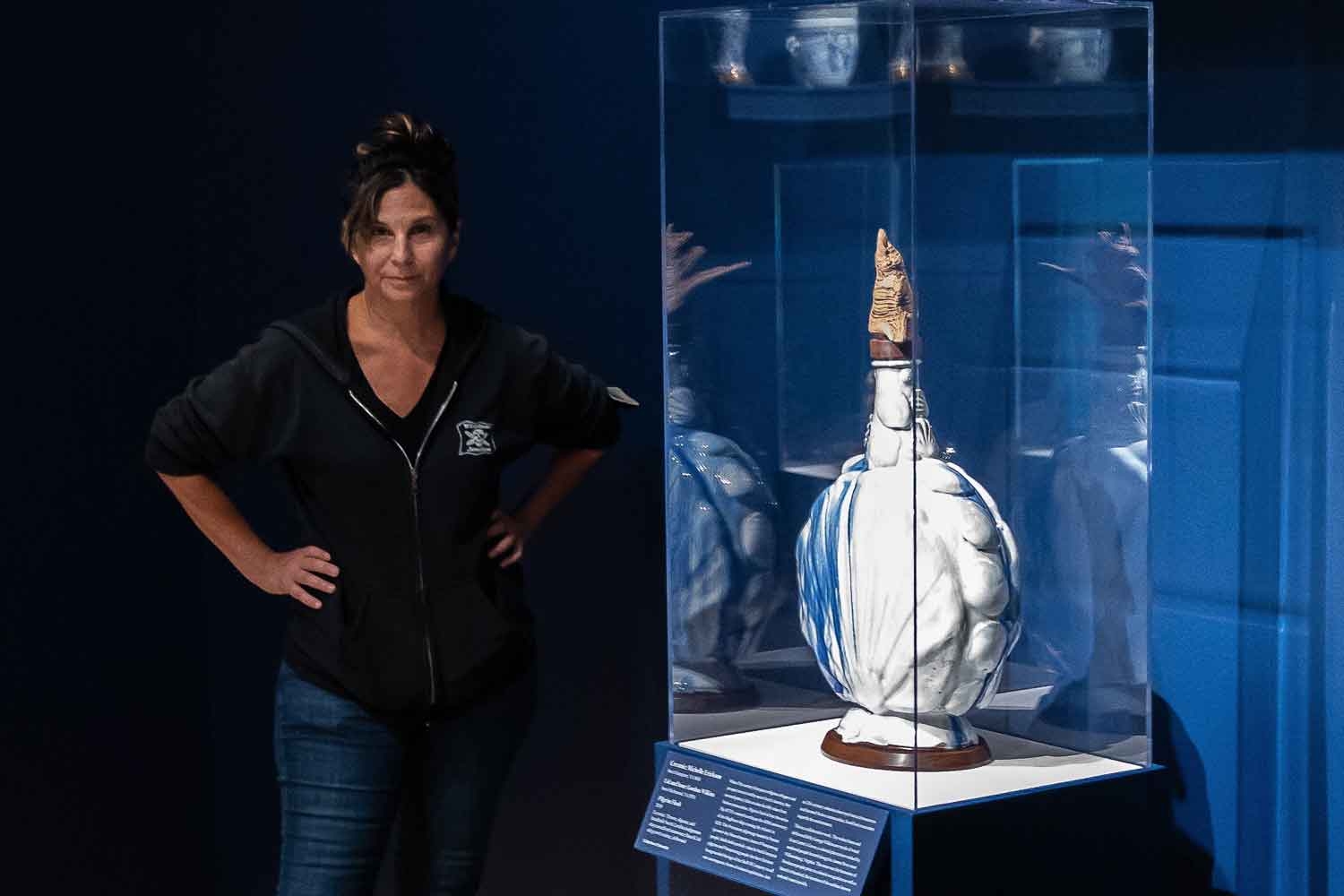
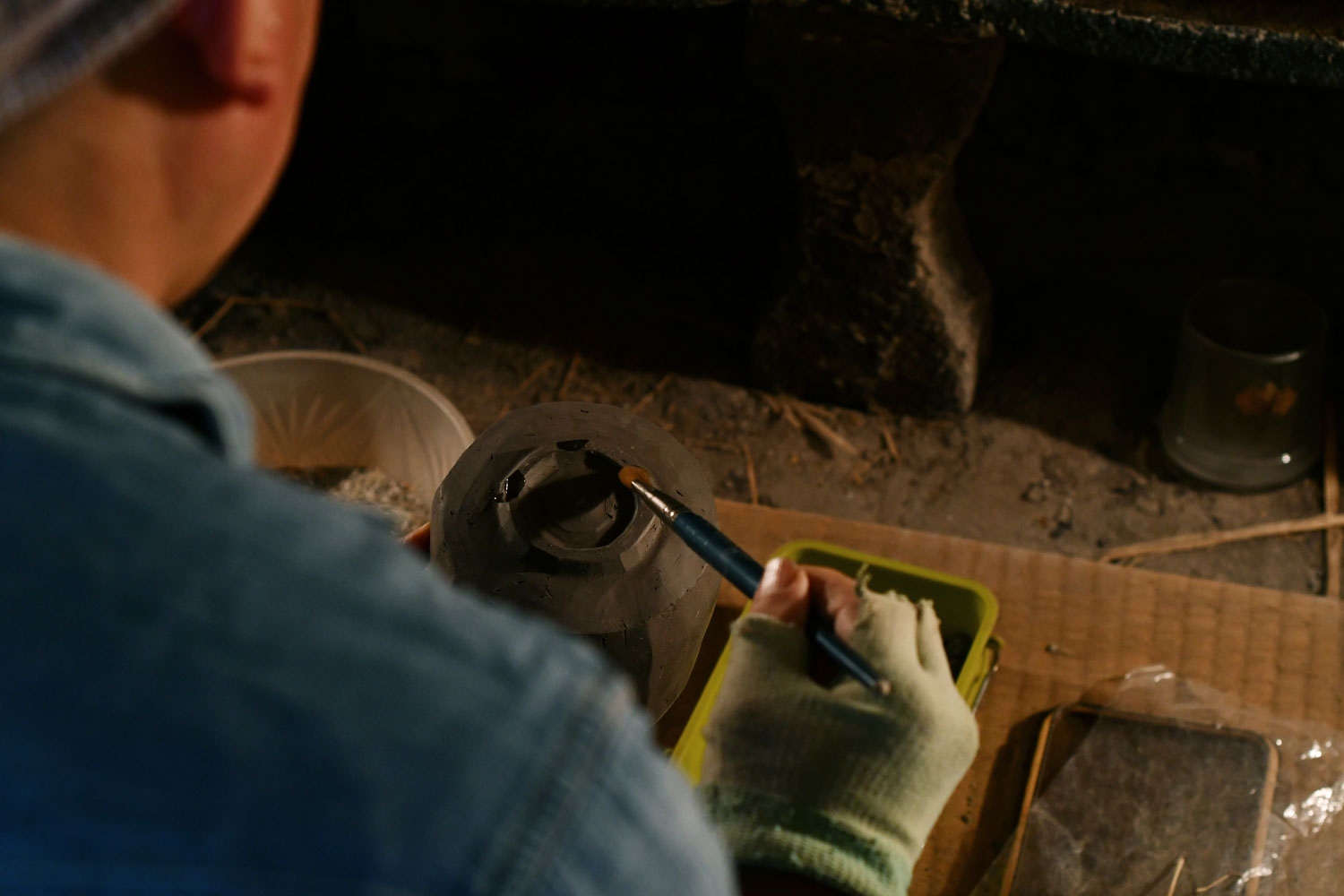
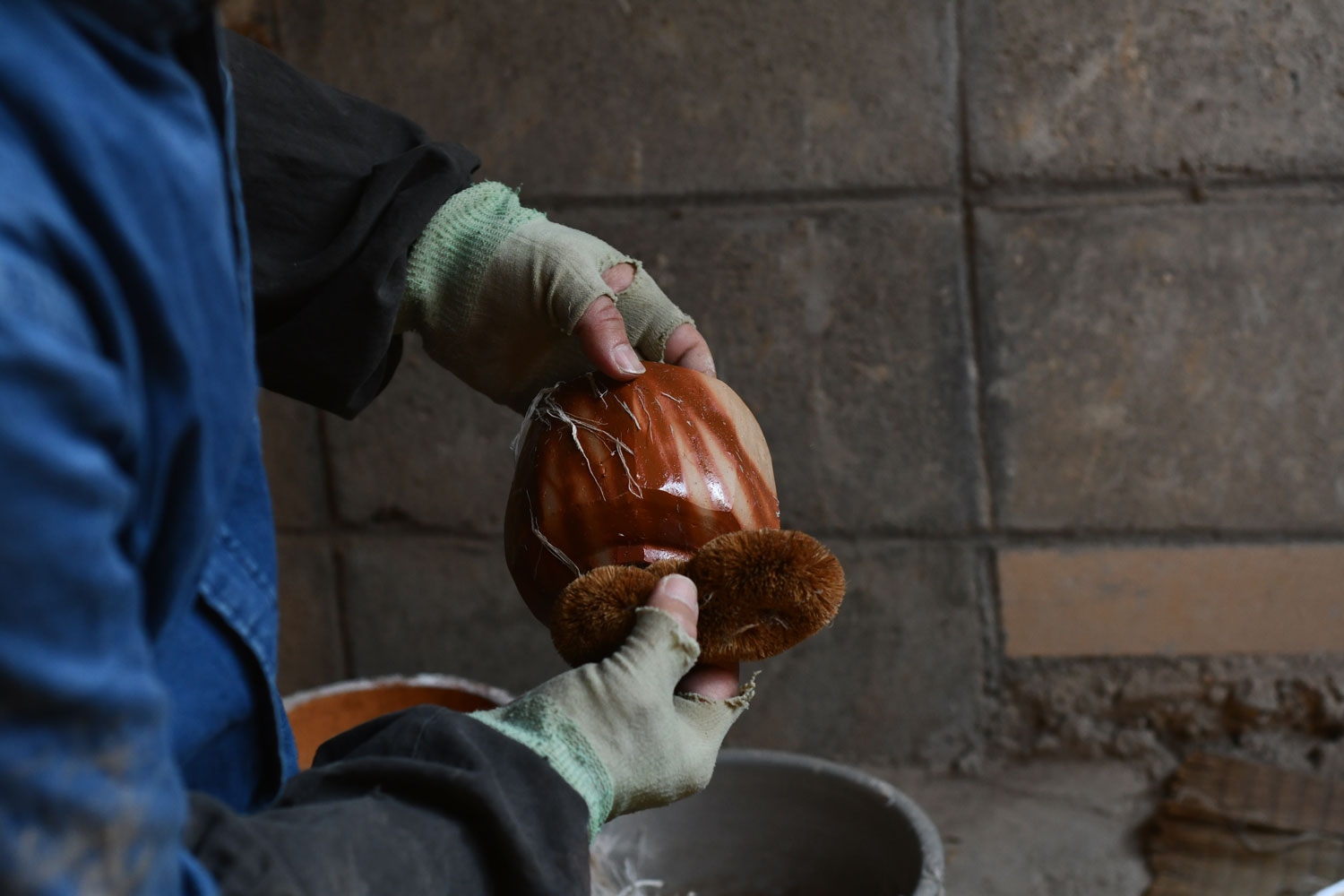
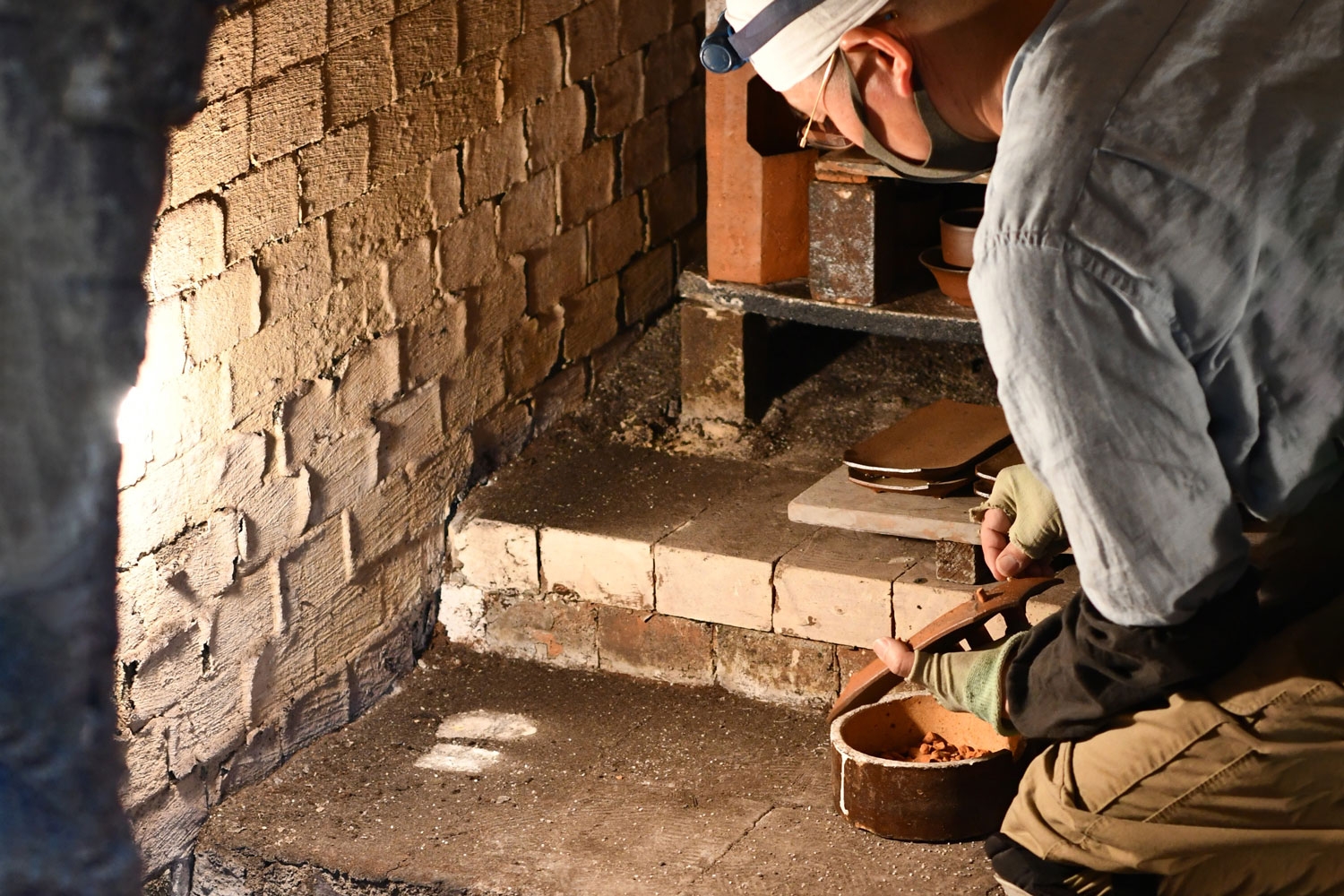
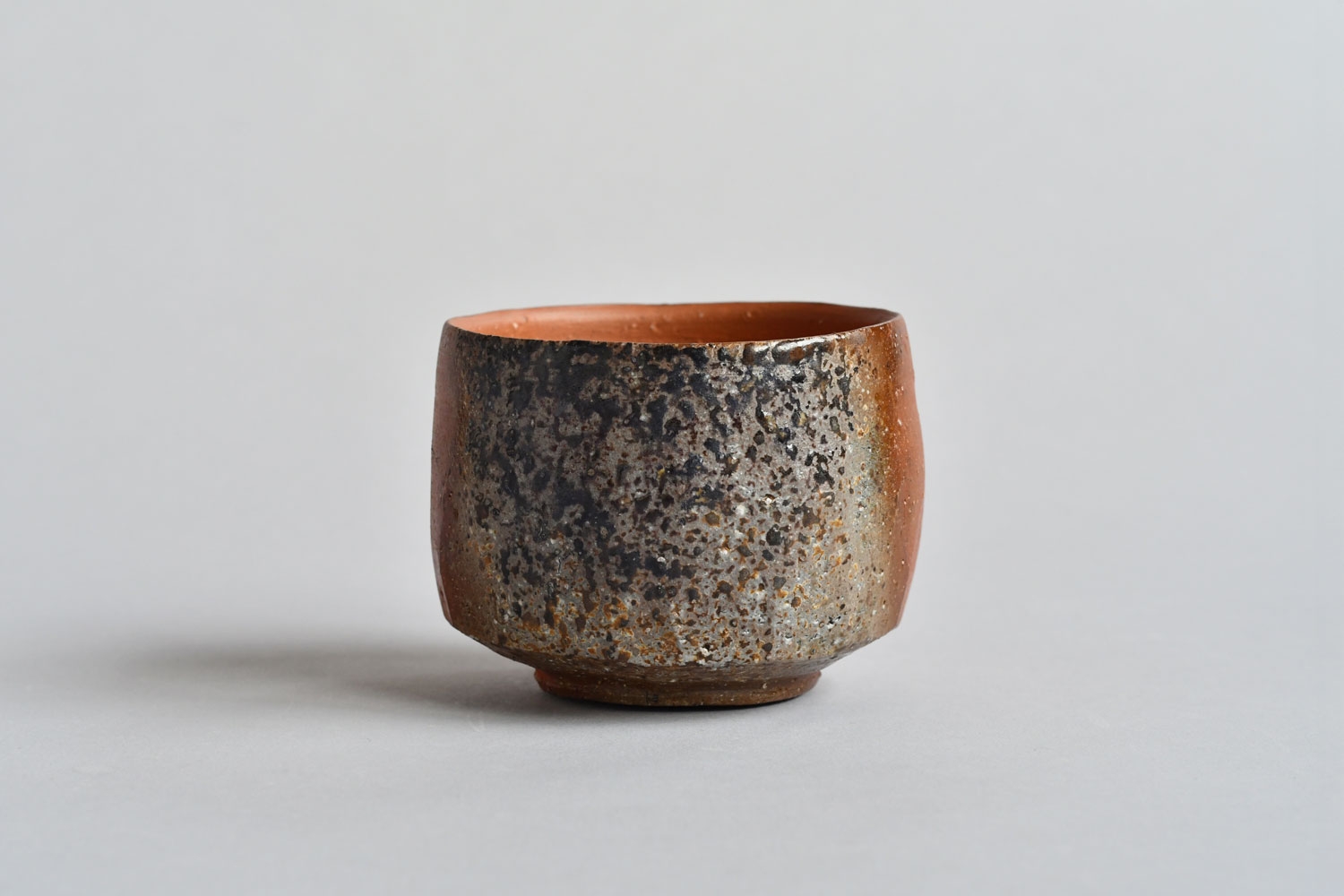
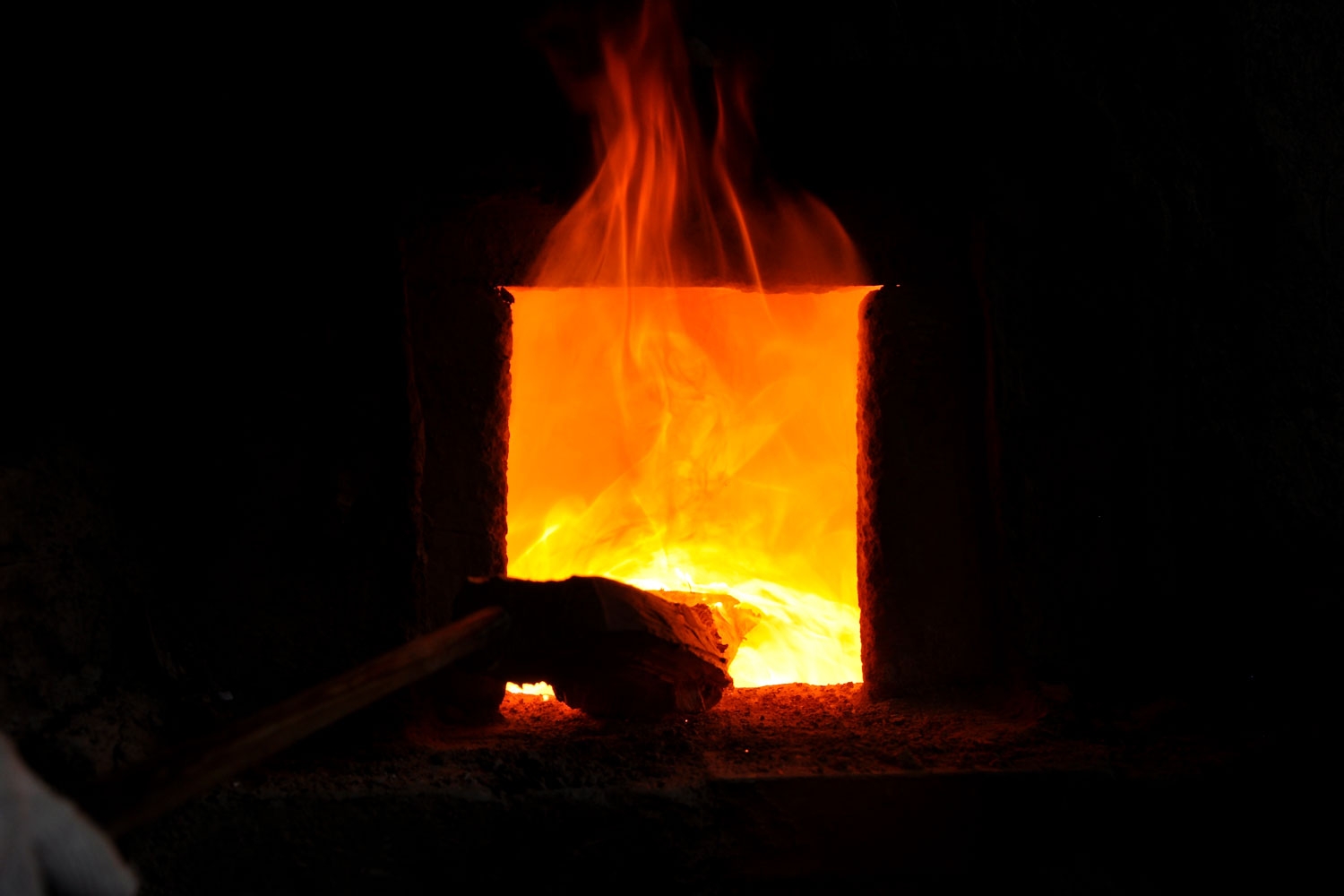
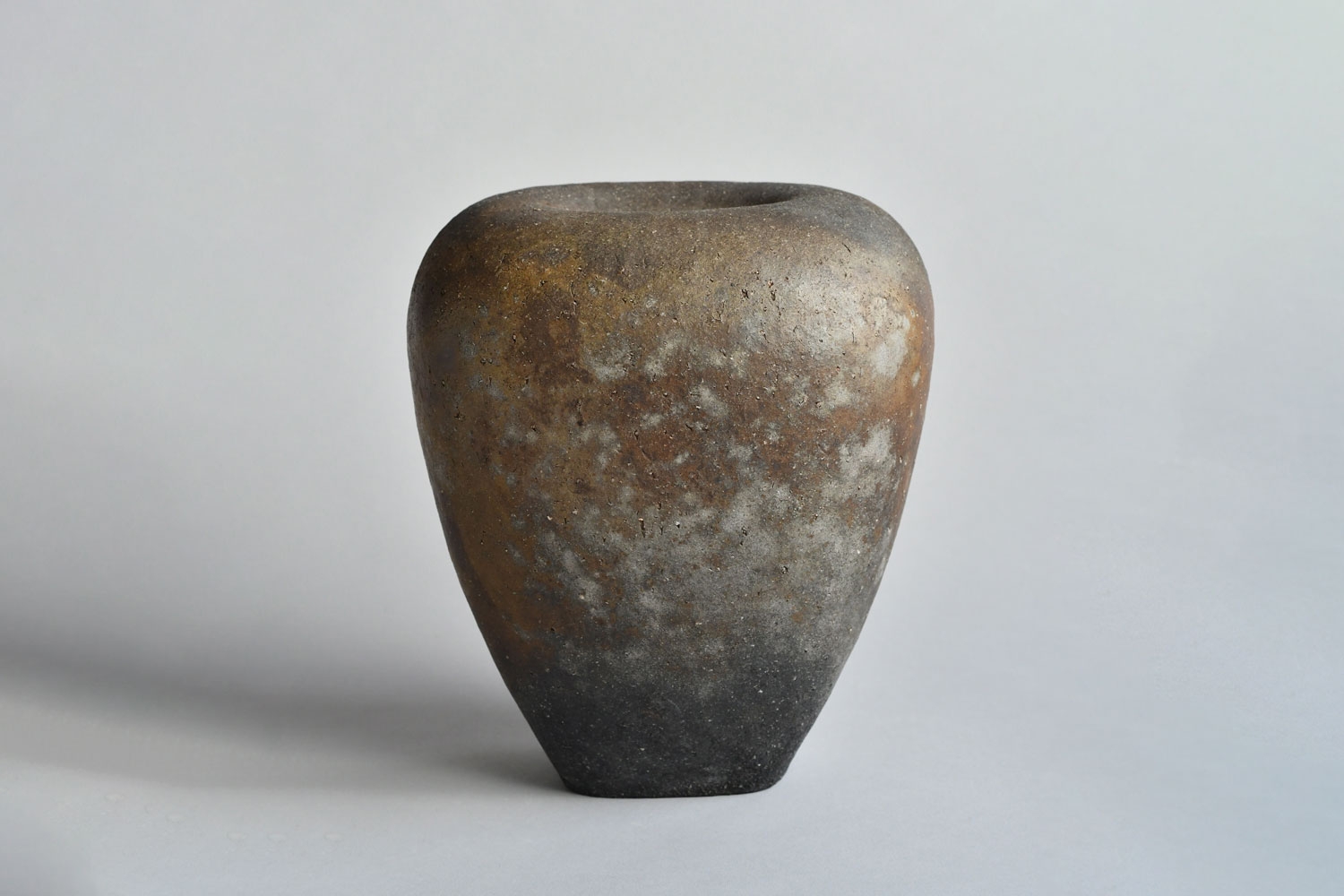
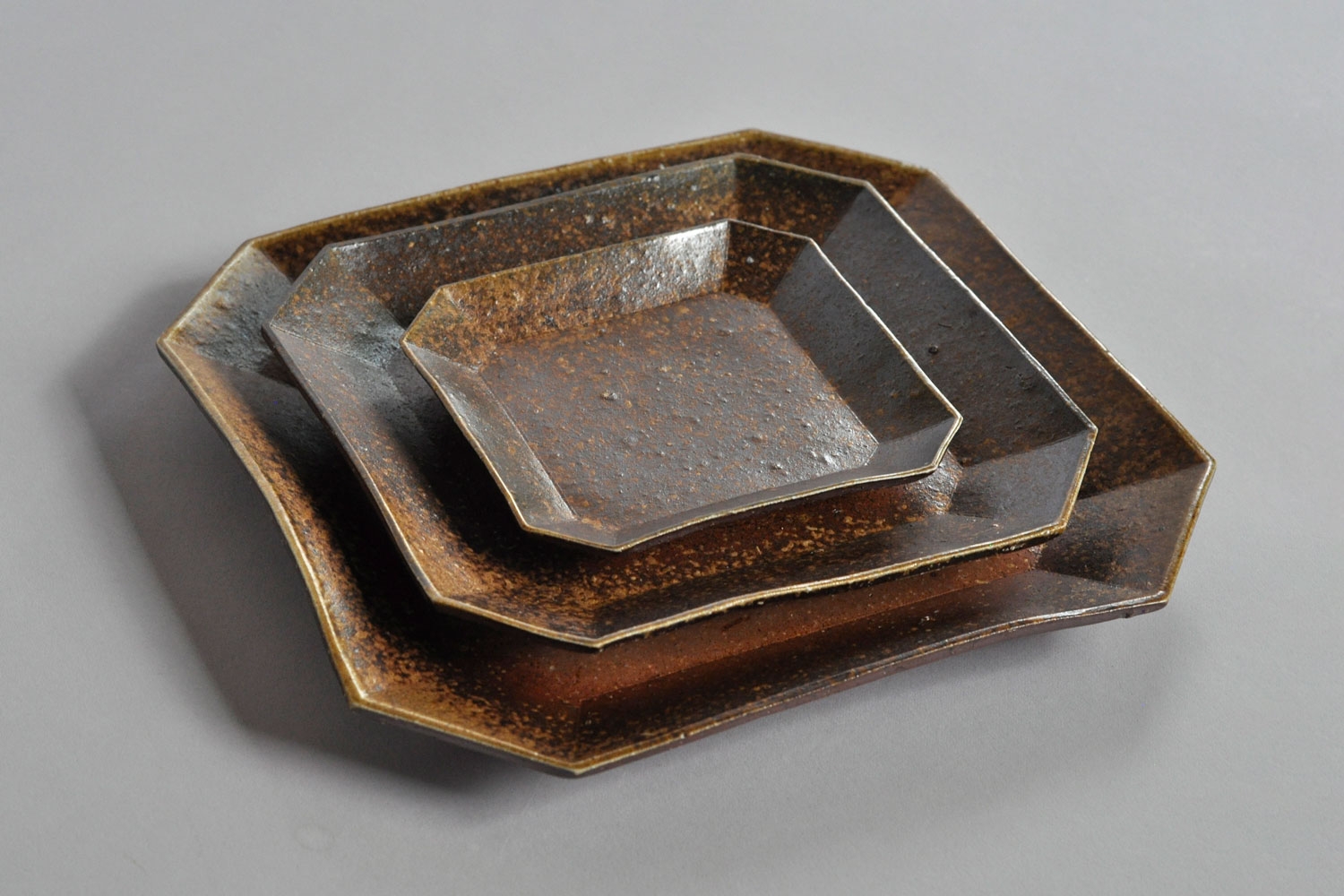
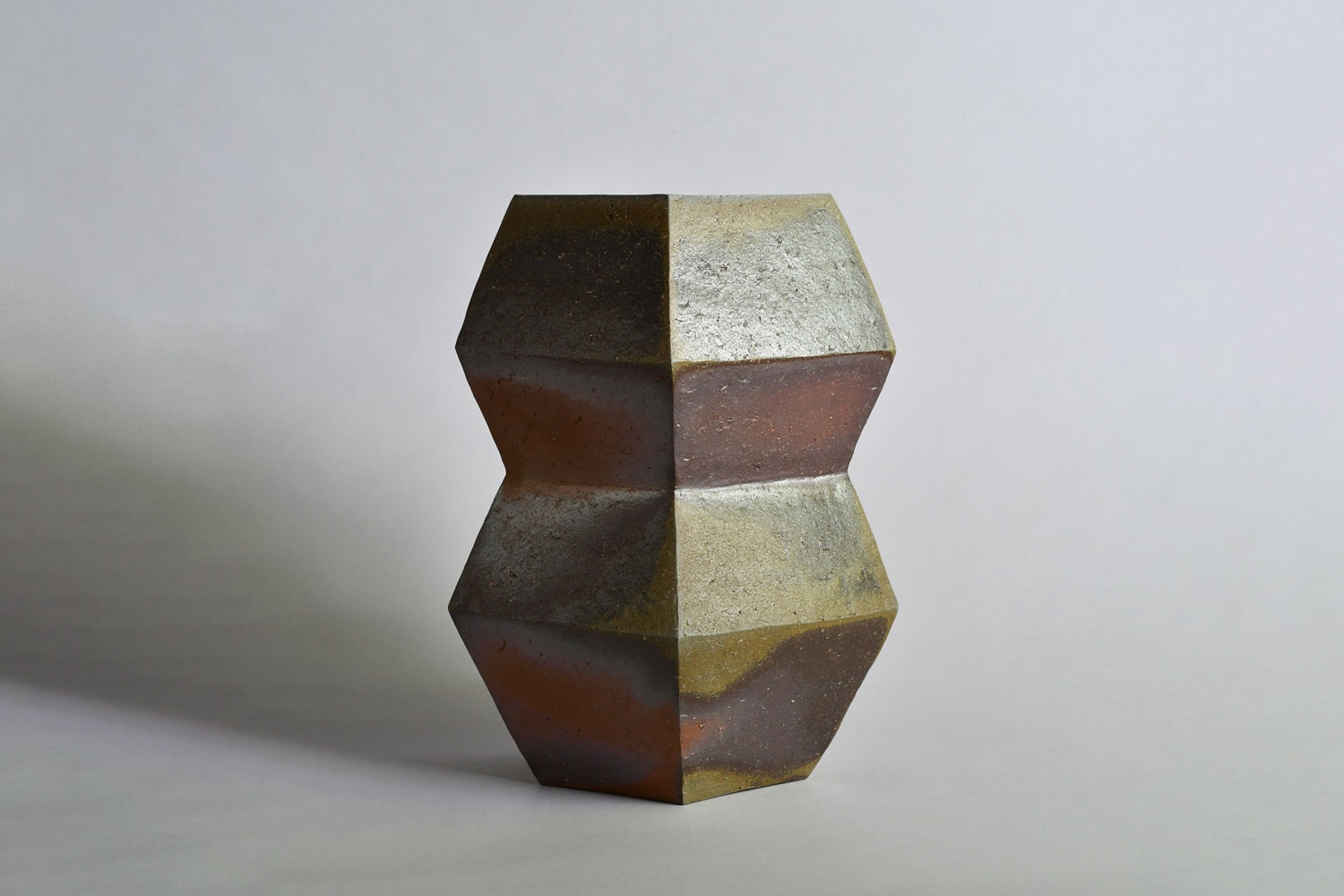
Hitoshi Morimoto is captivated by yakishime, the traditional, almost primitive ceramics technique. “There is no room for faking skill in yakishime," he says. This high-temperature, unglazed firing technique reveals every trace of the maker's hand, as well as the raw texture of clay, which makes each piece an honest reflection of its making process. Hitoshi creates Bizen ware, one of Japan’s Six Ancient Kilns, which still thrives in both tradition and scale. He apprenticed under master Toyoba Seiya before returning home as a skilled Mino-ware ceramicist. "I describe my training as 'learning life itself'. My master often said that ceramics can be learned quickly if one has the foundation of life skills – a truth I came to understand only years later," Hitoshi says.
INTERVIEW
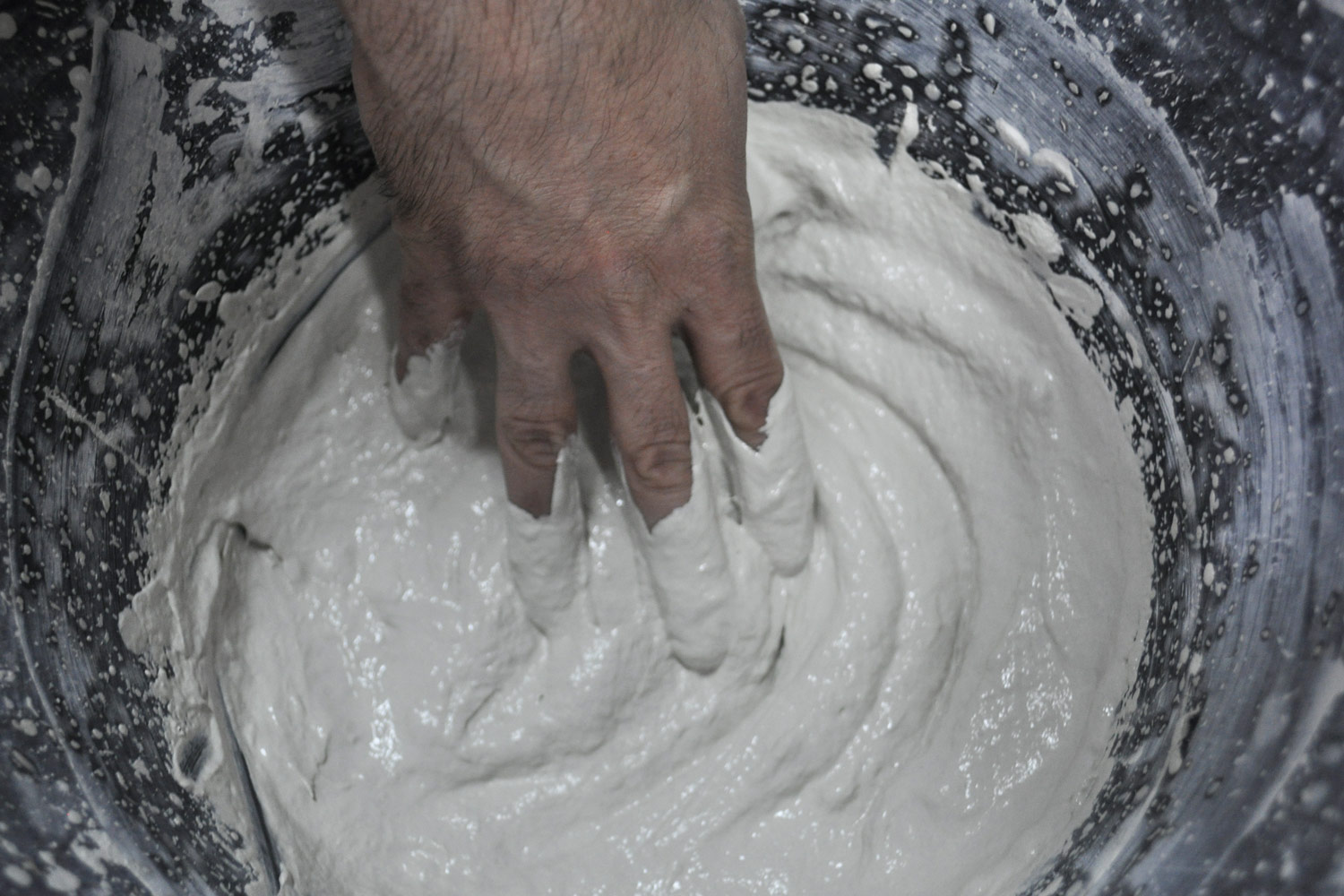
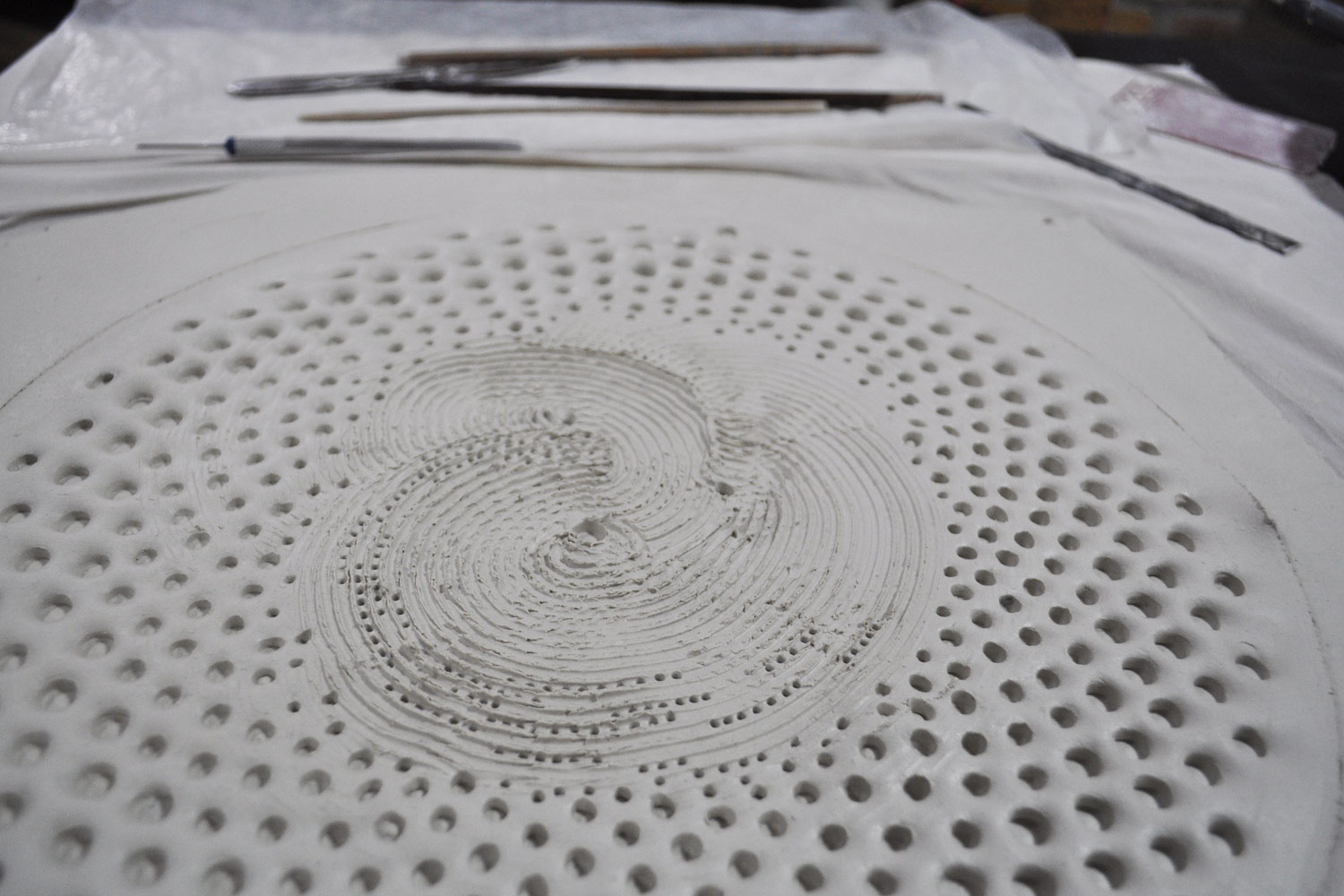
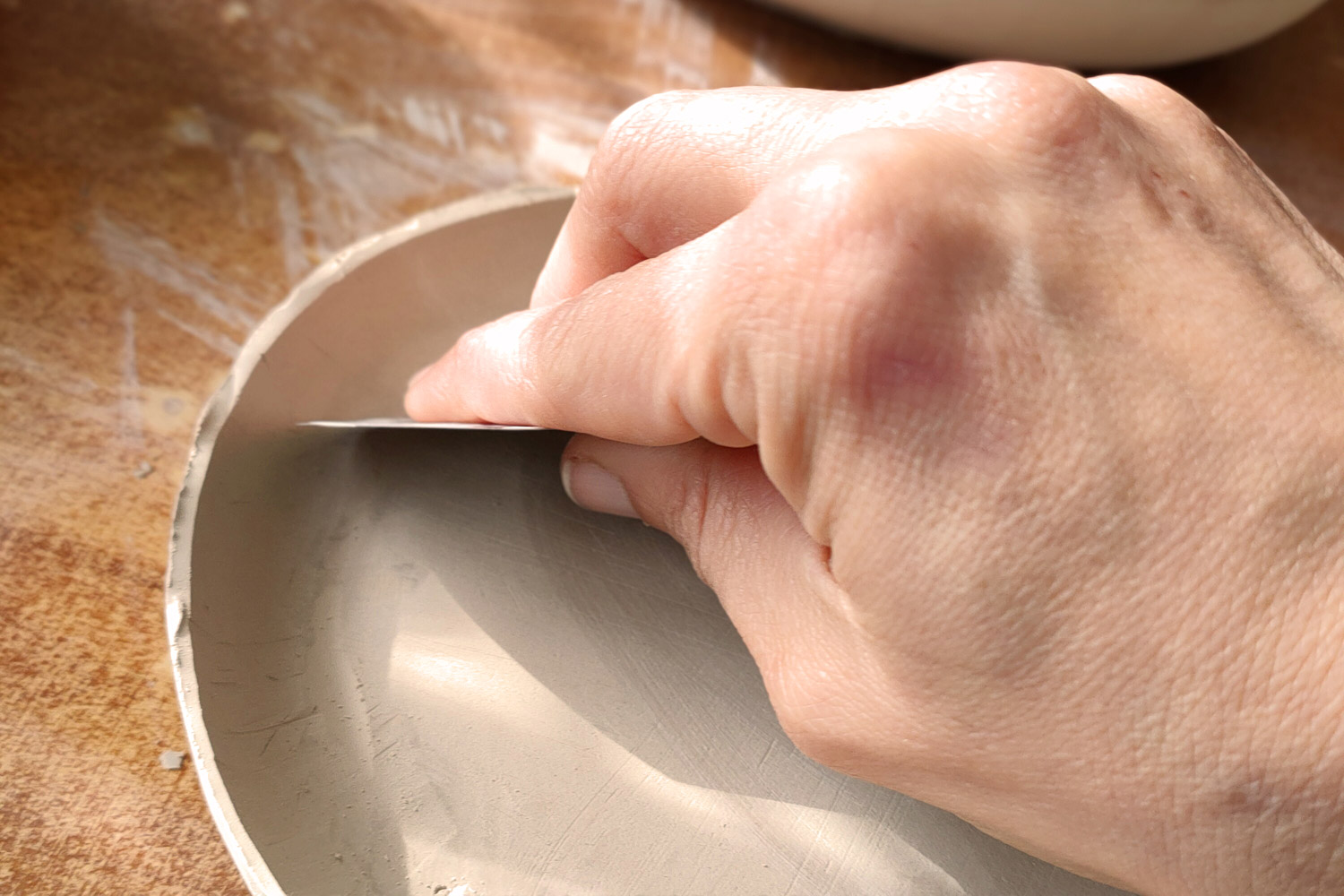
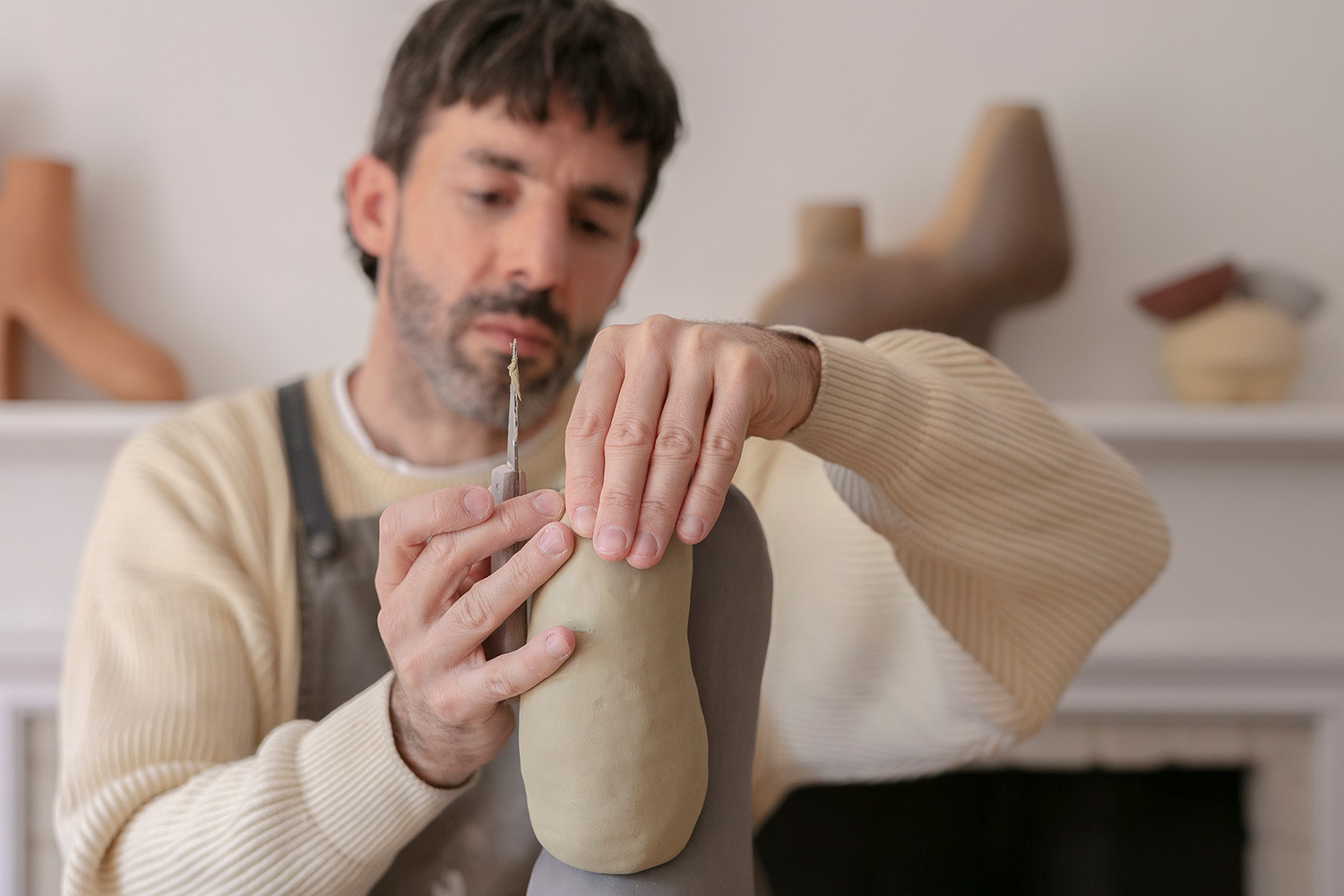
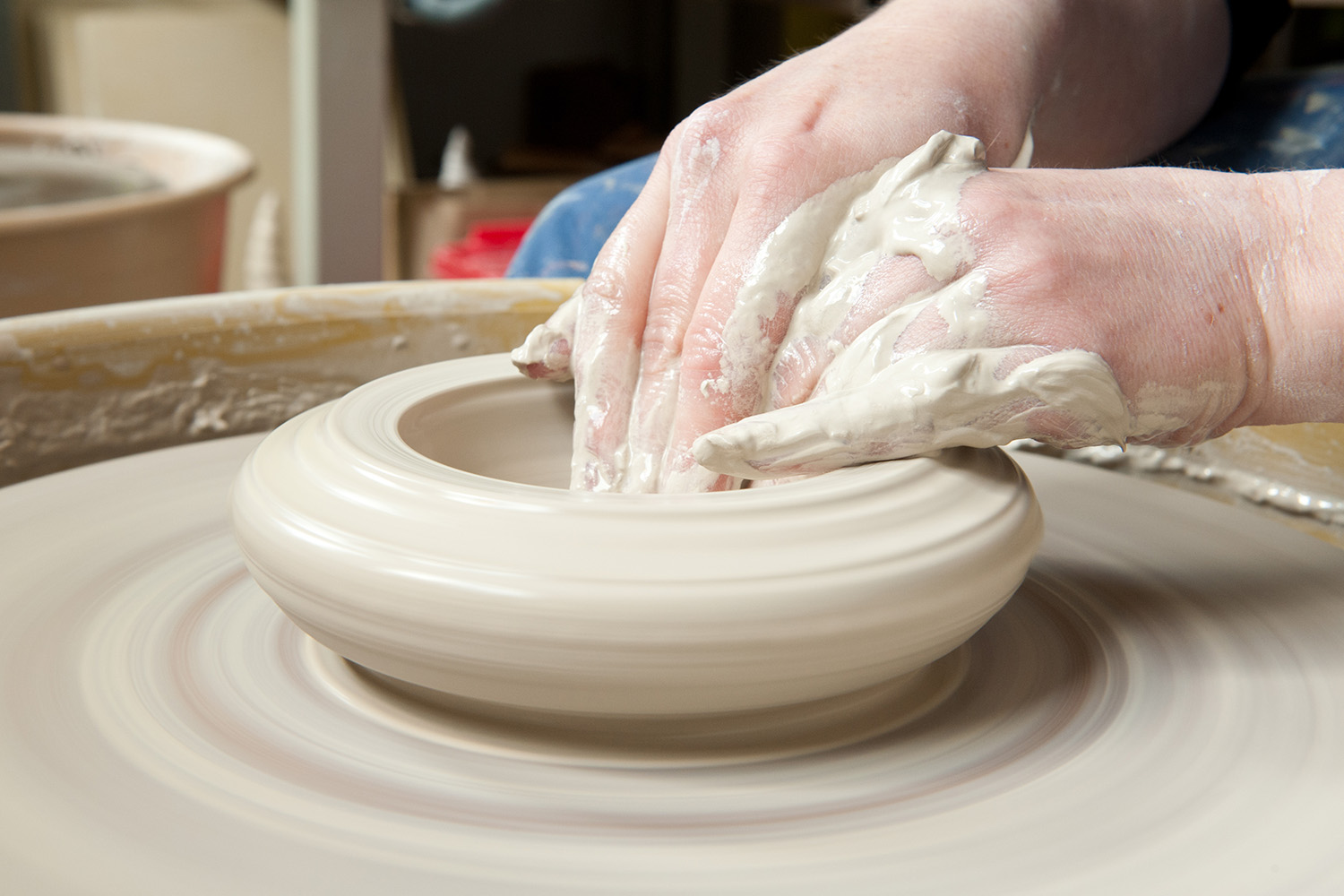
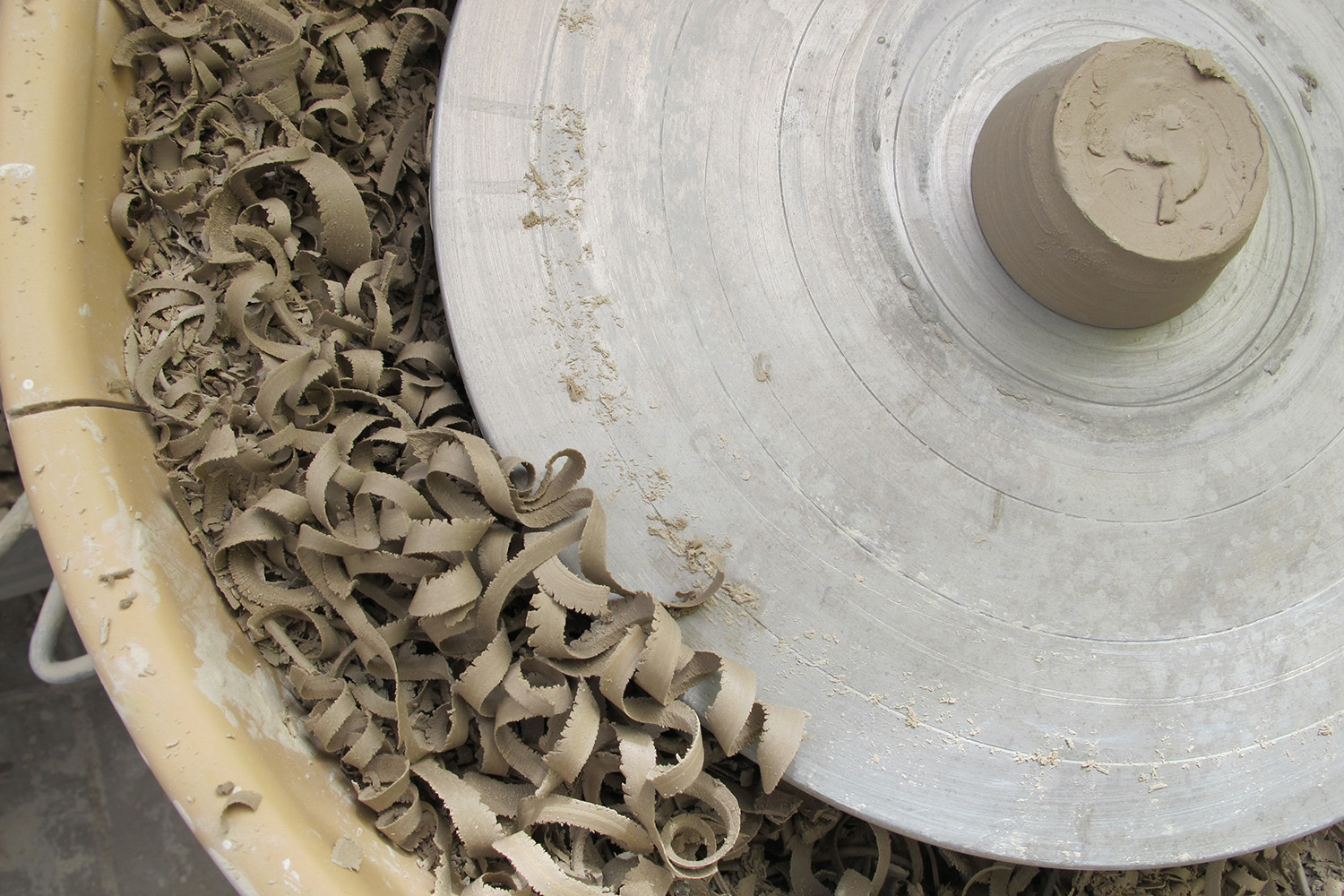
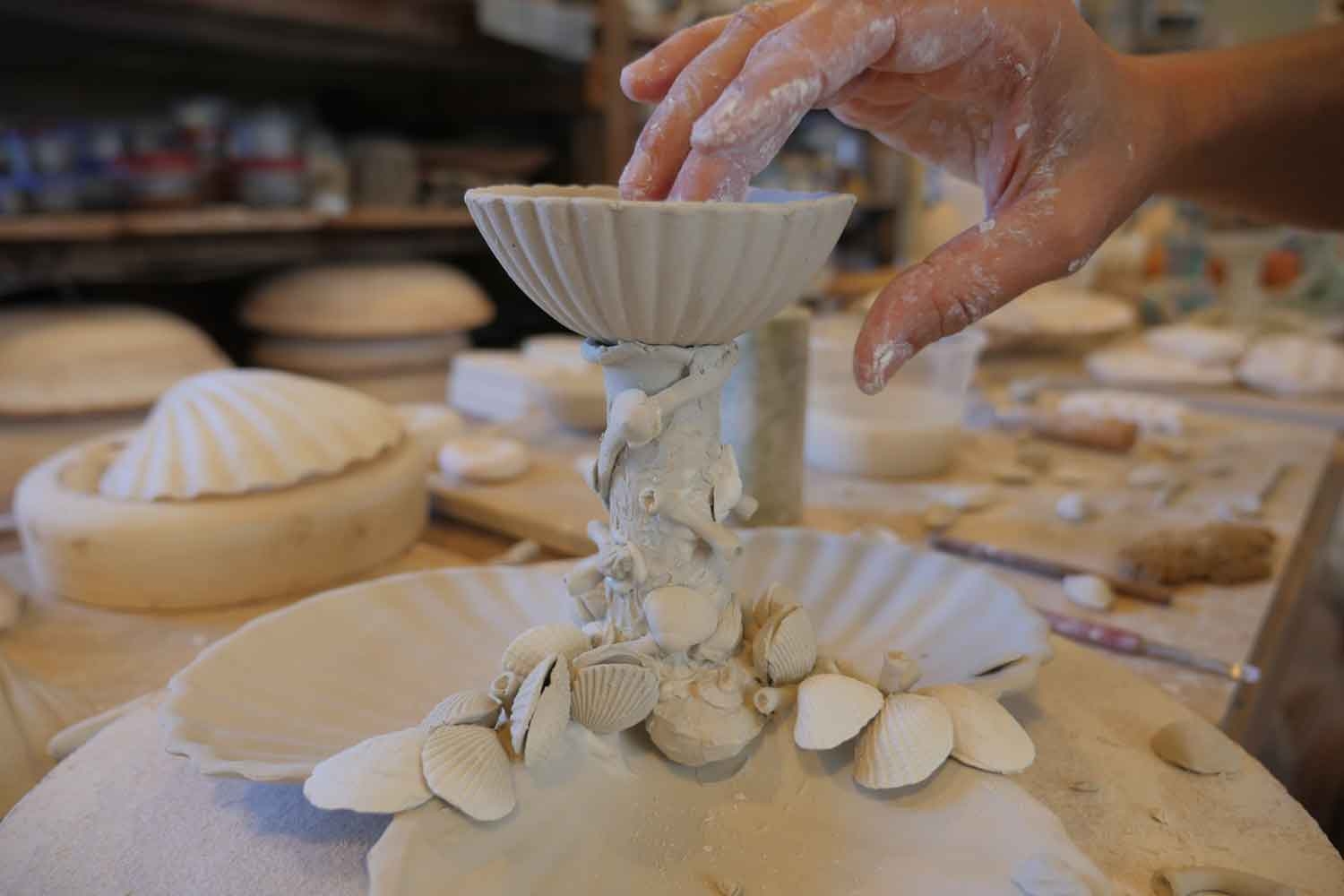
Pieces made with the yakishime technique are left unglazed – an ancestral approach that I find very interesting. The interaction with fire and ash is reflected directly on the finished surface. I carefully choose what technique I will combine with yakishime, because my every touch will be visible, whether I am shaping, coil-building, slab-building or throwing.
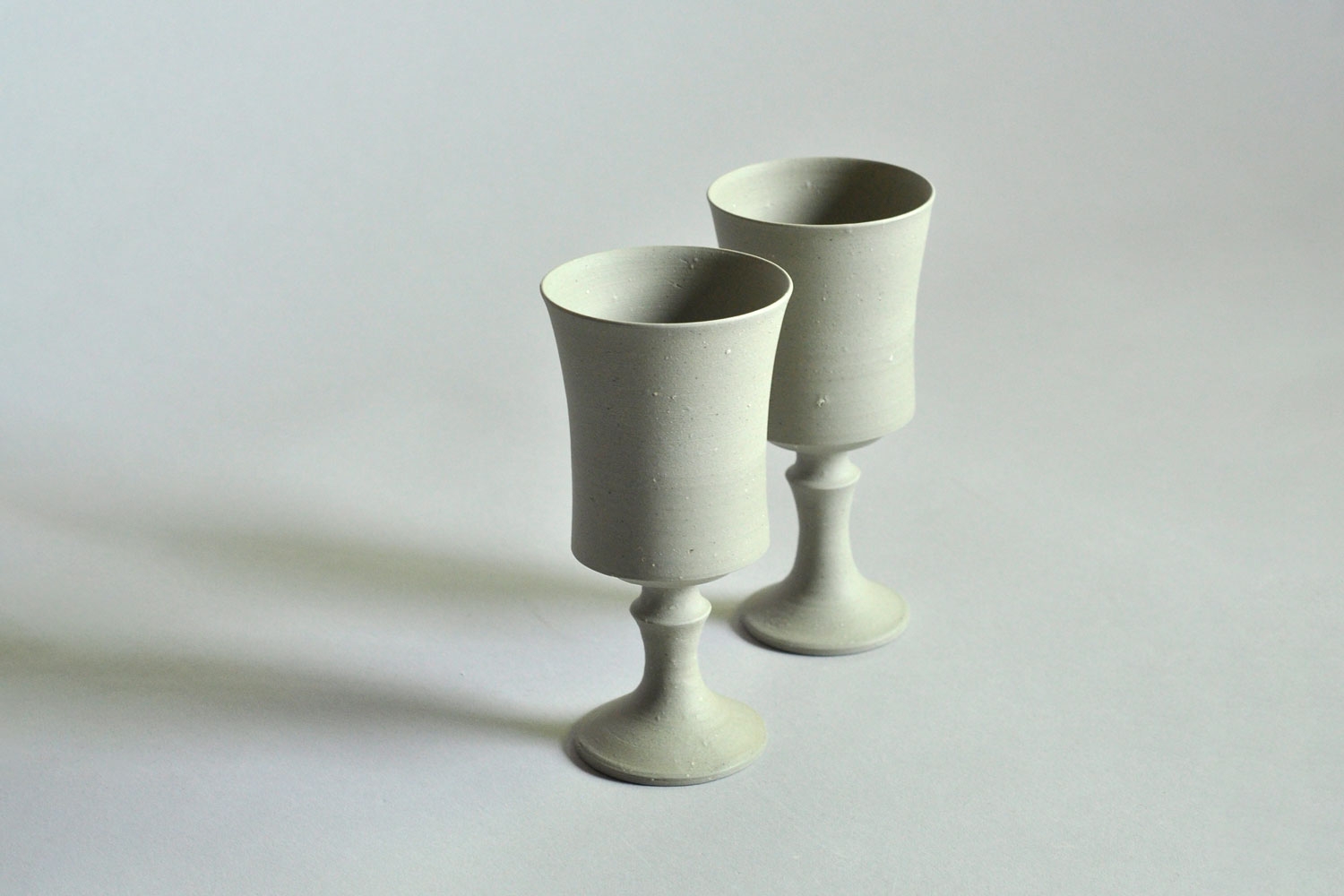
Shirahana came to life while I was experimenting with yakishime. In the kerosene-fuelled kiln I use, there is no ash to leaves marks behind, which is something that goes against the traditional Bizen style I adopt, meant to appreciate the traces left by the firing process. I also find the matte white colour of the series very beautiful.
During my apprenticeship, I lived in a house next to his. I learned to do everything – cleaning, gardening and cooking. I later realised that not only did I develop my craft, I also cultivated humility, a connection to nature and a deeper sense of appreciation and beauty. Those four years shaped who I am today as a person and artist.
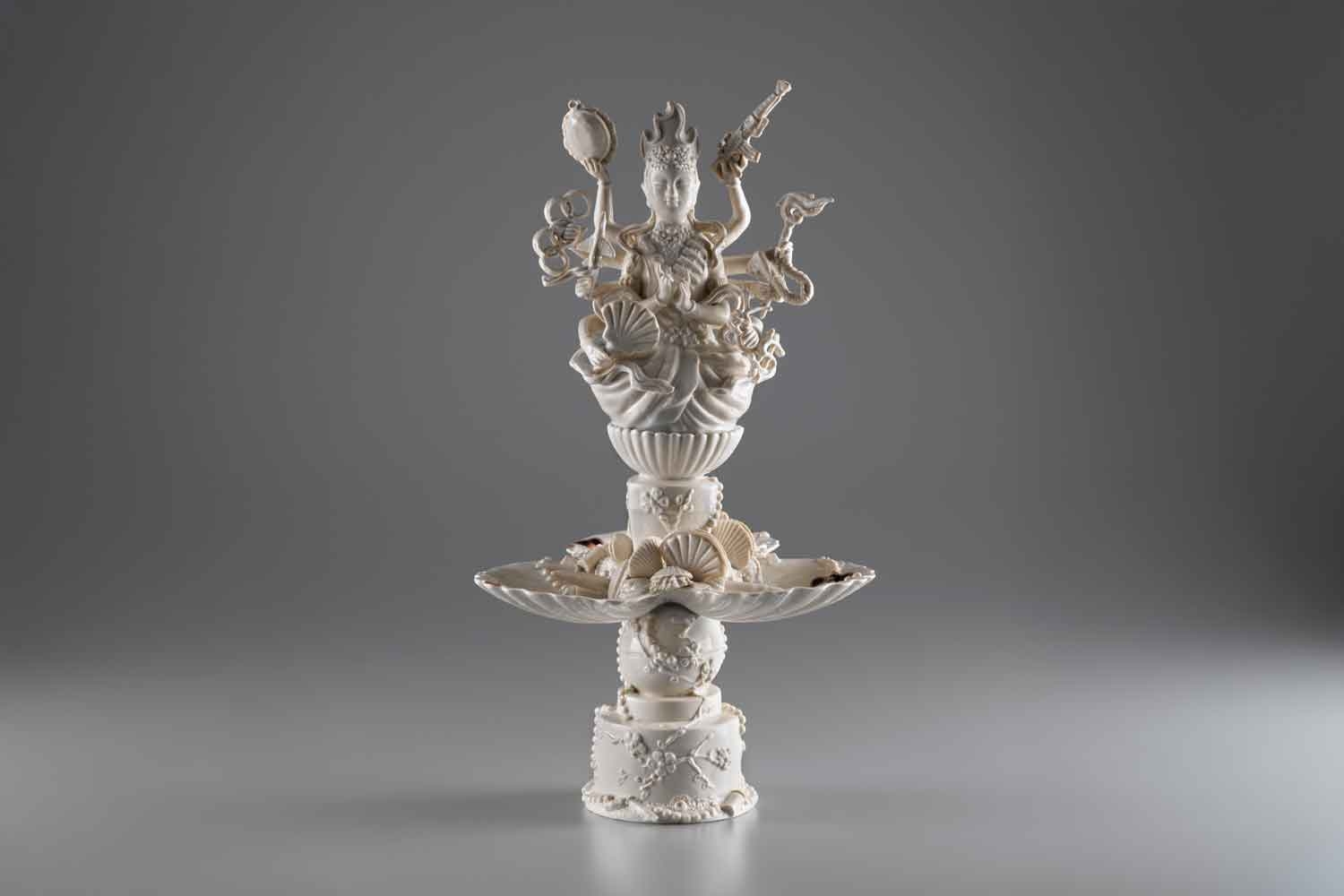
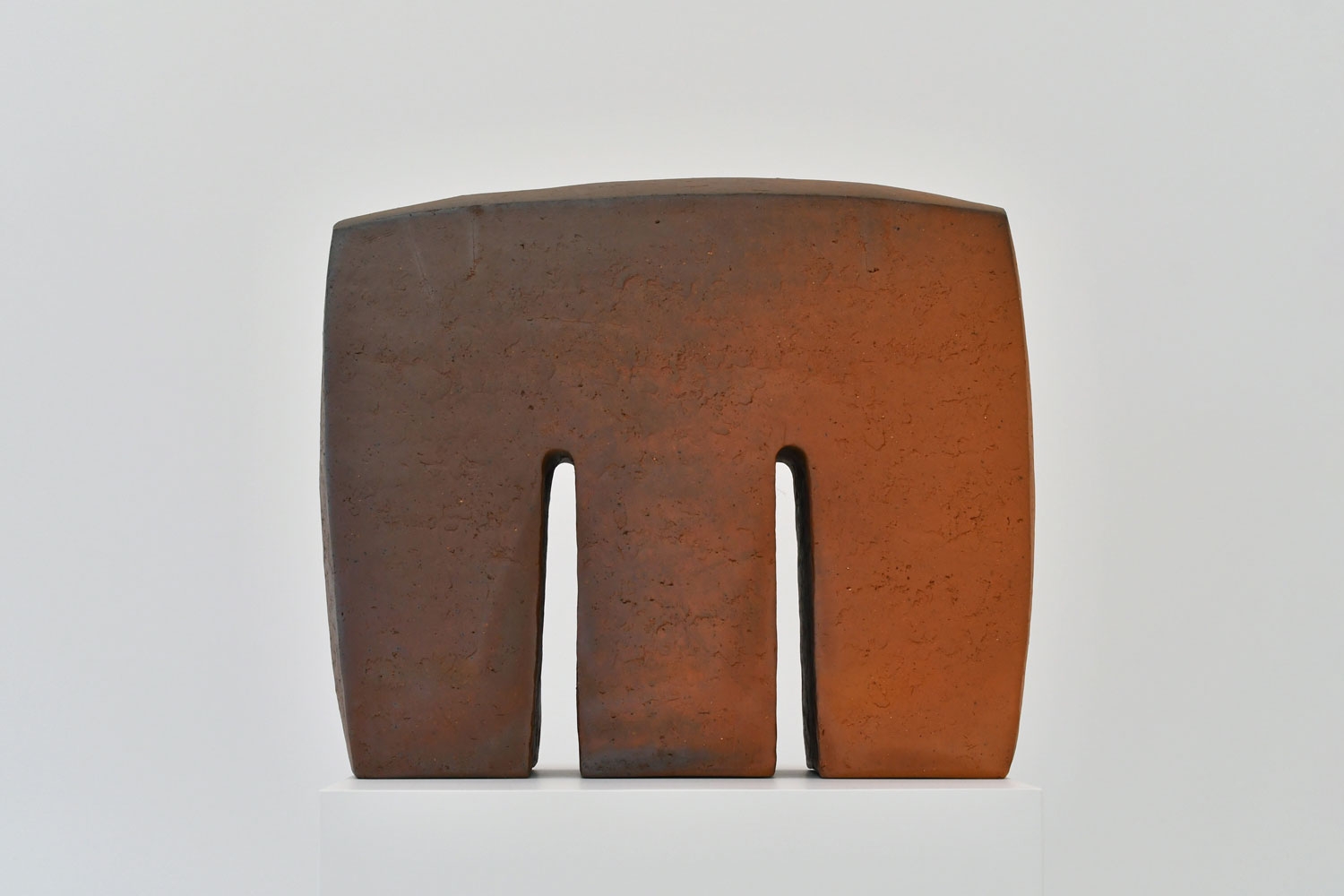
Creating larger pieces is something I enjoy today. I still make tableware and tea bowls, but I realised at some point that placing a sculptural work in a room is much like placing a rice bowl on a table. In that sense, shaping space through form is not so different.
Hitoshi Morimoto
Ceramicist
Bizen, Japan
ADDRESS
Address upon request, Bizen, Japan
AVAILABILITY
By appointment only
LANGUAGES
Japanese, English
Homo Faber Finds is a new service aiming to inspire admirers of craft to connect and collaborate with exceptional artisans.
We invite you to submit an enquiry here.