Tamsin van Essen
Ceramicist
London, United Kingdom
Recommended by Triennale Milano
Finding beauty in imperfection
- Tamsin is fascinated by the scientific and medical world
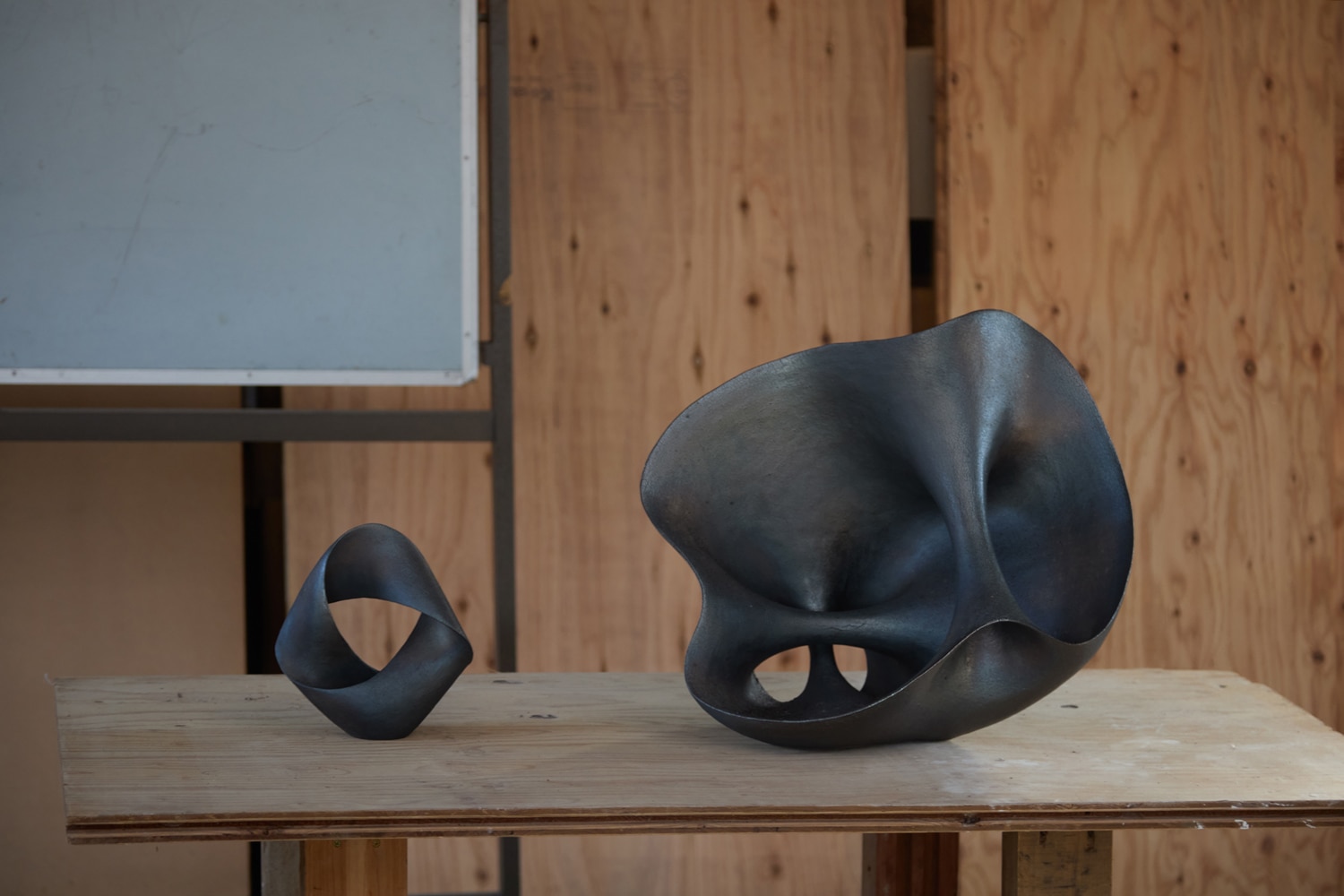
- She pushes the boundaries of what can be achieved with clay
- Her work is inspired by the impermanence of material existence
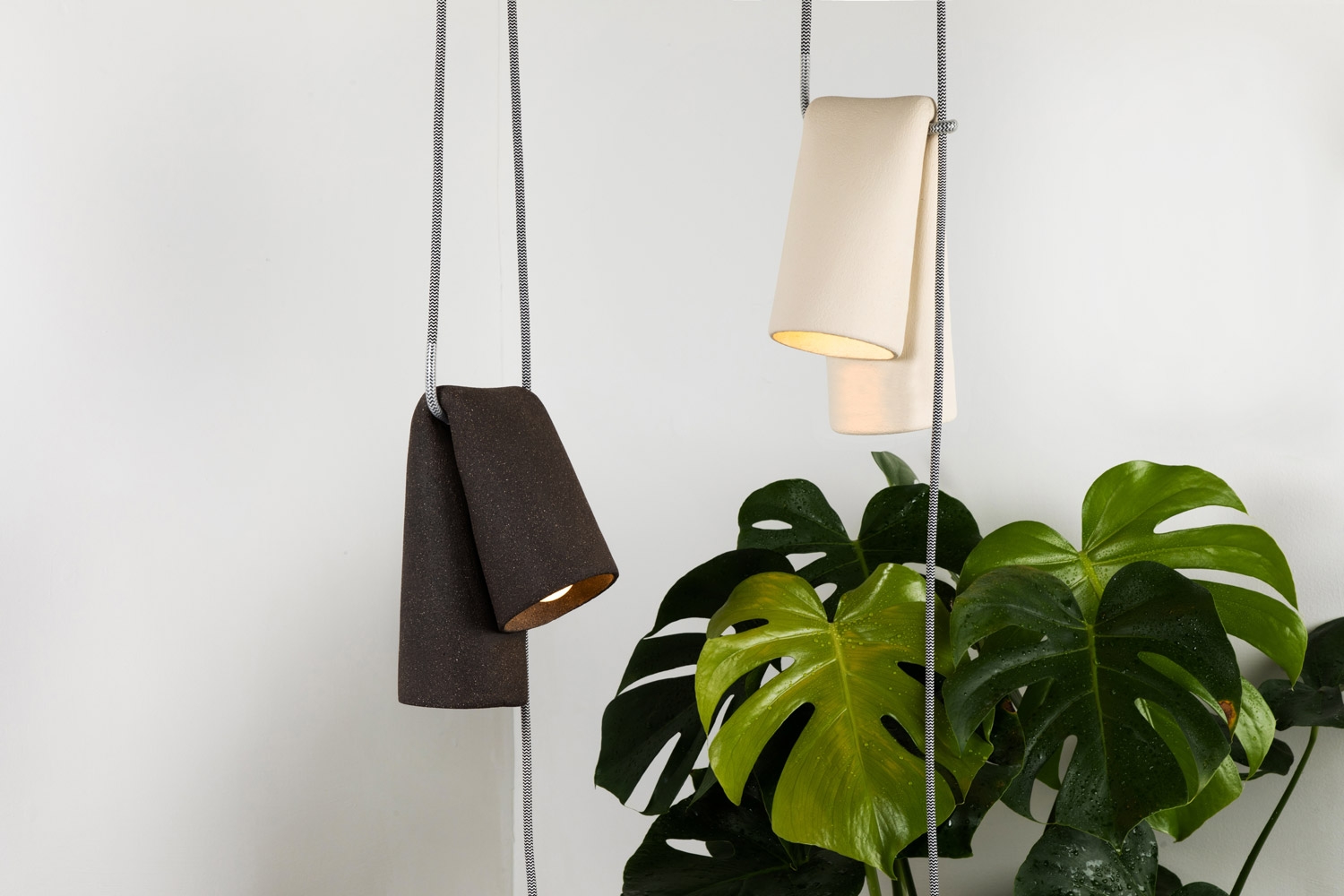
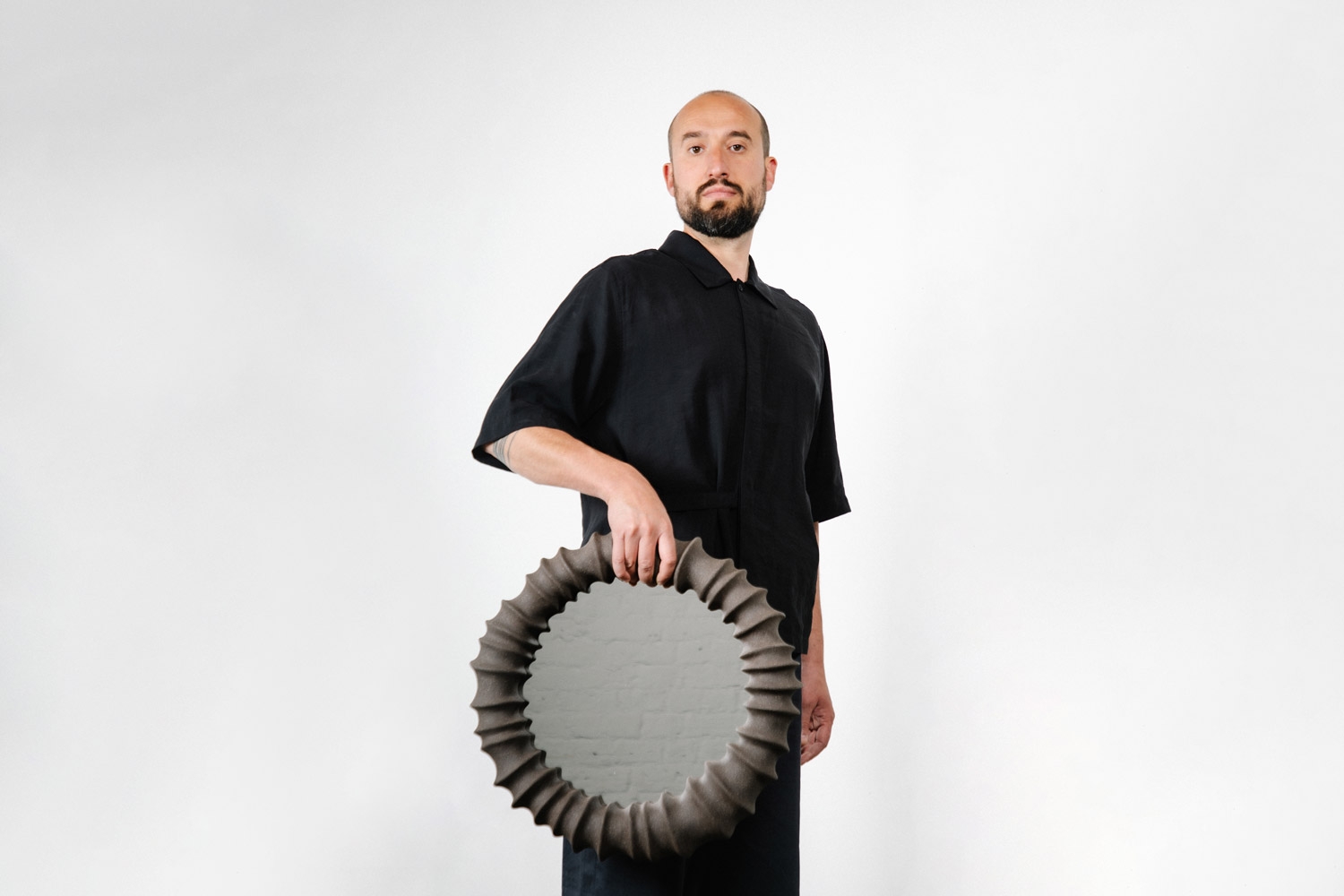
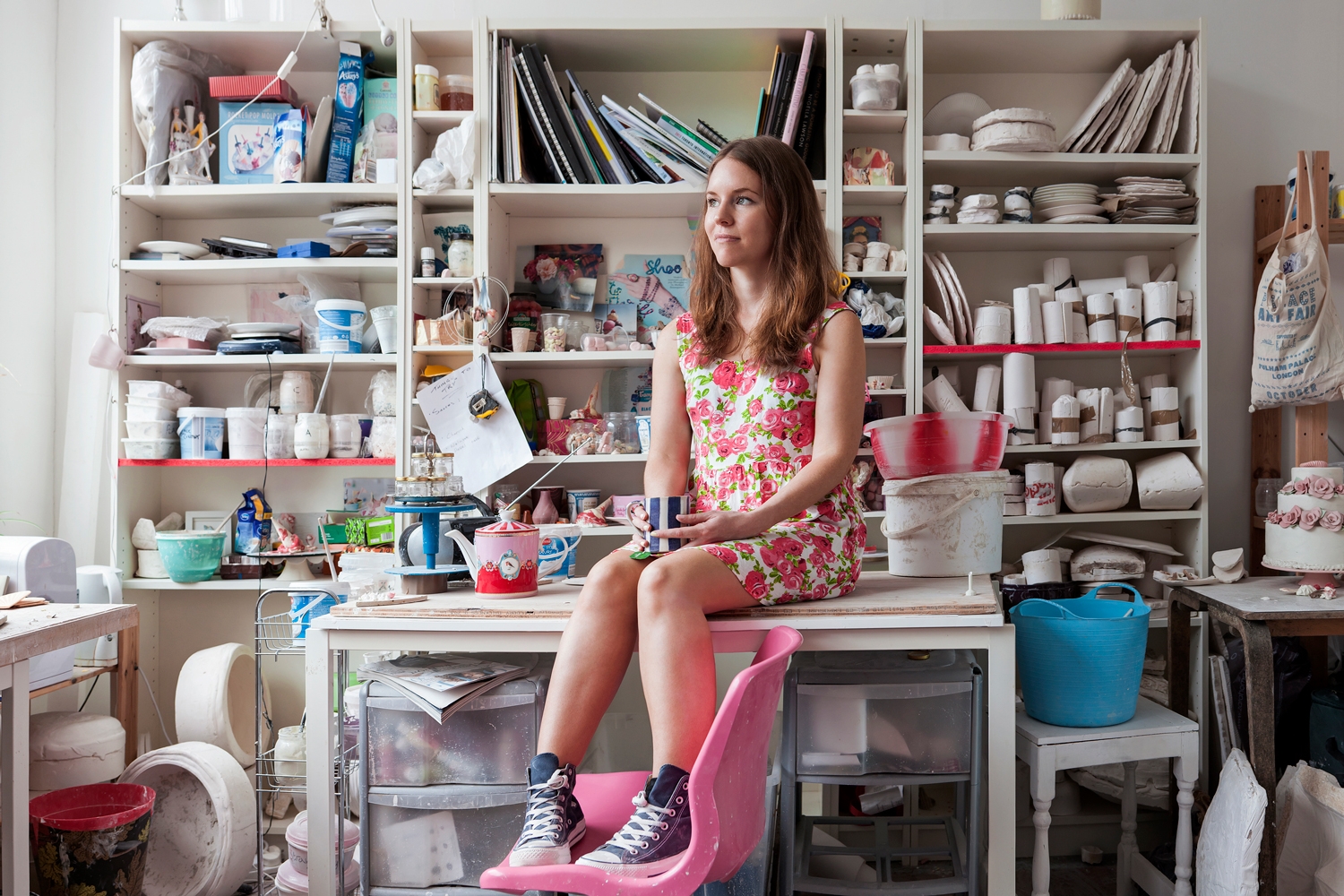
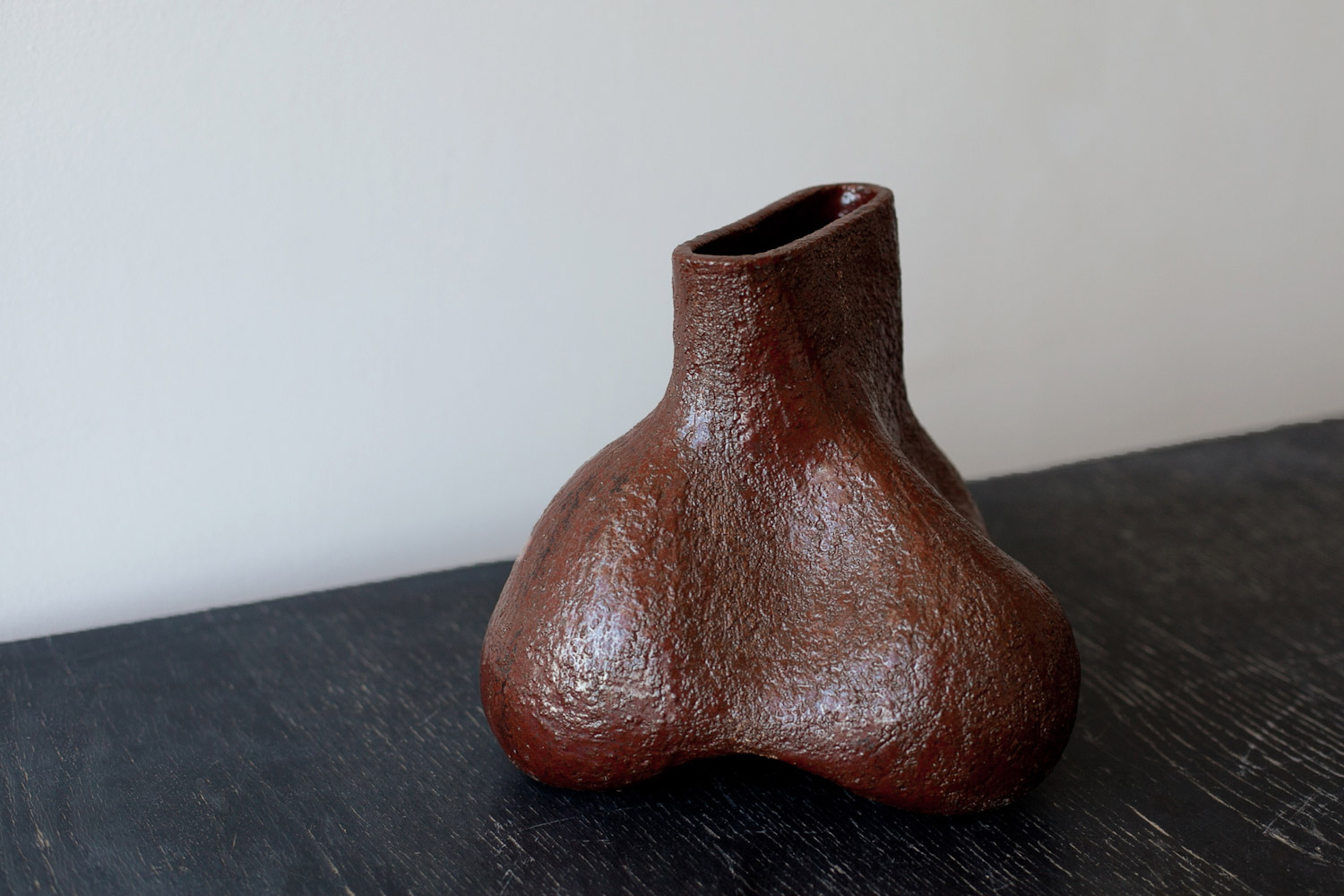
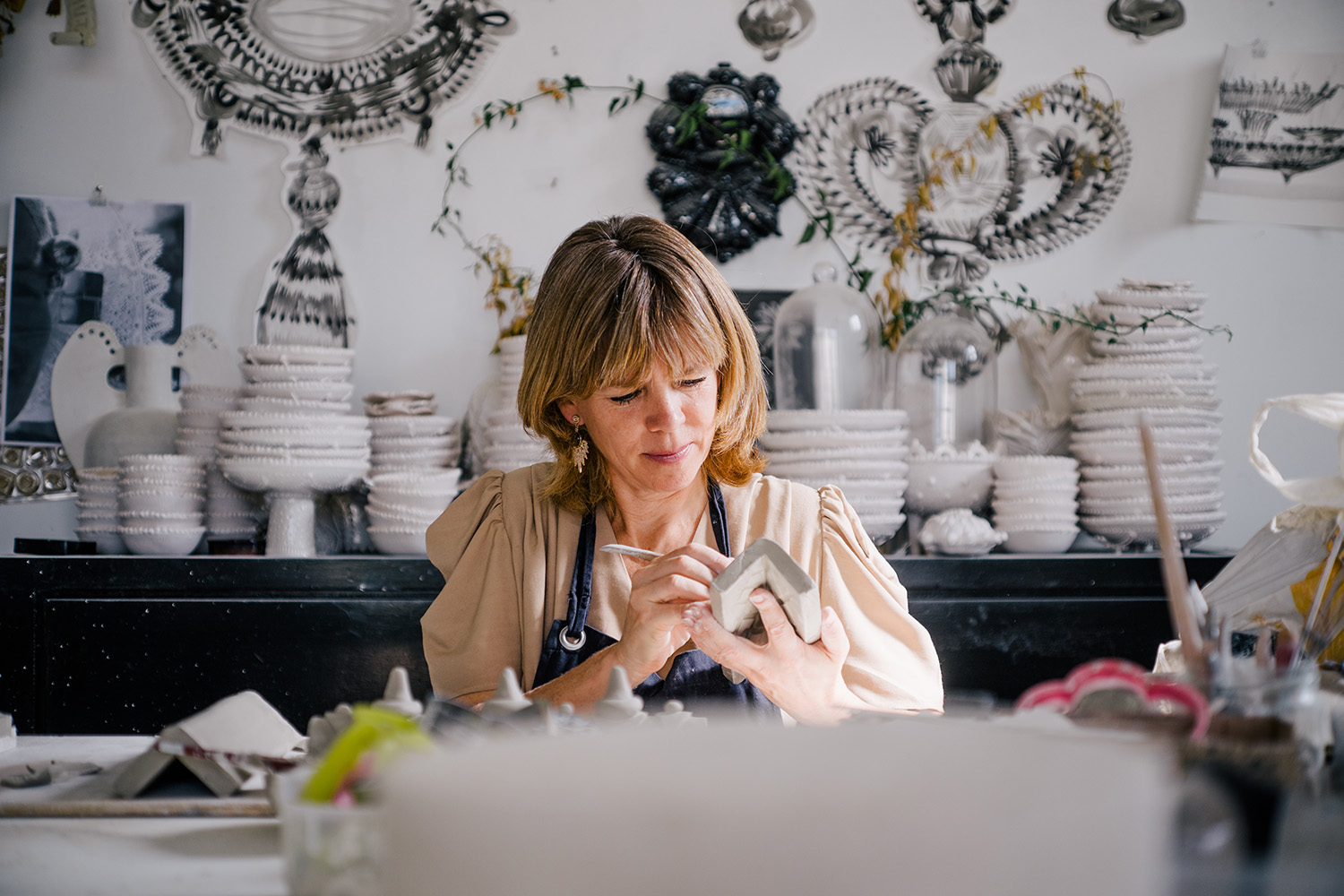
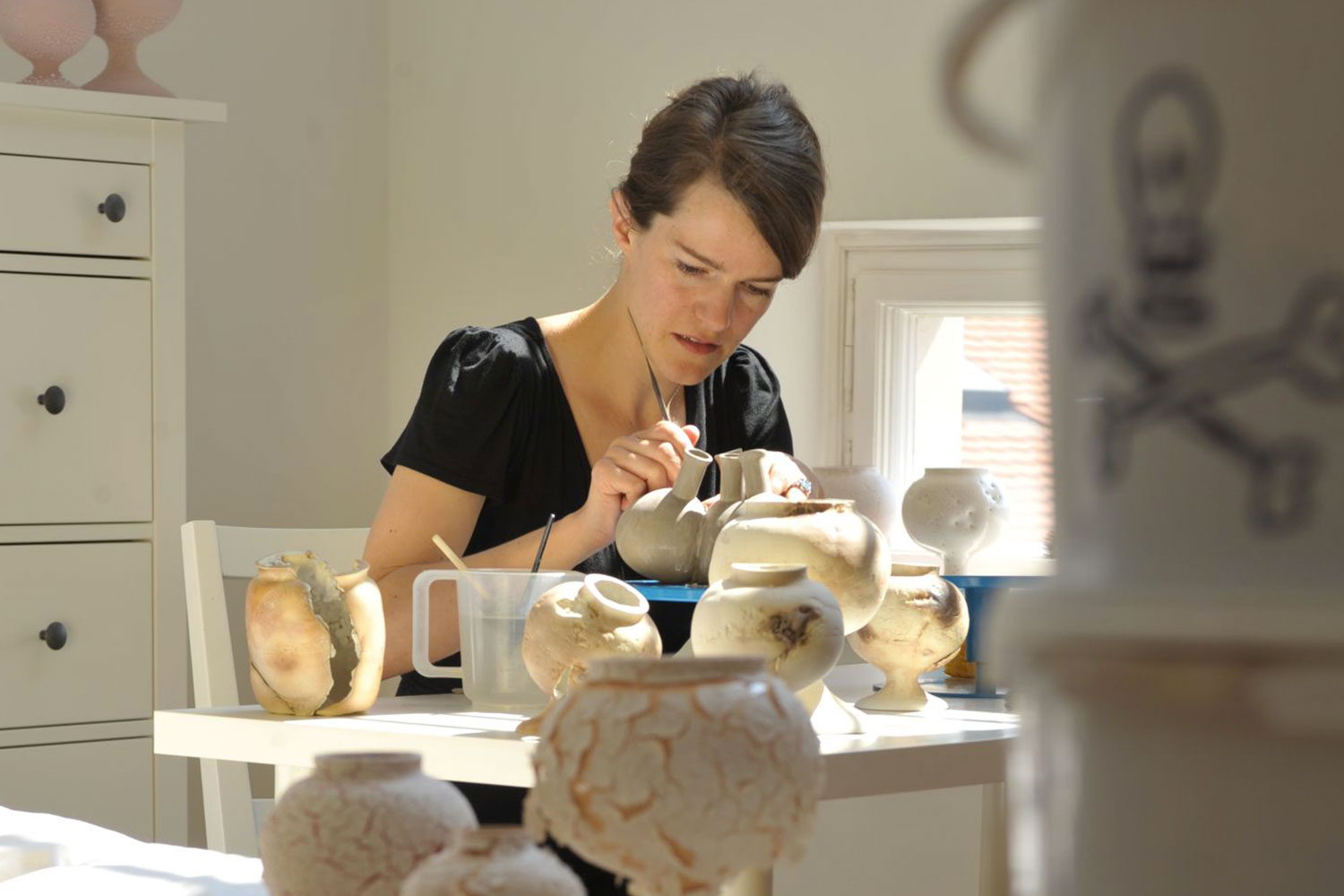
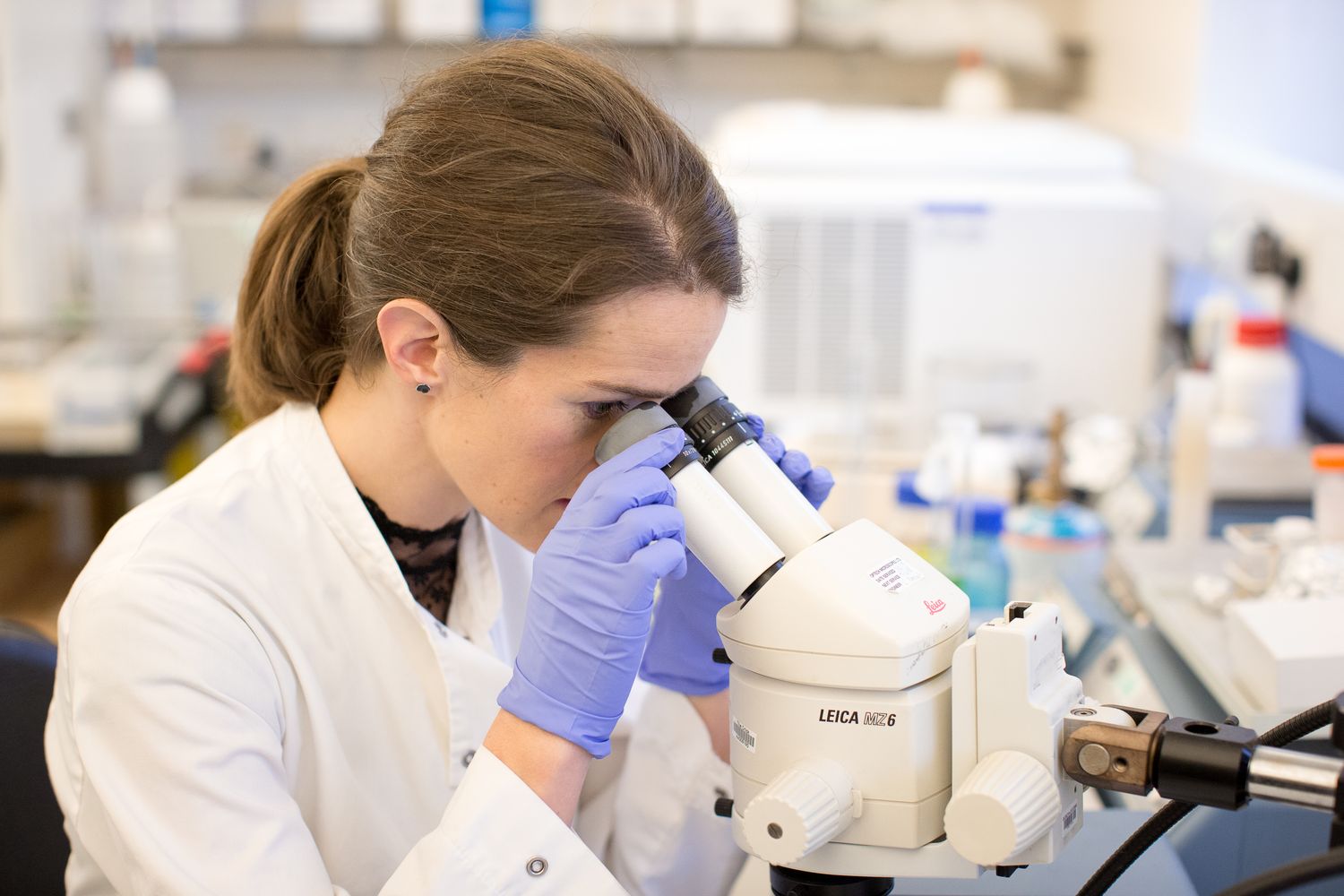
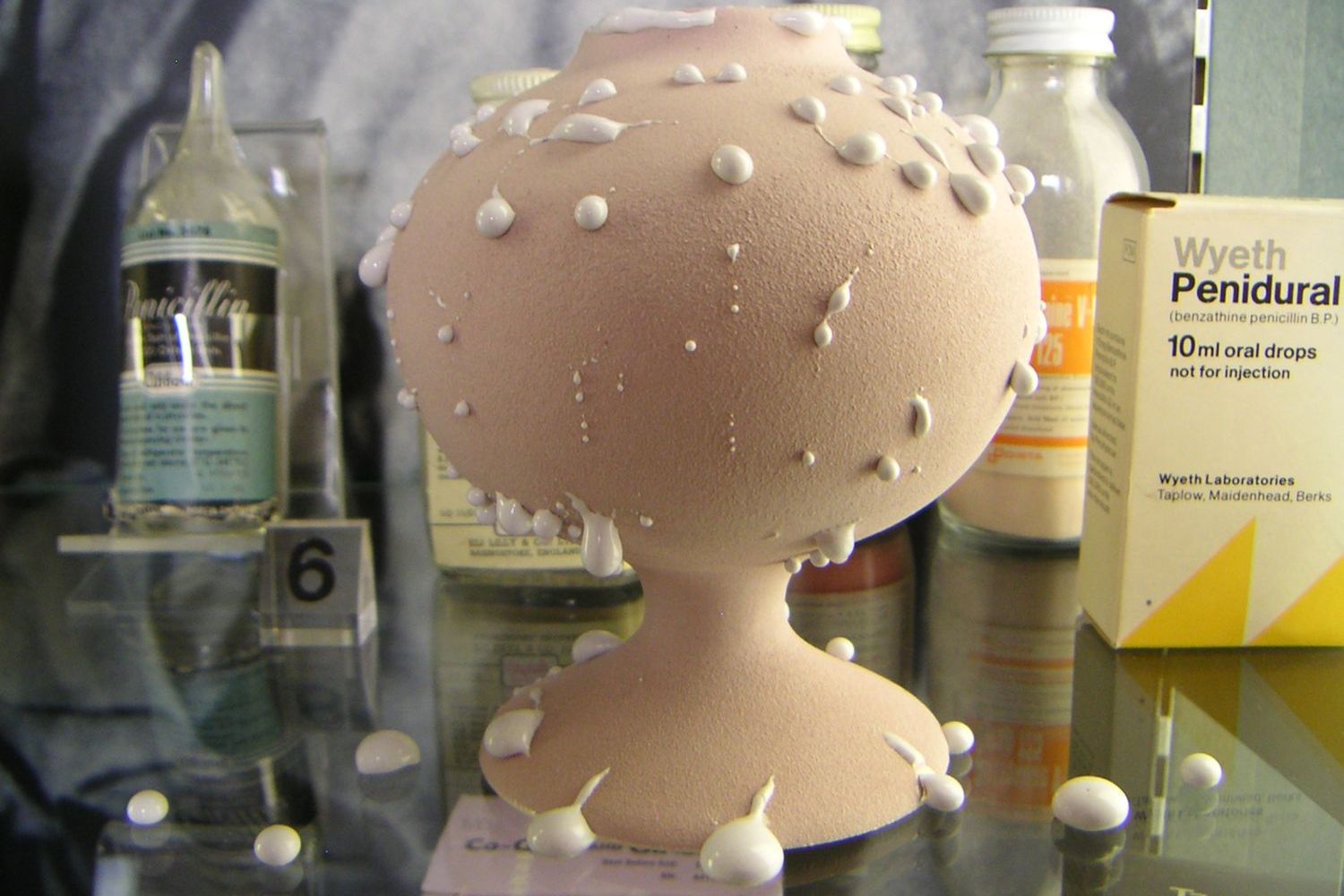
Always a keen artist, when Tamsin van Essen left school she had to decide between art college or an academic degree – and chose the latter, studying physics and philosophy at Oxford University. That led to six years in science publishing, before she decided she would rather be working with her hands than sitting in front of a computer. A degree in ceramic design at Central Saint Martins and MA at the Royal College of Art followed, but her earlier academic interests continue to inform her work. Often inspired by the scientific and medical world, she works conceptually, exploring the fine line between beauty and imperfection, attraction and repulsion. Her Medical Heirlooms series, based on common inherited diseases, aims to make us think about our emotional response to objects.
Discover her work
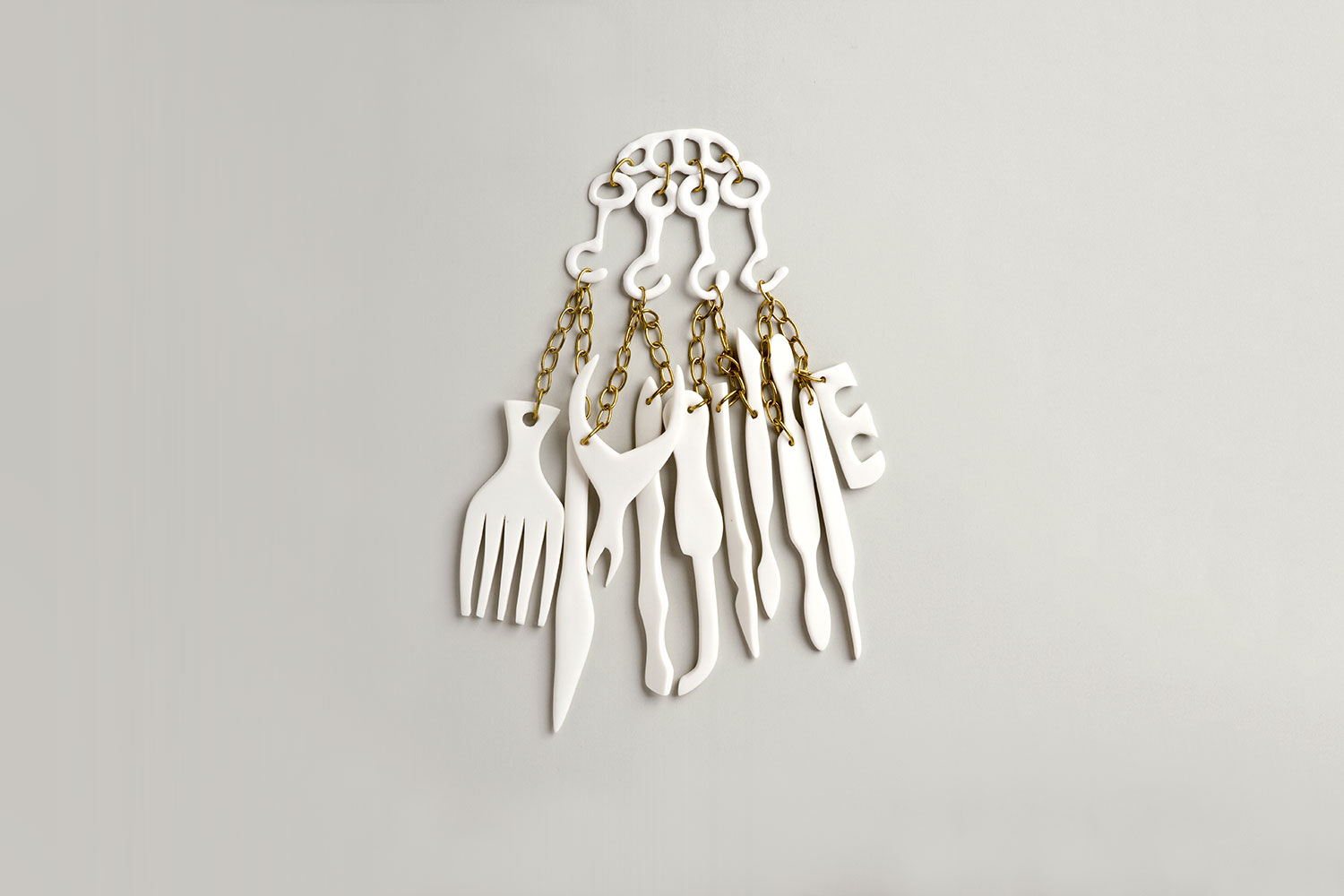
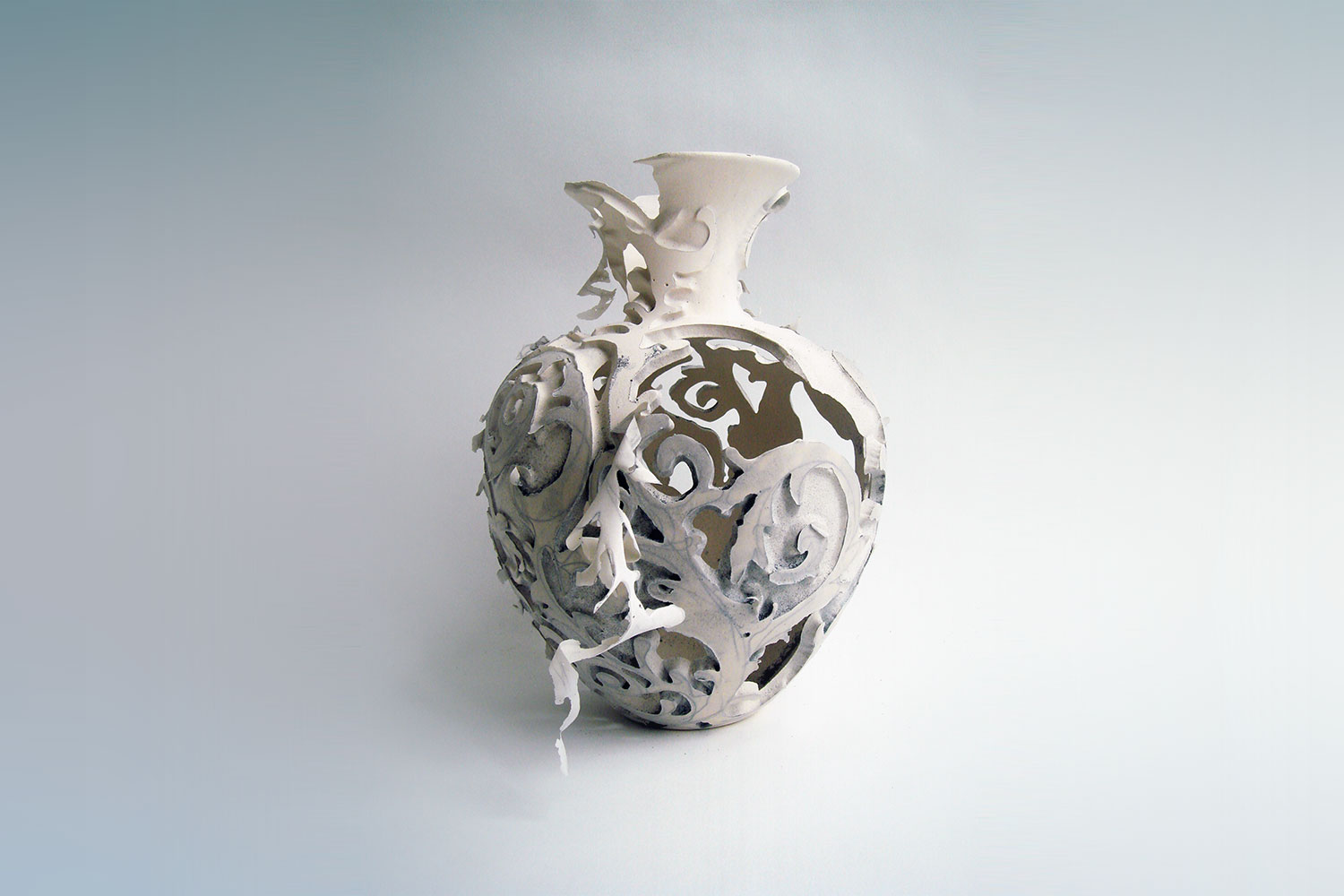
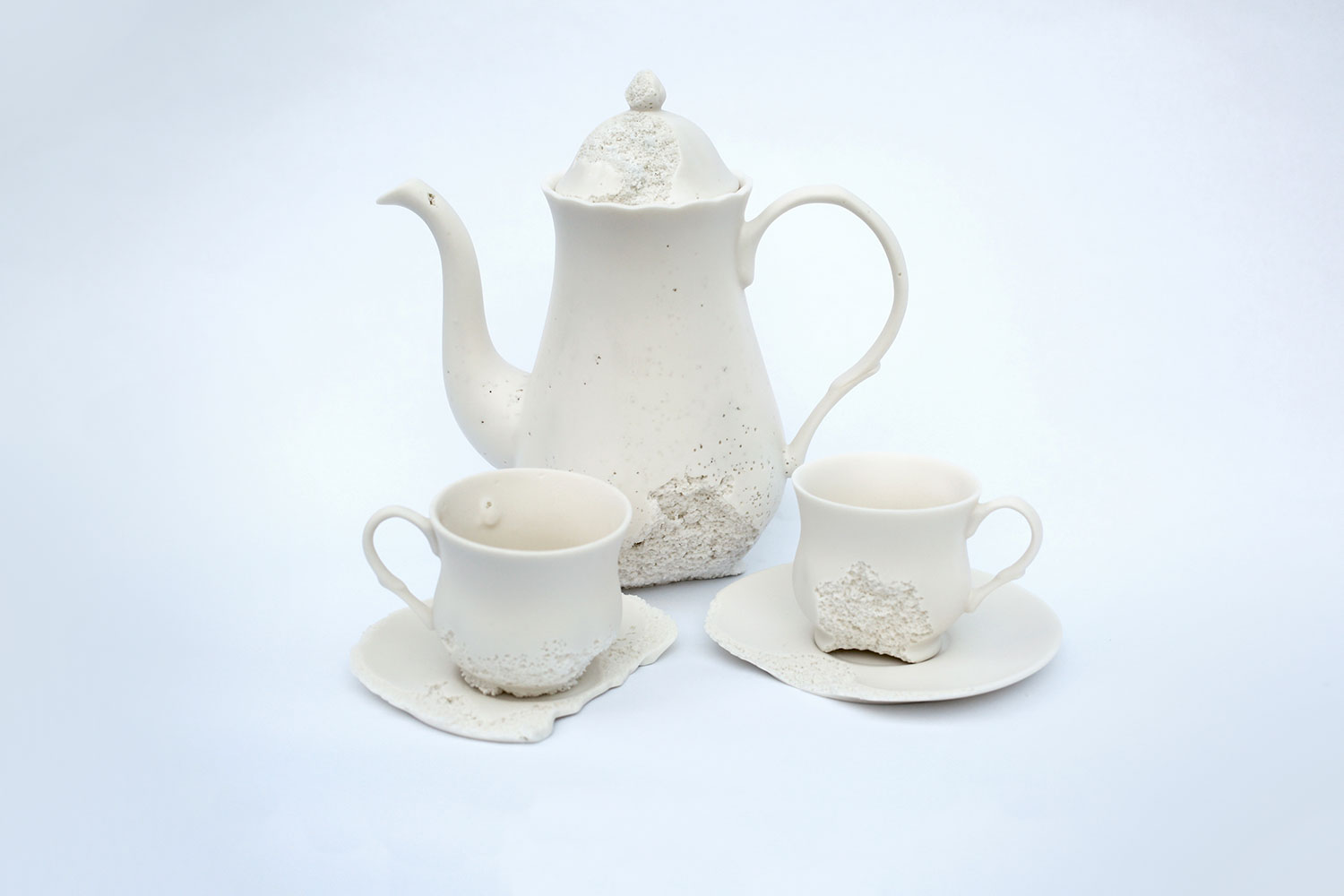
INTERVIEW
The conceptual side of my work is very important to me. Perhaps studying philosophy has made me think more about reading around the subject of what I am planning to make, to give it more depth. I hope to spark discussions through the objects I create, as well as them being visually compelling.
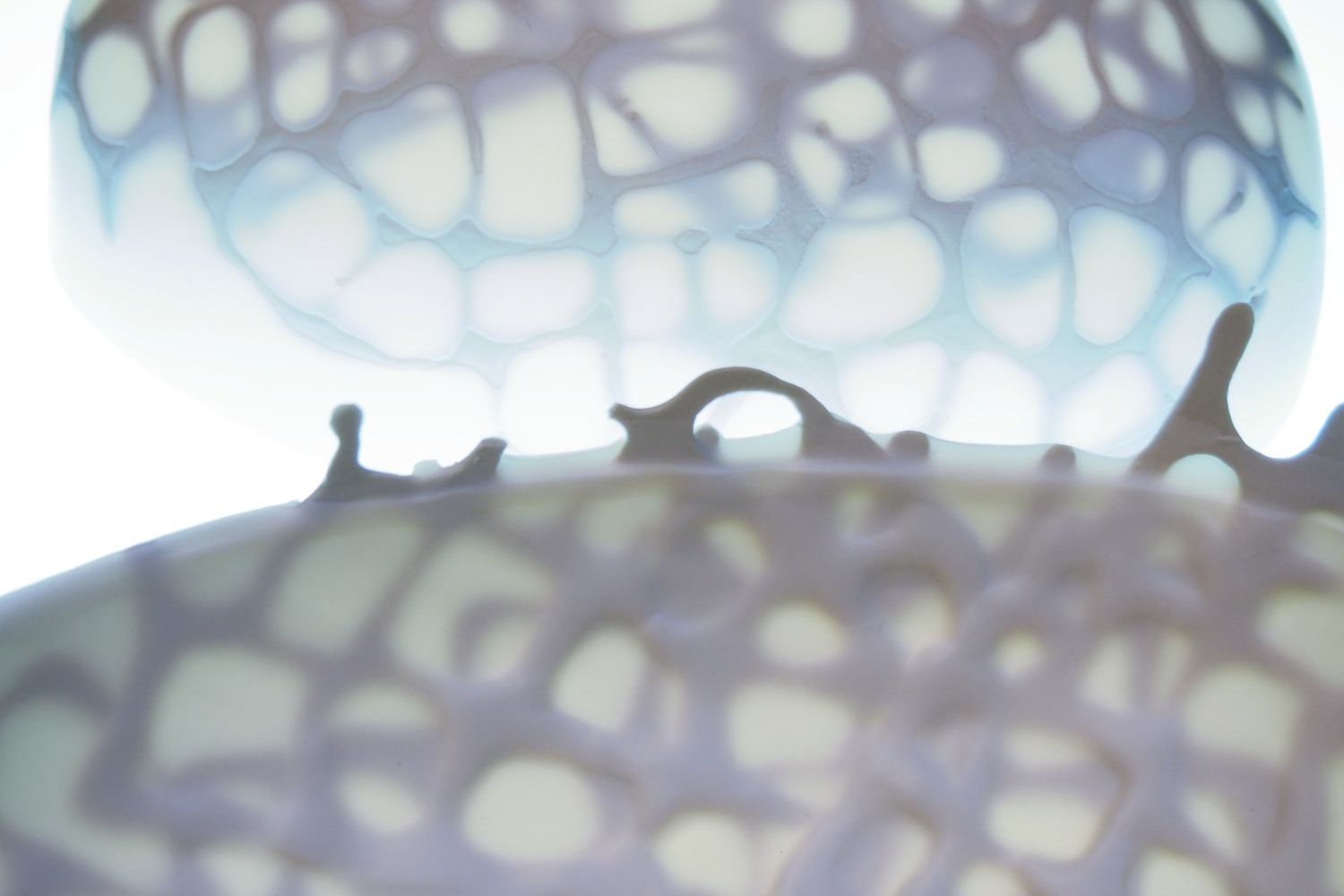
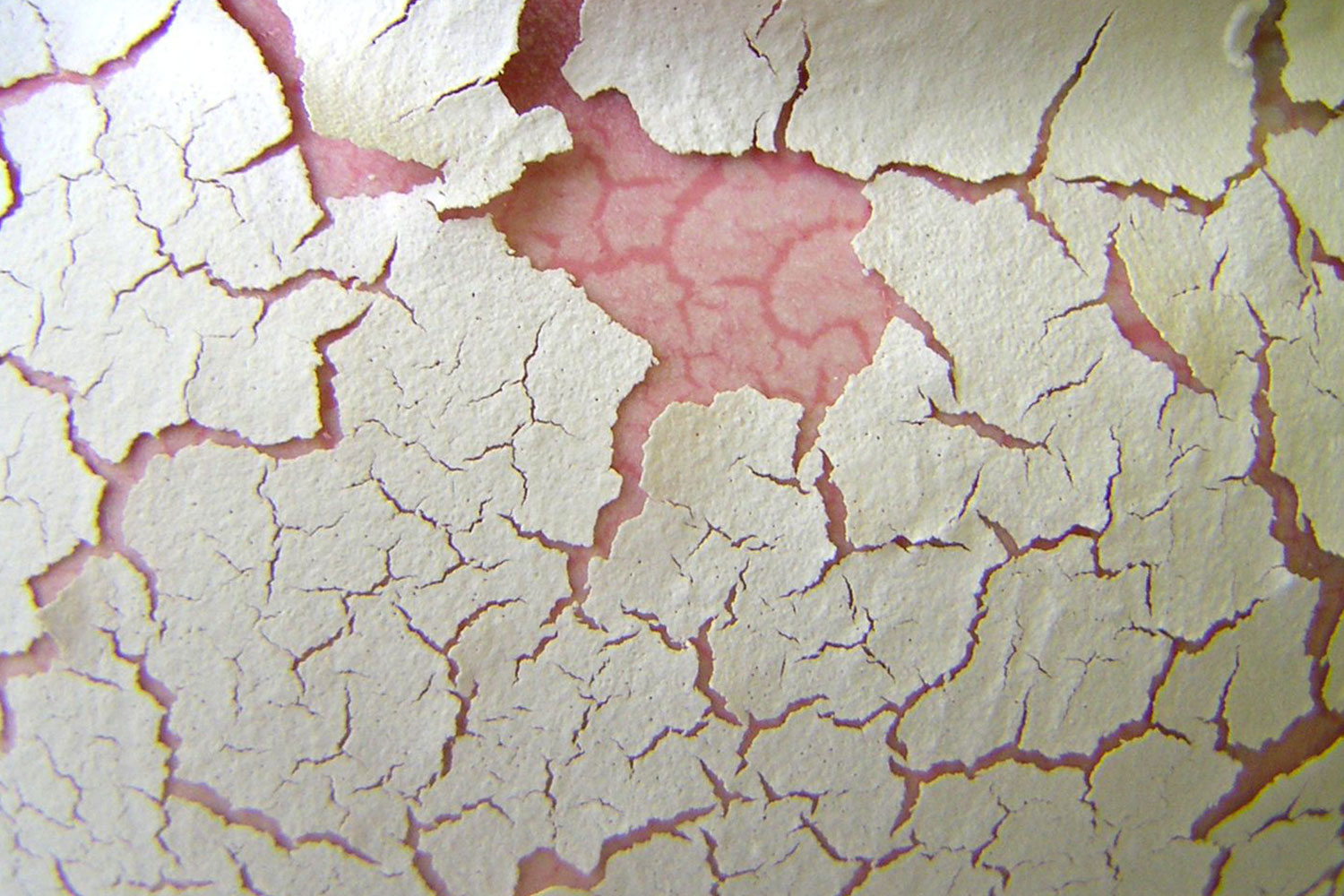
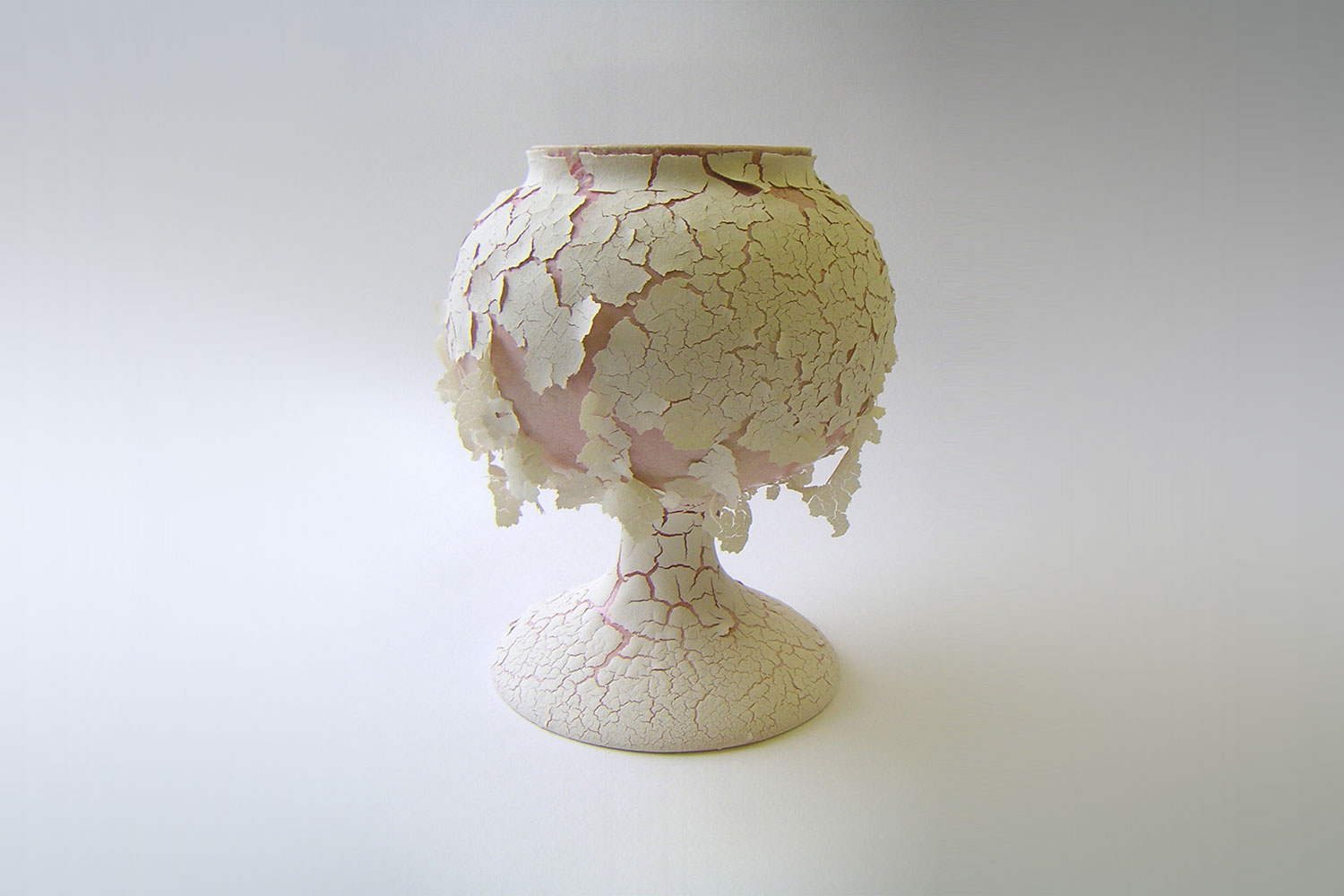
I find the process of decay fascinating. For me, the most interesting but heart-breaking moment is when something is just at the point of disintegrating. In my research, I was working with microscopic images of bacteria and viruses, and realised they are actually quite beautiful despite being deadly. That led me to think about our complicated relationship with beauty, and how imperfection can be both interesting and beautiful.
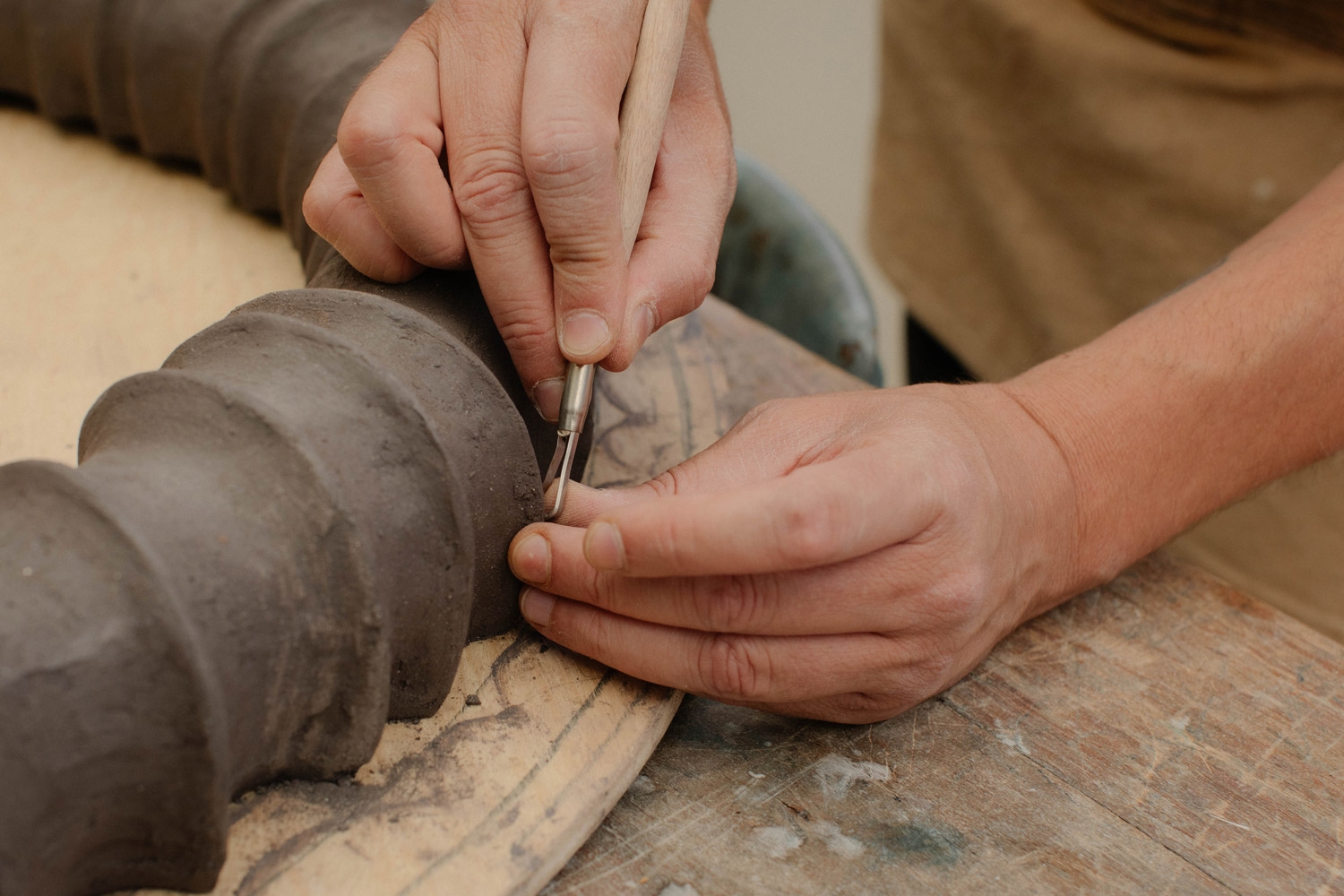
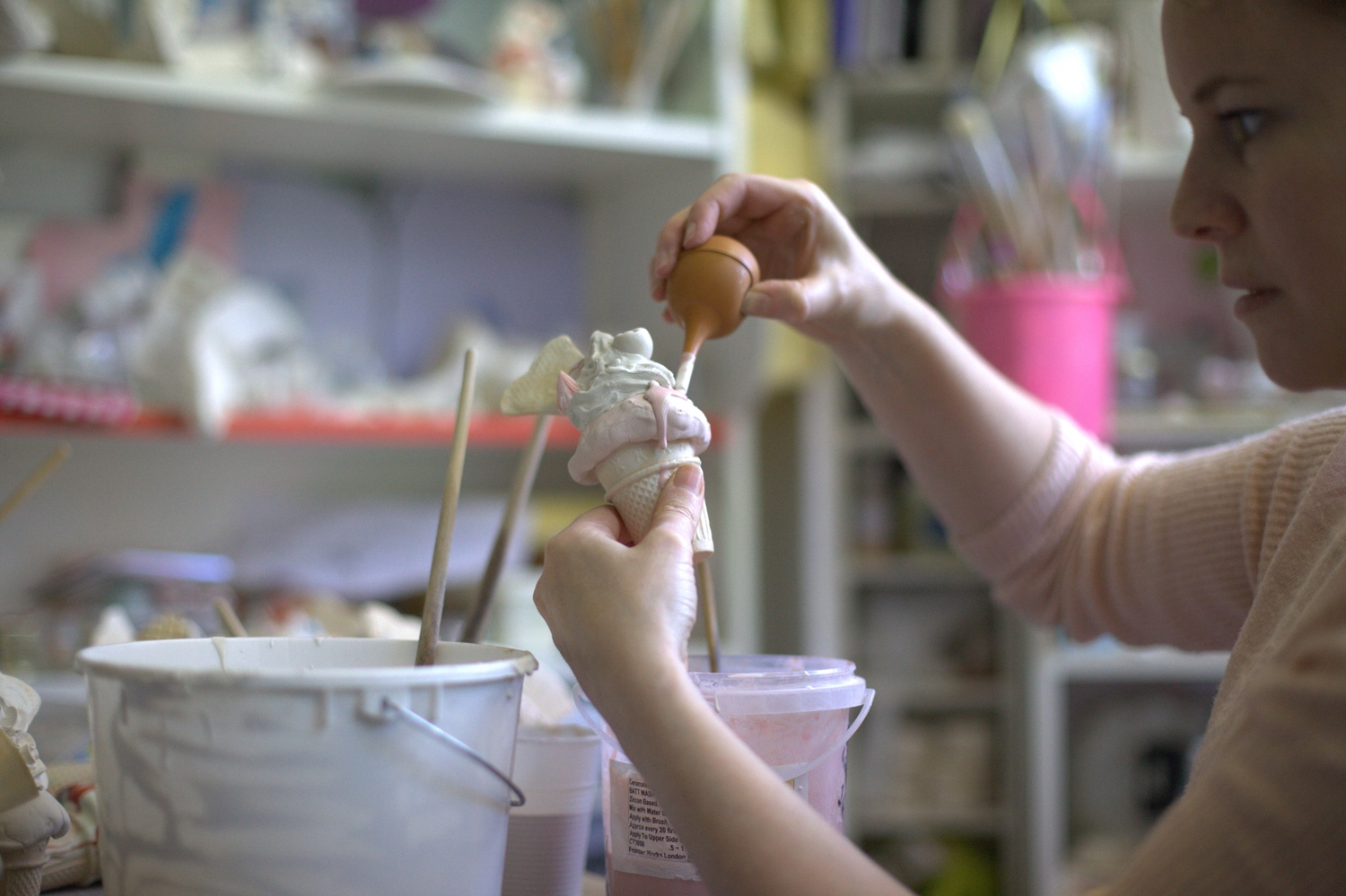
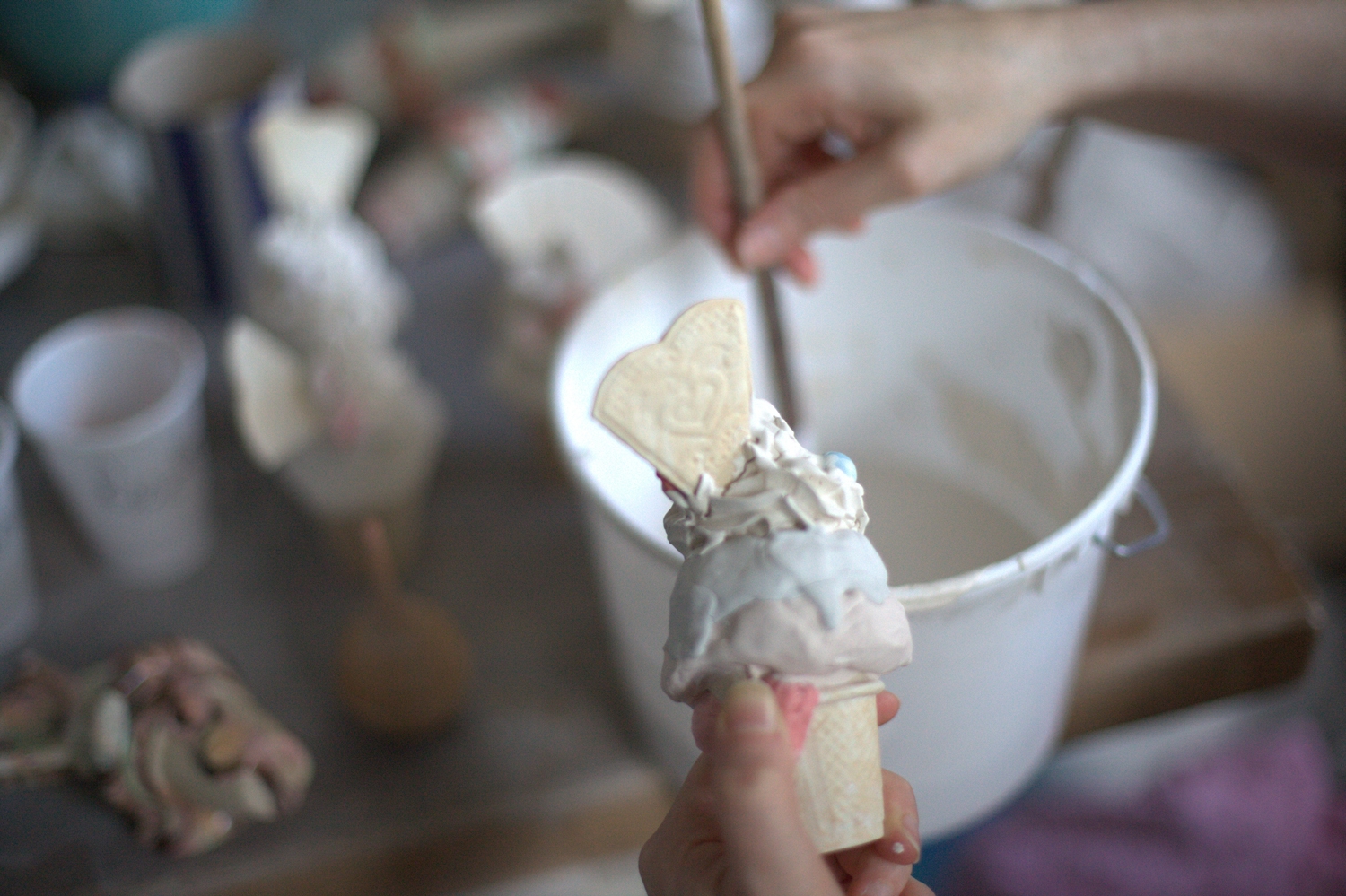
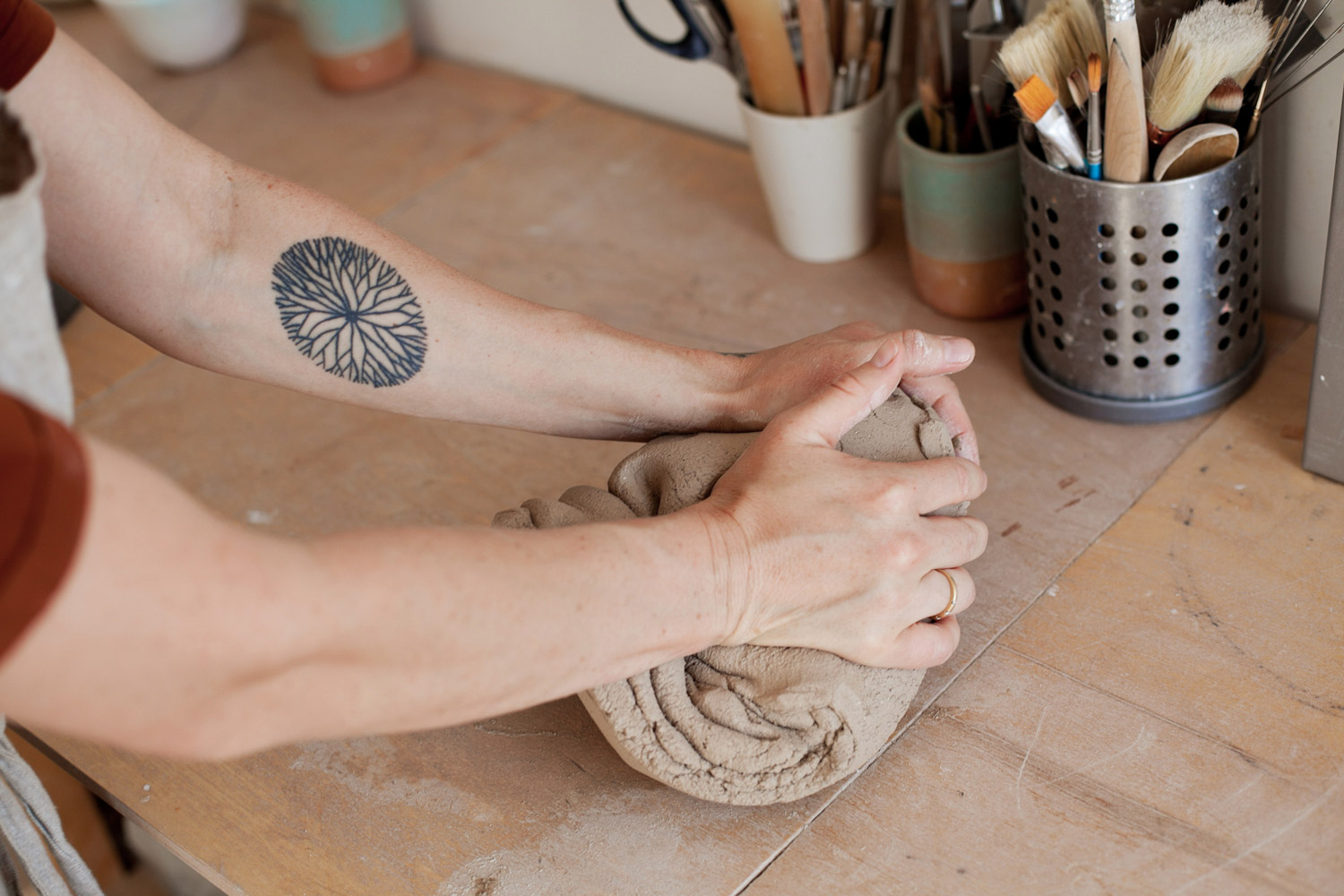
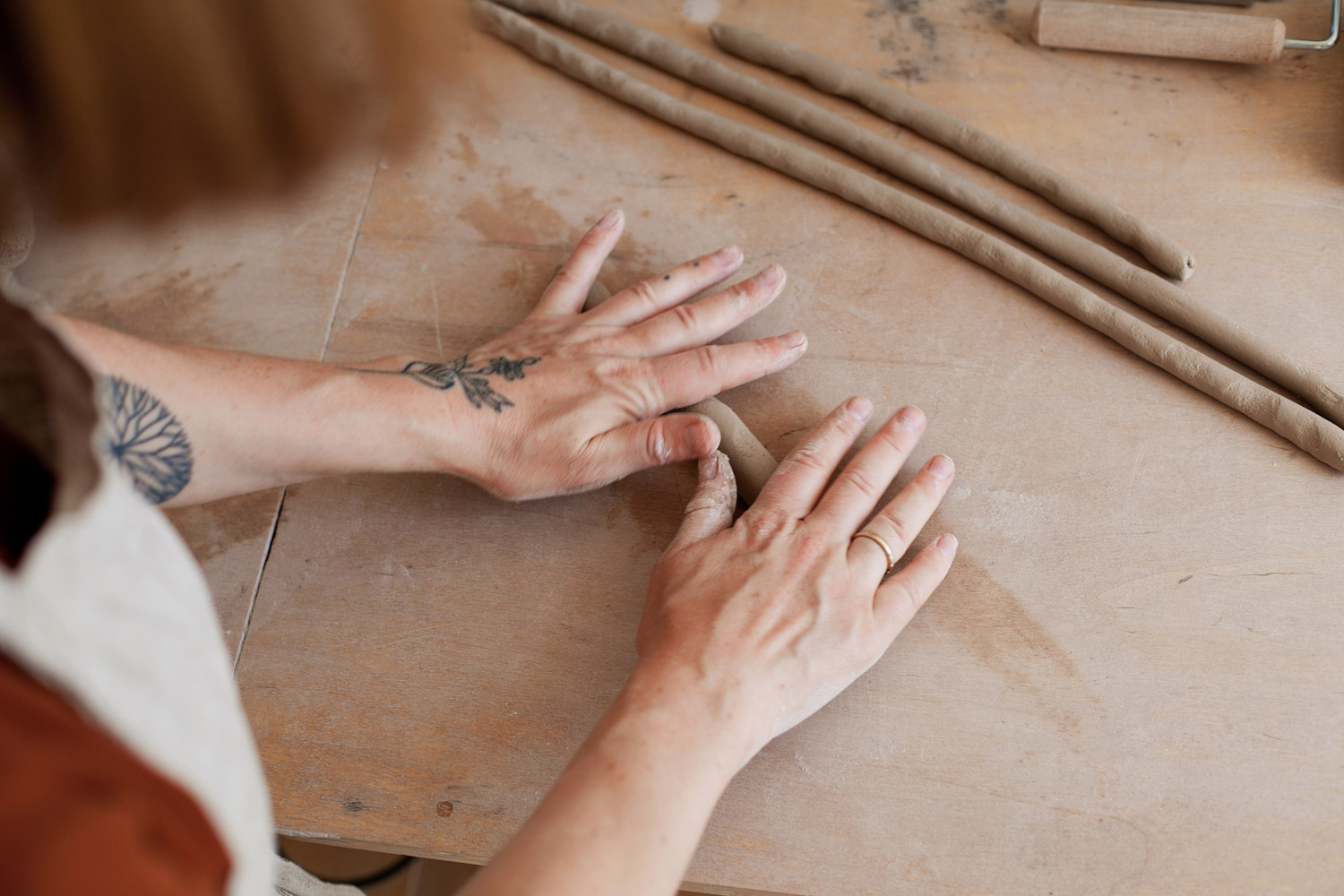
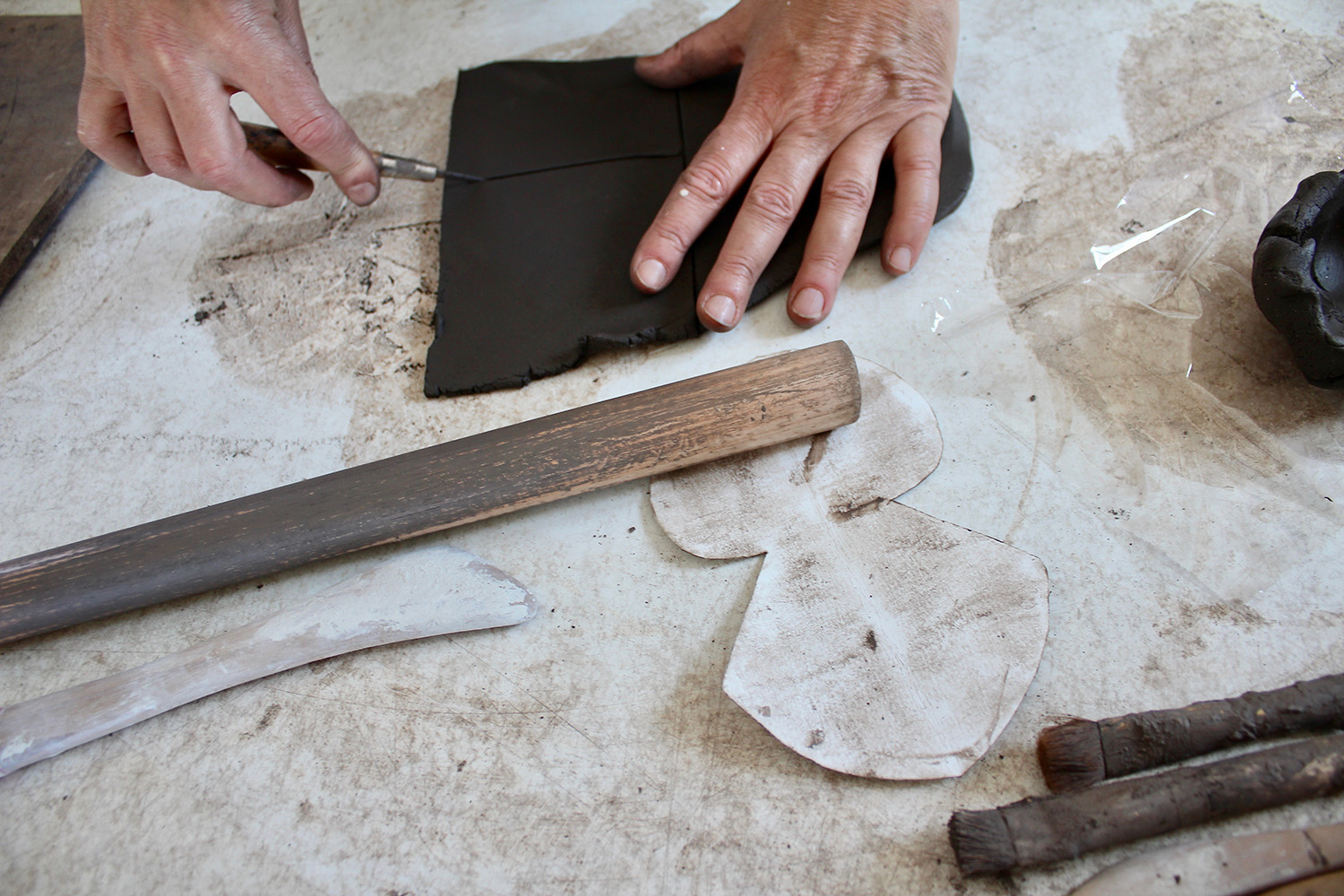
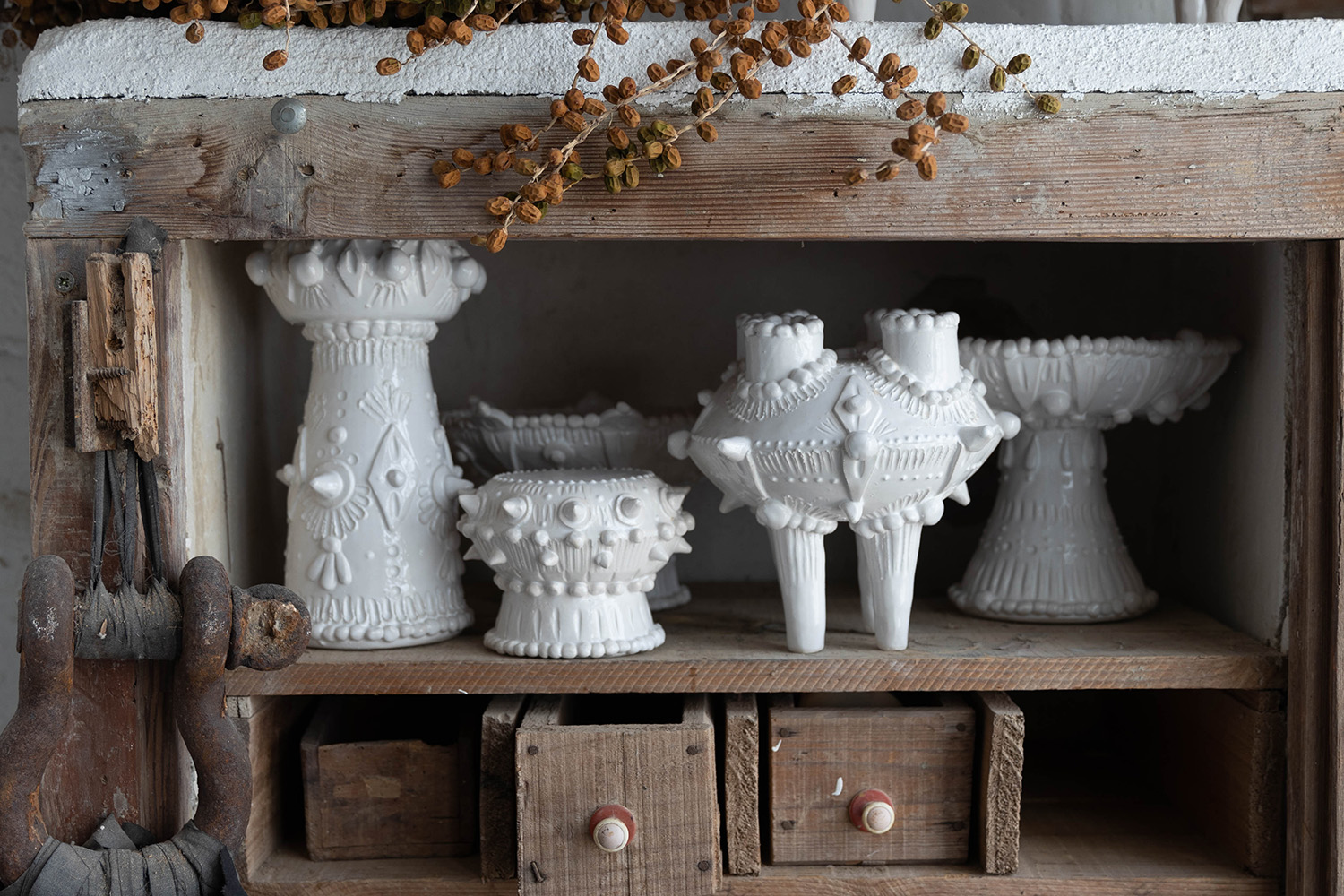
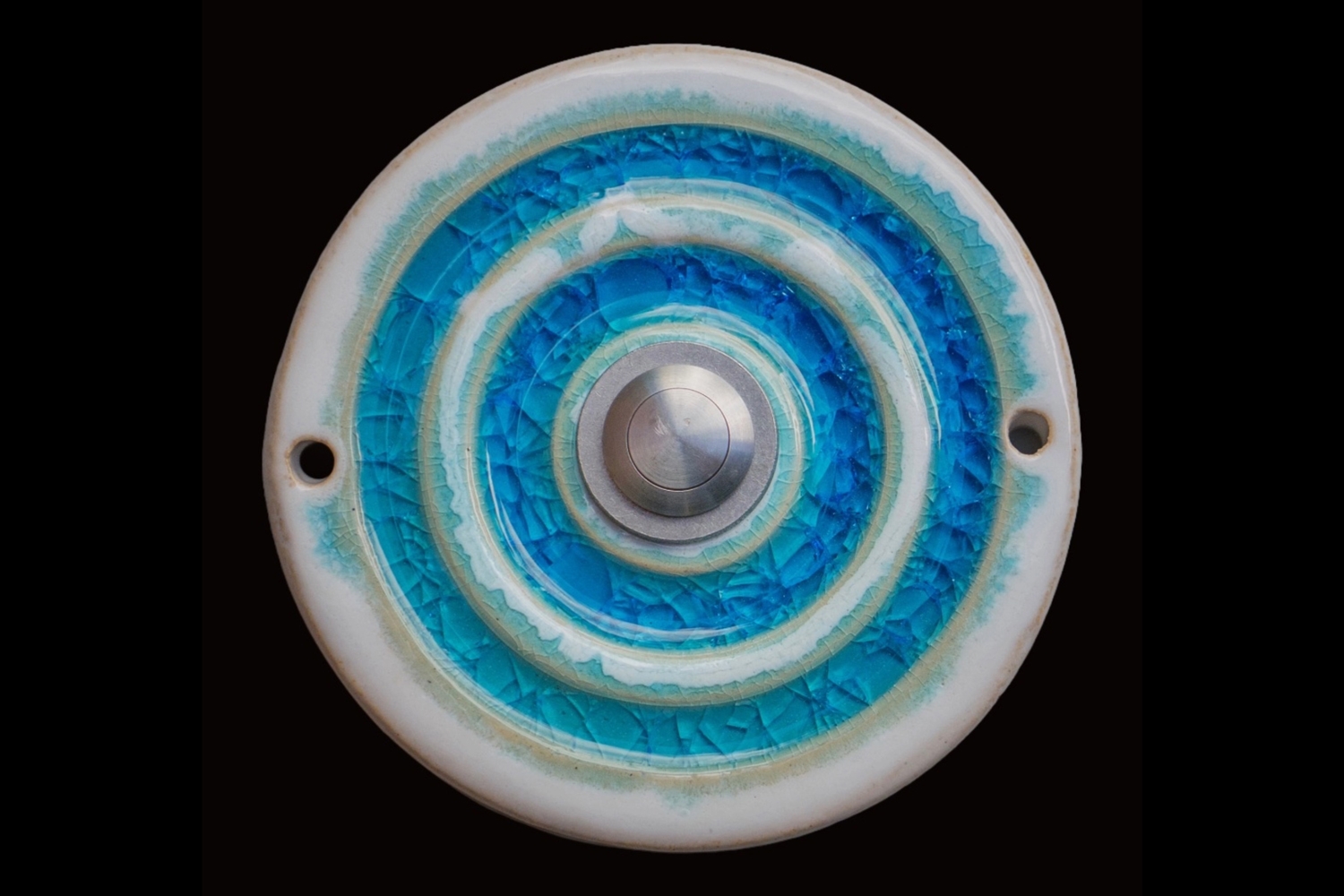
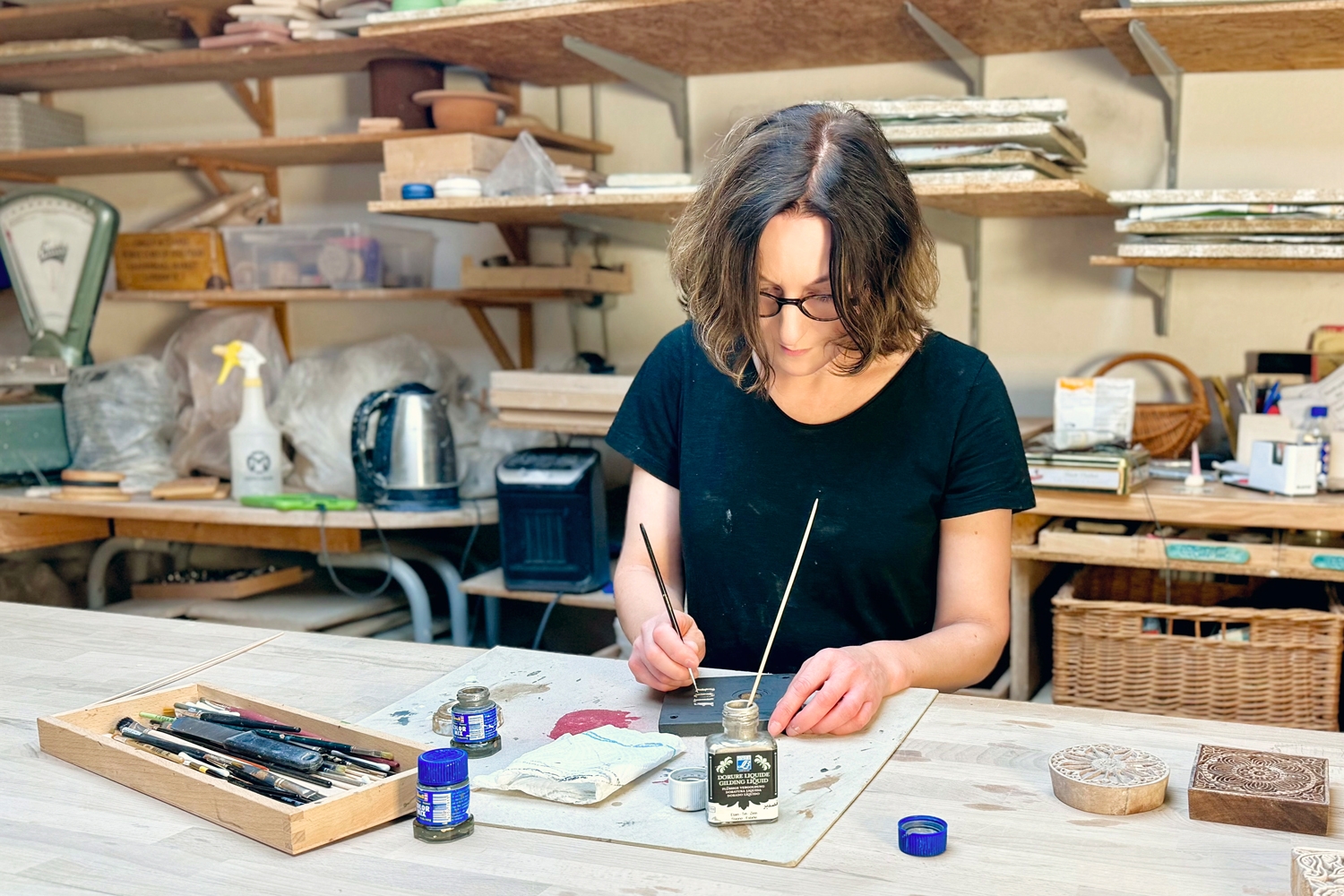
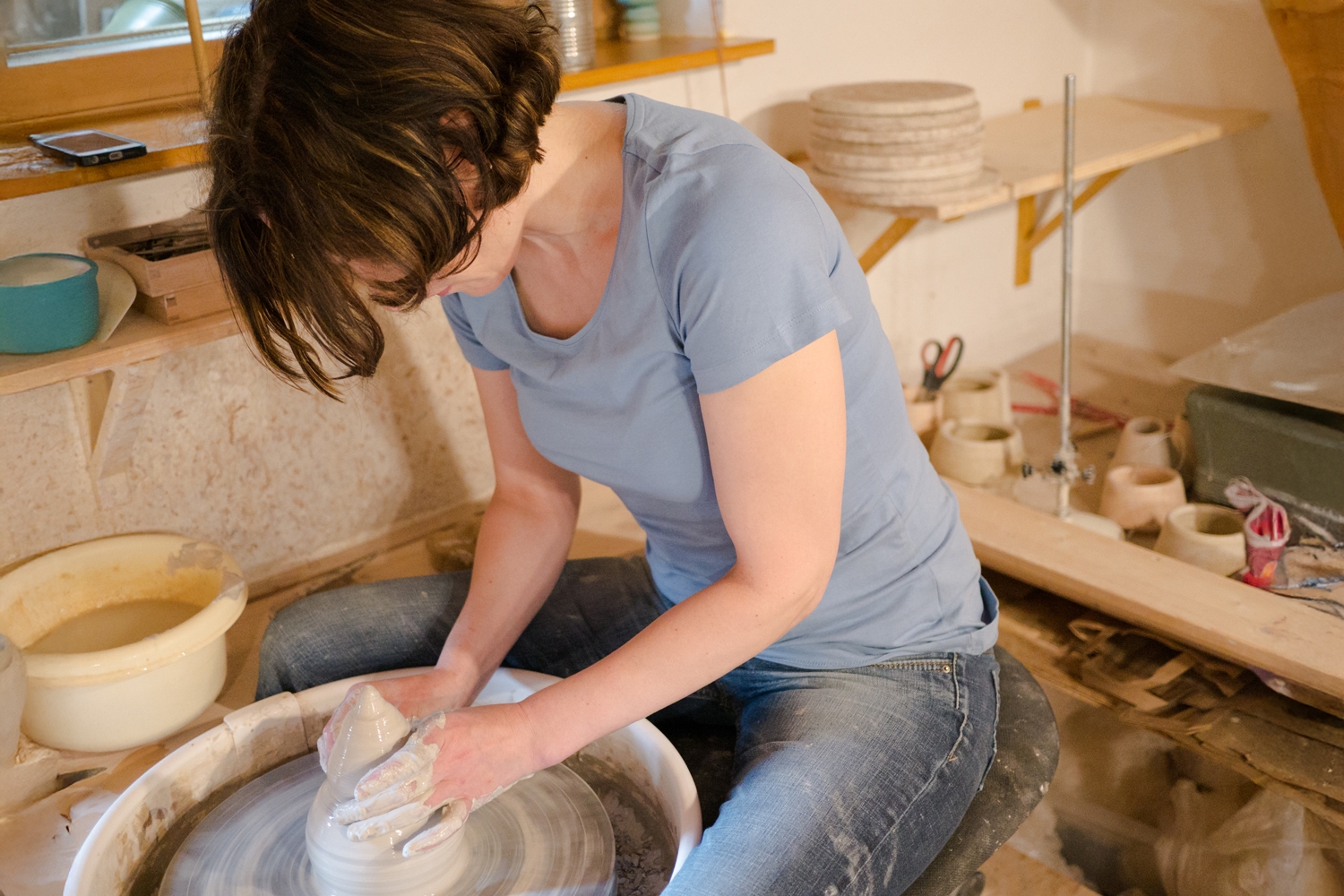
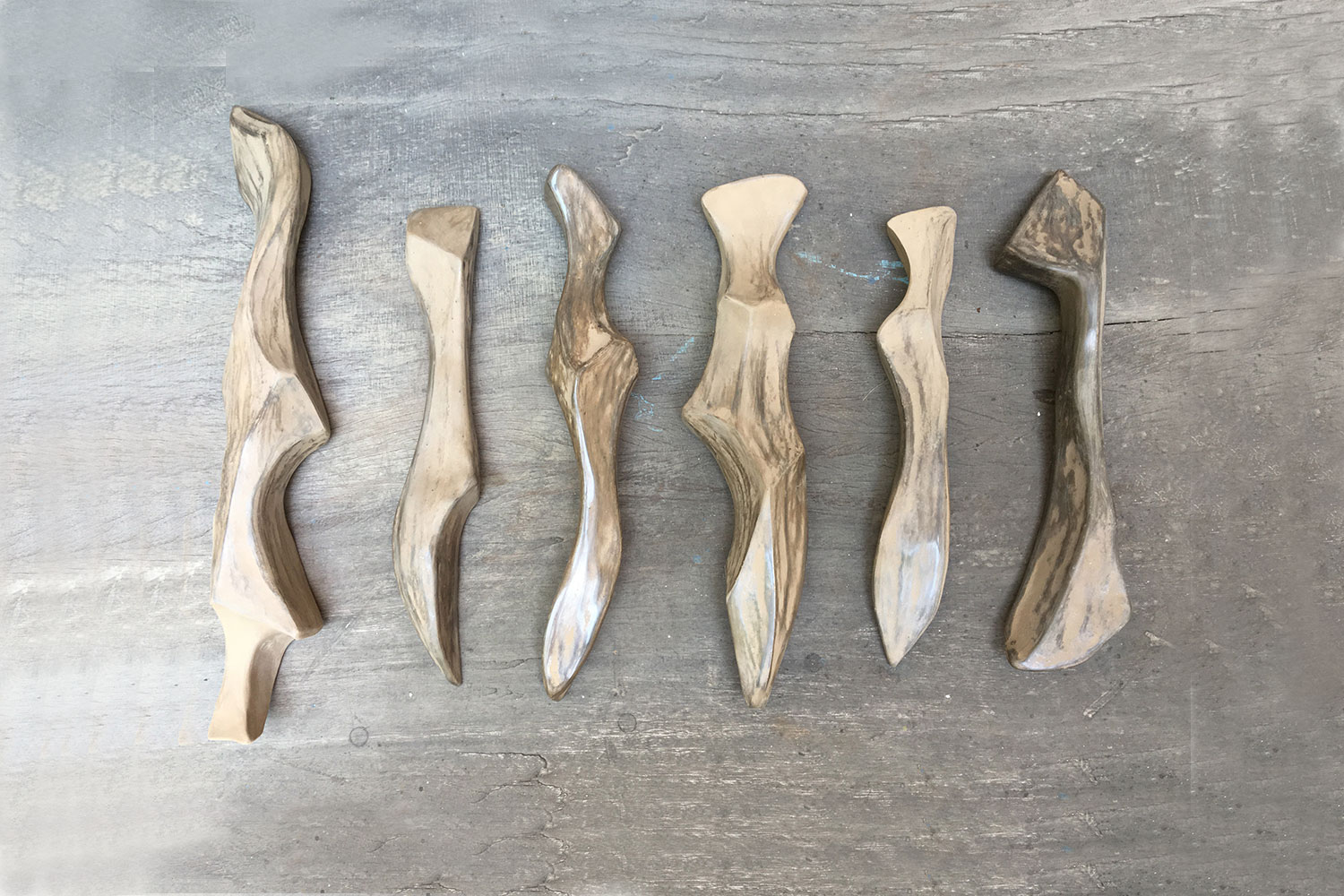
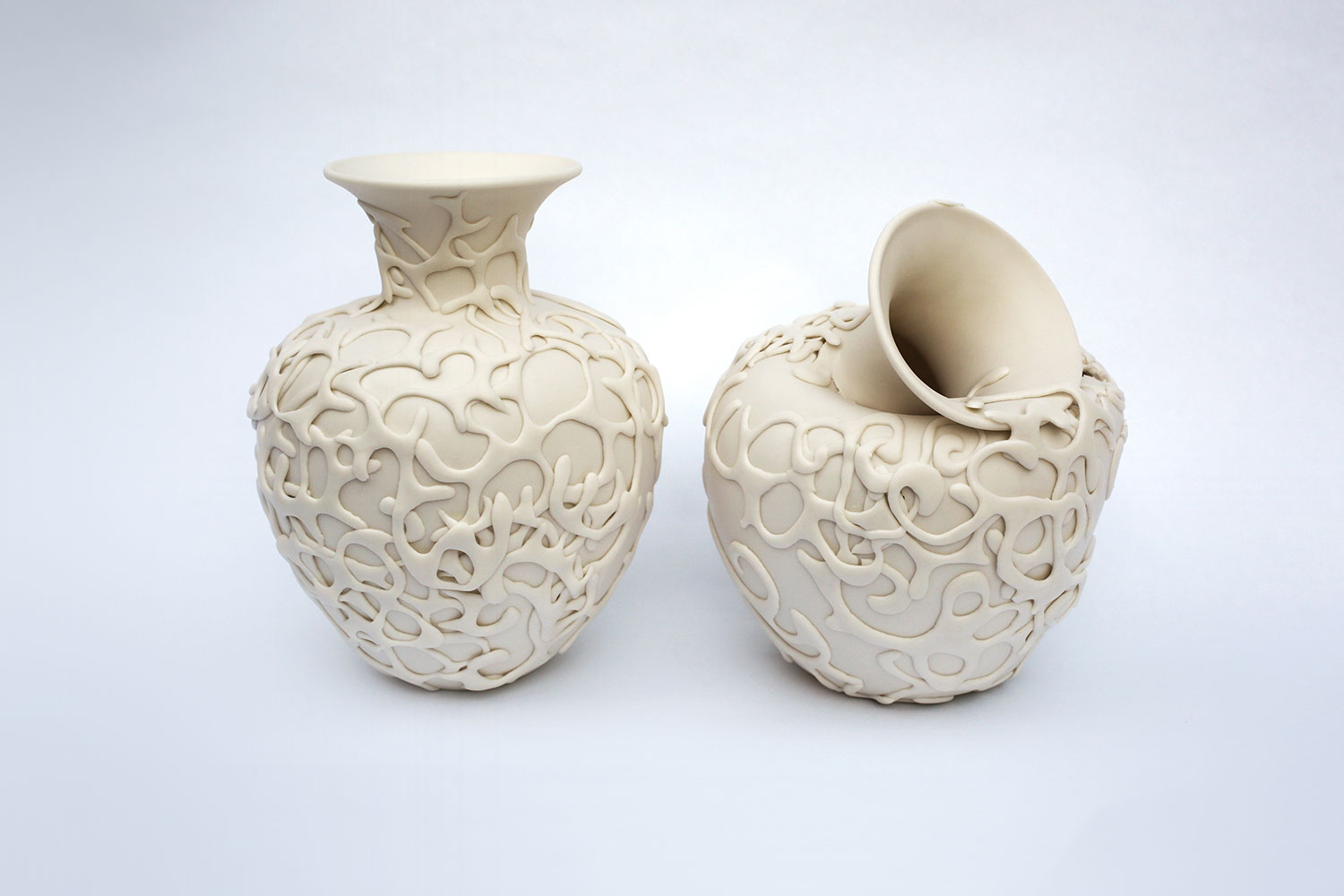
I use slip casting, carving and some traditional decorative techniques that are very old, but I use them in unusual ways to say something new. Similarly, I often draw on historic ceramic forms, but present them in new contexts to communicate contemporary themes. In my studio, I am constantly experimenting with the ceramic materials to develop new processes and explore the limits of what can be achieved with clay.
So many unexpected things can happen in ceramics! I like to push the boundaries of the material, and there are many variables, so a piece may come out very differently than I had imagined. That is what keeps me going – the challenge of making something that comes out in a new, interesting way.
Tamsin van Essen
Ceramicist
London, United Kingdom
Recommended by Triennale Milano
AVAILABILITY
By appointment only
PHONE
+44 7764587024
LANGUAGES
English
Homo Faber Finds is a new service aiming to inspire admirers of craft to connect and collaborate with exceptional artisans.
We invite you to submit an enquiry here.
DSC02402_©Meg-Lovell.jpg)
DSC01379_©Meg-Lovell.jpg)
DSC01458_©Meg-Lovell.jpg)