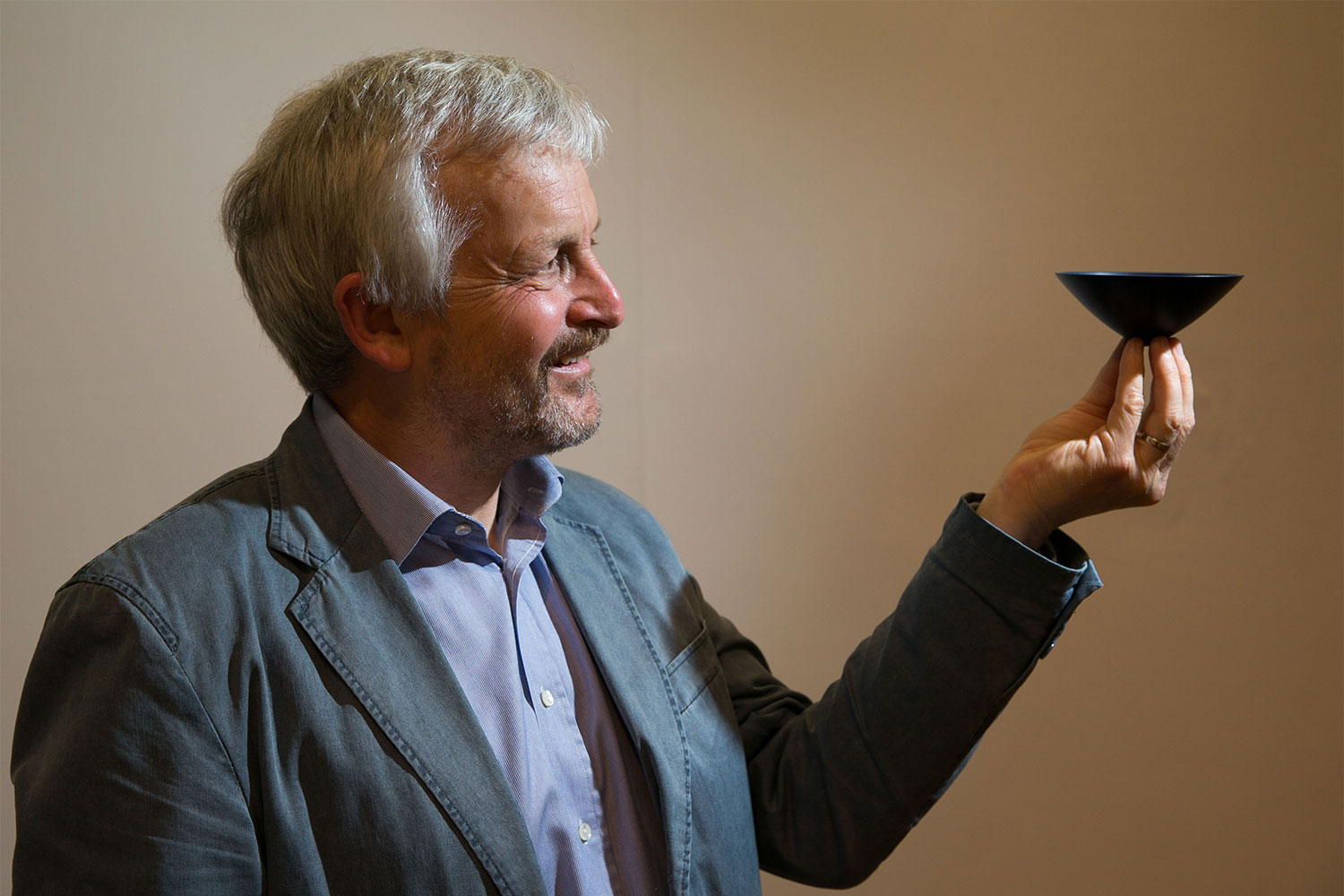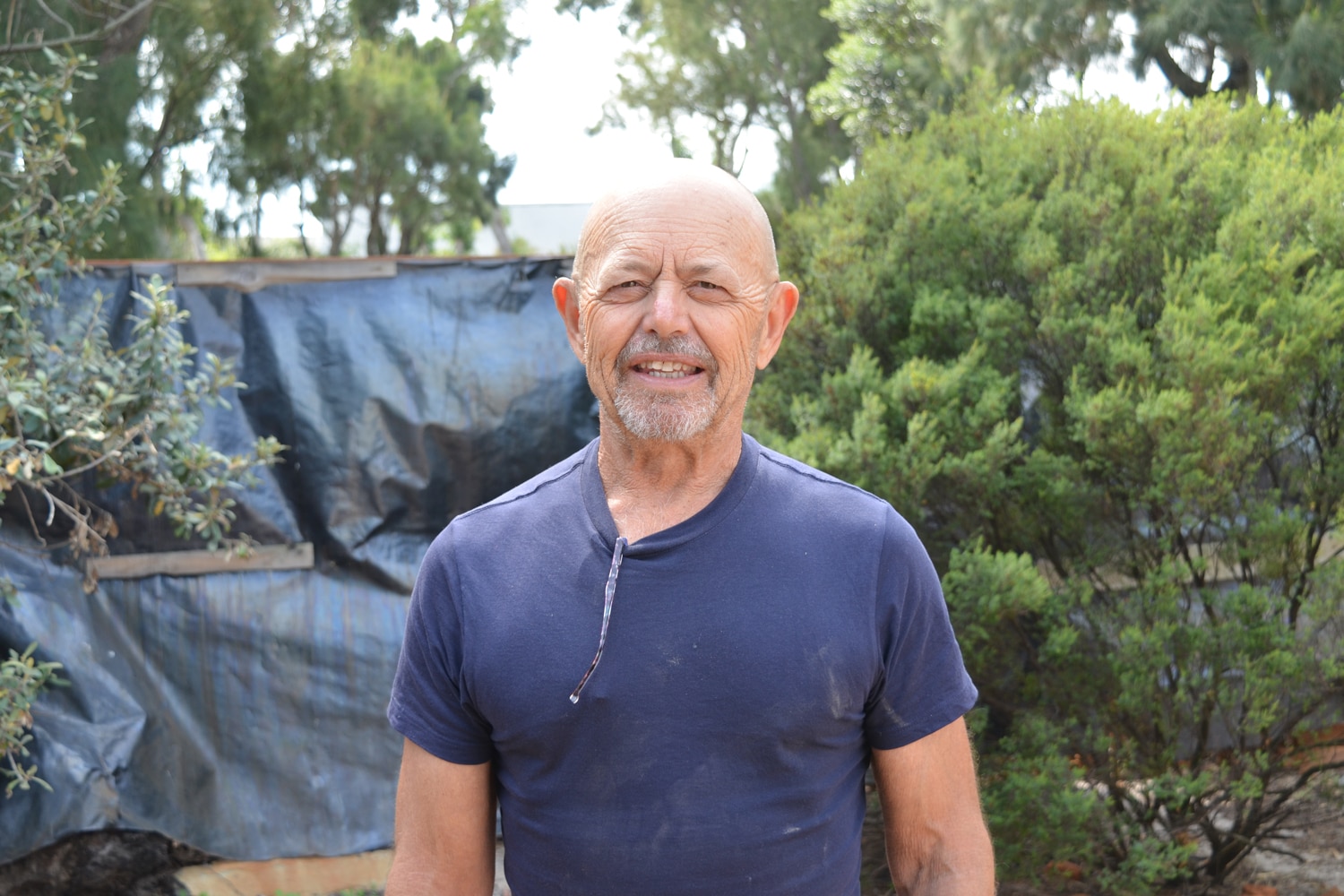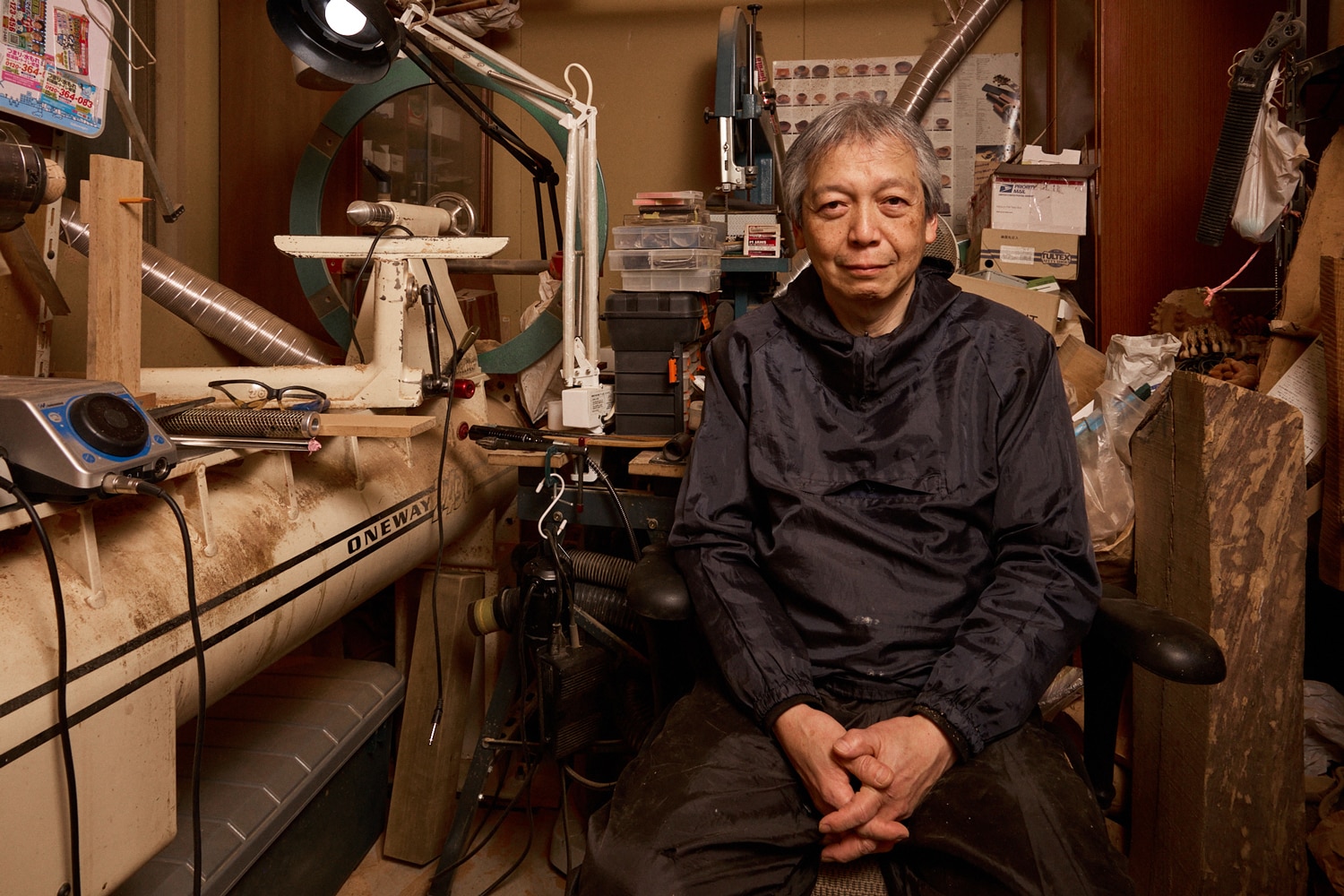
Satoshi Fujinuma
Woodturner
Tokyo, Japan
Enigmatic nature made personal
- Satoshi works with the natural grain and form of wood
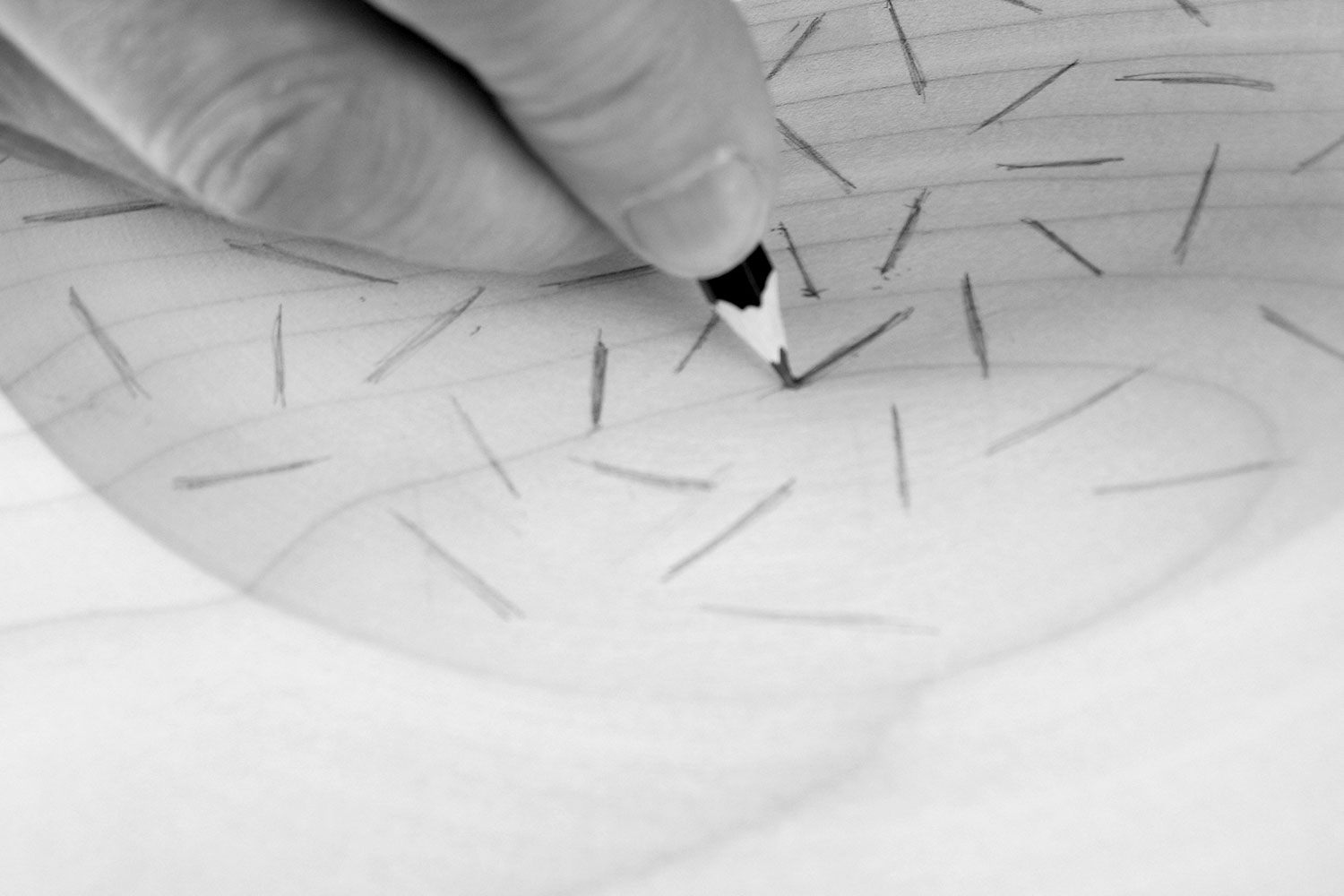
- He mostly practises freeform sculpting, without any preparatory drawings
- His work is inspired by his memories and impressions of nature
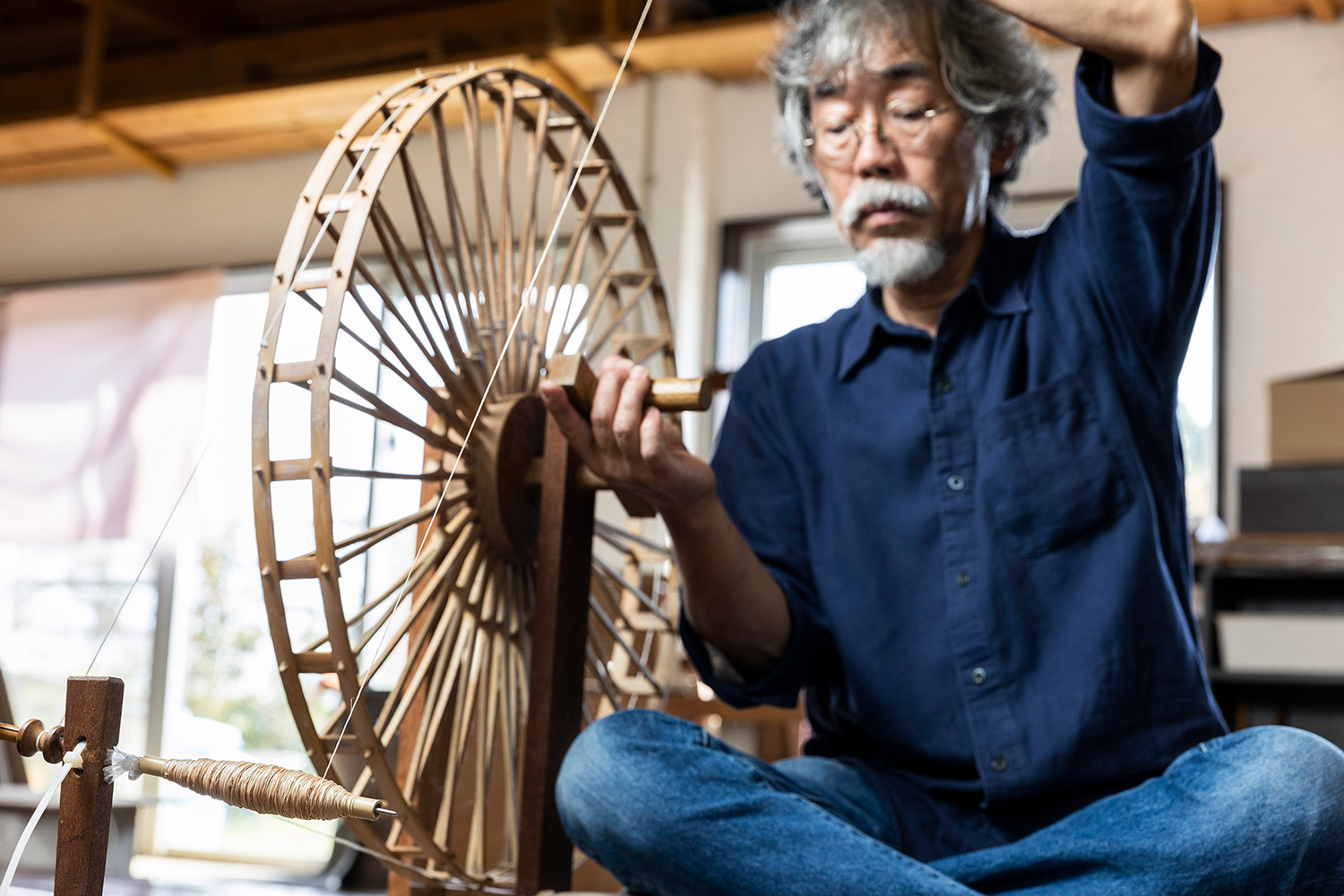
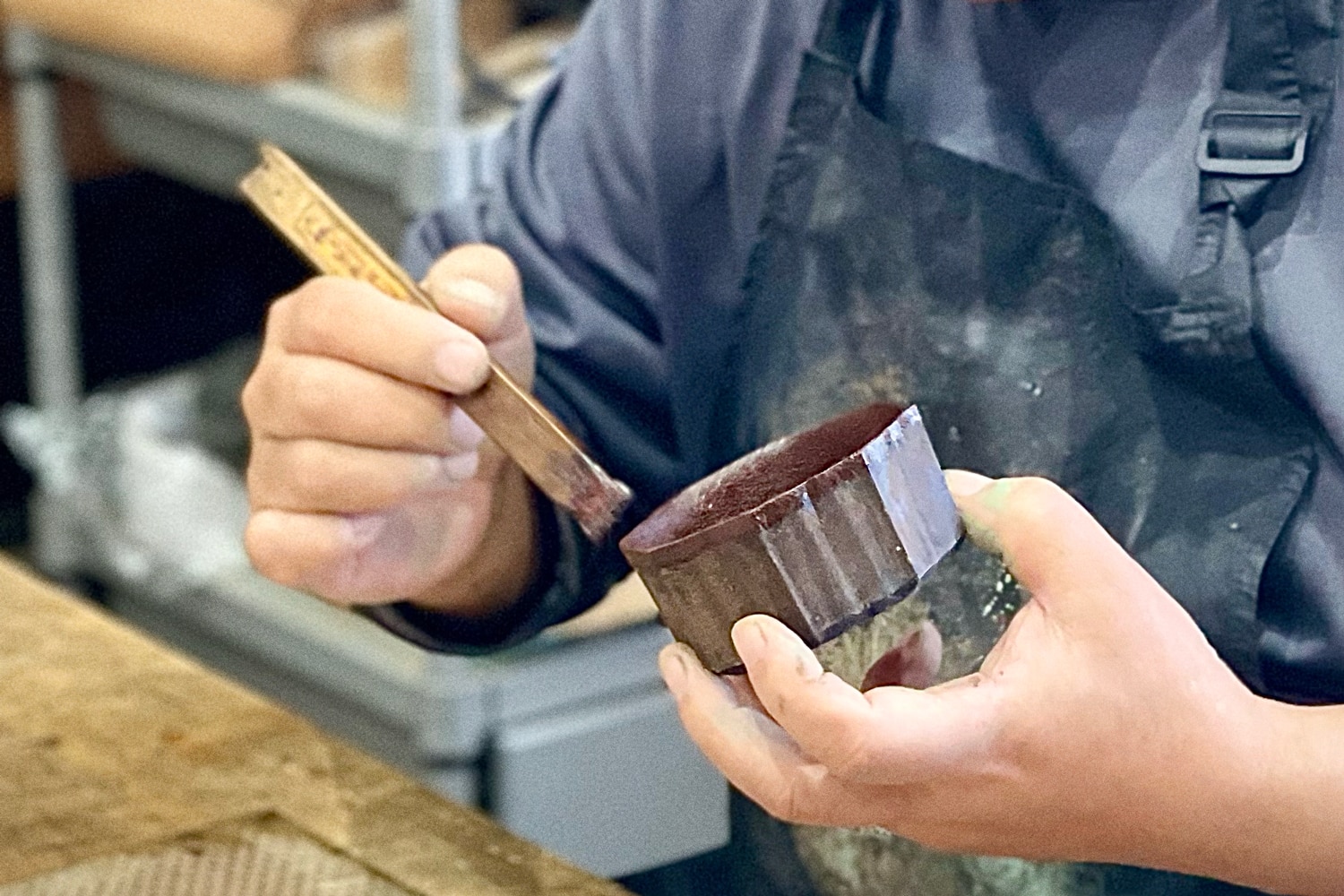
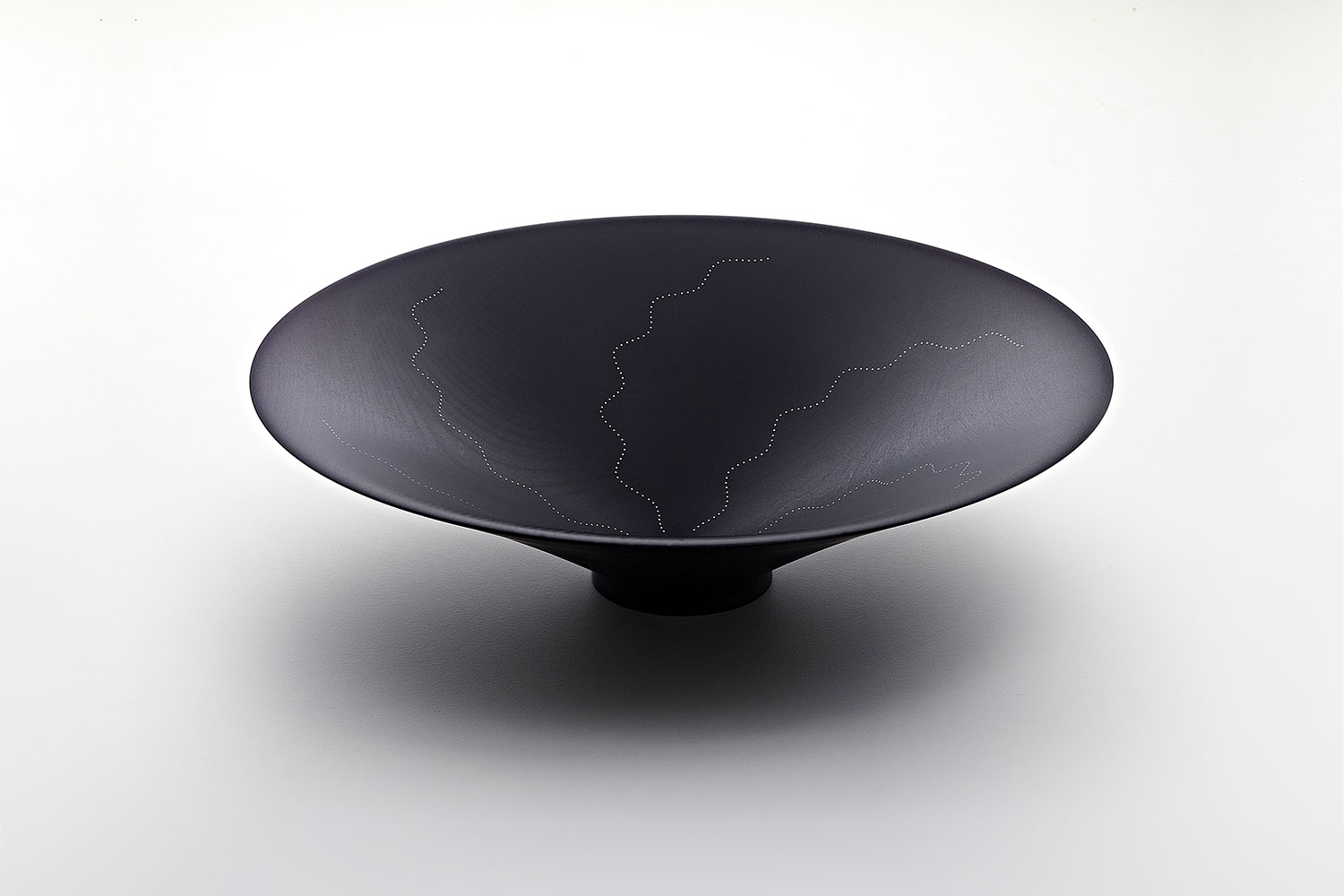
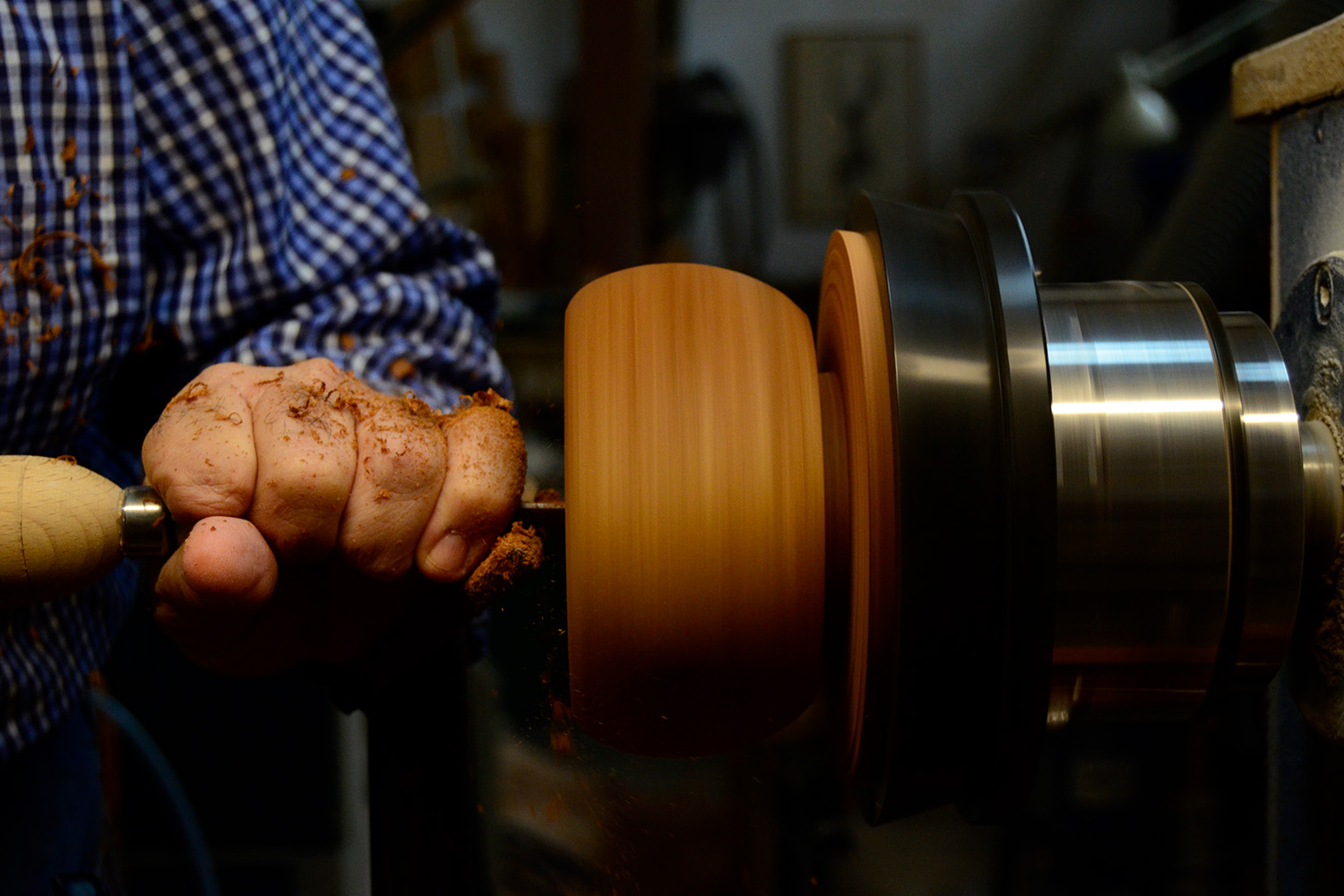
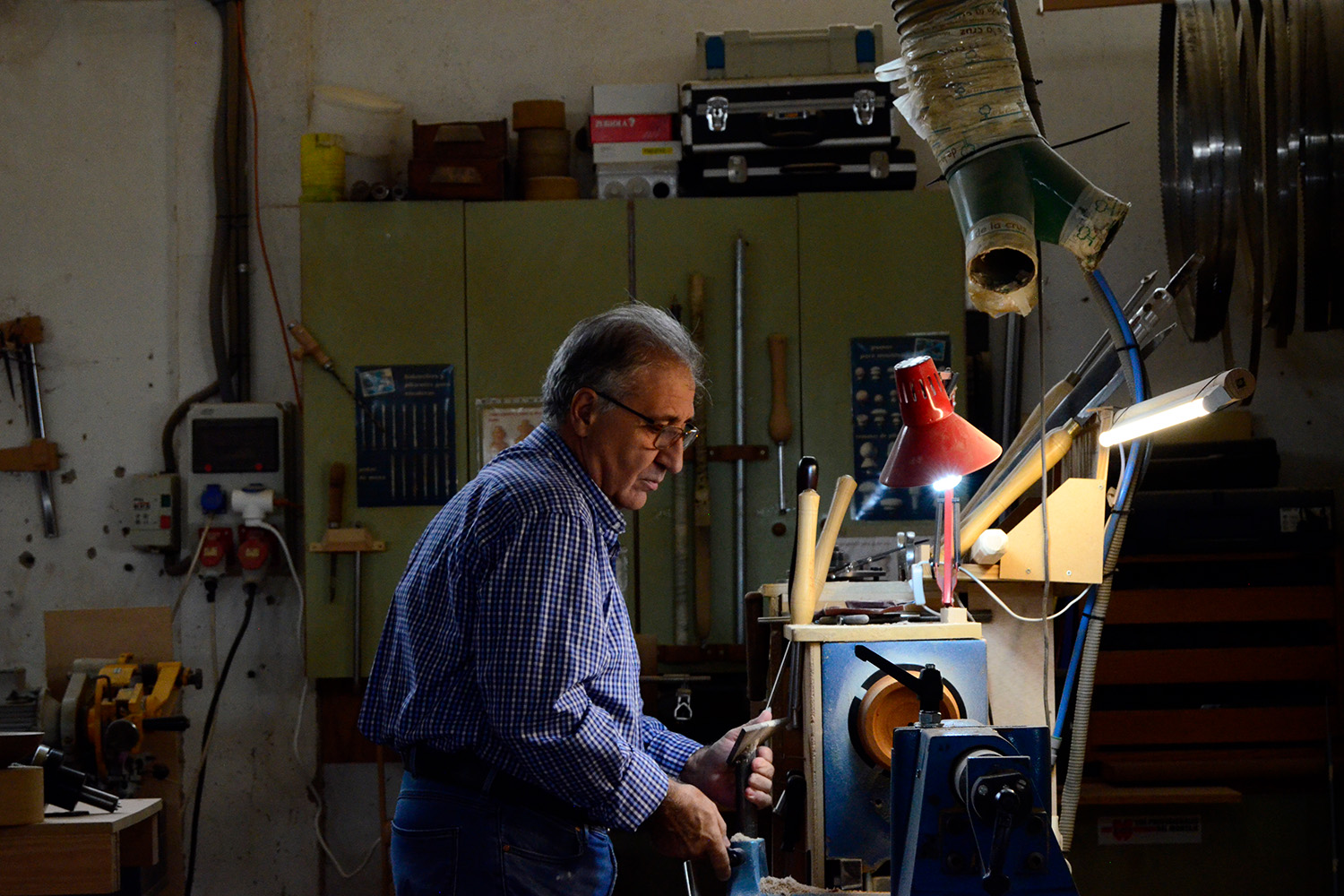
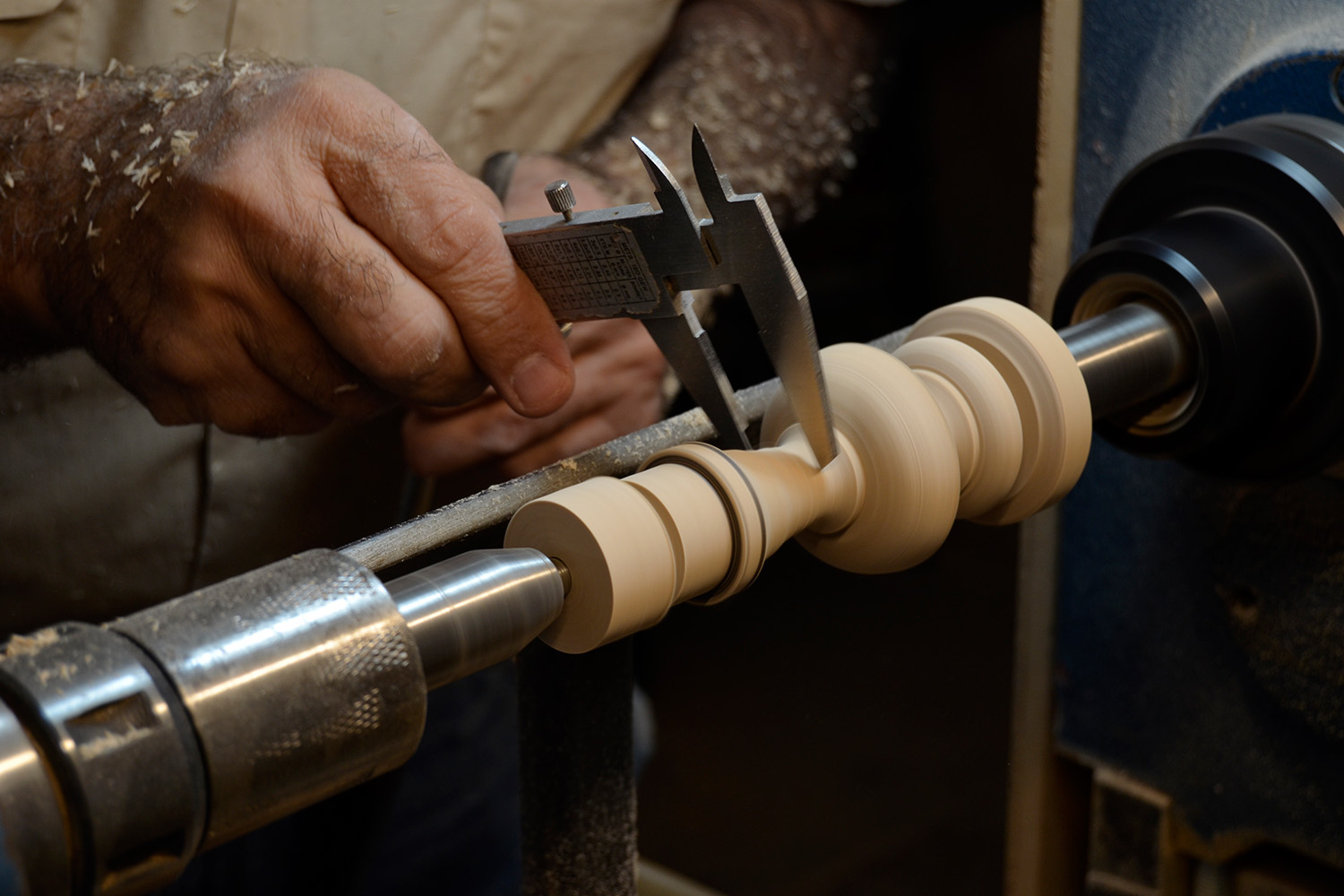
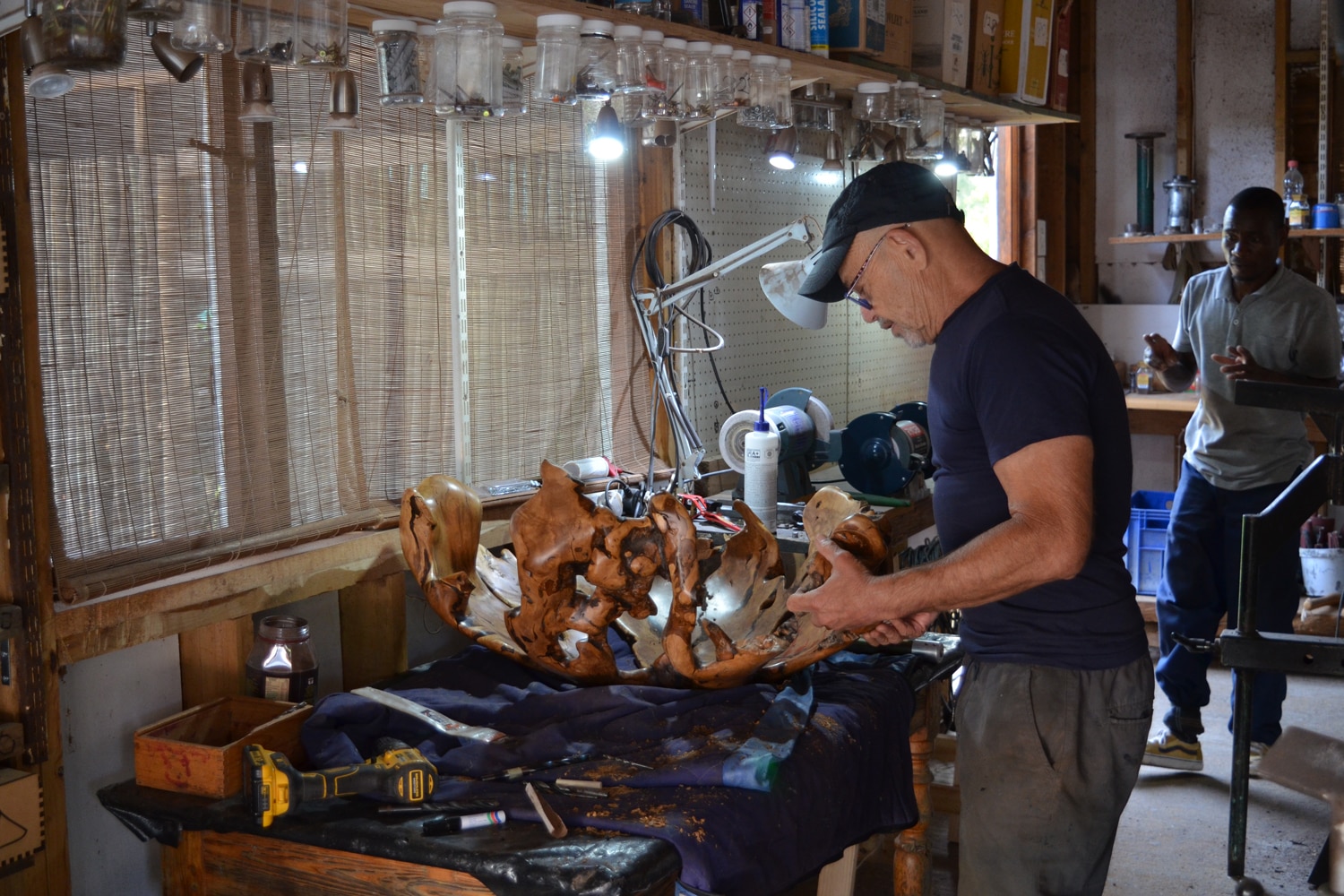
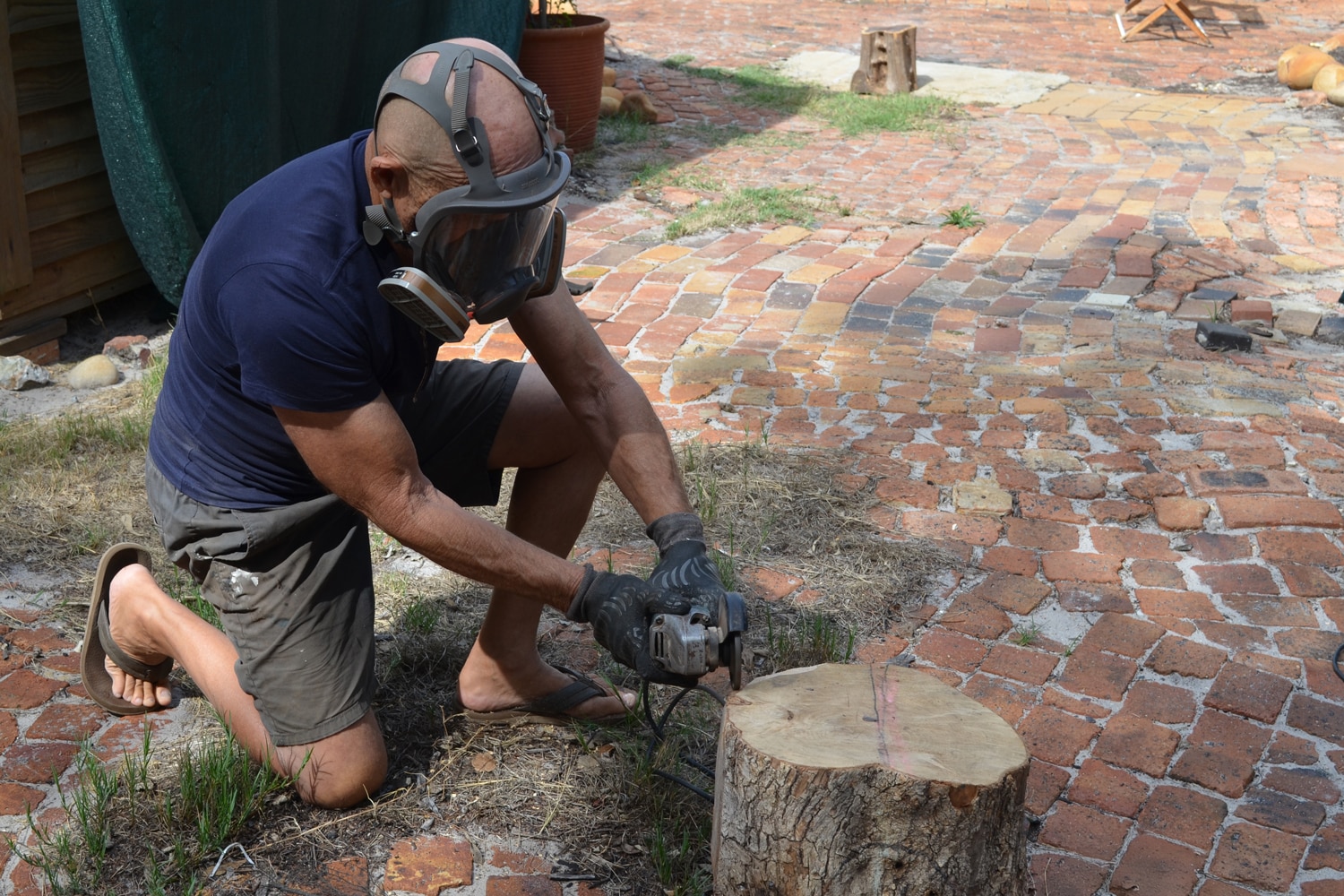
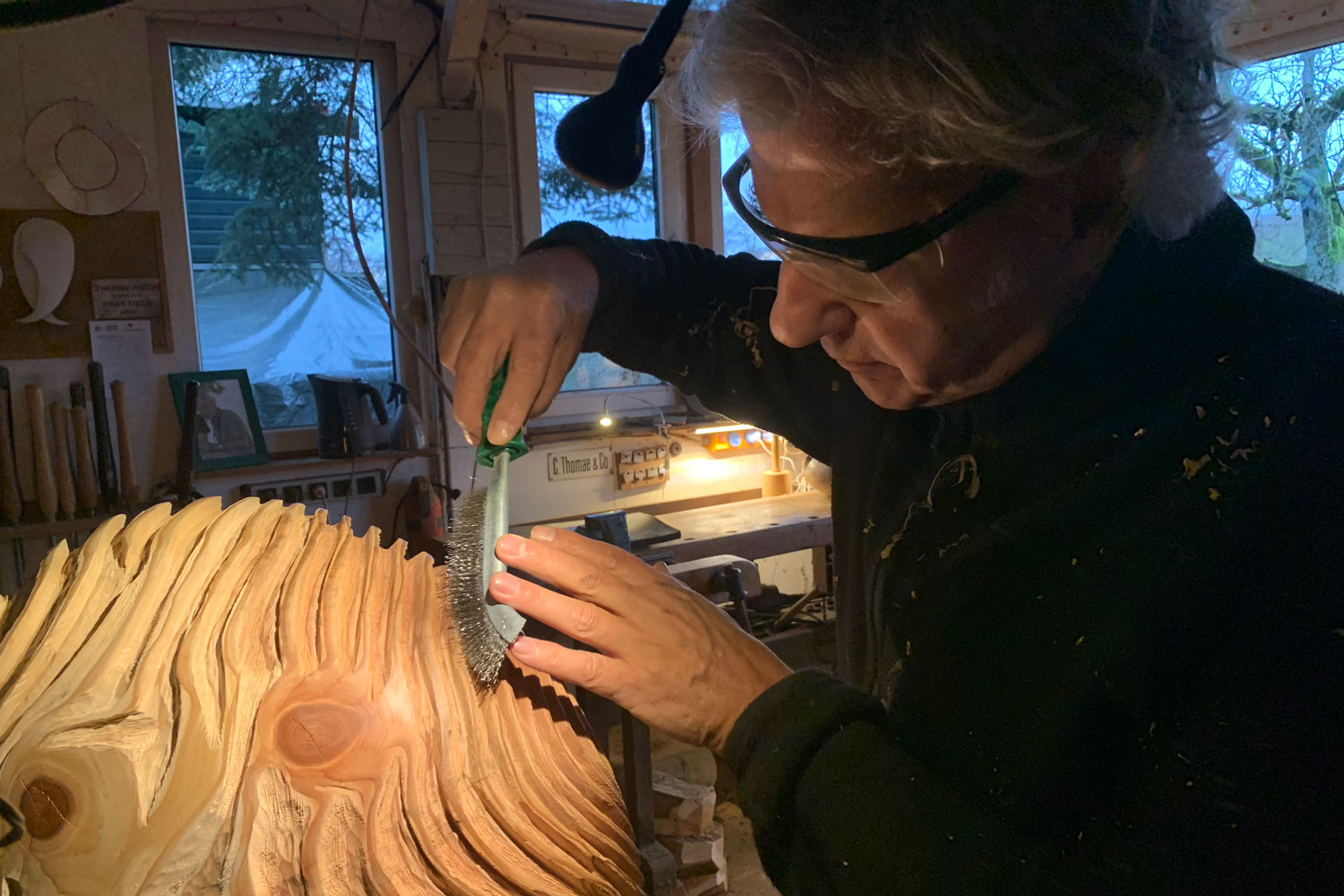
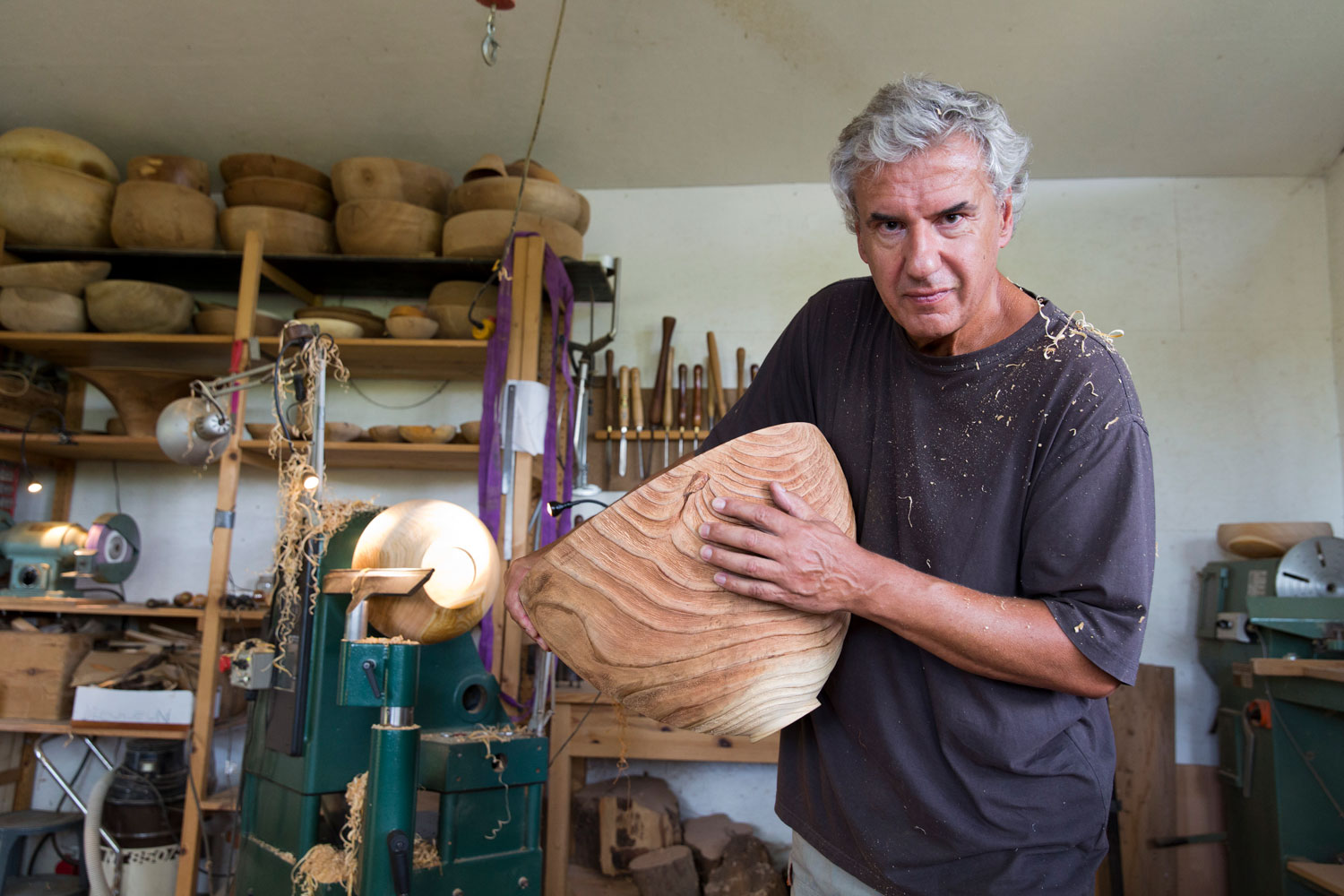
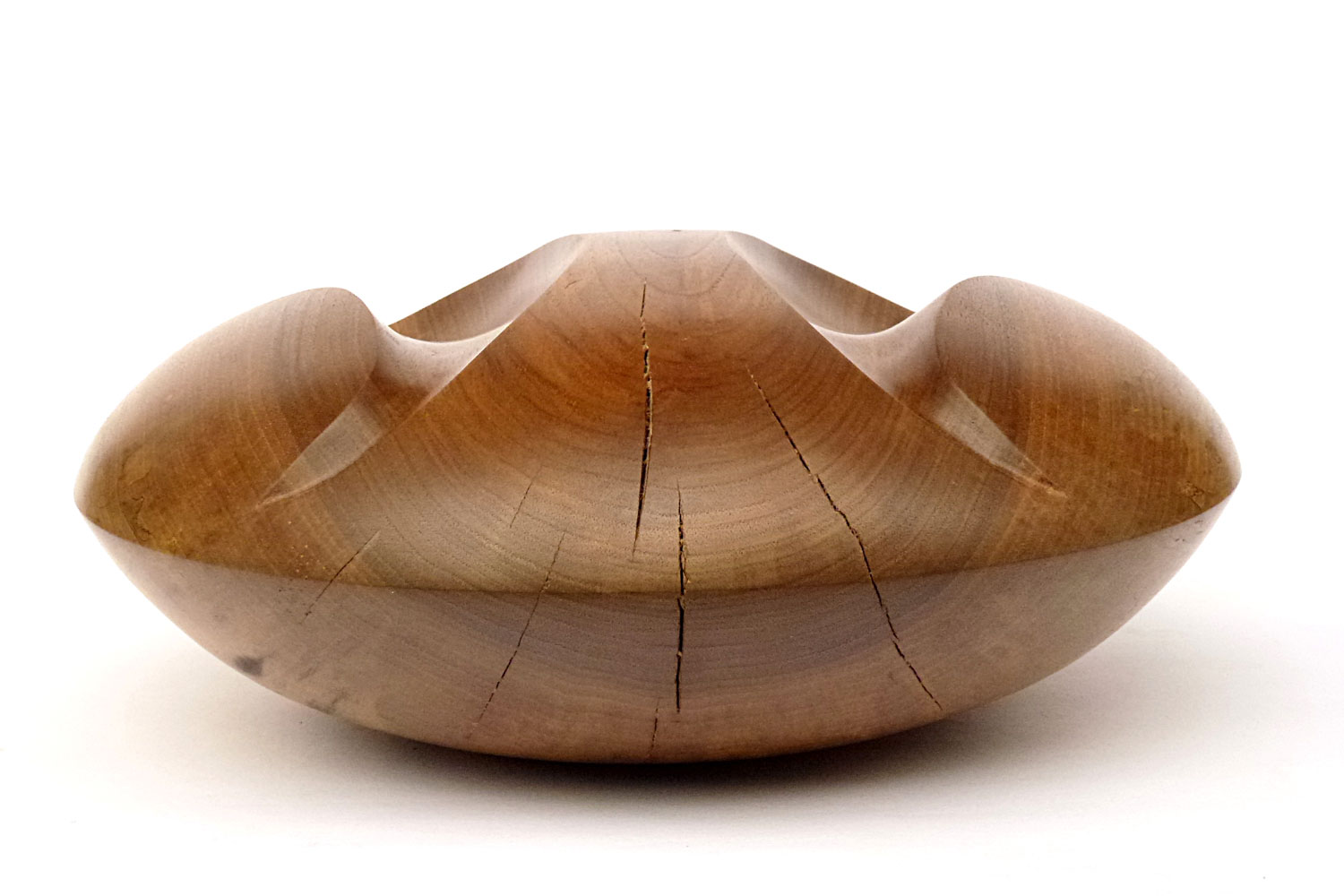
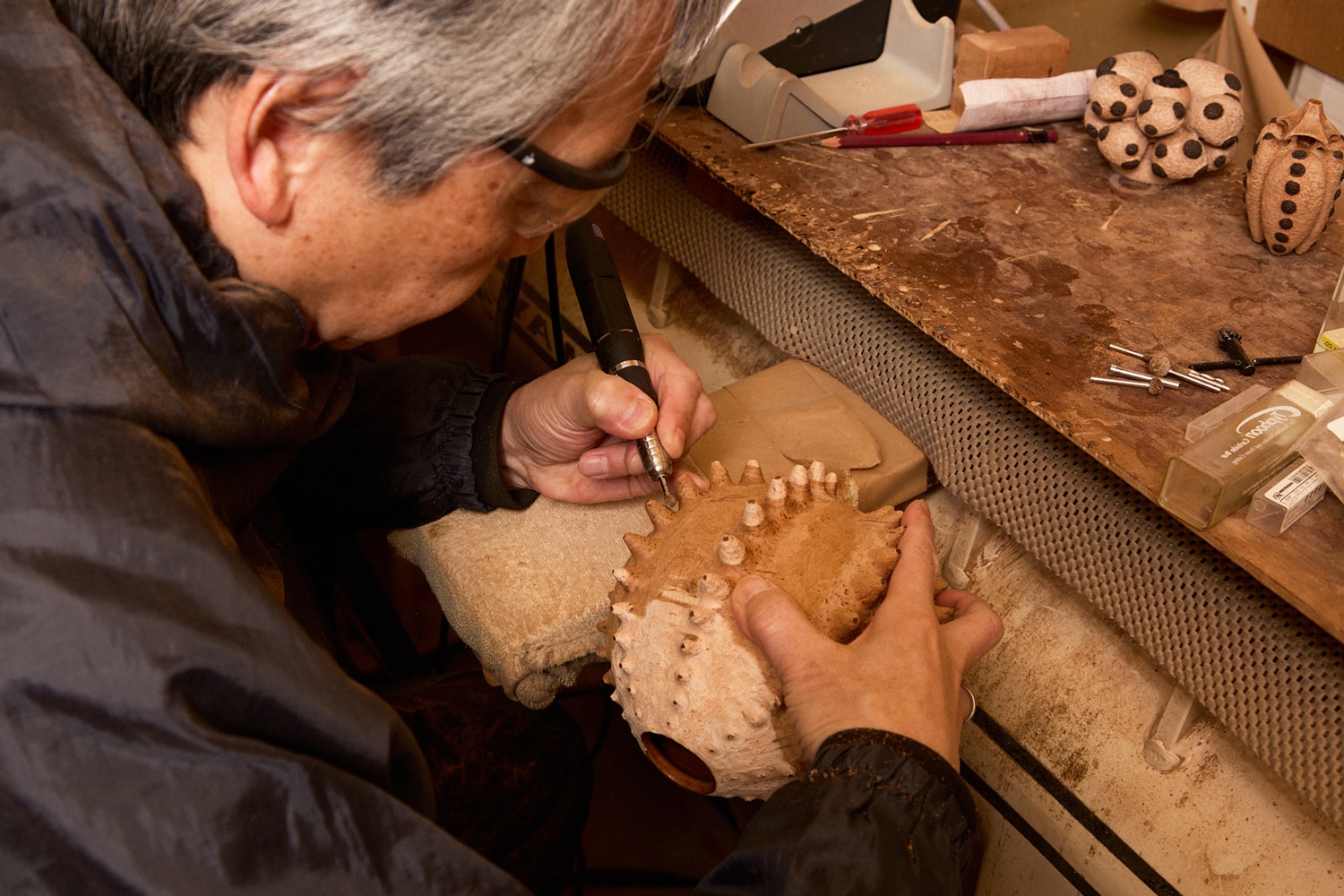
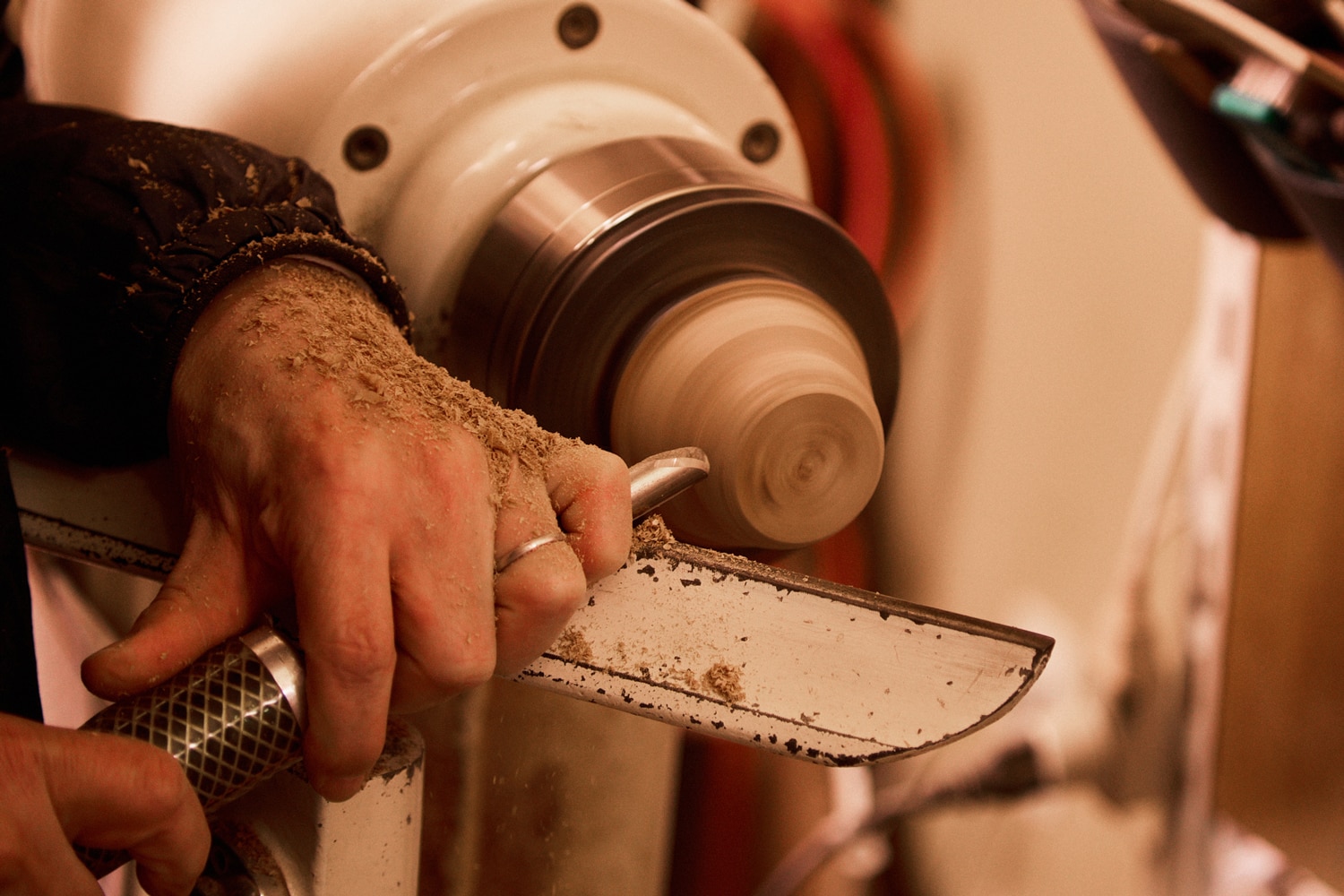
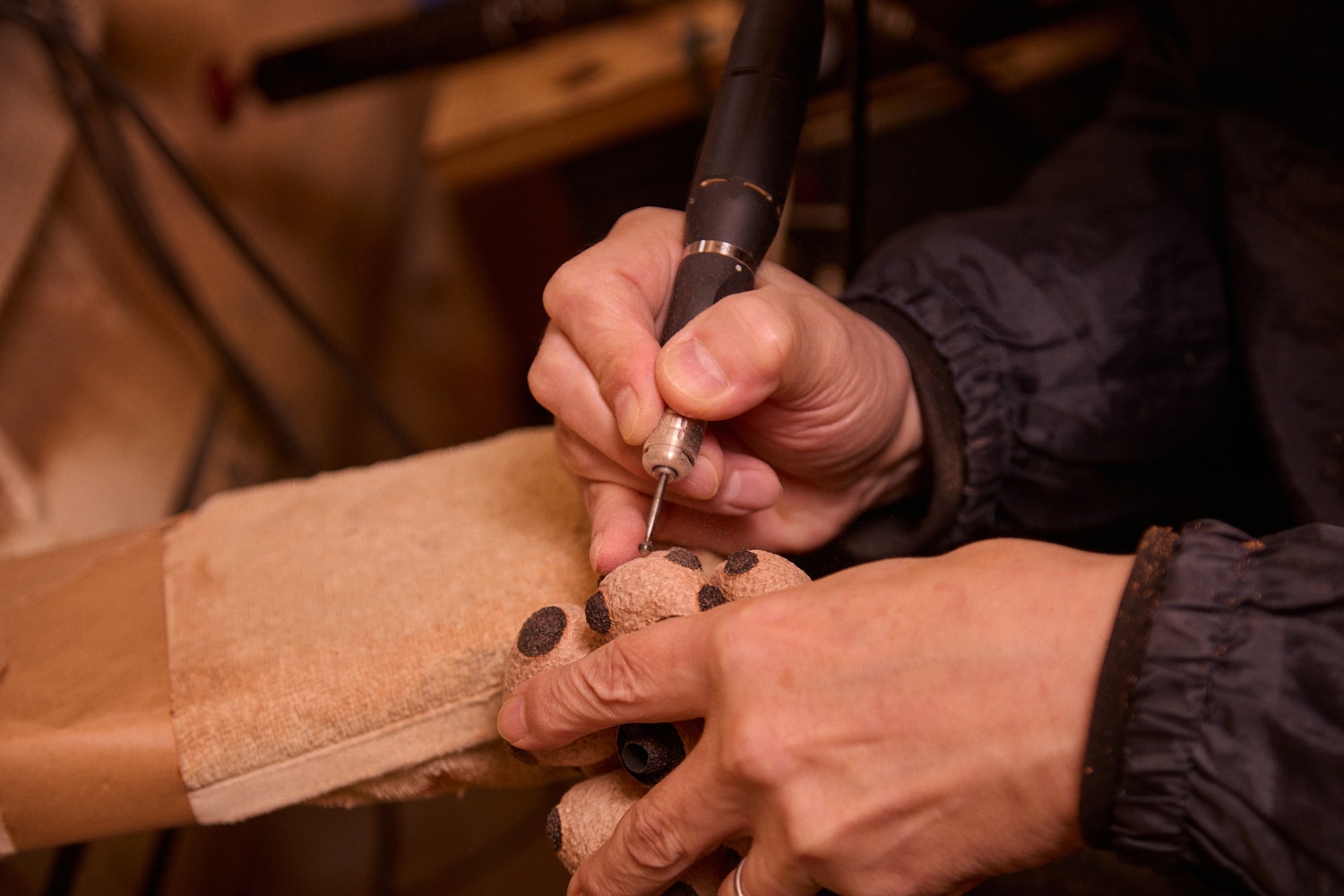
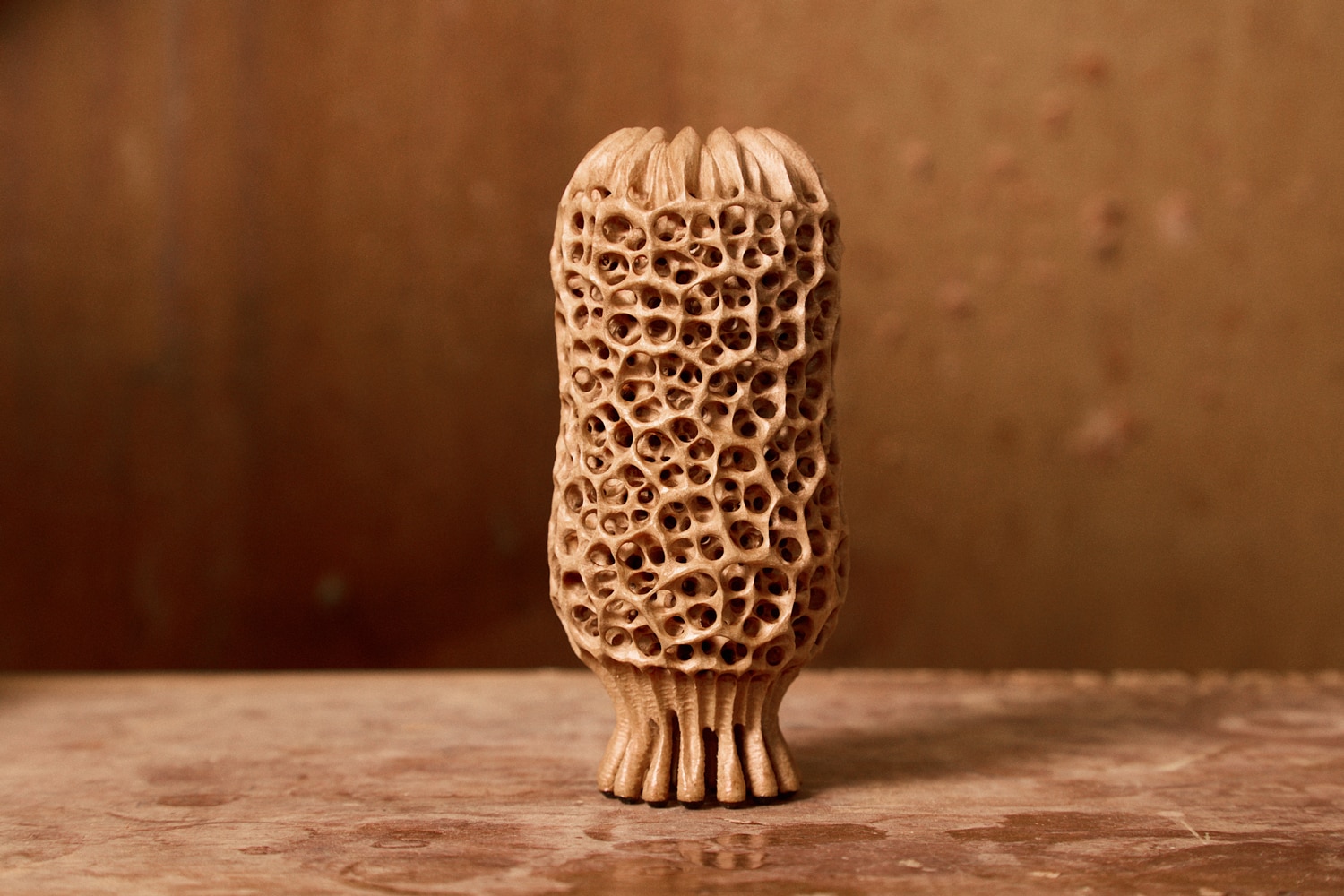
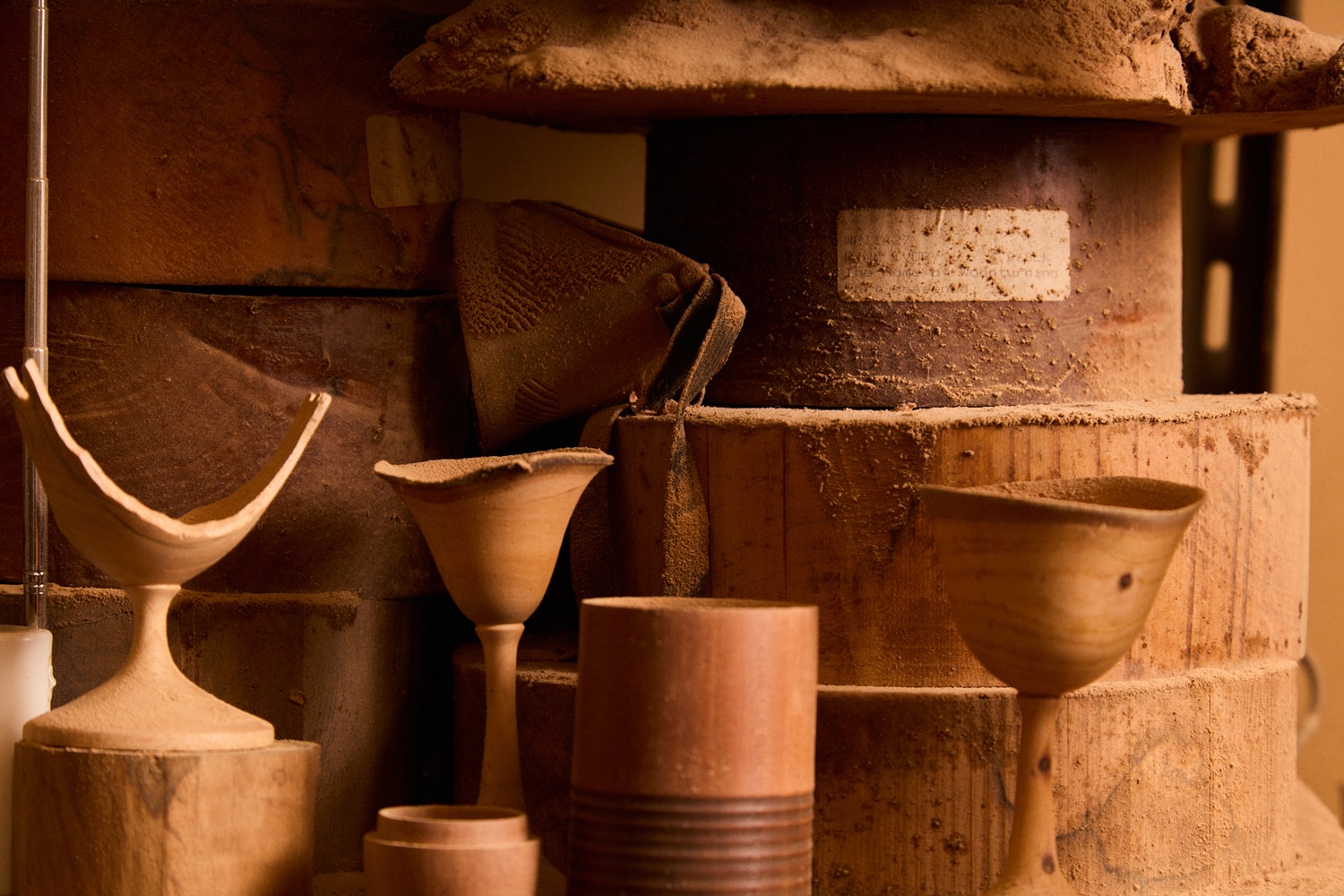
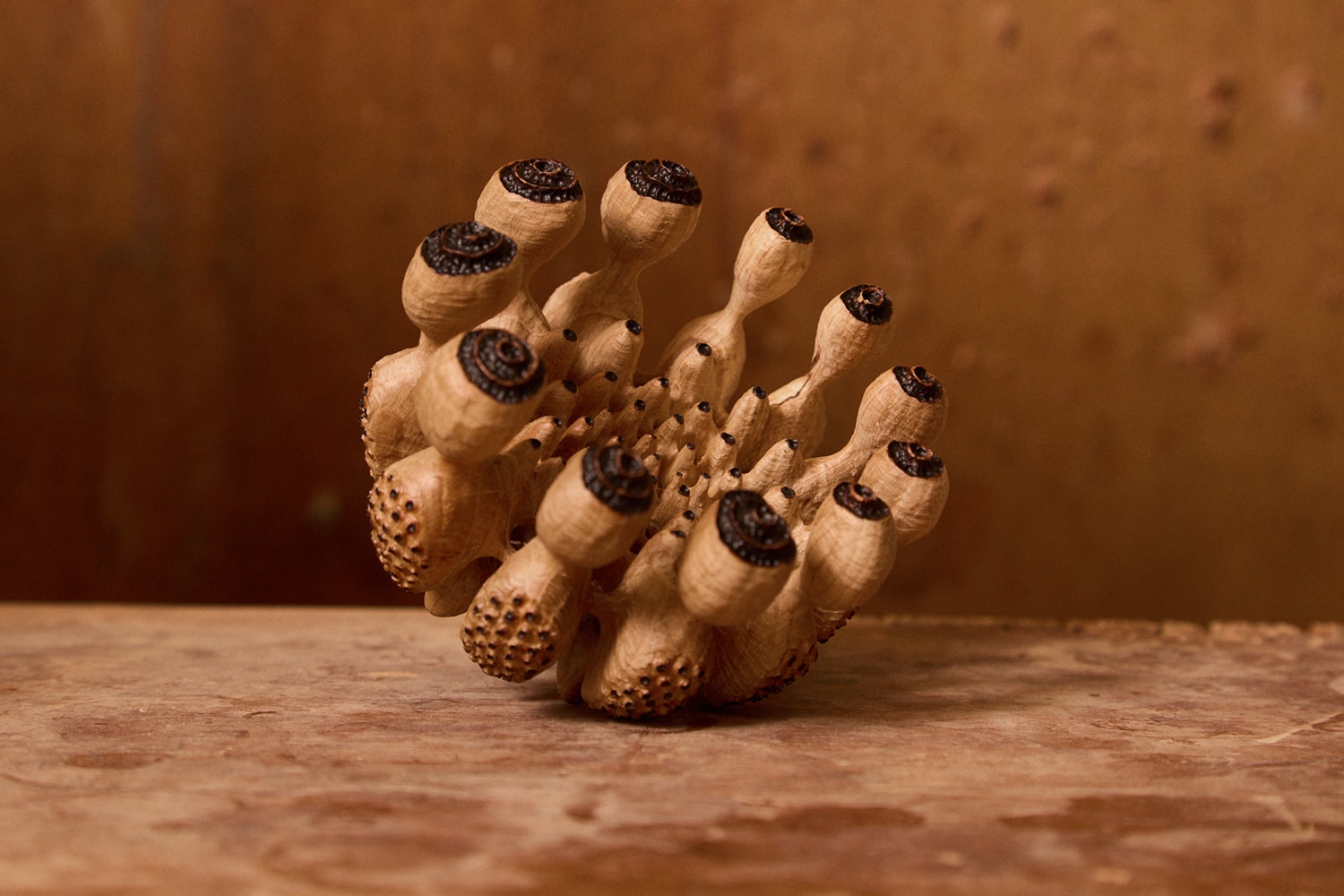
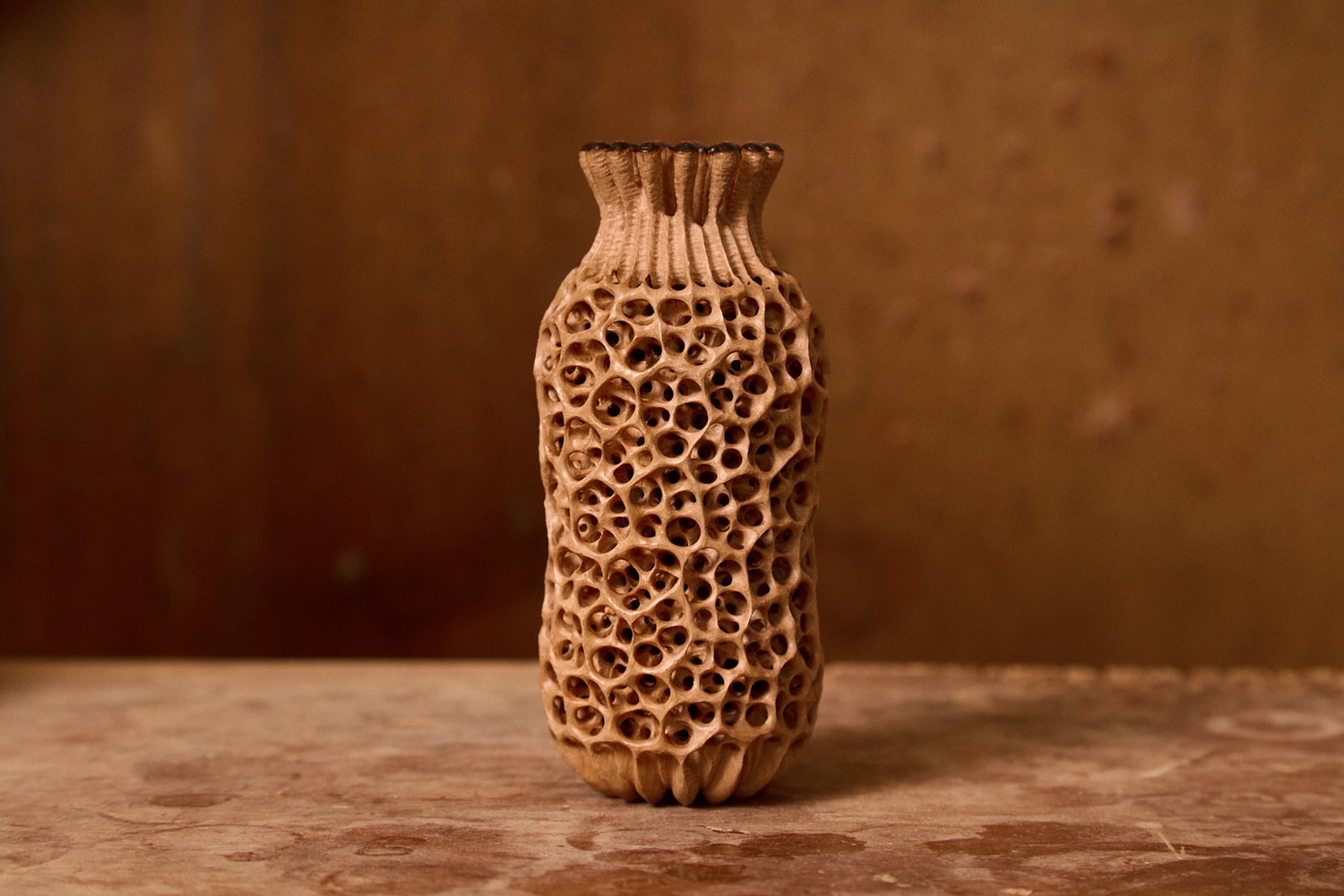
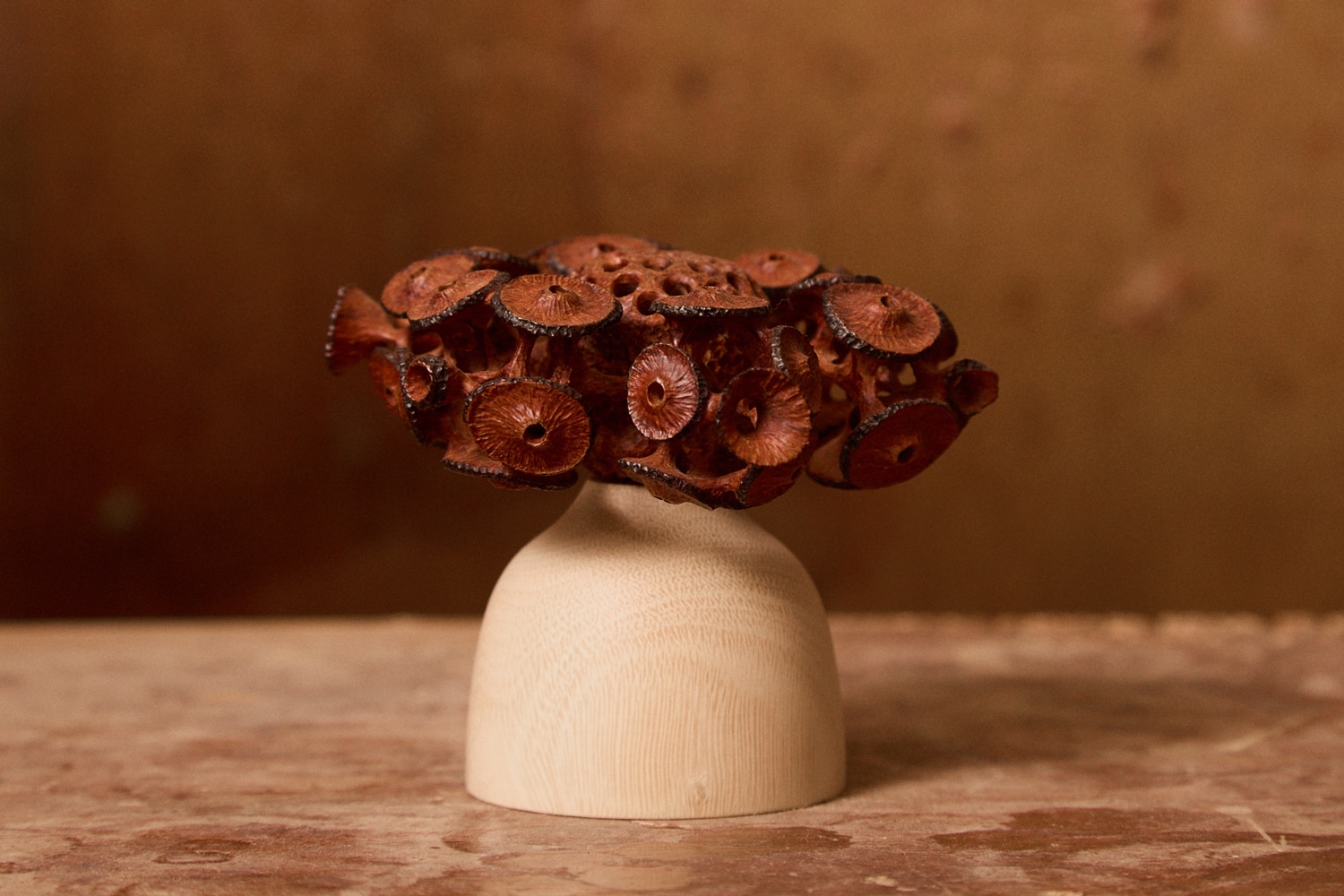
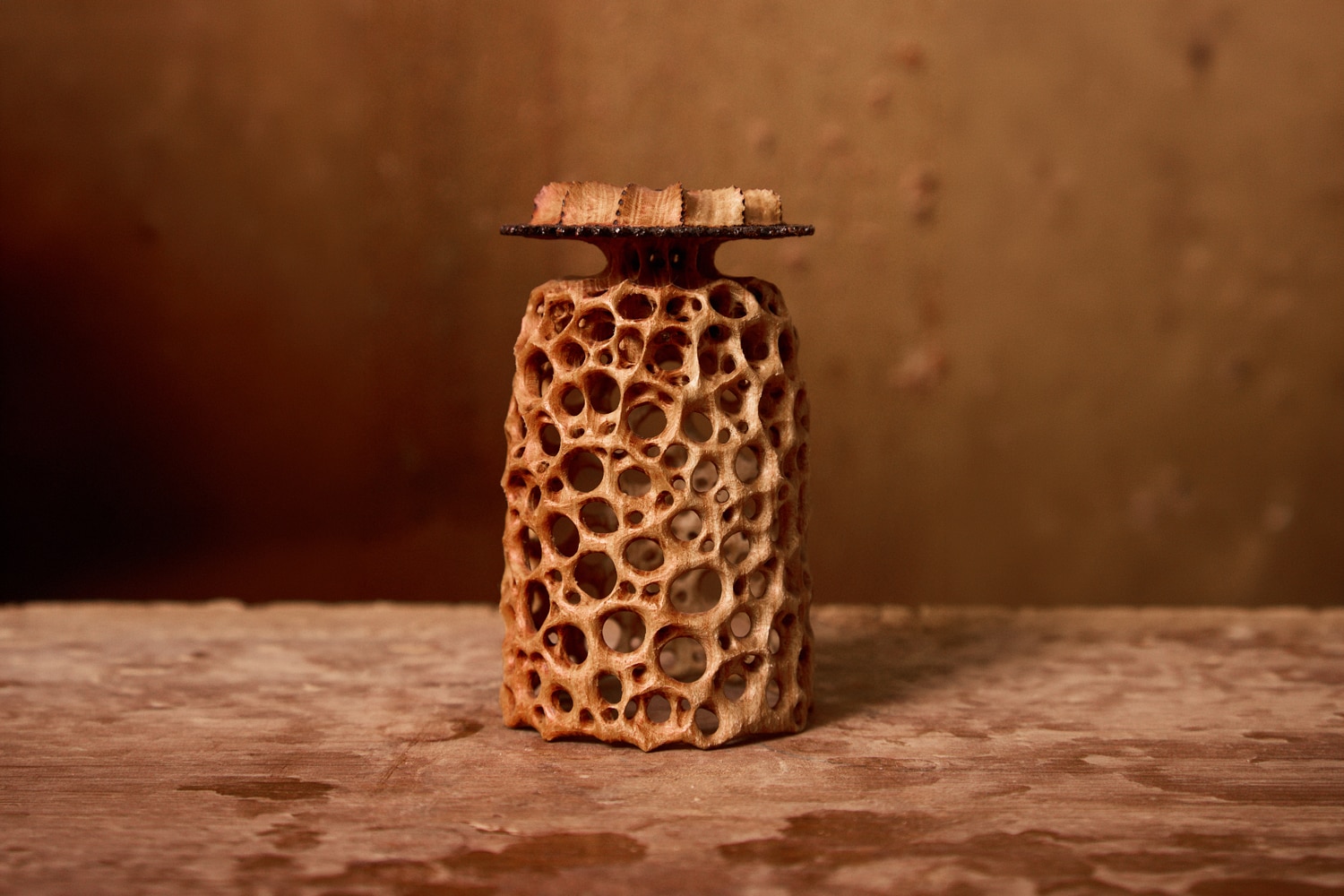
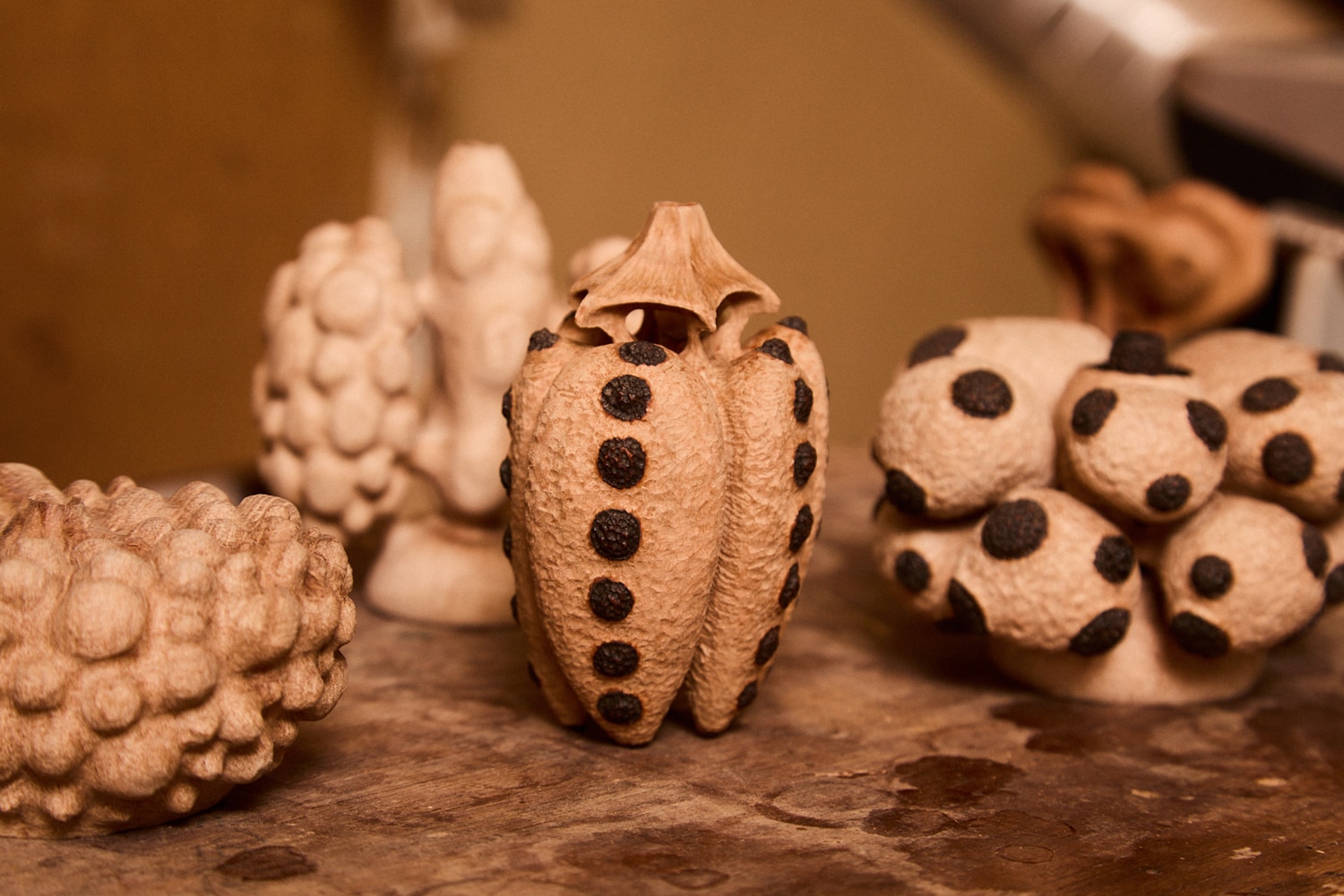
Satoshi Fujinuma translates memories of textures, organic forms and mysterious living elements into abstract wooden sculptures. Trained in environmental chemistry and formerly a ceramics engineer, he later studied woodworking and developed his woodturning skills independently. "During an exhibition in the USA, I discovered abstract sculptures created through woodturning. This broadened my vision far beyond utilitarian objects," he says. Based in Tokyo, Satoshi draws inspiration from his encounters with nature. He transforms seemingly insignificant forms of life into works of art, using woodturning, carving and pyrography. Each angle of Satoshi's hybrid creations, oscillating between underwater plants and seed clusters, reveals a different facet, defying classification.
INTERVIEW
I visited a woodturning in New Zealand, and was deeply captivated by the artist engaging with natural materials in the midst of nature. I was fascinated by the possibility of working with wood, engaging in a dialogue with the environment around me, and giving form to my own sensibilities.
Rather than imitating nature directly, I focus on expressing the memories and sensations I have accumulated over time, from textures, twisted plants, light and shadow to unusual creatures. I am drawn not only to the picturesque, postcard-like aspects of nature, but also to its subtly strange and mysterious sides.
I mainly use dense hardwoods such as oak, maple and birch. I select materials intuitively based on the envisioned piece and rarely make sketches. Instead, I begin with an idea in mind and explore the form through a dialogue with the wood. The way the initial image evolves during the process is one of the greatest joys of creation.
Being largely self-taught, it is hard for me to give universal advice. Still, I believe in the importance of trusting your own judgement. Pursue what you genuinely find interesting or beautiful, without being influenced by trends or external influences.
Satoshi Fujinuma
Woodturner
Tokyo, Japan
ADDRESS
Address upon request, Tokyo, Japan
AVAILABILITY
By appointment only
PHONE
+81 332698330
LANGUAGES
Japanese, English
Homo Faber Finds is a new service aiming to inspire admirers of craft to connect and collaborate with exceptional artisans.
We invite you to submit an enquiry here.