Pierre Fouché
Lacemaker
Cape Town, South Africa
The abstract qualities of lace
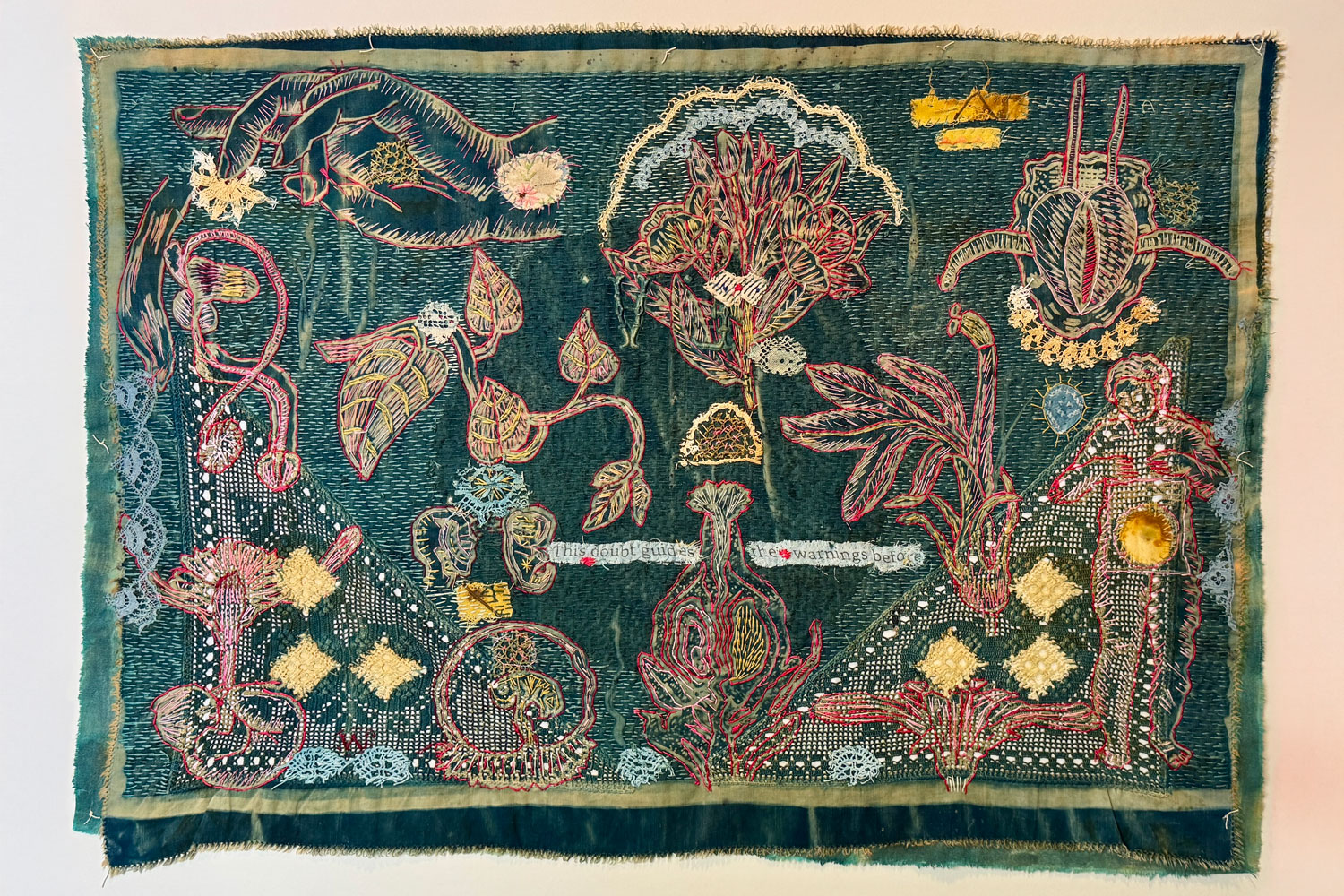
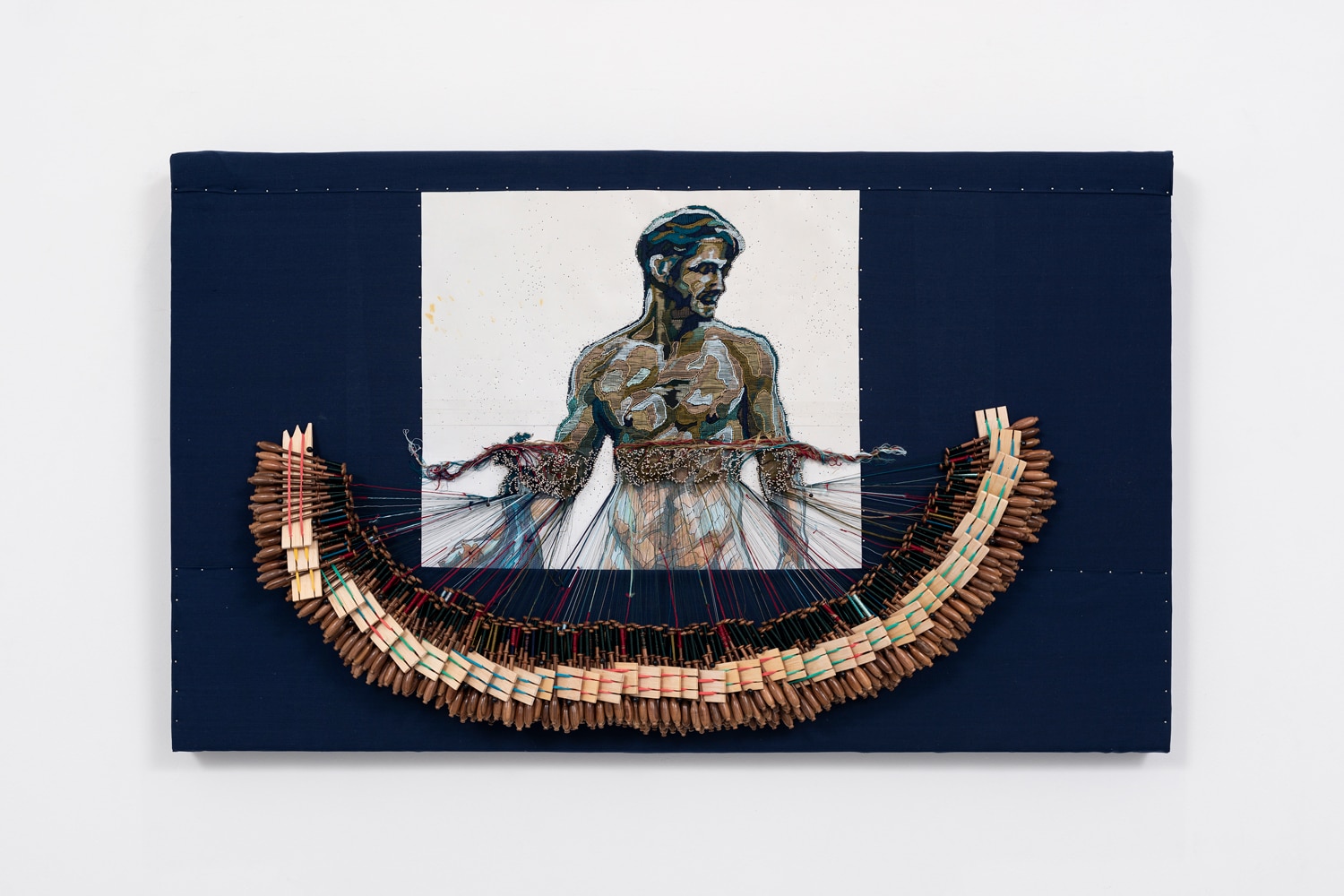
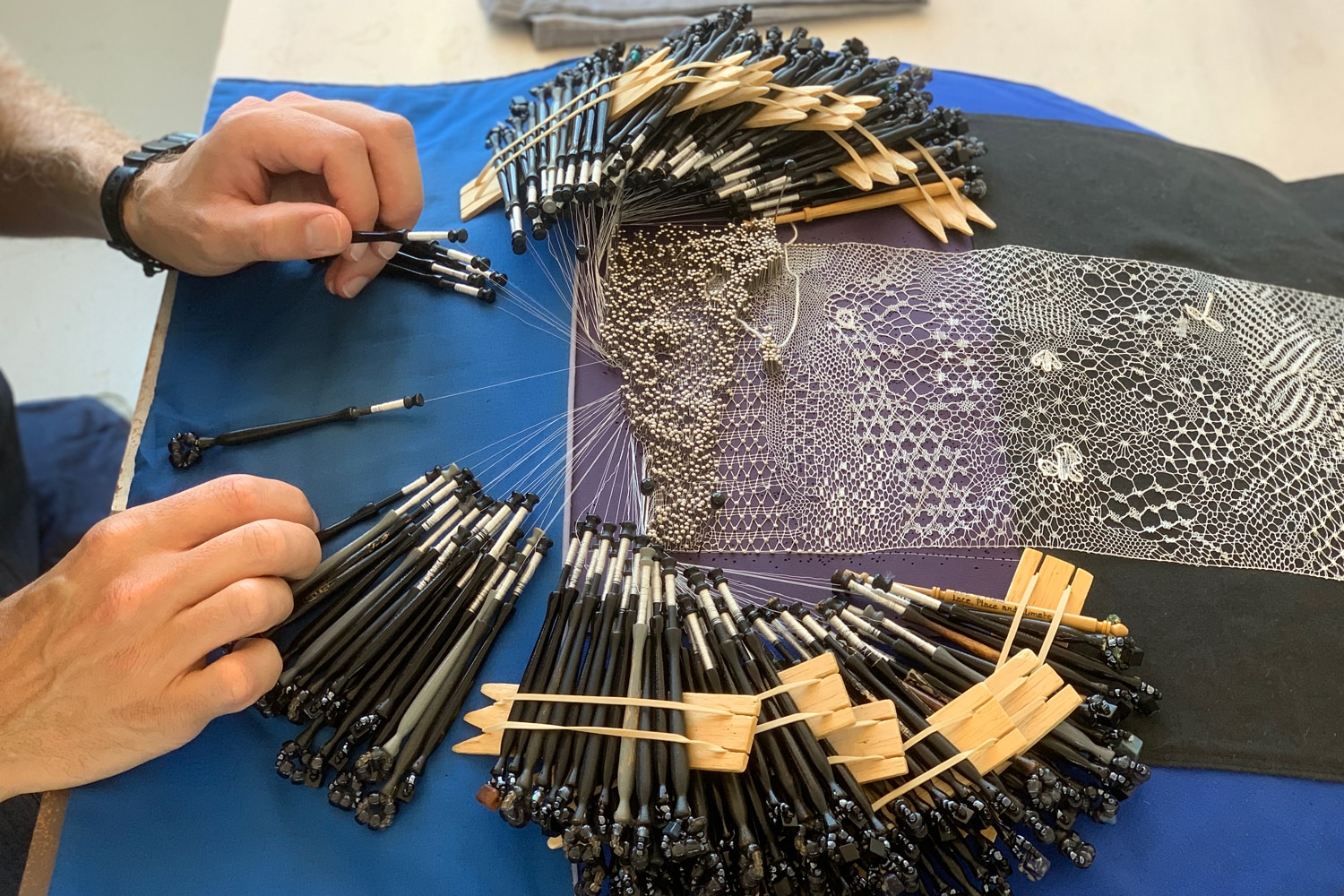
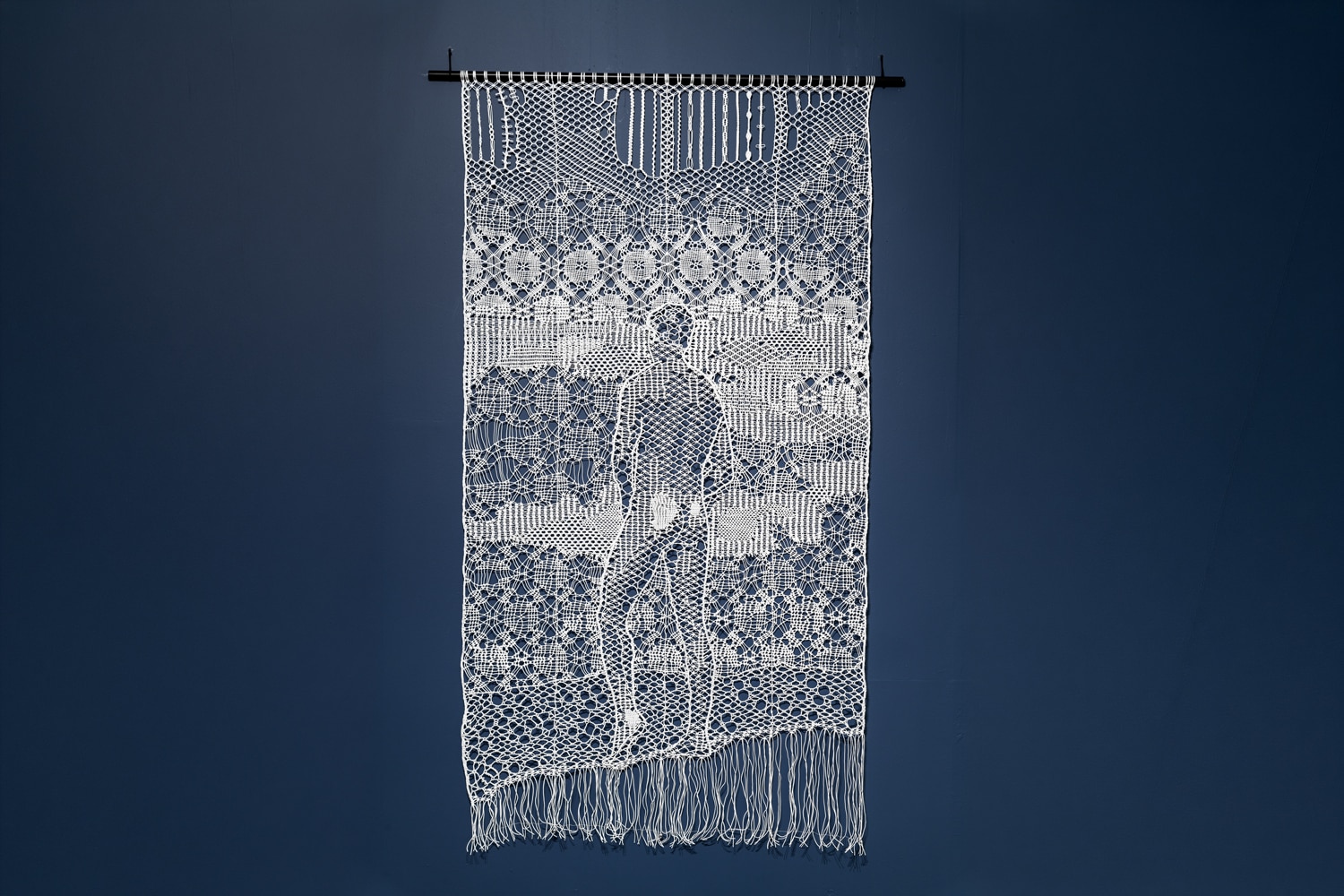
- Pierre creates delicate art pieces and portraits with bobbin lace
- He focuses closely on fractal and cellular patterns in the material
- His teaching style champions creativity over tradition to innovate new forms
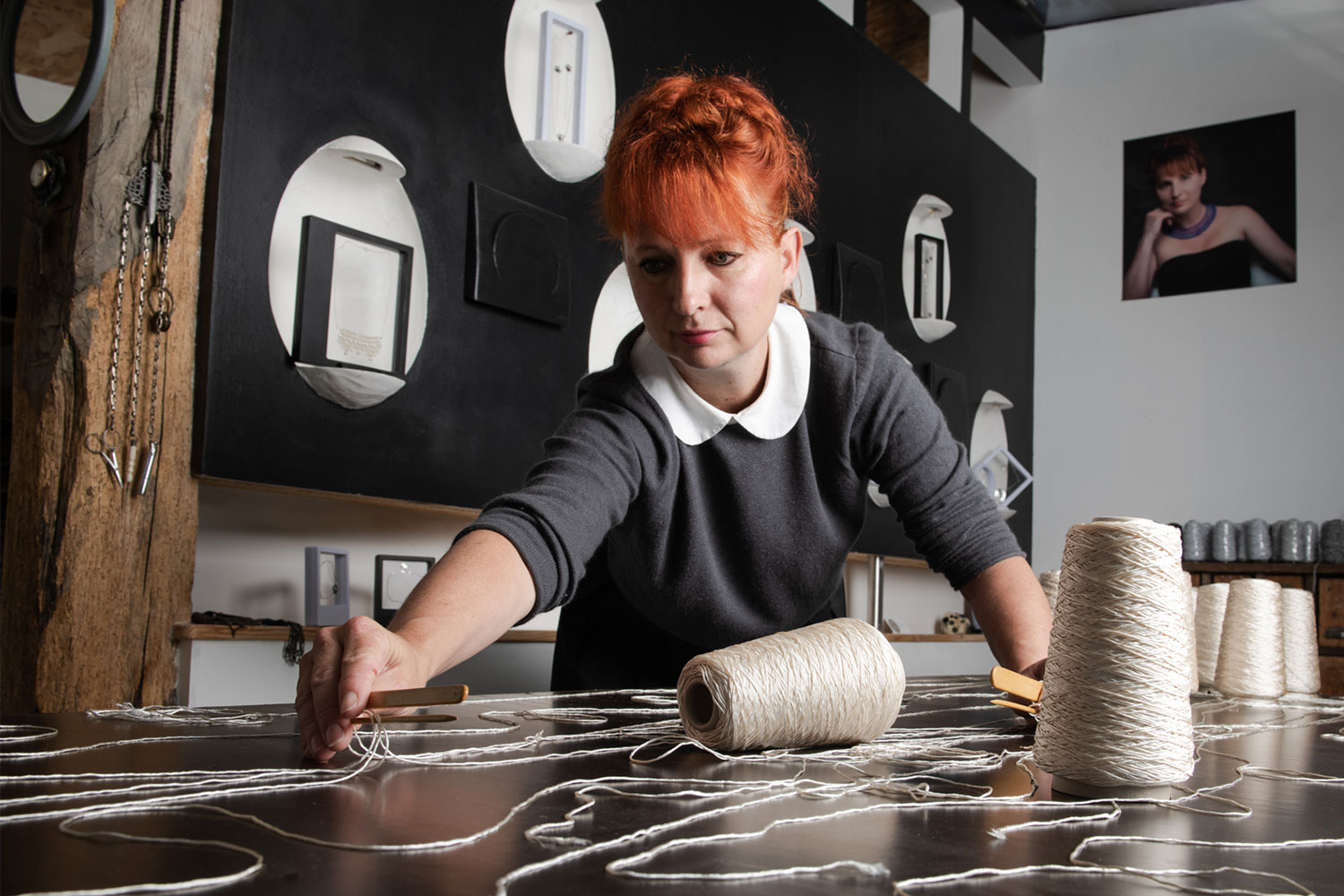
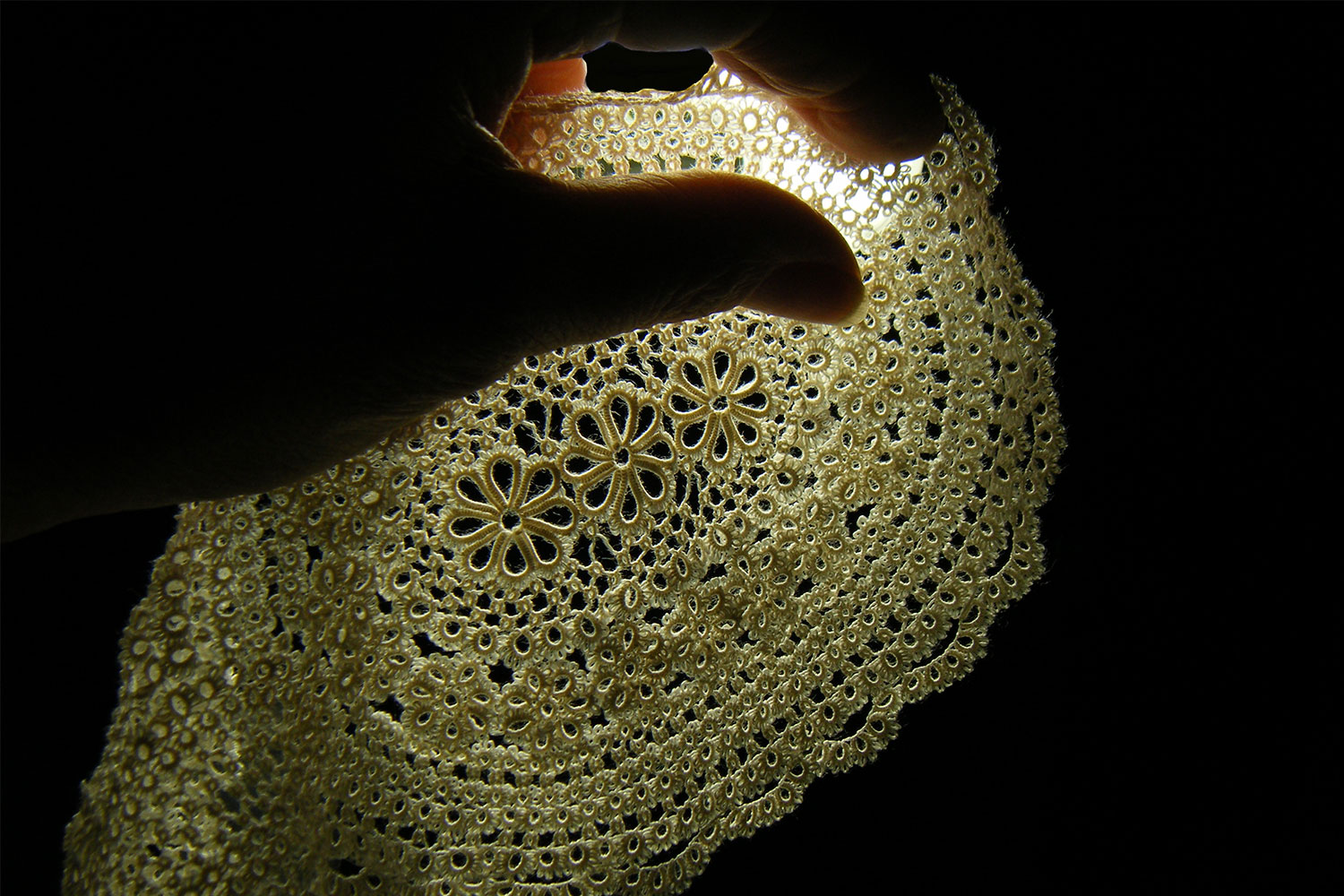
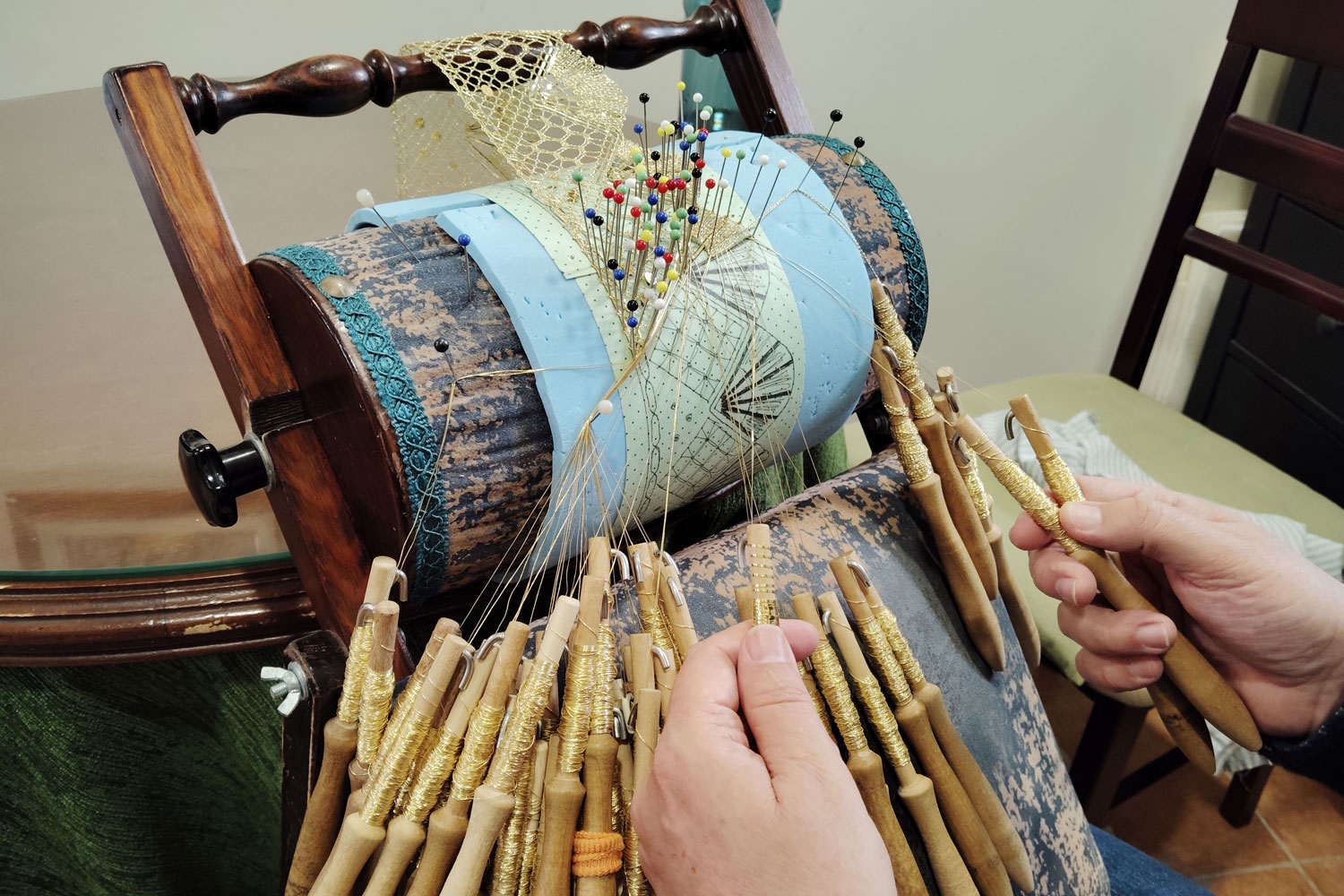
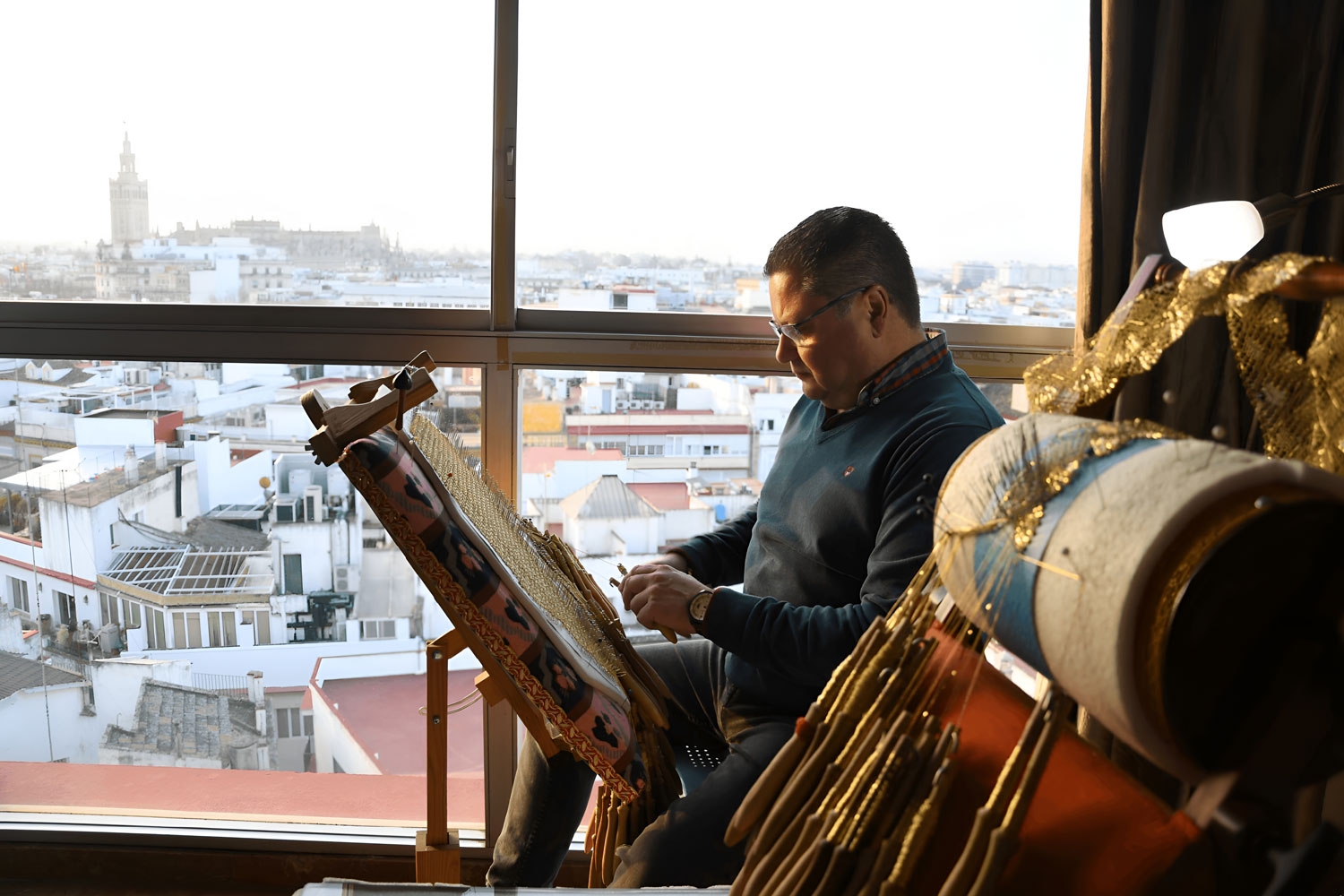
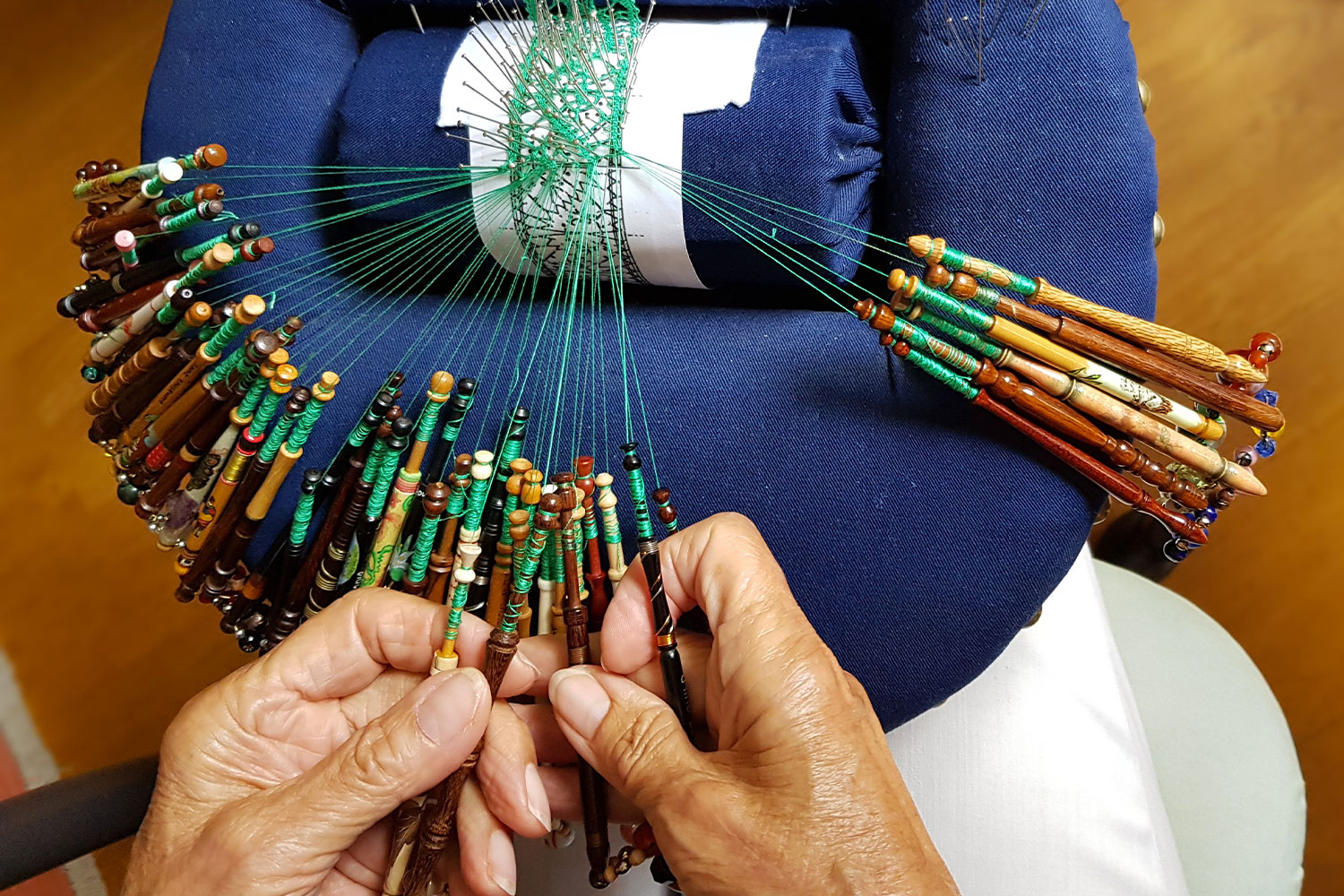
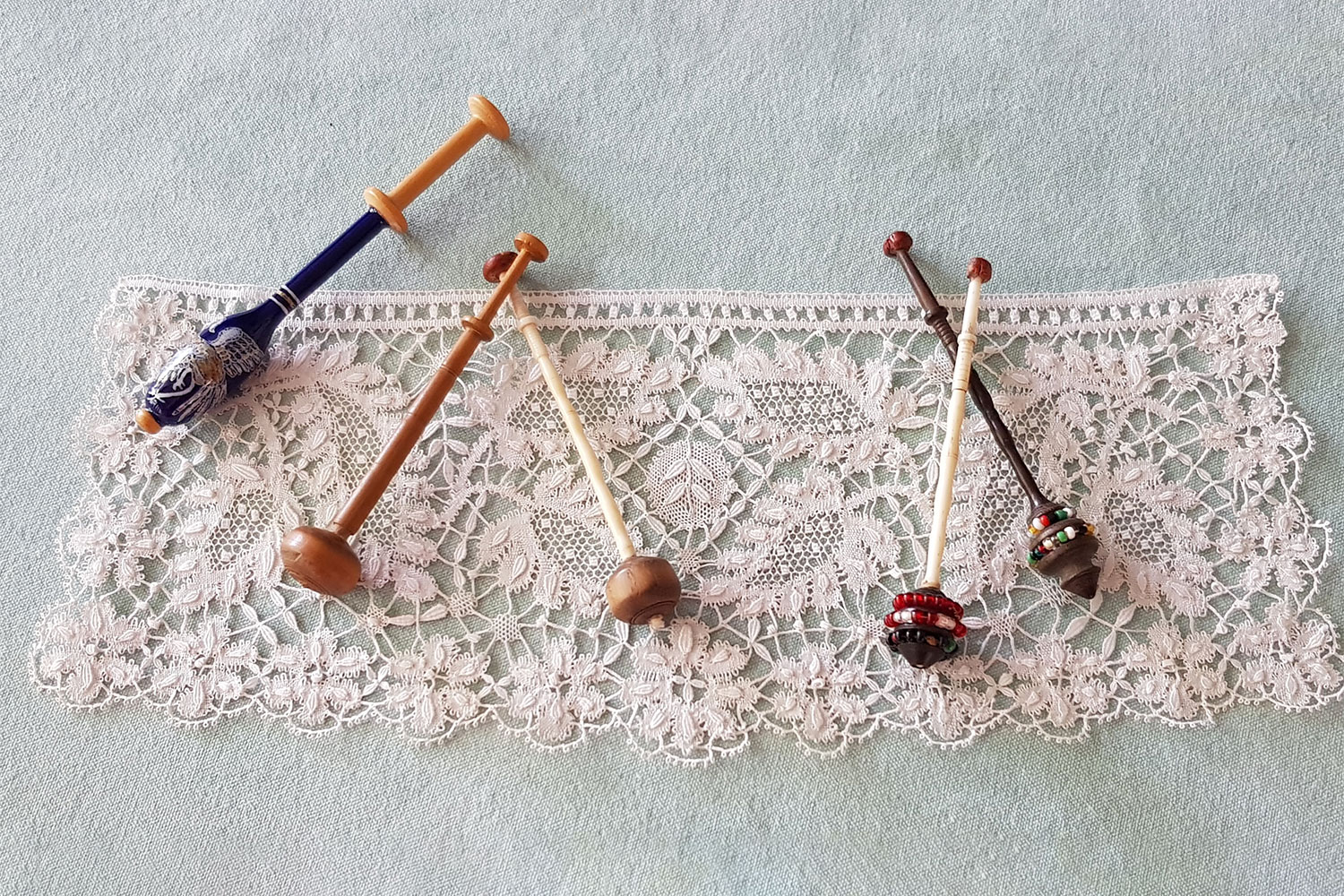
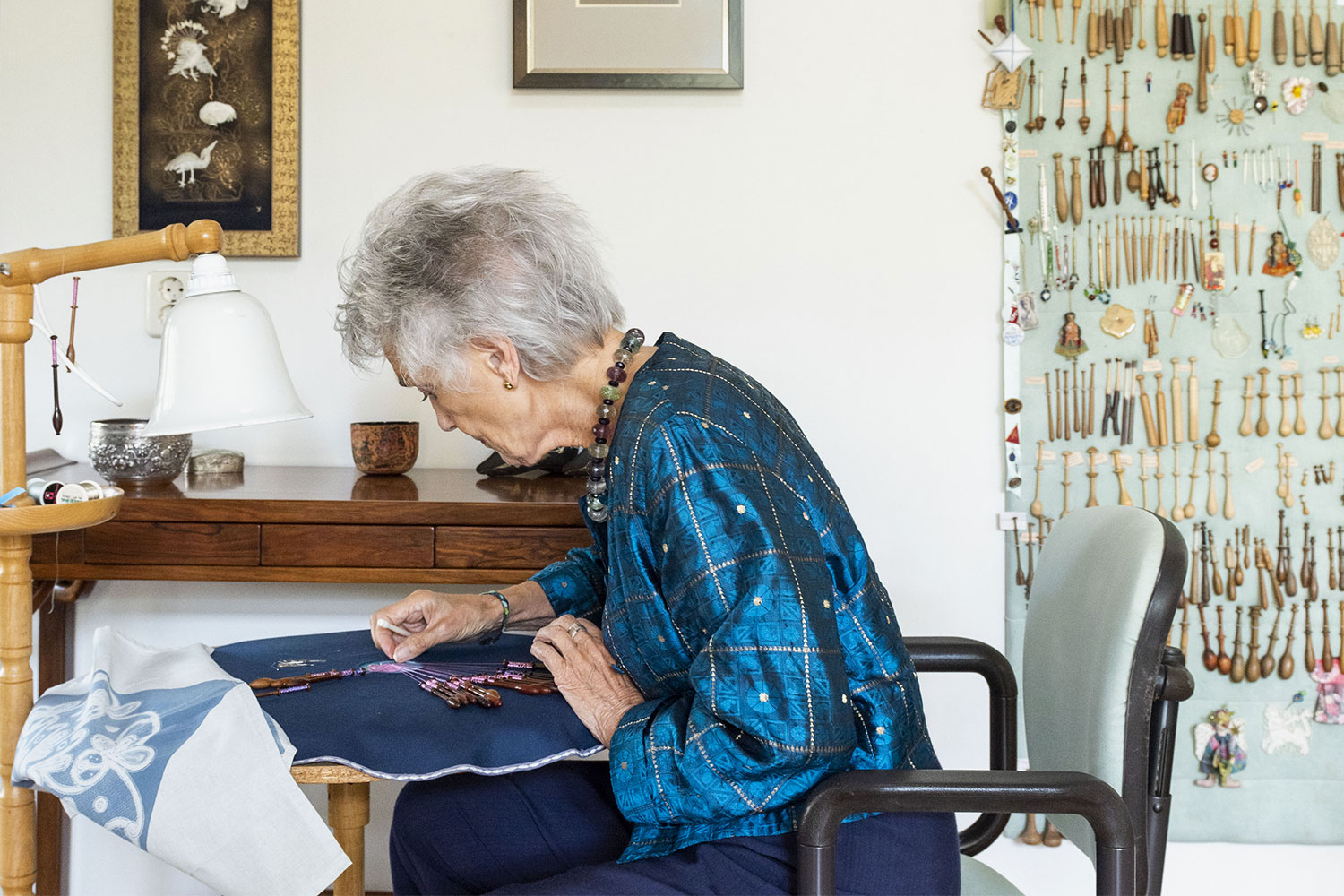
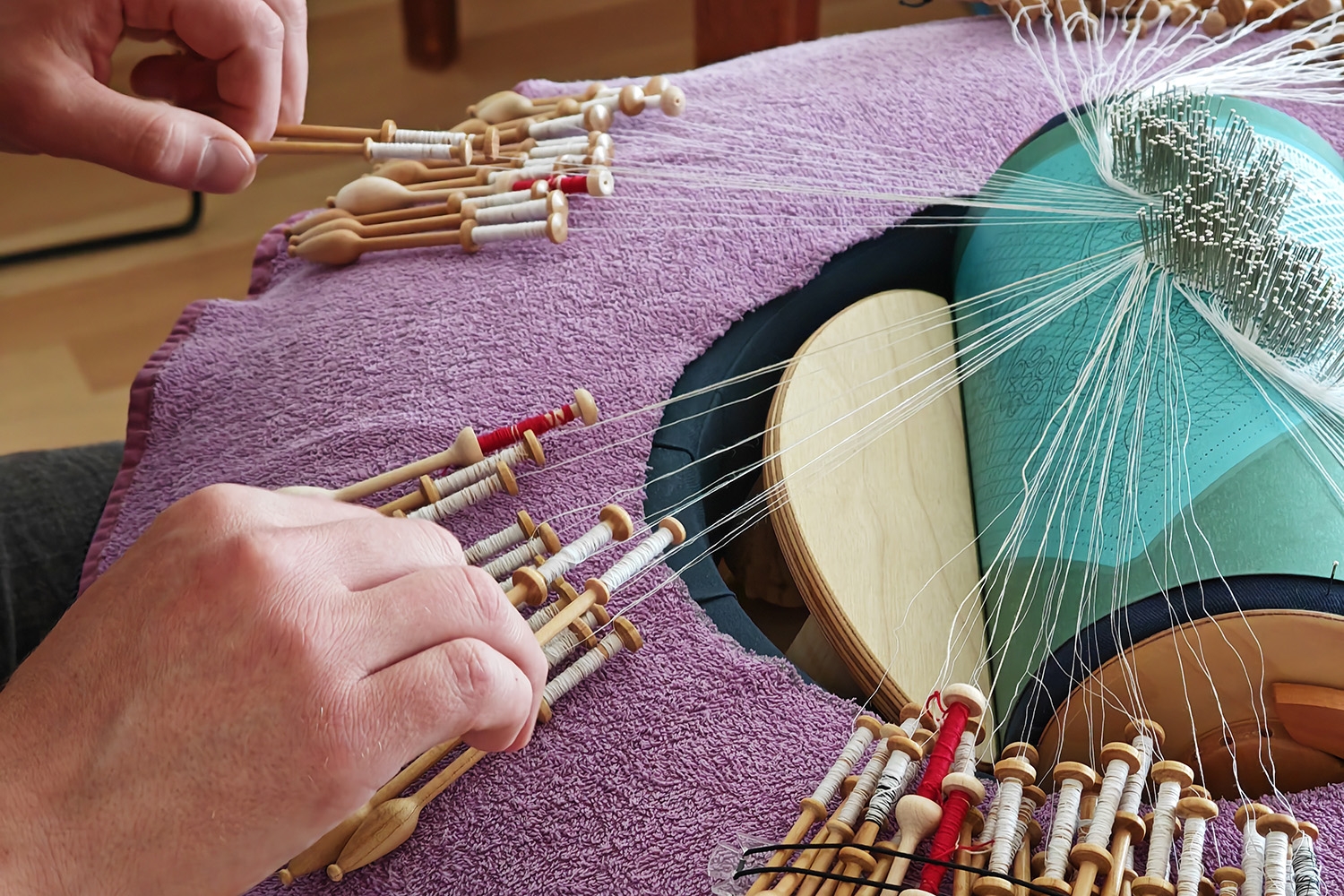
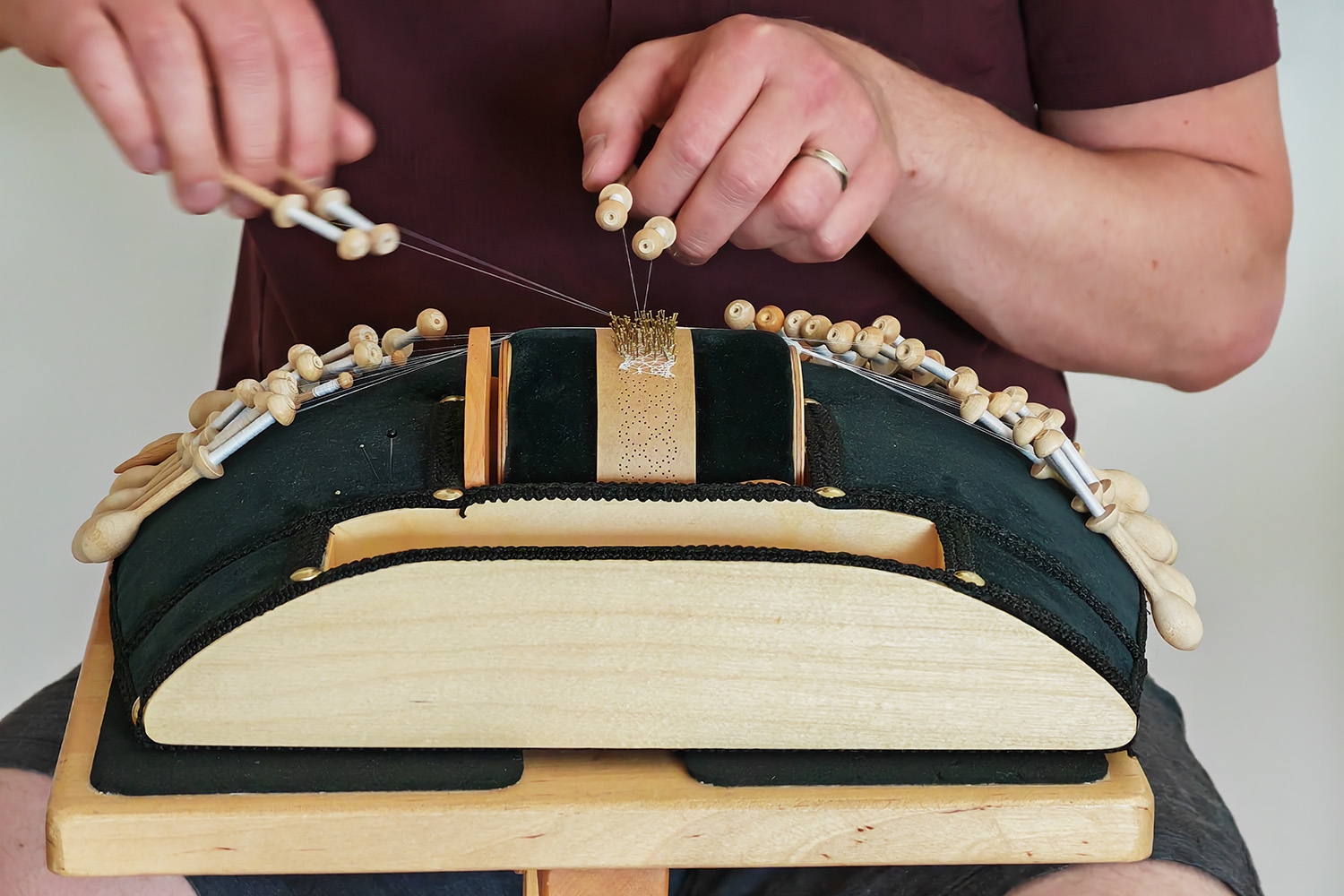
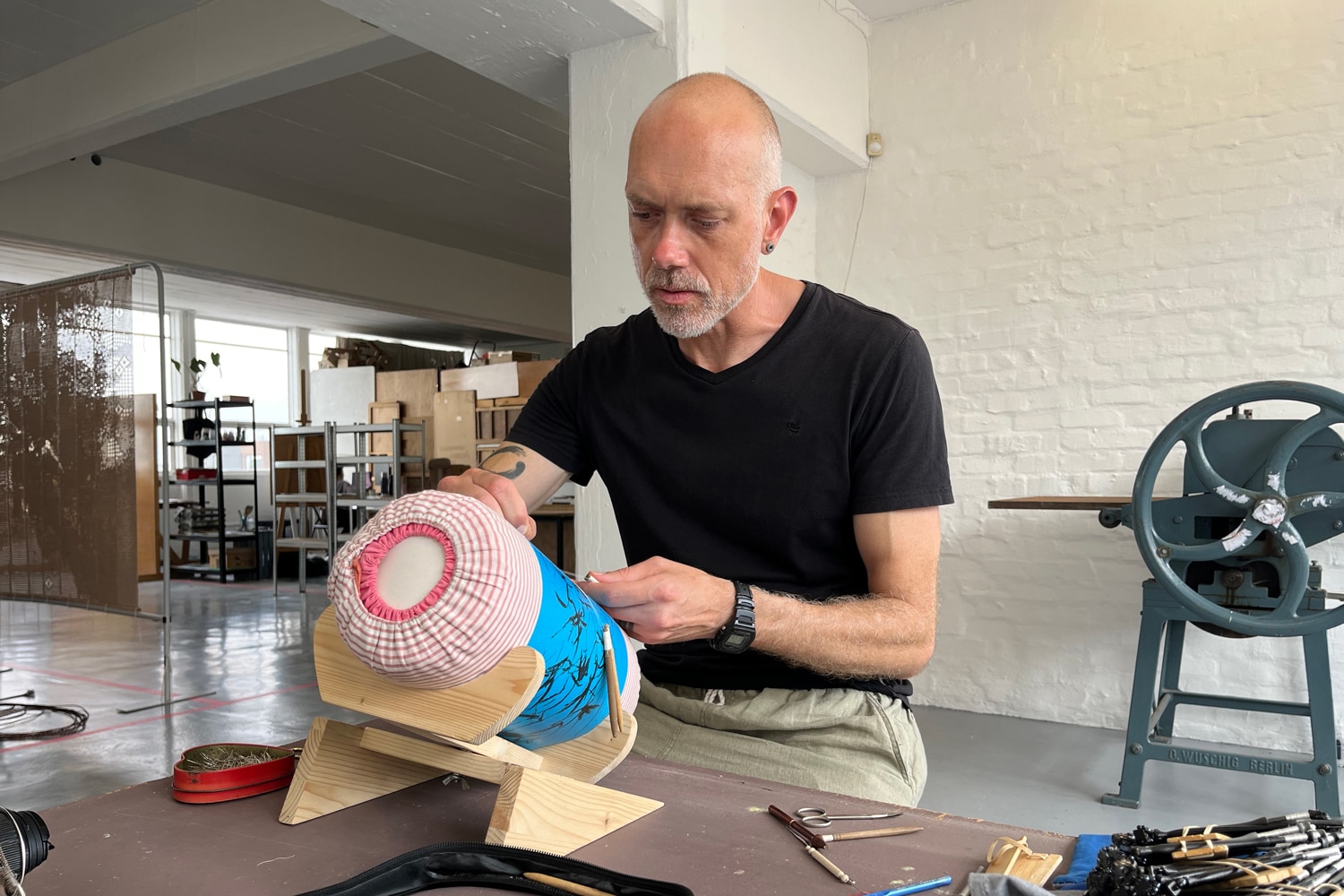
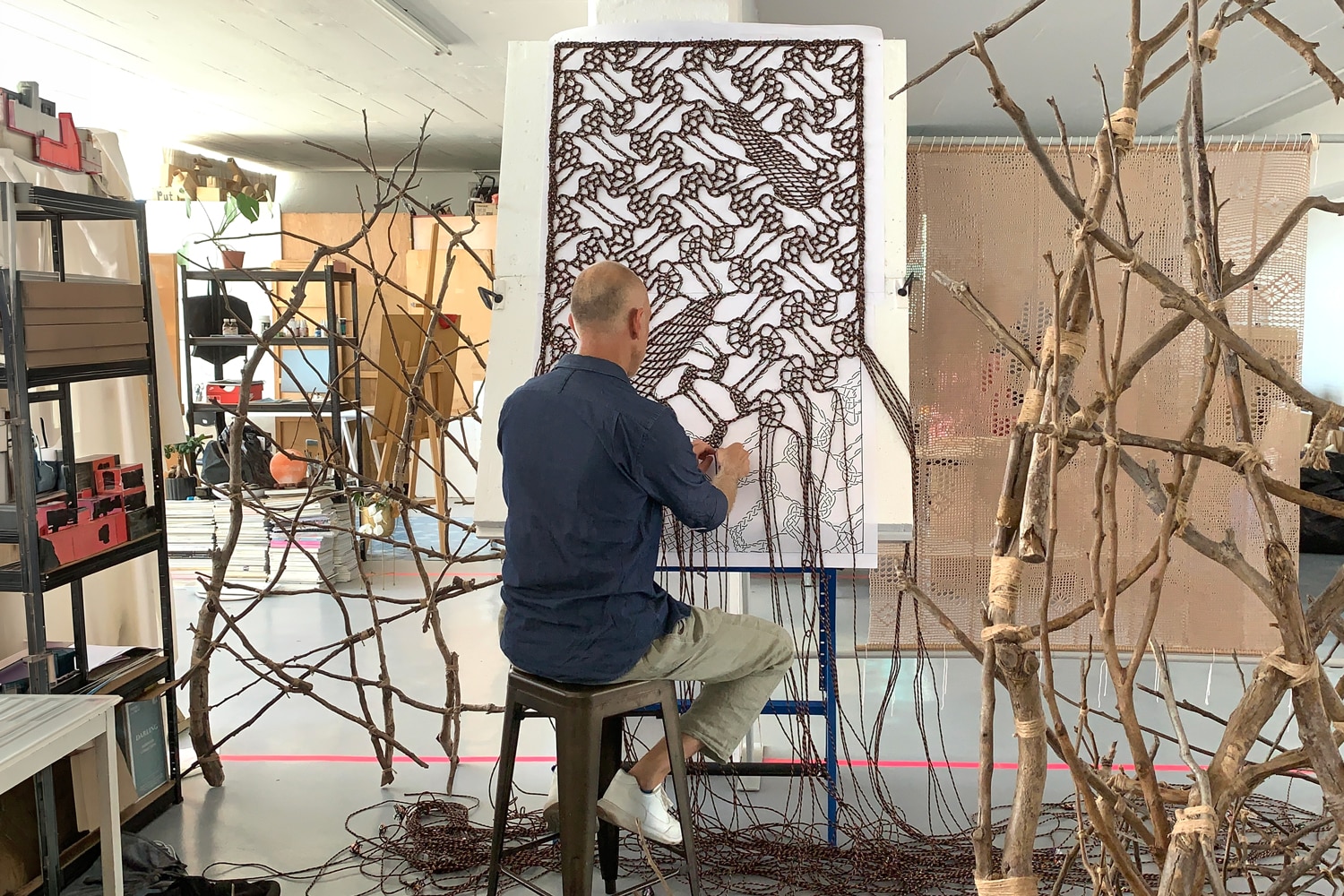
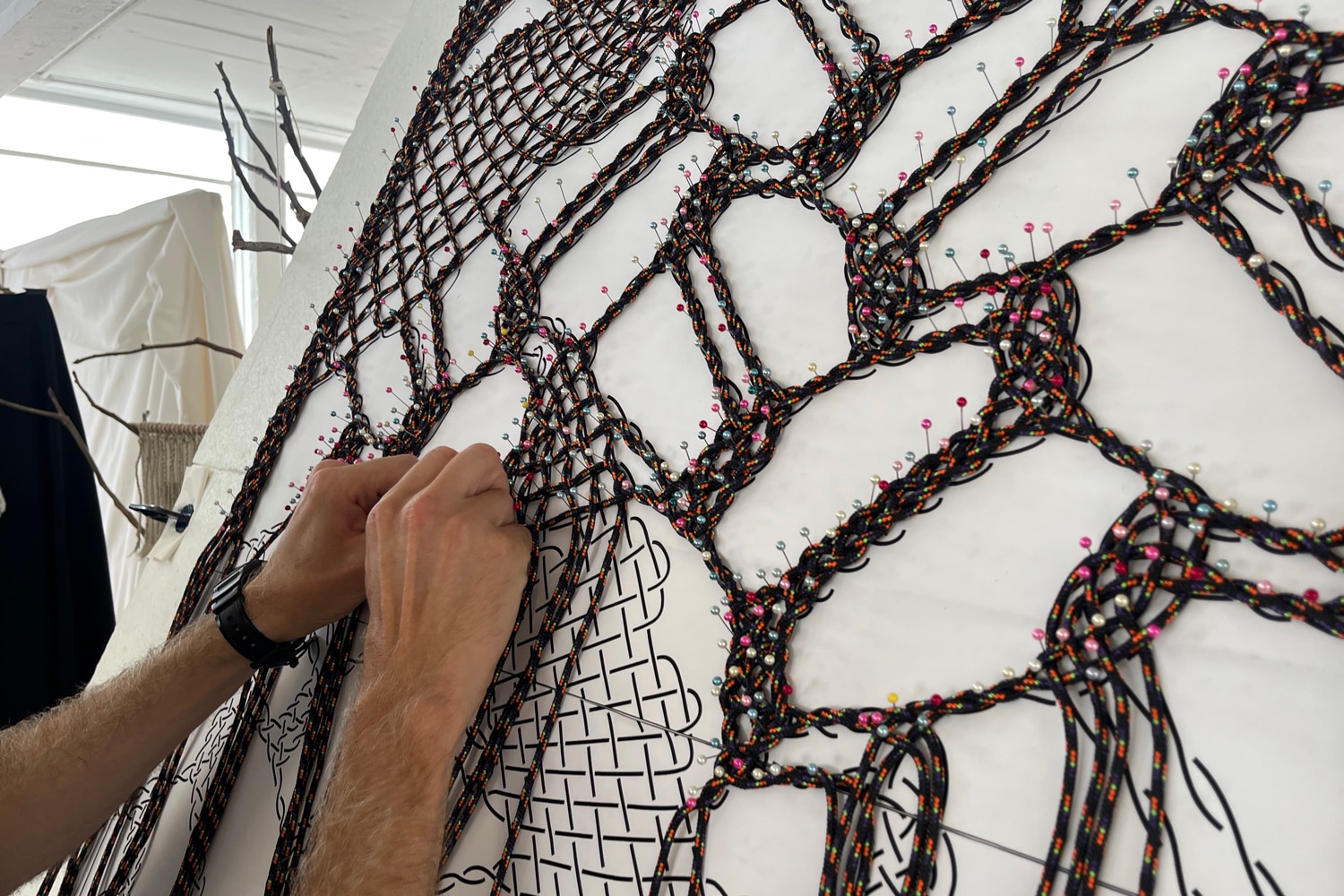
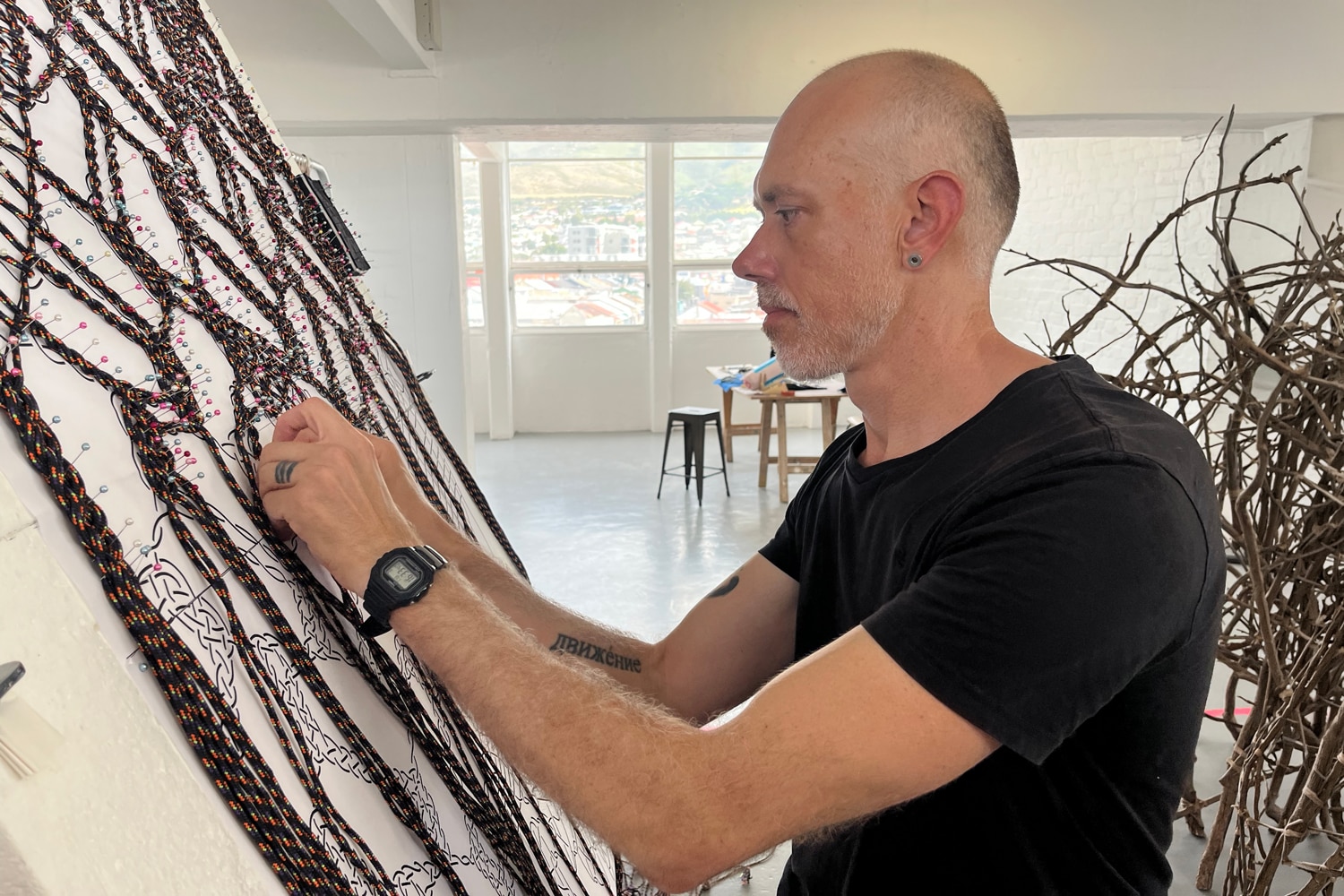
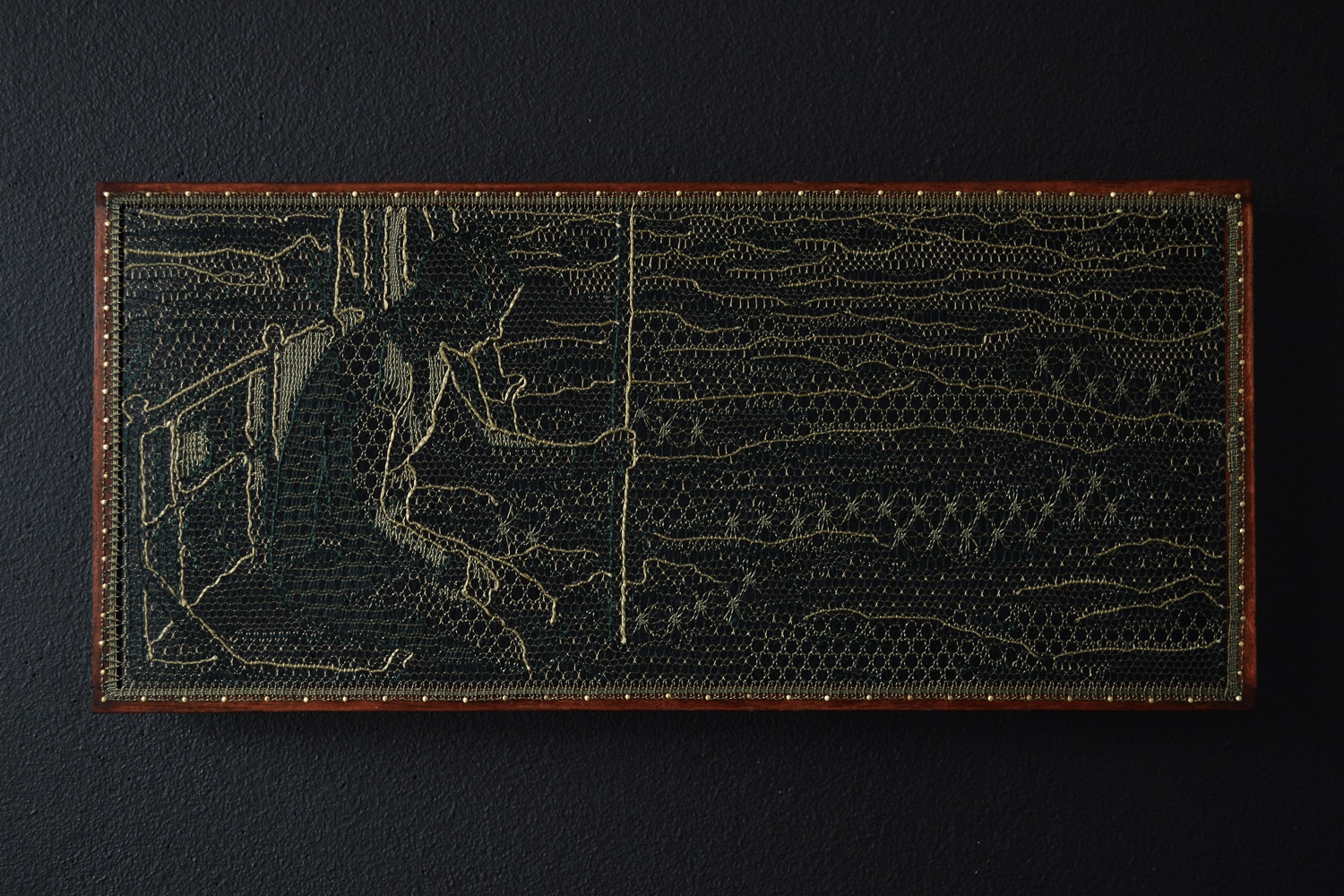
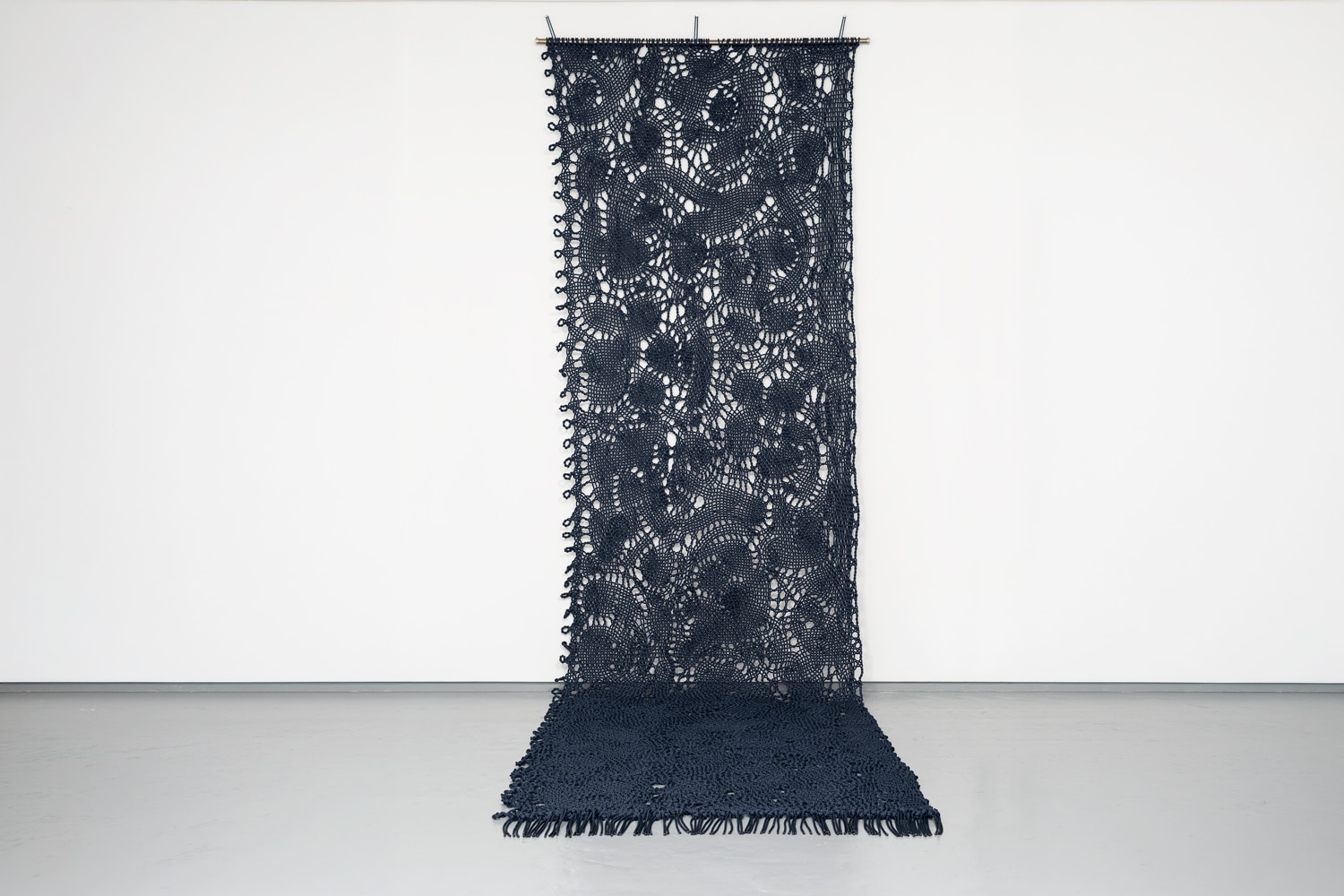
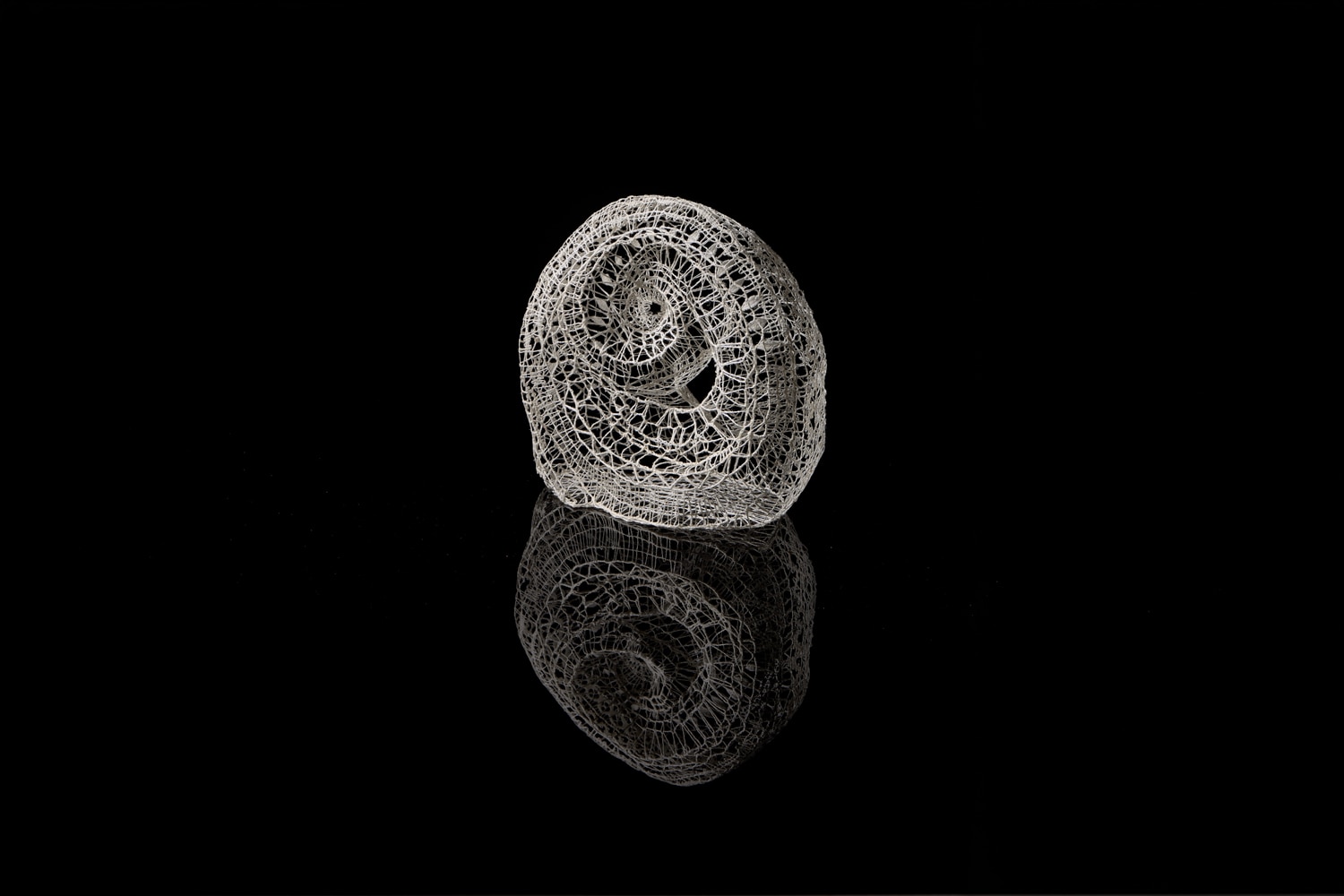
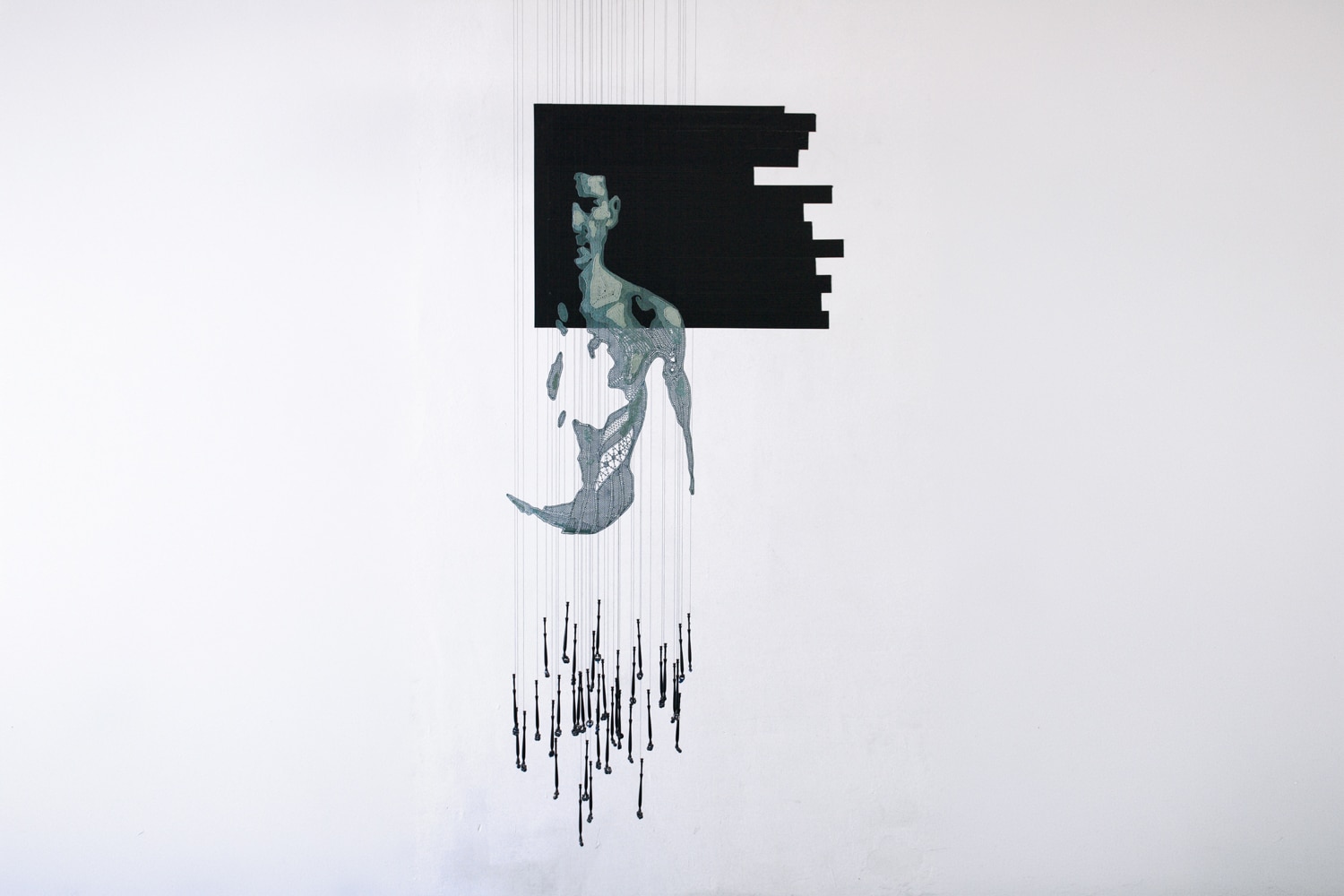
Originally trained as a sculptor, Pierre Fouché discovered lace through his interest in crochet. “I was drawn to the delicacy and complexity of bobbin lace, a medium that echoes my complex colonial history,” he says. Lacking a formal South African lace tradition to follow, Pierre works with unusual freedom, allowing space for exploration and invention. Moving between measured geometry and fluid construction, his portraits play with ideas of abstraction, often reading as a single image from afar while revealing intricate detail up close. Pierre shares his passion for lacemaking with his online community, The Adventurous Lacemakers. Through self-paced courses, monthly mentorship sessions and peer review forums, participants receive feedback from fellow lacemakers.
Discover his work
INTERVIEW
Very few men make lace today because they fear being perceived as feminine. Despite the technical and intellectual skill associated with the craft, and the fact that men wore lace historically, lacemaking has become strongly feminised.
Lace continued to evolve in Eastern Europe during the 20th century, much like oil painting or sculpture. Elsewhere, however, it has stagnated, largely because it fell out of fashion and there was little space for shared critique or cross-referencing.
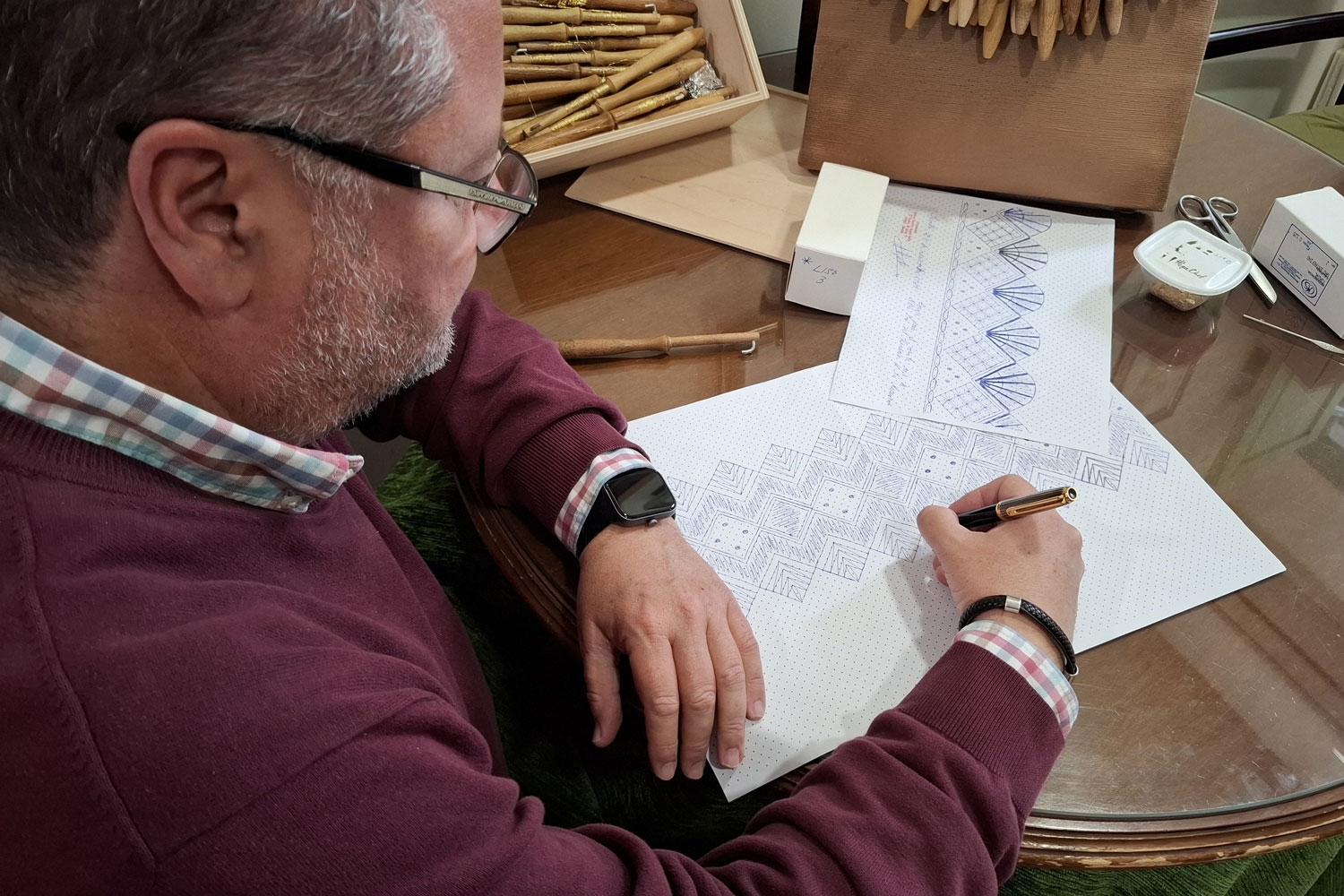
I found that contemporary lacemakers had no real space to discuss and critique each other’s work. Many wanted to move beyond traditional patterns but lacked meaningful feedback, so I started a club to bring creative lacemakers together to exchange ideas and develop the craft.
Just go for it, and do not be afraid to experiment or make mistakes. Often the best discoveries come from trying to solve problems along the way, so what seems like a mistake can become a new feature in the work. Give yourself the freedom to play and explore.
Pierre Fouché
Lacemaker
Cape Town, South Africa
AVAILABILITY
By appointment only
PHONE
+27 27725075951
LANGUAGES
English, Afrikaans
Homo Faber Finds is a new service aiming to inspire admirers of craft to connect and collaborate with exceptional artisans.
We invite you to submit an enquiry here.