Paula Murray
Porcelain maker
Chelsea, Canada
When science meets porcelain
- Paula studied science before pursuing porcelain making
- She developed a process marrying porcelain and fibreglass
- For her, craftsmanship is a tool box to express ideas
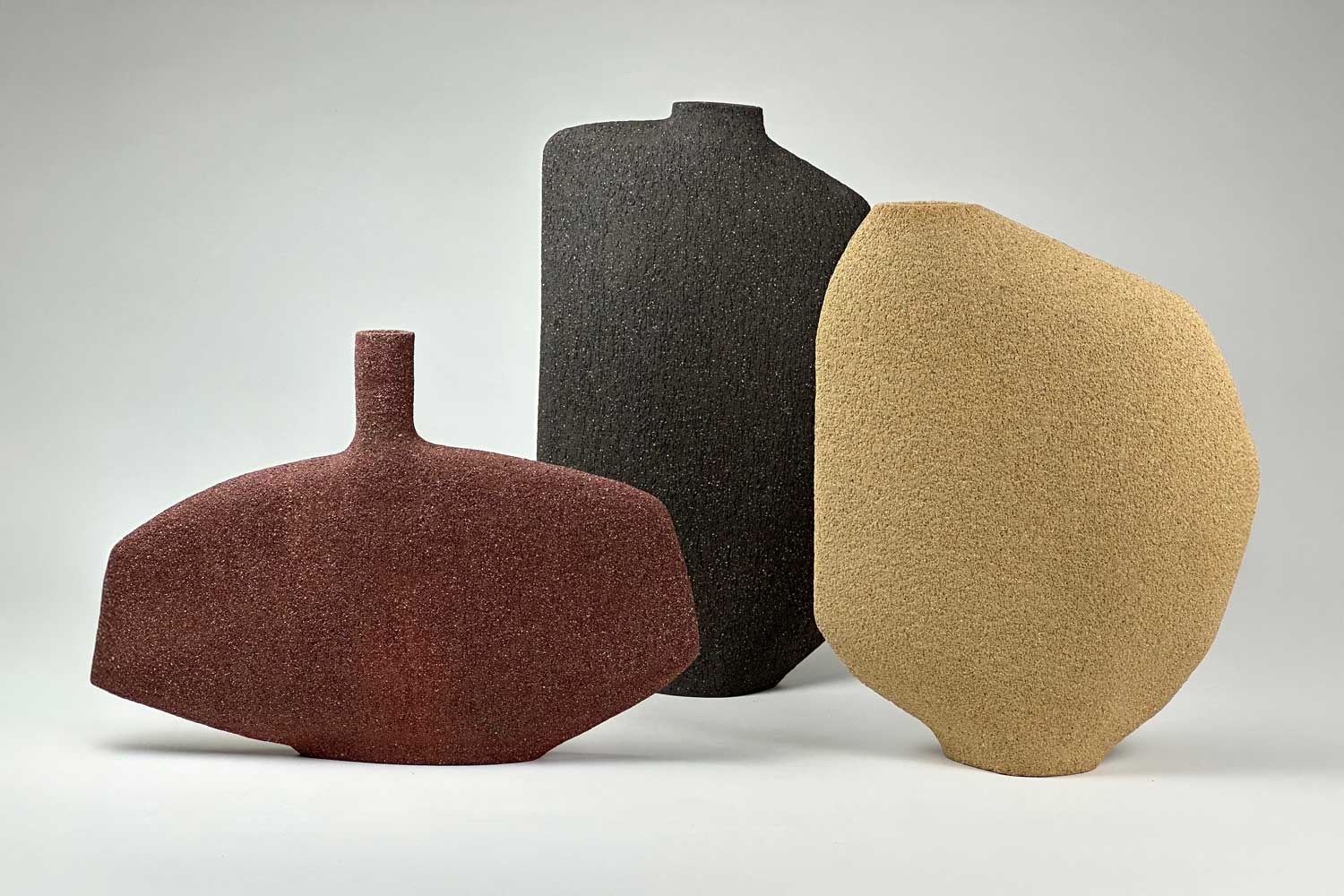
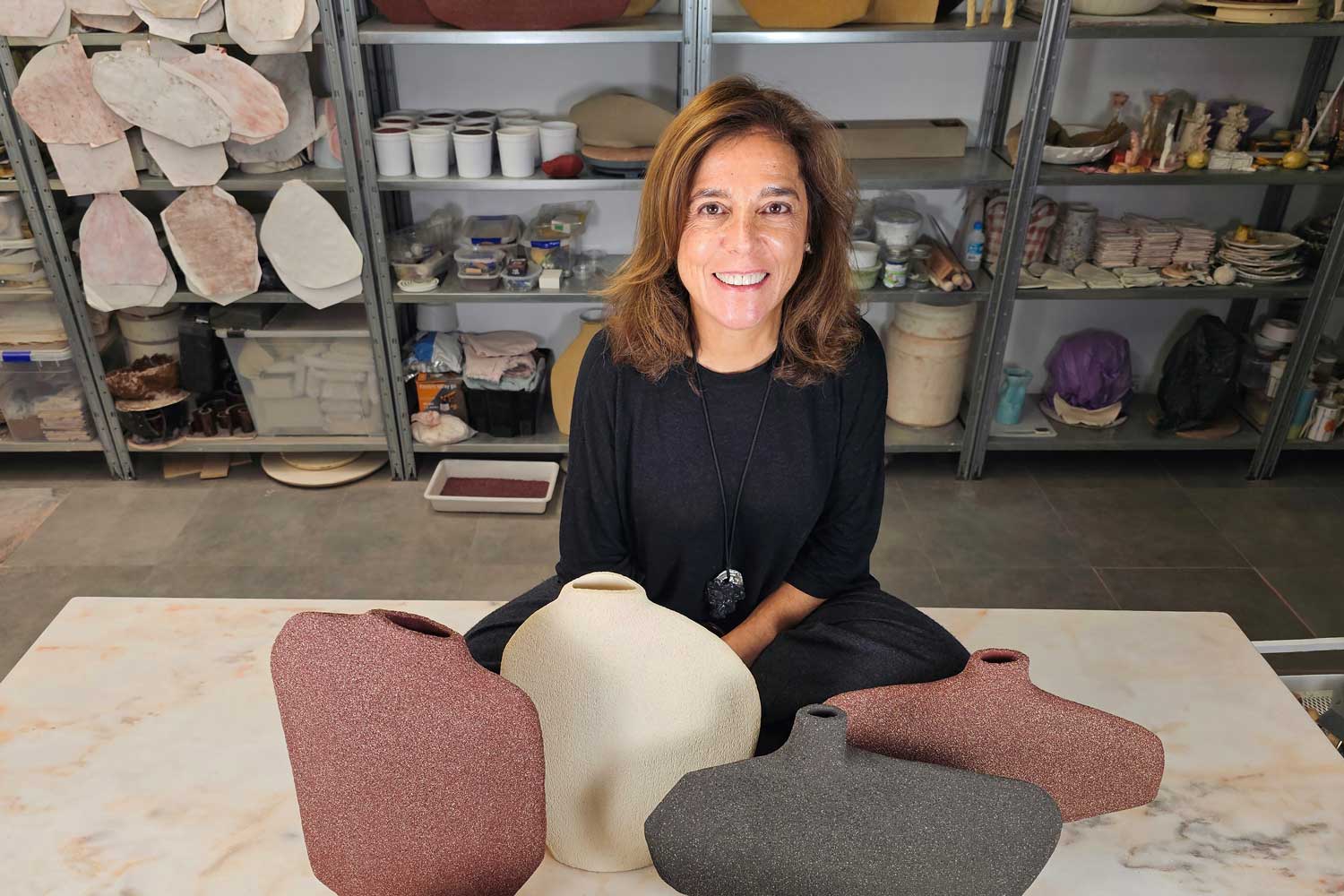
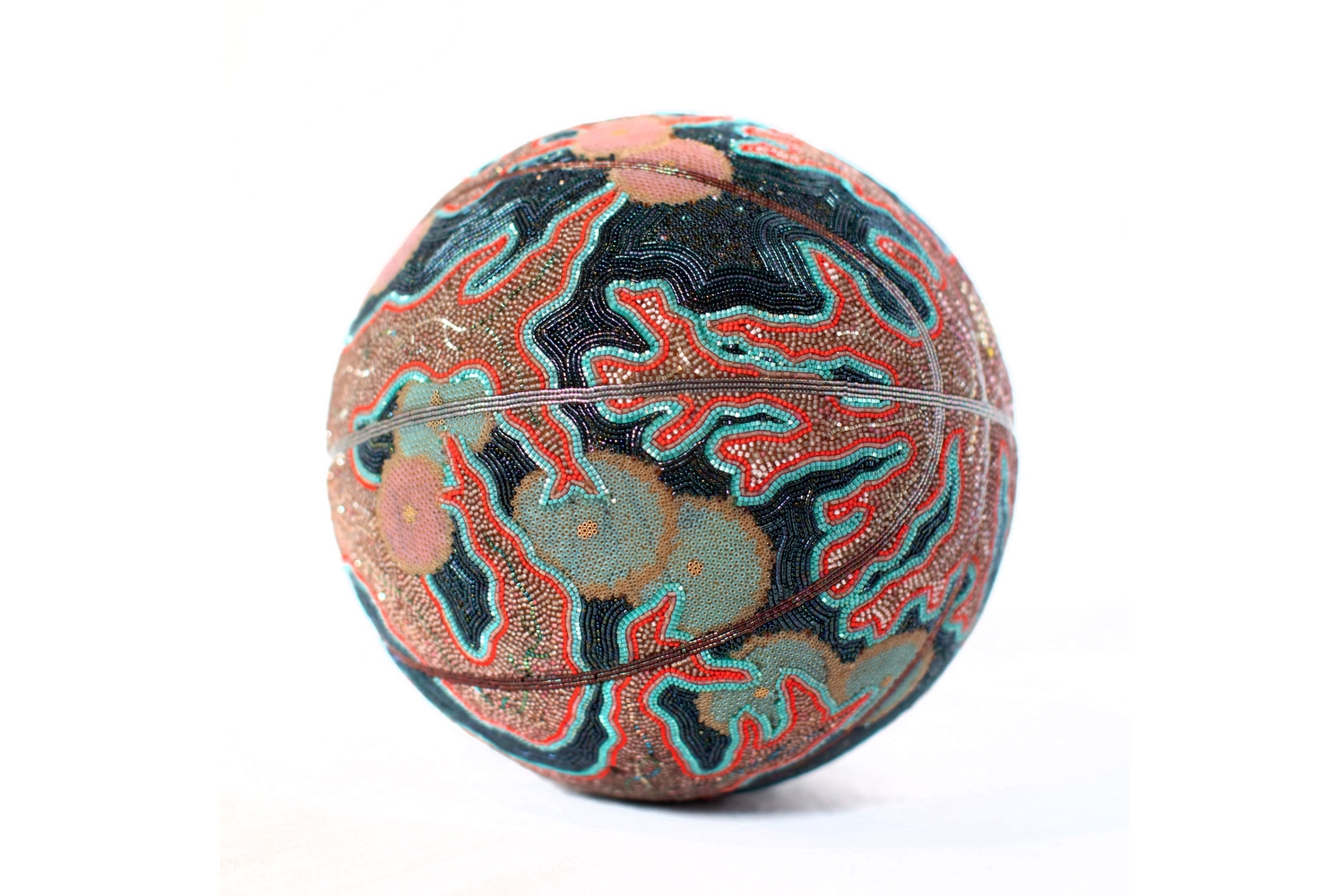
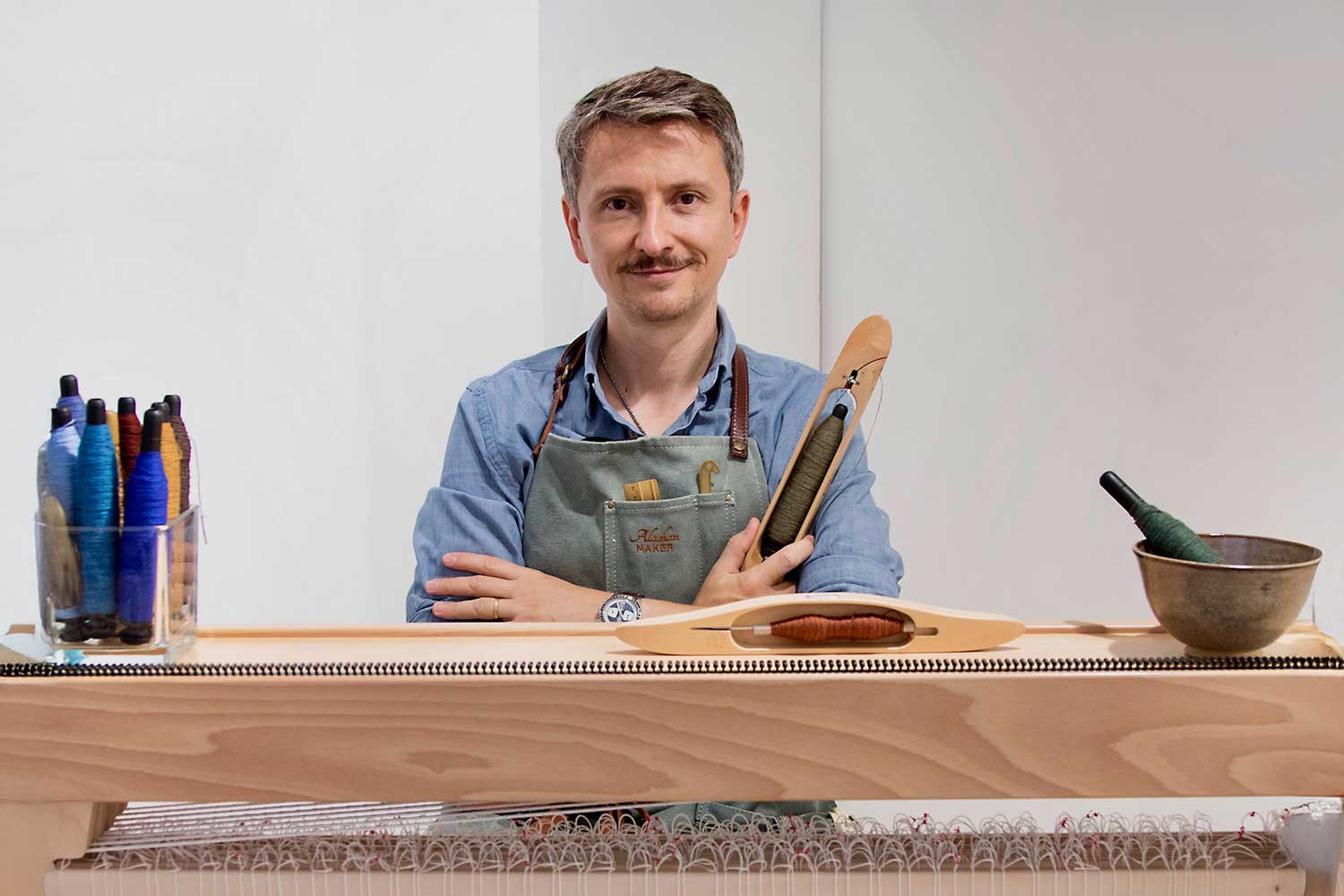
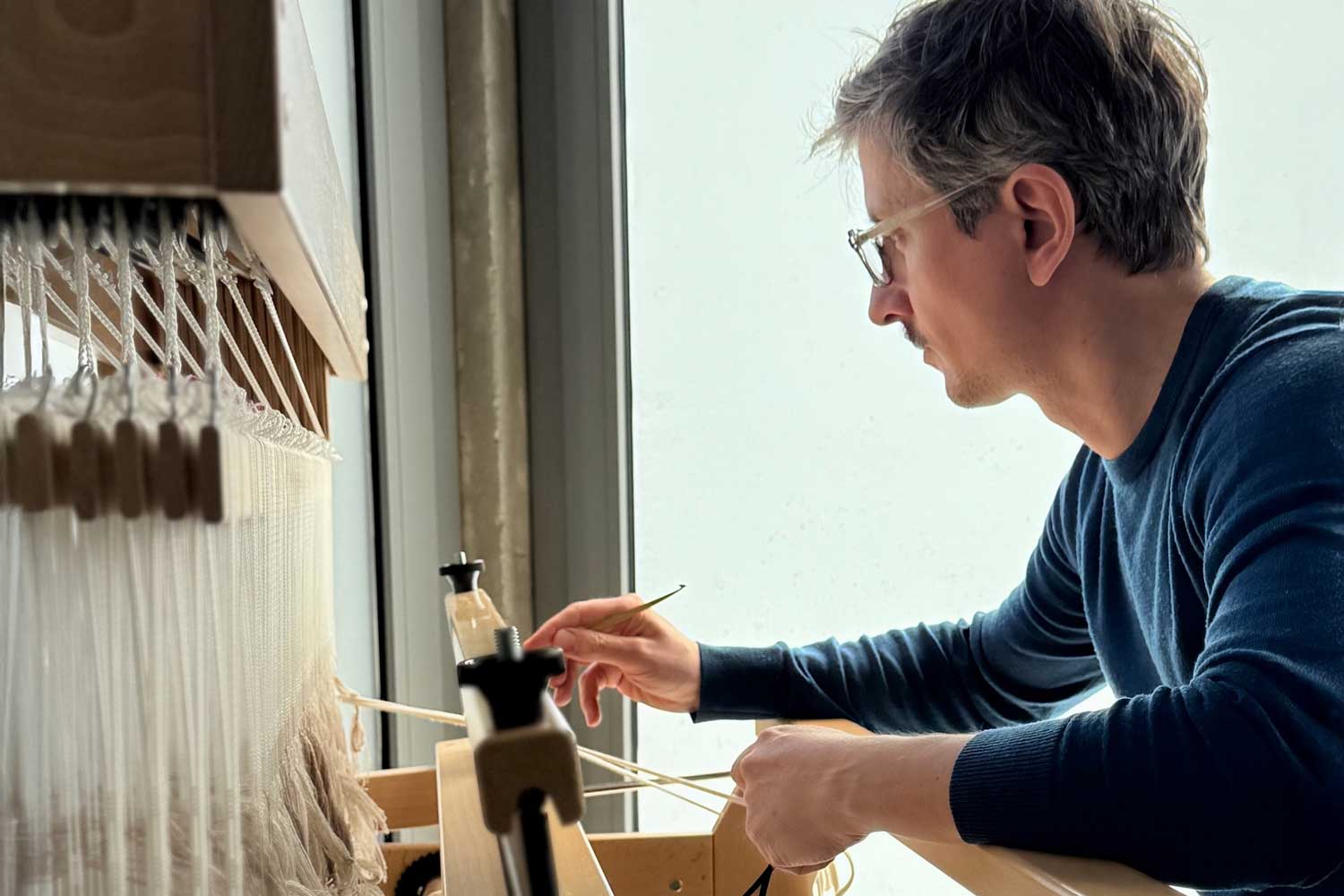
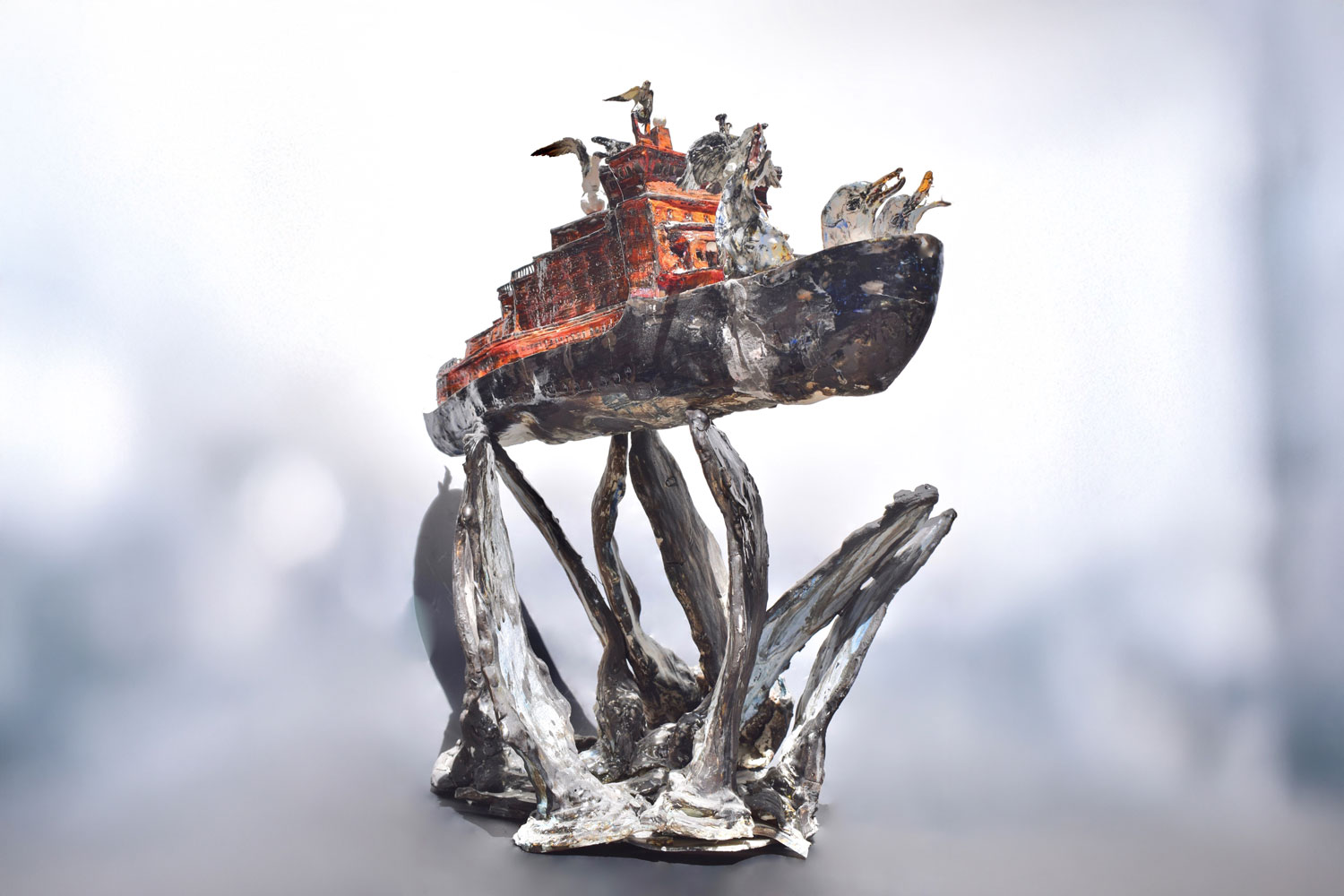
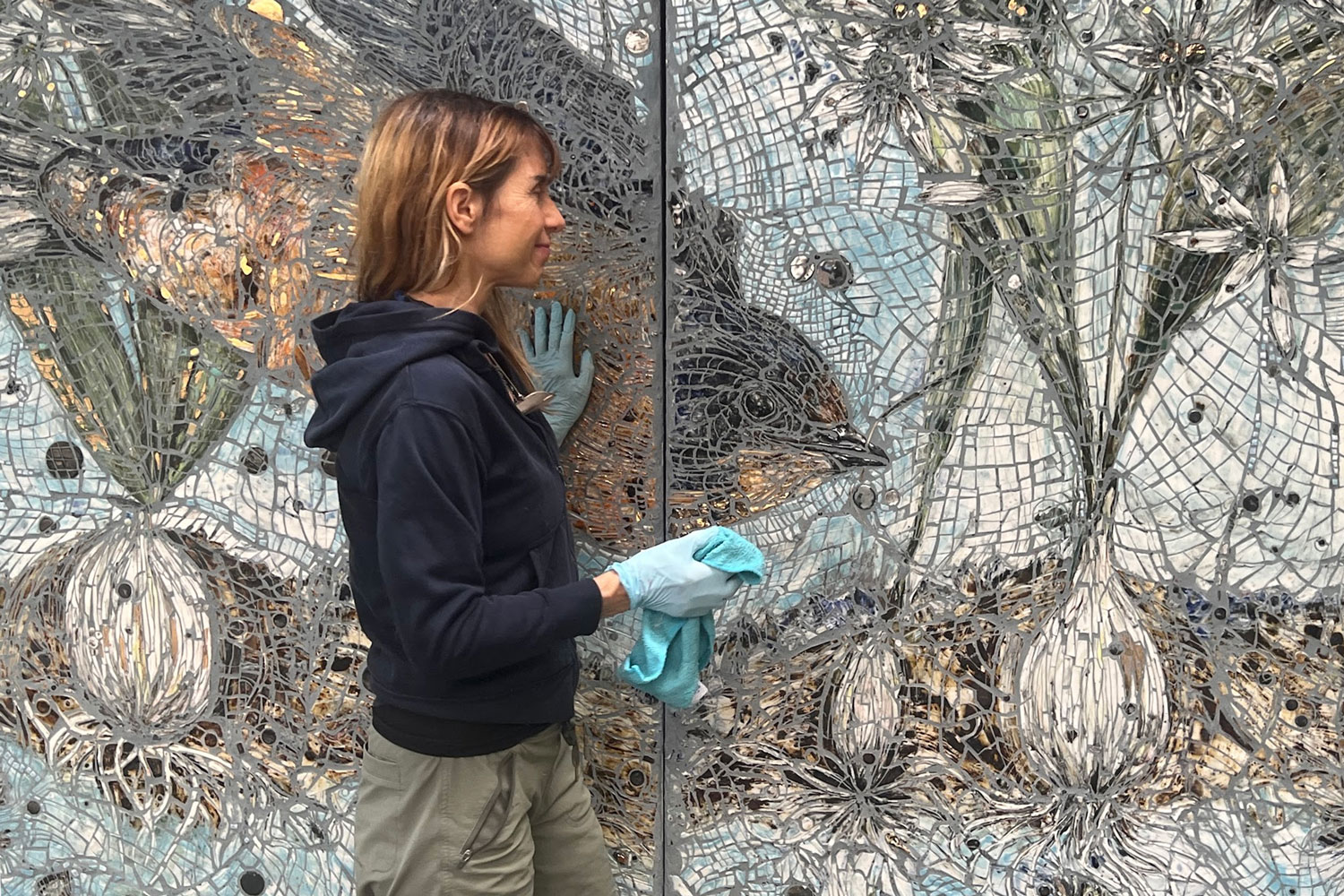
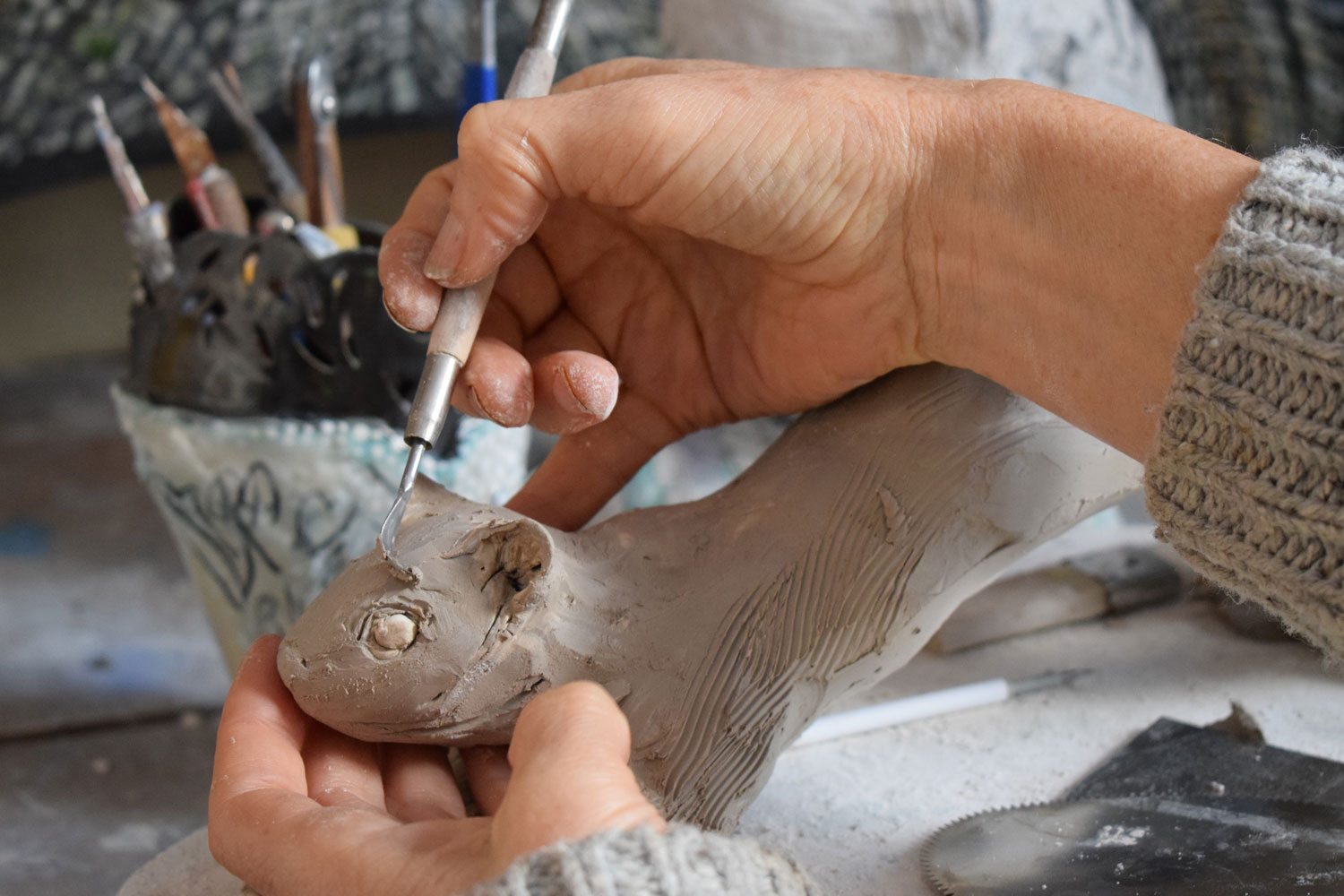
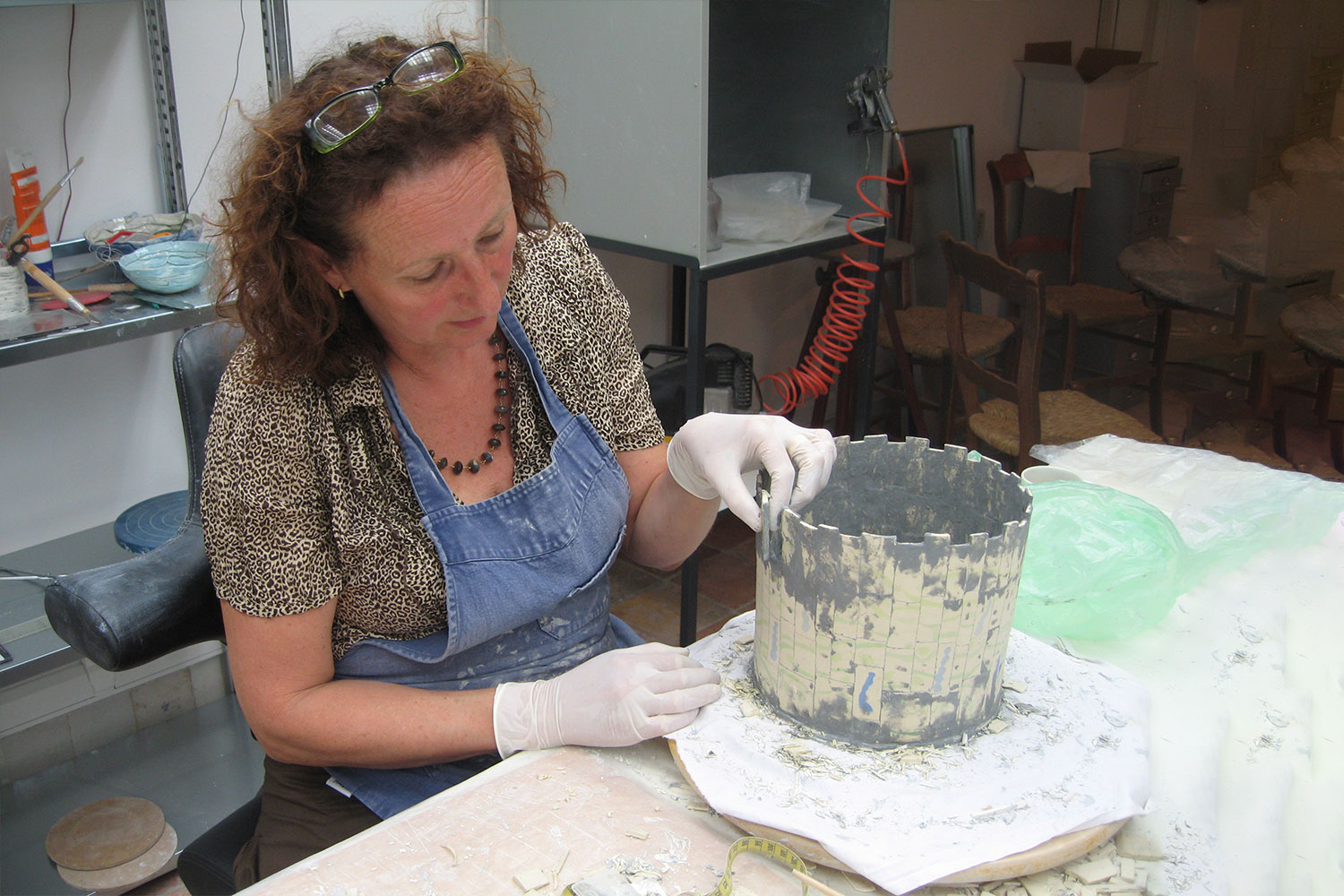
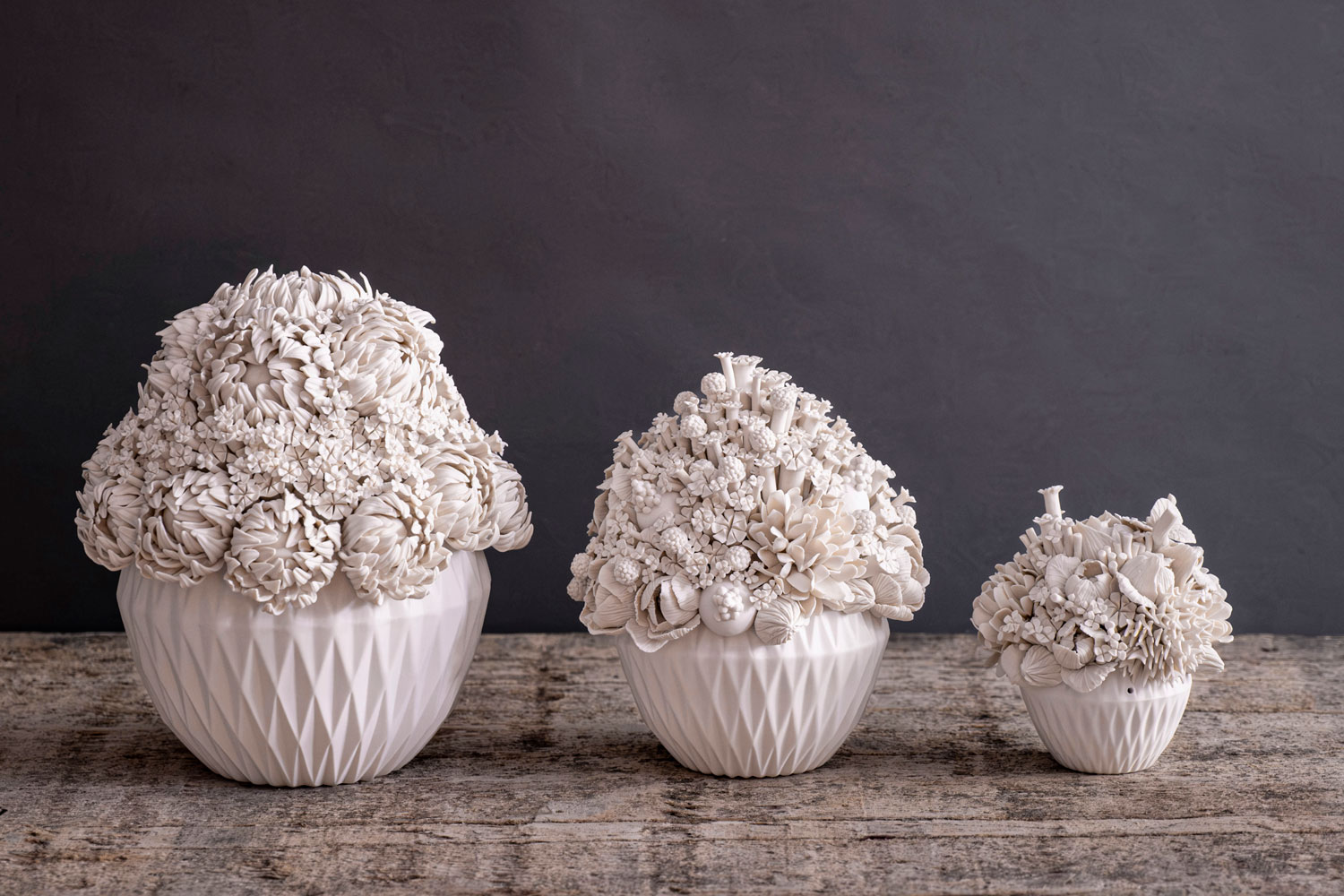
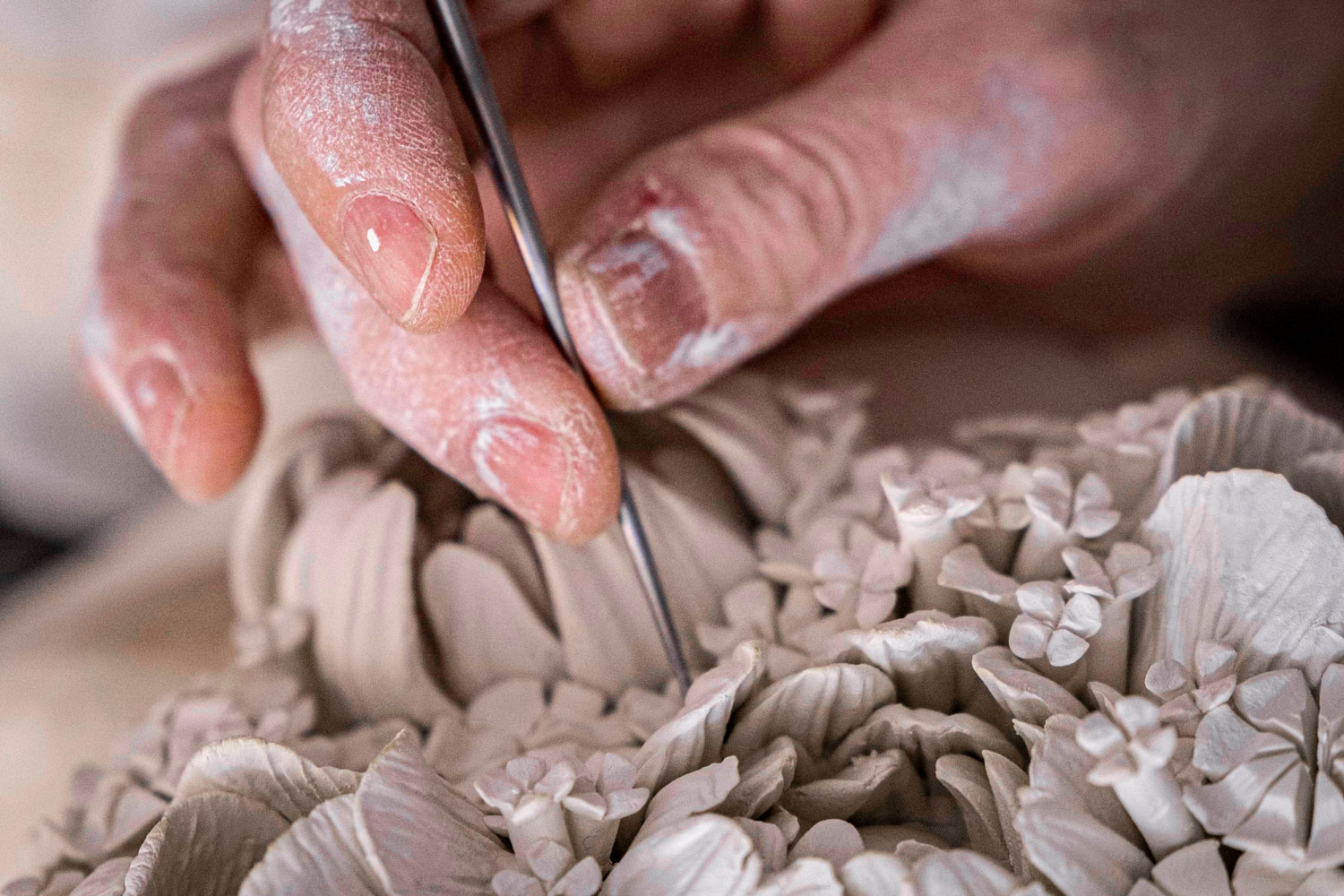
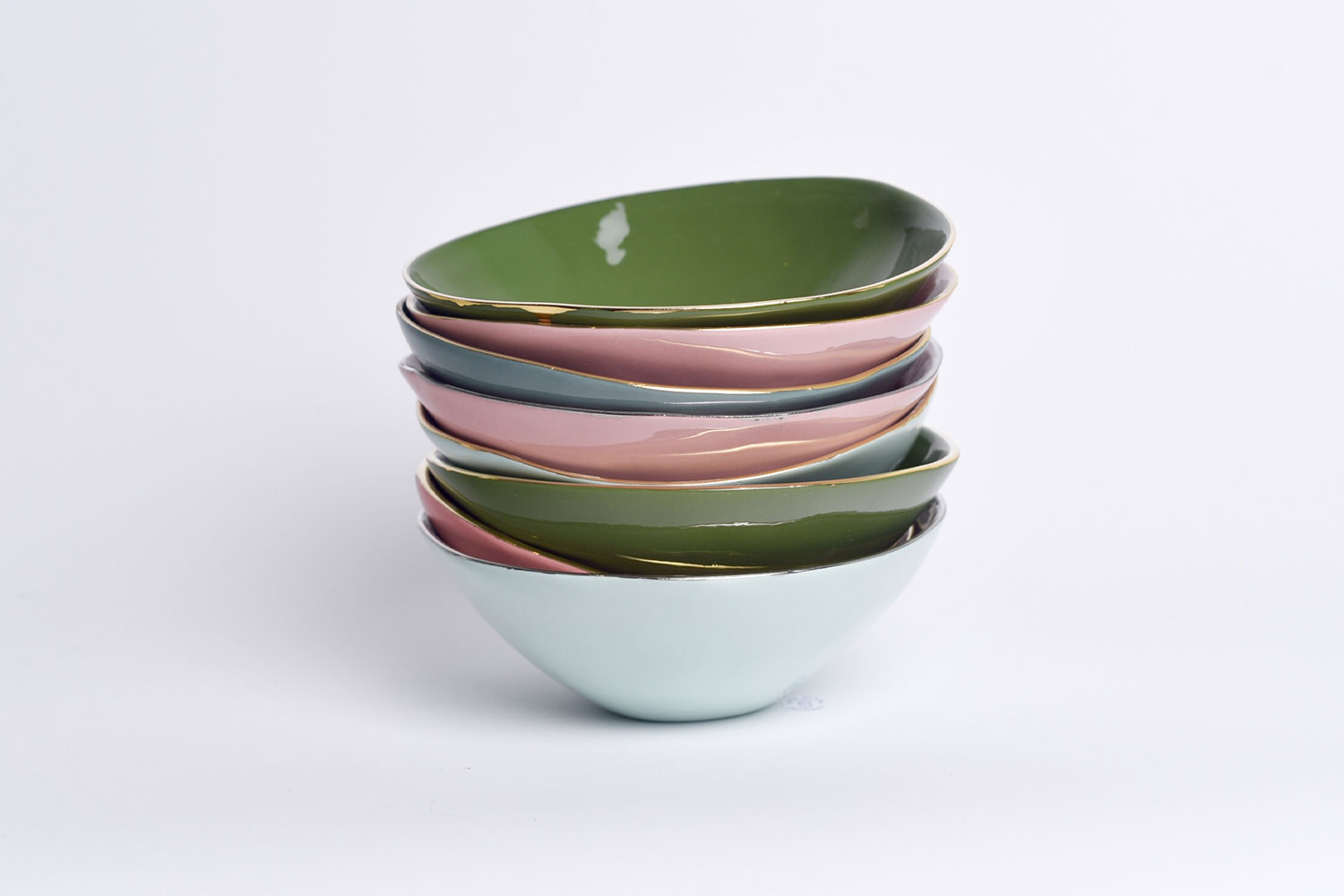
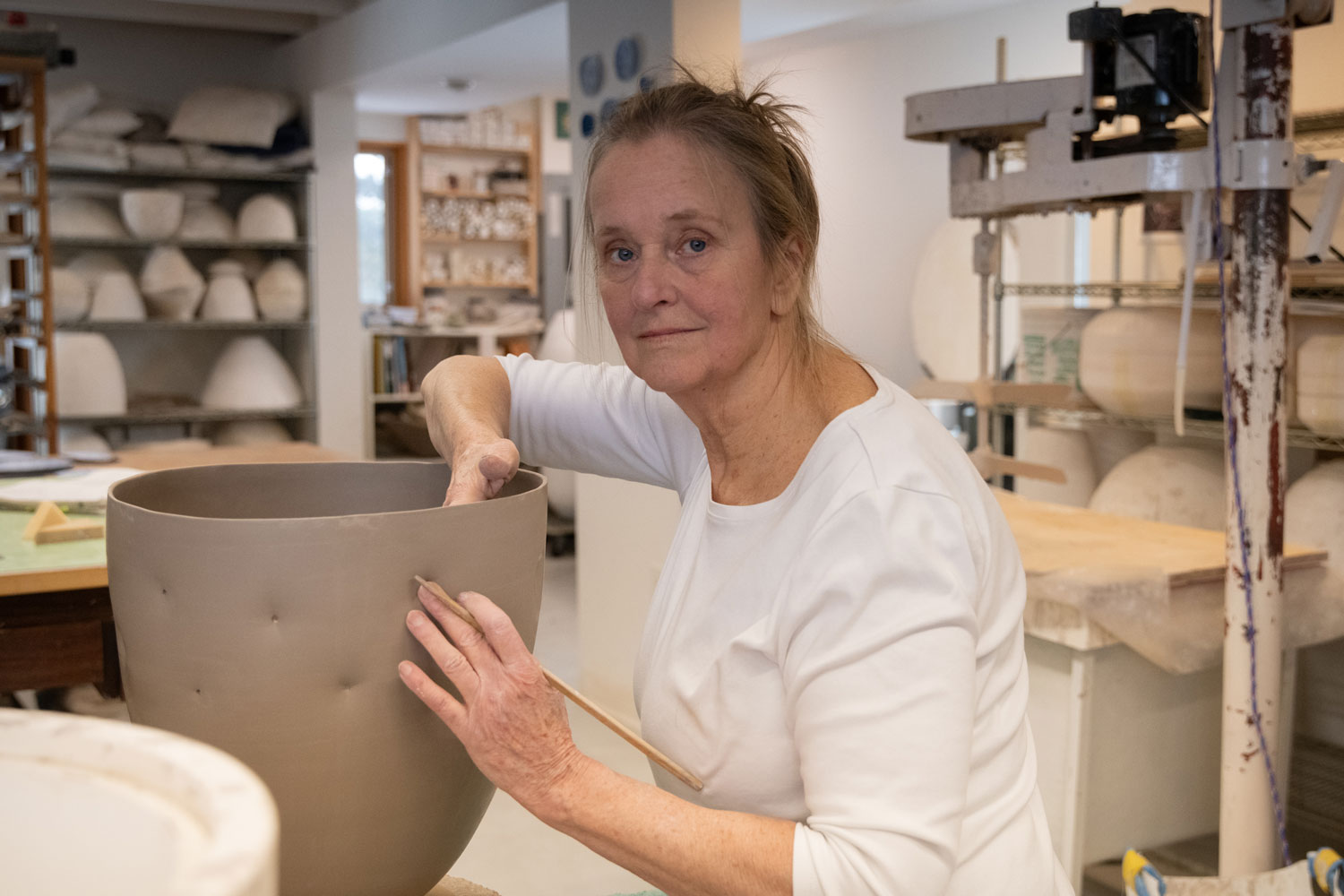
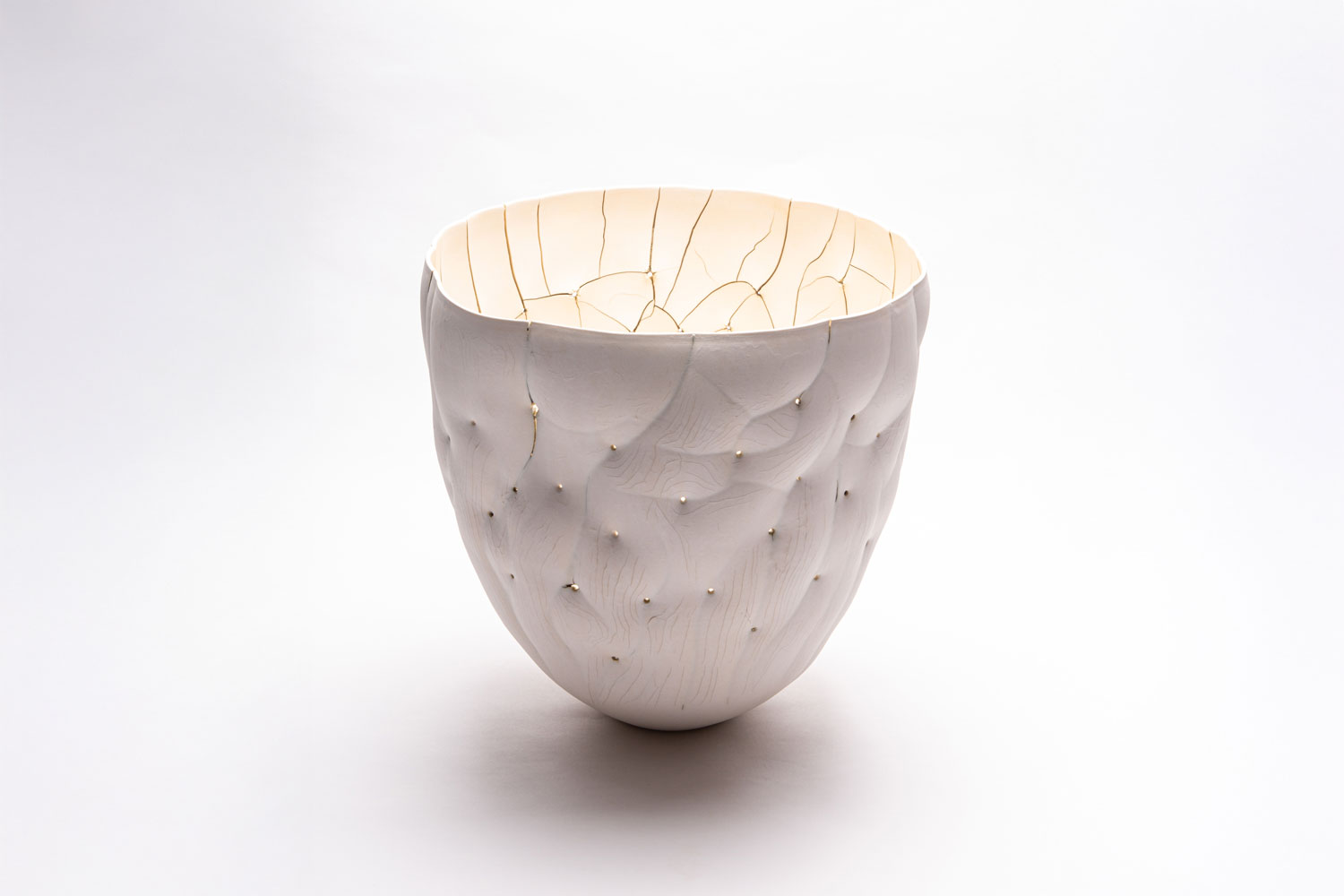
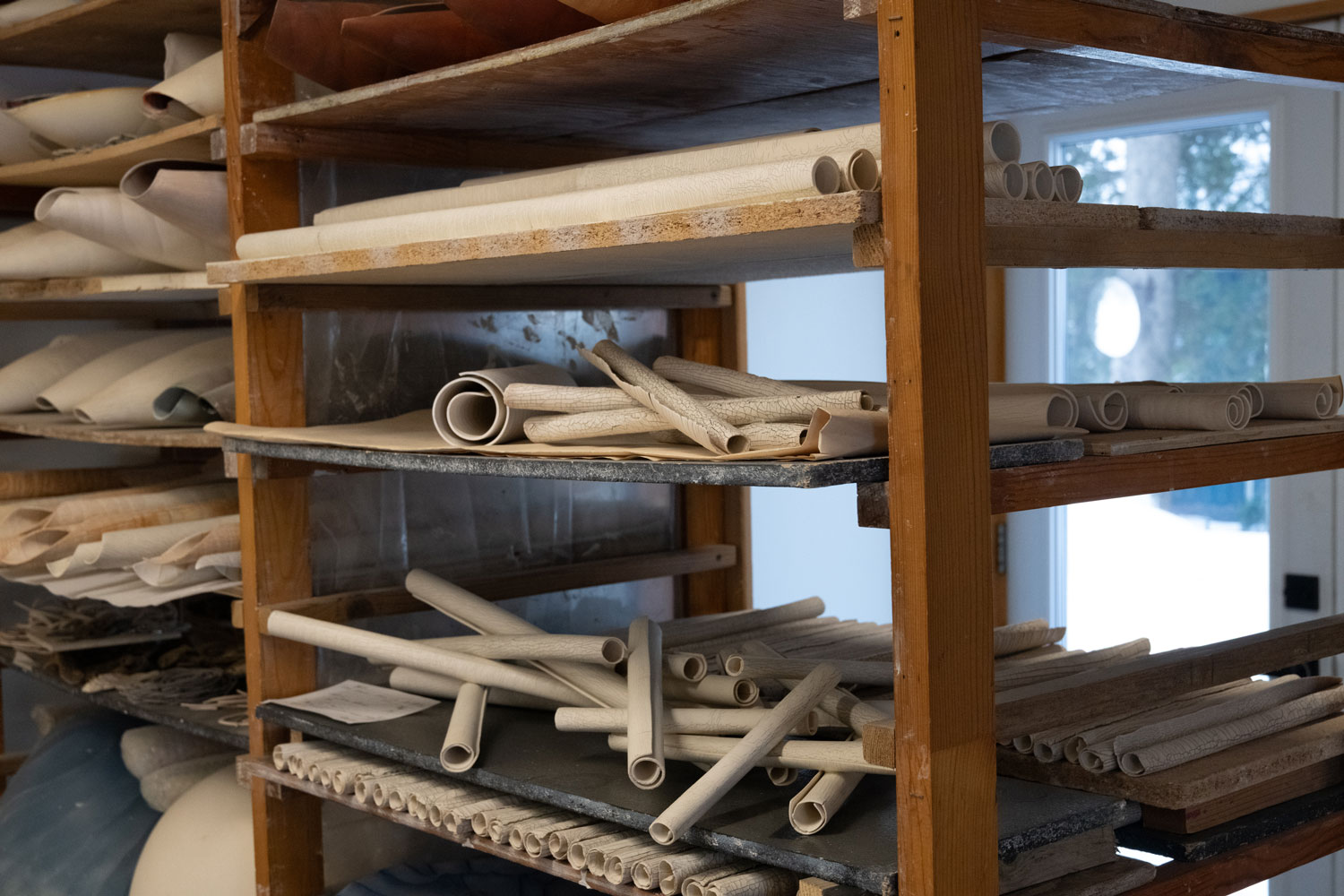
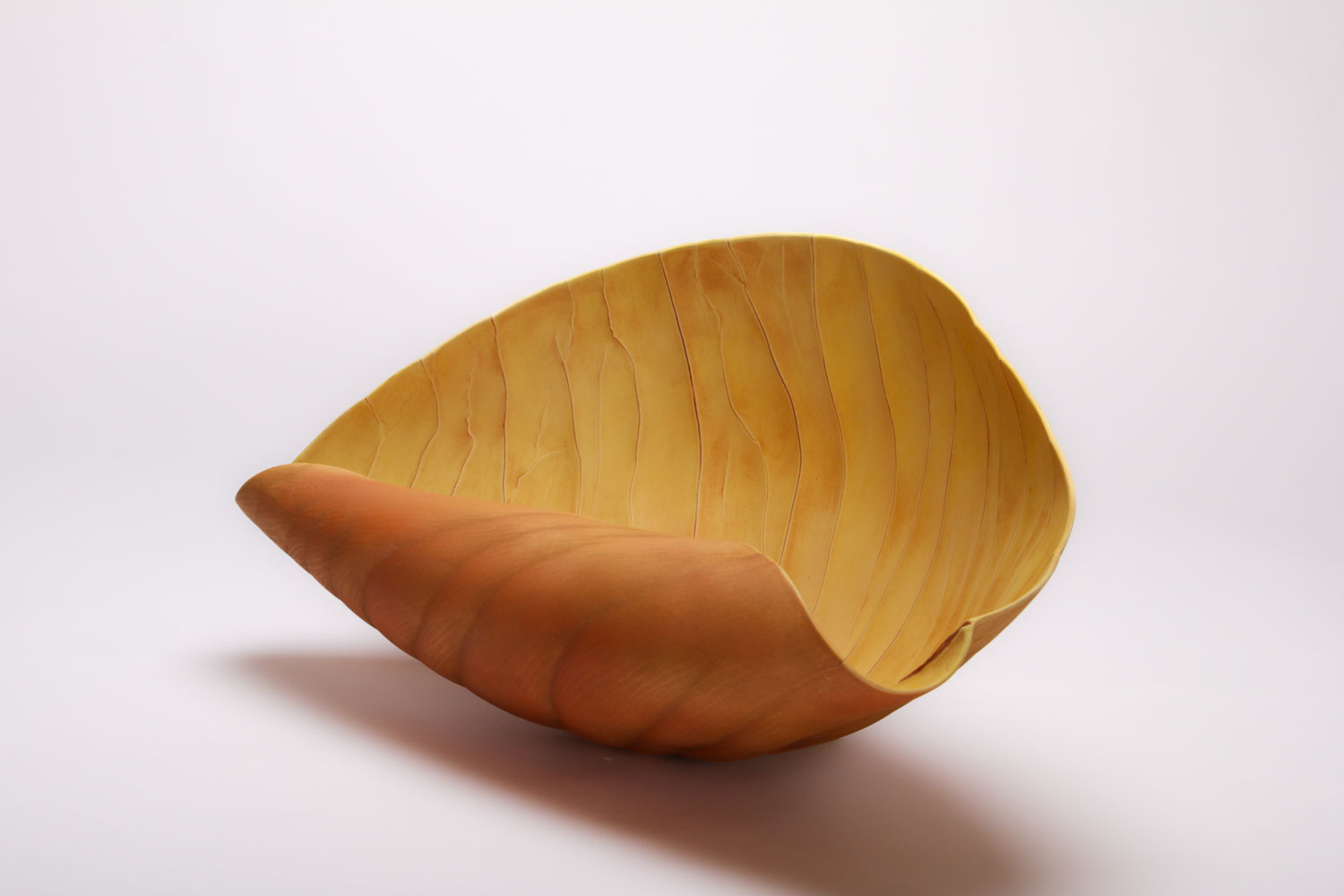
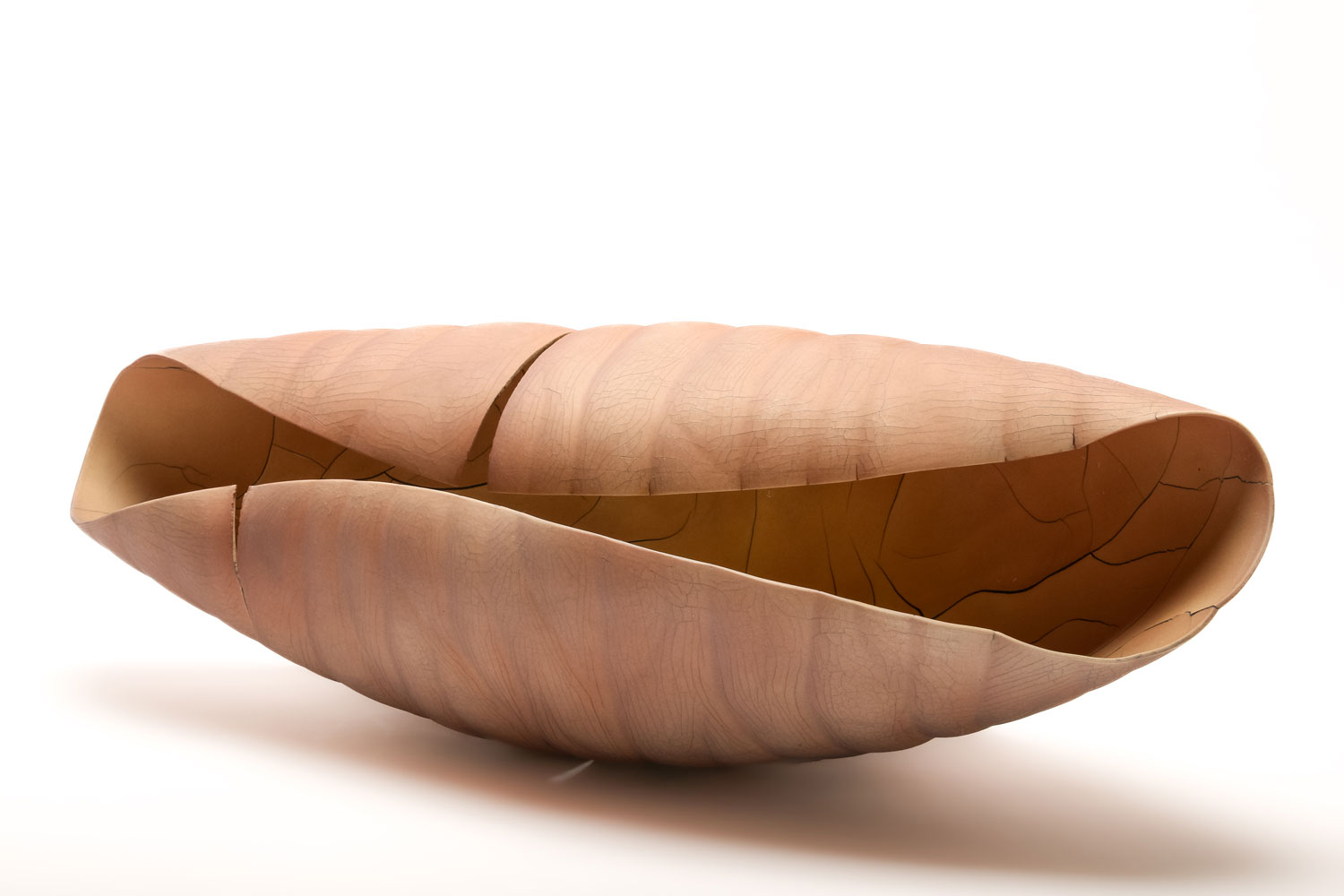
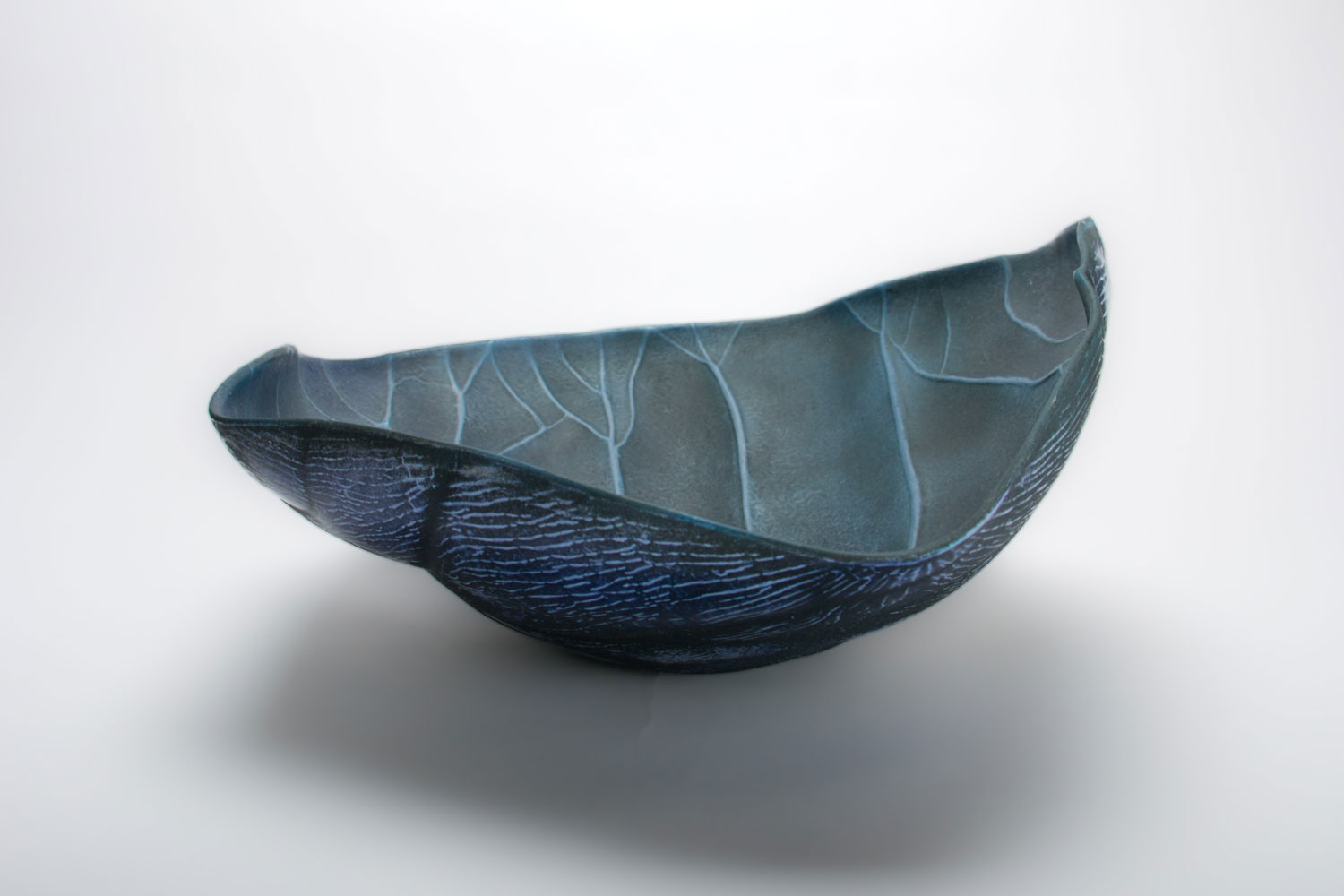
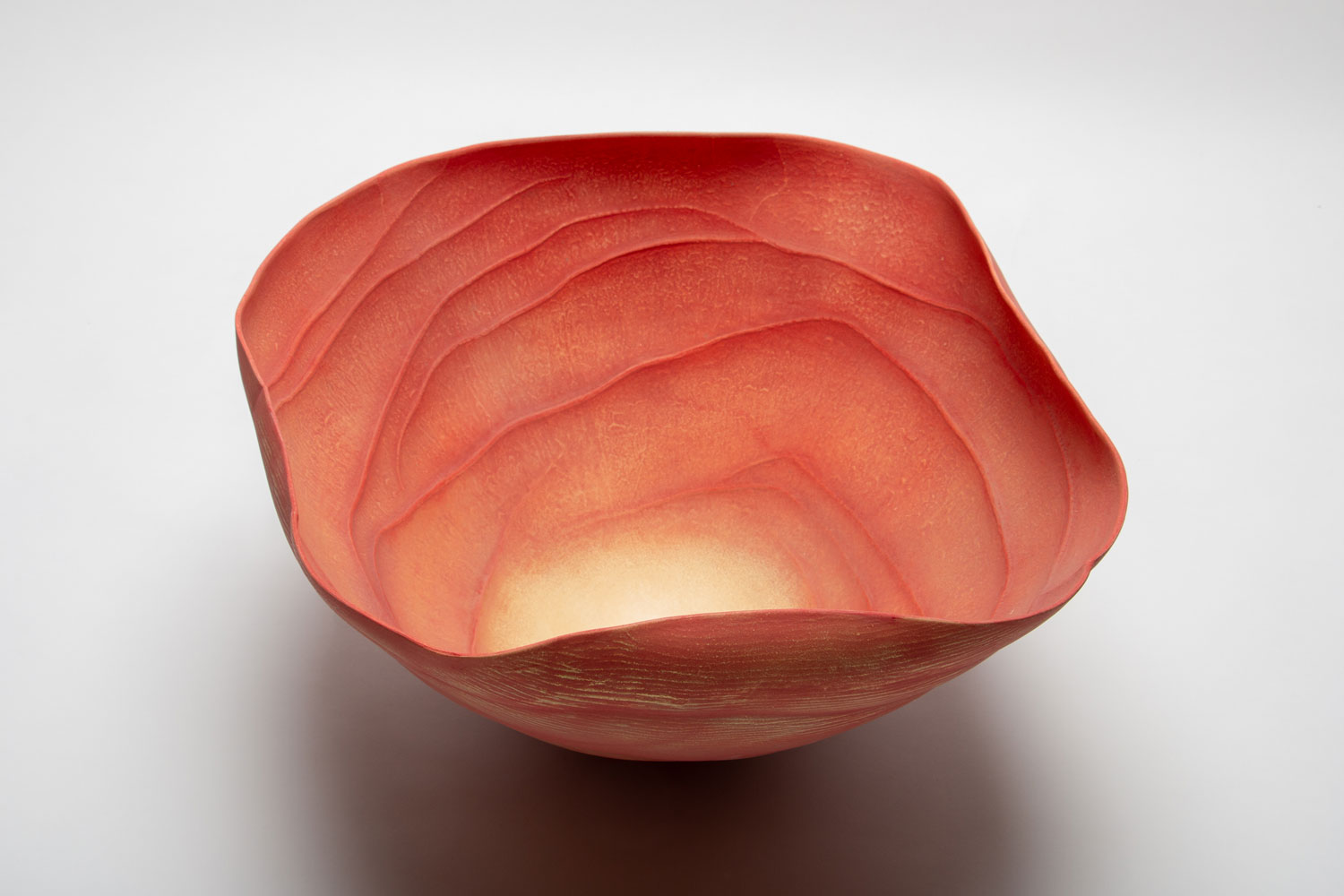
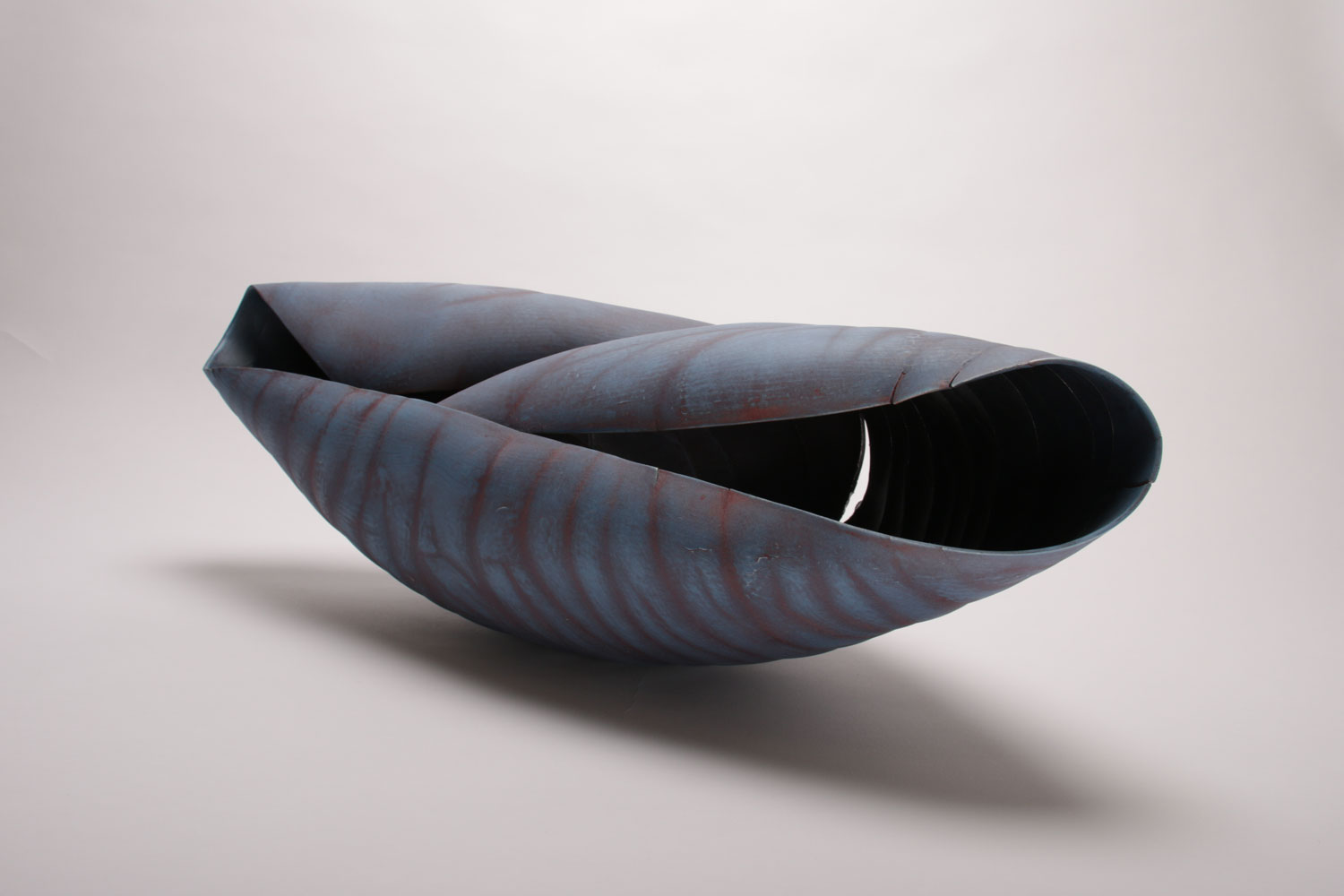
Paula Murray's work has evolved from functional forms to sculptural vessels where material tension results in visible fractures and movement. She came to ceramics while studying science at the University of Ottawa, and learned the craft in a cooperative studio before pursuing further training at Sheridan College. "The tactility of working directly with a material and shaping it by hand led me to change my path and open my ceramics studio," she explains. Paula relies on her background in science to understand high-temperature processes and oversee material transformation. Her studies also allow her to solve technical issues, which fulfil her desire to challenge the properties of porcelain and create work that seems impossible at first glance. Alongside her studio practice, Paula has played a significant role in developing community-based ceramic spaces, supporting access, skill transmission and long-term engagement with craft.
INTERVIEW
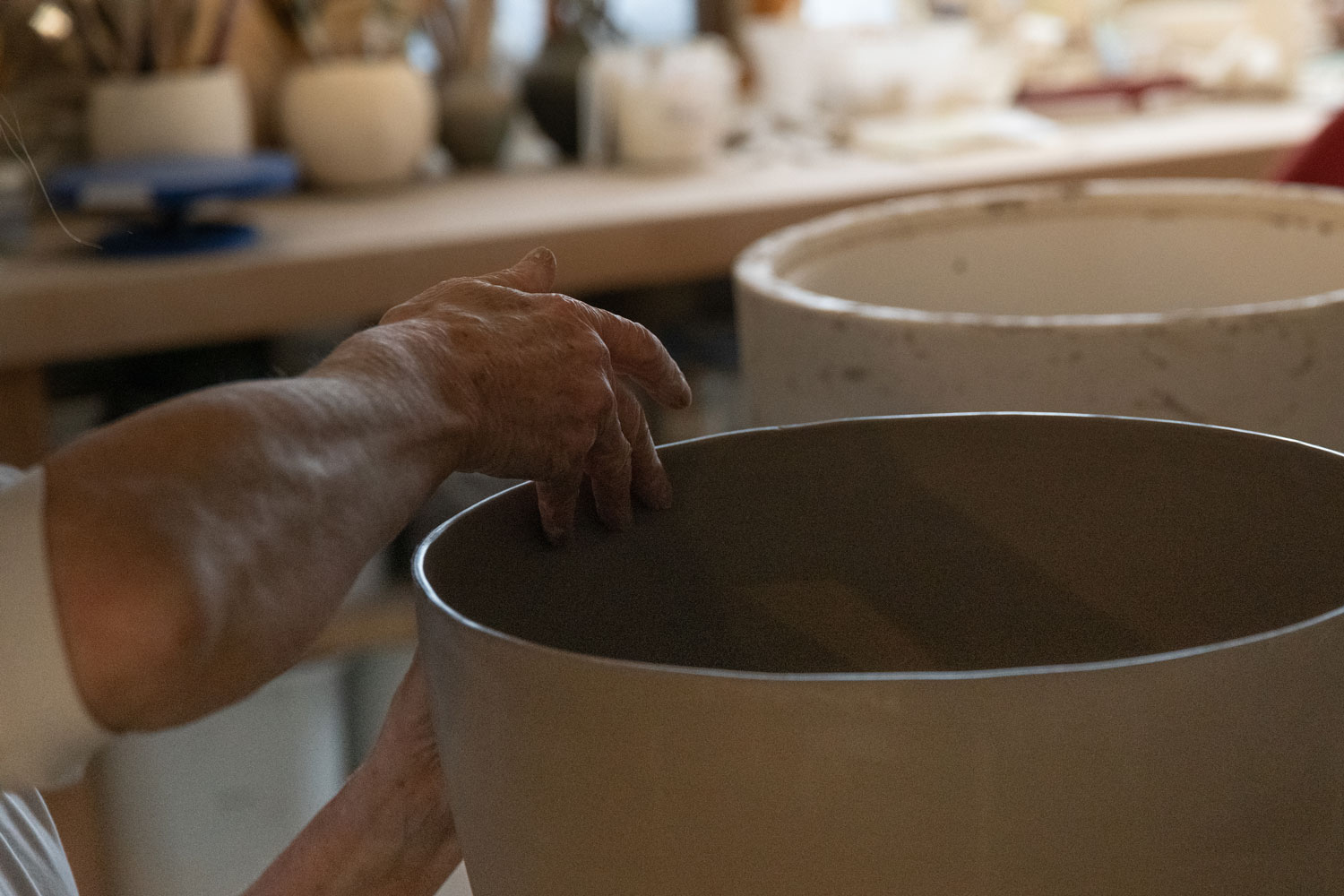
I discovered clay while studying science at university. A cooperative studio near campus allowed me to work with the material informally. I was drawn to the physical challenge of shaping clay and to the way working with my hands clarified questions that theory alone could not answer.
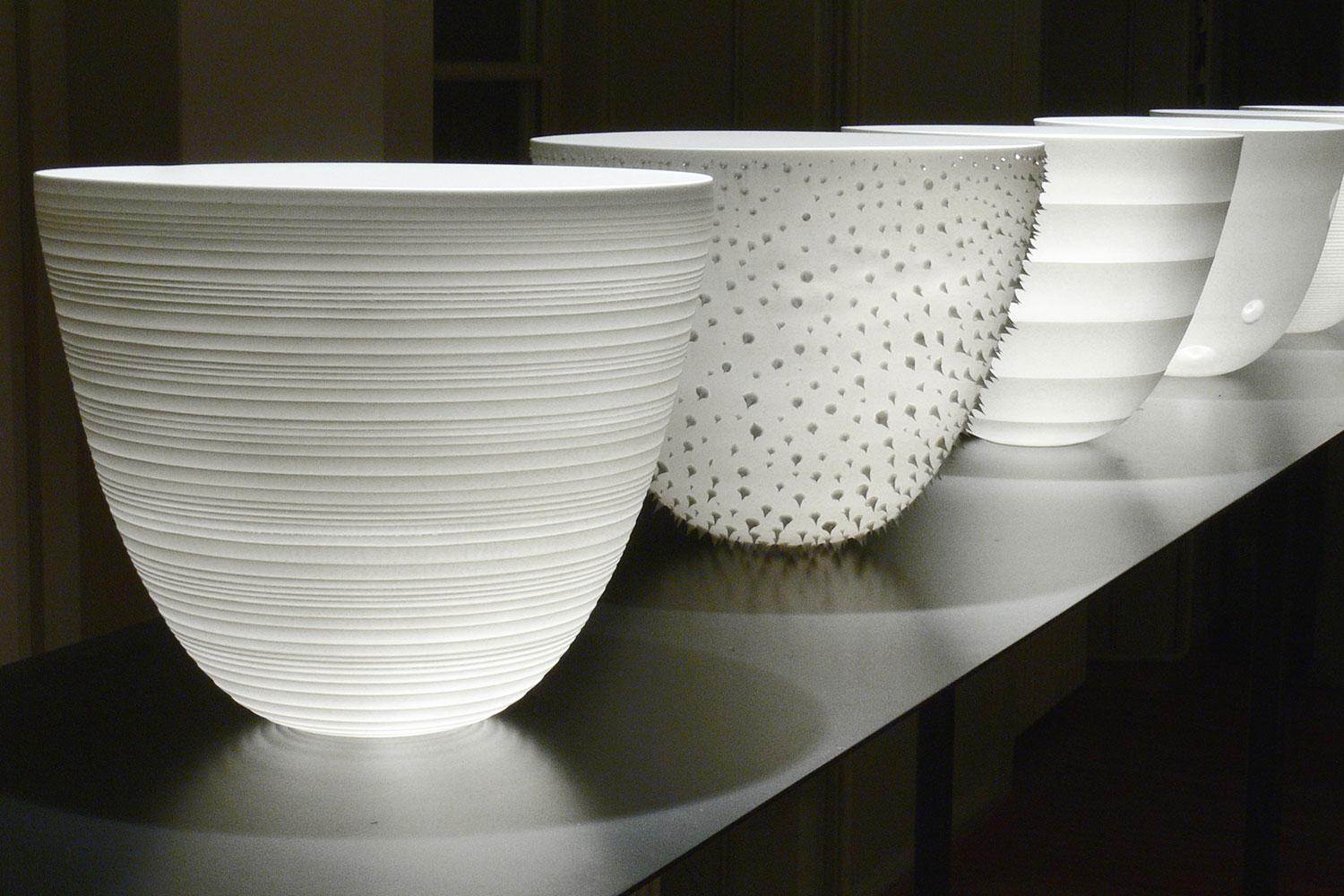
Porcelain has a long history, yet it still feels forward-looking. Its refinement and strength allow for very thin walls, while its white surface gives an almost luminous quality. It is a highly responsive material that amplifies the mysterious element of my investigation into transformation.
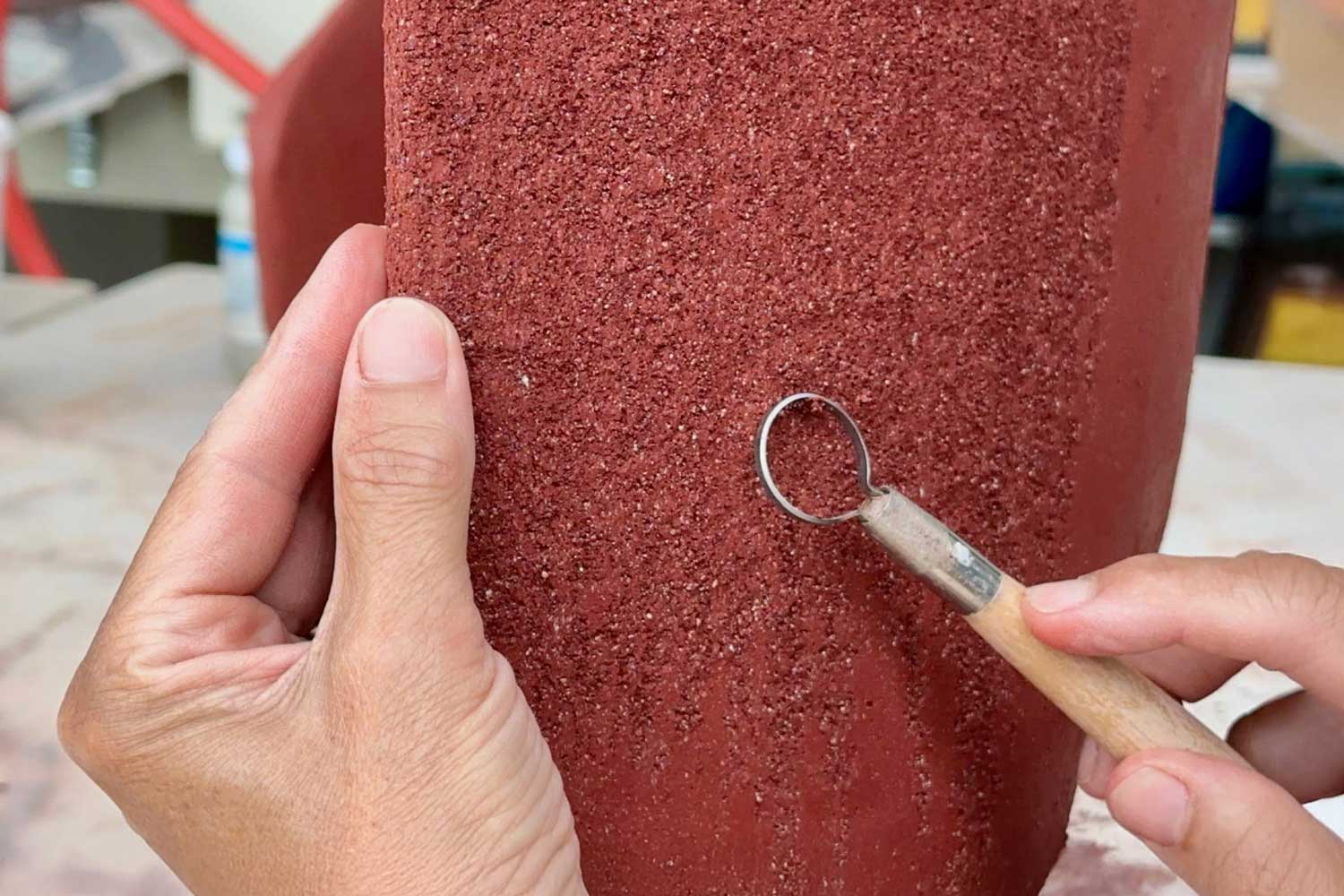
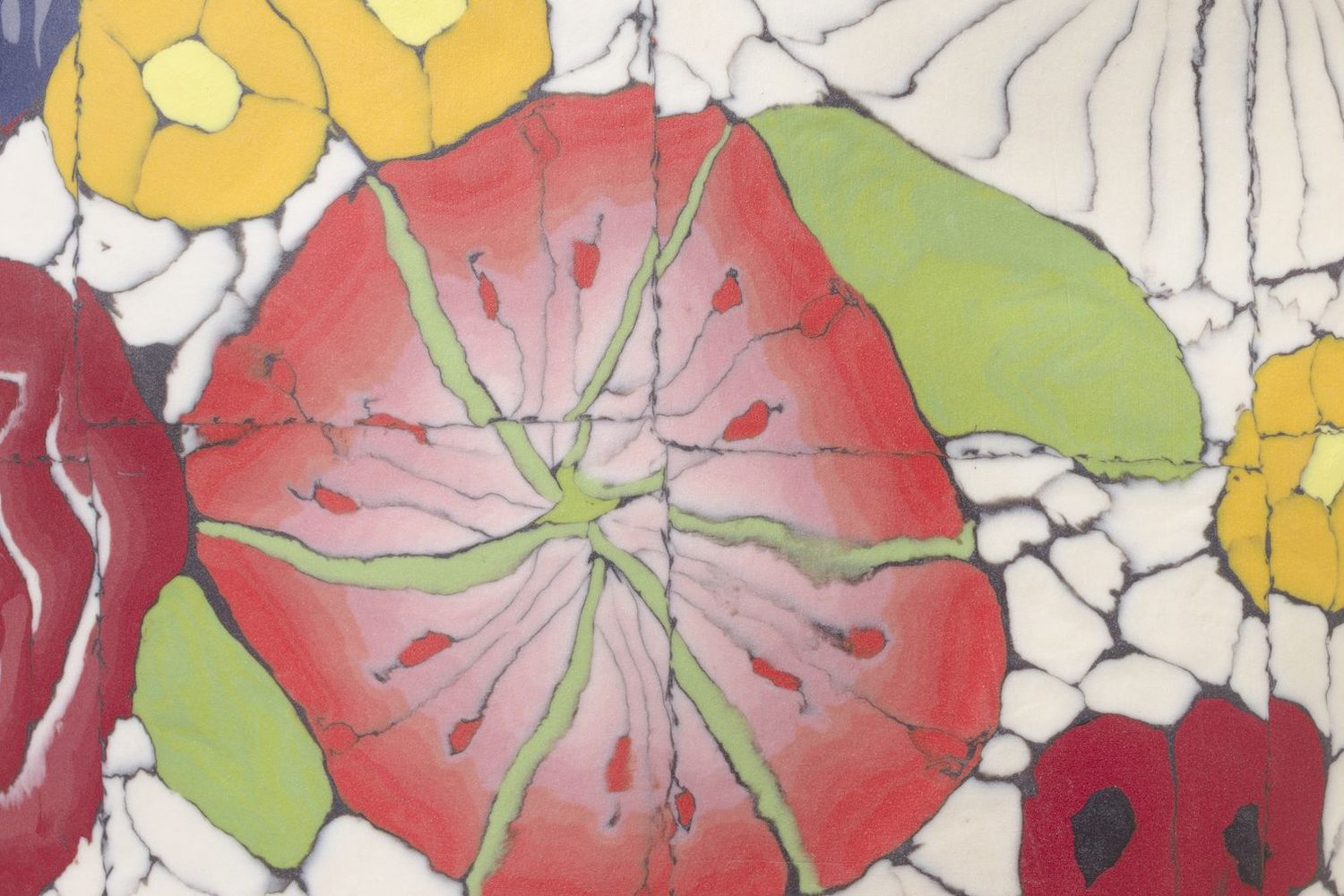
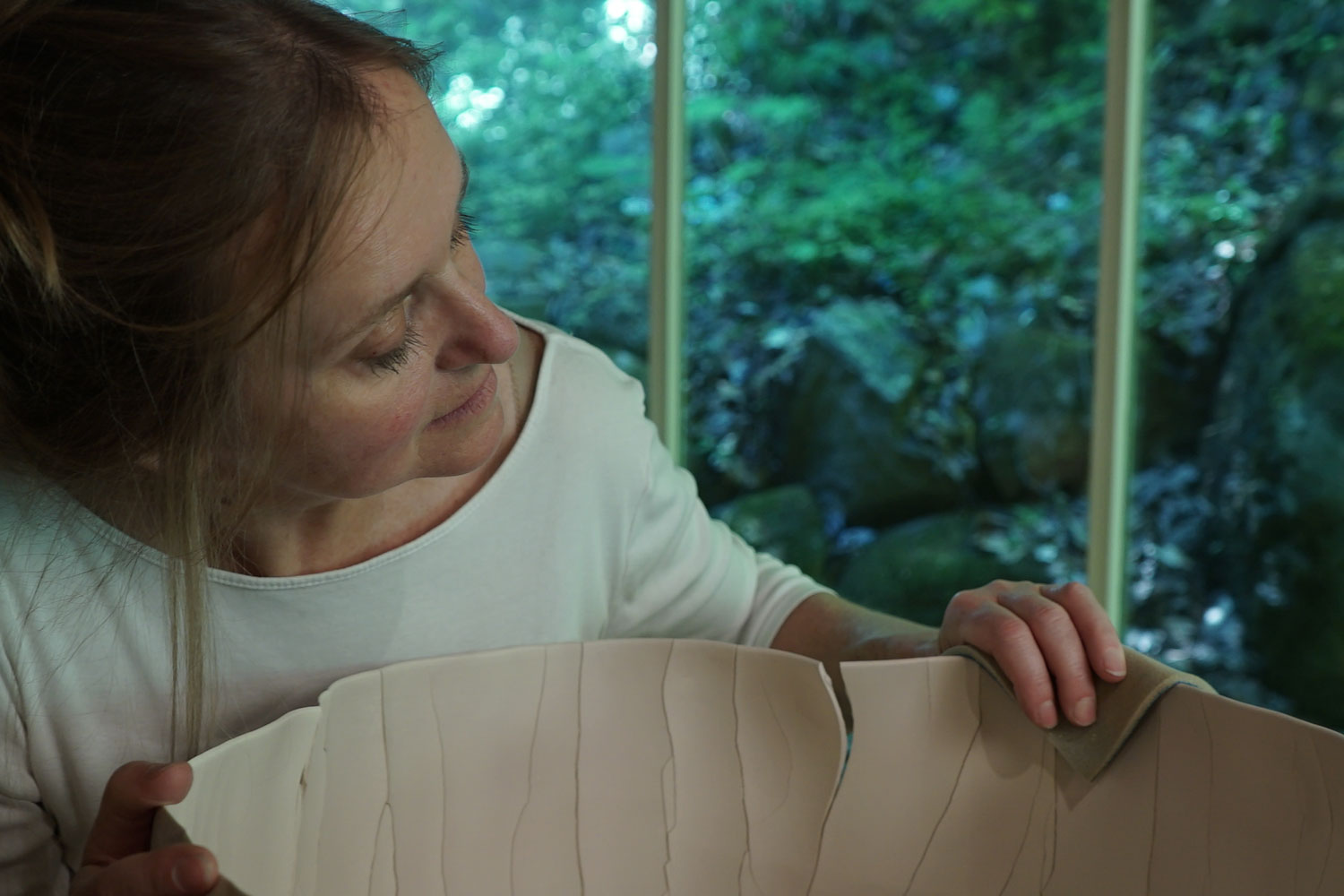
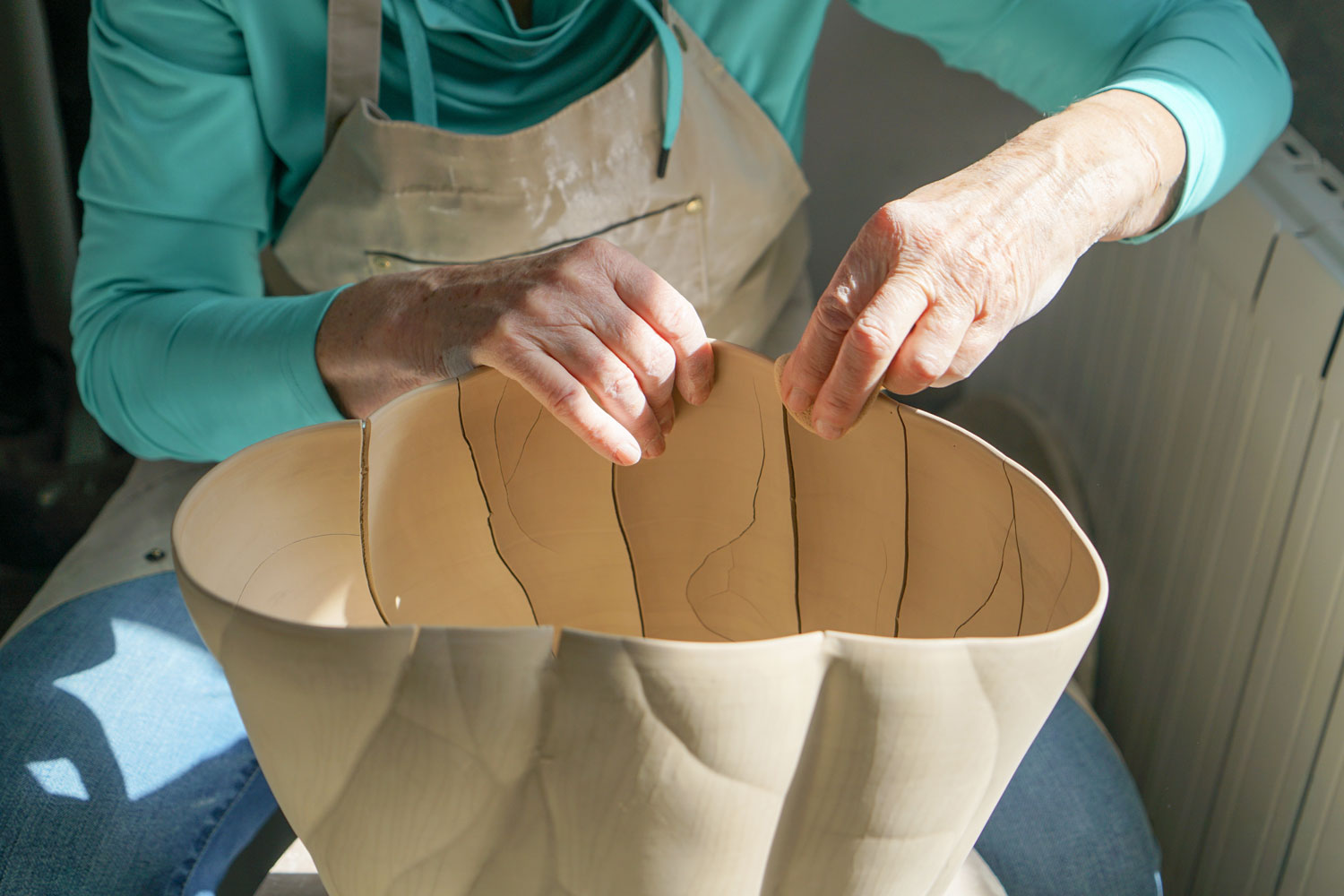
I developed a slip-casting process that incorporates fibreglass, initially to solve a technical problem for a large installation. The porcelain shrinks as it dries, while the fibreglass does not. That tension produces fractures, which became a central vocabulary in my work.
I value integrity of process, curiosity and being really connected and aligned with my intention as a maker. Craft builds a toolkit, and with it, the ability to say things you never imagined you could talk about.
Paula Murray
Porcelain maker
Chelsea, Canada
AVAILABILITY
By appointment only
PHONE
+1 8198270399
LANGUAGES
English, French
Homo Faber Finds is a new service aiming to inspire admirers of craft to connect and collaborate with exceptional artisans.
We invite you to submit an enquiry here.