Omar Barbero
Cabinetmaker
Torre Pellice, Italy
Recommended by Fondazione Cologni Dei Mestieri D'Arte
The pursuit of freedom
- Omar’s carpentry is conceptual and organic
- For him the choice of wood comes first
- His style is contemporary and primordial
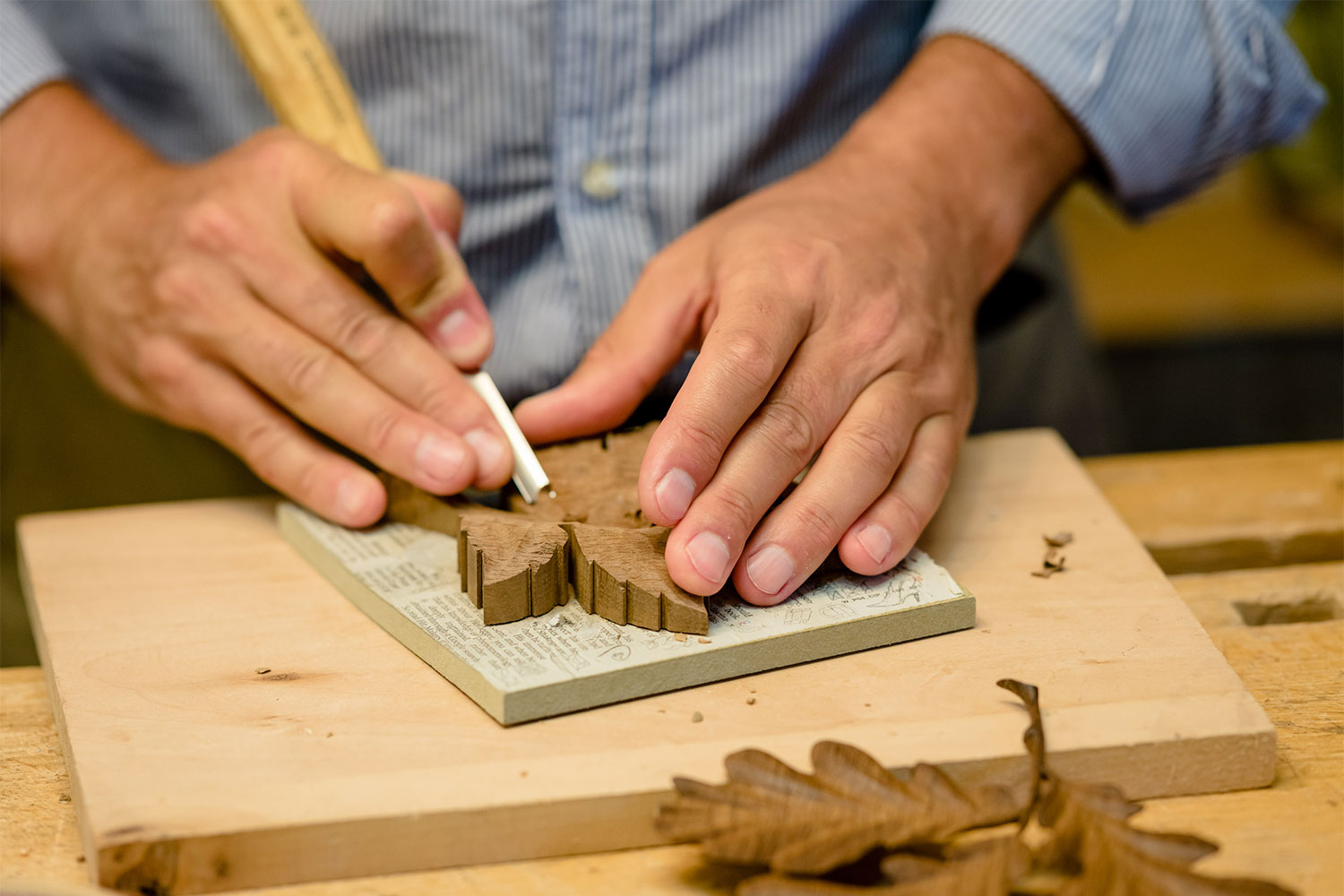
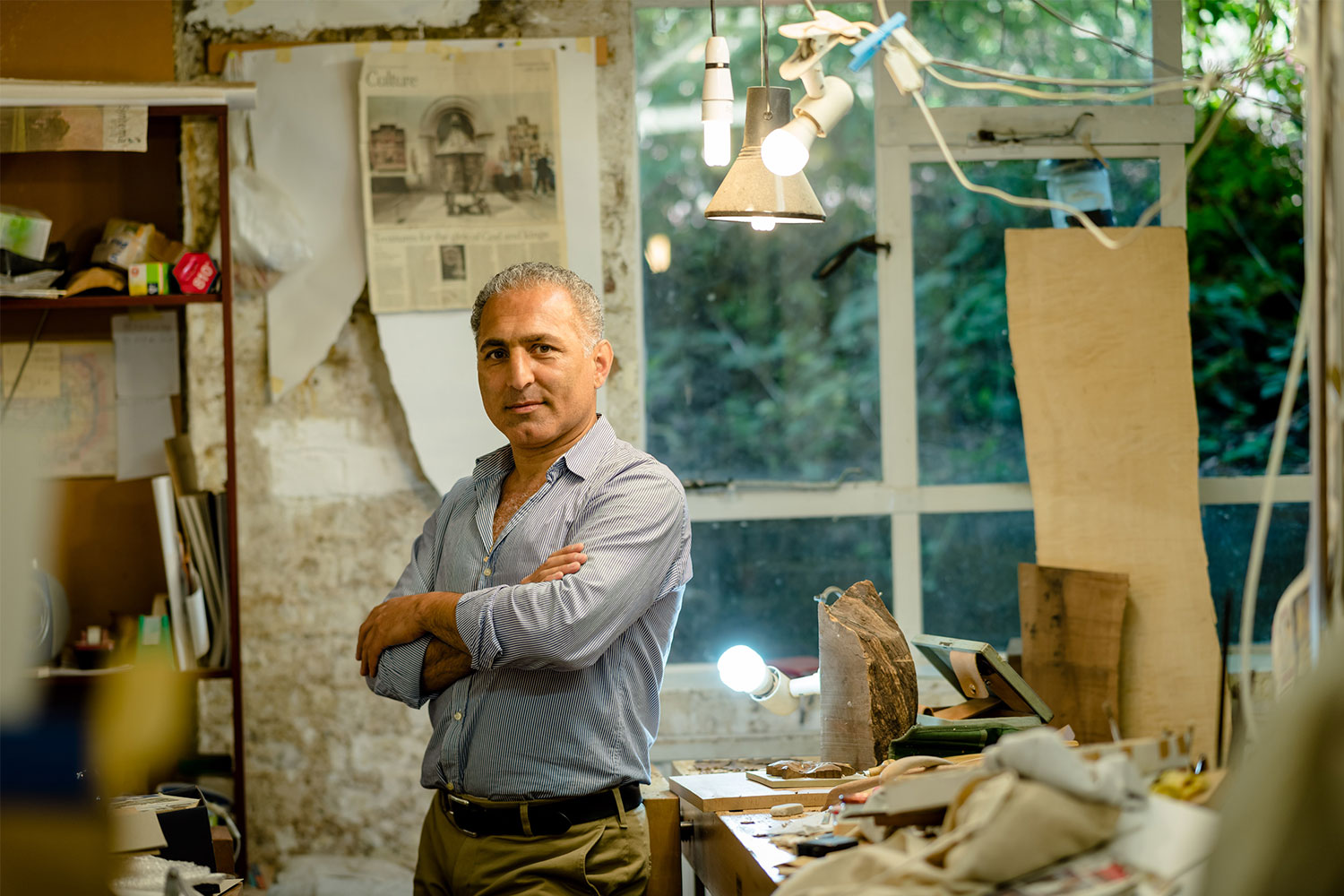
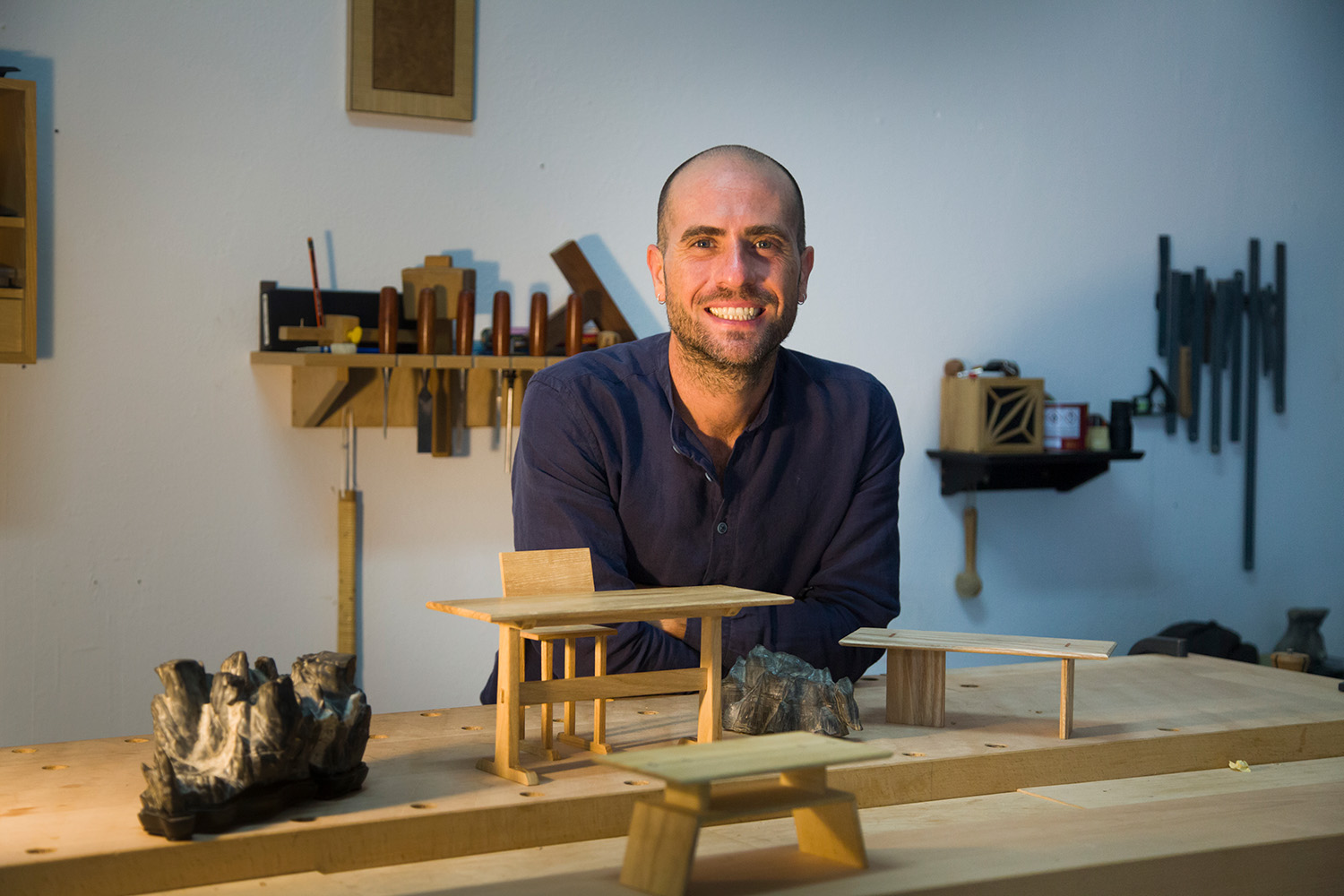
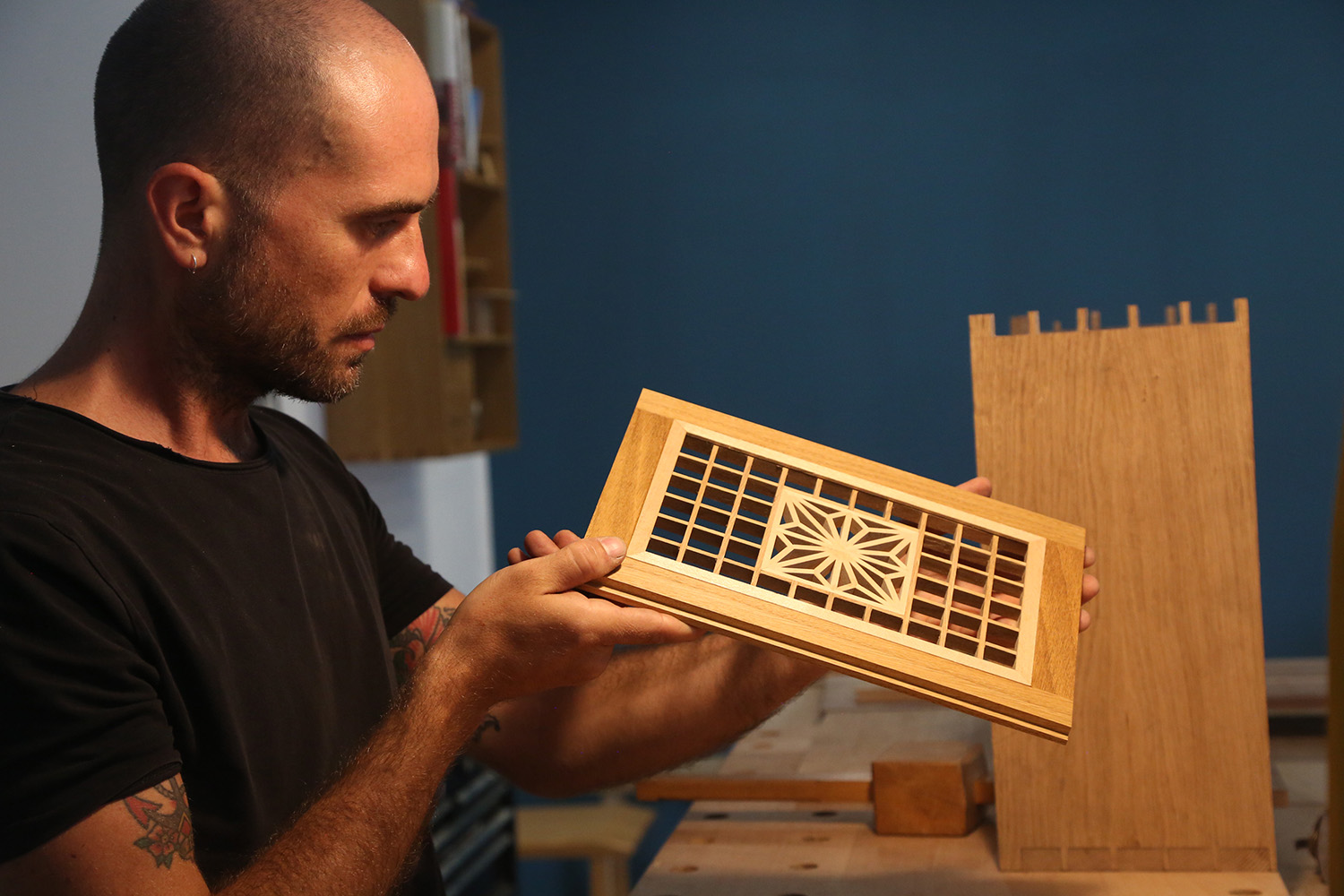
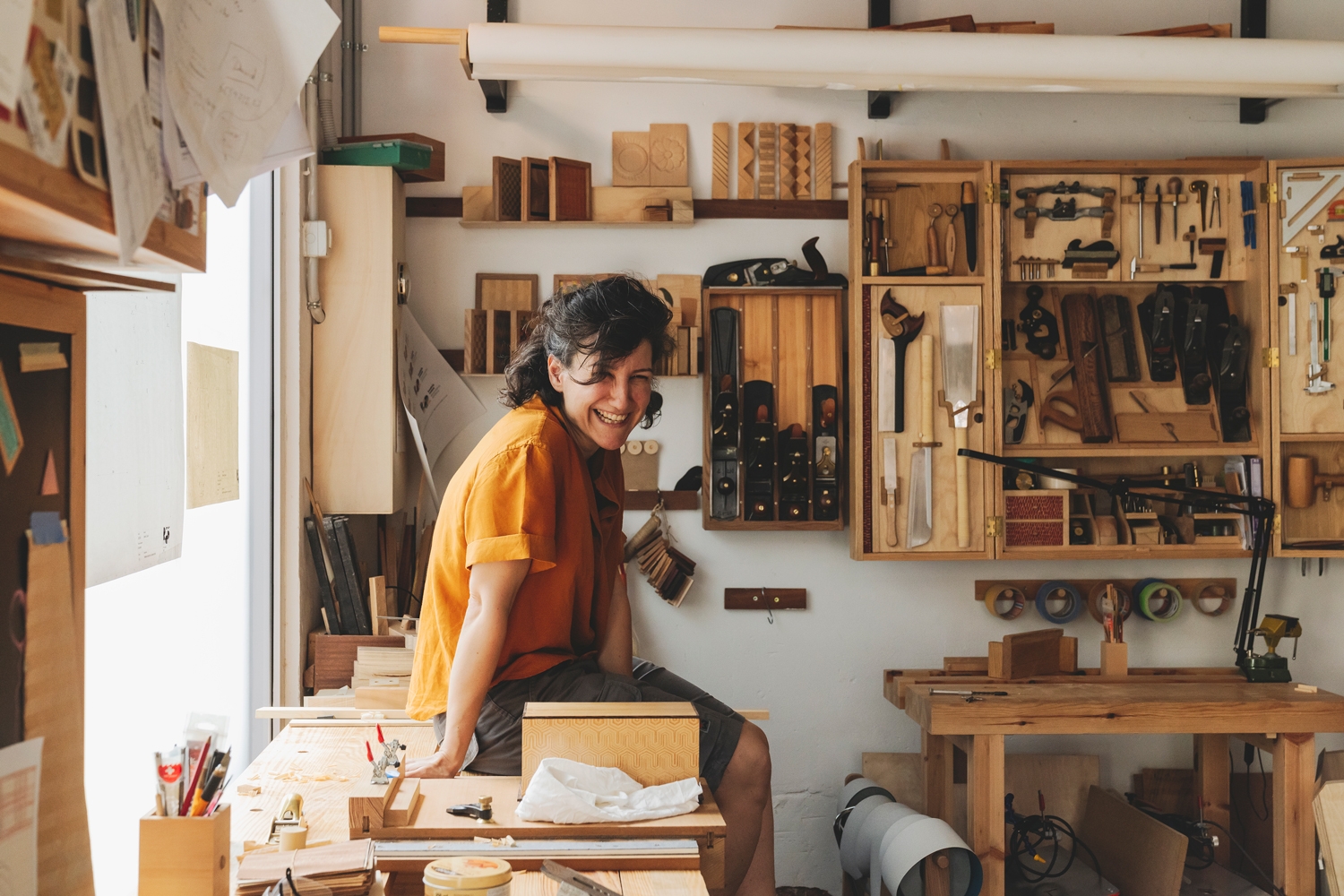
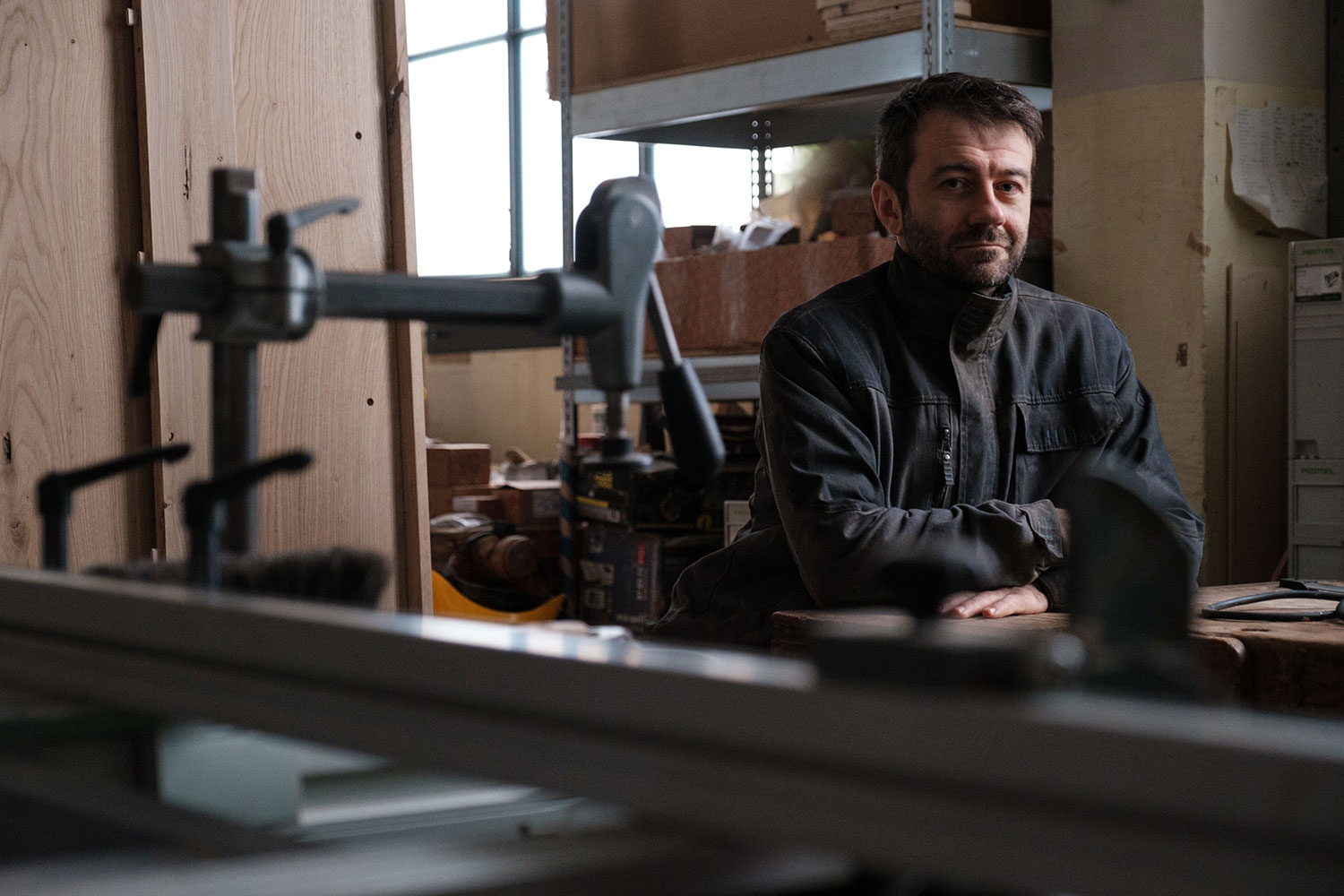
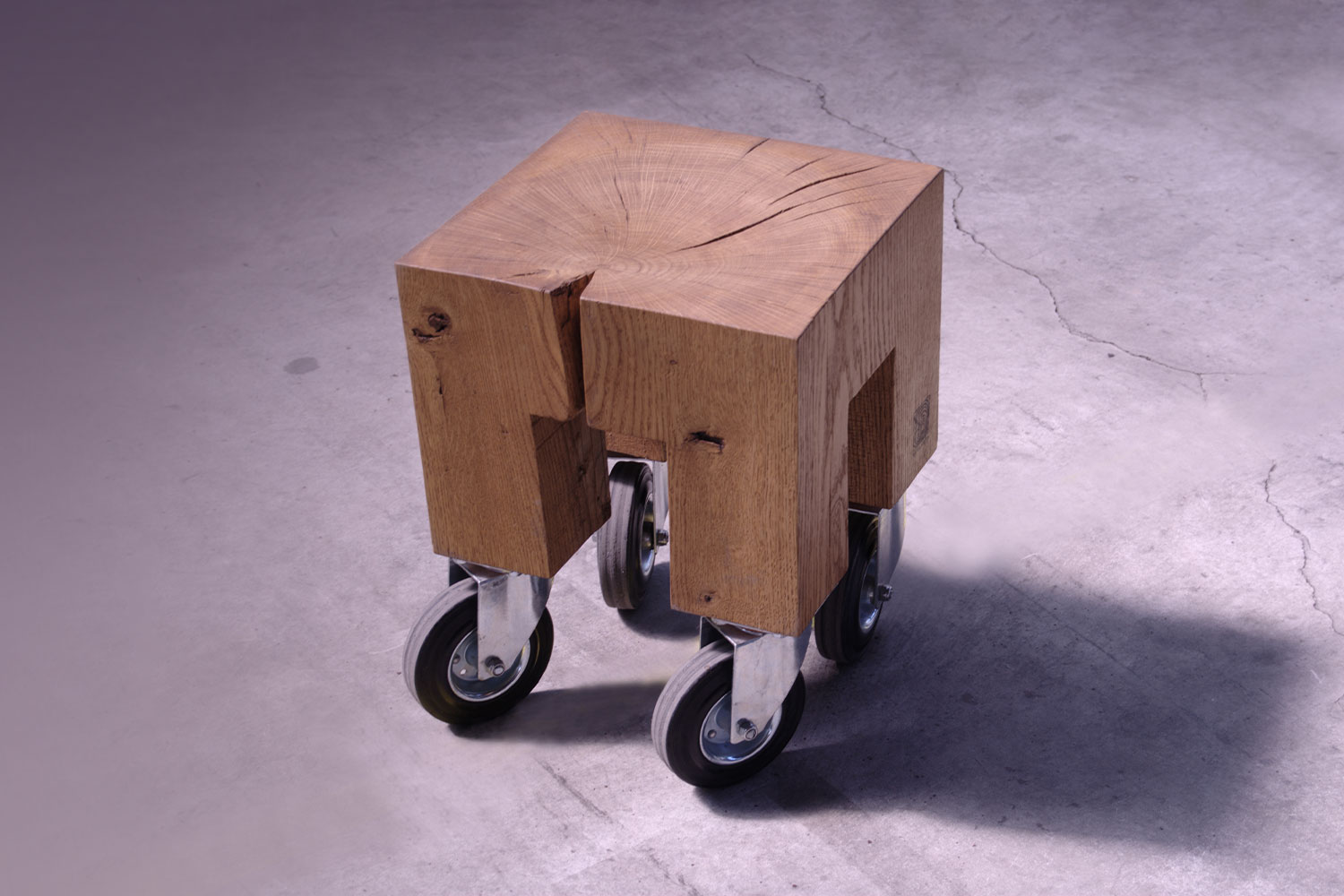
A few kilometres from Turin, in his workshop in Torre Pellice, Omar Barbero makes unconventional wooden furniture and home furnishings. Deeply inspired by nature, especially by the forests of the nearby Piedmontese valleys, he creates unique pieces, such as cabinets, cupboards, tables, consoles, kitchens. To create his original products, he combines architectural projects with a poetic approach, through an experimental attitude. The result is an imaginative style, both contemporary and primordial. “My carpentry is conceptual and organic”, he says. “I am a freethinker, working with the freest matter, wood”. While the connection with the environment is crucial, every creation has an independent identity.


INTERVIEW
I trained at high school in carpentry, woodcarving, marquetry, and restoration. But I didn’t want to become a cabinetmaker. I loved to draw. Then from my father, a restorer of ancient furniture, I learned that it was possible to do many things with wood.
Yes, from restoration I learned that wood species change with time, modifying colour and appearance. Being organic and alive, old wood is somehow flawed and when reworked for a new, different purpose it is really precious.
The challenge is crafting something that keeps its quality through the years and communicates its beauty across generations. Also, making myself understood can be difficult: conveying the research behind my pieces, a philosophy which is a way of life.
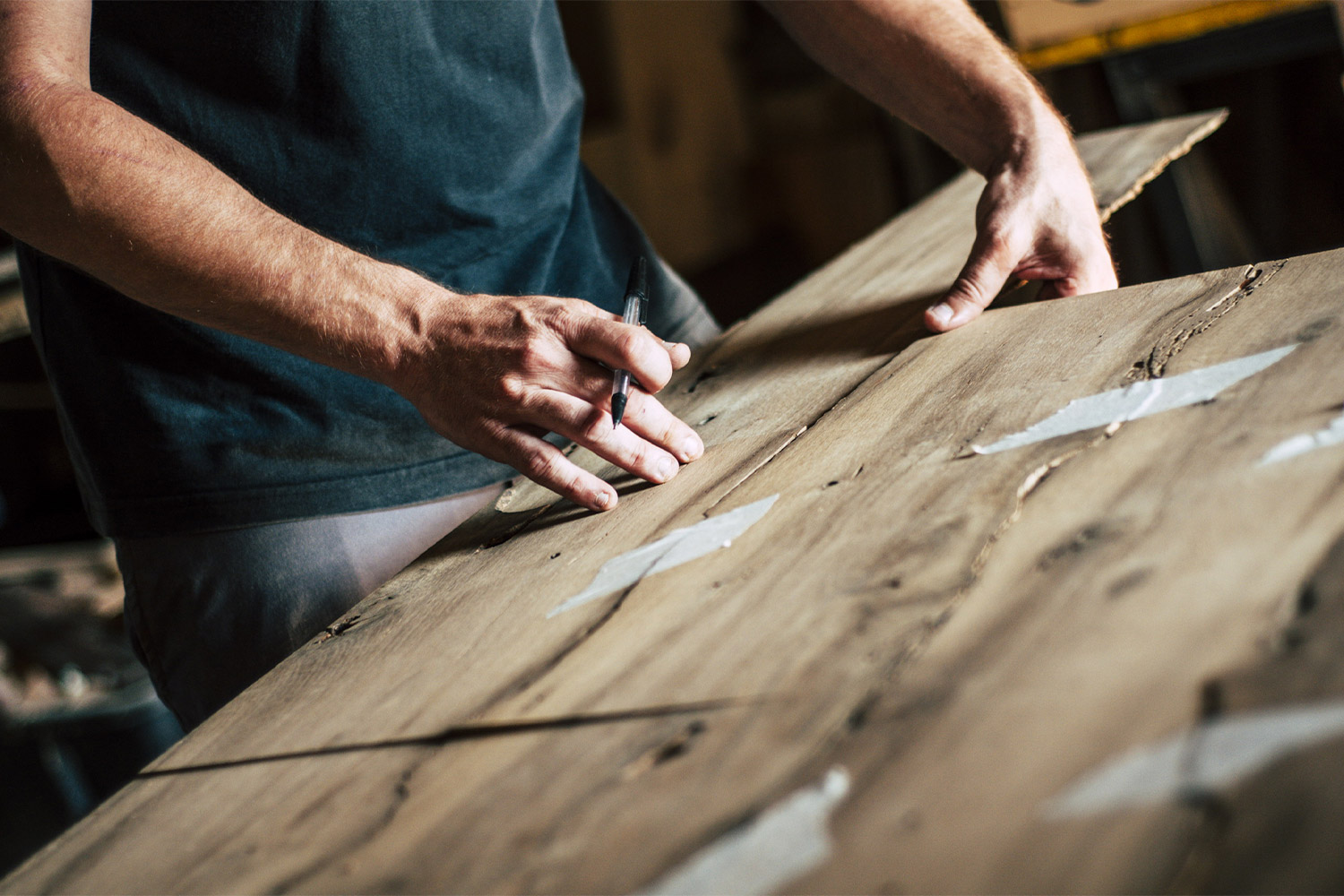
More than a technical skill, I’d say it’s the choice of wood. My approach is a sort of dialogue with the different wood species. Craft is essential of course, but it’s put at the service of a vision, which requires the slowness of non-consumerist times.
Omar Barbero
Cabinetmaker
Torre Pellice, Italy
Recommended by Fondazione Cologni Dei Mestieri D'Arte
AVAILABILITY
By appointment only
PHONE
+39 3334774613
LANGUAGES
Italian, English
Homo Faber Finds is a new service aiming to inspire admirers of craft to connect and collaborate with exceptional artisans.
We invite you to submit an enquiry here.