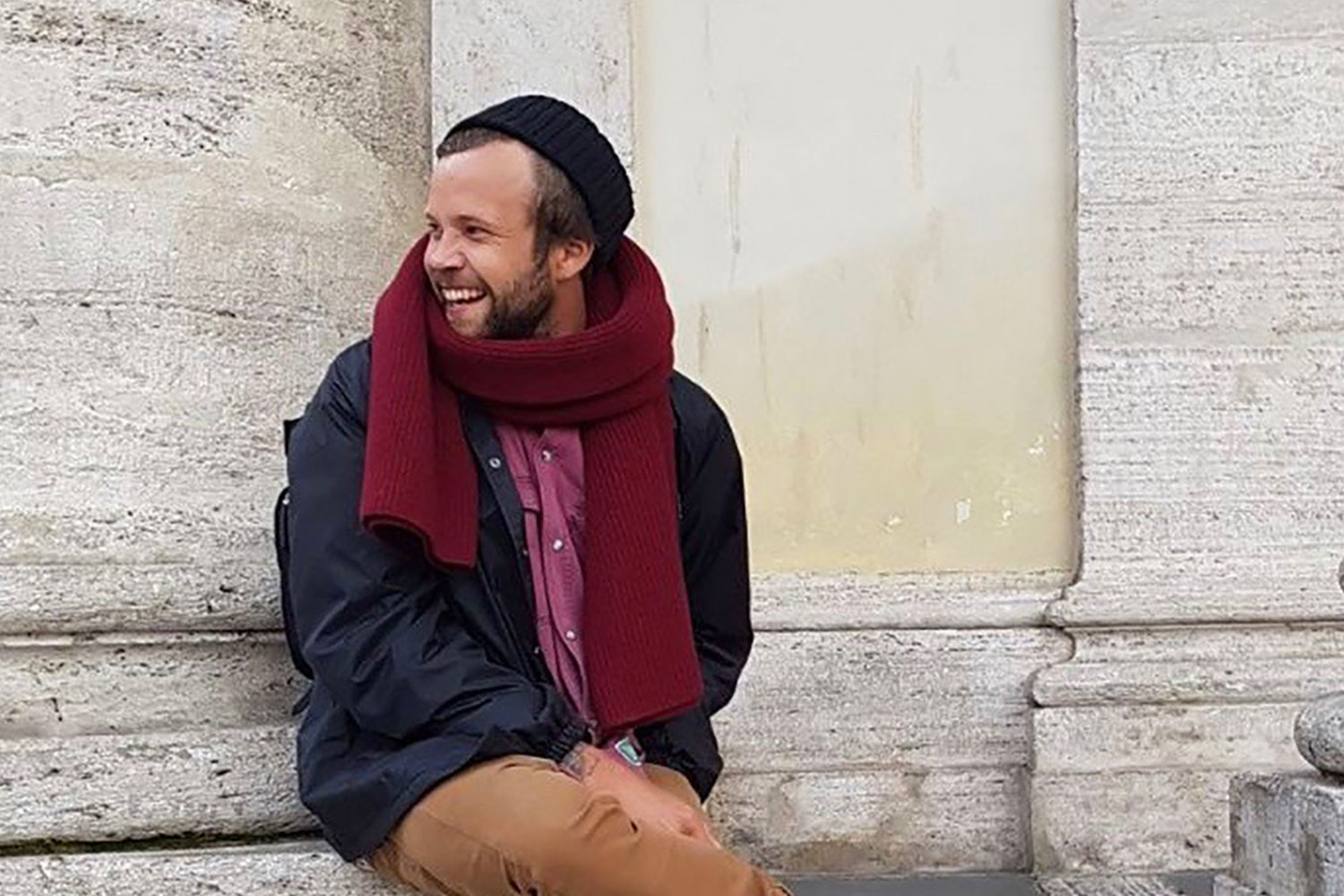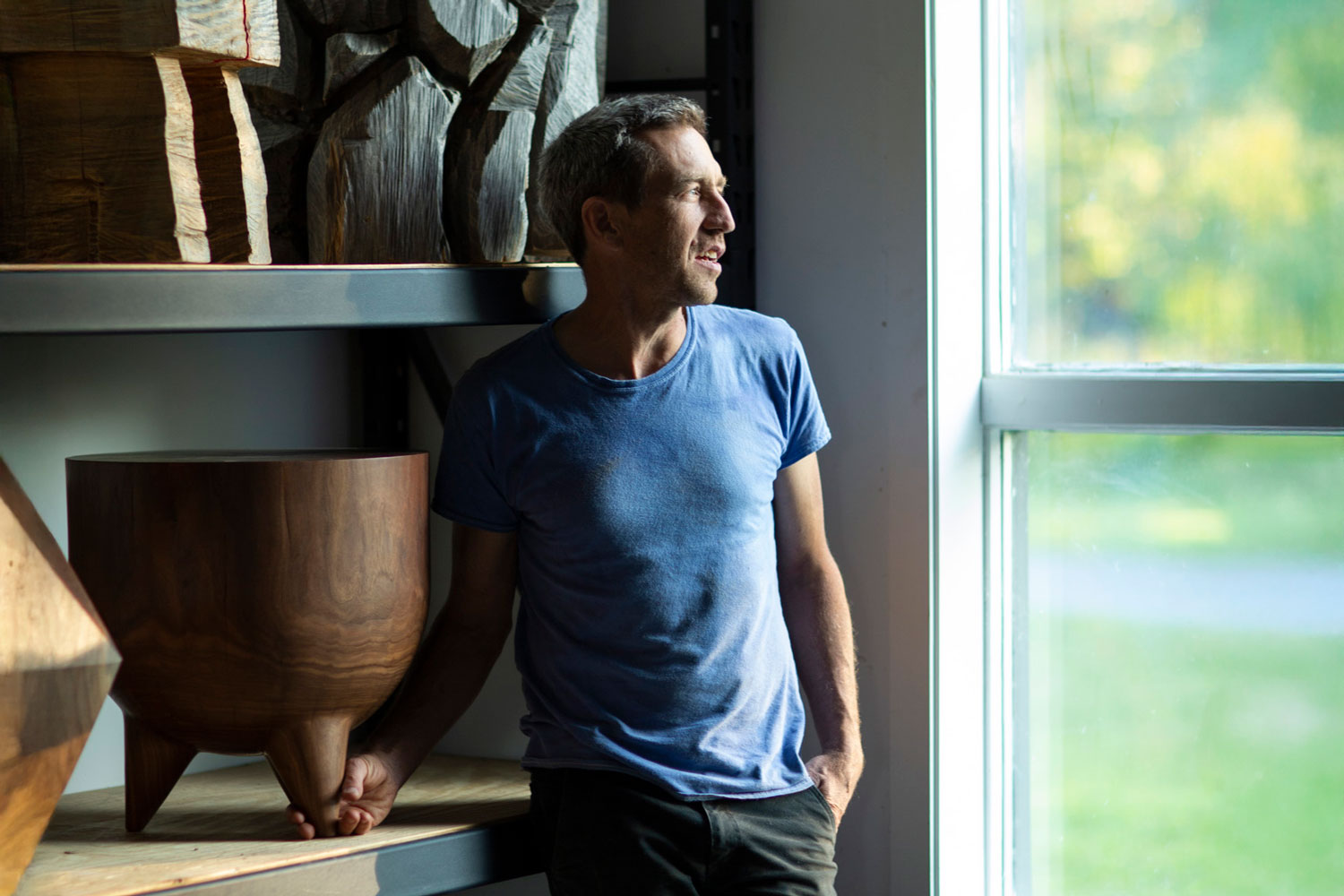
Nairi Safaryan
Wood sculptor
Santa Clarita, CA, USA
In reverence of the inner music of wood
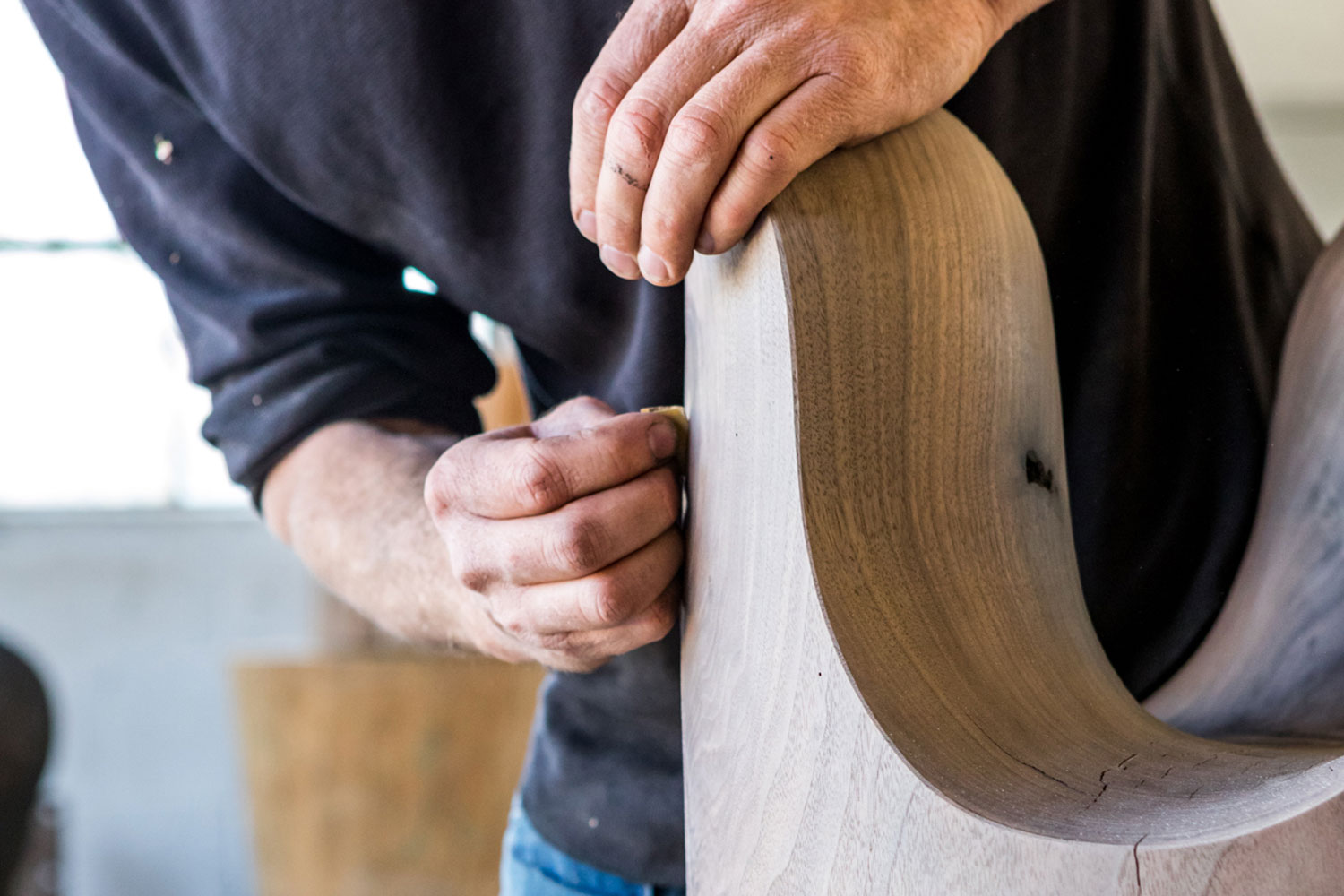
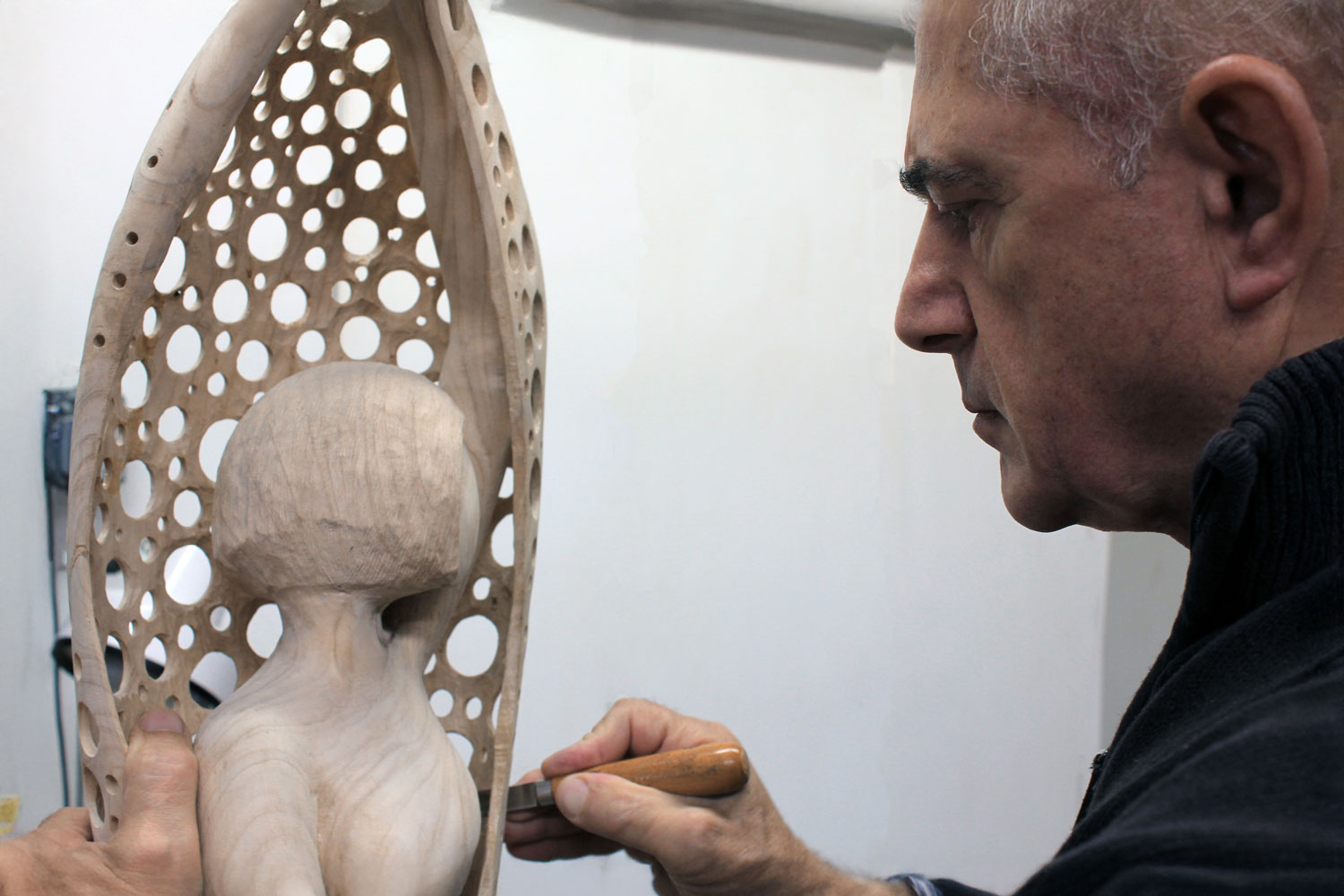
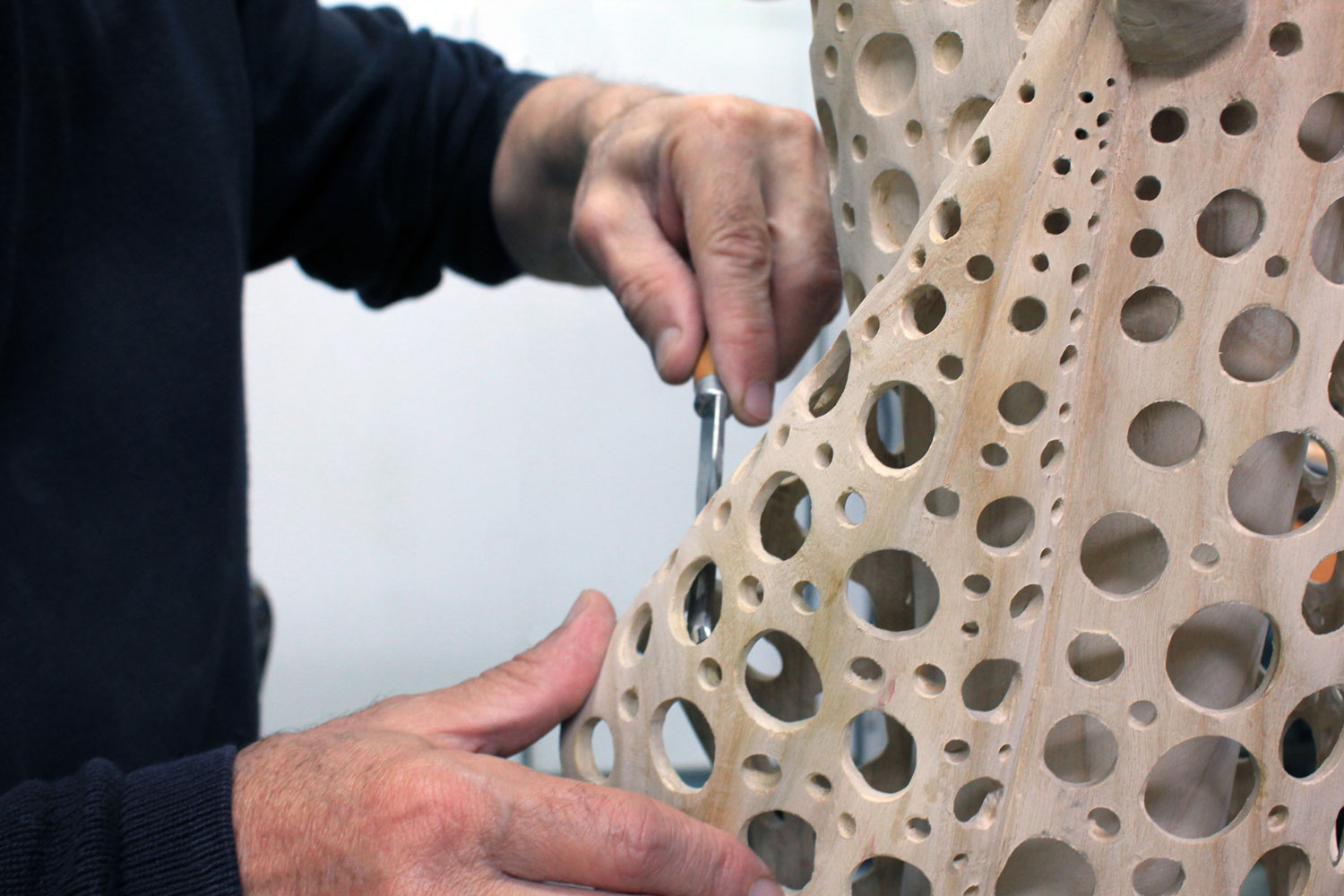
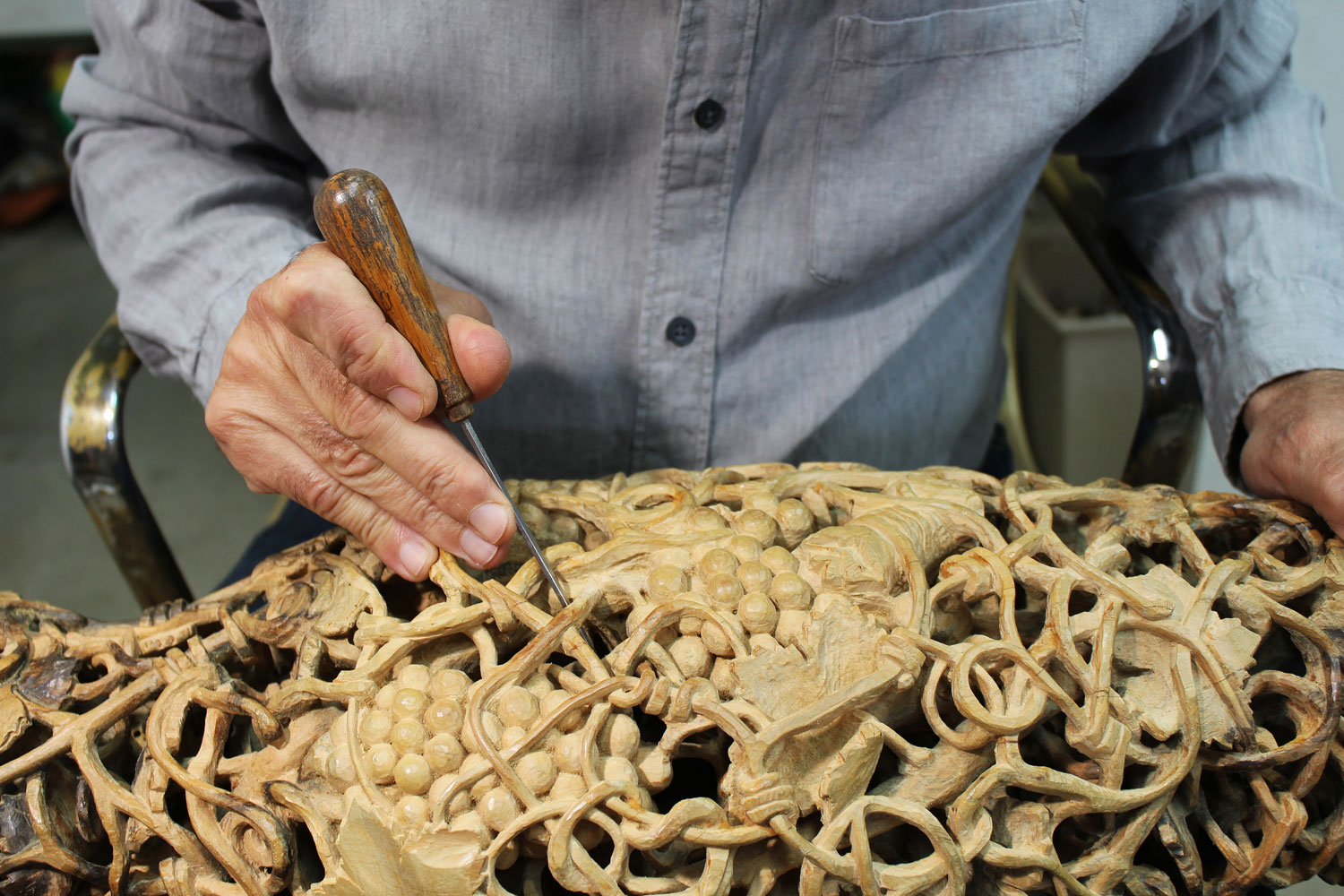
- Nairi carves wood sculptures with a delicate attention to detail
- His background in engineering brings material mastery to his creativity
- The aesthetic of his work remains a homage to his Armenian origins
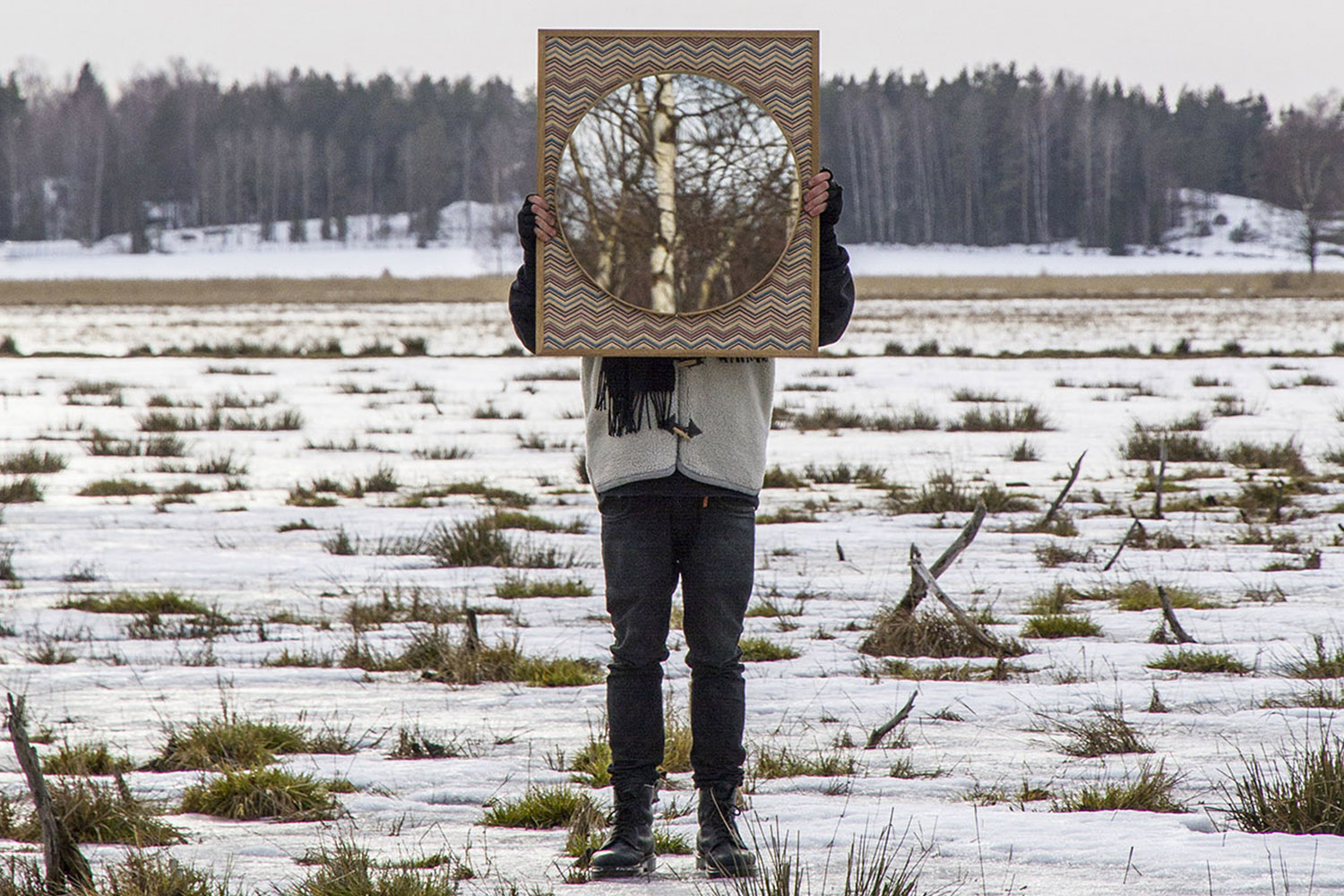
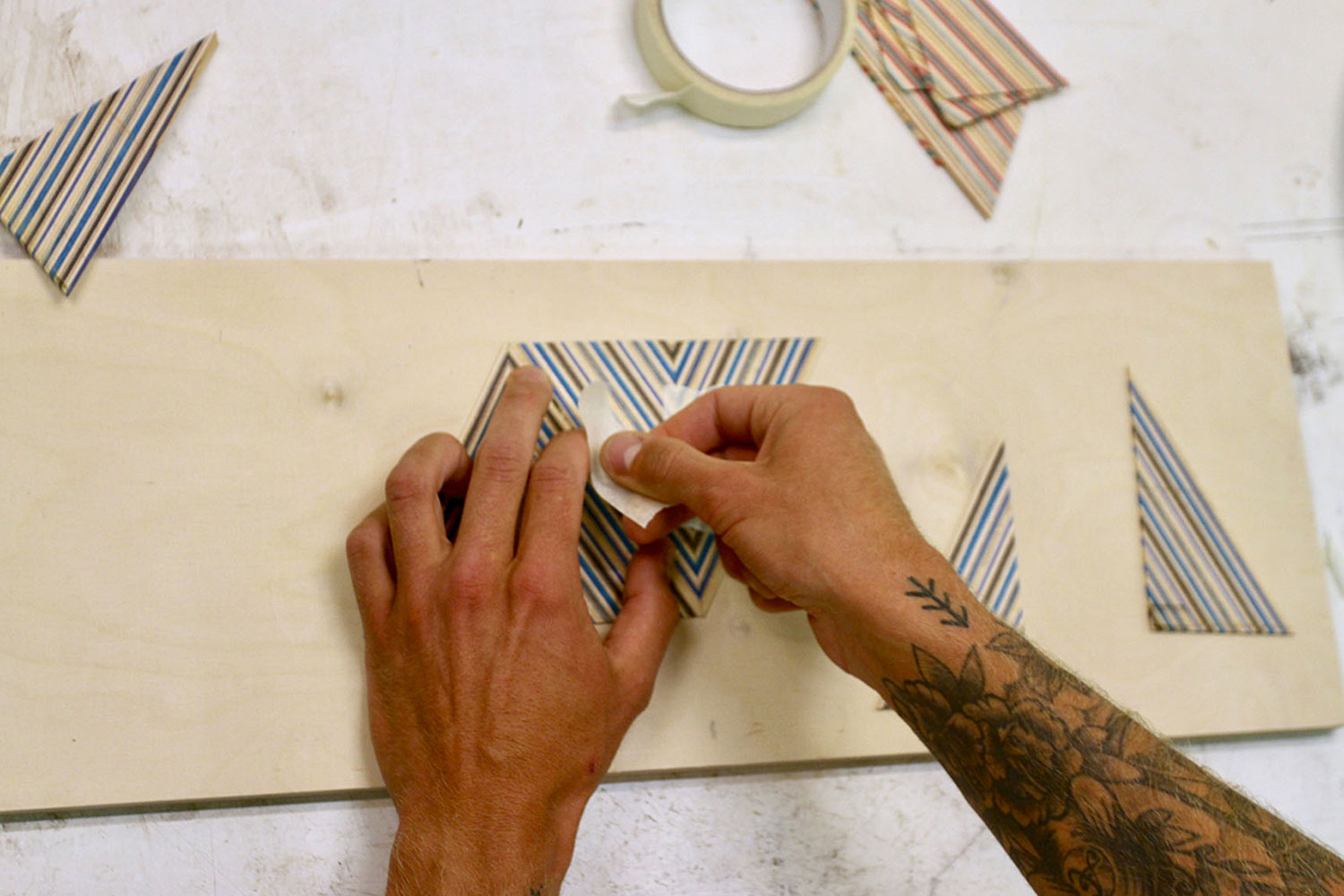
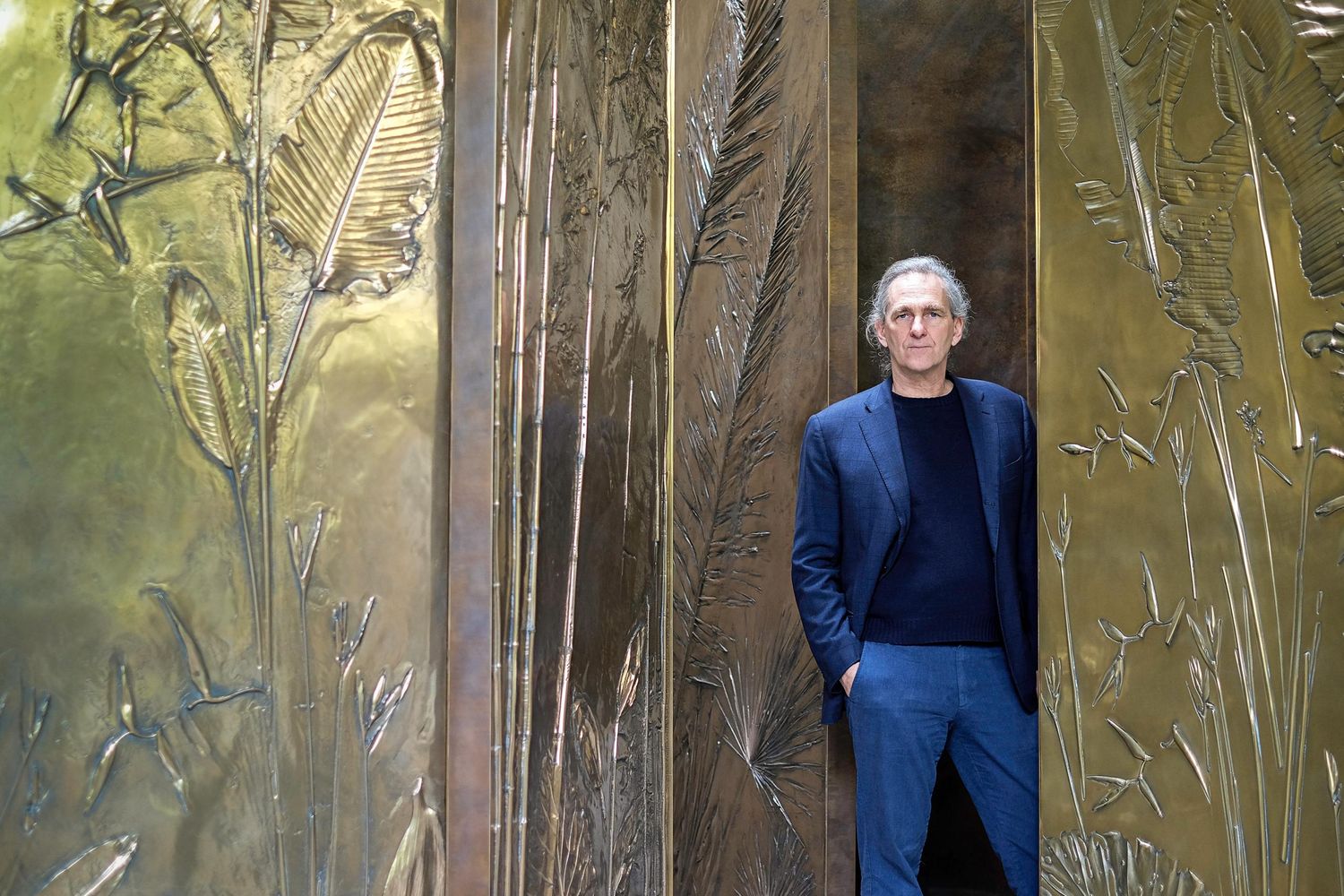
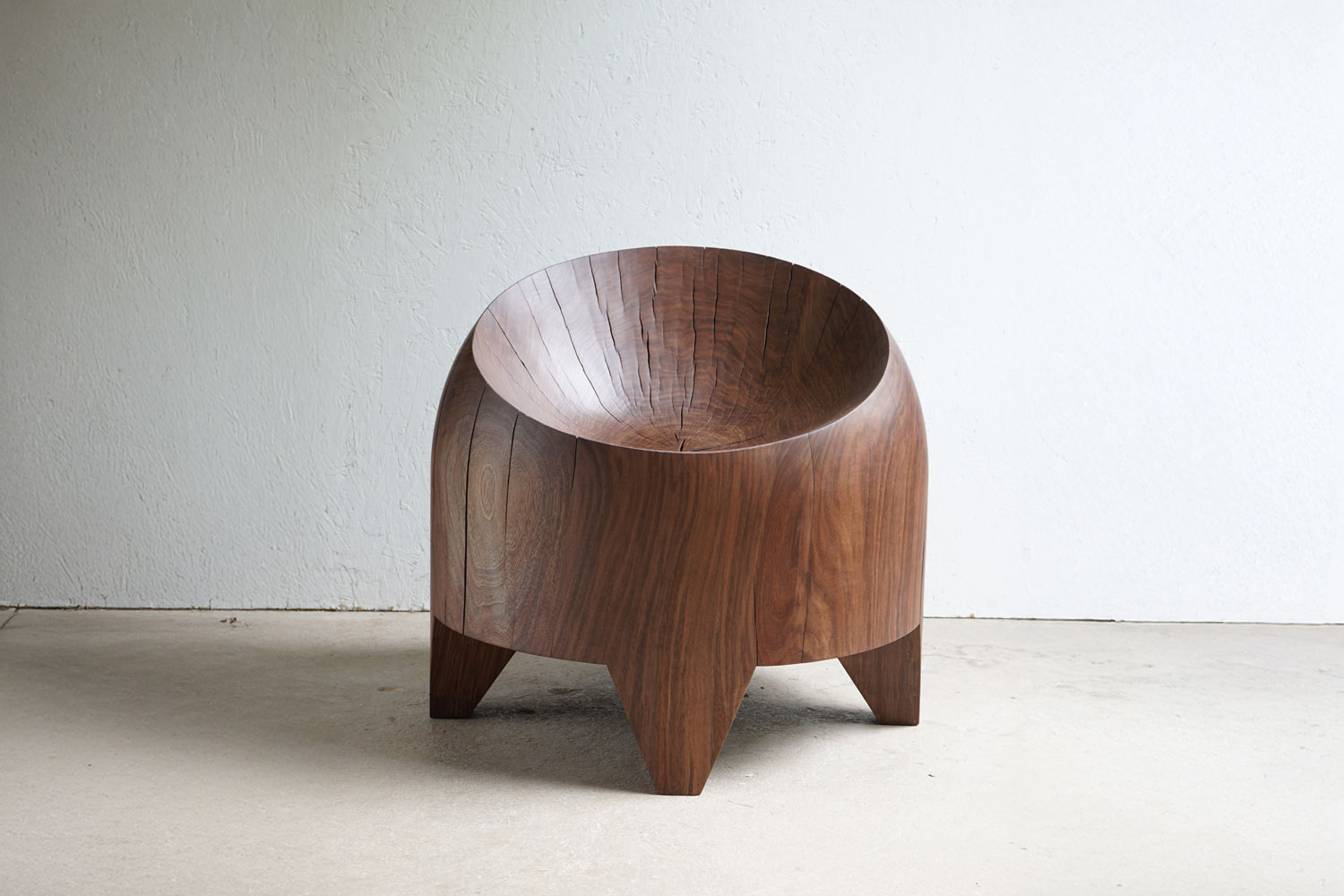
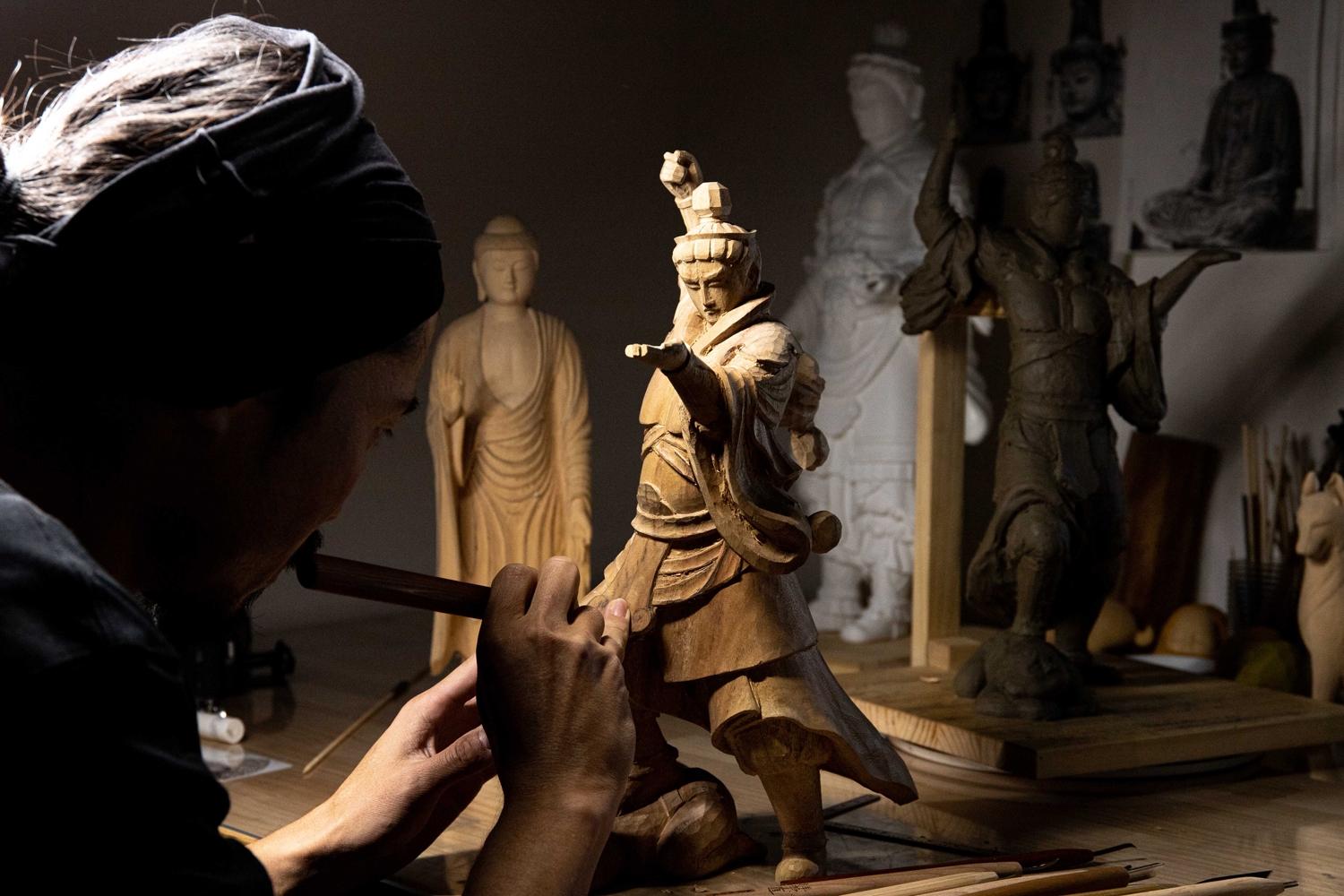
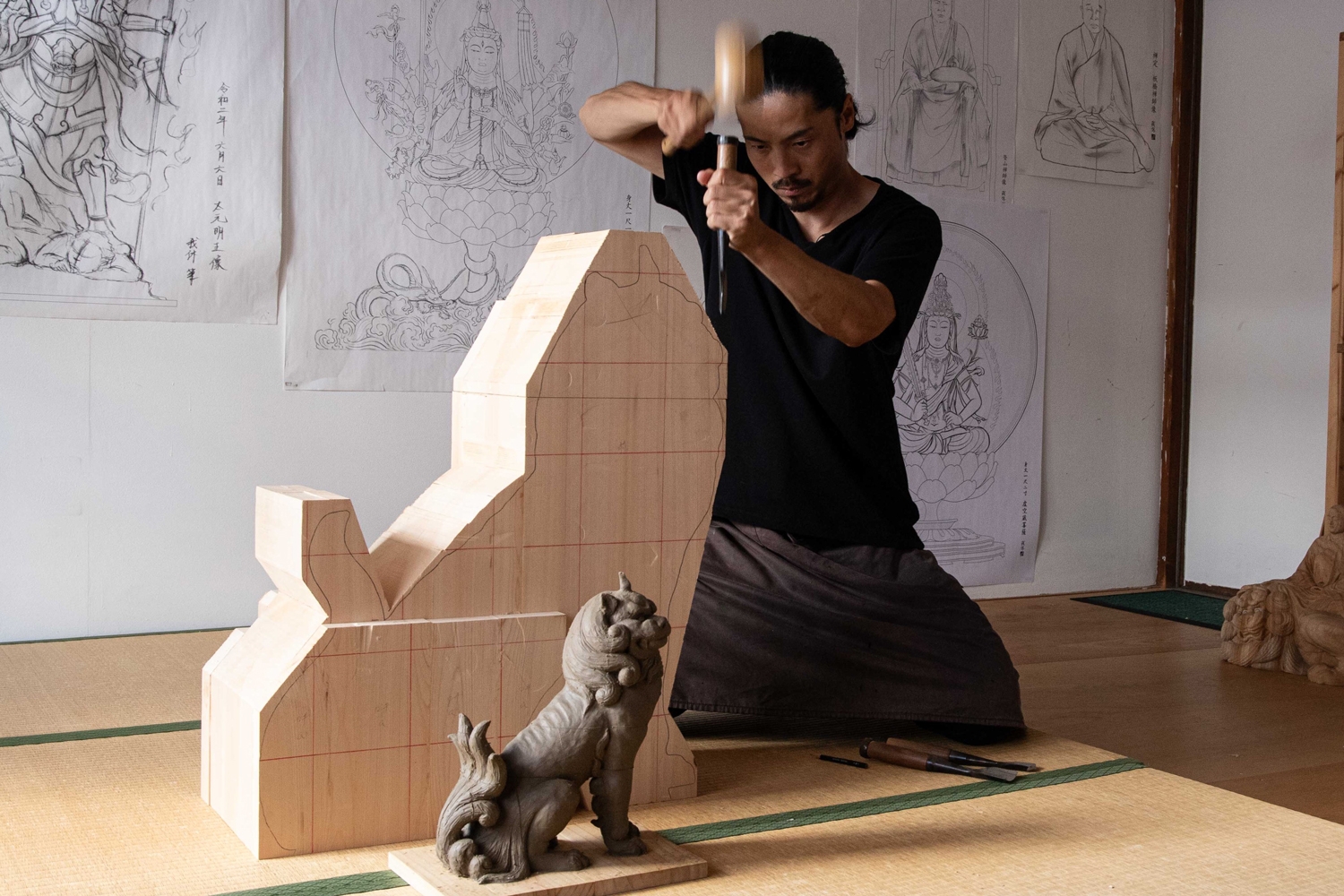
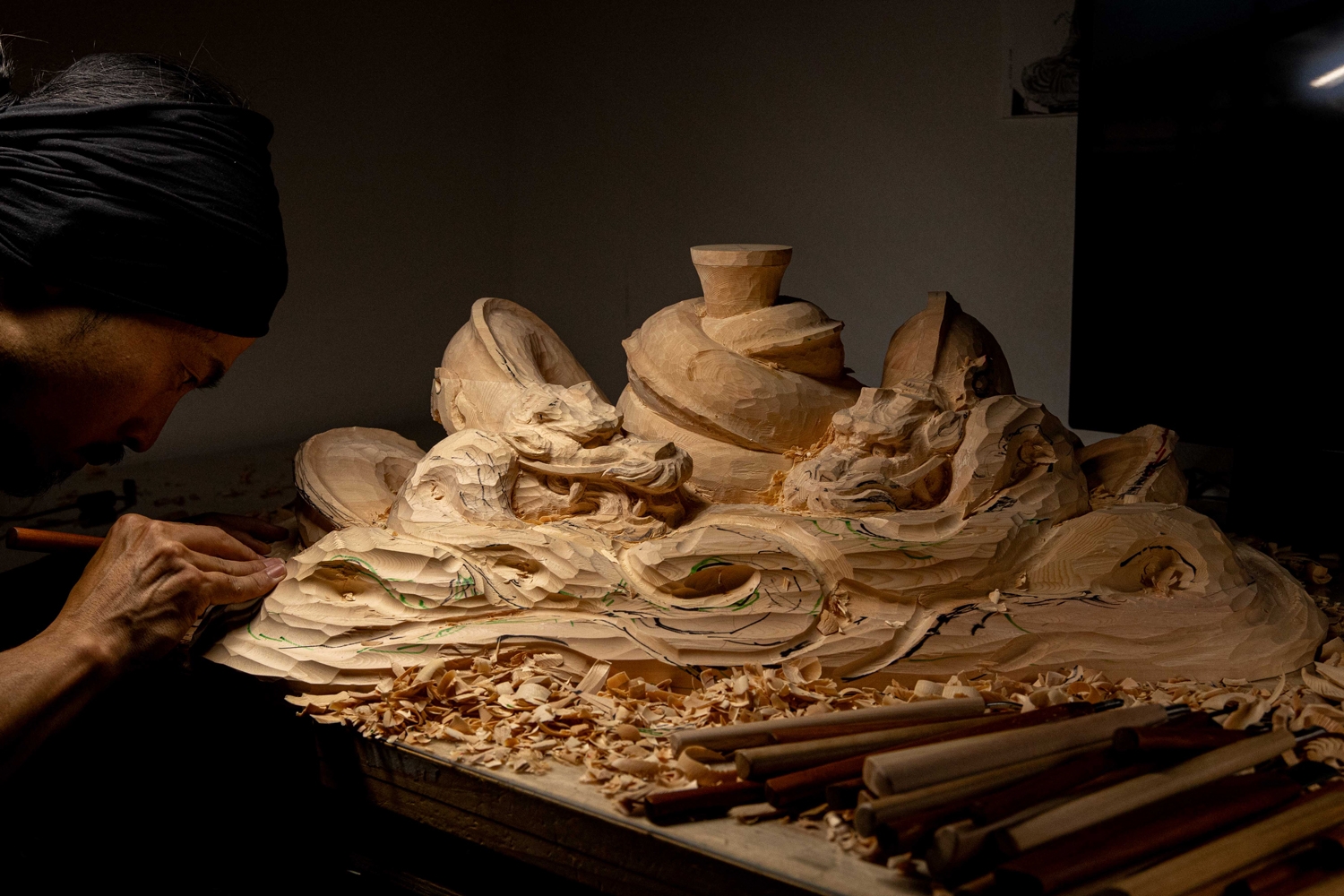
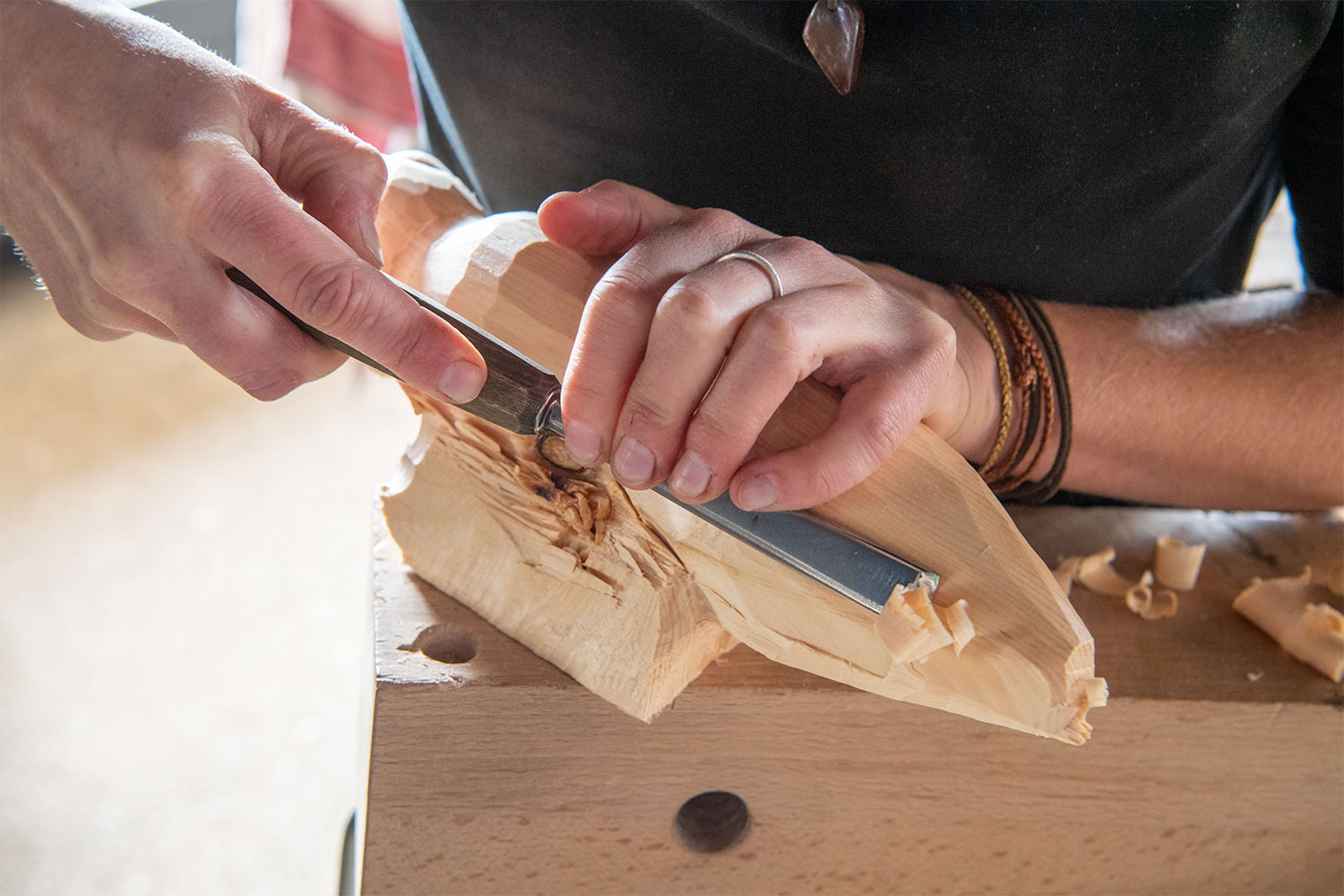
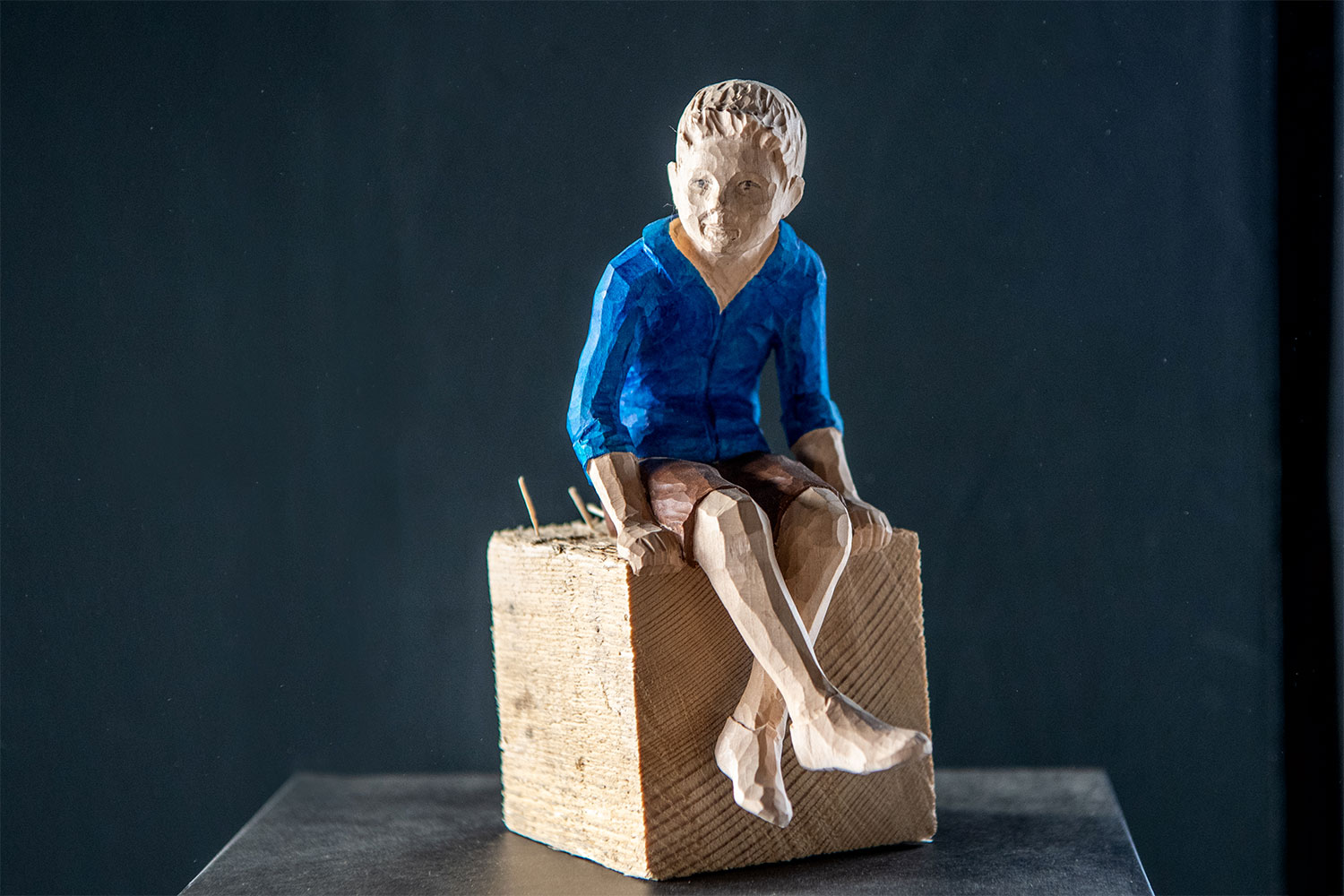
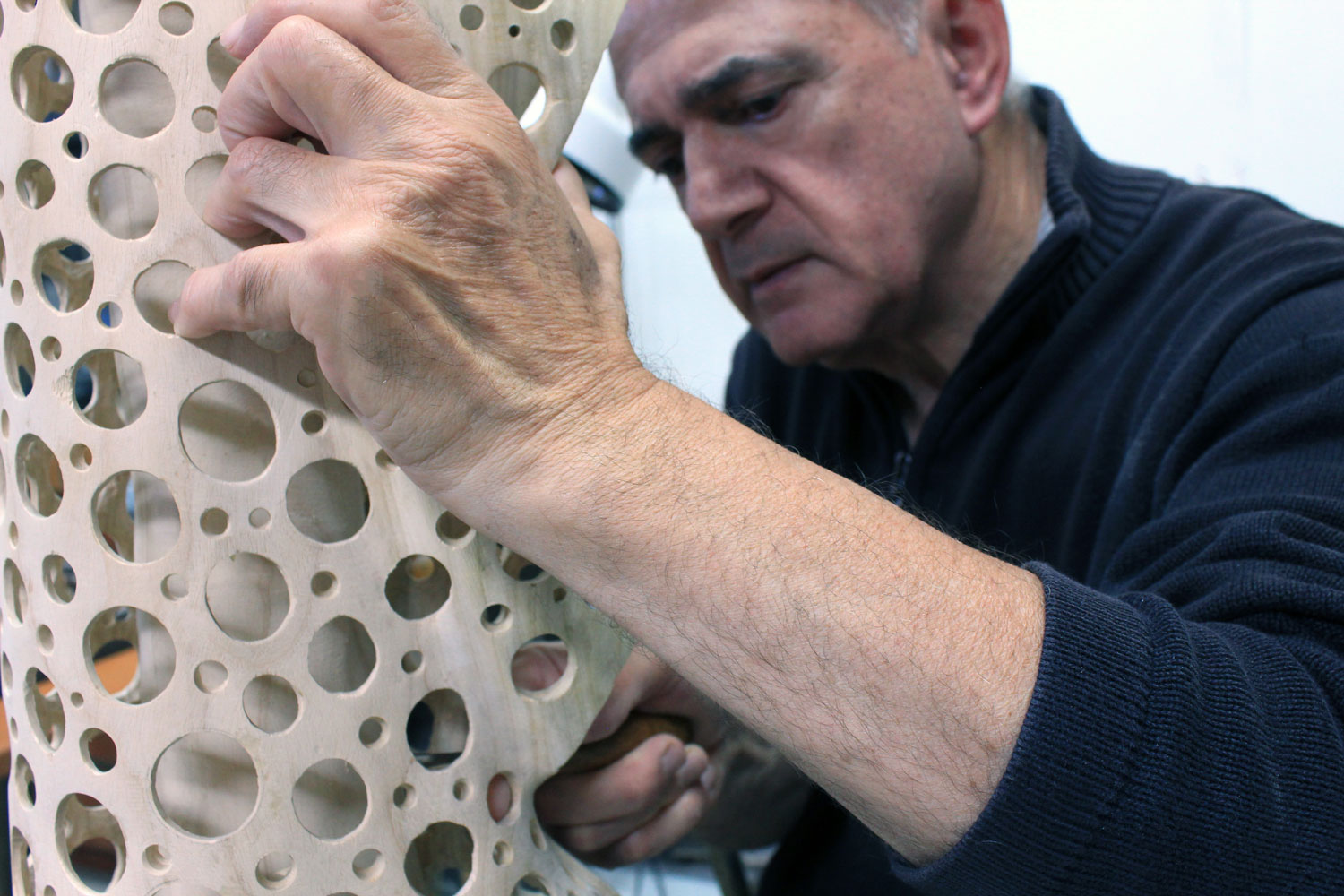
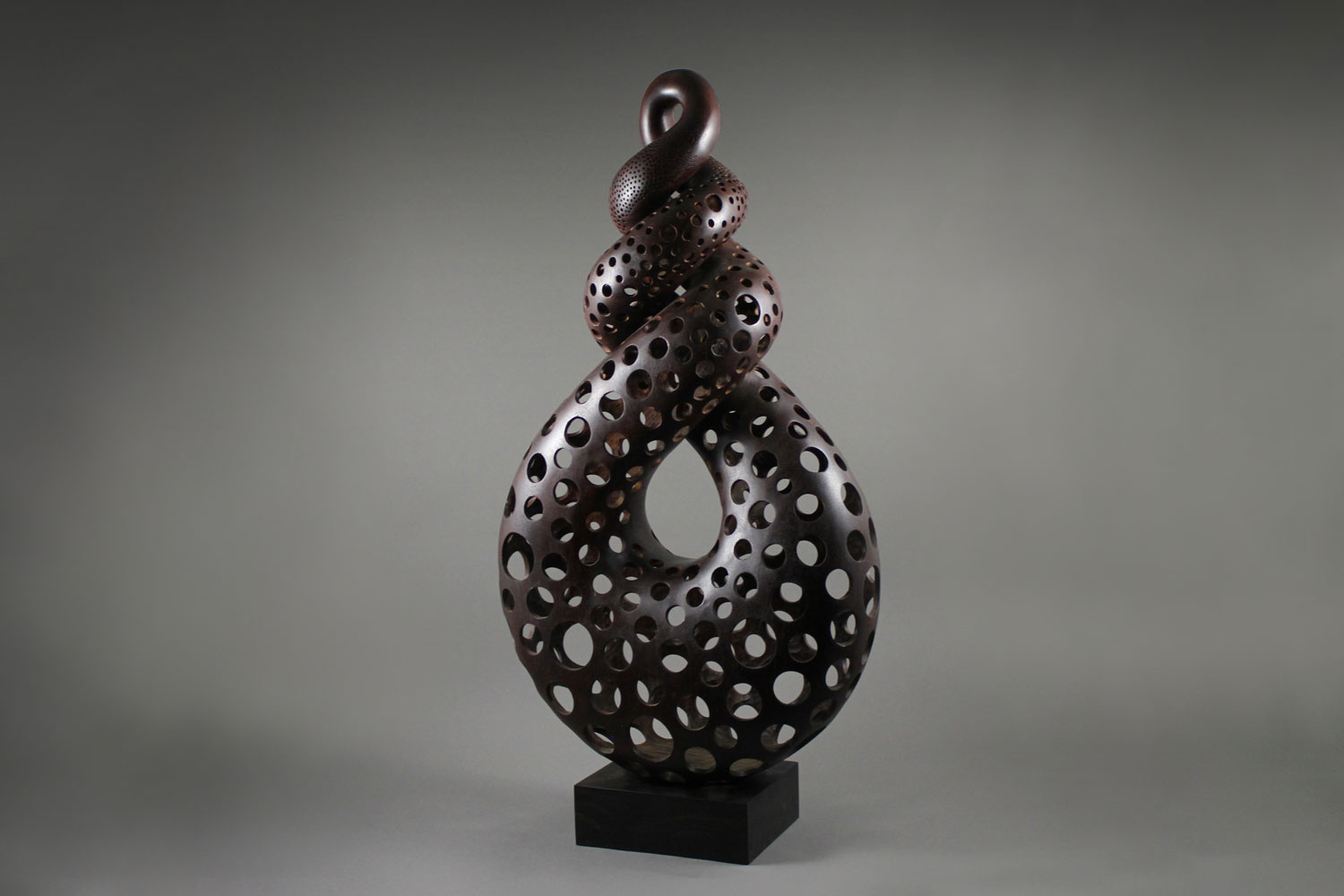
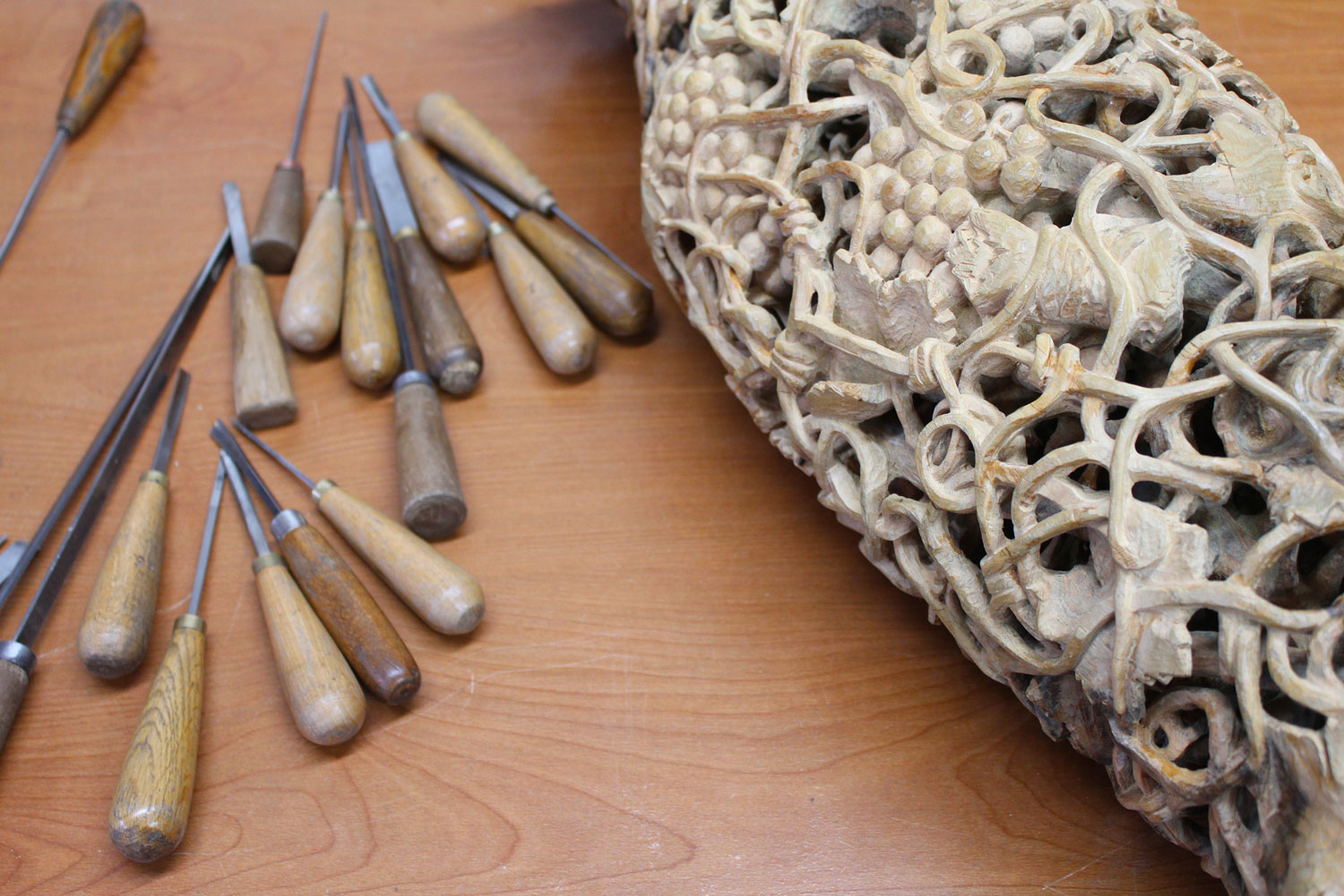
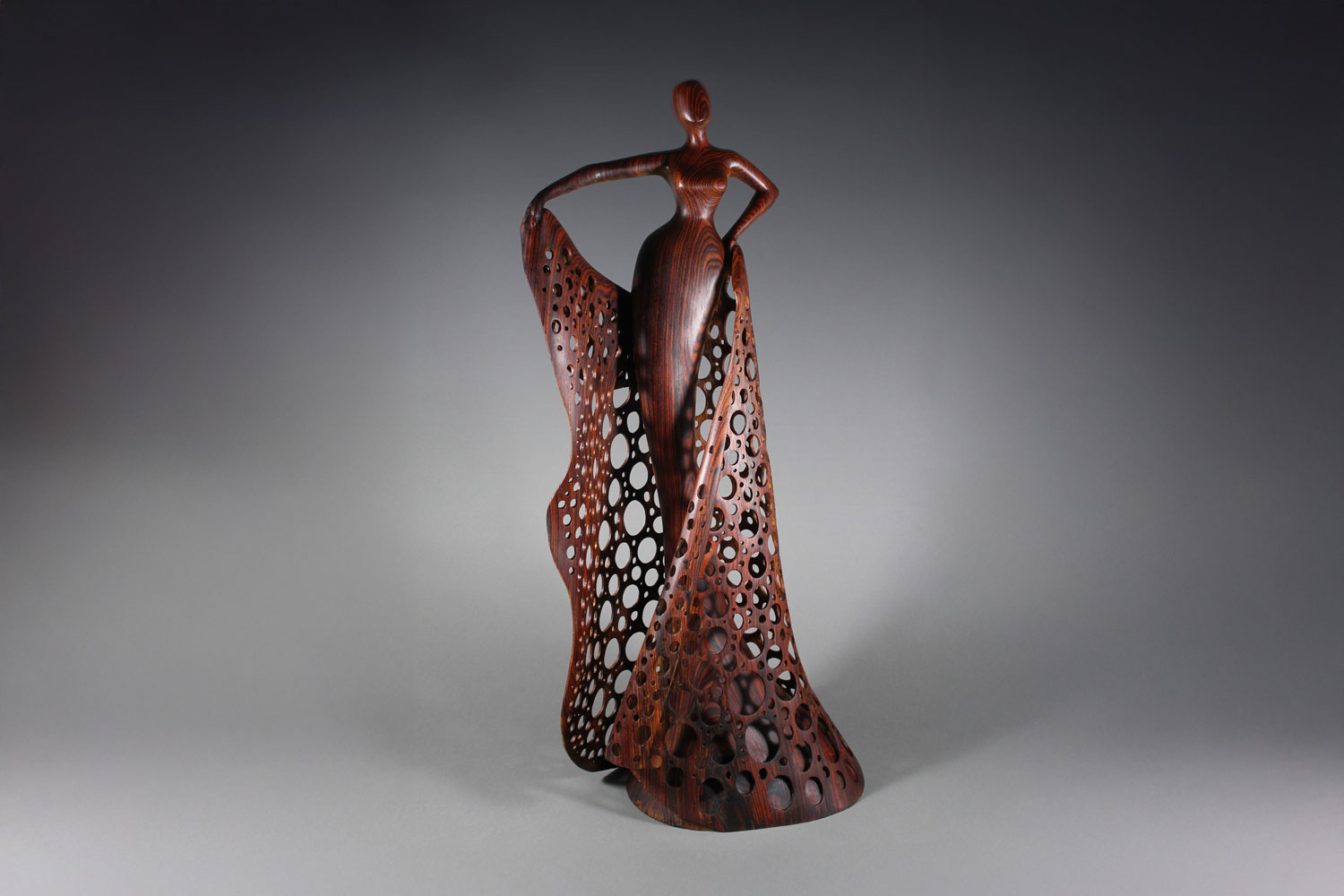
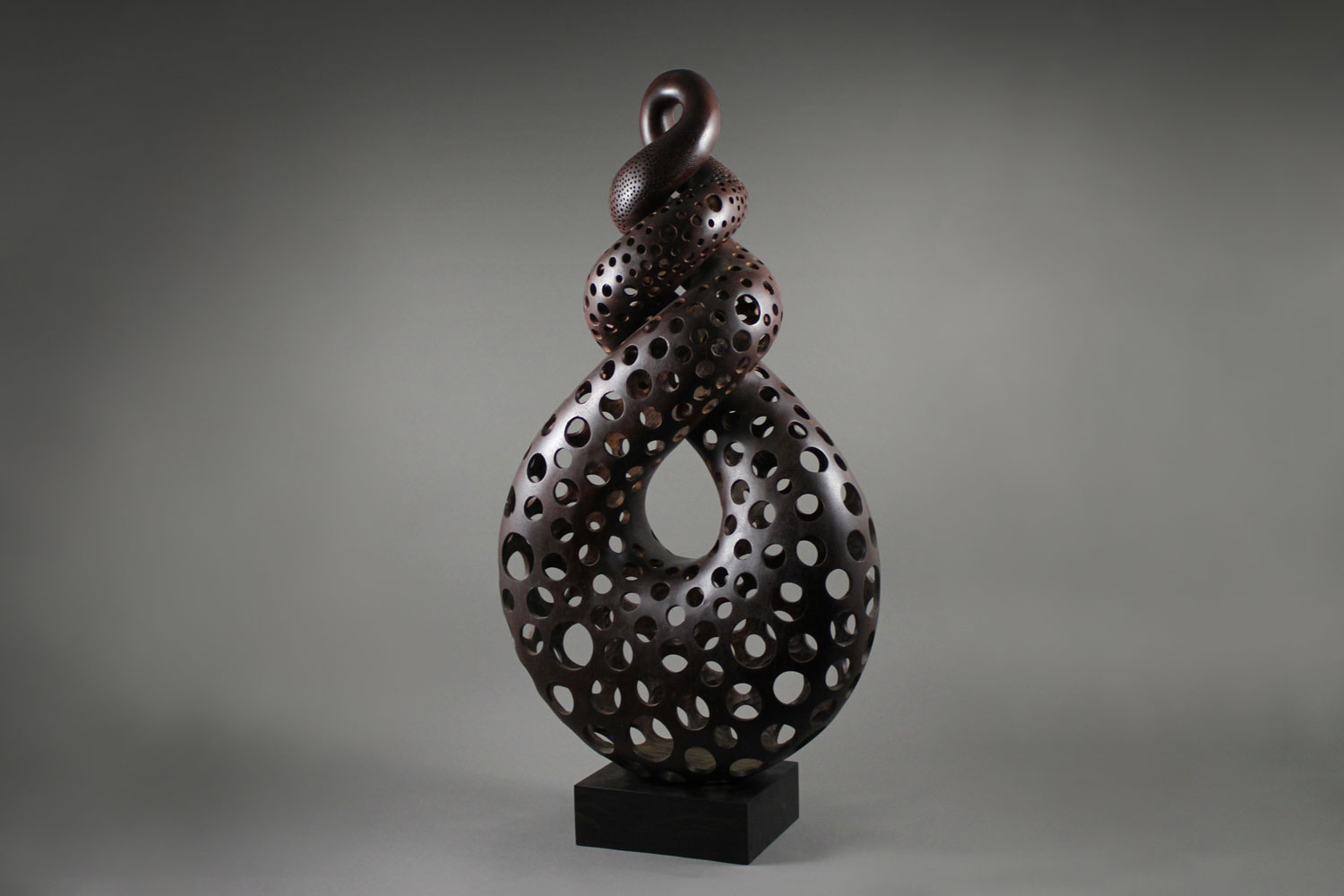
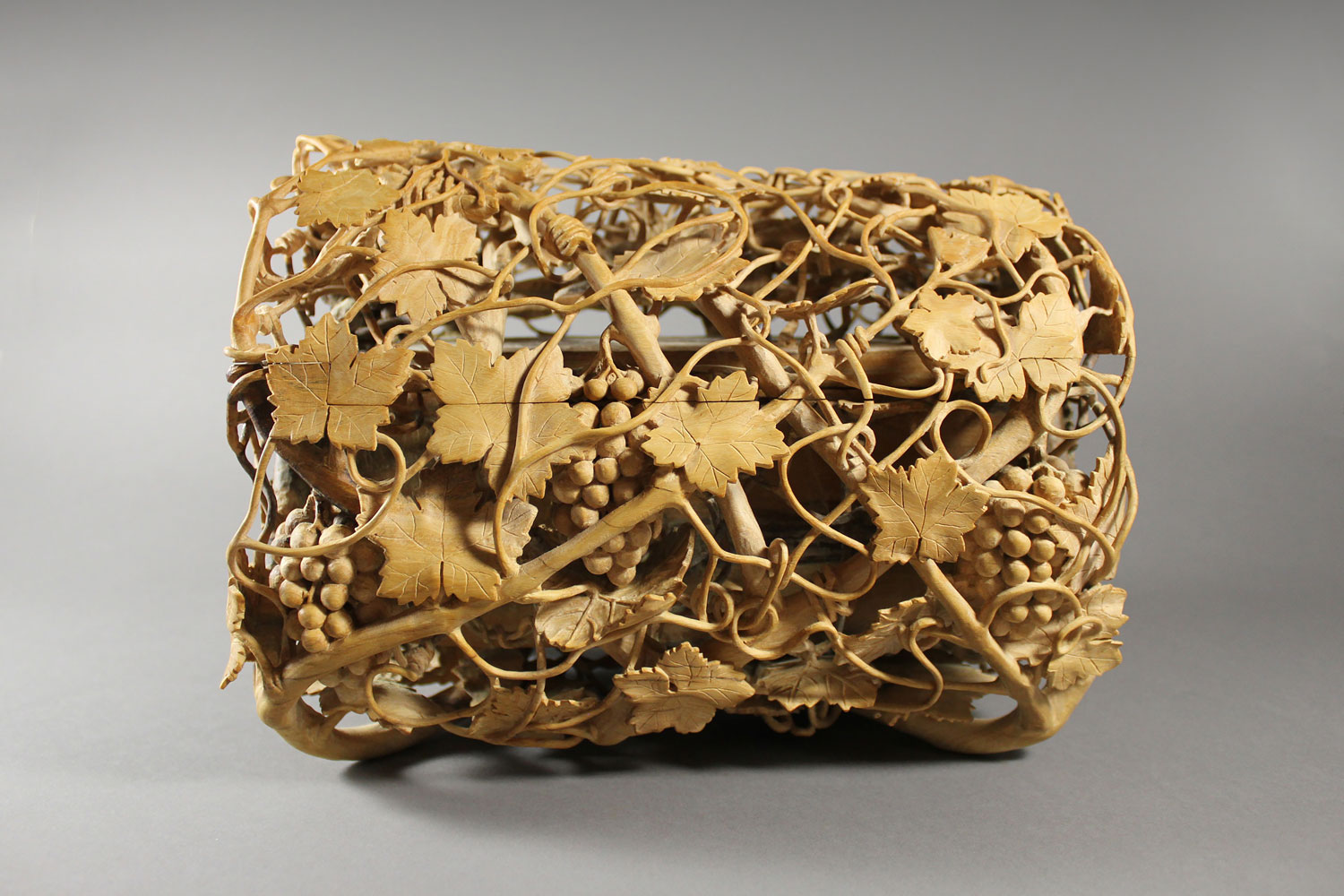
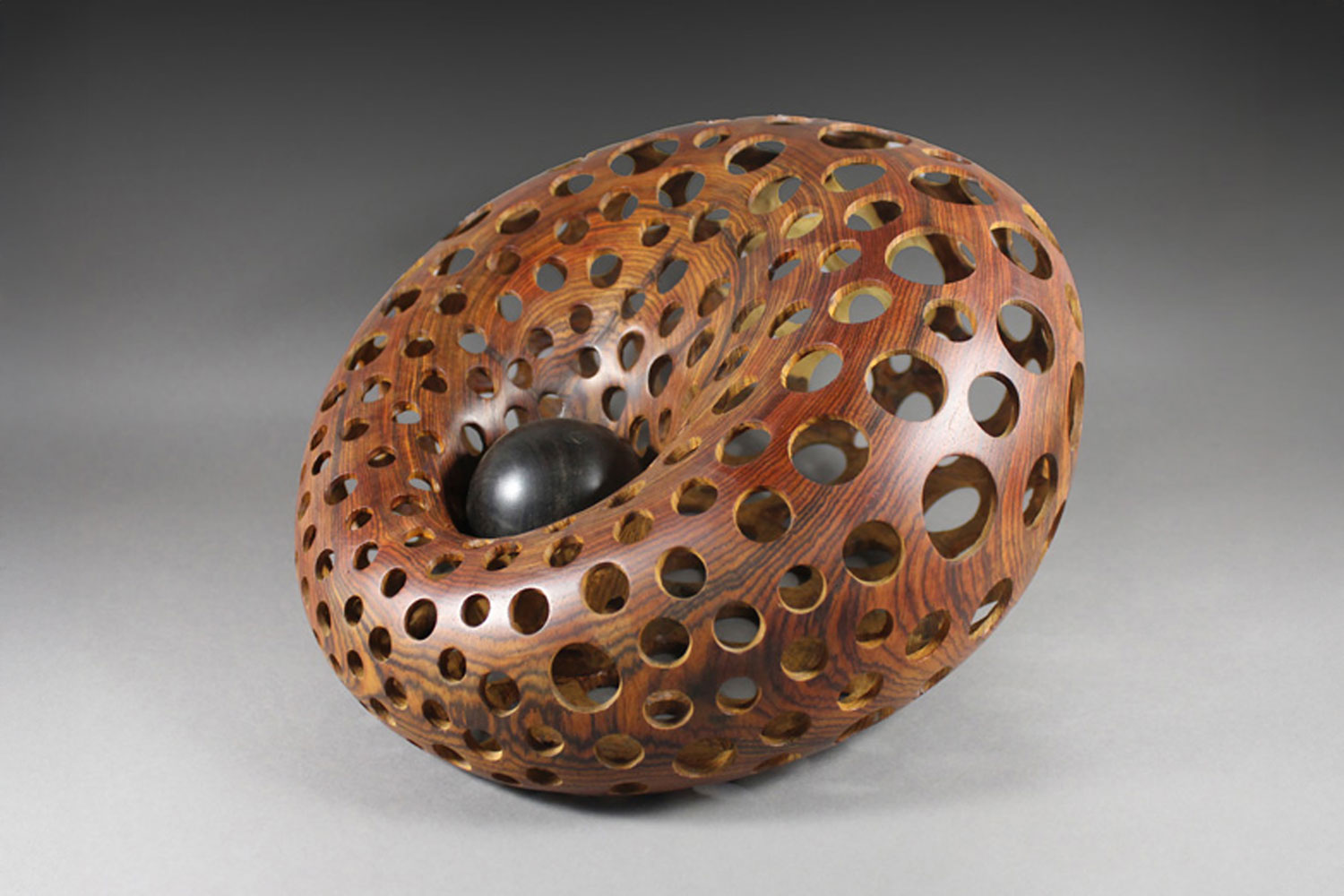
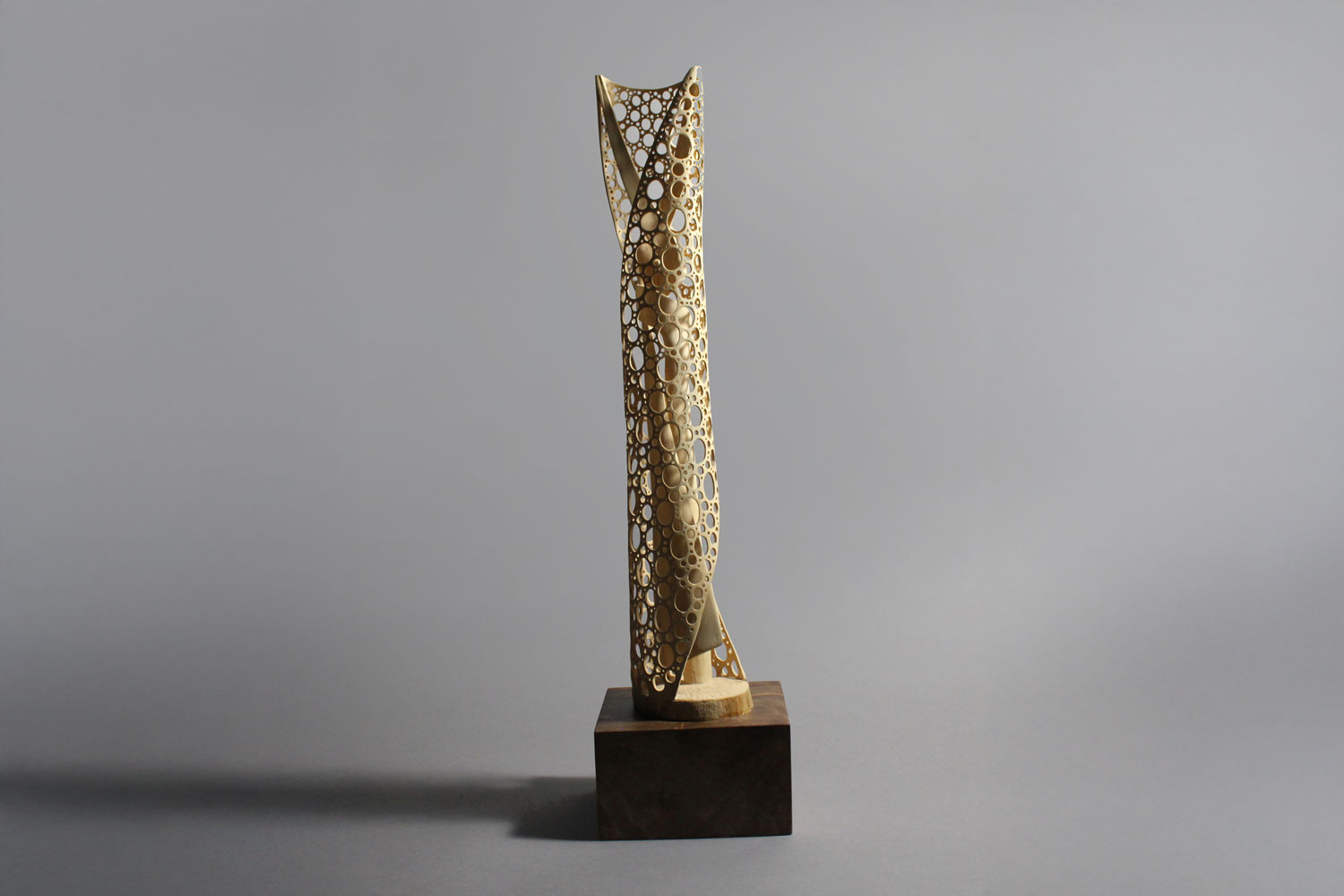
Nairi Safaryan first felt called to carve wood as a young child in Armenia. While he grew up to build a successful career as an engineer, he felt that early impulse never left him. “I continued to carve at night, listening to what I like to call the quiet music inside the wood. I tried to bring it forward,” explains Nairi. In 1996, he took part in exhibitions at the Yerevan Folk Art Museum, which earned him the title of Folk Master in Yerevan. This prestigious designation recognised both the craftsmanship and cultural significance of his wood sculptures, which feature intricately-carved details and dynamic organic forms. “Every piece of wood carries its own story. My work is about revealing that voice through patience, precision and respect for the material,” he shares.
INTERVIEW
I discovered woodcarving very early in my childhood in Shushi, Armenia. I was drawn instinctively to the material. I carved wooden toys, drew constantly, and shaped chalk into small sculptures. Those early explorations felt natural, as if the wood itself was guiding me.
Wherever I am, the roots of my work remain Armenian. The sense of place for me is tied to memory, tradition, and the landscape of Artsakh and Armenia. When I carve, I carry the patterns, the motifs, the reverence for nature, the patience that was taught by the culture I grew up in. Working in the USA broadens my audience, but the emotional geography of my art has never shifted.
All three are always present in my process. The past anchors me – Armenian folk art, architecture, and the stories of my heritage shape my aesthetic. The present is where I observe forms, light and movement. The future pushes me to innovate.
Yes, I feel a responsibility to preserve the elegance, discipline and symbolism of Armenian cultural traditions. At the same time, I want to push those traditions forward with new forms and levels of refinement.
Nairi Safaryan
Wood sculptor
Santa Clarita, CA, USA
ADDRESS
Address upon request, Santa Clarita, CA, USA
AVAILABILITY
By appointment only
PHONE
+1 8187207299
LANGUAGES
English, Russian, Armenian
Homo Faber Finds is a new service aiming to inspire admirers of craft to connect and collaborate with exceptional artisans.
We invite you to submit an enquiry here.