Gabriel Tarmassi
Wood sculptor
Bamberg, Germany
Recommended by Zentralverband des Deutschen Handwerks
The dialogue between man-made and natural
- Gabriel explores the creative potential of wood
- He uses traditional knowledge to expand the variety of forms
- Organic structures serve as his inspiration
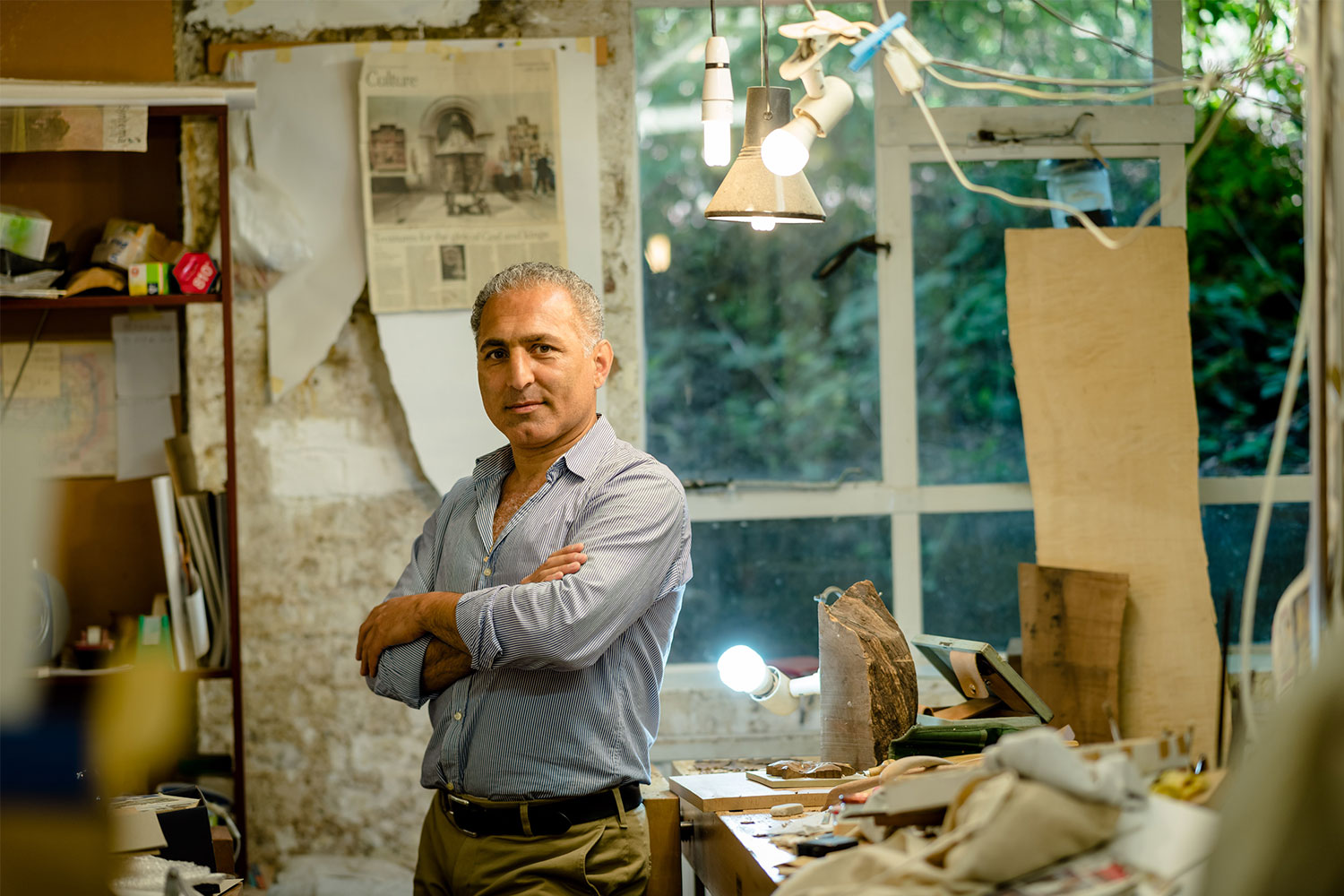
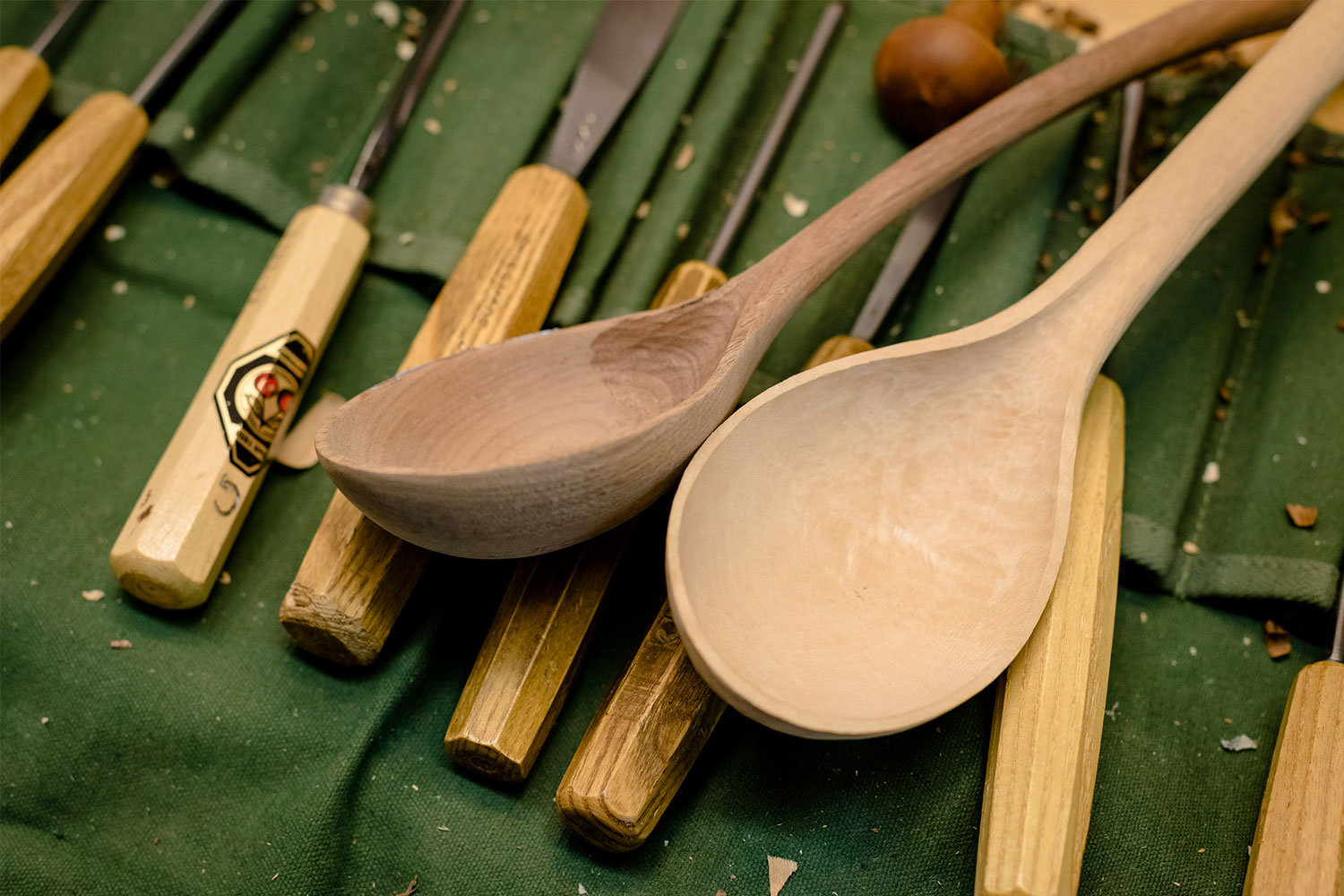
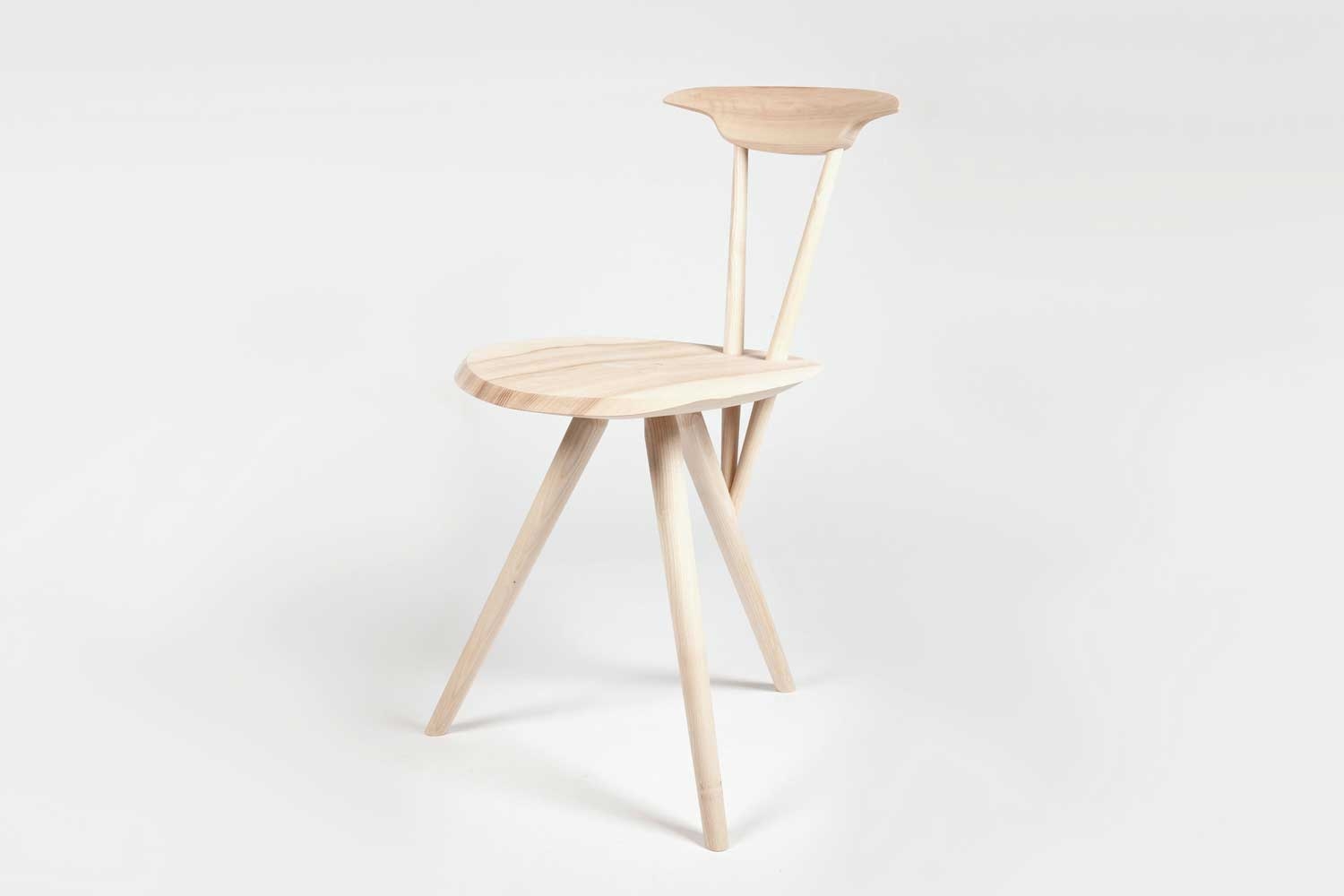
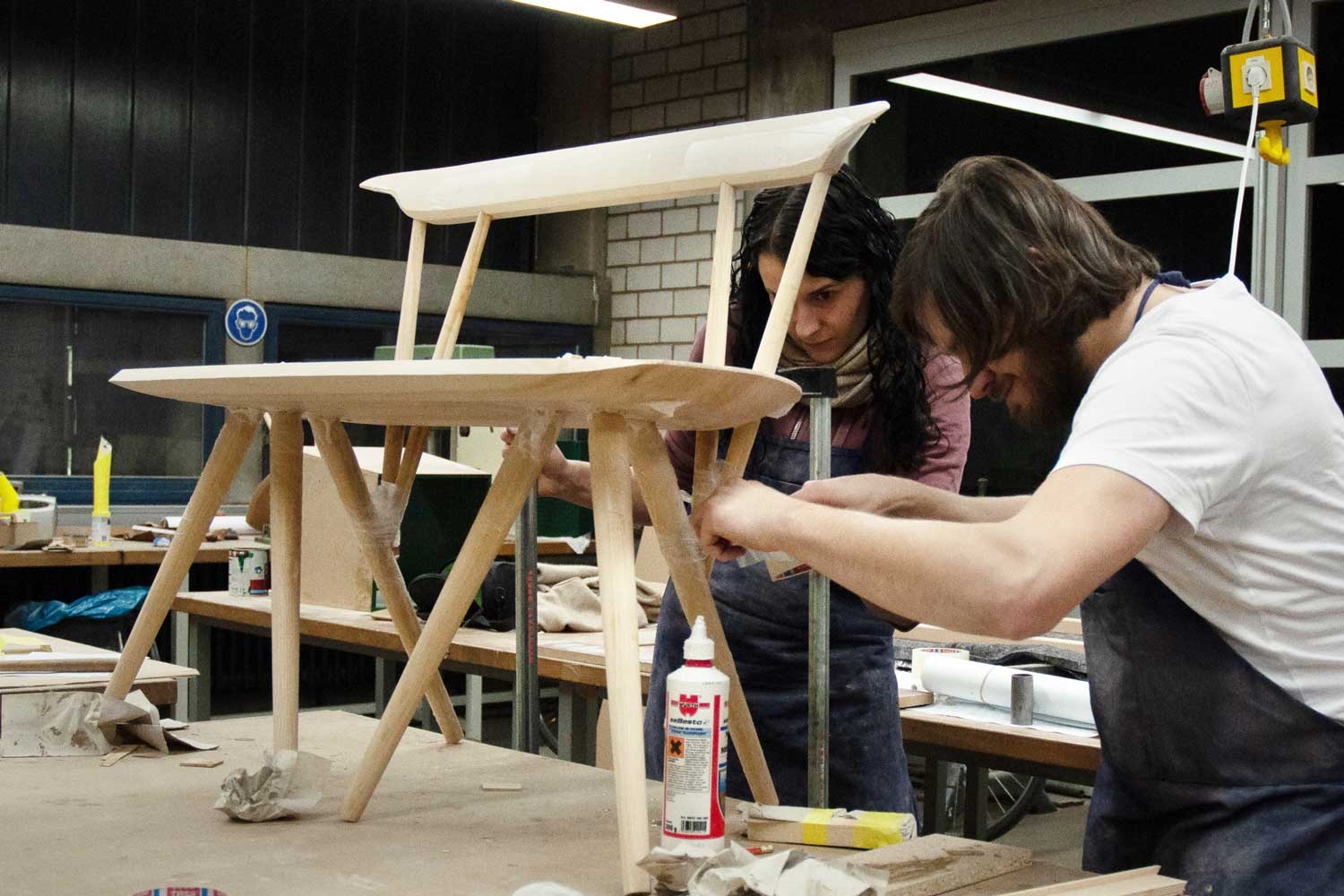
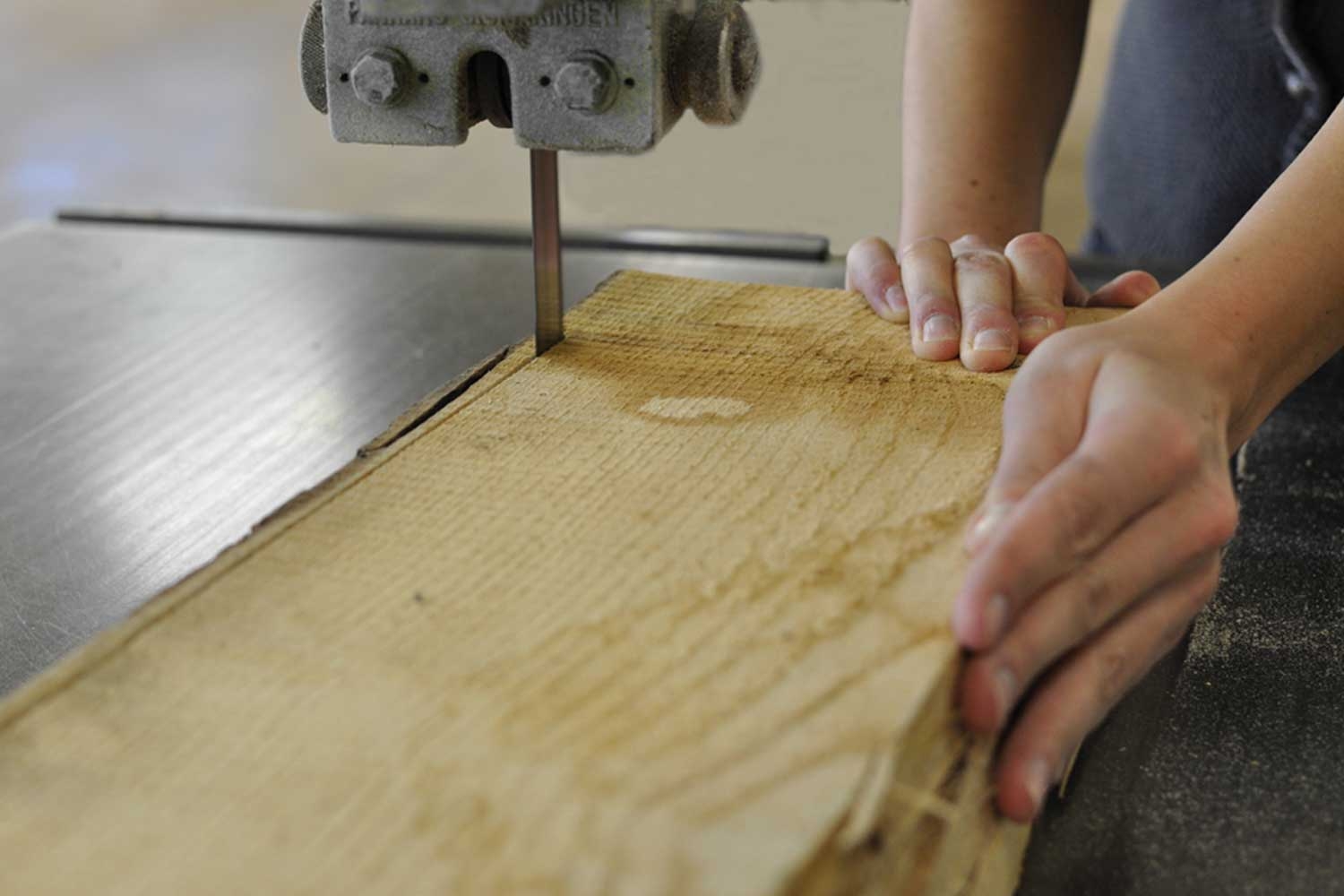
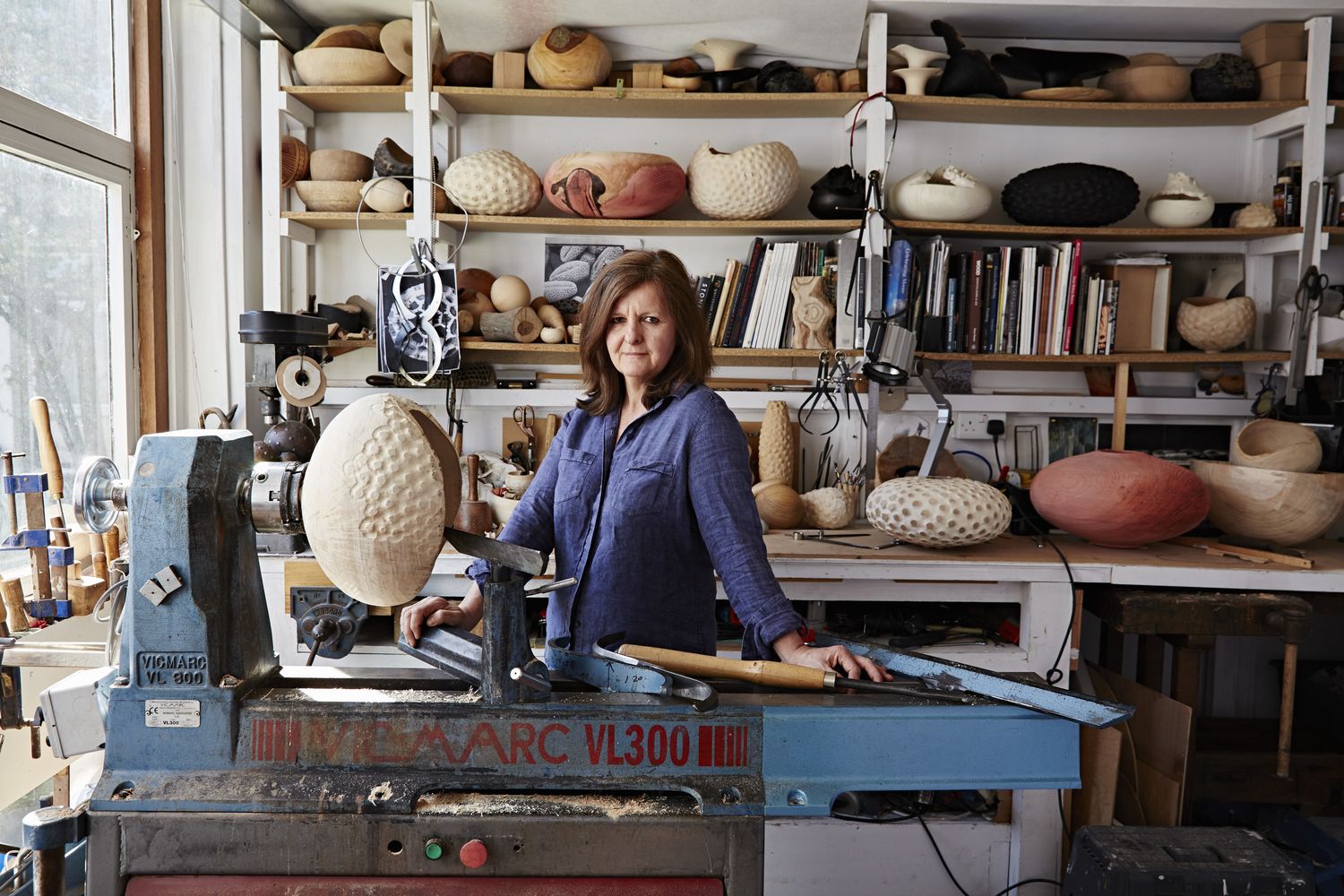
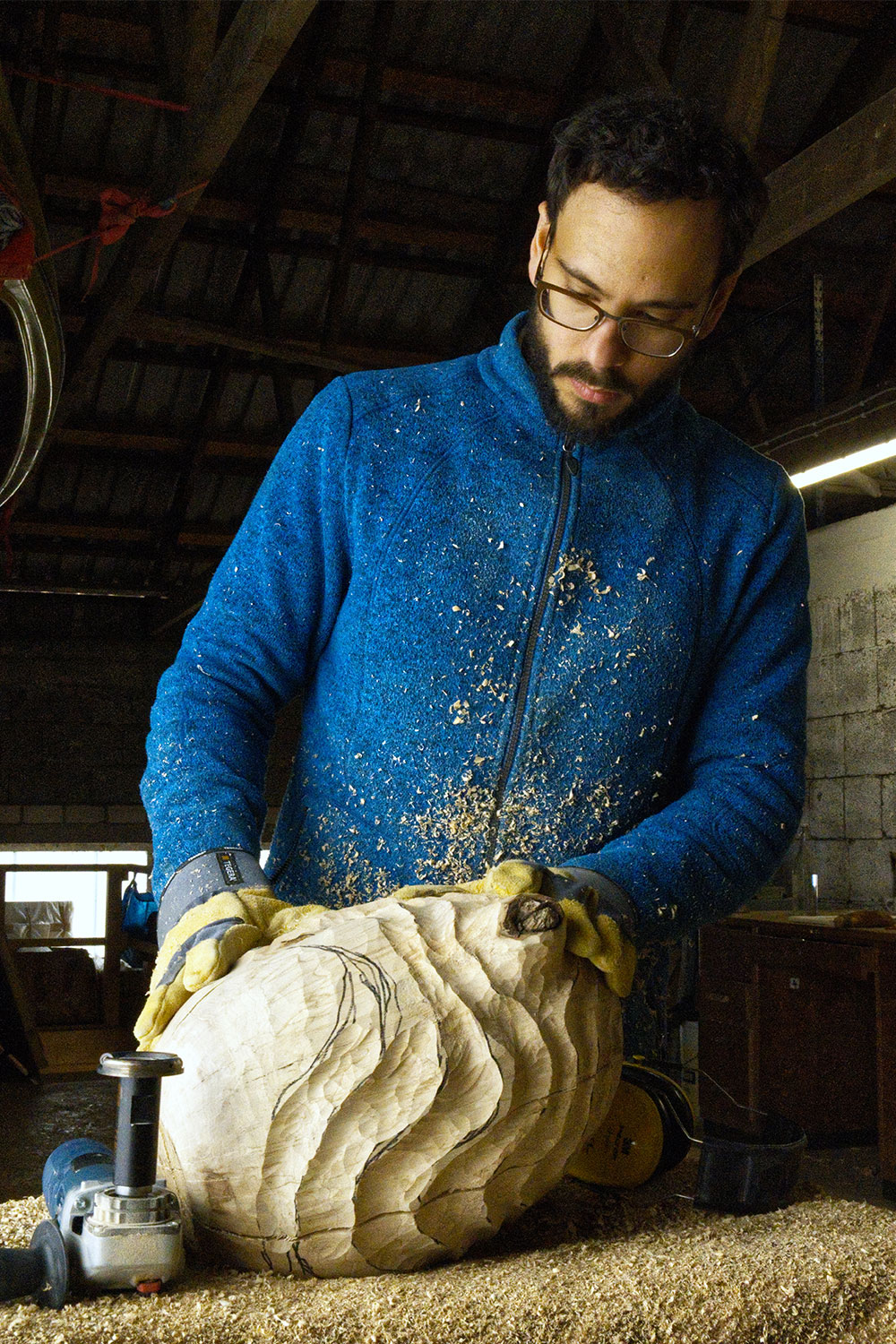
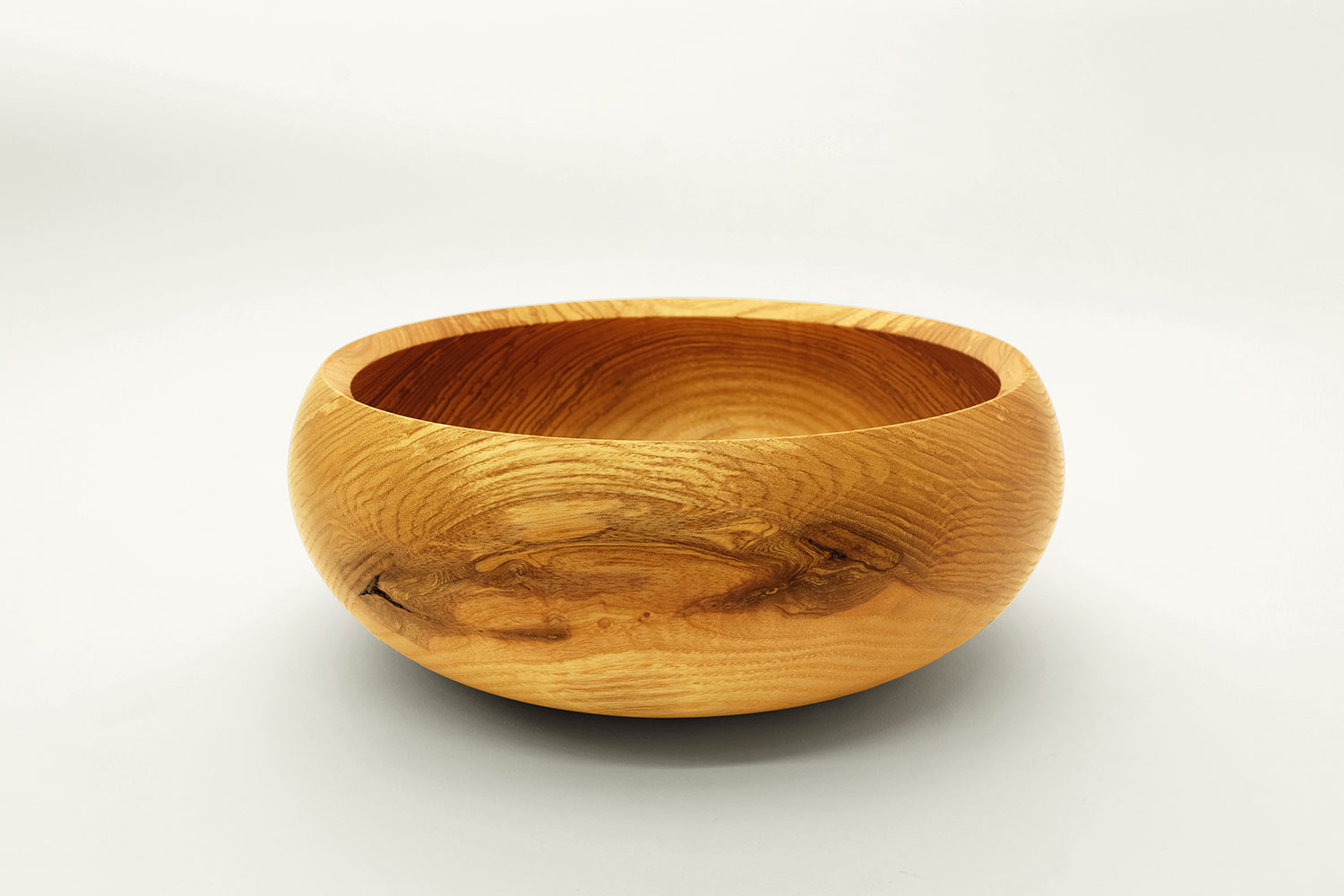
At the first floor above a carpenter workshop in the historical town of Bamberg you can find Gabriel Tarmassi’s workshop. His passion for wood started as a child, making simple hand carved spoons and bowls, but it was during his studies in engineering – with a focus on wooden constructions – that he realised that he didn’t only want to work with wood in a theoretical way, he wanted to get his hands dirty: “I felt the urge to be in direct contact with the material.” Consequently, he signed up for a cabinetmaker apprenticeship, which he followed by studies in design. Gabriel has developed a unique form of expression in wood that was awarded the Meisterpreis der Handwerkskammer für München und Oberbayern in 2018 and was featured in the Talents section of the IHM Munich 2019.


INTERVIEW
In terms of the way I work, I have evolved from a very functional – and traditional – approach to working increasingly freely and responding to the wood in a far more aesthetic way. I do not see tradition as something closed, but as a pool of knowledge, experience and techniques from which I can draw.
Exactly, by freeing myself from classical ideas of how a certain type of work should look, I can contribute to expanding this pool with my own contemporary points of view. I am attracted to taking up traditional themes and interpreting them in my own way.
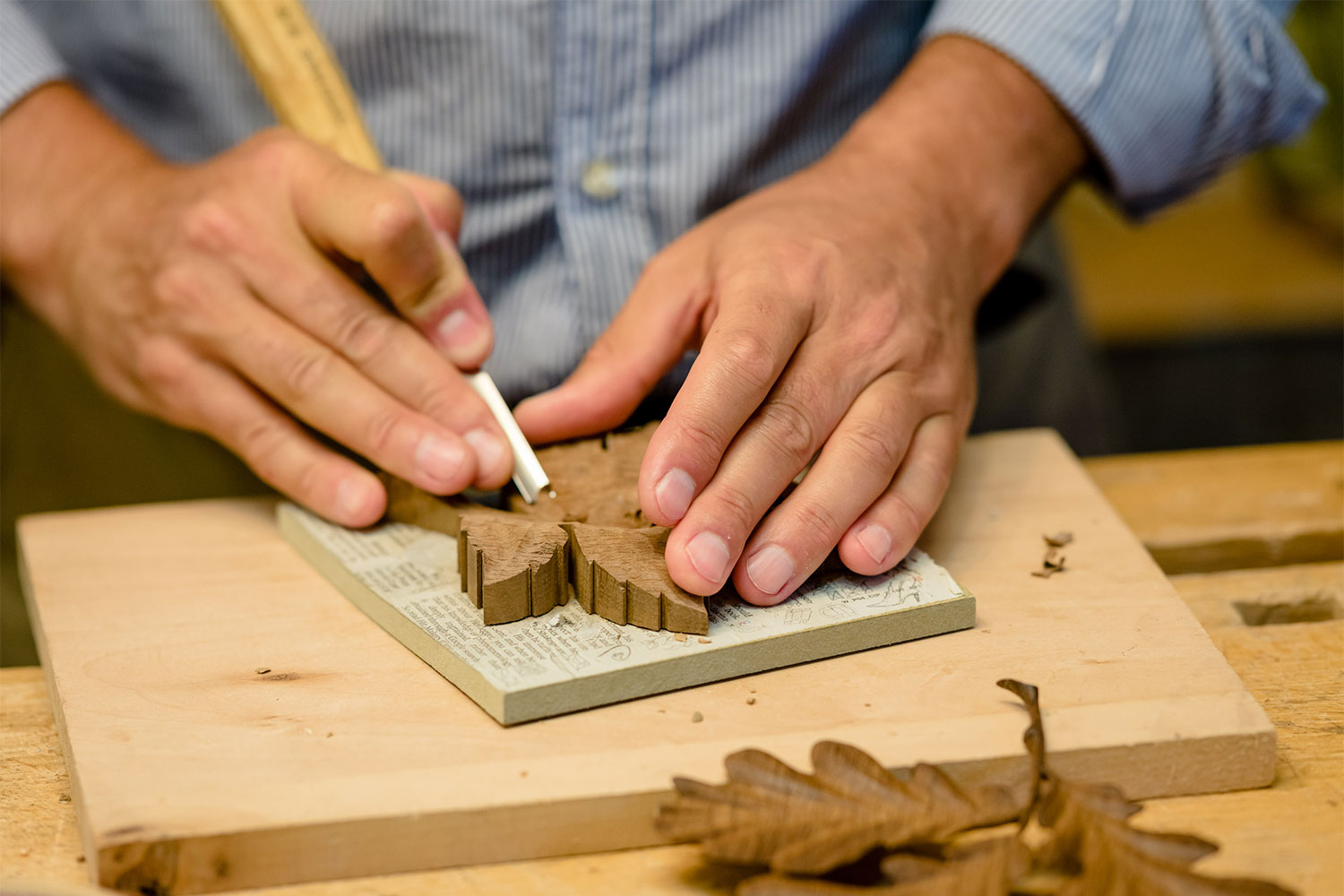
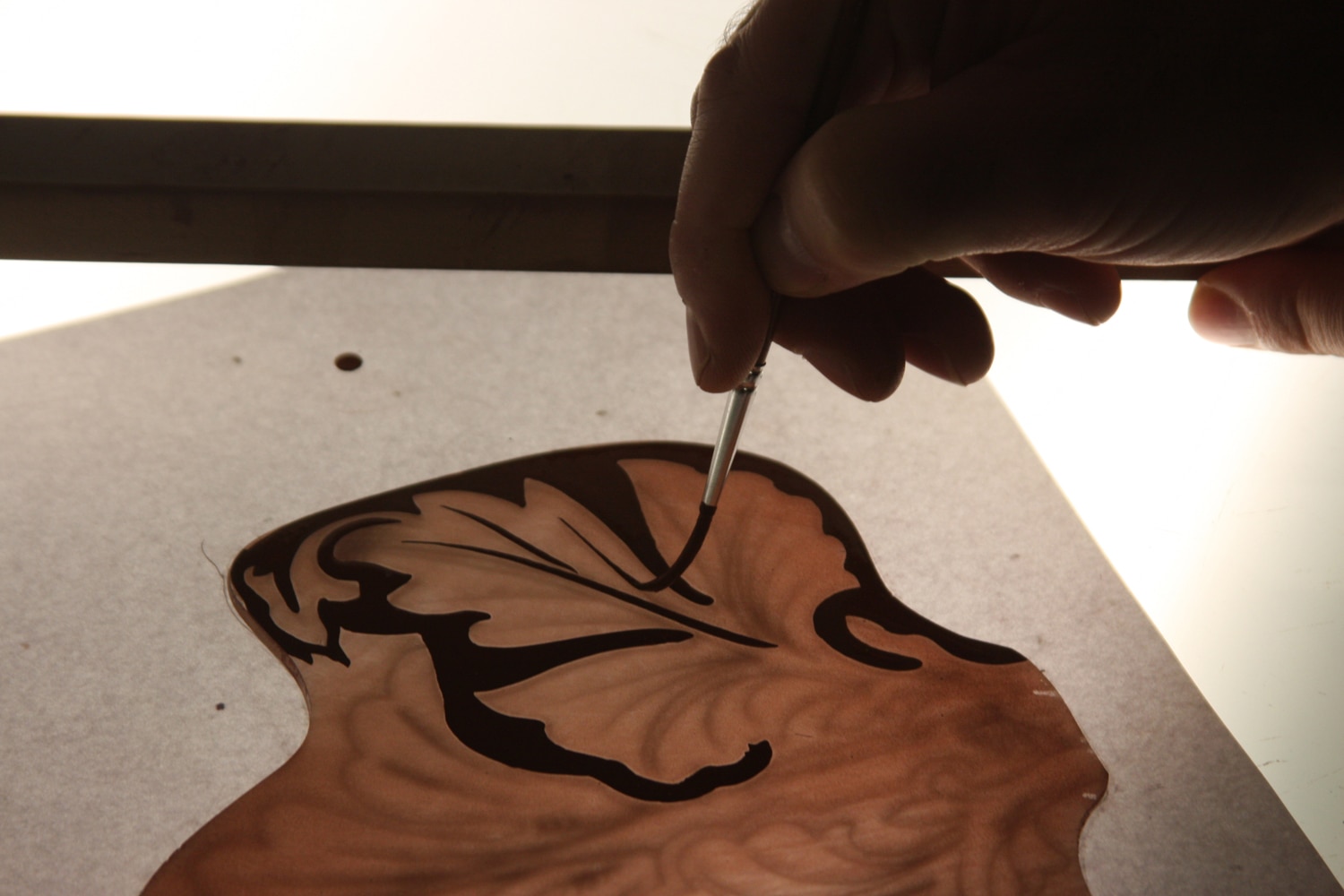
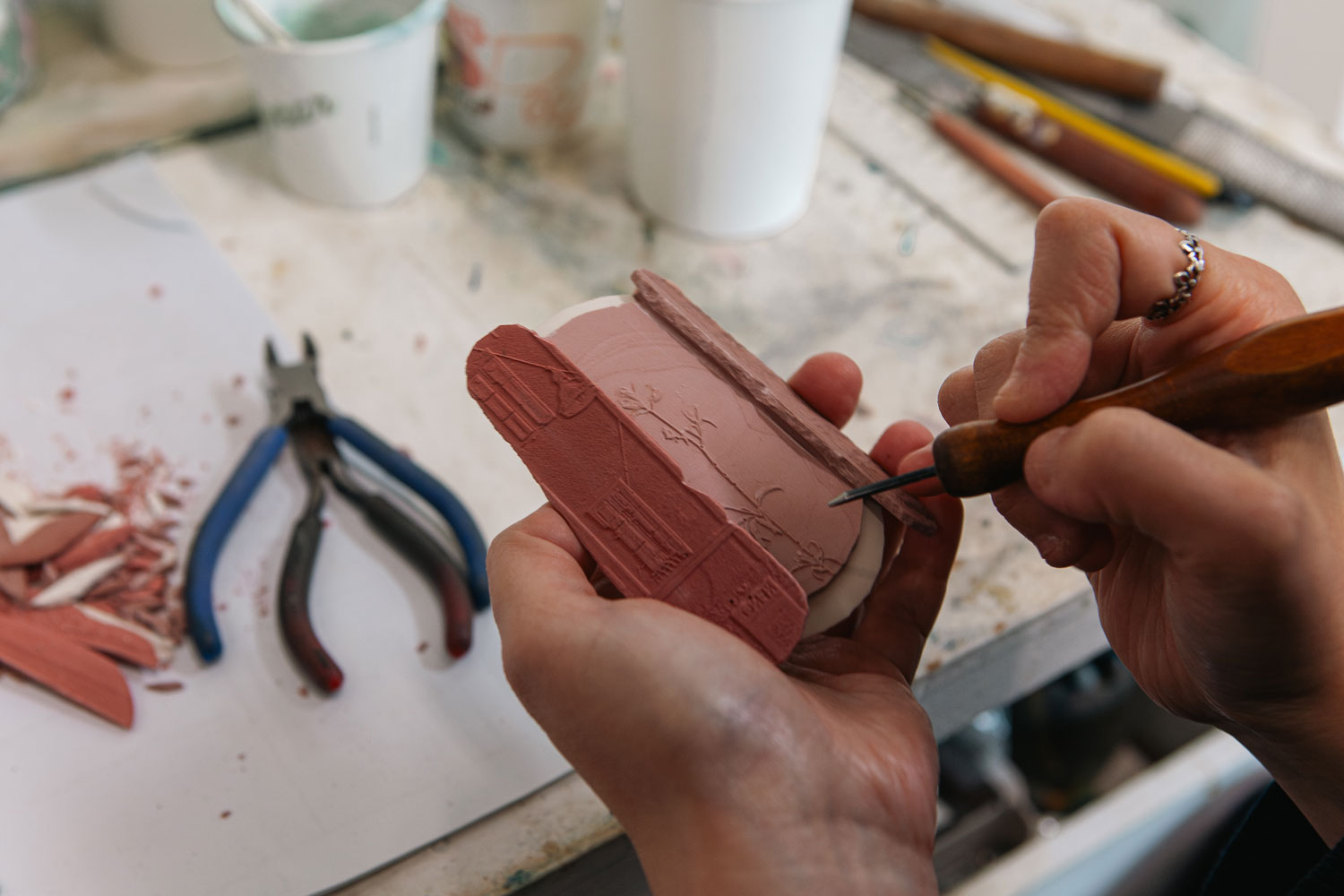
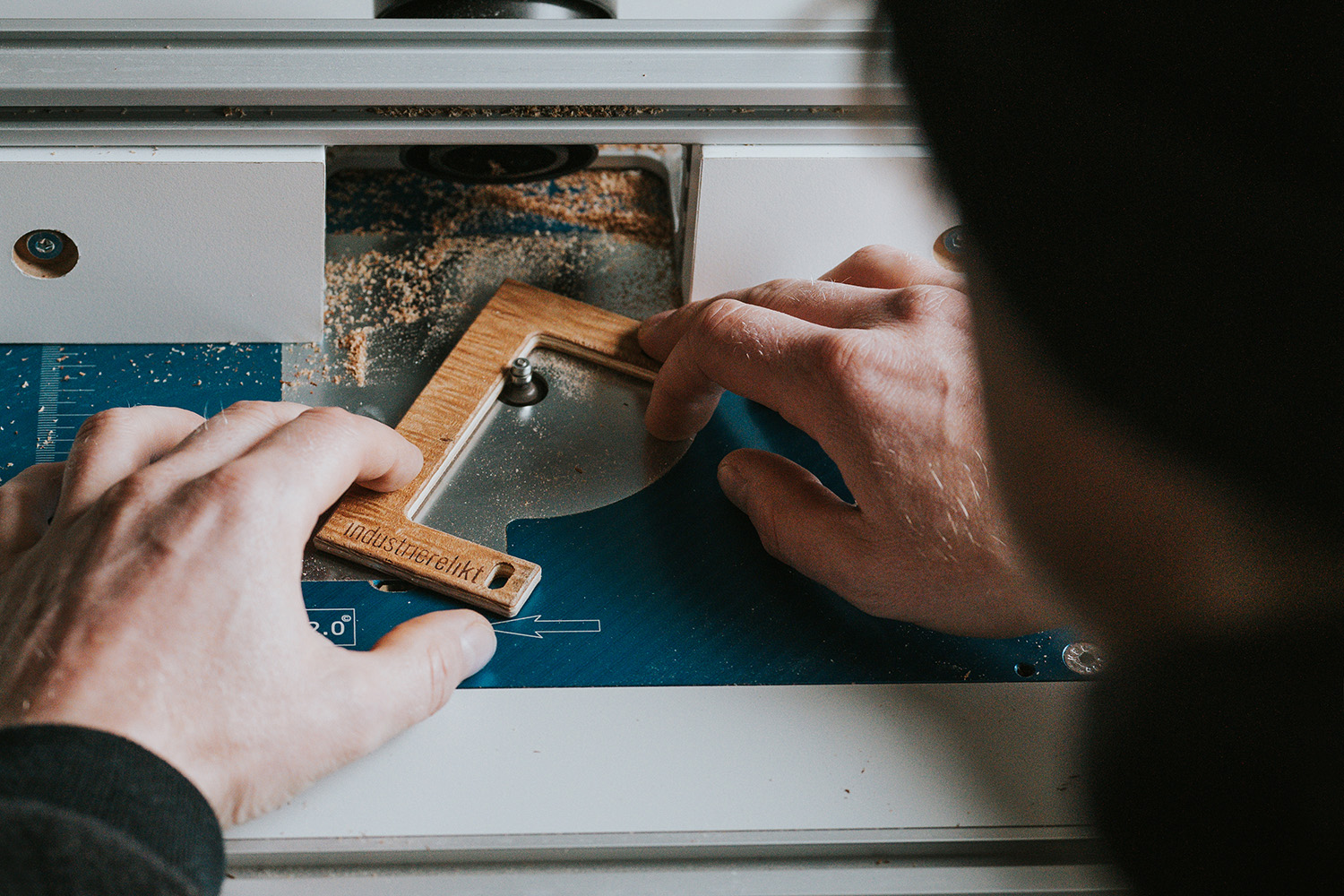
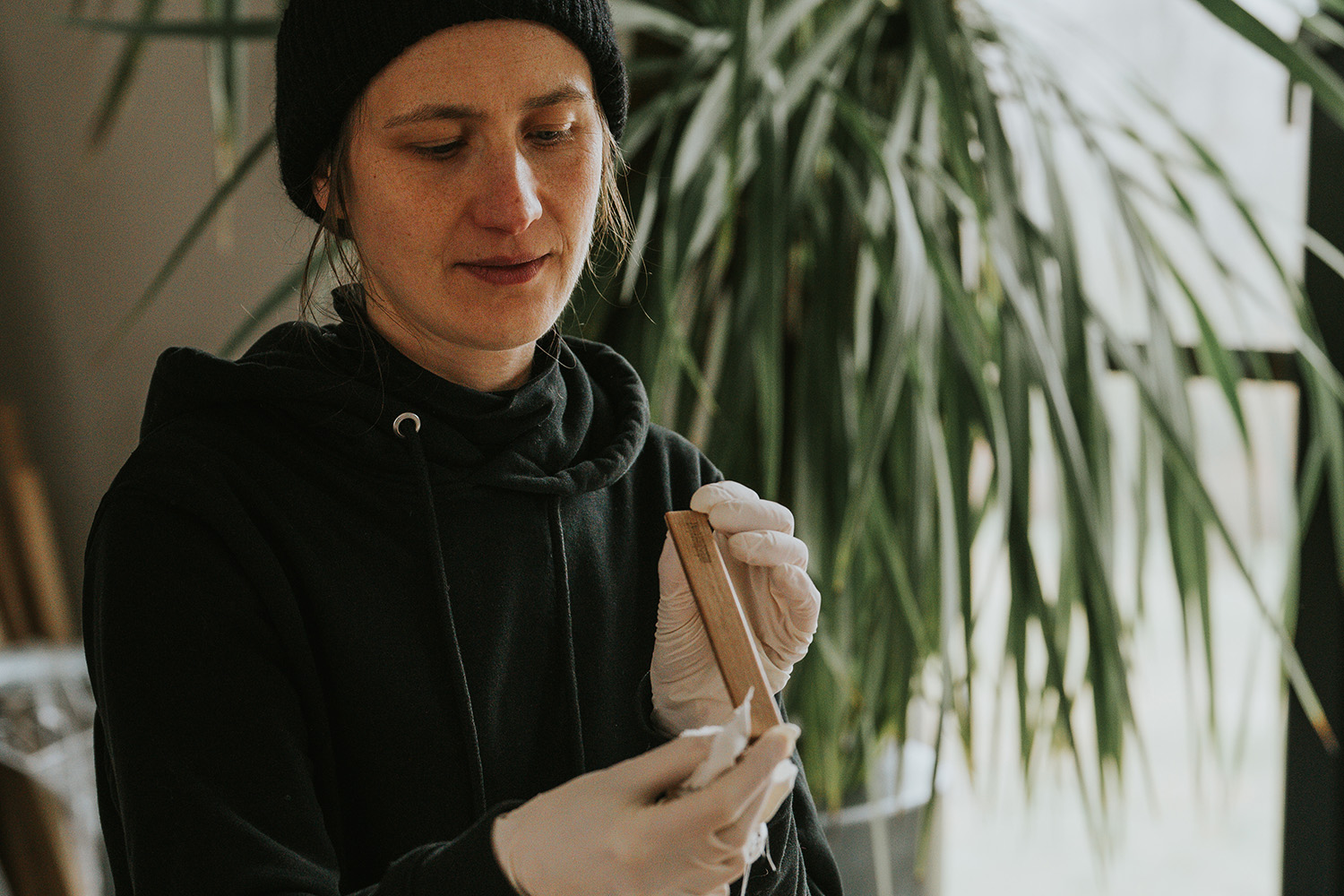
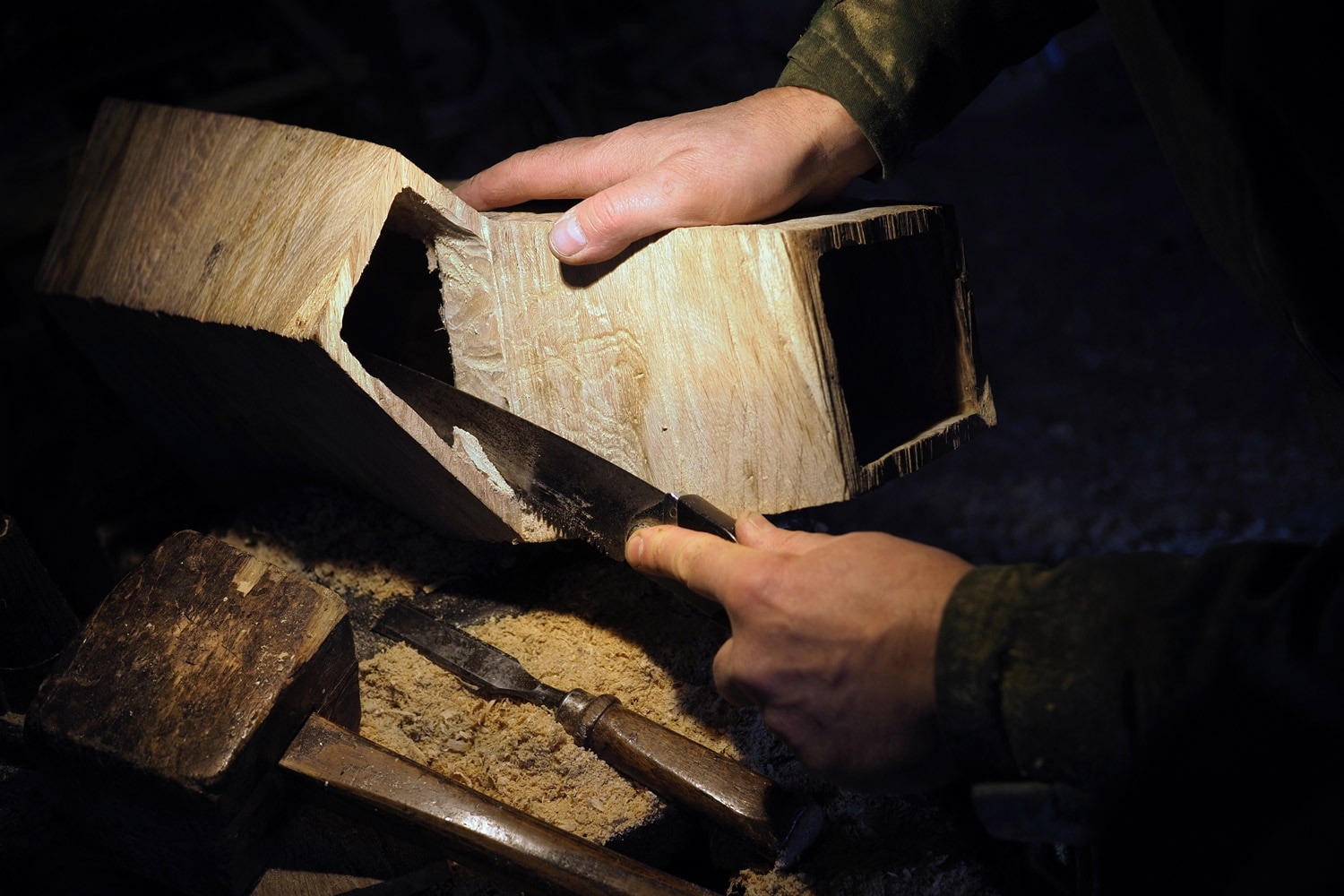
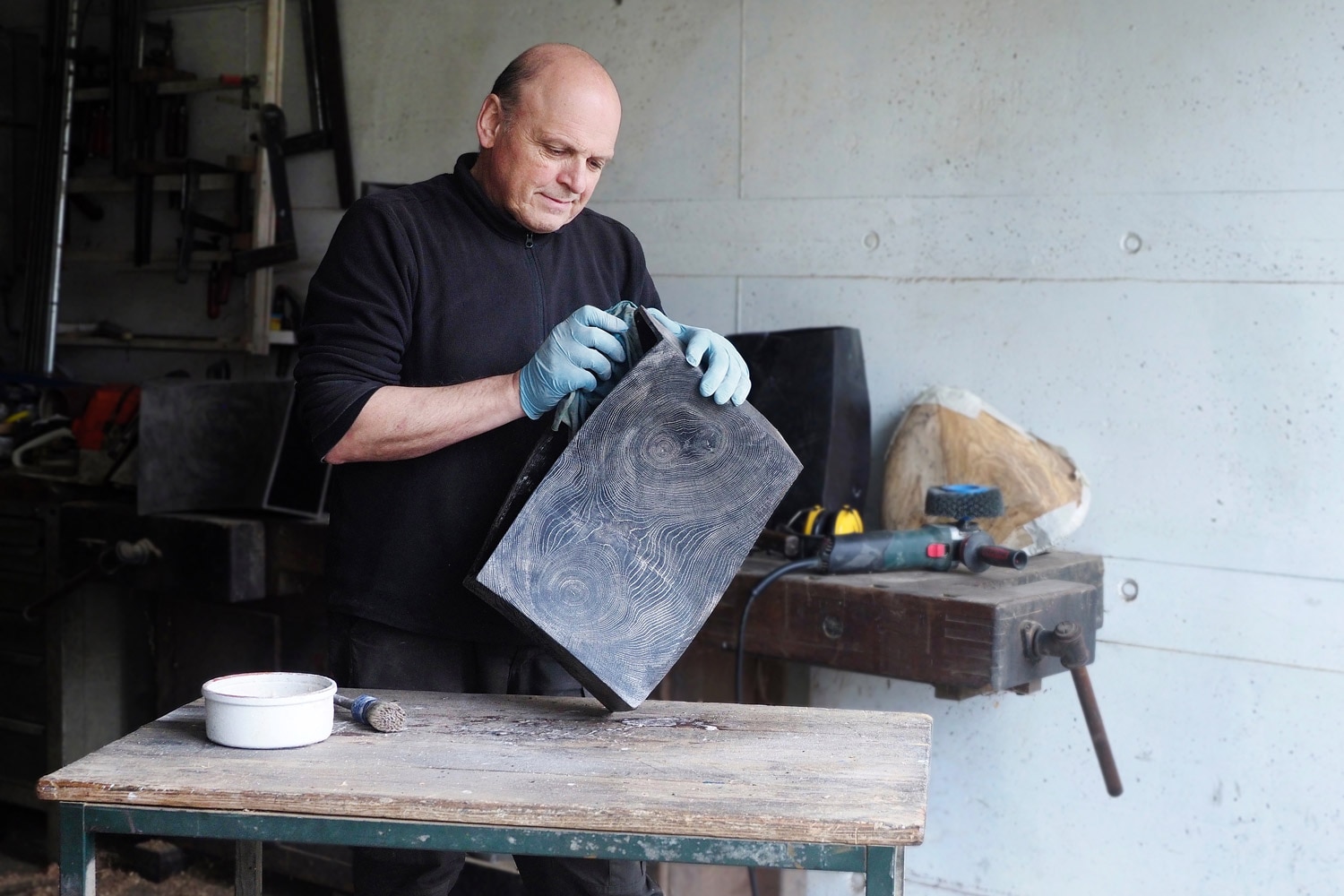
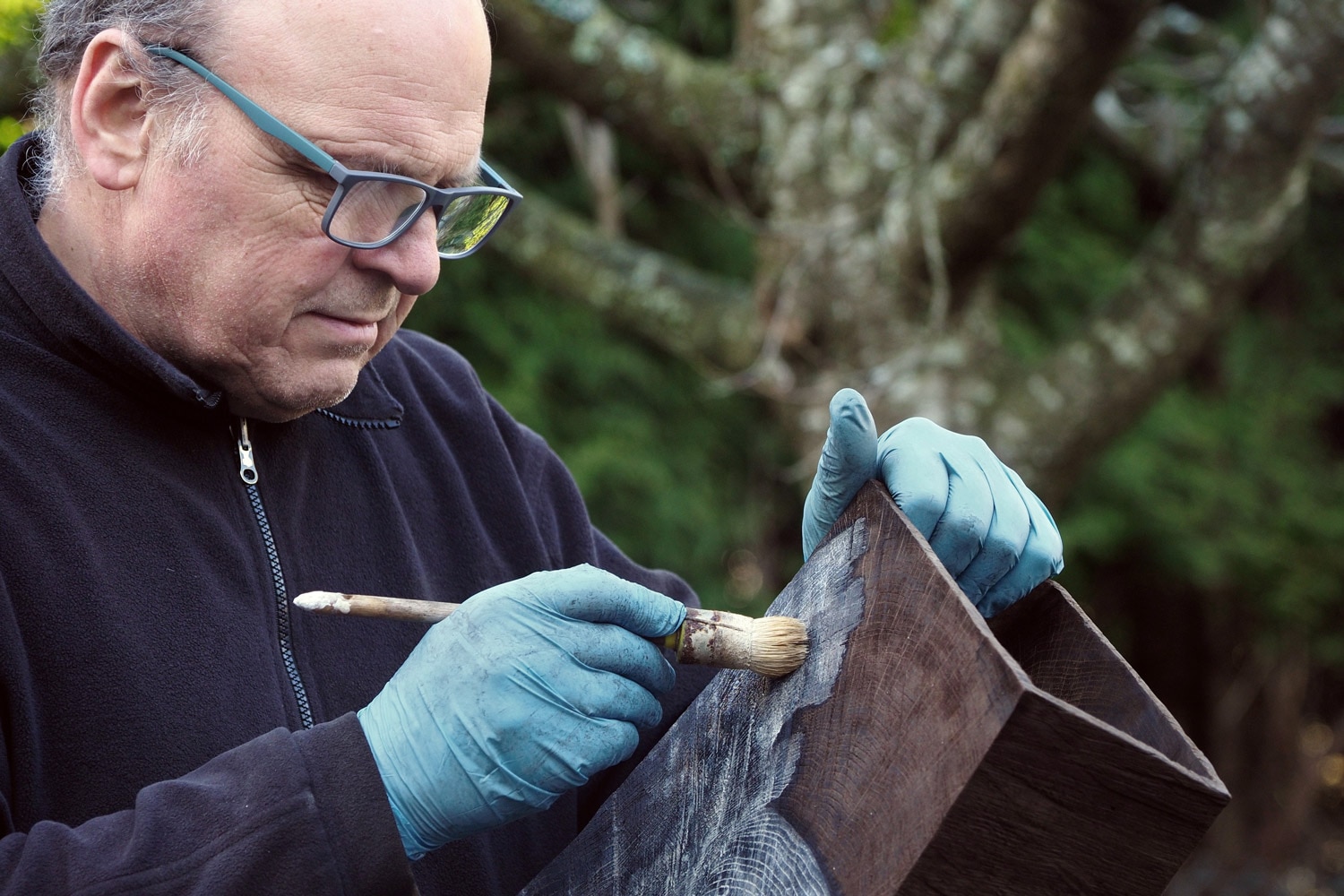
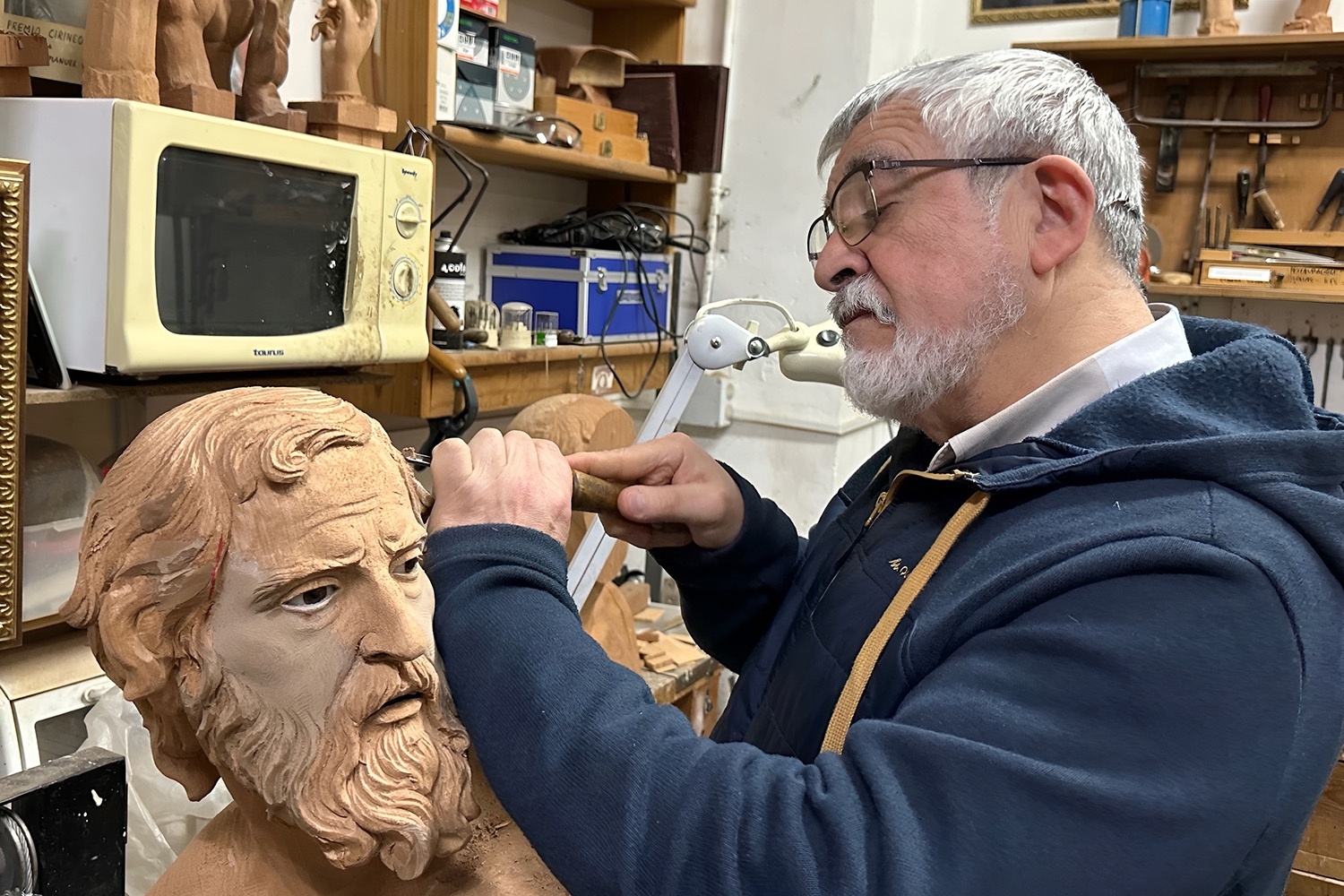
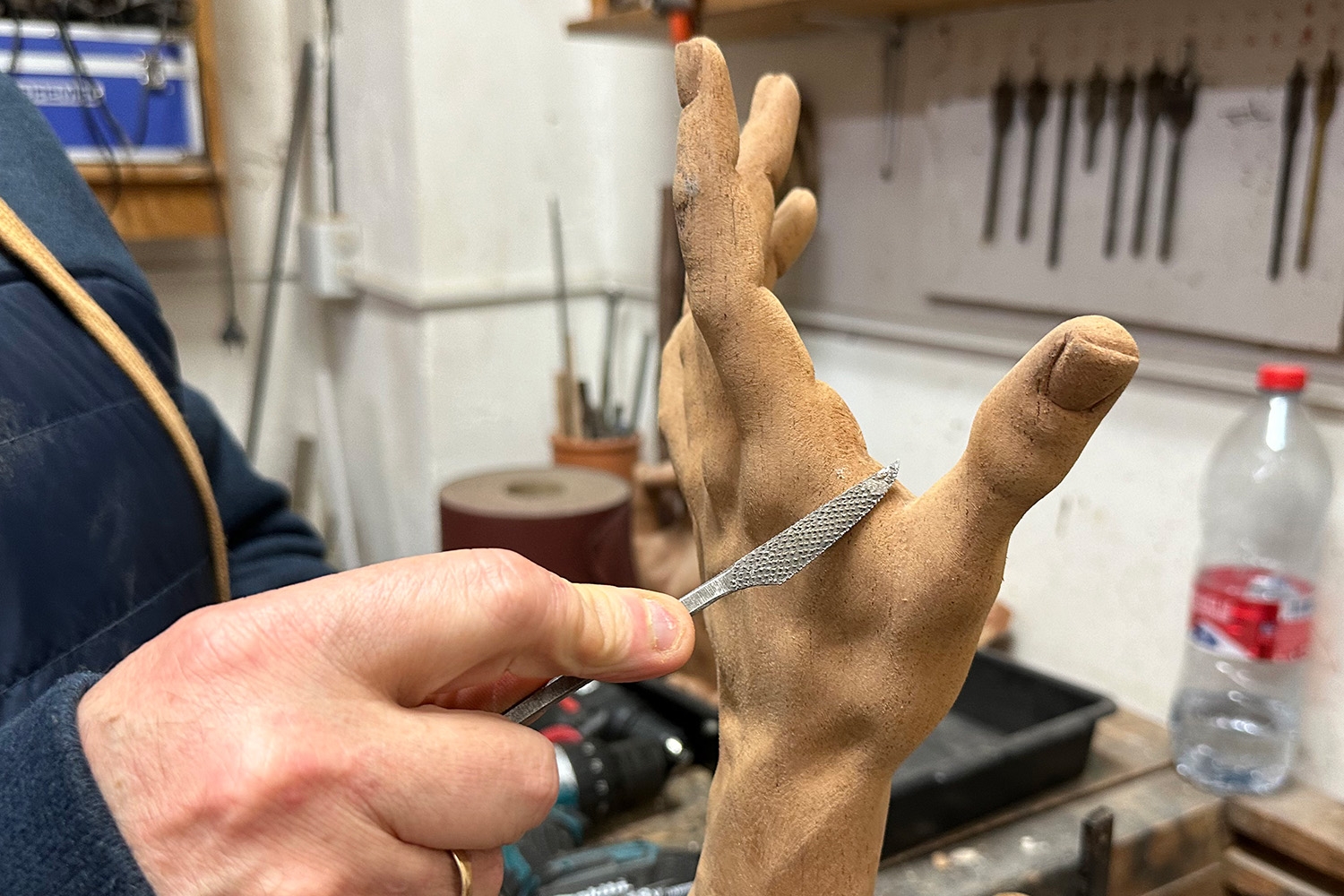
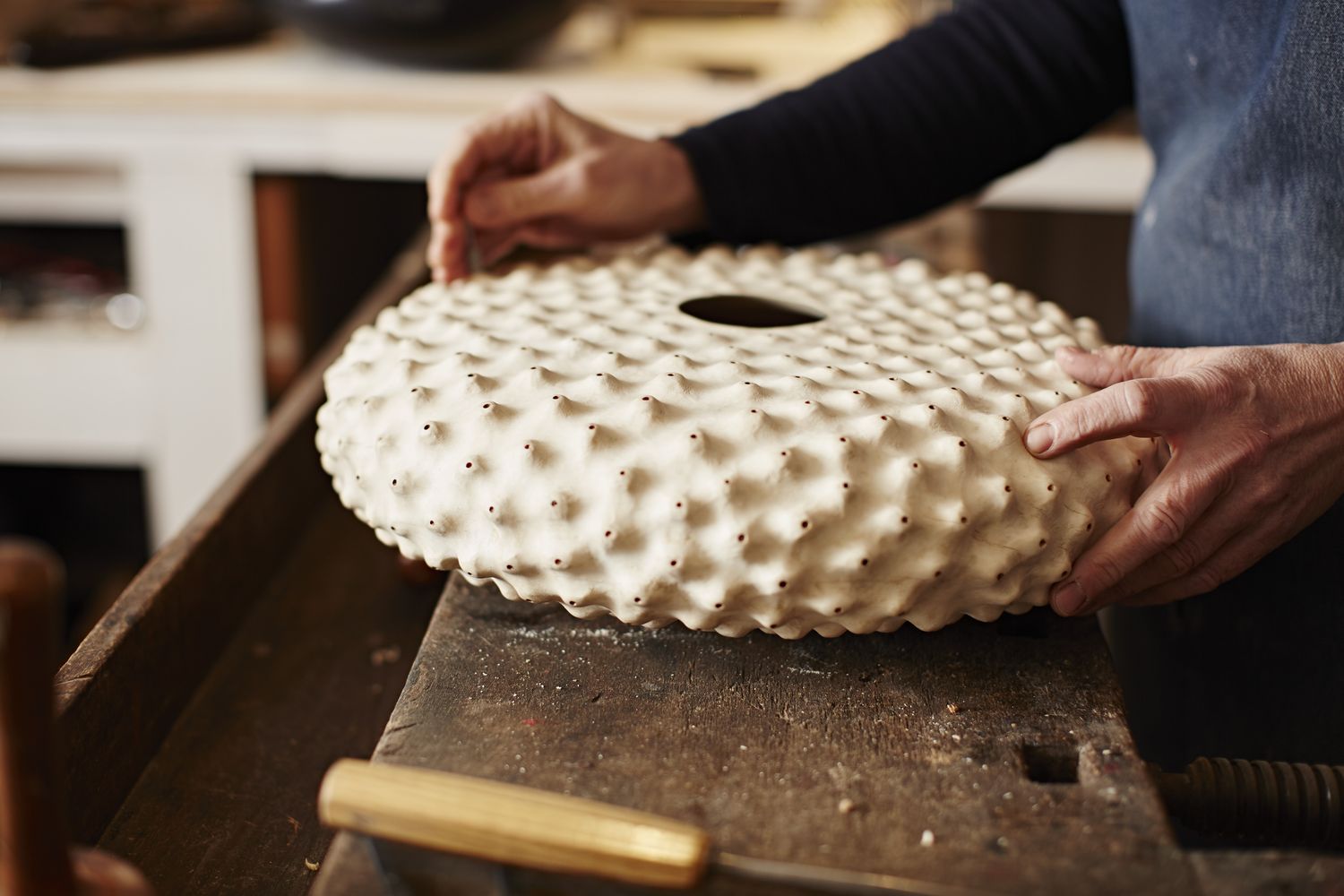
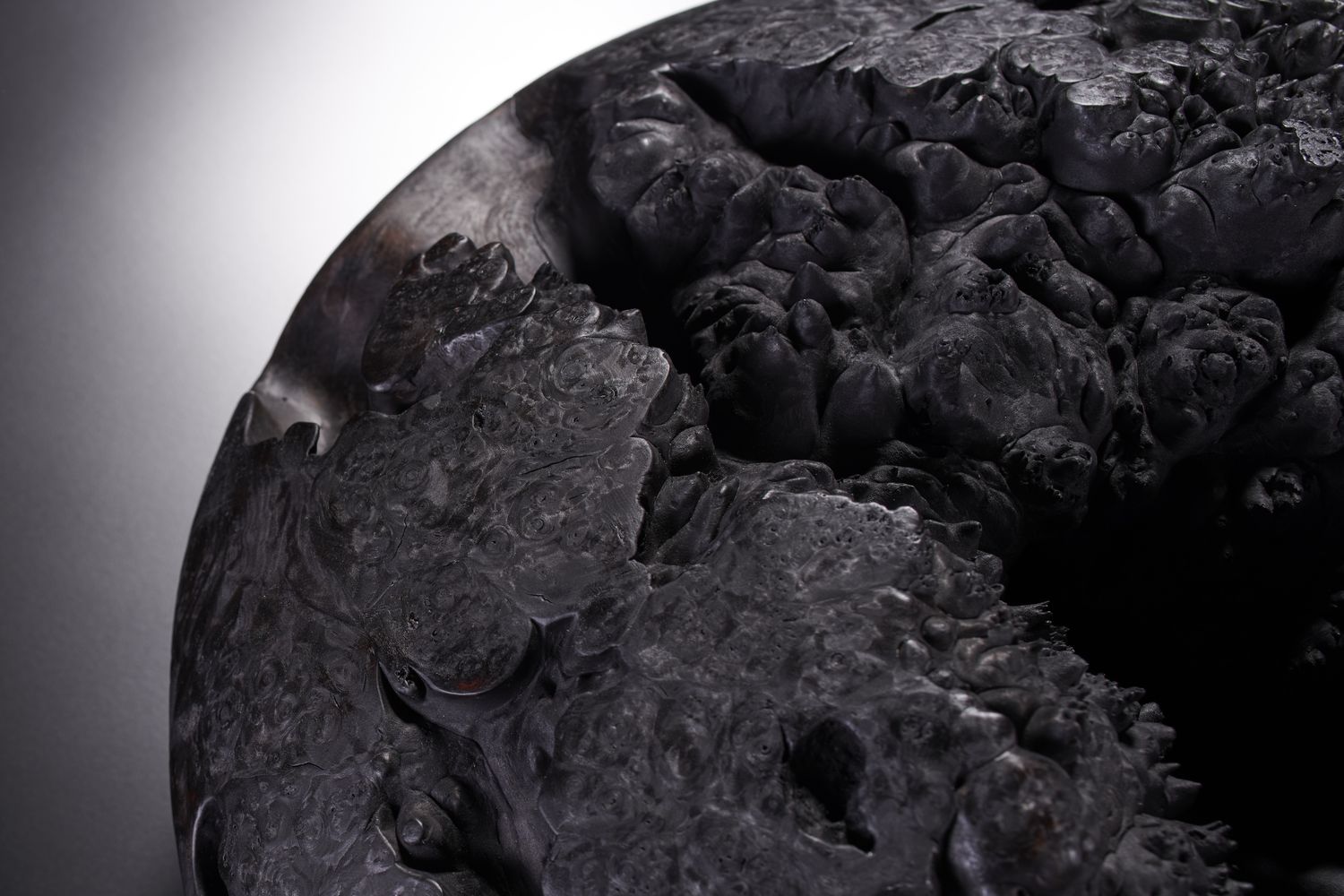
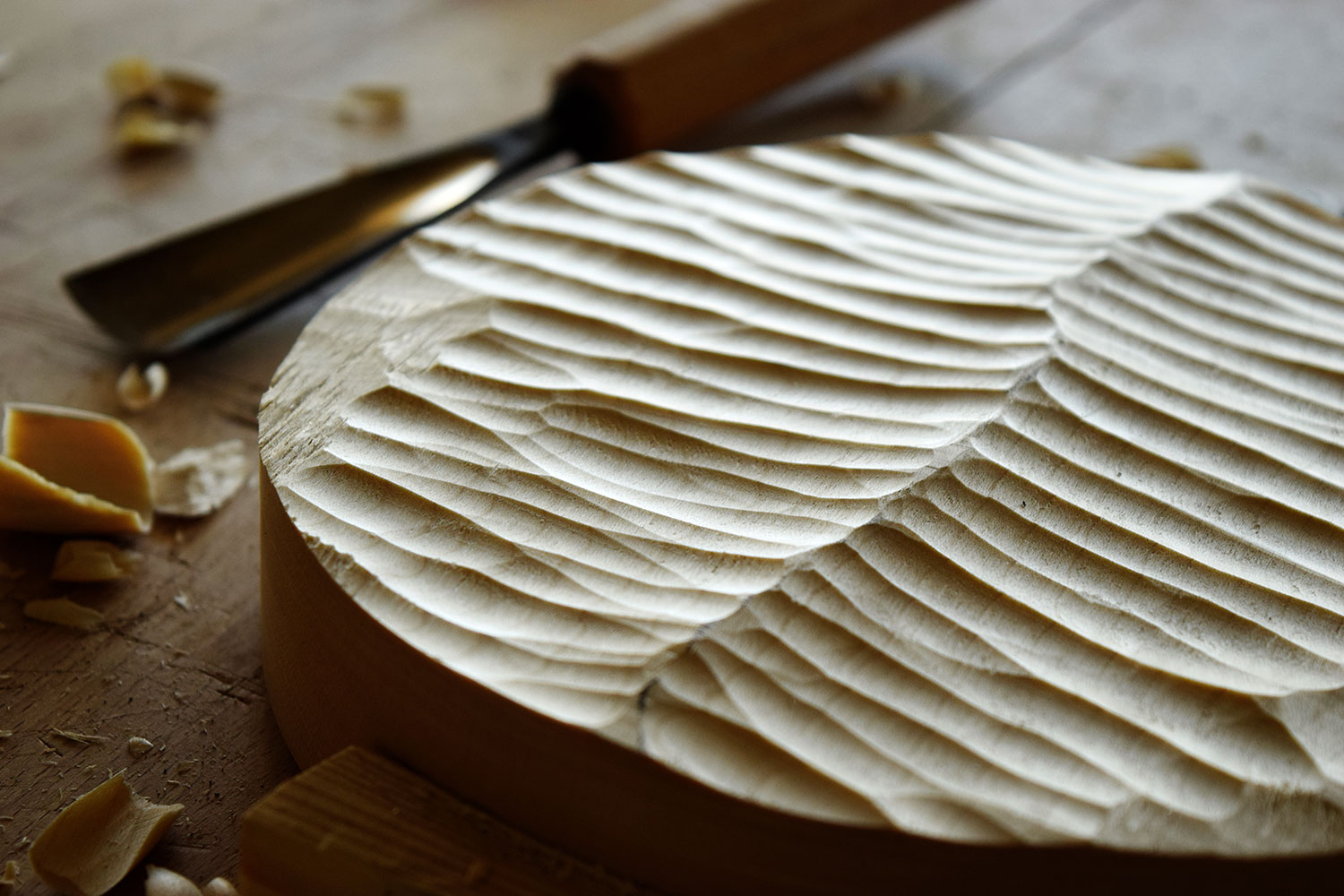
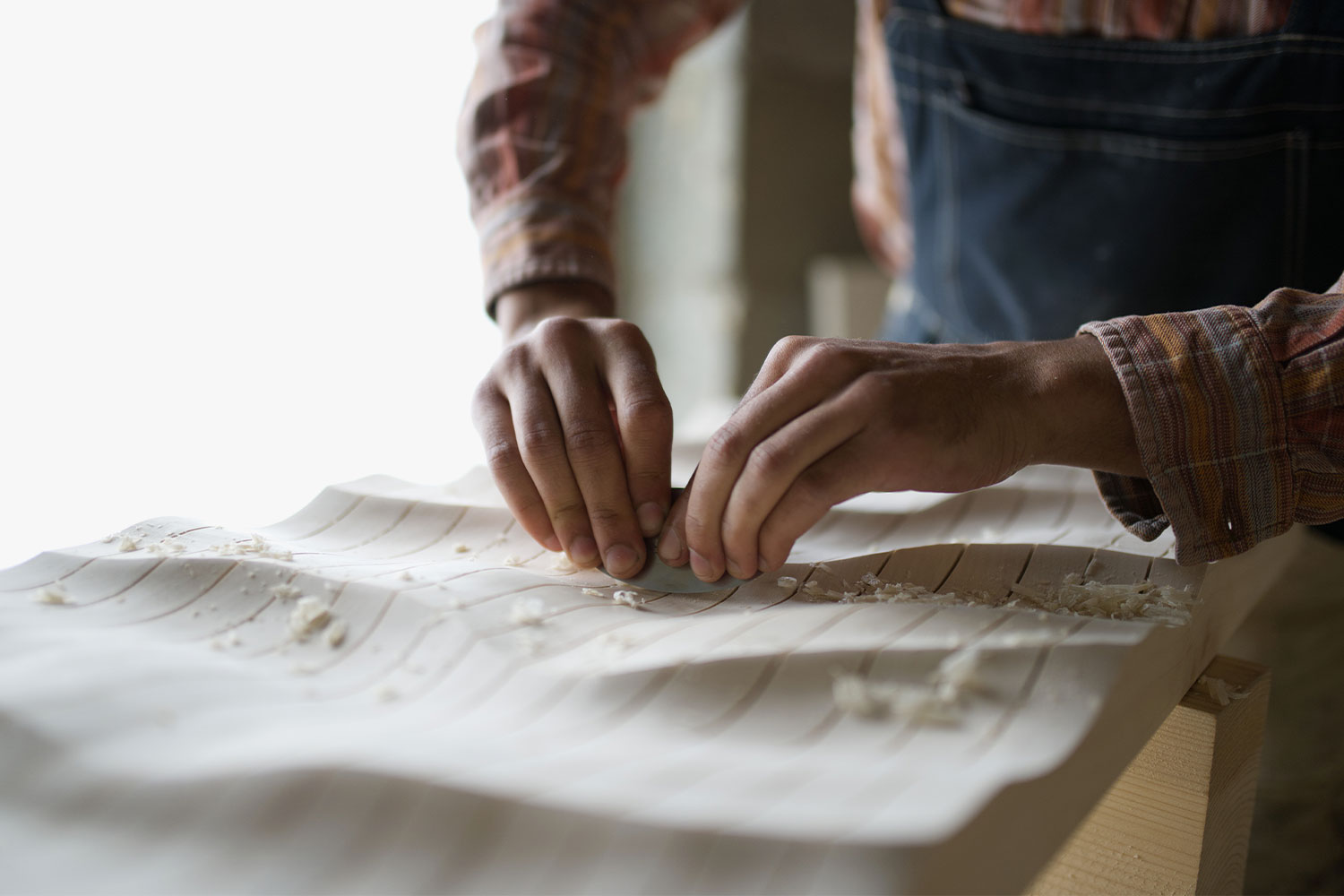
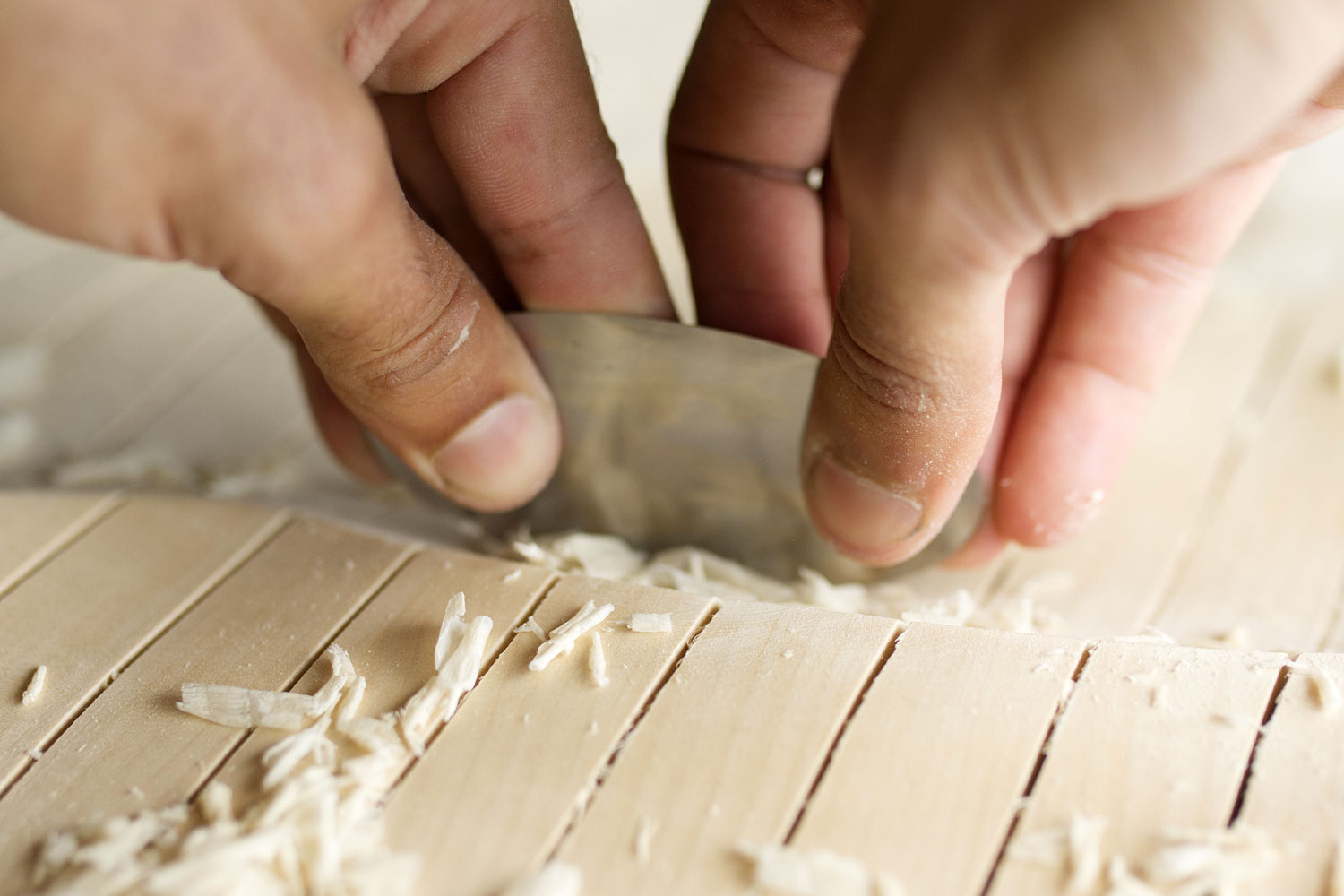
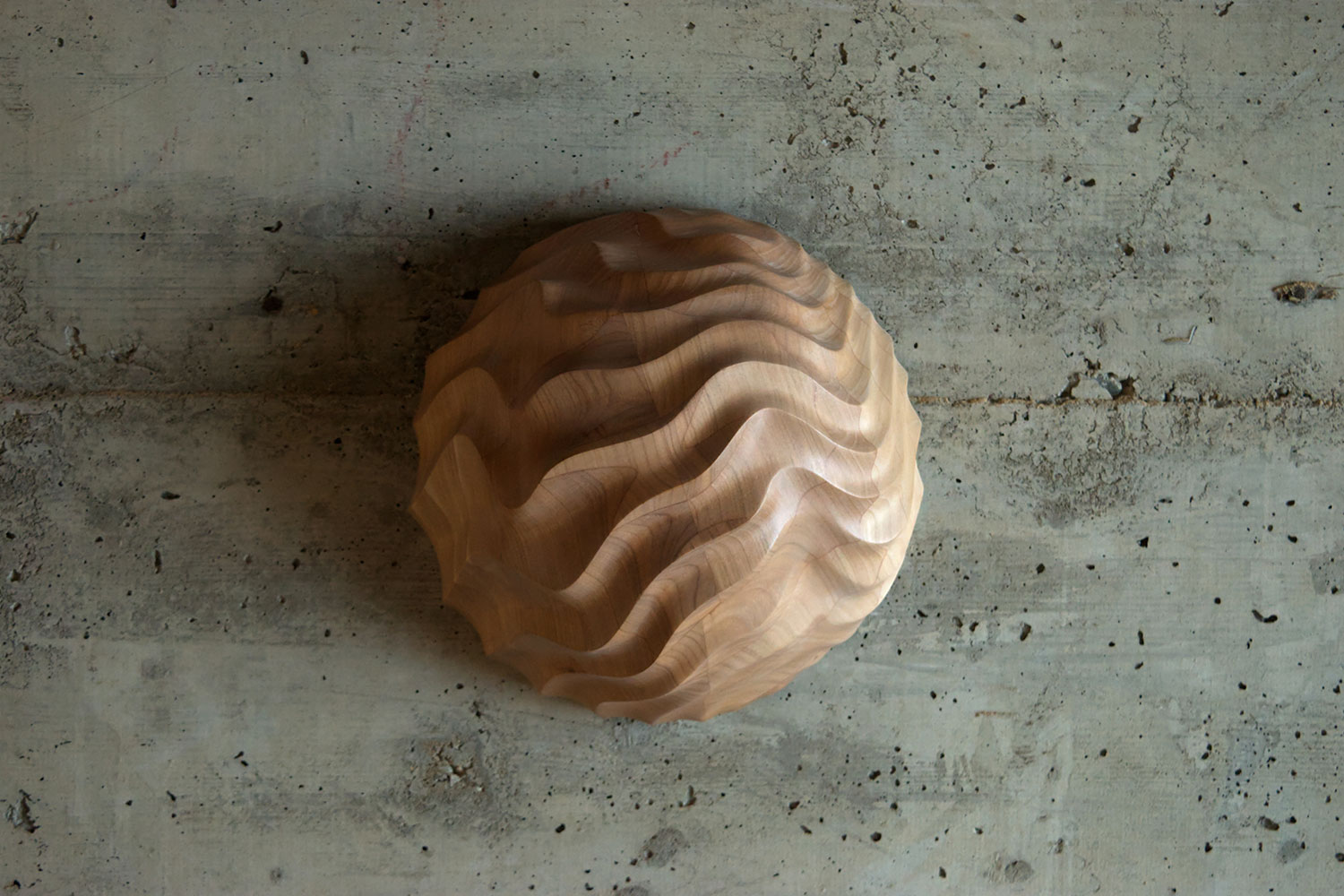
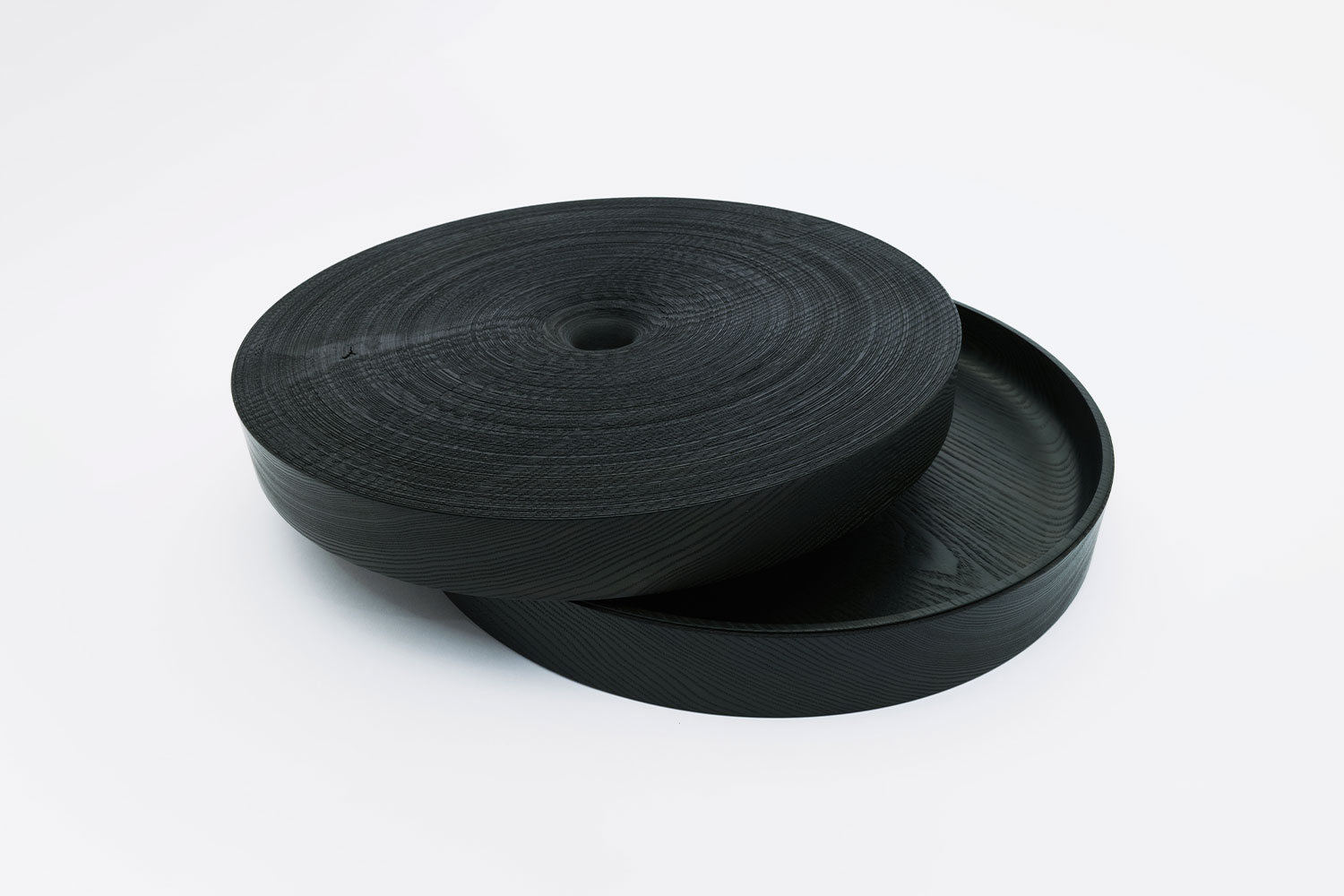
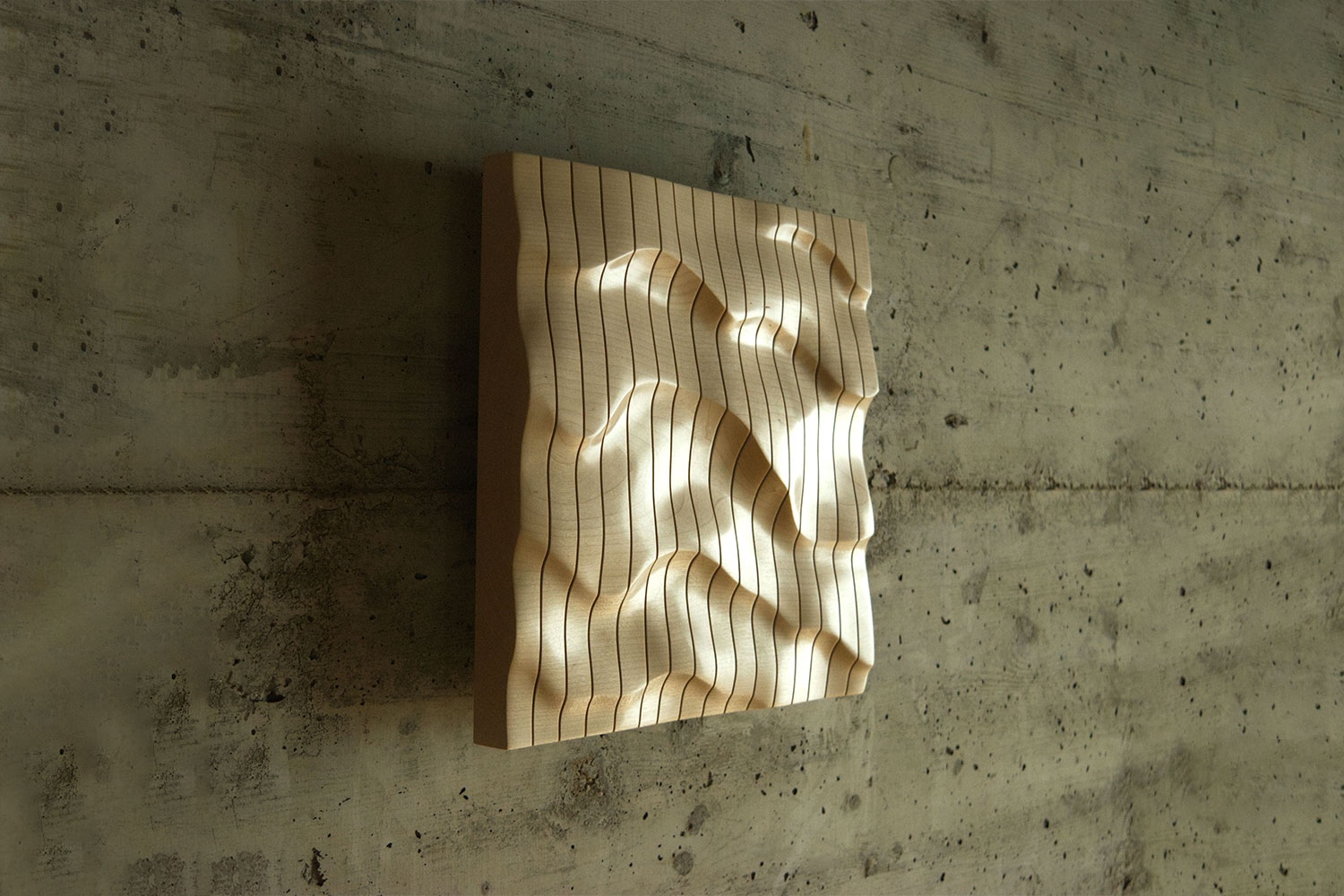
Every tool and every technique has its advantages and disadvantages, which are more or less suitable depending on the application. So I use an angle grinder with milling discs for rough material removal. When it comes to organic textures, I resort to traditional carving irons. But I also experiment with methods such as burning, brushing or sandblasting the surface.
I try to absorb everything. I find particular inspiration in organic forms, such as wood cells viewed under a microscope, the landscape of sand dunes or the course of a river. Sometimes, however, it is also abstract ideas of dynamics and movement that I want to capture in my work.
Gabriel Tarmassi
Wood sculptor
Bamberg, Germany
Recommended by Zentralverband des Deutschen Handwerks
AVAILABILITY
By appointment only
PHONE
+49 1753407075
LANGUAGES
German, English
Homo Faber Finds is a new service aiming to inspire admirers of craft to connect and collaborate with exceptional artisans.
We invite you to submit an enquiry here.