Alison Croney Moses
Wood sculptor
Boston, MA, USA
Drawn to bends, curves and fluid forms
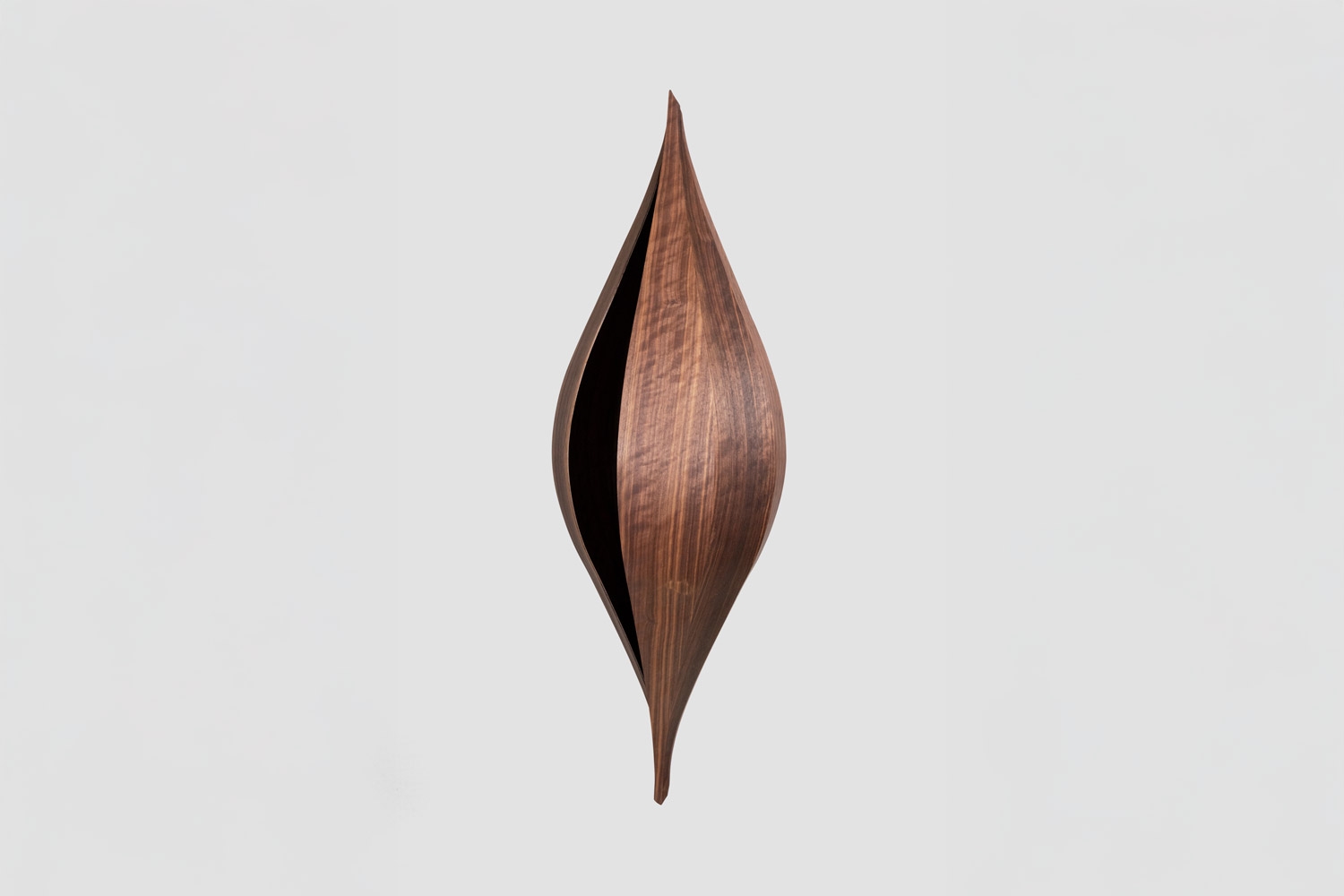
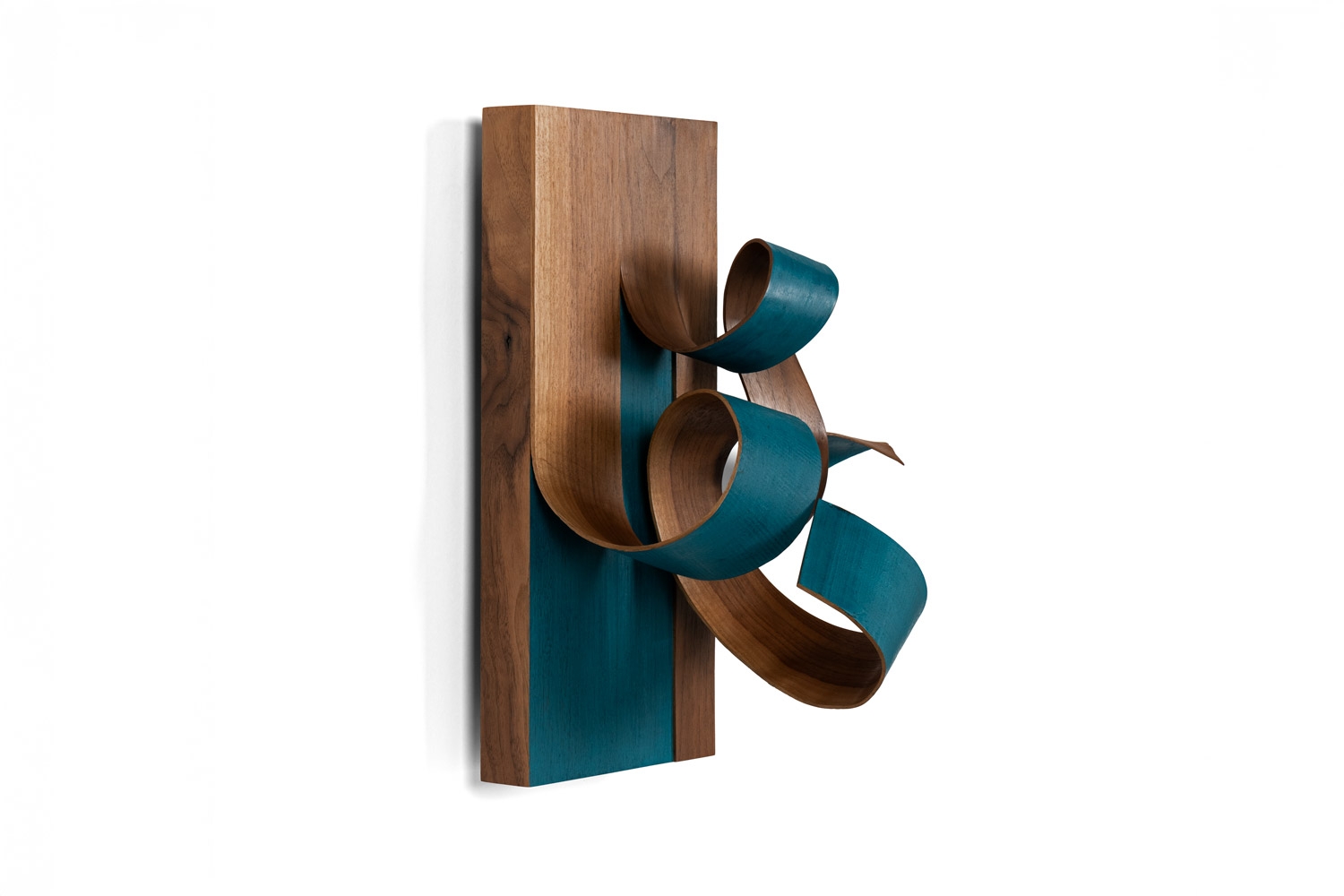
- Alison crafts dynamic sculptures from very thin laminations
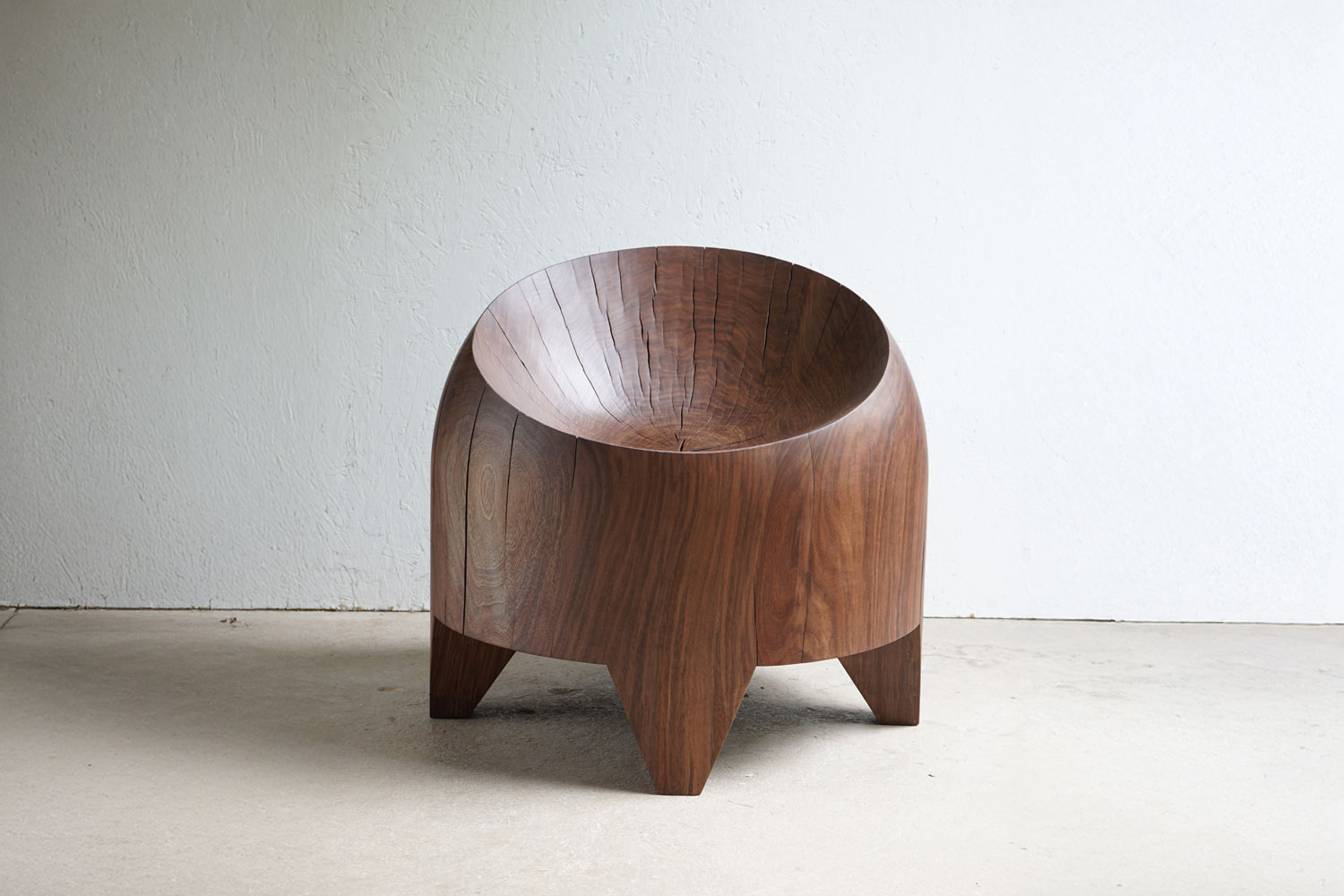
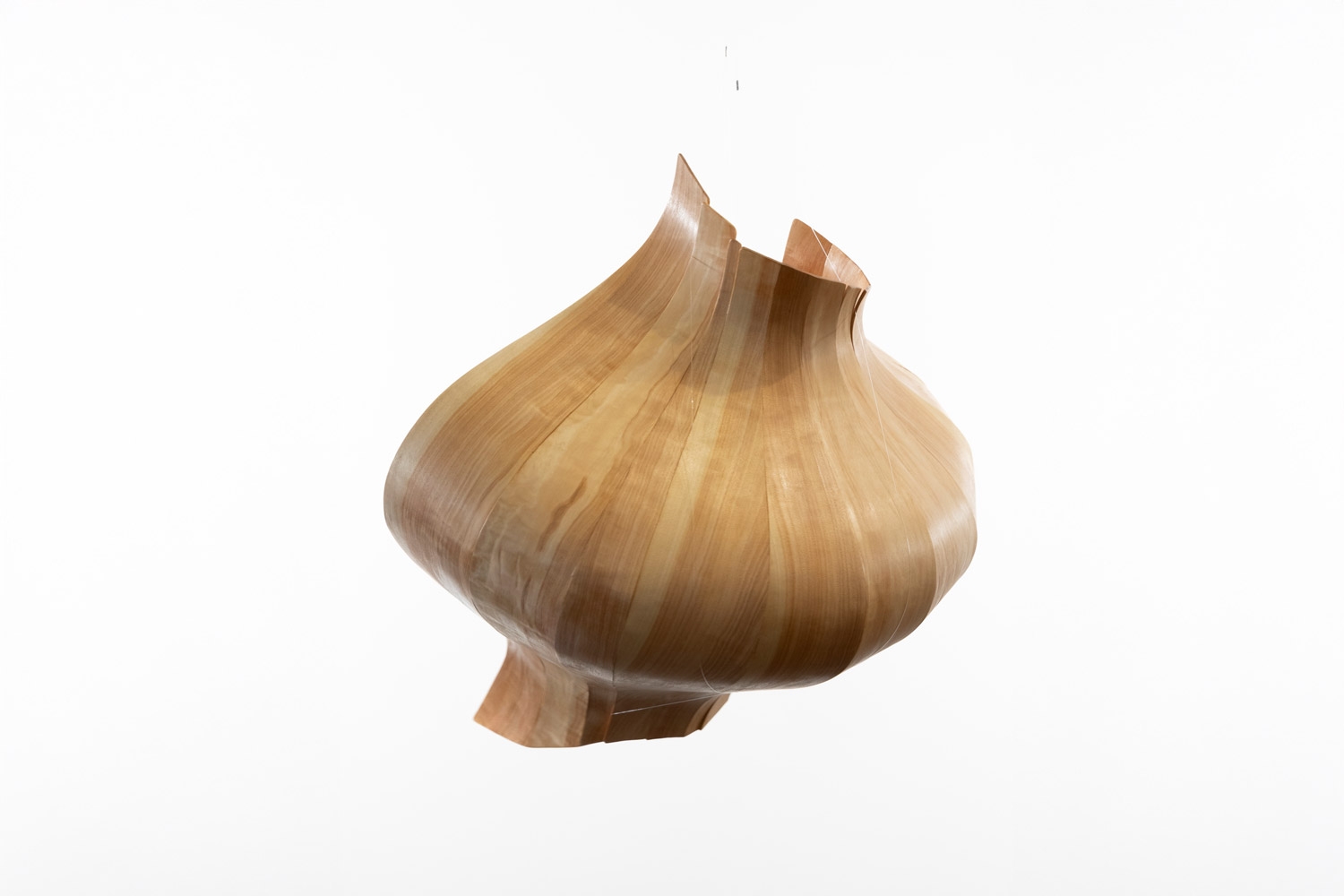
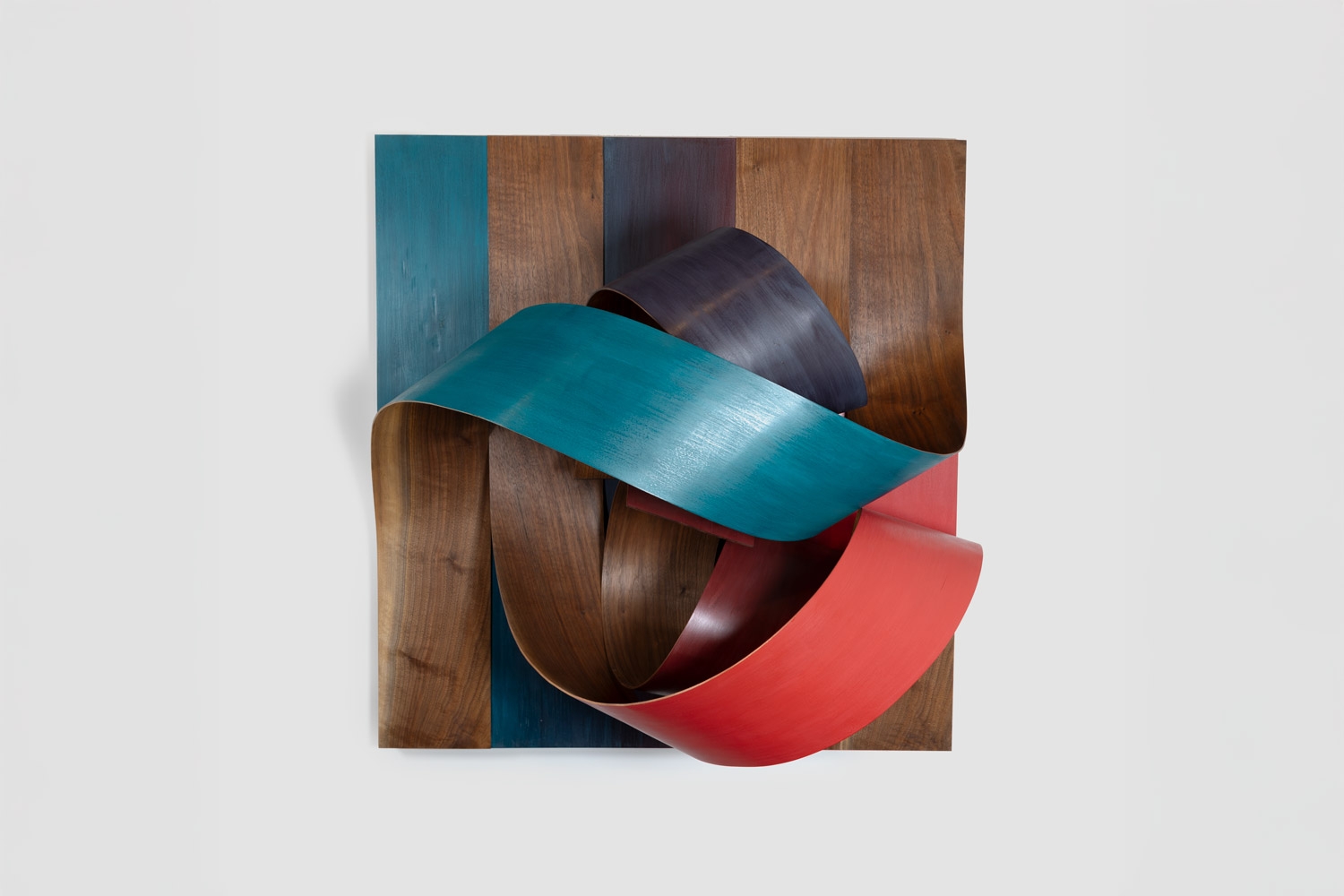
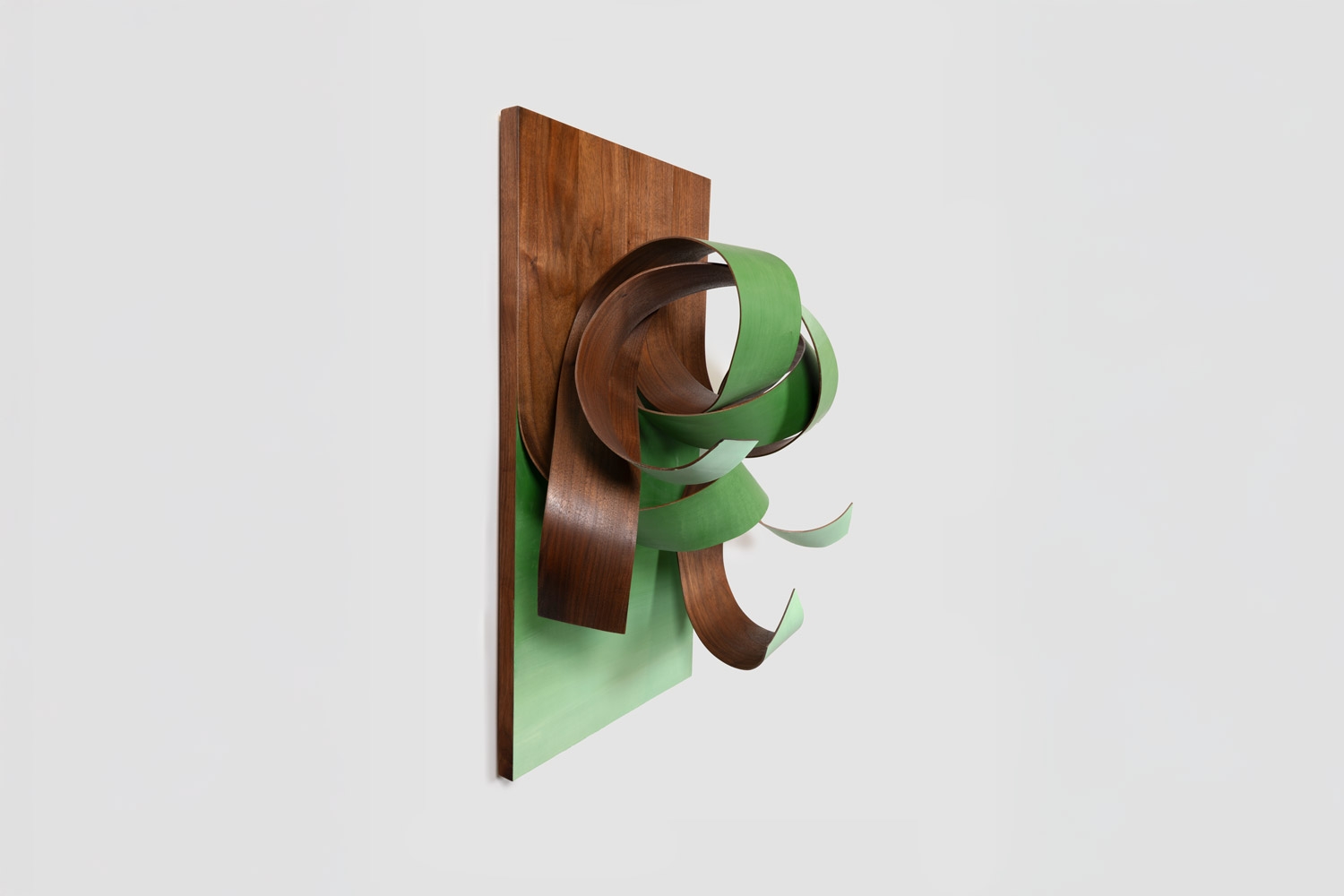
- Her pieces feature curled wood and curvaceous natural shapes
- She has artworks in the collections of many major art museums in the USA
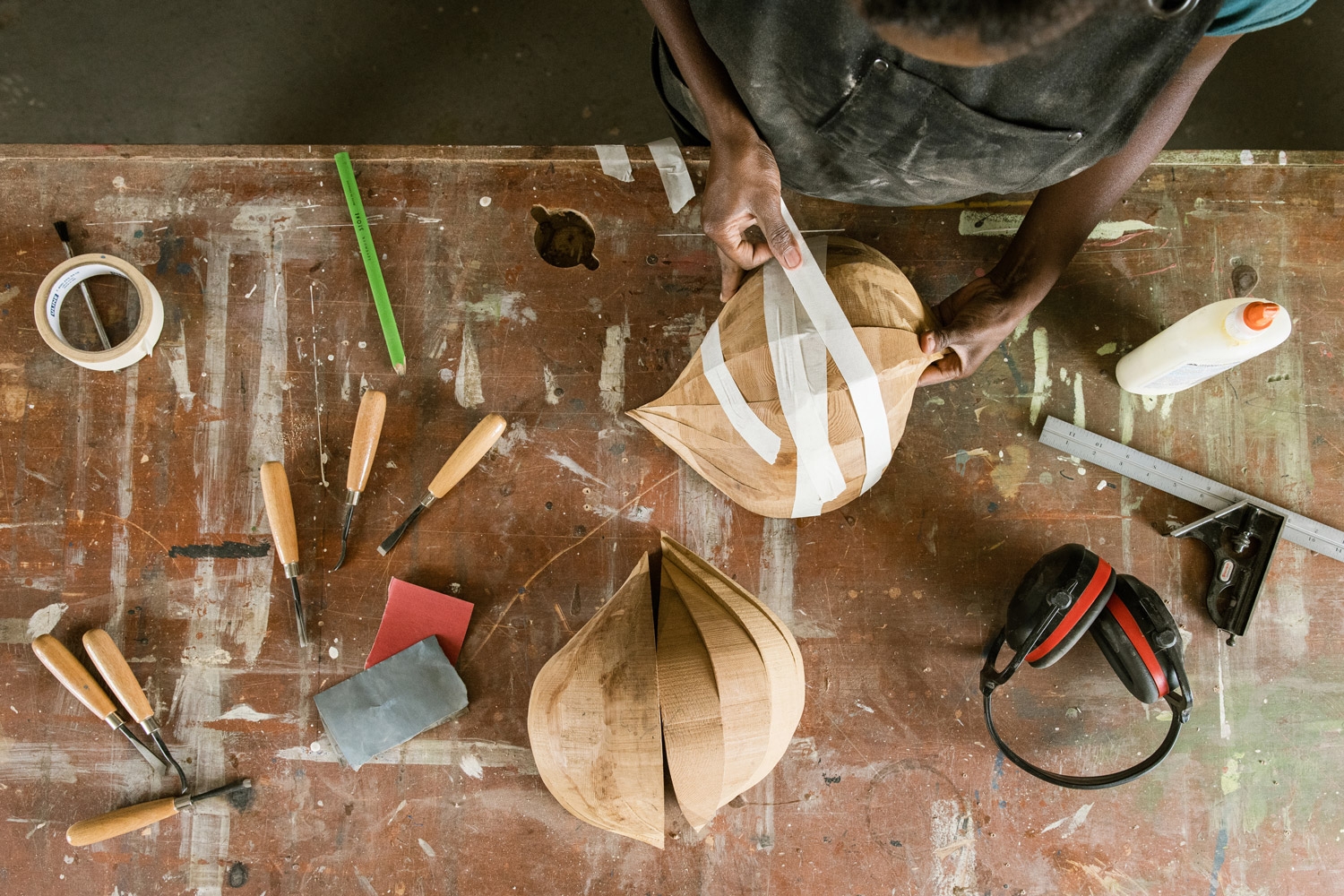
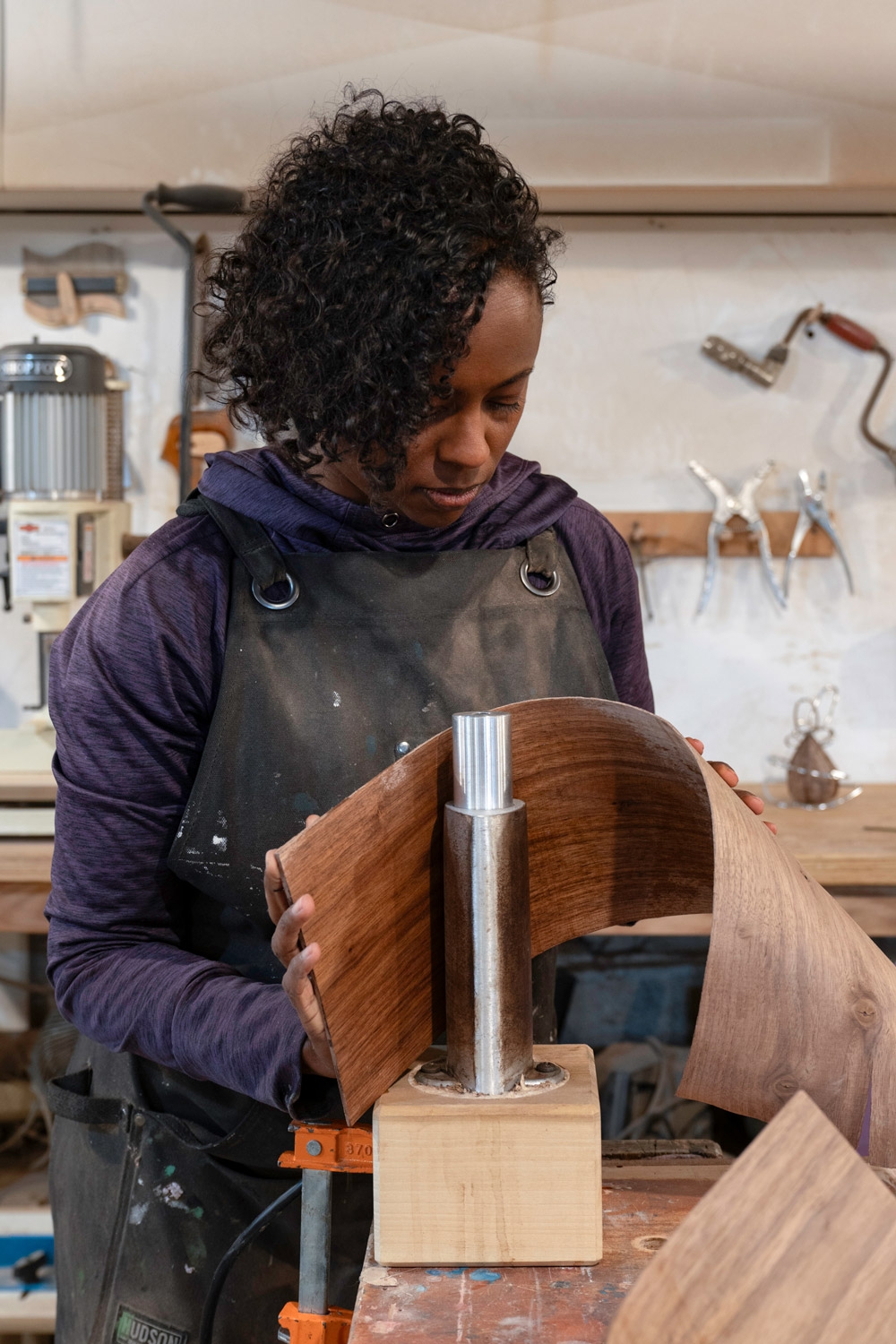
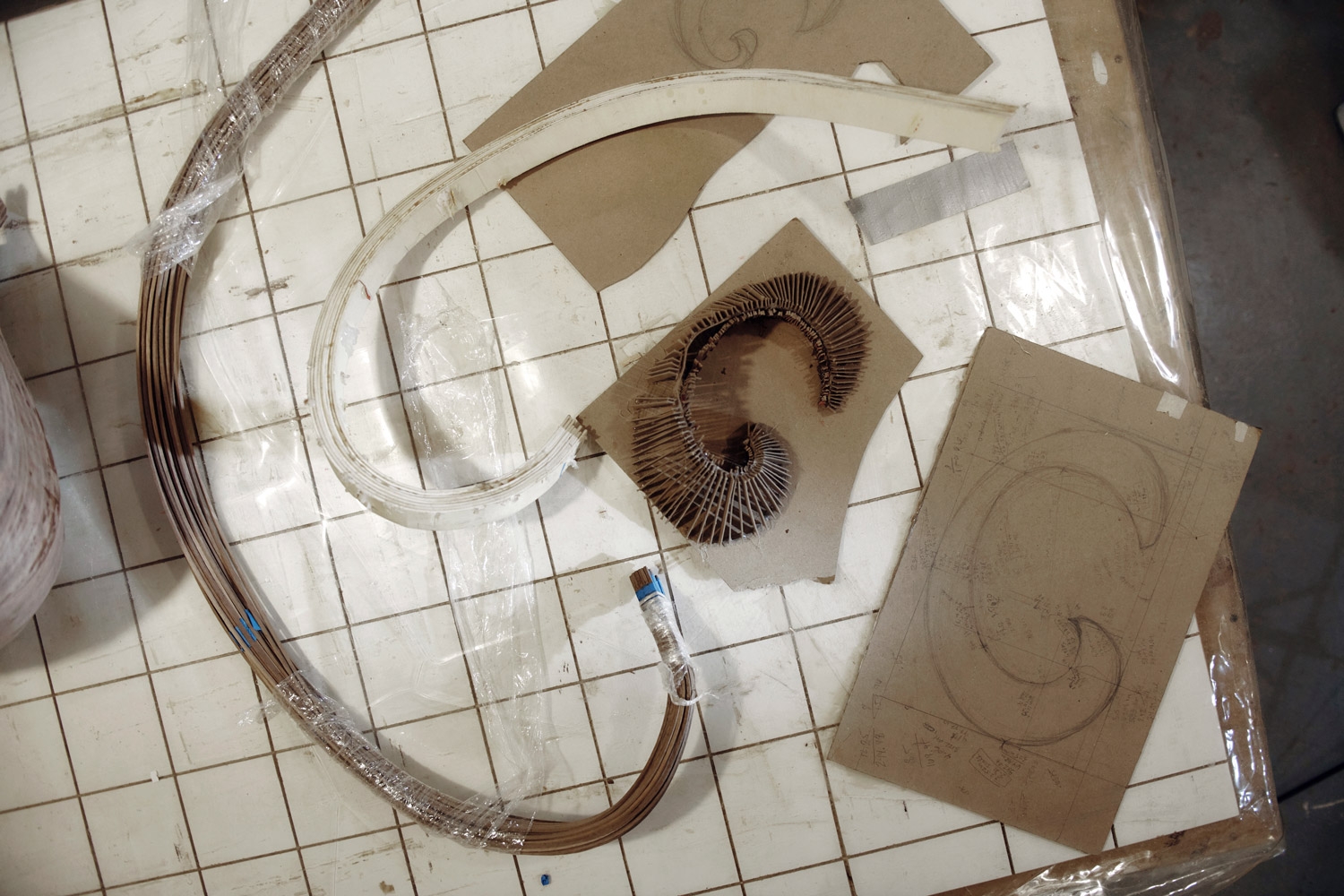
Raised by Guyanese parents, Alison Croney Moses grew up in a home where making clothing, food and art was part of everyday life. Memories of her father building furniture inspired her to switch from studies in graphic design to furniture making. While learning to construct furniture in class, Alison went beyond basic box joinery to make a curved pod, employing compound angles and hidden spines to achieve a form well above the basic requirements. “Once I discovered bent lamination would allow me to create the curves I envisioned, I knew I had found my visual language,” she says. Alison has augmented her art practice with an advanced degree in sustainability, reinforcing this value in her role as a researcher, administrator and practising artist.
INTERVIEW
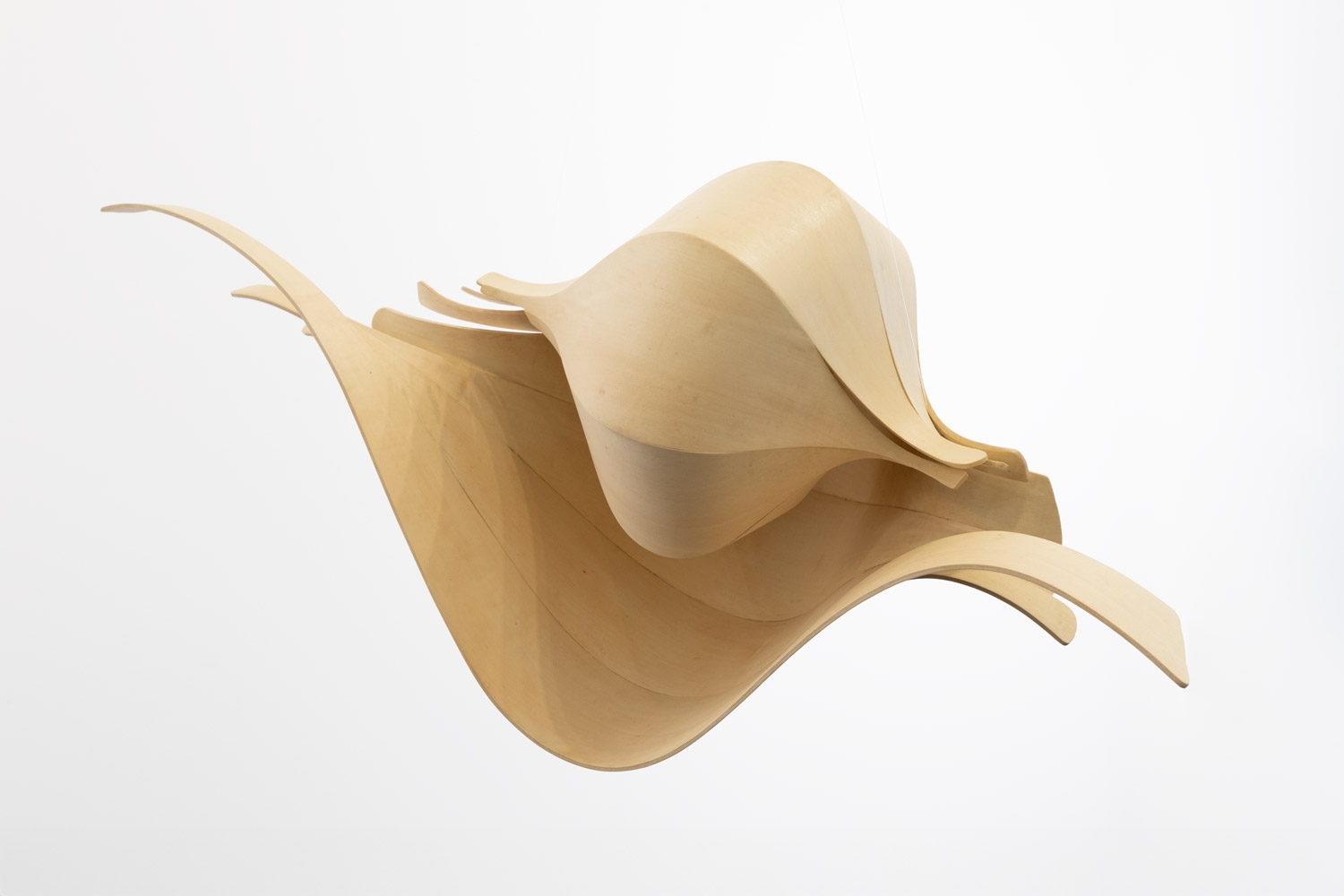
When I began to focus on the viability of making thin laminations, adjusting angles as I worked and leaving vessels open, I knew I had found my aesthetic. This discovery led to the piece White Shell, now at the Renwick Gallery in the Smithsonian.
Taking a master’s in sustainable business and communities allowed me to break down how best to teach this subject while reinforcing a framework for my own work. I think it is important to consider the economic, environmental and social impact of my craft.
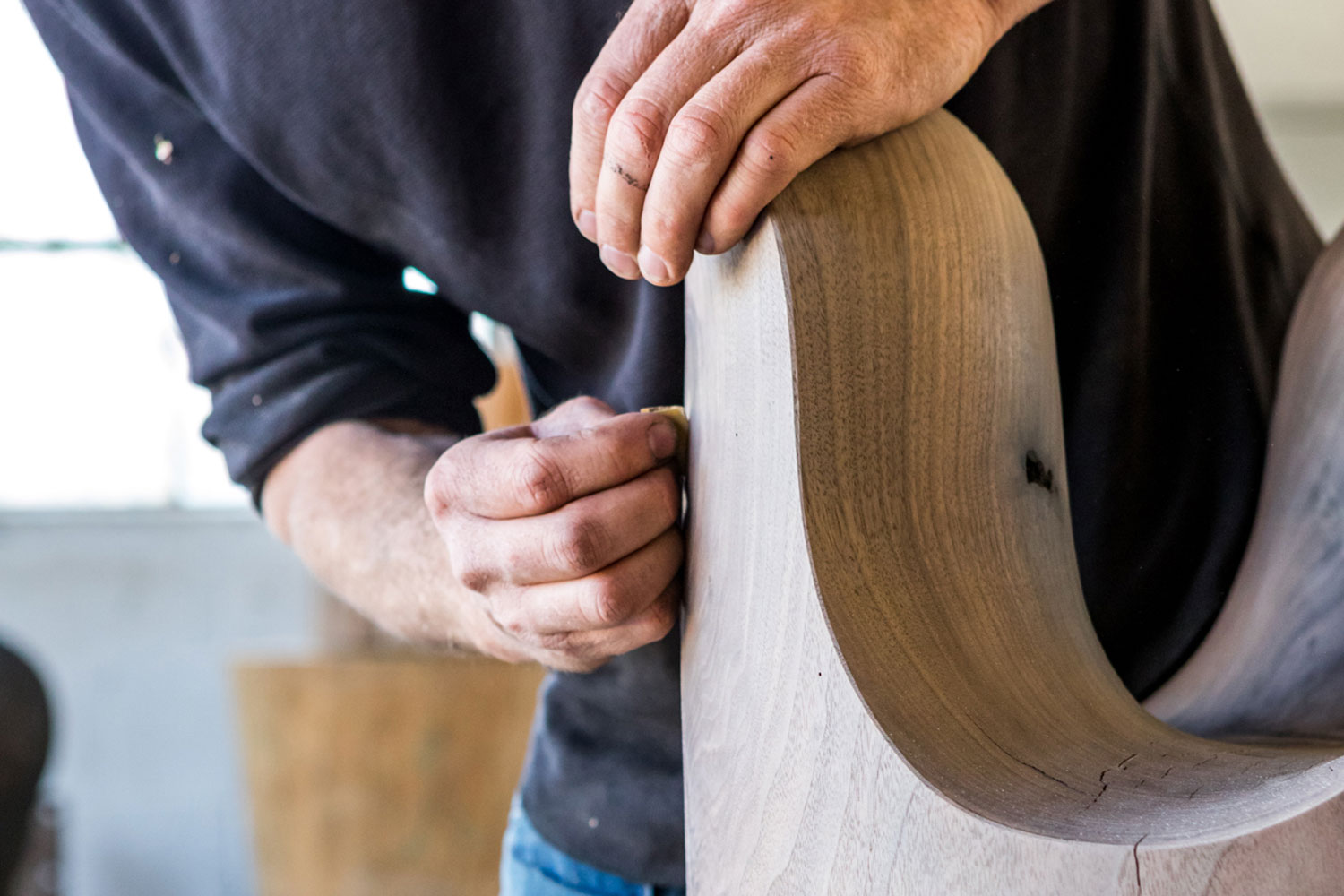
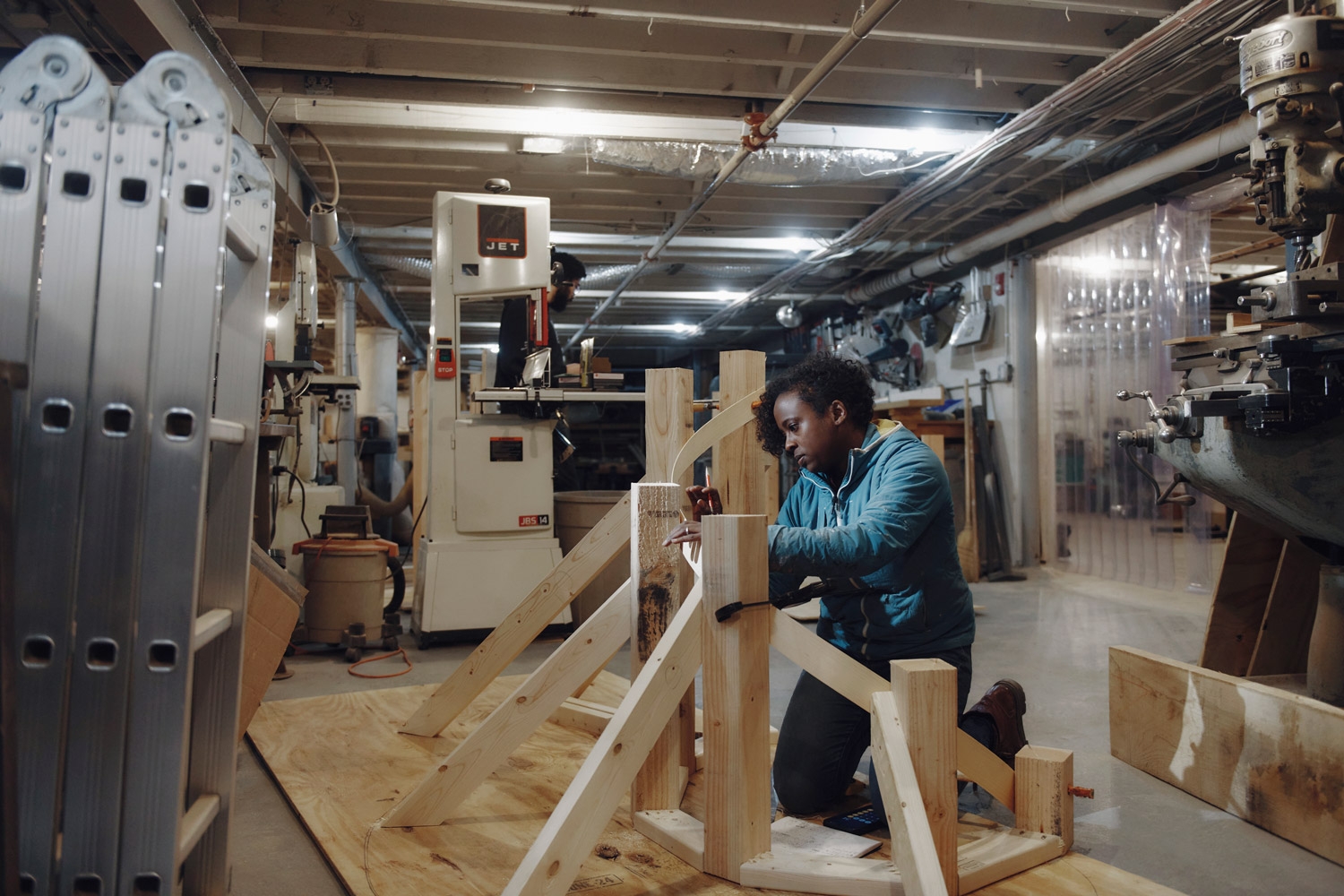
After a basic sketch or idea, the process becomes an intuitive collaboration between the material and the technical aspects which often determine the final piece. I work within the parameters of the craft while pushing its limits to achieve the aesthetic I envision.
I learned bent lamination from my advisor Don Miller while at RISD. His level of curiosity, patience in grappling with the material and demonstration of geometry and process made a lasting impression on me. I continue to admire and aspire to his example.
Alison Croney Moses
Wood sculptor
Boston, MA, USA
ADDRESS
Address upon request, Boston, MA, USA
AVAILABILITY
By appointment only
LANGUAGES
English
Homo Faber Finds is a new service aiming to inspire admirers of craft to connect and collaborate with exceptional artisans.
We invite you to submit an enquiry here.