Mark Hewitt
Ceramicist
Pittsboro, NC, USA
Recommended by Craft in America
Culture and clarity in clay
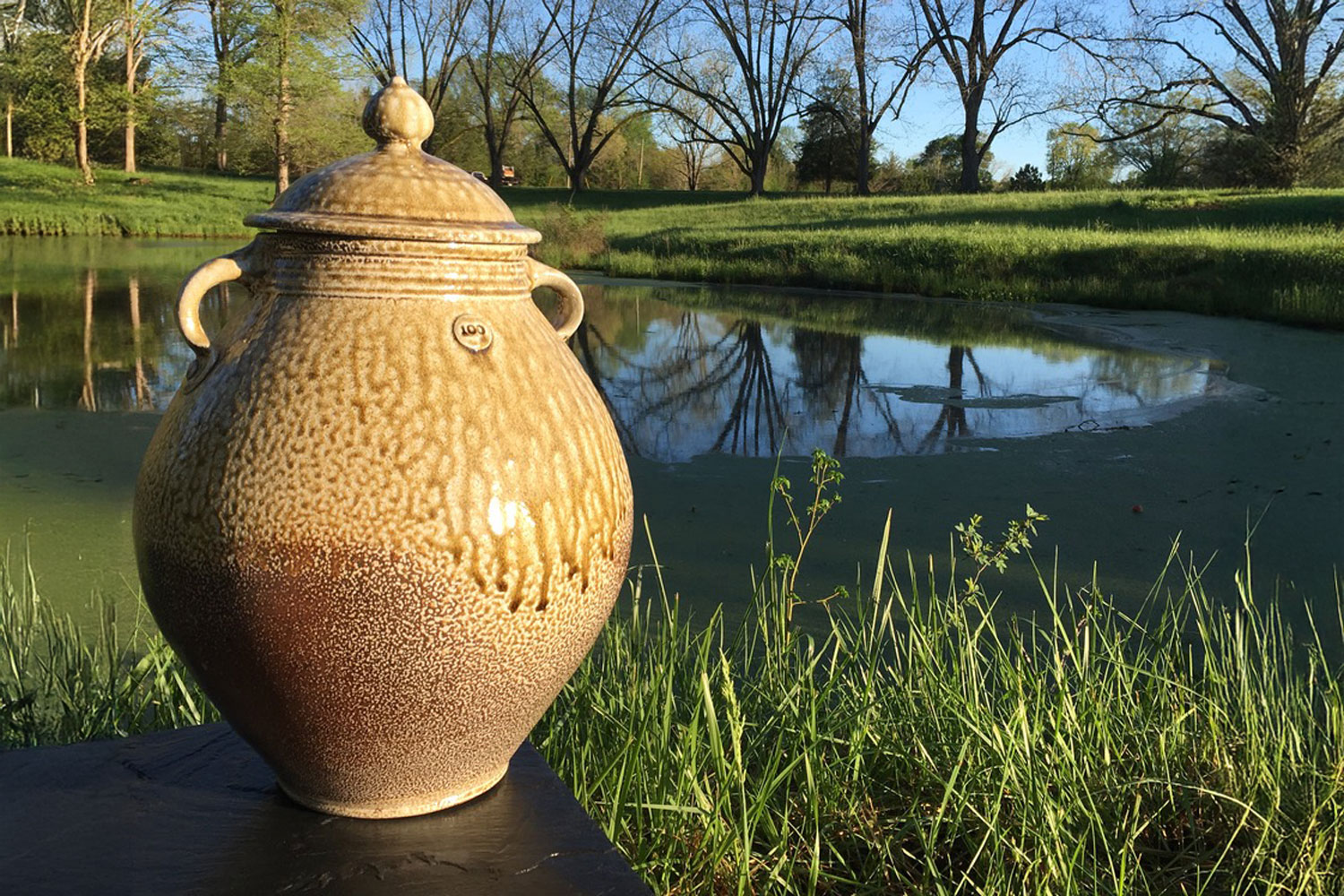
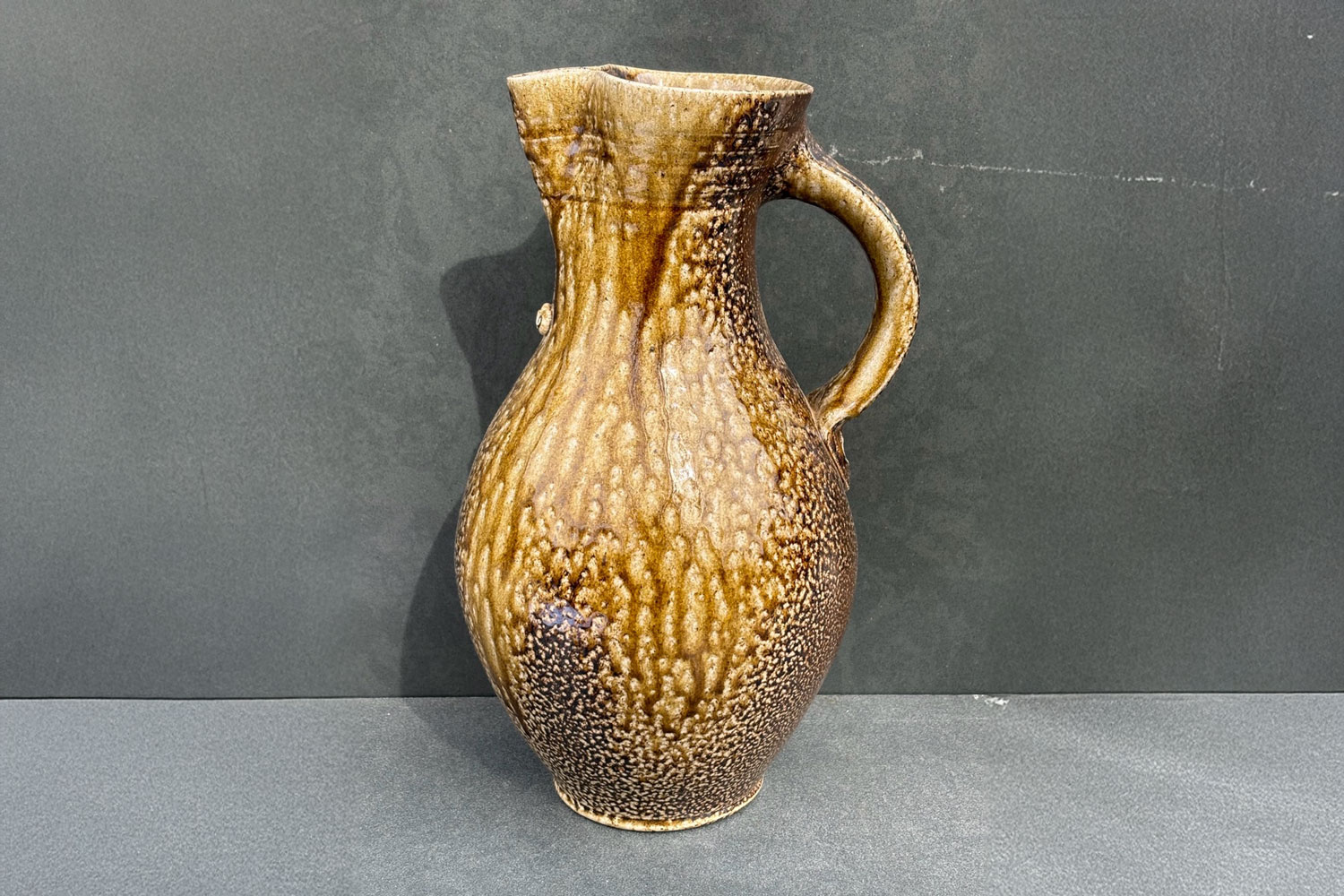
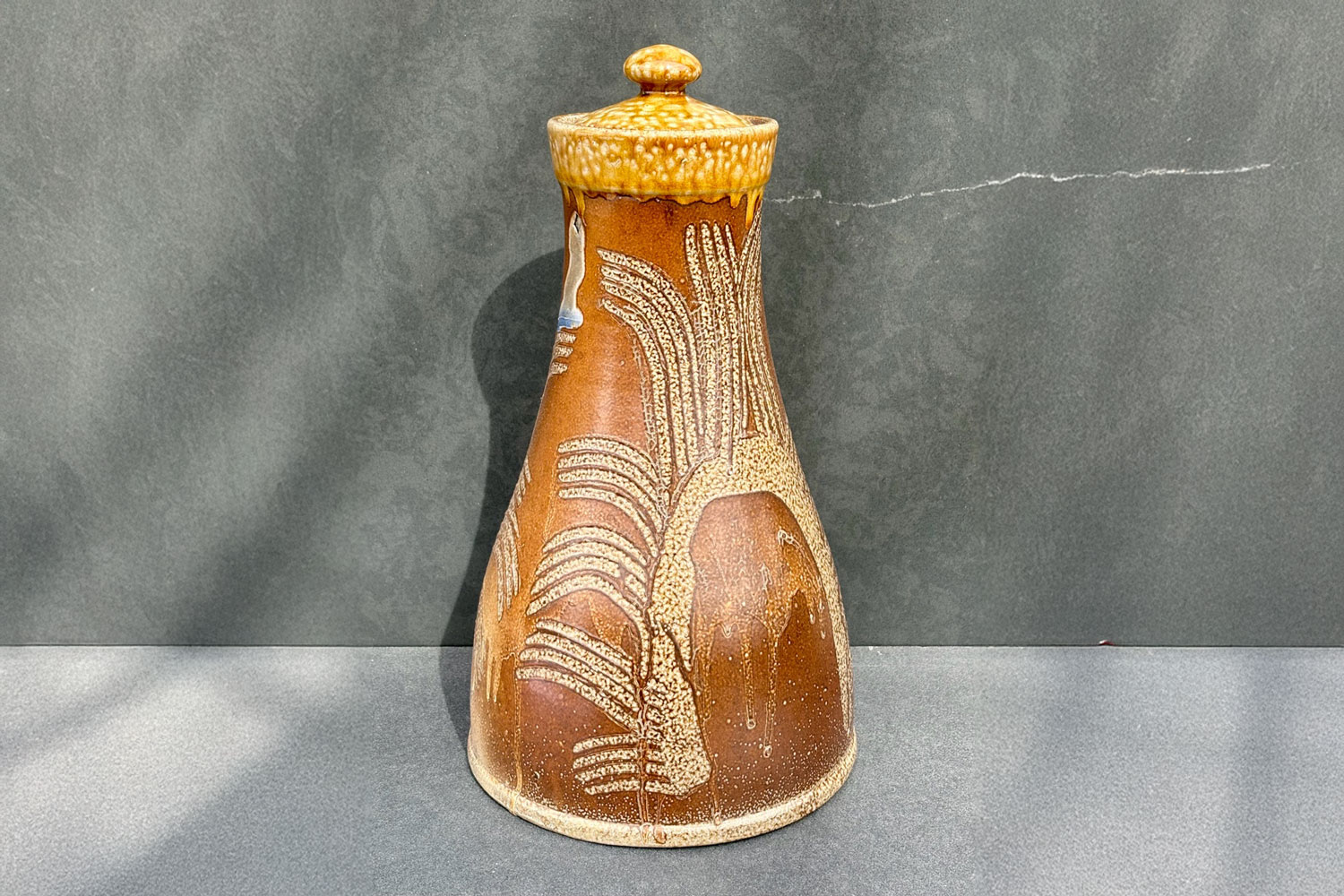
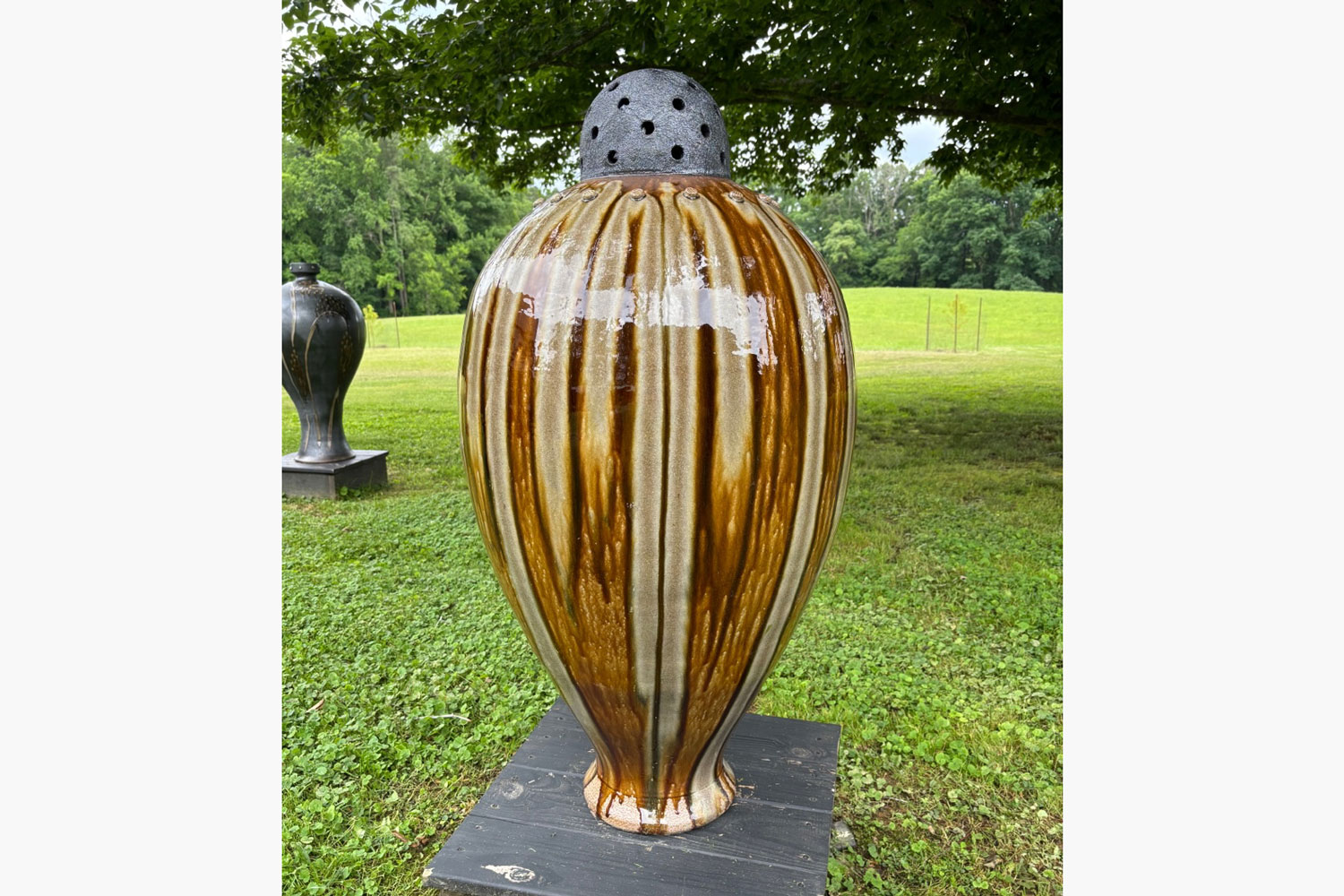
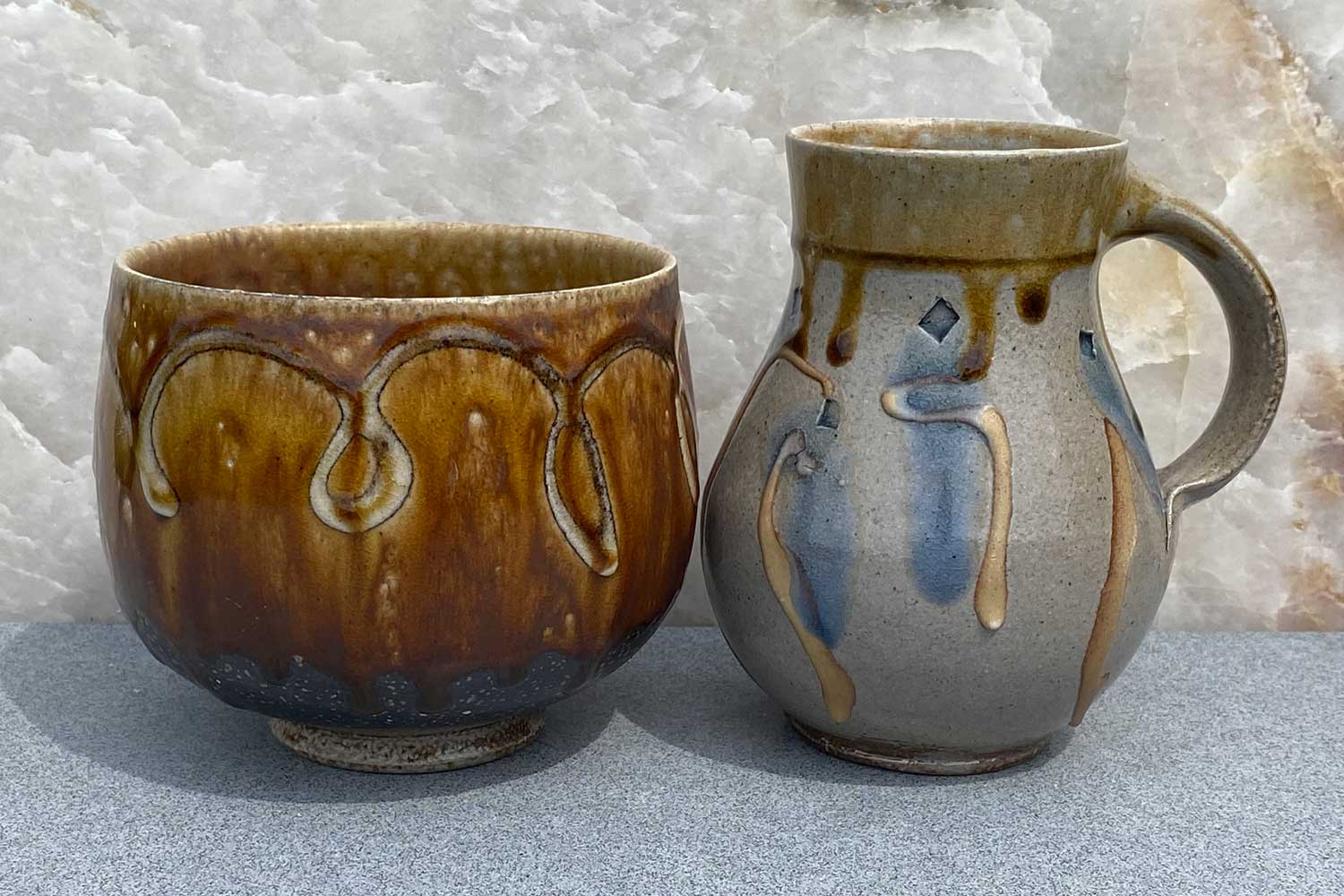
- Mark creates functional tableware and decorative ceramic pieces
- His work is in the collection of the Smithsonian American Art Museum
- He was trained by ceramicists Michael Cardew and Todd Piker
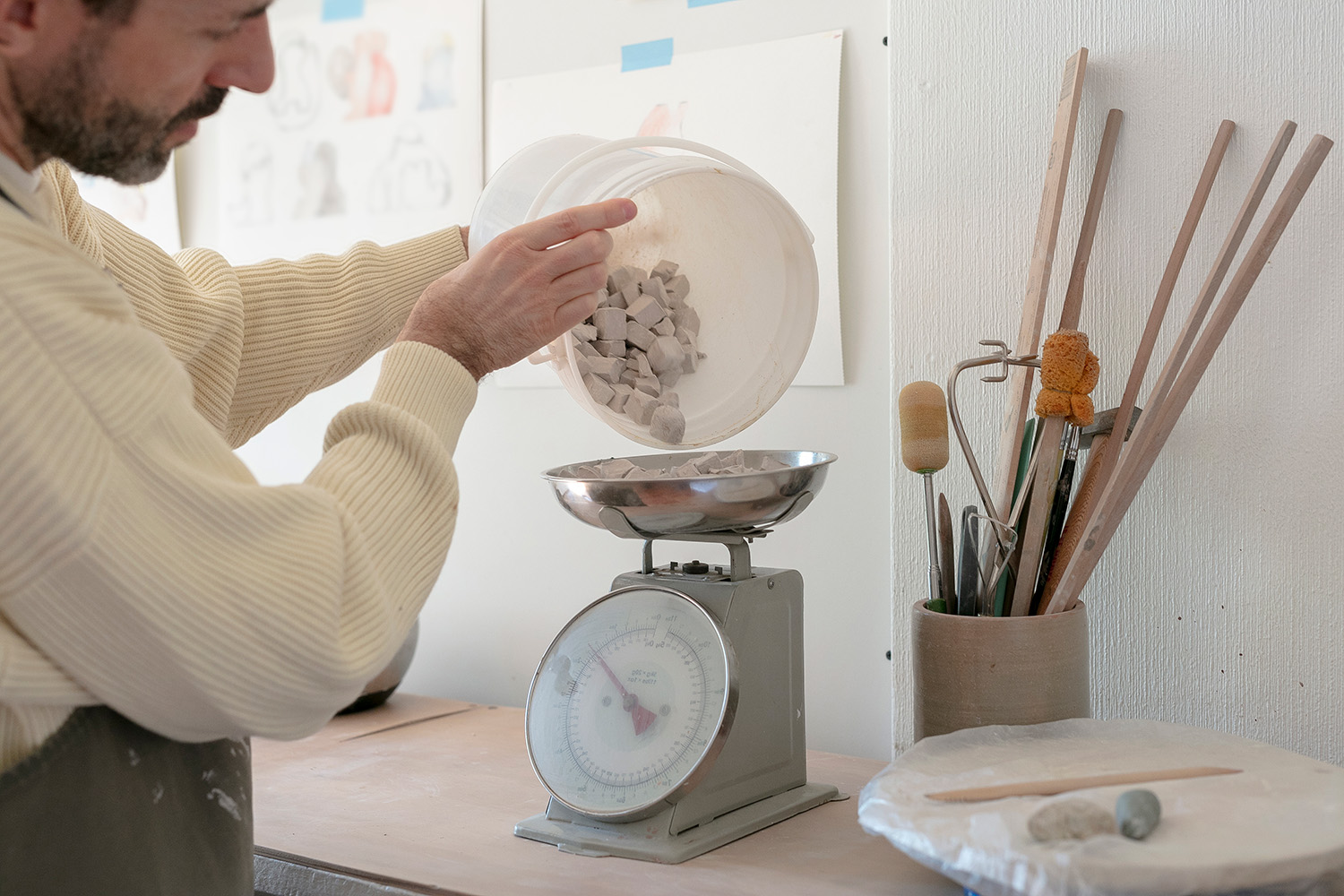
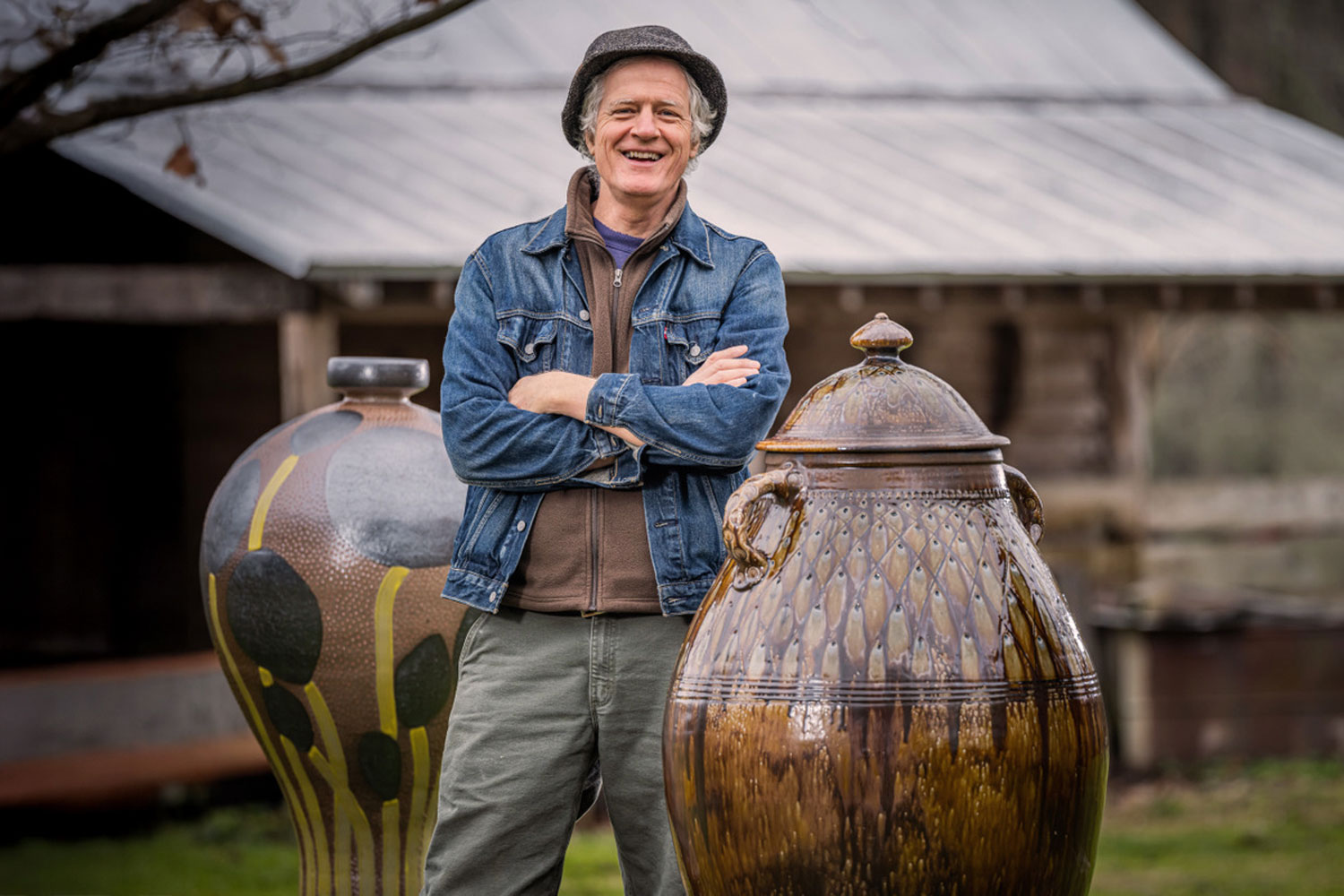
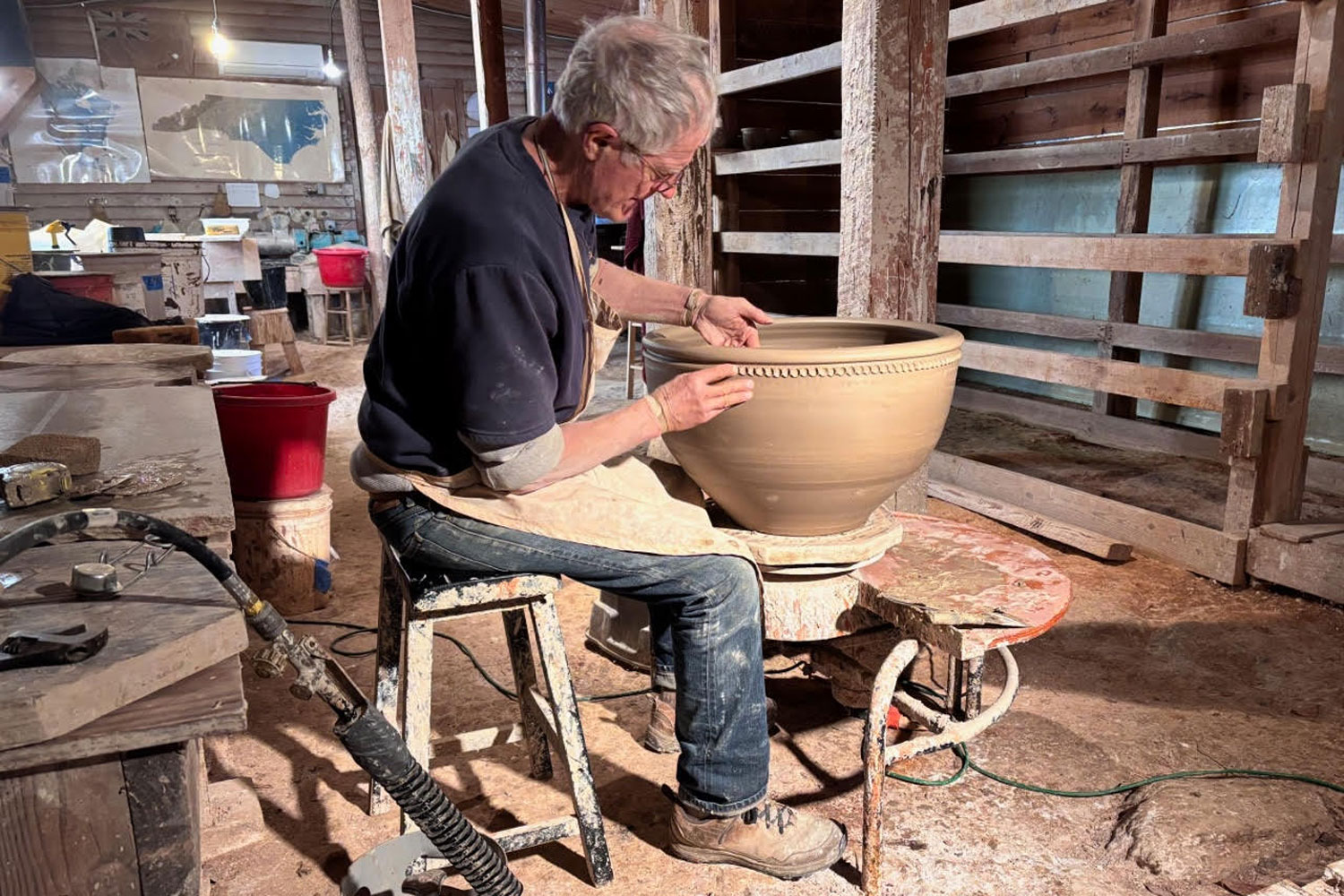
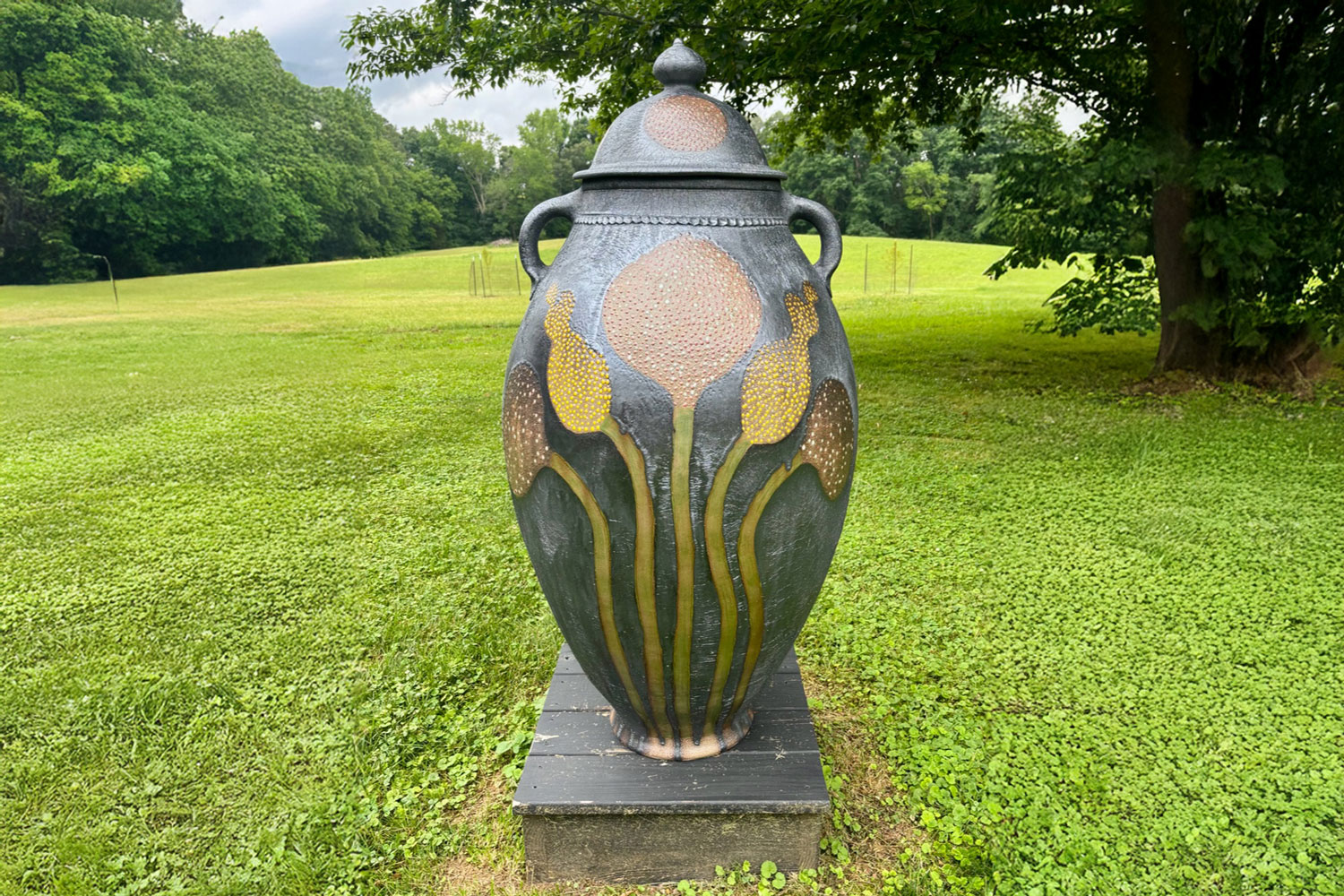
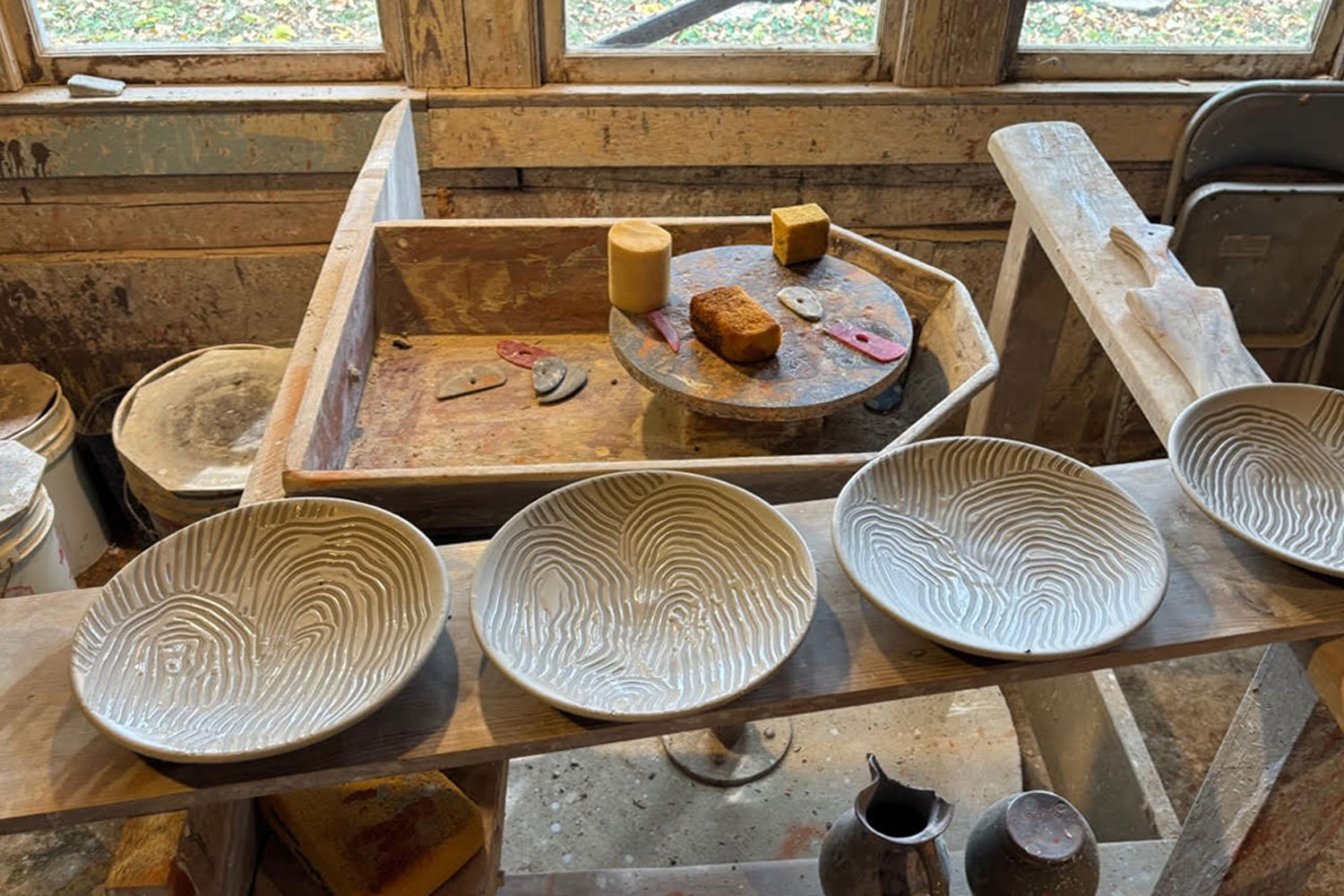
Born in Stoke-on-Trent, England, Mark Hewitt’s family connection with fine china manufacturer Spode, where both his father and grandfather served as directors, set him on a journey to explore clay. After studying at the University of Bristol, independent travels took him in search of inspiration in West Africa, South East Asia and Japan, where he became fascinated by the working methods of traditional pottery communities and the deep ties between place and material. “There is an old axiom that a potter should go where there is clay,” he says. Mark runs a studio in North Carolina with his wife, outfitted with a trio of kilns: a very large, modified 14th-century Thai kiln, a three-chambered Japanese-inspired climbing kiln and a large gas kiln. His decorative and functional pieces demonstrate vibrant ceramics traditions and technical rigour, and have been exhibited and awarded worldwide.
INTERVIEW
I was drawn to the regional clays and abundant forests, as well as its folk pottery community, especially a handful of talented makers who had adapted old practices and wares to meet the needs of the times.
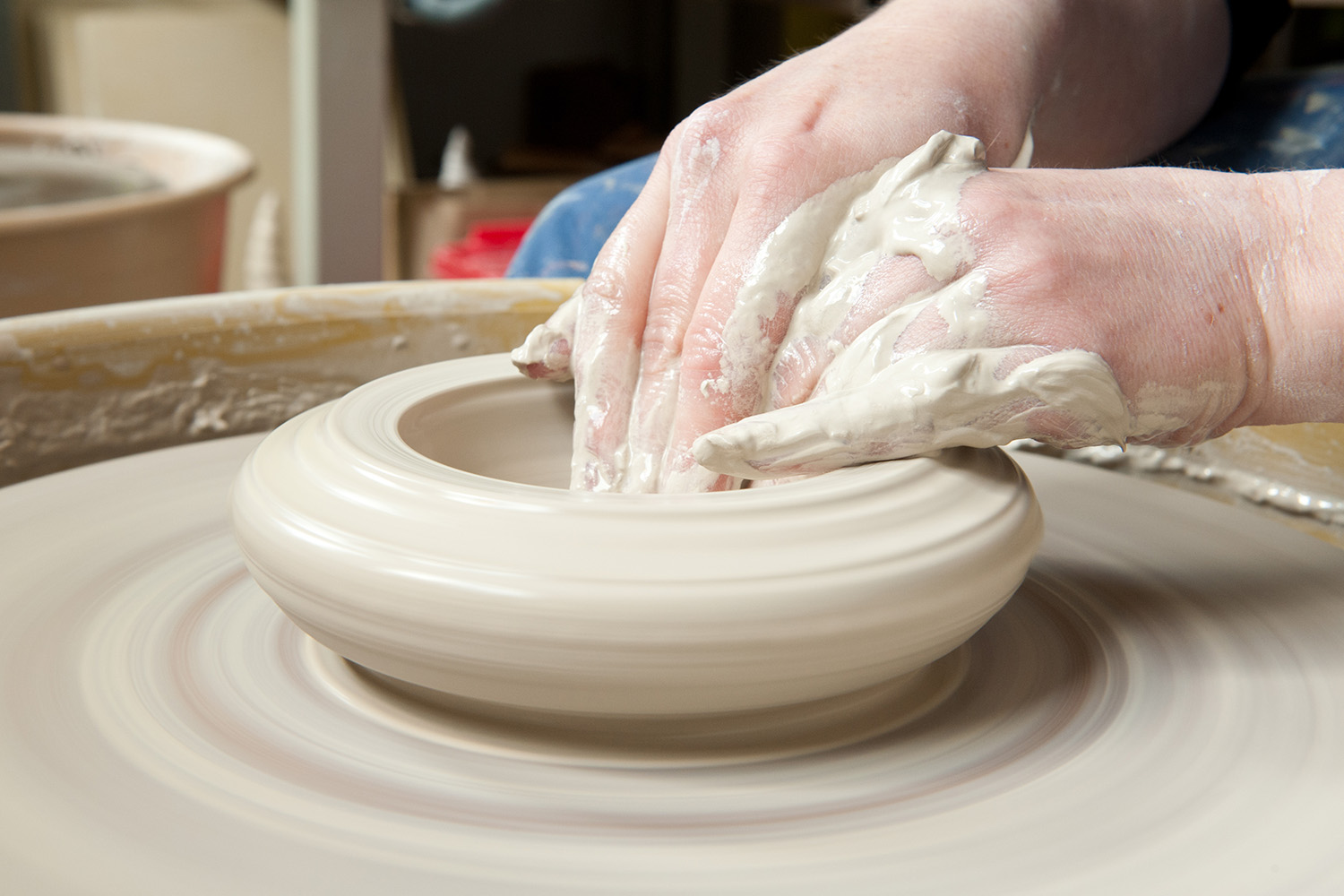
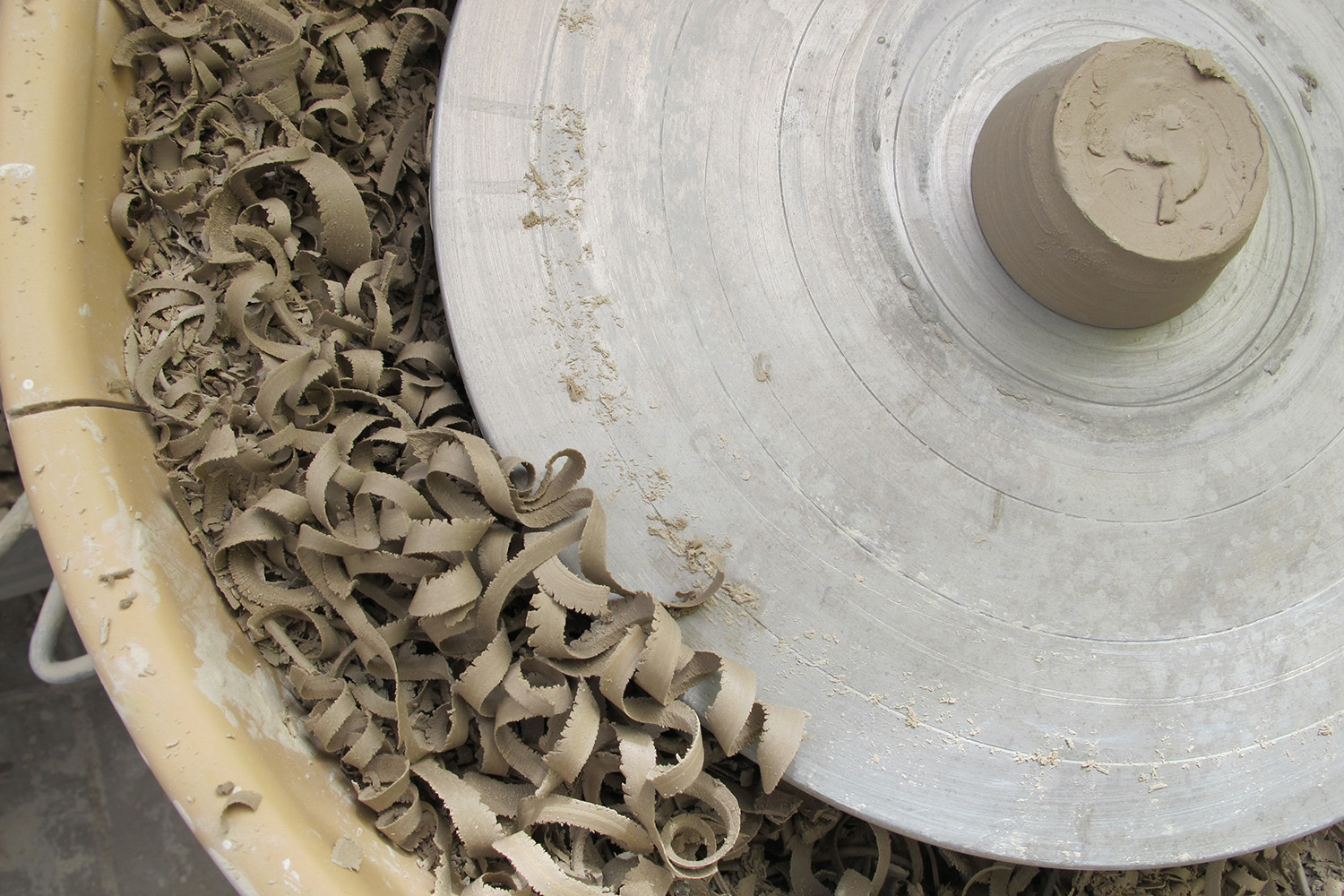
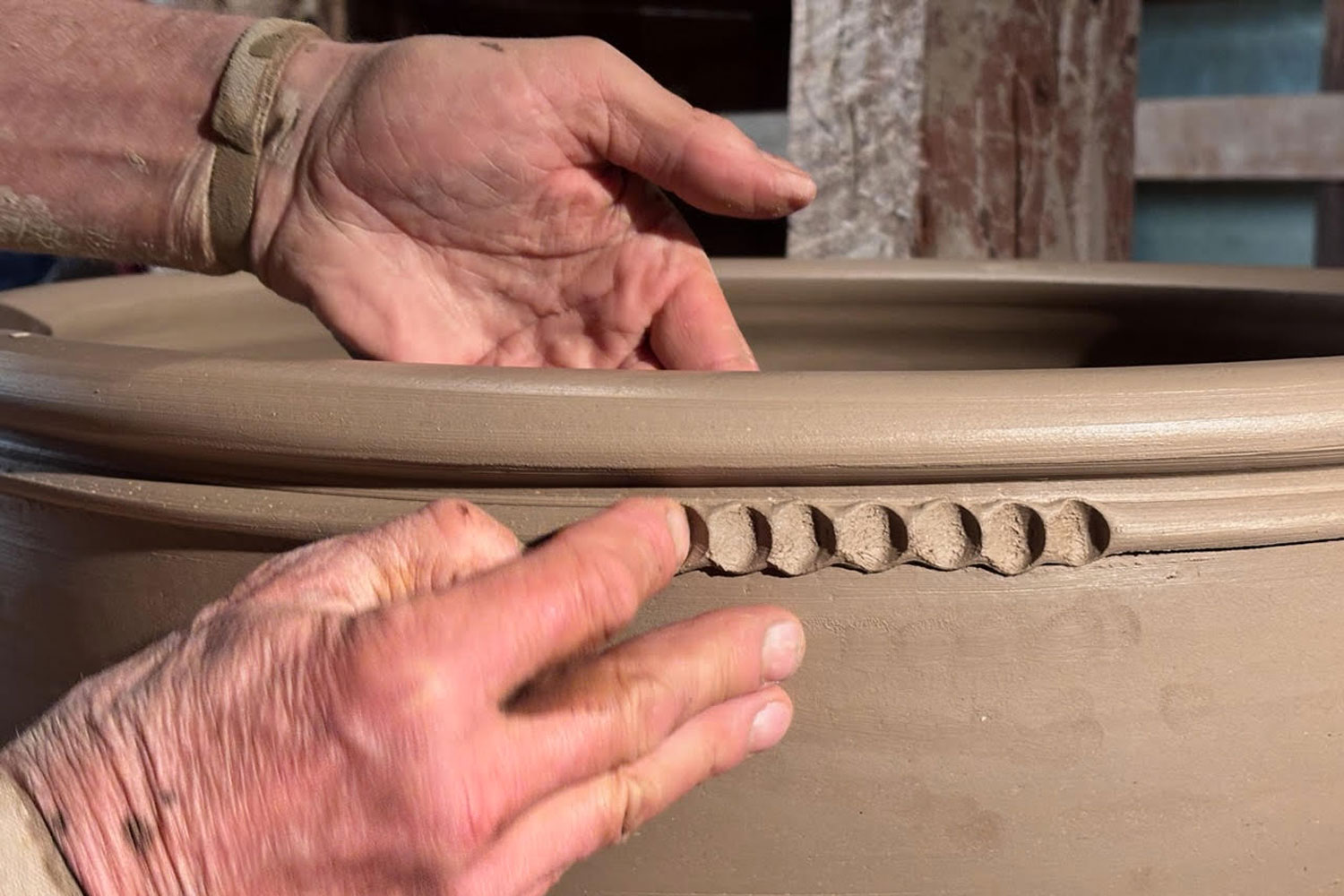
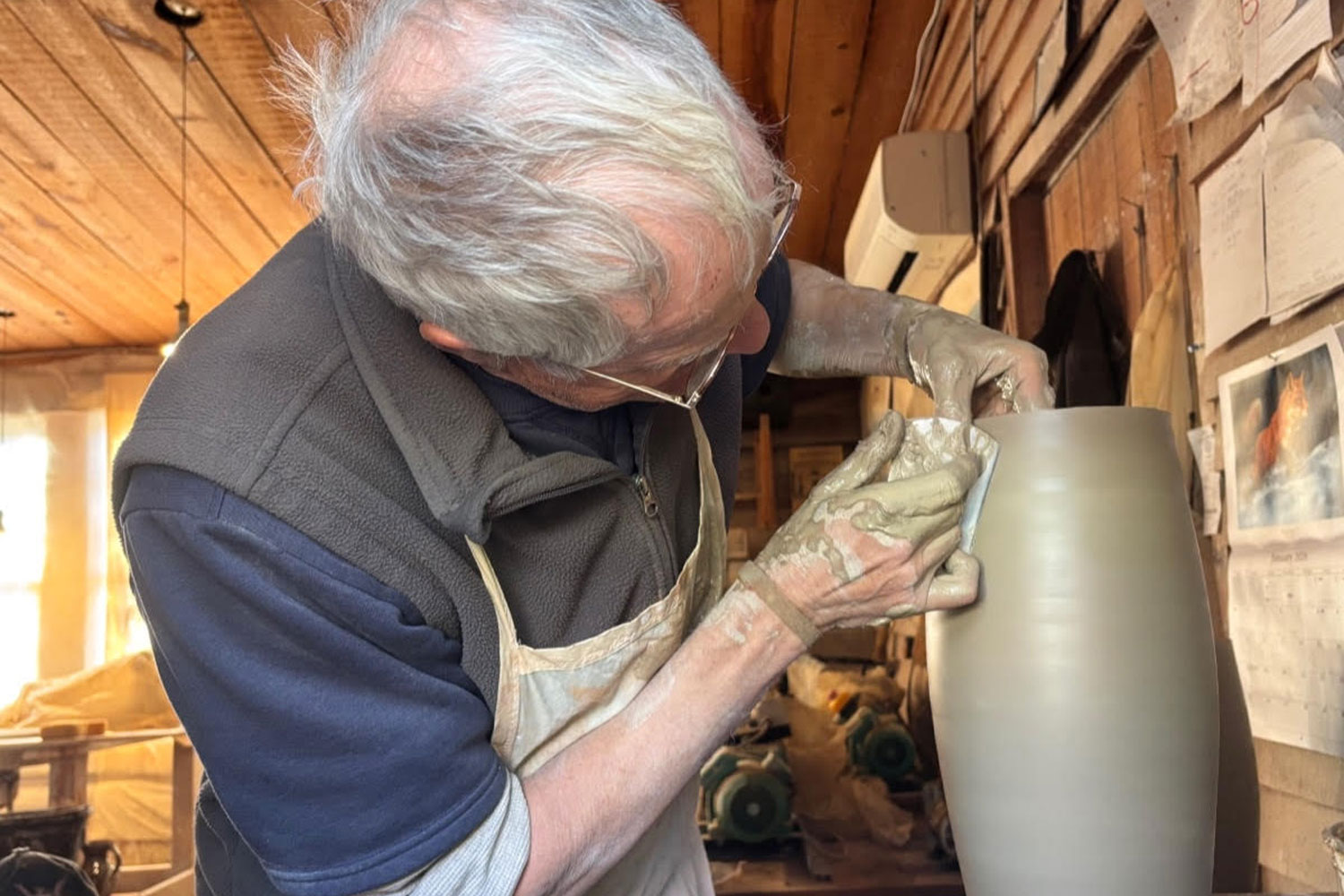
Throwing feels like a form of meditation, almost like a prayer. It demands complete concentration to do well, and when it works, the reward is exhilarating, and you want to do it again. It is my way of making sense of the world.
I came up through two formative apprenticeships, and my early exposure to Spode taught me that pottery making is a collective enterprise in pursuit of the highest ceramic quality. Today, art school is expensive, and it is hard for young makers to gain a foothold. I have taught young potters how to sustain a practice and earn a living. Now that I am older, I sadly no longer take apprentices.
I am reconciling the apparent contradictions between the artisanal and the mass produced. I realise I embody both and see them as complementary rather than antagonistic. The intersection between the two, in the liminal space where they meet, fascinates me.
Mark Hewitt
Ceramicist
Pittsboro, NC, USA
Recommended by Craft in America
ADDRESS
Address upon request, Pittsboro, NC, USA
AVAILABILITY
By appointment only
PHONE
+1 9195422371
LANGUAGES
English
Homo Faber Finds is a new service aiming to inspire admirers of craft to connect and collaborate with exceptional artisans.
We invite you to submit an enquiry here.