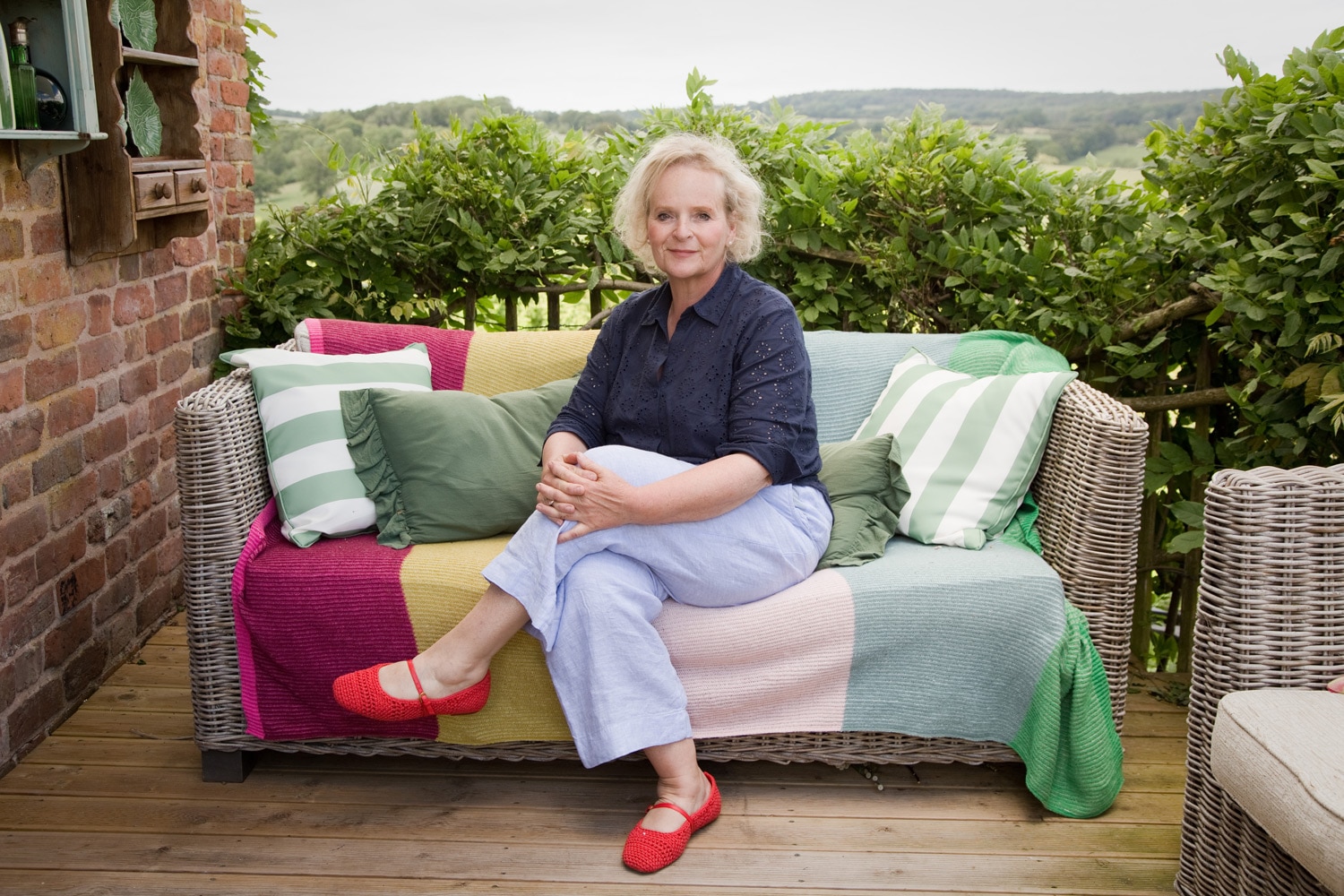
Marisa Tatibana
Artificial flower maker
São Paulo, Brazil
Paper floristry as a reframed legacy
- Marisa carries forward her family’s floristry tradition through paper flowers
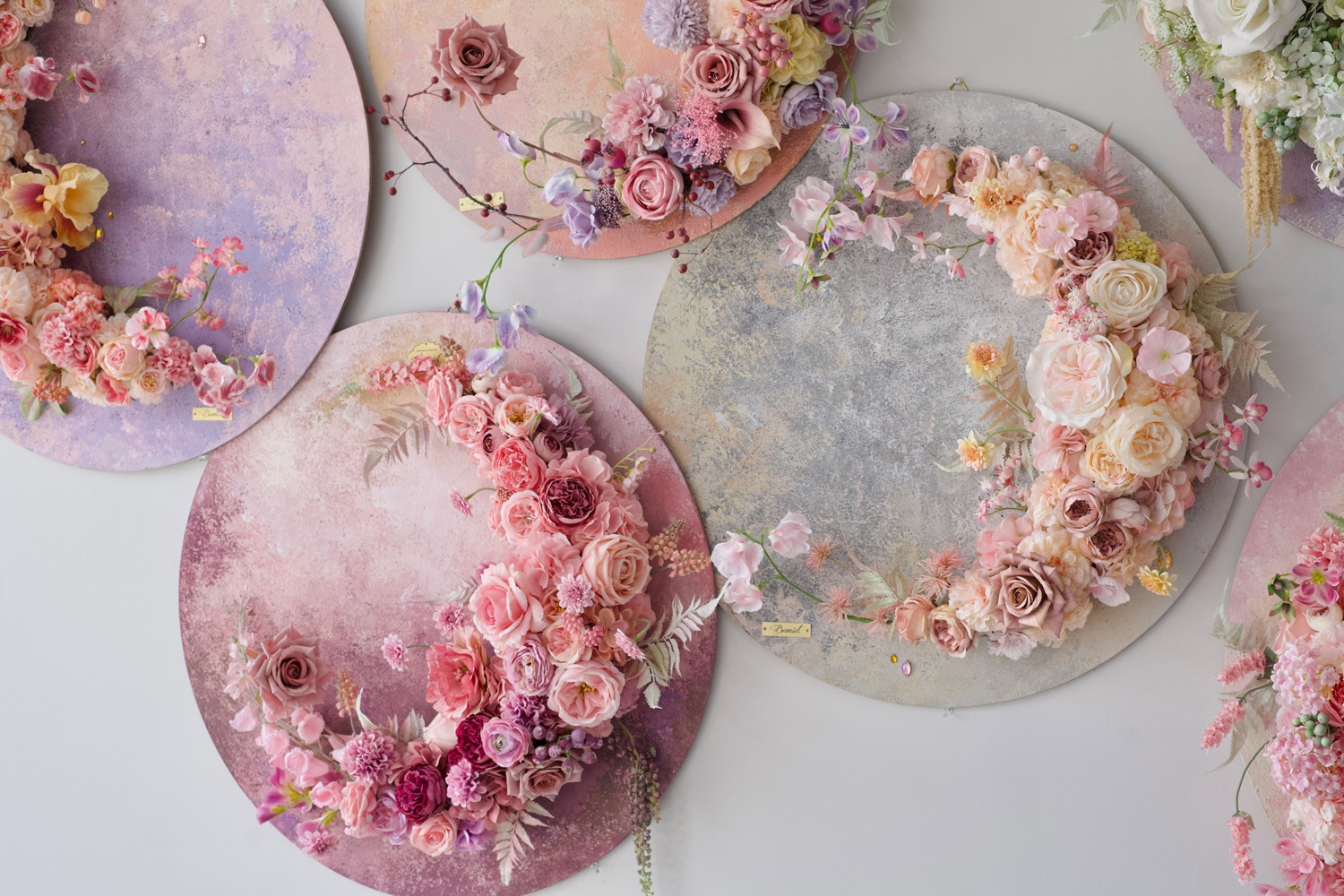
- She uses techniques and materials reserved for fine art to elevate paper as a material
- Her works combine East Asian craftsmanship with impressionist art
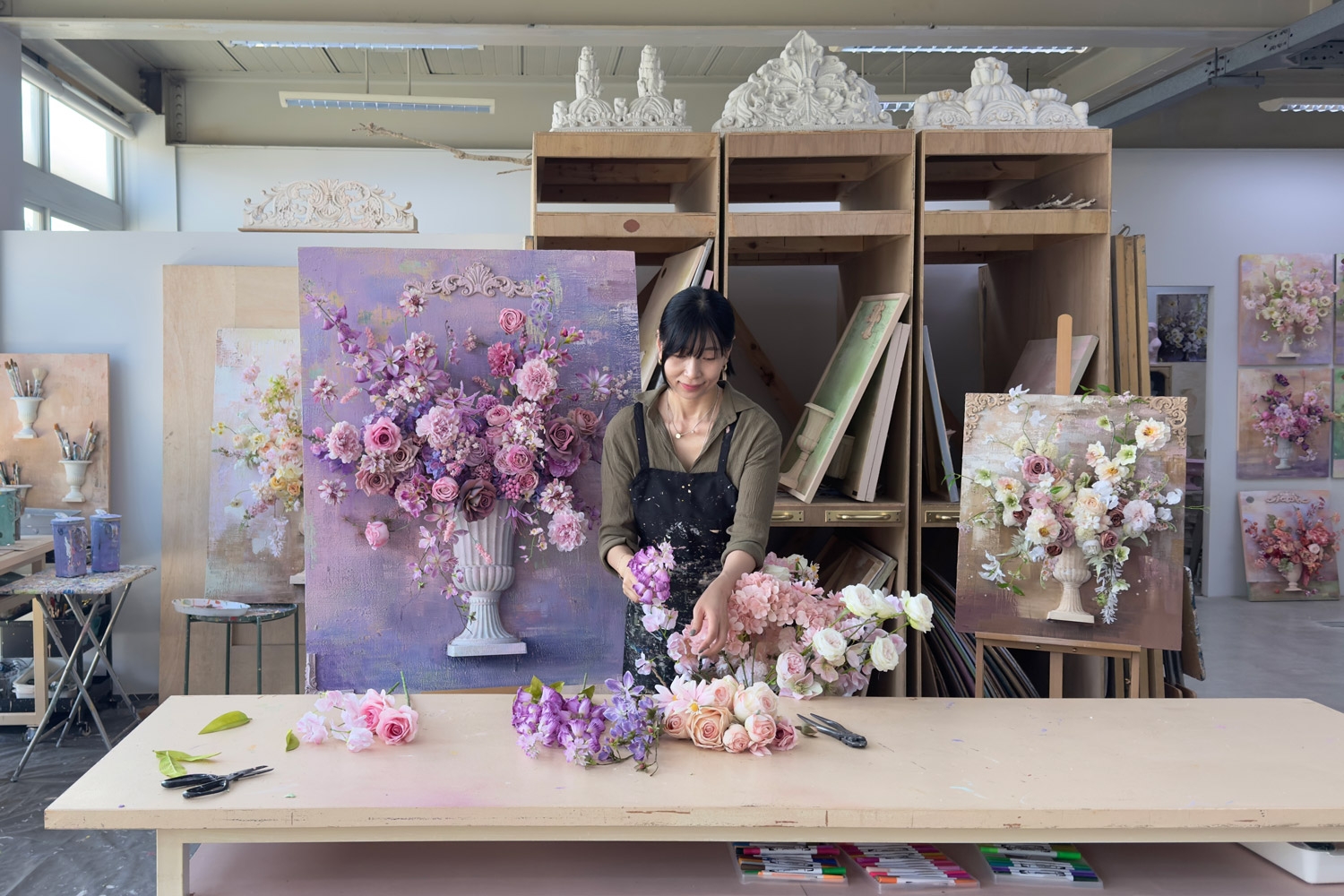
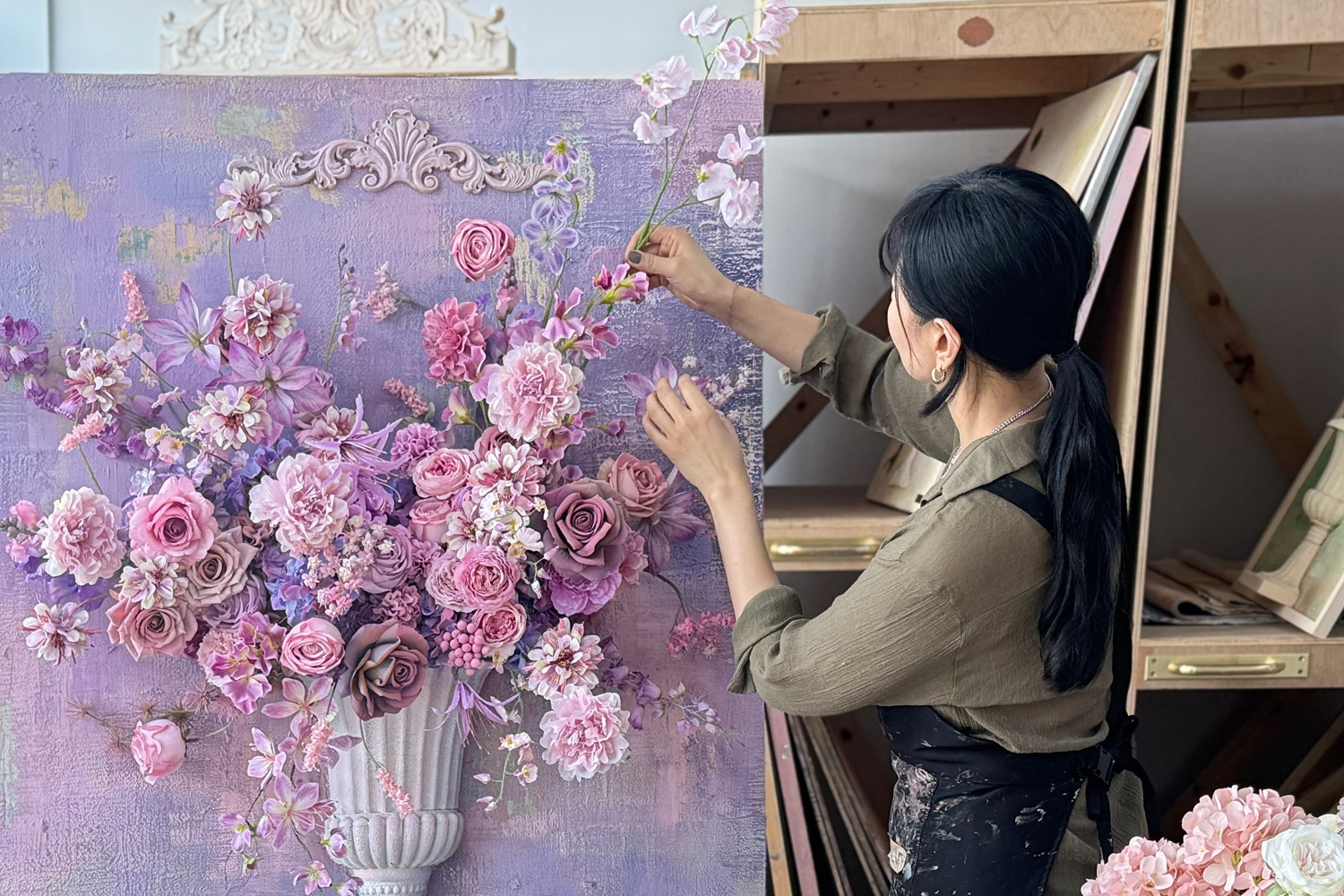
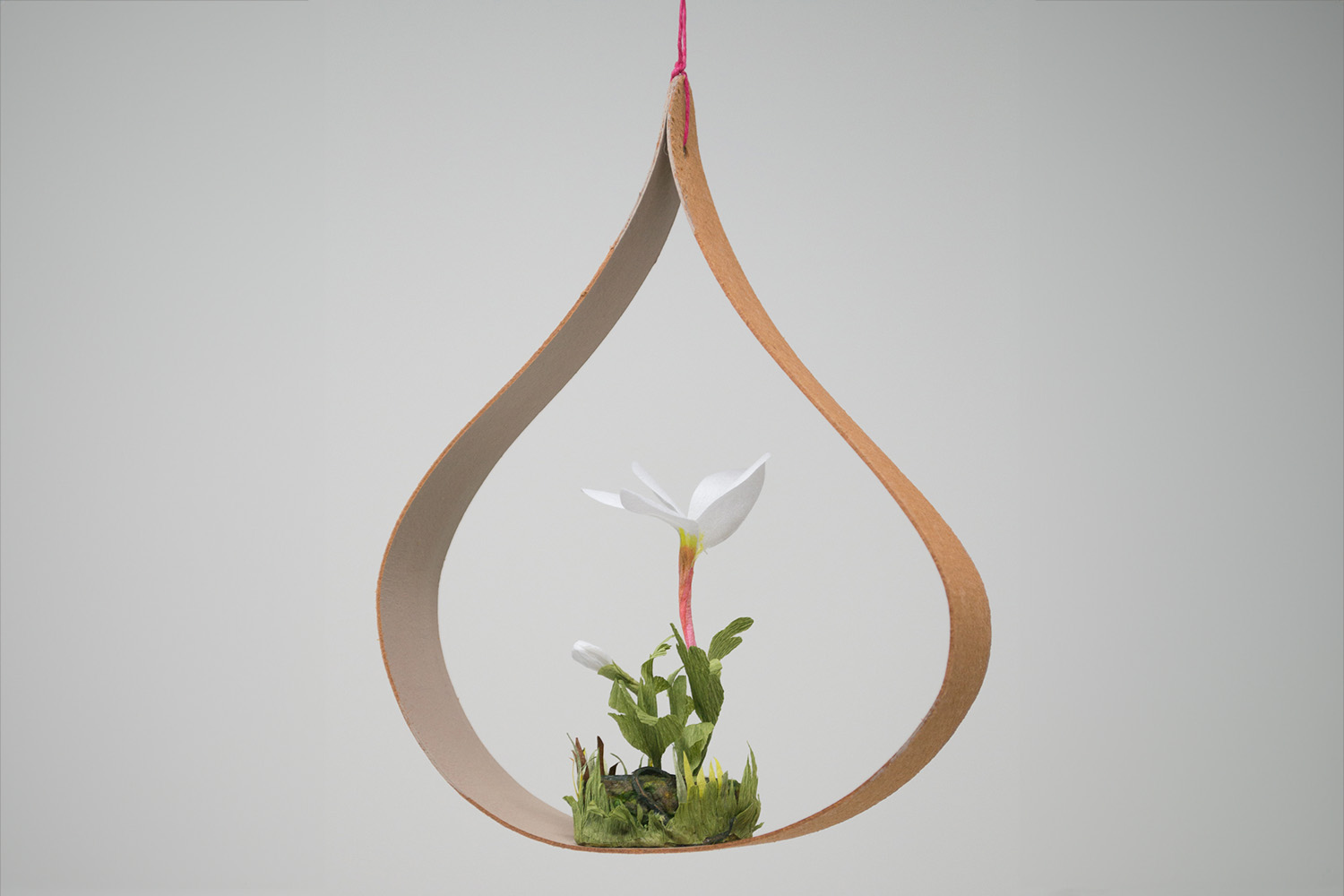
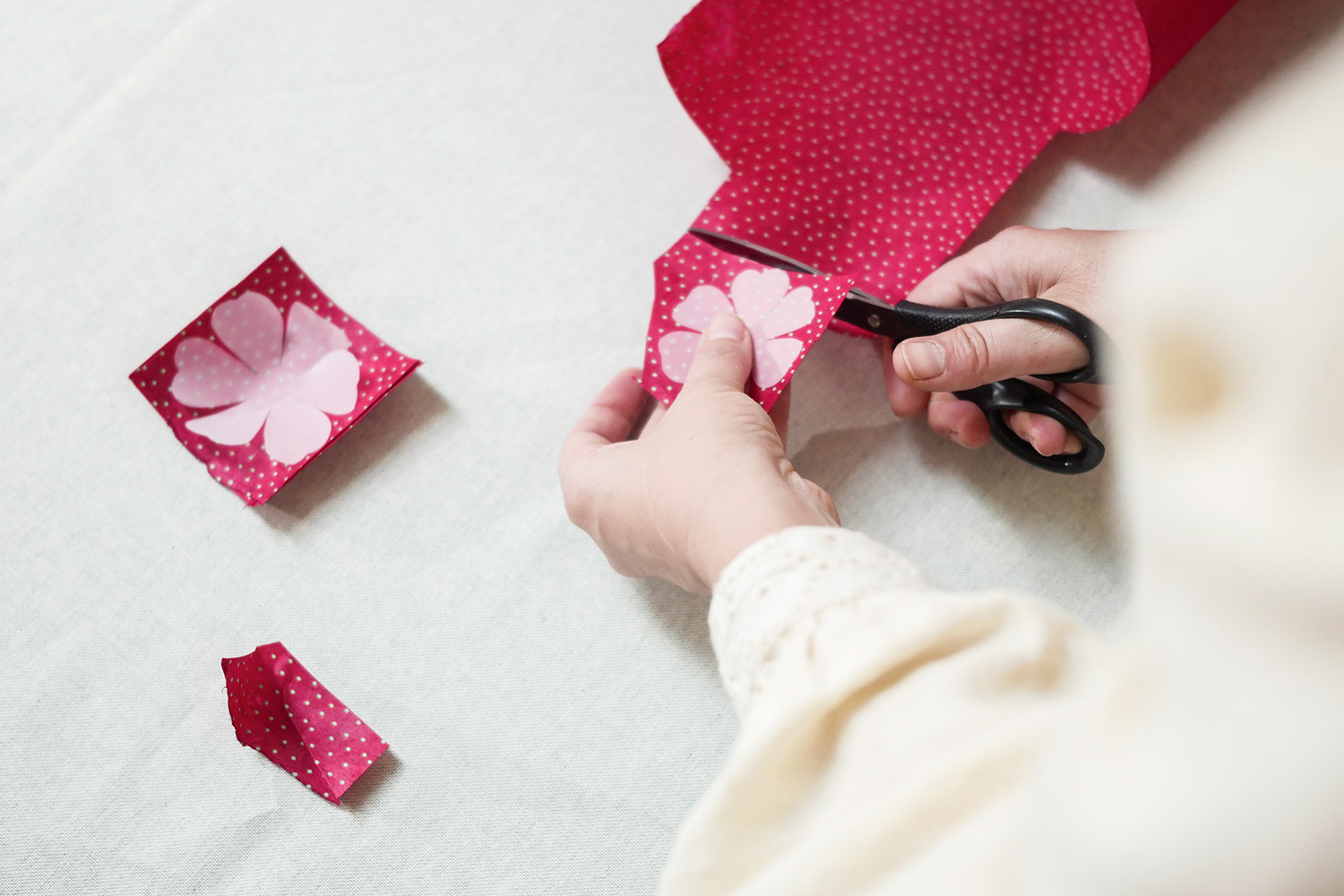
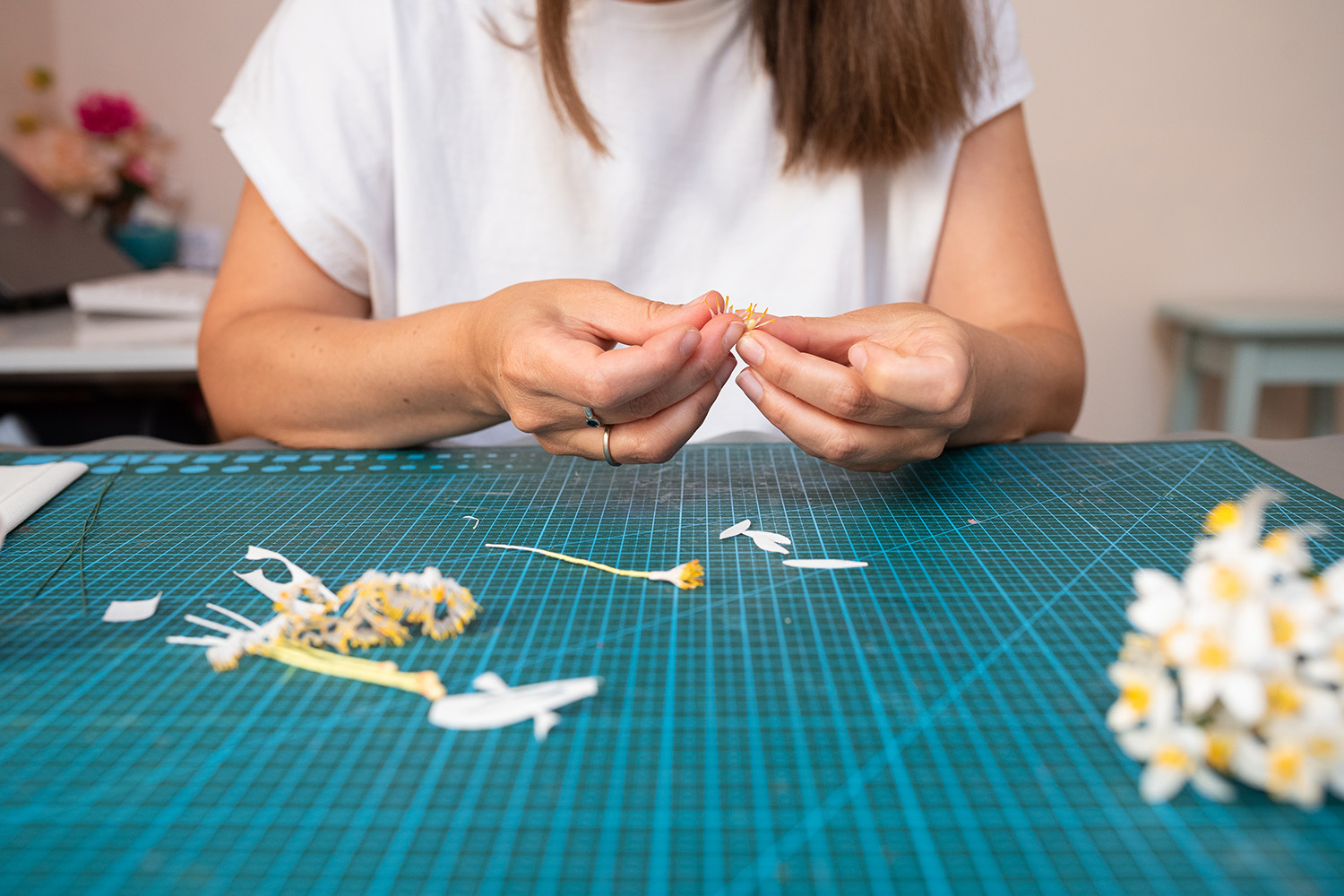
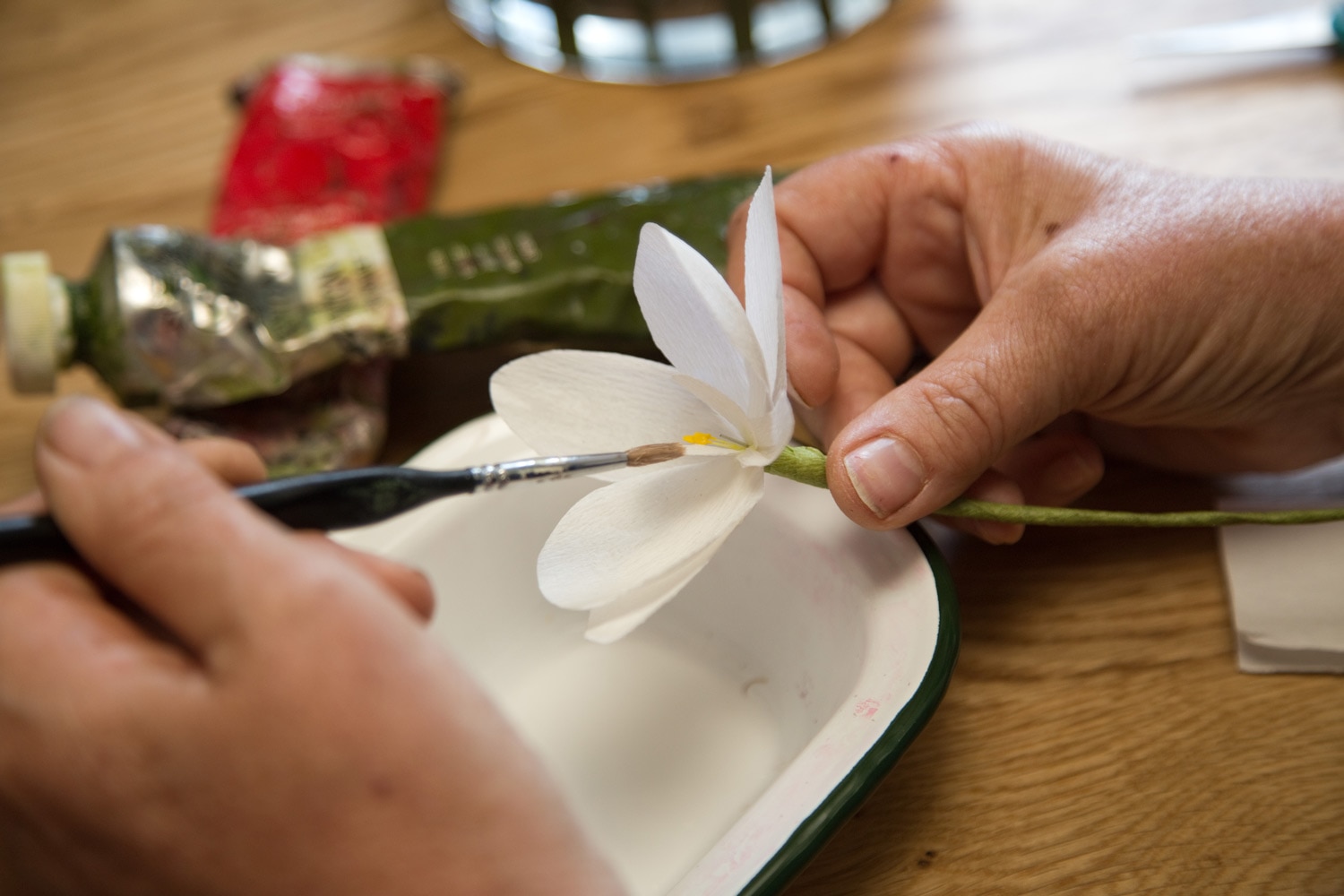
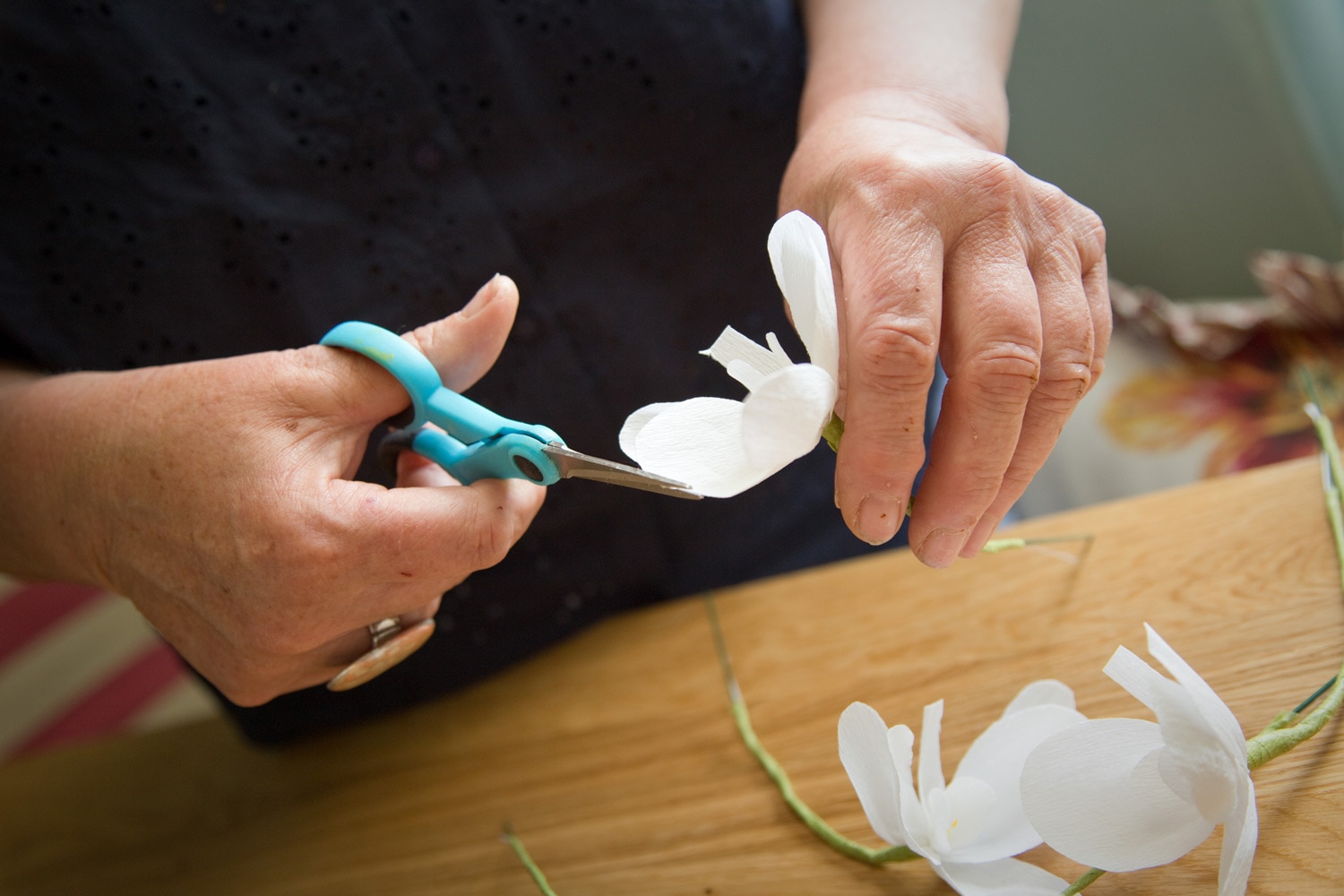
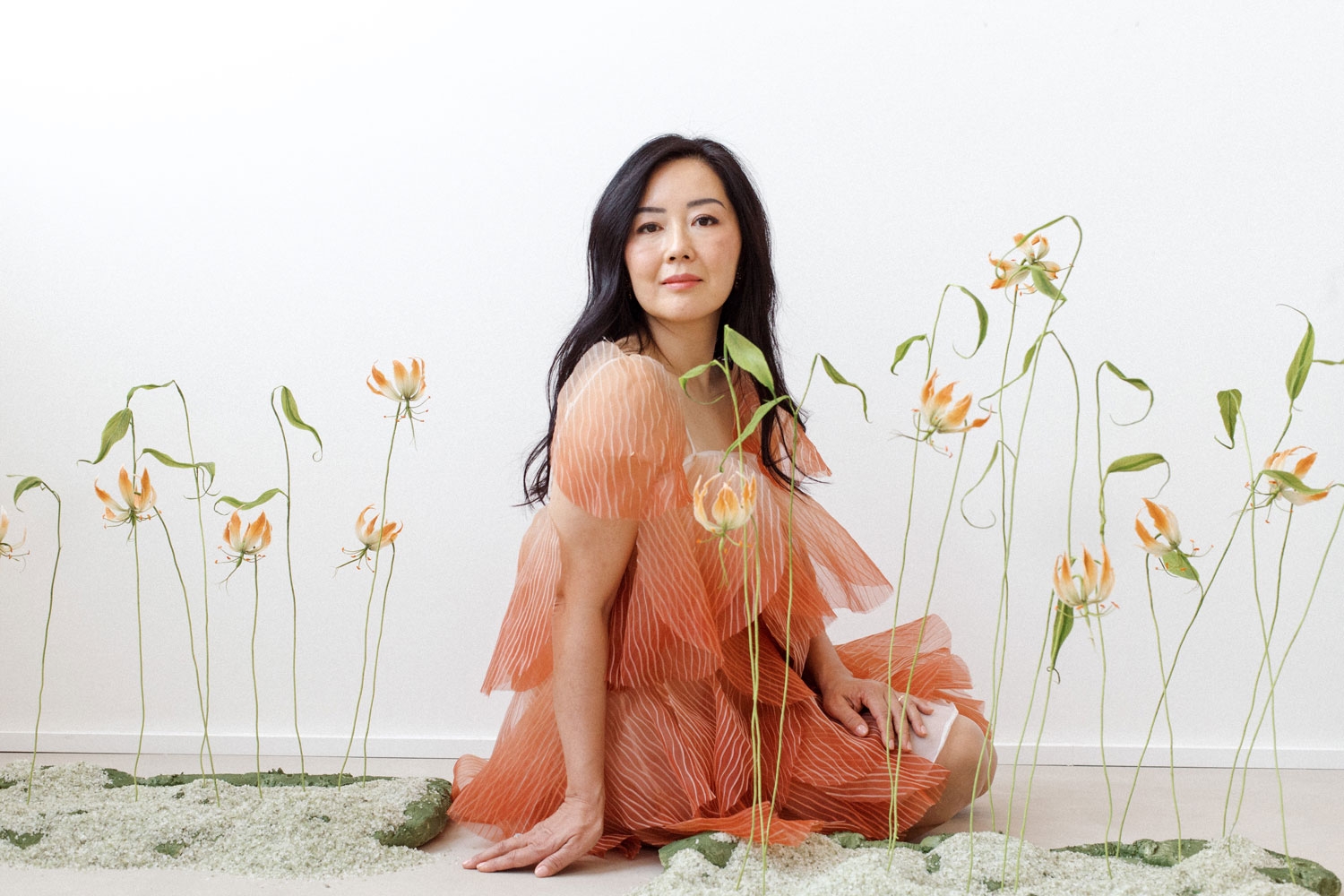
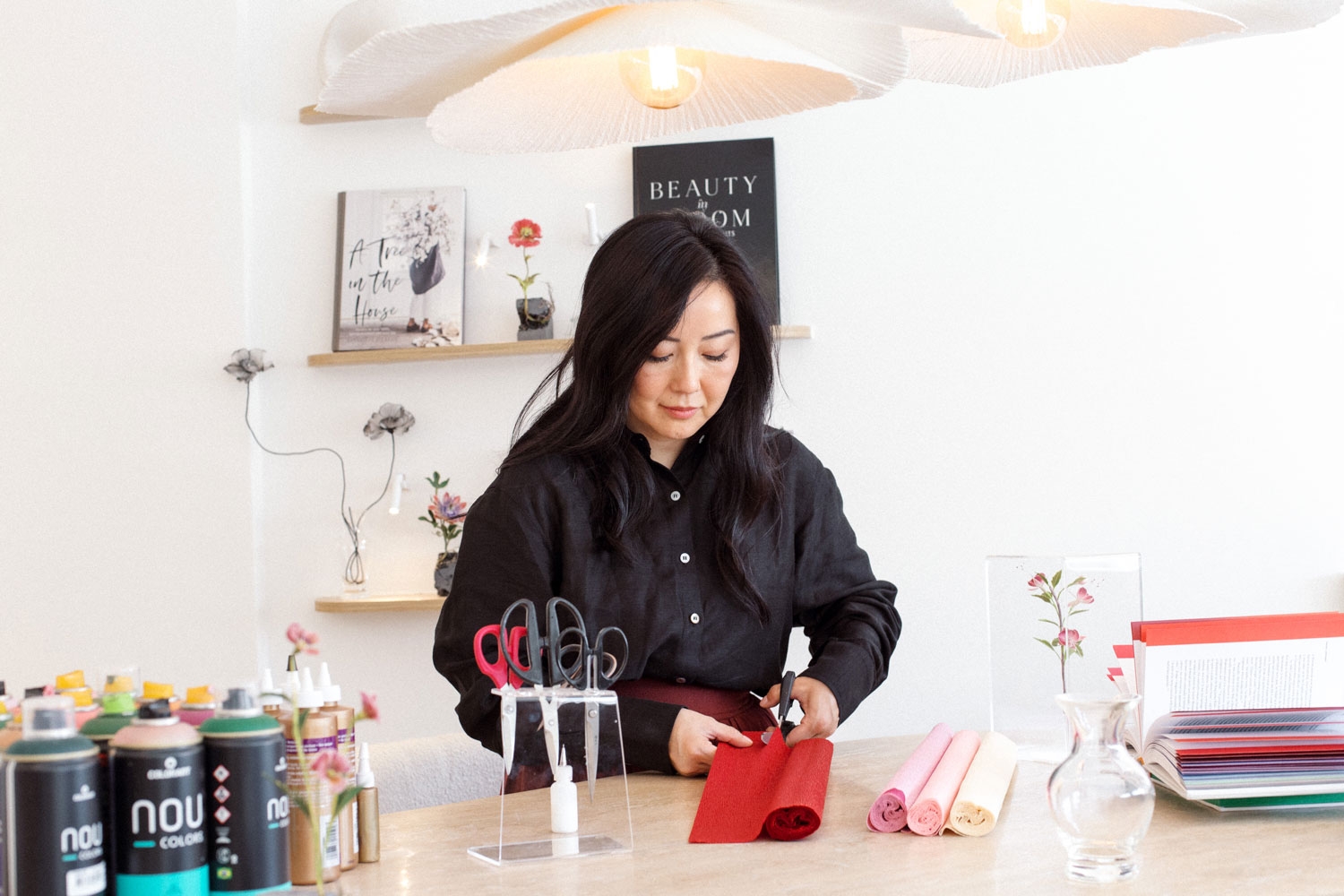
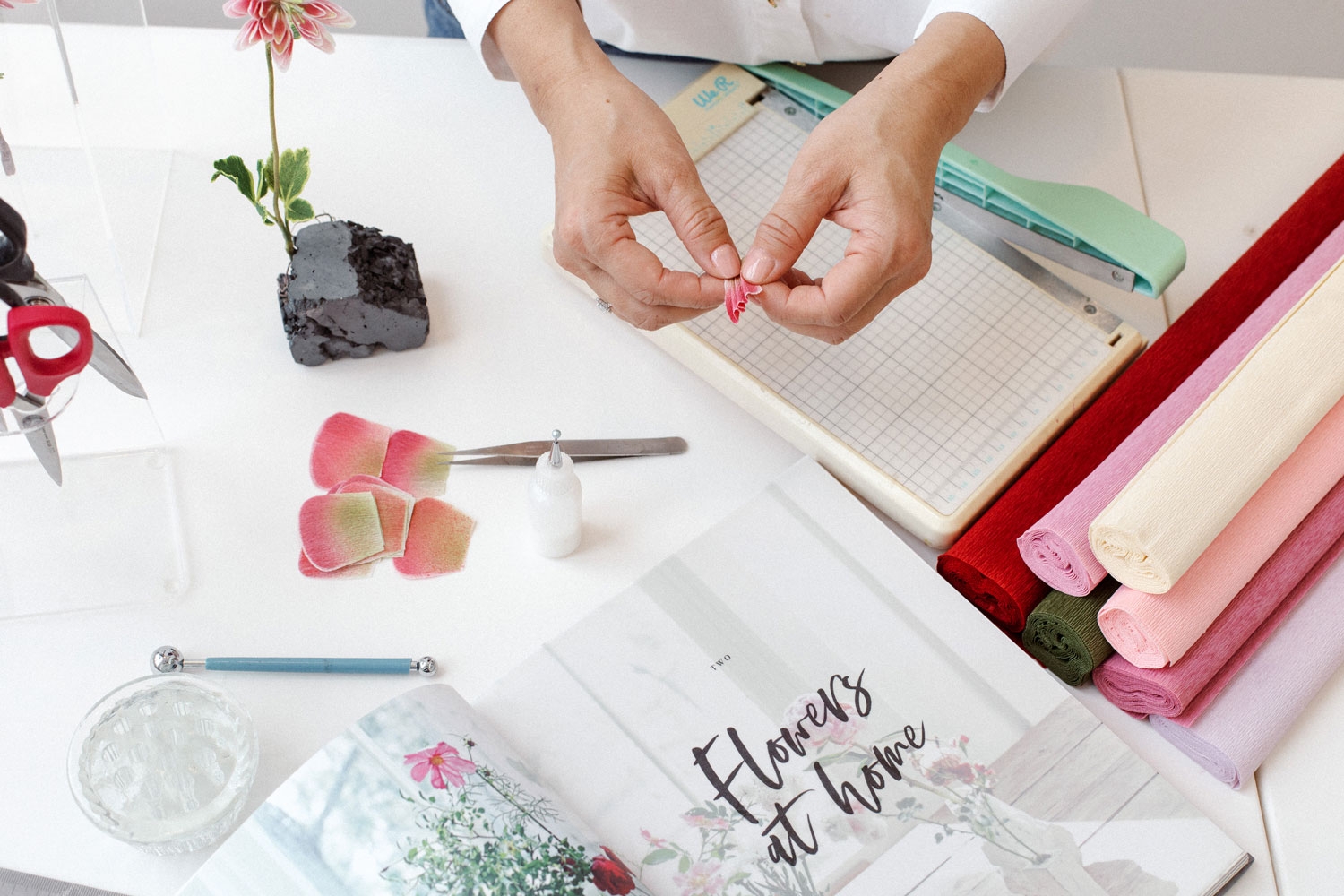
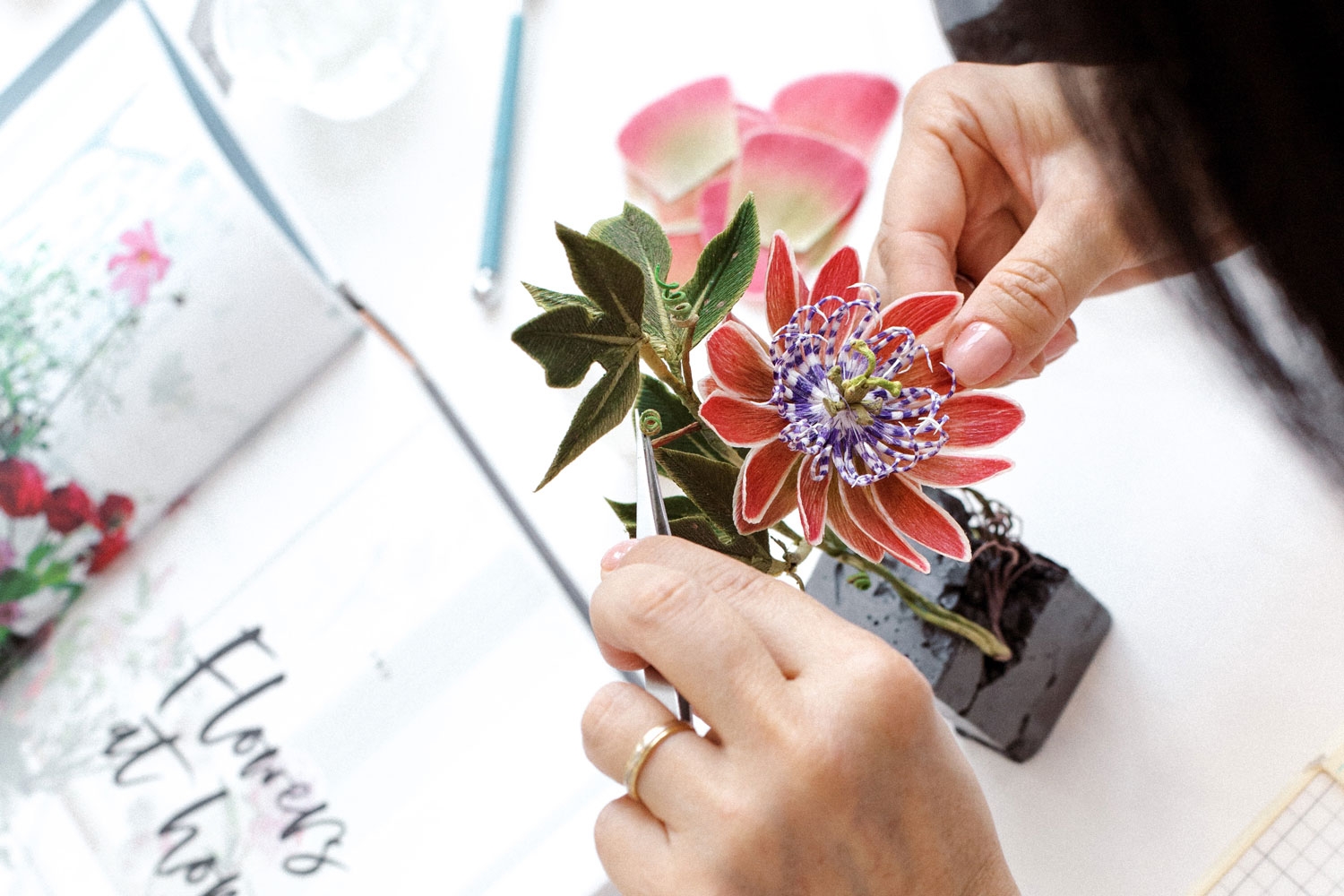
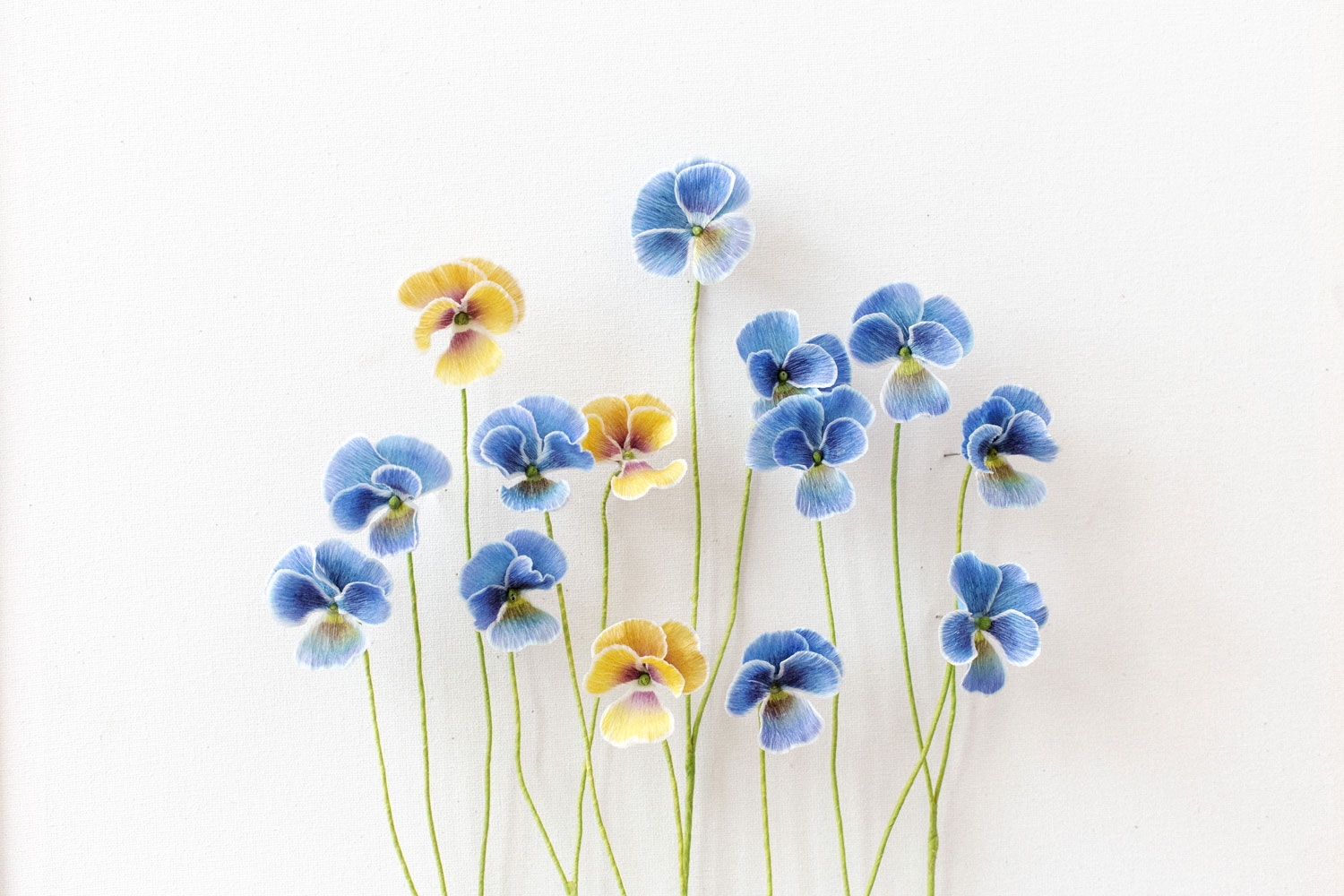
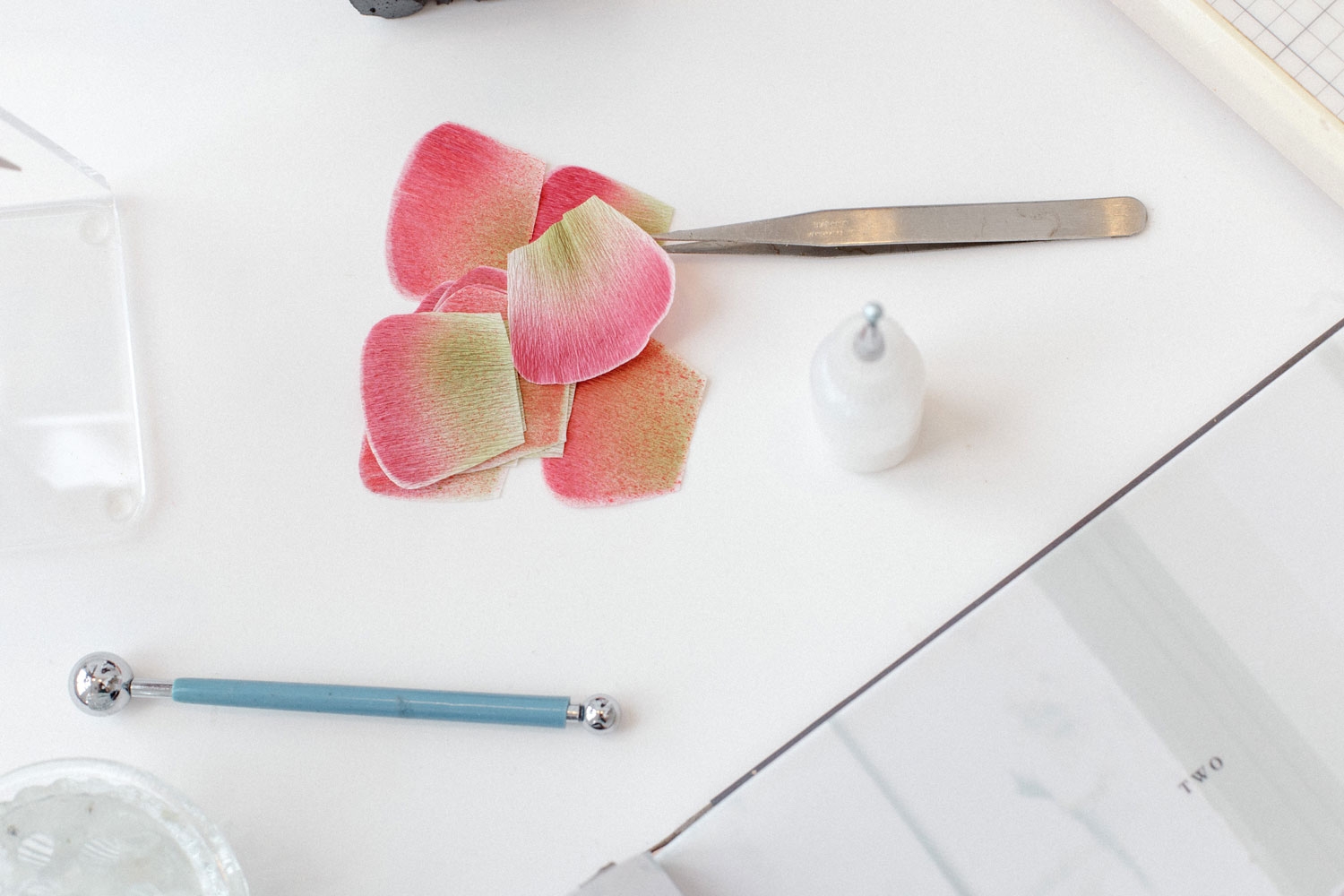
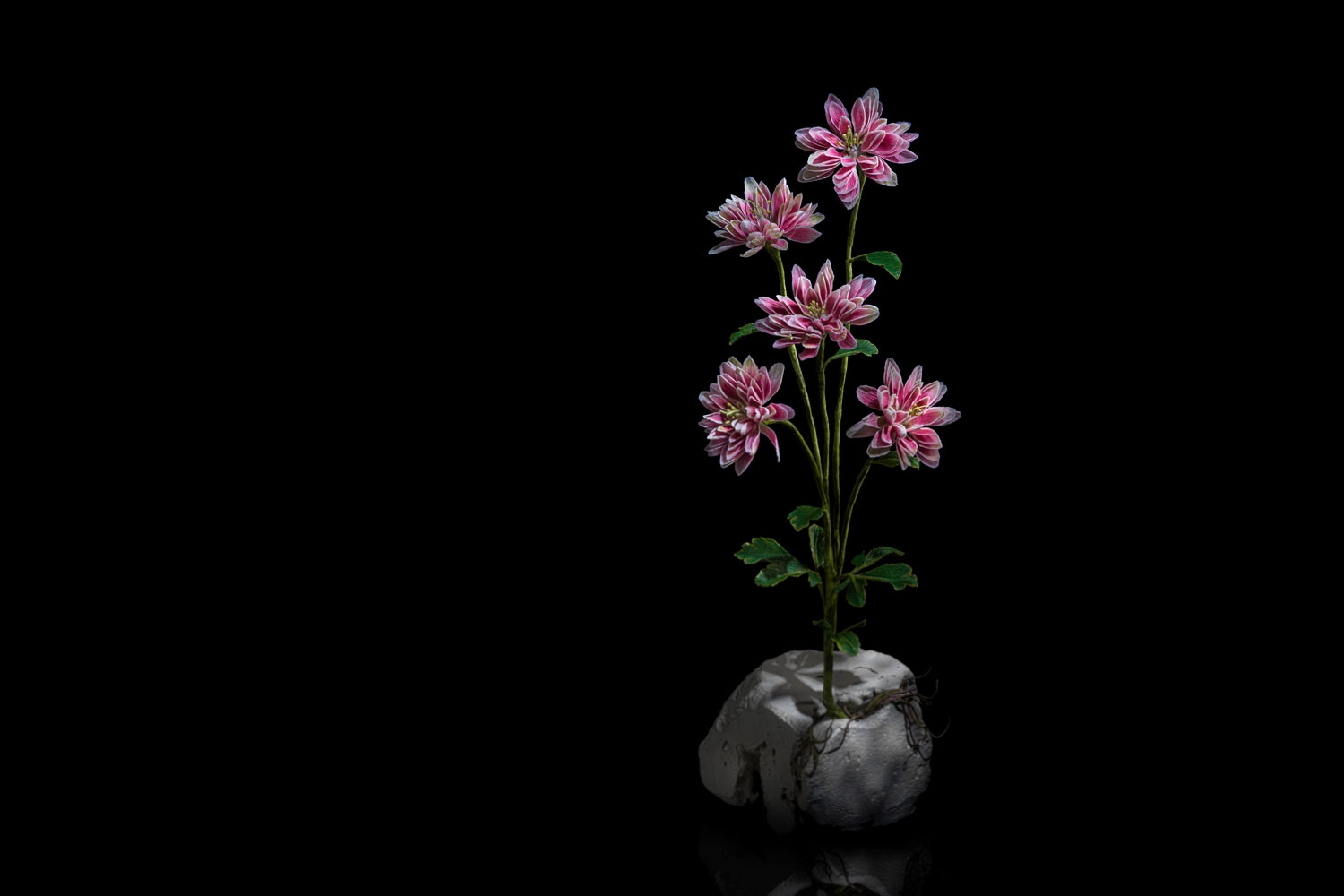
Marisa Tatibana's journey with flower sculpture started in 2008, when she was exploring kirigami, the Japanese art of folding and cutting paper into 3D forms. She discovered Italian crepe paper, a material she describes as remarkably elastic and stretchable, yet pliable enough to shape without tearing. "It soon became my preferred medium. It allows me to tie my work to a family tradition of floristry,” she says. Marisa approaches her work like a scientist. She dissects real flowers to study their internal structures and develop prototypes. With a deliberate eye for detail, she hand-dyes the paper to match the natural hues of real petals – but realism is not her goal. “I am not trying to mimic real flowers. I want my flowers to be recognised as mine, yet with their own identity," she explains.
Discover her work
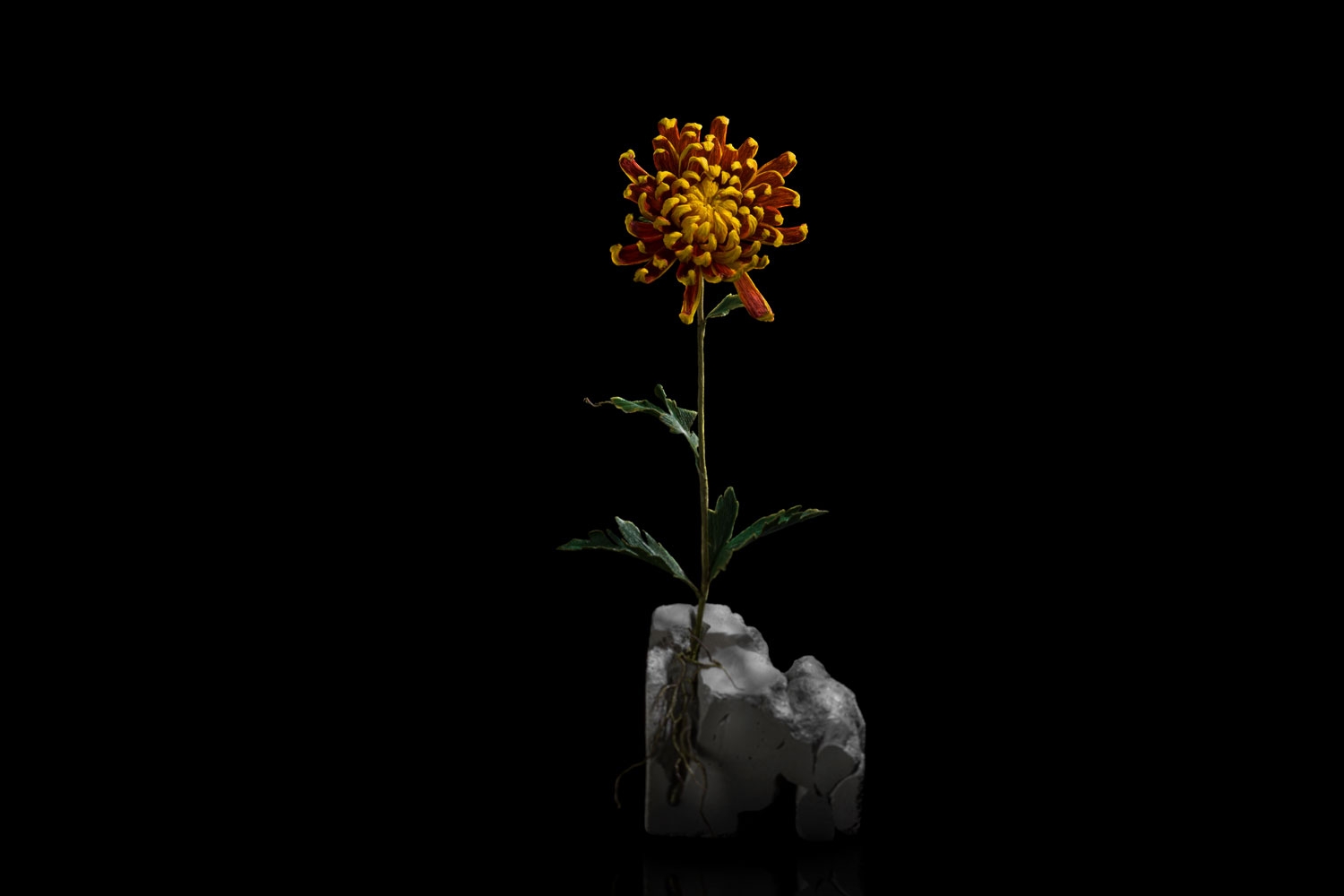
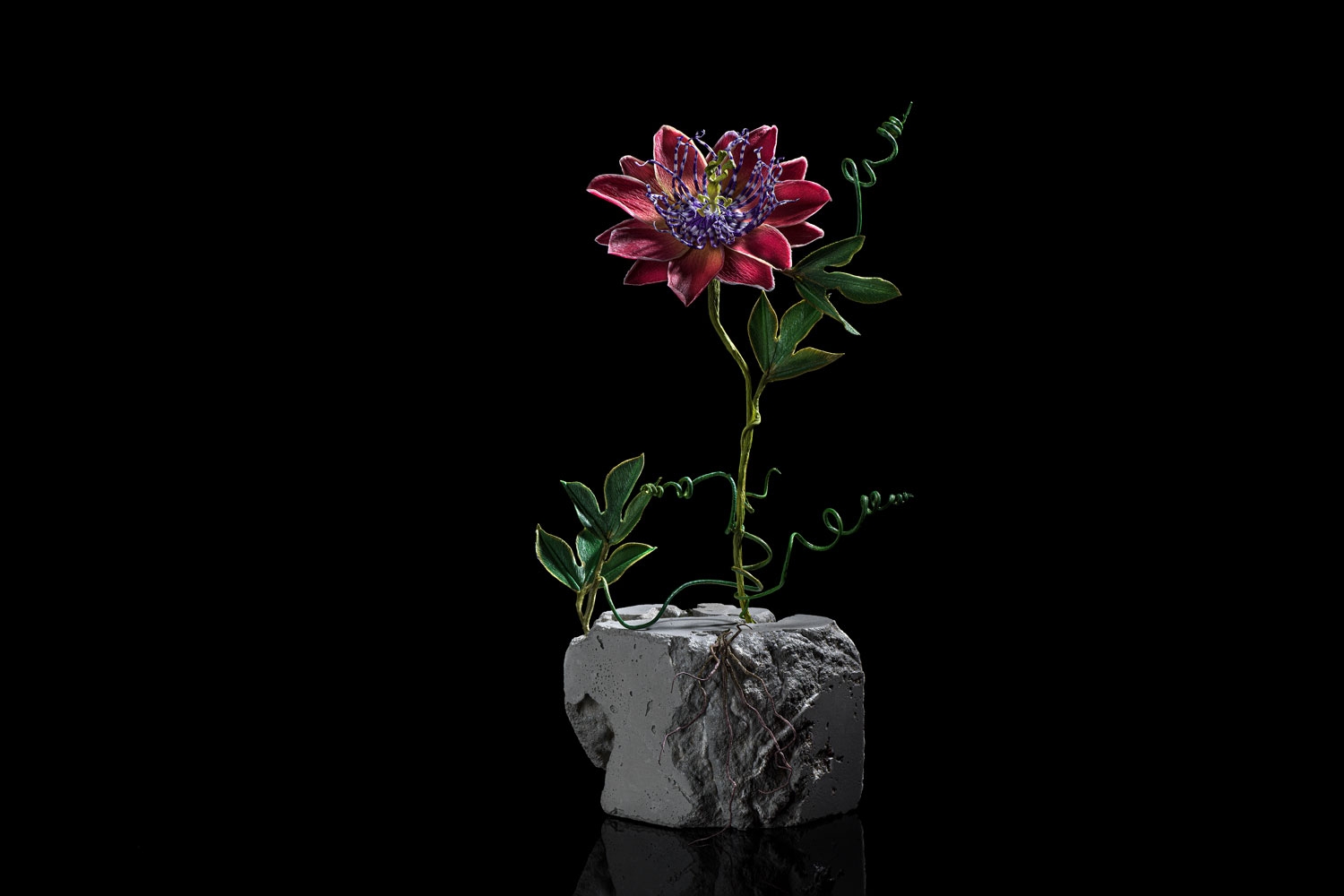
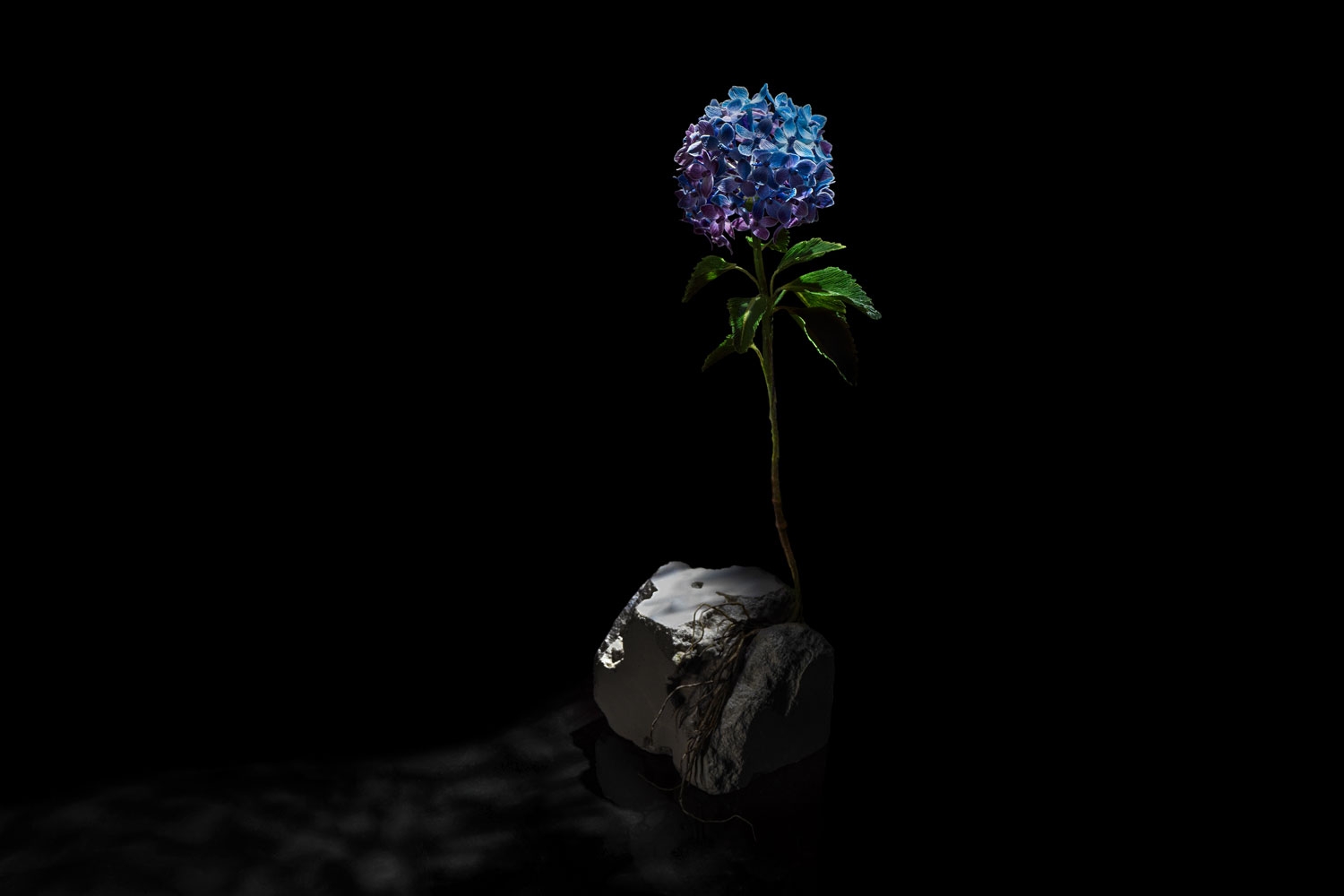
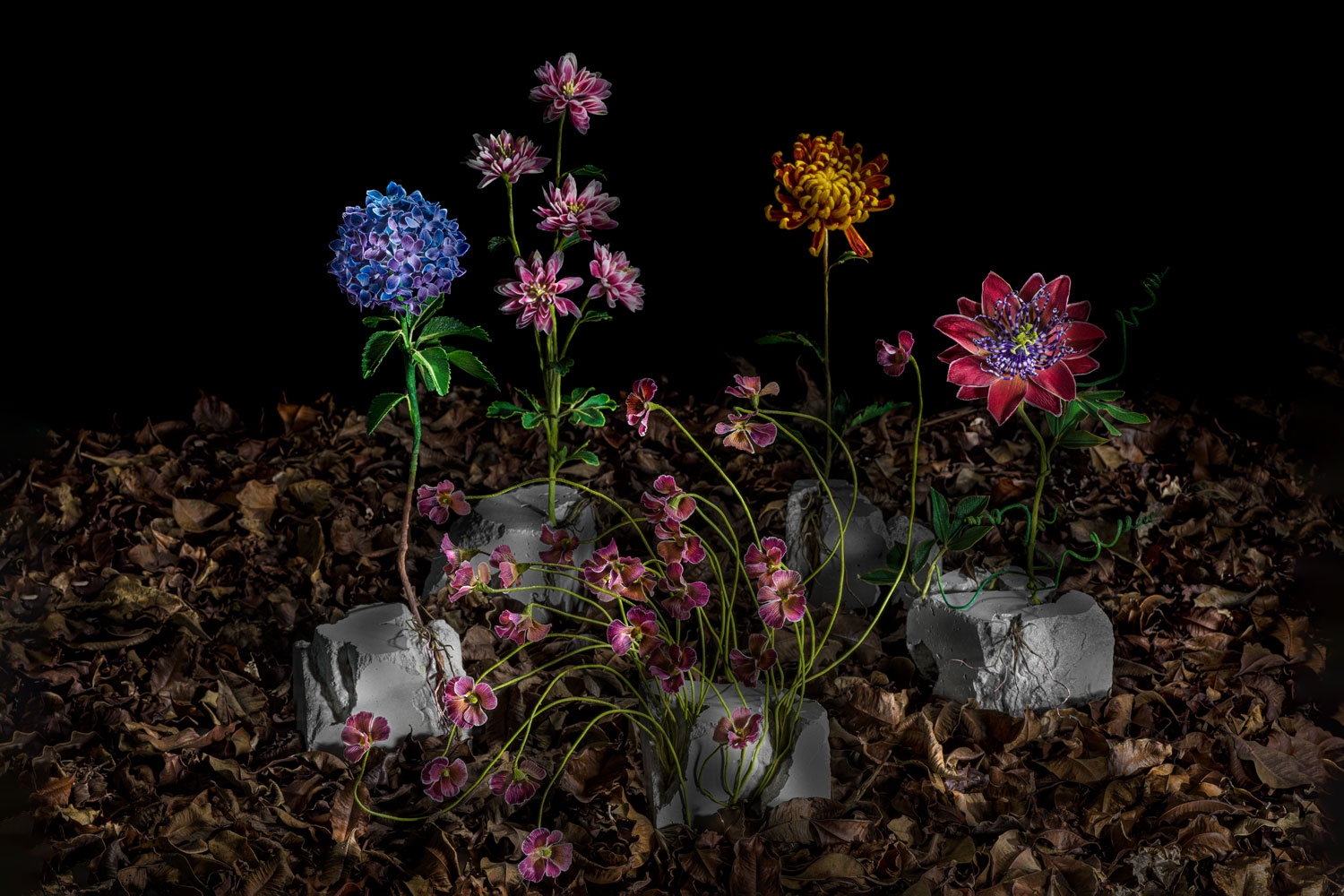
INTERVIEW
I want to inspire a sense of wonder and reverence for the ephemeral by turning paper into flowers and moments into something lasting.
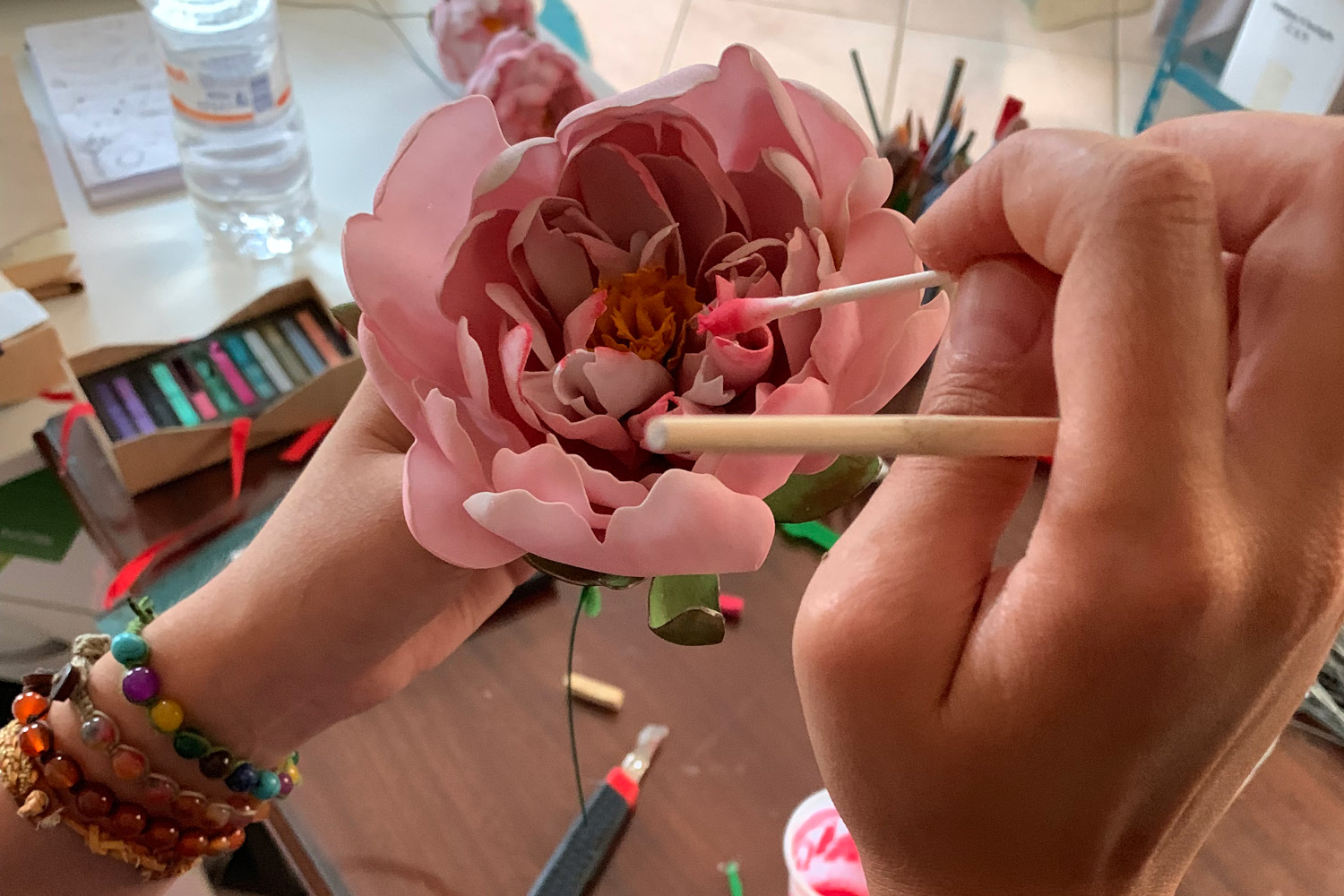
The perception of paper as a disposable material undermines its value as a serious artistic medium. To counter that, I use high-durability imported paints, airbrushes typically used in canvas painting and conservation varnishes. Every piece is crafted over several days, with care and attention that reflects a commitment to both permanence and the handmade.
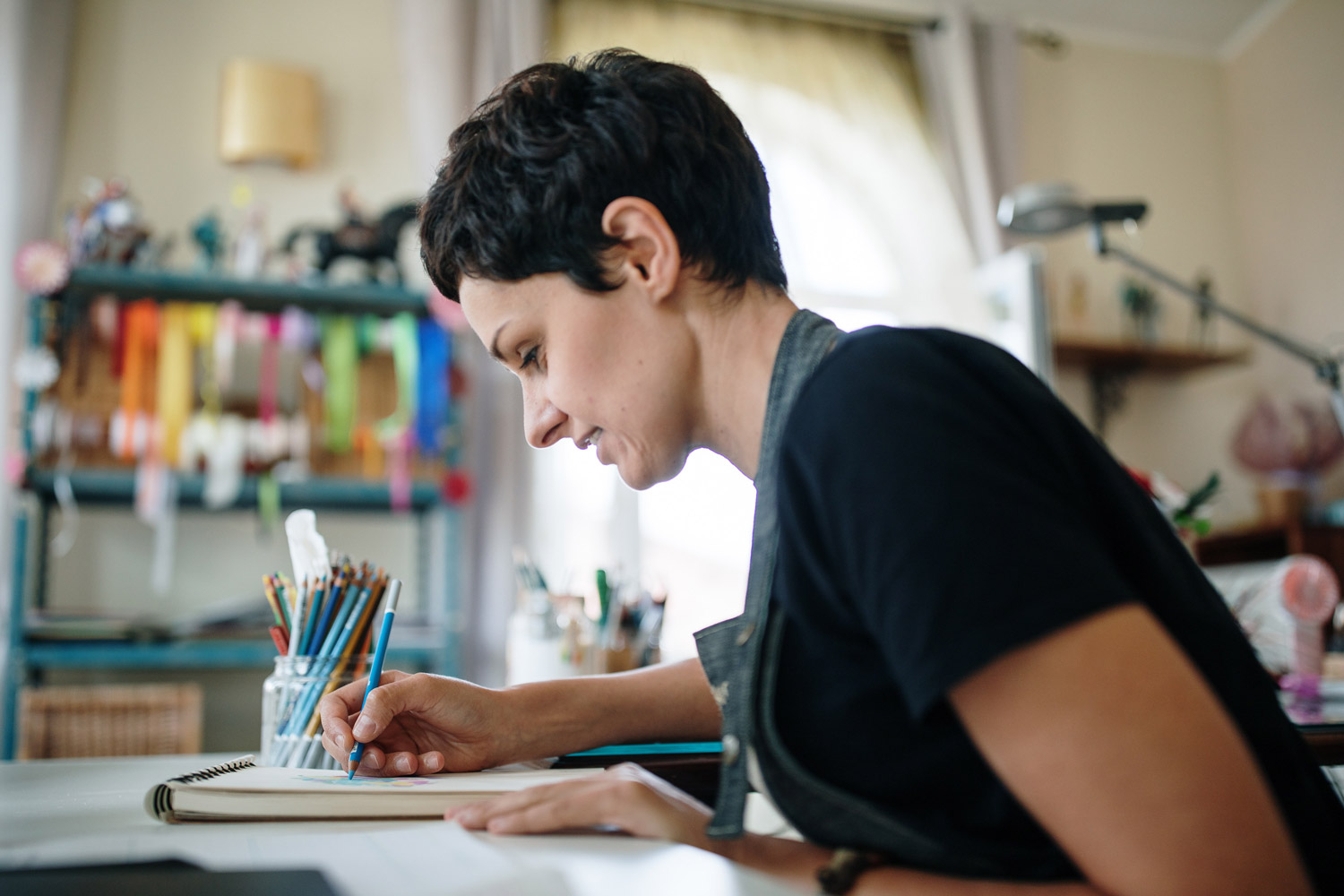
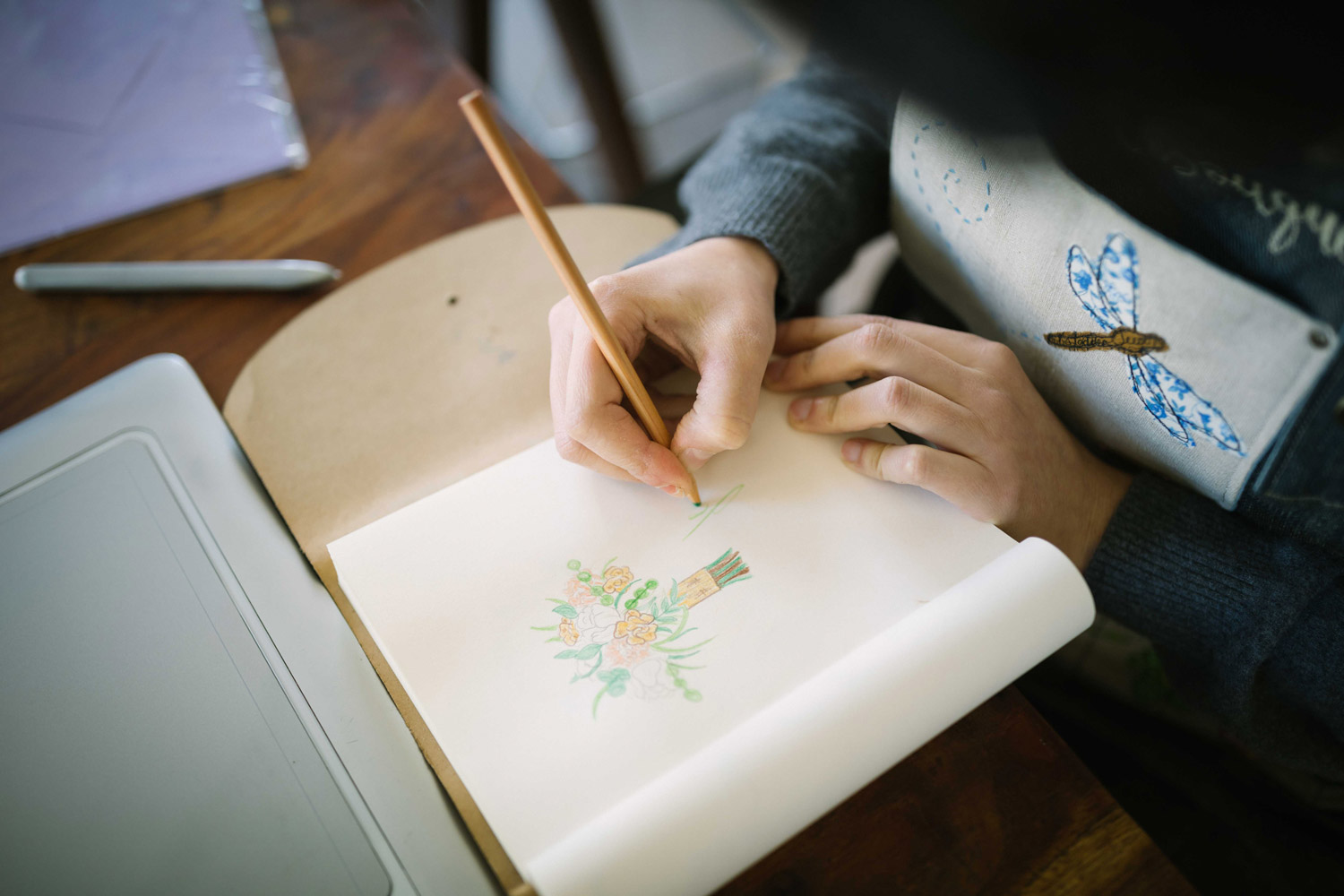
My practice is informed by my background in graphic design and advertising, a family history in flower growing and a self-guided mindset. I have studied floral artists from Europe and the USA, and I am continuously researching botany to better understand structure, colour and form in my work.
I am inspired by the palettes and compositions of impressionists like Monet and Van Gogh, the subtlety of Ikeuchi Yuzen and Anne ten Donkelaar, and the delicate floral photography of Debi Shapiro and Ziqian Liu.
Marisa Tatibana
Artificial flower maker
São Paulo, Brazil
ADDRESS
Address upon request, São Paulo, Brazil
AVAILABILITY
By appointment only
PHONE
+55 11986353534
LANGUAGES
Portuguese, English, Japanese
Homo Faber Finds is a new service aiming to inspire admirers of craft to connect and collaborate with exceptional artisans.
We invite you to submit an enquiry here.