Bruna Octaviano
Tapestry maker
São Paulo, Brazil
Authentically weaving artistic works
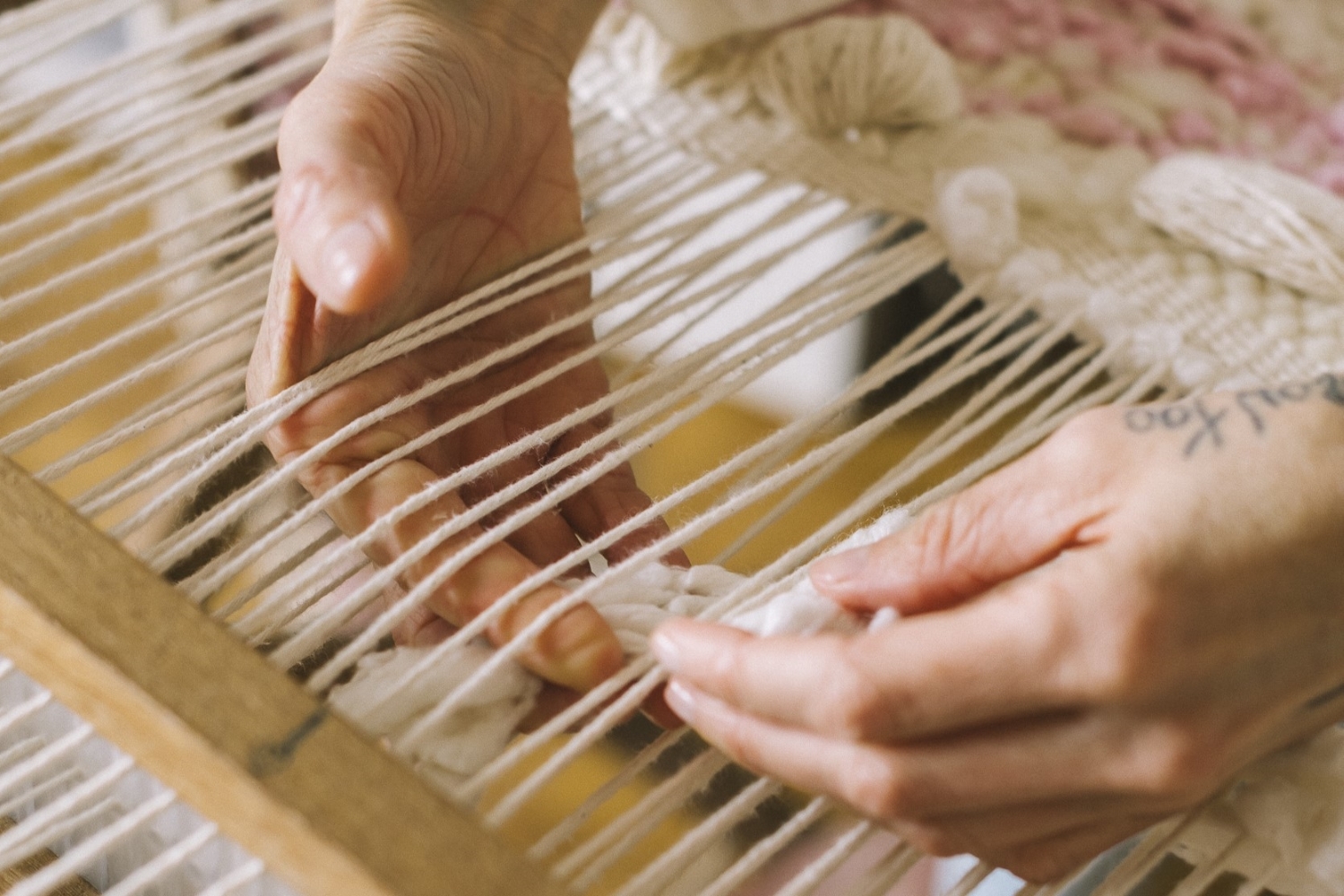
- Bruna learnt traditional weaving in the North Eastern Brazilian state of Piauí
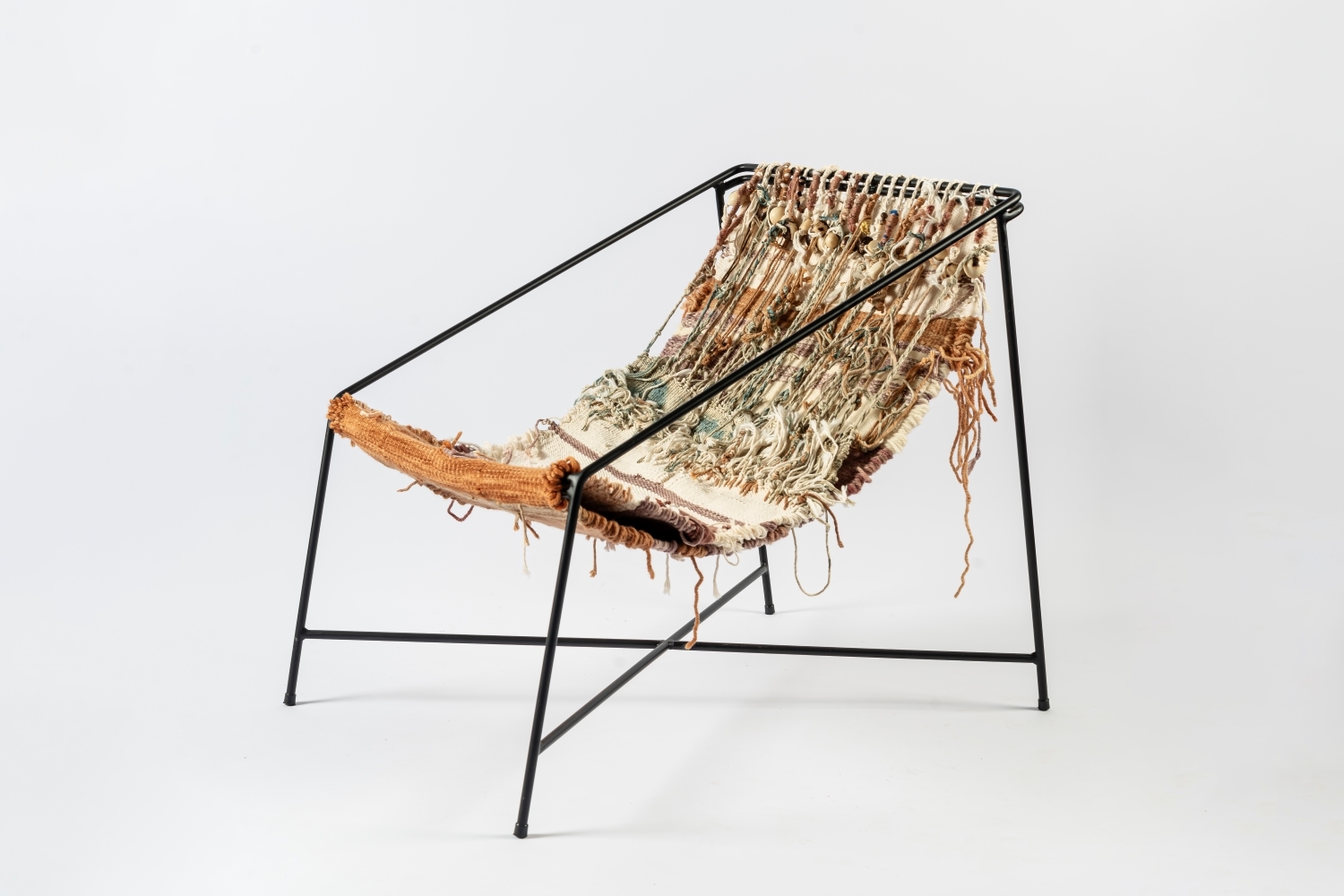
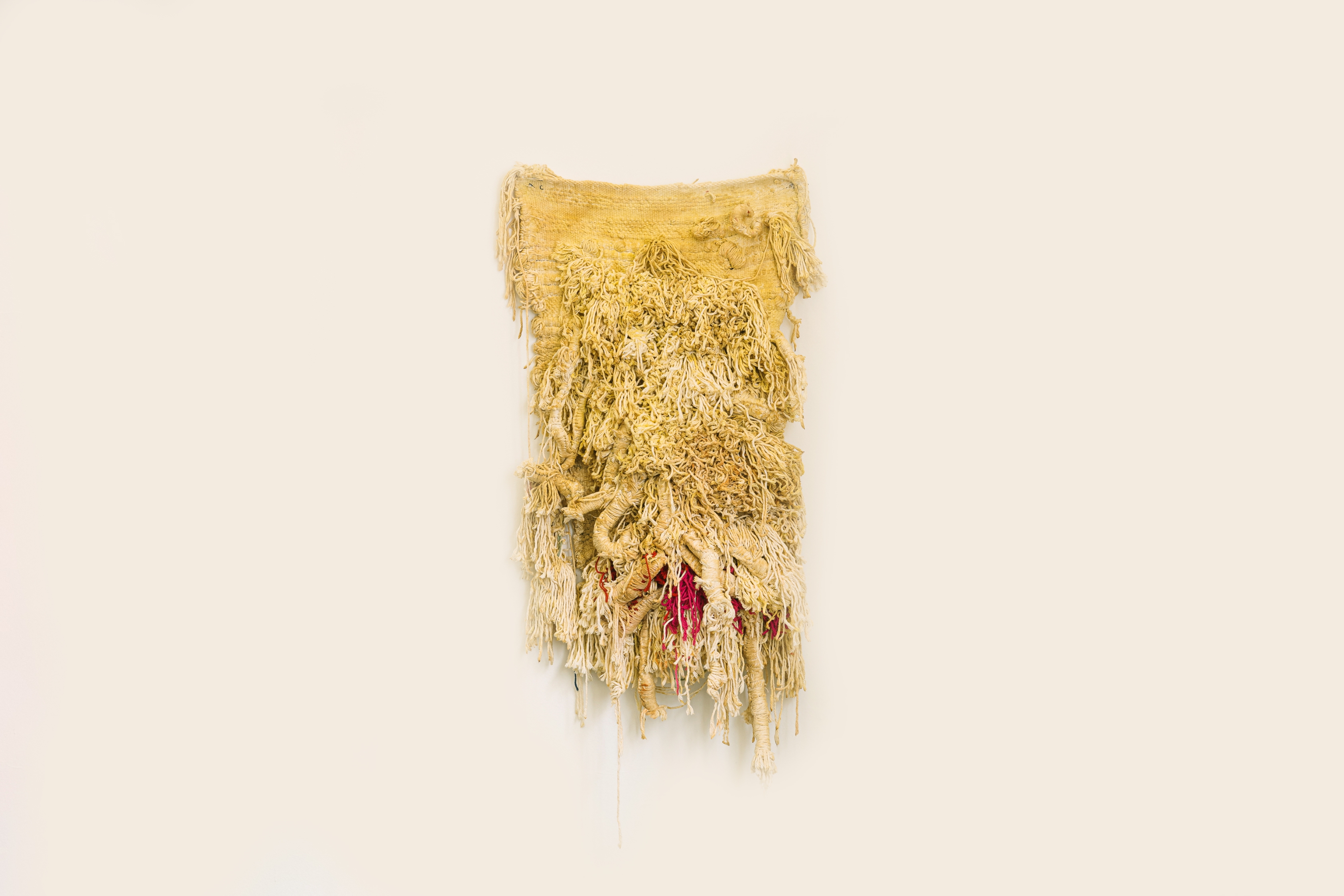
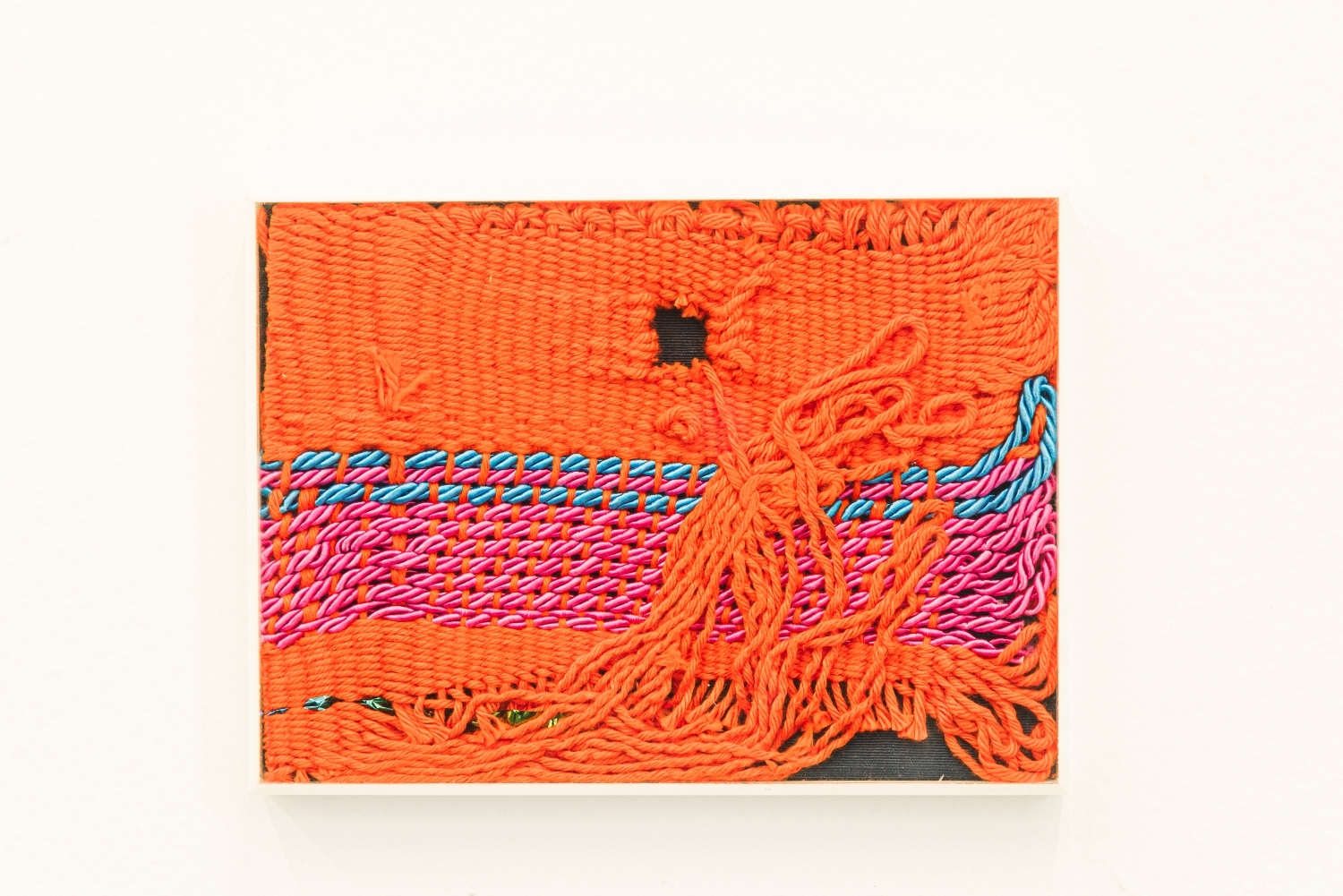
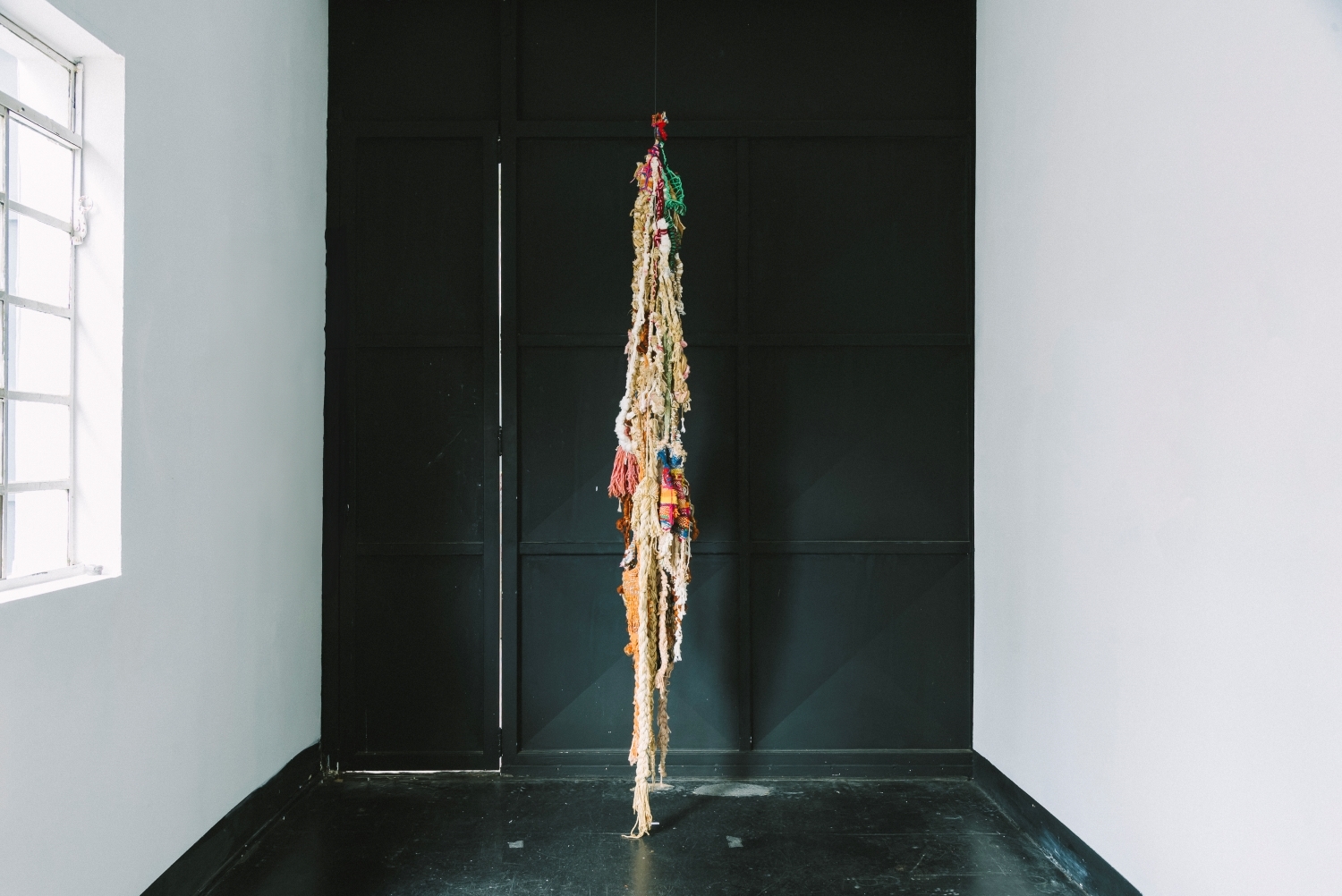
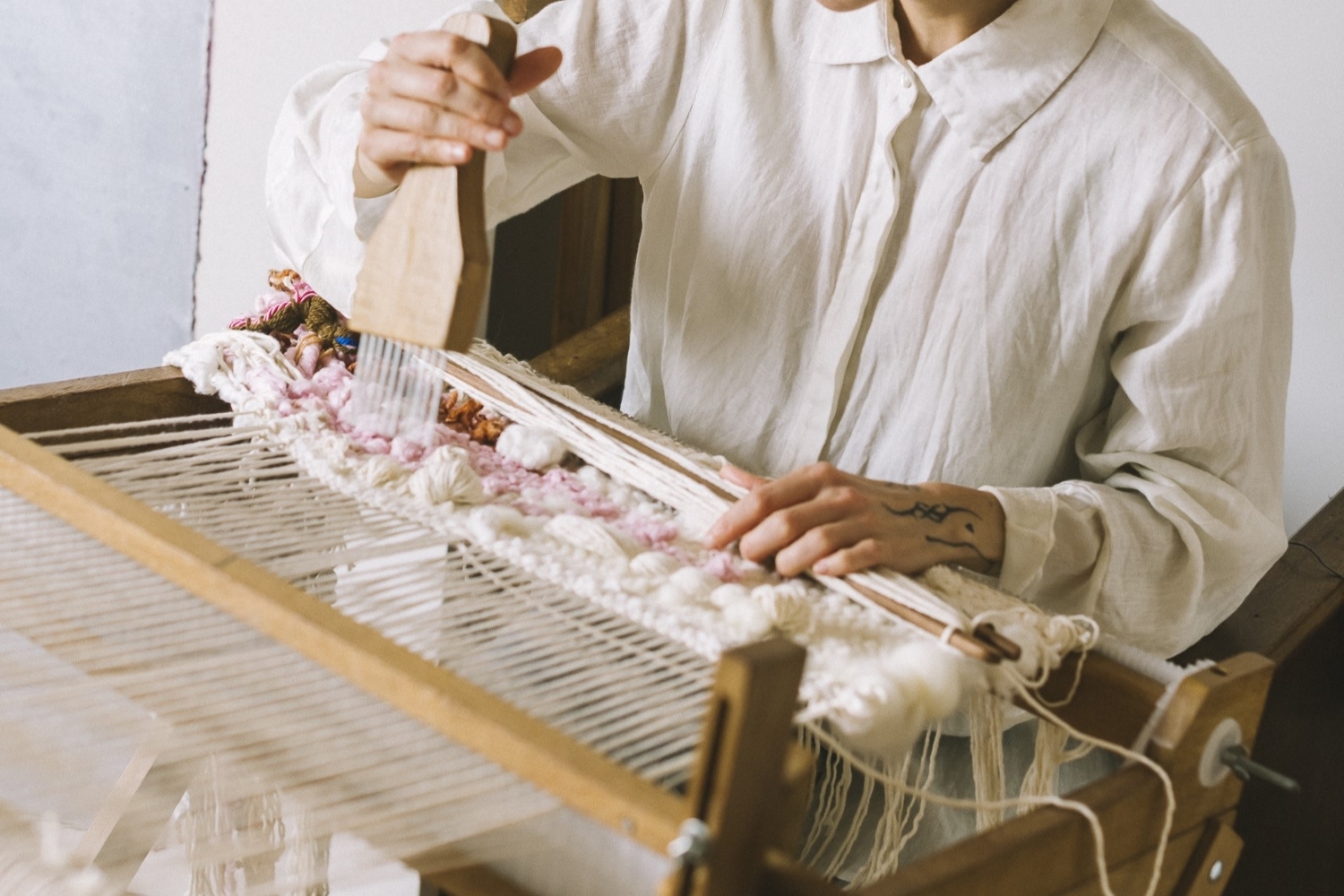
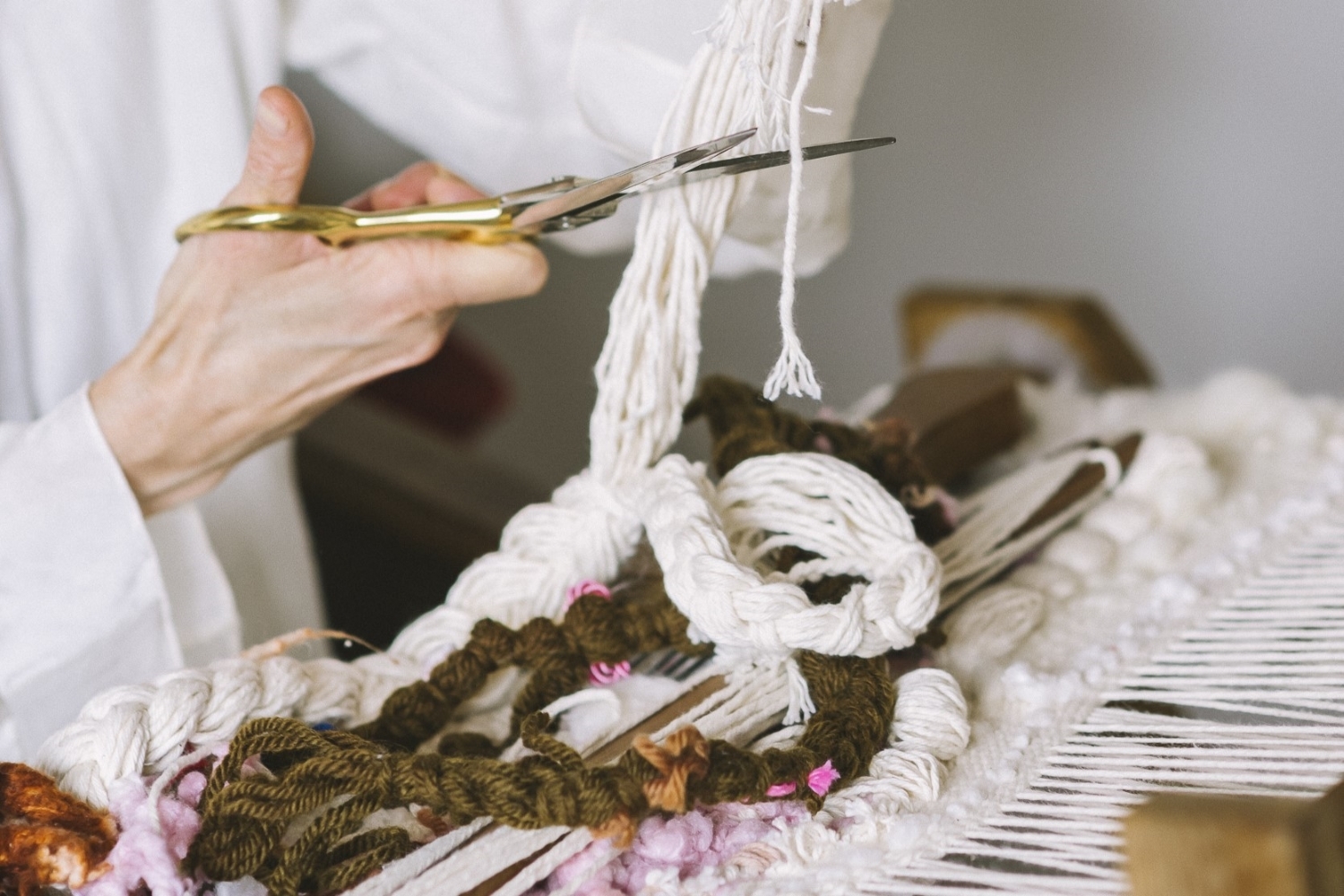
- She weaves one-of-a-kind artistic pieces with naturally dyed fibres and integrated objects
- Her aim is to inspire younger weavers to emerge, in order to preserve the craft in Brazil
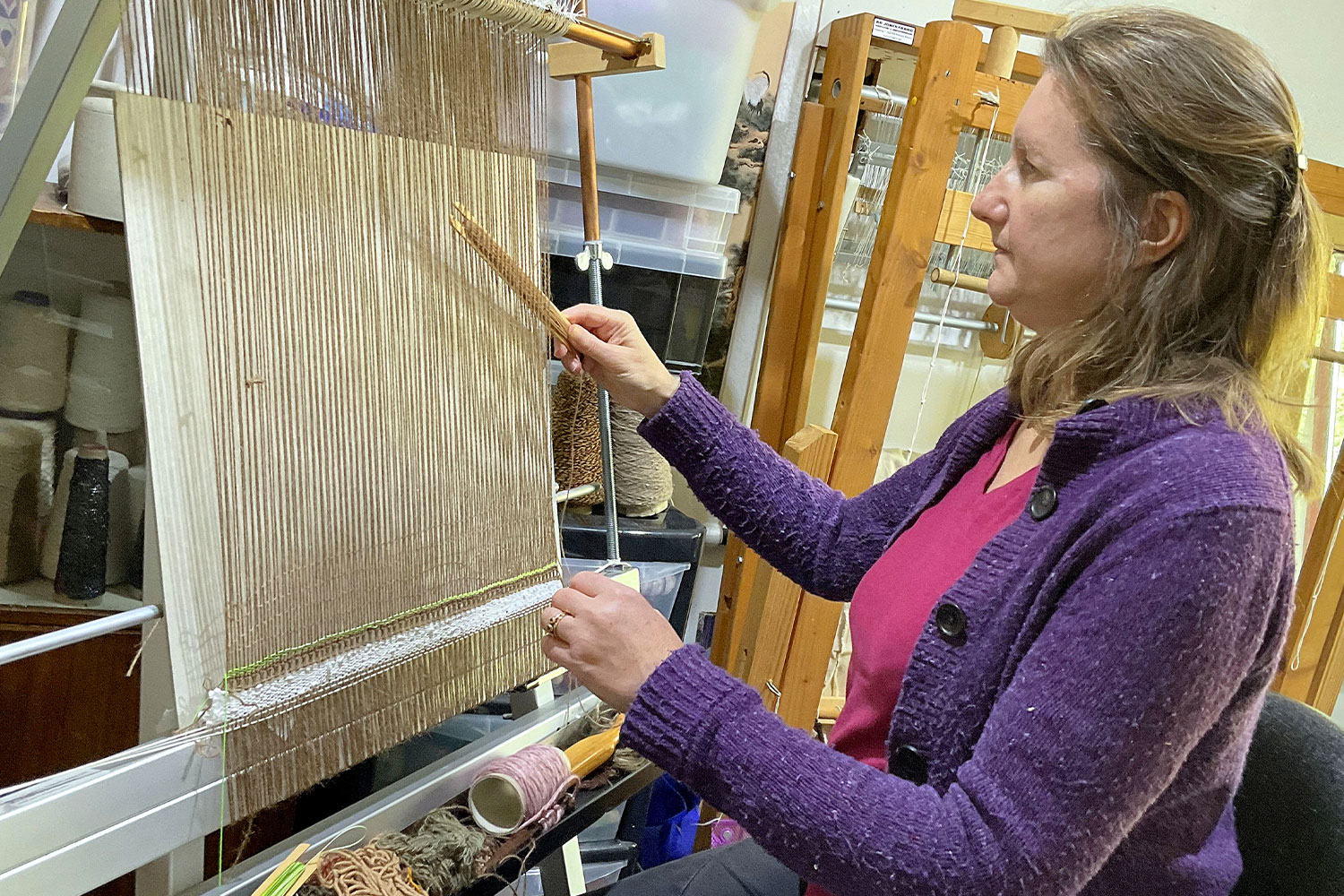
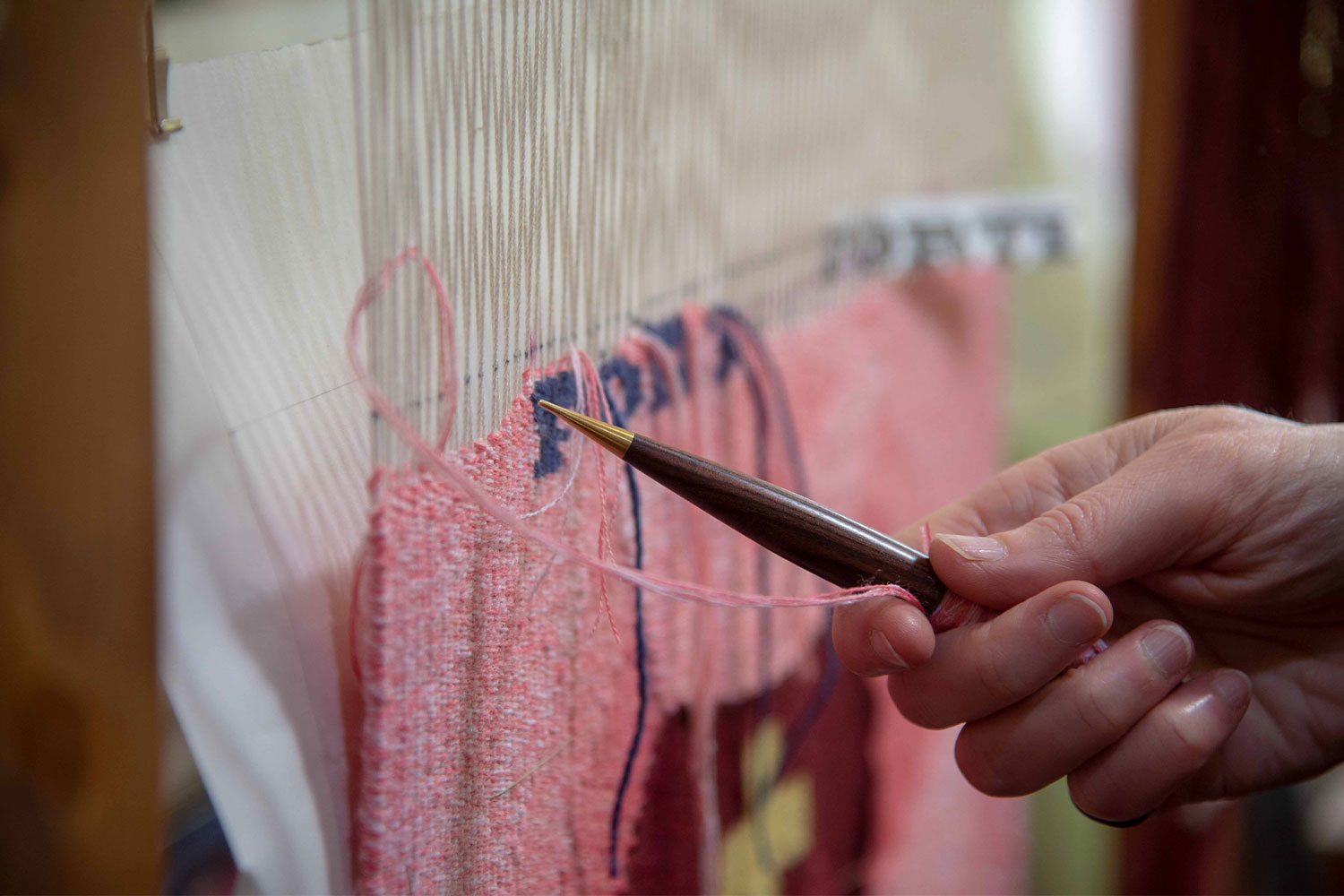
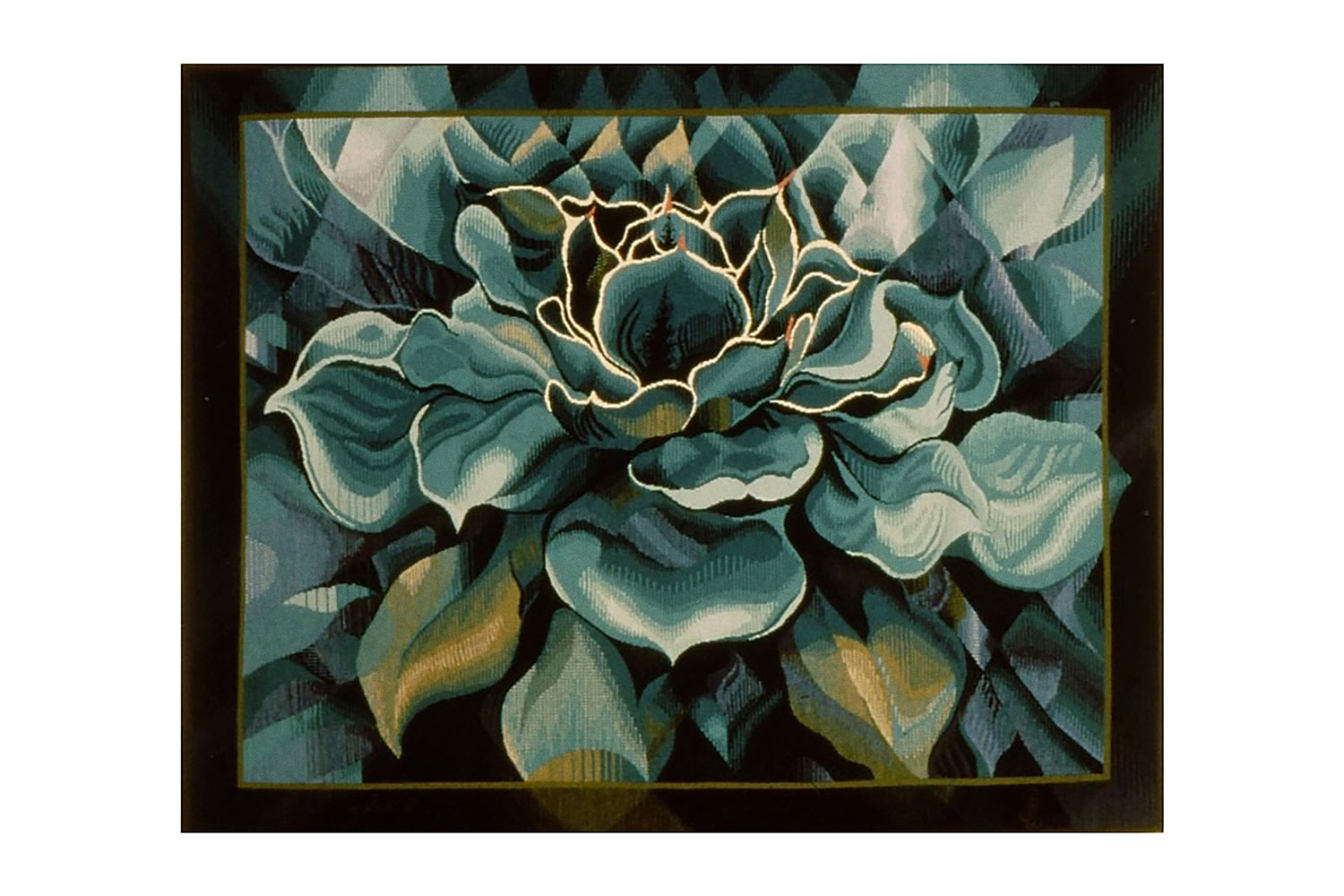
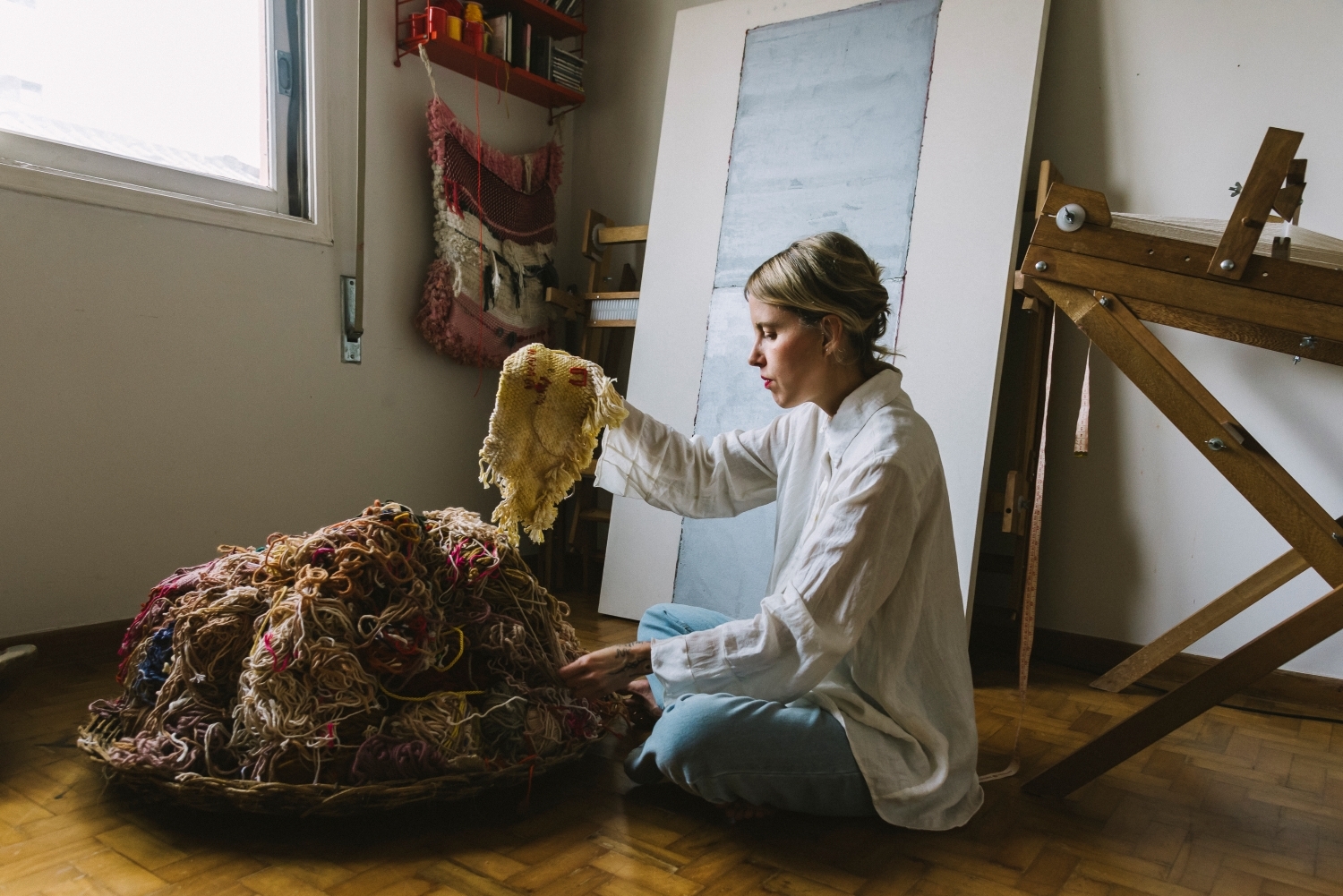
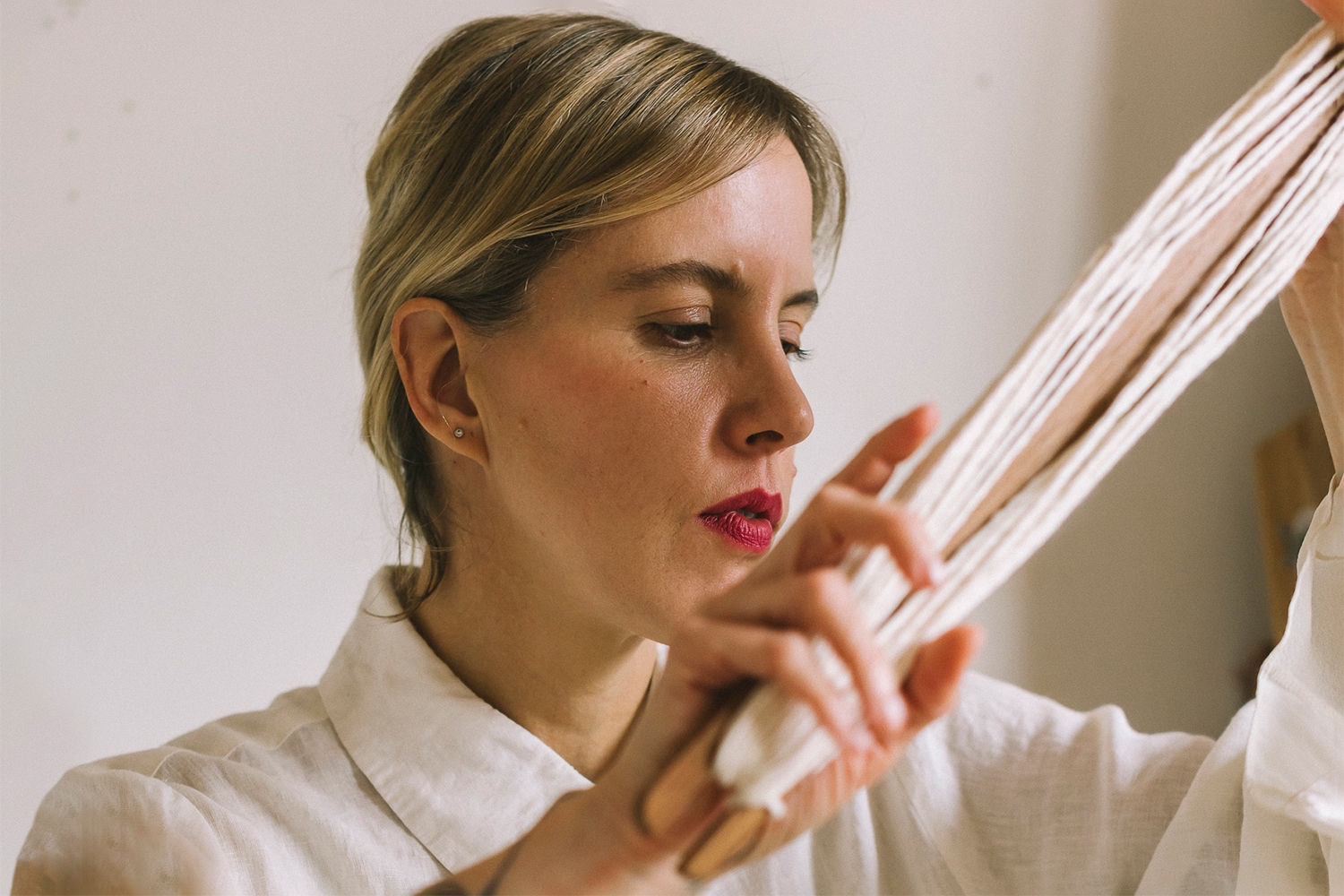
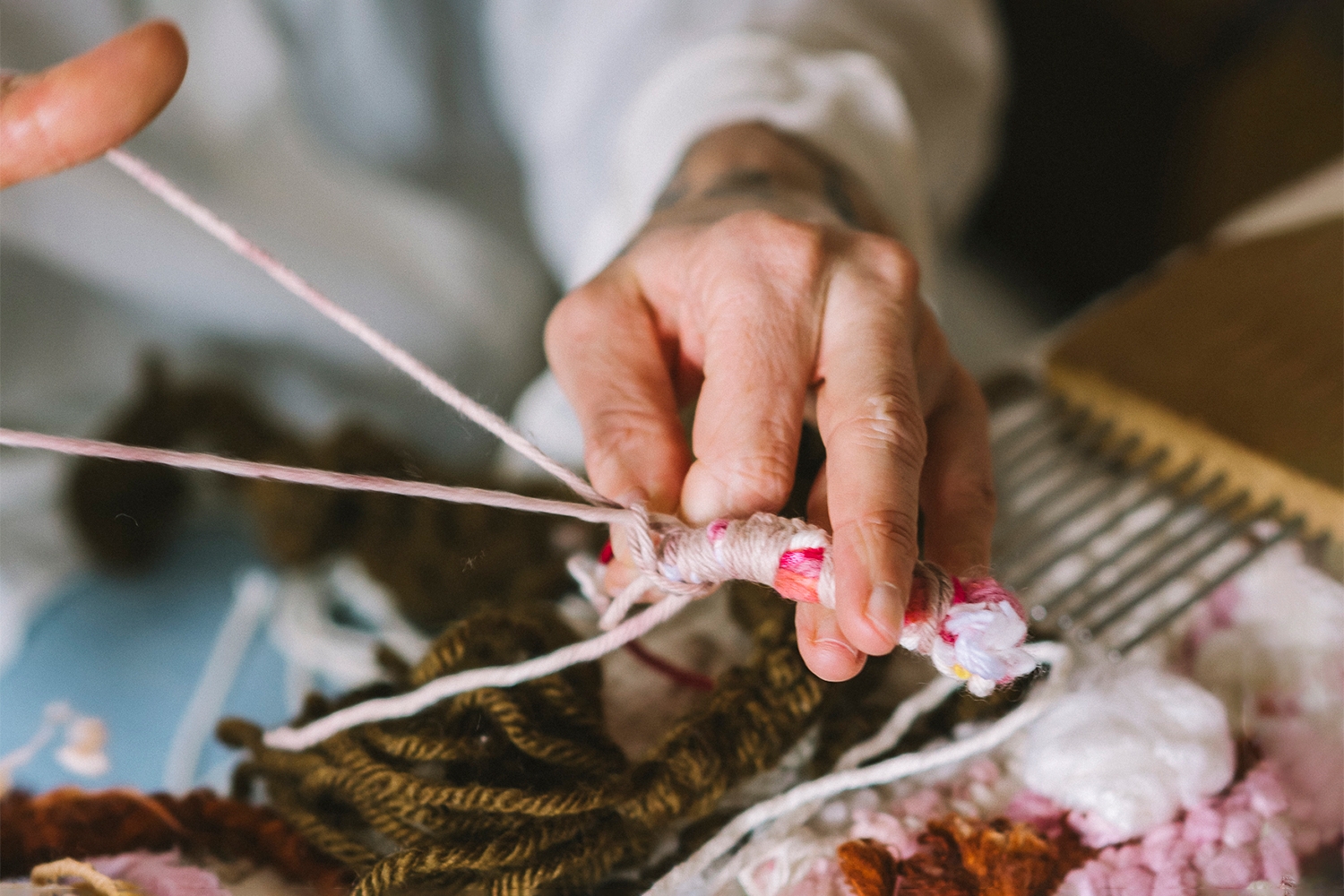
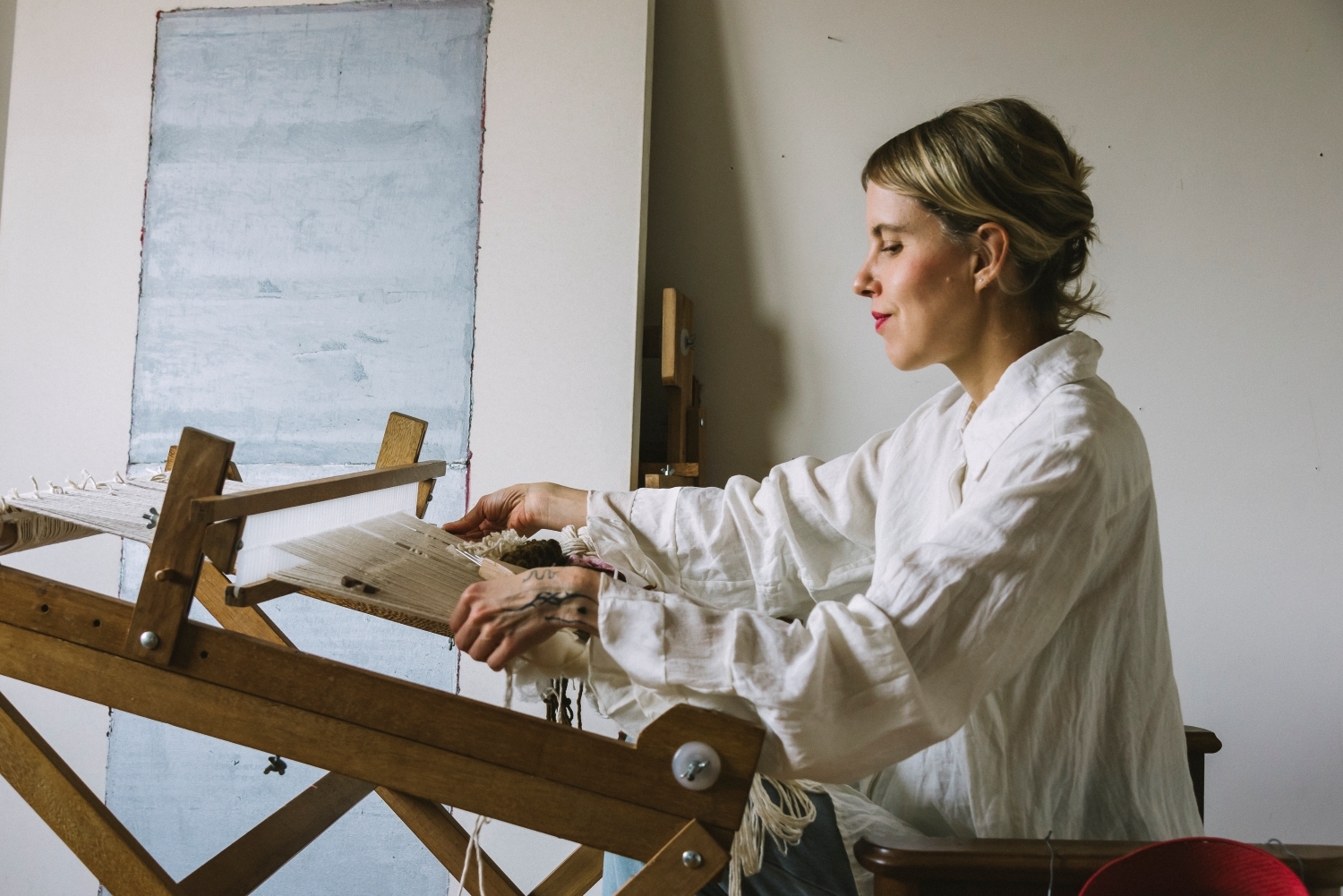
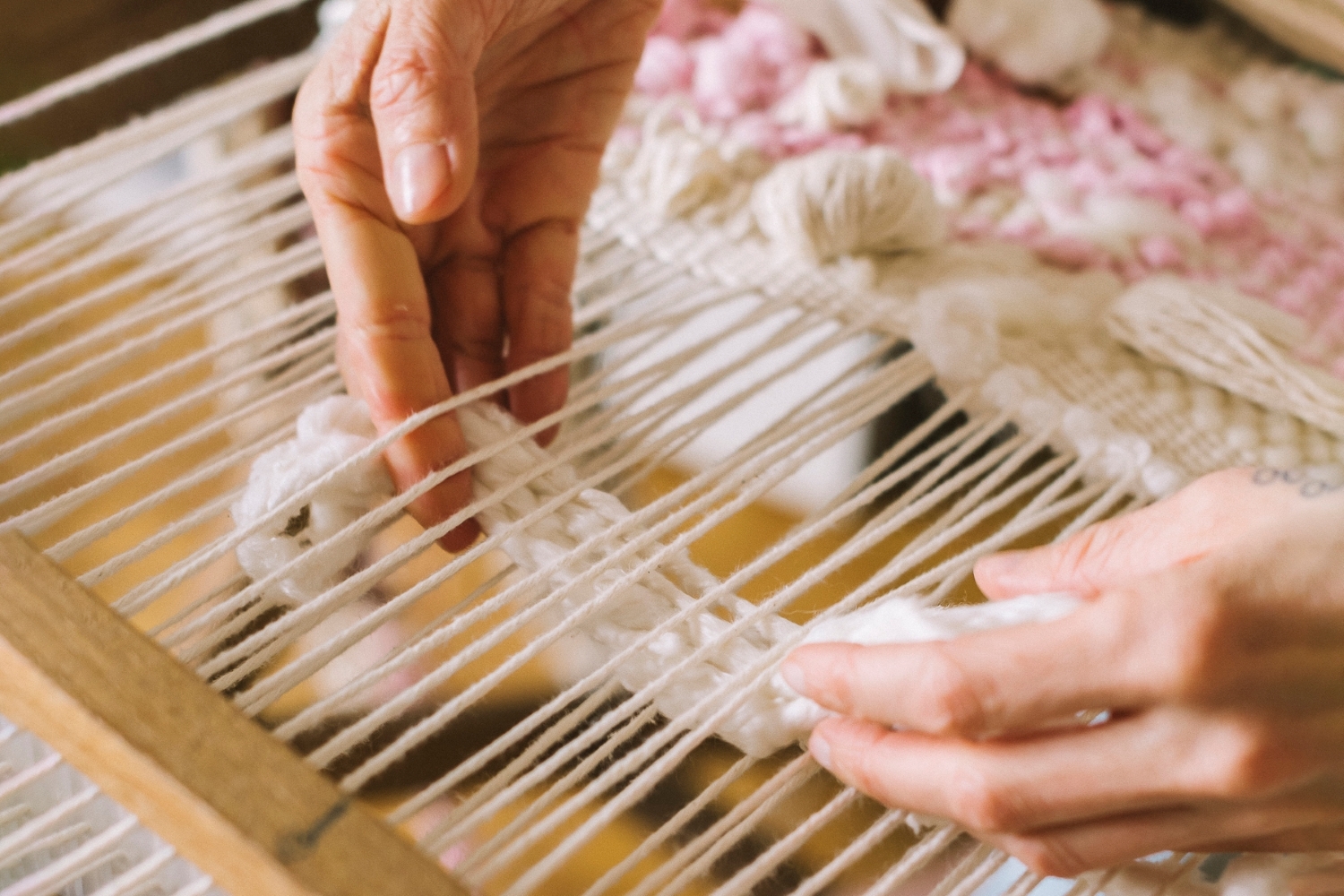
Bruna Octaviano grew up in São Paulo and initially studied architecture, only to find her true passion is weaving. Learning first with two master artisans in the metropolis, Bruna left the hustle and bustle of the city in 2018 for the quieter Piauí state to learn more about the craft. “It was an immersive experience to be in contact with local weavers. Today my architectural background helps me push the boundaries of traditional weaving,” she explains. Working alone or with other artists, her unique pieces are experimental. Bruna often integrates found objects into her naturally-dyed fibre tapestries. "I hope that commissioned work such as a creative 3-metre long piece I made for a restaurant in São Paulo can demonstrate that woven tapestries have a place in modern society," she says.
INTERVIEW
I had already learnt from two master artisans in São Paulo, and I really wanted to be immersed in a more traditional weaving environment to go further. I found this in the city of Pedro Segundo in Piauí state, where I was taught in an informal way with very knowledgeable local weavers.
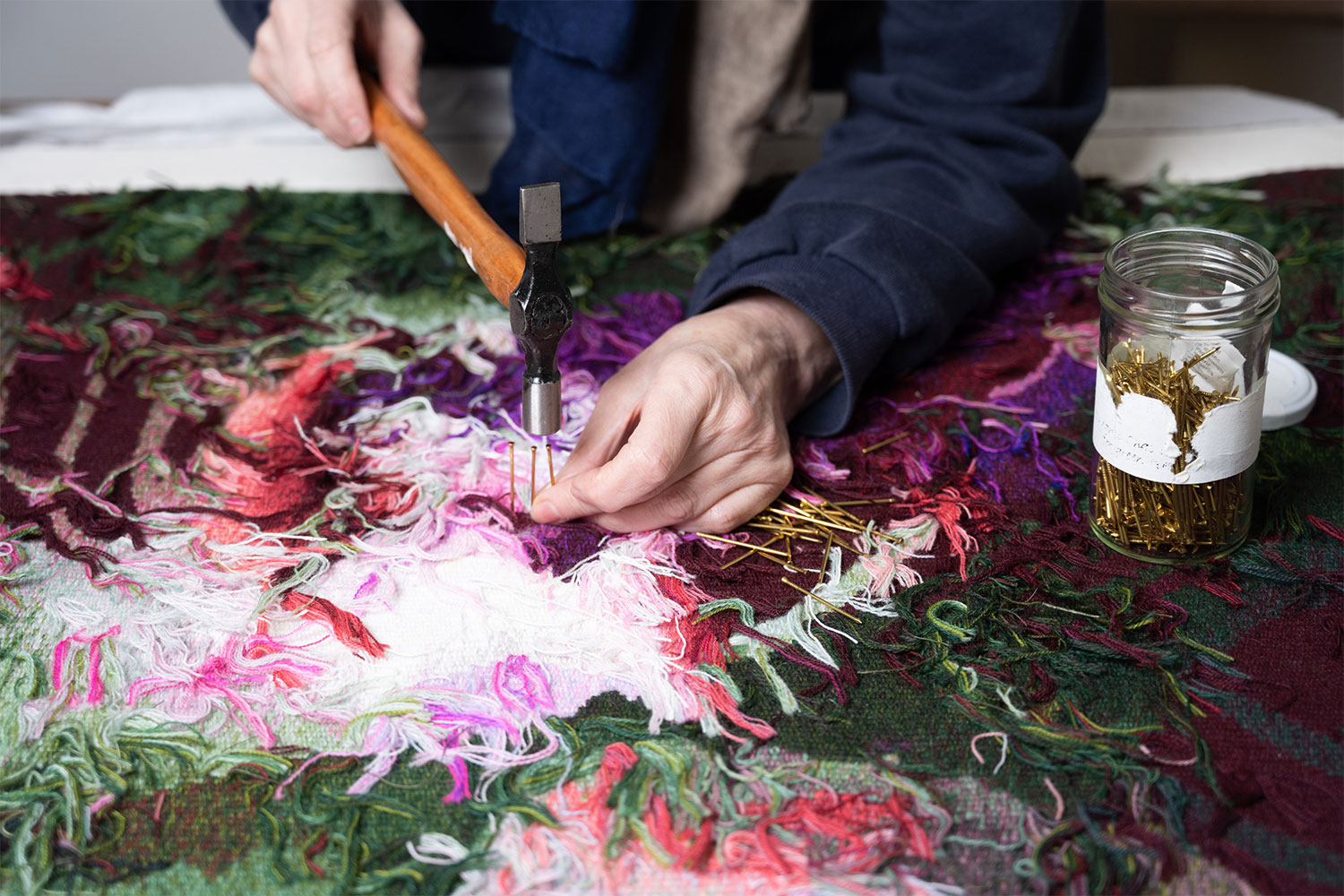
I think about my pieces from an architectural standpoint and I do not only use fibres to make my pieces. I sometimes collect random items from the street that I find interesting, which I may later add to my woven tapestries. The modernity comes from this mix.
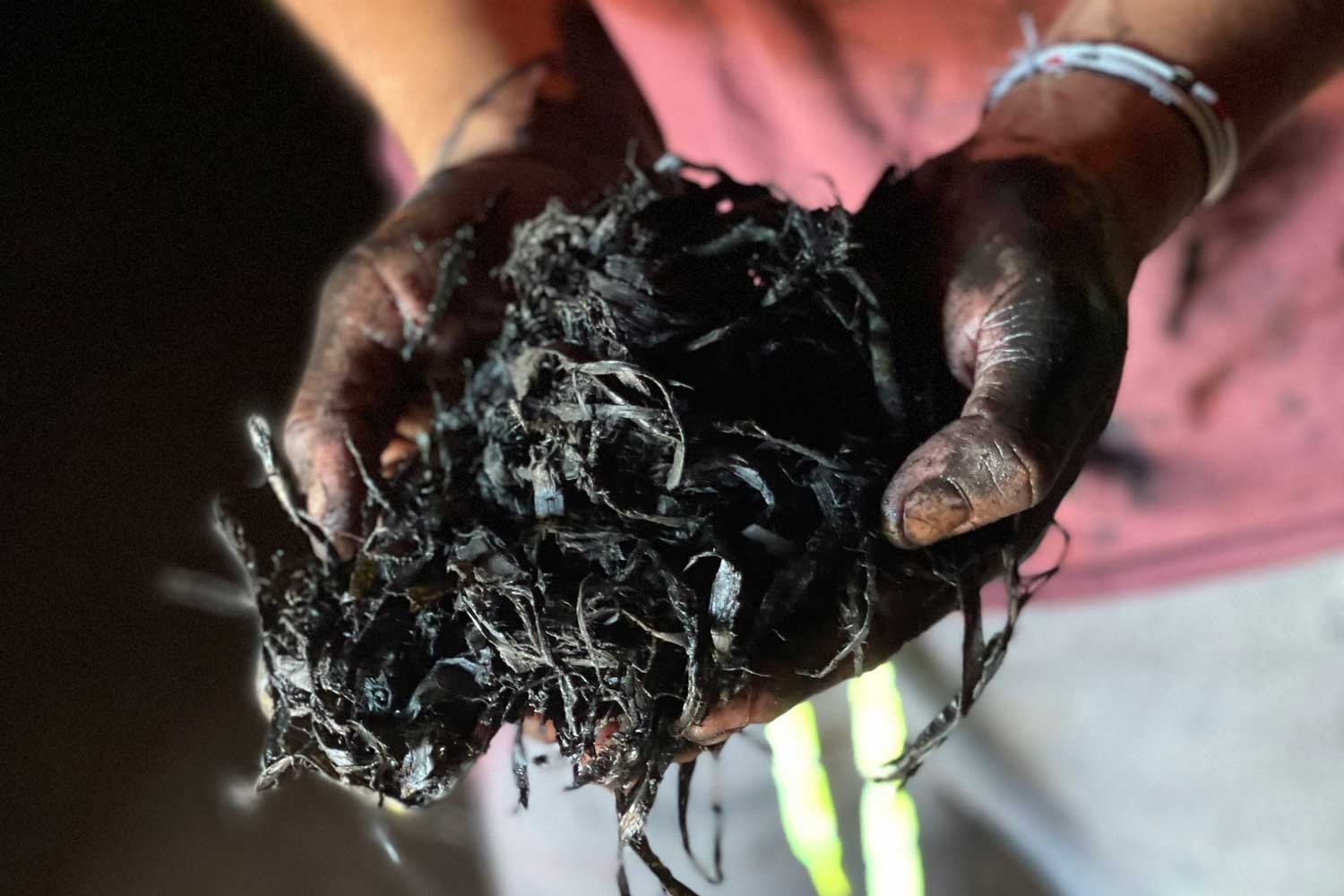
Aside from weaving techniques, I am also curious about making my own natural dyes. This is a key element as colour is an important dimension in my work and I like to be involved and responsible for creating the exact shades I am looking for.
I find it is at risk in Brazil, at least. Very few people are weaving. In the Piauí state where I learnt traditional weaving, it is very hard to find younger generations interested in taking on the craft. I hope I can help to create more interest for weaving.
1 EXPERIENCE
Bruna Octaviano
Tapestry maker
São Paulo, Brazil
AVAILABILITY
By appointment only
PHONE
+55 11987963000
LANGUAGES
Portuguese, English
Homo Faber Finds is a new service aiming to inspire admirers of craft to connect and collaborate with exceptional artisans.
We invite you to submit an enquiry here.