
Marina Dempster
Mixed media sculptor
Toronto, Canada
Yarn and beads in sculptural luminosity
- Marina's multidisciplinary practice combines beadwork, photography and fibre
- A mentor and collaborator, she is a strong advocate for the craft community
- Her beaded shoes, basketballs and body forms series were exhibited internationally
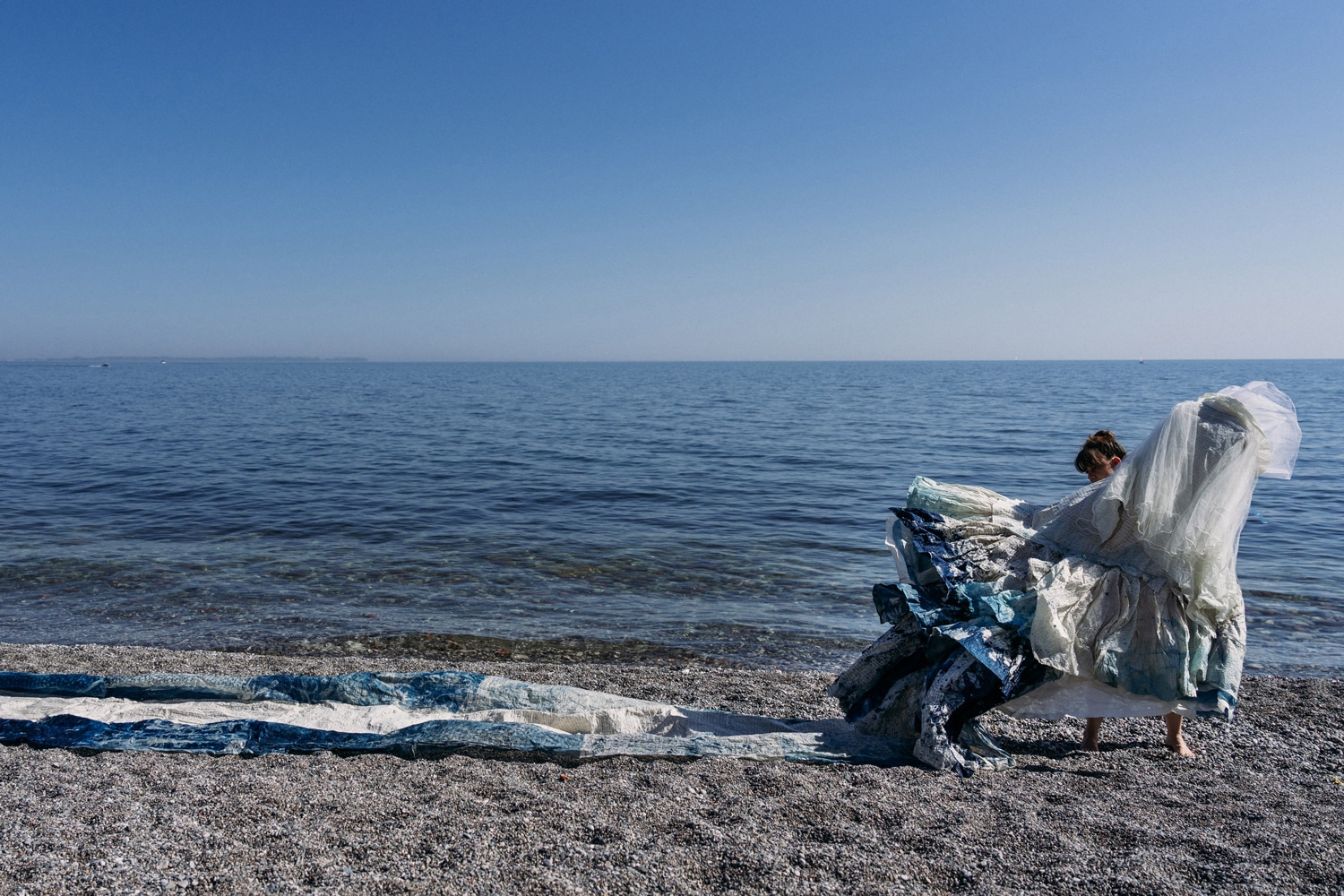
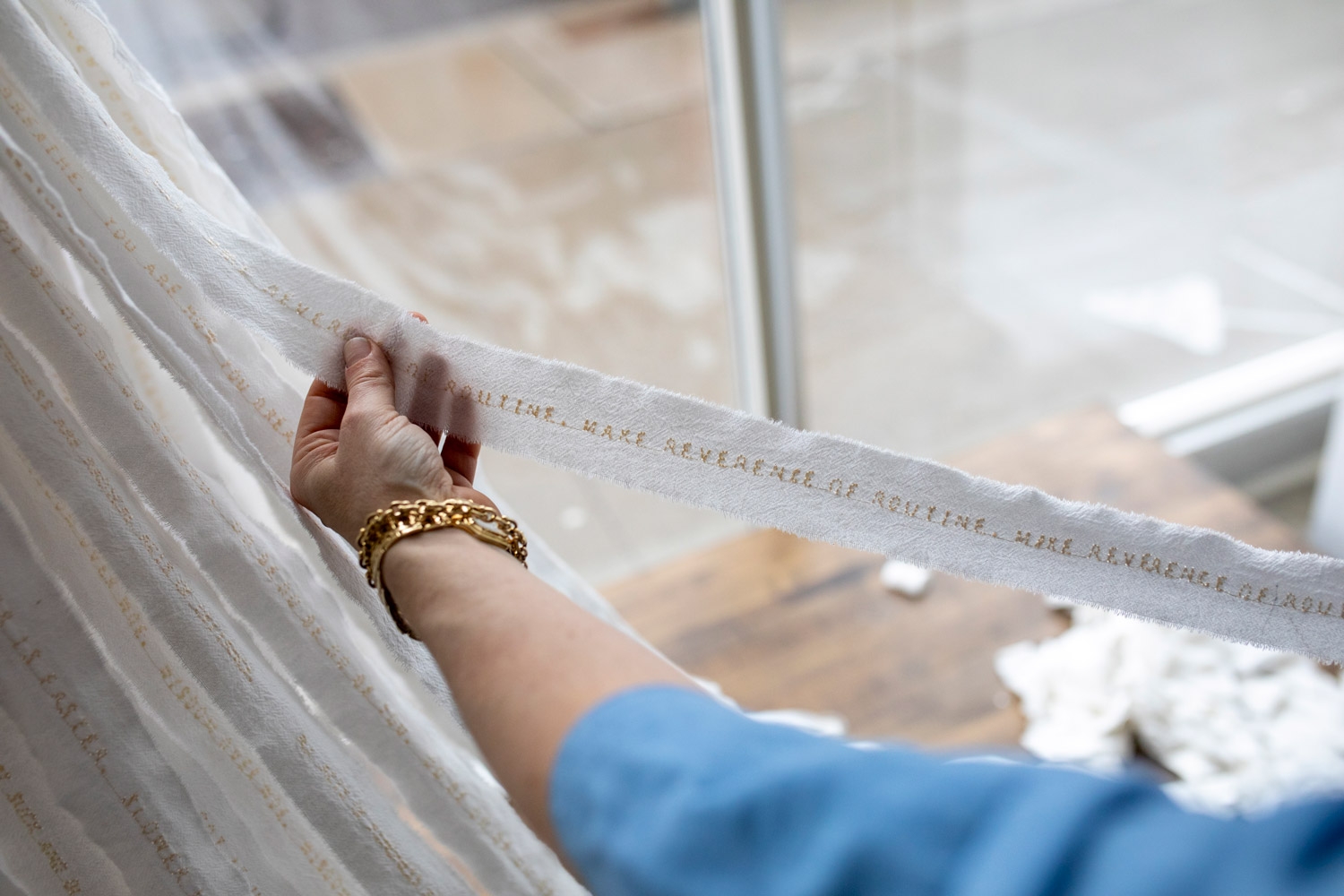
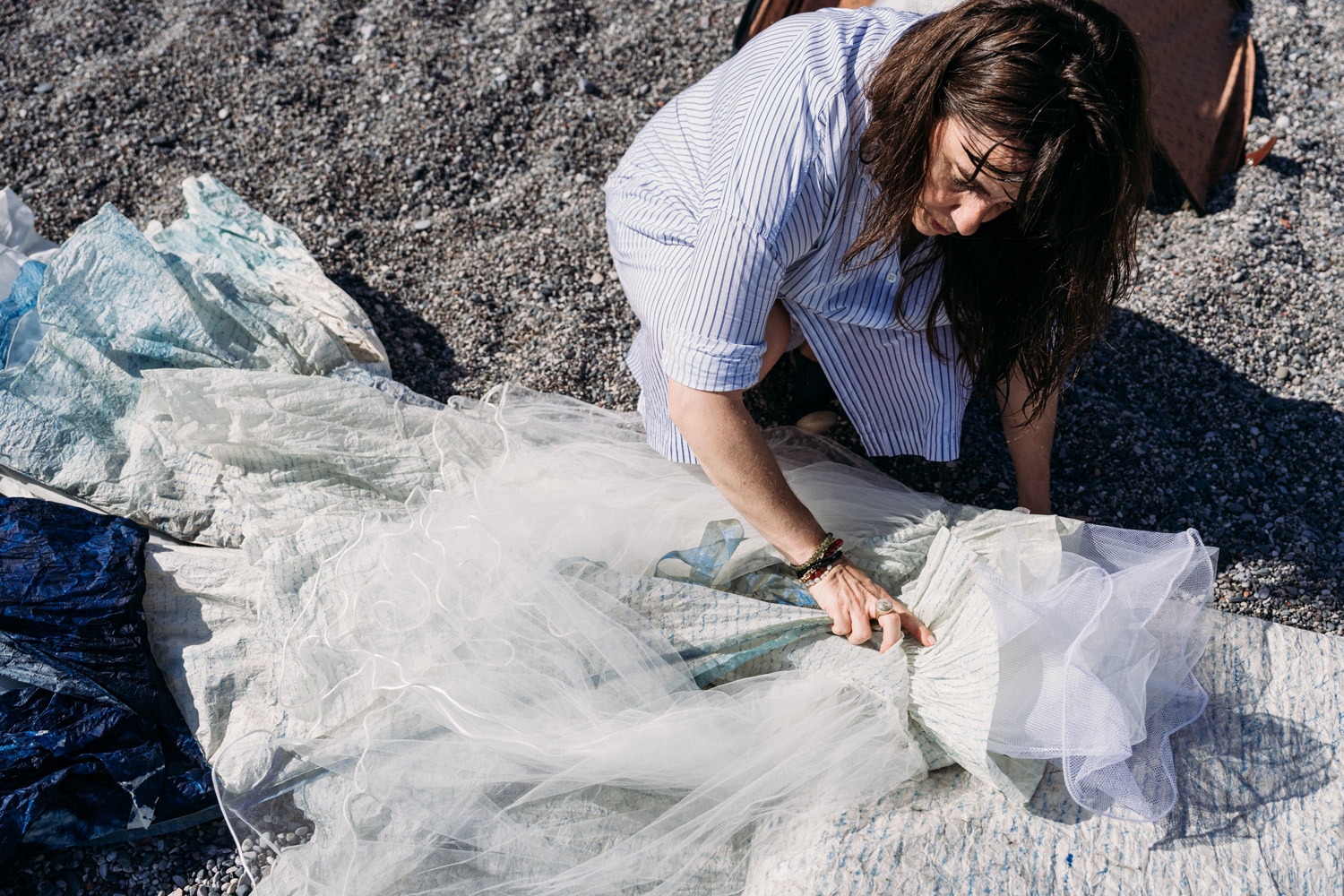
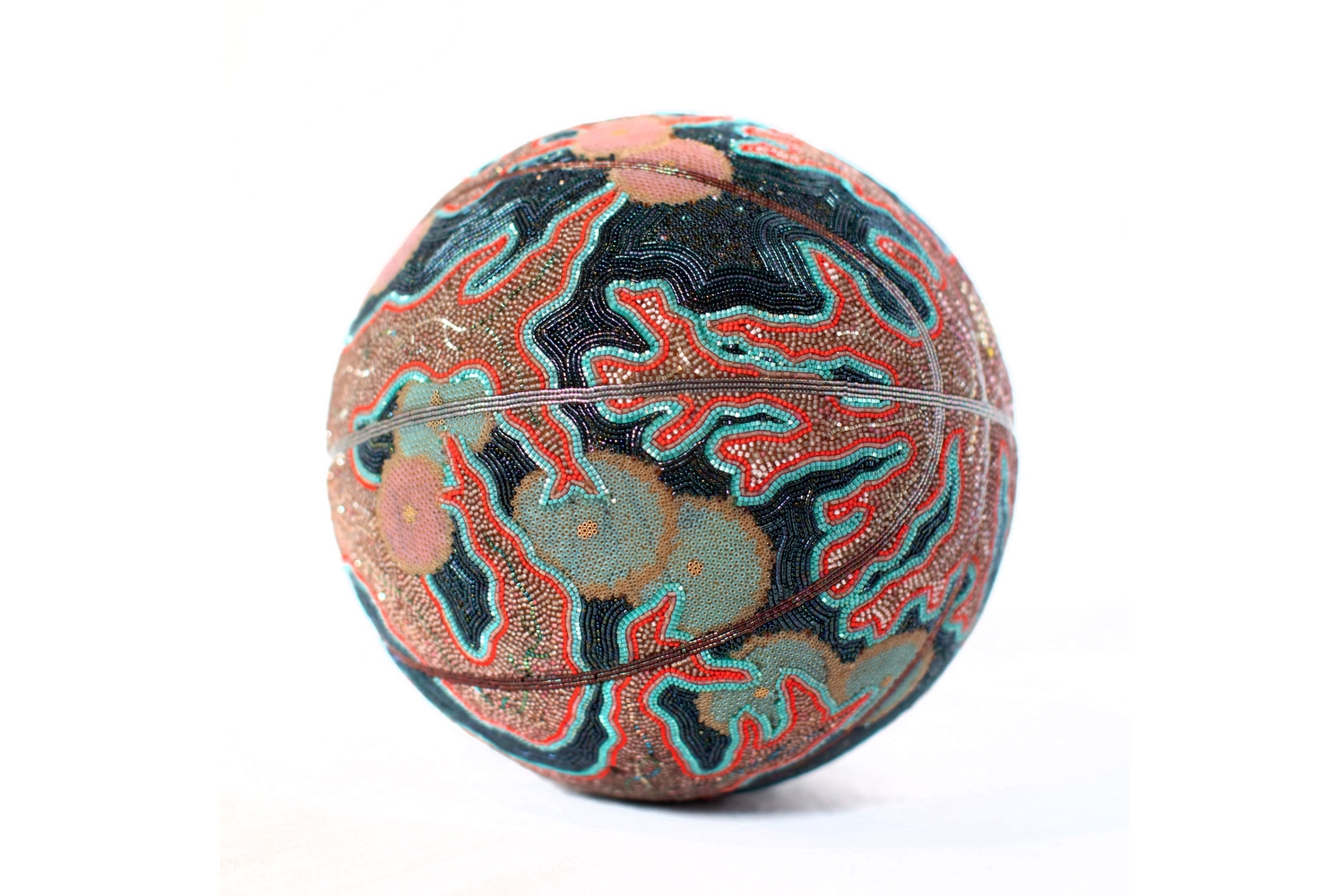
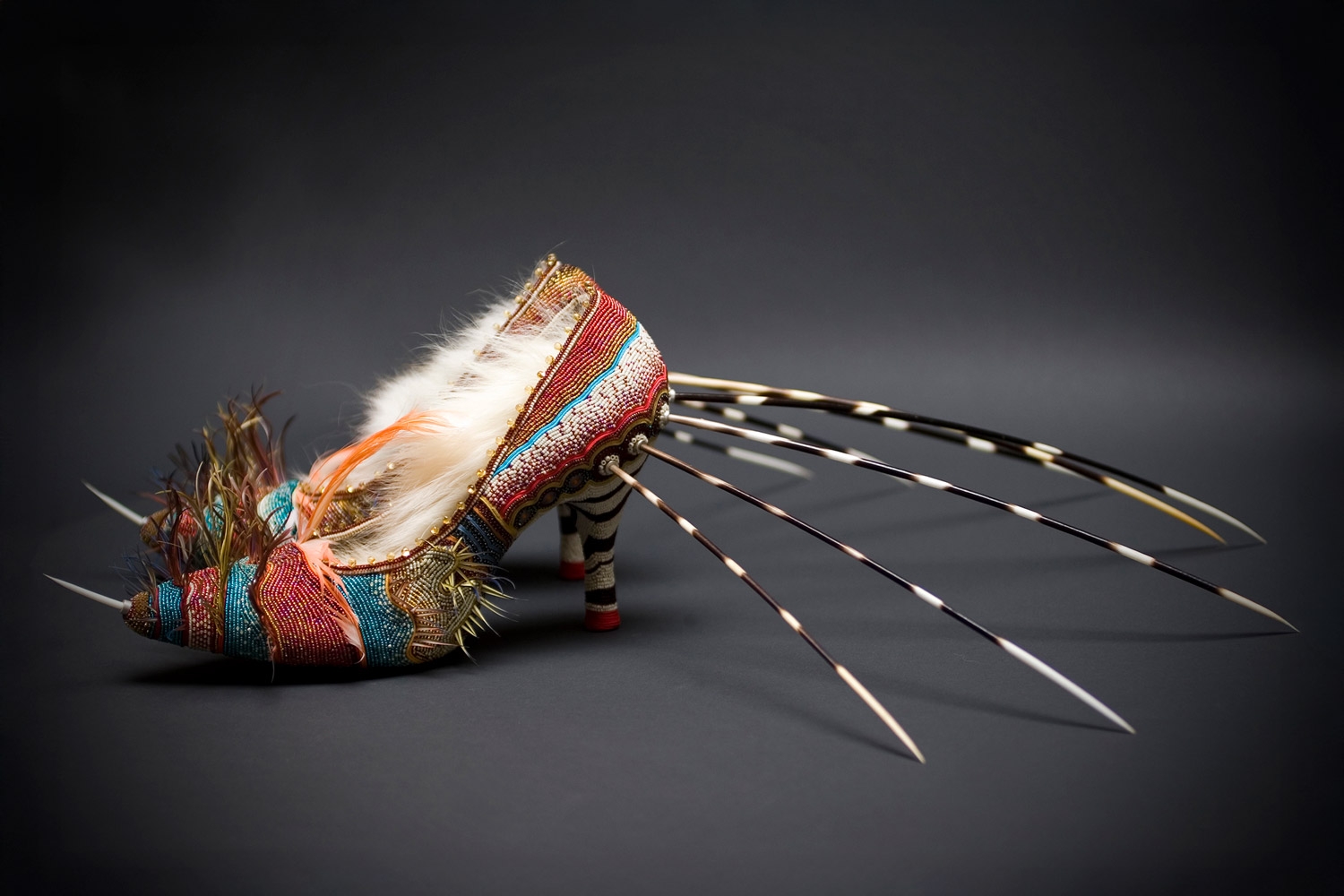
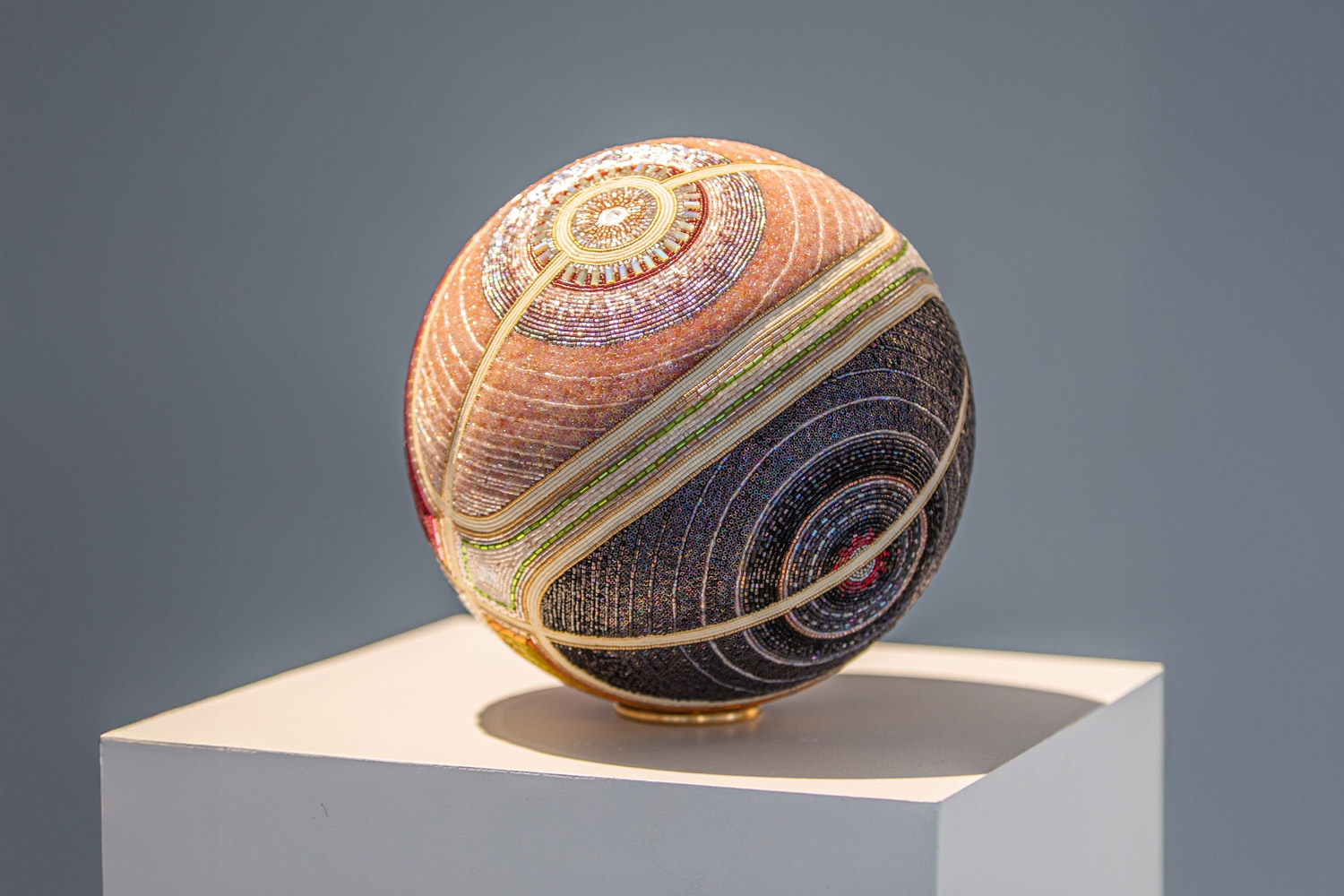
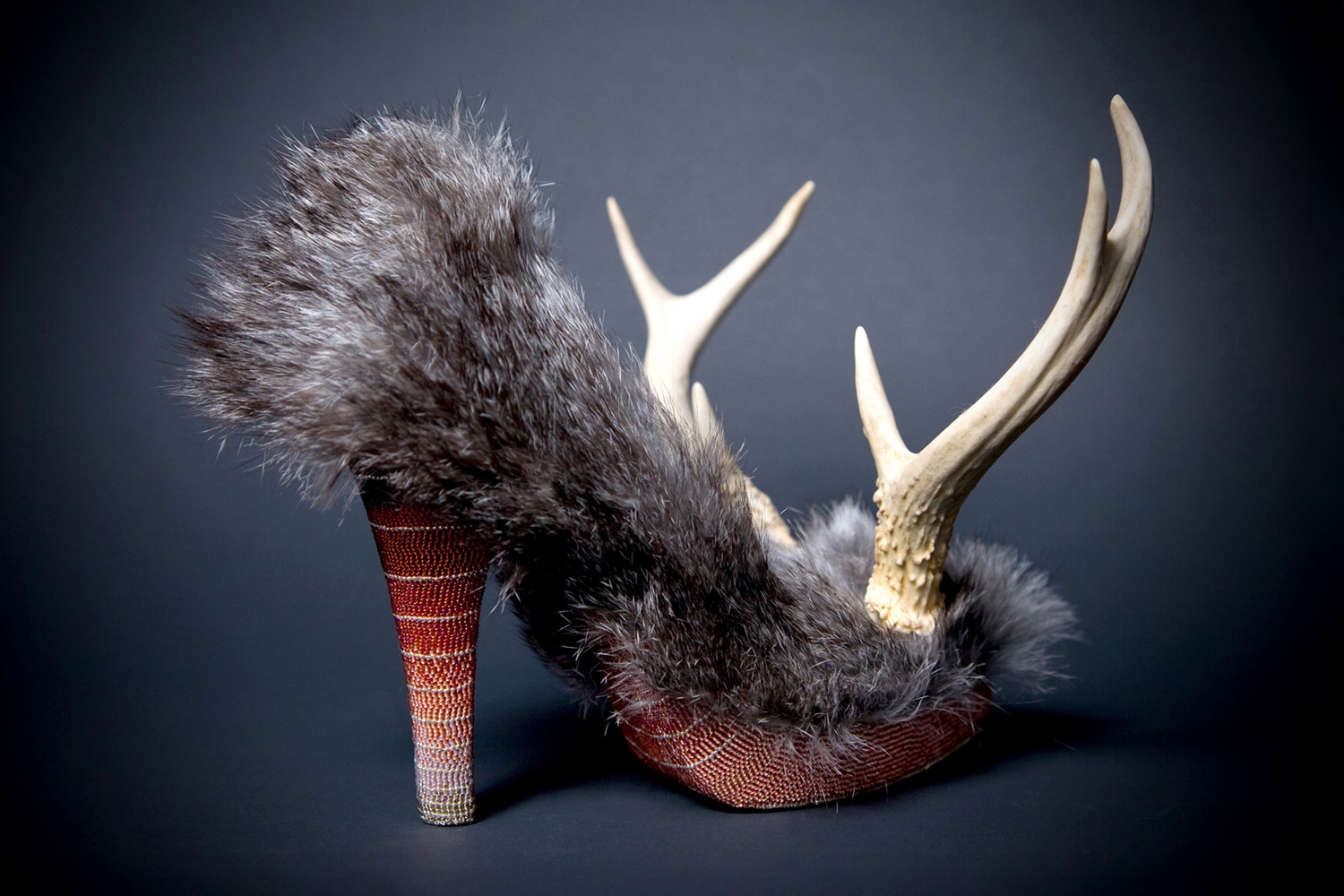
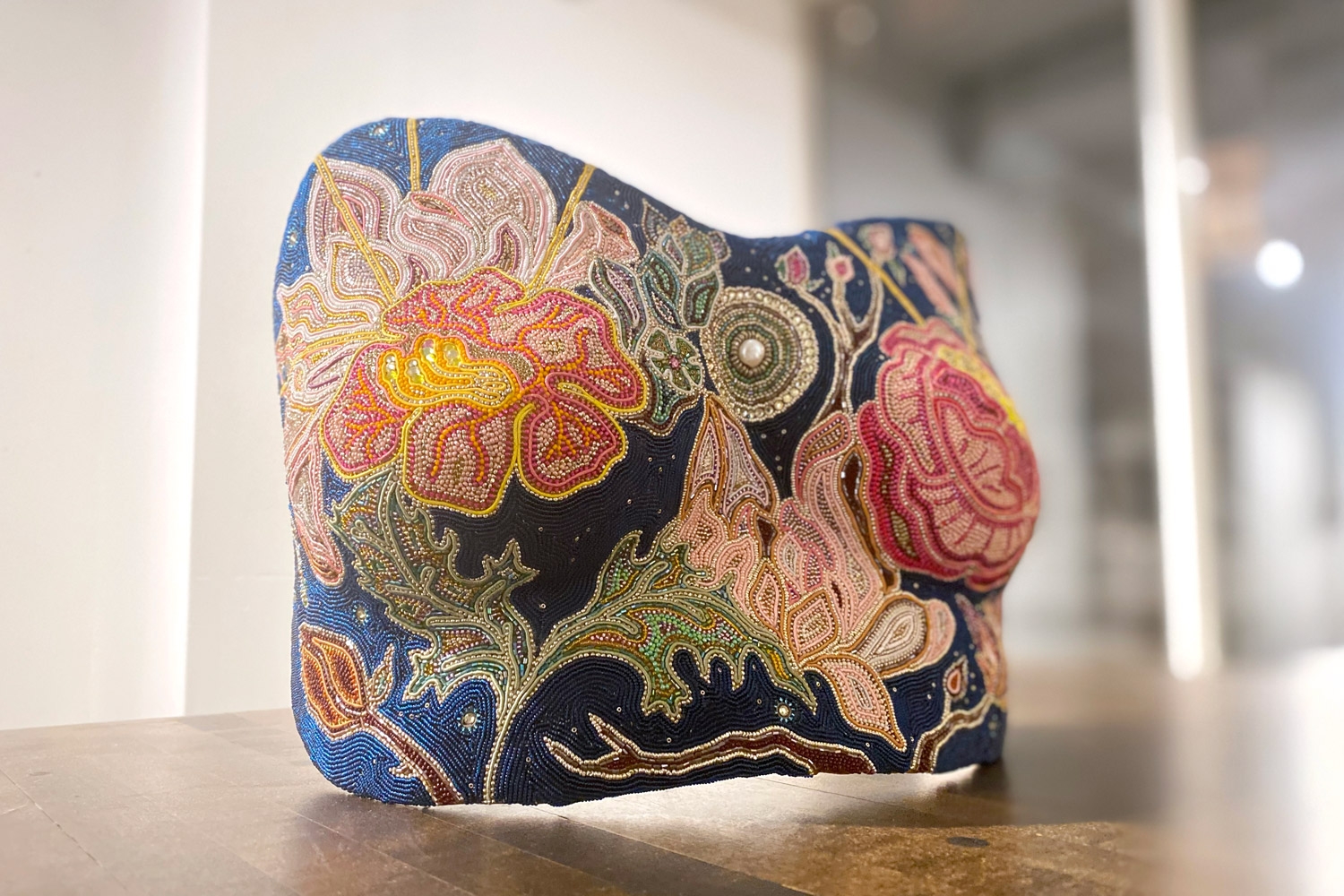
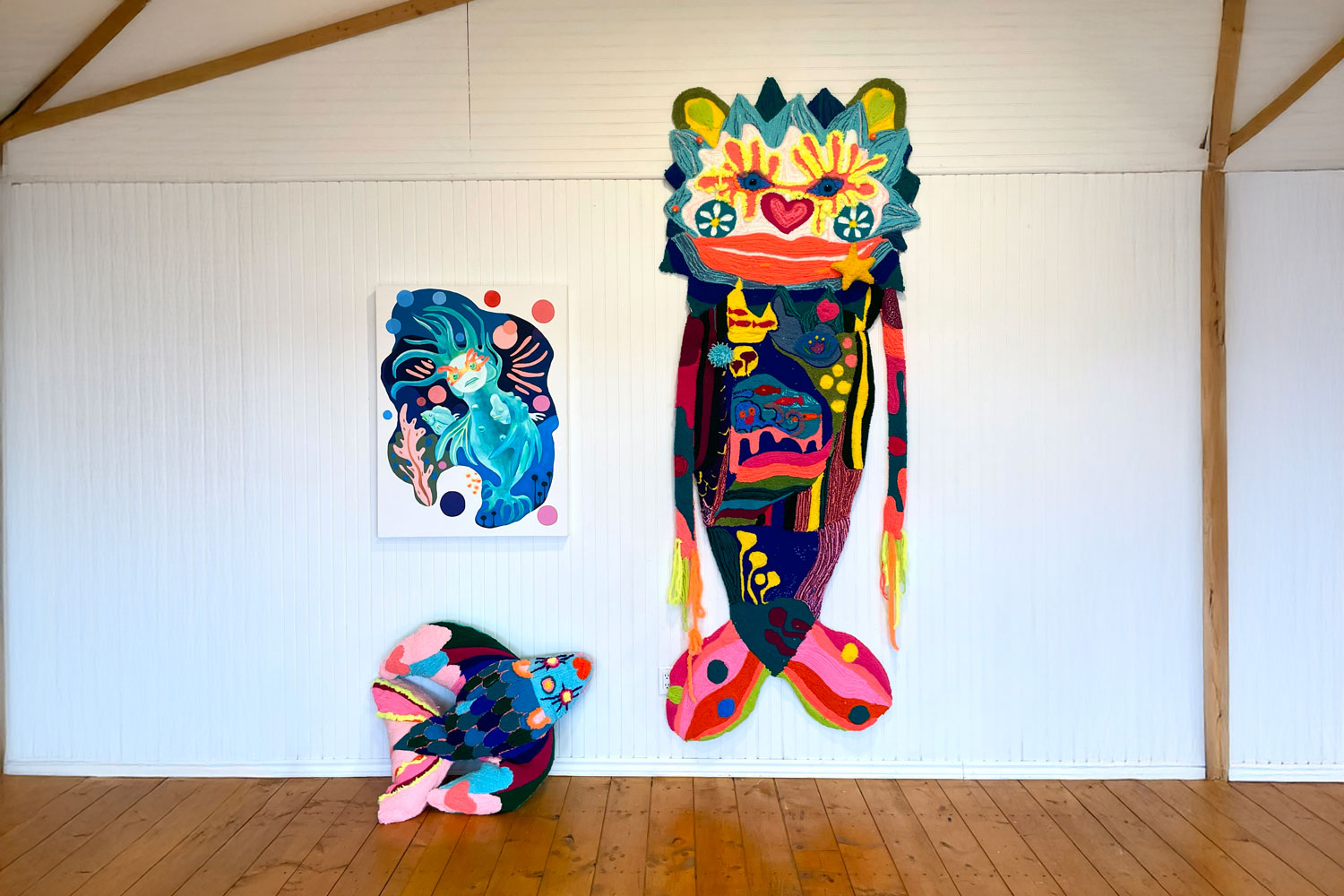
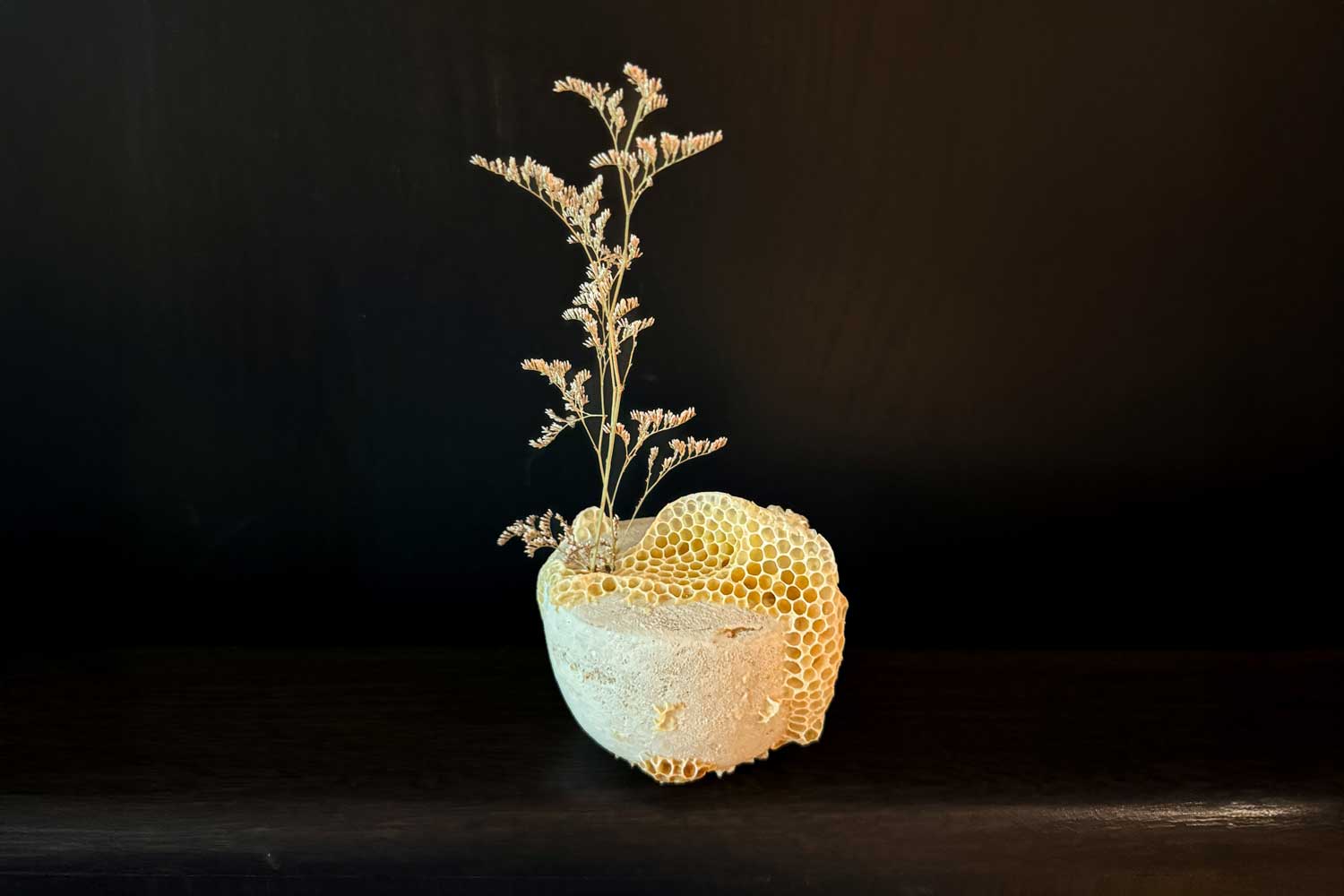
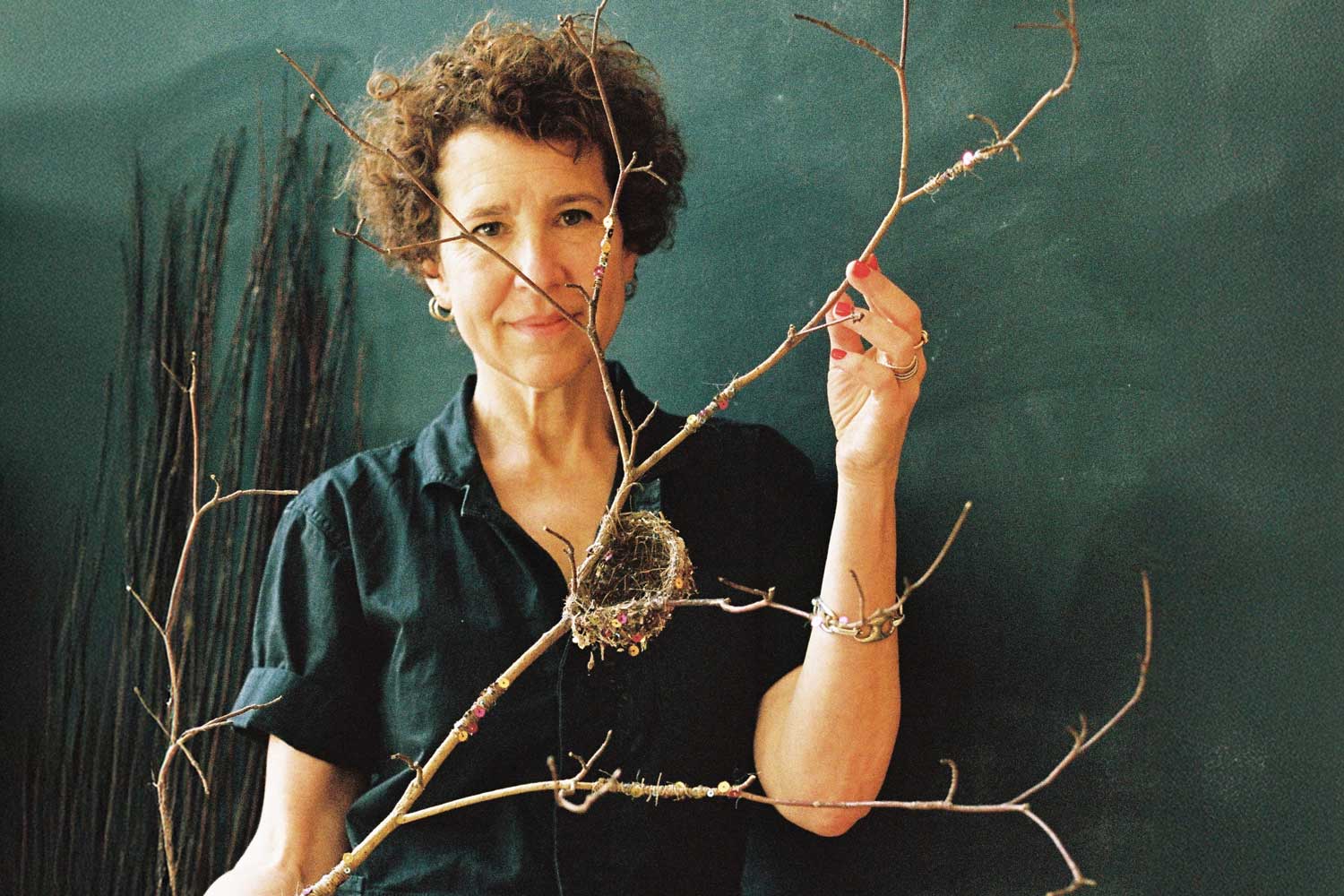
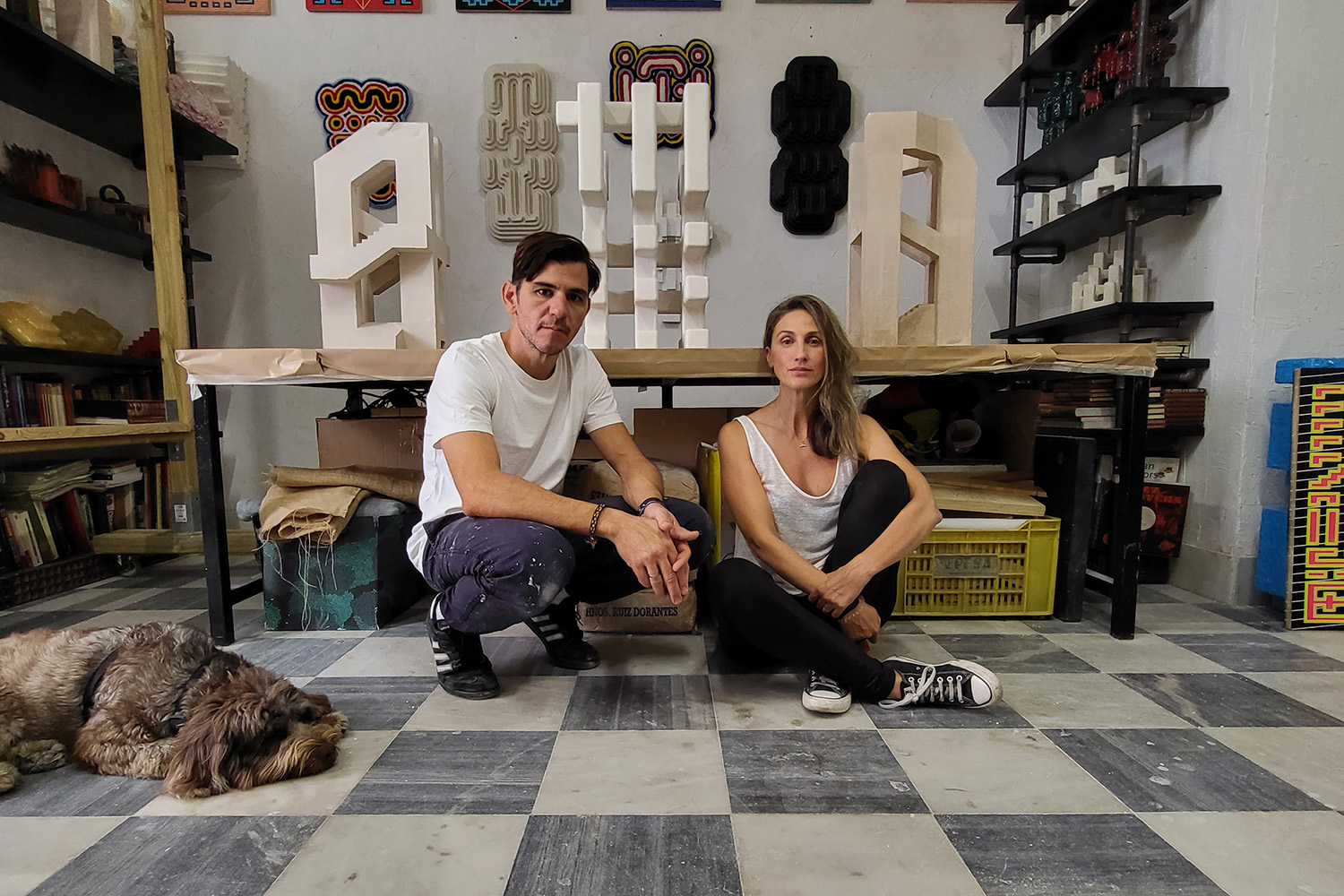
Marina Dempster transforms discarded objects such as mannequin limbs, used shoes, basketballs and even her wedding dress, into luminous works that explore transformation and wholeness. Born in Mexico and now based in Toronto, she enjoys working with a pre-Columbian Wixárika technique of embedding yarn and beads into a beeswax and pine-resin ‘skin’. “Working bead by bead becomes an act of seeing and seeding, a devotional practice that asks how we care for what has been disregarded, for the earth and for one another,” Marina says. She invites viewers to imagine inhabiting the forms she creates in her basketball planets collection and acclaimed shoe series, exhibited at the Bata Shoe Museum and Cheongju Craft Biennale, as well as in art museums across North America. Alongside her studio work, Marina mentors artists, curates exhibitions and champions collaboration in craft communities.
INTERVIEW
I am drawn to random items that have been overlooked, such as an old shoe or a mannequin limb. Using a pre-Columbian bead and yarn technique, I transform them into objects that invite attention, care and a renewed sense of reverence for our own lives and for the world we share.
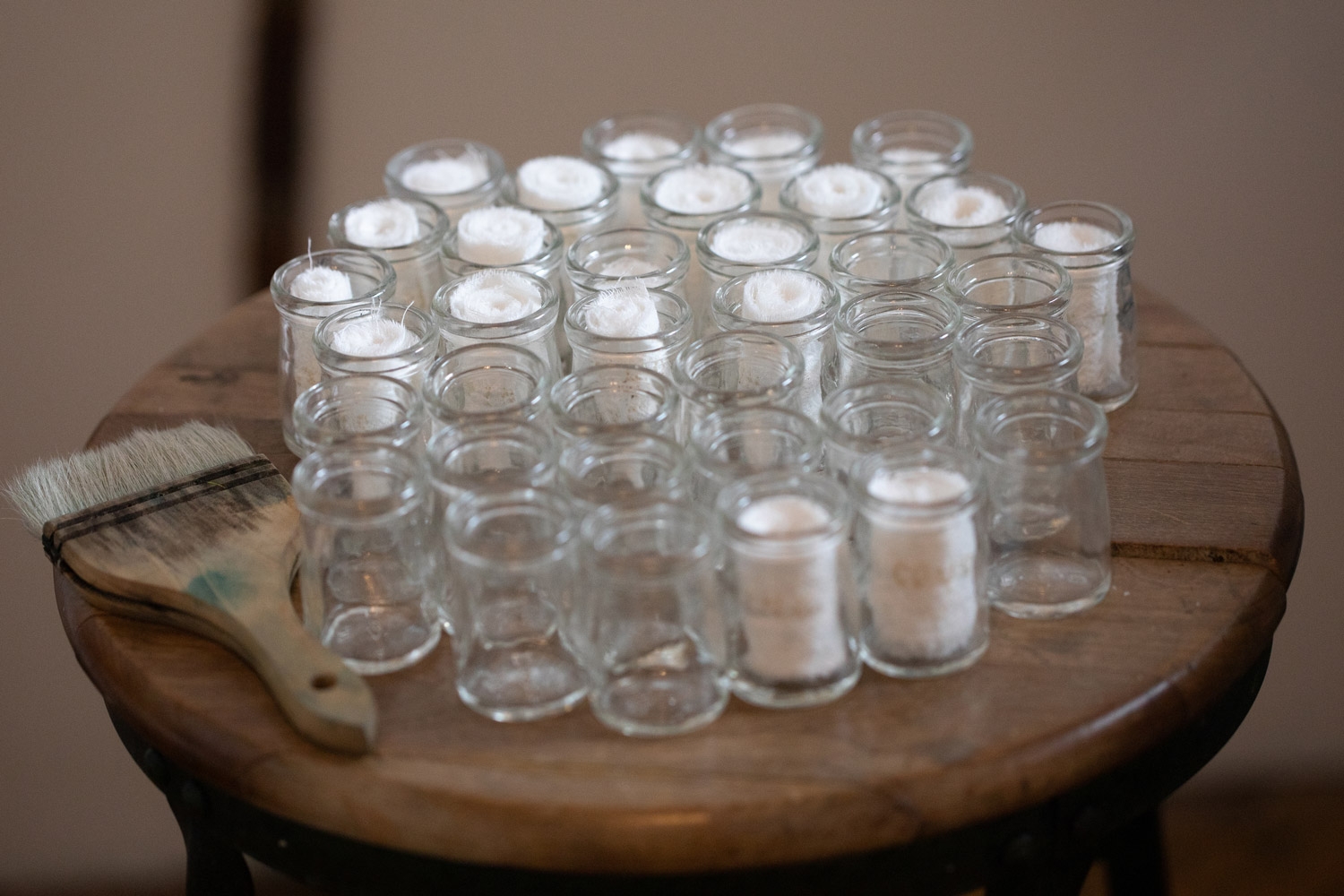
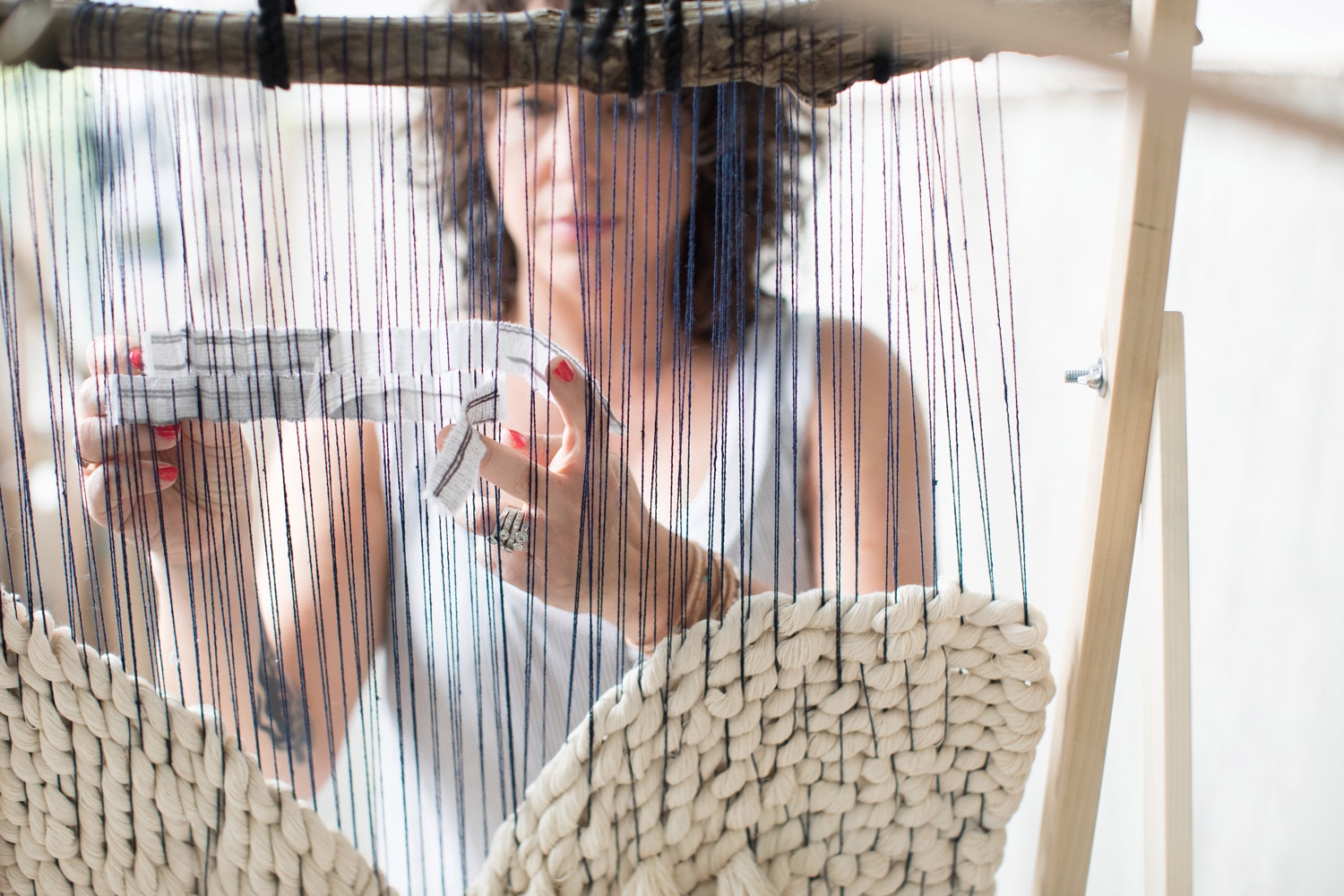
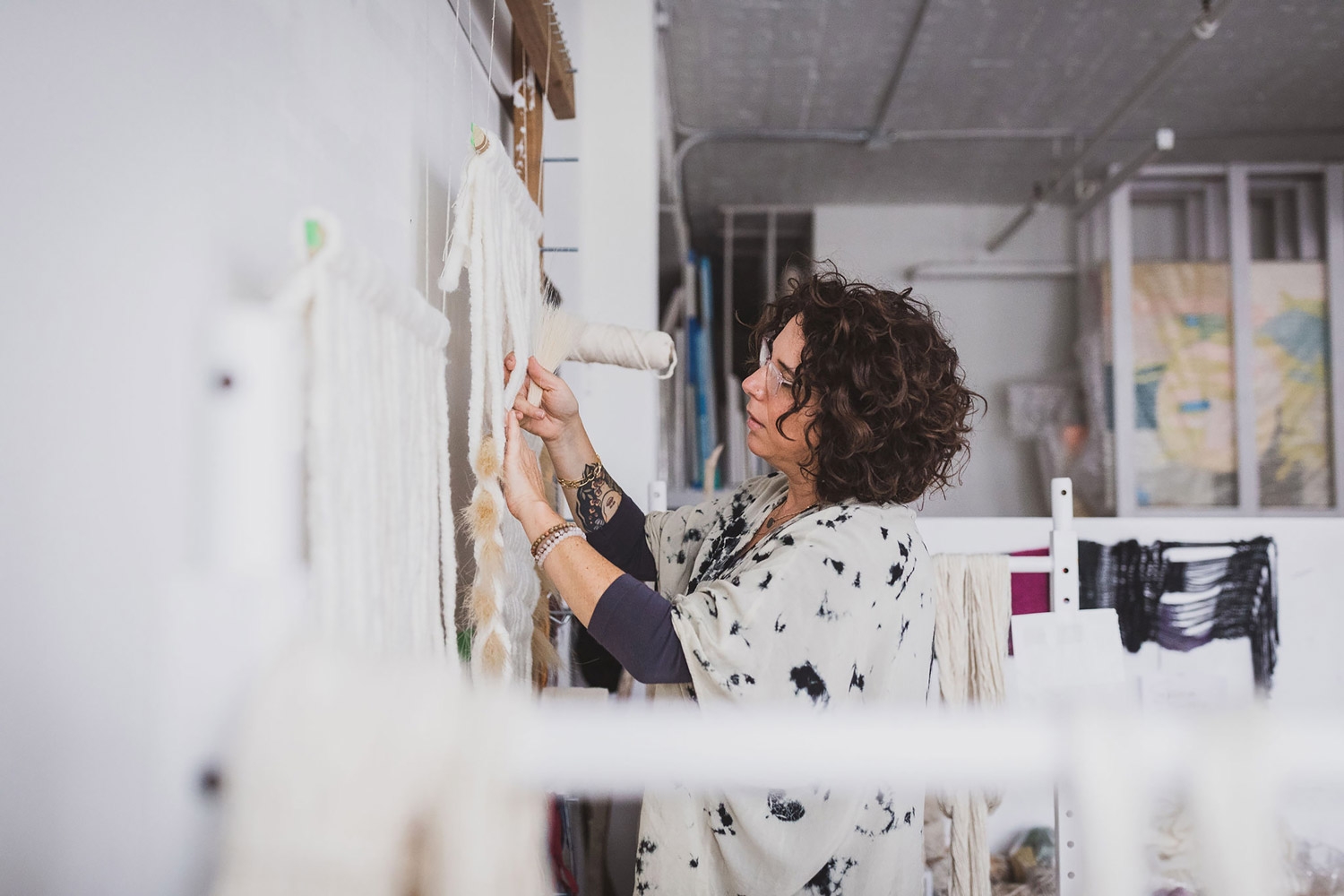
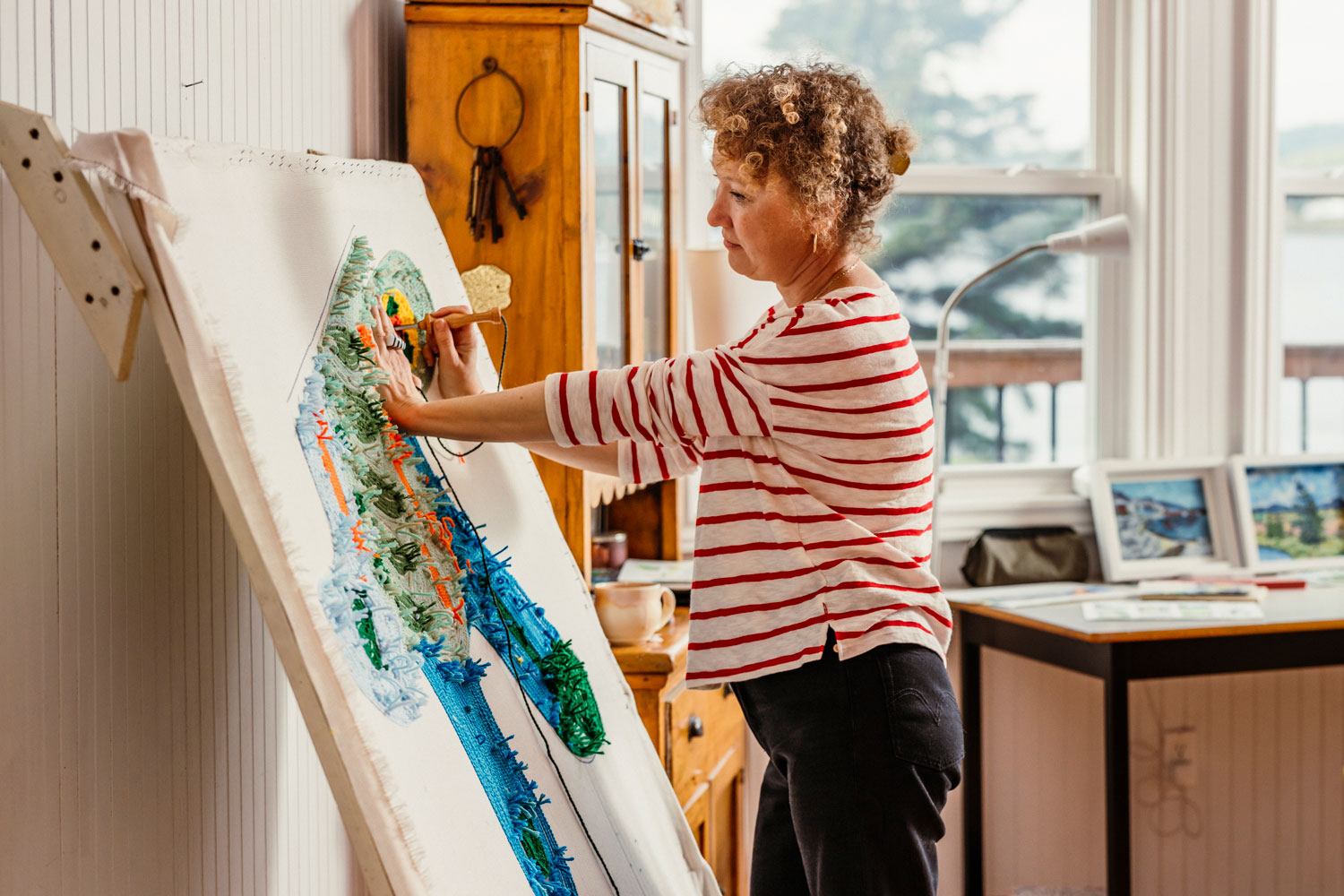
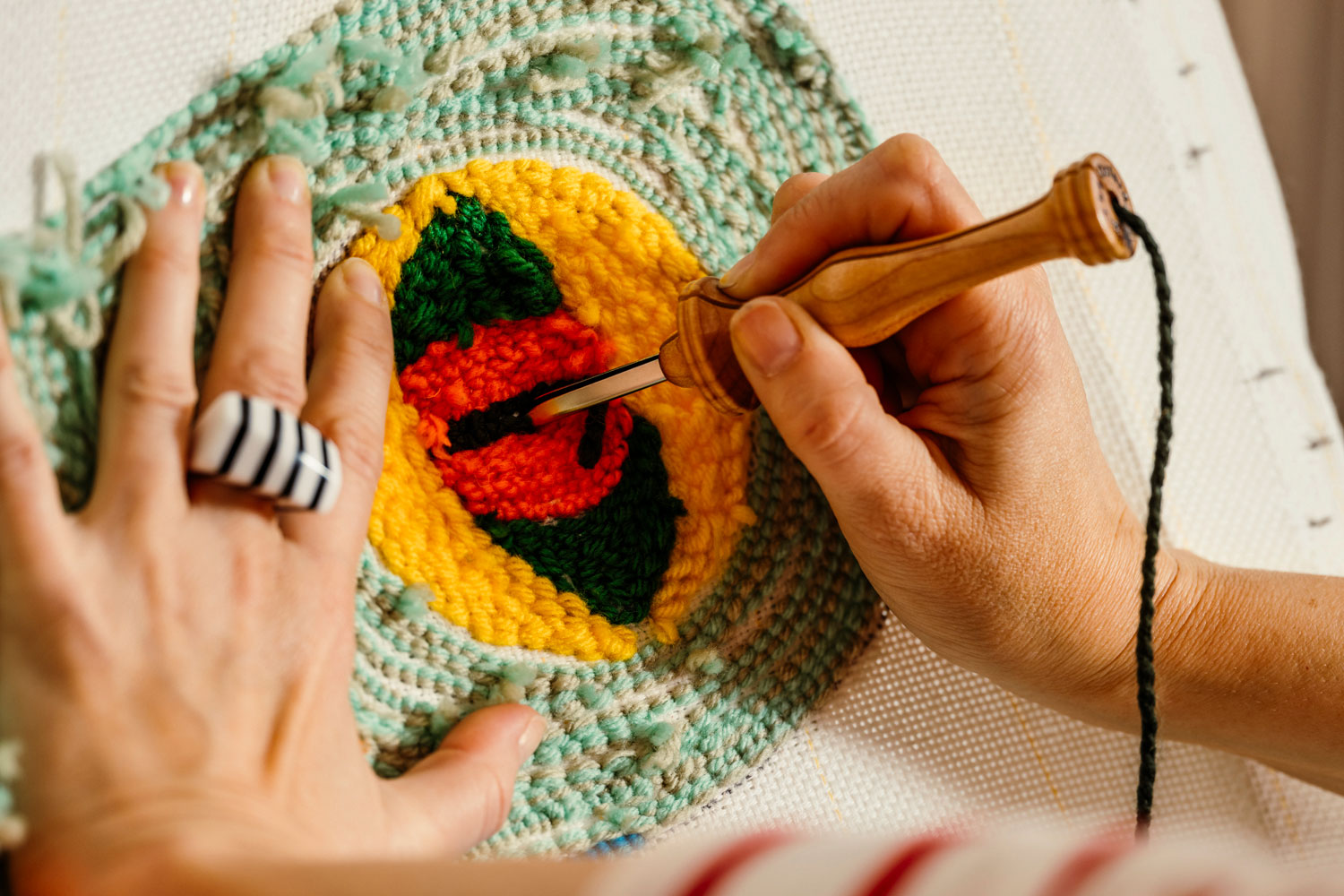
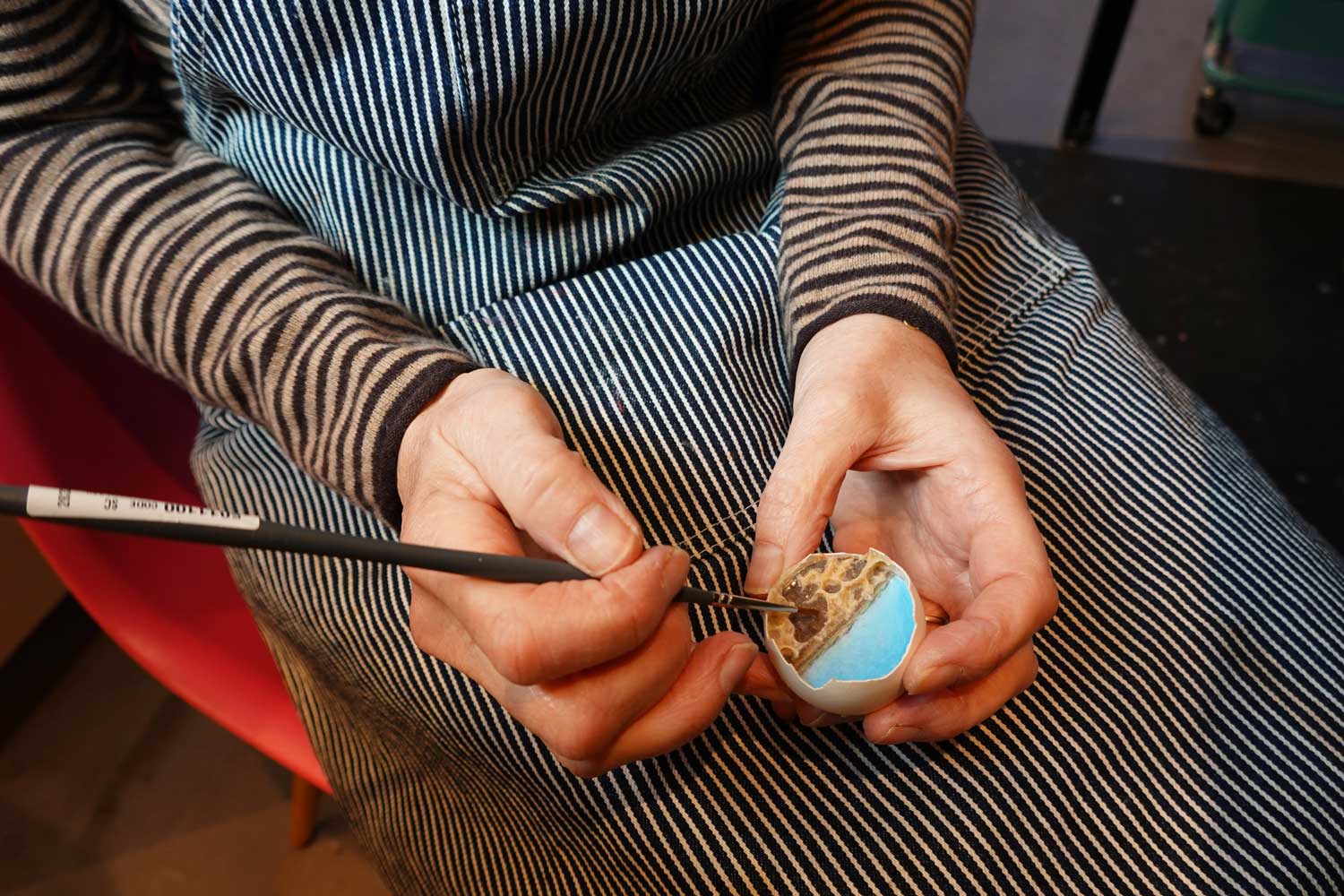
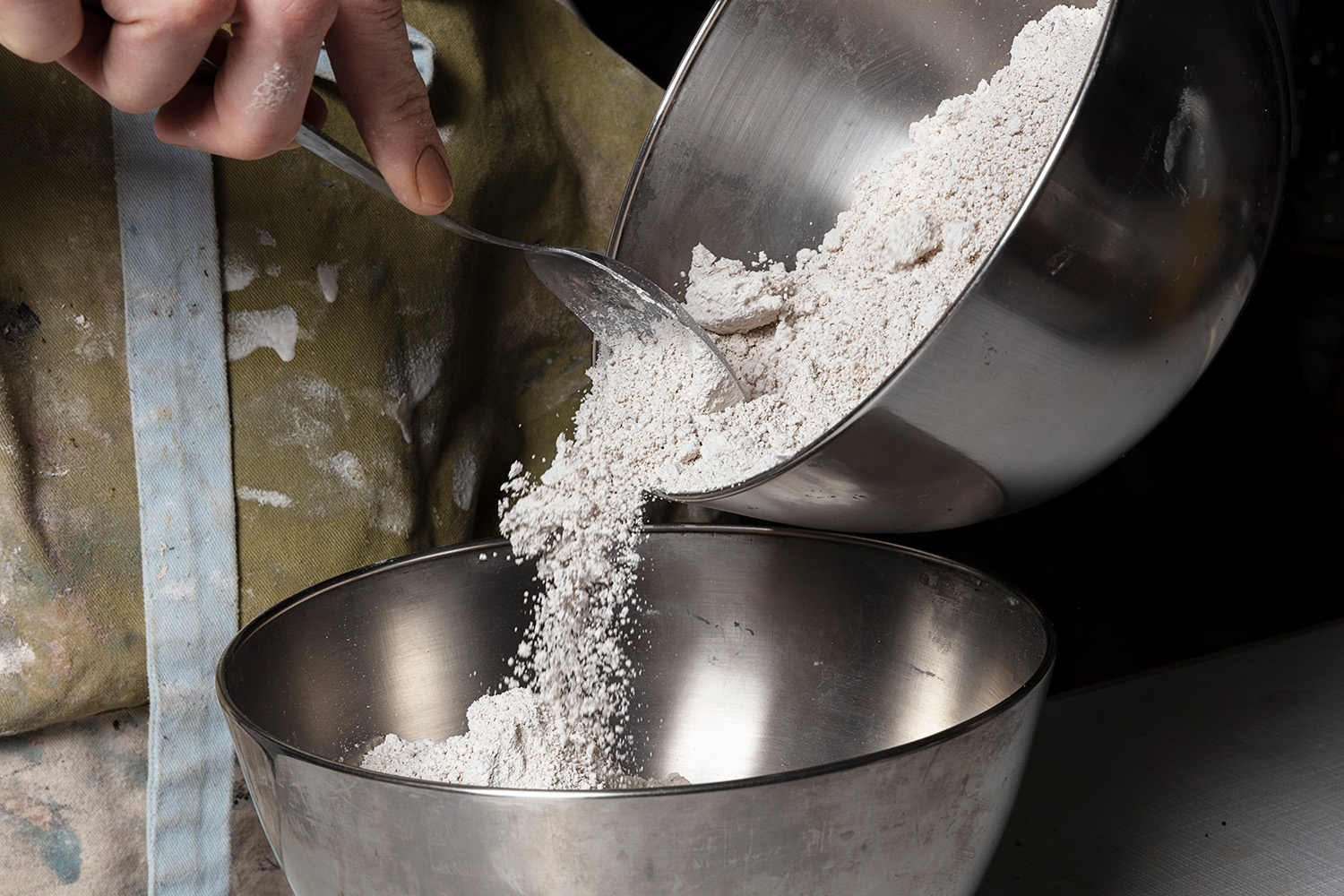
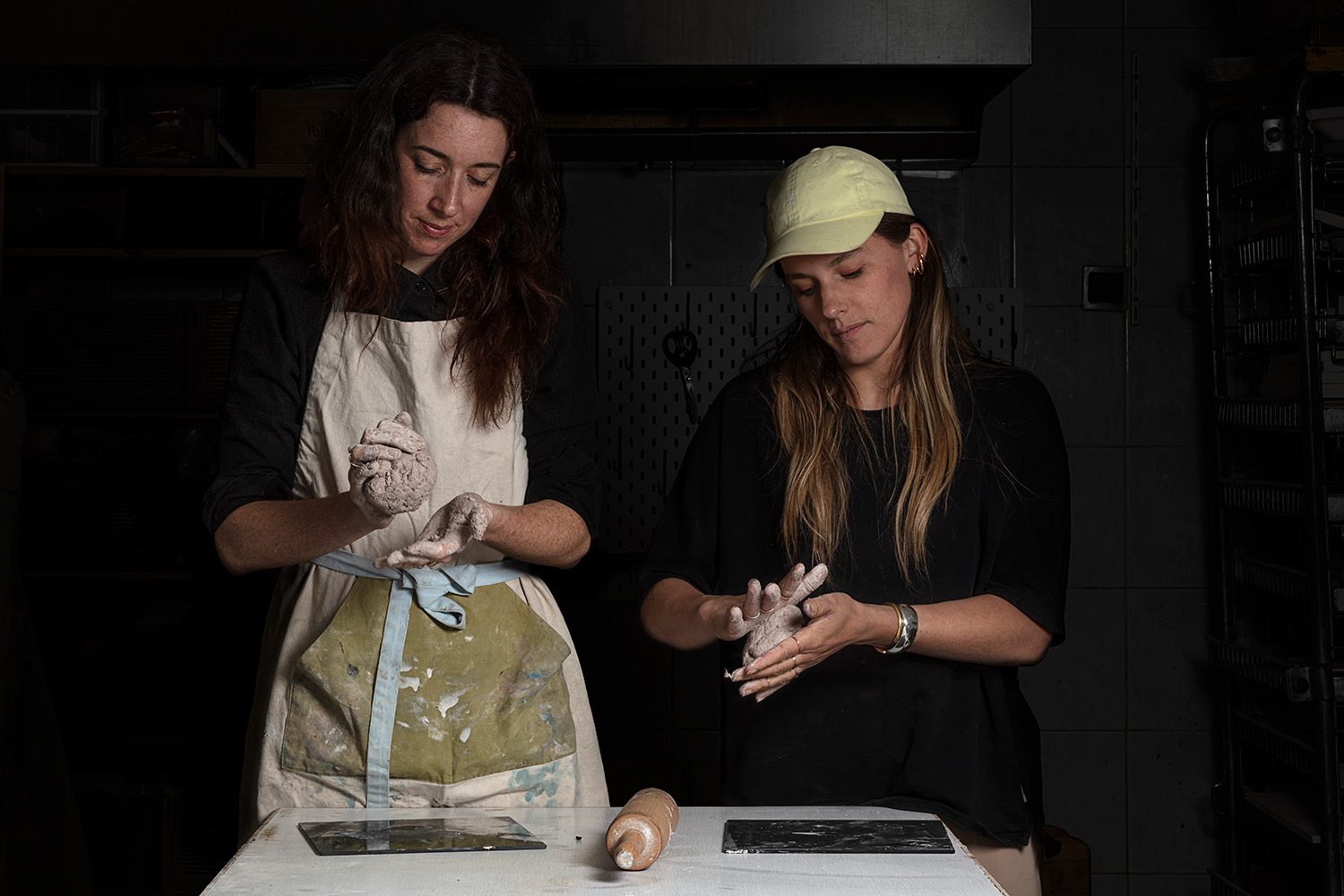
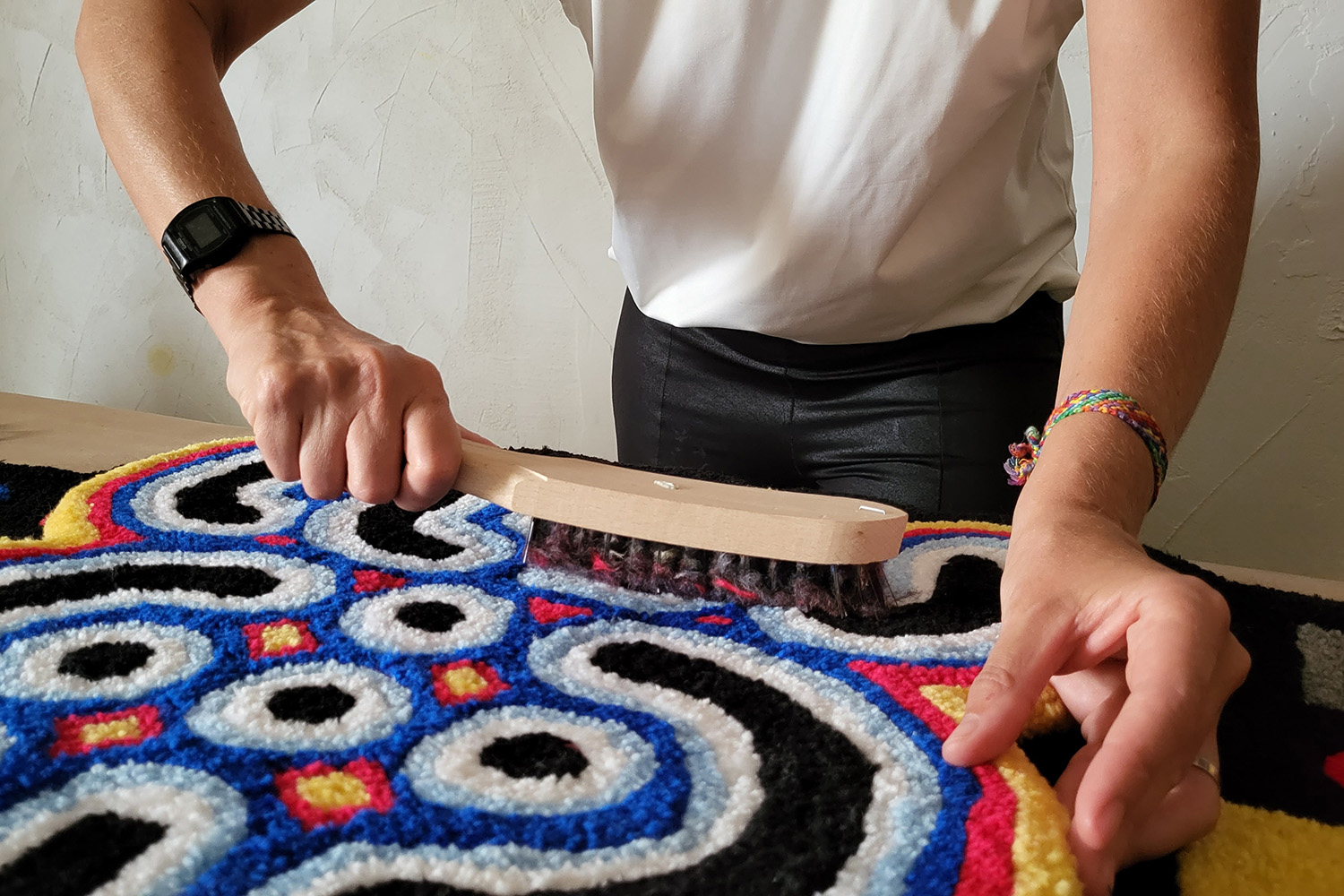
I work with a mixture of beeswax and pine resin called cera de Campeche, traditionally used in Wixárika yarn painting. I knead the wax resin in my hands and apply it to a surface to create a new 'skin', then embed yarns and beads into it. The process is slow and meticulous, as colour and pattern emerge intuitively and symbolically over time.
The shoe series, which was exhibited at the Bata Shoe Museum and later at the Cheongju Craft Biennale, marked a turning point for my practice. It revealed how these hybrid objects could resonate across very different audiences. The project led to further museum exhibitions, publications and commissions, and affirmed the capacity of the work to hold complex metaphors about embodiment and transformation.
I mentor artists and non-artists who want to re-engage with their creativity. I take real pleasure in seeing techniques and ideas circulate. For me, craft is relational, it thrives on reciprocity. Supporting others and contributing to creative community is inseparable from my own studio practice.
Marina Dempster
Mixed media sculptor
Toronto, Canada
ADDRESS
Address upon request, Toronto, Canada
AVAILABILITY
By appointment only
PHONE
+1 6472036642
LANGUAGES
English, French, Spanish
Homo Faber Finds is a new service aiming to inspire admirers of craft to connect and collaborate with exceptional artisans.
We invite you to submit an enquiry here.



Portrait1_©Maxime-Chanet.jpg)