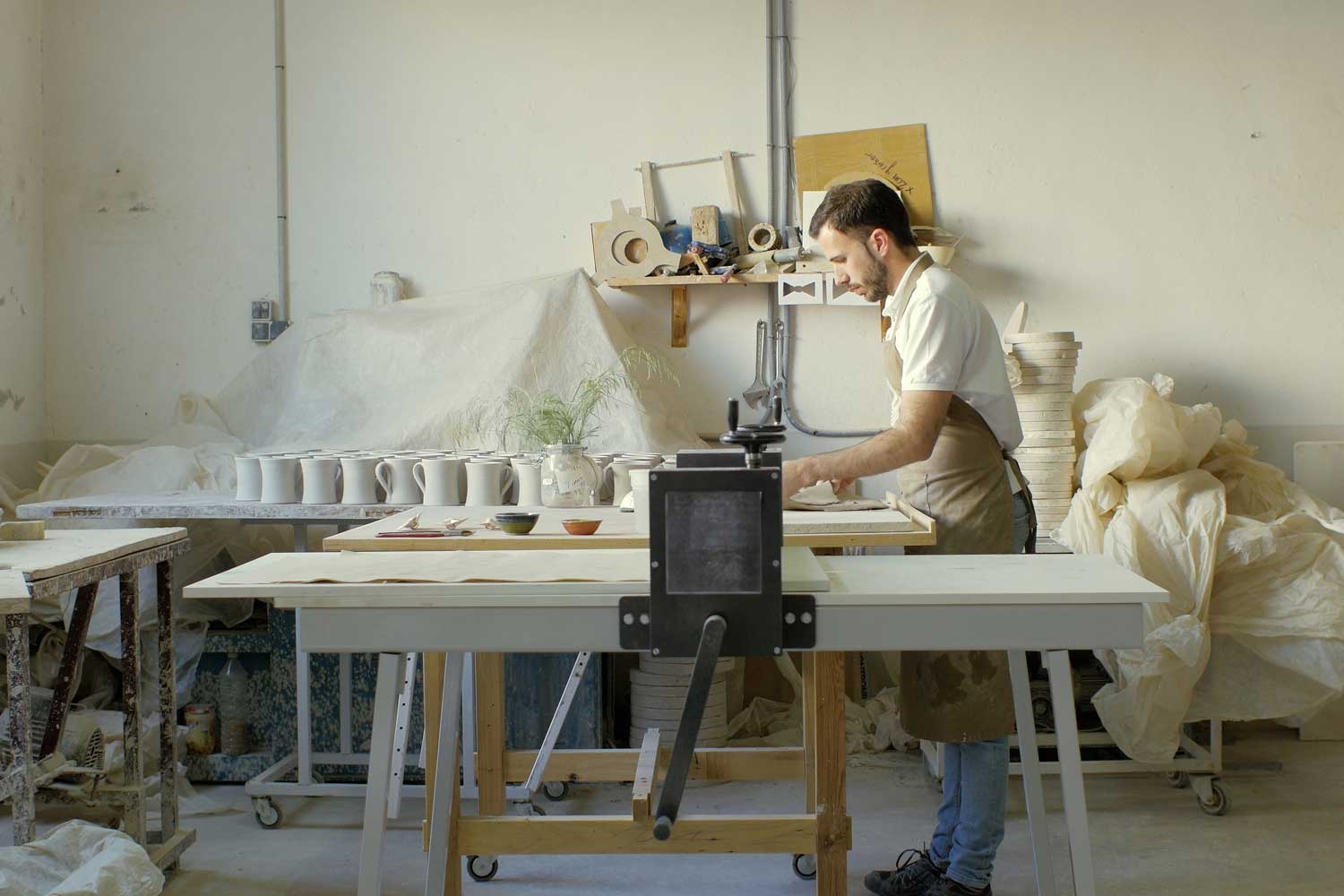
Luis Torres
Bowtery
Ceramicist
La Rambla, Spain
Recommended by Contemporánea de Artes y Oficios
The ceramics of fashion
- Luis is a founding member of the La Rambla Ceramic Collective
- He refined his skills with ceramicists Rafaela Castro and Lola Guerrero
- He won the 2019 Andalusian Craft Prize
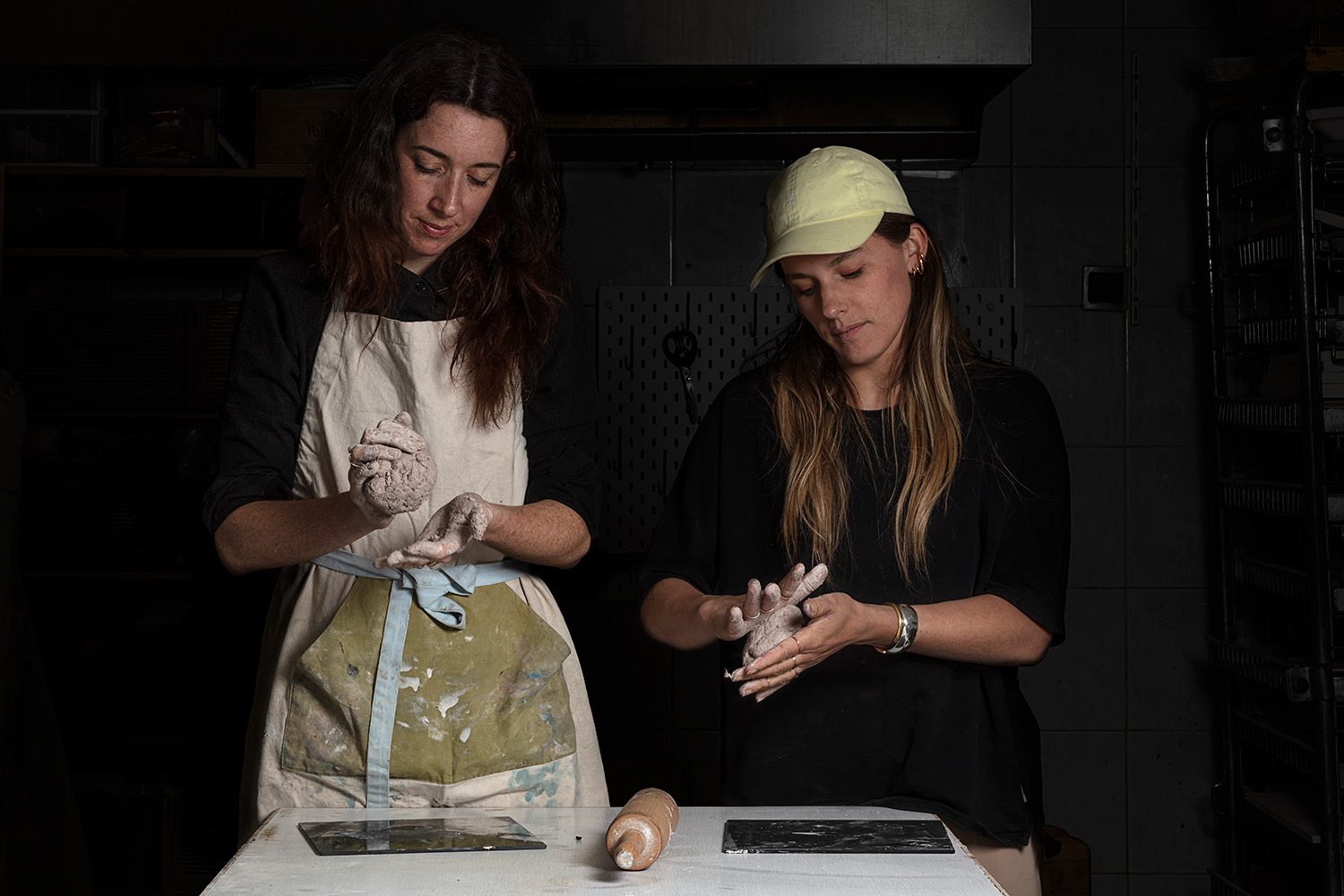
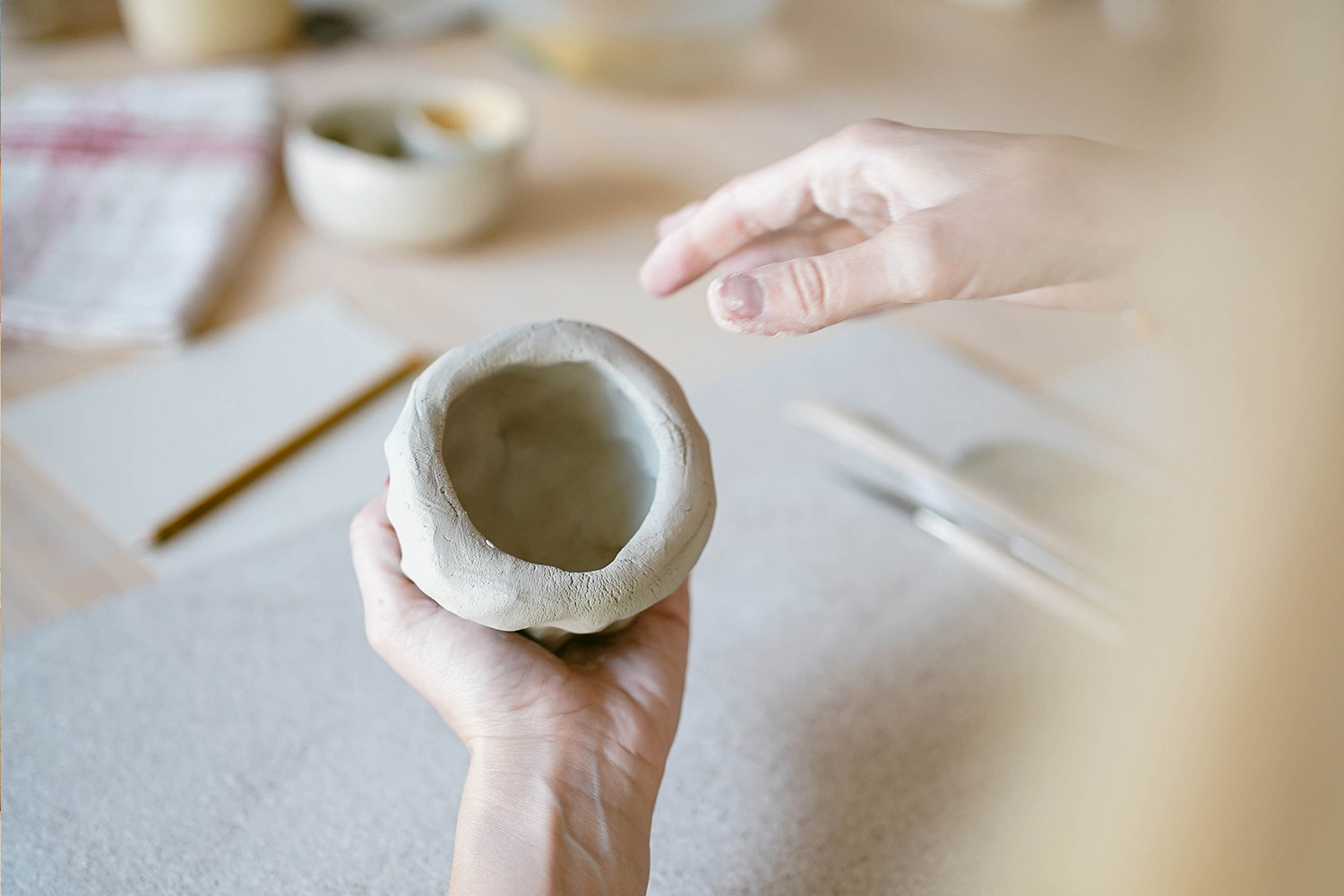
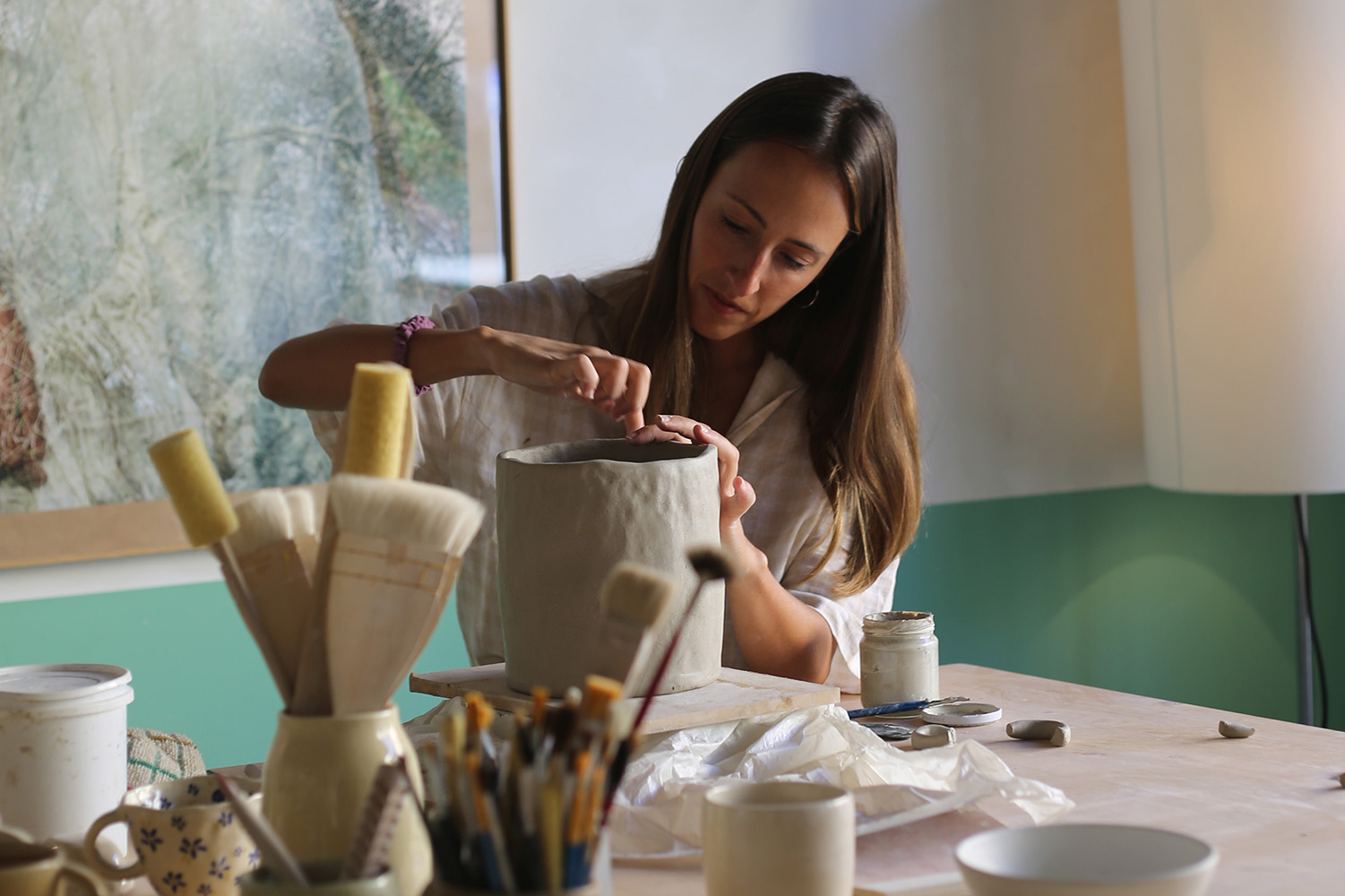
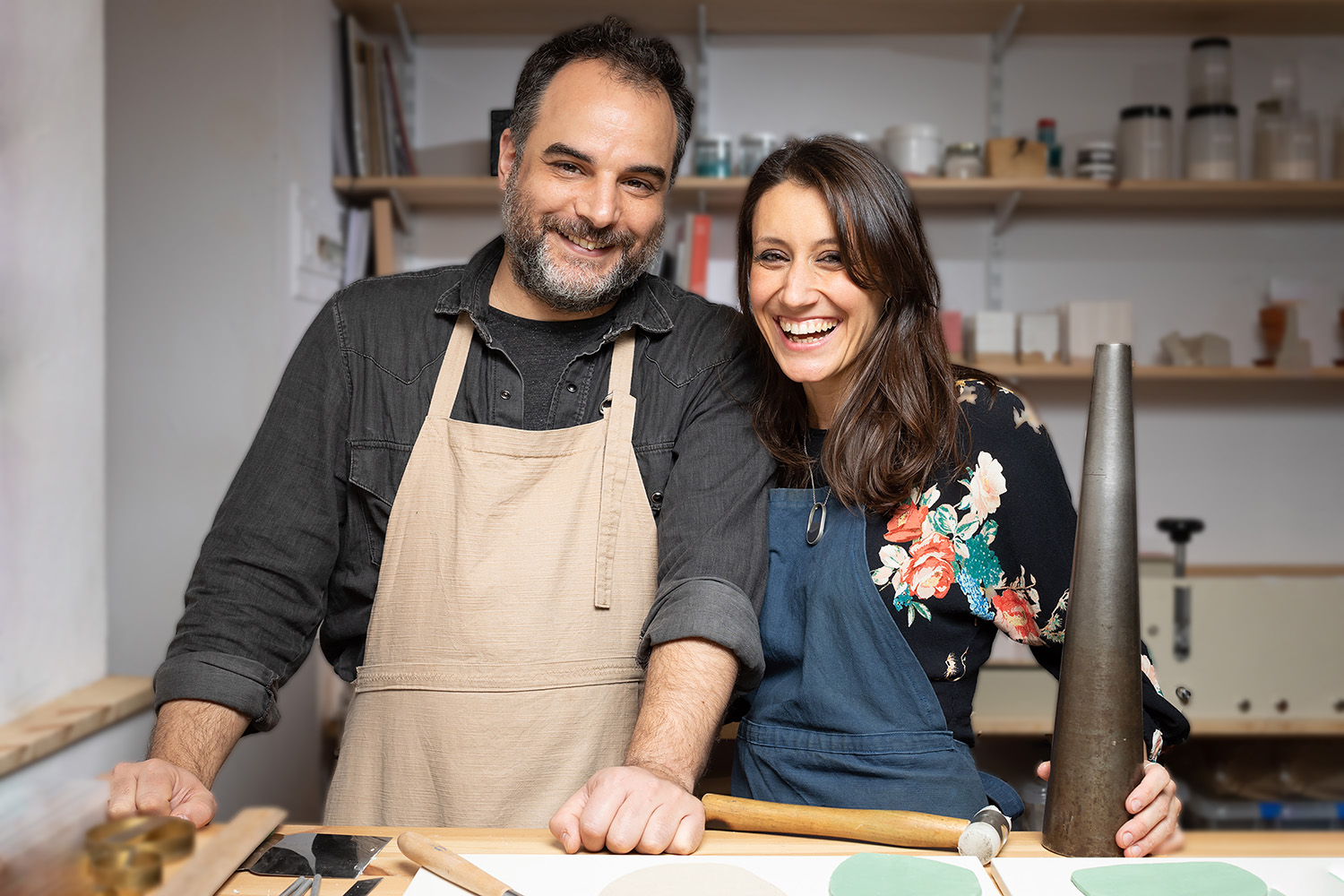
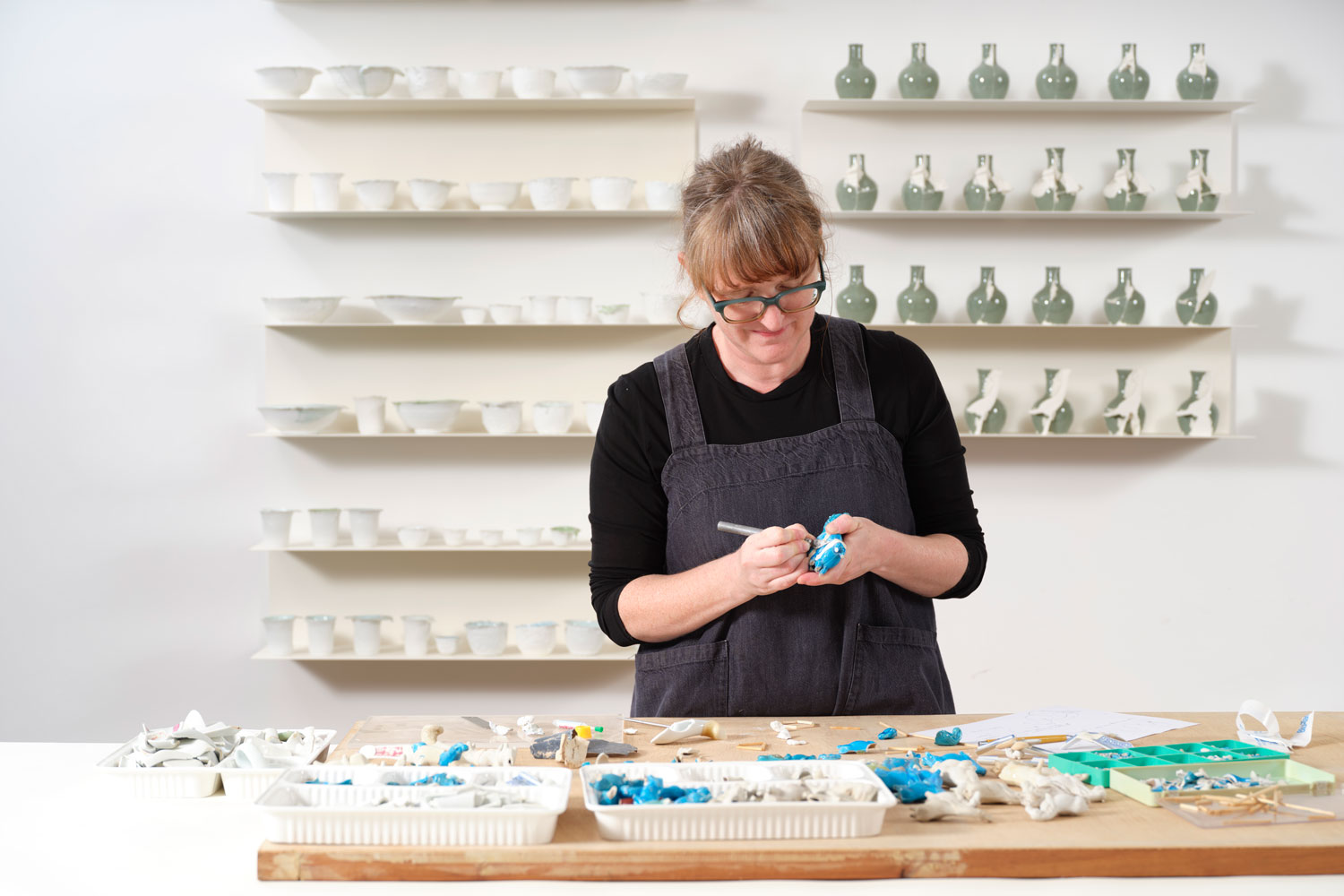
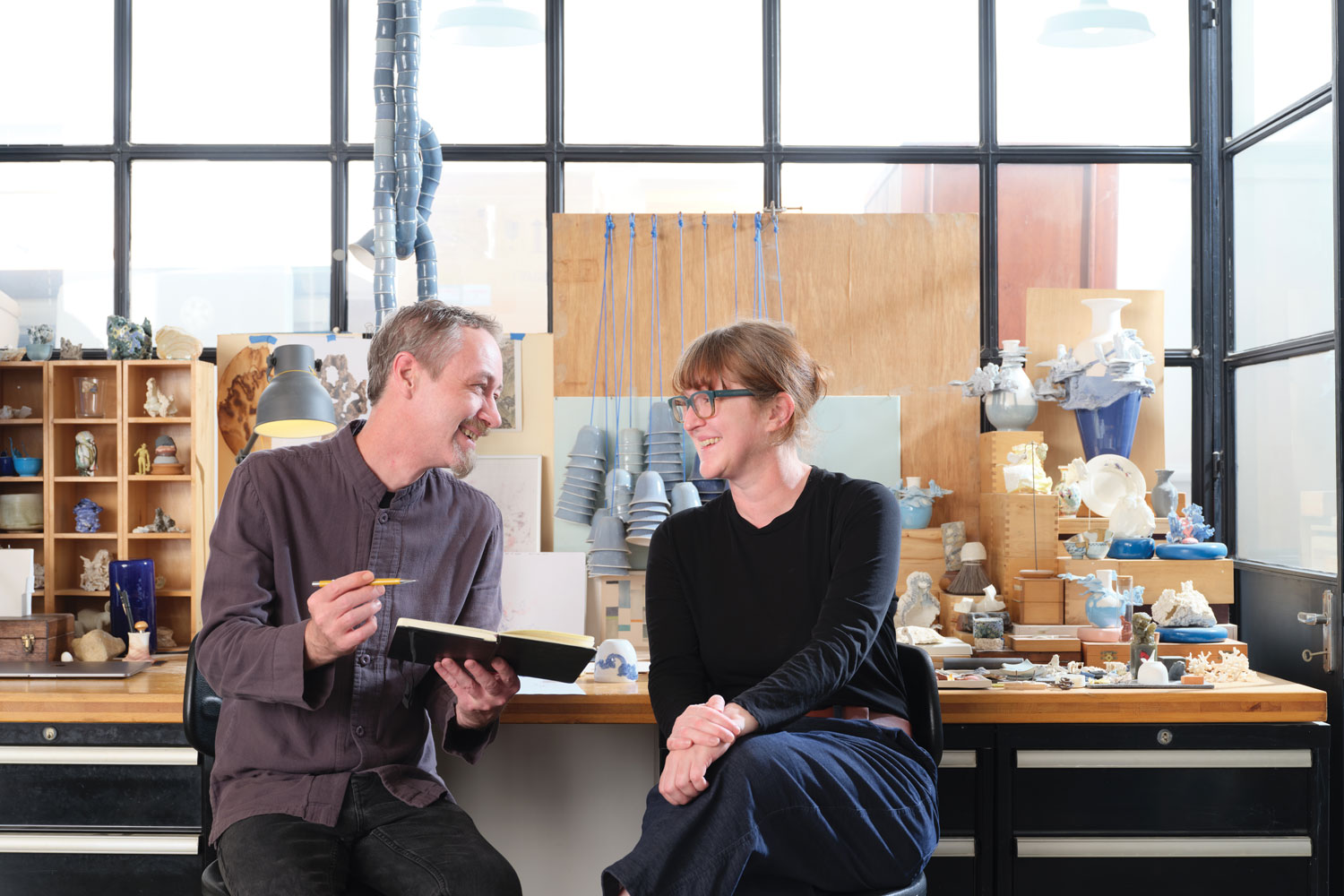
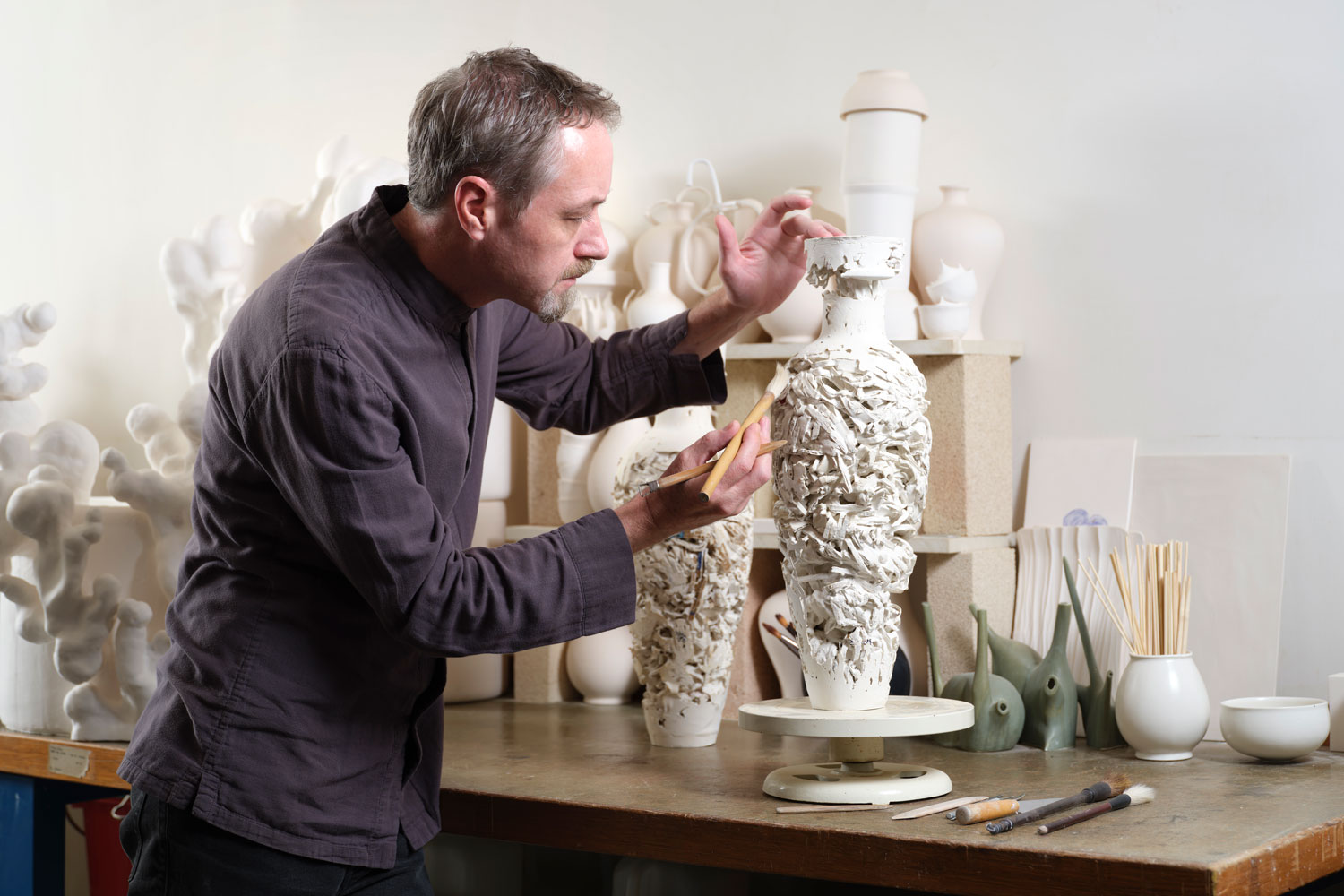
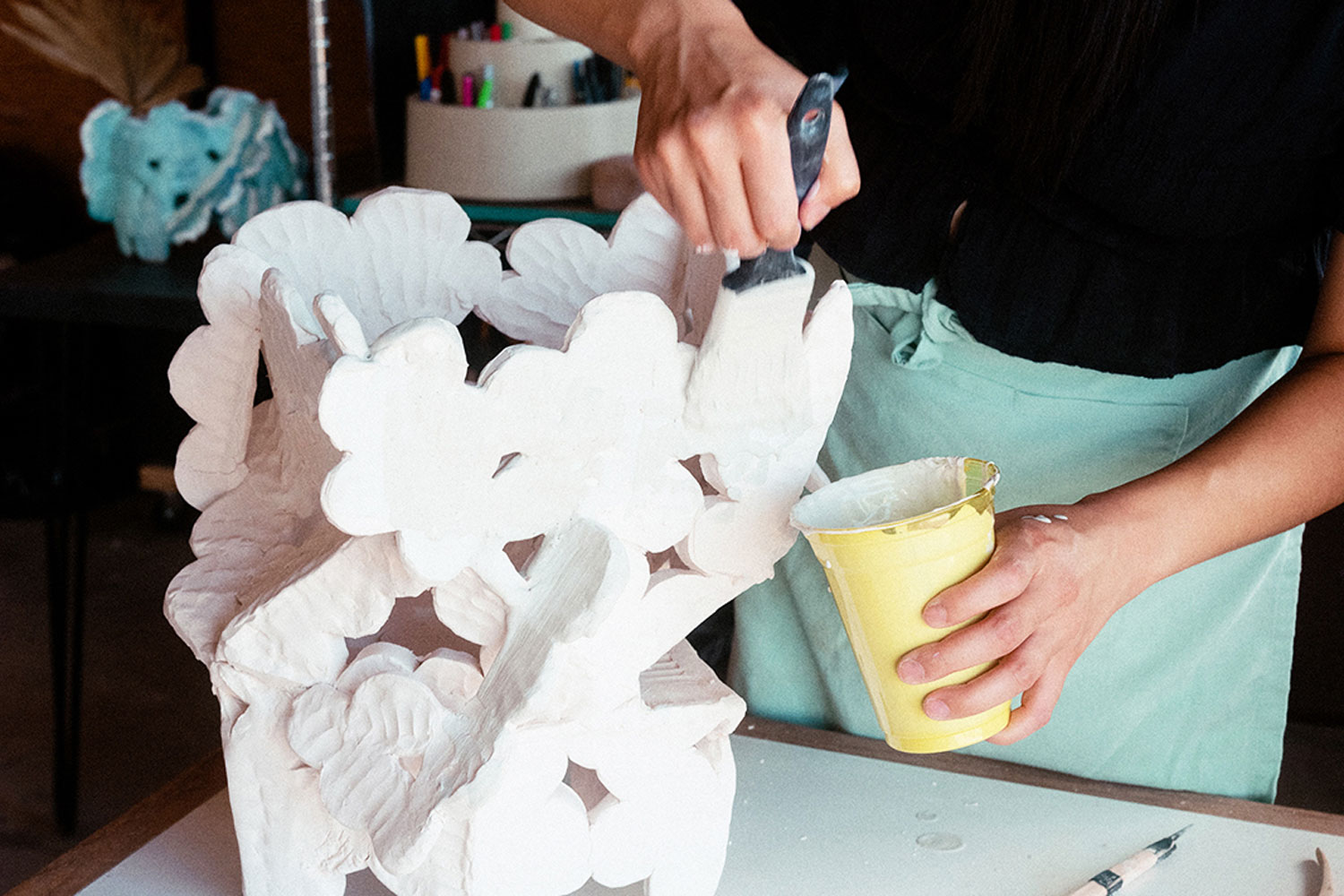
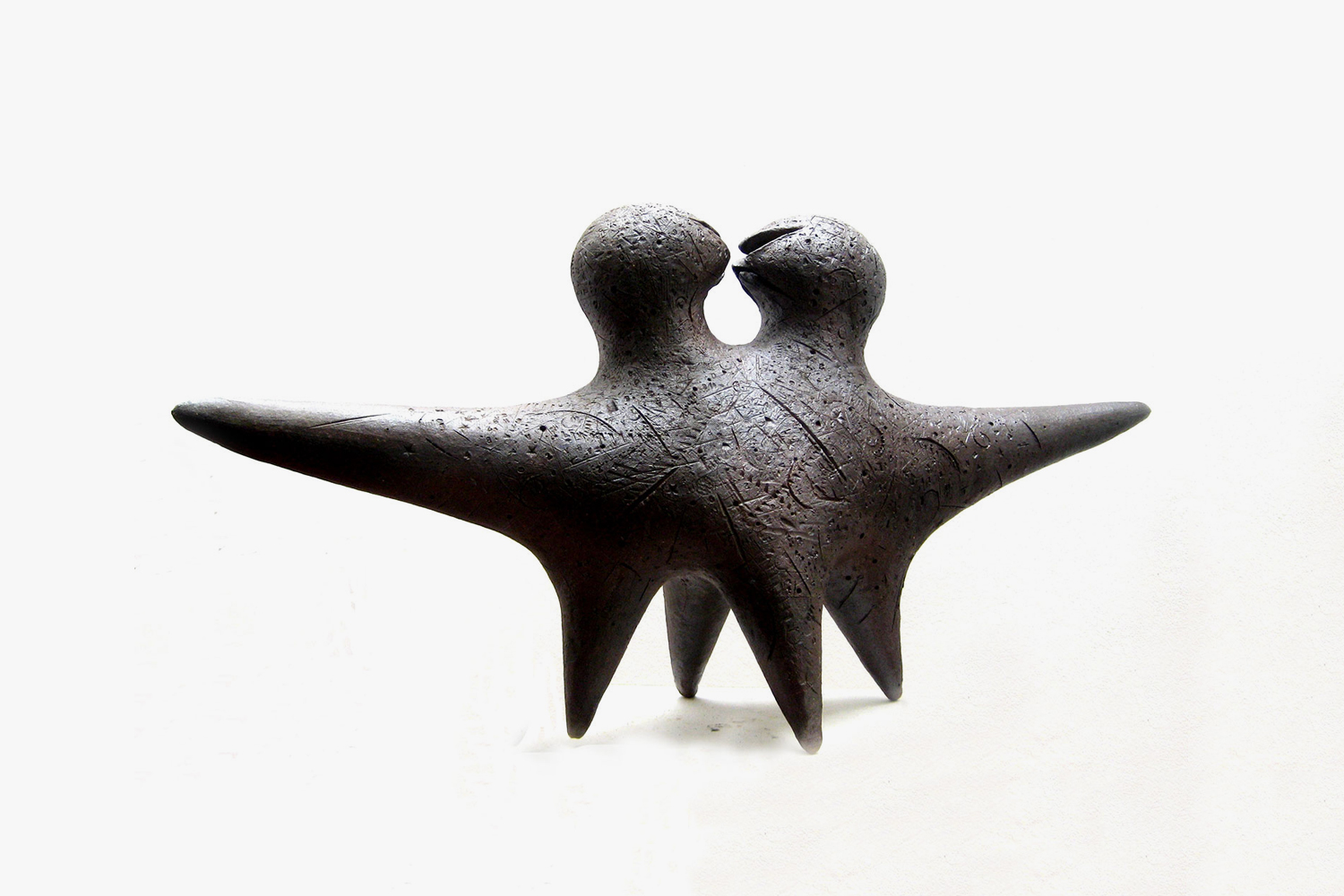
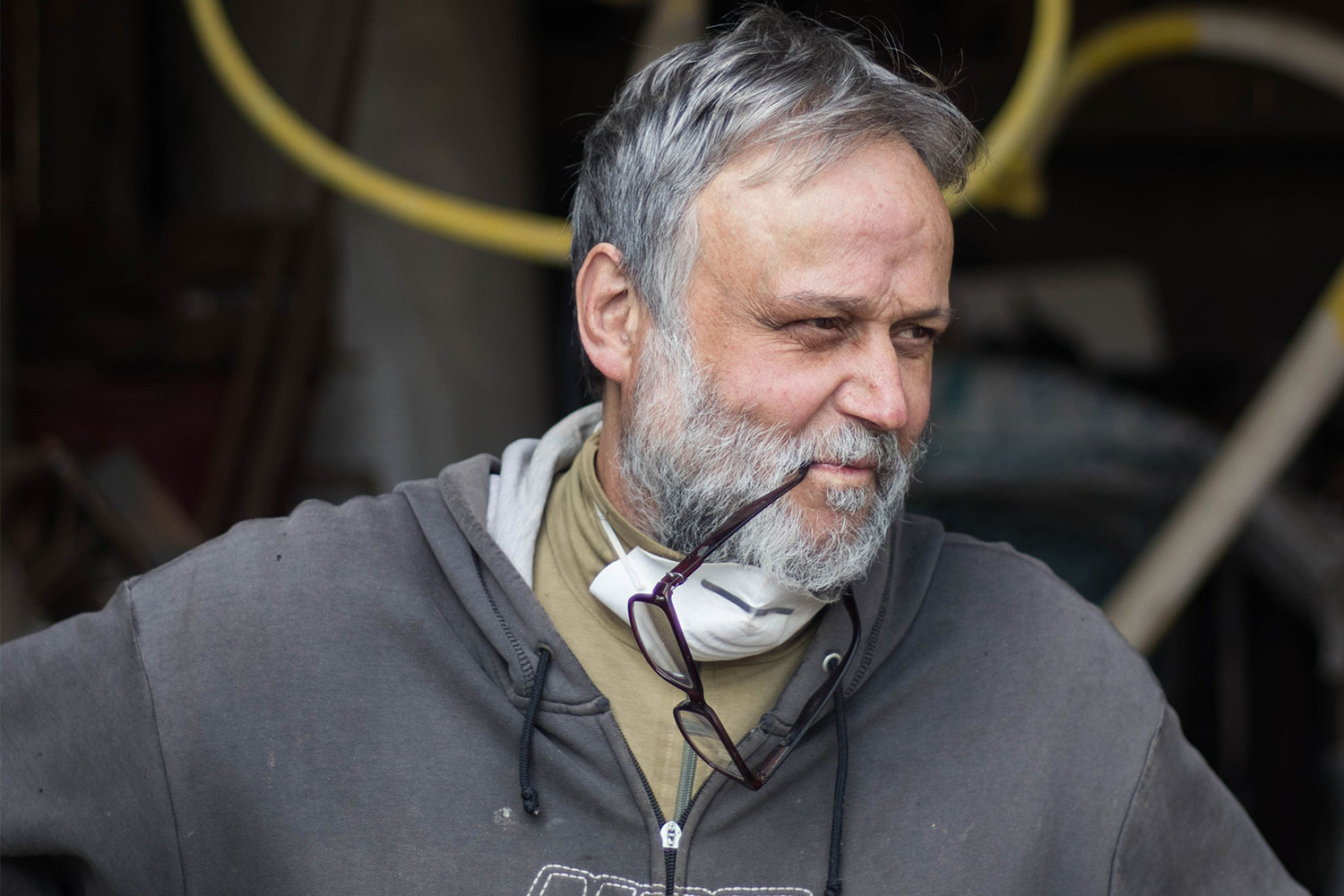
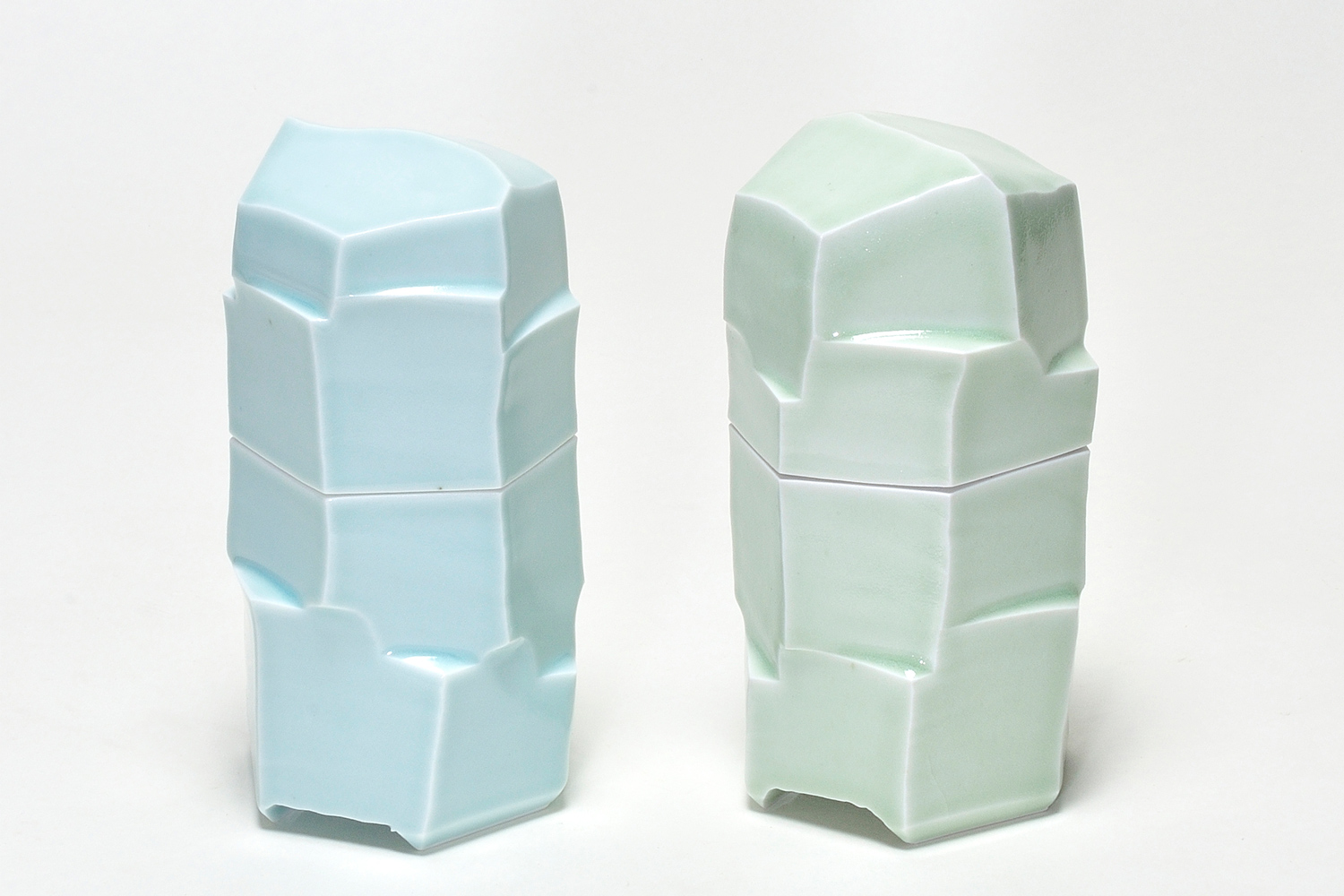
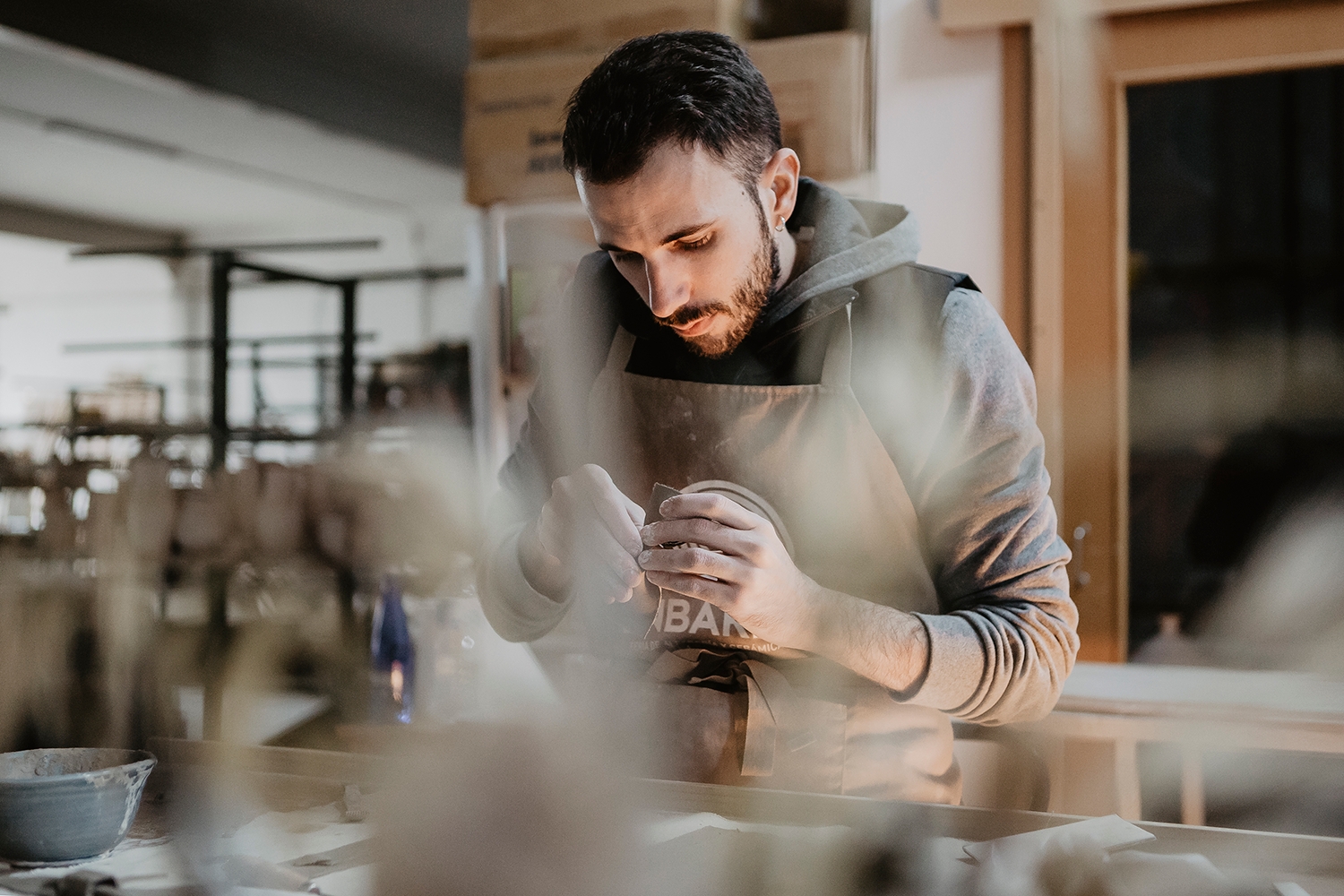
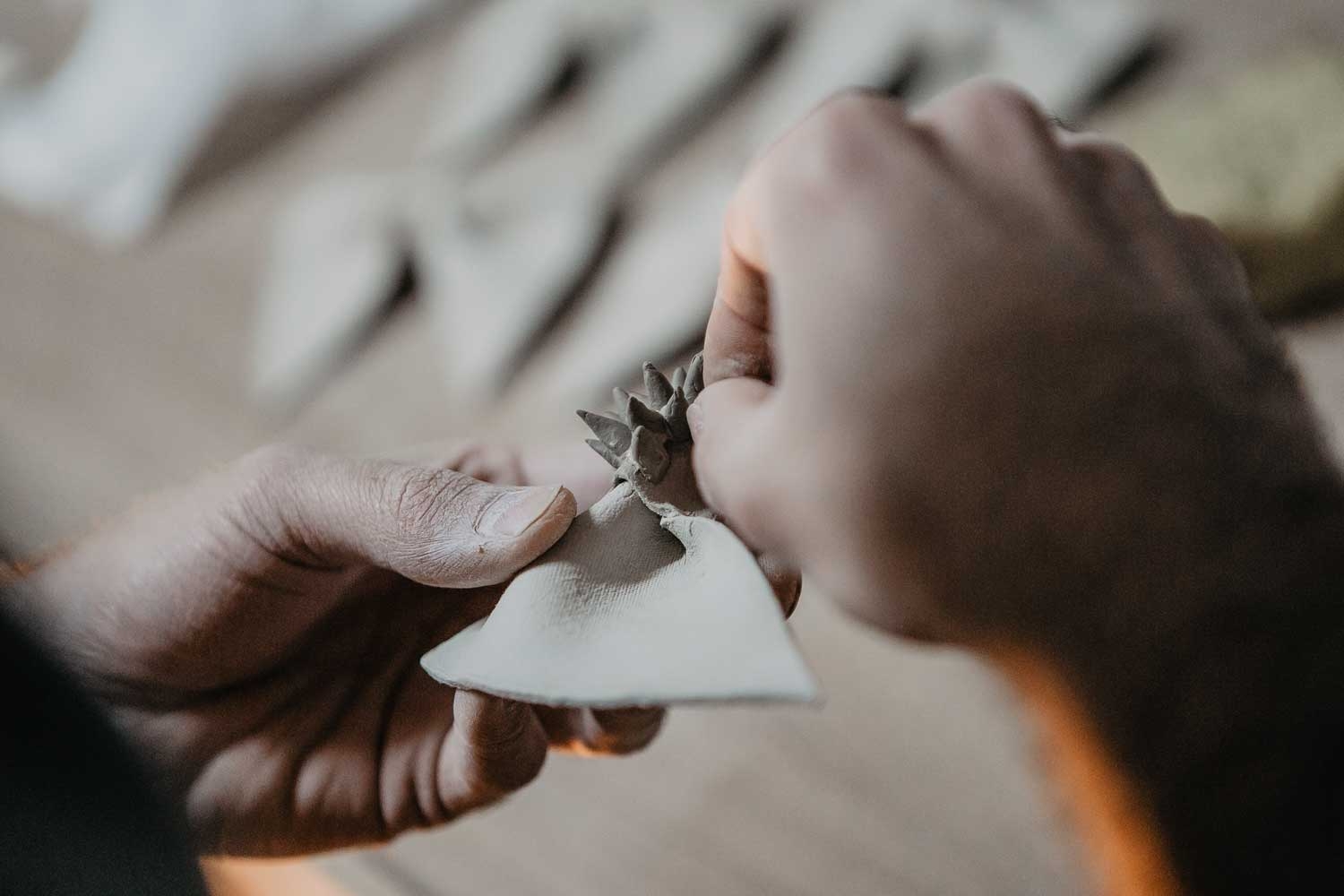
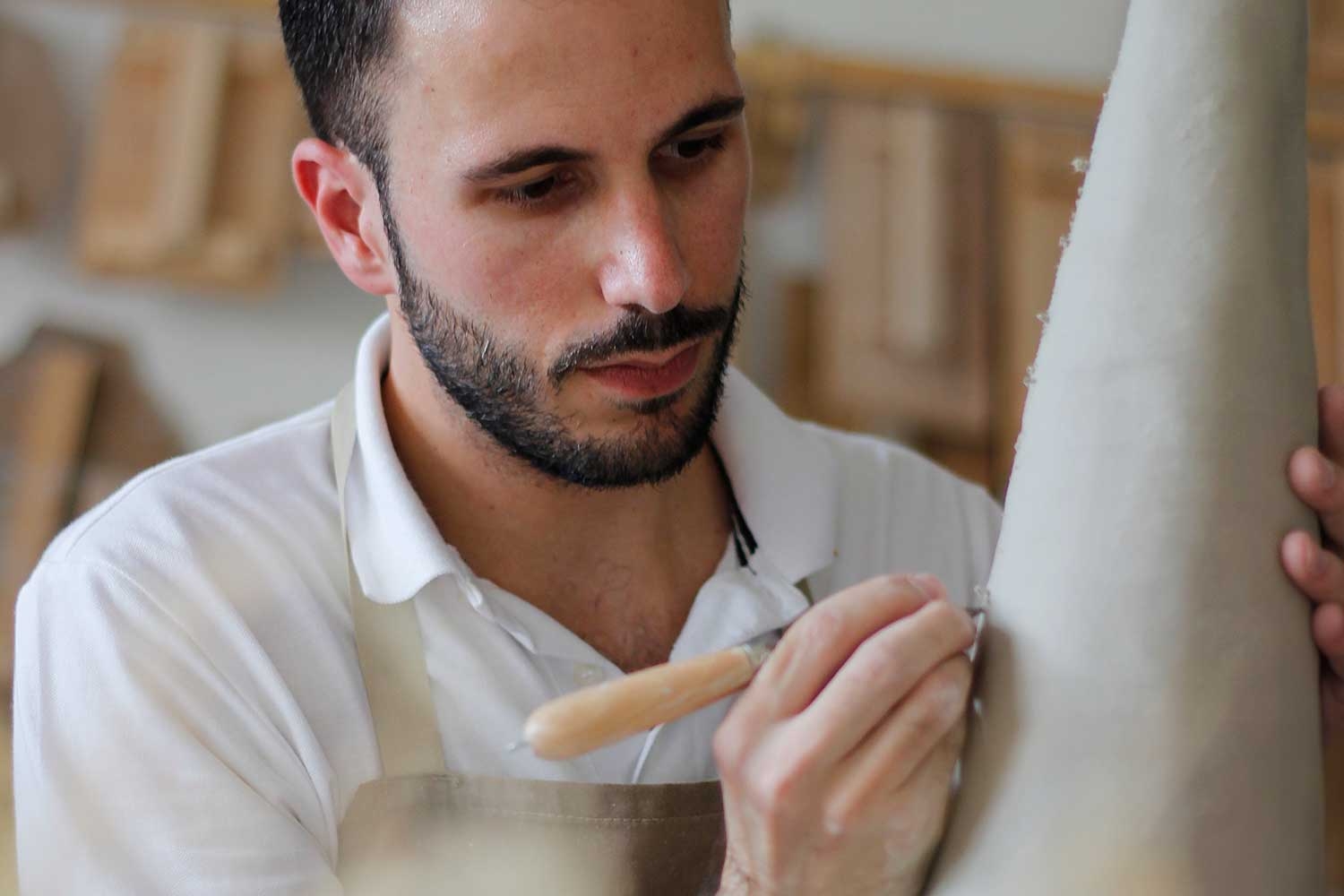
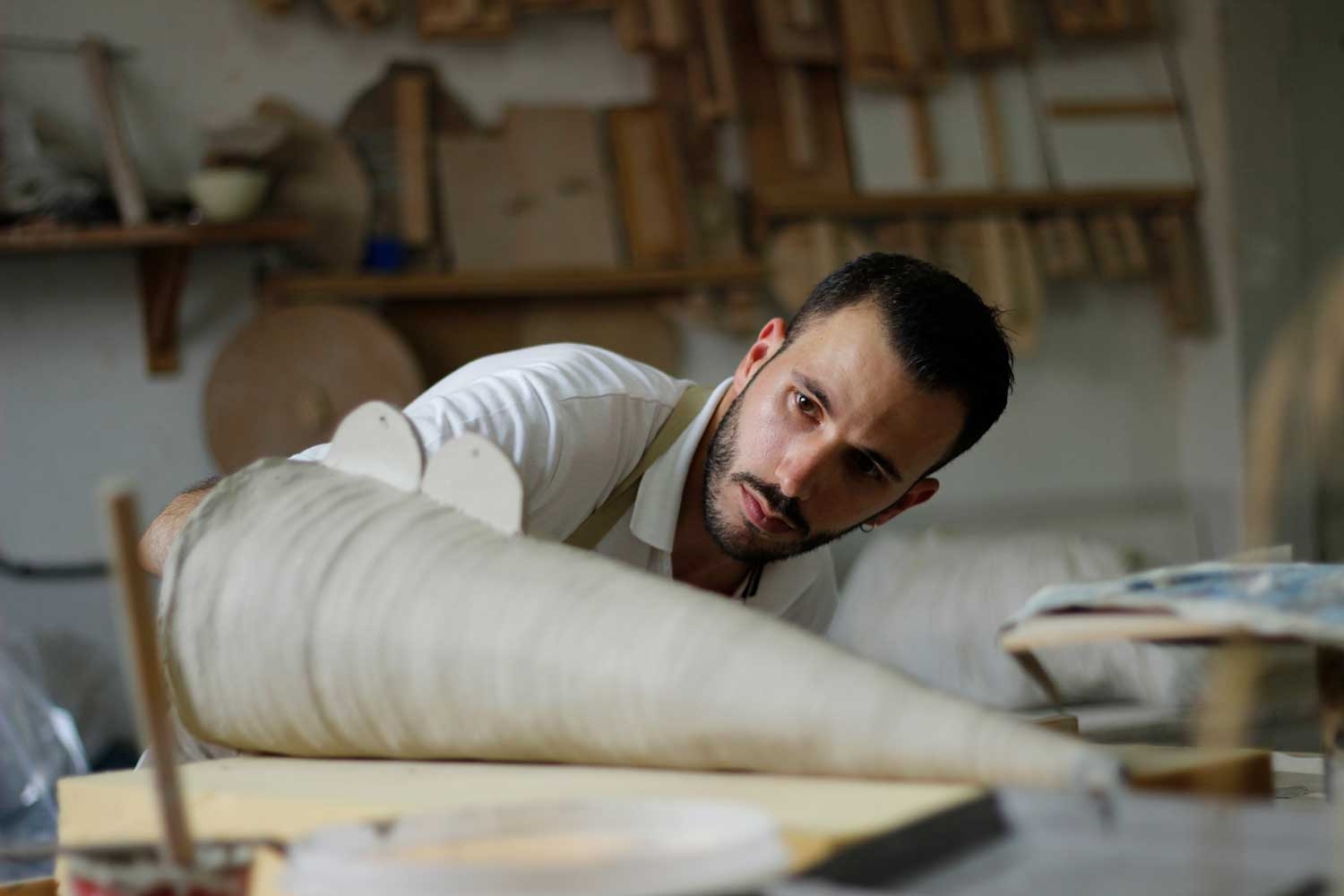
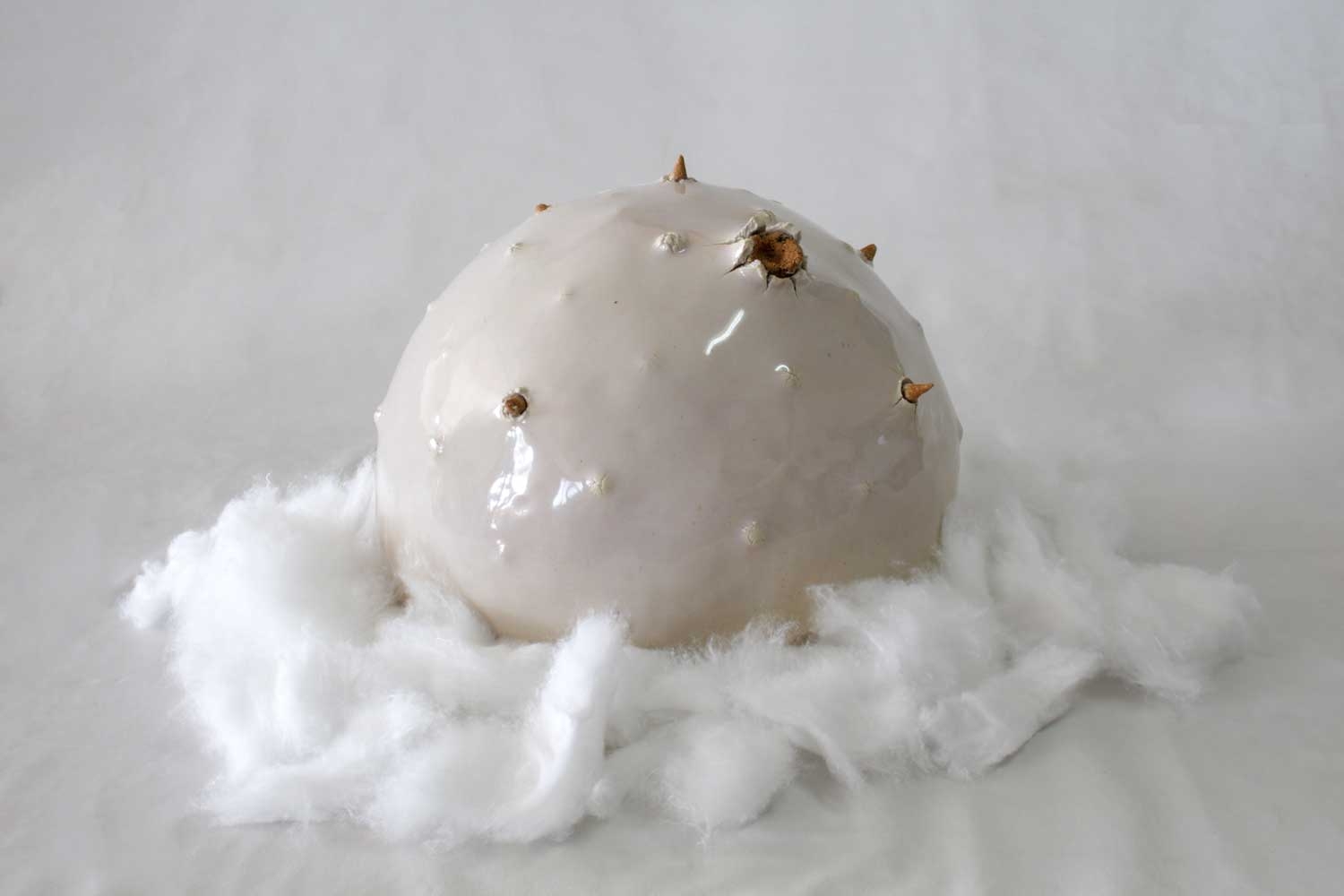
Luis Torres' path to becoming a ceramicist took a definitive turn when, after a period of international study and work as a translator and interpreter, he returned to the family workshop in La Rambla, Cordoba, and enrolled at the Dionisio Ortiz School of Art to devote himself to ceramics. In 2018, he launched his collection of ceramic bow ties, Bowtery, and began to create pieces that blend craft, art and fashion, combining traditional and contemporary trends. His creations are inspired by artisans he admires, the traditional pottery of his hometown, the Andalusian countryside and the aesthetics of Asian craftsmanship. Today, Luis not only takes pride in his work, which reflects the contemporary value of ceramic tradition and addresses modern issues of mass consumption, but also in his collaborations with other artists, musicians and designers. One such collaboration was with fashion designer Leandro Cano with whom Luis worked at Paris Fashion Week – an important milestone in his career.
Discover his work


INTERVIEW
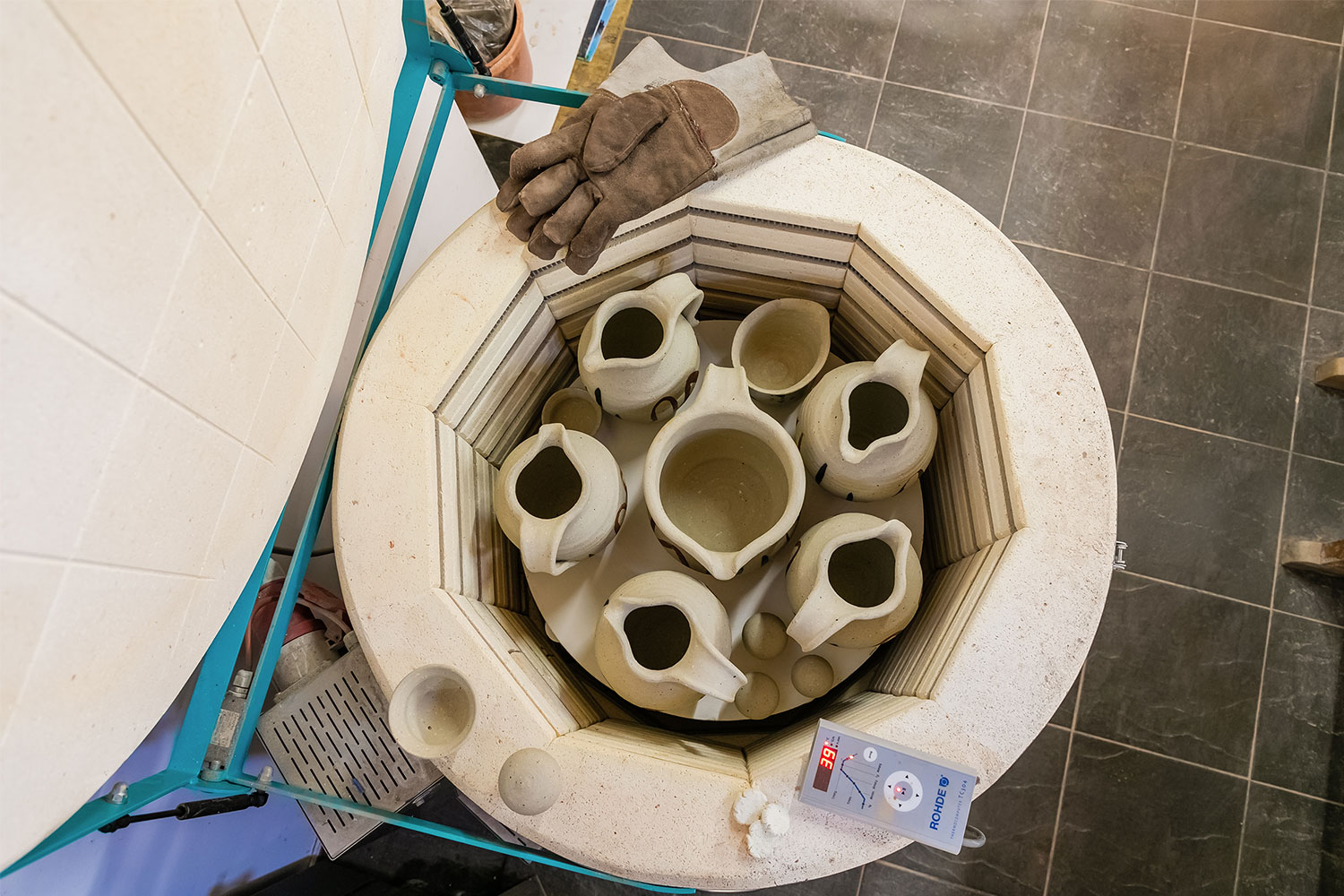
My hometown, La Rambla, is known as the city of pottery. With 7,500 inhabitants and 60 potteries, it is considered one of the most important centres for handmade pottery in Spain. The local soil is rich in clay, used to make traditional pieces such as the botijo water jug and the jarra de cuatro picos.
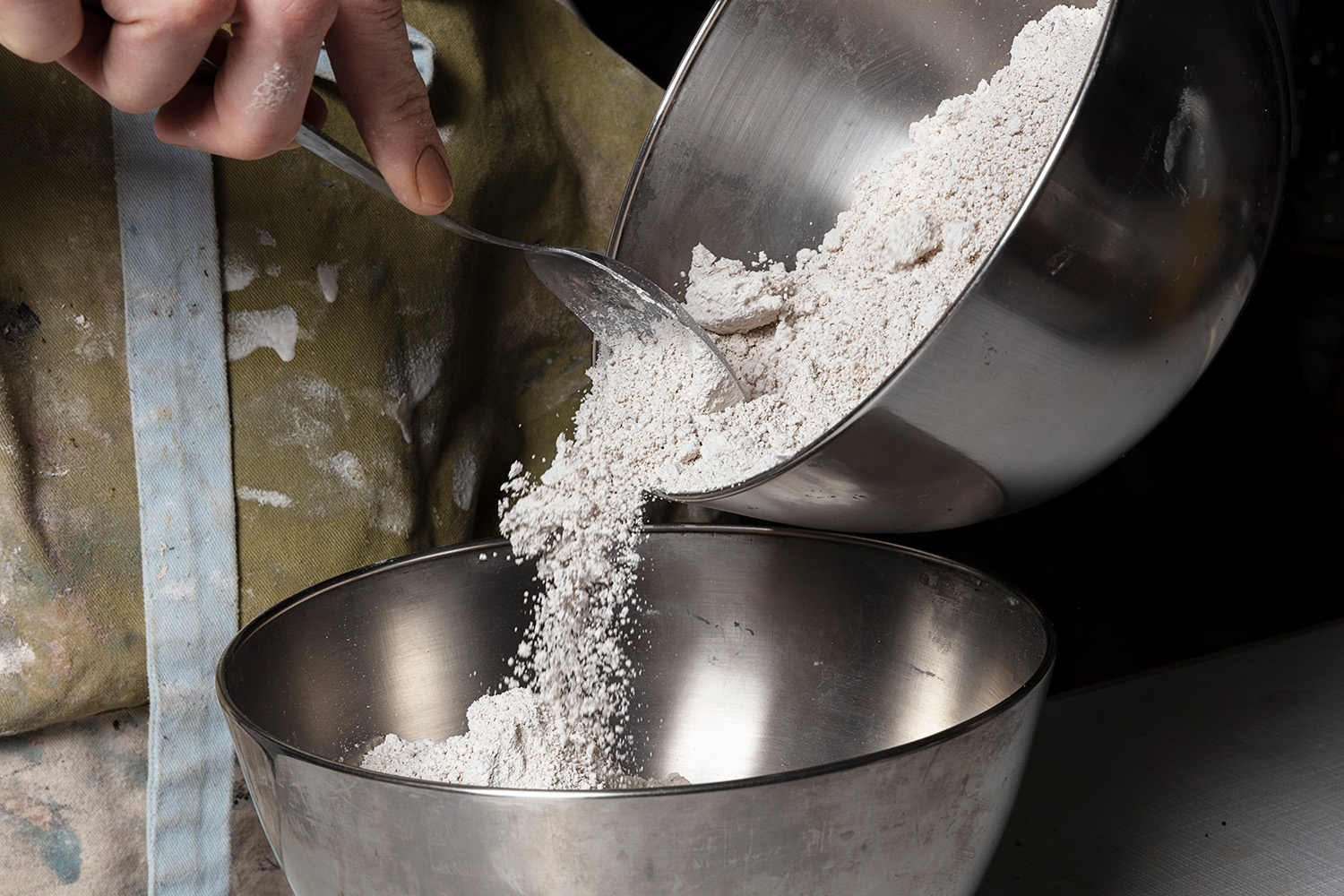
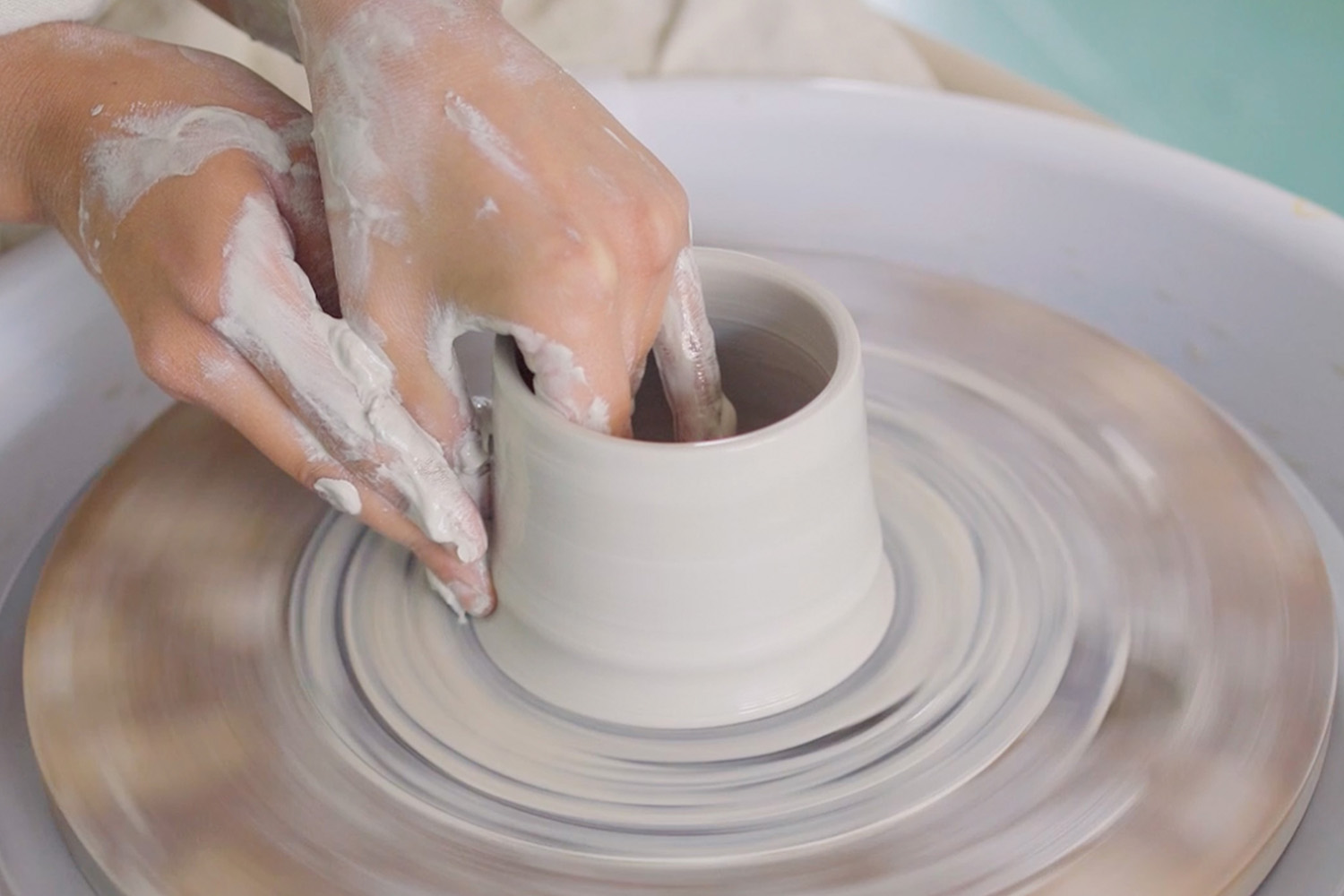
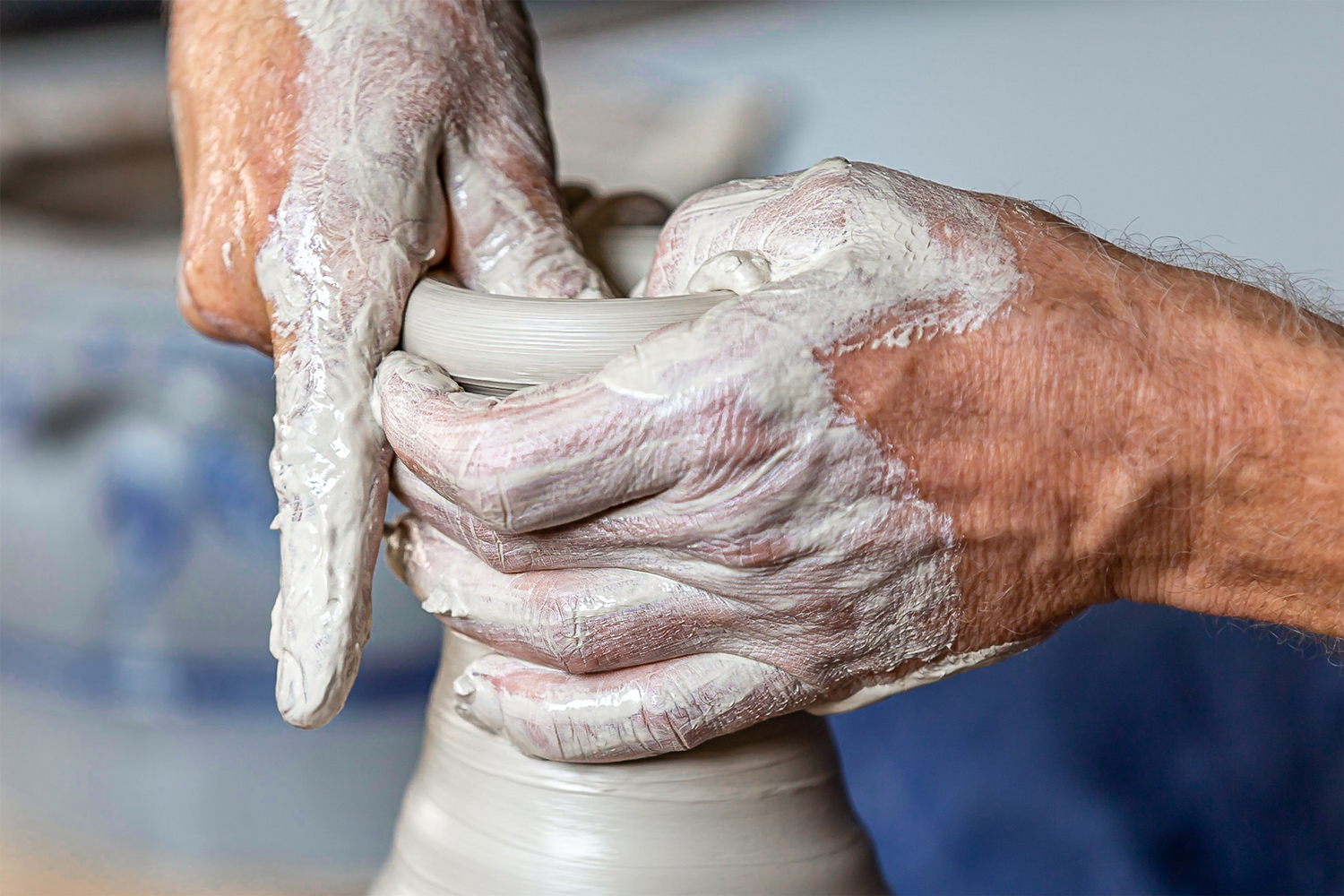
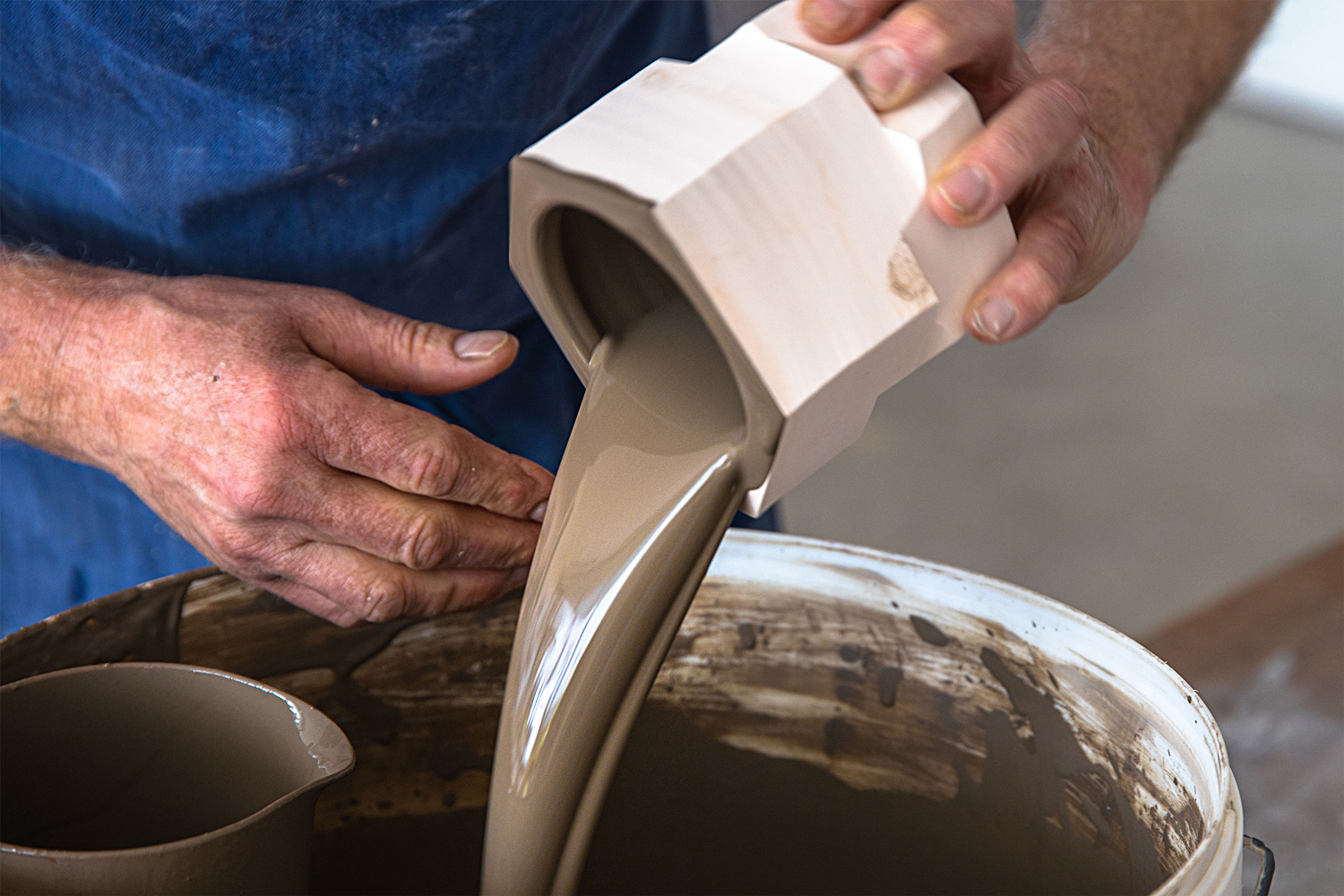
Tradition comes from home: I always use techniques and materials from traditional Rambla ceramics in my work. Since I believe that craftsmanship today does not always have to replicate products made in the past, I innovate in the design, typology, and concept of the final pieces.
It is very diverse. Most of the work I create at the moment, dealing with different themes and influenced by various factors, is made for private individuals or tailored for specific exhibitions. The common denominator in all my work would be its careful conceptual design and refined craftsmanship.
I do not think so. Ceramics, in particular, and crafts, in general, are experiencing a renaissance and are adapting to new ways of living. I feel that they will be more and more necessary in the future.
Luis Torres
Bowtery
Ceramicist
La Rambla, Spain
Recommended by Contemporánea de Artes y Oficios
AVAILABILITY
By appointment only
PHONE
+34 616046313
LANGUAGES
Spanish, English
Homo Faber Finds is a new service aiming to inspire admirers of craft to connect and collaborate with exceptional artisans.
We invite you to submit an enquiry here.