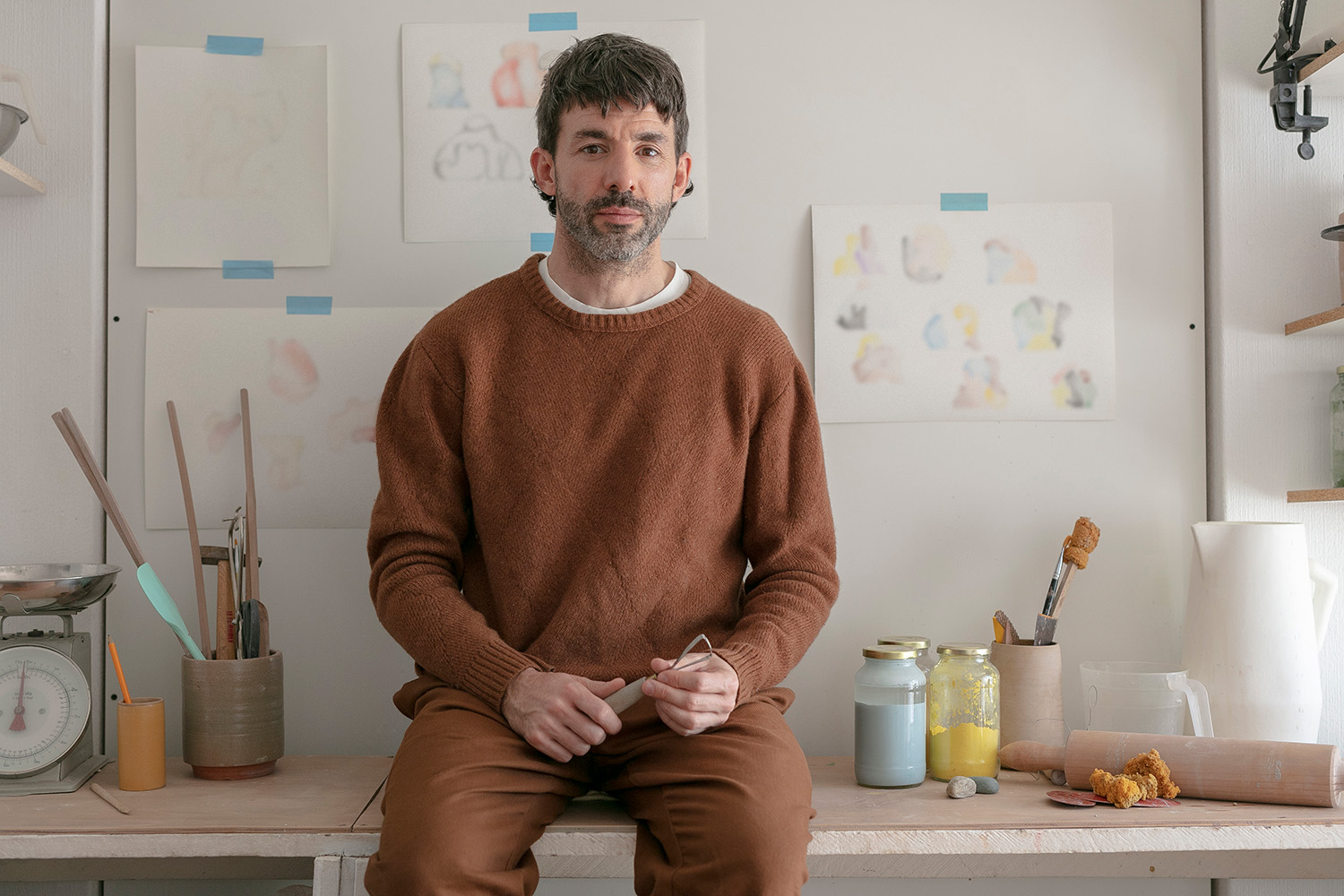
Pedro Galdón
Ceramicist
Irún, Spain
Architectural ceramics
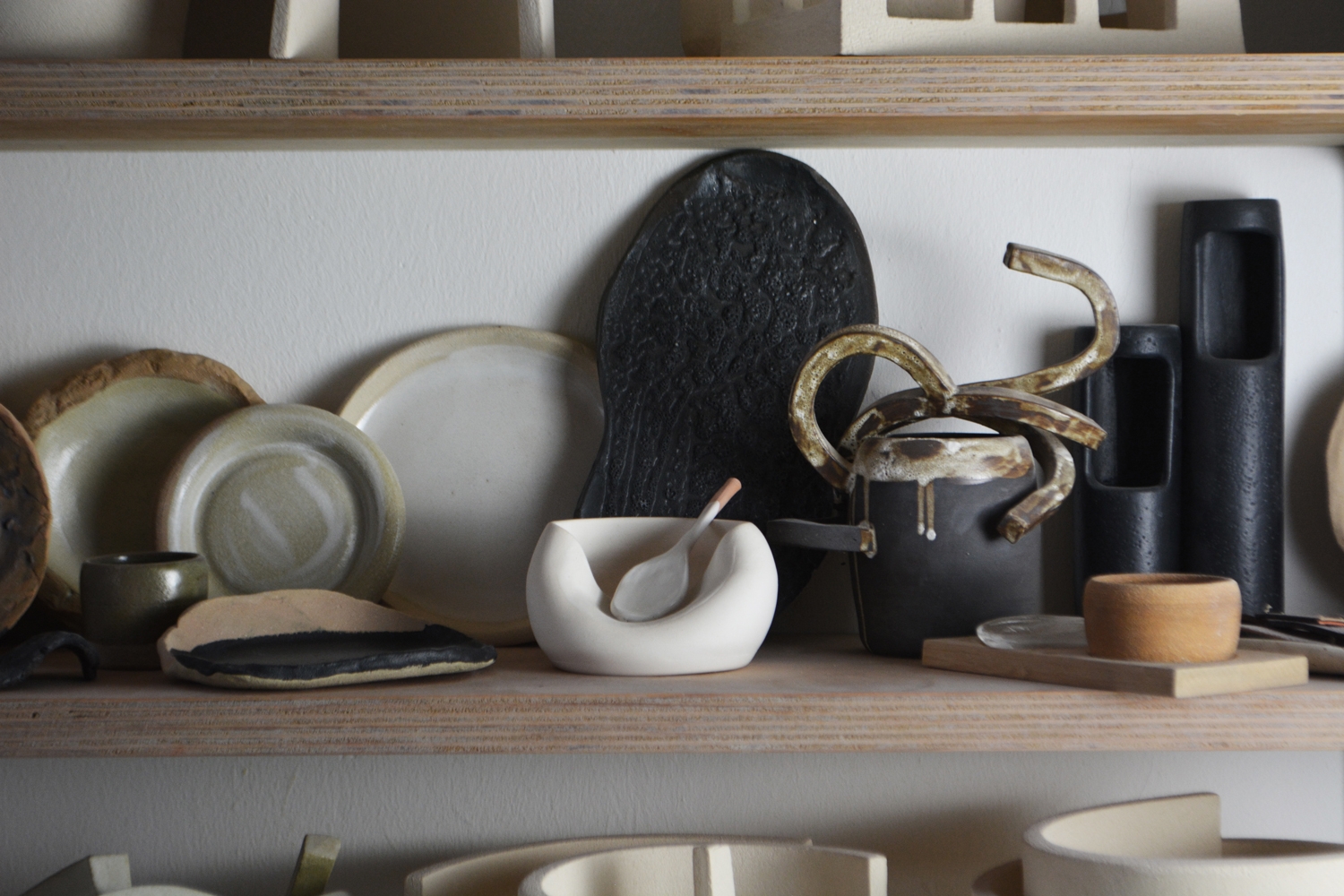
- Pedro began by designing plates
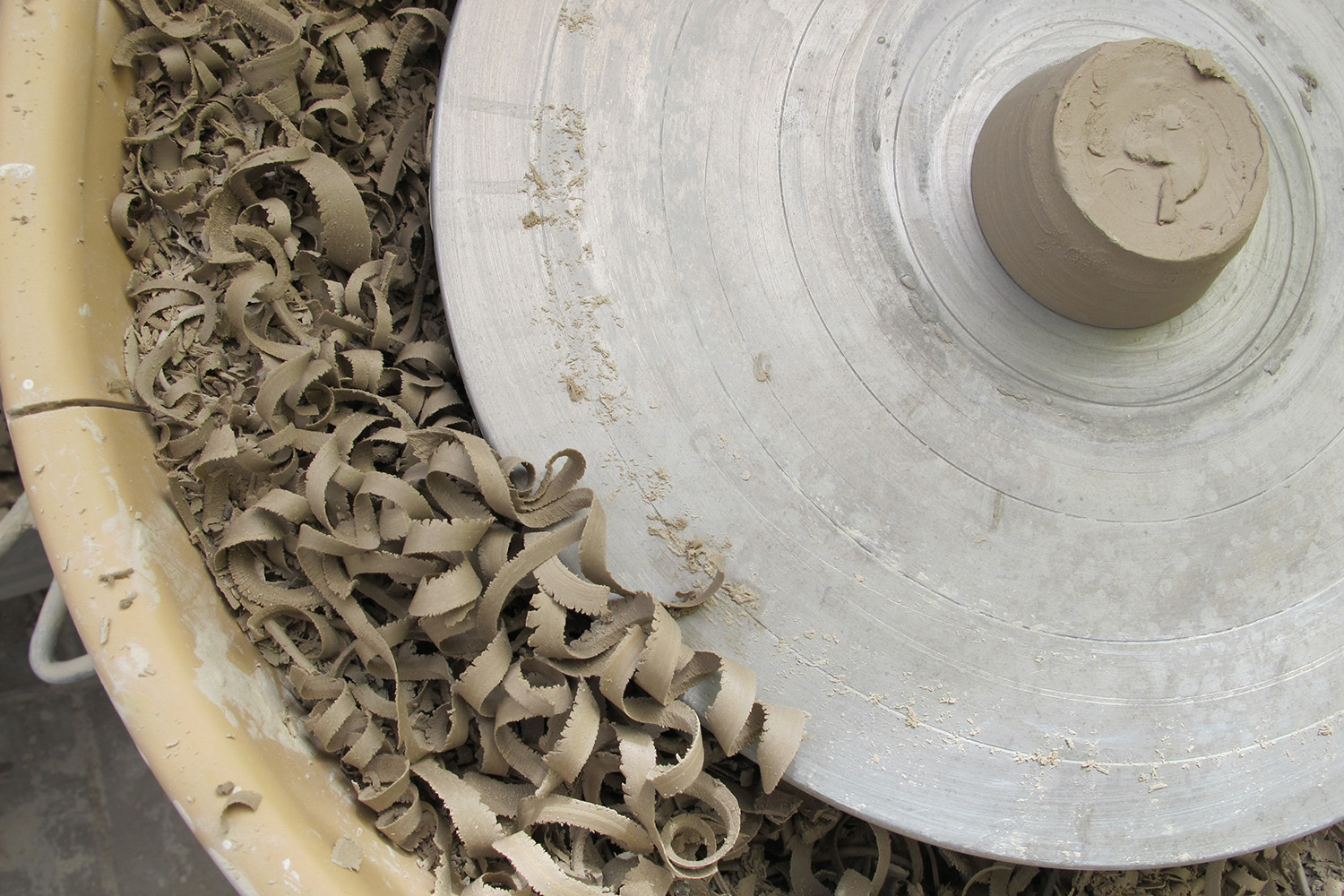
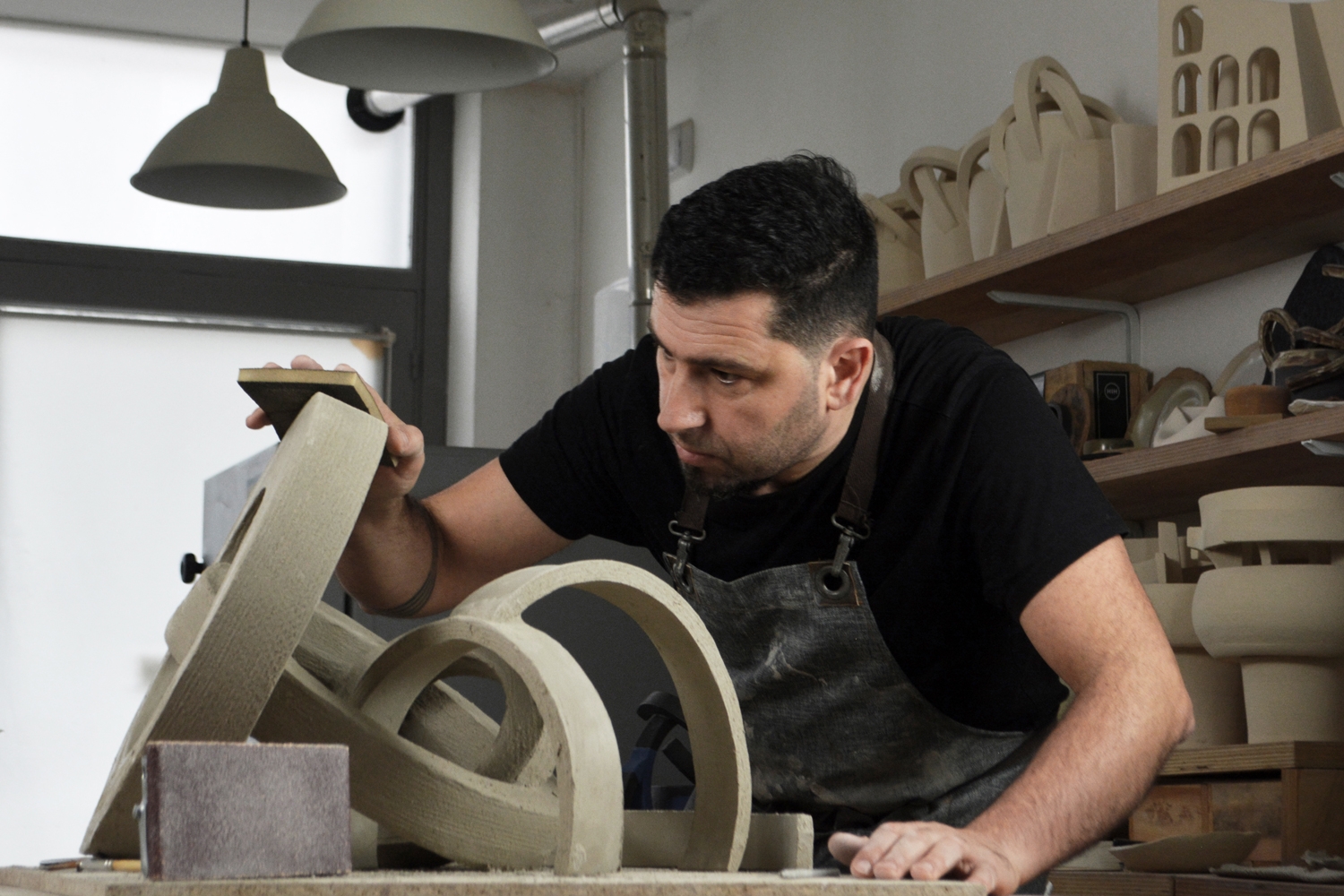
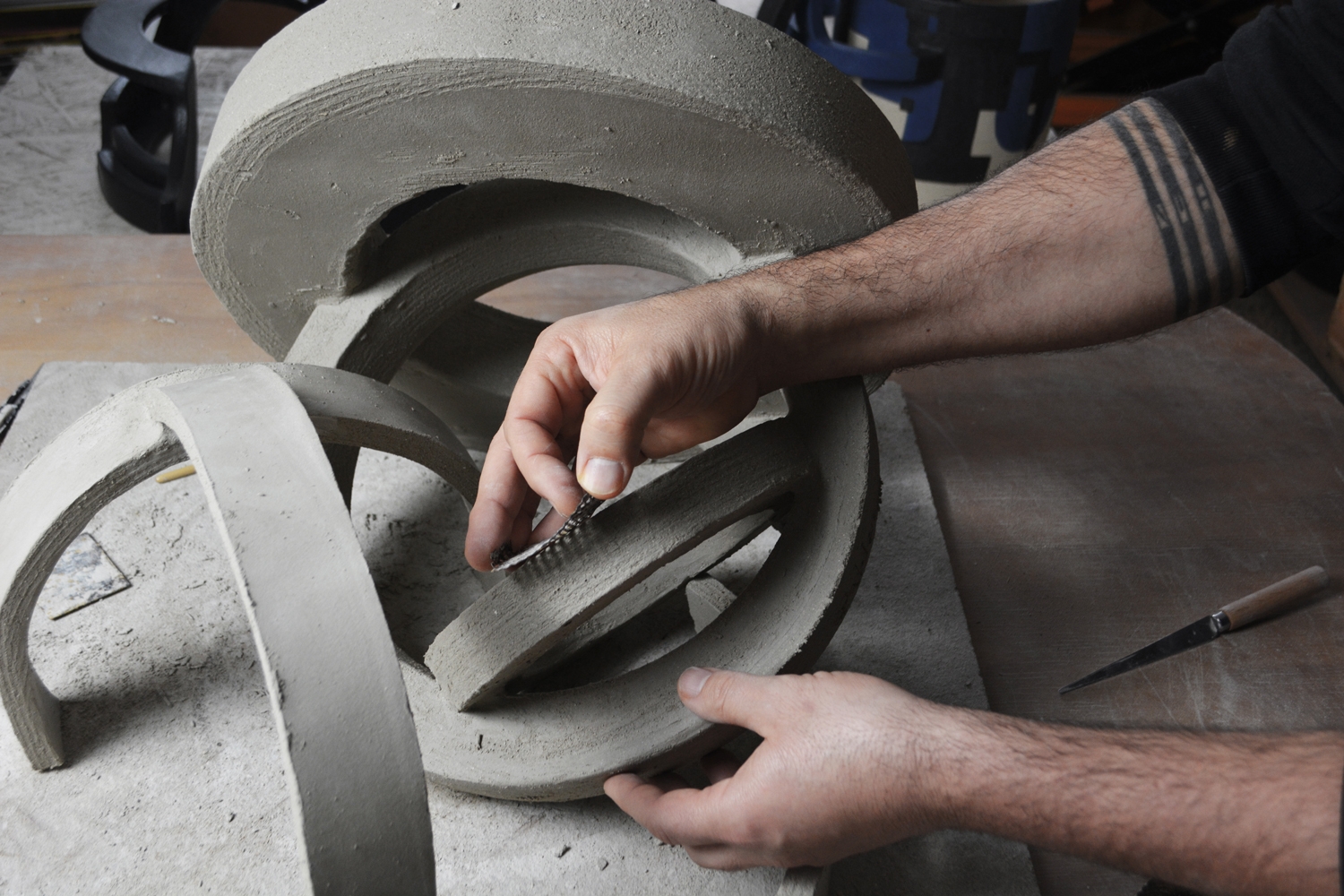
- He masters the wheel and slab building techniques
- The titles of his works are inspired by novels he has read
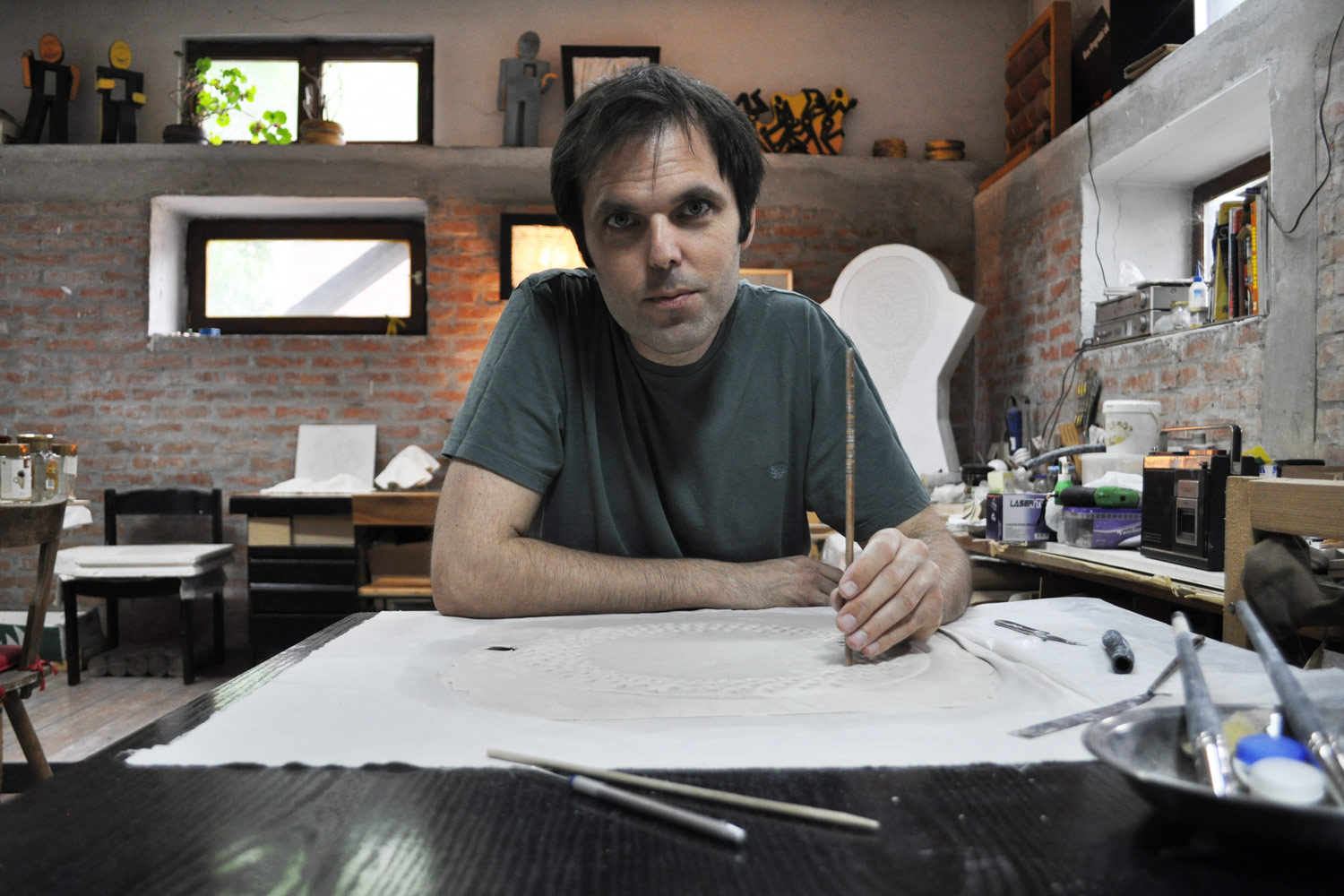
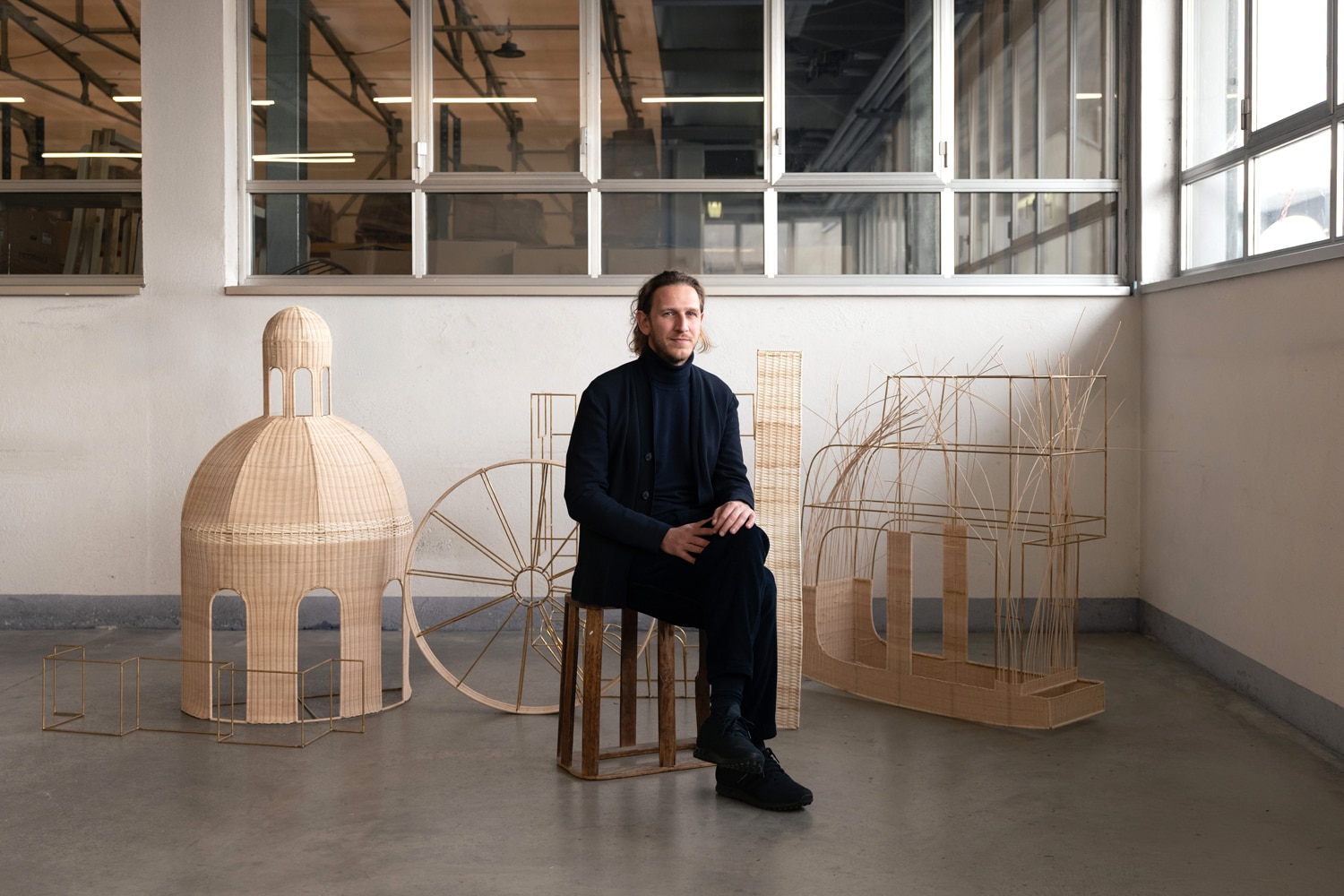
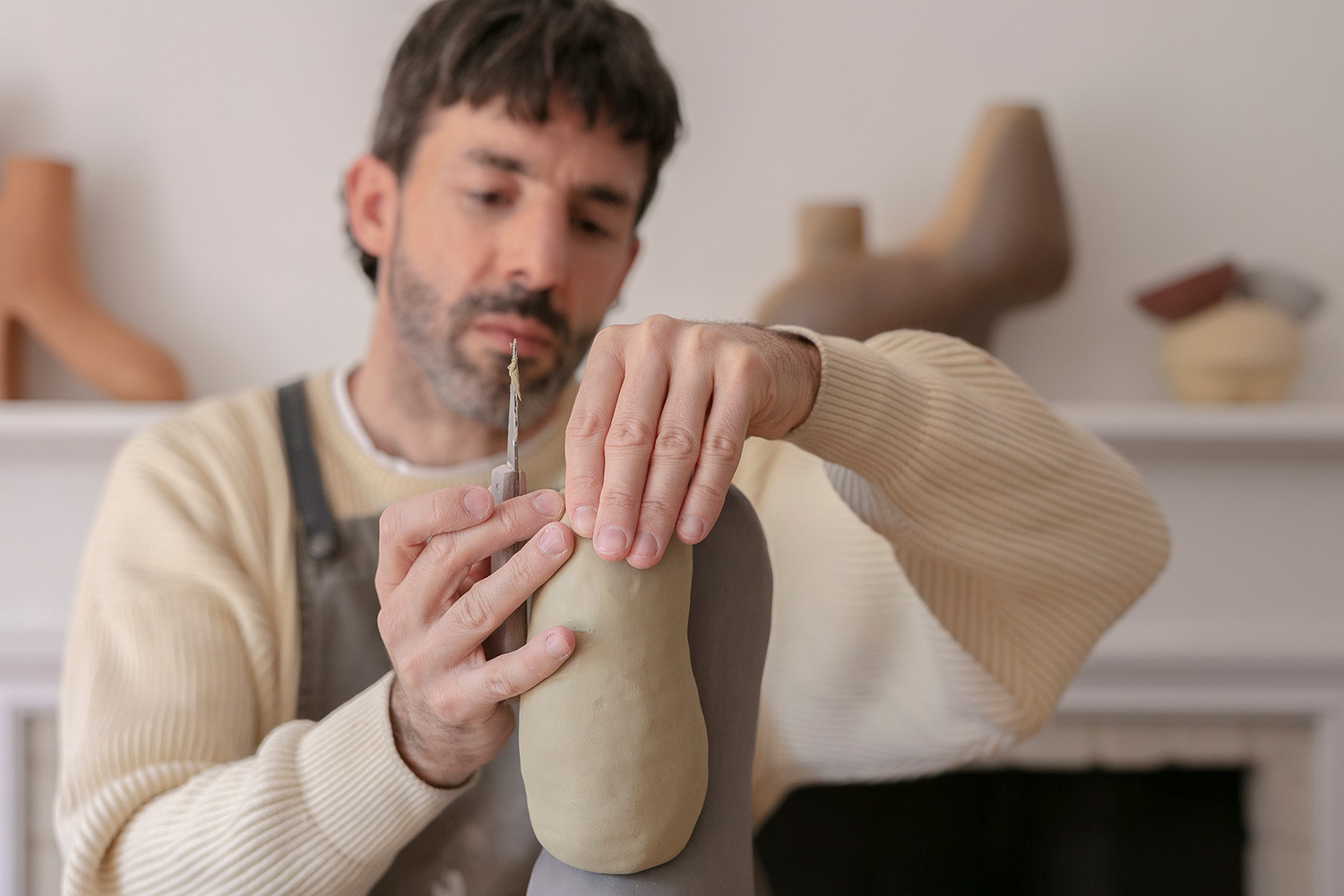
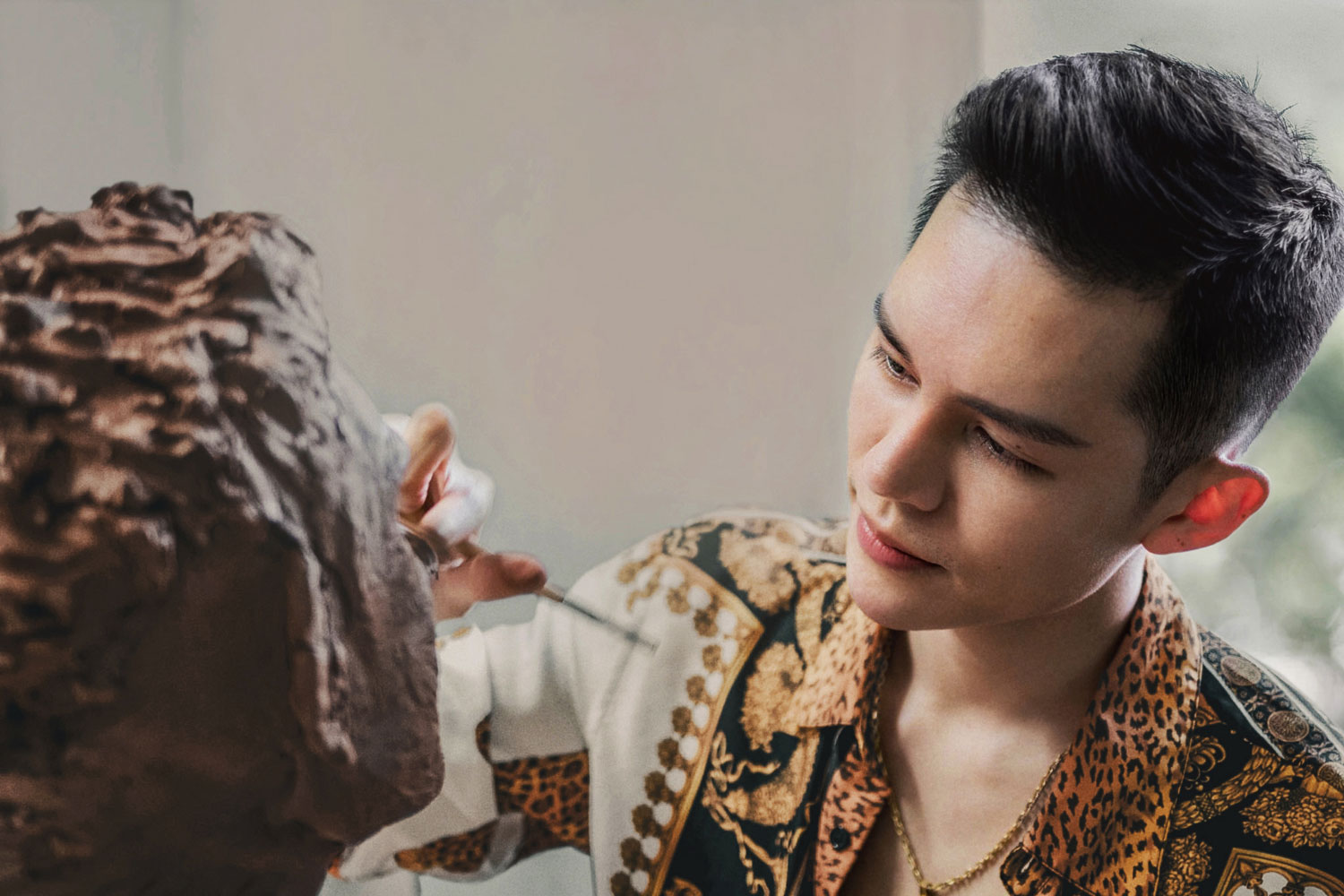
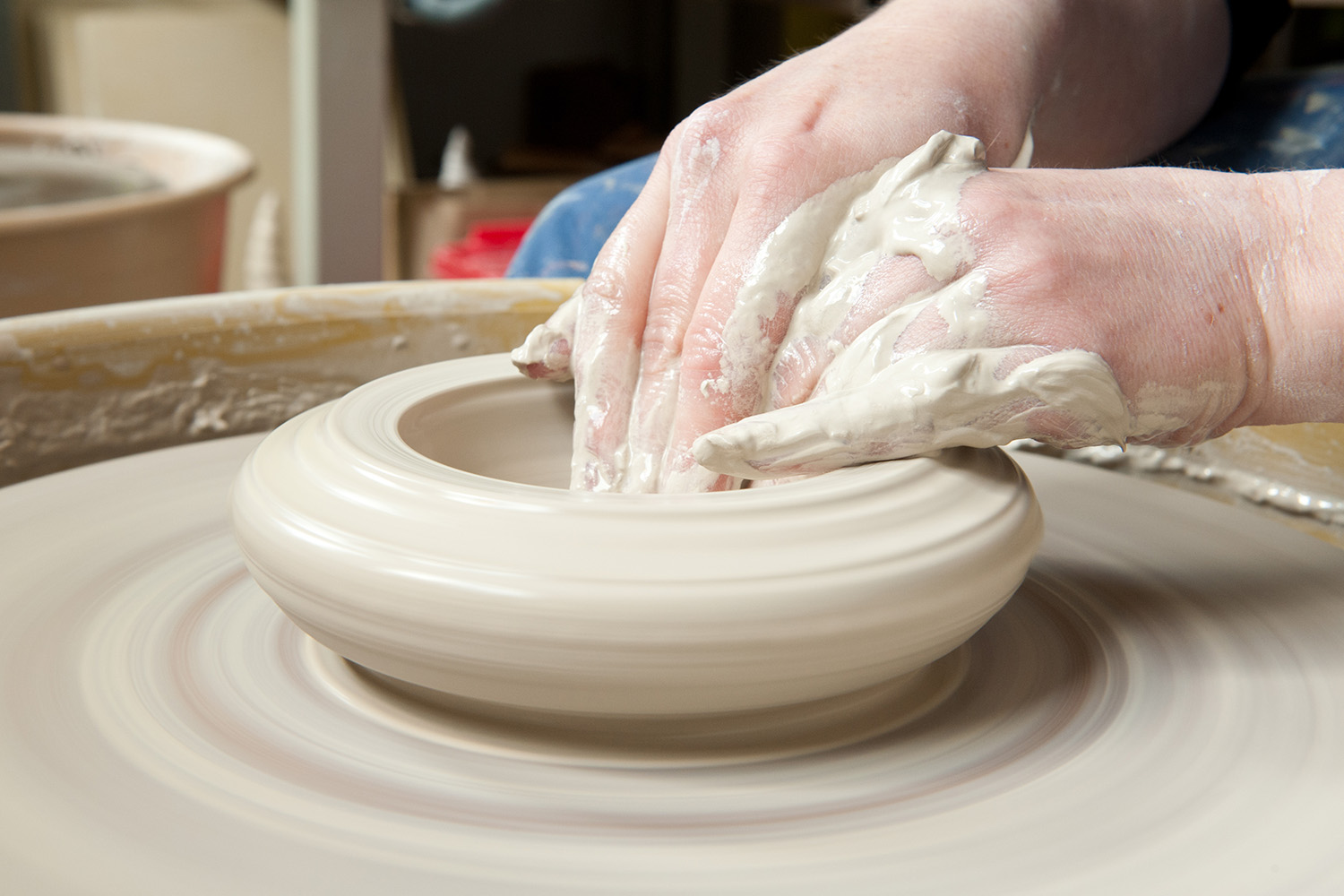
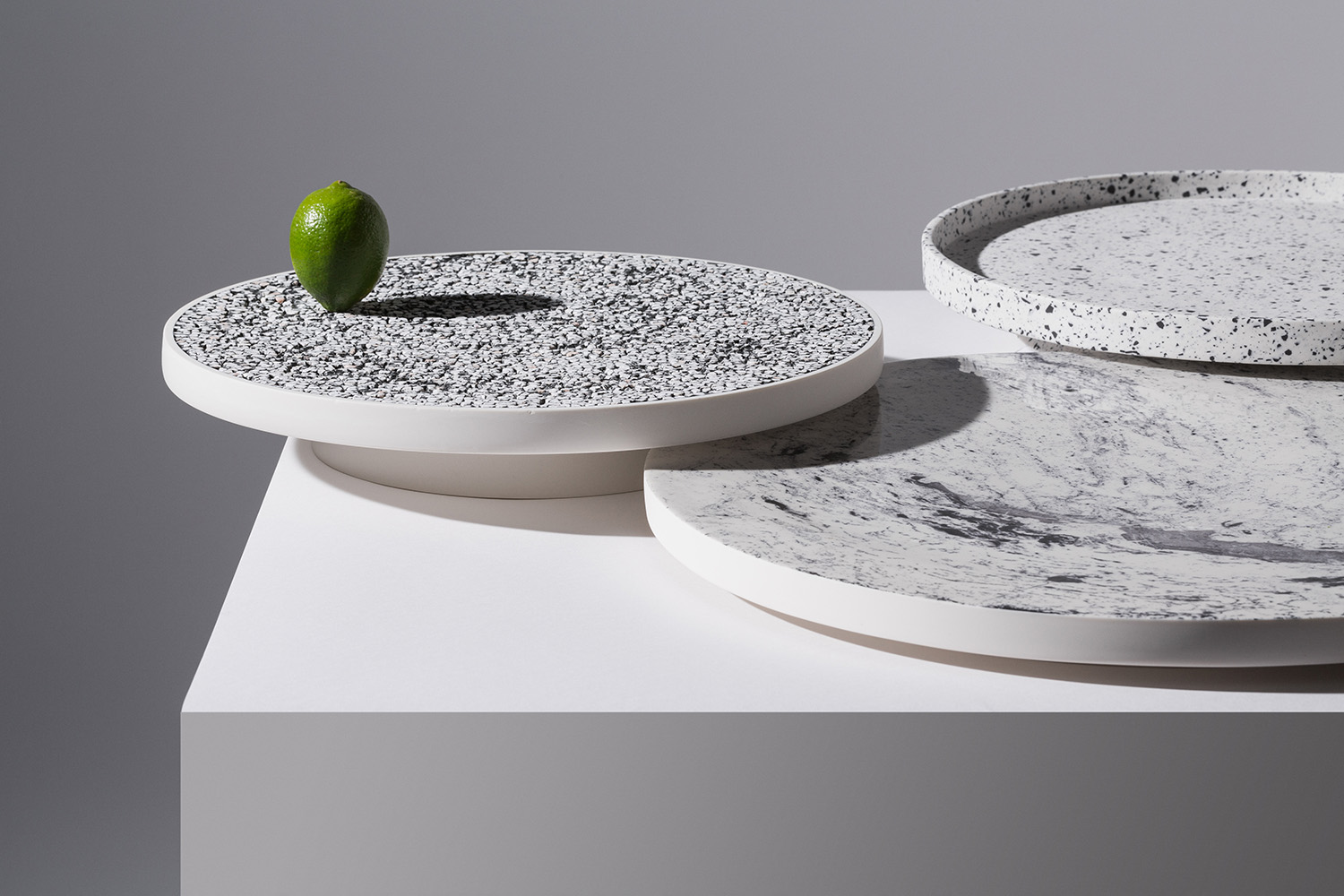
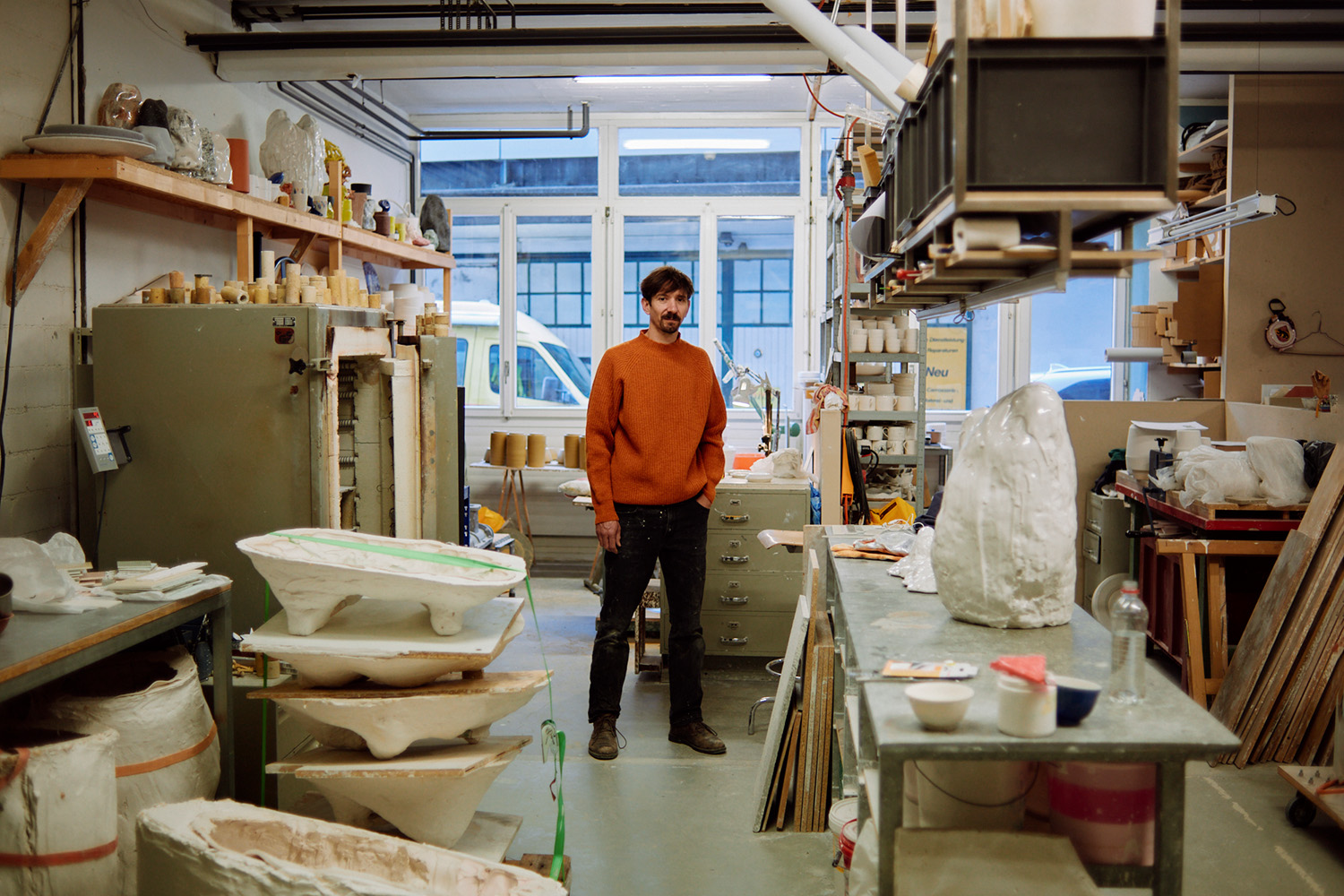
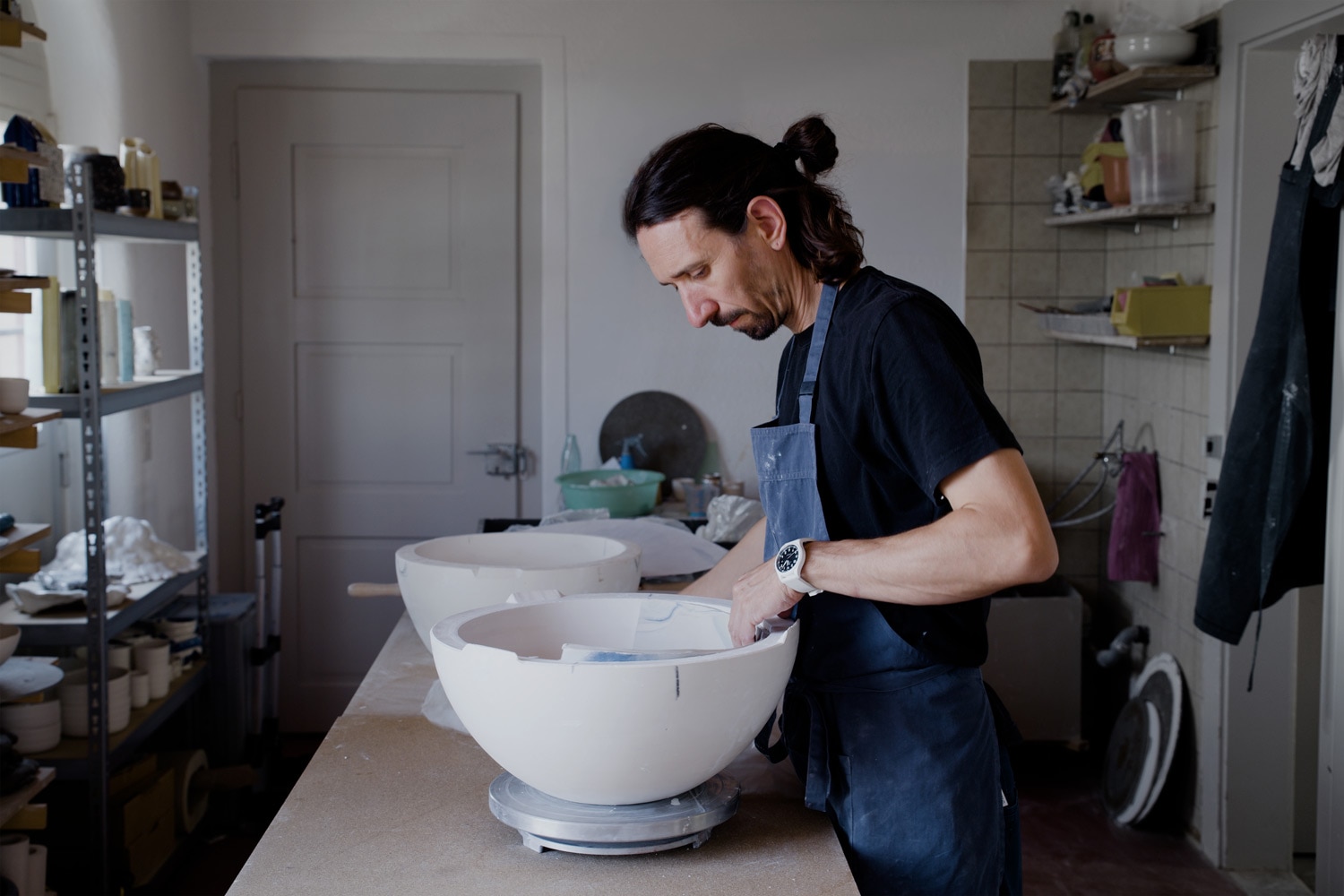
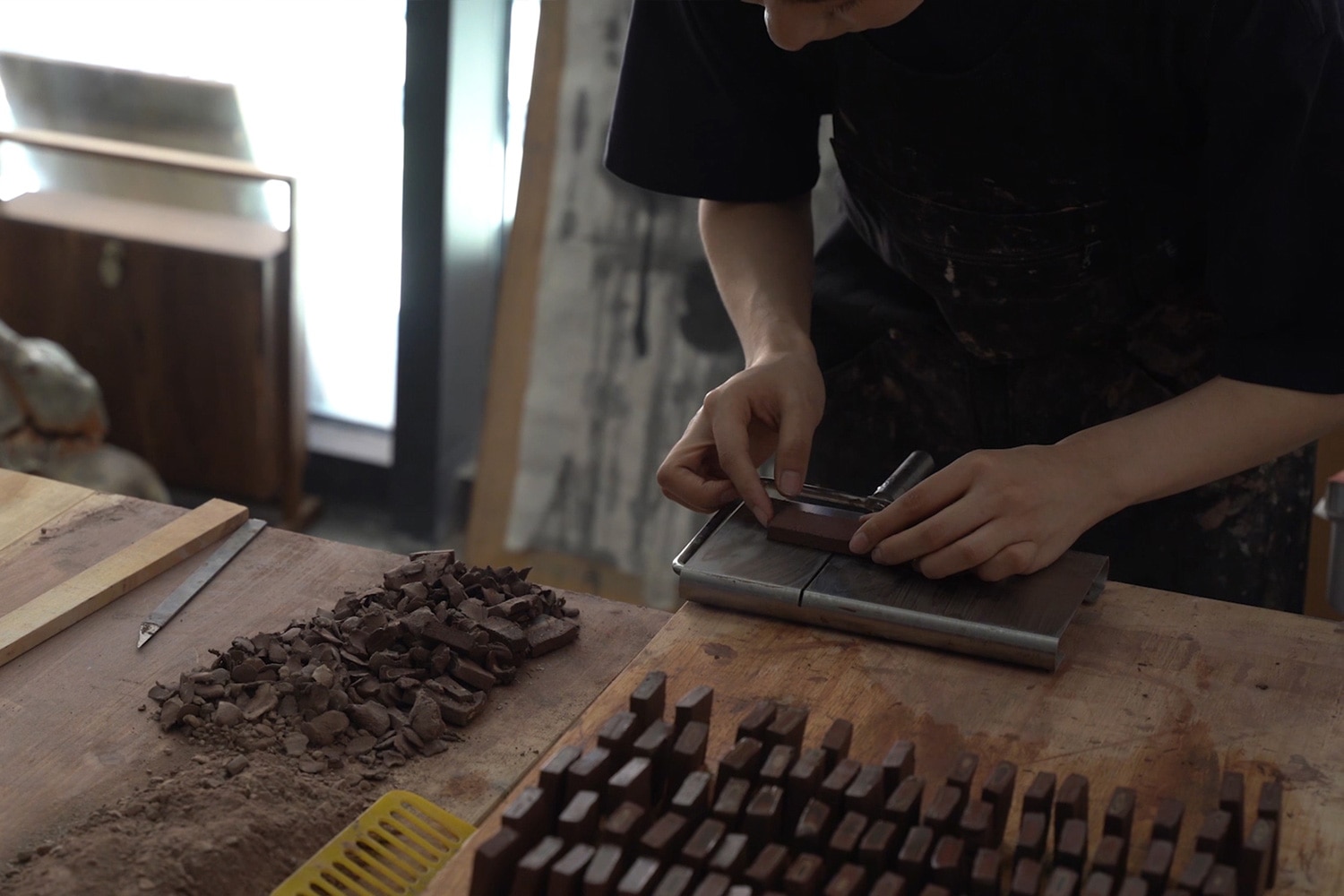
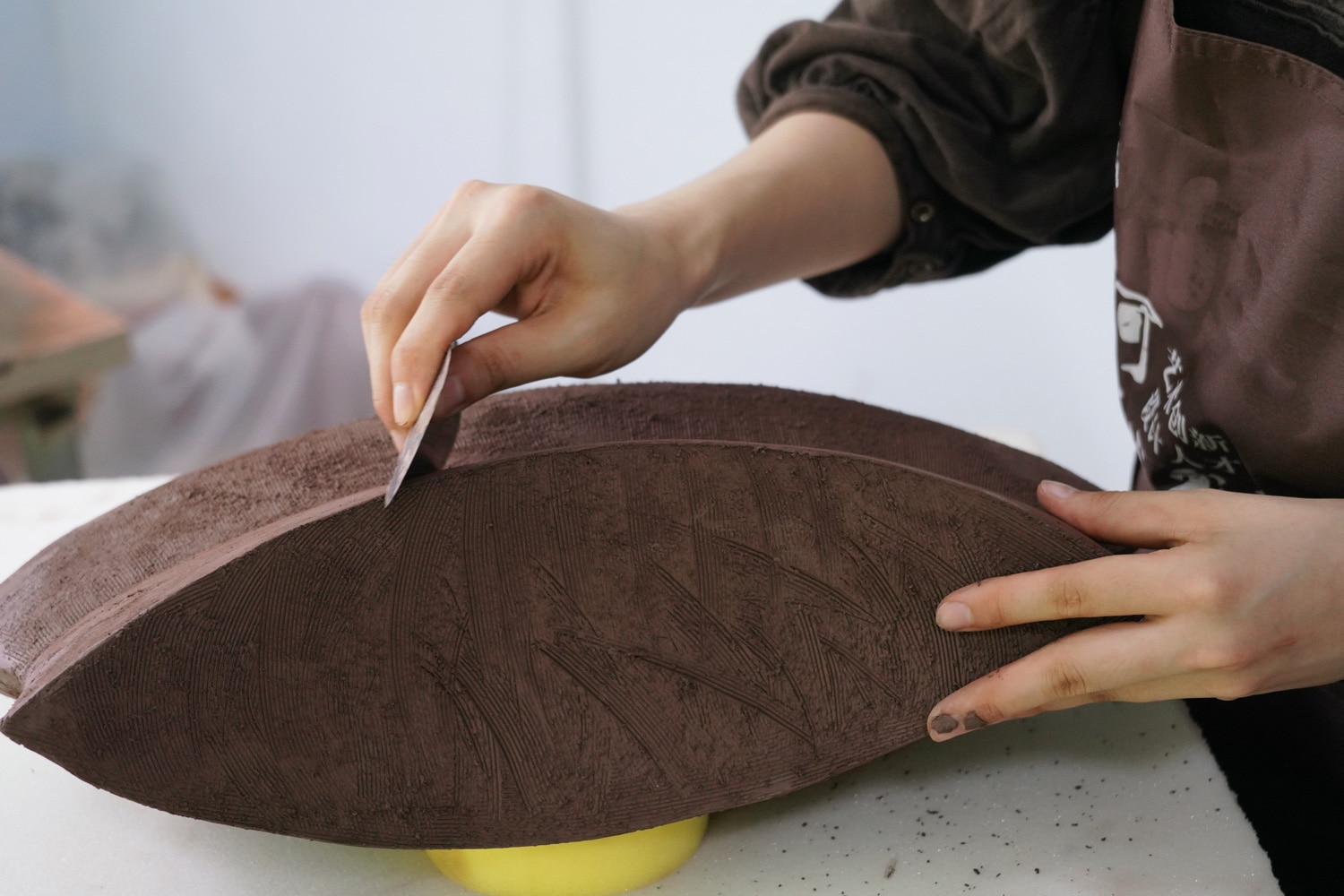
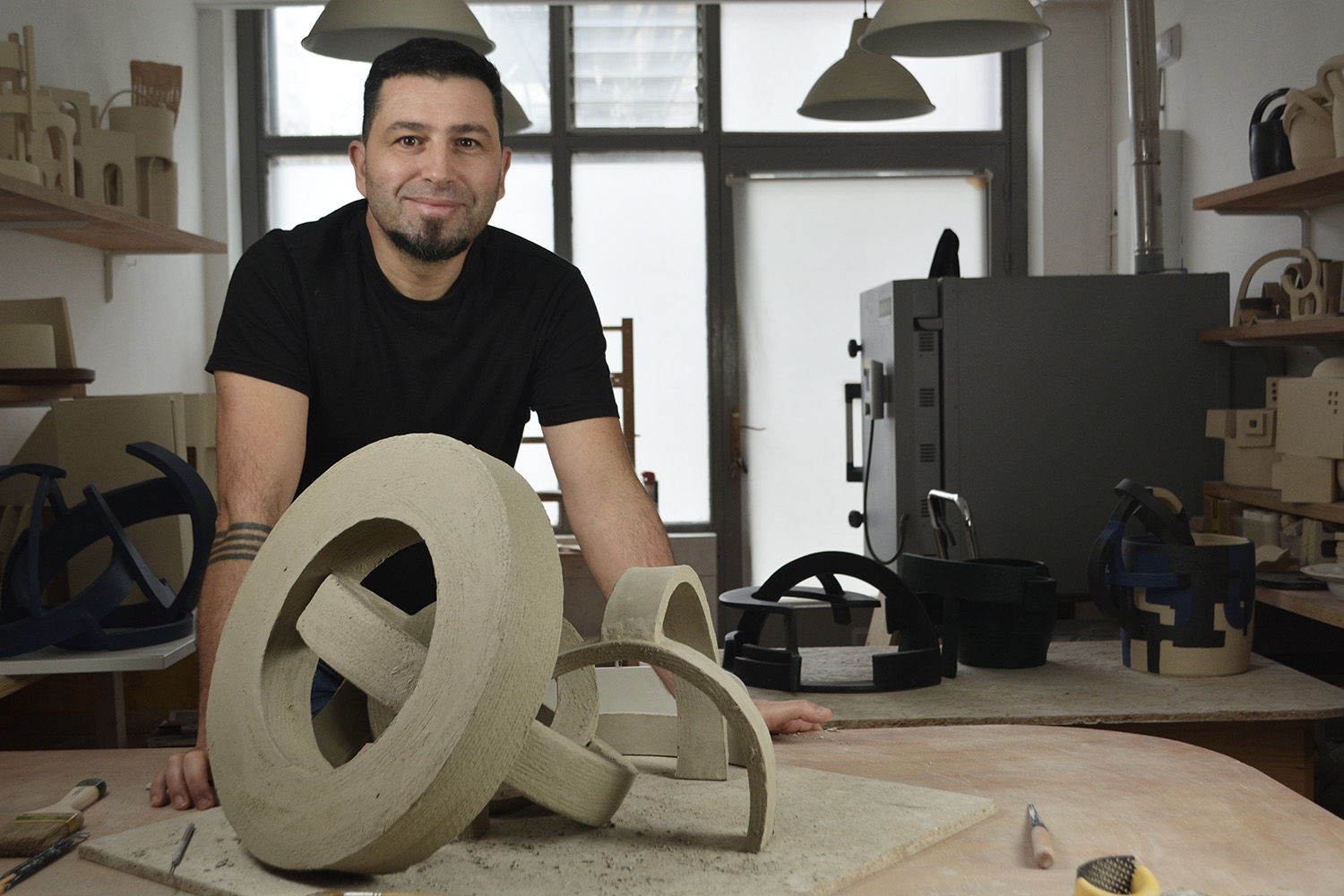
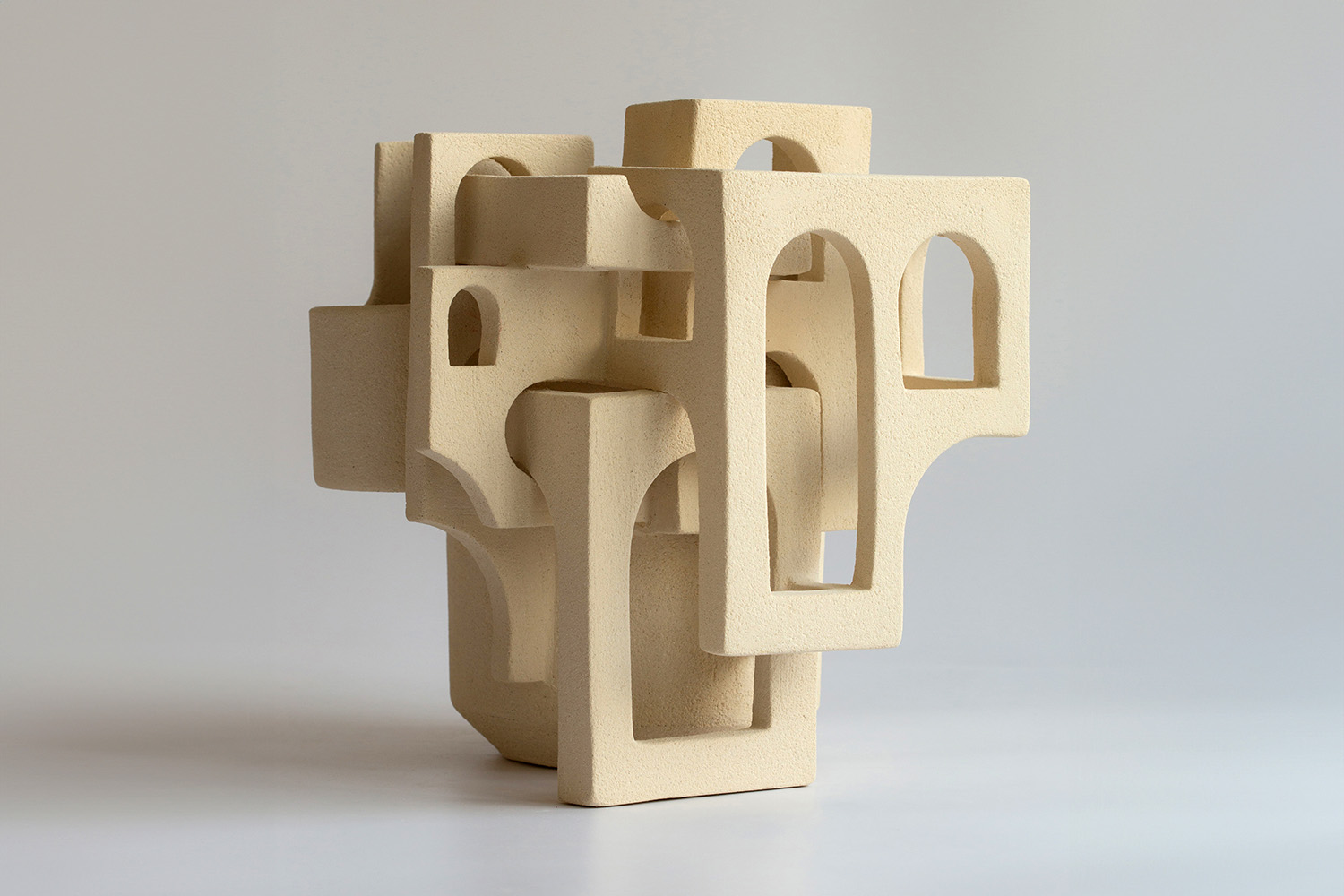
Pedro Galdón's work could be defined as a combination of various disciplines – sculpture, architecture and pottery. He explores the limits of clay's plasticity, seeking an architectural geometry in ceramic material. For him, clay is a malleable and difficult material to work with because it requires a lot of technique and long, precise processes to achieve a perfect finish. Pedro's beginnings as a ceramicist date back to 2012. "That year I started buying ceramic magazines and watching ceramic technique tutorials. I also signed up for a course at the municipal school of Irún. This was the trigger because I felt that I was good at it and could take one more step in my future career." Pedro is halfway between Spain and France, in the Basque country, where he runs a couple of workshops and divides his time between Irún and Hendaye.



INTERVIEW
I love design. In fact, I started by designing tableware for restaurants, but realised that I needed to reduce the turnaround time for customers and translate my ideas into reality more quickly. I needed to work with my hands and be involved in the entire process. Ceramics captivated me from my first course at the municipal school of Irún.
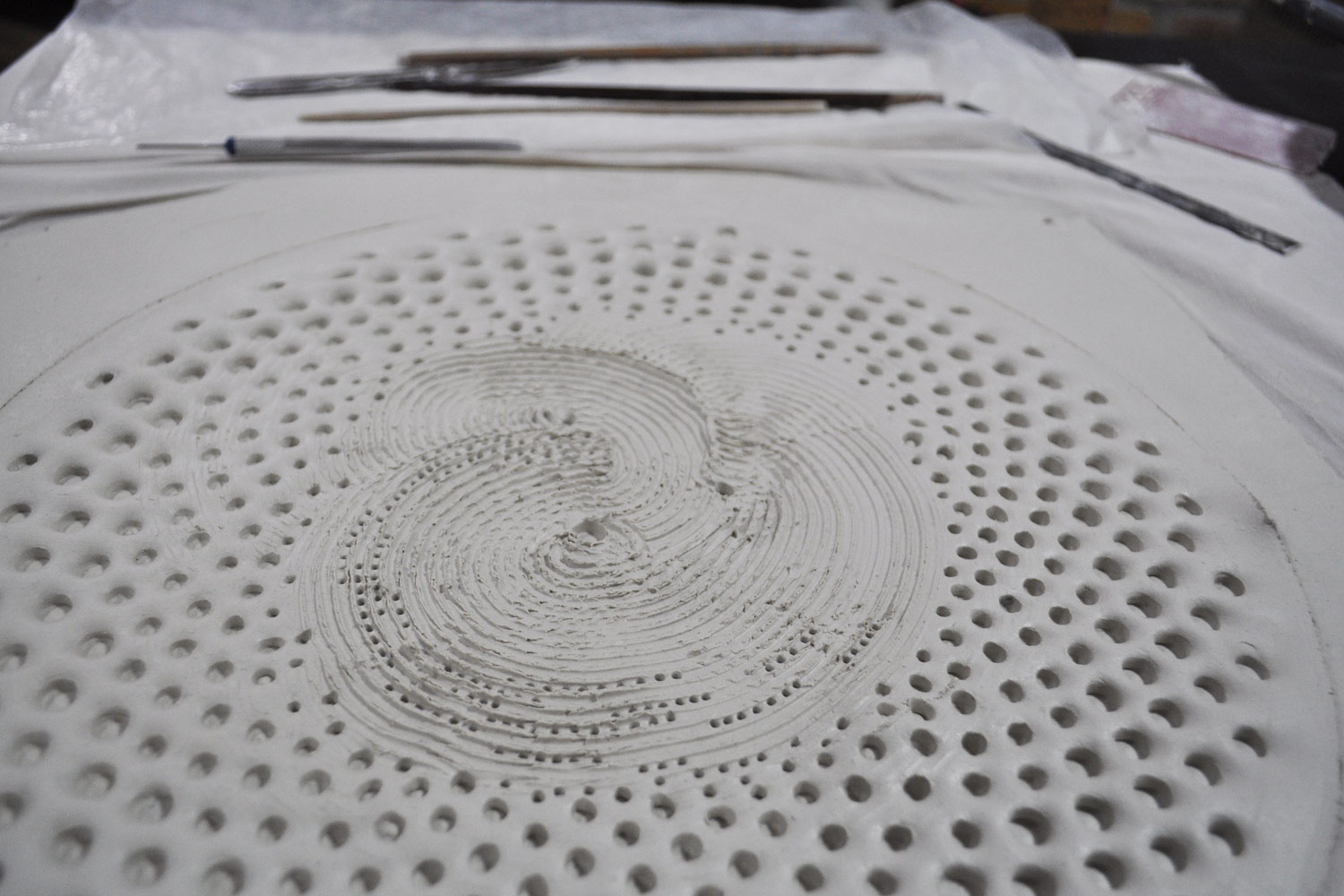
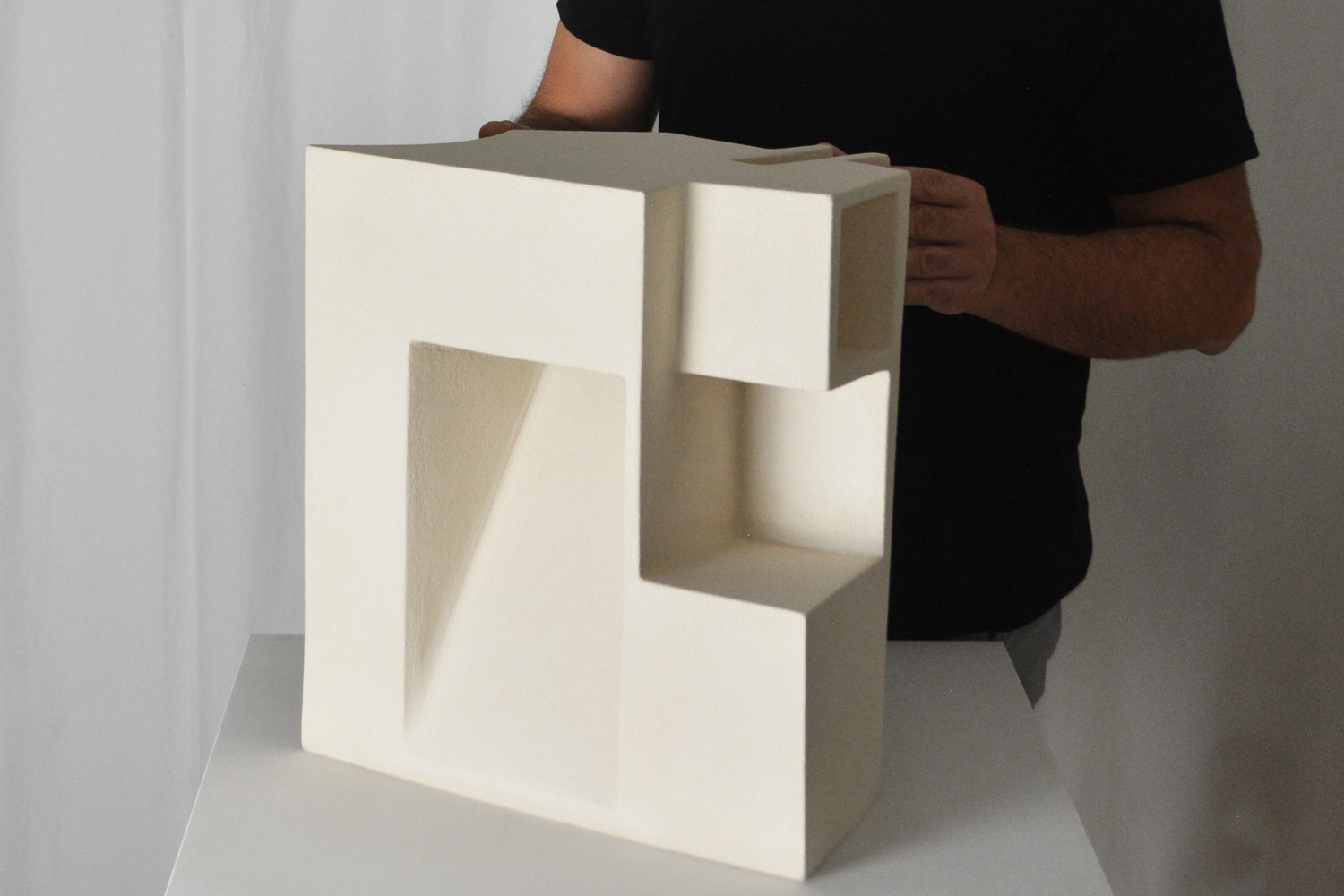
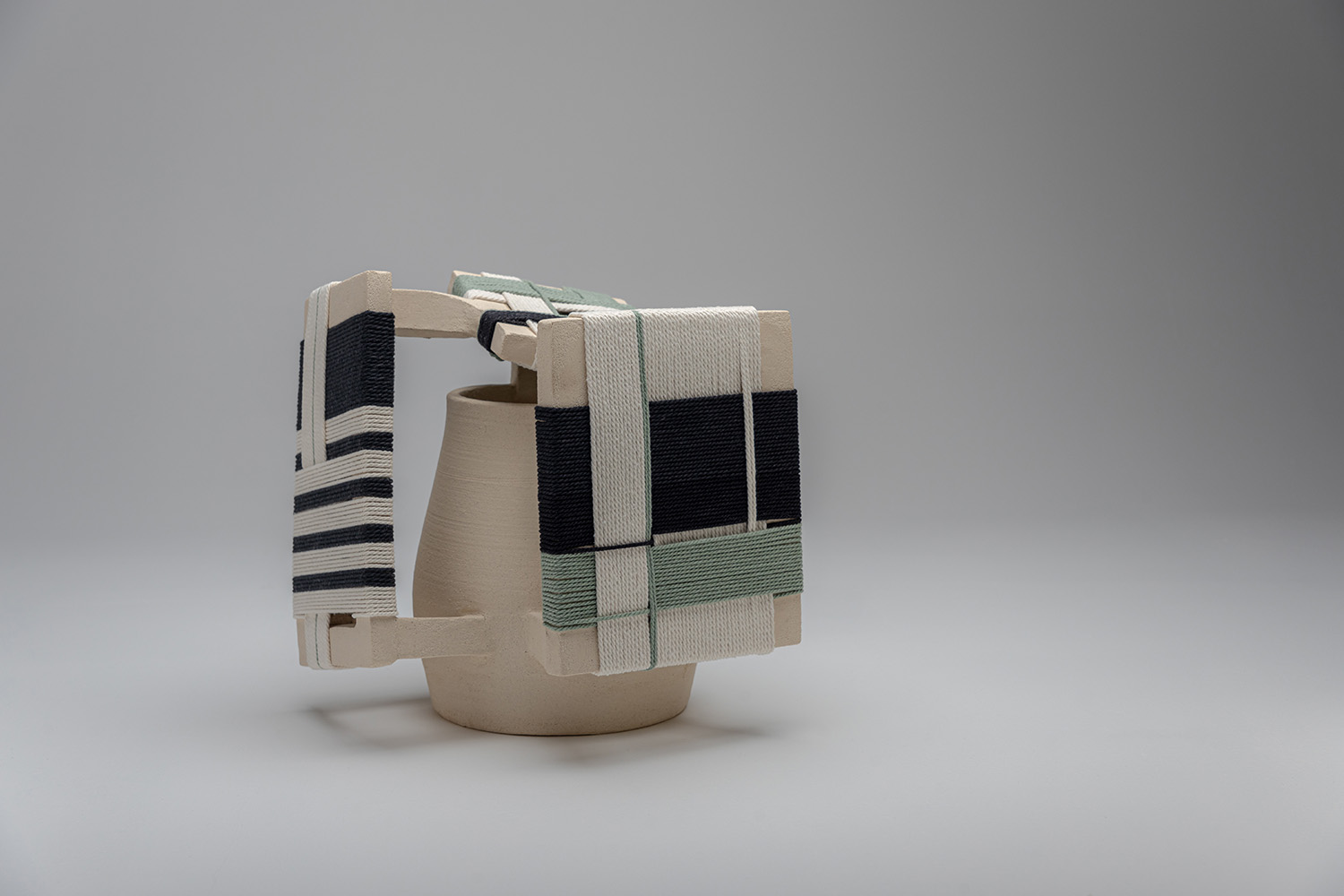
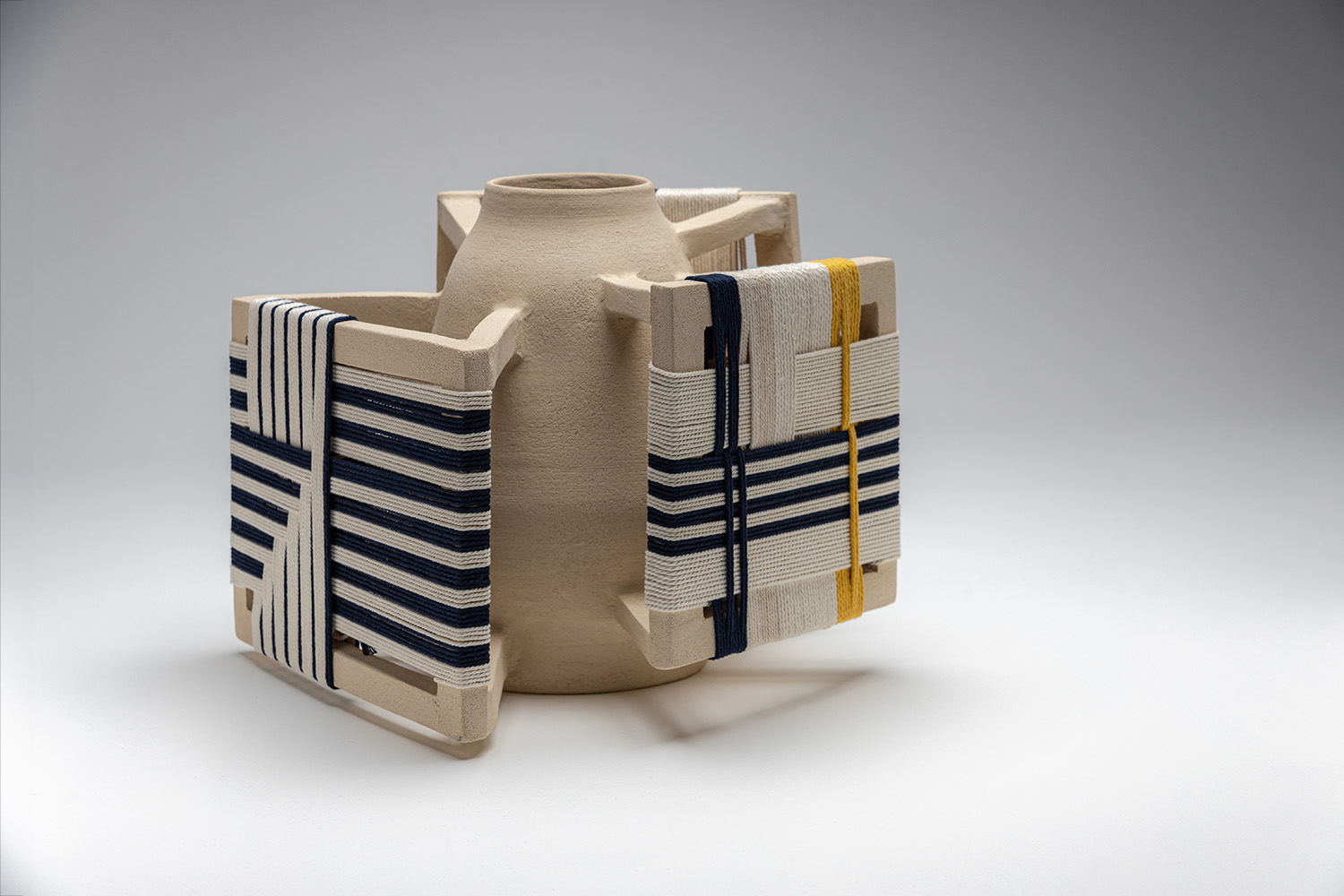
I carry out volumetric experimentation by mixing architecture, sculpture, and pottery, with the development of micro-architectures being the most expressive part of my pieces. I am very interested in vernacular architecture and furniture design.
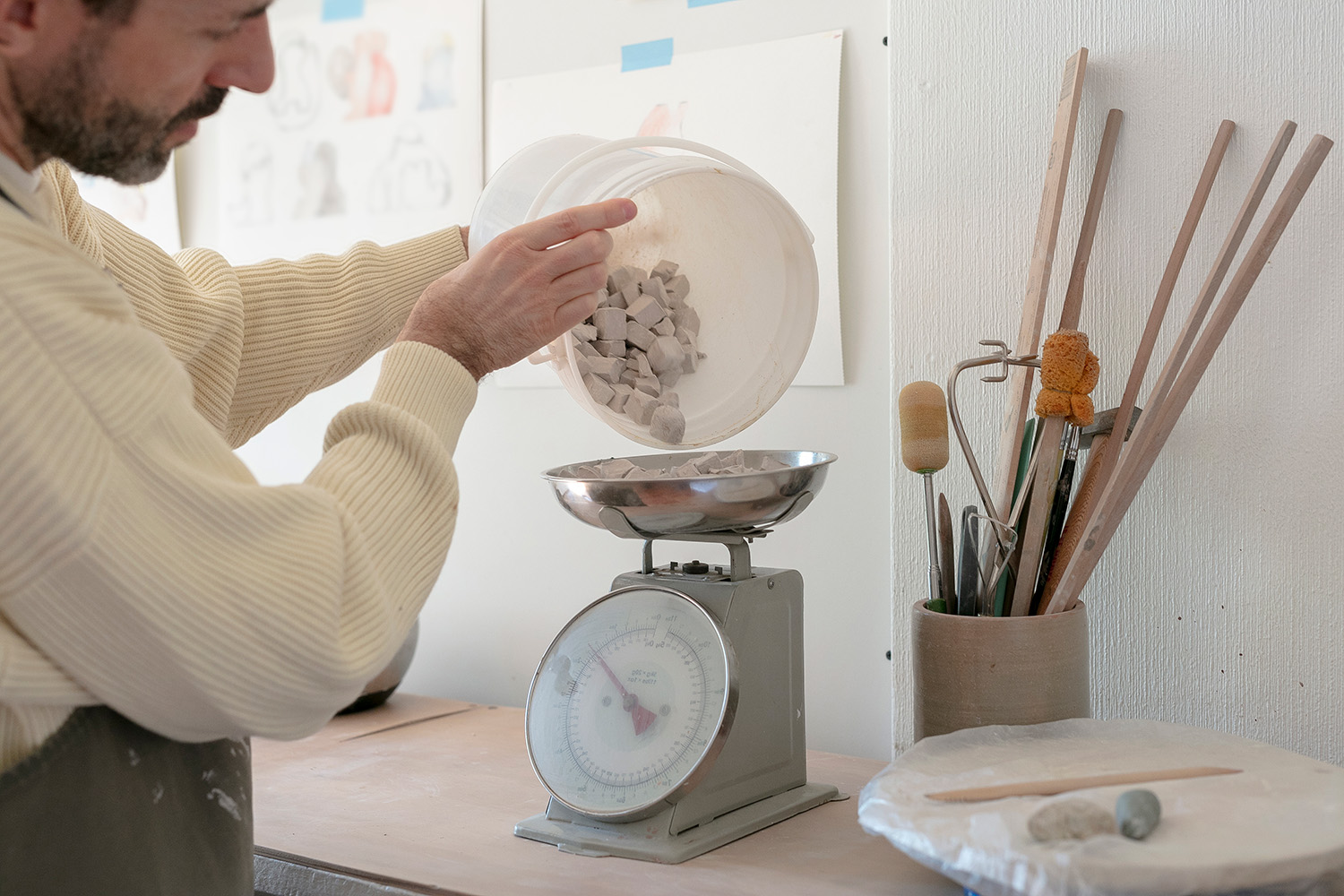
I begin my volumetric experiments by taking the molecular tension of the clay to apply morphological and geometric transformation of the plane. I define my work as architectural ceramics.
There are limits that are the kiln and the material itself. At the same time, these allow the imagination to develop and can represent a form of freedom. Process and development with clay are what attract me the most to this profession.
Pedro Galdón
Ceramicist
Irún, Spain
ADDRESS
Address upon request, Irún, Spain
AVAILABILITY
By appointment only
PHONE
+34 629535675
LANGUAGES
Spanish, French
Homo Faber Finds is a new service aiming to inspire admirers of craft to connect and collaborate with exceptional artisans.
We invite you to submit an enquiry here.