Lino Tagliapietra
Glassblower
Venice, Italy
Recommended by Fondazione Cologni Dei Mestieri D'Arte
Journey of a lifetime
- Lino has over 70 years of experience in his craft
- His pieces are on display in prestigious museums
- He lives in Murano
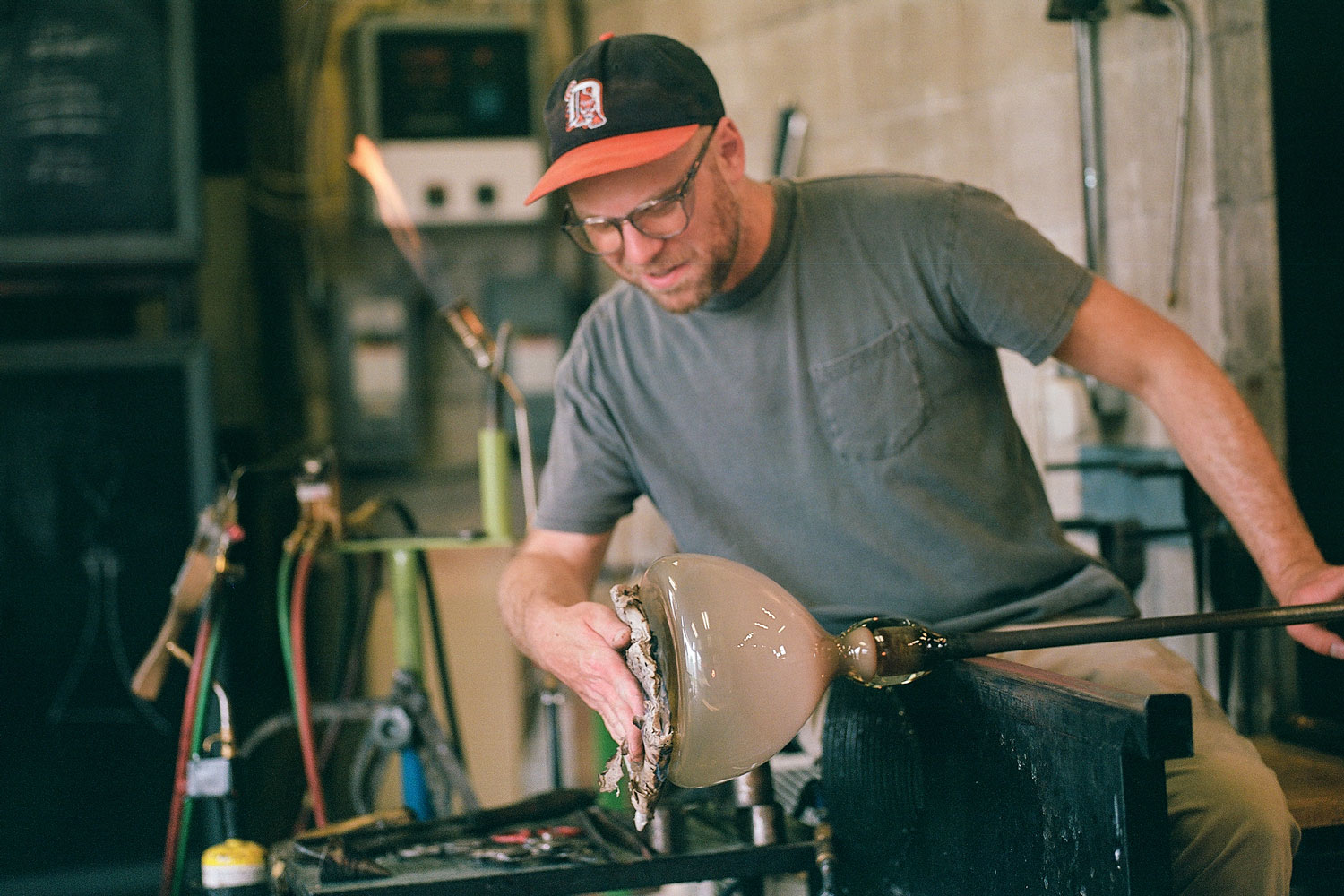
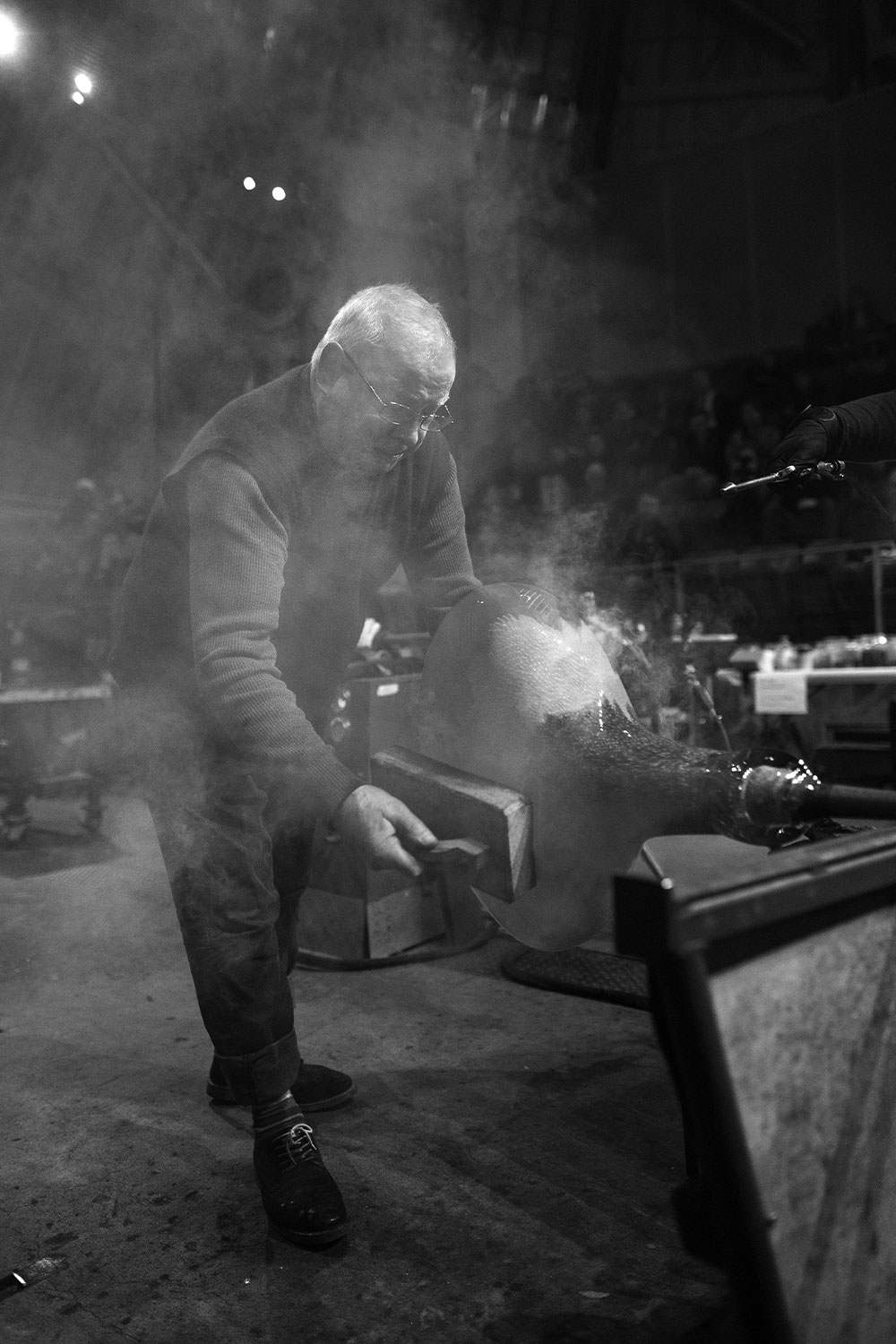
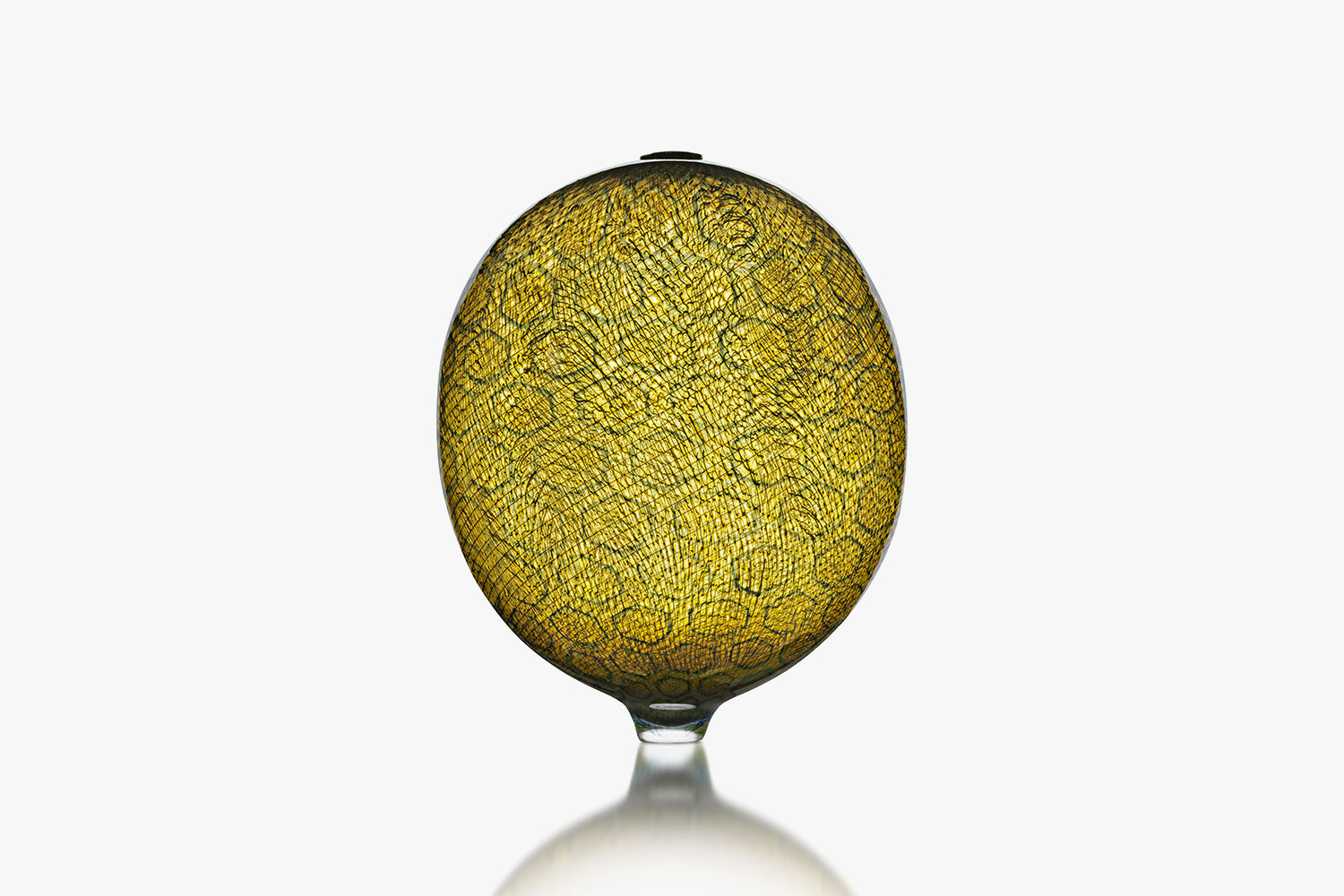
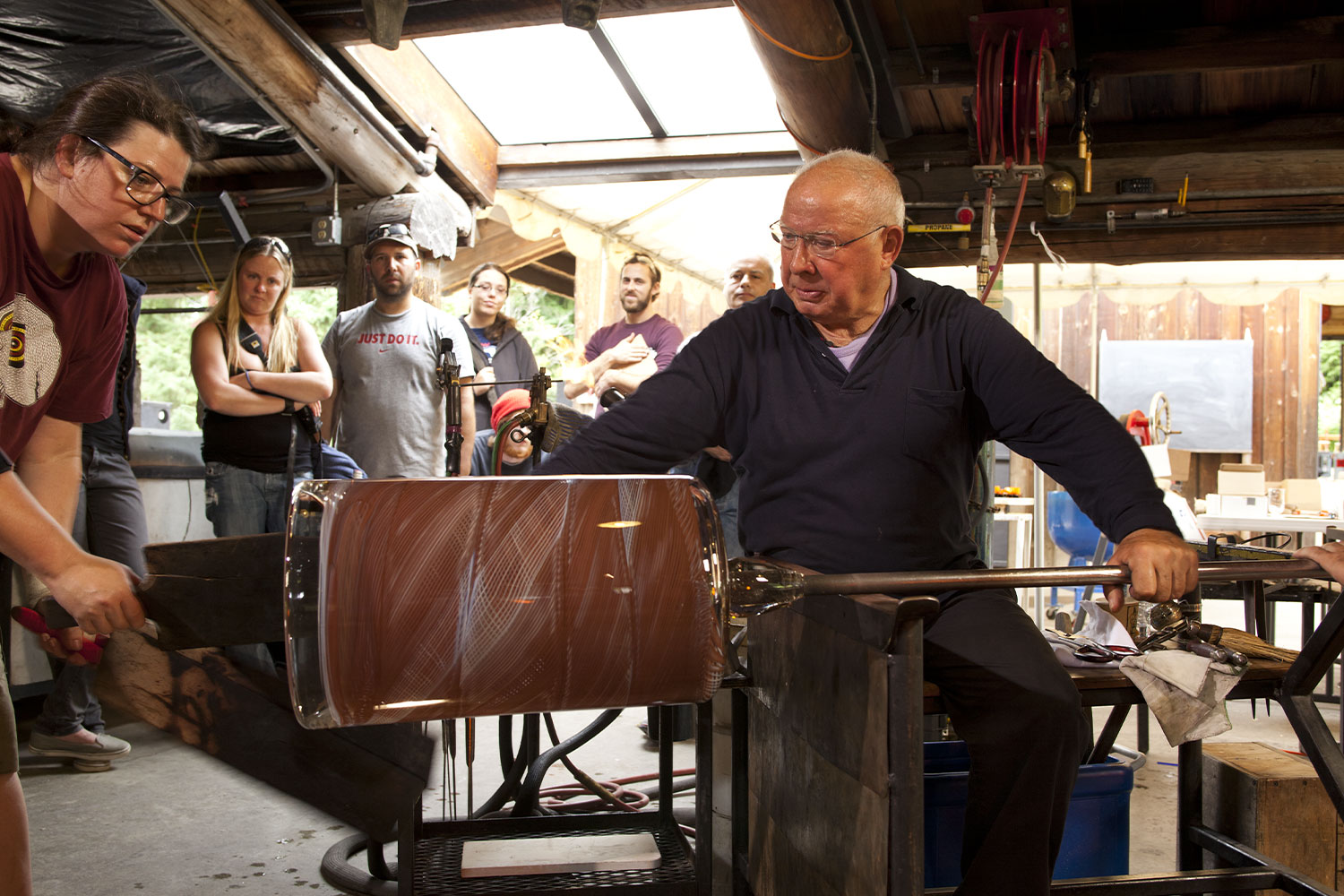
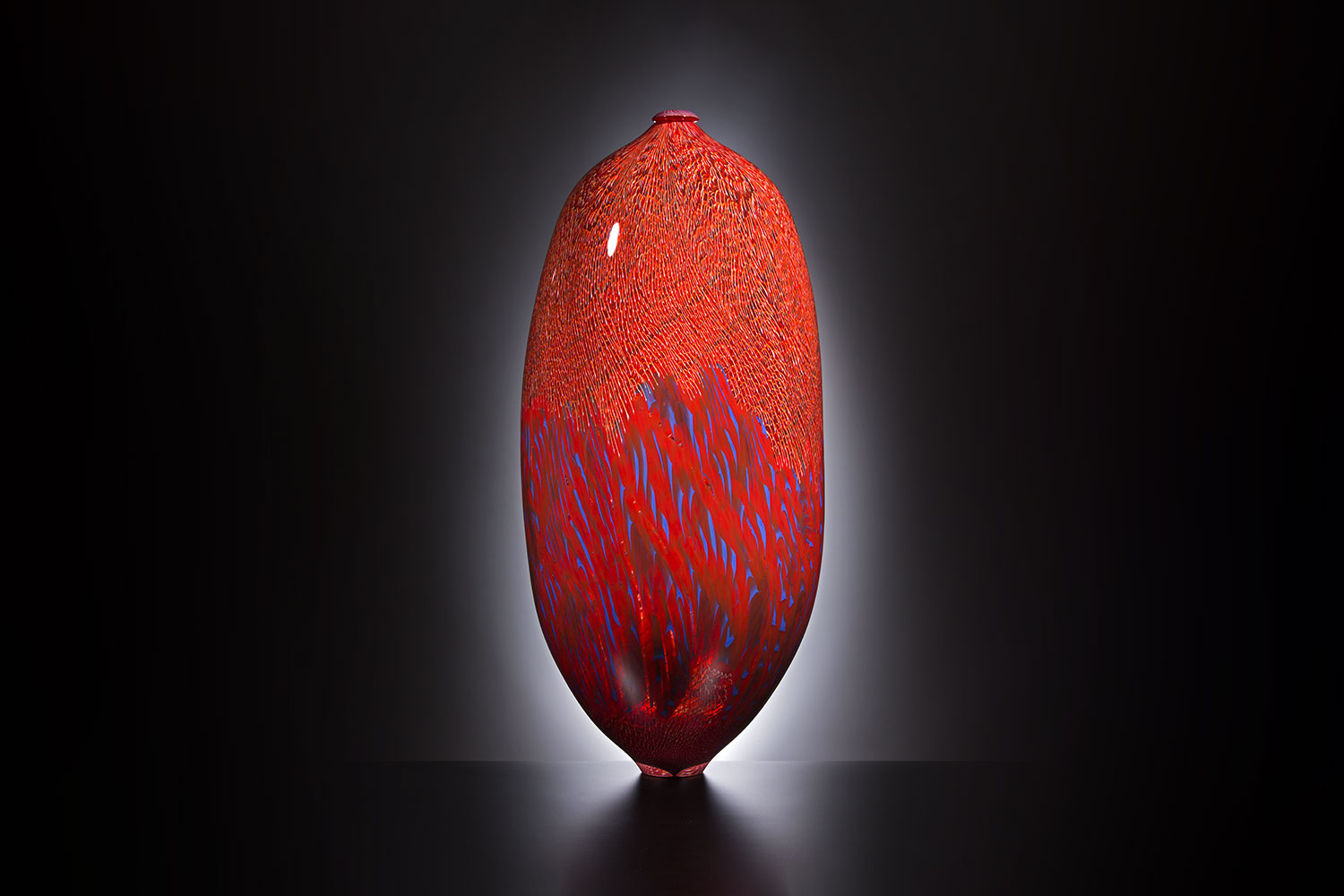
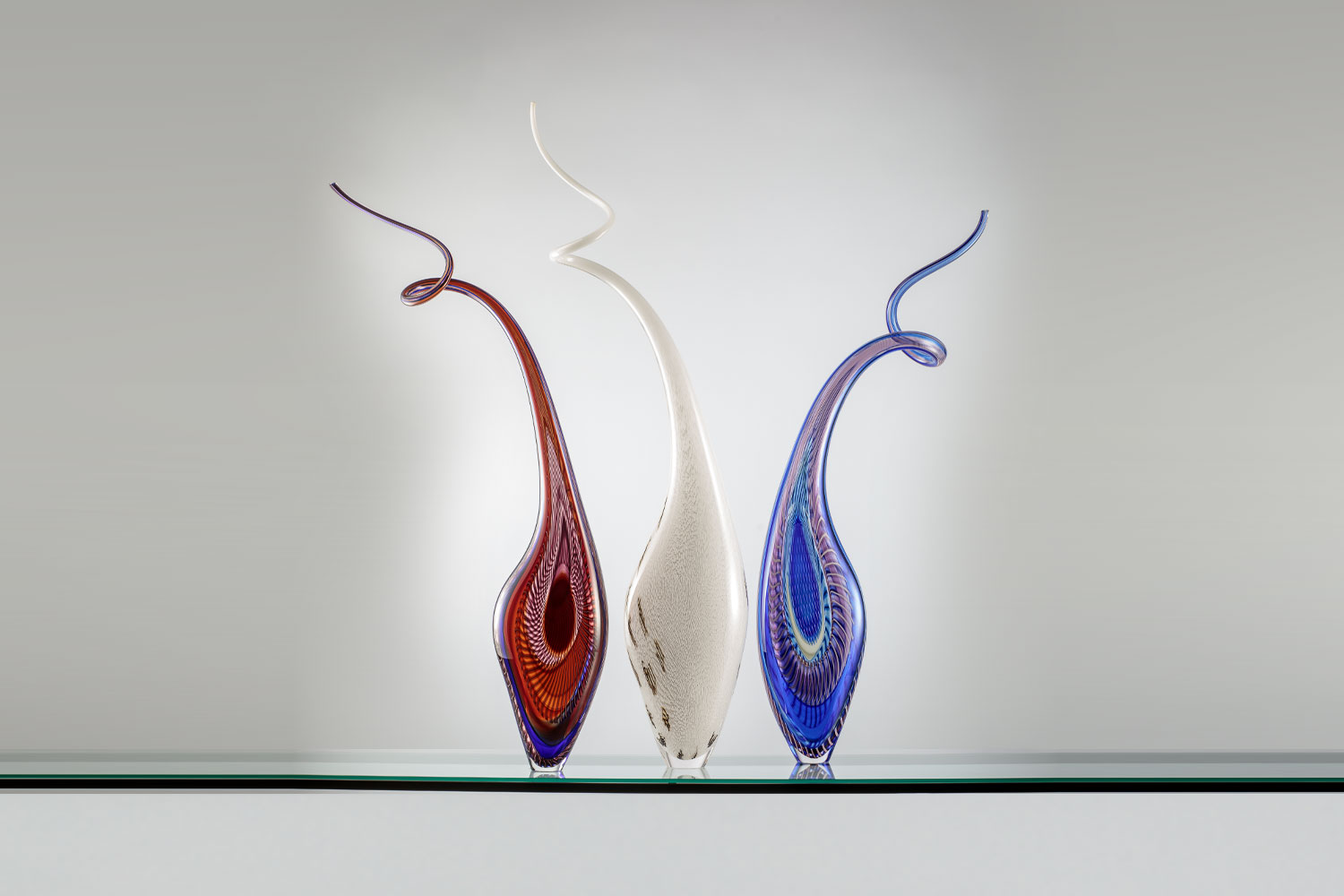
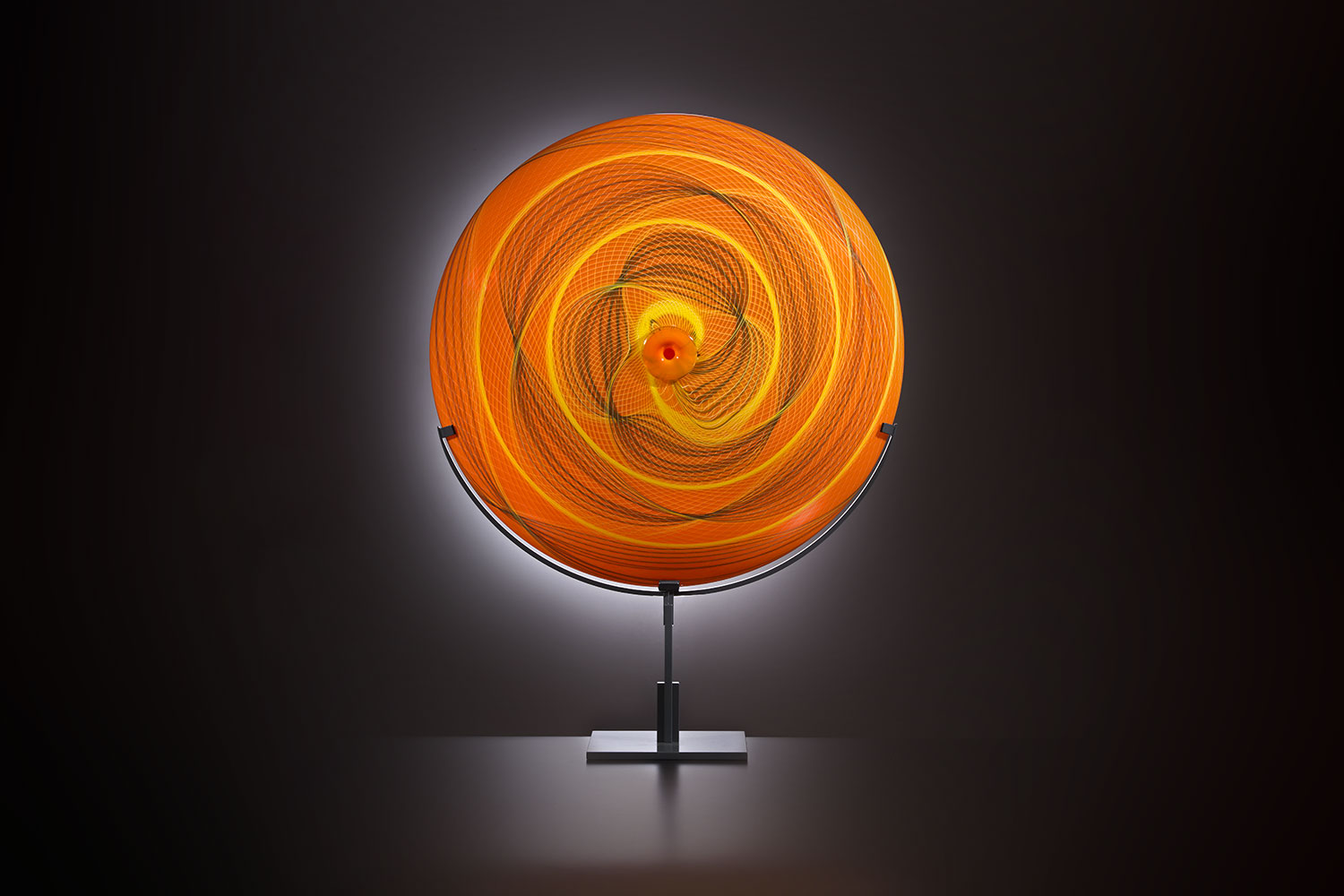
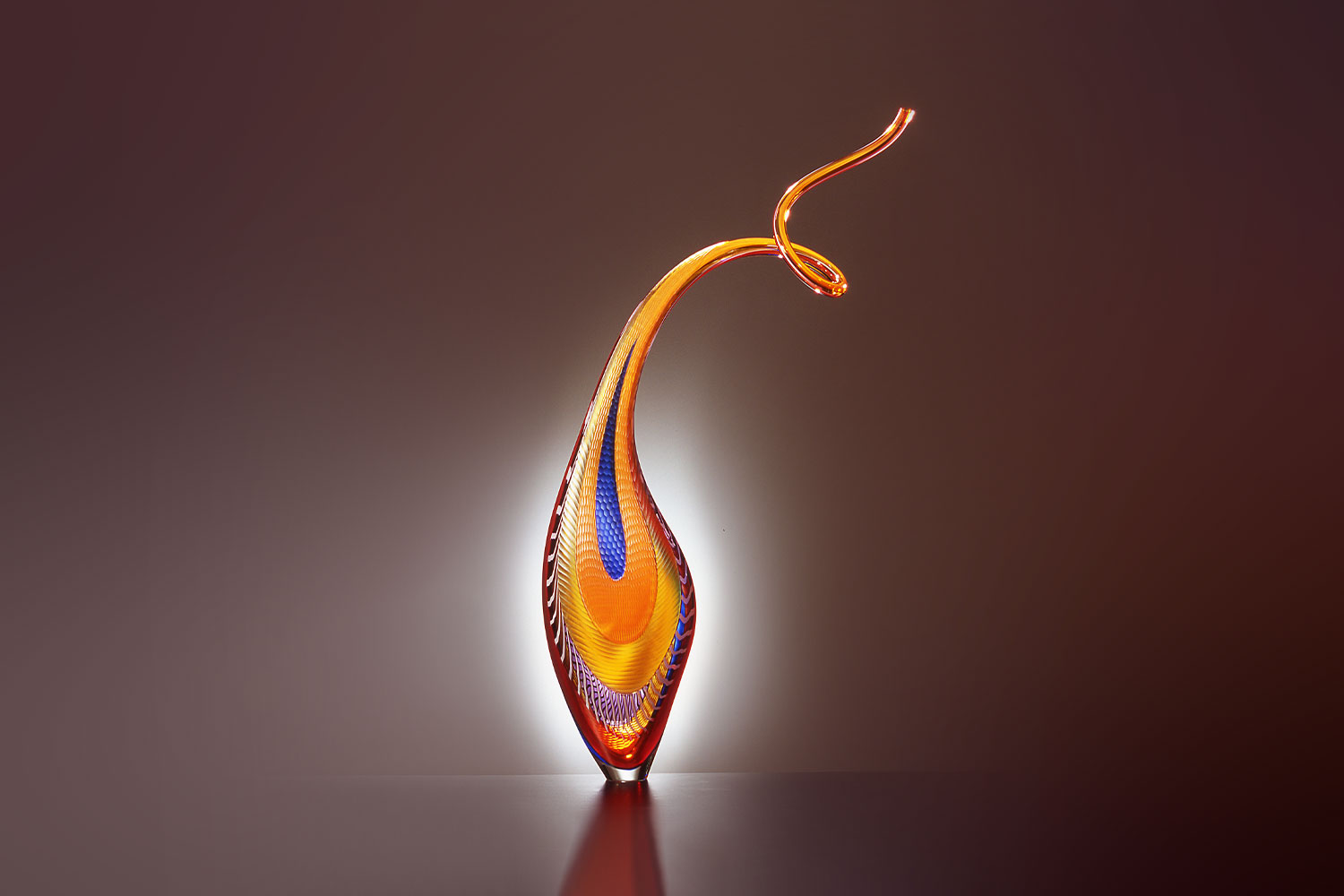
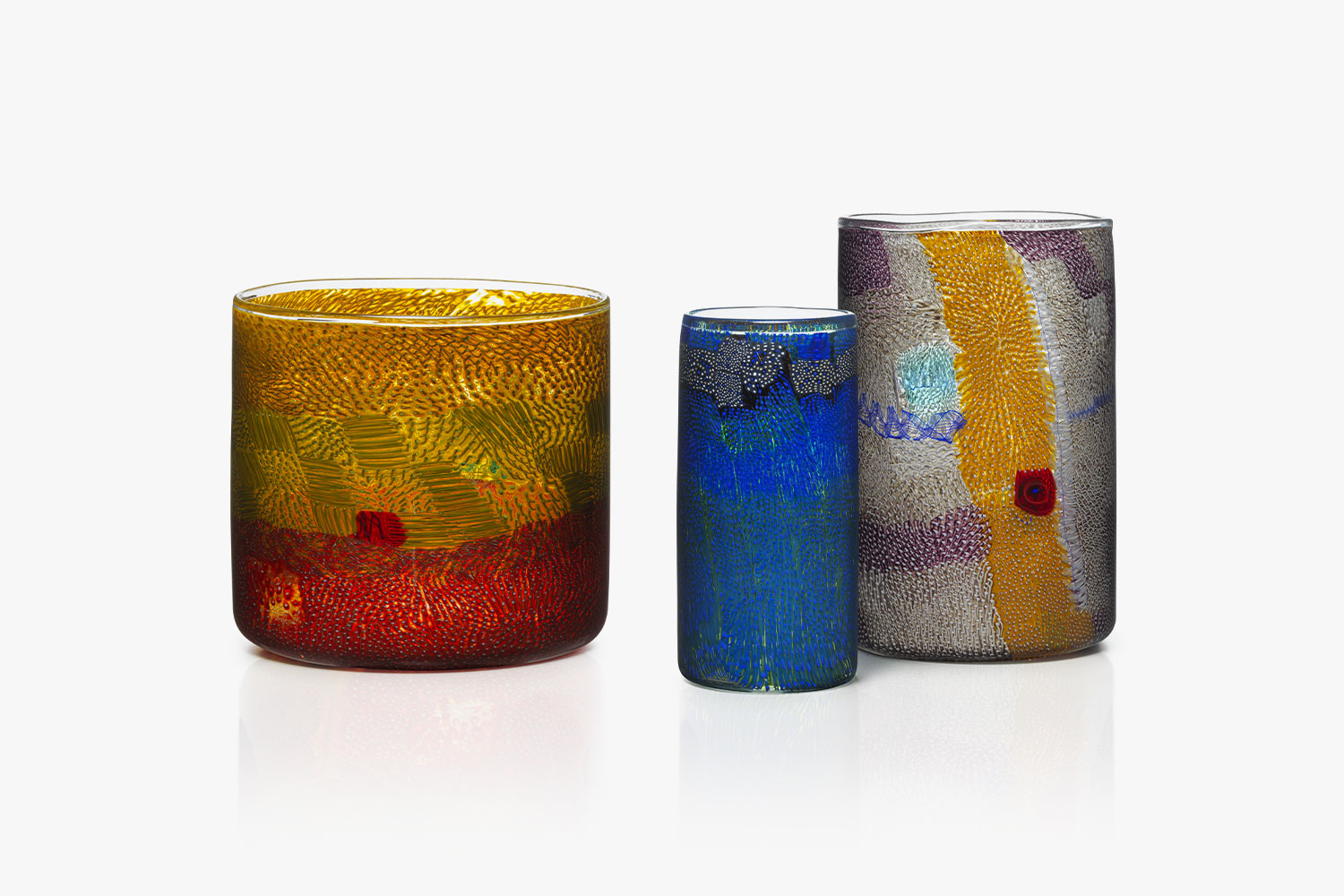
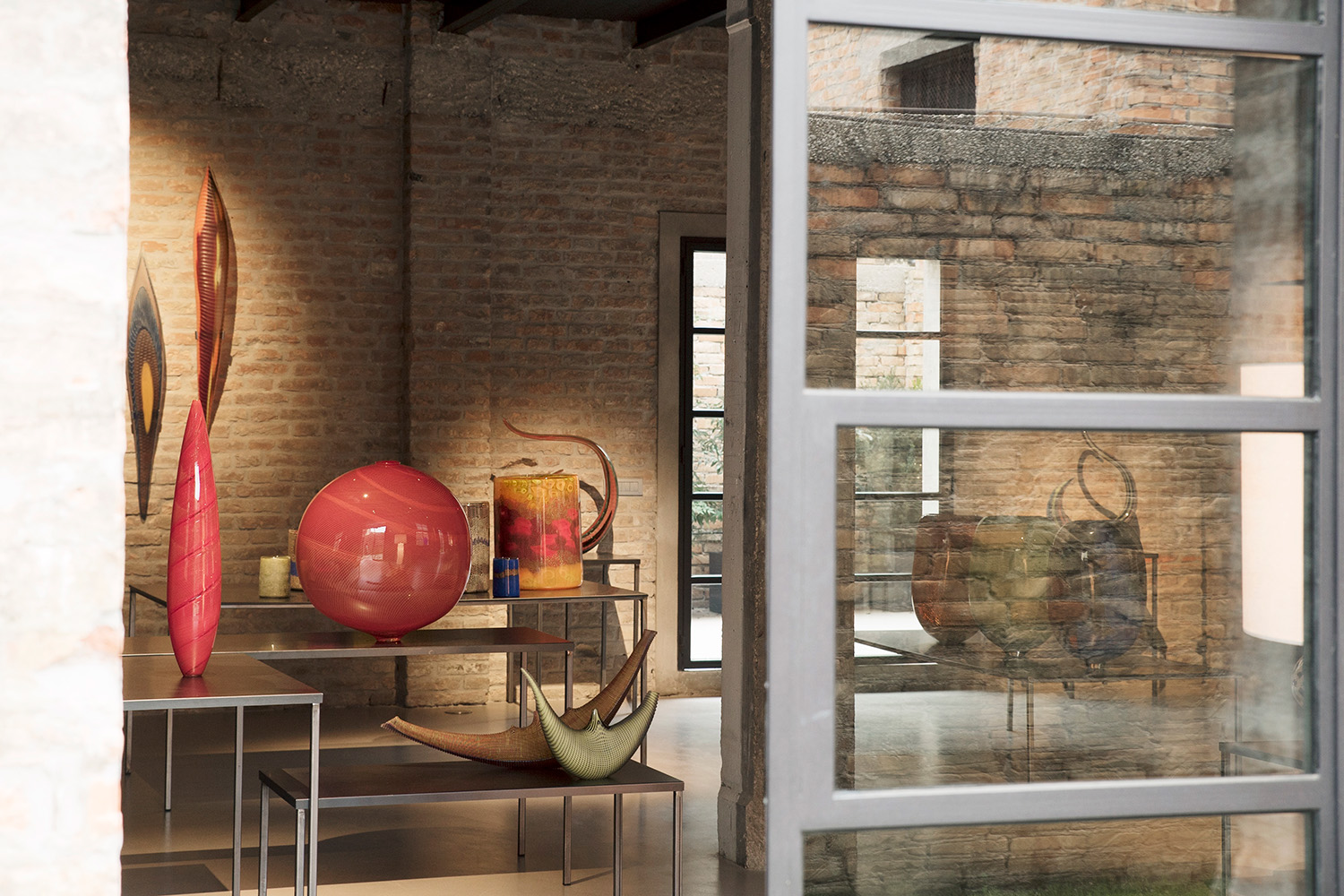
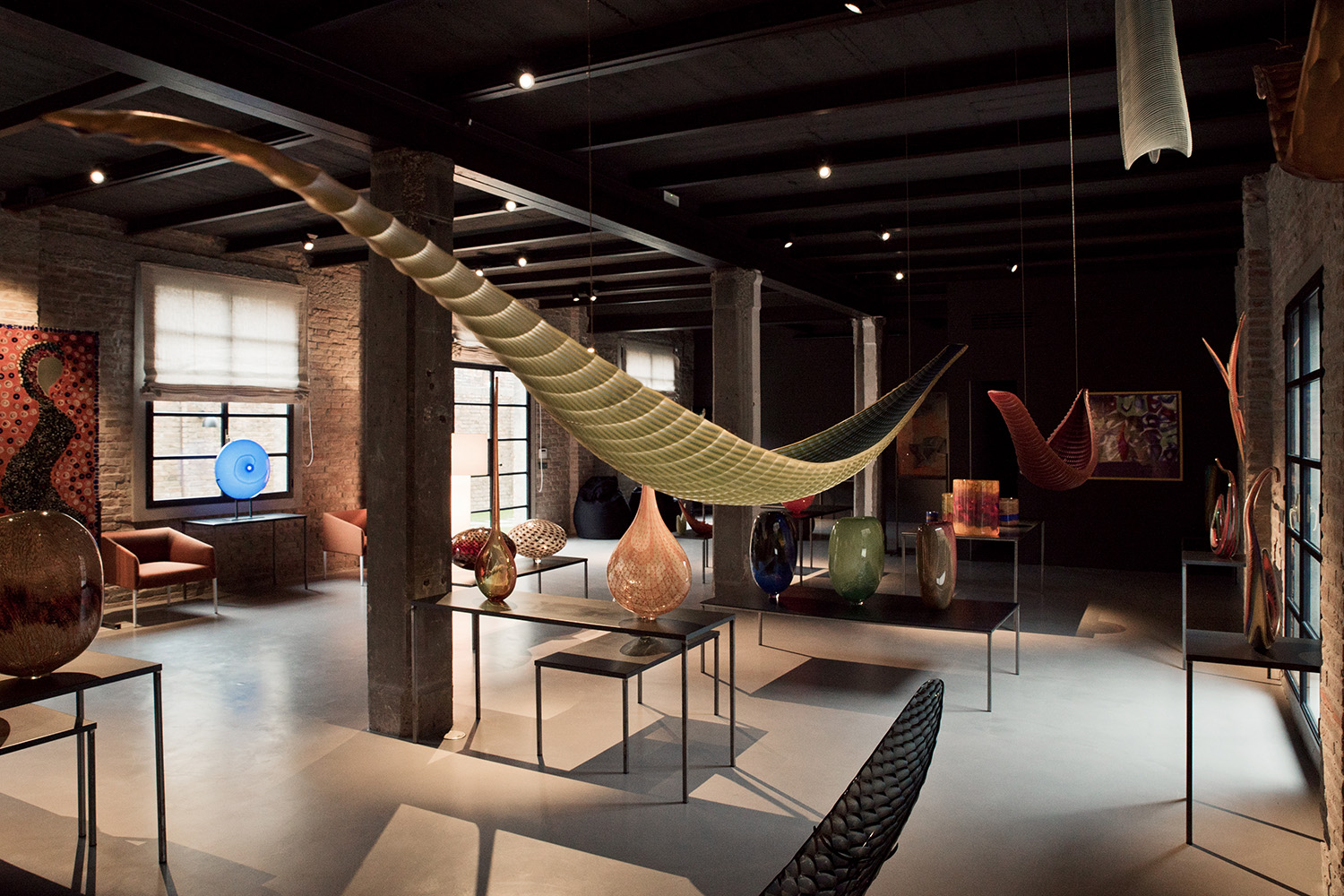
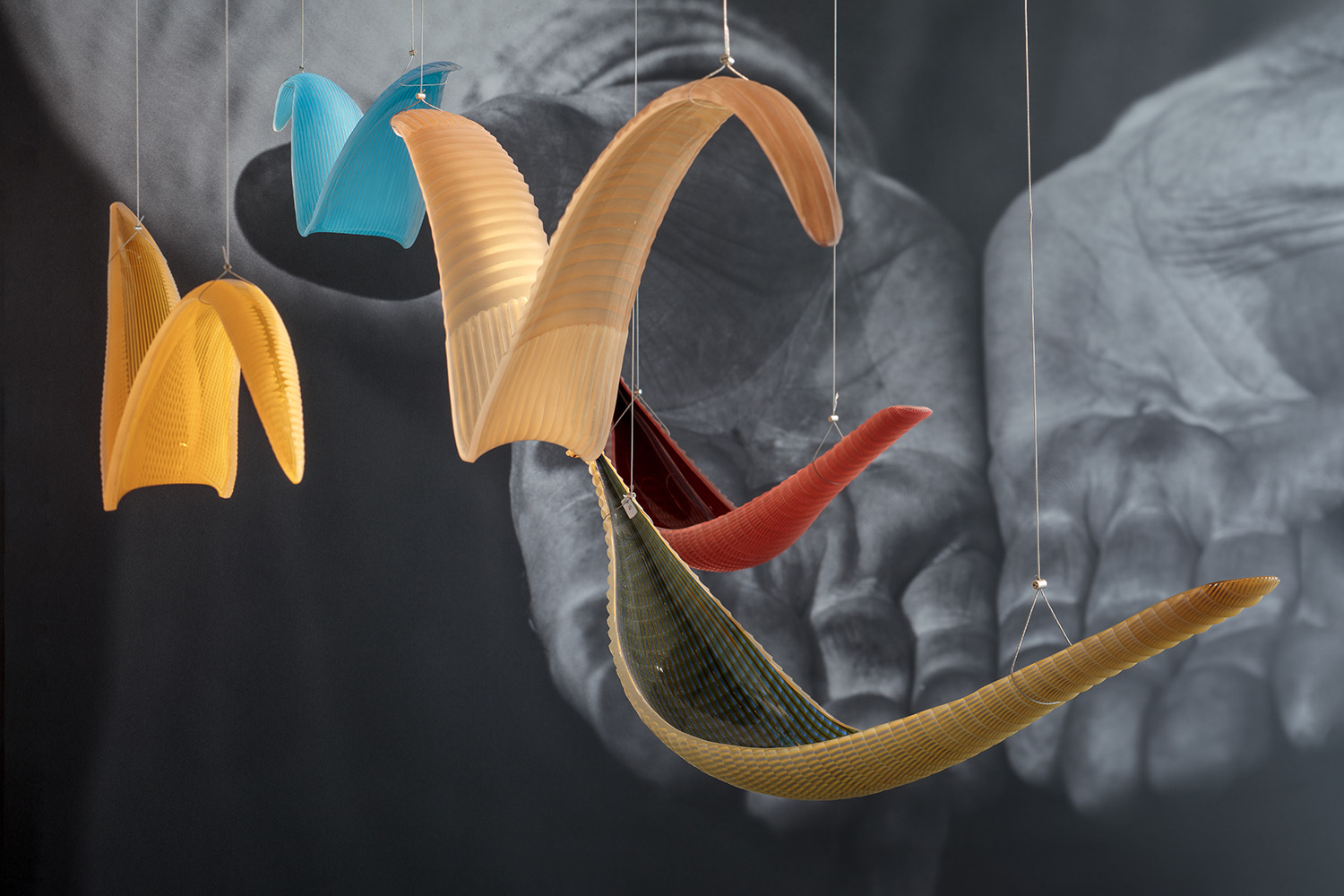
Perhaps the most illustrious Venetian glassblower and artist in the world, Lino Tagliapietra was born in 1934 in Murano, where the tradition of glassworking dates back to 1291. Precociously talented, he began to work as an apprentice at the age of 11 and never stopped. Very curious and open-minded, at 21 he was already considered a master. He worked for the most important glass manufacturers and then by himself. An unstoppable experimenter, living in symbiosis with glass, he has had a crucial role in spreading the Venetian culture of glass across the world, namely in the United States, where he lived part of the year. Besides teaching and collaborating with other artists, he also collaborated with scientists at MIT. His pieces are the result of his creativity, aesthetic eye and technical skills coming together in harmony.
INTERVIEW
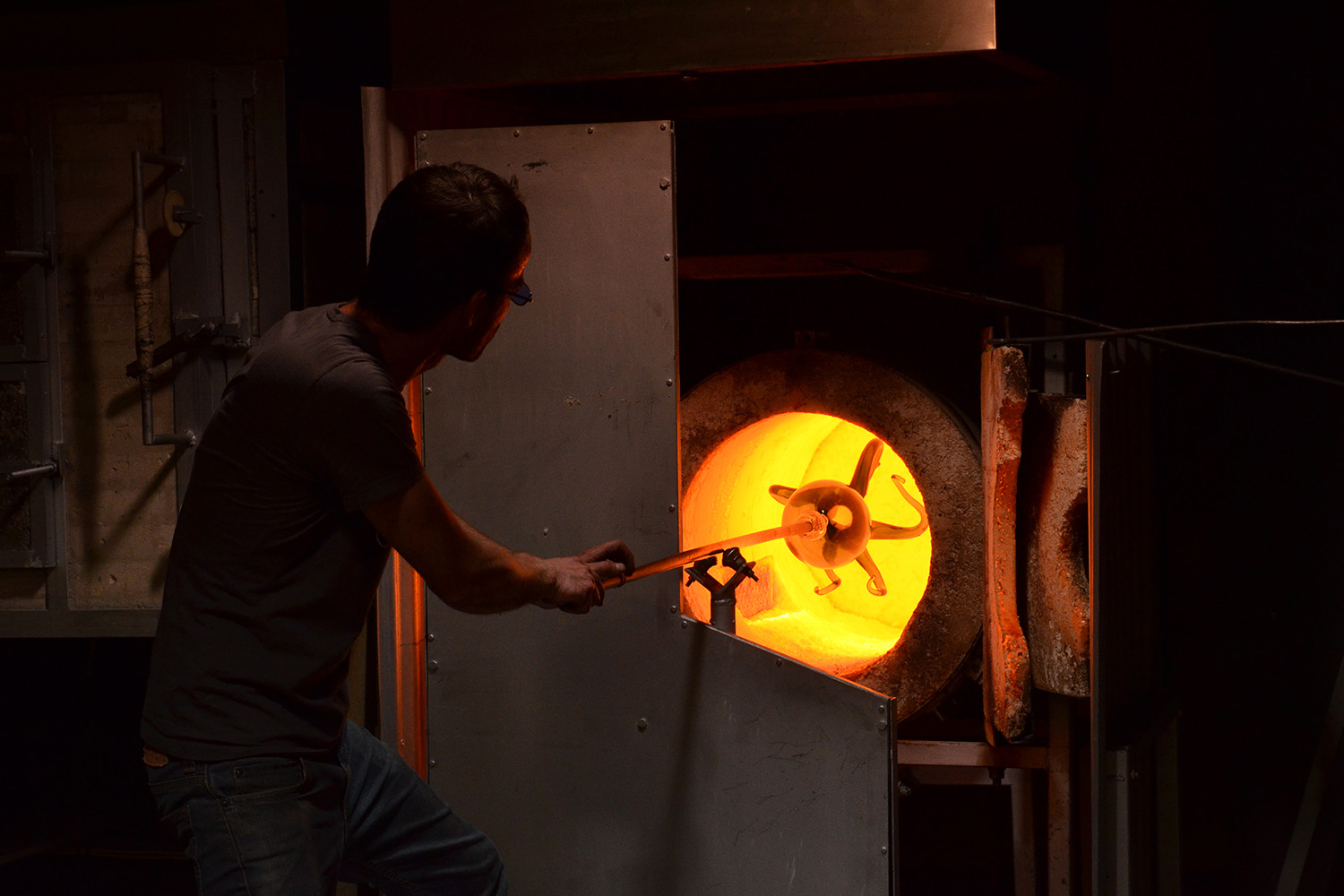
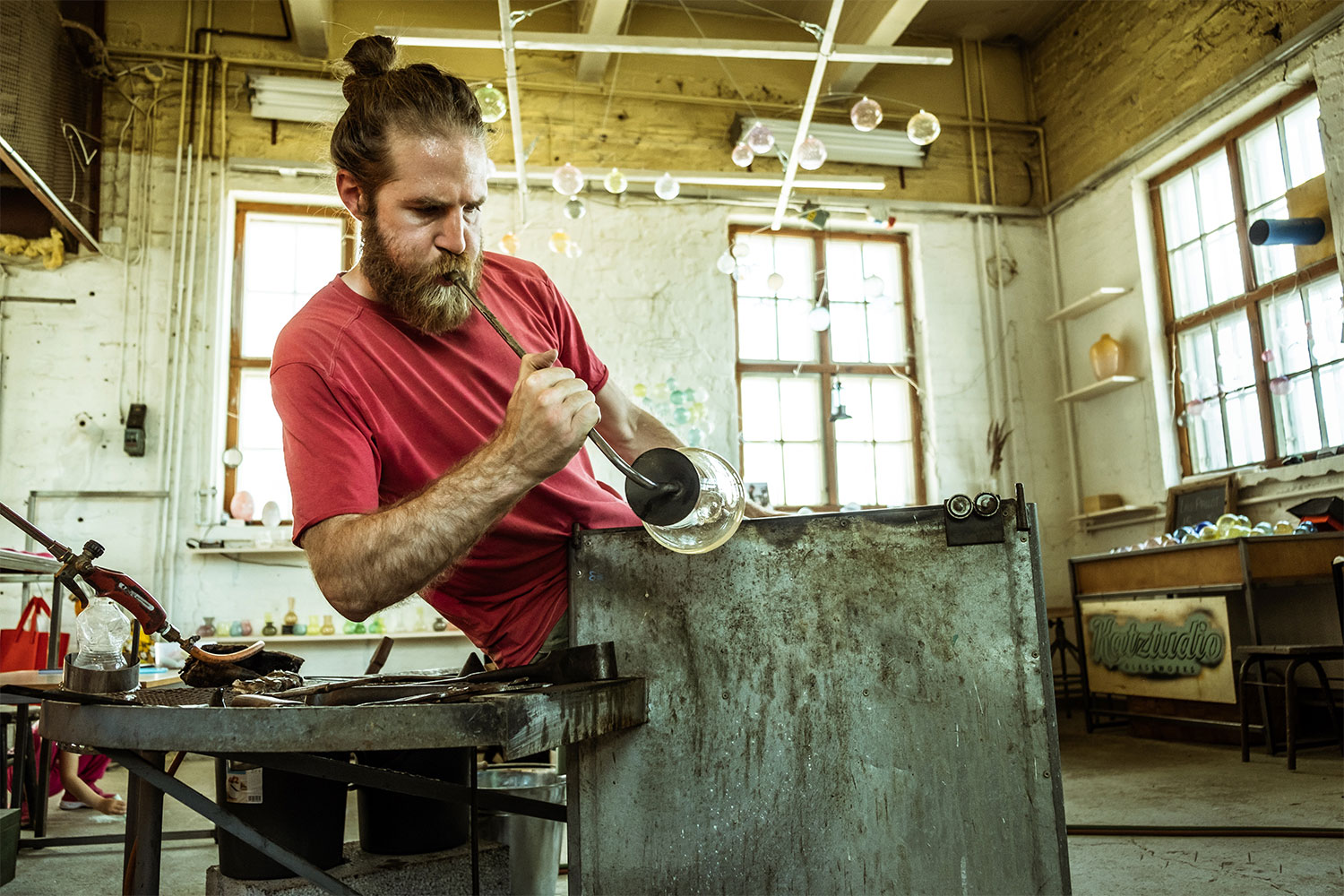
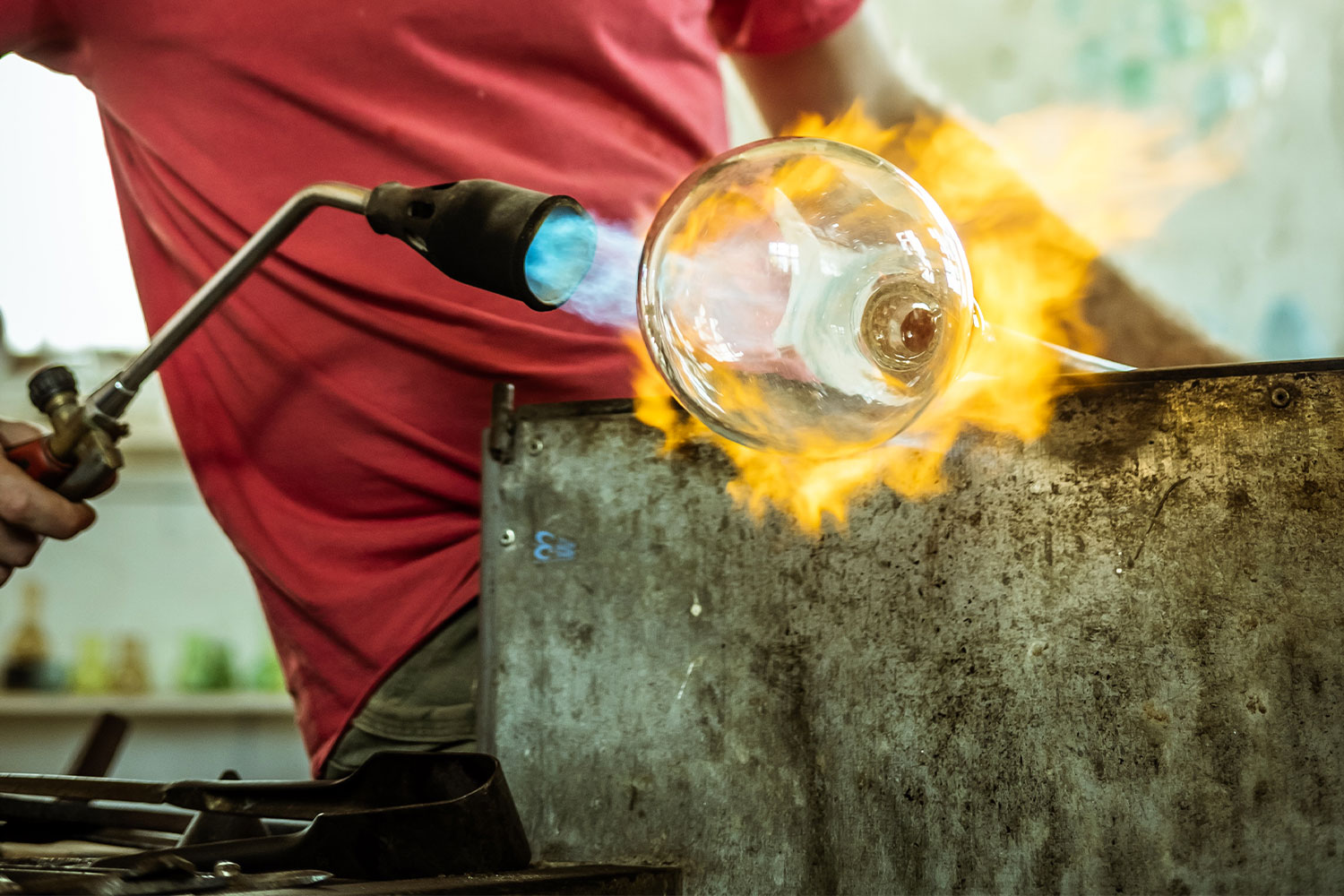
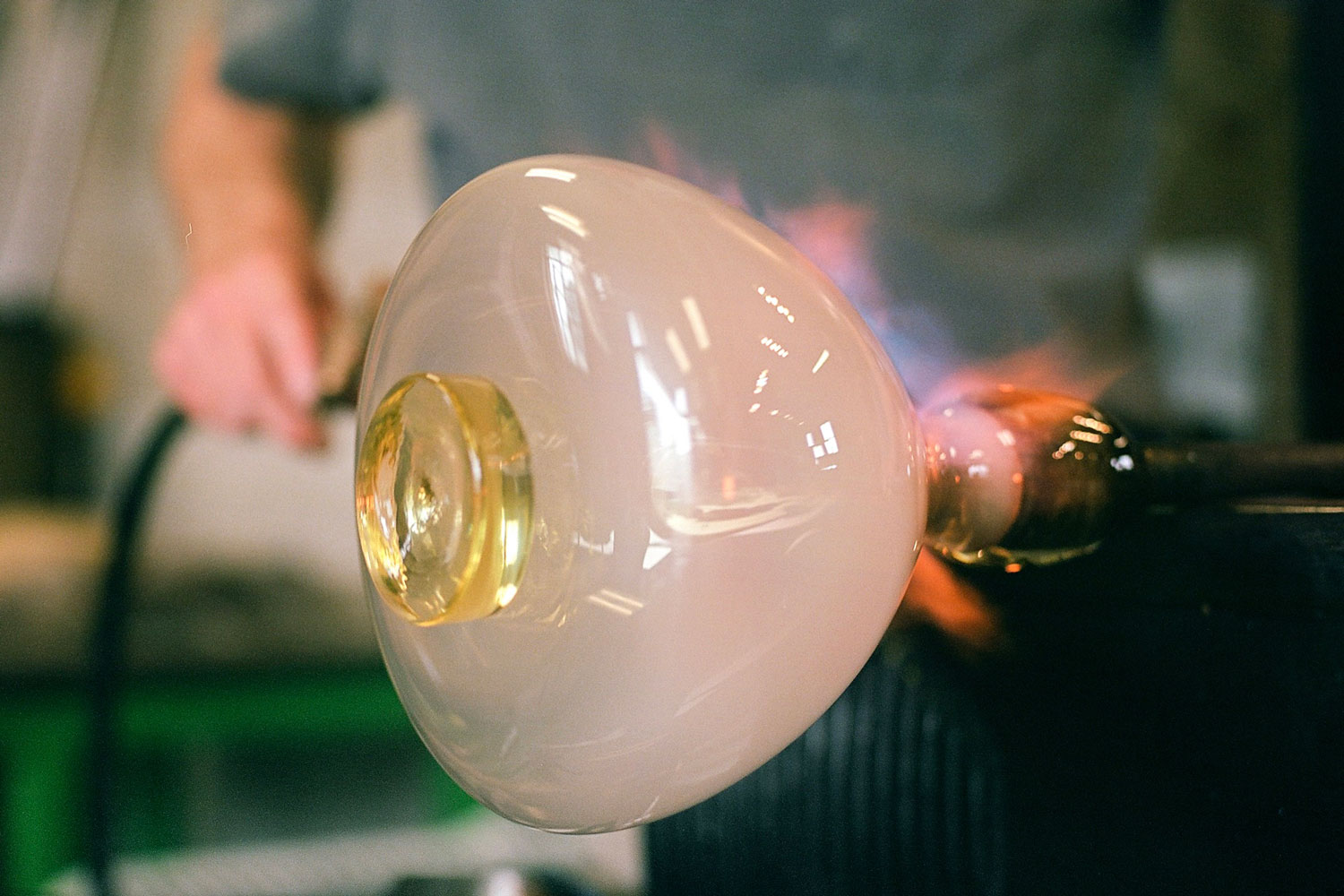
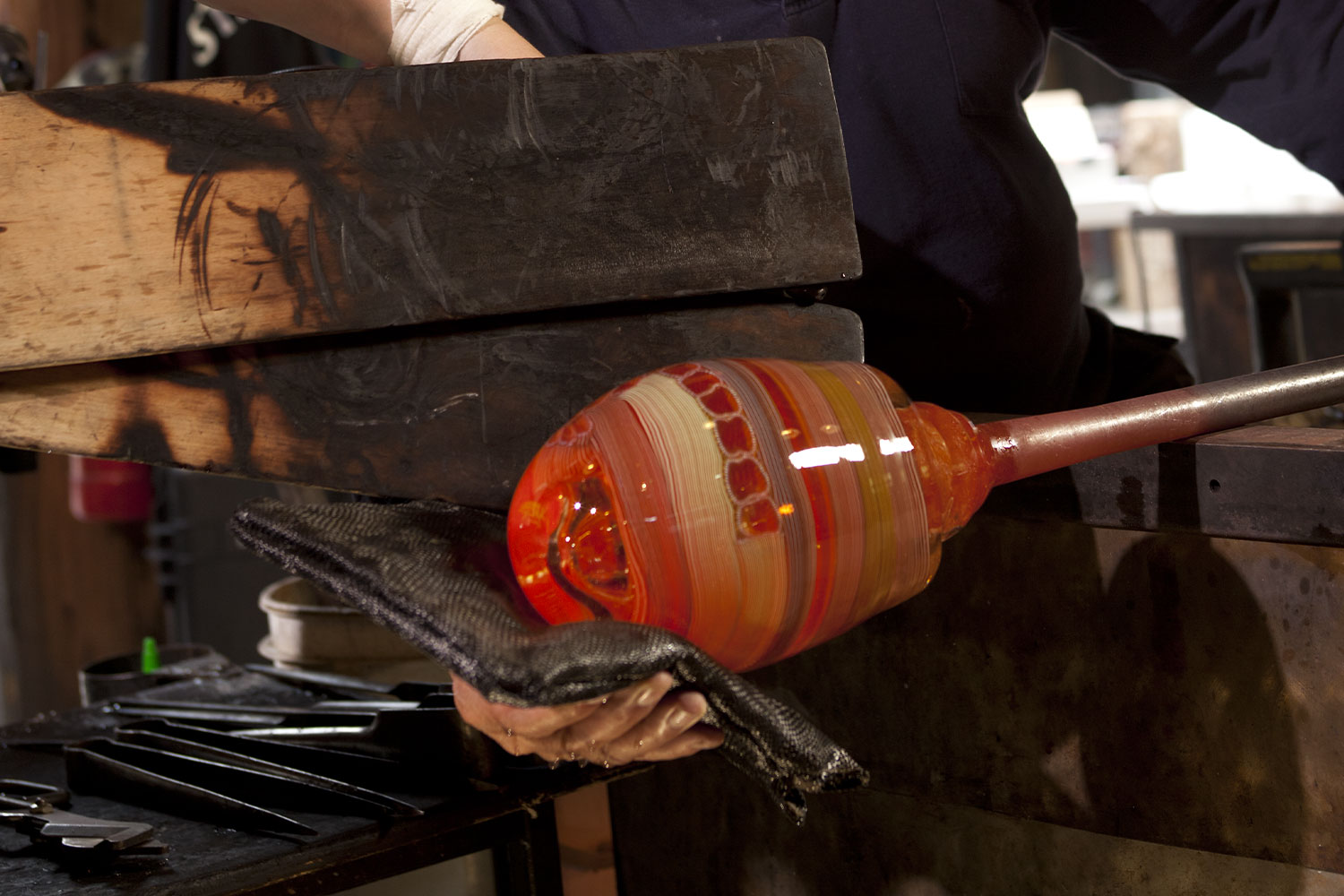
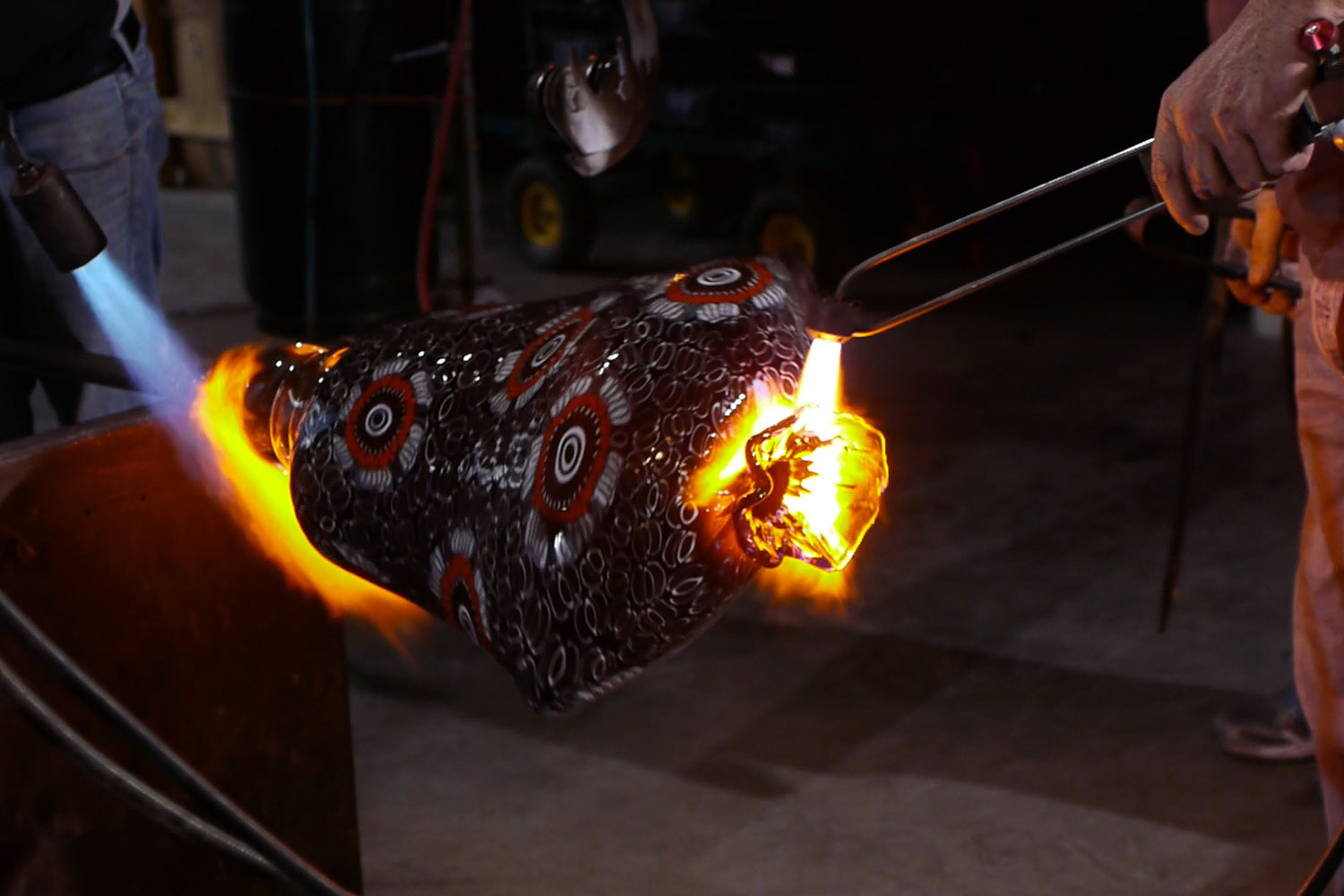
I've developed a great passion for the medium of glass, as it possesses the special beauty of transformation: you have to use fire, water, air to work it. It’s challenging, you have to respect it.
Aged 11, I worked with Archimede Seguso, but when I met Giovanni Ferro was the real turning point in my life. I was about 20. He was a great man, very patient, religious, not only a master. I understood from him that I had to experiment and find my own way.
Interactions between cultures are vital. I was touched by Pollock, Lloyd Wright, Moore, fascinated by the Native Americans, so close to the earth and nature, and inspired by their bright ceramics. Most importantly, in America you feel free and encouraged to experiment.
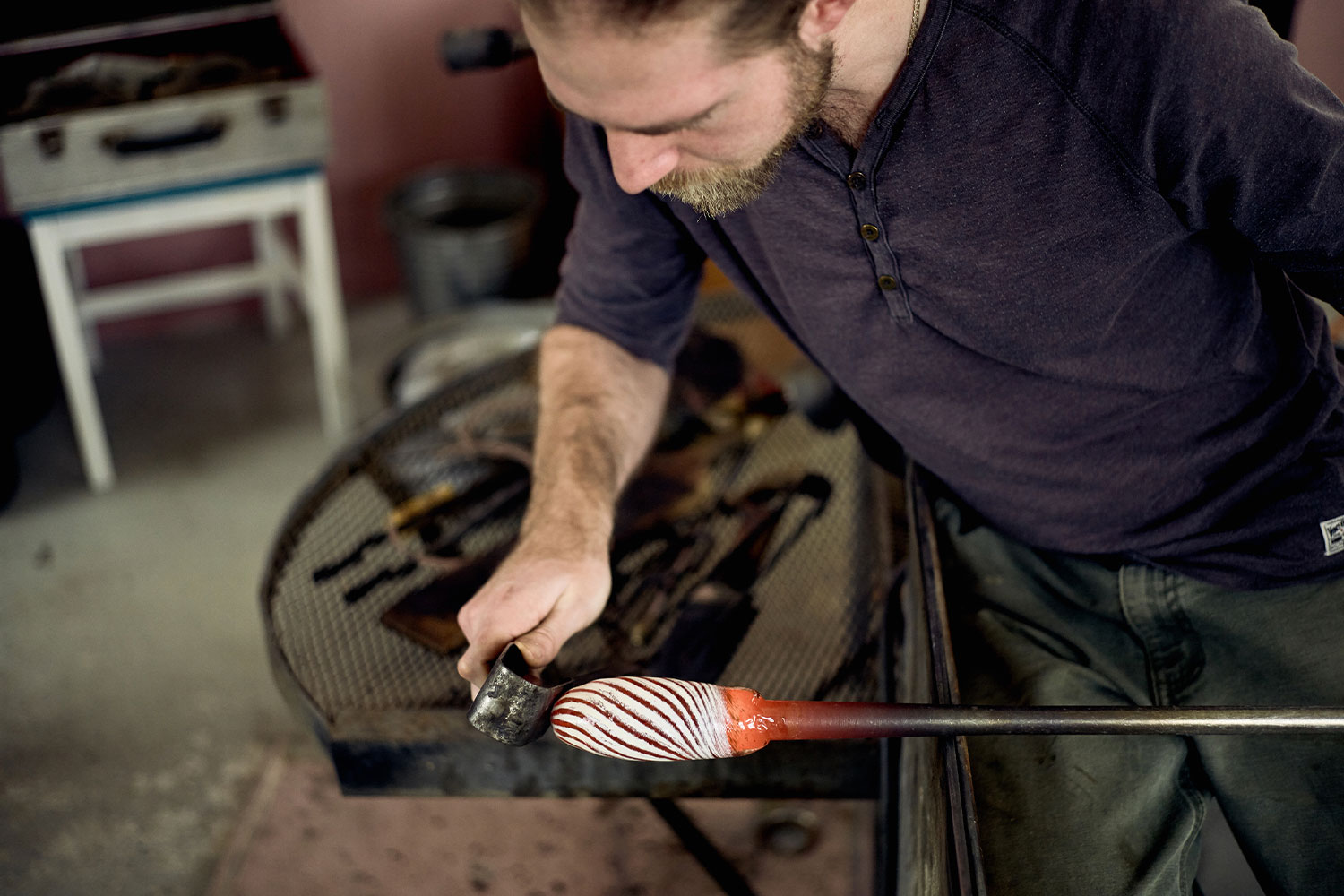
Learning glassblowing takes many years and it’s never over. Apprentices need to learn from more than one master and we need a market for important pieces. The protection of glass is also a social protection.

Lino Tagliapietra
Glassblower
Venice, Italy
Recommended by Fondazione Cologni Dei Mestieri D'Arte
AVAILABILITY
By appointment only
PHONE
+39 041736140
LANGUAGES
Italian, English
Homo Faber Finds is a new service aiming to inspire admirers of craft to connect and collaborate with exceptional artisans.
We invite you to submit an enquiry here.