Akira Hara
Glassblower
Venice, Italy
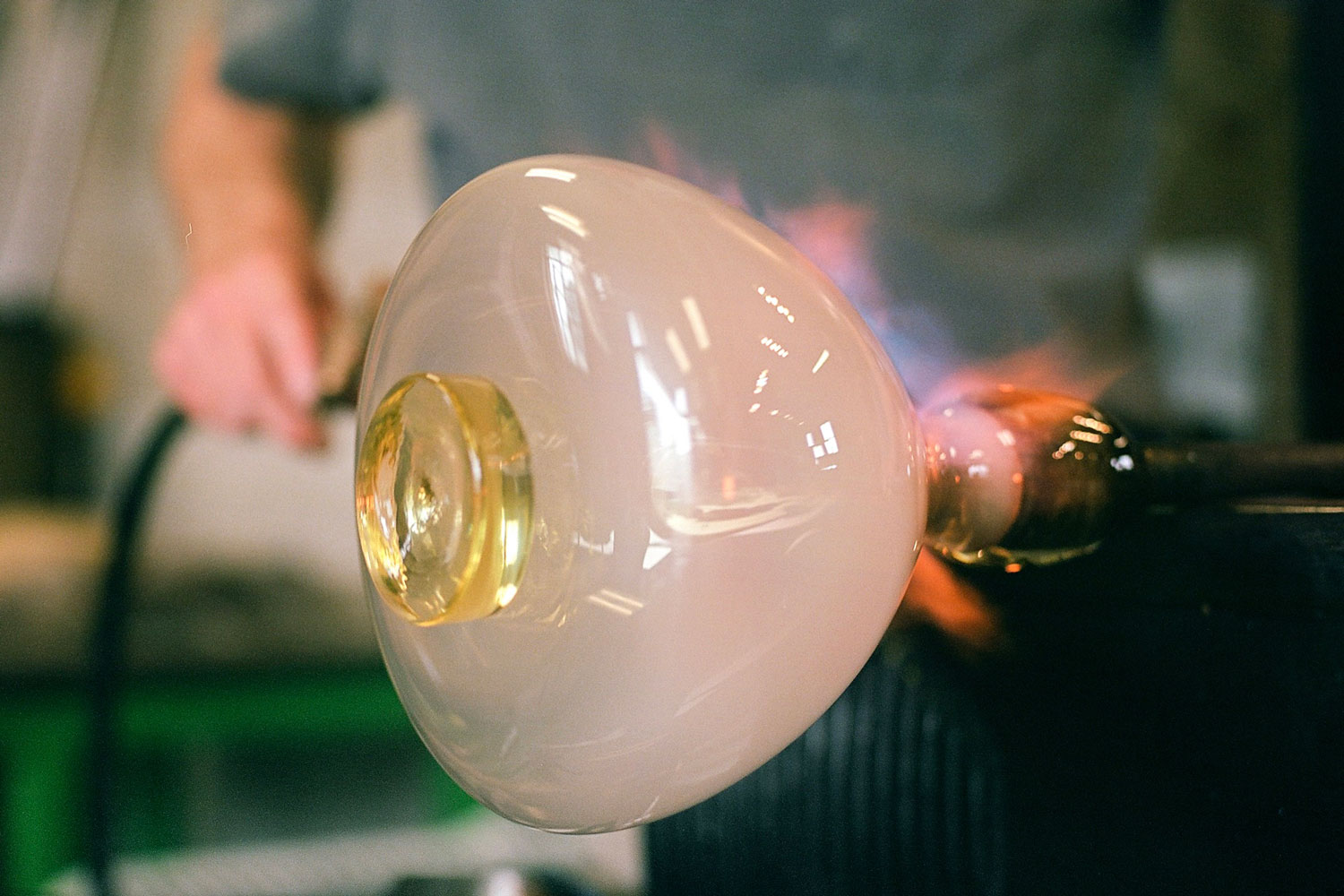
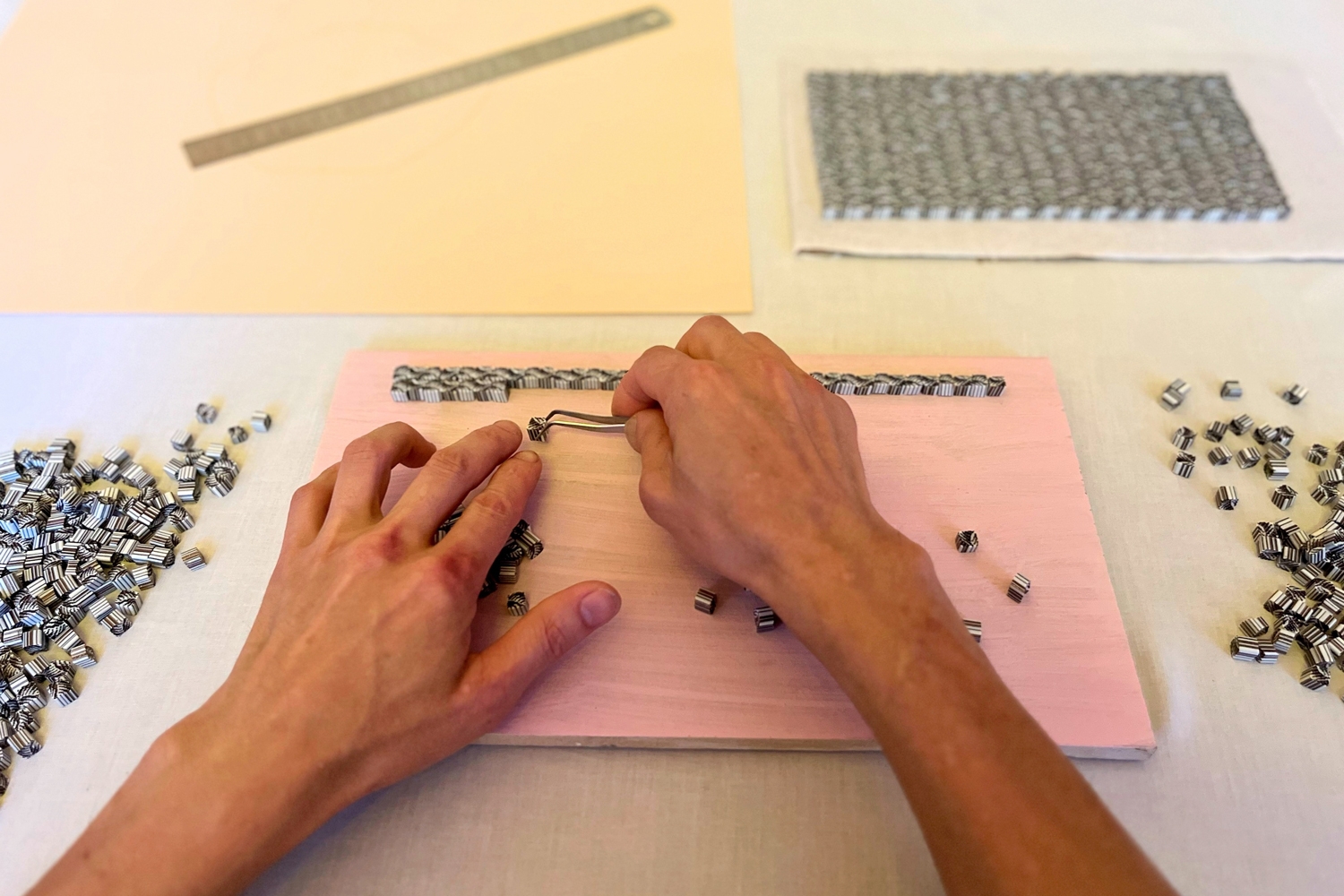
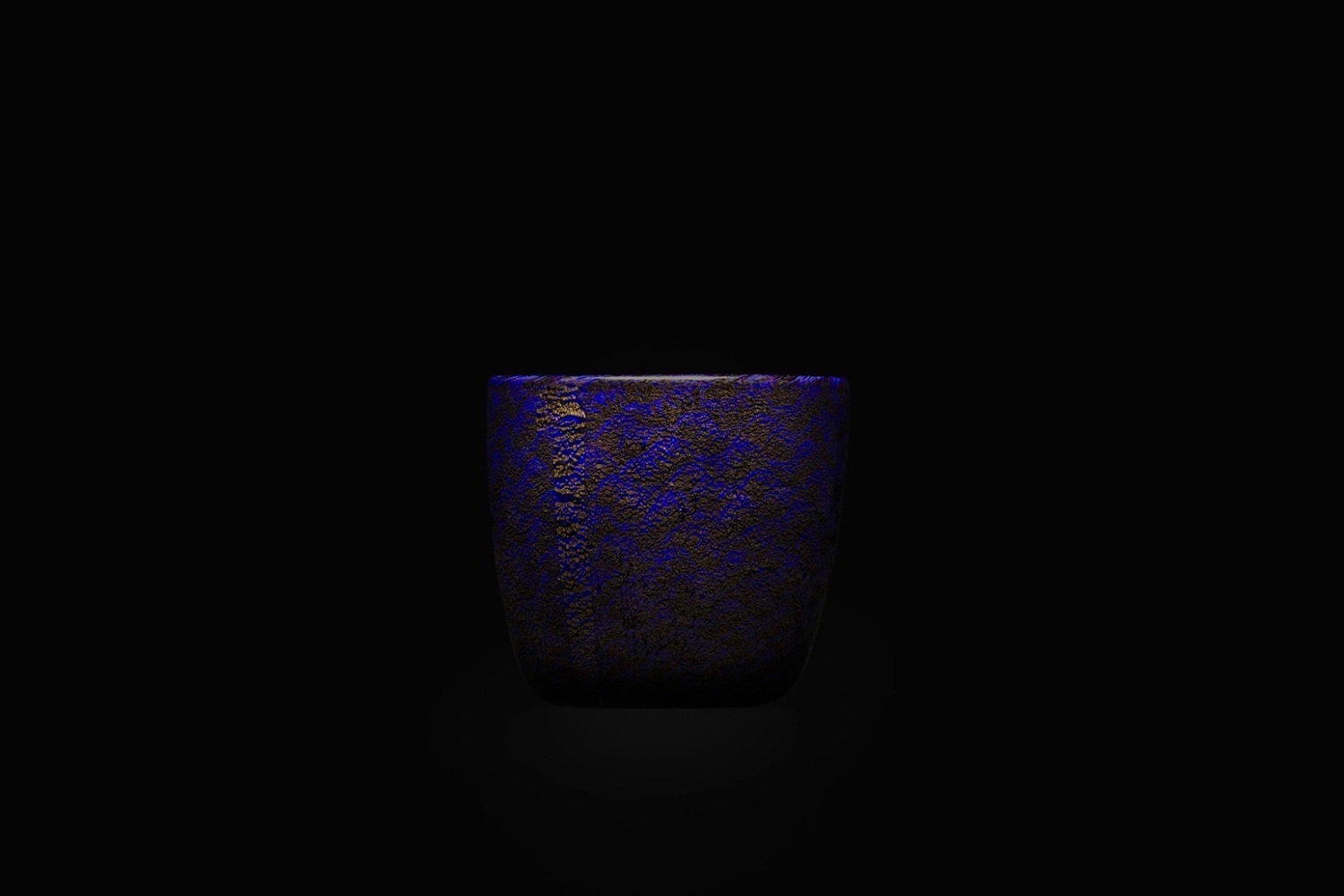
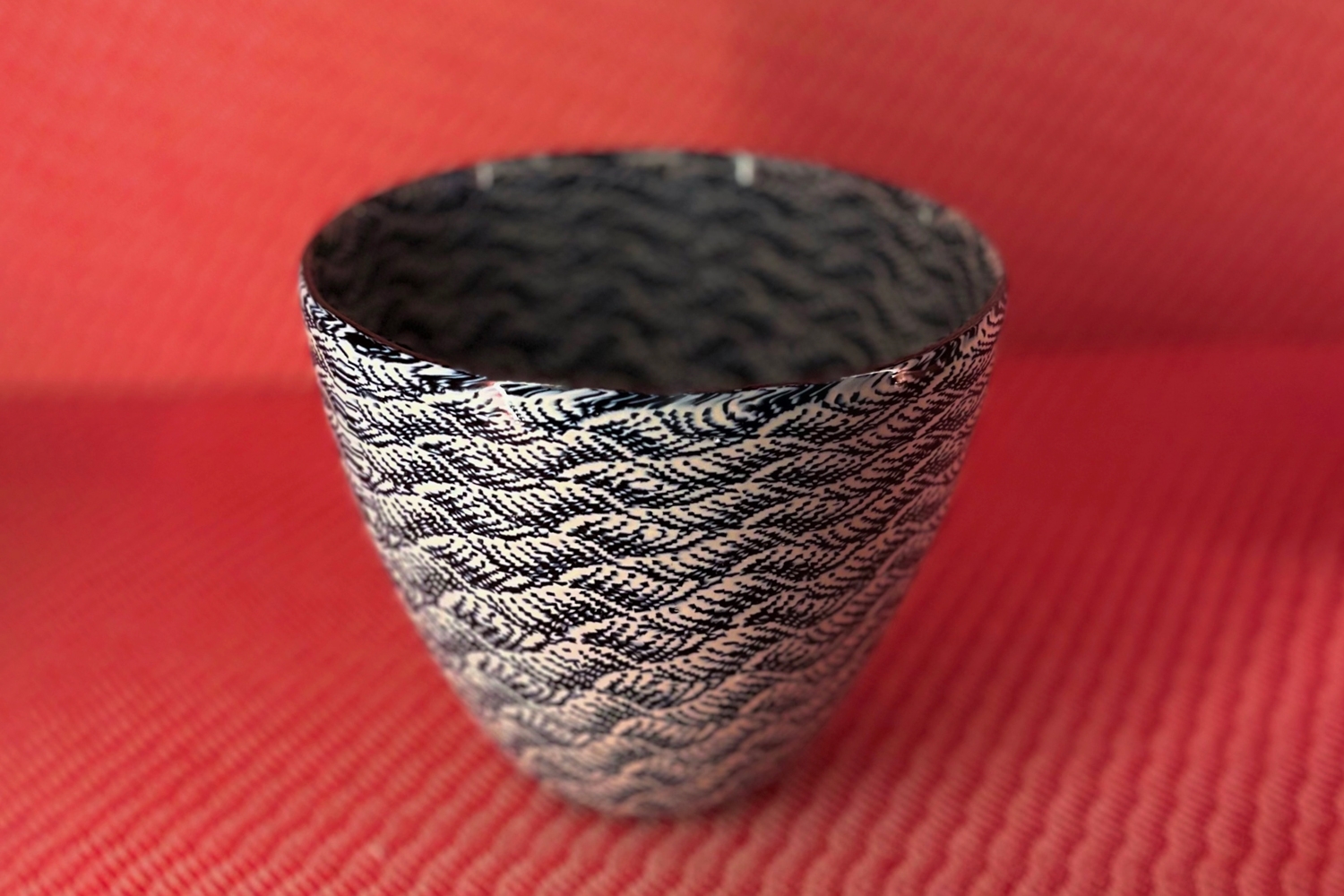
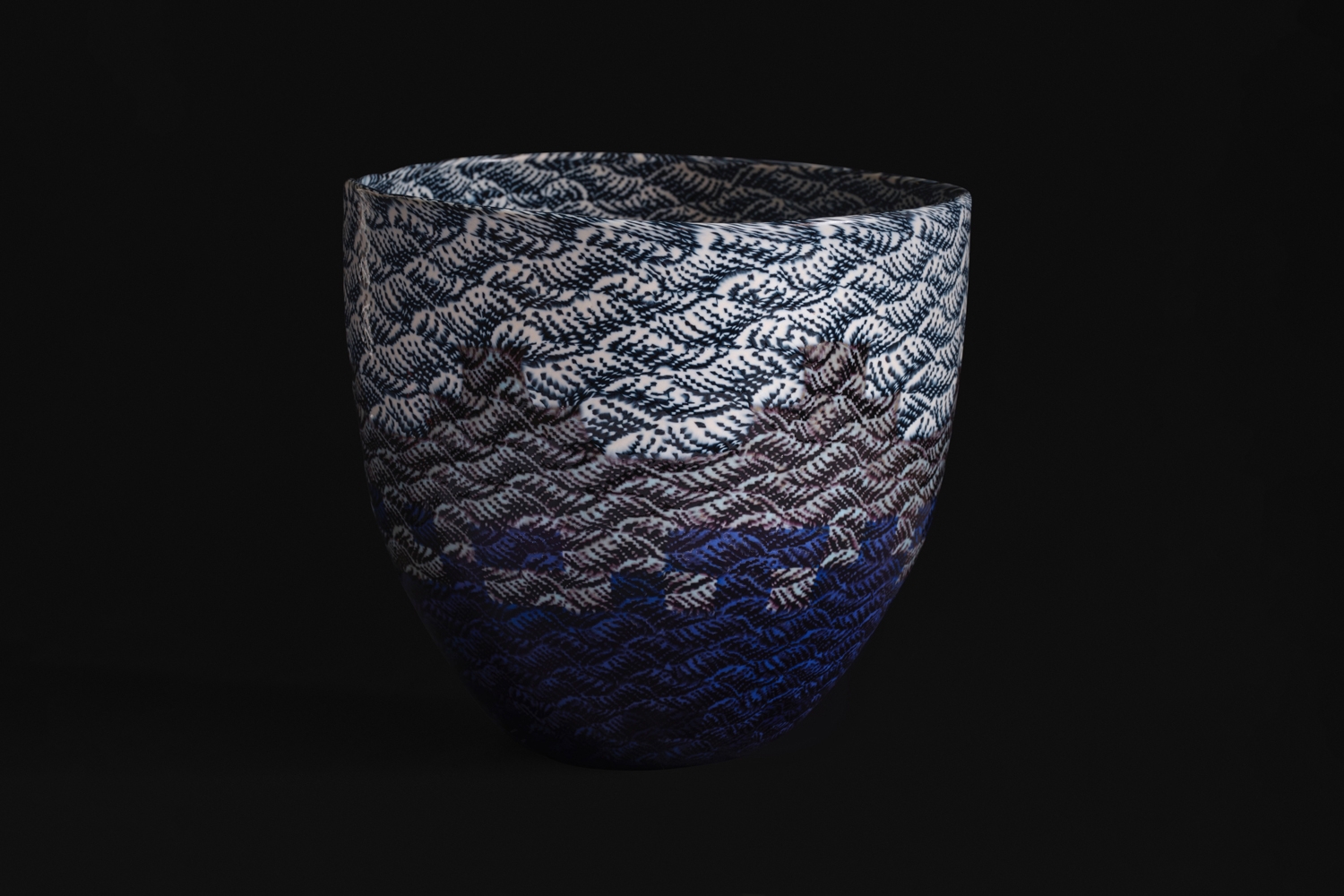
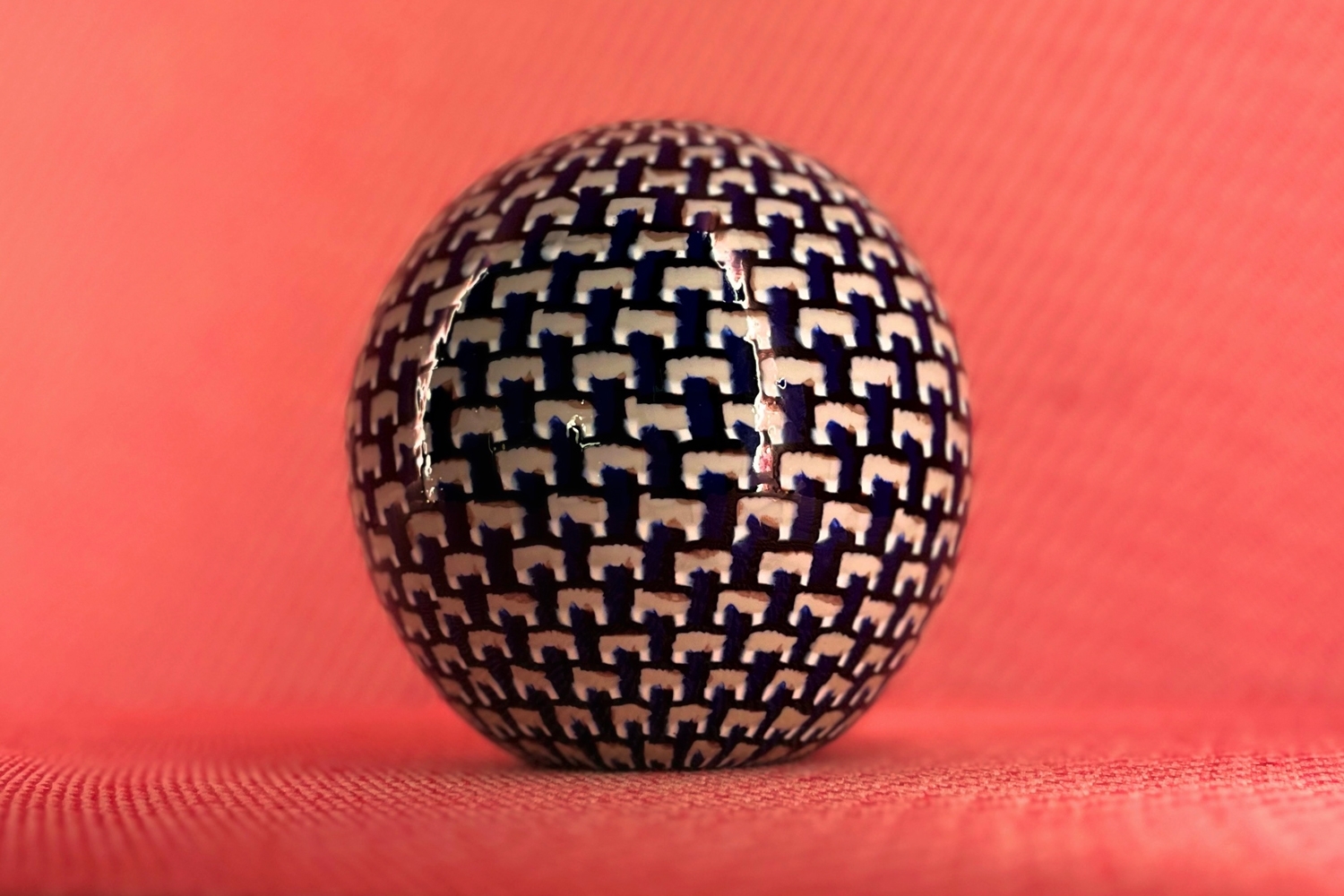
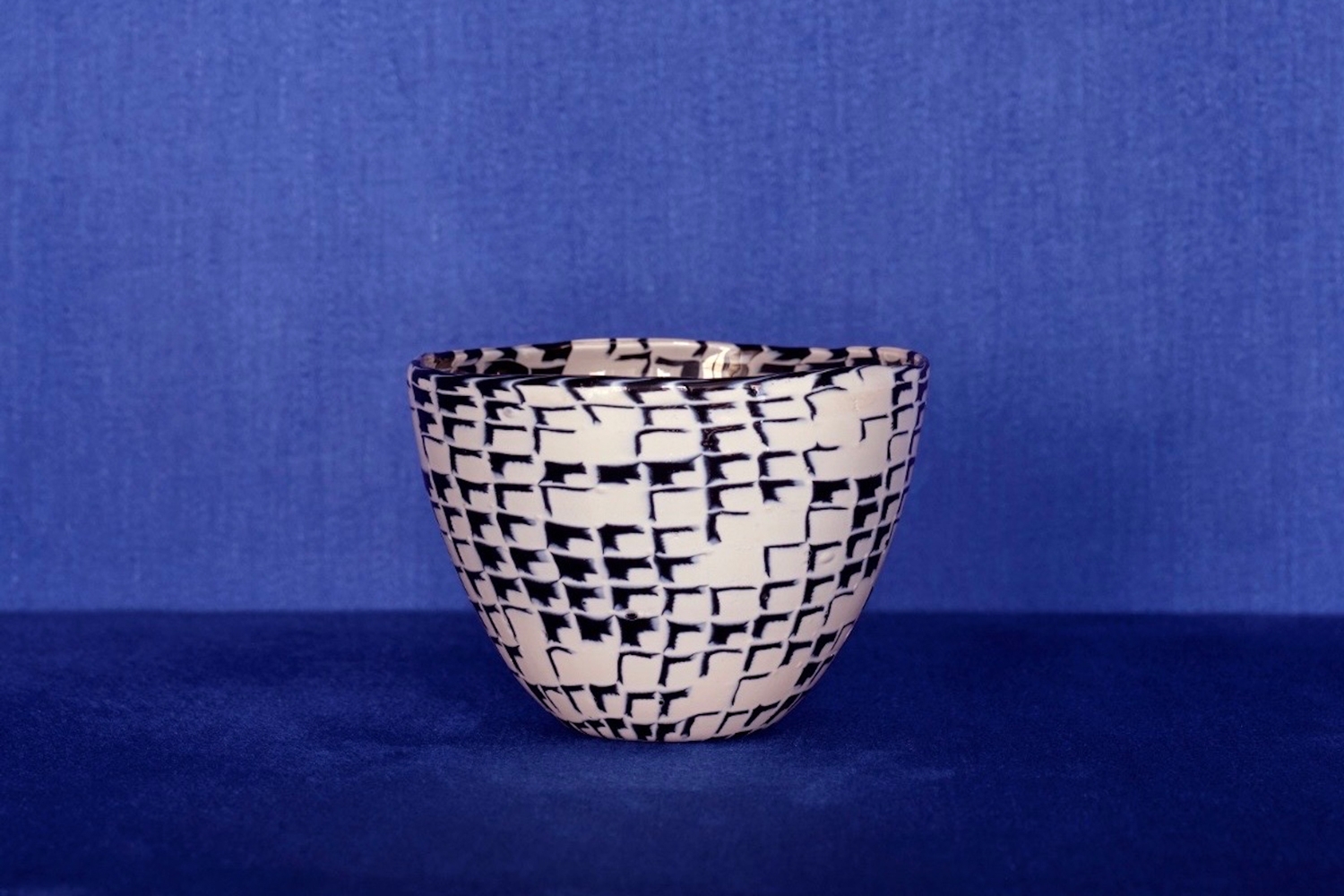
Murrrine glasswork with a wink to Japanese patterns
- Akira fuses Venetian glass heritage with Japanese artistry
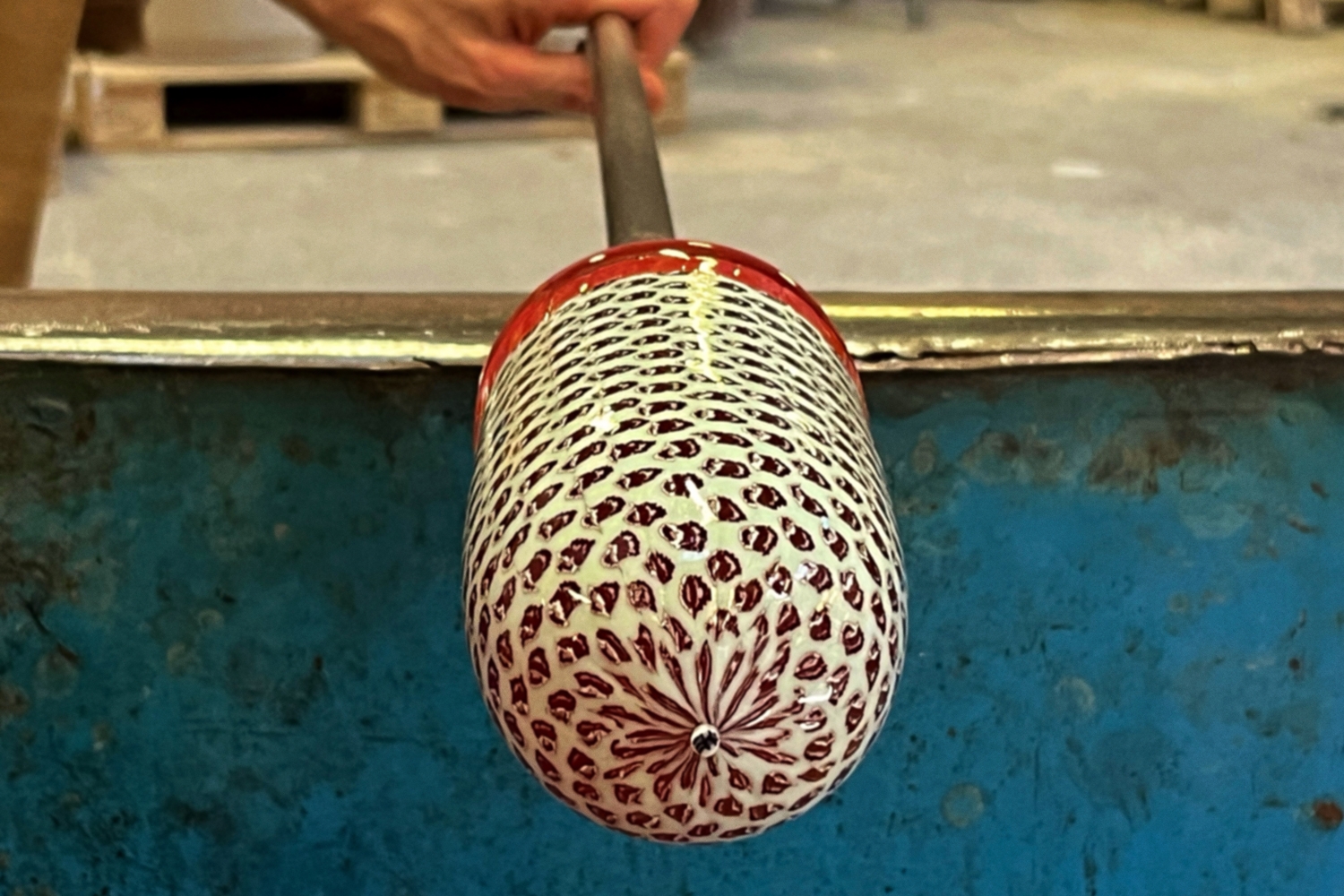
- He innovates on the murrine technique by creating continuity through patterns
- He is dedicated to preserving and evolving ancient glass techniques for the modern world
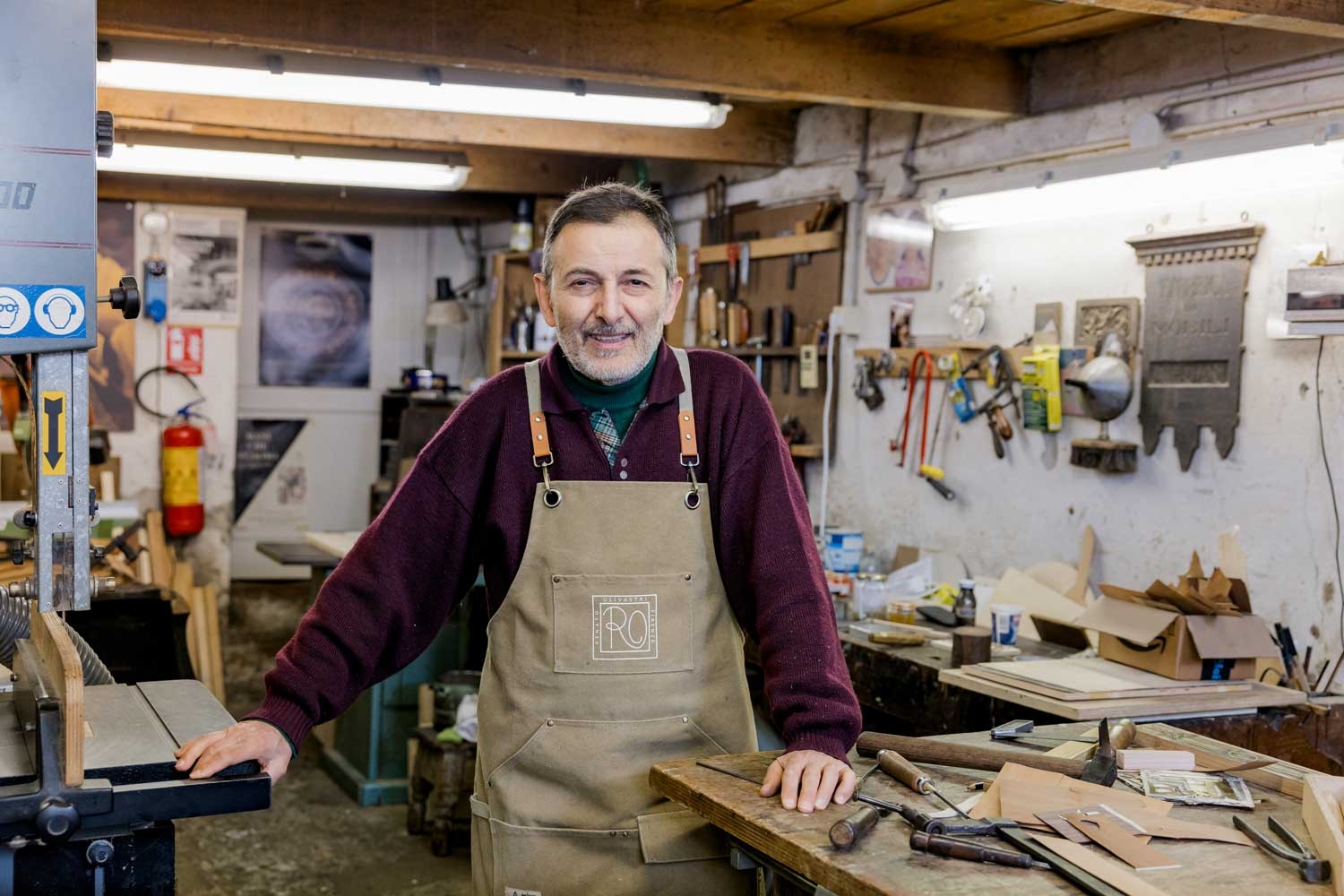
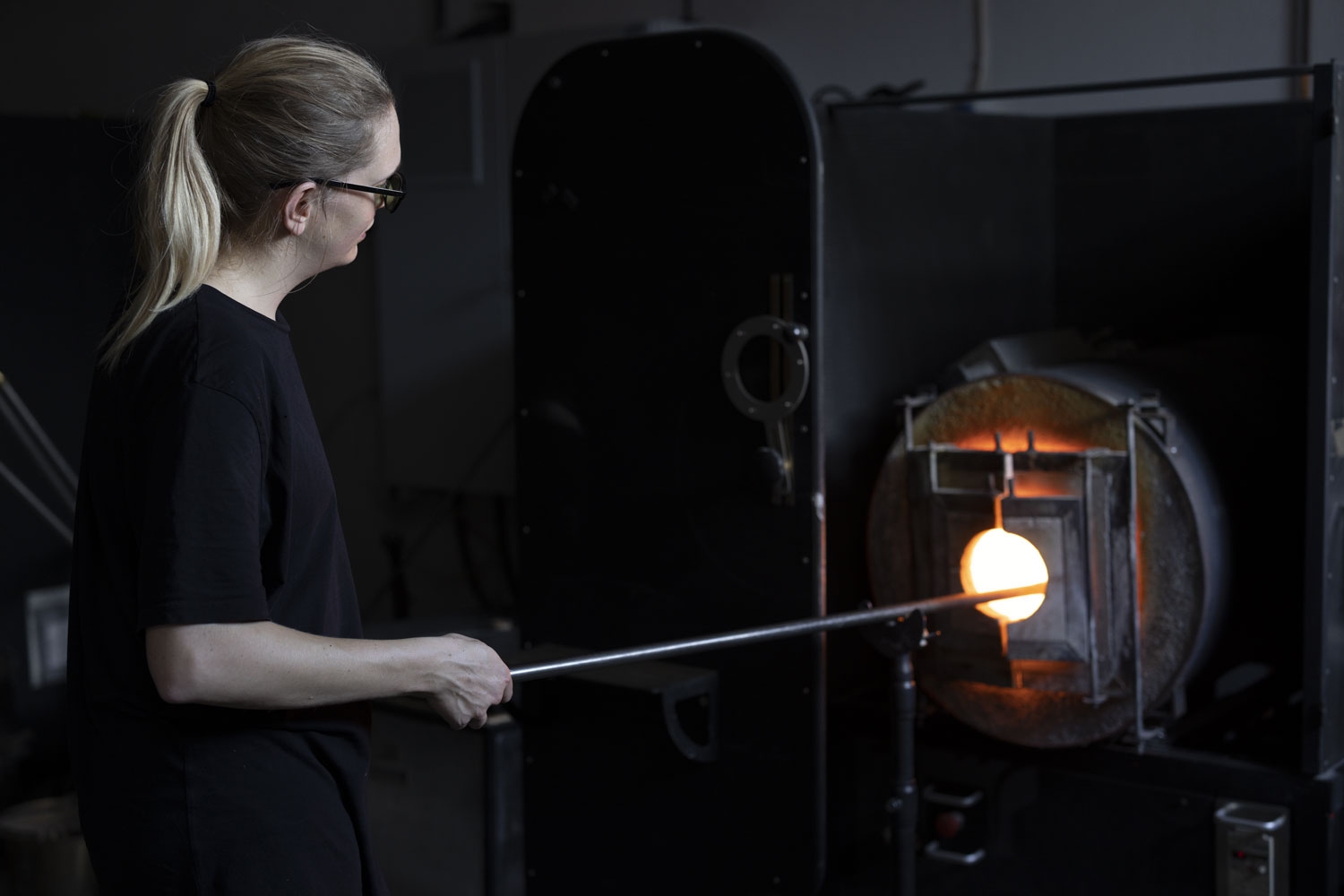
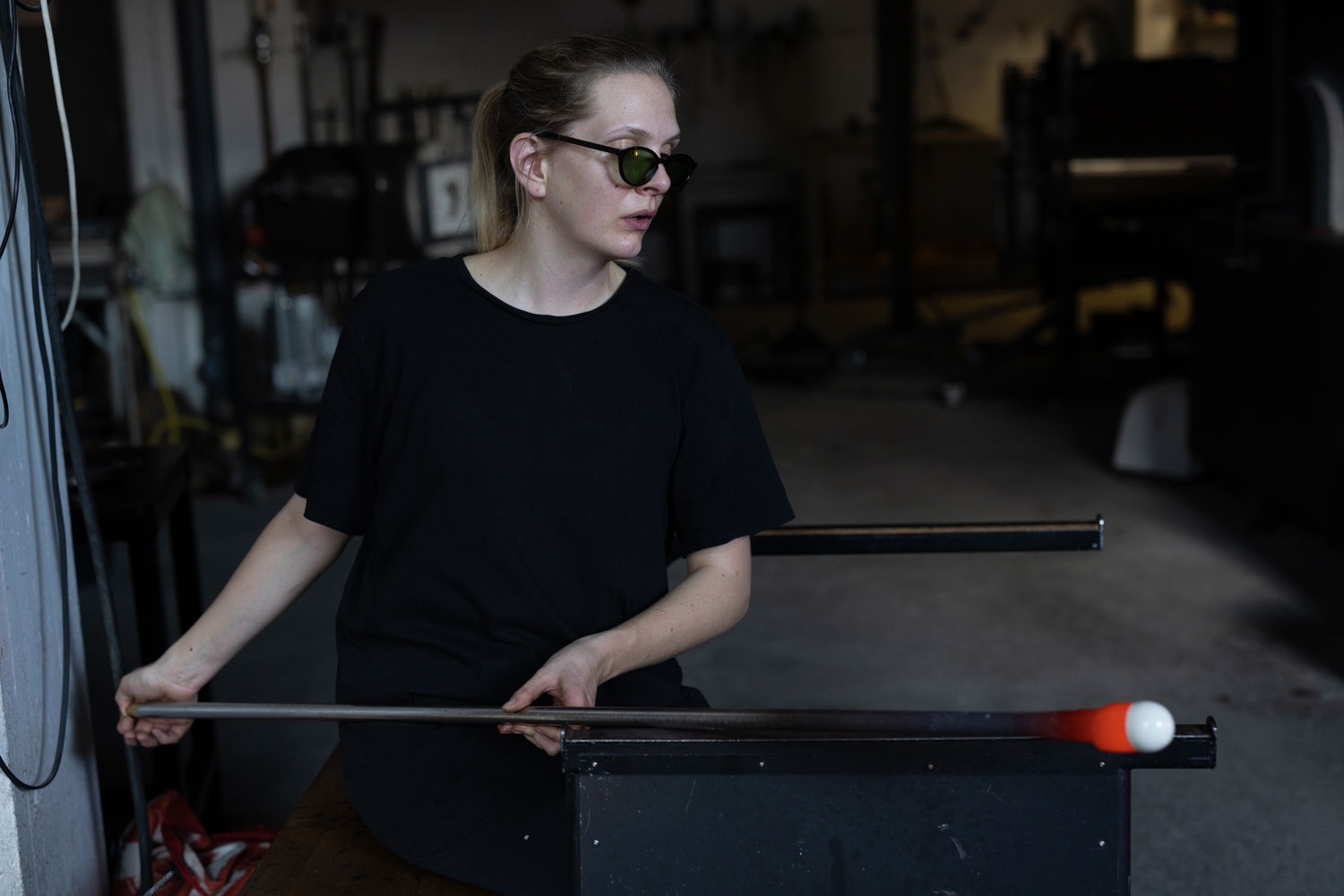
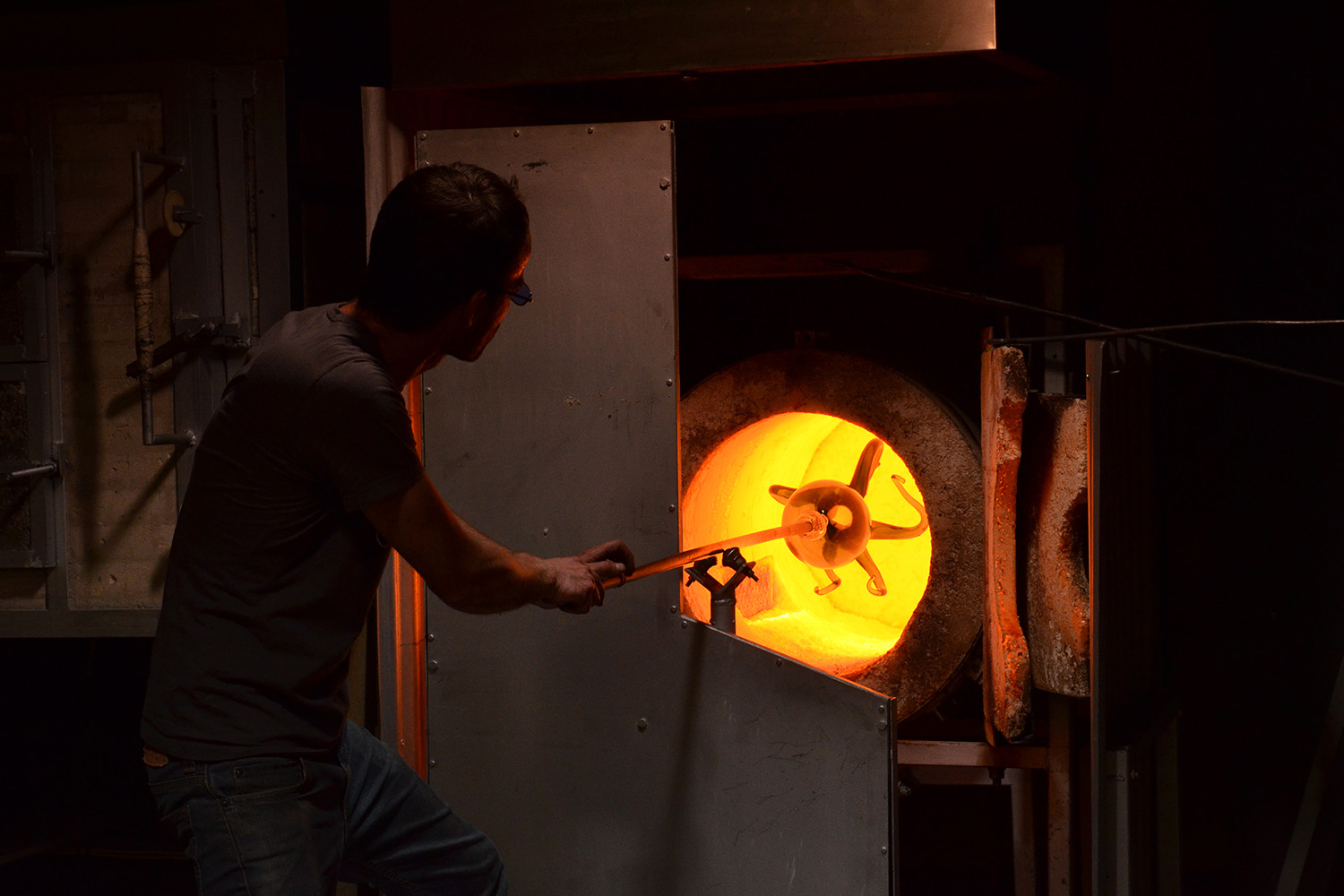
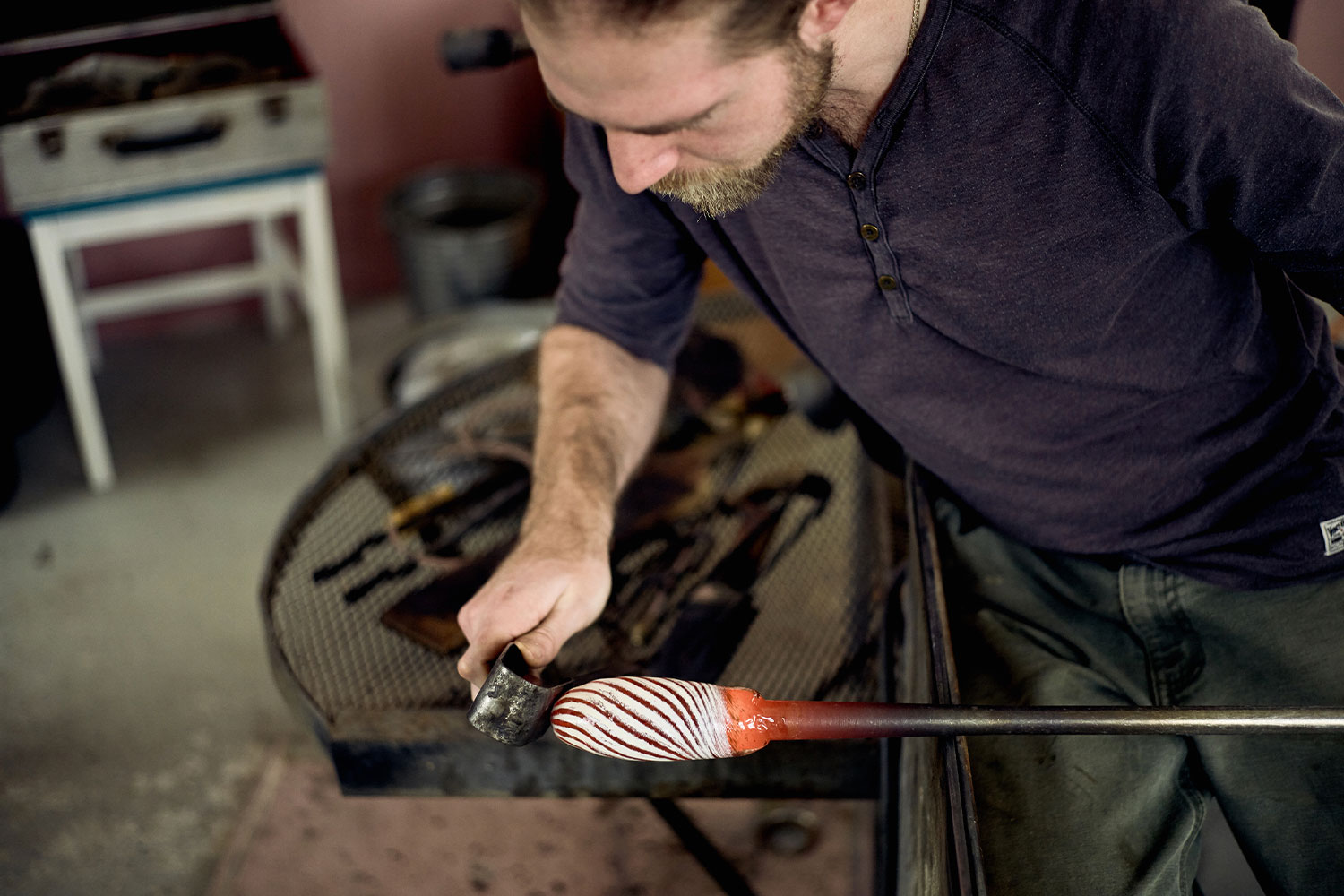
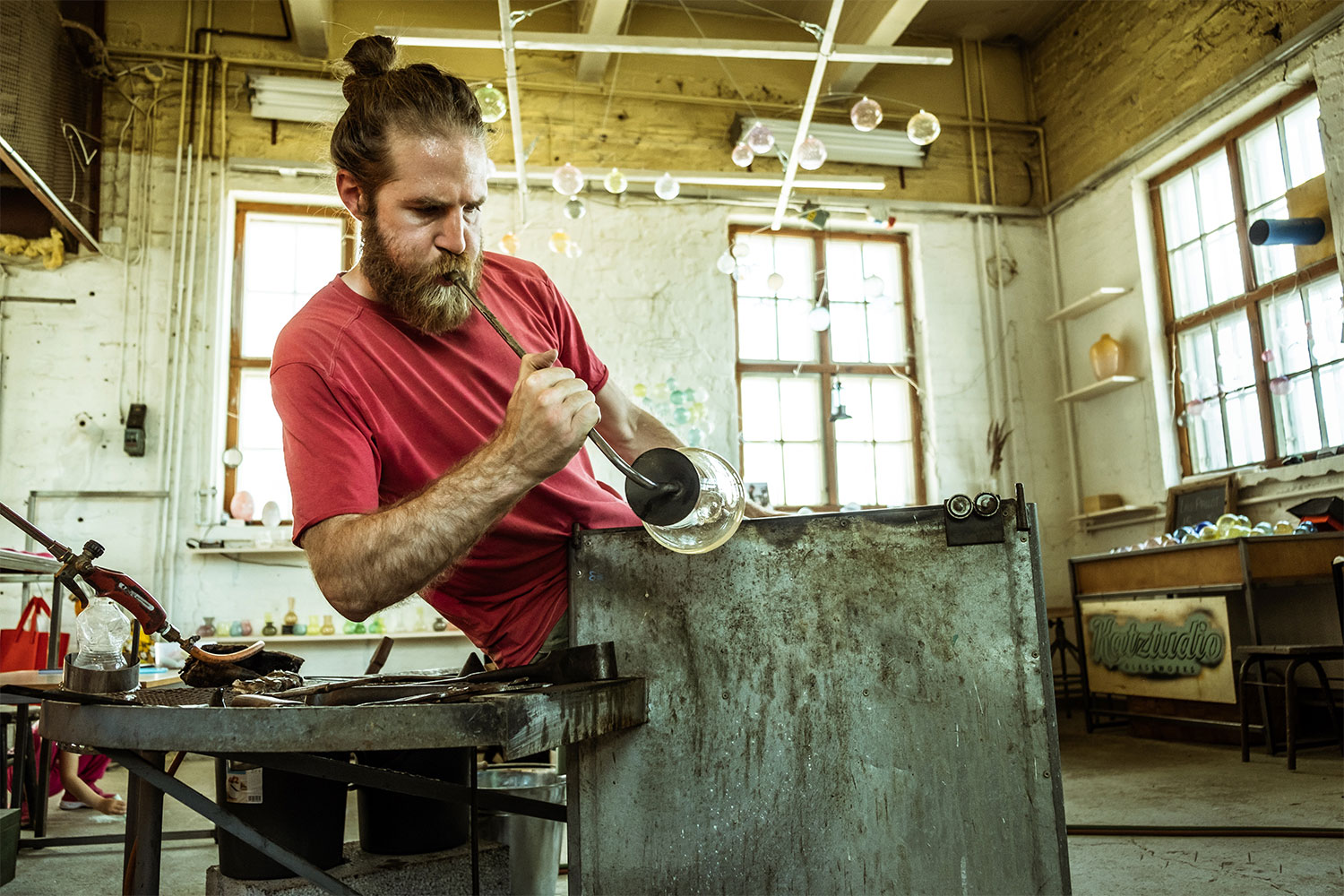
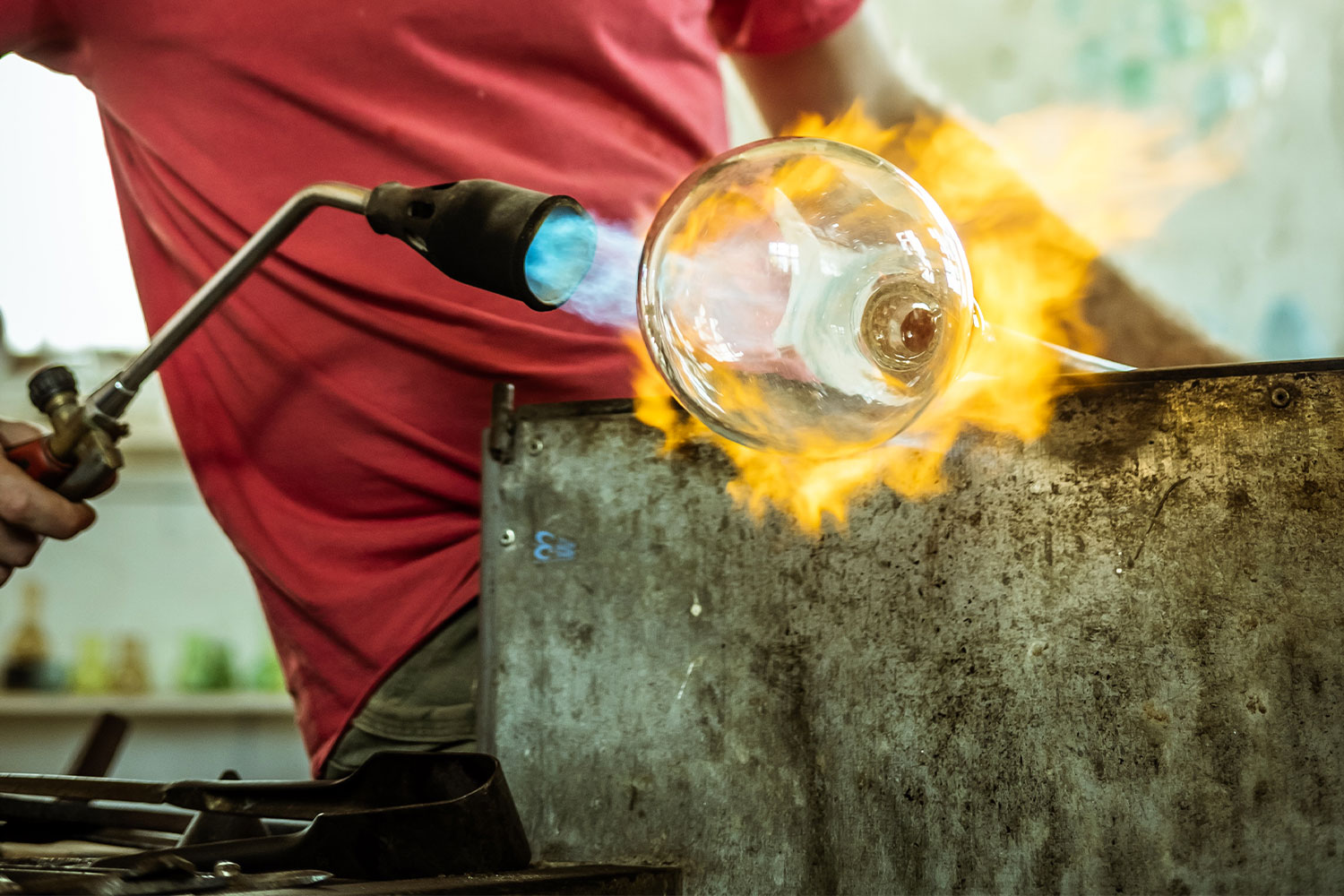
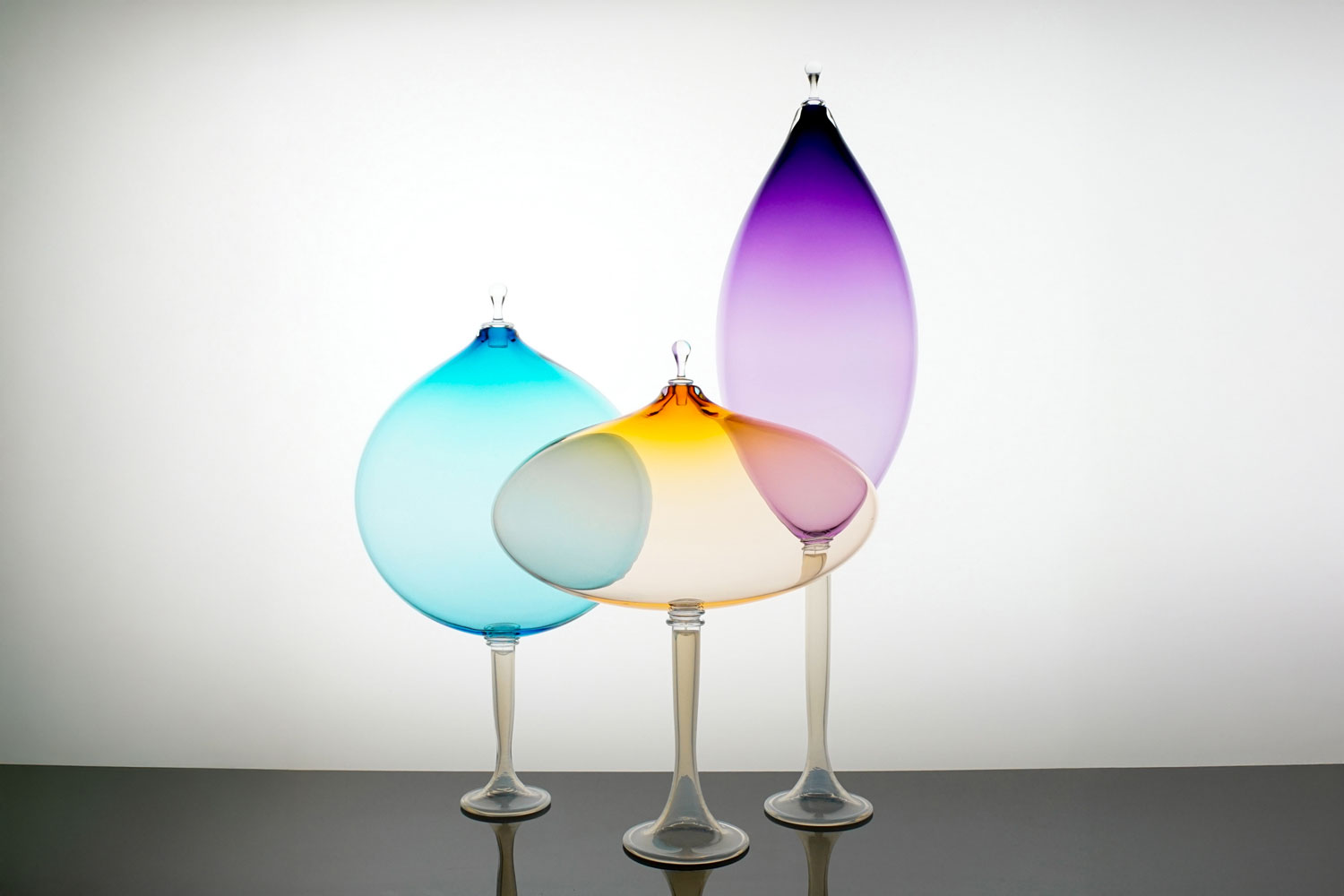
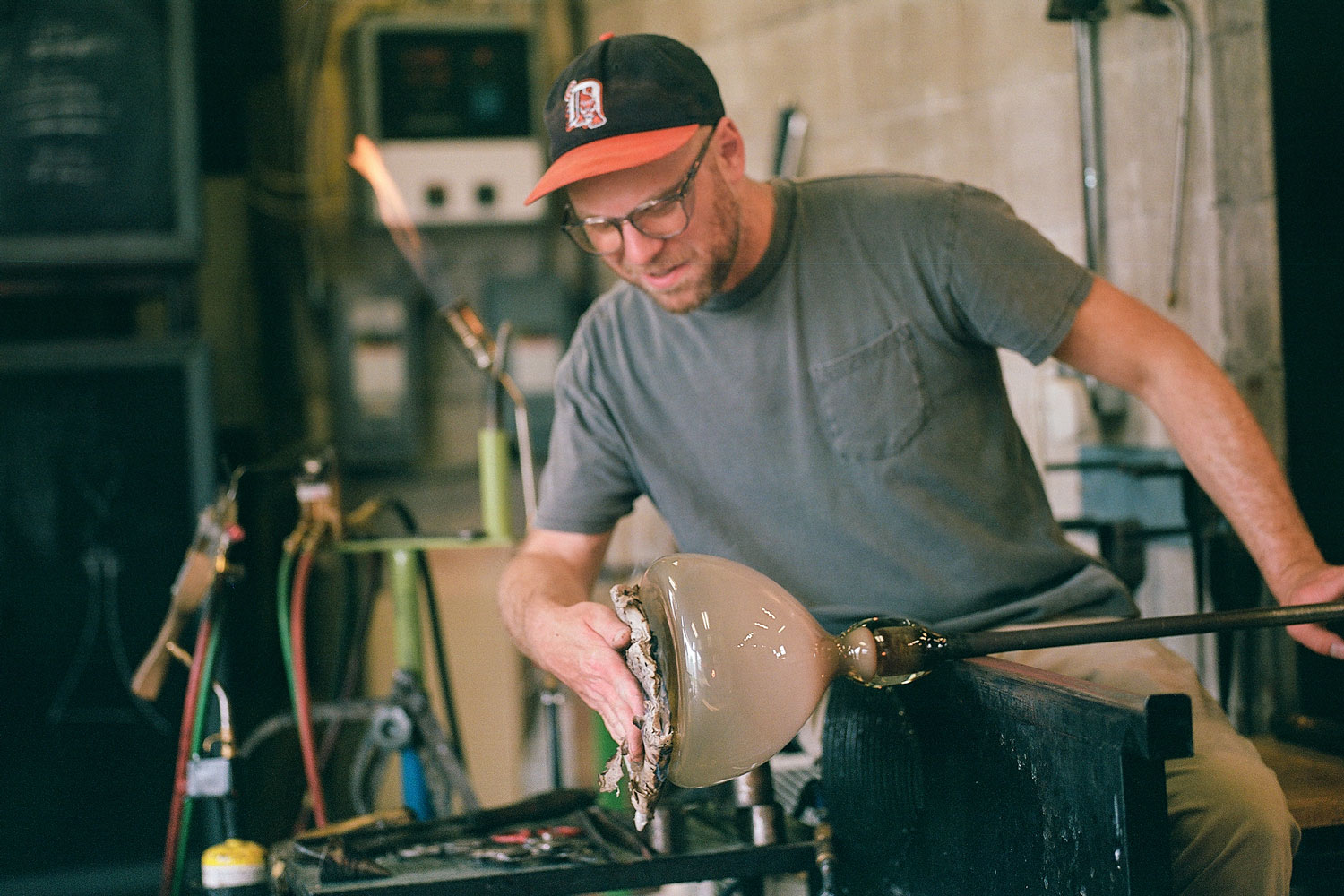
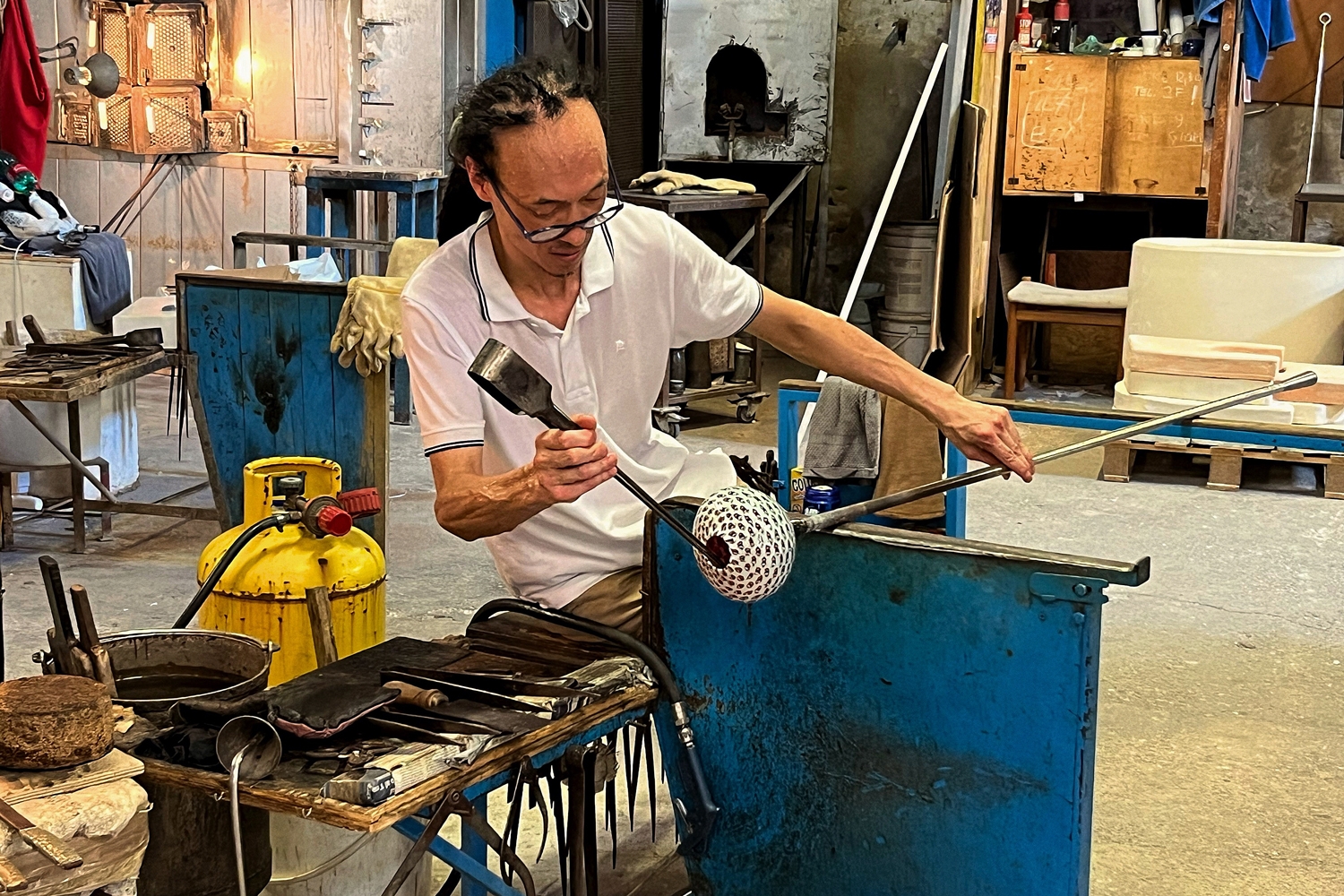
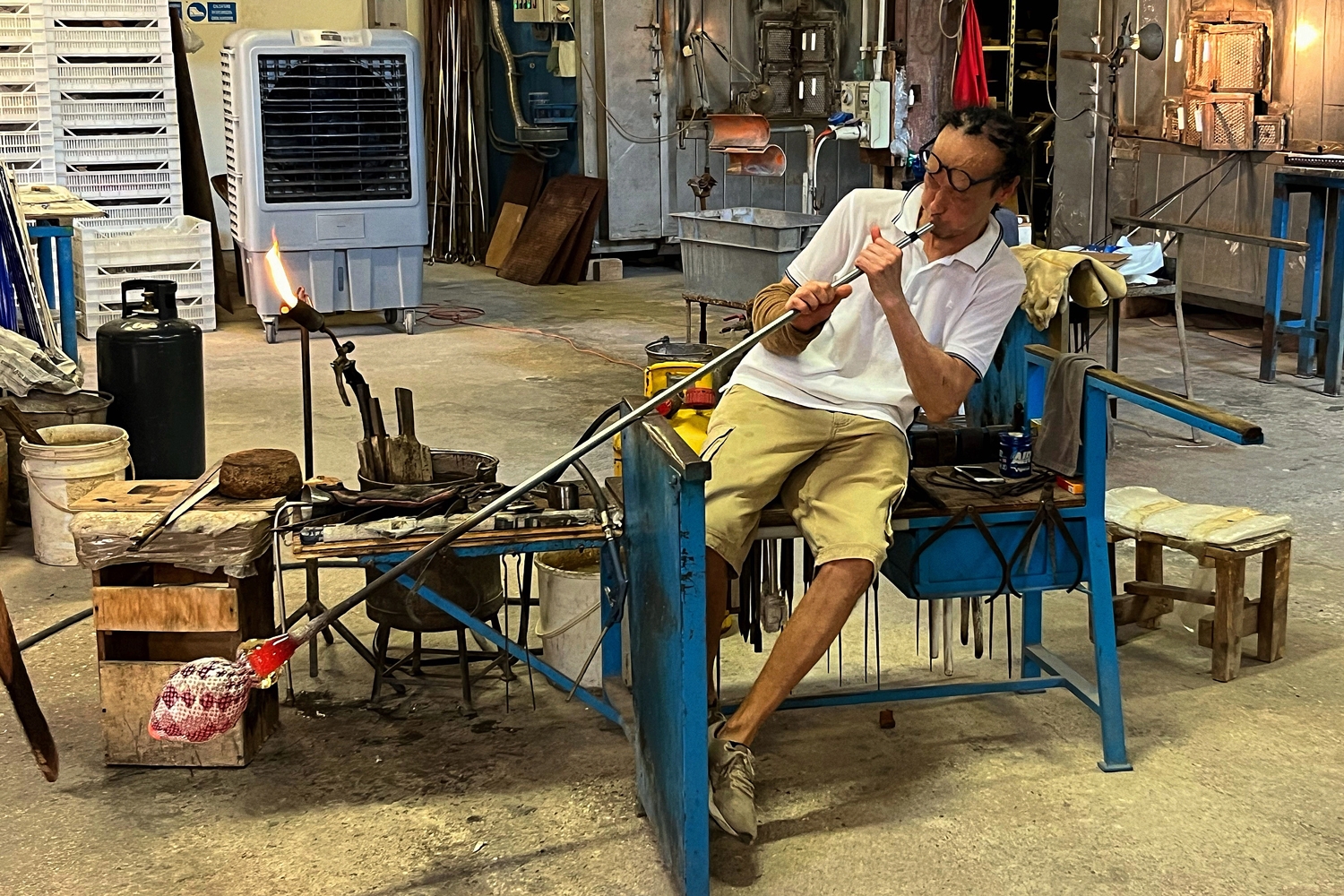
Akira Hara discovered his passion for glass at 13 years old while visiting the Venetian Glass Museum in Otaru on his own. Drawn to the intricate artistry and history of glassmaking, he travelled to Venice at the age of 22 to immerse himself in its rich glassblowing traditions. Over the years, Akira honed his skills under various Venetian maestros, gradually mastering the challenging techniques of murrine and filigrana. Since 1998, Akira lives and works in Venice, and his work blends Japanese aesthetics with Venetian craftsmanship in unique pieces that reflect his deep respect for both cultures. Akira is currently challenging the evolution of the art of glassblowing, by innovating on traditions to appeal to the next generation.
INTERVIEW
I learned from various maestros by working with them in the workshop. Each had different techniques and approaches, which influenced me beyond mere technical skills. Understanding these diverse methods deepened my grasp of glassmaking, even though techniques from Venice were kept secret.
I draw inspiration from everyday items such as textiles, bamboo crafts, and weaving, as well as from historical architecture, including columns, reliefs, mosaic floors, and murals. Learning from past masters and integrating these influences helps me create unique glass art.
I see my role as a bridge, initially connecting Eastern and Western traditions in my work. Recently, I have focused on a vertical connection, passing down the 2,000-year history of glassmaking to the next generation. It is my way of giving back to Venice and preserving its legacy.
To me, it means skillfully applying my knowledge and experience to the process and final piece. It is about knowing the right amount of glass to use and achieving more with fewer steps, resulting in a clean finish. This only comes with experience. Controlling the glass, not just responding to it, is key.
Akira Hara
Glassblower
Venice, Italy
ADDRESS
Address upon request, Venice, Italy
AVAILABILITY
By appointment only
LANGUAGES
Italian, Japanese
Homo Faber Finds is a new service aiming to inspire admirers of craft to connect and collaborate with exceptional artisans.
We invite you to submit an enquiry here.