Lia Bagrationi
Ceramicist
Tbilisi, Georgia
When clay takes control
- Lia explores clay as a vessel for memory
- In addition to sculptures, she creates concept-led ceramic installations
- Her practice is guided by intuitive, creative sparks
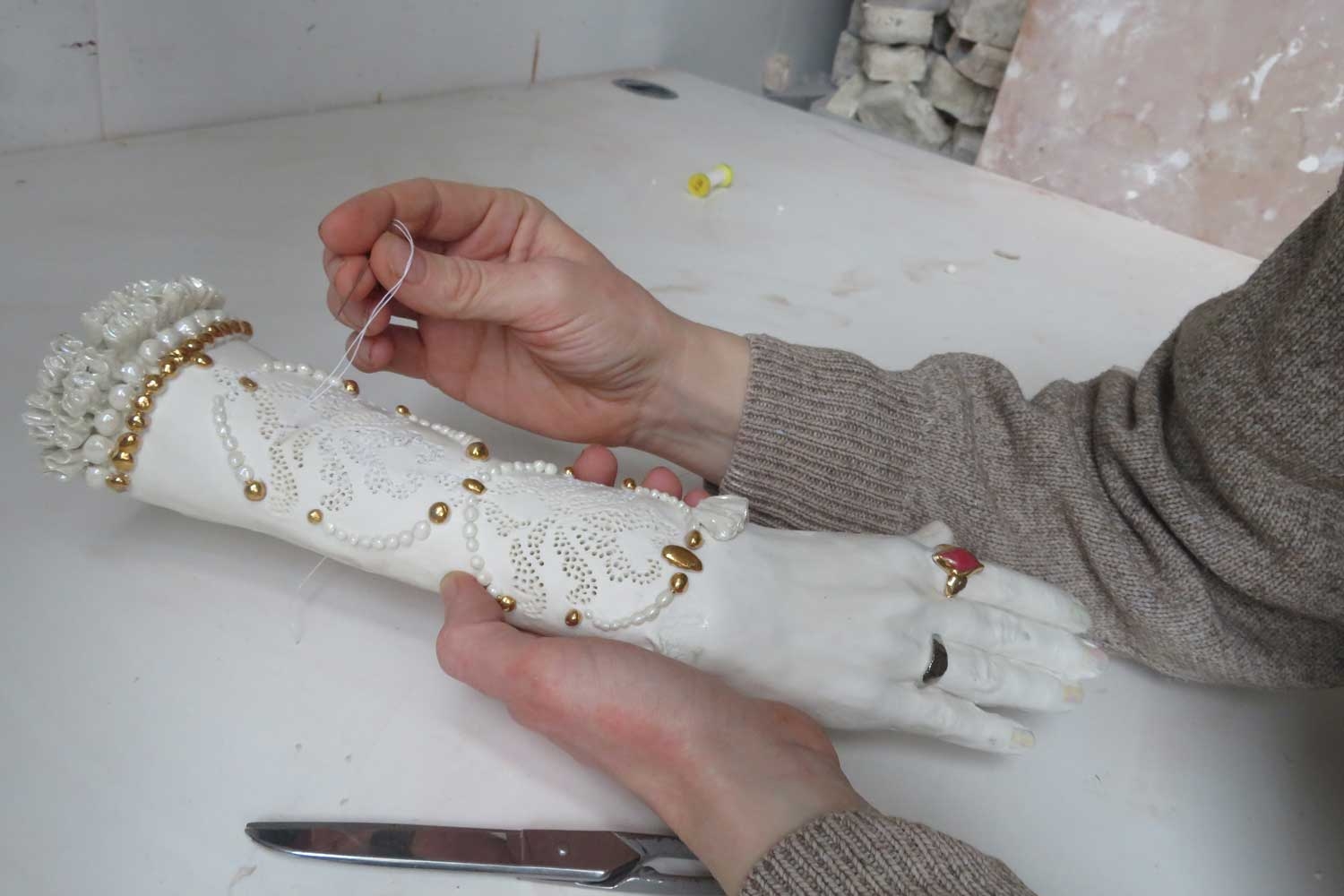
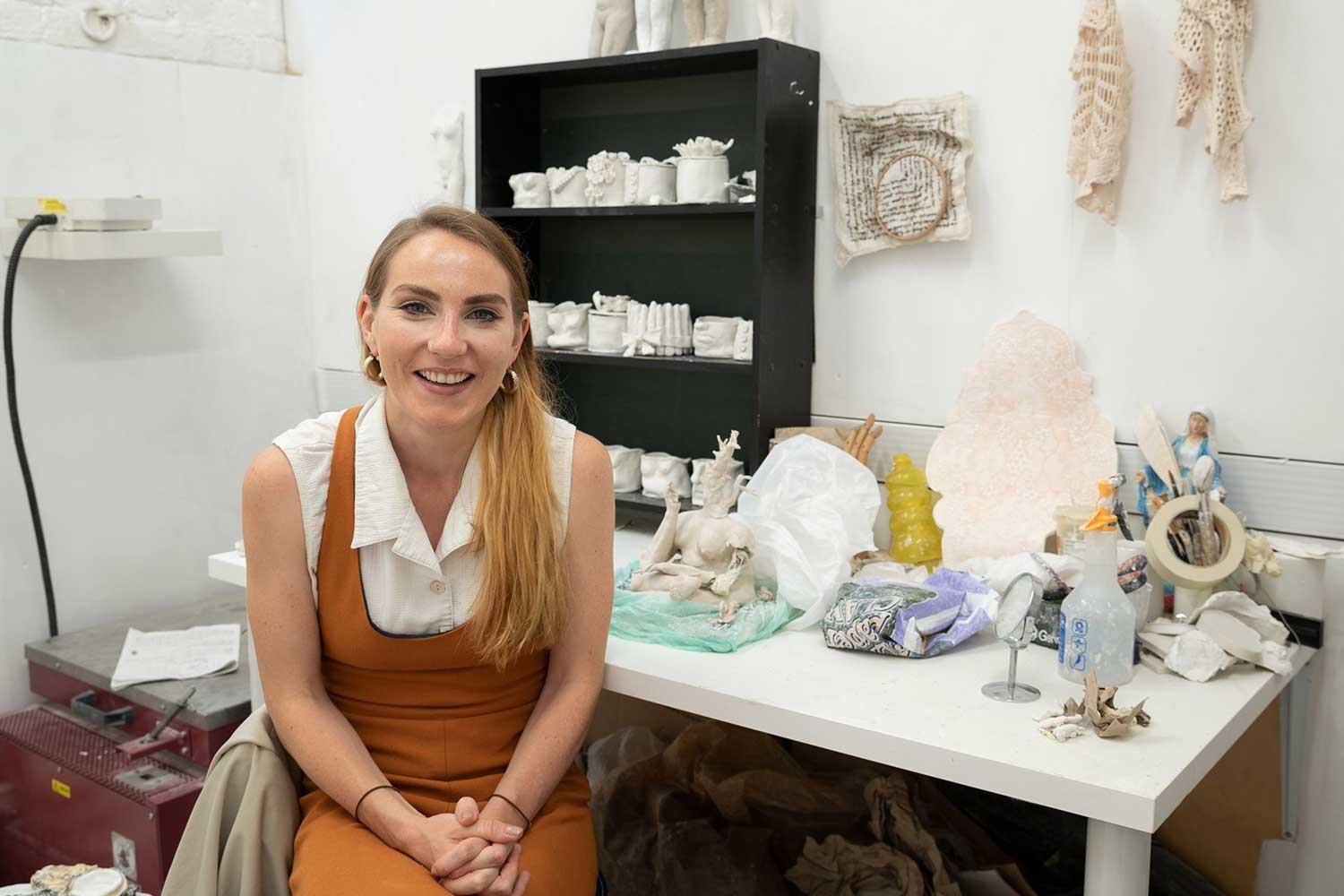
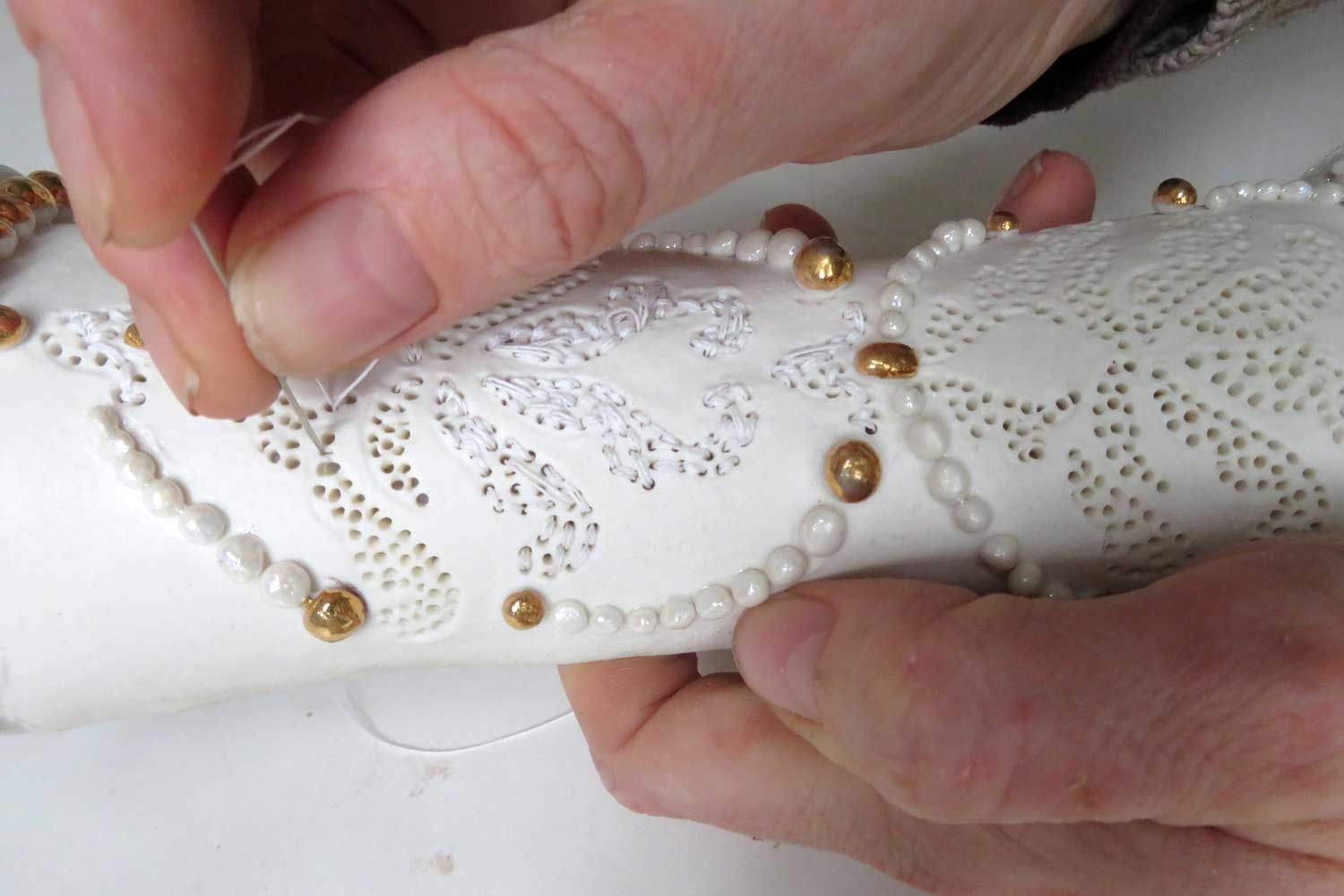
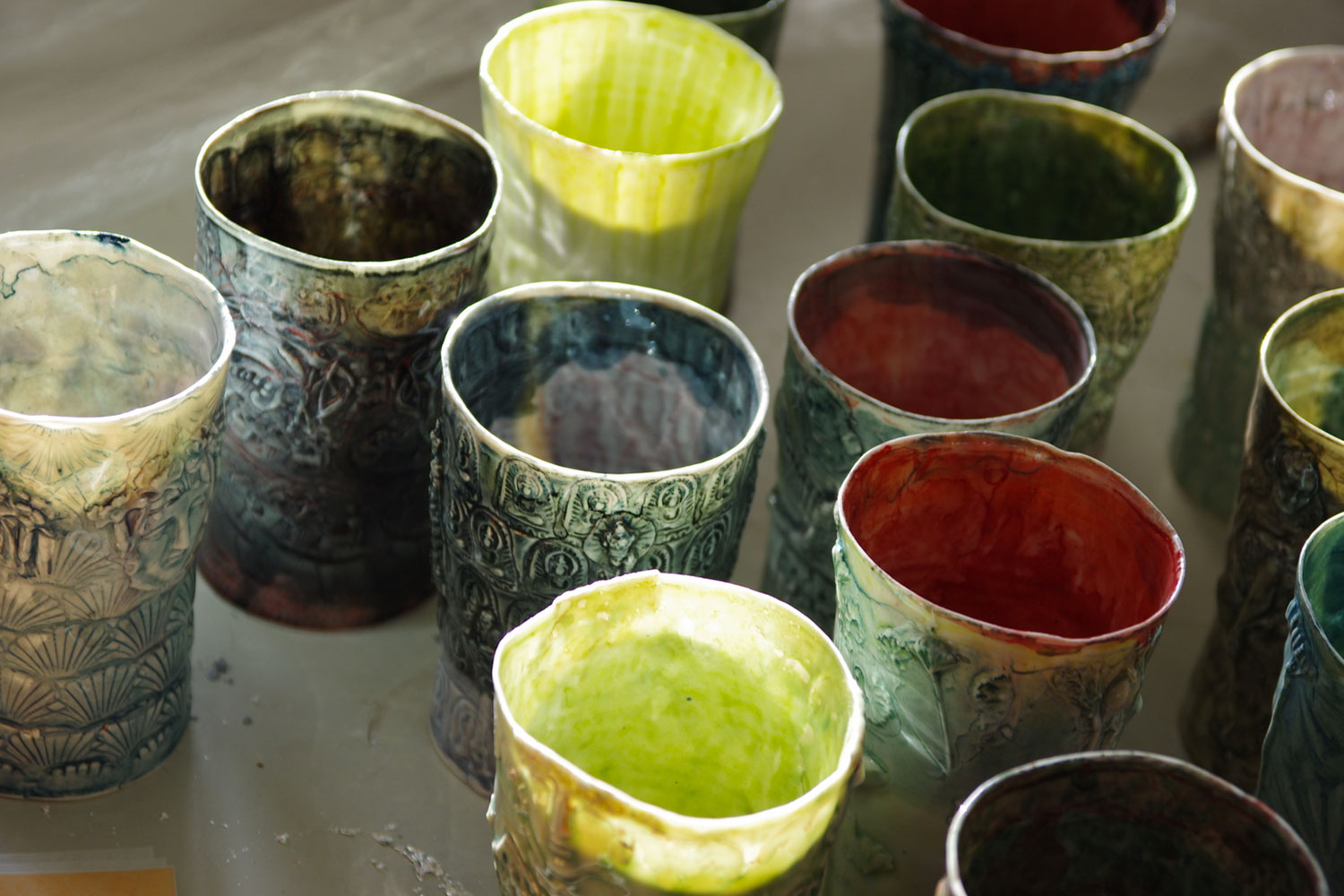
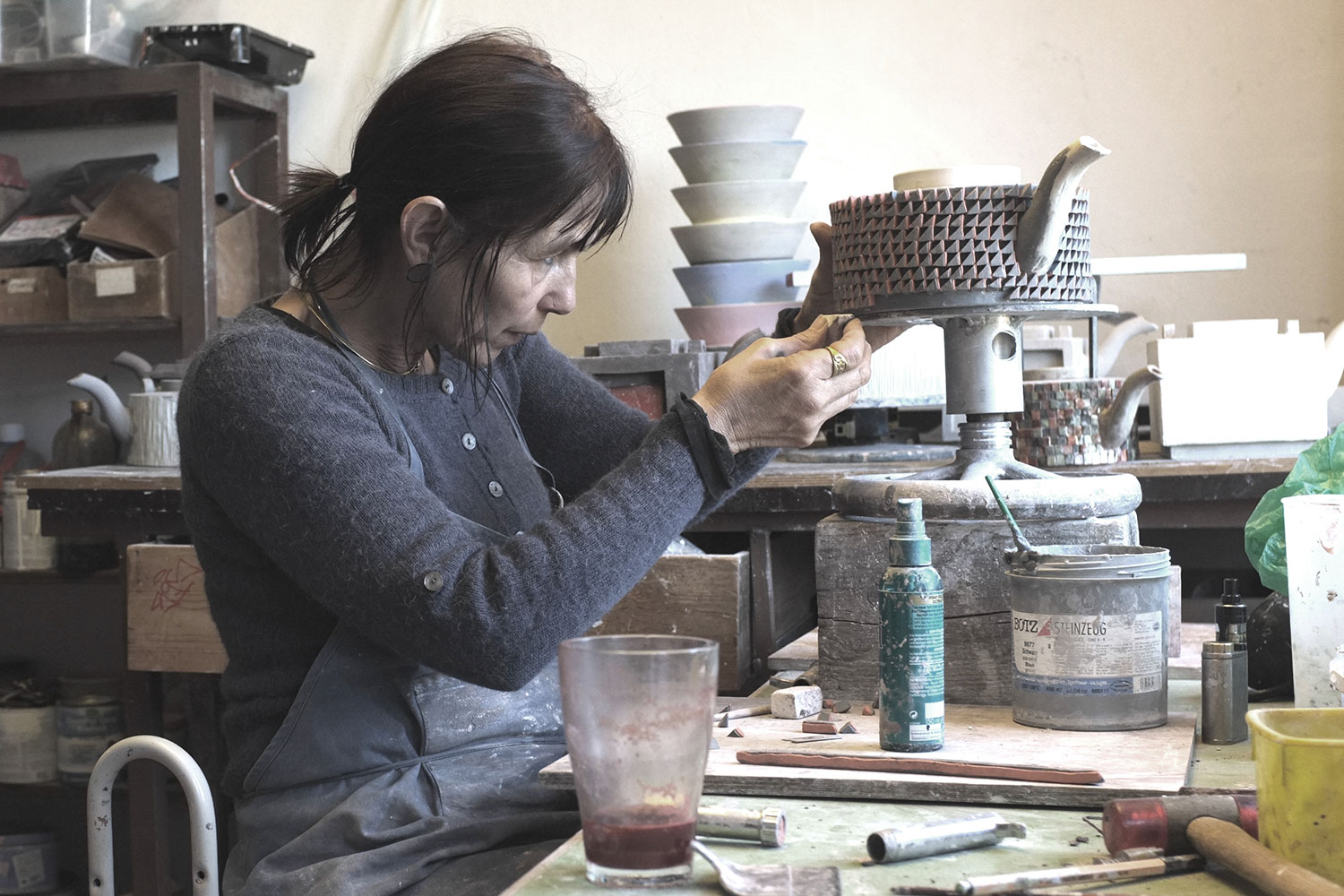
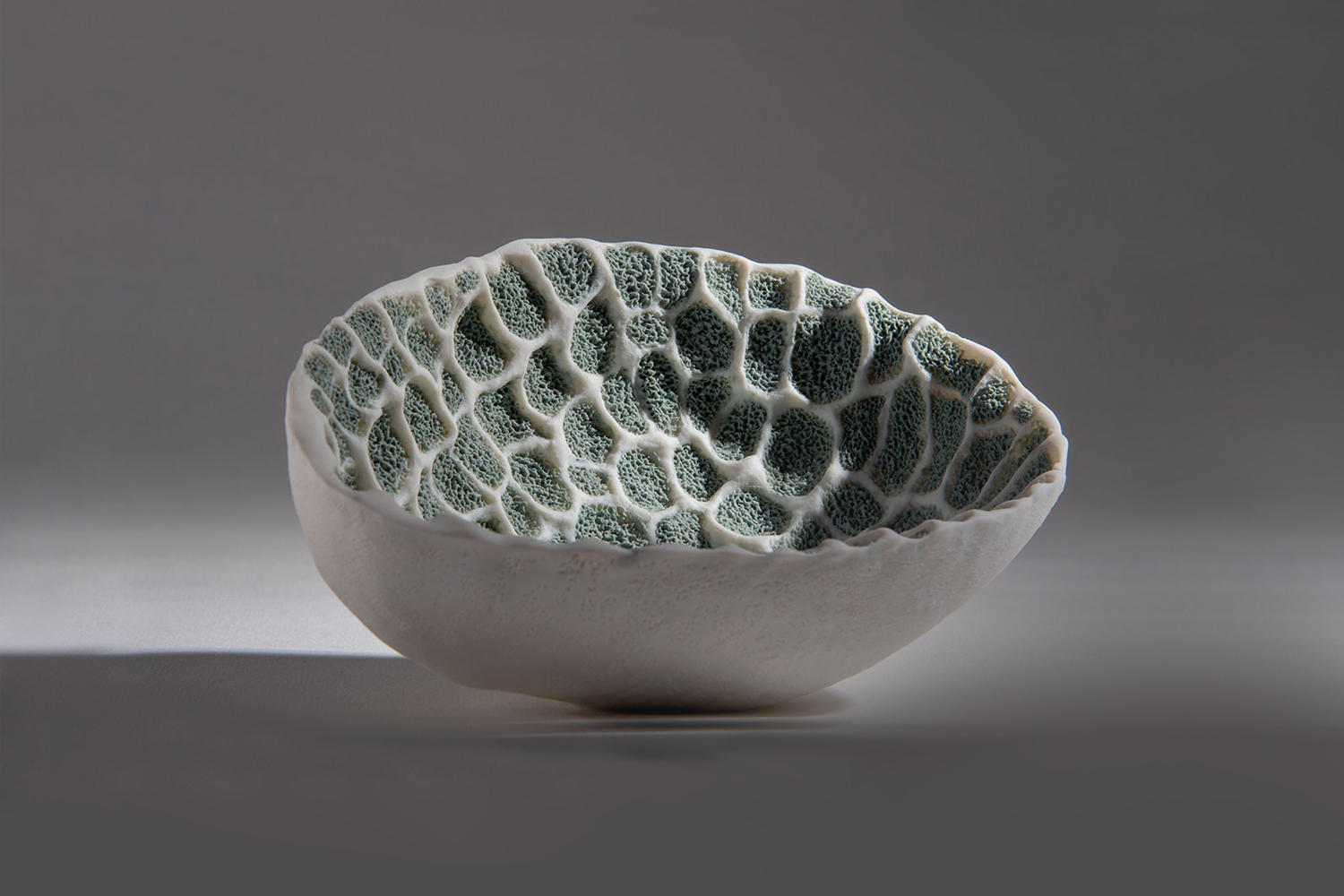
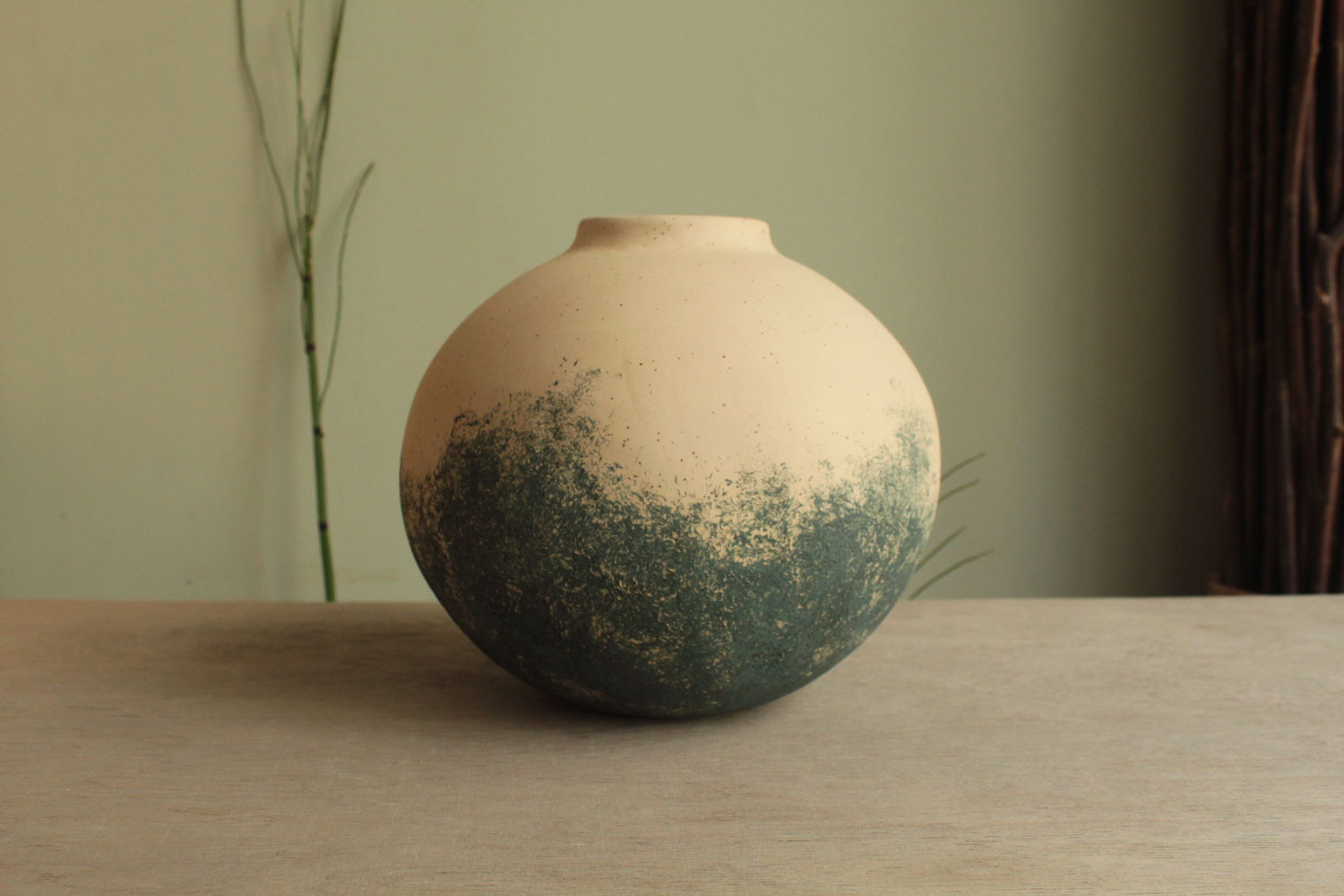
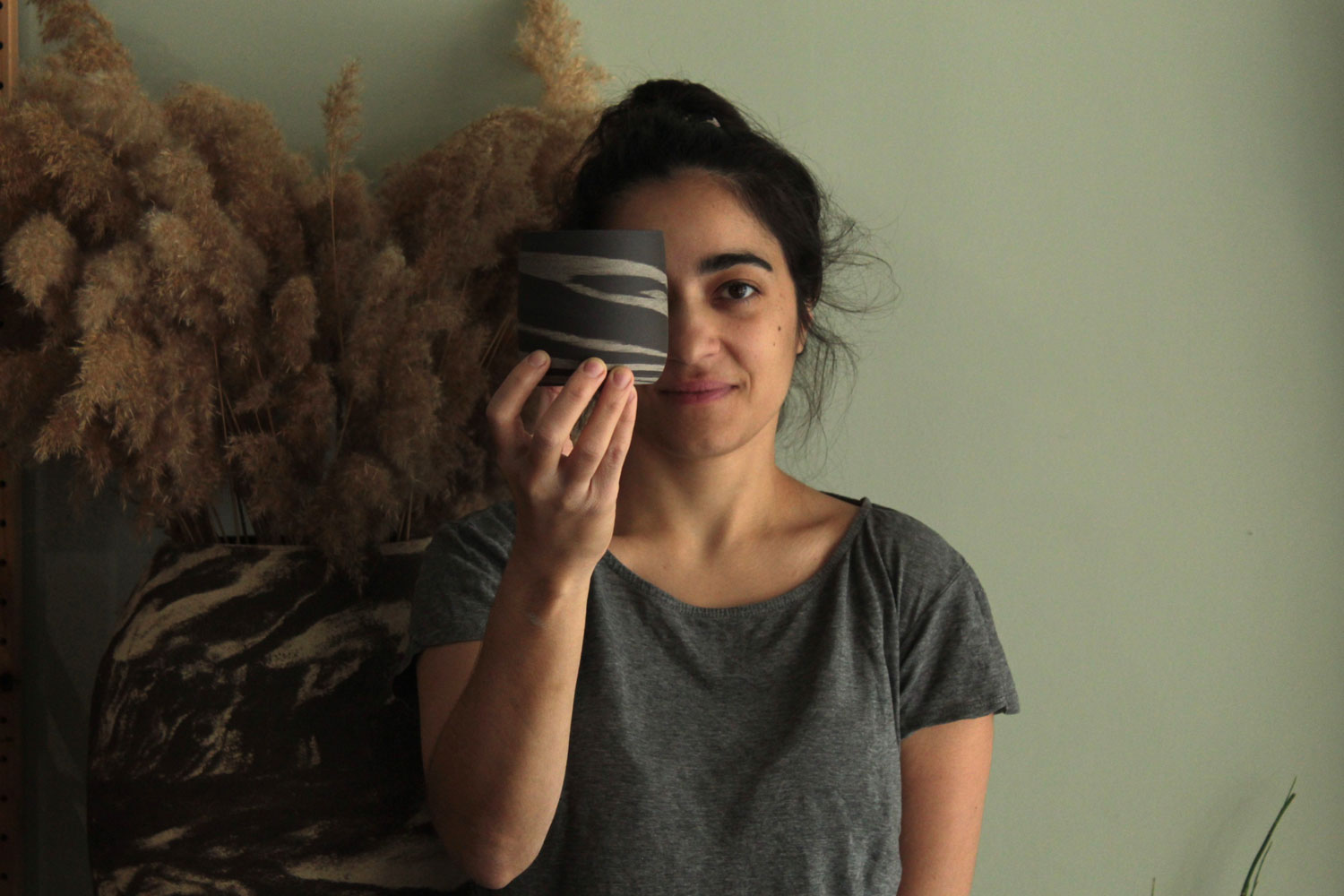
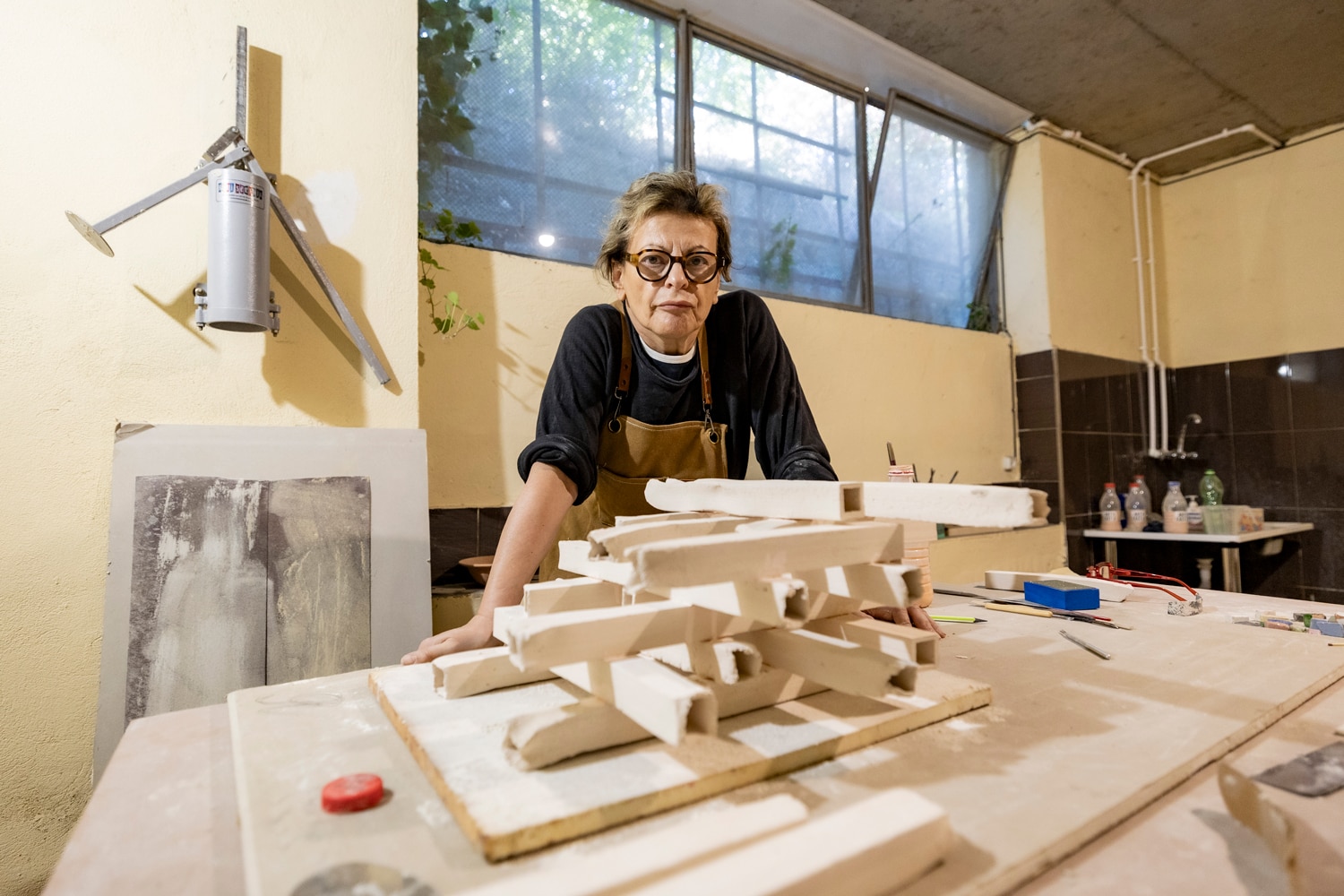
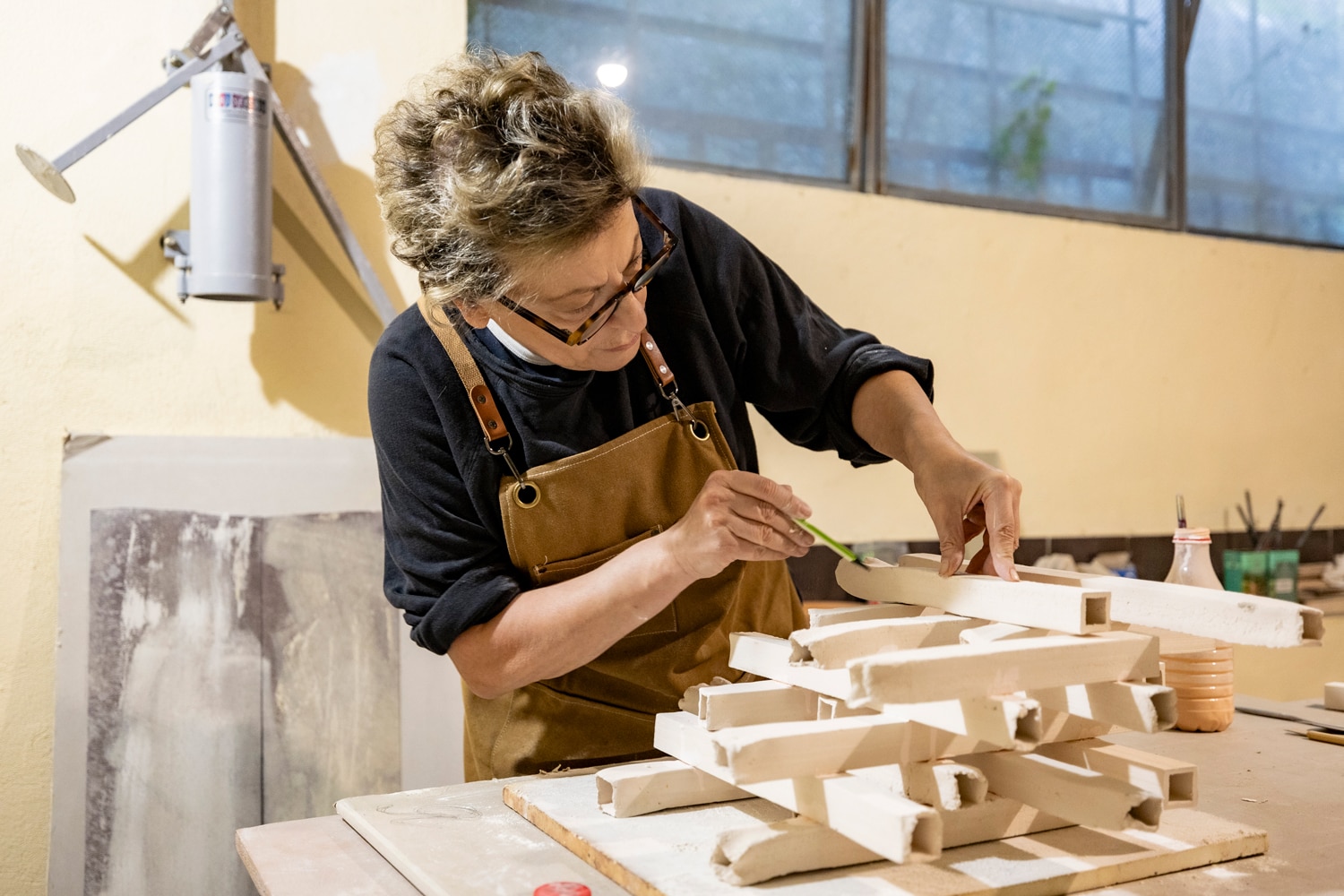
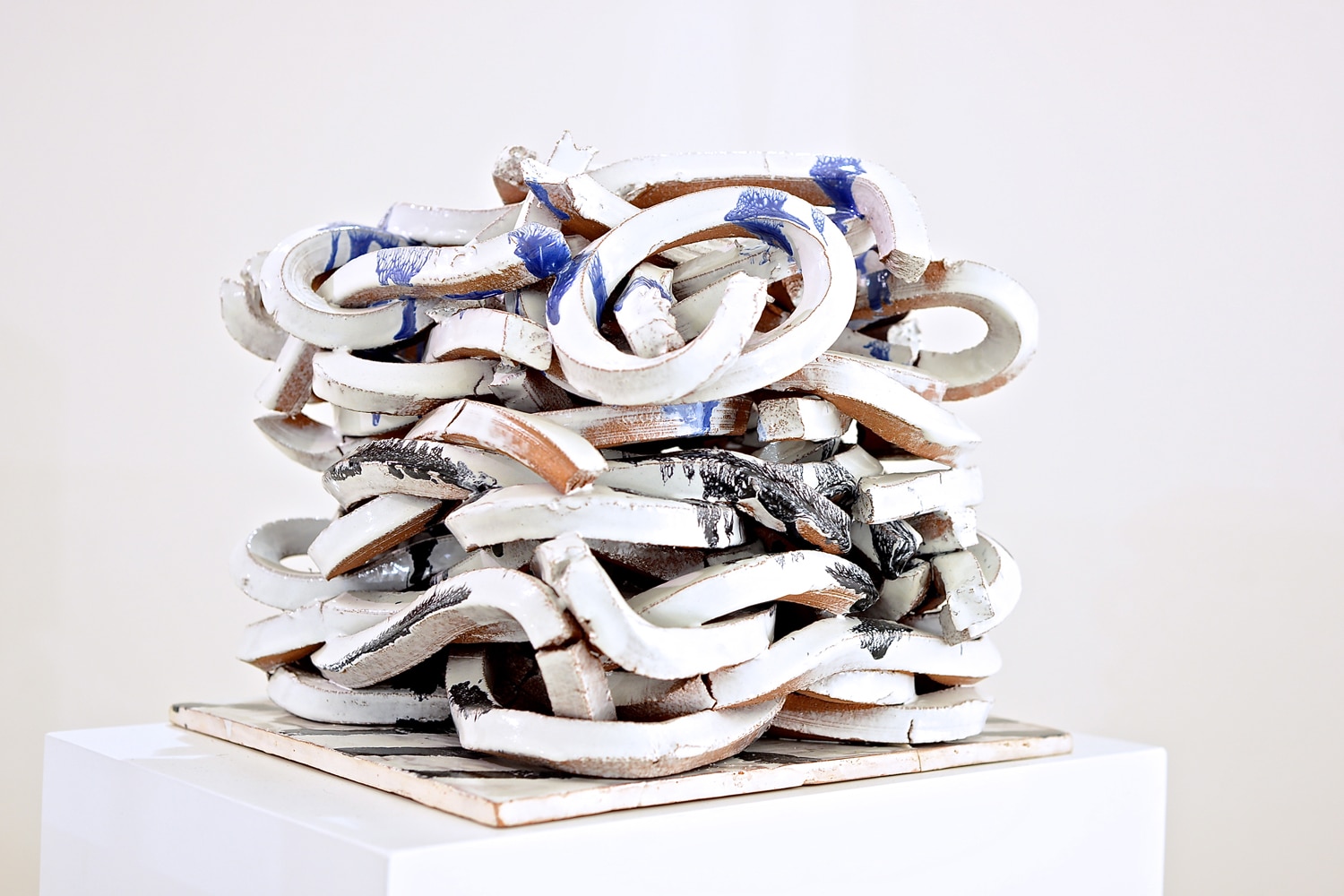
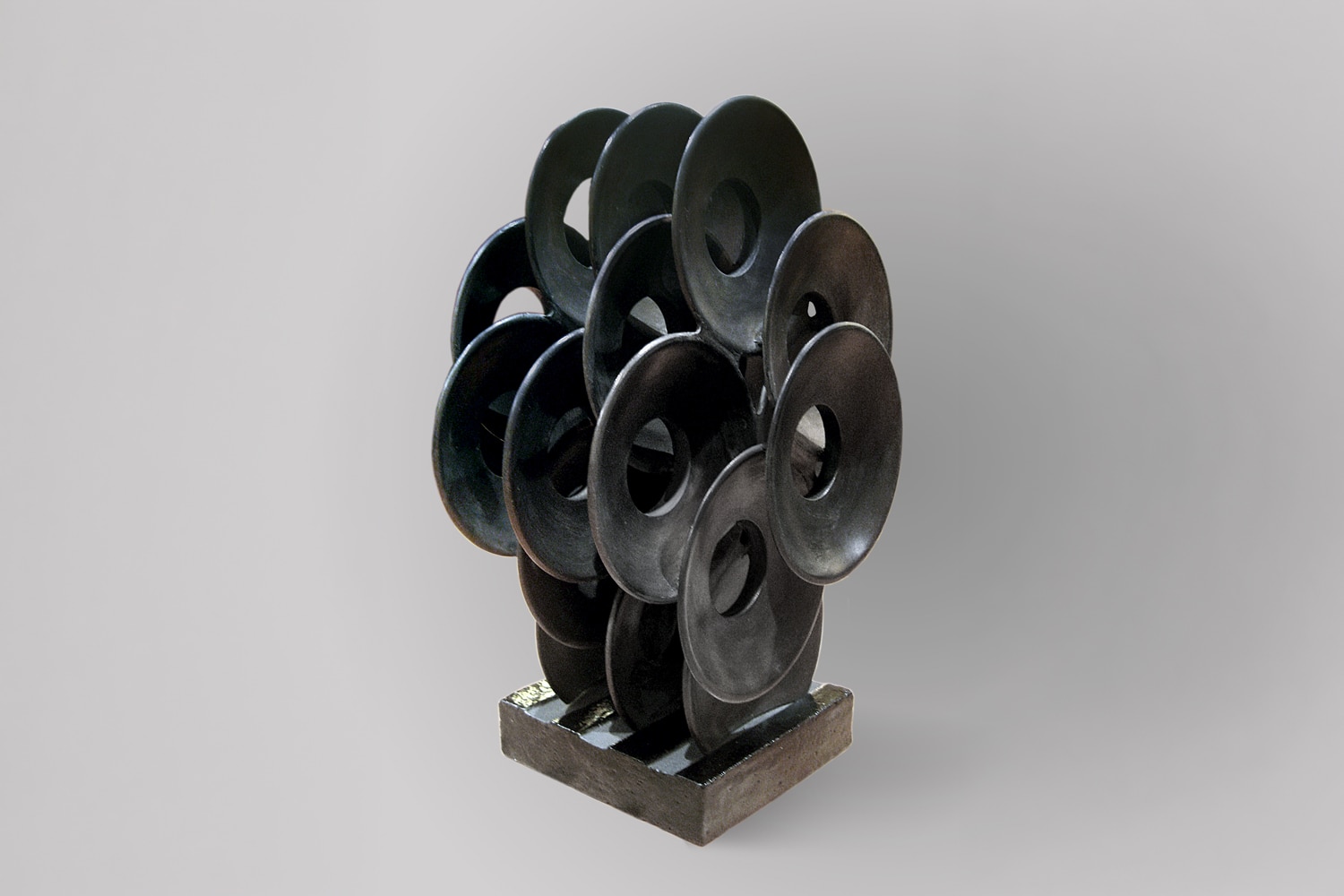
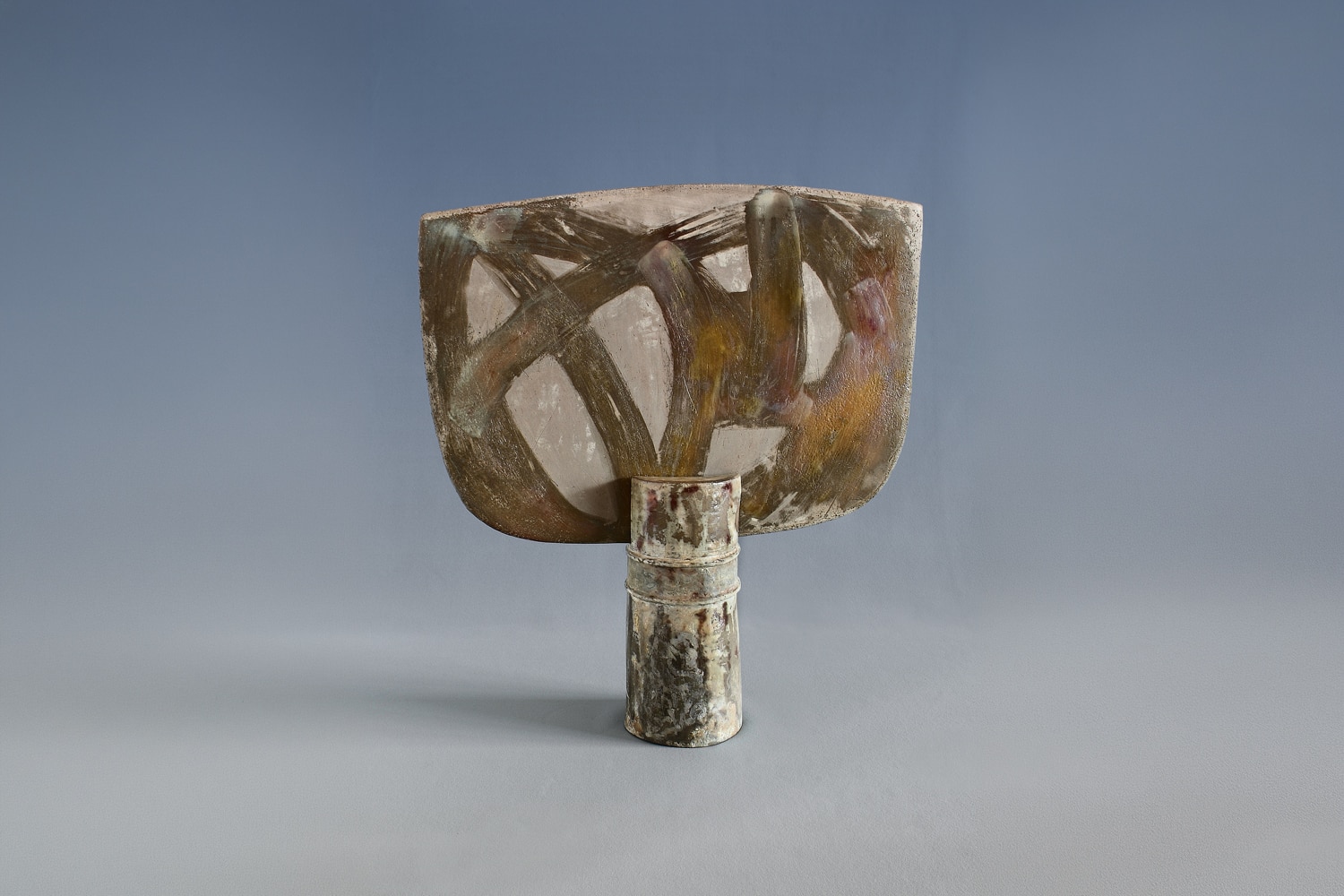
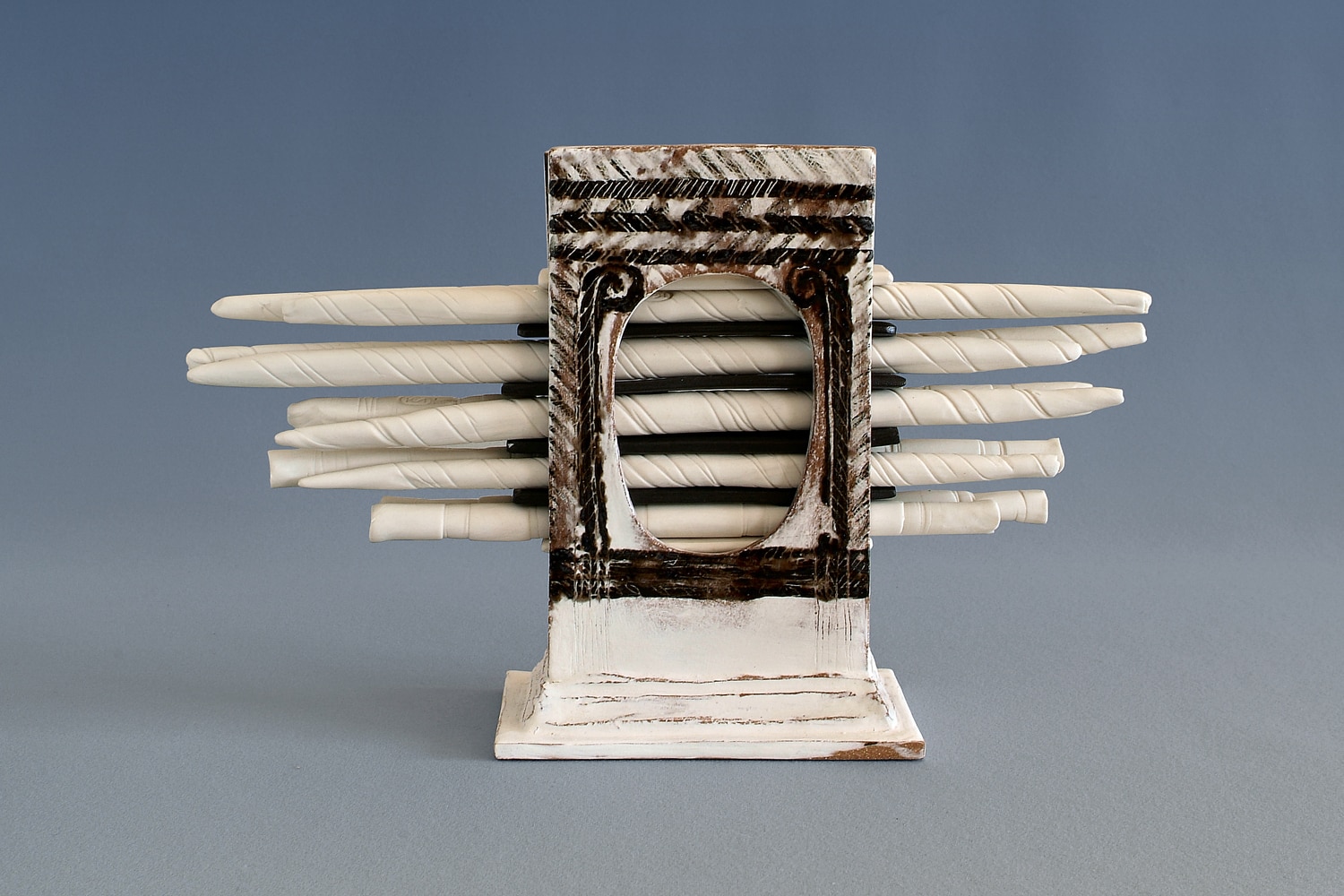
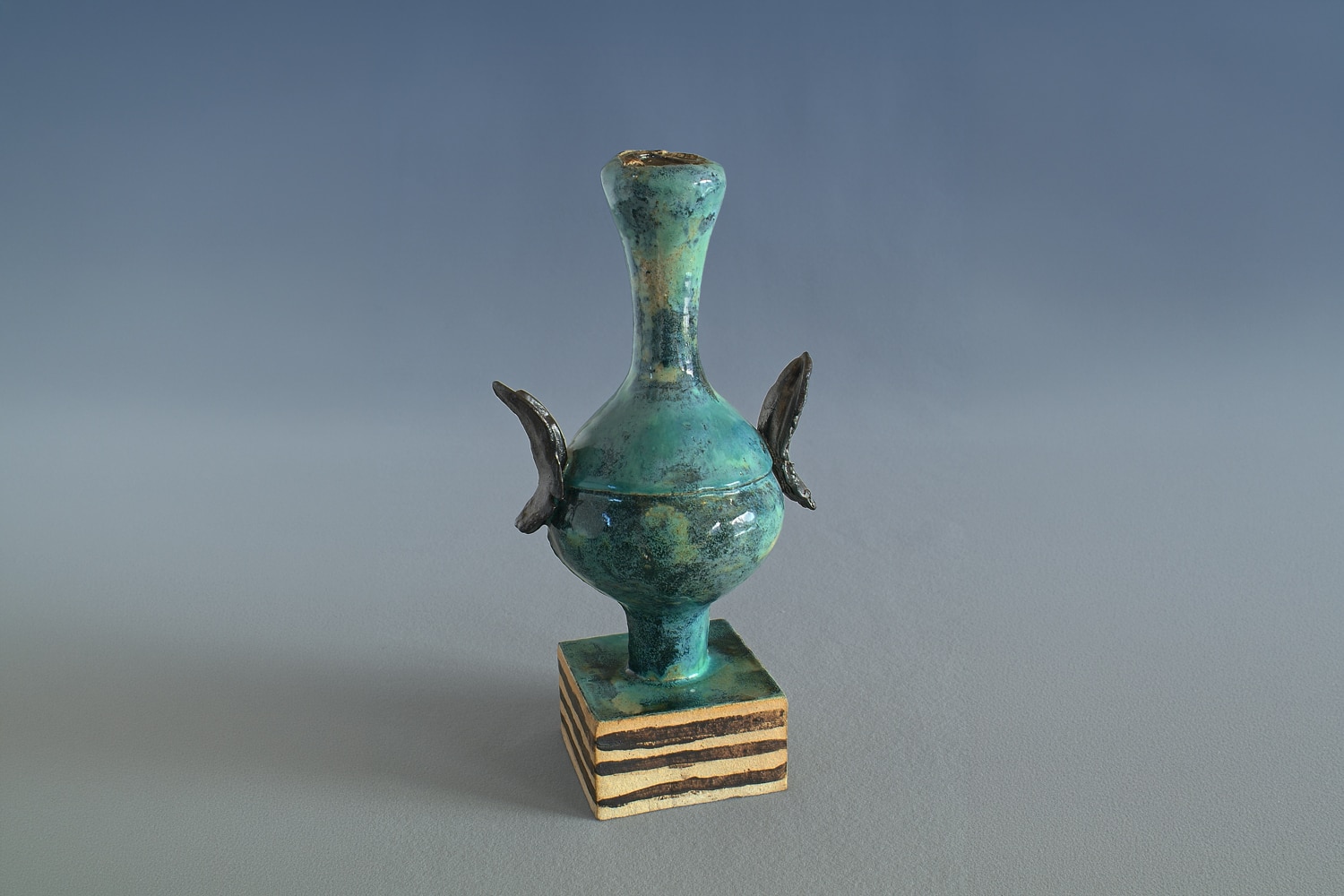
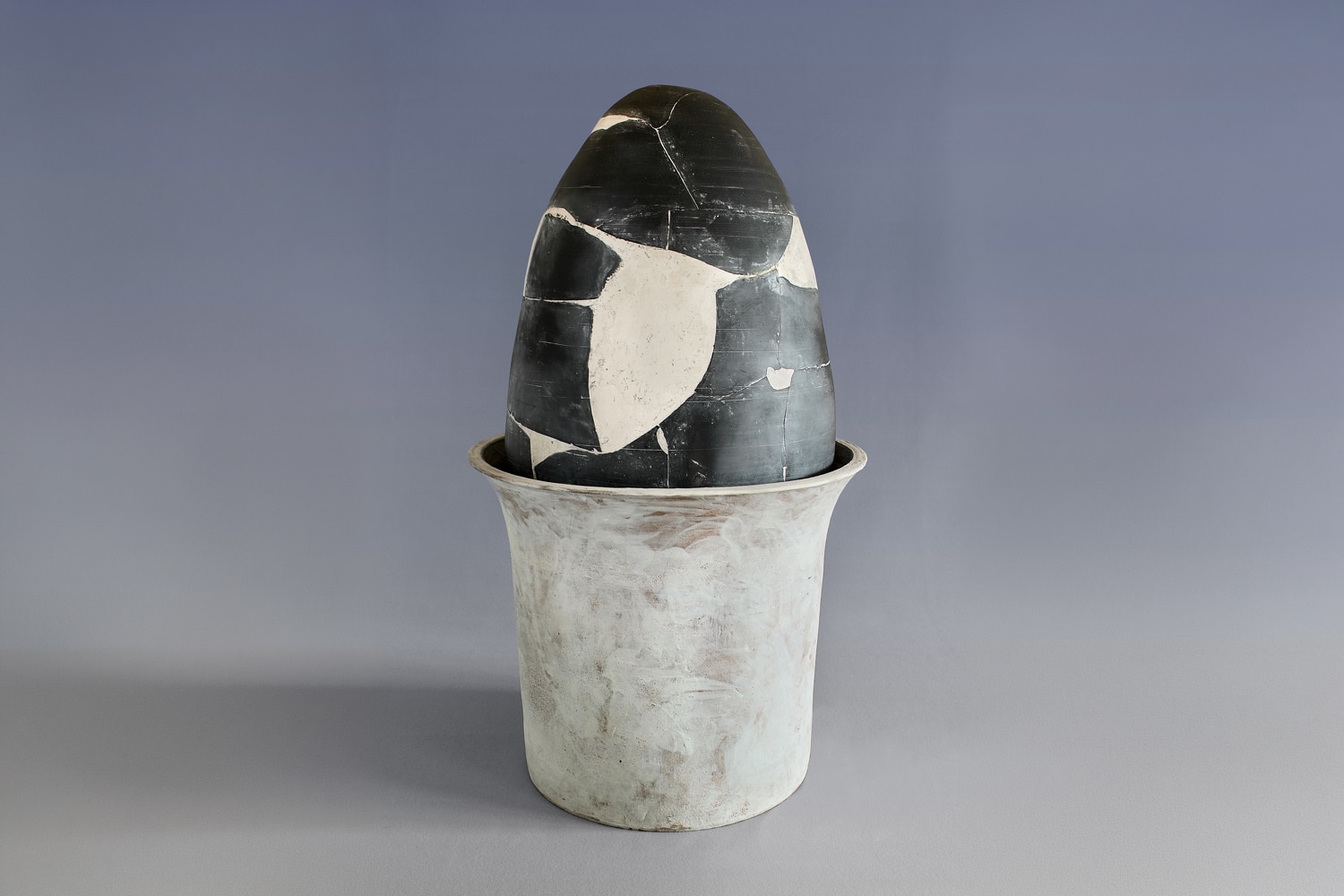
Lia Bagrationi's ceramic works bridge conceptual thinking with deep material intelligence. She approaches clay as a memory vessel, treating the medium as both material and metaphor. After returning to ceramics following a long hiatus, Lia received the grand prize at the first symposium of Georgian ceramicists. Her installations transform clay into a carrier of time, silence and reflection. "Each project begins with a sudden spark of intuition and is brought to life only when matched with the environment that allows its full meaning to emerge," she says. Today, Lia is a member of the International Academy of Ceramics (IAC) and co-founder of The Clay Office, through which she contributes to the development of contemporary ceramics in Georgia.
INTERVIEW
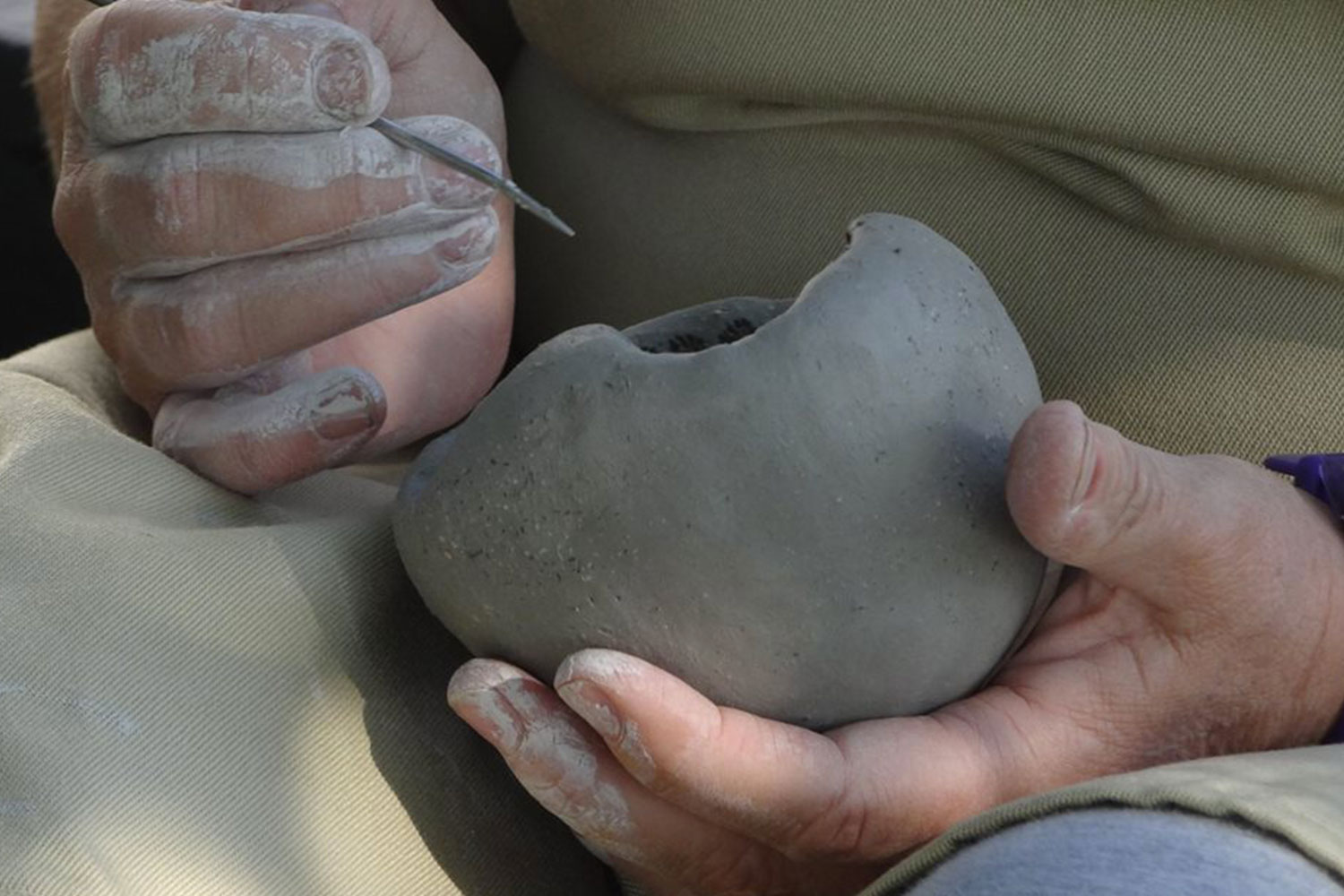
Clay carries everything it touches. Natural and cultural traces settle into it long before it is shaped. Prior to firing, it behaves like an archive. Working with it feels like going into dialogue with something ancient that still welcomes new meaning.
Ideas often appear through an intuitive spark such as a phrase, a memory or a moment that awakens something already forming in me. From there, I think about how I can implement these ideas. I avoid forcing things: concept, material and process must align in their own time.
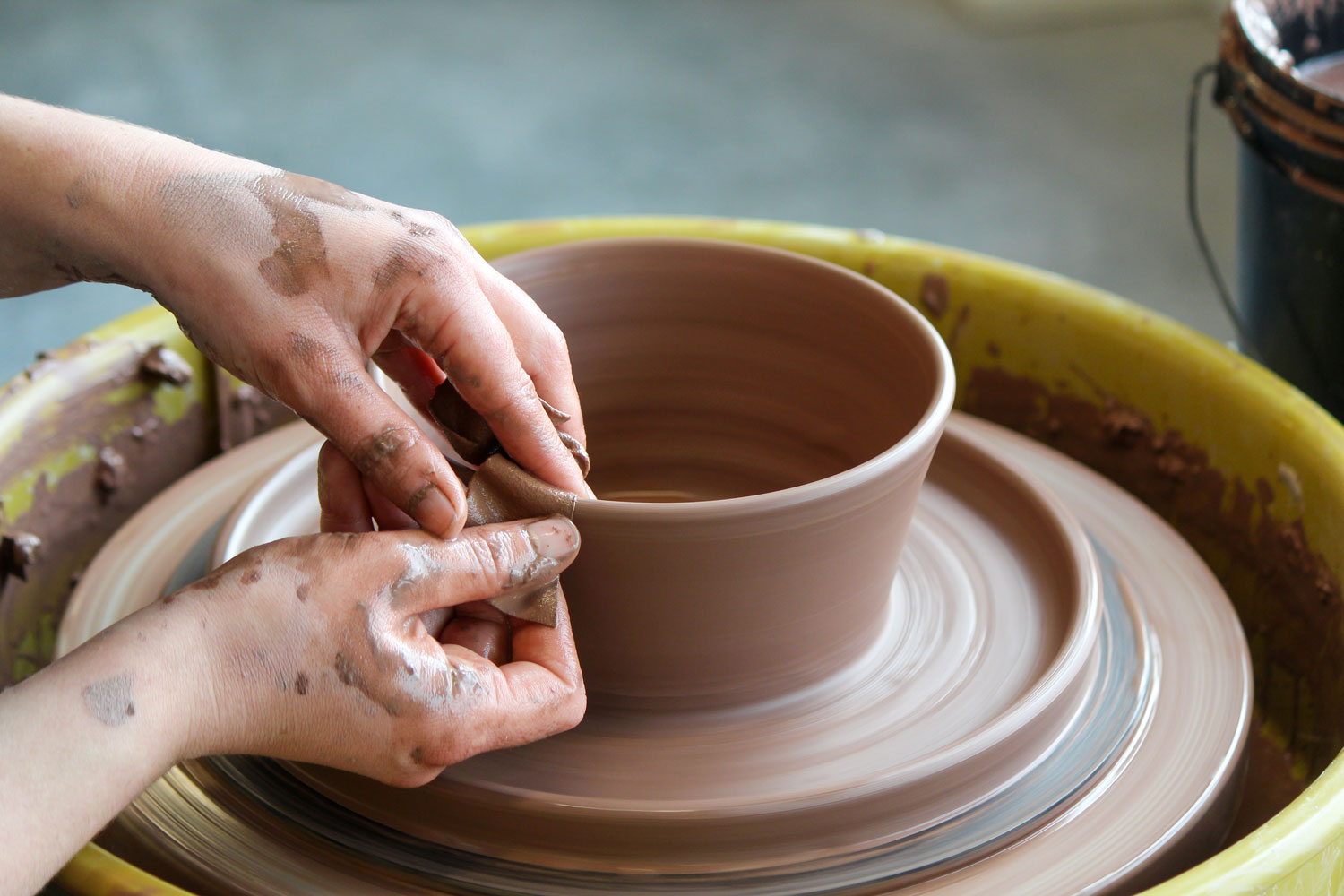
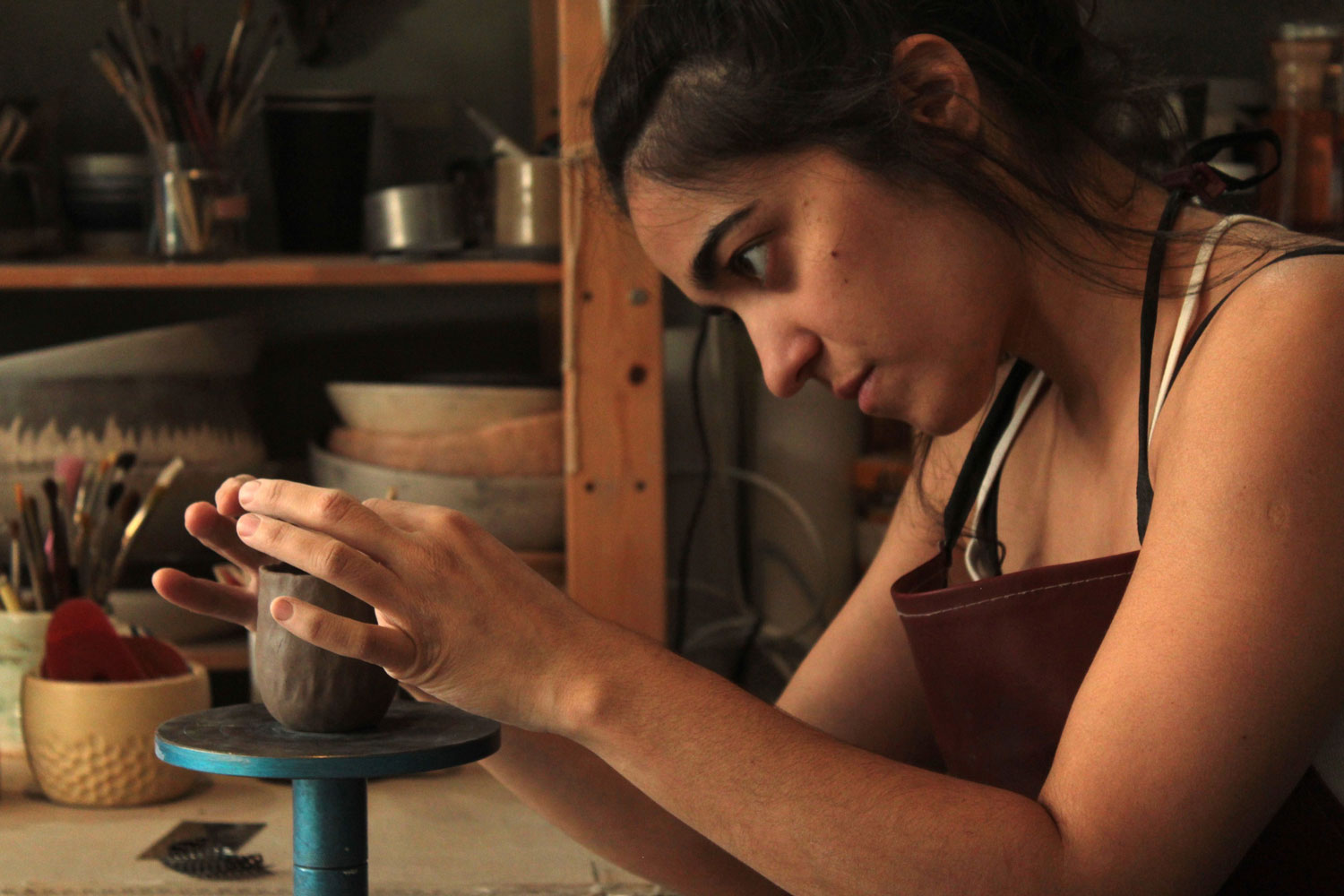
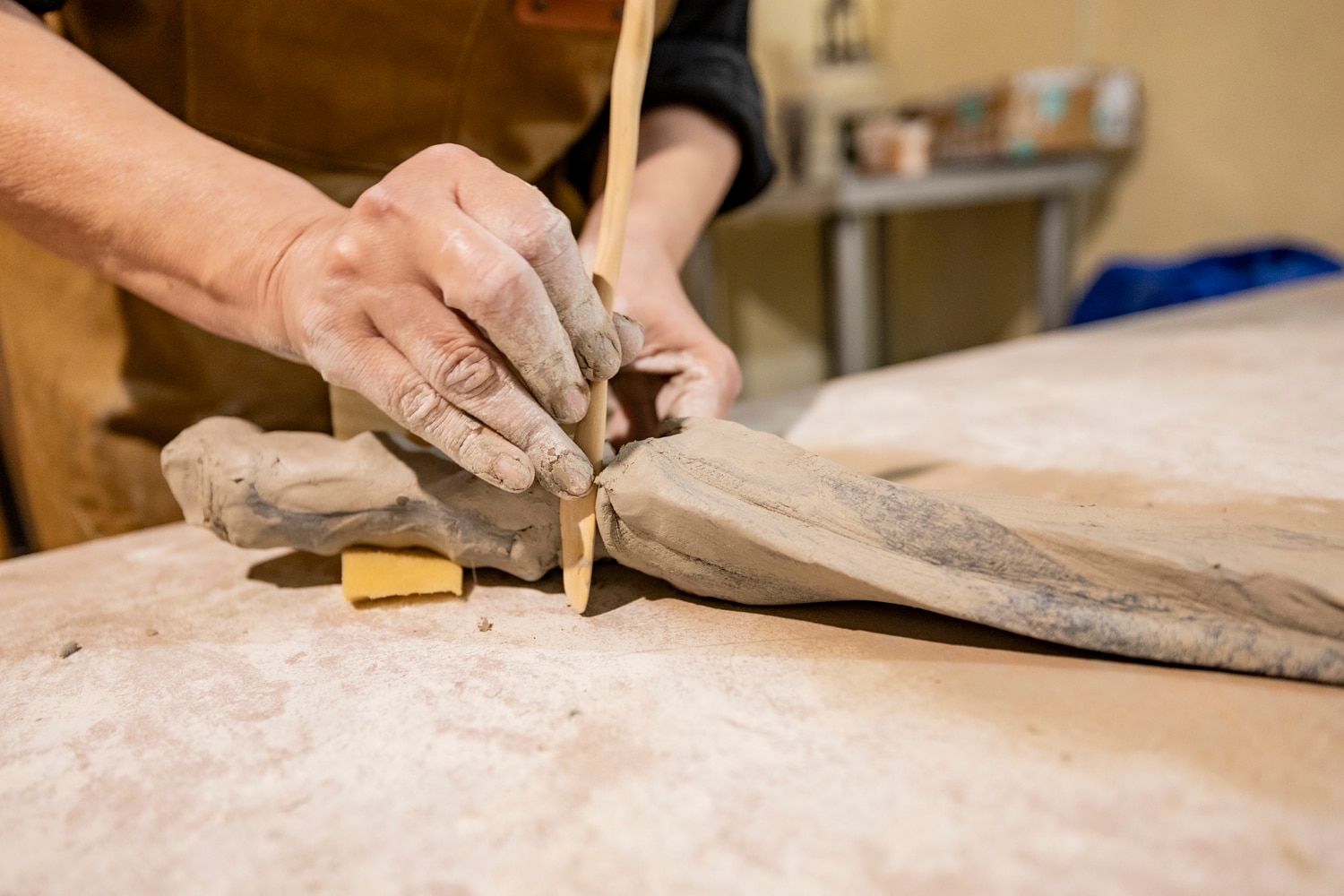
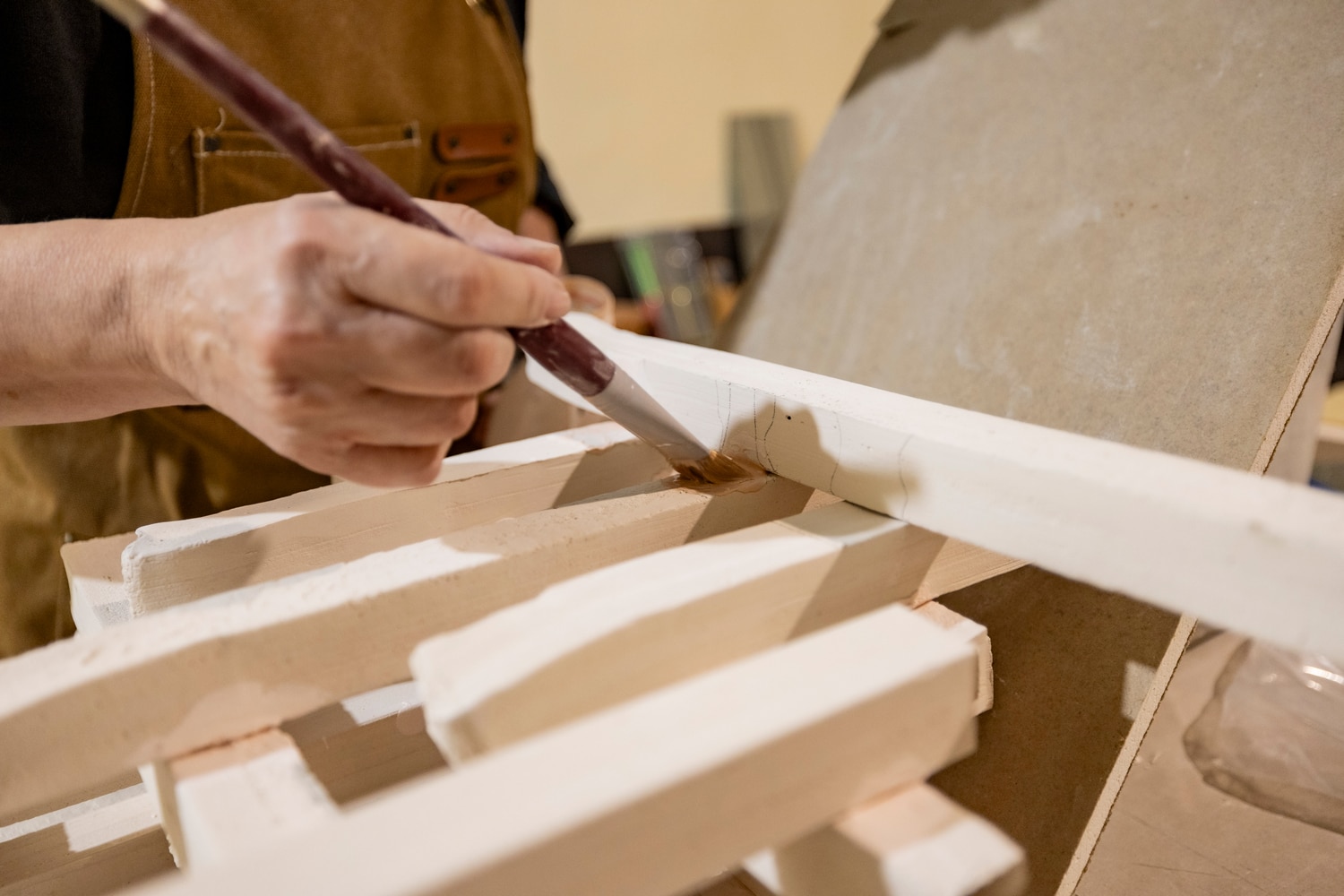
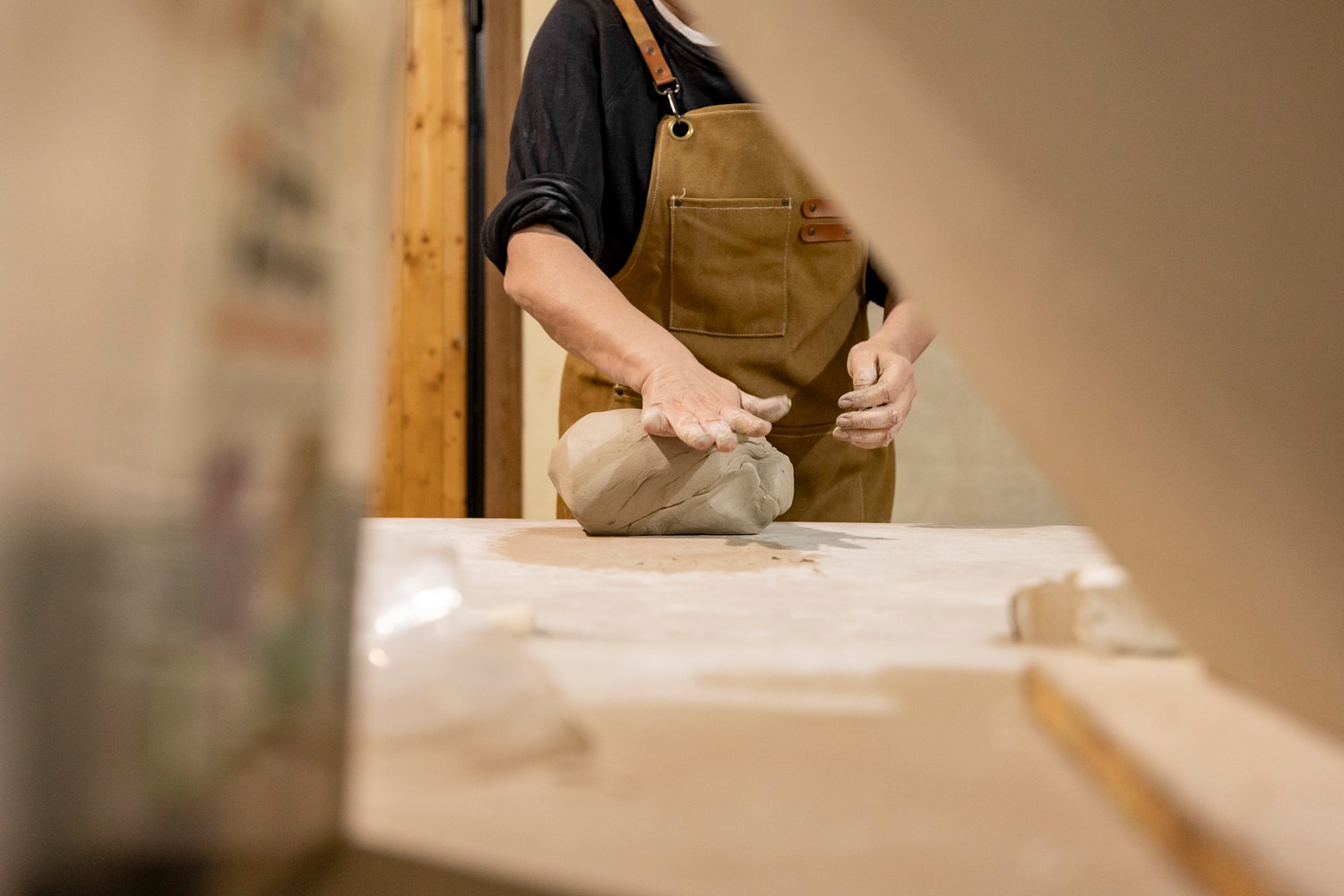
I use traditional methods when needed, but my close work with clay led me to develop my own approach. I trust inertia, impact and the way clay meets the surface, almost letting it choose its form. It is a process of observing, learning and trusting the material.
Before teaching technique, I teach students how to think. I want students to understand how clay can serve an idea, how to recognise their own inspiration and how to work independently with both skill and curiosity. They learn through dialogue and shared reflection.
Lia Bagrationi
Ceramicist
Tbilisi, Georgia
ADDRESS
Address upon request, Tbilisi, Georgia
AVAILABILITY
By appointment only
LANGUAGES
Georgian, English, Russian
Homo Faber Finds is a new service aiming to inspire admirers of craft to connect and collaborate with exceptional artisans.
We invite you to submit an enquiry here.