
Kayo Saito
Jewellery maker
Ramsgate, United Kingdom
Recommended by L’ÉCOLE, School of Jewelry Arts
Jewellery alive with subtleties
- Kayo creates handmade sculptural jewellery
- Her pieces are marked by traces from the creation process
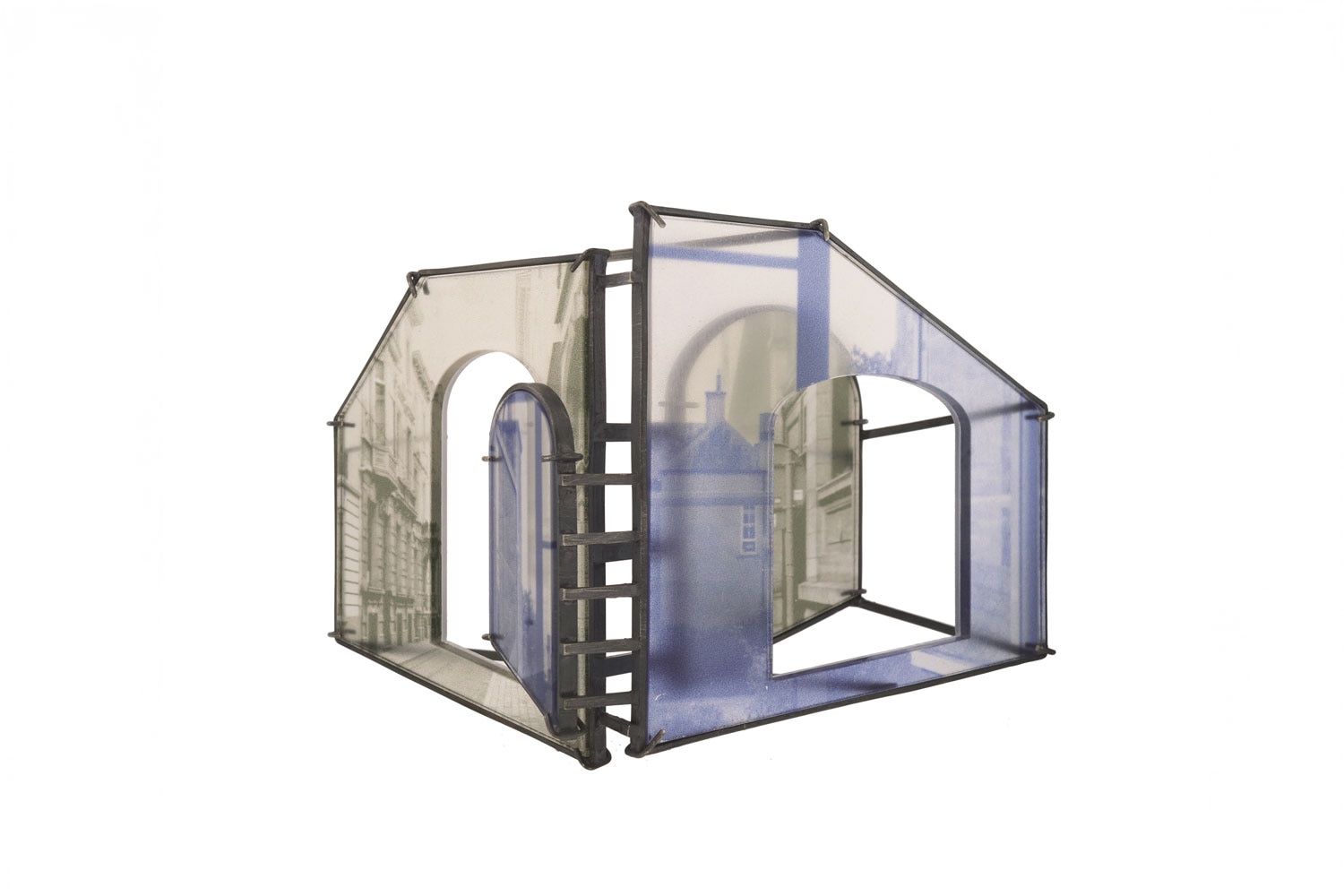
- One of her brooches was selected by the V&A for its collection
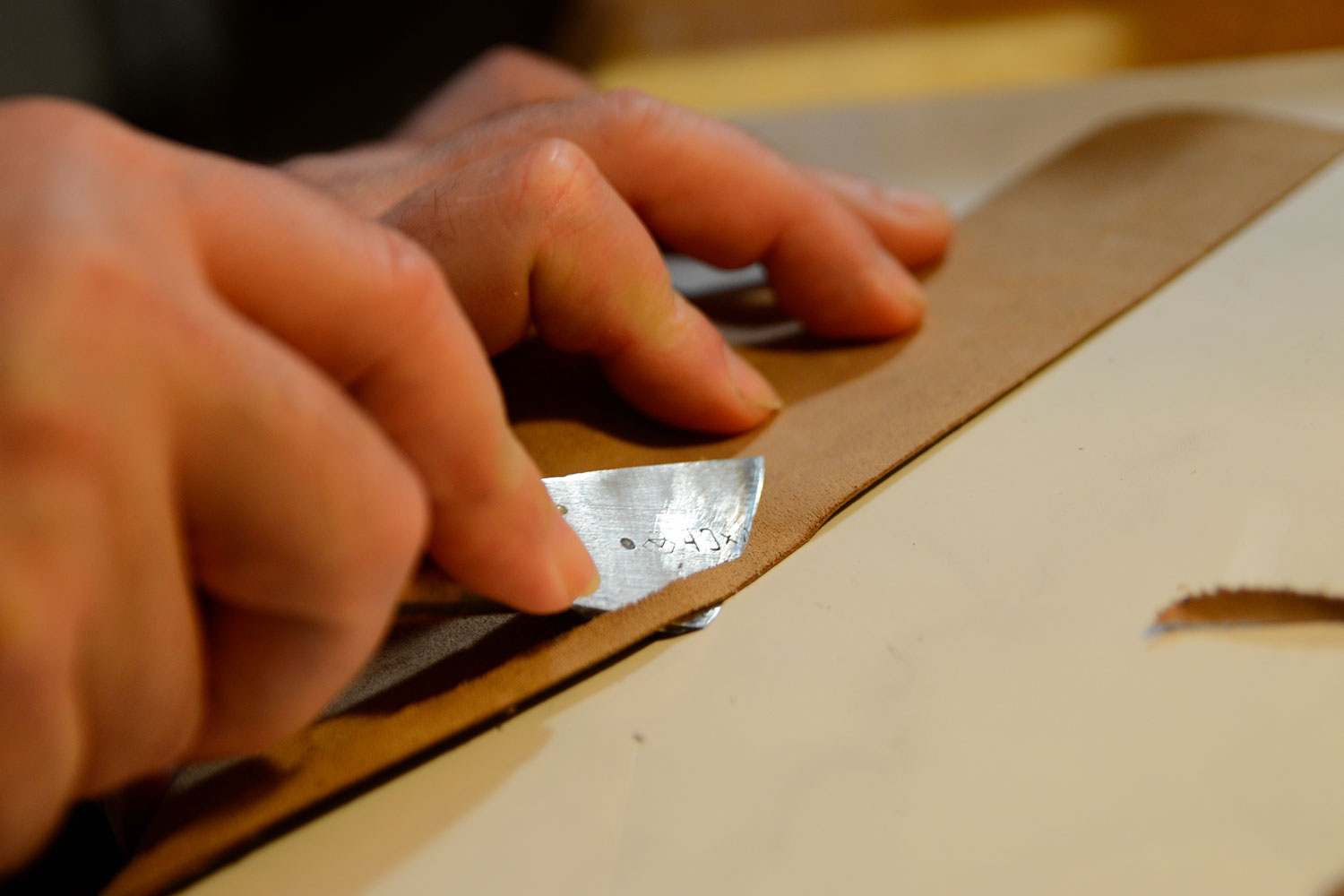
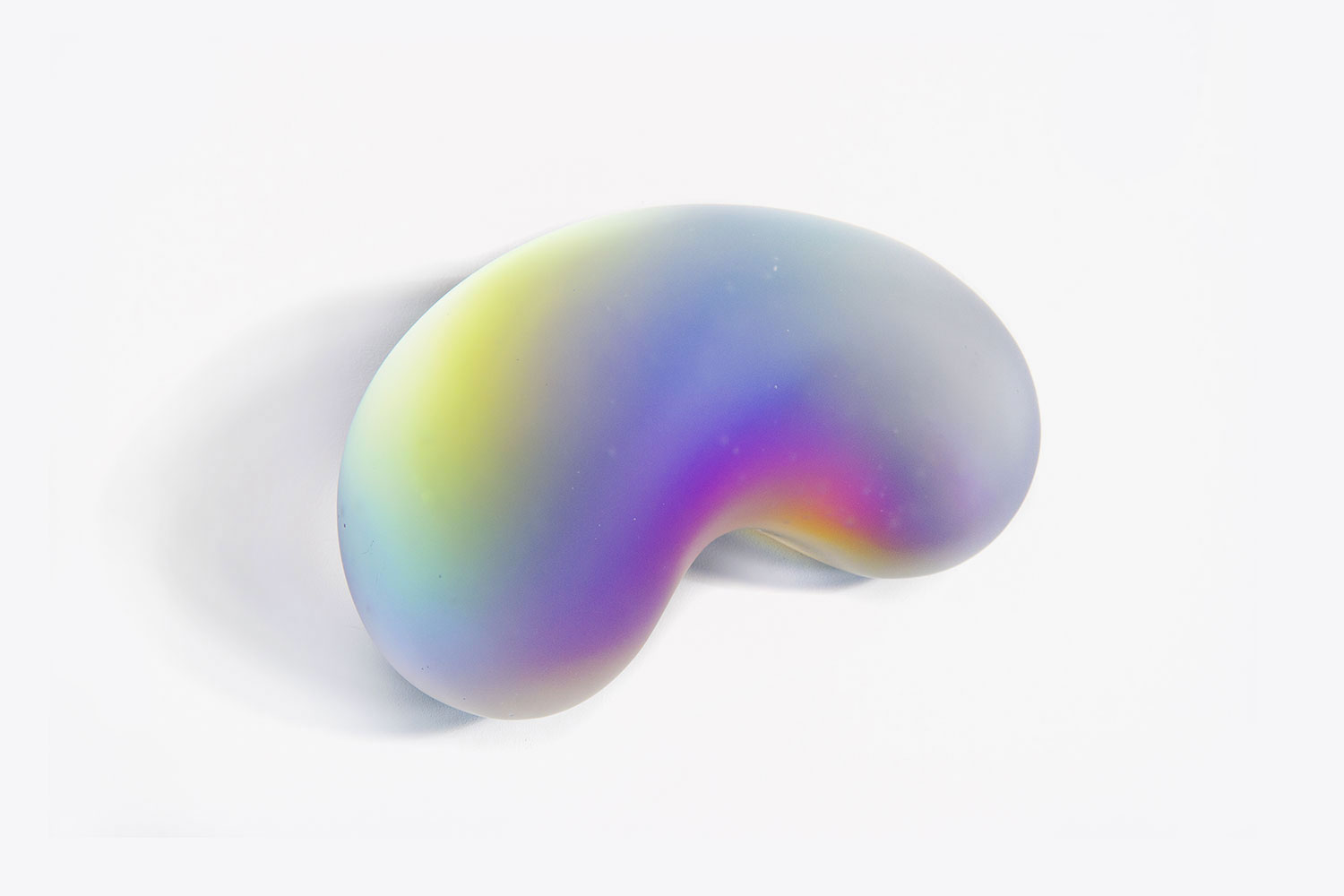
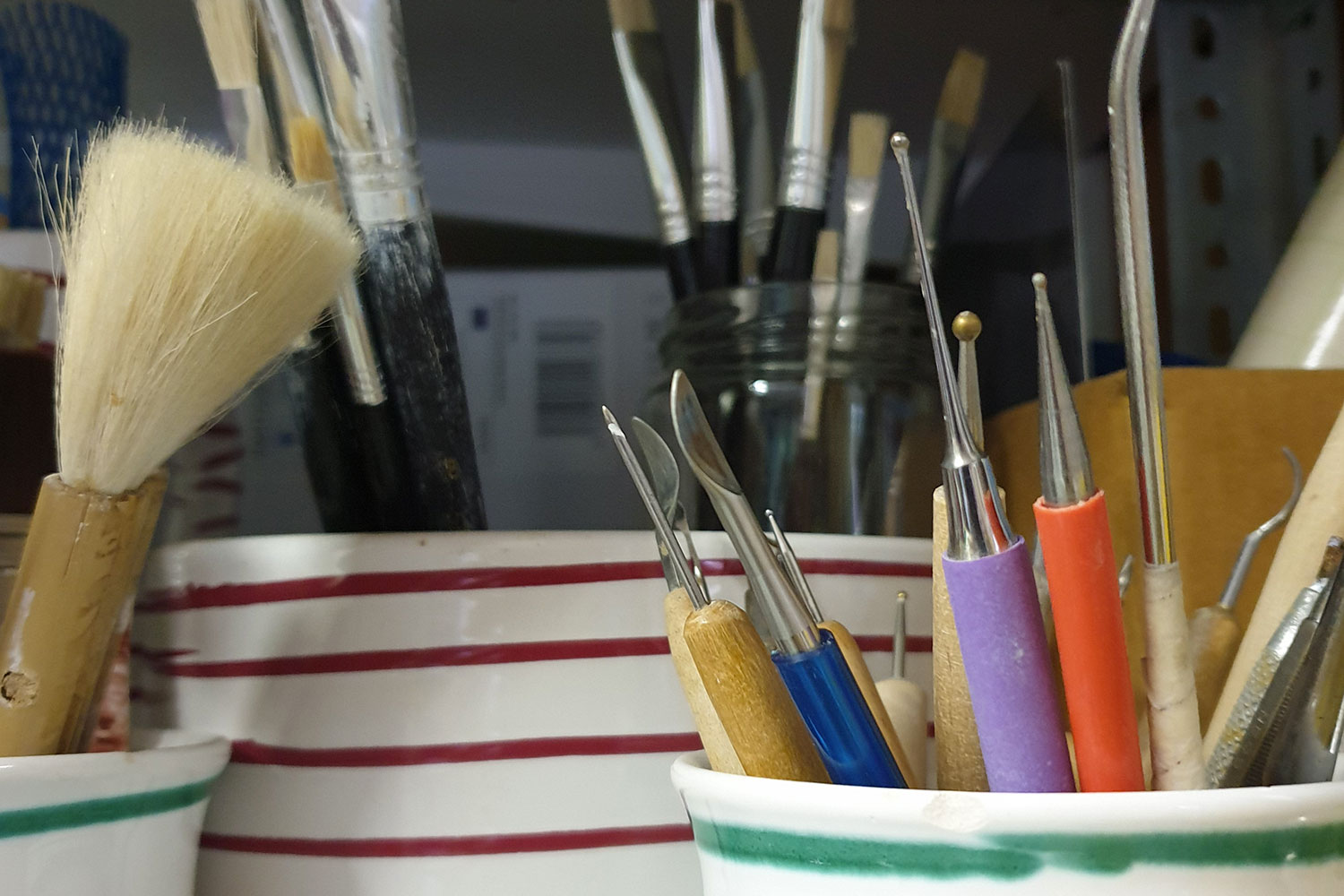
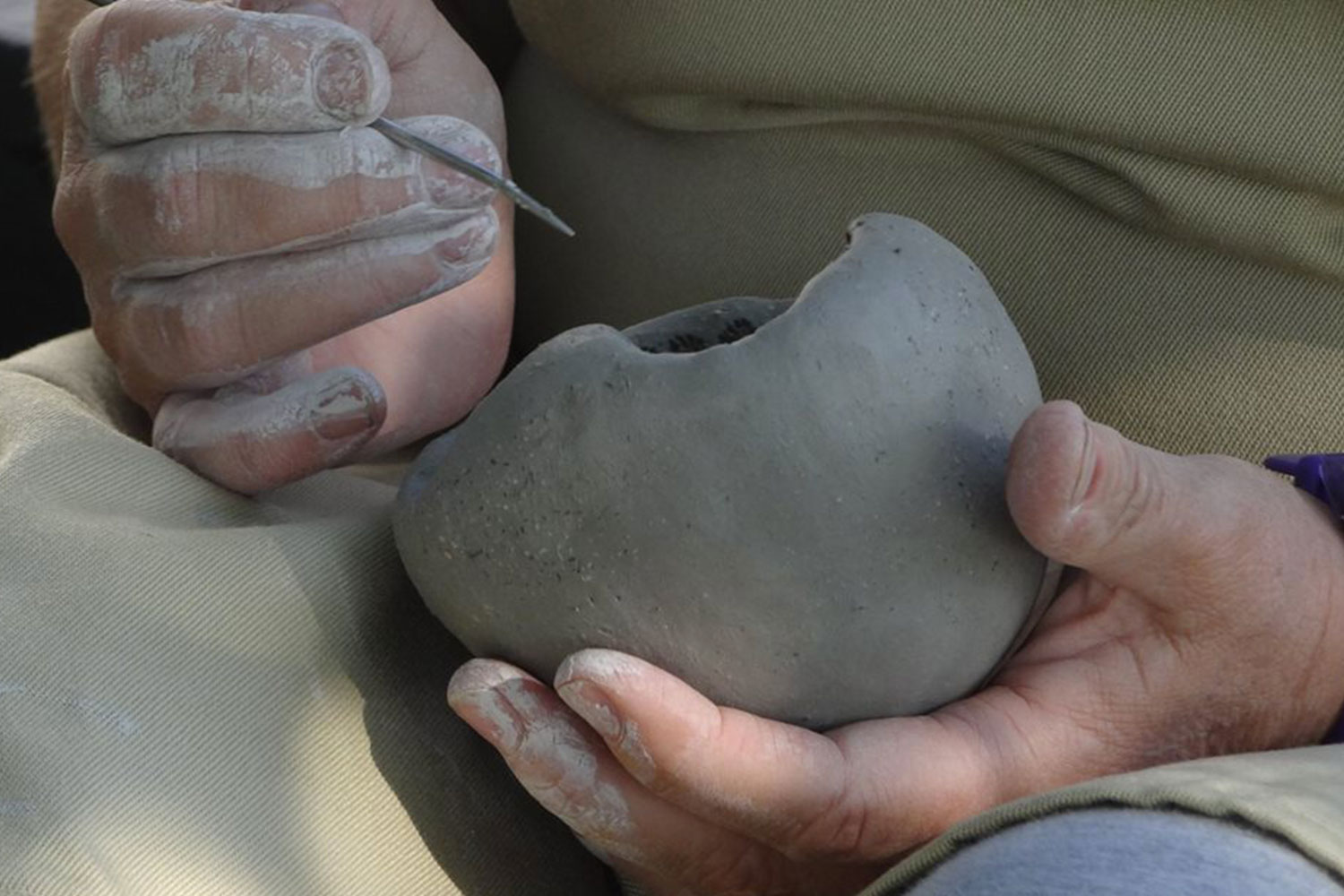
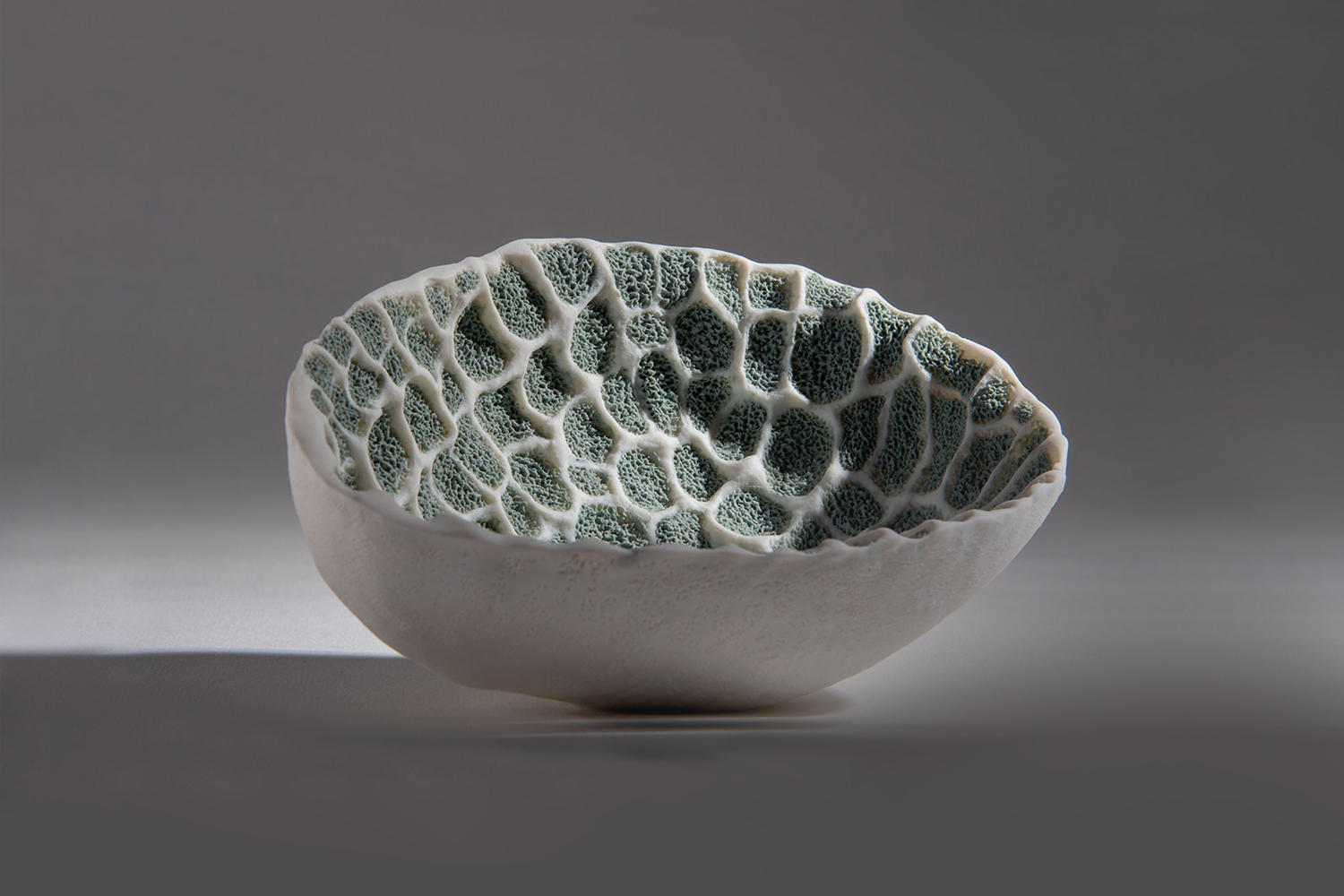
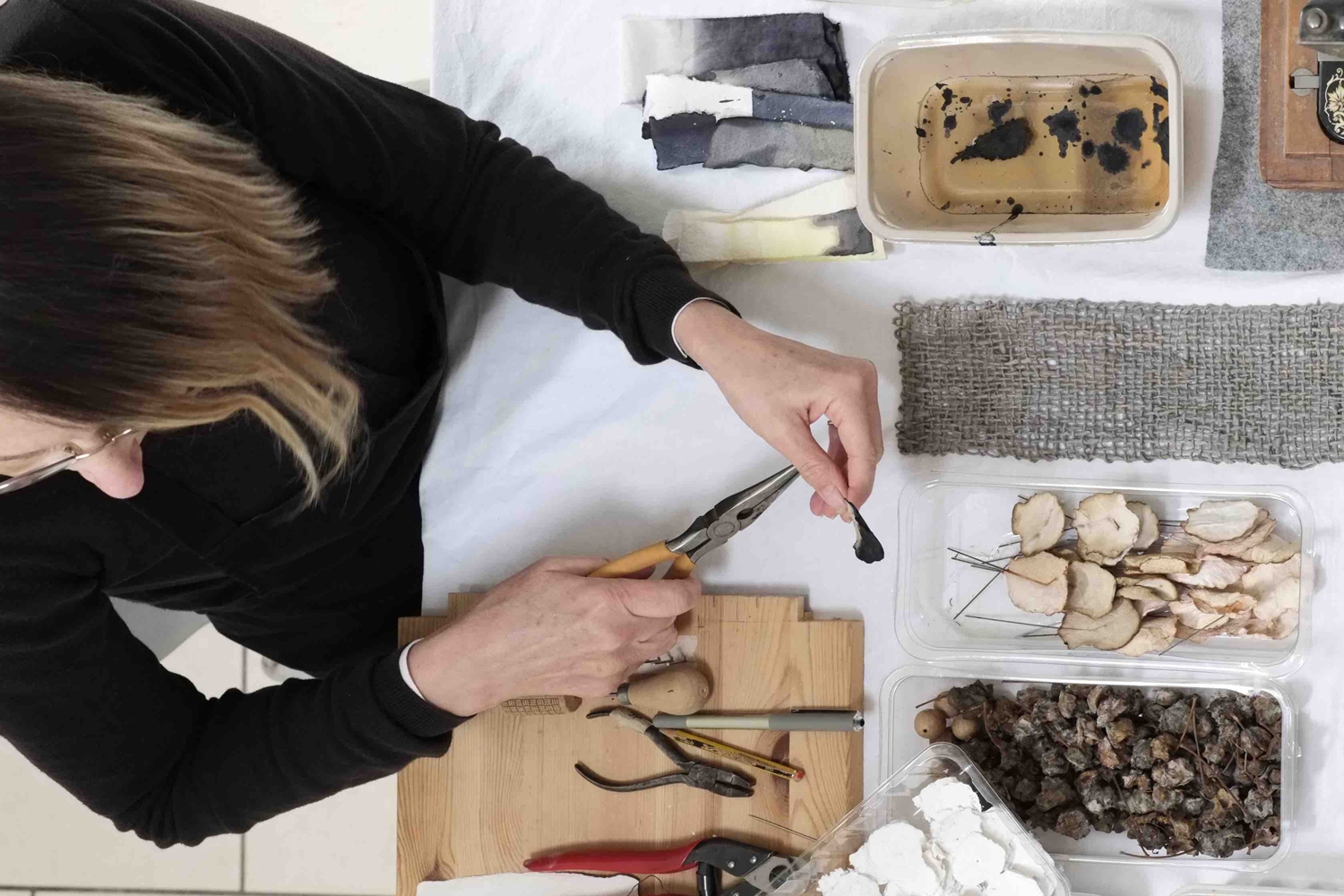
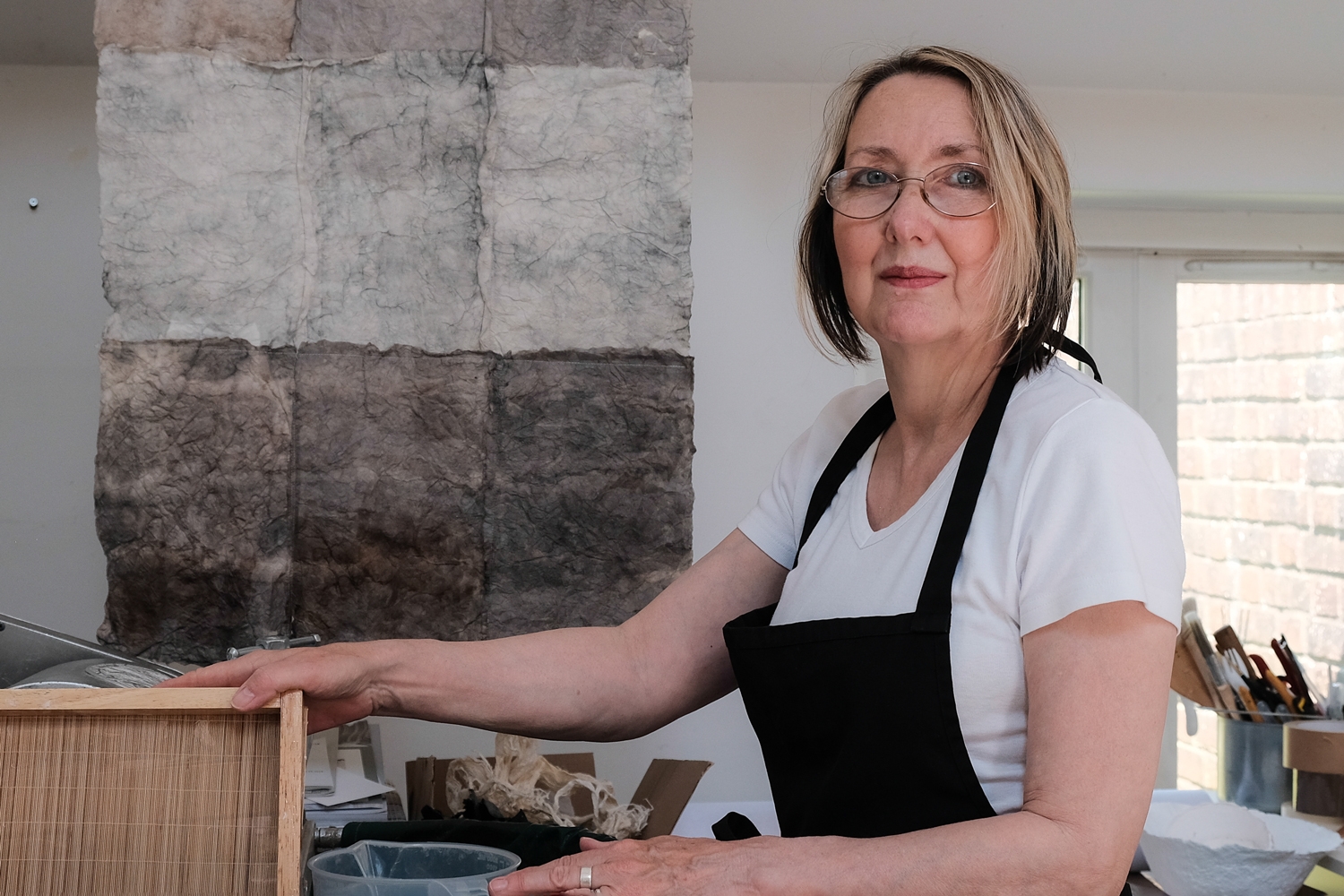
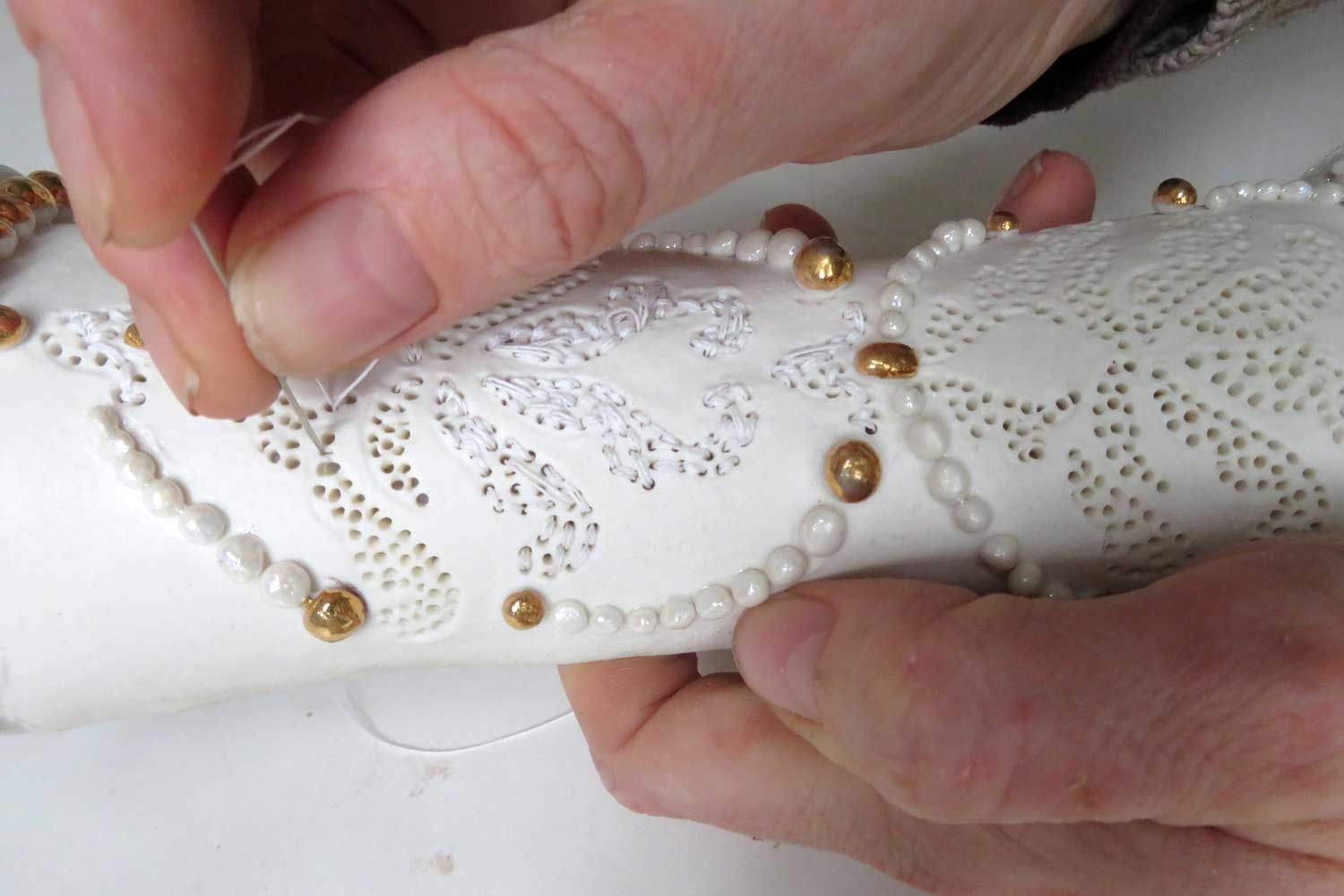
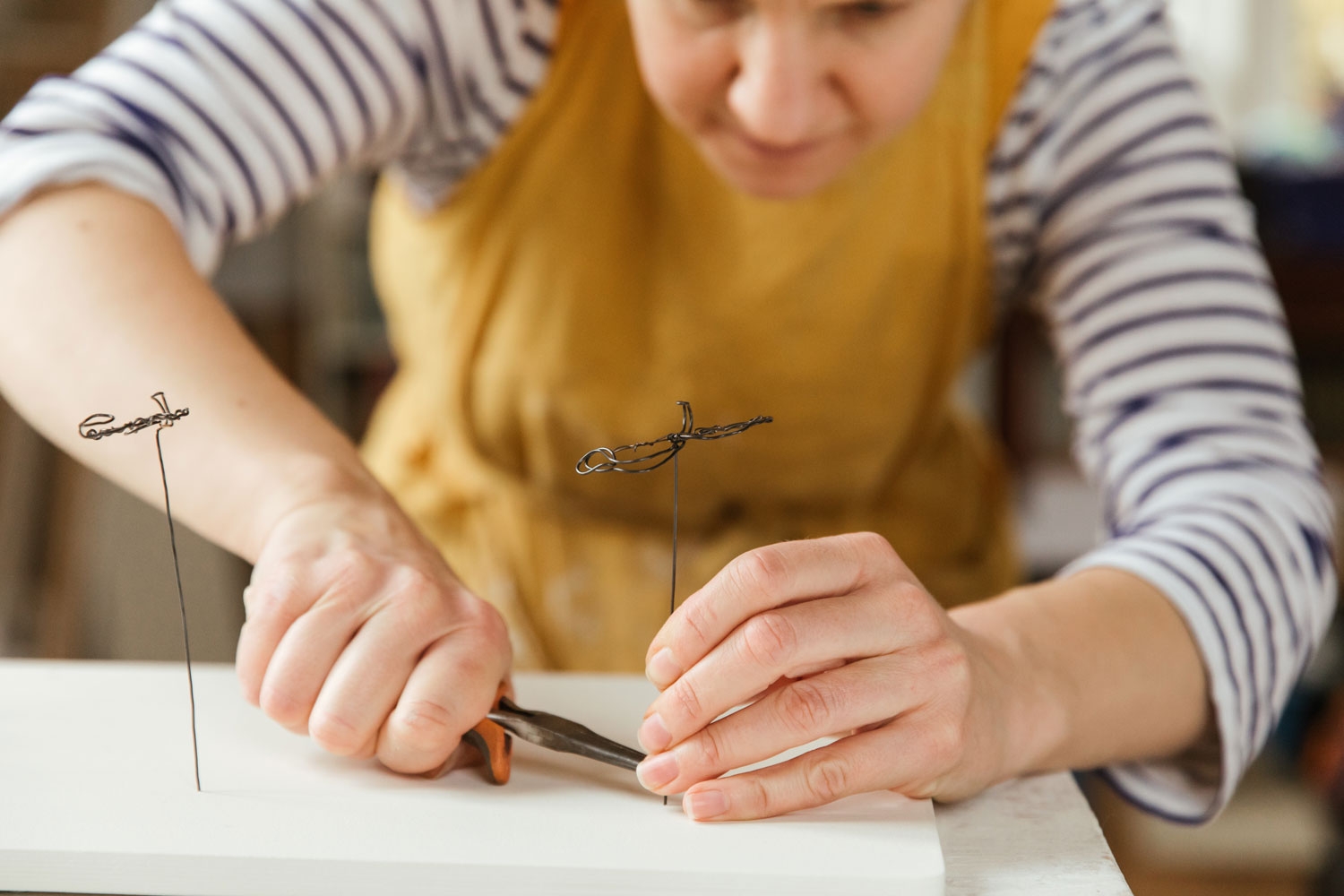
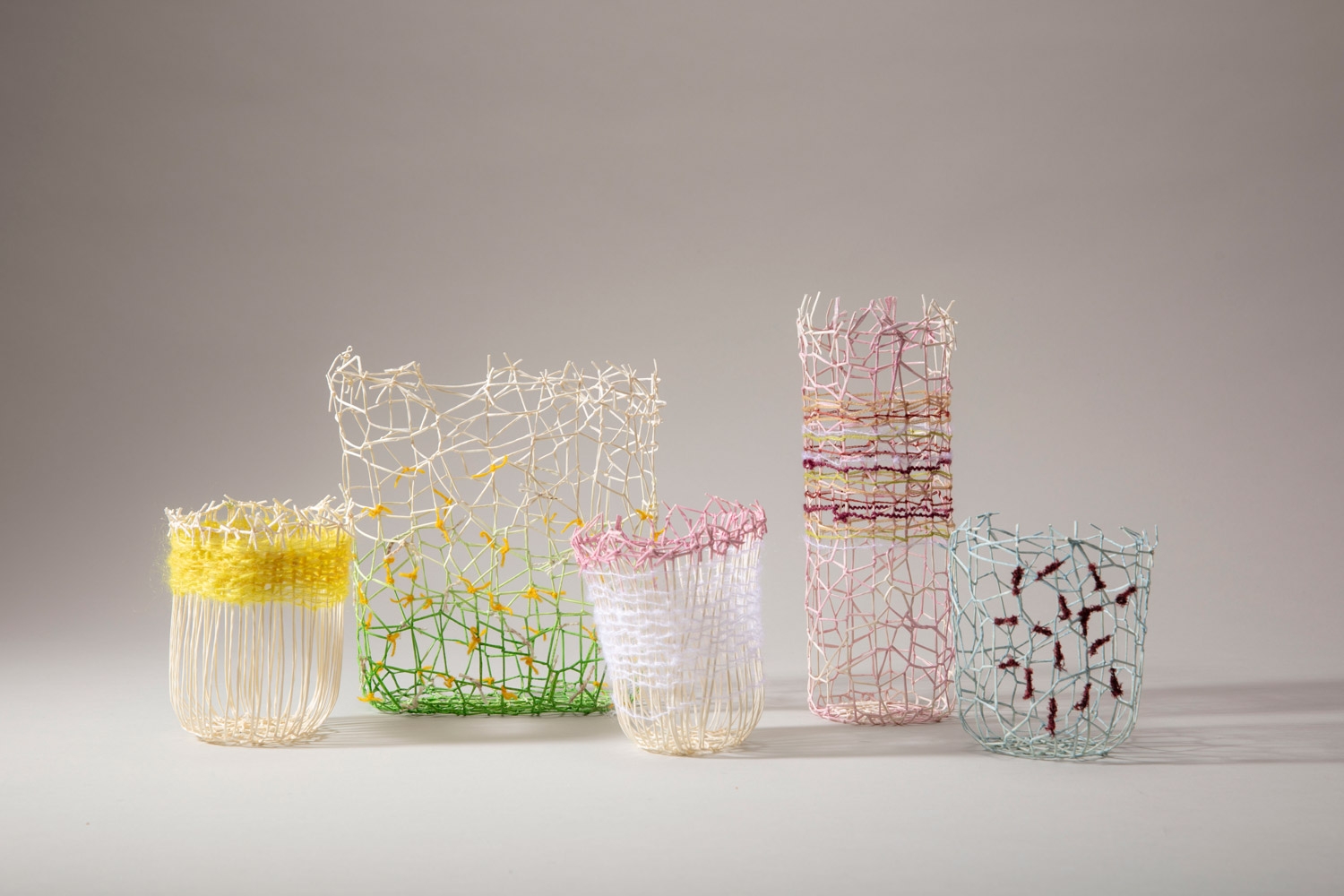
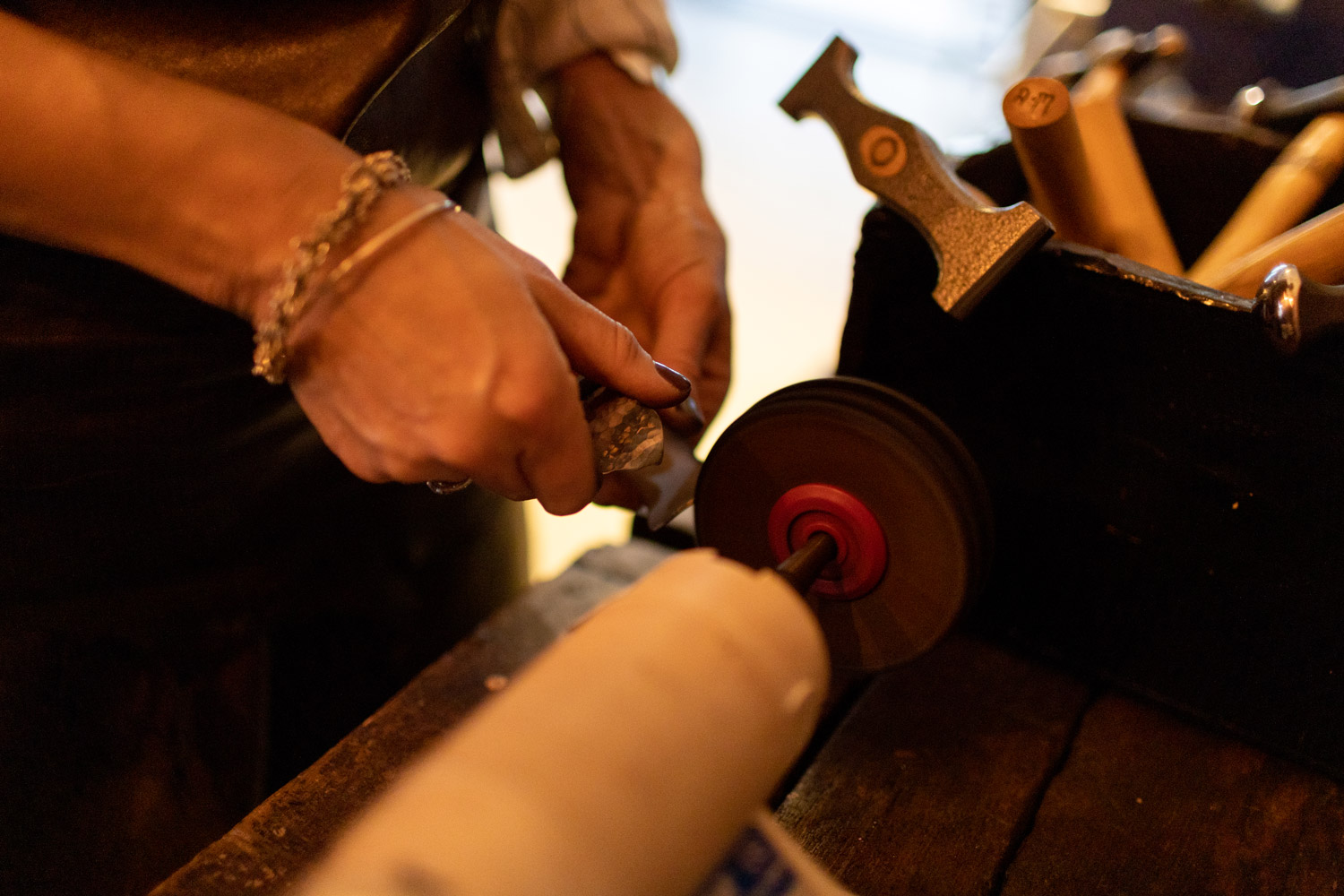
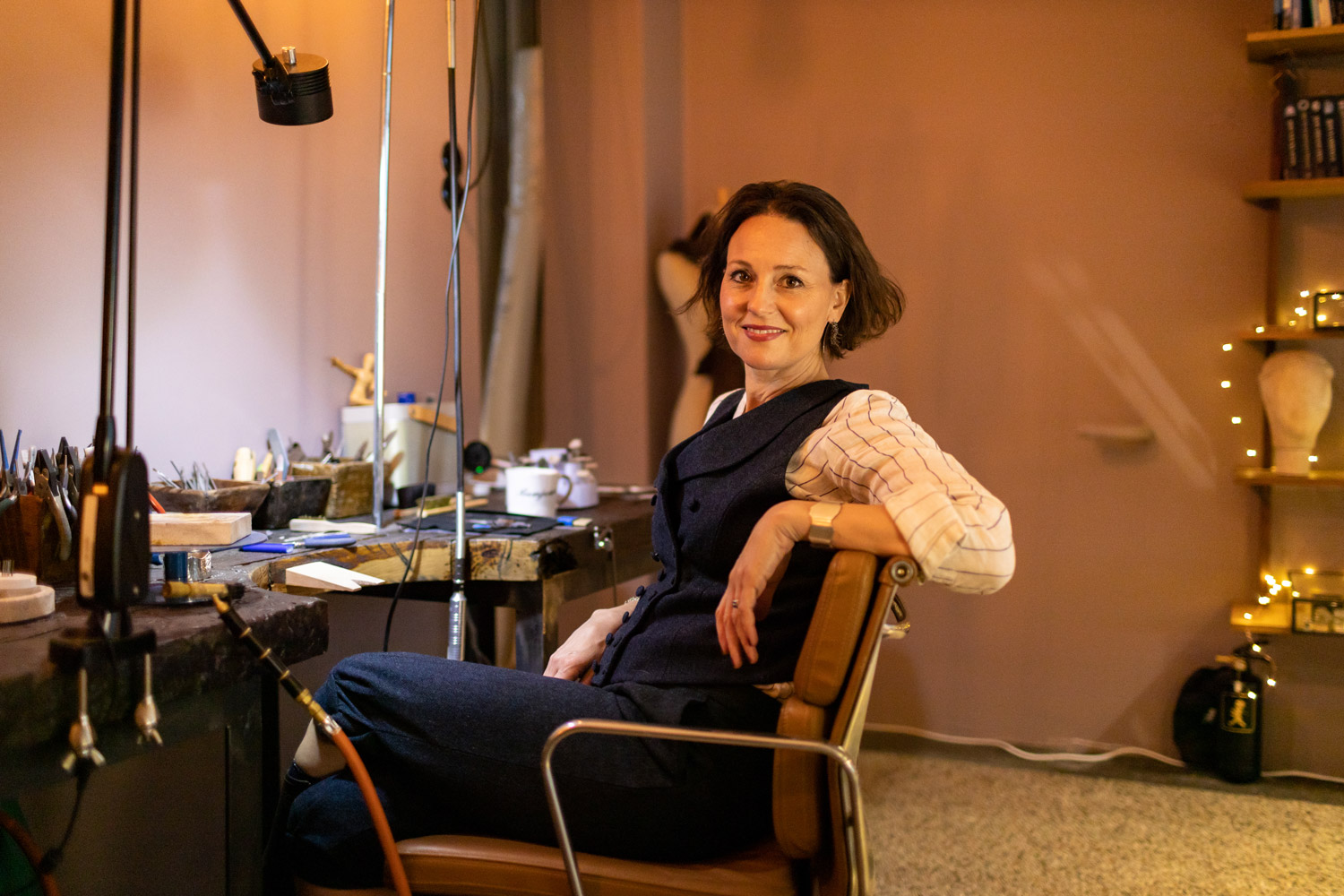
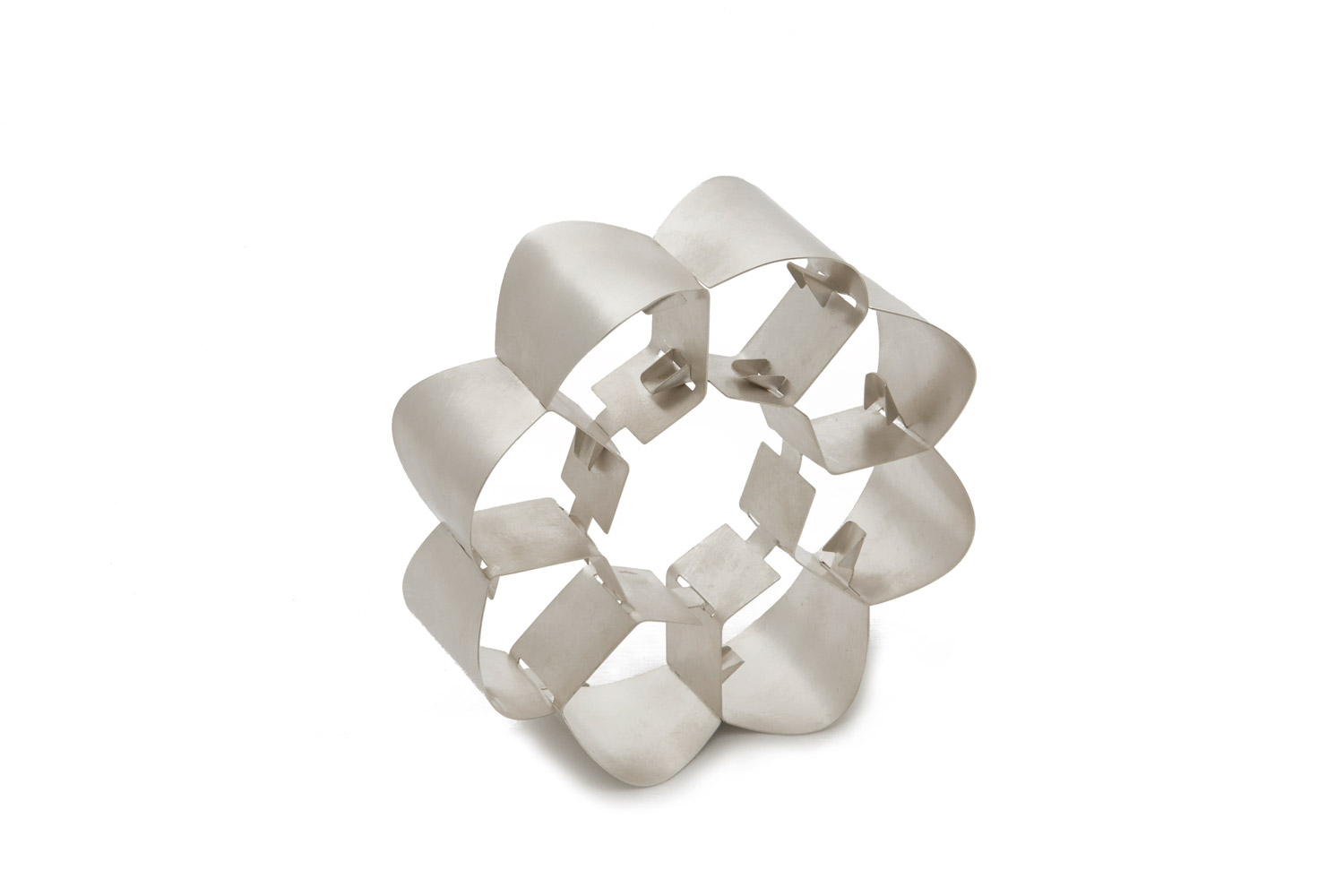
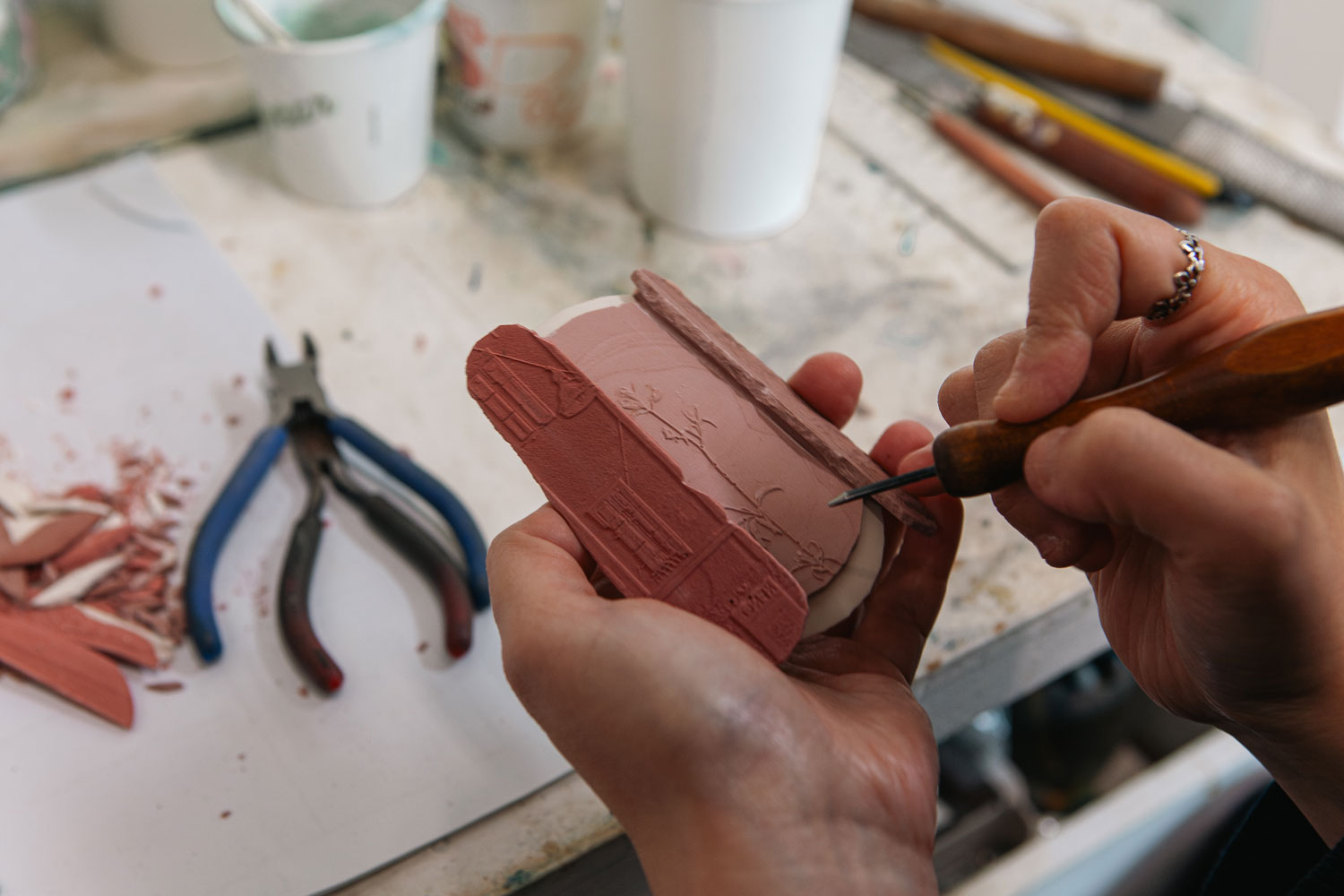
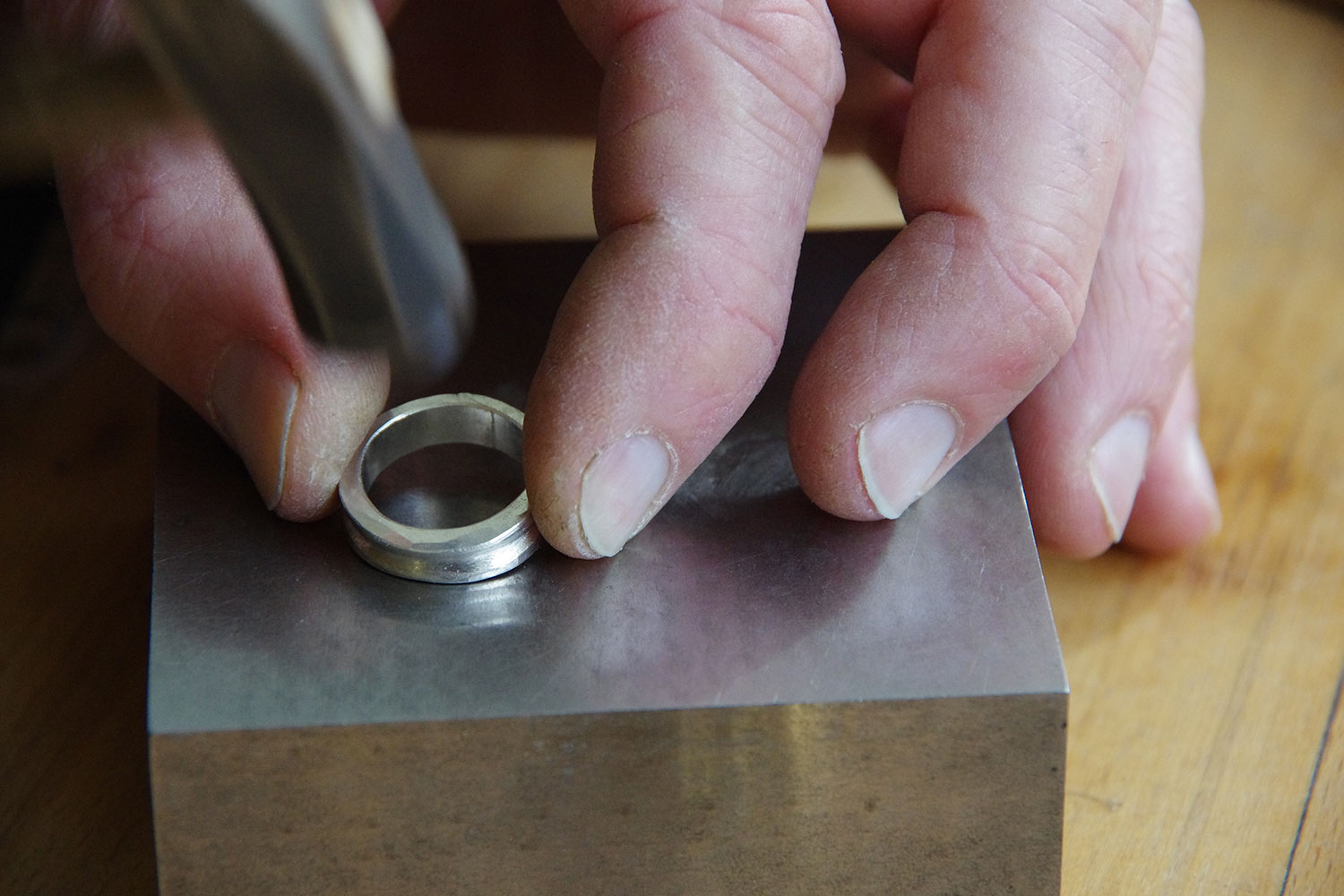
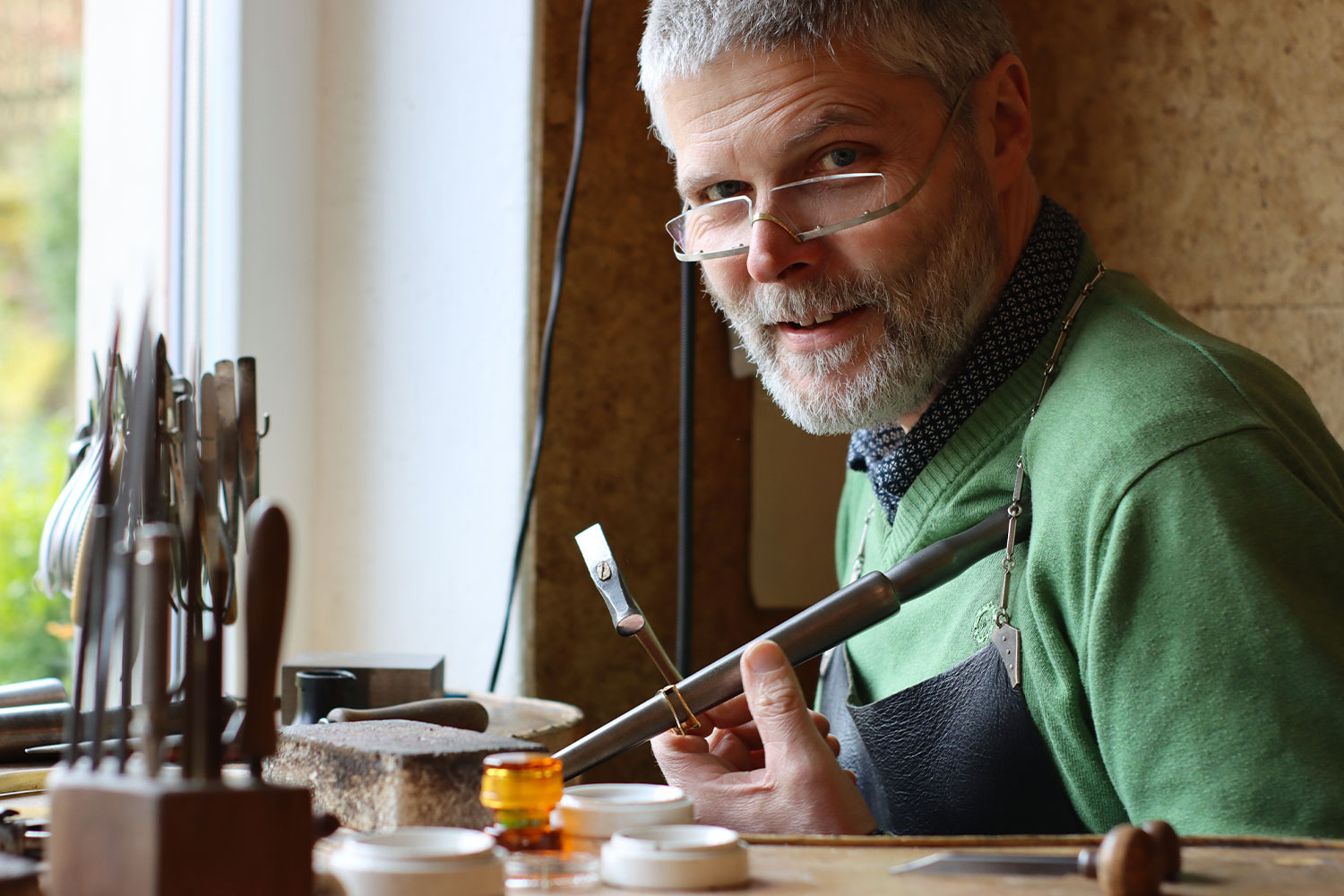
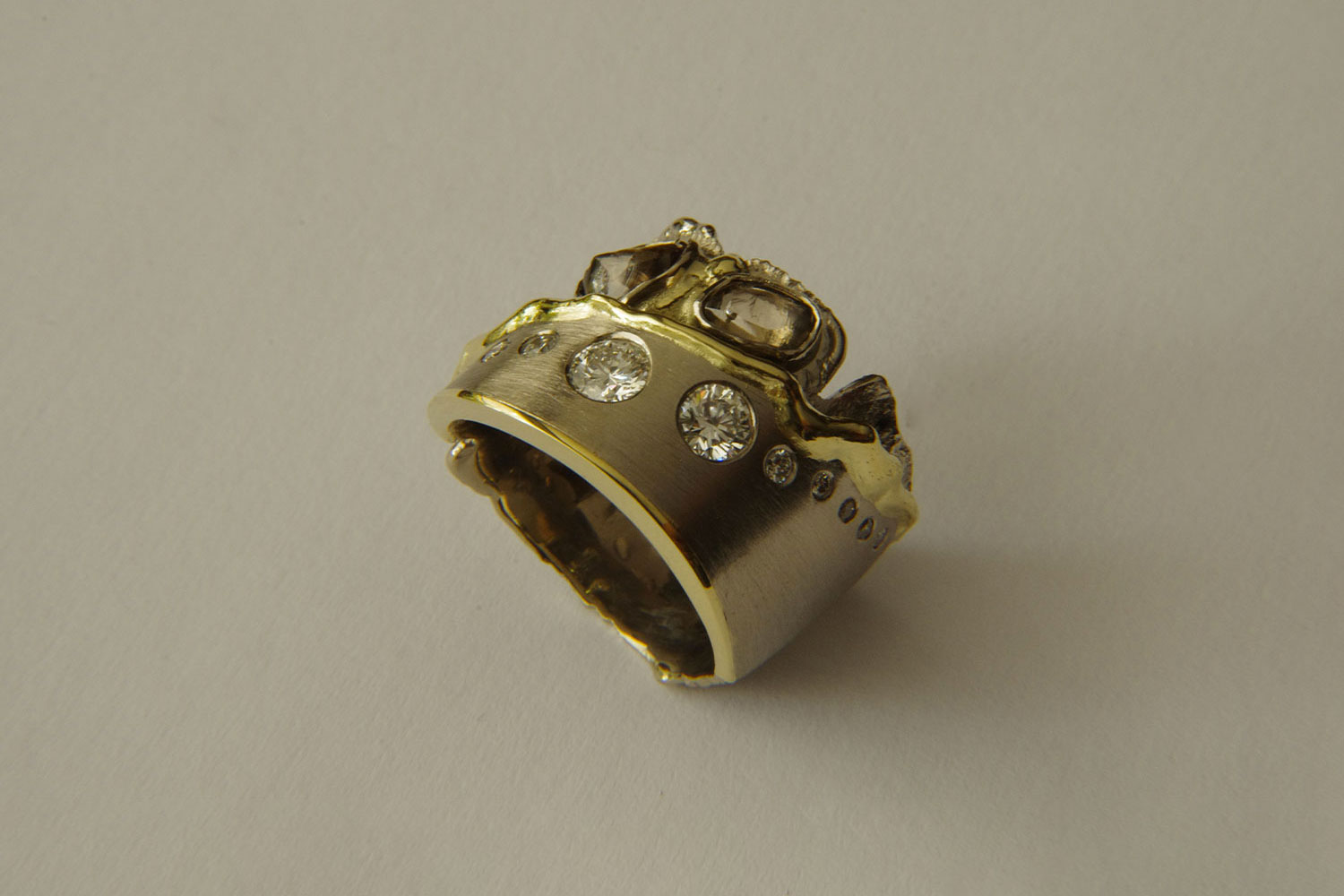
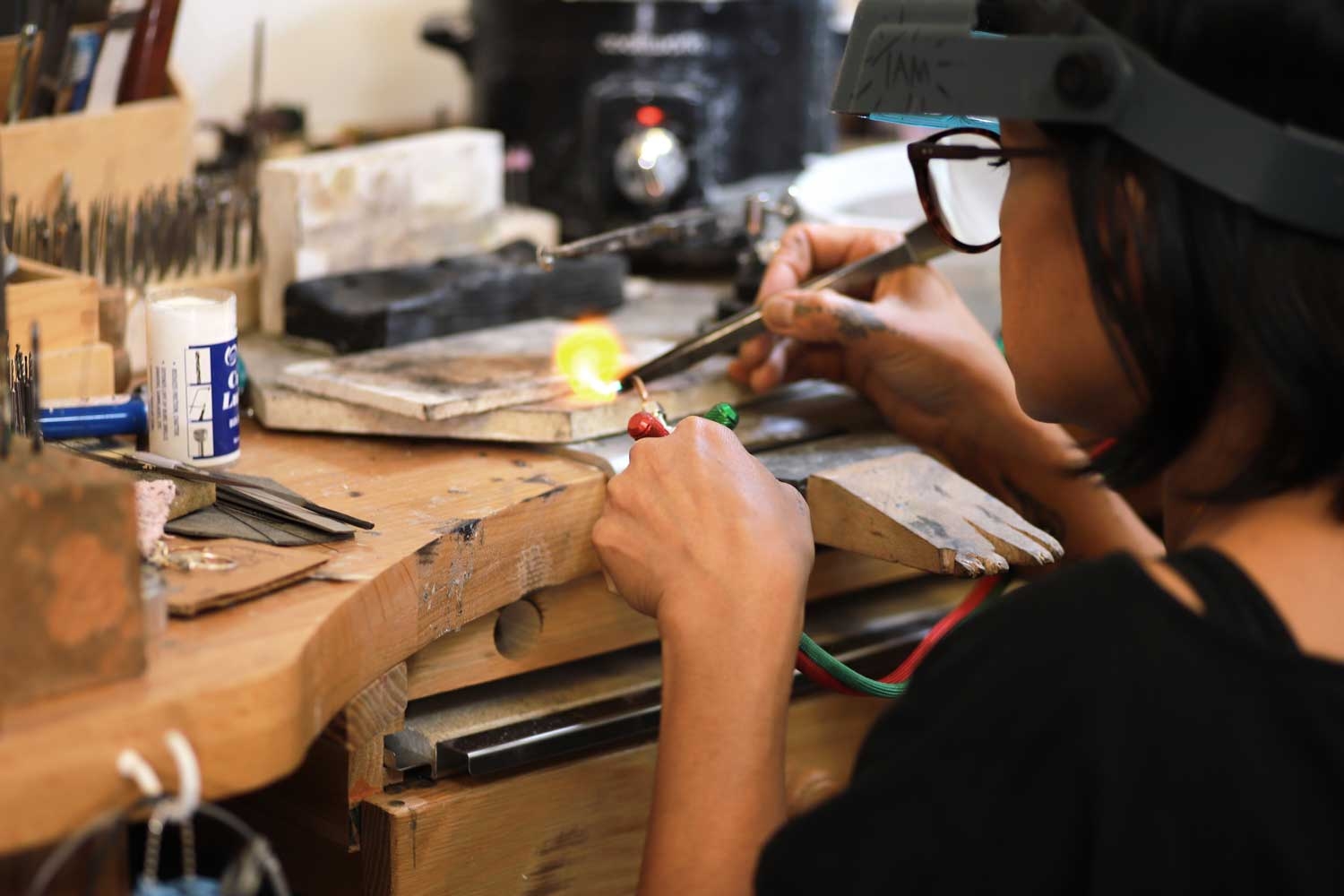
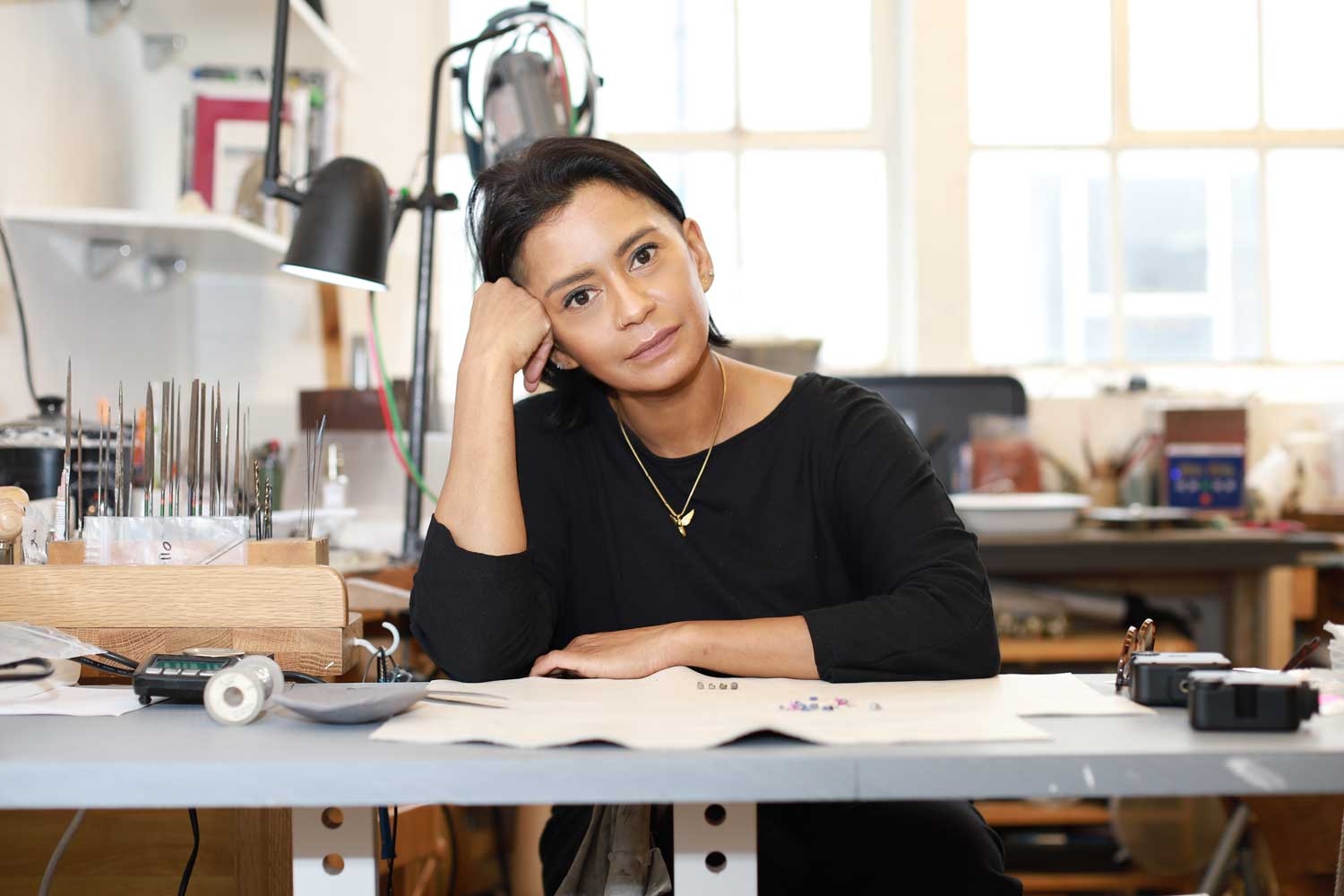
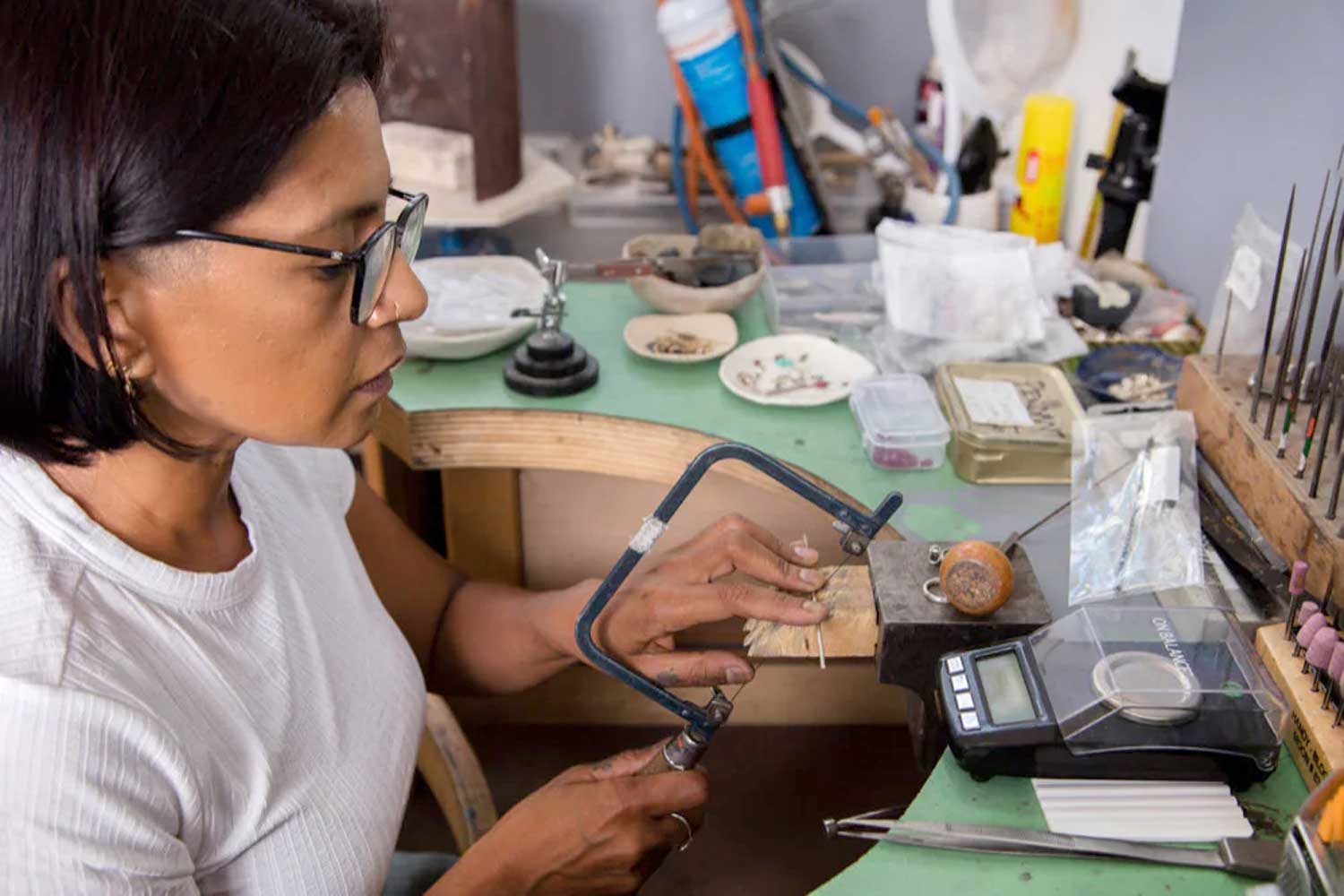
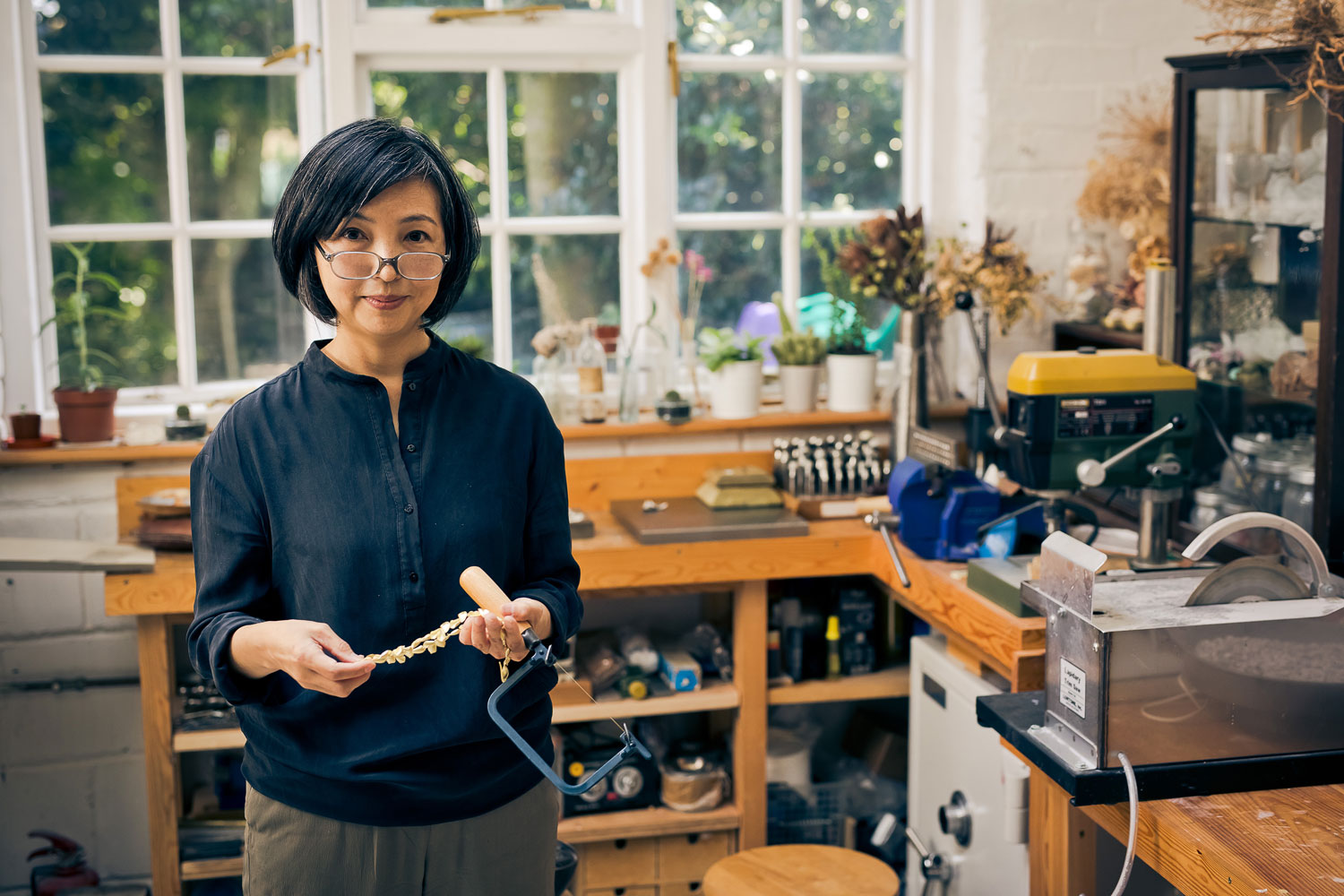
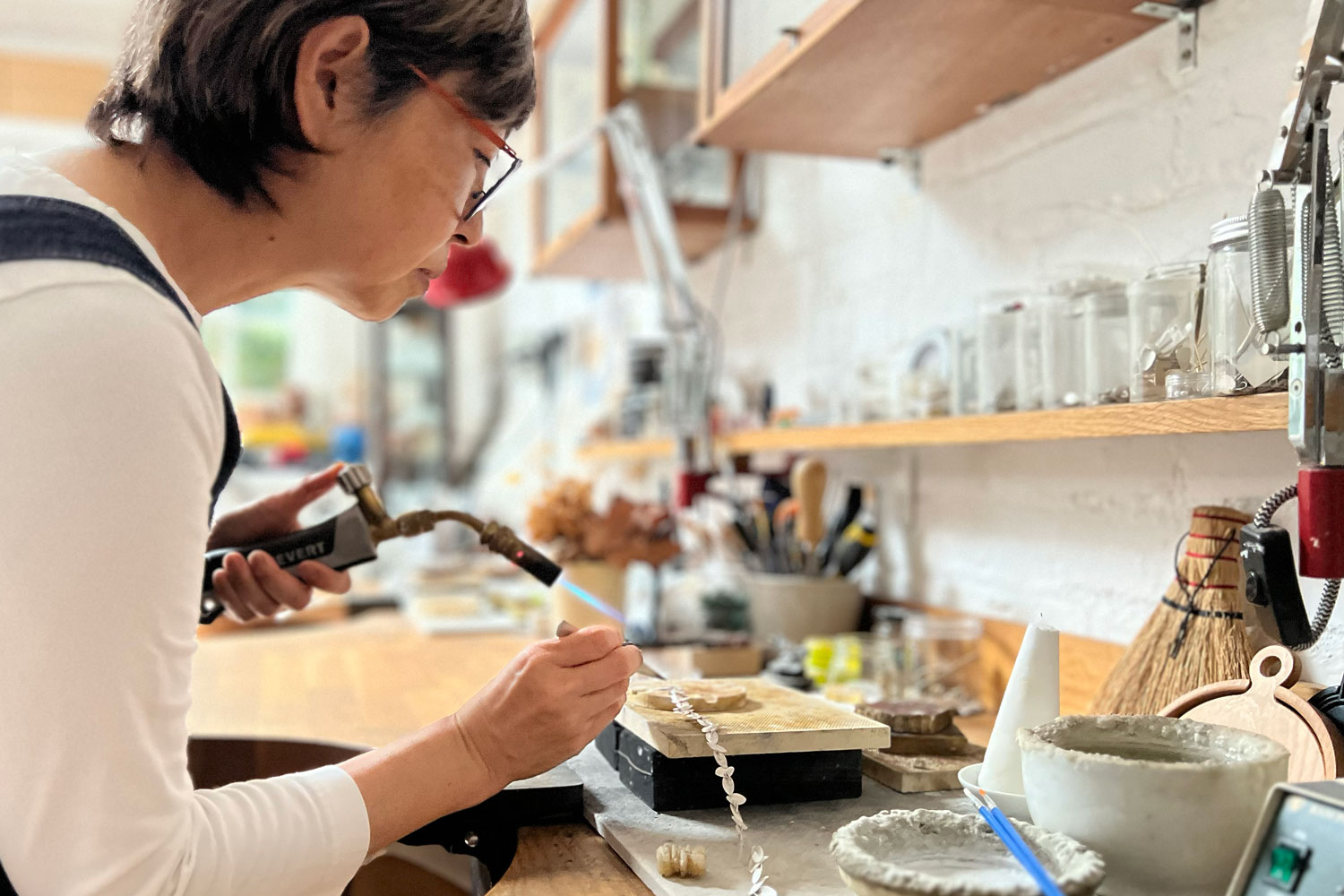
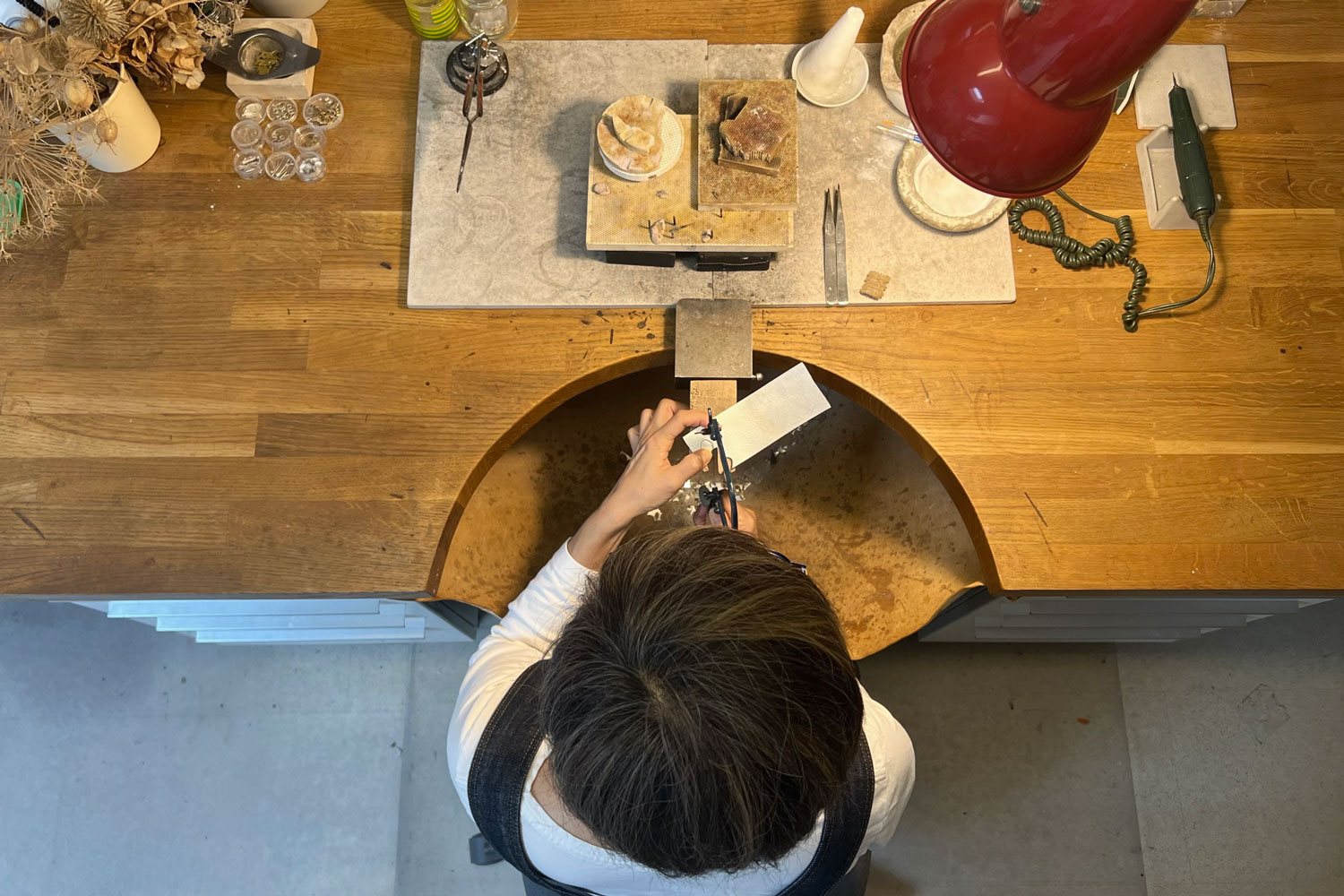
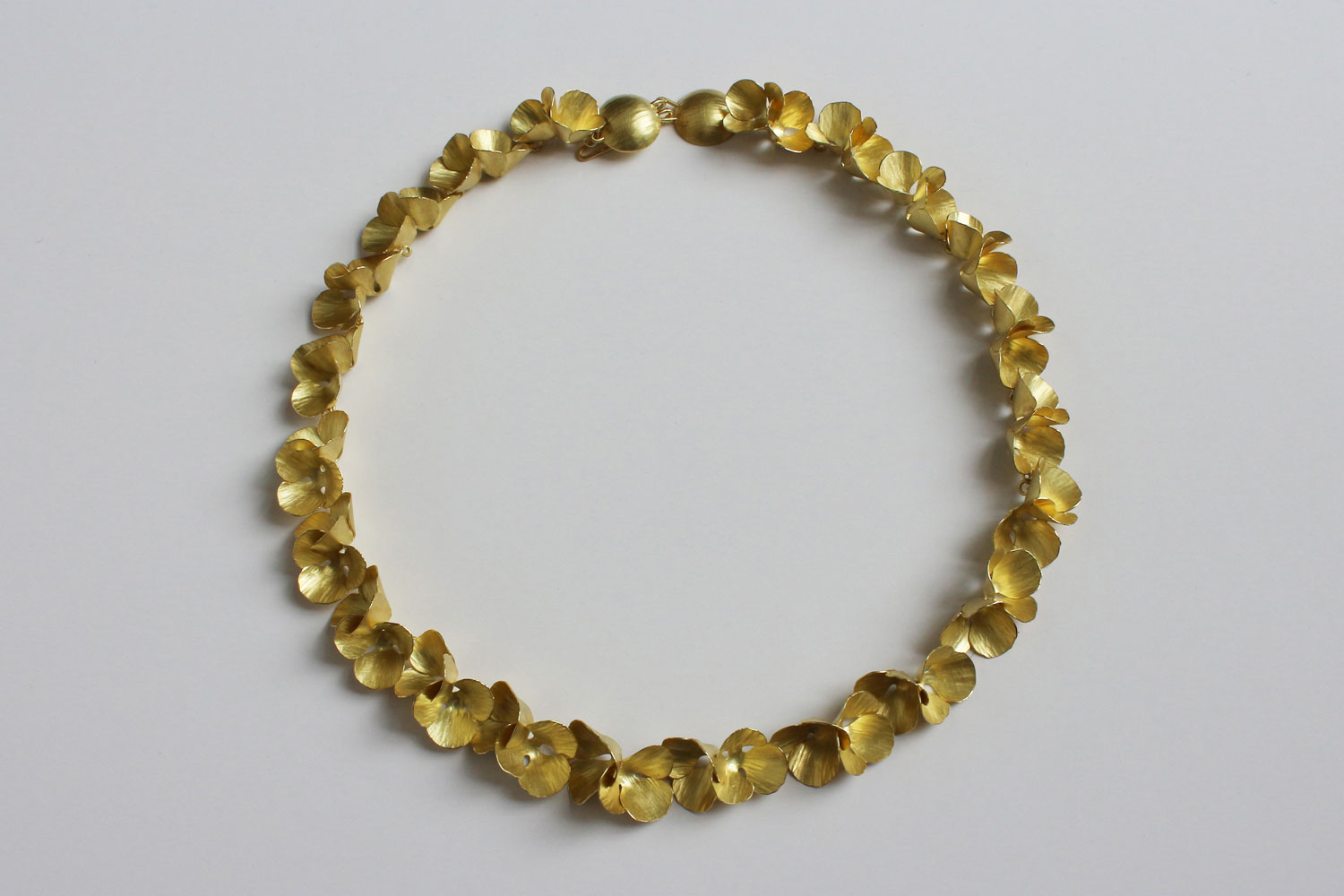
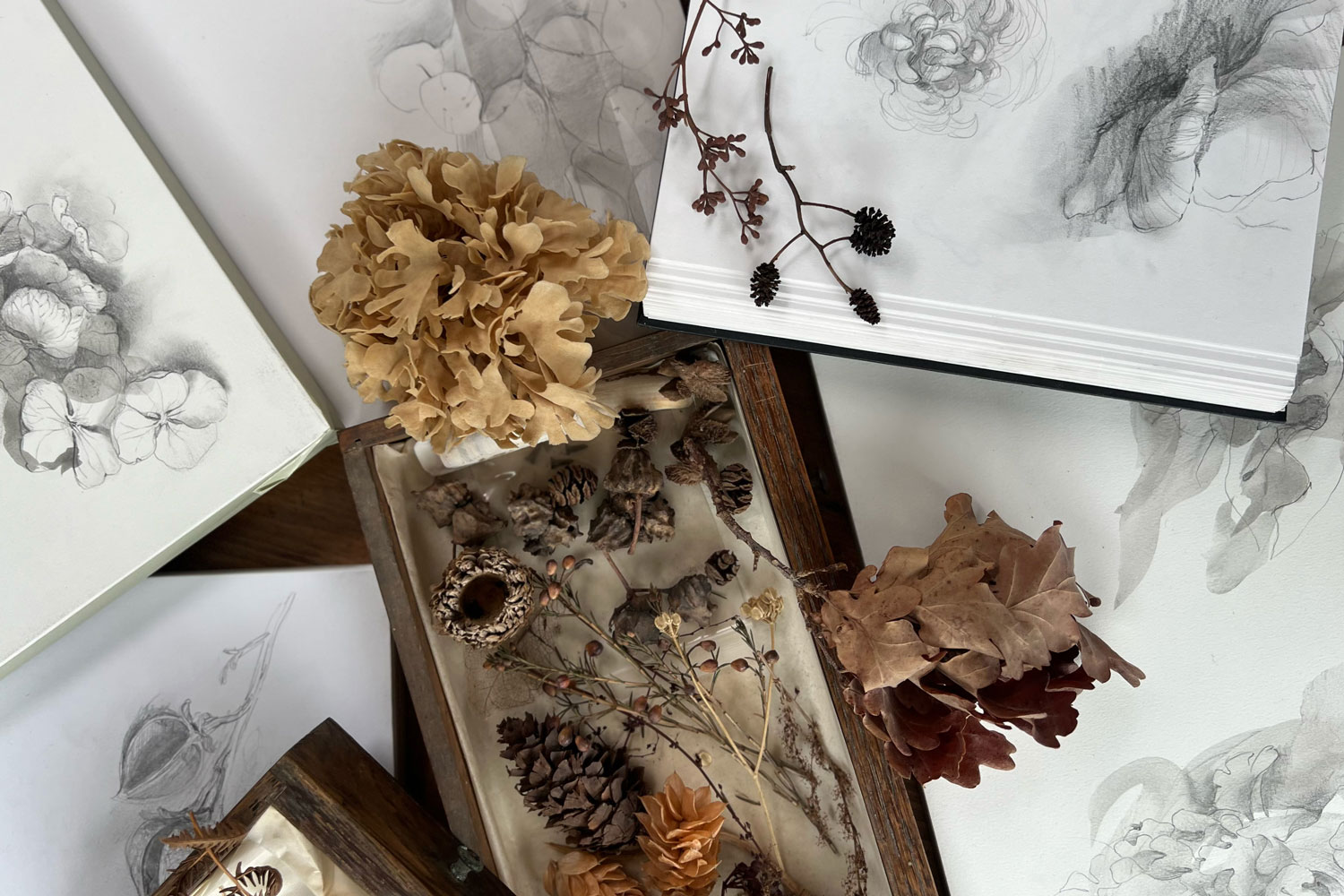
Kayo Saito is a contemporary jewellery artist whose practice blends Japanese sensibilities with European craft traditions. She studied metalwork in Japan before moving to the UK to complete a master’s degree at the Royal College of Art in London. After graduating, Kayo worked as an artist in residence and, in 2005, established her own independent workshop with the support of the Crafts Council. "With traditional jewellery and silversmithing techniques, I develop sculptural, 3D forms characterised by subtle textures and a strong sense of material presence," she says. Kayo uses handmade tools to create textured metal surfaces that recall natural landscapes, marked by subtle irregularities and traces of the process. Inspired by nature, particularly plants and trees, she translates their seasonal rhythms into jewellery that feels both organic and alive.

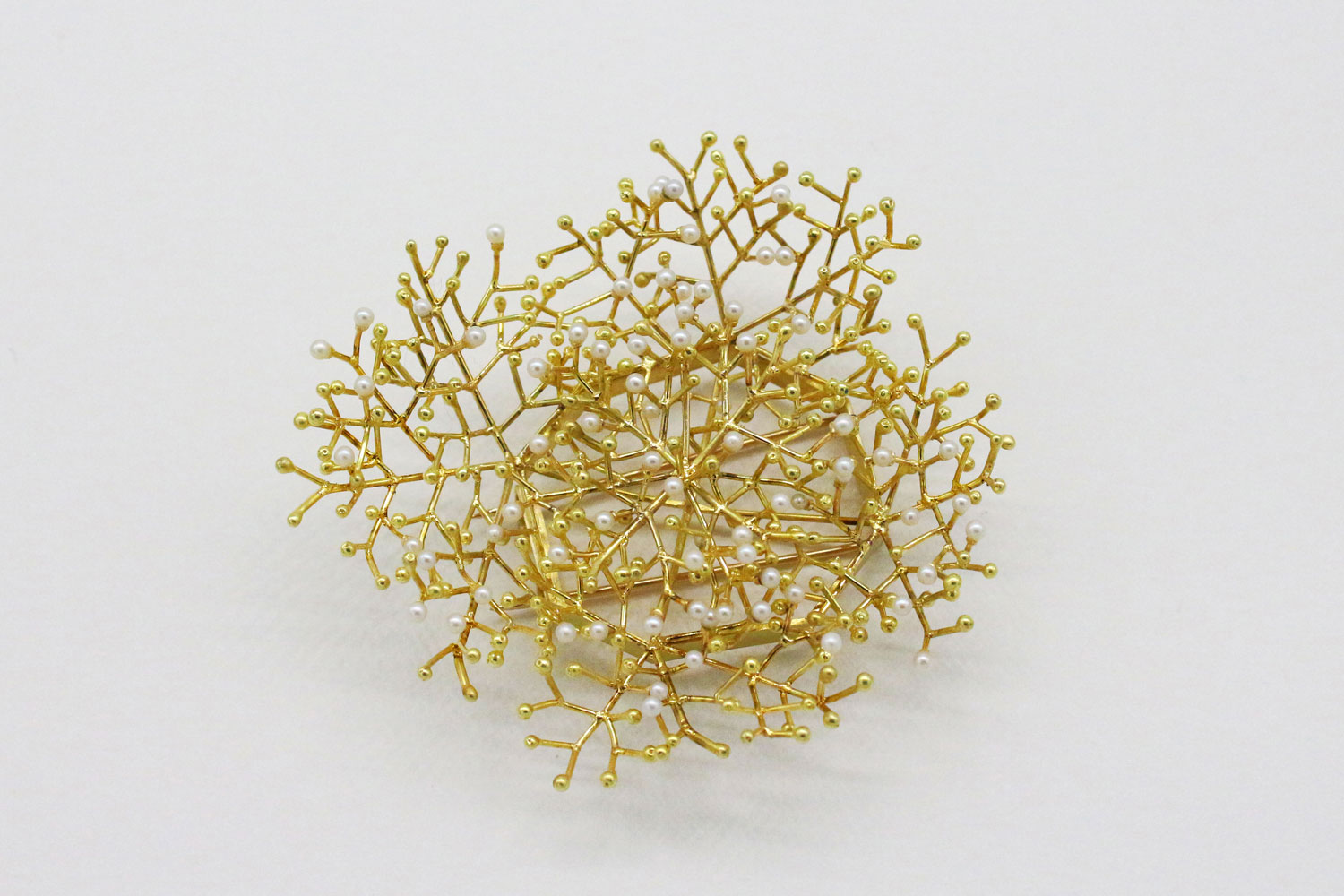


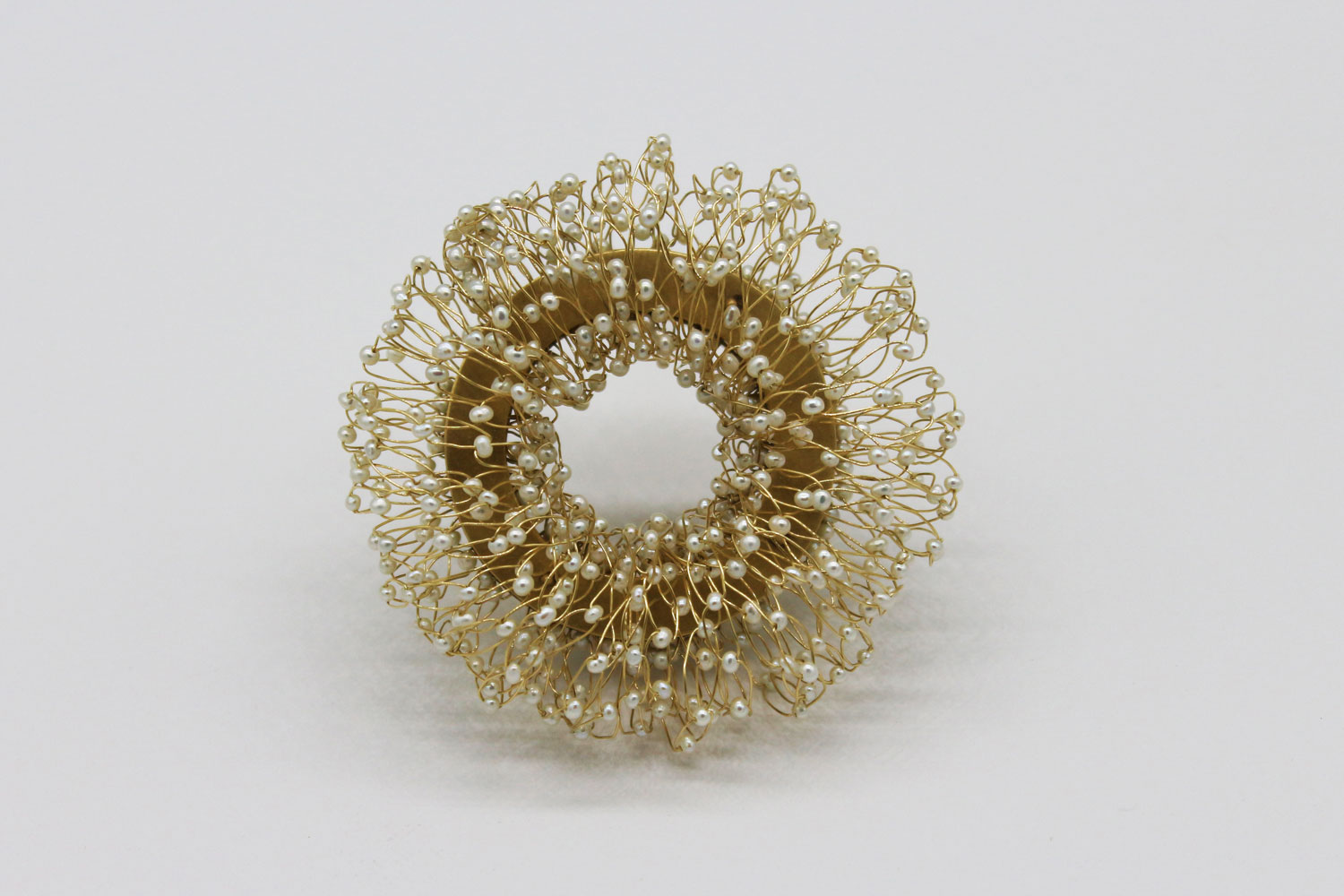
INTERVIEW
I came across a book titled The New Jewellery in Tokyo. I was captivated by how jewellery could be both a vessel of emotion and a functional object. That book introduced me to the unknown world of contemporary jewellery in Europe, and inspired me to pursue the field in the UK to explore its full expressive potential.
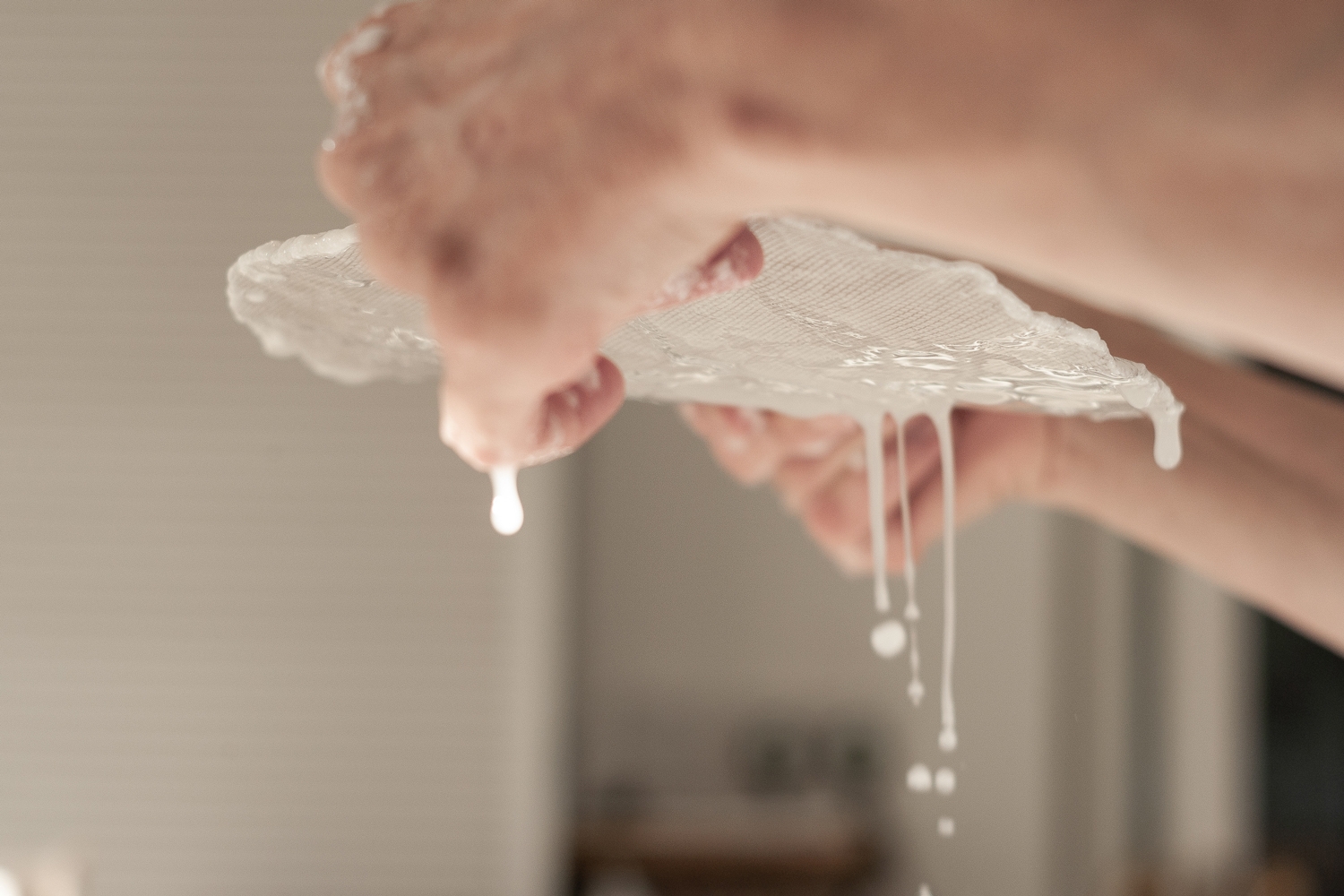
I made my first jewellery series, Floated Brooches, using paper. They were so light they appeared to float on the body. I focused on exploring paper as a jewellery material, finding ways to make it both substantial and visually convincing. I was drawn to paper for its quiet beauty and potential, which felt especially meaningful given my cultural background.
I use traditional jewellery and silversmithing techniques to create pieces that express organic form, lightness and warmth. These qualities contrast with the natural character of metal. My journey began with paper jewellery, and the transition from paper to metal continues to shape my artistic language.
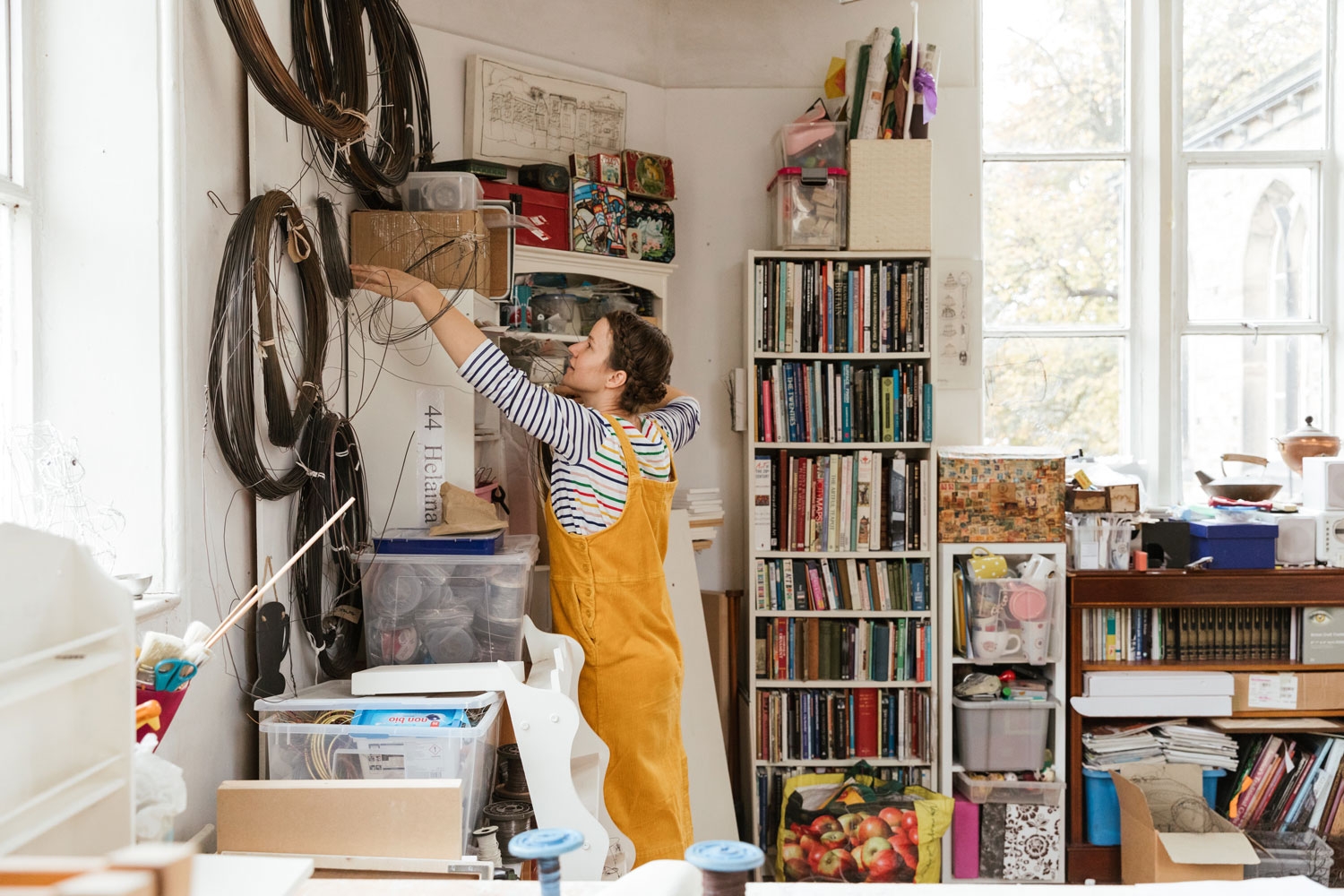
Before deciding on a final design, I experiment with different forms and possibilities. My process involves constant trial and discovery. Not every piece finds its final shape, but each one contributes to my understanding of the material. I am surrounded by unused fragments that are witnesses to the evolution of my ideas.
Kayo Saito
Jewellery maker
Ramsgate, United Kingdom
Recommended by L’ÉCOLE, School of Jewelry Arts
ADDRESS
Address upon request, Ramsgate, United Kingdom
AVAILABILITY
By appointment only
PHONE
+44 7976615712
LANGUAGES
English, Japanese
Homo Faber Finds is a new service aiming to inspire admirers of craft to connect and collaborate with exceptional artisans.
We invite you to submit an enquiry here.