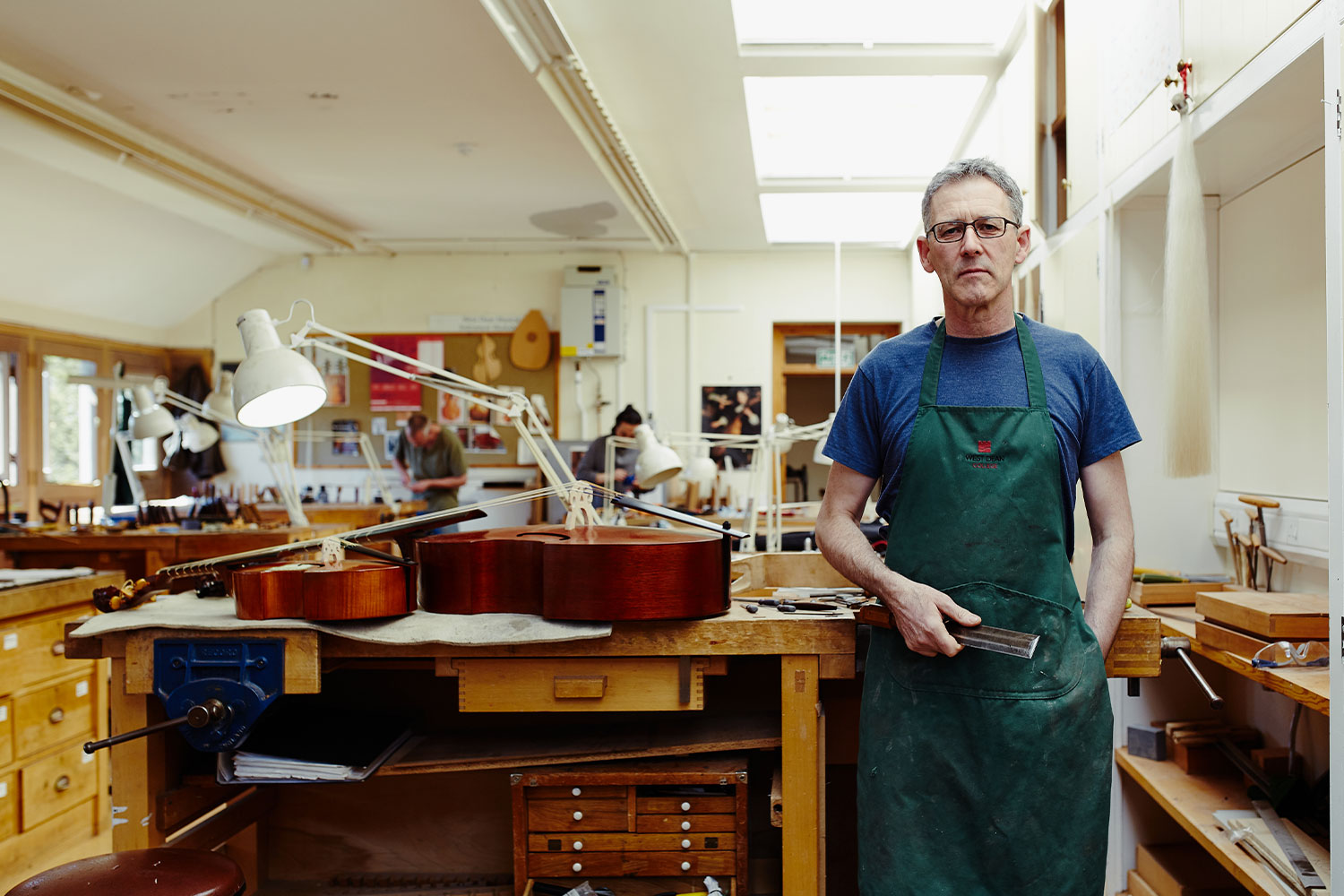
Shem Mackey
Luthier
Ramsgate, United Kingdom
Recommended by Queen Elizabeth Scholarship Trust - QEST
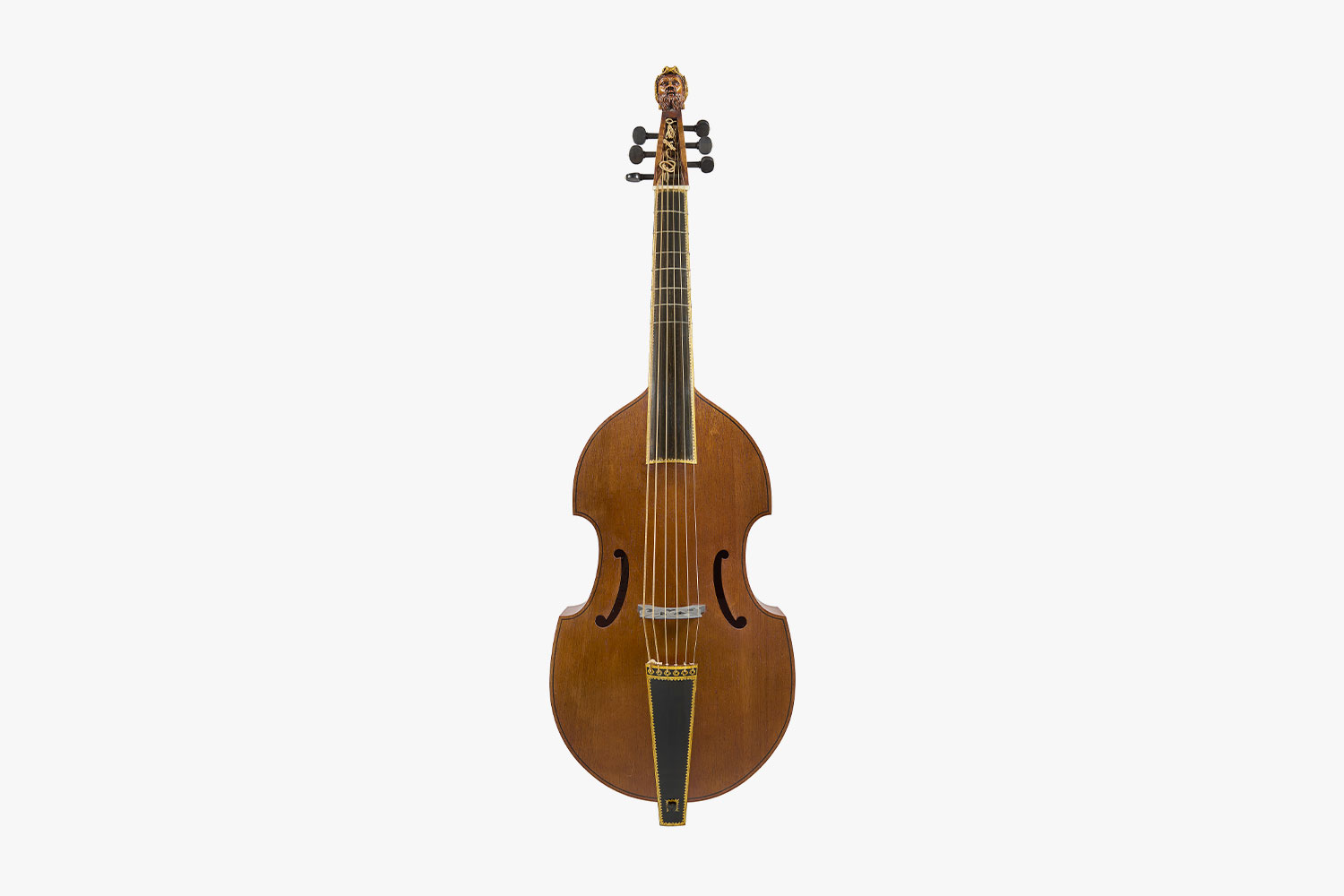
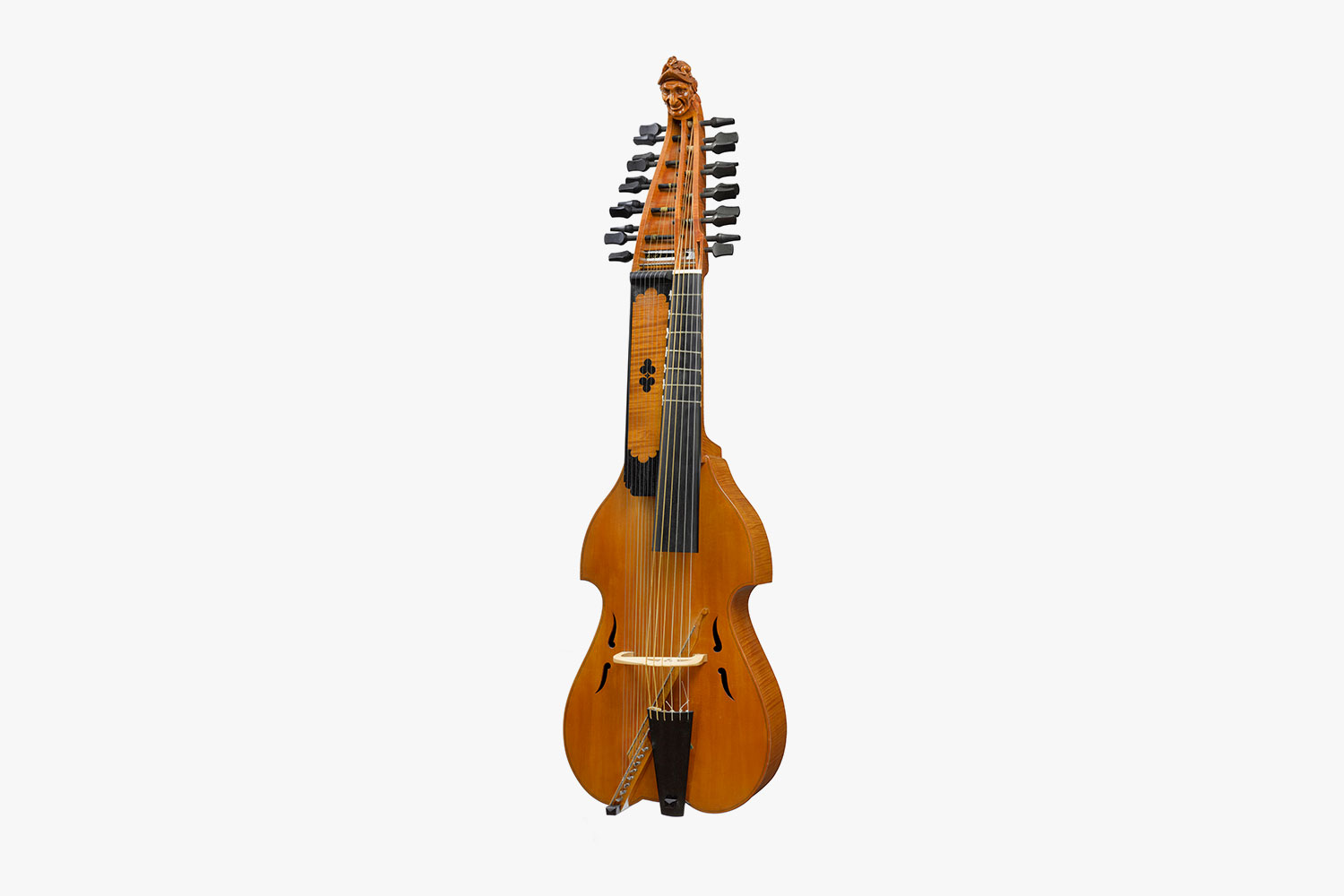
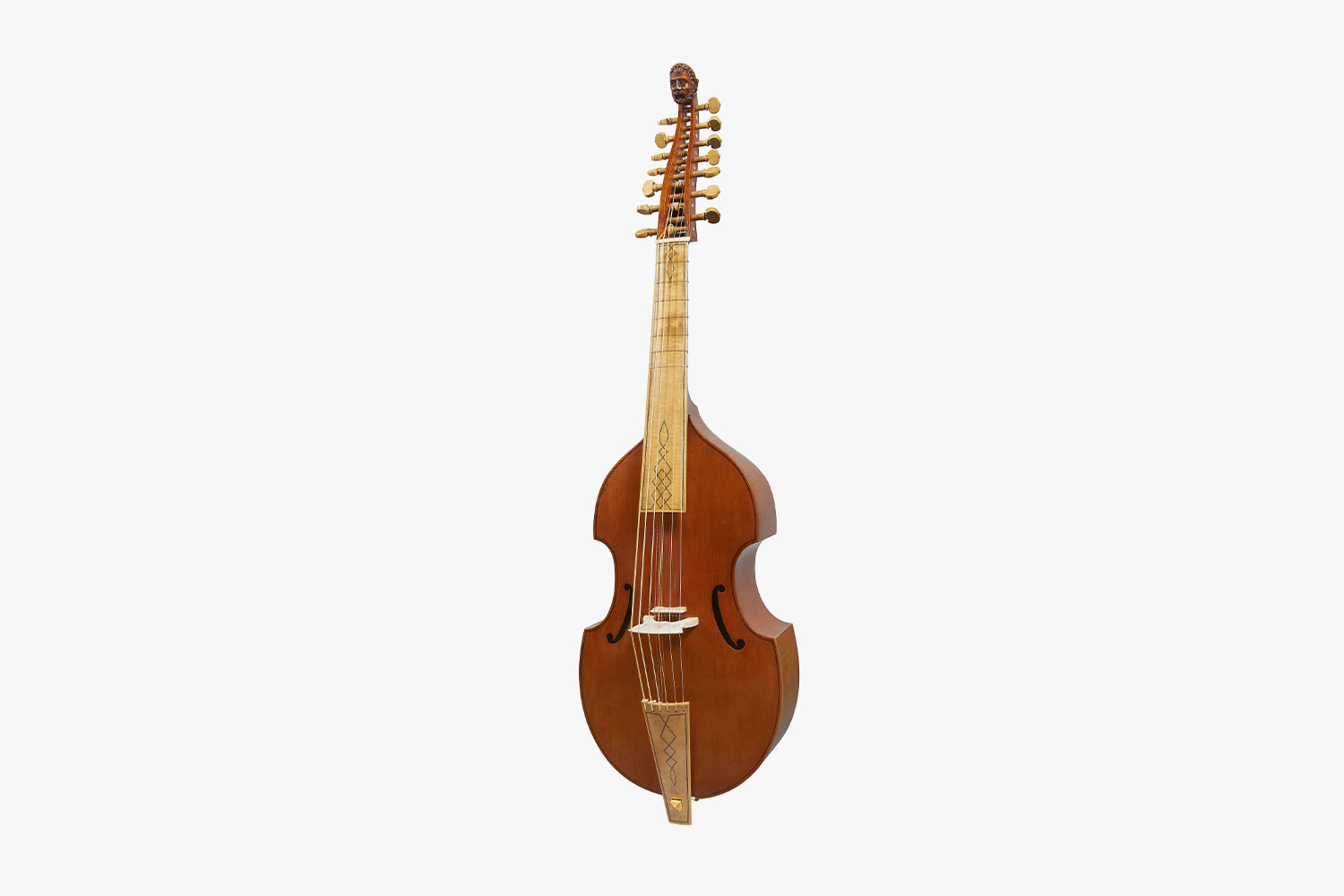
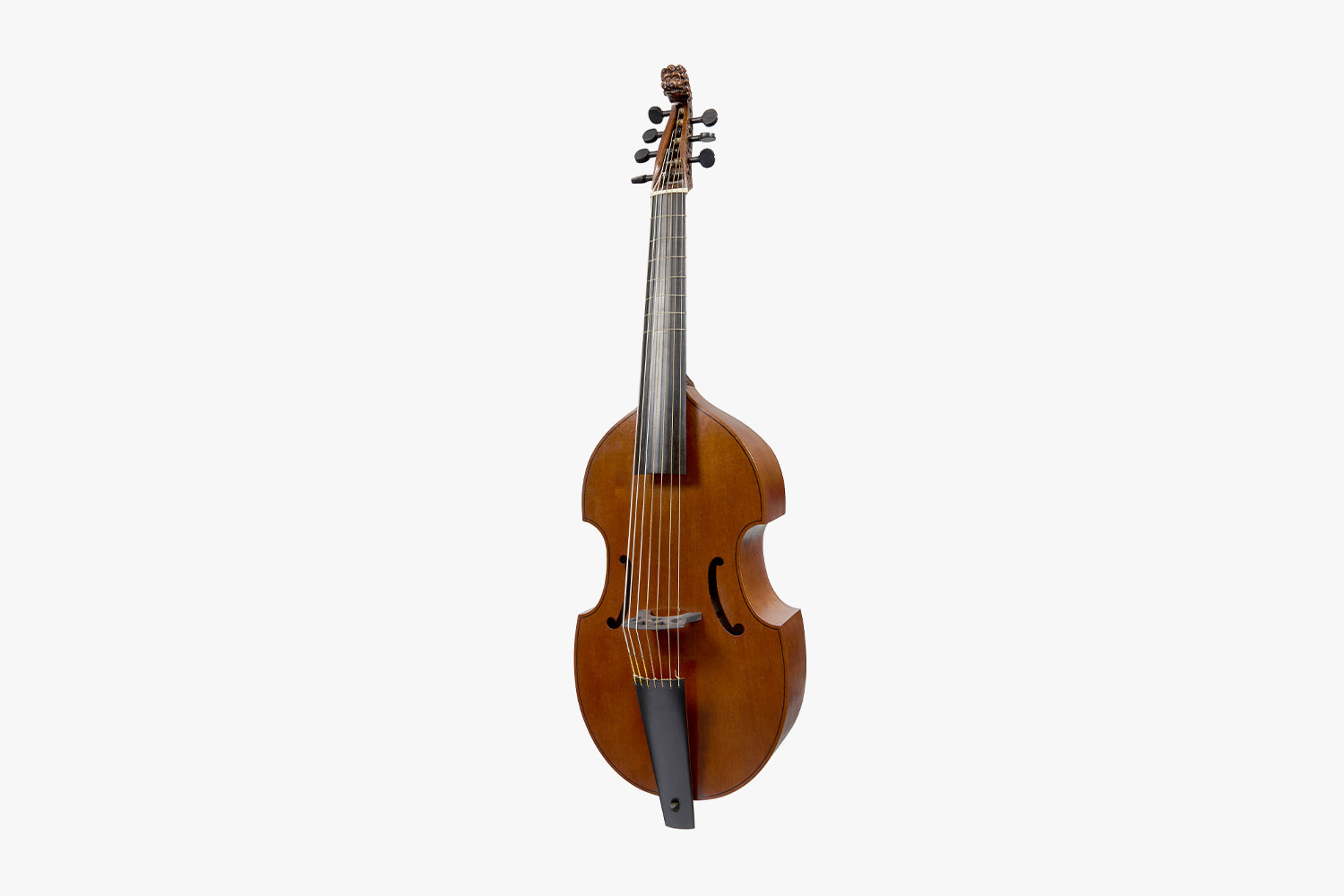
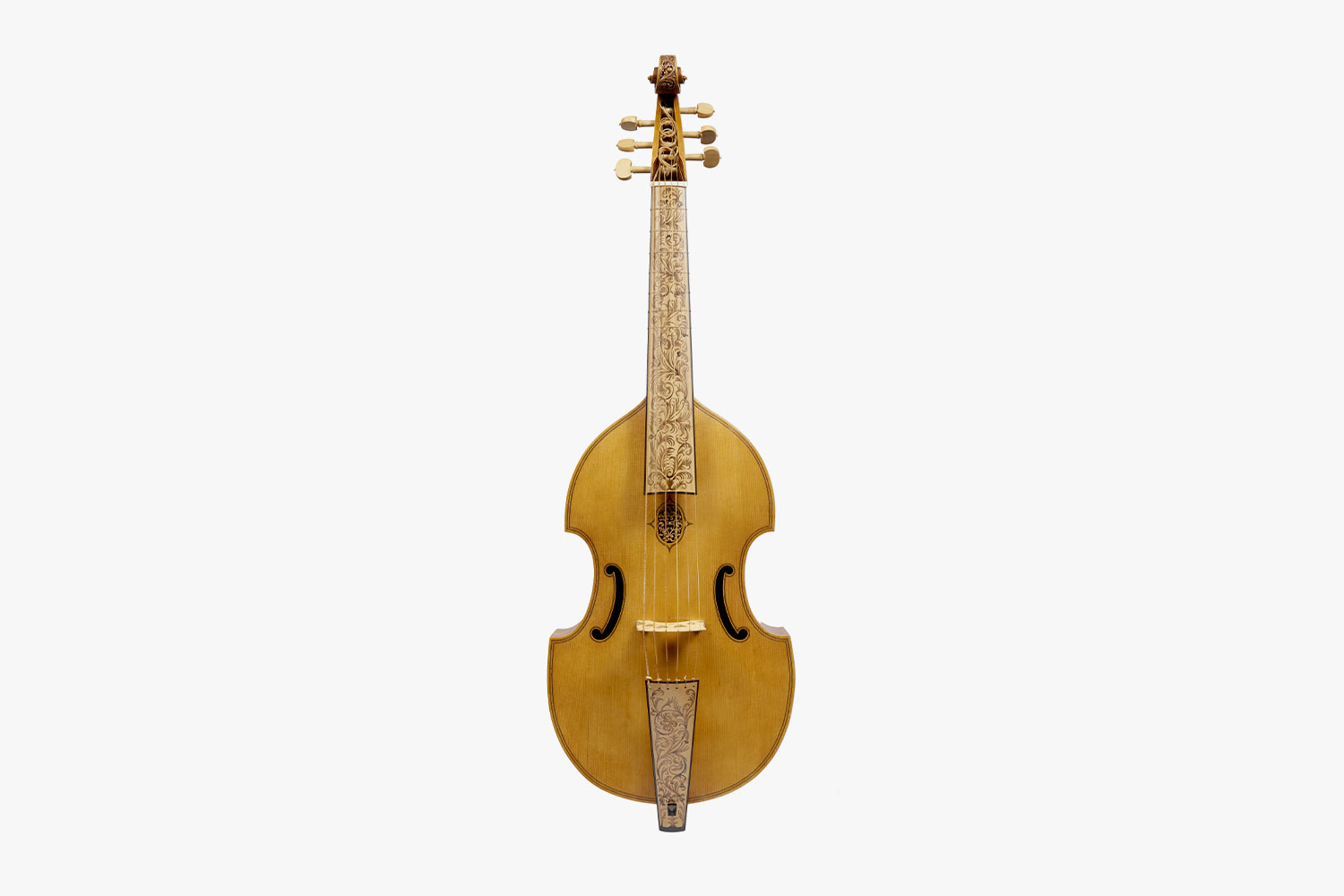
Virtuoso viols
- Shem perfected his skills under the tuition of masters
- He is a founder member of the British Violin Making Association
- In 2016, he received the Fattorini award for excellence in British craftsmanship
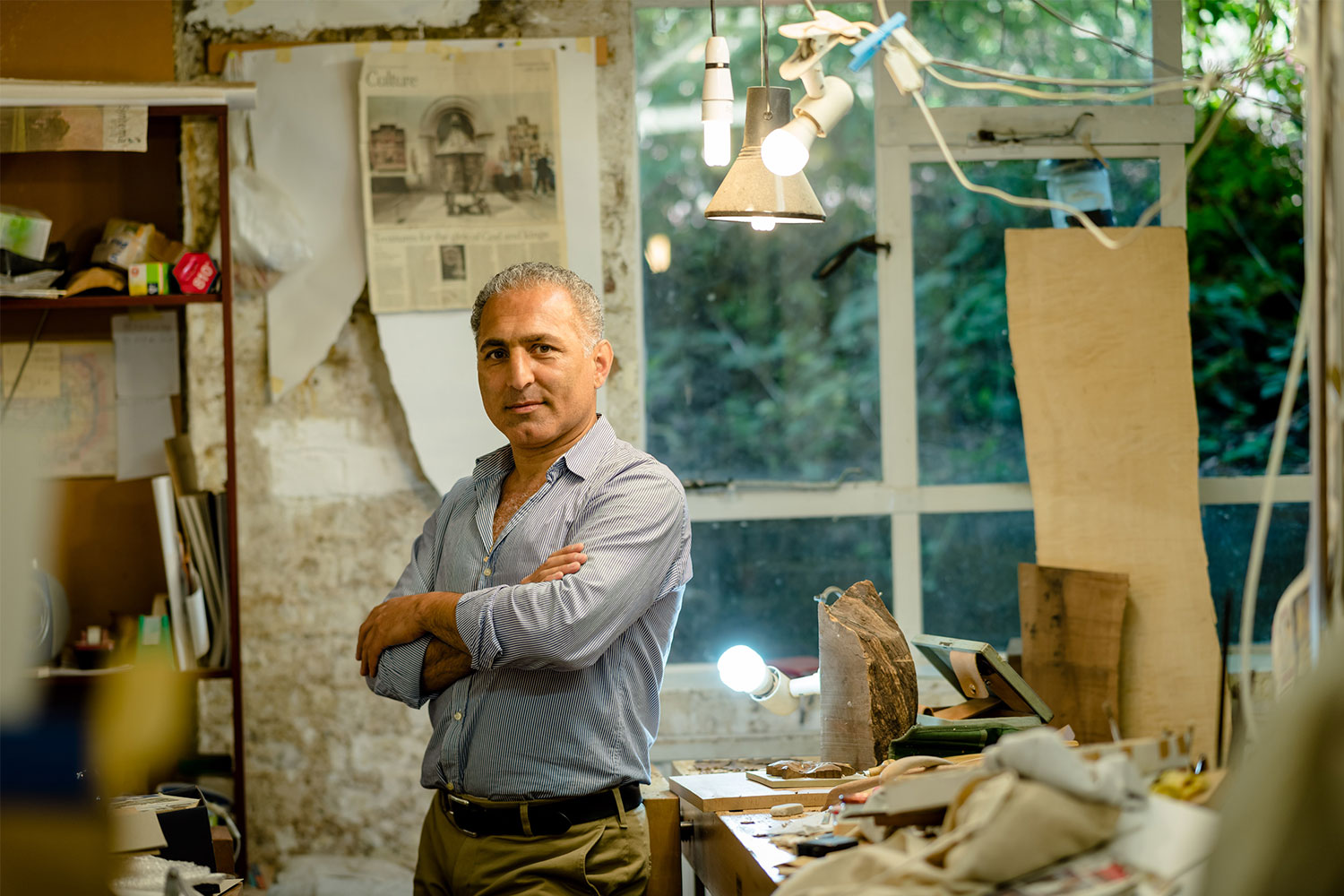
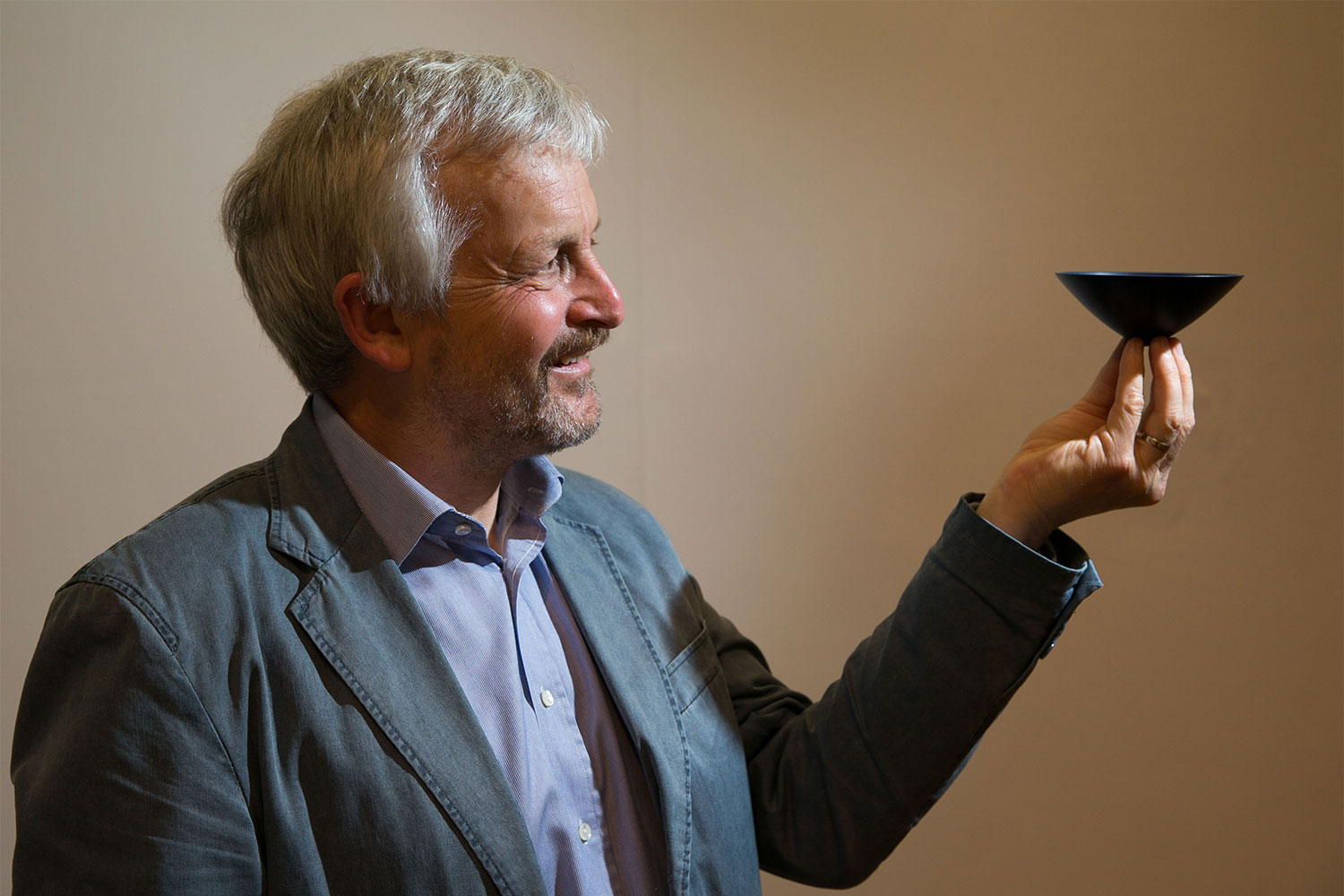
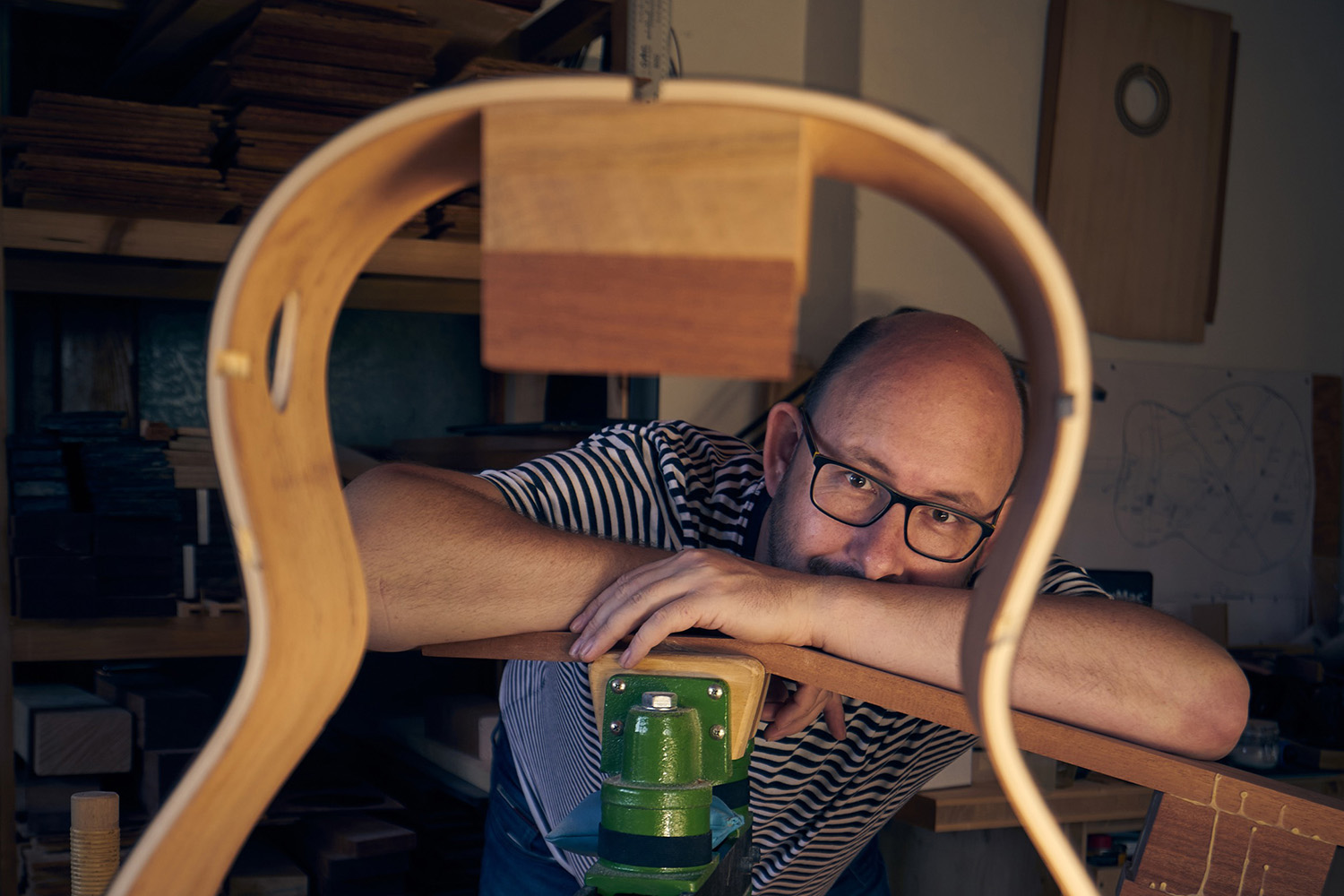
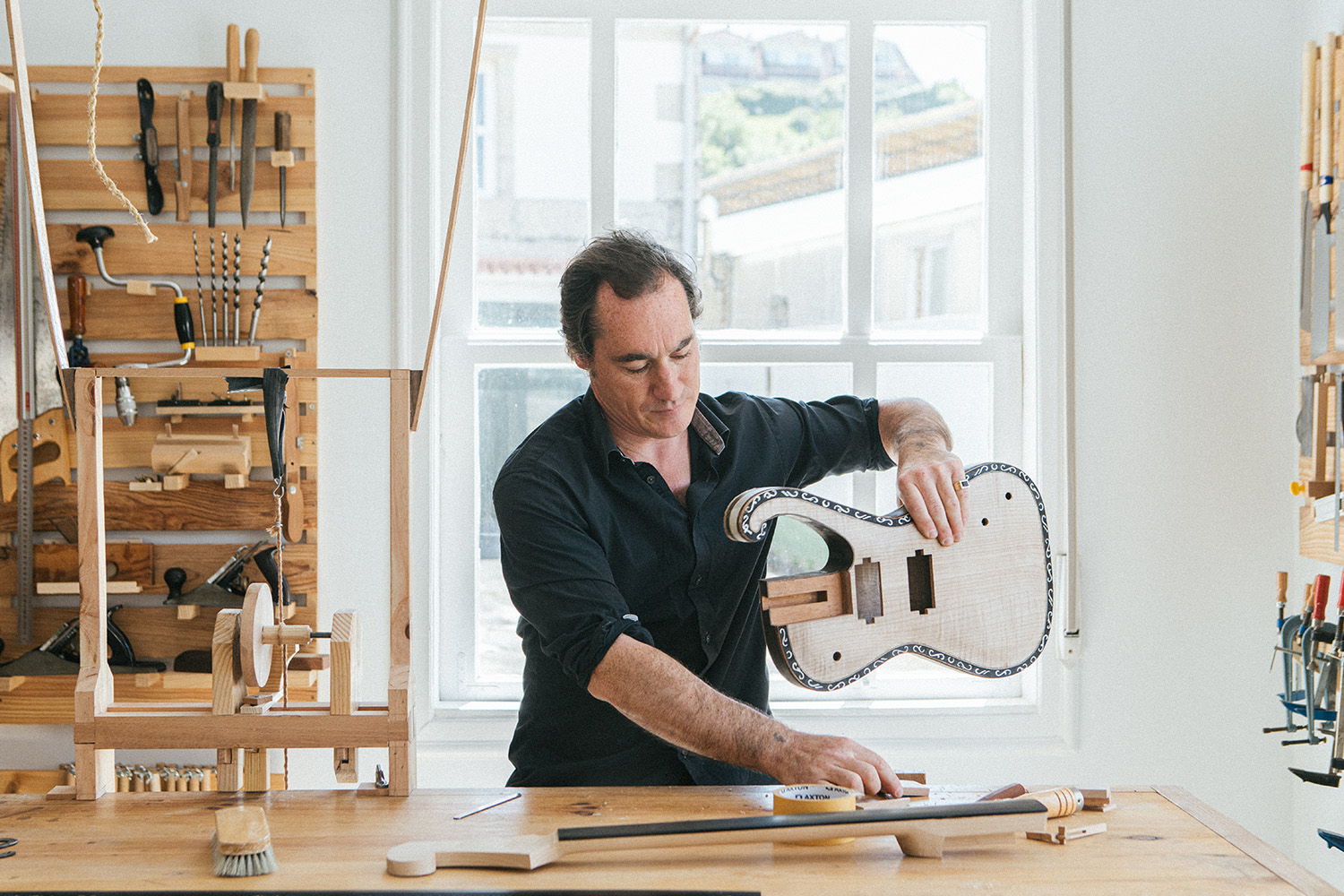
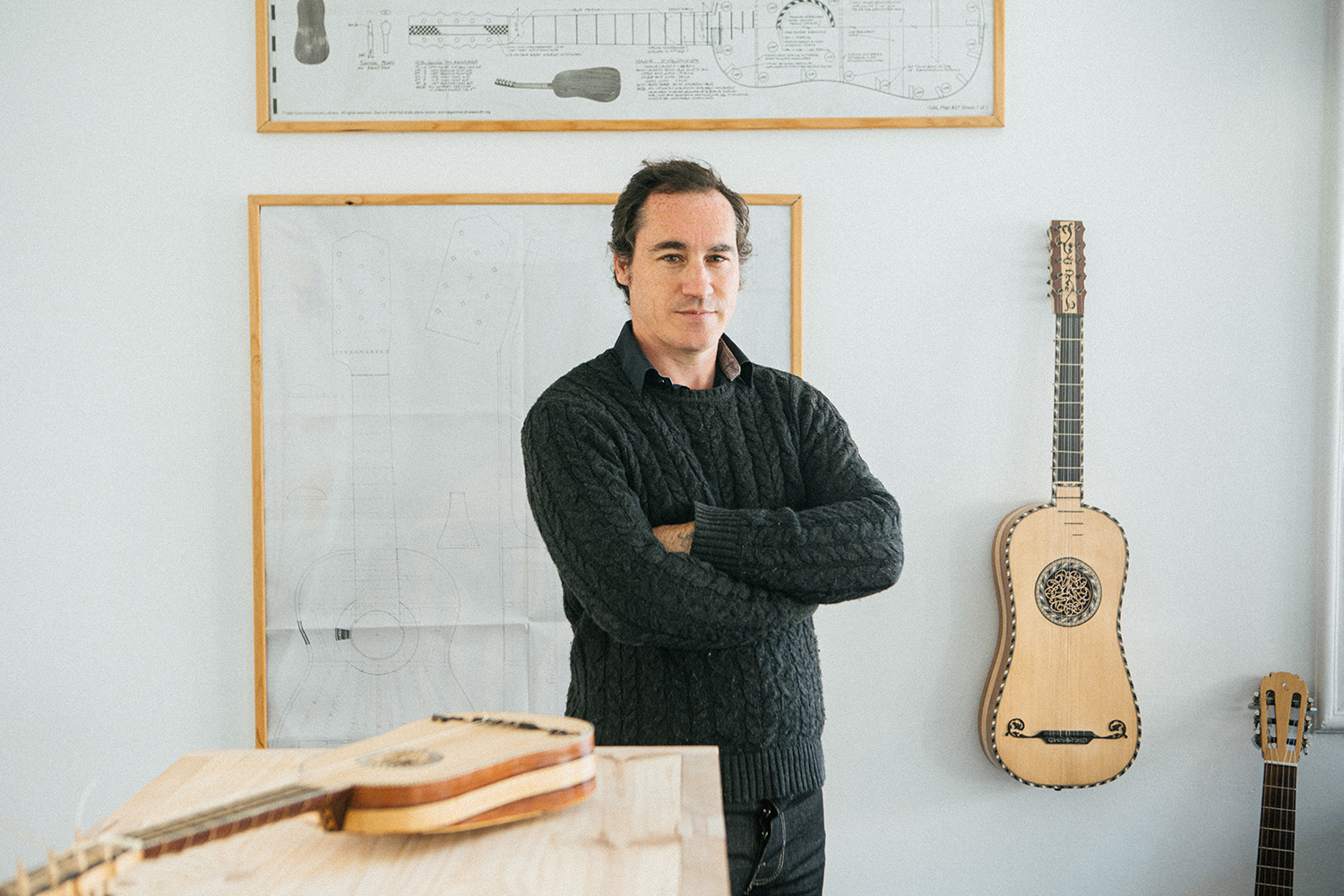
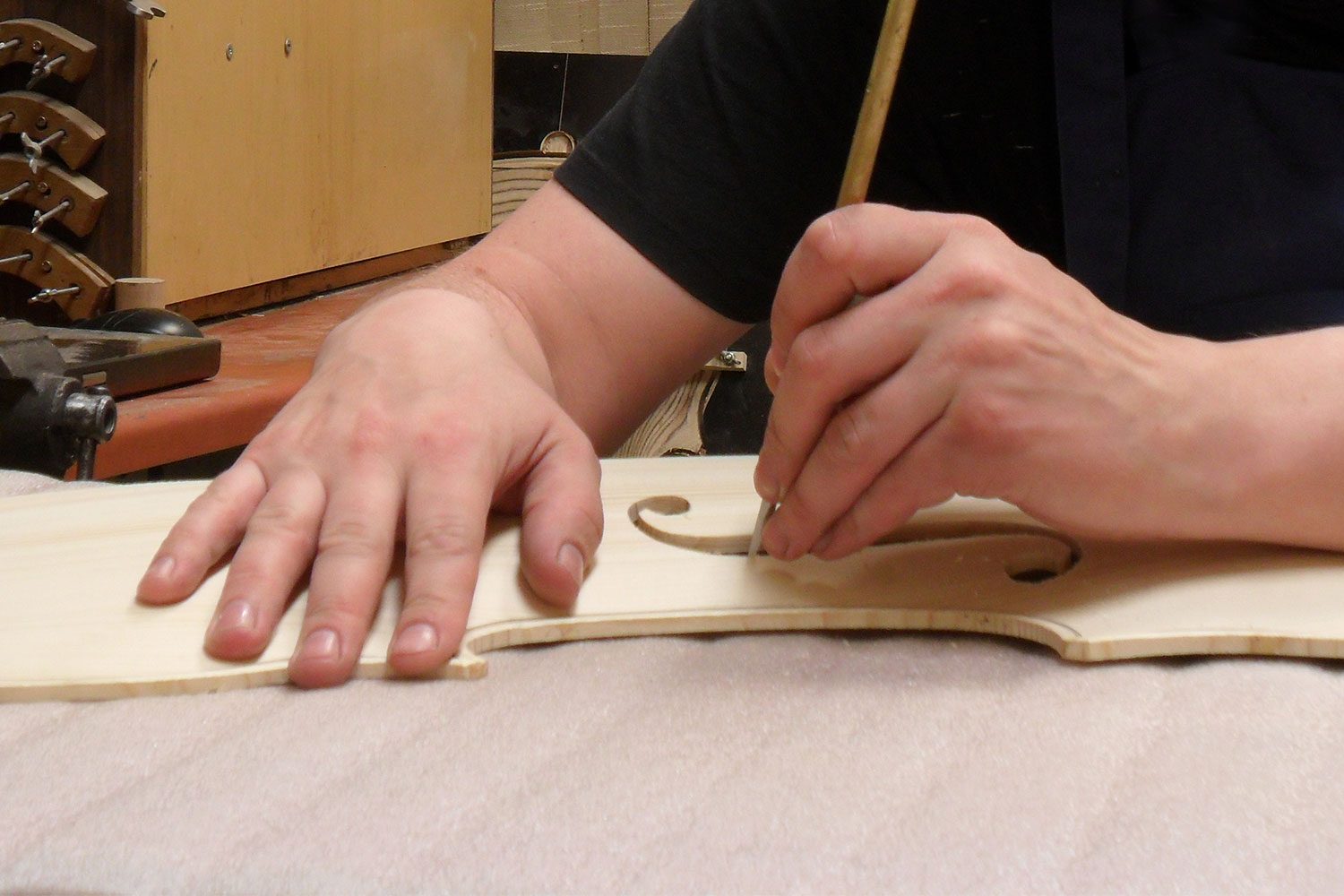
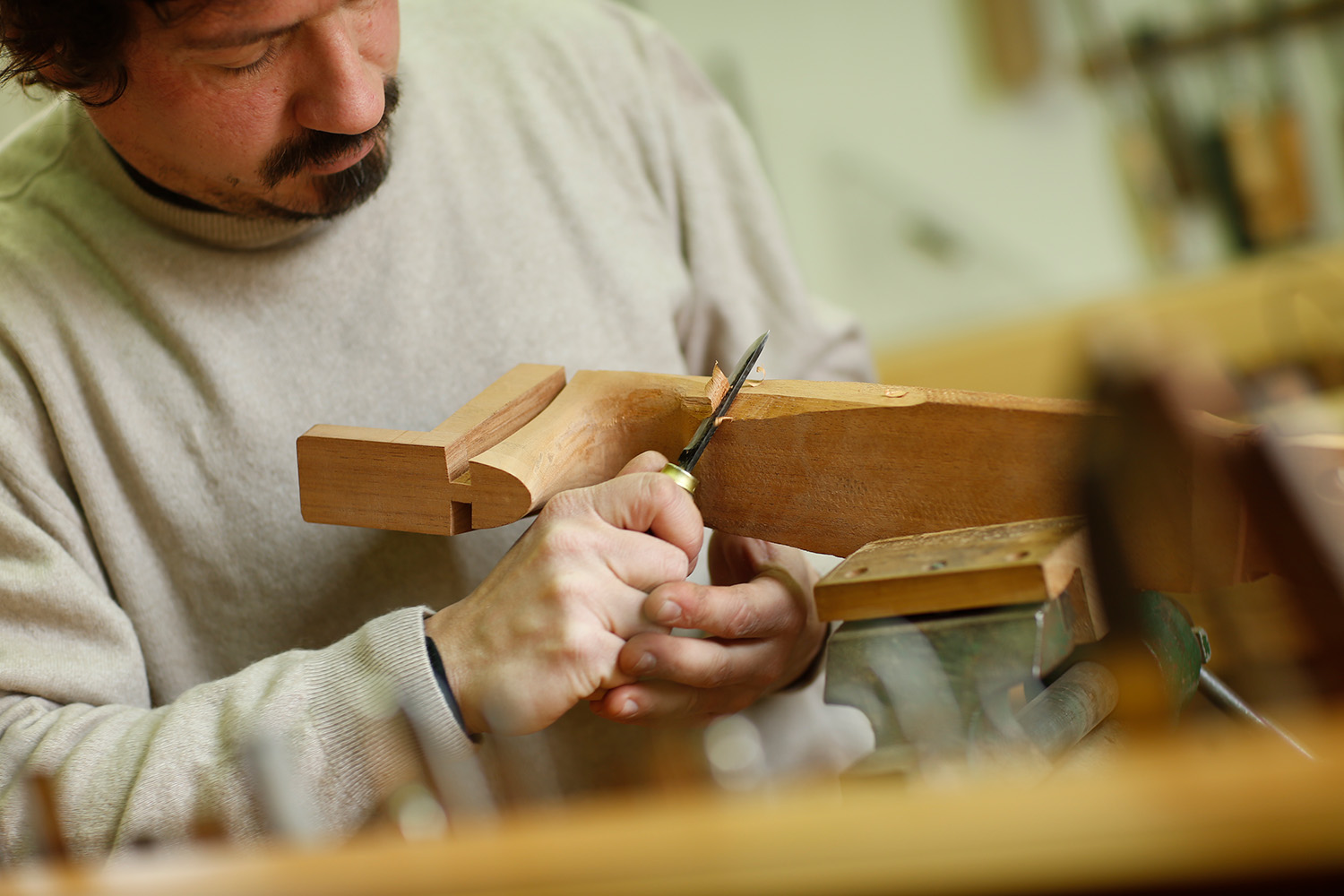
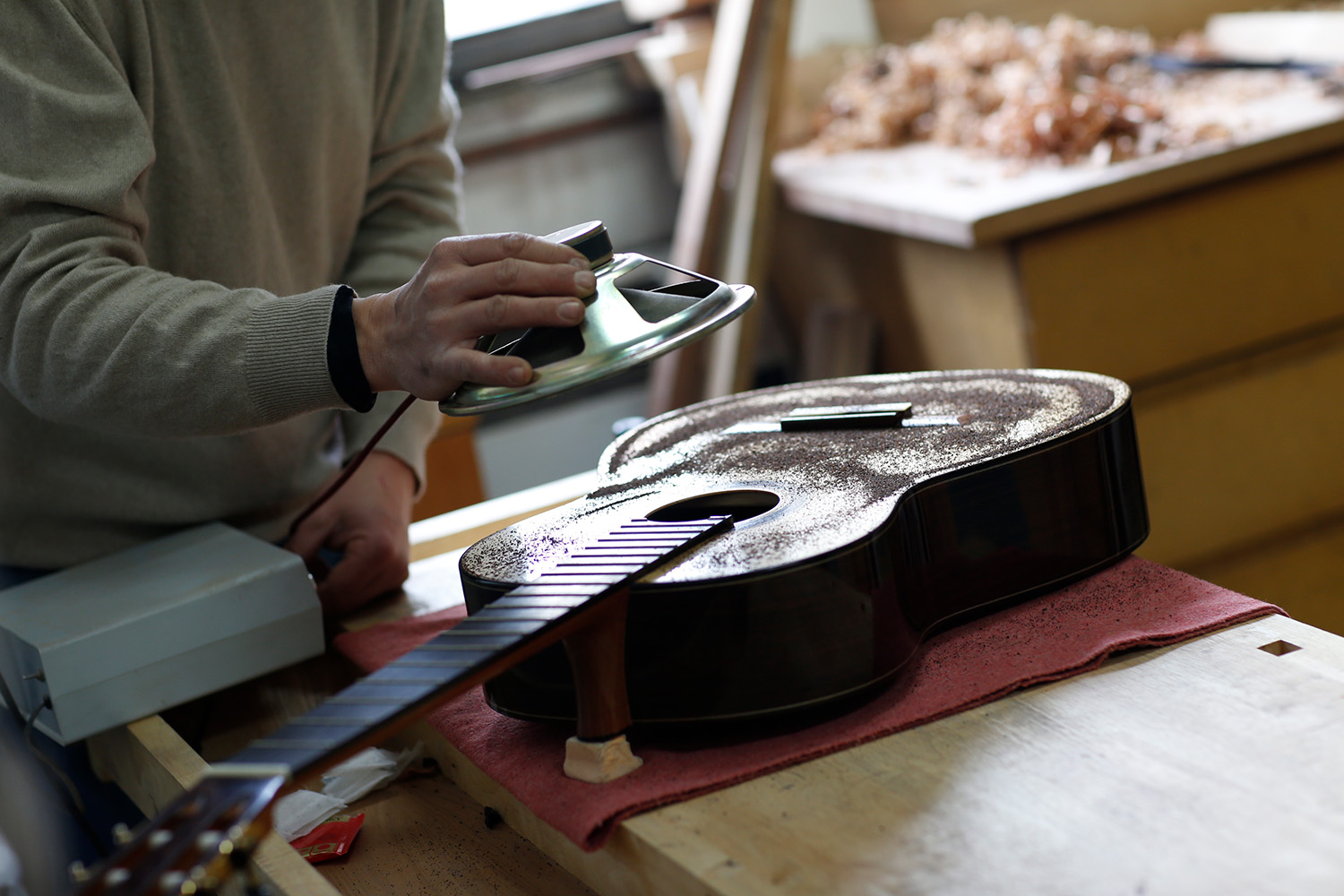
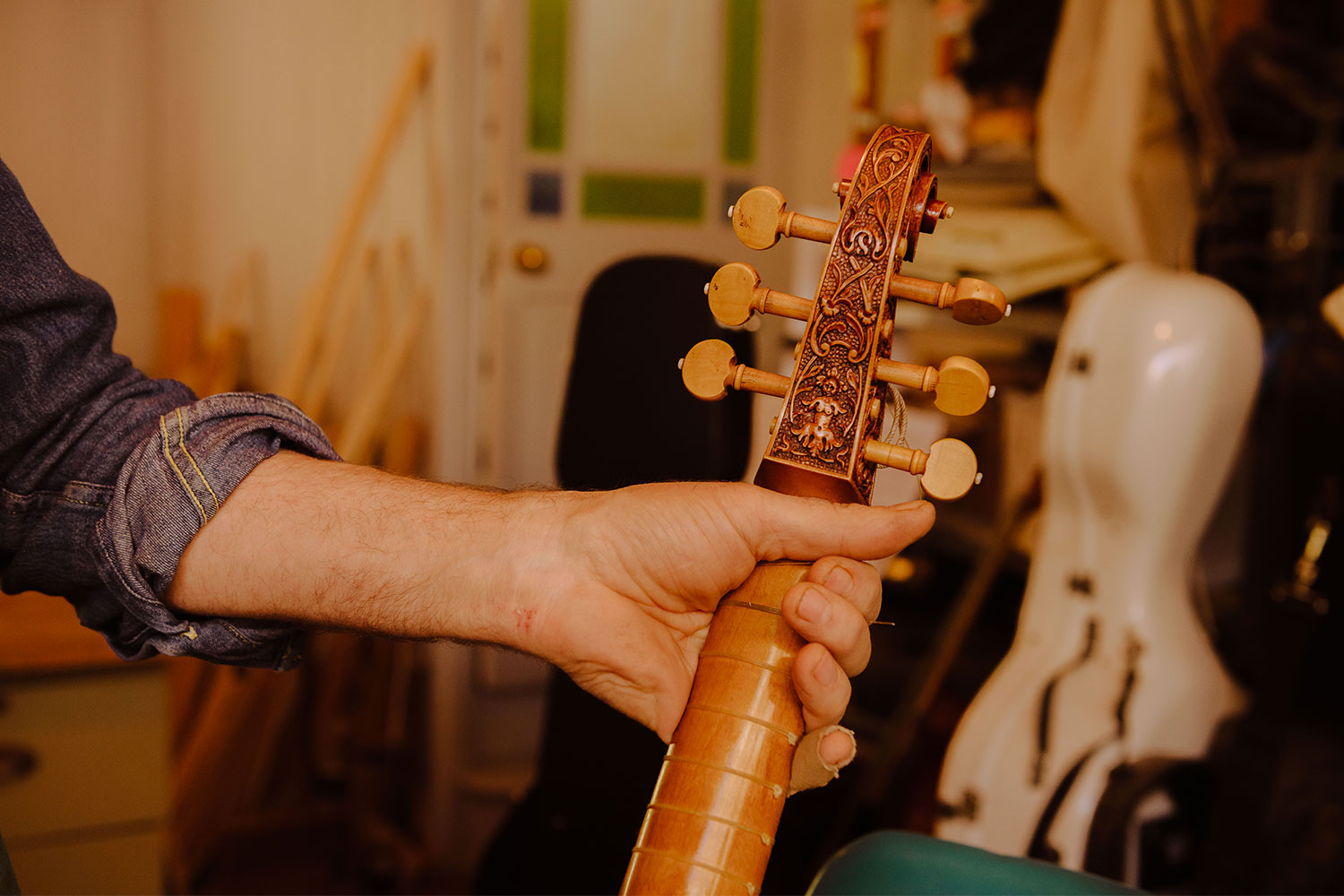
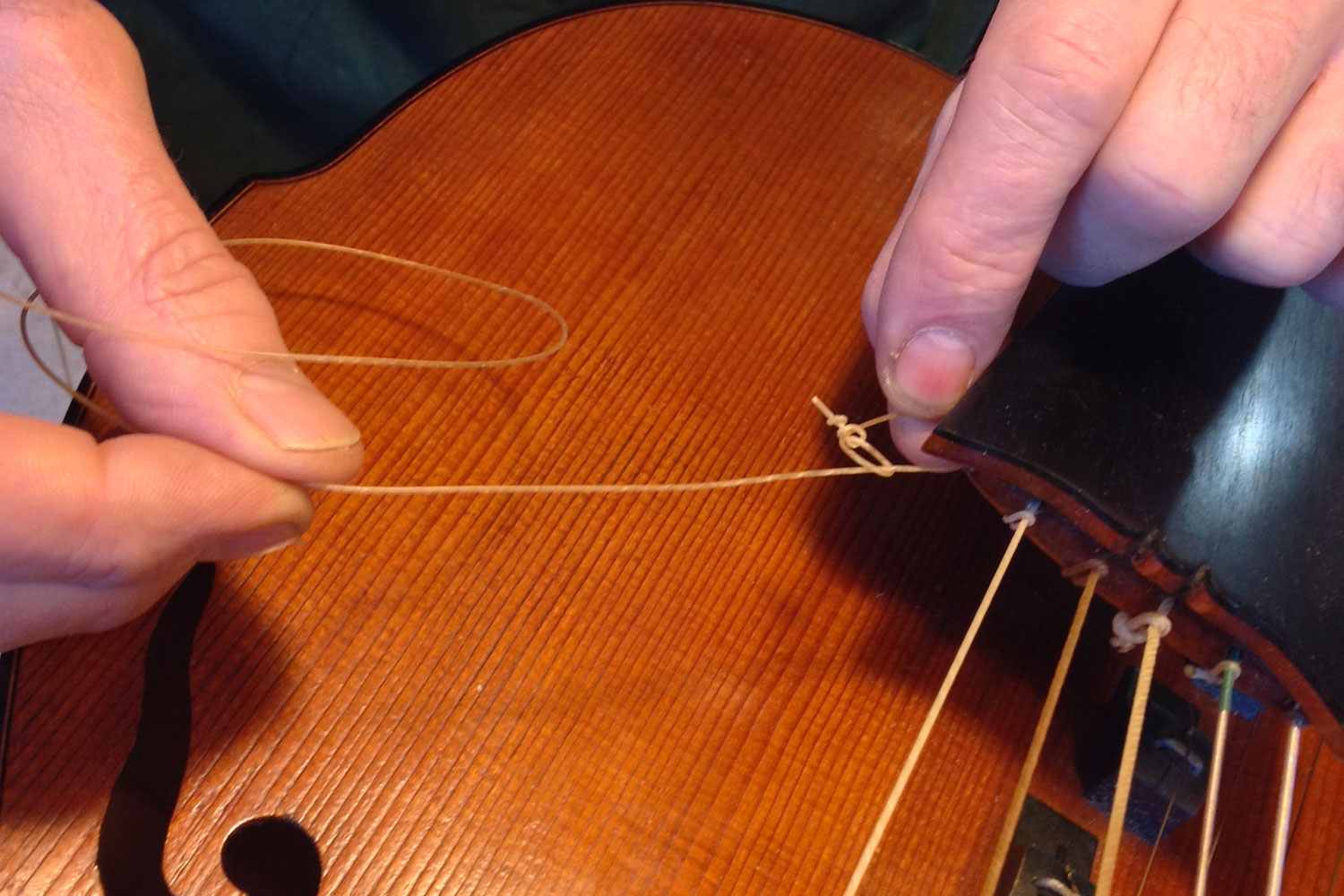
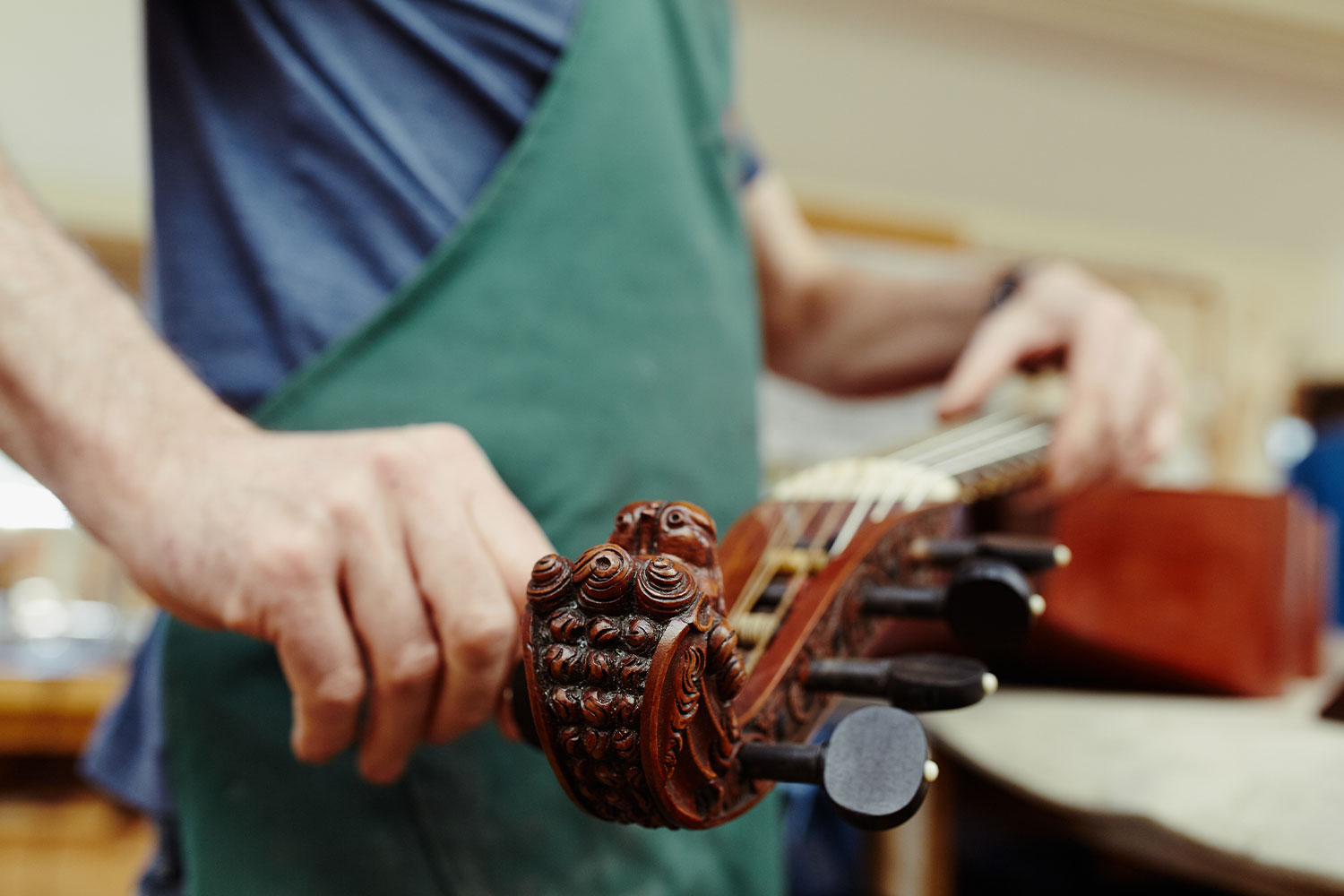
Born in Ireland but based in Ramsgate, Shem Mackey has been making stringed musical instruments for over 20 years. After a short time at the musical instrument workshop in Beitenwiel, Switzerland, he attended an Early Instrument making course at the London College of Furniture – where he had tuition from master luthiers like Stephen Barber, Stephen Gottlieb and Norman Myall – and in 2009 he took a master degree at the London Metropolitan University. Becoming disillusioned with the making methods that he had been taught at college, Shem began to look more closely at original work of the long dead makers and developed a system of making that was informed by the evidence within the instruments themselves: particularly in the visible maker’s mark, the tool marks and the repeated oddities.
Discover his work
INTERVIEW
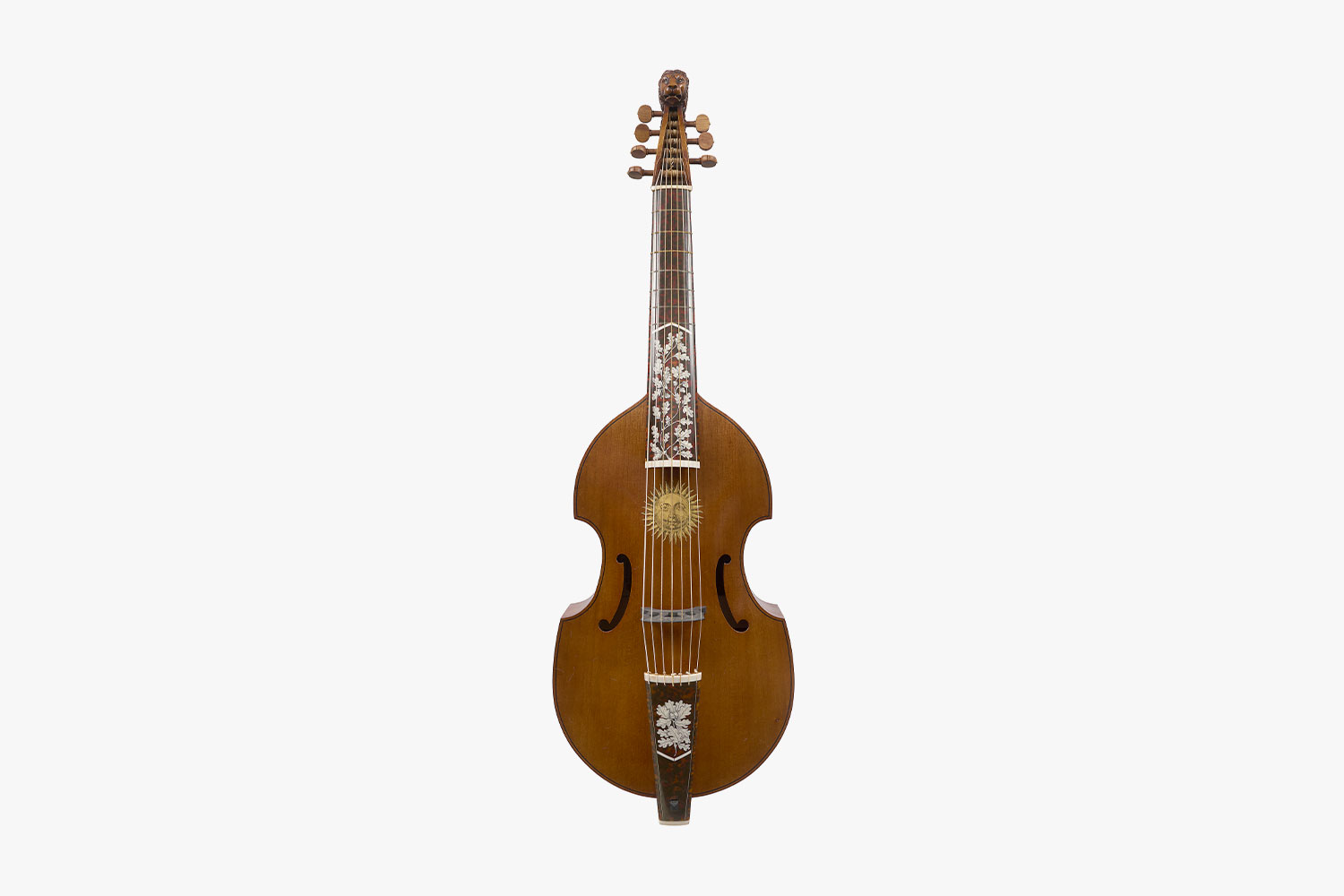
By mistake. The decision to make viola da gamba (also known as viol) was impulsive. I visited a friend in the early instrument workshop at the London College of Furniture and upon entering the building was immediately struck by the amazing work being produced.
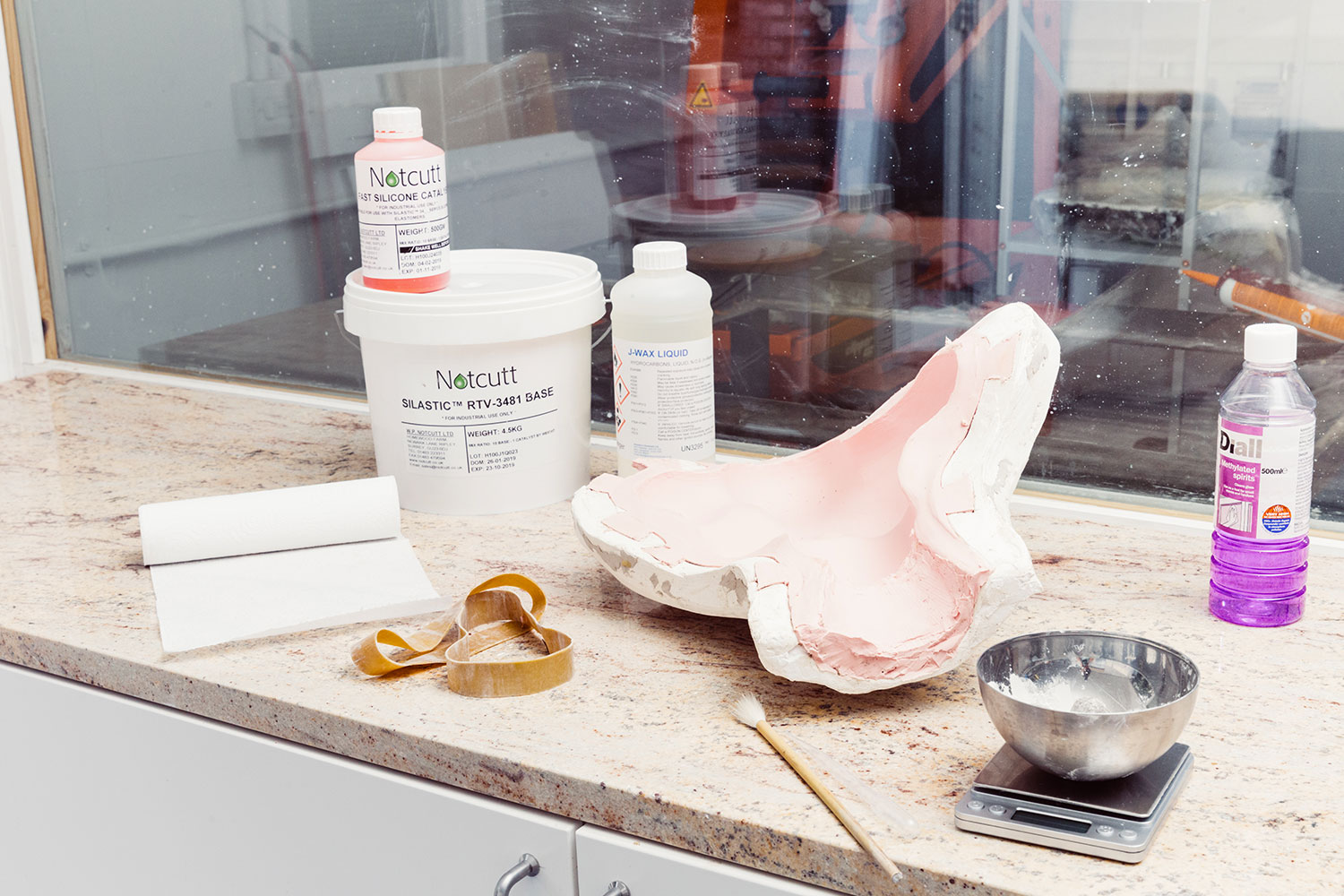
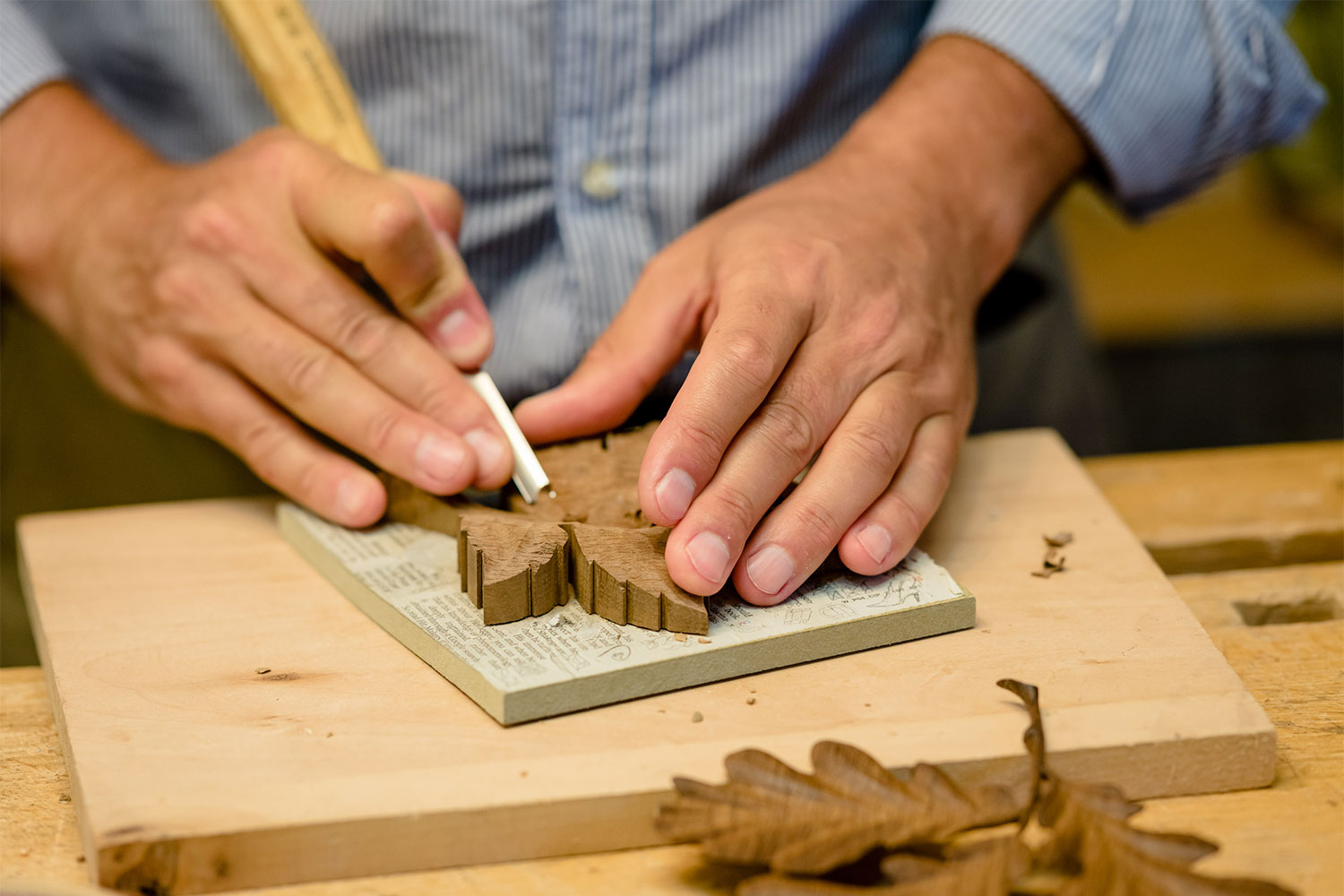
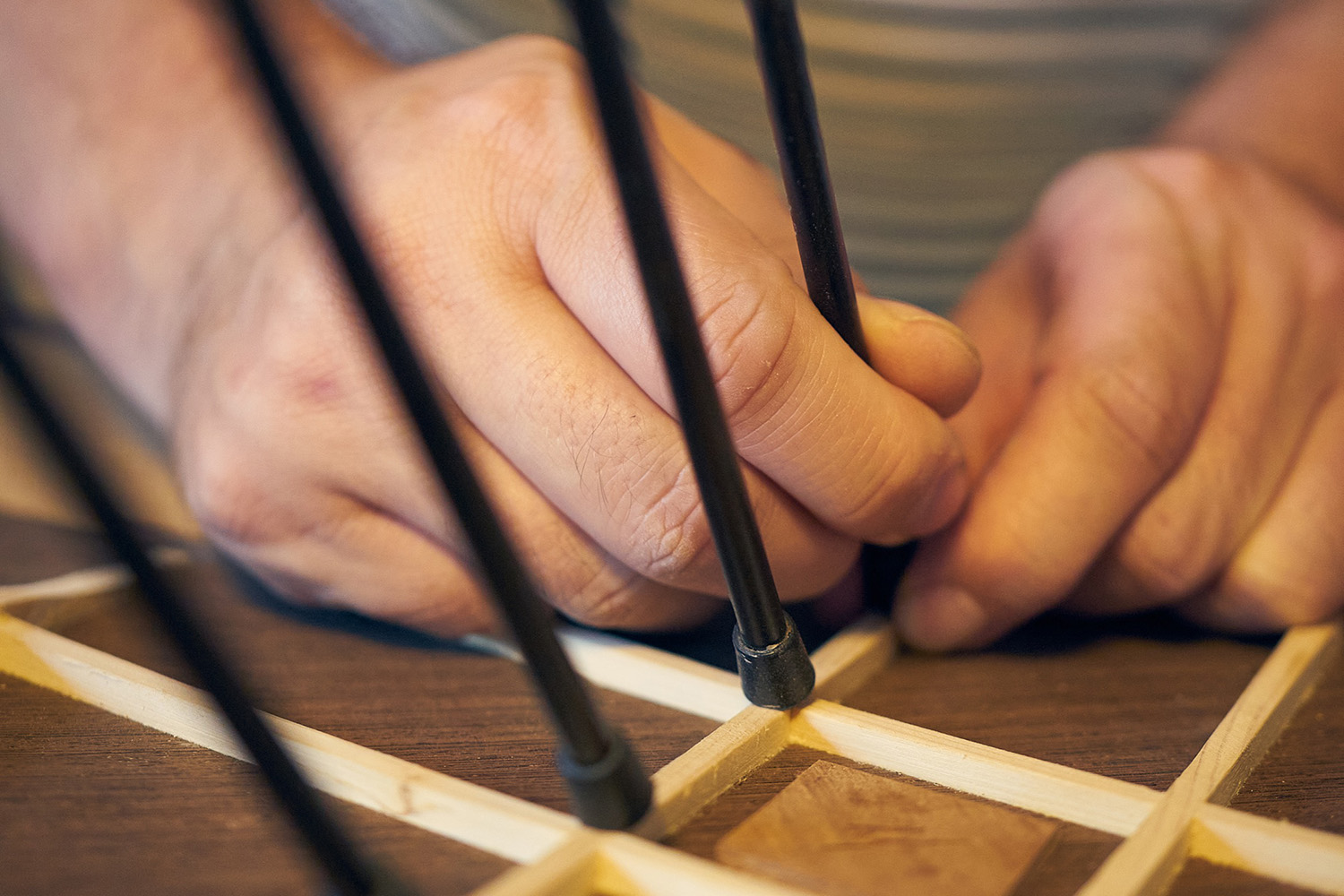
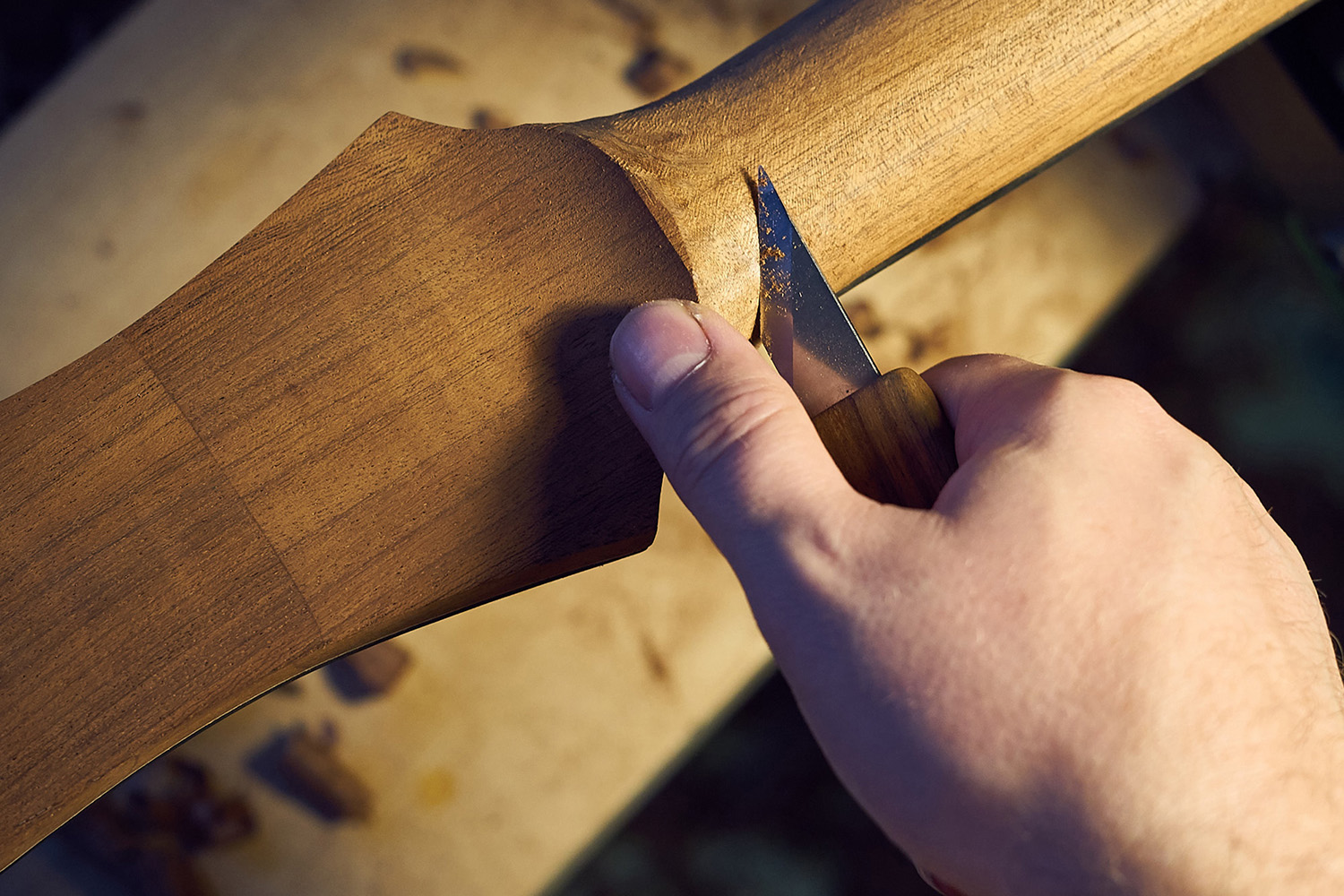
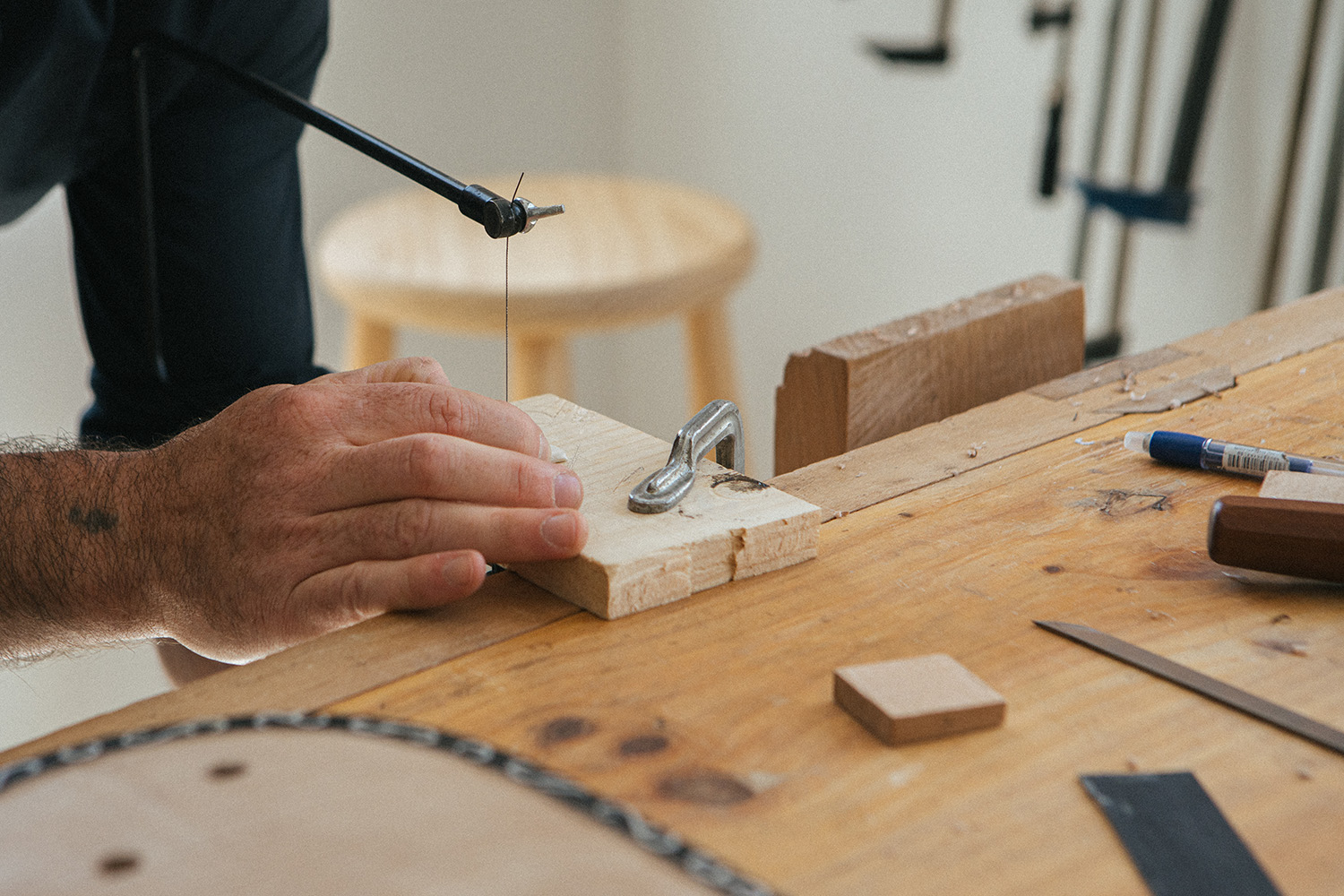
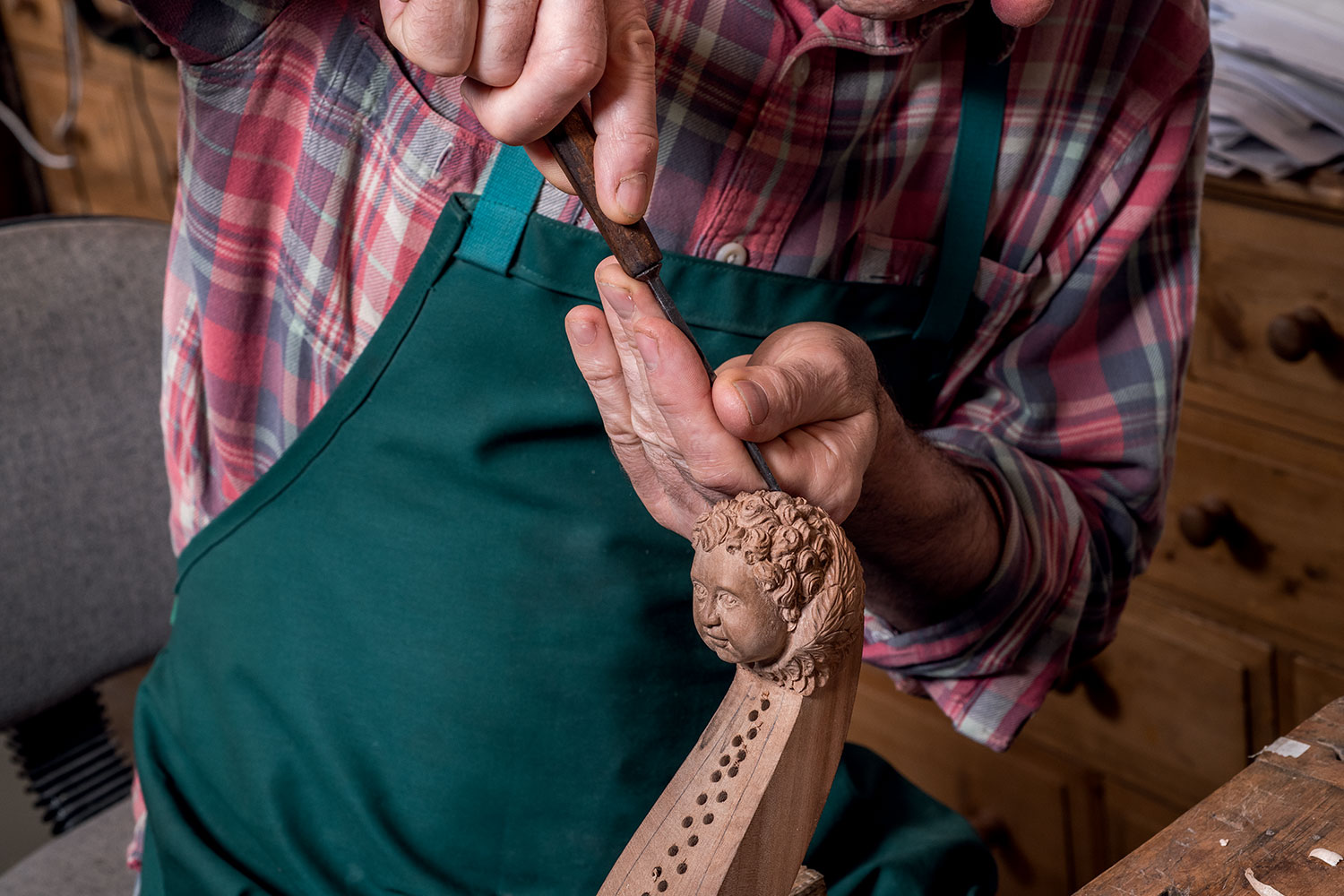
In order to recreate the look of an 18th century instrument, but using modern materials, I have to be faithful to their methods. I use ‘faux’ materials to reproduce tortoiseshell and ivory decoration – I have studied the decorative techniques used in early viola da gamba such as marquetry, gilding and carving.
Yes. I research constantly, this involves visiting many museums and private collections. Seeing and studying the original work is by far the best inspiration. But I am not constrained by the past in making my work.
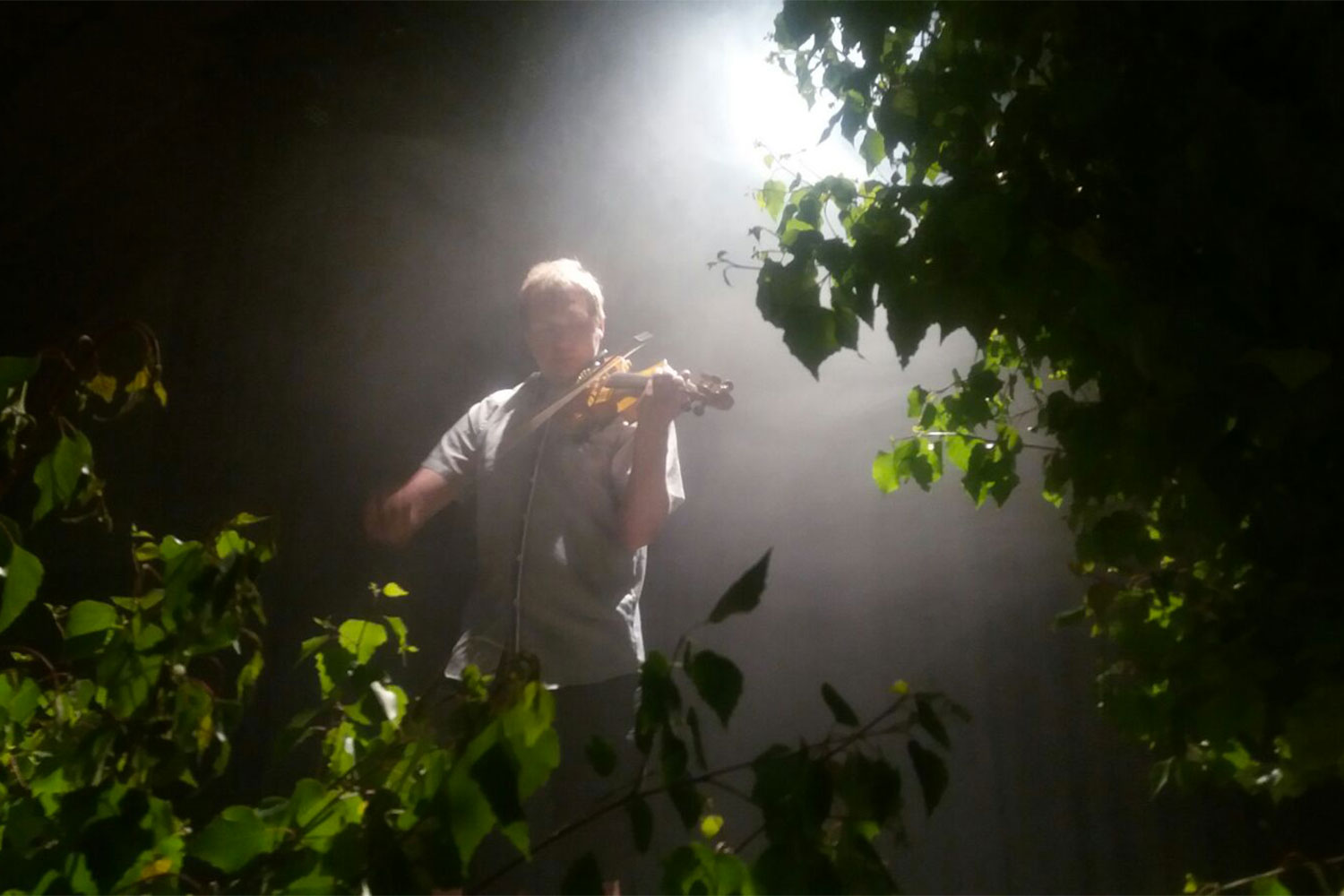
Hearing my instruments being played in concert is always memorable. At first I used to be very nervous and worried that it would fall apart on stage – but now I can relax and enjoy it. Seeing the joy on the faces of my clients when they first hold and play my instruments is special.
Shem Mackey
Luthier
Ramsgate, United Kingdom
Recommended by Queen Elizabeth Scholarship Trust - QEST
AVAILABILITY
By appointment only
PHONE
+44 7718023440
LANGUAGES
English, German, Irish
Homo Faber Finds is a new service aiming to inspire admirers of craft to connect and collaborate with exceptional artisans.
We invite you to submit an enquiry here.