Michele Sangineto
Luthier
Villasanta, Italy
The maker of sound
- Michele gives new life to ancient instruments
- His work is inspired by Renaissance painting
- He collaborates with talented musicians
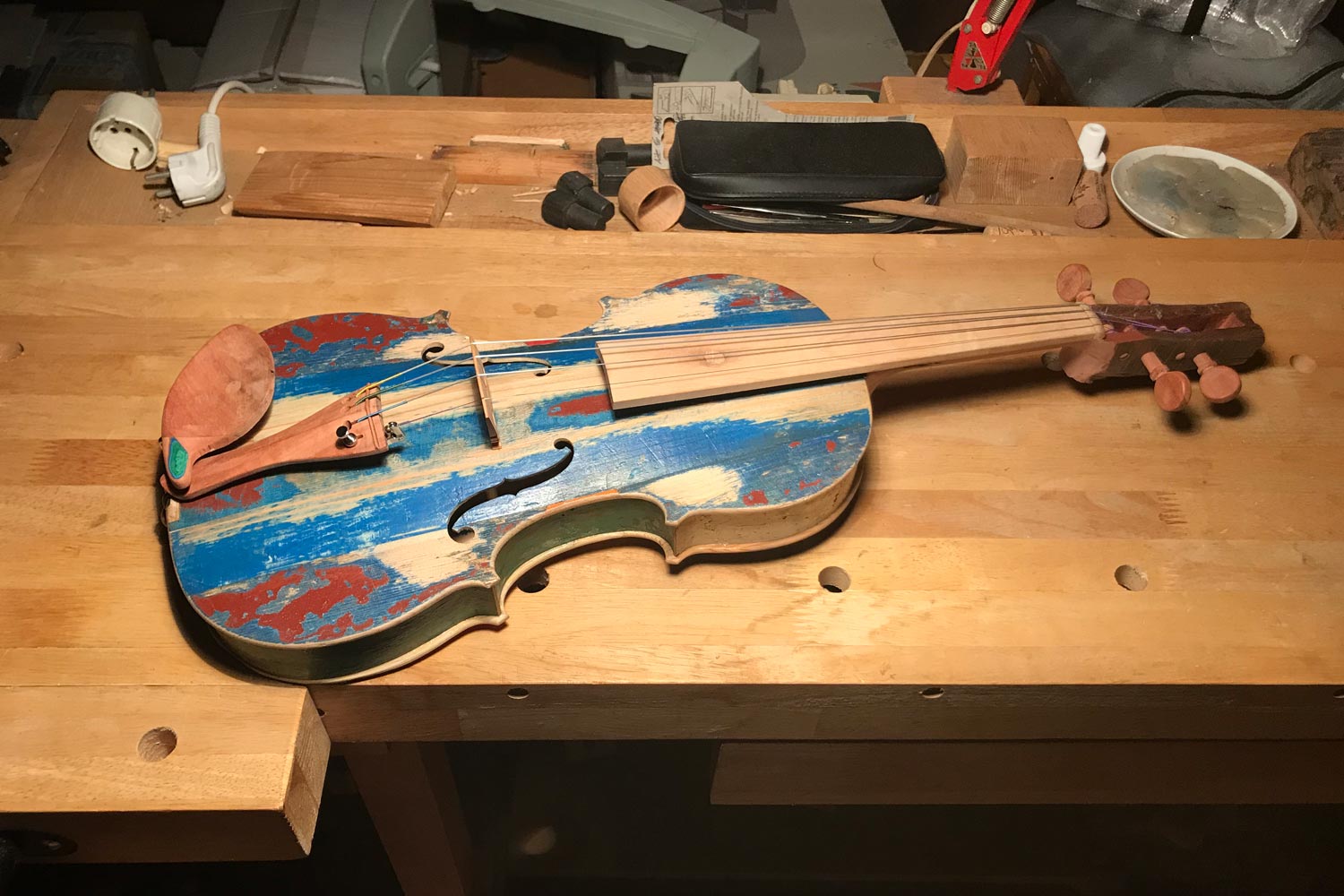
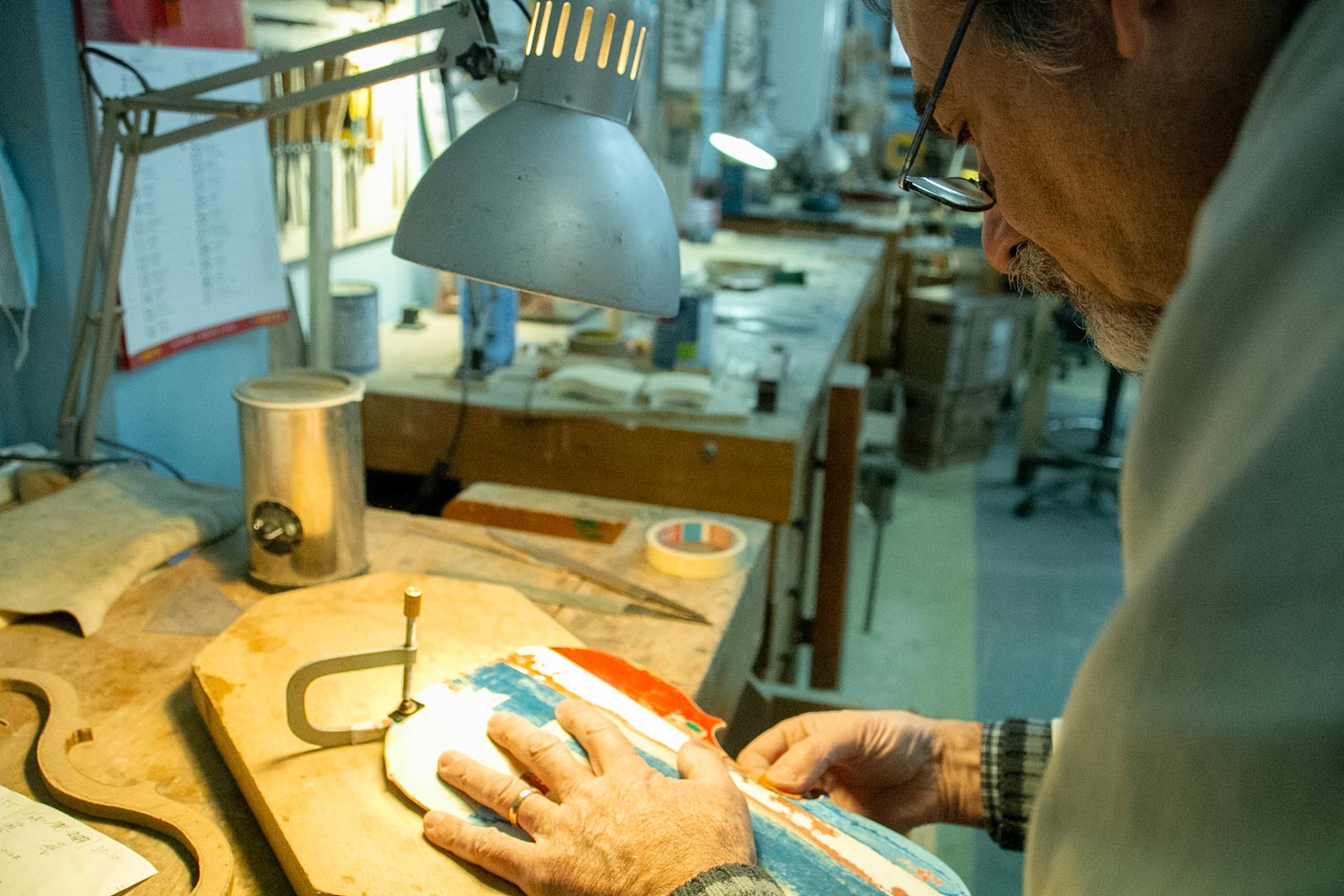
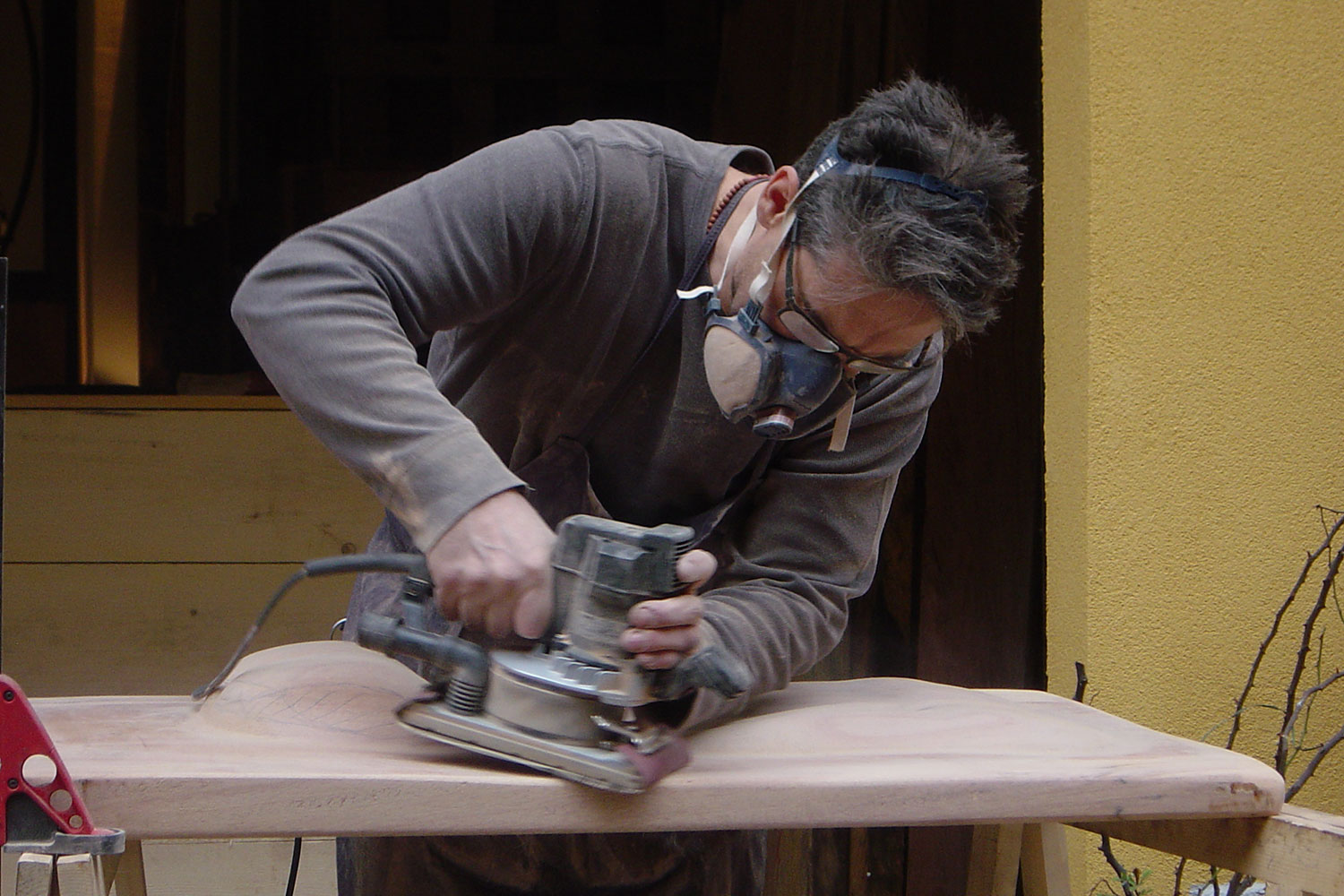
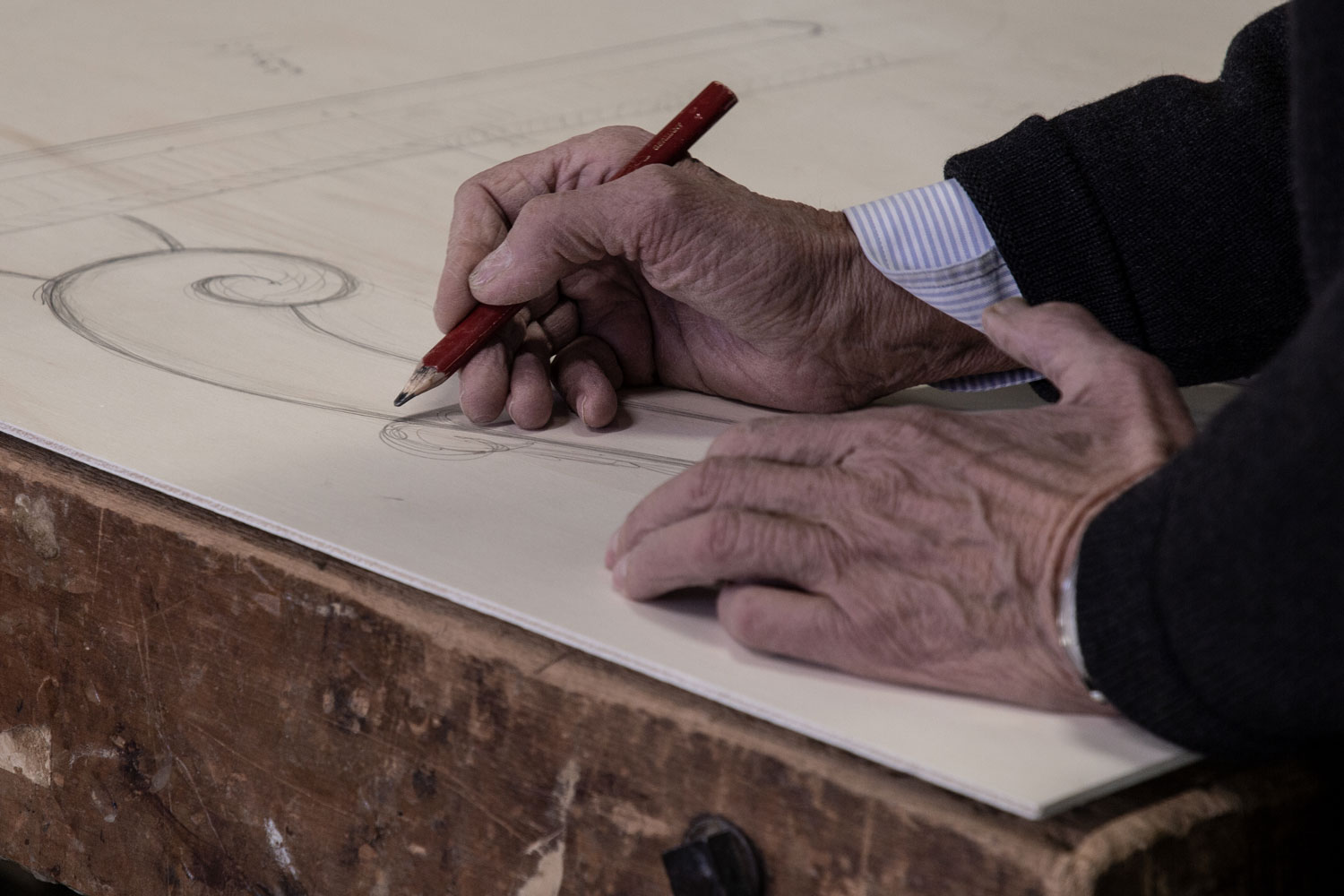
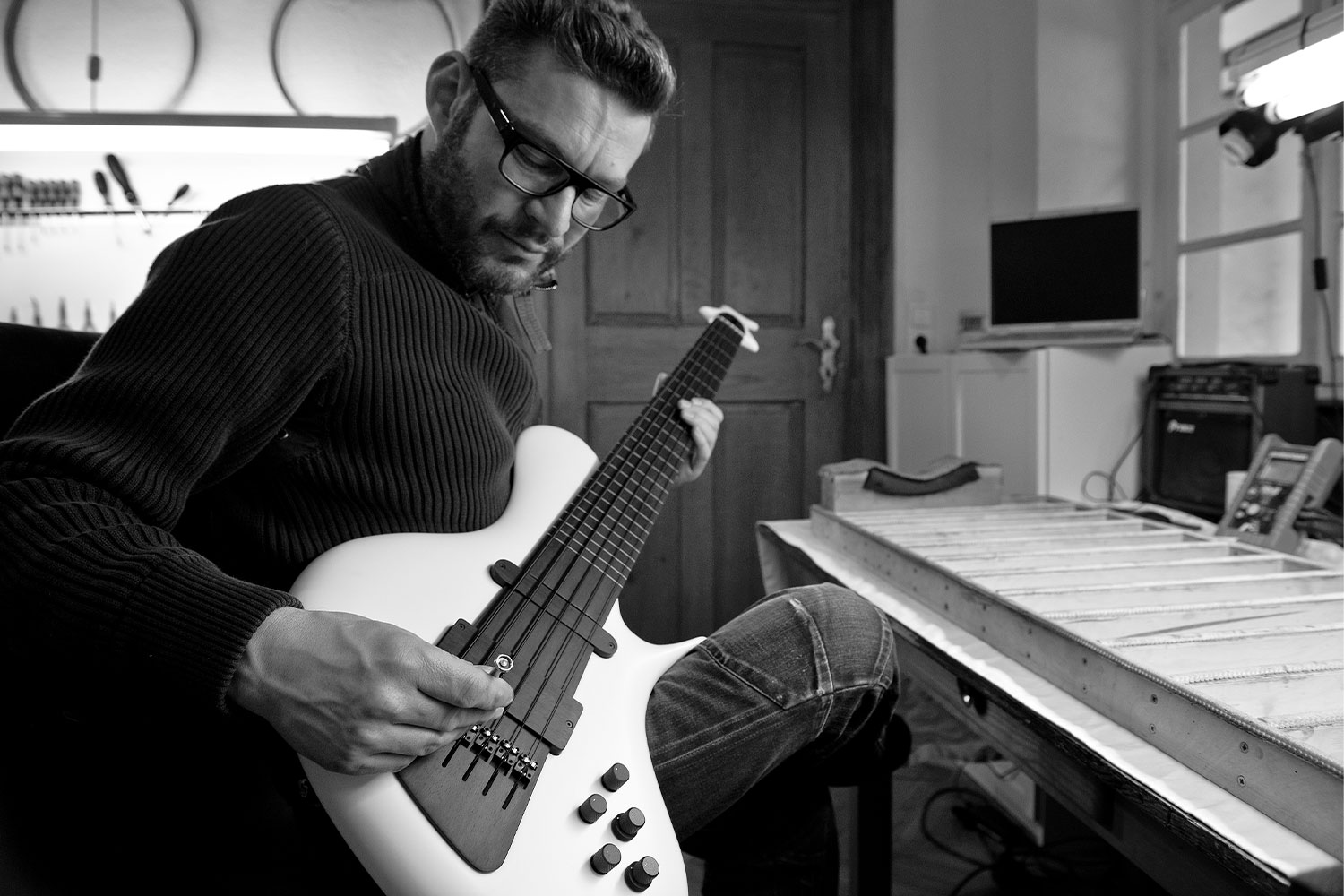
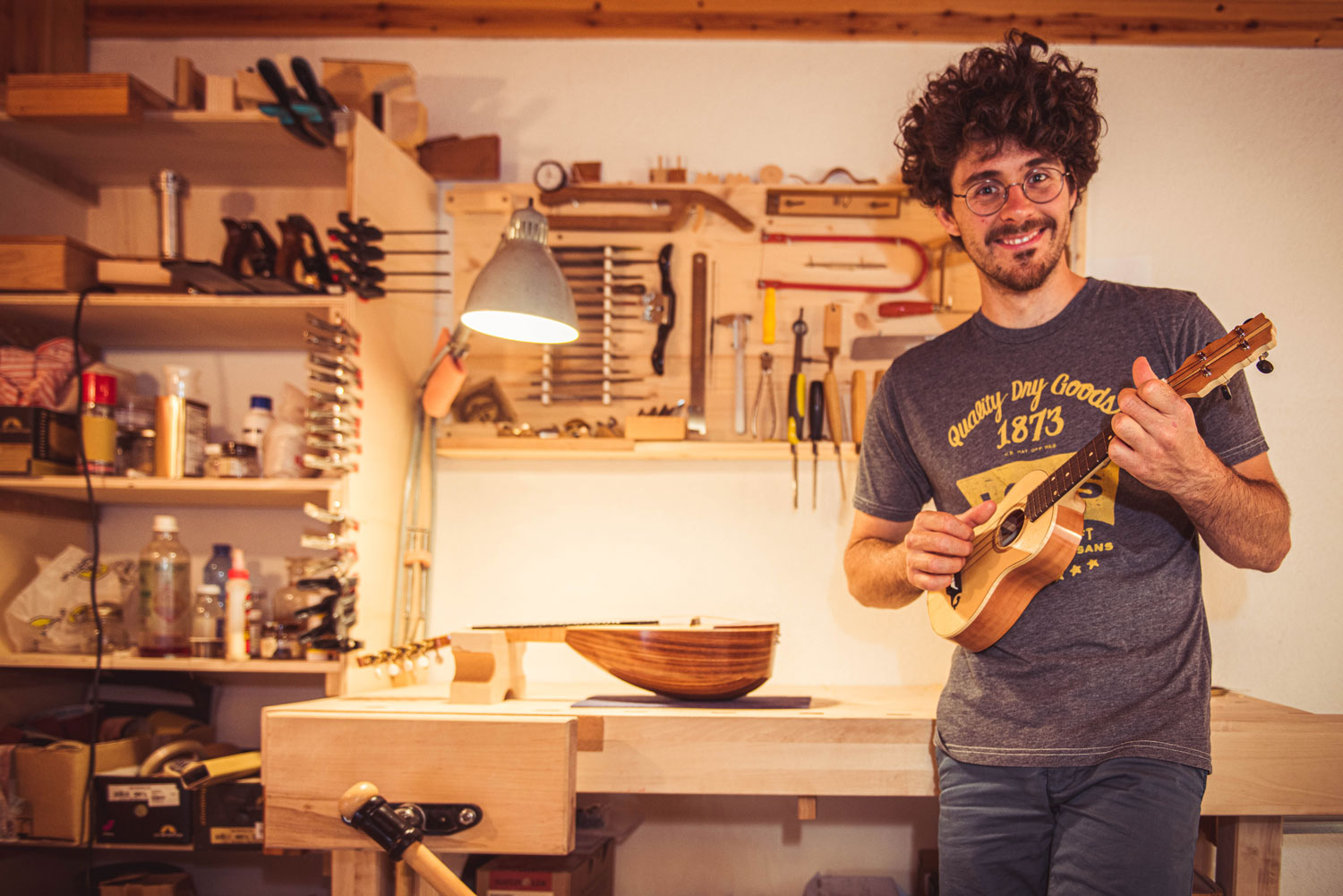
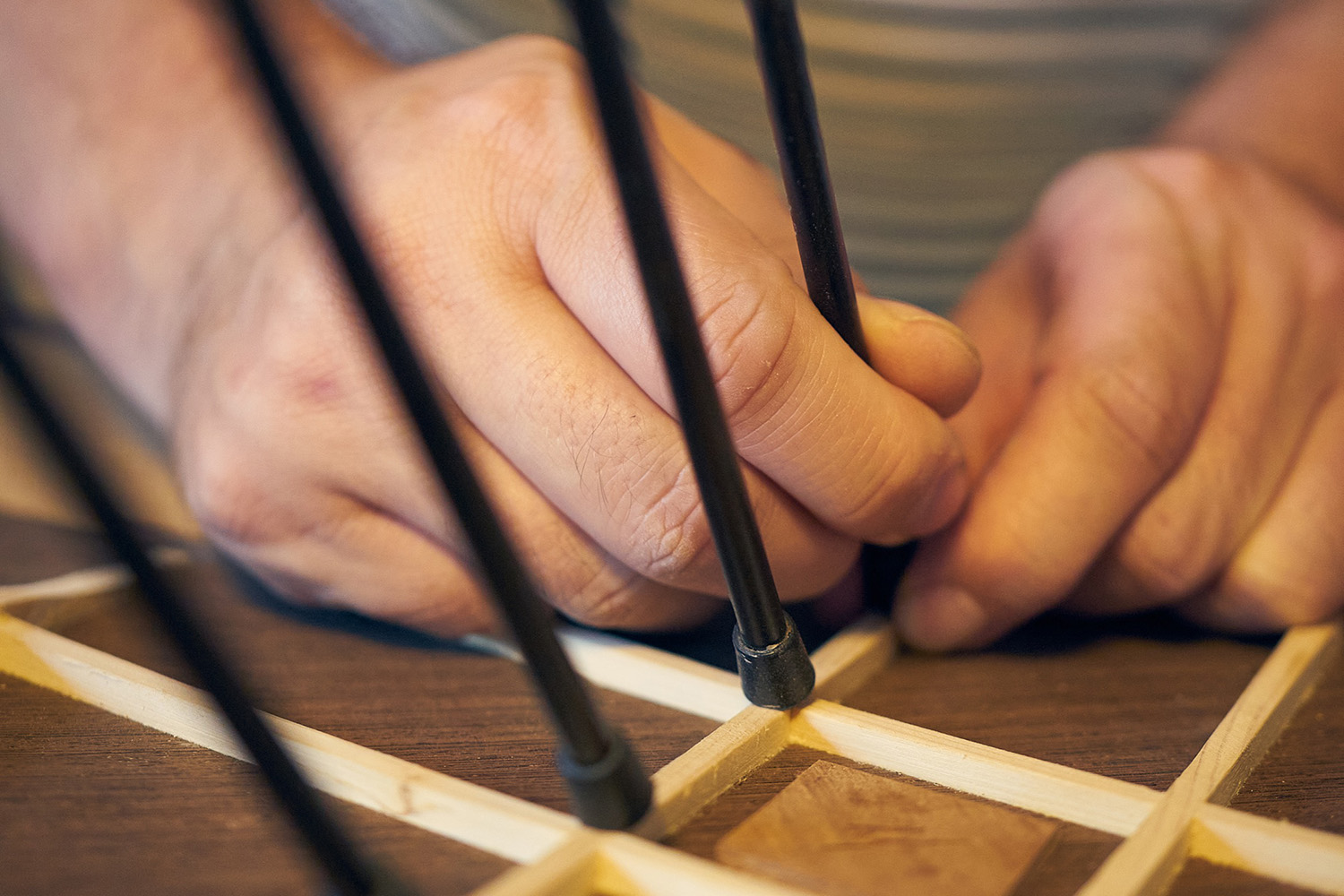
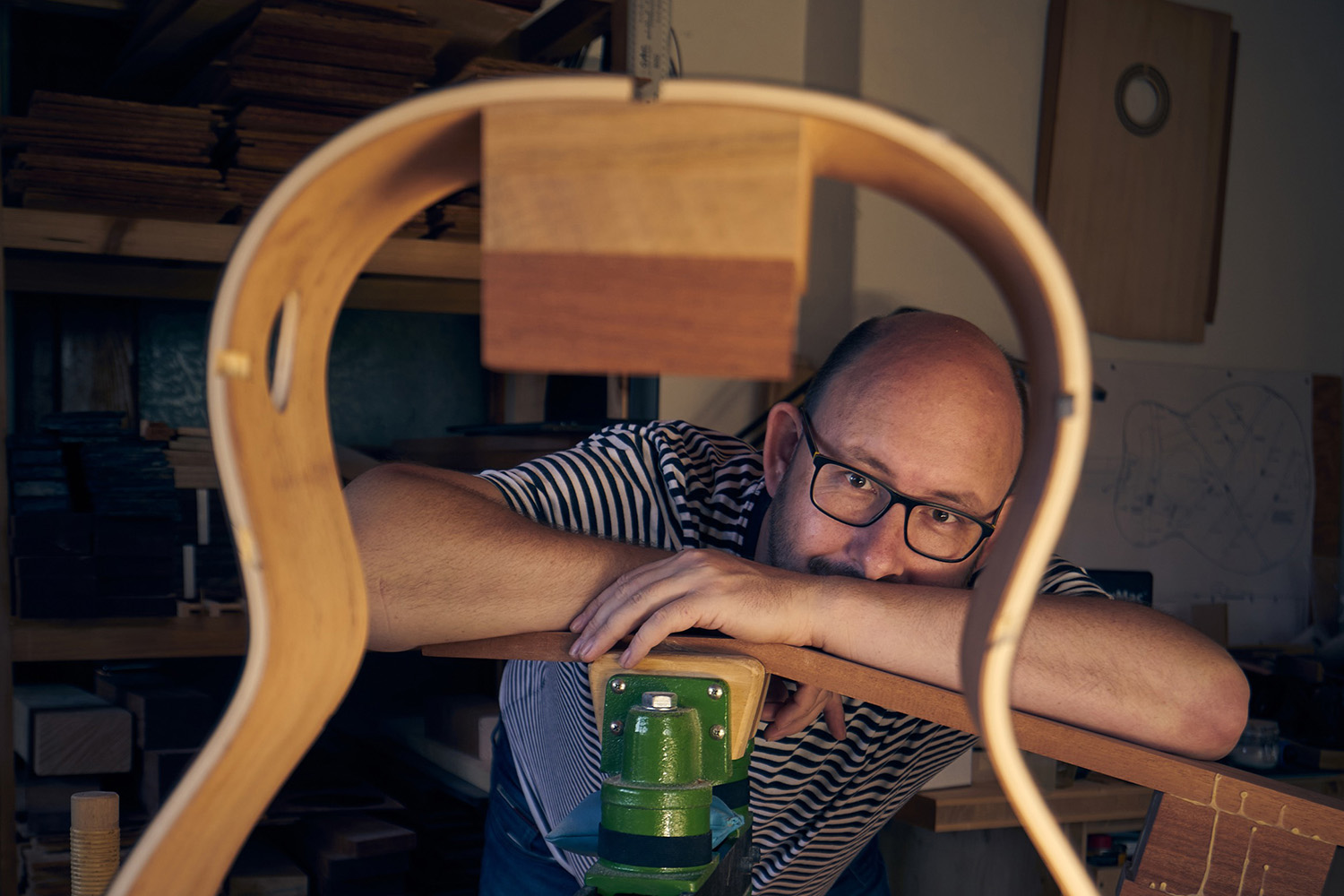
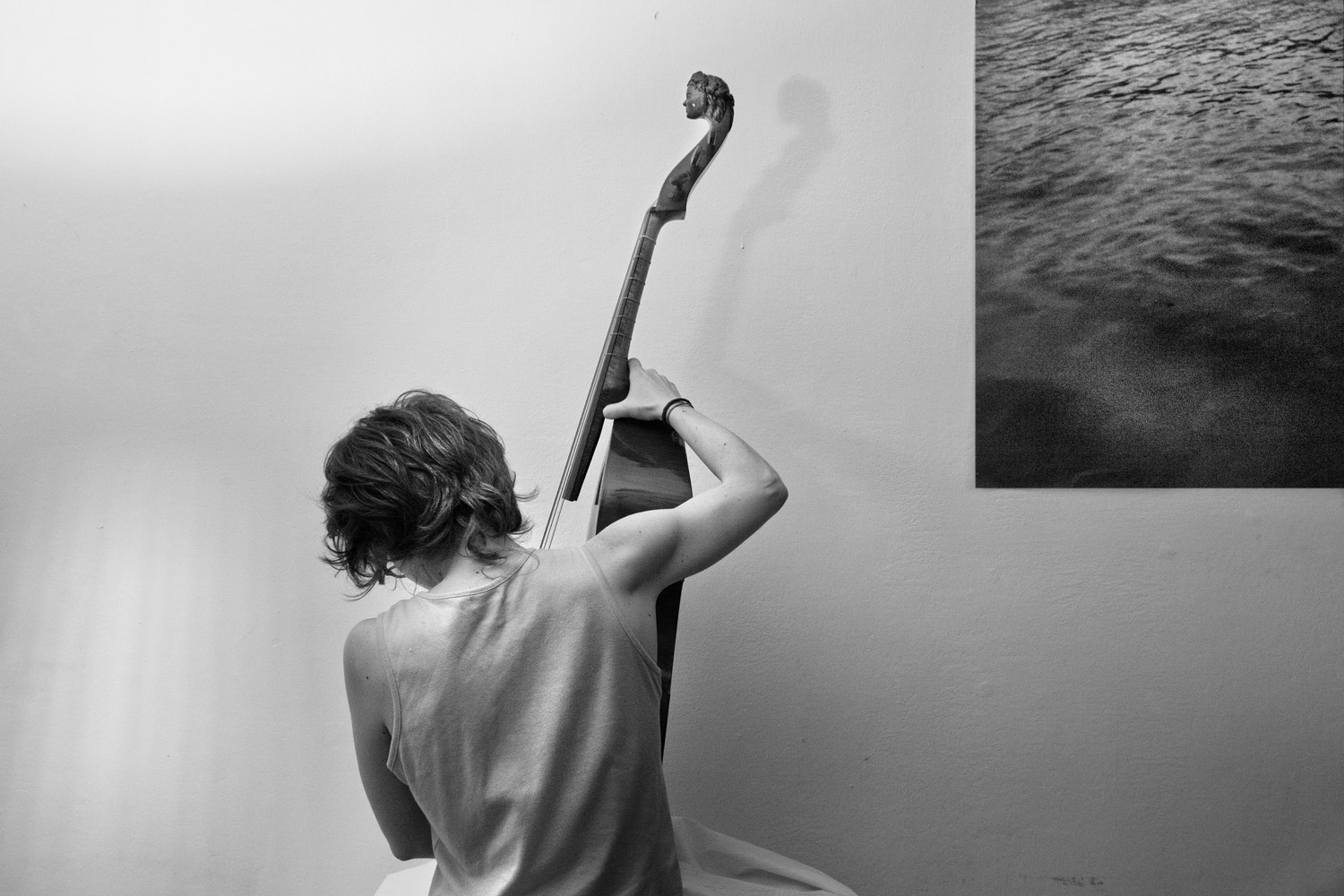
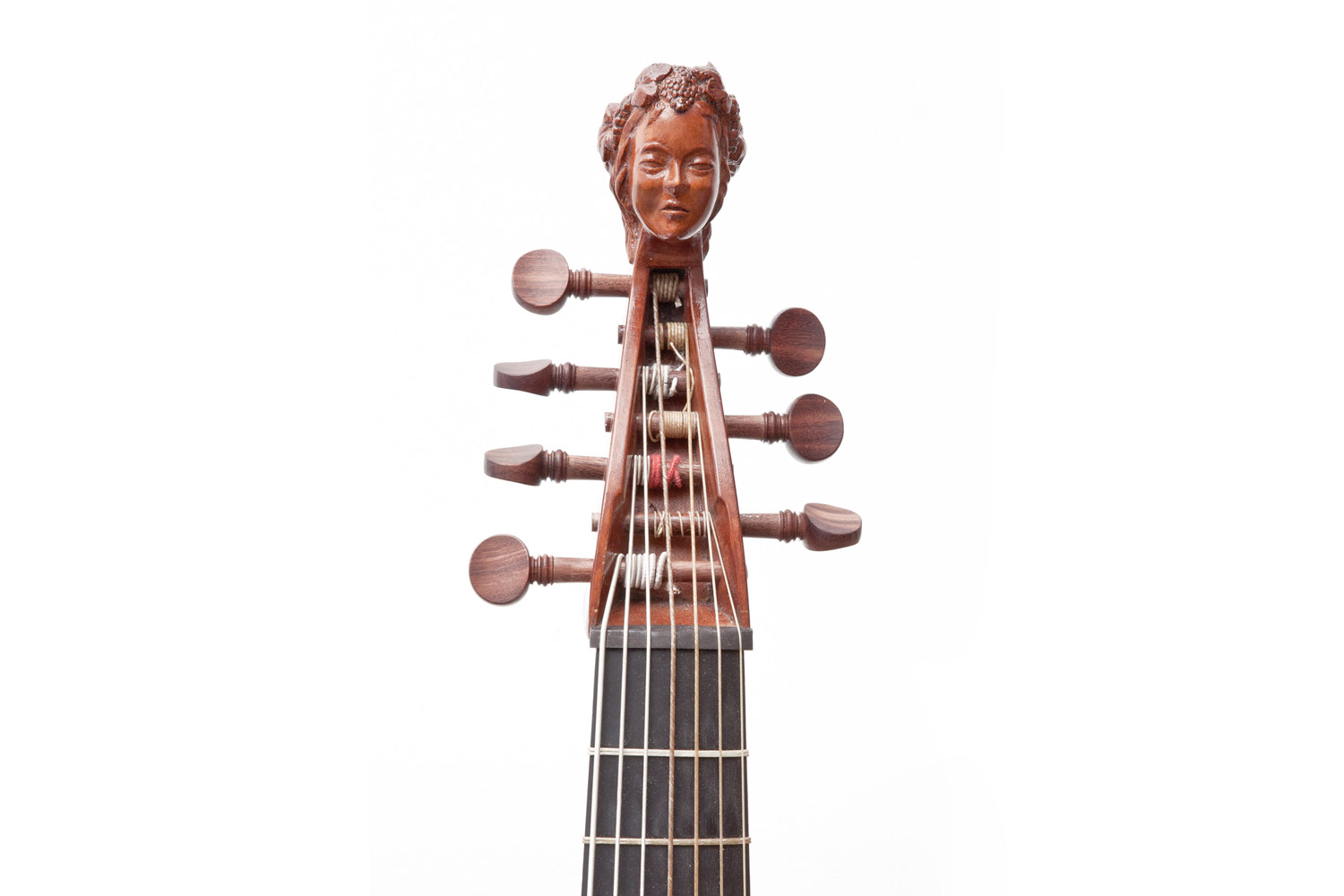
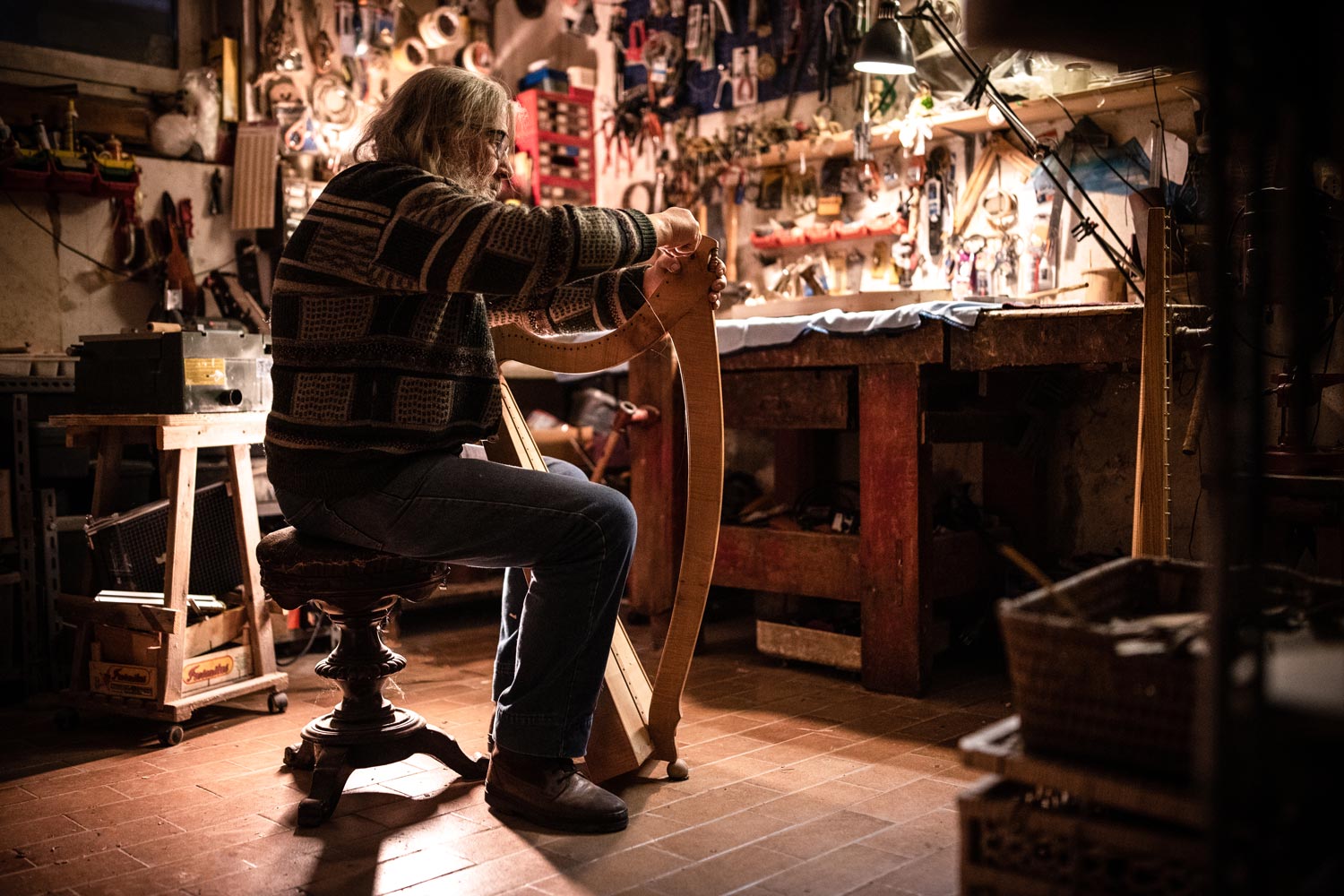
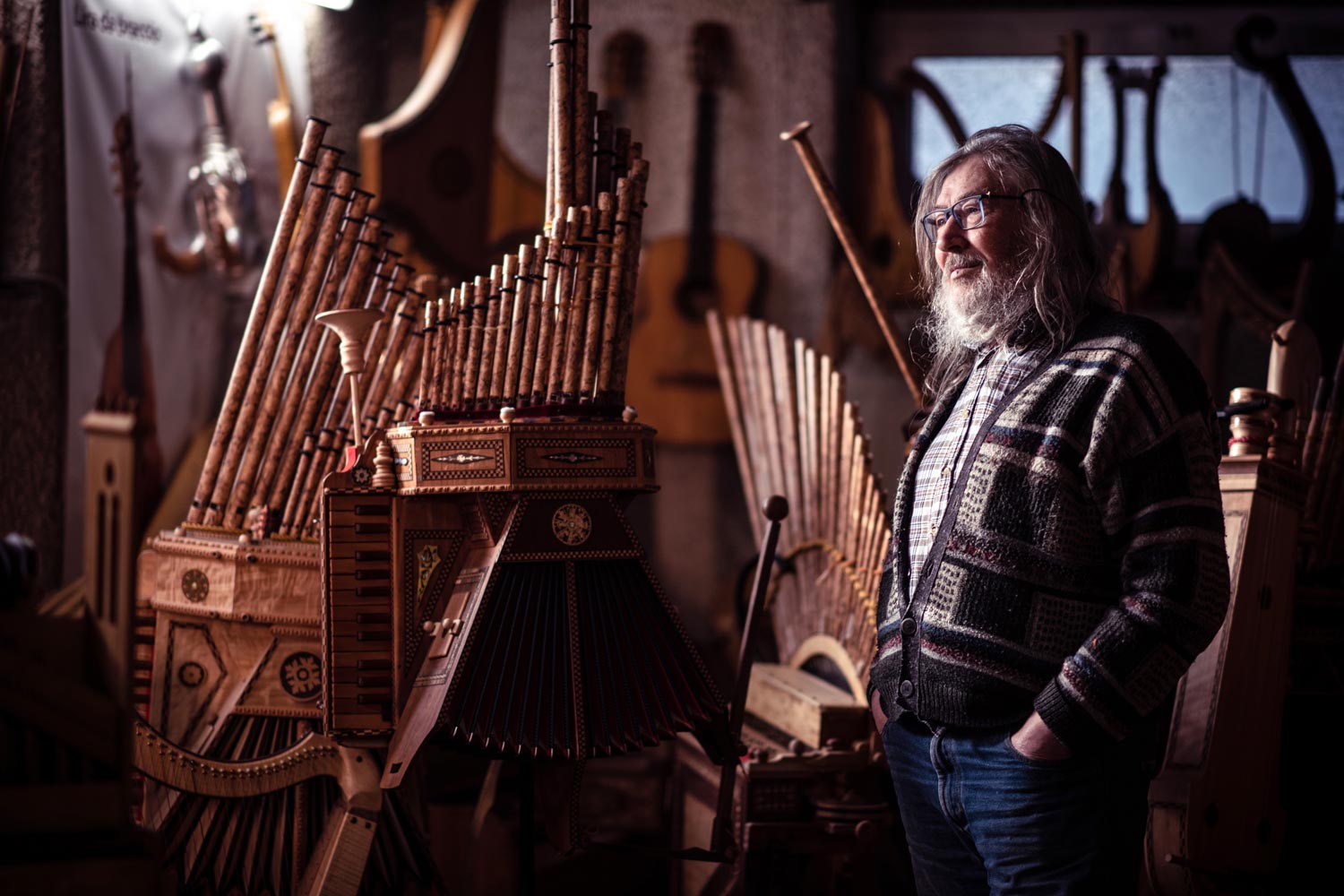
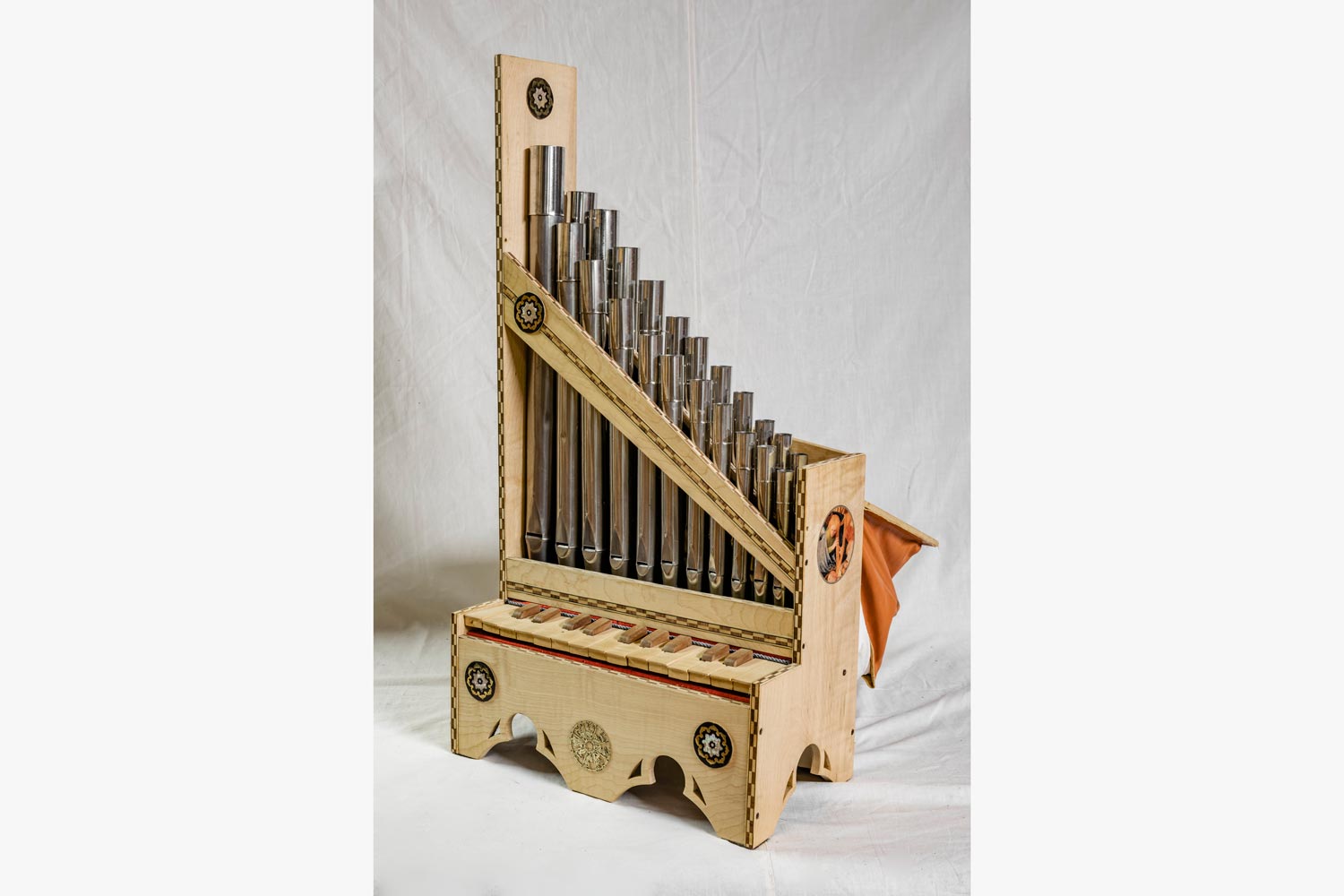
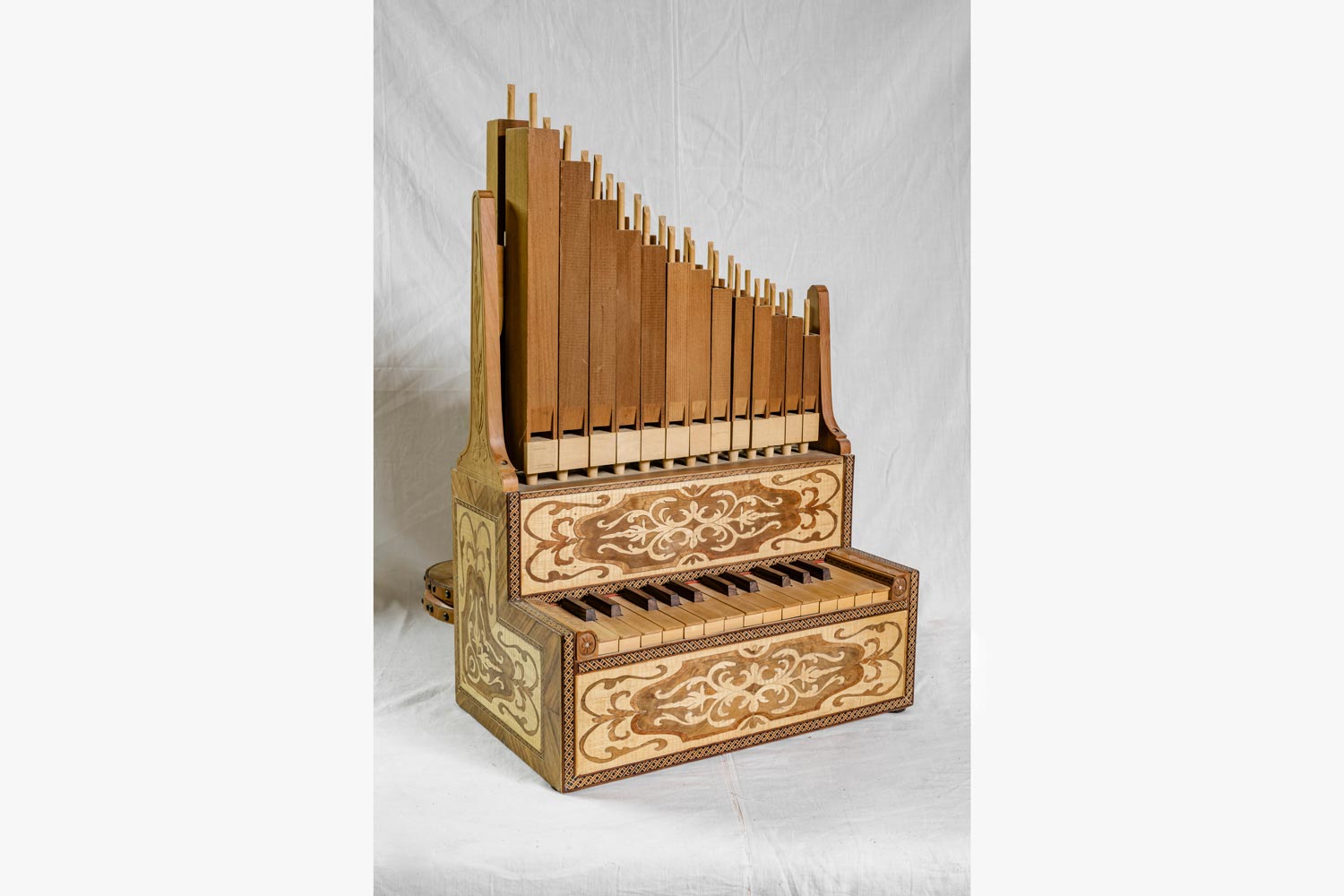
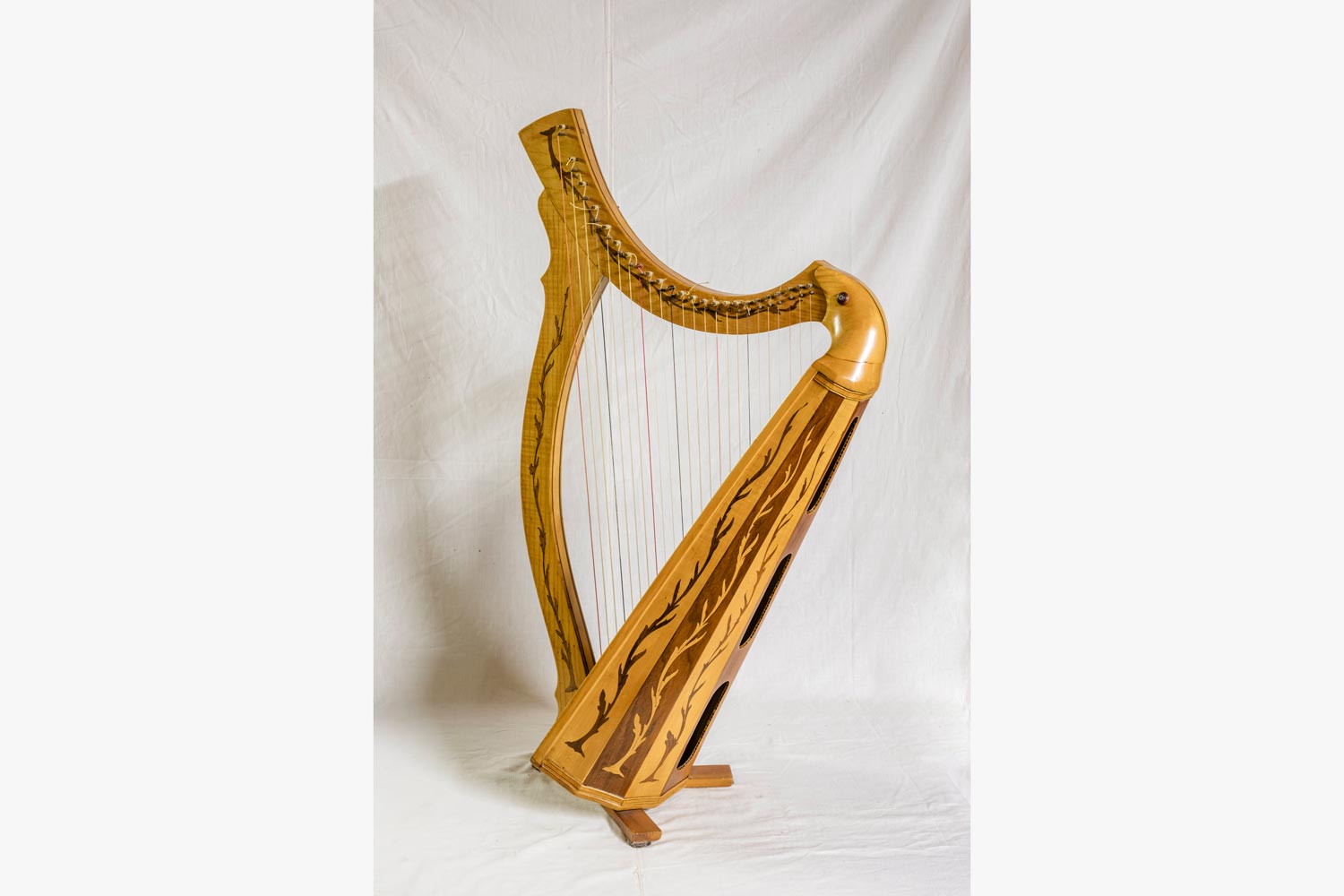
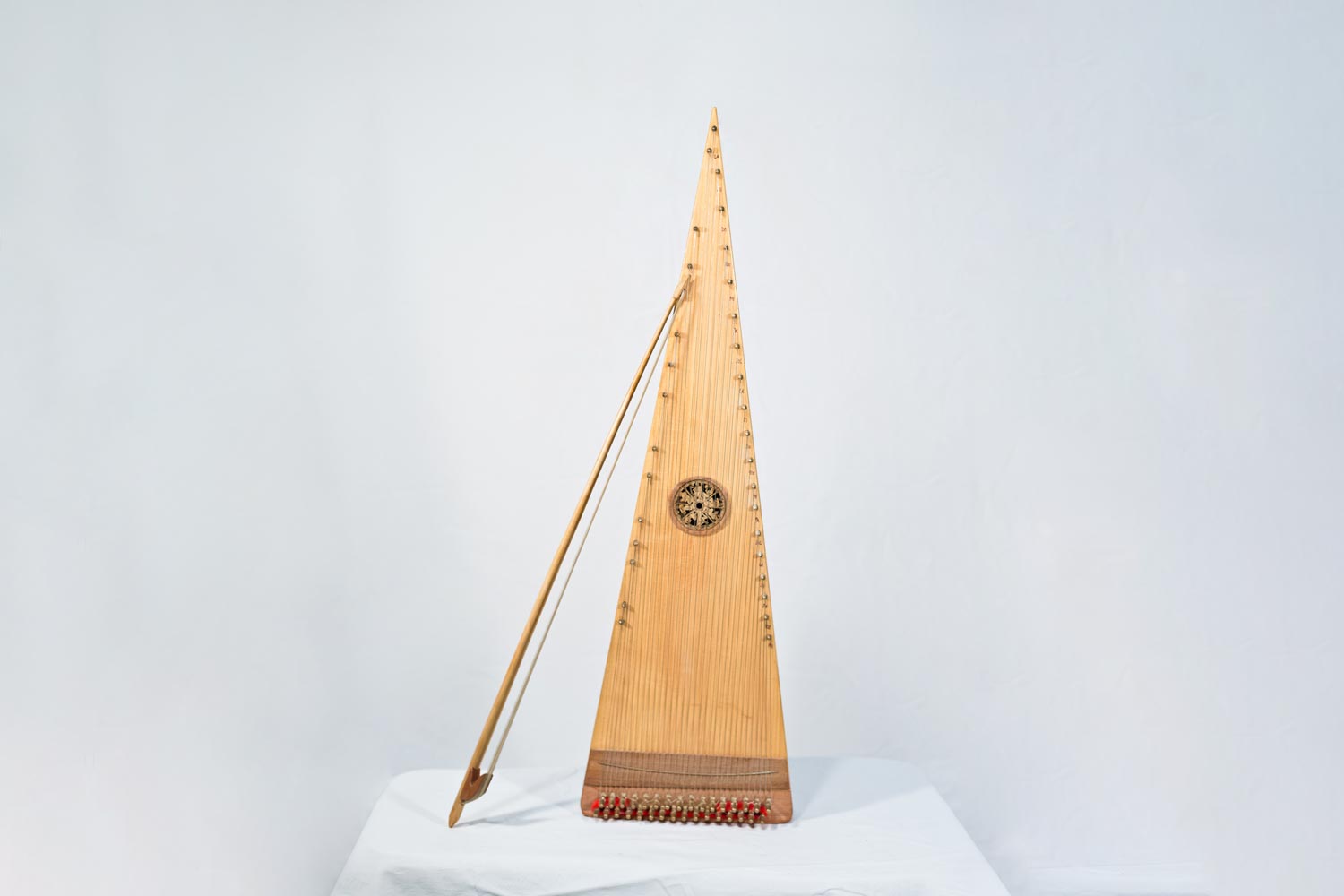
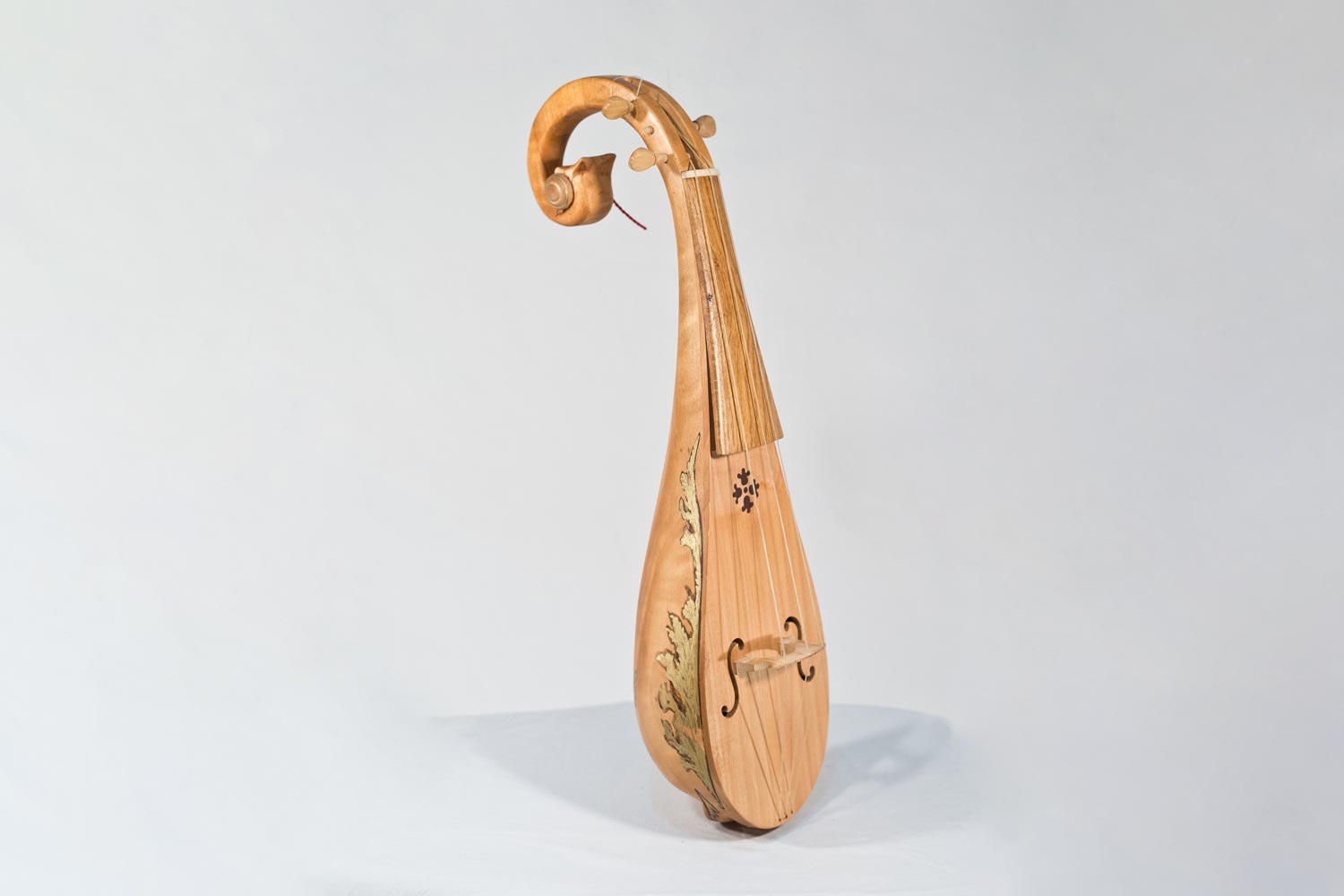
As a young cabinet maker, Michele Sangineto moved to Northern Italy from Calabria. In Monza he began to teach cabinetry in the renowned Istituto d’Arte Nanni Valentini. His interest for musical instruments was sparked when he had to fix a wooden percussion. Now internationally celebrated, Michele’s work is unique: he’s specialised in traditional instruments, such as the Celtic and bardic harp, psalter, vielle, portative organ, tamburin de Béarn, rebec, gironda and other ones taken from Renaissance paintings. His organist viola from Leonardo’s Codex Atlanticus and the continuous wind stack from the Codex of Madrid are very famous. He collaborates with great musicians like Alan Stivell and Vincenzo Zitello.
INTERVIEW
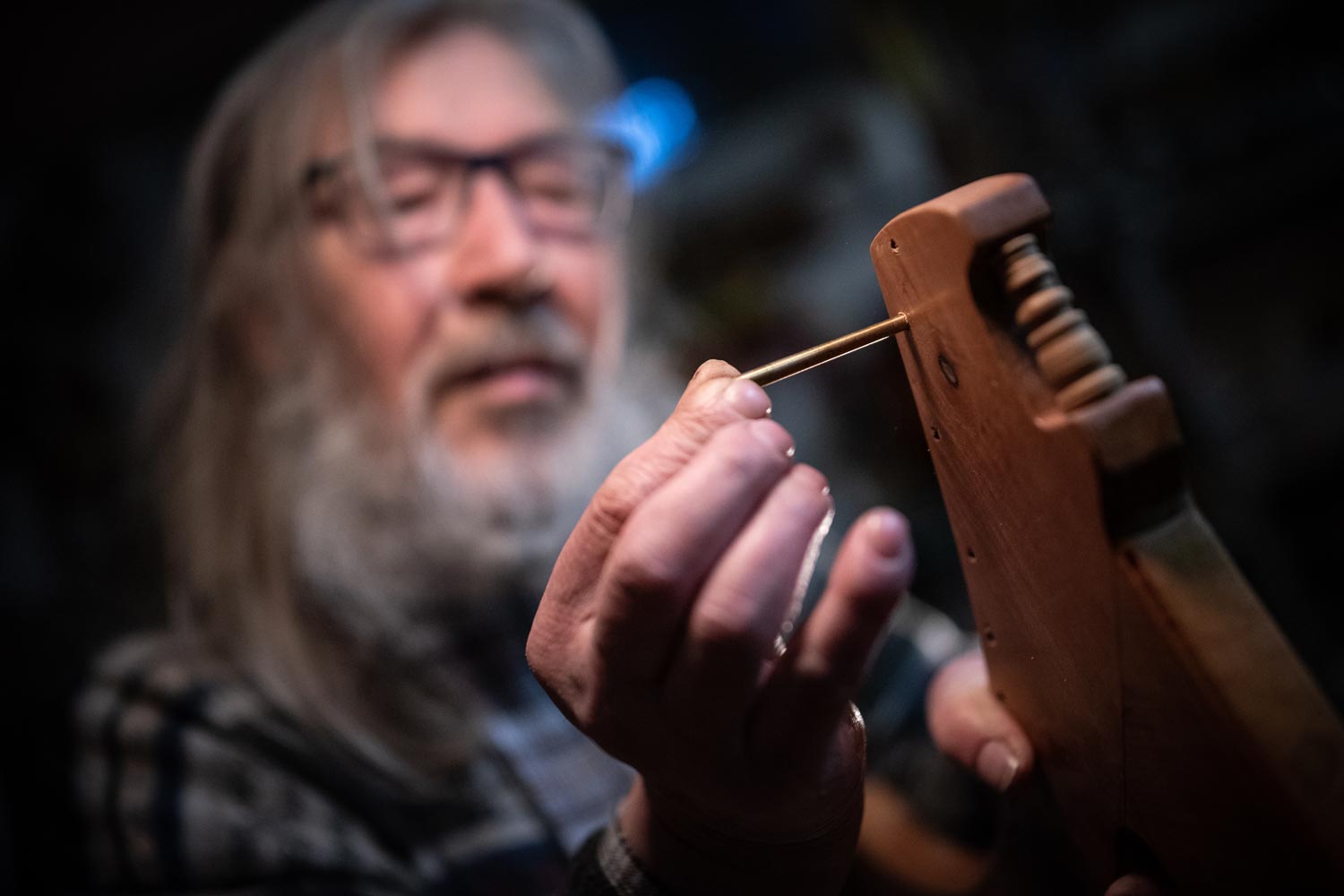
I make unusual musical instruments represented in Renaissance paintings, both Italian and Flemish. I didn’t learn from a master, I wasn’t given any method suggestions. I’ve been guided by curiosity, empirical knowledge and commitment.
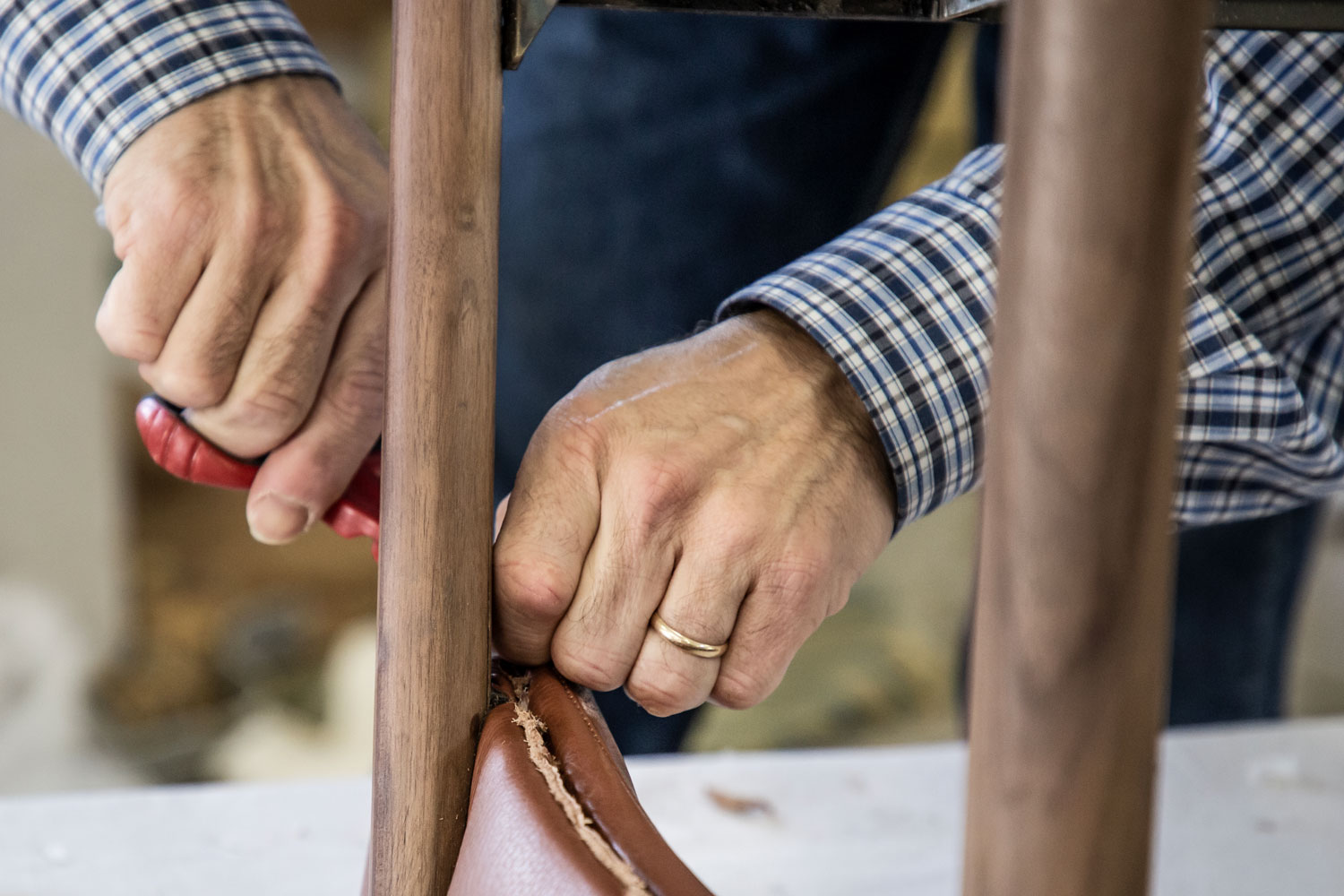
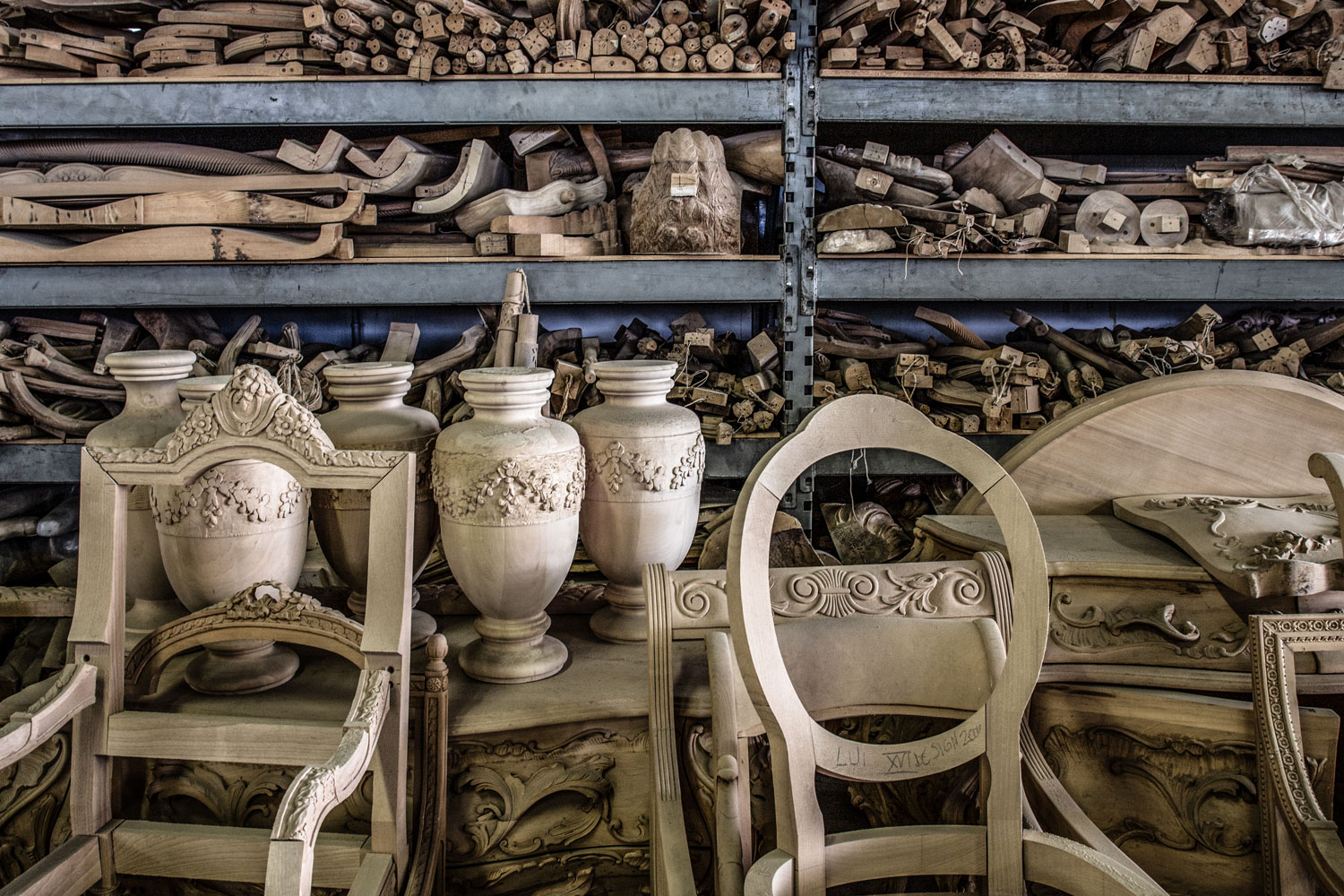
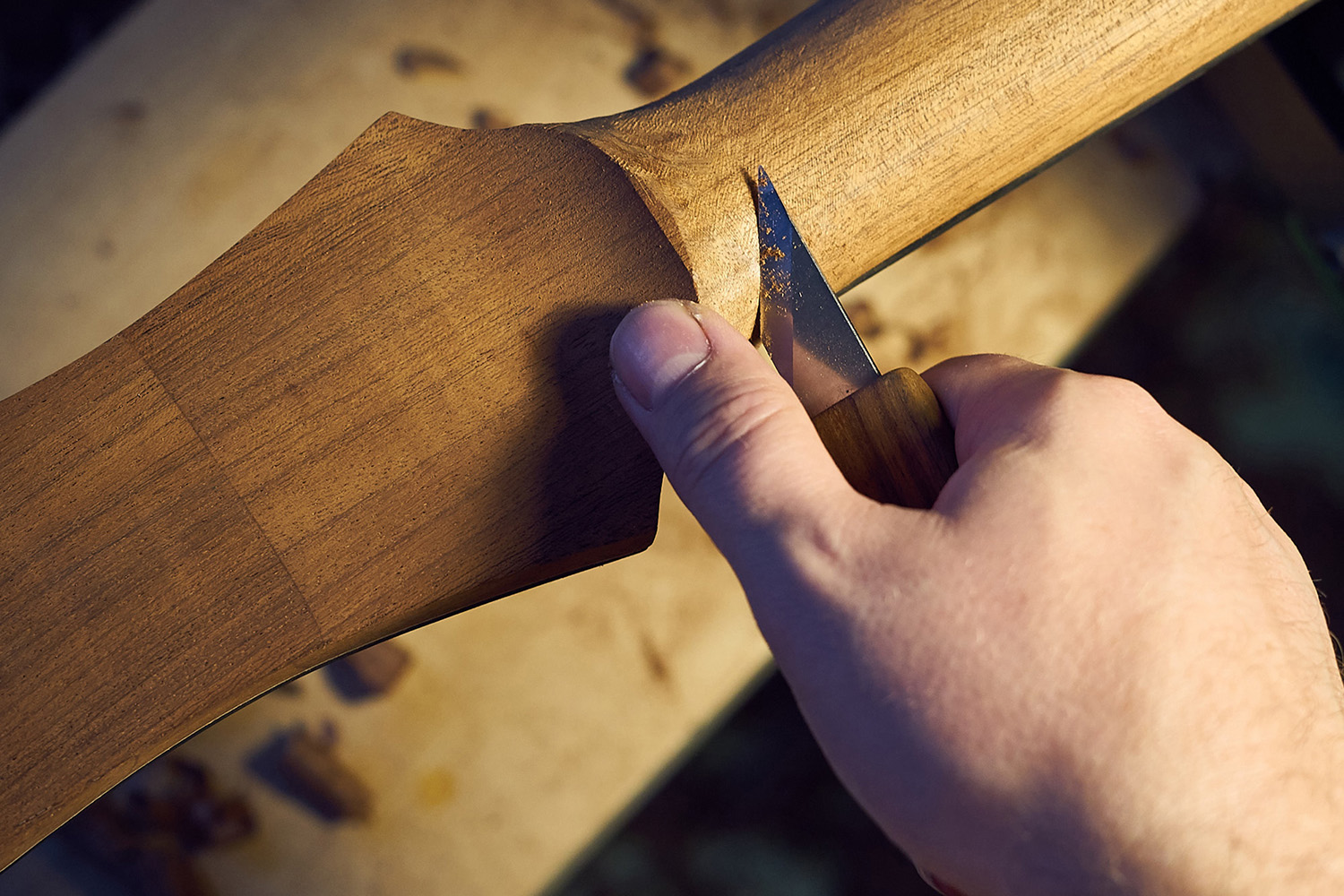
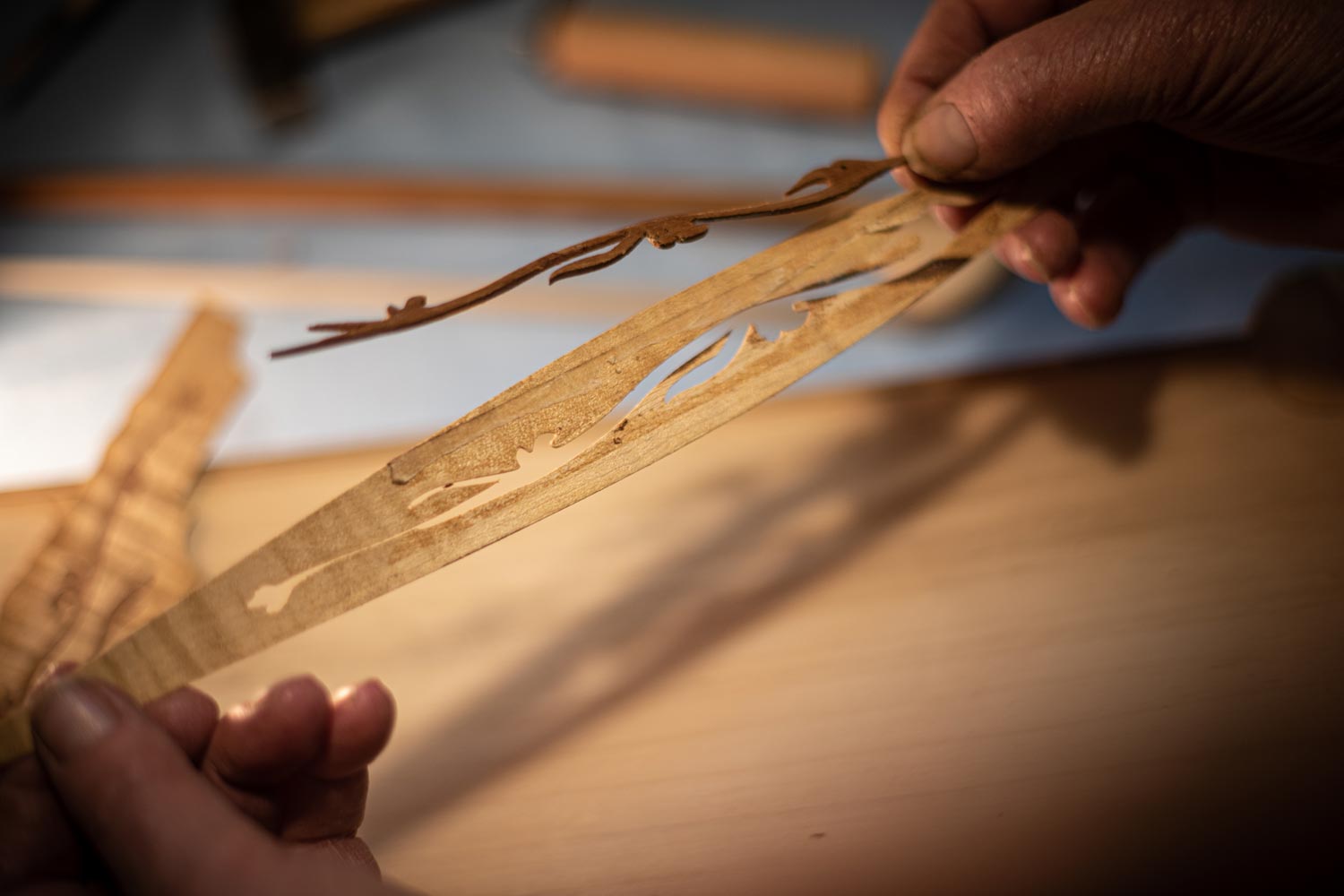
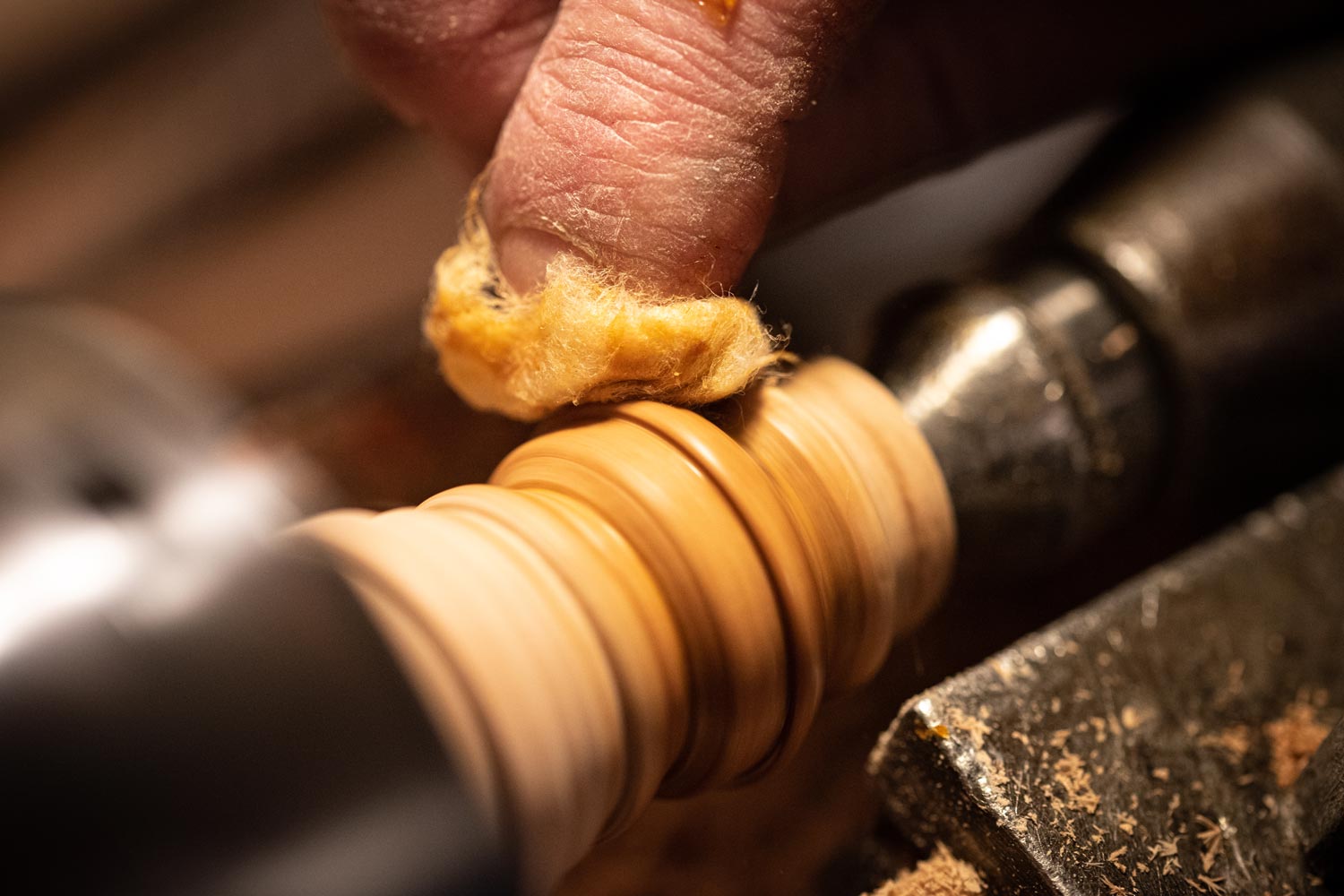
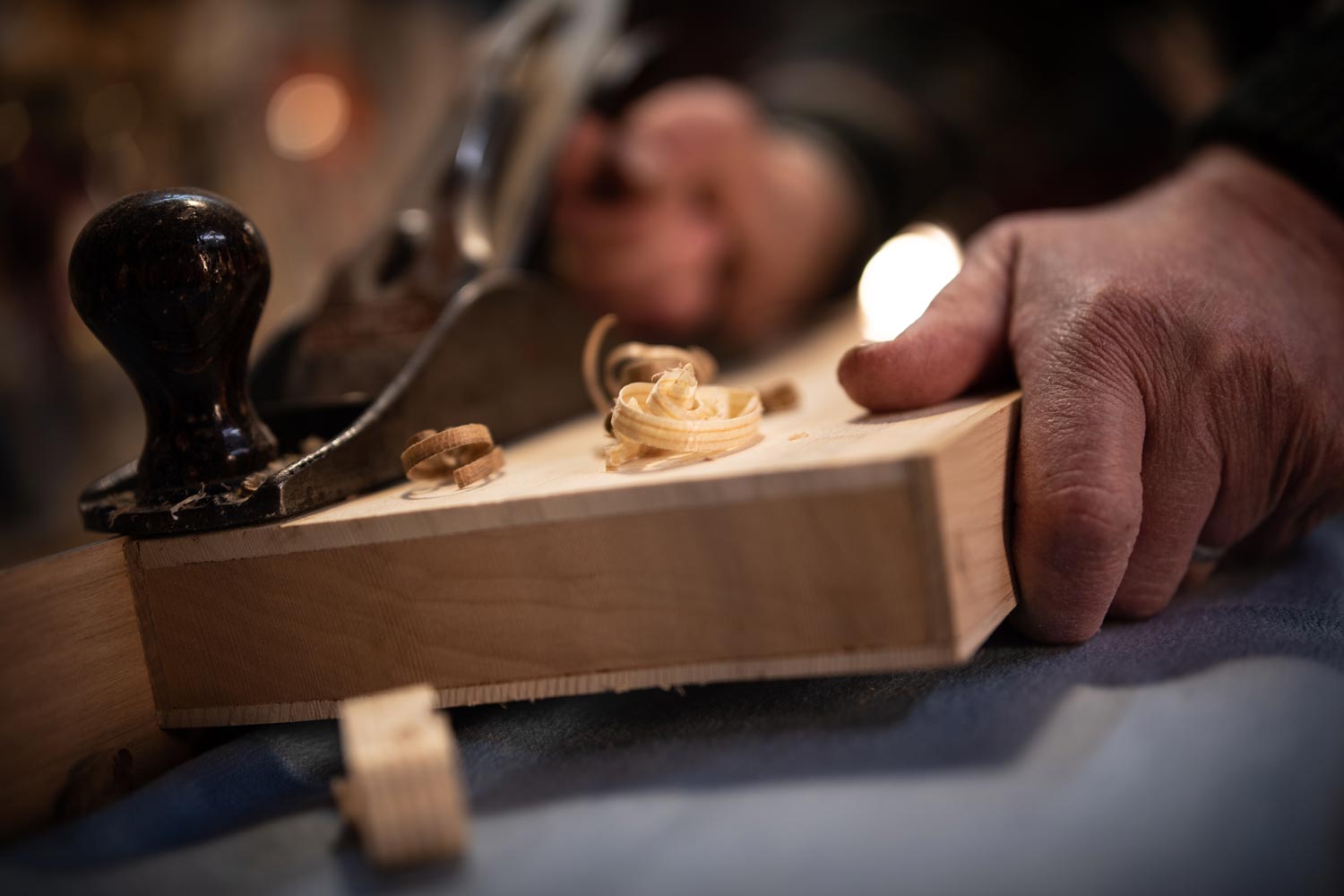
Every wood is peculiar and the artisan has to use all his senses to understand them. Above all I like to use readily available wood: poplar, beechwood, ash, walnut and cherry wood. While maple and spruce are typically used by luthiers.
It was when I met Alan Stivell at a Celtic music Festival in Brittany in the early 80s: we began to work together on sound, trying to innovate an archaic instrument like the Celtic harp, in order to meet the musicians’ need.
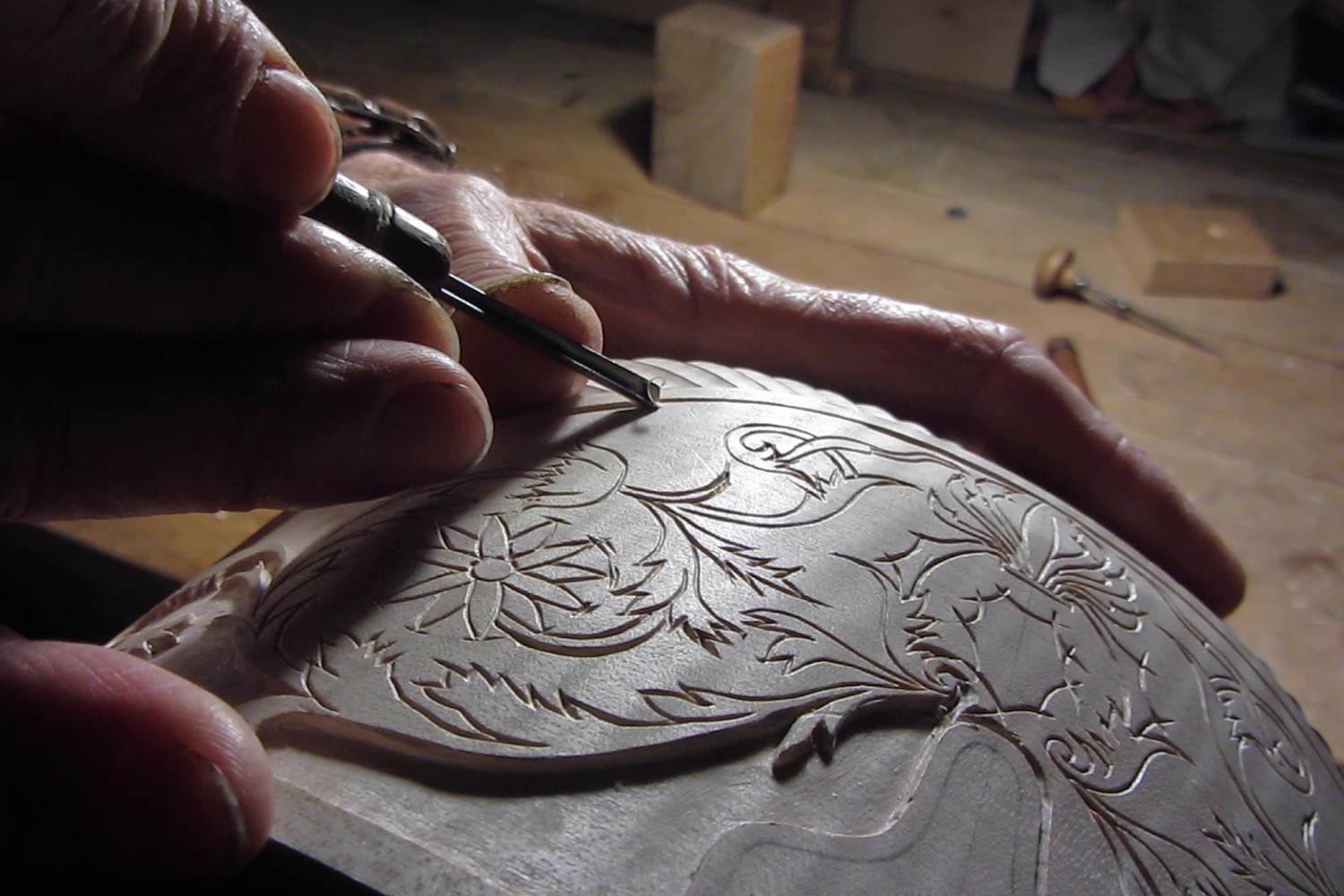
Most of all, I like to communicate my emotions through my works, transforming them into something tangible: sound-making objects. Particularly I want to tell the young that these instruments are legitimately part of our musical culture and can be taken in a new context.
Michele Sangineto
Luthier
Villasanta, Italy
AVAILABILITY
By appointment only
PHONE
+39 392051439
LANGUAGES
Italian
Homo Faber Finds is a new service aiming to inspire admirers of craft to connect and collaborate with exceptional artisans.
We invite you to submit an enquiry here.