Mathieu Pradels
Luthier
Paris, France
Recommended by The French Savoir-Faire Institute (INMA)
Soundtracks of making
- Mathieu started to enjoy repairing instruments at 16
- For him, it is much more than a job: it is fun
- He truly values the traditions of these instruments
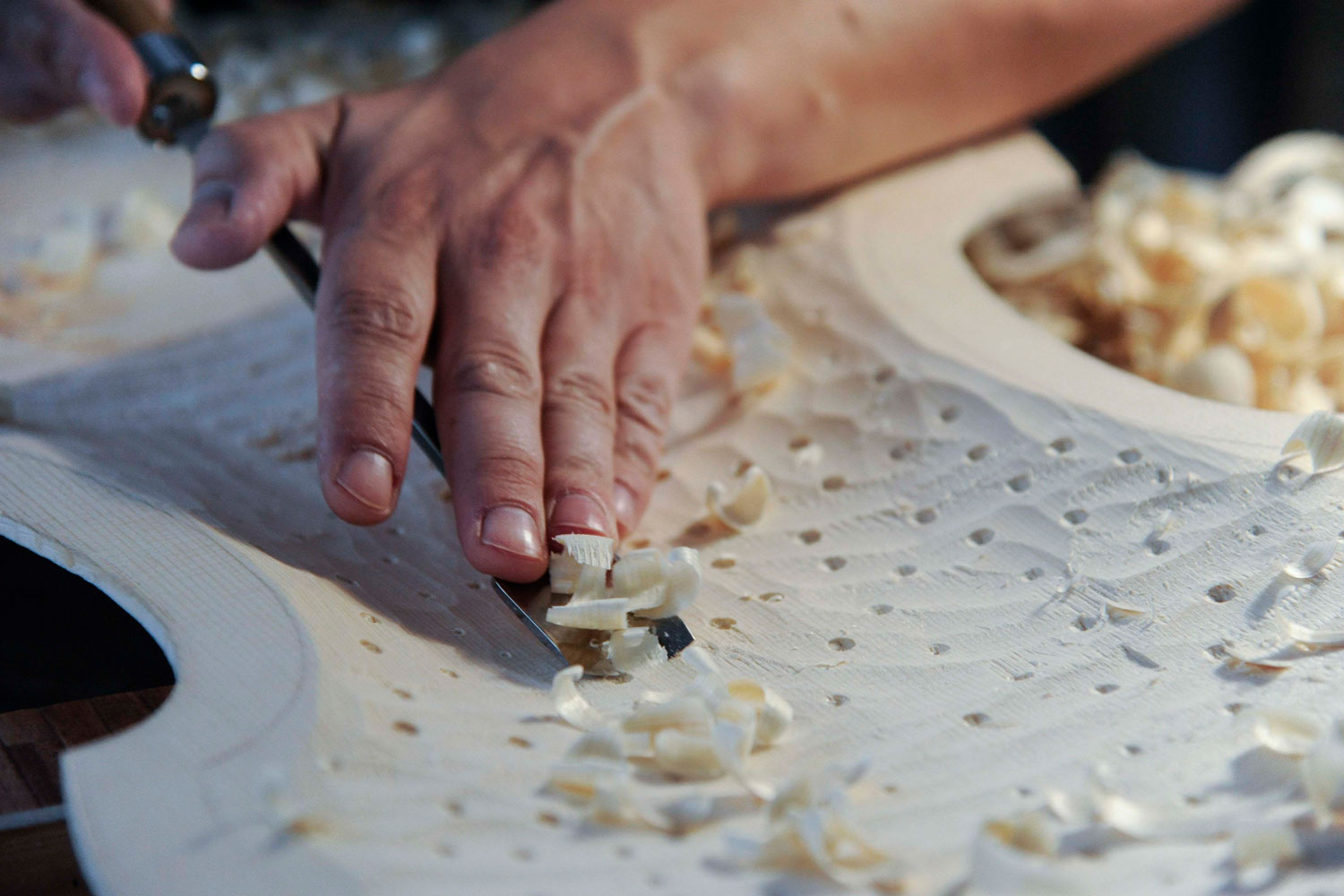
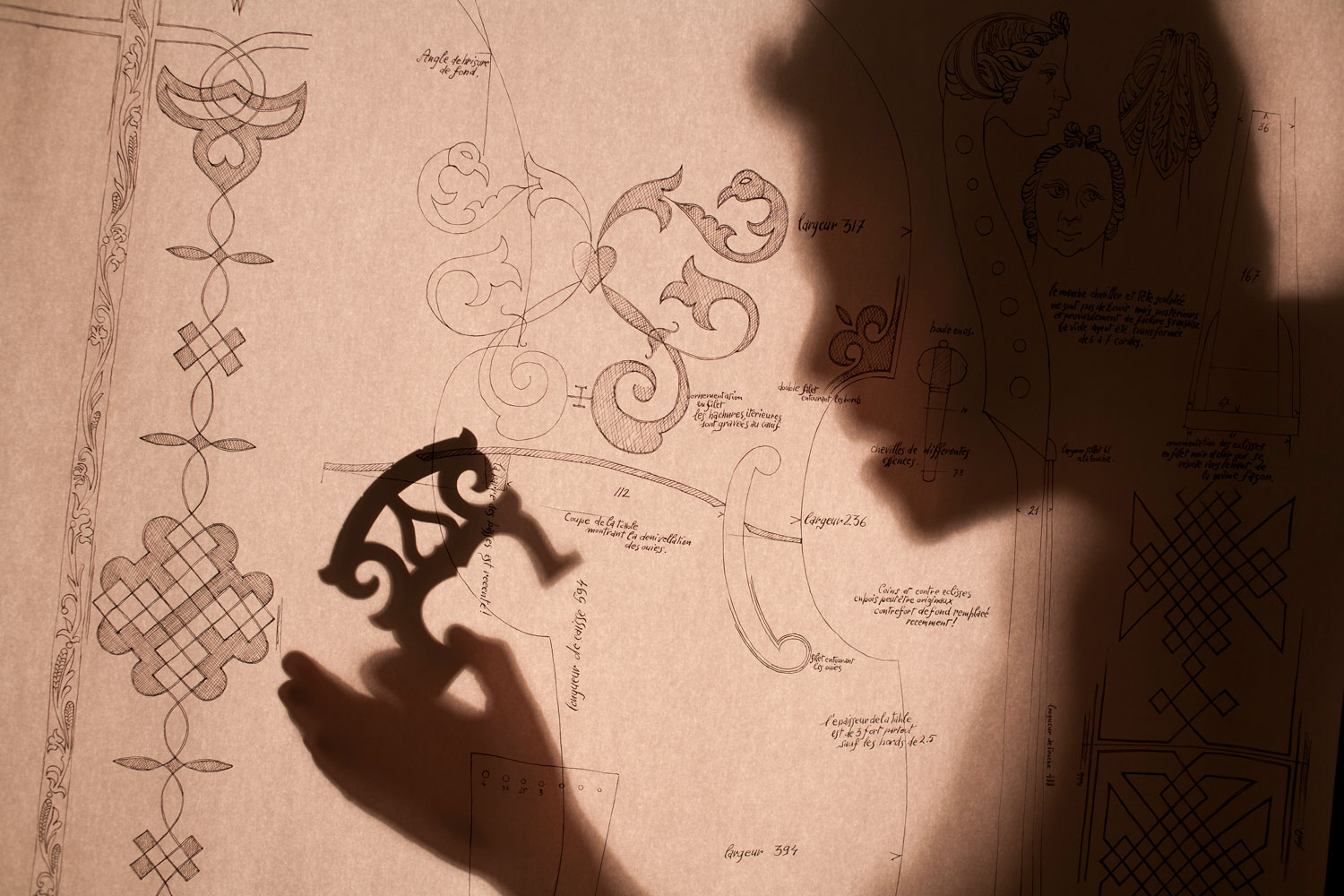
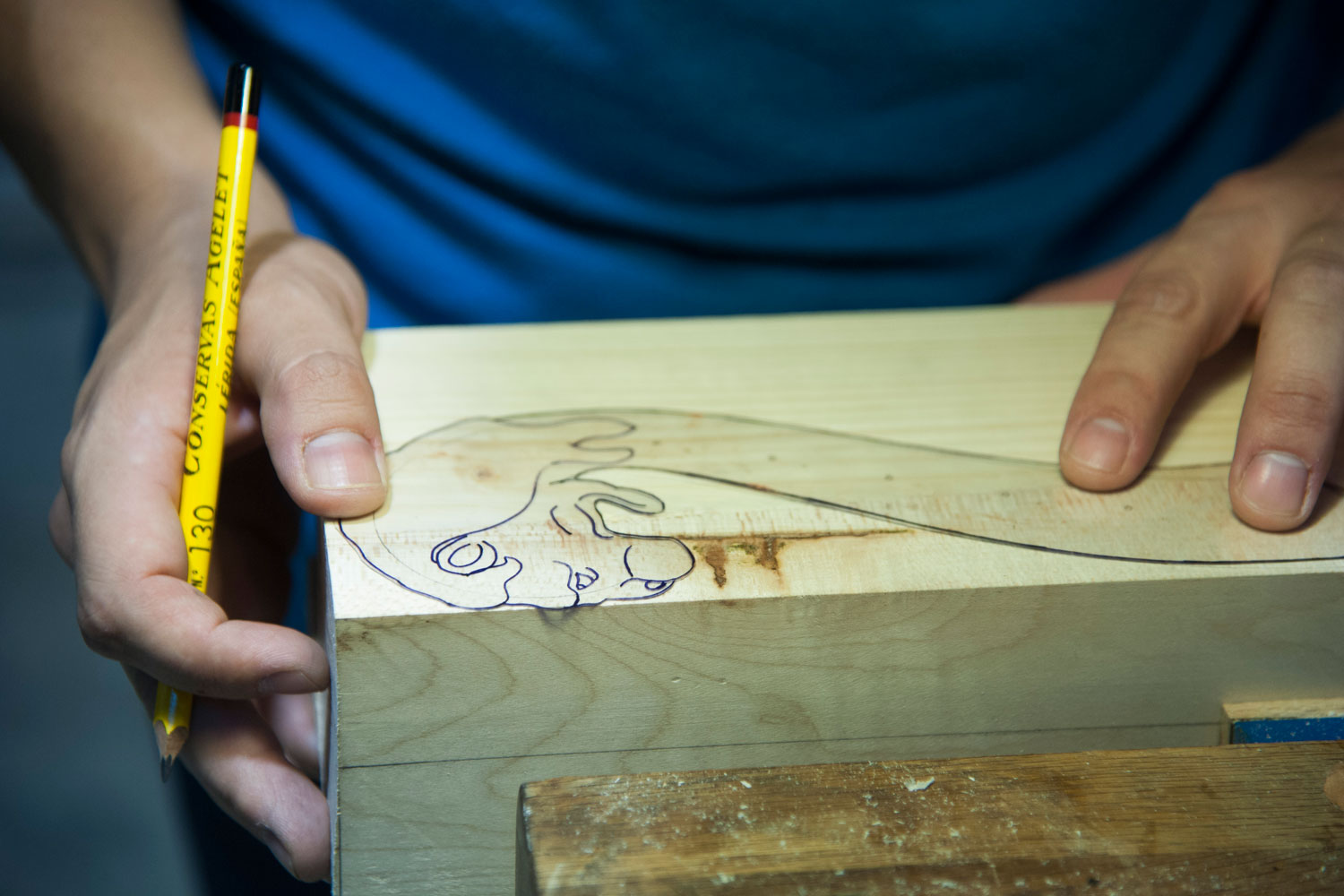
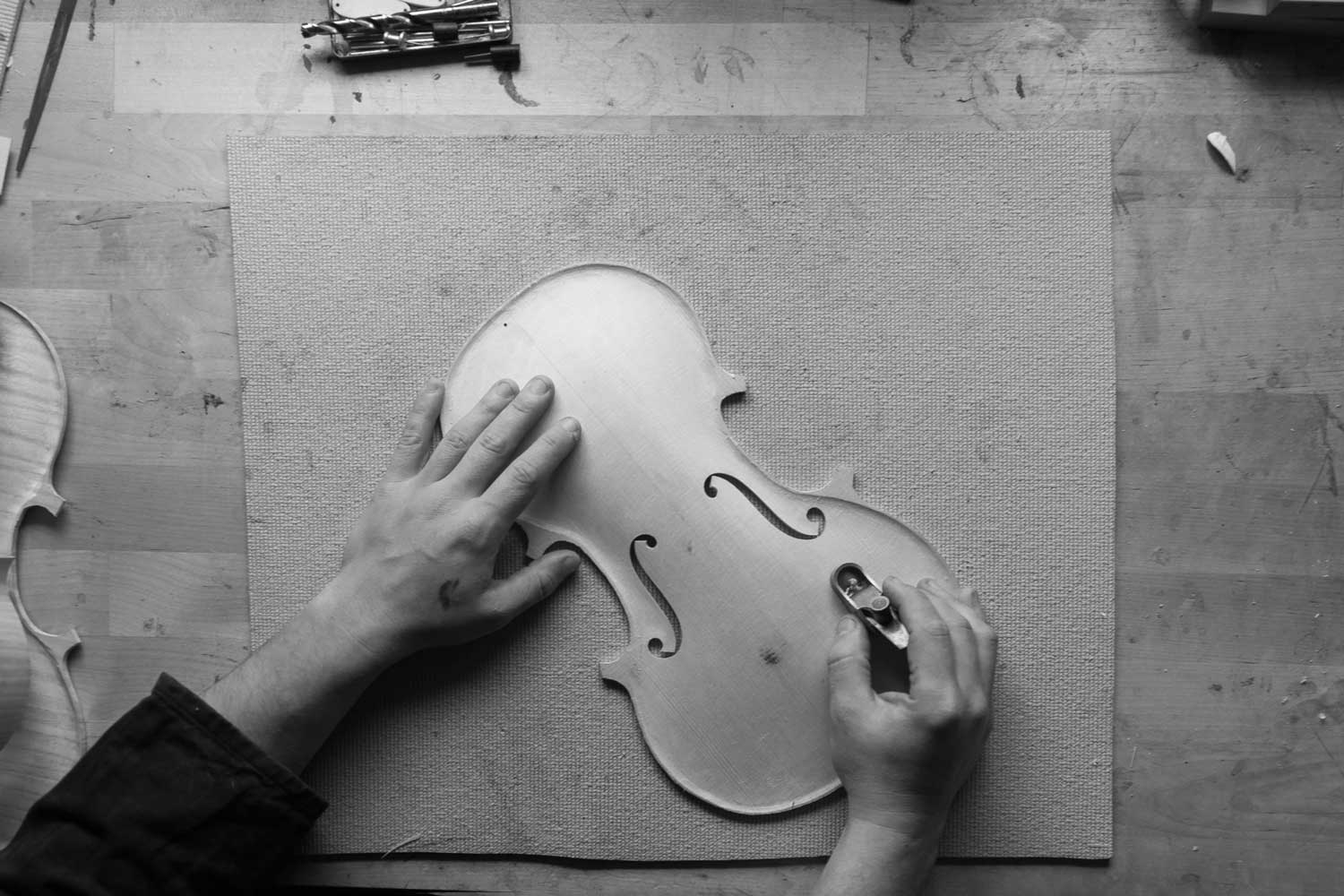
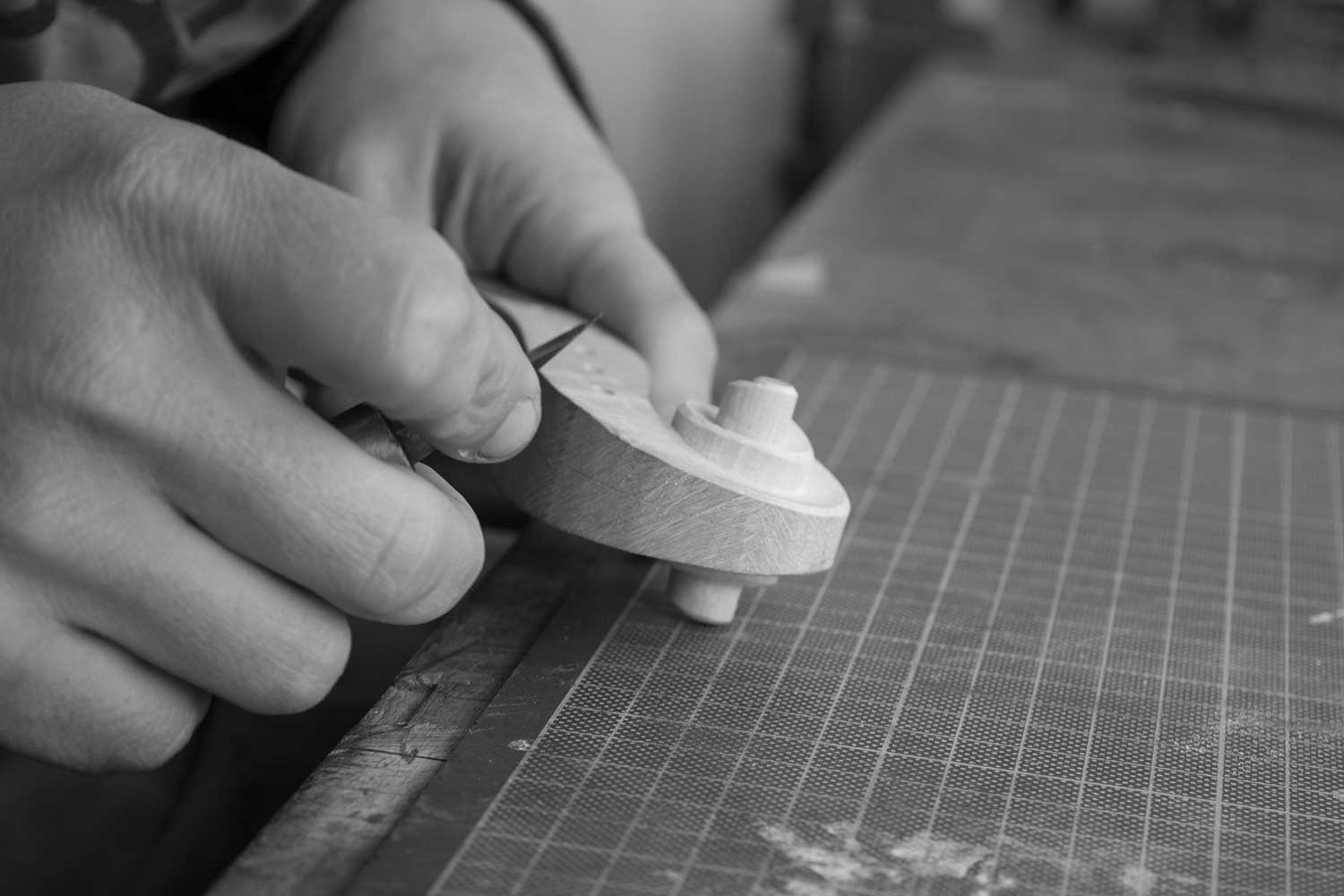
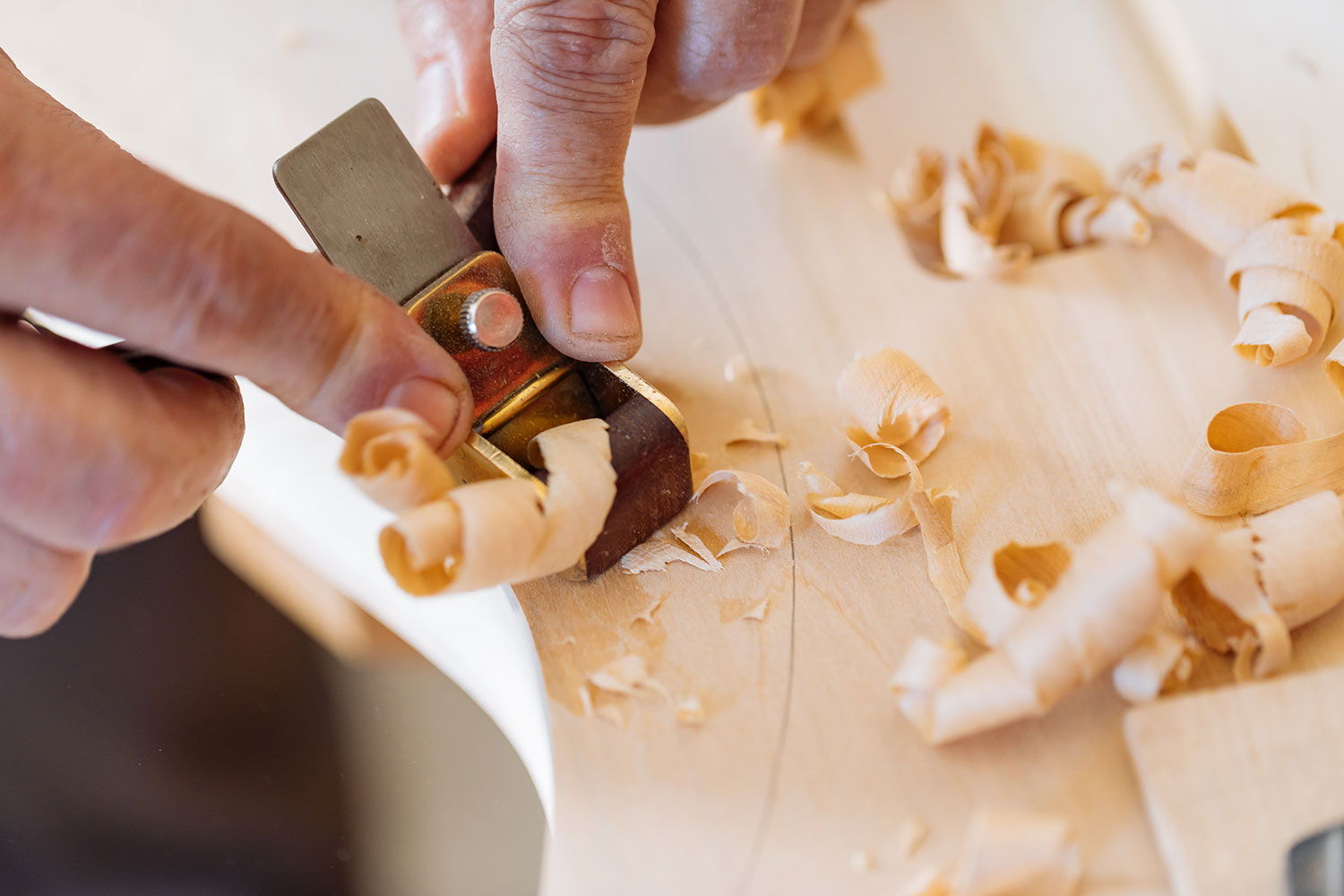
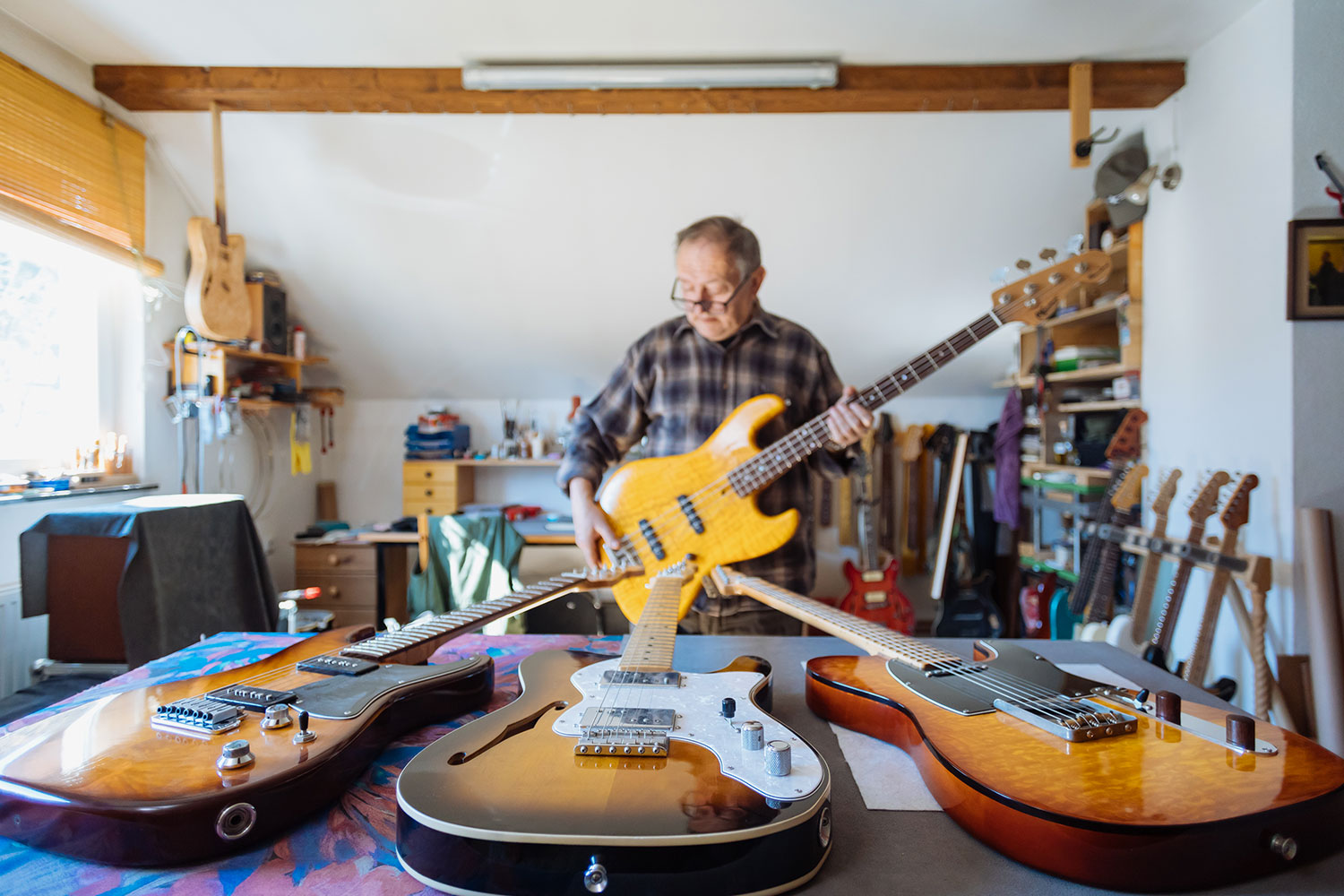
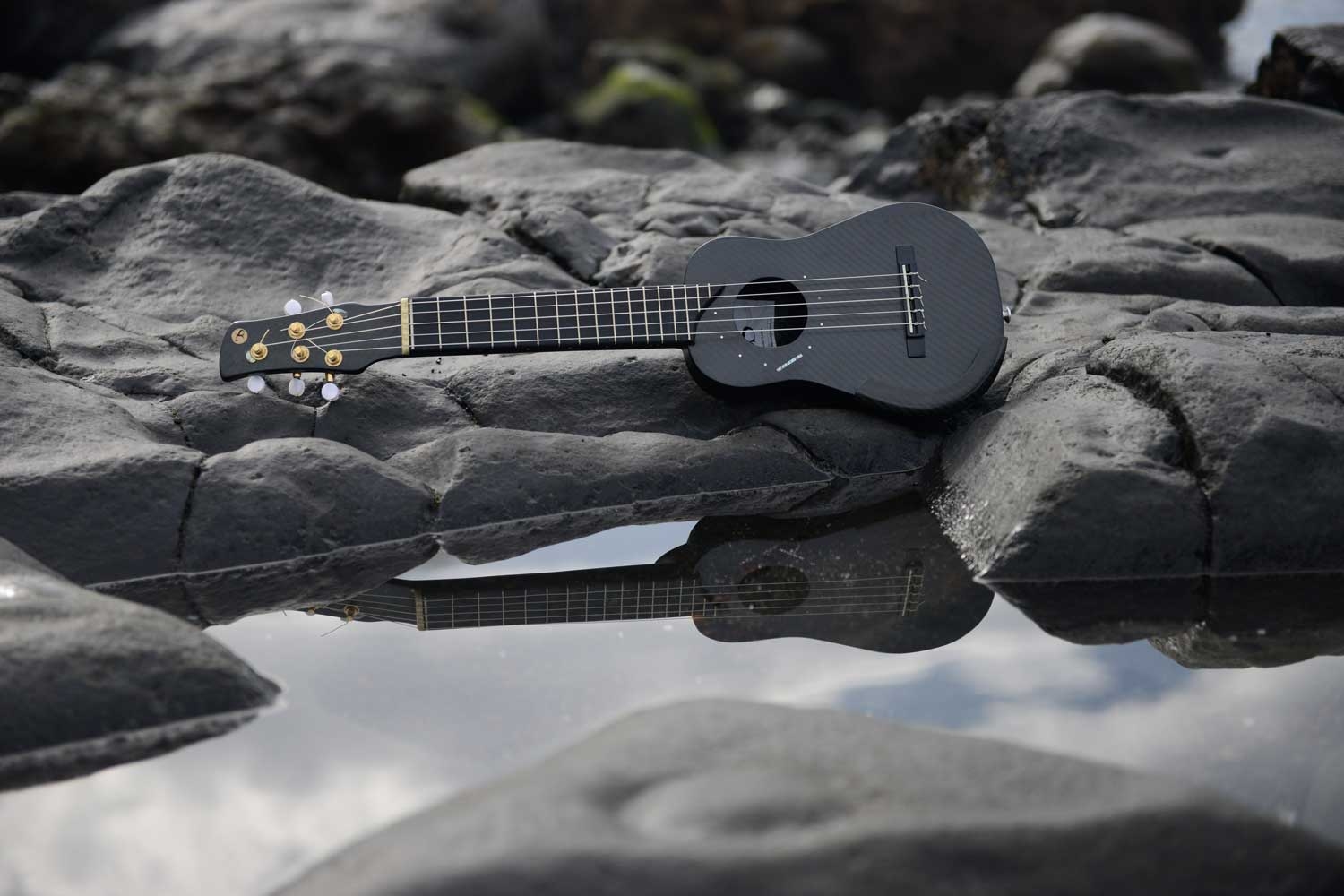
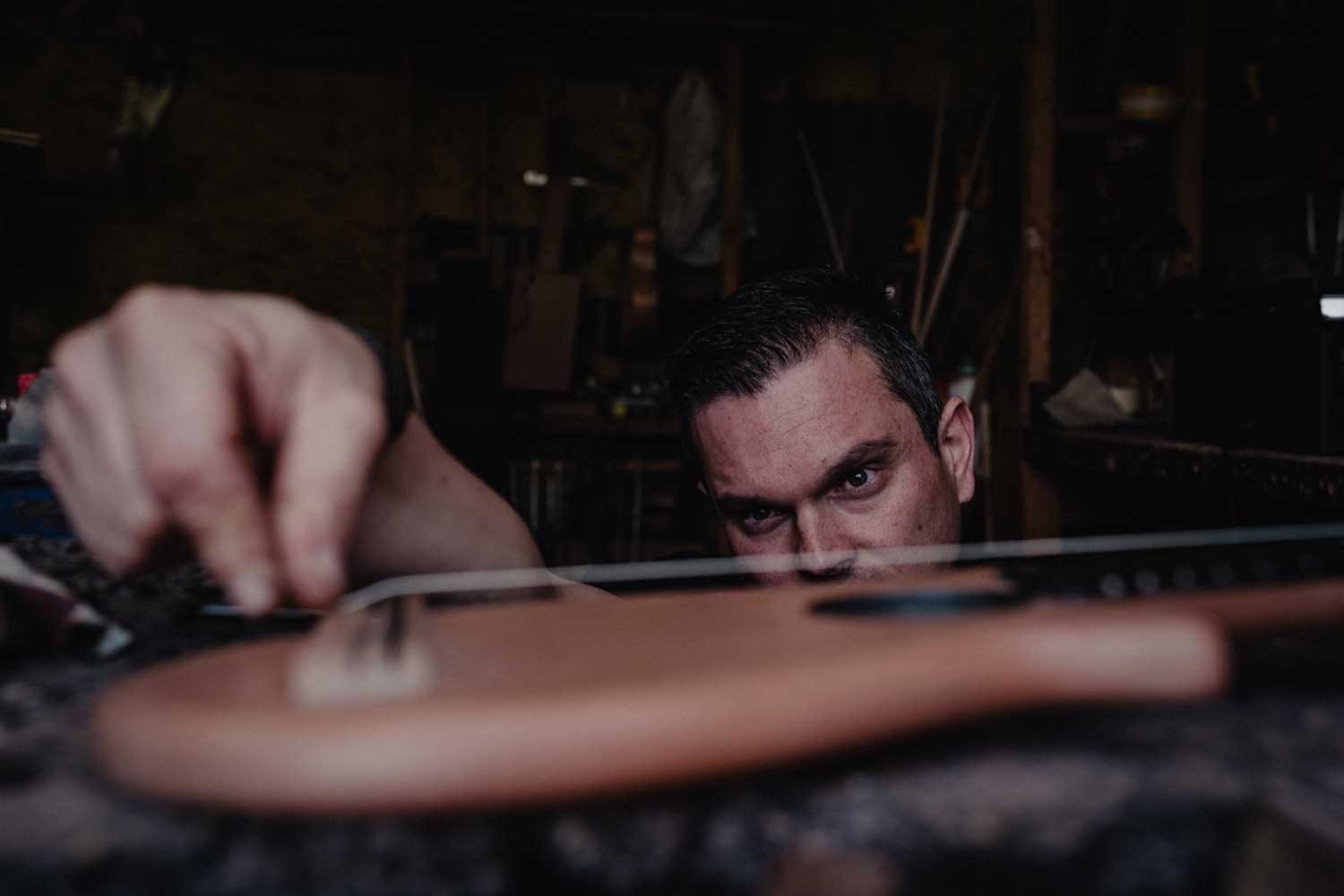
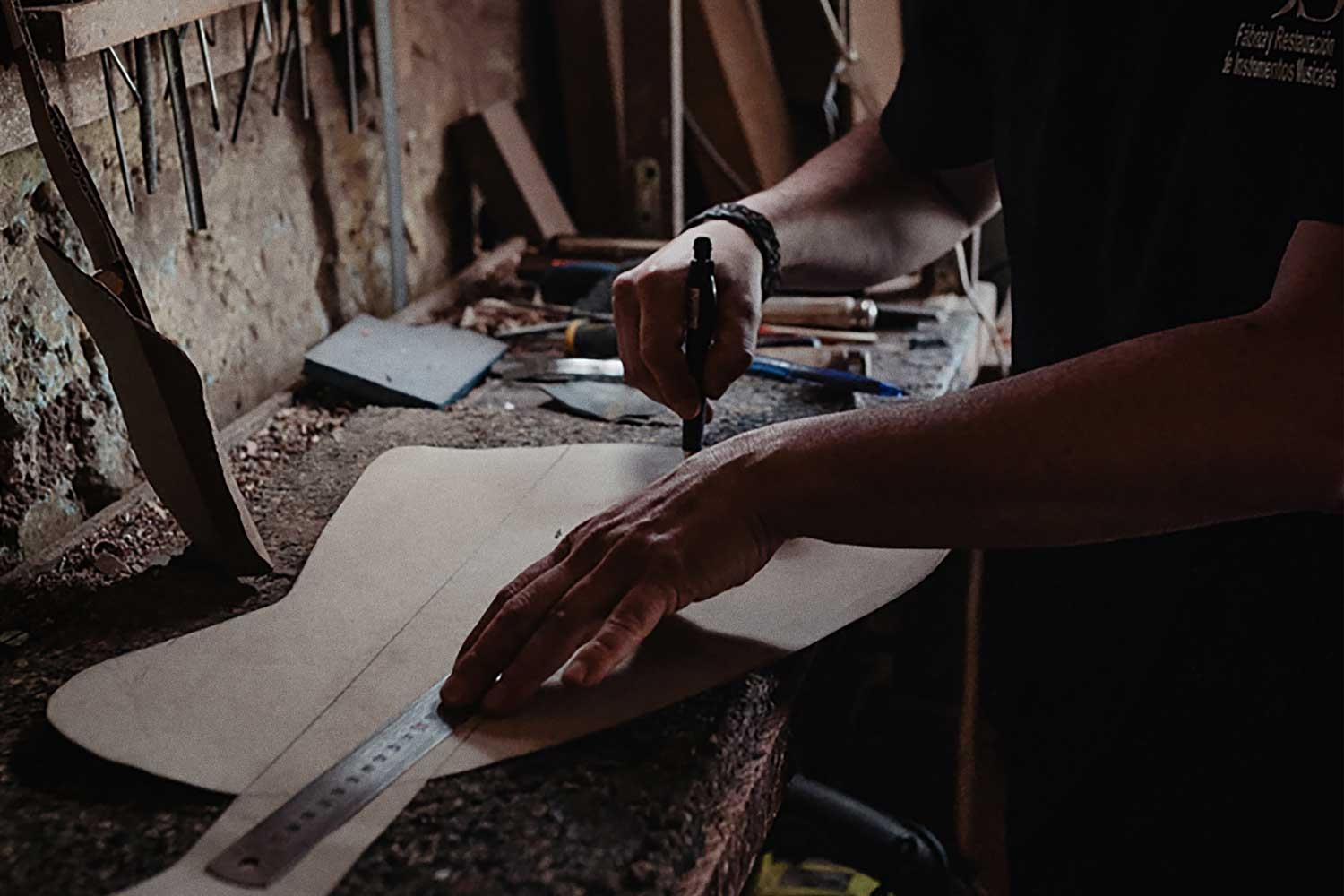
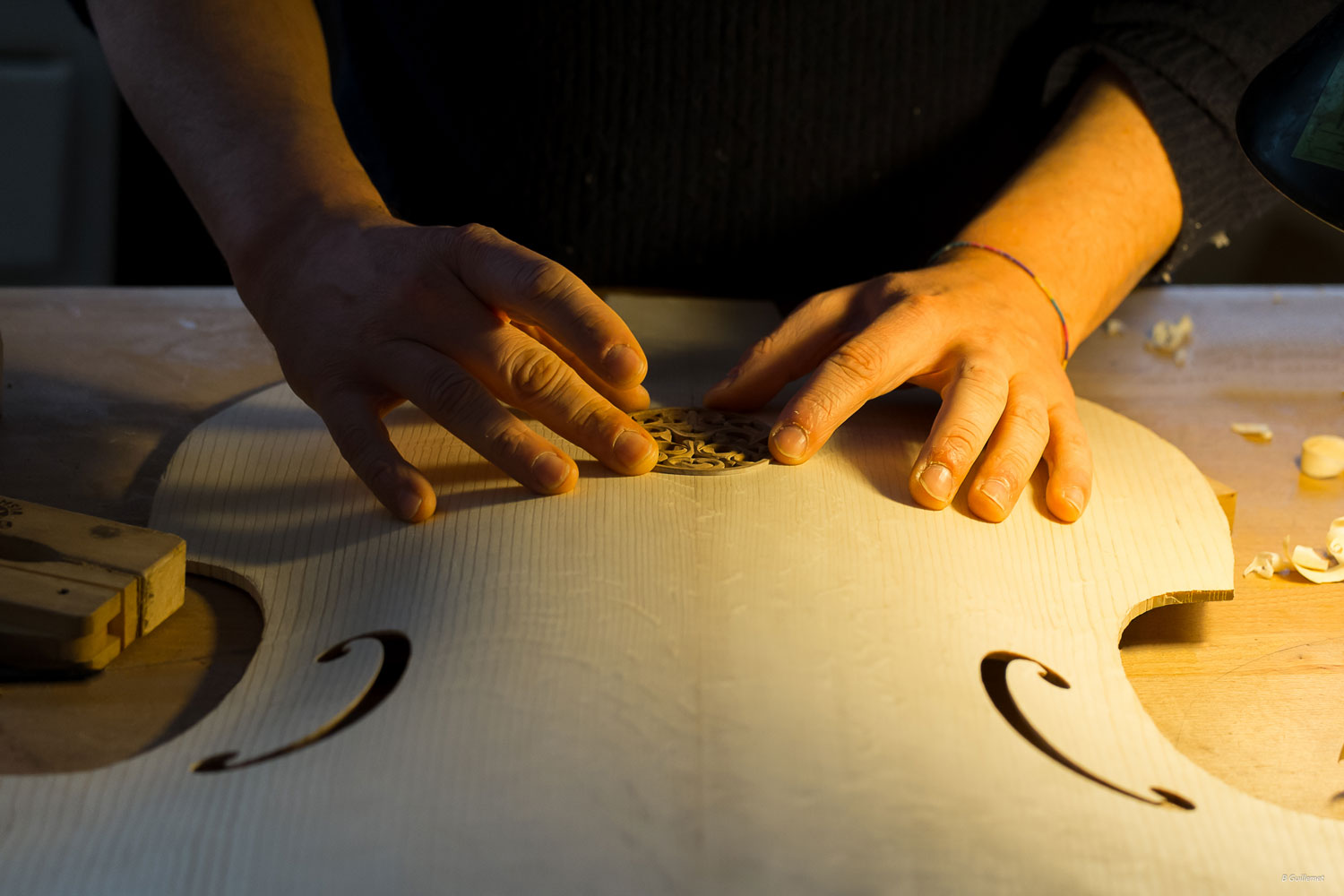
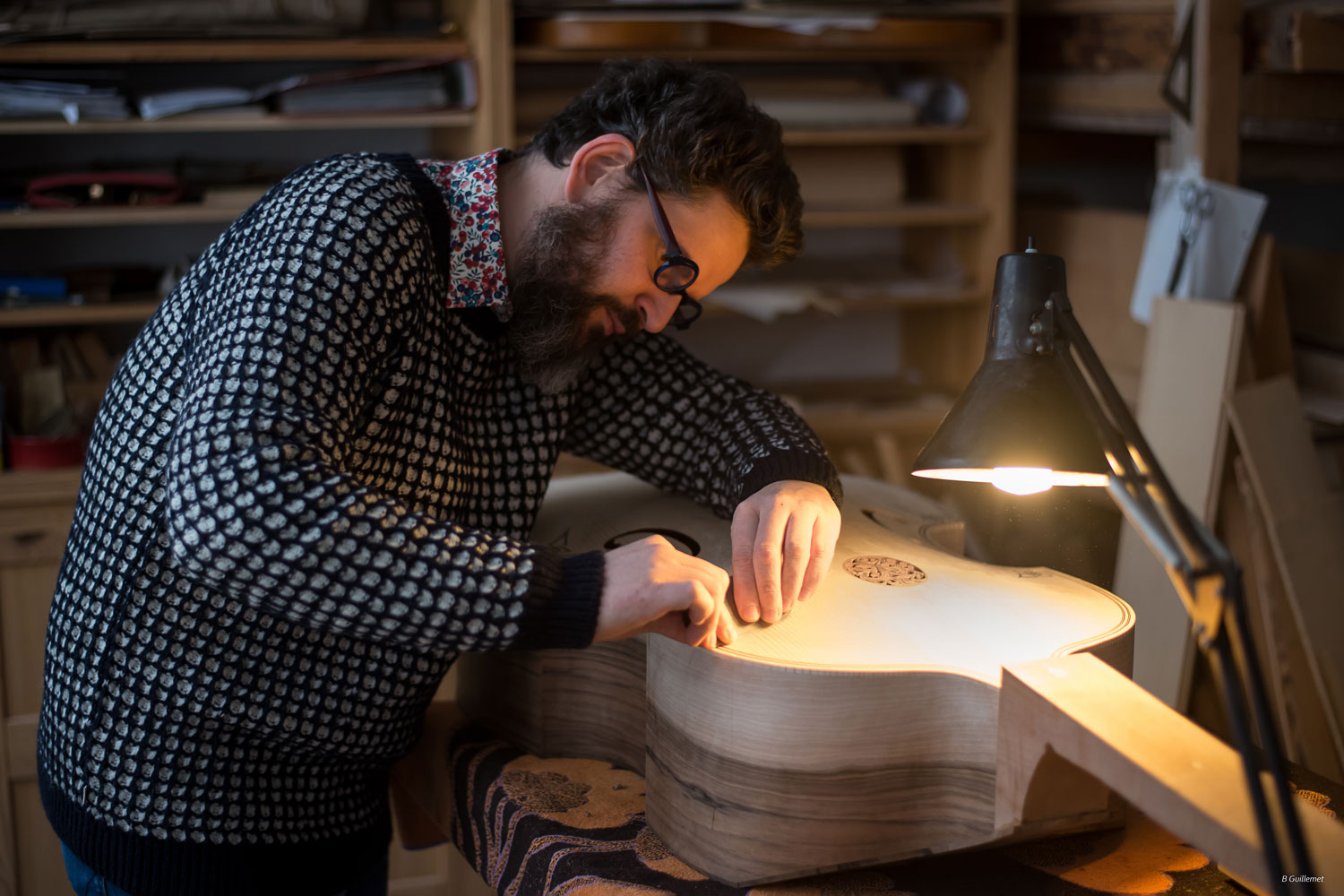
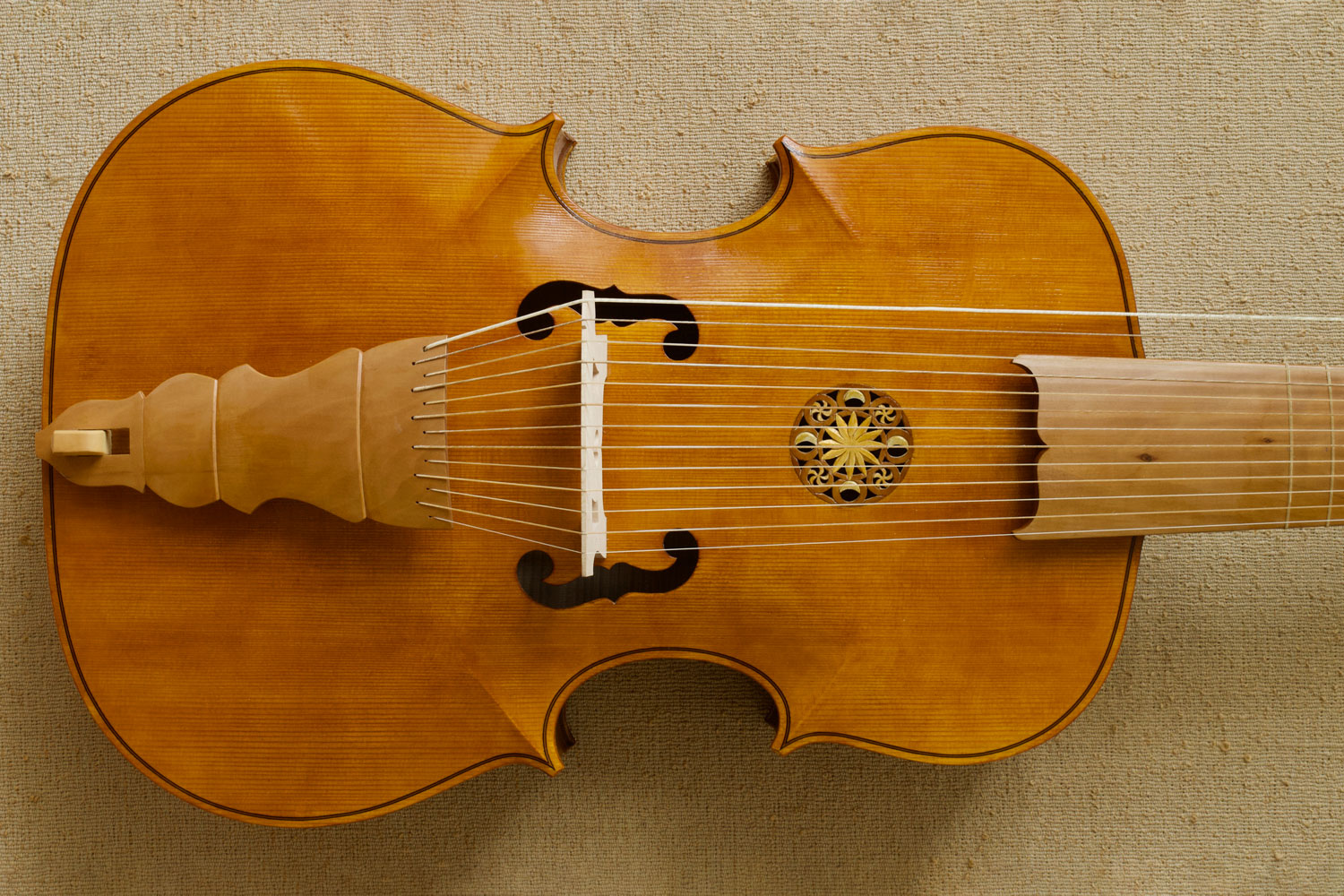
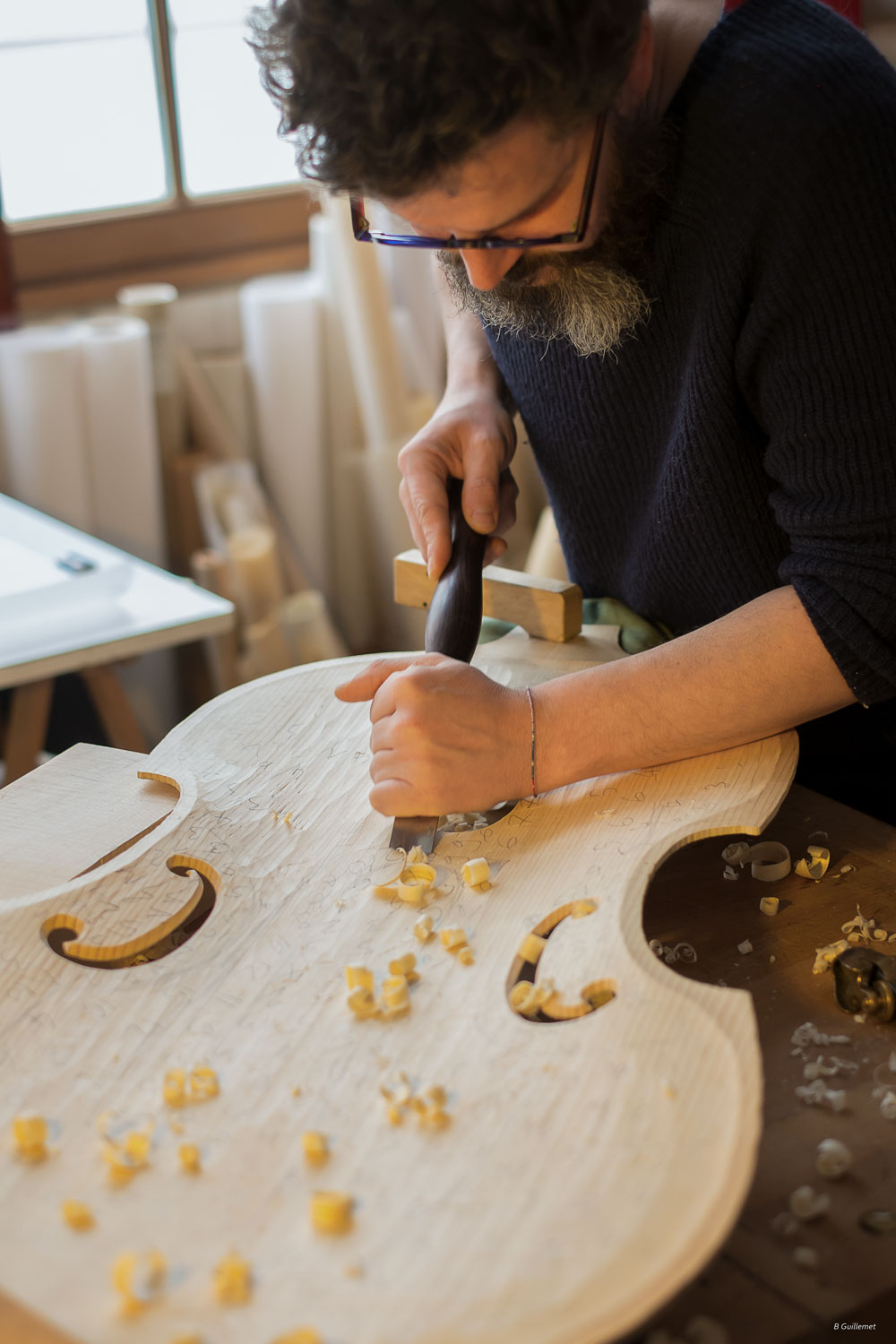
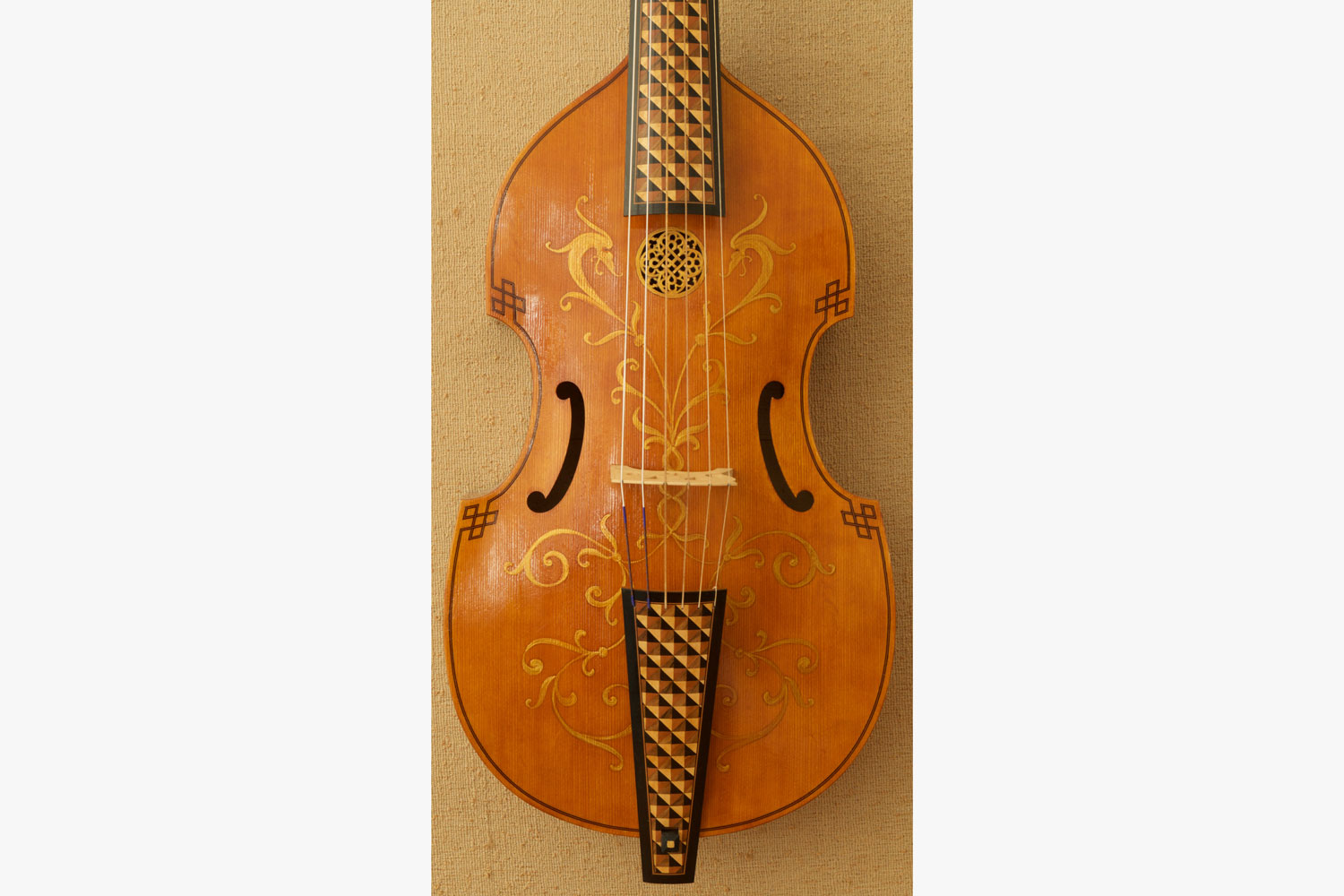
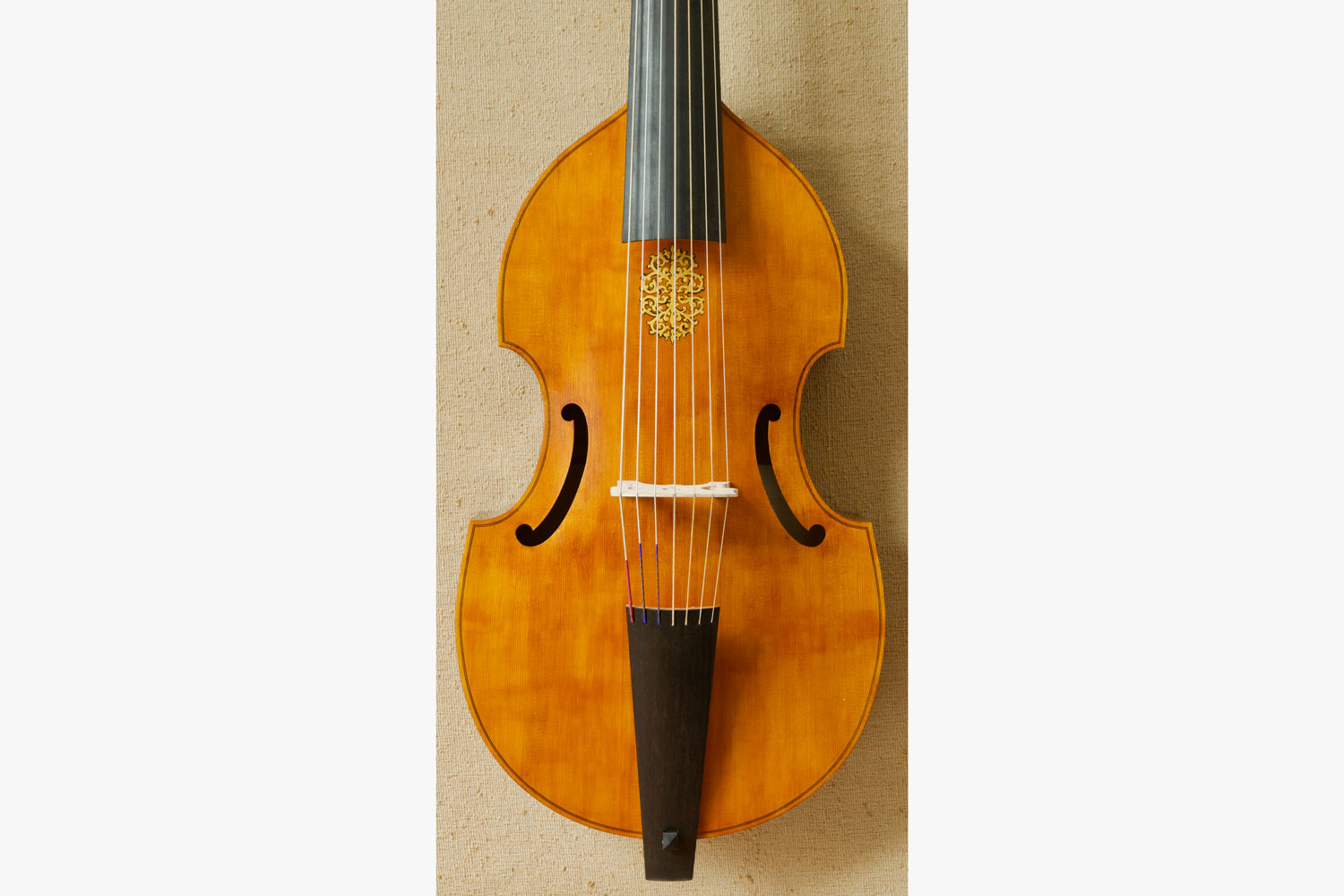
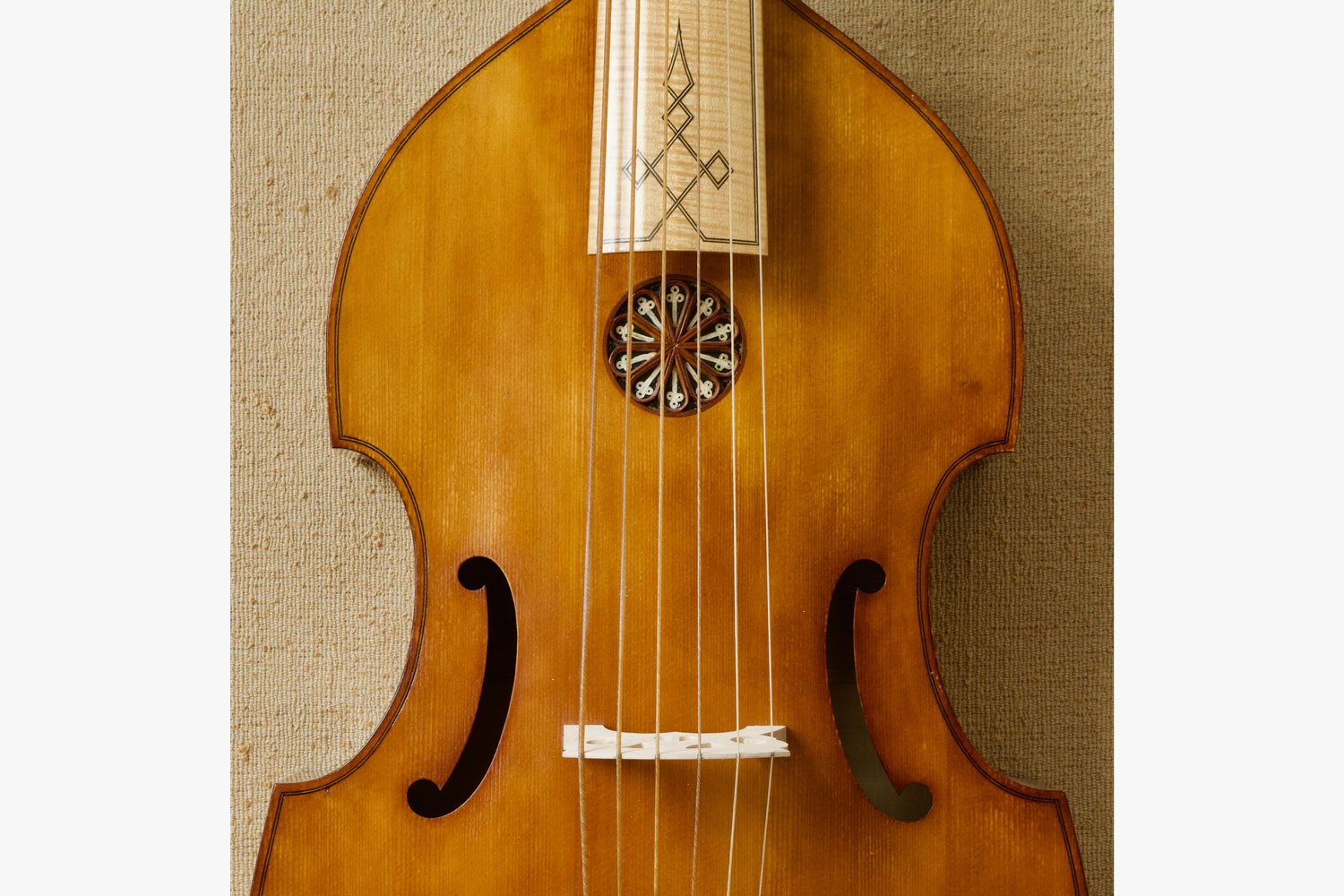
Mathieu Pradels played the violin when he was a child, but he was never very good. He was more intrigued by the instrument itself. It is this curiosity that launched him into the making of string instruments rather than in the playing of them. After an internship with his cousin who had just started his career as a luthier, Pradels understood that this was his path. He studied in England, where he deepened his knowledge and nourished his passion. The meeting with Judith Kraft, a very well-known and established luthier since the Seventies, changed his life. What he loves most was the manufacture of ancient instruments, such as string instruments, this ability to revive traditions and "soundtracks" of worlds belongs to the past but that, thanks to his art, do not disappear.
Discover his work
INTERVIEW
For me, when I wake up every day I feel like a day of fun awaits me. It is fun. I do not see it as a strenuous activity. Every day is different, I keep discovering new facets of the tools I build. I am always learning and I still have a long way to go.
A little yes. I can play, even if I don’t play well. But having a sense of music helps sharpen the sense of sound that the vibration of the string has to give. It’s not mandatory, but it certainly helps.
No, I don’t think so. On the contrary, I notice a growing curiosity about the manual arts in general and about the tools I create. Instead, I see few schools that prepare for this profession. It’s all delegated to the individual craftsman, who have little time.
I’m never really satisfied, I think everything is always very improvable. It is a compromise with myself that I reach so that the instrument can leave the atelier. The satisfied look of the customer who commissioned me plays its part in knowing when the object is finished.
Mathieu Pradels
Luthier
Paris, France
Recommended by The French Savoir-Faire Institute (INMA)
AVAILABILITY
By appointment only
PHONE
+33 608453137
LANGUAGES
French, English, Italian
Homo Faber Finds is a new service aiming to inspire admirers of craft to connect and collaborate with exceptional artisans.
We invite you to submit an enquiry here.