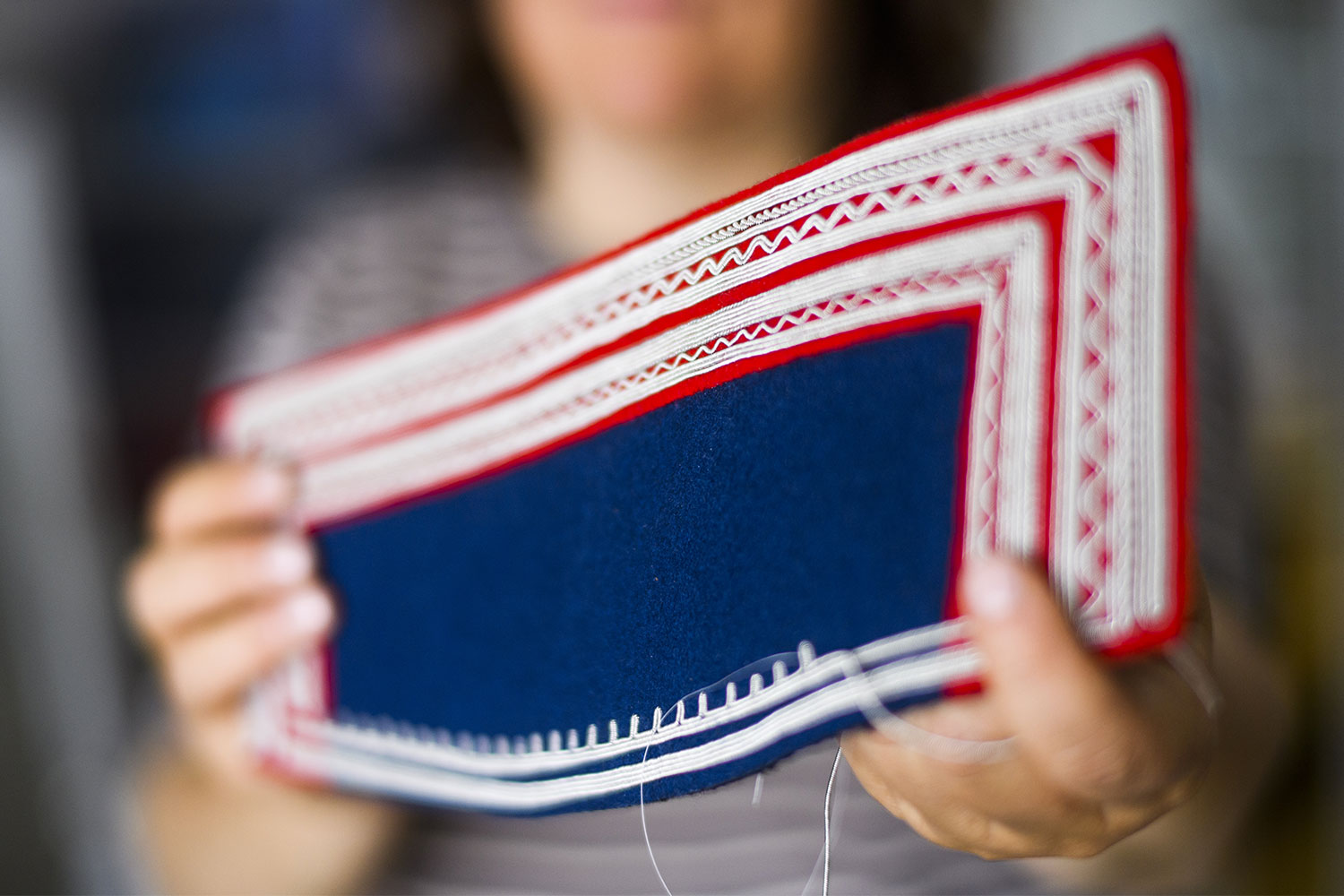
Katarina Spik Skum
Leatherworker
Jokkmokk, Sweden
The craft of Sami duodje
- Katarina learned her craft from her grandmother
- Her creations relate to the Sami craftsmanship called duodje
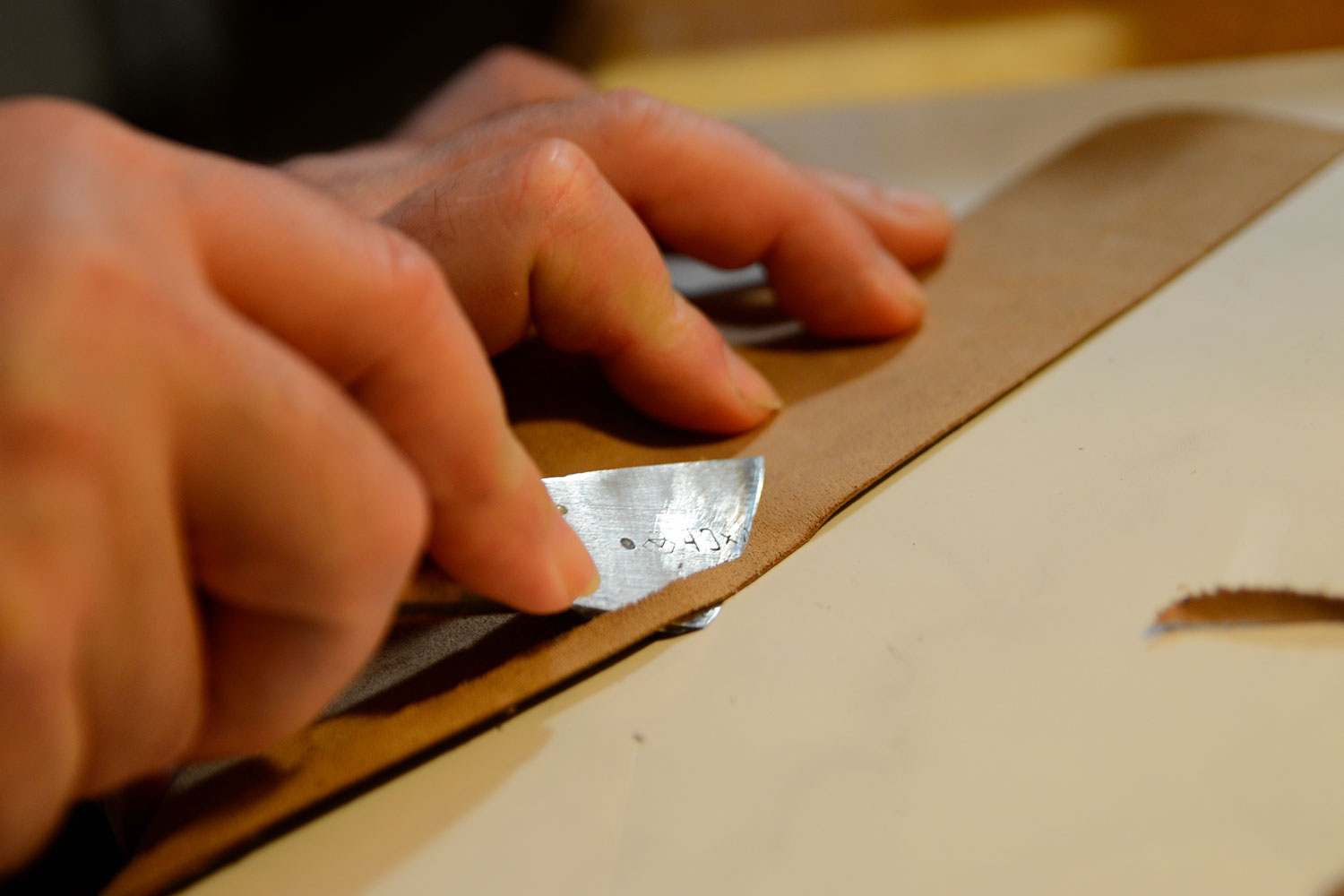
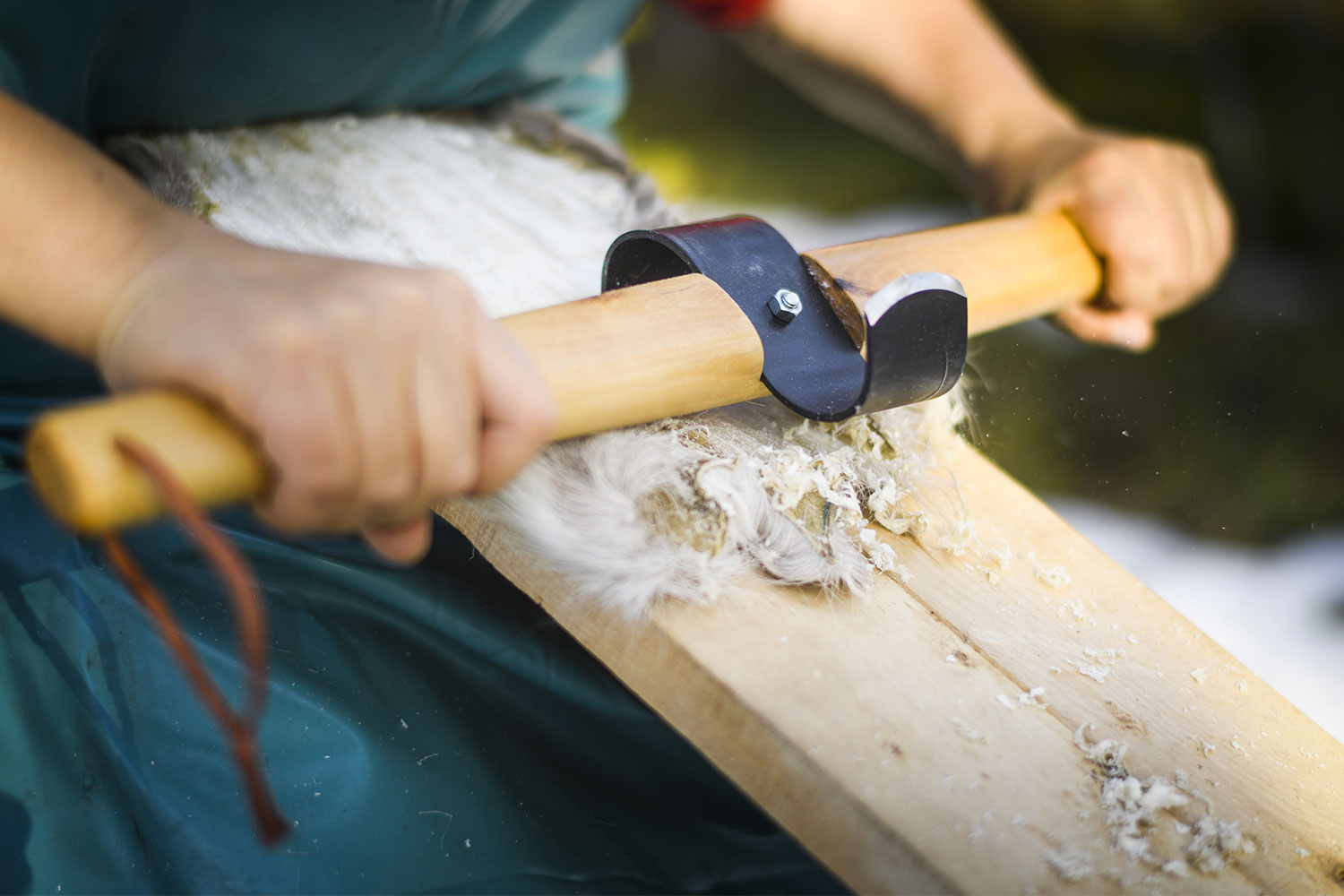
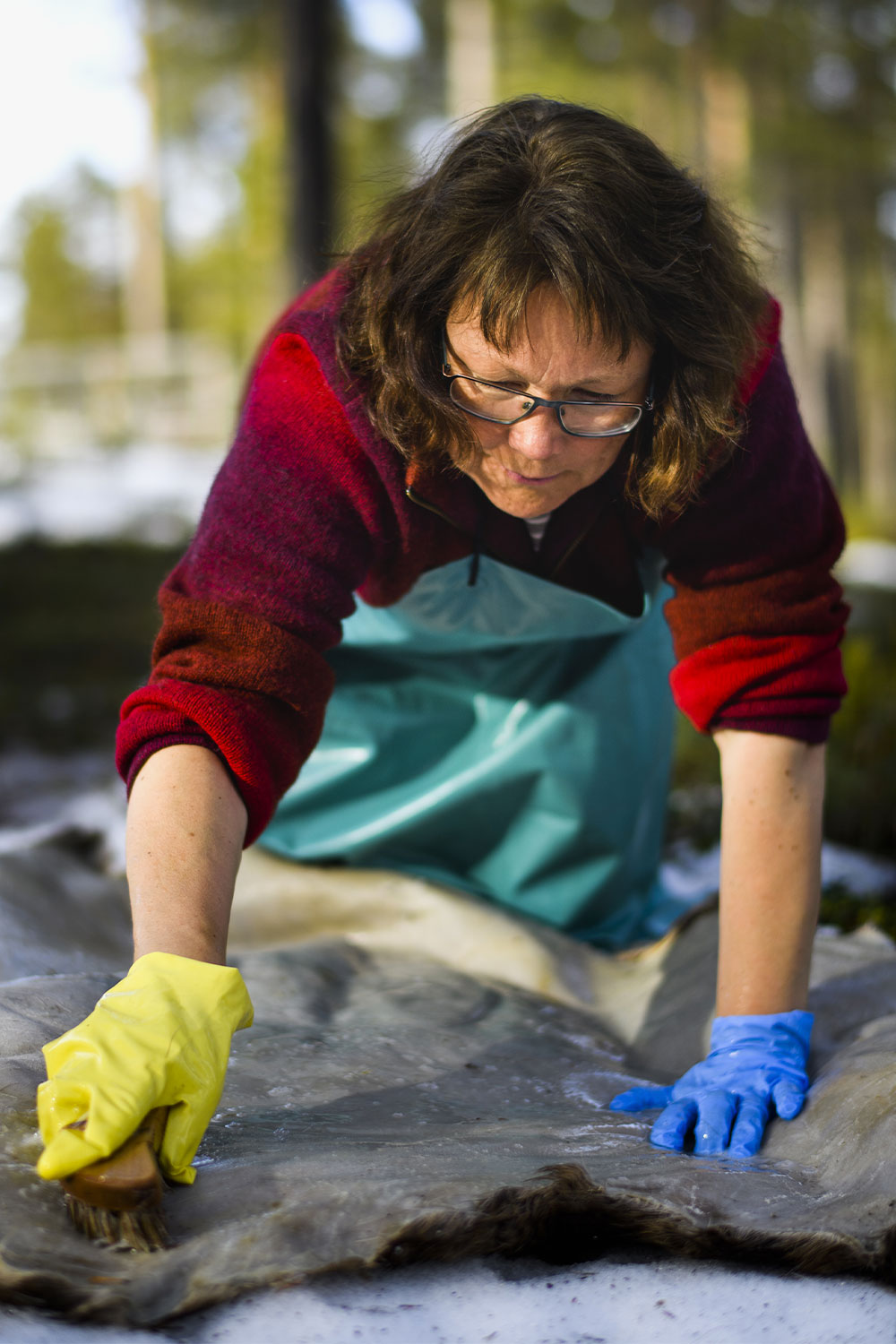
- She mainly works with tanned reindeer skin
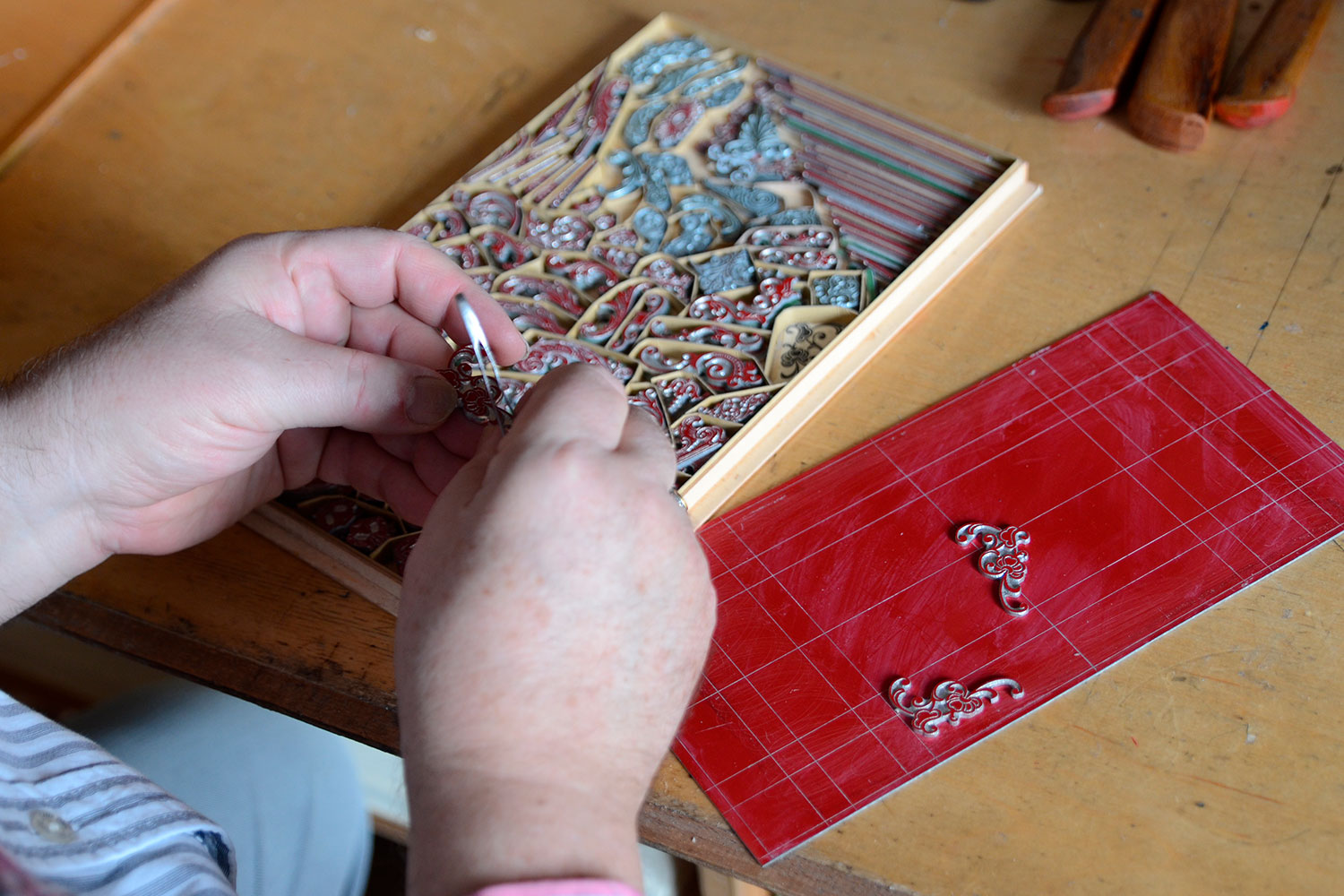
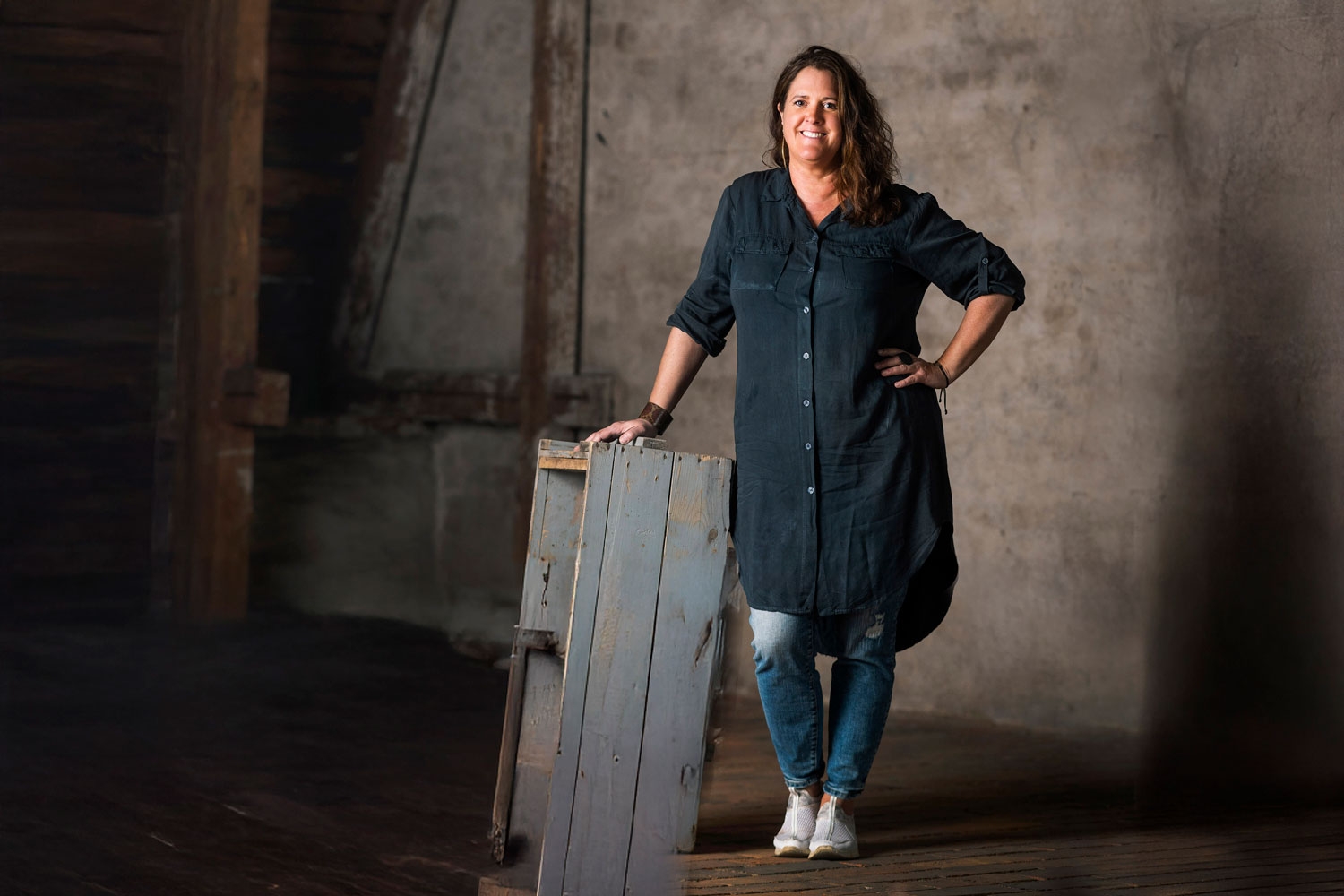
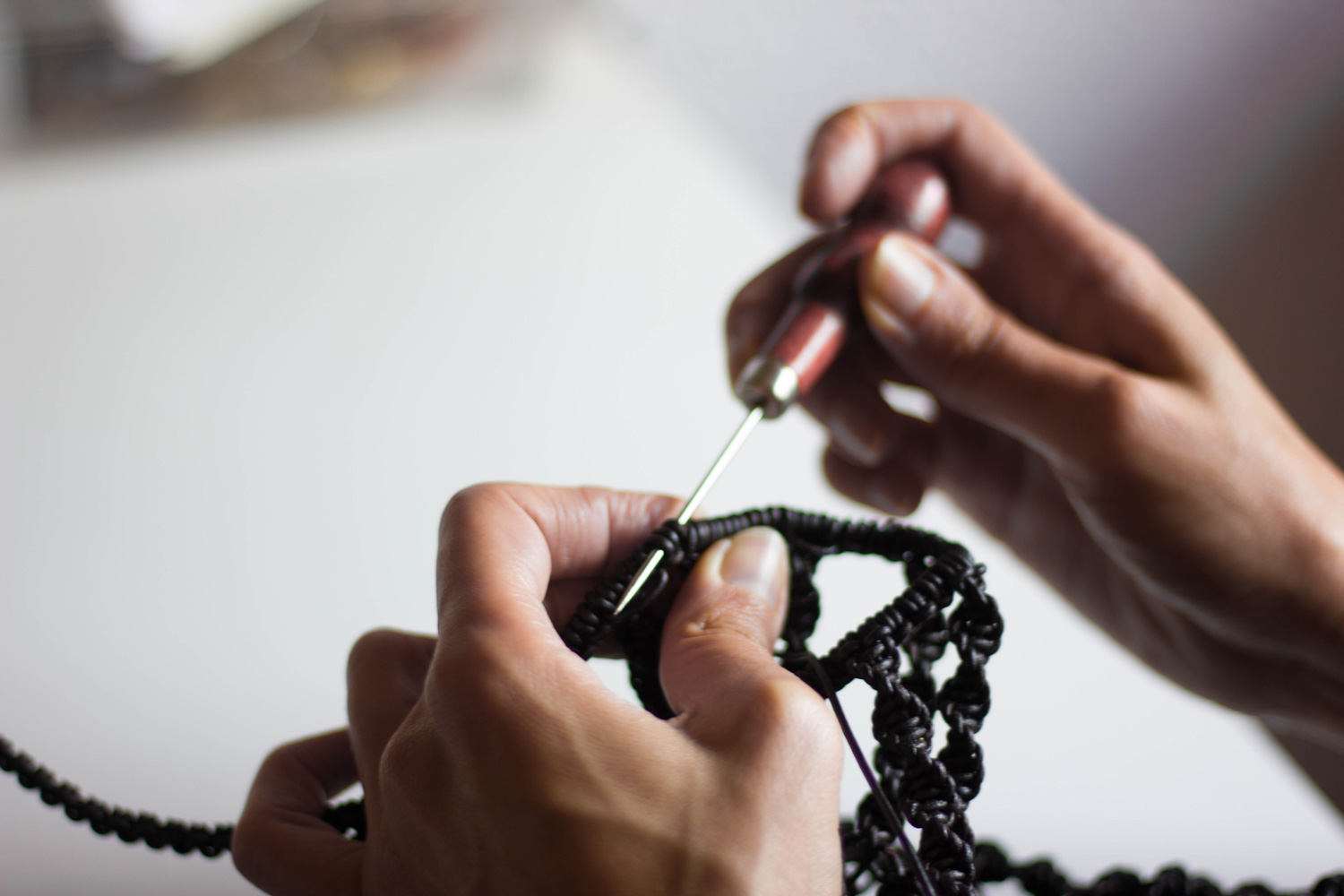
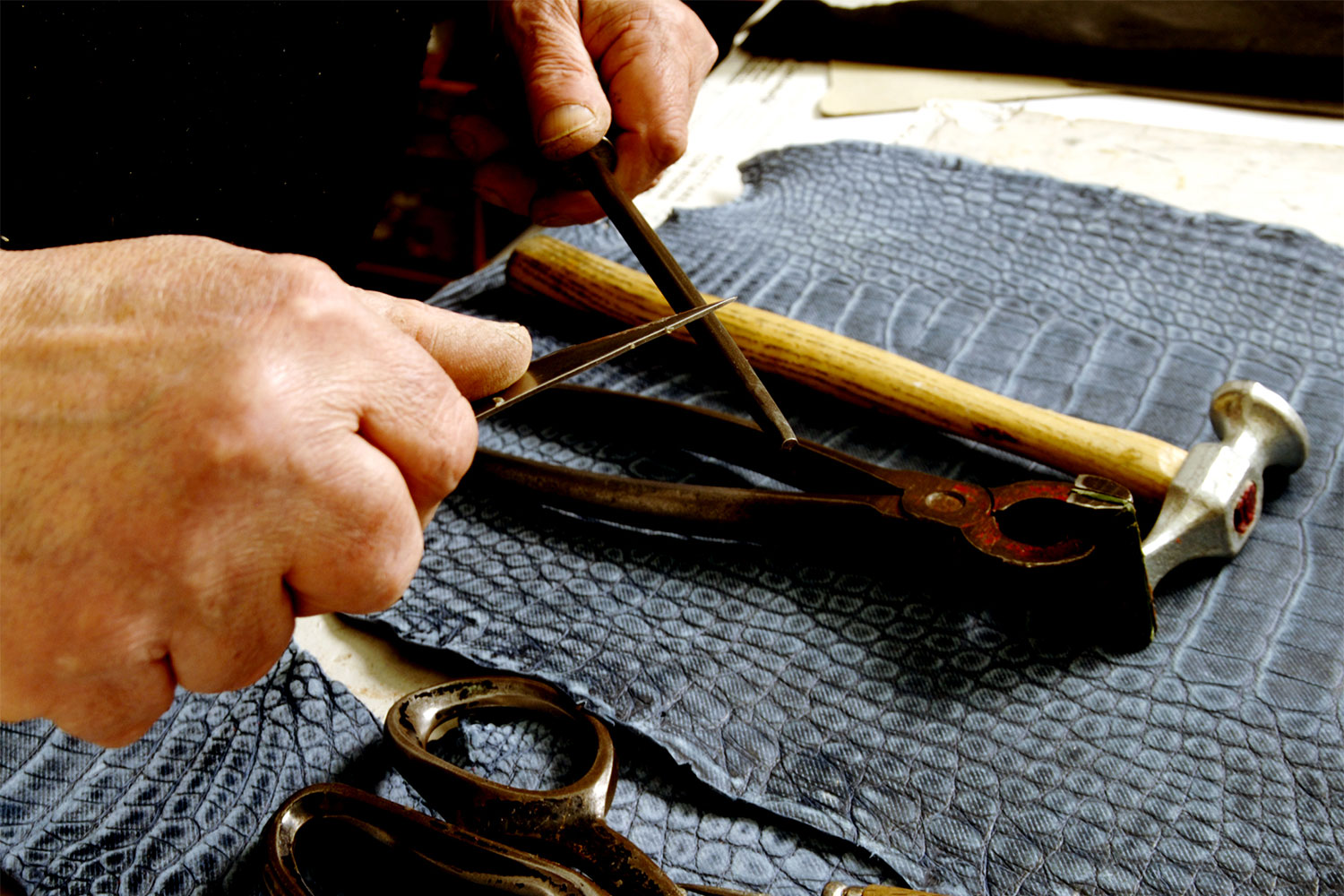
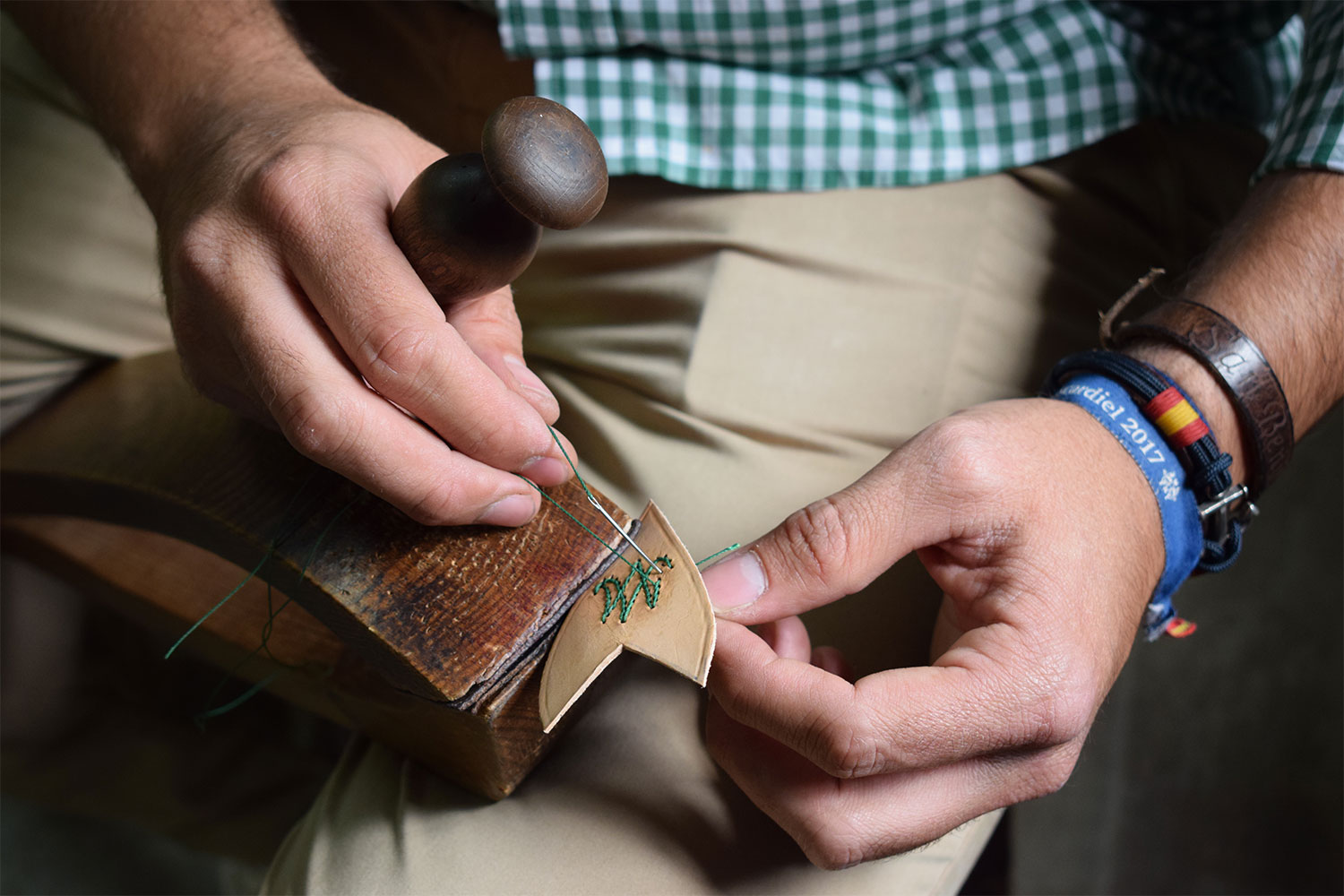
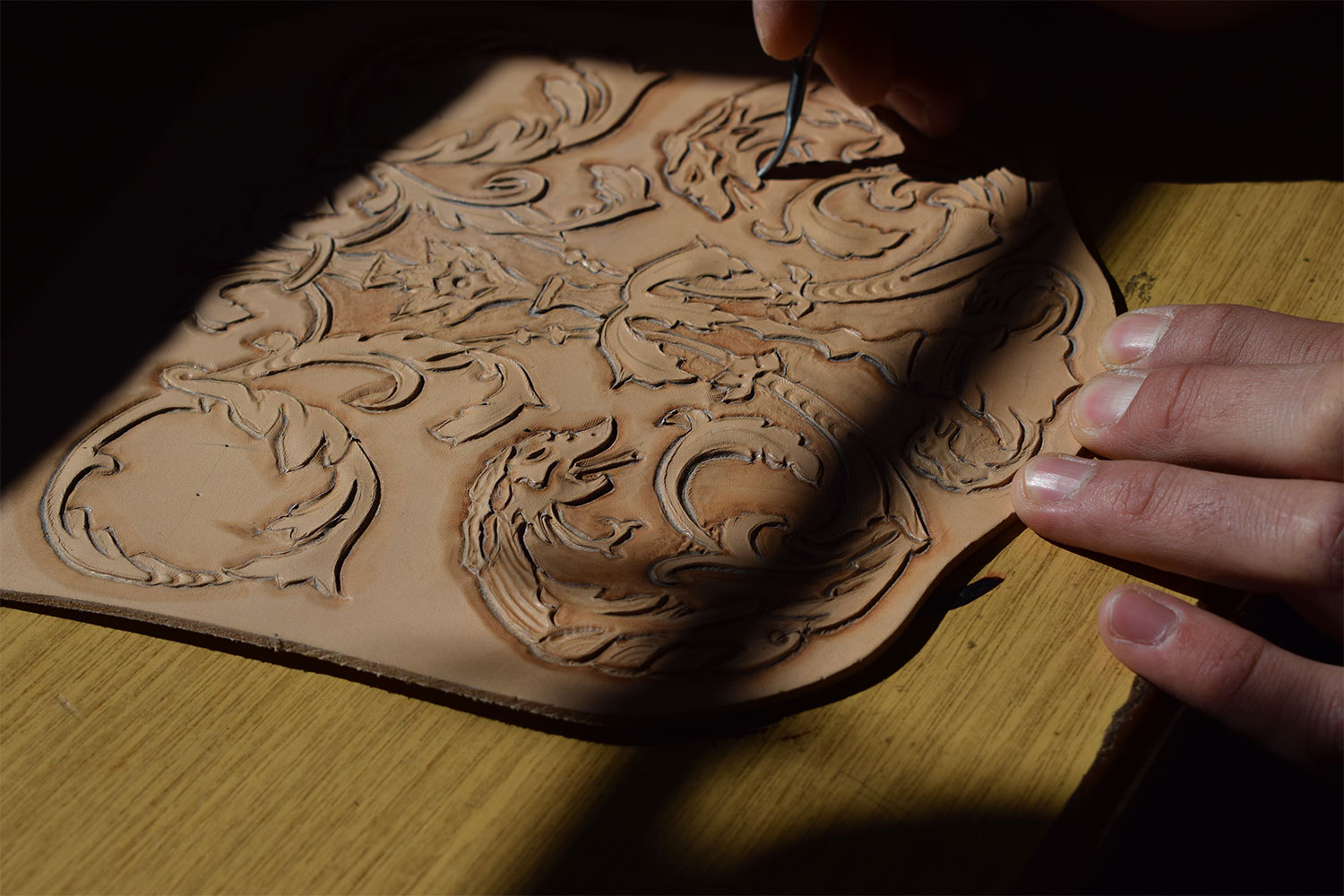
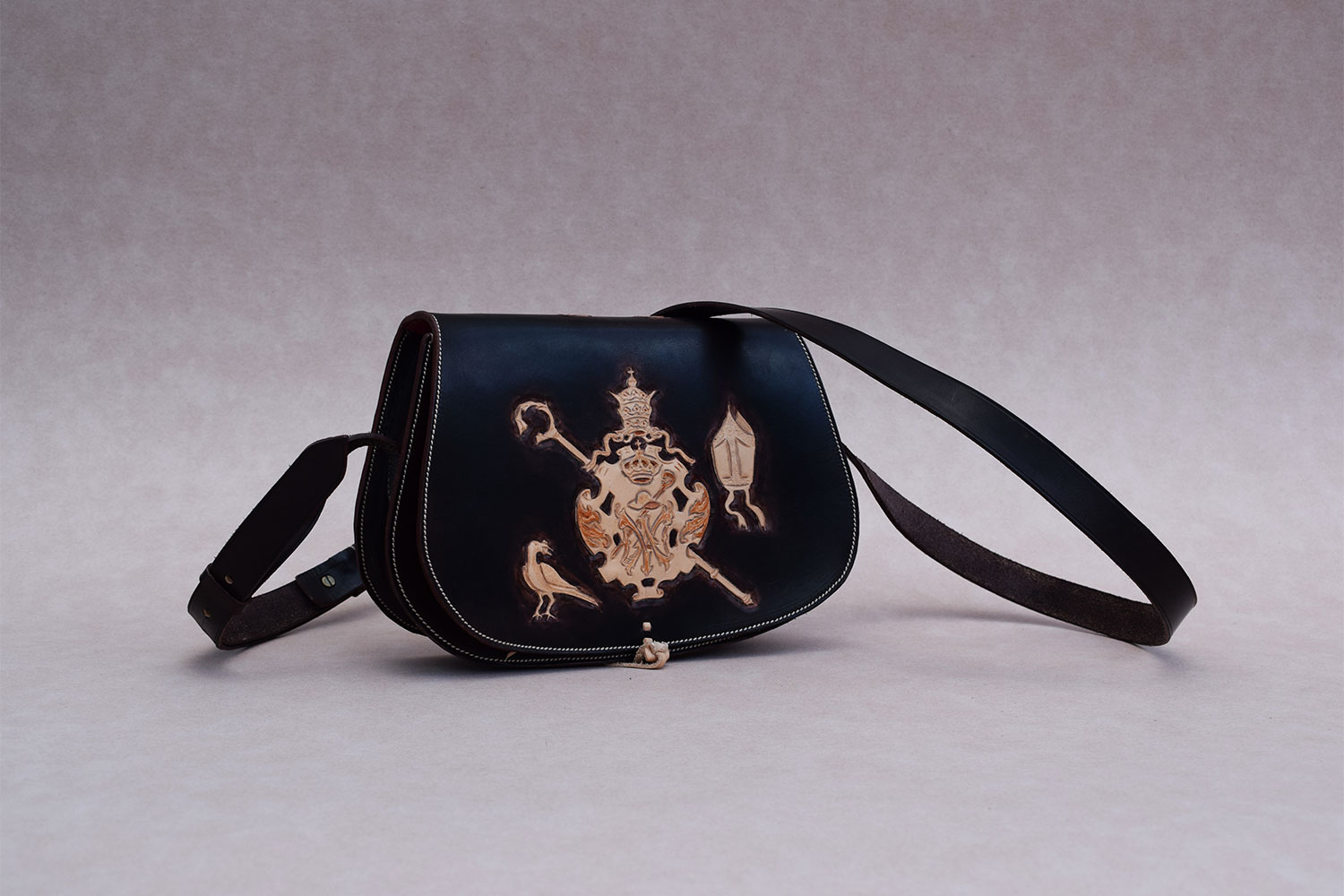
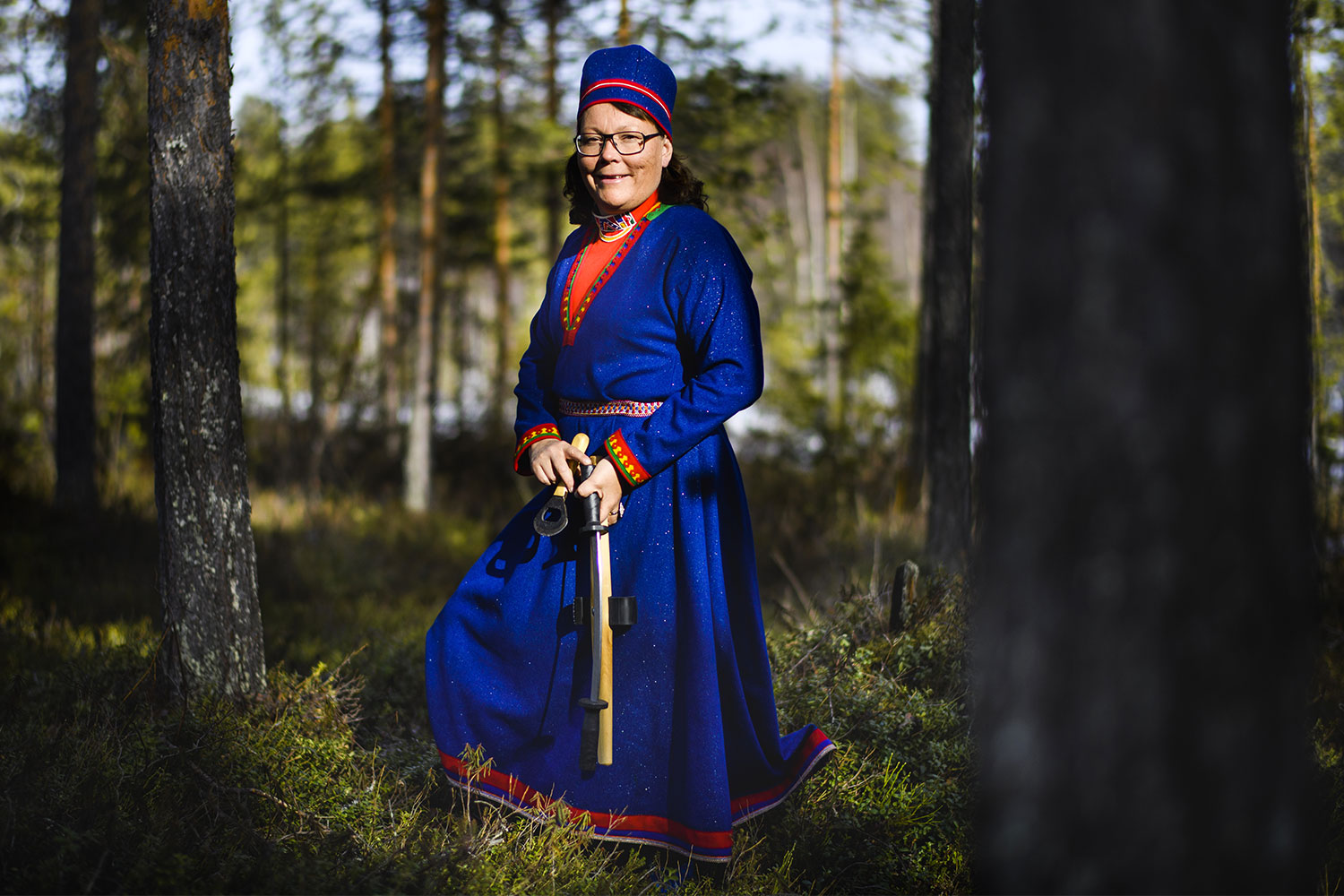
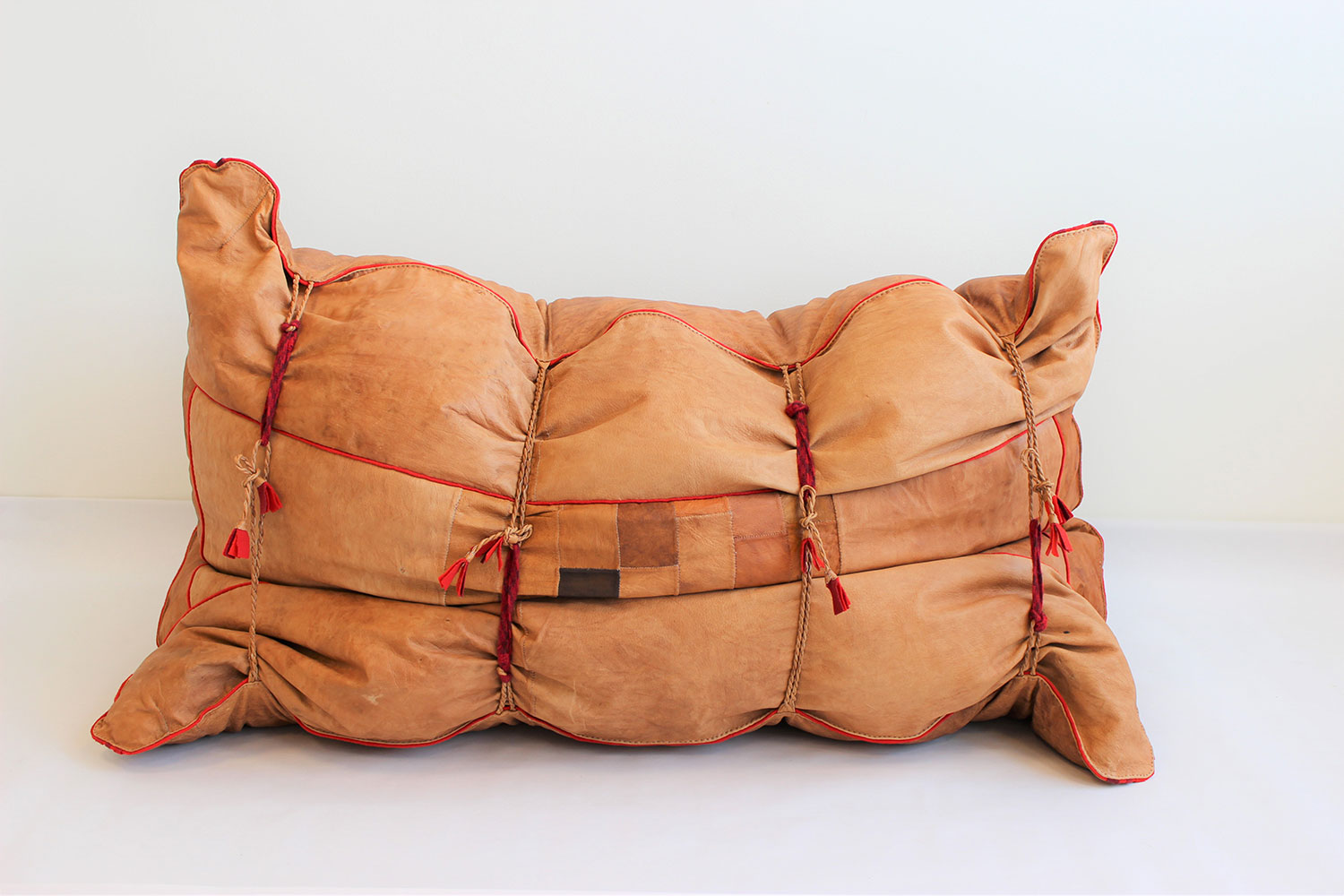
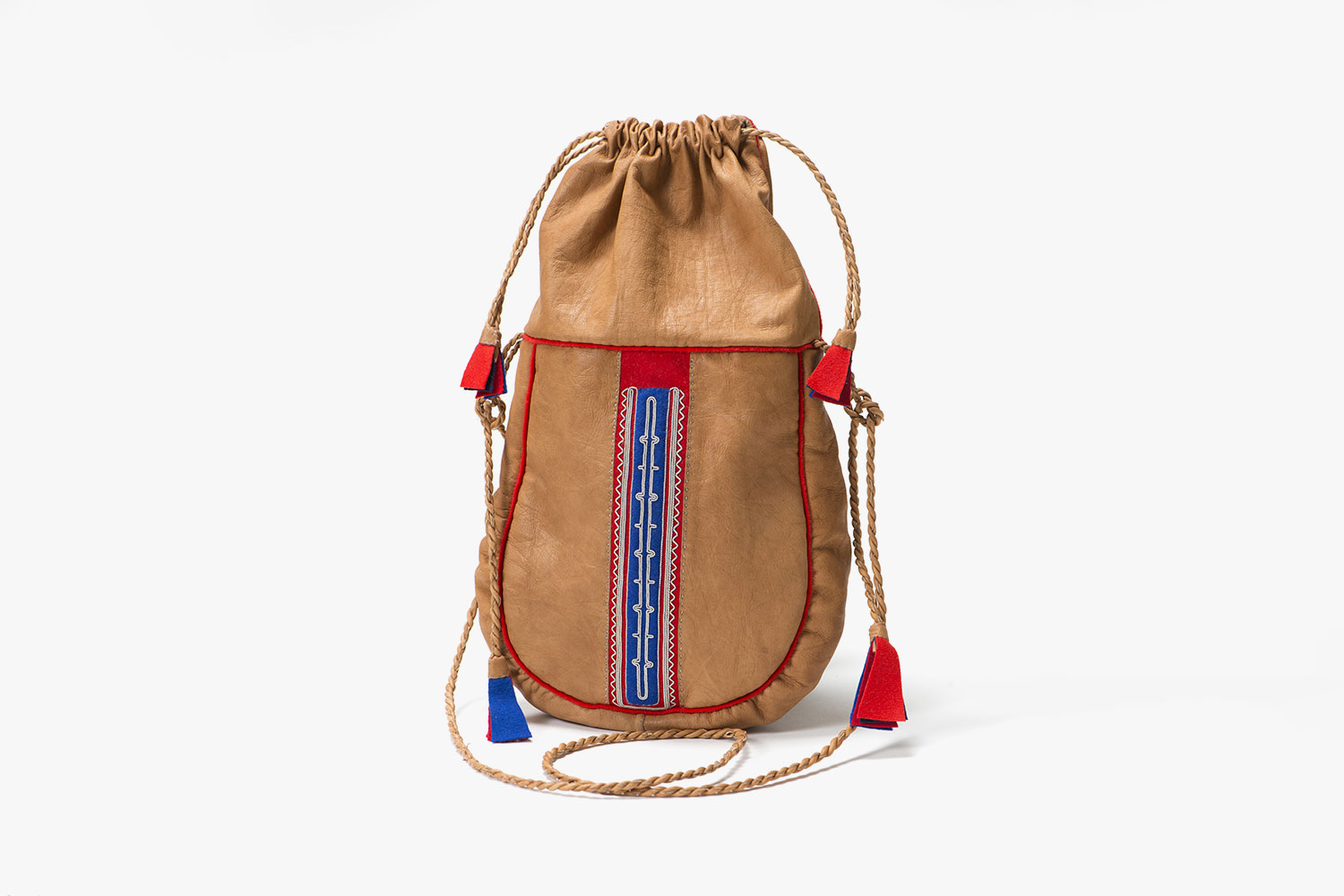
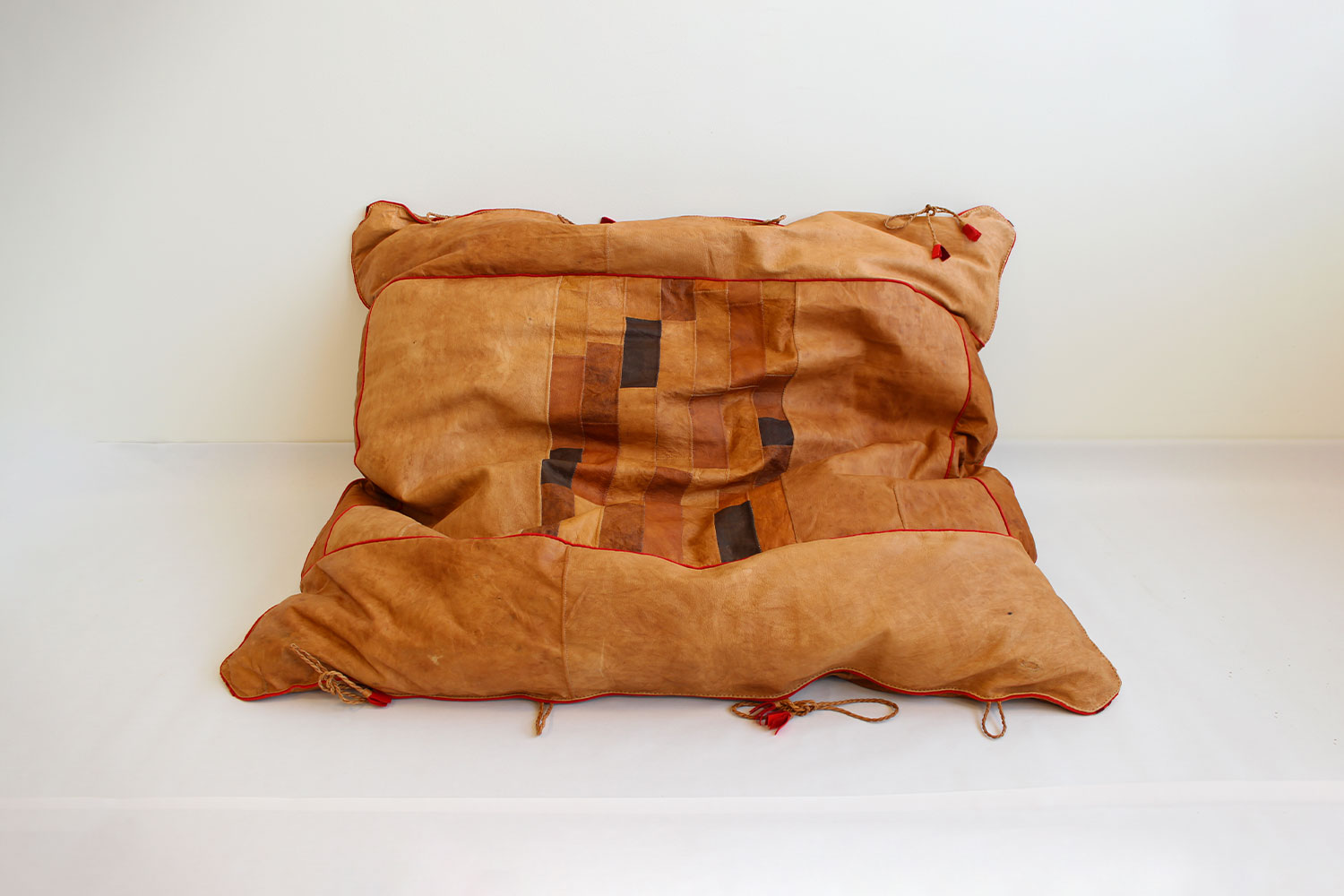
Craftsmanship runs in Katarina Spik Skum’s family. Already as a child, Katarina learned how to approach and work with Sami duodje thanks to her grandma and other women she grew up with. First, as a pastime, sewing and working with fabrics and yarns became a passion, and then a profession. “Now I work with duodje in many different ways and combine my creations with writing, lectures and courses”. Currently, Katarina lives in the town of Jokkmokk, where she founded her own company Duodje by KSS: “I started my own company in 2018, but I have been selling duodje on a smaller scale since 1988”. Her material preferences are reindeer leather, she mainly works with tin thread embroidery, leather sewing and finger braiding in yarn. The results are accessories and design pieces – from cushions to purses – created with great attention to detail.
Discover her work
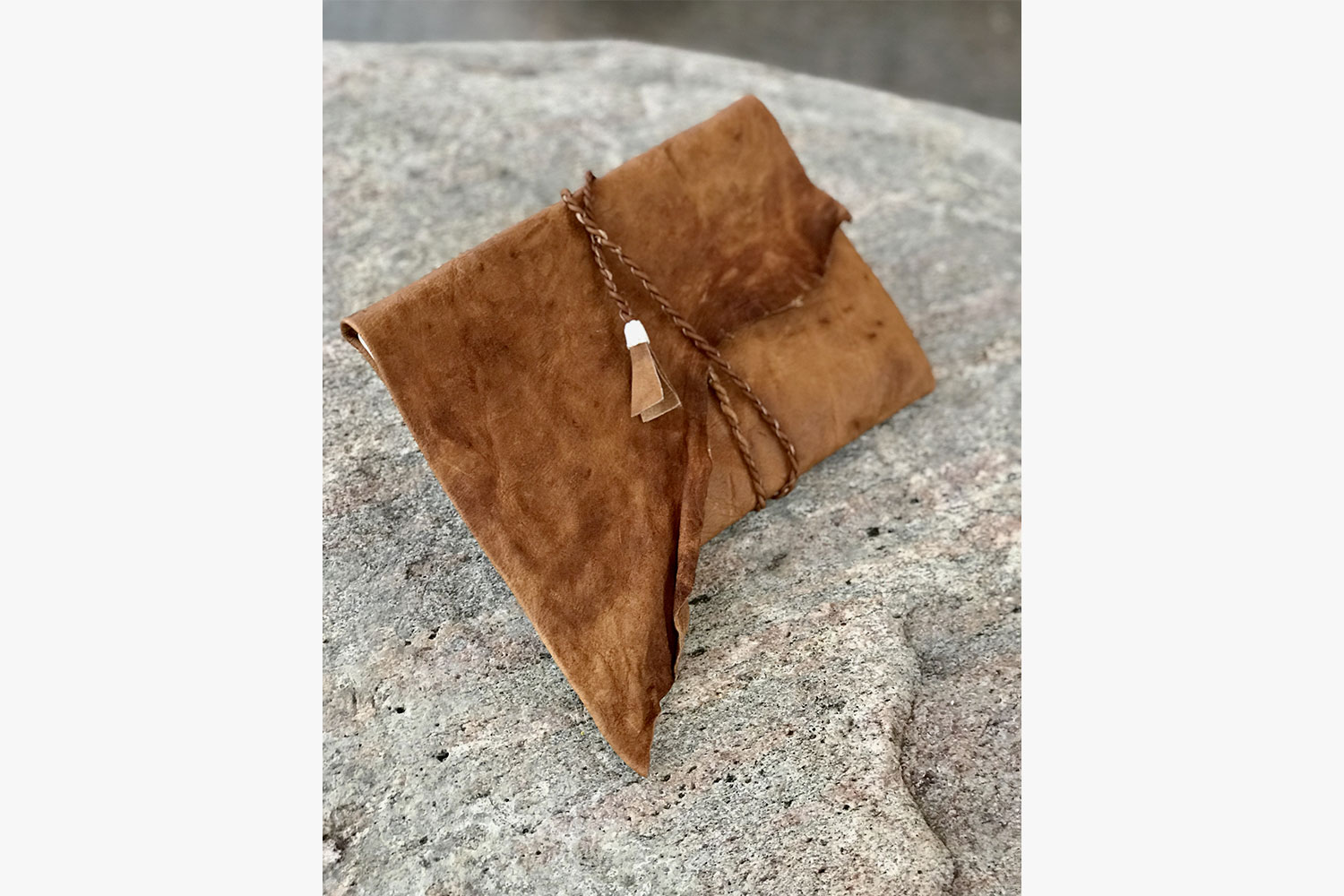
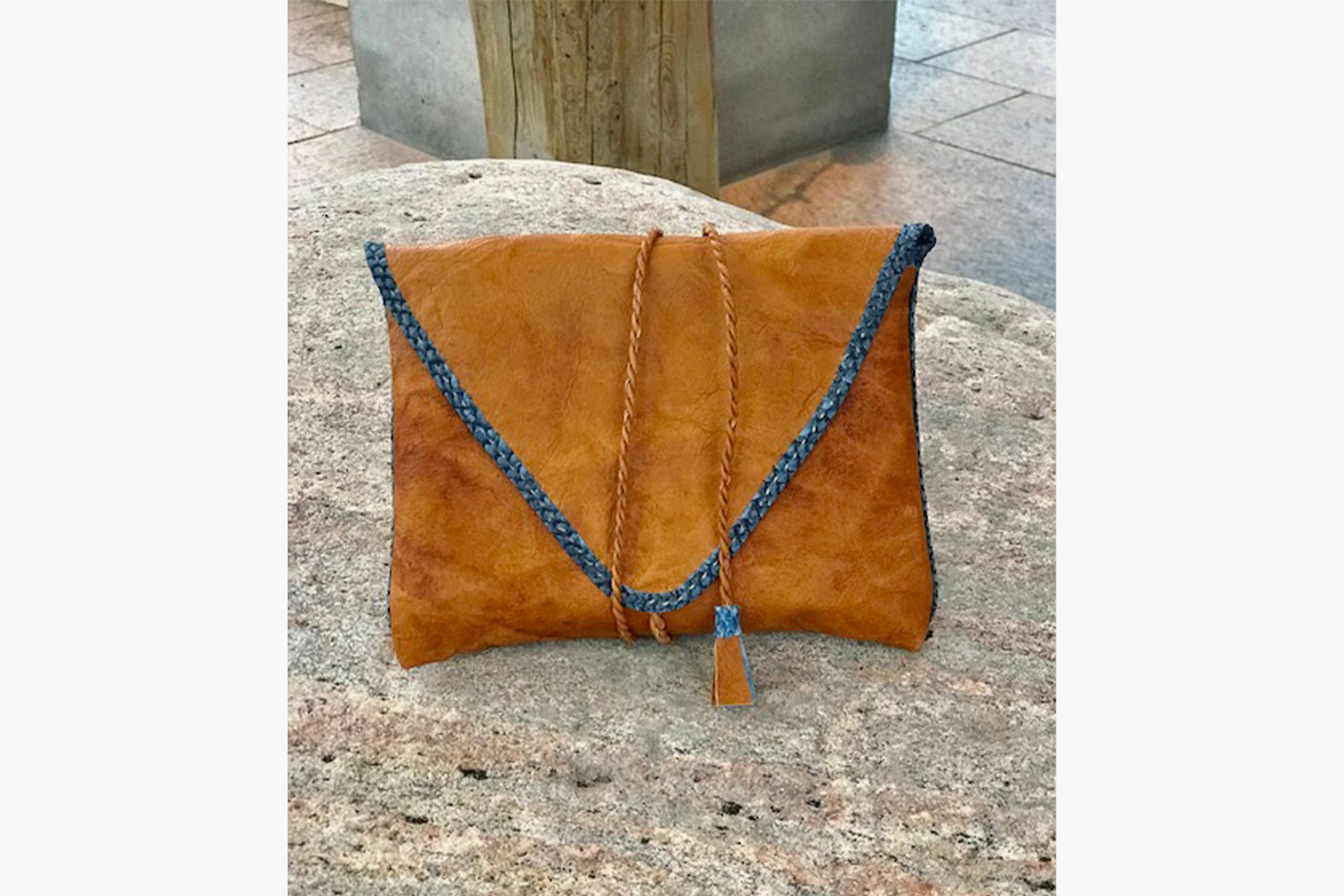
INTERVIEW
Duodje has been part of my family as long as I remember. But I also studied for over two years at the Sámij åhpadusguovdásj in Jokkmokk and in 2015, I received a master's degree at the Sámi allaskuvla (Sámi University of Applied Sciences).
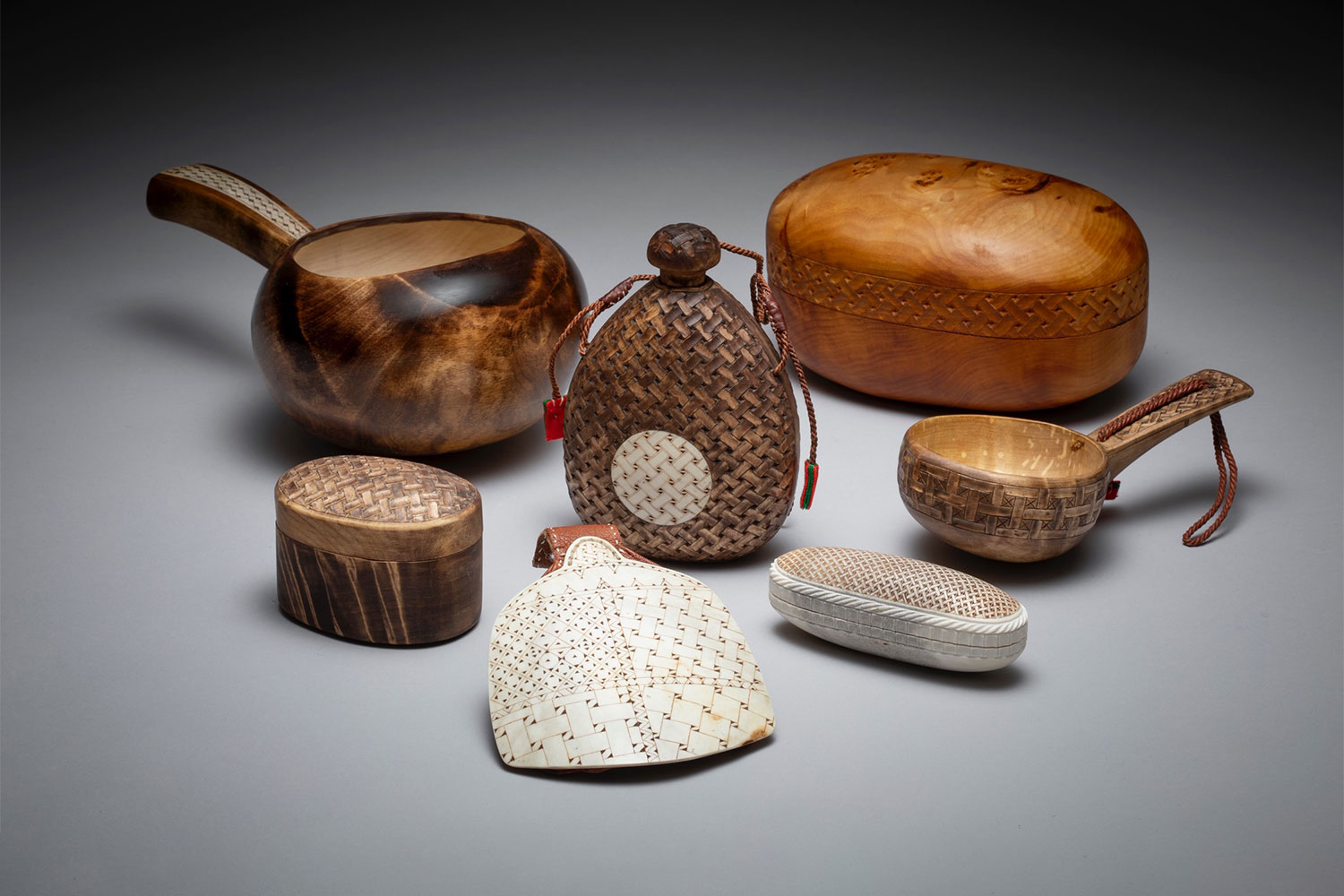
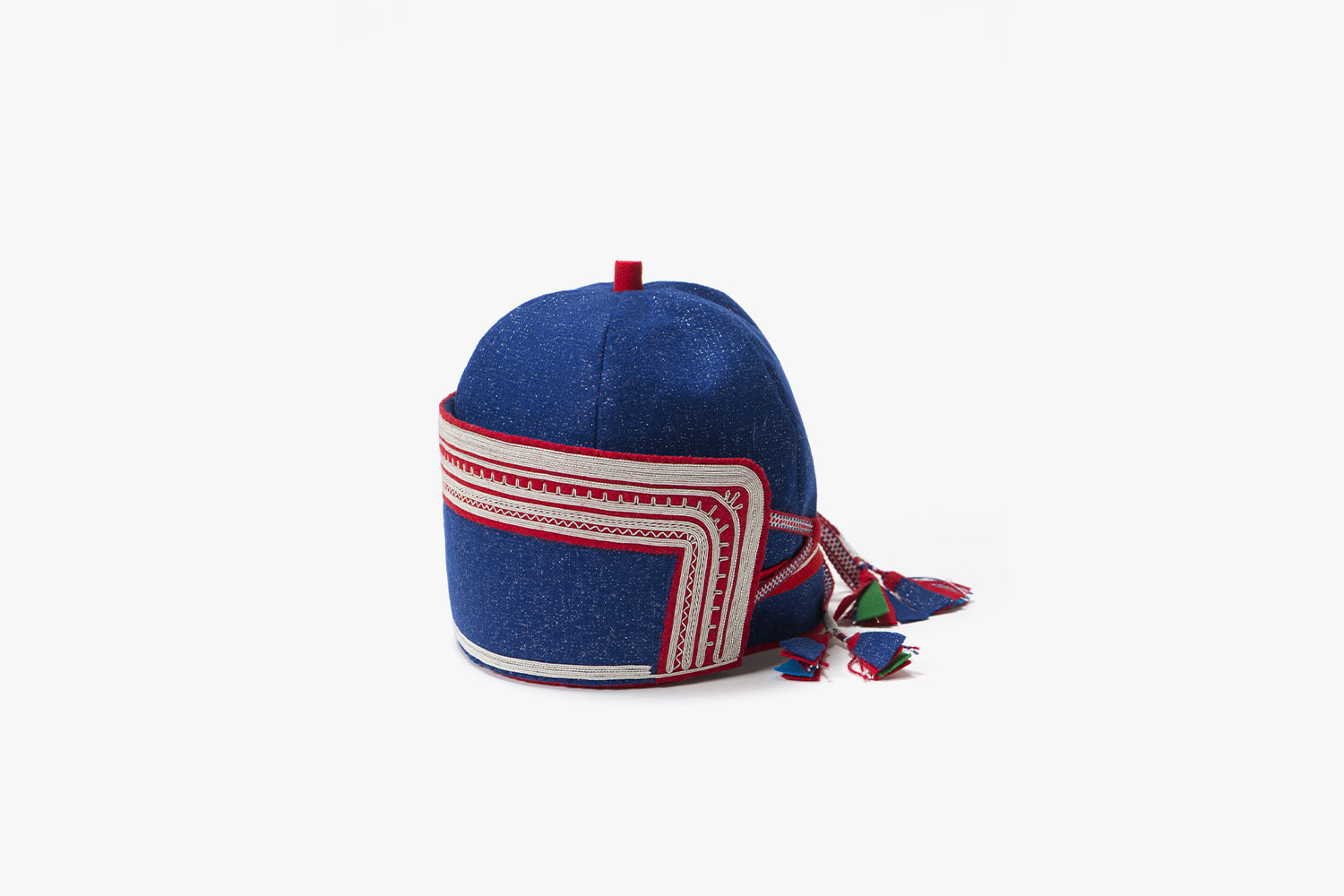
Overall, my craft is strongly linked to the Sami area I come from. In fact, the pieces I design and create are either traditional Sami objects or take inspiration from the traditional duodje and Sami costumes.
In my practice, perfection refers to something that is perfectly executed and, in the end, unique. As the materials I use are natural, they can sometimes present ‘beautiful defects’ that industrially produced objects do not show.
That academic training in duodje has only been possible since 2000 and that the Sami craftsmanship is distinctive in each area. You can tell which Sami area the duodjáren (craftsman) is from just by looking at the duodje pieces.
Katarina Spik Skum
Leatherworker
Jokkmokk, Sweden
AVAILABILITY
By appointment only
PHONE
+46 735310538
LANGUAGES
Sami, English, Swedish
Homo Faber Finds is a new service aiming to inspire admirers of craft to connect and collaborate with exceptional artisans.
We invite you to submit an enquiry here.