Michaela-Stefanie Karle
Linum Manufaktur für feine Stoffe
Weaver
Aichwald, Germany
Weaving luxury into daily life
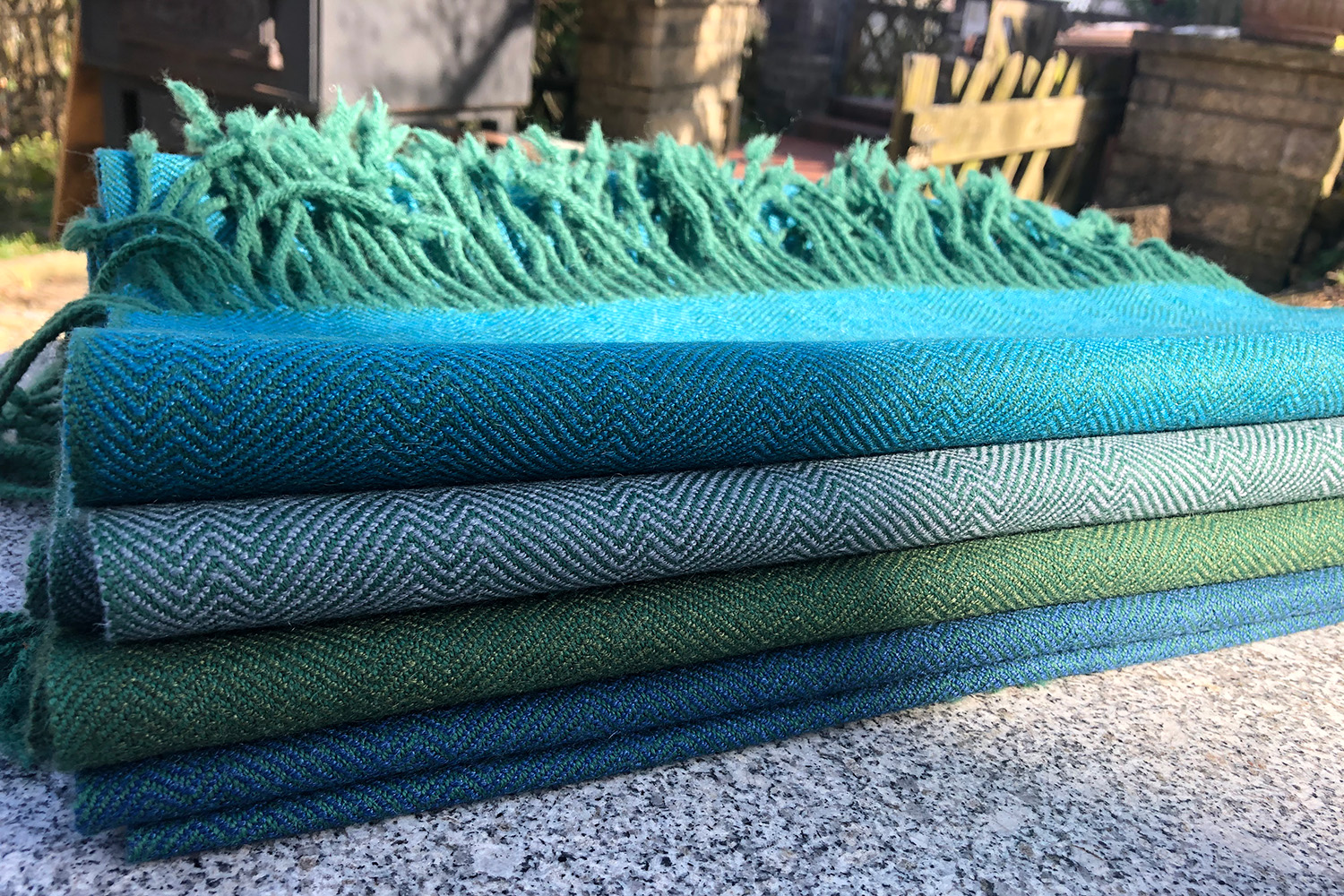
- Michaela-Stefanie uses linen and cashmere
- She has looms in three different rooms of her workshop
- She trained in the workshop owned by her parents since 1953
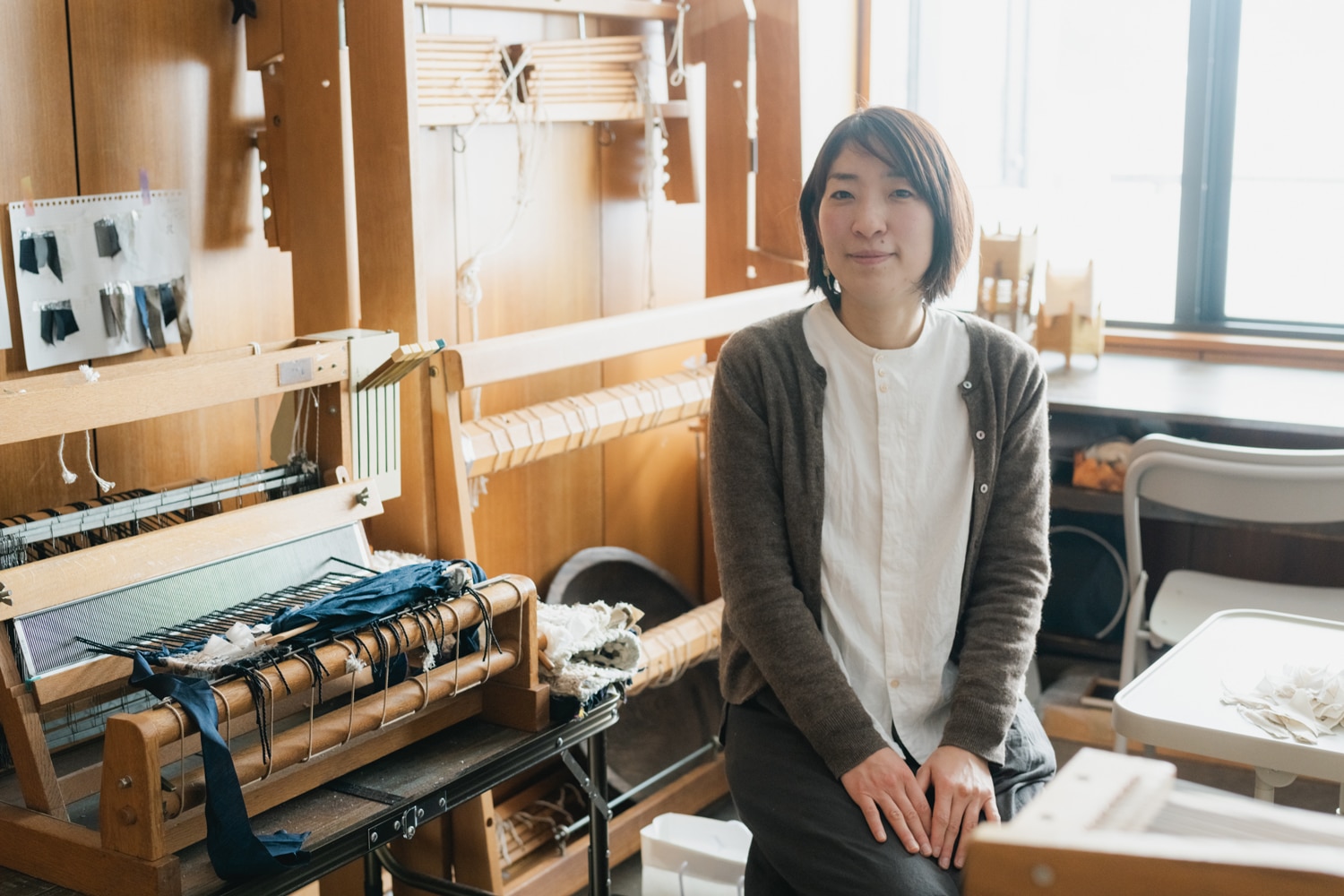
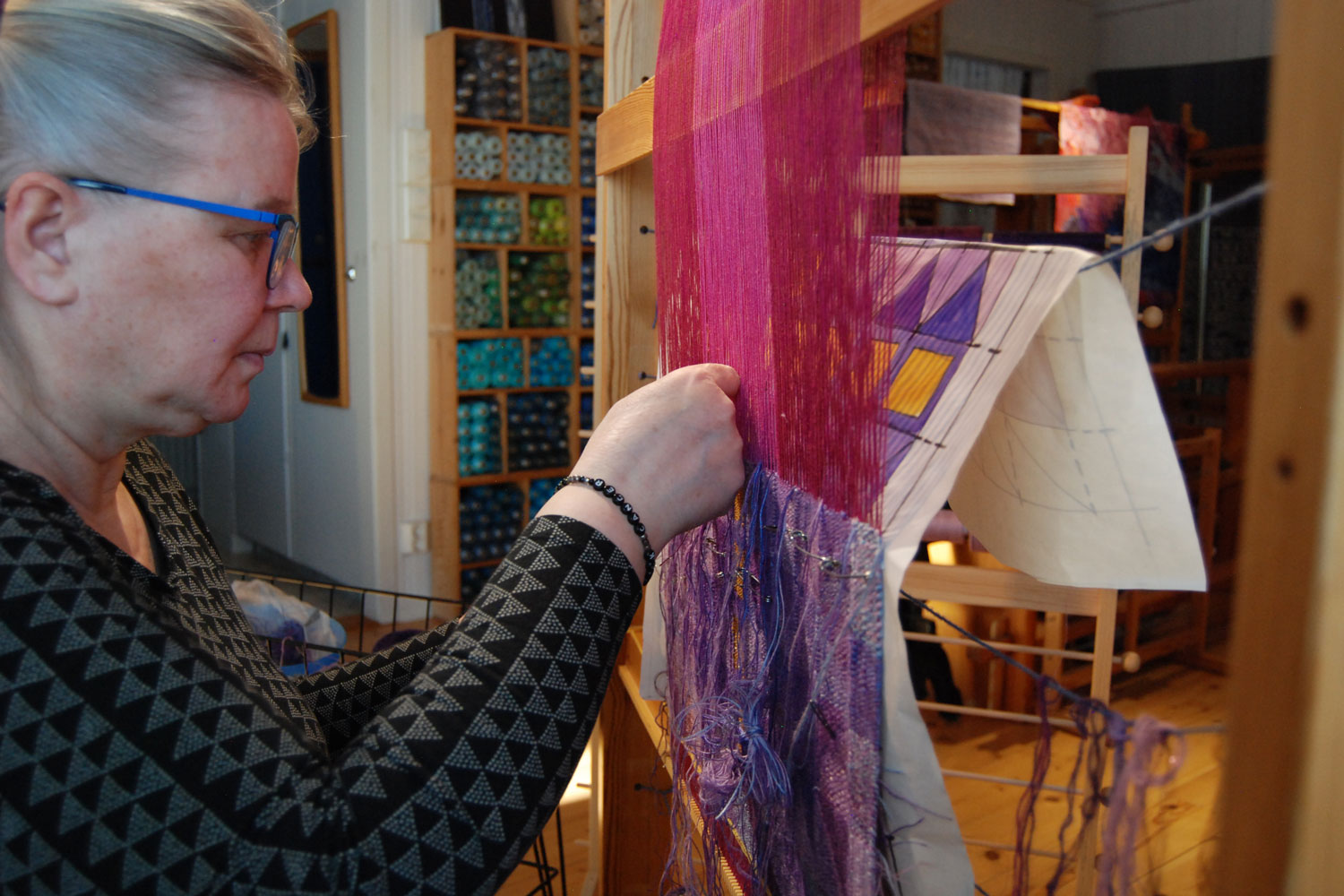
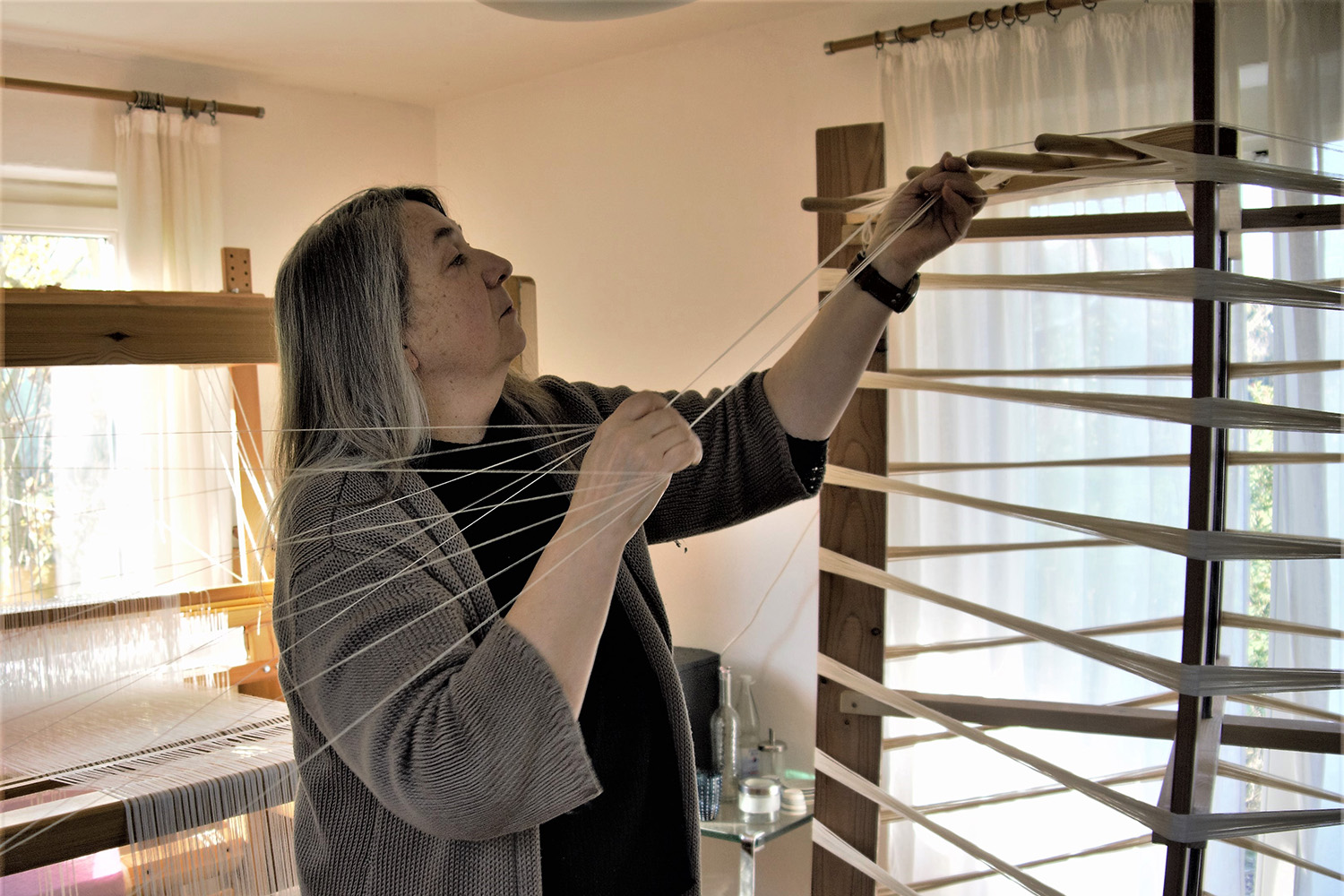
To embellish and design rooms has been Michaela-Stefanie Karle's passion ever since she can remember. She planned on studying architecture after completing her apprenticeship in weaving. However, she soon realised that design rooms and spaces can be done with beautiful textiles, so Michaela-Stefanie decided to complete a very classical training in textiles instead. She followed a two-year apprenticeship in her parents' master weaver business and took the journeyman examination in 1981 via her vocational school. In 1989 she achieved a craft master diploma at the Stuttgart Chamber of Skilled Crafts. Michaela-Stefanie then took over her parents’ workshop which has been open since 1953. It is the only house that has been allowed to continue its weaving activities in the former flax growing area of Aichwald.
Discover her work


INTERVIEW
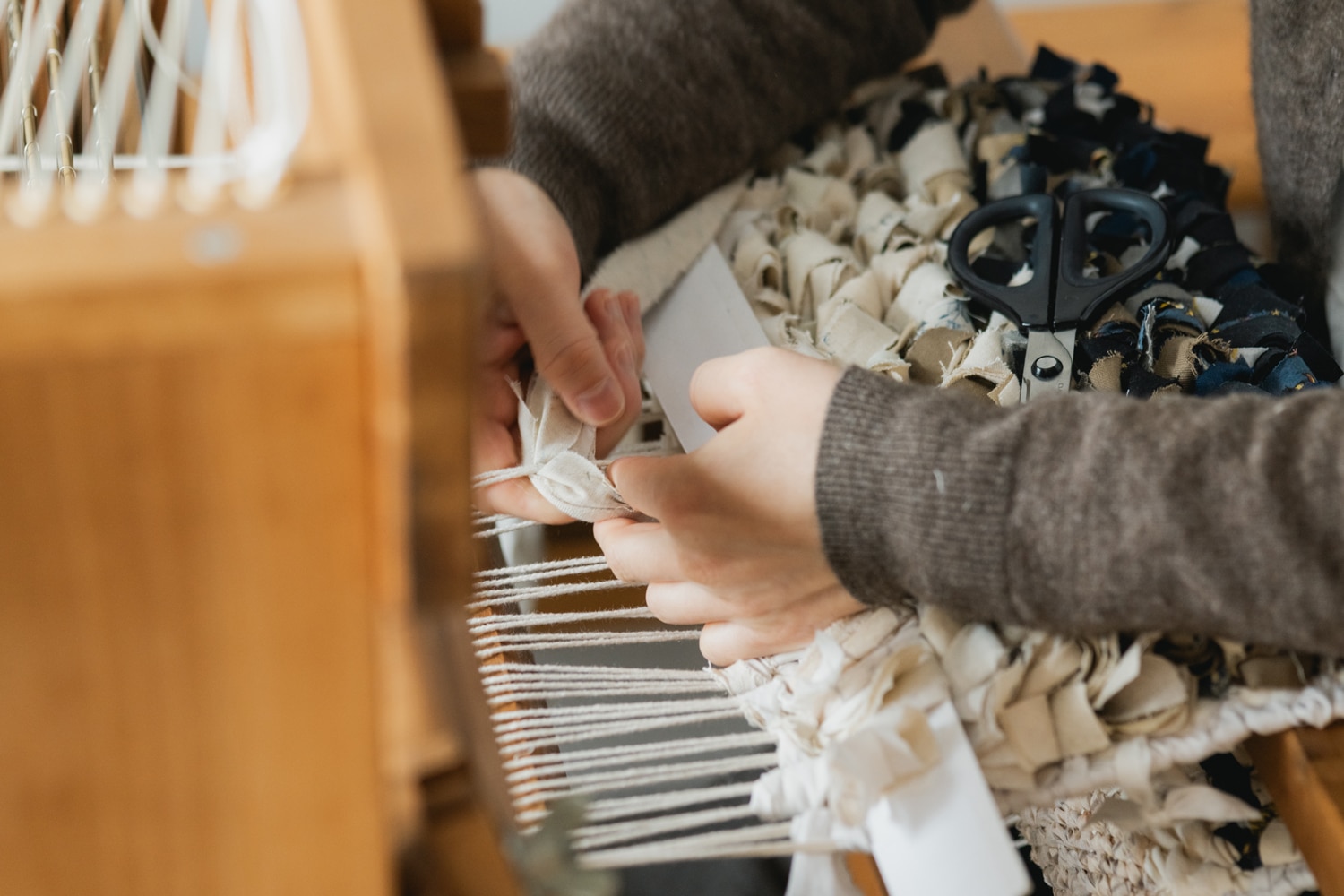
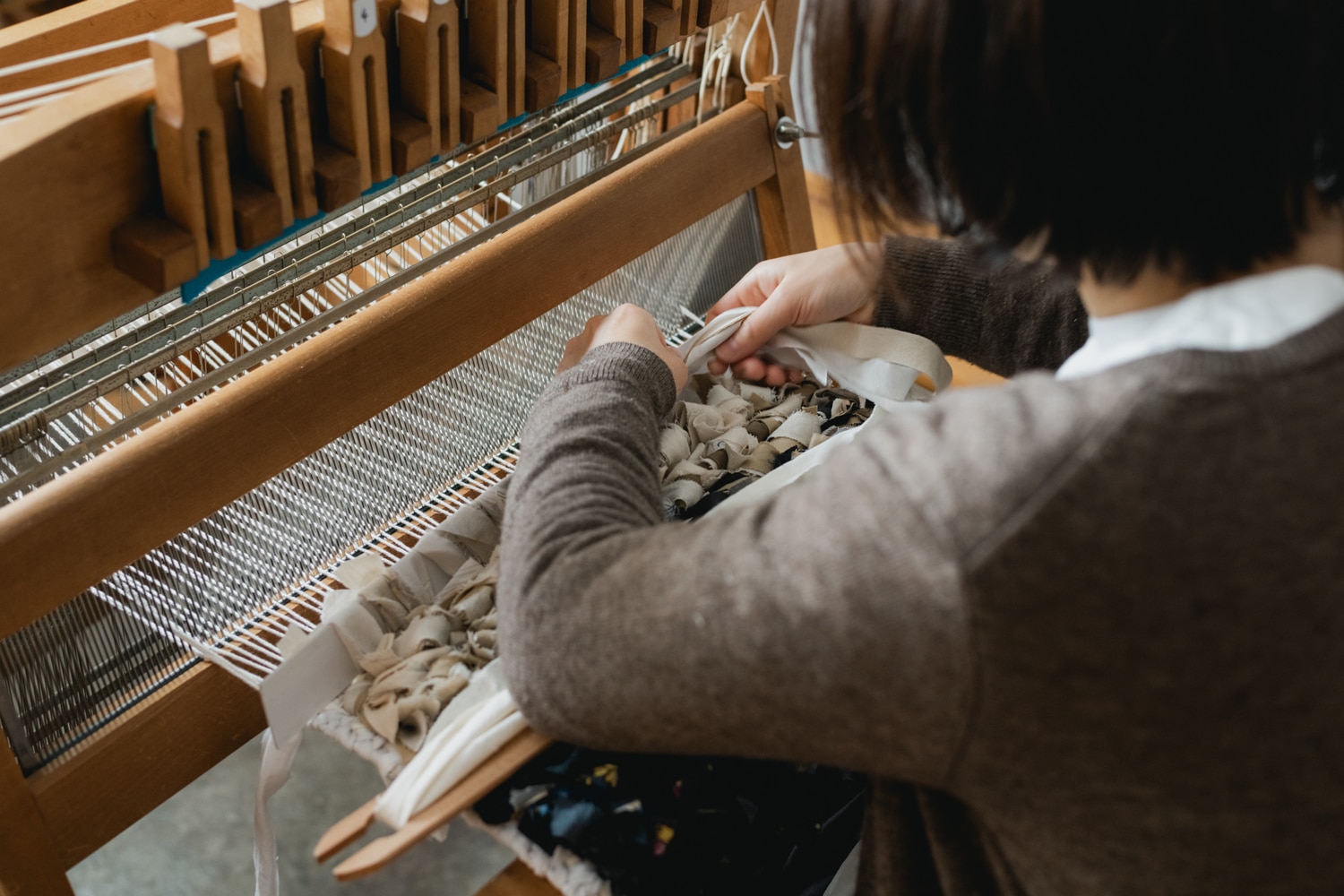
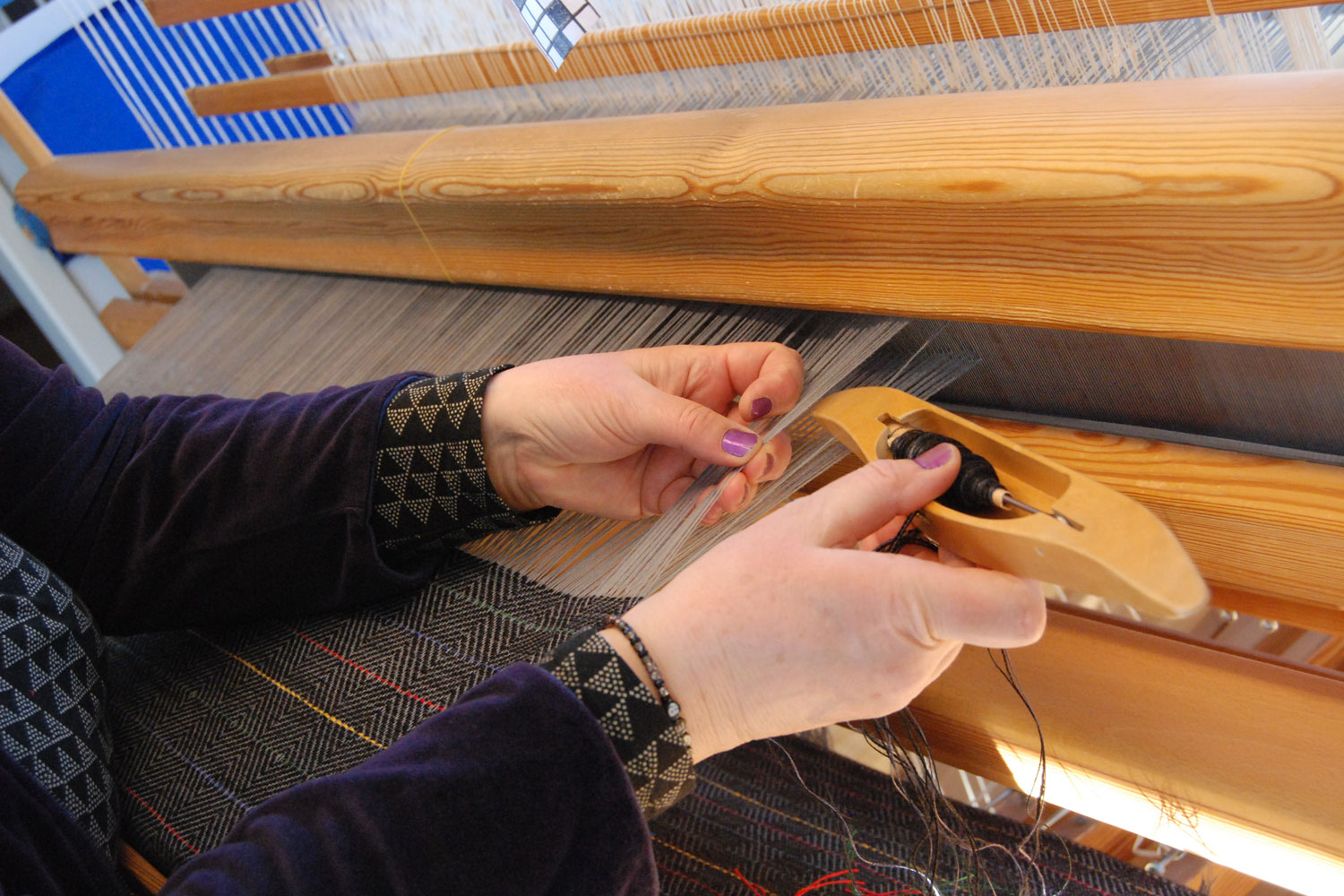
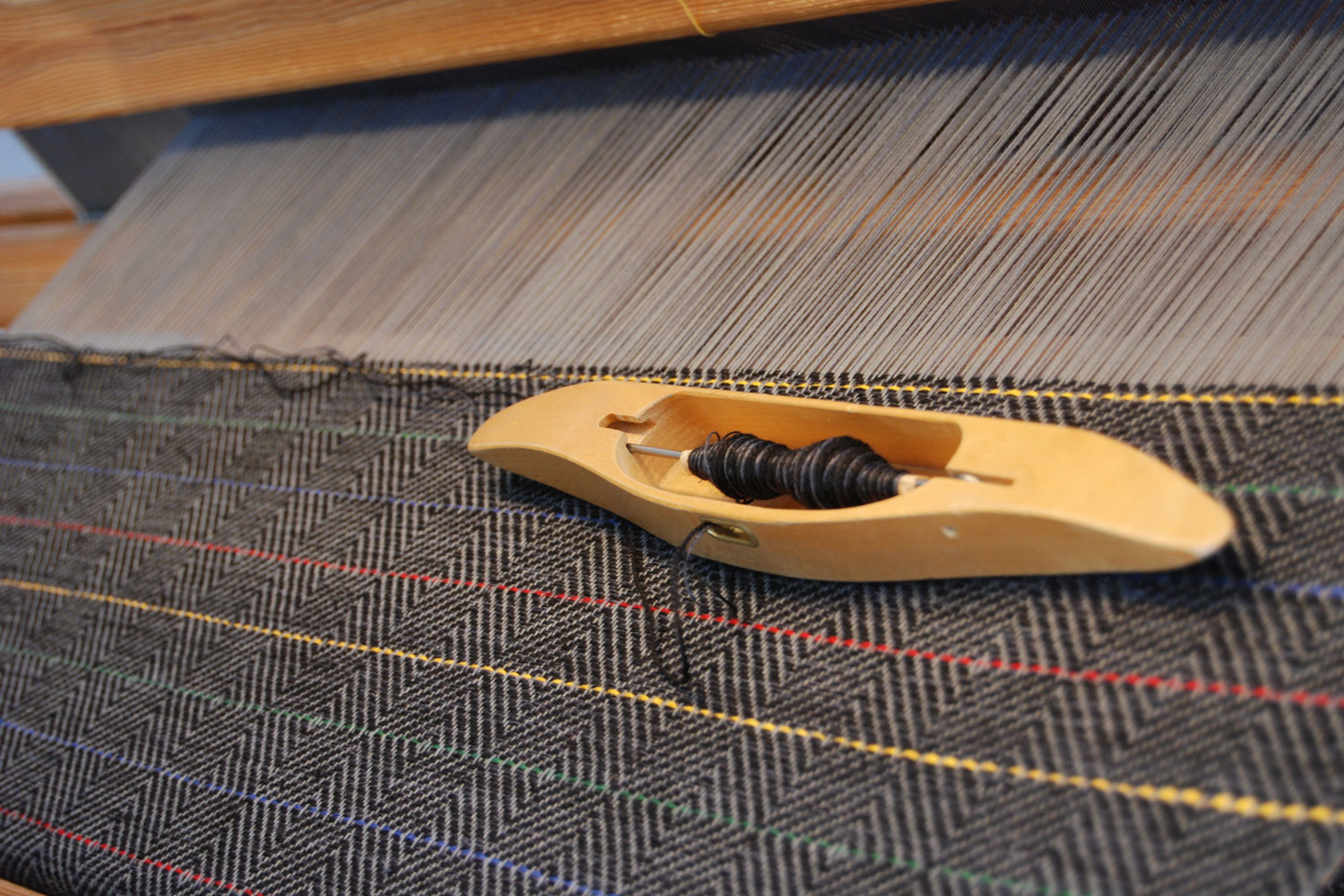
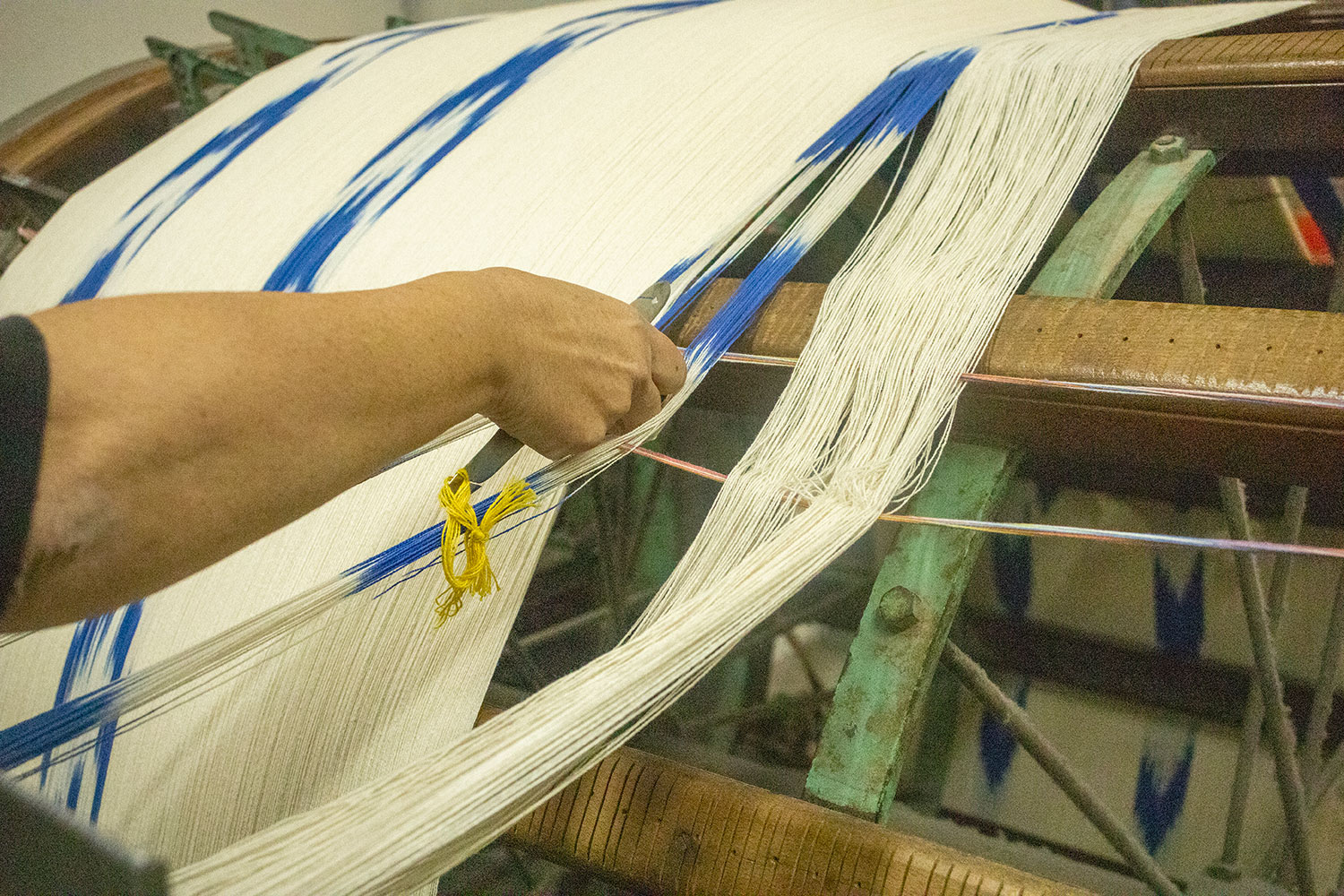
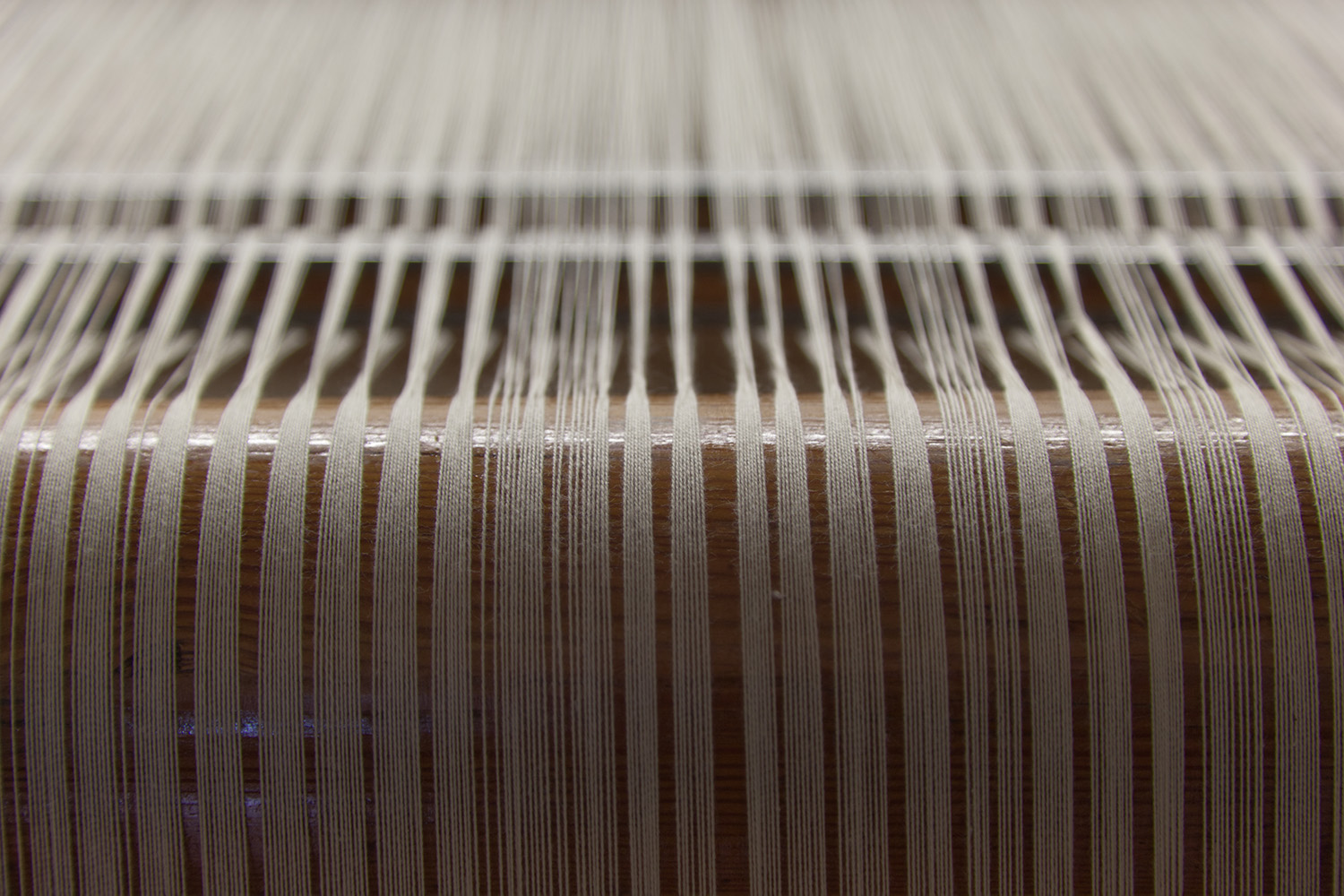
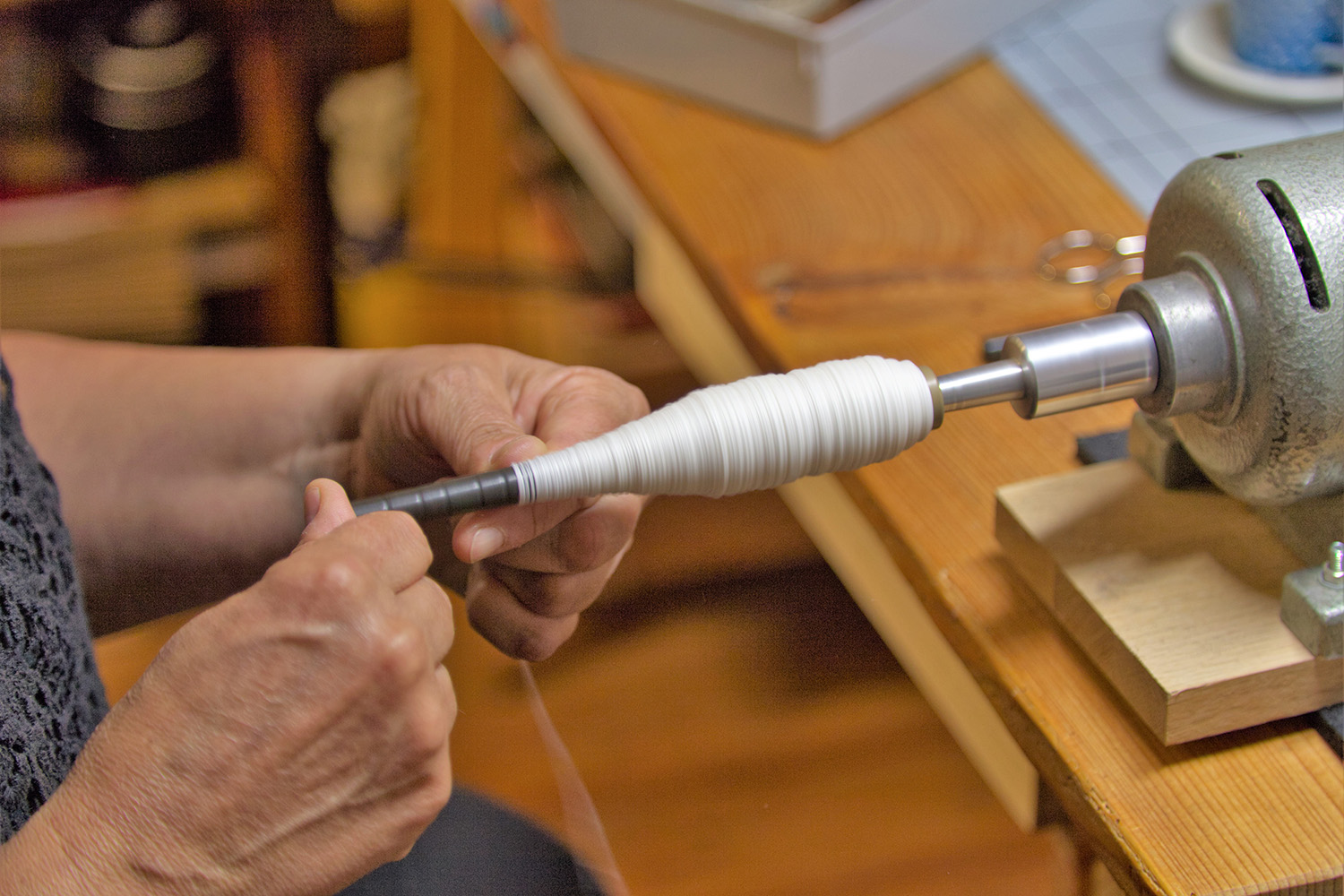
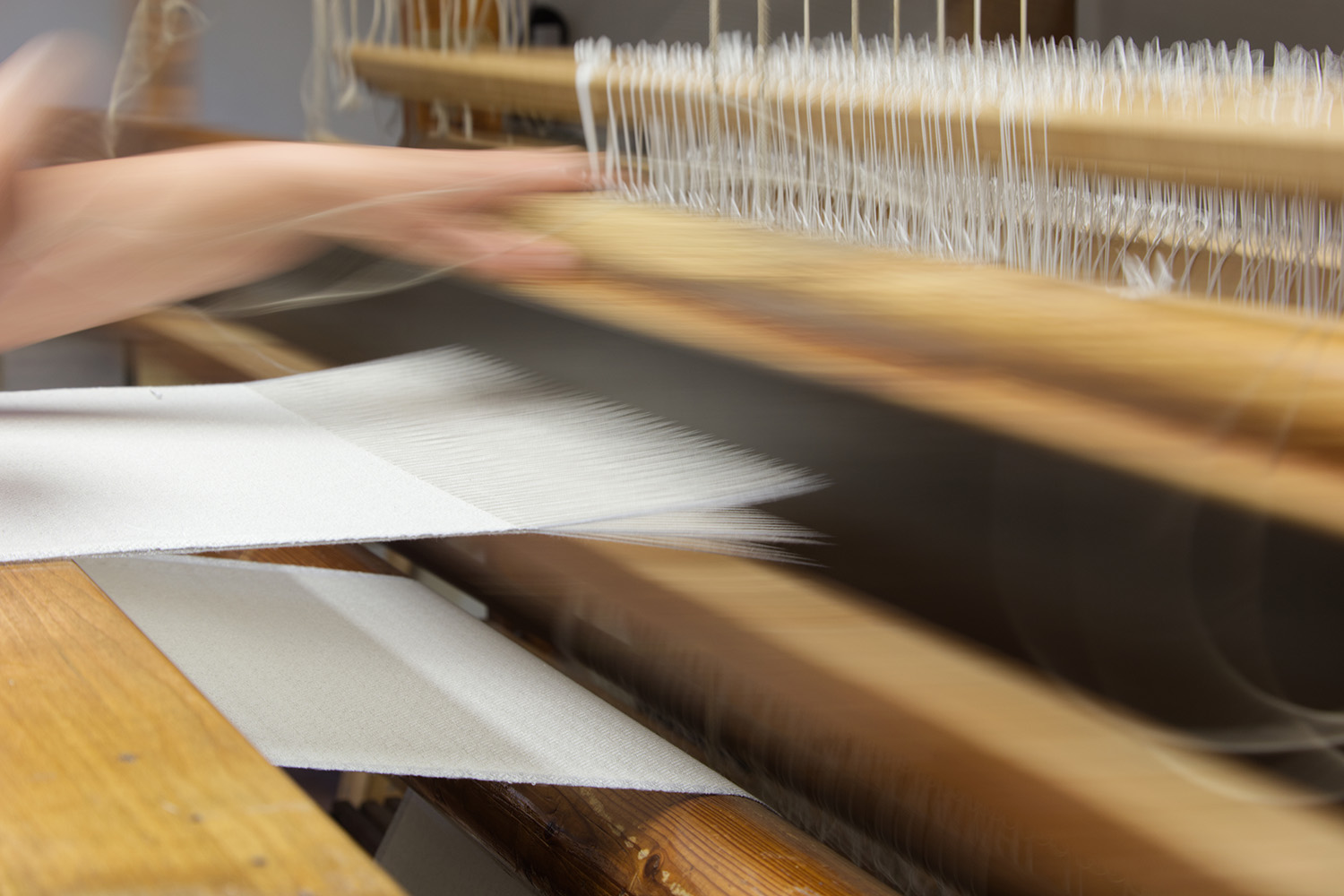
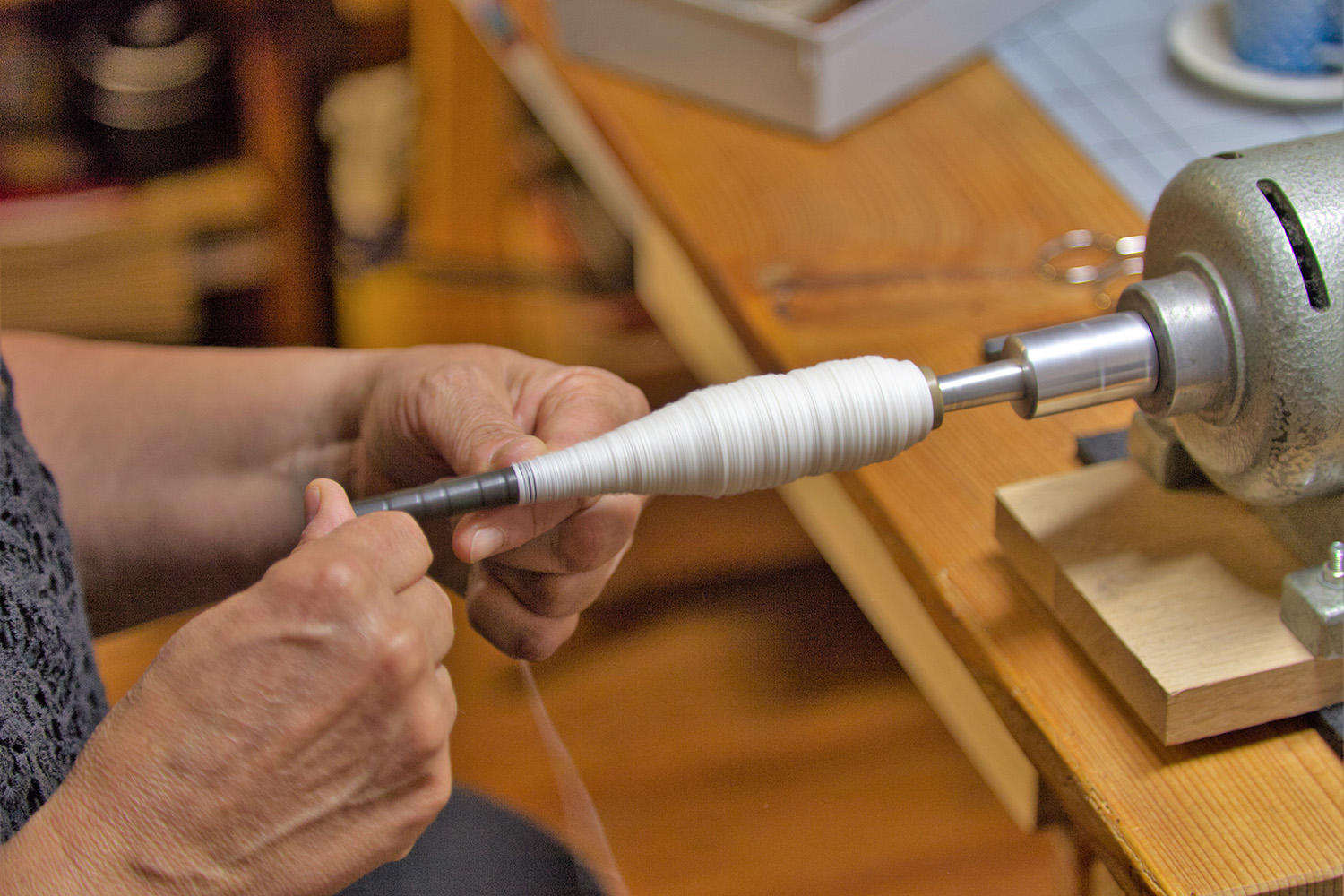
Both linen and cashmere have an exceptionally beautiful look and feel but are challenging fibres, in very different ways. I work on countermarch looms with up to eight shafts and fast loading. This allows me to create many different weaving patterns and to work quickly.
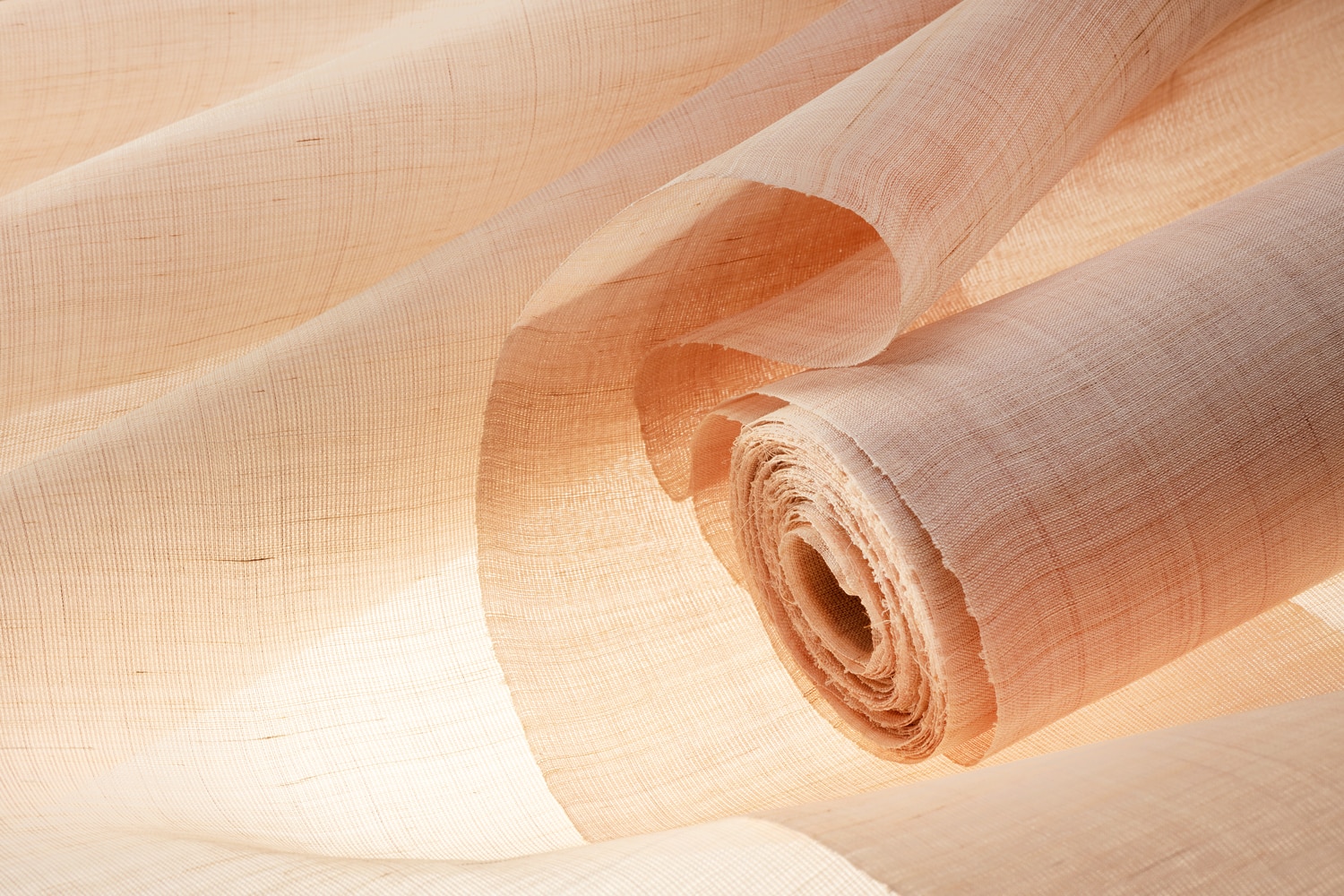
When a linen fabric leaves the loom, it still has a long way to go before it blossoms into full beauty and shine. I first put it in cold water for 48 hours, as wrinkle-free as possible, then I boil it for about 45 minutes. It is hung up dripping wet and only processed after drying.
Linen needs a relatively high level of humidity to work well. I can achieve this either in the basement or I must spray the fibres with water relatively often. Additionally, my looms for linen fabrics are heavy and rattle loudly when I work.
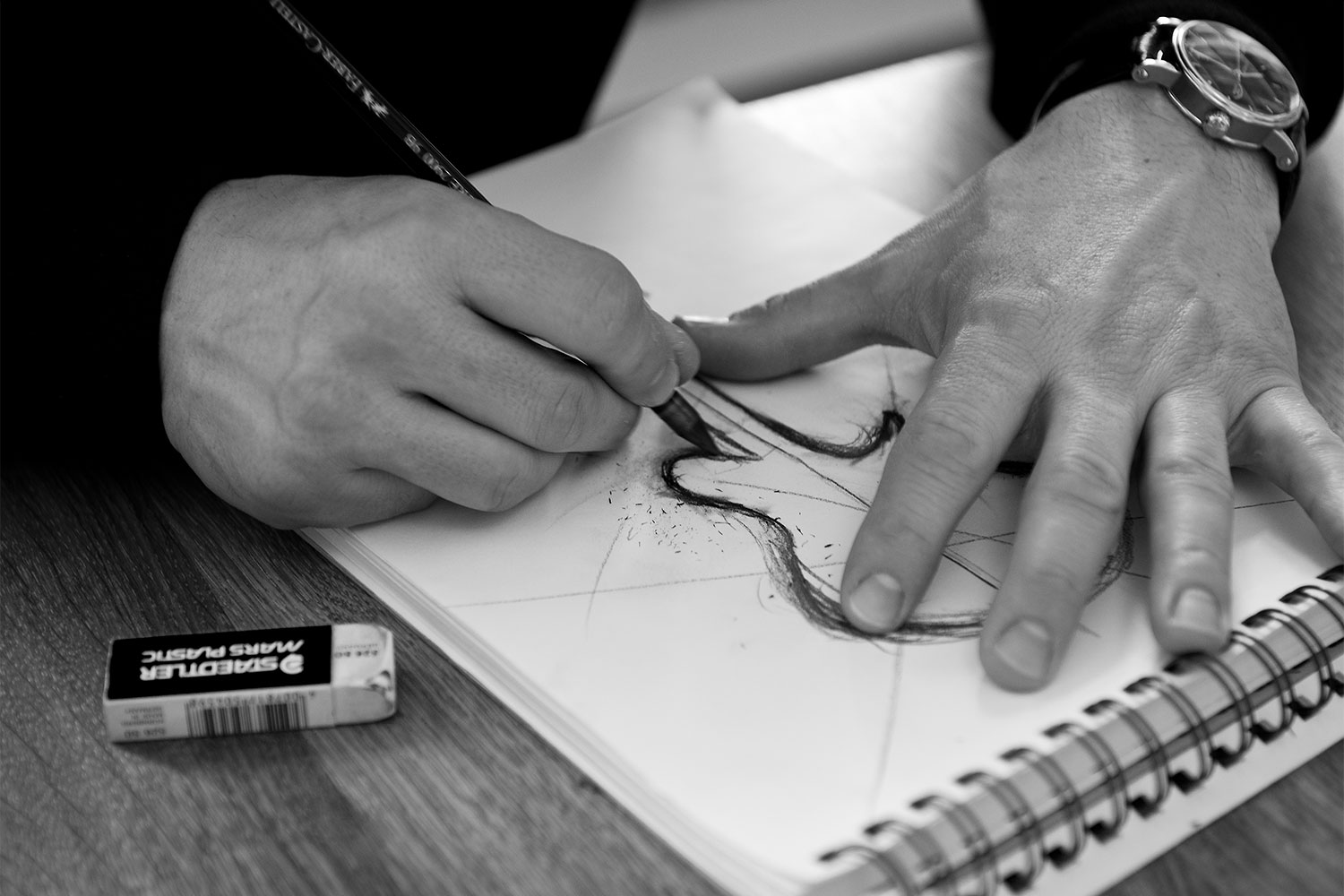
It usually takes three to four months until a pattern, or a new design is ready. A fleeting idea eventually becomes concrete, then come technical drawings. Next are quality samples on a special sample loom and colour samples. Only then does a new sample go on the big looms.
Michaela-Stefanie Karle
Linum Manufaktur für feine Stoffe
Weaver
Aichwald, Germany
AVAILABILITY
By appointment only
PHONE
+49 71134238960
LANGUAGES
German, English
Homo Faber Finds is a new service aiming to inspire admirers of craft to connect and collaborate with exceptional artisans.
We invite you to submit an enquiry here.