Katja Stelz
Weaver
Palingen, Germany
Recommended by Zentralverband des Deutschen Handwerks
Weaving infinite possibilities
- Katja works with traditional weaving techniques
- She has a graphic contemporary aesthetic
- She received the Bavarian State Prize 2019
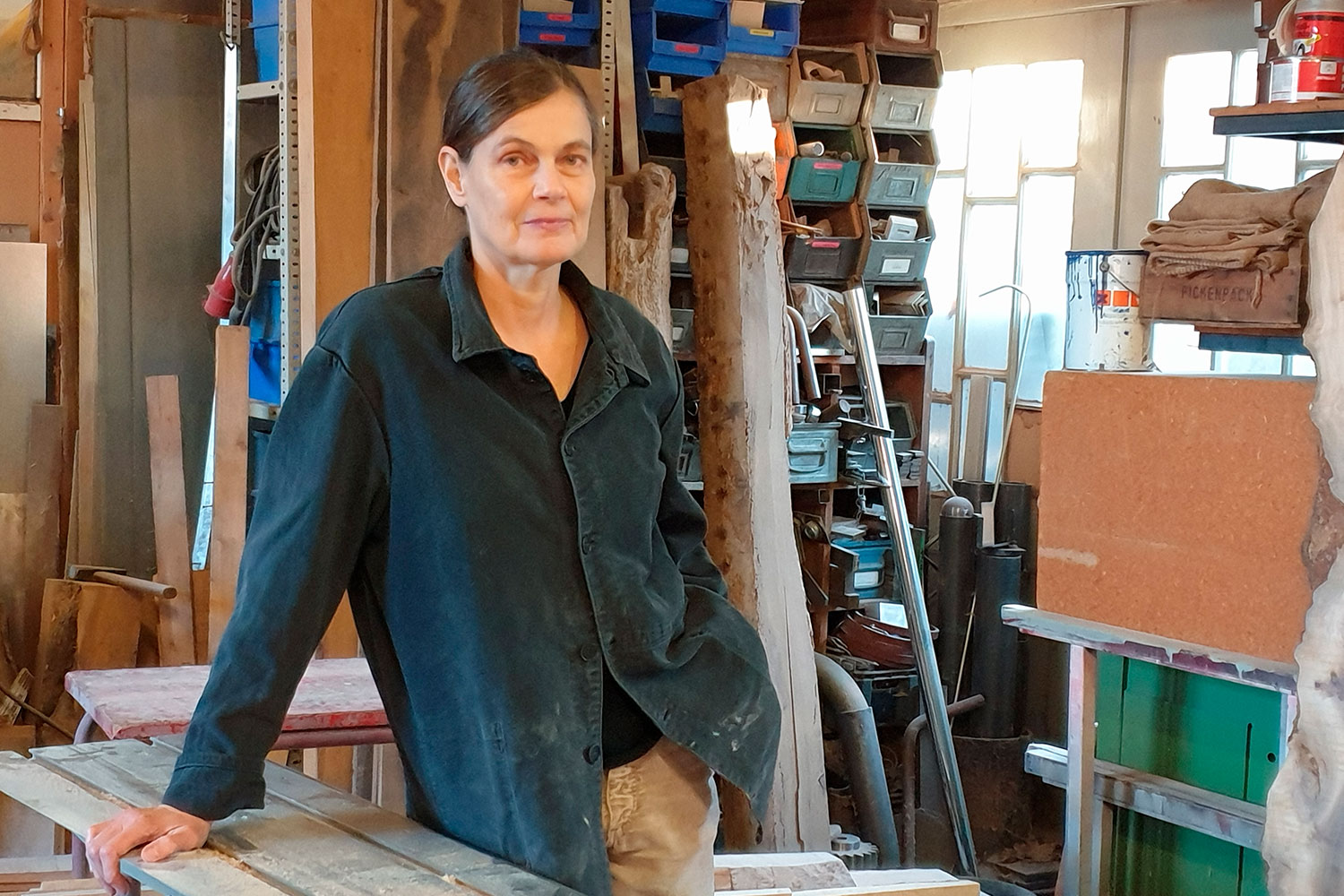
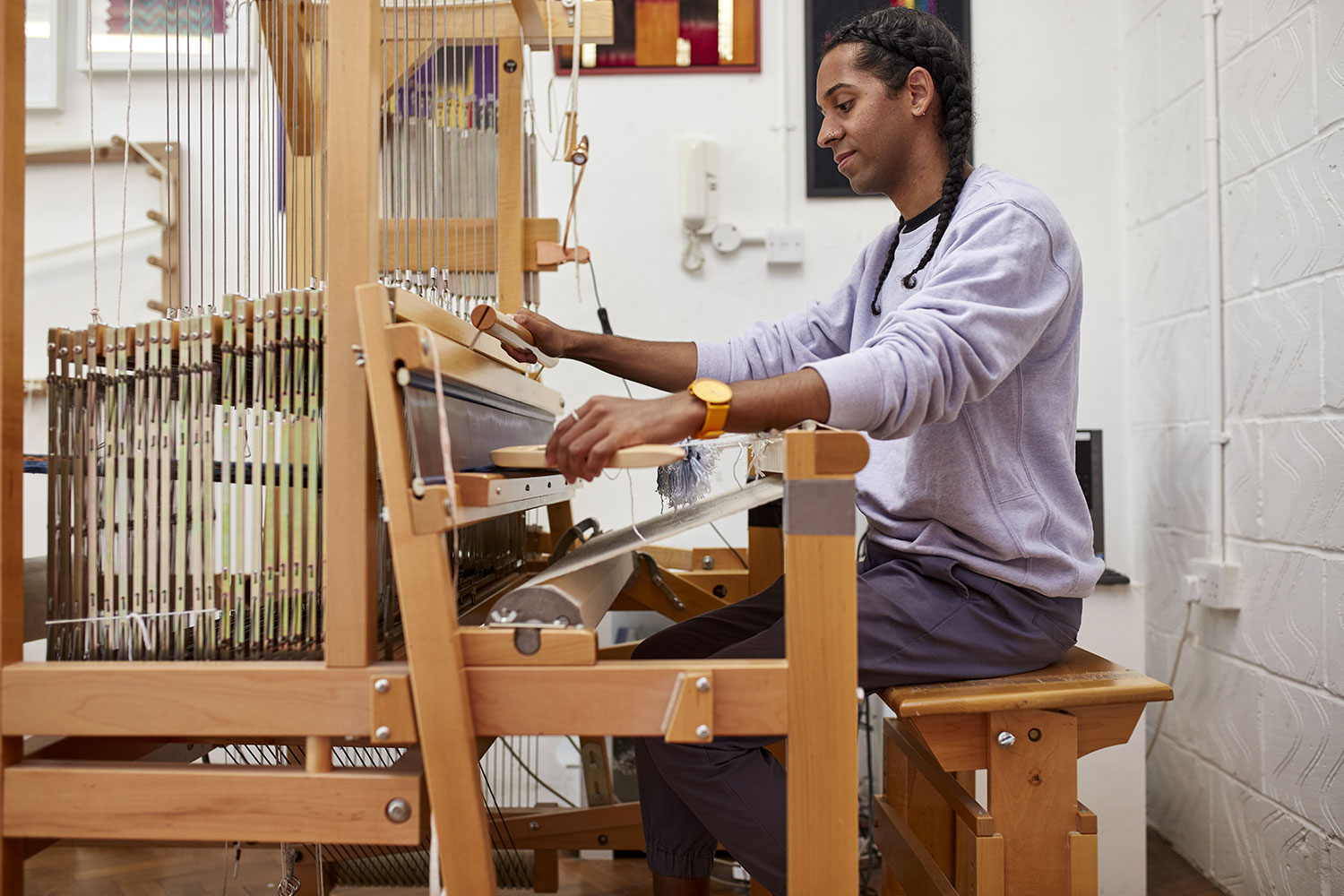
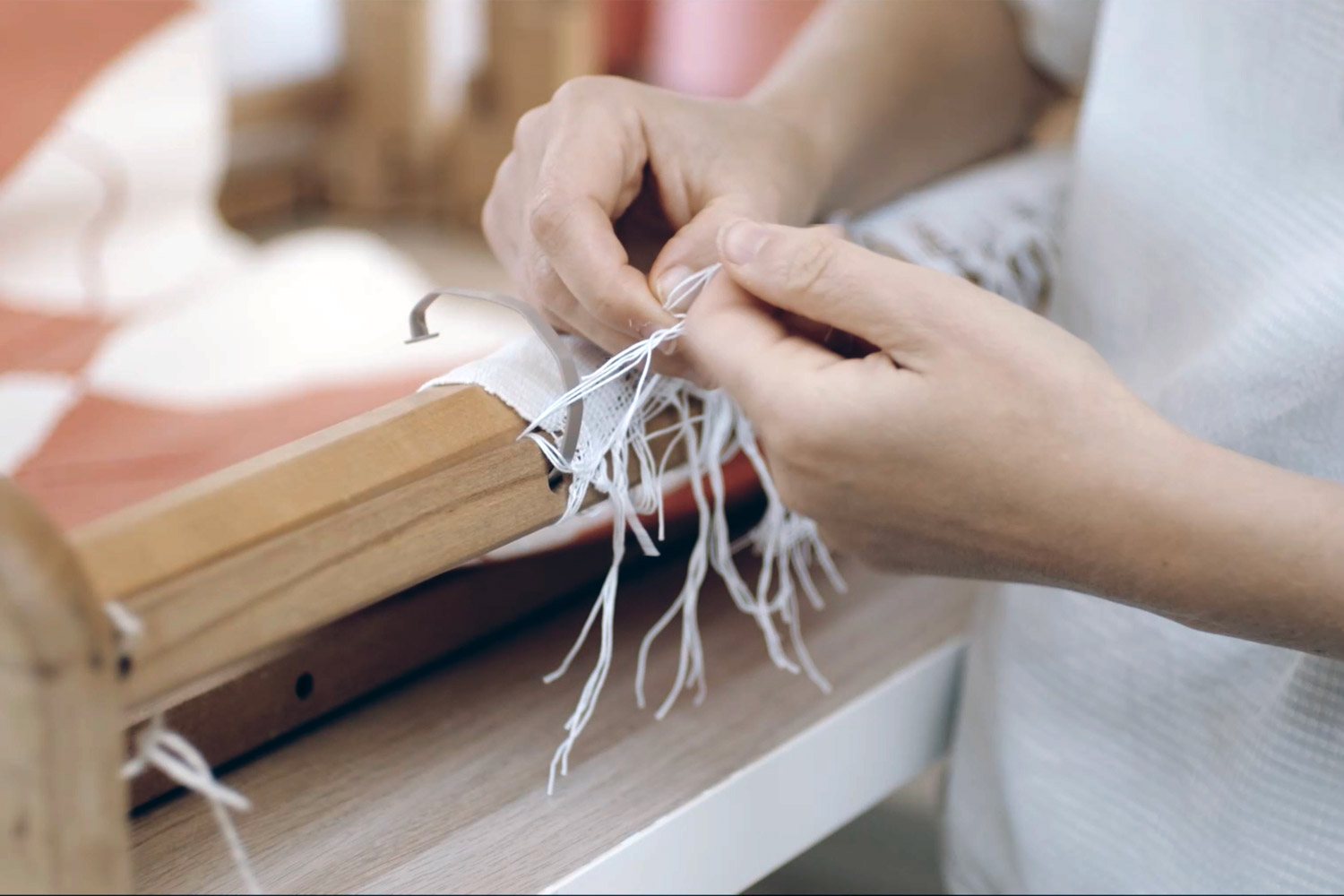
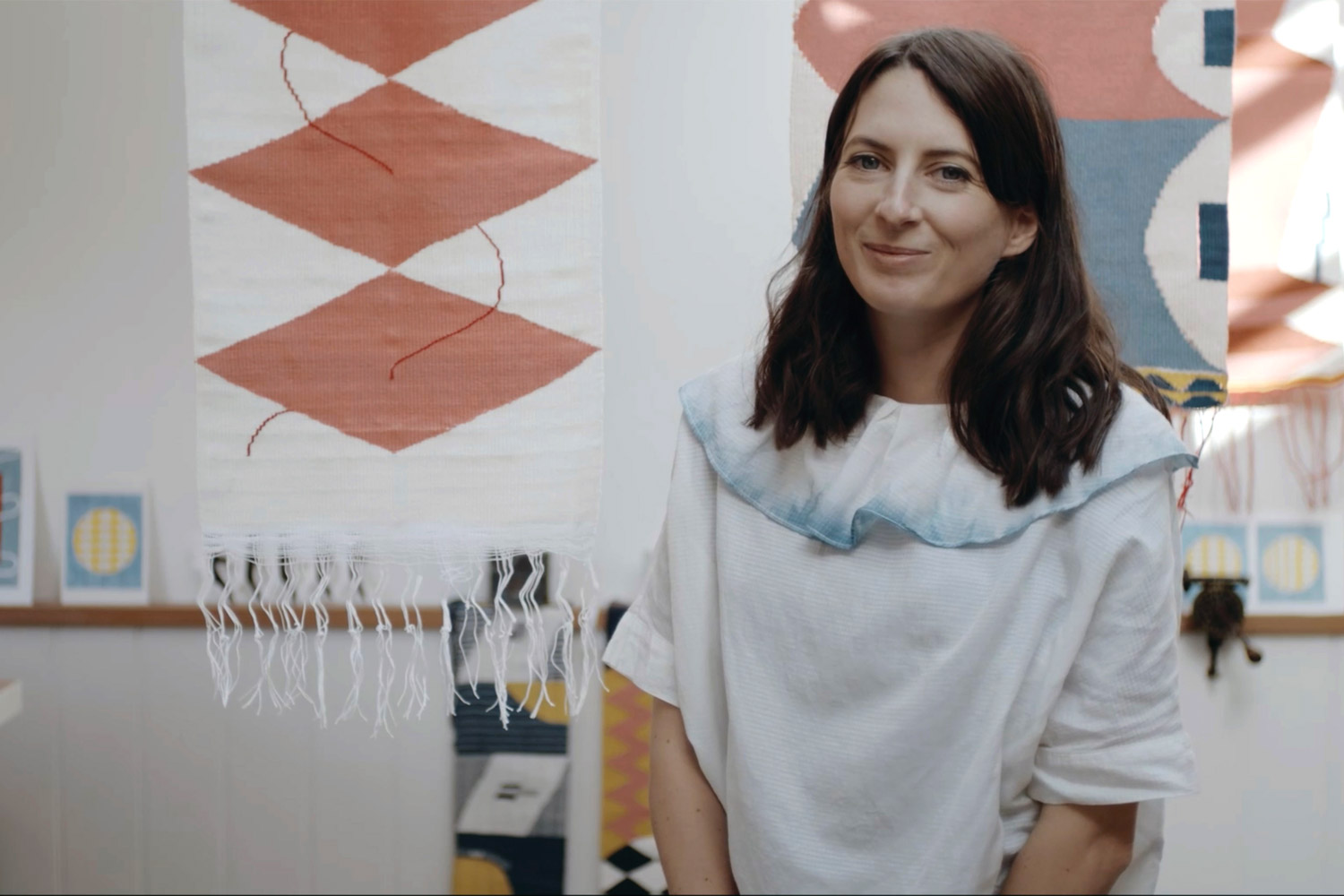
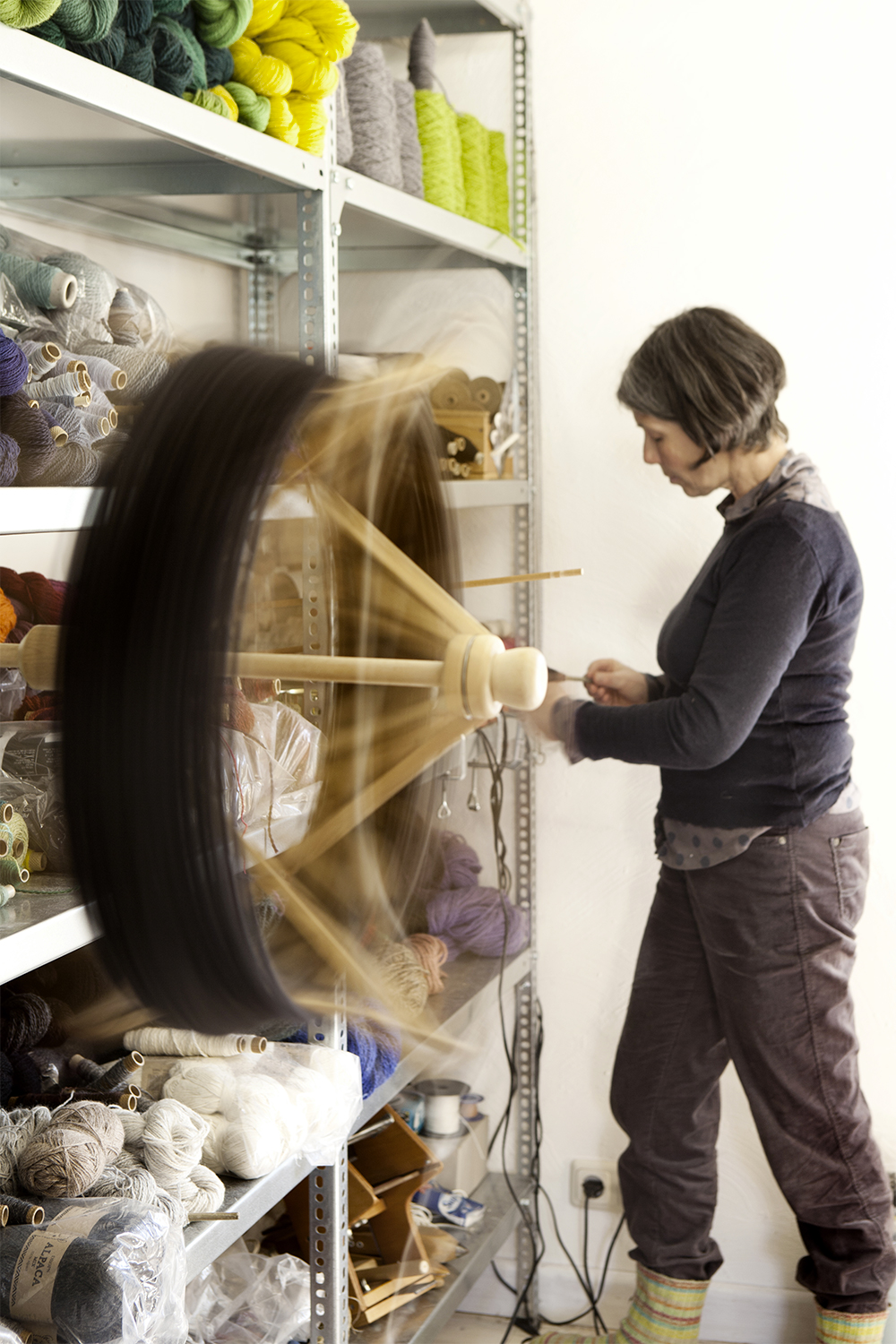
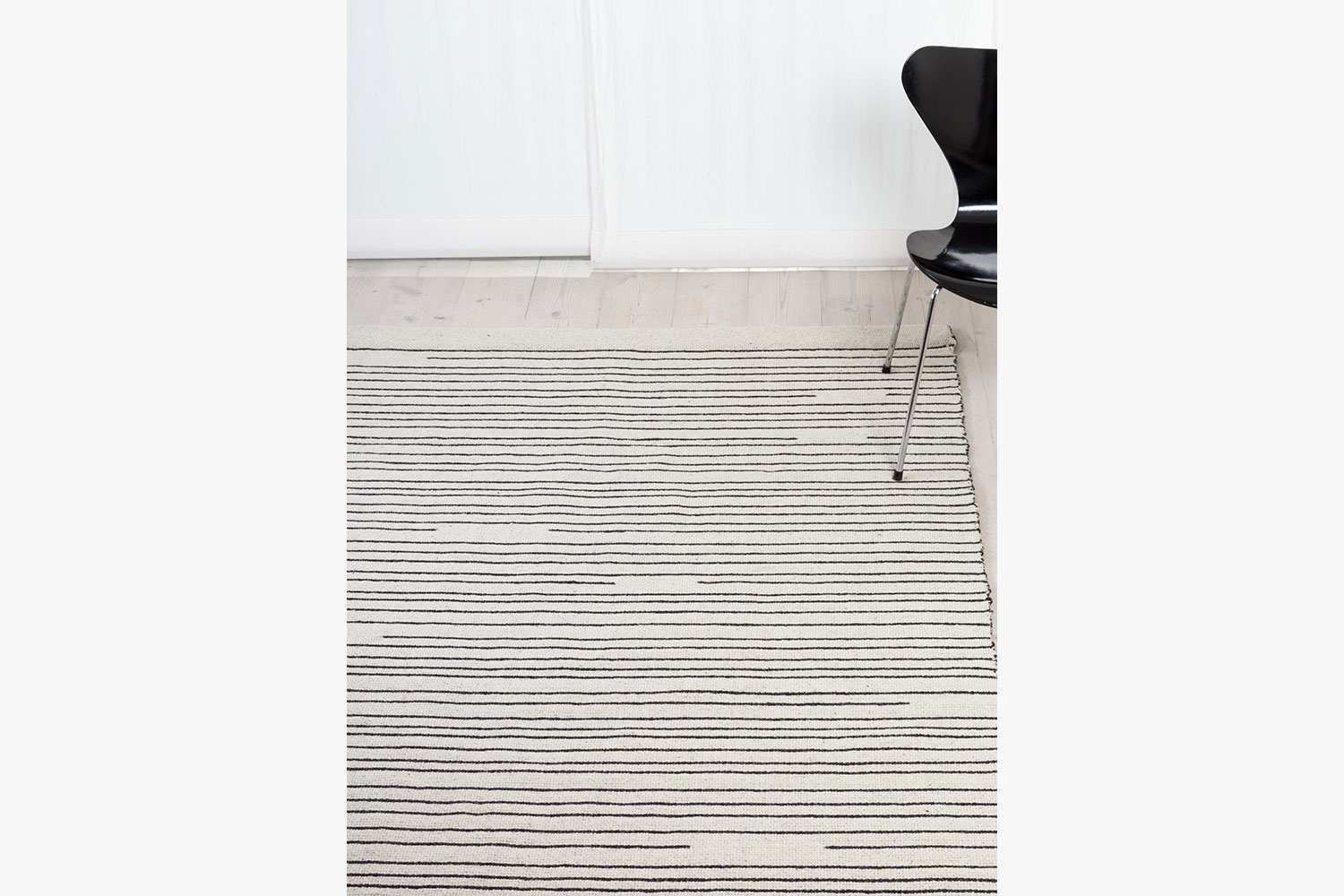
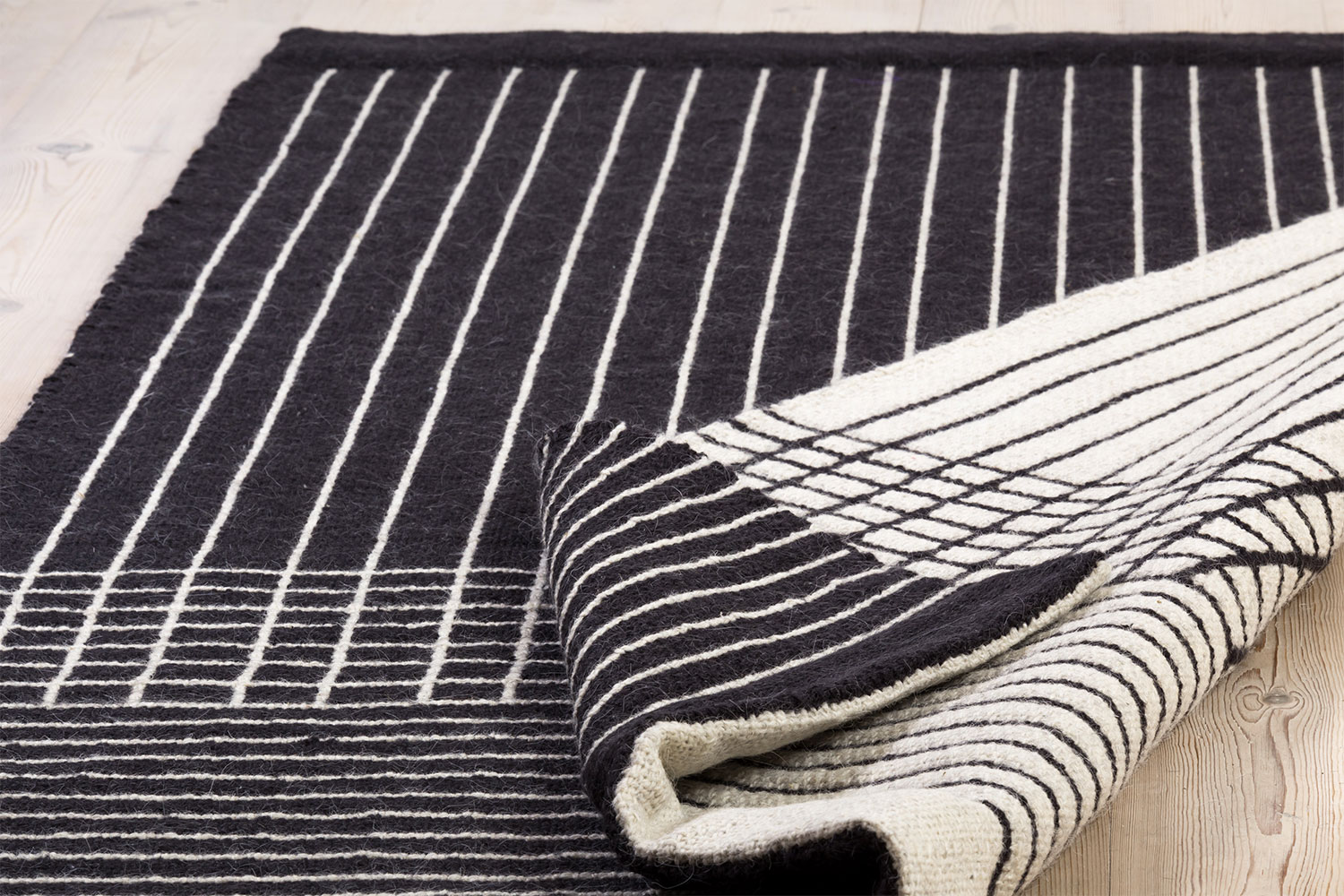
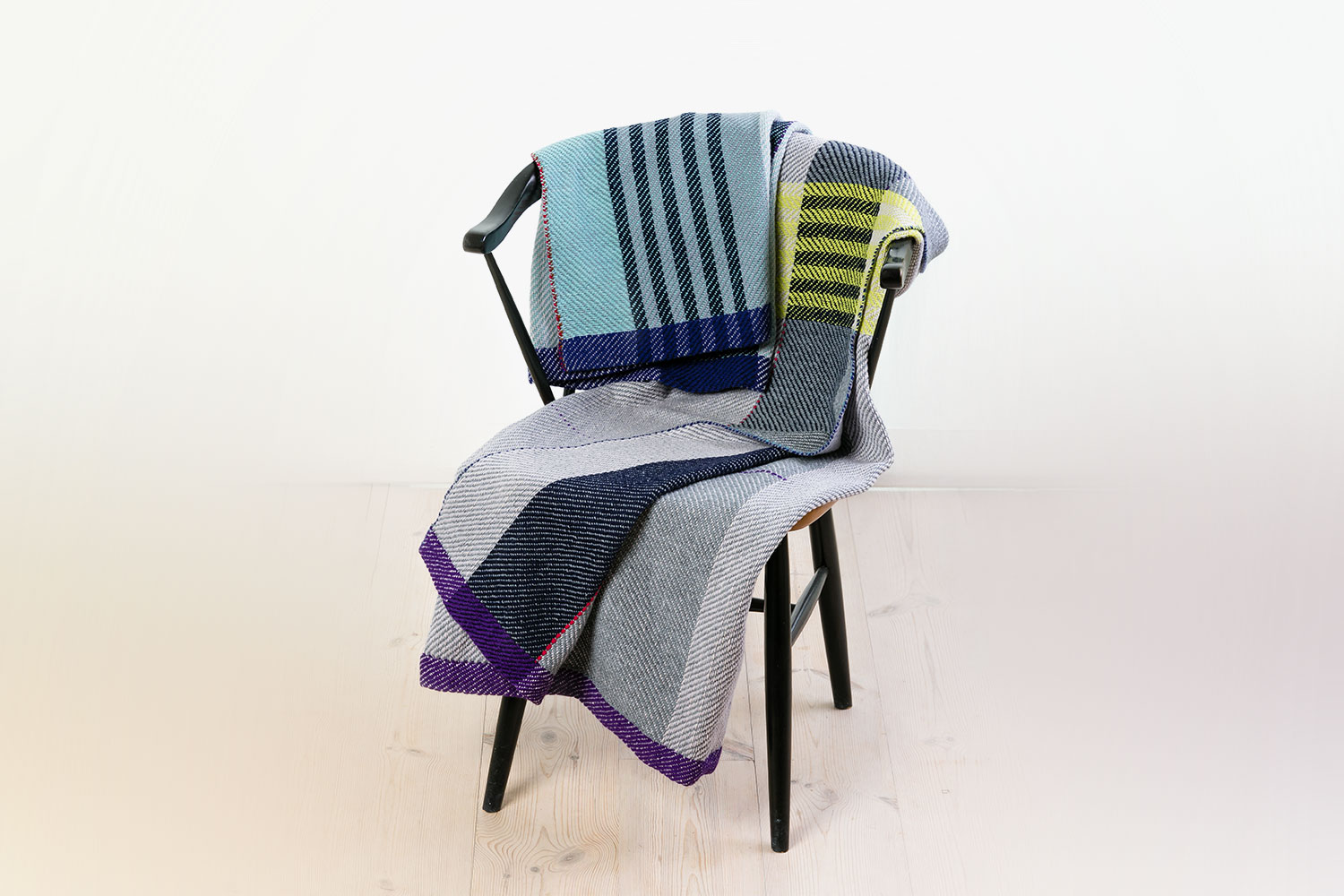
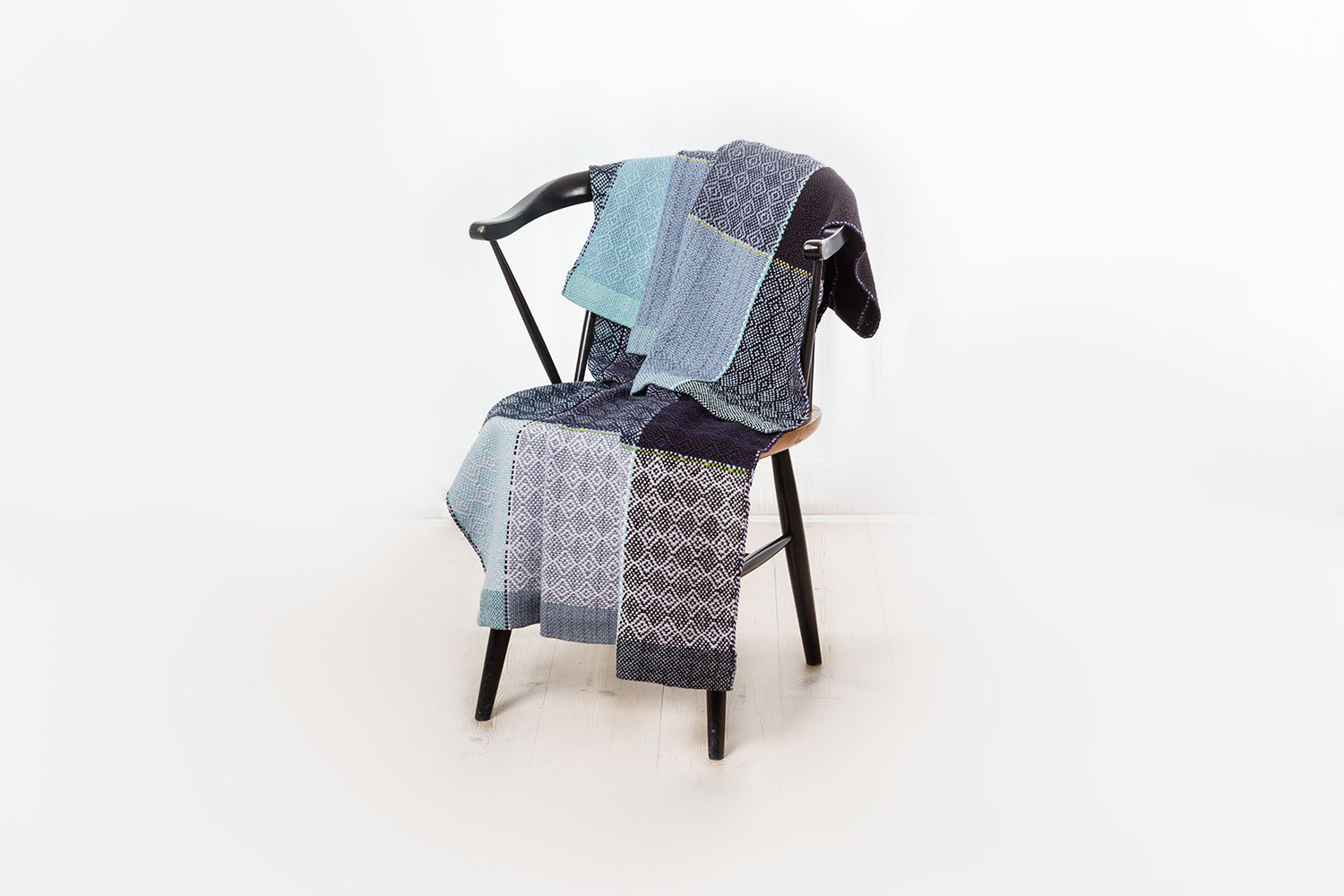
During her mostly listless time at school, the young Katja Stelz was increasingly drawn by the idea of 'thinking with her hands'. It was “the thrill of working concretely” driven by “the urge to experience the process of manifestation, when an abstract idea is transformed into a tangible object”, that finally led her down the path of becoming an artisan. A three-year apprenticeship, during which she learnt and practised the craft of a weaver, was followed by textile design studies. Today, with almost 40 years of experience, Katja's works are characterised by excellence. Inspired by colours, structures and rhythms in architecture and nature, she creates works of sublime aesthetic and material quality.
INTERVIEW
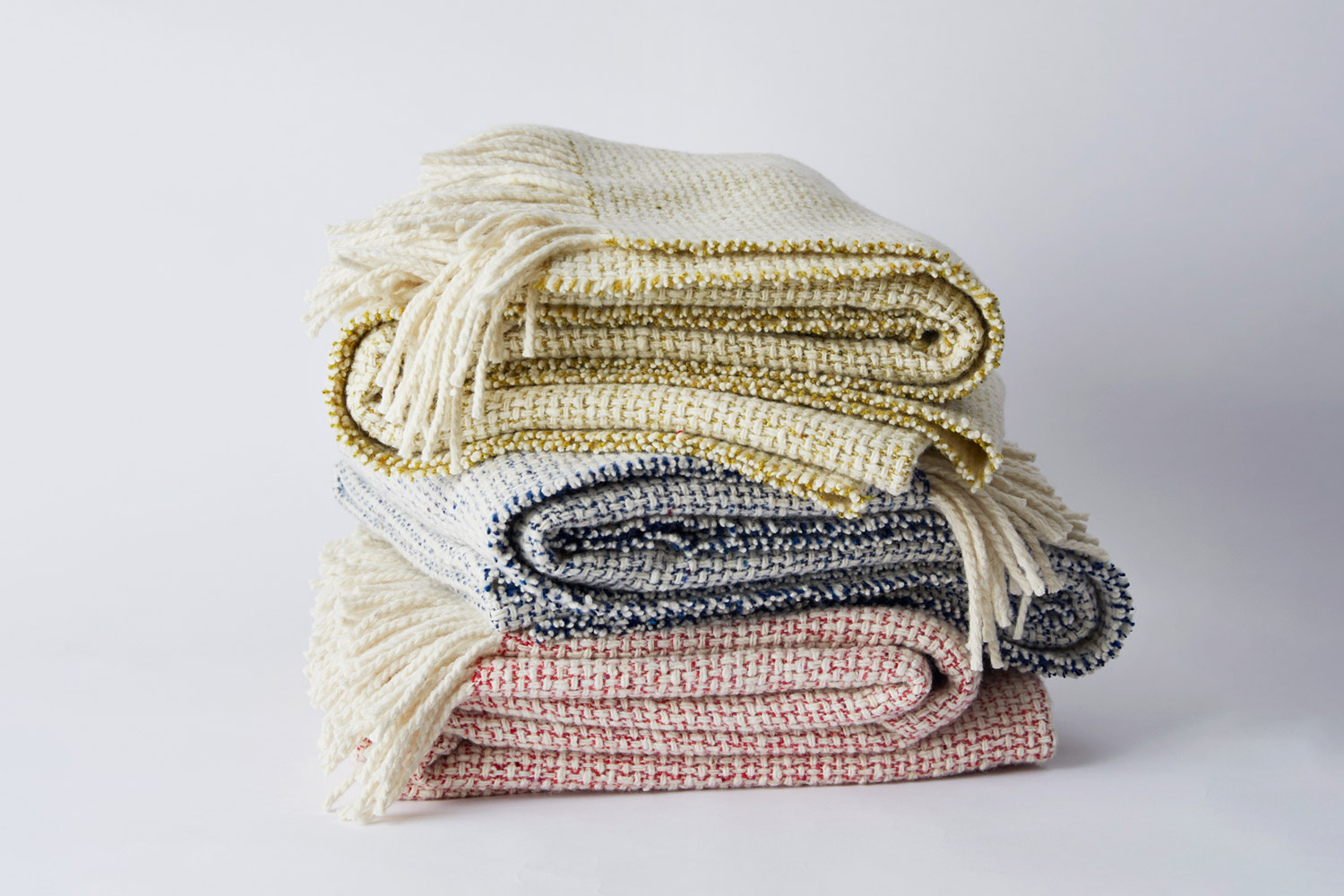
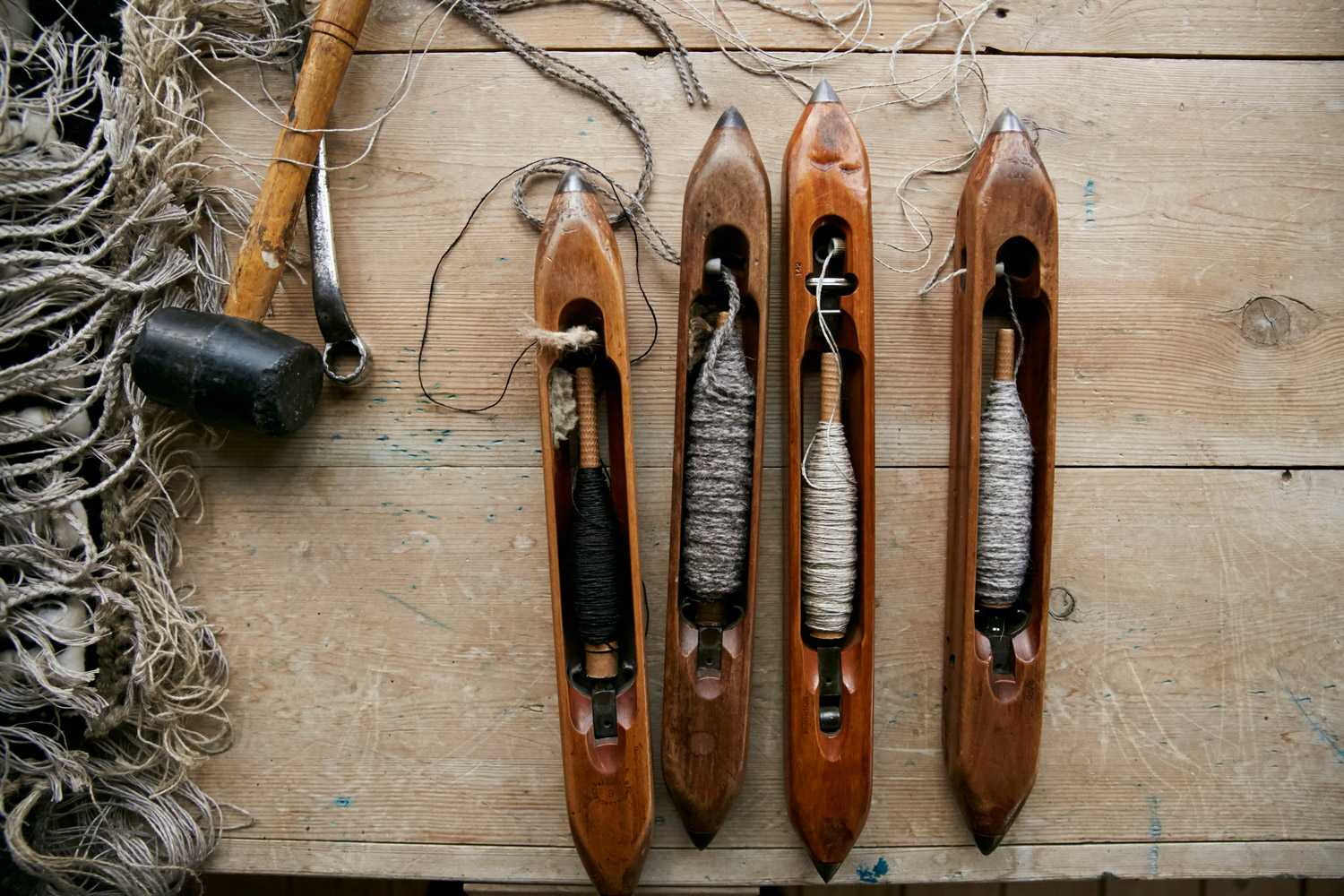
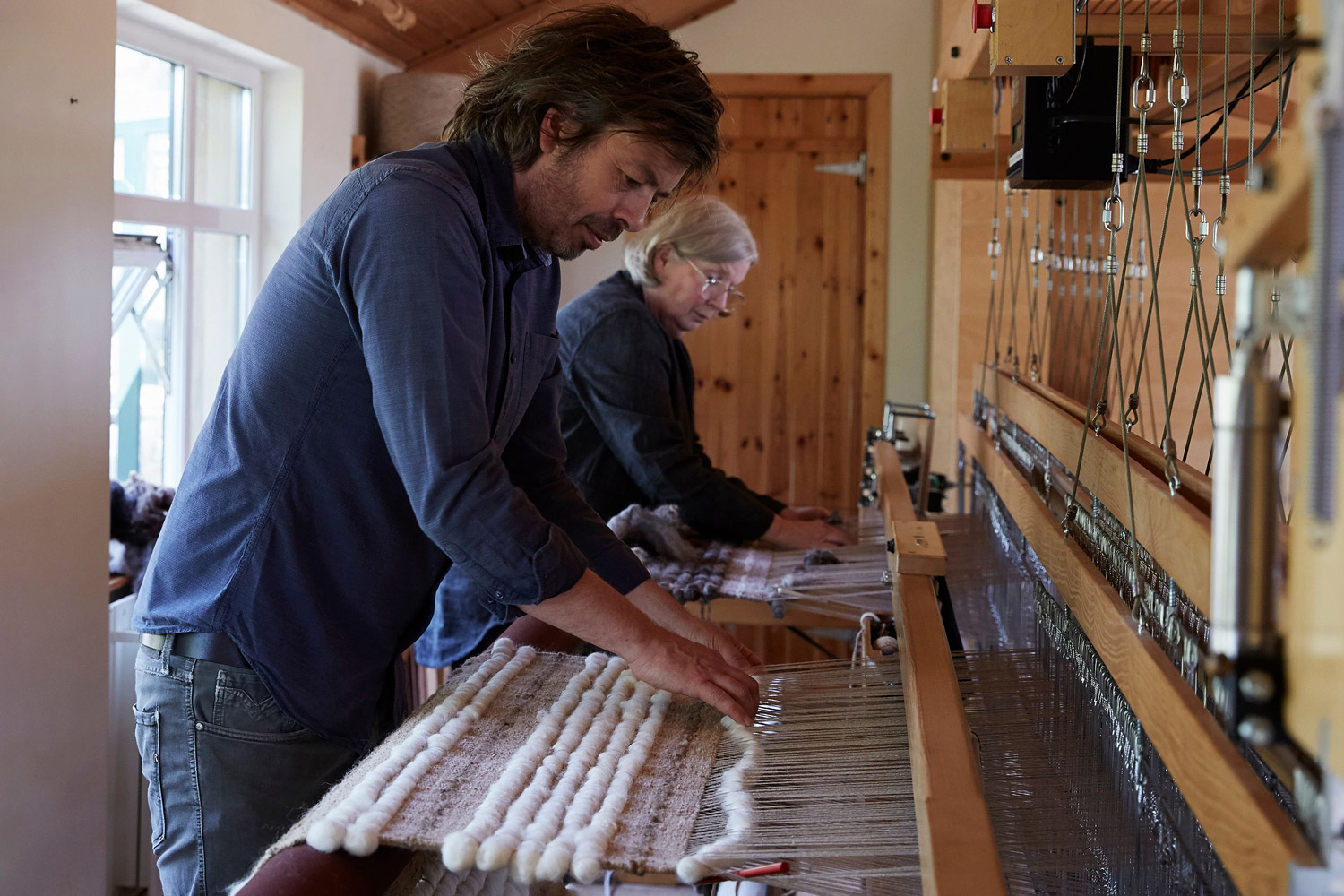
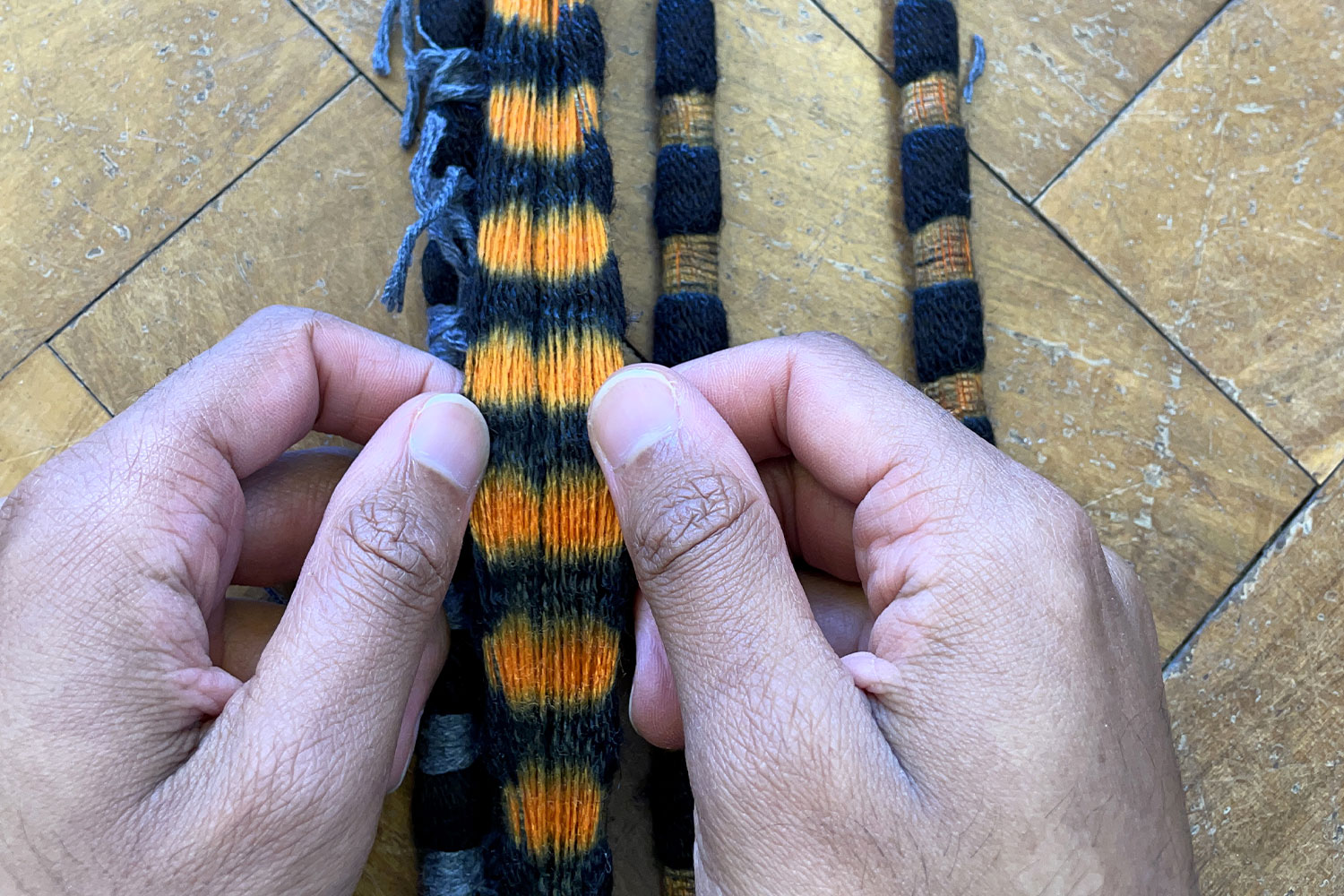
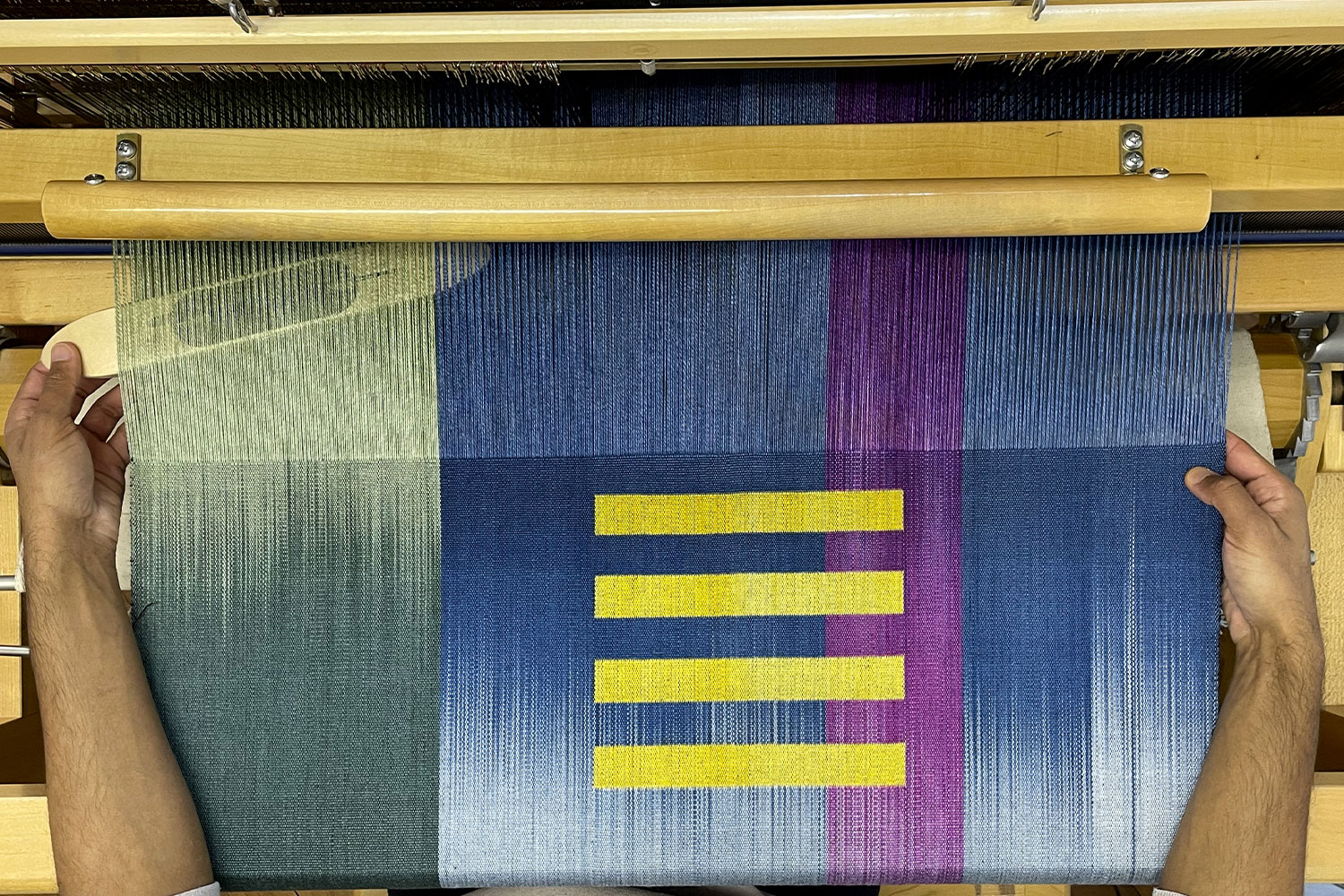
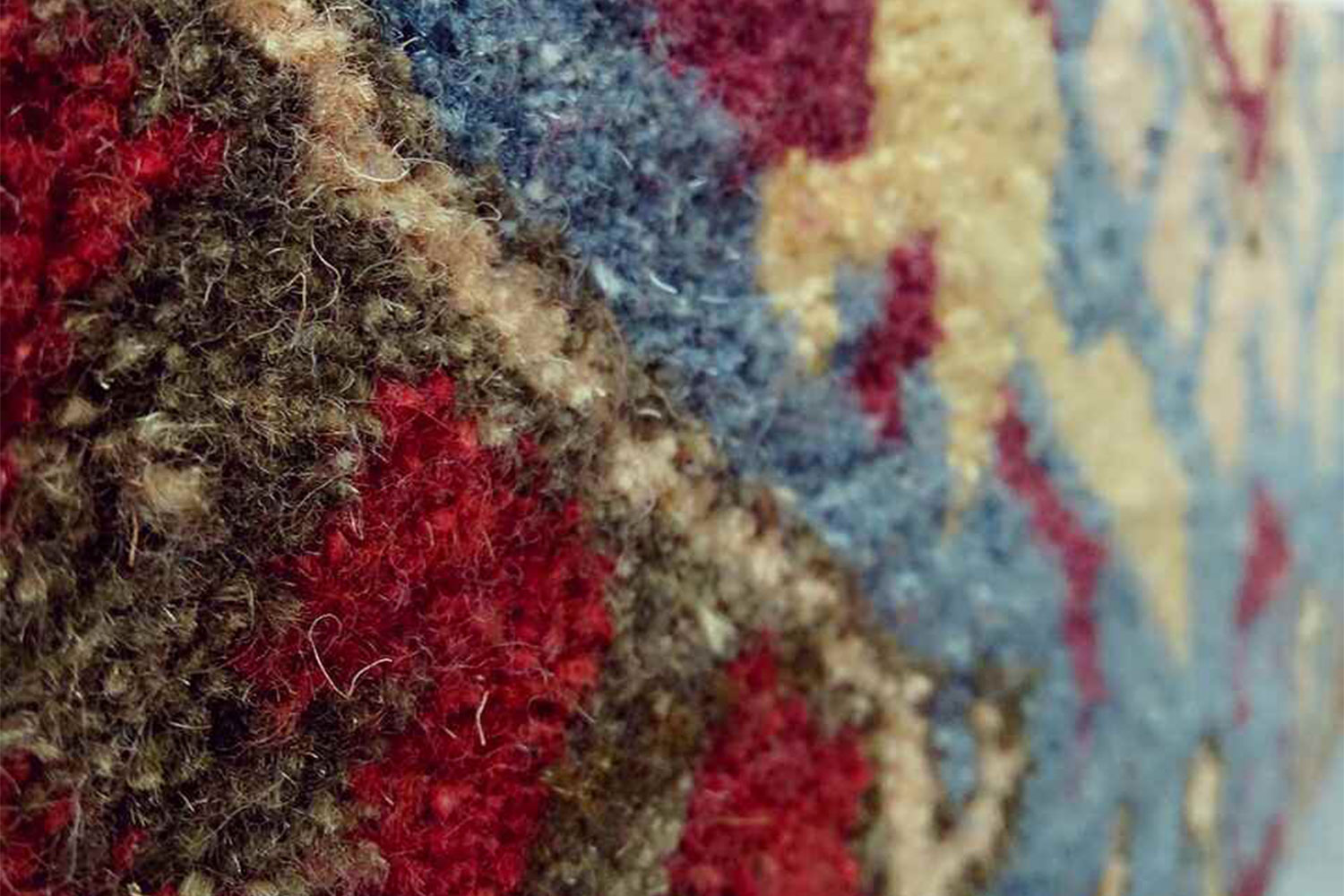
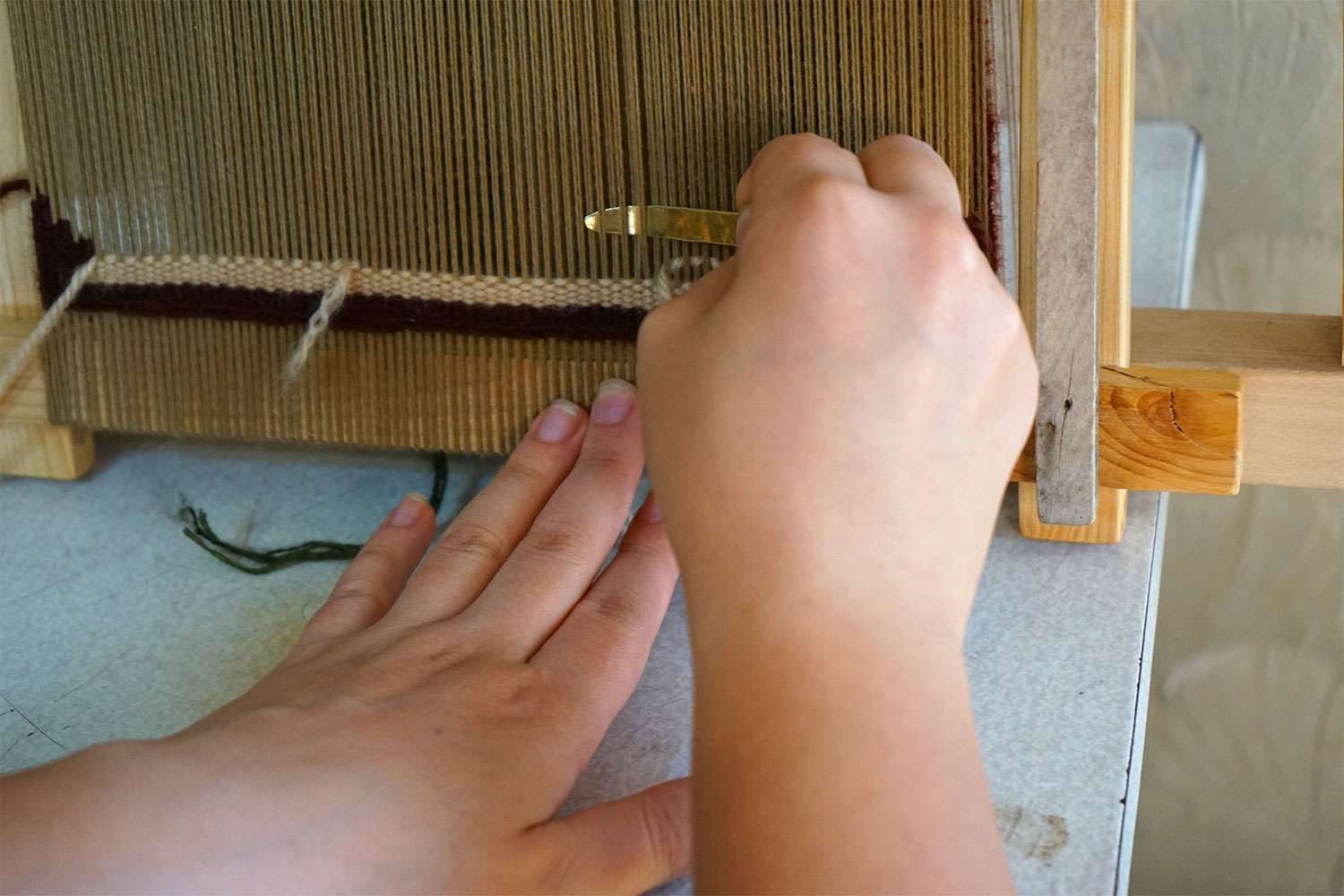
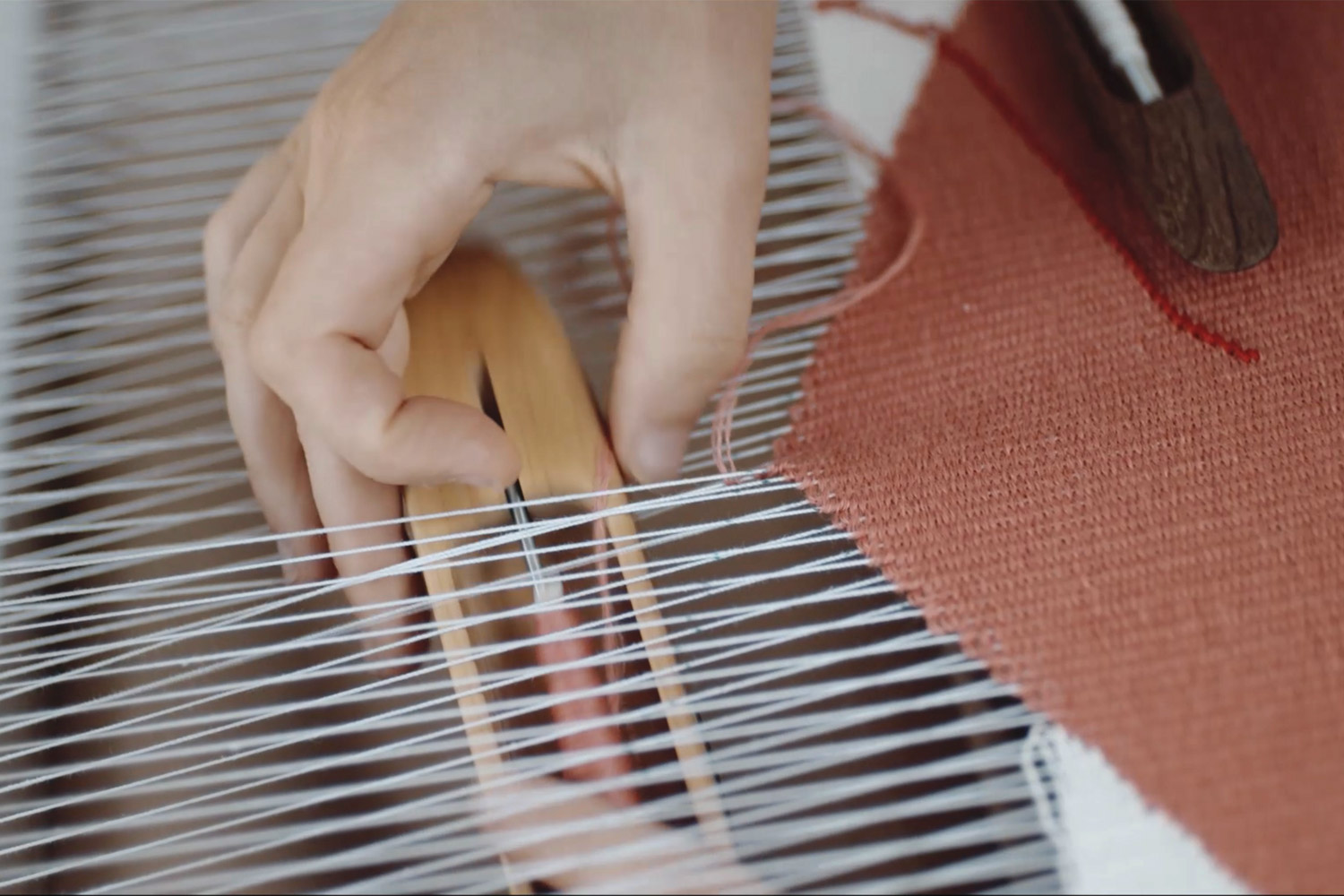
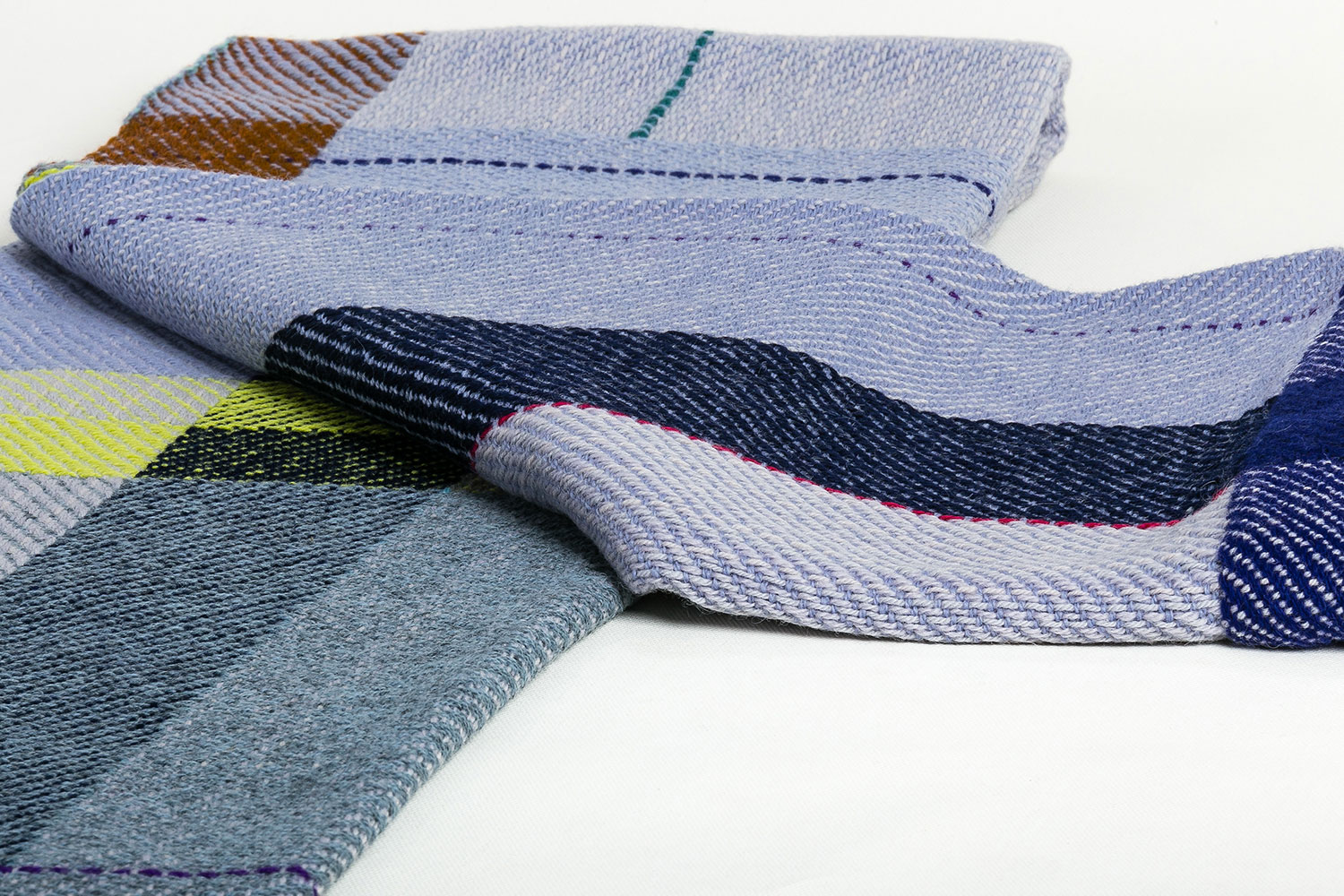
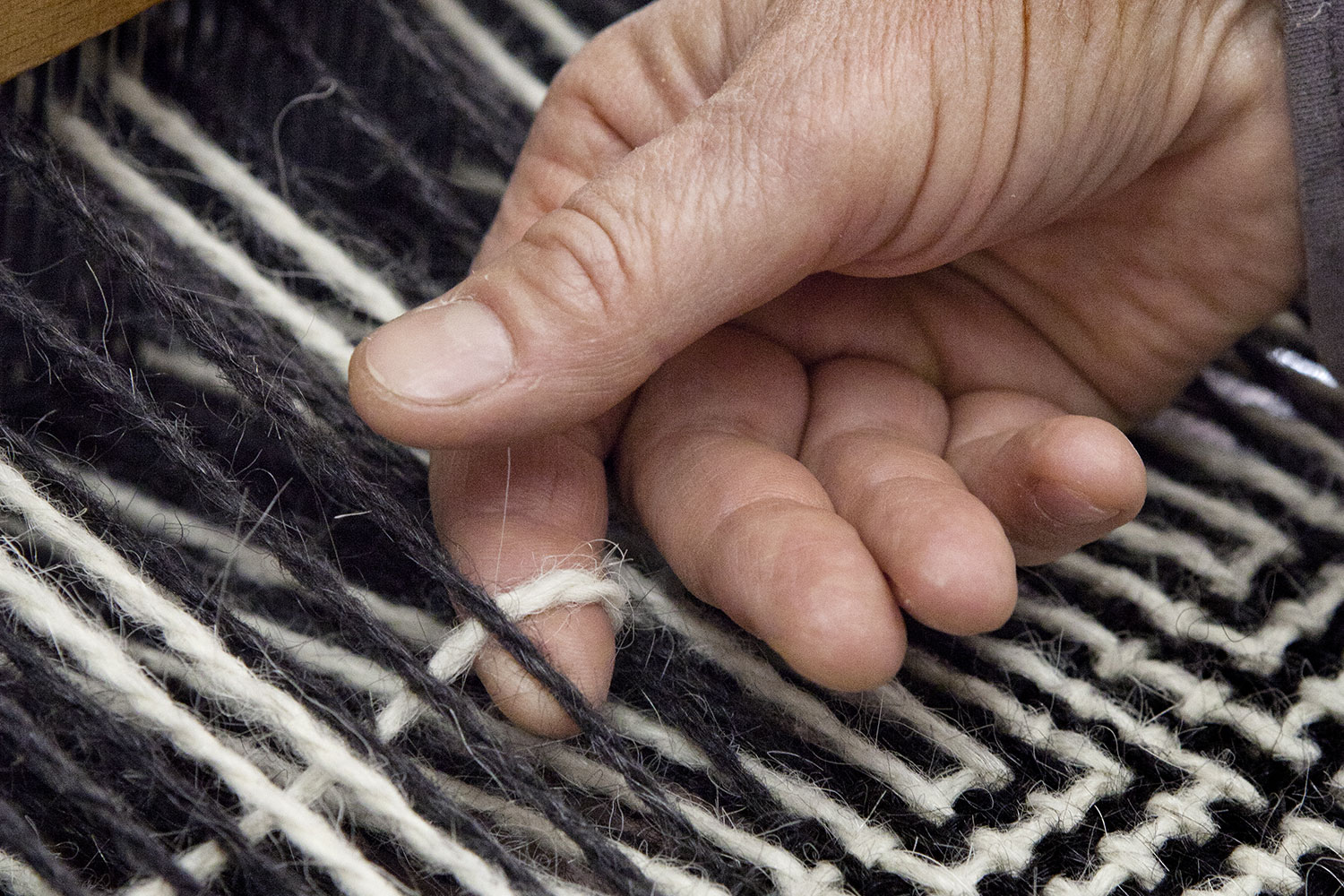
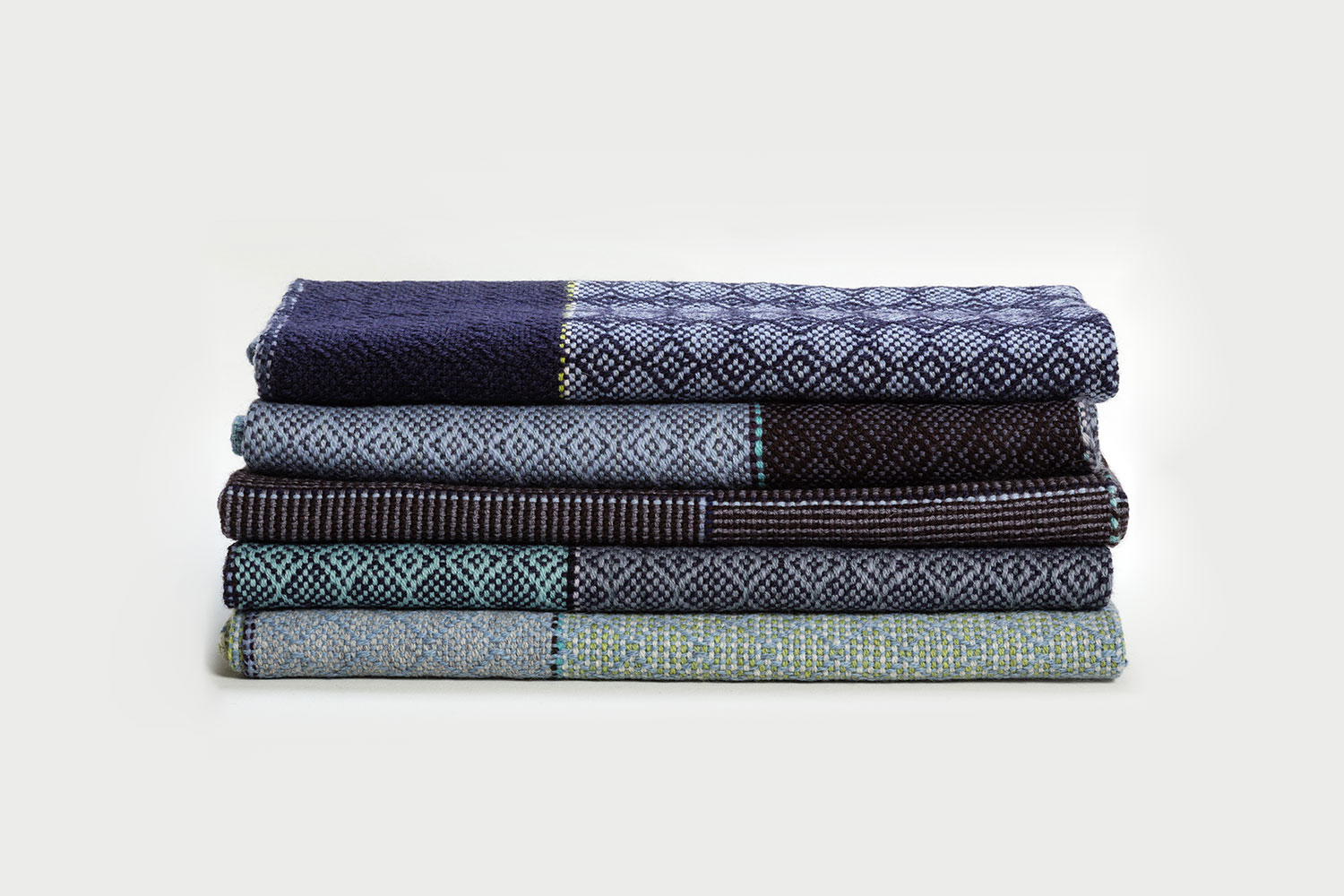
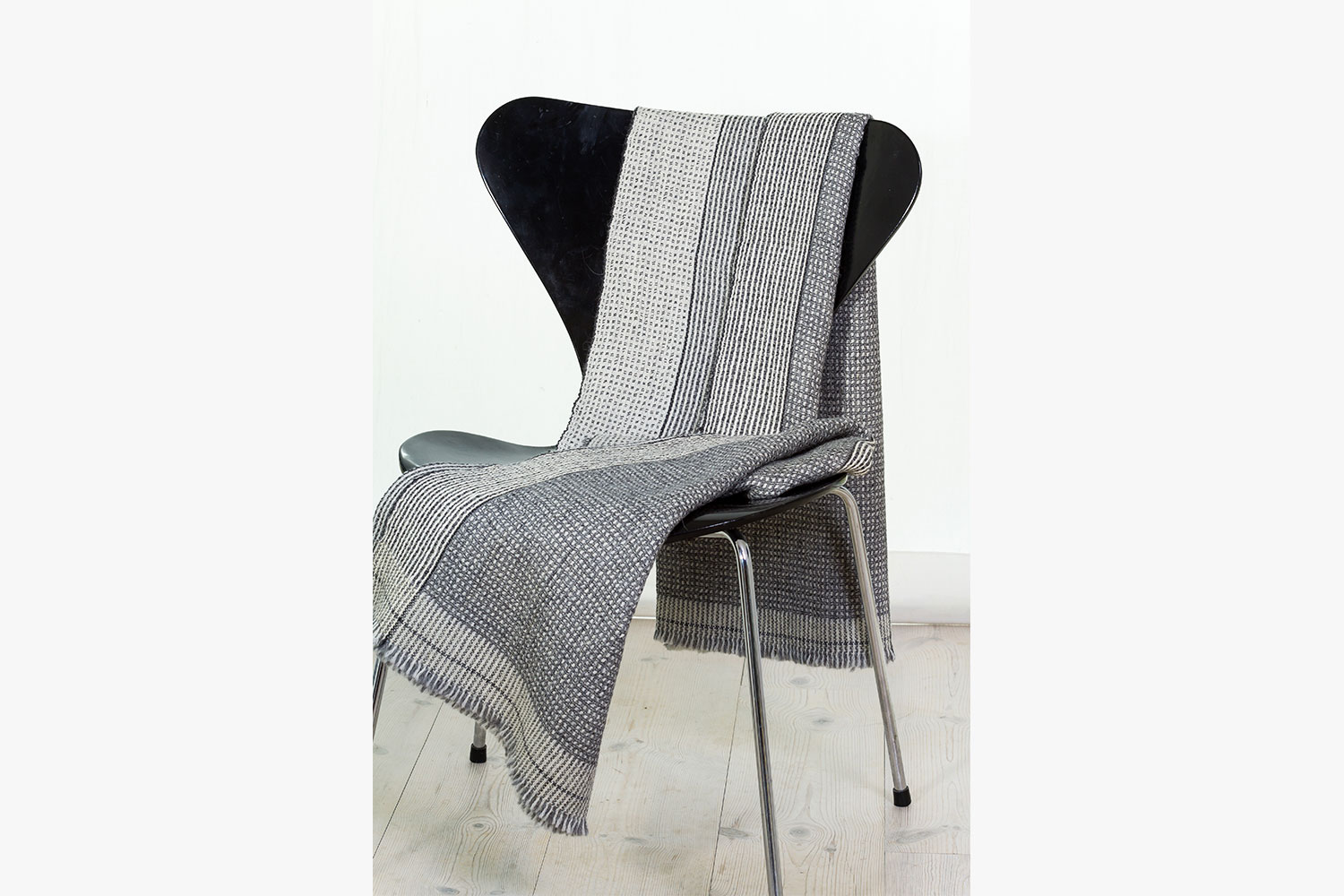
I work with traditional methods from classical hand weaving. Only natural fibres such as pure new wool, fine hair yarns, silk and linen are used. The design of my products is modern and timeless, strictly graphic and clearly laid out, a contemporary aesthetic.
To be confronted with the laws of techniques and material properties and to apply them again and again in a virtuoso manner. There are infinite possibilities to explore within the interplay of line and surface.
A product that repeatedly proves its usefulness in everyday life. Sensually pleasing, made of pure 'honest' materials, outlasting trends and fashions, whose production method and material qualities are sensibly matched to its function.
Yes, as it is becoming increasingly difficult to obtain training, and the understanding and appreciation of weaving is being lost. Especially as the complexity of the creation process and the knowledge of materials needed are not visible to the observer.
Katja Stelz
Weaver
Palingen, Germany
Recommended by Zentralverband des Deutschen Handwerks
AVAILABILITY
By appointment only
PHONE
+49 15736402259
LANGUAGES
German, English
Homo Faber Finds is a new service aiming to inspire admirers of craft to connect and collaborate with exceptional artisans.
We invite you to submit an enquiry here.