©All rights reserved
©All rights reserved
©All rights reserved
©All rights reserved
©All rights reserved
©All rights reserved
Joël Laplane
Luthier
Pézenas, France
Recommended by The French Savoir-Faire Institute (INMA)
©All rights reserved
©All rights reserved
©All rights reserved
©All rights reserved
©All rights reserved
©All rights reserved
©All rights reserved
©All rights reserved
©All rights reserved
©All rights reserved
©All rights reserved
©All rights reserved
The shape of sound
- Joël opened his first lutherie workshop in the mid-1970s
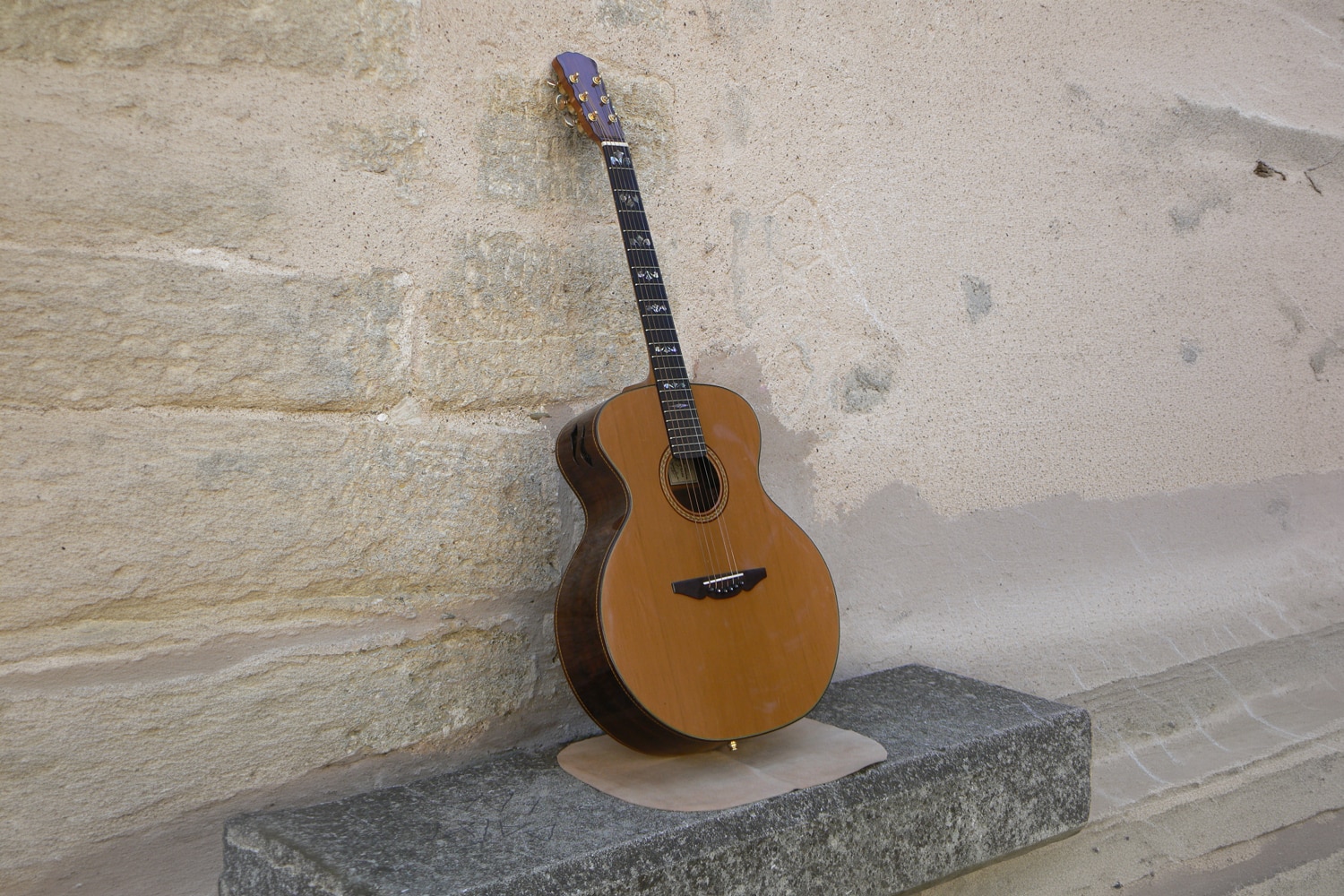
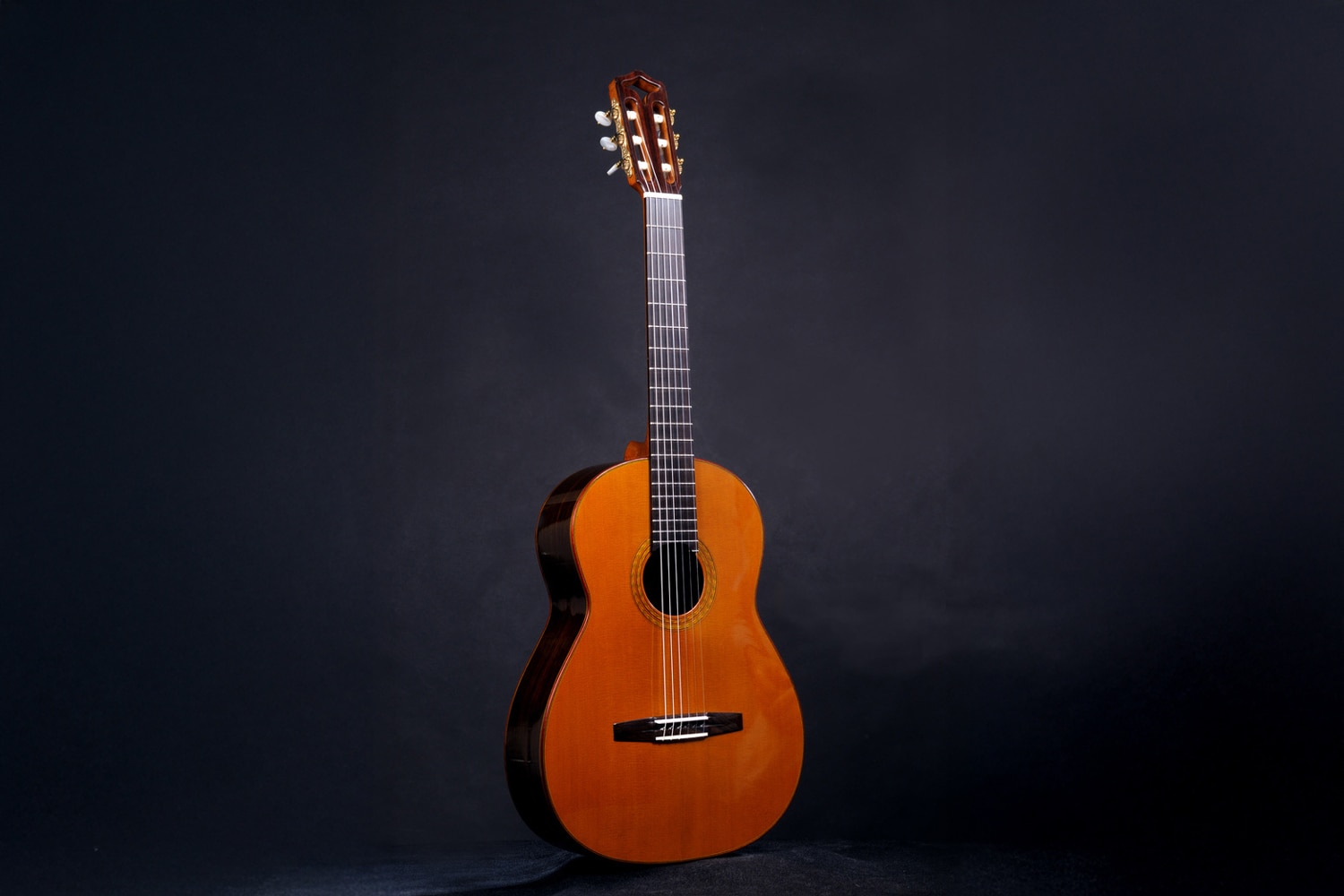
- He specialises in making classical and flamenco guitars
- He pursued studies in physics and acoustics alongside practising his craft
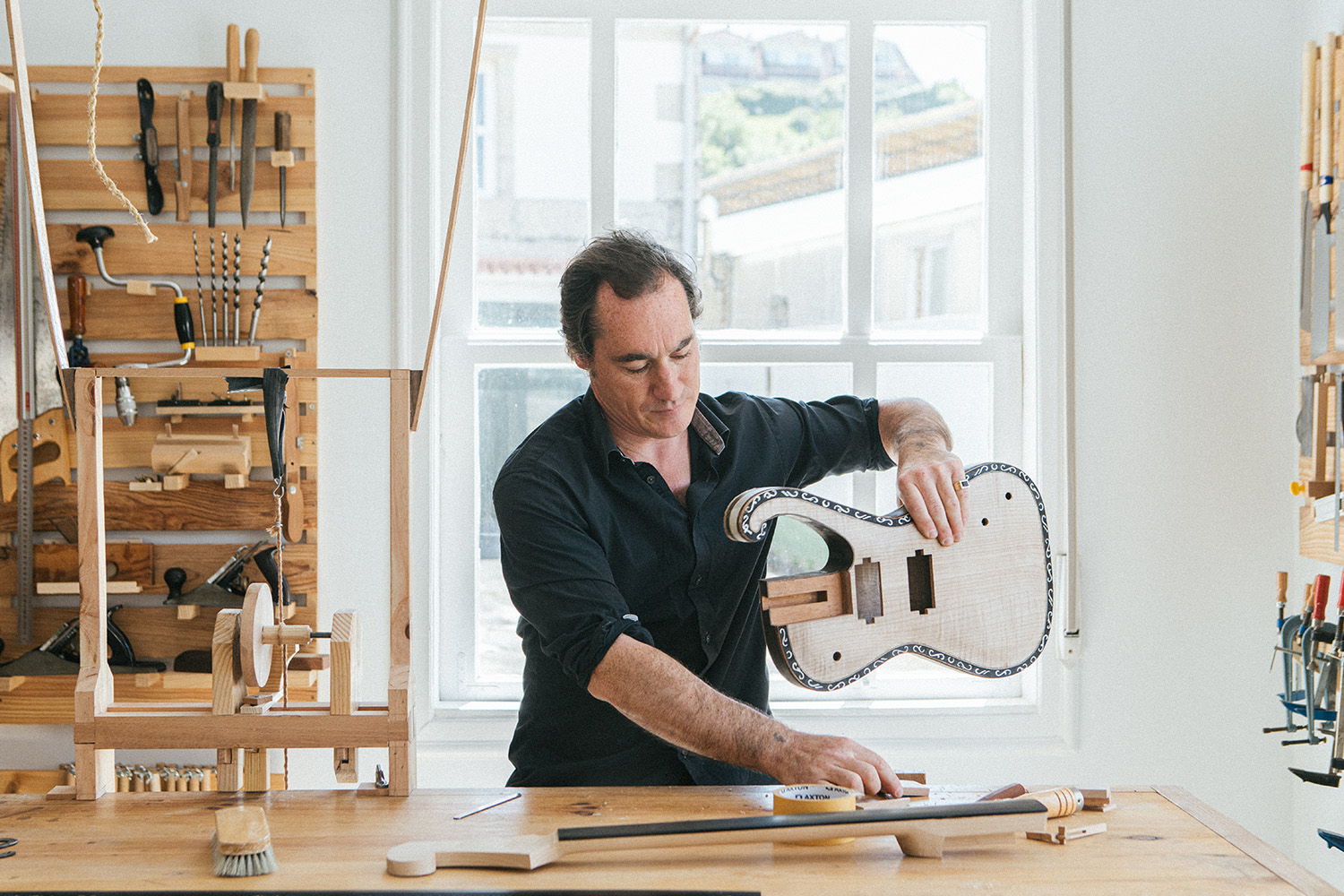
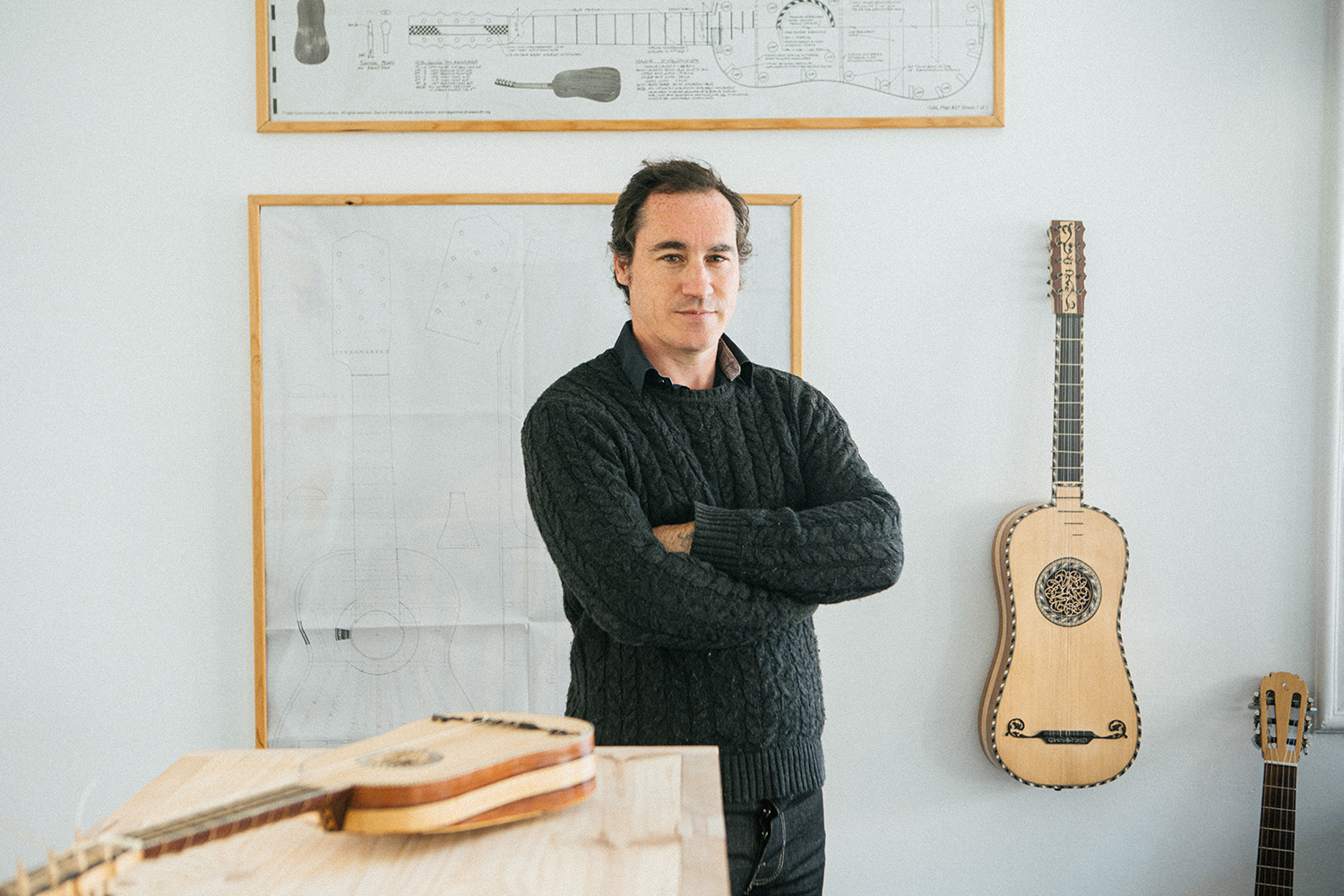
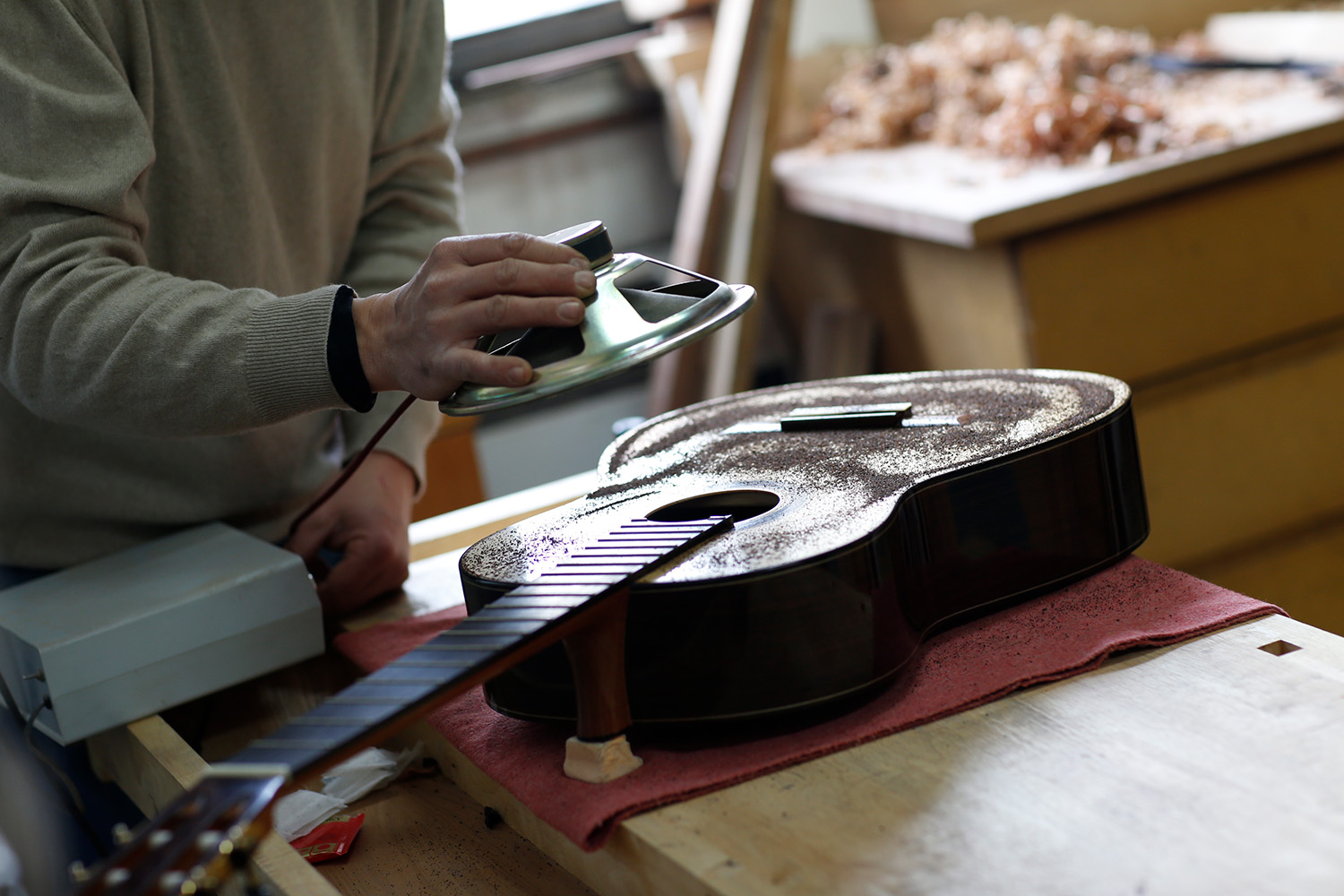
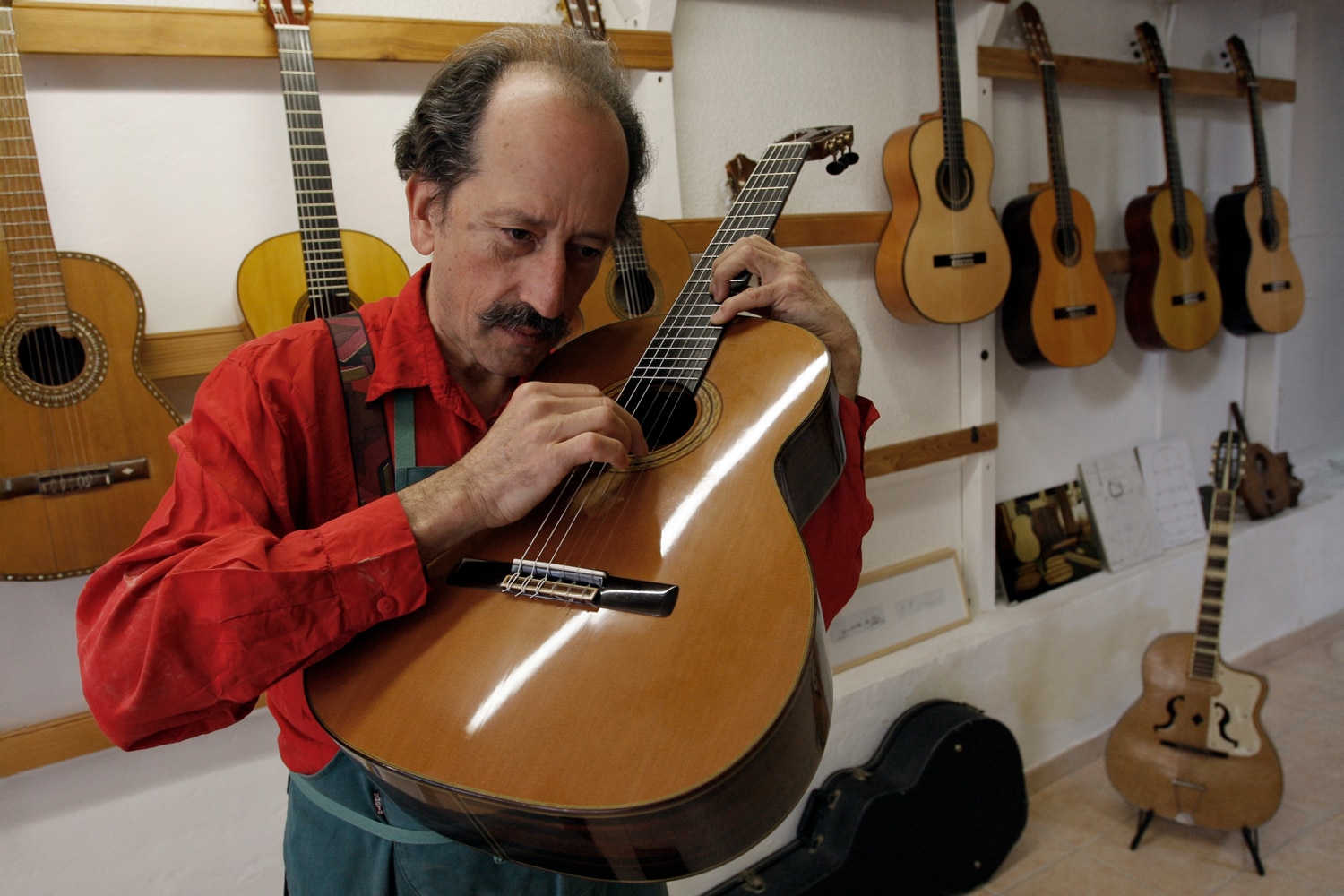
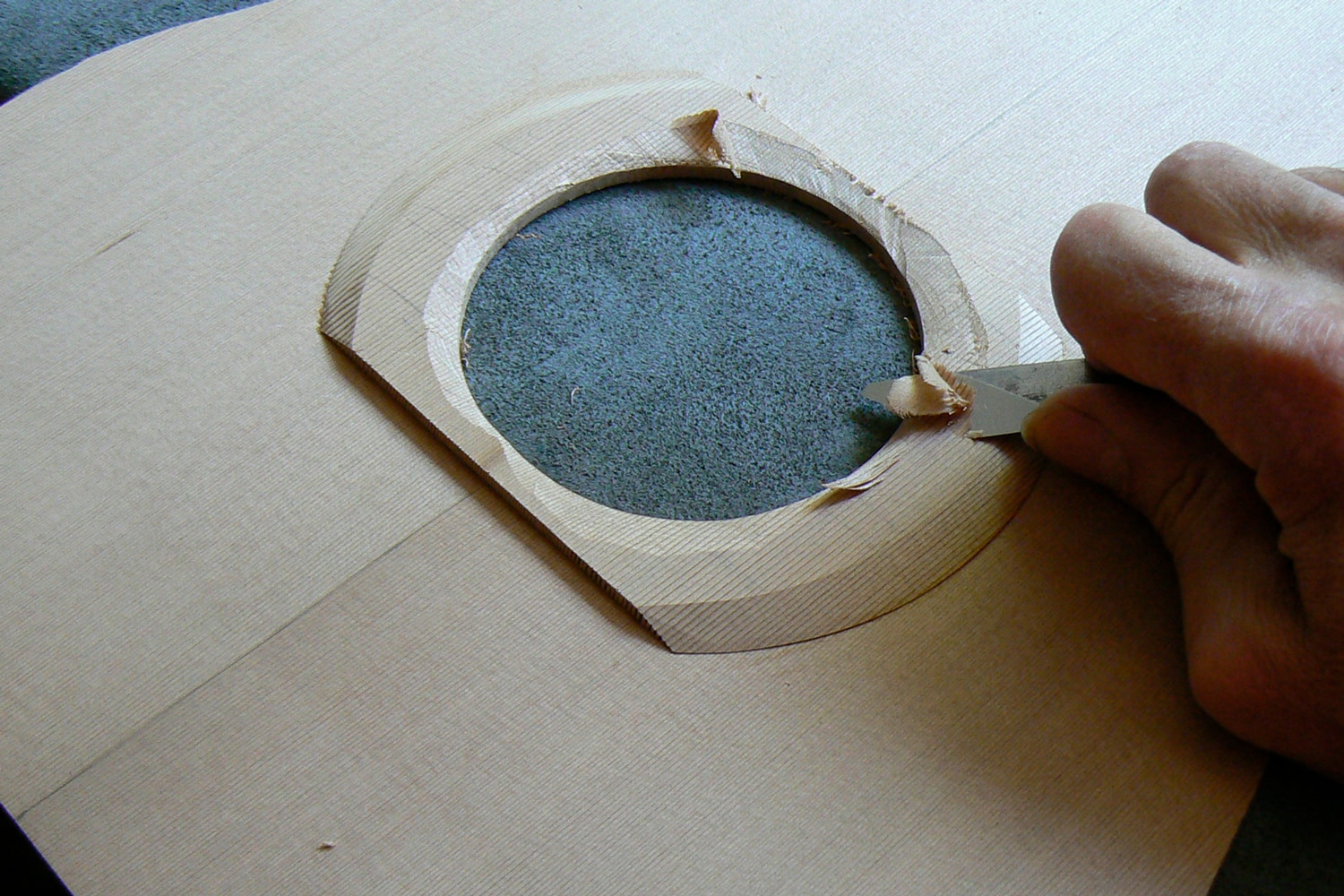
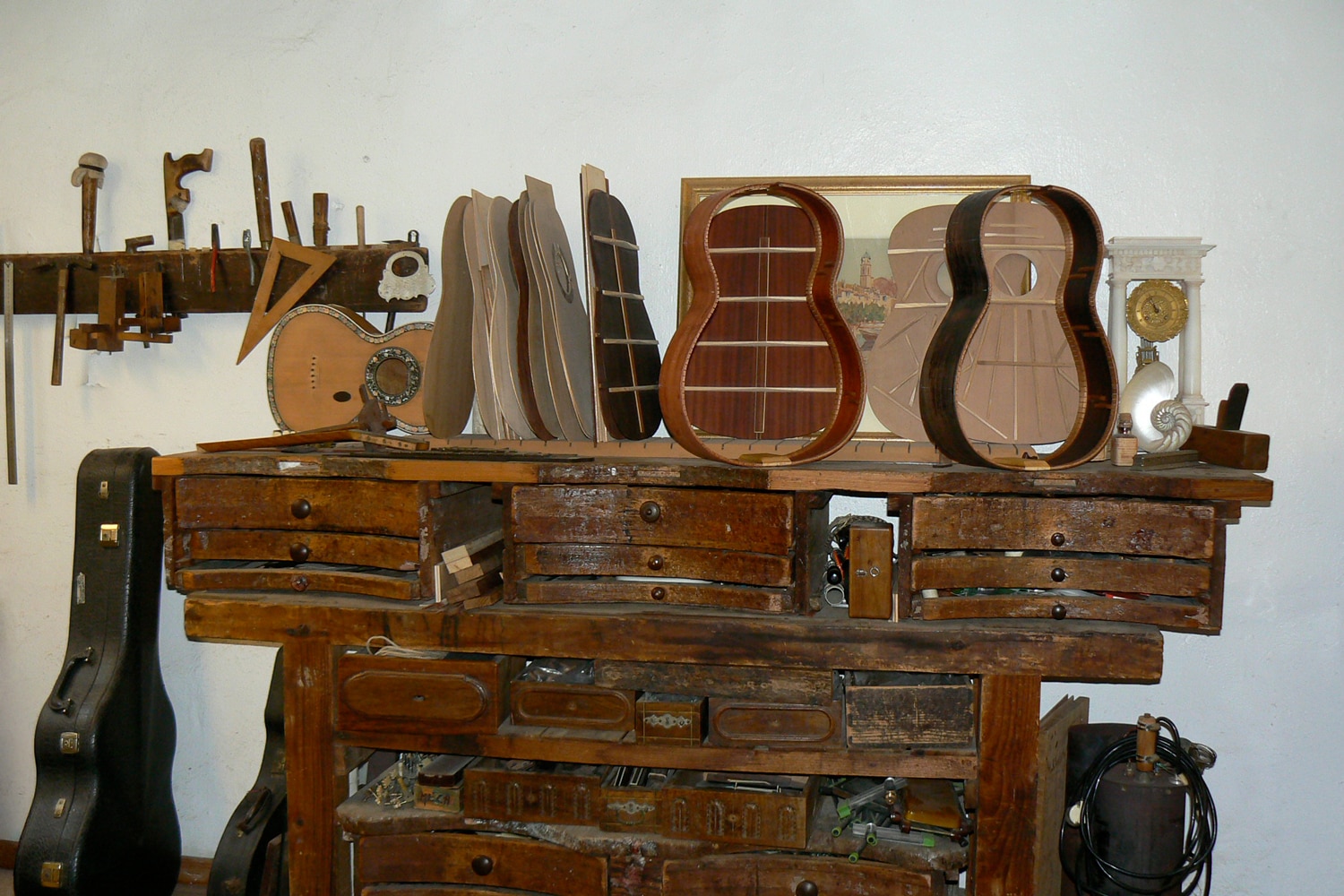
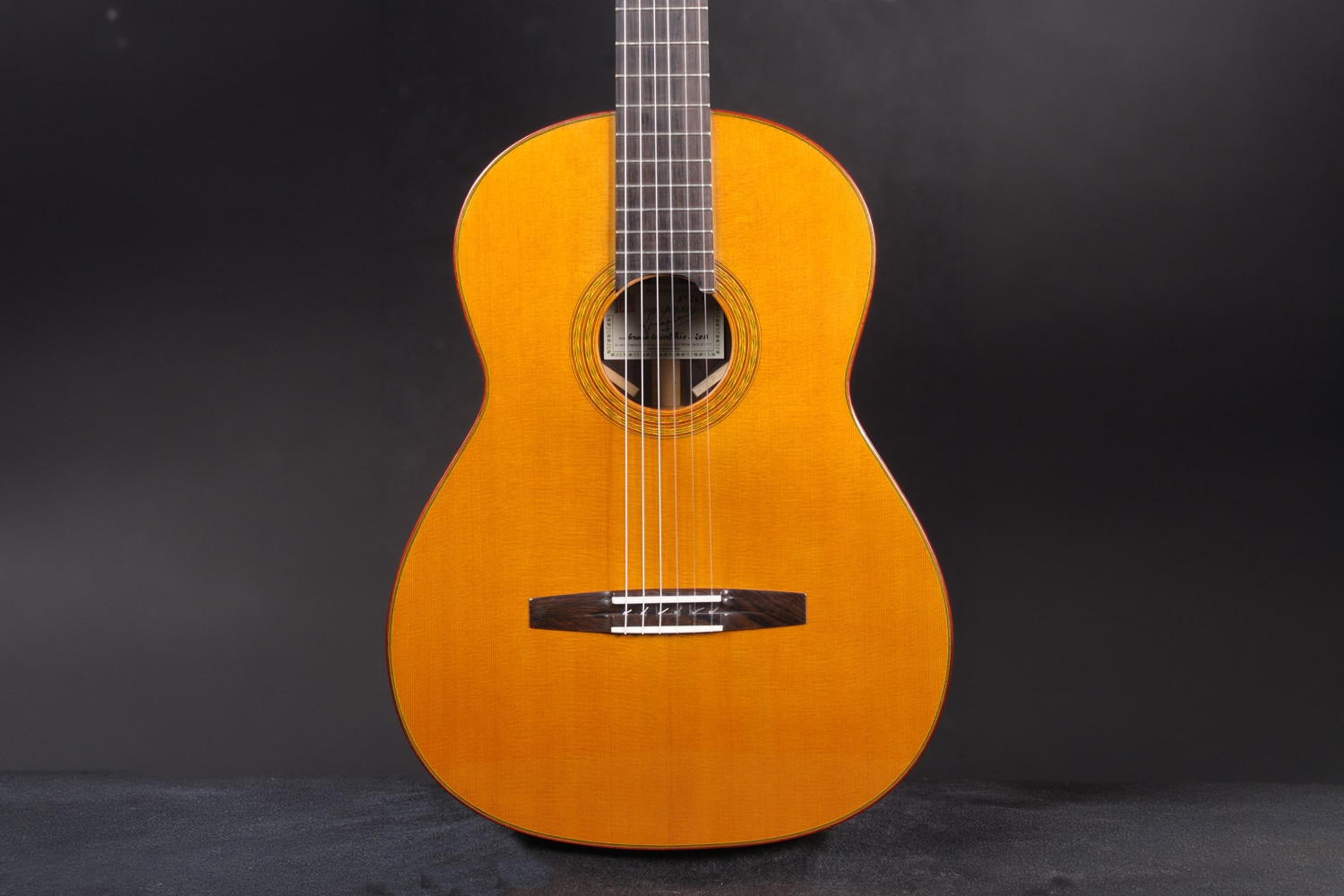
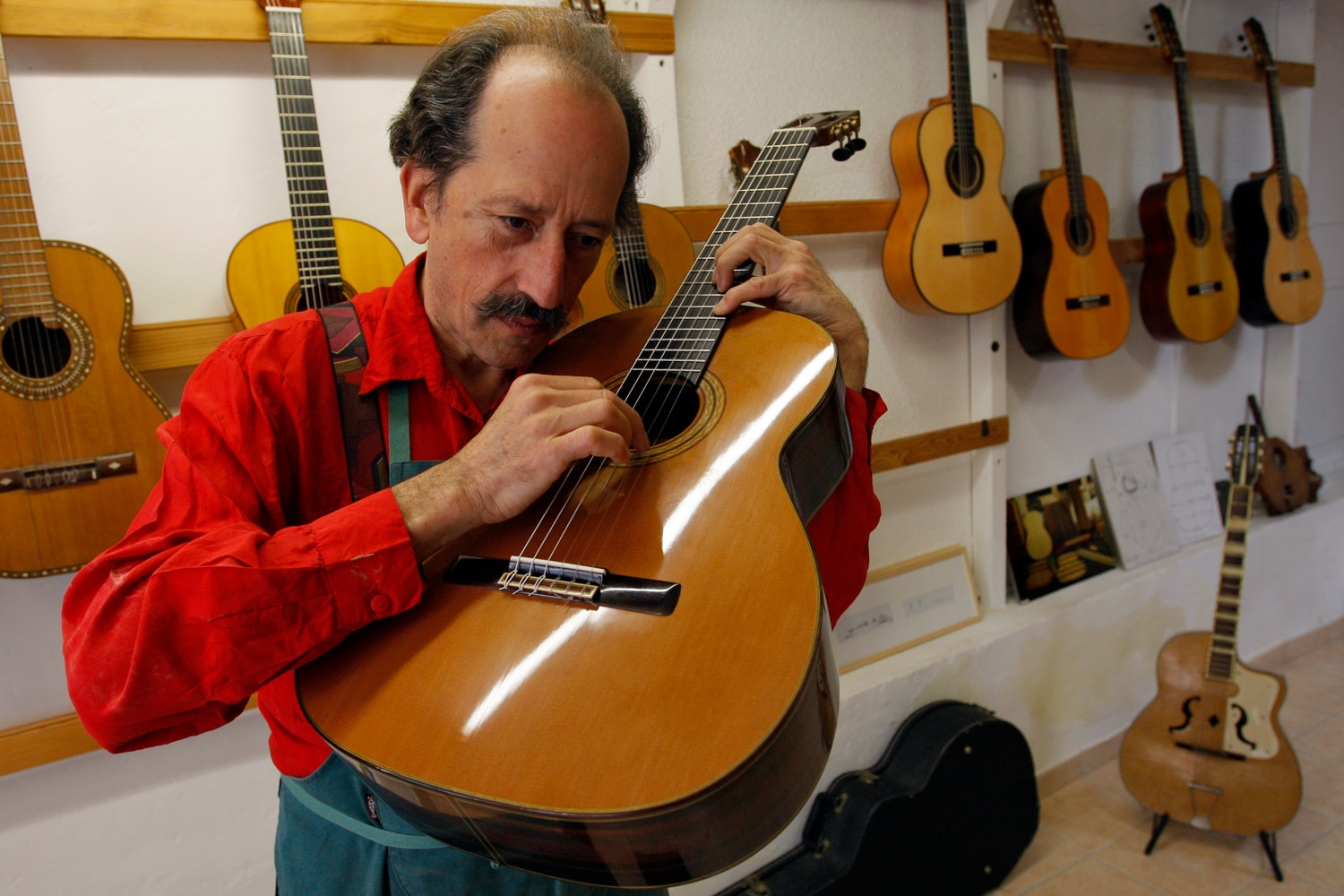
Joël Laplane grew up surrounded by instruments and melodies in a family of musicians. While his siblings pursued music, he was drawn instead to making instruments for them to play. Joël trained in the tradition of Spanish lutherie under master Arthur Carbonell-Torres, who passed on both his craft and workshop to him in 1976. Deeply committed to passing on his knowledge, Joël trained his first apprentice in 1978 and has continued to share his savoir-faire ever since. He began writing down what he had learned from Carbonell, formalising both his expertise and the techniques he developed in order to pass them on. He views his practice as a collaborative one, responding to the needs of each individual musician. “For me, making a guitar is above all about enabling expression, creating an instrument that allows musicians to fully reveal their voice,” he says.
Joël Laplane is a master artisan: he began his career in 1977 and he started teaching in 1978.
Live demonstration
The making of a concert guitarA ROOTED ASCENT
Image 1 of 3
INTERVIEW
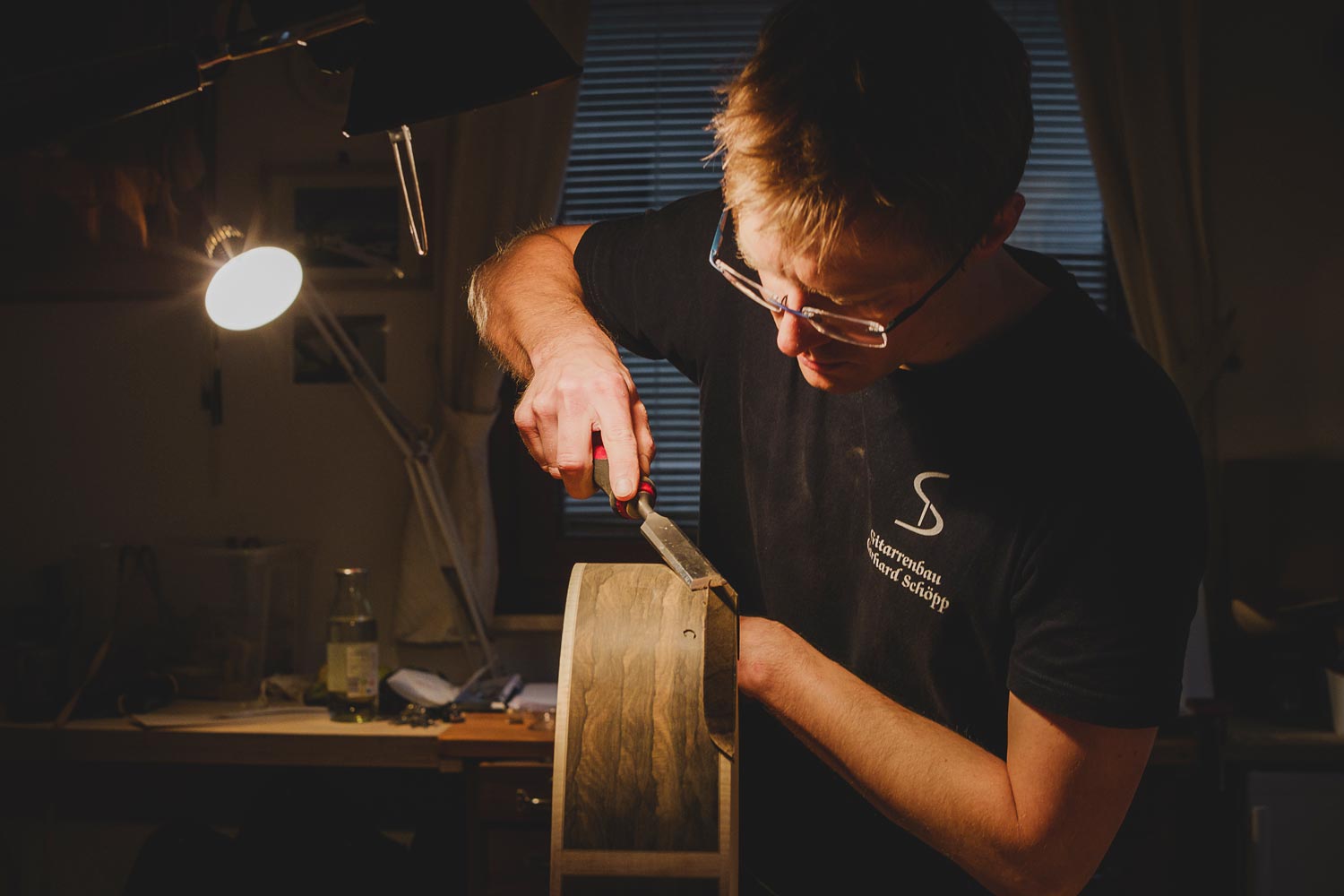
I grew up in a family of musicians, in which both my grandfather and great-grandfather were organ builders. My classical guitar teacher first sparked my curiosity about the instrument and all its subtleties. Later, when my parents bought me a guitar made by a luthier, I became fascinated by the atmosphere of the workshop with its tools, wood and craftsmanship. I eventually went on to learn the craft in his atelier.
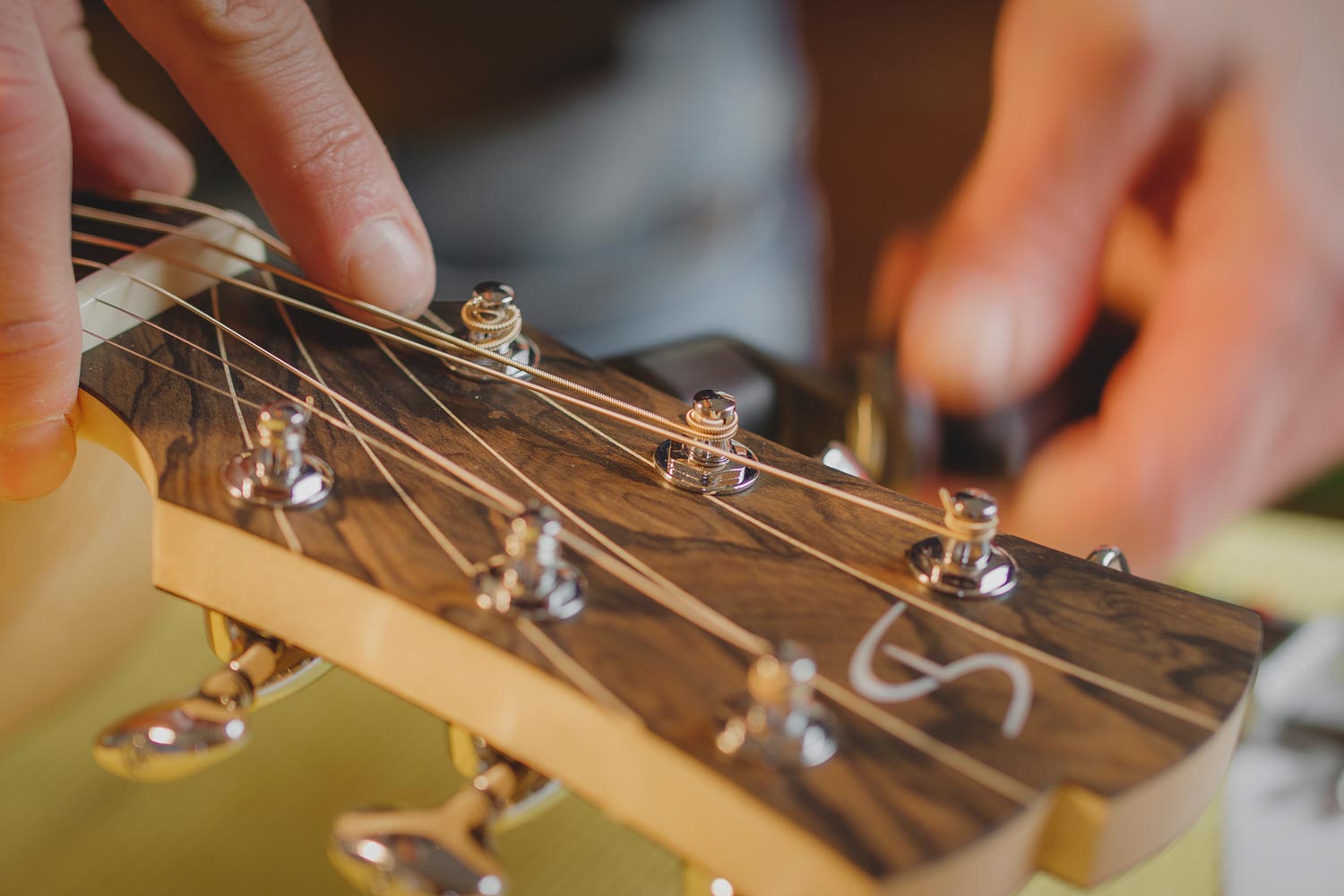
It is essential to understand how the musician plays. The physical relationship between the player and the instrument is key, and the guitar must feel comfortable to hold. When working on a project with a musician, we meet several times, discussing the sound, the music and how the instrument will respond to the player.
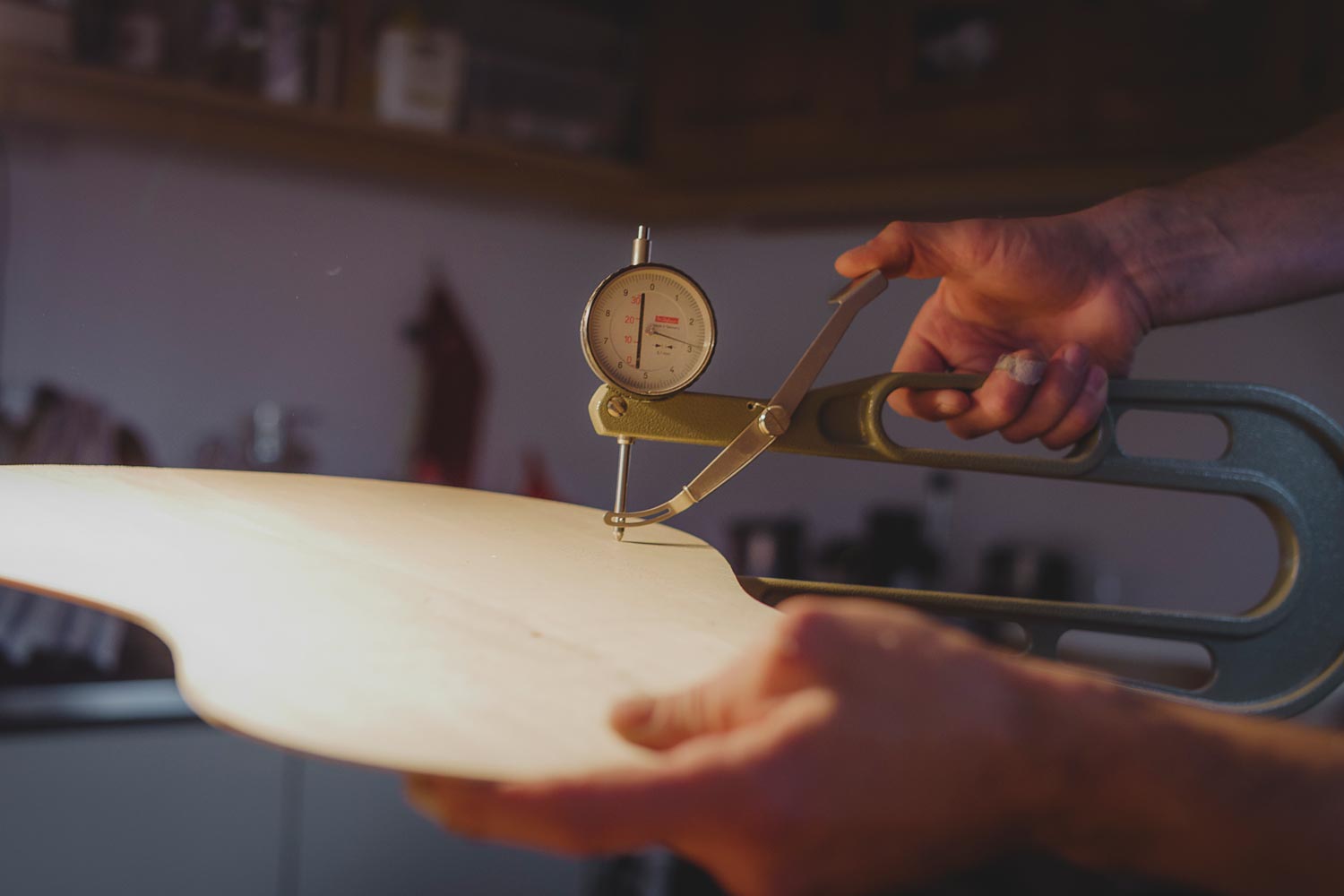
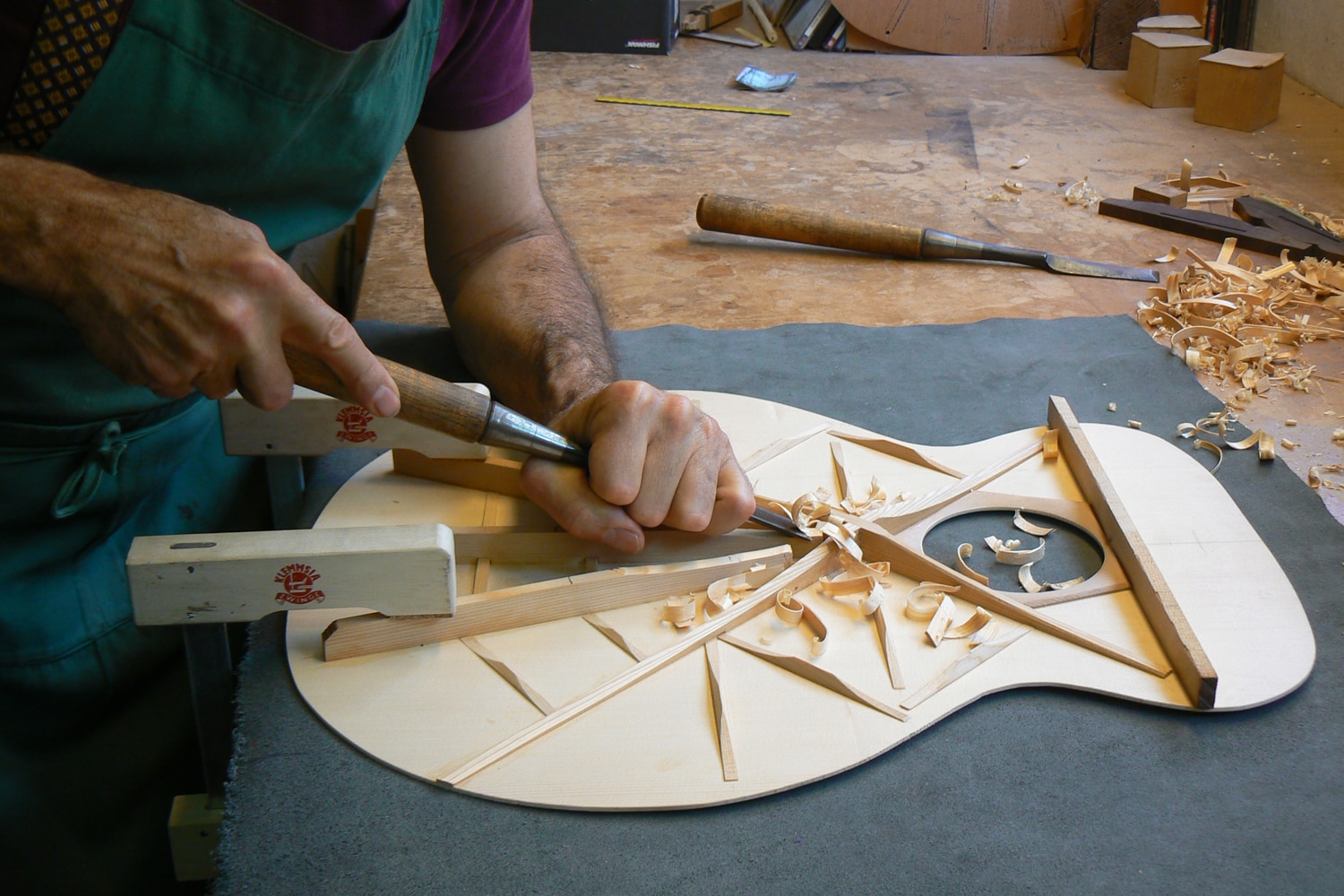
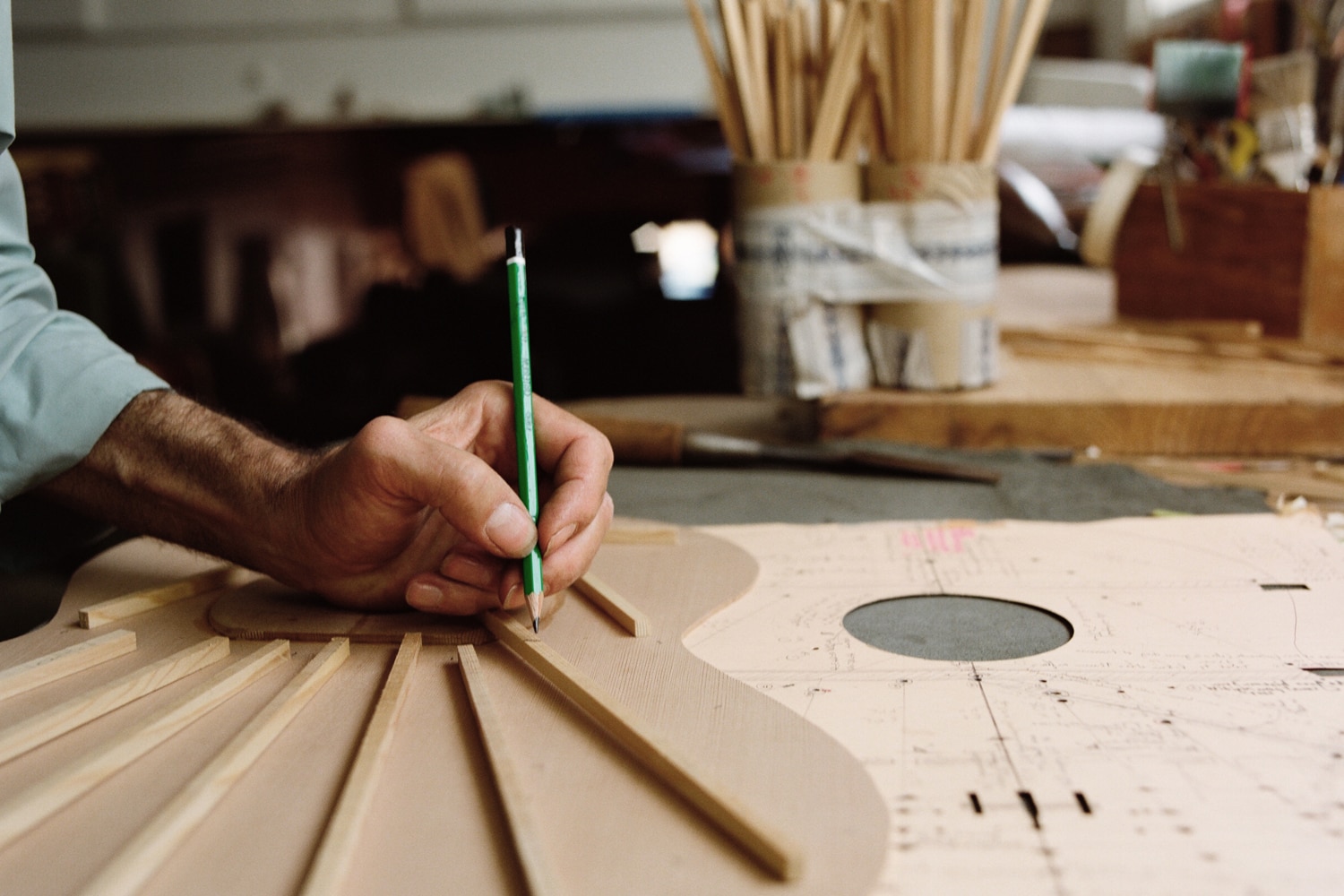
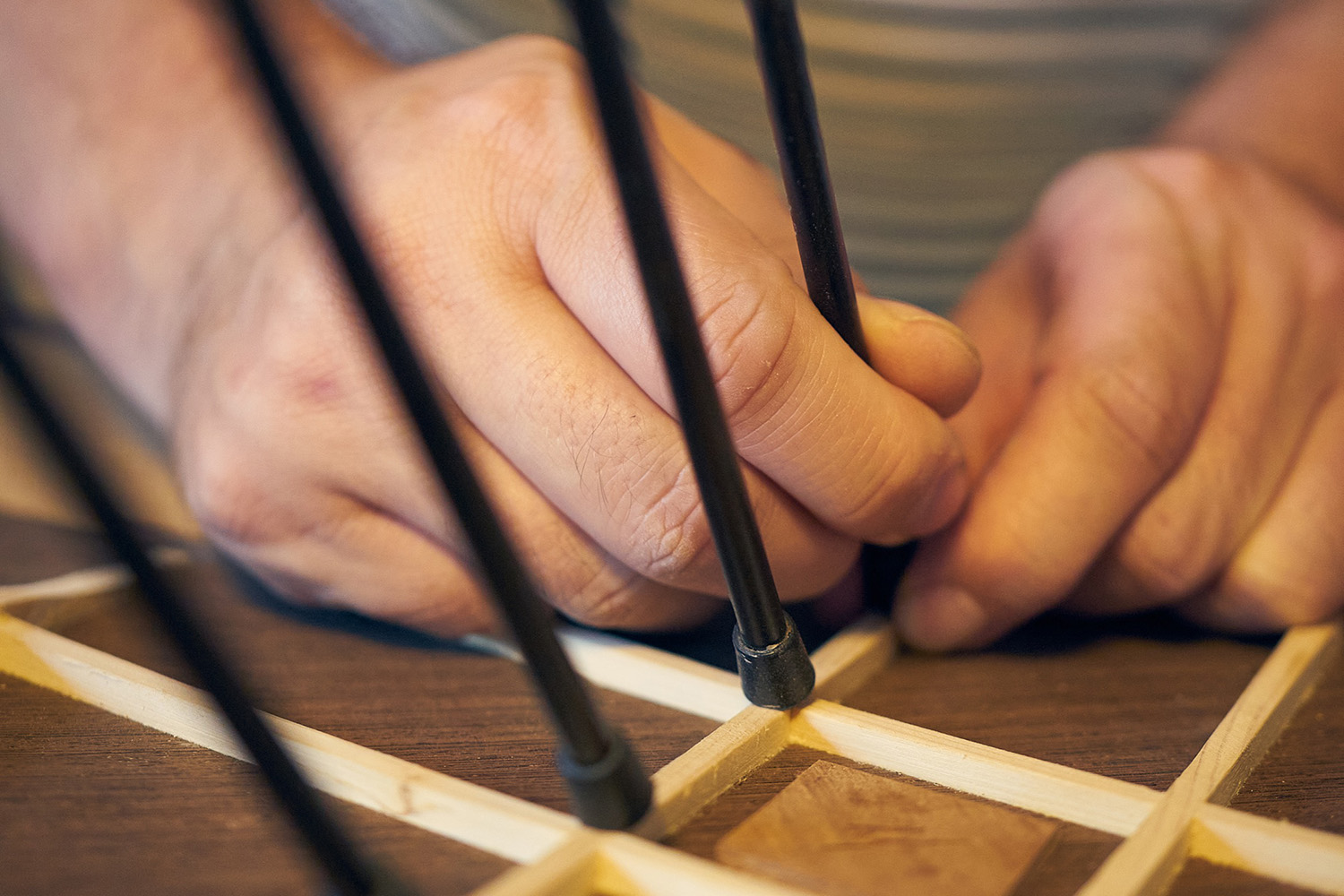
Without hesitation, the shaping and refining of the braces on the soundboard. The soundboard is what gives the instrument its voice. It is the heart of the instrument. That is what matters most.
The diversity of musicians, meaning both their personalities and their way of playing. That is what interests me most. The workshop can be a solitary place where I can spend long hours alone at the bench. Meeting musicians brings meaning and balance to my practice.
Joël Laplane
Luthier
Pézenas, France
Recommended by The French Savoir-Faire Institute (INMA)
AVAILABILITY
By appointment only
LANGUAGES
French, German, English, Spanish, Italian
HOMO FABER FINDS
Homo Faber Finds is a new service aiming to inspire admirers of craft to connect and collaborate with exceptional artisans.
We invite you to submit an enquiry here.

chanel_goossens-savoir-faire-©alix-marnat_18-HD.jpg)
chanel_maison_goossens_©alix-marnat-11-HD.jpg)
chanel_goossens-©alix-marnat_17-HD.jpg)