Michihiro Matsuda
Luthier
Redwood City, CA, USA
The full story of sound
- Michi builds custom, handcrafted acoustic guitars
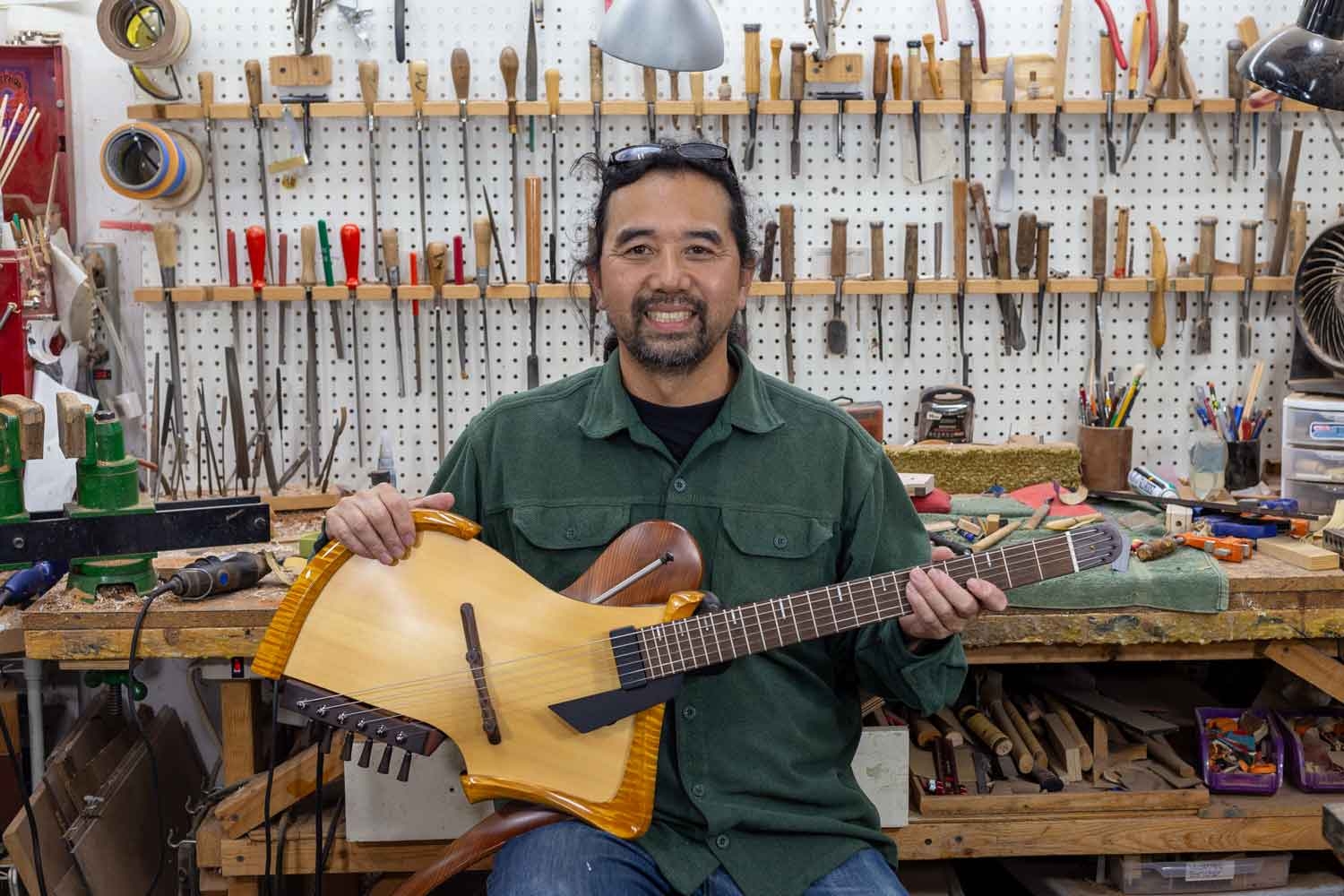
- He is an expert luthier known for his innovative designs and material considerations
- His guitars fuse fine woodwork with bold, sculptural forms
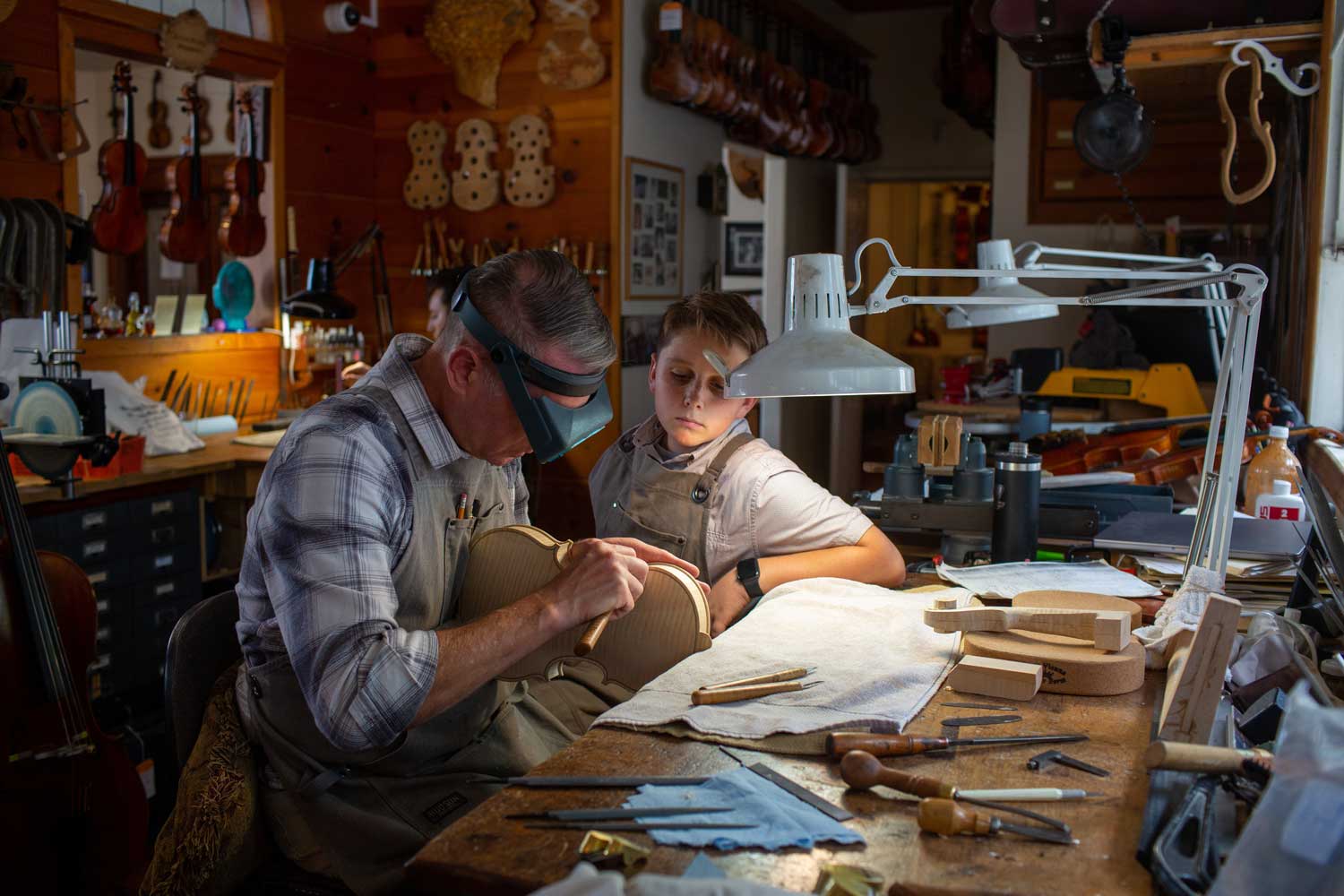
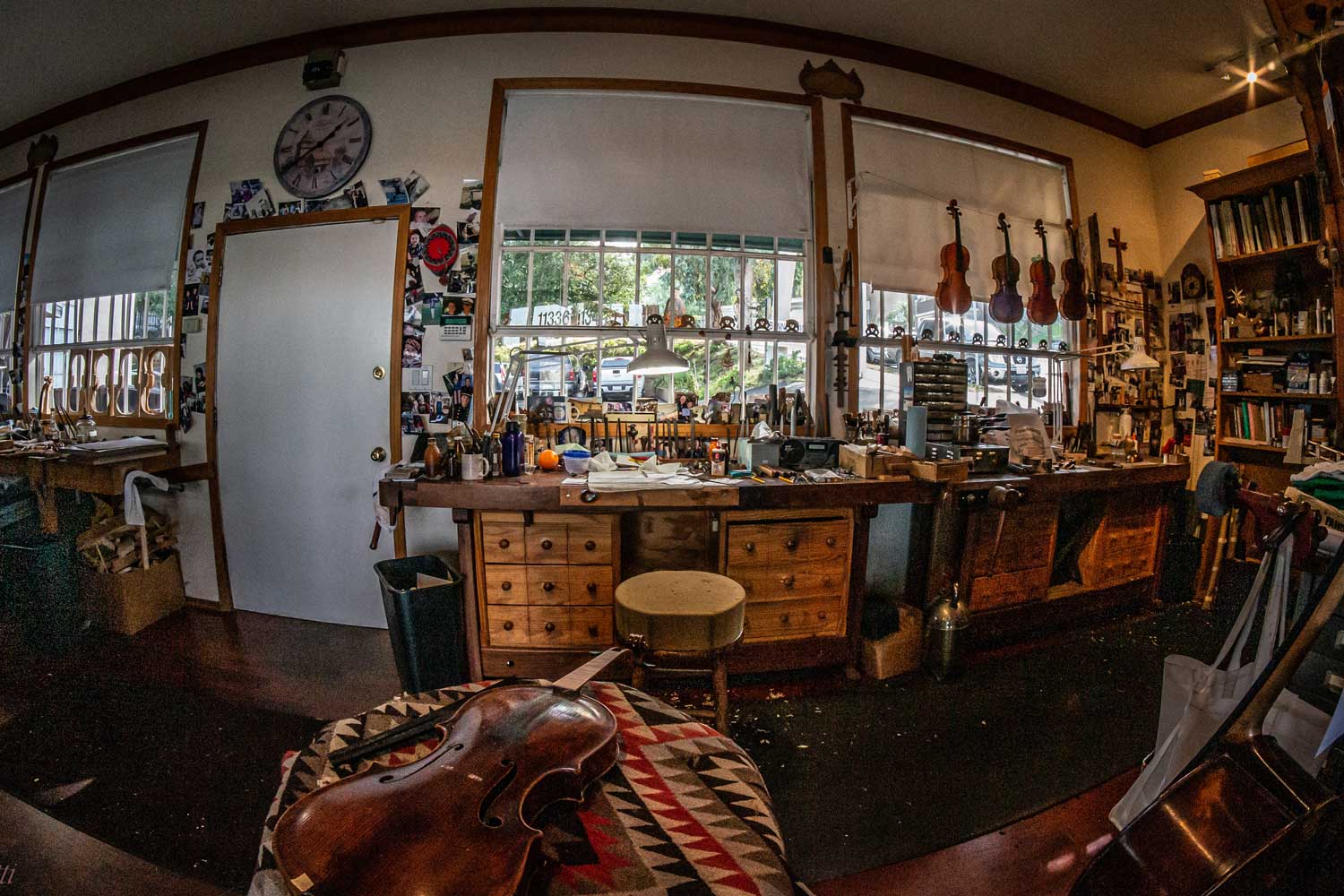
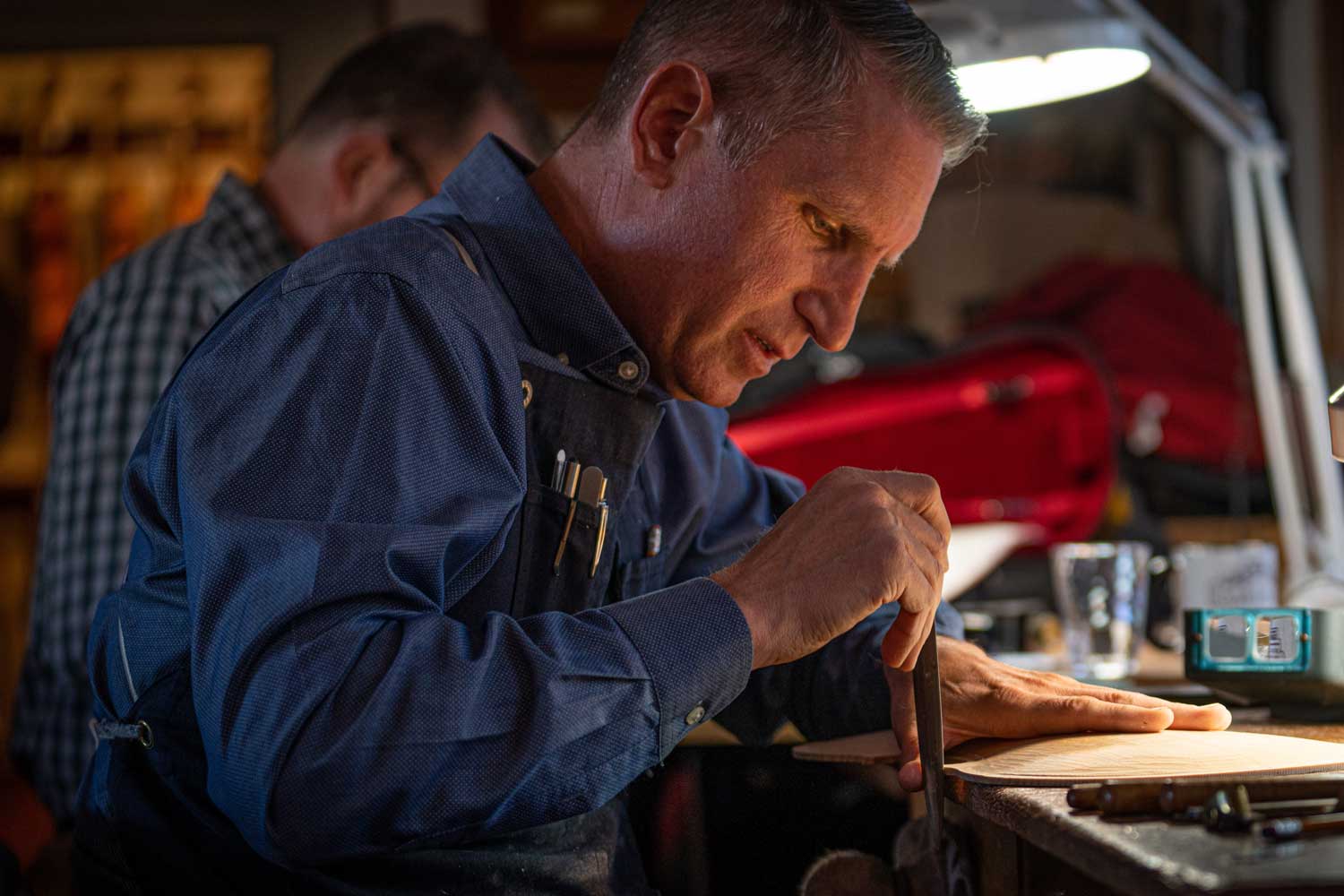
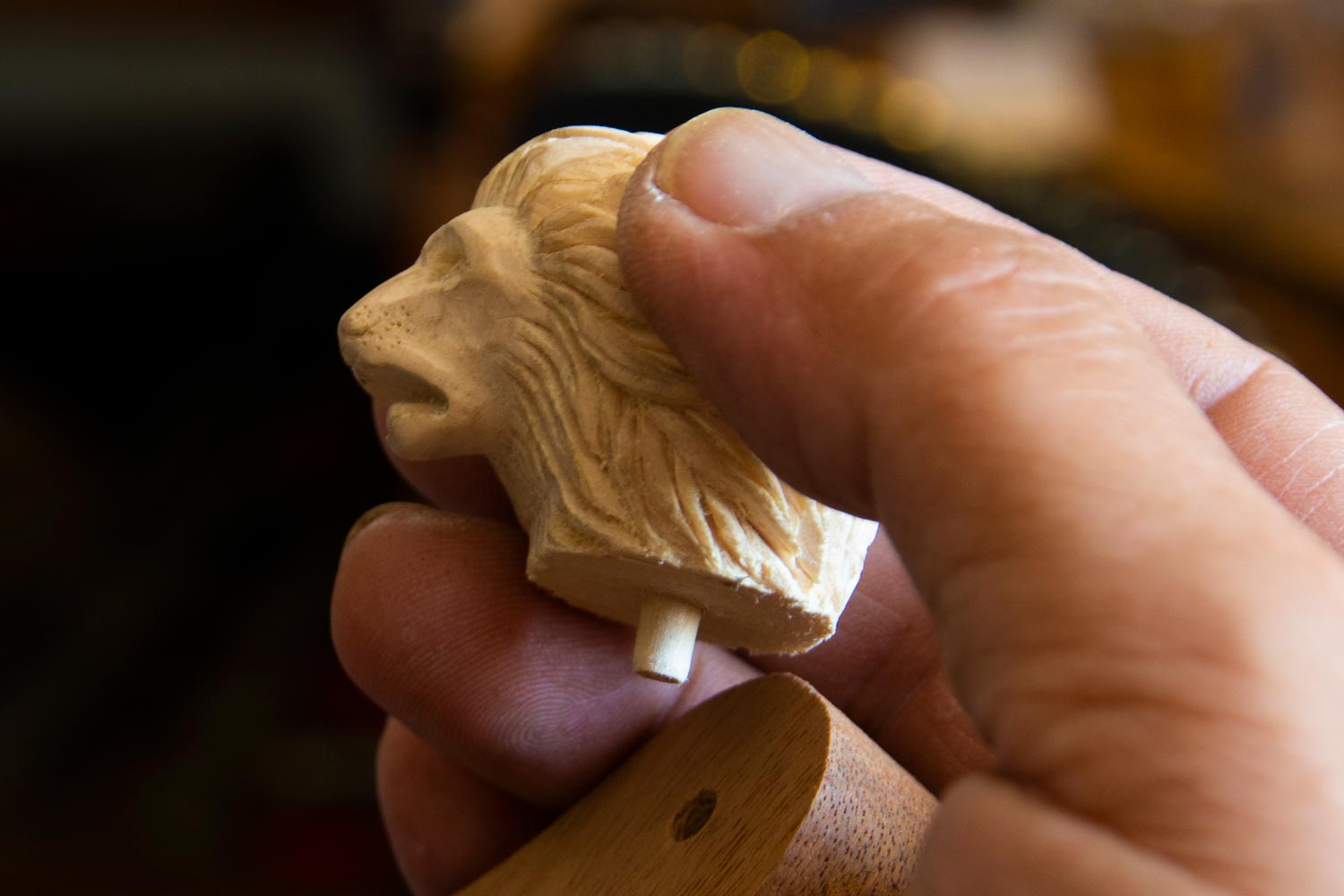
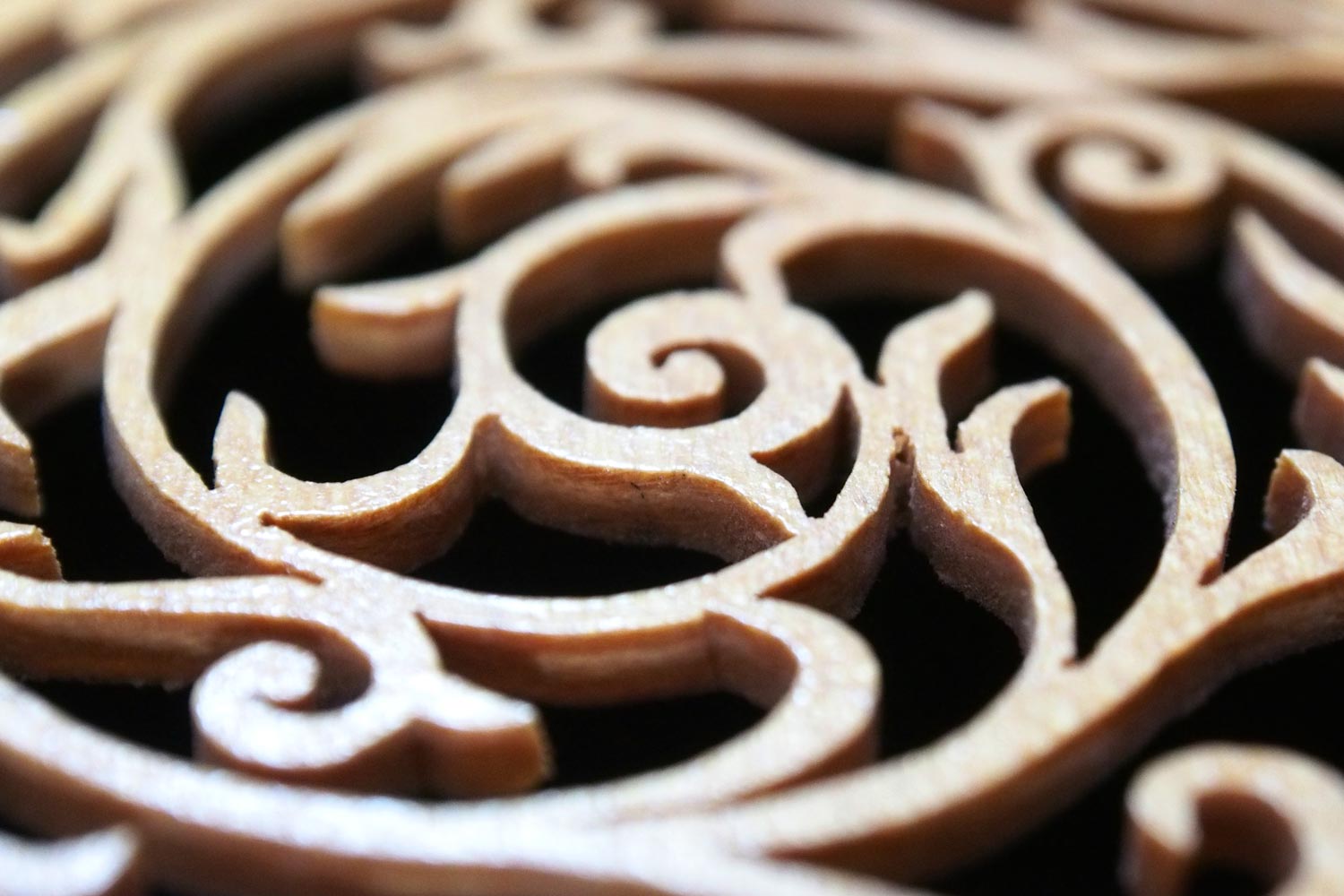
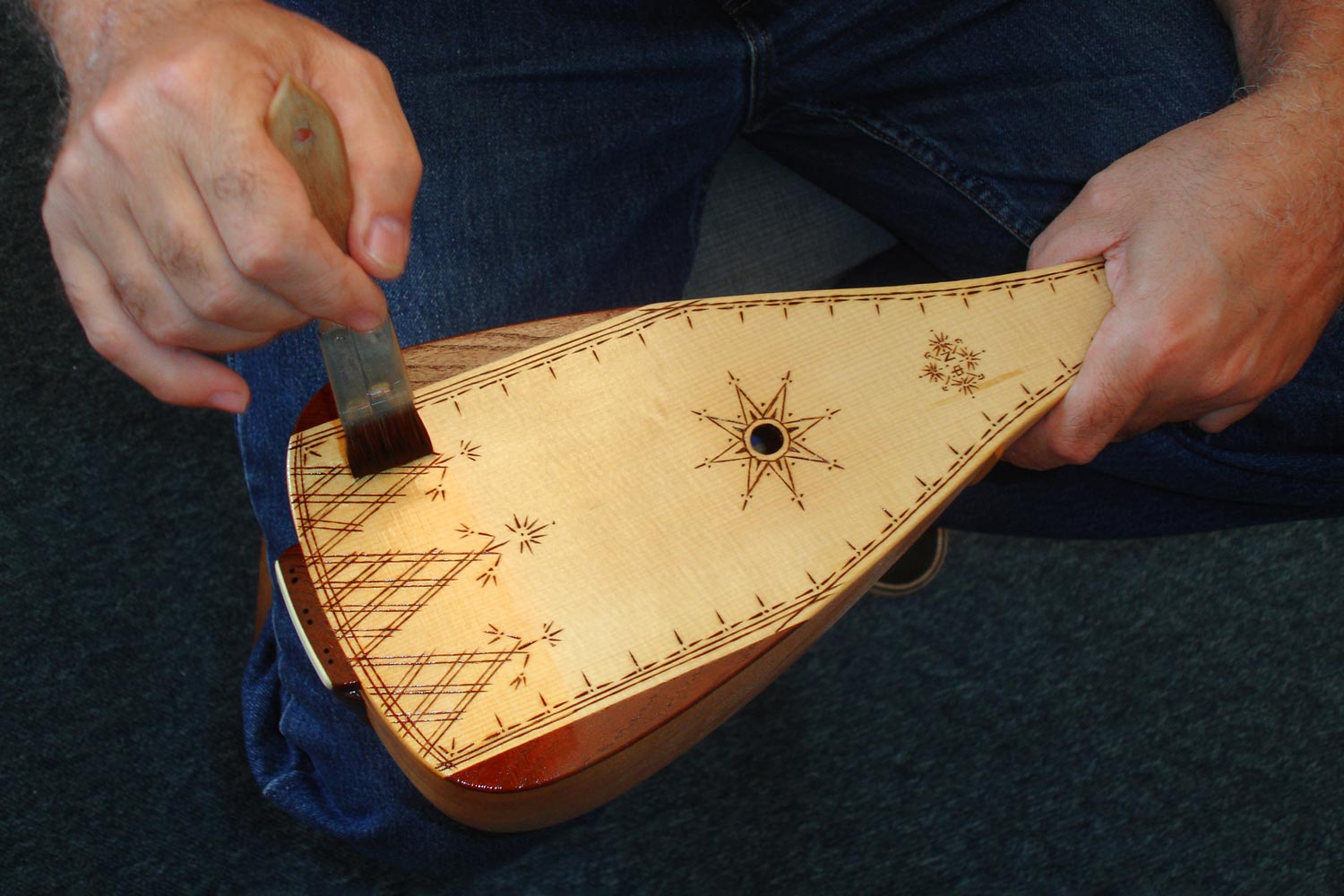
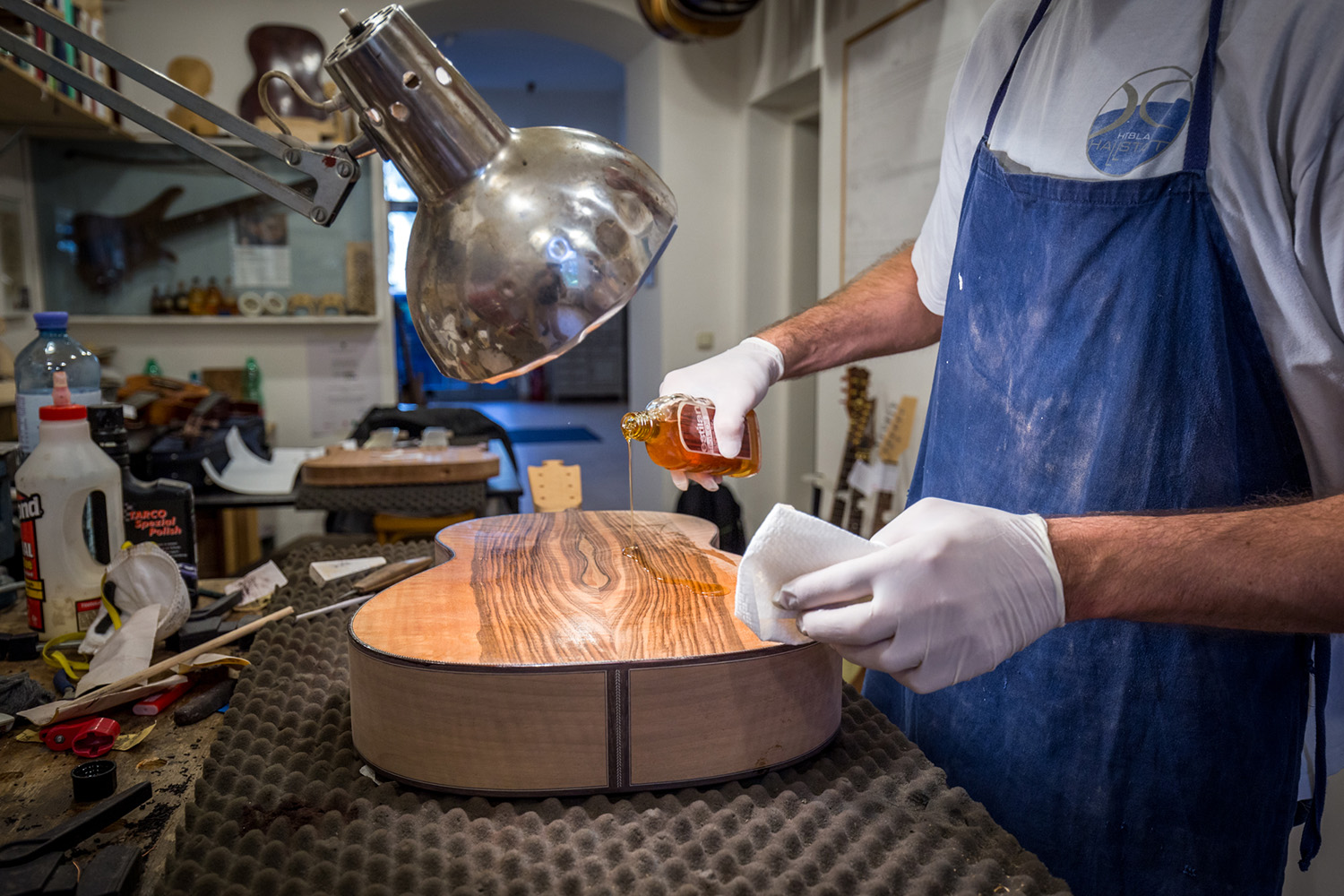
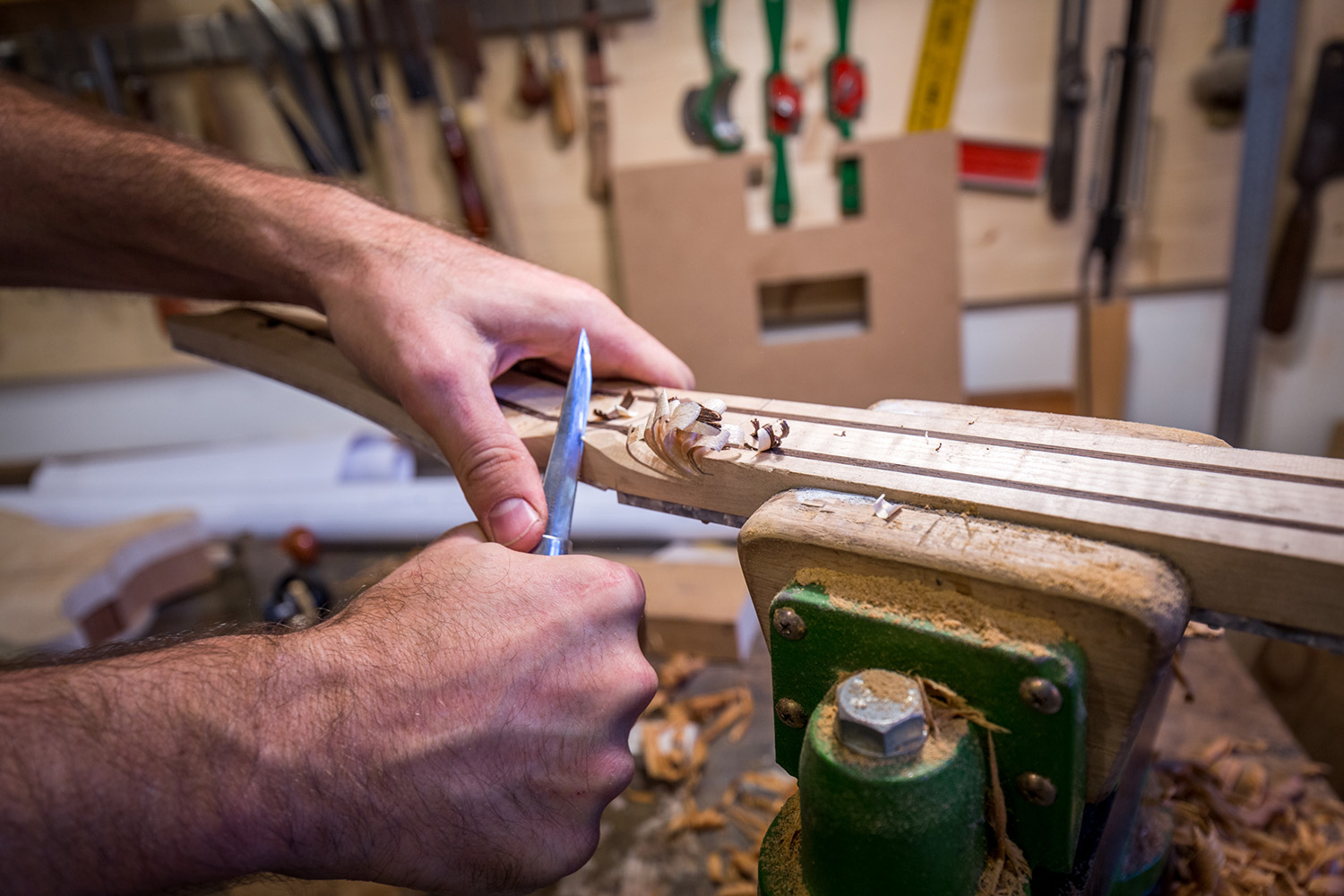
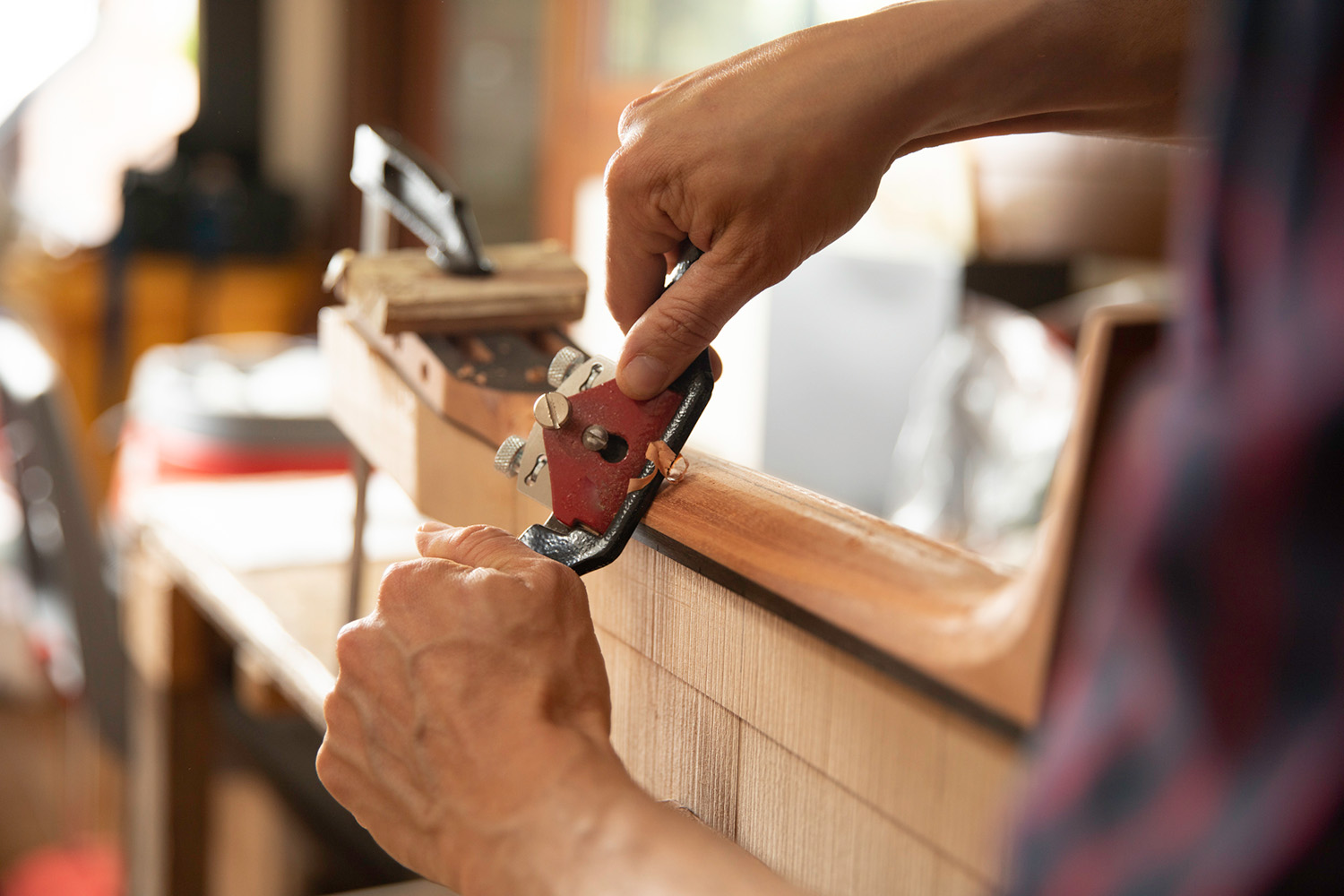
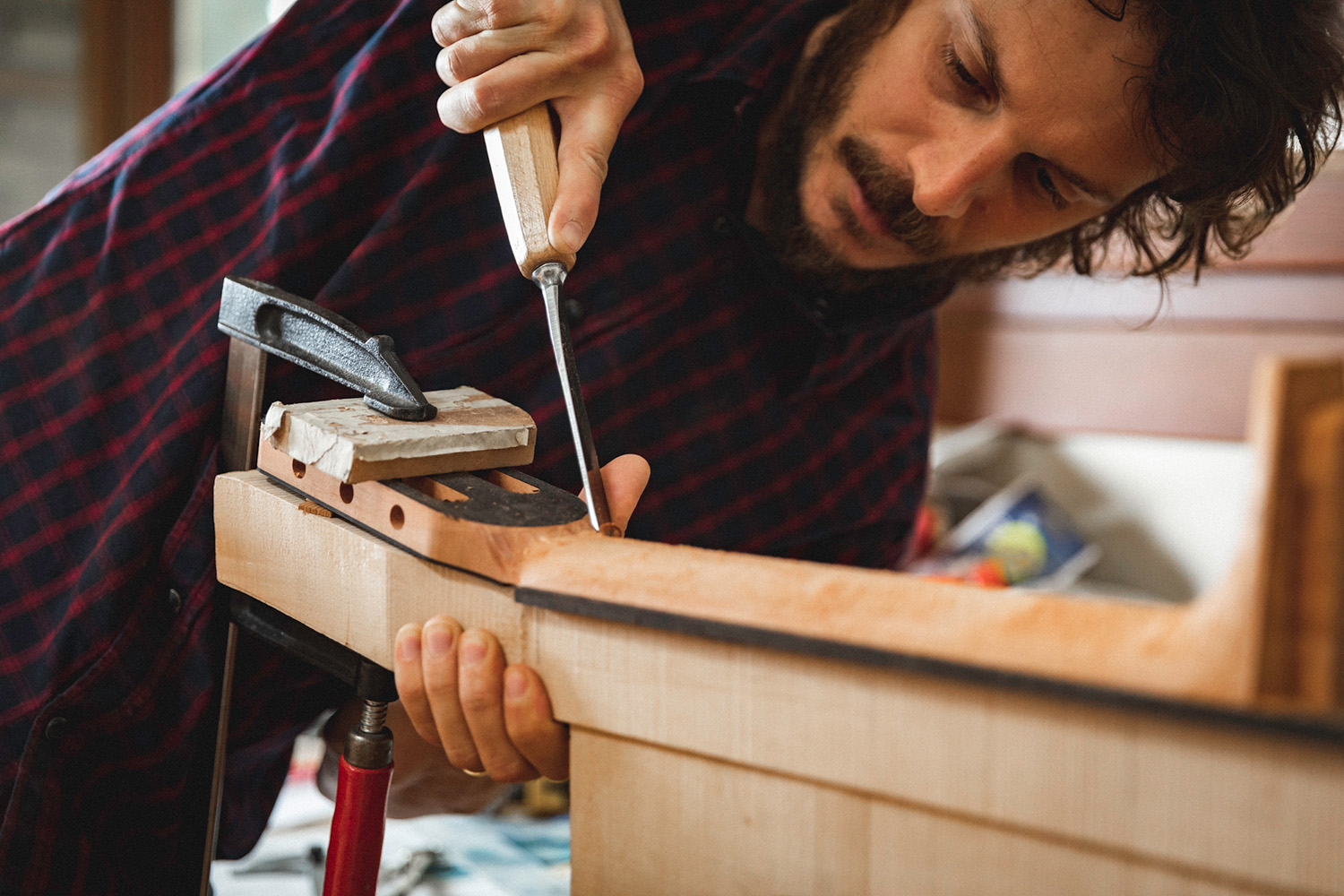
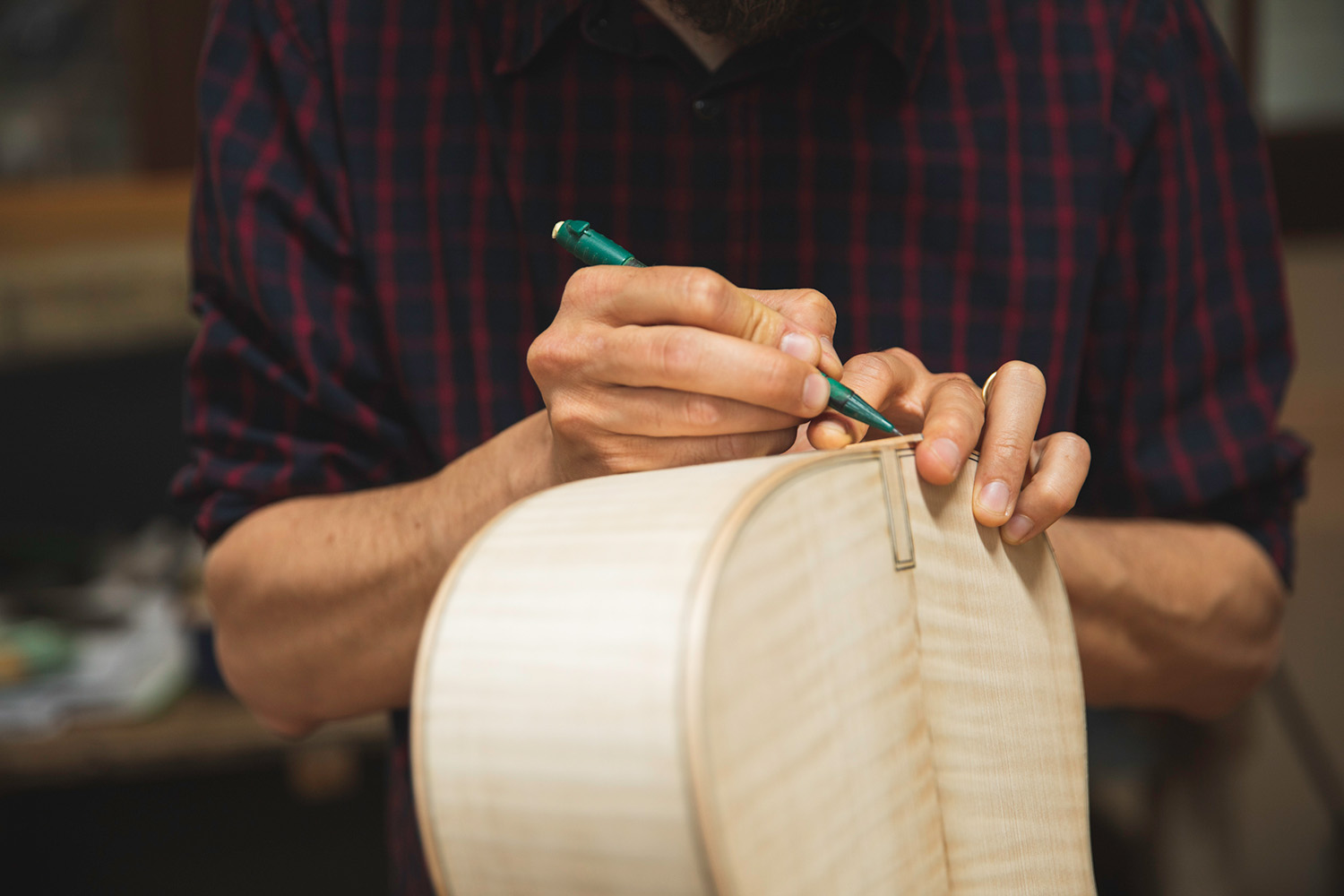
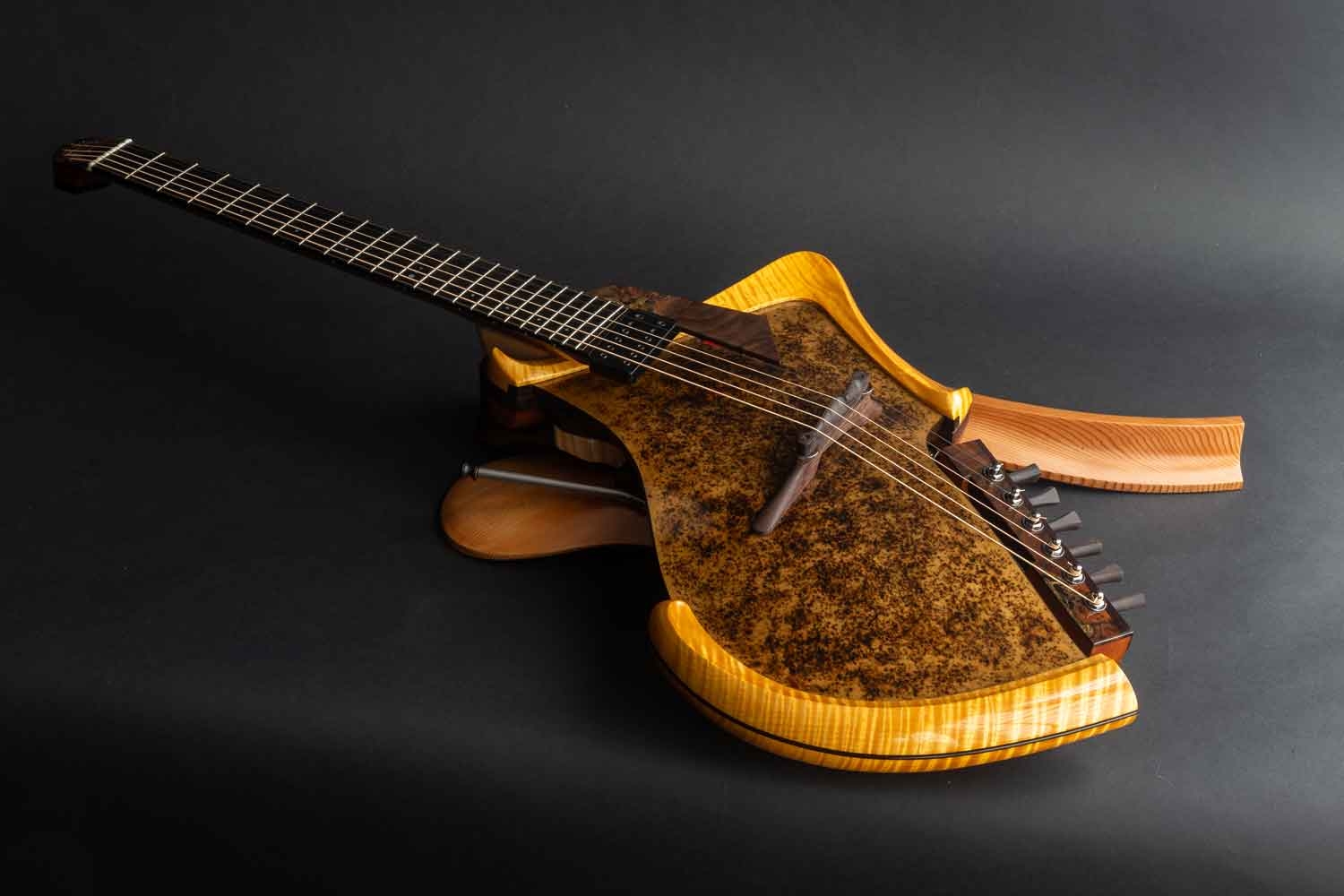
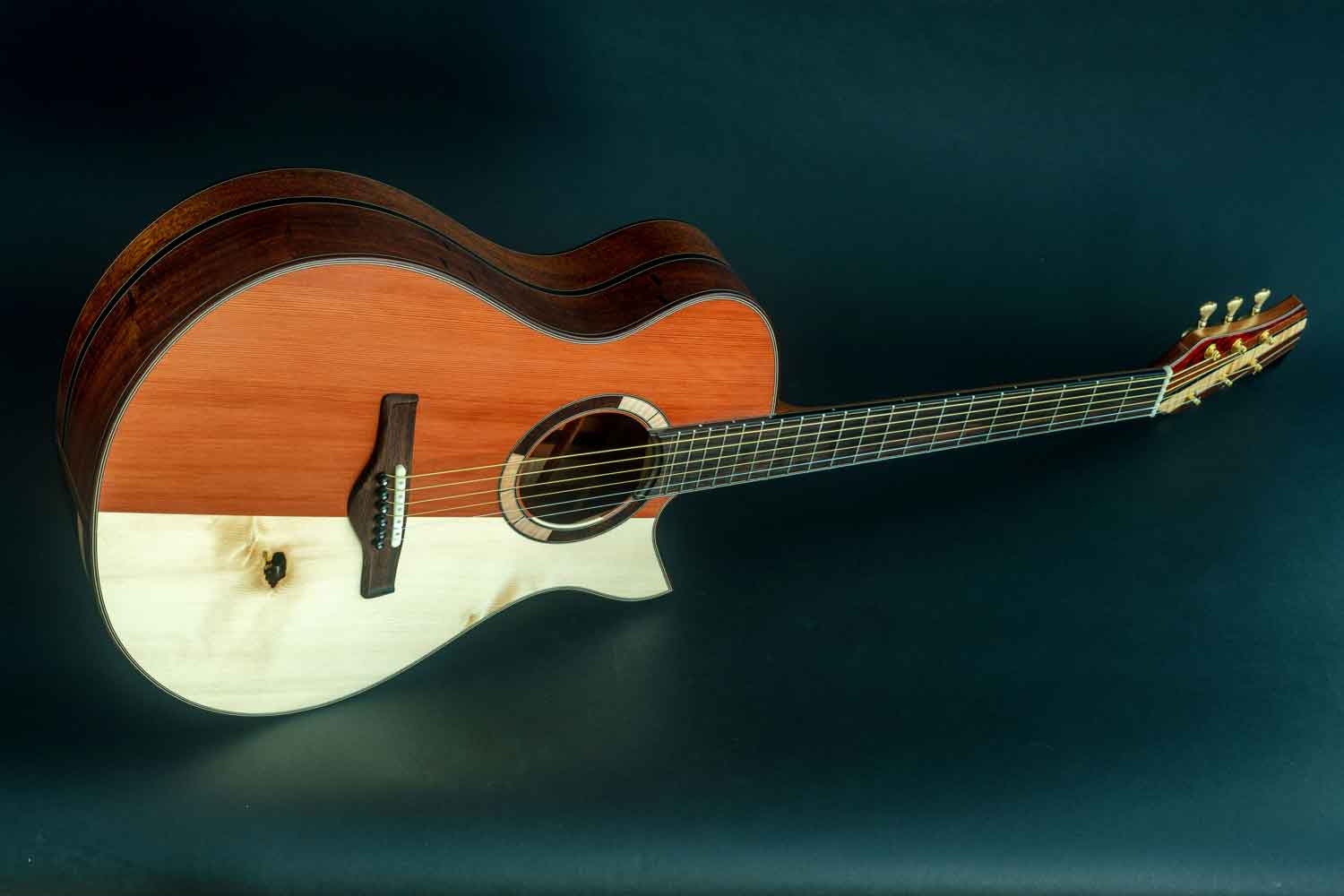
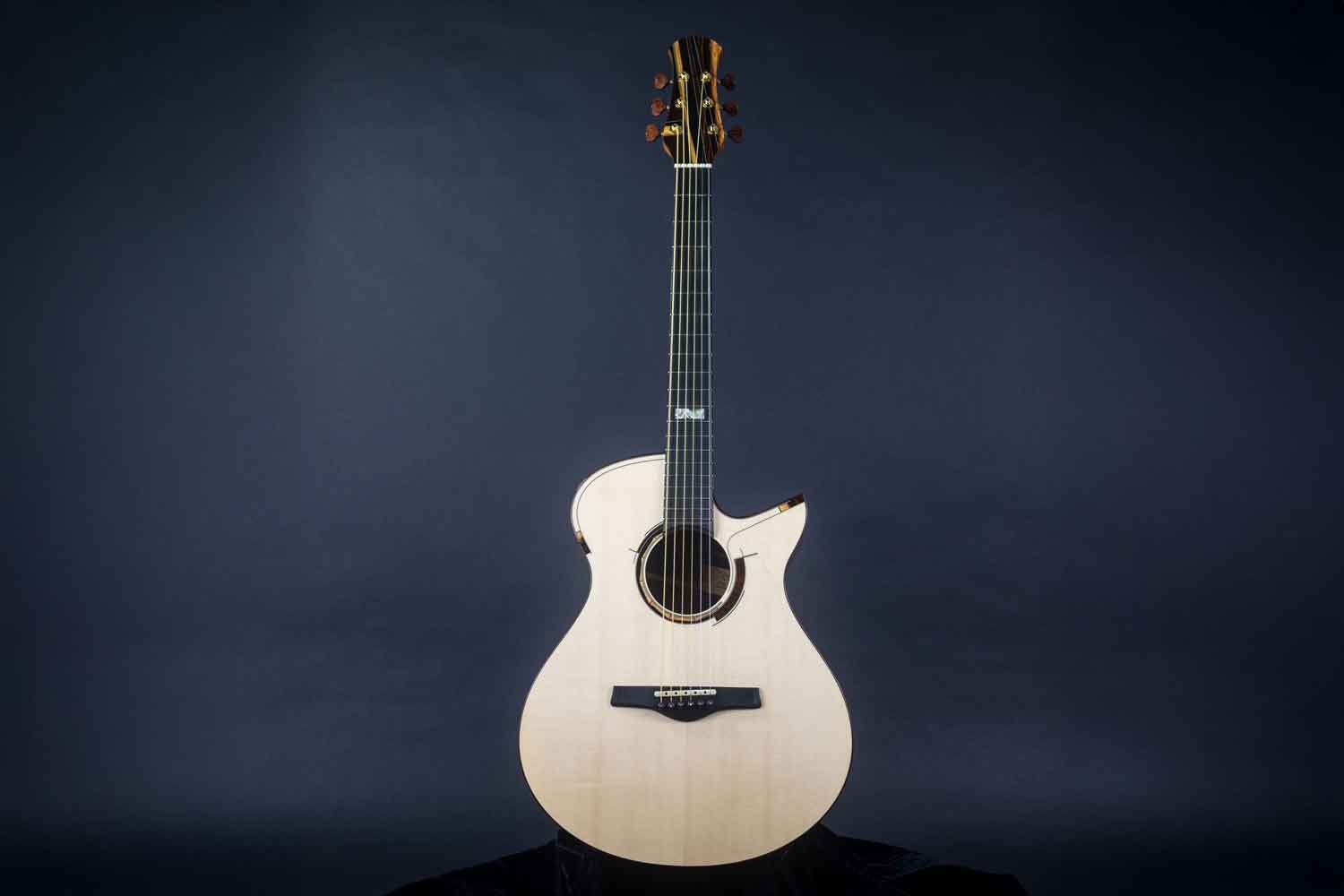
Michihiro Matsuda’s guitars are meticulously crafted works of functional art. Born and raised in Japan, he moved to Phoenix, Arizona to take a class at the prestigious Roberto-Venn School of Luthiery. He then moved to the San Francisco Bay Area to apprentice with master guitar maker Ervin Somogyi, before establishing his own studio in nearby Redwood City. Michi is recognised among high-end guitar enthusiasts for his blend of technical skill and creative expression. His one-of-a-kind creations are as much art objects as instruments, with distinctive rosettes, fluid organic lines, and personalised details. He is especially noted for his artistic vision and inventive use of materials, such as reclaimed woods, unique finishing methods like gunpowder scorching, and unconventional shapes.
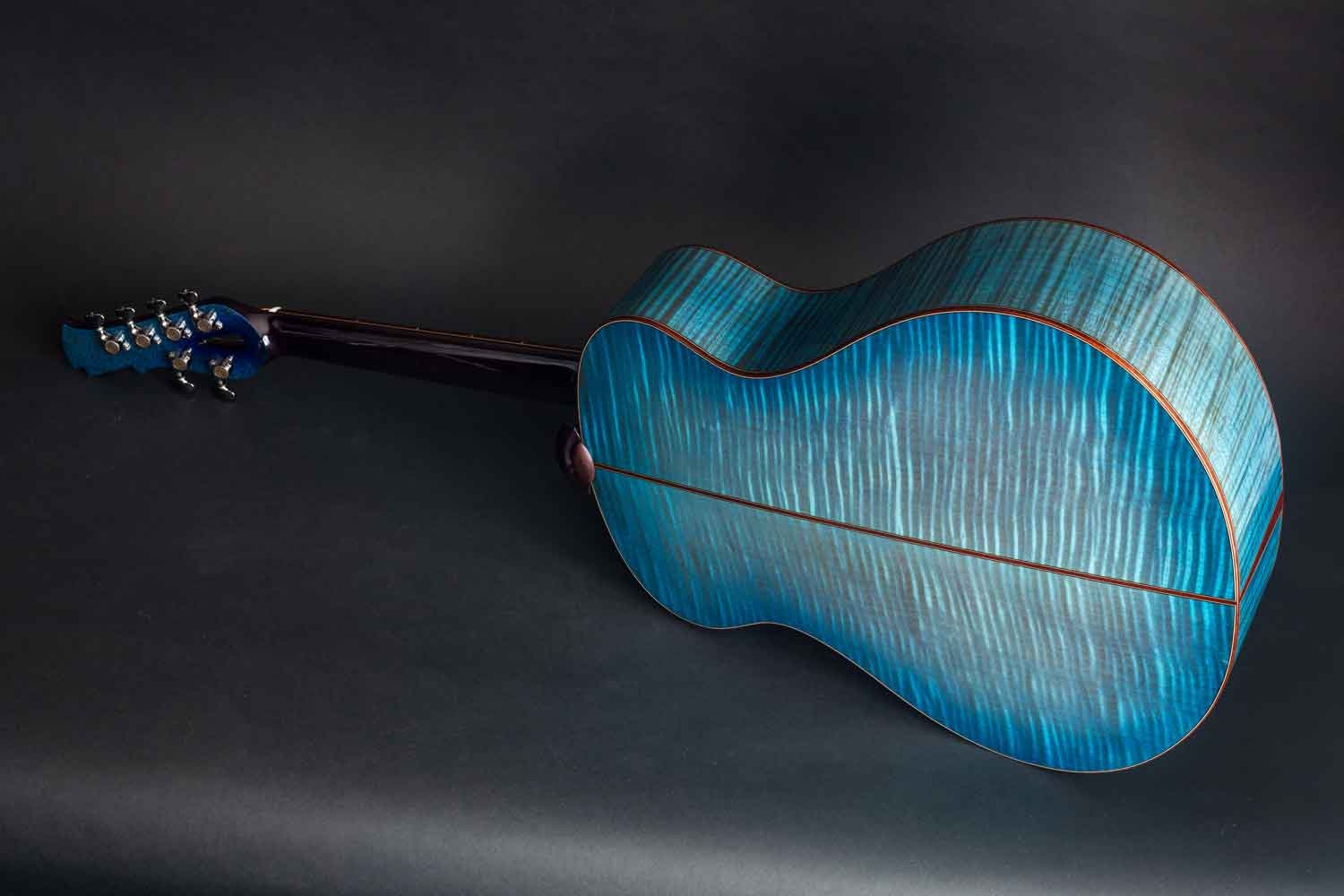
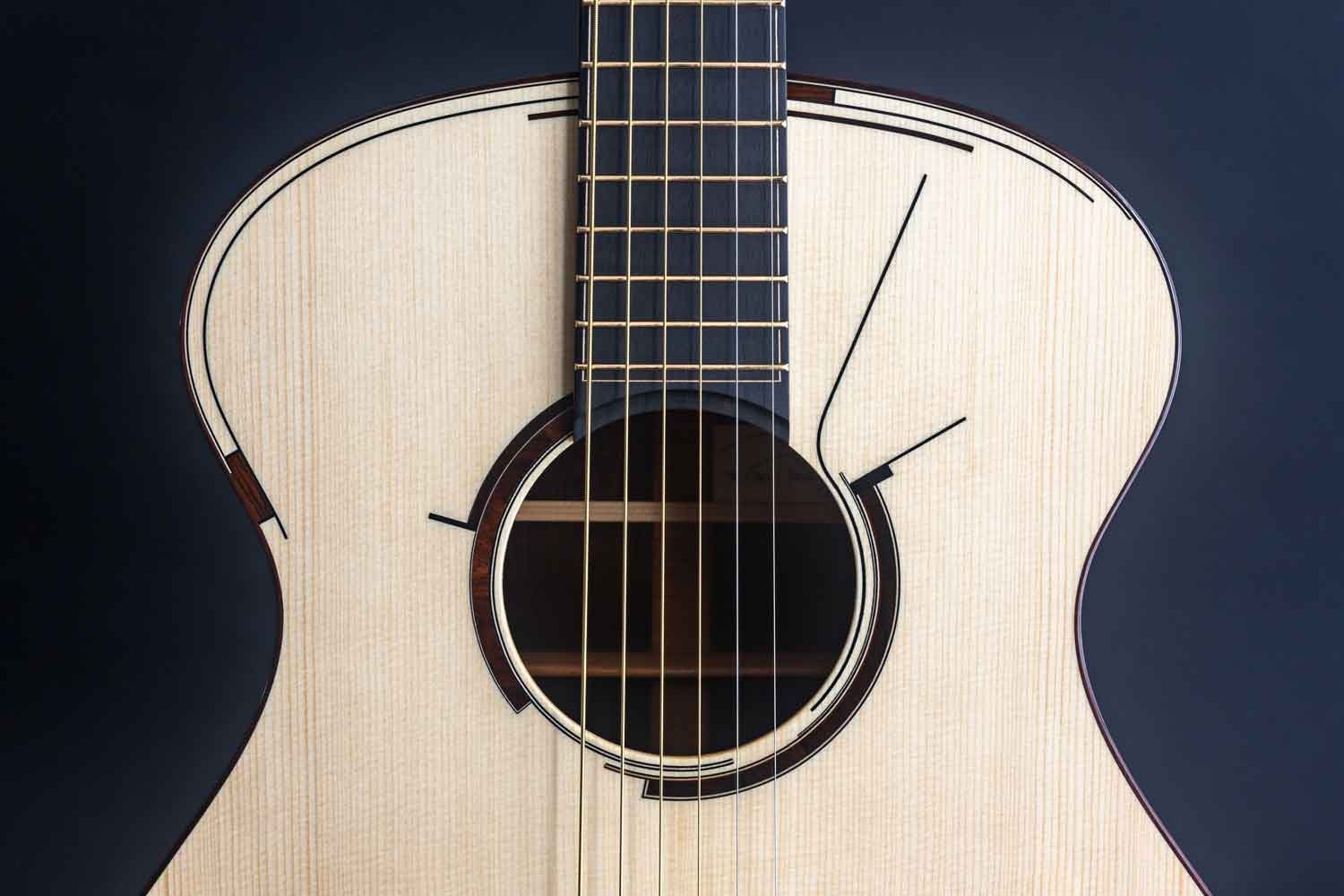
INTERVIEW
I had been playing guitars since high school and liked making things by hand, but it was an interesting accident that I ended up practising the craft professionally. One day, I found a magazine article about making guitars by hand at a station kiosk. I was fascinated. I looked around to find out where to learn more about it, and that is how I ended up studying in the USA.
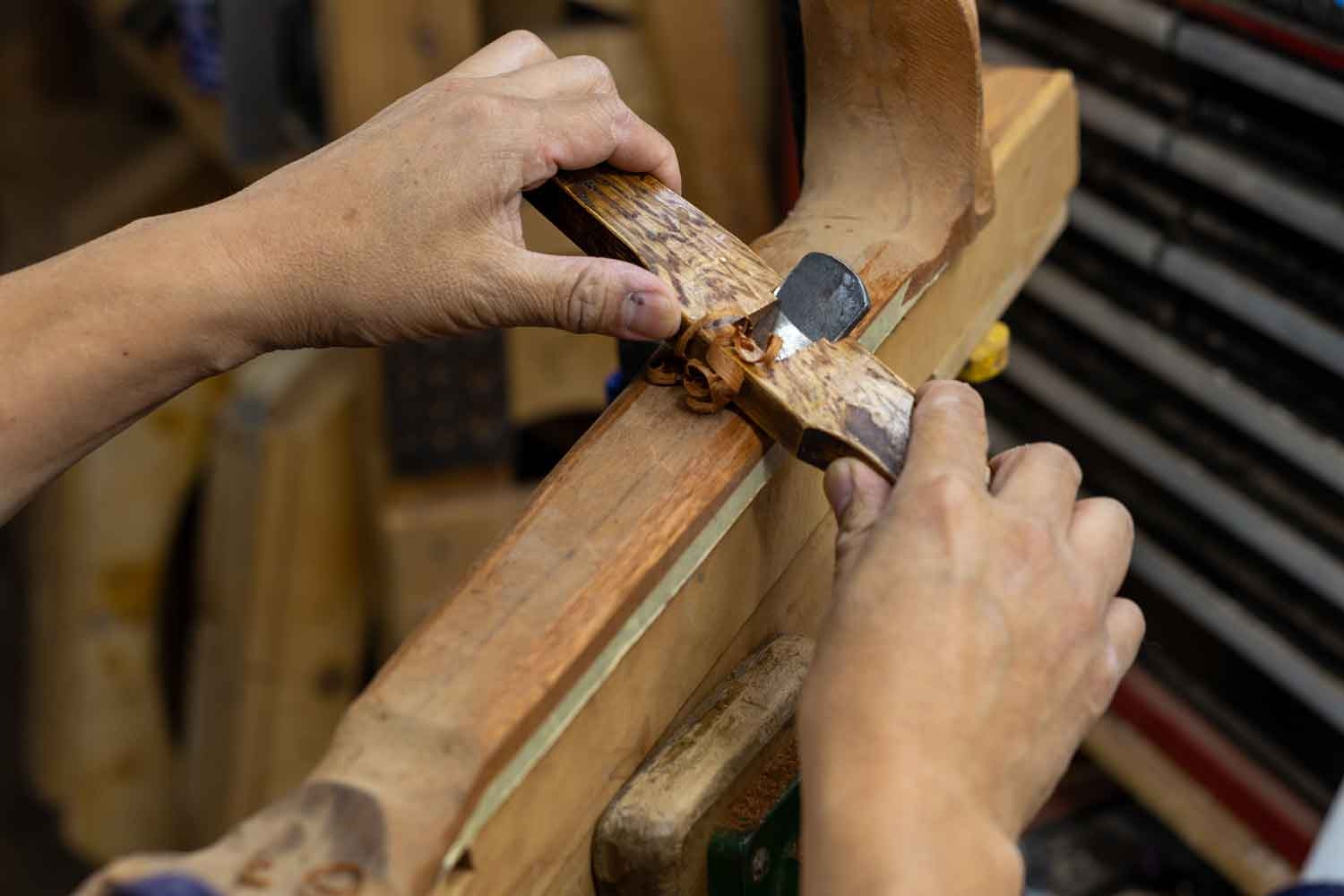
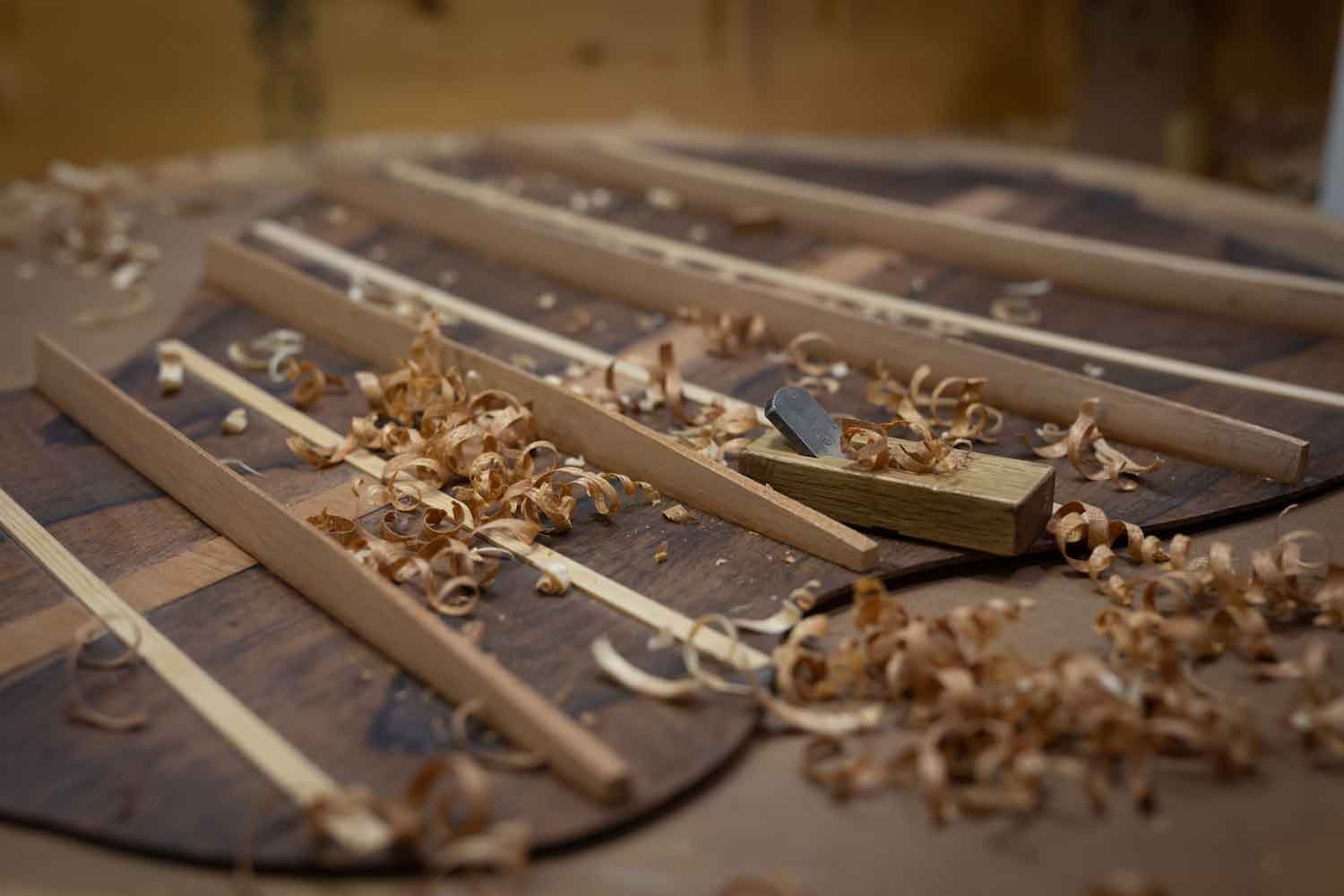
Yes, it is my foundation. I like the hands-on learning system of an apprenticeship. Guitar making is much more about practice than theory. You need to observe and feel the instrument. You can train your intuition by learning from the master’s experience.
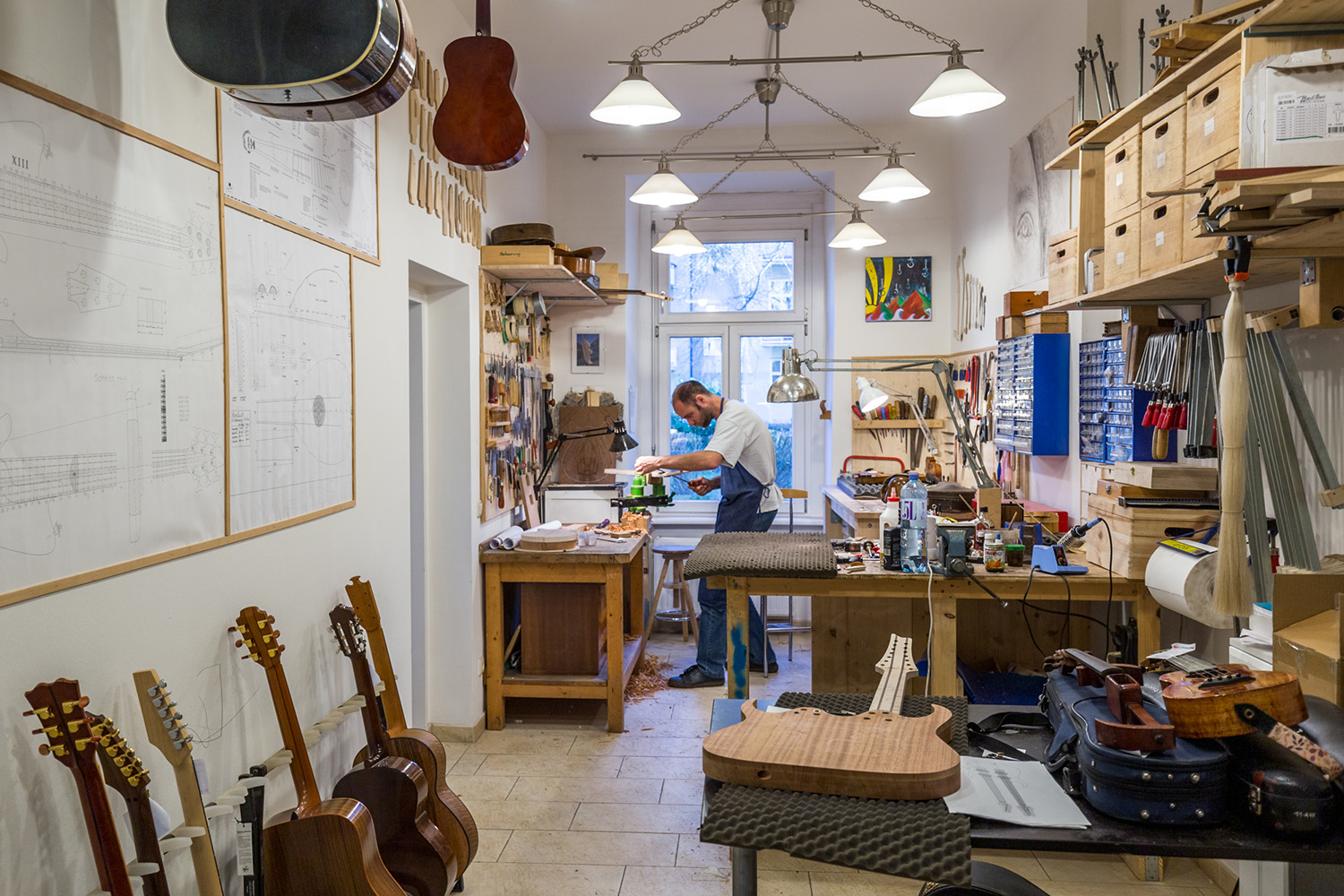
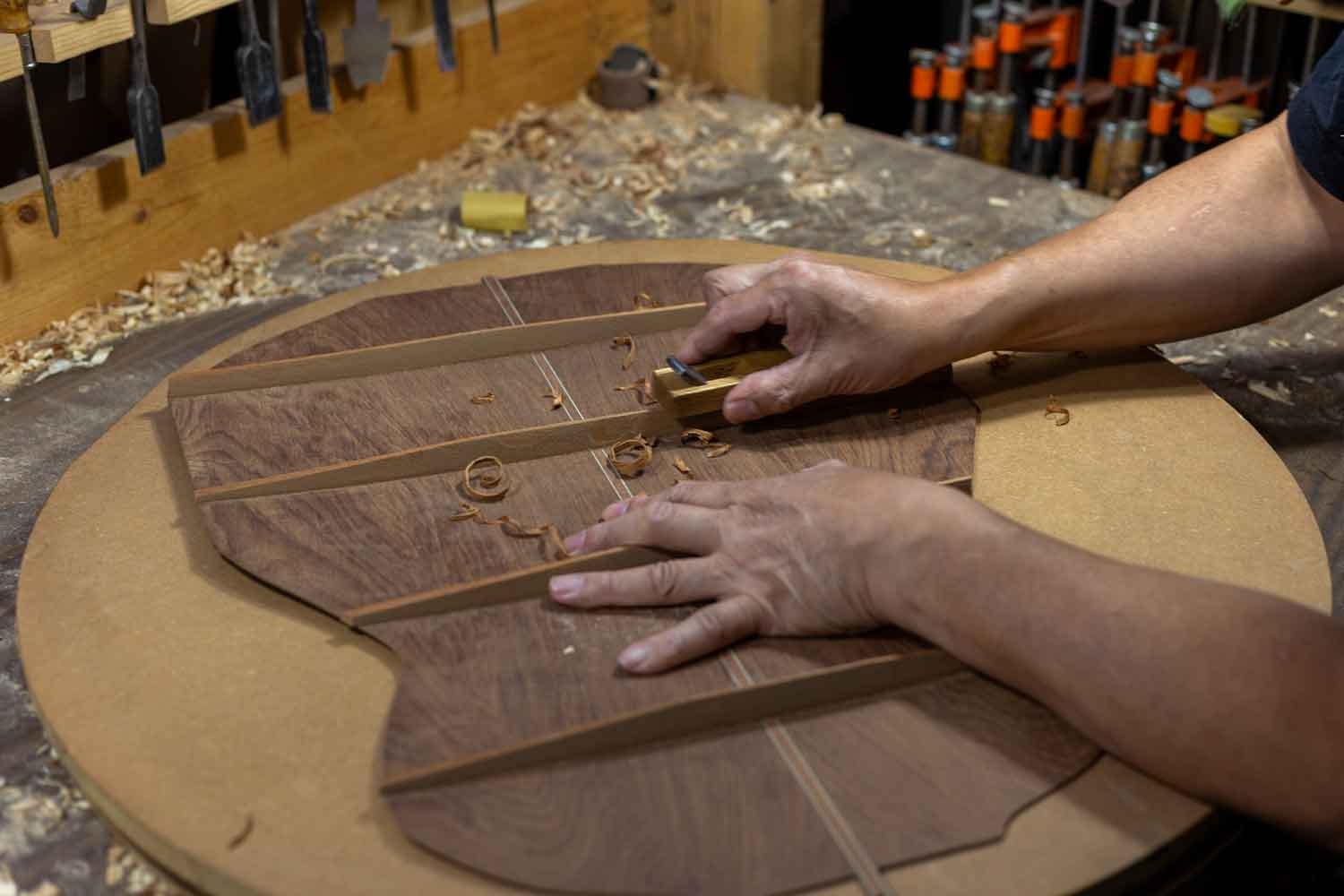
I talk to clients to see what sounds they like, their playing style, what shape they prefer. Then, I get materials from all over the world. Some traditional materials like rosewood are endangered or regulated, so I experiment with alternatives and repurposing to protect natural resources.
I take into consideration how all the senses respond to good sound, and try to be open-minded about the sound, as that is just part of the guitar’s overall character. I am always thinking about and reconsidering my experimentations and artistic approaches.
Michihiro Matsuda
Luthier
Redwood City, CA, USA
ADDRESS
Address upon request, Redwood City, CA, USA
AVAILABILITY
By appointment only
PHONE
+1 6503623599
LANGUAGES
English, Japanese
Homo Faber Finds is a new service aiming to inspire admirers of craft to connect and collaborate with exceptional artisans.
We invite you to submit an enquiry here.