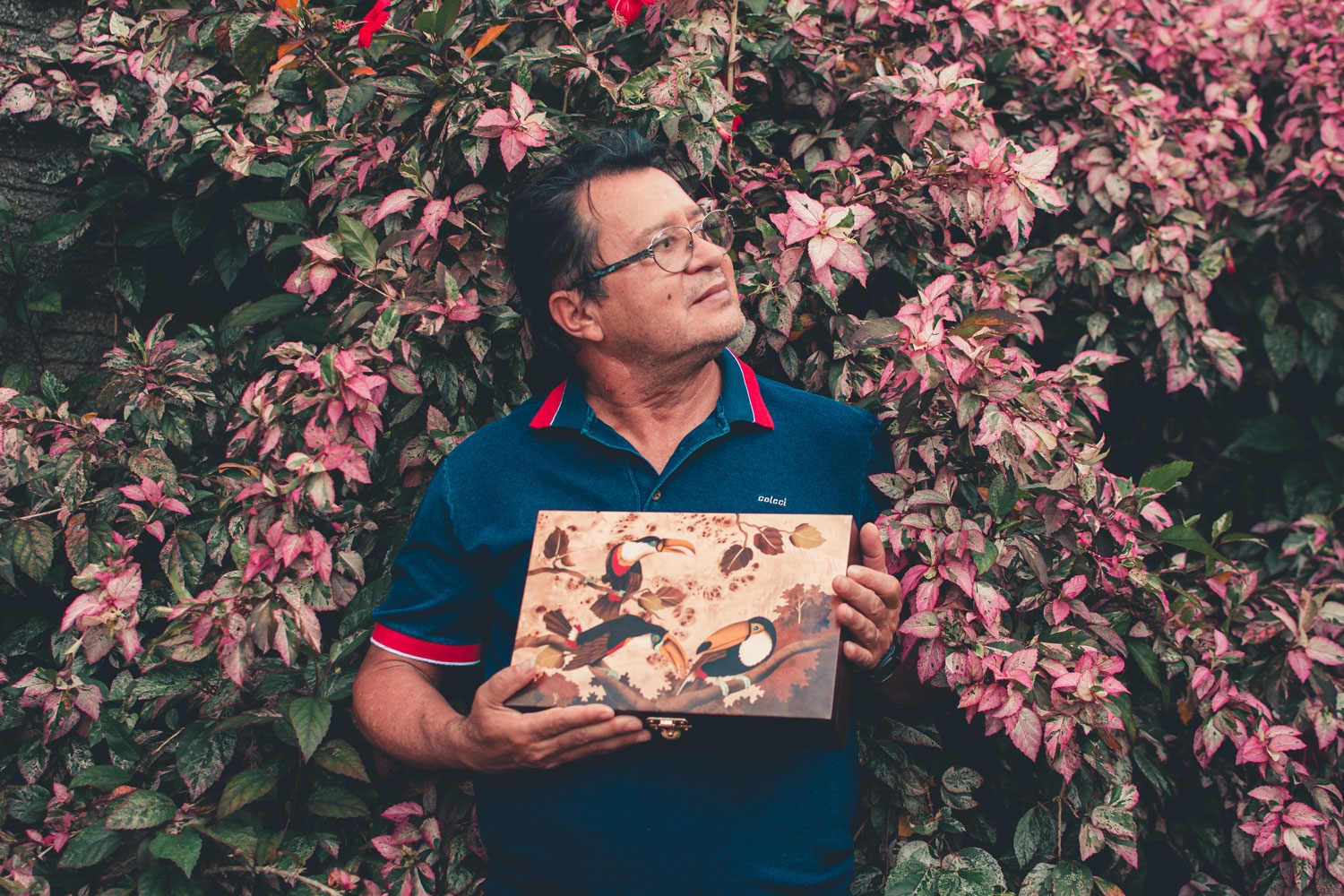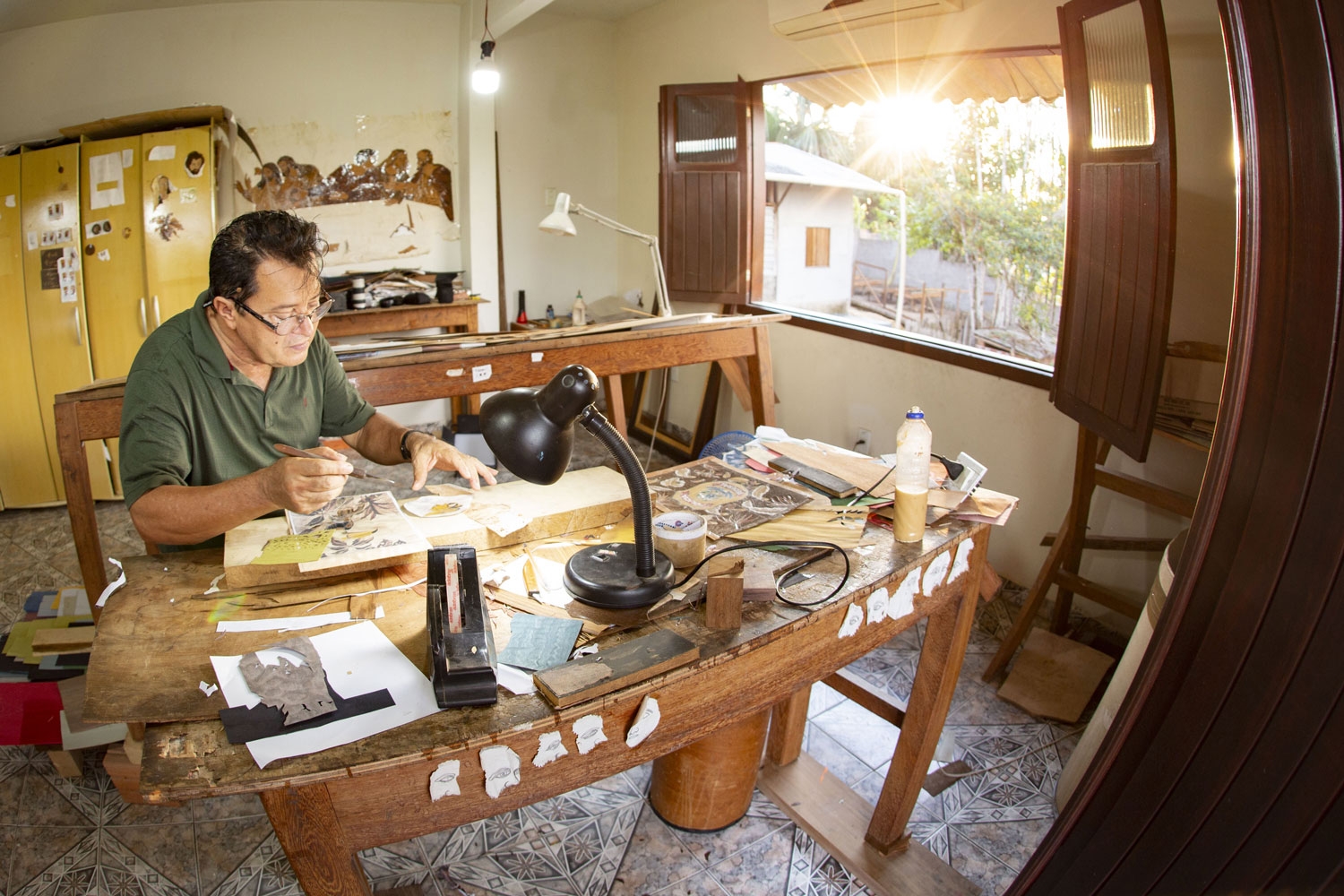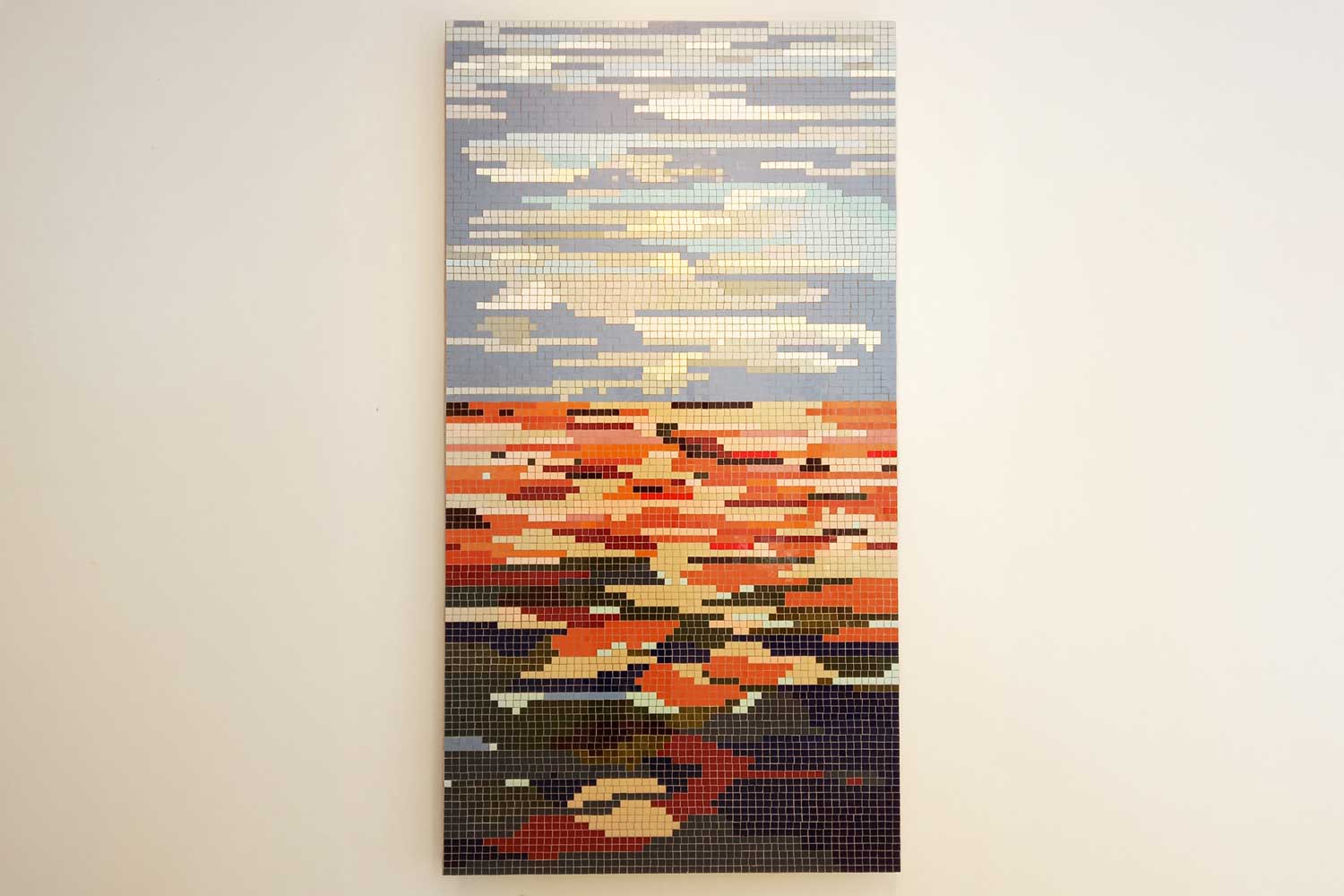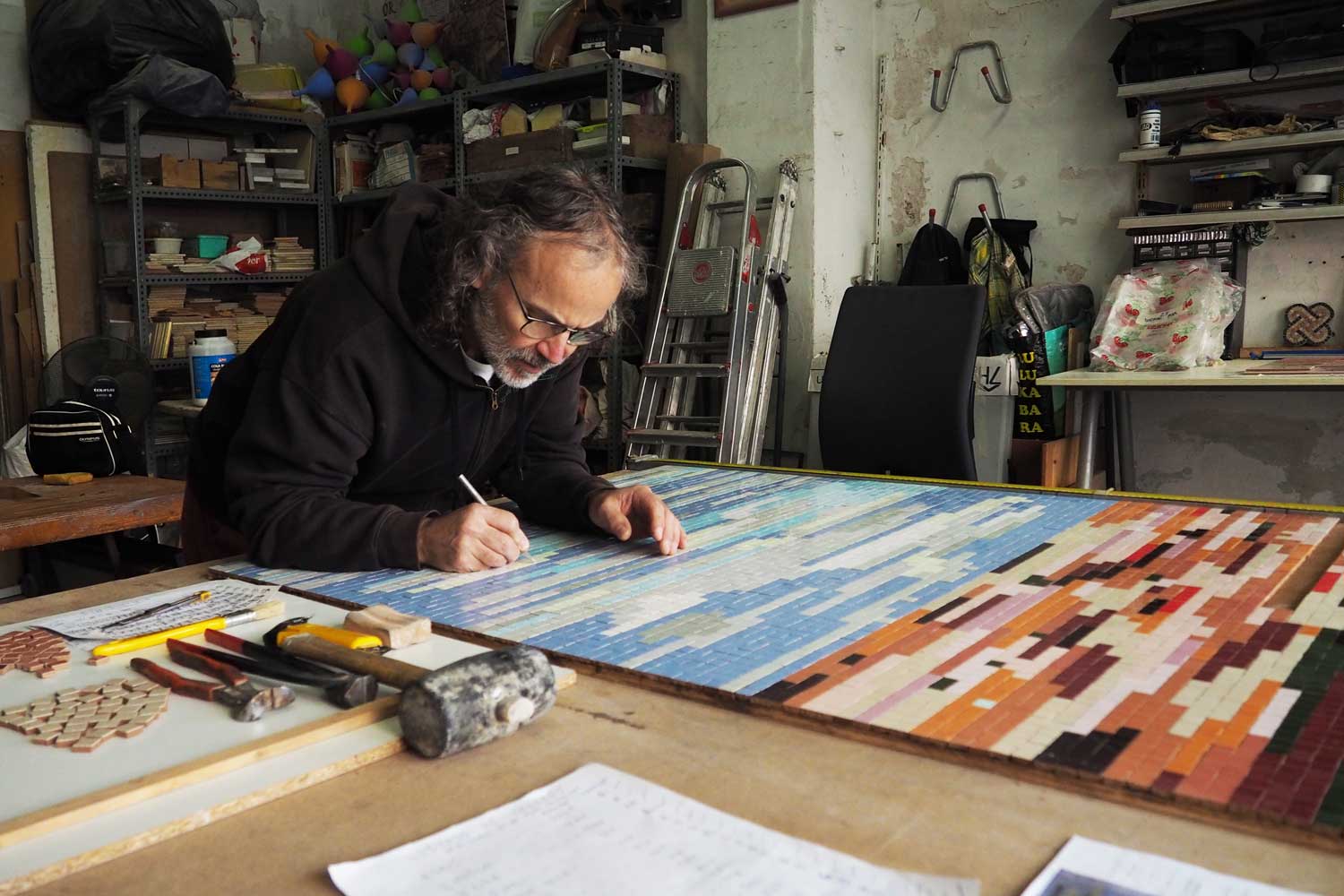
Joaquín Gilabert López
Basketweaver
Arboleas, Spain
Recommended by Contemporánea de Artes y Oficios
Esparto in the hands of the future
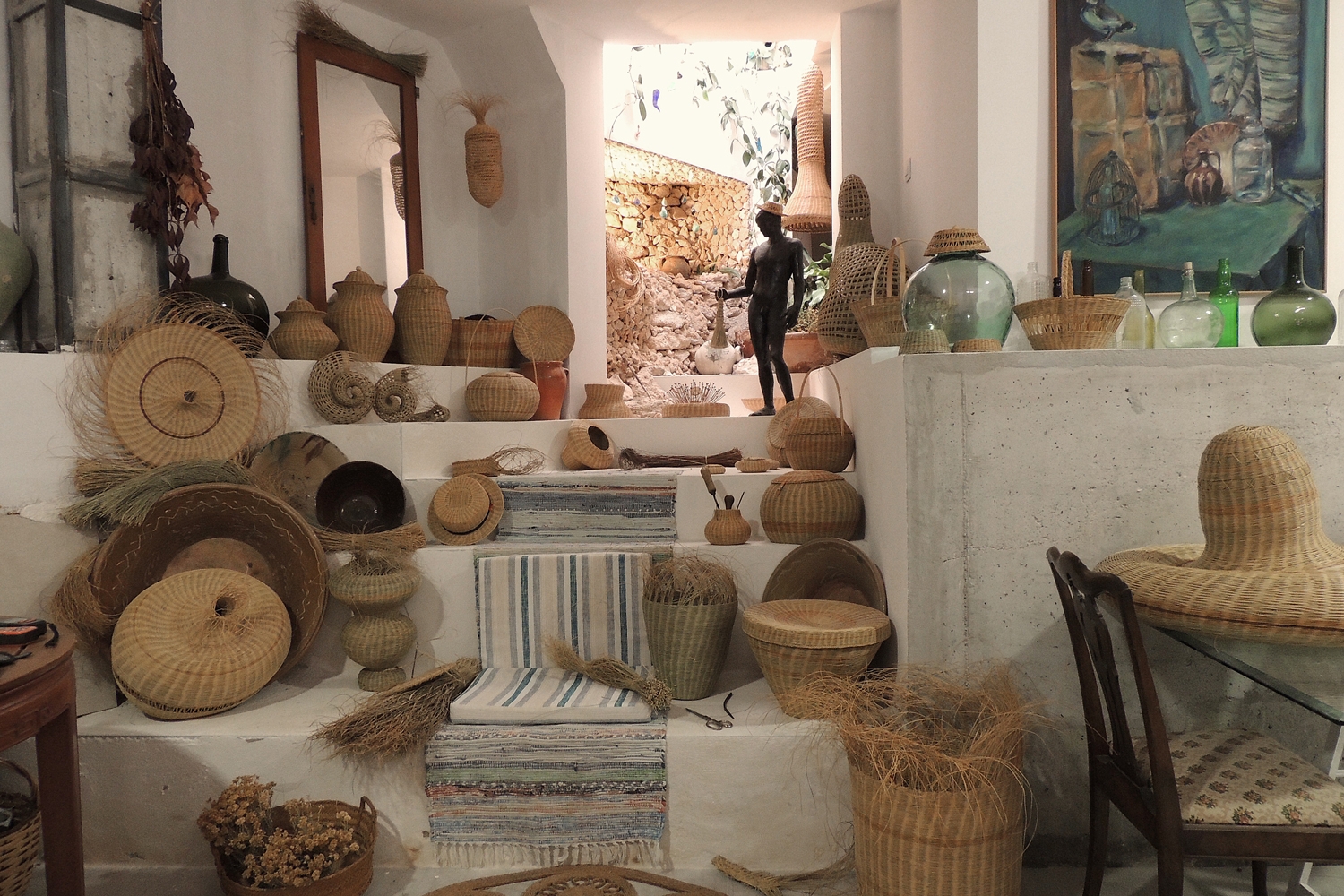
- Joaquín creates functional and decorative objects with esparto grass
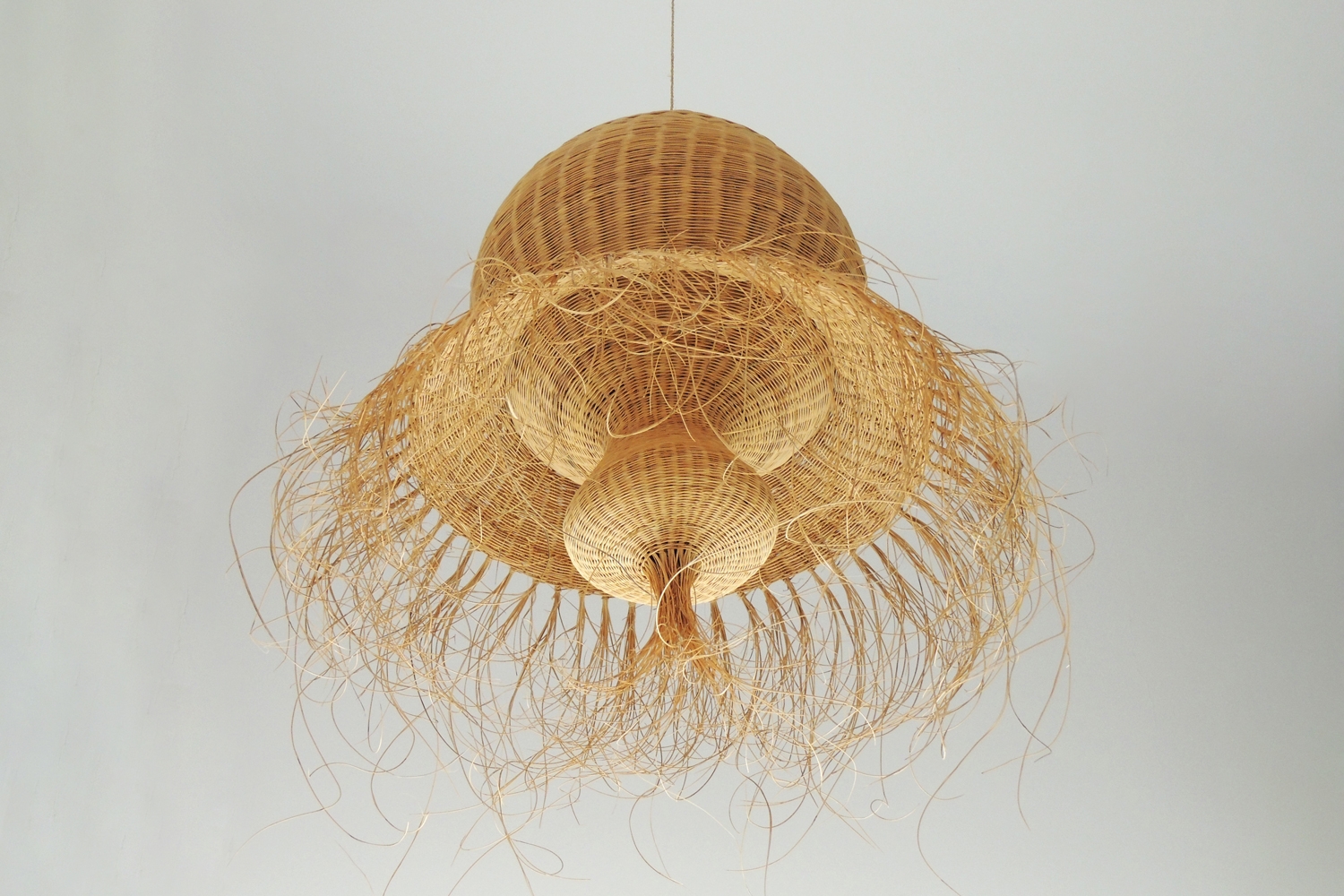
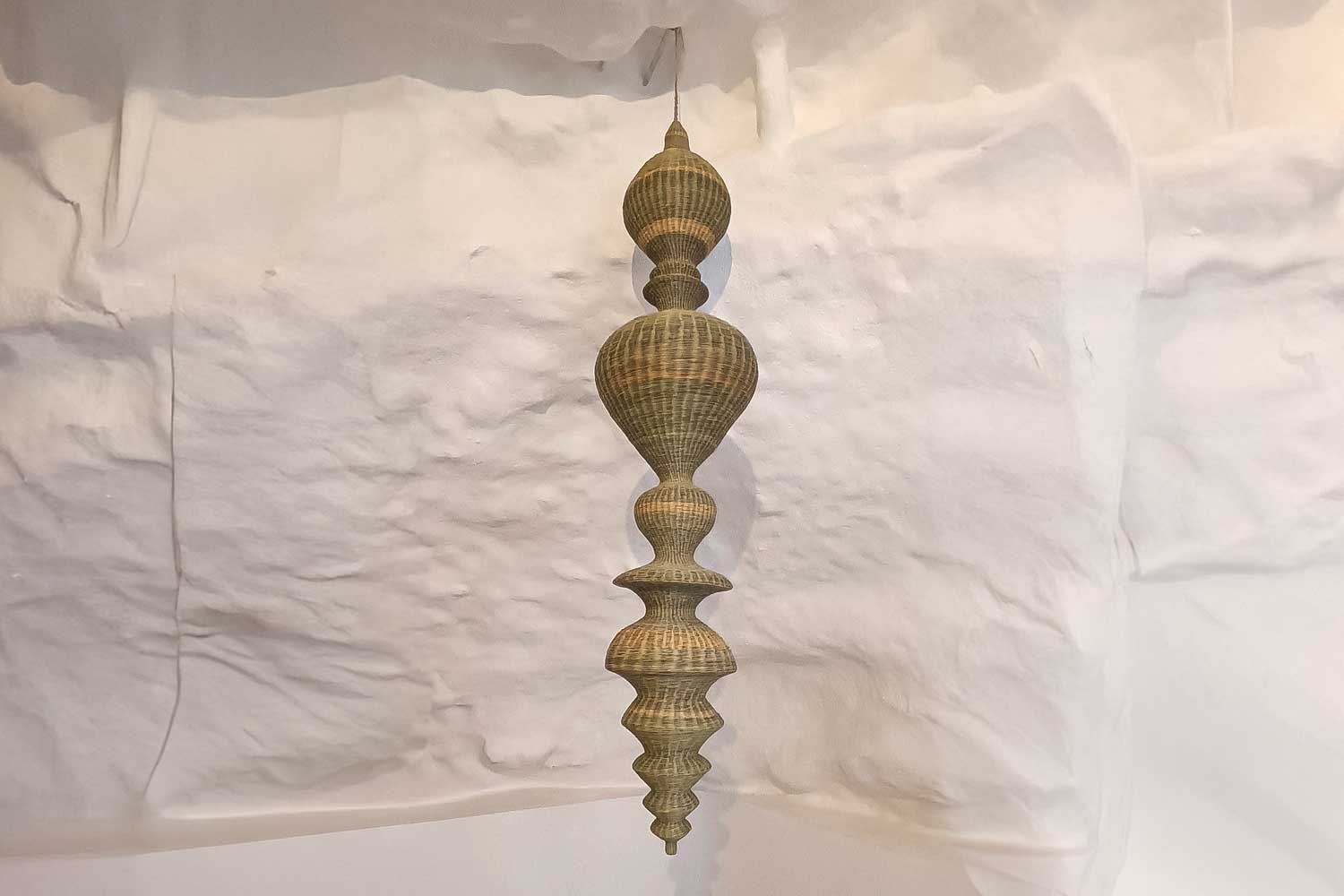
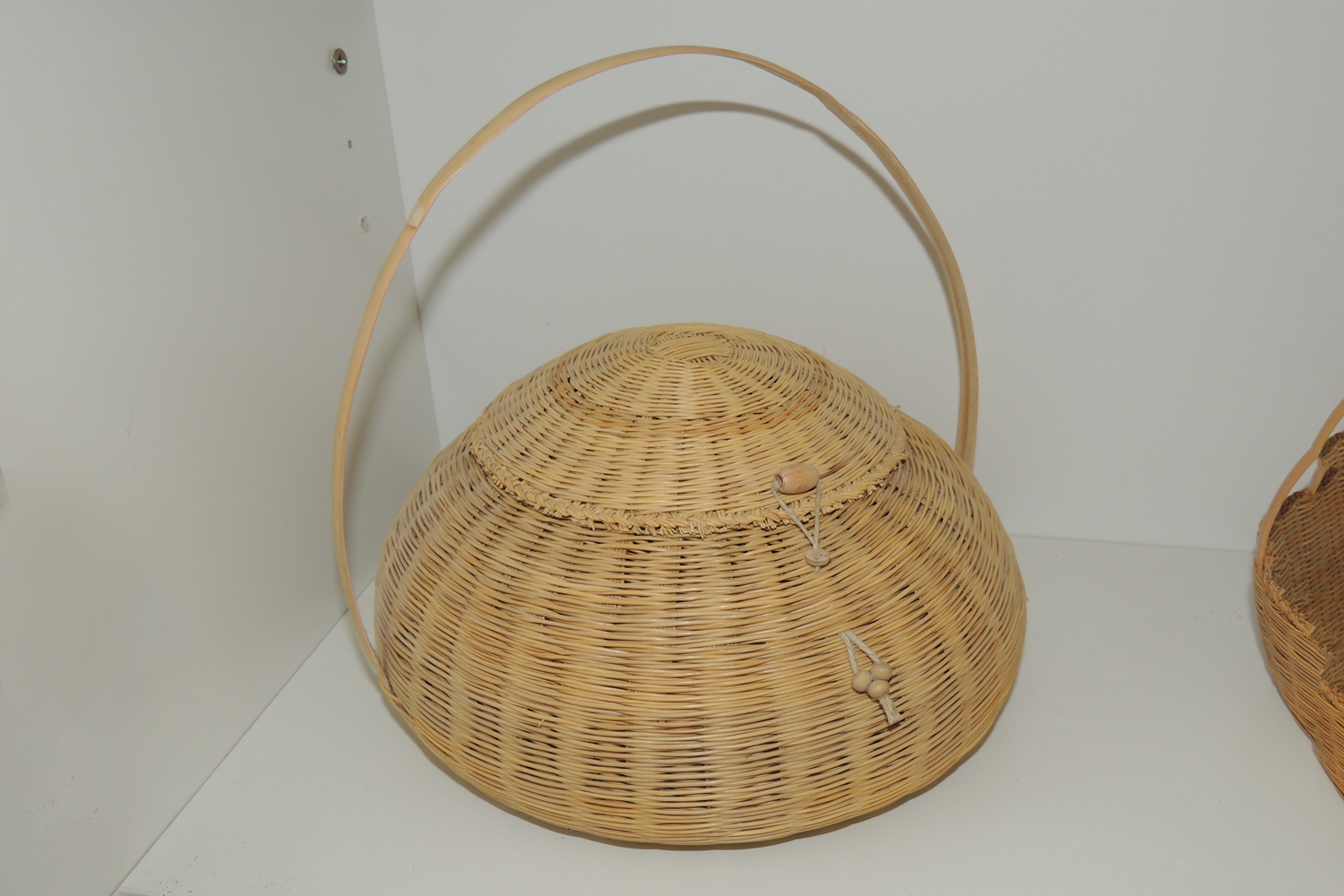
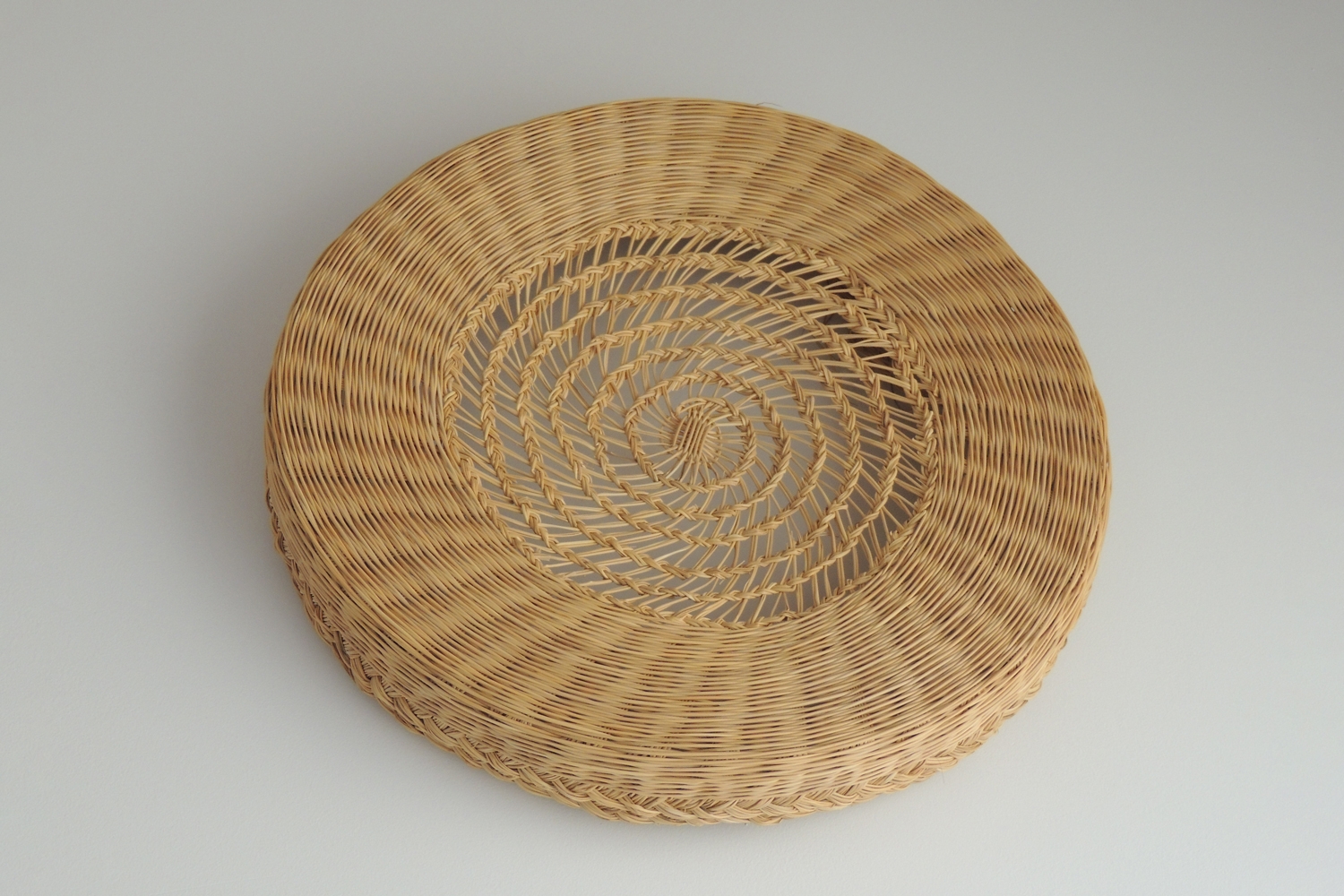
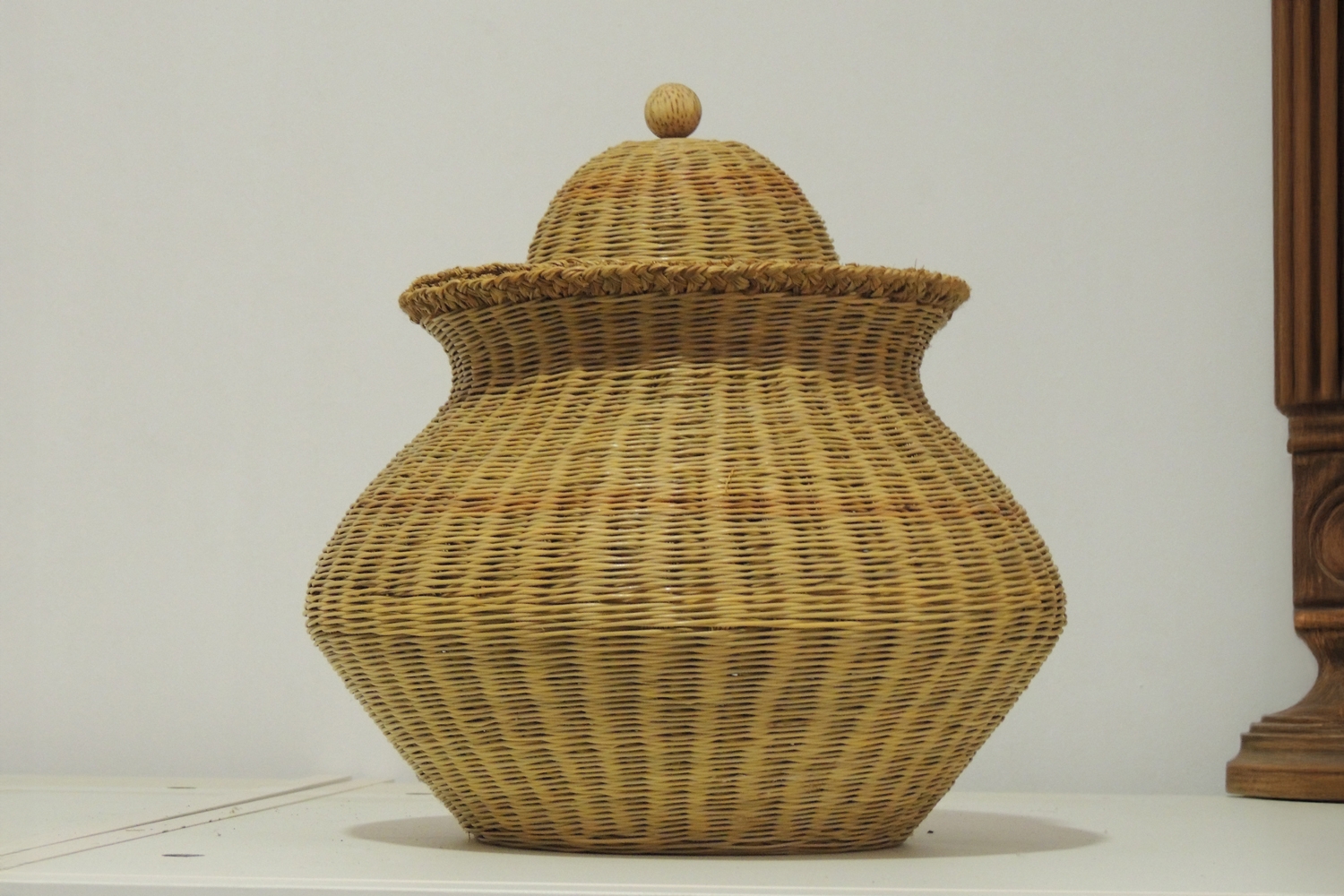
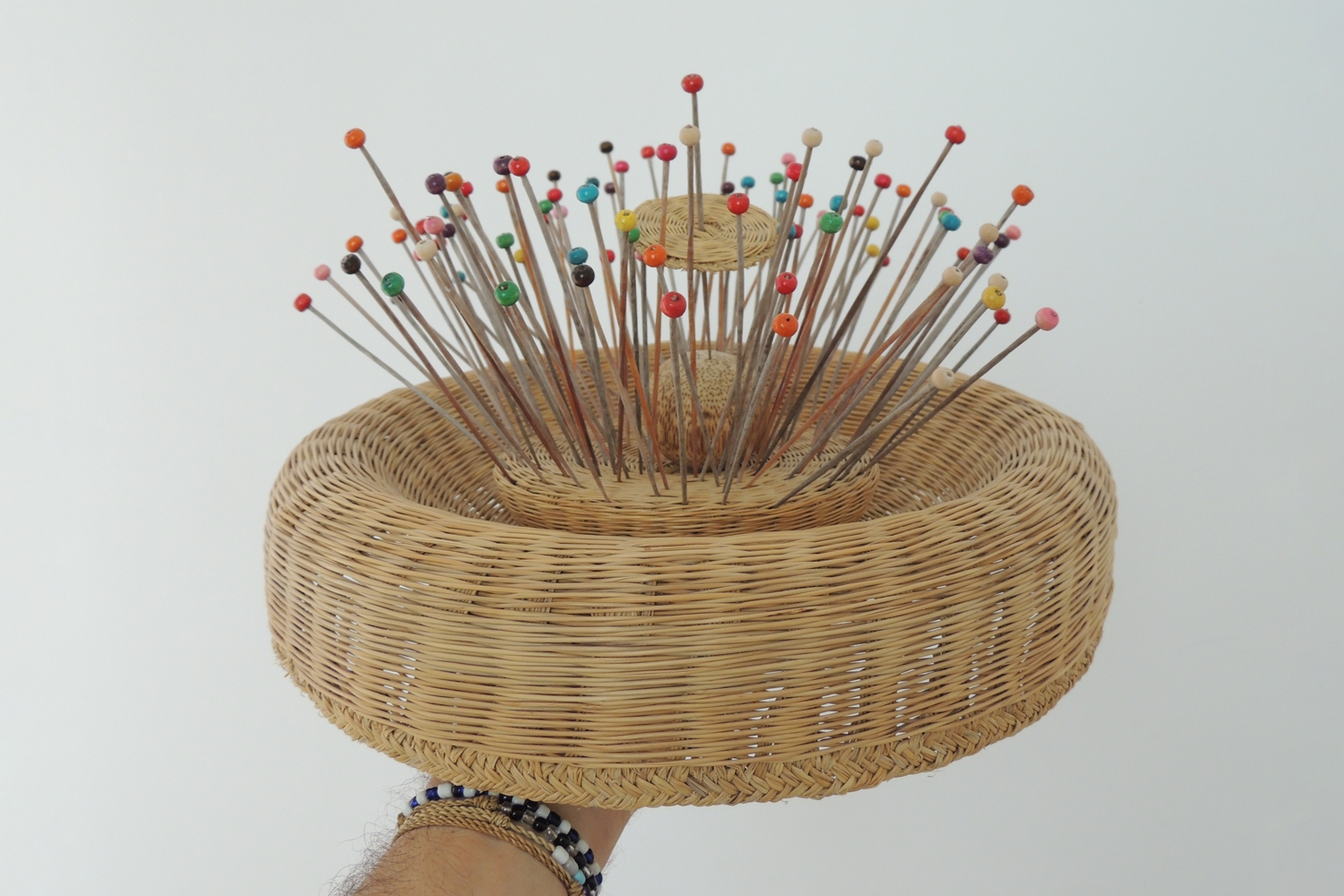
- His pieces combine ancient Mediterranean techniques with contemporary forms and complex designs
- He advocates for his ancient Almería tradition and the use of biodegradable materials
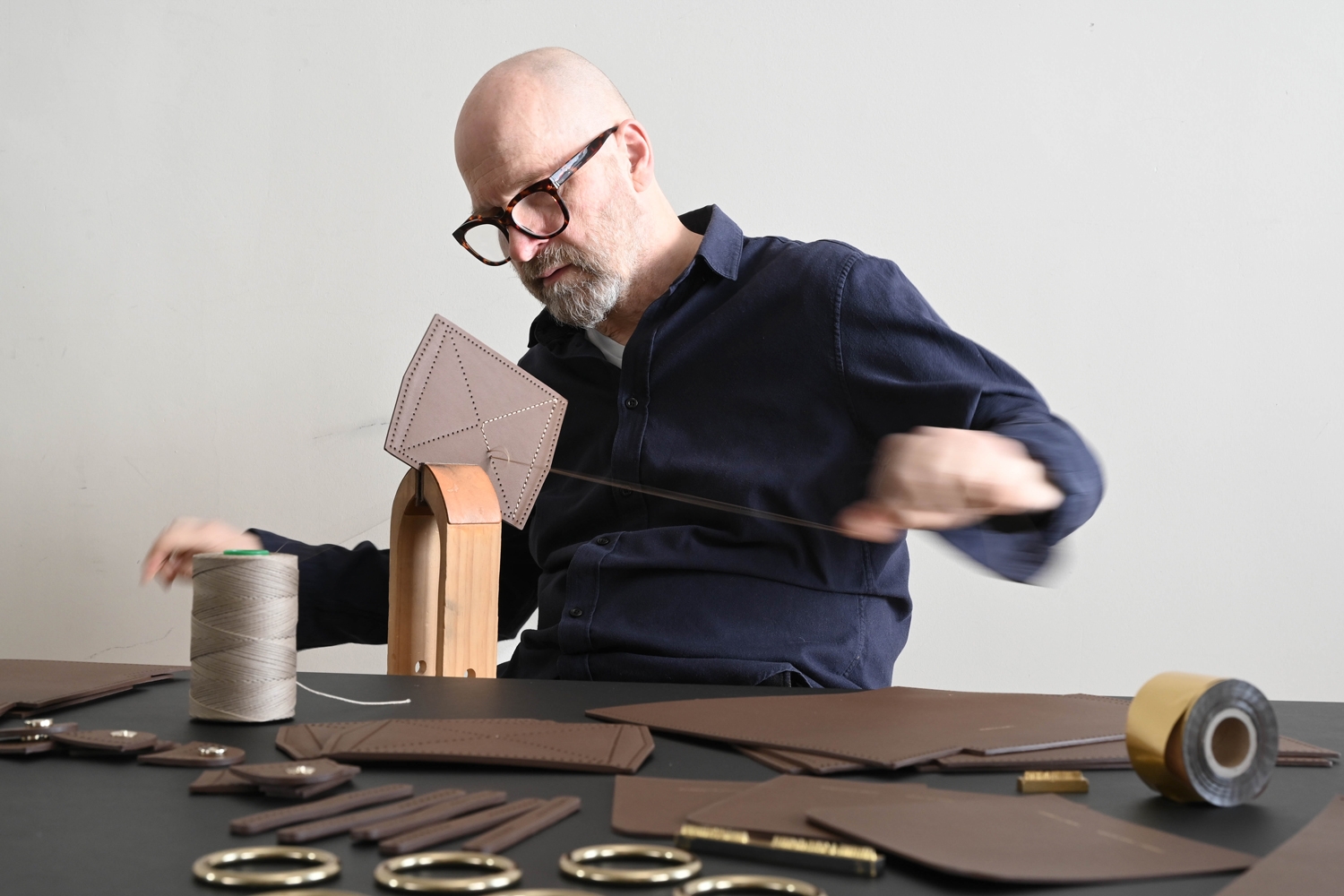
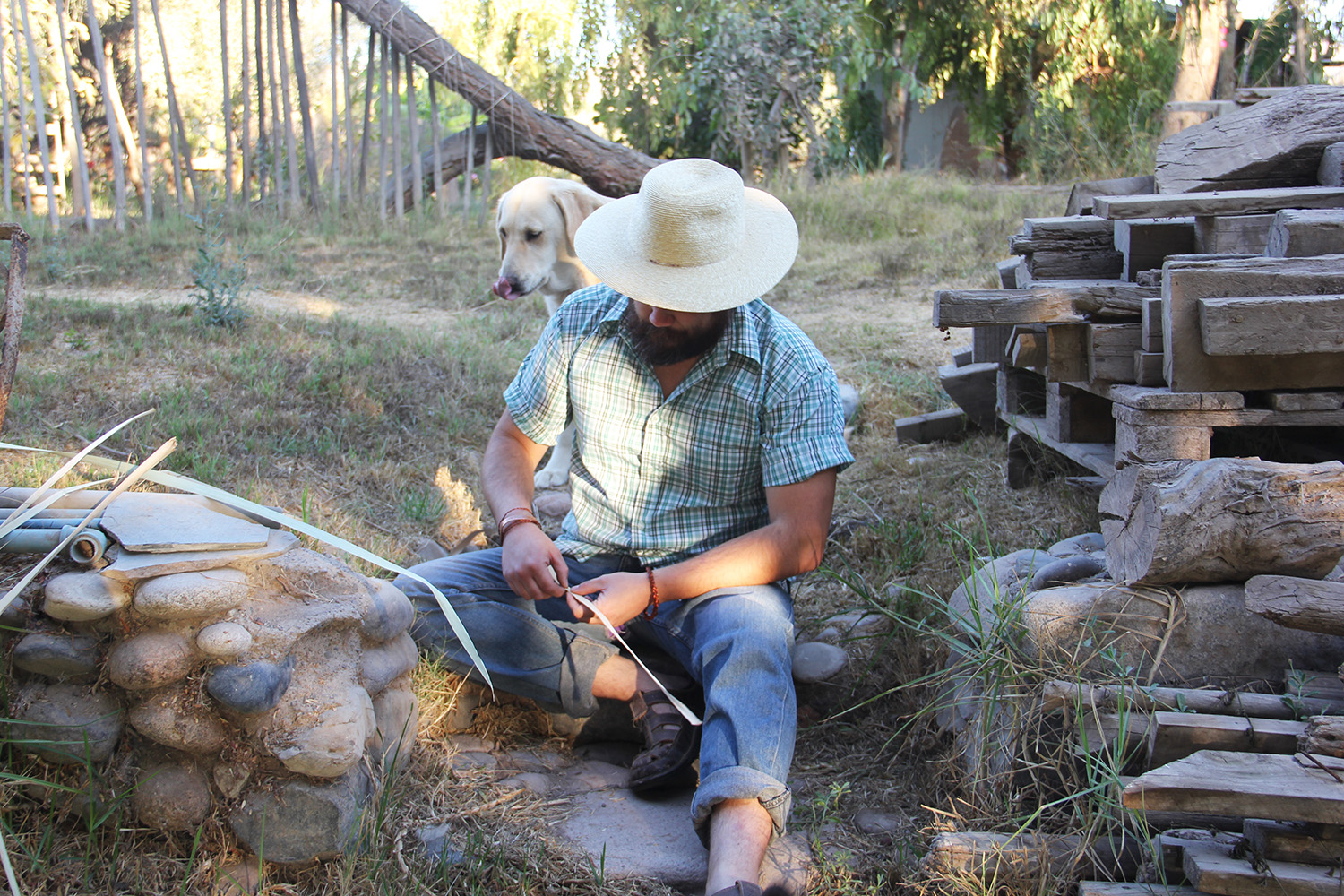
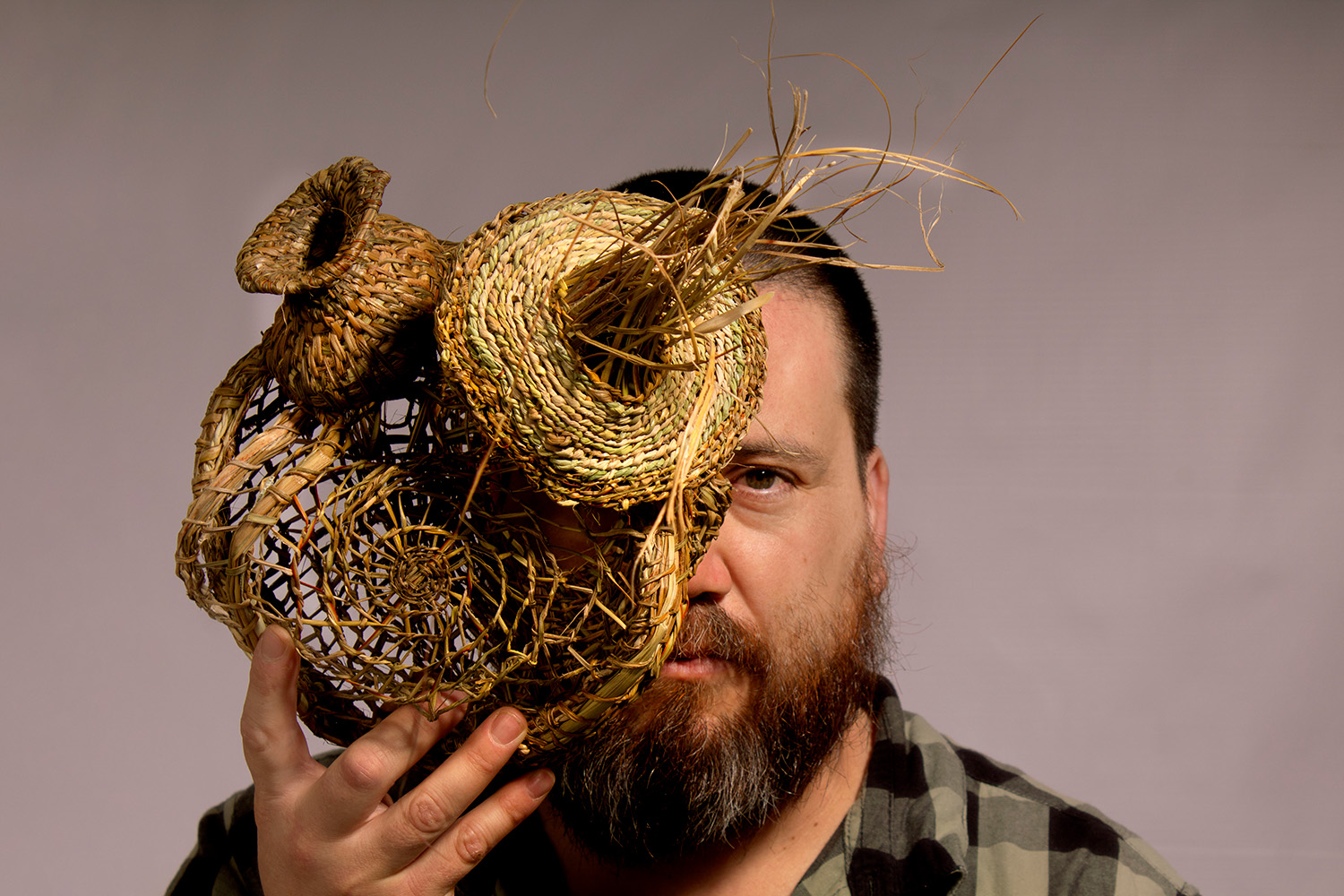
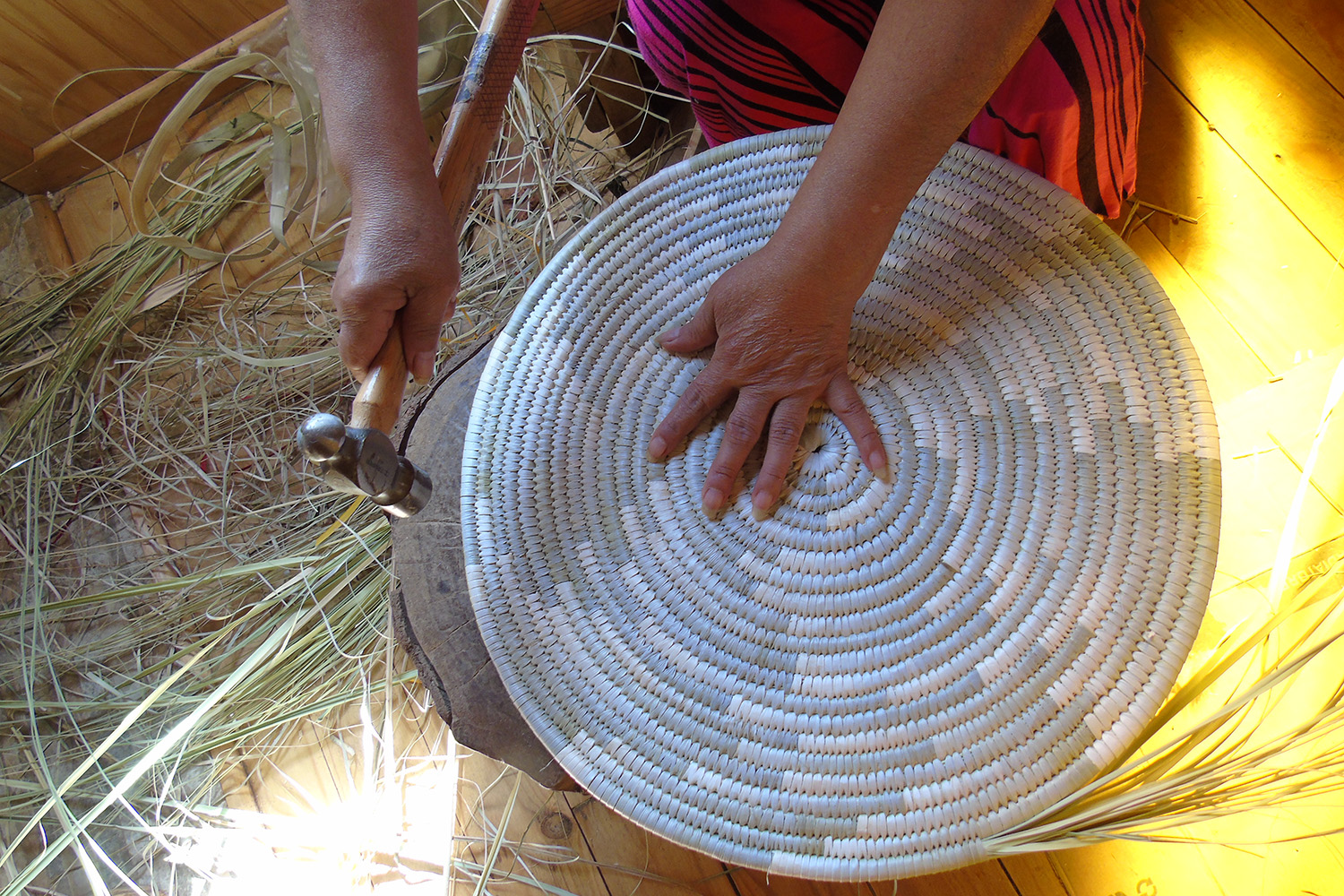
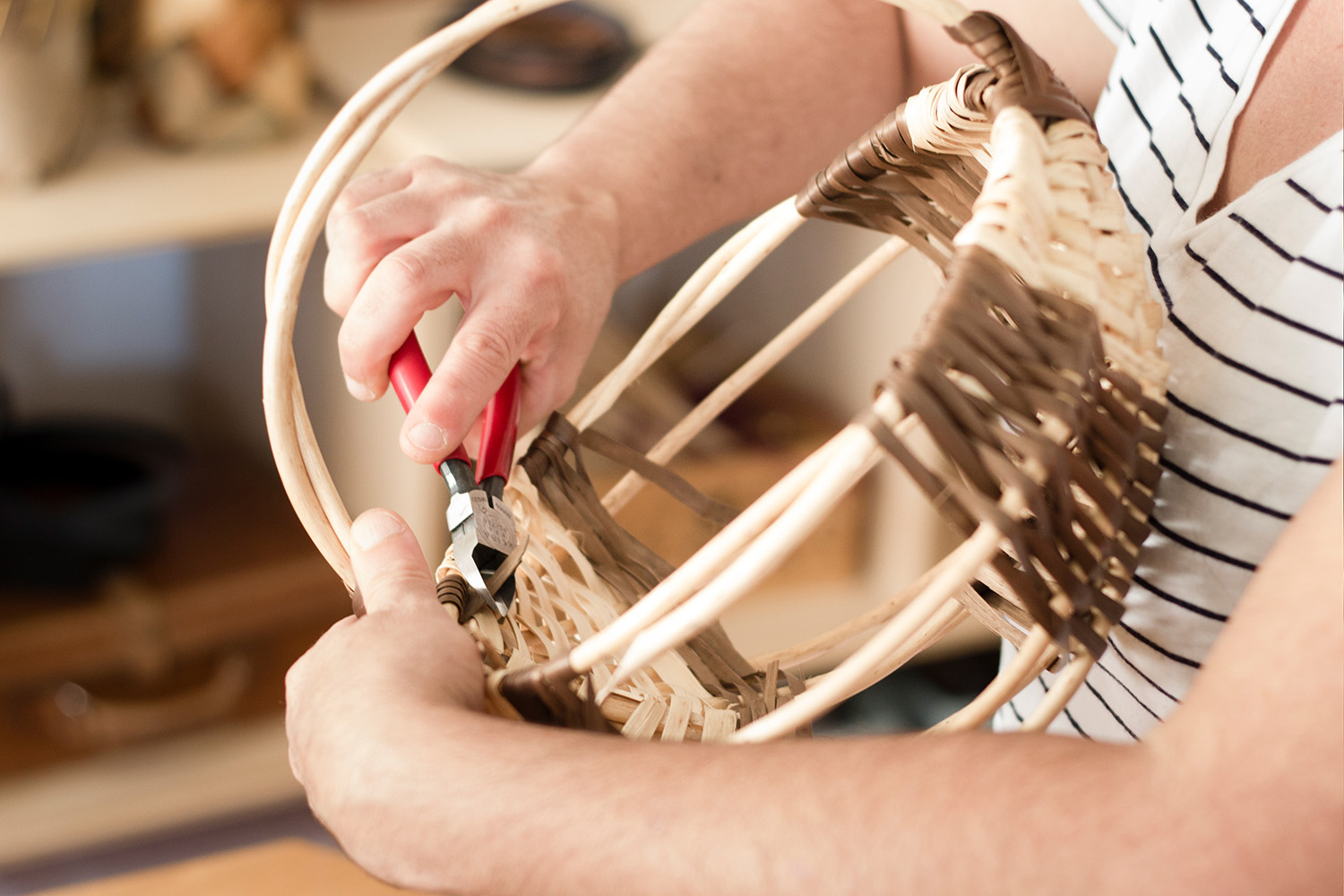
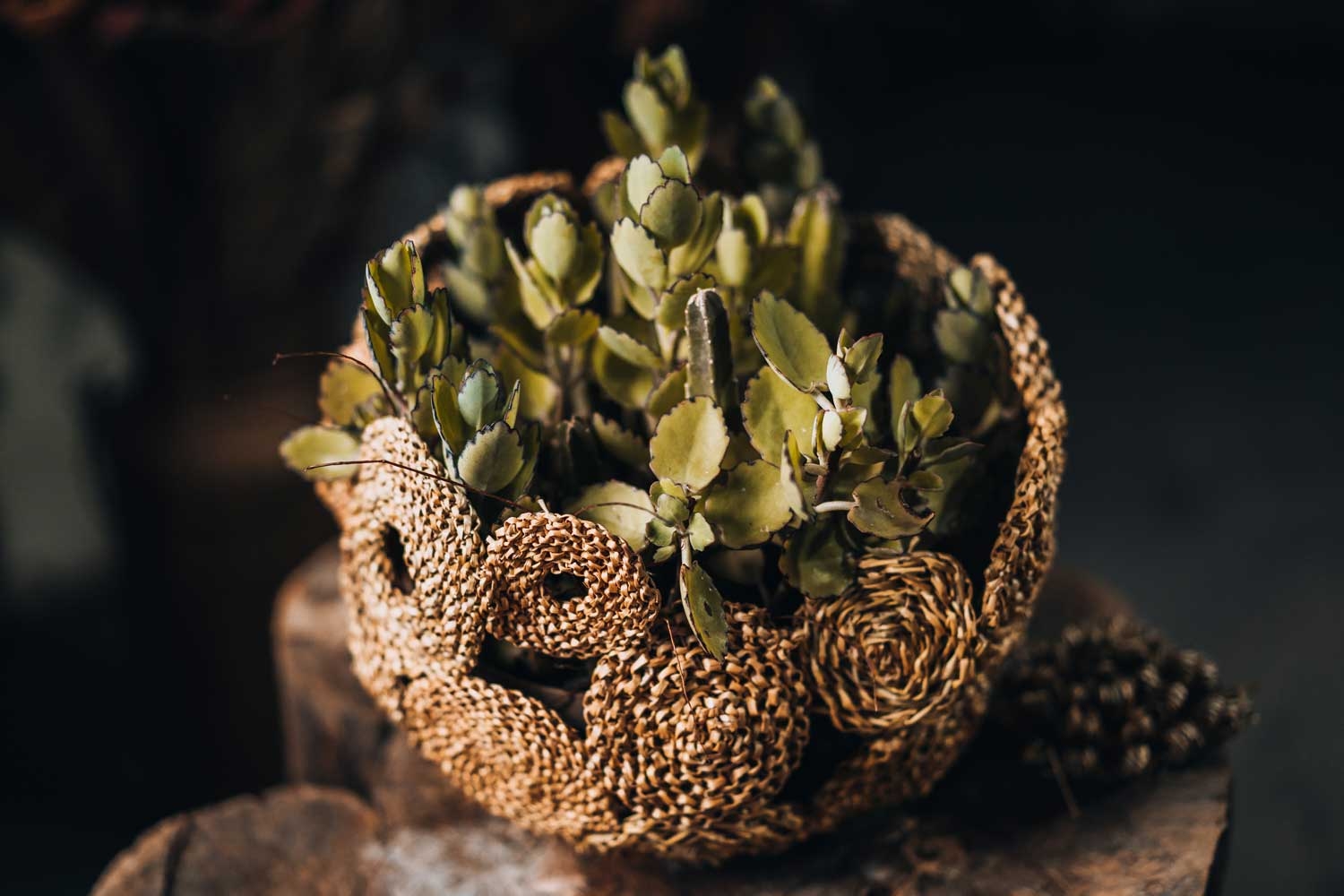
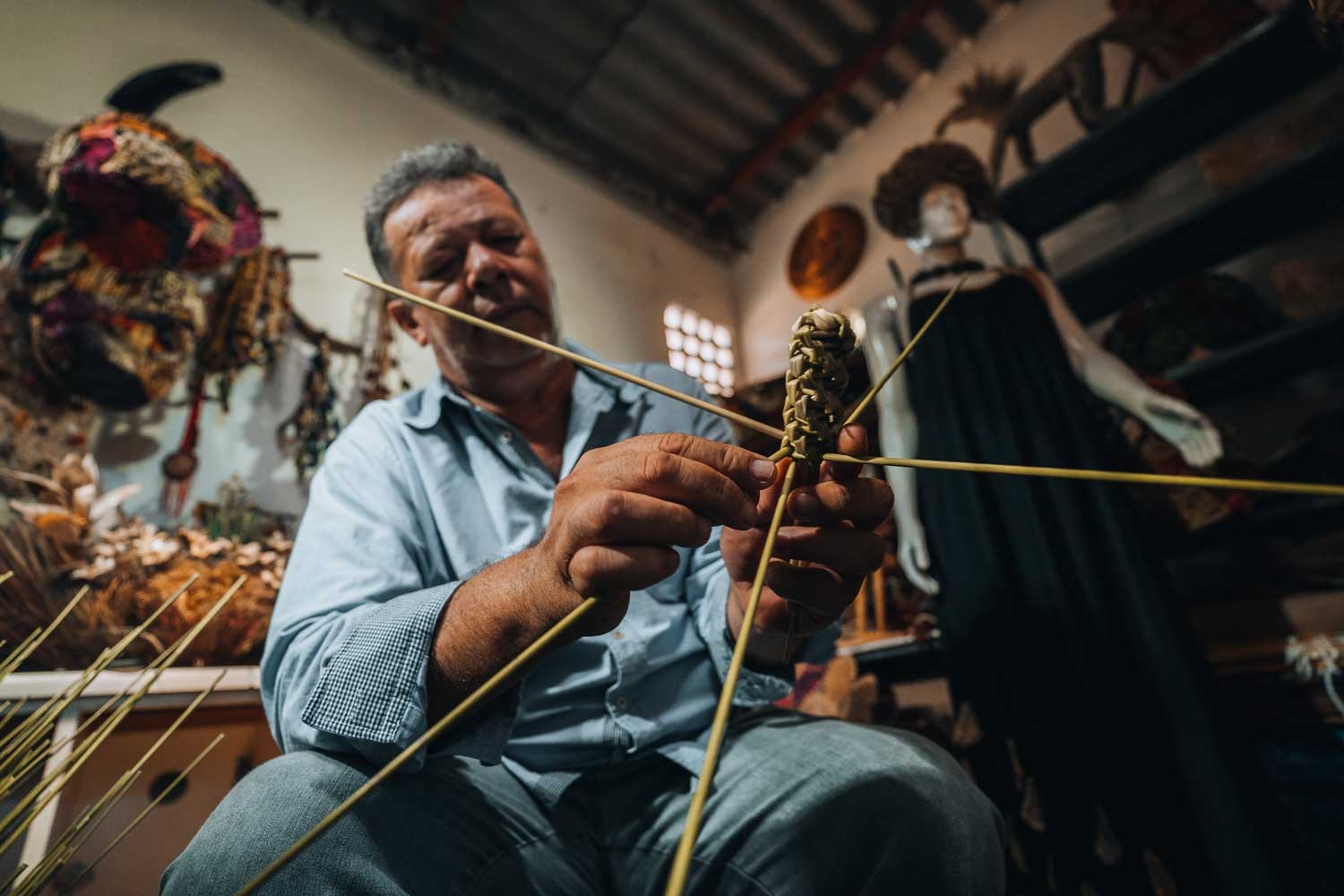
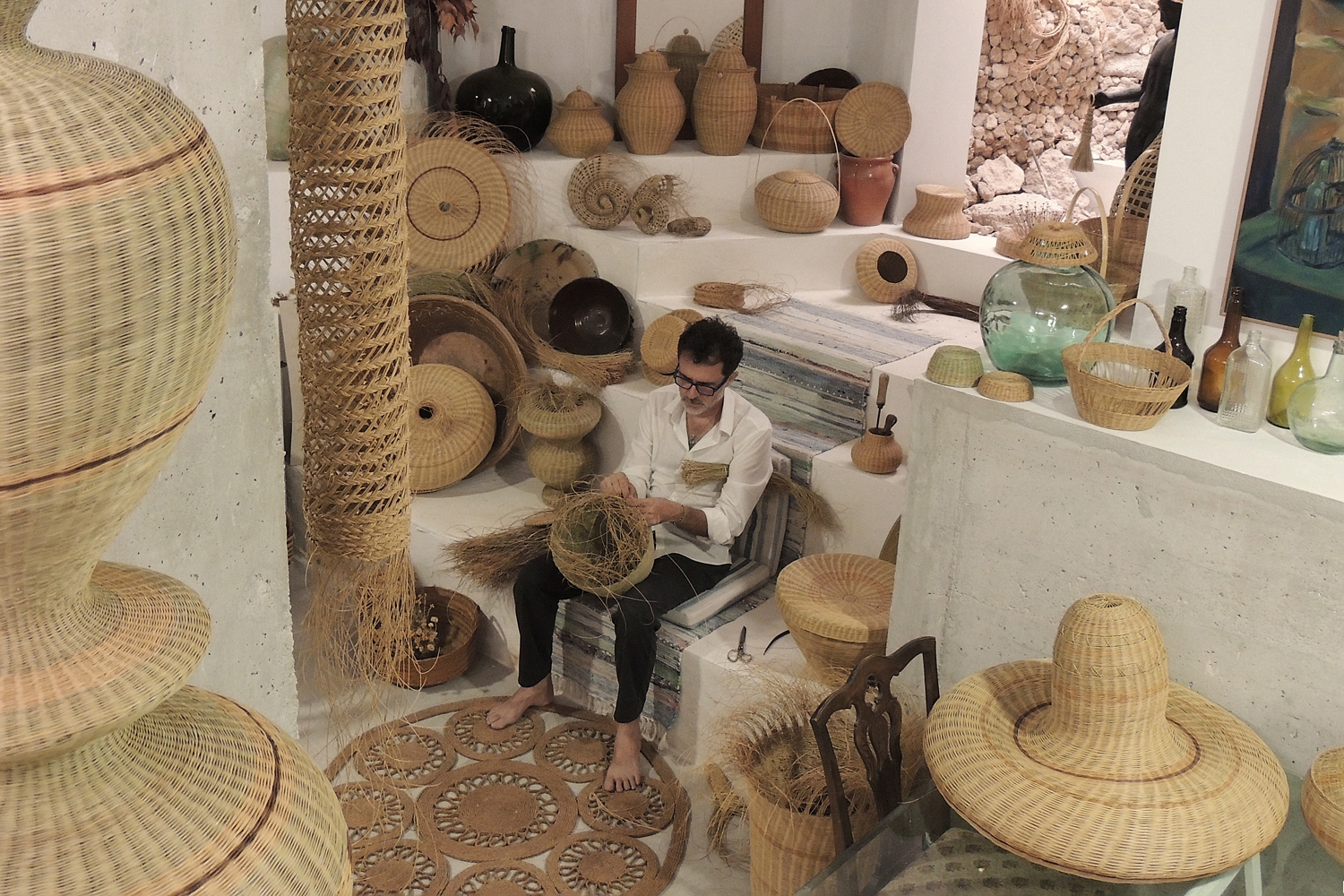
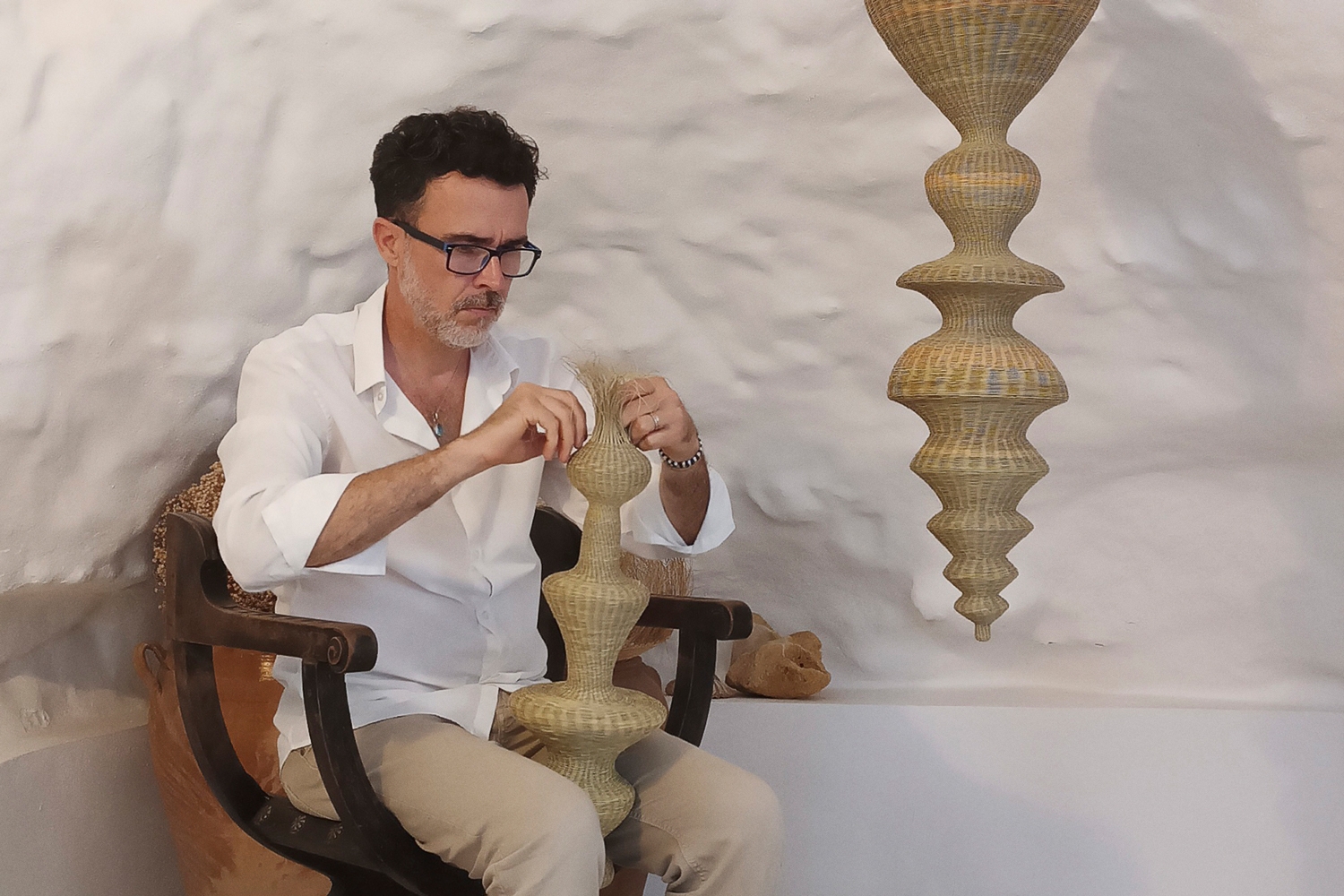
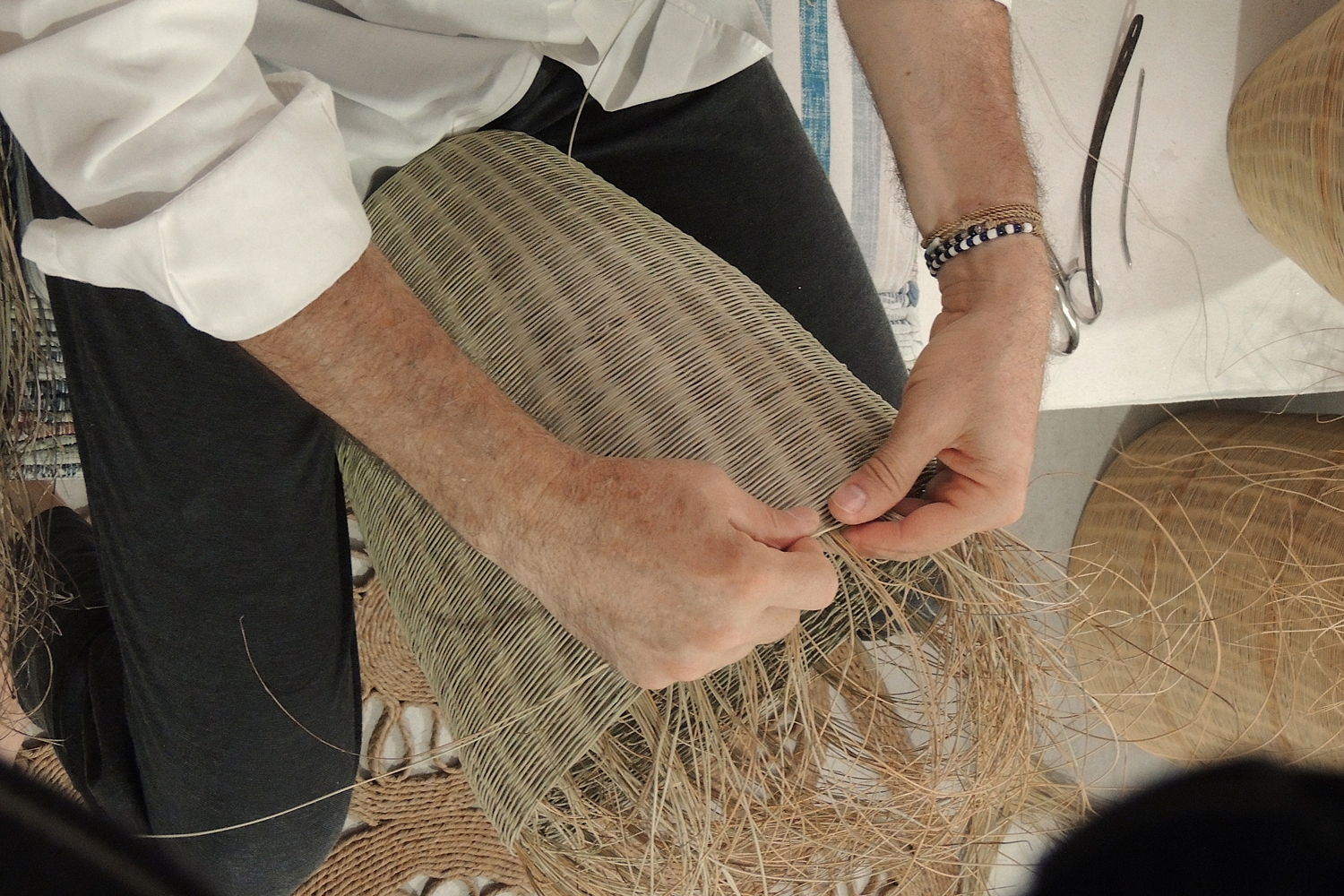
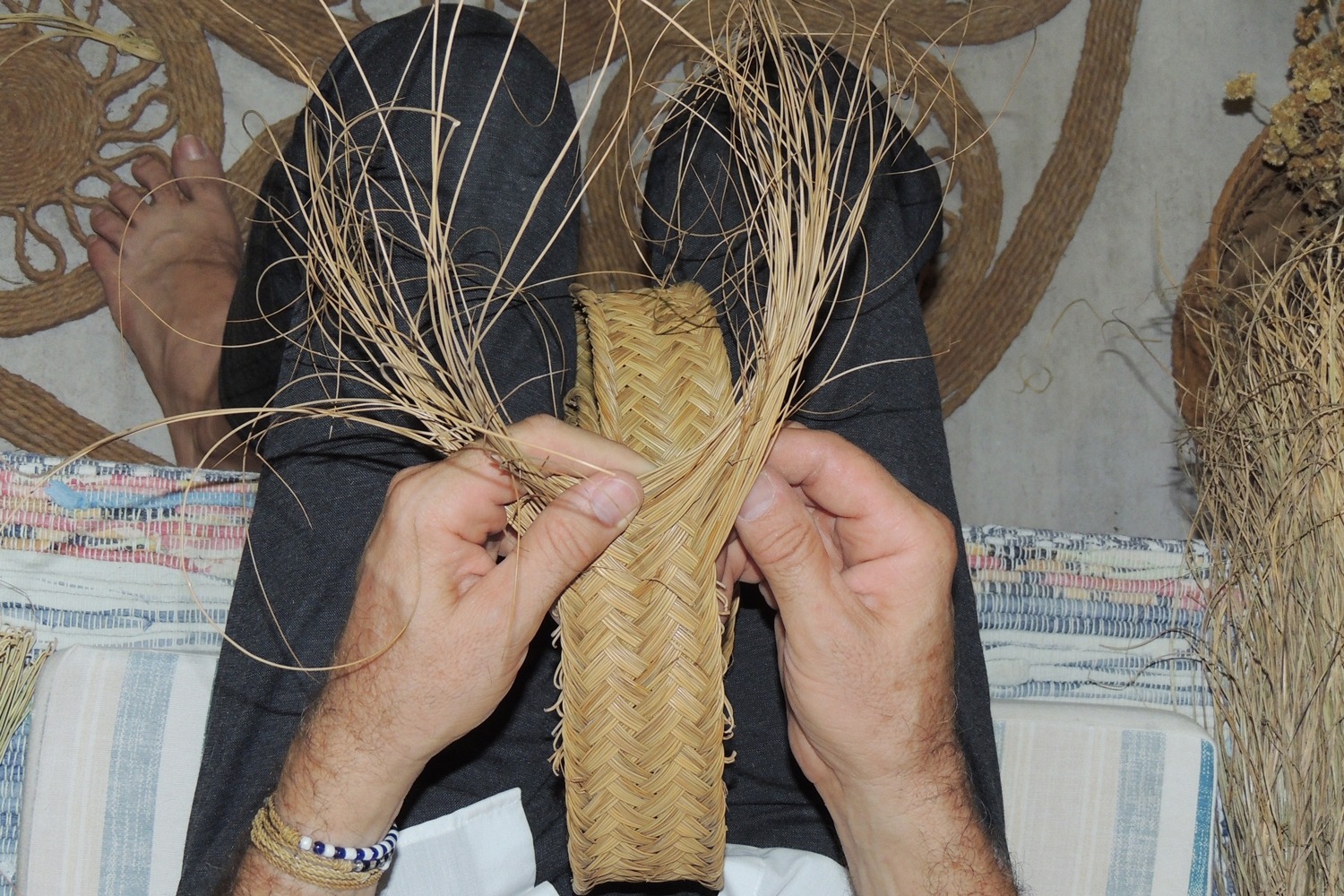
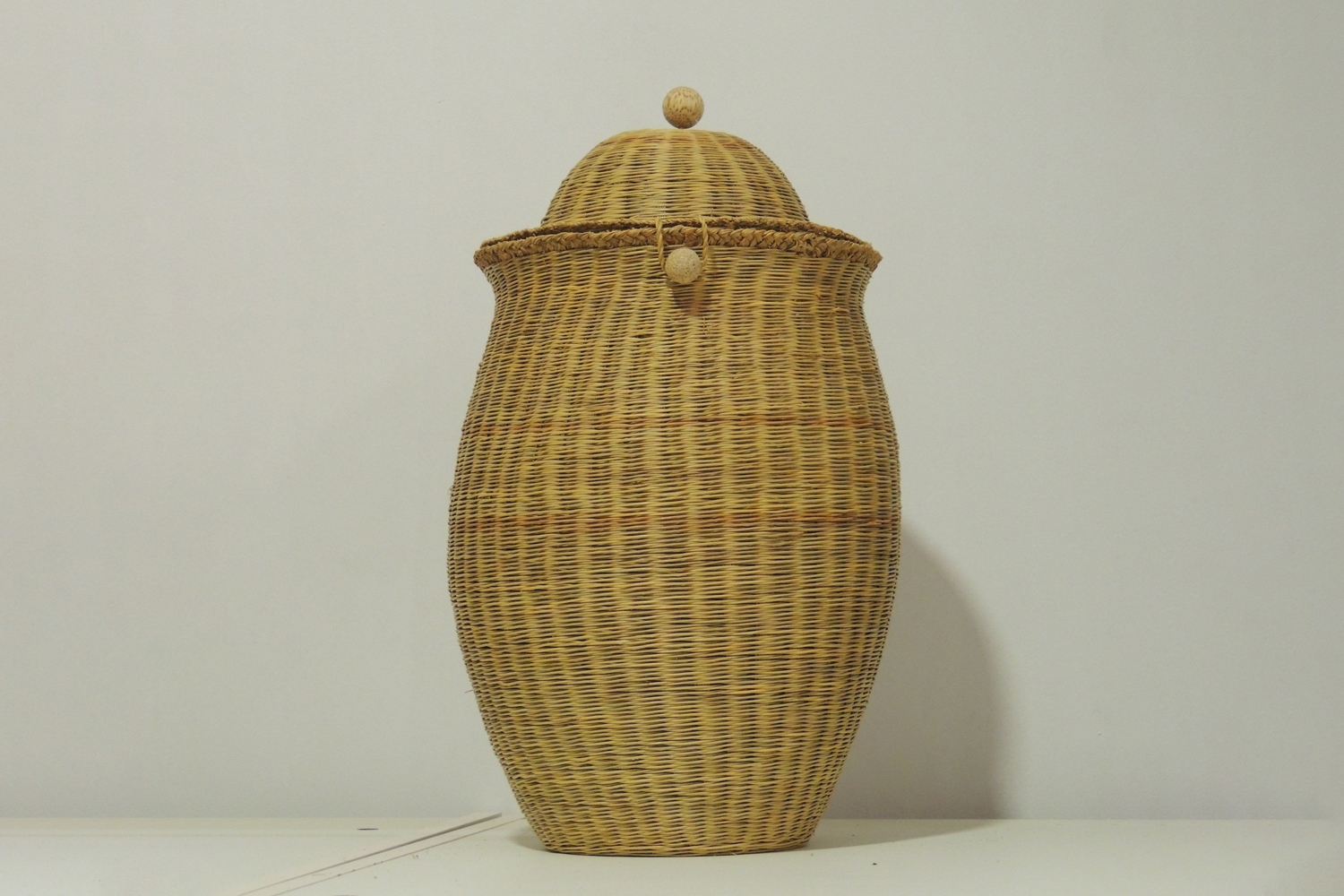
After working as a restorer and conservator for several local and international museums and institutions, Joaquín Gilabert López has built a career deeply rooted in the preservation of Spain’s cultural and religious heritage. He now specialises in making objects with esparto weaving. The peine technique, an ancient Mediterranean form of braiding, became his technique of choice. Joaquín's pieces stand out for their precision and complexity. Whether restoring centuries-old works or creating entirely new pieces, his practice reflects a deep respect for technique, material and the Spanish cultural narratives that sustain them. "My aim is to demonstrate that esparto is still alive and that we cannot afford to lose this rich and meaningful craft," he says.
INTERVIEW
Rather than labelling myself as an artisan or an artist, I let my creative instinct guide each of my pieces. My current approach is both inventive and investigative, as I combine traditional techniques with more contemporary methods.
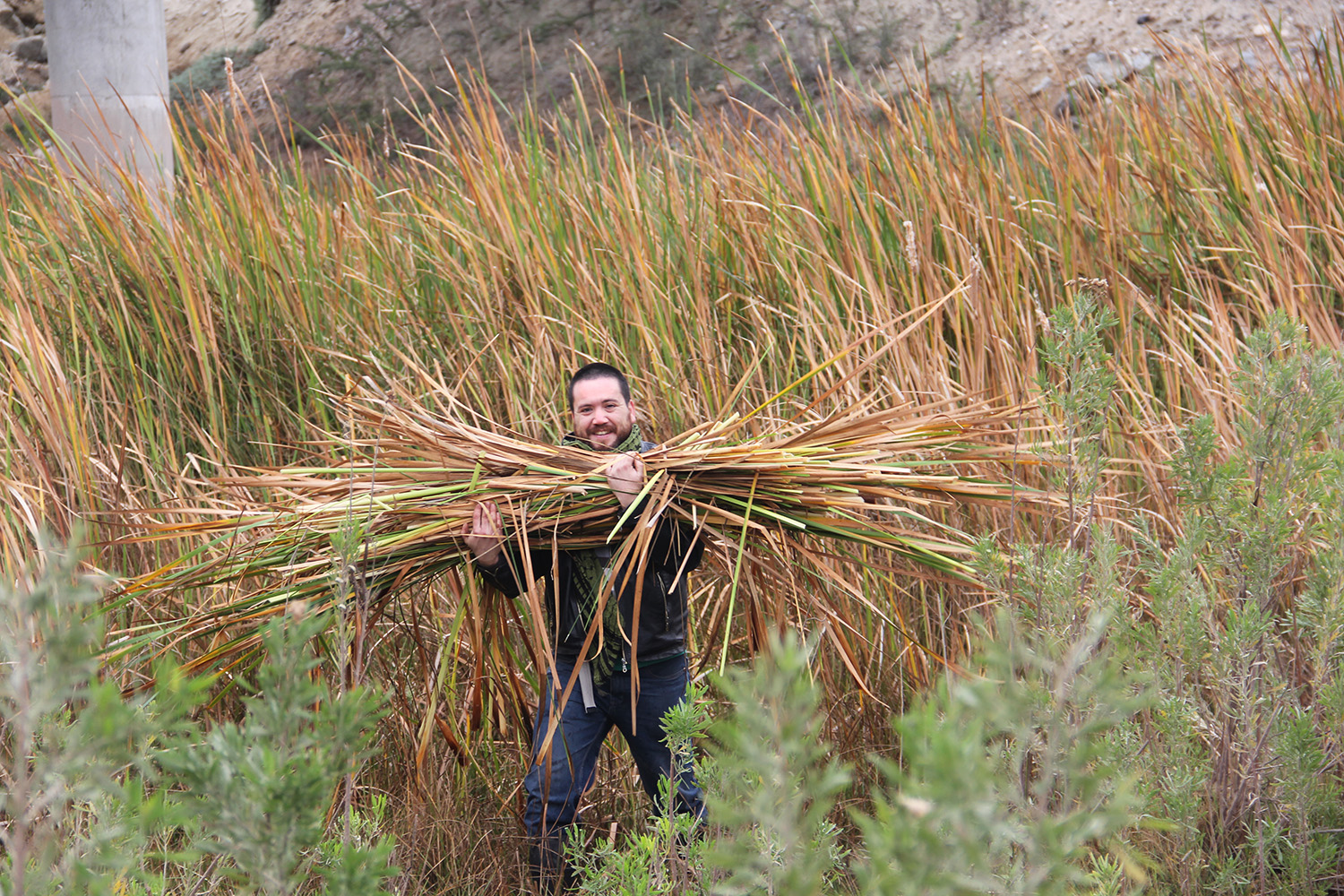
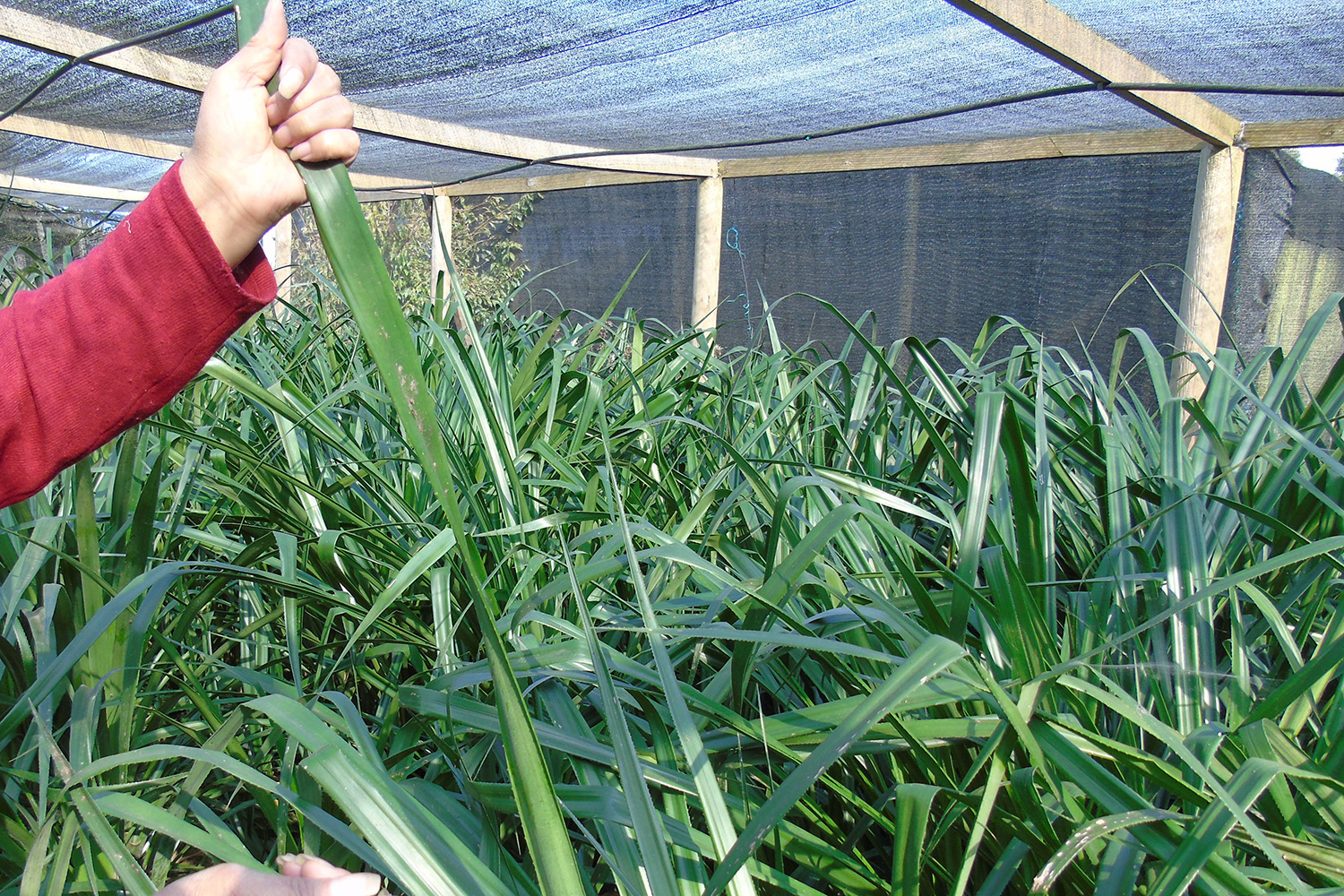
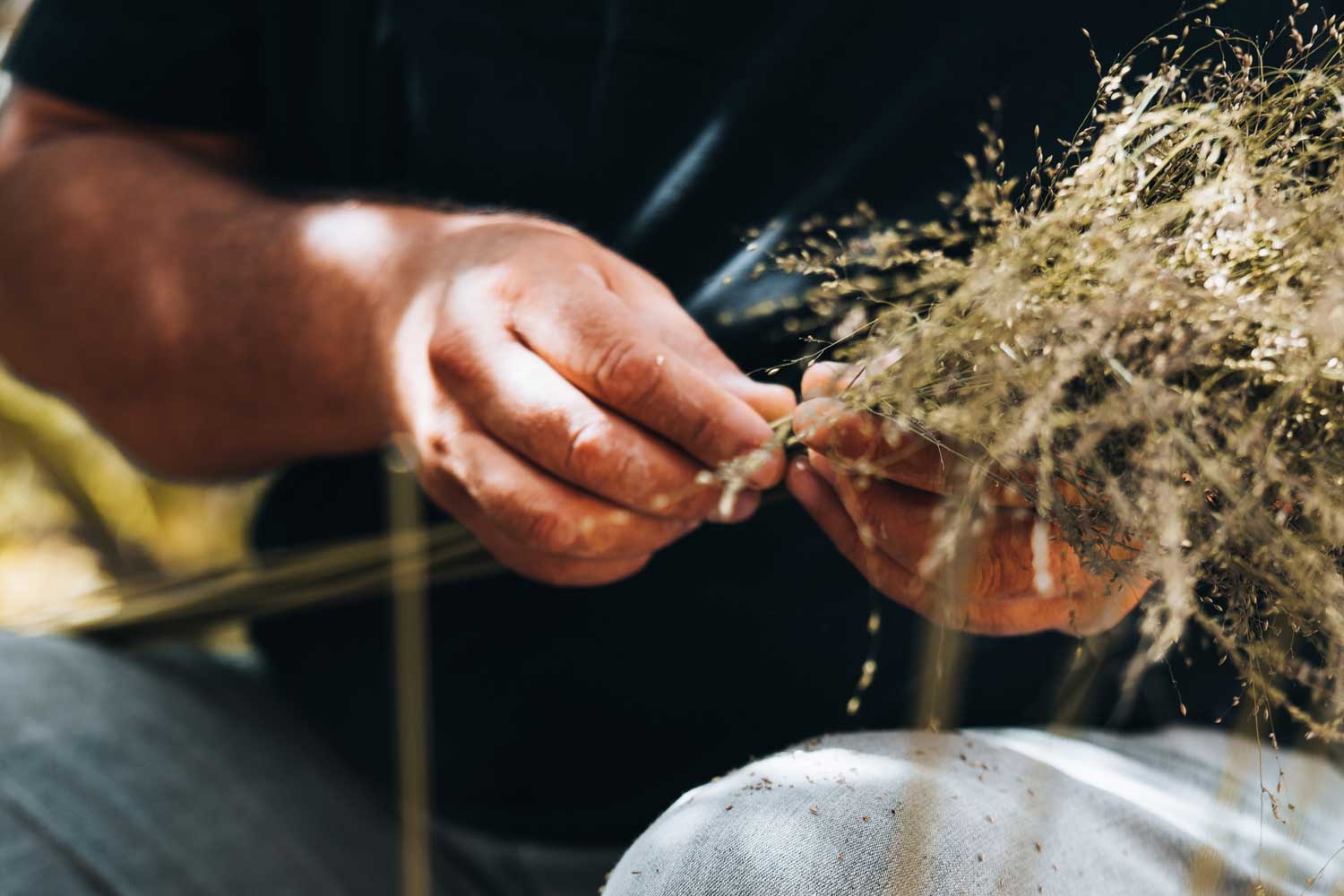
Esparto grass grows naturally in this area. For centuries, local communities have used their fibres to make baskets, mats and other handmade items. By working with esparto here, I help keep alive a tradition that has been part of the Almería landscape for generations.
This craft was demanding for our ancestors, and it nearly disappeared when plastic materials became widespread. I have learned the importance of protecting traditional skills. Without a conscious effort, we risk losing invaluable heritage.
Respect for the environment is essential. We have always valued esparto for its strength, versatility and biodegradability. Today, it can replace other materials that harm the environment as it is a sustainable alternative rooted in our land.
Joaquín Gilabert López
Basketweaver
Arboleas, Spain
Recommended by Contemporánea de Artes y Oficios
AVAILABILITY
By appointment only
LANGUAGES
Spanish, English
Homo Faber Finds is a new service aiming to inspire admirers of craft to connect and collaborate with exceptional artisans.
We invite you to submit an enquiry here.