Jeff Shapiro
Ceramicist
Accord, NY, USA
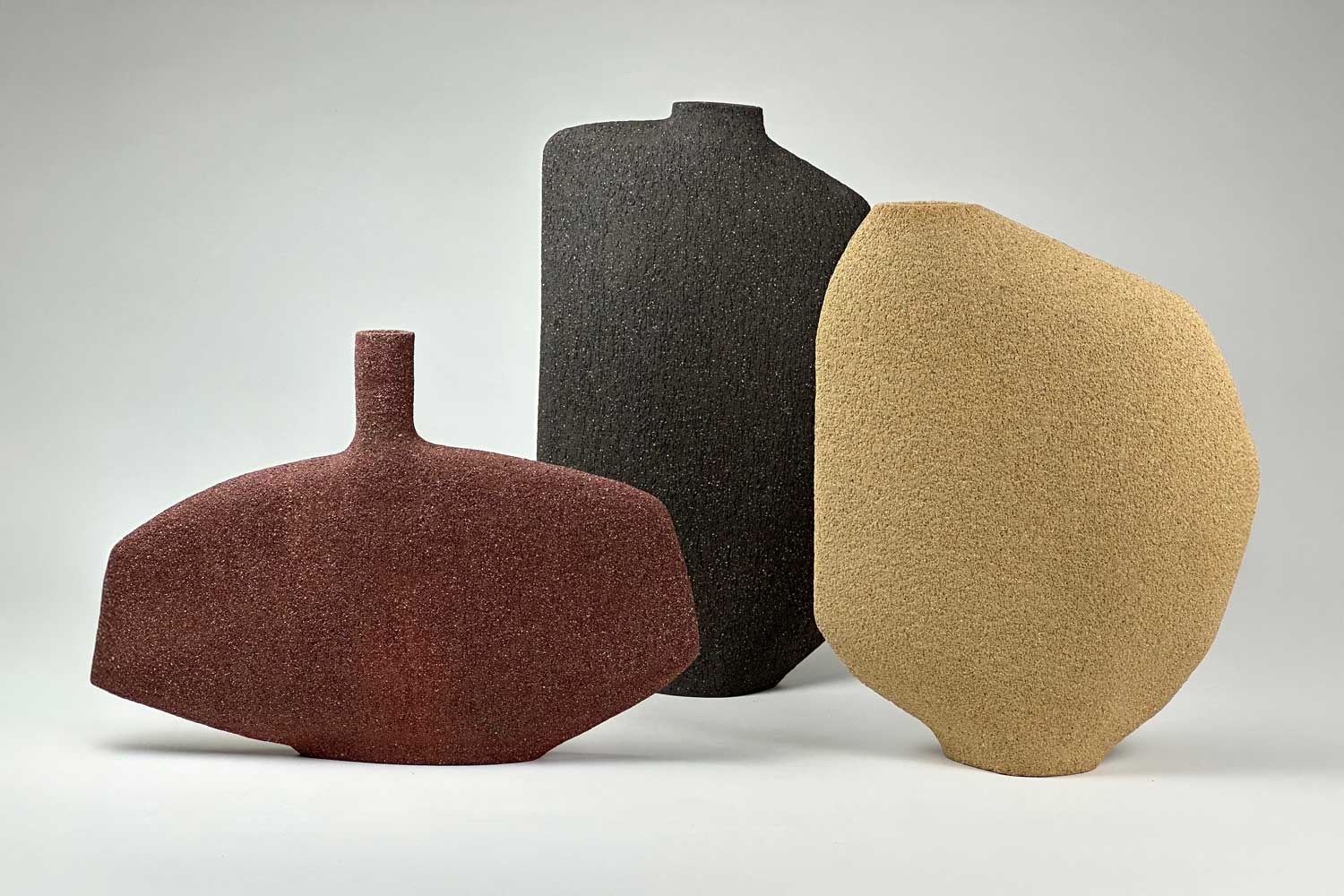
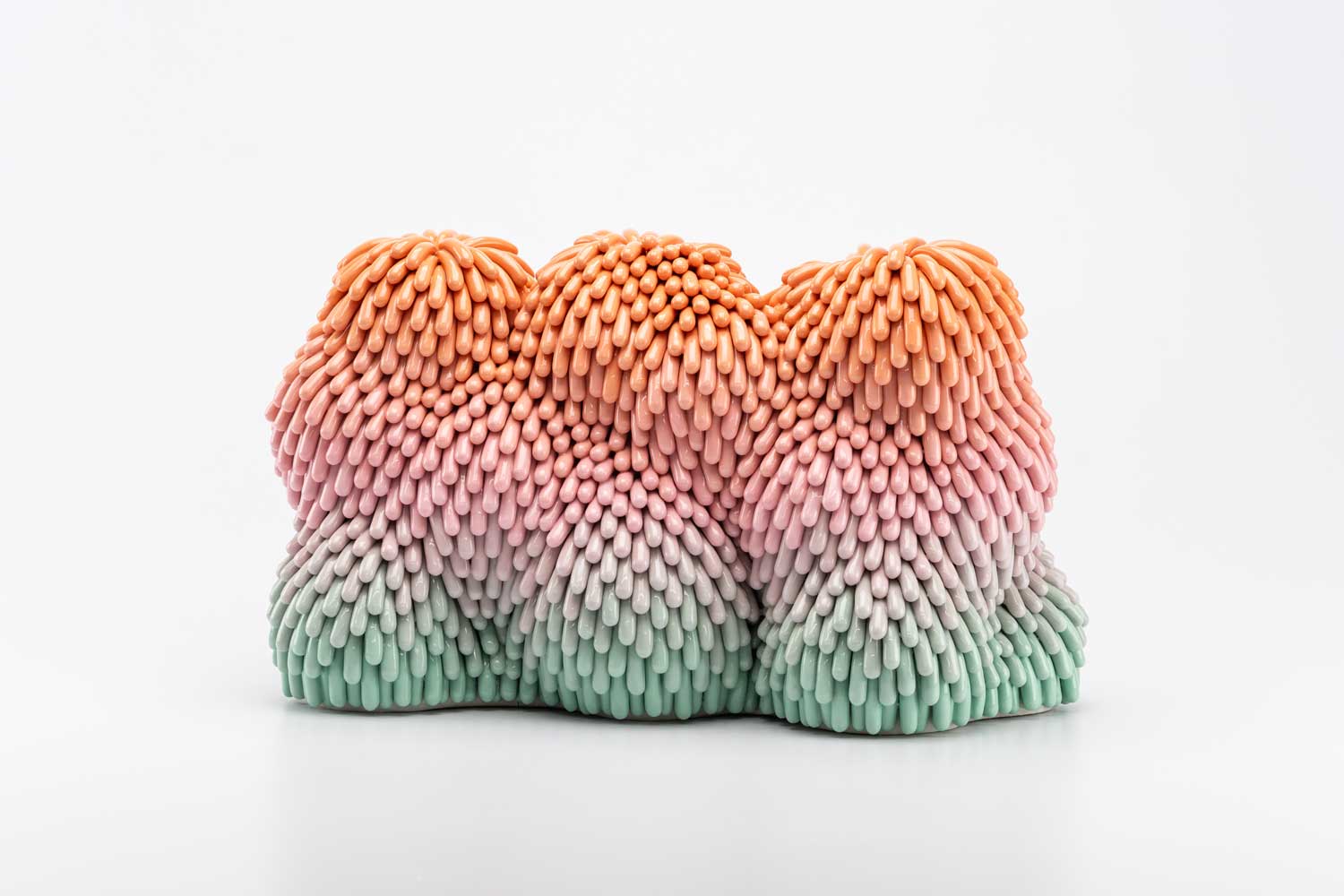
Clay that celebrates the abstract beauty in nature
- Jeff spent a foundational nine years learning ceramics in Japan
- He is inspired by the asymmetrical beauty that exists in nature
- Improvisation and discovery are central to his artistic expression
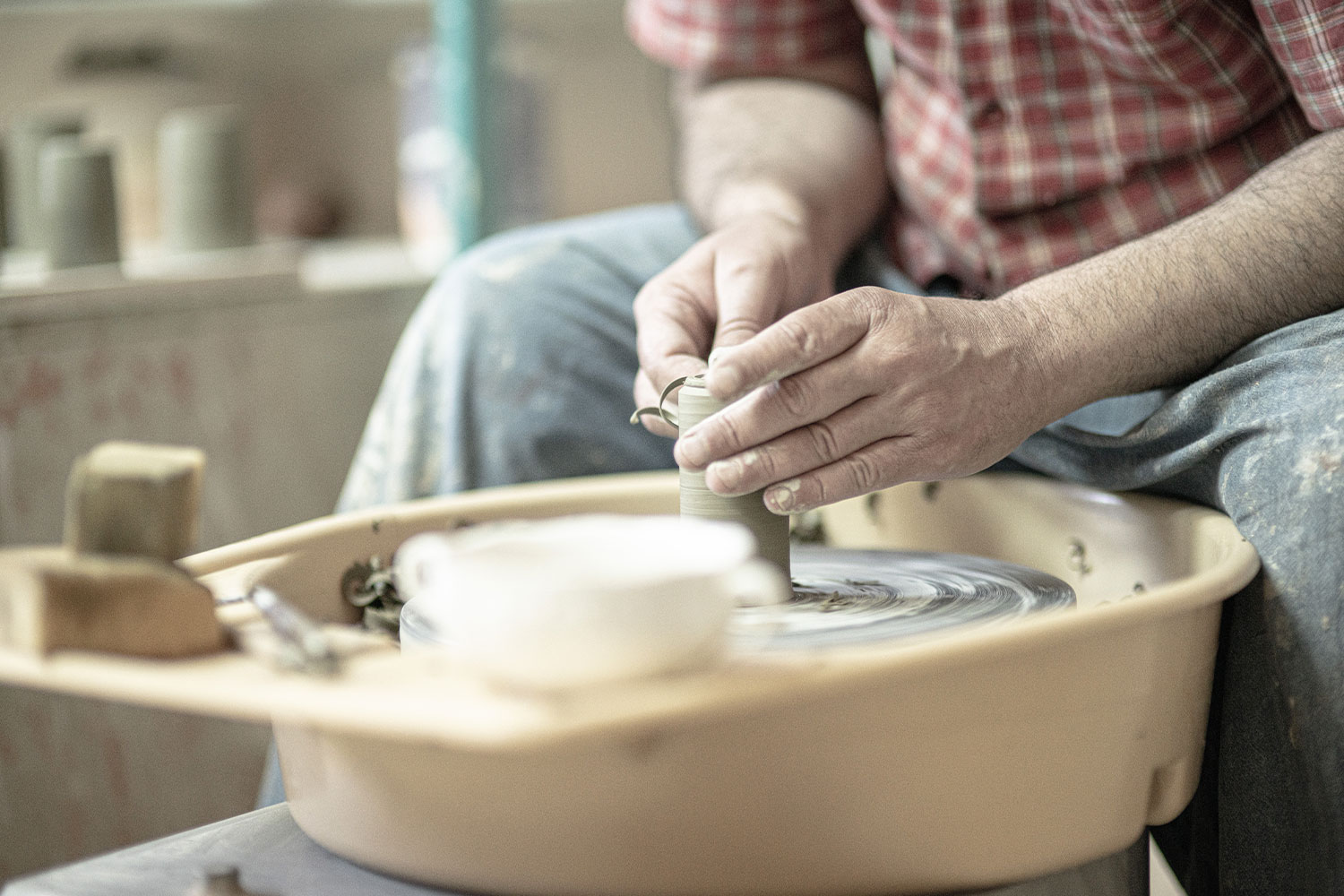
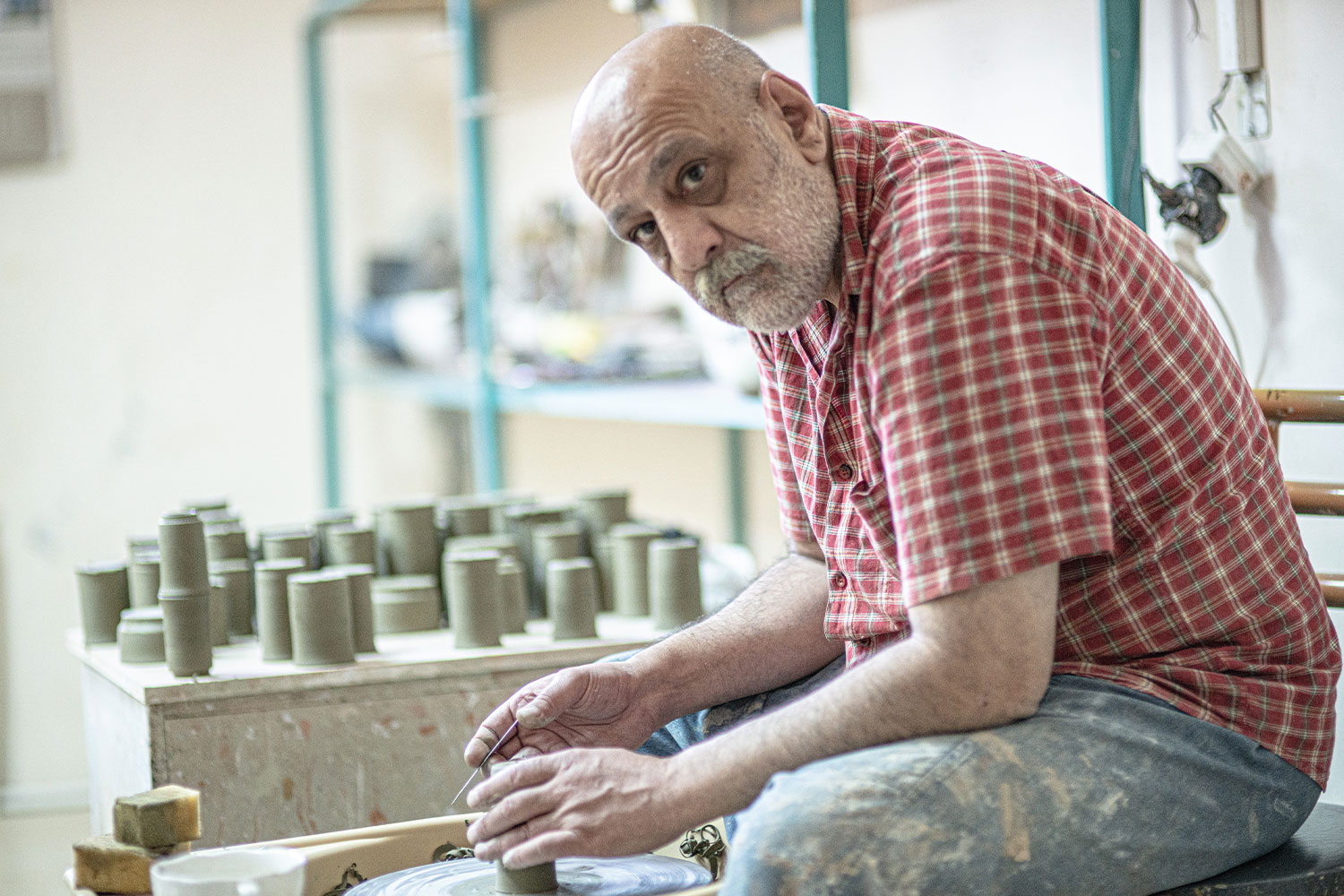
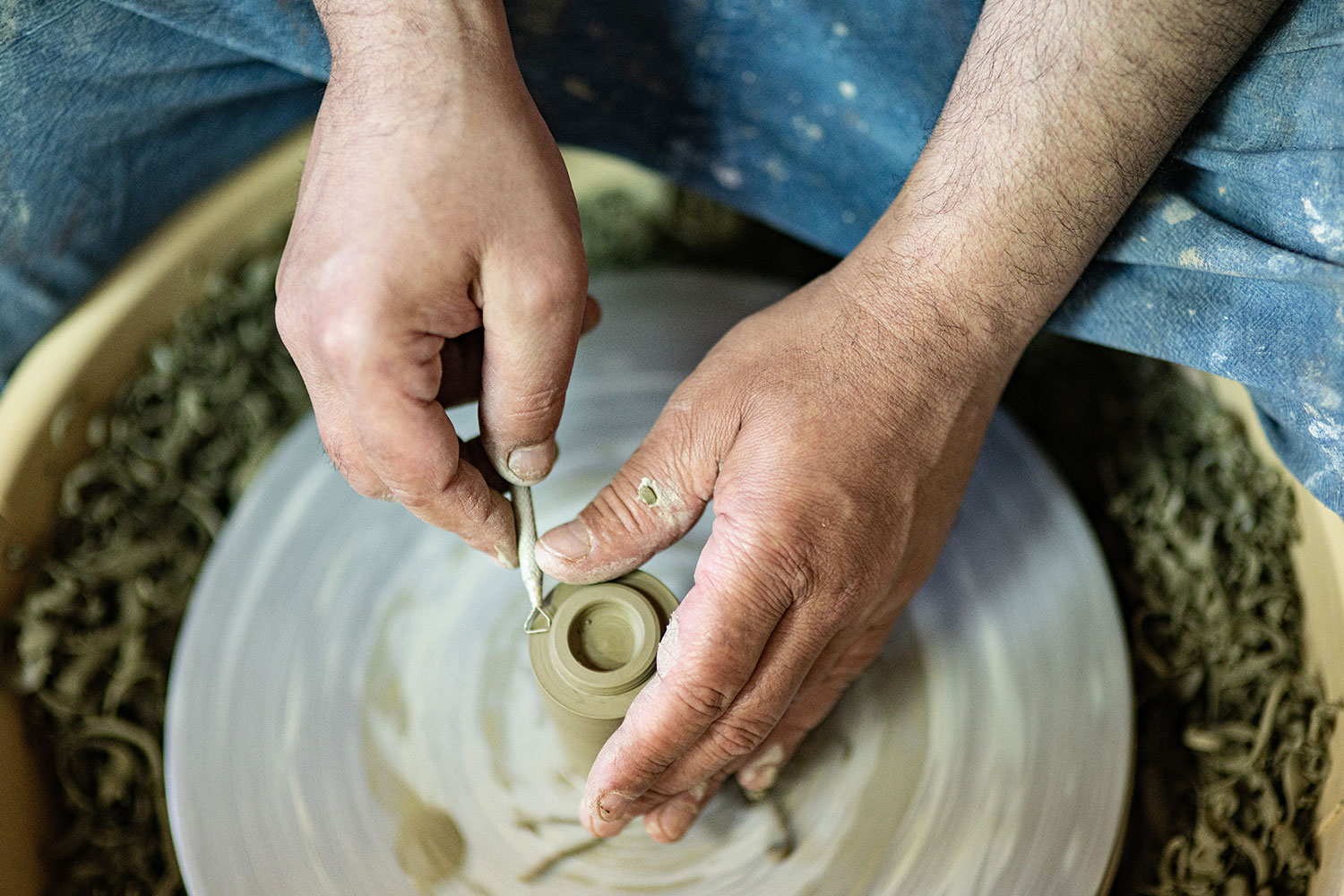
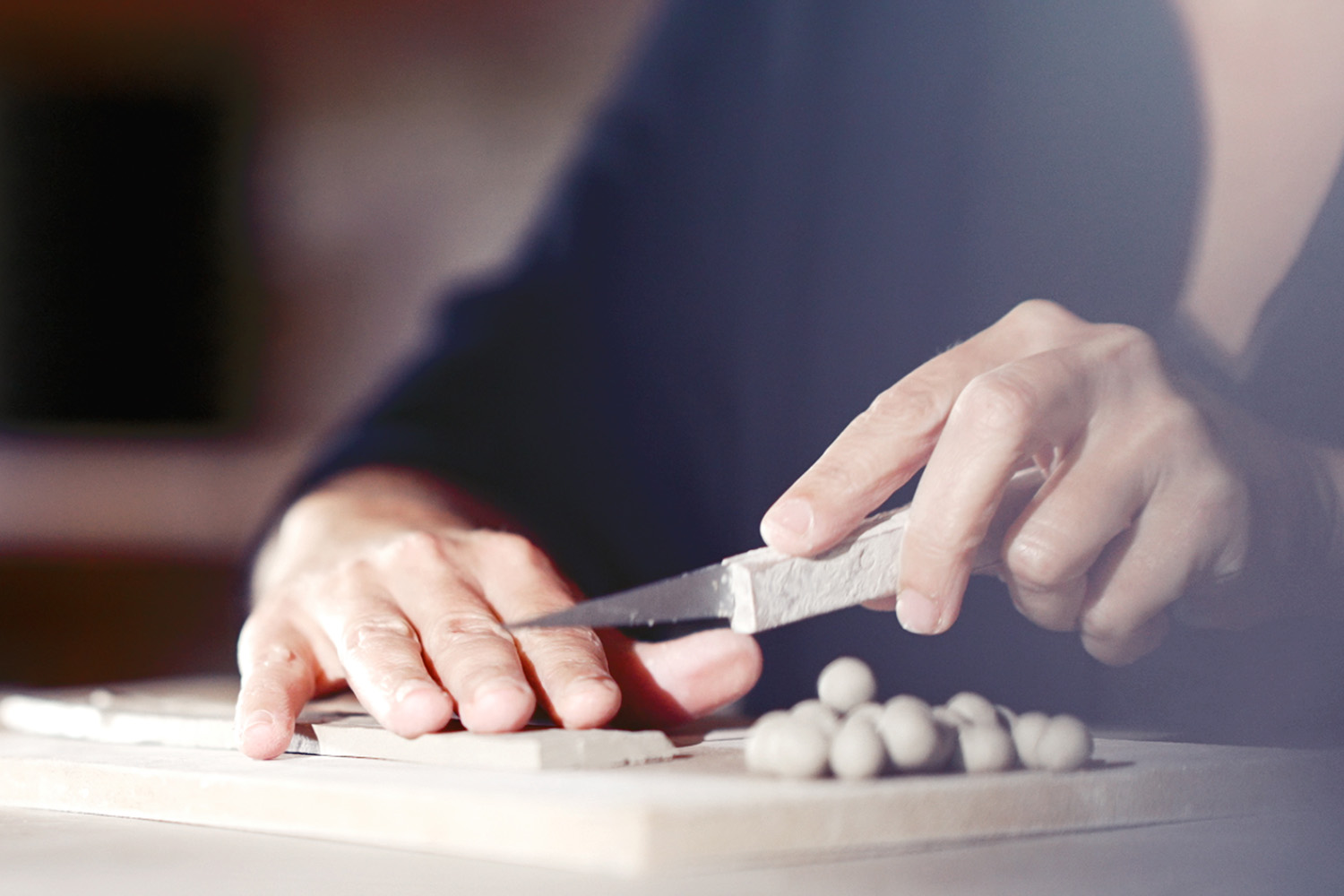
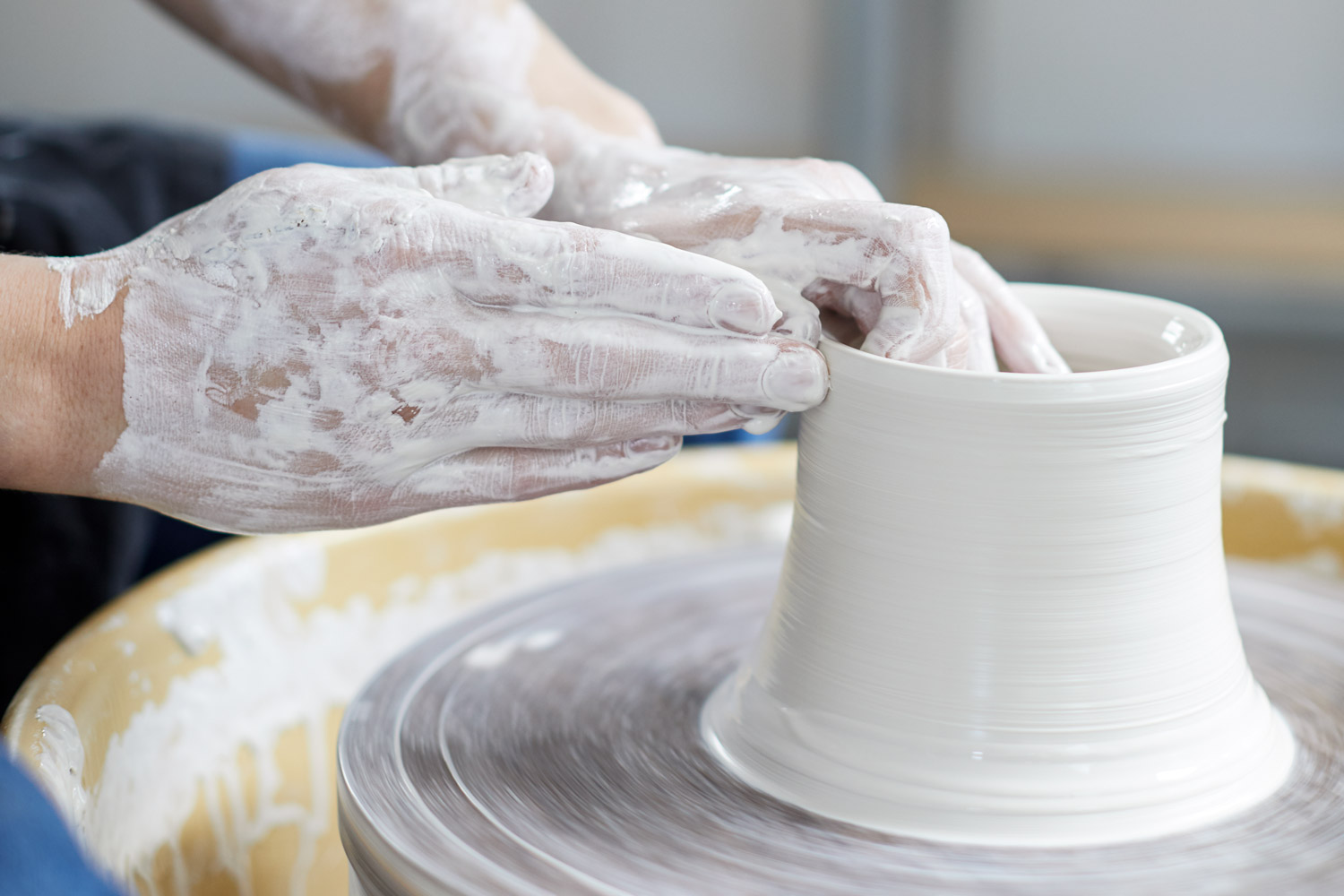
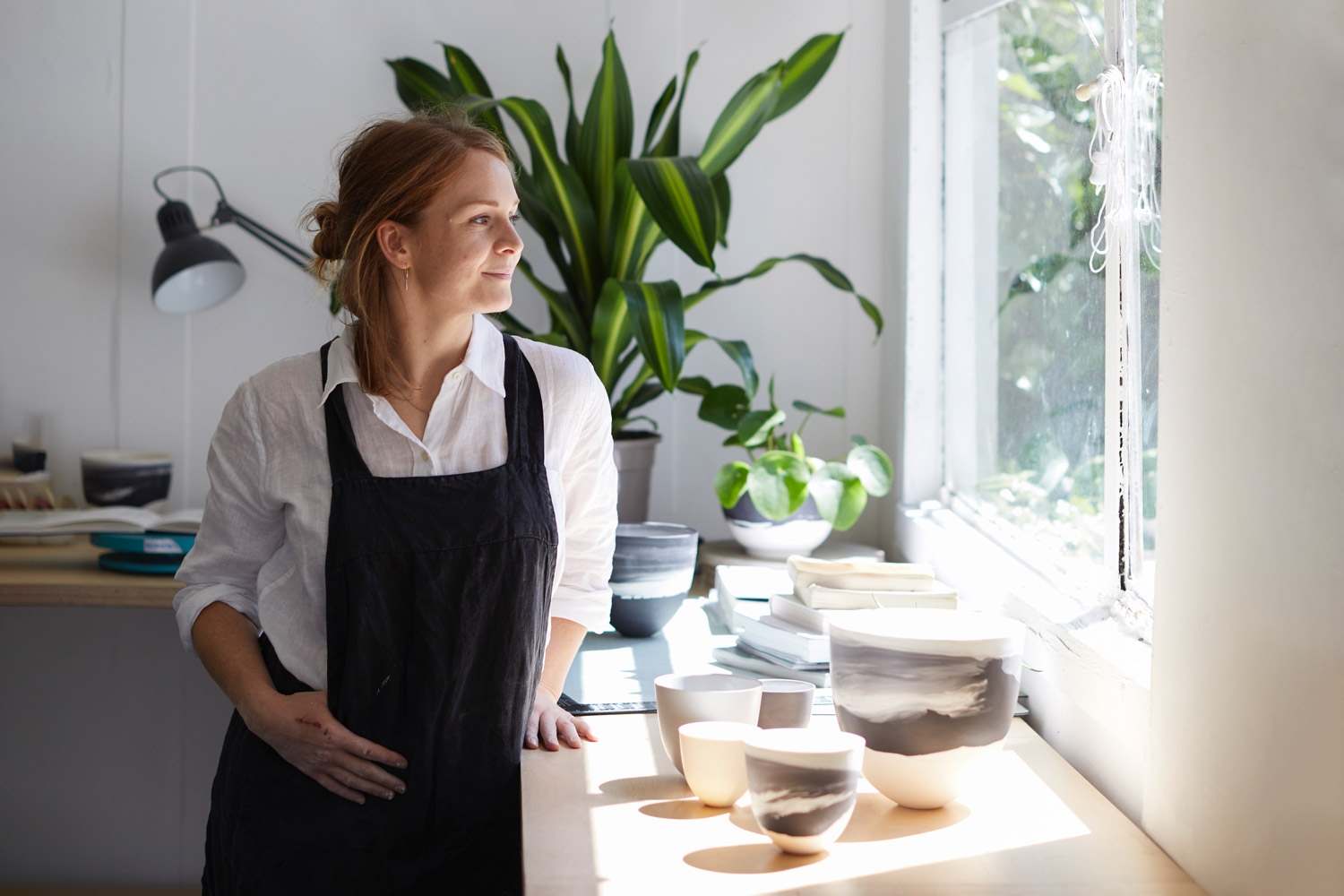
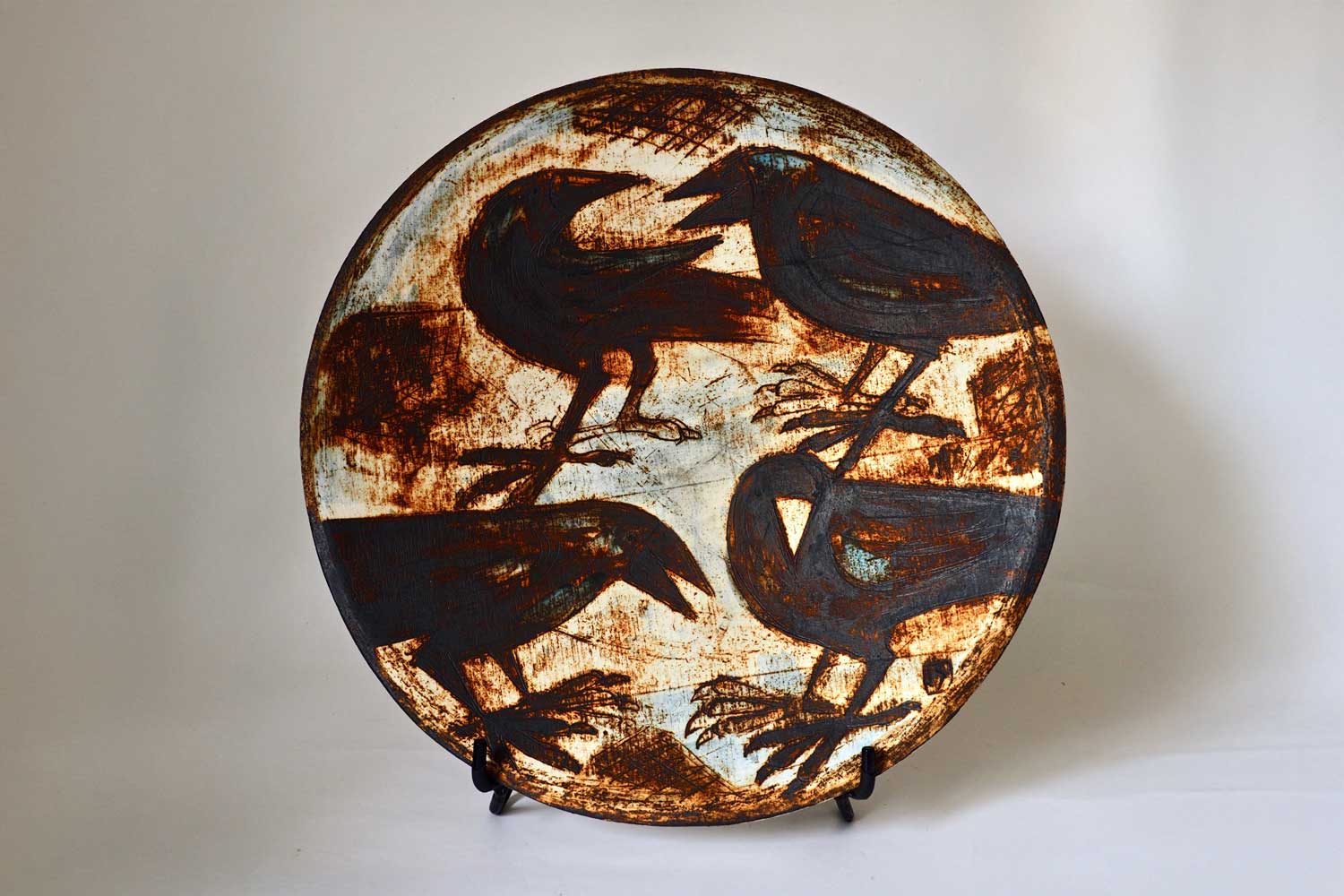
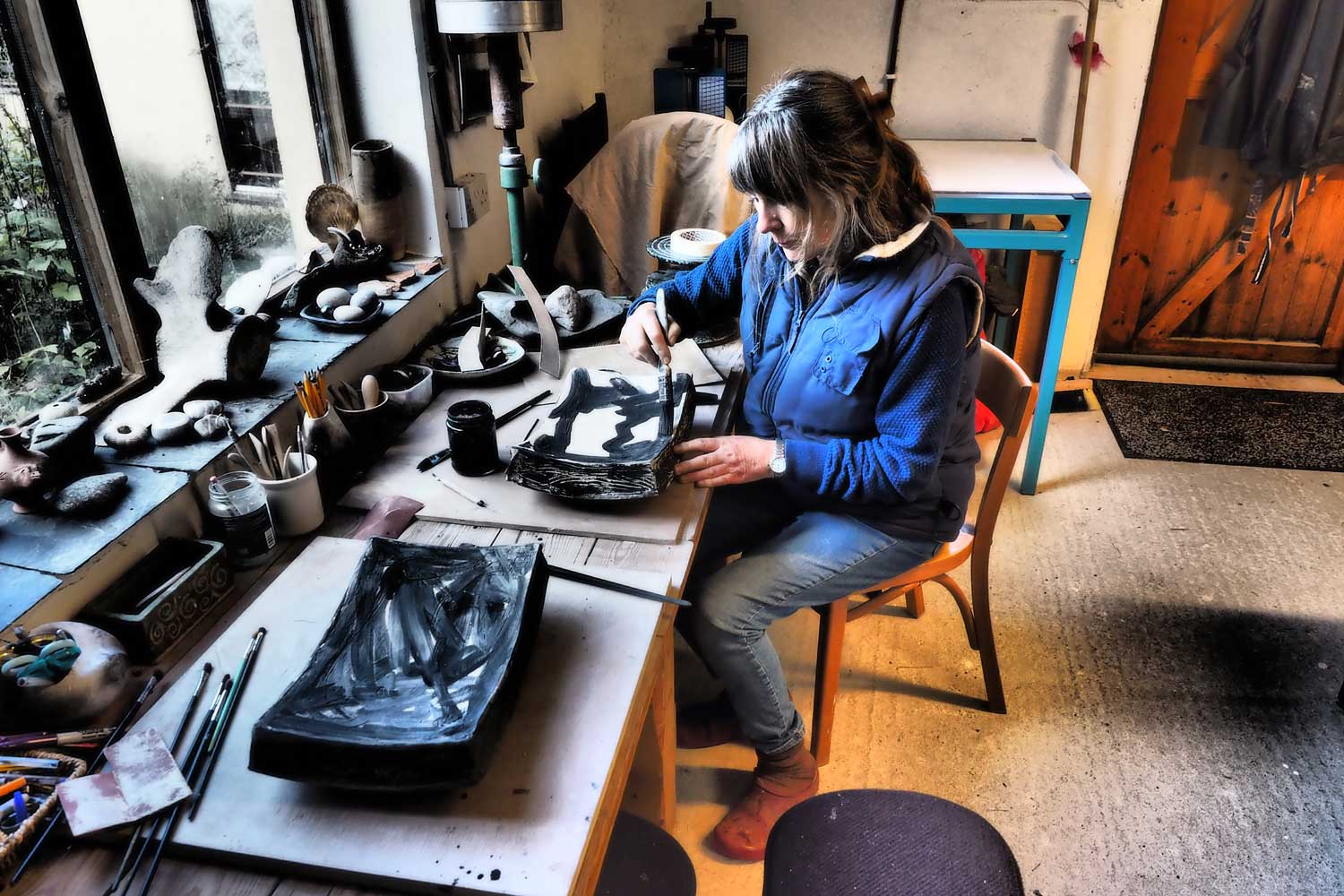
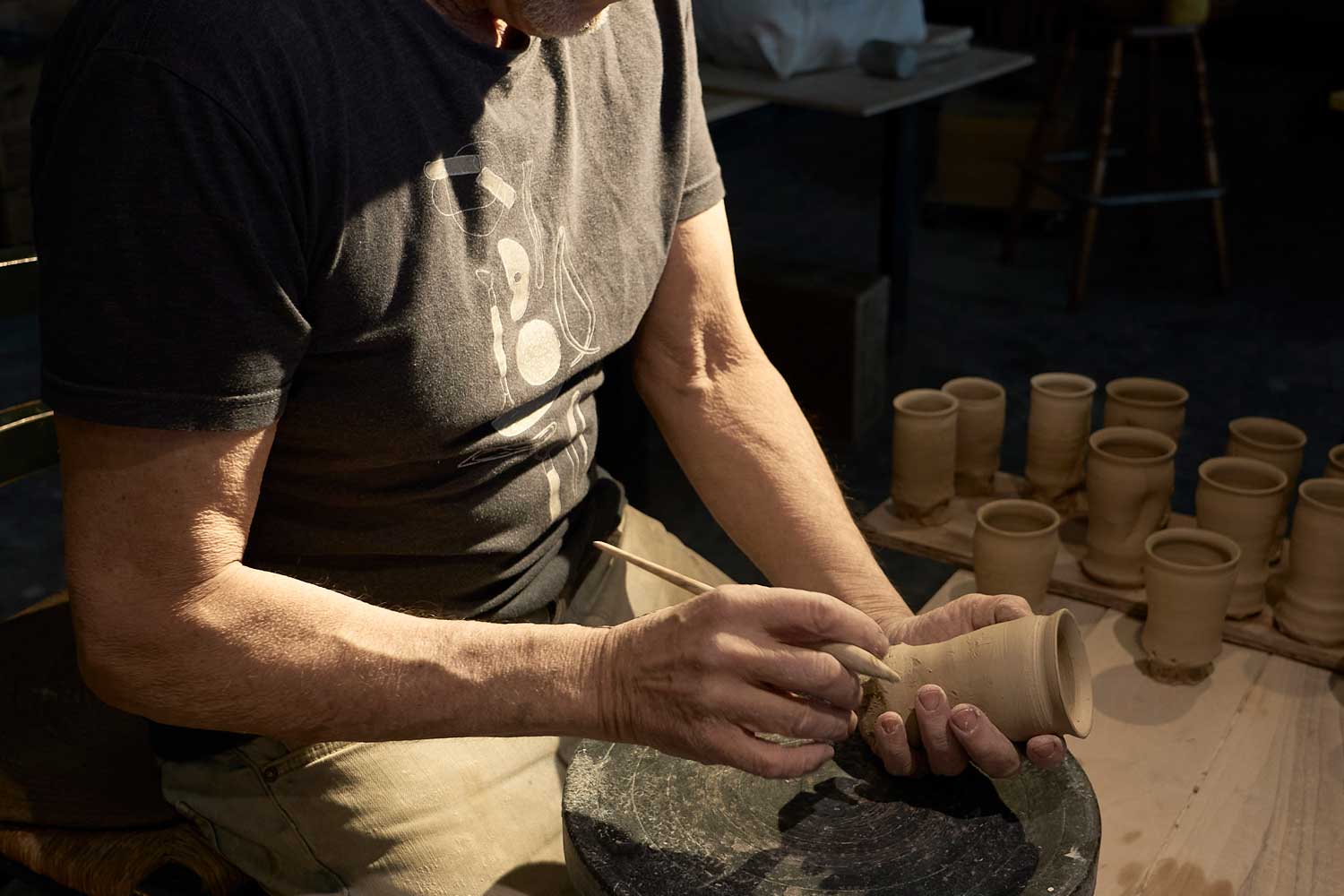
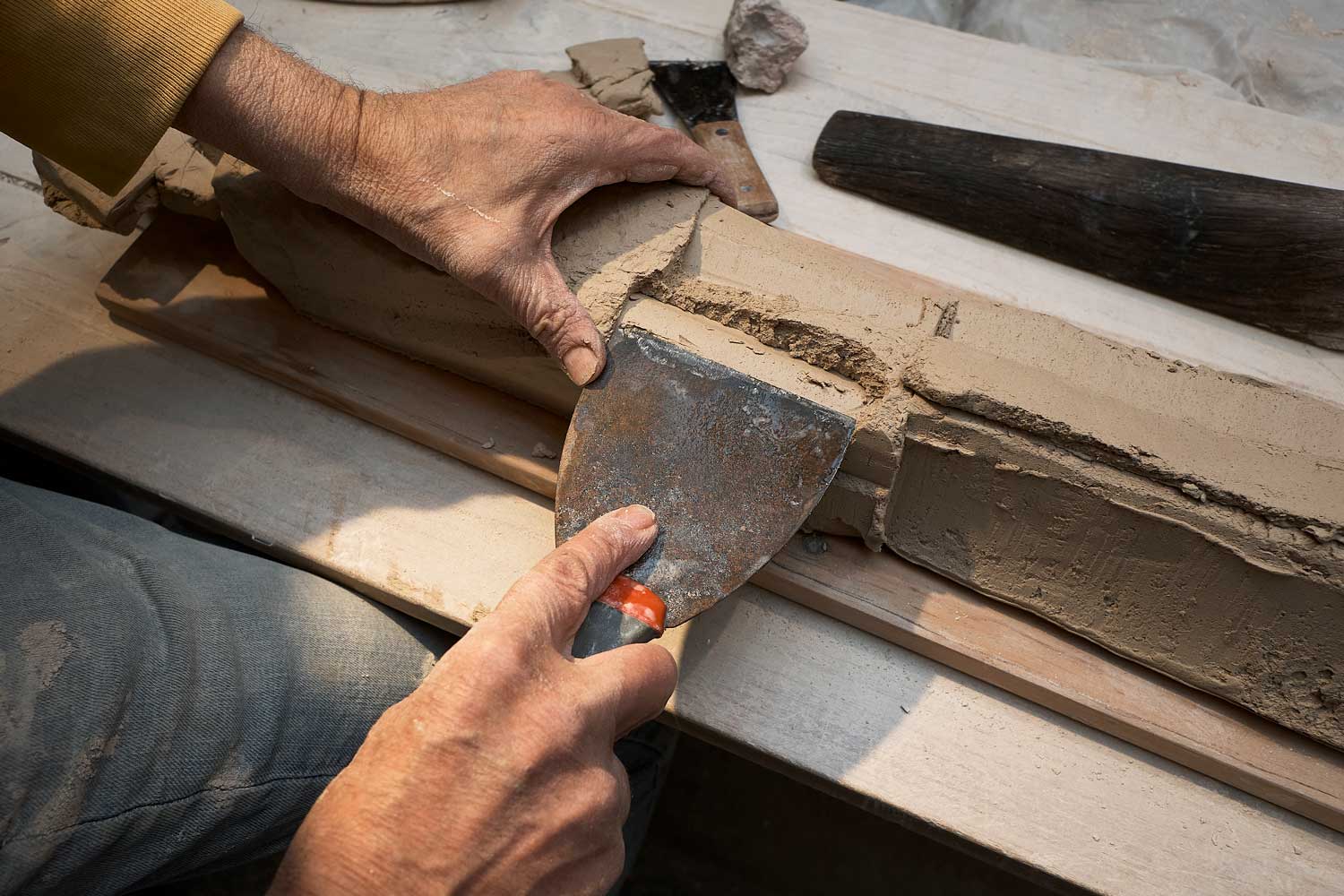
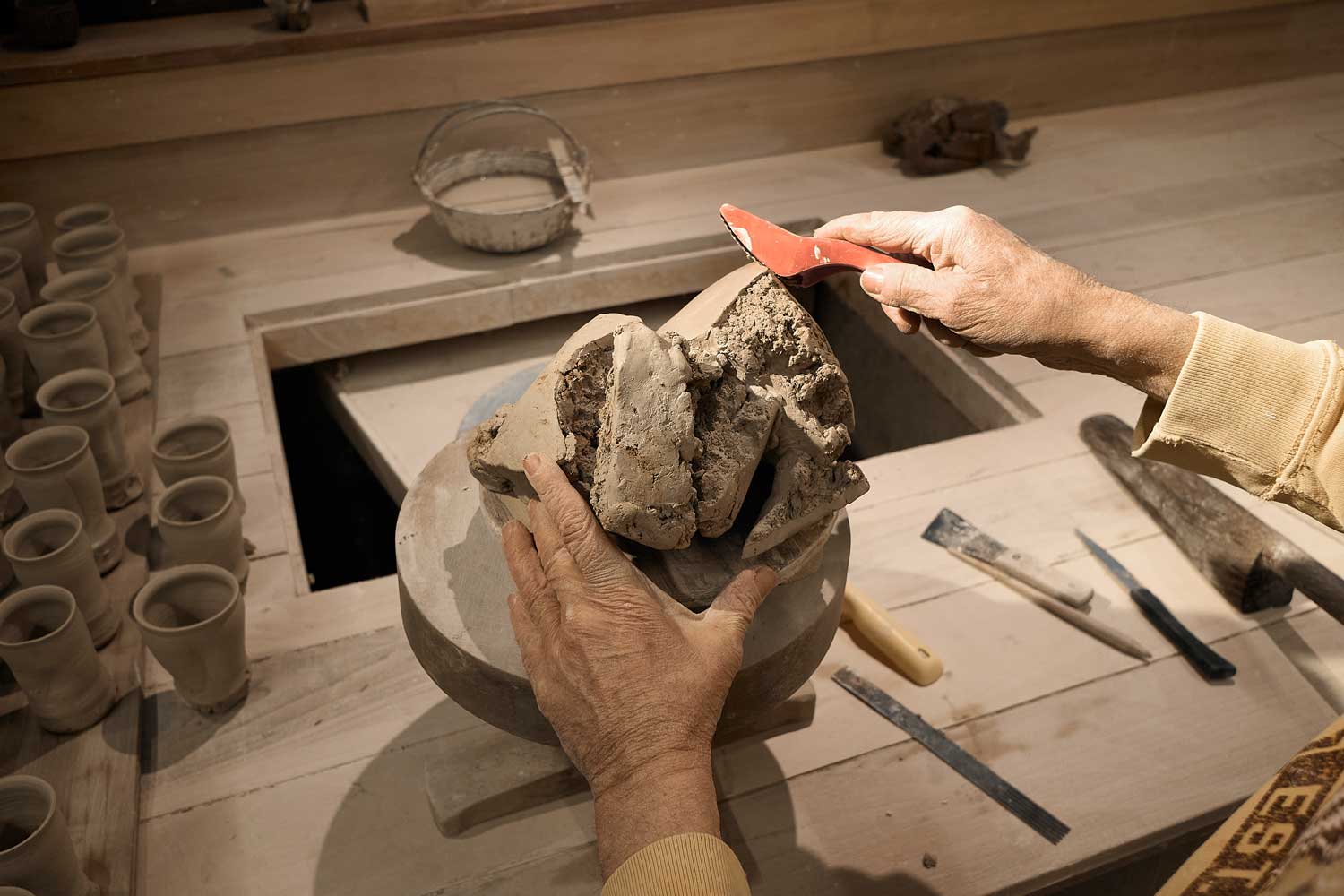
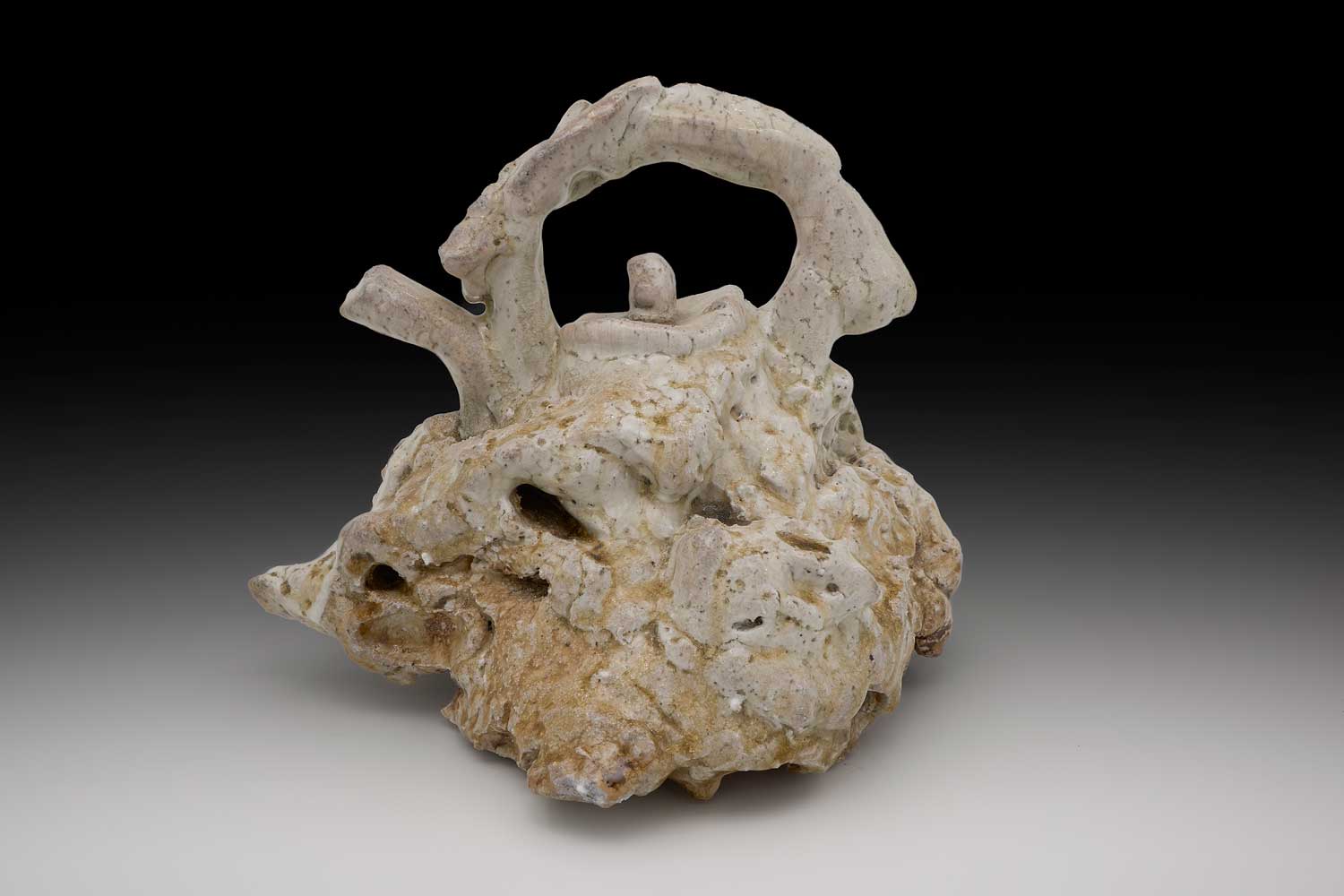
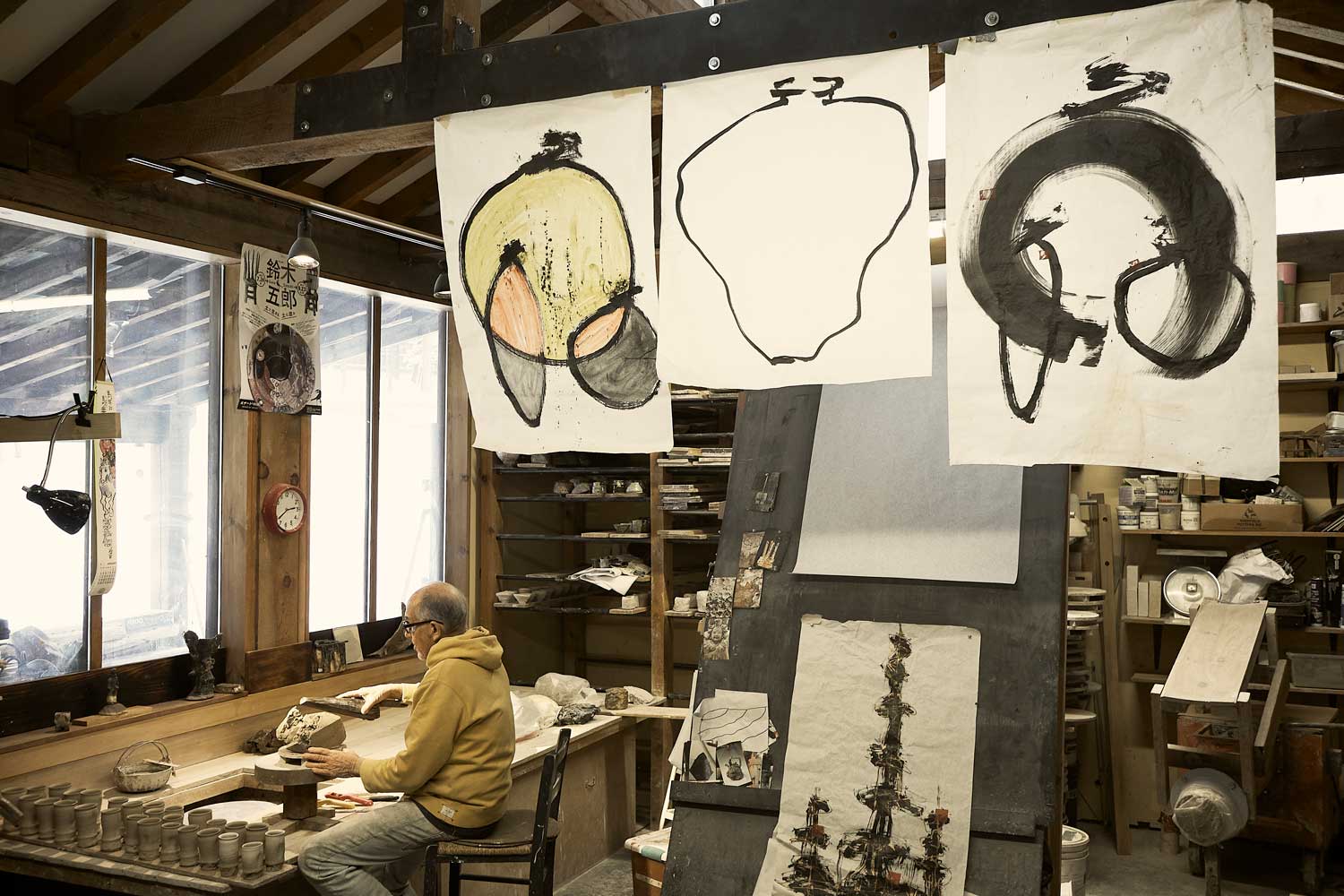
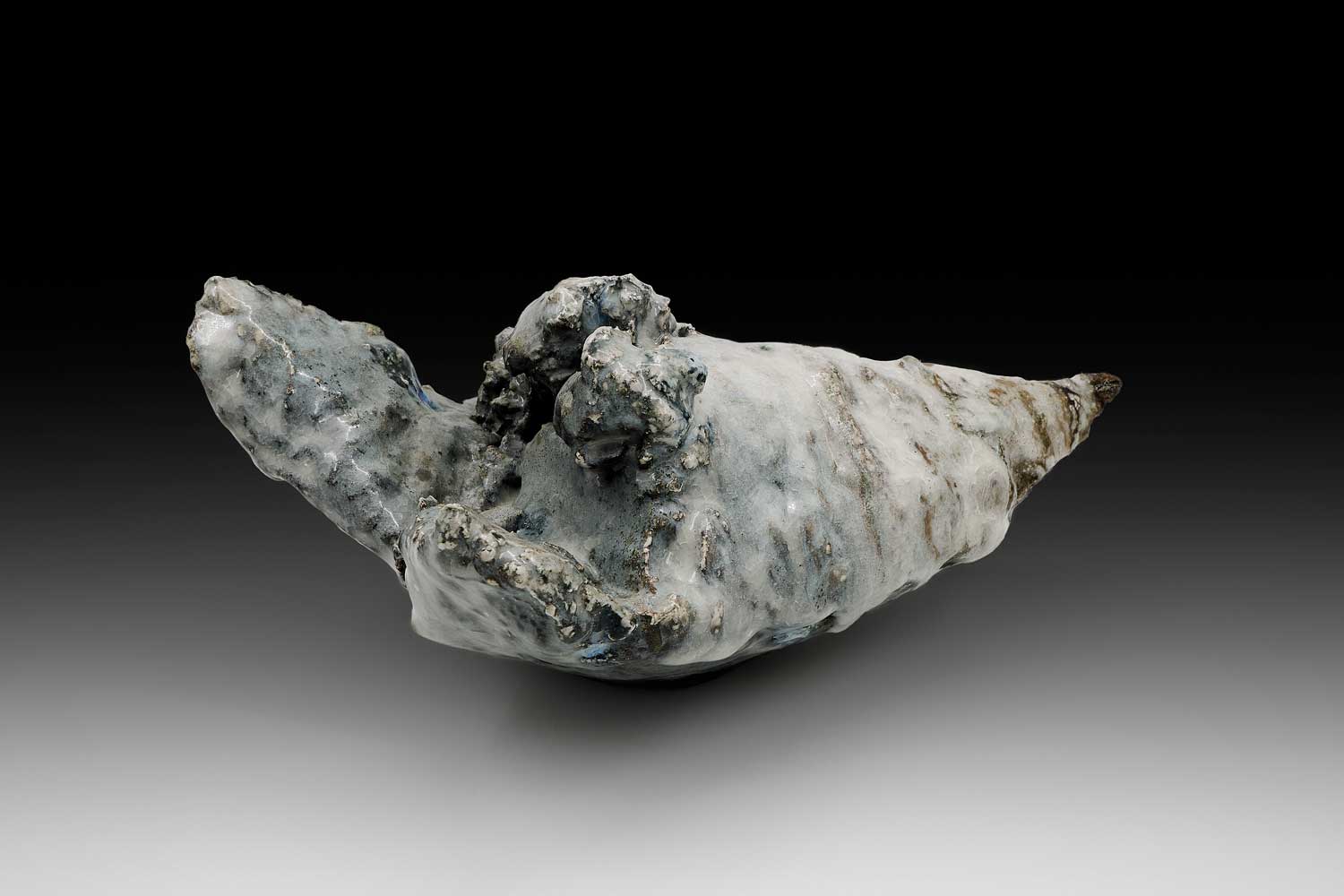
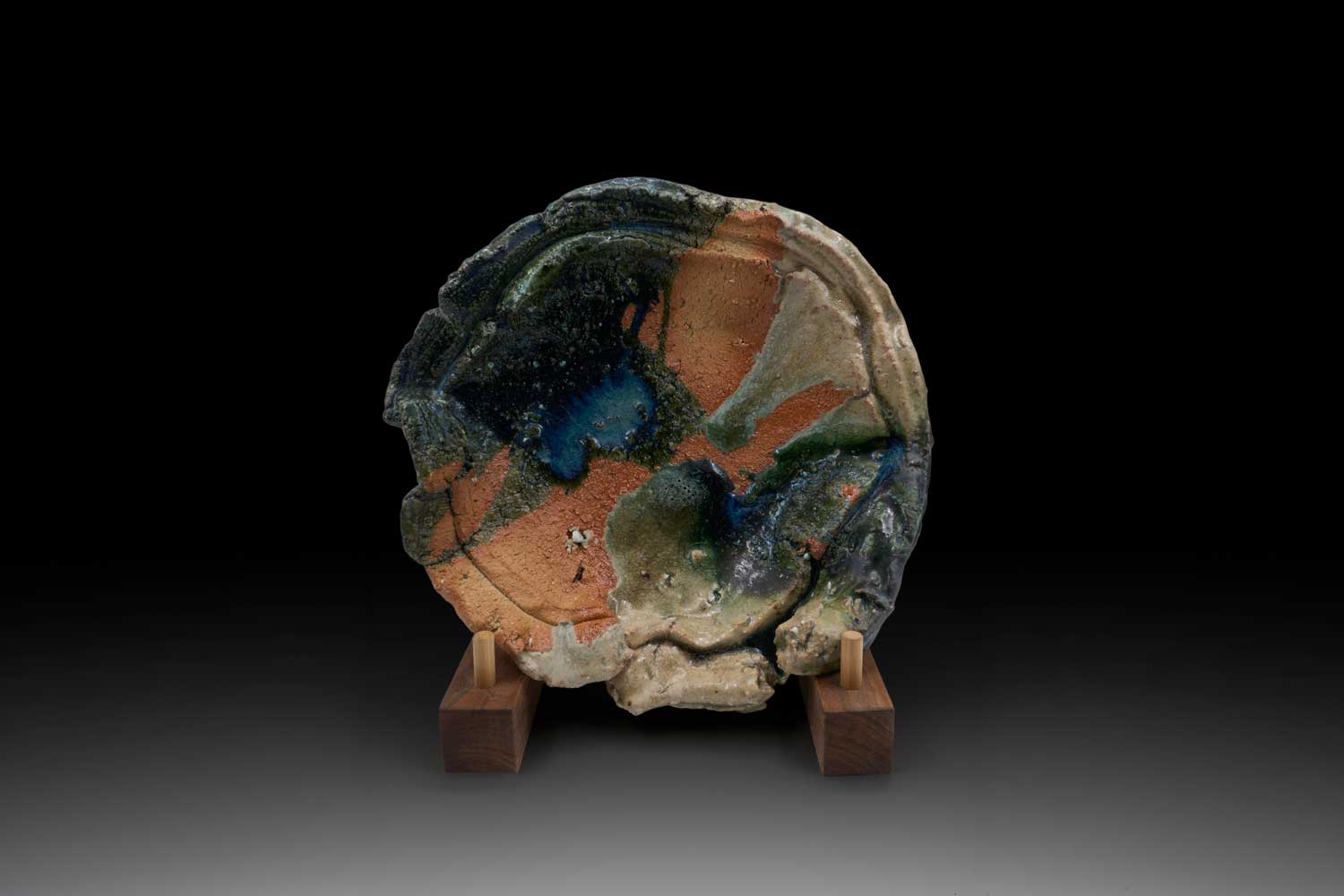
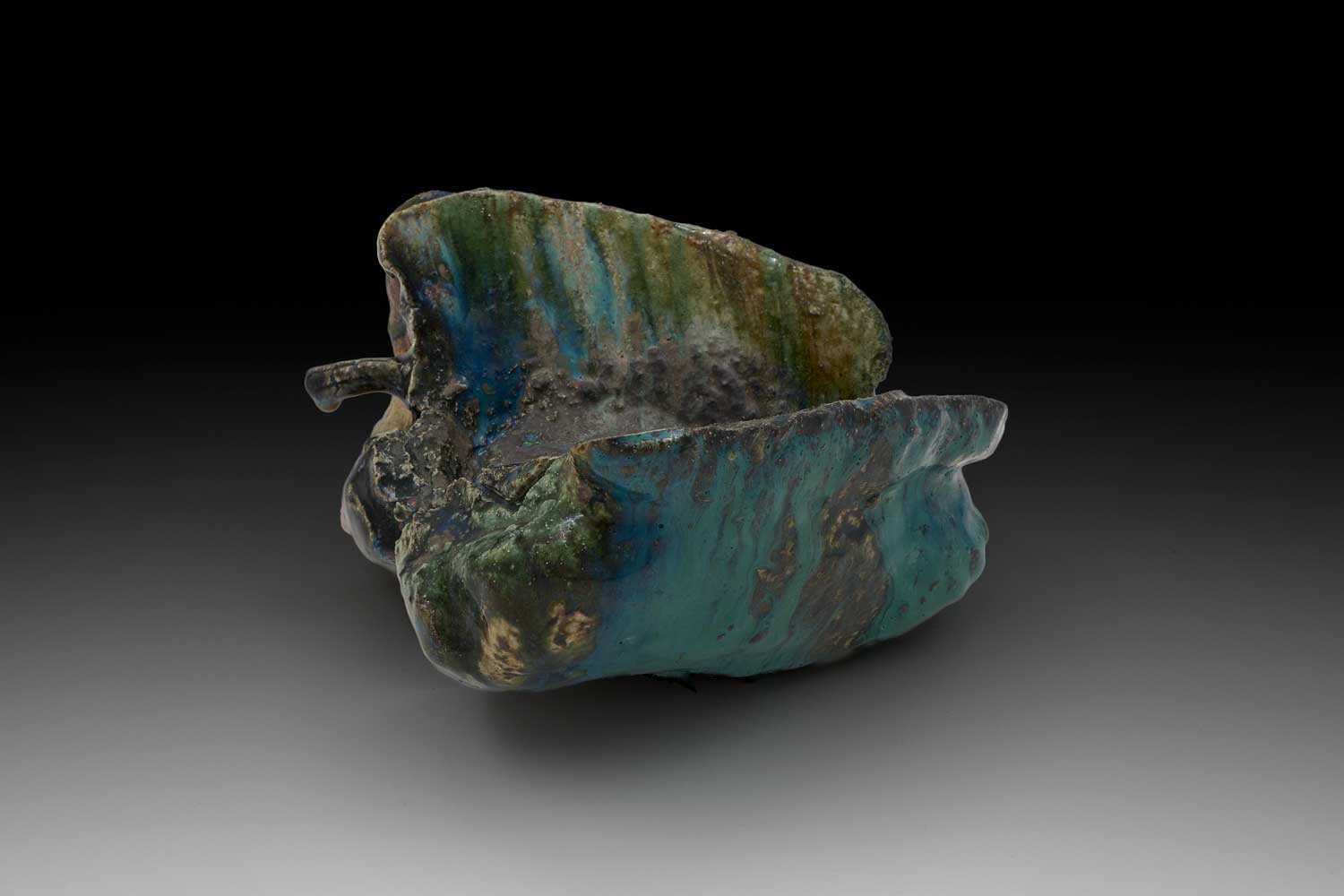
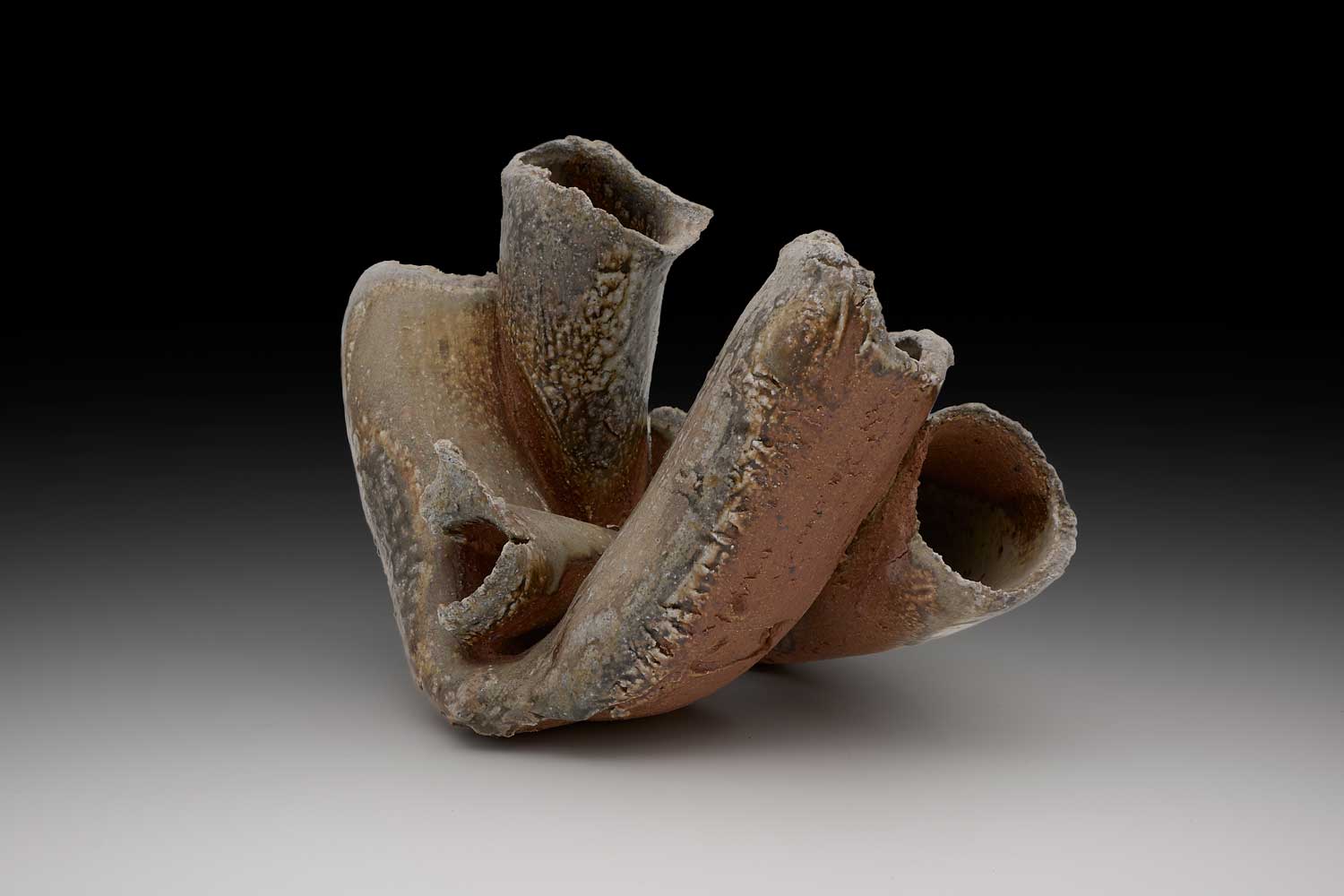
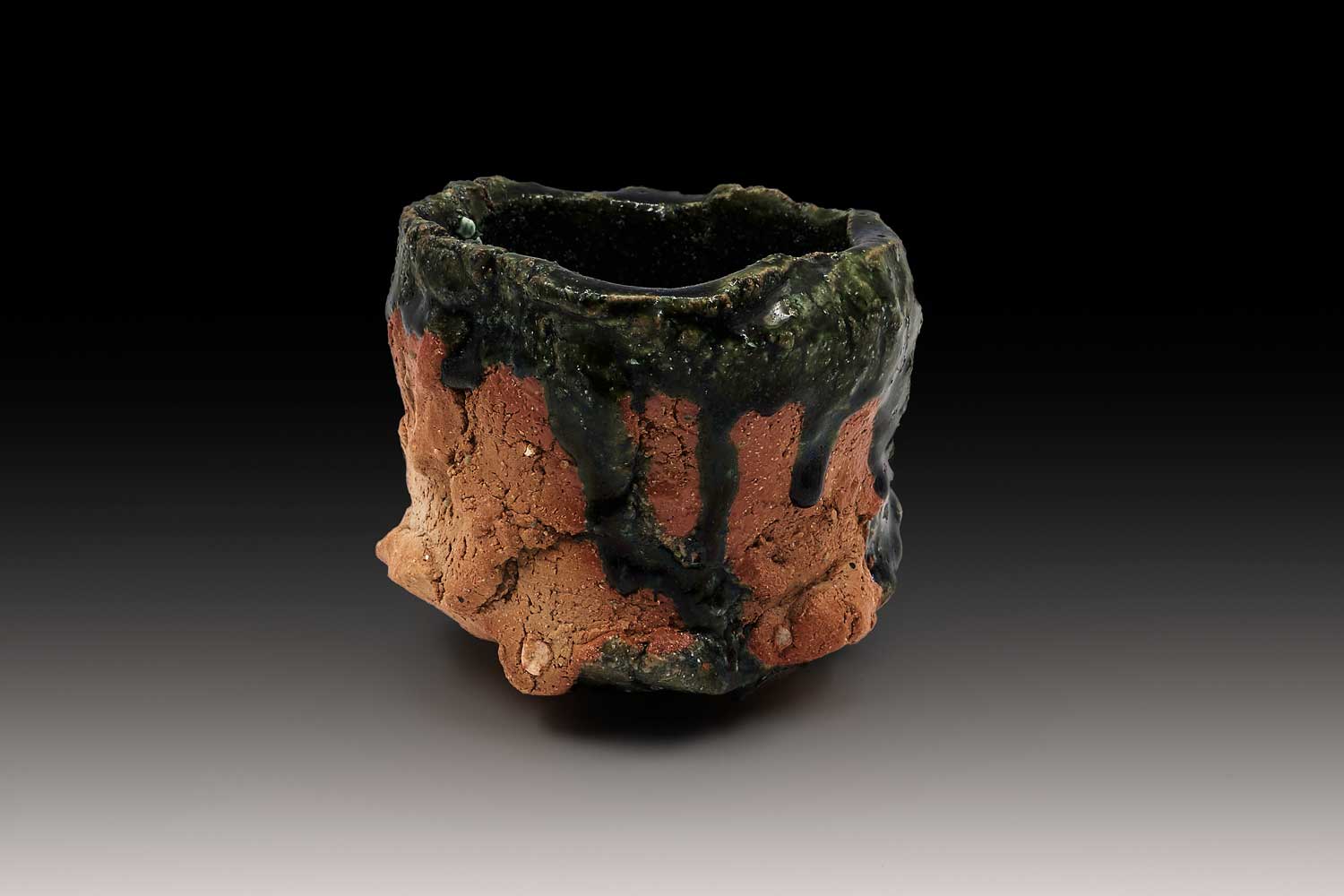
Travelling to Japan for martial arts at the age of 23, Jeff Shapiro instead found ceramics. His meeting with renowned Bizen ware artist Isezaki Jun inspired him to make a life with clay. After several apprenticeships, a patron offered Jeff the opportunity to start out on his own. Five years later, he returned to the USA, settling in the Hudson Valley where the landscape is rich in natural elements. “It took a lot of experimentation and failure to understand my direction,” he says. Only after the relentless pursuit of technical mastery and control did Jeff break free from the rules of his classical Yakishime training. Nature inspires the depths of colour and surface in his work, and he is guided by the unpredictable variables inherent in his practice. “I hope the viewer realises that unpredictability is a part of the intended result,” he says.
INTERVIEW
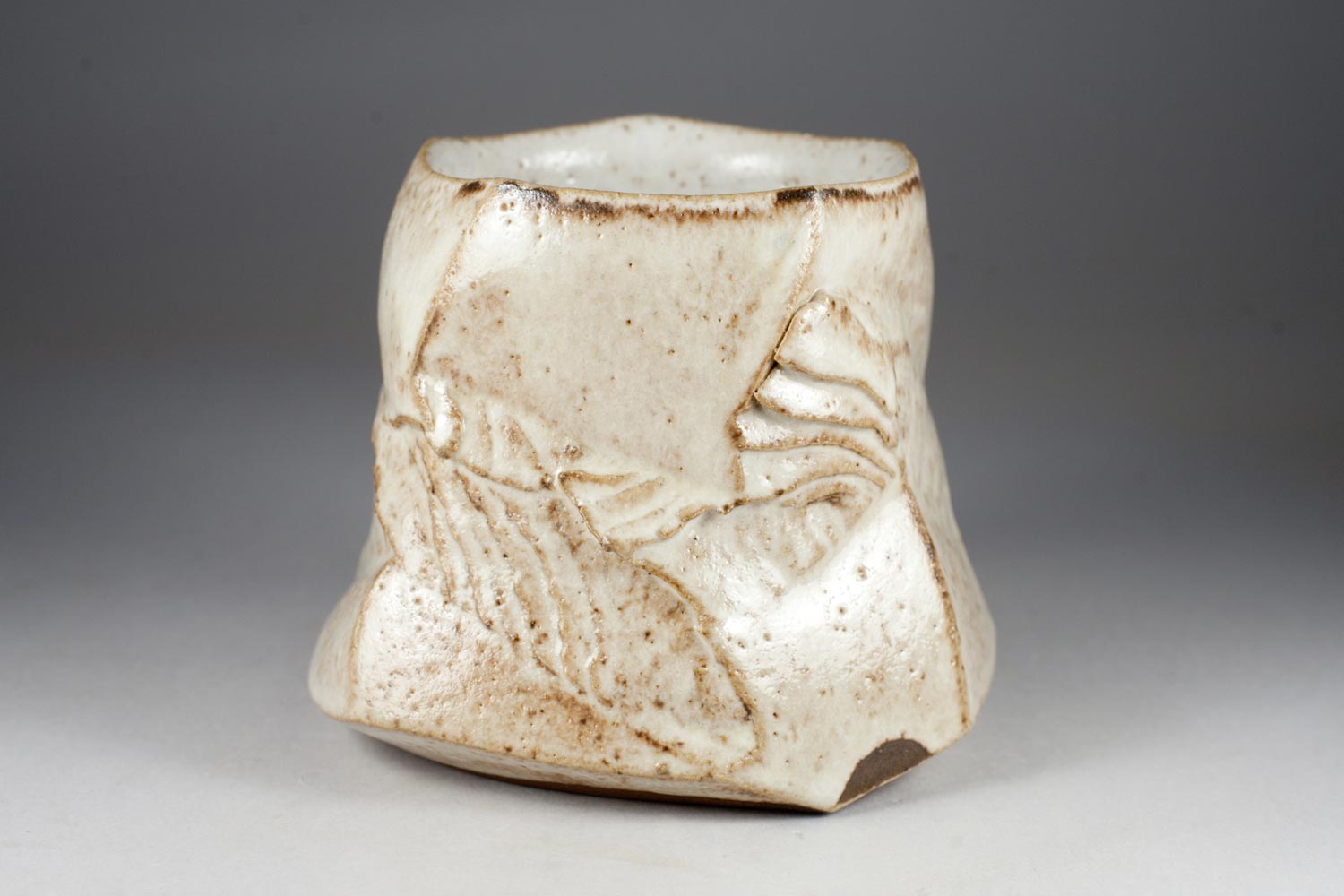
It has to do with the asymmetry that I see in nature and the beauty that exists in its imperfections. Outside Japan, we often look for a more perfect symmetrical beauty, but beauty also exists in asymmetry. That is where my work leads me. I am always trying to find the beauty.
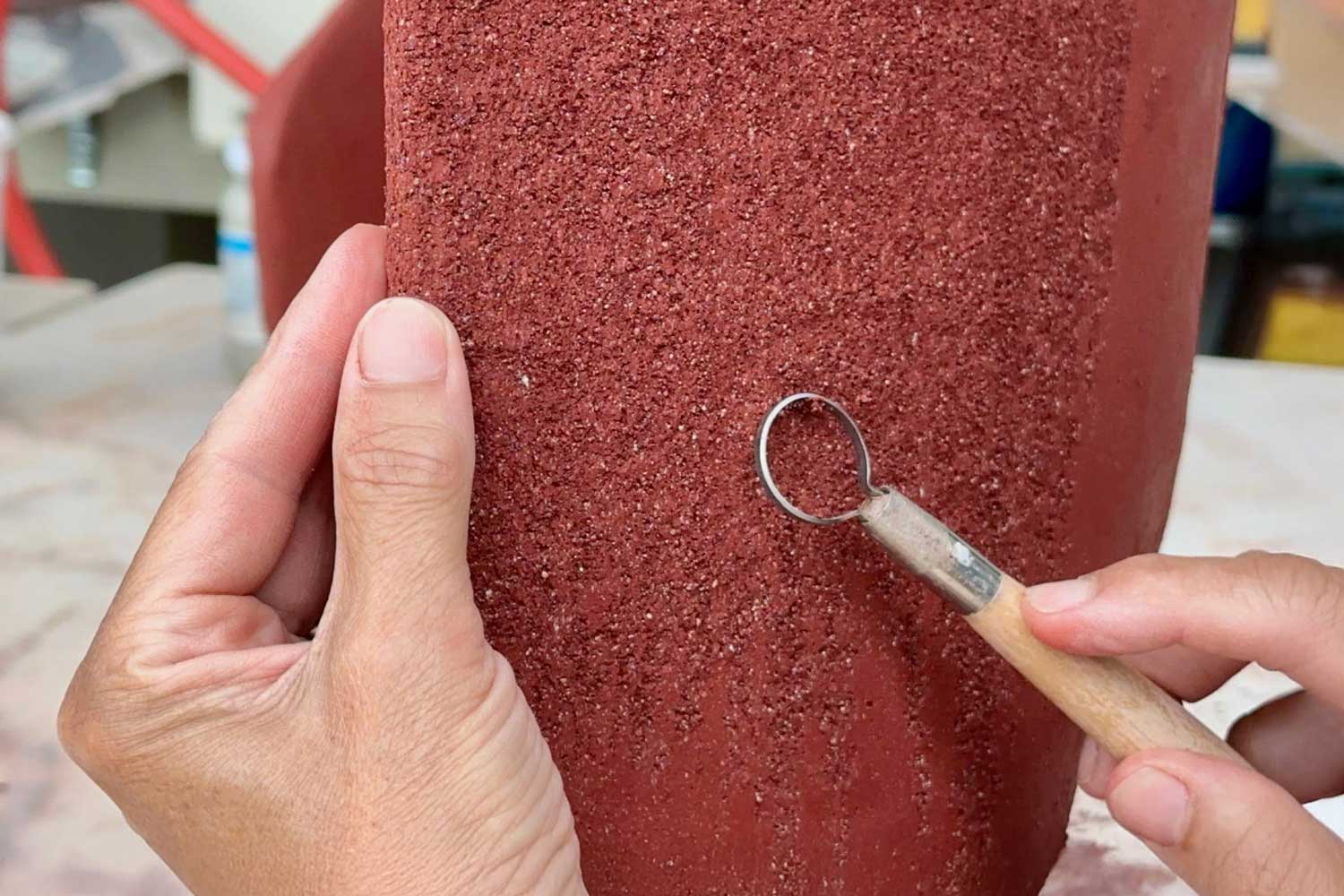
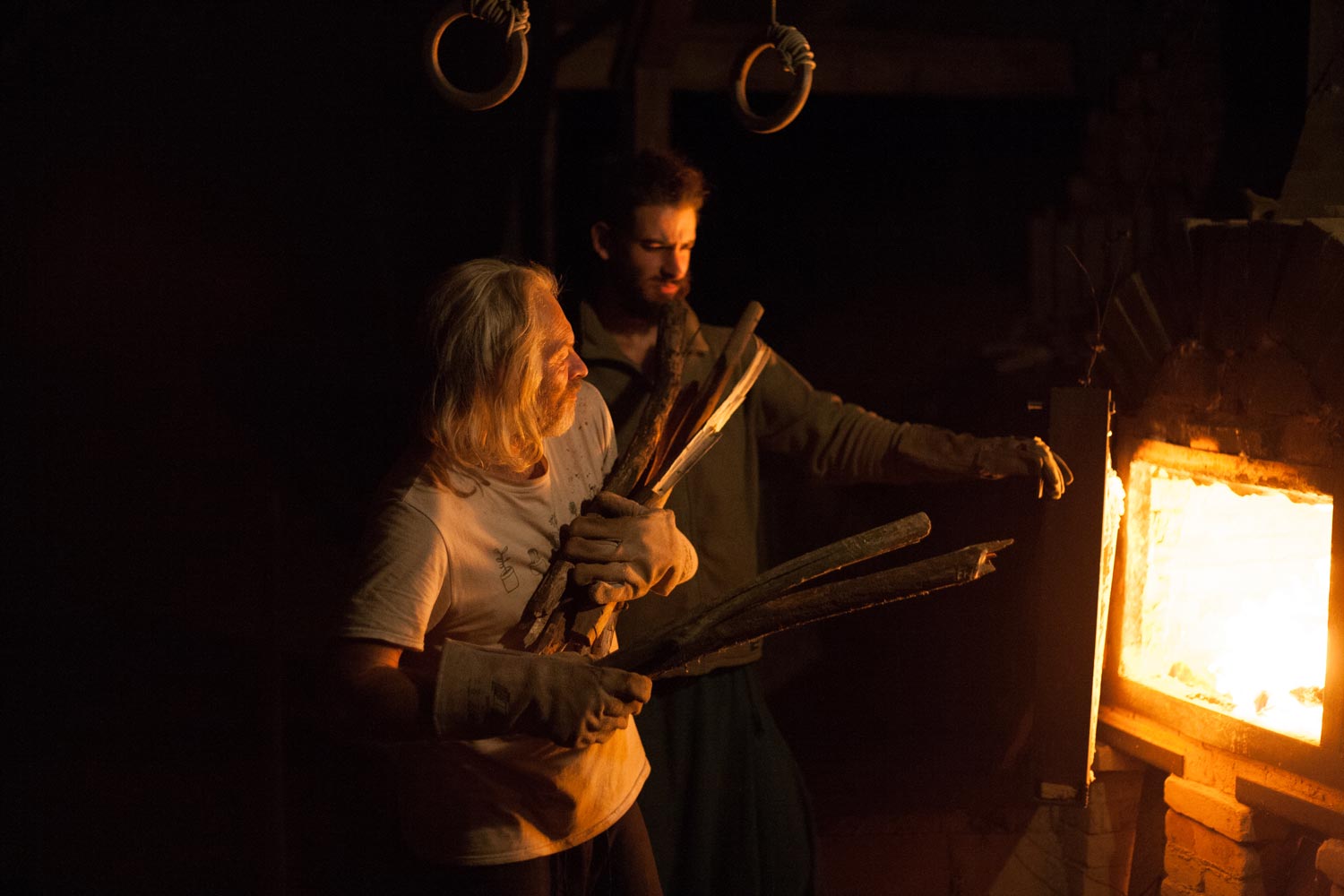
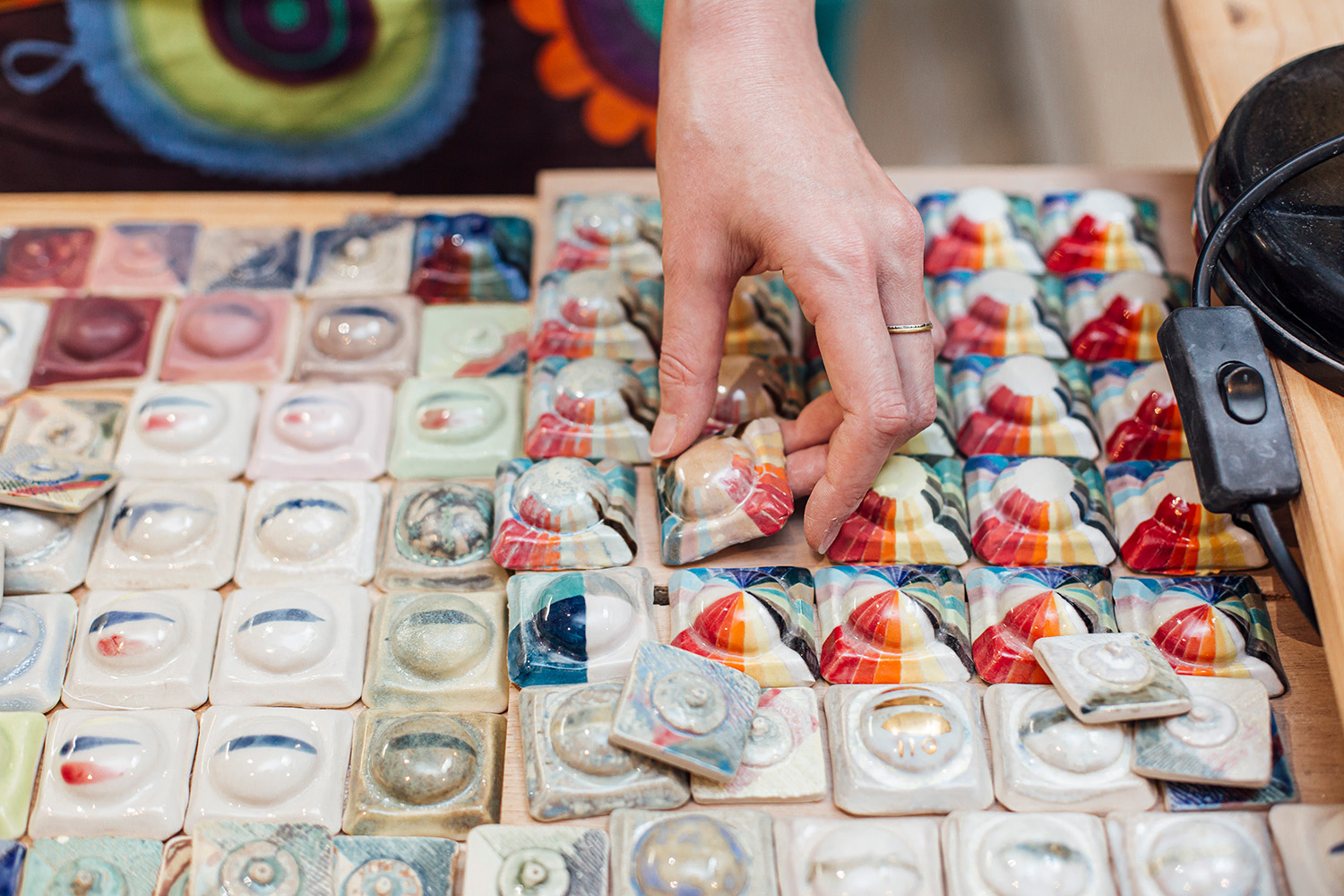
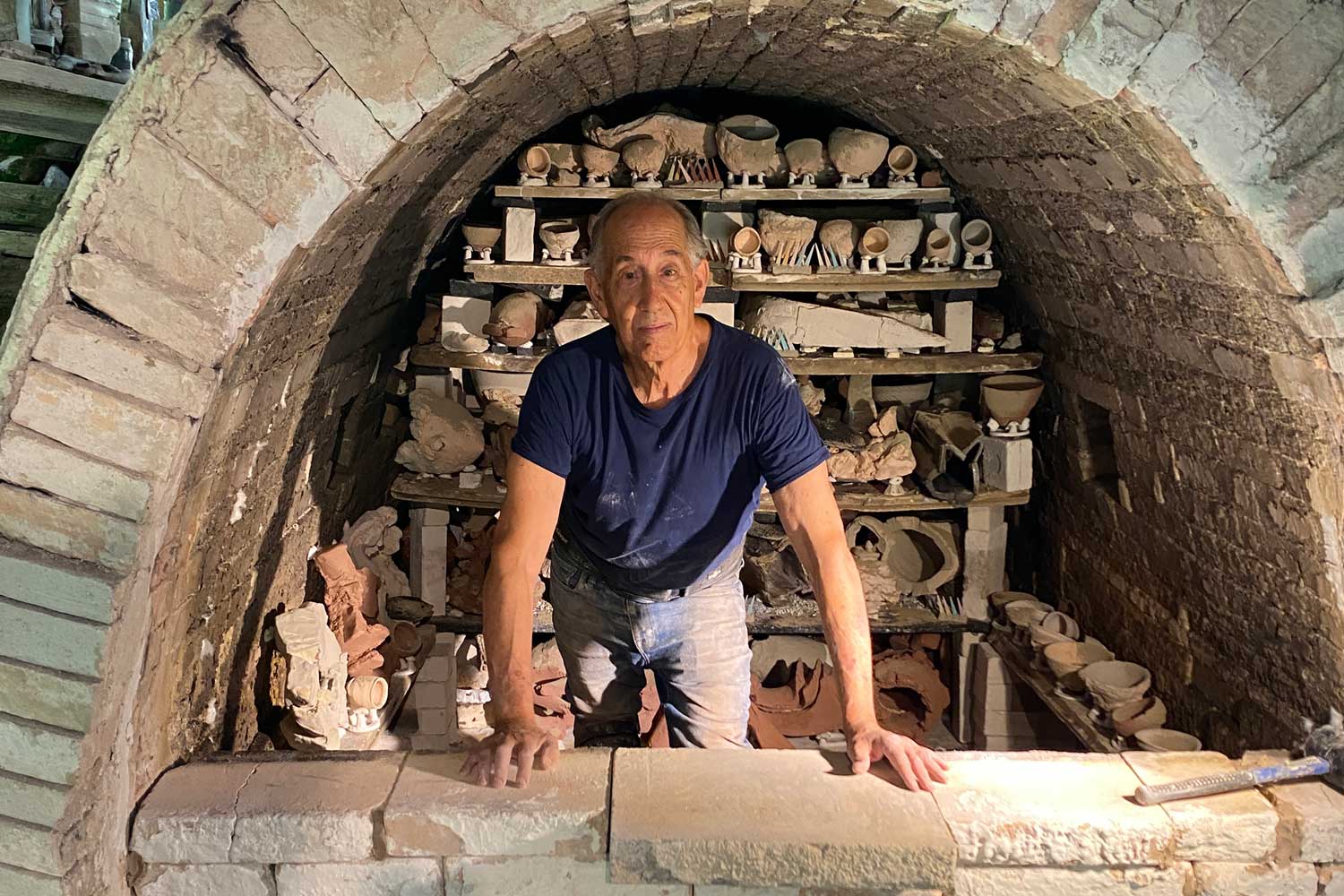
In 1986, I realised I could give myself the freedom to think of clay as a medium. From that point forward, there was a lot of overlap between utilitarian ware and sculpture. In 2022, I started exploring different surfaces. Depending on the surface of a piece that comes out of the anagama kiln, I may add one or two glazes and fire again in an electric or gas kiln.
As with nature, I obtain pieces that could never have been realised any other way. Each firing cycle takes a month. Within that, it takes a week each to load, fire and cool, plus a week to unload and clean the work. Placement is an important part of the artistic process. Firing creates the colours and textures, while loading generates the patterns.
What keeps me going is the desire to progress, to keep coming up with new approaches and to evolve in whatever I am working on. I want to constantly experiment and not become complacent. My wife also helps me stay inspired and is one of my best critics.
Jeff Shapiro
Ceramicist
Accord, NY, USA
AVAILABILITY
By appointment only
PHONE
+1 8455320246
LANGUAGES
English, Japanese
Homo Faber Finds is a new service aiming to inspire admirers of craft to connect and collaborate with exceptional artisans.
We invite you to submit an enquiry here.