
Andrei Detoni
Frida Não Late
Ceramicist
Florianópolis, Brazil
Celebrating the handmaking process
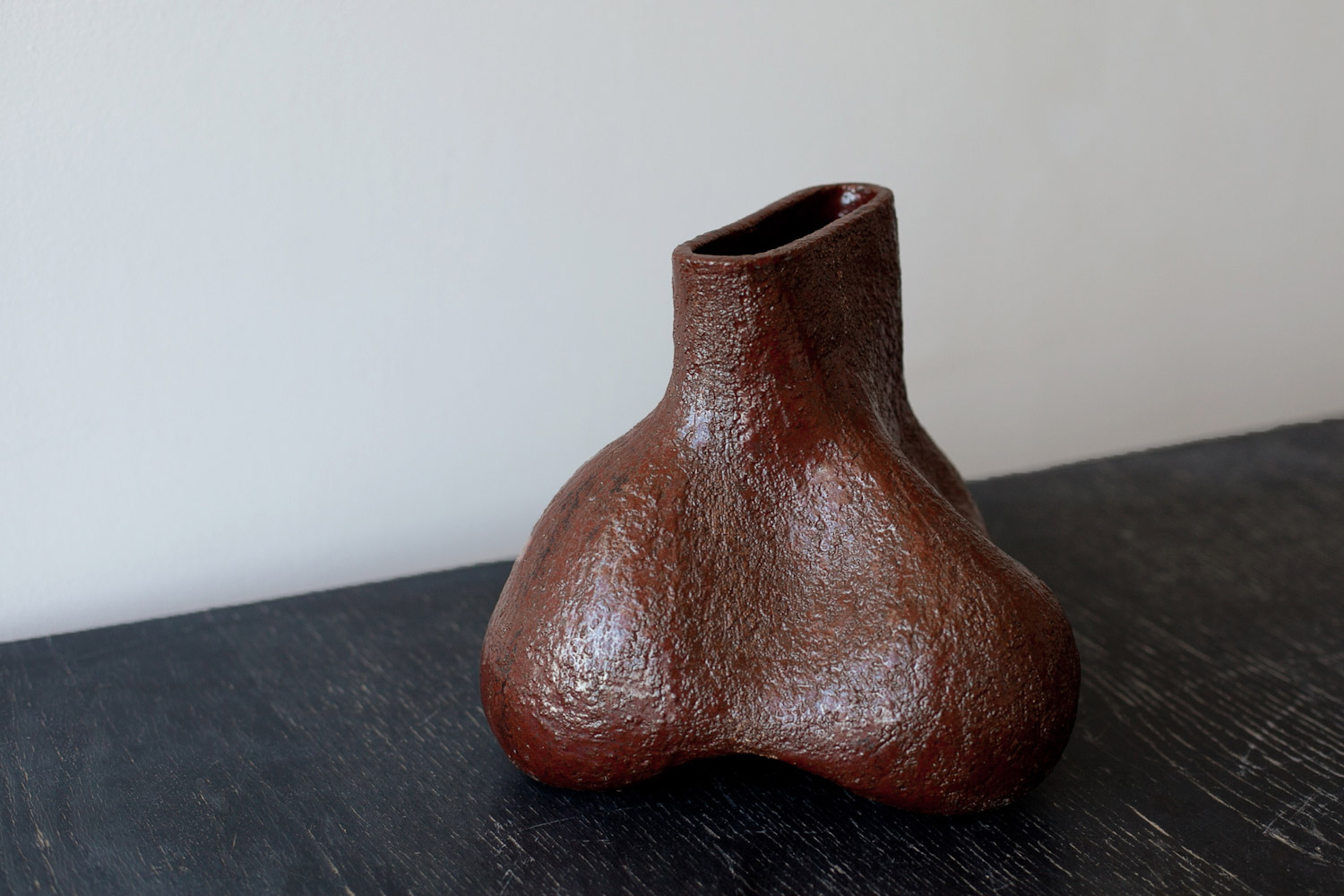
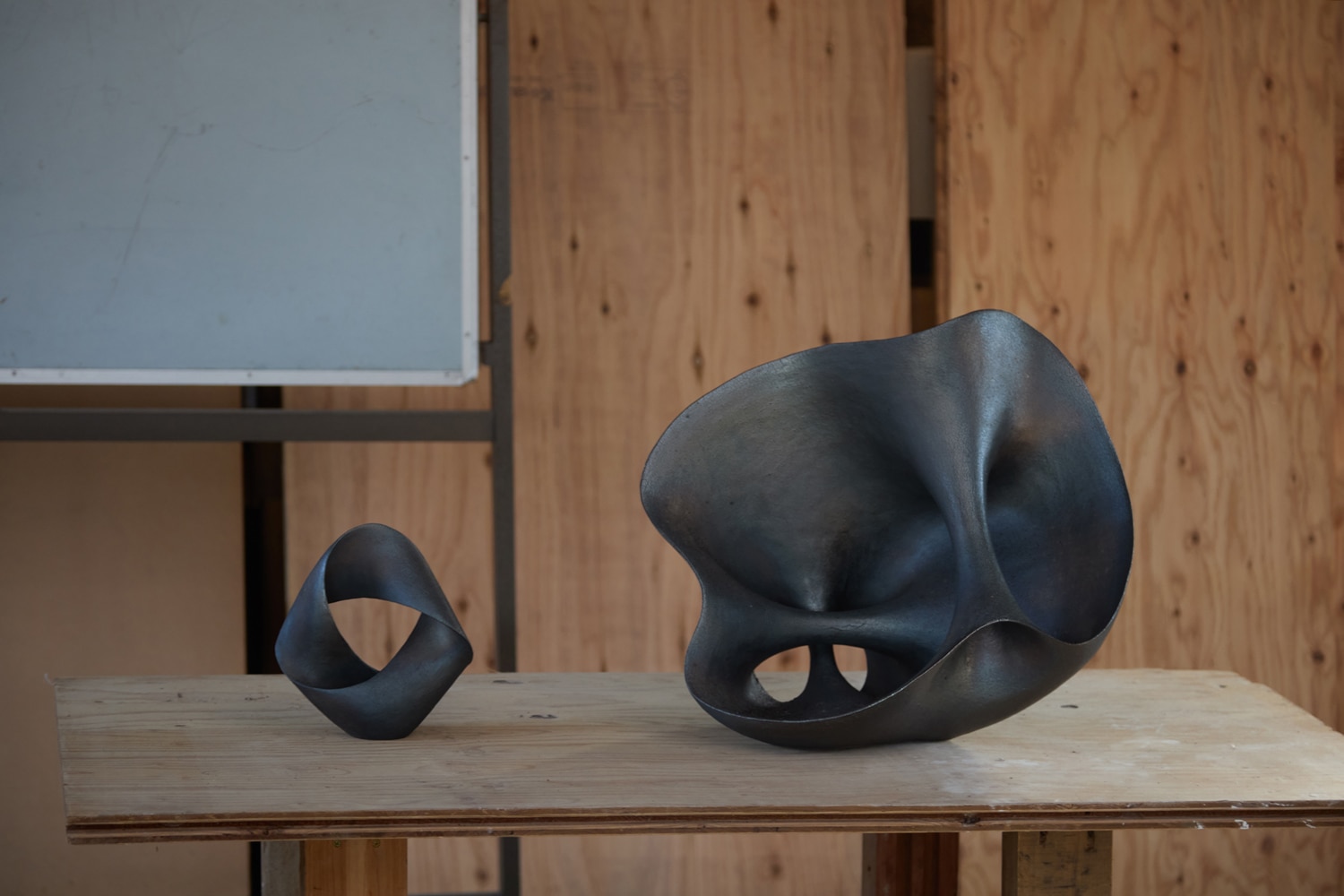
- Andrei sees beauty in asymmetry and irregular organic shapes
- His inspiration comes from vernacular architecture and nature
- Making ceramics is his way of drawing awareness to a more conscious way of living
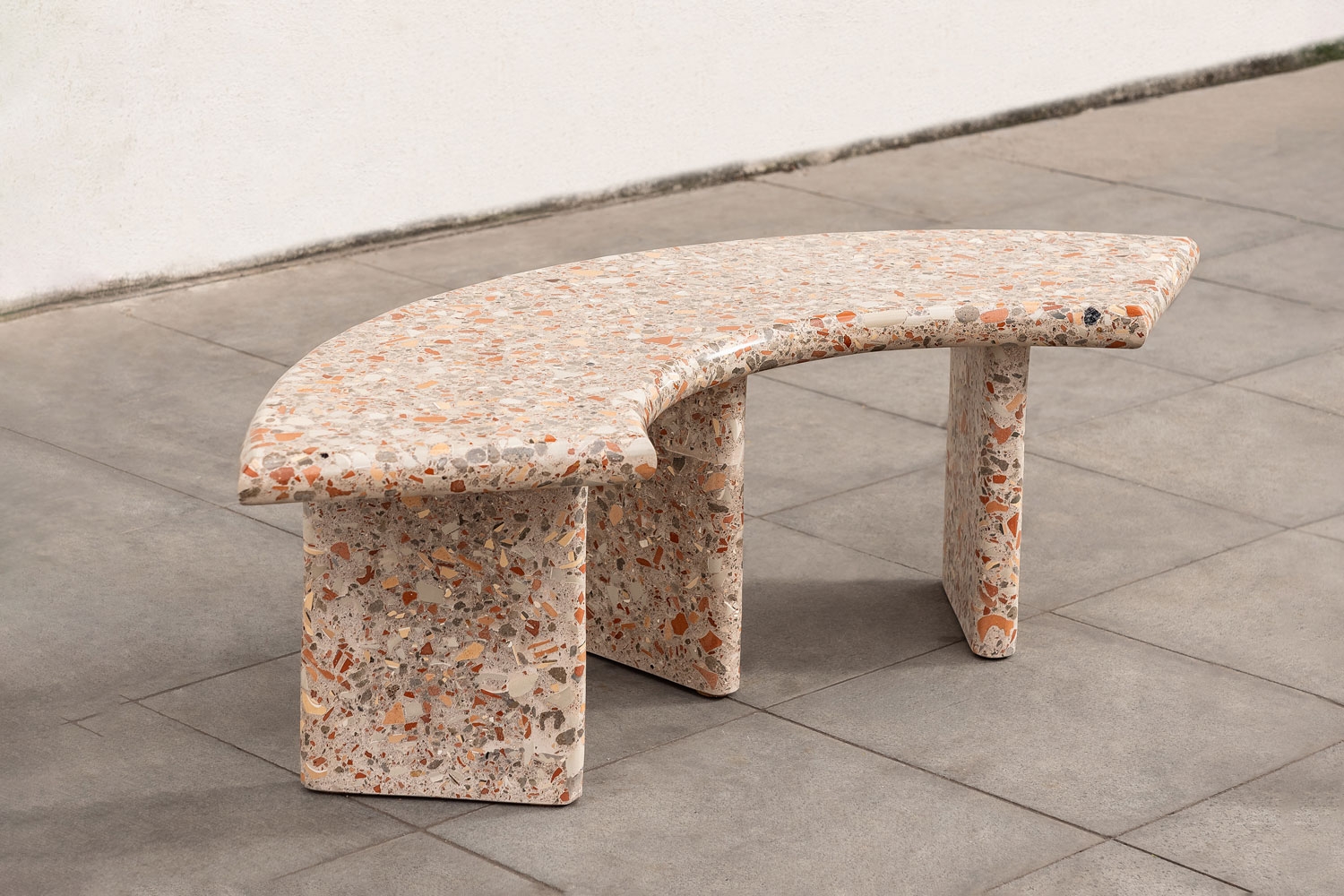
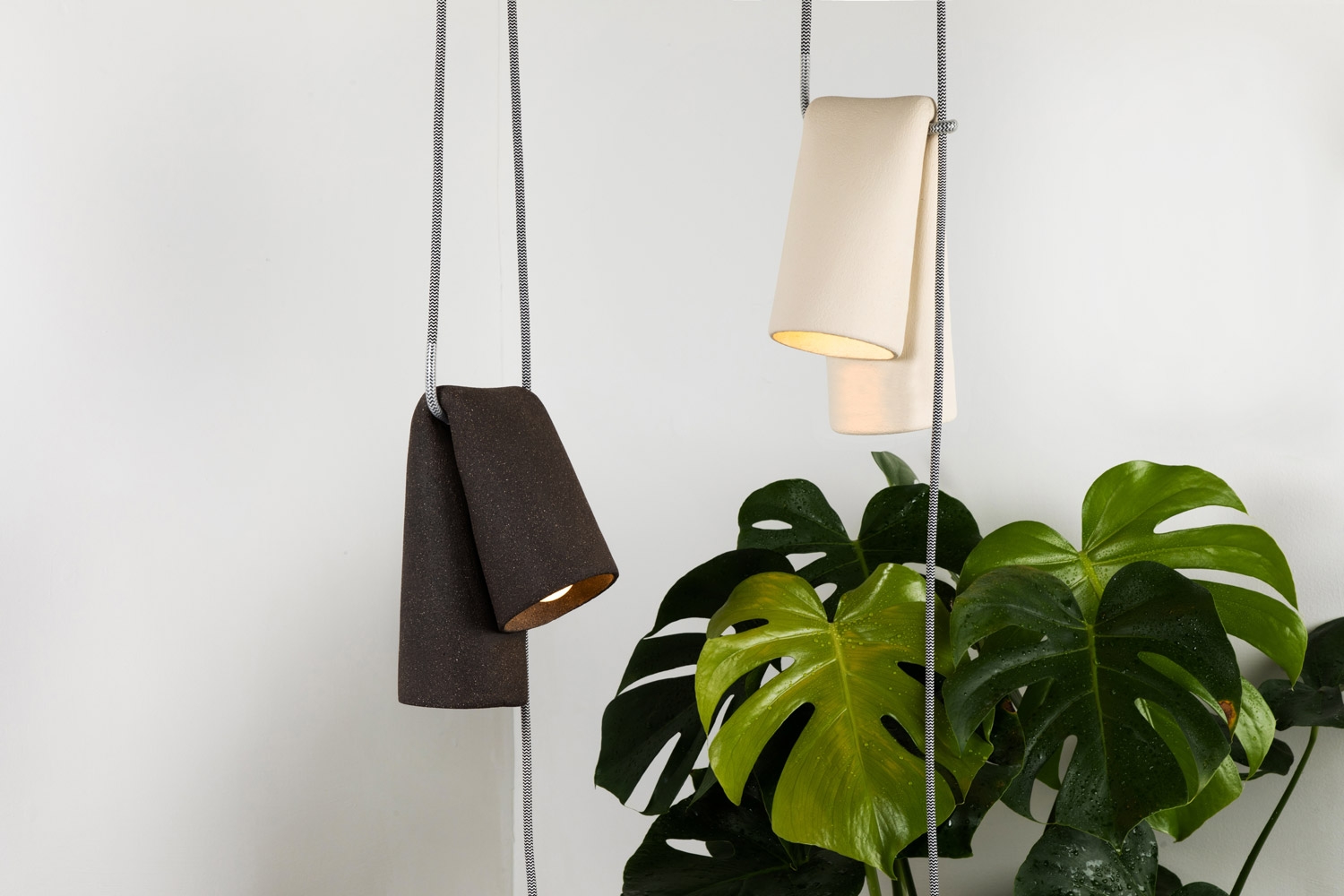
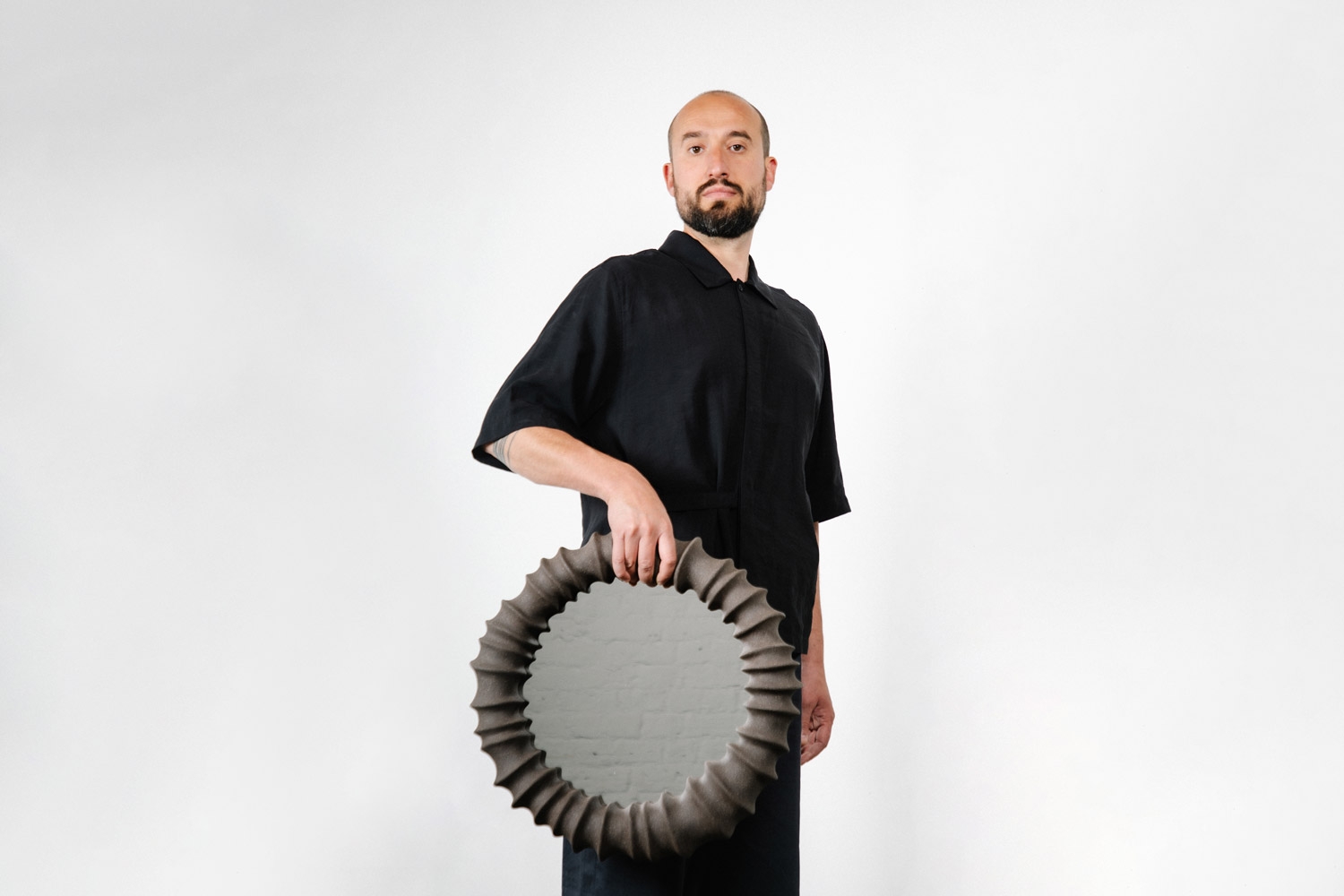
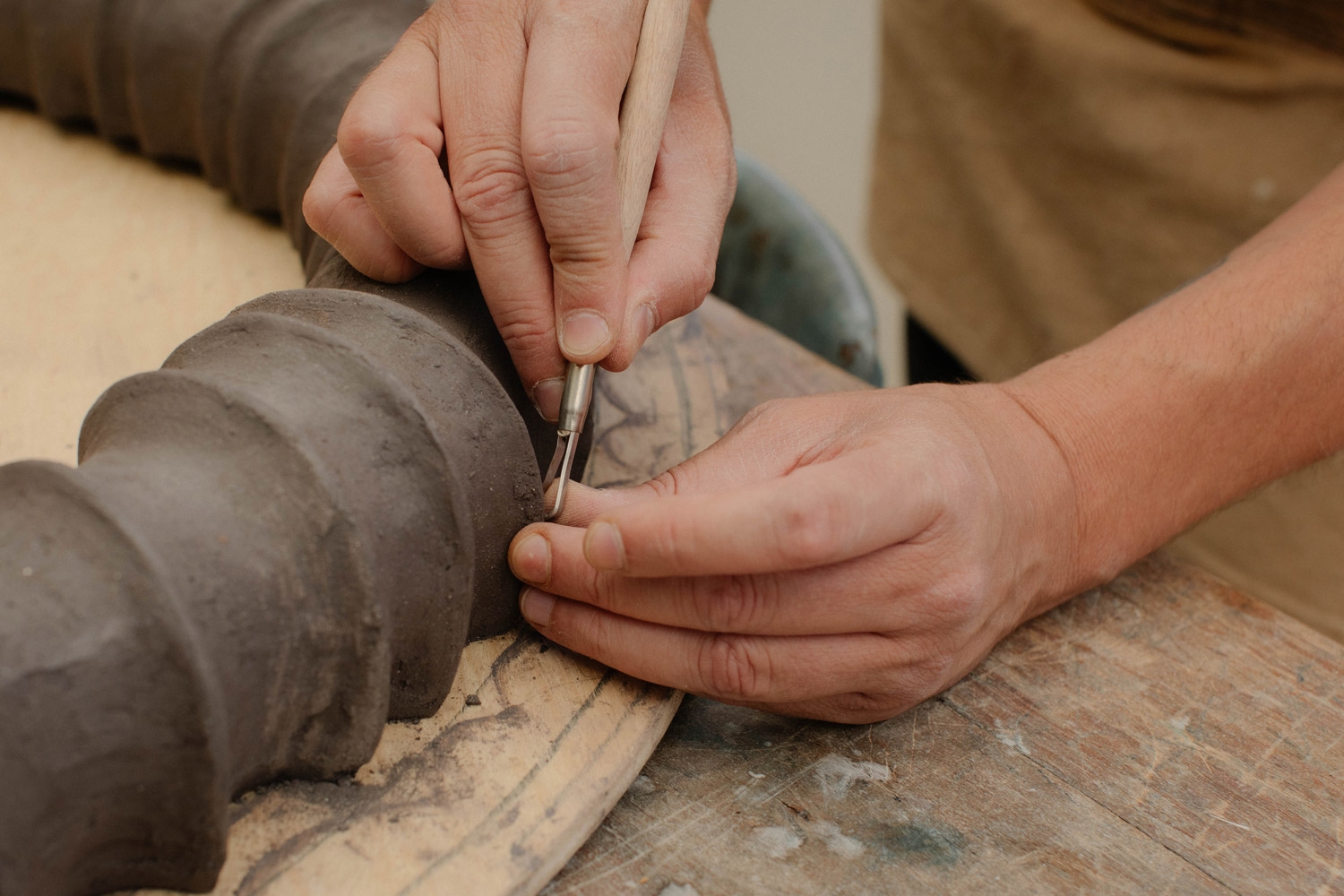
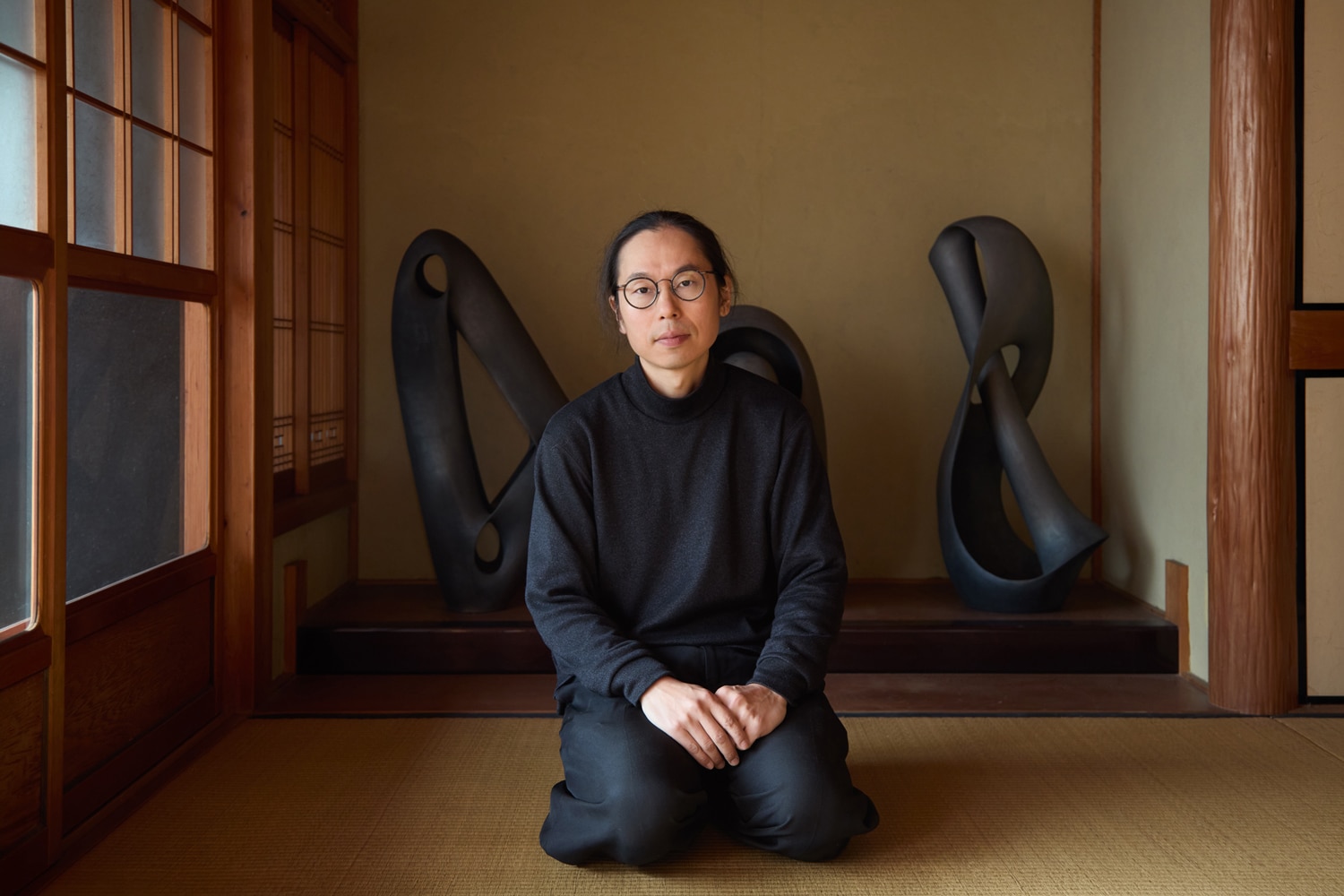
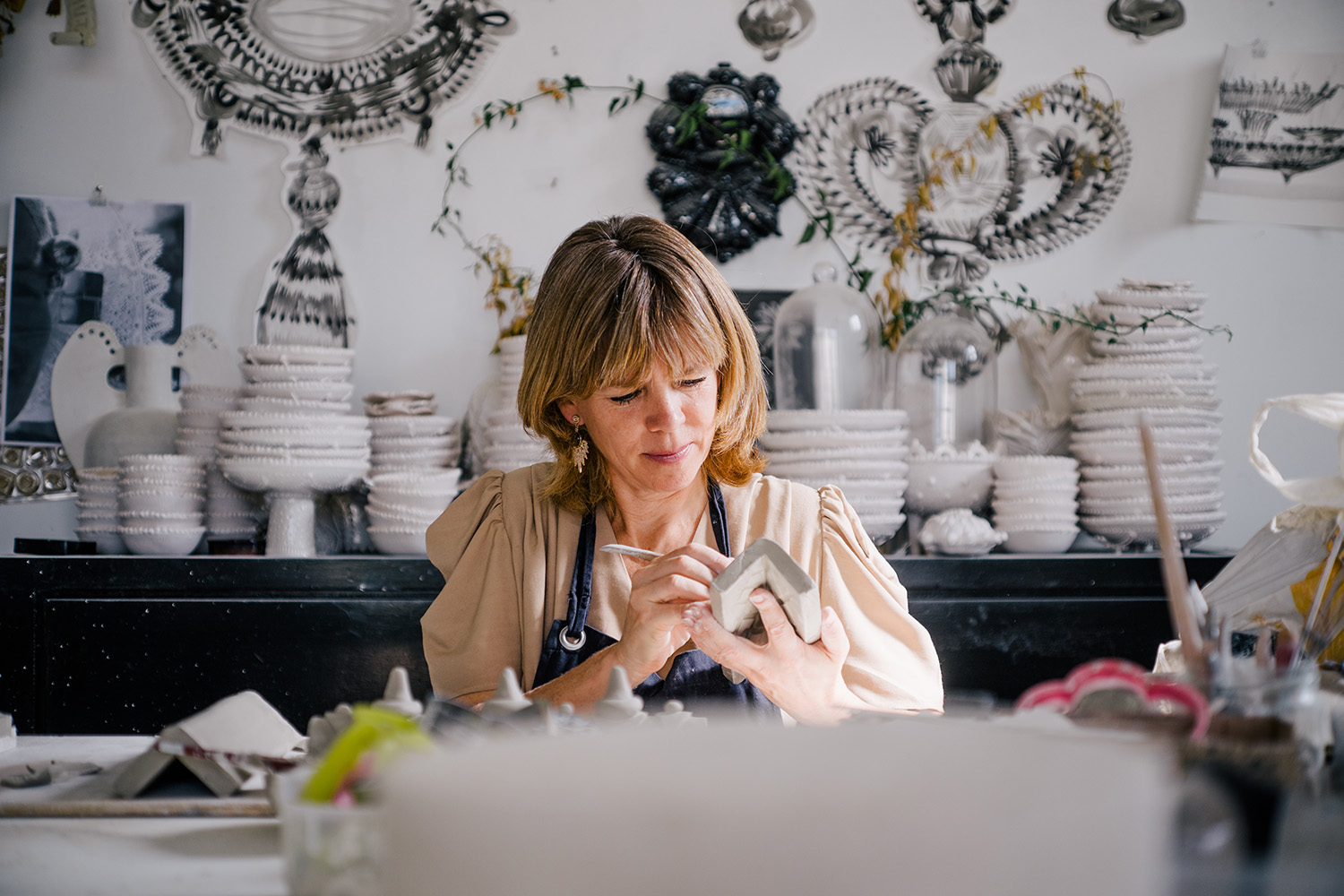
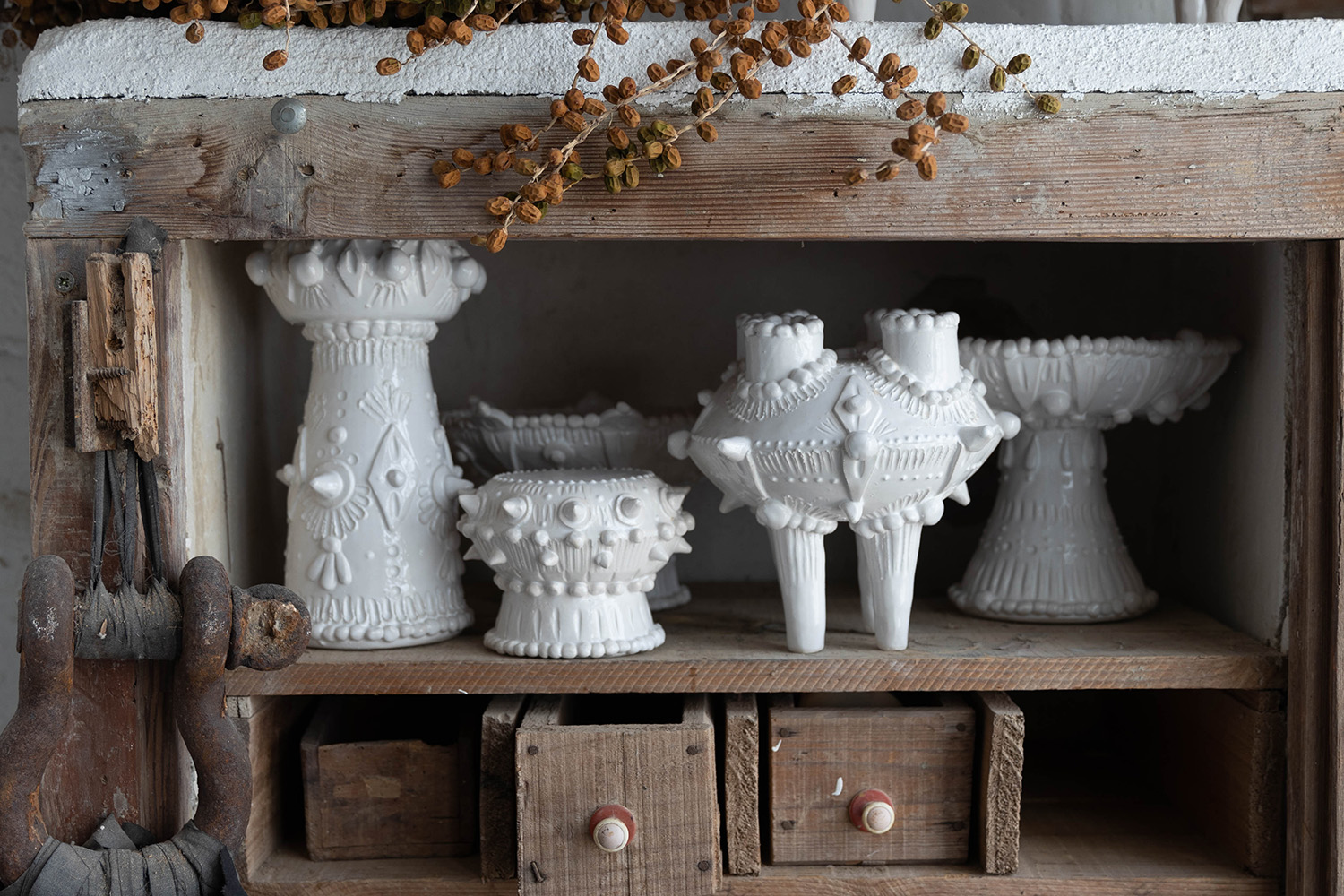
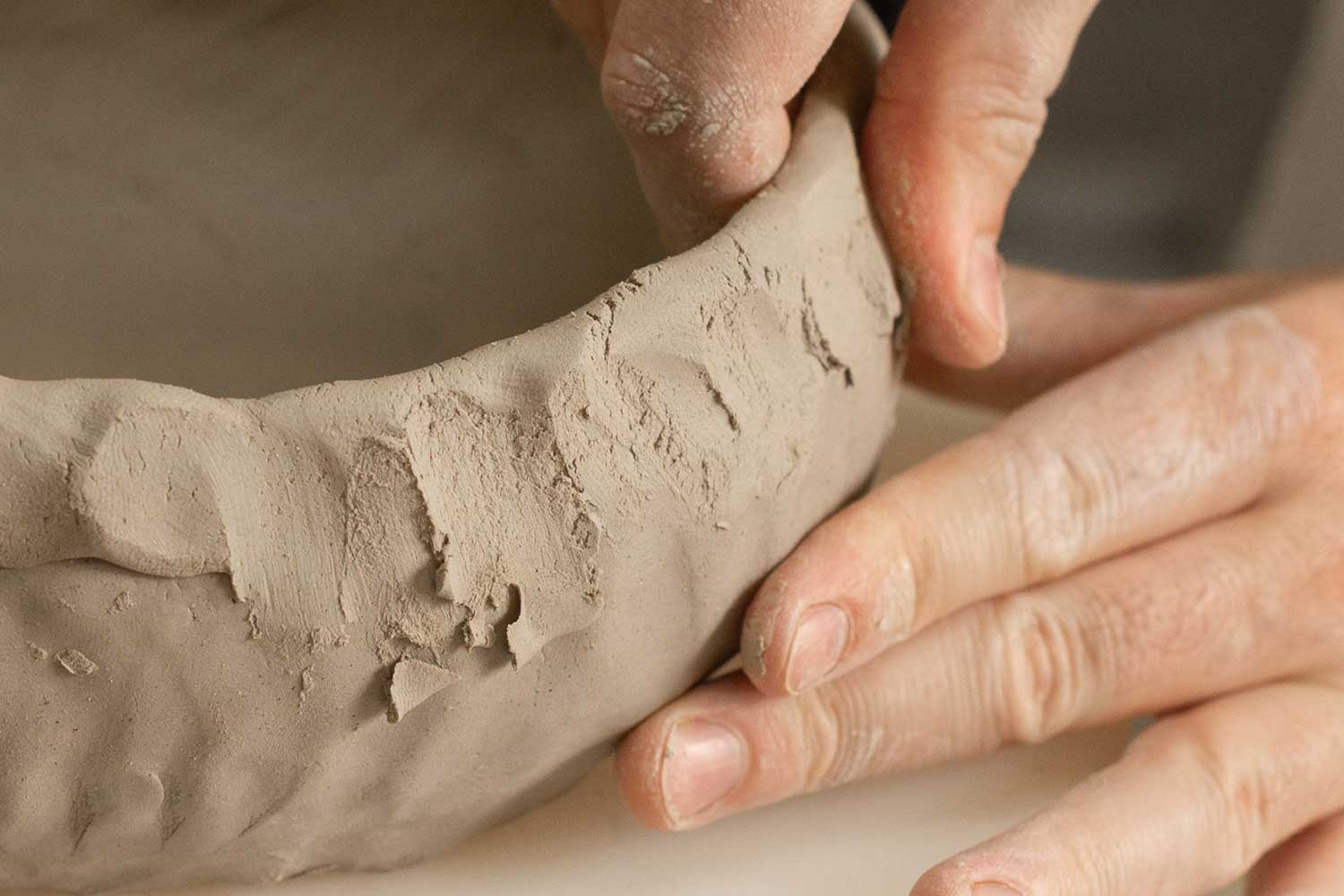
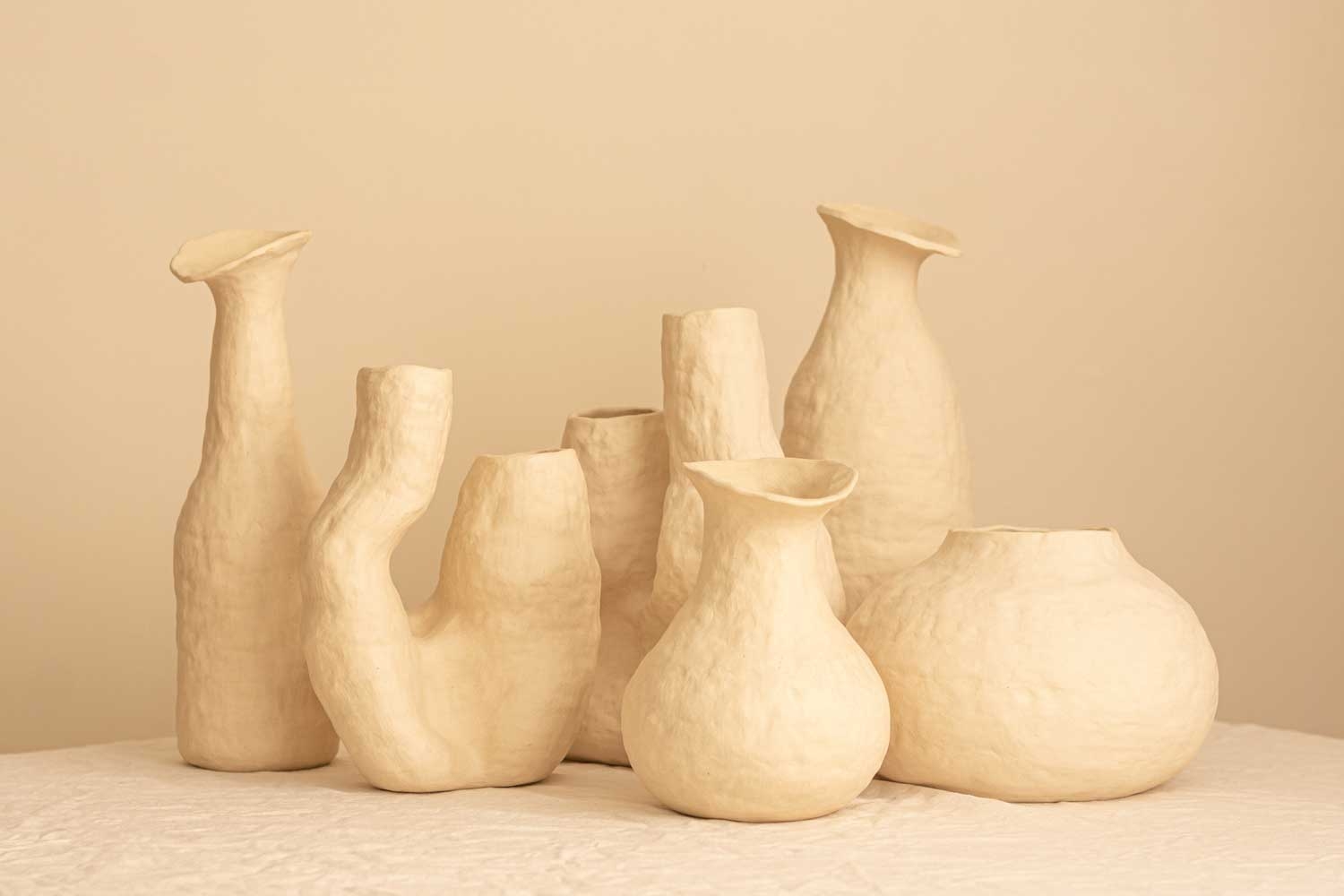
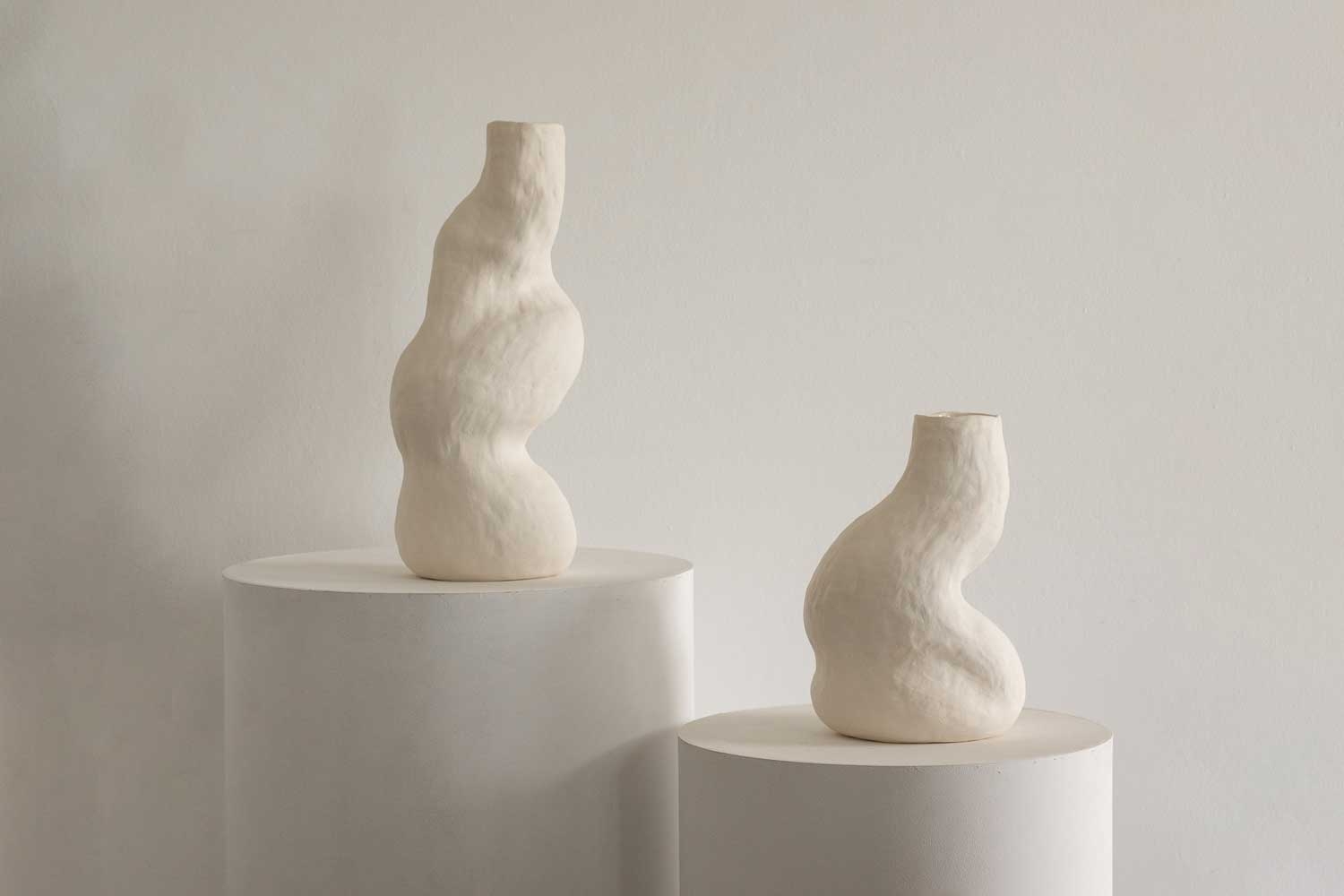
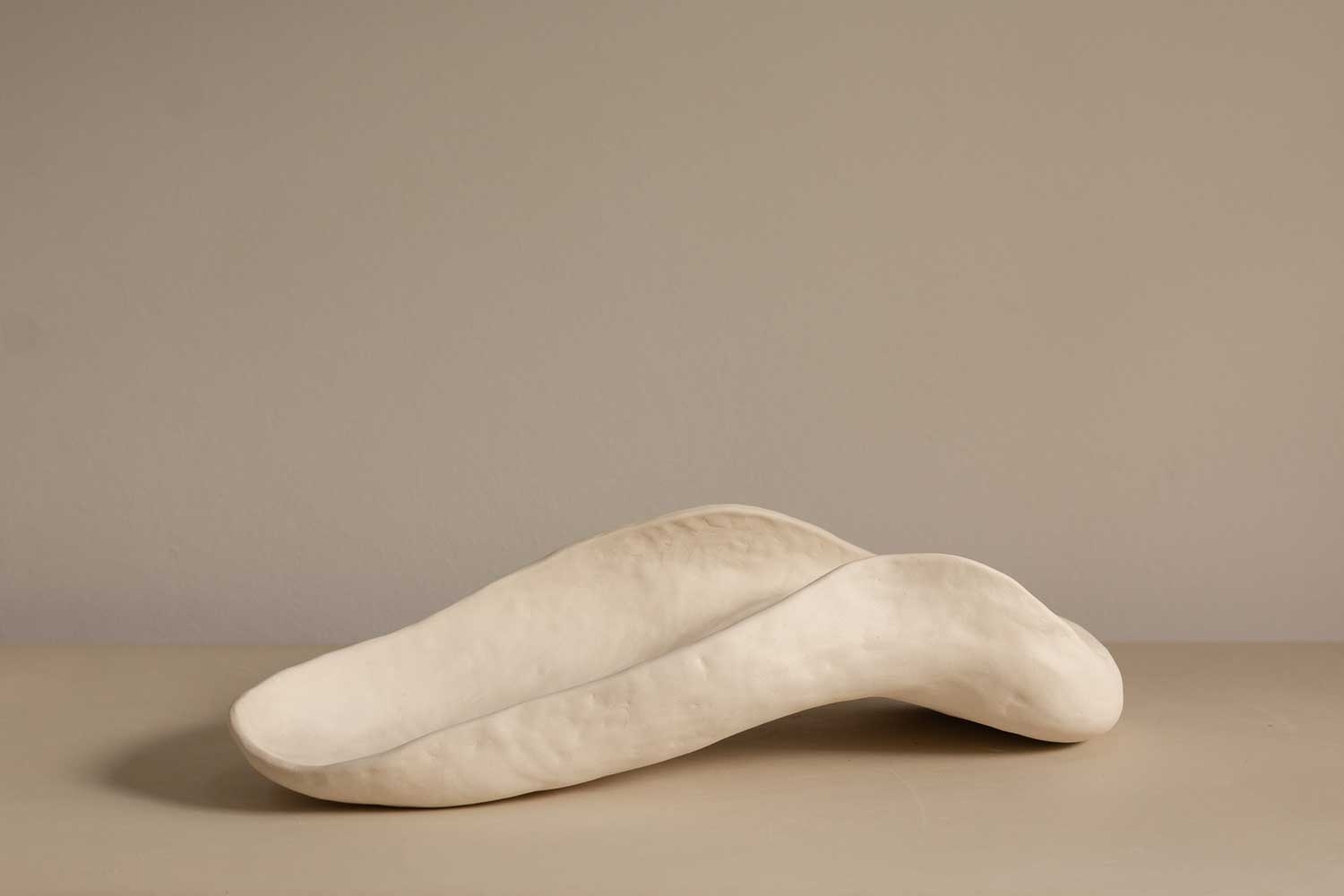
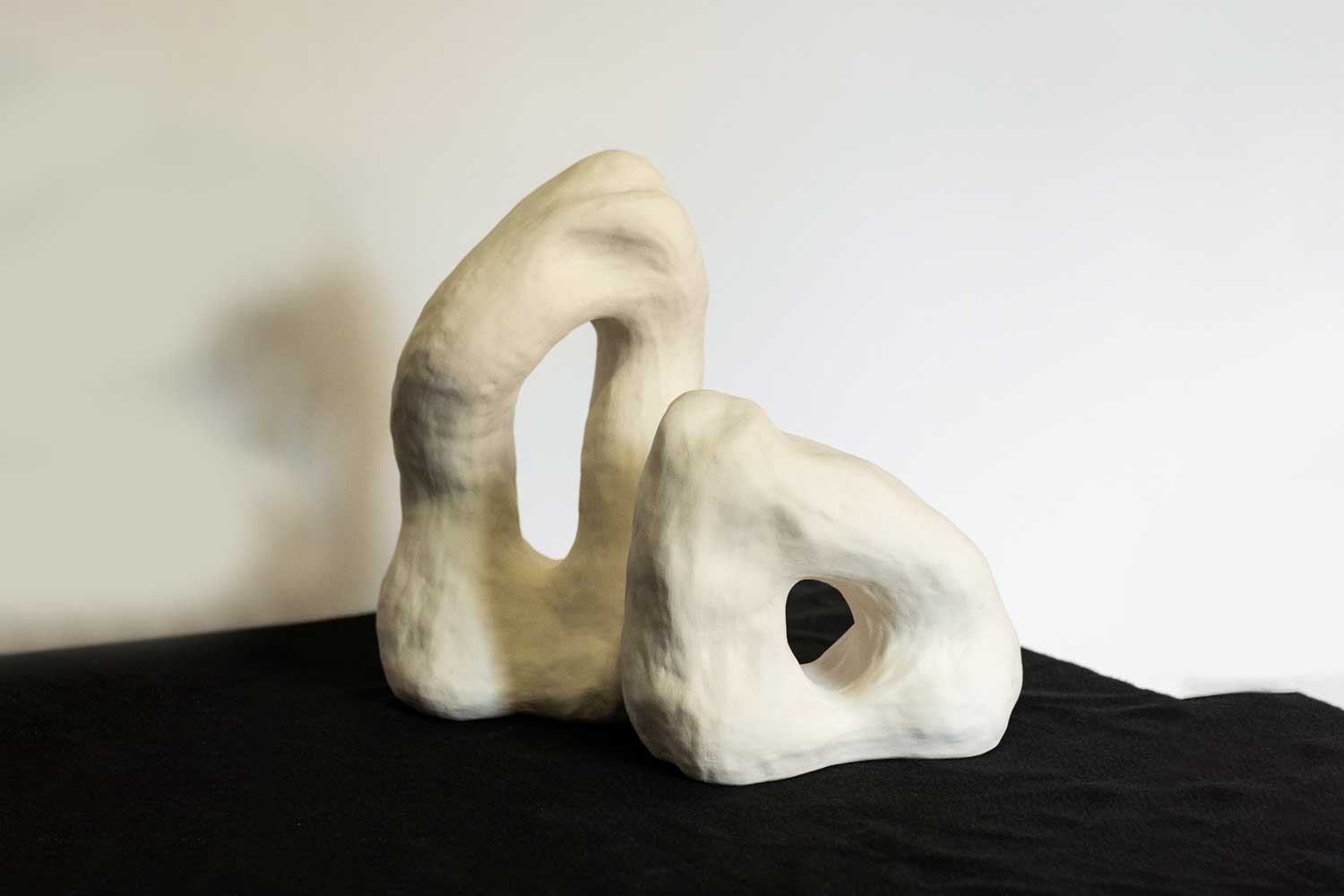
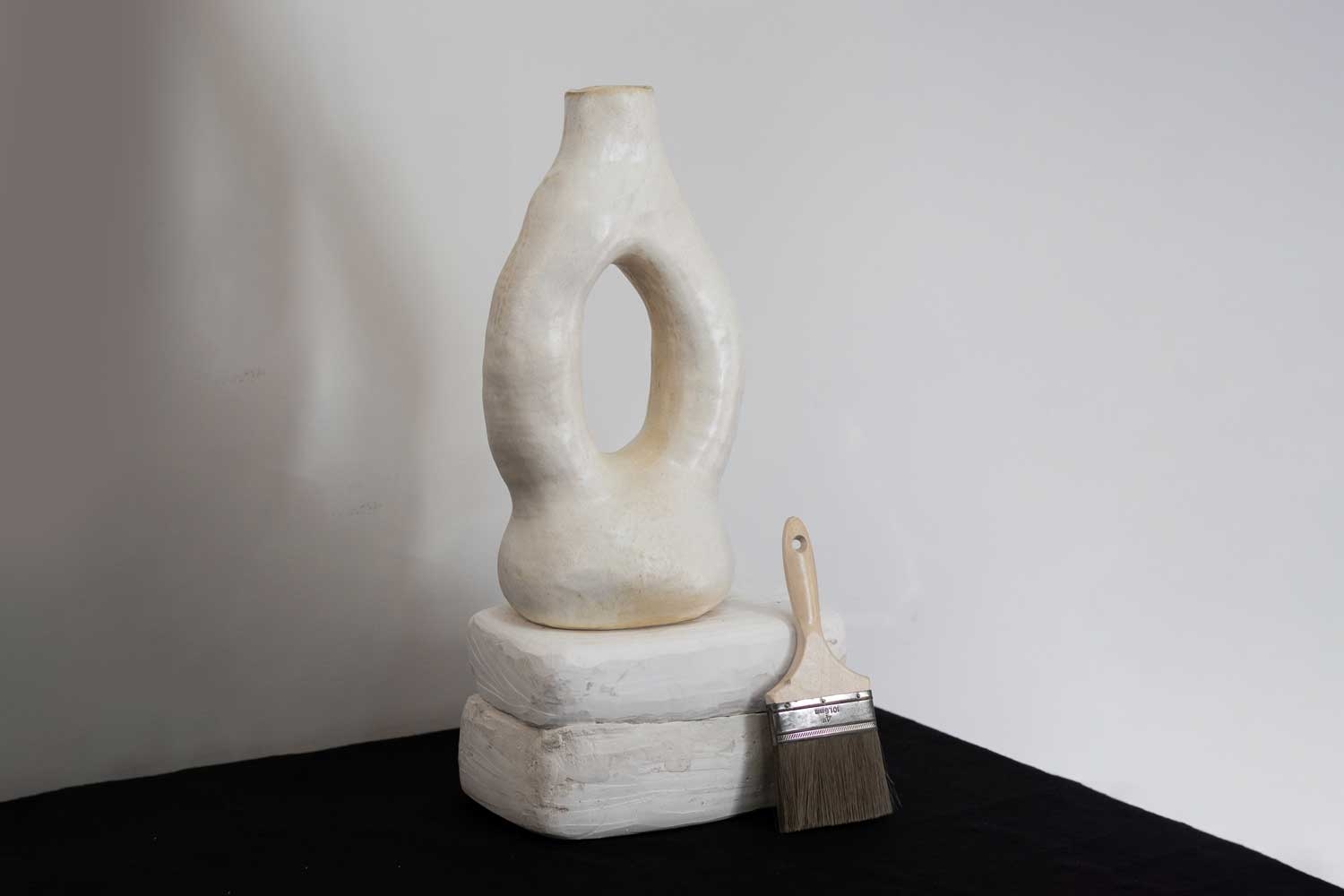
During his studies in architecture, Andrei Detoni discovered vernacular buildings and how to create with respect to the territory using local materials and traditional knowledge. This inspired his vision for ceramics with organic forms. He founded his studio, Frida Não Late, in Florianópolis, where he uses experimentation as the basis of his approach. In his work, he celebrates the virtues of the handmade and the complexity of organic forms. Andrei's creations have an aesthetic grounded in the arts, with symbolism that transcends function, and textured details that reveal the making process in the finished sculpture.

INTERVIEW
Ceramics were a consequence of my involvement with architecture and design. After producing many works by other people, I started a search for my own artistic identity, a way to express my ideas. I researched and experimented a lot before finding that handmade ceramics were a path that made sense for what I hoped to produce.
I aim to talk about a more conscious way of consuming which involves a relationship with artisanal products, on a small scale, less demanding on the environment. I also want to discuss themes around art: abstract, emotions, quality of life, beauty.
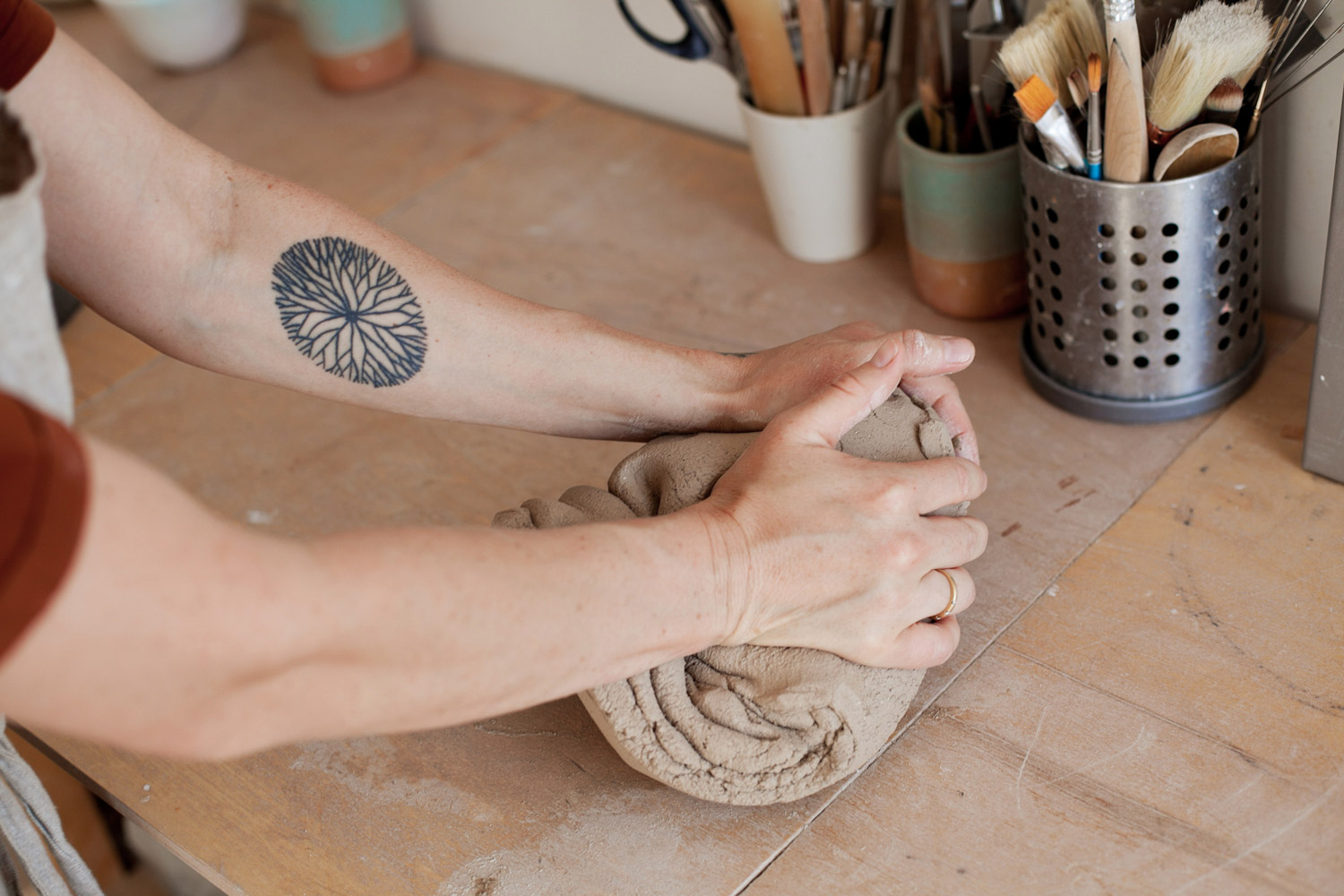
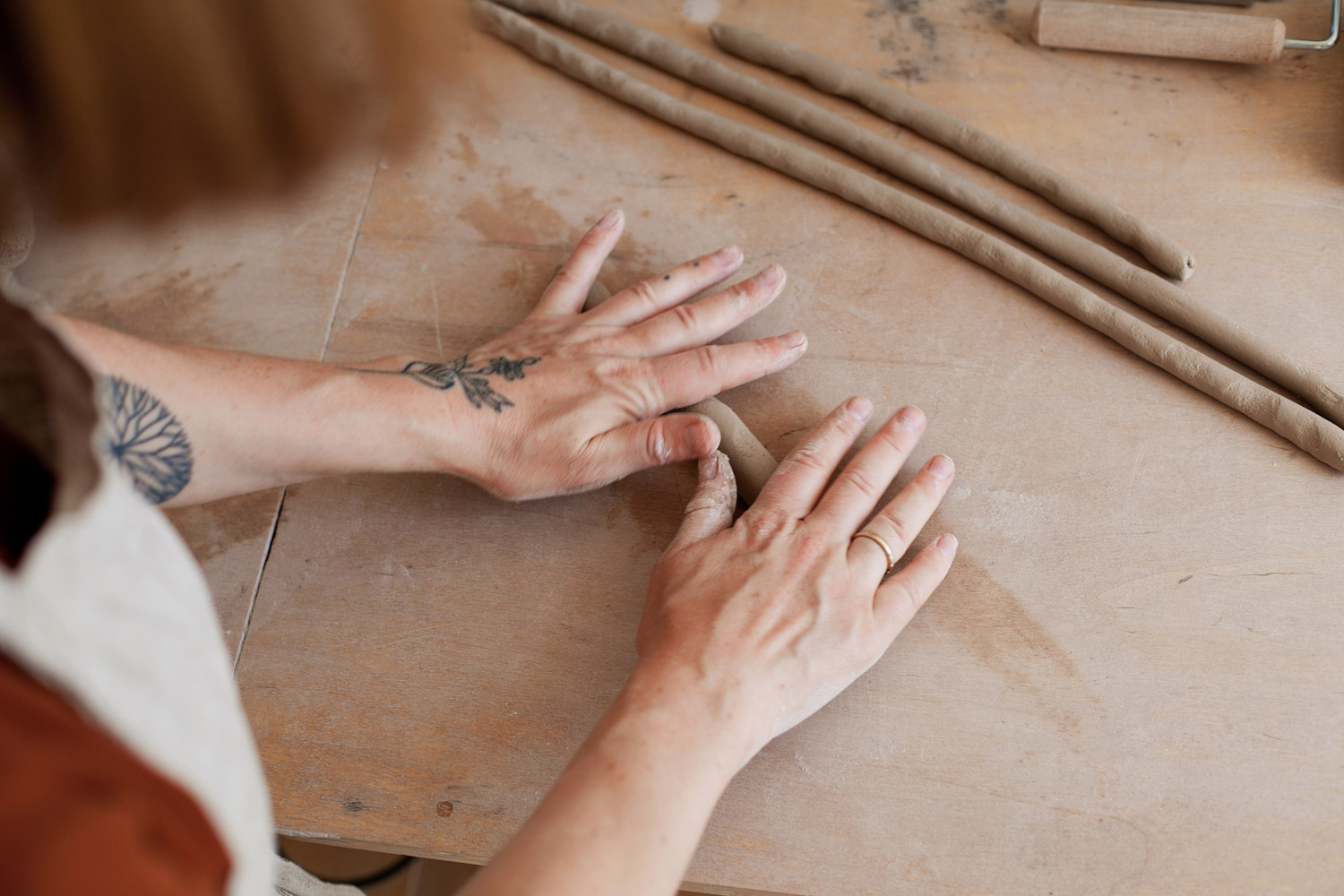
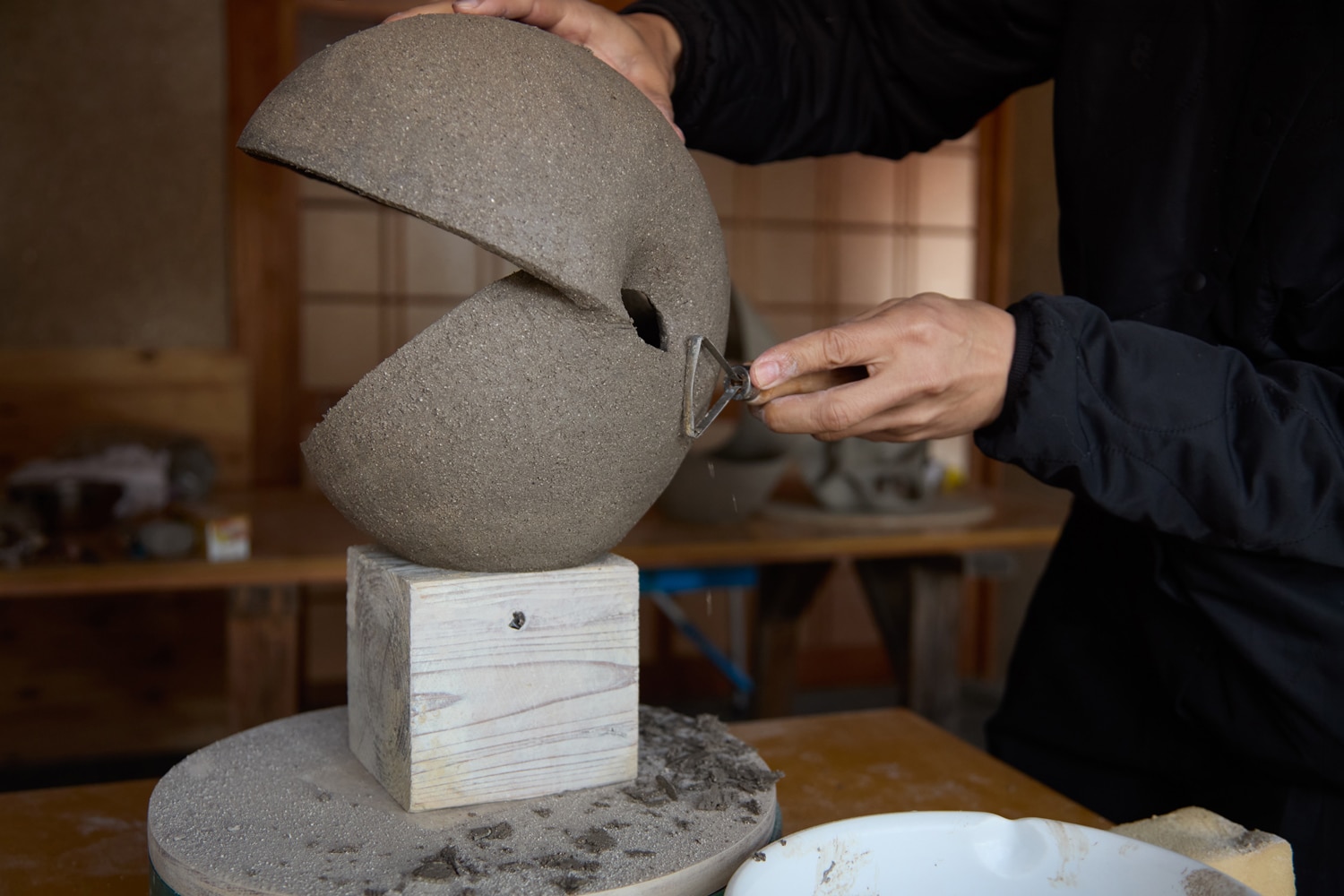
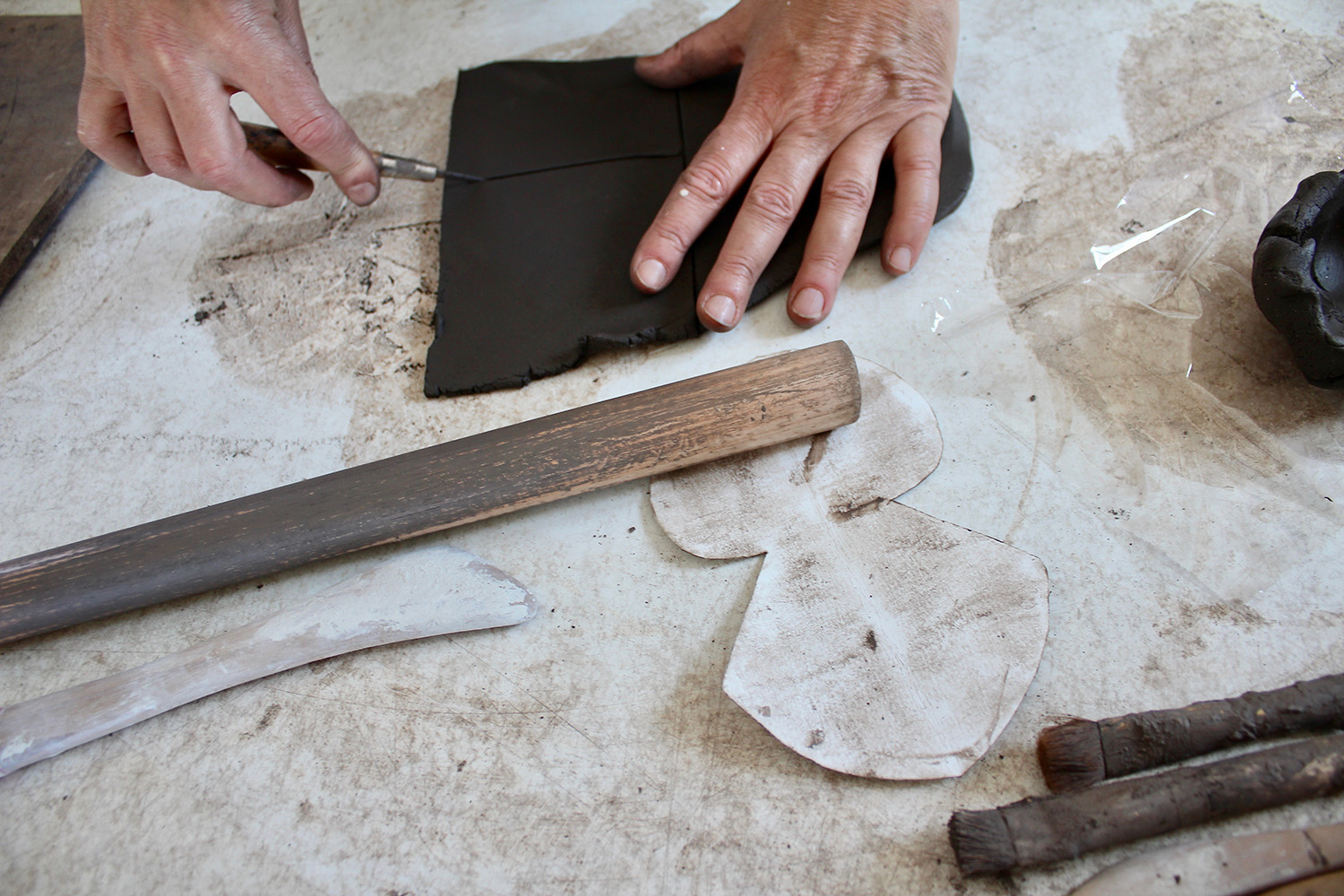
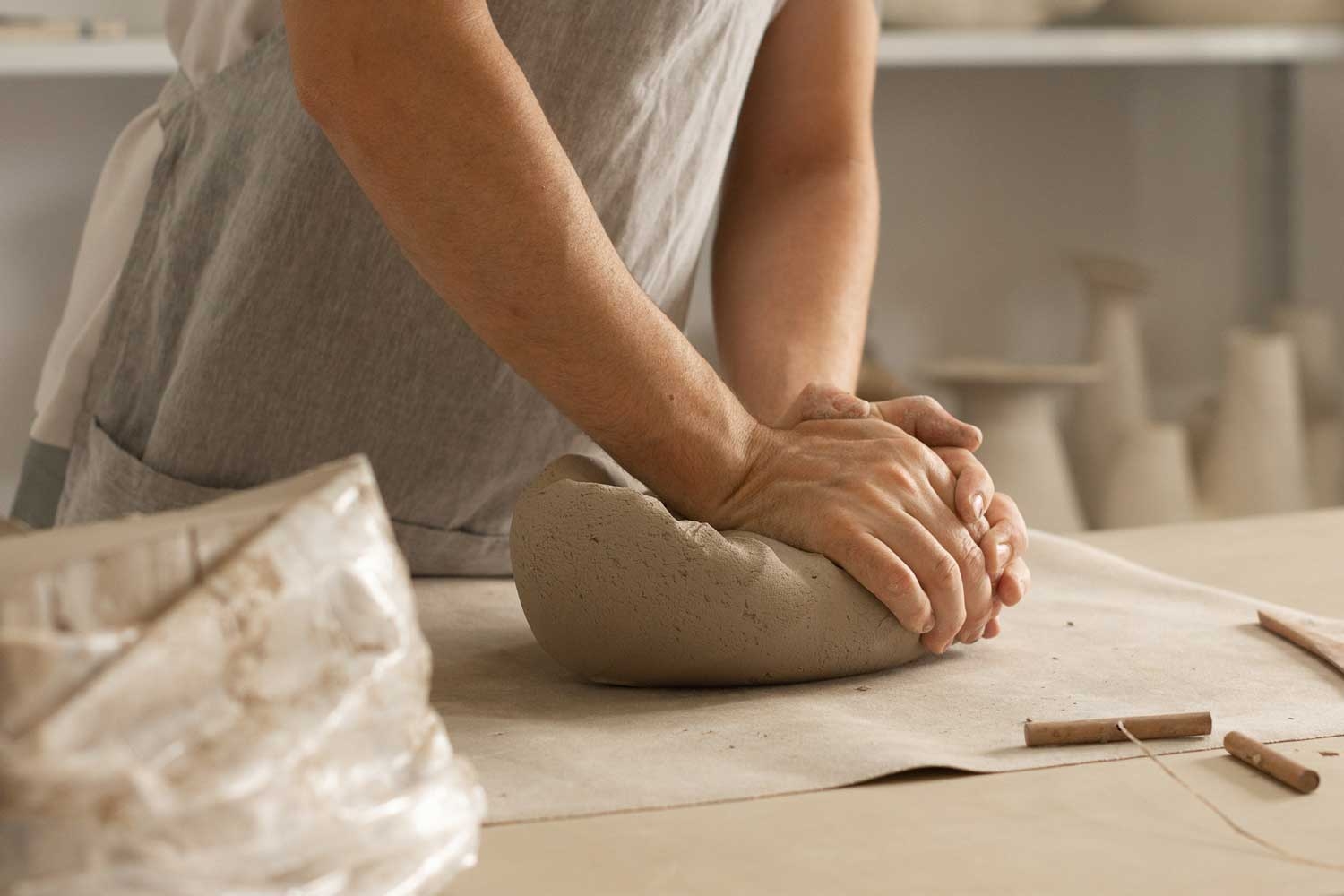
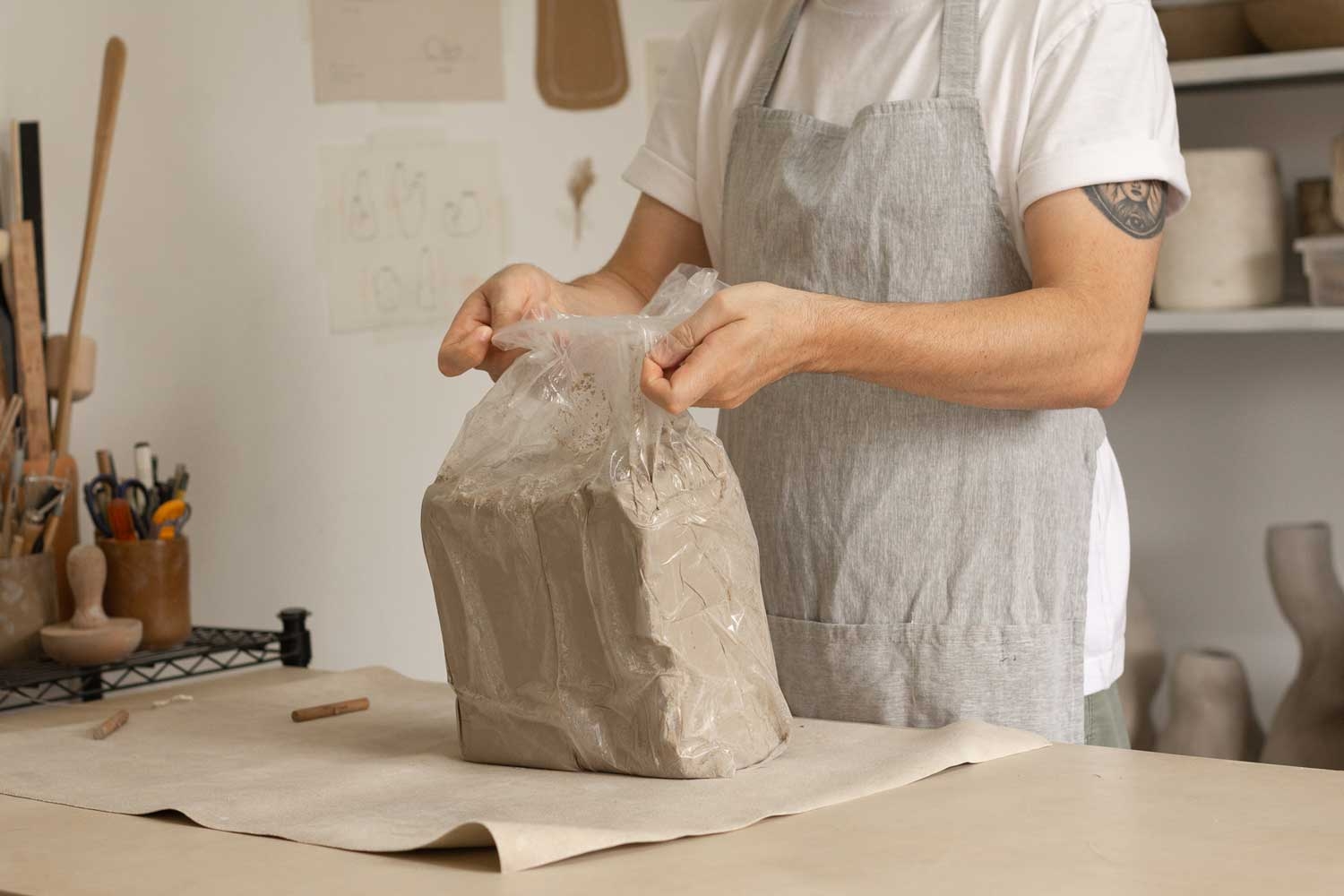
The techniques I use to make my pieces are ancient, with the use of few tools – mostly I use my hands. At the same time, my references are contemporary, and I use electricity not fire for my firings, for example.
From nature and traditional knowledge. Vernacular architecture is the simplest form of addressing human needs, and it has seemingly been forgotten in modern days. Using traditional materials and resources from the local area is not only more sustainable but it connects humans to the territory, too.
Andrei Detoni
Frida Não Late
Ceramicist
Florianópolis, Brazil
ADDRESS
Address upon request, Florianópolis, Brazil
AVAILABILITY
By appointment only
PHONE
+55 48991600109
LANGUAGES
Portuguese
Homo Faber Finds is a new service aiming to inspire admirers of craft to connect and collaborate with exceptional artisans.
We invite you to submit an enquiry here.
DSC02402_©Meg-Lovell.jpg)
DSC01379_©Meg-Lovell.jpg)
DSC01458_©Meg-Lovell.jpg)