Anísia Lima de Sousa & Cibele Dias
Ceramicist
Turmalina, Brazil
The mother-daughter energy behind quaint ceramics
- Anísia and Cibele create pottery that blends design with clay’s inherent purifying and insulating properties
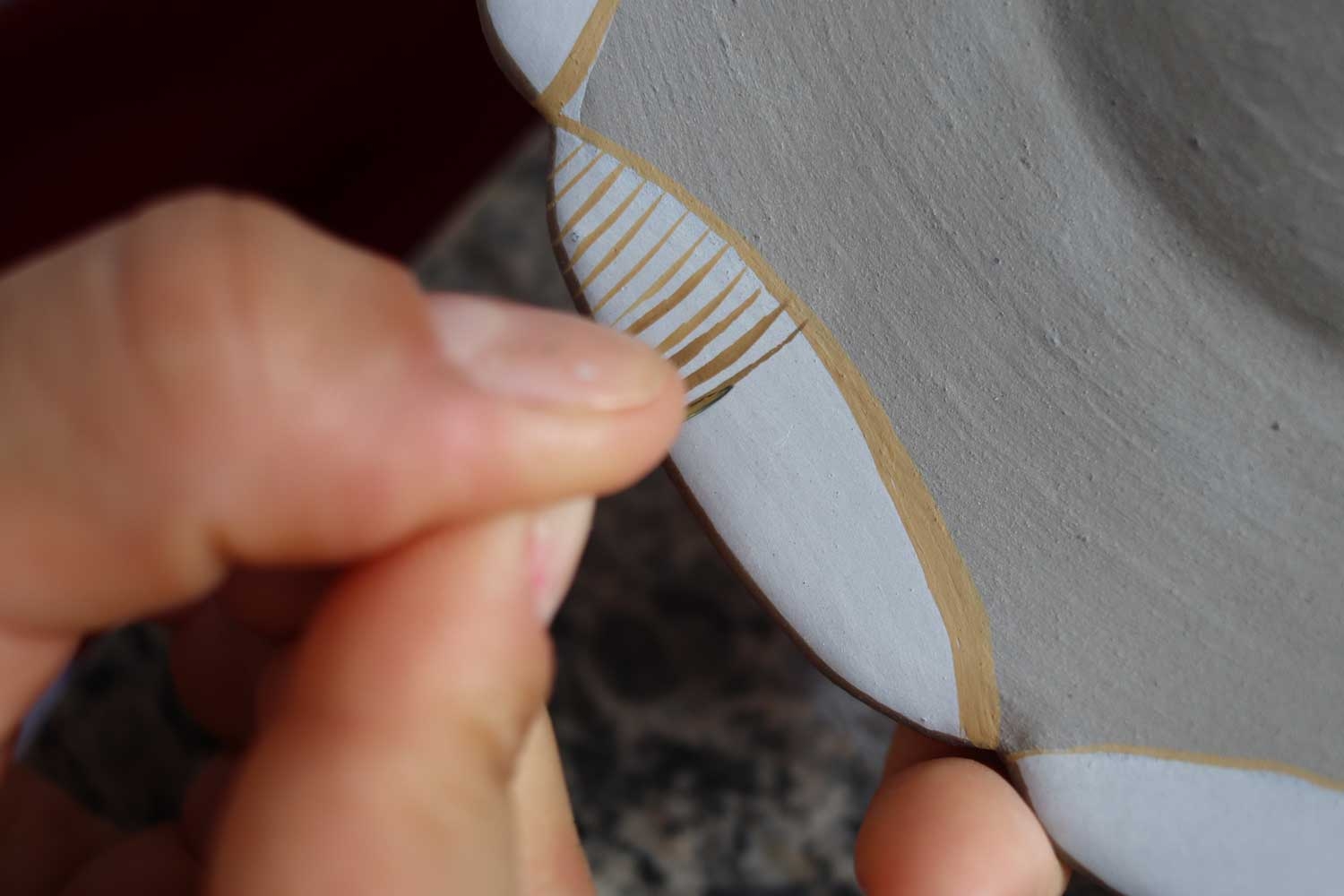
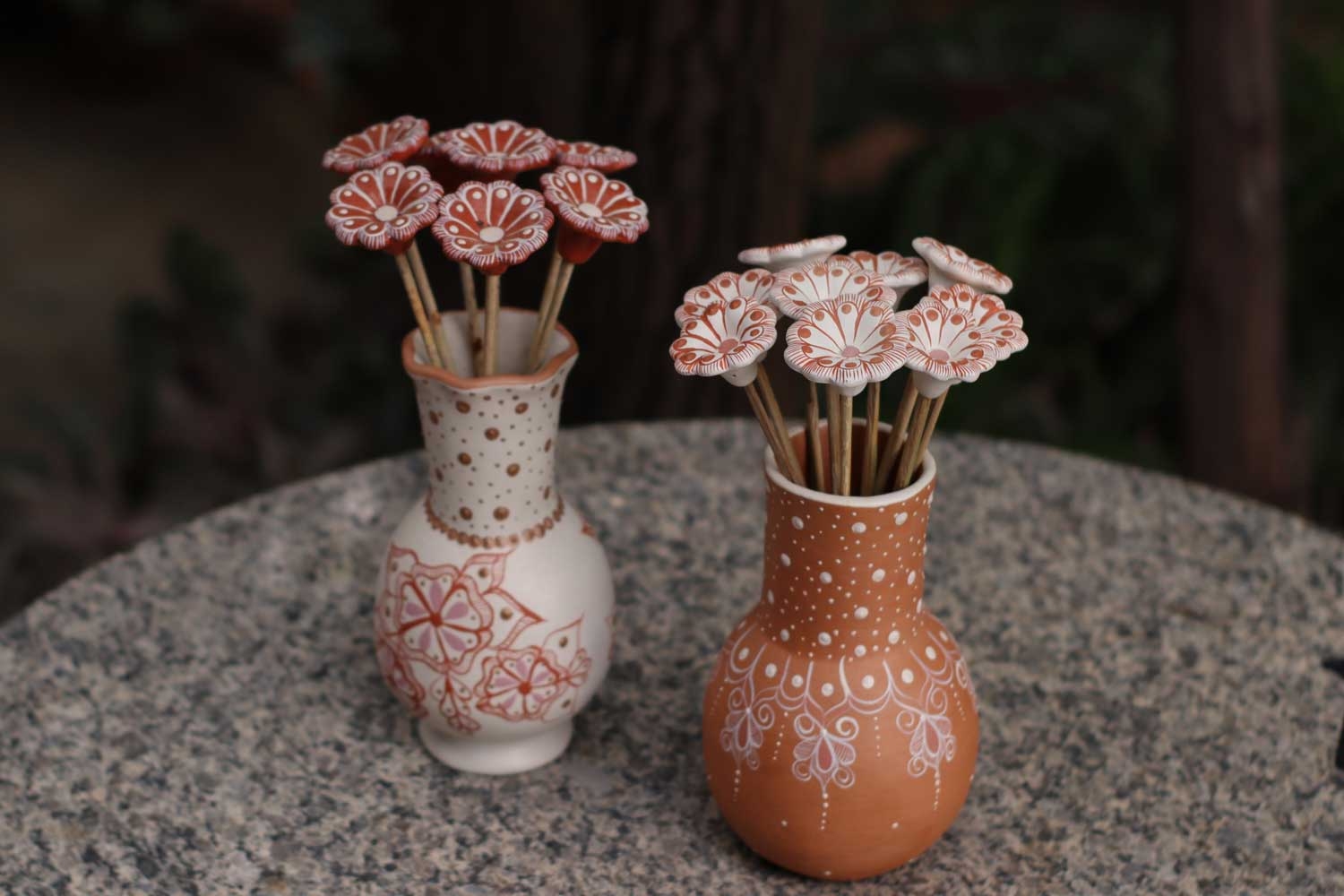
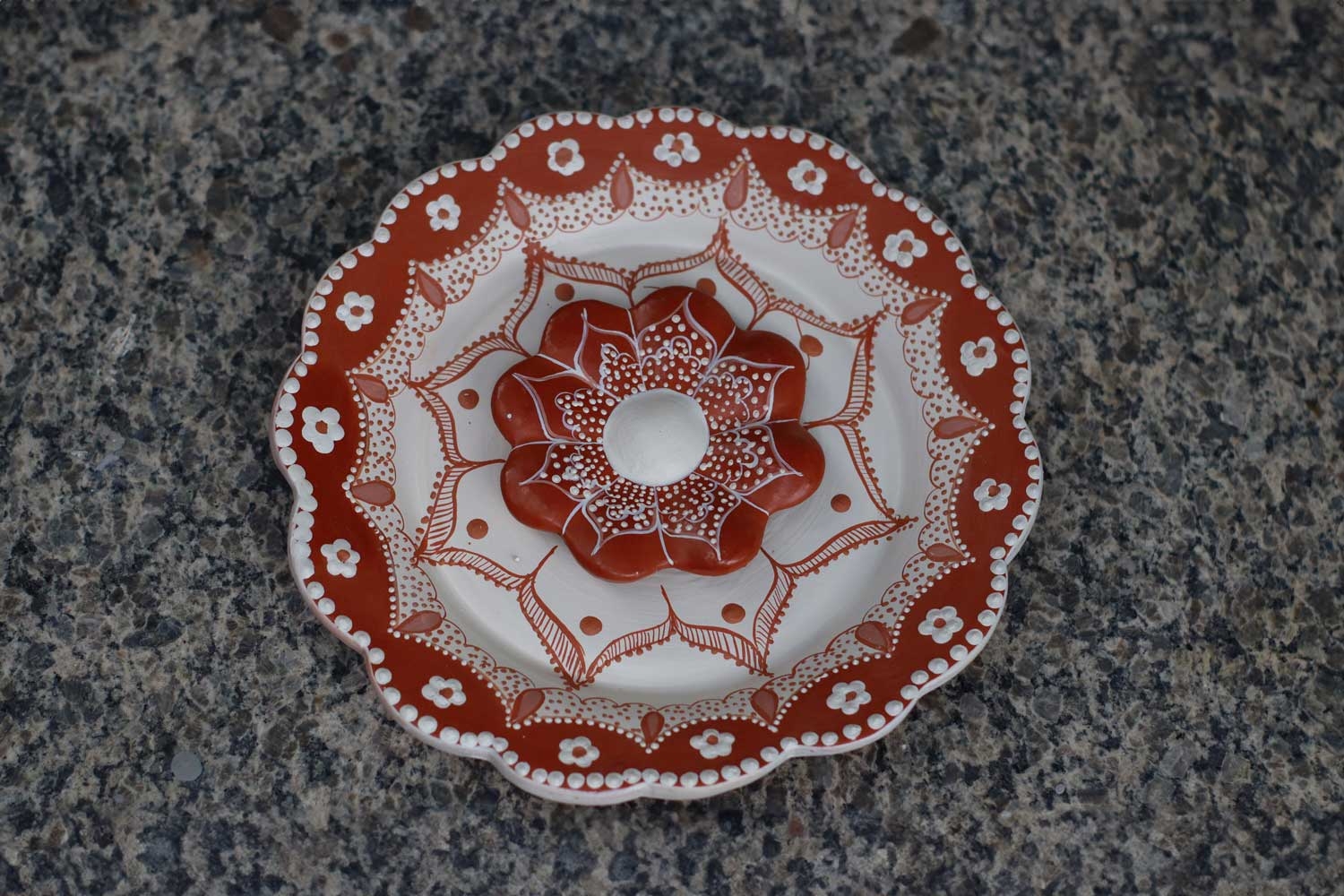
- They use chicken feathers to paint flower-like motifs on their creations
- They make both decorative items and functional tableware
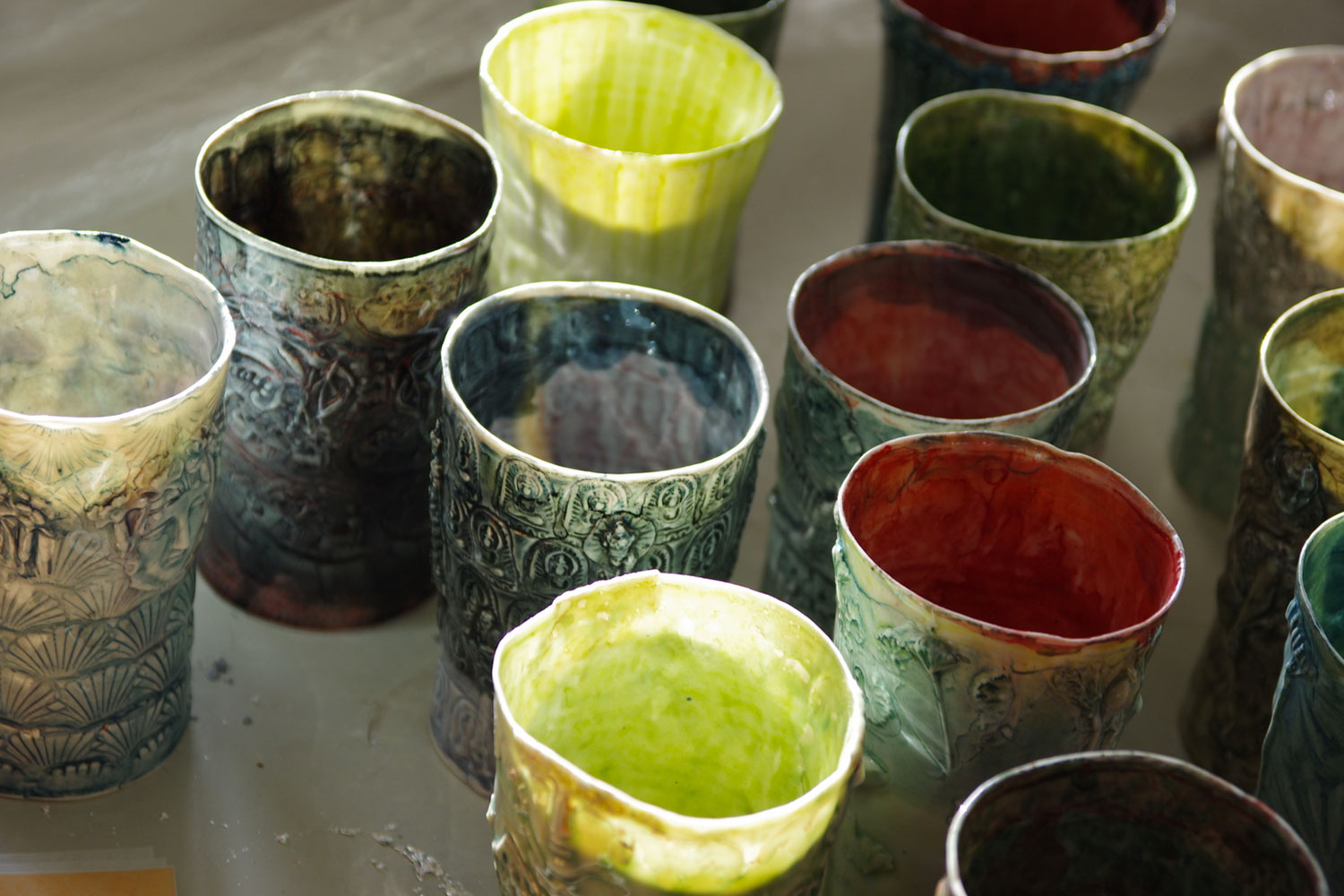
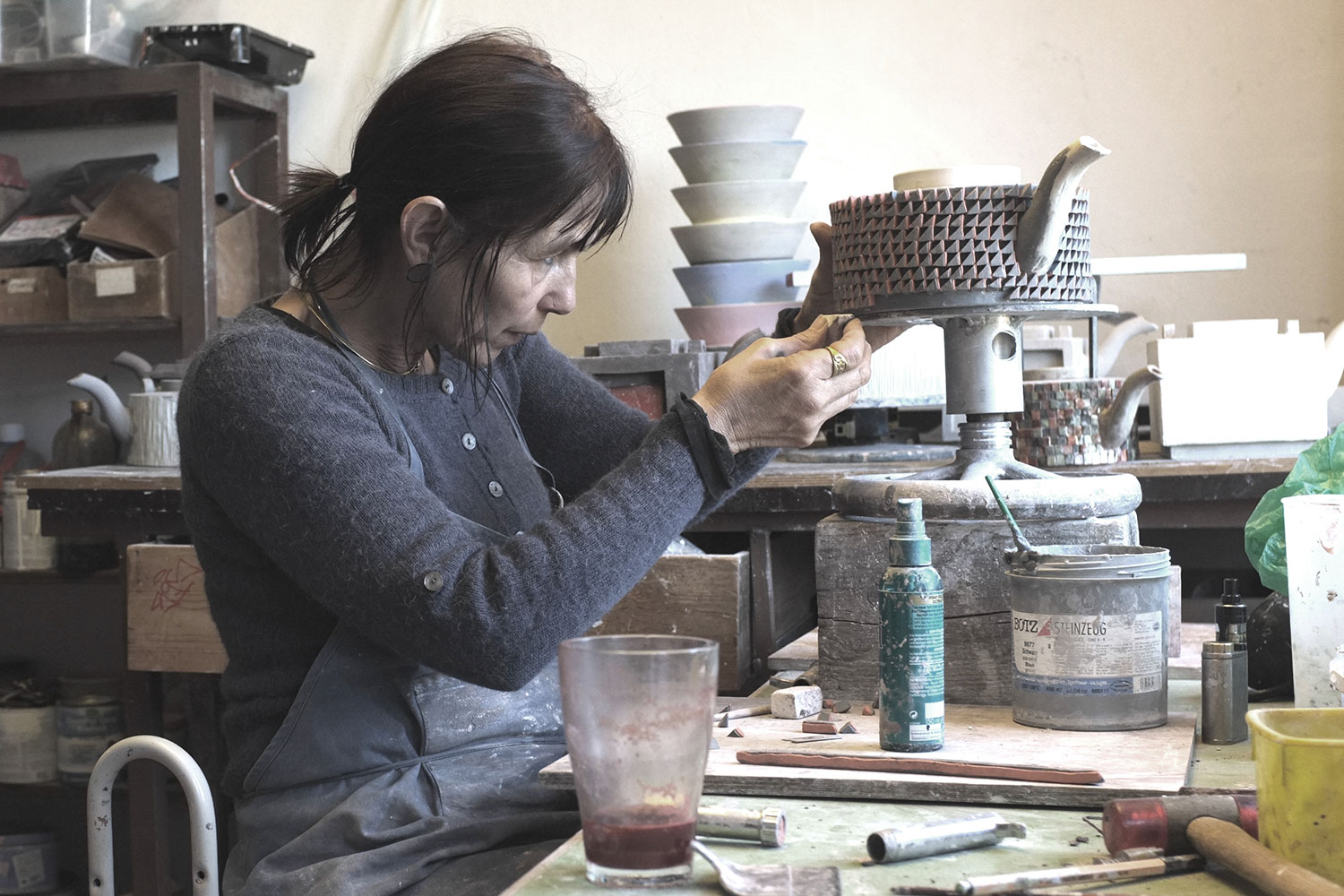
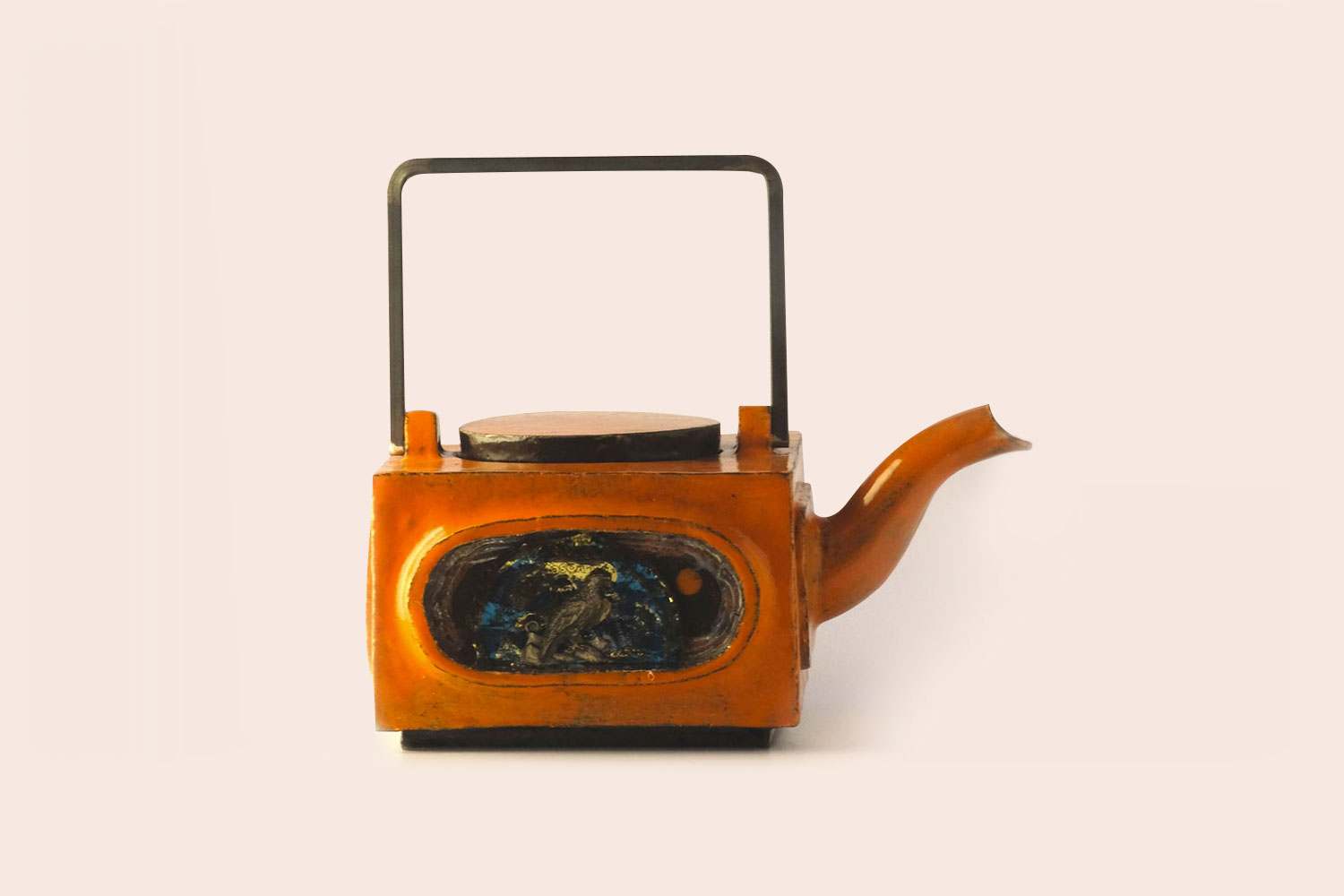
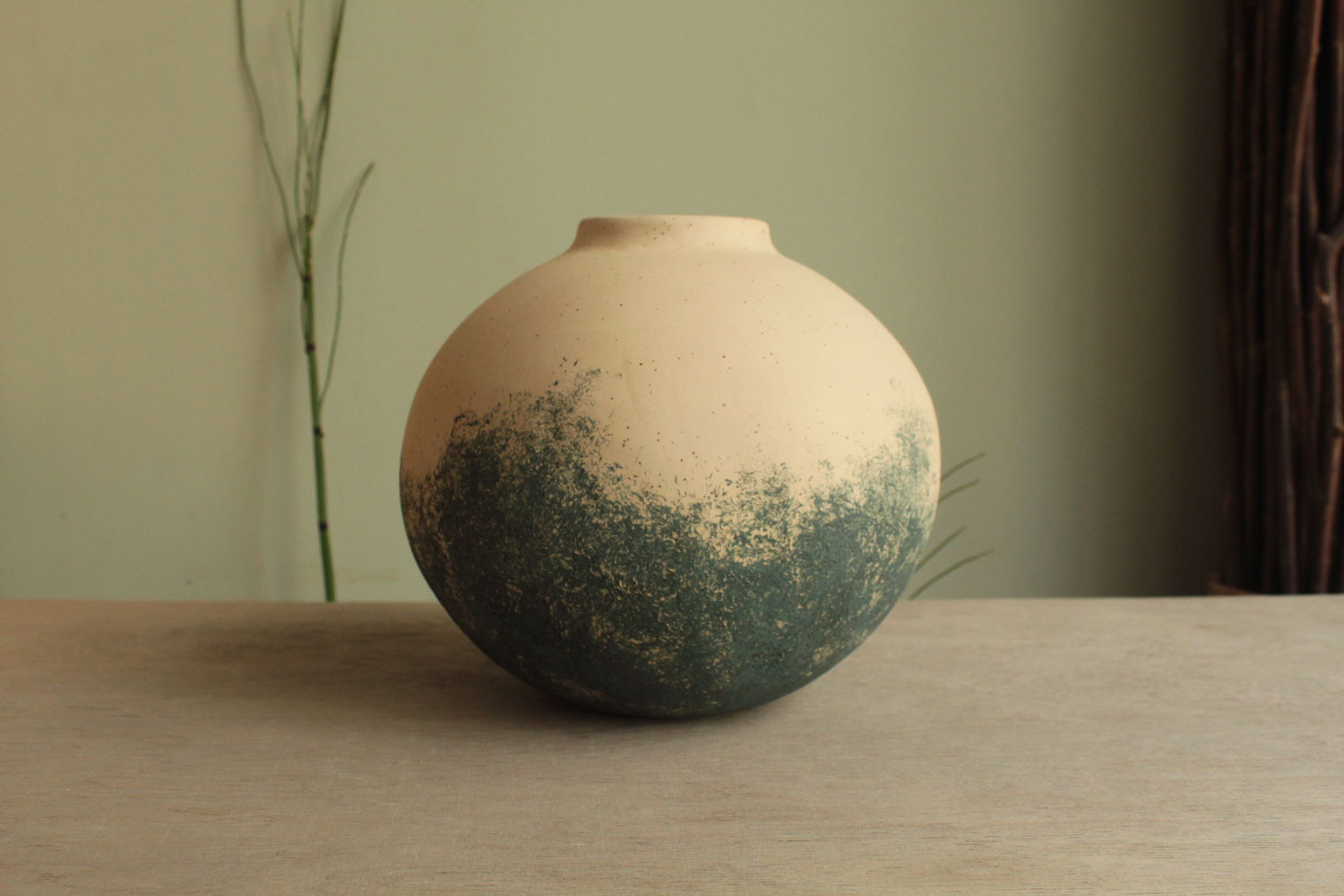
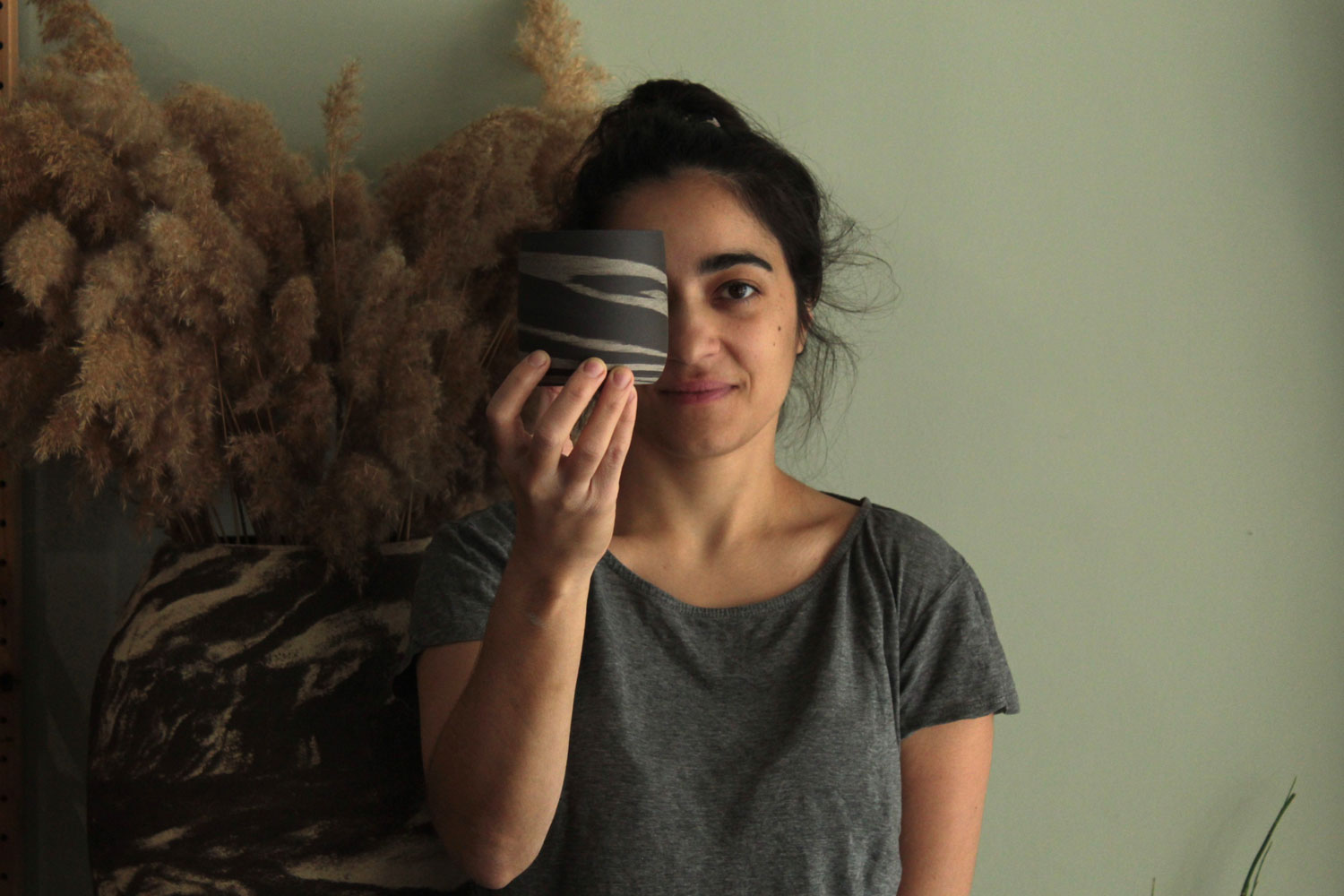
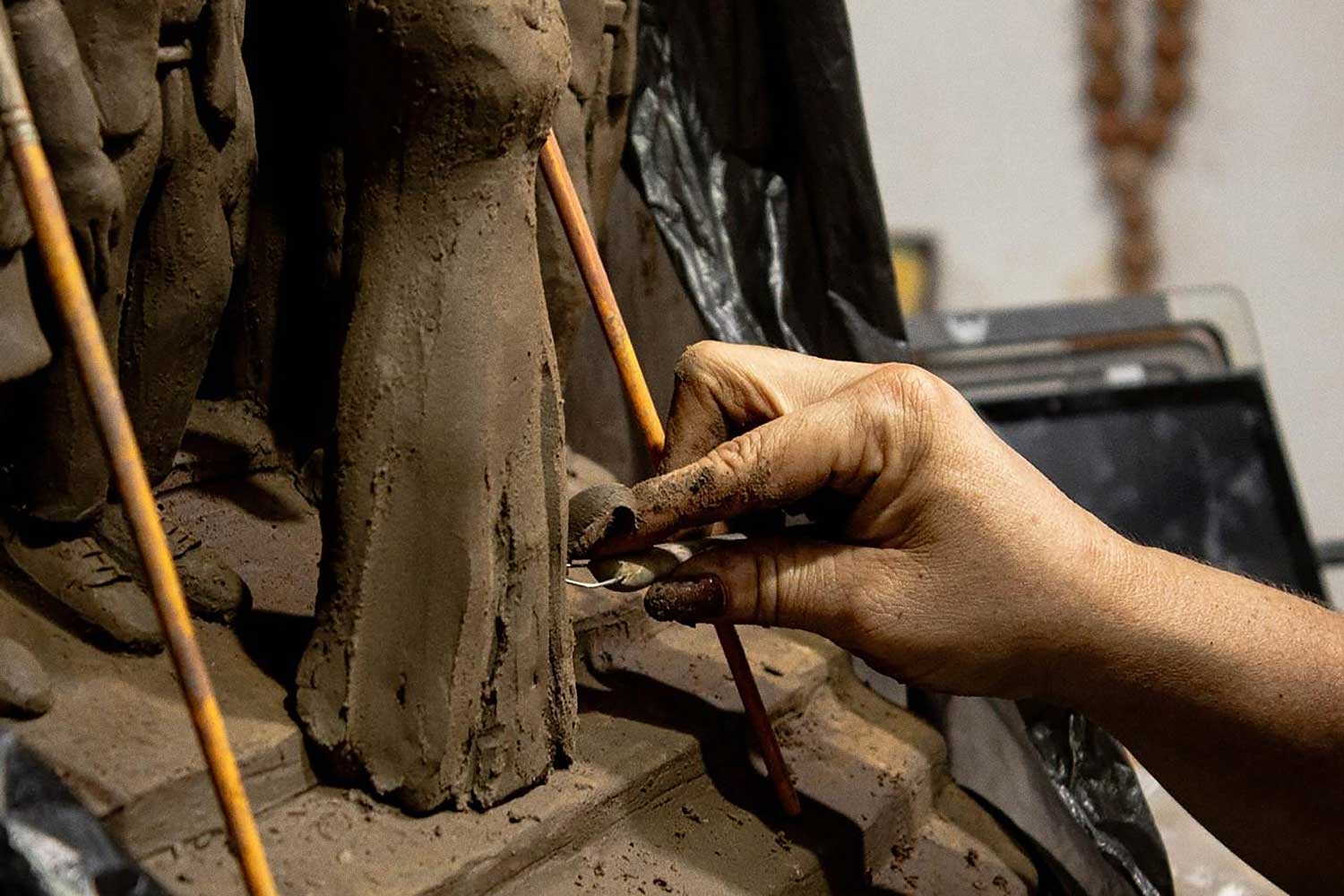
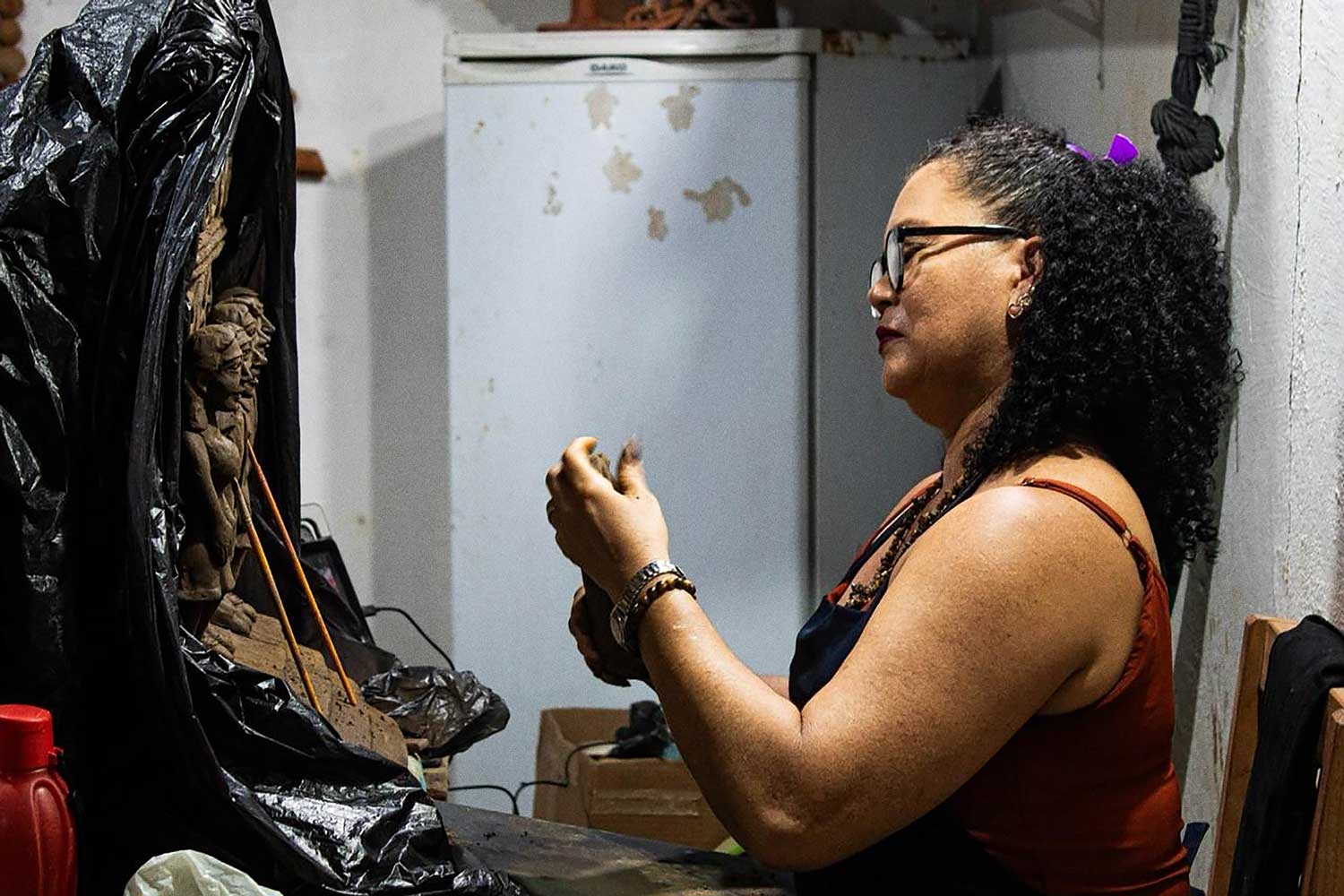
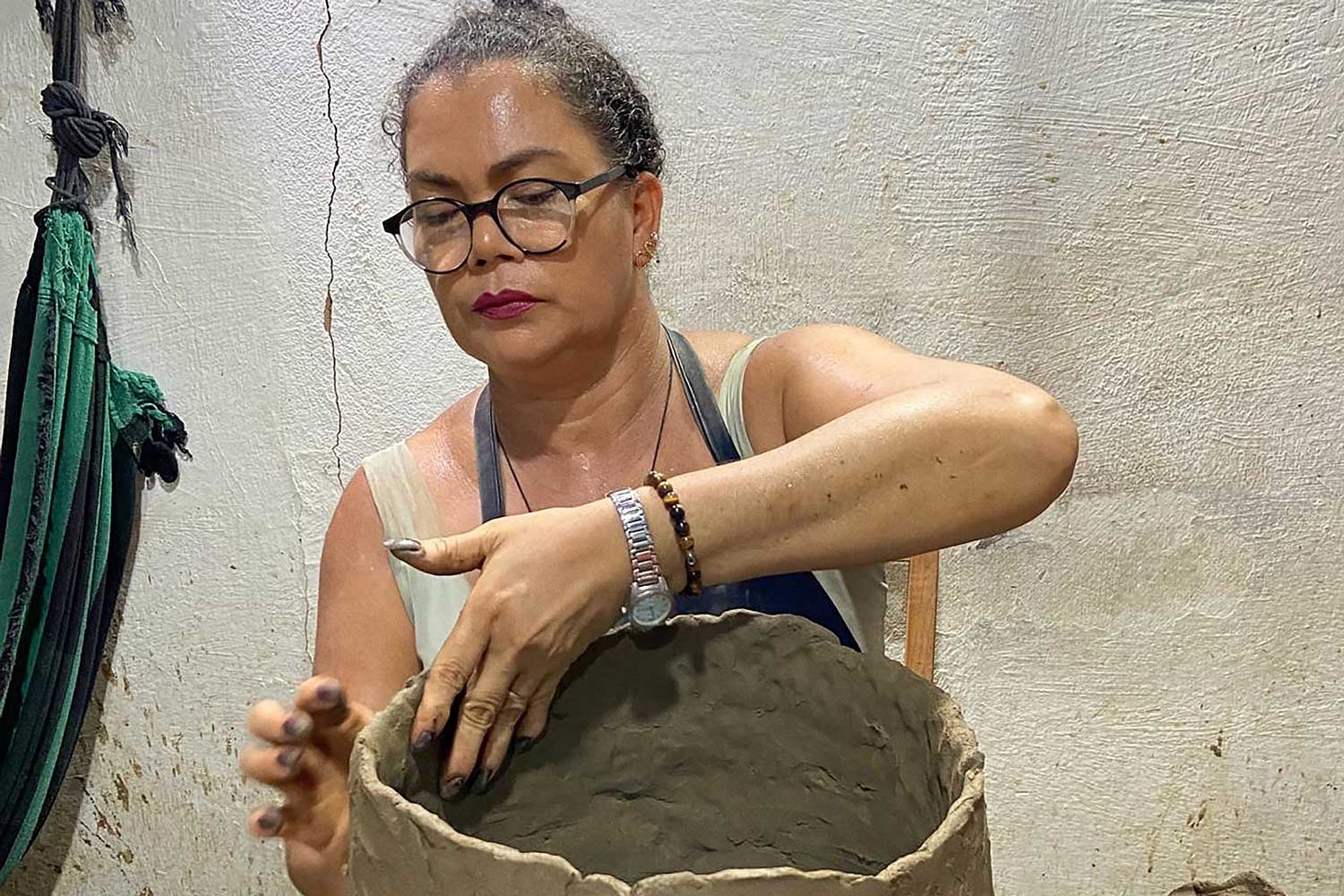
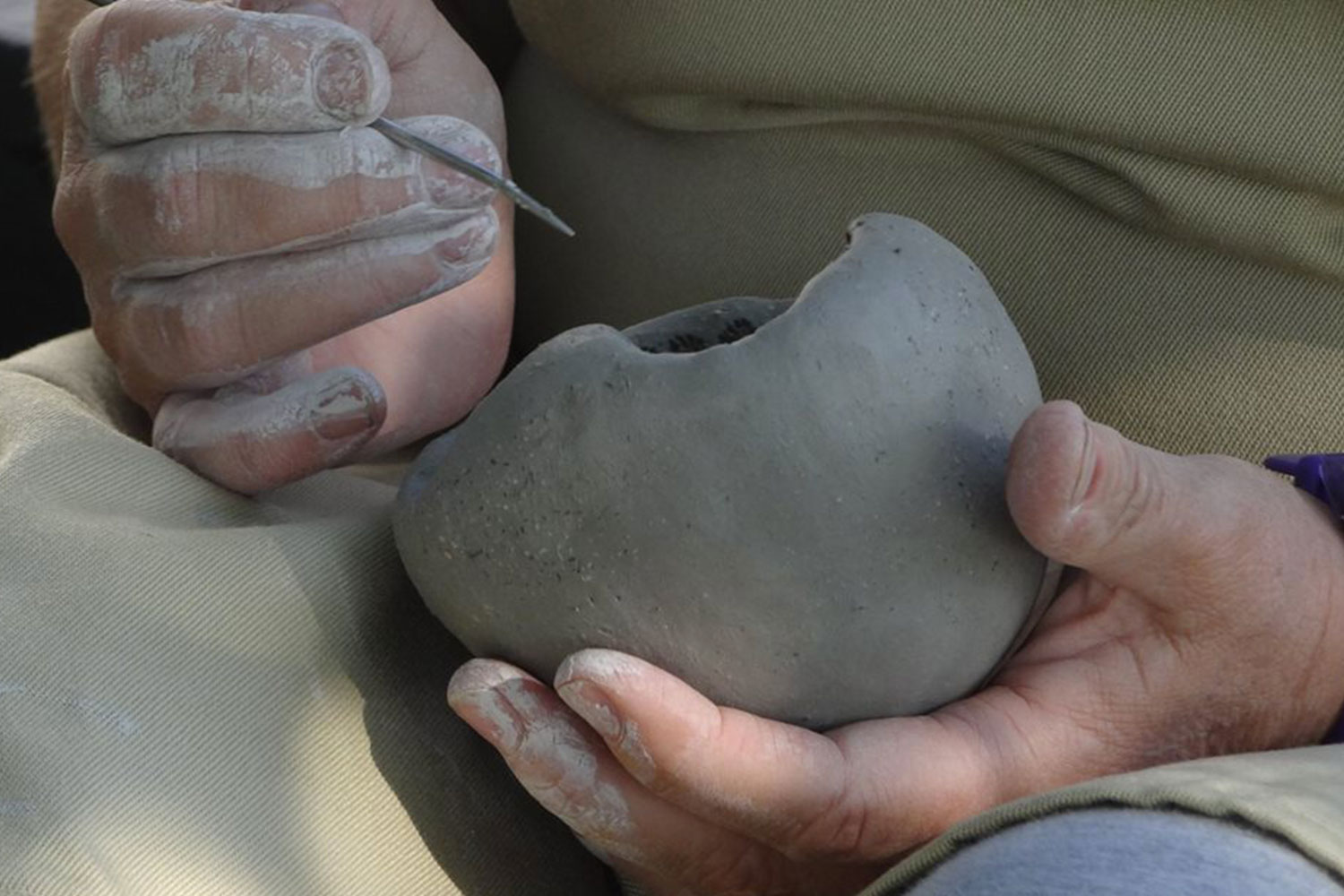
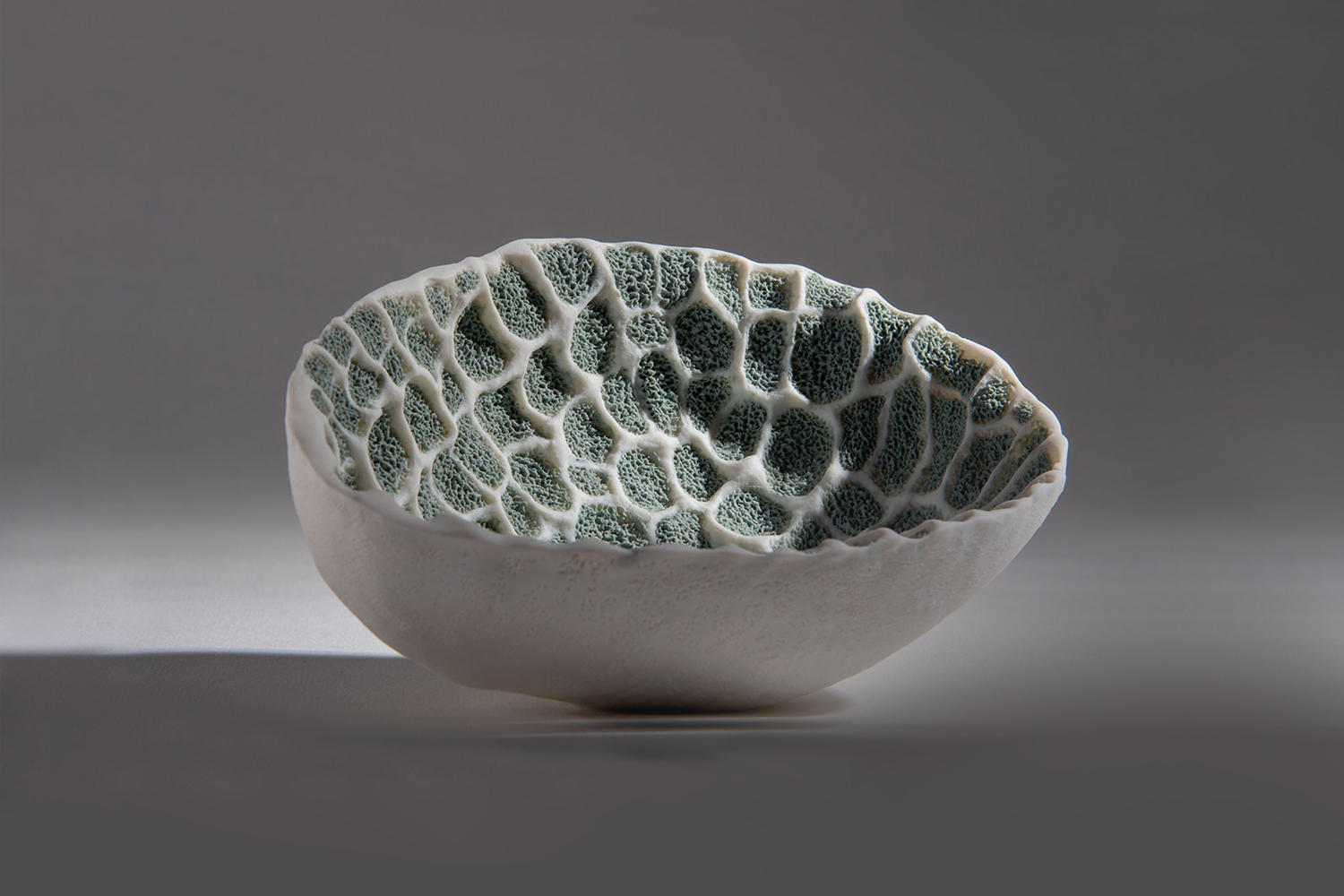
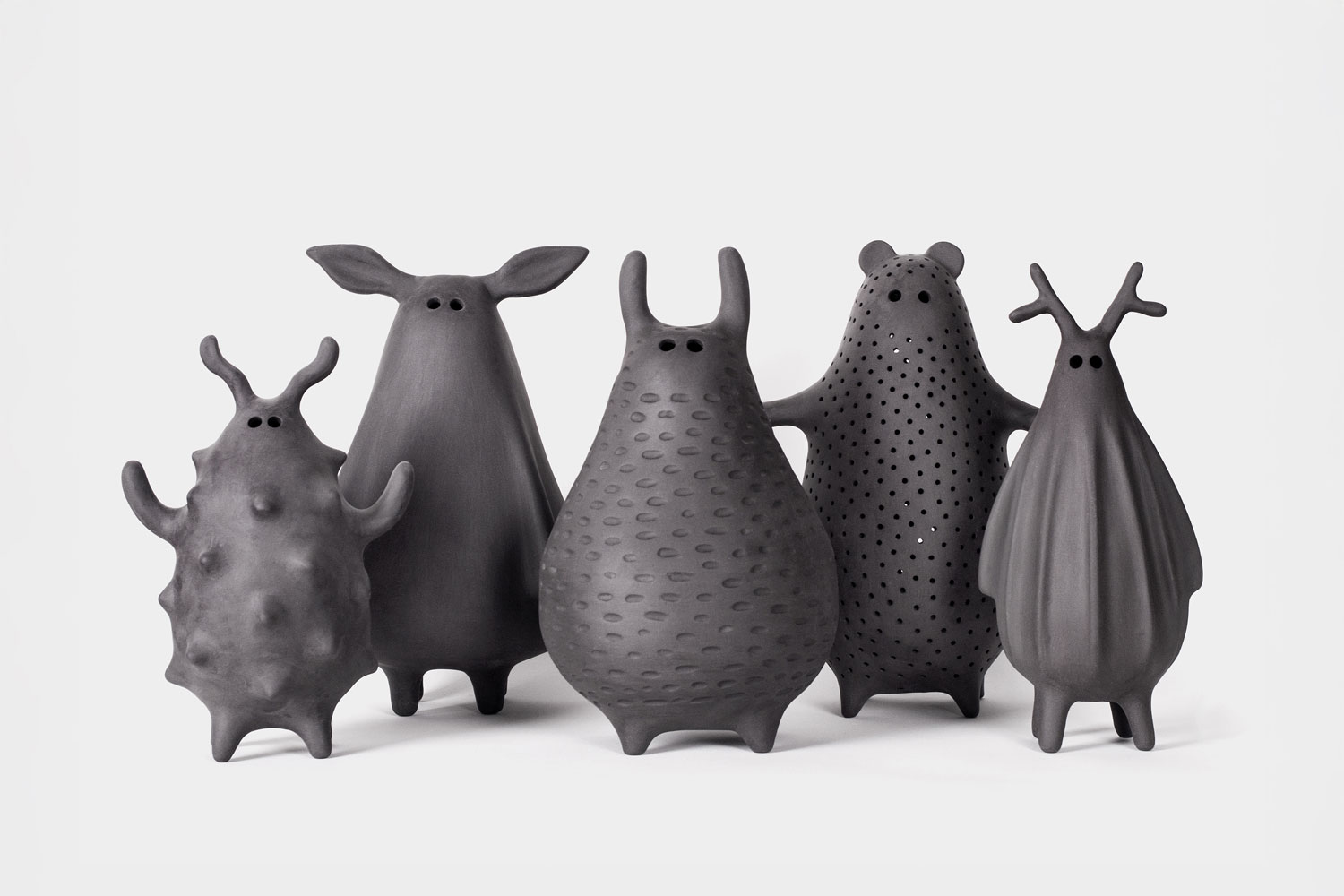
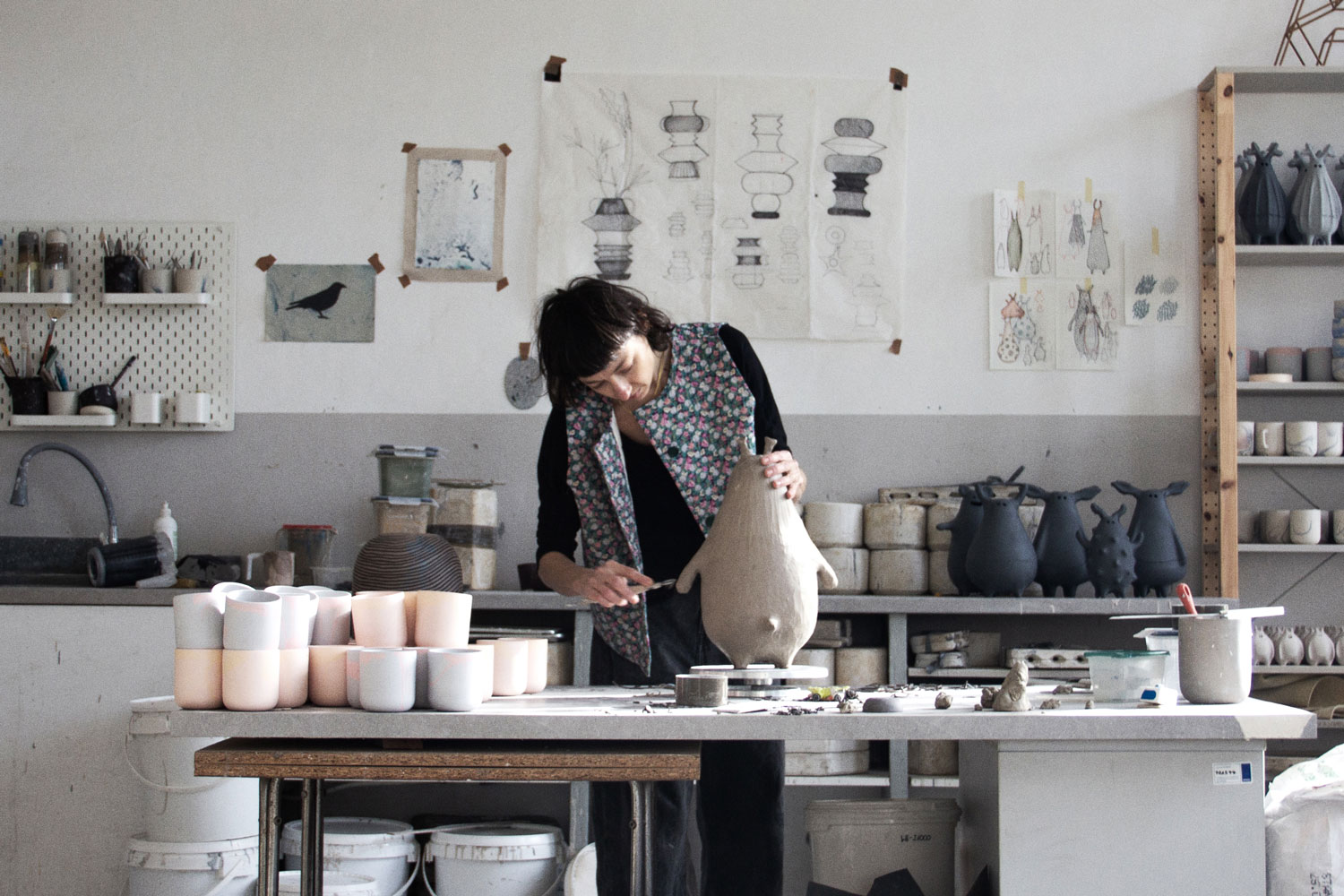
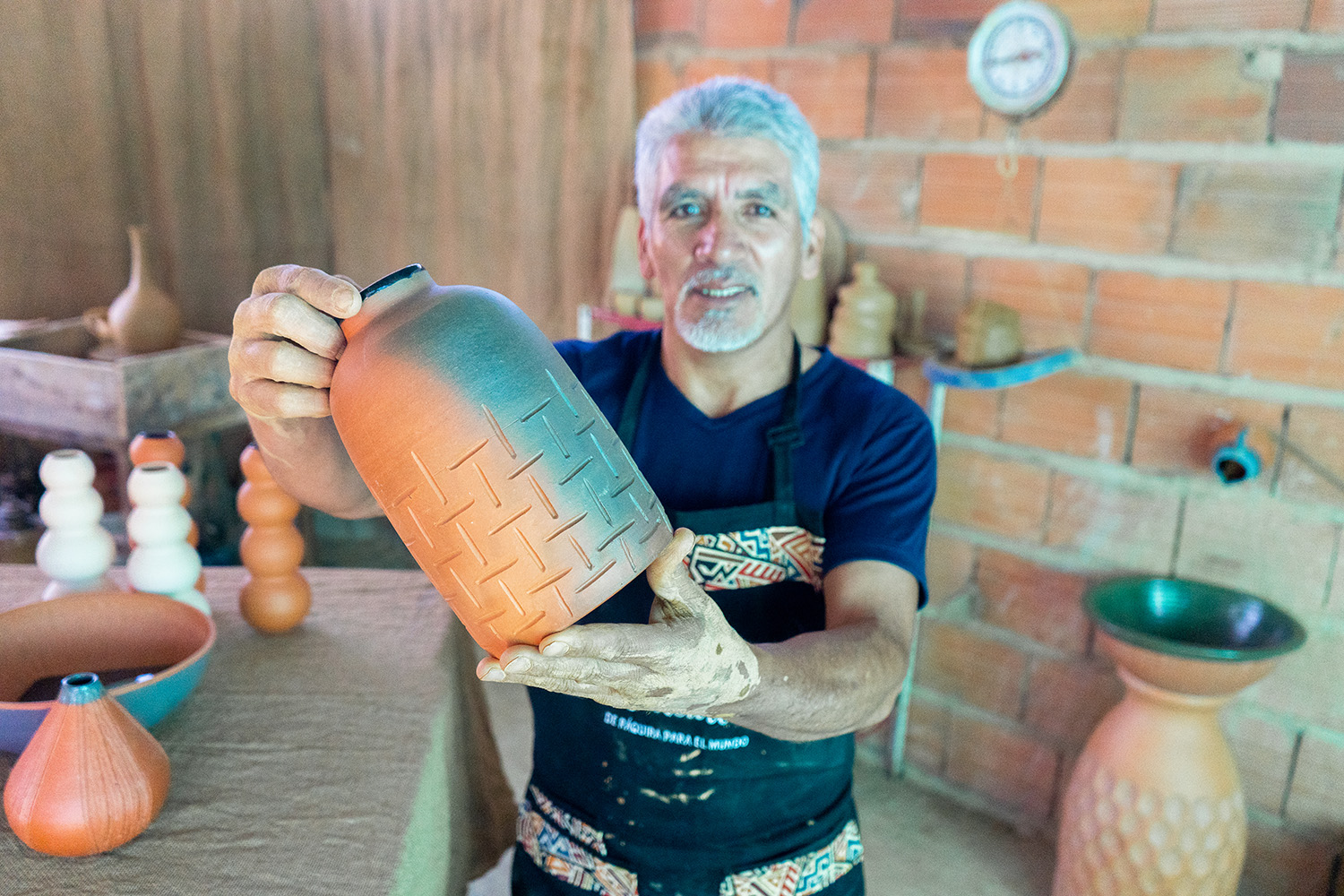
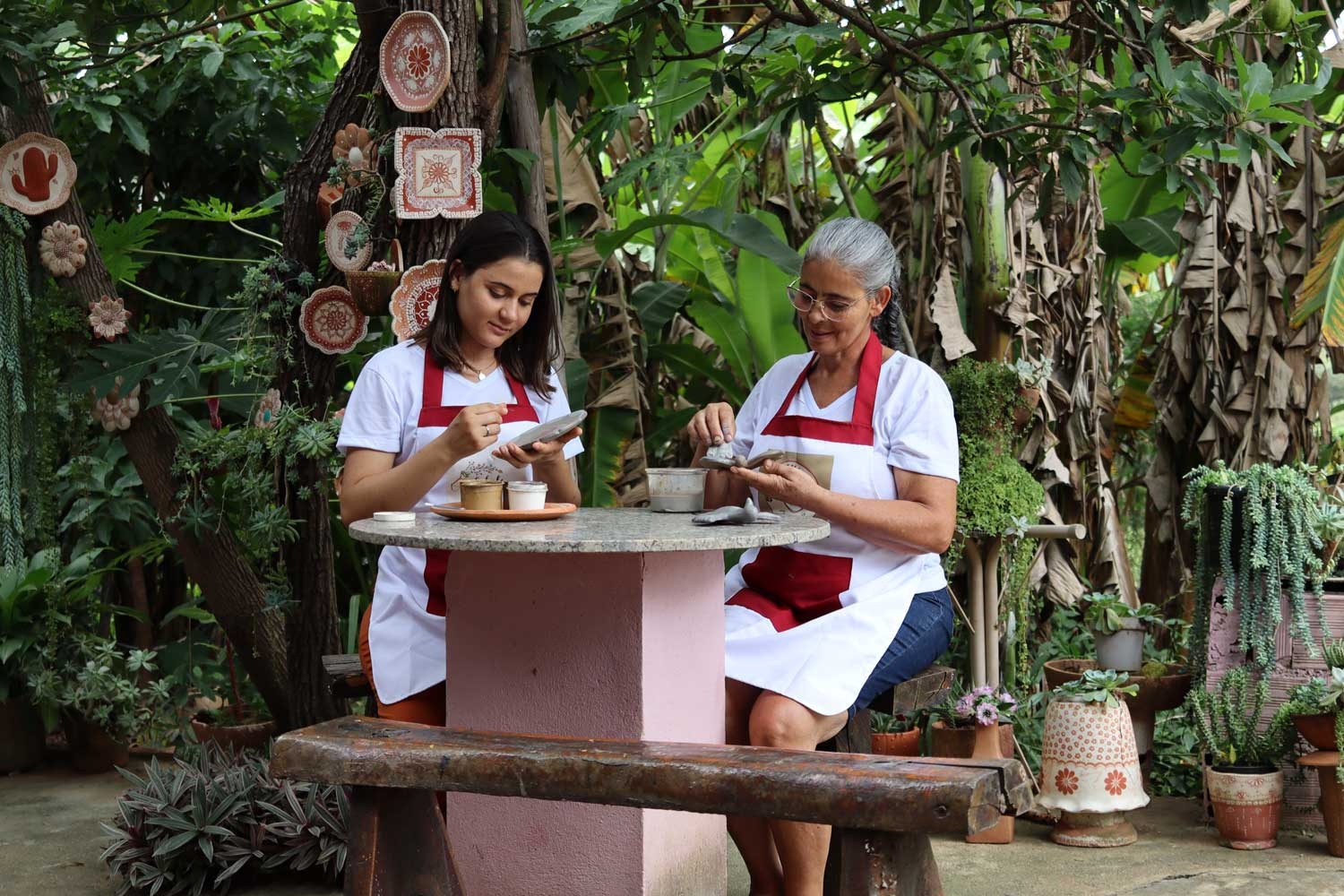
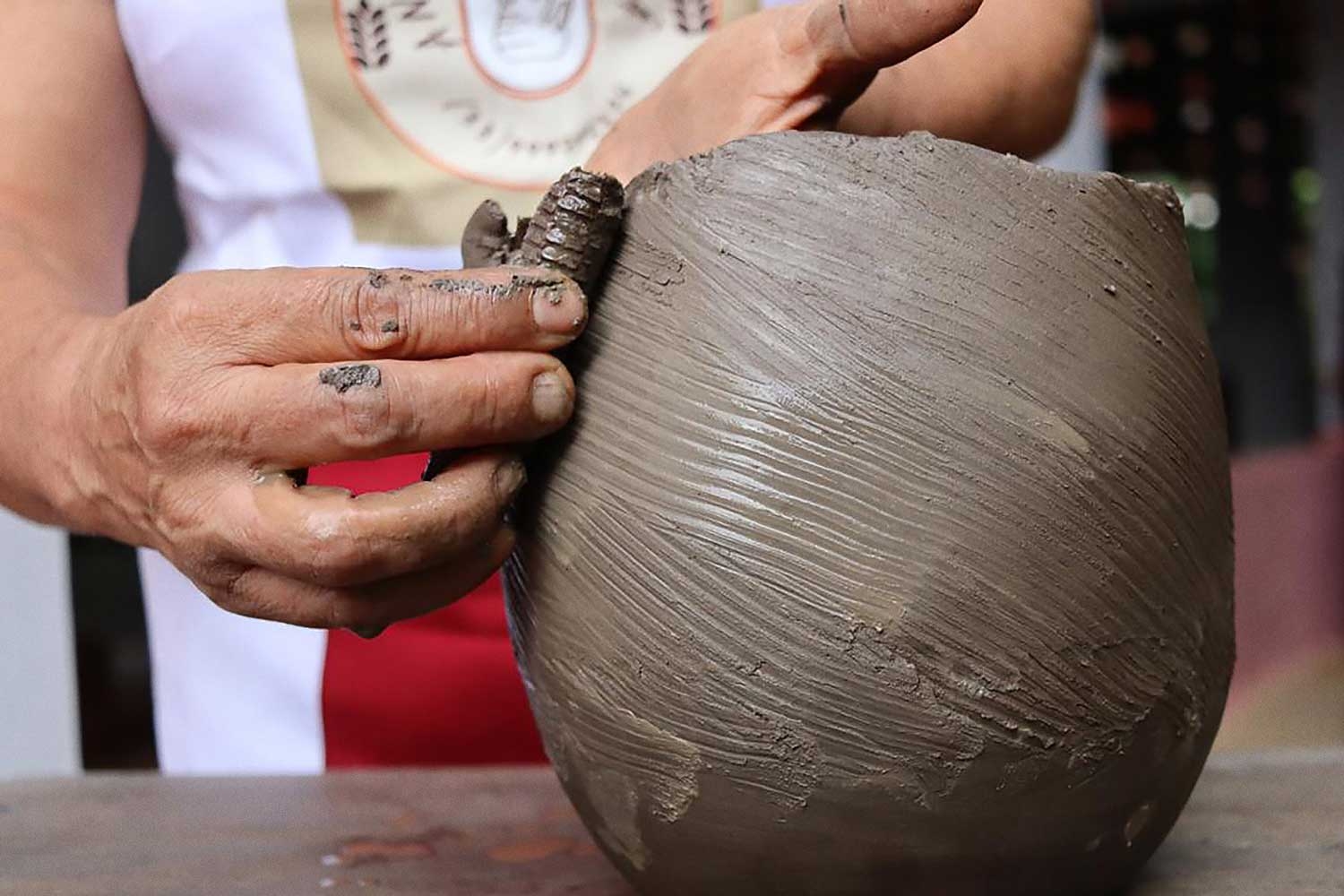
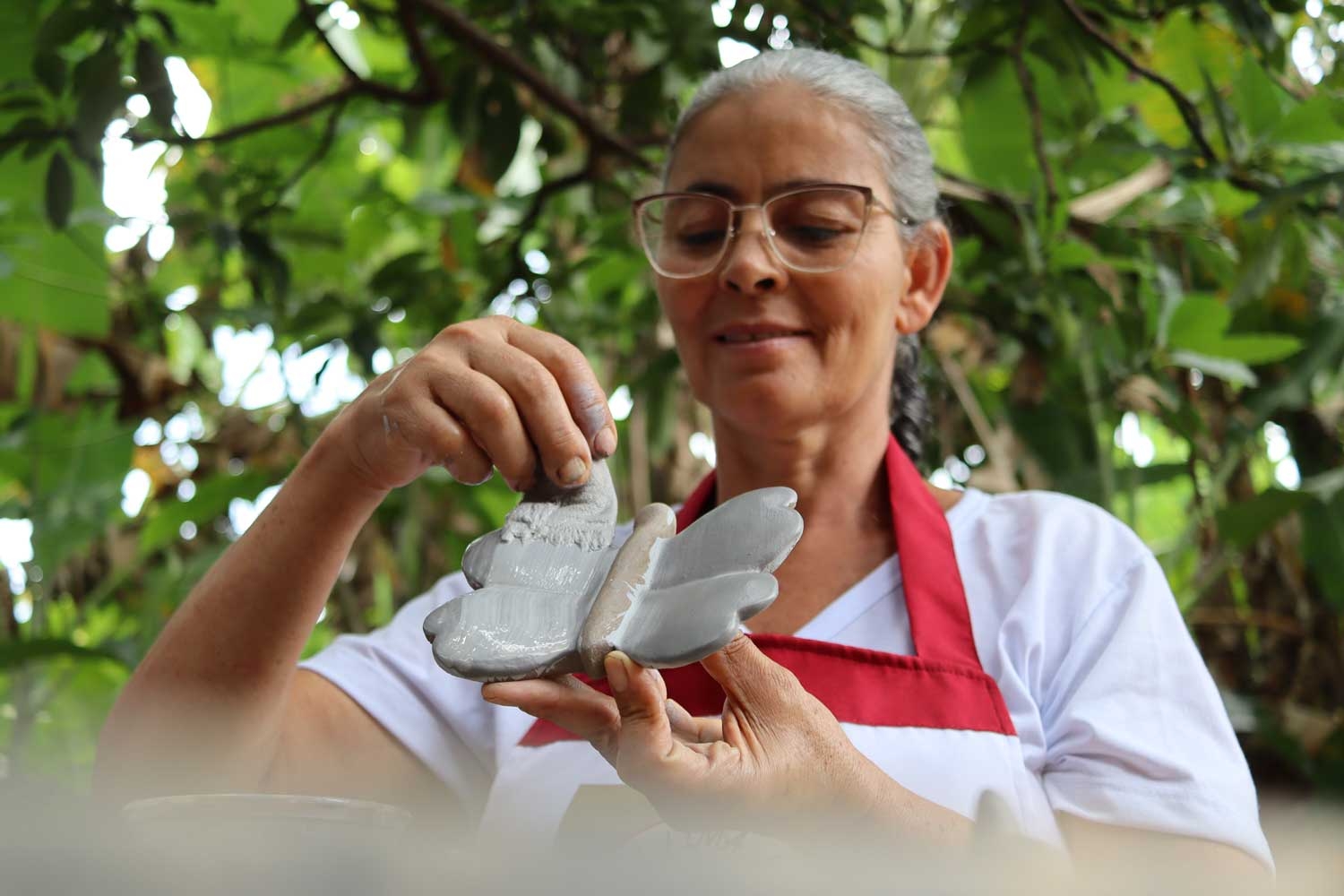
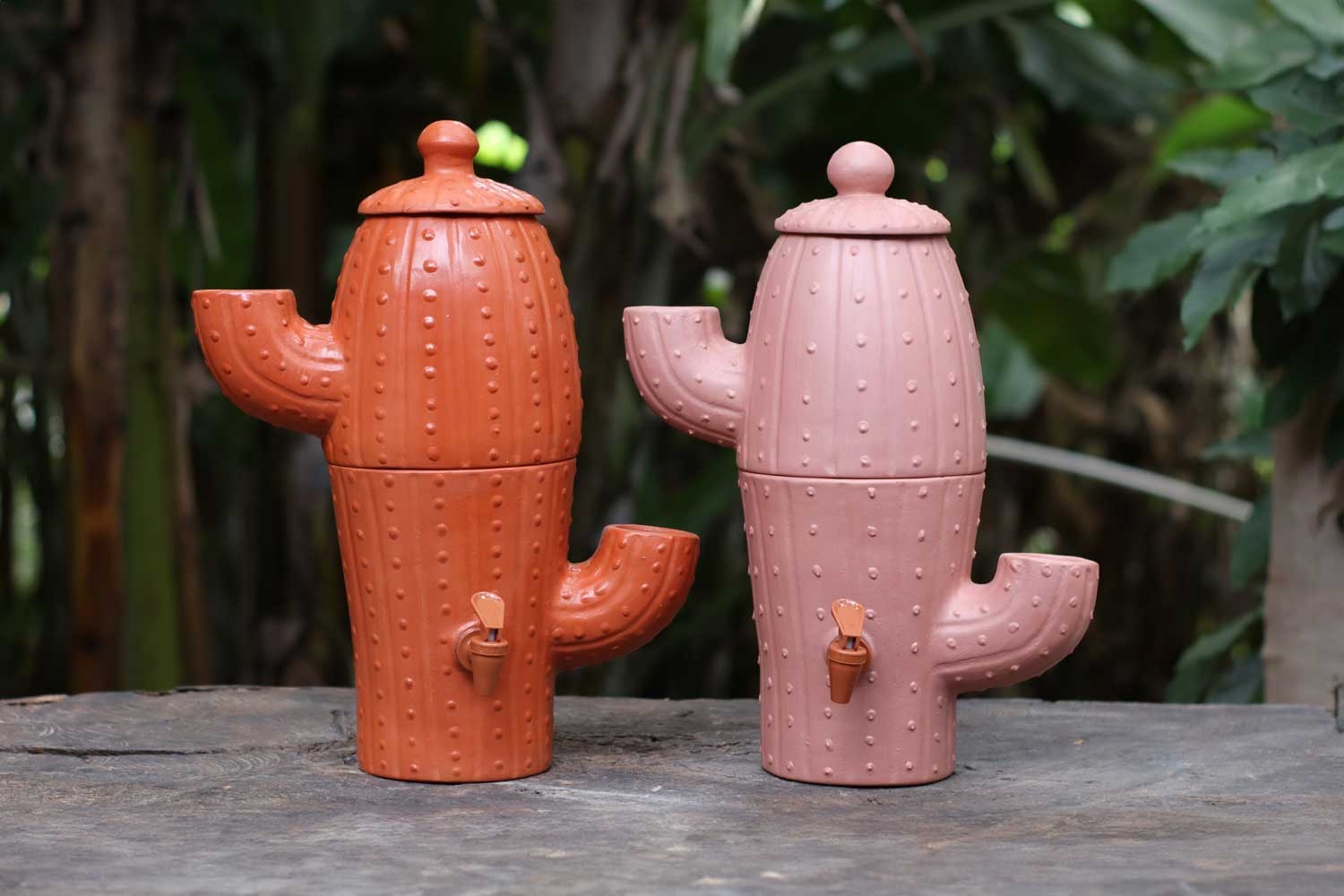
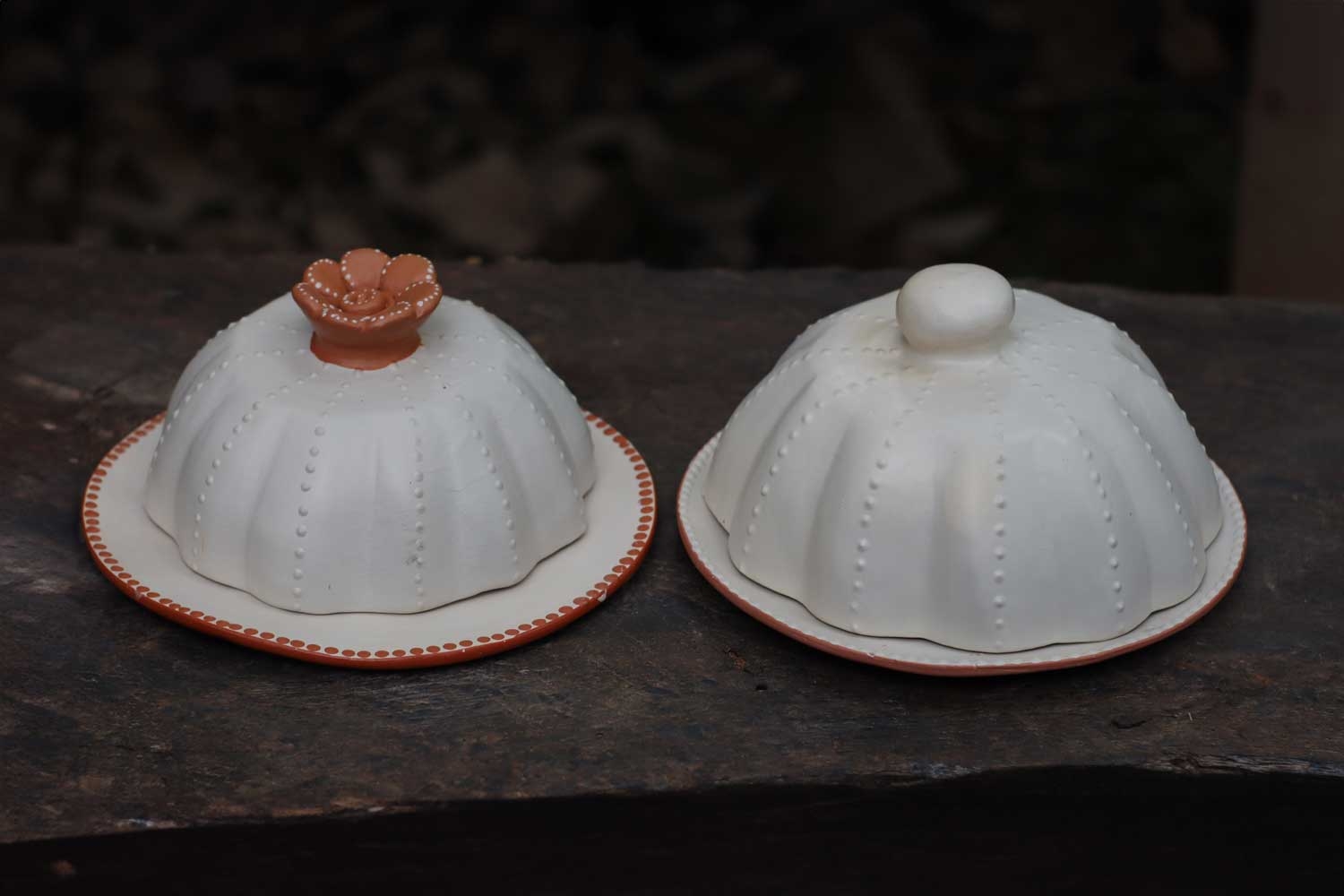
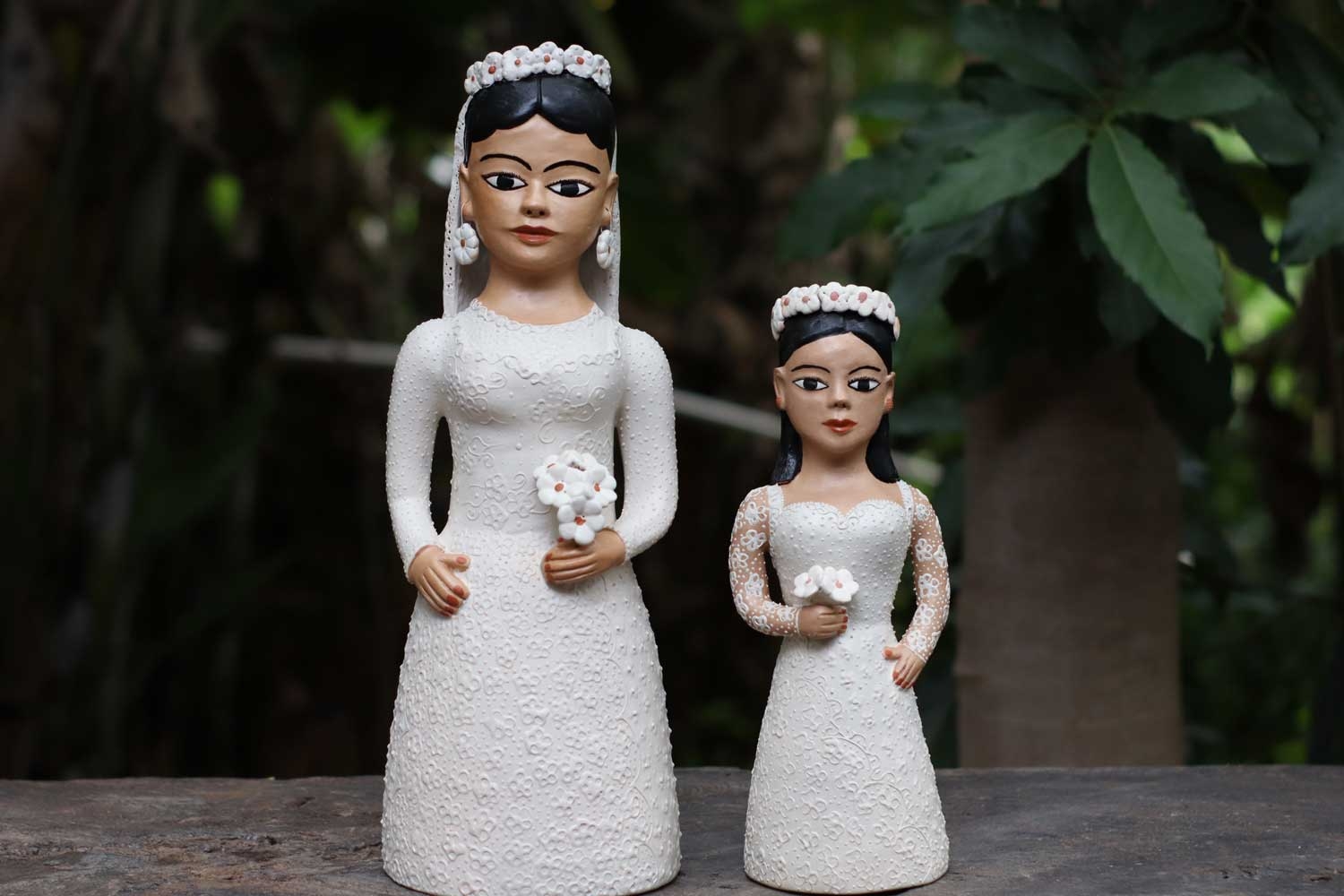
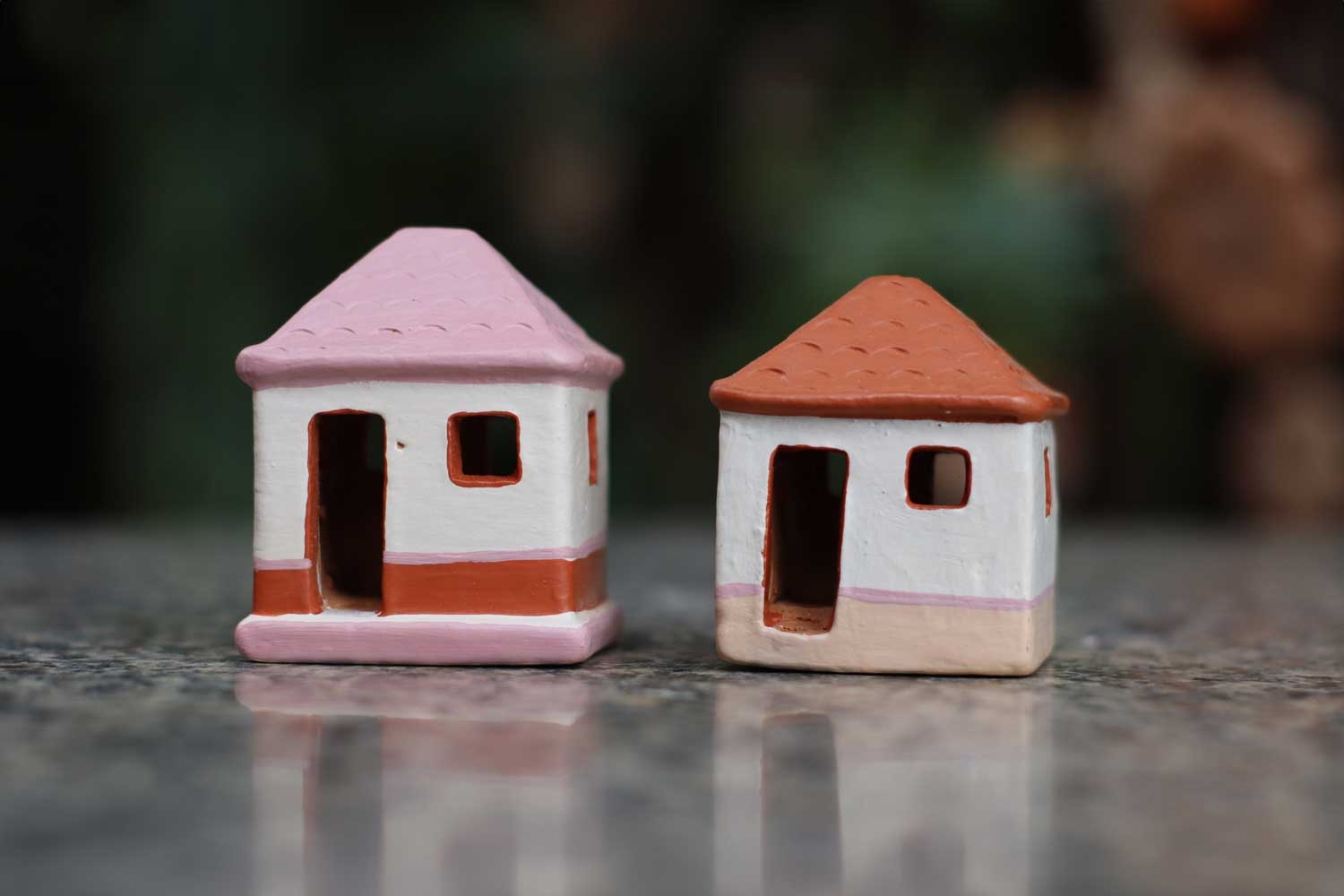
Anísia Lima de Sousa and her daughter Cibele Dias come from a small village in Vale do Jequitinhonha, Minas Gerais, where pottery has been a tradition for over a century. Anísia began working with ceramics at the age of 8, guided by her mother. Cibele, having grown up watching Anísia, joined the craft, continuing this family tradition. They use locally sourced clay and mineral-derived paints made by mixing different tones of soil, such as red, pink, and white. Their creations range from flower-shaped objects and meticulously painted dolls to practical items that leverage the soil’s natural properties as a thermal insulator and purifier. The duo craft items such as water filters and cheese coolers. The work of Anísia and Cibele exemplifies the Vale ceramic heritage of local women left behind by farming husbands forced to seek work elsewhere, showcasing their survival through creativity and harnessing the bounties of nature.
Discover their work
INTERVIEW
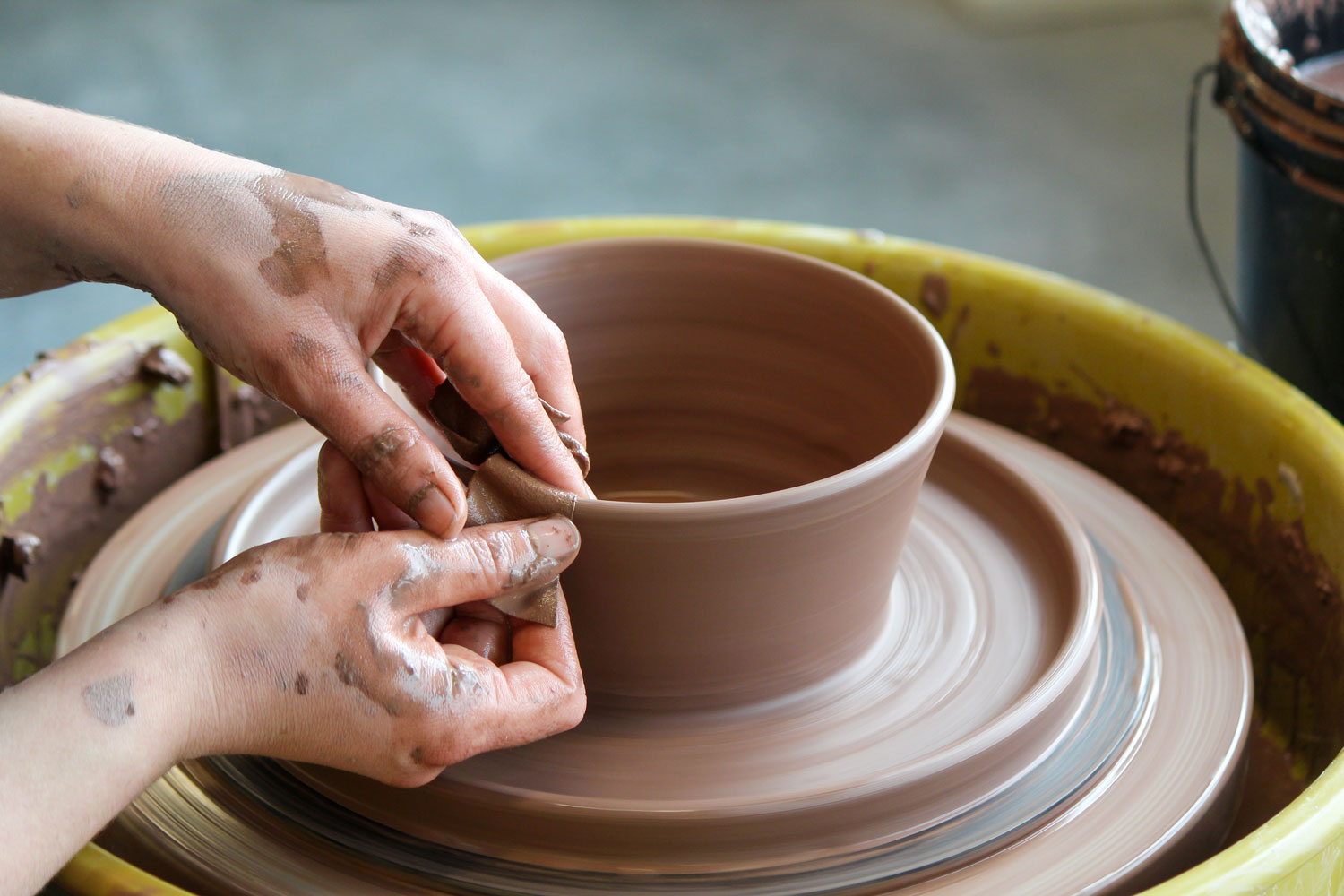
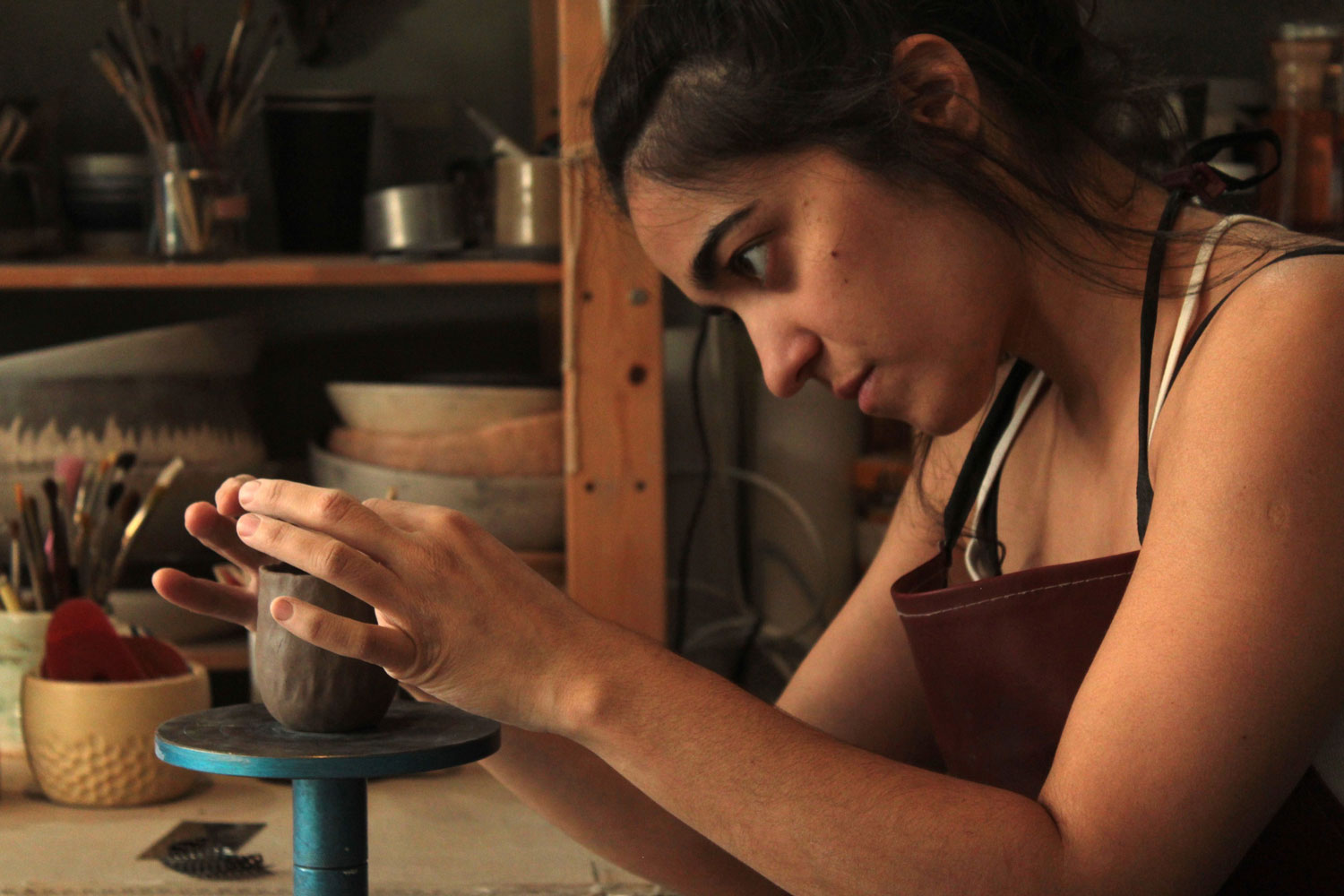
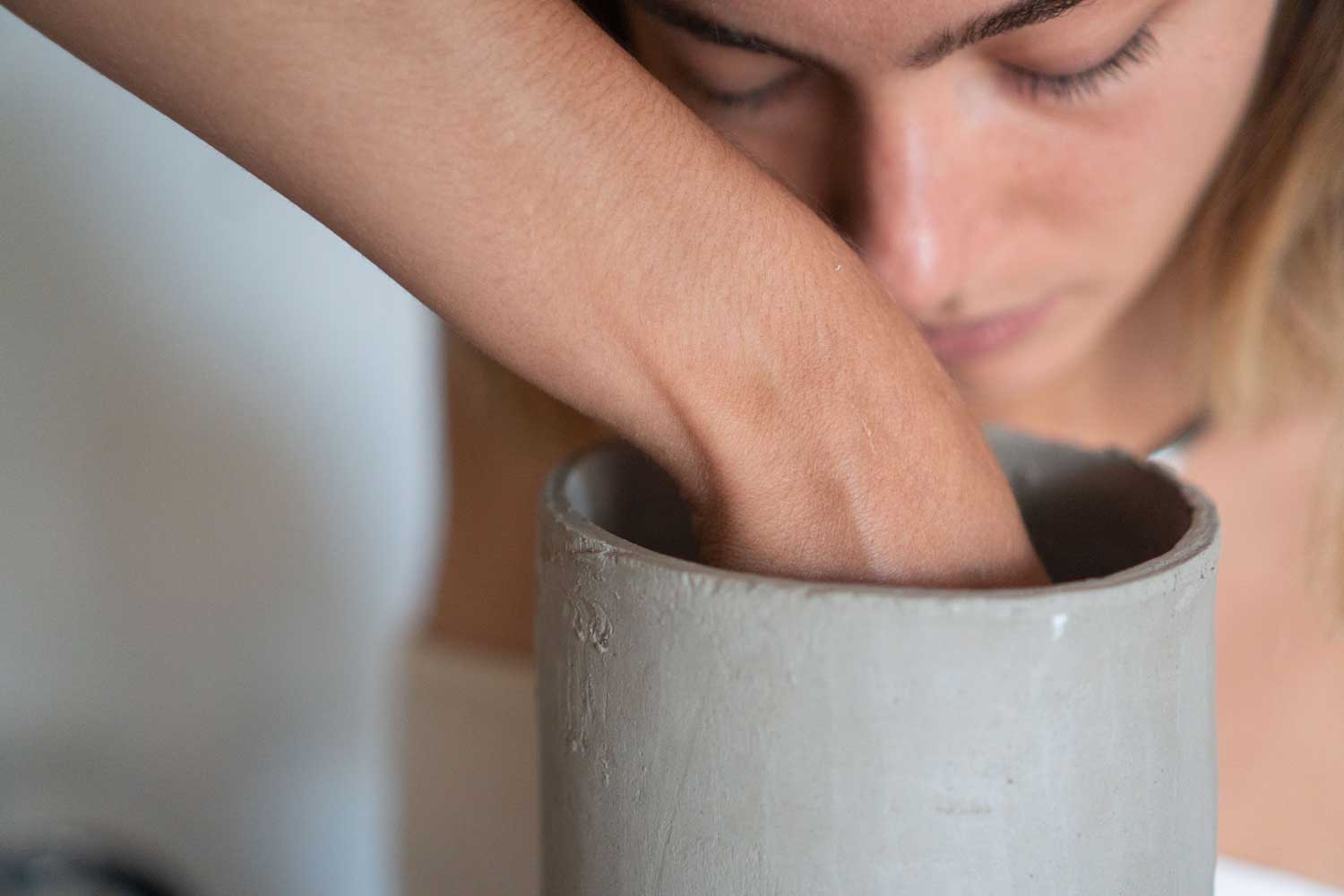
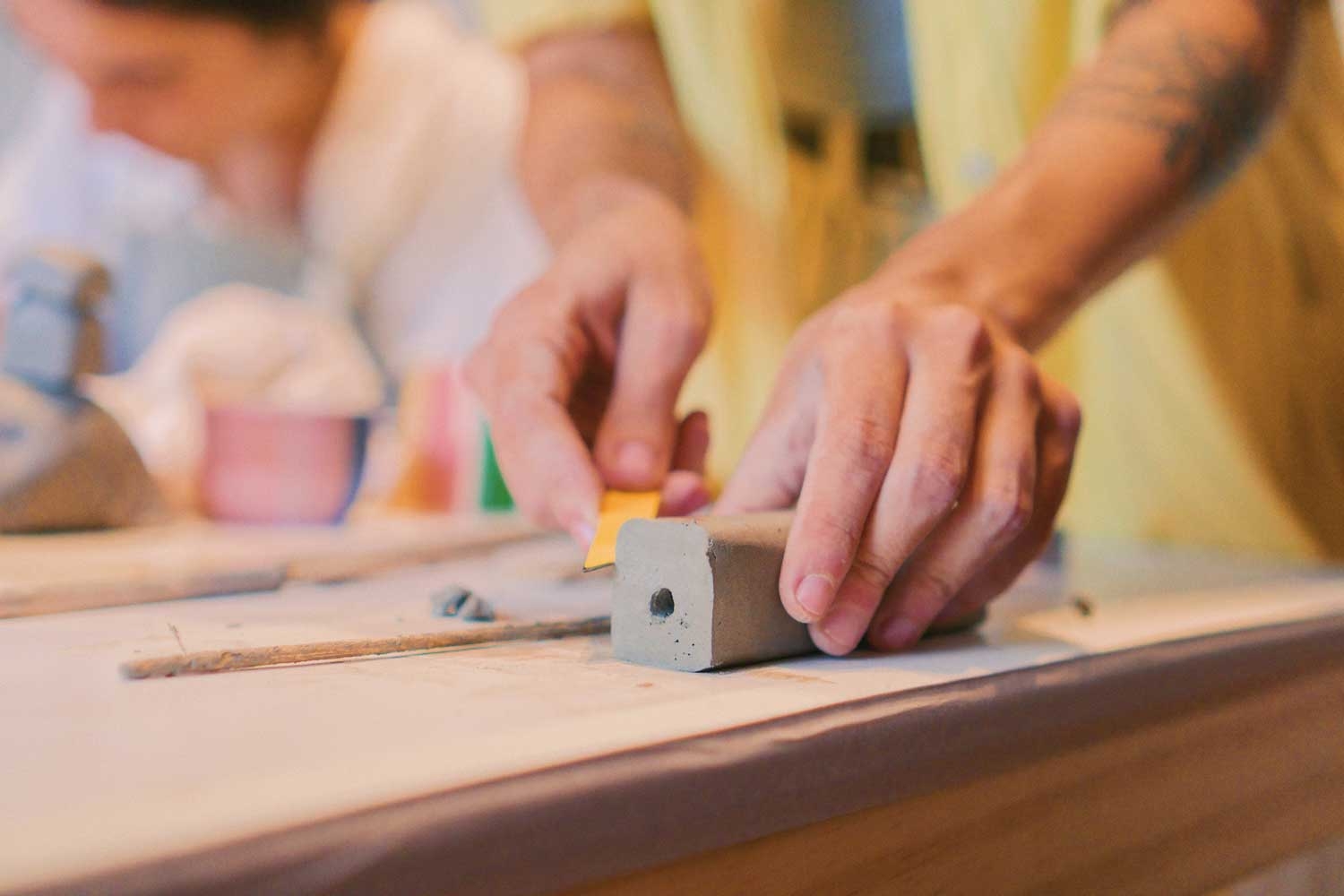
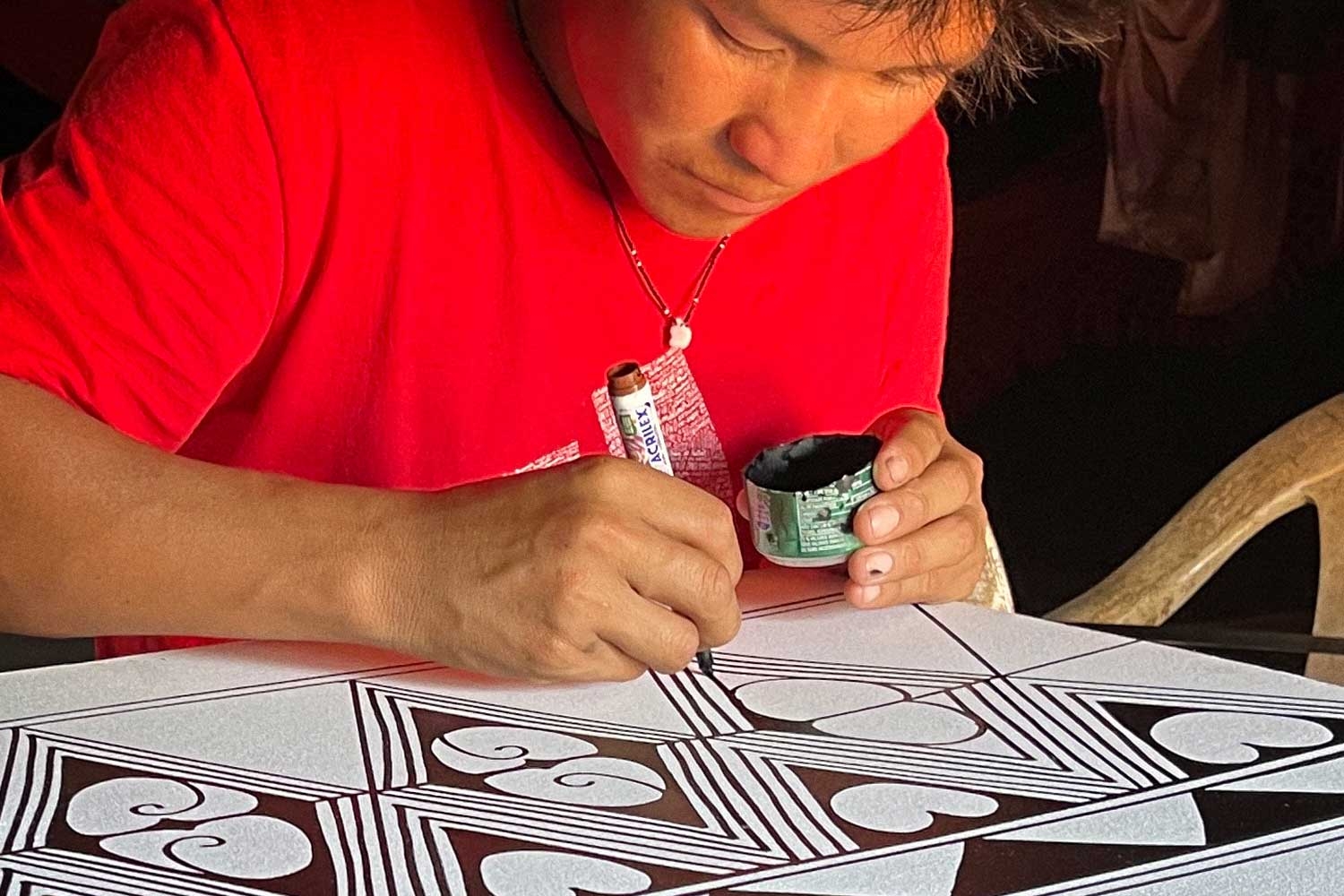
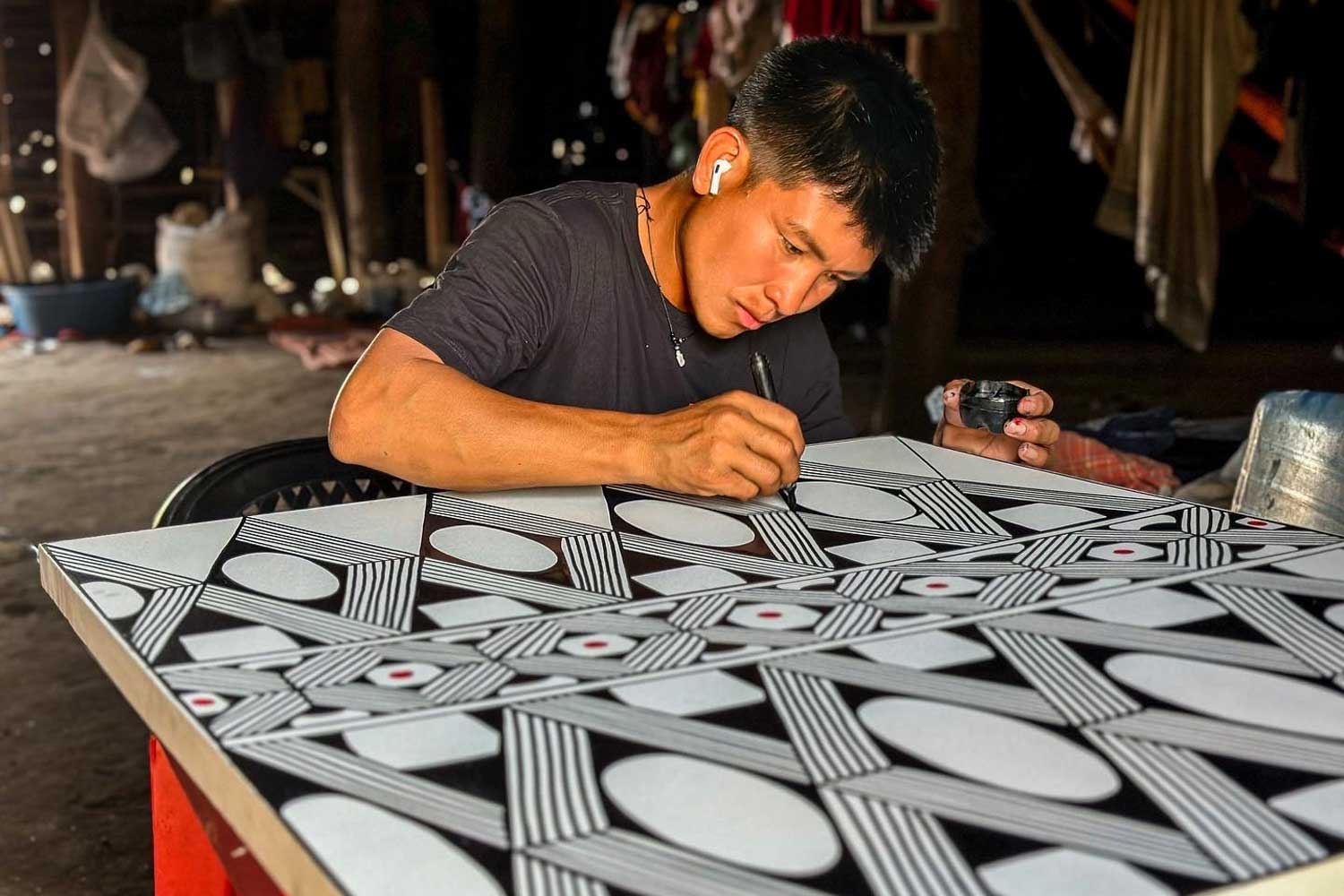
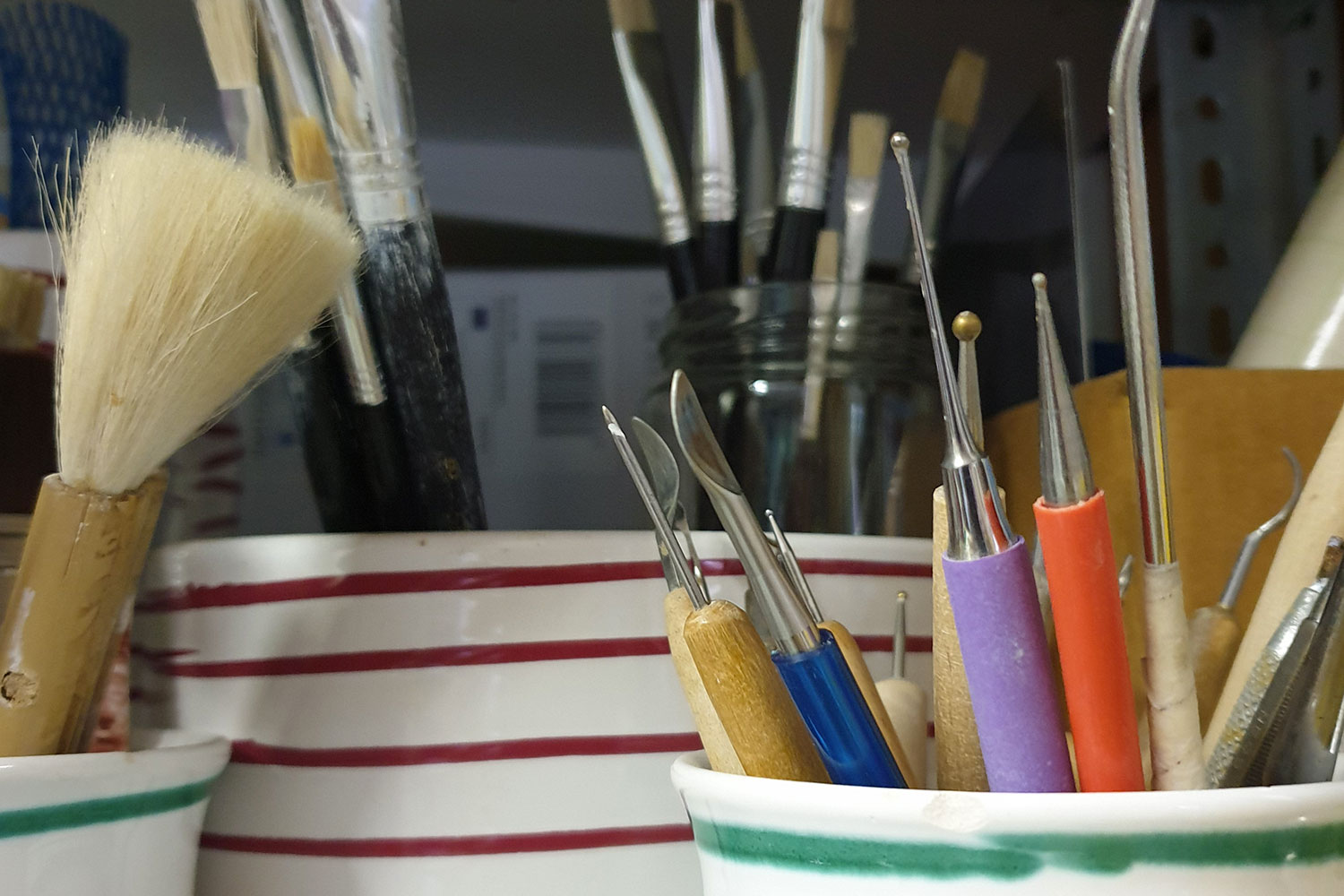
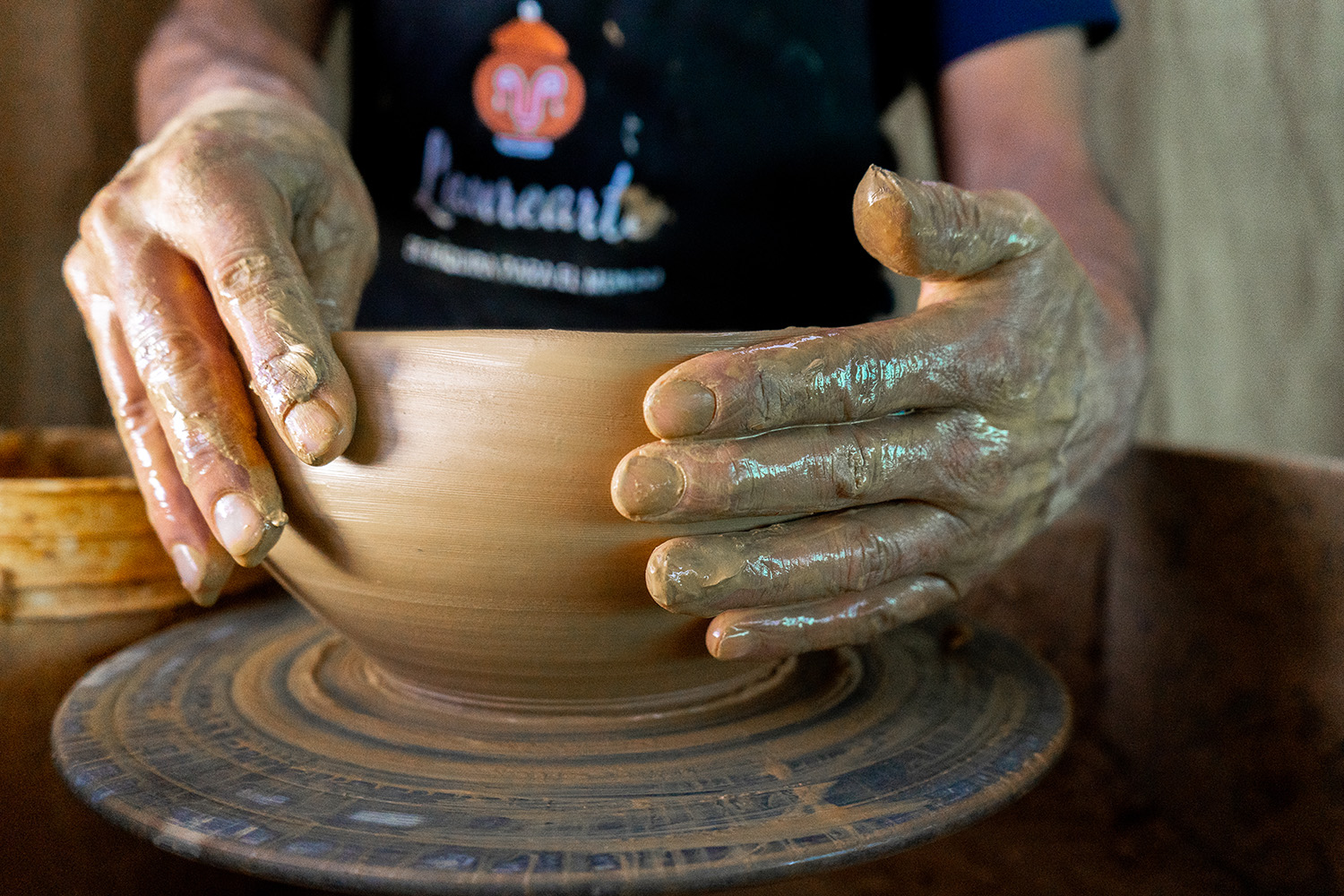
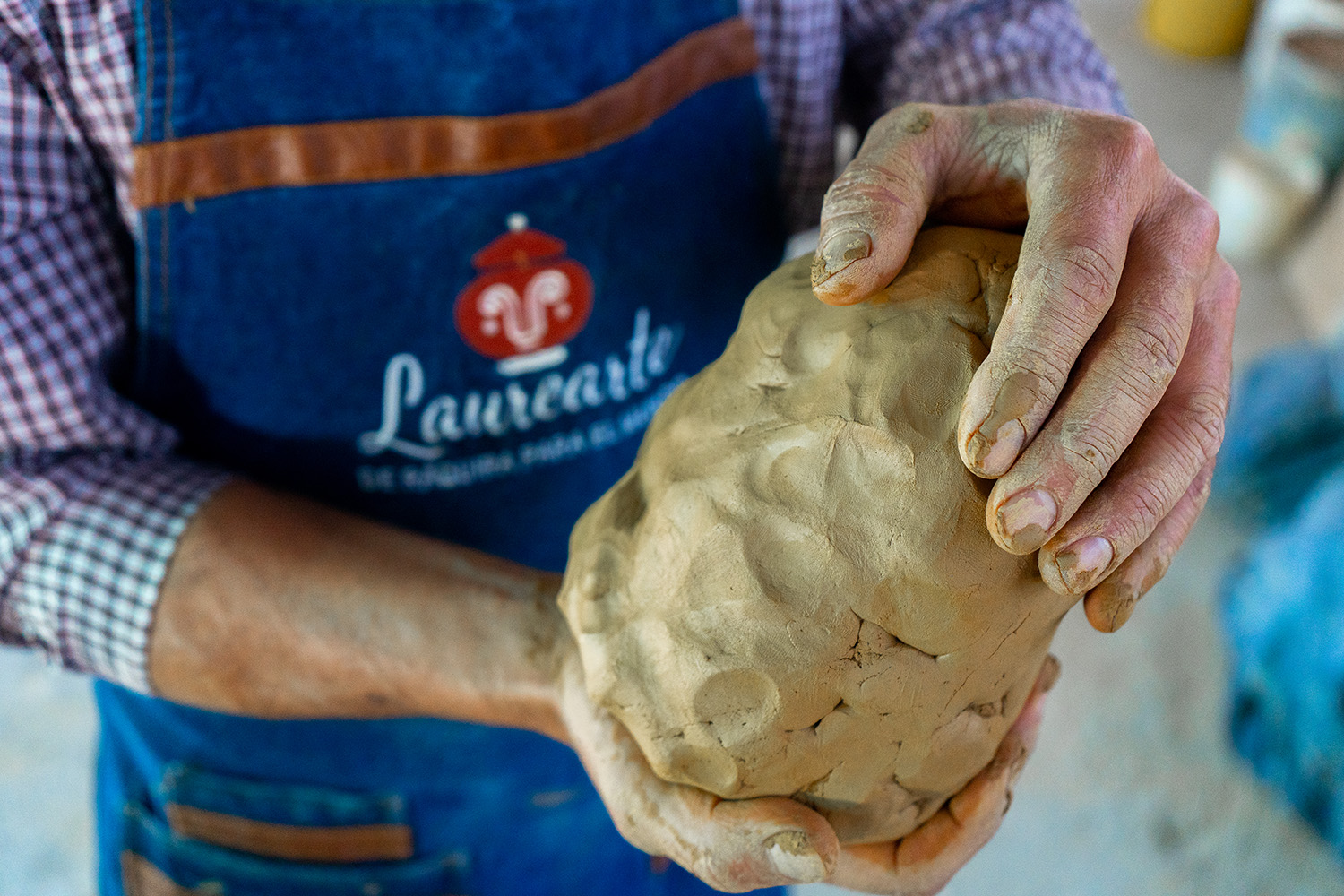
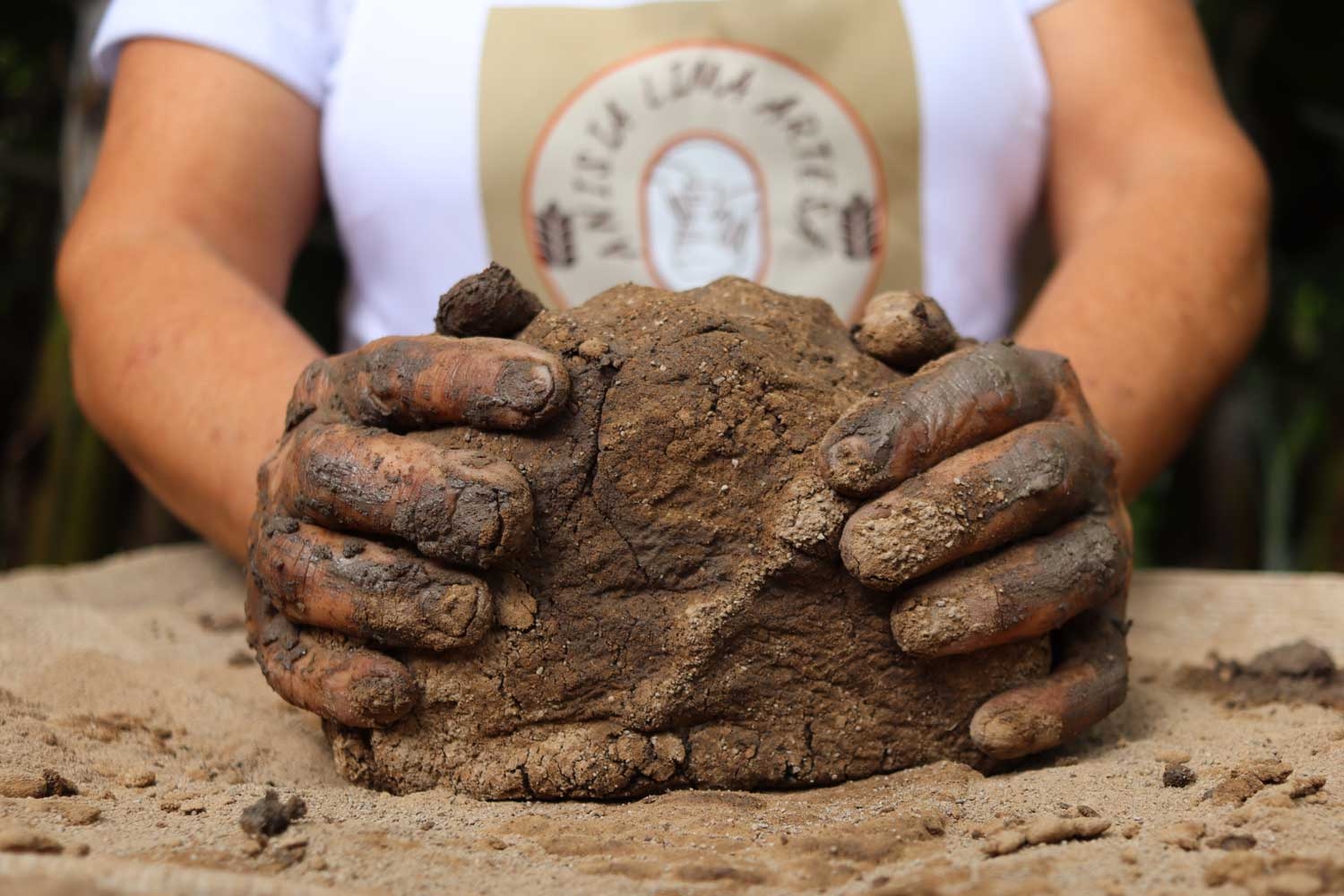
Anísia: We start with collecting the clay, crushing it with a pestle, and sieving it to remove impurities. Then, we knead it with water, model it using corn cobs for shaping and bamboo slivers or cloth for smoothing. After letting it dry naturally, we paint with natural dyes, using chicken feathers and sticks to make detailed flowers, lines, and designs. Finally, we fire the pieces in a wood-burning kiln at around 900°C.
Cibele: I used to go with my mother to craft fairs. One day, I made a small clay wood-burning stove, and my mother took it to the Capelinha Fair – and managed to sell it. I was so excited by this that I never stopped creating from that point on.
Anísia: It is wonderful, as it strengthens the mother-daughter bond and boosts the family income. With Cibele's help, we divide the tasks and produce more pieces. The freedom to work at home near my family, without needing to leave, is invaluable.
Cibele: Both are very important, as we need tradition to maintain the essence of our work, and innovation to meet market demands.
Anísia Lima de Sousa & Cibele Dias
Ceramicist
Turmalina, Brazil
AVAILABILITY
By appointment only
PHONE
+55 33999715376
LANGUAGES
Portuguese
Homo Faber Finds is a new service aiming to inspire admirers of craft to connect and collaborate with exceptional artisans.
We invite you to submit an enquiry here.