Hiroshi-Toyofuku-Artisan©Hiroshi-Toyofuku.jpg)
Hiroshi-Toyofuku-Artisan©Hiroshi-Toyofuku.jpg)
Hiroshi-Toyofuku-Artisan©Hiroshi-Toyofuku.jpg)
Hiroshi-Toyofuku-Artisan©Hiroshi-Toyofuku.jpg)
Hiroshi-Toyofuku-Artisan©Hiroshi-Toyofuku.jpg)
Hiroshi-Toyofuku-Artisan©Hiroshi-Toyofuku.jpg)
Hiroshi Toyofuku
Ceramicist
Wake District Wake, Japan
The new shapes of Bizen pottery
- Hiroshi follows the traditional making methods of Bizen ware ceramics
- Once a year he lights his kiln and fires all the pieces he has made in one go
- His works have been exhibited and recognised internationally
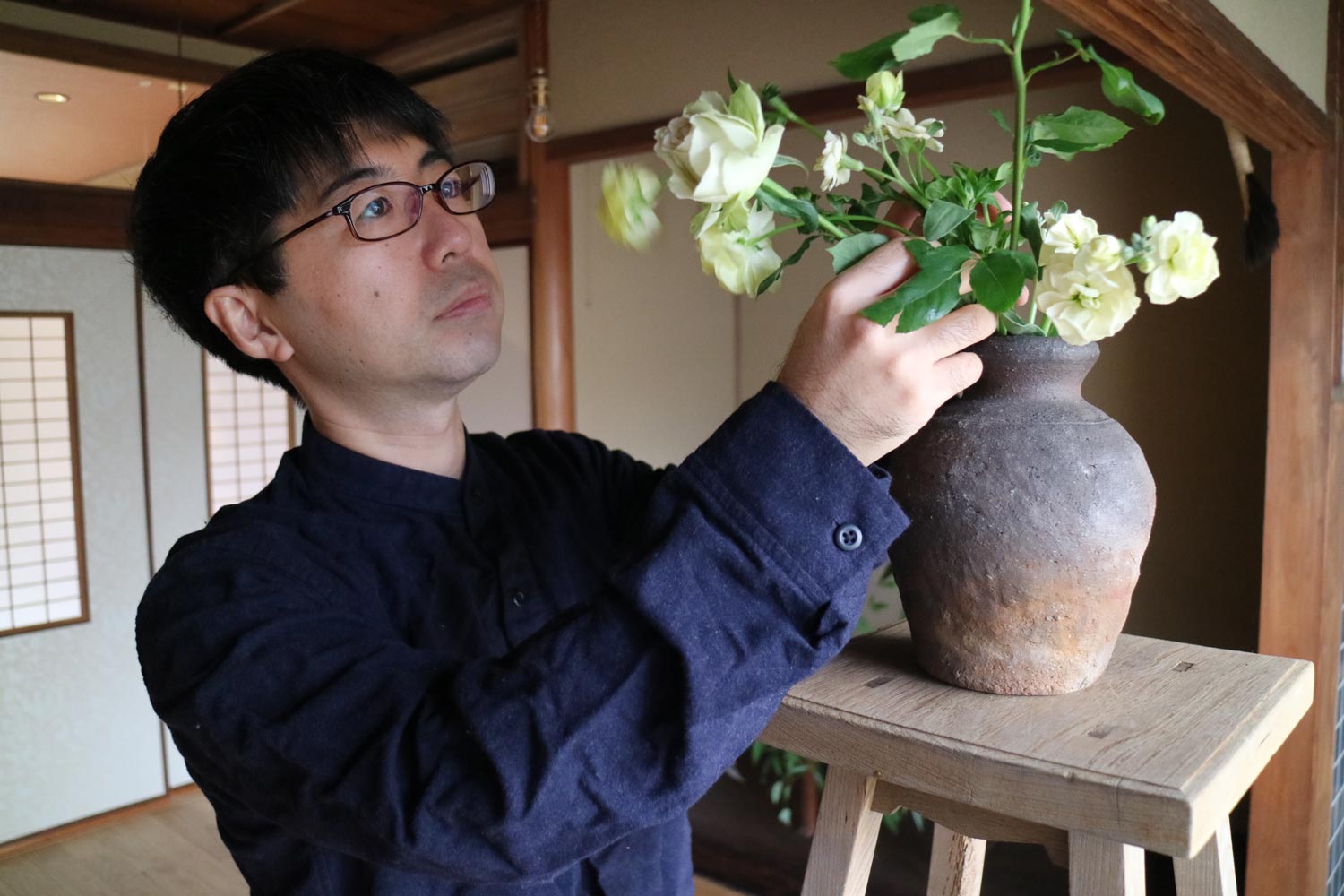
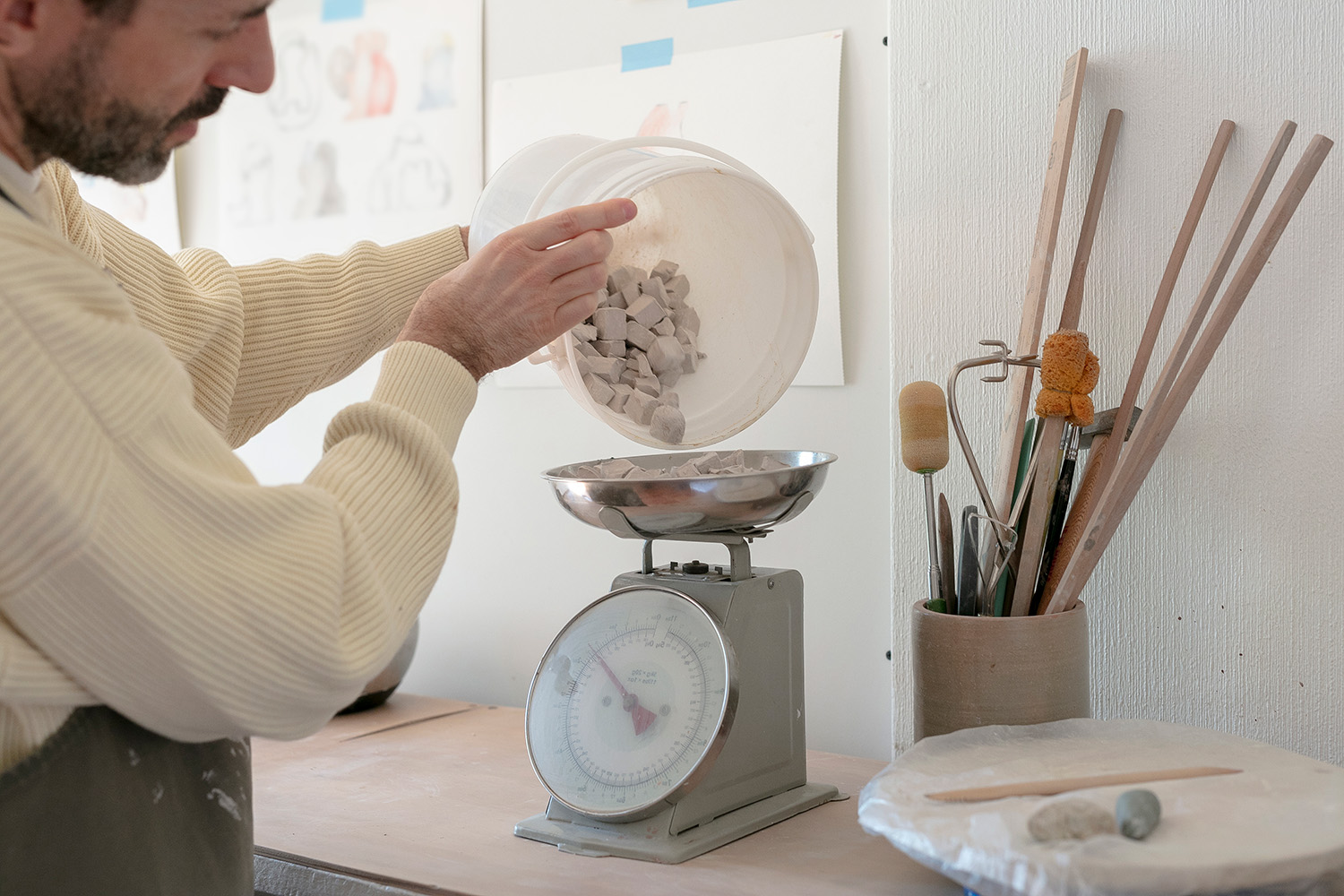
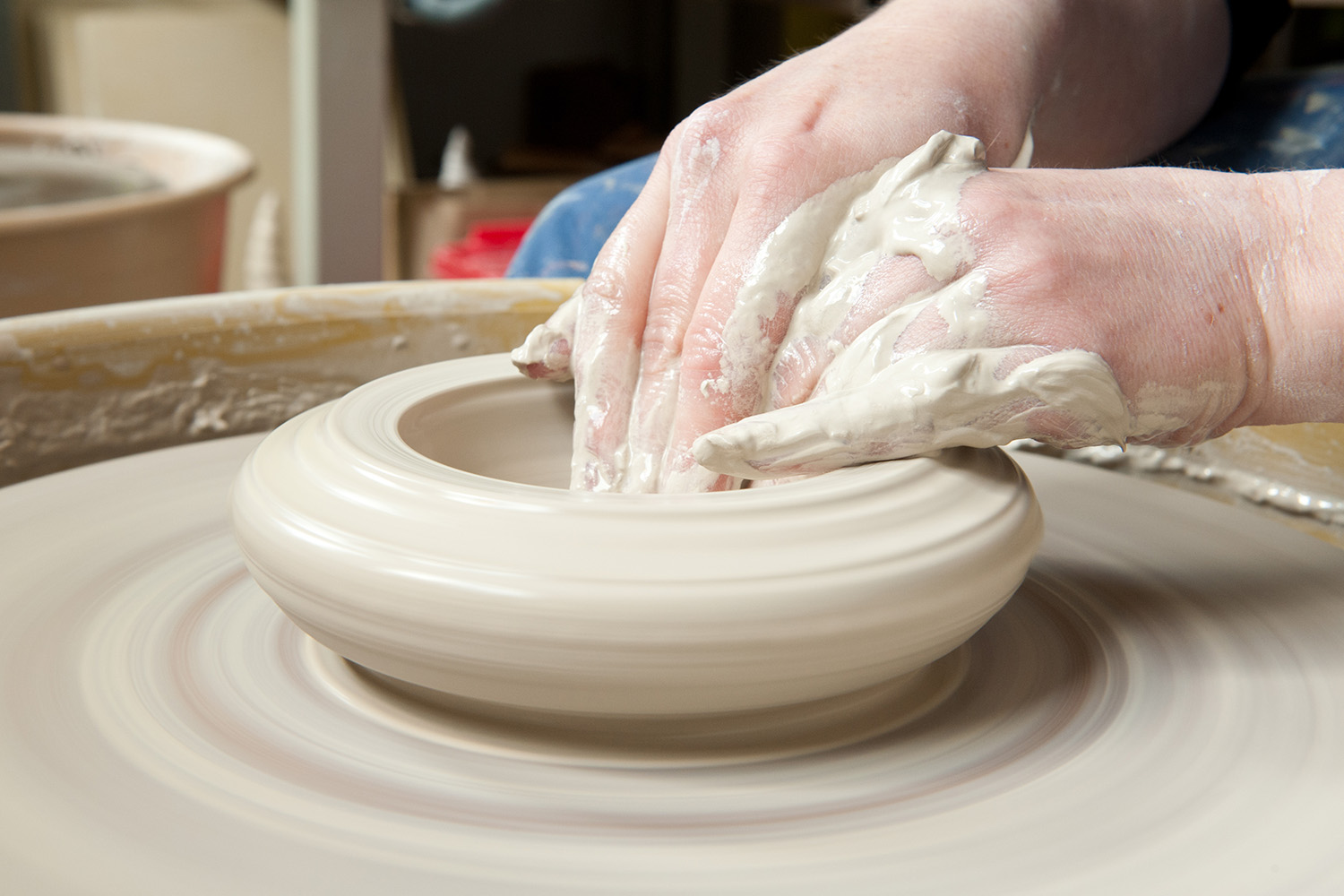
After training at the Okayama Prefectural Bizen Ceramic Centre, Hiroshi Toyofuku apprenticed under Bizen ware artist Fumio Kawabata starting in 1998. During this time, he learned to assess clay properties, shape forms using the coil-building method, and understand the relationship between texture, form, and firing results. Since becoming independent in 2006, Hiroshi has created works using local clay, fired in a traditional wood-fired kiln with the yakishime method, an unglazed technique defining Bizen ware. Based on over a thousand years of tradition, his work respects the region’s cultural heritage, while incorporating his own contemporary expressions. He has exhibited both nationally and internationally, including in Tokyo, Paris and New York.
Discover his work
toyofuku4-8_©Hiroshi-Toyofuku.jpg)
toyofuku4-15_©Hiroshi-Toyofuku.jpg)
toyofuku4-3_©Hiroshi-Toyofuku.jpg)
toyofuku4-5_©Hiroshi-Toyofuku.jpg)
toyofuku4-12_©Hiroshi-Toyofuku.jpg)
INTERVIEW
Like me, he is not originally from Okayama Prefecture. That outsider perspective gave him a unique relationship with Bizen ware. While he respects the tradition, he is not afraid to take a different approach to this craft, and that really resonated with me.
When I became independent and ran my first wood-fired kiln, I could not control the temperature as I had imagined. I was not yet skilled enough to make the right decisions for my pieces. This frustration became my first real lesson as an independent maker.
I fire up the kiln once a year and spend the rest of the time creating. Firing Bizen ware takes more than a week, sometimes up to ten days, with the kiln burning all the time. During this time, three of us rotate in 8-hour shifts, each monitoring the temperature and adding wood to keep it steady.
What makes Bizen ware unique is its process. Even across Japan, this unglazed, wood-fired technique is very rare. As long as we preserve this sense of regional uniqueness and give it the importance it deserves, the future of Bizen ware will be bright.
Hiroshi Toyofuku
Ceramicist
Wake District Wake, Japan
AVAILABILITY
By appointment only
PHONE
+81 9060110774
LANGUAGES
Japanese
Homo Faber Finds is a new service aiming to inspire admirers of craft to connect and collaborate with exceptional artisans.
We invite you to submit an enquiry here.