Erica-Lynn Huberty
Tapestry maker
Bridgehampton, NY, USA
Painting fabric with thread
- Erica-Lynn’s art explores the history of traditional women’s work
- Flora and fauna are central figures in her pieces
- Her background in painting and literature influences her textile storytelling
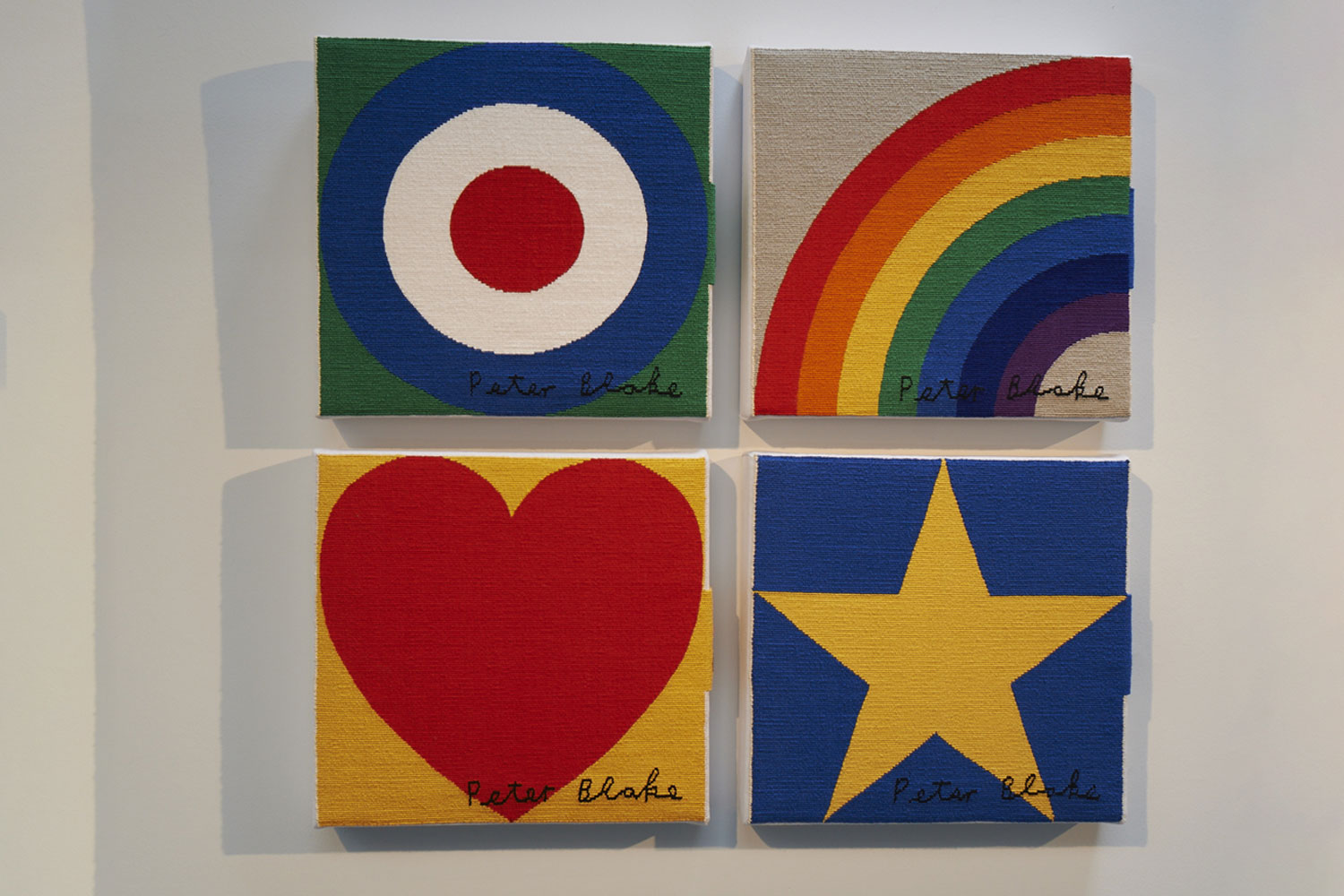
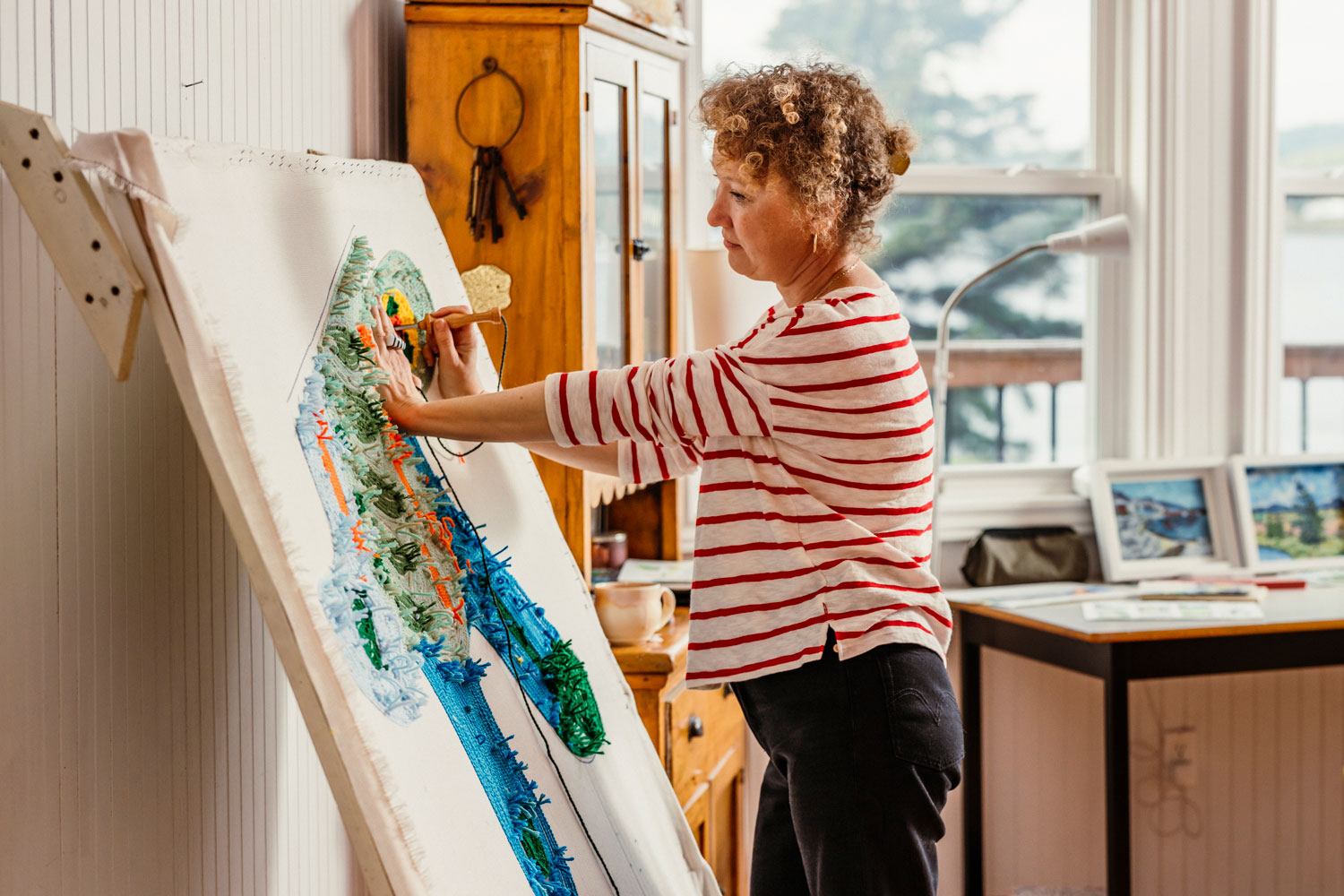
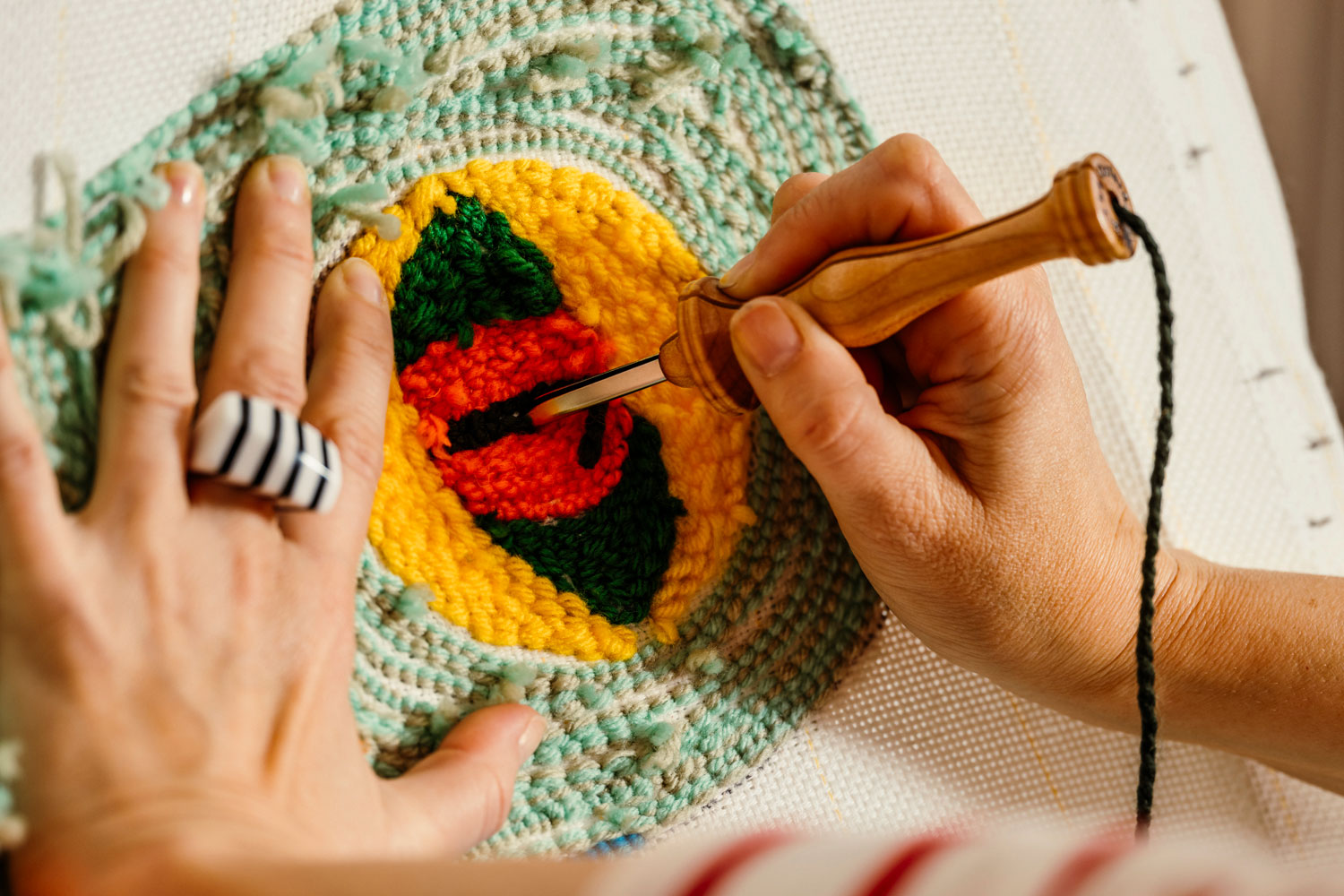
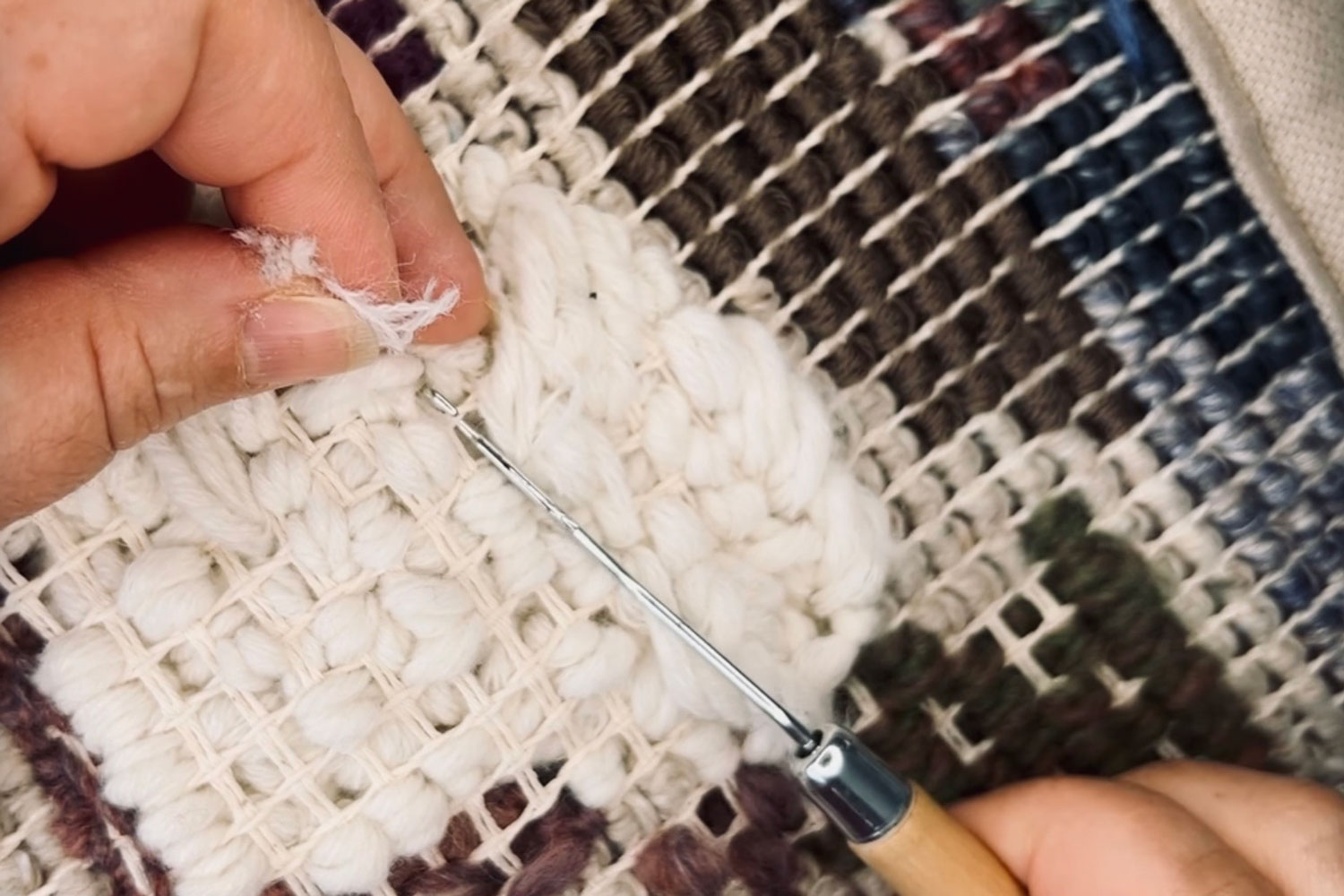
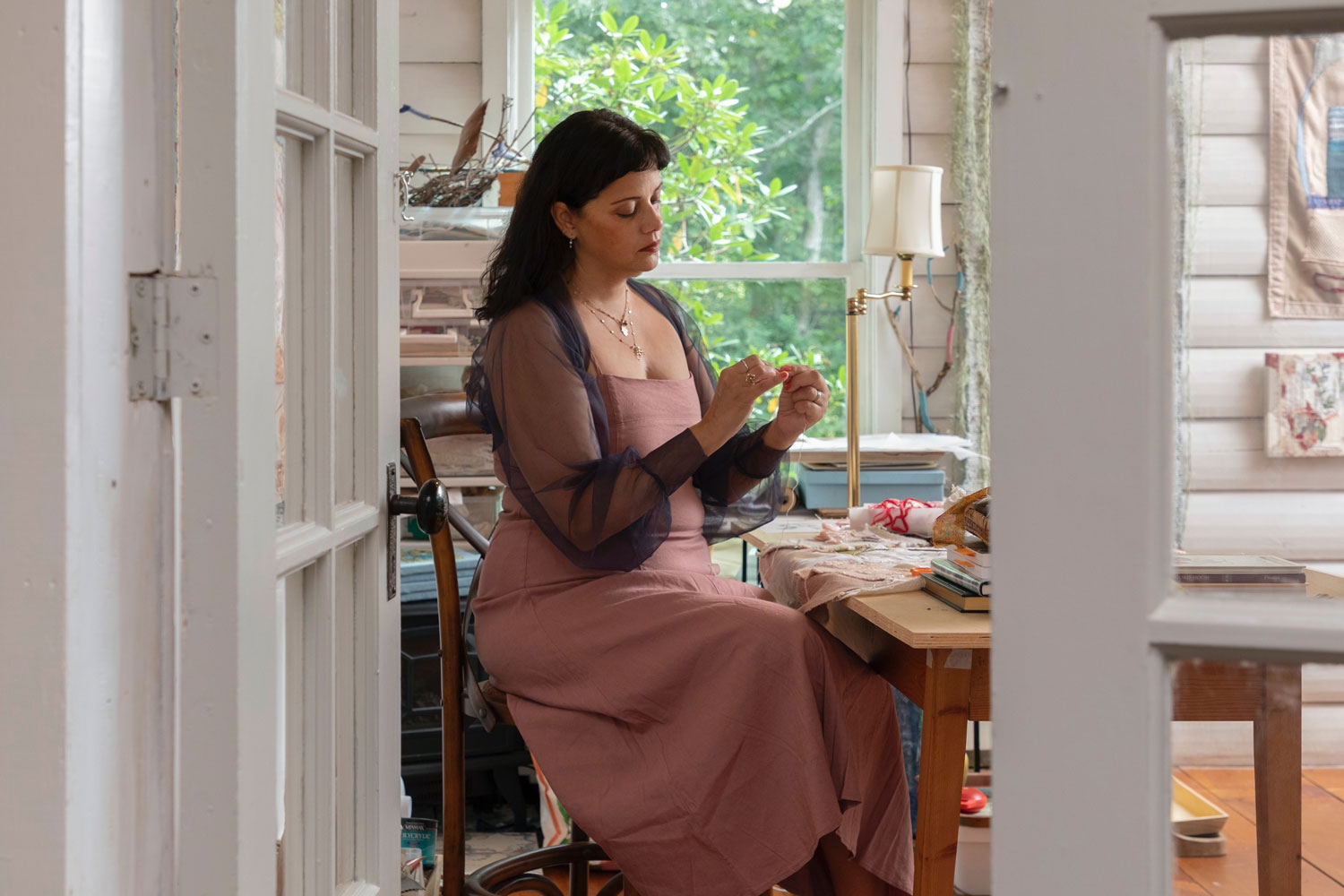
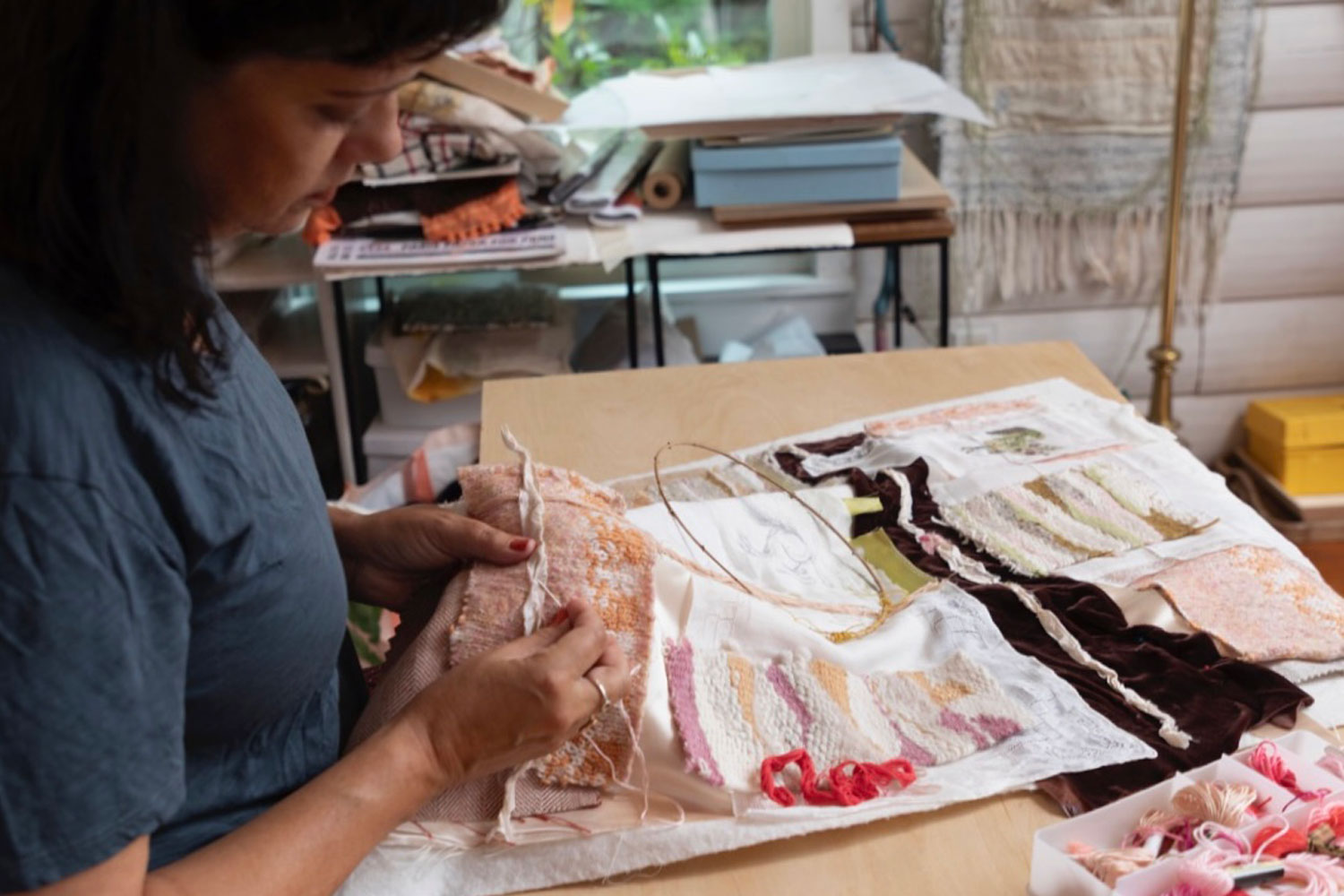
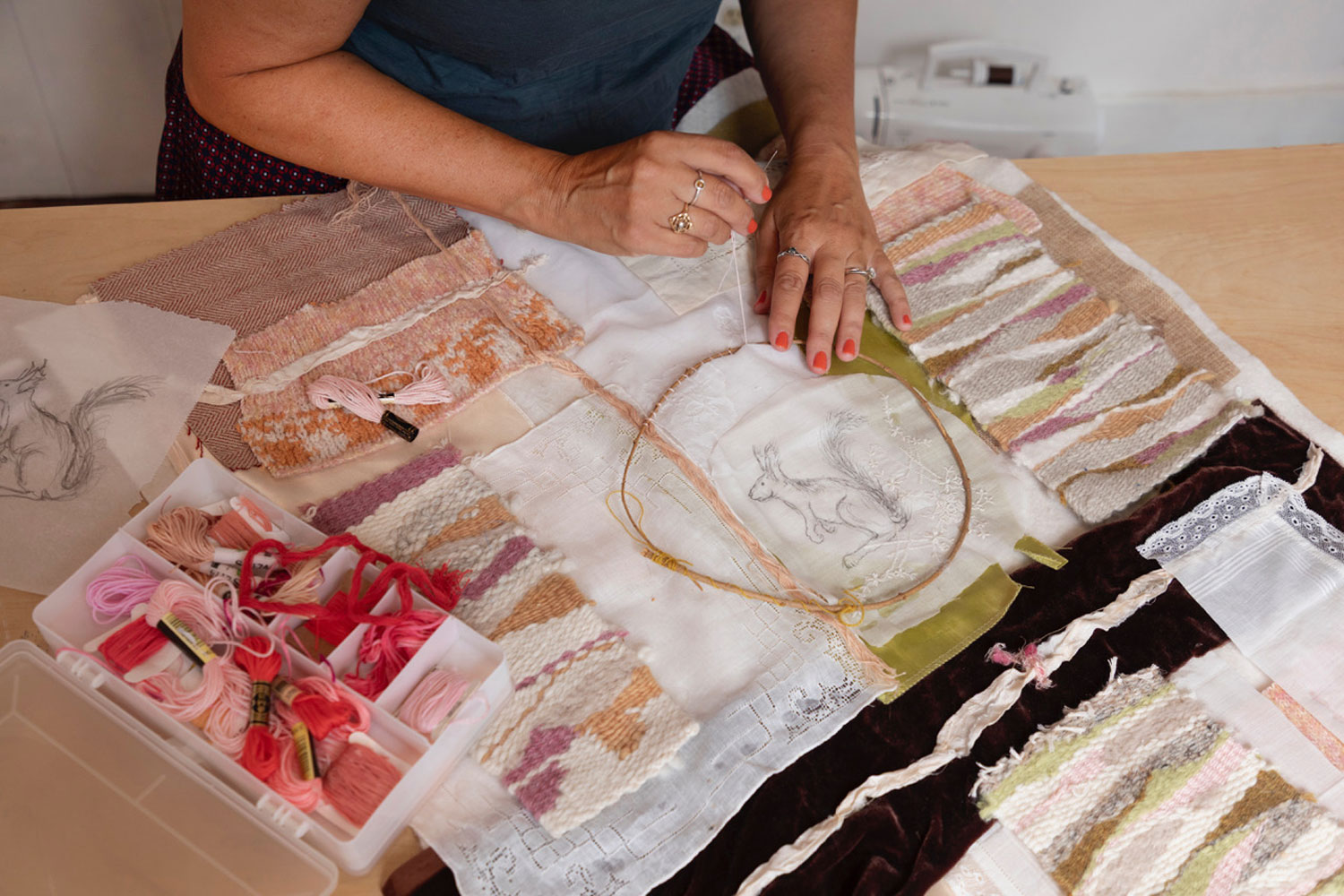
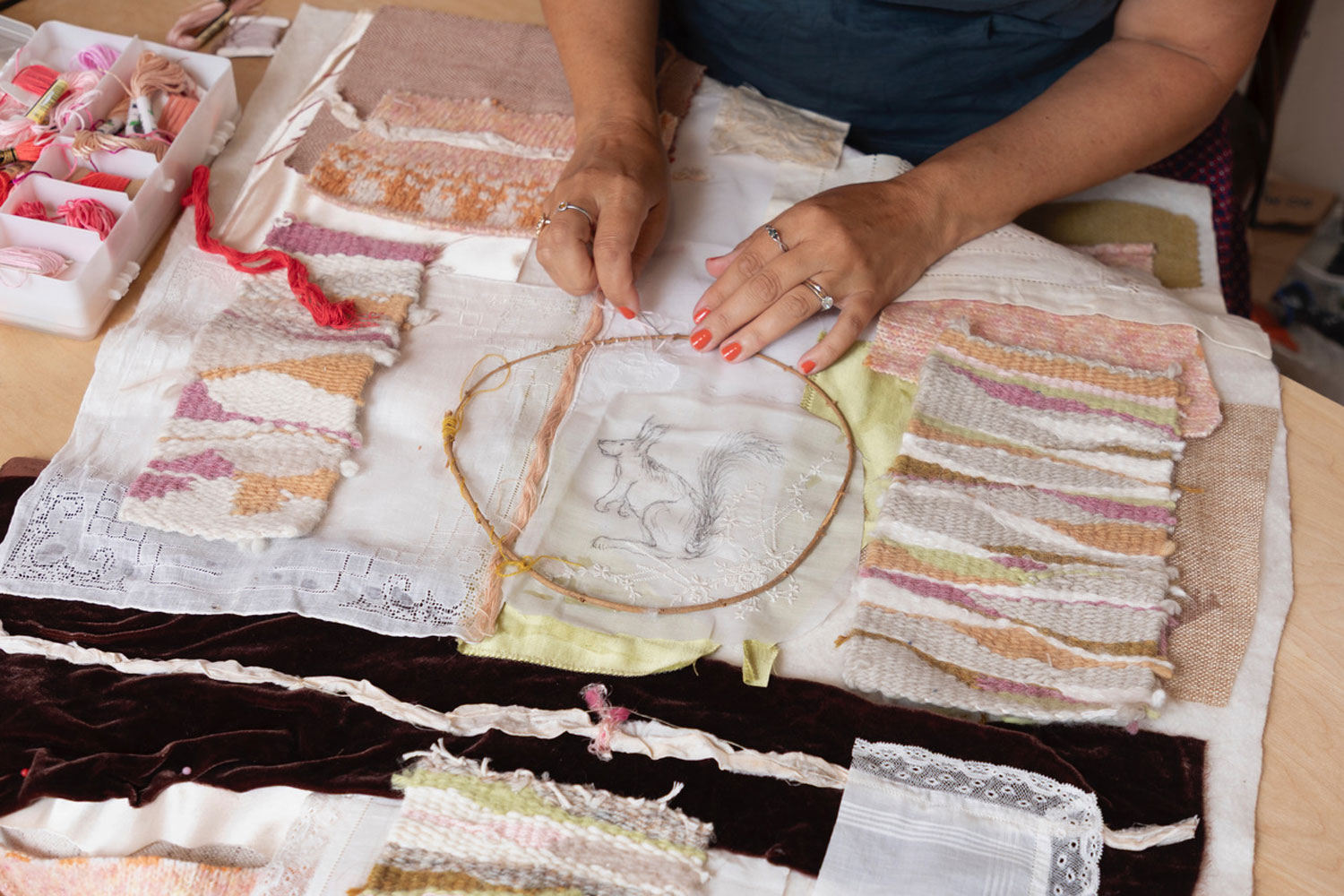
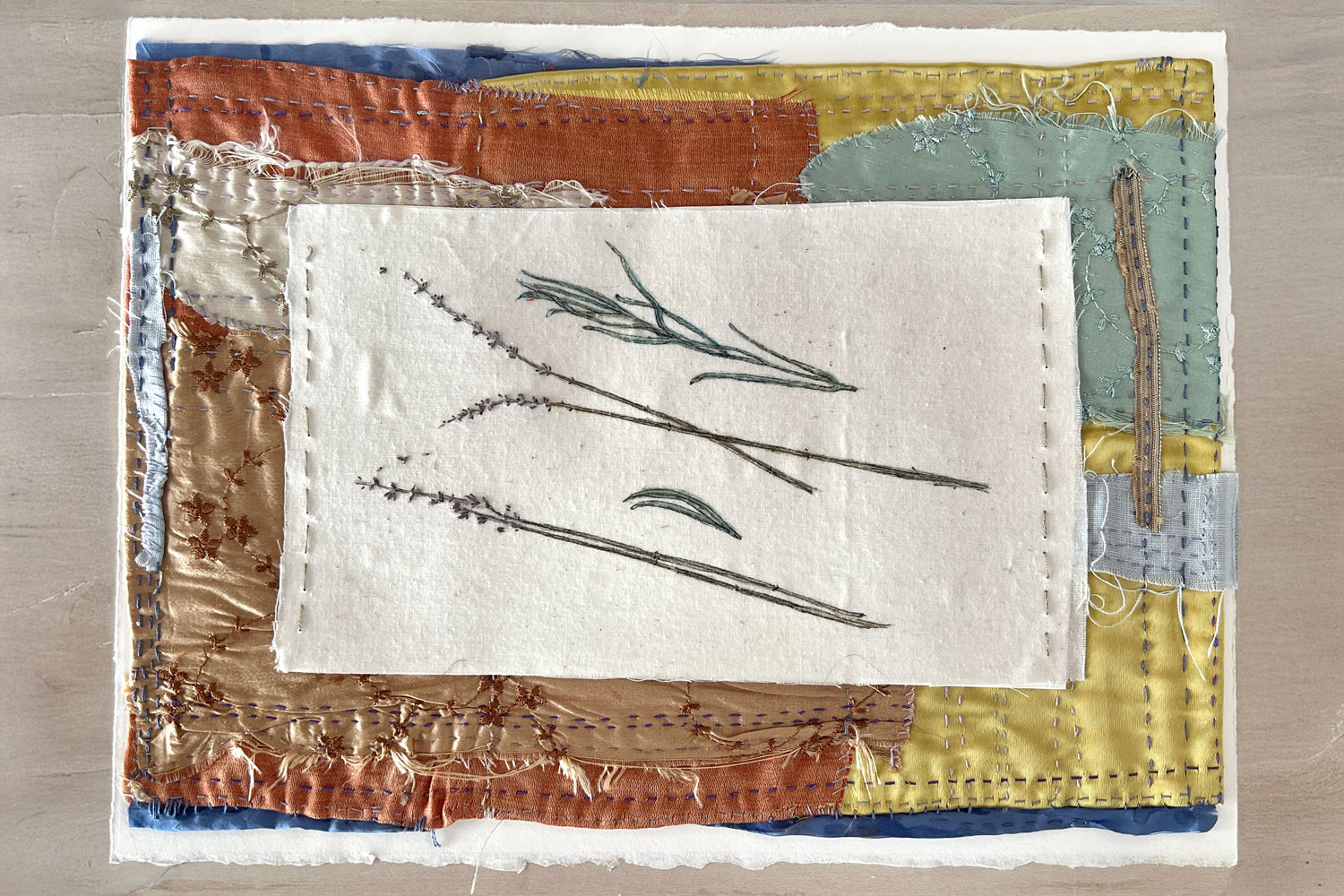
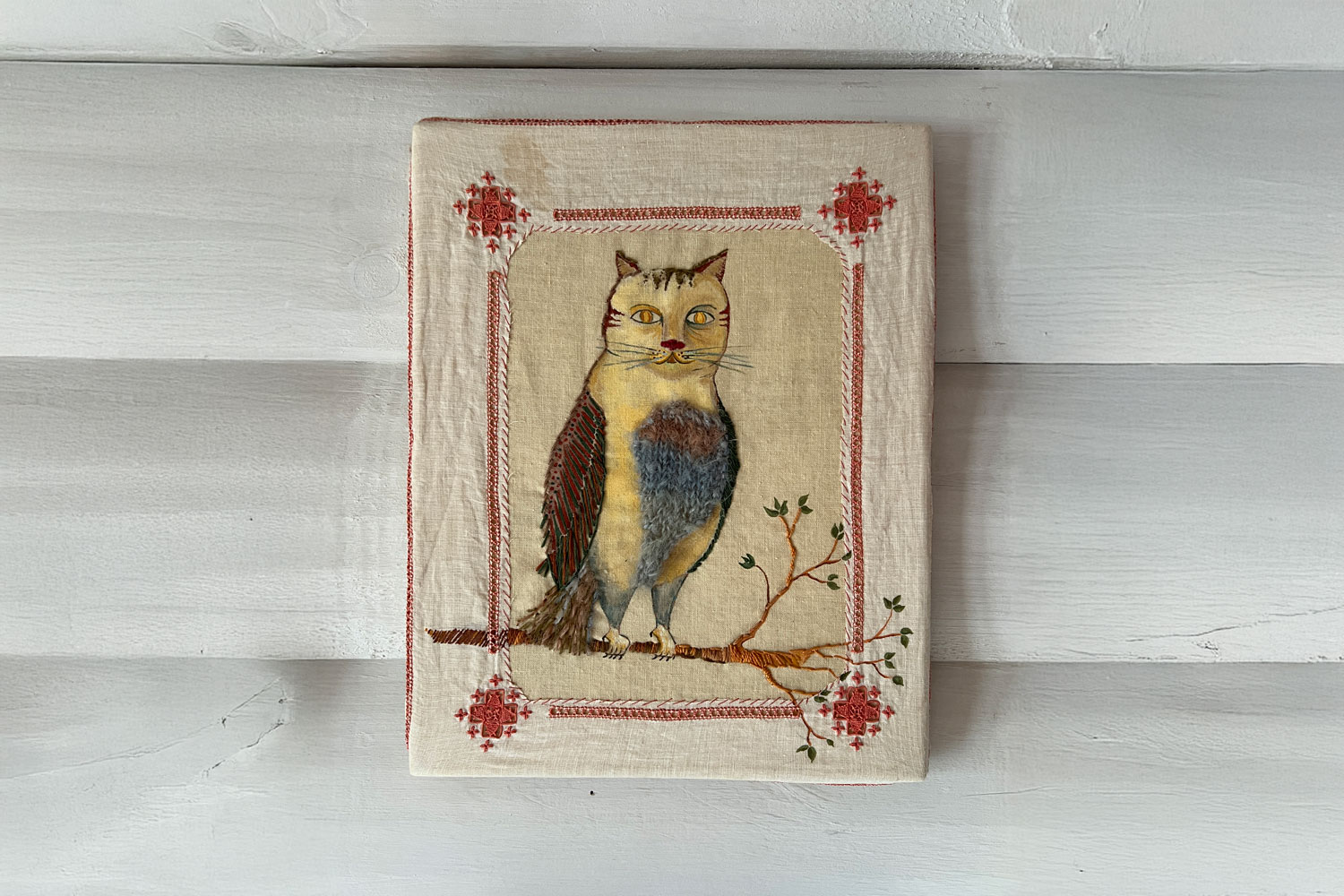
Erica-Lynn Huberty describes her practice as drawing and painting with thread and material. Combining her own embroidery, knitting, crocheting, loom weaving, quilting, watercolour painting and ink drawing, she also stitches collage and appliqué into her pieces. Everything is done by hand. “Needlework was passed down by the women in my family, and its role in women’s history is always there, lurking like a ghost,” she says. Erica-Lynn graduated with a masters in fine arts in painting and a masters in literature from Bennington College, where she studied with Amy Sillman. Deeply rooted in the landscape and her community on Long Island, she is influenced by the fragility of the natural and historical sites around her. Needlework is also a leitmotif in Erica-Lynn’s gothic fiction. Her first novel, The Crewel Wing, was published in 2025.
Discover her work
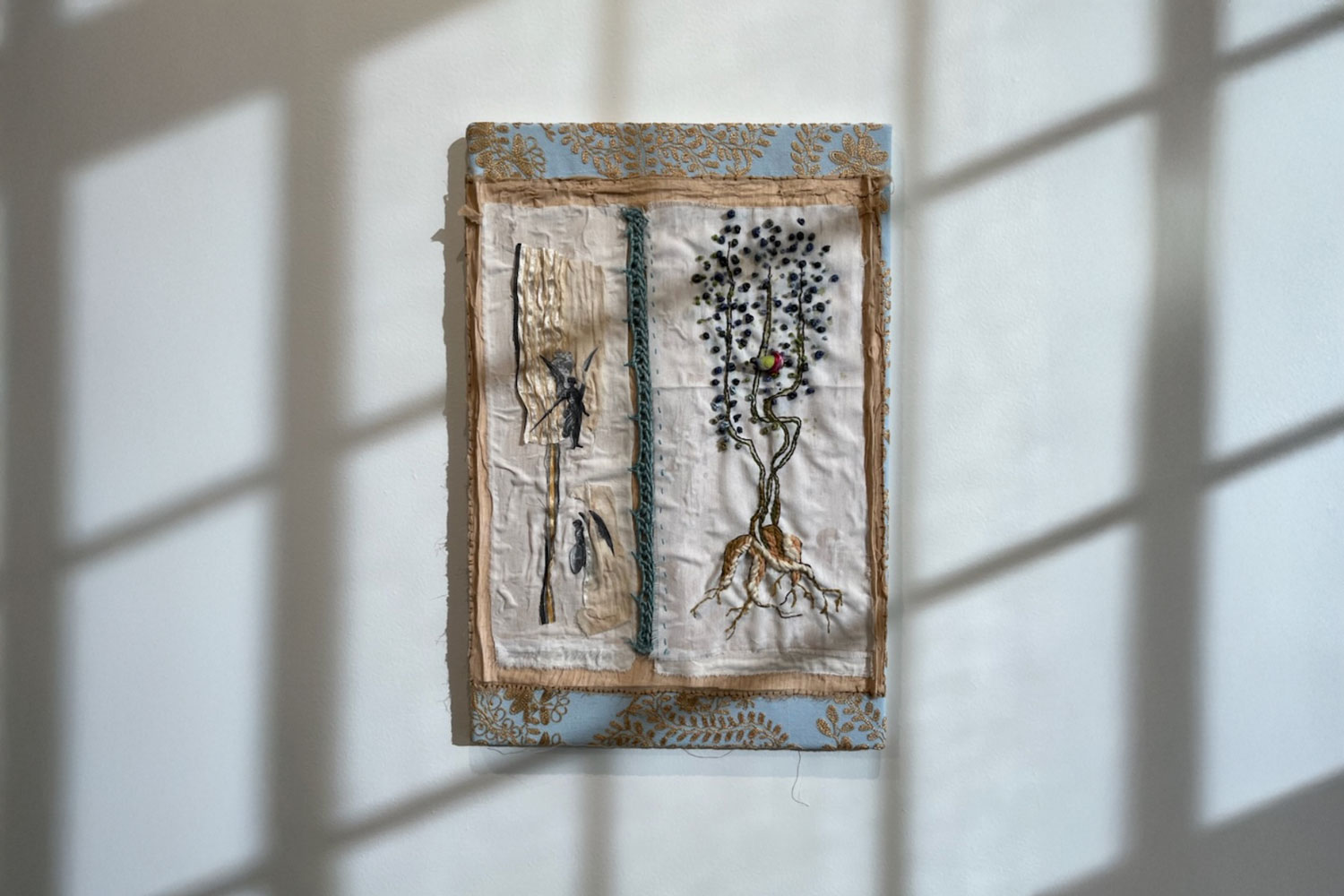
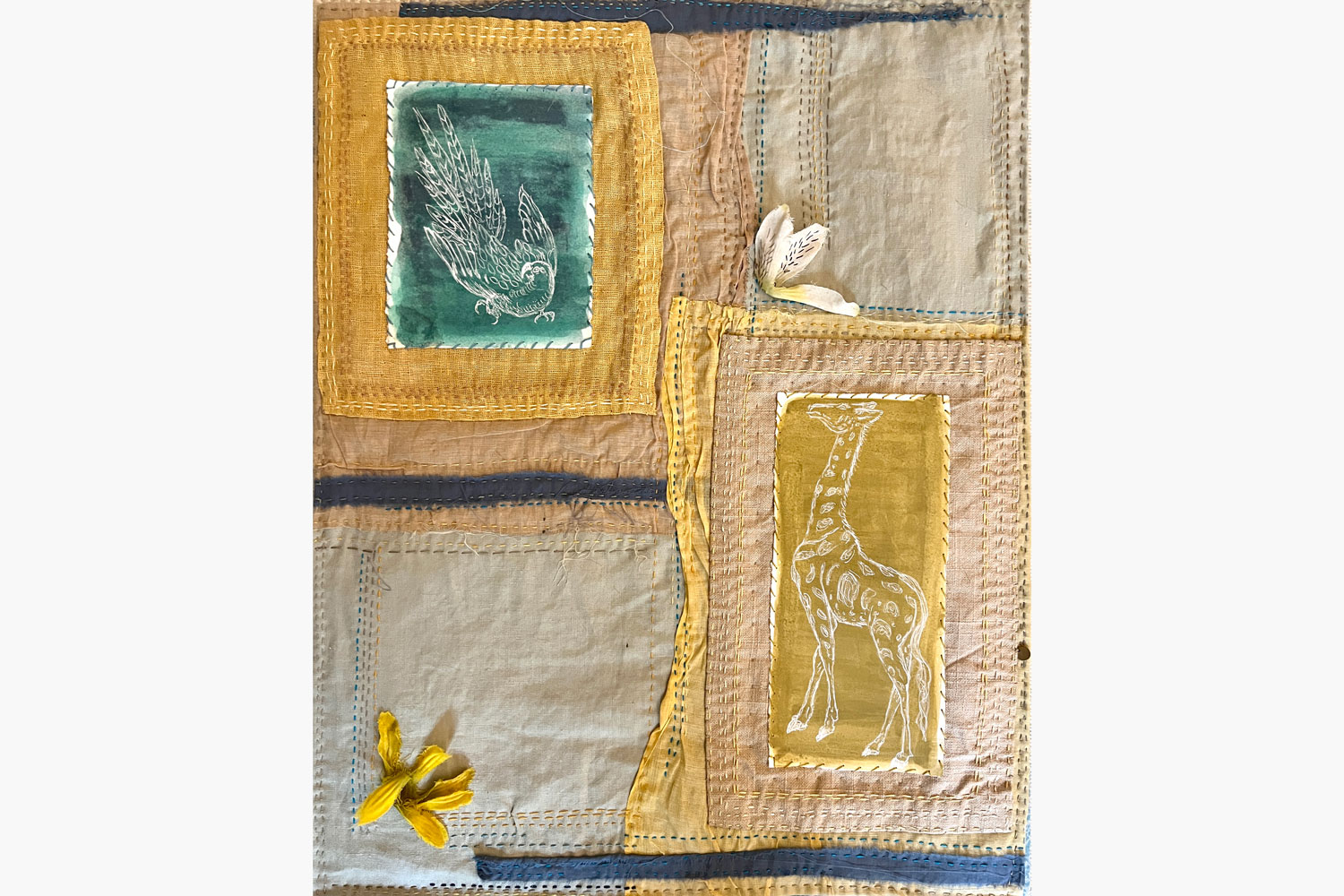
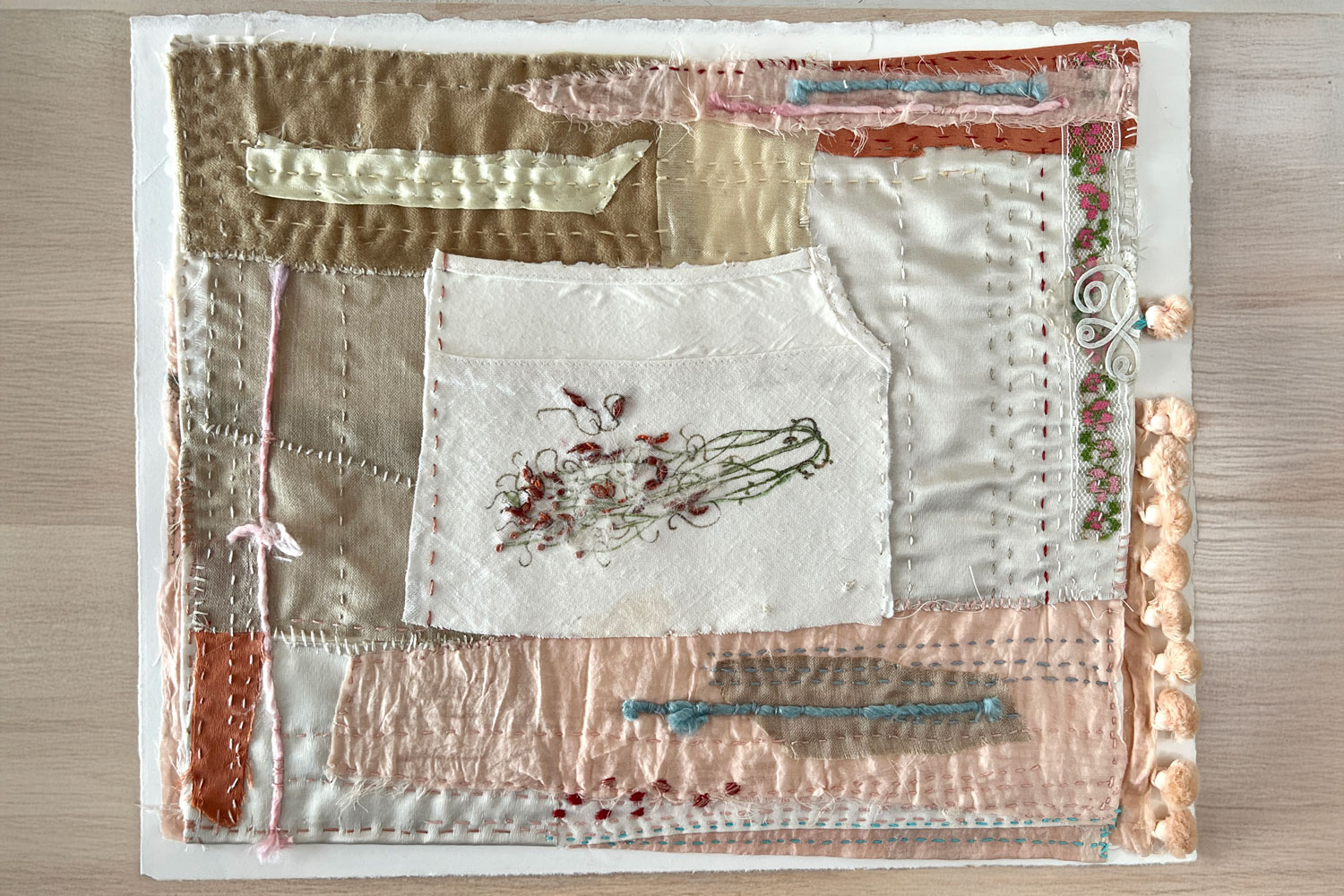
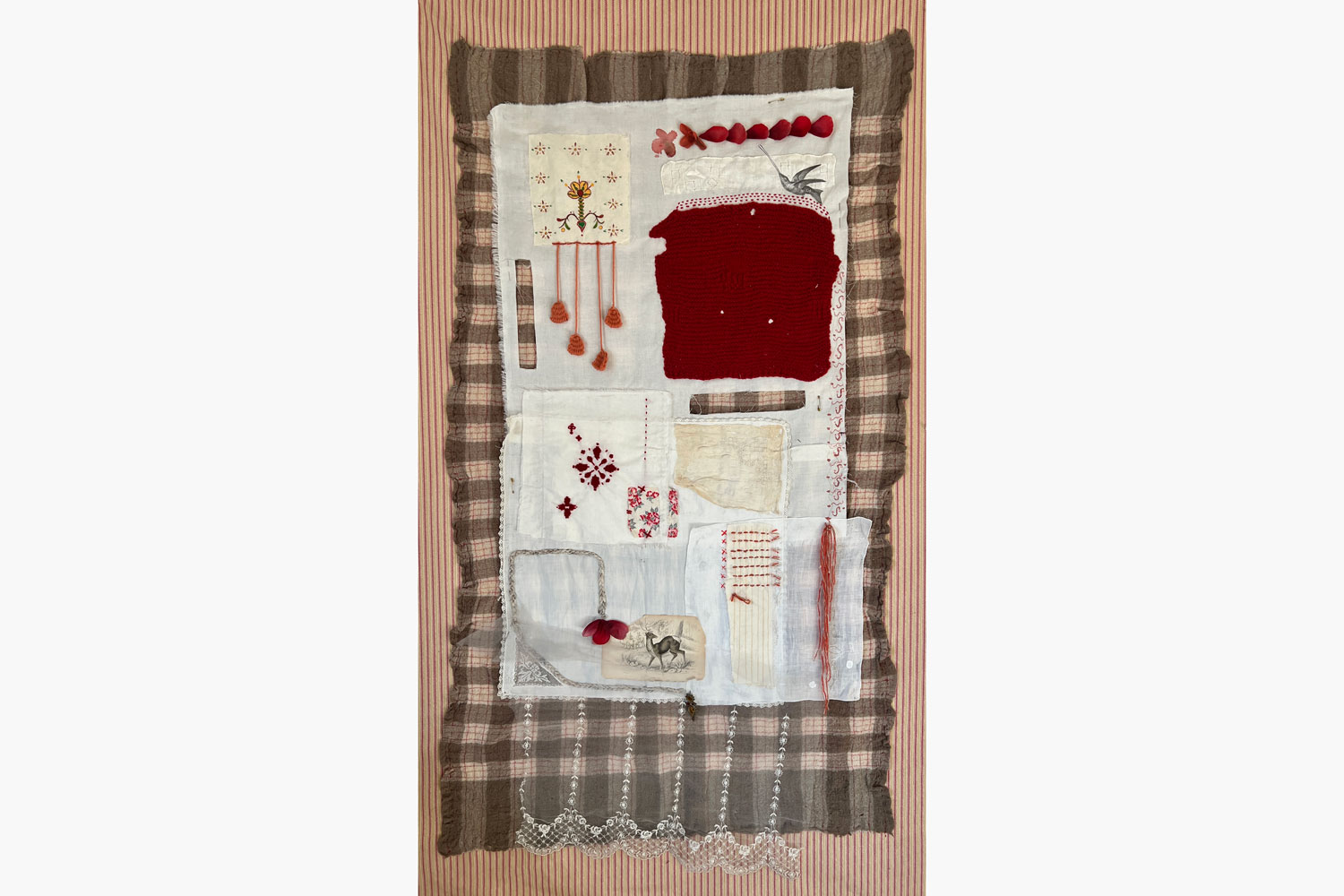
INTERVIEW
I often start with just one segment of fabric and the piece blossoms from there. I might layer several fabrics or use some knitting as a frame. I choose the colours and materials as I go. If something does not work, it will get cut up and reused in something else.
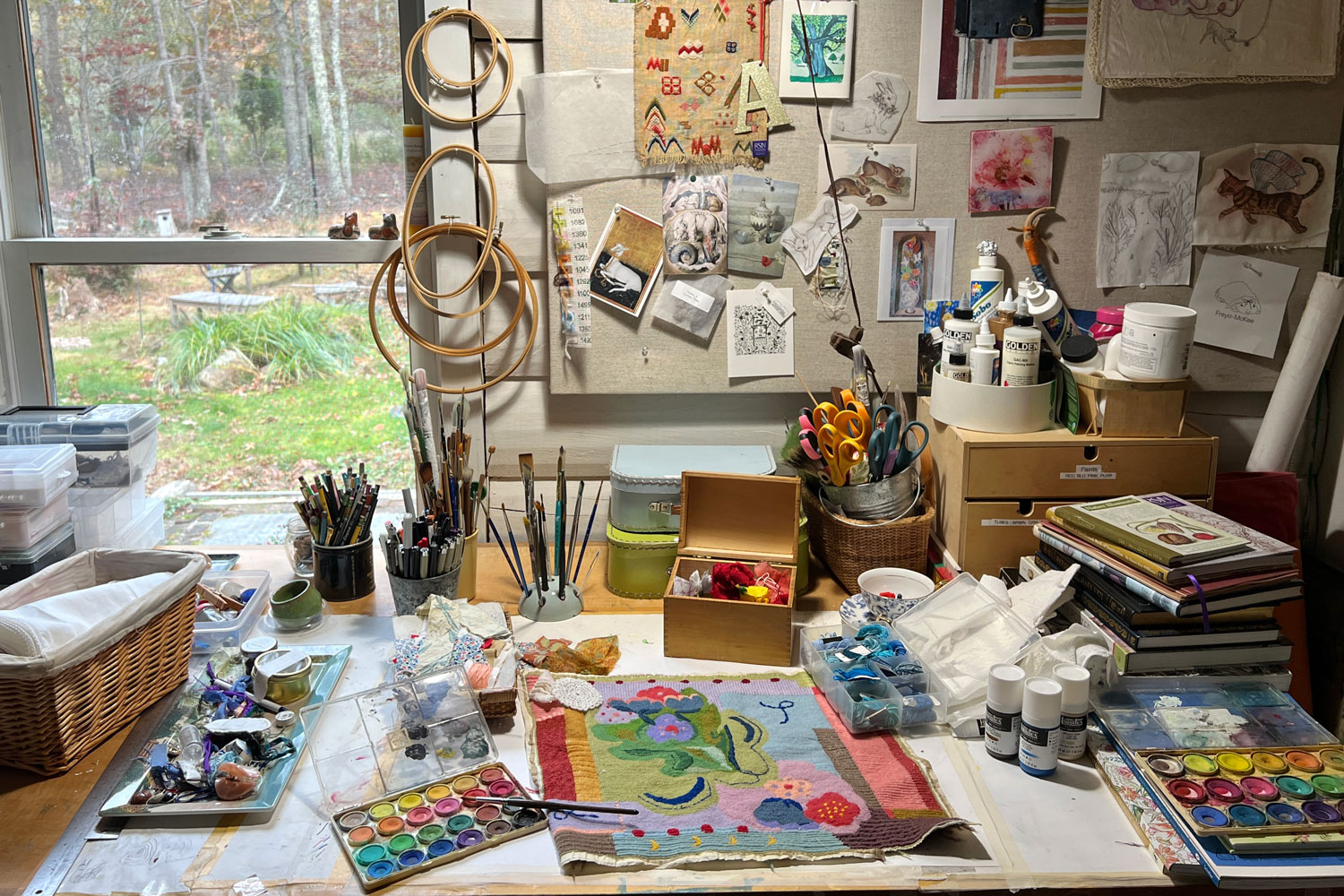
I keep a large tray of things I have collected. I spend a lot of time gathering things from the beach or the garden. I bring them into my studio, sometimes incorporating them in my work. The objects might include a piece of bone or a shell, or a tattered fabric flower from a cemetery.
I consider myself an environmental artist. I am always thinking about the crisis we are in. I use mostly recycled materials. I appreciate these materials for their history and the story that they tell.
After an accident that left my dominant hand disabled, I picked up a needle, some embroidery thread and an old pillow case. It was so light! I could not work with heavy canvases and large paint brushes anymore, but with a needle I could paint with thread. The loss was devastating but it brought me back to a practice that I had always loved and been proficient in.
Erica-Lynn Huberty
Tapestry maker
Bridgehampton, NY, USA
ADDRESS
Address upon request, Bridgehampton, NY, USA
AVAILABILITY
By appointment only
LANGUAGES
English, French
Homo Faber Finds is a new service aiming to inspire admirers of craft to connect and collaborate with exceptional artisans.
We invite you to submit an enquiry here.