Jean Pierre Larochette & Yael Lurie
Tapestry maker
Berkeley, CA, USA
Recommended by Craft in America
Weaving a world of colour
- Jean Pierre and Yael have created tapestries together since the 1970s
- They brought Aubusson tapestry methods to the USA
- Yael conceives the design and Jean Pierre crafts the piece
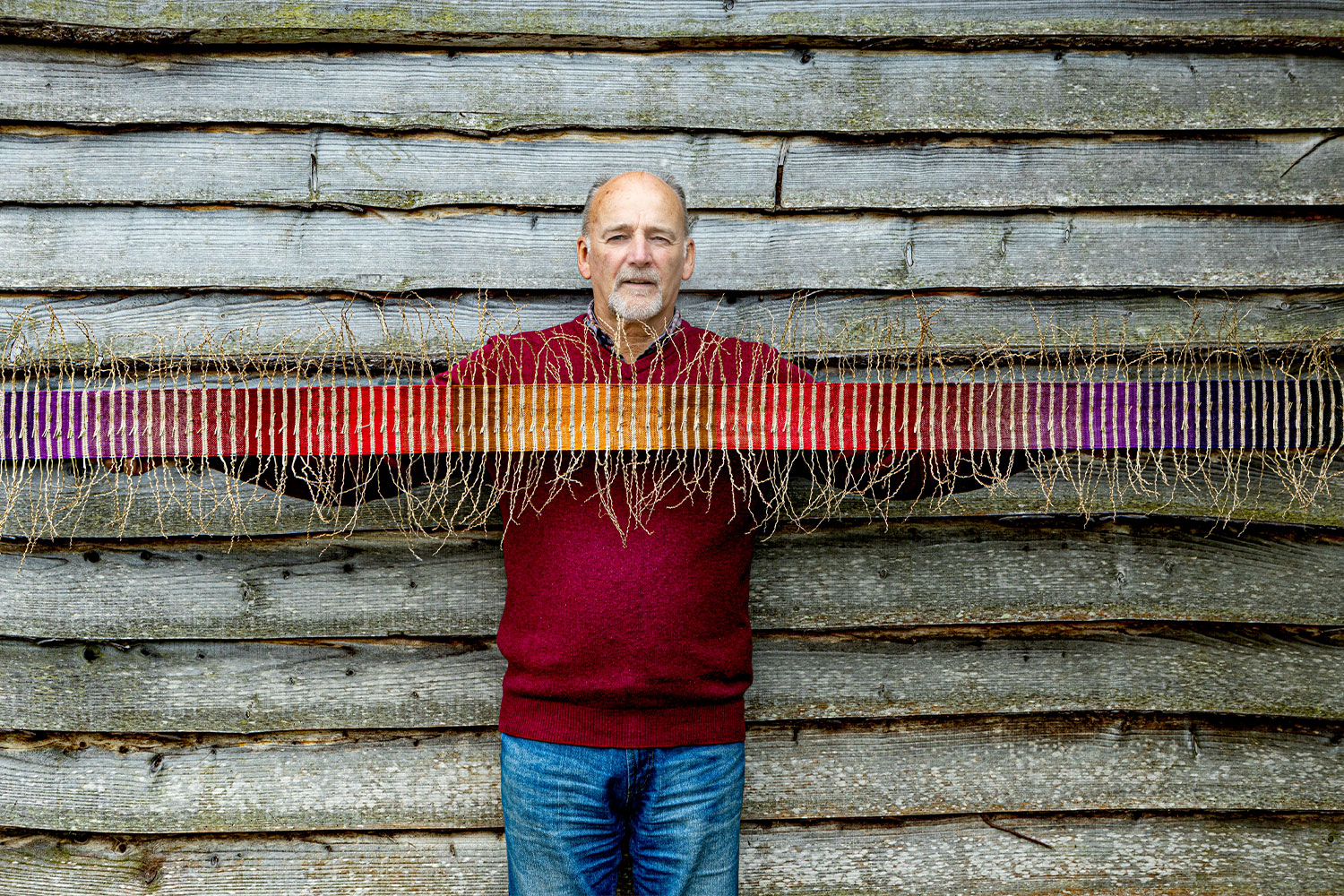
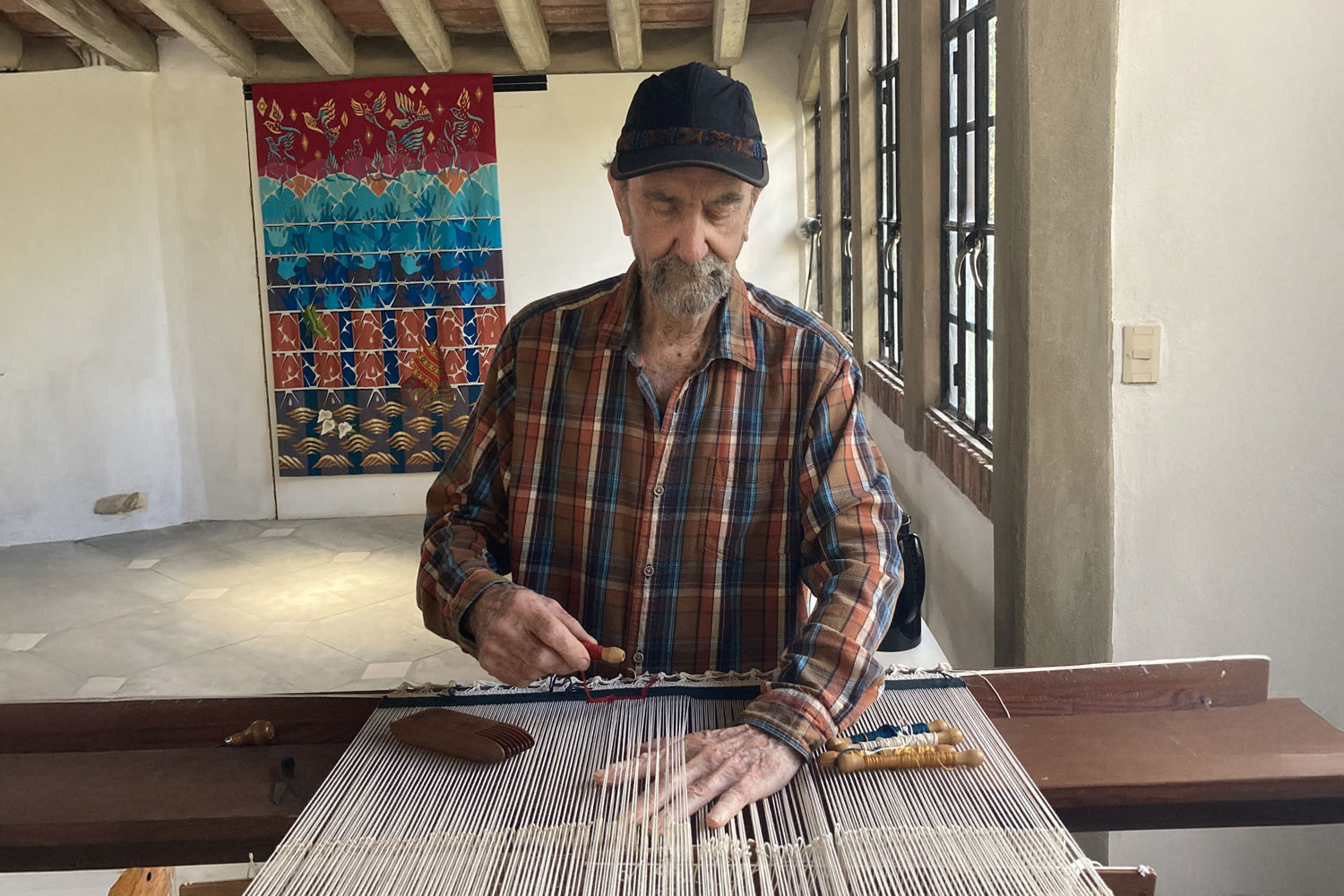
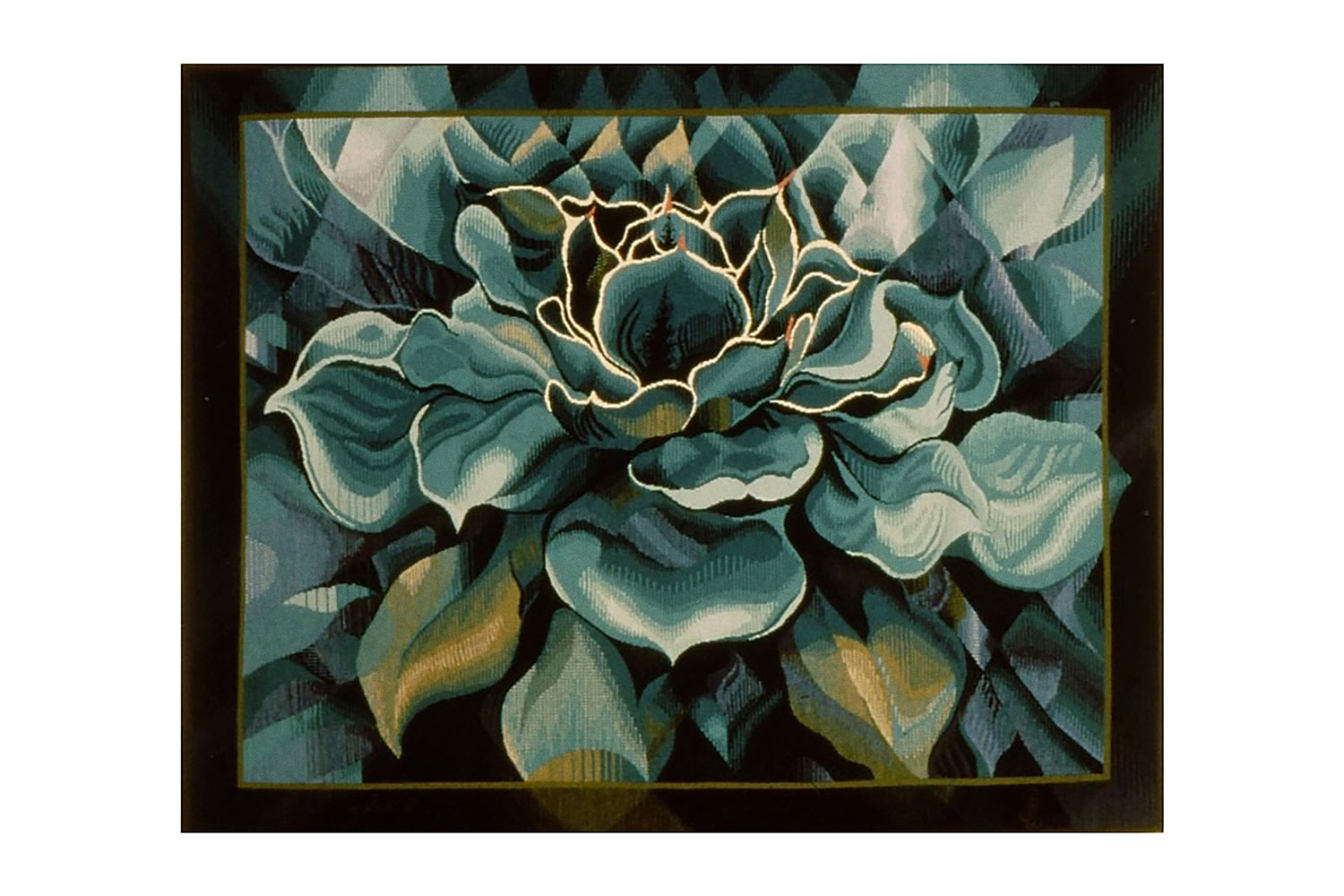
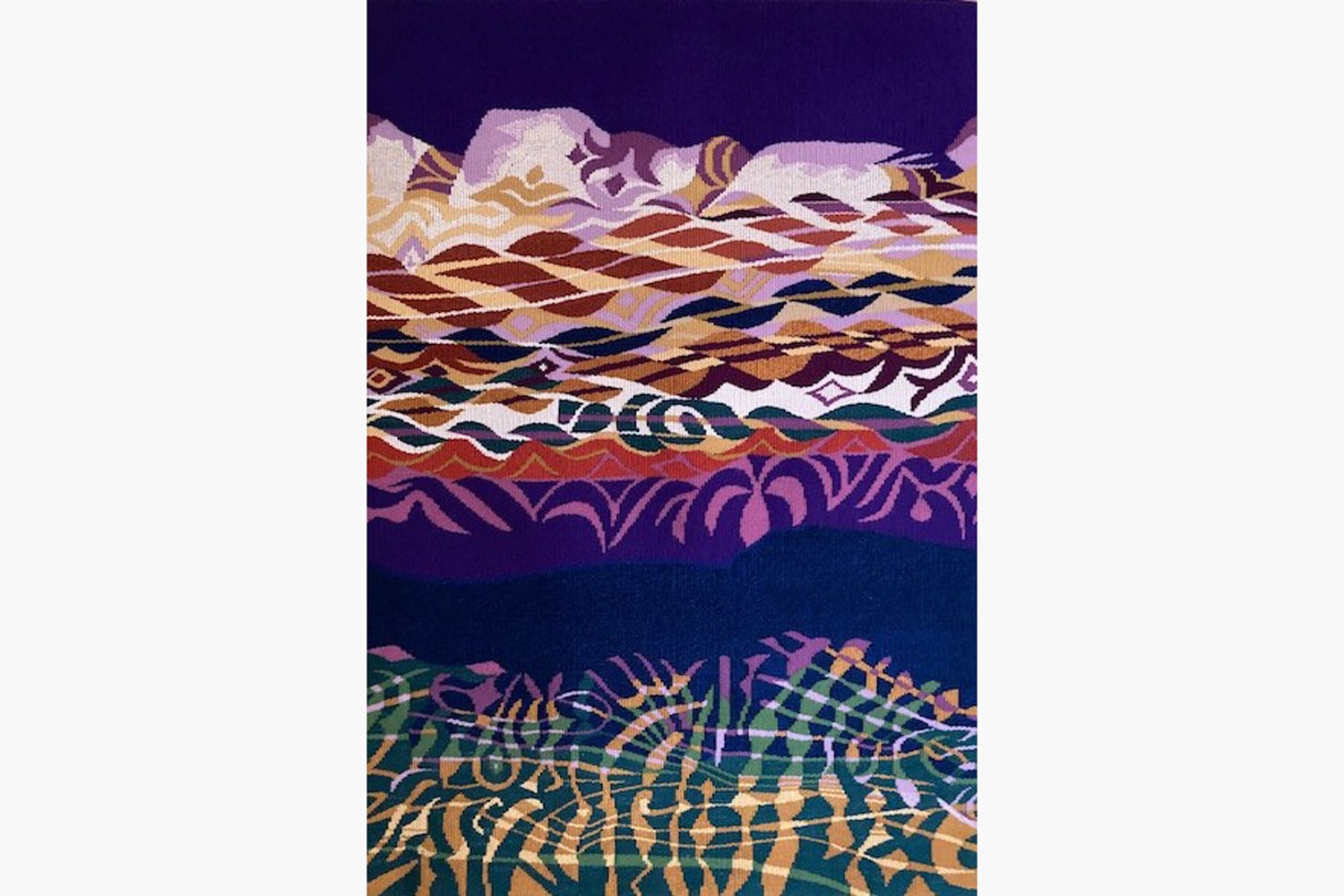
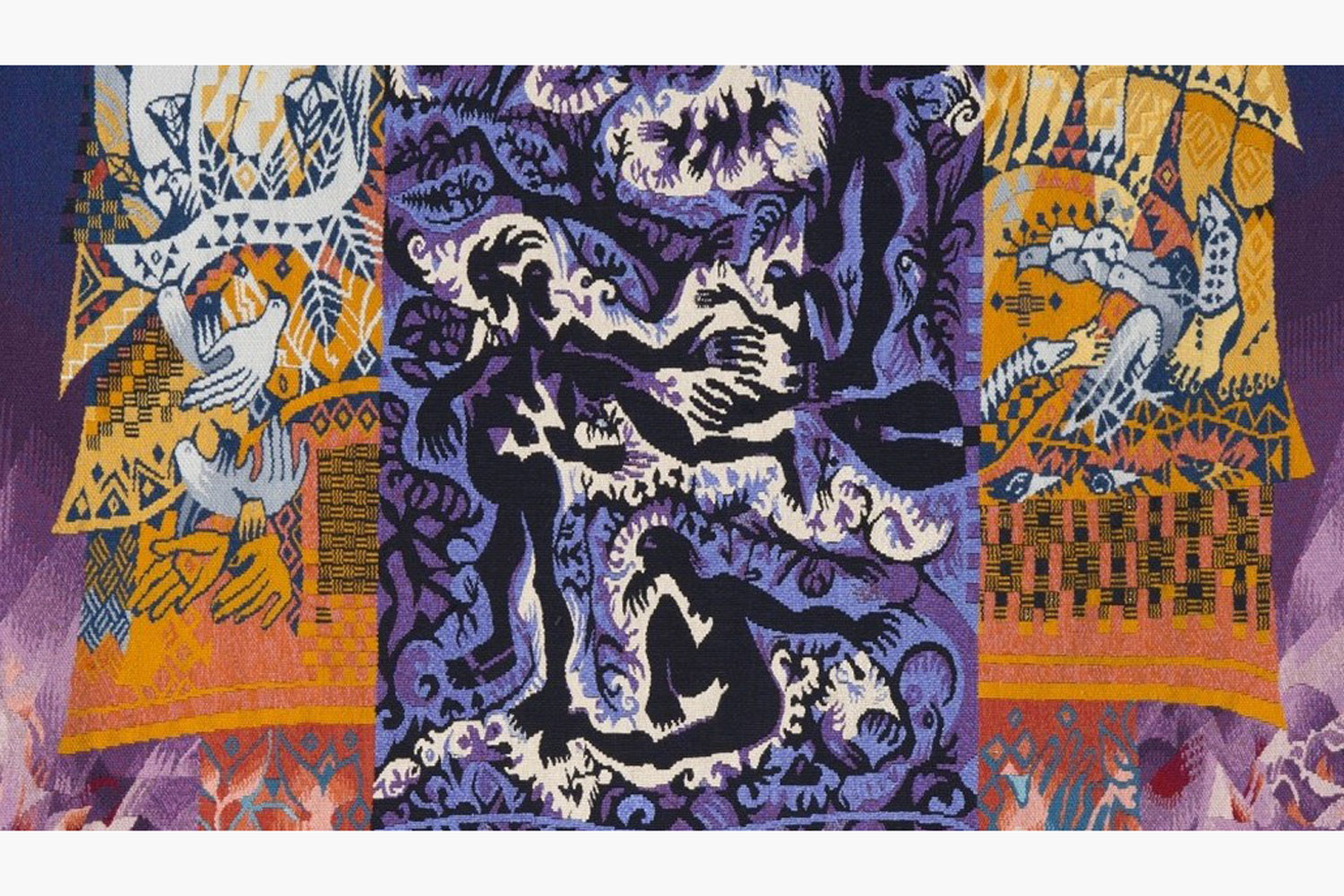
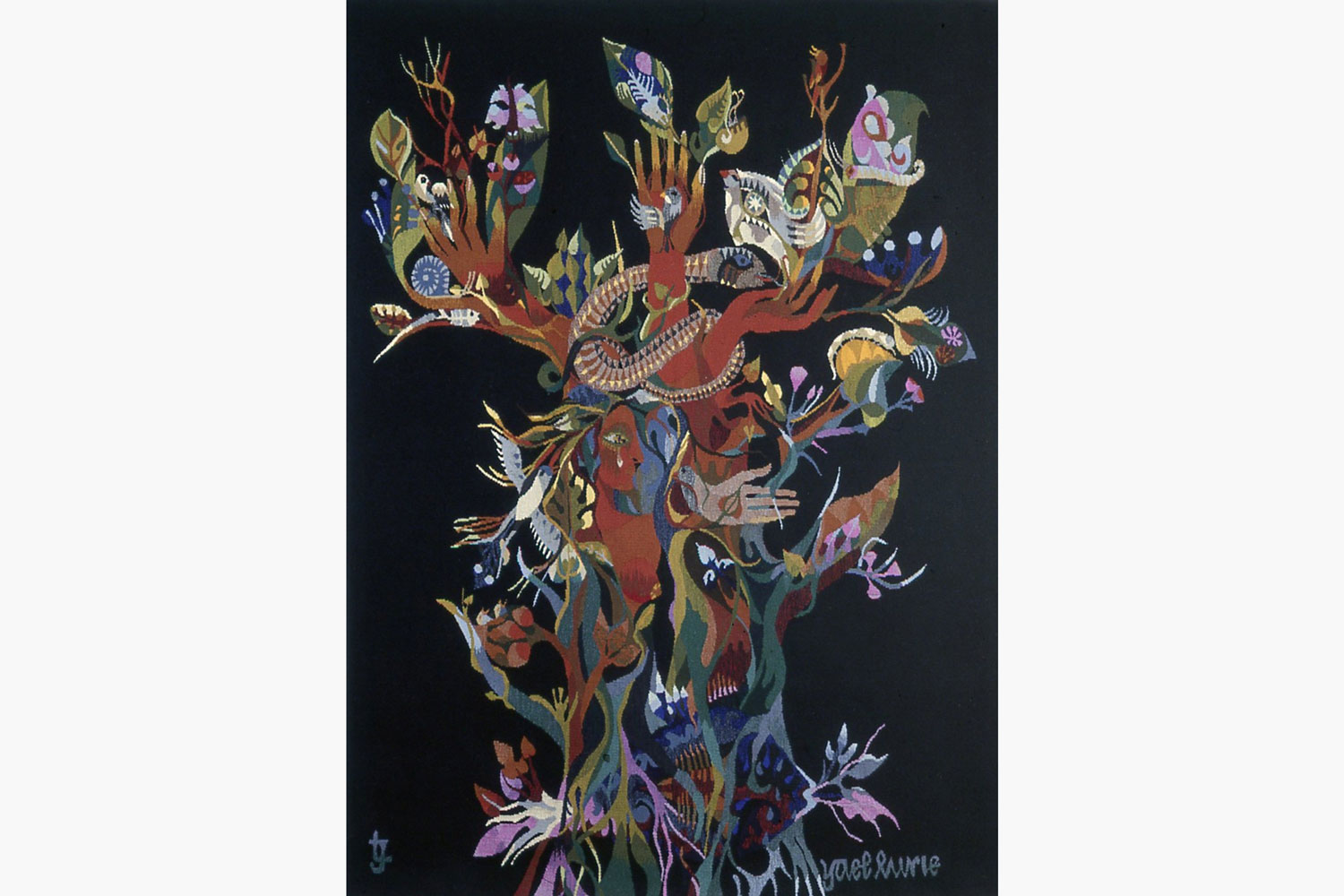
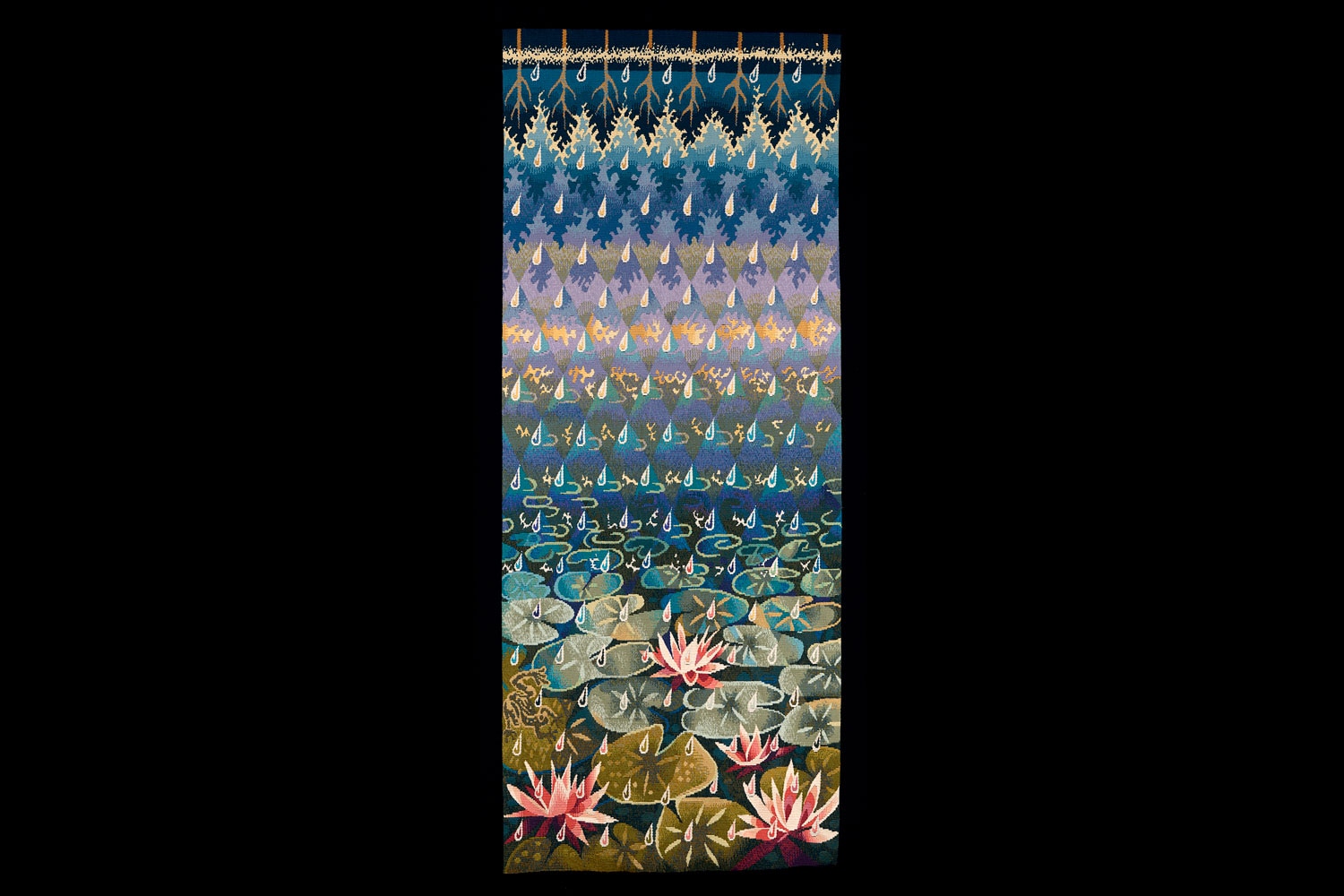
Fourth-generation Aubusson tapestry weaver Jean Pierre Larochette and painter Yael Lurie seamlessly combine their talents to create vibrant tapestries with a rich arts heritage. Each of them apprenticed at their fathers’ studios as they developed their creative skills. While working in Israel, Jean Pierre met Yael on the arts scene. The two fell in love and soon formed a lifelong artistic partnership. Jean Pierre and Yael designed their first joint work, a tapestry called Genesis, in Mexico City in 1972. With a shared vision of tapestry as a form of language, they have continued to merge art and craft, creating narrative works with themes of nature, myth and humanity. “Tapestry is a form of storytelling. The loom tells us to weave the visions of our times,” explains Jean Pierre.
INTERVIEW
Yael: Travelling is our passion. In Mexico, where we maintain a studio, we learned that art and life are inseparable. A generous invitation led us to teach and co-found the San Francisco Tapestry Workshop in the 1970s, facilitating our residence in the USA.
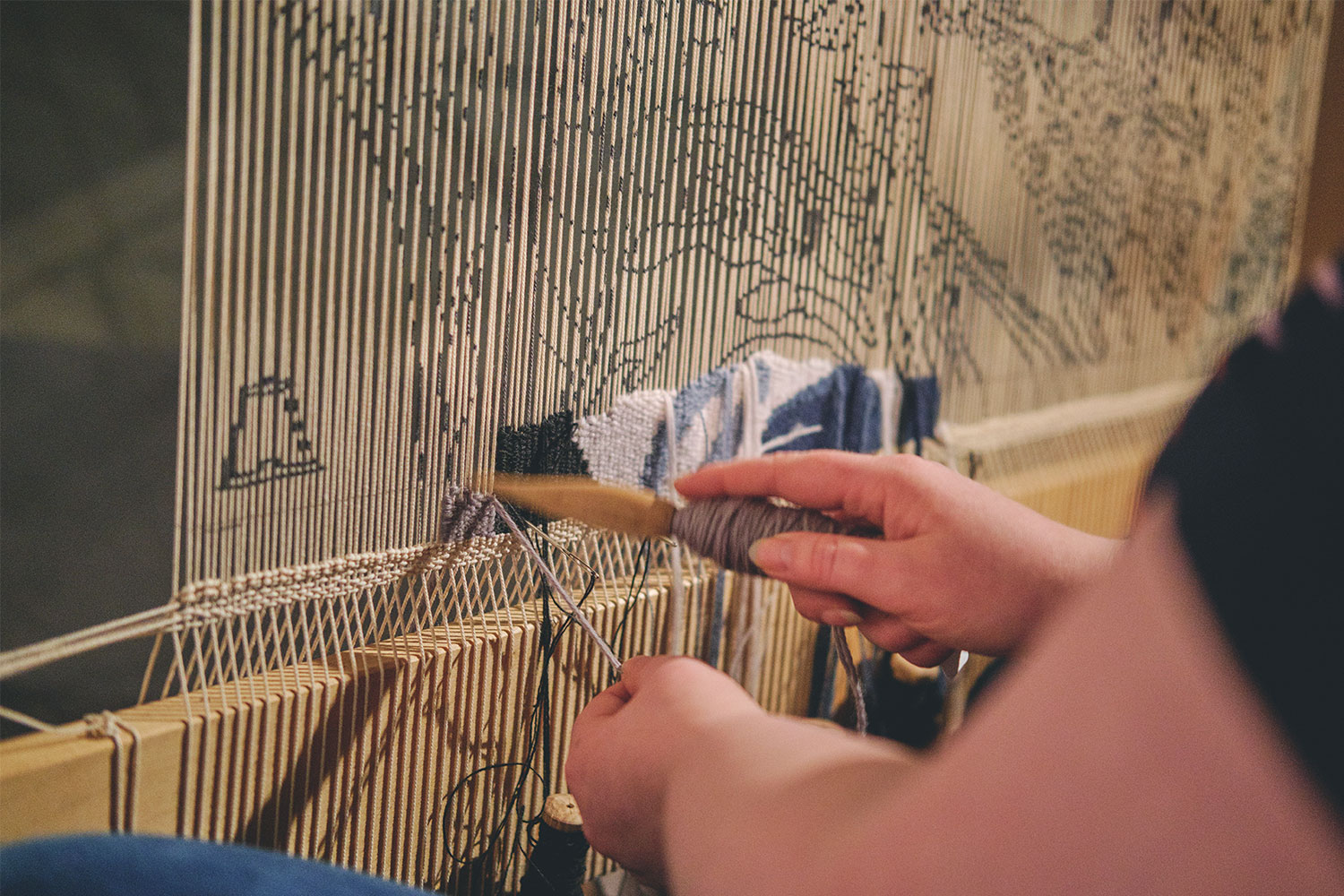
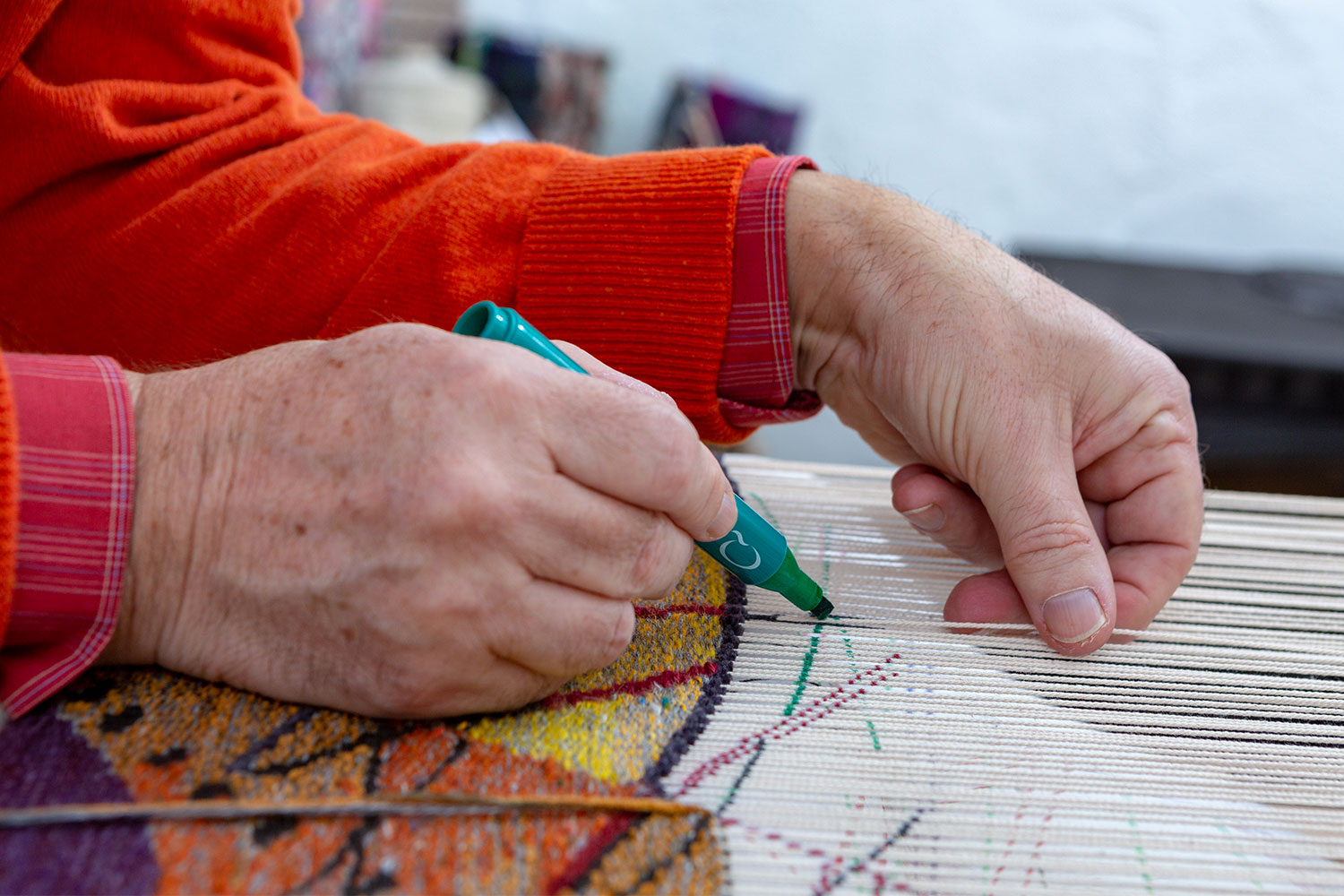
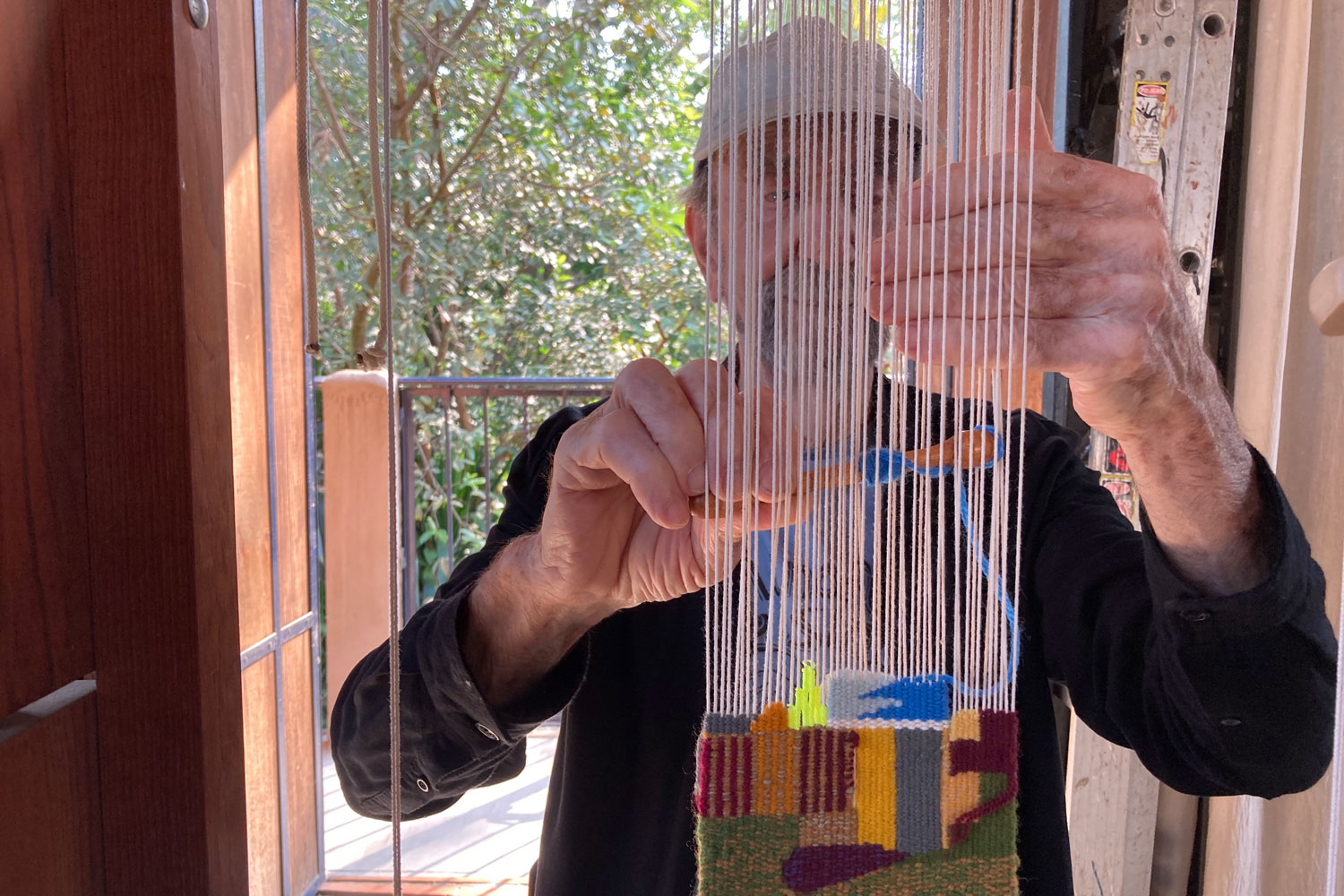
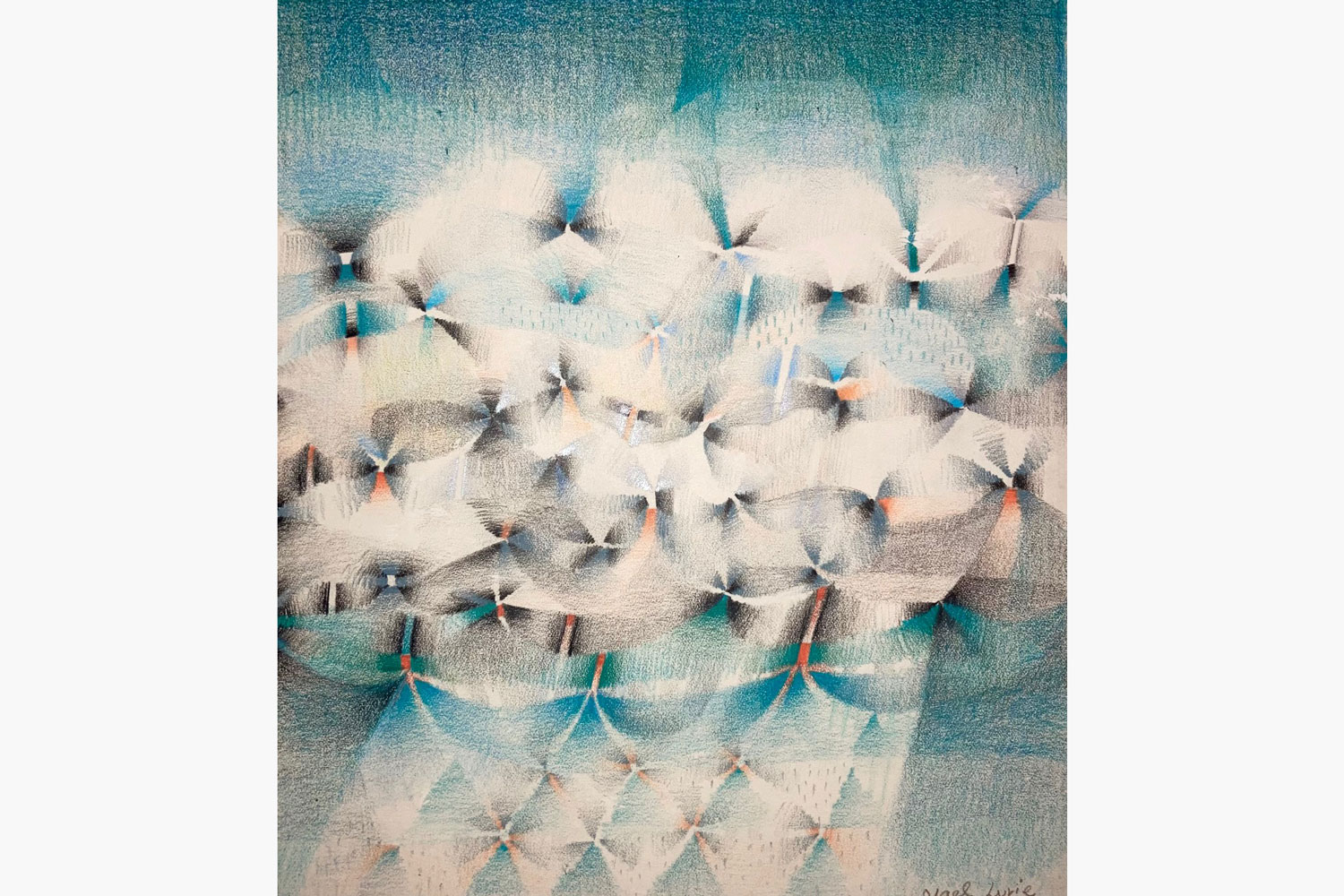
Jean Pierre: Sharing studio space for over 50 years has resulted in a symbiosis of ideas with minimal conversation. Yael sketches life-size designs suggesting colour, then we experiment with thread variations on a small version, and I warp the loom to perform the weaving.
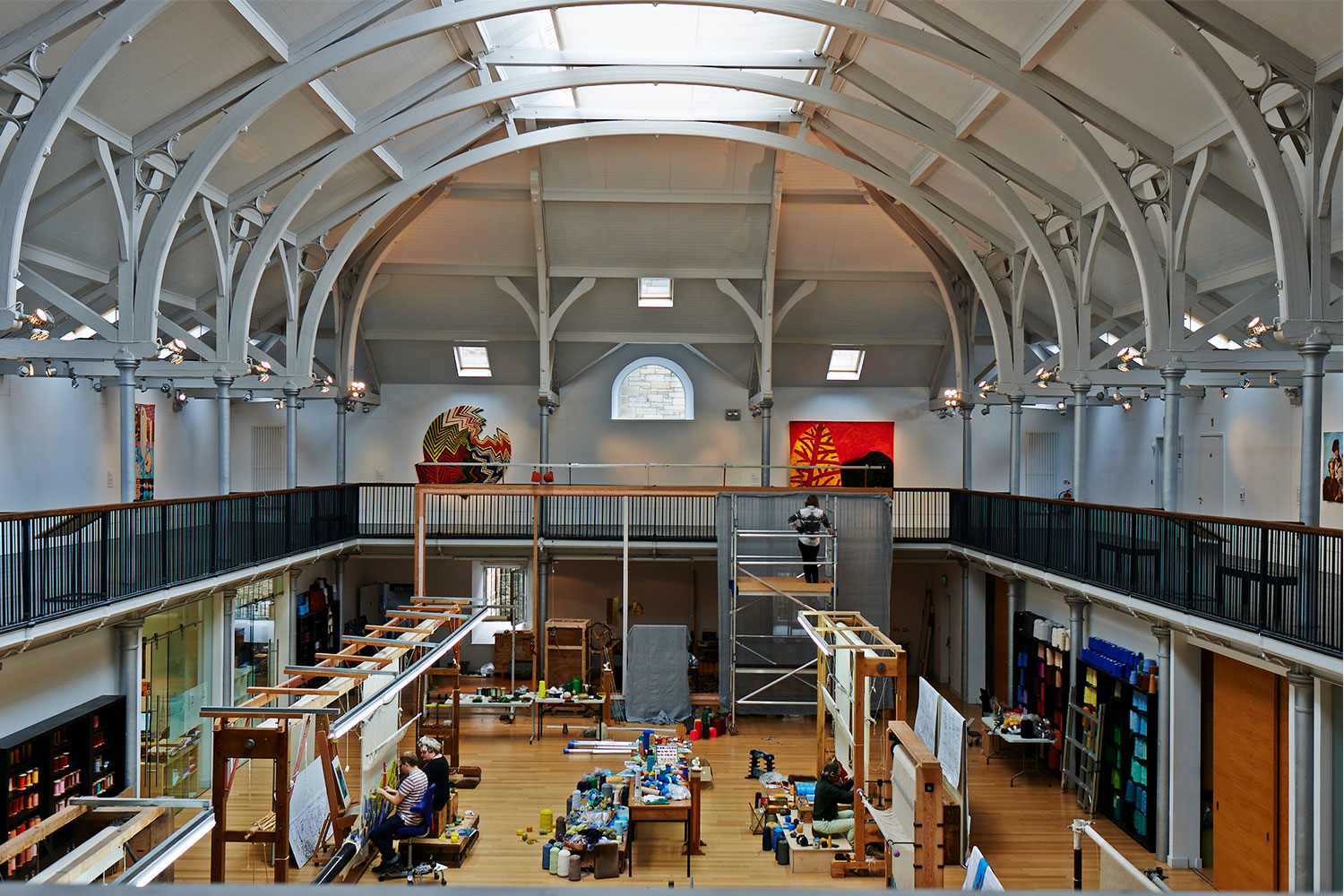
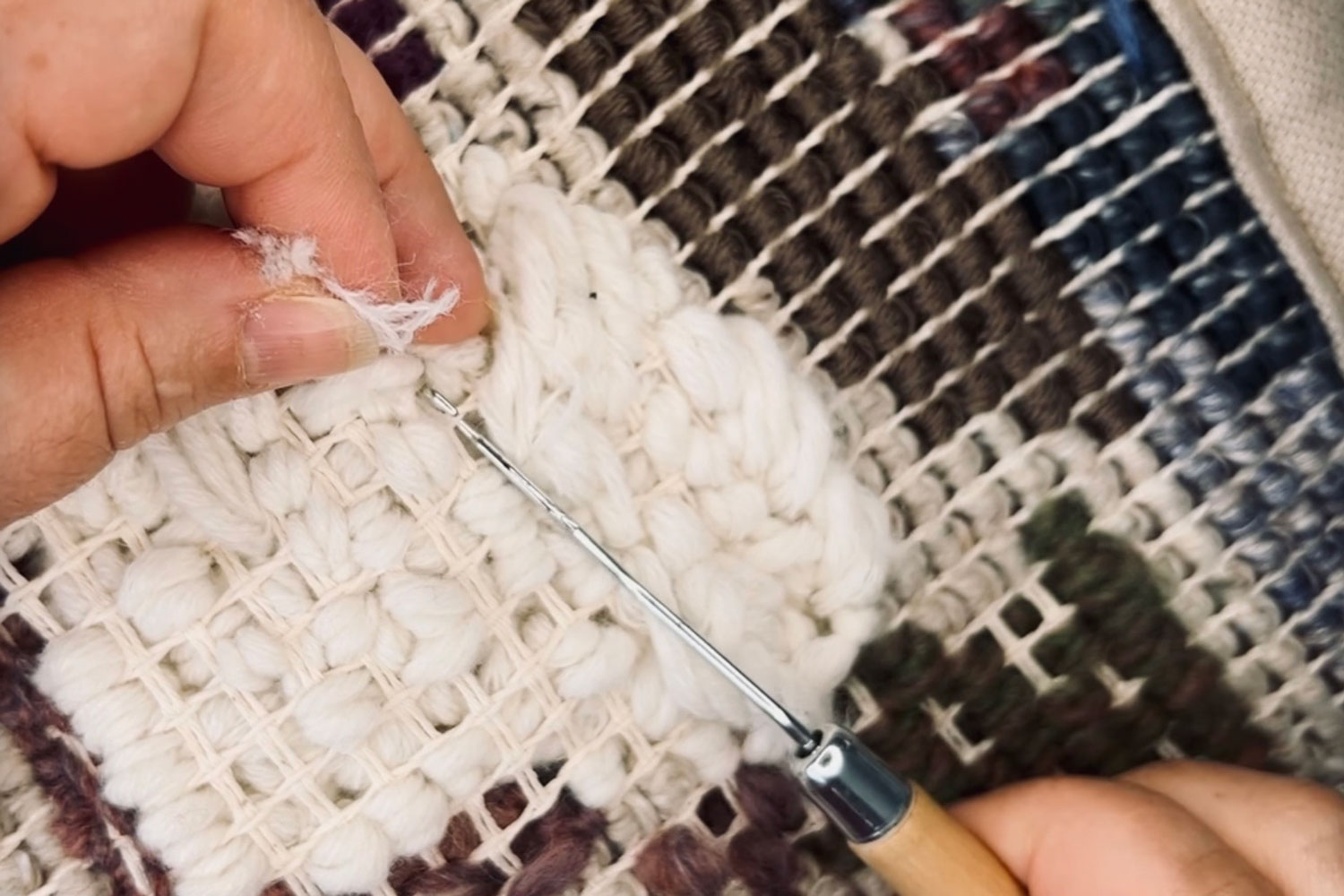
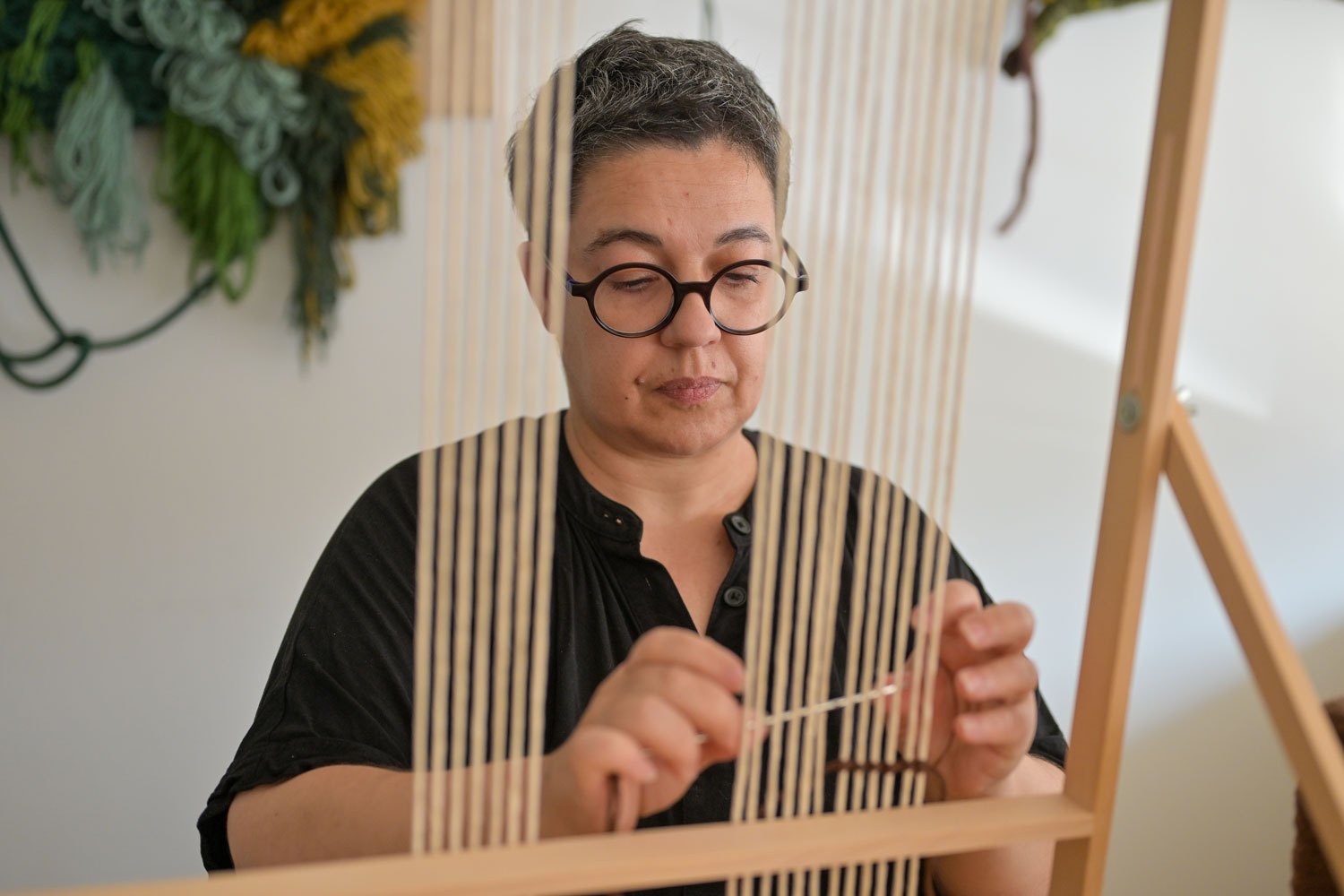
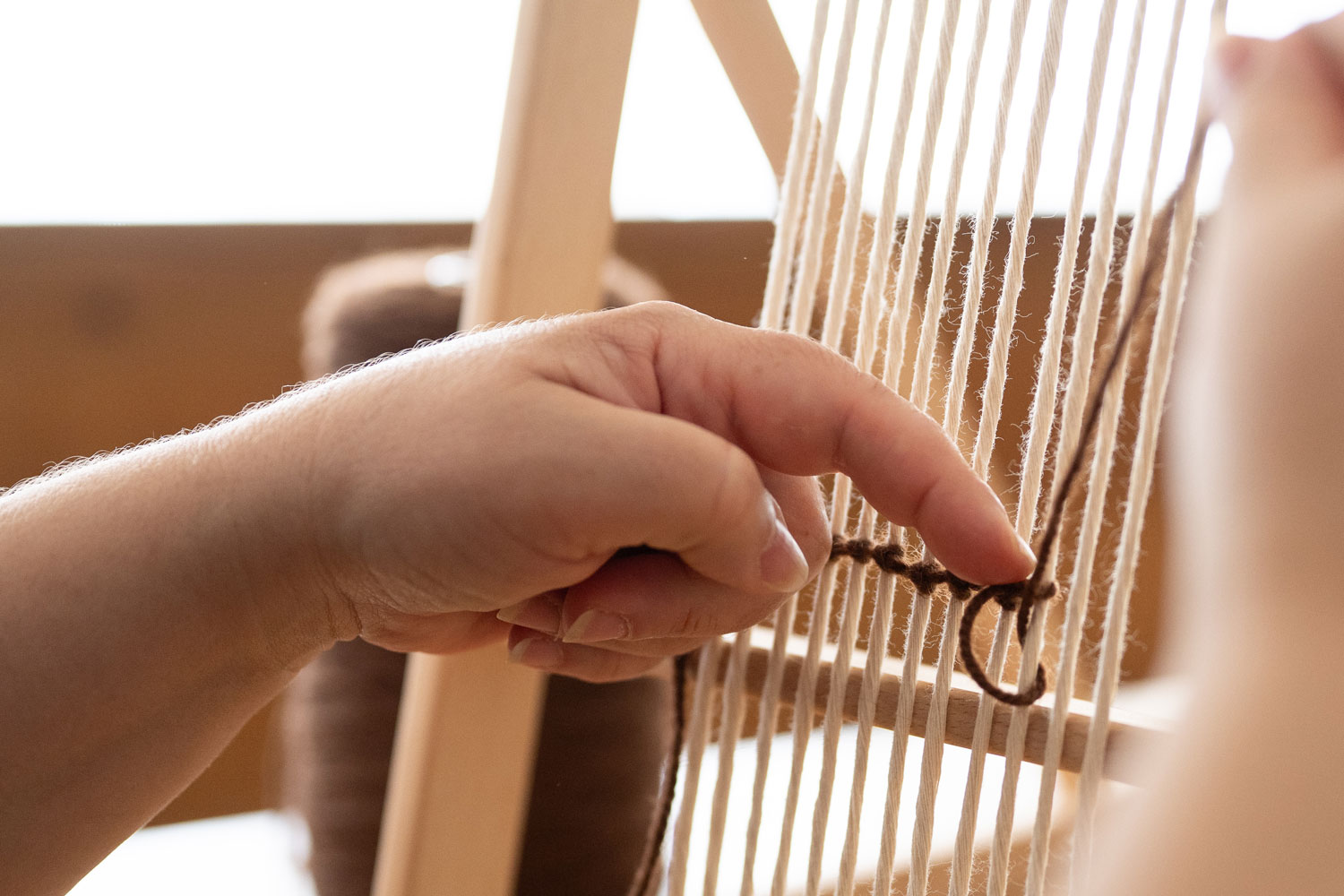
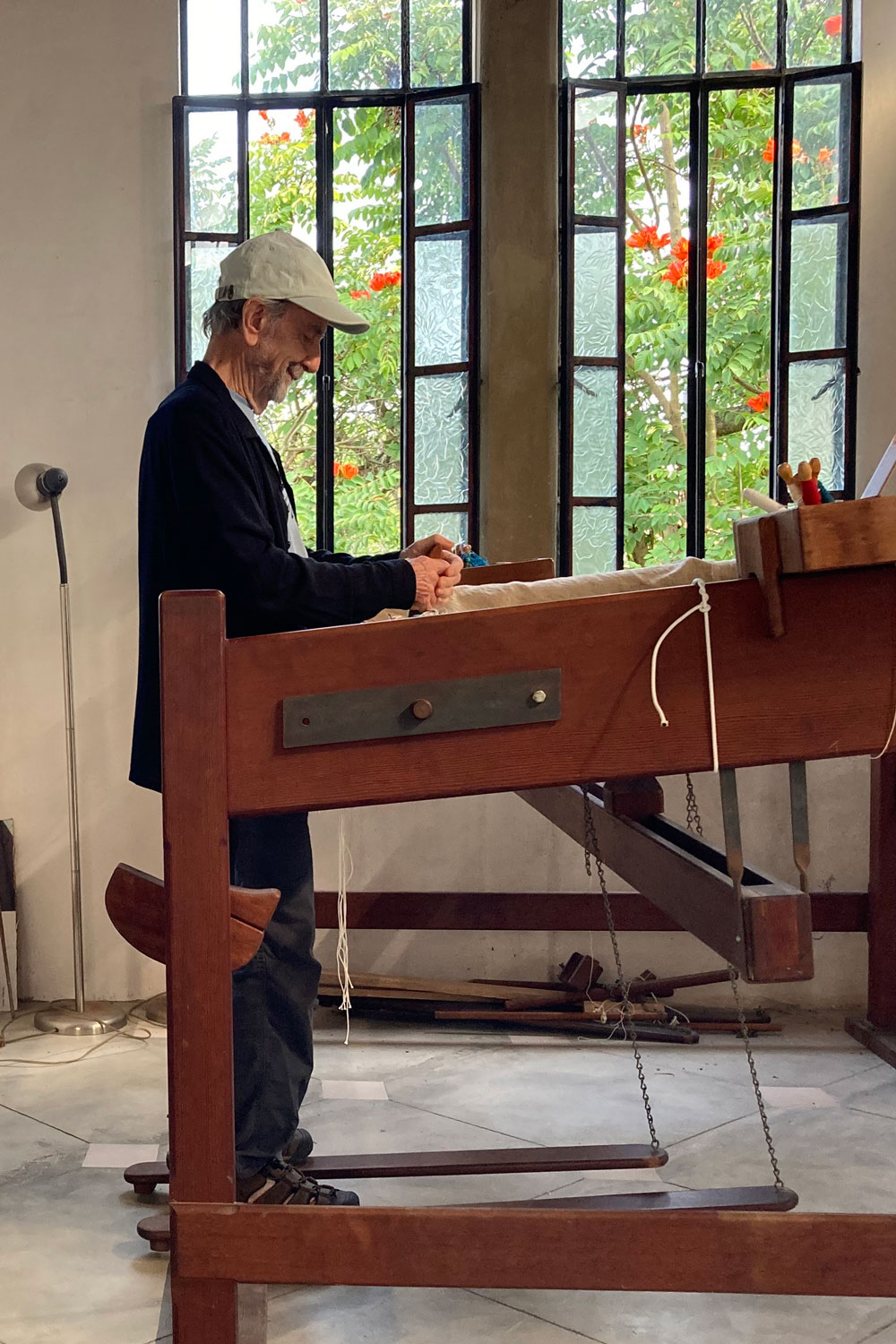
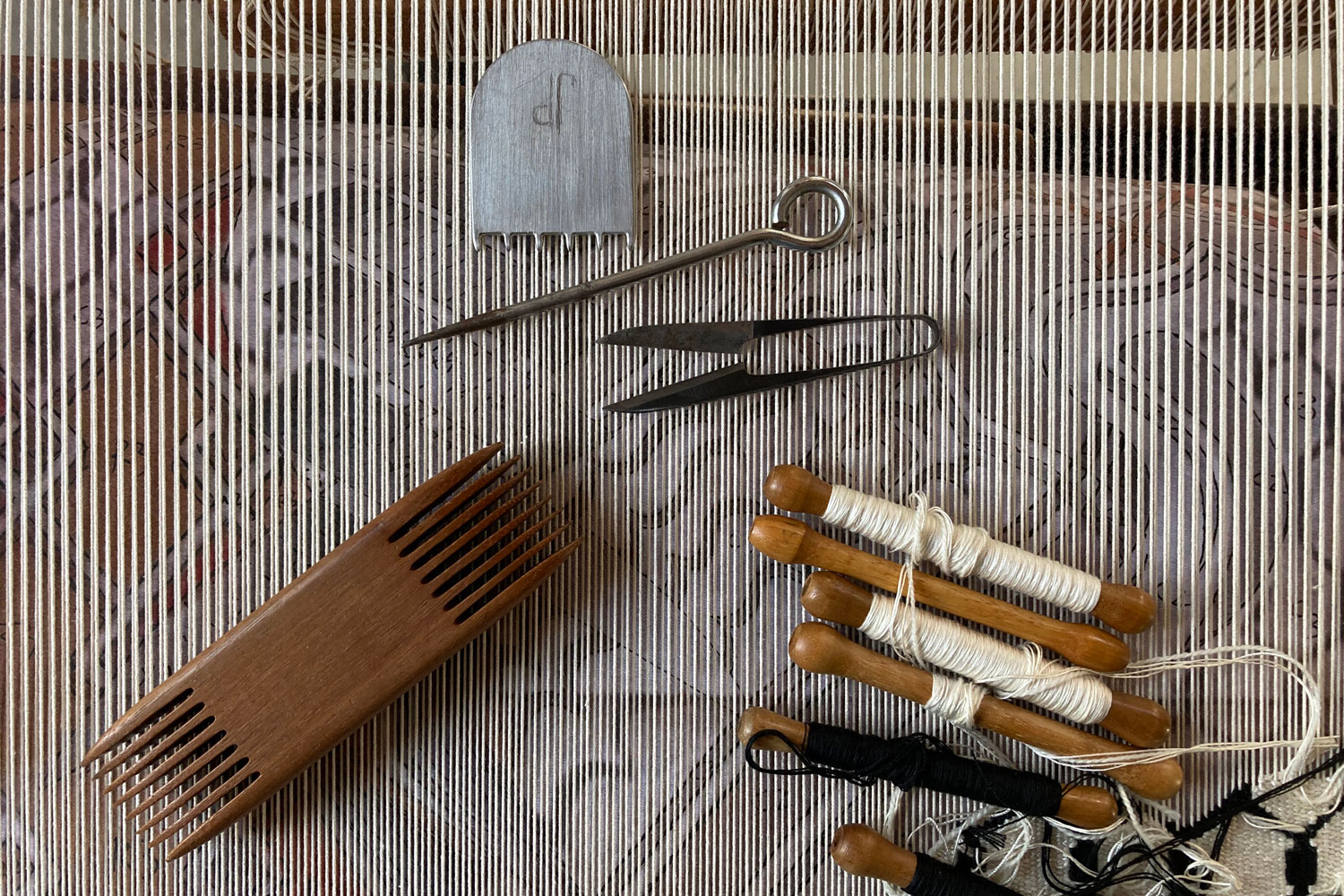
Jean Pierre: We use a palette of wool, silk, cotton and linen yarns spun for tapestry, as well as a low-warp loom which I built 50 years ago, with a comb, bobbins and awl all exactly as illustrated in the 1700s Diderot Encyclopedia. In this medium, time is also a tool.
Jean Pierre: Tapestries are known as the mirror of civilisation and, like weavings, are embedded in most cultures. In a modern age, it is satisfying to rely on a form of user-friendly equipment that requires no source of energy other than a willingness to work.
Jean Pierre Larochette & Yael Lurie
Tapestry maker
Berkeley, CA, USA
Recommended by Craft in America
ADDRESS
Address upon request, Berkeley, CA, USA
AVAILABILITY
By appointment only
LANGUAGES
English, French, Spanish, Hebrew
Homo Faber Finds is a new service aiming to inspire admirers of craft to connect and collaborate with exceptional artisans.
We invite you to submit an enquiry here.