©All rights reserved
©All rights reserved
©All rights reserved
©All rights reserved
©All rights reserved
©All rights reserved
Cecilio Sánchez Fierro
Ceramicist
Metepec, Mexico
©All rights reserved
©All rights reserved
©All rights reserved
©All rights reserved
©All rights reserved
©All rights reserved
©All rights reserved
©All rights reserved
©All rights reserved
©All rights reserved
©All rights reserved
©All rights reserved
Clay traditions with Mexican flair
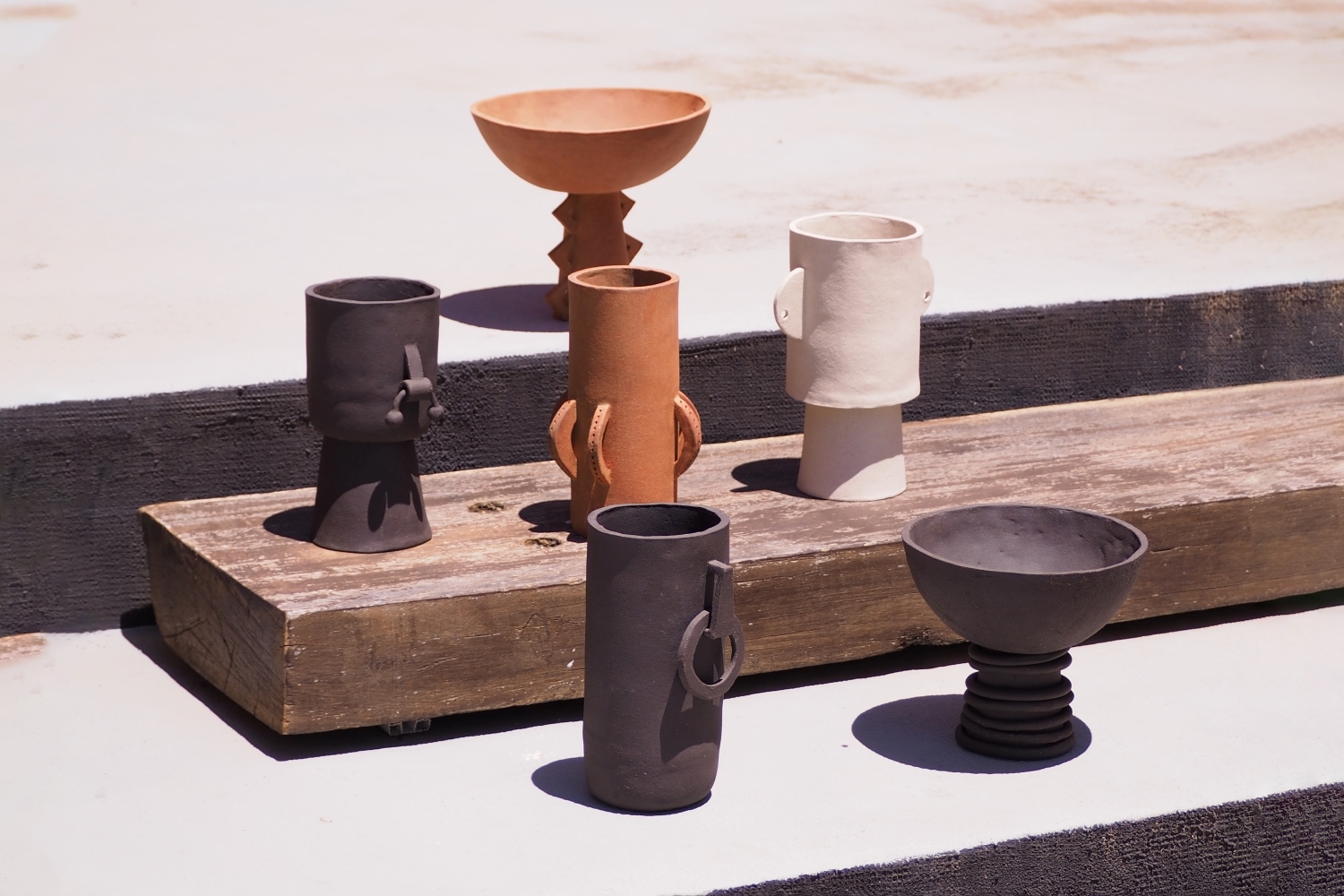
- Cecilio works with pigmented clay, a technique developed by his family
- A third-generation ceramicist, he preserves local Mexican traditions
- Some of his pieces are inspired by biblical narratives
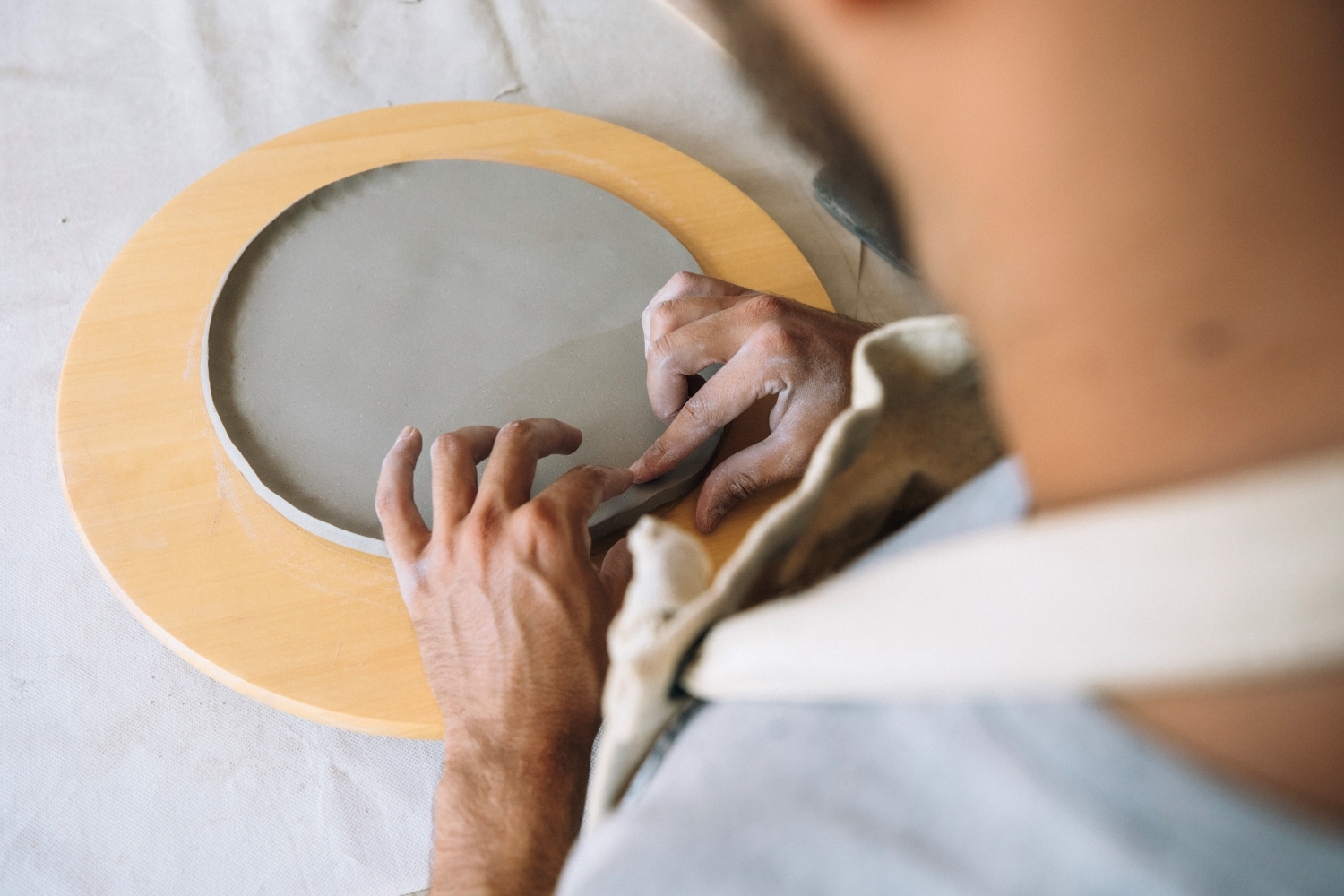
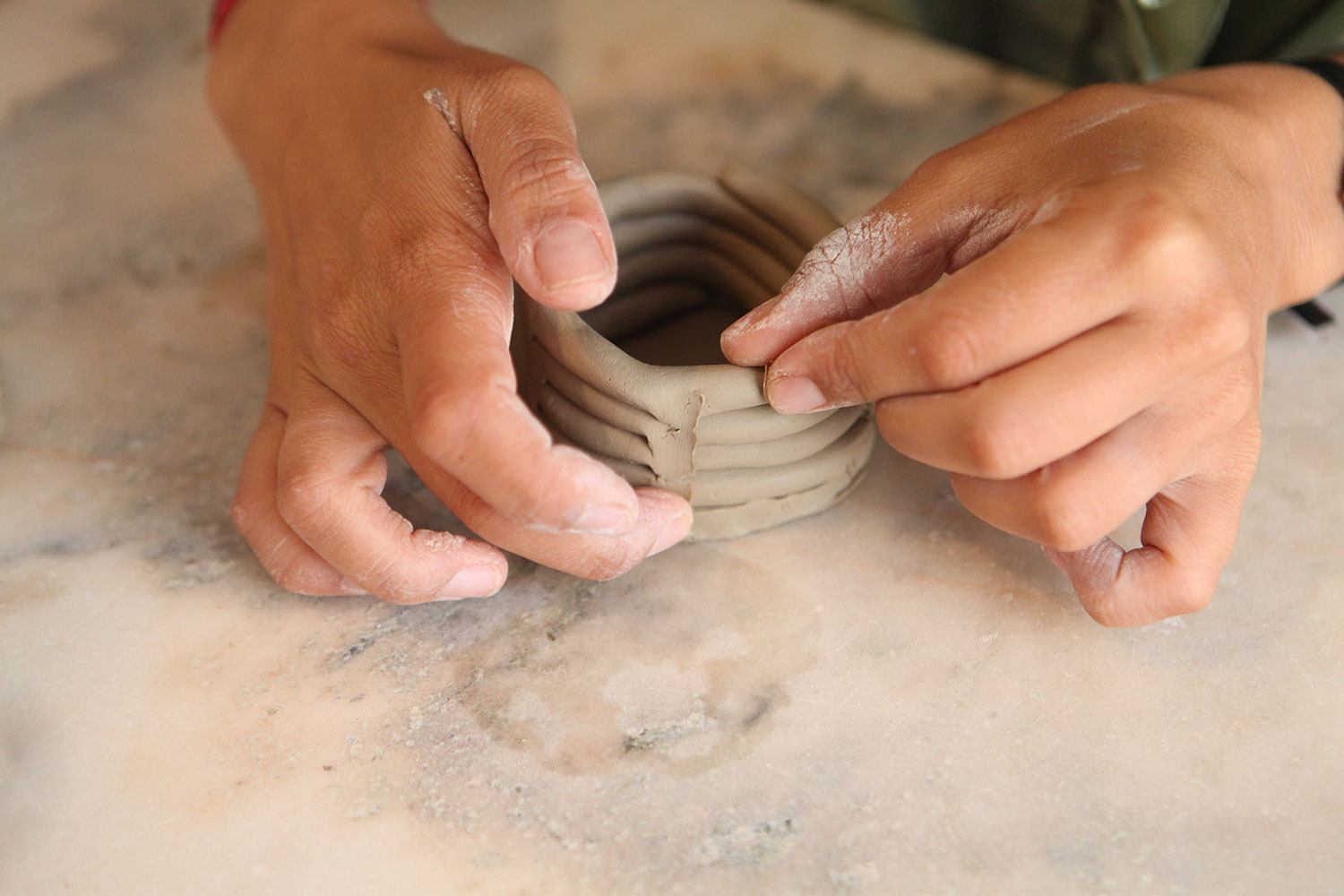
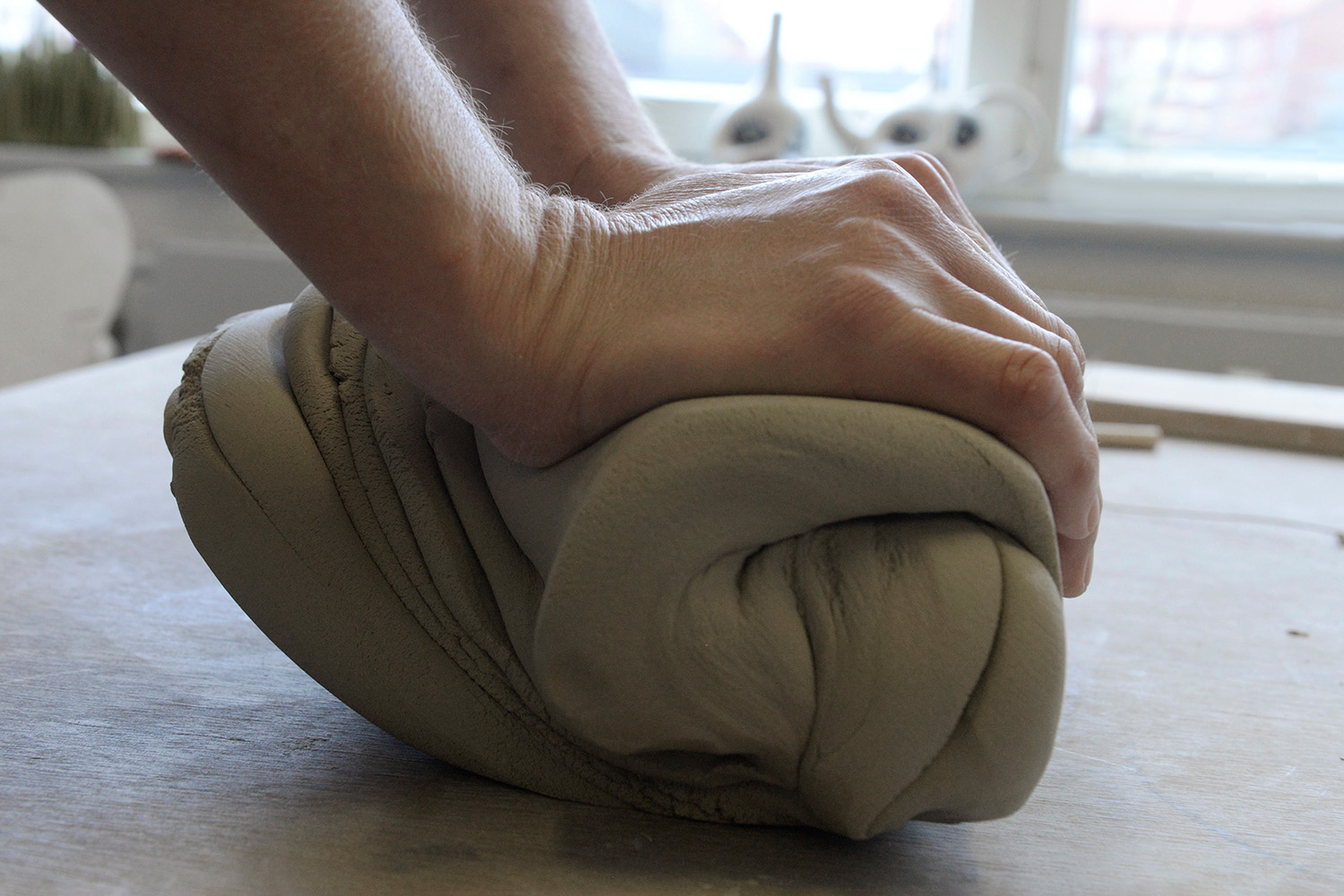
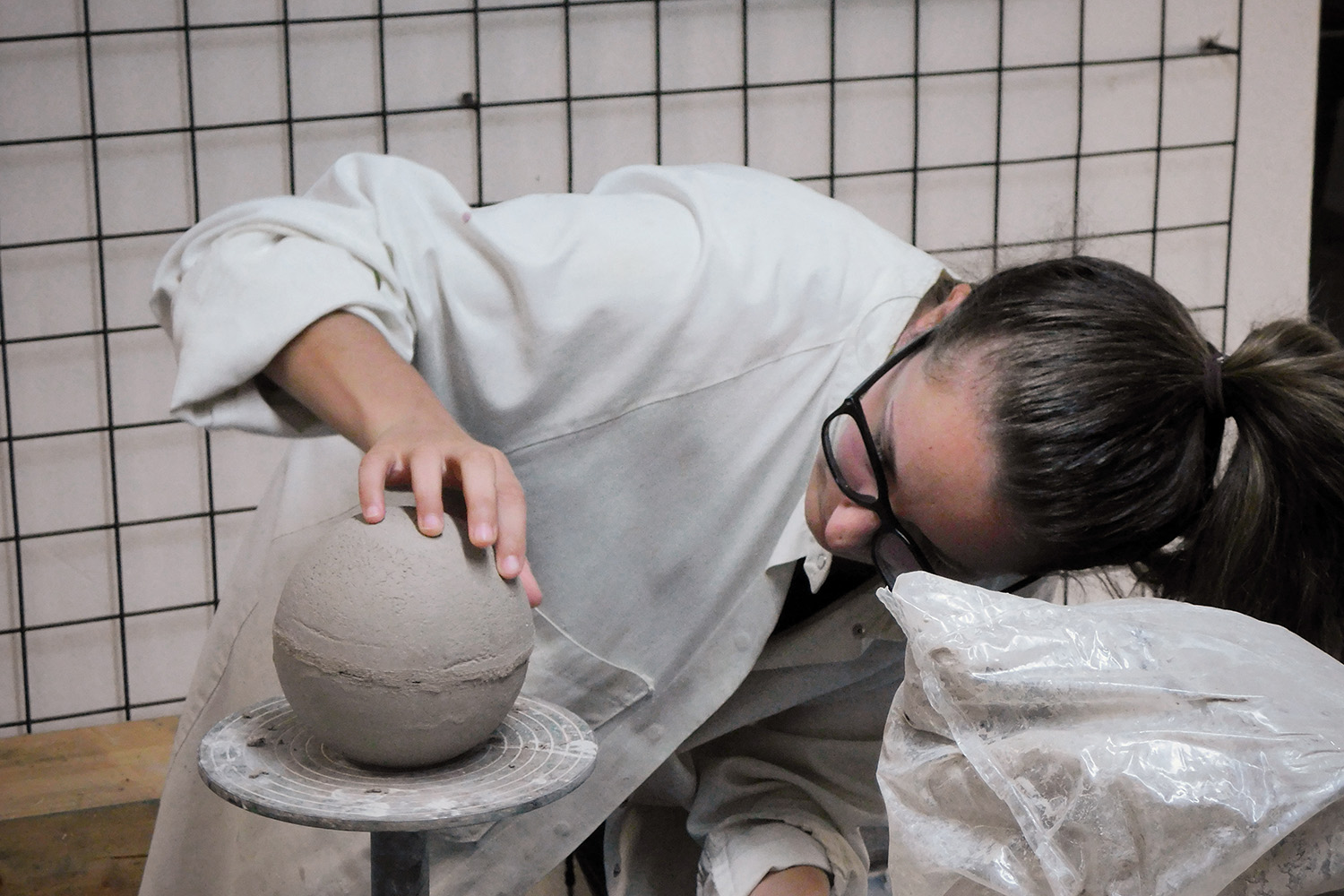
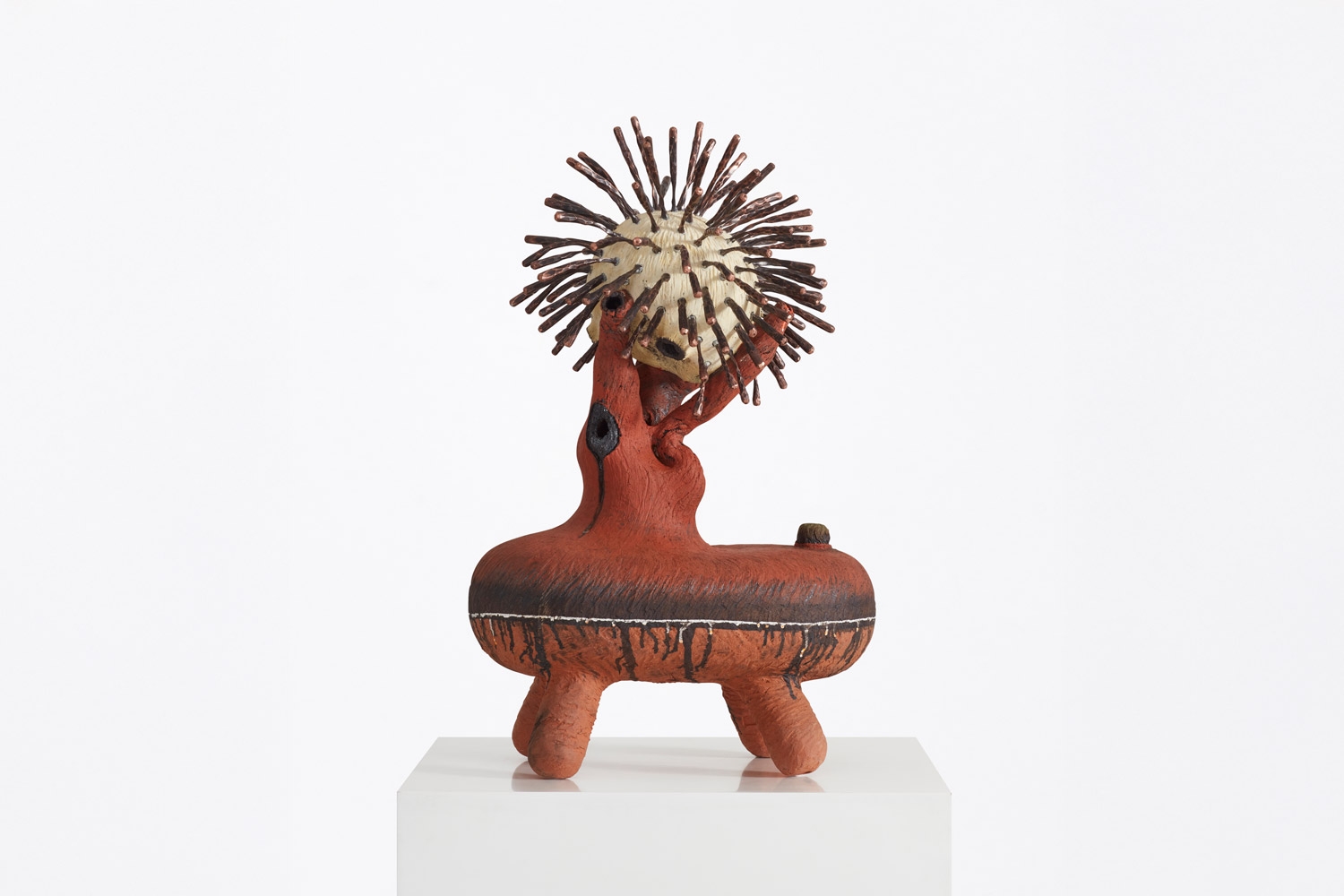
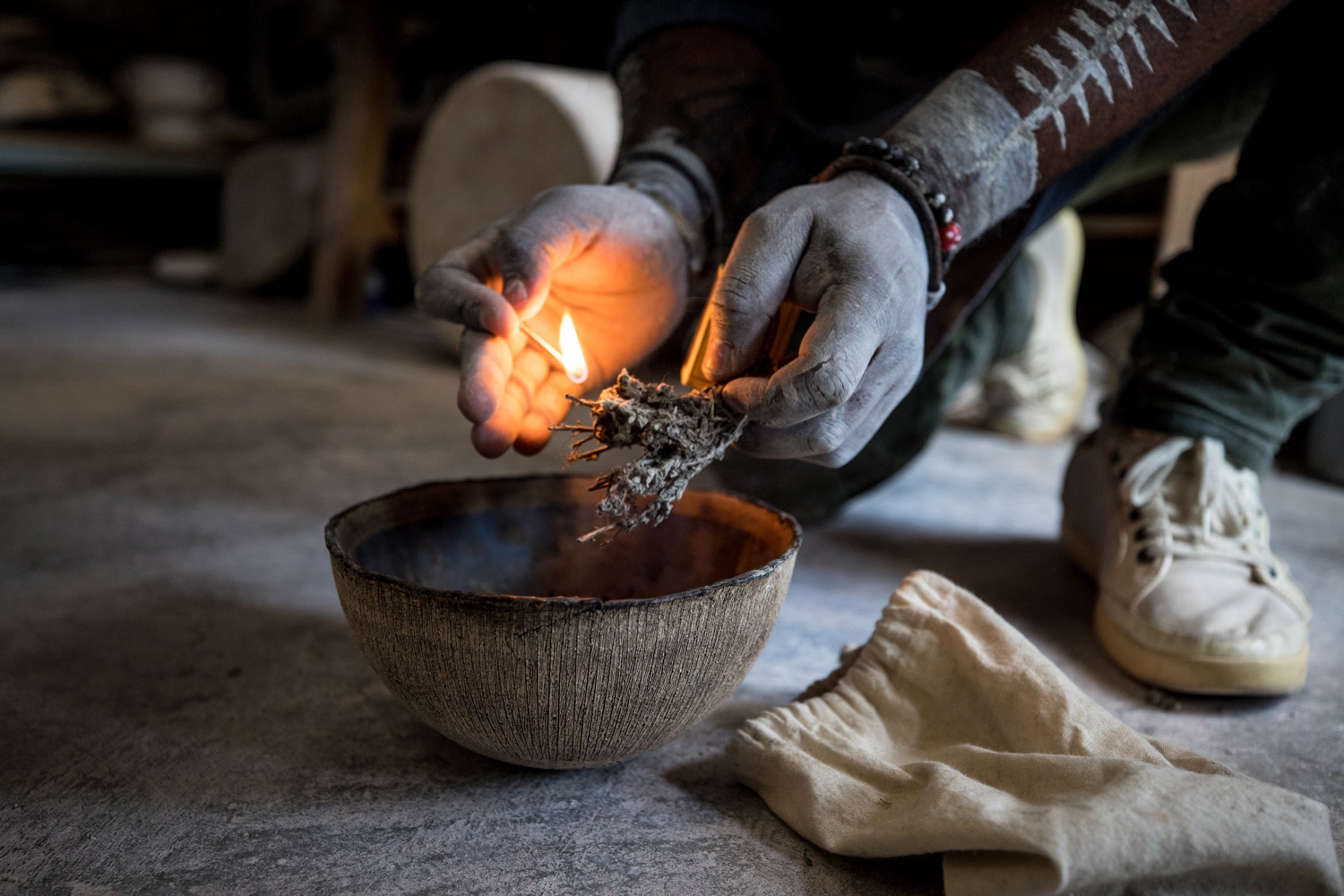
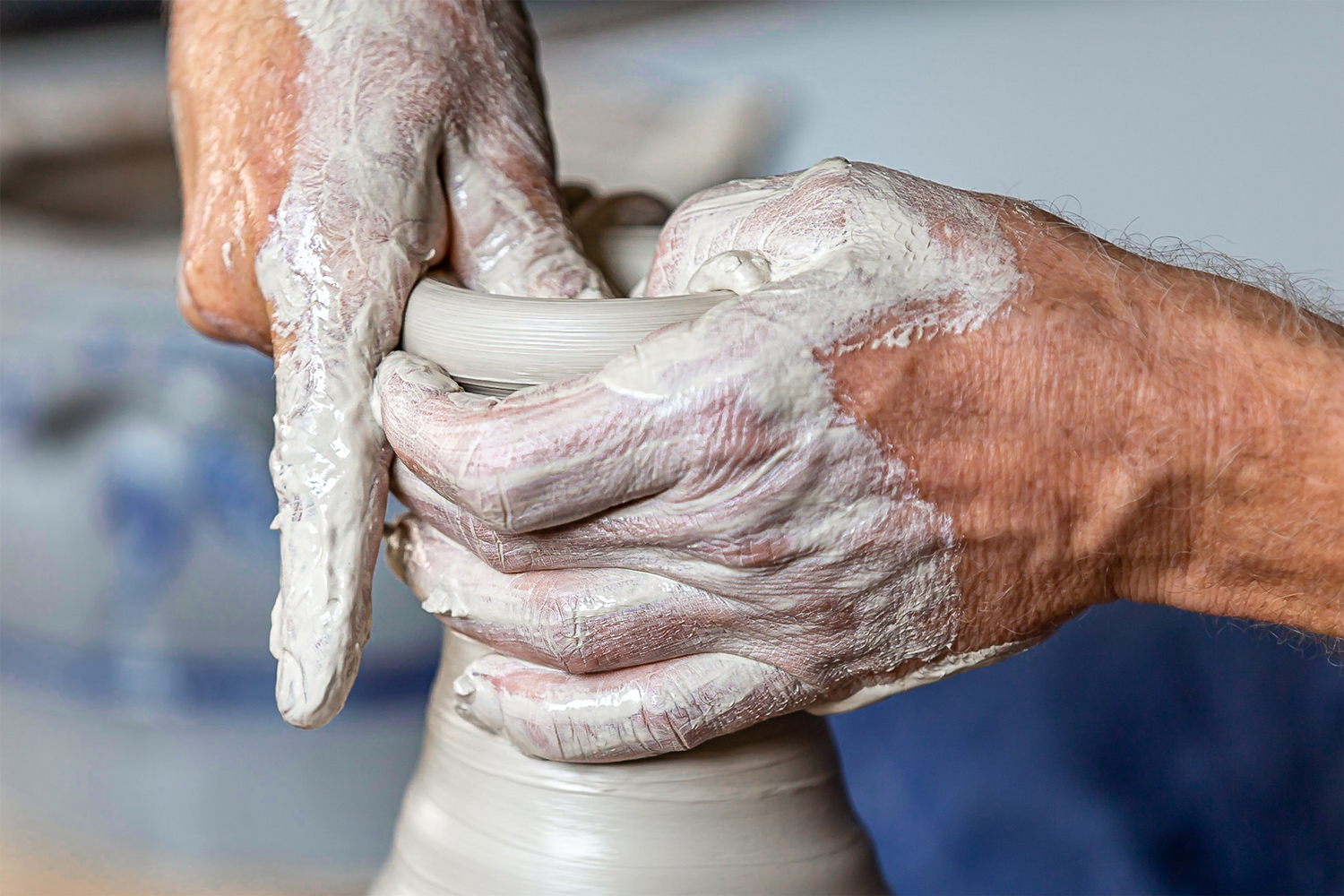
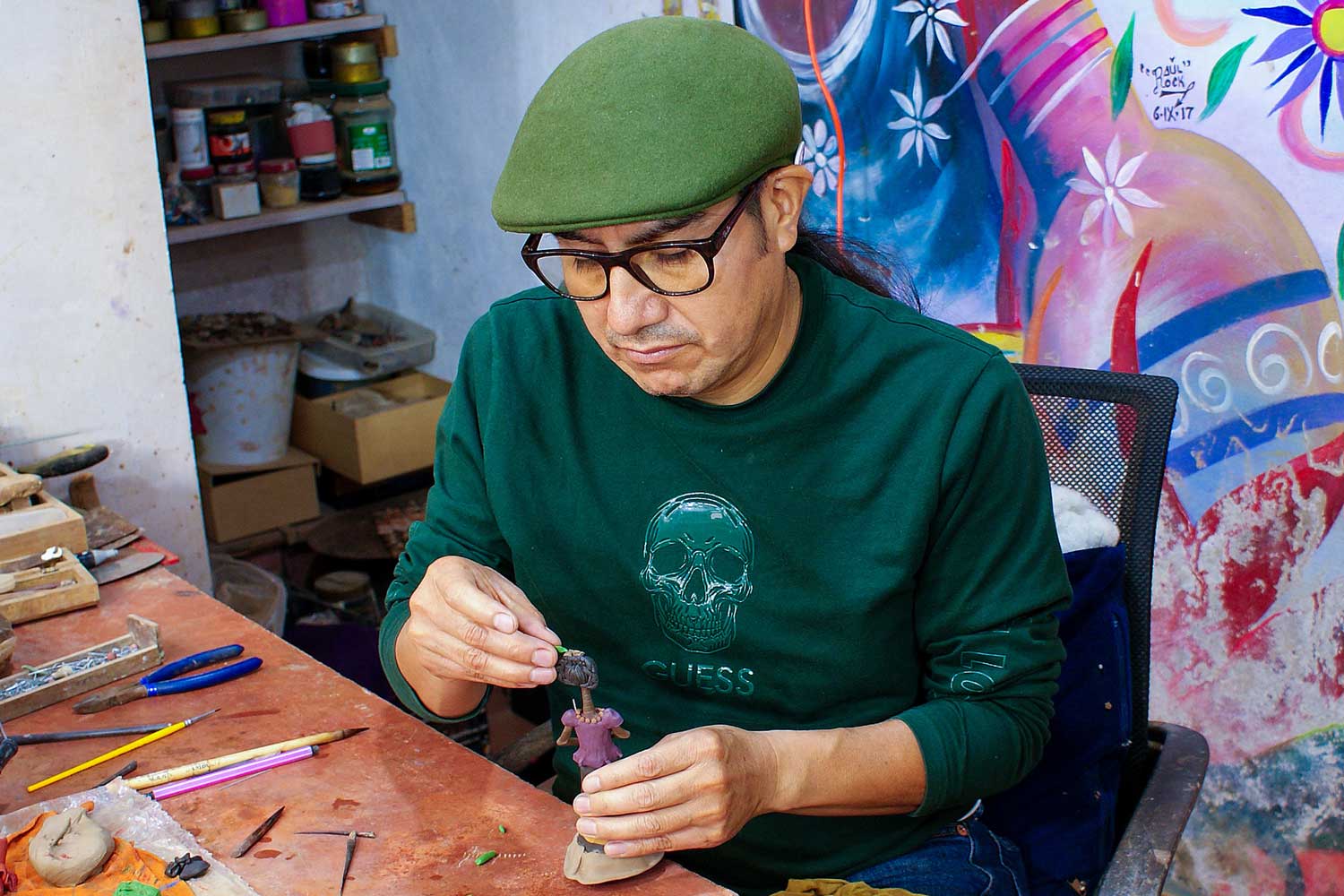
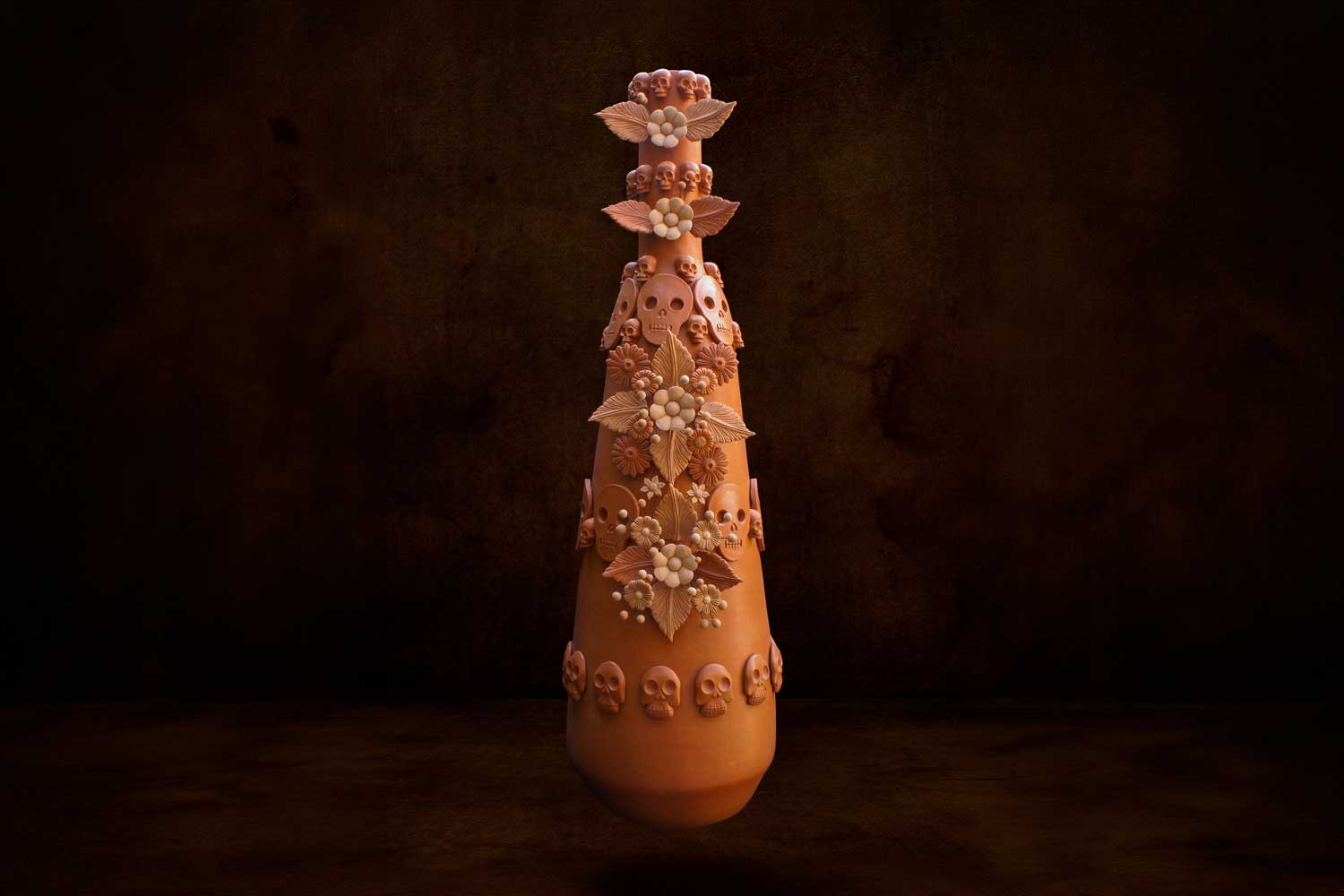
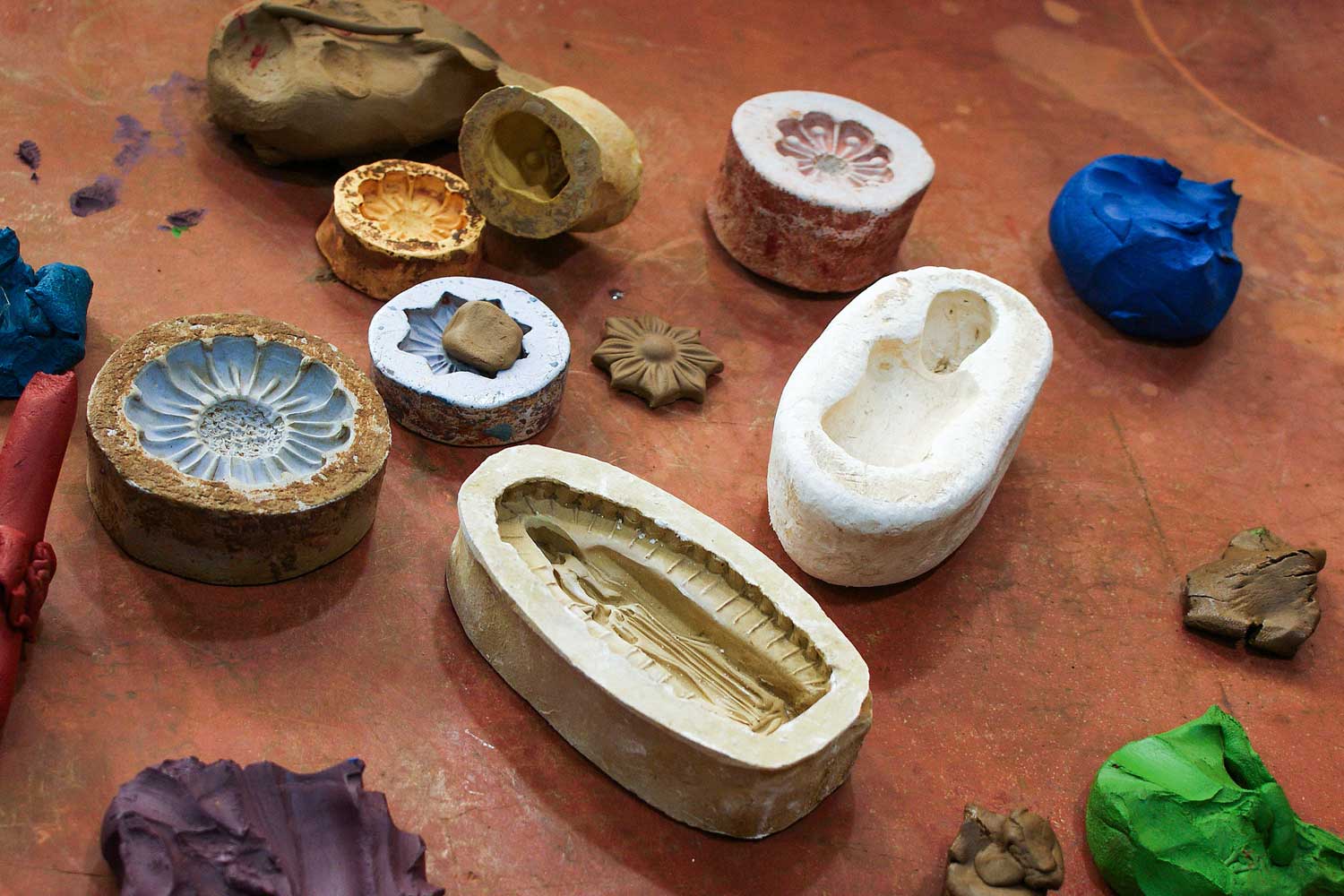
As a child, Cecilio Sánchez Fierro spent hours watching his grandparents create clay pieces. "I was fascinated by the firing process," he says. Cecilio learned the craft from his family and gradually turned it into a practice of his own. "Out of my love for clay, I decided to dedicate myself to pottery when I was 14 years old. I wanted to preserve a family legacy and cultural tradition,” he says. His native Metepec in the State of Mexico is widely recognised for its pottery culture, from utilitarian objects to purely decorative works. Among the techniques he practises is pigmented clay, a family-developed process that results in earthy, matte colours rather than bright finishes. “We developed the technique around 25 years ago," Cecilio explains. "This discovery became a turning point for my career and my family’s work.”
Cecilio Sánchez Fierro is a master artisan: he began his career in 1990 and he started teaching in 2000.

INTERVIEW
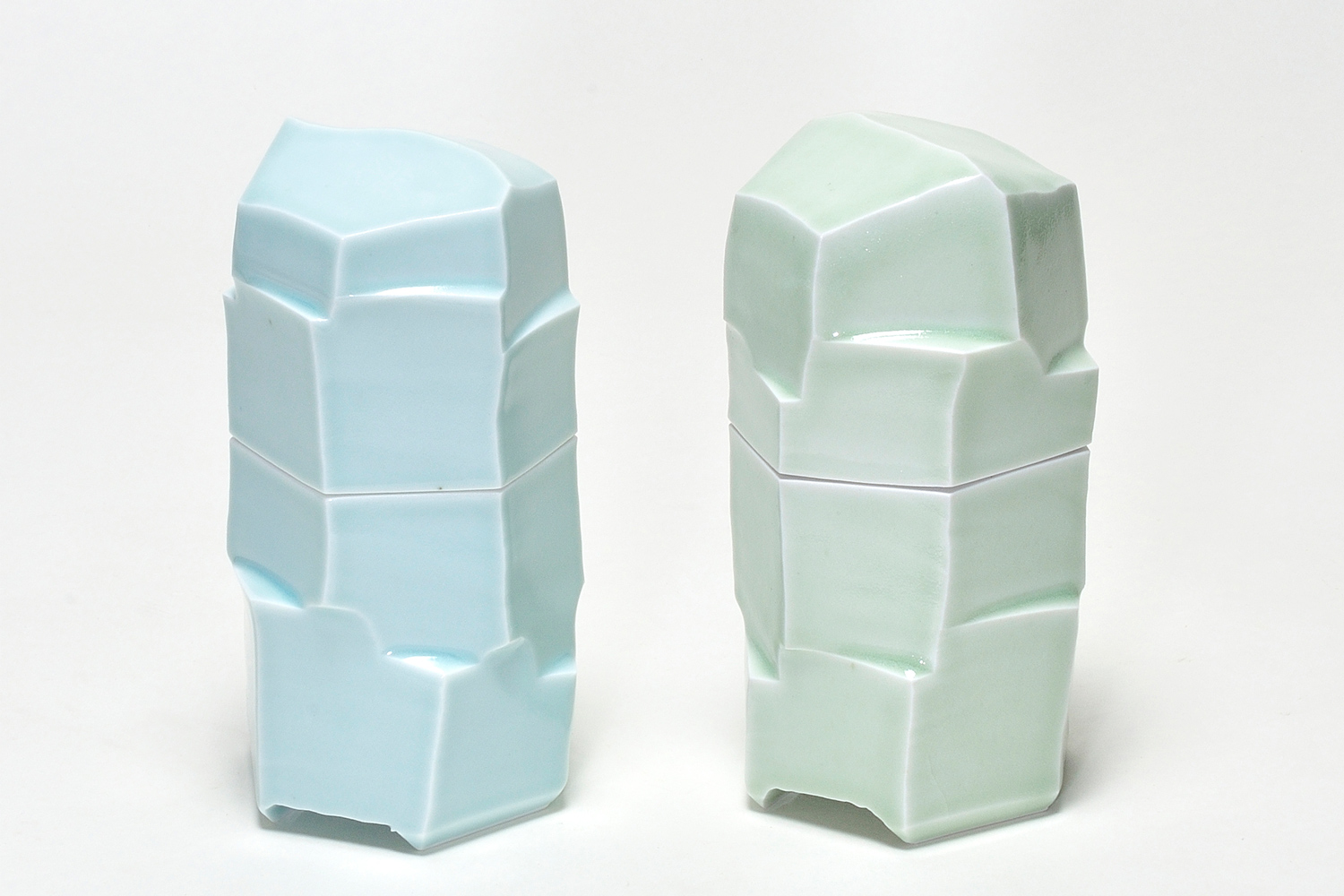
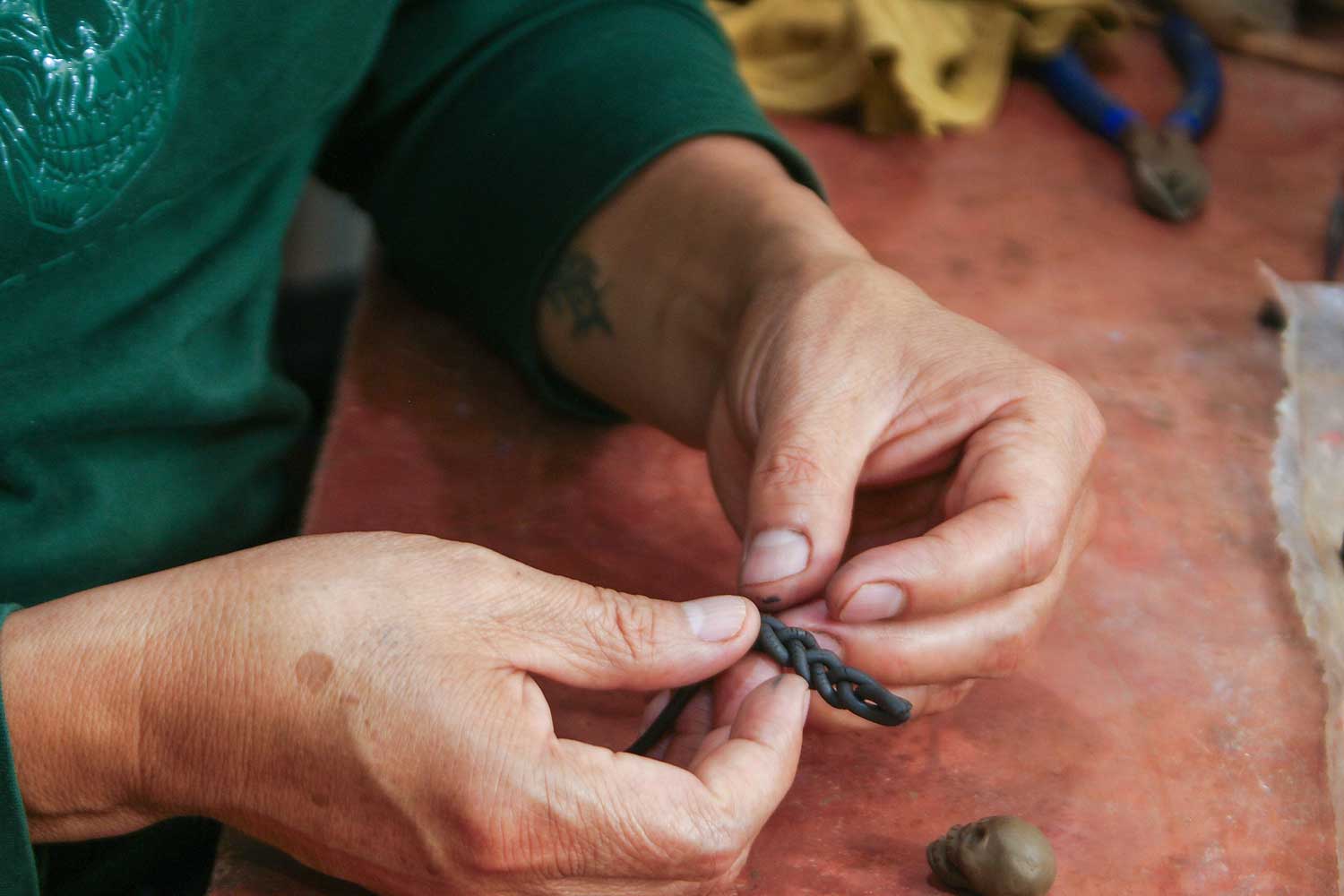
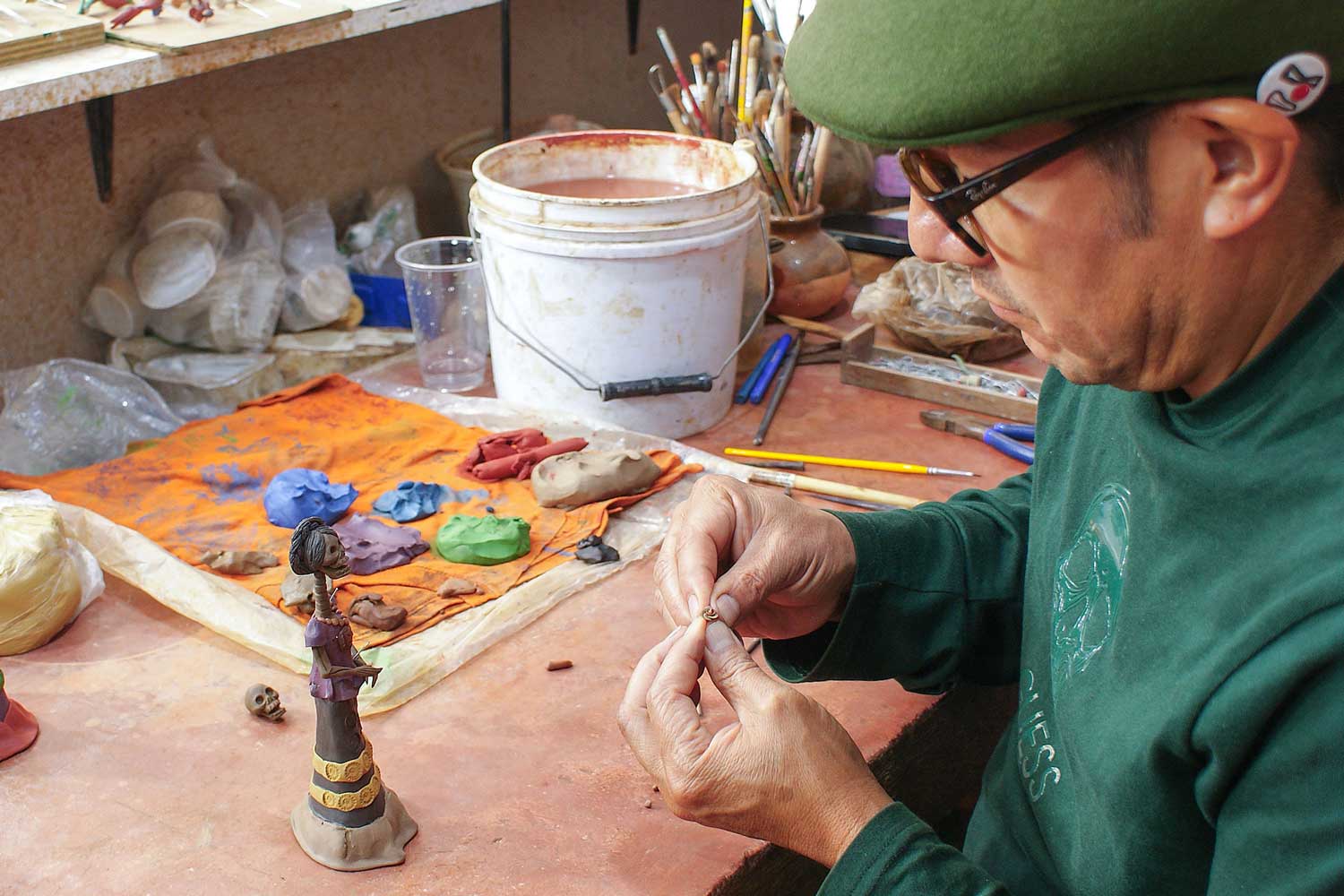
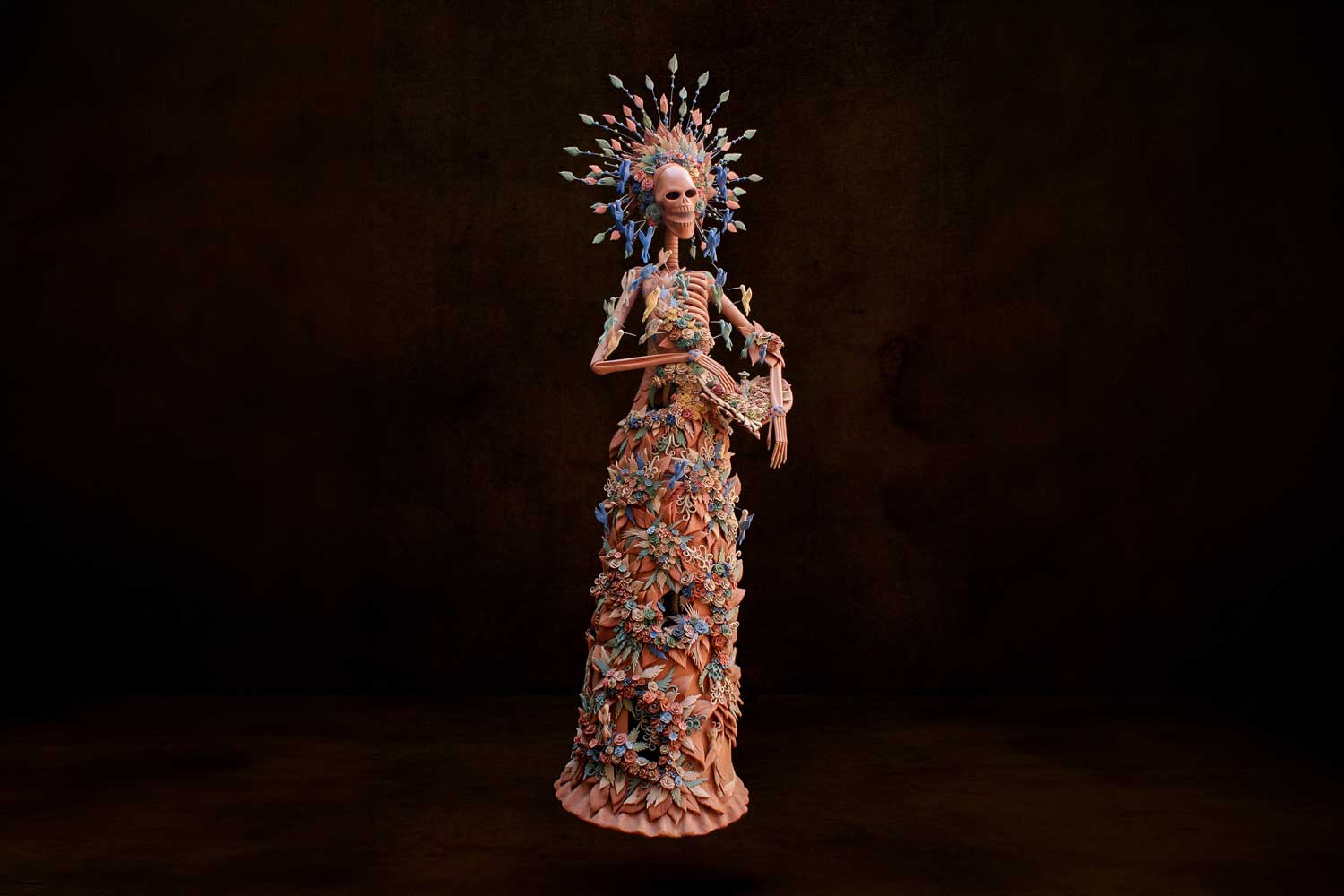
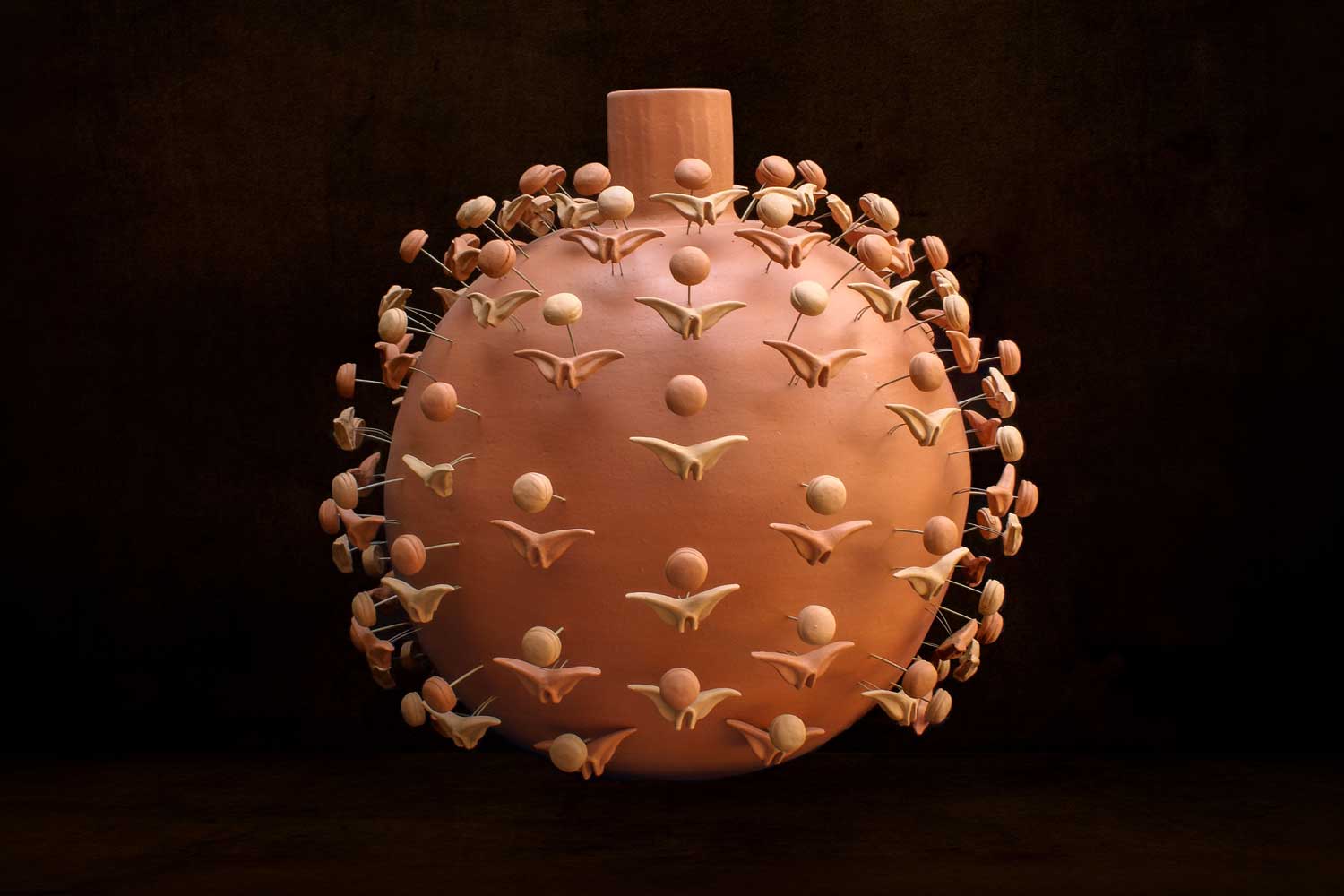
Pigmented clay involves colouring the clay body itself using ceramic pigments. Unlike ordinary dyes, these pigments can endure the high temperatures of the kiln. As a result, the ceramic piece retains its colour and integrity through the firing process.
The Árboles de la Vida ceramic tradition dates back to the 20th century in Metepec. It was initiated by Timoteo González and Modesta Fernández, who created early versions featuring simple tree trunks with Adam and Eve. This art form expanded to embrace a wider array of motifs such as flowers, animals and various religious symbols.
The trees are based on a biblical passage evoking paradise. Their iconography includes Adam and Eve, the serpent and religious figures. Although additional decorative elements were introduced over the years, the trees have always retained their connection to the Garden of Eden.
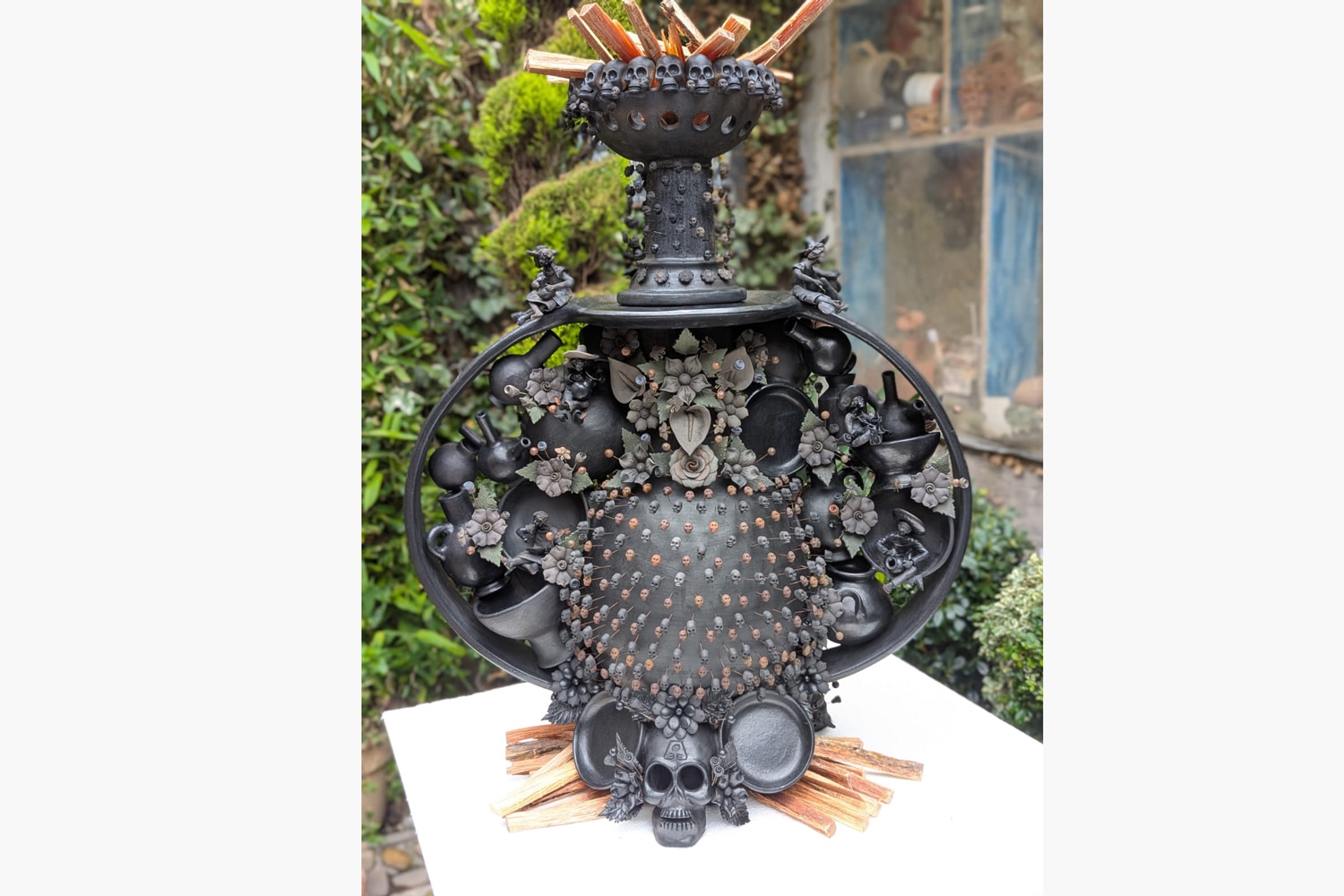
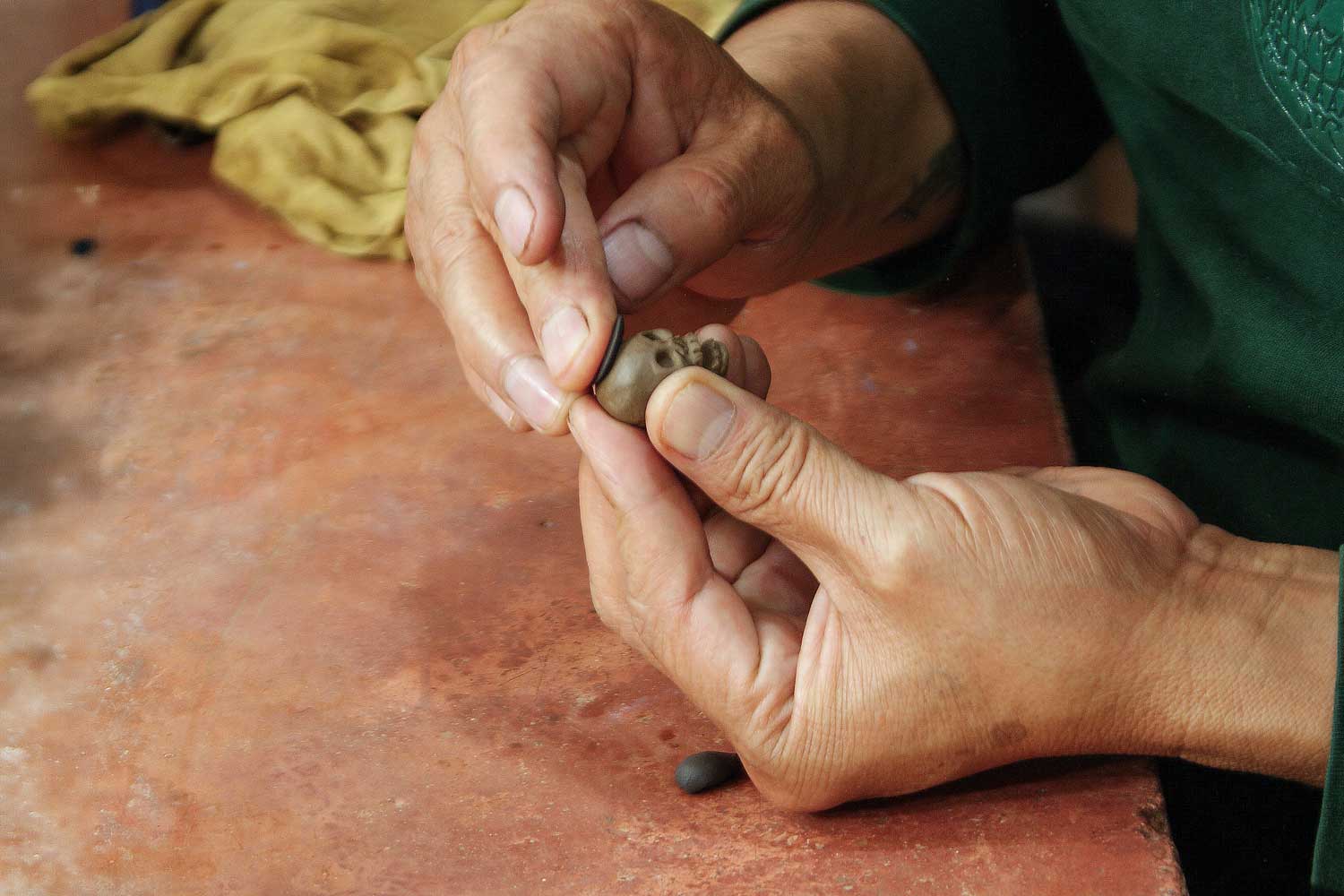
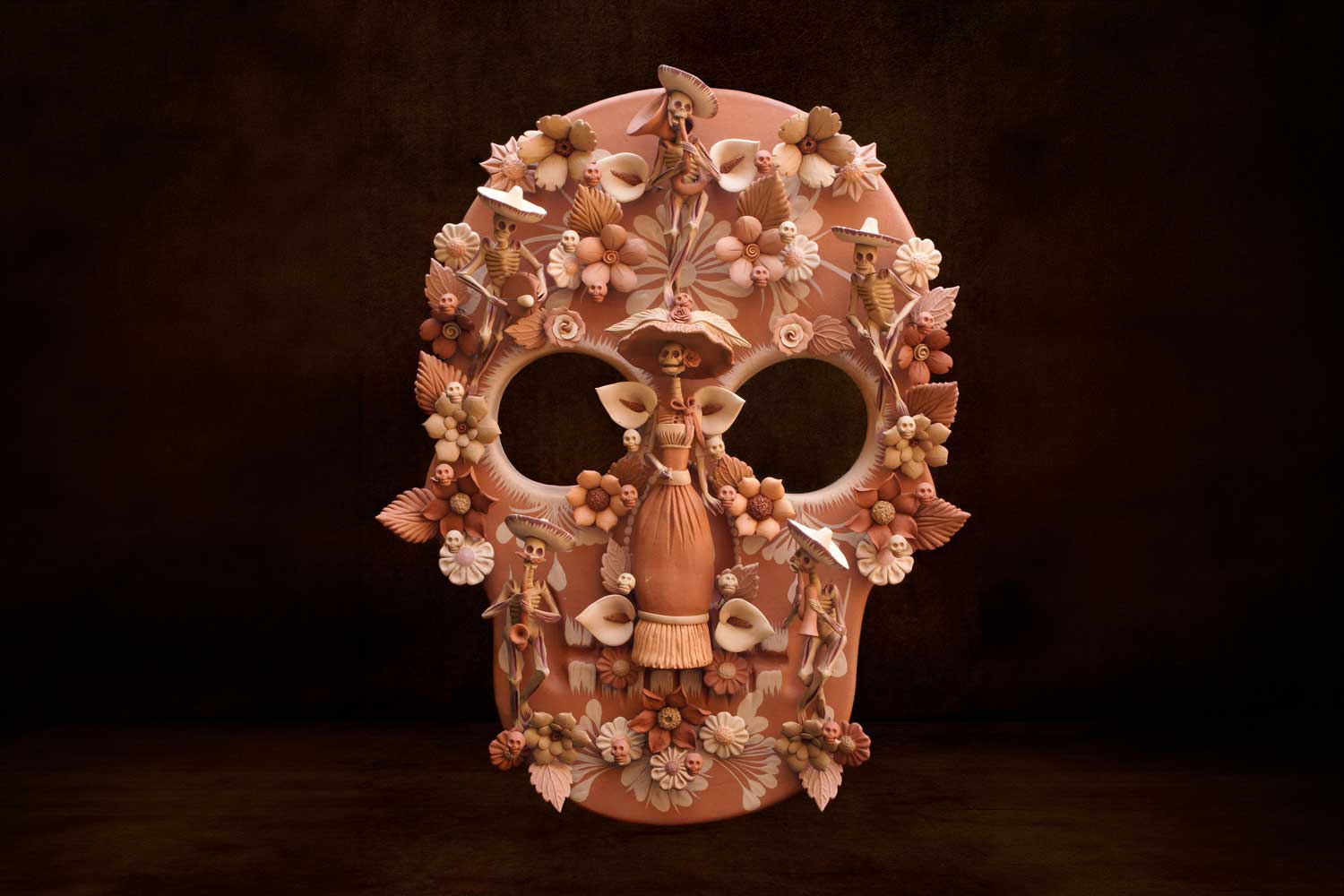
My connection to the imagery of skulls is deeply personal, shaped by both family and cultural traditions. My father frequently incorporated them into his artistic work. In Mexico, black skulls are key symbols during the Day of the Dead. They evoke mourning and remembrance, and connect us to pre-Hispanic tzompantli traditions, the root of this imagery.
Cecilio Sánchez Fierro
Ceramicist
Metepec, Mexico
AVAILABILITY
By appointment only
PHONE
+52 7223352302
LANGUAGES
Spanish
HOMO FABER FINDS
Homo Faber Finds is a new service aiming to inspire admirers of craft to connect and collaborate with exceptional artisans.
We invite you to submit an enquiry here.