Boris Deltchev
Vrai-Faux Design
Decorative painter
Sofia, Bulgaria
Recommended by Rosina Pencheva
The poetry of a place
- Boris studied drawing at the National High School of Fine Art
- His work features in prestigious castles and yachts
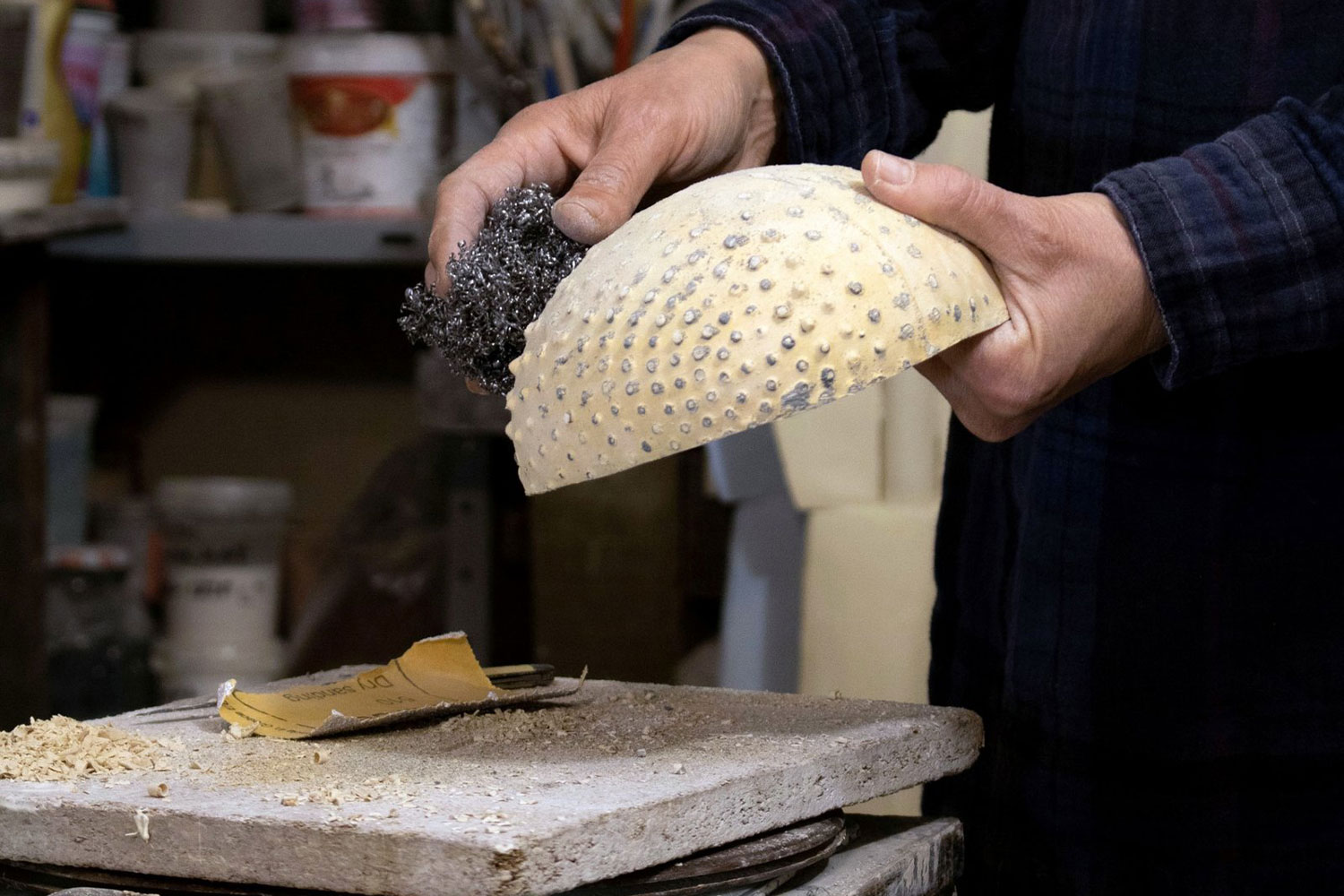
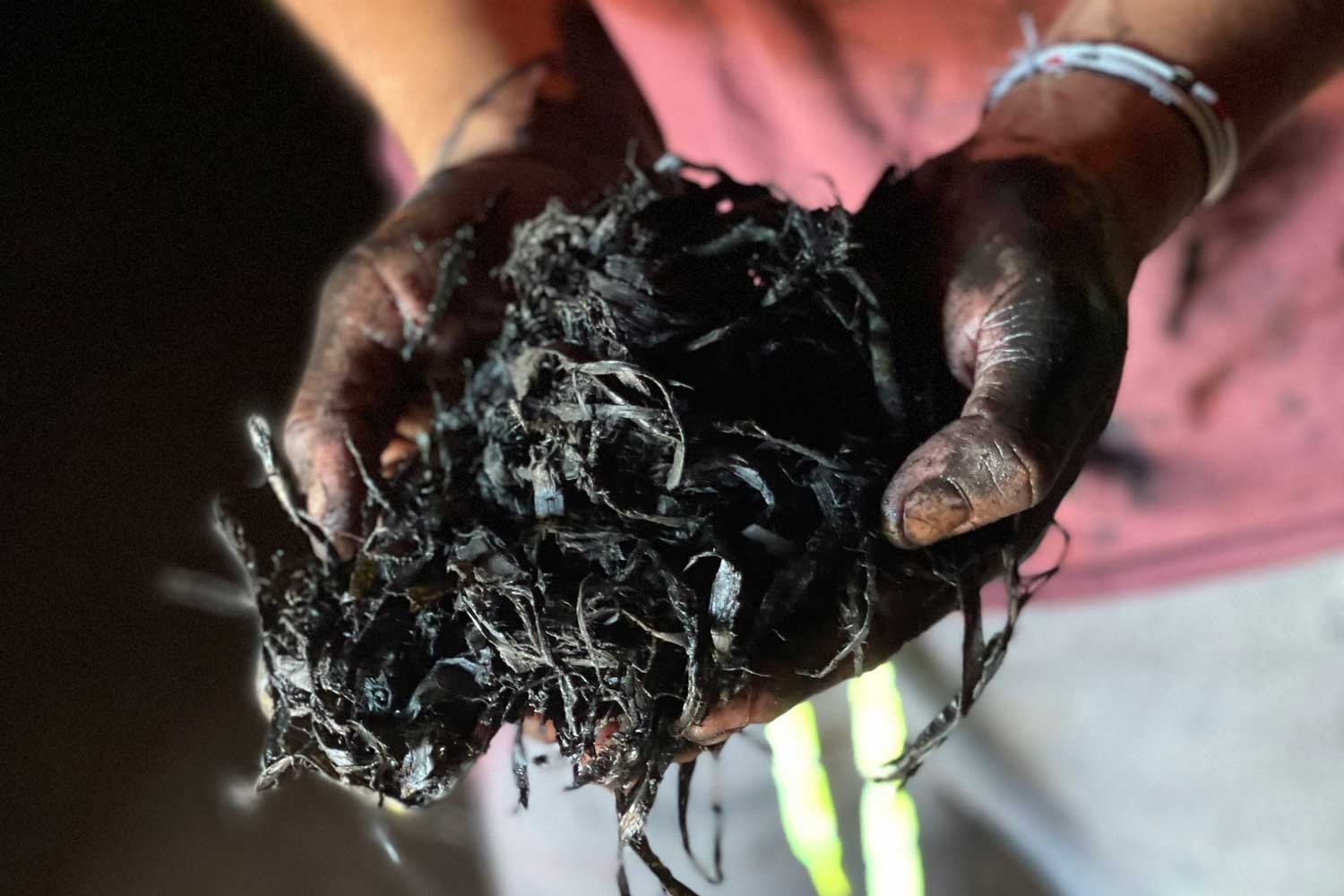
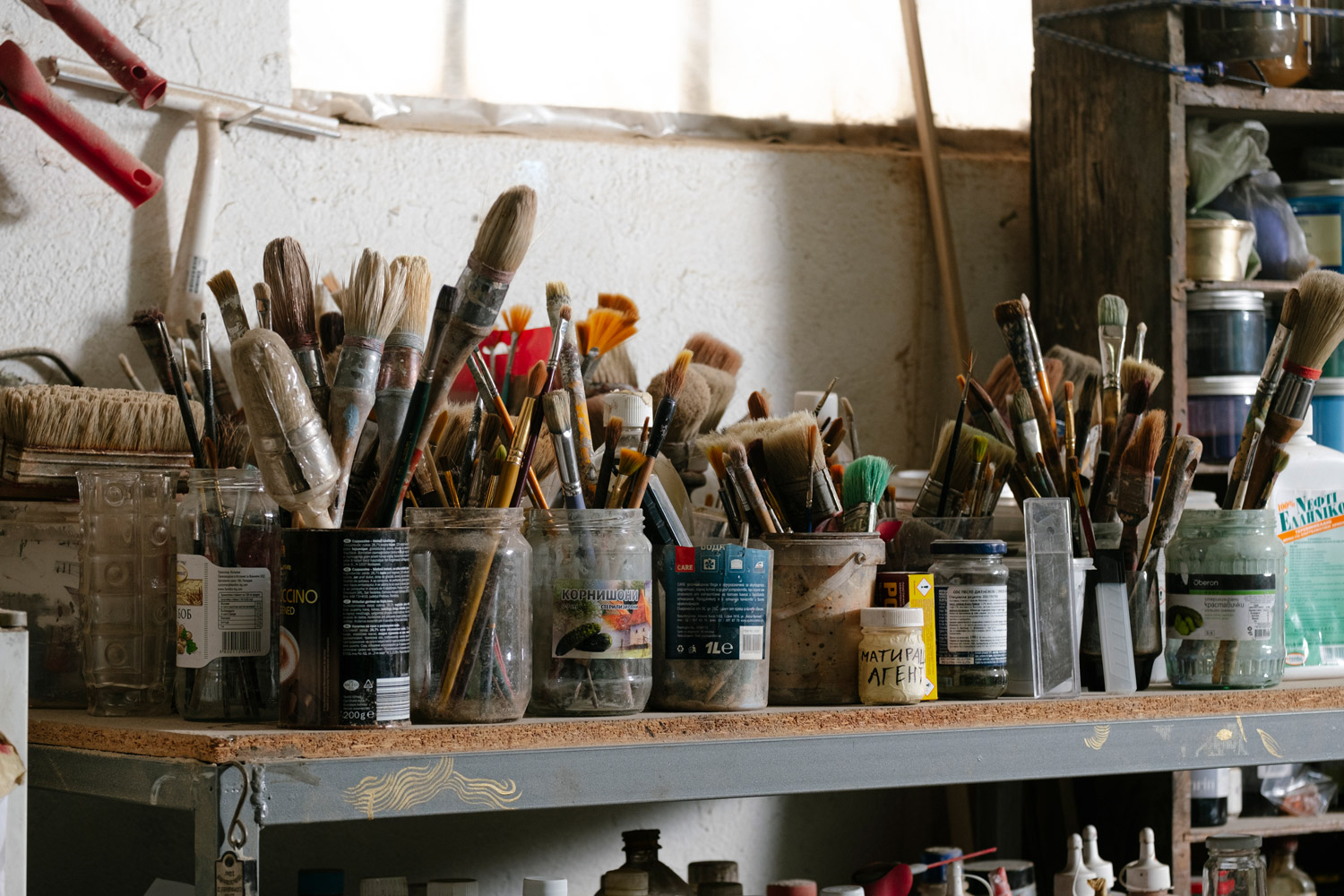
- The rag is by far his most important tool in his daily work
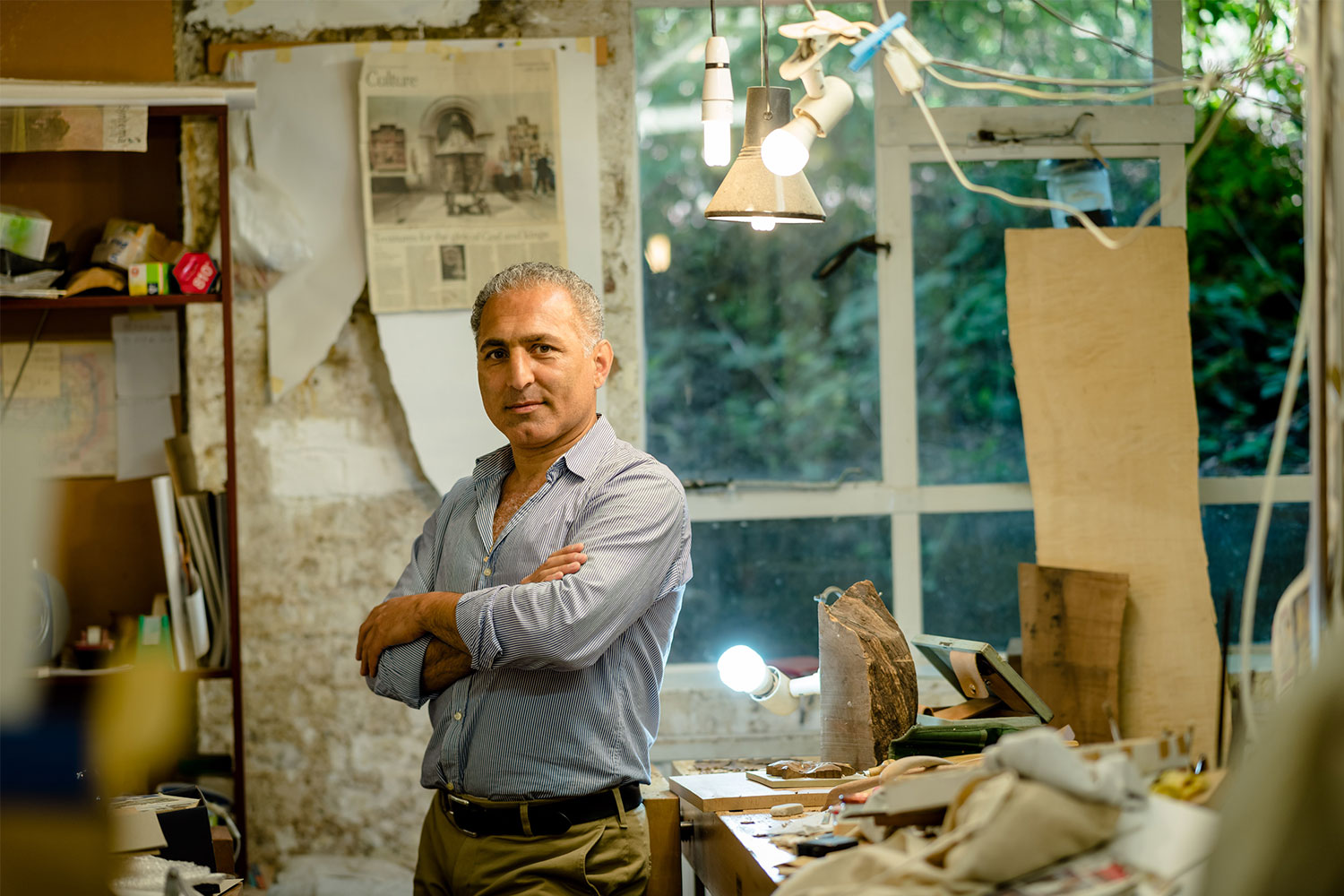
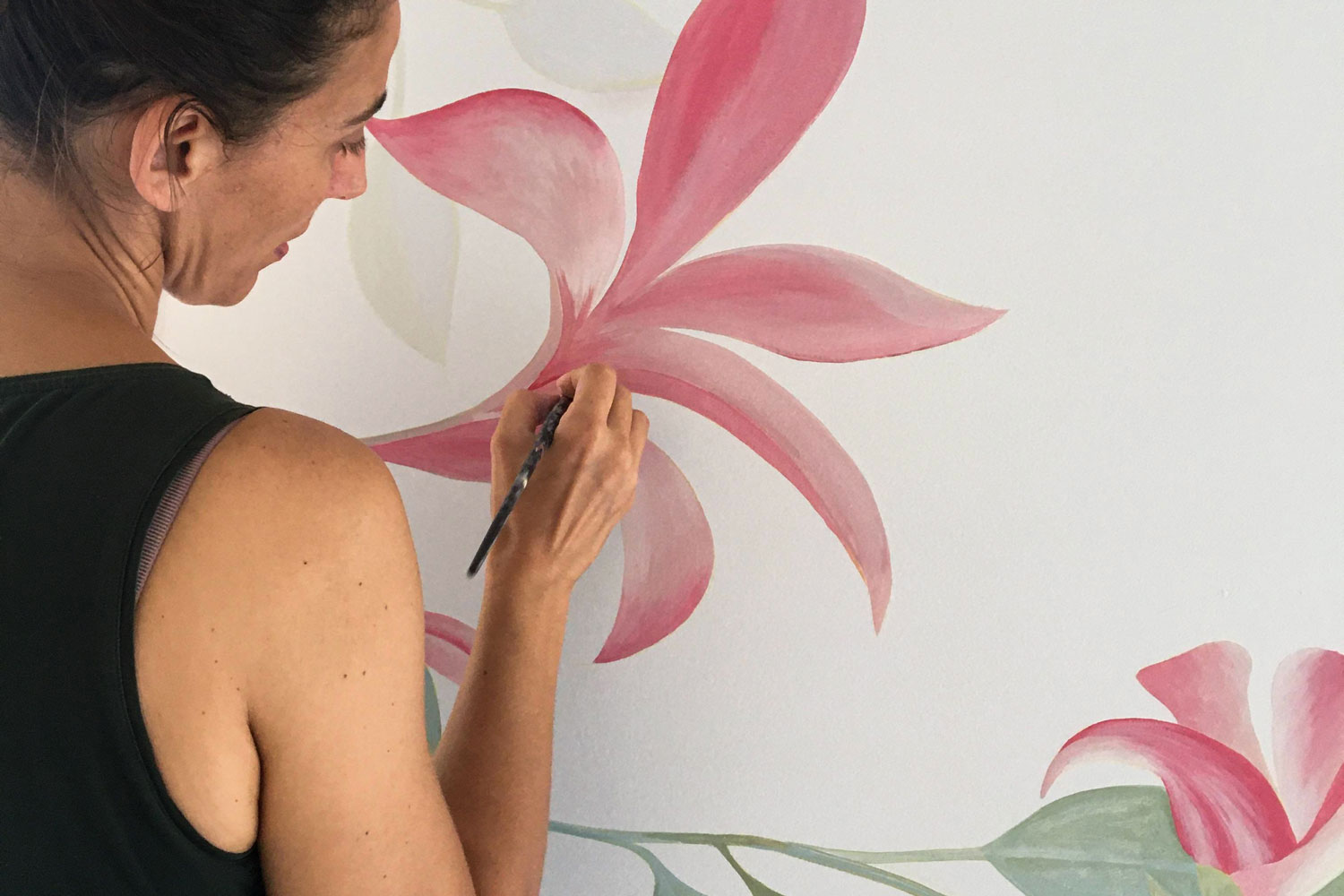
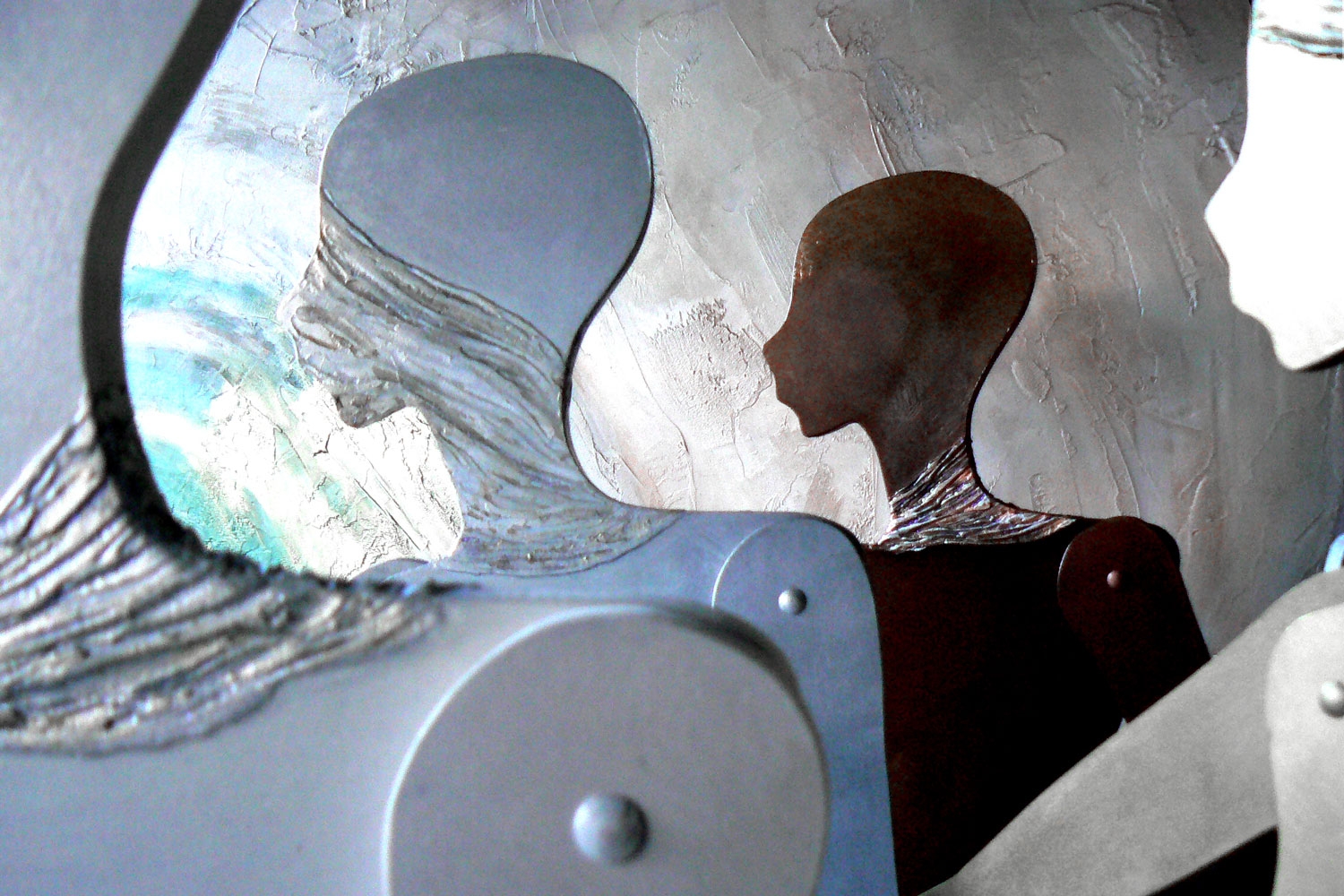
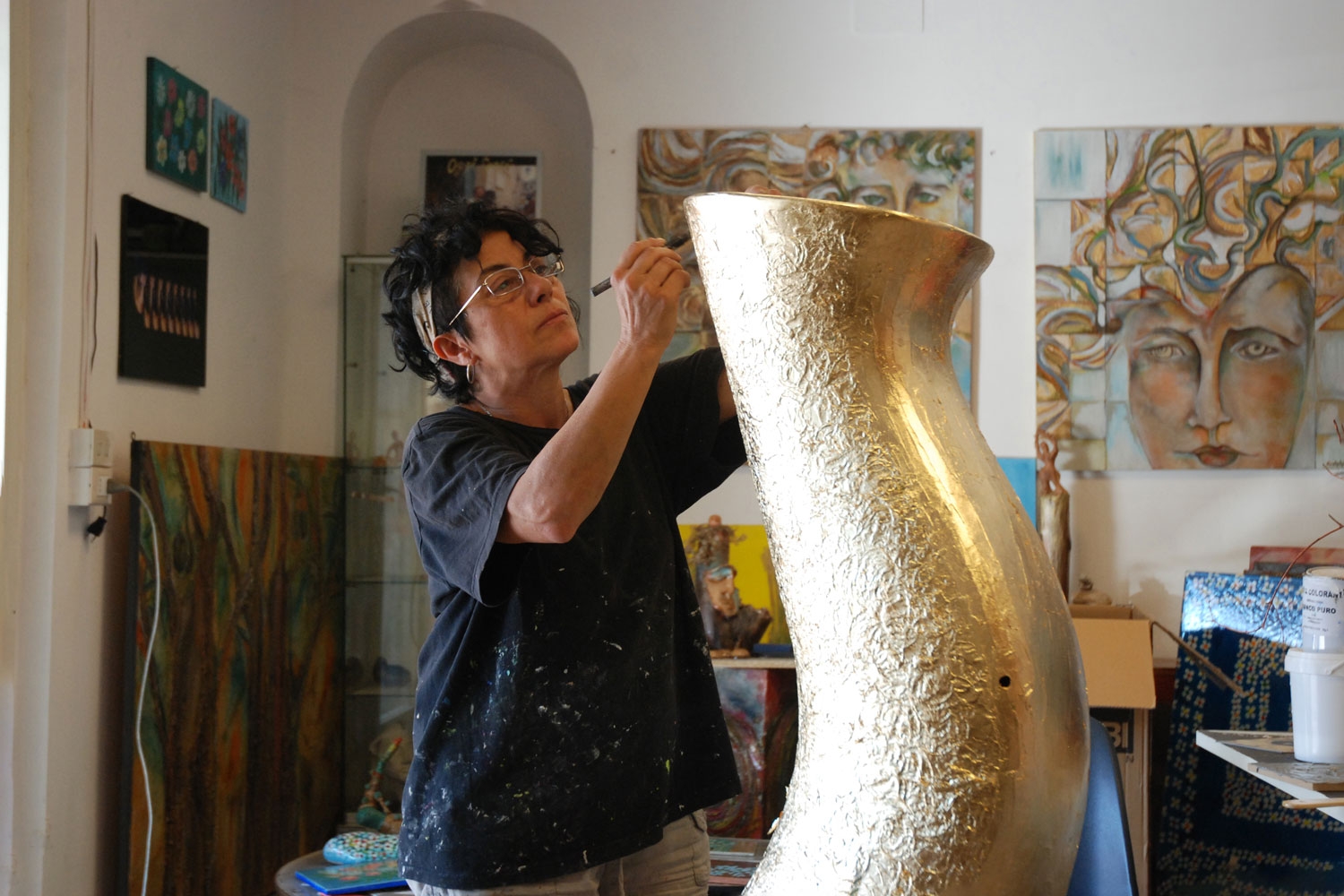
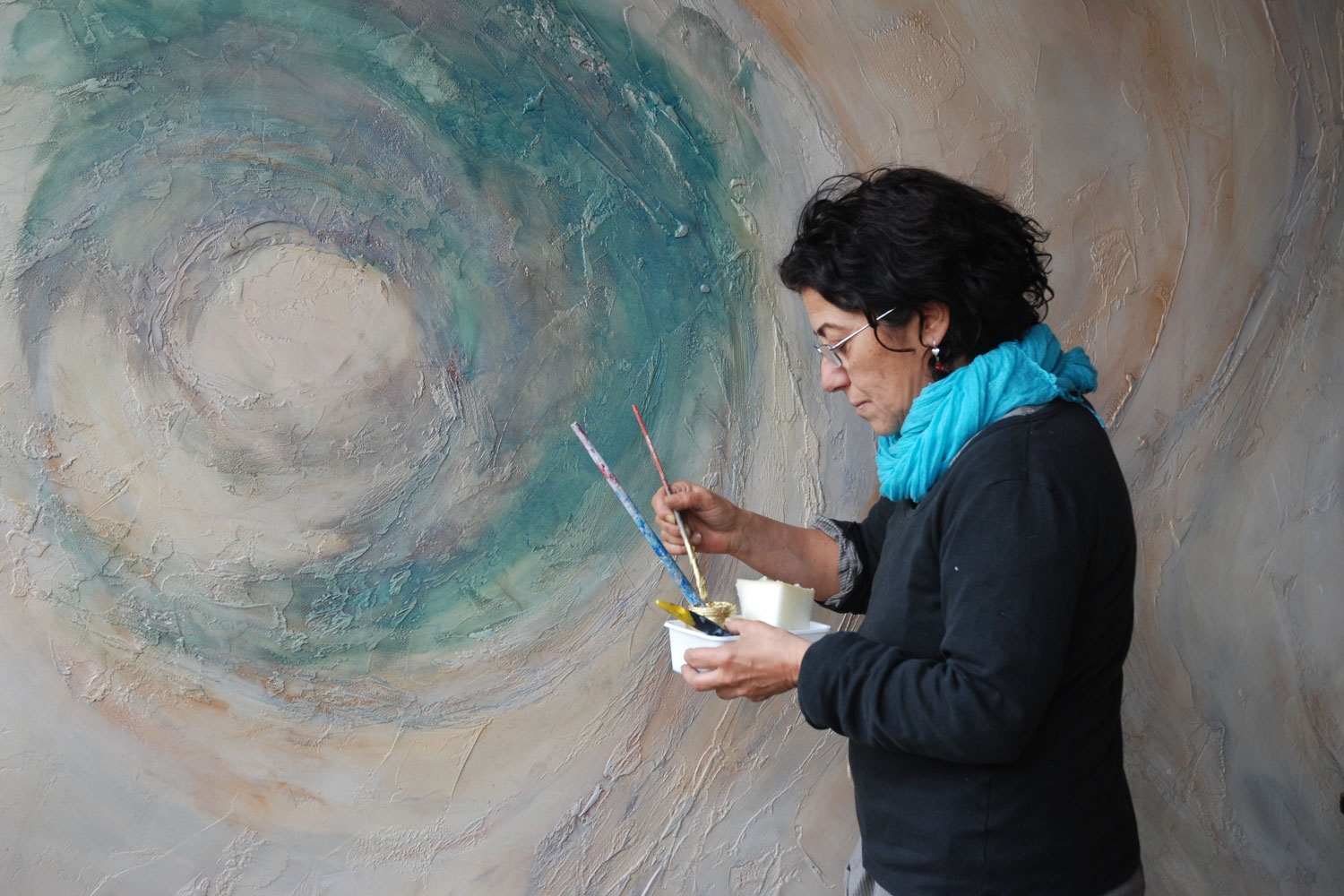
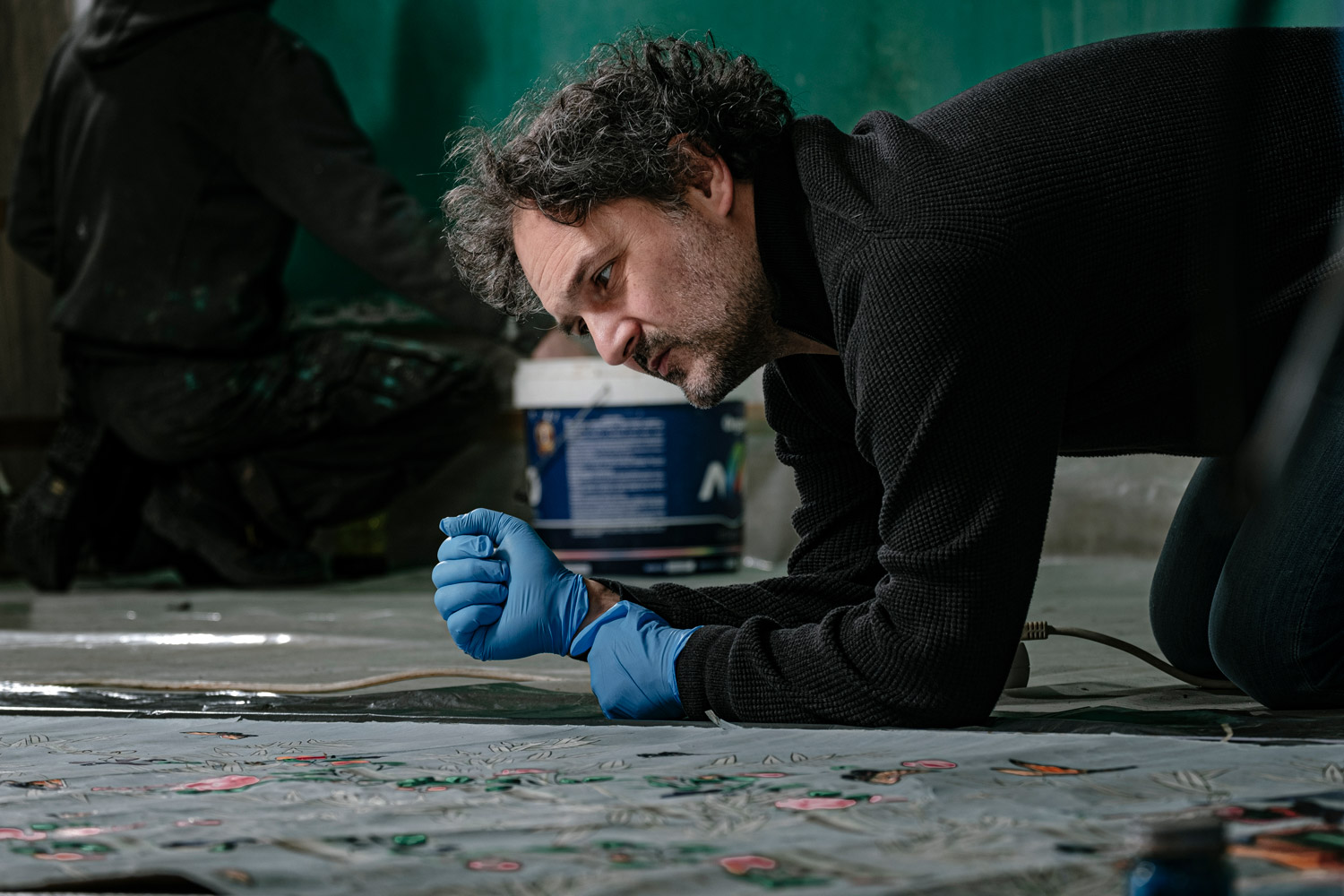
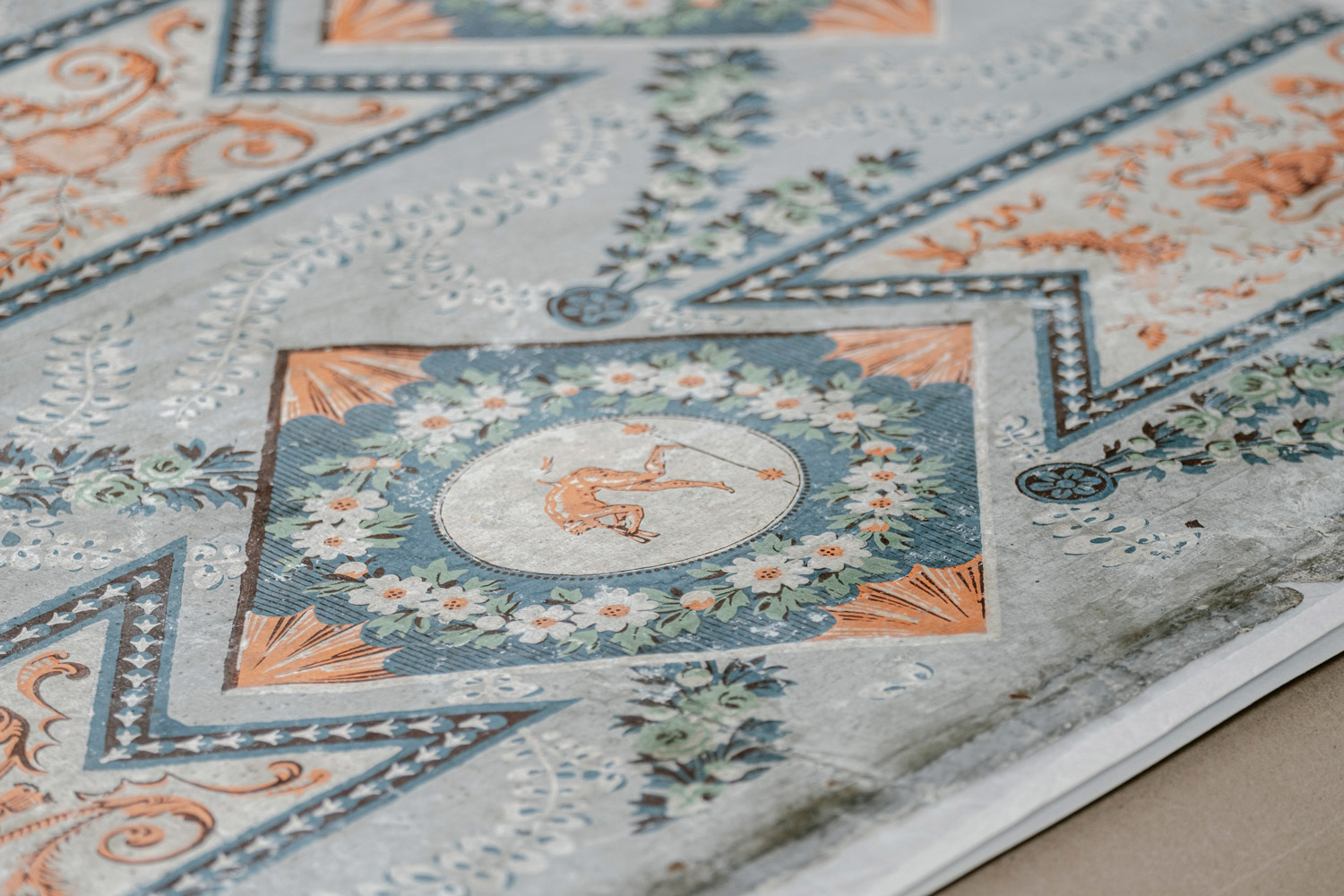
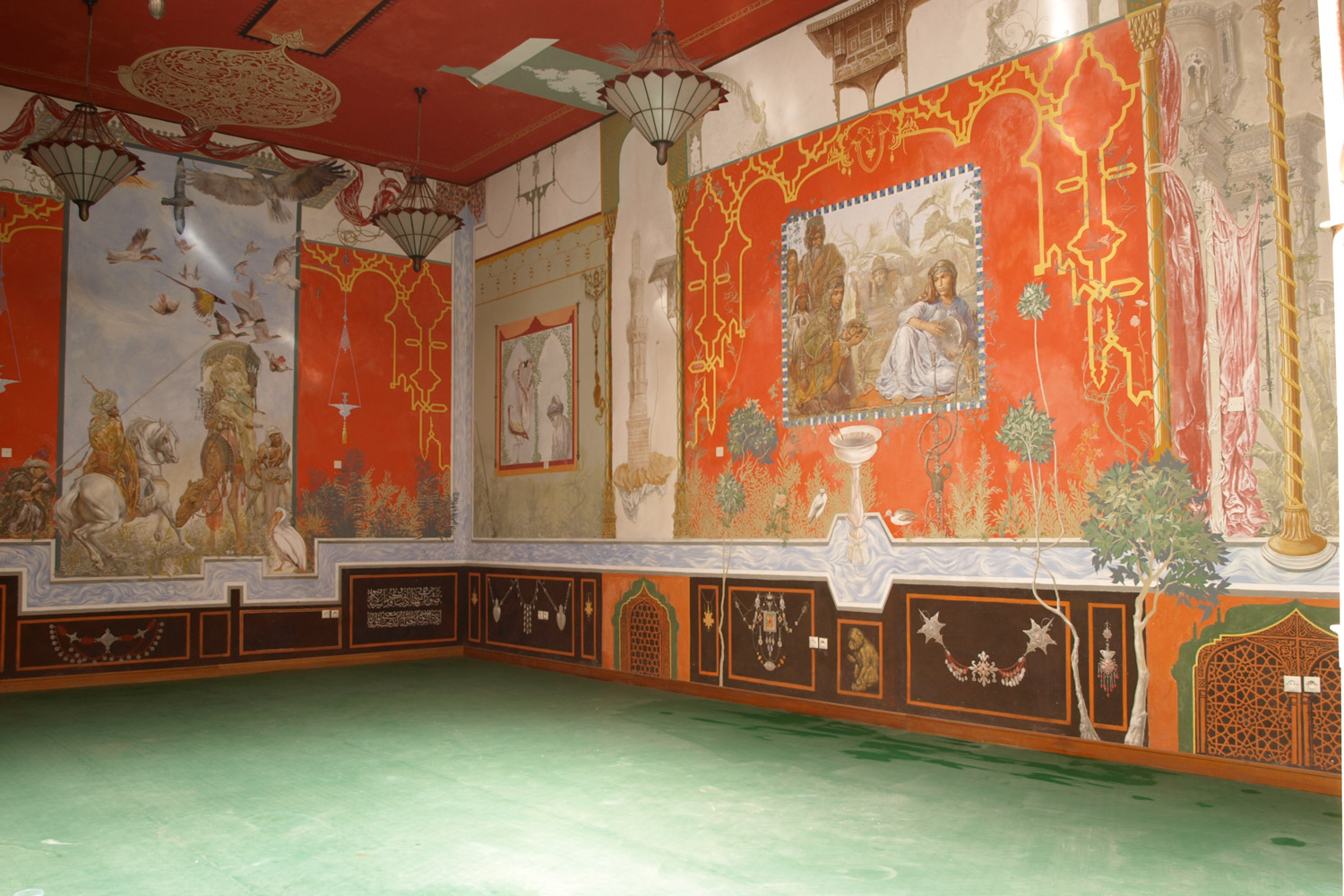
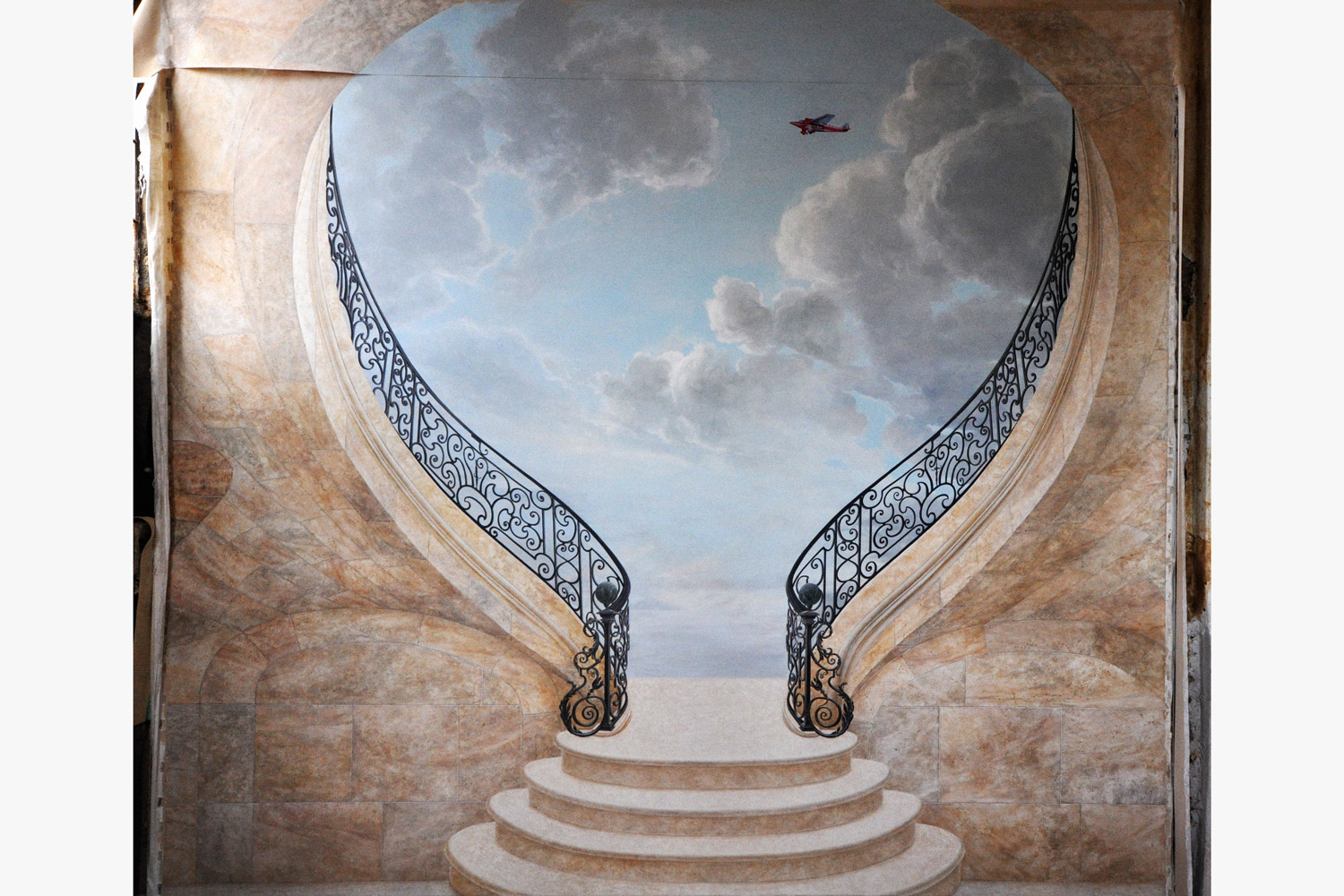
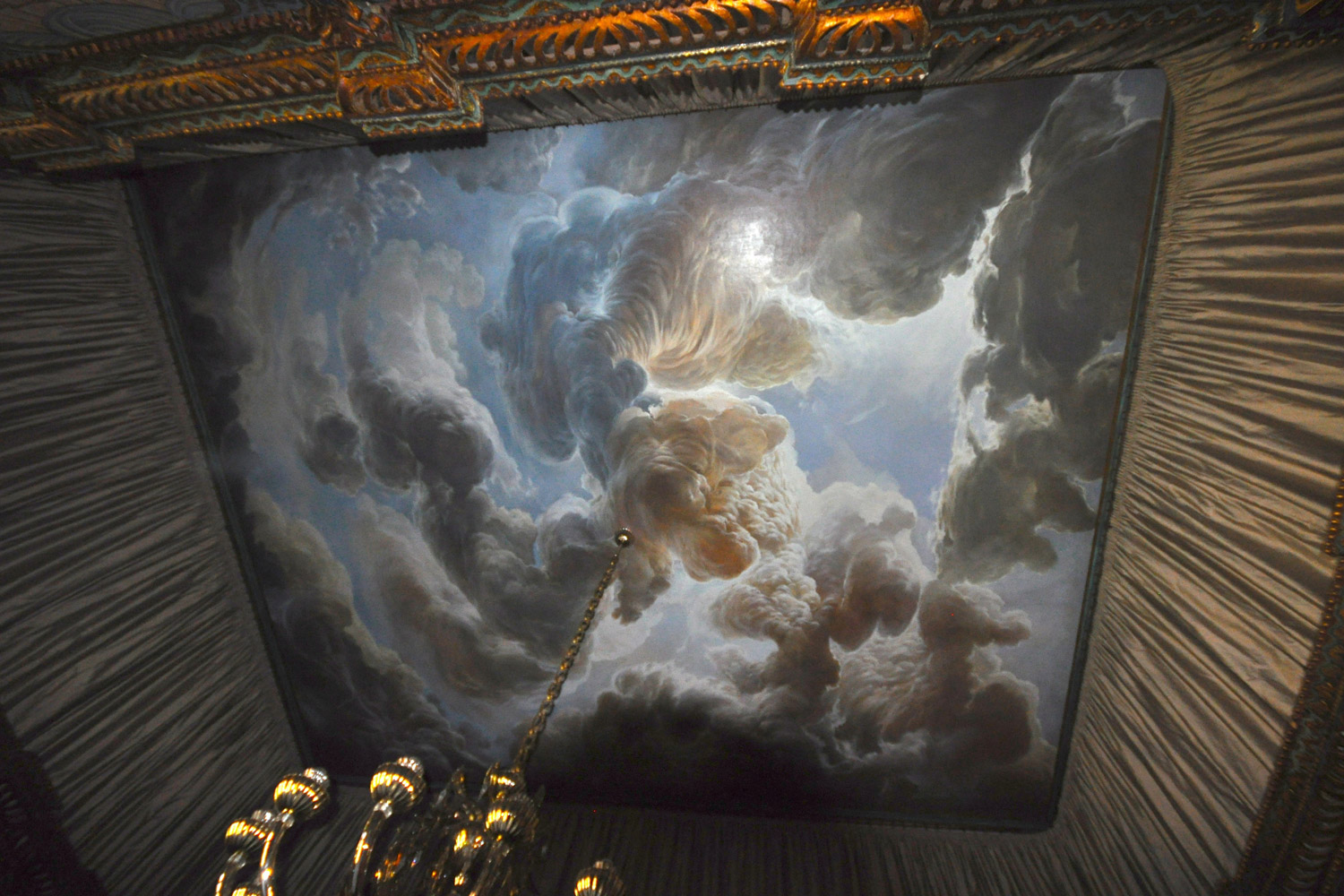
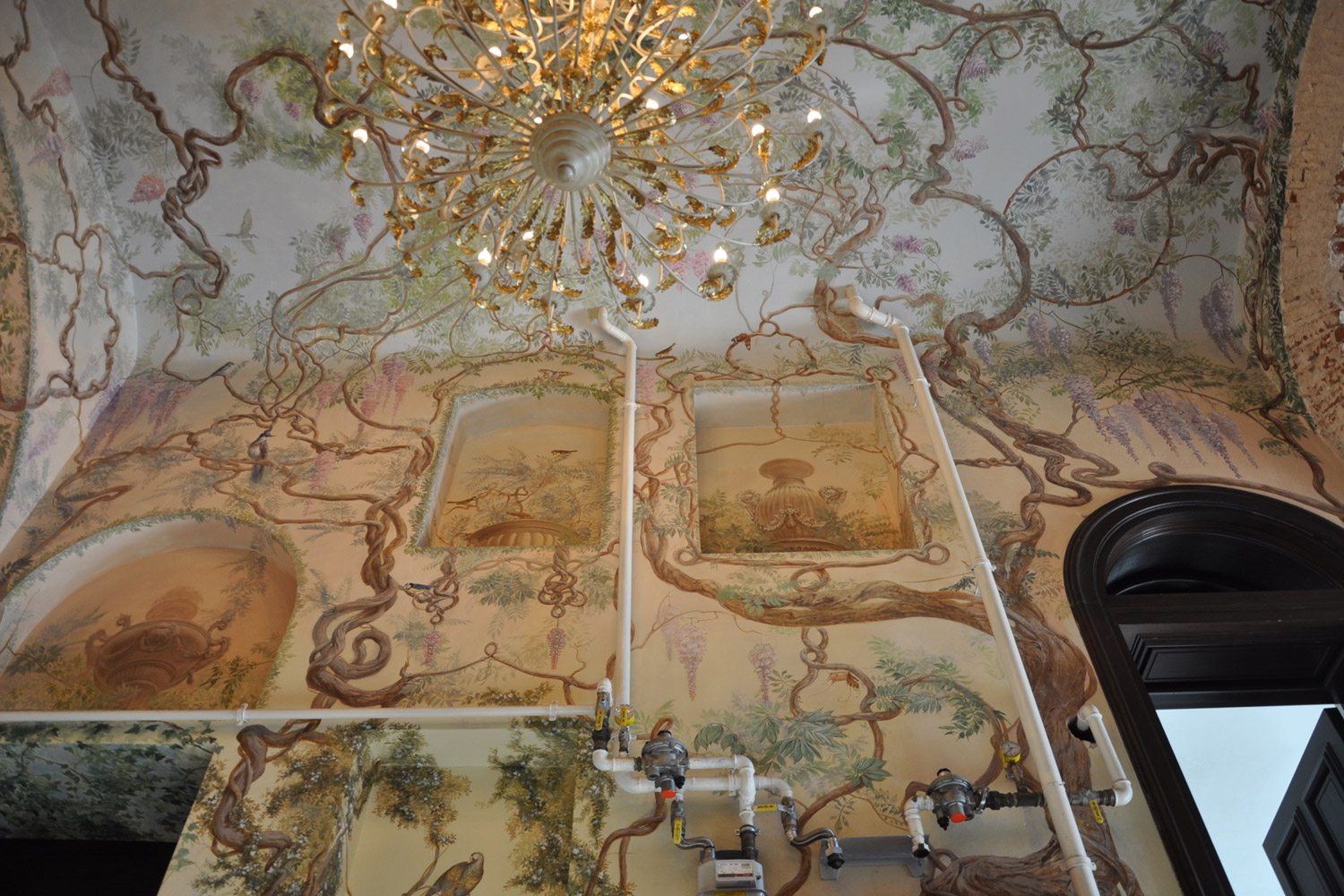
Few get access to the interiors of old chateaus bearing the marks of history and generations of noblesse. And even fewer get to create them. Boris Delchev is among a niche handful of artisans, whose work is dedicated to the restoration of valuable heritage by reimagining and regenerating its old spirit with accuracy and craftsmanship. He is also famous for making new interiors feel like antiquated ones. His clients range from the French government to design stars like Christian Louboutin and Philippe Starck. Boris entered the world of restoration, faux finishes and wall paintings by chance and fell in love with its rich possibilities. He has become one of its best professionals, travelling the world to execute exquisite commissions for aristocrats and contemporary taste makers alike. Boris works with a busy team of artists who usually prepare the materials for each project in Sofia before on site work begins.
INTERVIEW
I settled at an atelier in Paris shortly after my graduation when a window of opportunity opened up to me. The famous New York decorator Robert Denning invited me to assist him on a wall drawing for a high net worth's penthouse in Monaco. I remember taking up the job somewhat reluctantly, only to find myself assisting Denning for the next 9 years.
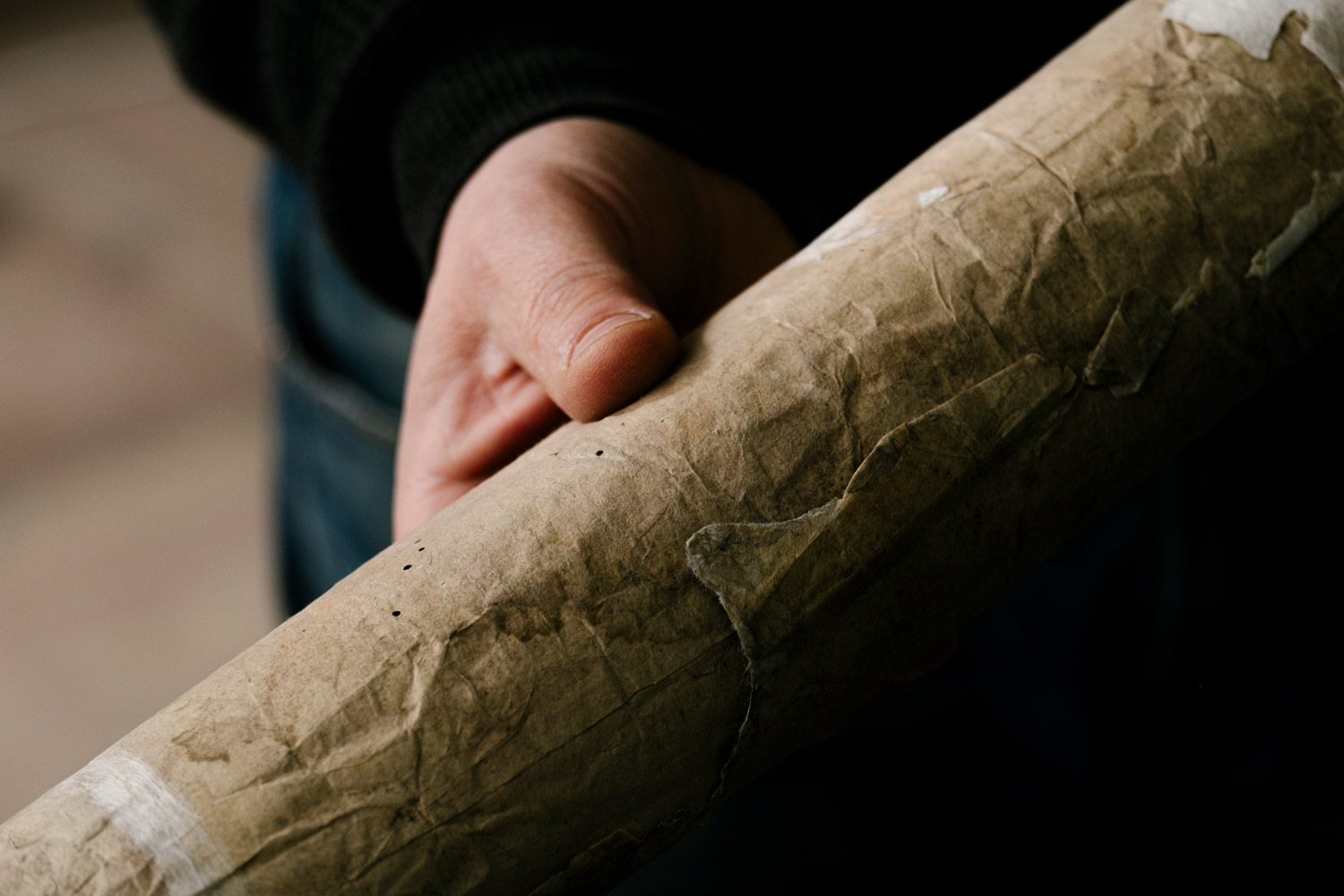
There are several. My perfected technique of drawing which I mastered in high school when making 200 sketches per day. I am highly reliable and a workaholic. I love collecting, searching for old treasures in attics or old markets.
Deep respect and careful understanding of the cultural heritage which is usually the starting point of every project. My clients usually collect paintings, chairs and all types of items. I have learnt to answer their unified set of codes, usually involving lots of cultural layers.
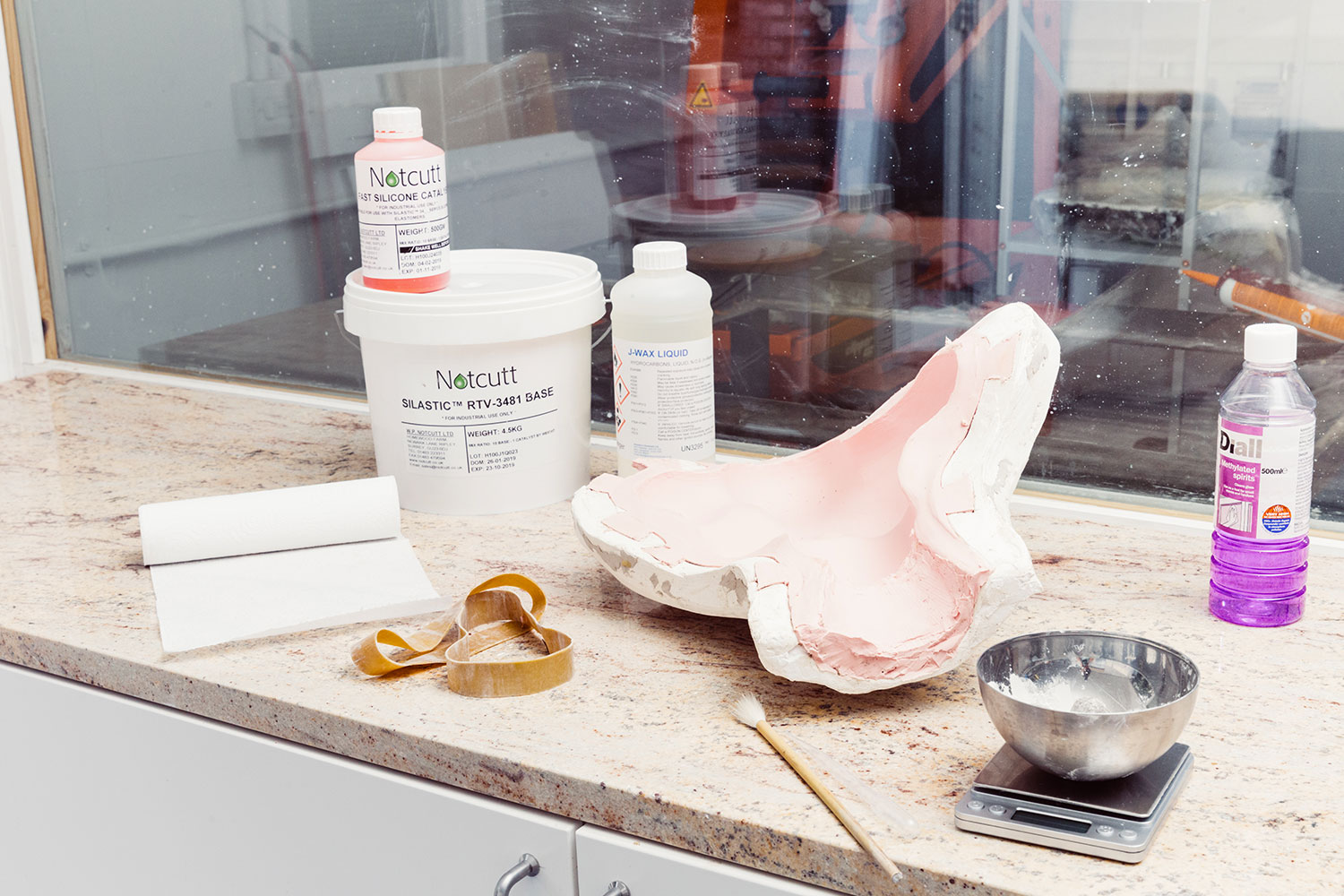
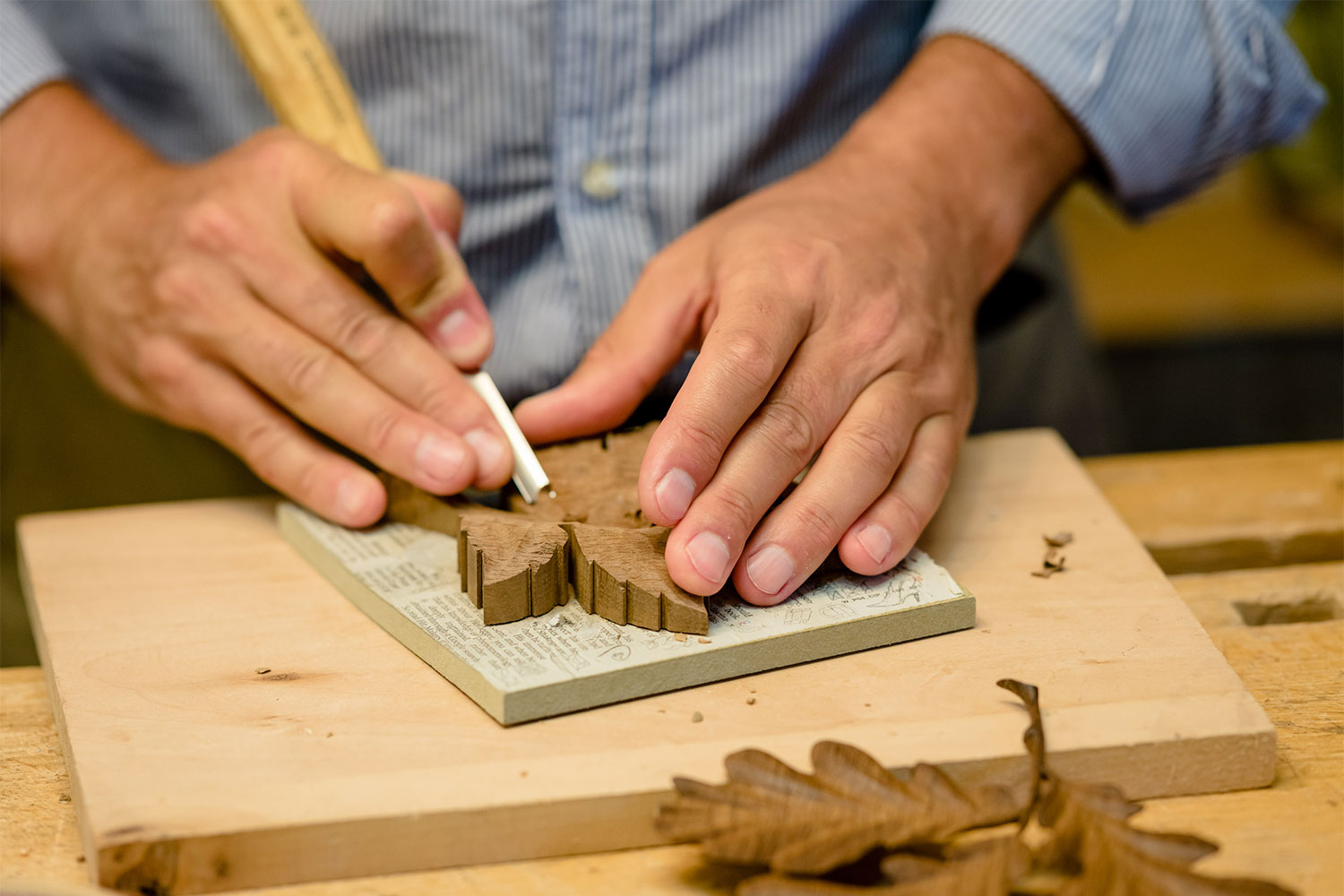
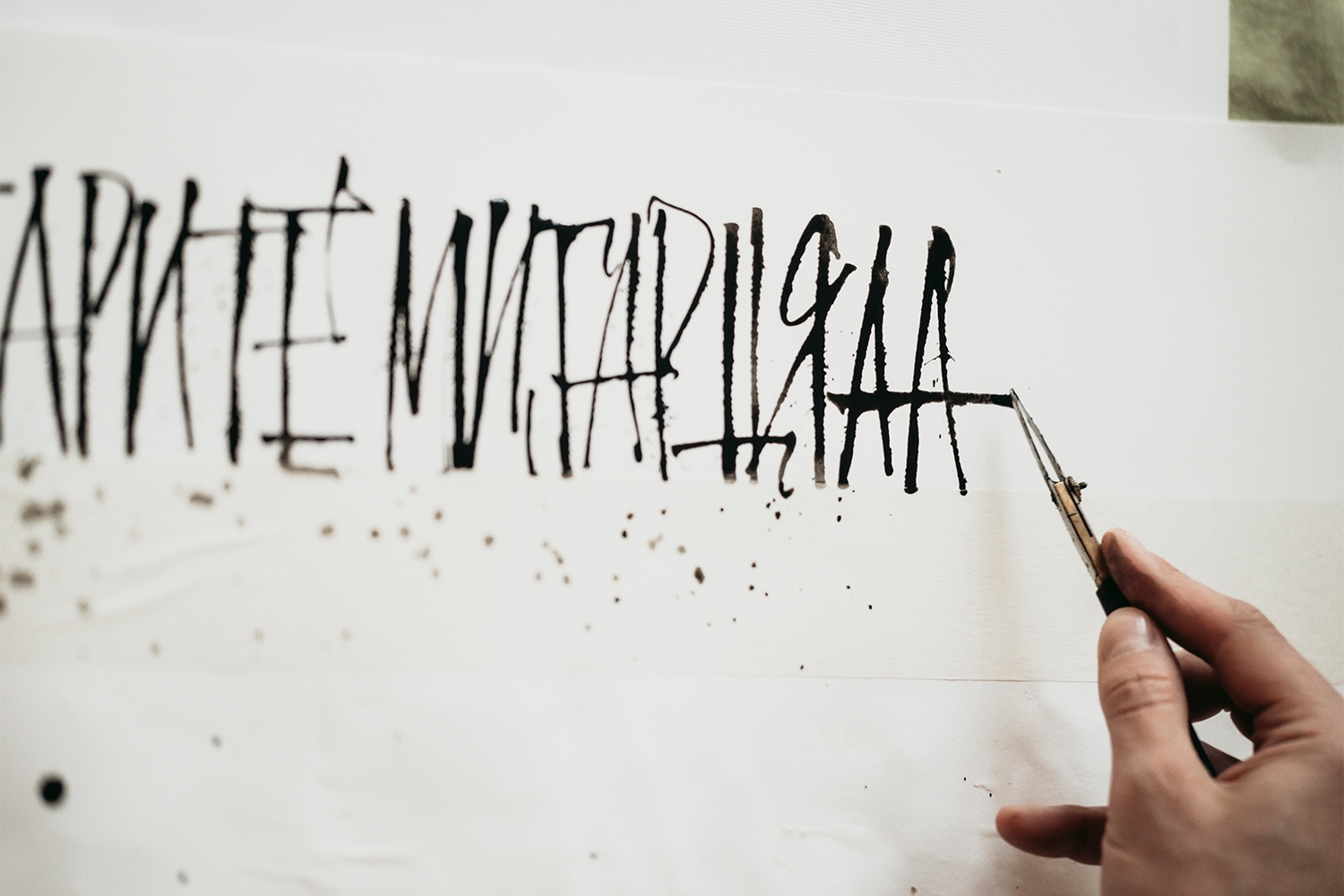
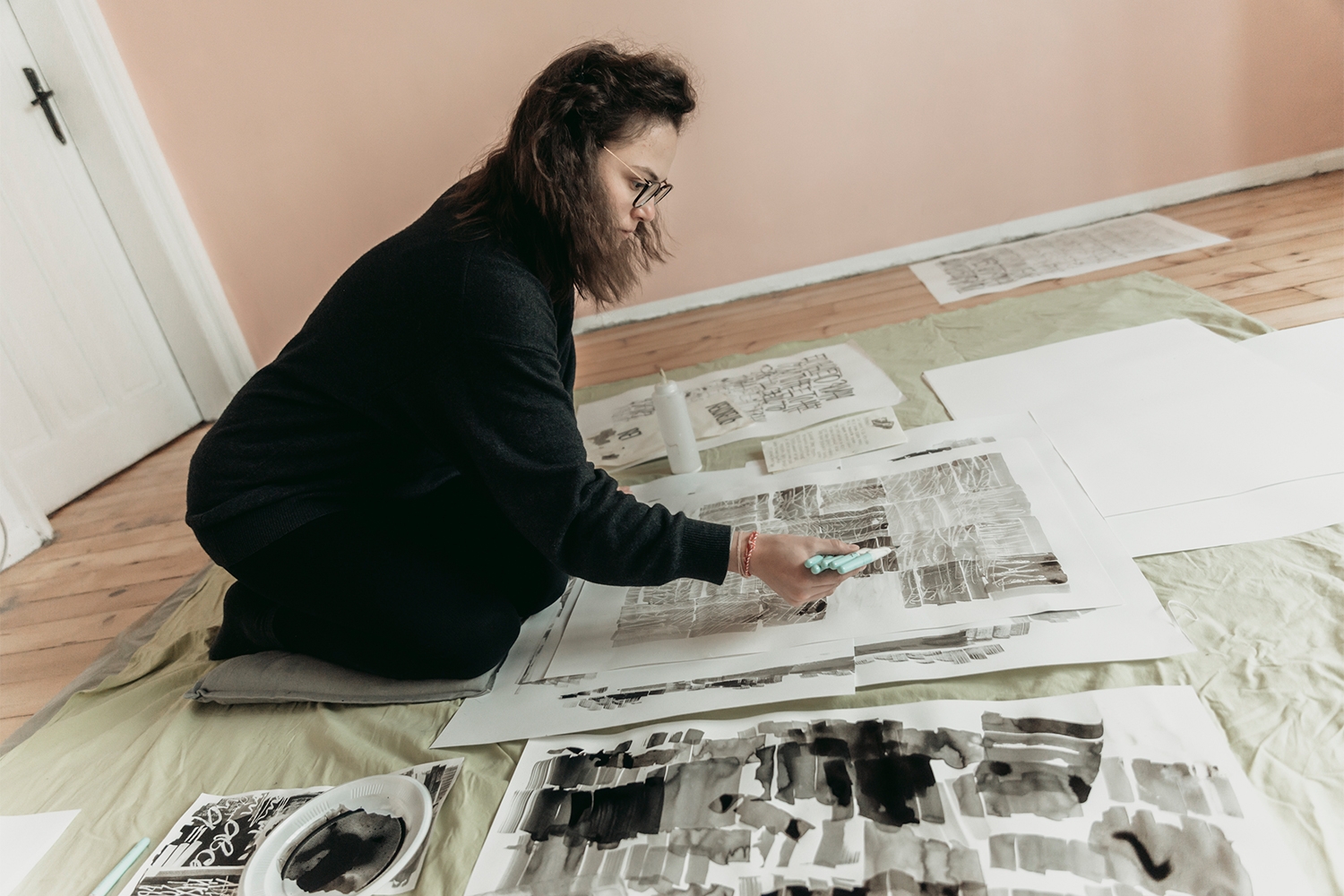
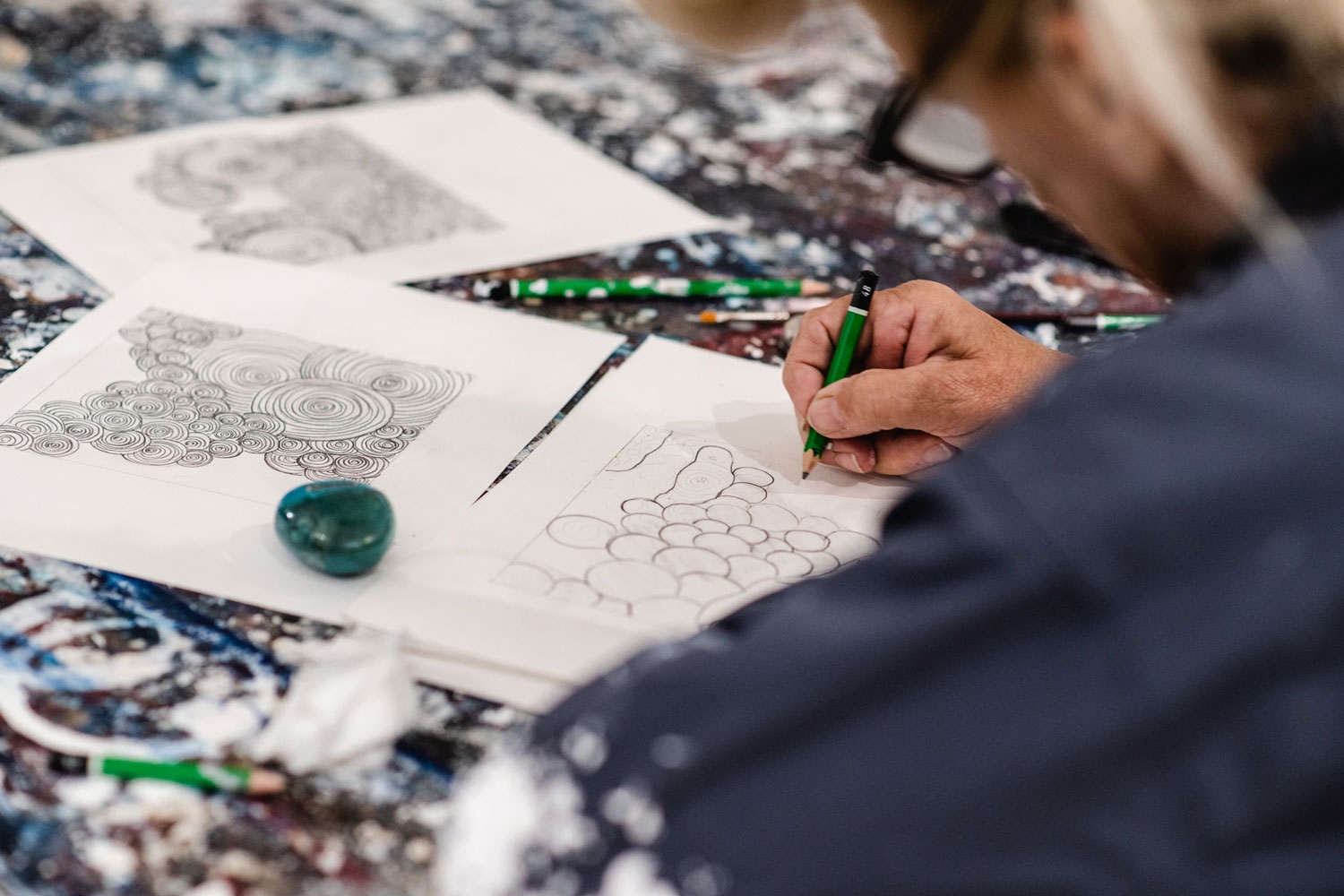
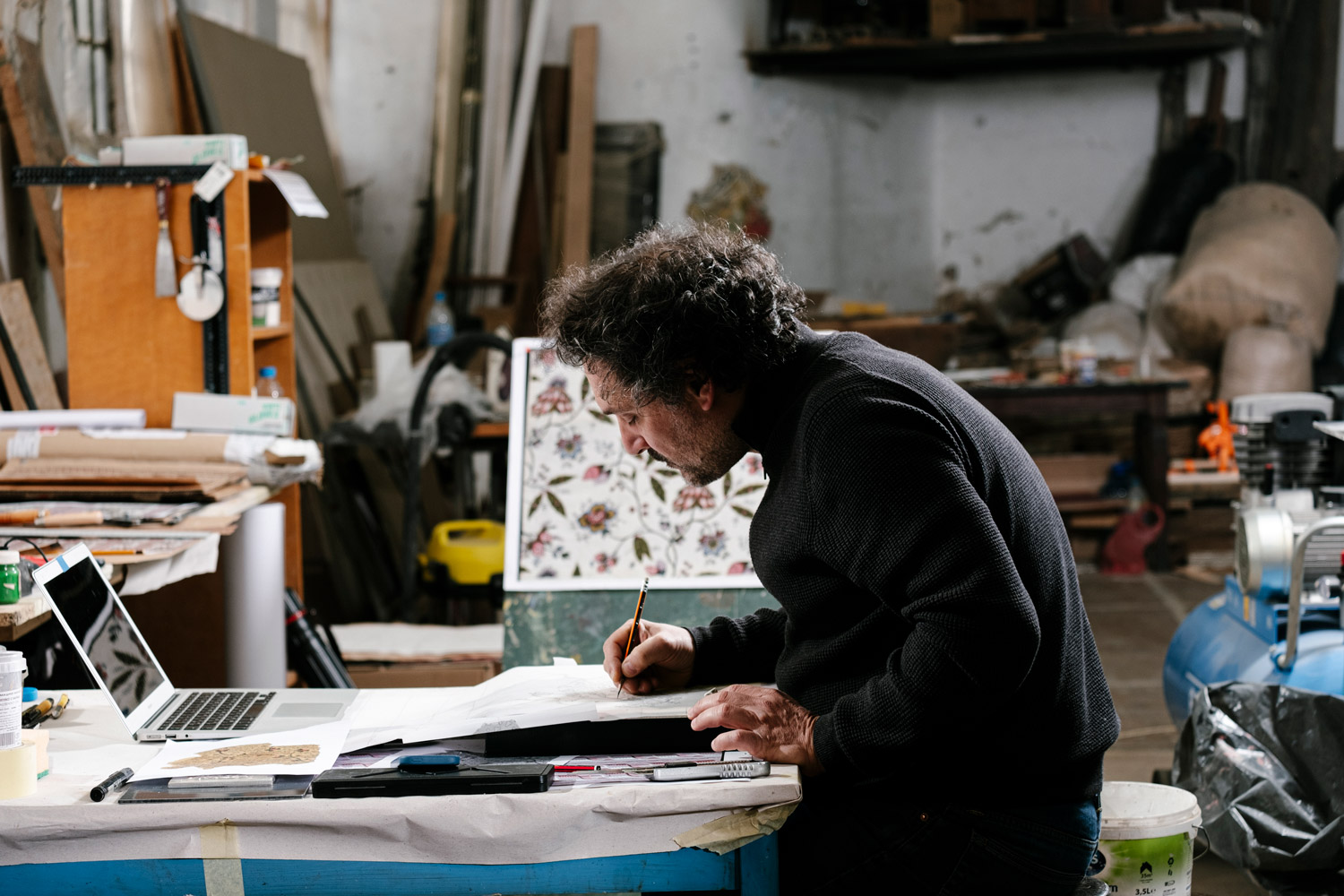
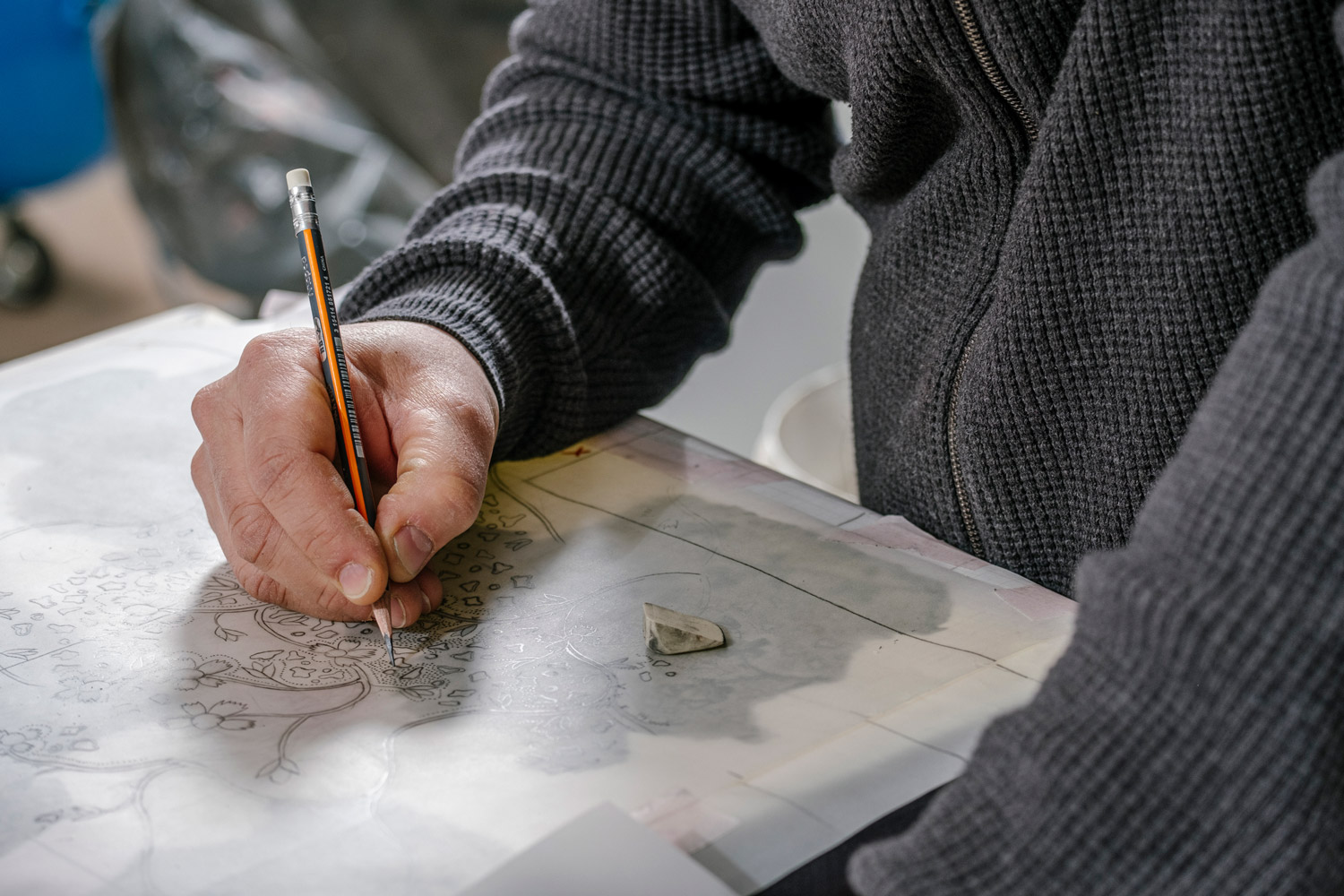
We introduce new technologies to our work whenever they appear. First we have to learn how they work and then to divert them from their initial purpose so that they preserve the qualities of the old. We make all drawings by hand, vectorize them and give them to a machine that makes polymer plates.
Boris Deltchev
Vrai-Faux Design
Decorative painter
Sofia, Bulgaria
Recommended by Rosina Pencheva
AVAILABILITY
By appointment only
PHONE
+359 8884794701
LANGUAGES
Bulgarian, French, English, Russian
Homo Faber Finds is a new service aiming to inspire admirers of craft to connect and collaborate with exceptional artisans.
We invite you to submit an enquiry here.