Ana Lisa Hedstrom
Textile dyer
Emeryville, CA, USA
Recommended by Craft in America
New traditions in shibori
- Ana Lisa began exploring textile dyeing in the 1970s
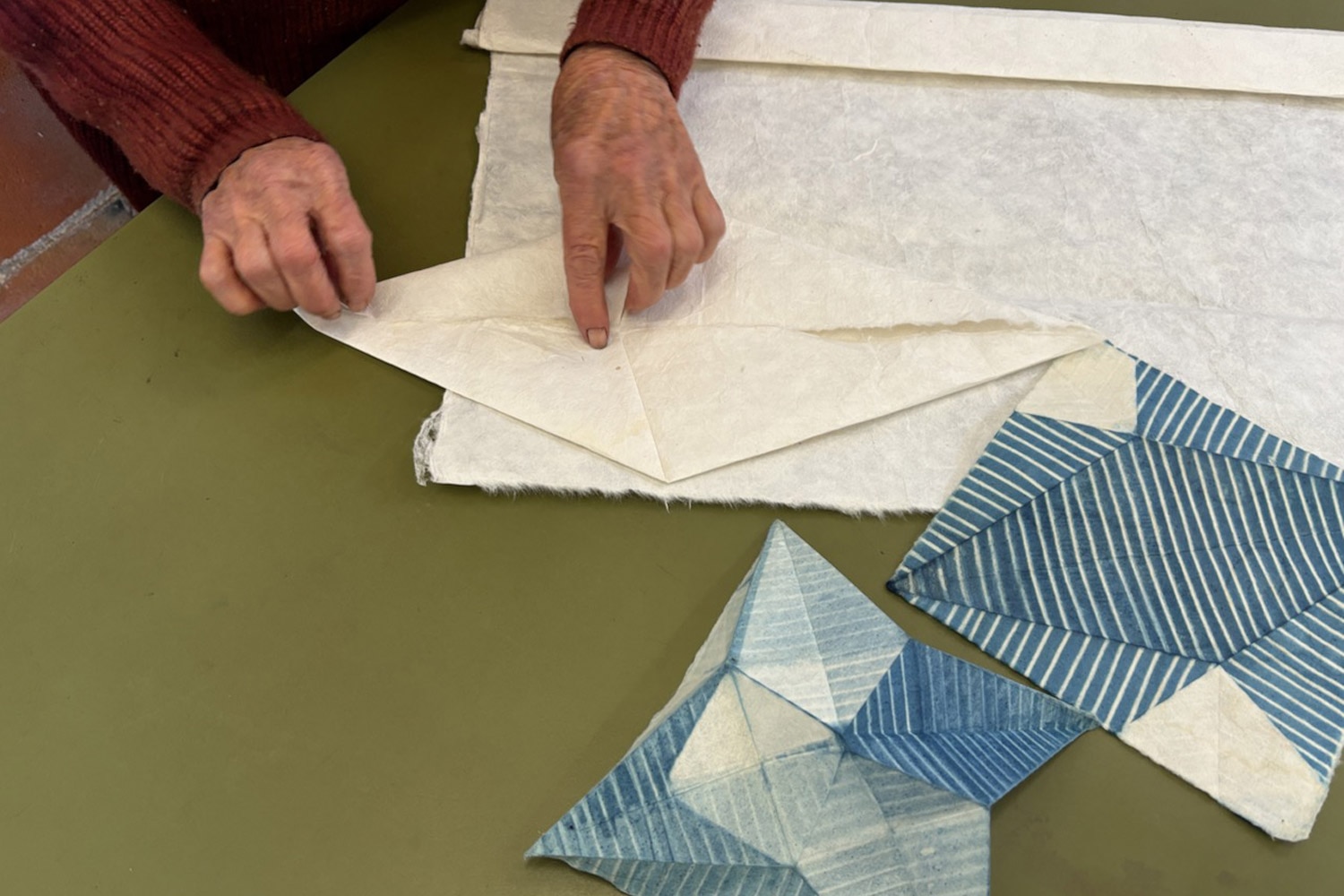
- Her contemporary approach to shibori involves work with silk, linen, wool and paper
- Endlessly curious, she enjoys experimenting with fabrics and techniques
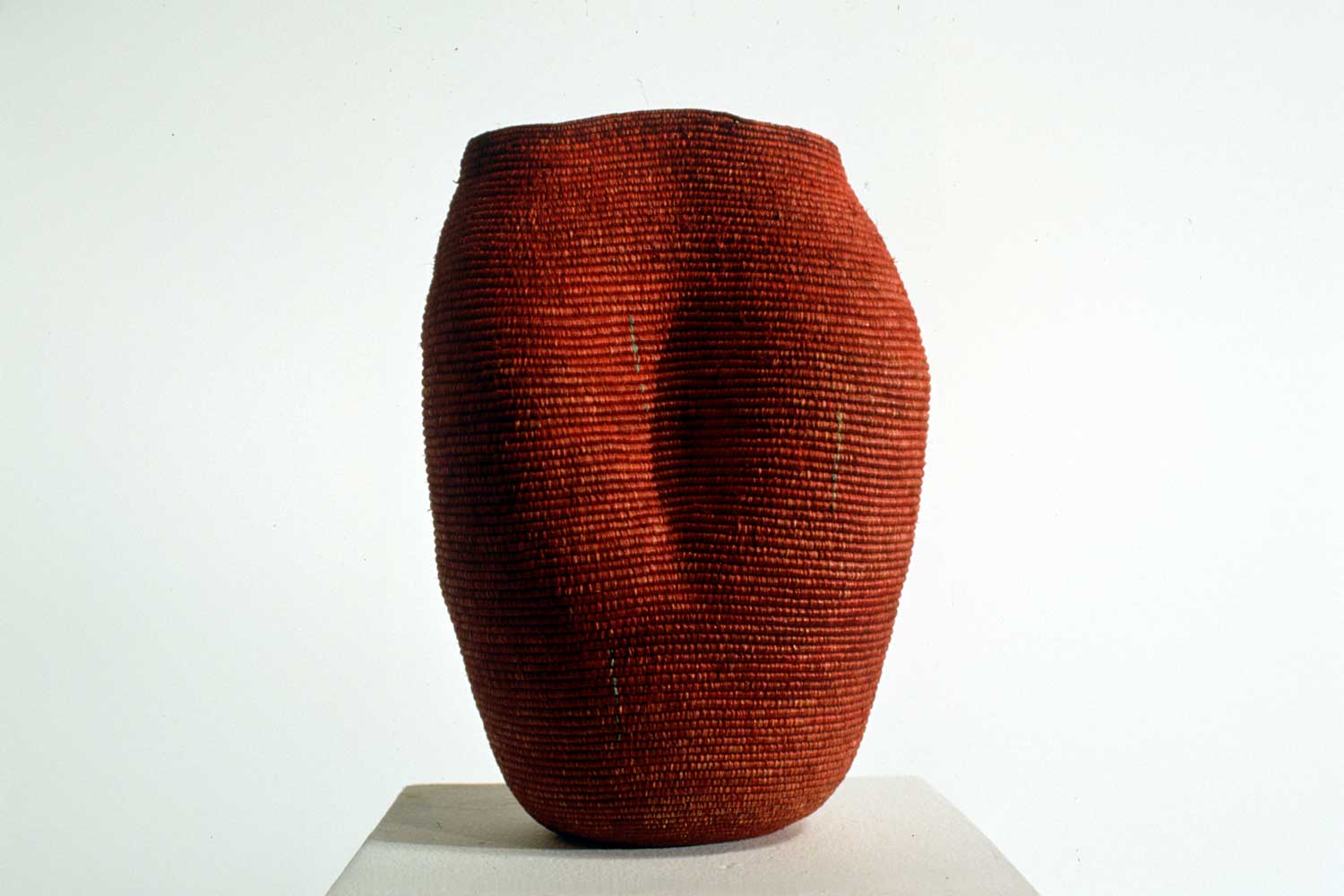
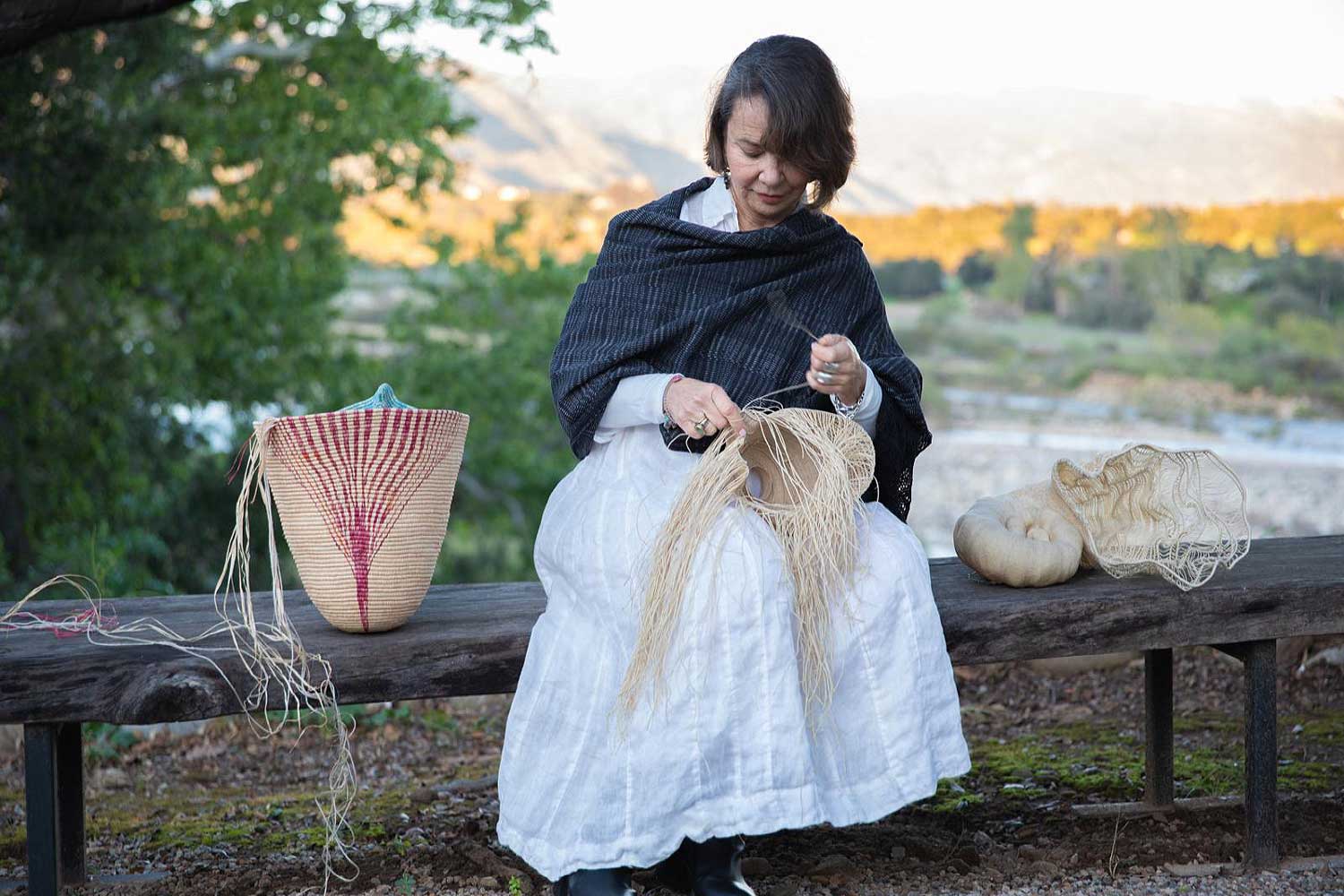
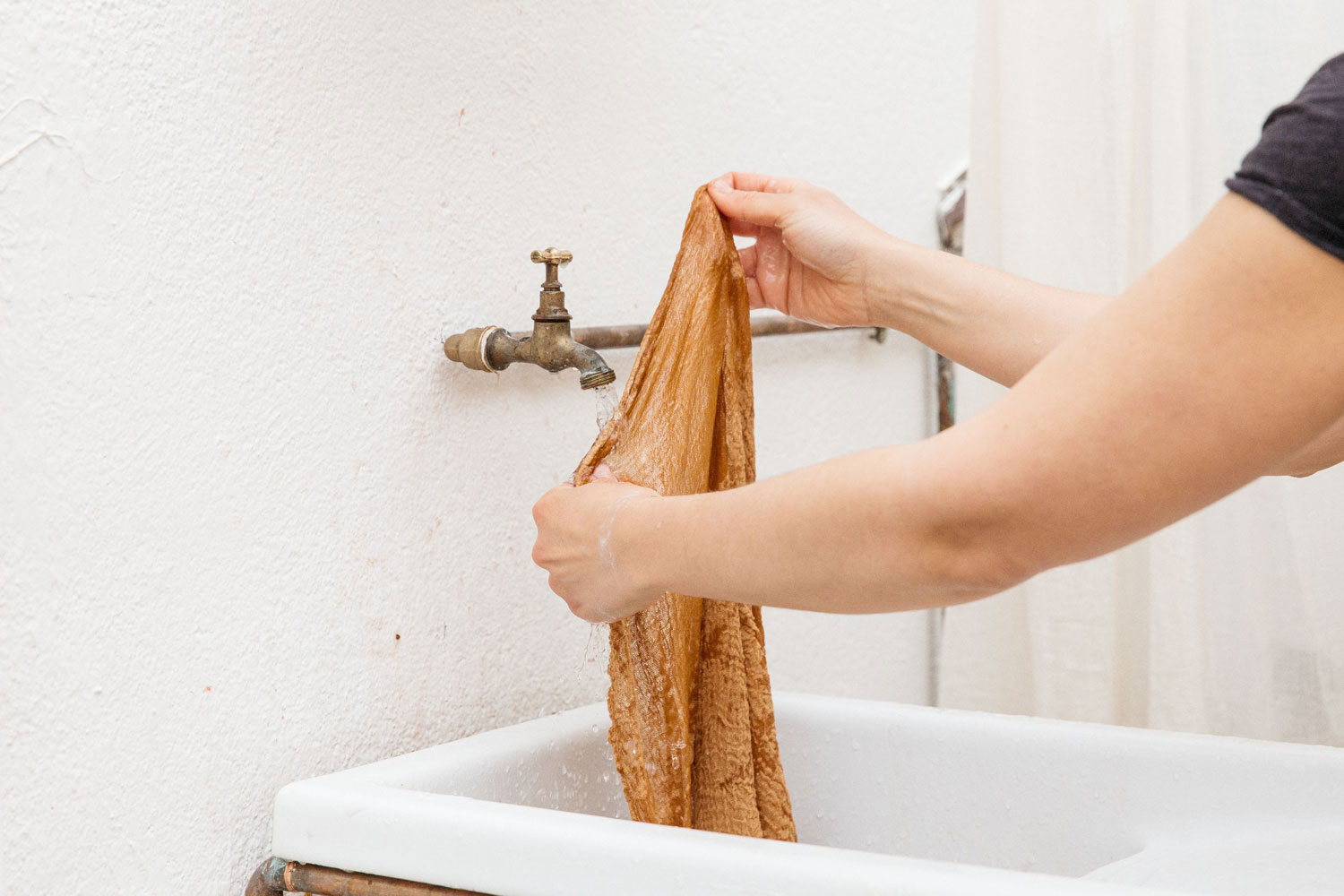
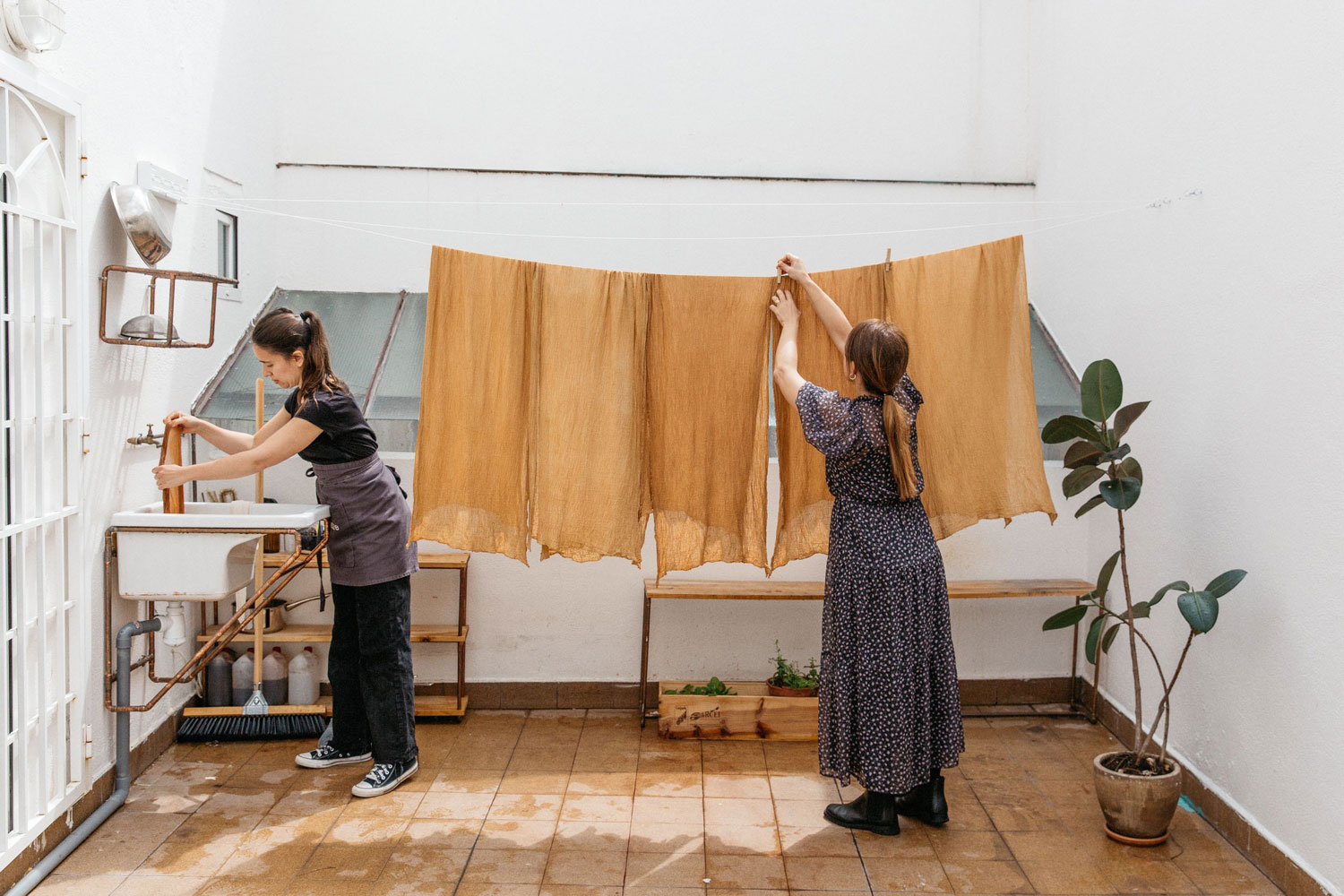
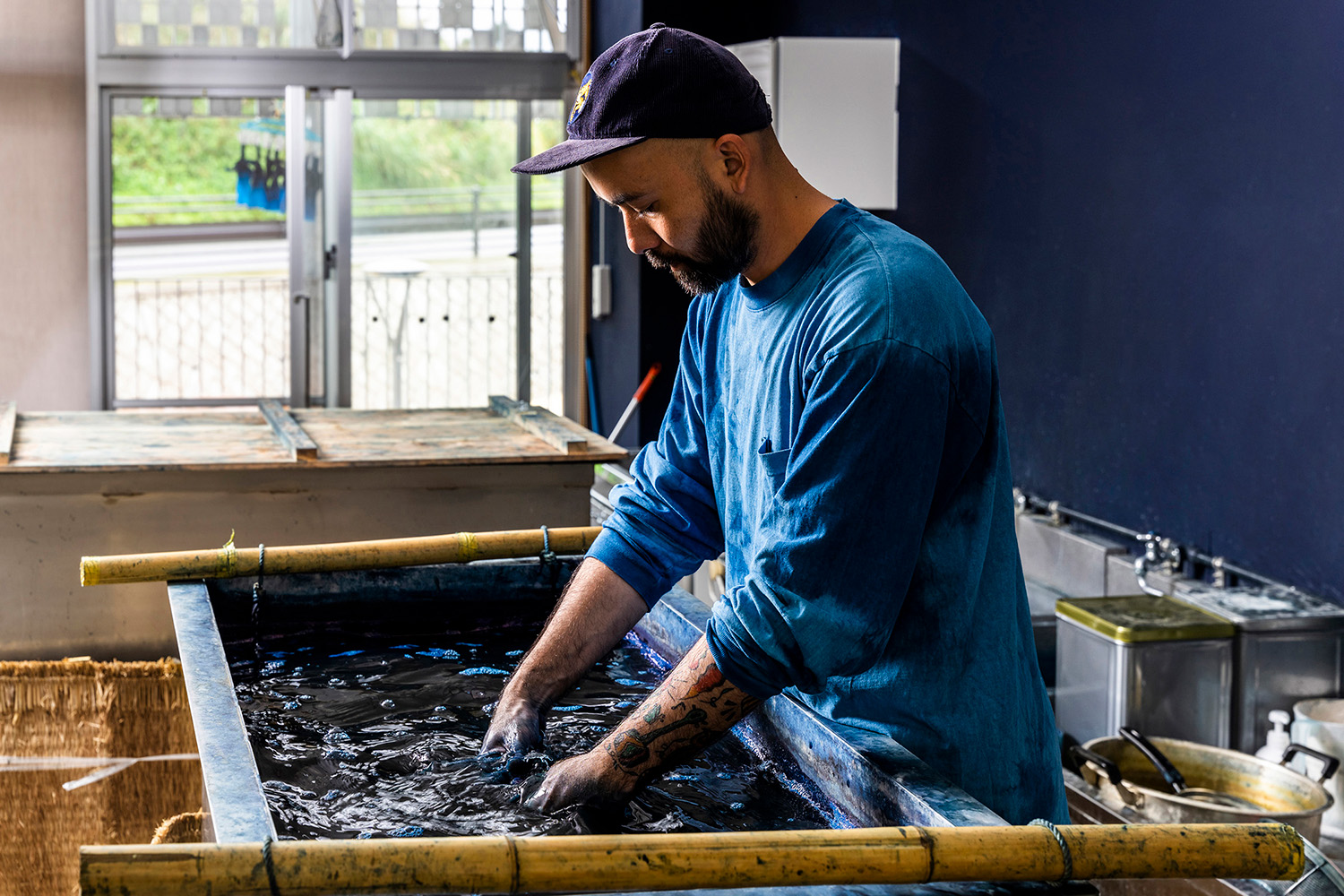
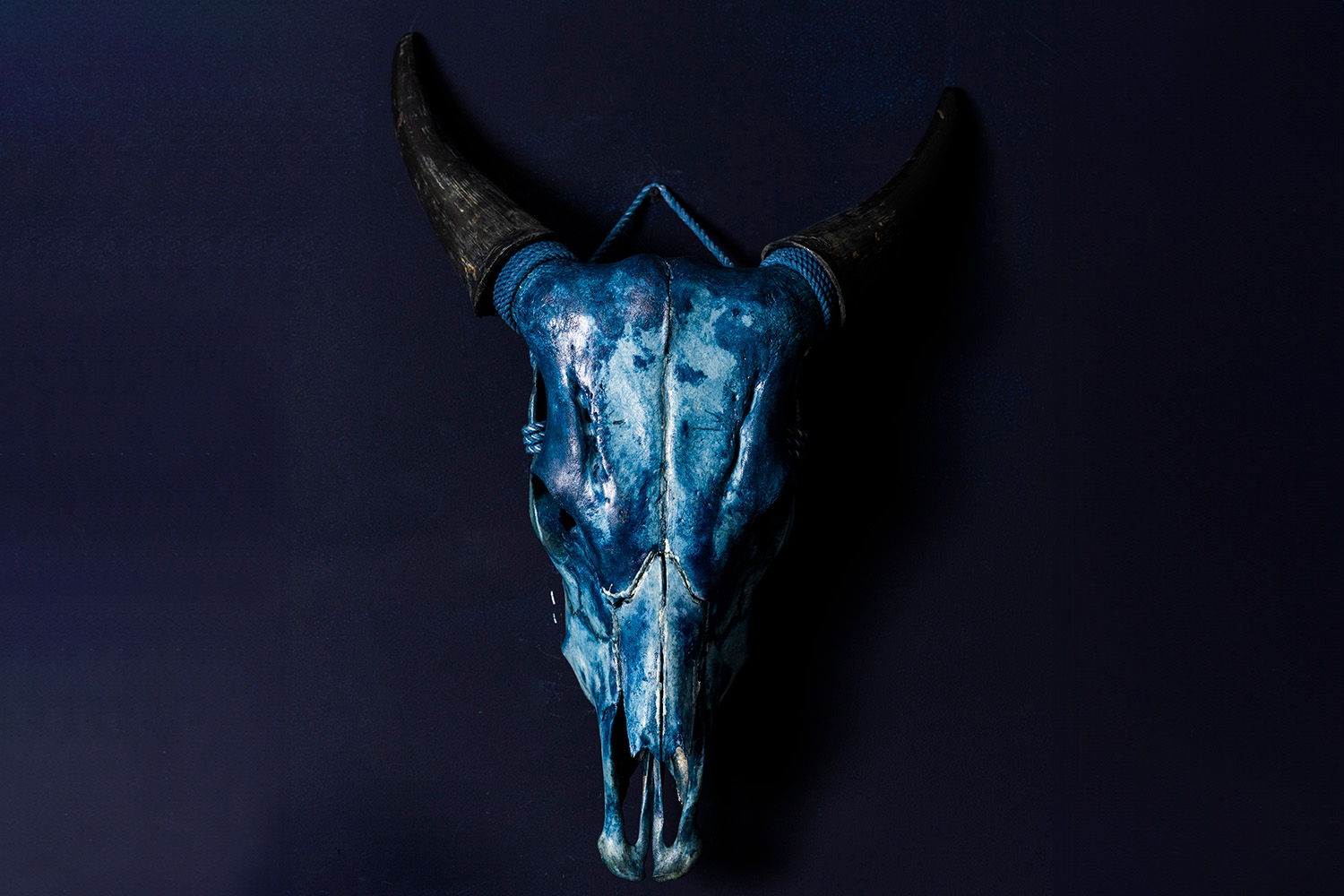
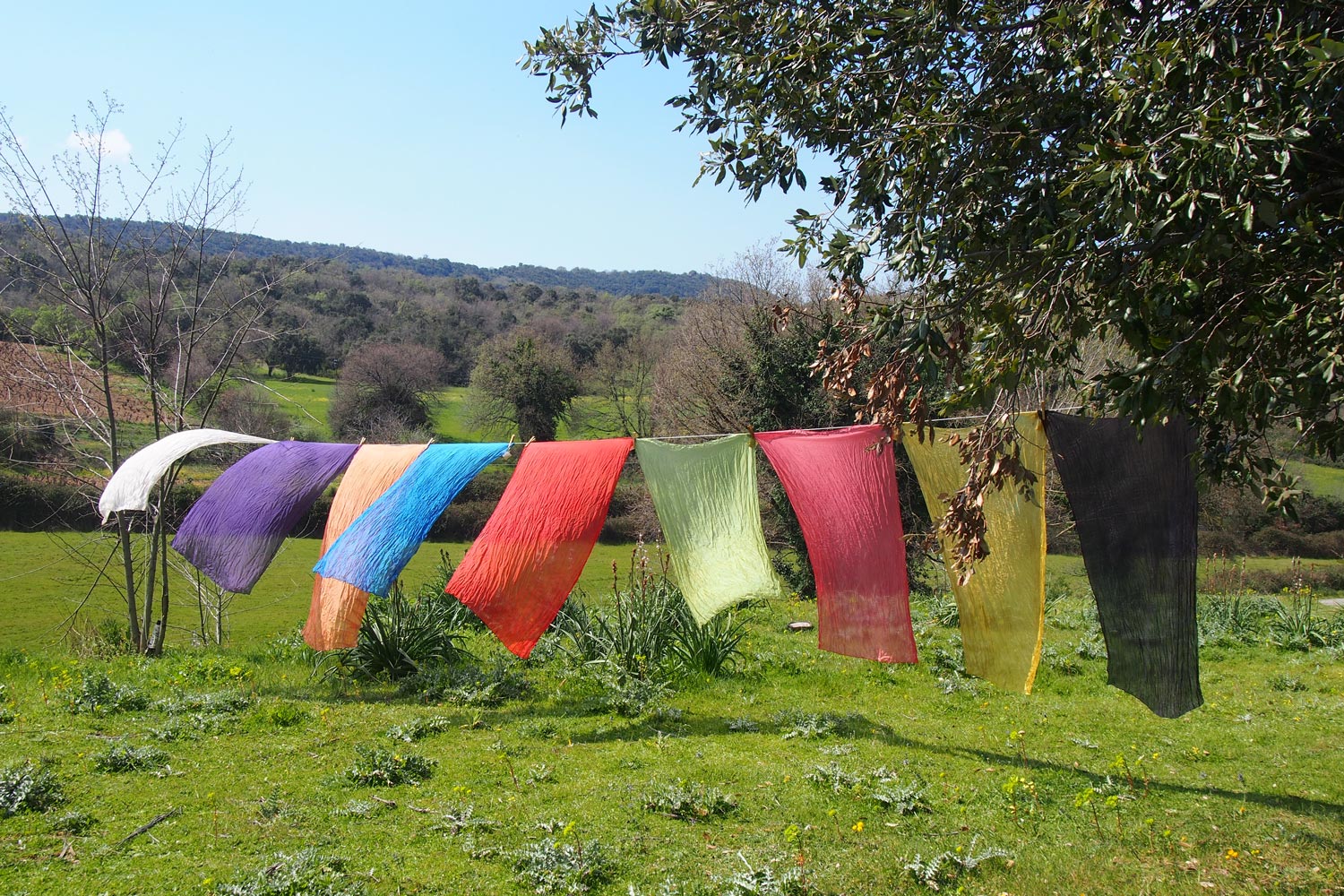
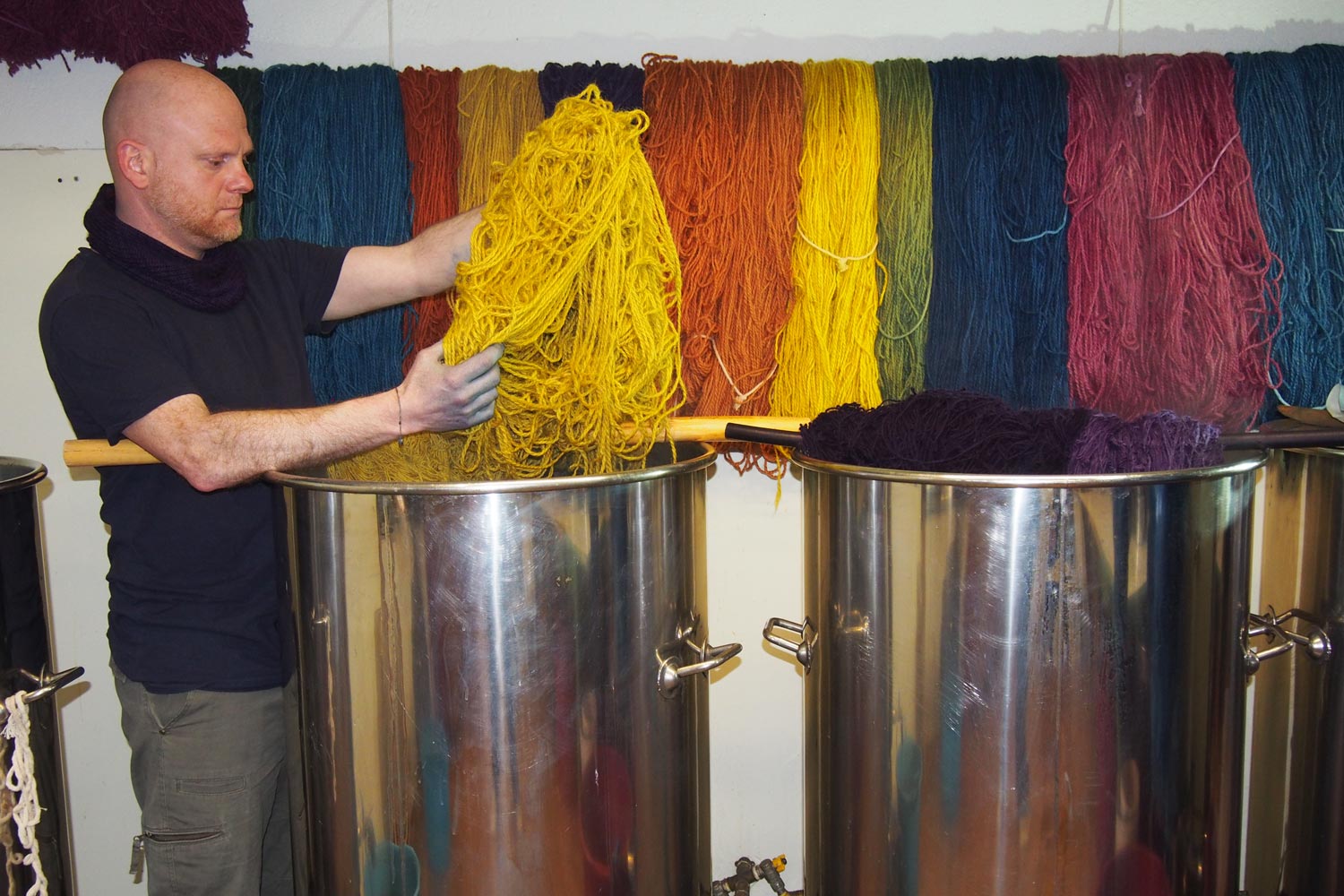
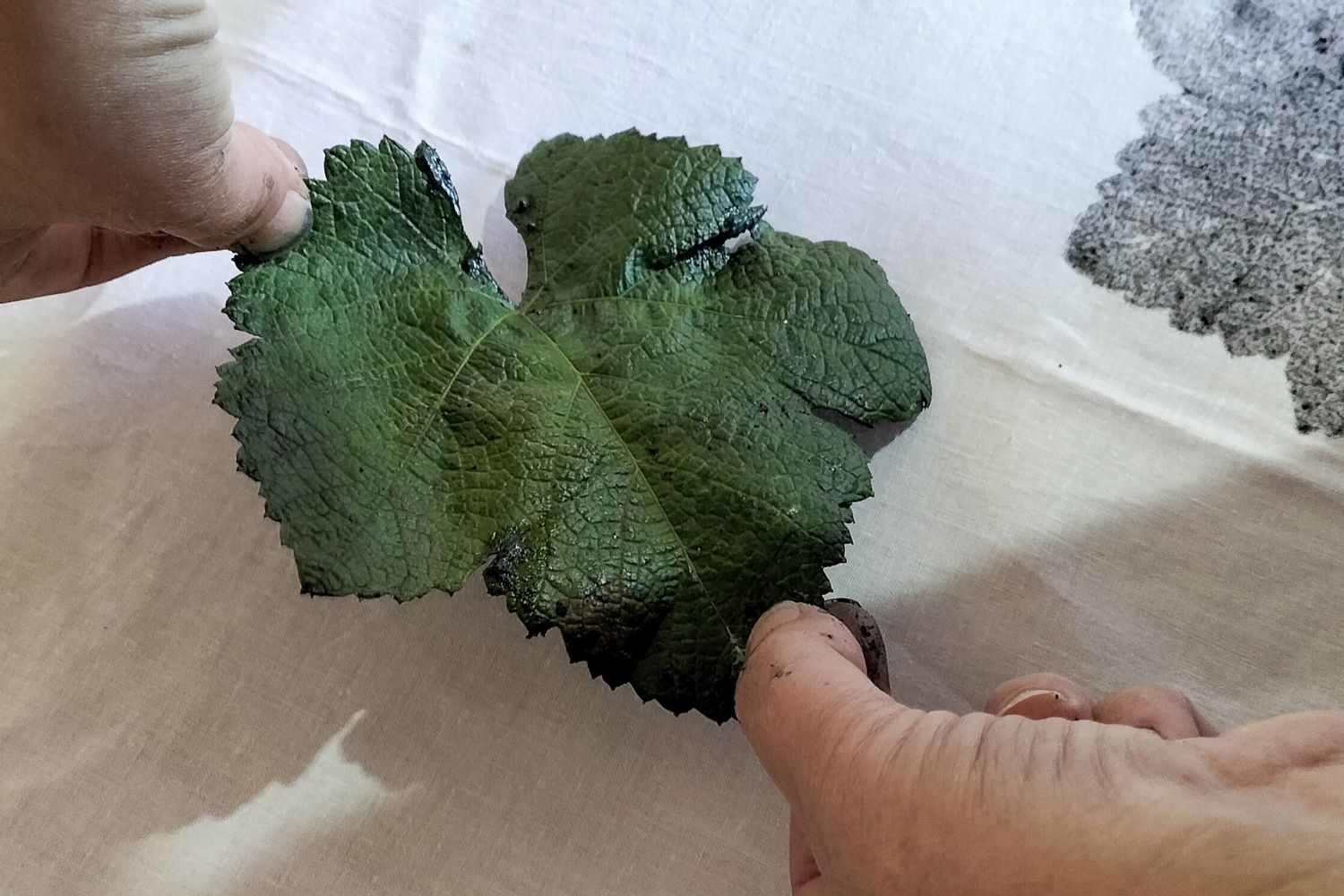
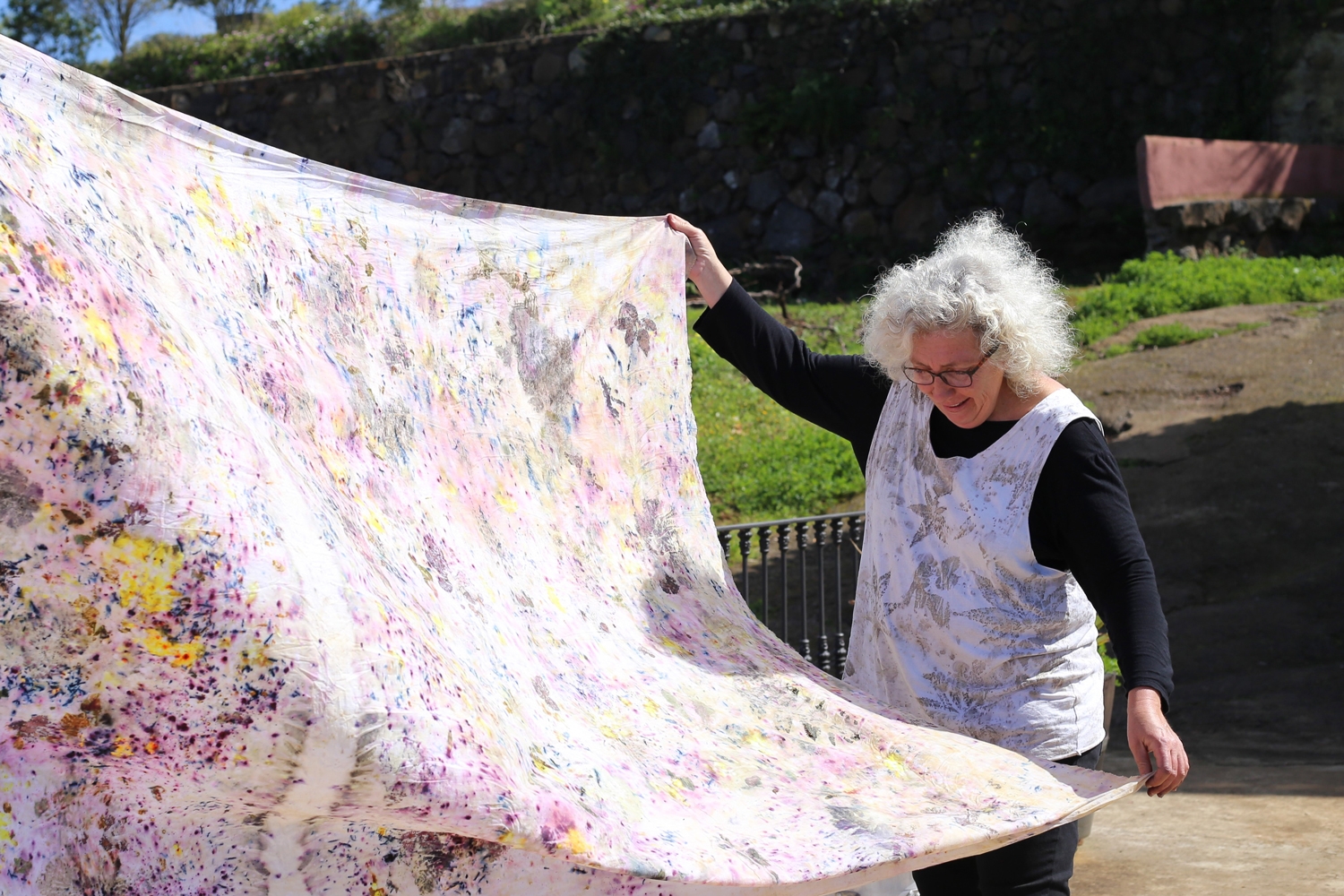
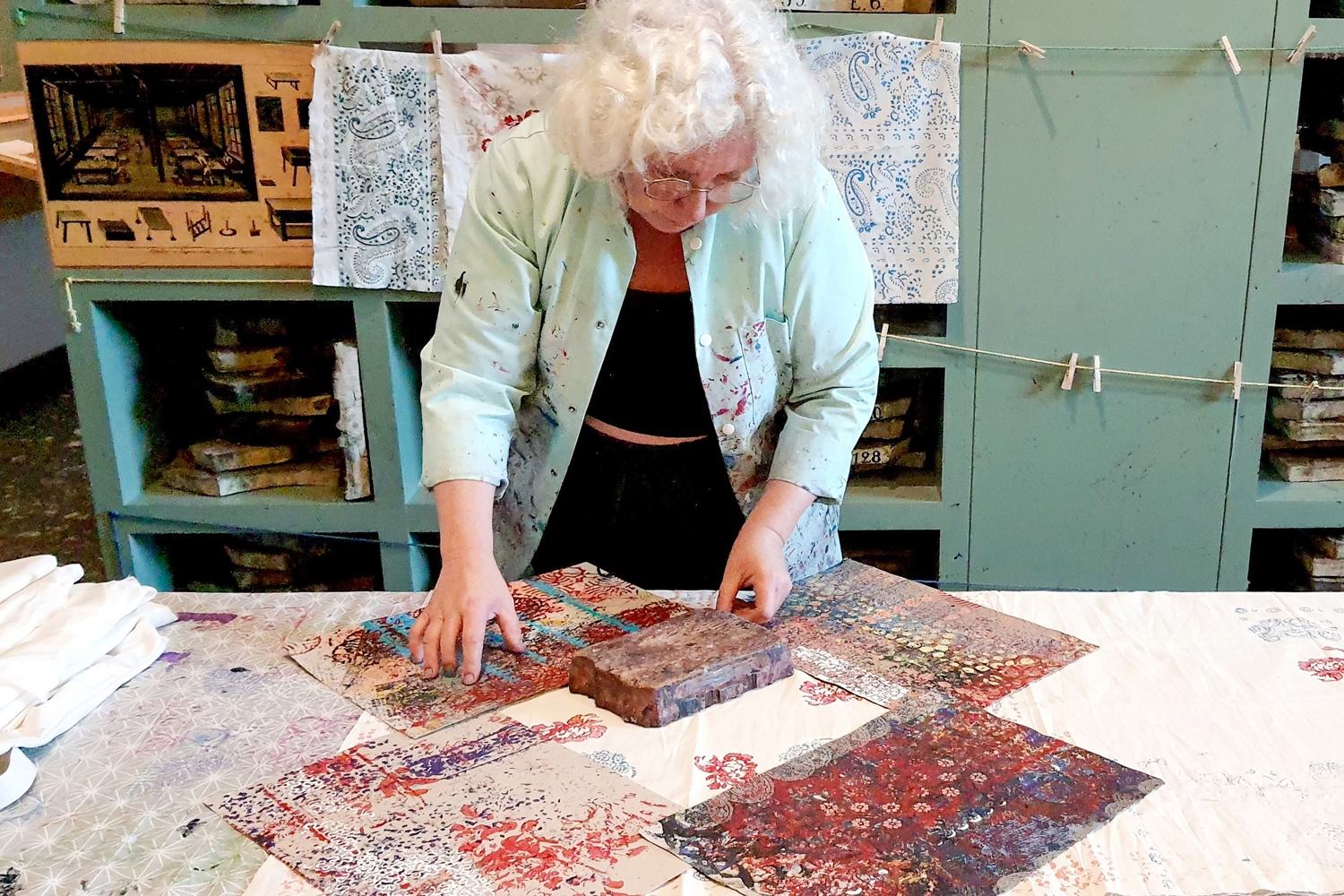
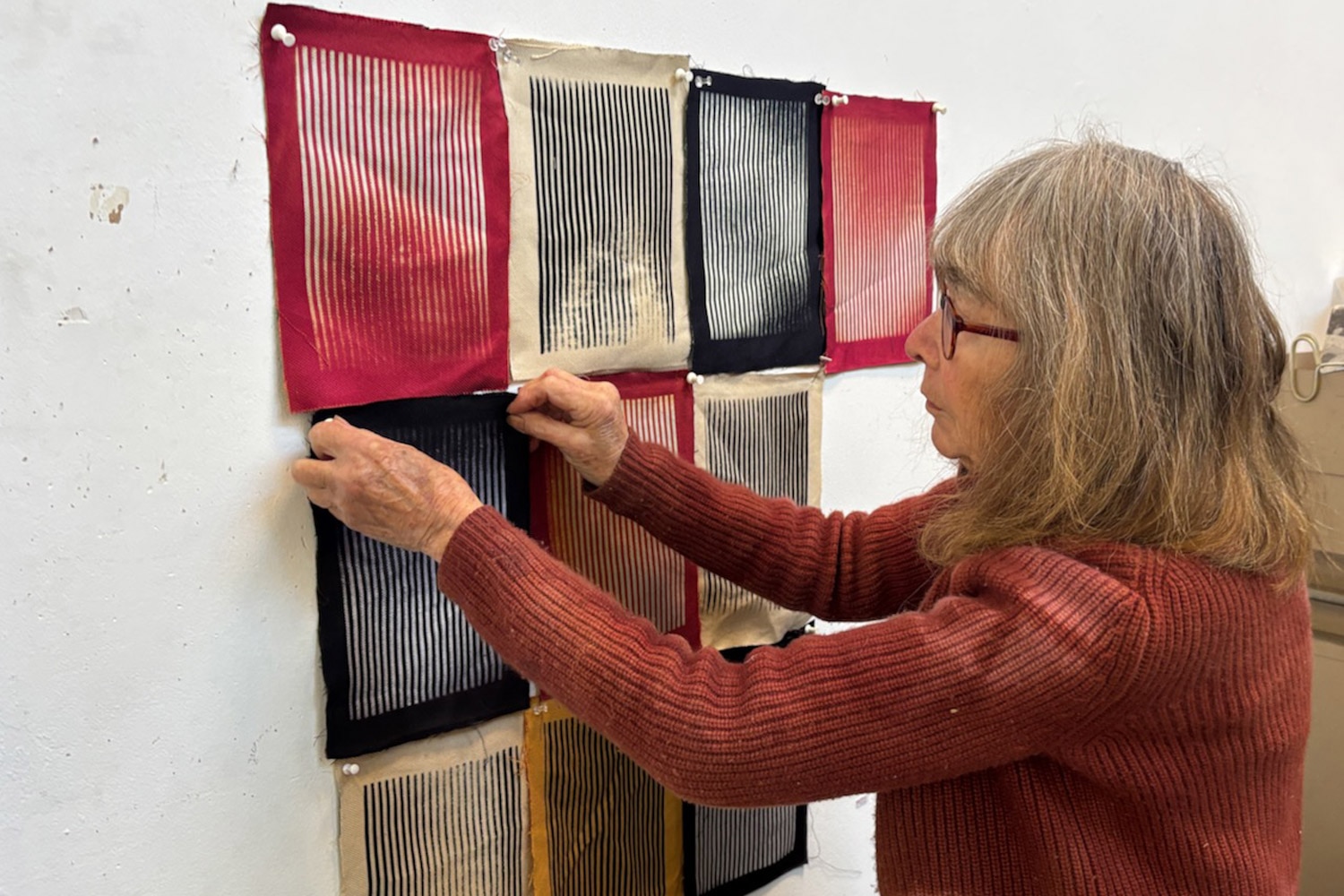
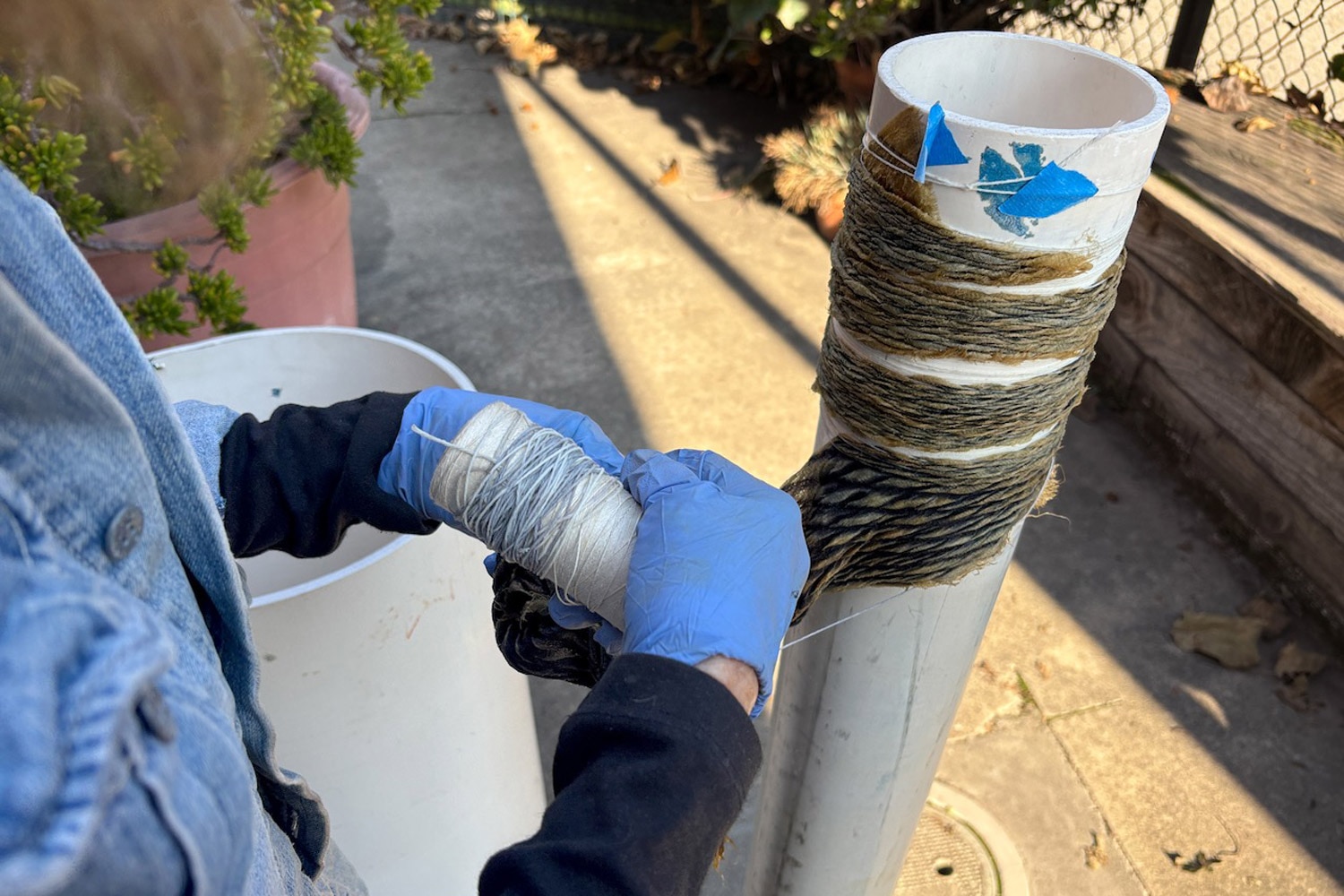
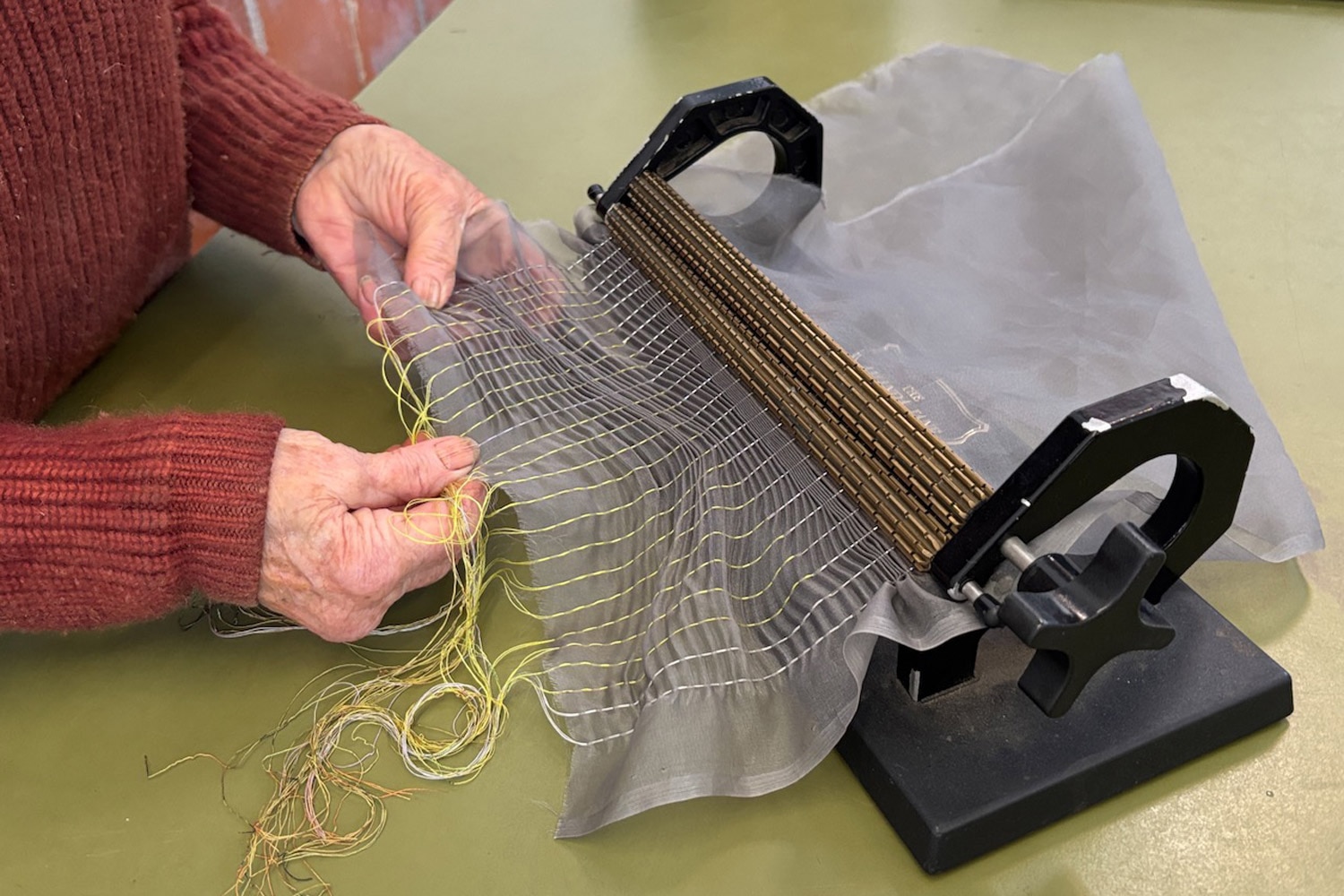
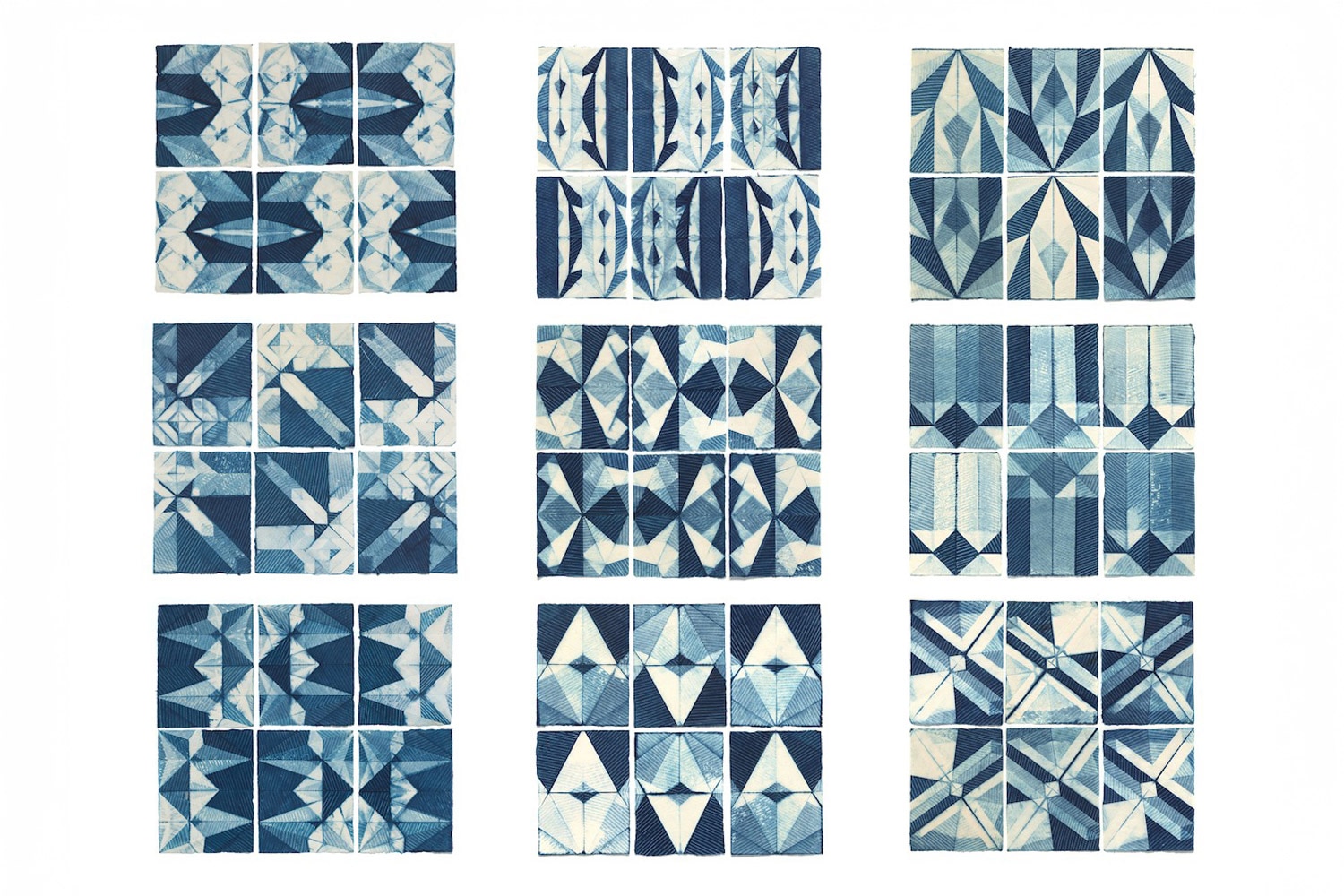
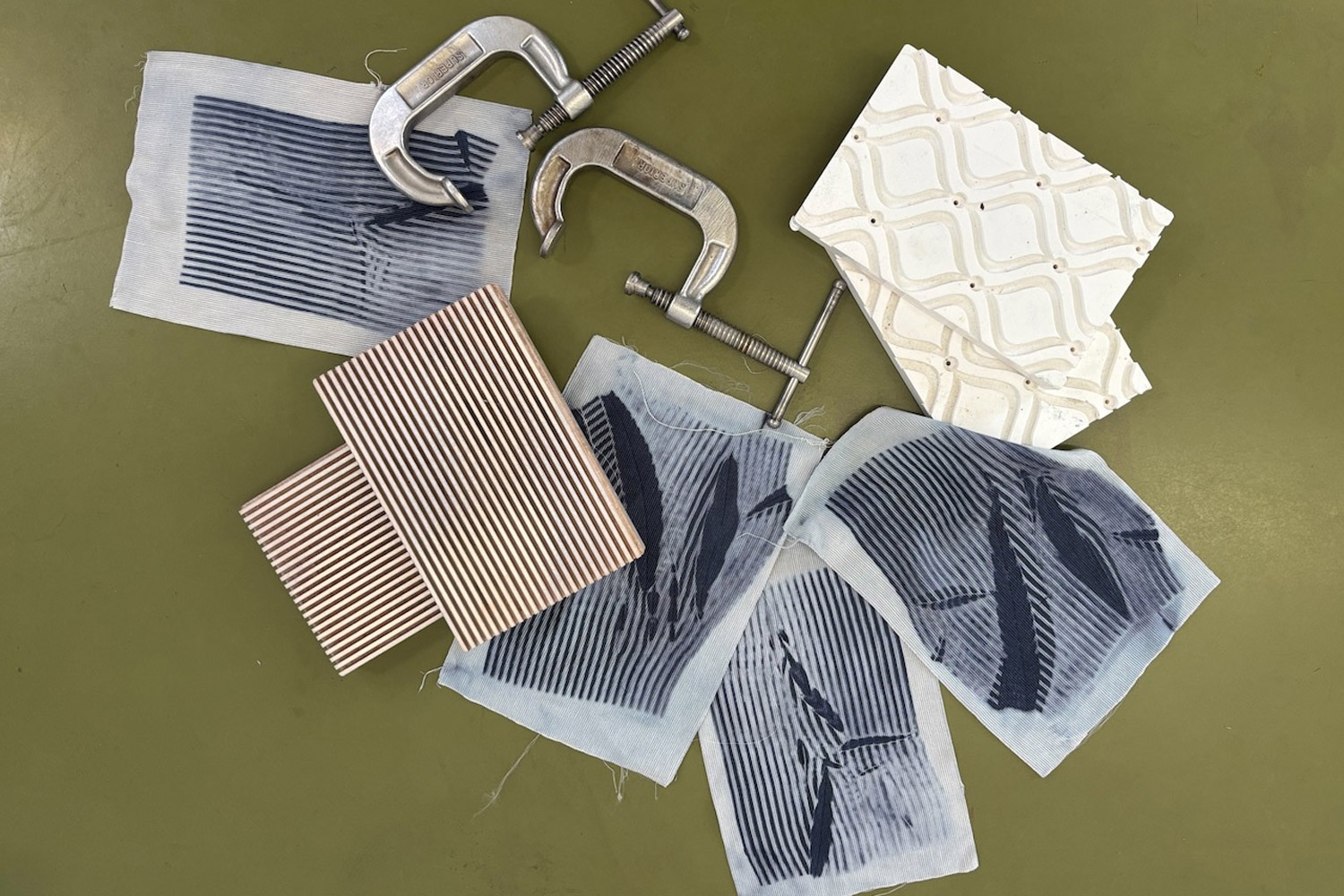
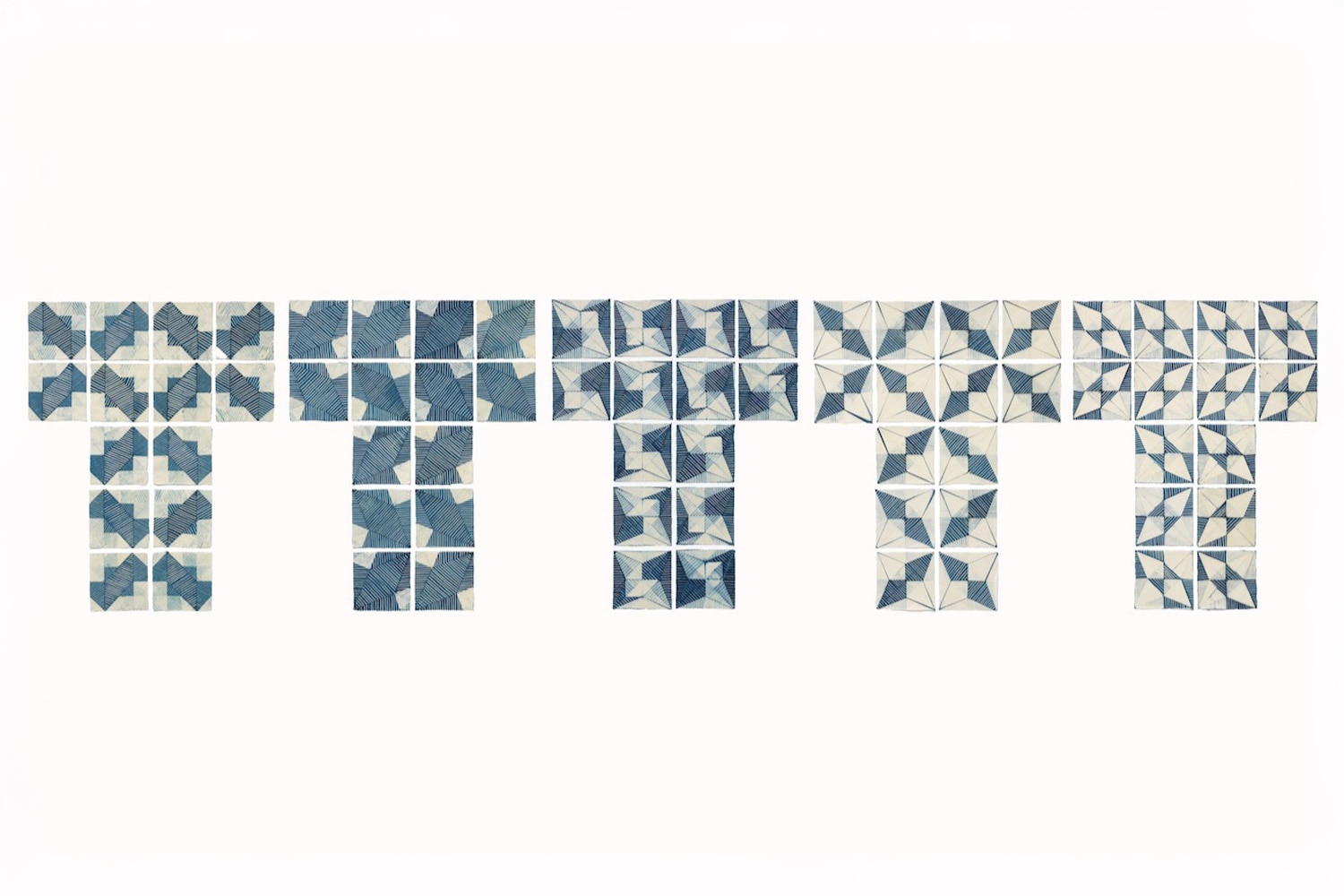
Ana Lisa Hedstrom is a textile artist known for her contemporary interpretation of the Japanese resist dyeing technique, shibori. Her practice bridges tradition and experimentation across a wide variety of fabrics, from silk and linen to wool paper and synthetic materials. Ana Lisa begins each piece by shaping the cloth, folding, stitching, wrapping or clamping it before dyeing, a process that produces different results each time. “You can try the same technique, but the fabric will always talk back and behave differently,” she says. Ana Lisa’s wall pieces and art garments are held in major museum collections, including the Cooper Hewitt Smithsonian Design Museum, the Museum of Arts and Design and the de Young Museum. Alongside her studio practice, she has taught widely and participated in international shibori conferences, contributing significantly to the global development of contemporary textile art.
Discover her work
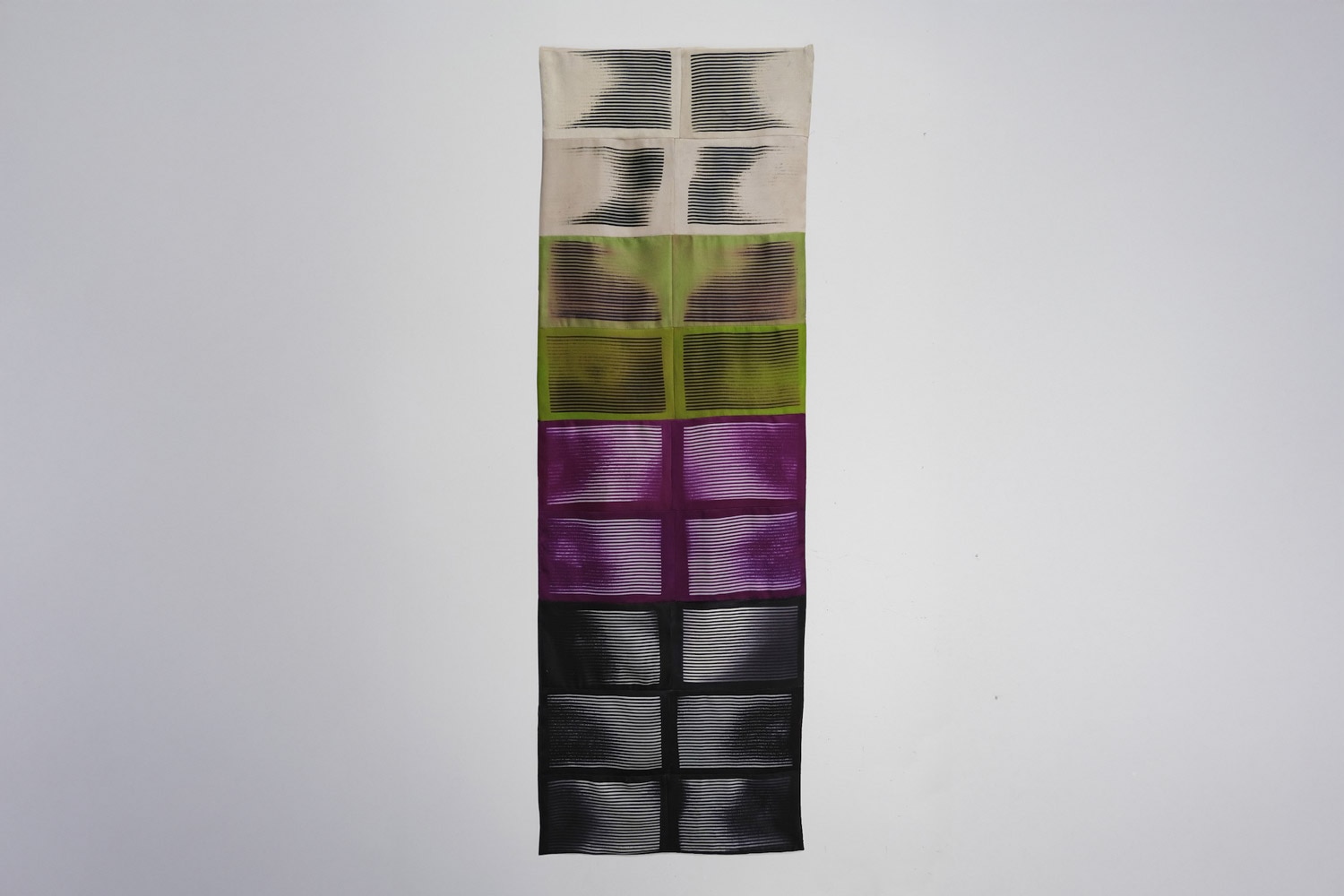
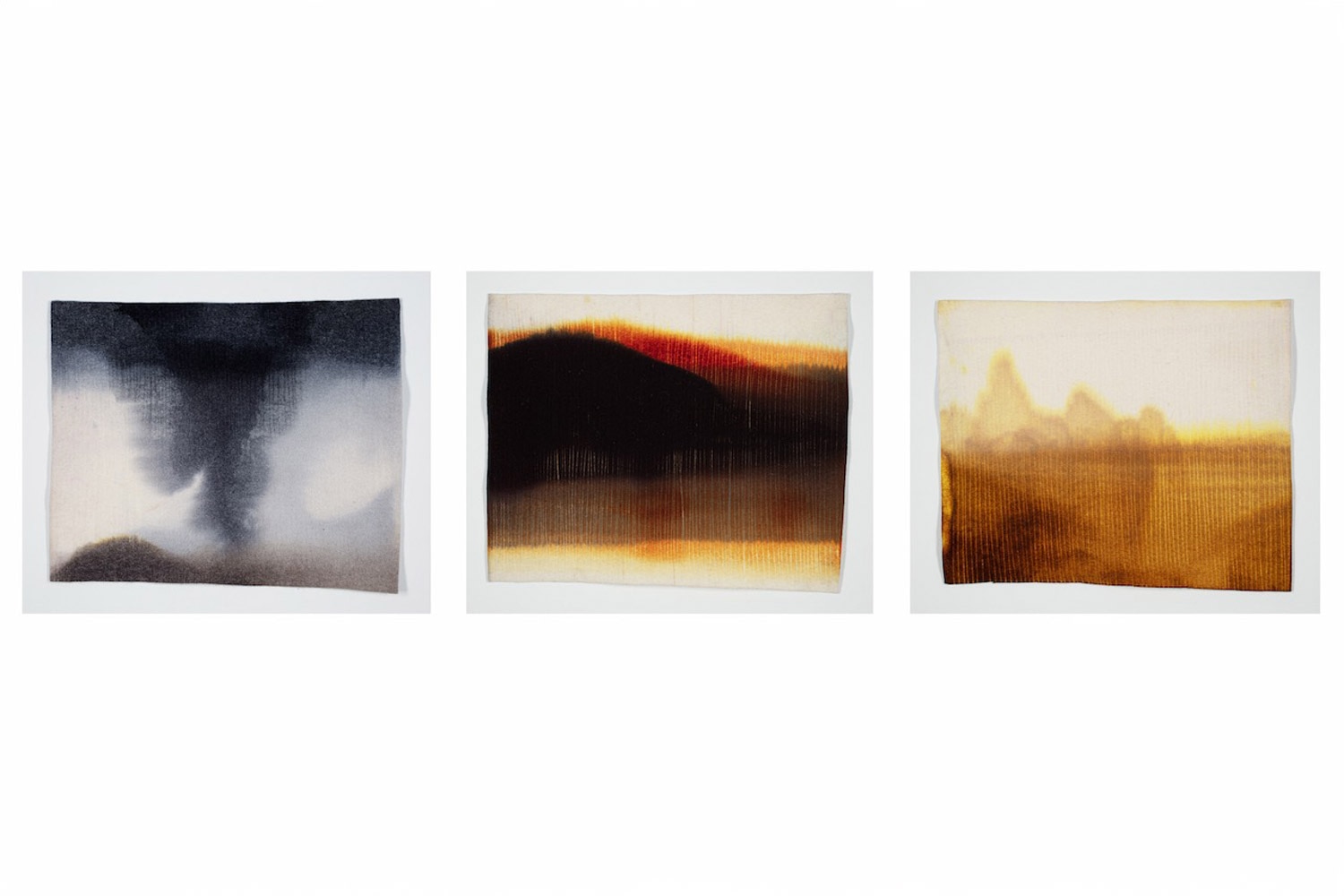
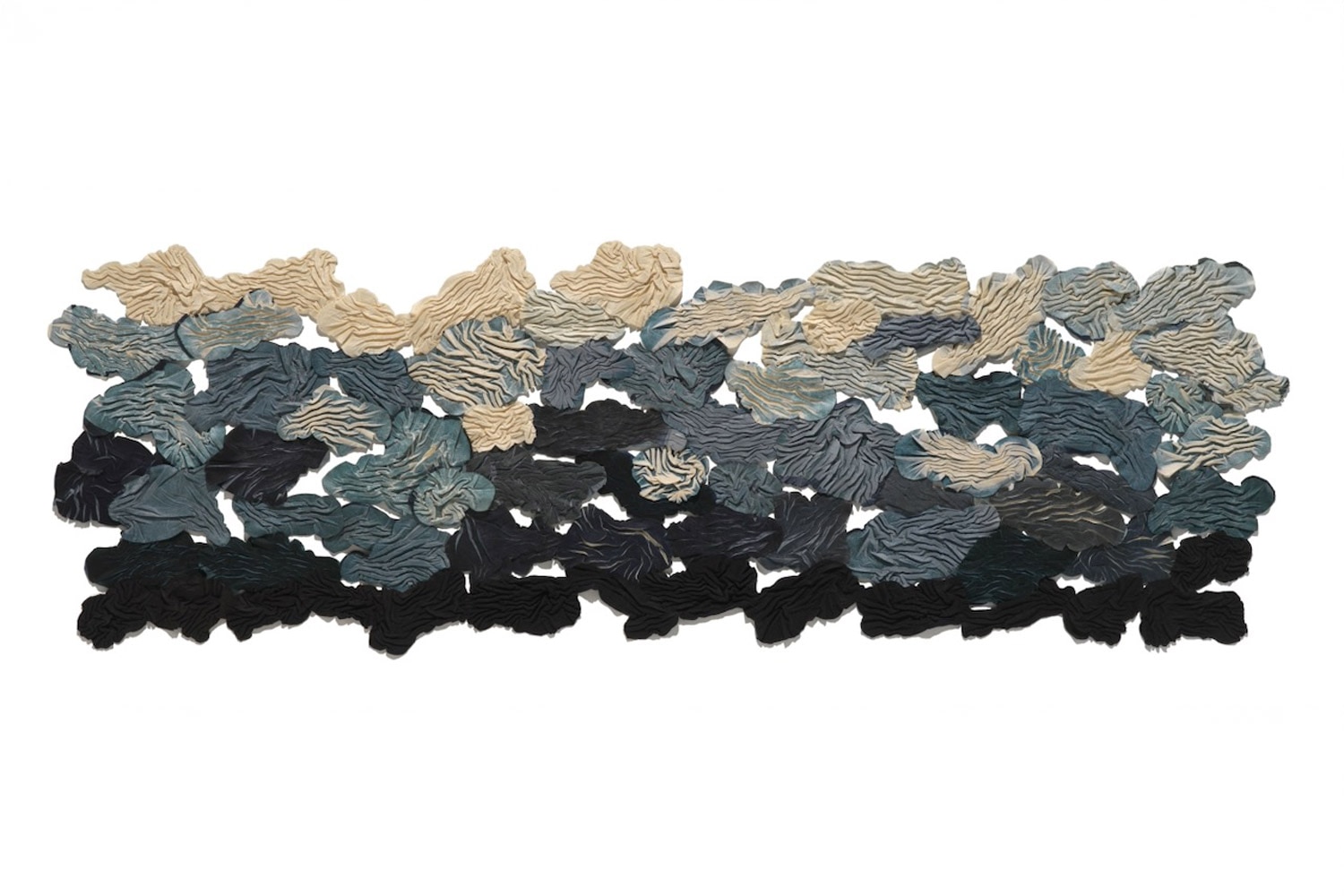
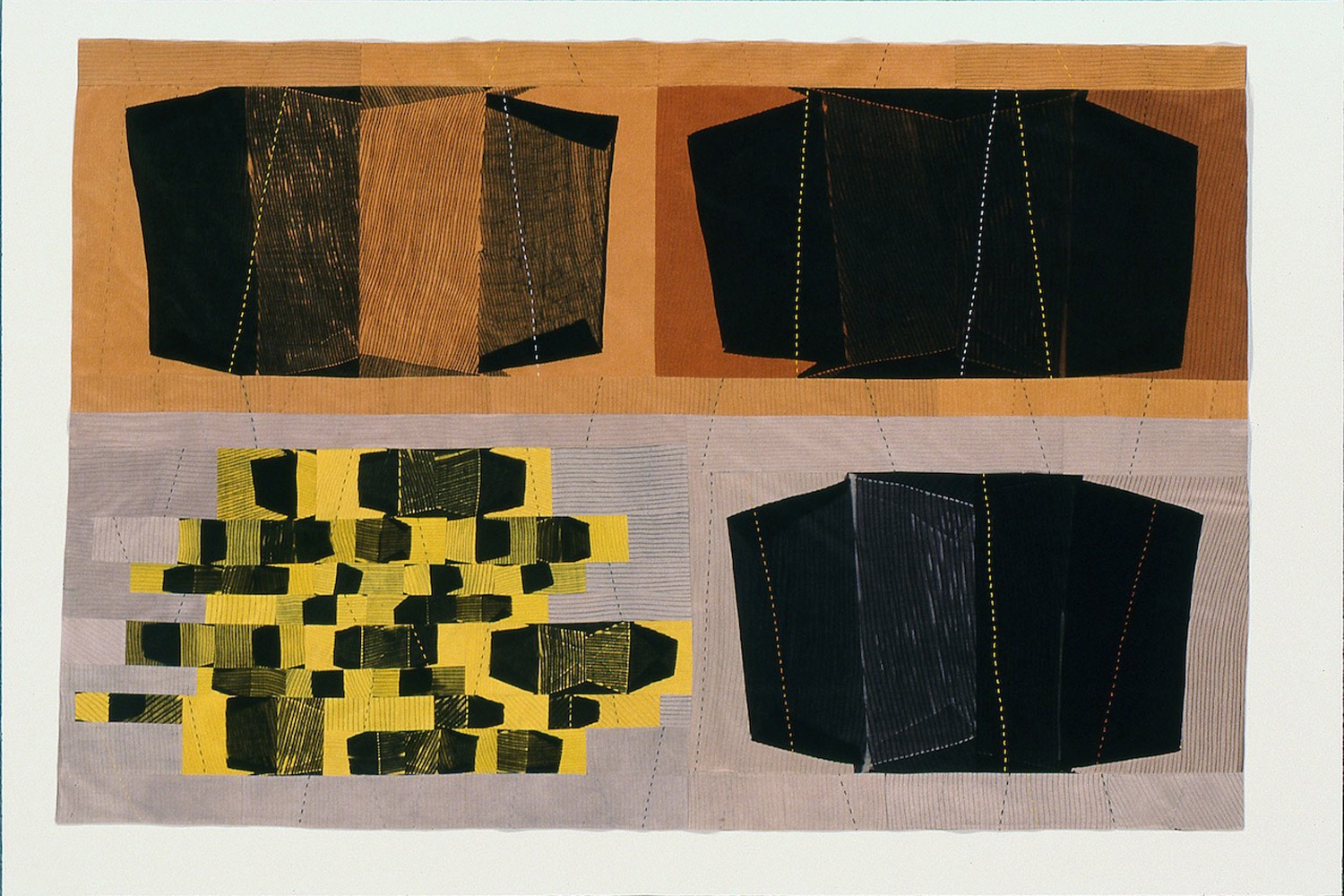
INTERVIEW
I took a series of small workshops at Fiberworks in Berkeley, California. One of them, led by Yoshiko Wada, focused on shibori. I was immediately drawn to the mix of skill and improvisation. My curiosity took me to Japan and India to learn more about their textile traditions and dyeing techniques.
The technique creates a dialogue between the material and the maker. I love how fabric’s flexibility becomes texture and pattern. There is always a bit of surprise in the result as the cloth always responds in its own way.
Curiosity is the key. I am always looking for new fabrics, techniques and combinations. When a process starts to feel predictable, I change something. This sense of exploration is what keeps the work alive.
Earlier in my career, I worked with a lot of effort and intensity. Over time, I found that real mastery comes from understanding the material. Once I understood the physics of dyeing, the process became much more intuitive. I observe what is happening and respond to it instead of trying to force a result.
Ana Lisa Hedstrom
Textile dyer
Emeryville, CA, USA
Recommended by Craft in America
ADDRESS
Address upon request, Emeryville, CA, USA
AVAILABILITY
By appointment only
PHONE
+1 5106544109
LANGUAGES
English
Homo Faber Finds is a new service aiming to inspire admirers of craft to connect and collaborate with exceptional artisans.
We invite you to submit an enquiry here.
DSC02402_©Meg-Lovell.jpg)
DSC01379_©Meg-Lovell.jpg)
DSC01458_©Meg-Lovell.jpg)