
Giulia Perin
Emina
Textile dyer
Turin, Italy
Anthropologist of textile and colour
- Giulia is an anthropologist and master artisan
- She bridges ancient cultures and modern ethics
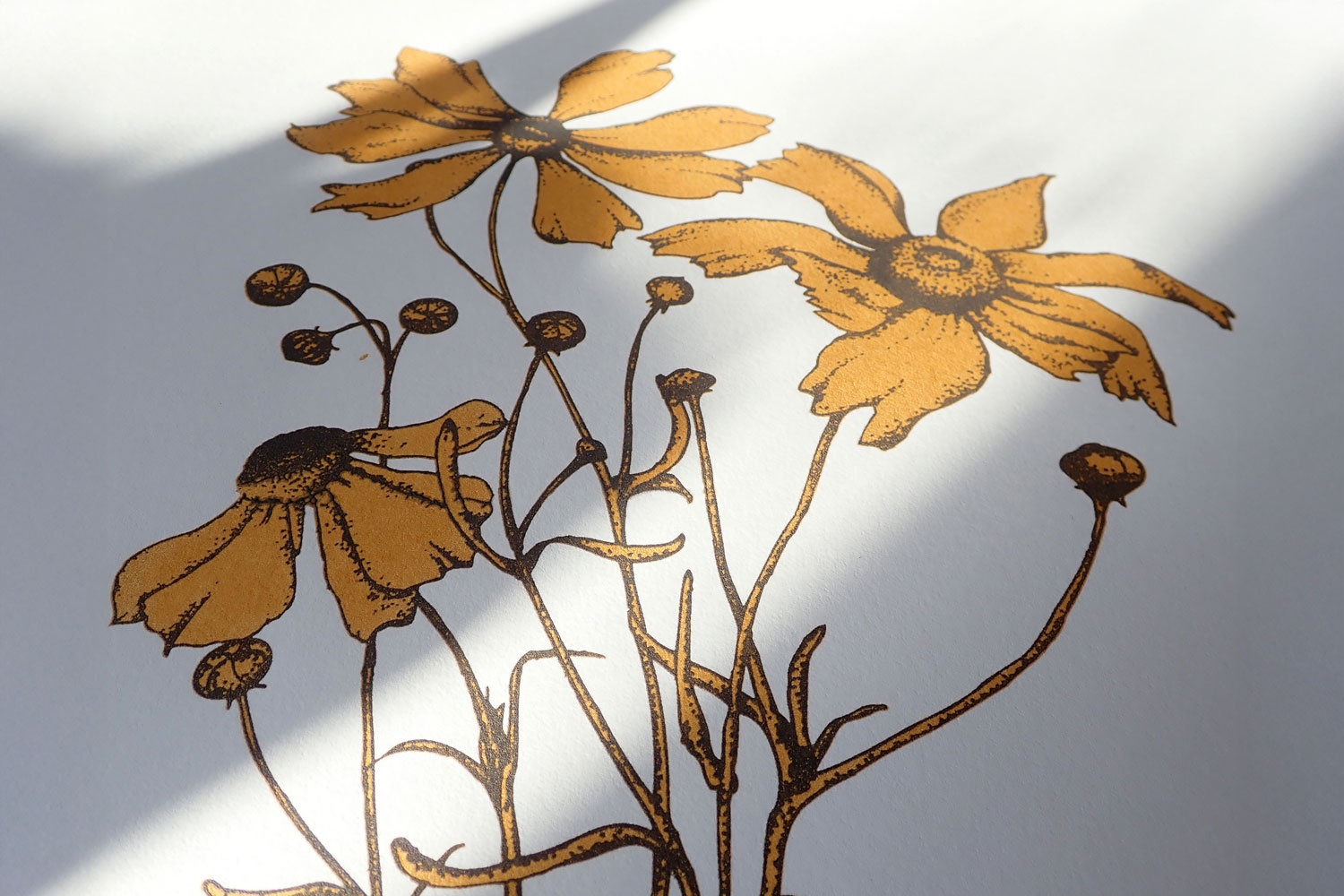
- Her works are about celebrating nature and plants
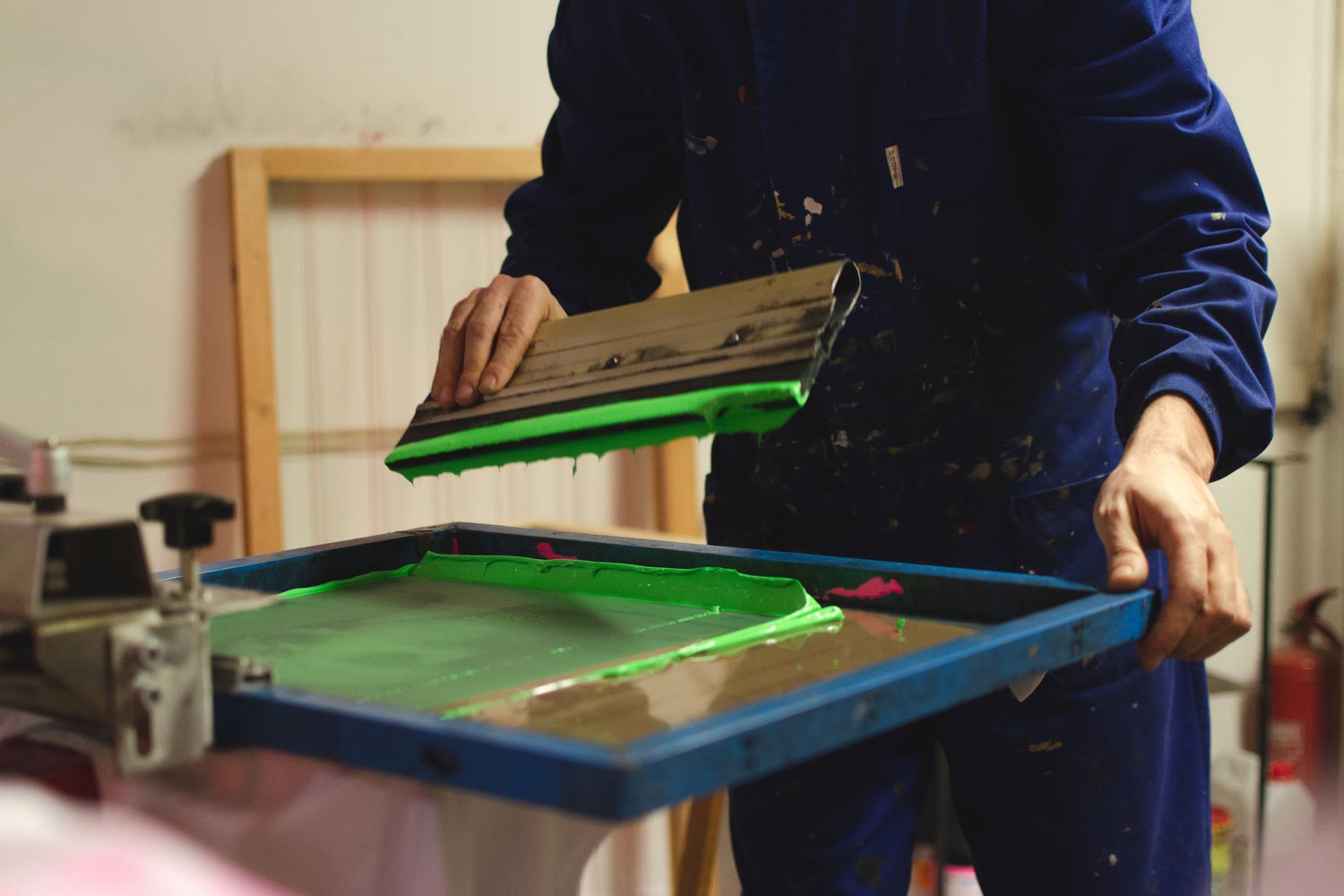
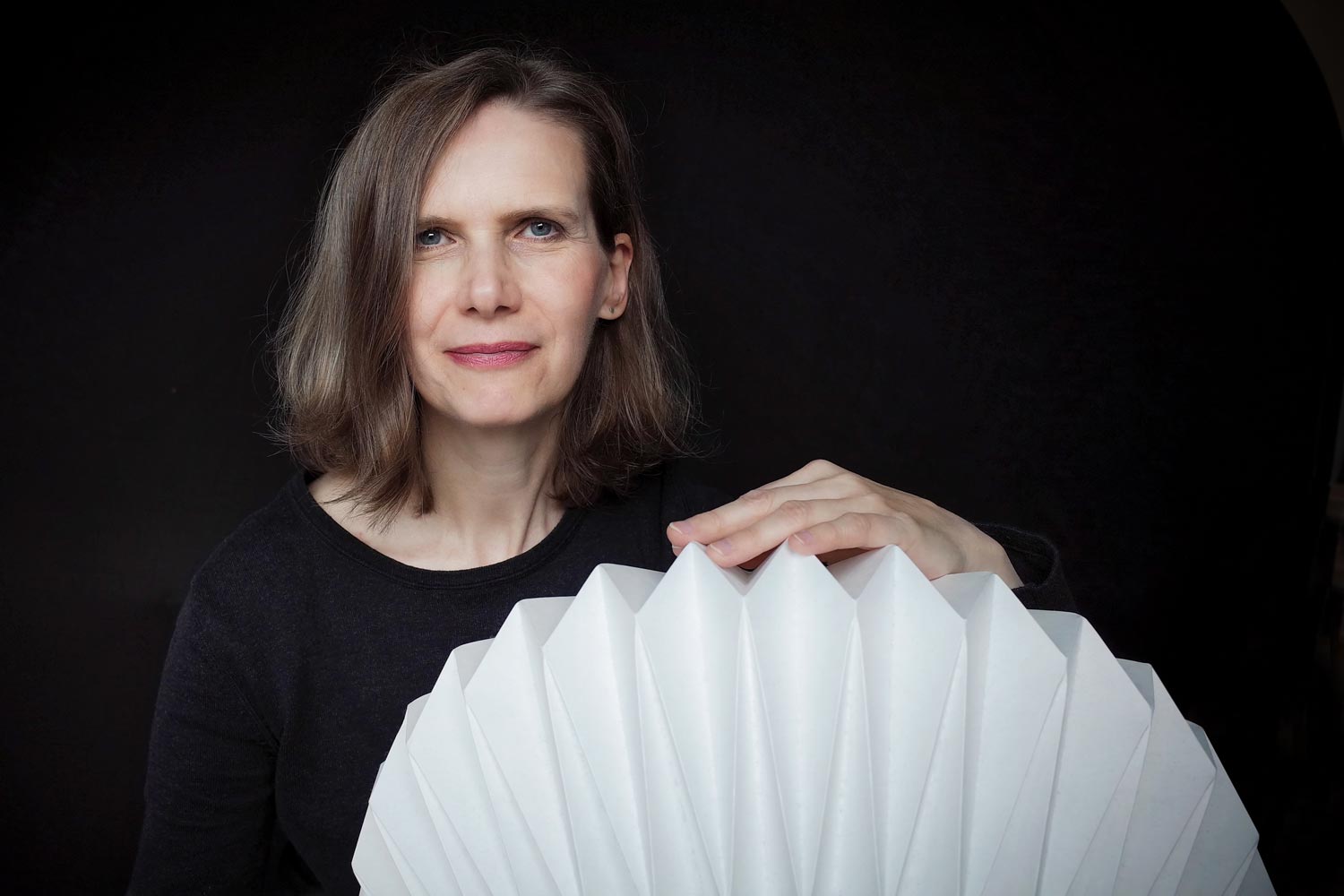
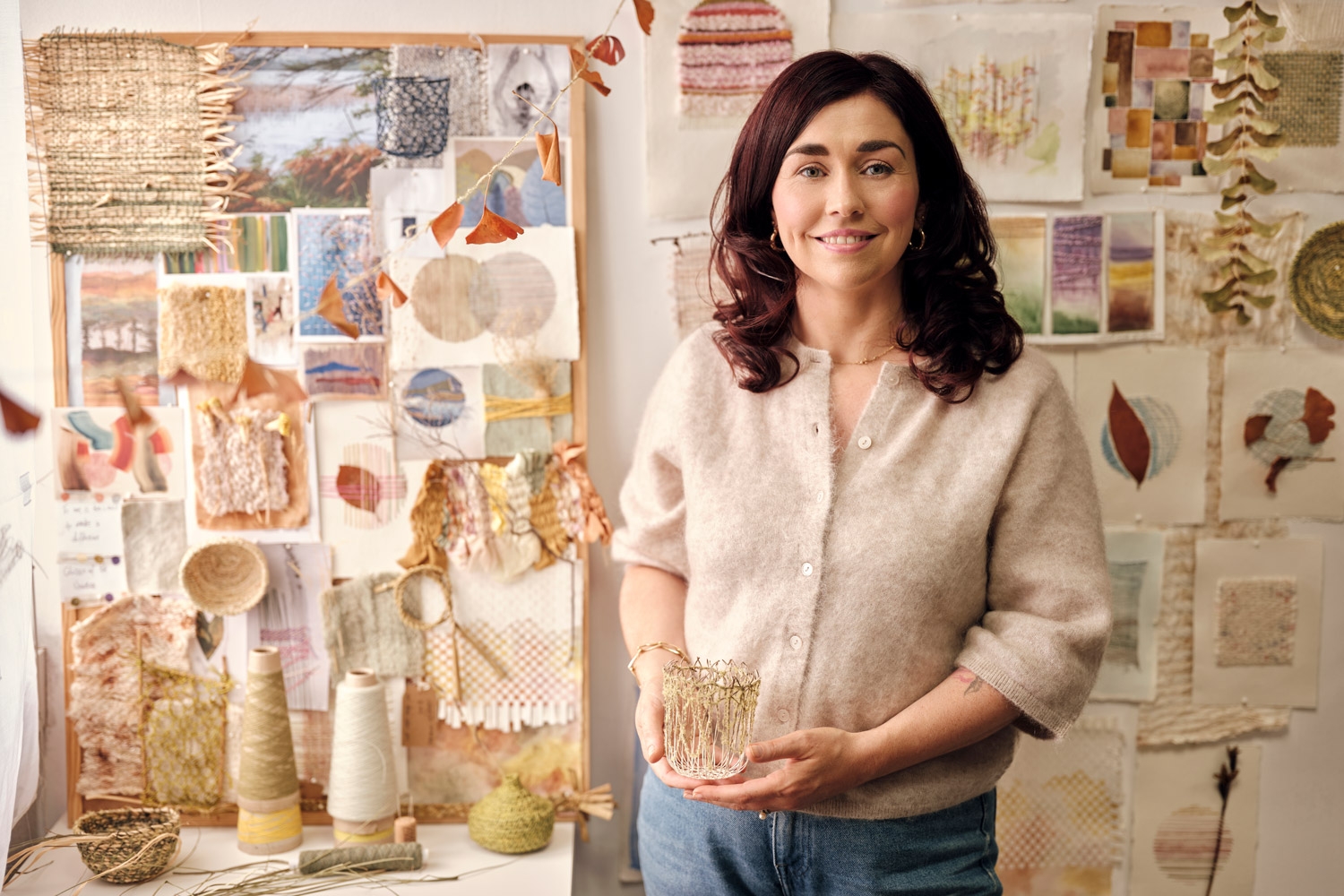
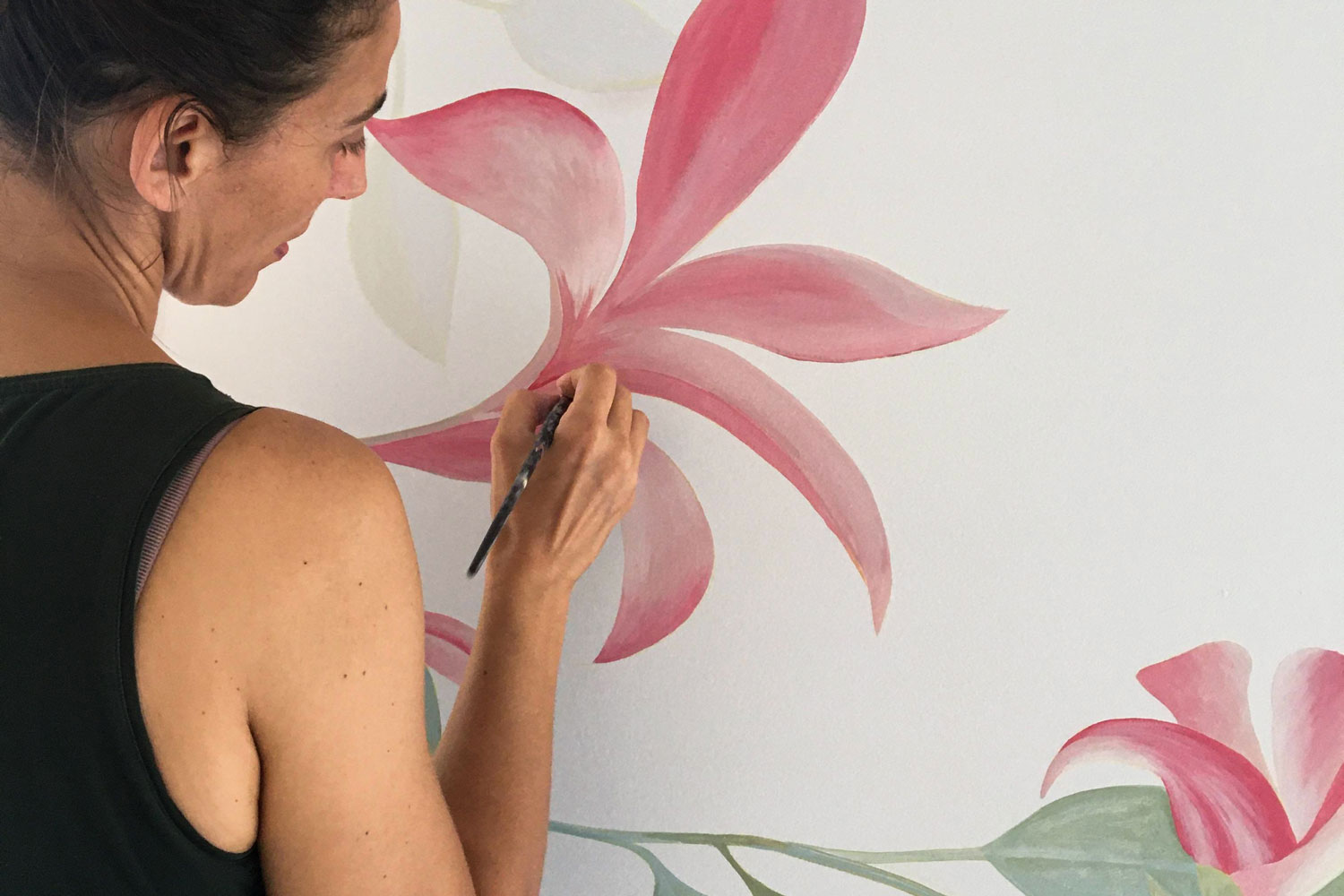
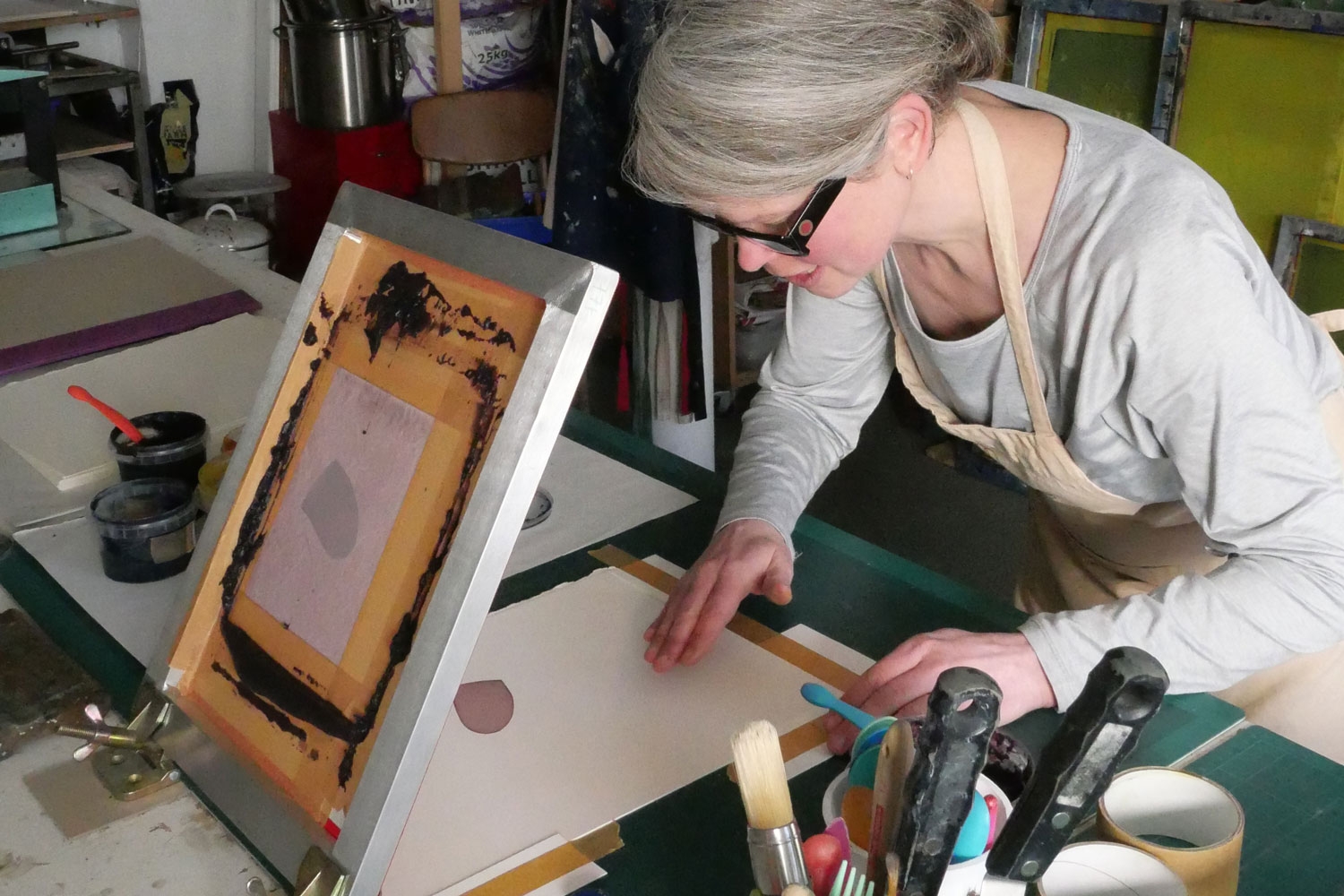
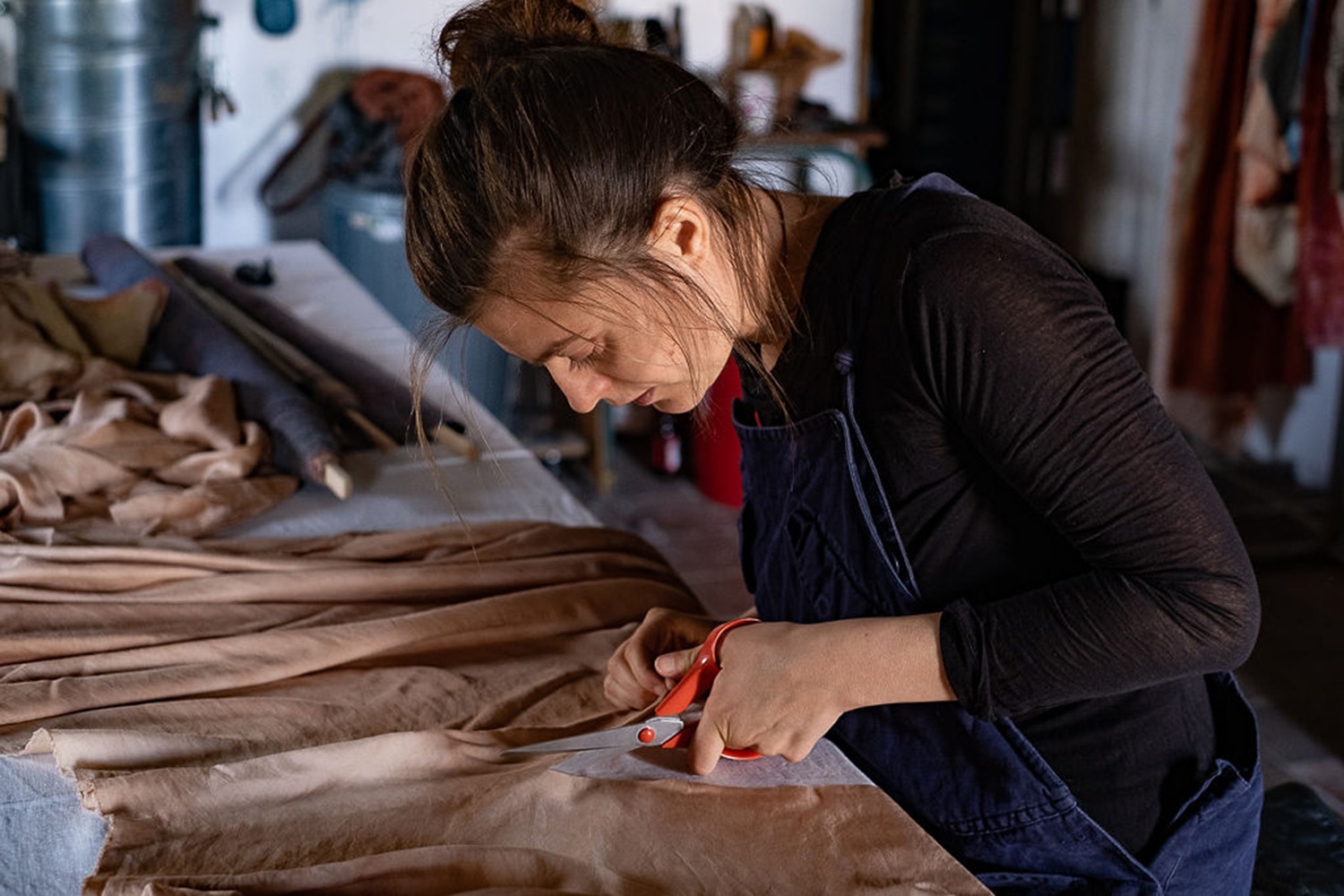
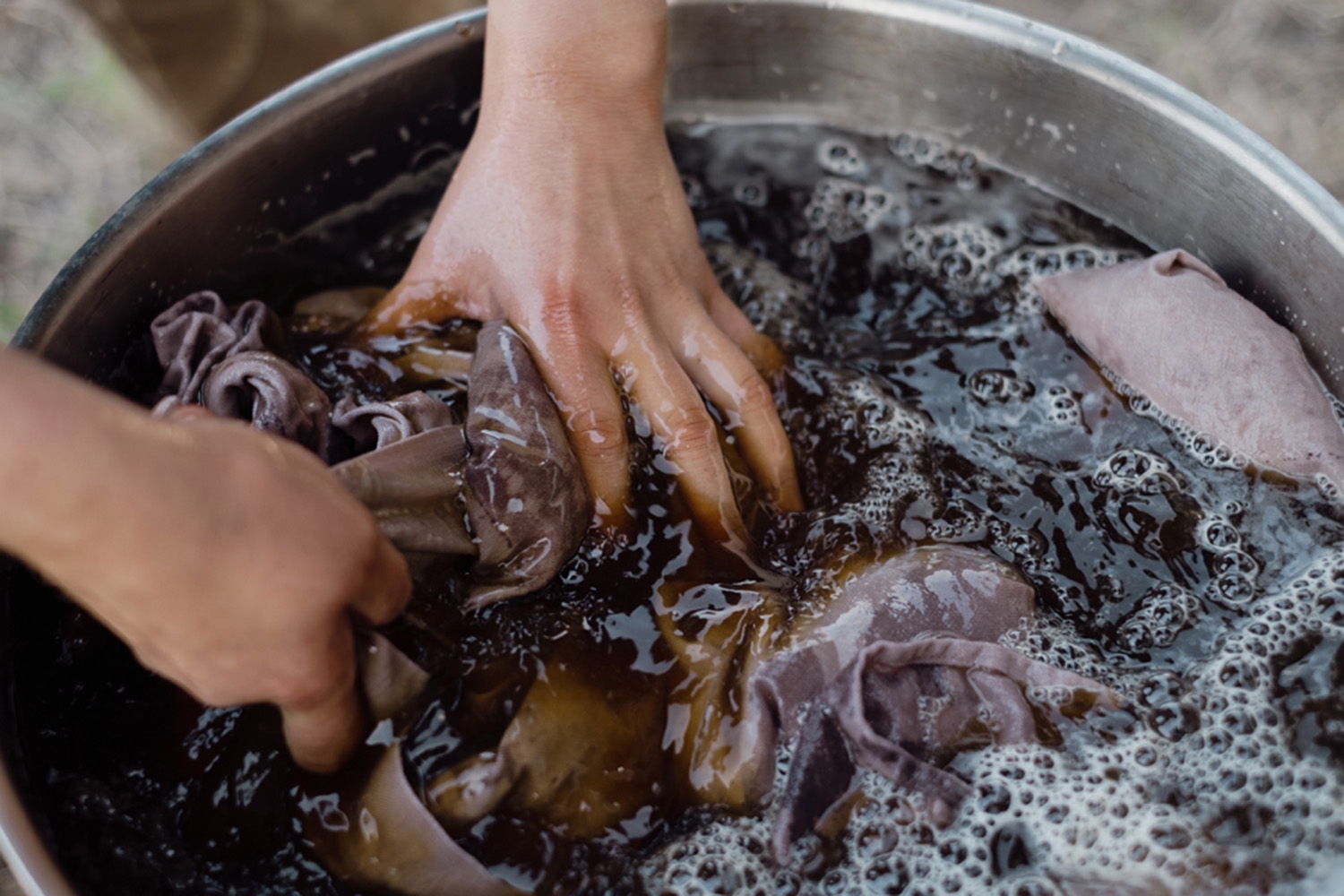
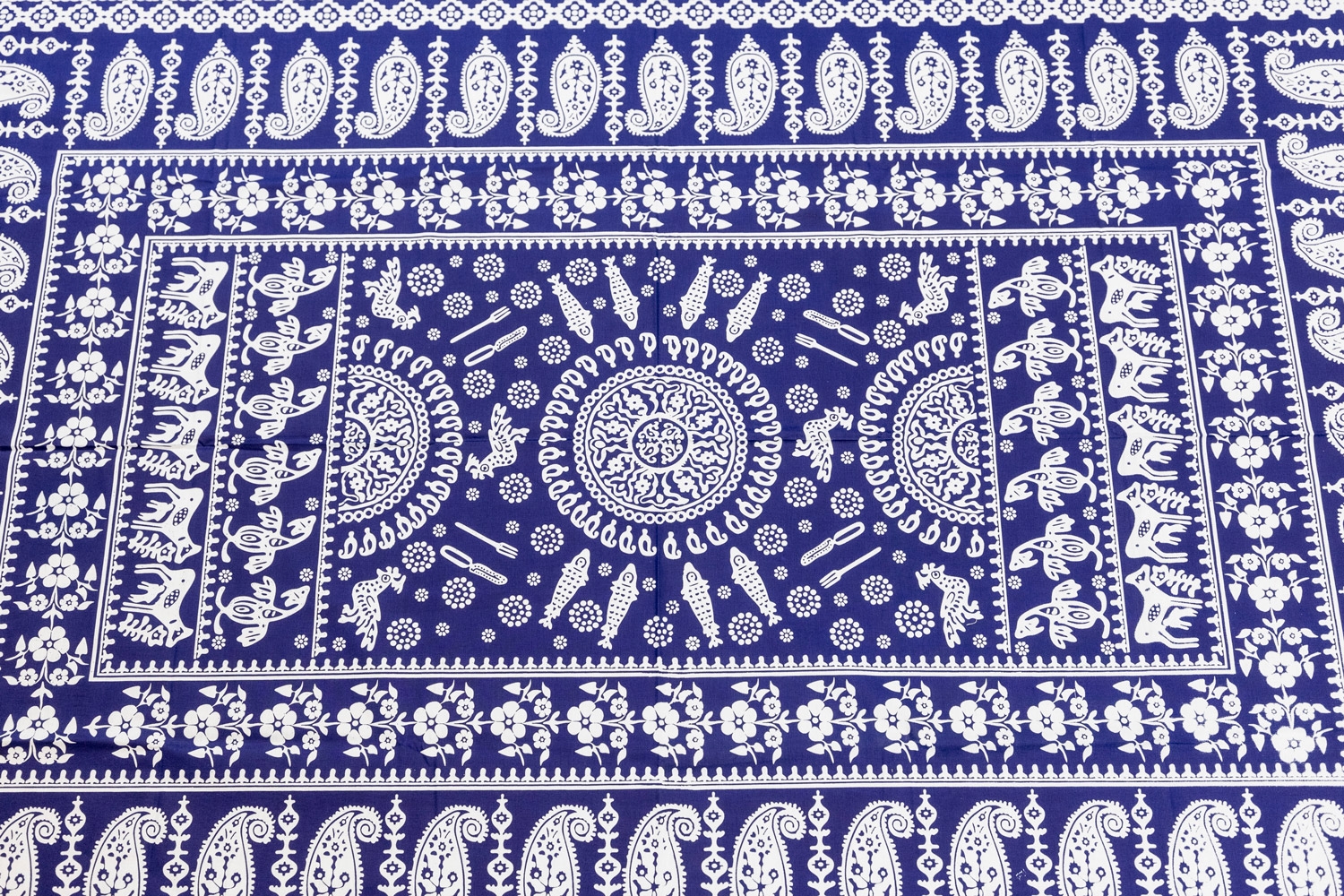
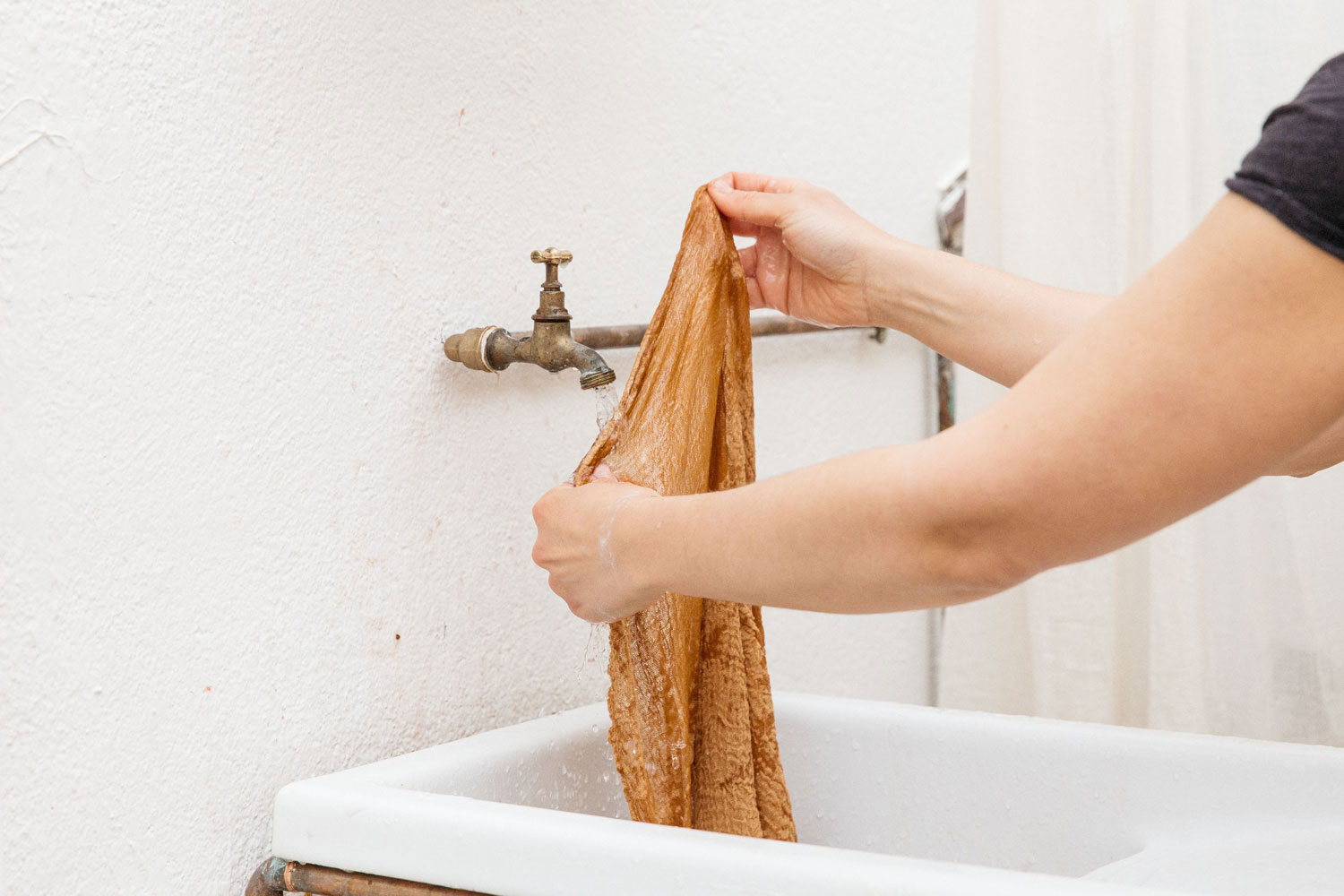
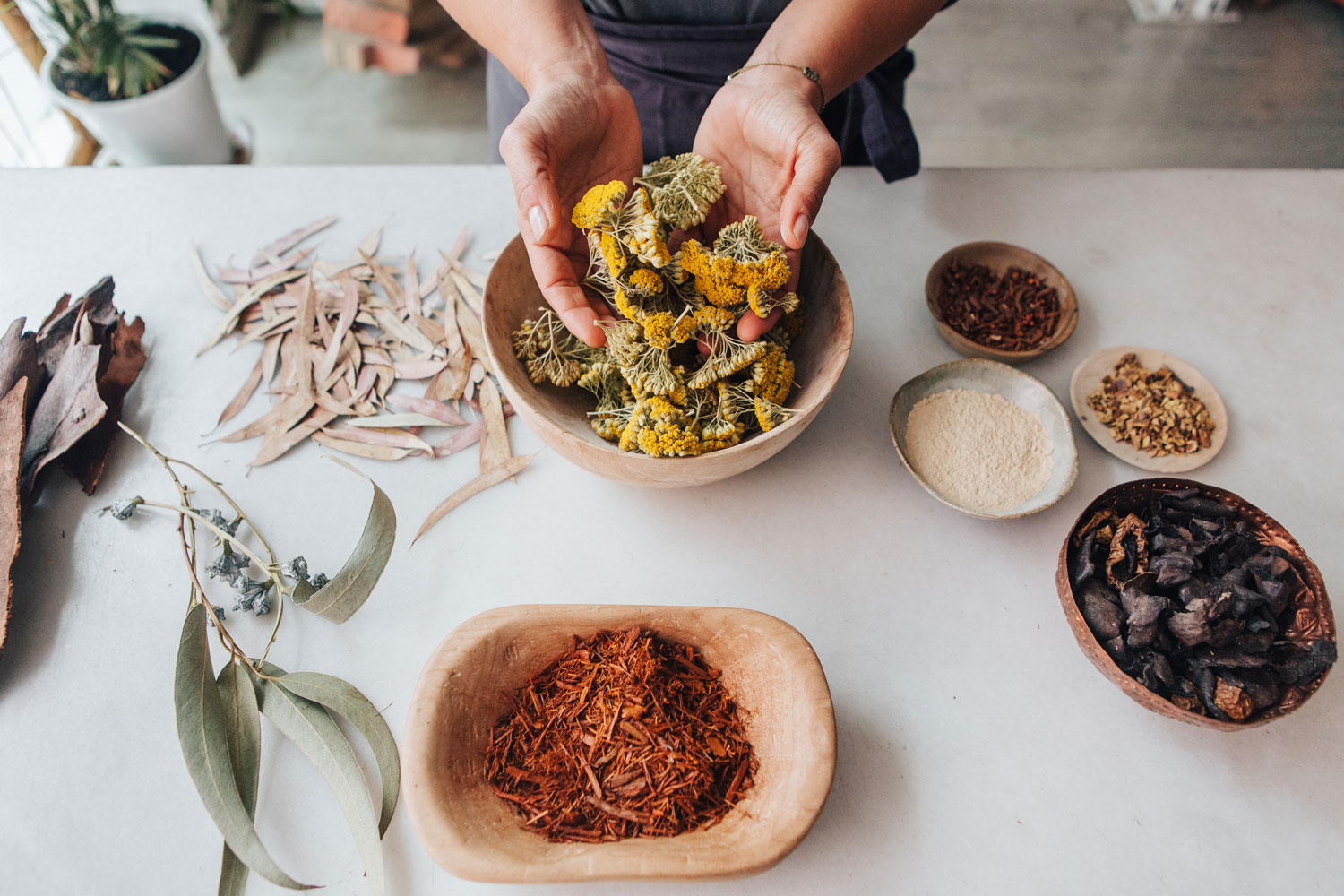
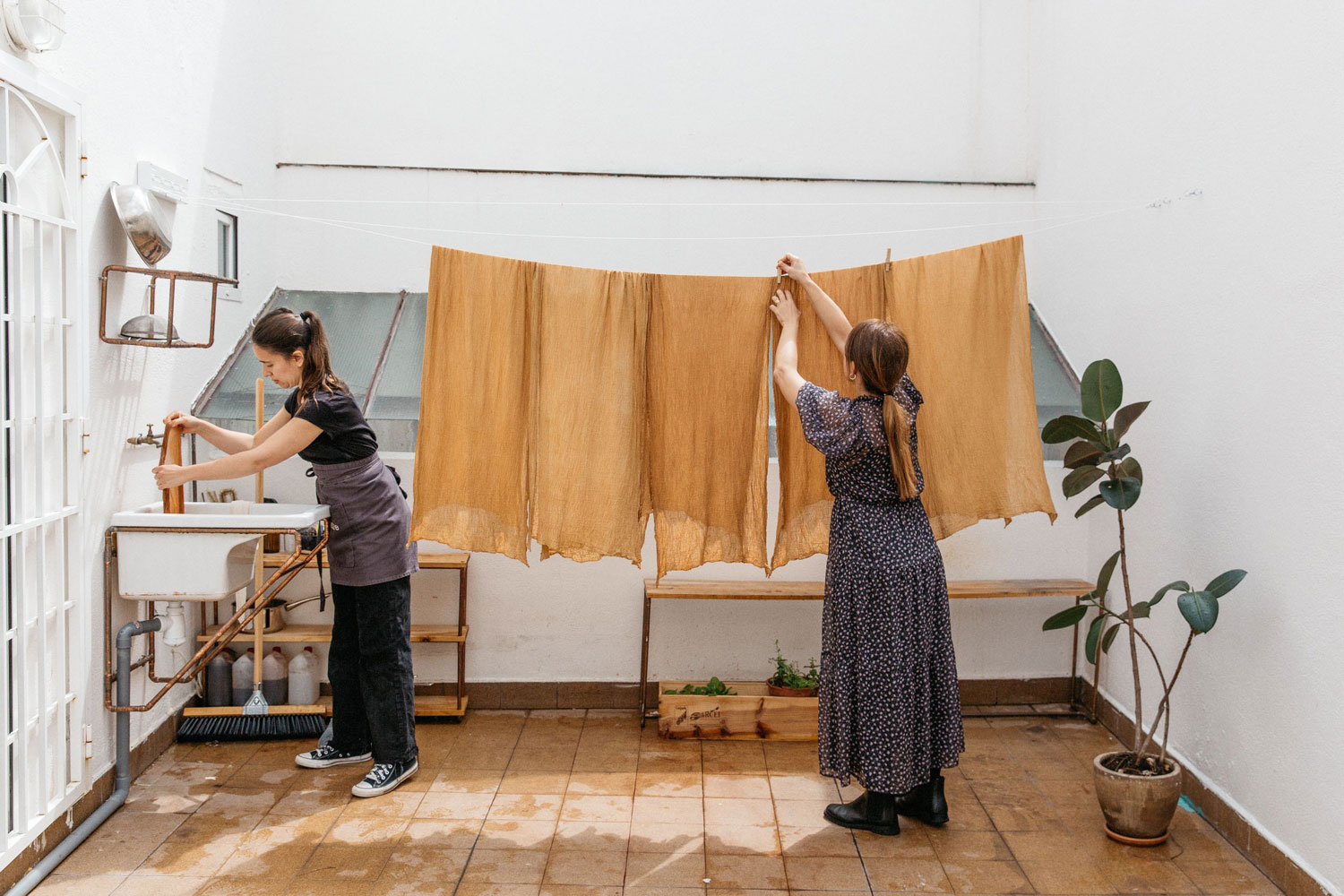
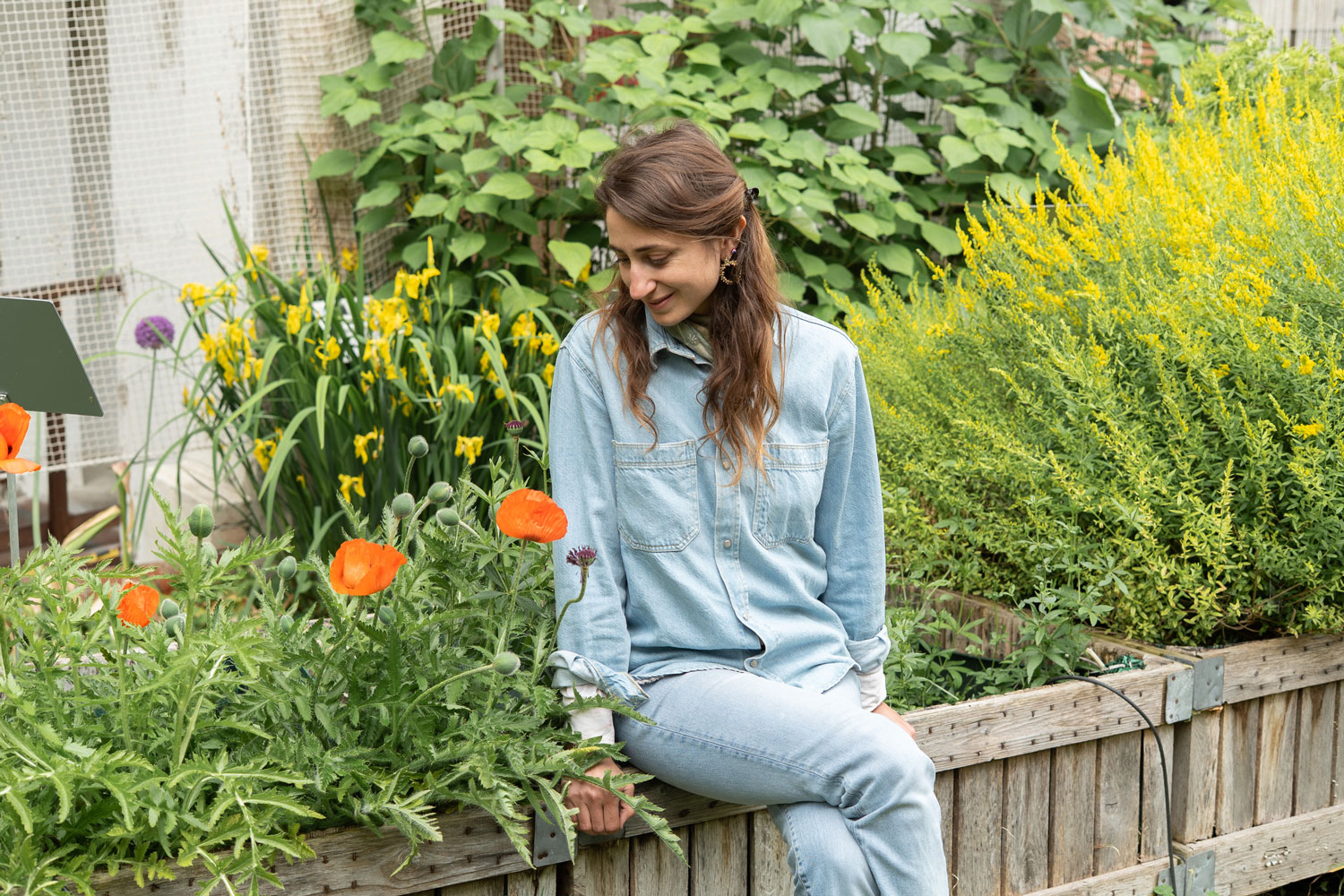
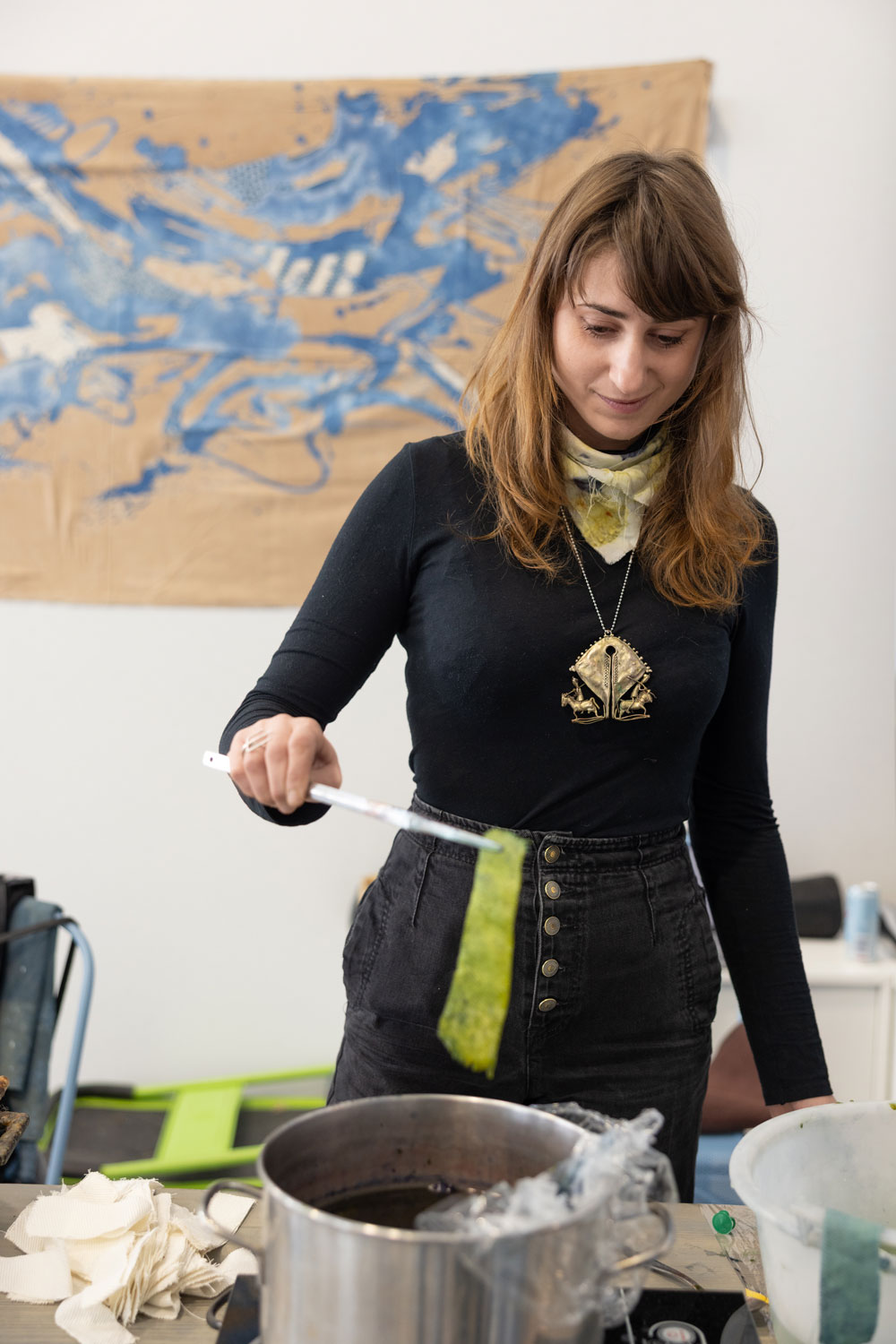
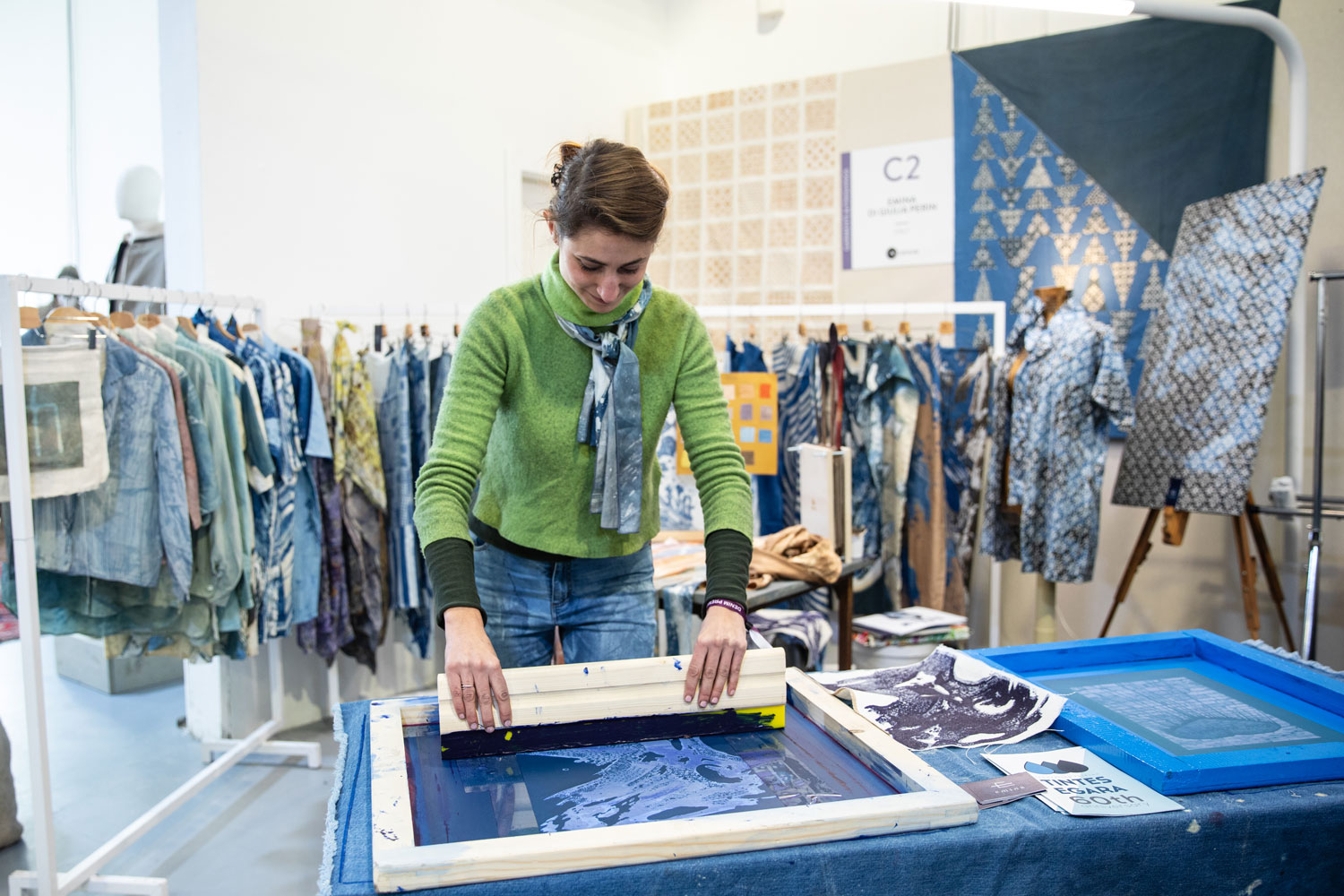
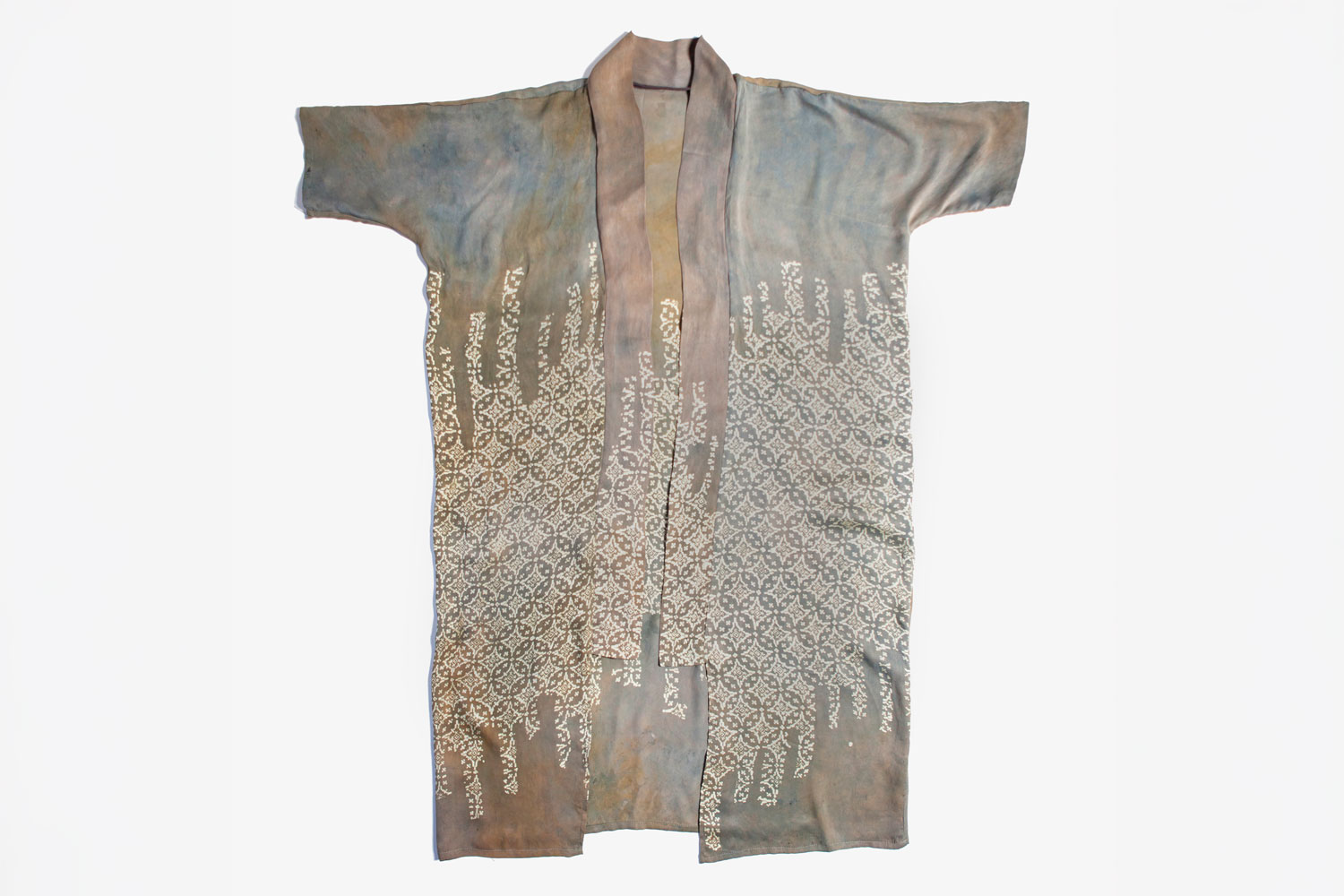
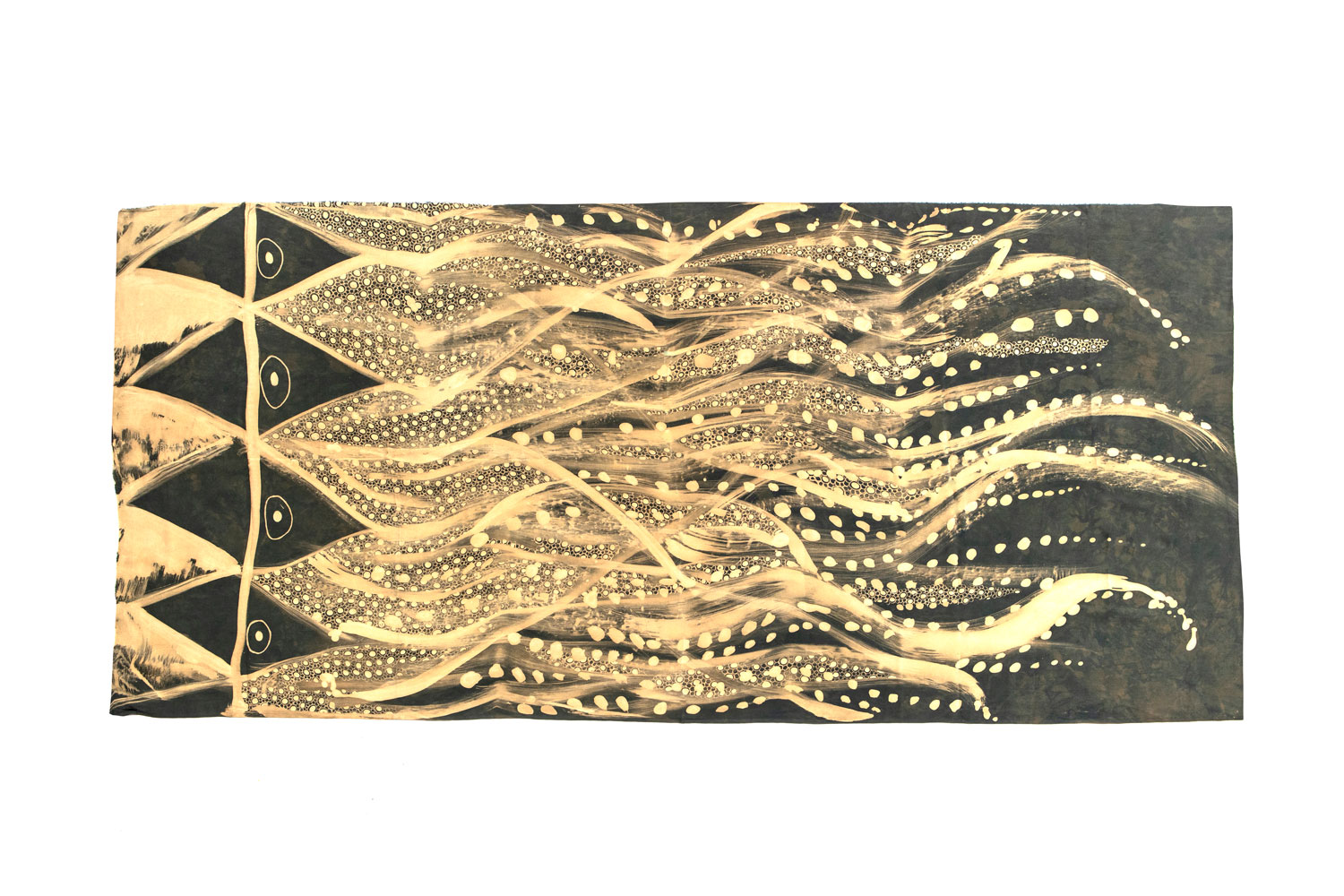
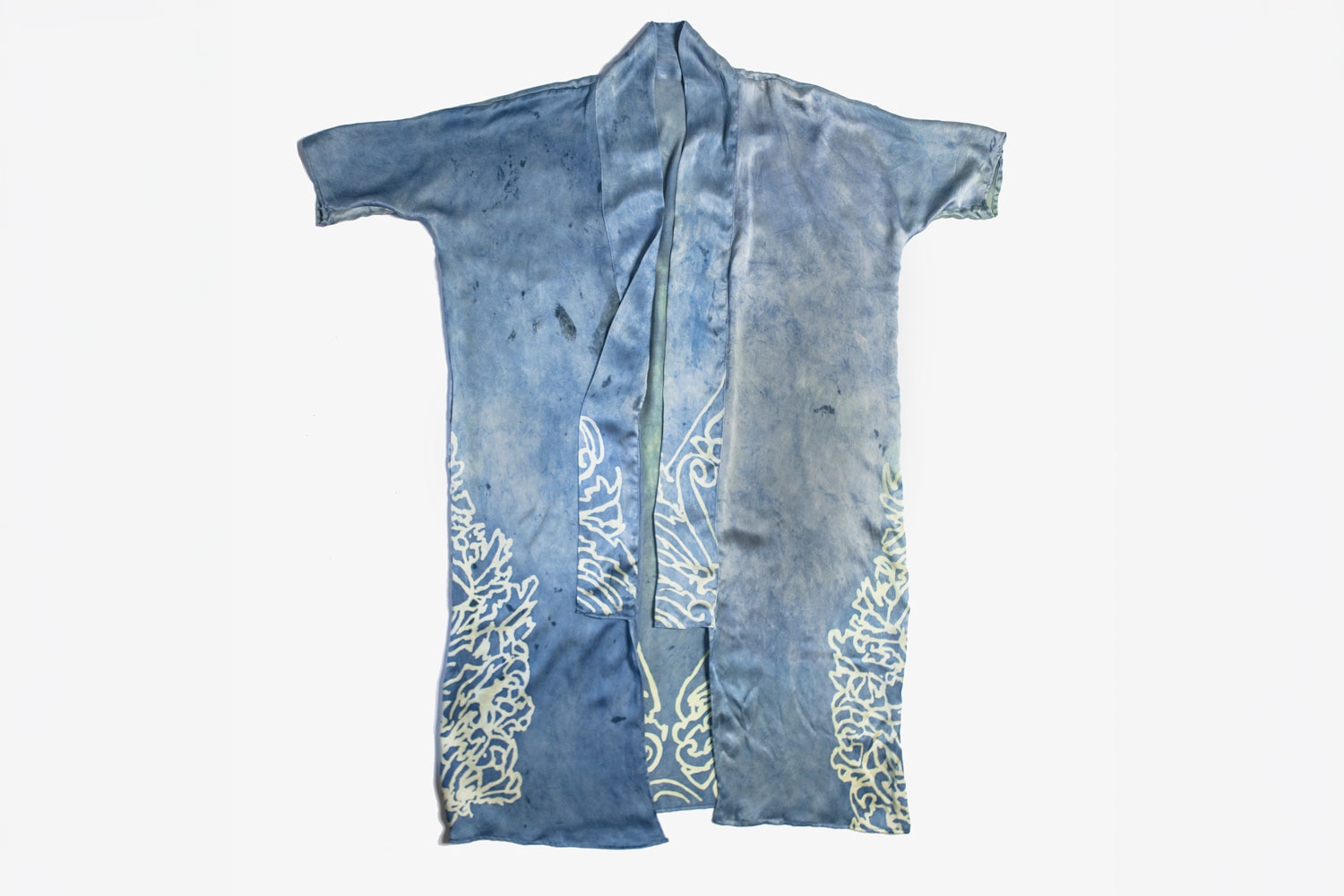
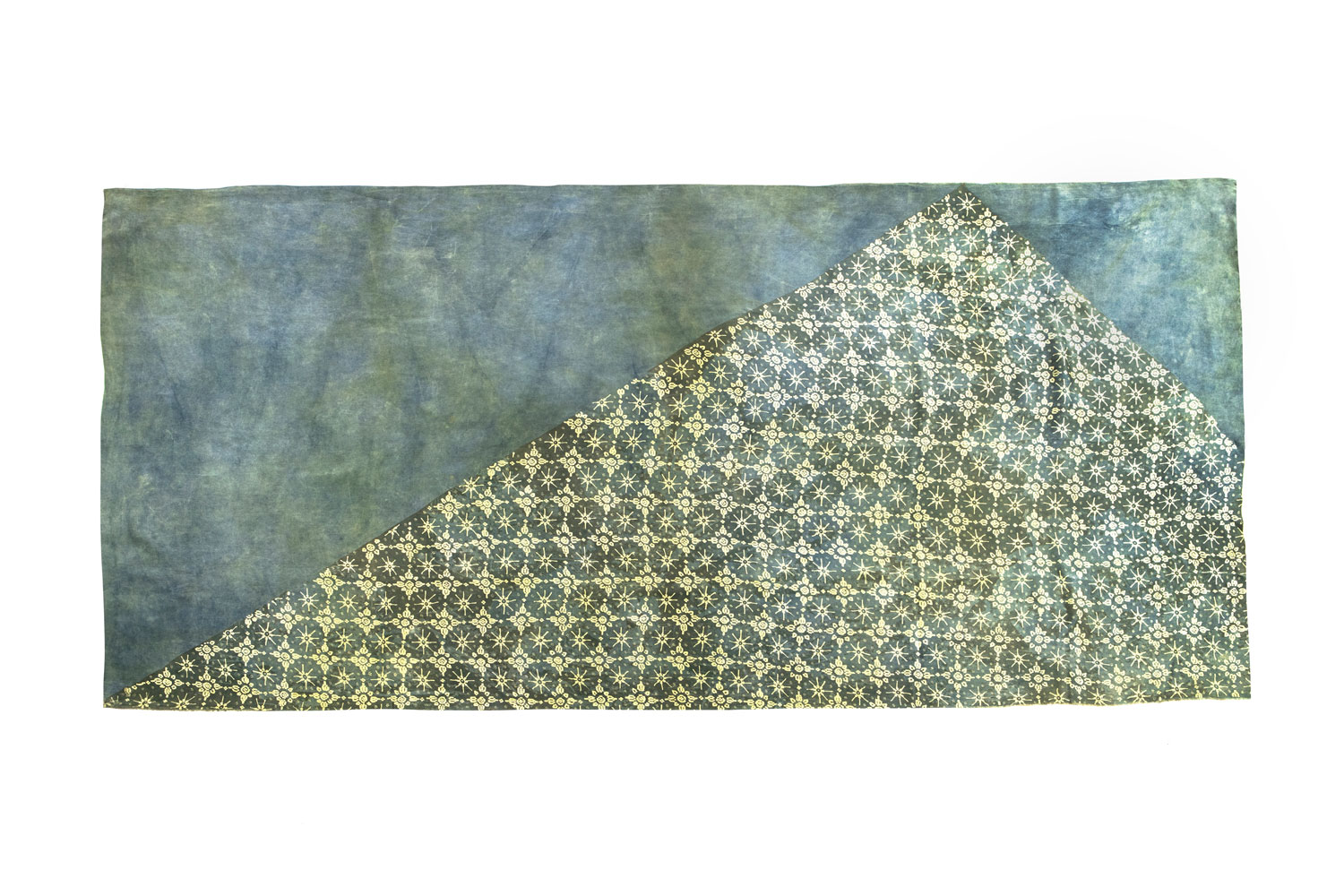
Giulia Perin is an anthropologist and artisan who founded Emina, a project merging botanical dyes, batik dyeing and textile culture into an ethical practice. "My mission is to restore value to the artisanal gesture through unique pieces created with traditional techniques and natural pigments,” she says. Moving beyond industrial standardisation to find a new balance between nature, craft and art is the central theme of her practice. Giulia's journey stems from a fusion of fine arts and anthropology. A pivotal master’s programme in Indonesia introduced her to the generosity of local masters of batik and the revelation of botanical dyes. Upon returning to Italy, she dedicated herself to recovering forgotten dyeing techniques that demand slowness and constant experimentation. Today, Giulia also manages the dye garden at the Chieri Textile Museum, bridging distant cultures and ancestral knowledge through a contemporary lens.
INTERVIEW
My creativity is a mosaic of stimuli: books, museums and natural patterns like water reflections or urban geometries. Patterns are everywhere for those who know how to look. I synthesize these observations through an abstract line, transforming the complexity of reality into a minimalist graphic mark. This process allows me to merge my anthropological gaze with a contemporary aesthetic.
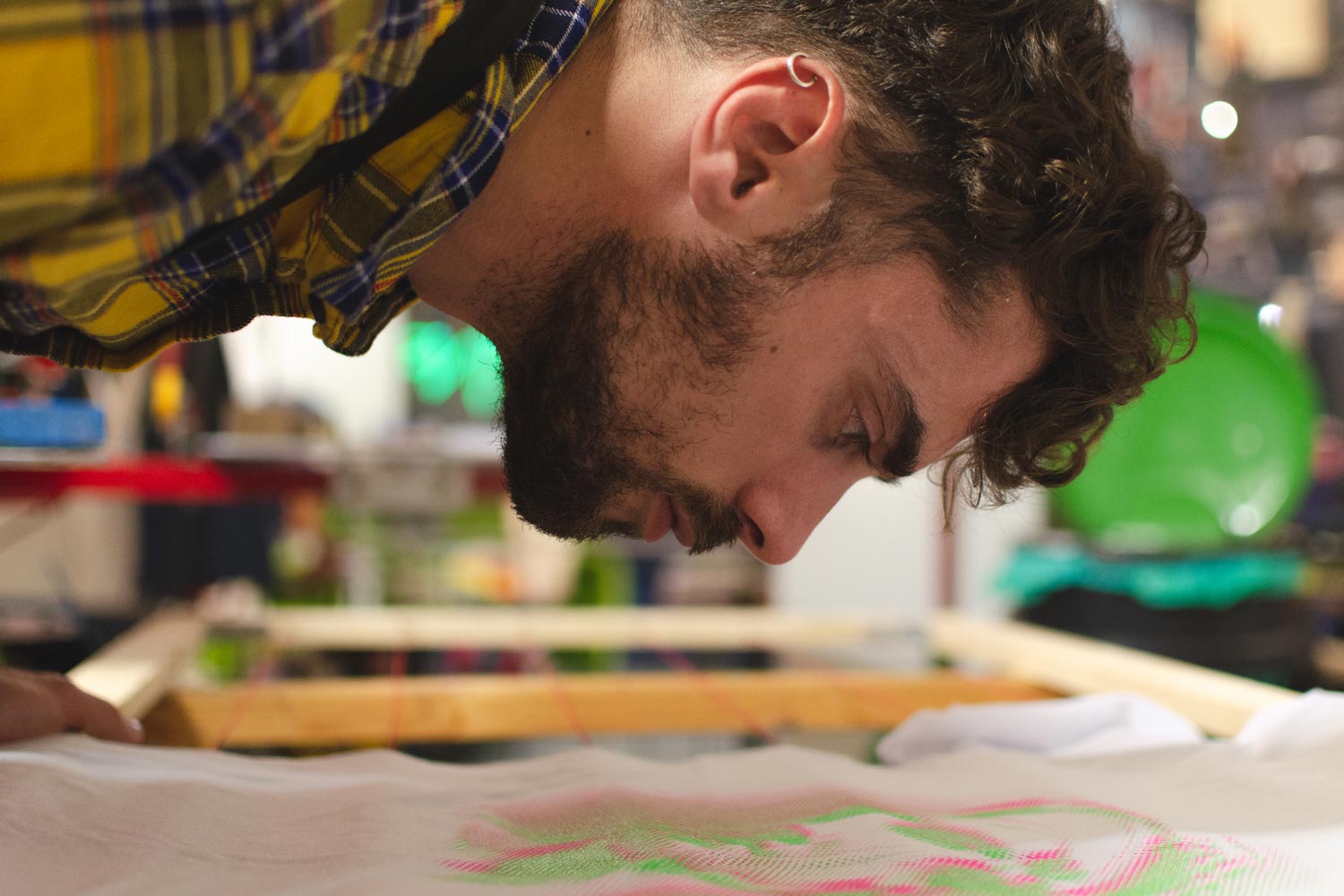
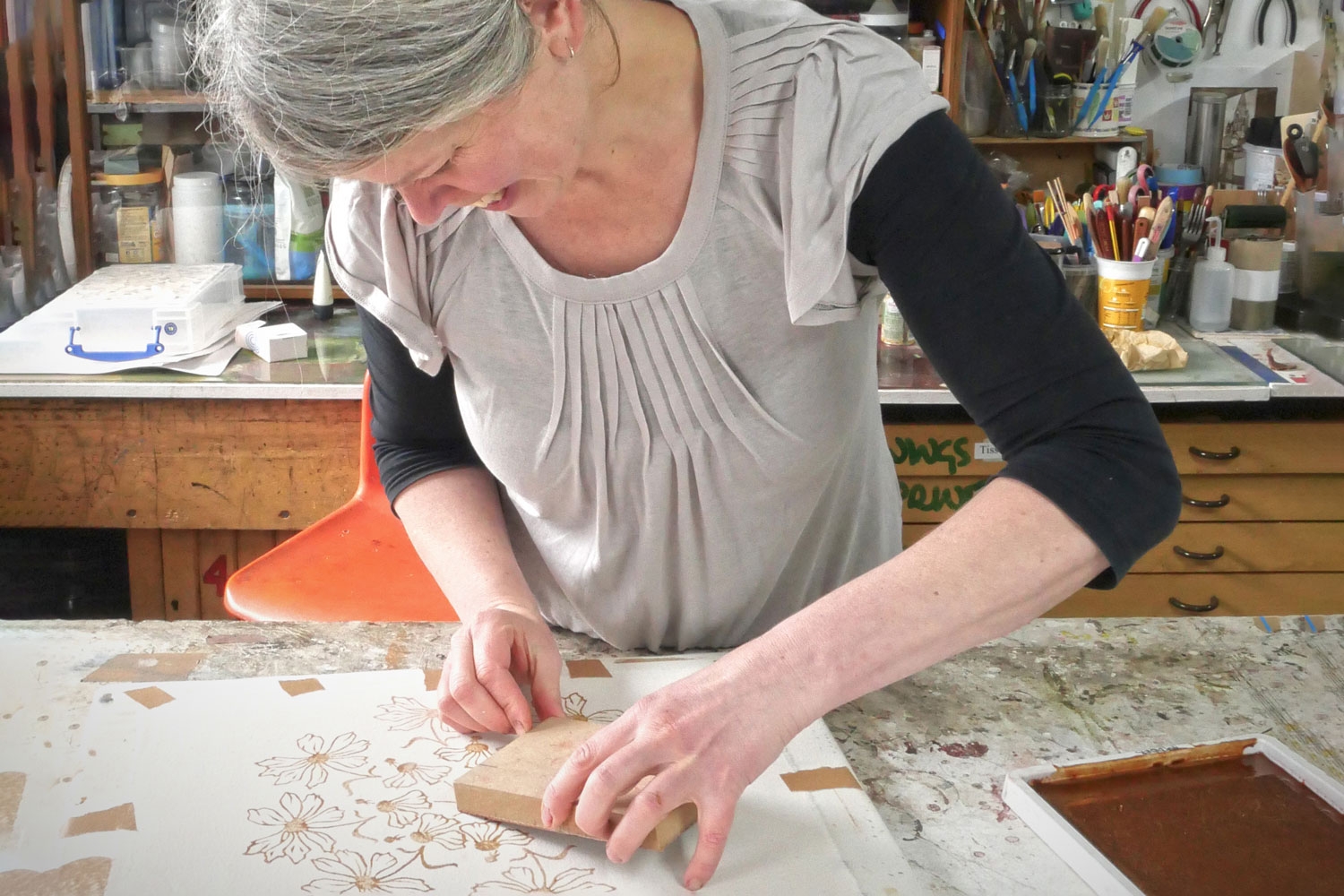
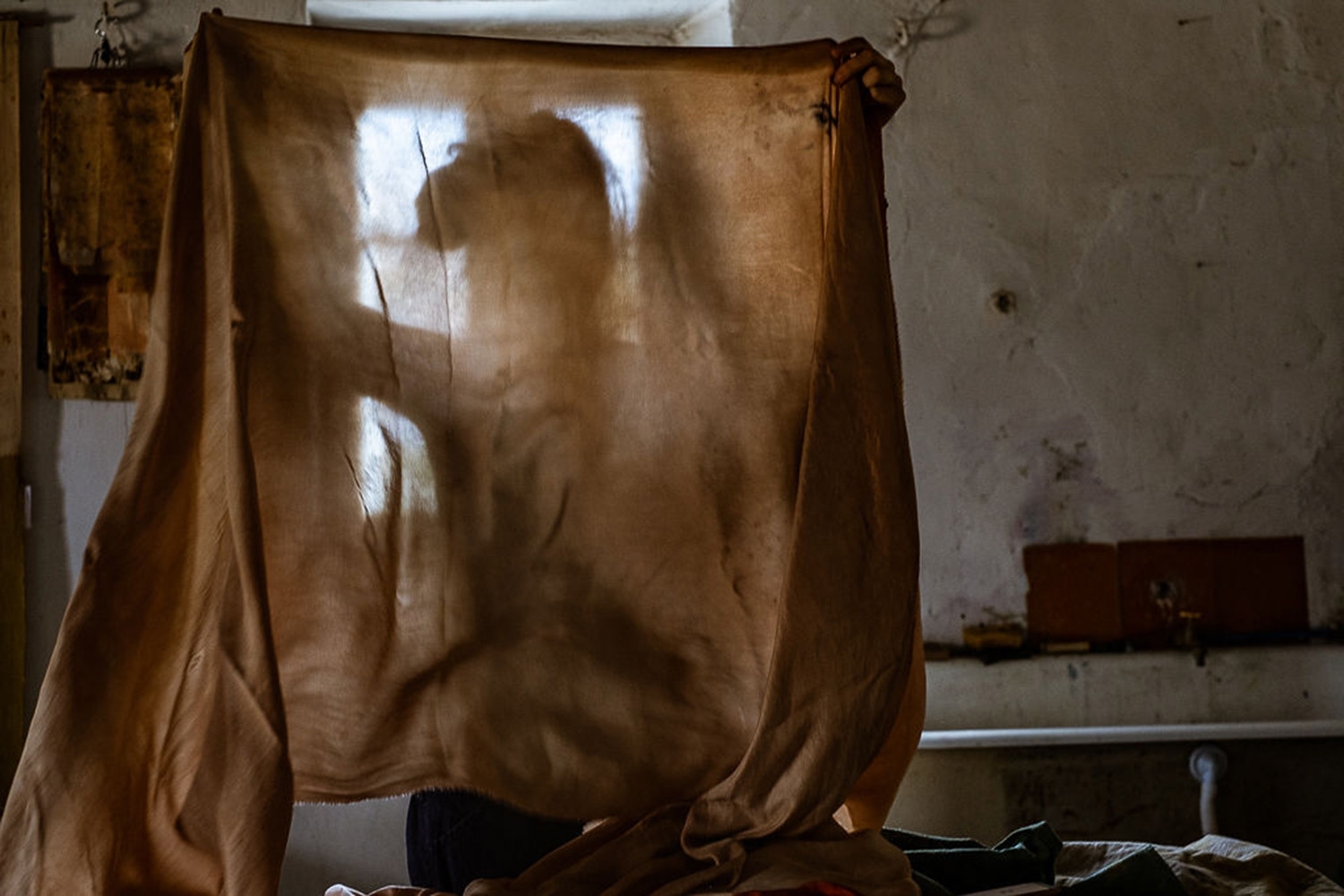
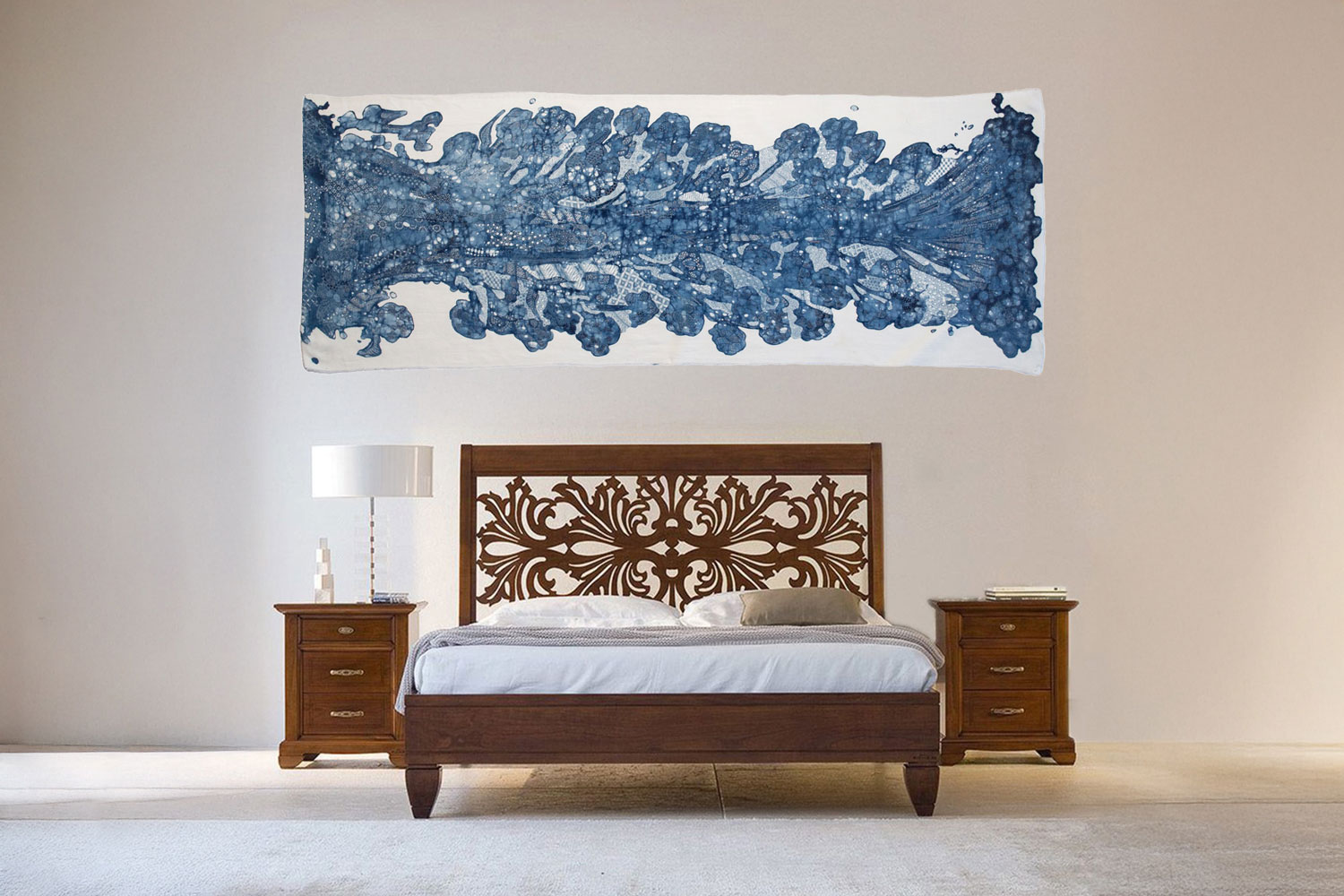
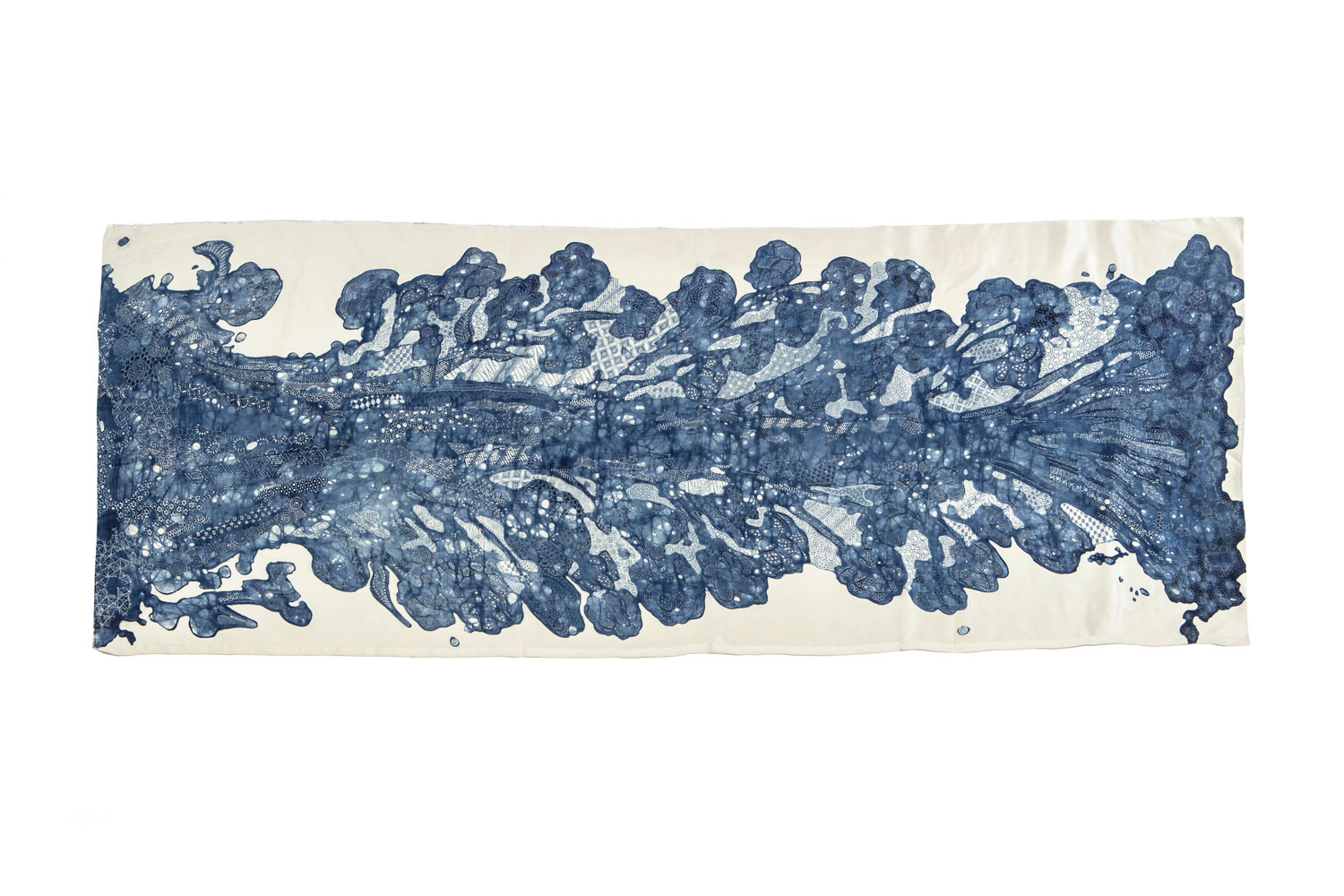
Batik is a 'blind' process, as I flood the fabric with wax, much like an old-school photographer developing a picture. The process requires hope and trust in one’s vision. While I can control chromatic results, the graphic composition always retains an element of unpredictability. I am never fully satisfied, which is why clients' feedback is essential to my creative approach.
I deeply love creating a dialogue between east and west, between local tradition and other traditions. I aim to educate the public’s taste and foster awareness of production processes. My work is not just about creating beautiful fabric; it is about cultivating a textile culture and teaching people to ask questions, using the medium as a lens to observe society differently.
Being selected for Première Vision, the world-renowned textile trade fair, was a milestone. My bond with the Chieri Textile Museum is equally vital. The volunteers who work there are former textile workers, aged 65 to 90, who safeguard an immense technical and historical heritage in textile knowledge.
Giulia Perin
Emina
Textile dyer
Turin, Italy
ADDRESS
Address upon request, Turin, Italy
AVAILABILITY
By appointment only
PHONE
+39 3478883128
LANGUAGES
Italian, French, English, Spanish, Indonesian
Homo Faber Finds is a new service aiming to inspire admirers of craft to connect and collaborate with exceptional artisans.
We invite you to submit an enquiry here.