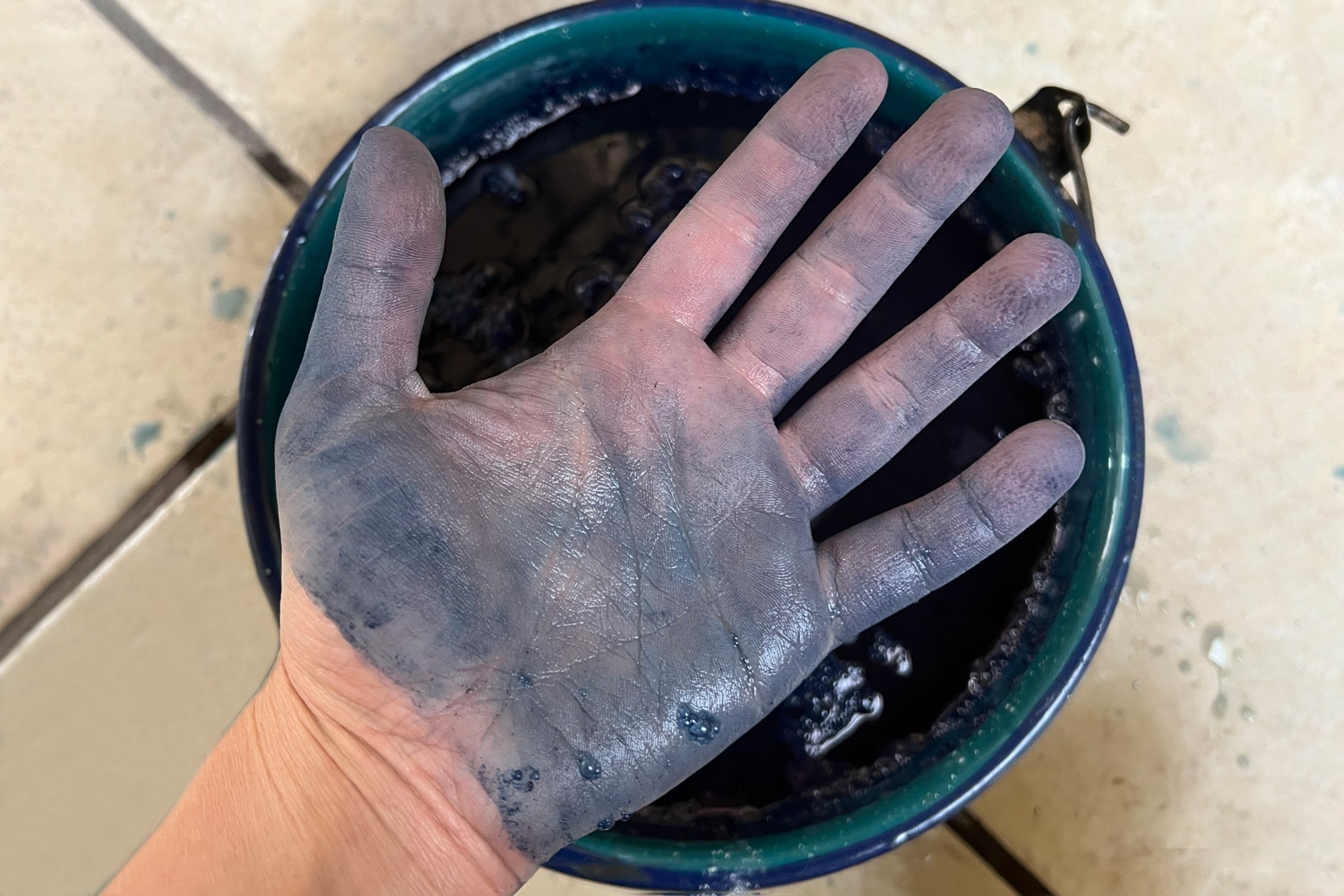
Roberta Schreyer
Nature is an Activist
Textile dyer
London, United Kingdom
Natural dyes in woven stories
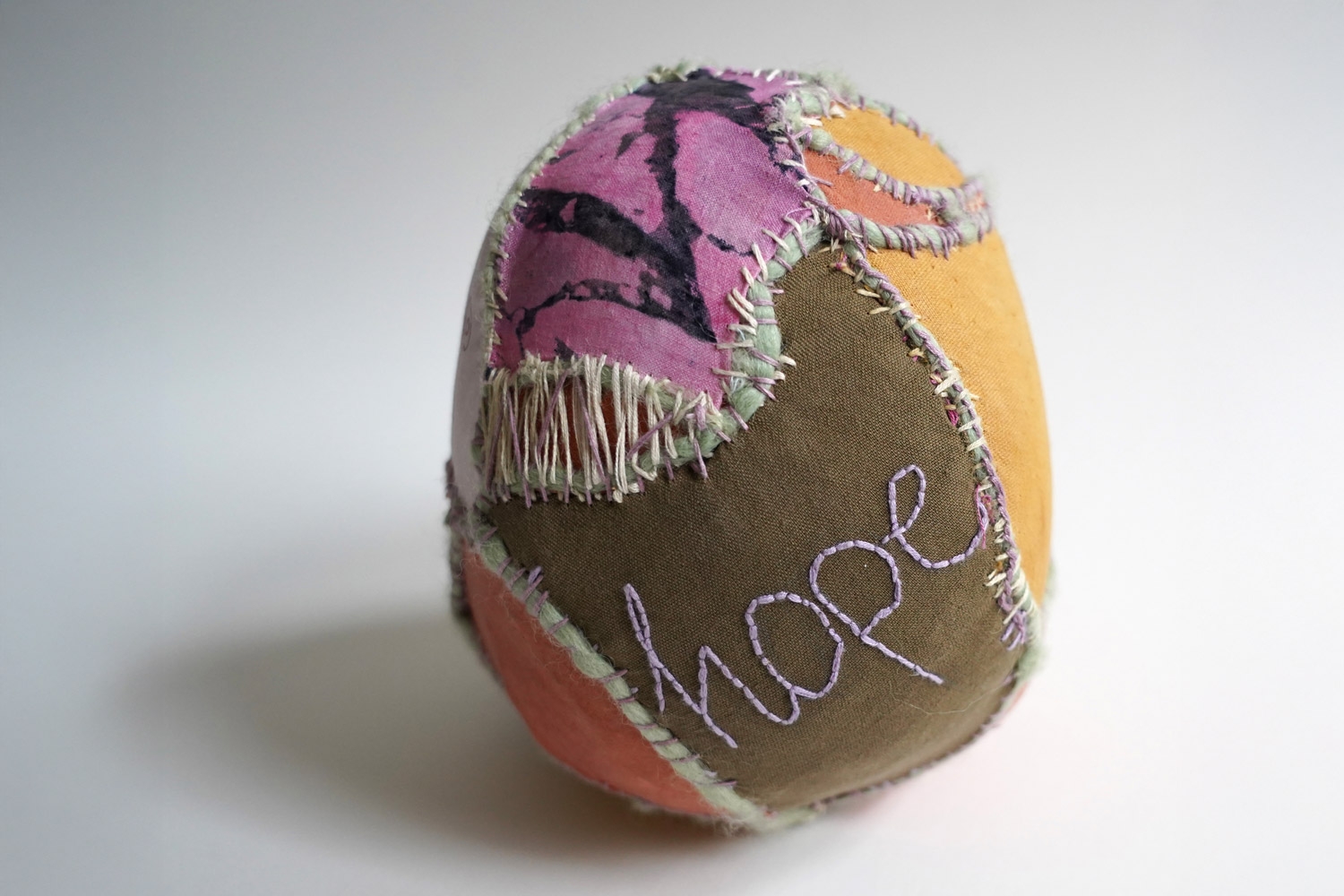
- Roberta works with natural dyes on soft sculptures
- Her work involves collaborations with indigenous artisan communities
- She is a passionate environmental activist
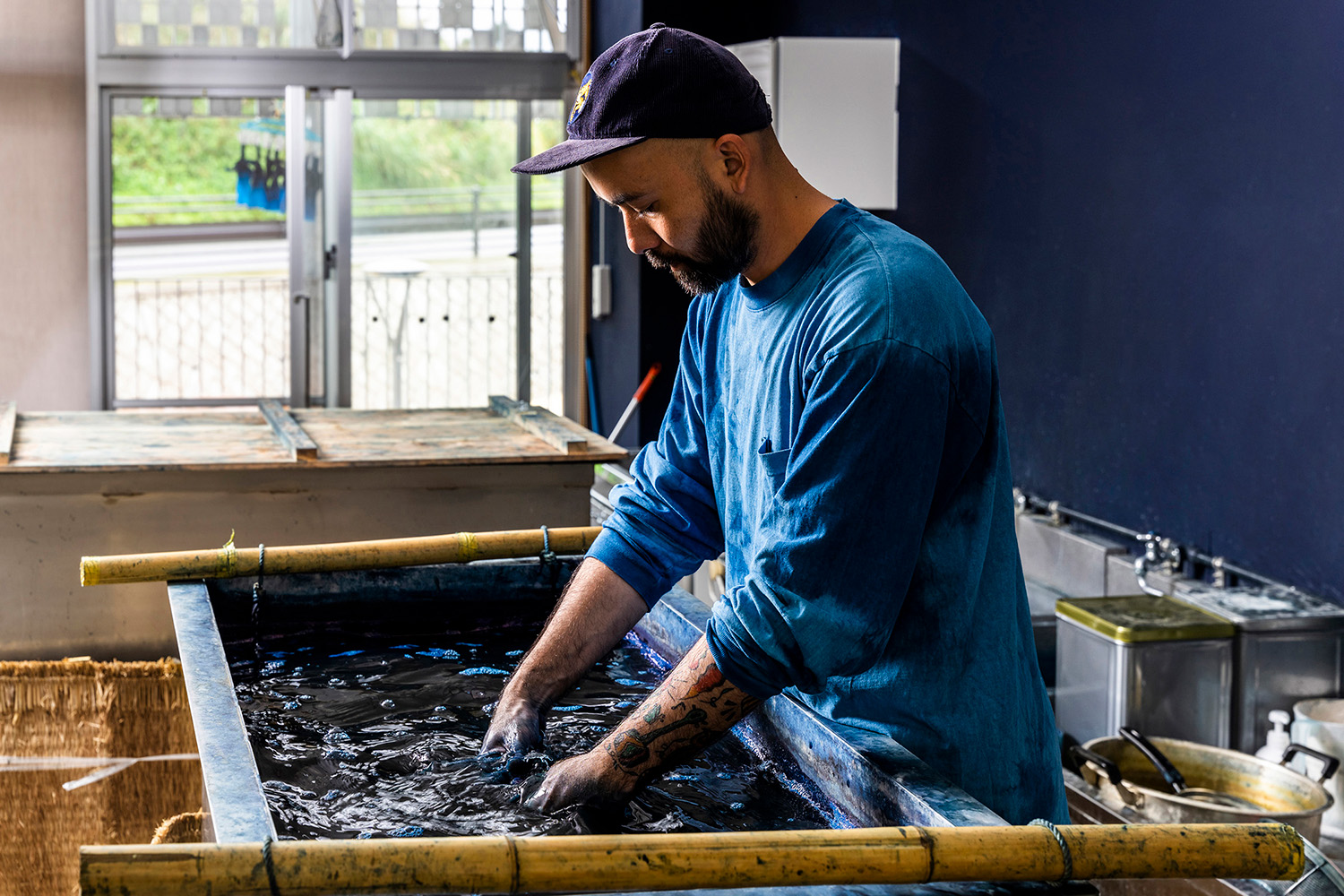
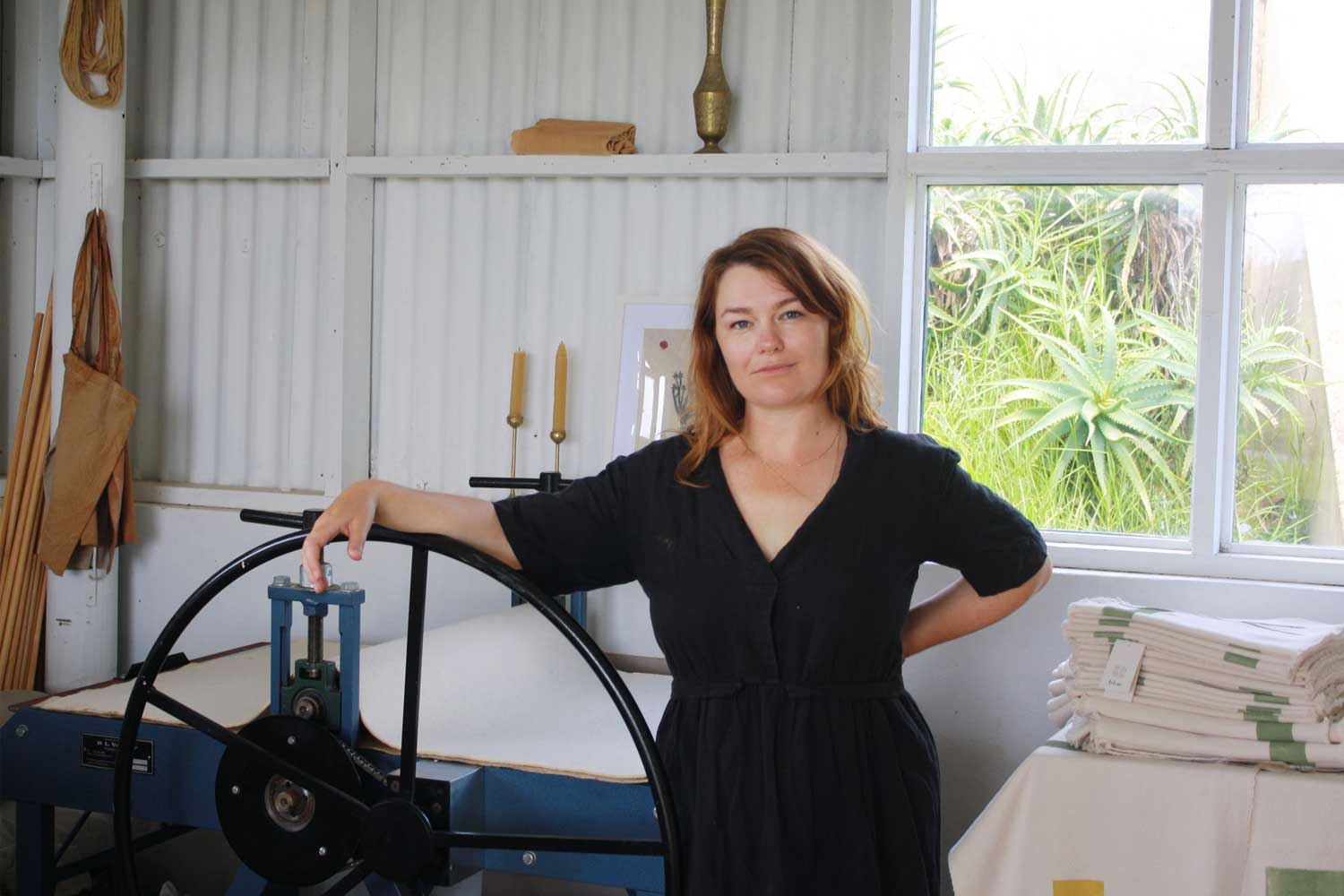
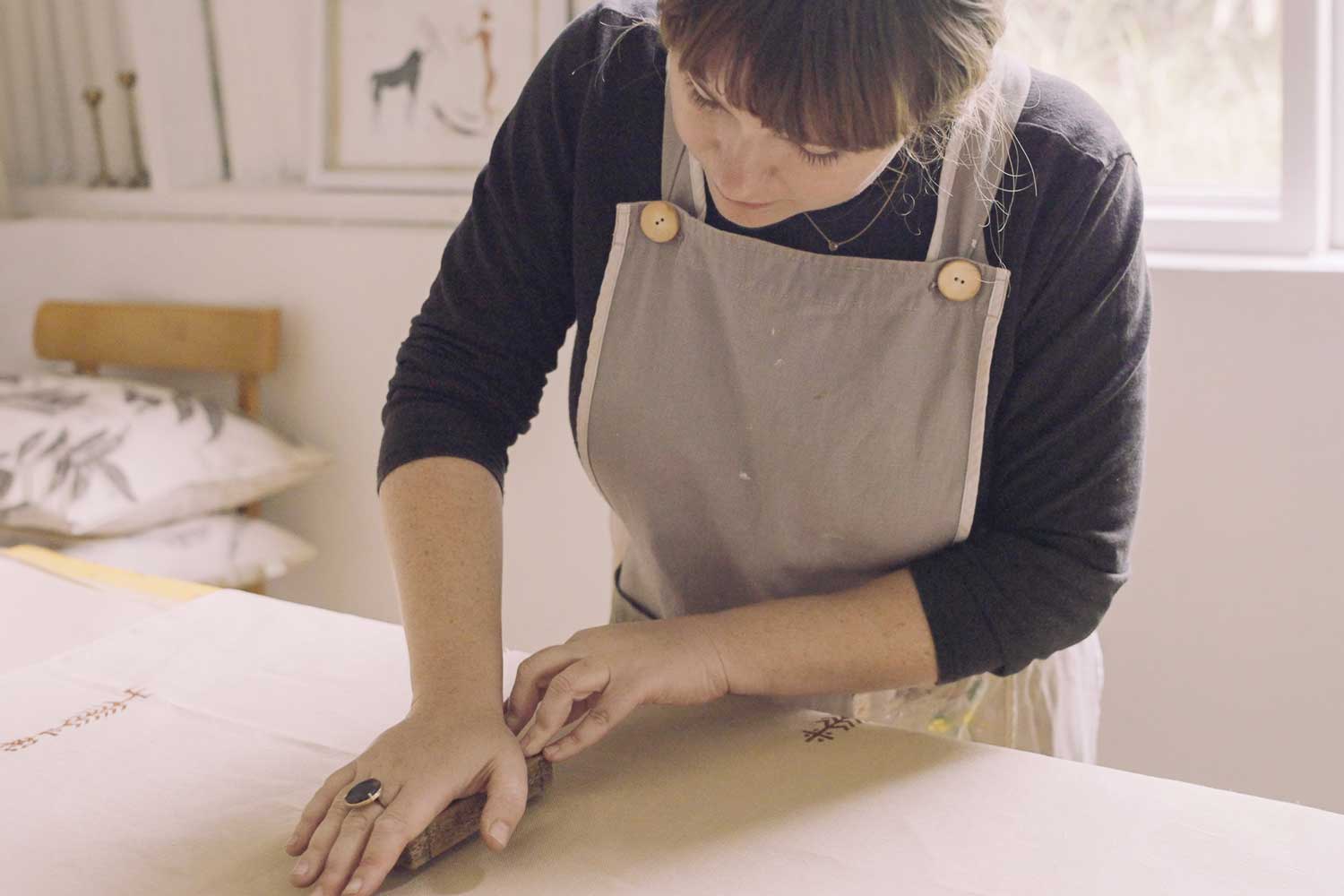
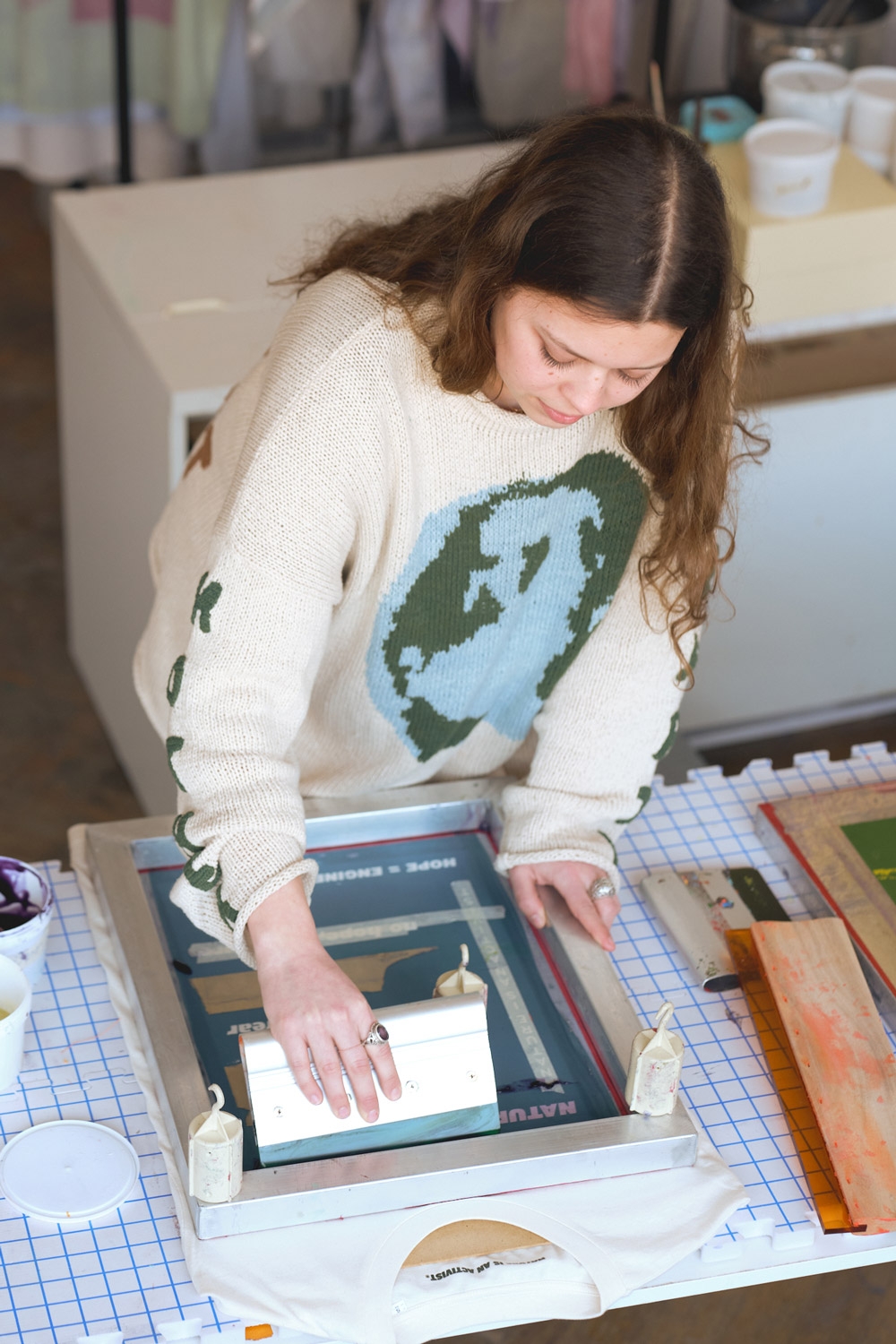
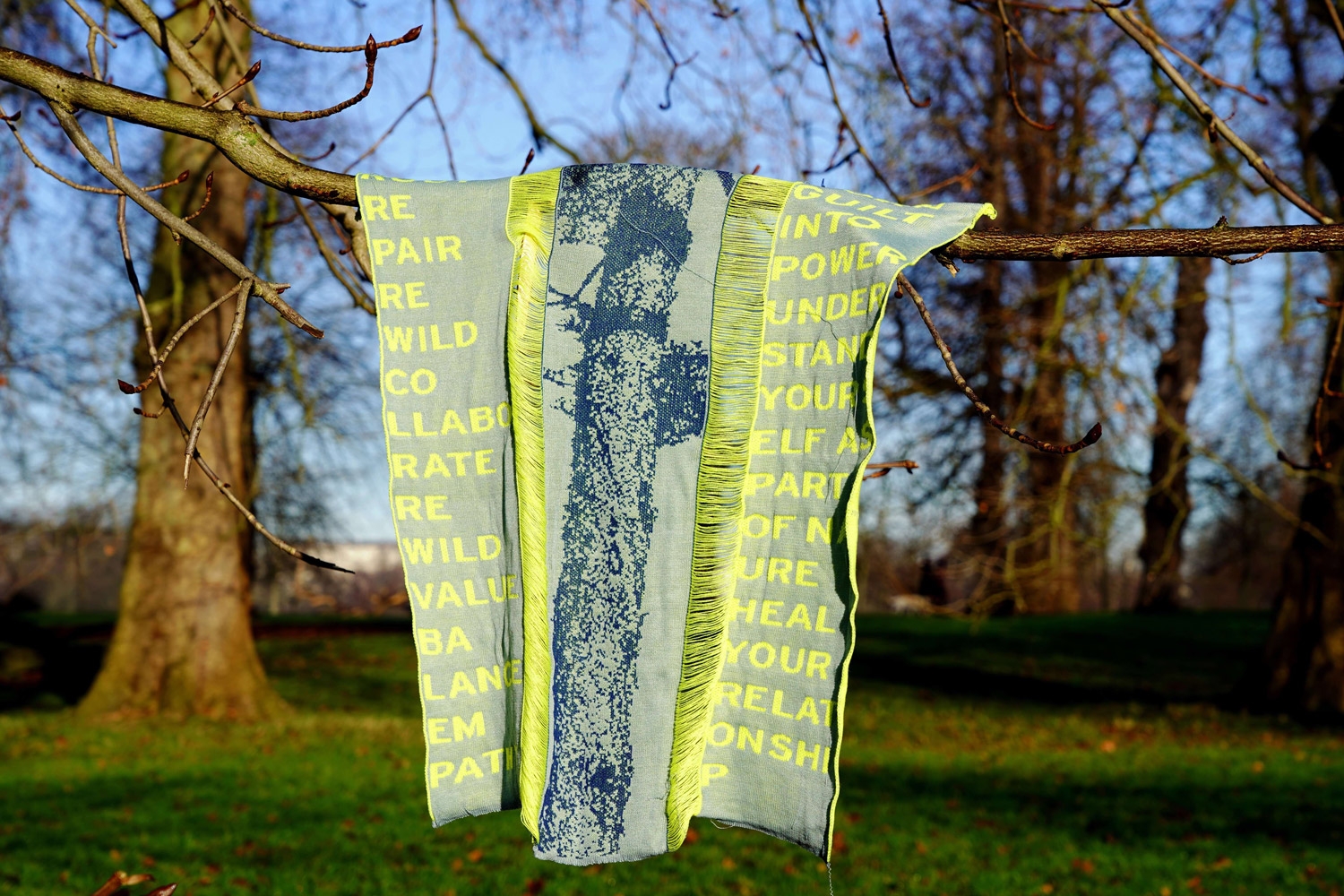
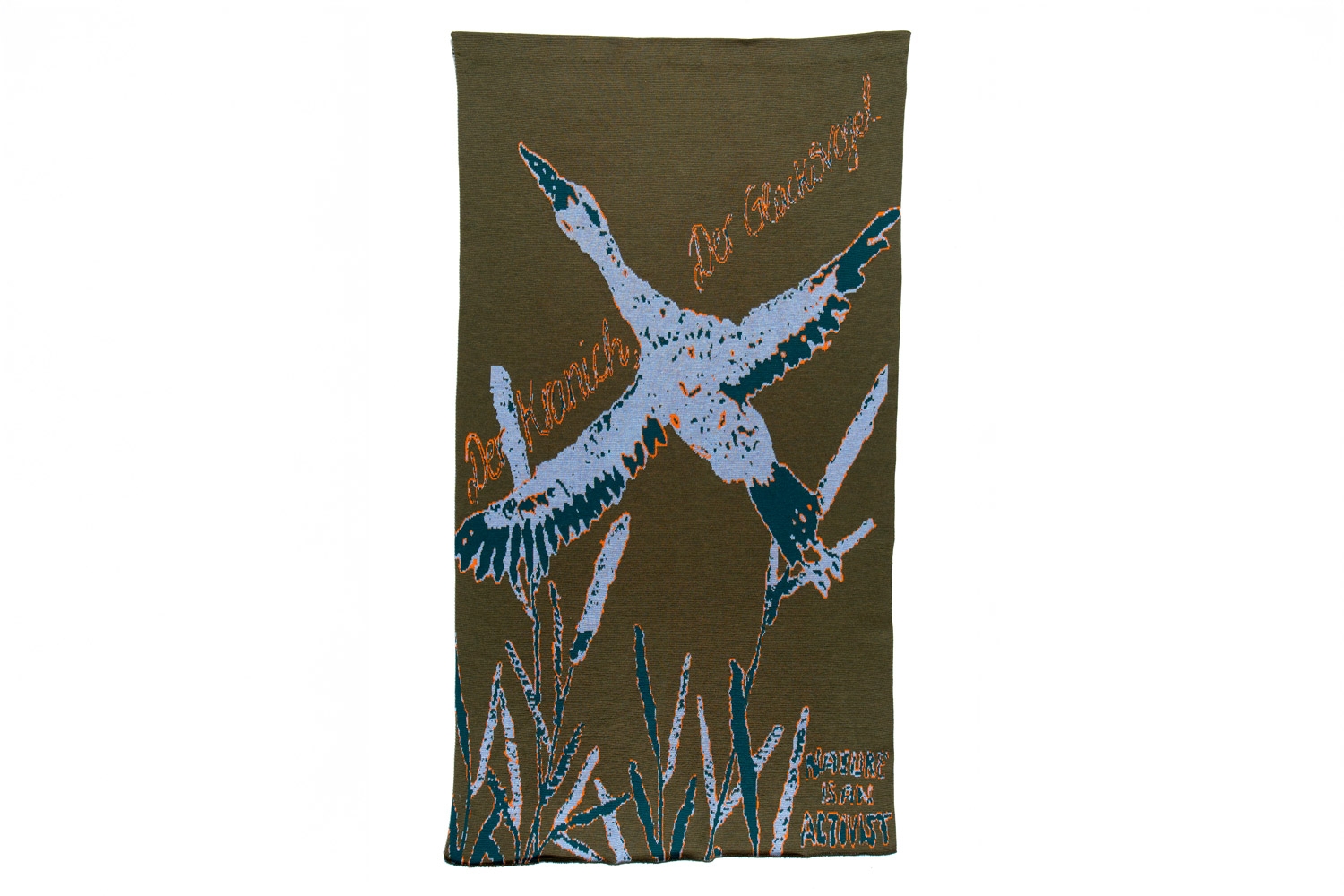
Roberta Schreyer specialises in natural dyes with a strong emphasis on the environment, circular economy and community. Born in Bavaria, Germany, she grew up in a creative family with a car designer father and a seamstress mother. Roberta moved to the UK at the age of 16, attended boarding school and studied textiles at Chelsea College of Art and the Royal College of Art. She divides her time between her studios in East London and in Oaxaca, Mexico, where she researches and collaborates with indigenous artisan communities. "I consider my work with them a textile and natural dye paradise,” she says. Alongside her main practice as a textile artist, Roberta runs 'Nature is an Activist', an organic clothing line of one-off, recycled, hand stitched and hand dyed pieces.
Discover her work
INTERVIEW
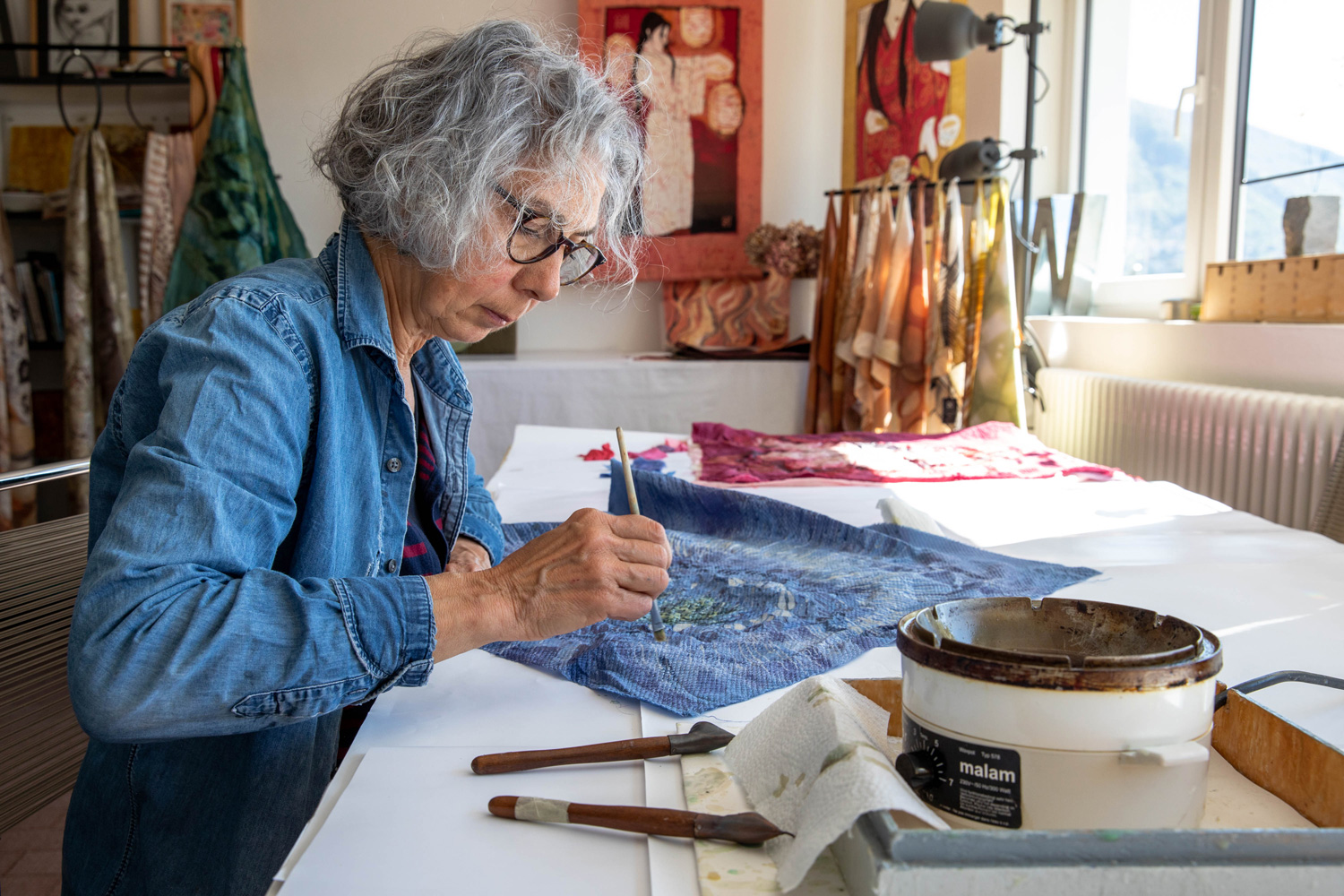
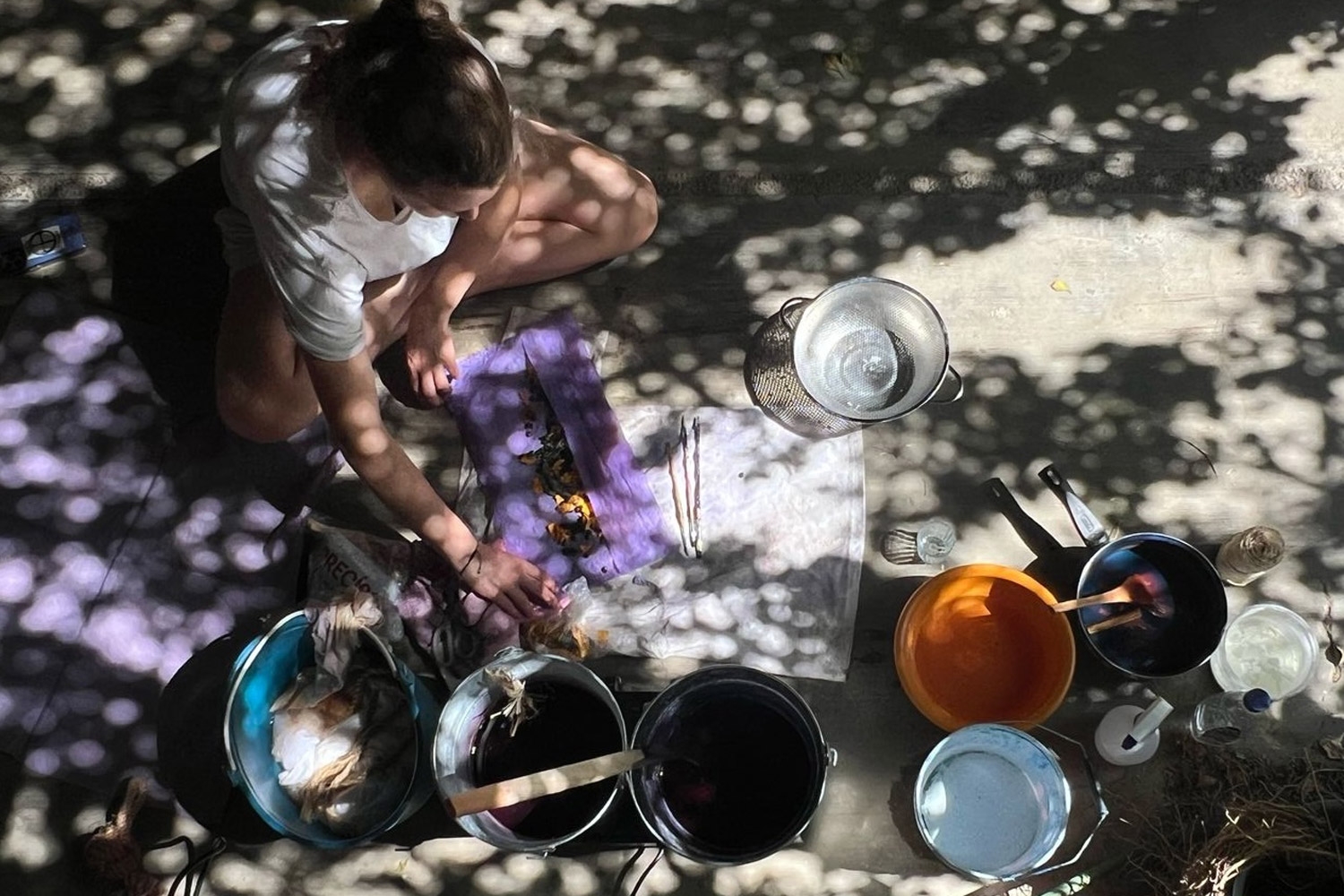
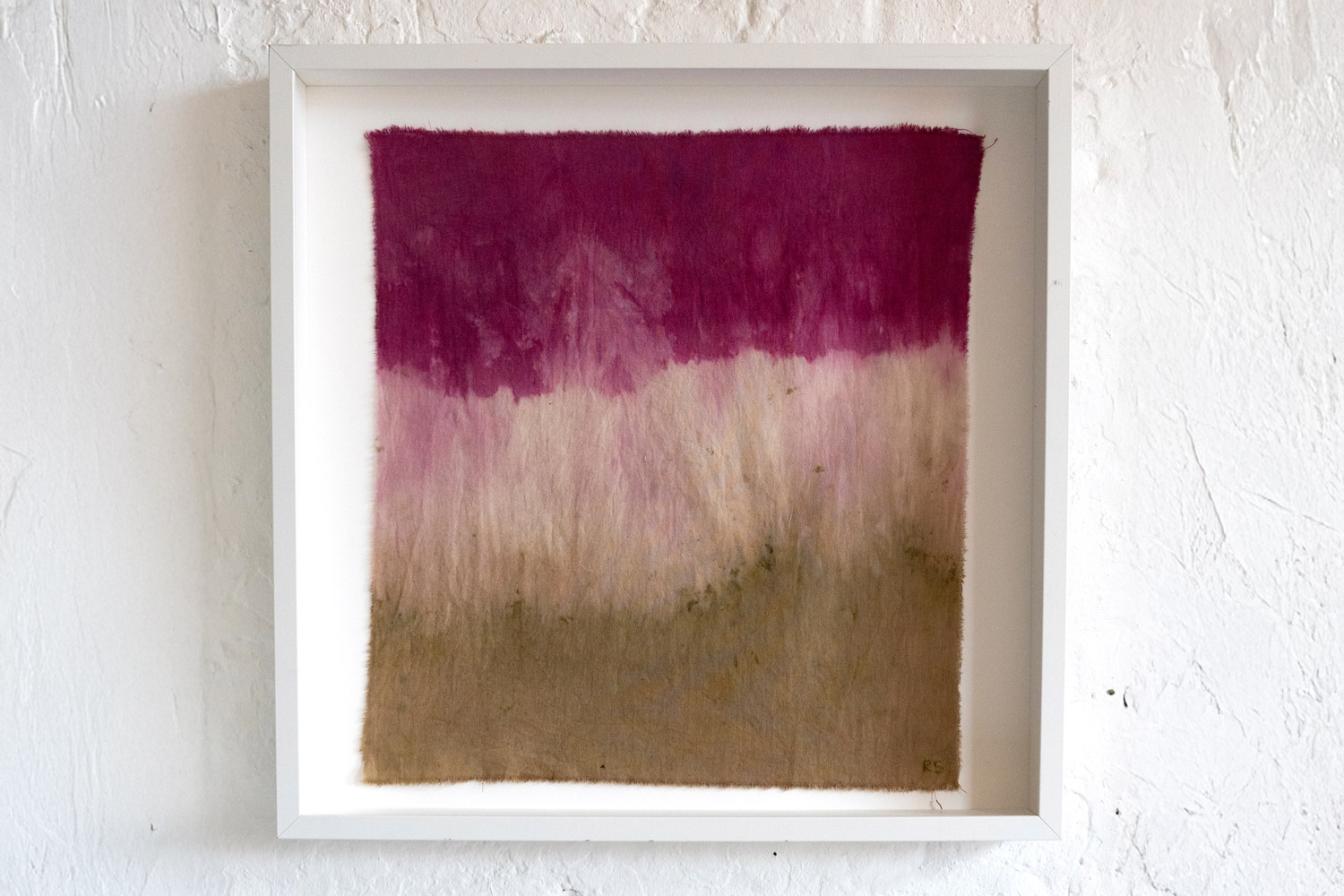
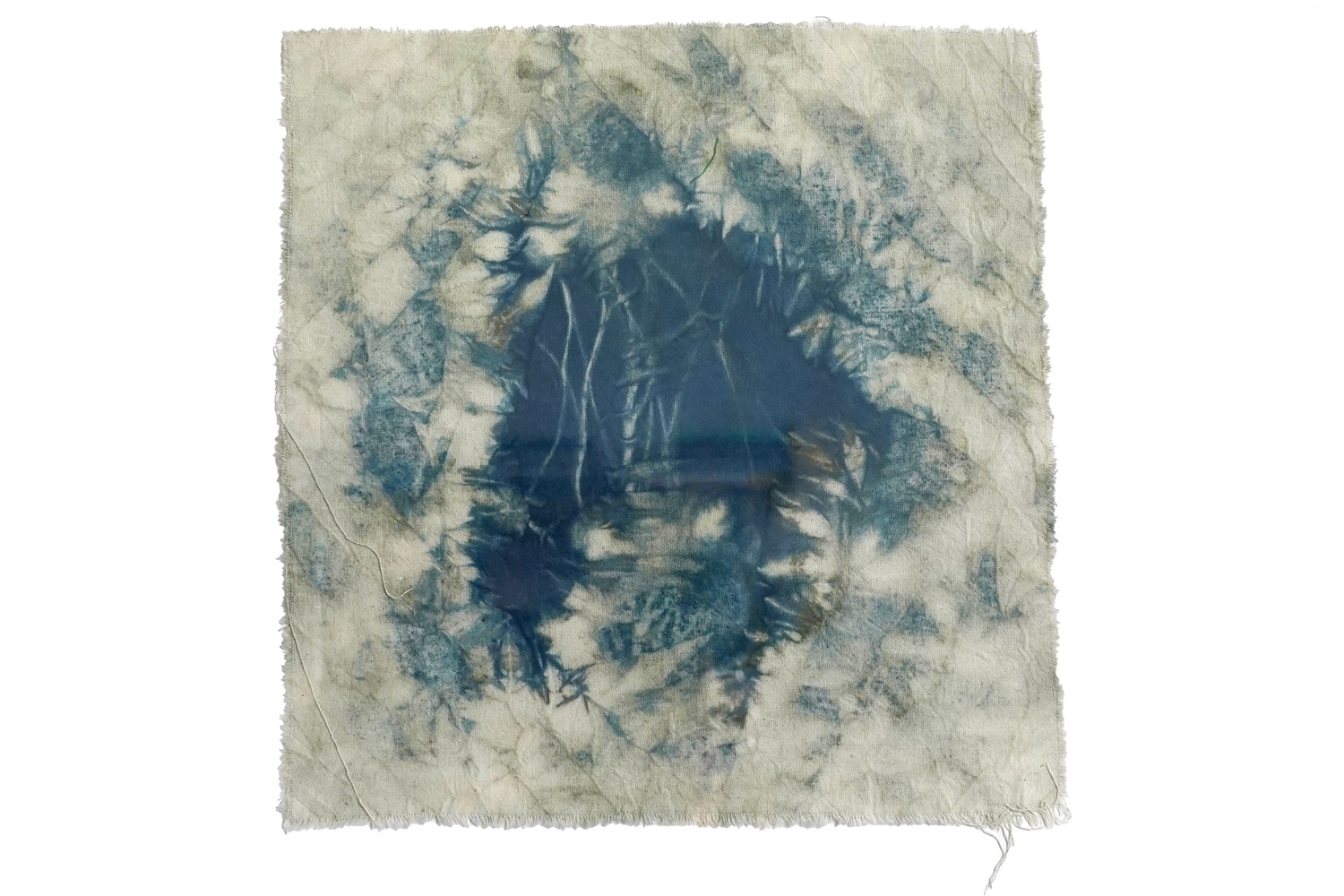
While studying for my master's degree in textiles, I became very interested in colour. I like playing with it, changing pHs and pushing dyes to achieve all of these different hues. The colours achieved often change depending on my feelings during the process.
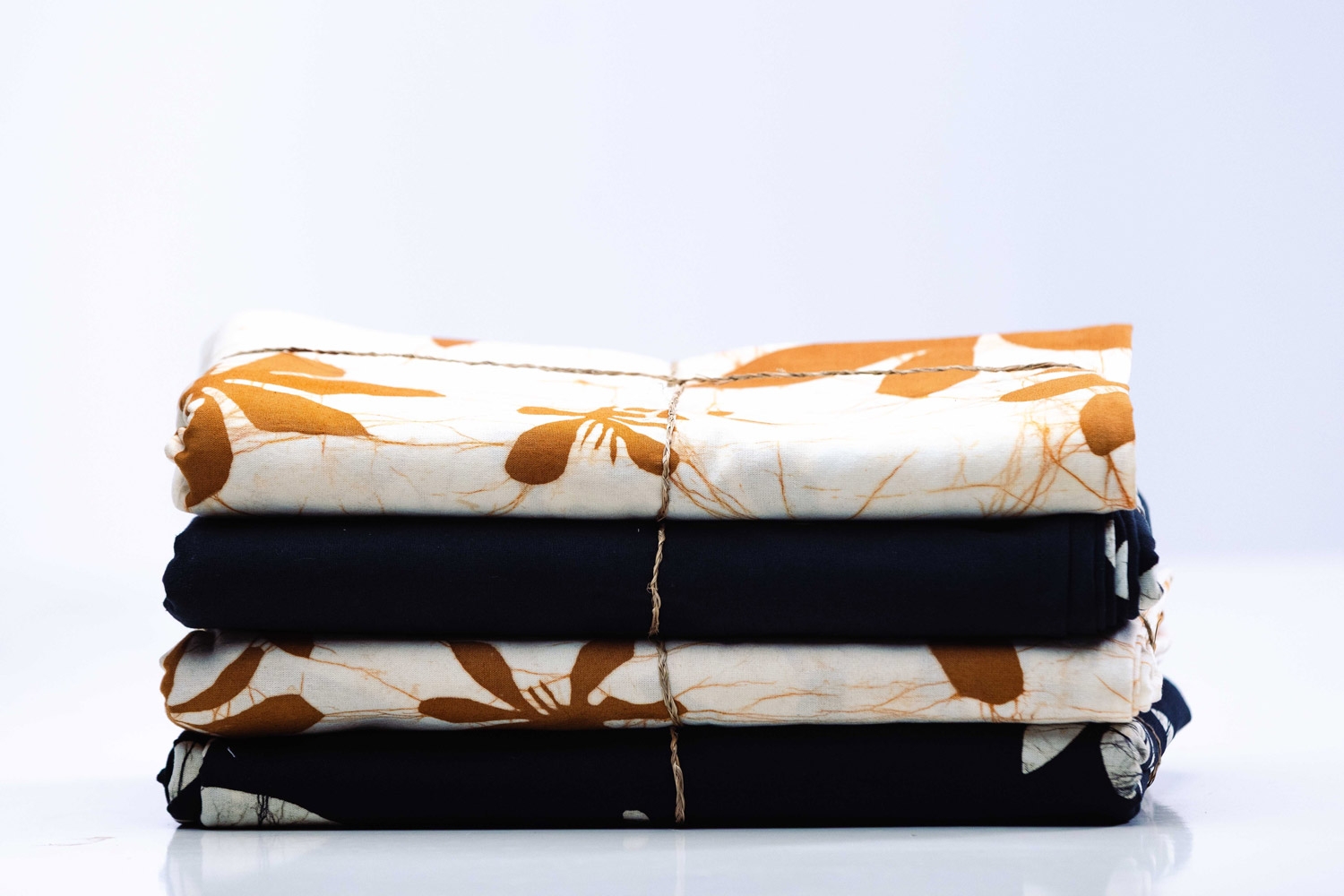
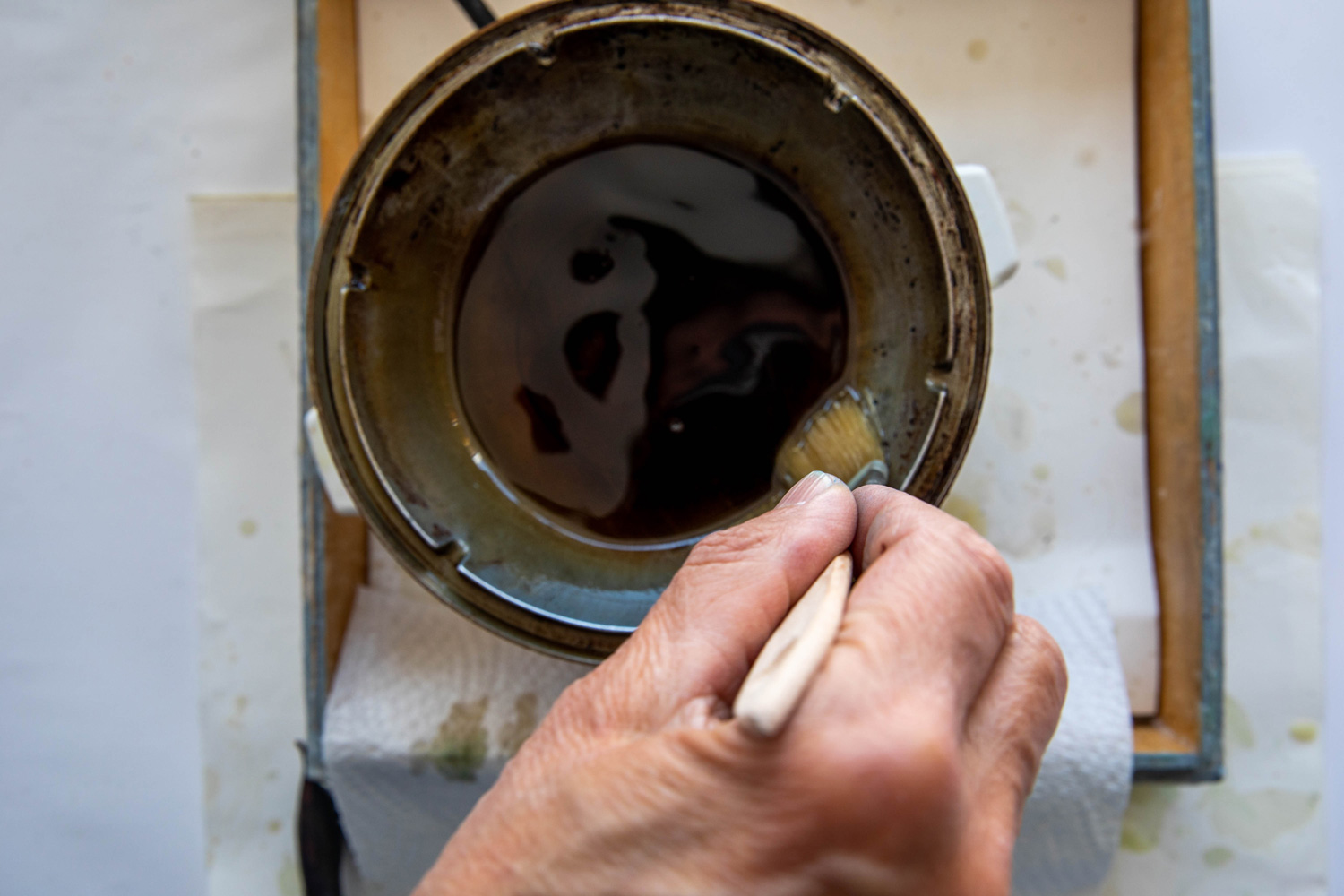
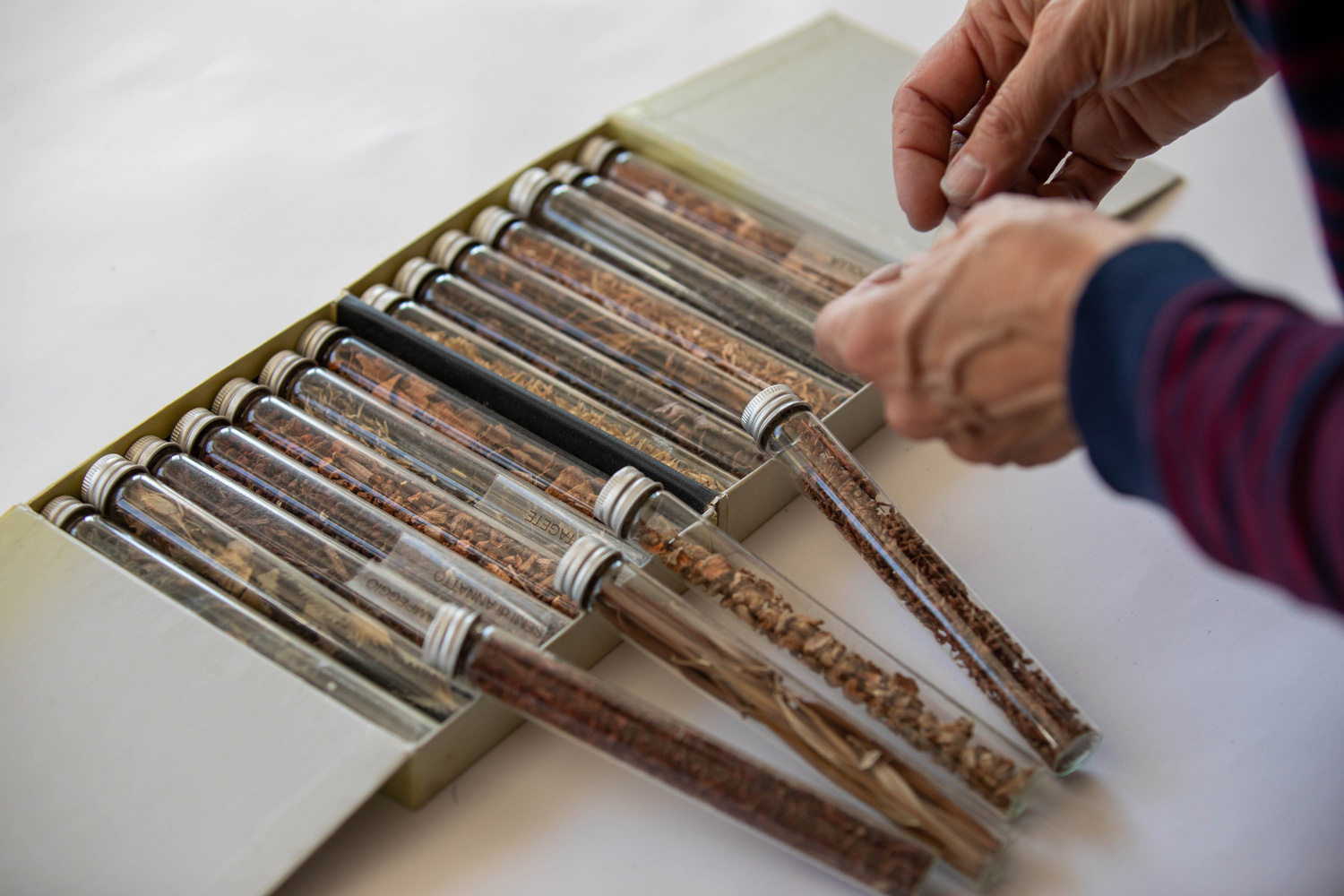
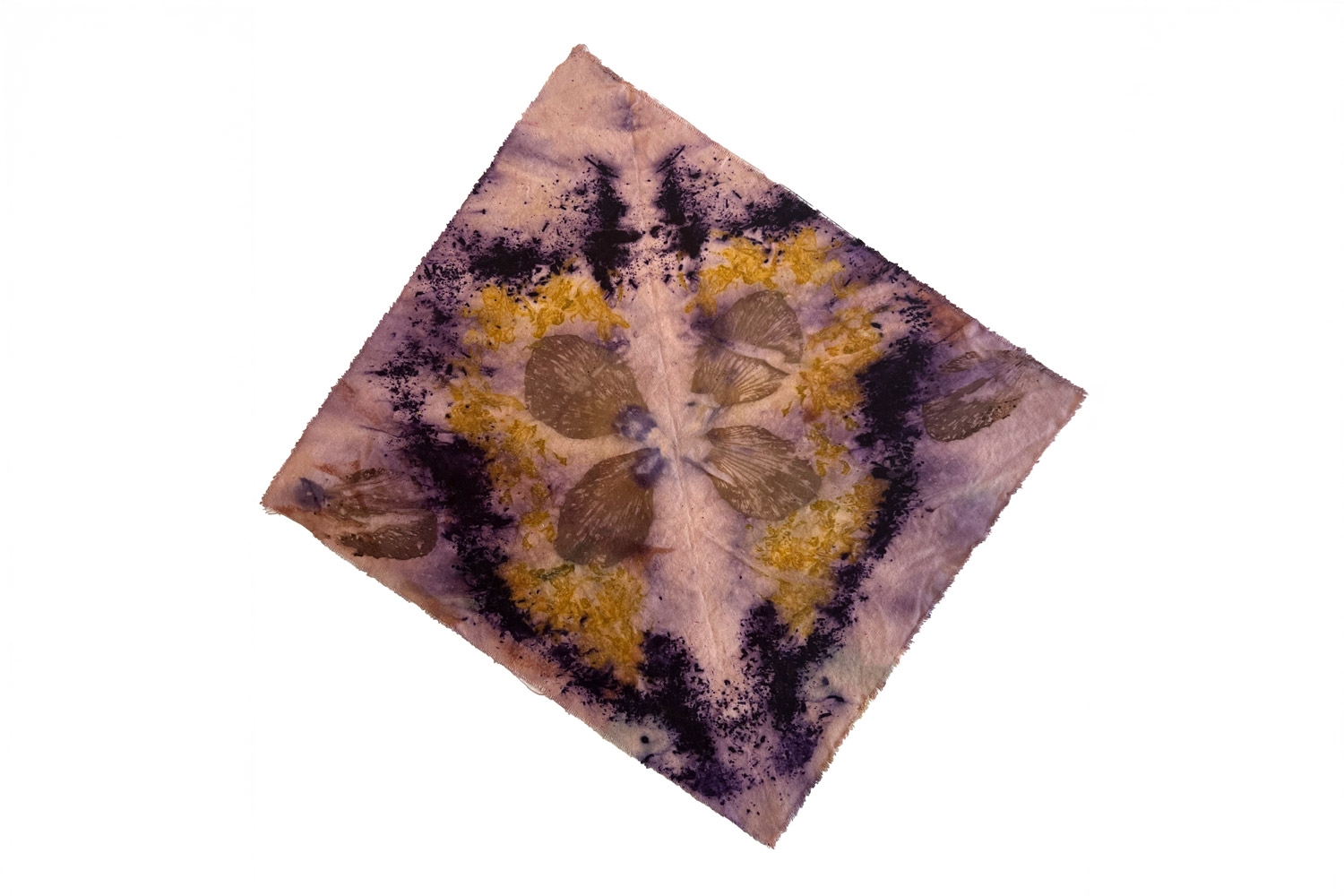
I mostly use plant dyes, with the exception of grana cochinilla, which is a little bug that lives on the nopal cactus and produces a vibrant red. I use a lot of Cempasúchil, the Mexican marigold plant, as well as indigo and brazilwood. Many of the plants I work with are also used in traditional medicine.
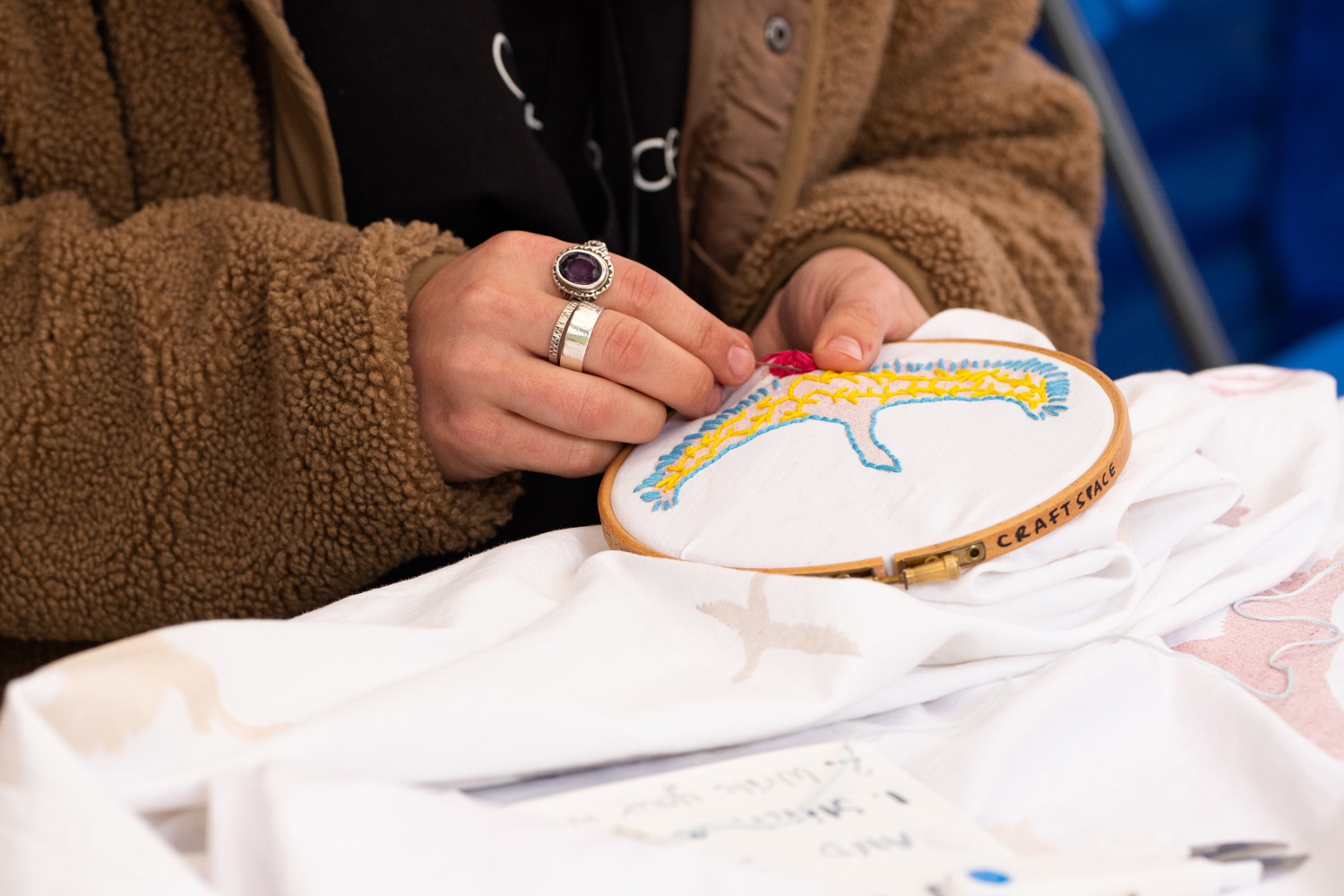
I only work with natural fibres, and I use a lot of cotton and waste textiles. I work with heirlooms, including hand stitched, knitted and crocheted fabrics by the women in my family. Even though they have passed away, my work helps me stay connected to them.
I have showcased my pieces at London Design Festival, London Craft Week and the Textile Museum in Puebla, Mexico. It is not easy to have textile pieces exhibited, as galleries can be hesitant and unsure if people will connect with fibres. The craft is gaining more recognition in big spaces now, but I think there are plenty of exciting opportunities in smaller galleries.
Roberta Schreyer
Nature is an Activist
Textile dyer
London, United Kingdom
ADDRESS
Address upon request, London, United Kingdom
AVAILABILITY
By appointment only
LANGUAGES
German, English, Spanish, Italian
Homo Faber Finds is a new service aiming to inspire admirers of craft to connect and collaborate with exceptional artisans.
We invite you to submit an enquiry here.
Founders_Storm_V1.jpg)
Materials_Landscape_V1.jpg)
6Metalworker_V1.jpg)