Koichi & Yoshinobu Moriyama
Textile dyer
Yame District Hirokawa, Japan
Upholding vibrant indigo weaves
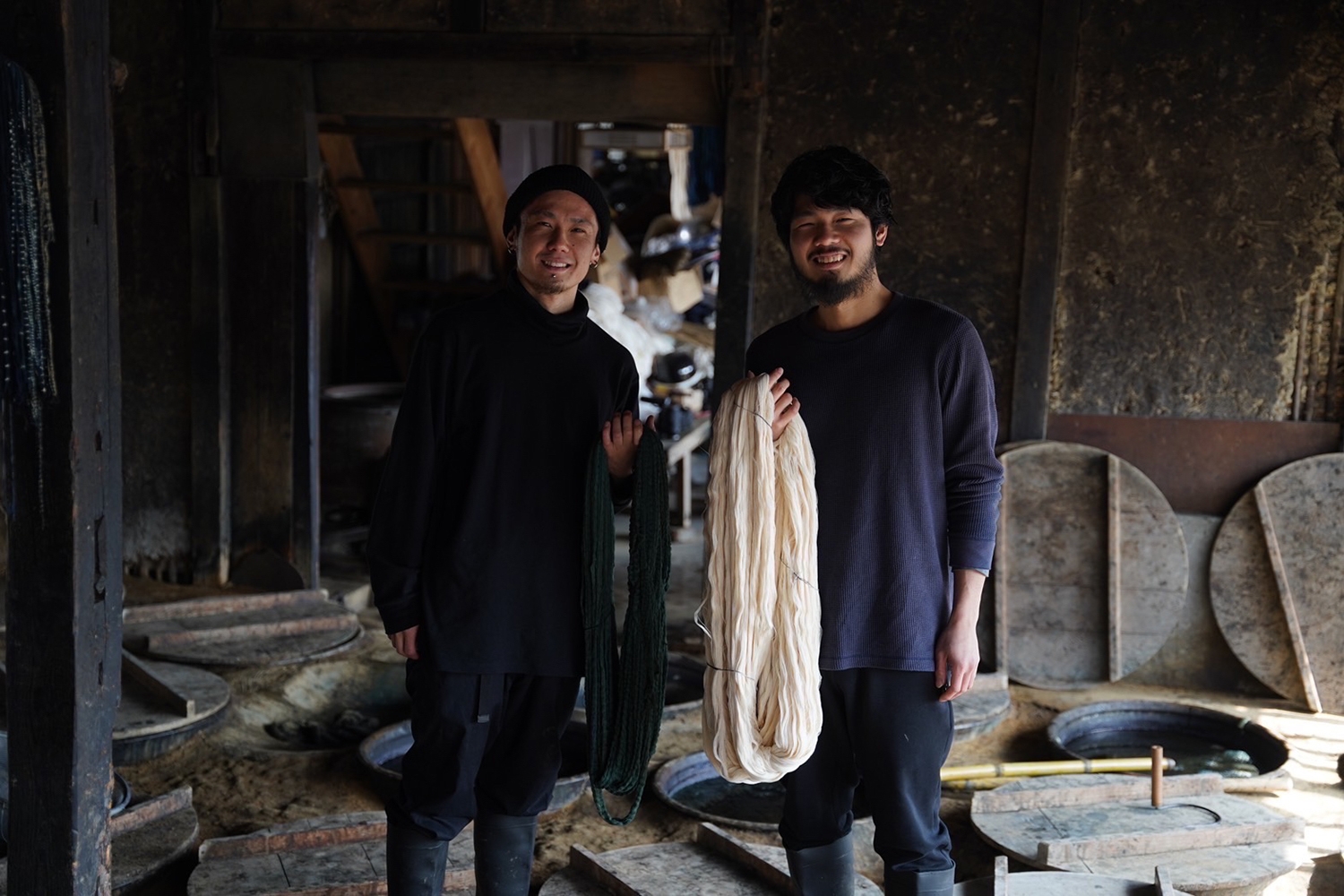
- Koichi and Yoshinobu run the oldest workshop in Kurume weaving technique, open since 1872
- Their father earned the title of Living National Treasure in 1959 for introducing an innovative weave
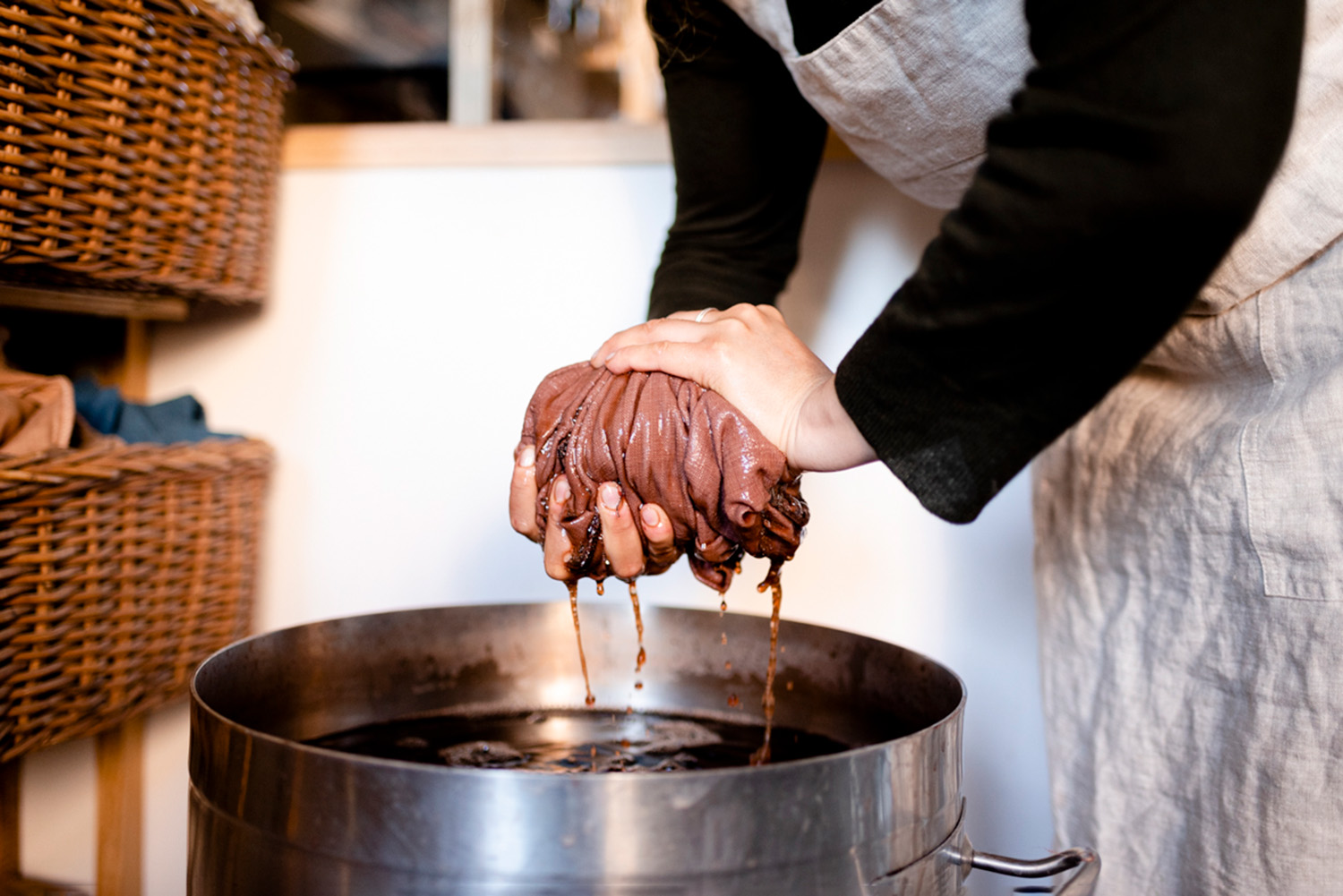
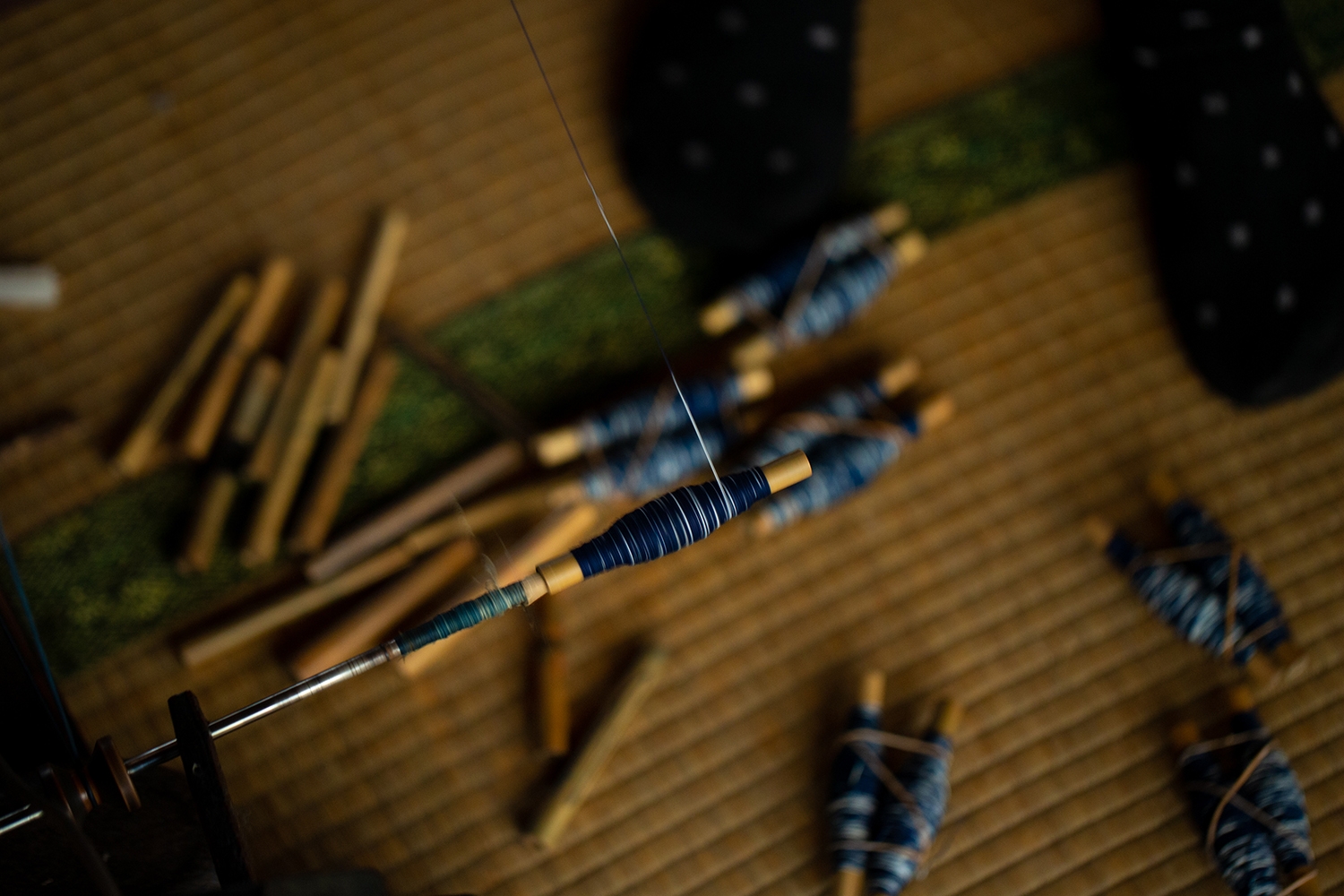
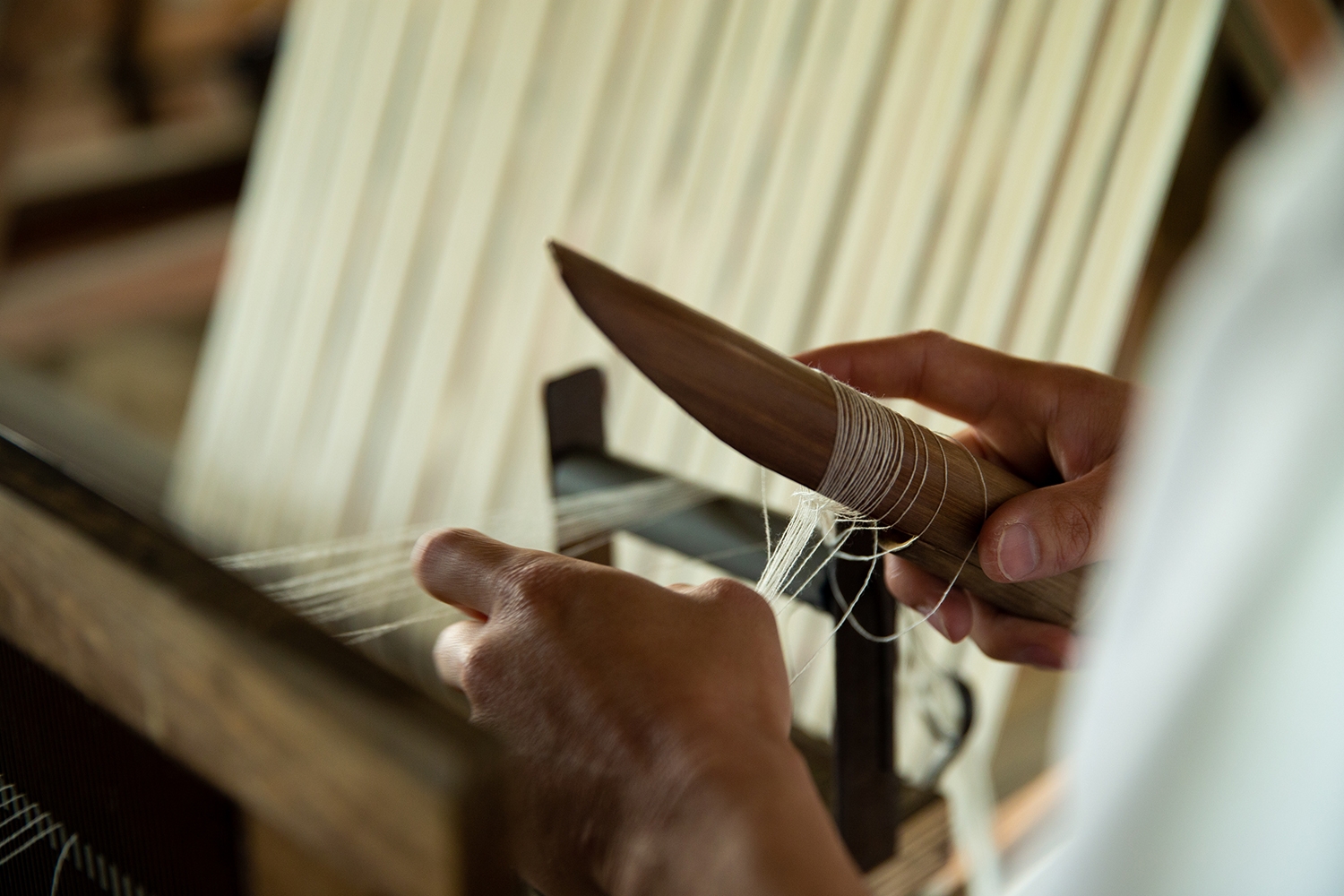
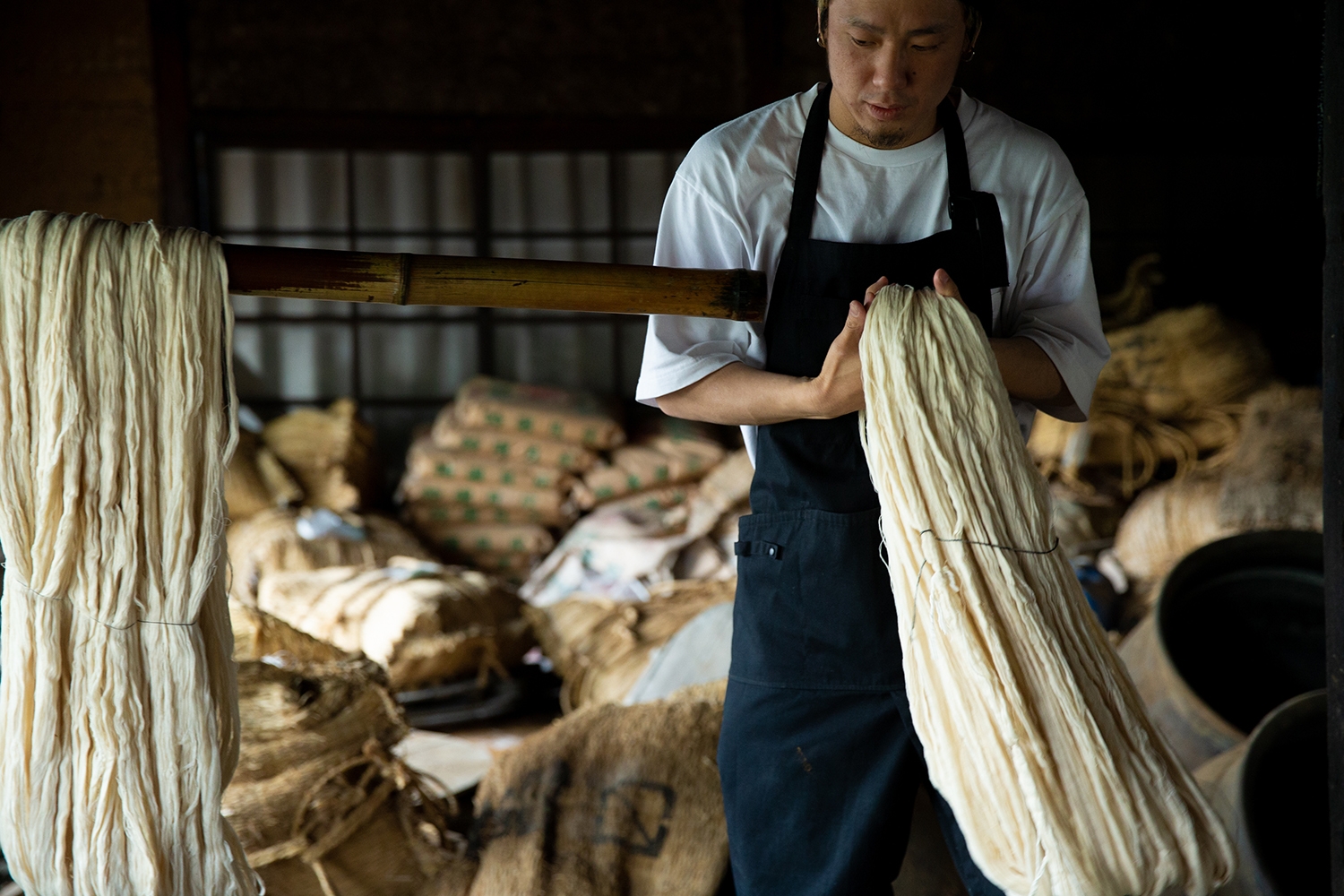
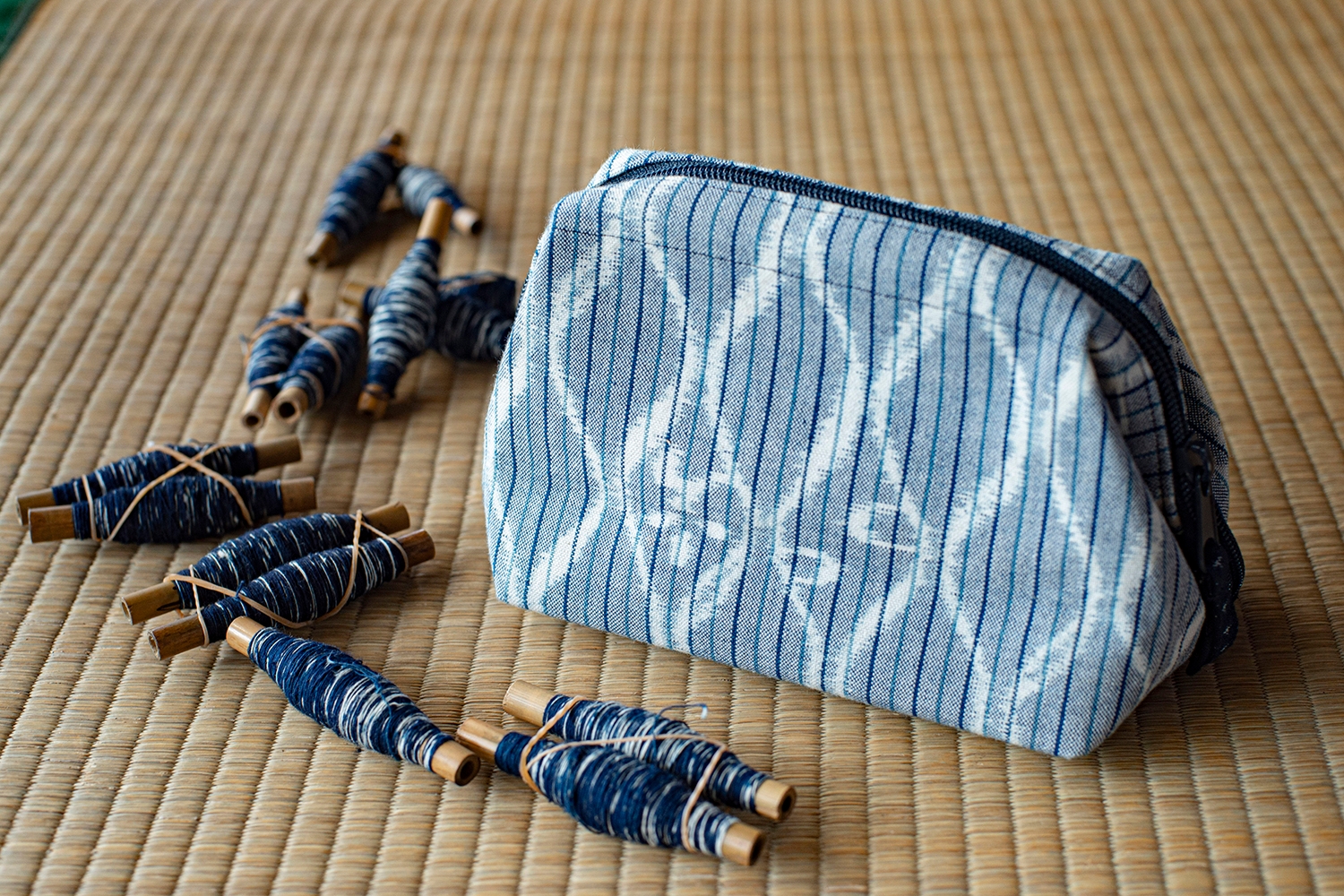
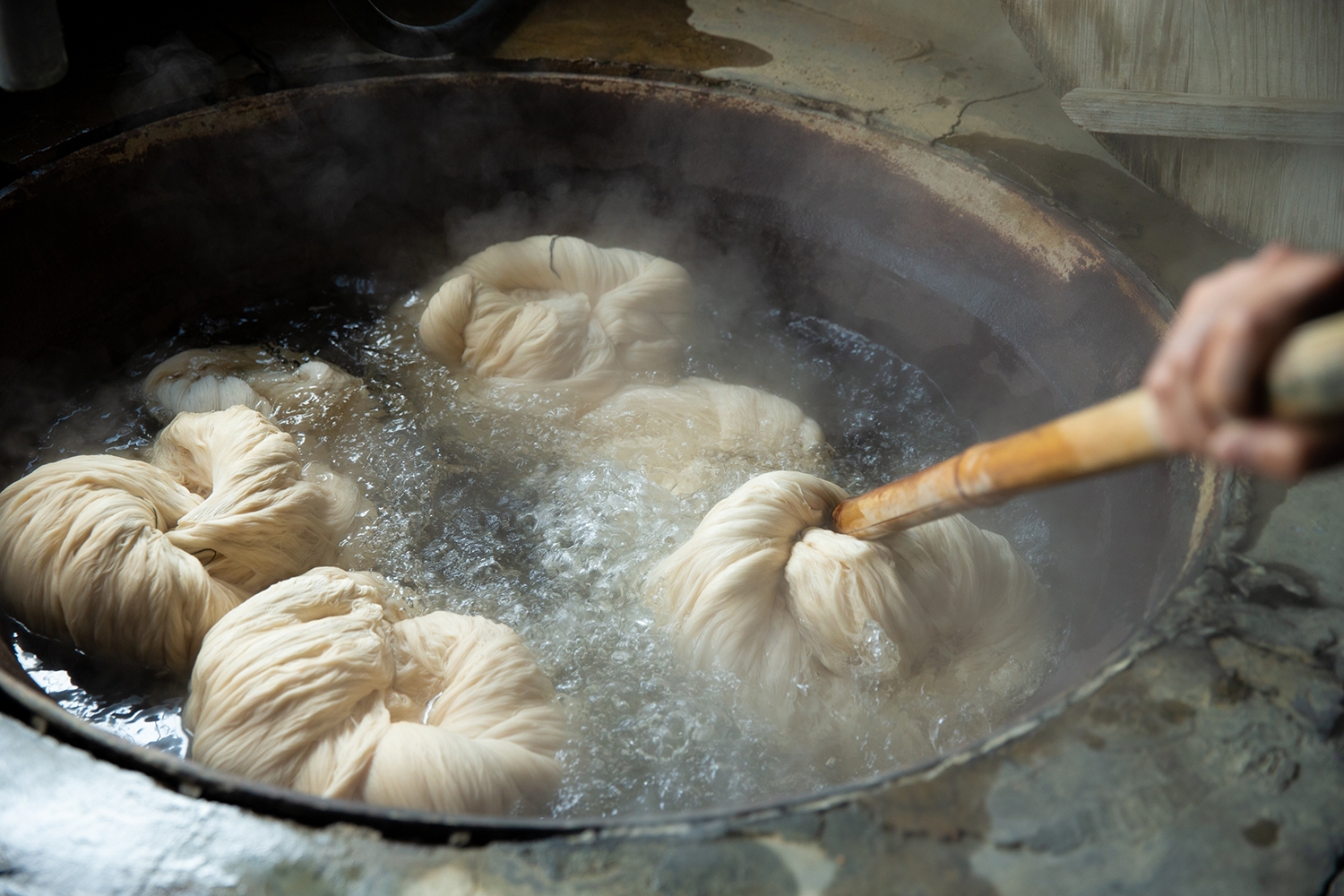
- Kurume weaving is known for being hand-tied, indigo-dyed and handwoven
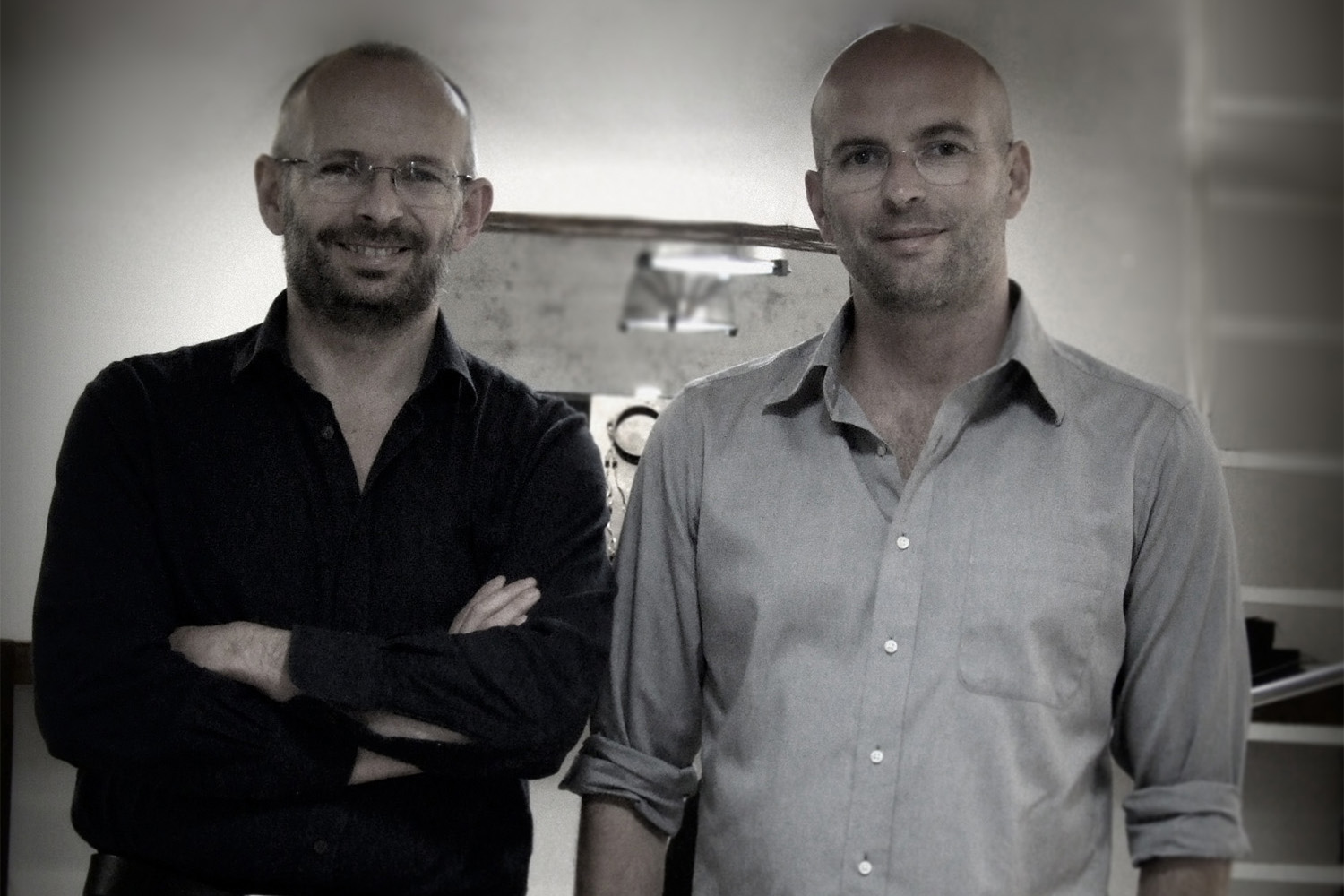
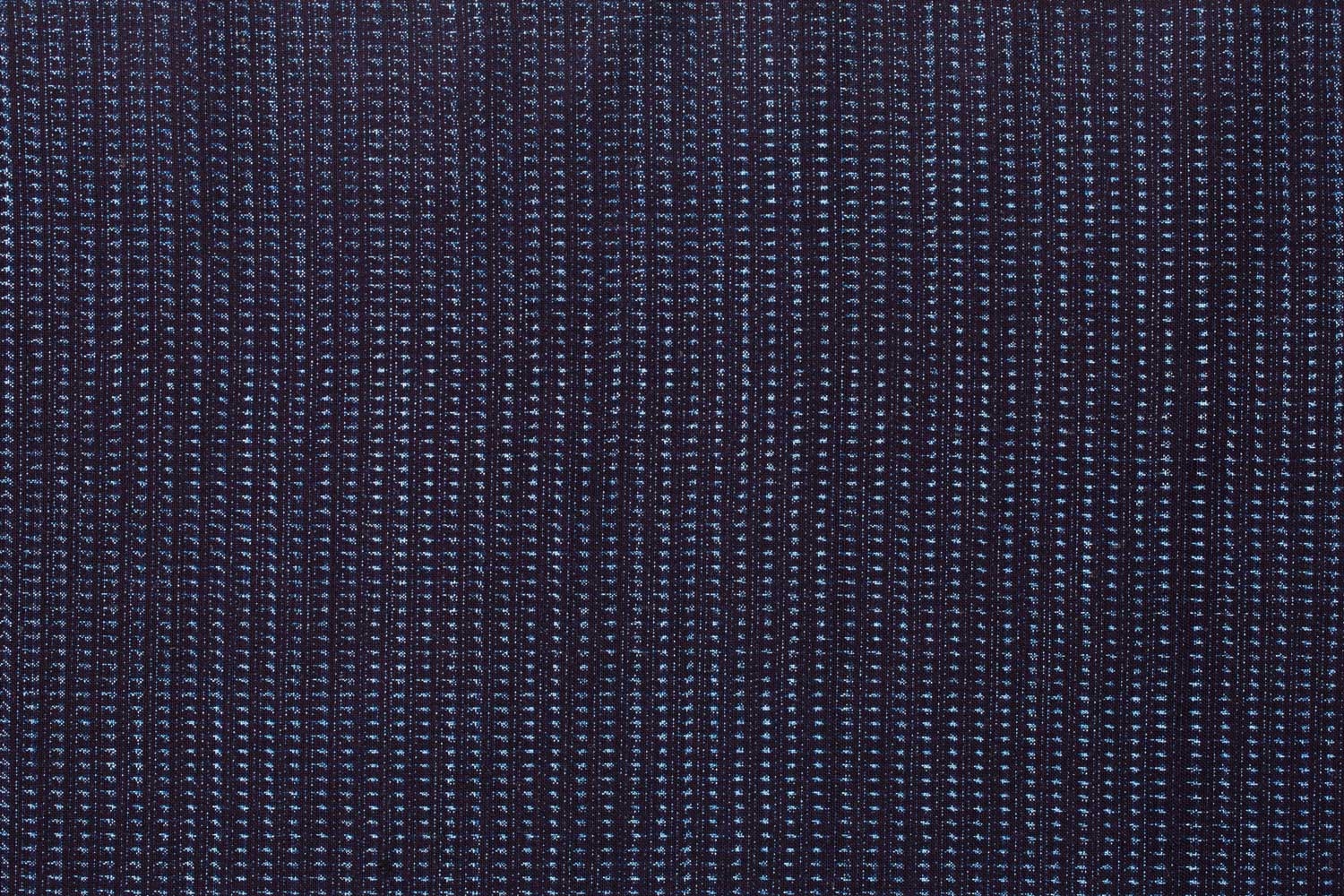
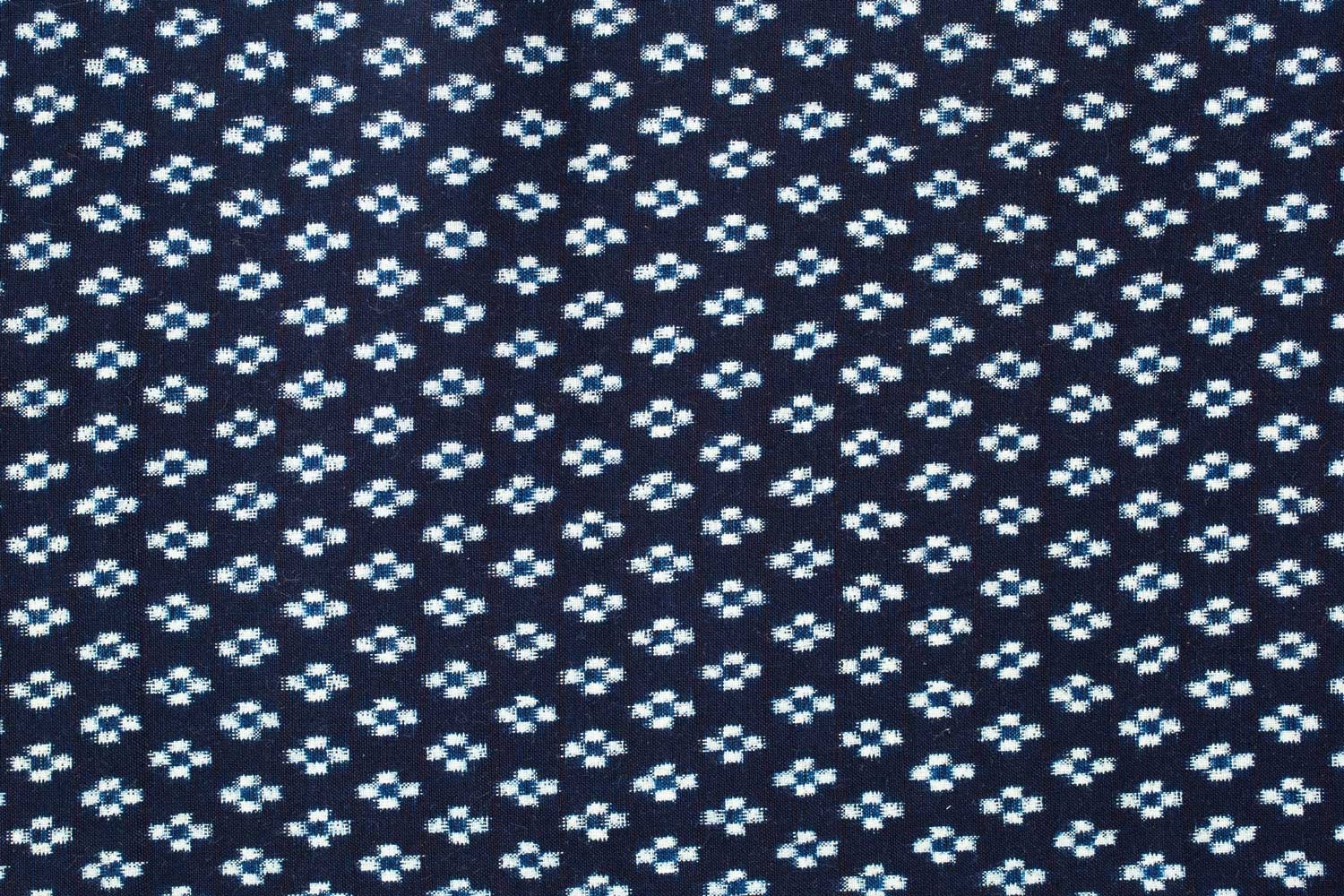
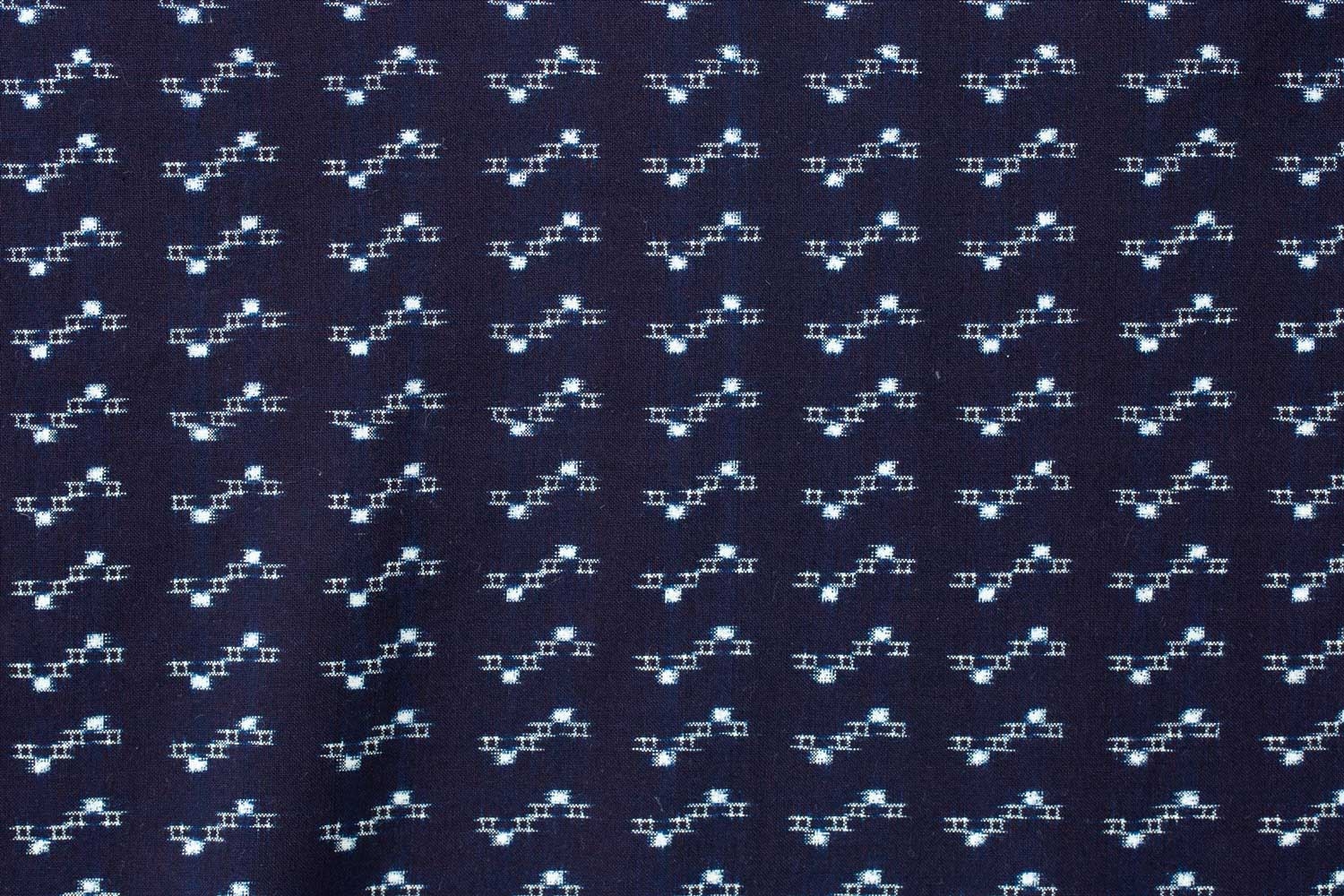
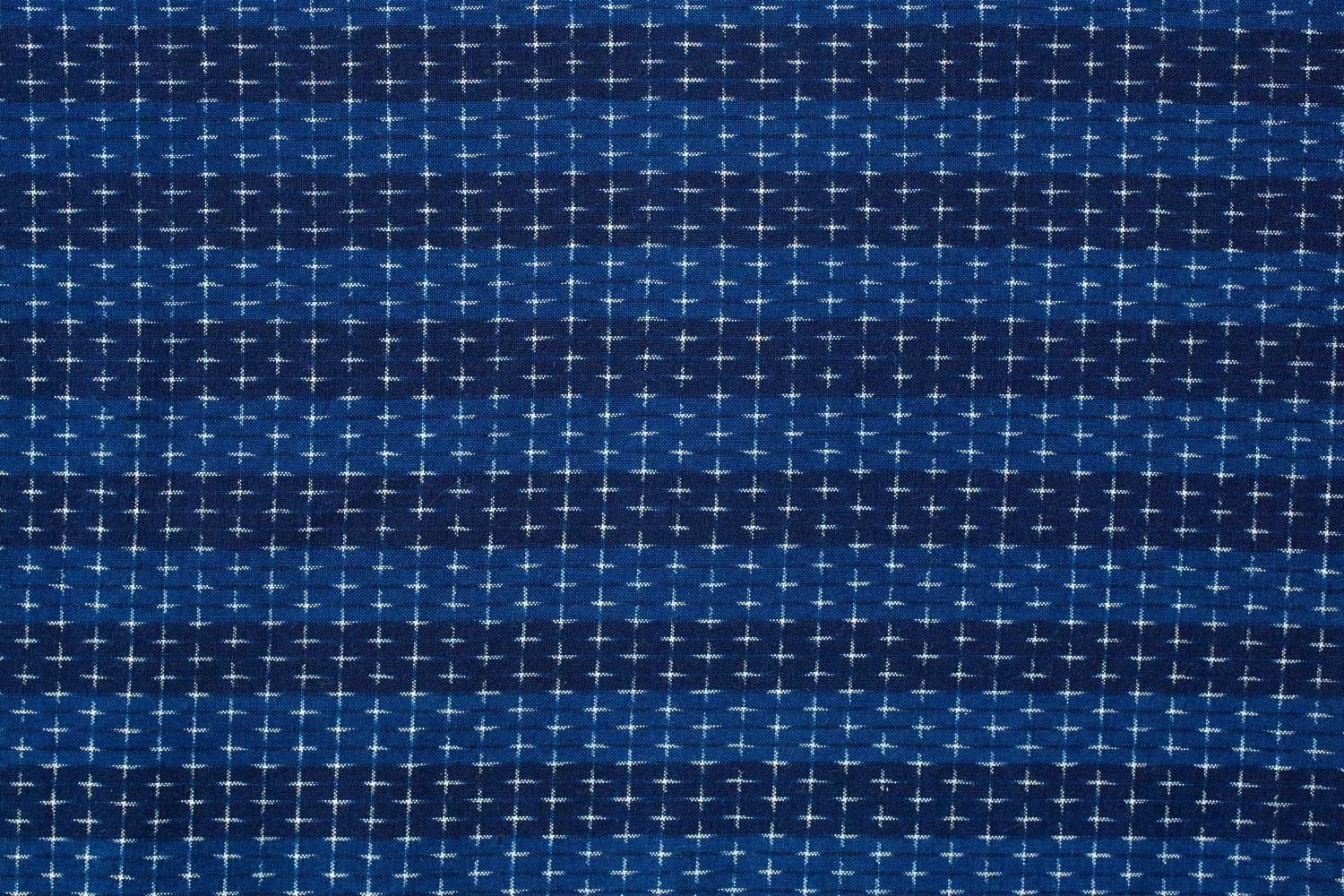
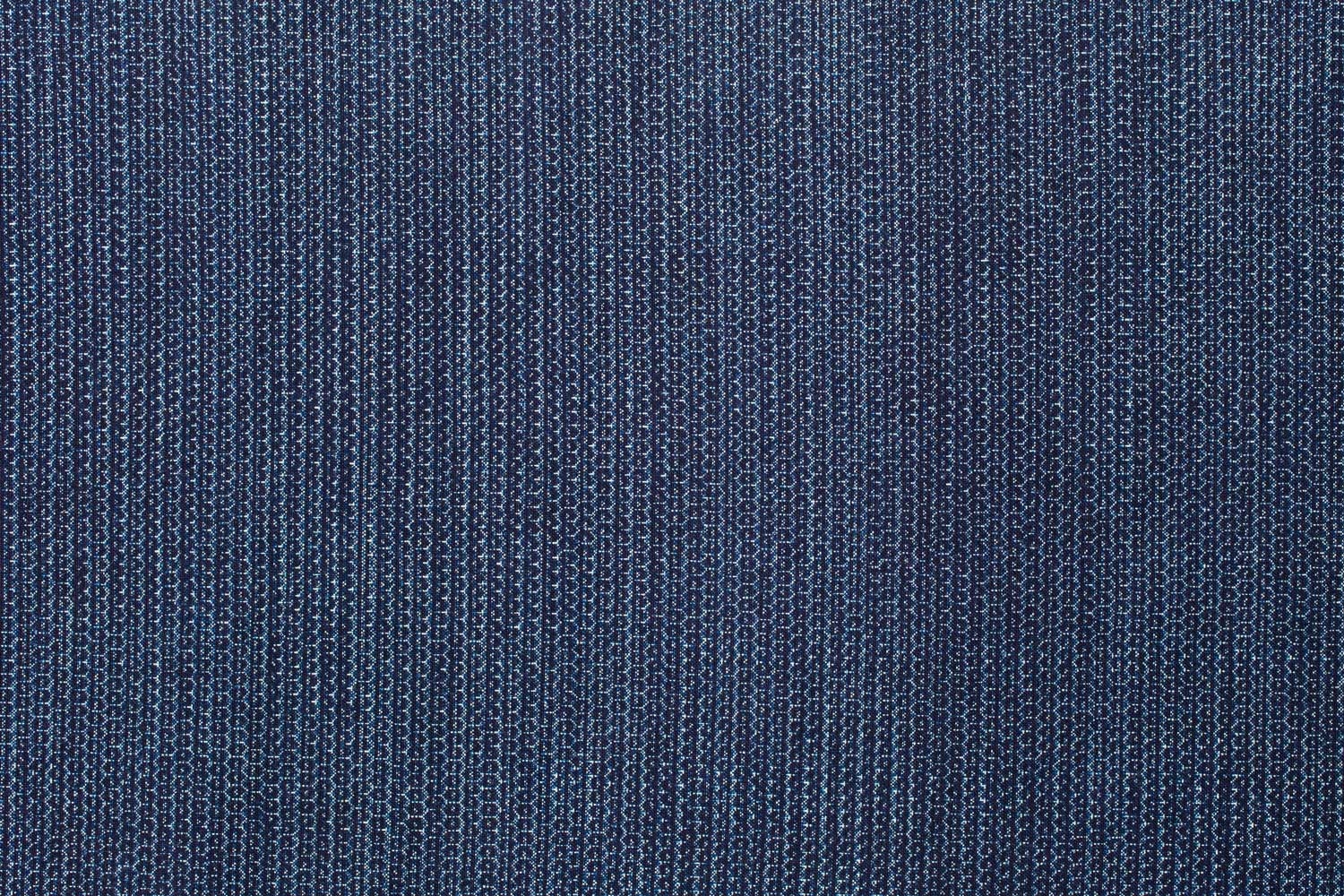
Fourth generation brothers, Koichi and Yoshinobu Moriyama work alongside their father, Torao from the third generation. Together they aim to preserve Kurume weaving and push its 200-year-old legacy forward, supporting each other's initiatives along the way. Their workshop, Aimoriyama, is over 160 years old and is the oldest Kurume Kasuri workshop in Fukuoka Prefecture near Kurume City. Indigo ikat weaving exclusively uses cotton. The story of this craft began with a young female weaver called Inoue Den who made clothing for the working classes. In 1957, ikat weaving was designated a National Intangible Cultural Property. Aimoriyama, a rare fully manual atelier, is renowned for its exquisite patterns. Along the generations, the Moriyama artisans created the onnuki technique, which is a tight weave innovation by Torao that surpasses traditional kukuri (knotting) for exceptional detail.
INTERVIEW
Yoshinobu: My brother Koichi's path was set to inherit the studio. I studied food safety in college and worked for a manufacturer, but always felt a pull towards the family business. Eventually, Koichi and I discussed the idea of working together to see where it led.
Yoshinobu: It was a collaborative lantern with Yame Chochin made with washi and Kurume cotton. We used the weave as the lampshade so when the lantern was lit, the light shone through the white motifs, showcasing the intricate woven and custom made patterns.
Yoshinobu: One day, mindlessly adjusting the length of a bar of yarn, I watched the thread twist and tangle. My father stopped me by saying "Careless work in the beginning can unravel the entire work." This adage is a constant reminder that quality comes from attention at every step.
Koichi and Yoshinobu: We are still learning ourselves! We seek to proactively explore rather than be instructed. Instead of shortcuts, we find inspiration in other fields and learn from them. Studying architecture and cooking are some examples that keep our creativity fresh.
Koichi & Yoshinobu Moriyama
Textile dyer
Yame District Hirokawa, Japan
AVAILABILITY
By appointment only
PHONE
+81 943320023
LANGUAGES
Japanese
Homo Faber Finds is a new service aiming to inspire admirers of craft to connect and collaborate with exceptional artisans.
We invite you to submit an enquiry here.