Experimental textiles
- Paola works with textiles in a very personal way
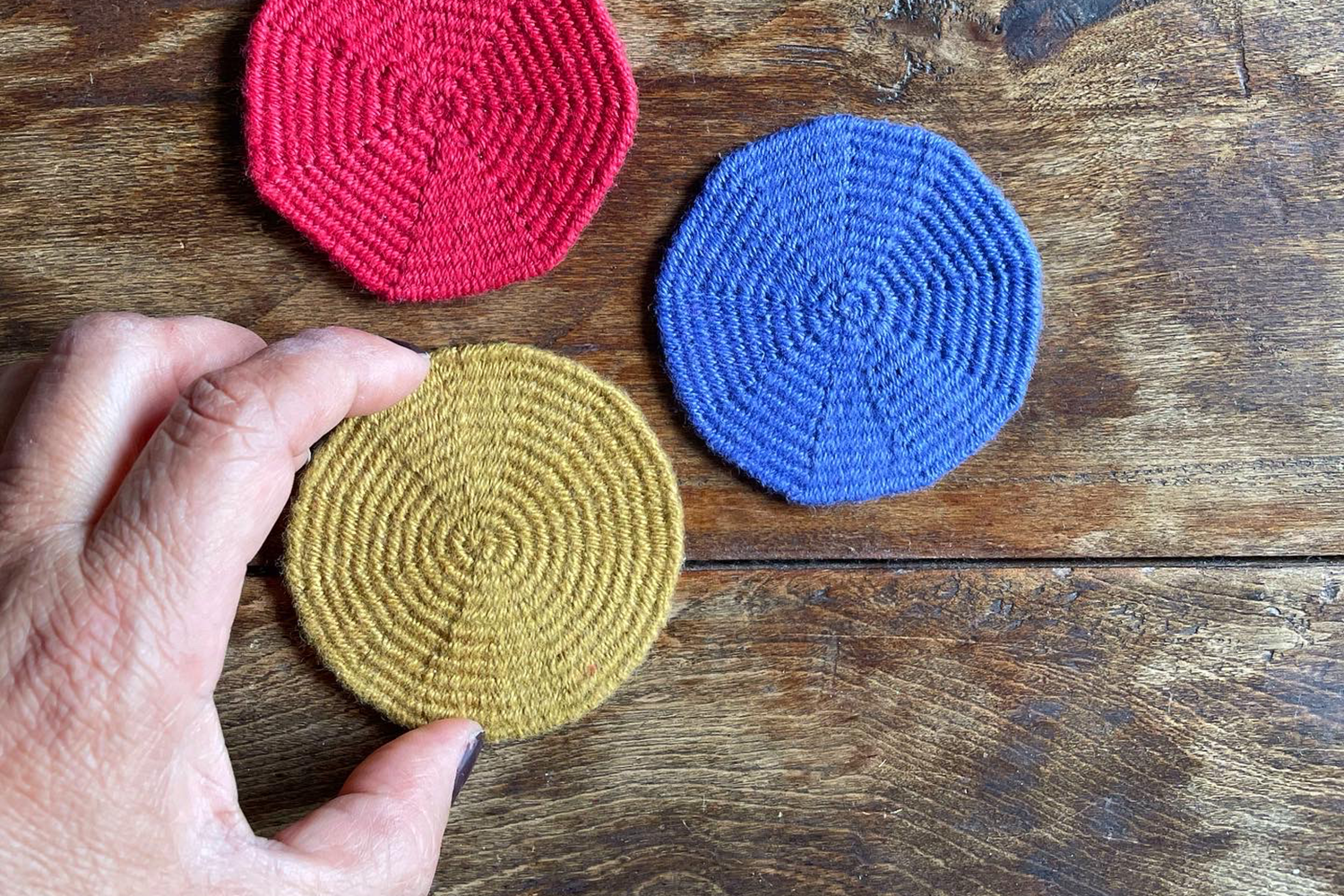
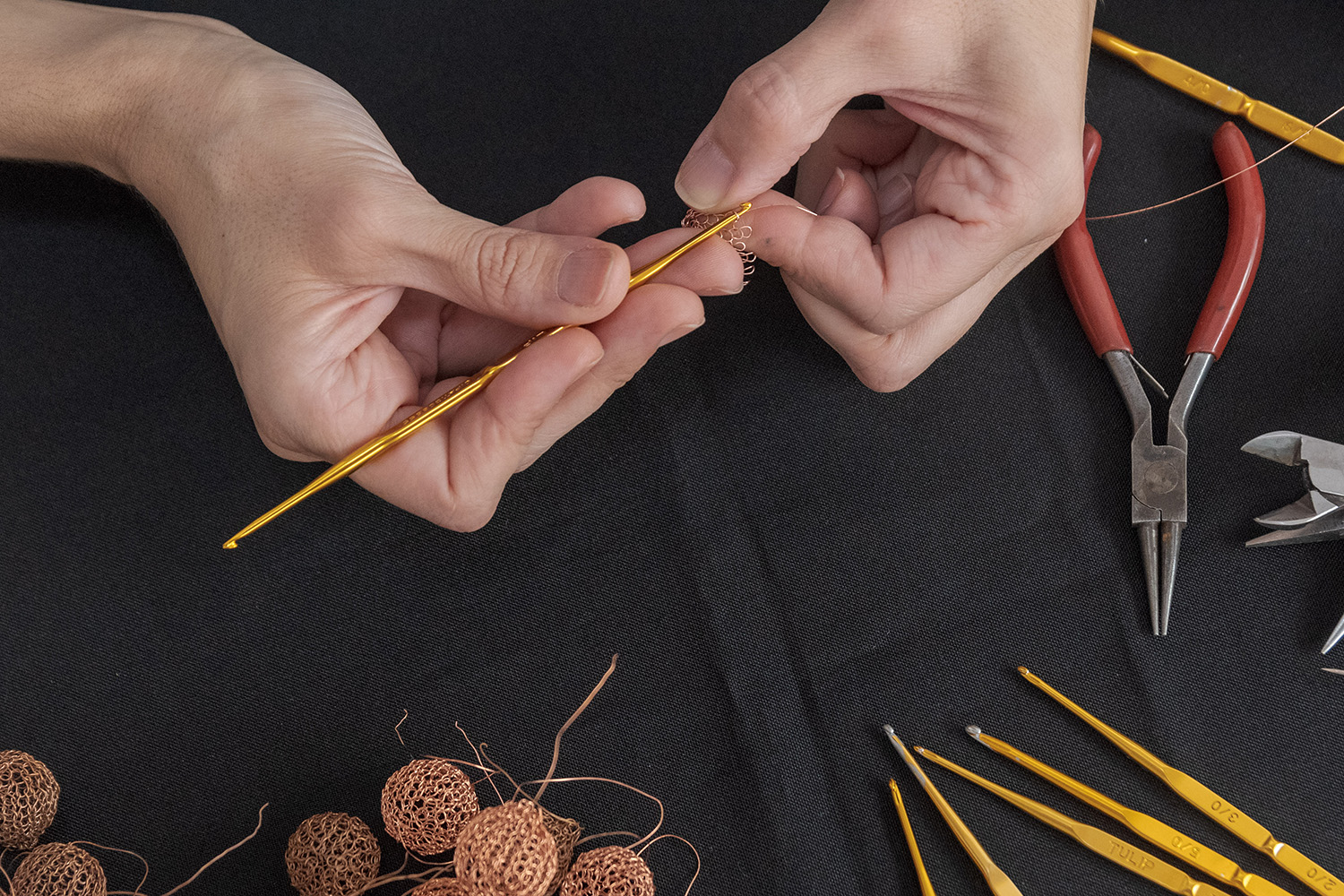
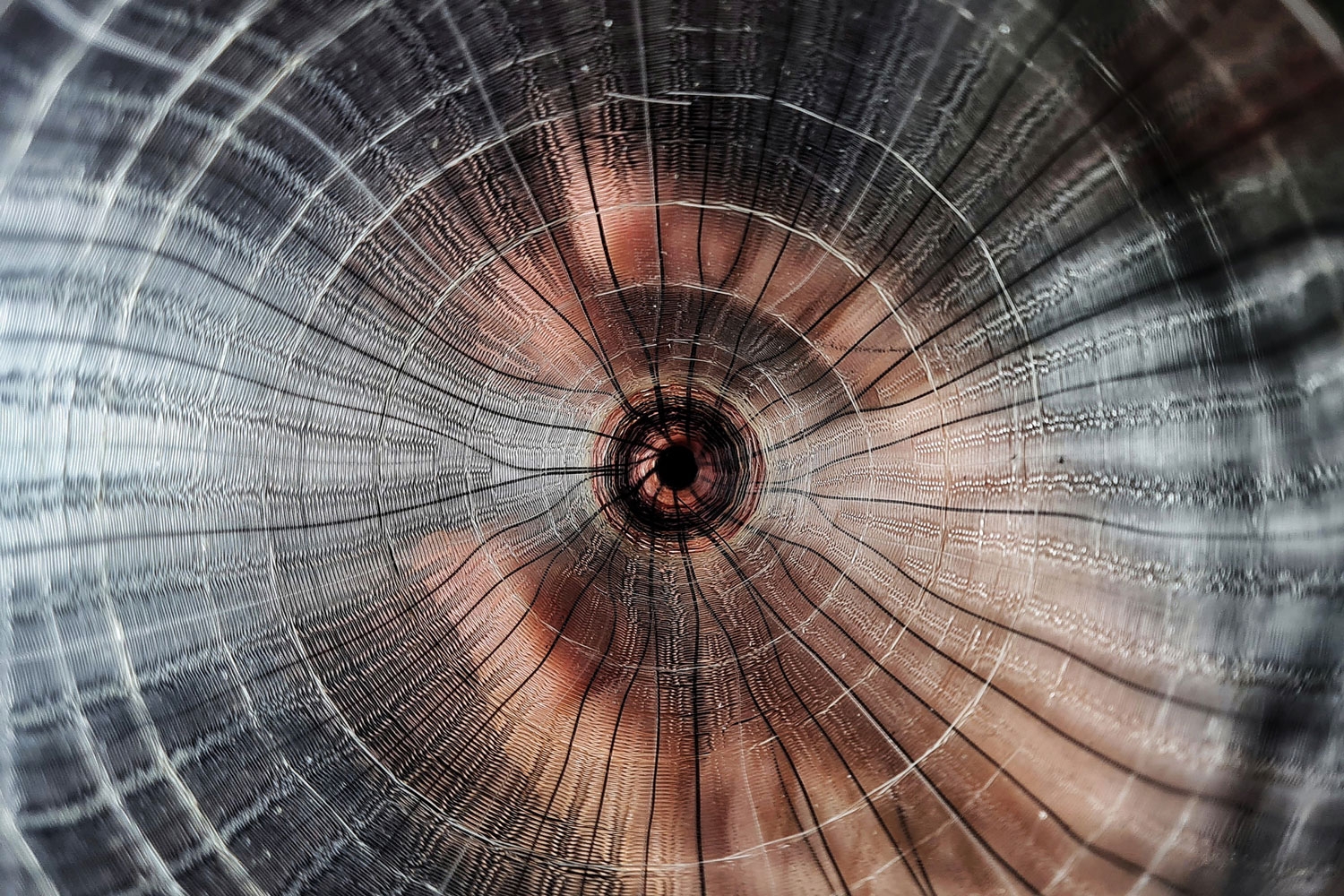
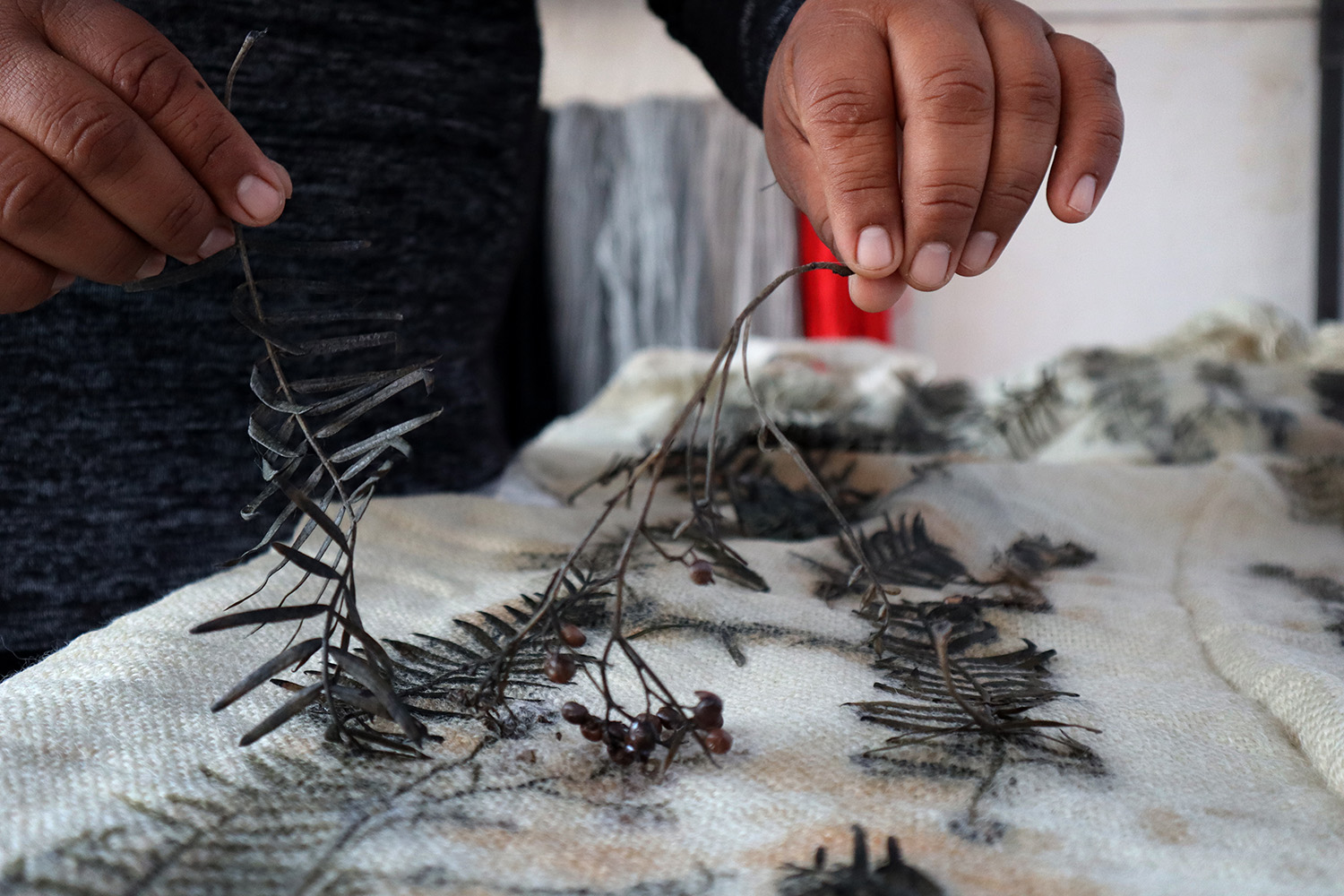
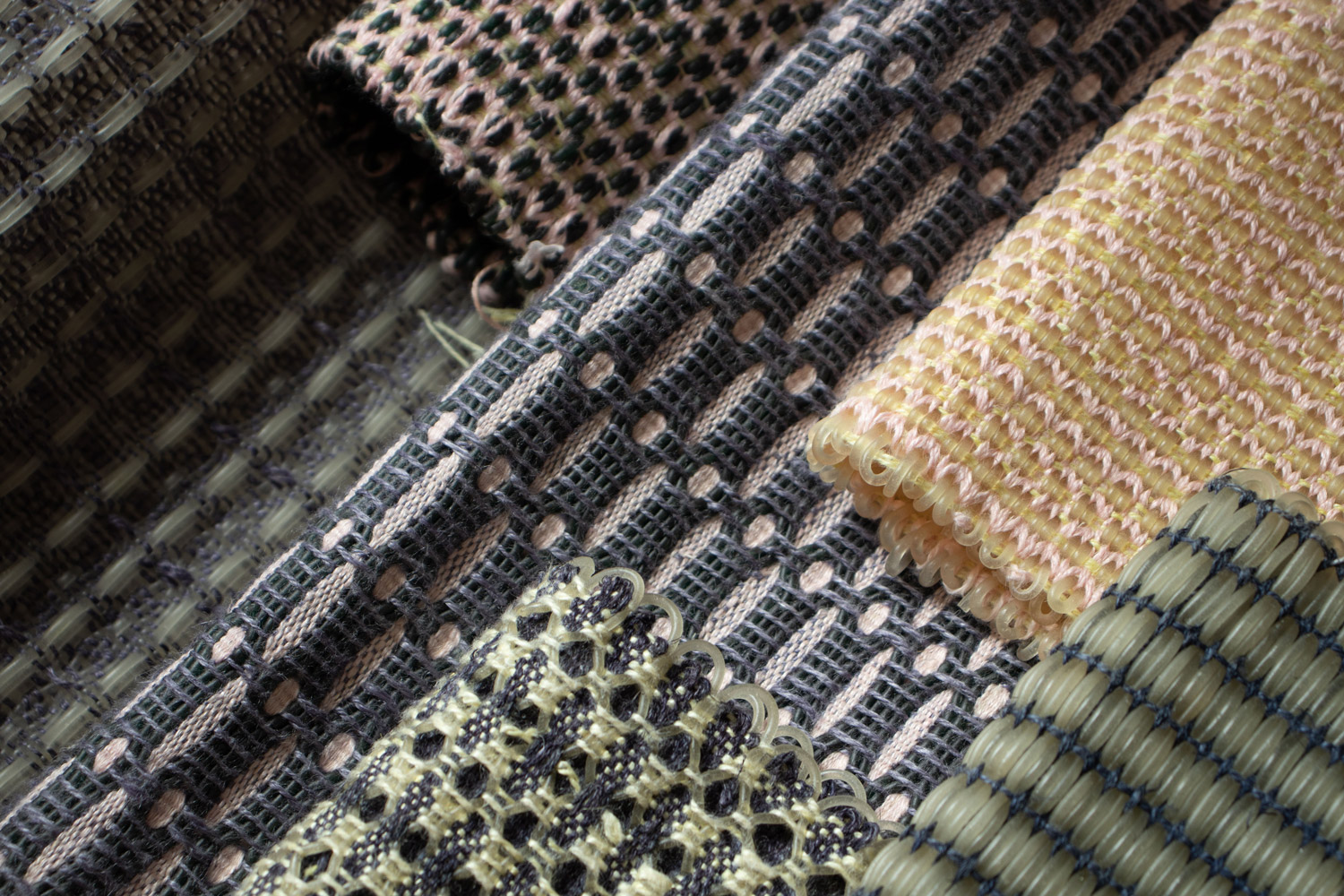
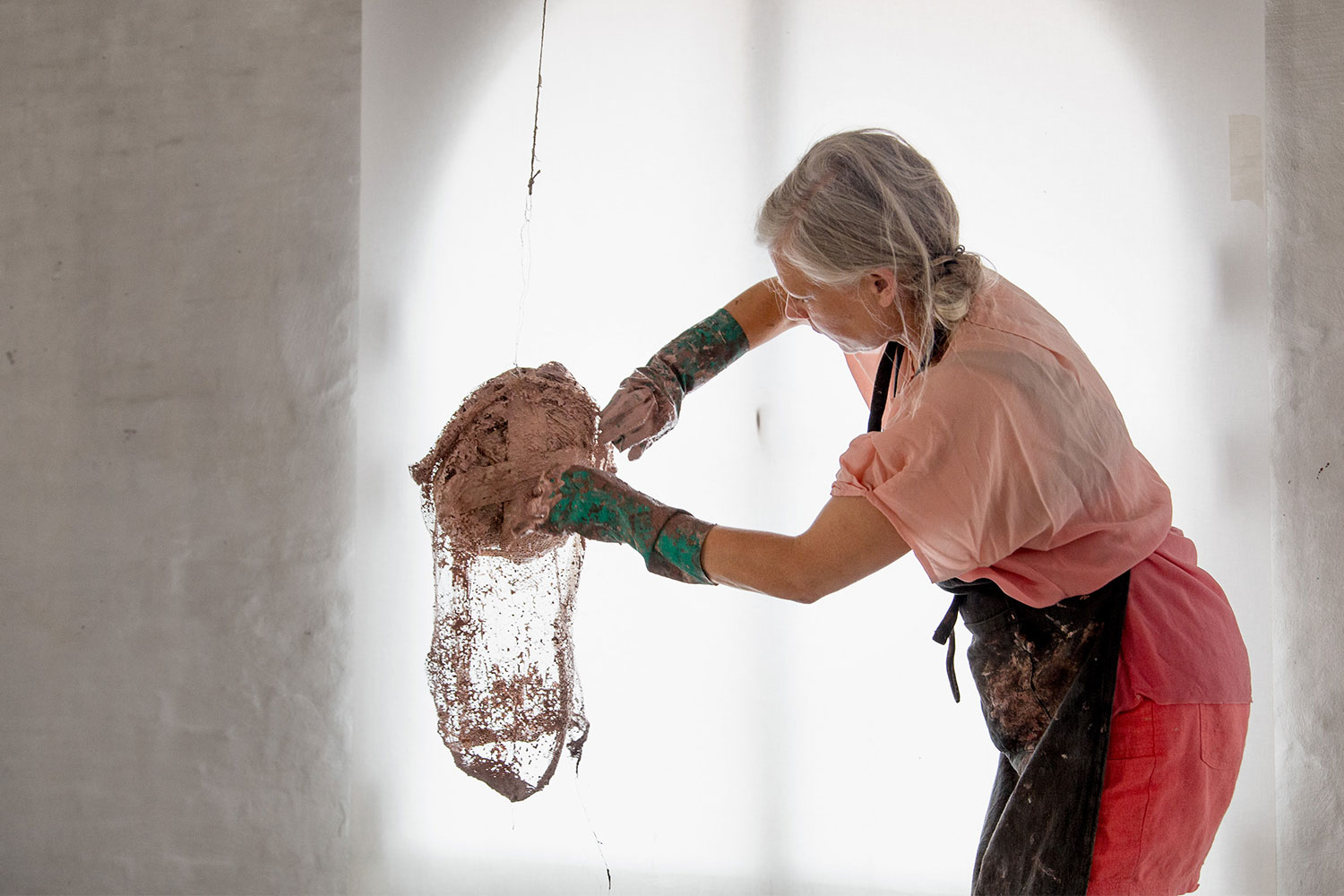
- Her techniques are experimental
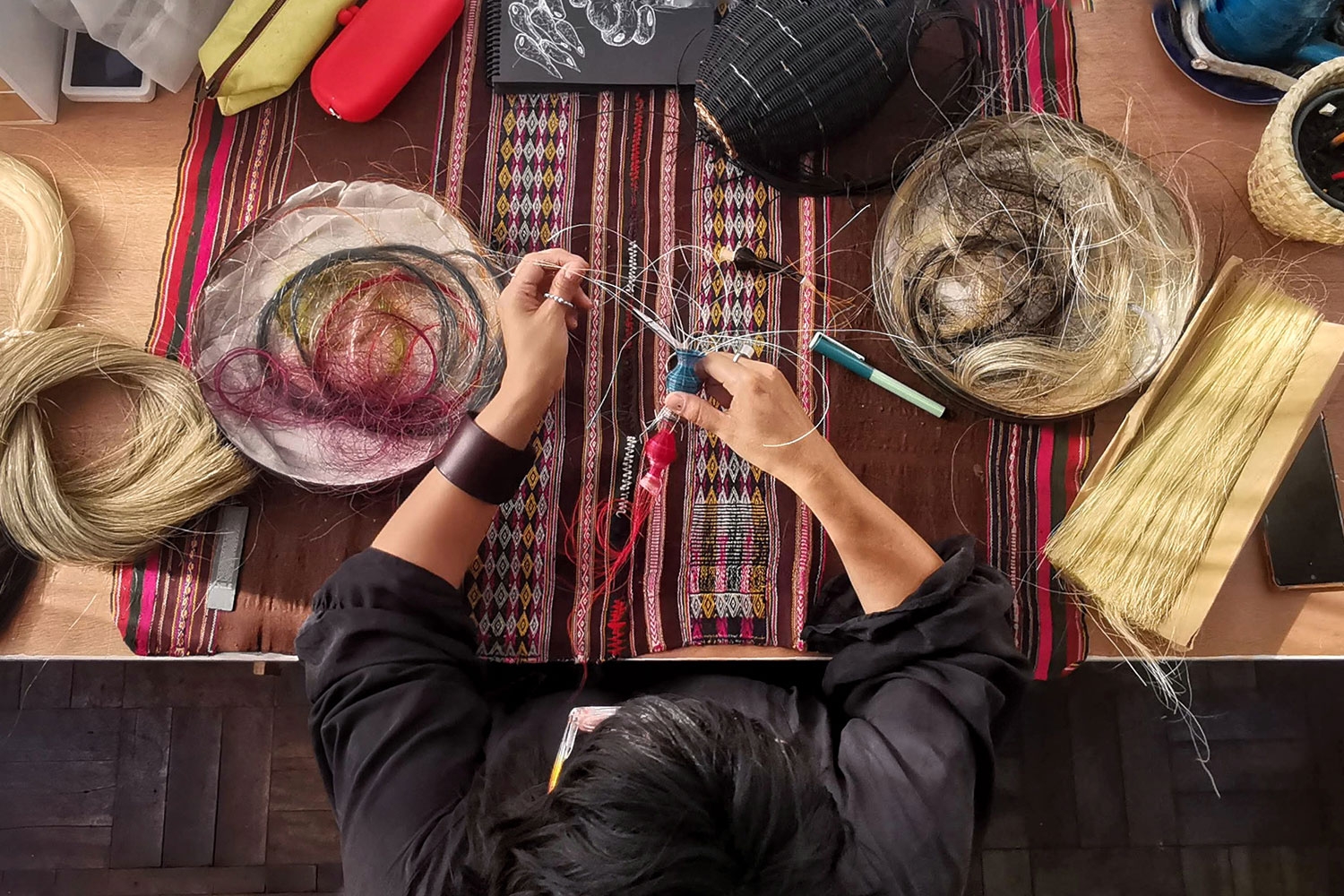
- She is inspired by the Andean world
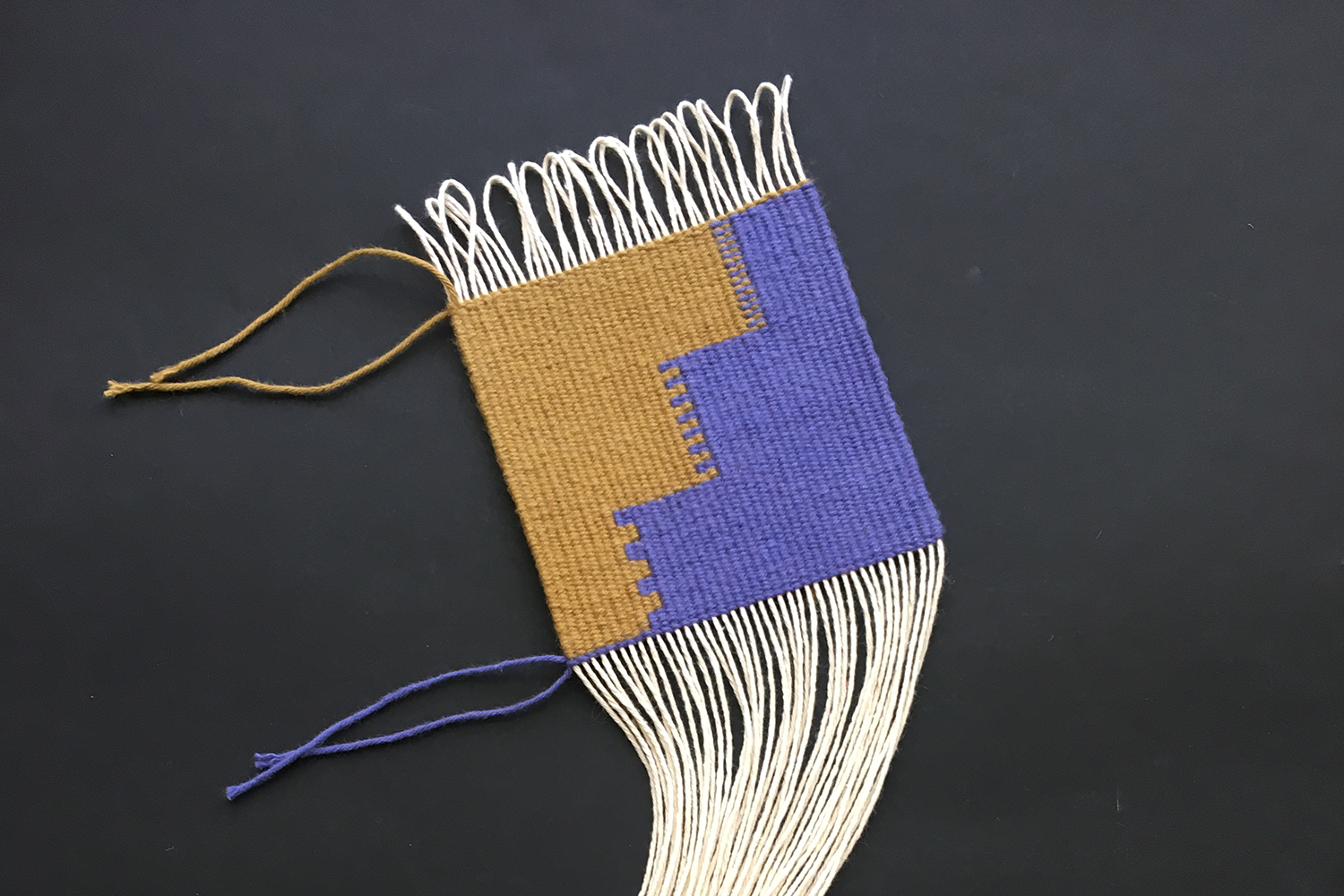
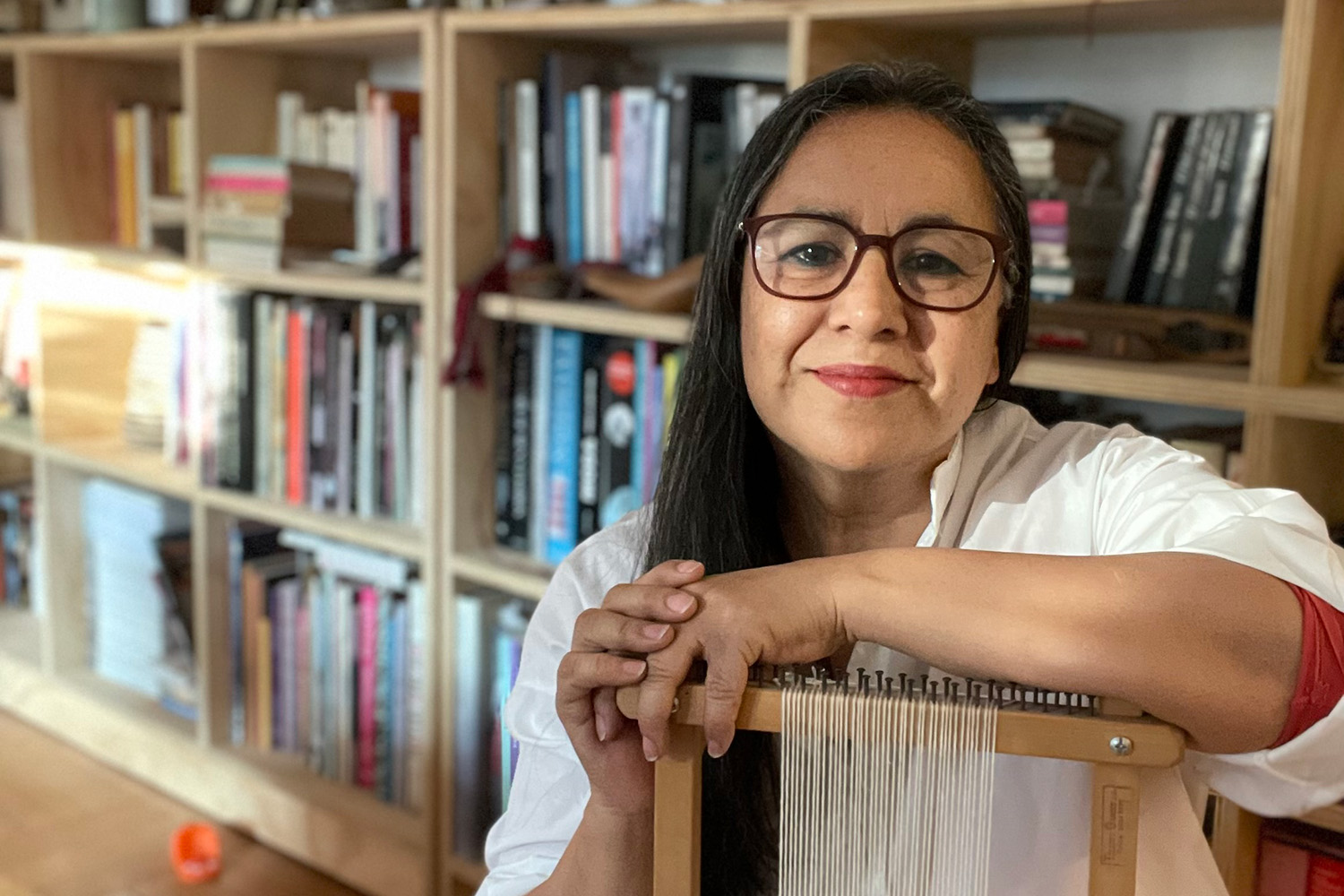
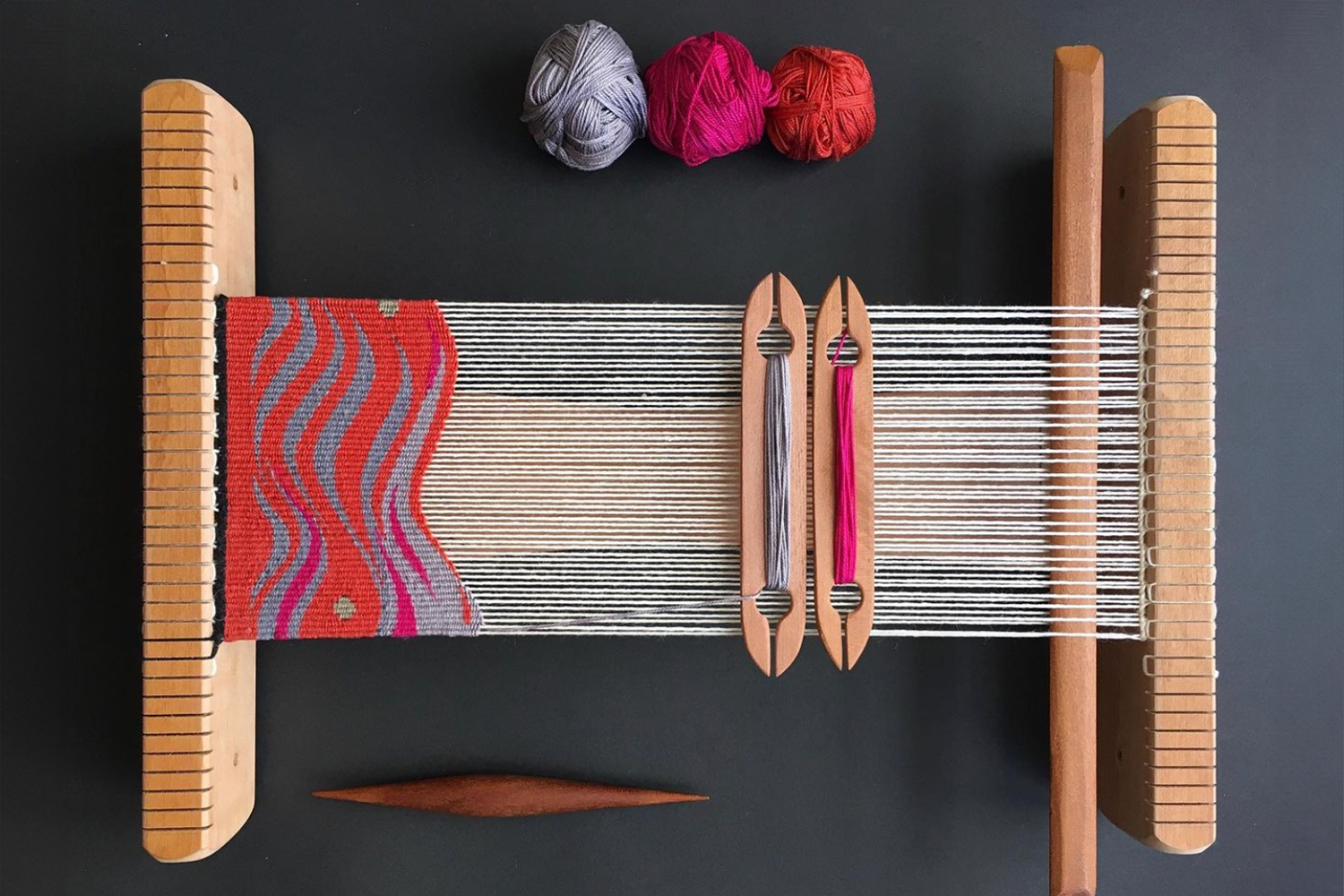
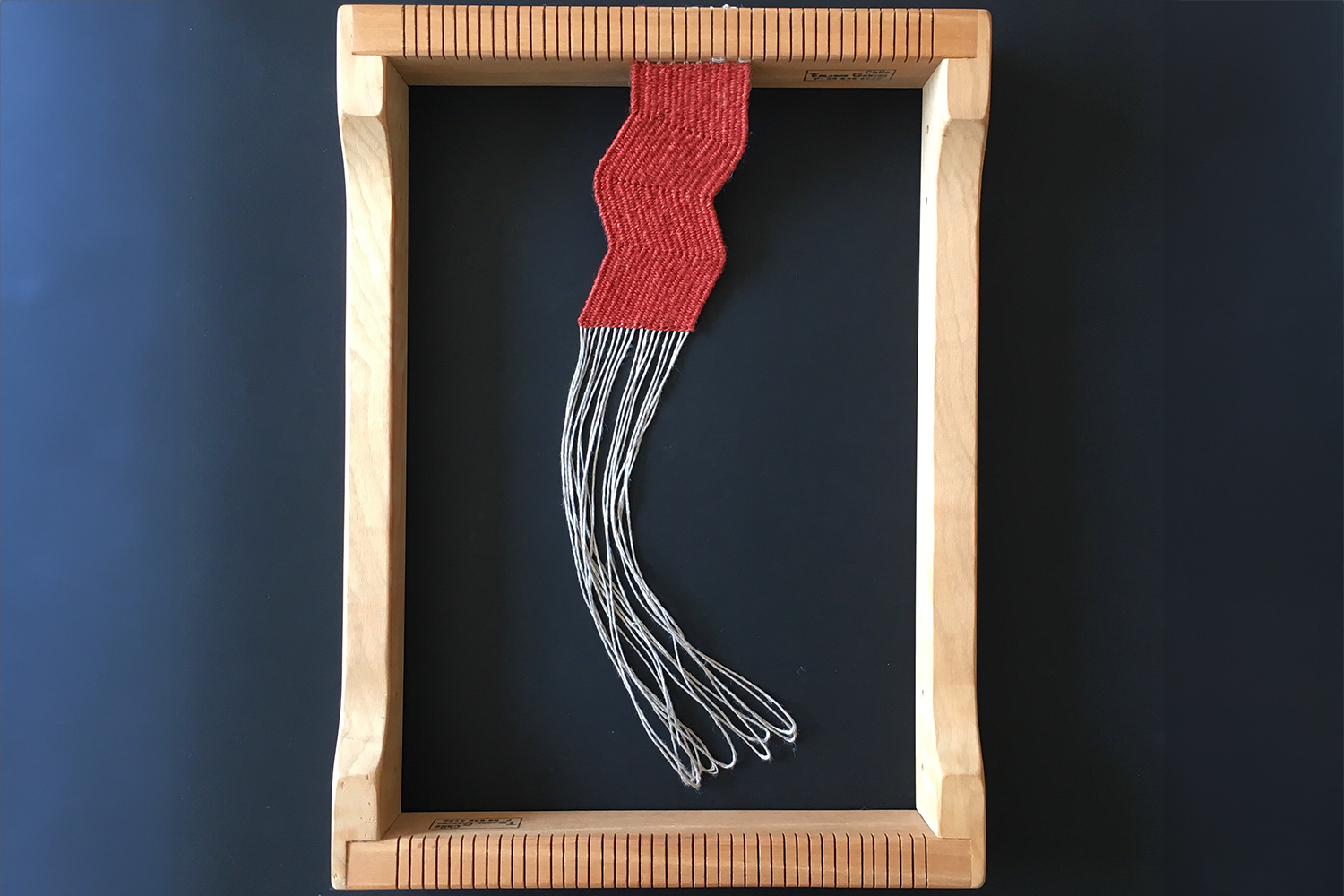
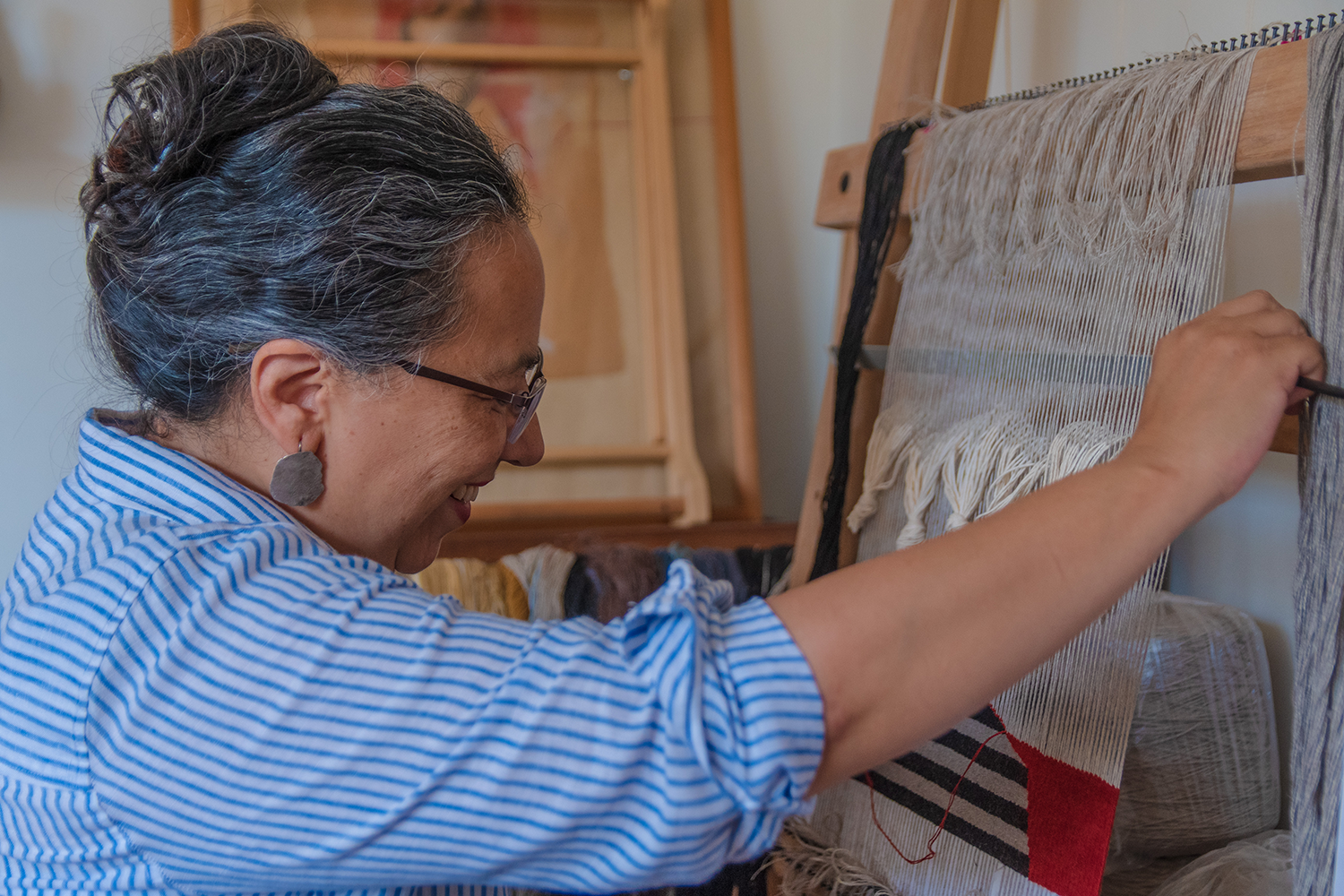
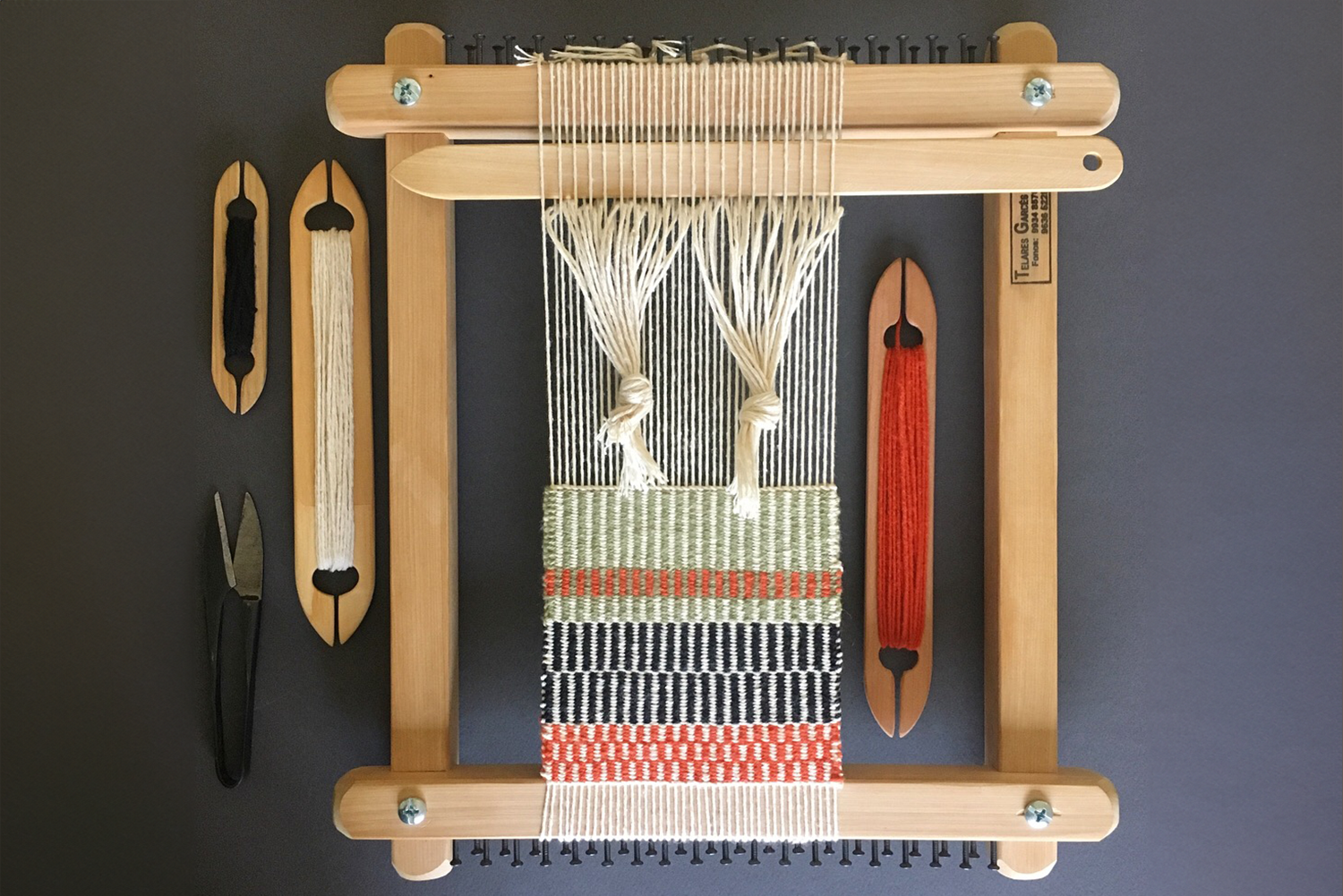
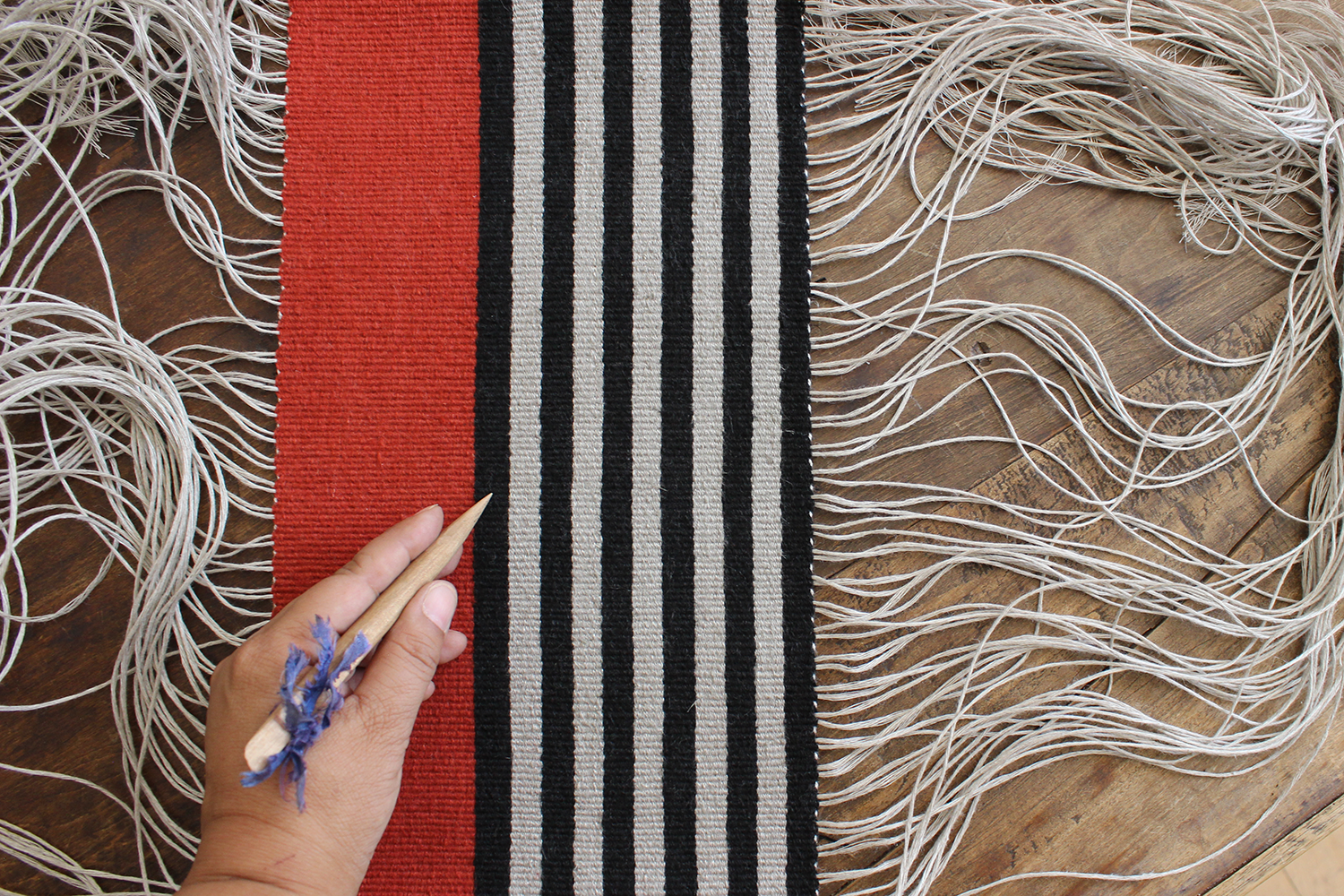
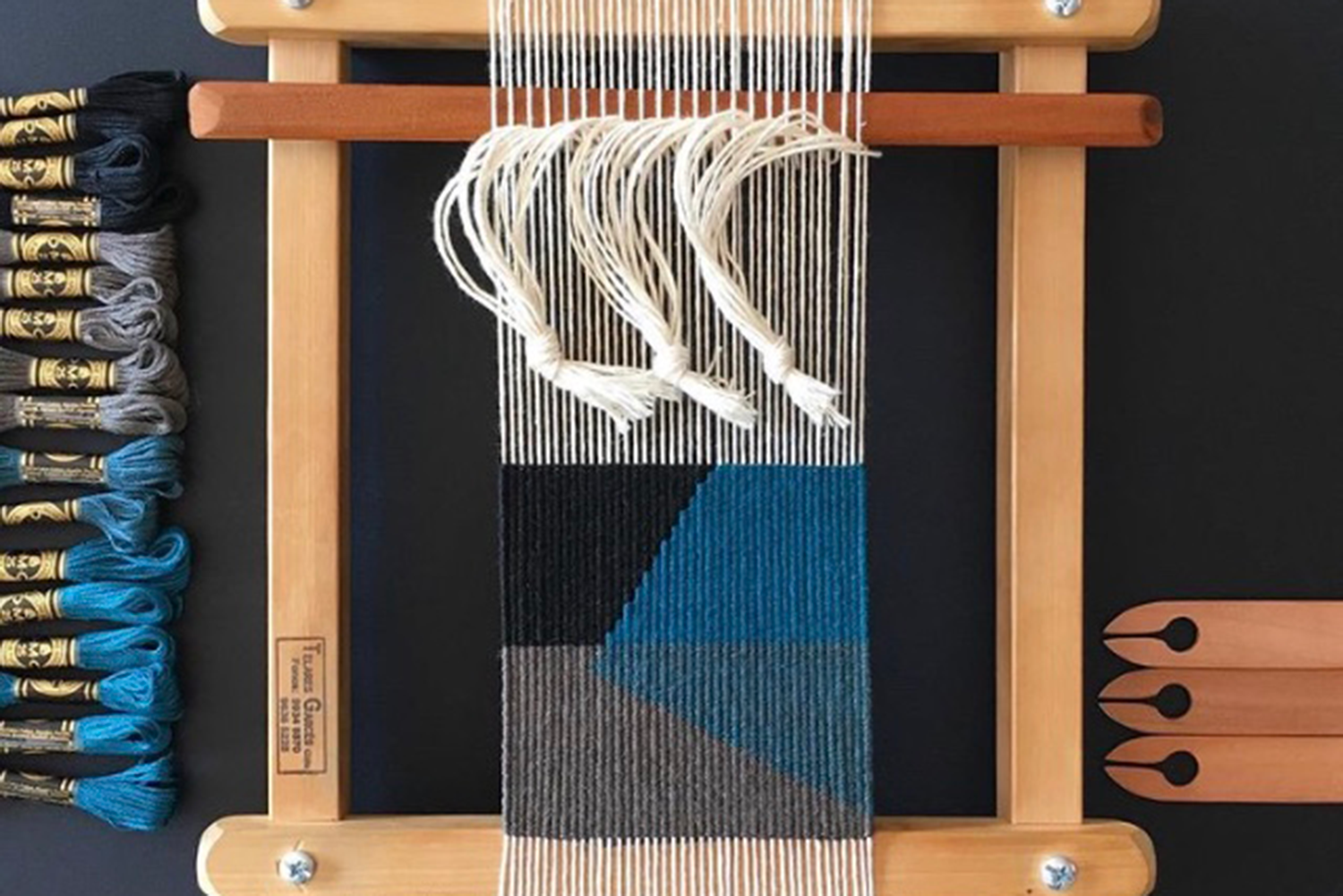
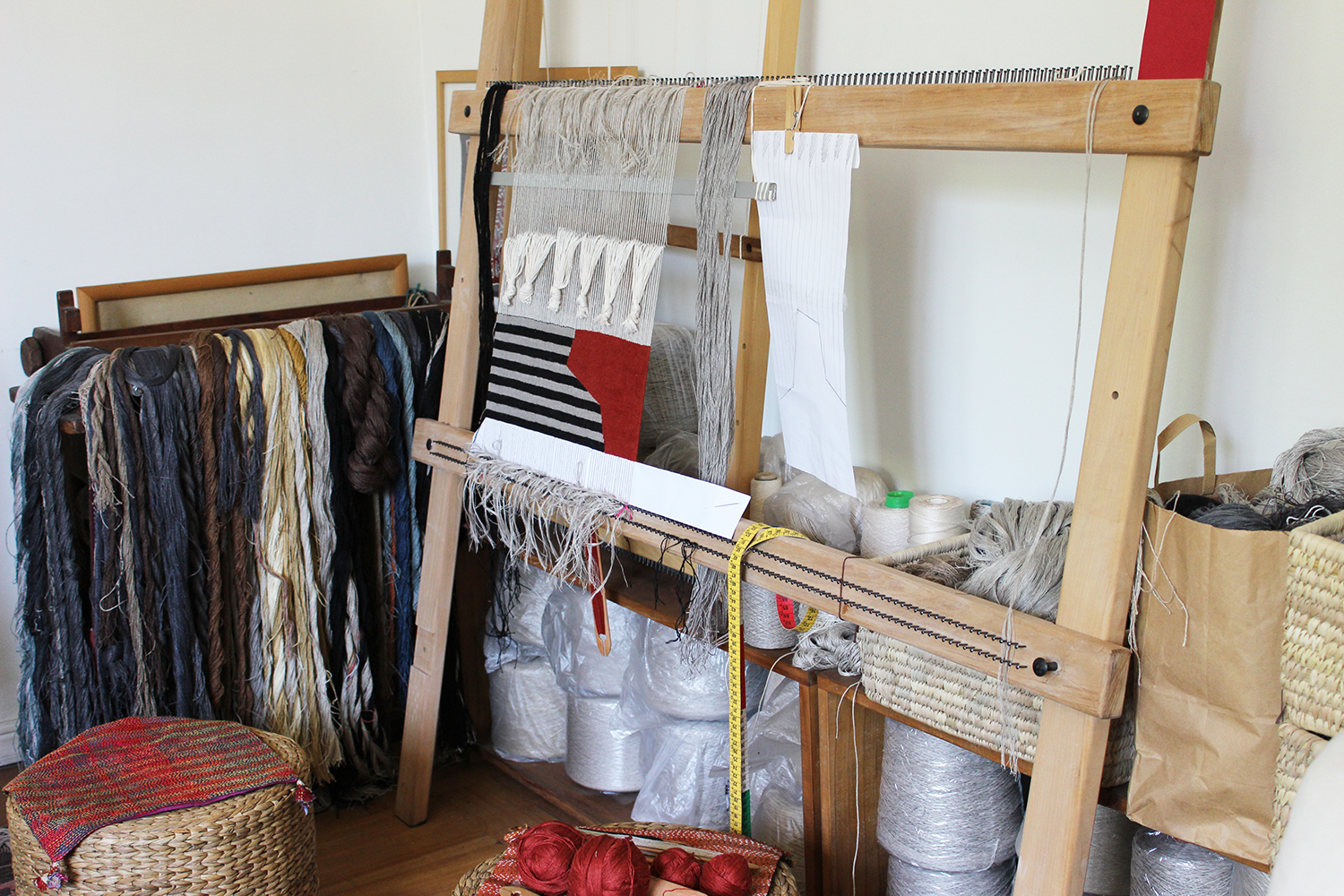
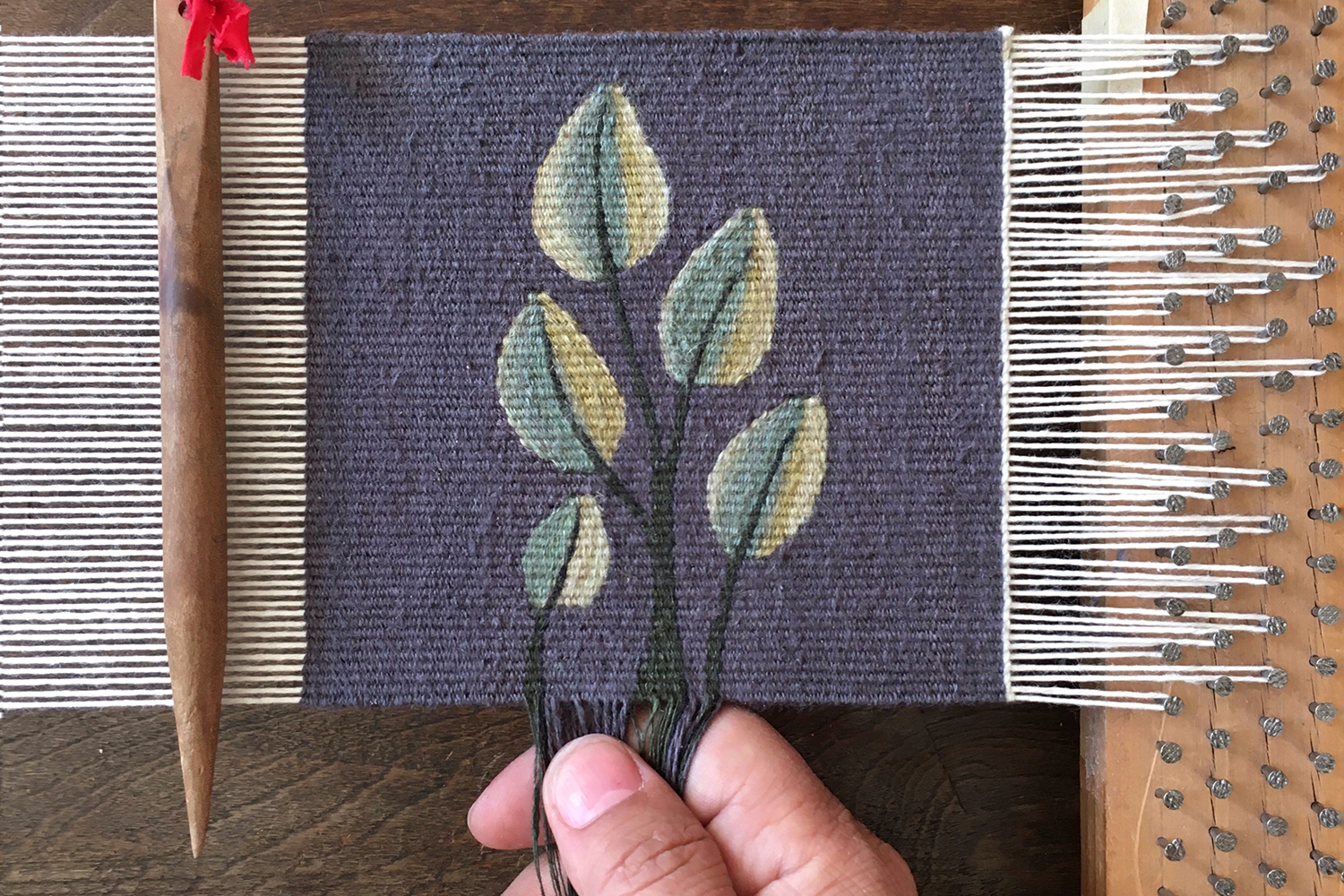
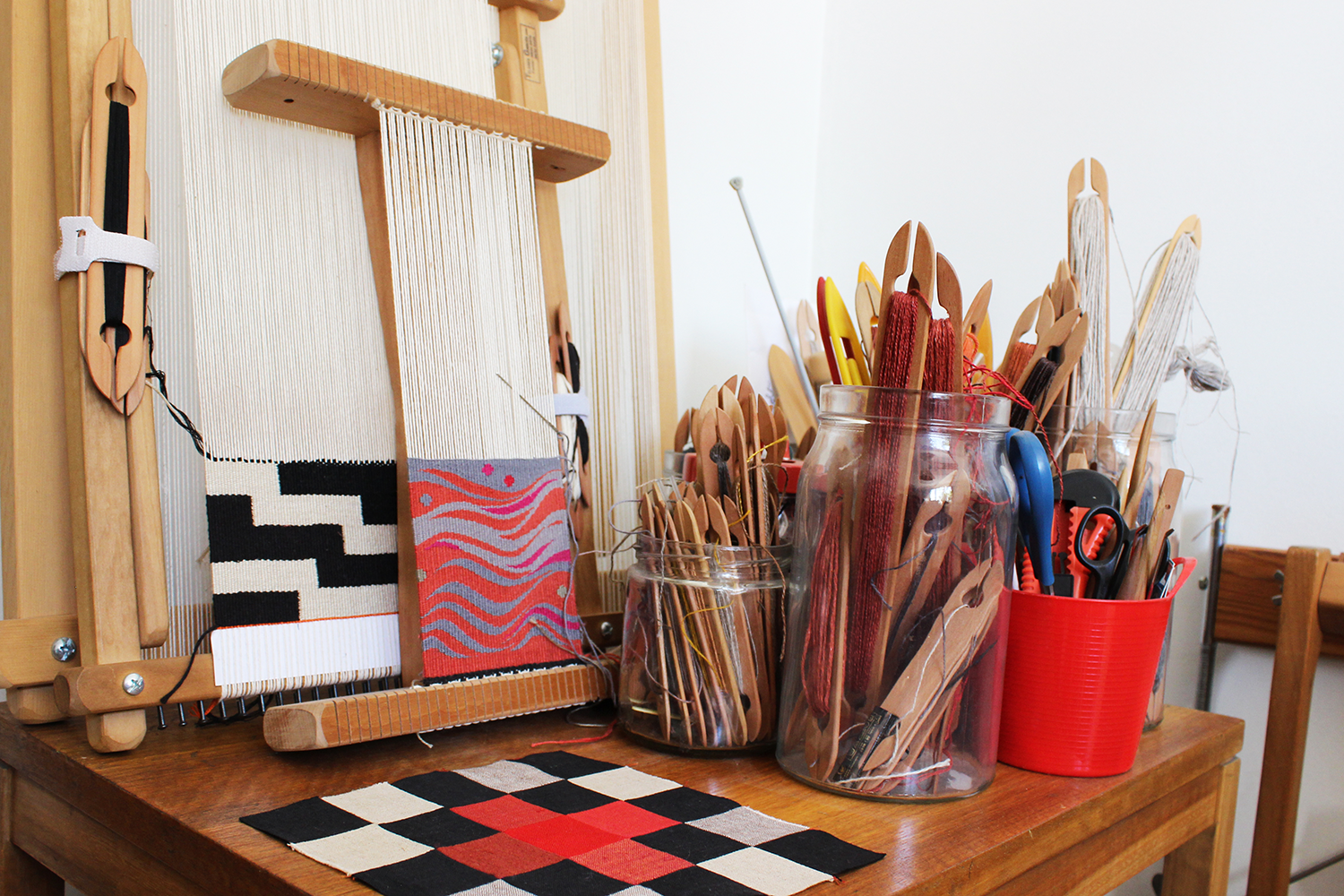
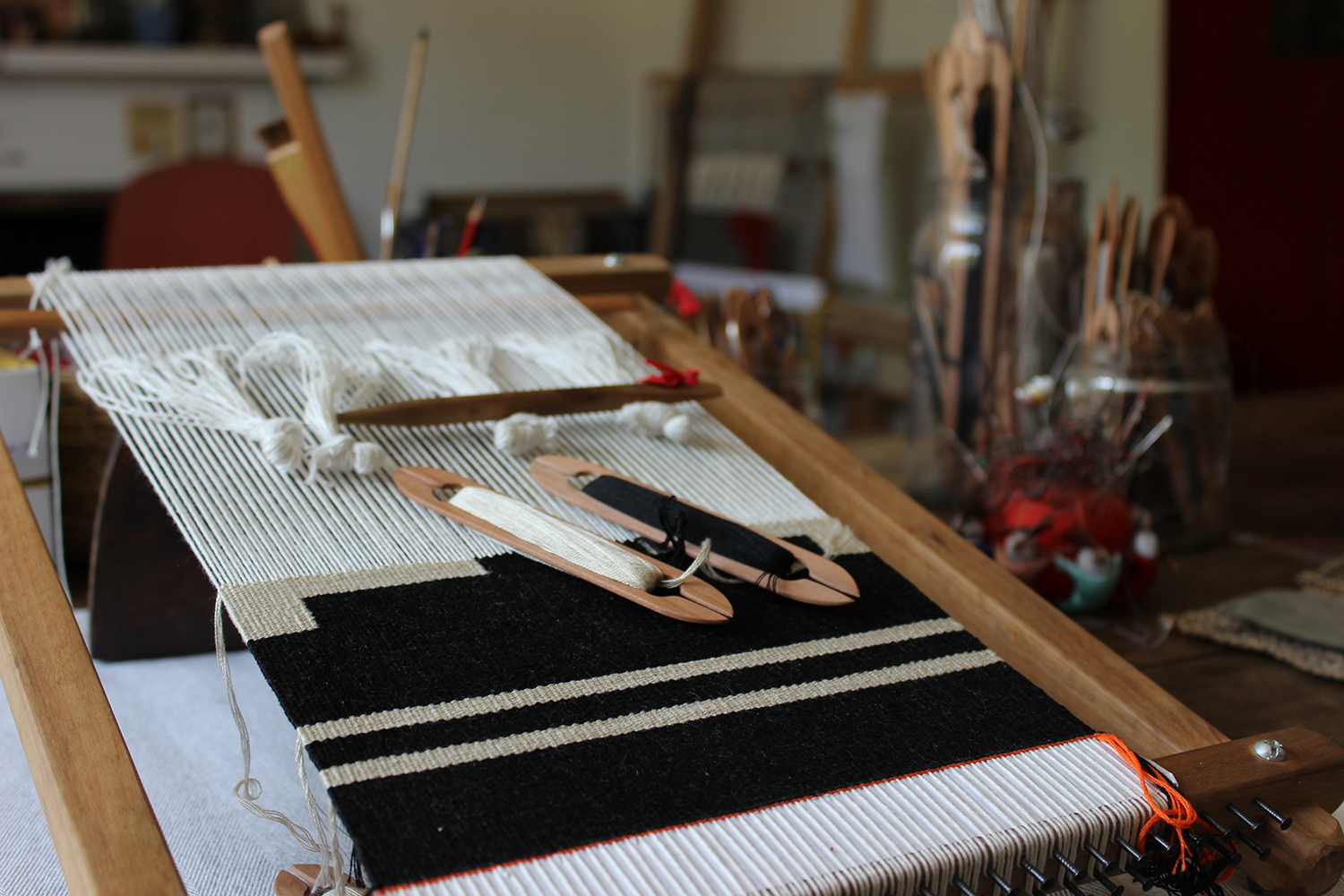
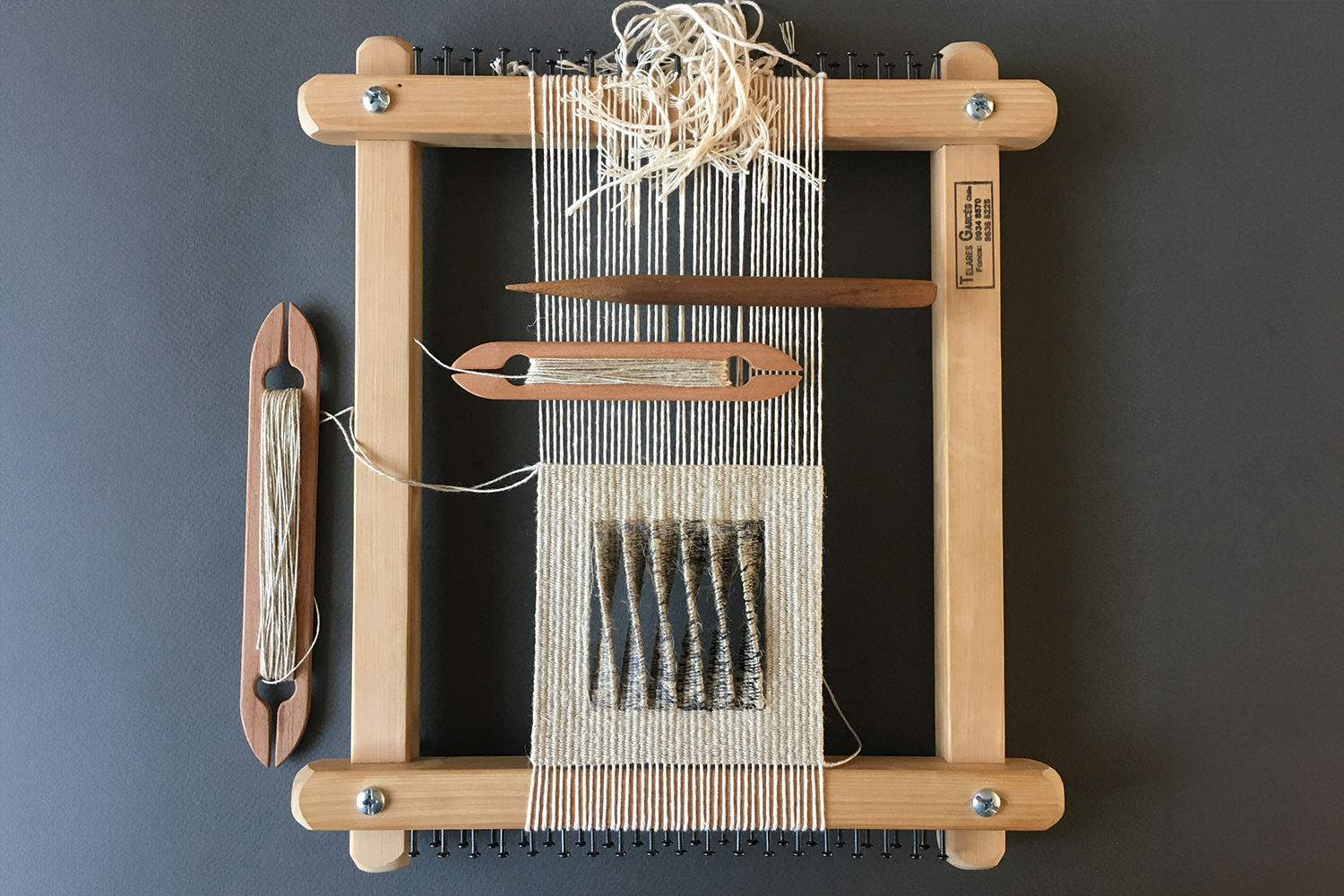
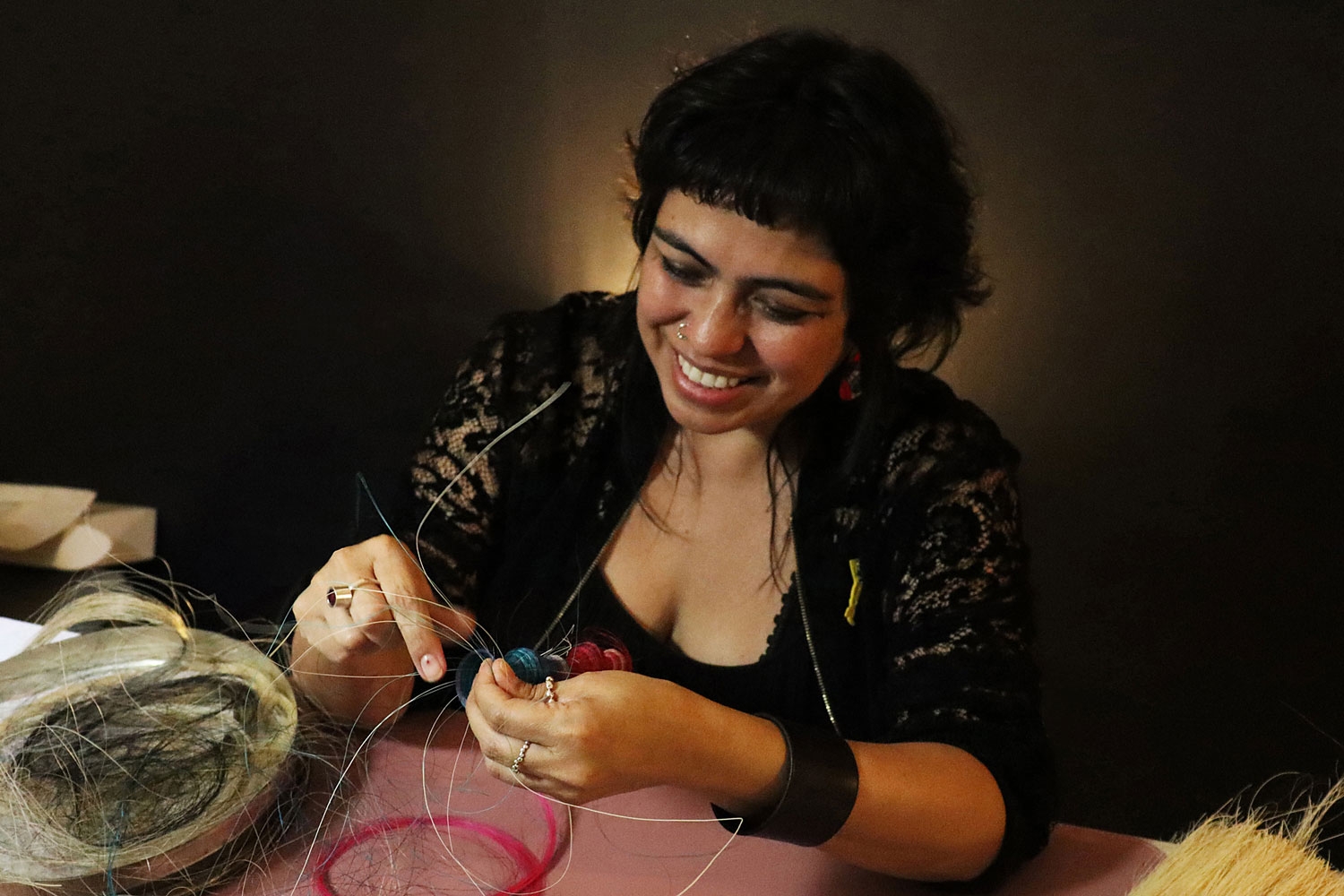
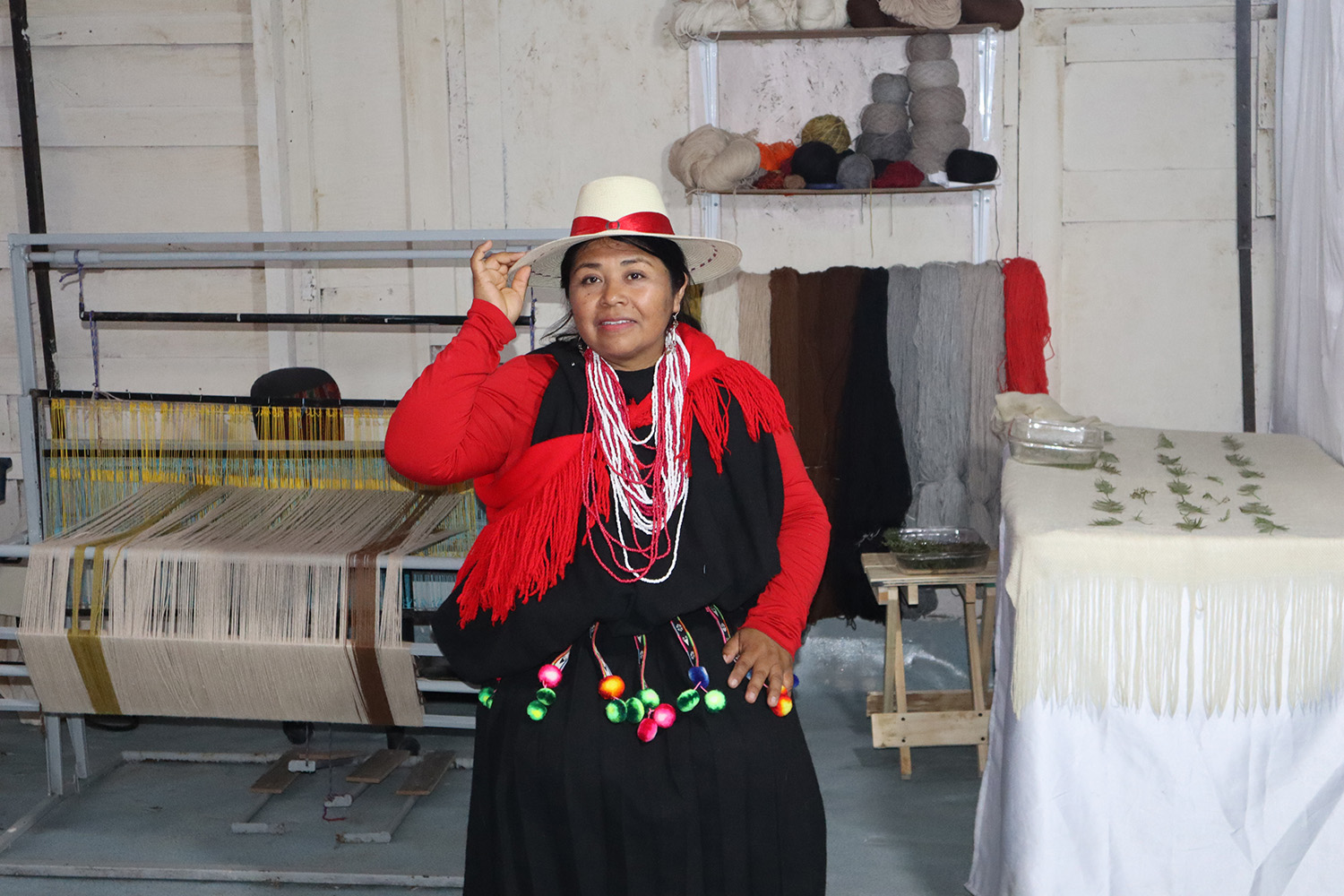
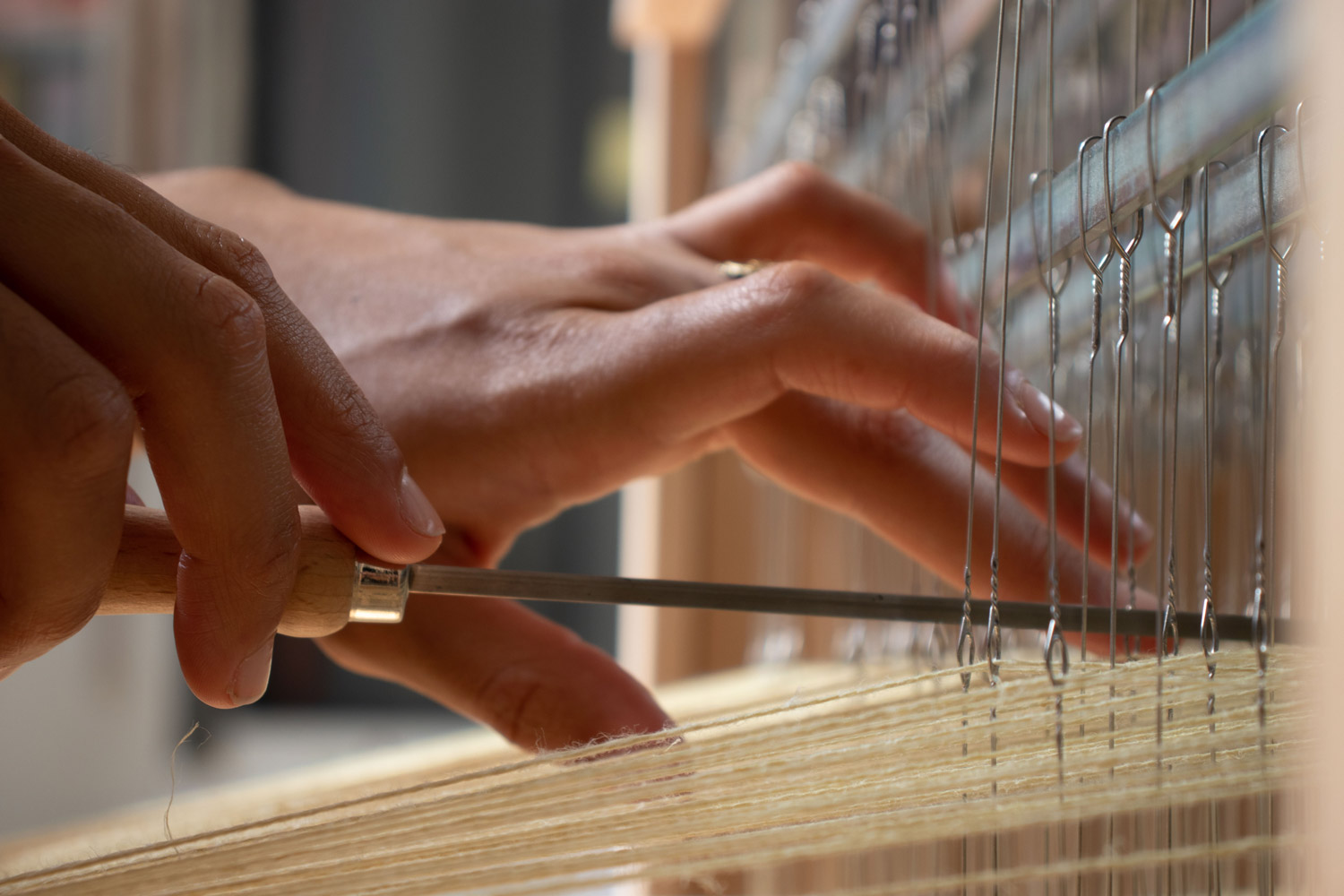
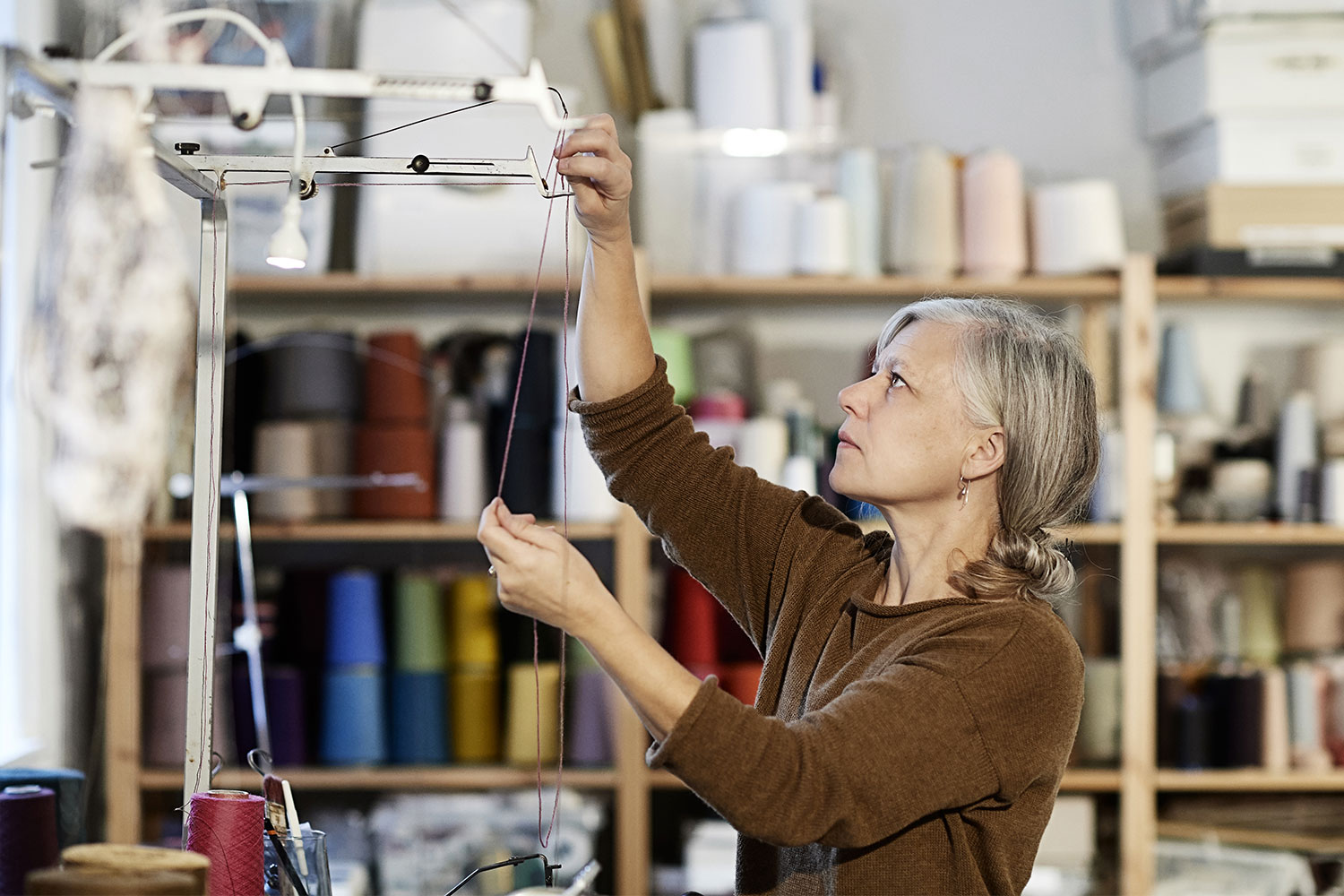
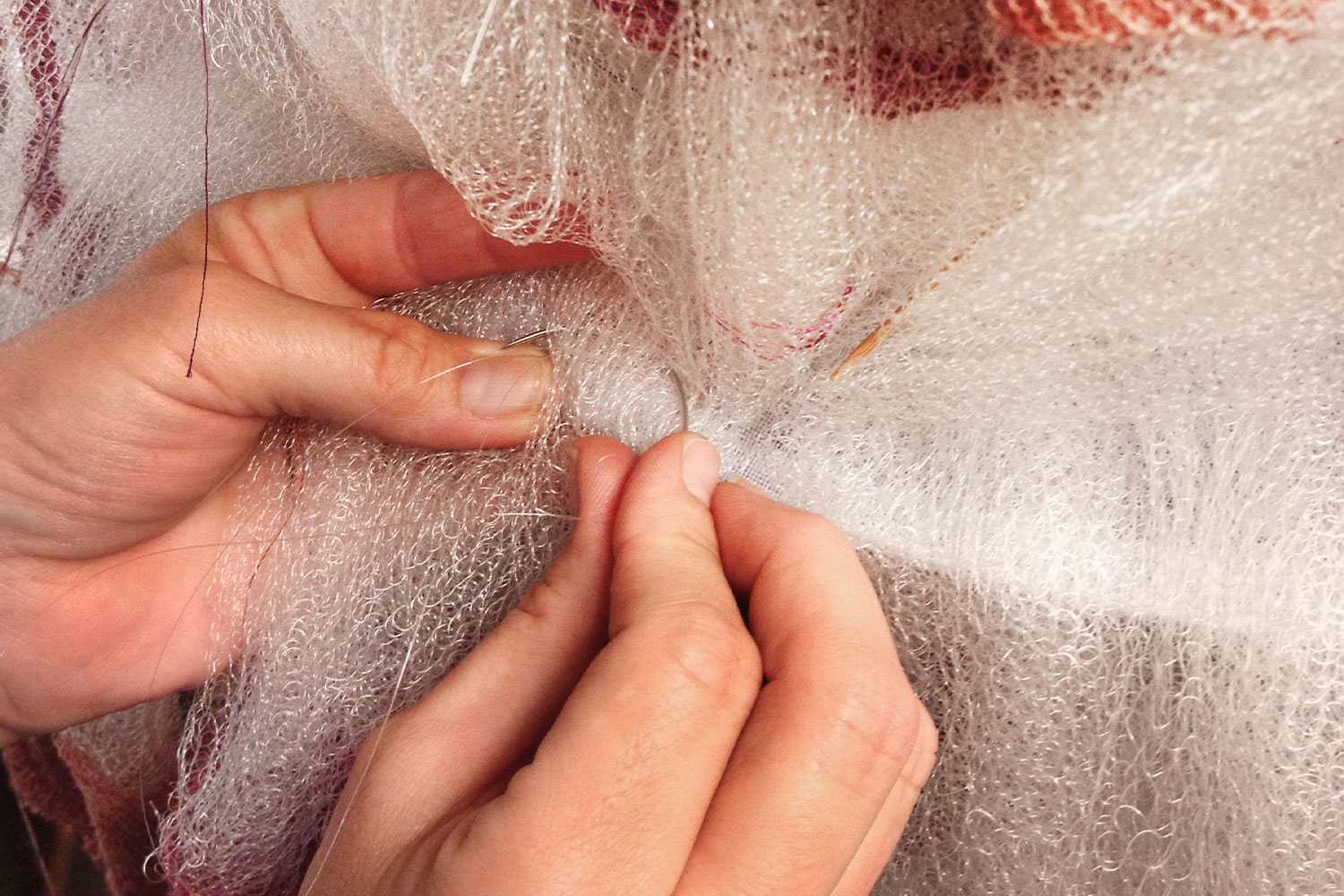
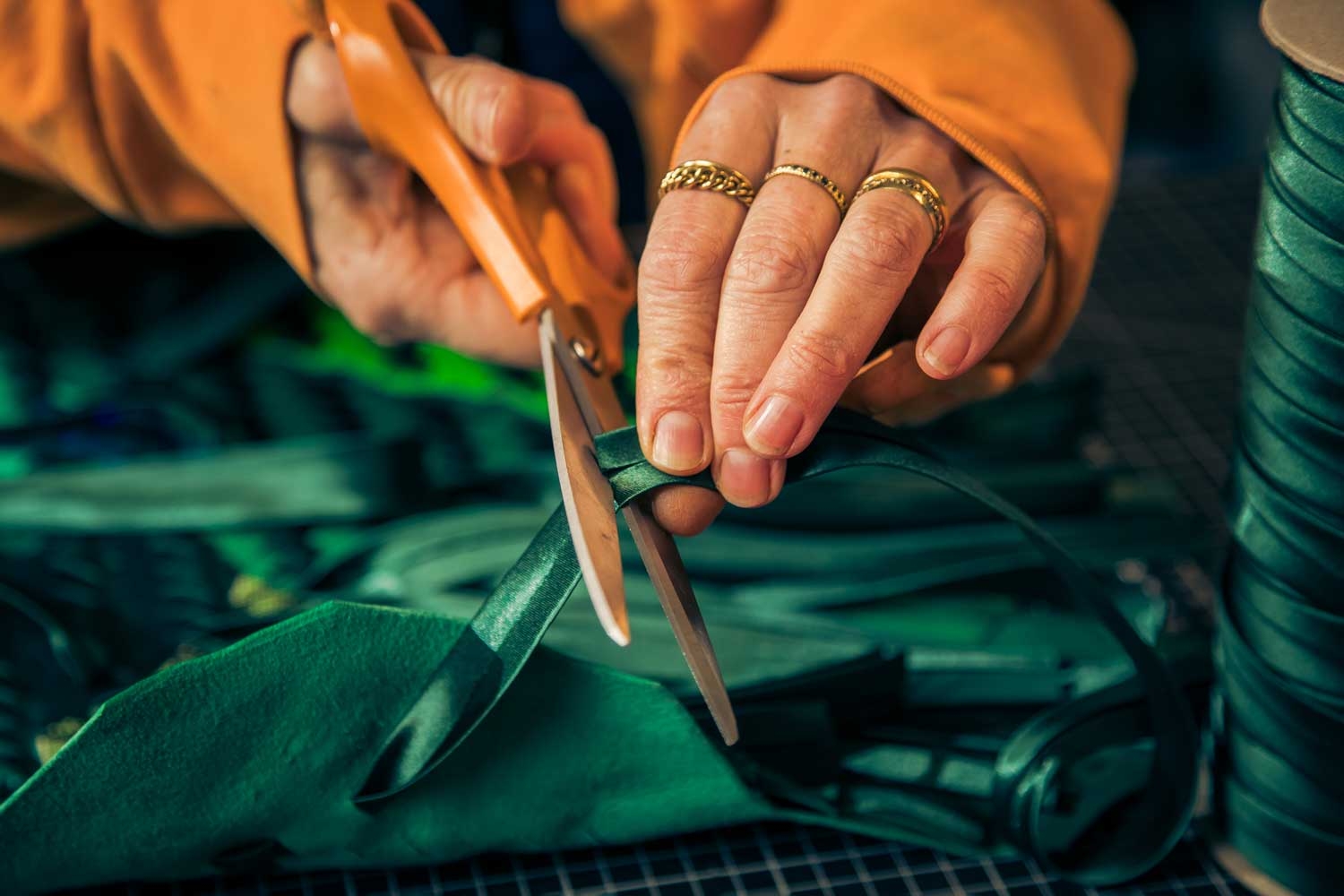
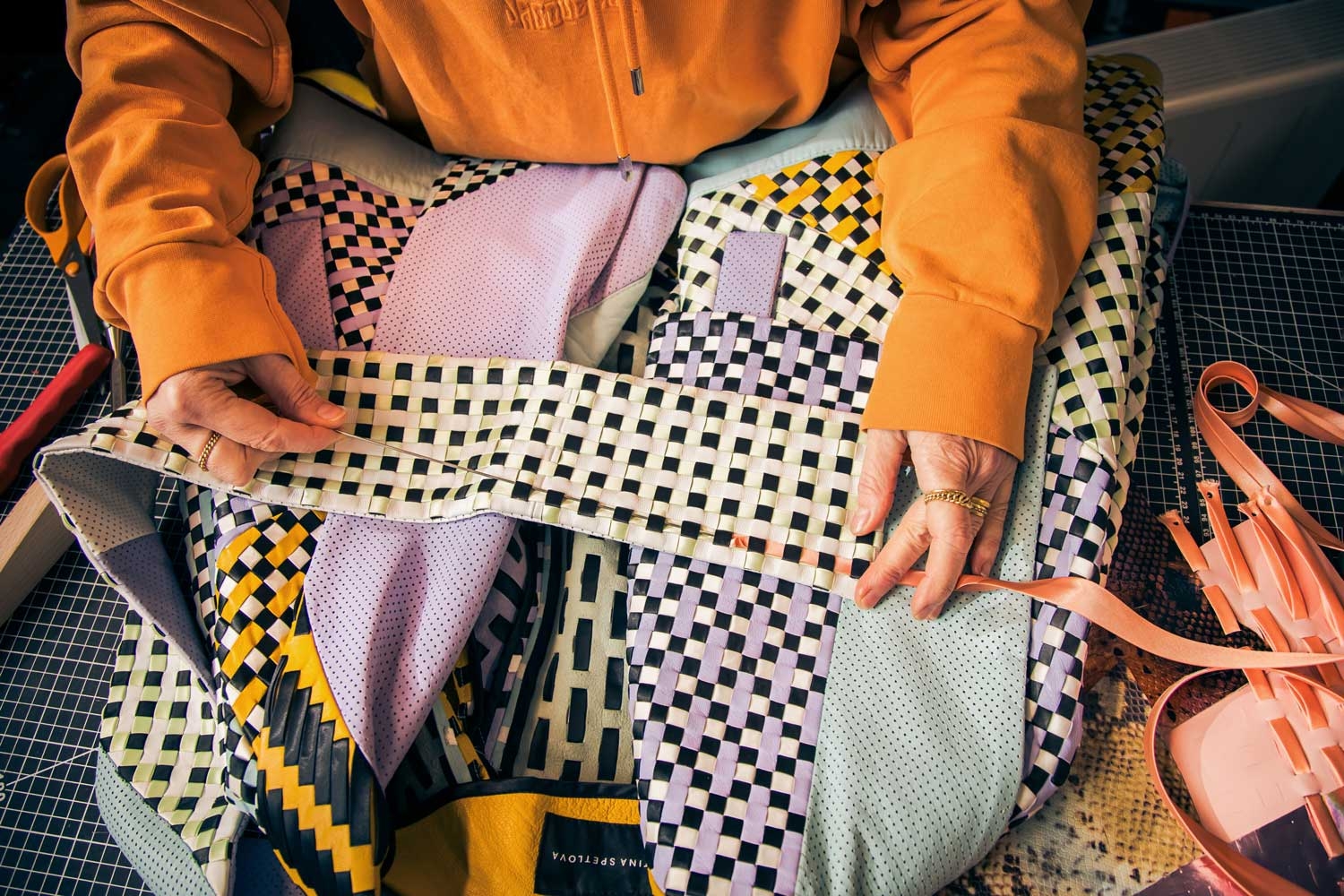
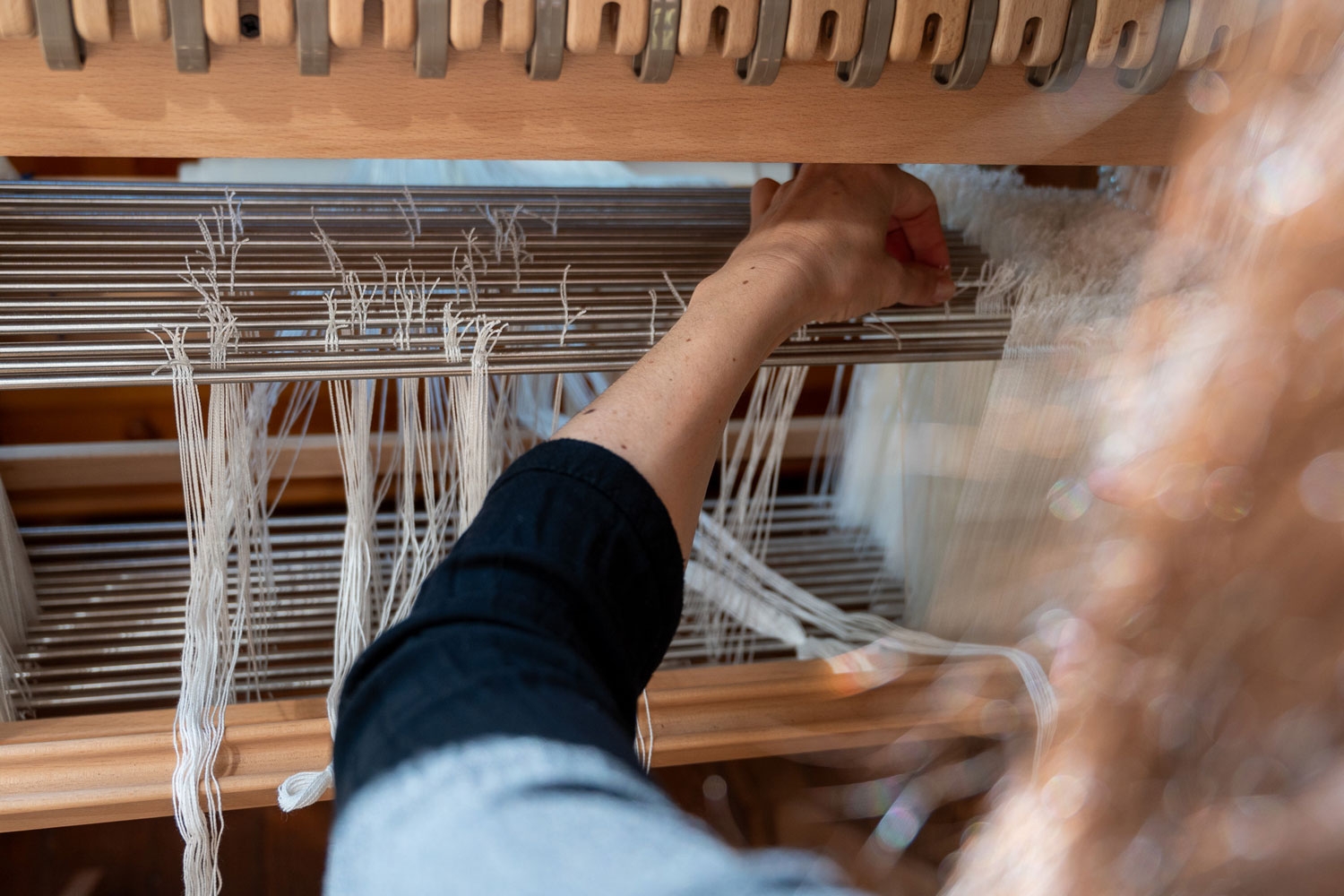
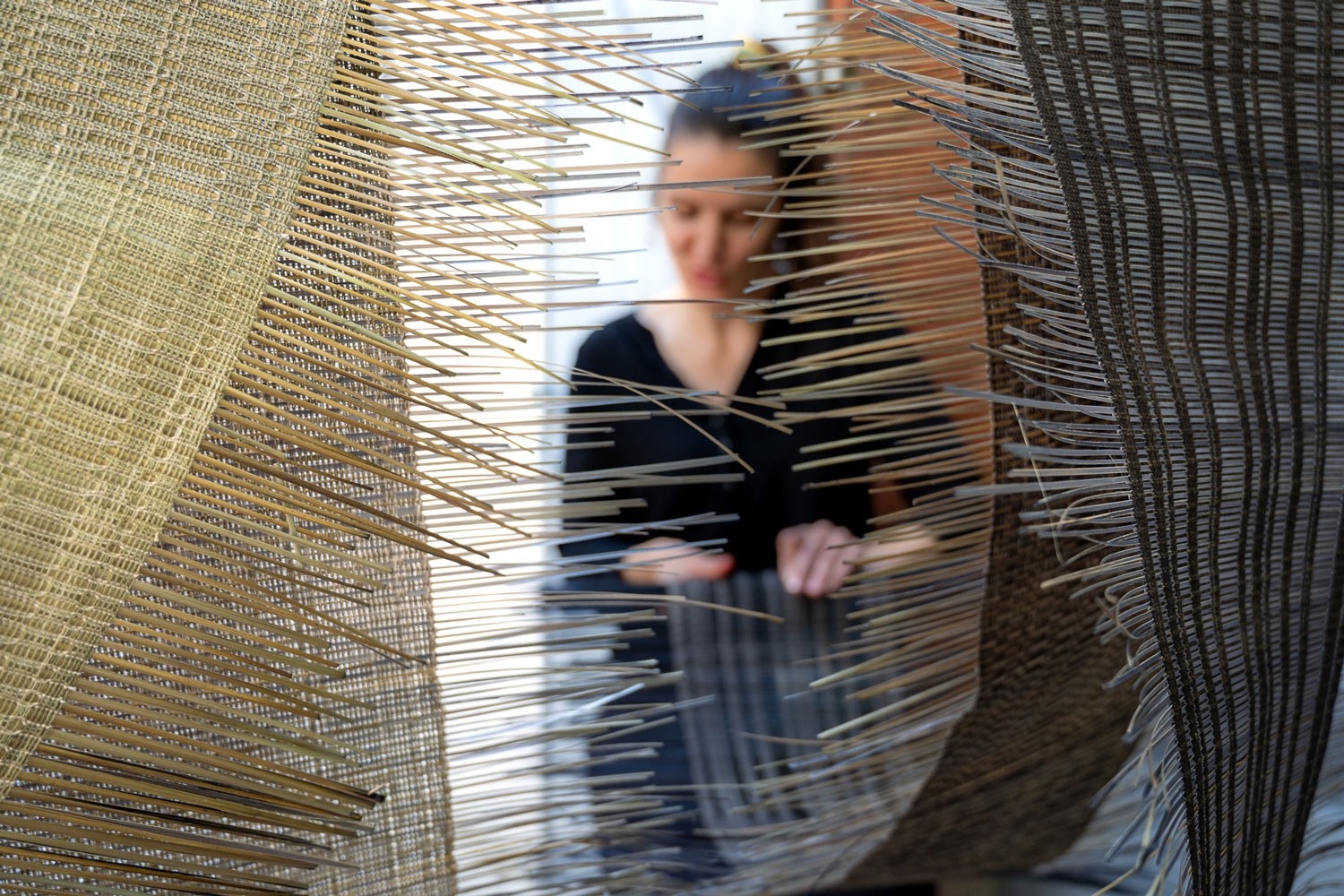
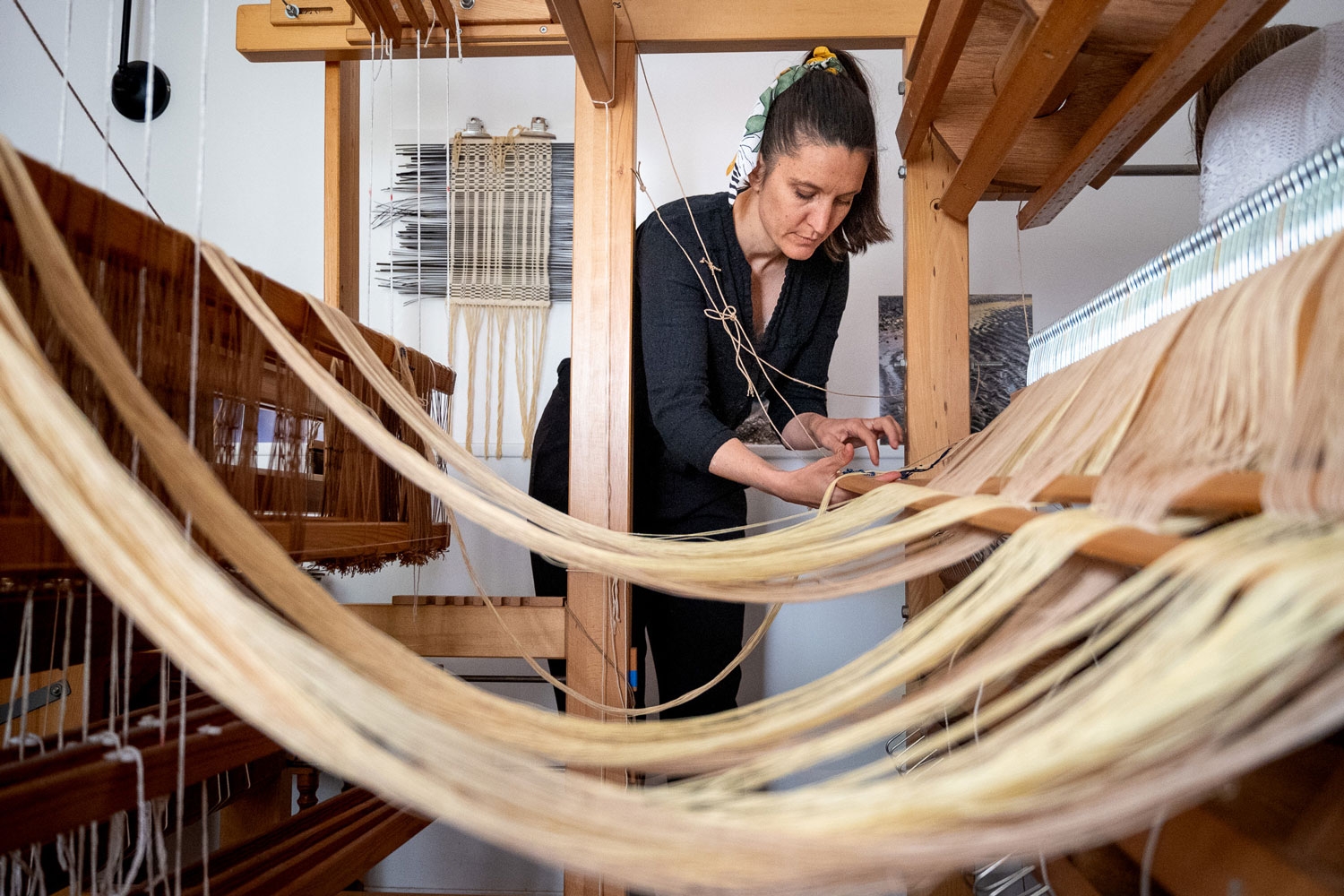
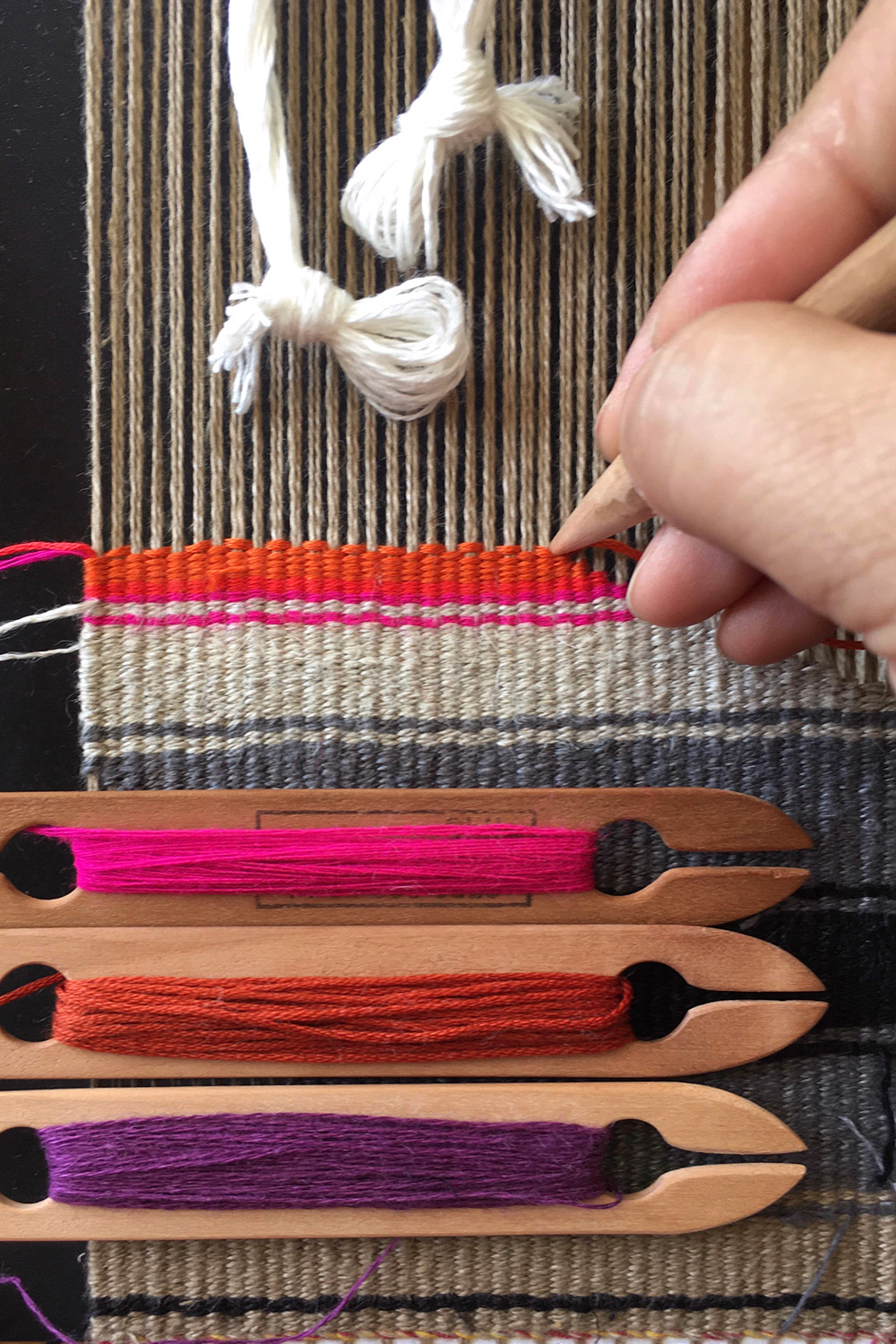
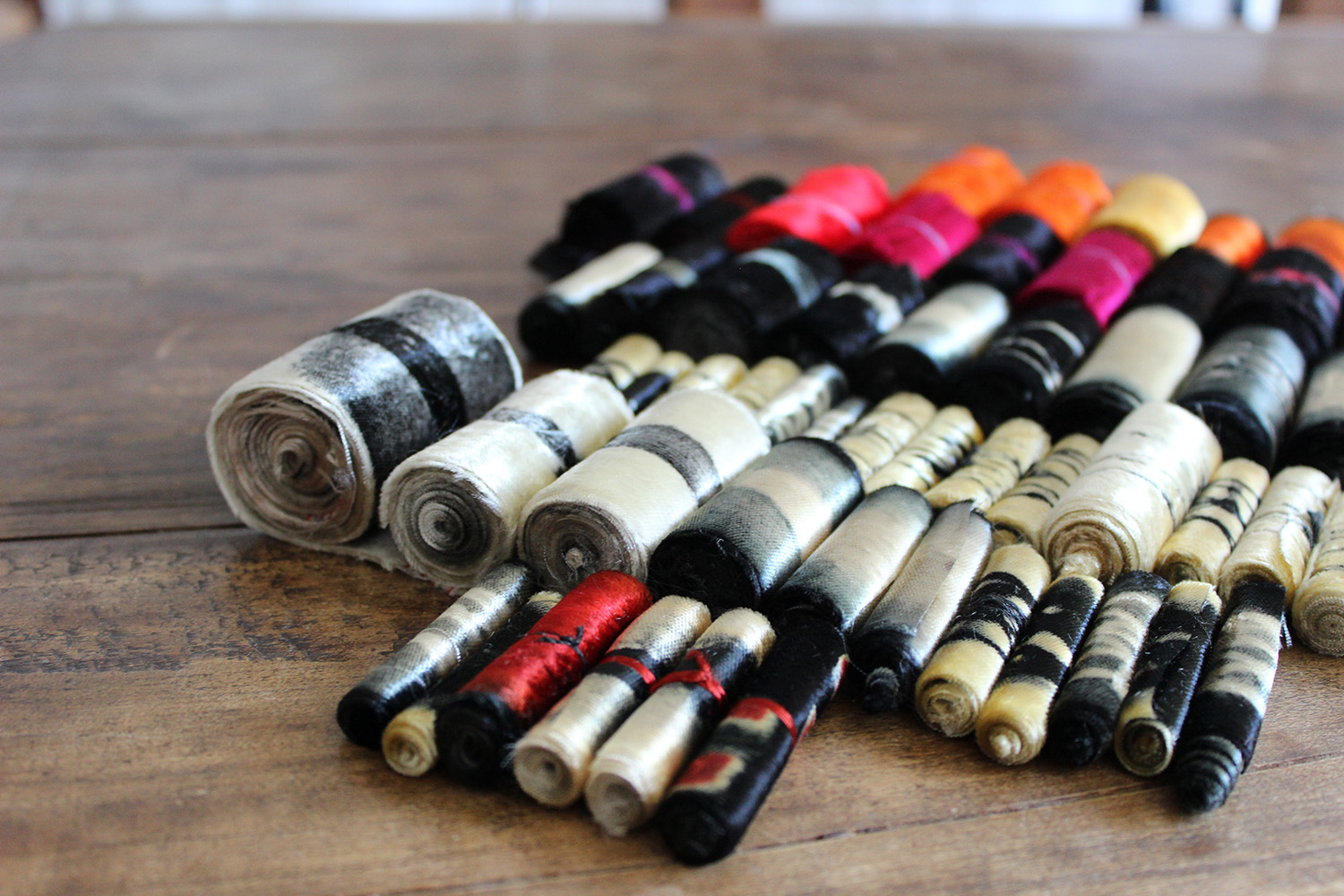
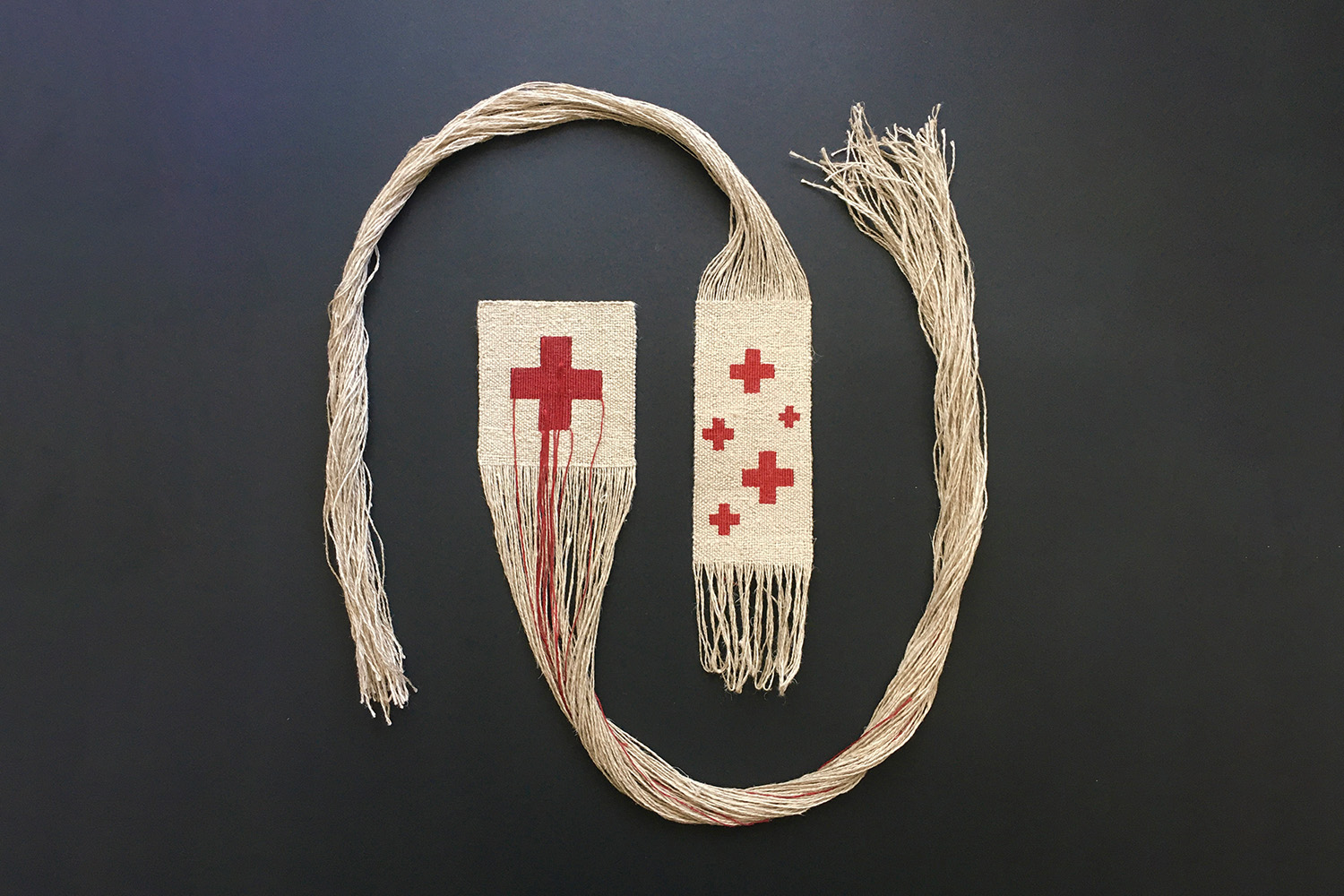
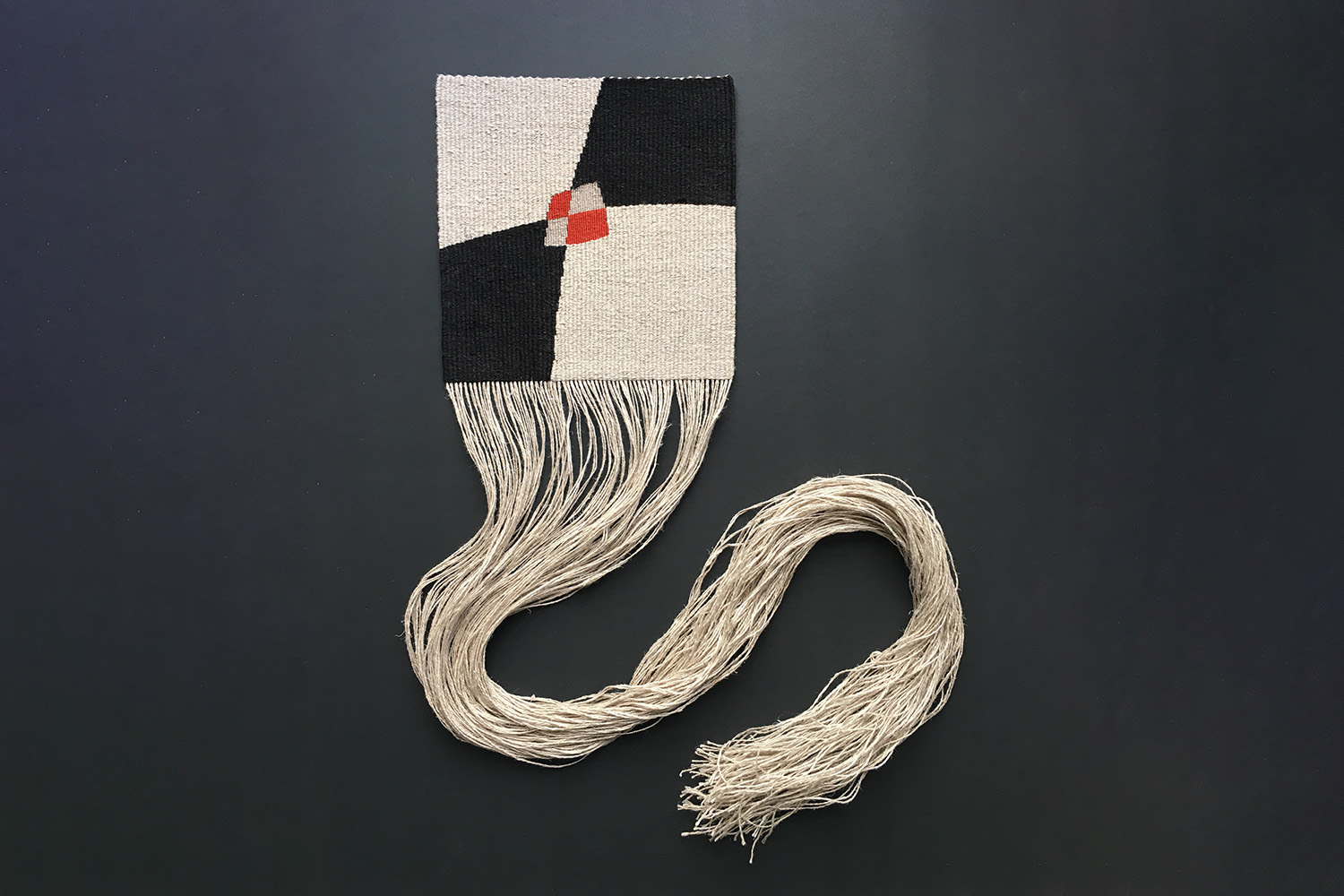
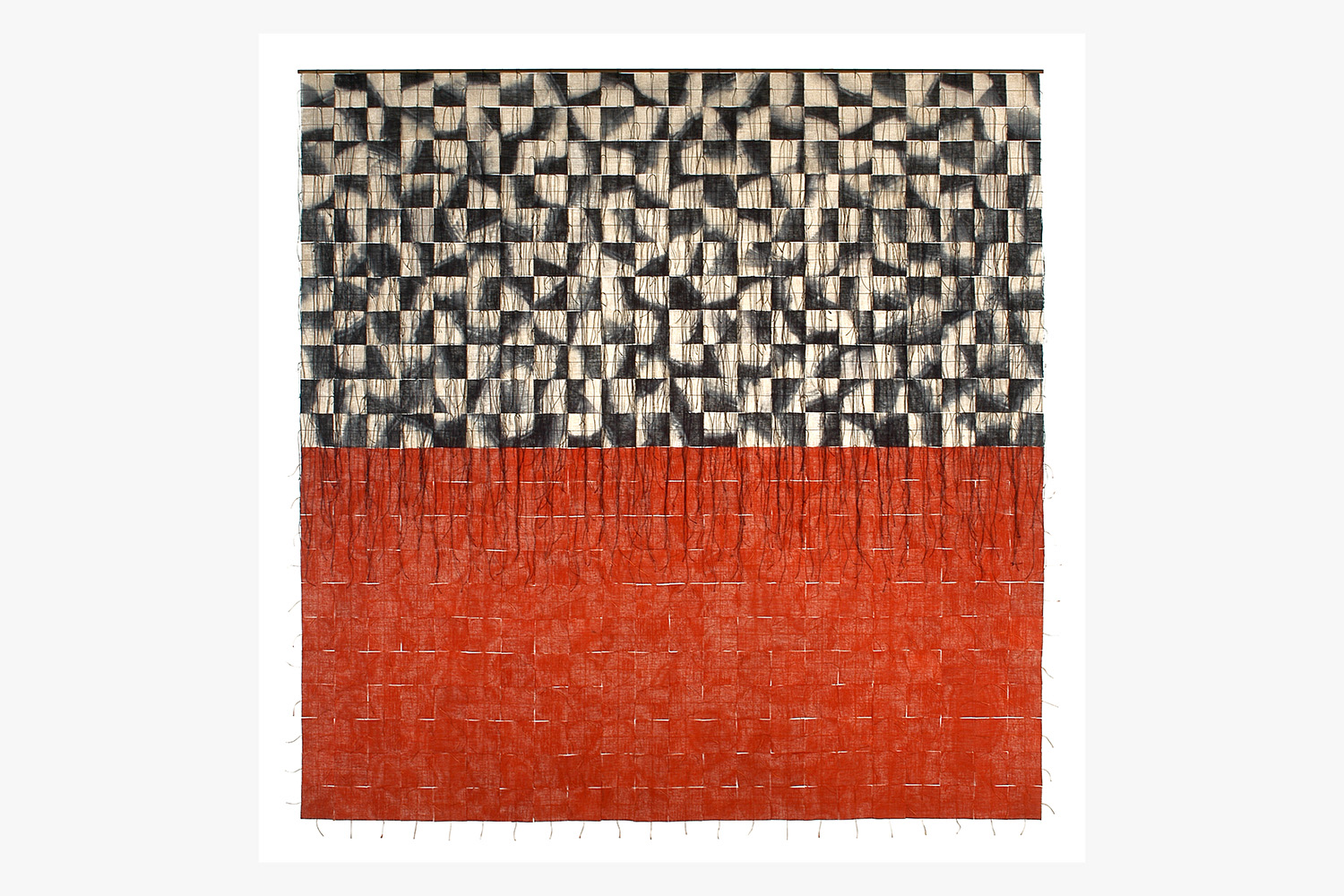
From a very young age, Paola Moreno had a deep interest in fabrics, clothing and crafts in general. After studying Design at the Catholic University, specialising in textiles, she completed a master's degree in art theory and history at the University of Chile. She took courses sporadically in different parts of the world to complement her mearning. She has developed her own techniques and her work is based primarily on personal research on traditional and heritage textiles. Paola masters weaving, dyeing, and experimental textile techniques. Her two teachers were Paulina Brugnoli in weaving and Inge Dusi in dyeing. “I have a special understanding of textile structures. I can understand their possibilities, respect their limits and transform materials to create new languages,” she says. She is usually inspired by the most primitive textile expressions, the Andean world and ethnographic fabric.
INTERVIEW
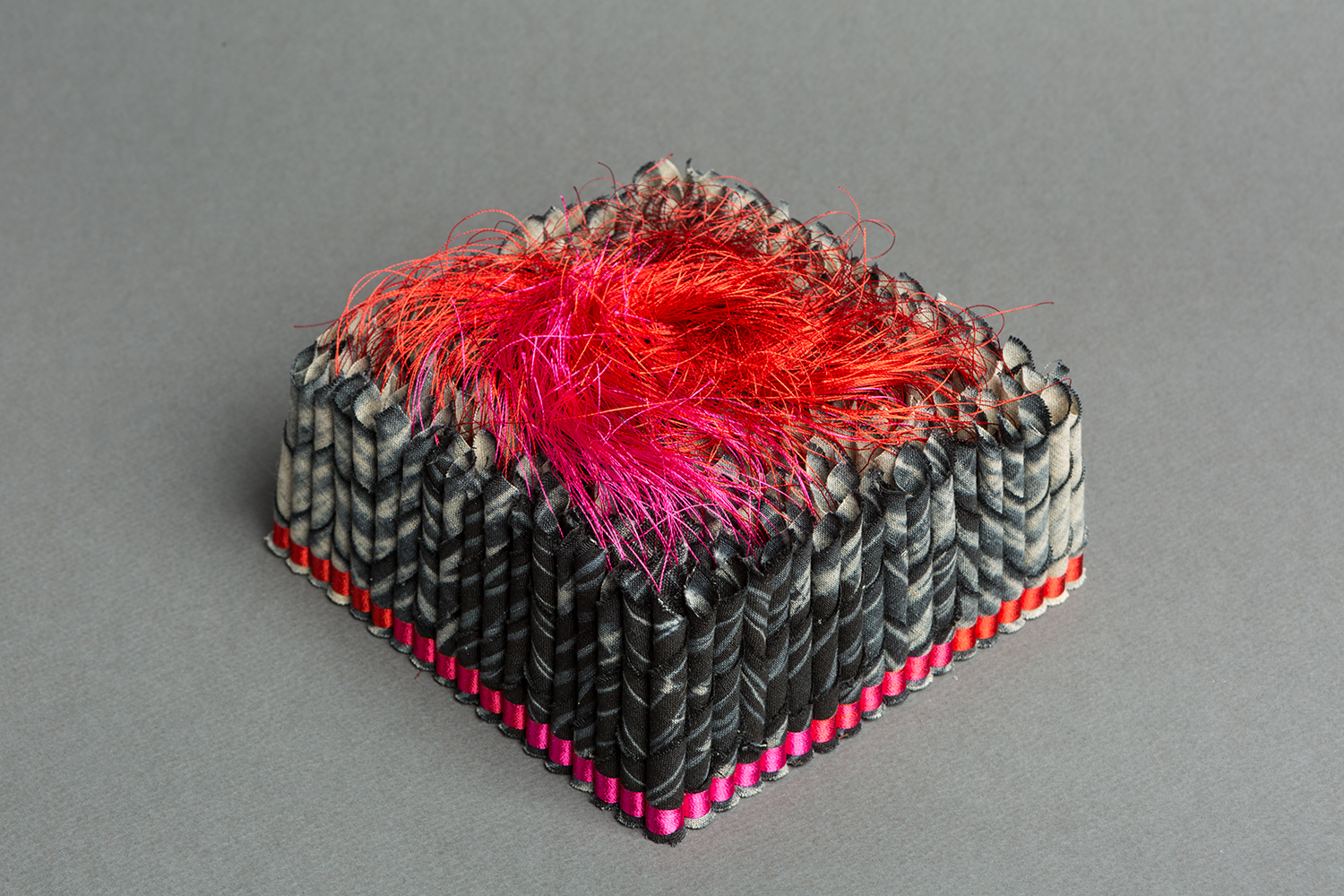
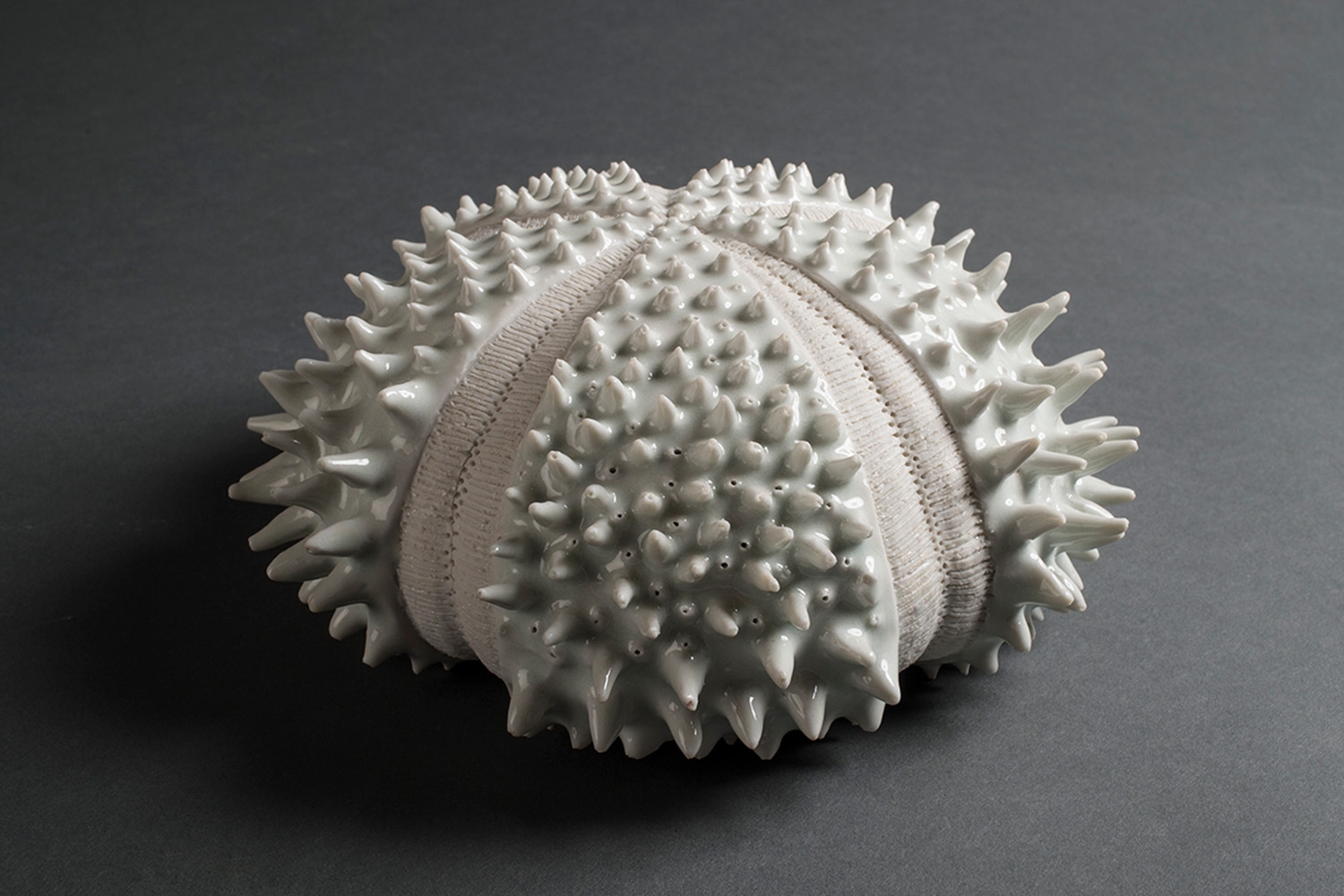
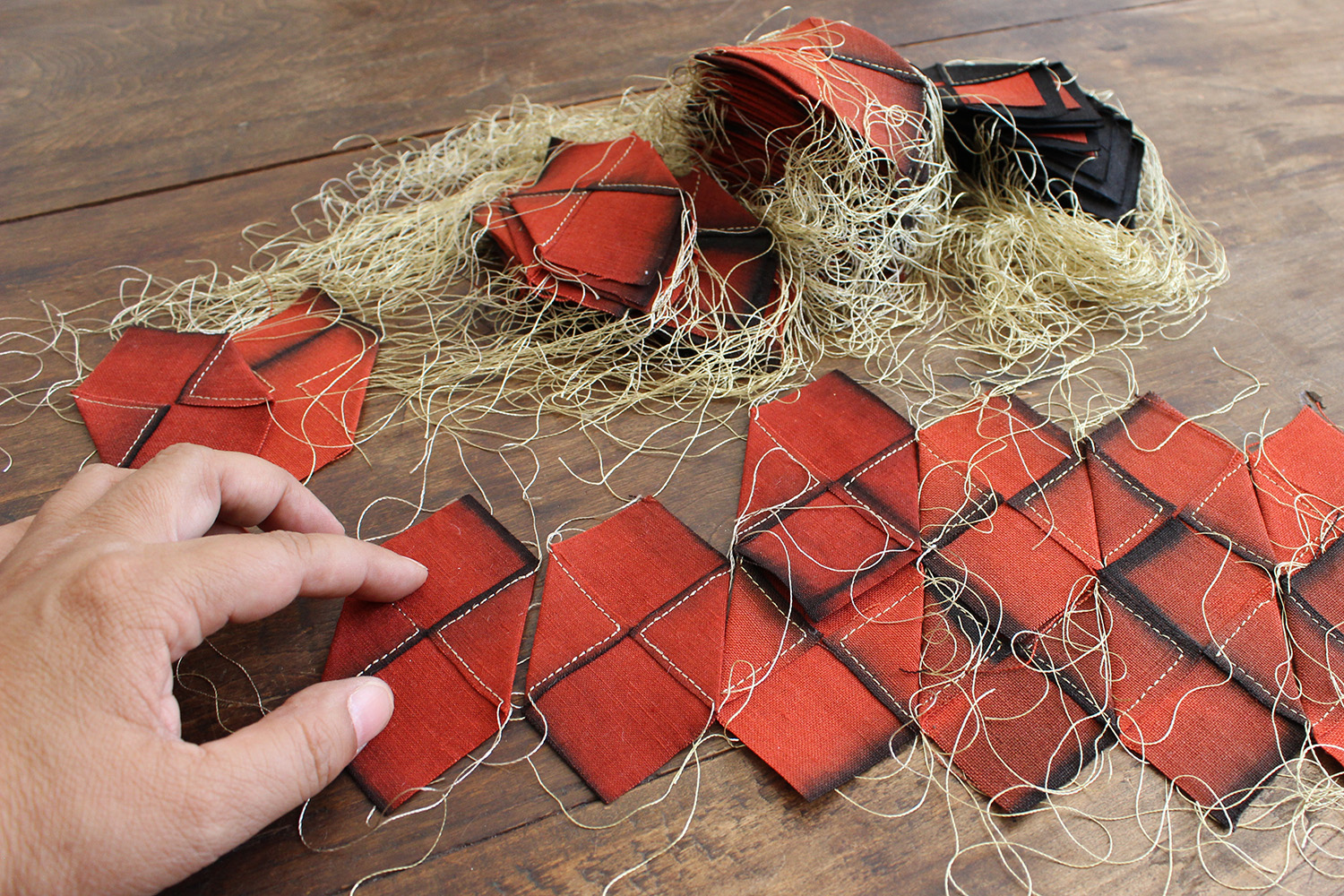
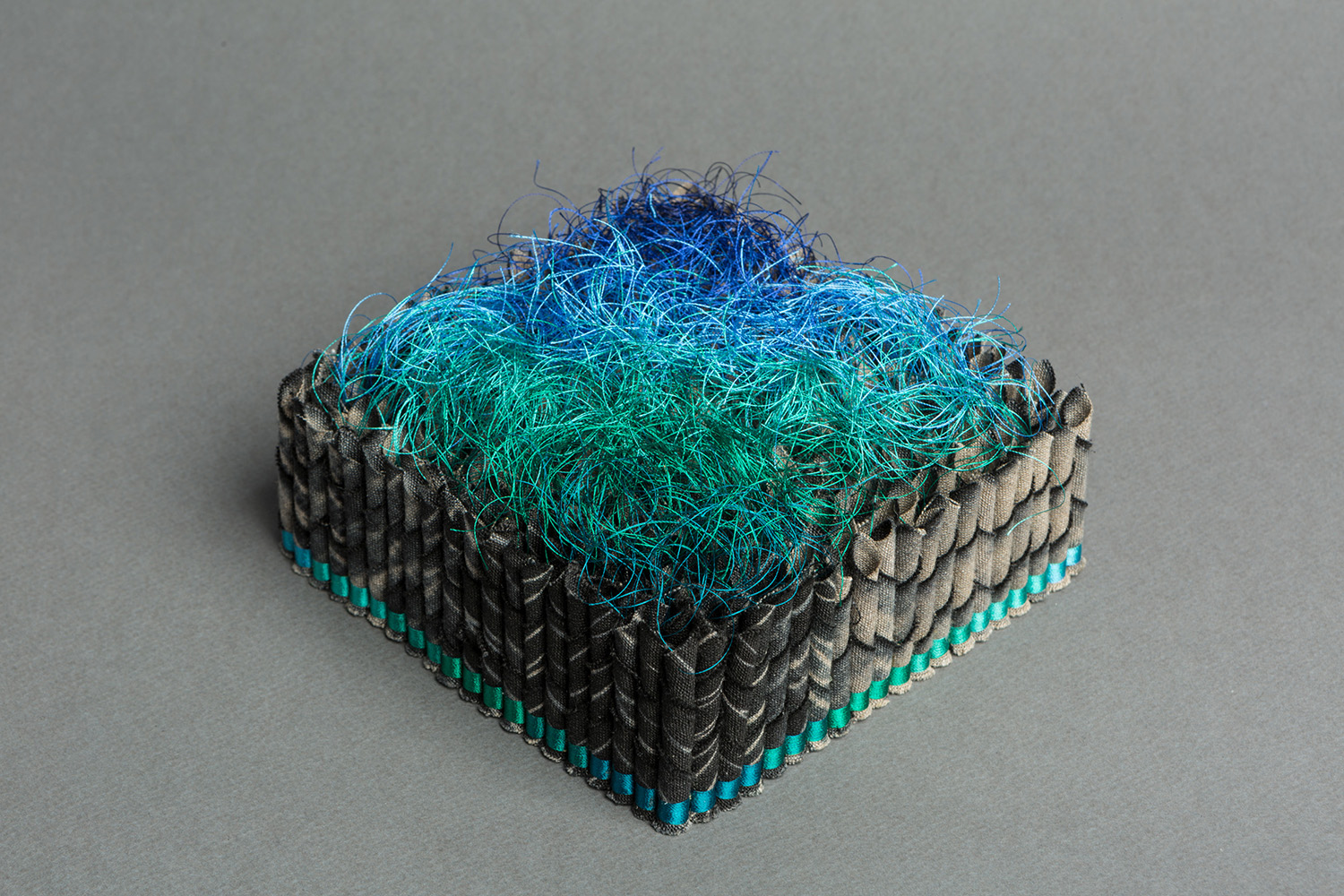
As an artist and teacher, my commitment lies in bringing textiles closer to those new fields offered by contemporary arts, displacing traditional applications and uses towards more experimental expressions.
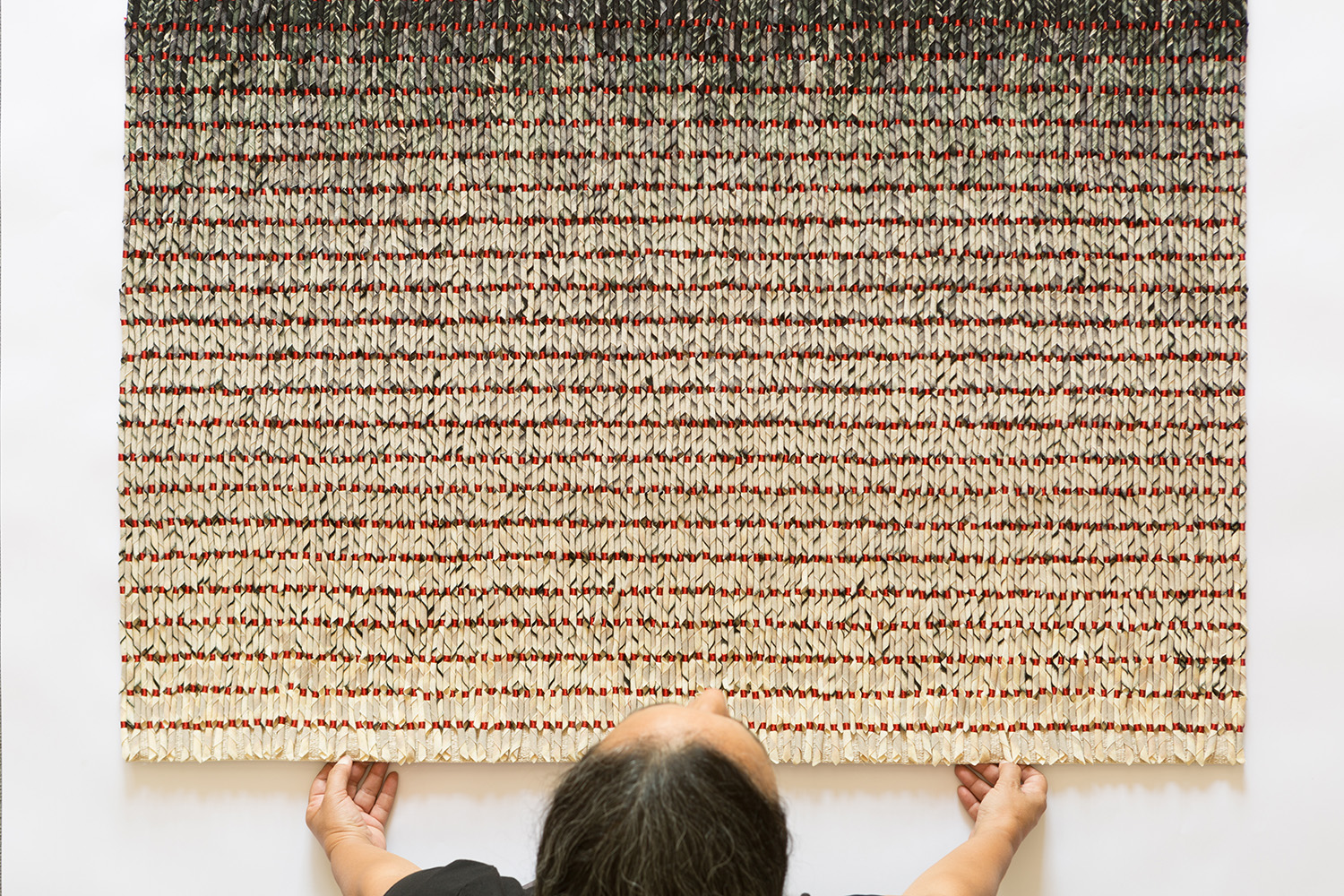
In three concepts that form and give meaning to my work. Transformation of materials, structured creativity, and repetition, which is a narrative element for surfaces in my pieces.
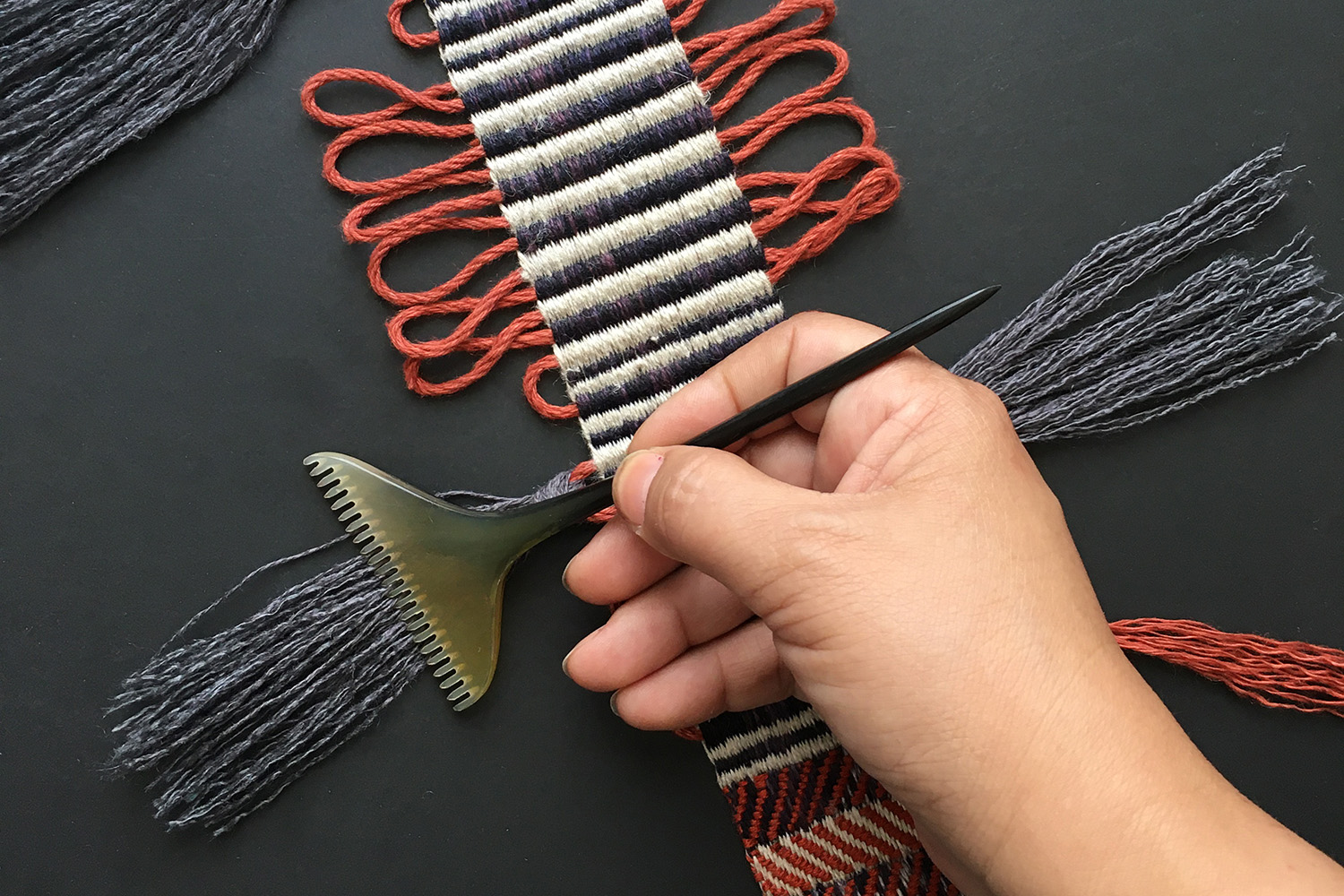
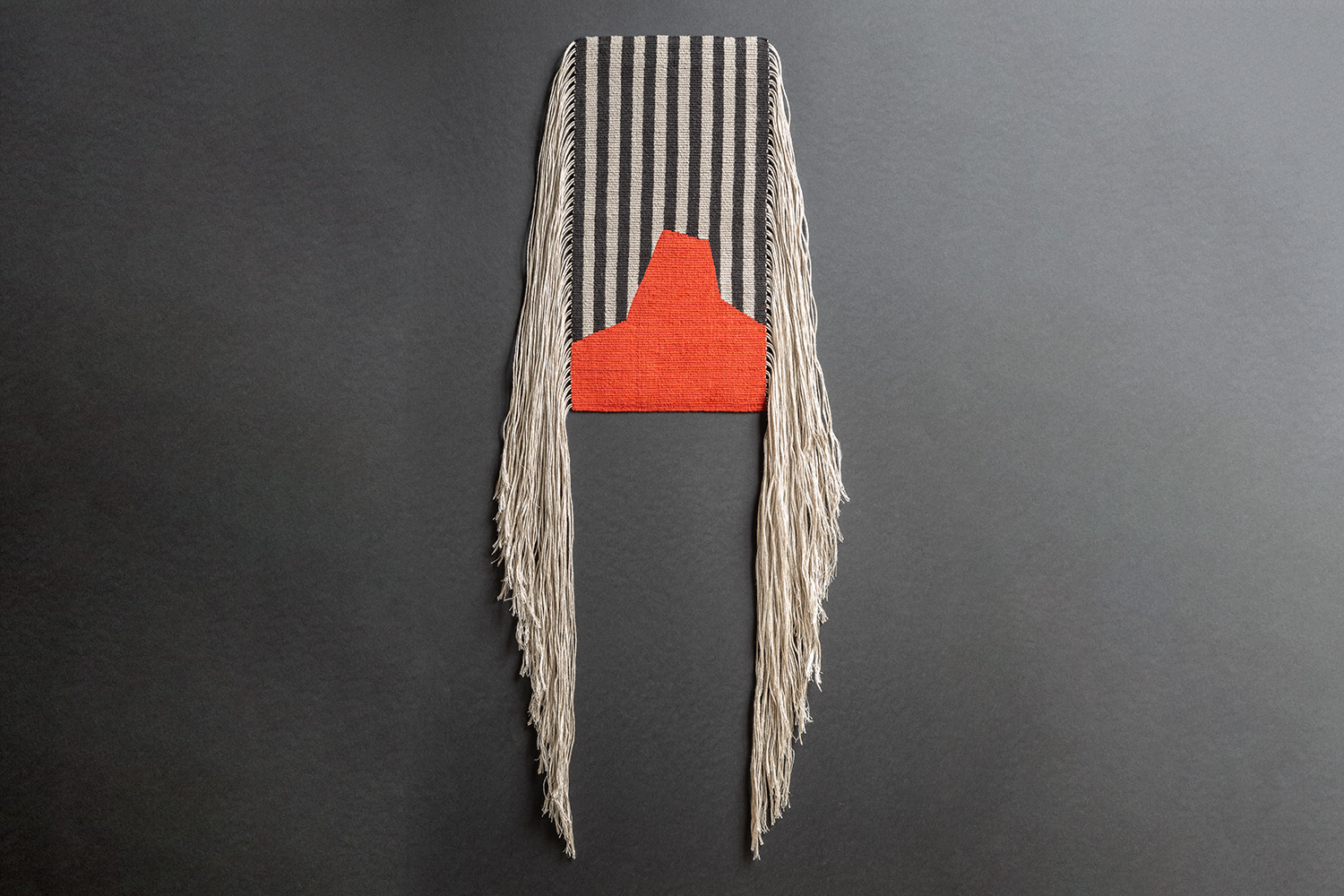
Latin America has a deep textile tradition, especially in the area of weaving. In the Andean region, it is considered a Major Art. But my own work is also strongly inspired by the utilitarian and ceremonial textile crafts of the Latin American territory.
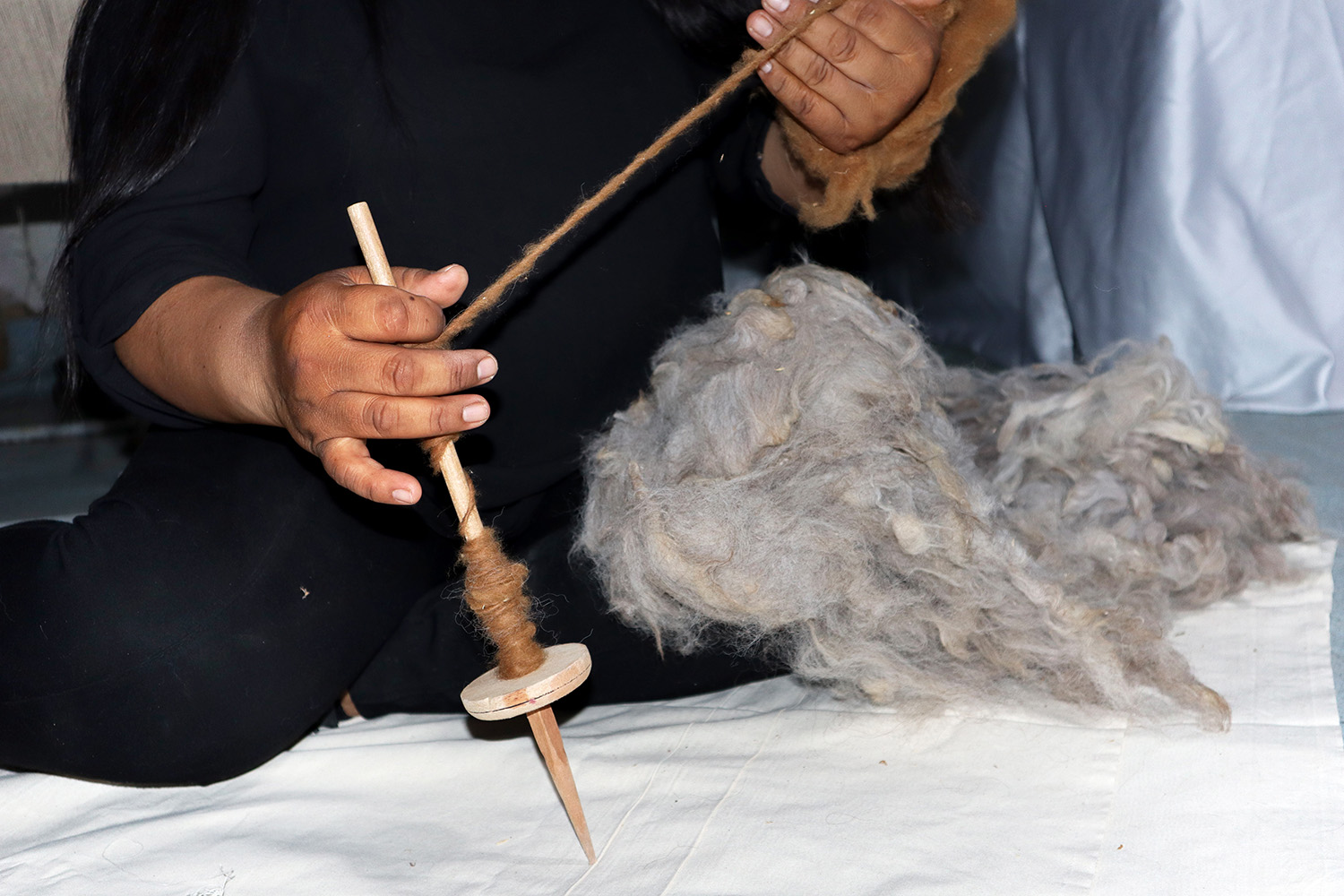
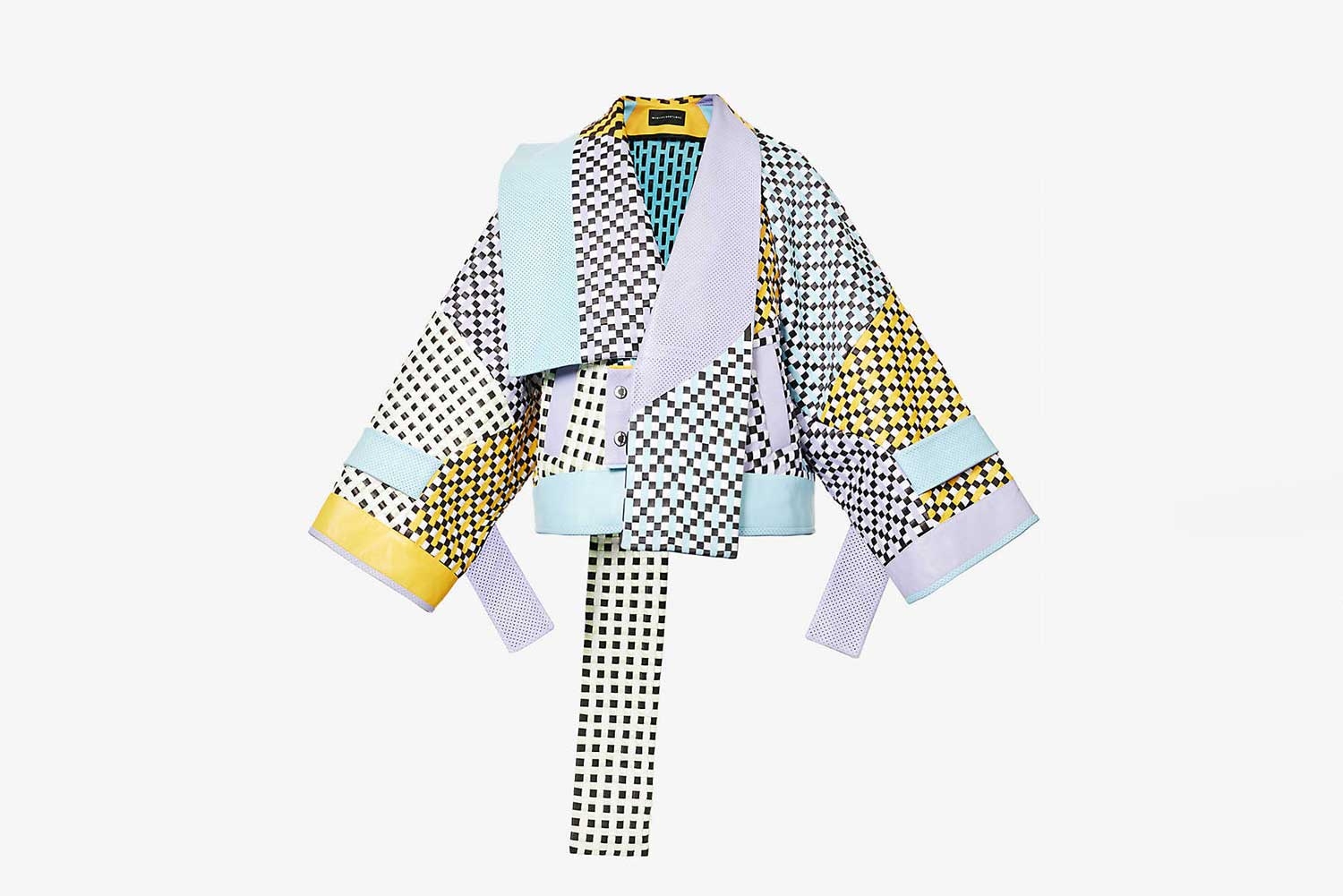
I work on the basis of traditional weaving and dyeing technologies, but I always shift these production techniques toward a contemporary language. I am interested in my work transmitting a local language, a root, but being able to speak in a language that coexists with current environments and modern art.
5 EXPERIENCES