Yenny García Choque
Arte Aymara
Textile creator
Tarapacá, Chile
Upholding an ancestral legacy
- Yenny comes from a textile working family
- Her mother taught her everything she knows
- For her, cultural heritage is very important
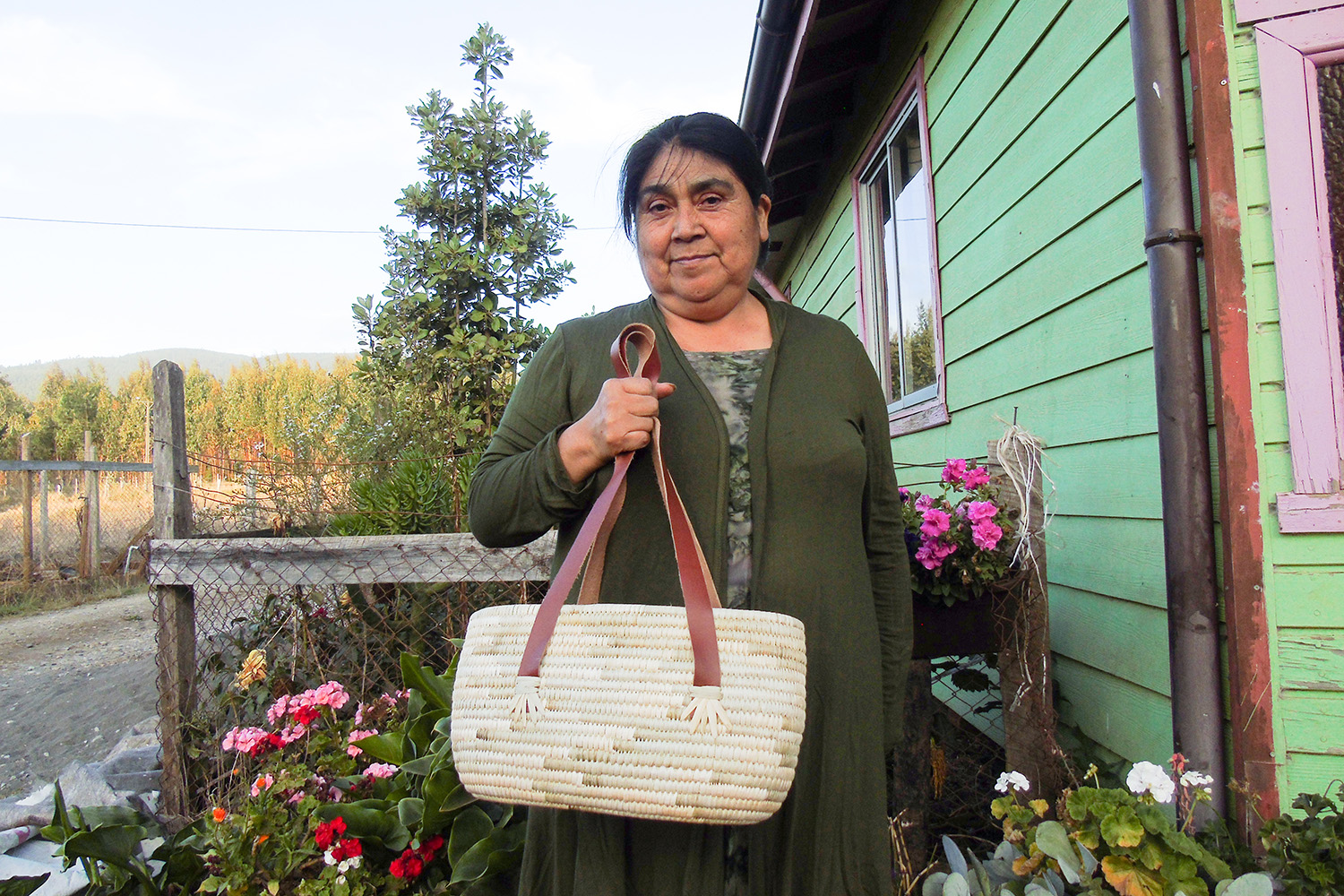
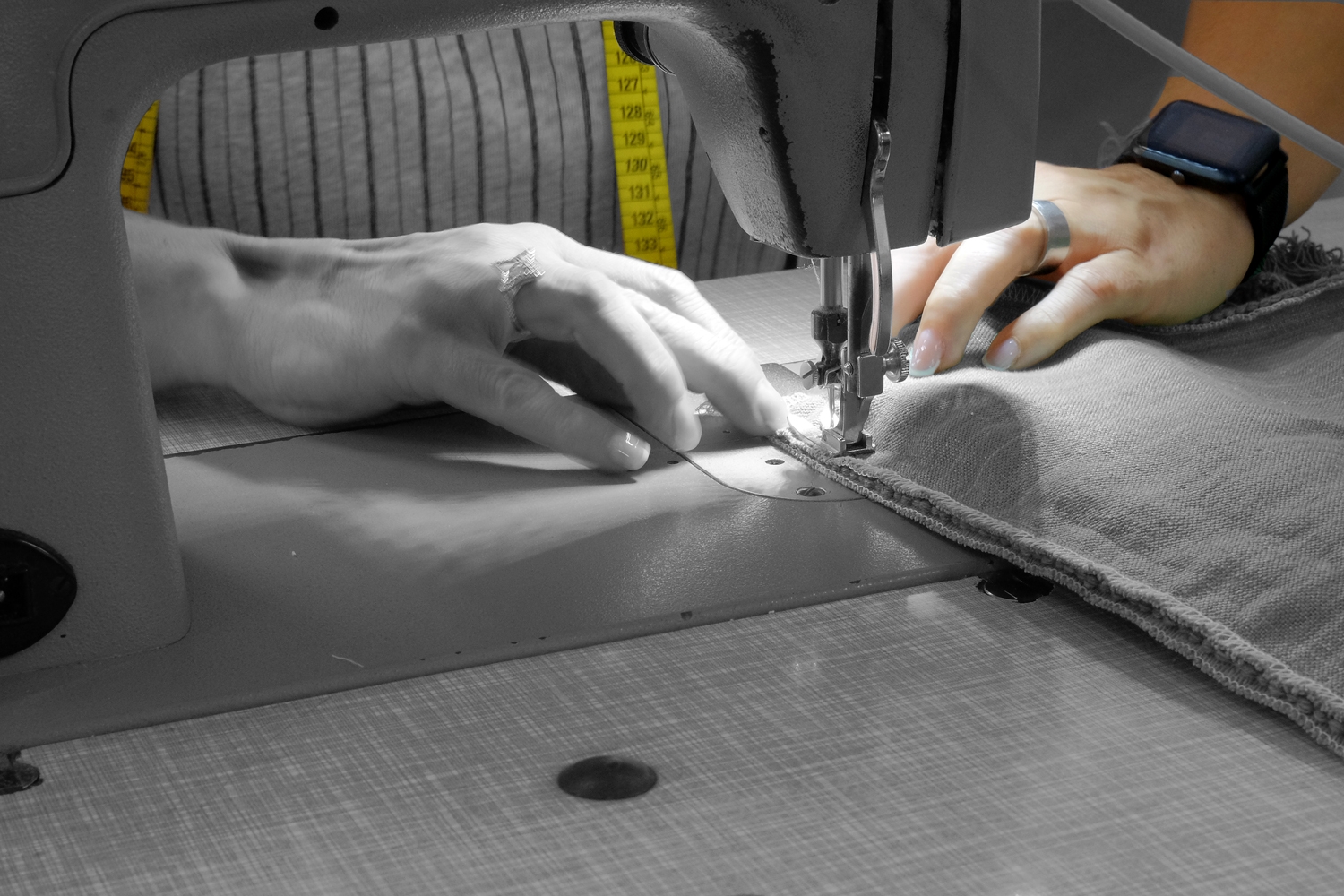
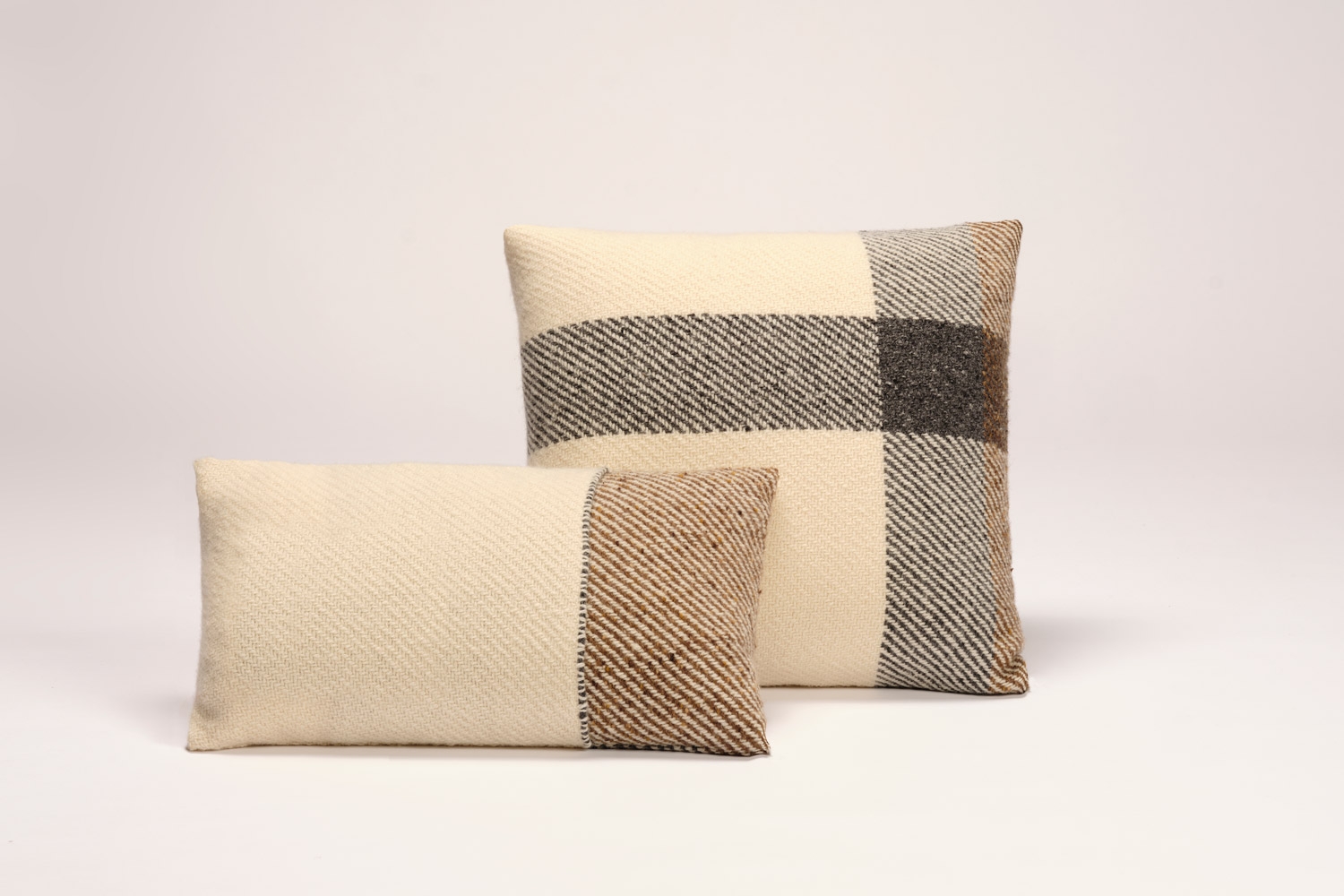
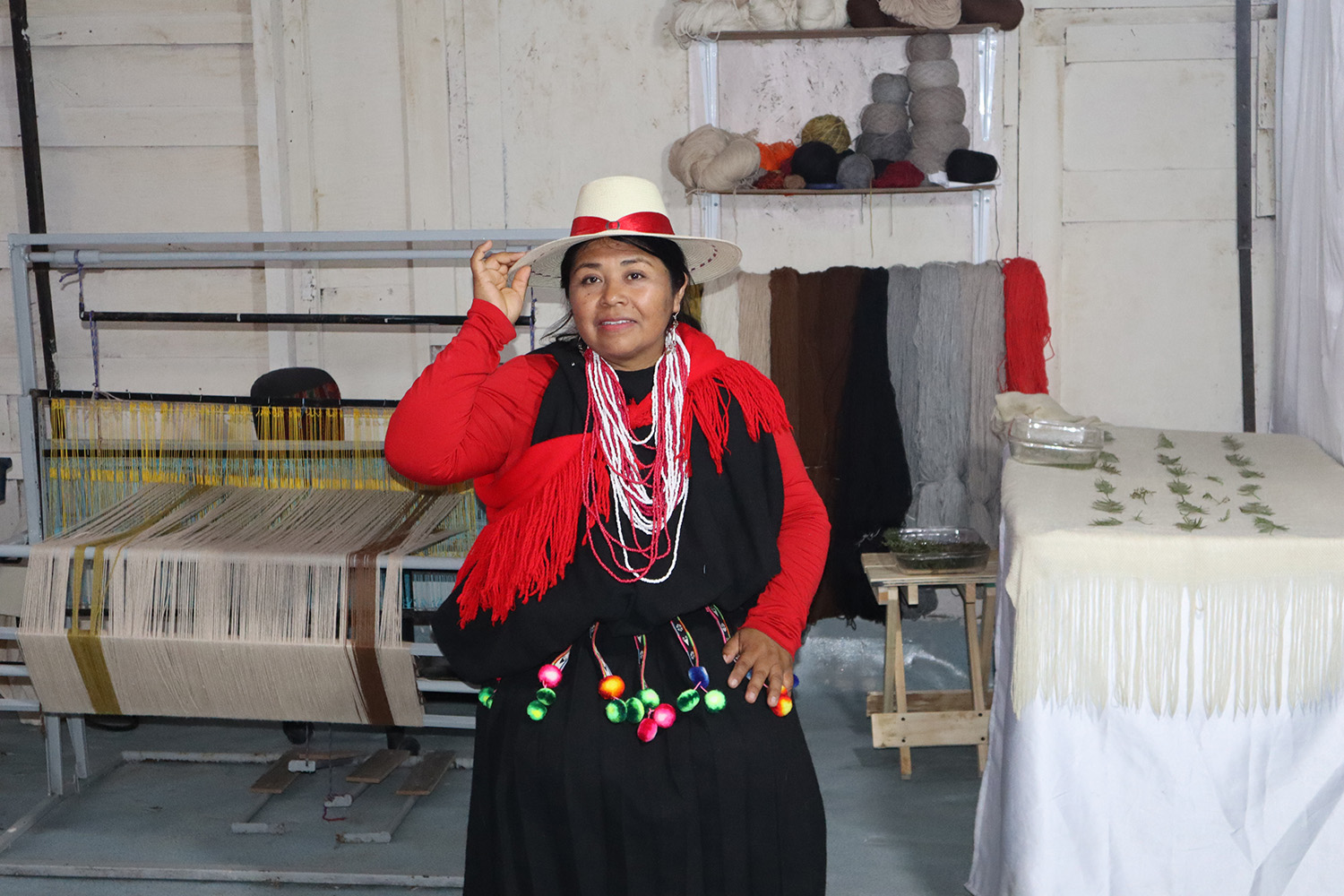
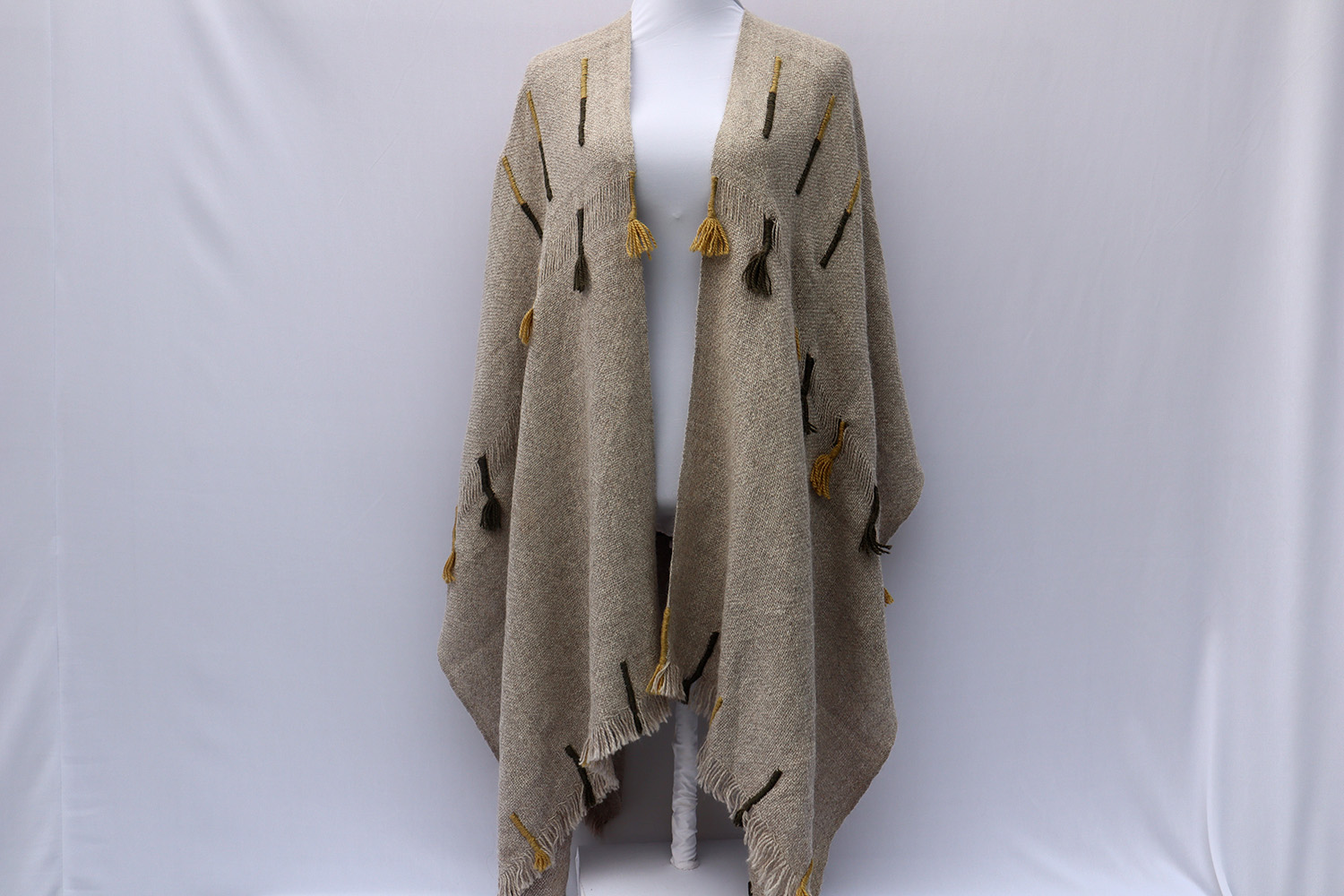
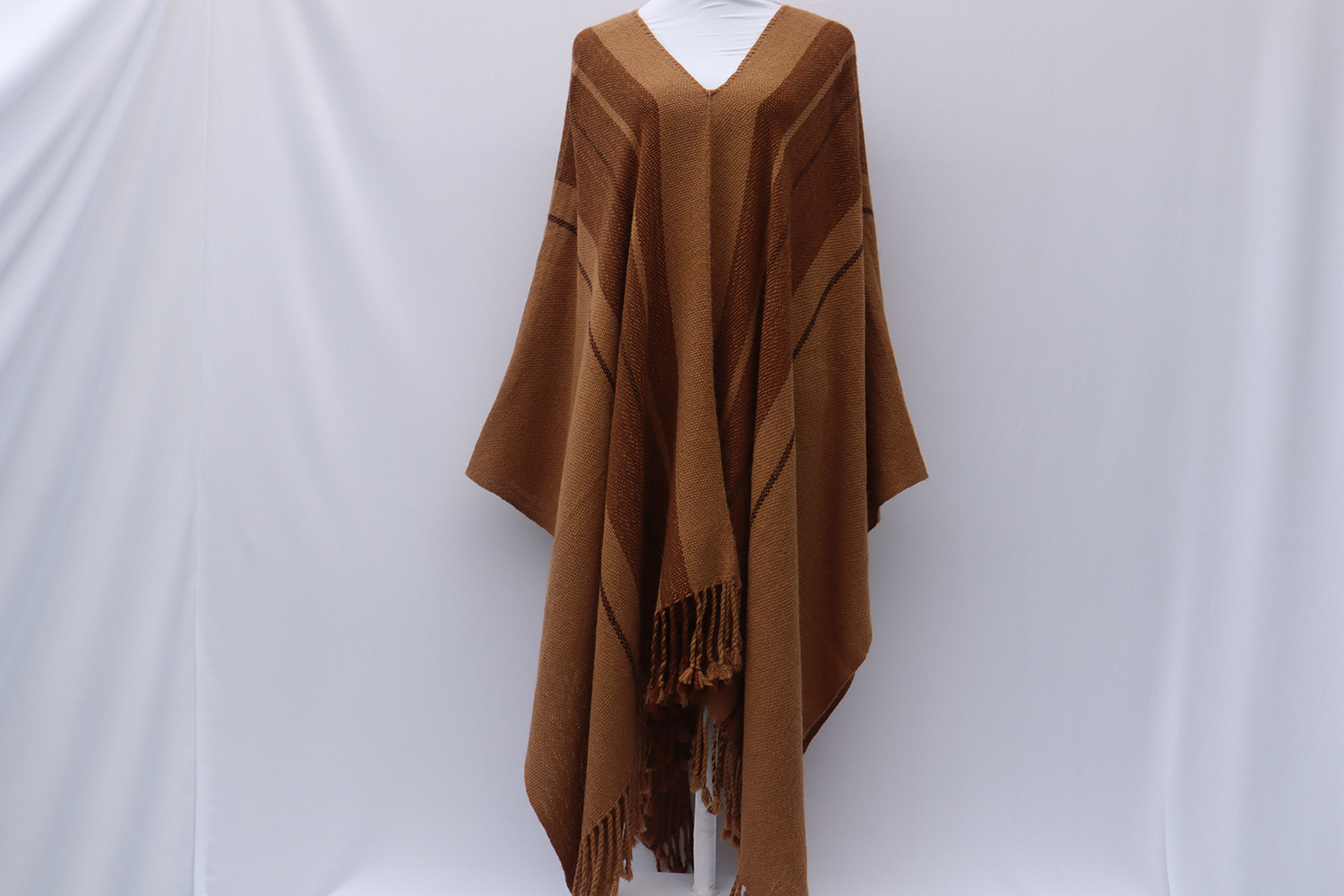
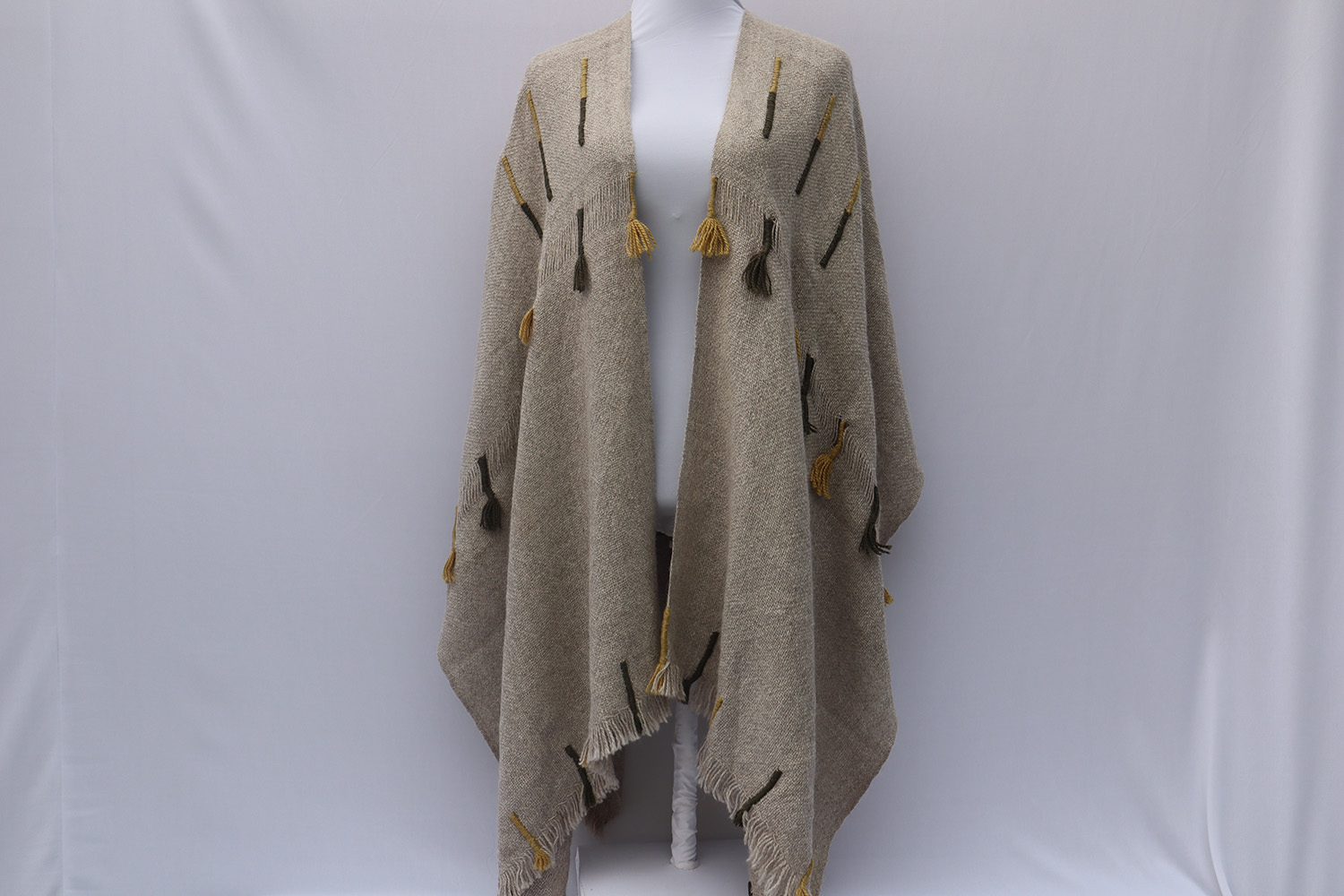
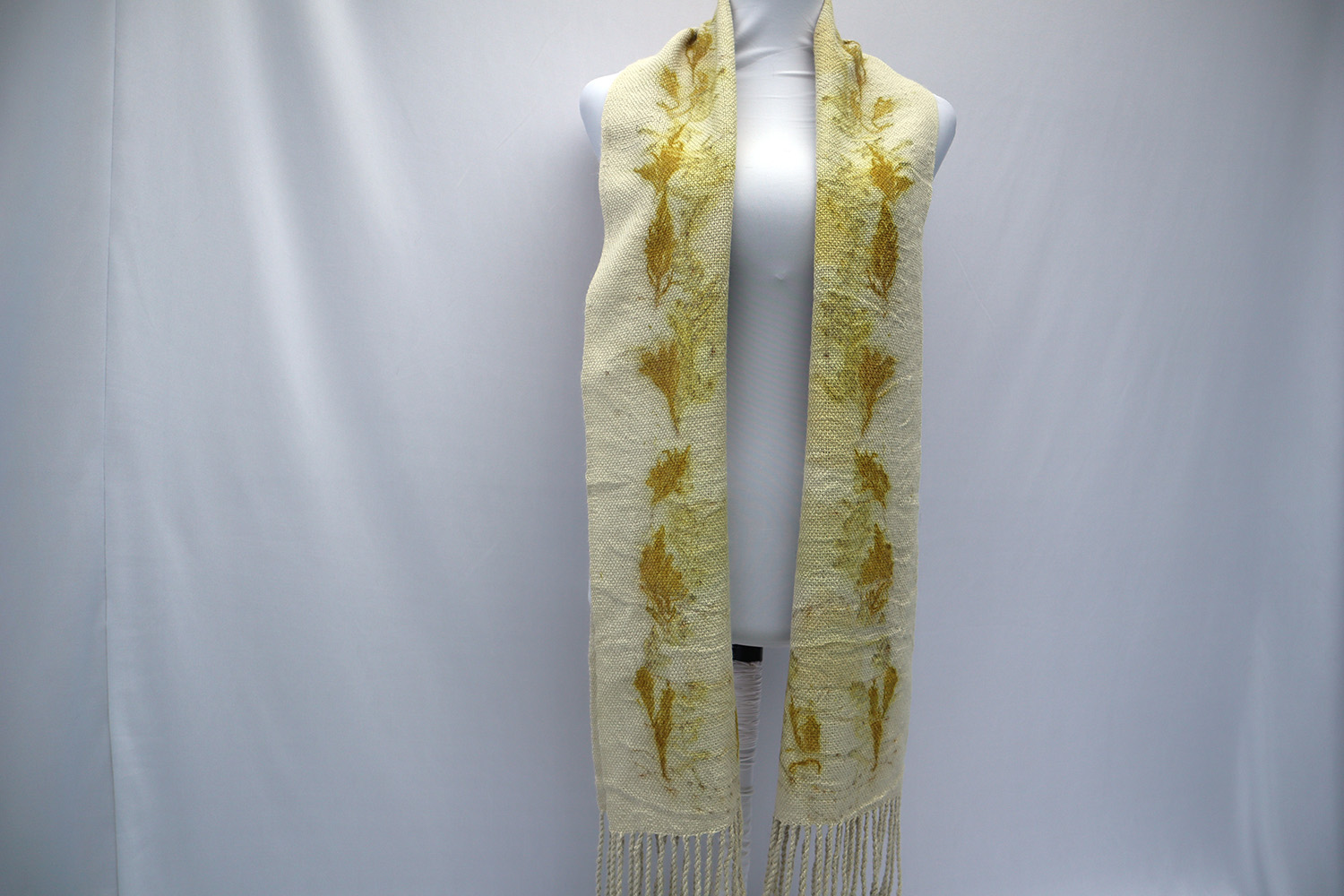
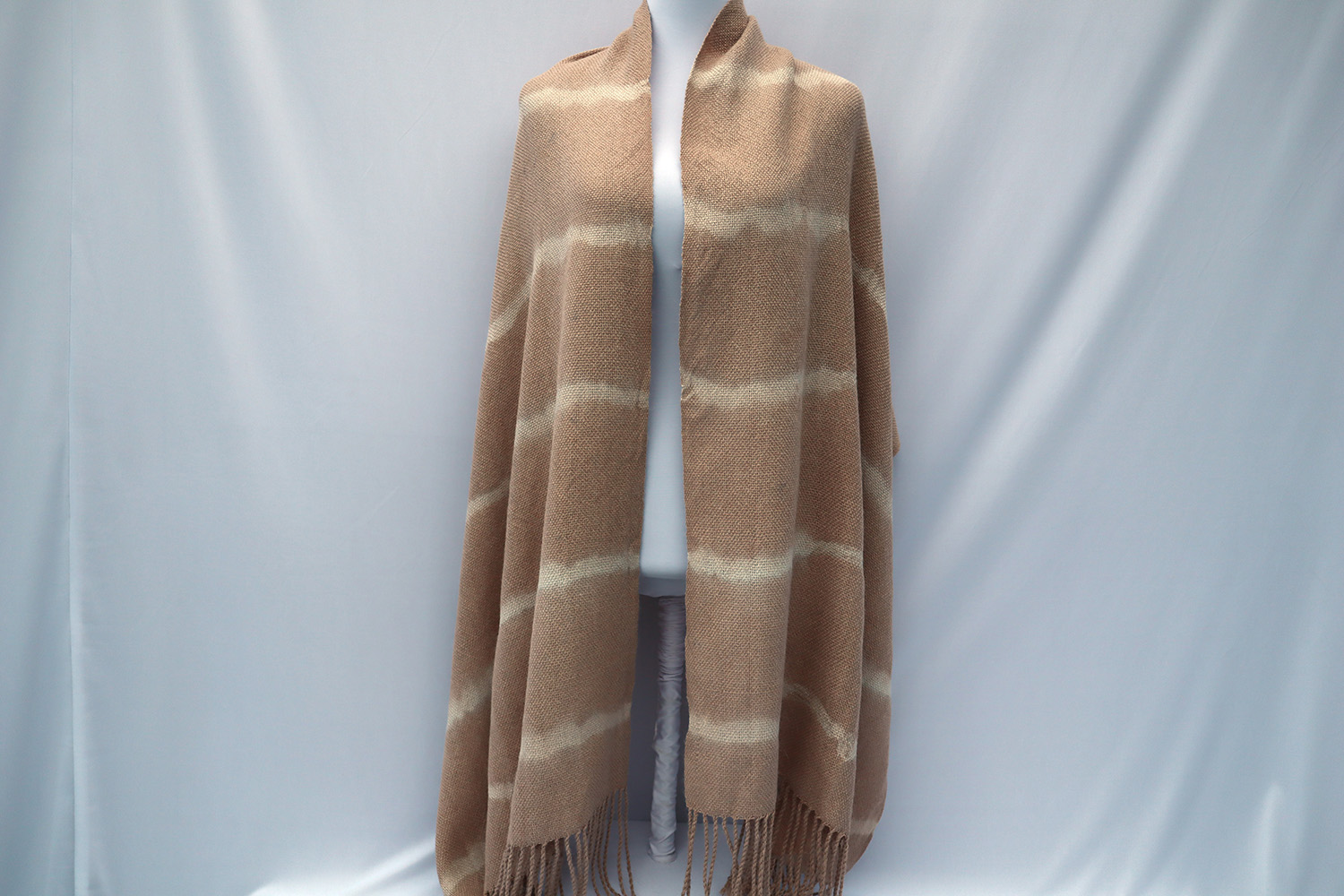
Yenny García Choque's textile work embraces the rich Aymara tradition of her ancestors, yet her pieces also exhibit a modern touch. The Aymara people are located in the northern regions of Chile, Bolivia, and southeast Peru. Historically, the Aymara, descendants of various ethnicities, were influenced by the Tiahuanaco State in the 4th century AD. Later, they became independent lordships that fell under the rule of the Inca Empire about five centuries later. After the arrival of the Spanish in the region, the Aymara social and economic structure underwent significant transformations, resulting in a substantial mestizo population that can still be observed today. Yenny grew up surrounded by textiles. "I already felt like an artisan when I participated in the training sessions organised by my mother, and the instructors emphasised the value of her art," she says. "That is when I realised that I wanted this to endure over time, and for ancestral techniques to continue to be promoted so that the Aymara people would be recognised as a living culture."
INTERVIEW
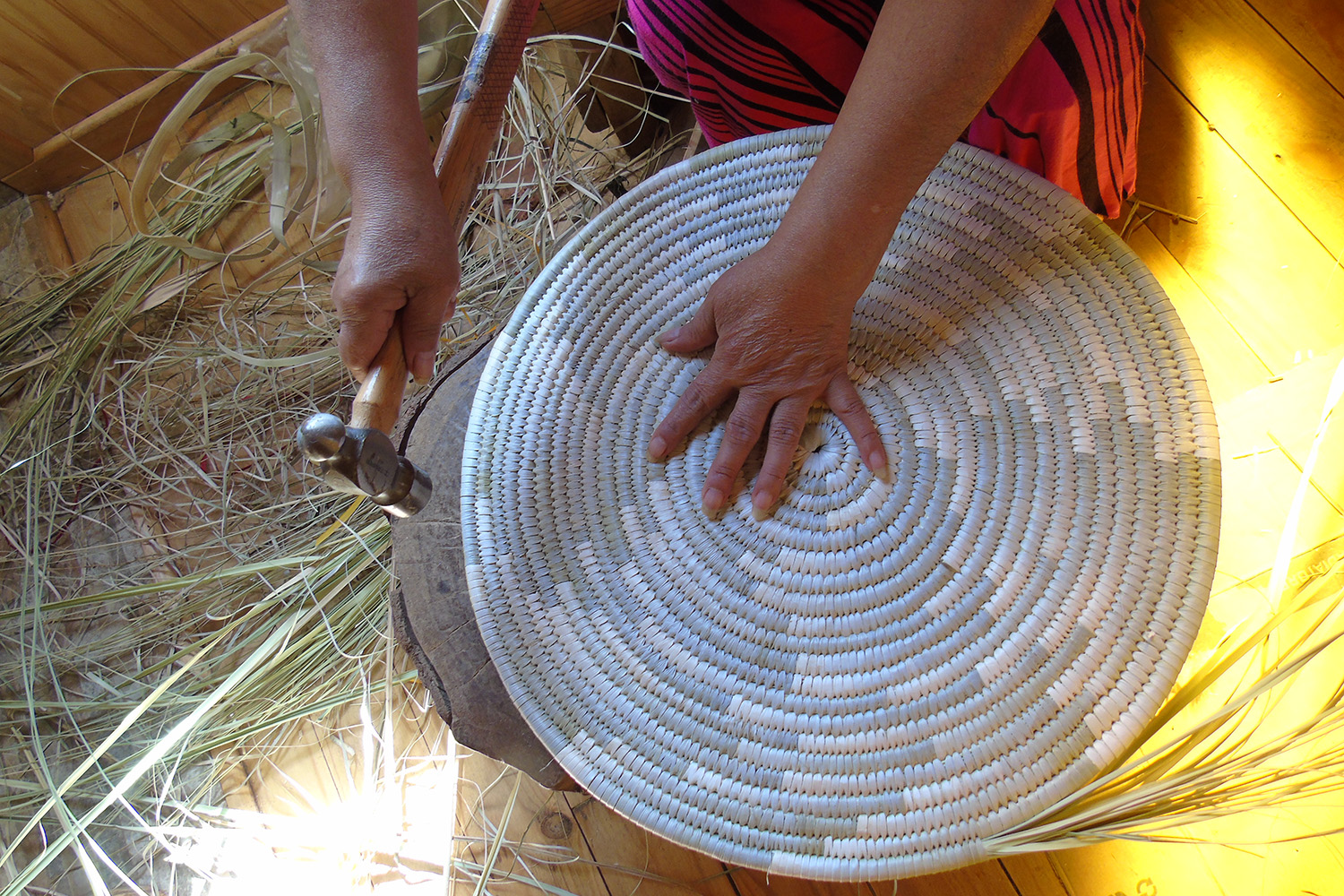
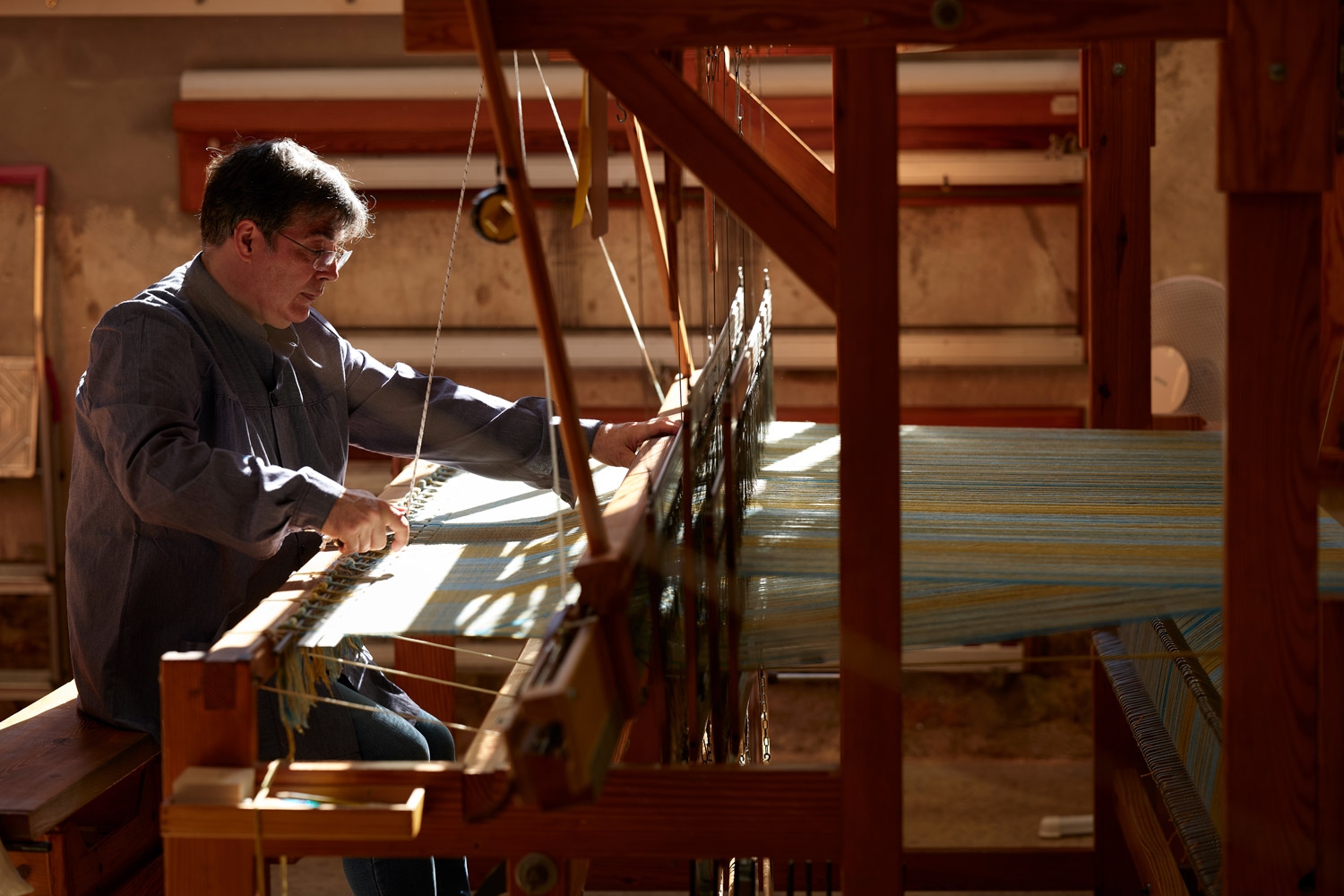
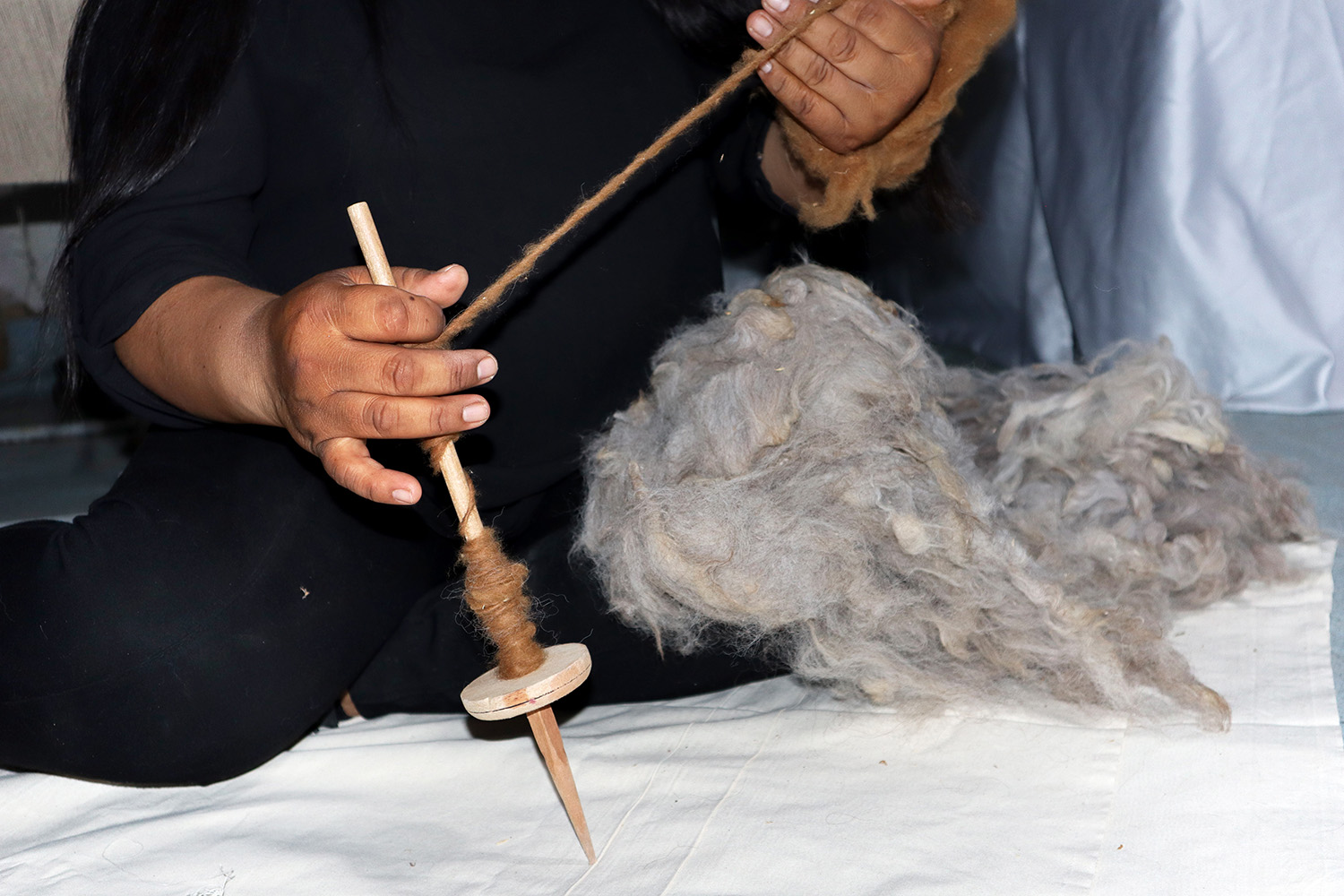
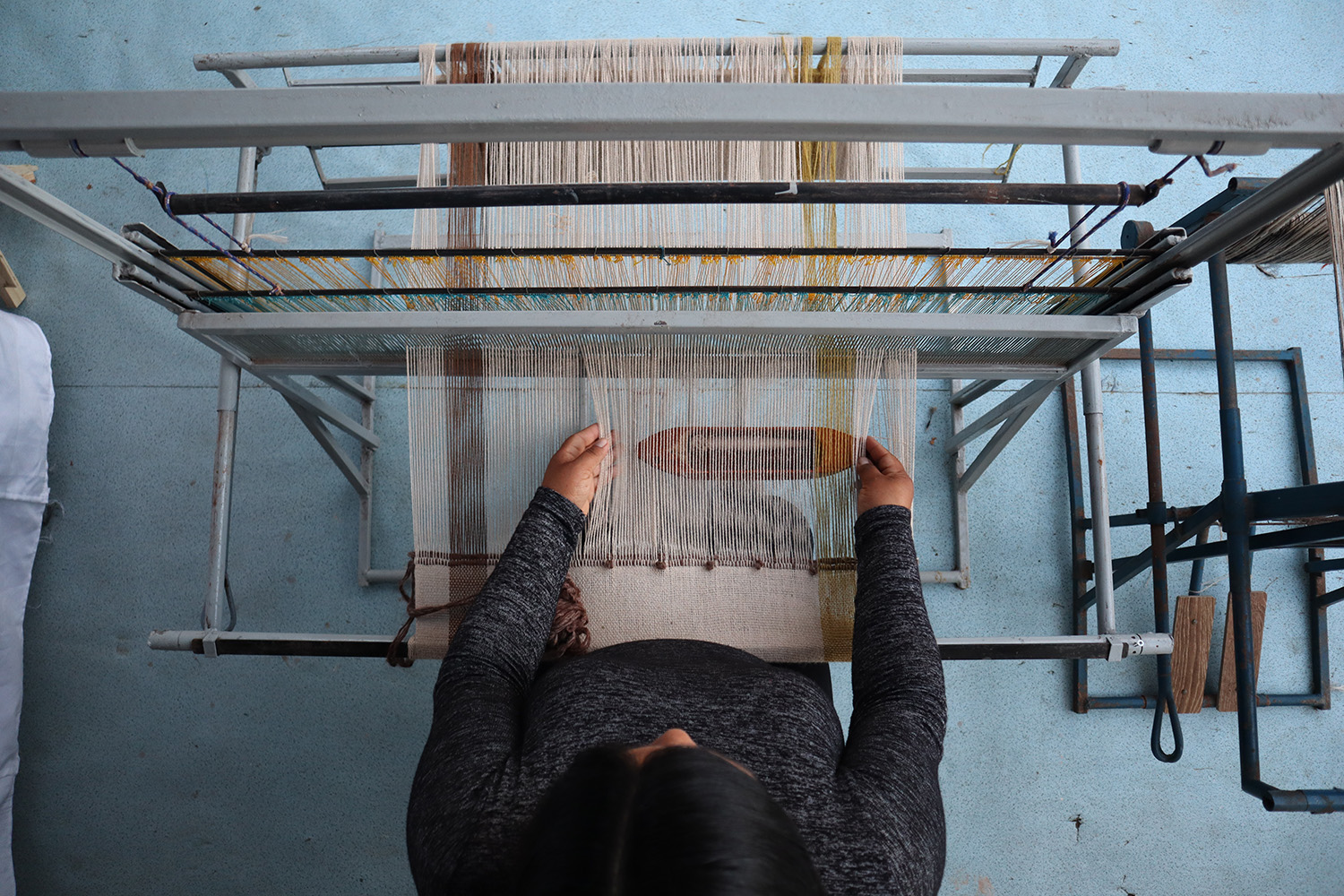
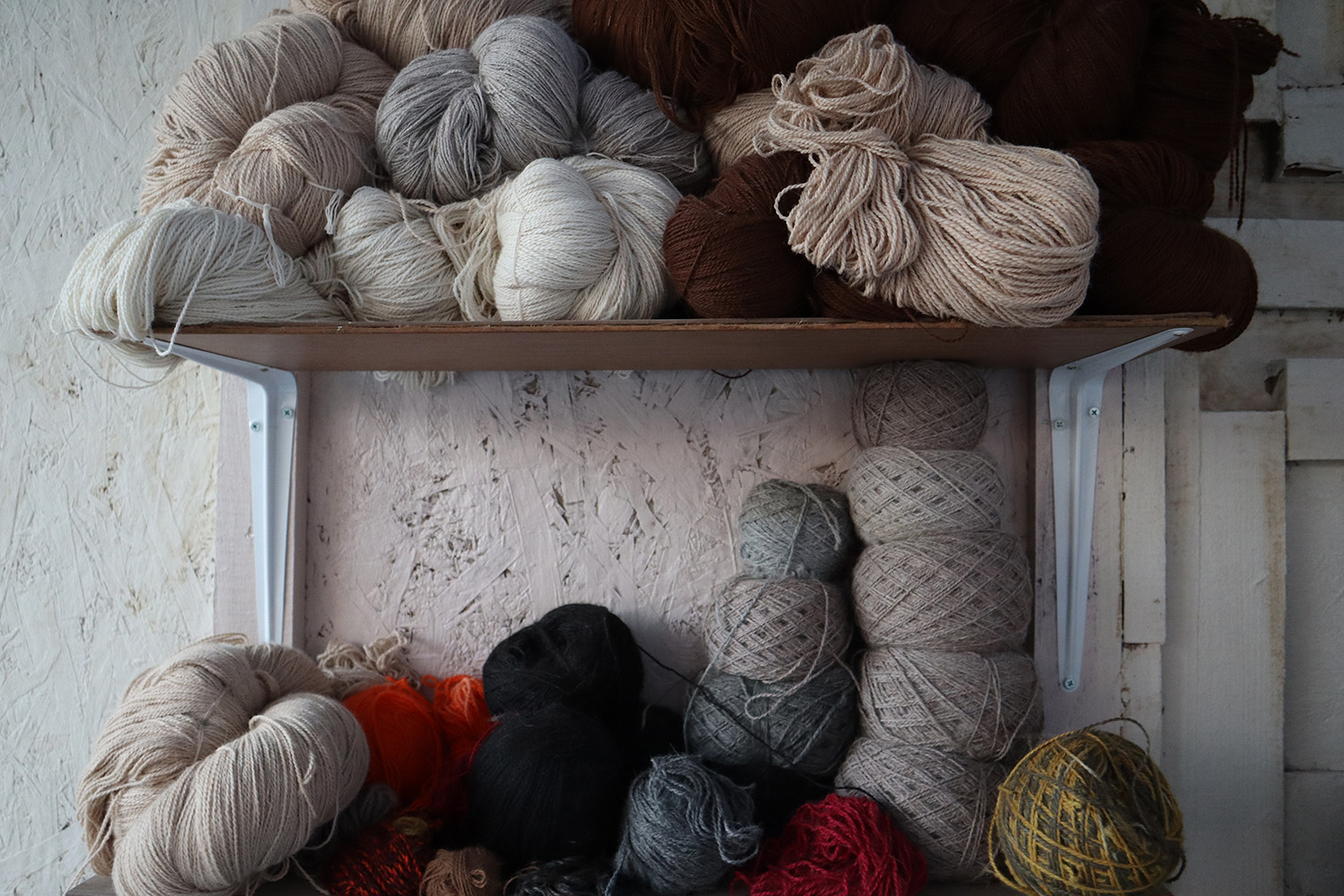
I learned by assisting my mother, who also sold textiles. My first step was spinning, twisting, and winding alpaca, llama, and sheep yarns. Then came traditional weaving, waist loom, four-stake weaving, and making utilitarian textiles for various occasions.
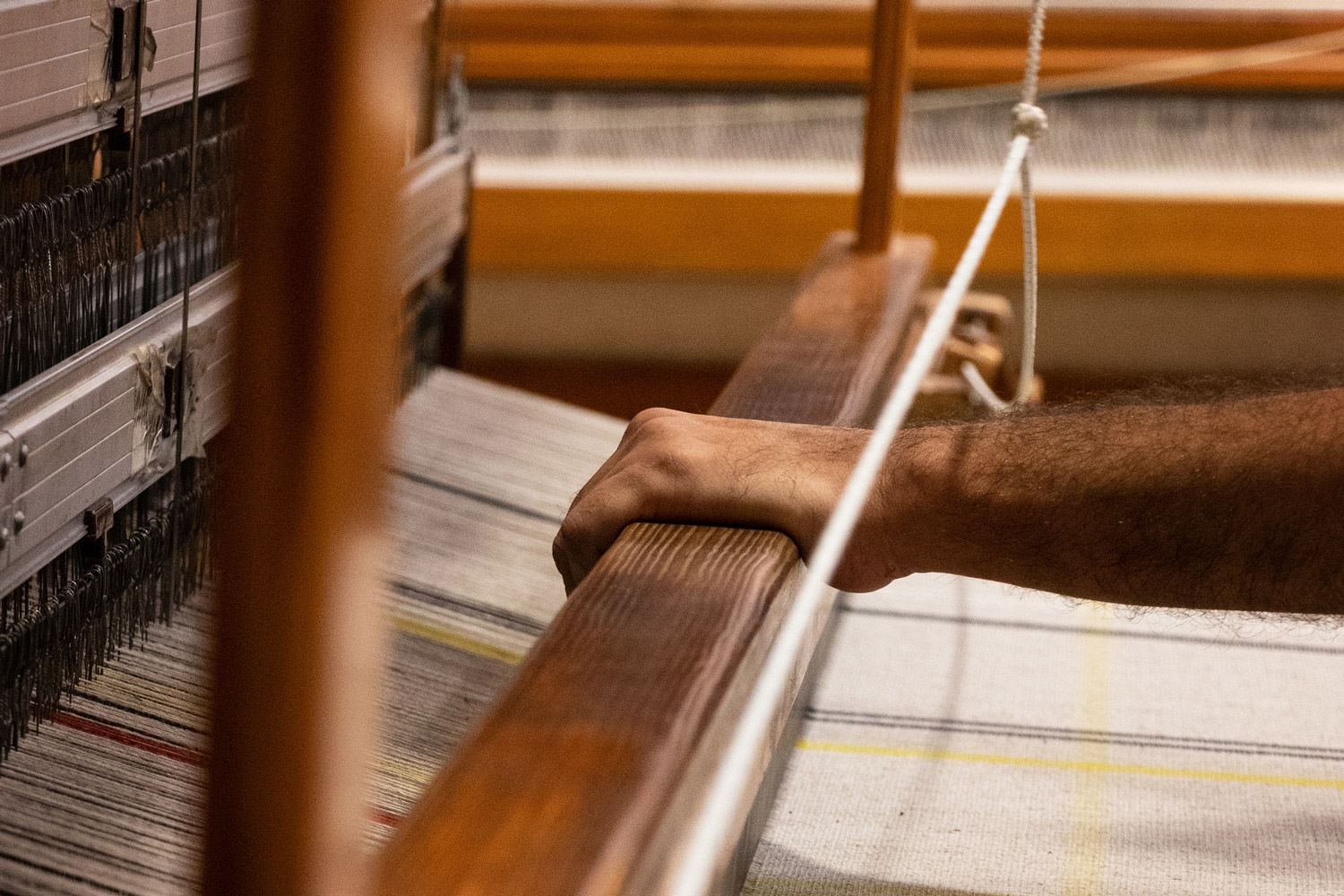
Through the art and practice of hands that intertwine threads, warps, and wefts to create a piece made with much love and to showcase a part of my culture. By the time I turned 20, I wanted to continue promoting this cultural legacy and what my mother had taught me.
Weaving brings me a tranquility that no other activity gives me. This craft allows me to work at home and take care of my children at the same time.
They need to be perseverant. Learning the craft is a contribution to society, as it helps preserve traditional cultural practices. Nowadays, for many young people, pursuing a professional career is more attractive than engaging in craftsmanship, which is why fewer are practising.
Yenny García Choque
Arte Aymara
Textile creator
Tarapacá, Chile
AVAILABILITY
By appointment only
PHONE
+56 991550518
LANGUAGES
Spanish
Homo Faber Finds is a new service aiming to inspire admirers of craft to connect and collaborate with exceptional artisans.
We invite you to submit an enquiry here.