
The legacy of a craft of colour
- Nurmuhammad has been weaving adras for several decades
- He invents new fabrics for different occasions
- He has adapted his work to the needs of his contemporaries
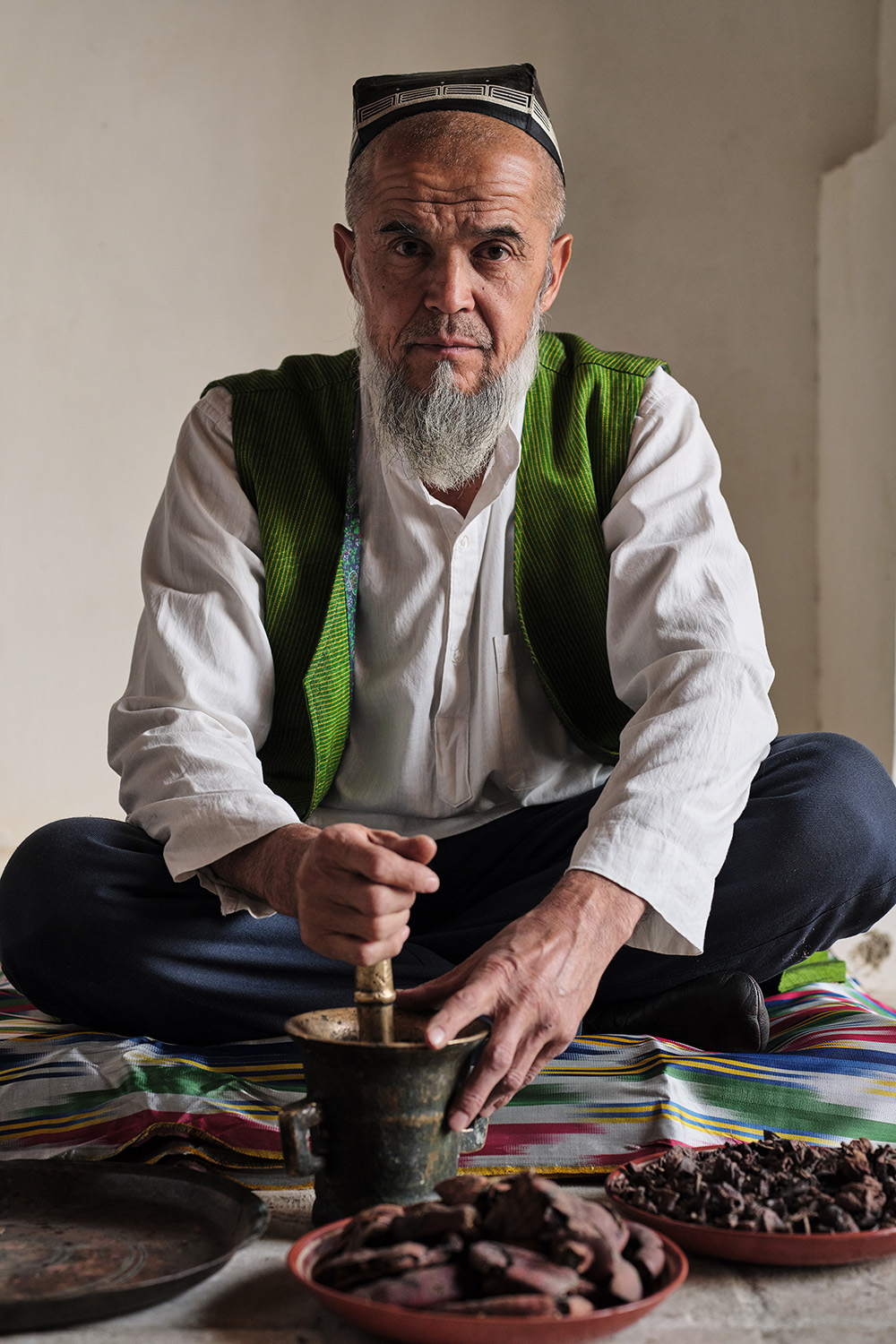
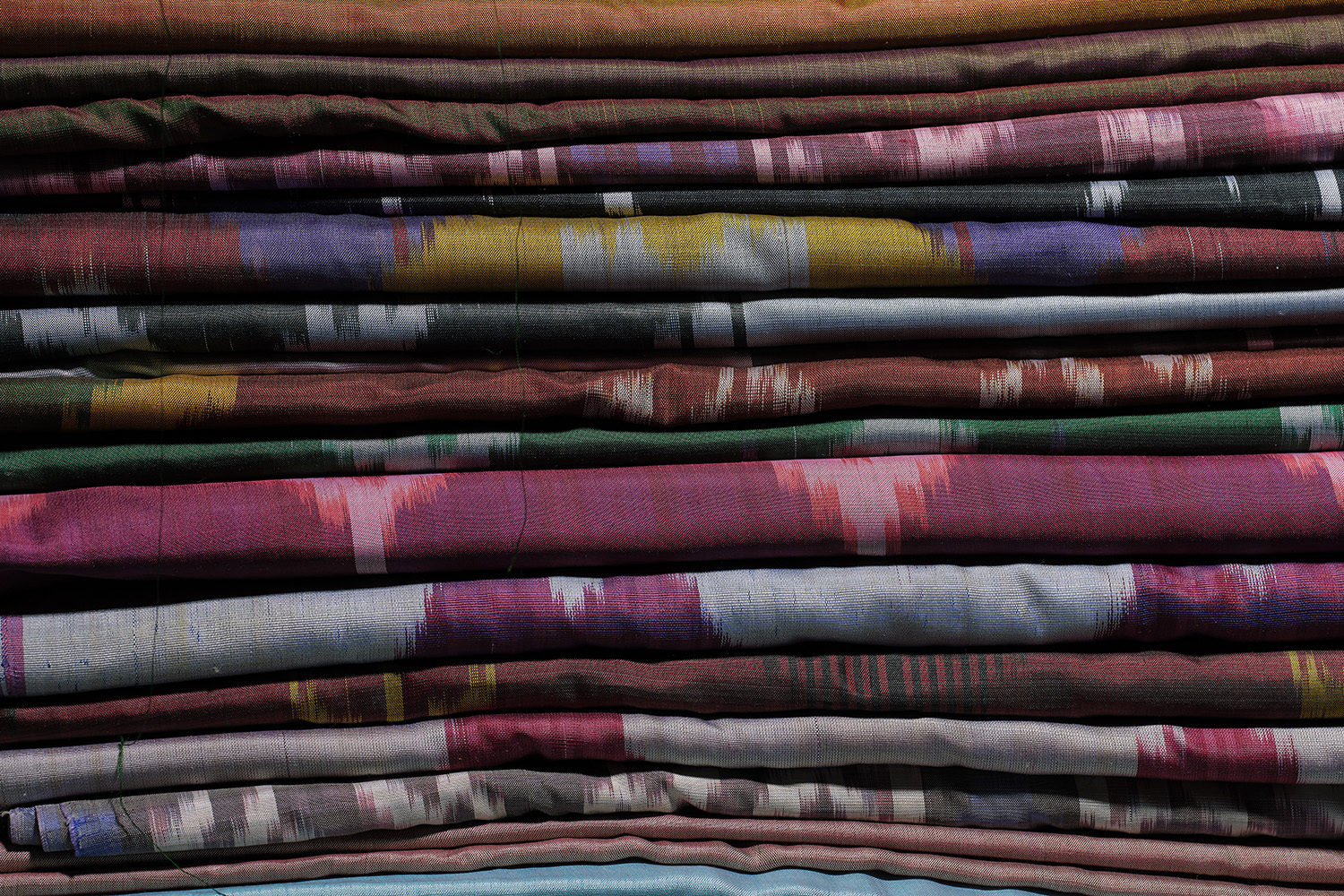
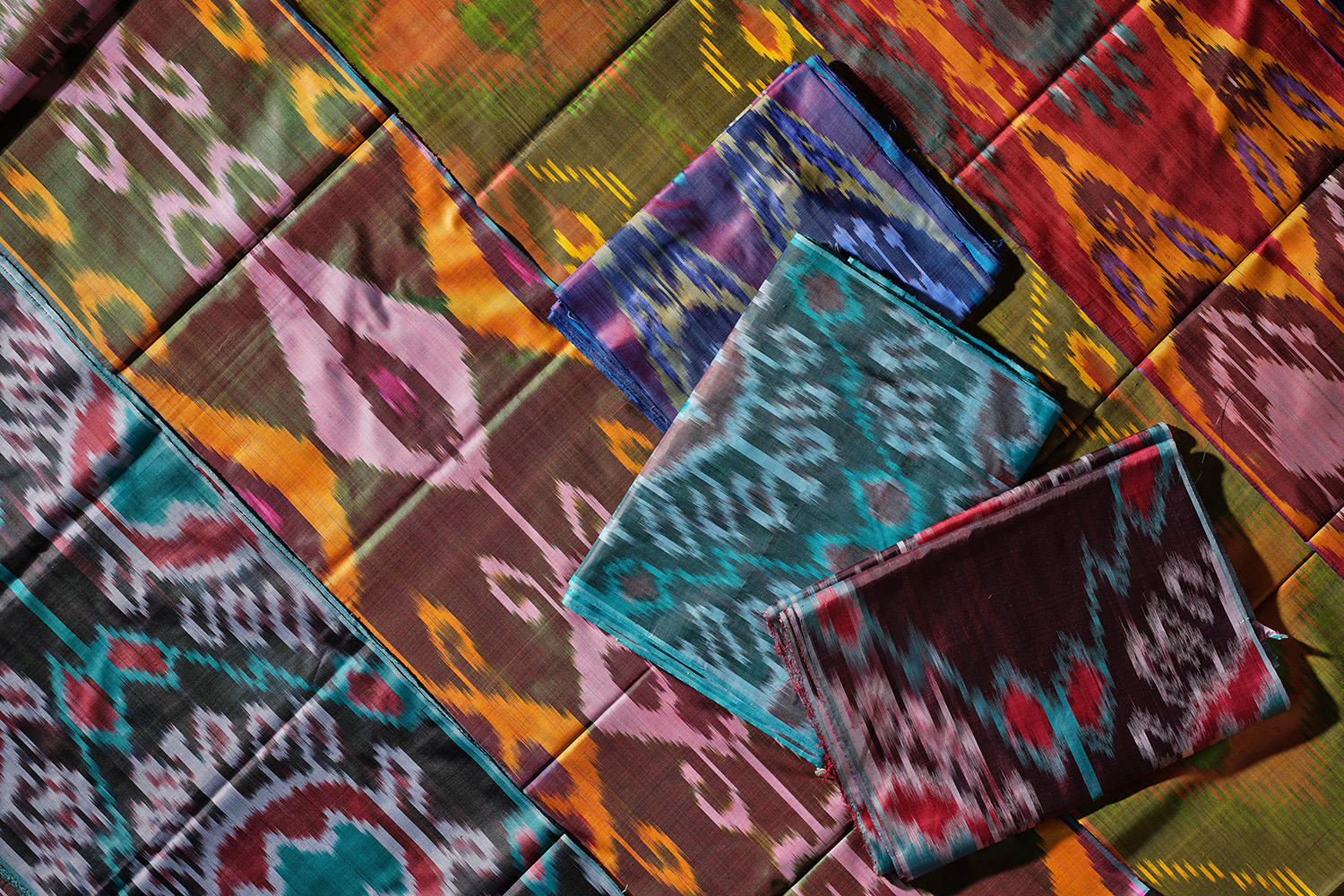
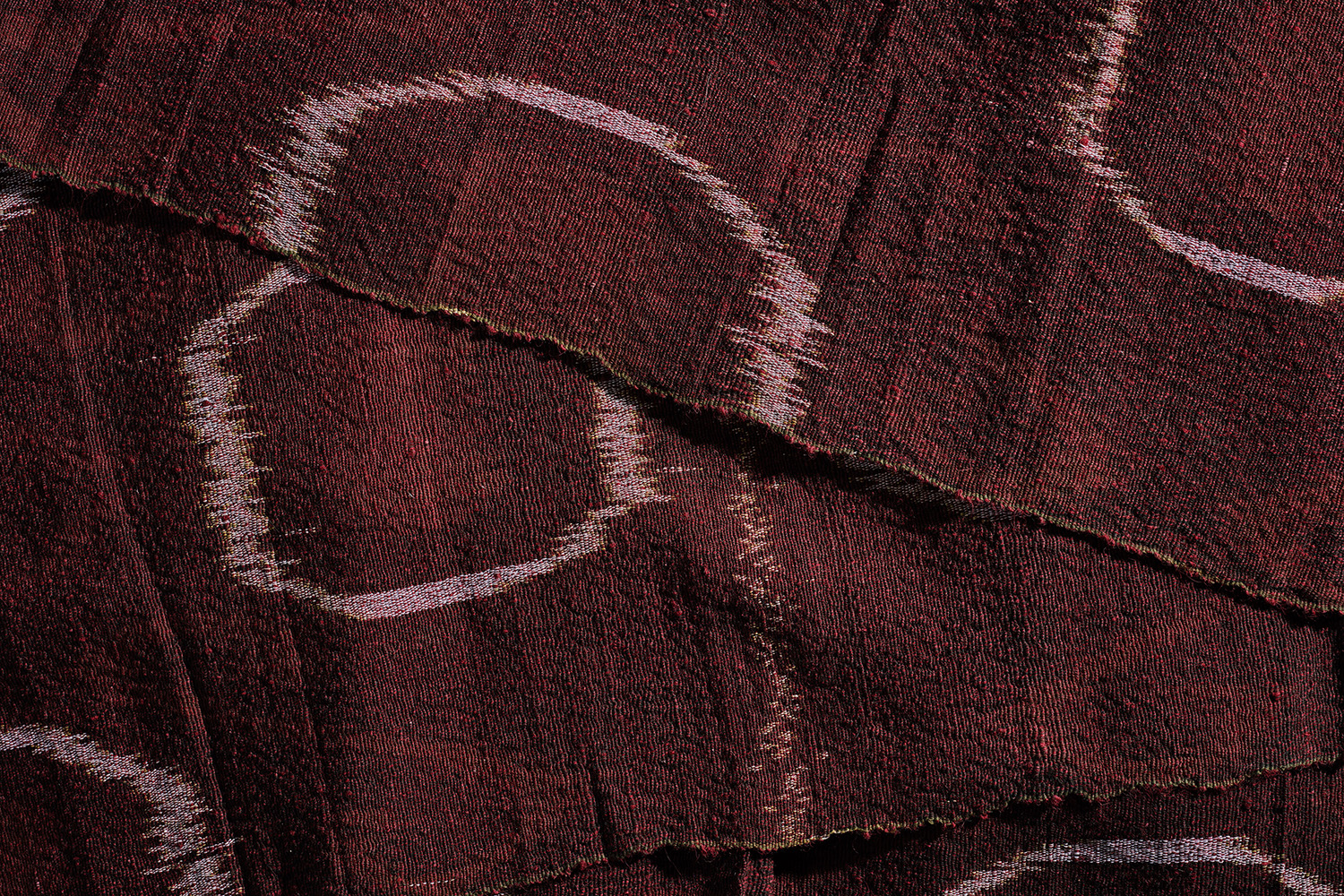
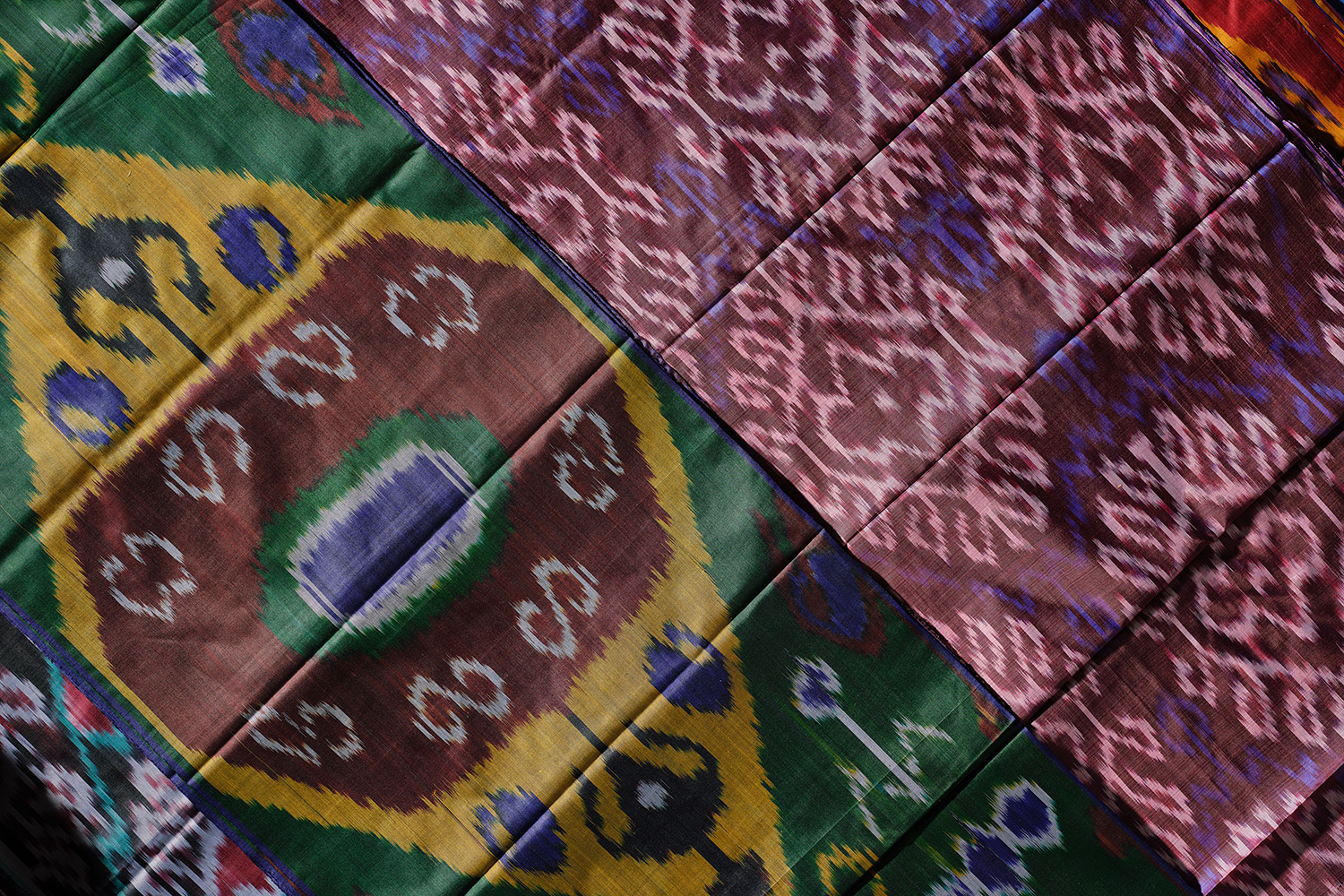
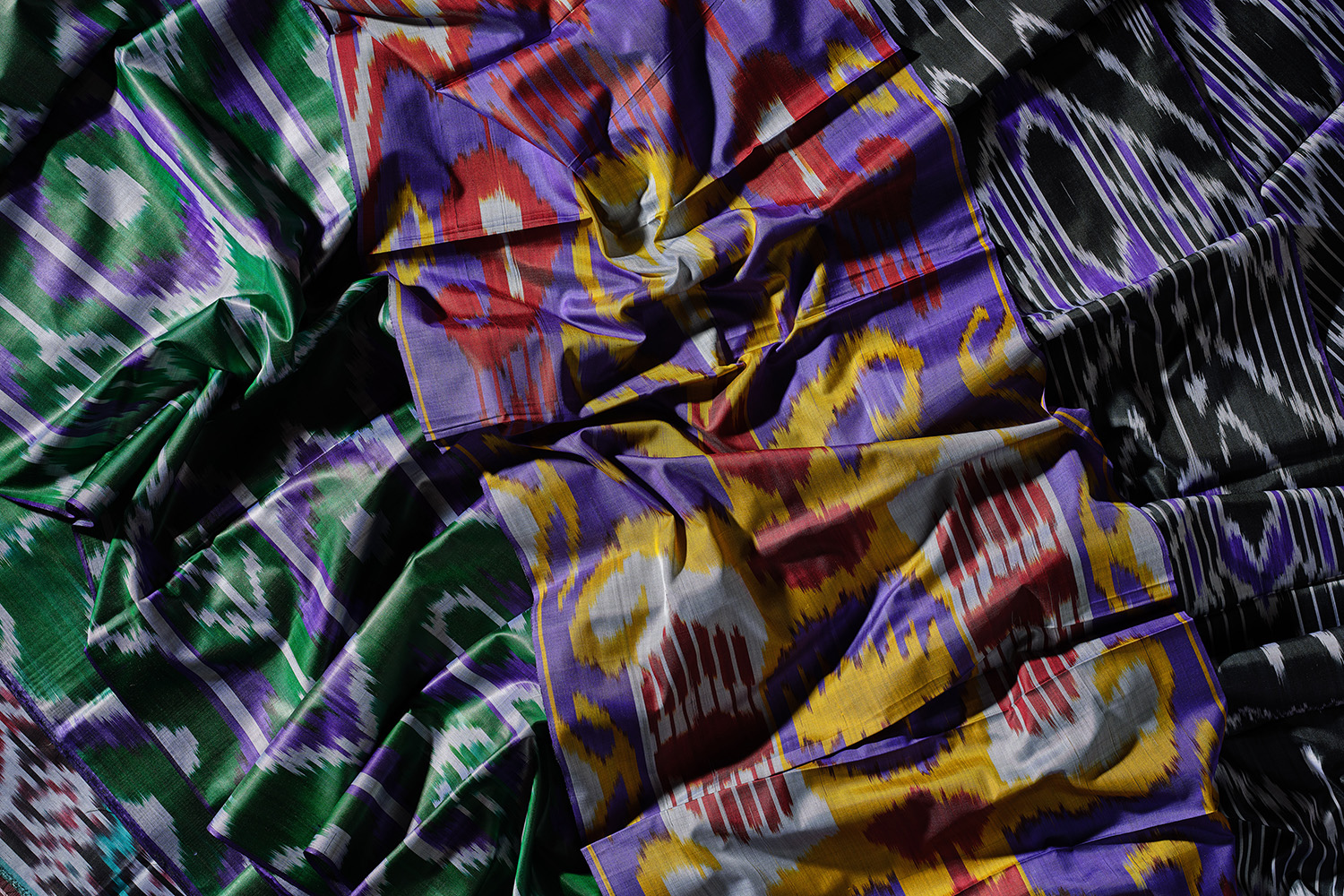
Nurmuhammad Valiev dedicates himself to the craft that almost became extinct during the Soviet era, as it was then deemed obsolete. Luckily, the knowledge survived and Nurmuhammad has revived the techniques that his father and grandfather used. He weaves different types of adras and recreates traditional abr patterns that mimic clouds. This is a pattern that has made local textiles notorious. At the same time, Nurmuhammad tries to make his fabrics and patterns relevant for our time and appropriate for fashionable attires and formal occasions.
INTERVIEW
I started working in 2000. When we were young, we talked a lot about our profession. My father, his father and grandfathers also did this work. Our great-grandfather had a mulberry tree, grew cocoons and processed them. There is a family continuity.
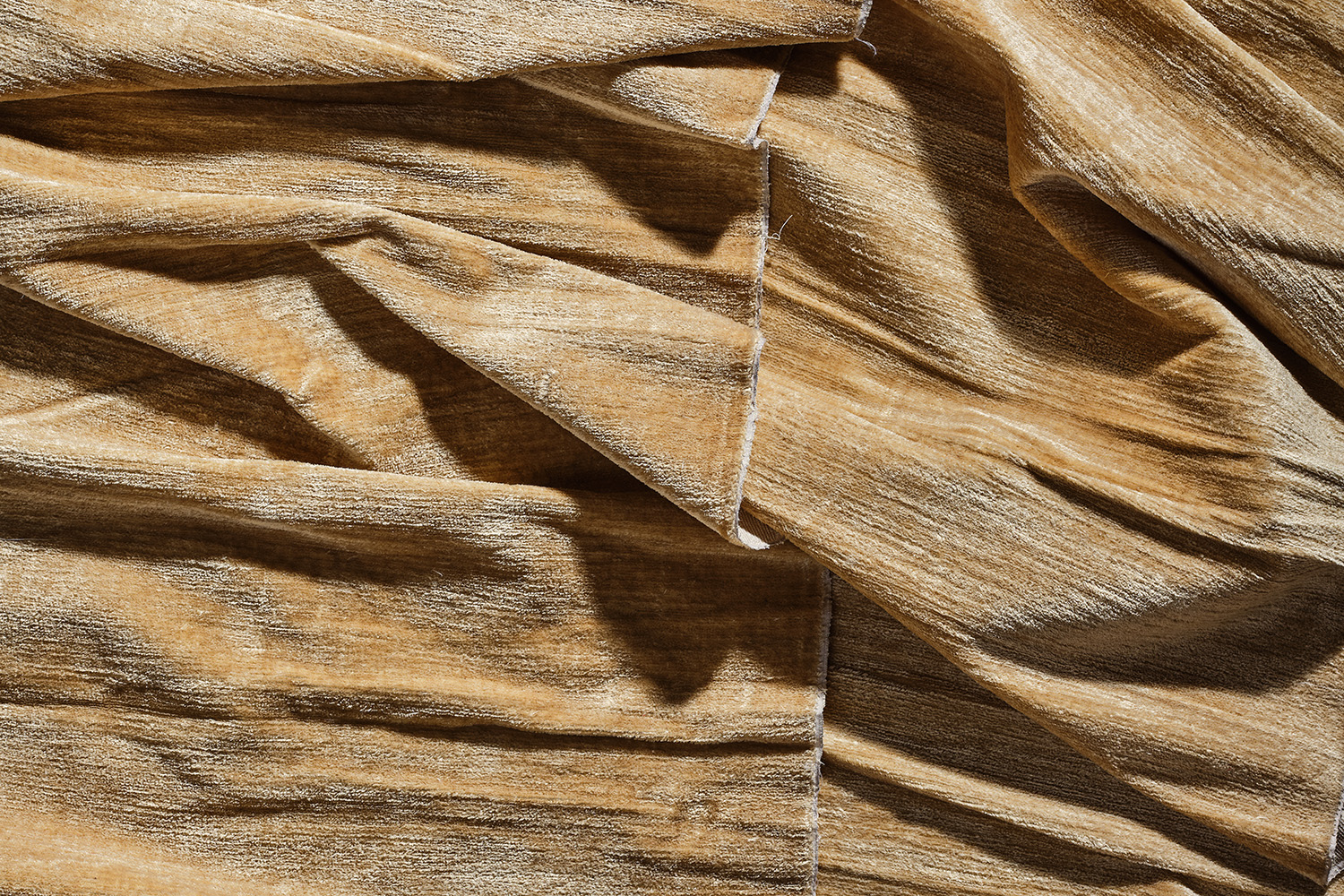
Adras is a unique material consisting of cotton and silk in equal measure. We experiment with threads and textures and also use wool, combining natural materials in different proportions for different results. That's how we achieve warm winter fabrics.
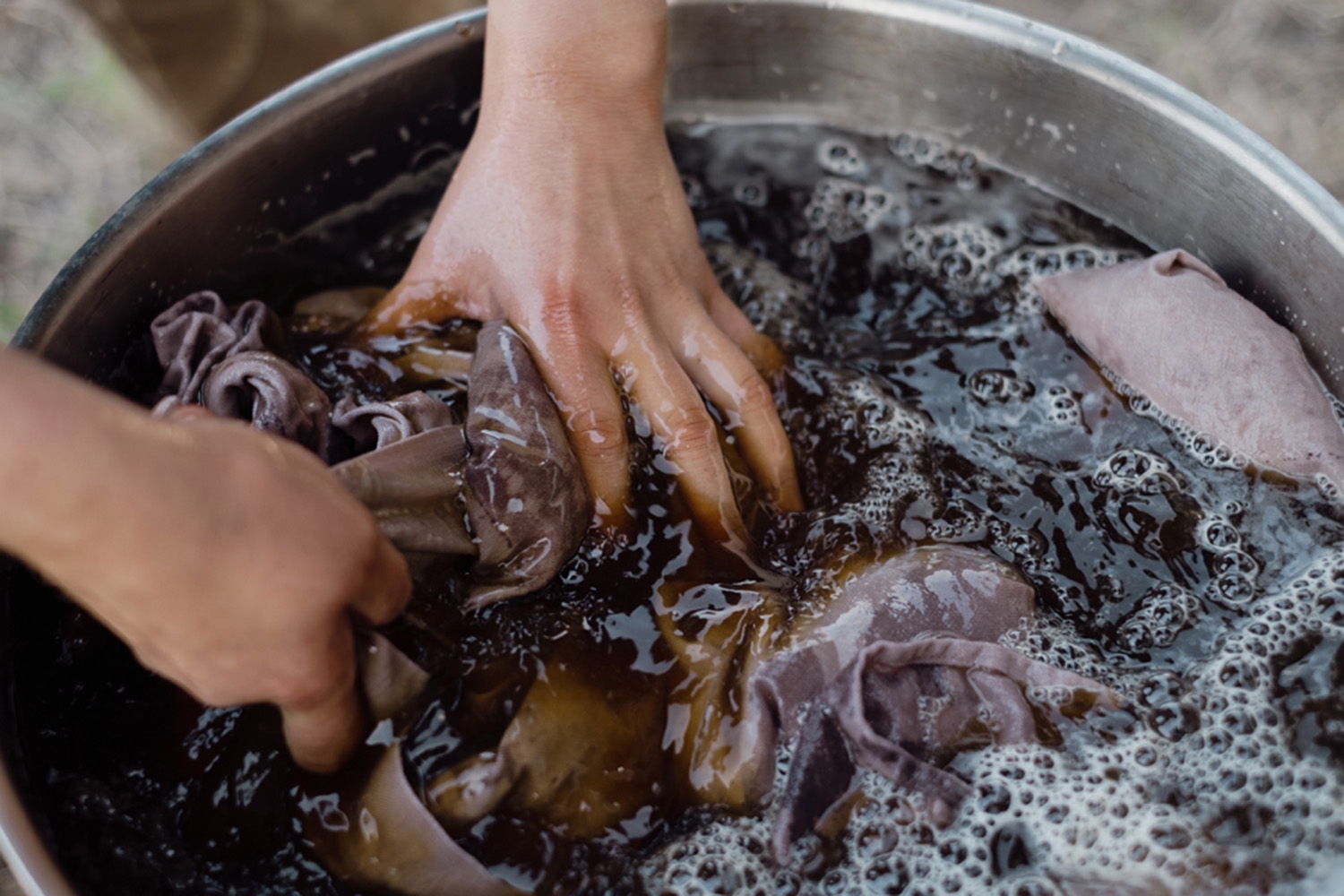
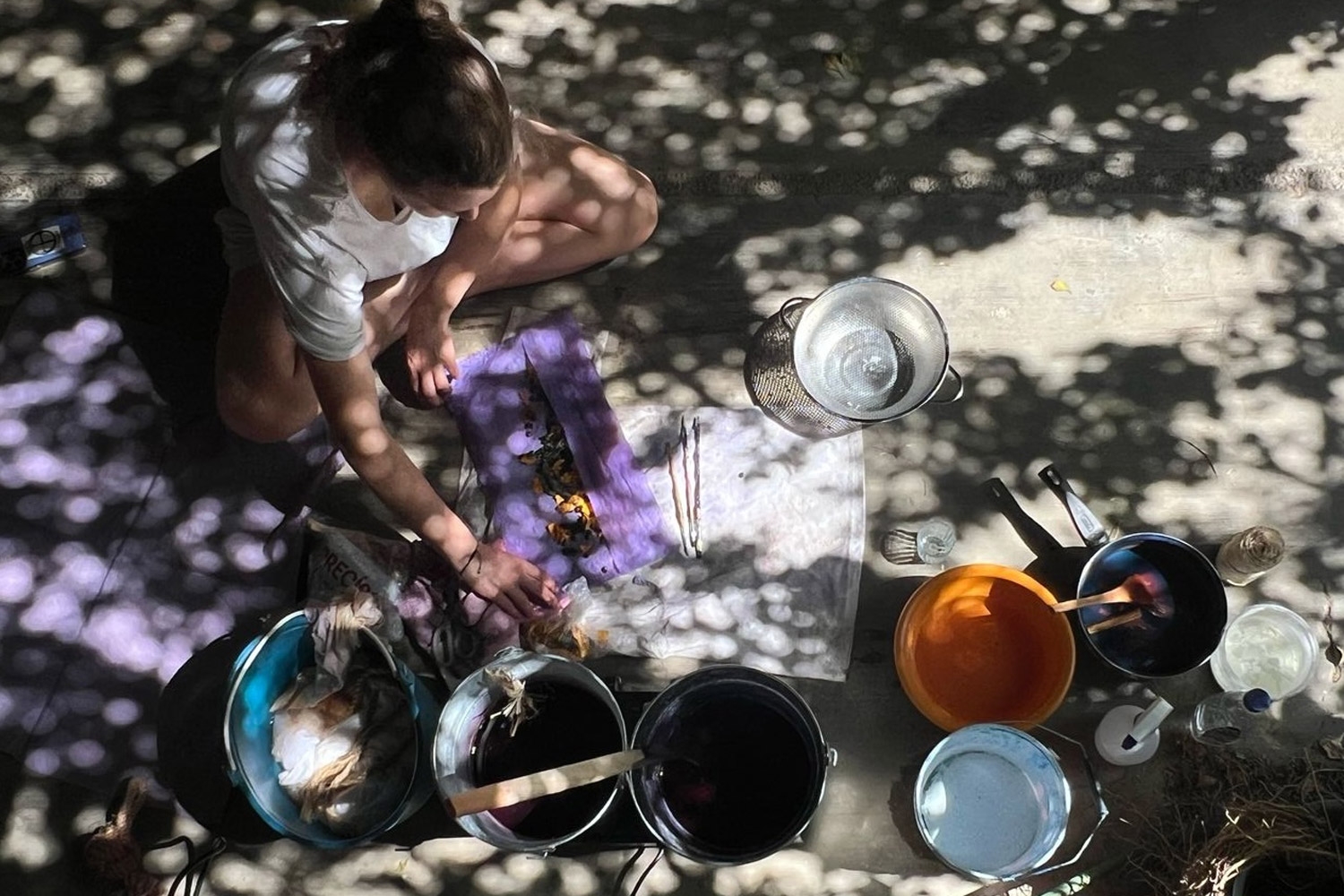
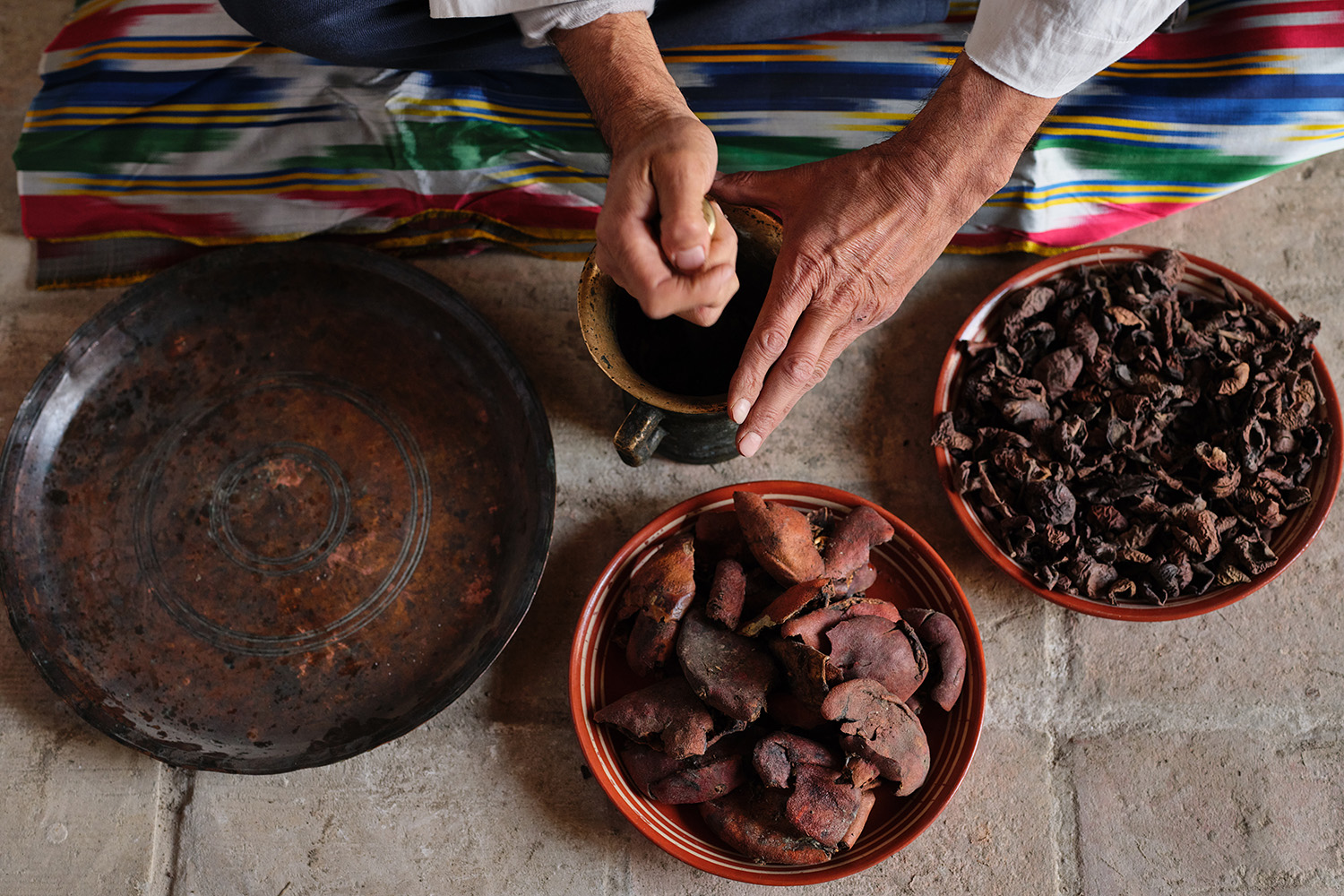
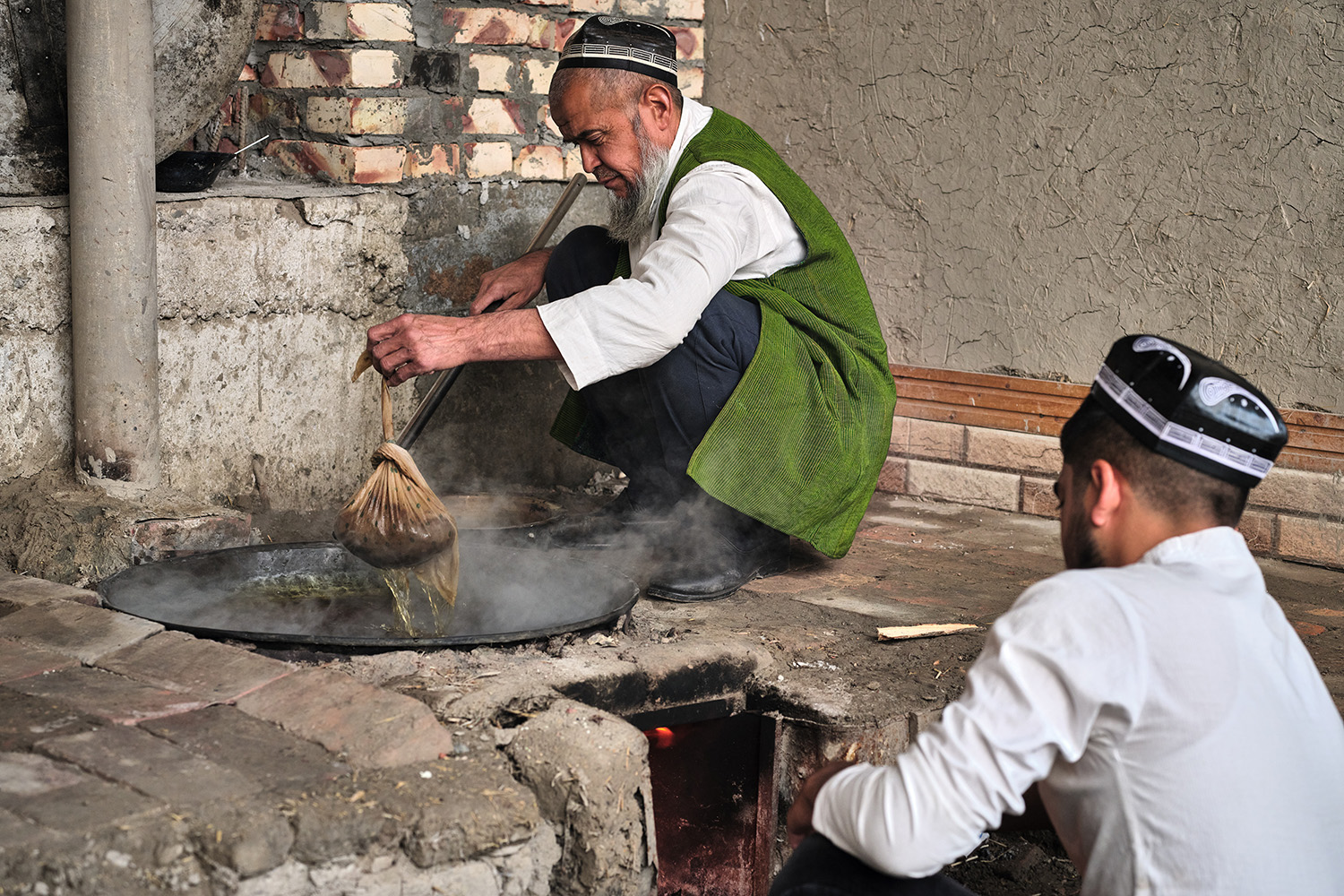
The traditional way of making adras means dying the threads before weaving: that makes the artisan's work very technical as we have to be very careful with how we combine and weave them in order to create the pattern.
It connects us to our ancestors; and there is beauty in this. By working the same way our fathers and grandfathers did, we learn to understand them and to see the same beauty in the world that they discovered and taught us.