Giving wings to a long-held passion
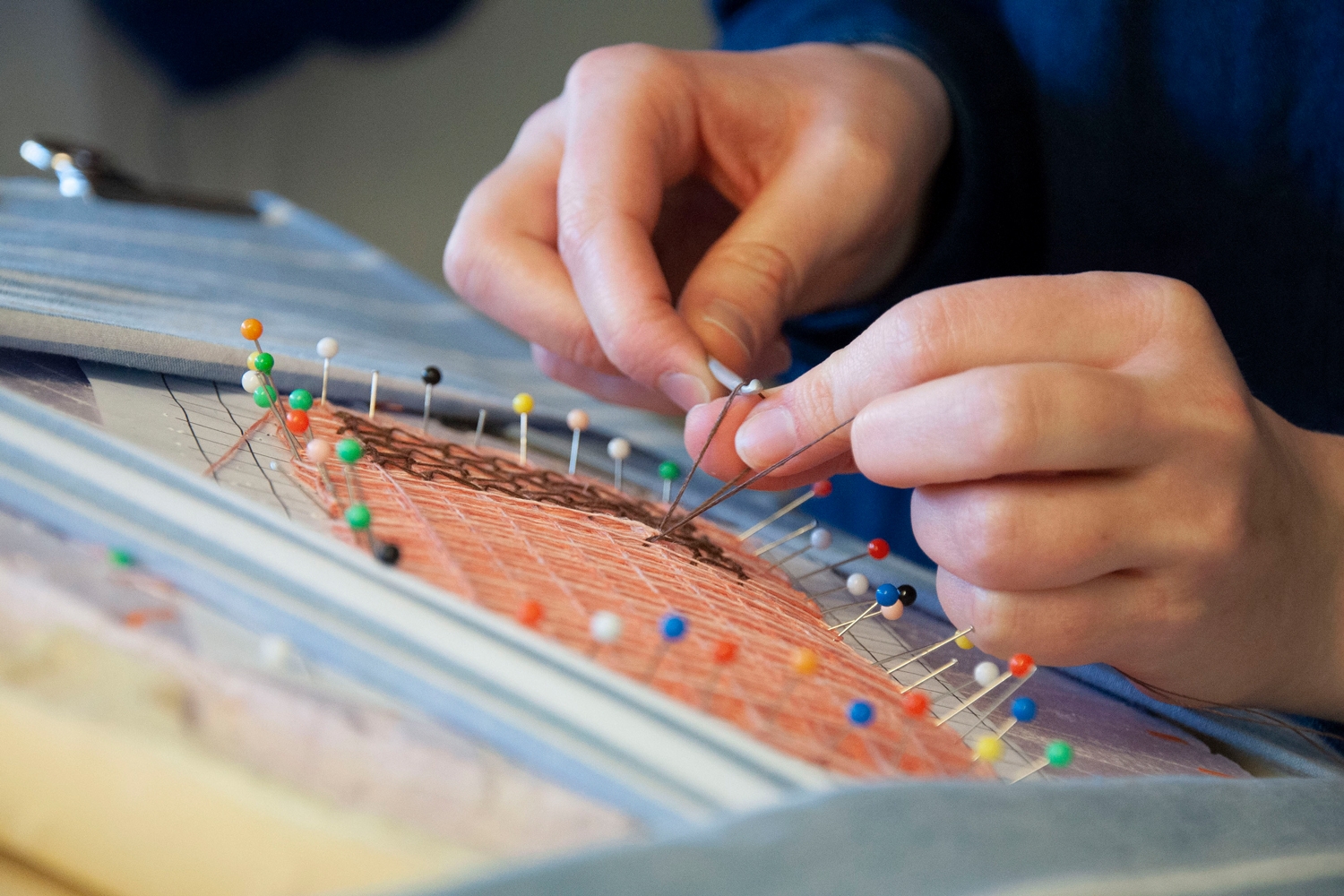
- Tabea specialises in pattern-based embroidery
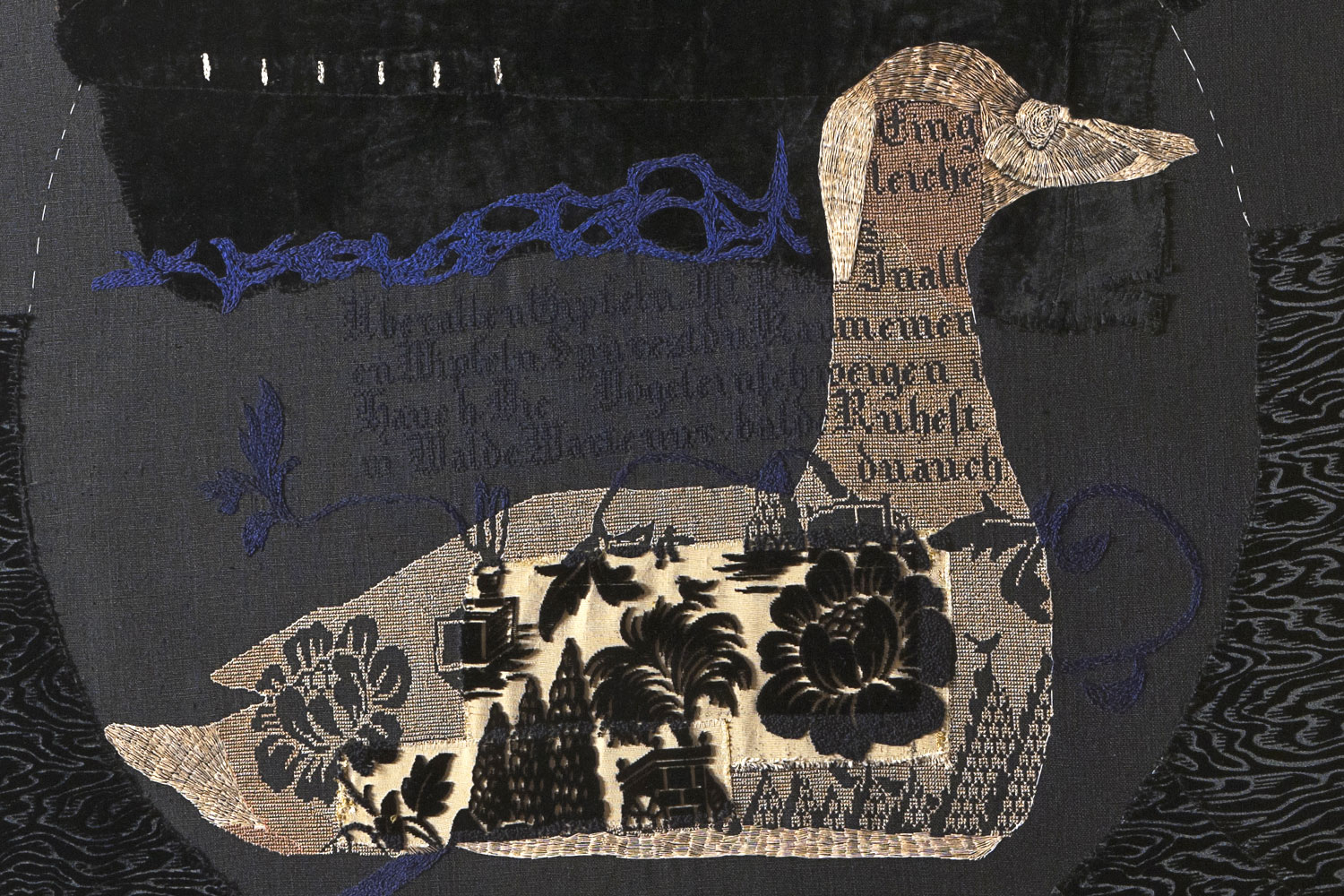
- She is inspired by migratory birds and the images their names evoke
- She teaches weaving at the Nyckelvikskolan art school
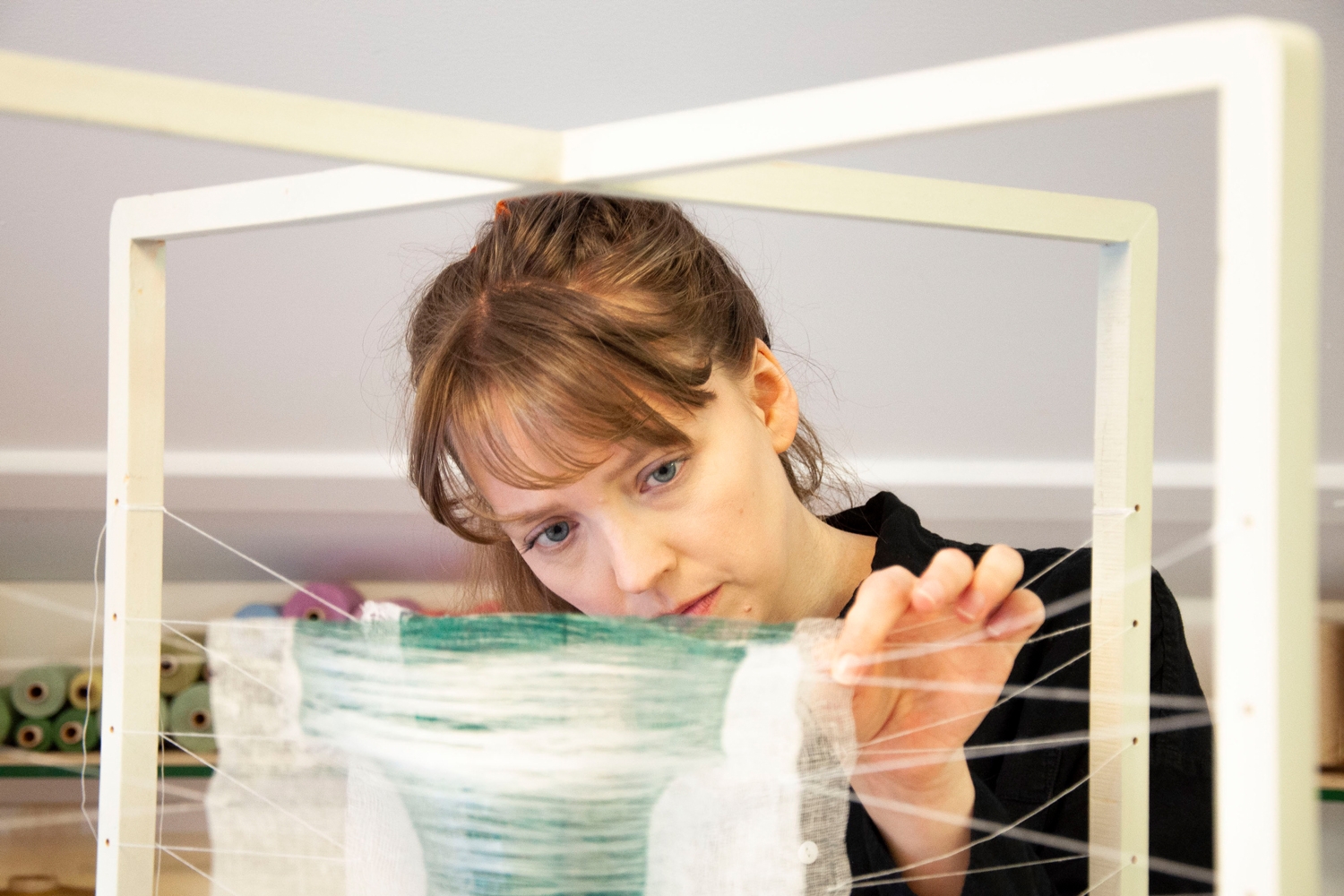
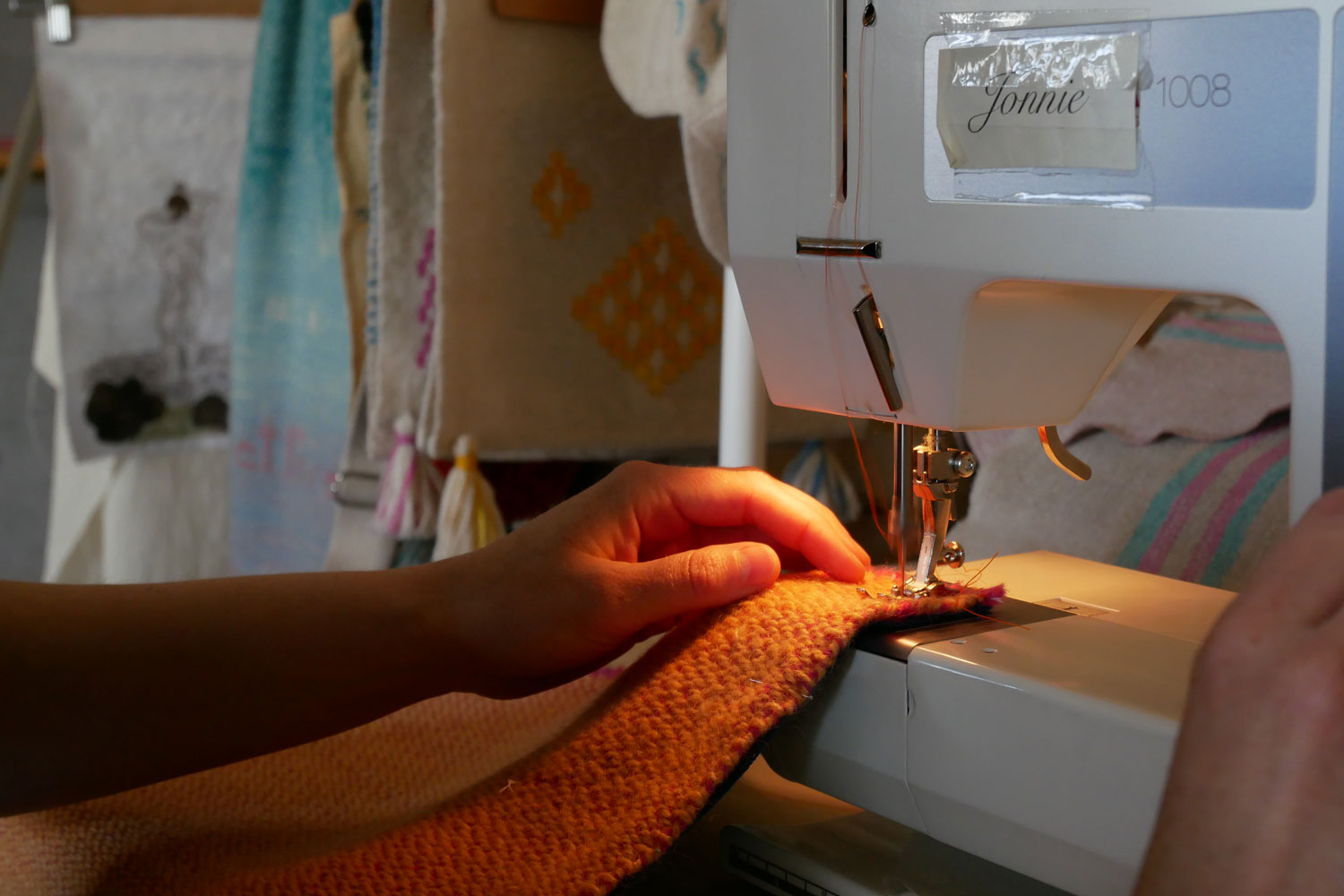
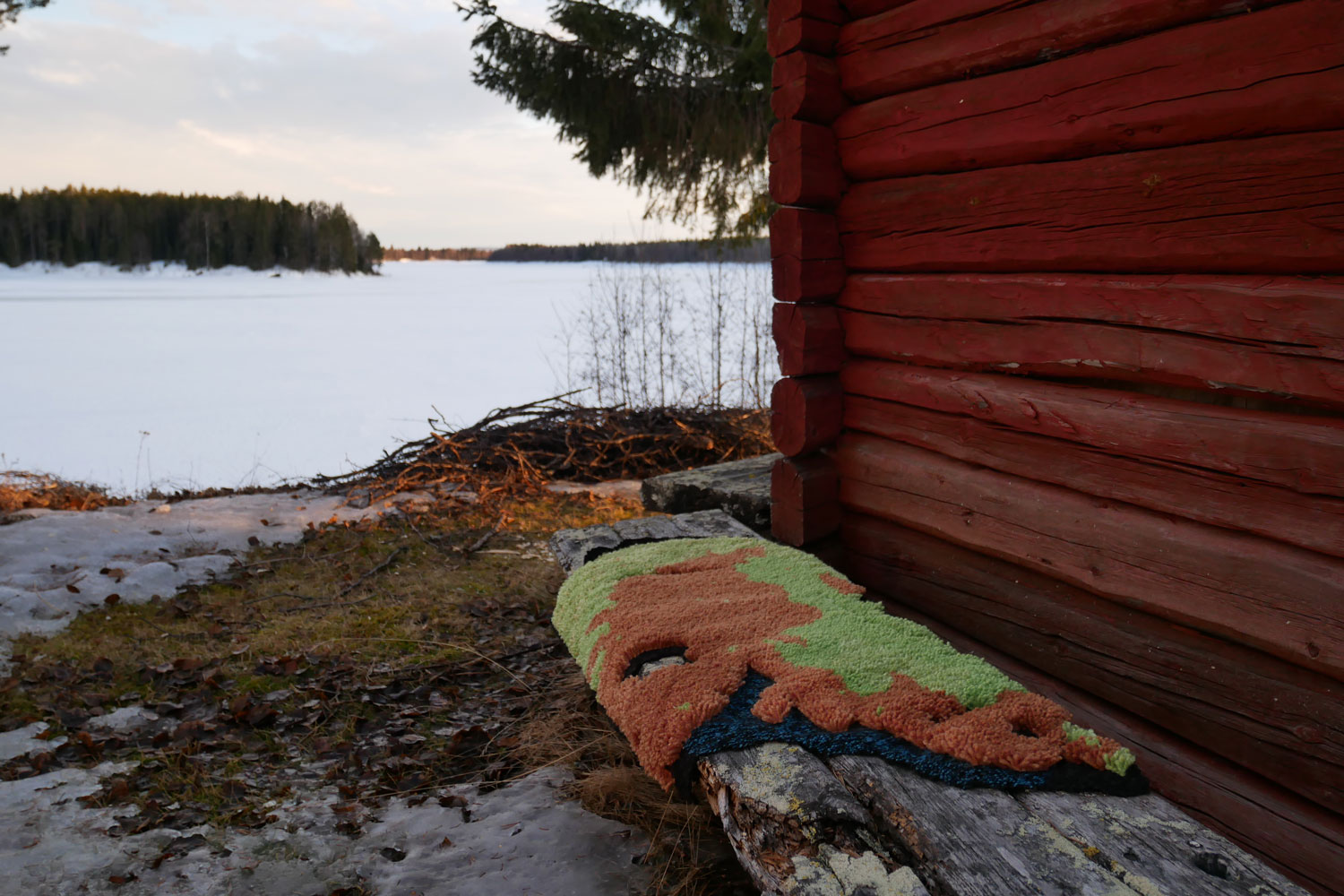
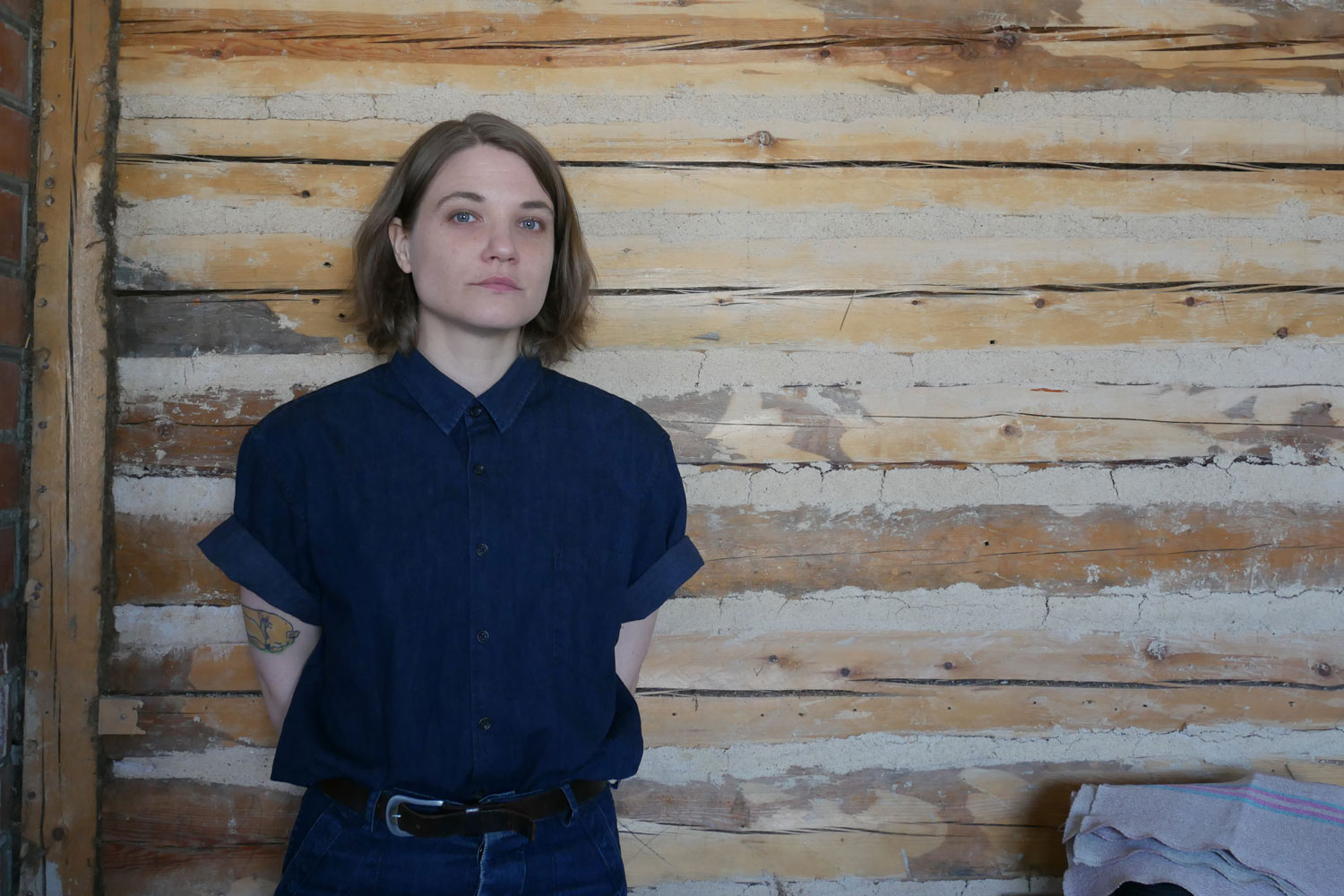
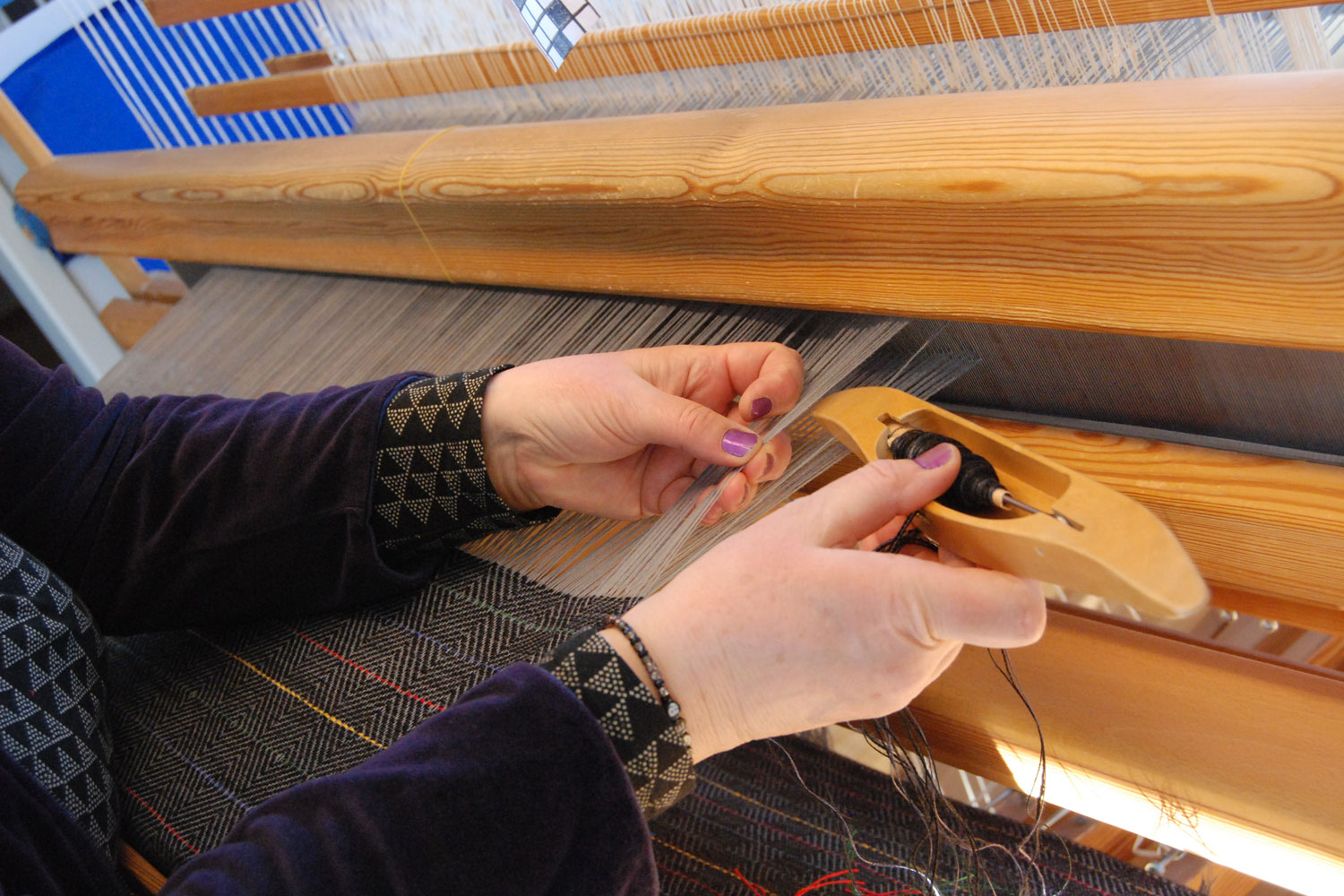
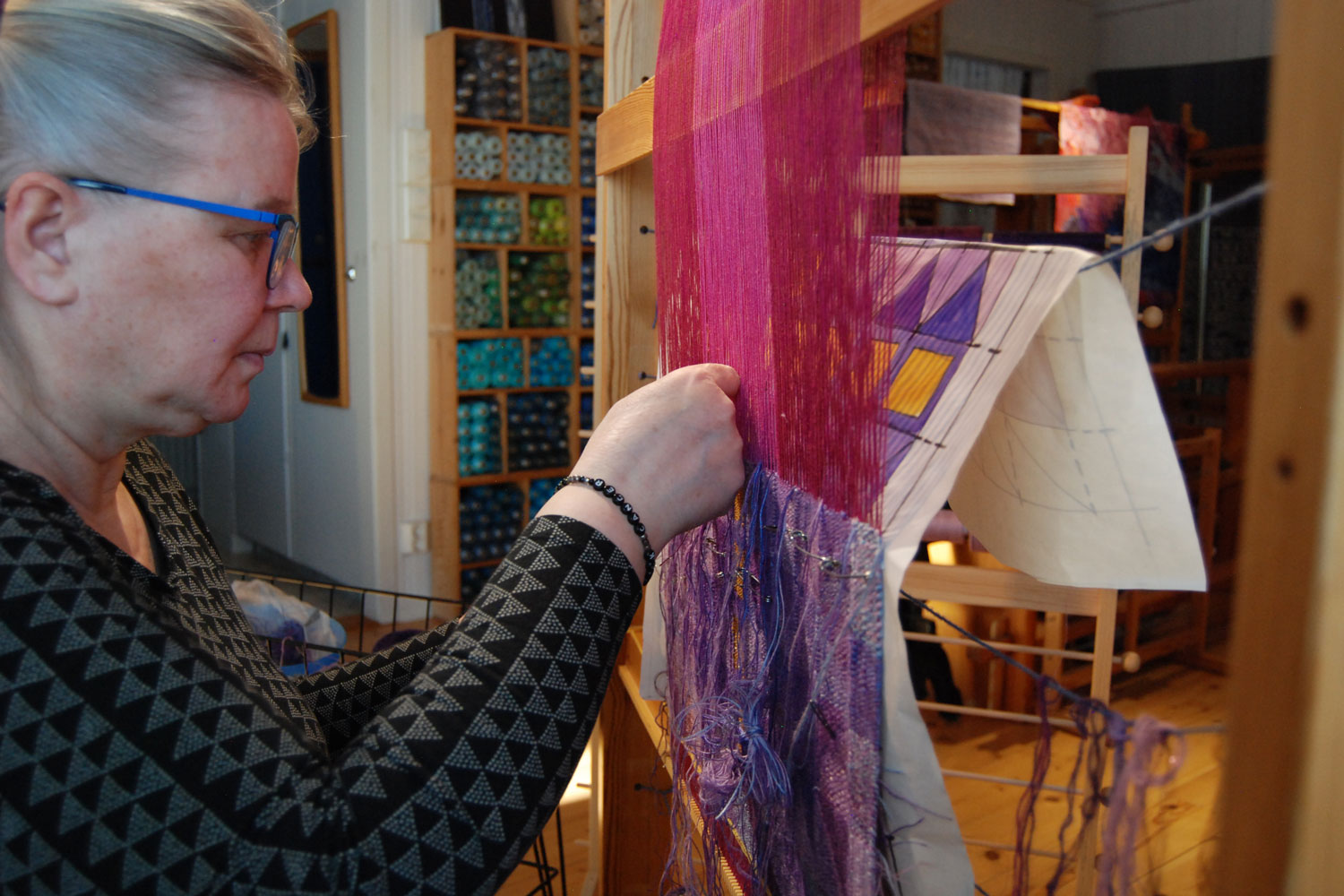
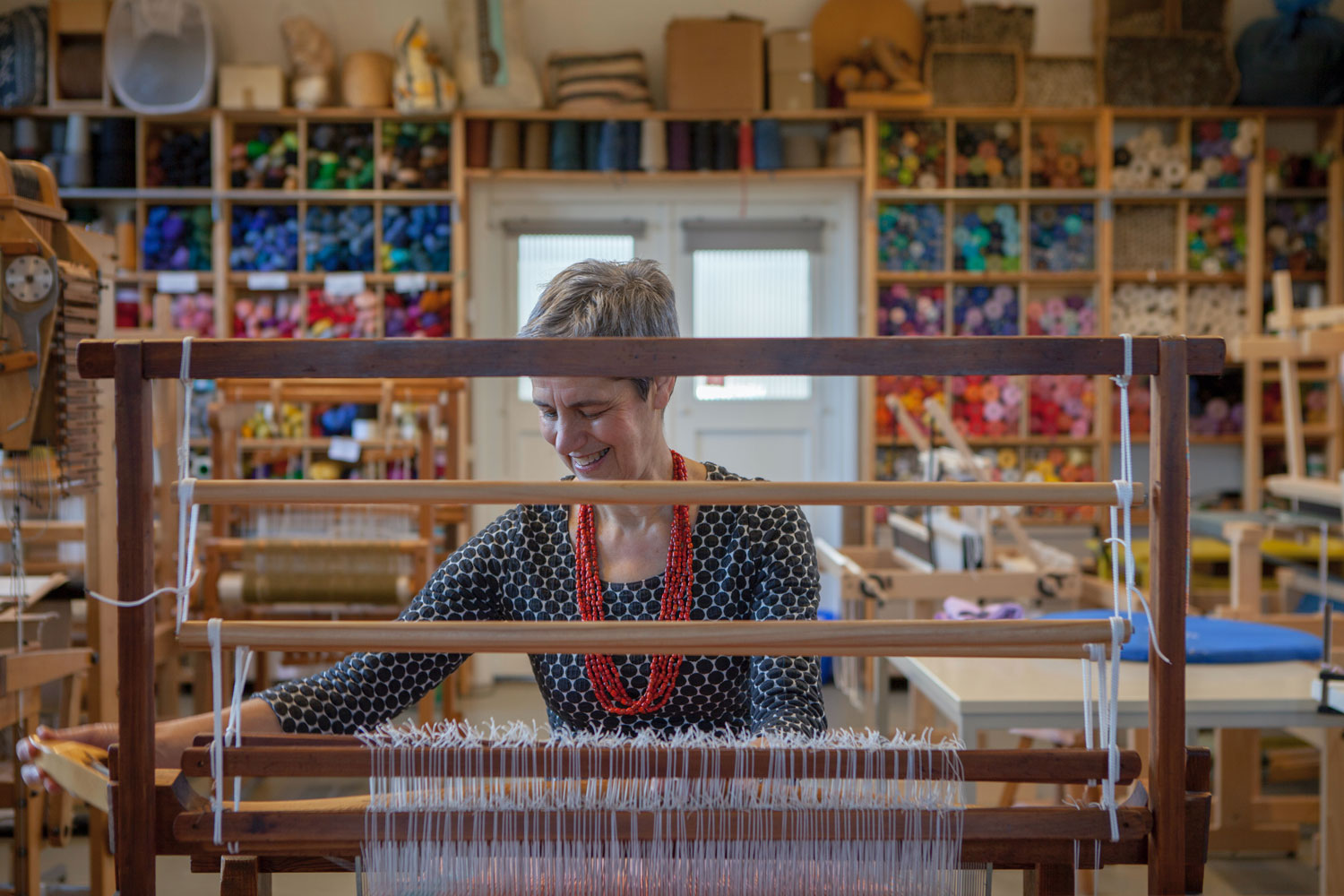
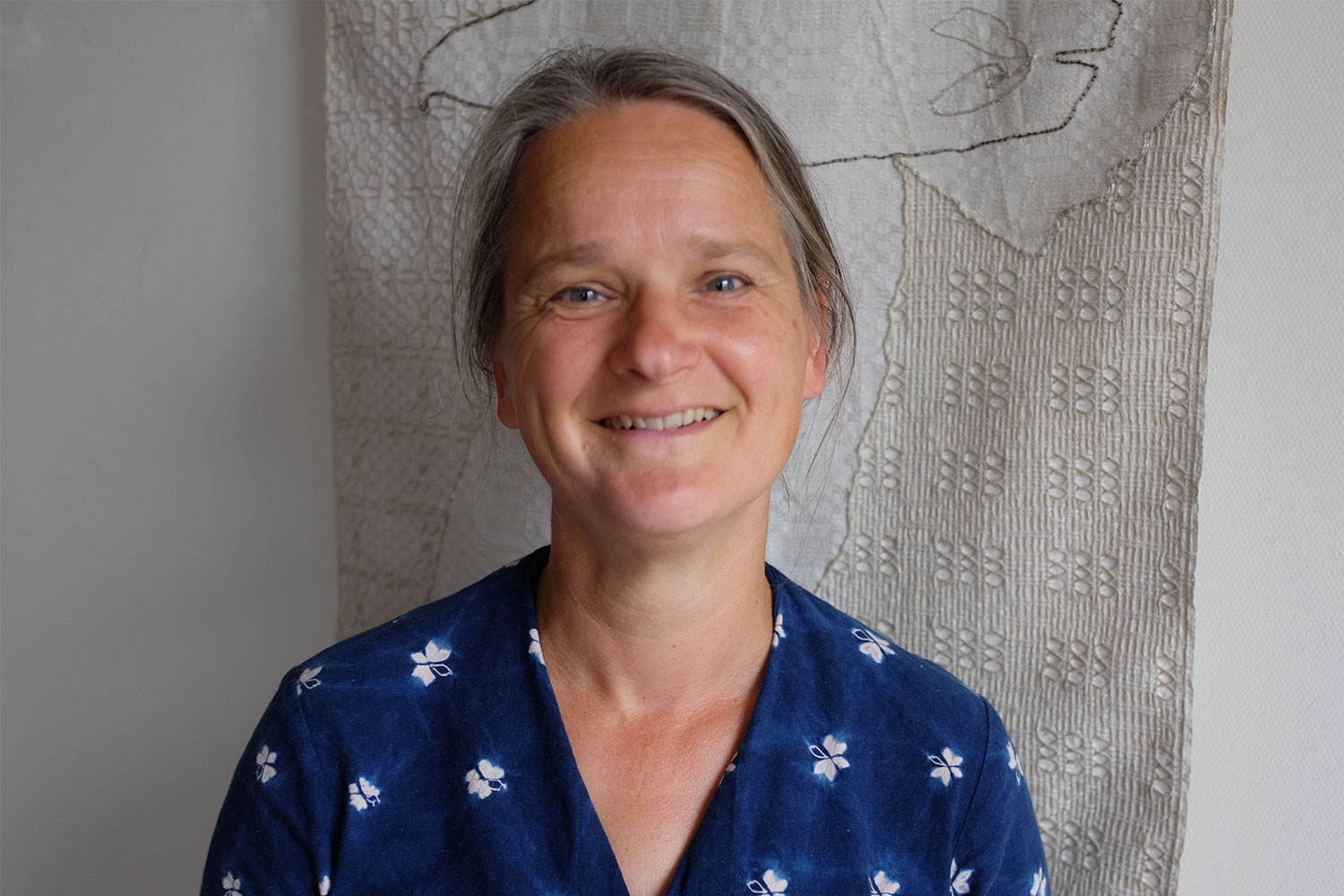
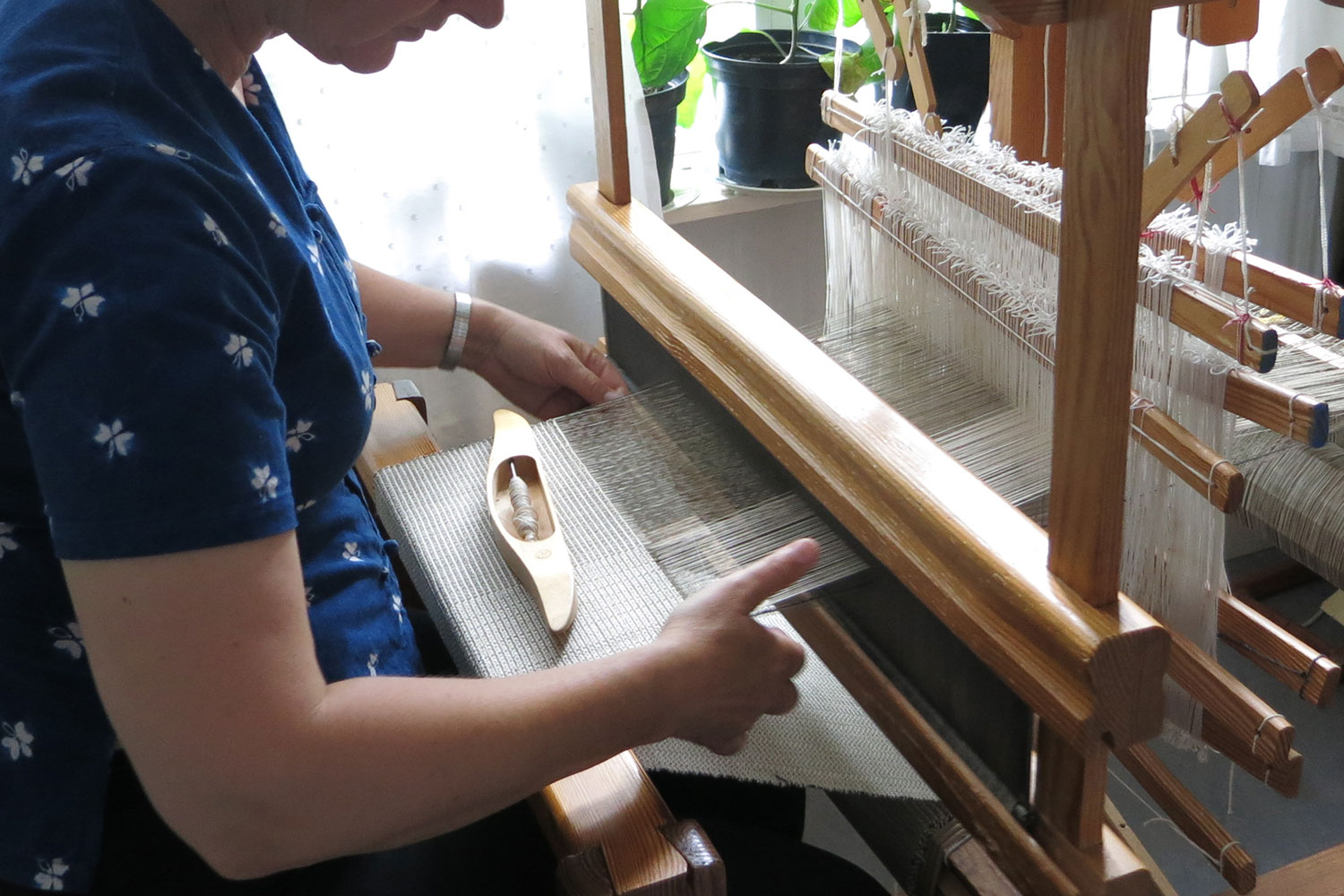
Tabea Dürr grew up in a family fascinated by birds, especially of the migratory kind. They became the trademark of her textile work. After a childhood in East Germany, she studied sacral textile production for the protestant cathedral in Magdeburg. The courses included tapestry weaving, pattern-connected embroidery, tablet weaving, dying with natural and synthetic dyes, calligraphy and other secrets of sacral textiles and their history. Moving to Sweden, she continued her studies in textile arts. Today, she weaves and embroiders in her studio in Gothenburg. She once developed a keen interest in tanned fish skin, which she introduces through textile techniques.
INTERVIEW
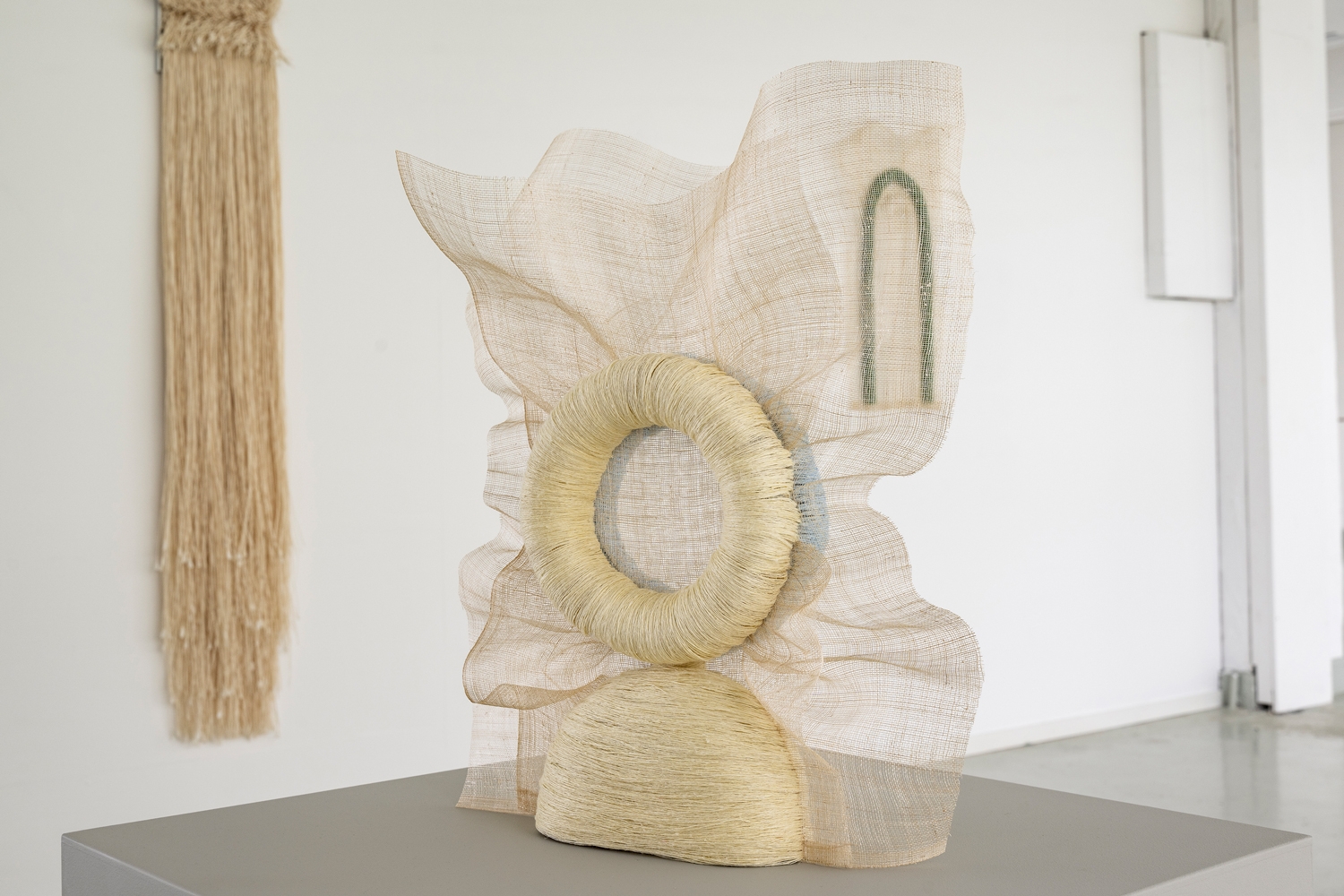
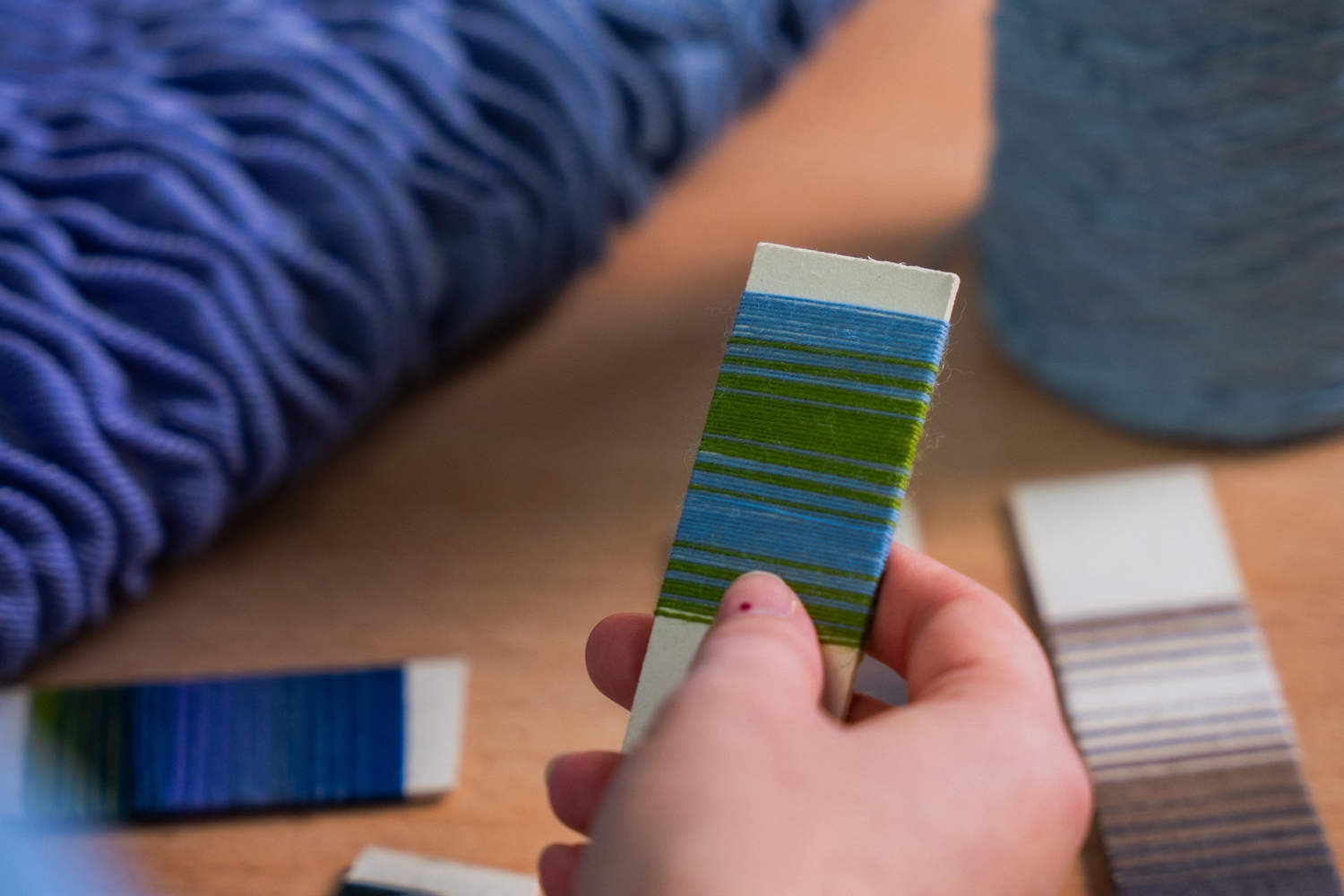
Apart from weaving and embroidery, I dye frequently with natural dyes for weaving. At university, I developed synthetic gum printing in order to use it on canvas: instead of using pigment colours I used reactive dye particles. At present I work a lot with gold embroidery.
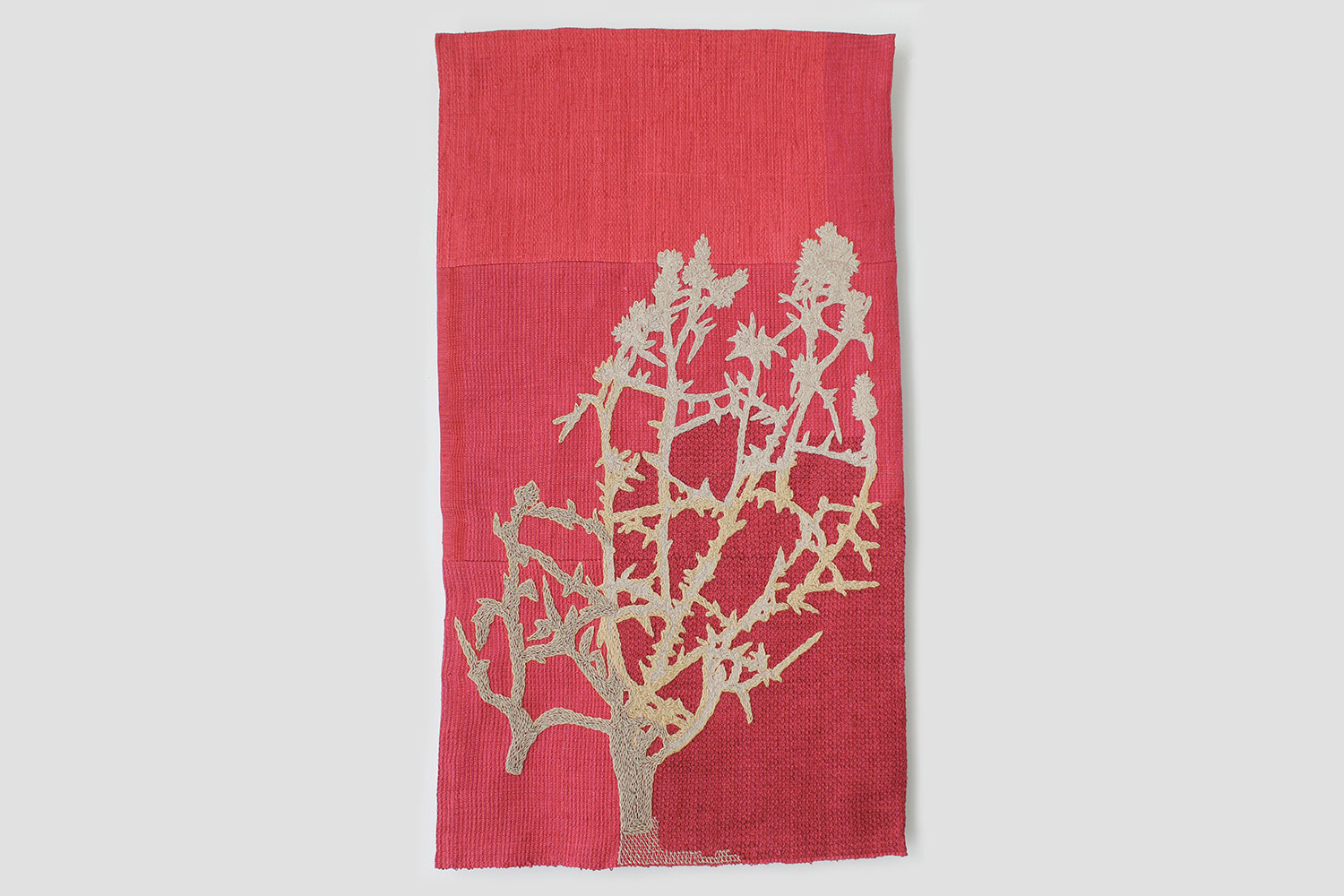
I like to learn new techniques and test new yarns and materials and the nuances they allow. I am inspired by north-east German sacral textiles from the 19th and 20th centuries. Playing with bird and plant names and shapes is also a source of inspiration for me.
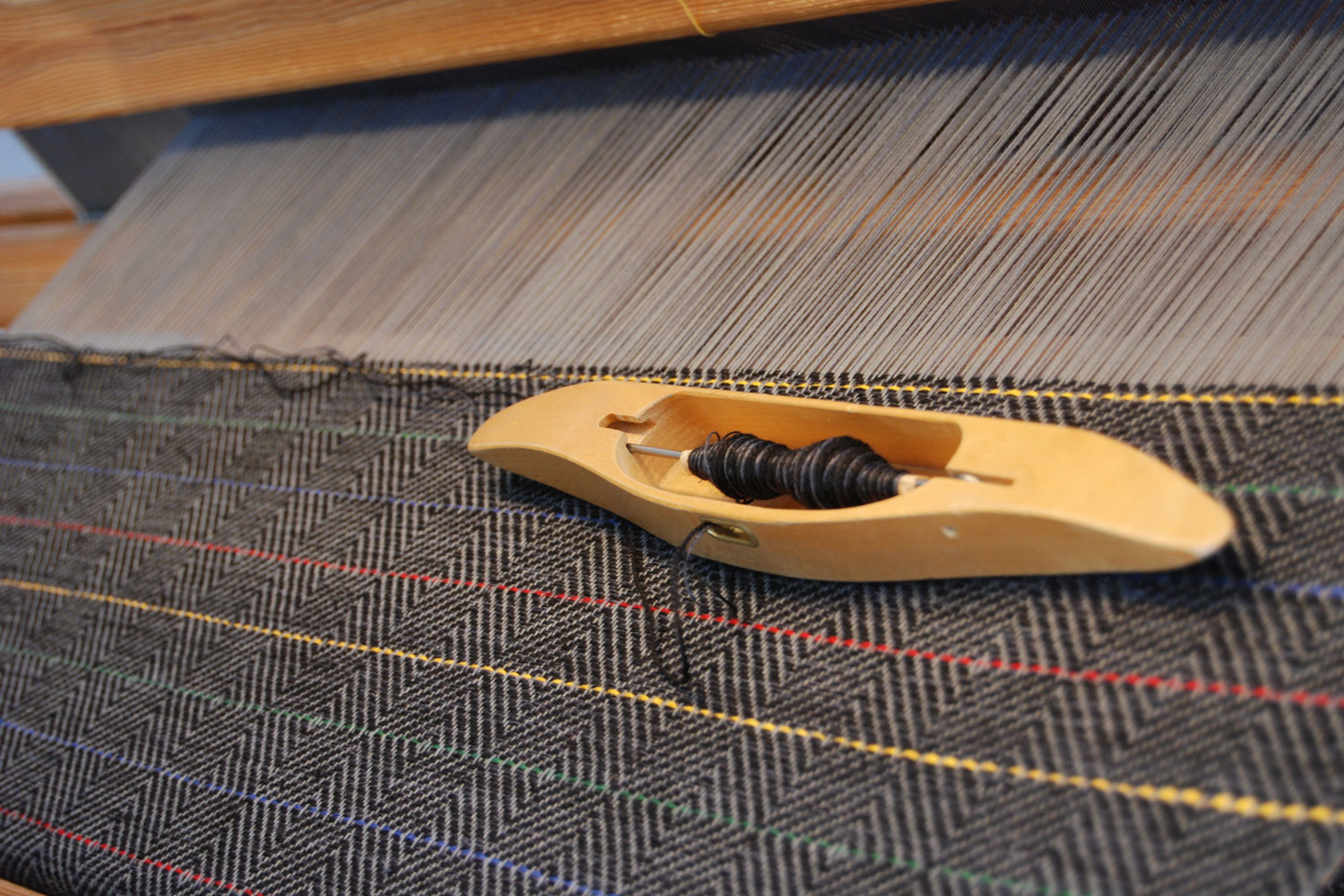
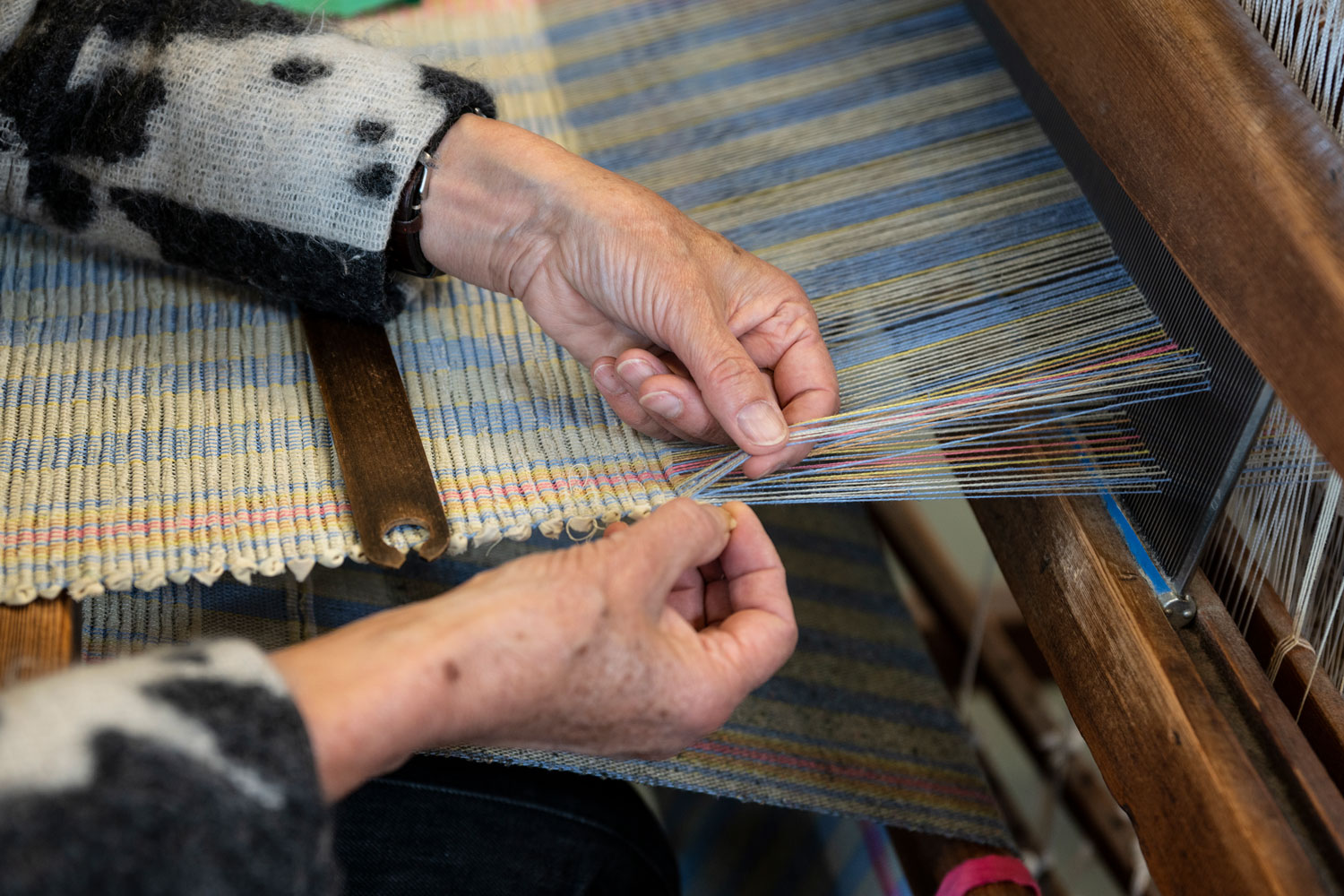
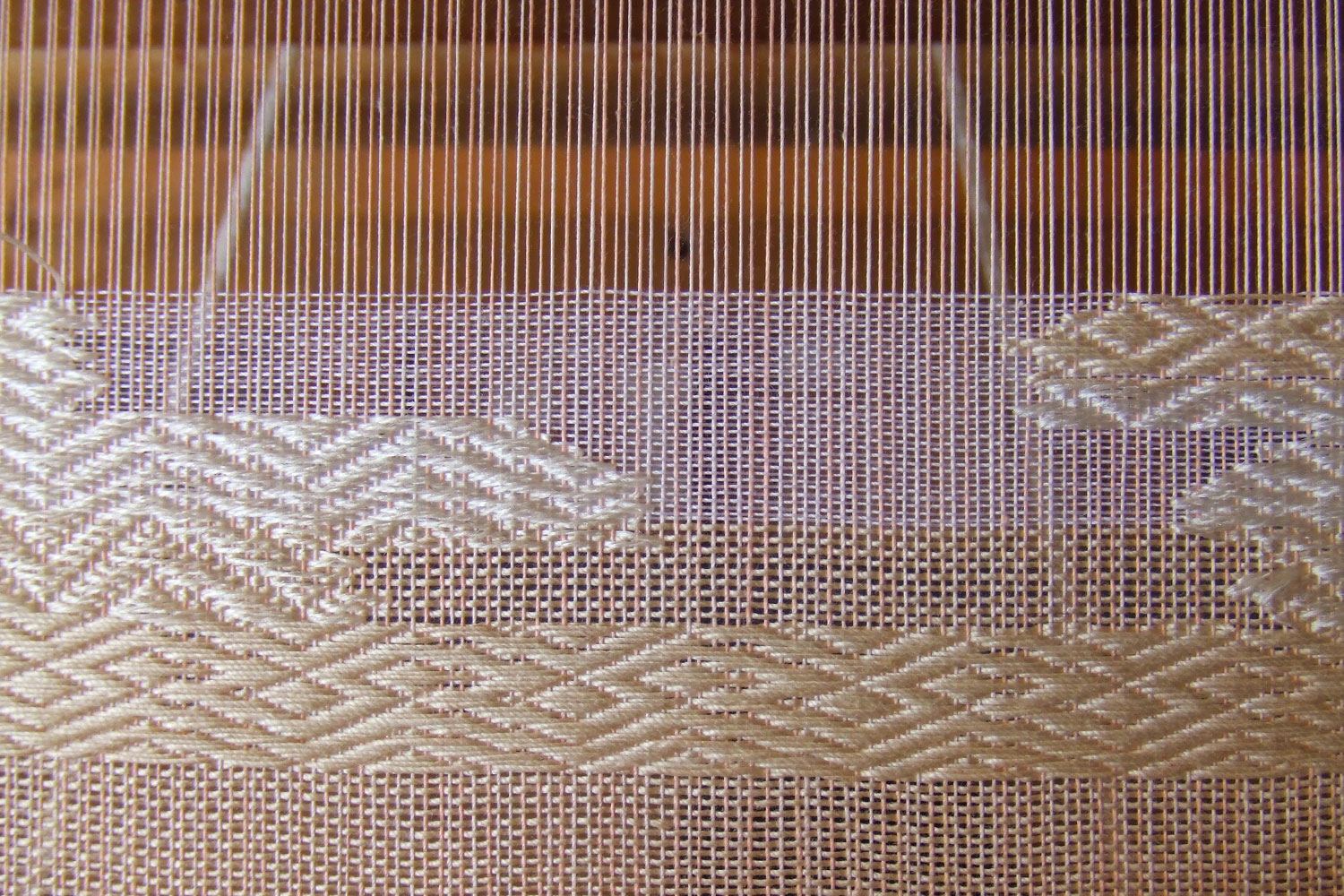
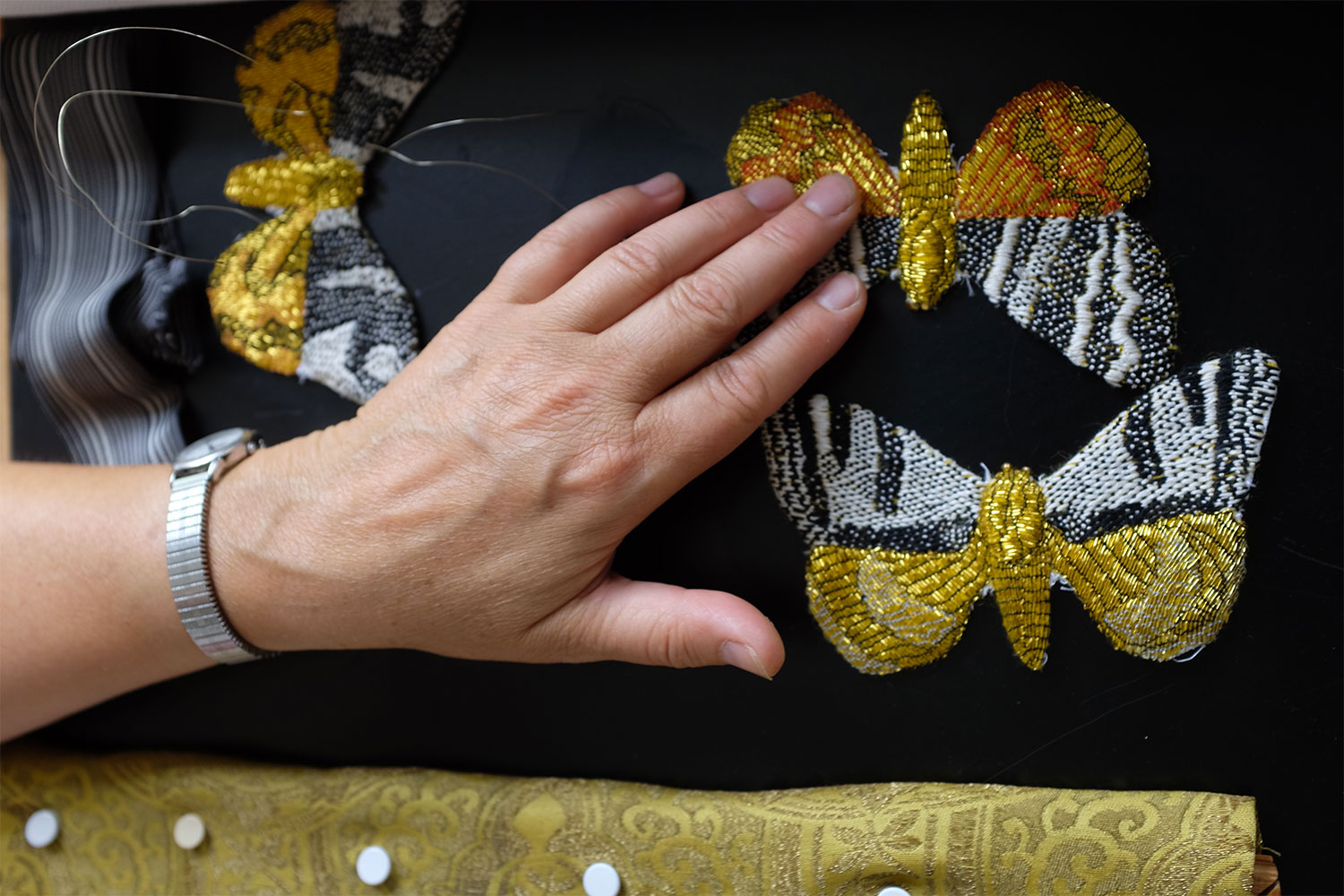
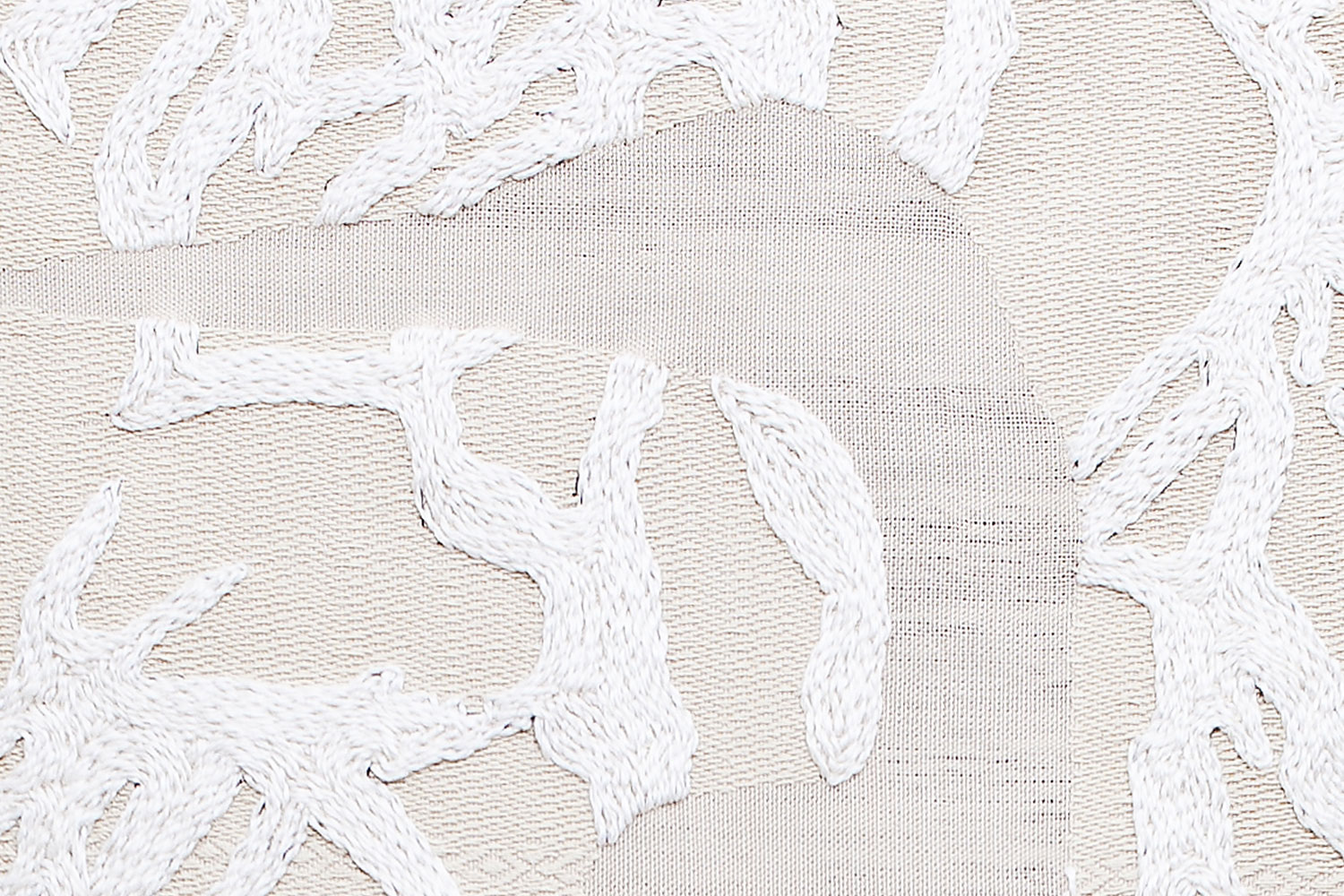
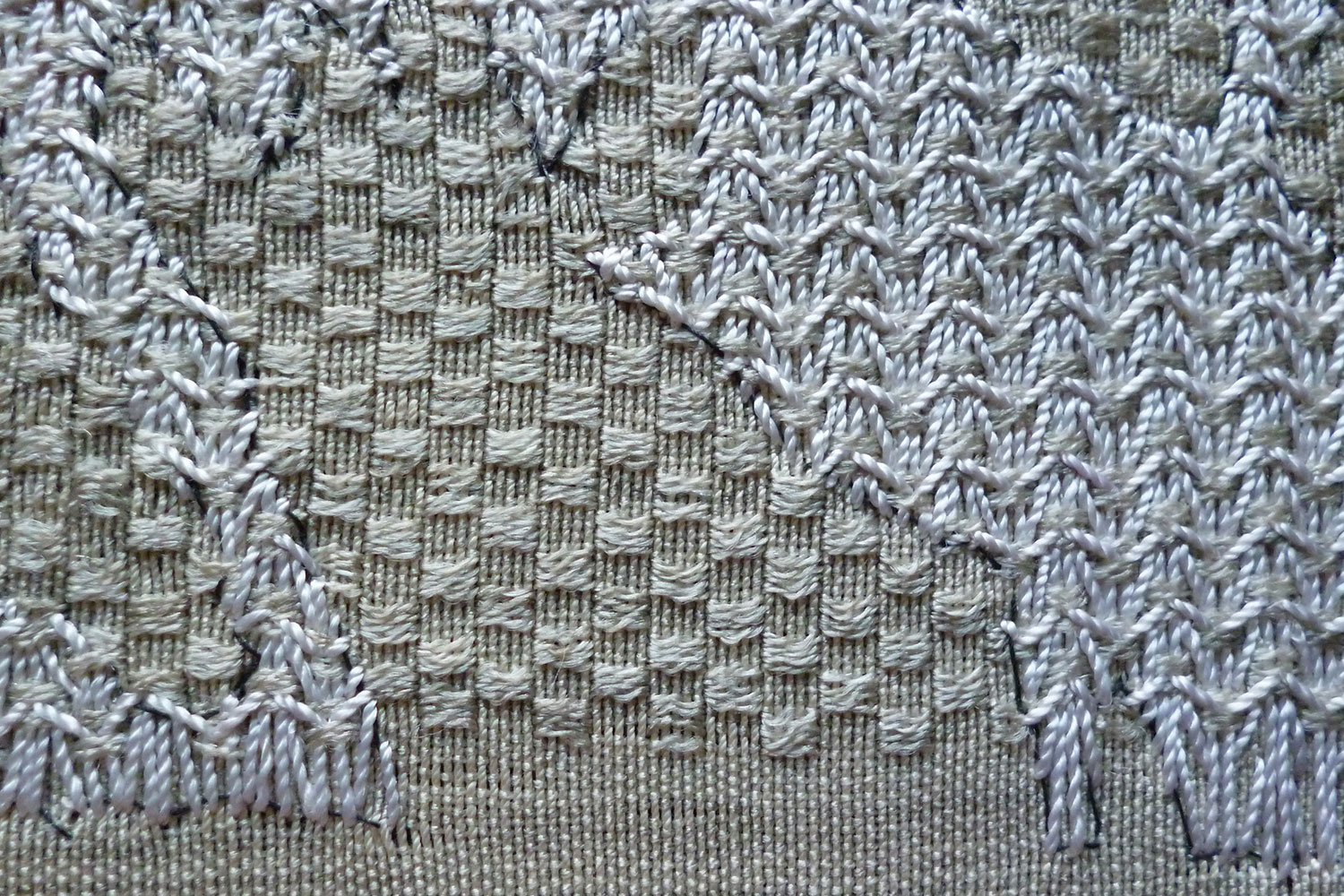
Besides keeping the technique alive, my interest is in combining both weaving and embroidery. It opens a wide range of possibilities for new embroidered structures, giving new wings to weave patterns.
I analysed two different styles of pattern-connected embroidery, developed in two different workshops and practised until around 1990. While in one of the workshops the artisans experimented with embroidery, in the other they focused on weaving patterns.