©All rights reserved
©All rights reserved
©All rights reserved
©All rights reserved
©All rights reserved
©All rights reserved
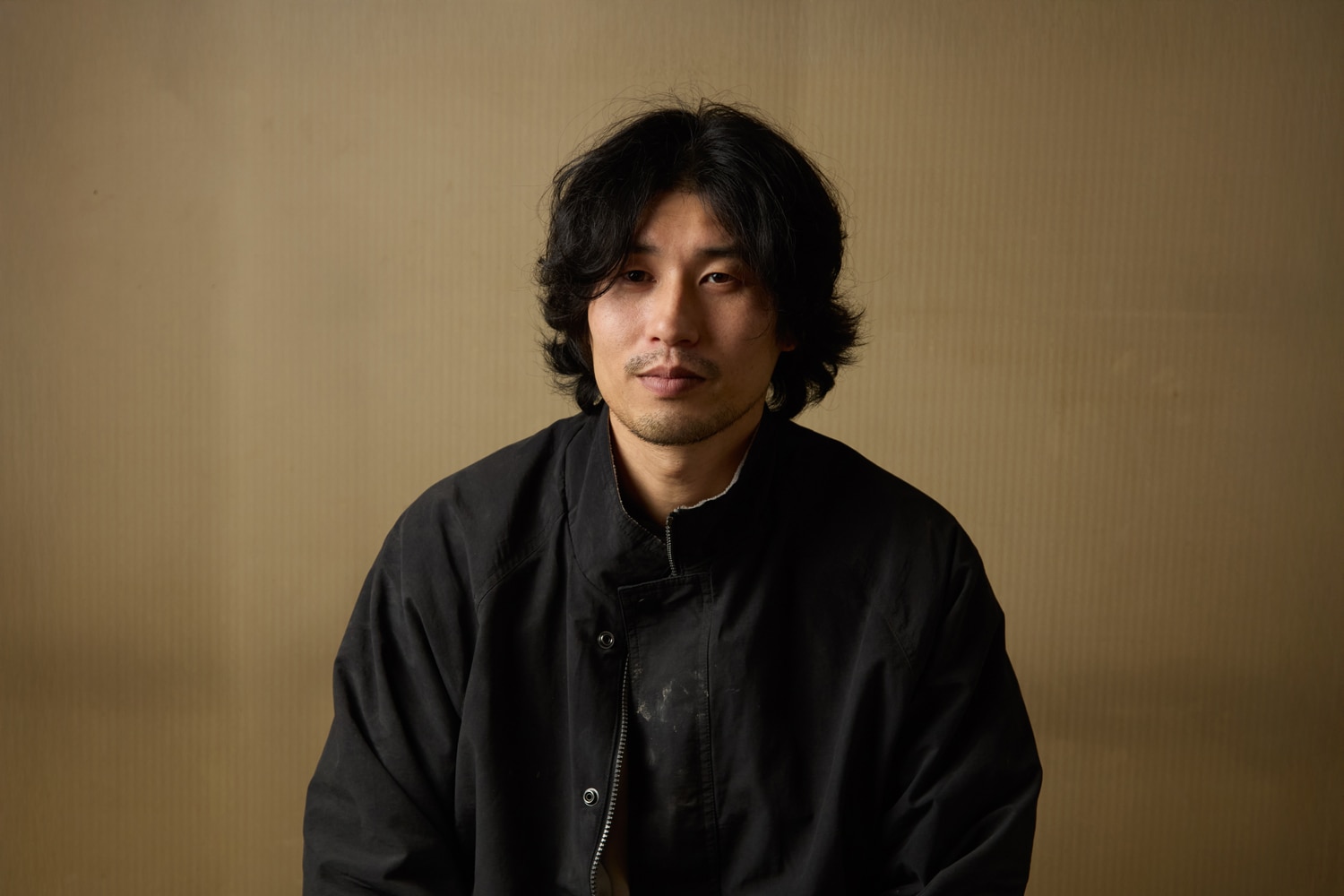
Yuki Ando
Ceramicist
Koka, Japan
©All rights reserved
©All rights reserved
©All rights reserved
©All rights reserved
©All rights reserved
©All rights reserved
©All rights reserved
©All rights reserved
©All rights reserved
©All rights reserved
©All rights reserved
©All rights reserved
Striking forms that speak through colour
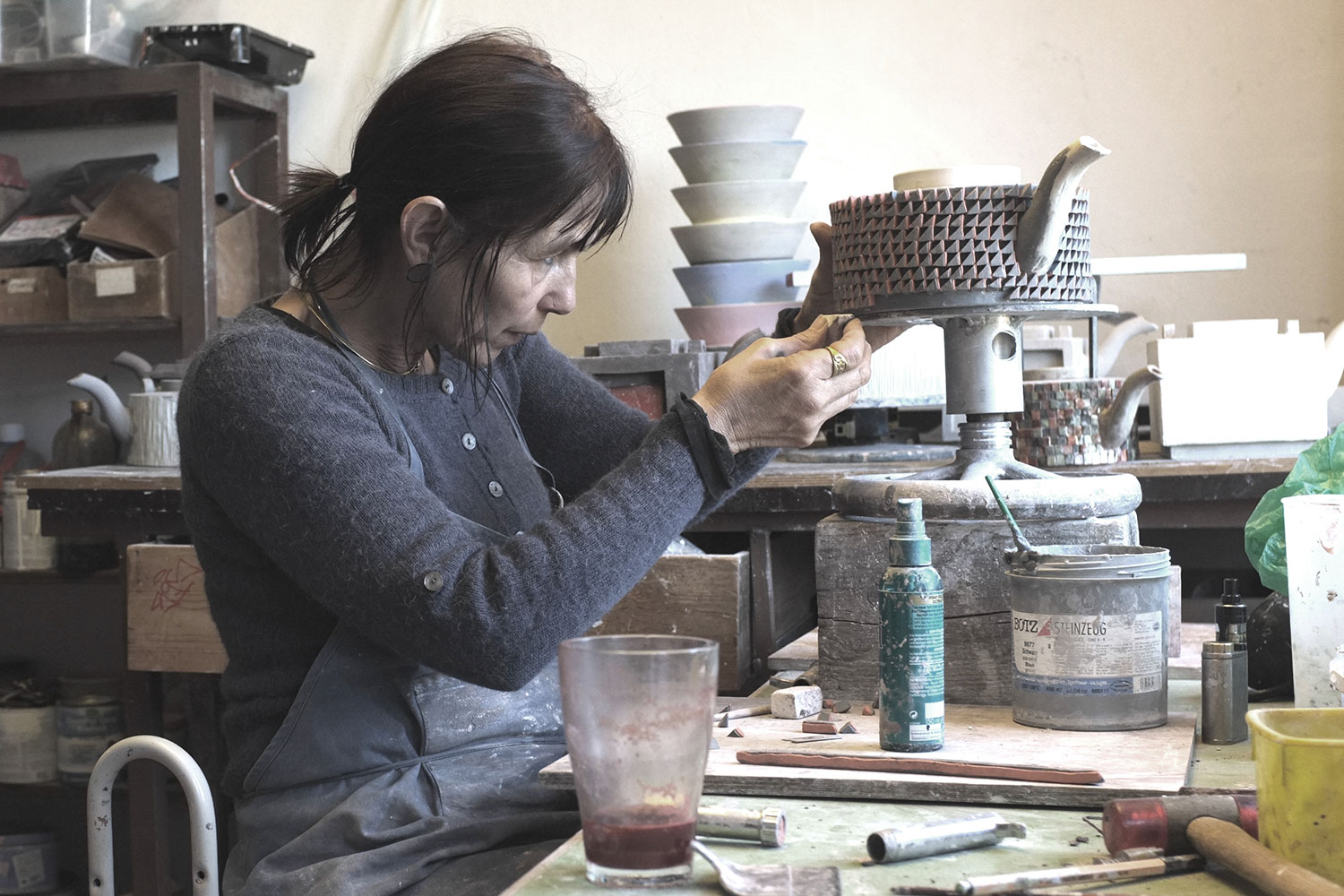
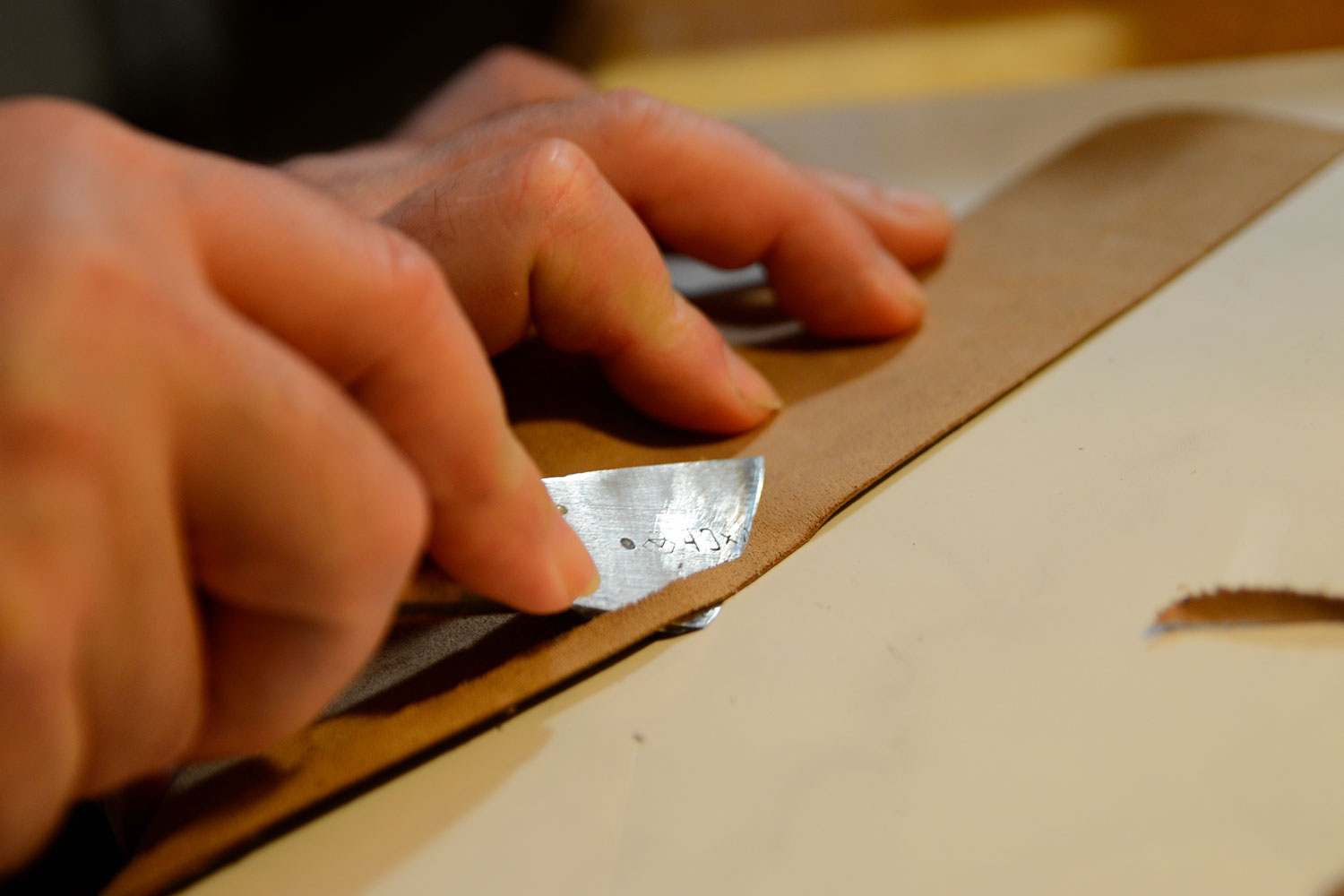
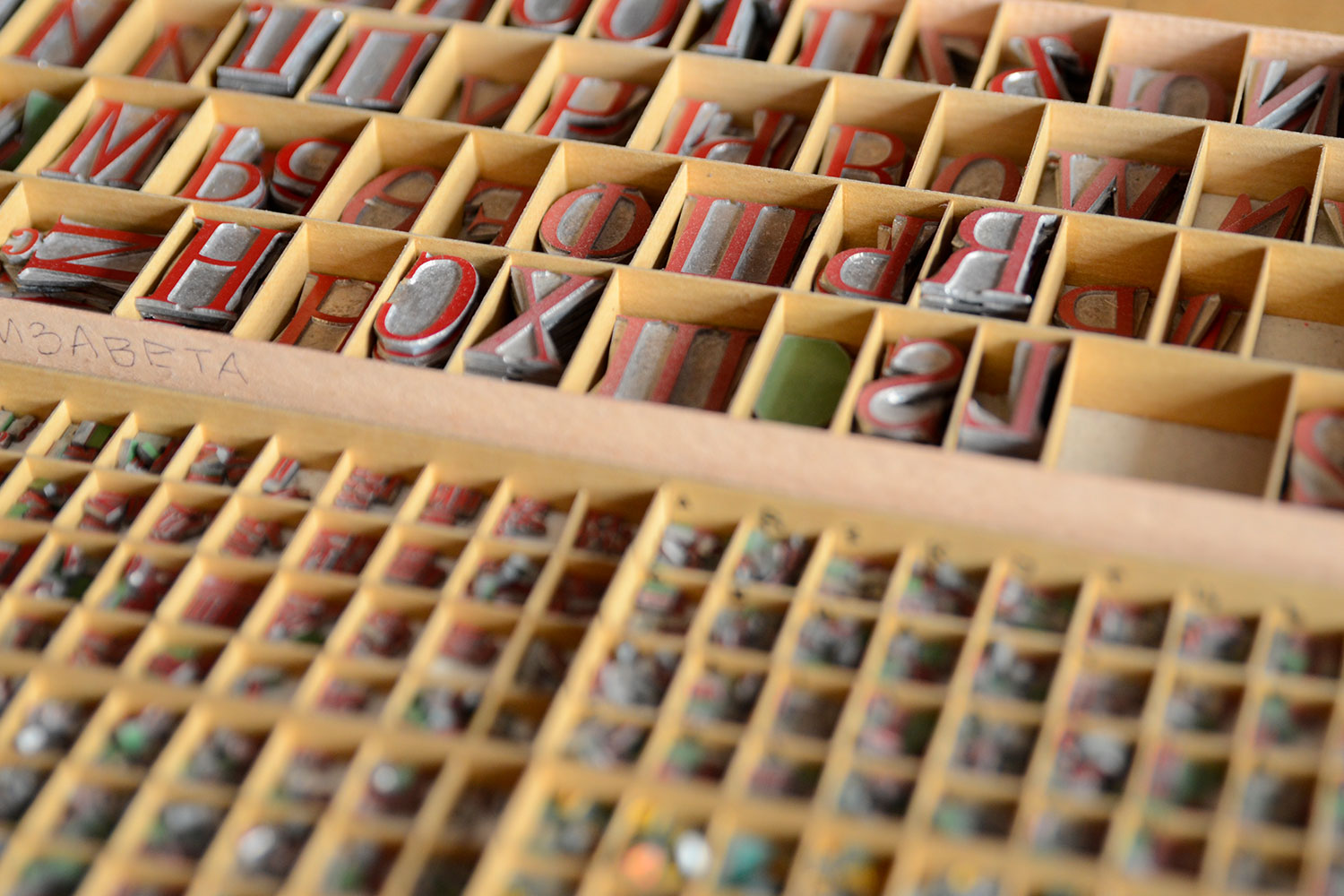
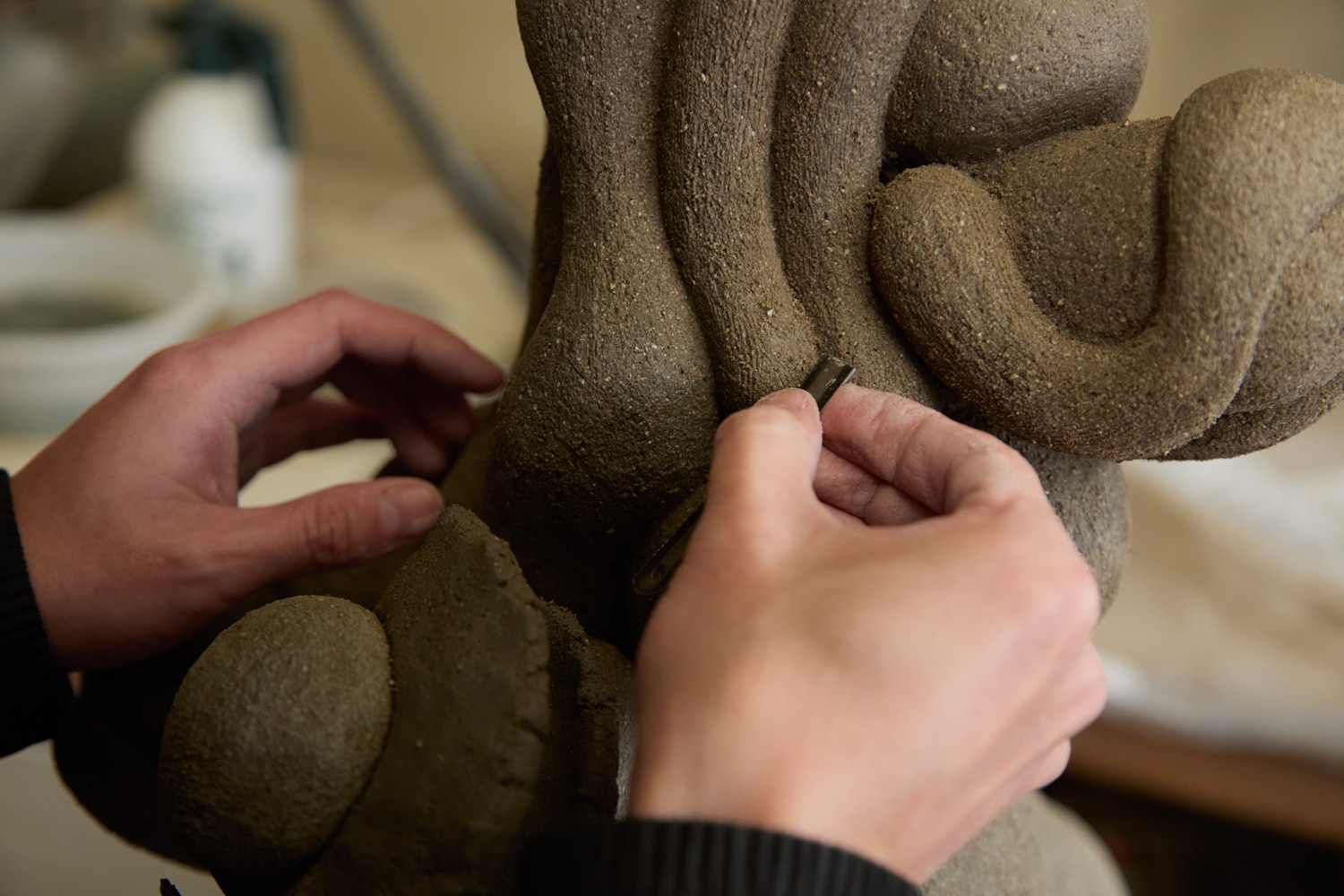
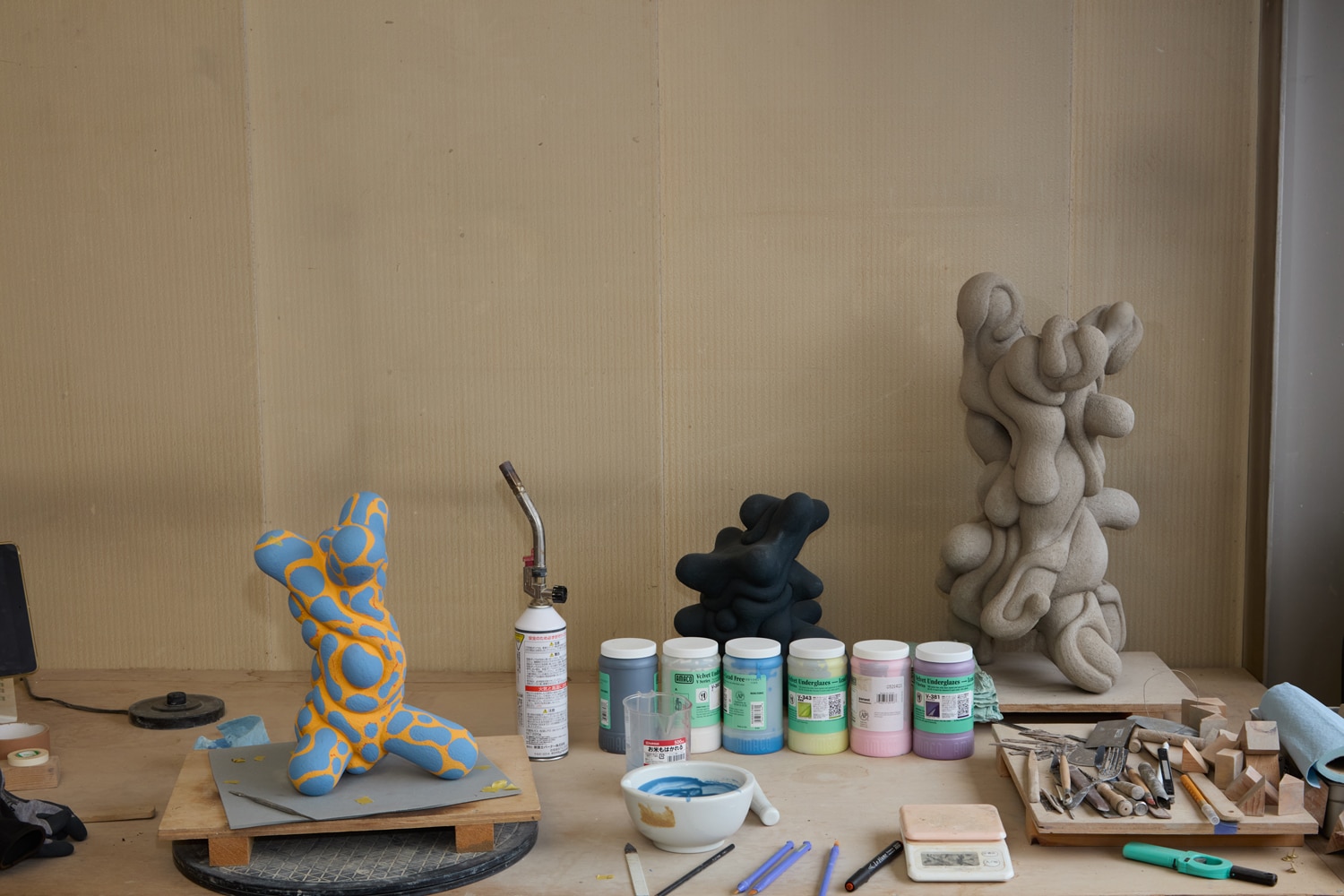
- Yuki improvises his clay shapes, guided by the emerging form
- Coarse-grained clay is his go-to material for its sturdiness during forming
- He is based in Shigaraki, one of Japan's Six Ancient Kilns, a historic ceramic production site
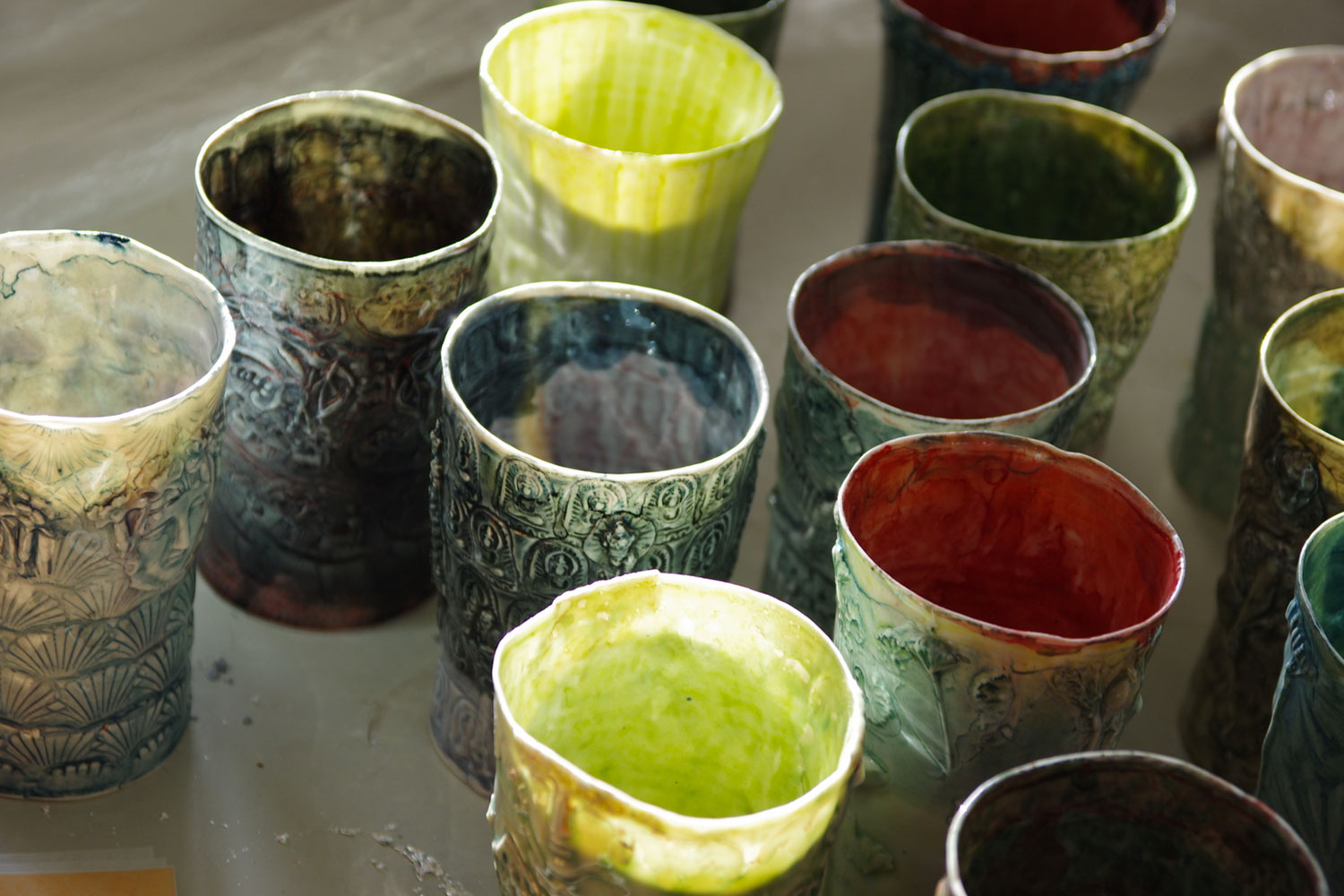
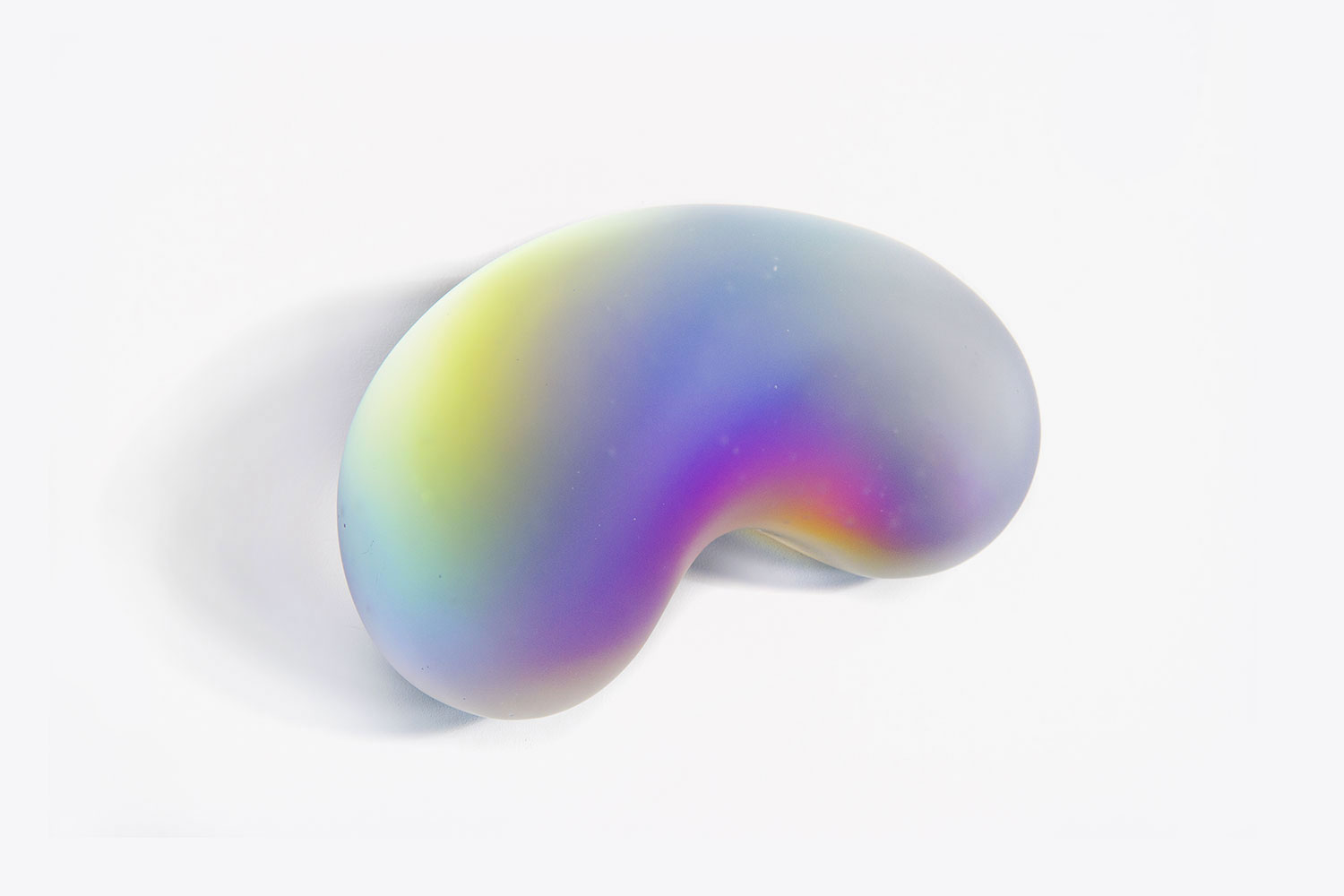
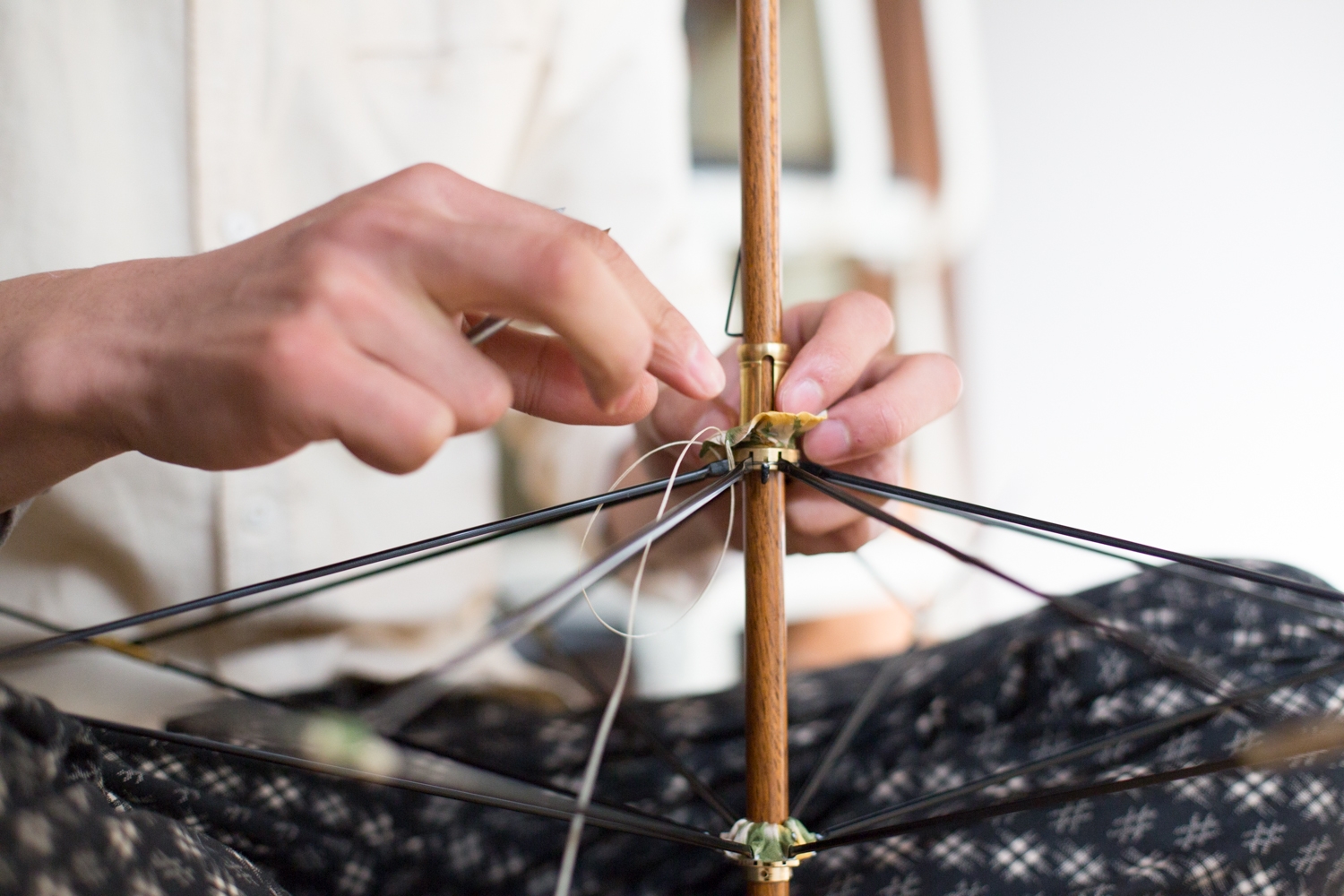
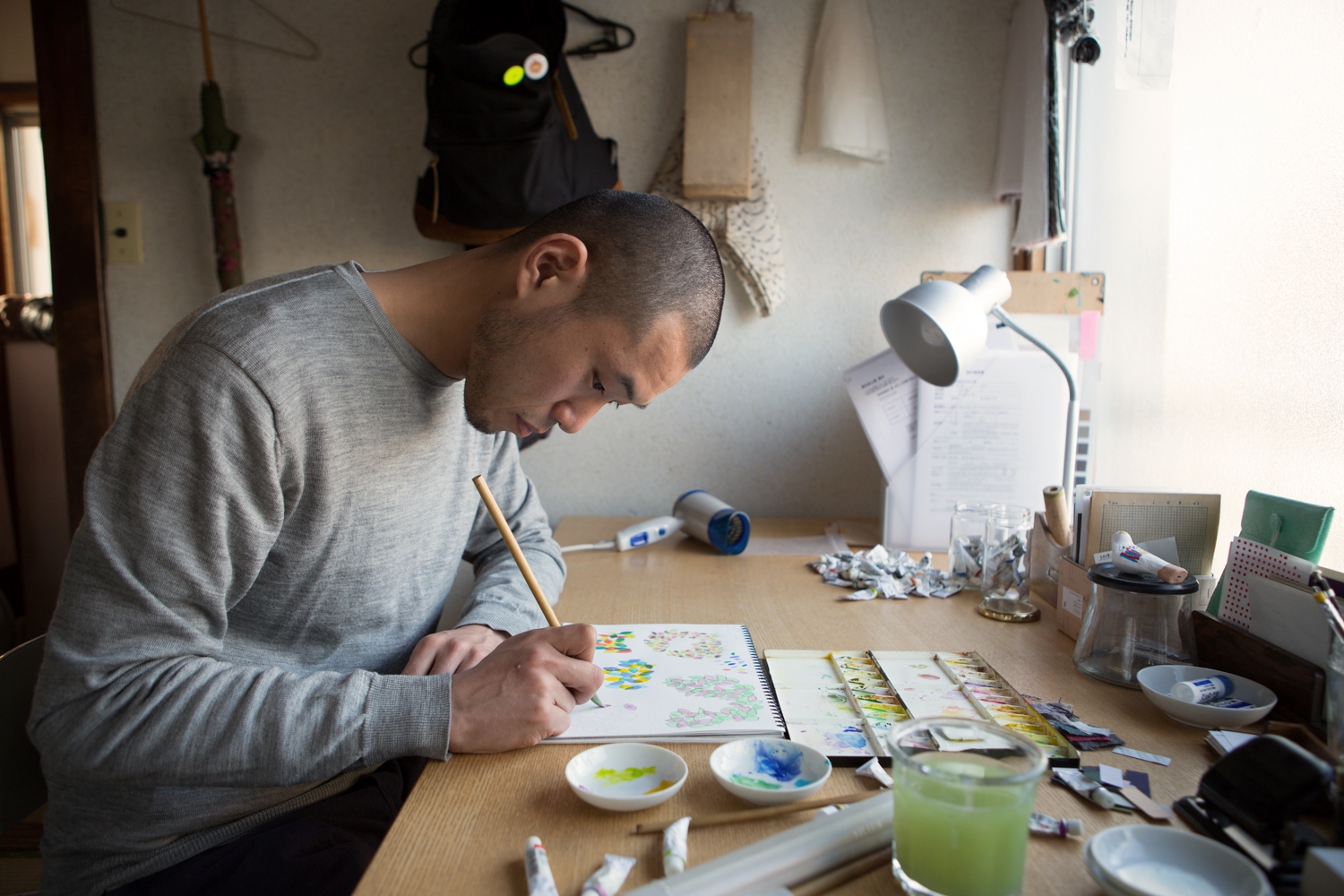
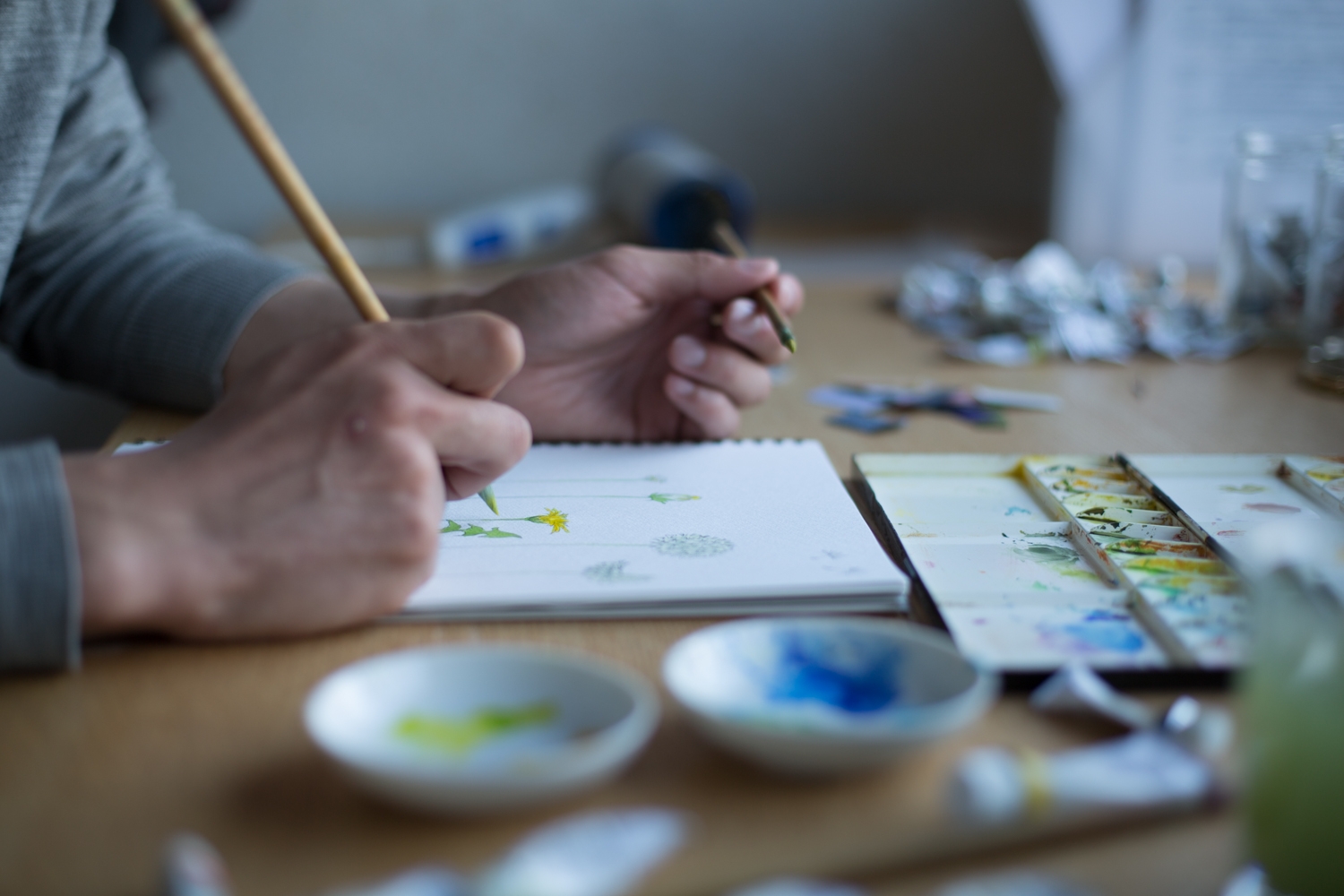
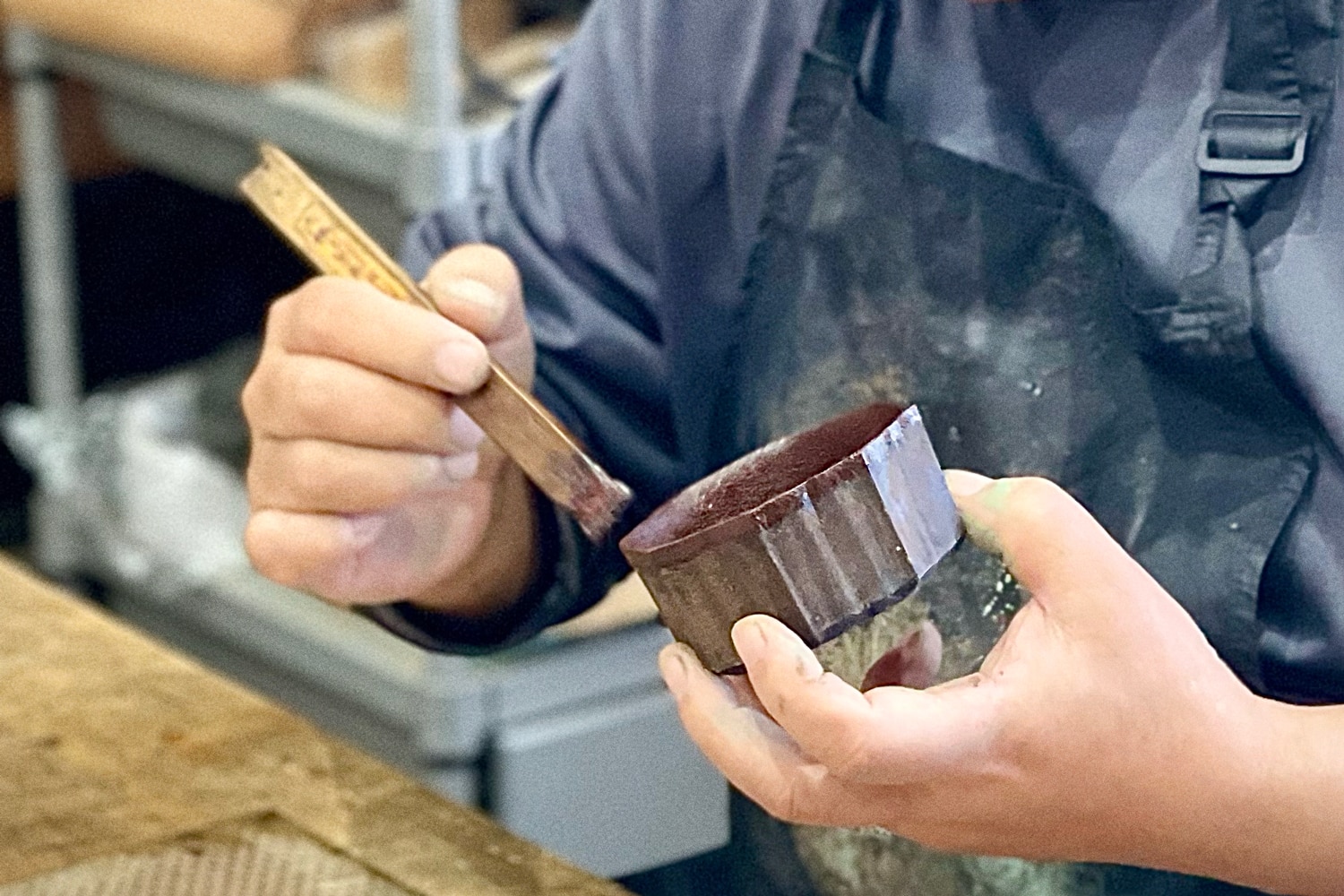
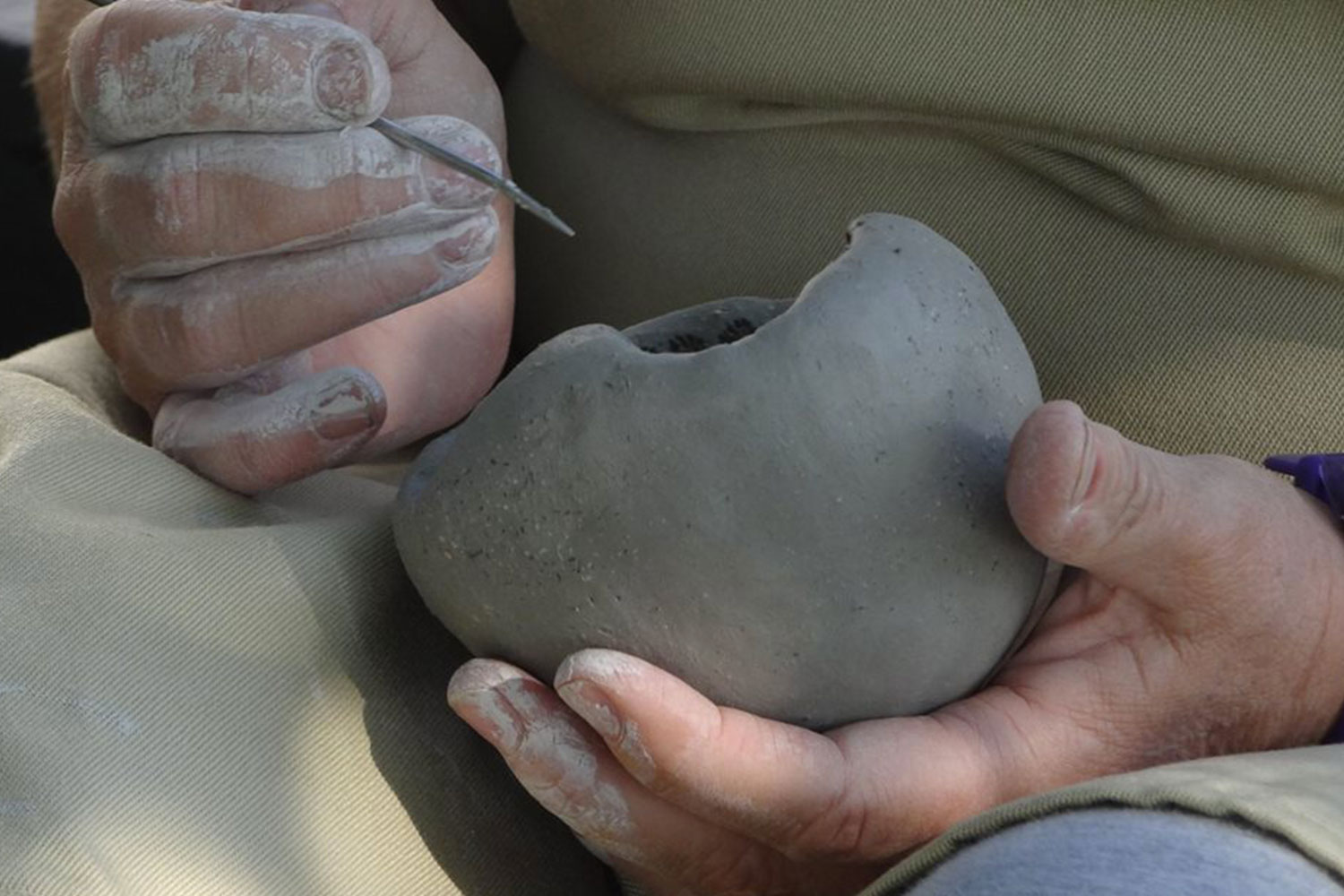
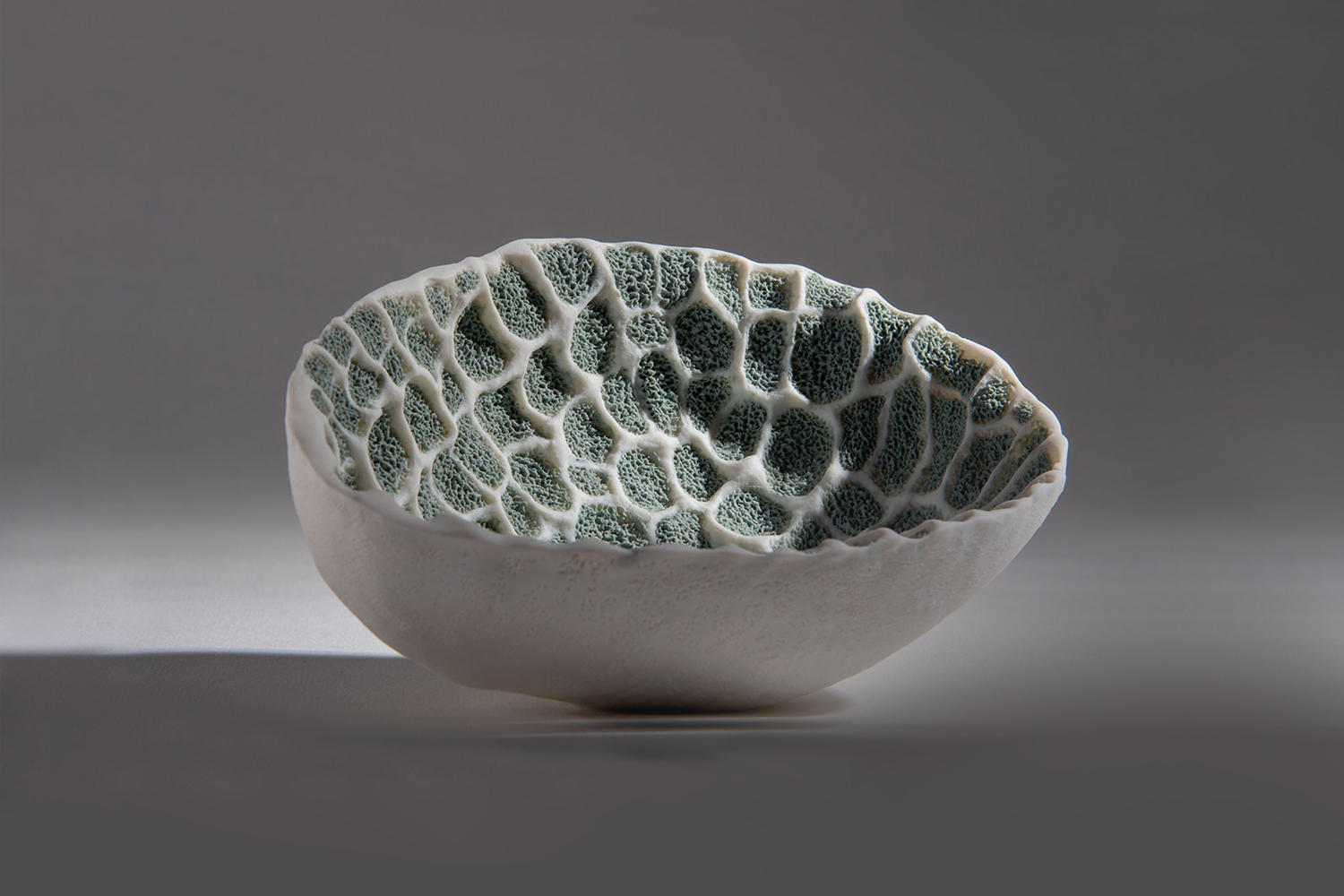
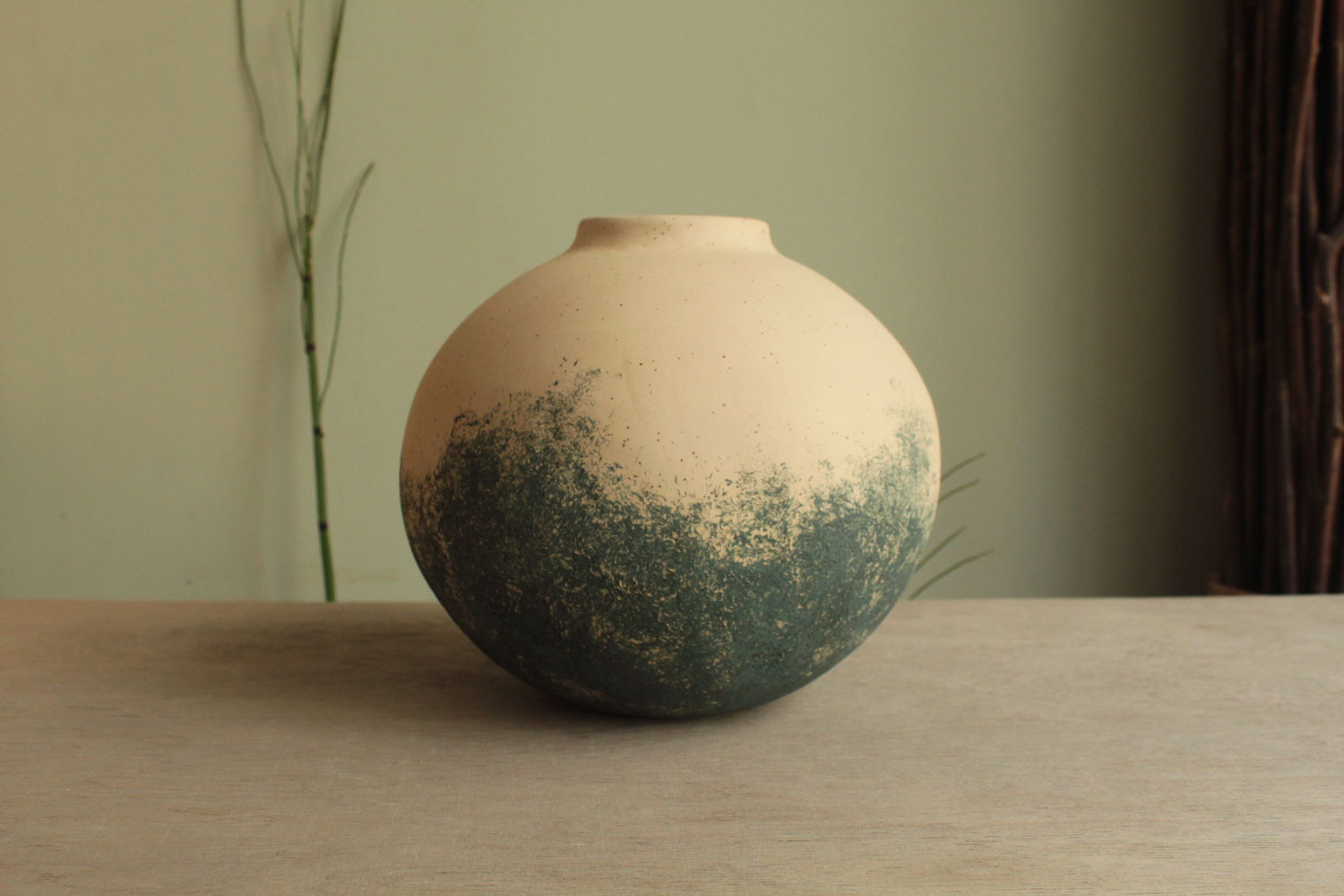
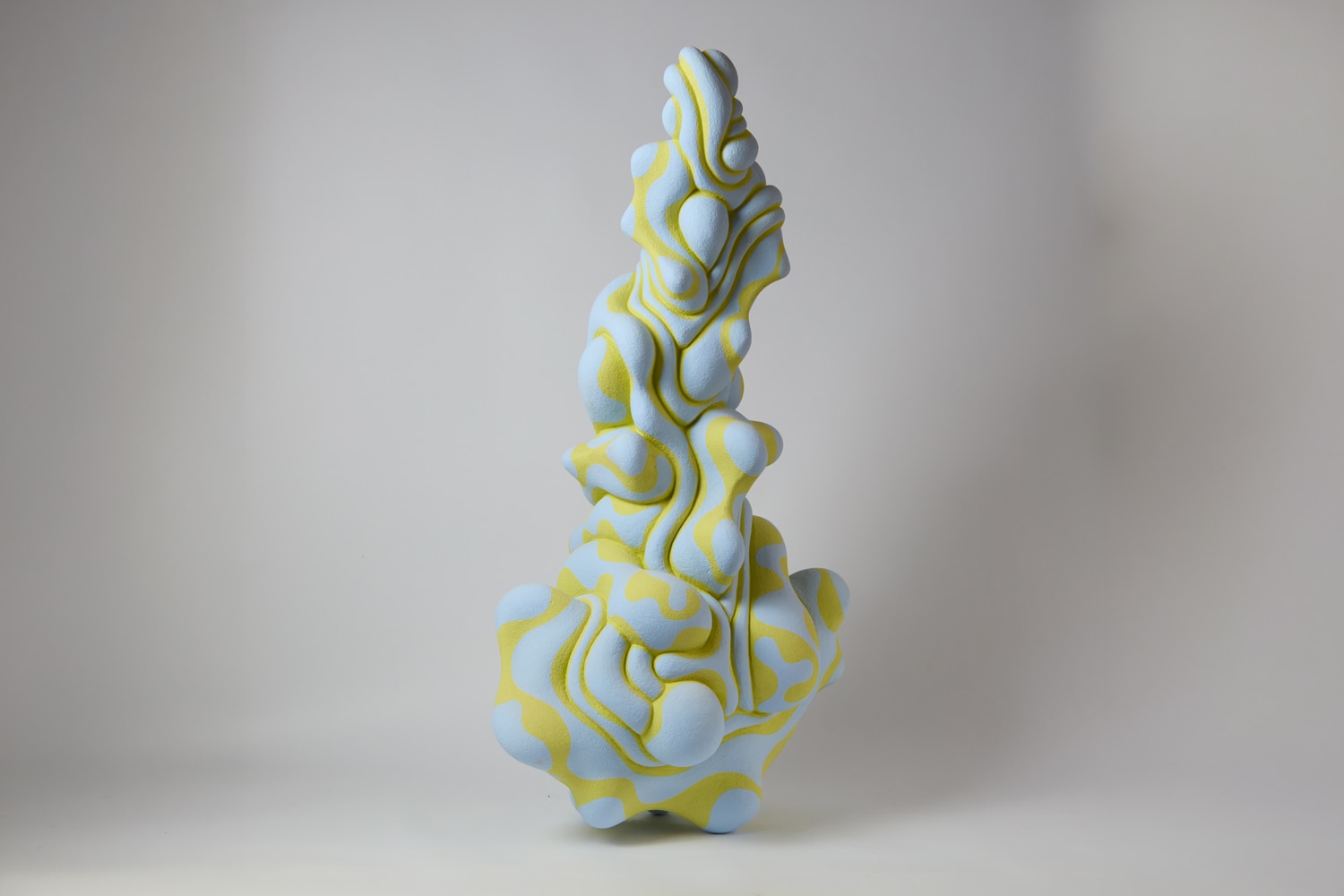
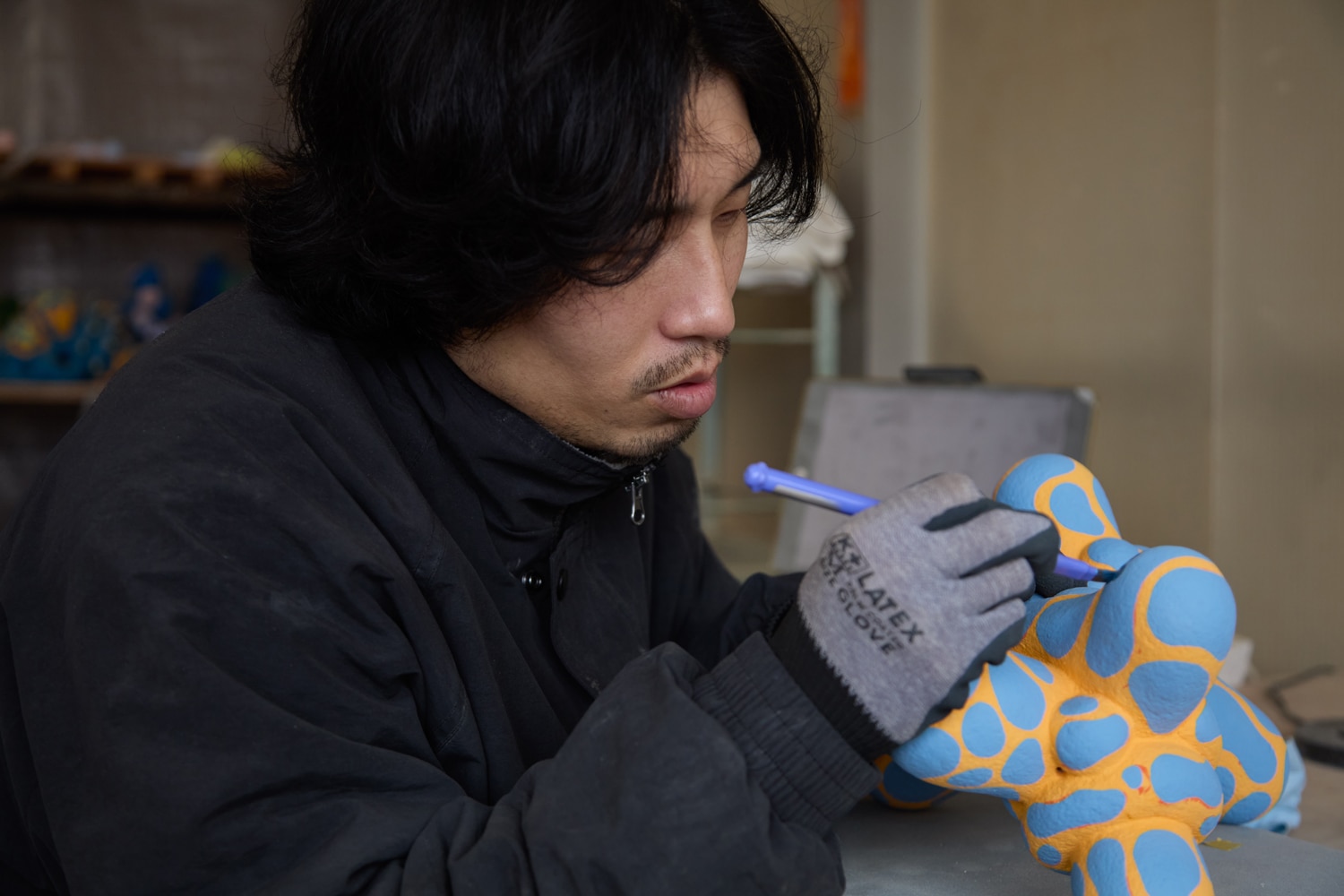
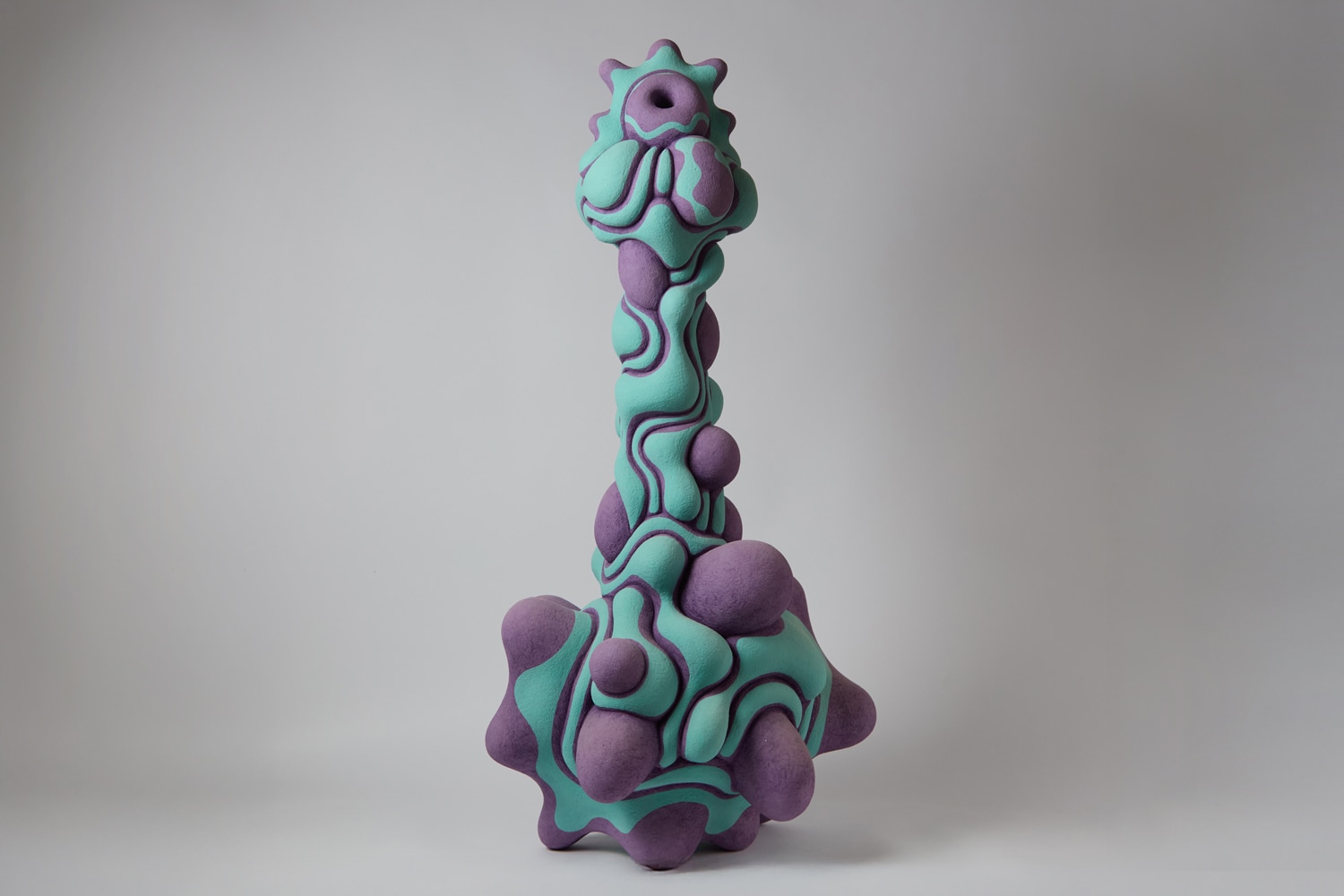
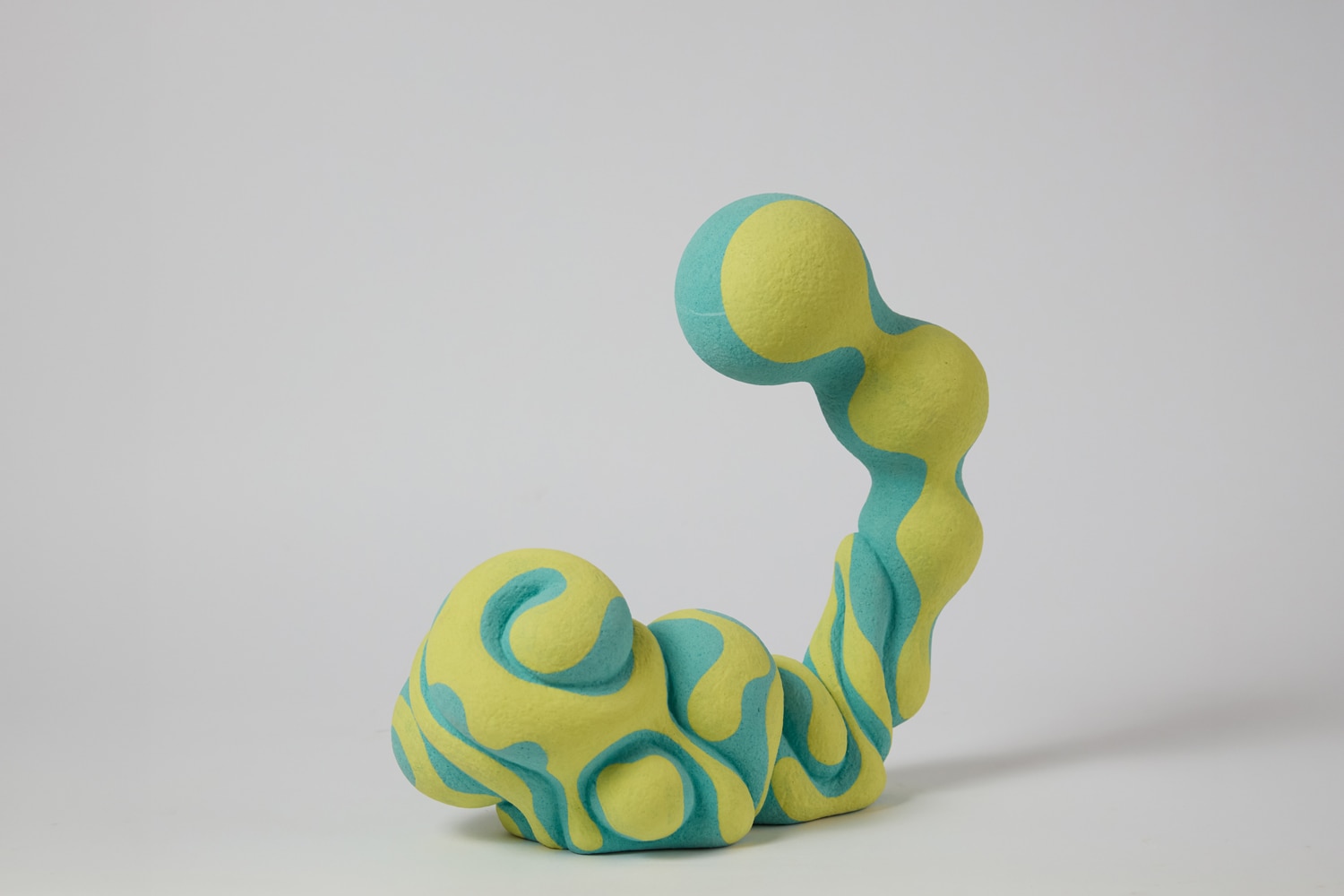
Yuki Ando chose to pursue ceramics after discovering how essential it is to be in direct contact with the material. With a master's degree in ceramics from the Aichi University of Education, he intuitively shapes his pieces through coil building. "The rough, fired surface of the clay transforms into a surprisingly soft, sponge-like quality when coloured," he says. Yuki's colourful, expressive patterns flow across the organic surfaces, seemingly wrapping around them, adding personality to the form while harnessing the shapes. Drawing inspiration from rock balancing and echoing natural formations such as limestone caves, his pieces reveal the alluring yet toxic and ambiguous nature of plants and living organisms.
Yuki Ando is an expert artisan: he began his career in 2014.
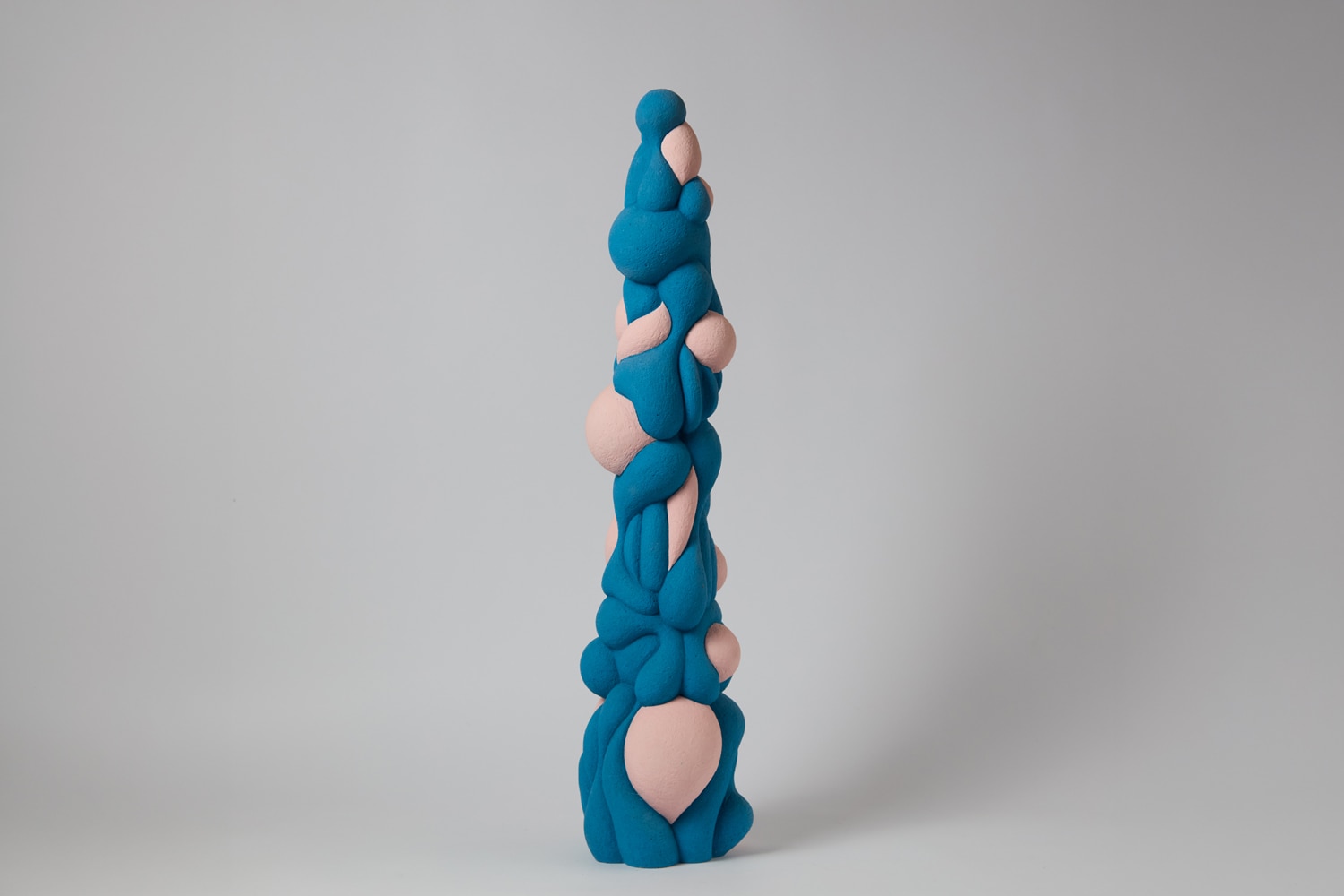
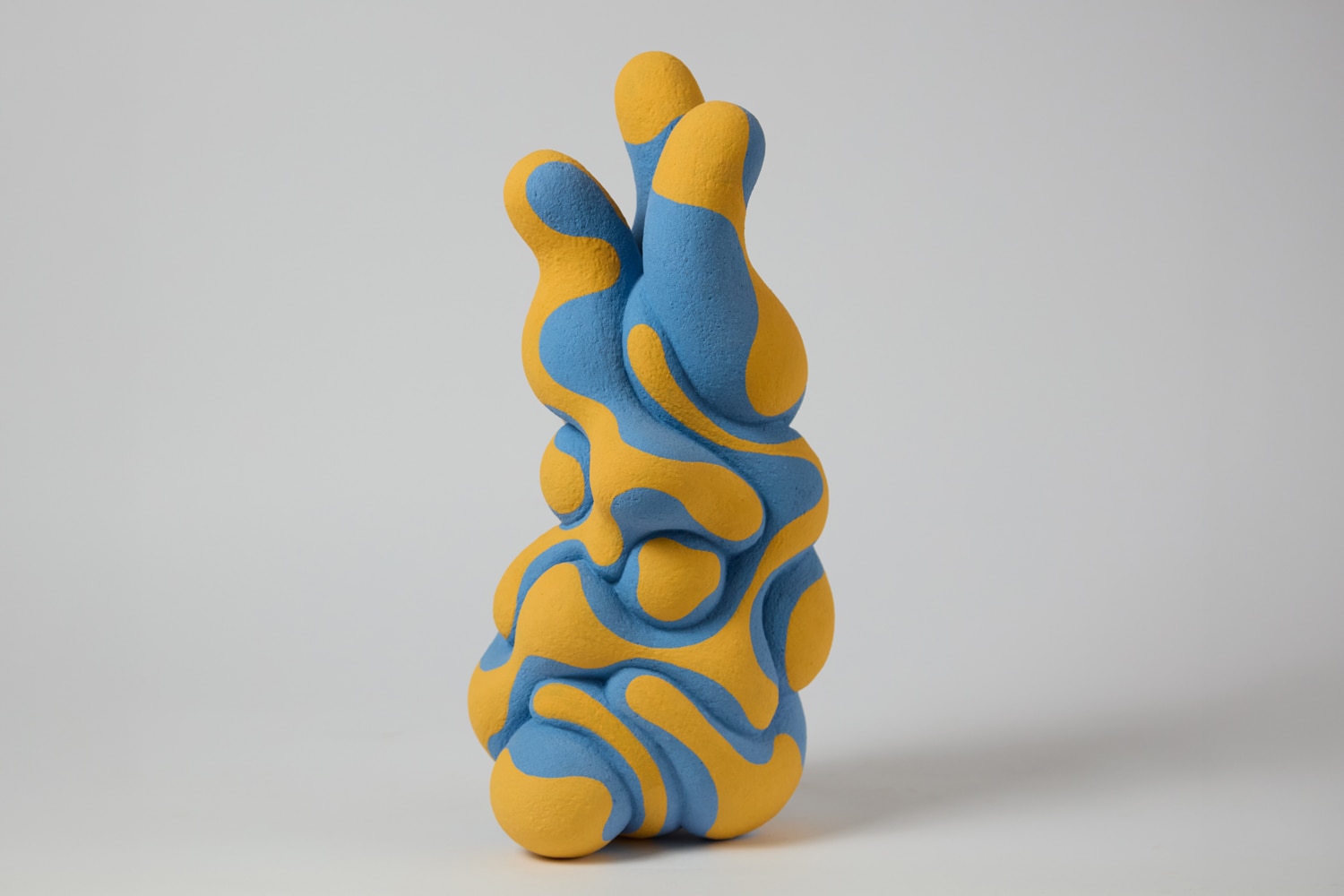
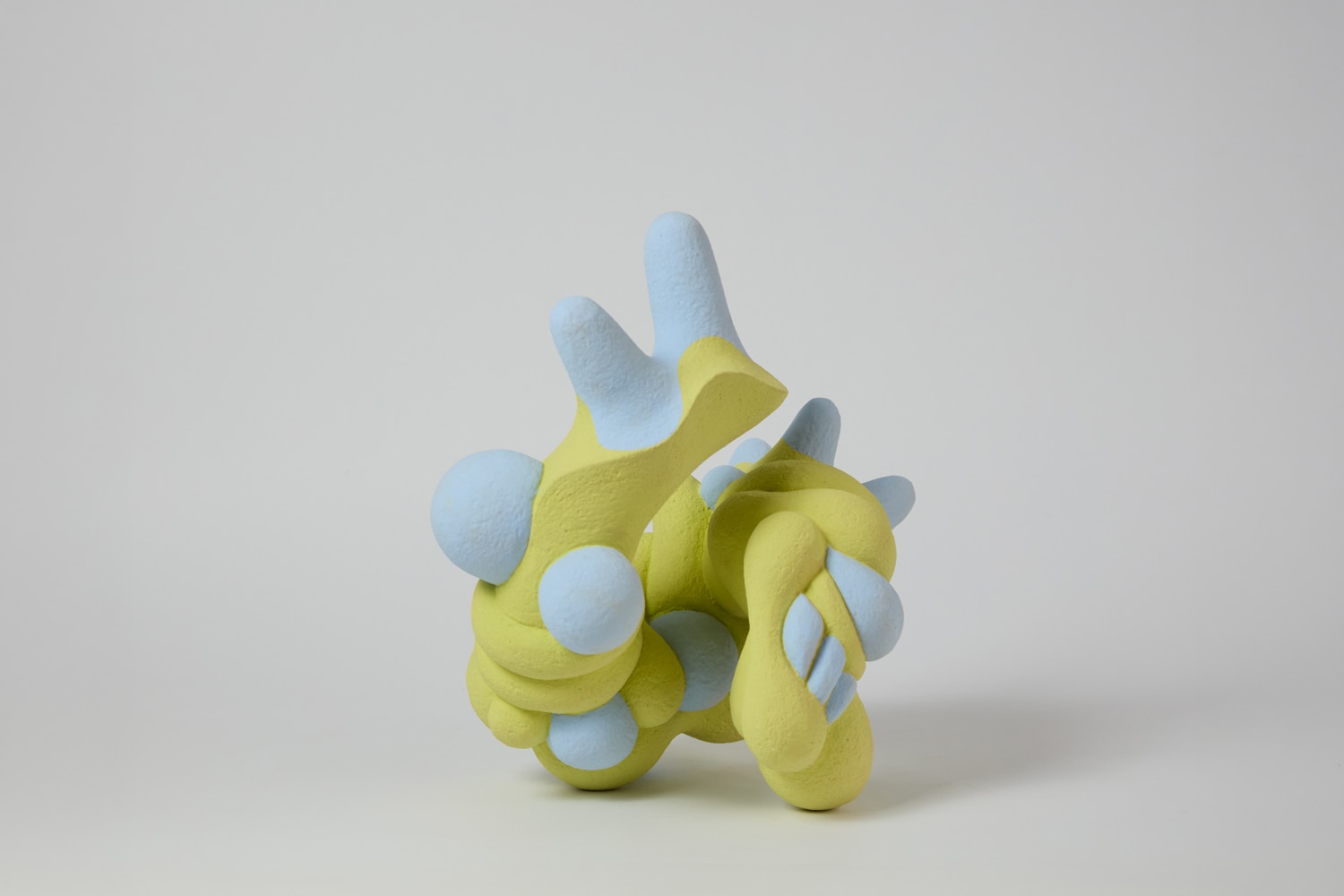
INTERVIEW
Shigaraki is known for its large-scale ceramic productions: materials, techniques, equipment and transportation are easily accessible to ease the creation process. Since settling there, I have begun working on large-scale pieces, and almost everything involved in my practice, beyond the clay and the kiln, benefits from the region's rich history and accumulated knowledge.
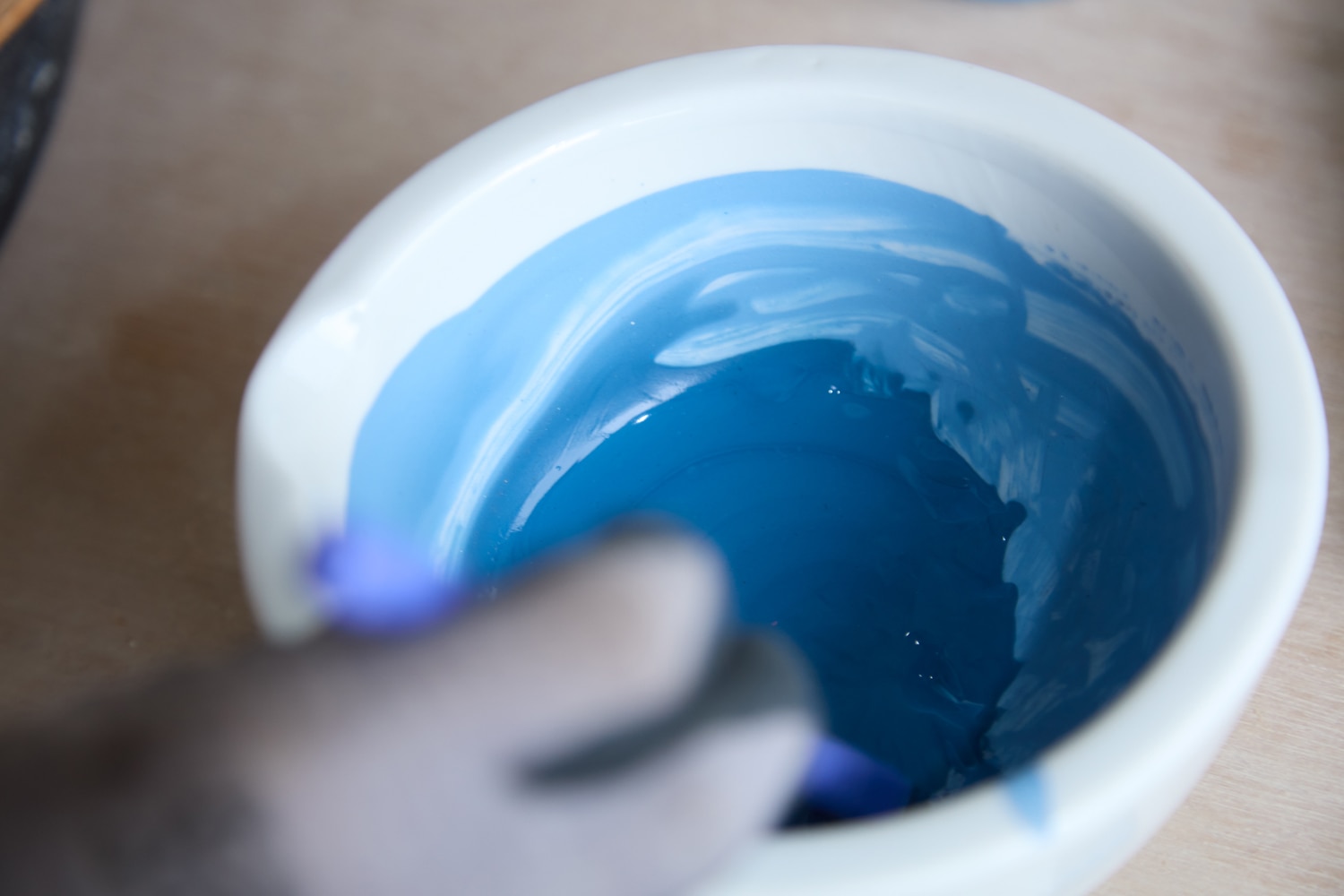
I was once on a tight schedule to finish glazing a piece, and it occurred to me that limiting the areas I coloured could save me time. When I applied colour only to certain parts, the lines of the pattern and the form of the piece beautifully brought out the best in each other. It was something I tried on a whim and under pressure, but it determined the direction of my work.
When I feel stuck on a piece, I simply step back and observe the work in progress from different angles. I wait for the moment of breakthrough: a form that strikes me, or an idea for a pattern that emerges. Even if I do not end up working with it, it feels like the thoughts and experiences I had stored up are finally connecting in a truly satisfying moment.
I think it is important to put into words what you are doing and why it matters. Those who are interested in your work are also interested in the thought process that goes into making it. The piece of information that does not appear in the work itself is also part of the work.
Yuki Ando
Ceramicist
Koka, Japan
ADDRESS
Address upon request, Koka, Japan
AVAILABILITY
By appointment only
LANGUAGES
Japanese, English
HOMO FABER FINDS
Homo Faber Finds is a new service aiming to inspire admirers of craft to connect and collaborate with exceptional artisans.
We invite you to submit an enquiry here.